April 2026 April 2026




April 2026 April 2026
Dear PPAL friends,
As we look toward the month of May and Children’s Mental Health Week (the first full week of May), I found myself wondering about the birth and evolution of Children’s Mental Health Week (CMHW). I did a bit of research and was reminded of how powerful we, as parents and caregivers, are in making change in the world.
CMHW was born in 1949 as part of May being declared Mental Health Month! Its goal was to educate the public about mental illness. Over the next several decades, momentum grew across the country. During the 1990s a group of parents from Missouri formed a coalition of parents, professionals, and other stakeholders to create CMHW to raise awareness and reduce stigma around children’s mental health. Over the next several years, other states joined the mission. Green, signifying new life, new growth, and new beginnings, was adopted as the official Children’s Mental Health color.
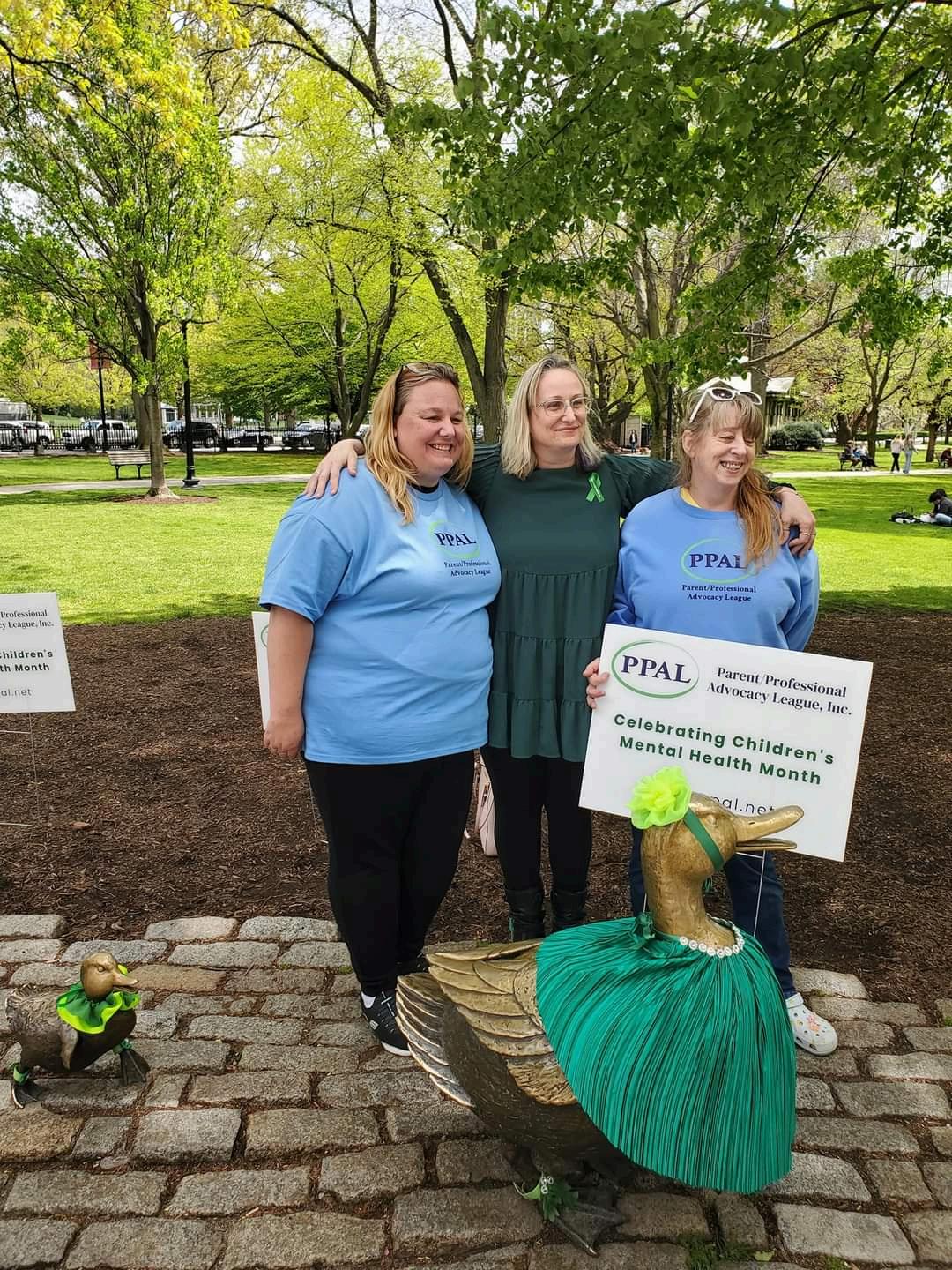
In 1996, PPAL launched the first Children’s Mental Health Week in Massachusetts. CMHW has continued with events, social media campaigns, library displays, and our toolkit [reading list, CMHW schedule, and Advocacy Action Steps (see link inside).] Our most cherished (and fun!) event is dressing the ducks in the Boston Public Garden in green! (see details inside.) Join us to dress the ducks, raising awareness and reducing stigma around children’s mental health. And if you can’t, wear green with pride!
Be well.
What to Know, What to Expect: Juvenile Justice 102
4/22
6:00 - 7:30 PM
https://bit.ly/422-jj102
CLICK A LINK FOR MORE INFO! or visit
http://ppal.net/events/
Moving to Young Adulthood: Social Security & Social Security Disability
5/2
9:30 - 12:30 PM
https://bit.ly/SSDI-52
Statewide- Health Law Advocates - Bureau of Special Education Appeals Hearing Case Win!
5/12
10:00-11:30 AM
https://bit.ly/statewide-512
Moving To Young Adult Life: Transition Planning And Post Secondary Options
5/12
12:00 - 1:30 PM
https://bit.ly/move-512
Juvenile Justice Basics: Juvenile Justice 101
5/13
12:00 - 1:30 PM
https://bit.ly/JJ101-513
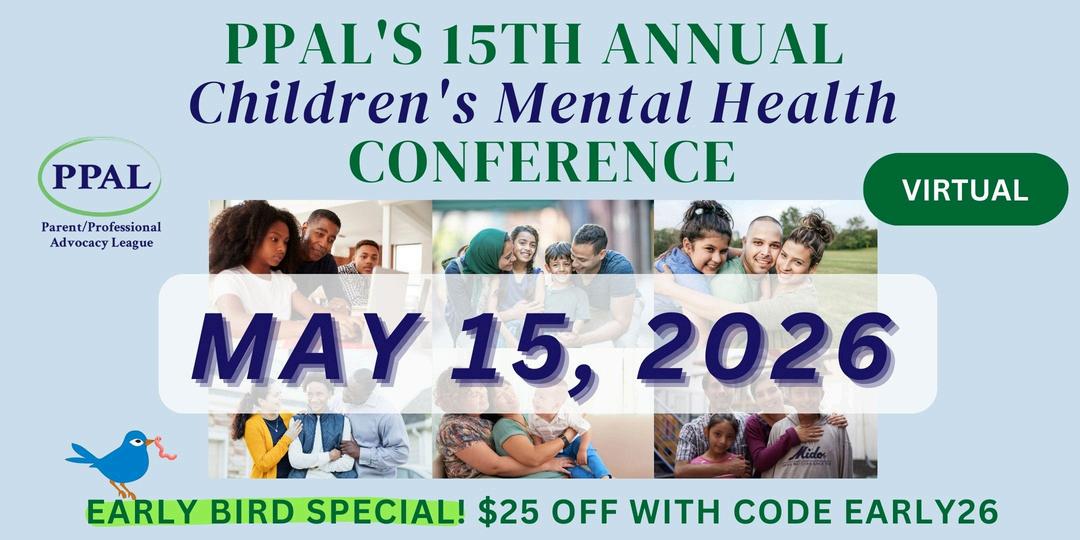
PPAL’s 15th Annual Children’s Mental Health Conference
5/15
9:00 AM - 3:00 PM
https://bit.ly/PPALconference2026
Pre-Planning for a Mental Health Crisis: The Road to Readiness
5/26
12:00 - 1:30 PM
https://bit.ly/pre-crisis-526

roups sometimes change s for links and the most up-to-date info
Are you navigating the mental or behavioral health systems for a child, teen, or young adult?
Request 1:1 peer support! We have NO waitlist!
MONDAY
Virtual: Grupo de Apoyo Hispano 10:00 AM - 12:00 PM
Hybrid: Parenting Young AdultsLooking to the Future
5:00 PM - 6:30 PM (Gardner)
WEDNESDAY
Virtual: Relax & Connect 11:30 AM - 1:00 PM
In Person: Caregiver Connections
2 Wednesdays nd 12:30 - 2:00 PM 4 Wednesdays th 6:30 - 8:00 PM (Westborough) Directions to PPAL office
Virtual: Caregiver Connections
6:00 PM - 7:30 PM
THURSDAY
Virtual: Grandparents Lunch and Learn 2 Thursdays nd 12:00 - 2:00 PM 4 Thursdays th 6:30 - 8:00 PM
Virtual: Empowered Caregiver Connections 6:00 - 7:30 PM
TUESDAY
Hybrid: Caregiver Connections 5:00 PM - 6:30 PM (Winchendon)
FREEServices Noinsurance required.
FRIDAY
Virtual: Parenting Power UP 12:00 PM - 1:30 PM In Person: Family Support Group for Lynn Families 2 & 4 Fridays nd th 6:30 - 8:30 PM Do you need help navigating and advocating in the school system for a loved one with mental or behavioral health needs? School Problem Solving Clinic Make An Appointment! PPALSchoolClinic@ppal.net

Many parents and caregivers of children with mental health needs must be hypervigilant most of the time. It is exhausting, and doesn't leave time or energy for other things.
Families selected all that applied.
Taking my child out of our home for a few hours
Lending an extra set of hands when & where needed
Putting into place systems, rules, routines that work for my kid(s)
36% Household maintenance/ organizing
36% Completing paperwork (health insurance & 504/IEP related papers)
34% Occasional meal delivery
31% Meal prep
Watching my child at home for a few hours
29% Financial planning/budgeting
28% Getting kids to & from school/ after school programs
26% Connecting with programs that offer support (housing, utilities assistance)
We all need a break sometimes to show up as our best selves for our children. Not surprisingly, most families need skilled help to take a break from child care. Household help frees up caregivers to focus on their families. Support to put in place systems, rules, and routines that work for their children helps the whole family function better. Child-serving systems need to prioritize these respite services for families.
PPAL offers FREE 1:1 family support and workshops led by PPAL staff who are caregivers just like you. Request family support here or call us toll free at (866) 815-8122.
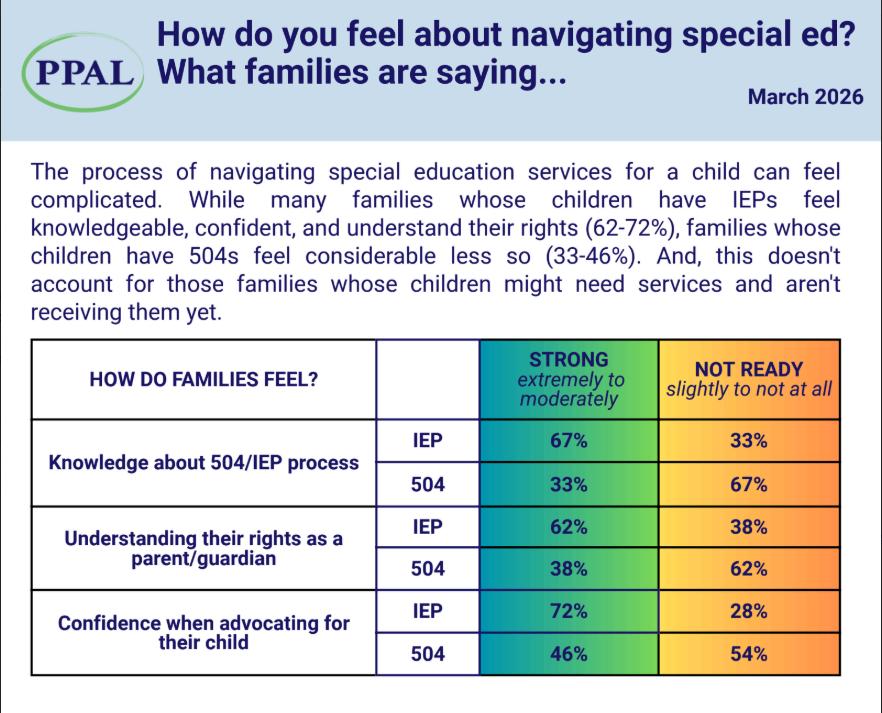
The process of navigating special education services for a child can feel complicated. While many families whose children have IEPs feel knowledgeable and confident and understand their rights (62-72%), families whose children have 504s feel considerable less so (33-46%). And, this doesn't account for those families whose children might need services and aren't receiving them yet.
In order to support their children, families need to learn, in detail, the complex world of special education, and confidently develop effective advocacy skills. Families need support to do so. Organizations like PPAL can help. But, so can schools, who are uniquely positioned to provide the needed support to educate the family and the whole child, especially for those families new to the process or whose children have 504s.
PPAL offers FREE 1:1 family support and workshops led by PPAL staff who are caregivers just like you. Request family support here or call us toll free at (866) 815-8122.
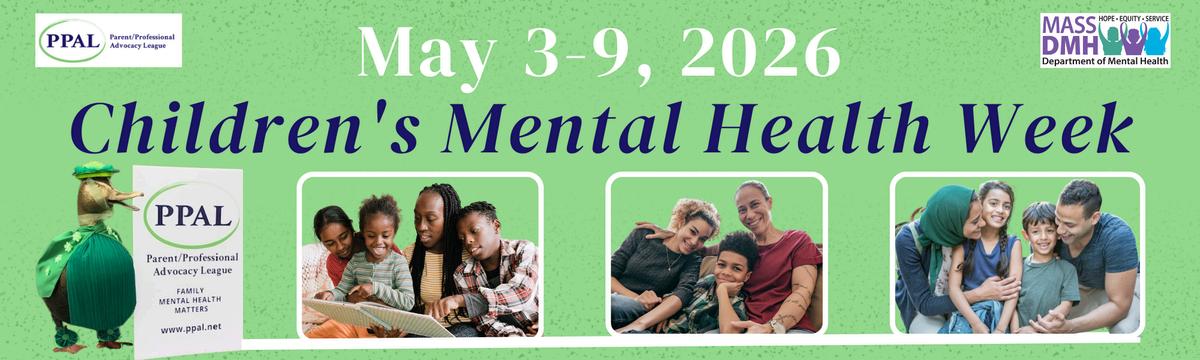
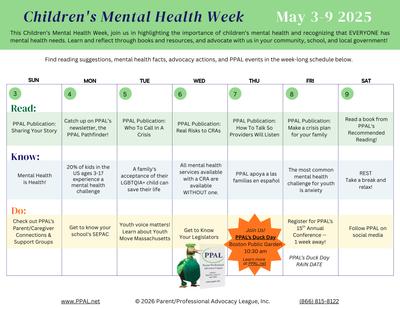
This Children’s Mental Health Week, join us in highlighting the importance of children’s mental health and recognizing that EVERYONE has mental health needs. Learn and reflect through books and resources, and advocate with us in your community, school, and local government!
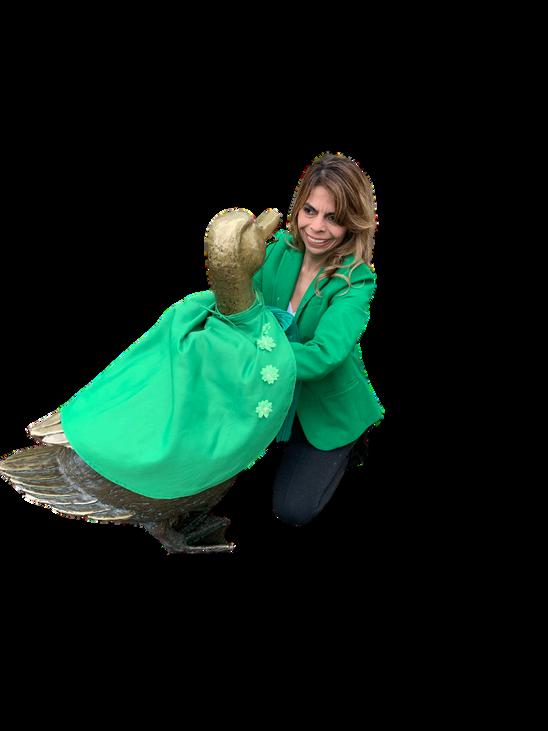
Join us to Dress the Ducklings ublic Garden for Children’s Mental Health Week!
May 7th, 2025 @ 10:30 am
Rain Date: Friday, May 8th
Can’t make it? Join us next year! participate in Children’s Mental Health Week using our 2026 Toolkit below!
Download PPAL’s 2026 Children’s Mental Health Week Toolkit!
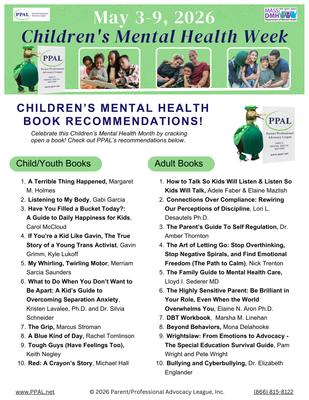
Printable Toolkit Includes: Top 10 Recommended Books for Kids and Parents! May 2026 Children’s Mental Health Week Schedule Advocacy Action Steps
Visit PPAL.net to learn more and download!

Anxiety in children and youth can be hard to recognize at first and even harder to know how to respond to. For many families, it doesn’t arrive all at once. Instead, it builds quietly over time: a child who is suddenly harder on themselves, a student who shuts down under pressure, a young person who feels overwhelmed but can’t quite explain why.
Through conversations with one parent and three youth reflecting on their own experiences, a clear message emerges: anxiety is challenging, but with time, patience, and the right kind of support, youth can learn to manage their anxiety and to thrive.

Anxiety can appear at a very young age. Parents often notice subtle signs that a child is struggling long before a formal diagnosis. One parent recalled:
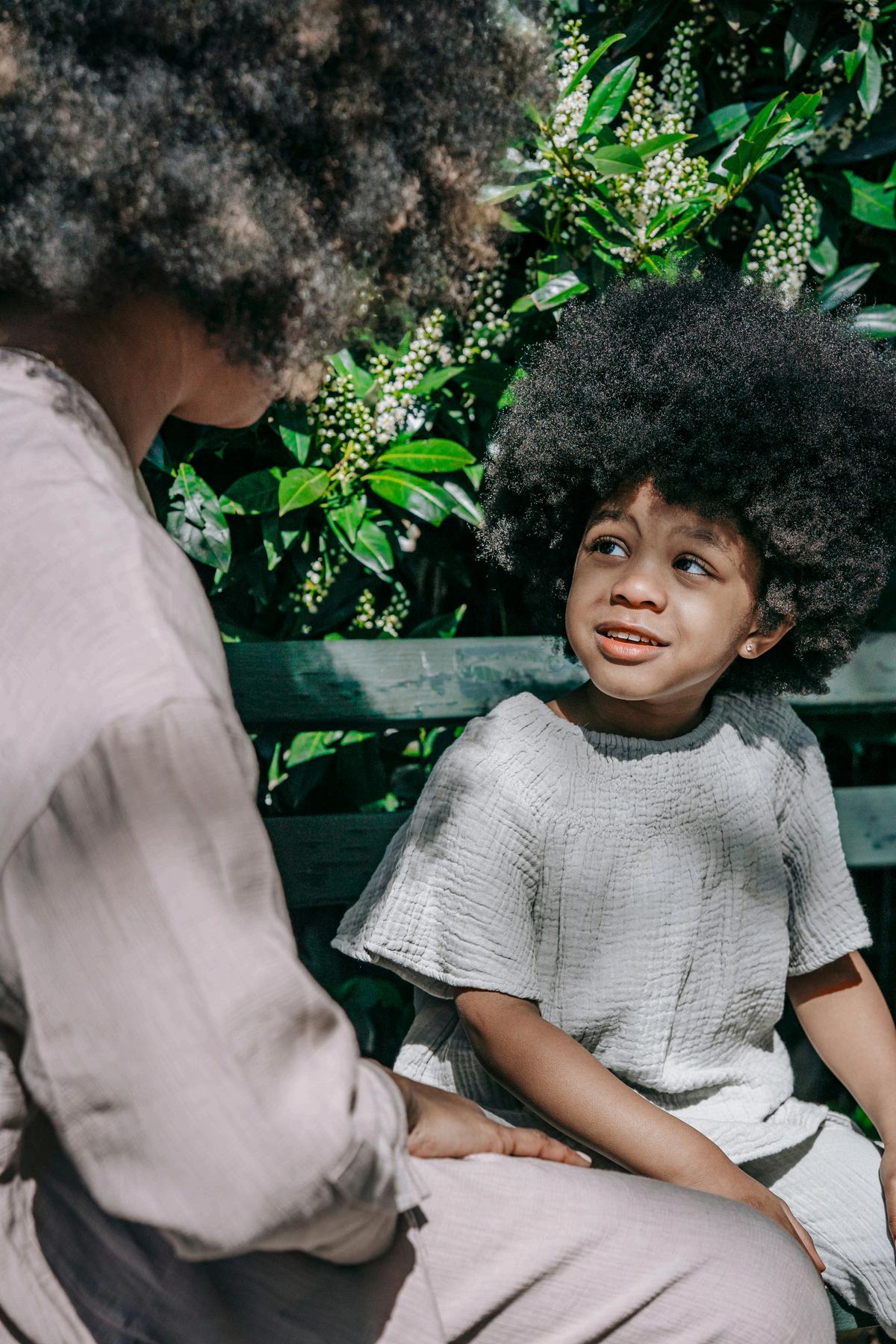
“I started to notice when my daughter was around 4 or 5 years old, but it really stood out once she entered school. She became very hard on herself about school and interpersonal relationships and would shut down a lot when overwhelmed.”
Some youth suffer for years before anyone realizes what is going on. One youth described her experience with panic attacks starting in the second grade:
“I started having awful panic attacks… it just felt like I was dying every time. Nobody pinpointed the idea that it might be anxiety. So no one said anything, but they also weren't taking it seriously at all.”
Other youth may be identified as having anxiety or related problems early on:

“I first realized I was experiencing anxiety very early on, as it manifested as OCD when I was in elementary school. I remember having ‘tantrums’ when I felt like I had touched something dirty and I would not be able to calm down until I felt clean again.”
Youth also pointed out that anxiety can show up in a variety of ways, including those that aren’t immediately apparent:
“I also want to point out that anxiety can be really hard for young adults to identify in all the ways it manifests. When I was in middle school, my family was going through a really hard time and all the sudden I developed a lot of allergies, I would get intense headaches everyday, and I began really struggling with sleeping. It wasn’t until years later that I realized all of these things were physical manifestations of the intense anxiety I was experiencing at the time.”
Recognizing anxiety early and validating it—is crucial for preventing it from becoming more intense or disruptive.
For young people, anxiety is not just in the mind—it affects the whole body. Panic attacks can be intense and frightening.
One youth described the spiraling sensation of panic:
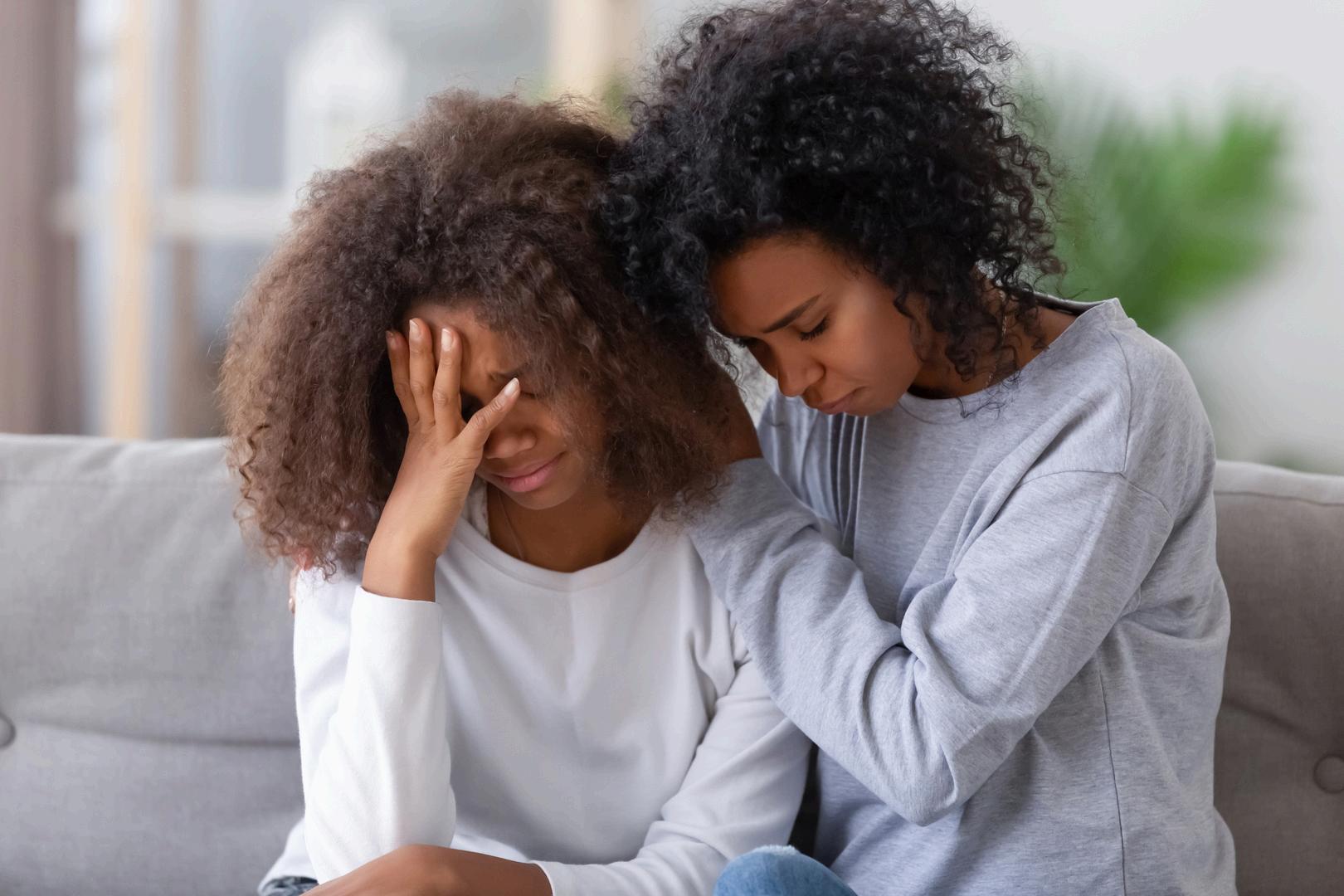
“Even when you recognize that these are your panic attacks, it still feels like ‘what if this time I’m actually dying?’ I get nauseous, my heart races, I feel dizzy and faint… It's terrifying.”
Others experience constant worry and emotional tension:
“Constant worry… it can be overwhelming. My mind races, sometimes I feel it in my chest, and it makes me feel like I need space from people when overwhelmed.”
“Sometimes I describe it as a feeling that my brain is on fire. I become so overwhelmed that I can physically feel the overwhelm in my brain.”
Triggers vary widely, from school tests and disagreements to health concerns or seemingly random episodes. One youth noted:
“Recently I’ve been experiencing a lot of panic attacks because of physical health issues. Any physical symptom that’s different can trigger them… Otherwise, it feels like it’s really random. I’ll go through phases where I’ll have a lot of panic attacks, and then I won’t have any. It seems like they are coming out of nowhere sometimes.”
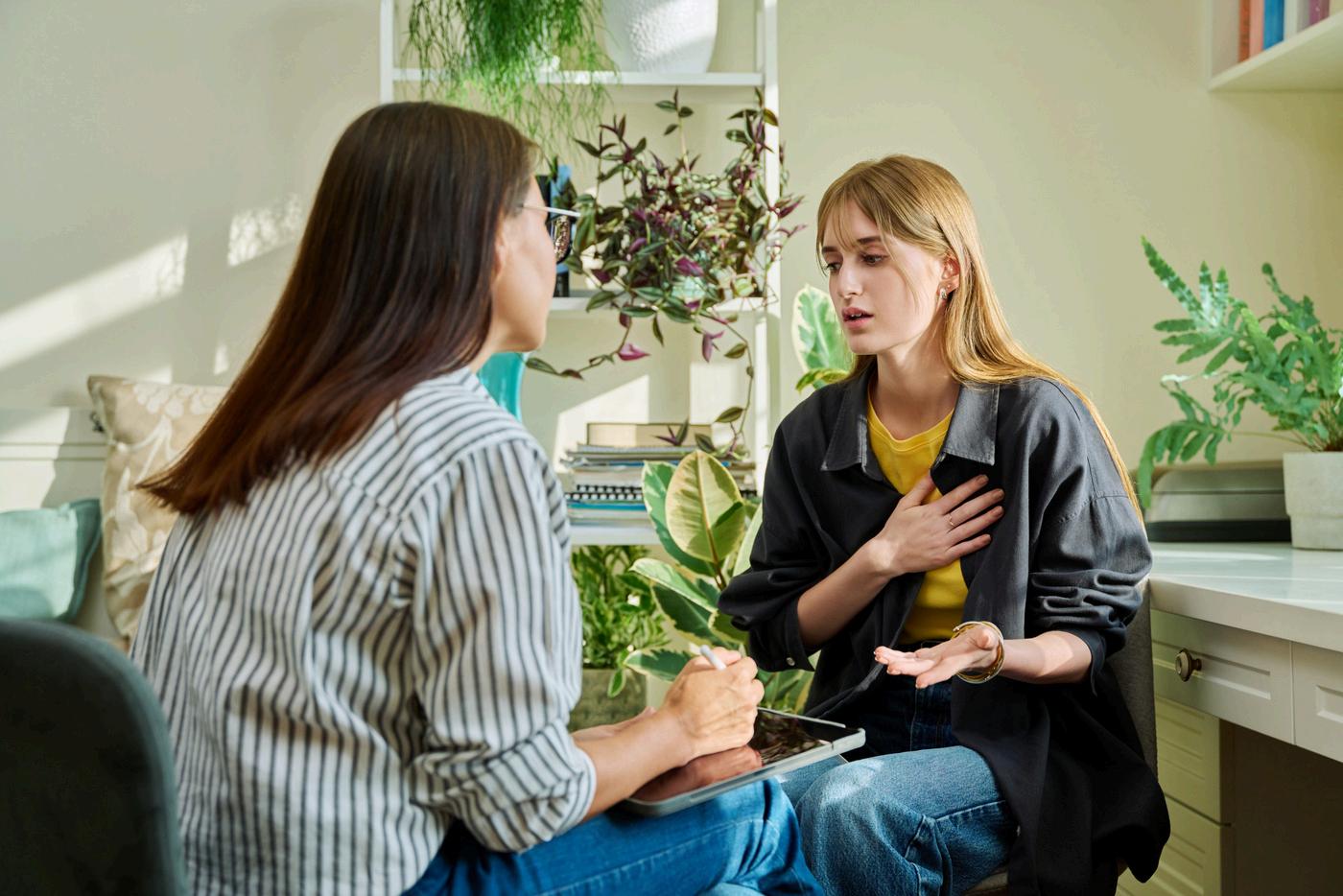
Another explained that they experience anxiety “During disagreements, tests, school/work, relationships with peers and partners.”
For caregivers, recognizing anxiety can bring a mix of concern, confusion, and urgency. Many parents want to help immediately—but that instinct, while understandable, doesn’t always land the way we hope.
“It was really challenging,” one parent shared. “There were a lot of tears… a lot of frustration. I wanted to help, but the more I tried to involve myself or make suggestions, it would make it worse.”
This is a painful and common dynamic: a child in distress, and a parent trying everything they can think of only to feel like nothing is working.
Over time, this parent began to understand something important:
“I learned to allow my child space— allowing her to come to me when she was ready instead of me applying more pressure.”
That shift—from trying to fix to creating space— became a turning point.
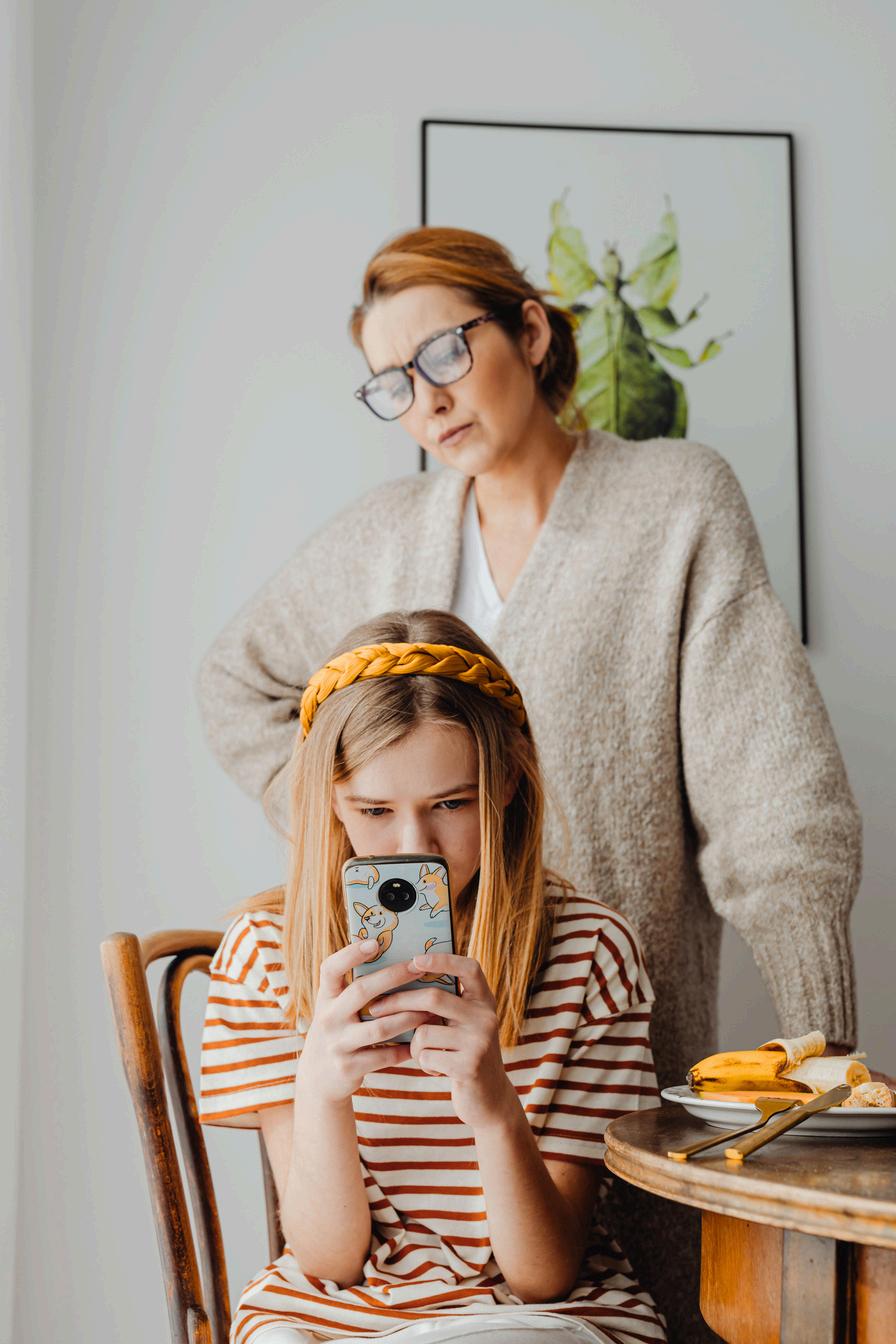
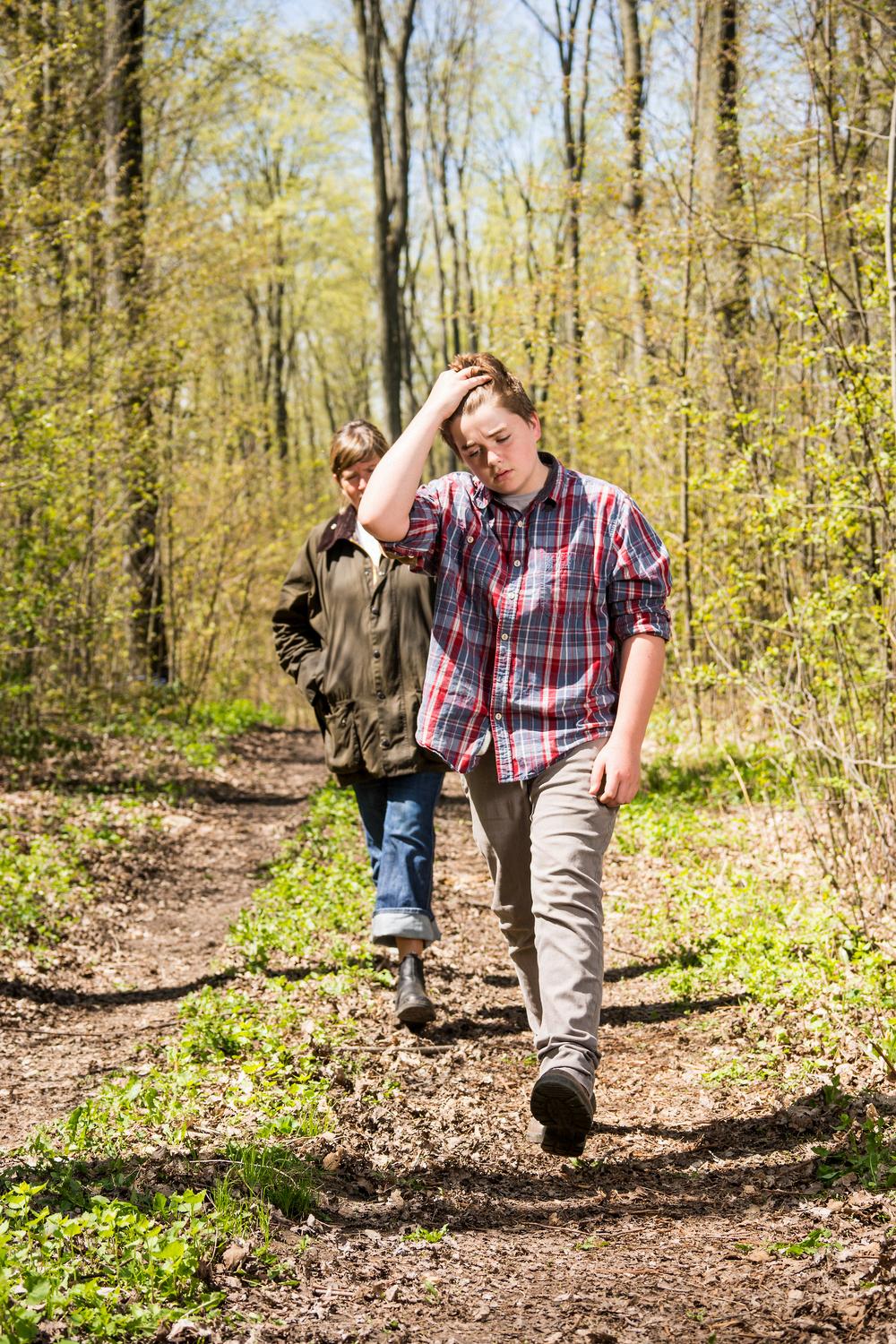
Across both perspectives, three themes stood out as especially powerful: space, validation, and trust. For the young adult, feeling supported didn’t mean having someone solve the problem. It meant something much simpler and harder:
“They gave me space, they validated my feelings, and they let me come to them instead of pressuring me to explain in the moment.”
For the parent, learning to validate rather than fix changed everything:
“Validating her emotions made it really easy to deal with anxiety… it’s hard to fight with someone when they agree with you.”
Validation doesn’t mean agreeing with everything a child says—it means acknowledging that their feelings are real and important That simple shift can reduce defensiveness and open the door to connection.
Over time, this approach helped their child build independence and self-awareness:
“She is really good at figuring herself out and what she needs with a little time.”
Many young people develop personal strategies to manage anxiety. Simple, consistent tools can provide grounding during difficult moments:
Sensory grounding: Holding cold objects, smelling strong scents (such as essential oils), tasting strong flavors (such as sour candy), or playing with fidgets can help manage the physical sensations of panic. One youth shared:
“In the last few years, ice packs have helped a lot because… they are really grounding.”
Some youths find essential oils to be helpful:
“One thing that made a big difference in helping me cope with anxiety was essential oils. I didn’t learn about using essential oils for anxiety until I began having panic attacks in my junior year. However, they quickly became one of my favorite coping tools because they are so helpful at snapping you out of your mind and they are very easily accessible to use.”
Music and media: Listening to music or using guided videos can calm the mind and provide structure during overwhelming moments:
One youth, when asked for one skill that helped them cope with anxiety that they wished they had learned earlier, responded “Using music to help me when I am feeling anxious.”
Another youth, when they find themselves alone, uses media that guides them through relaxation techniques: “I wake up in the middle of the night panicking, and I don’t like being alone because I’ll spiral more, so I’ll put on these youtube videos that kind of walk you through it. It can be really helpful.”
Trusted support: Having someone available to talk to even in the middle of the night can prevent panic from escalating:
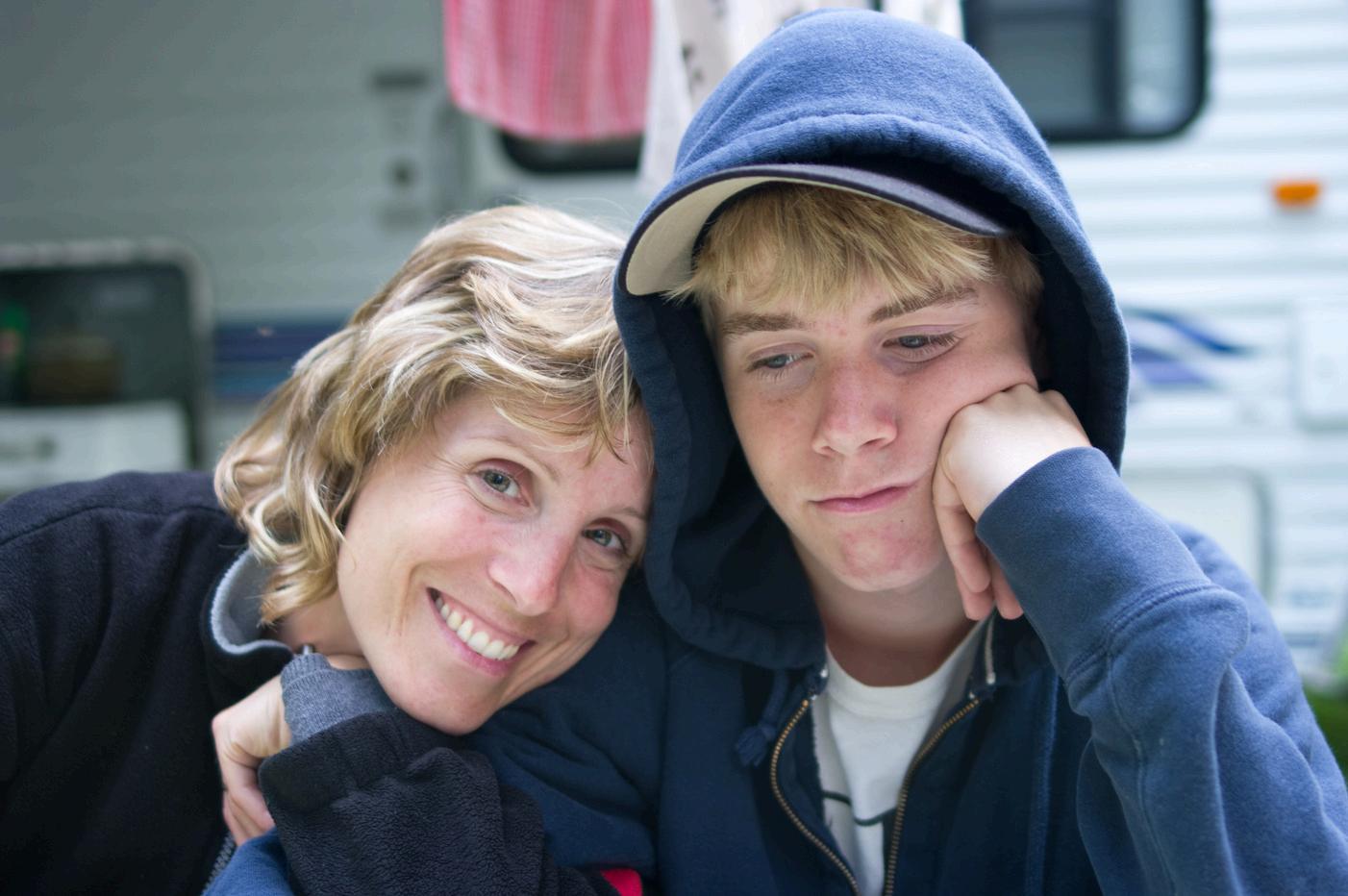
call my mom because she’s willing wake up. Having someone to talk out loud to is really helpful.”
Self-awareness and planning: youths emphasize recognizing what triggers anxiety and having a plan to manage it, rather than just avoiding situations:
“It can be really easy to start limiting yourself in what you do because of panic attacks… having a plan for reintegrating is super important.”
Creative outlets also help youth manage anxiety One parent shared how art, music, and crafts support her daughter:
“Allowing her to explore skills like art and music to cope and regulate emotions… validating her feelings made it easier to deal with dysregulation.”
Adults can make a big difference in a child’s experience with anxiety. Early recognition, patience, and validation are key. One youth remembered a teacher who quietly advocated for her:
“There was this teacher who recognized what was happening and tried to come help me. She advocated for the nurse and guidance counselor to take me more seriously.”
Parent self-care is equally important. Modeling calm behavior, seeking therapy, and taking breaks help parents support their children without unintentionally increasing stress.
“The biggest thing that has helped me cope is having my own therapist… I realized that self-care was so important.”
They also highlighted the importance of self-awareness:
“I learned that my stress can easily increase my child's stress, so I pause and make sure I regulate myself when I respond.”
And when things don’t go perfectly as they often don’t—repair matters:
“Apologizing… letting my child know I could have responded better.”
This models something powerful: that growth is ongoing for everyone, not just kids.
Anxiety doesn’t disappear overnight—but growth can happen, often in quiet and meaningful ways. “Now that she is almost 15,” the parent shared, “I have watched her successfully work through anxiety every week.”

That success doesn’t mean anxiety is gone. Instead, it looks like:
Taking space when needed
Using coping strategies independently
Reaching out for support on their own terms
“She comes to me when she wants to talk about it —in her own time.”
This is what progress often looks like: not the absence of anxiety, but the presence of skills, self-awareness, and confidence.
Anxiety can feel overwhelming—for both children and the people who love them. But as these stories show, growth is possible
“You will learn and it will get easier. Always in the moment it feels like it’s never going to end, but it will,” one youth advises.
With time, patience, and the willingness to listen, children can learn to understand their feelings, develop coping strategies, and build confidence in themselves.
And sometimes, one of the most powerful things a caregiver can do is also one of the simplest: Pause. Listen.
And trust that, with support, your child will find their way.

Books and Guides:
Anxious Kids, Anxious Parents by Reid Wilson & Lynn Lyons
The Anxiety Survival Guide for Teens by Jennifer Shannon
Websites:
Child Mind Institute – resources for understanding and managing child anxiety
Anxiety and Depression Association of America – support and guidance for families
Professional Support:
Pediatricians can help with referrals to mental health specialists
Consider therapy for the child, or family therapy, to build coping skills and communication strategies.
For parents and caregivers, contact PPAL for support www.ppal.net.
VIRTUAL
MAY15,2026 MAY15,2026 MAY15,2026
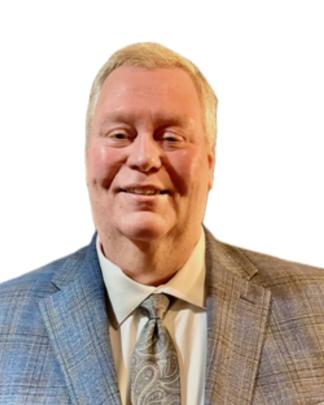
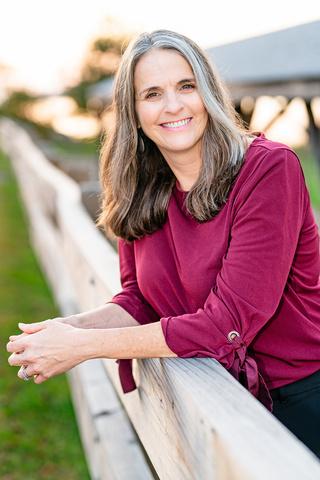
Ken Frohock, LMHC, LRC Click Here to Register
Join us forthe LARGEST children’s mental health conference in New England!
Our annual conference offers morning and afternoon workshops on children’s mental health topics for parents, caregivers, and professionals. Thanks to generous sponsor support, parents and caregivers attend free, and professionals pay a modest admission.
We invite you to join us at our conference for a full day of education, inspiration, support, and community. Check our website for more information on our 15 Annual Children’s Mental Health Conference: th ppal.net/conference-2026

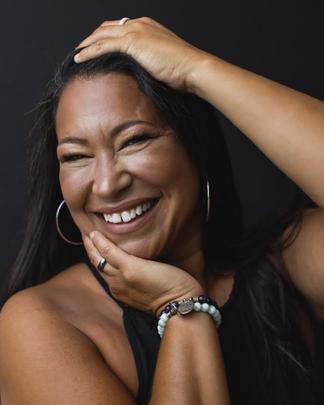
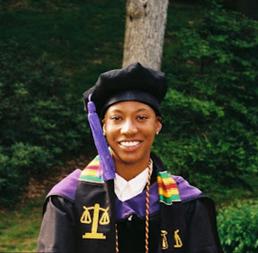
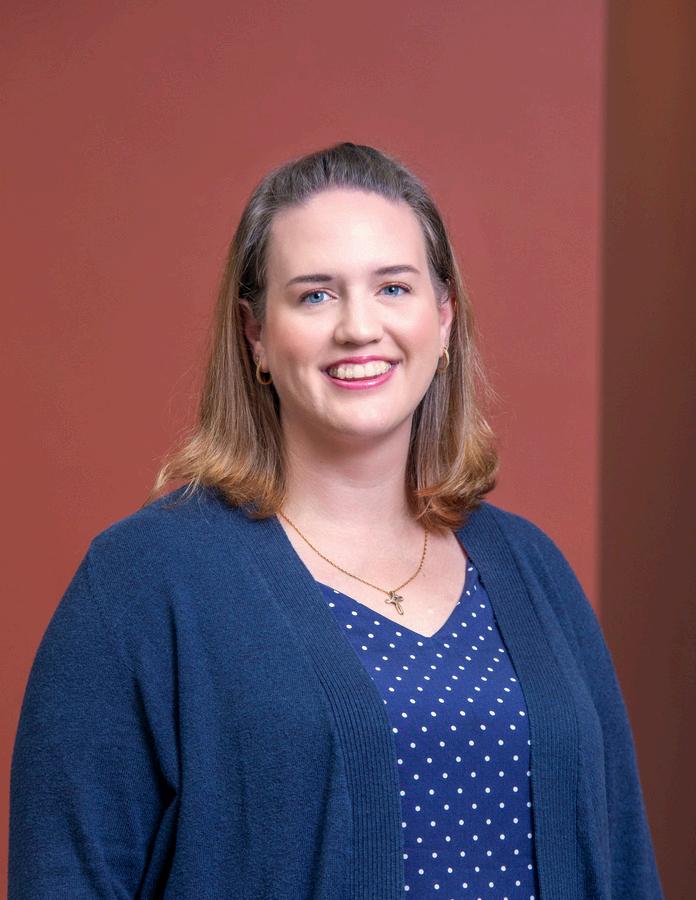
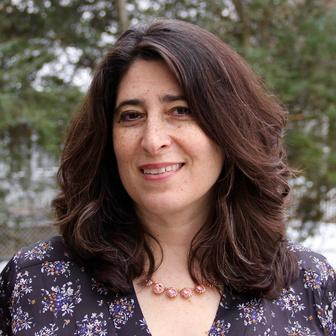
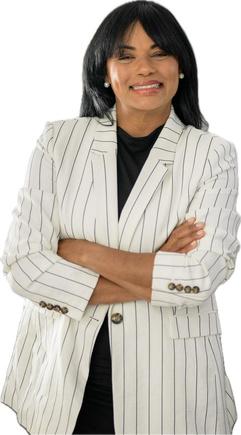
Friday May 15 2026
9:00 AM - 3:00 PM
Understanding and Supporting PANS/PANDAS
Sheilah Gauch, MEd, LICSW Principal & Clinical Director, Dearborn Academy and Board of DIrectors, Look Foundation
Healing in Hard Times: Navigating a Holistic Approach to Healing
Ayanna Freedom, LICSW, RYT 500 Founder & Co-Director, B FREE Wellness Inc and Founder & Owner, Ayanna Freedom Inc.
Overcoming Overdiscipline: Asserting Your School Discipline Rights
Julian Washington, Esq Staff Attorney, Mental Health Legal Advisors Committee
"What Does That Even Mean?": Understanding Therapy Models Without the Jargon
Suzy Langevin, LICSW, LADC I Assistant Vice President, Open Sky Community Services
Supporting SIBLINGS of Youth with Mental & Behavioral Health Needs
Emily Rubin, LICSW, MSW, MA Director of Sibling Support, E K Shriver Center, Assistant Professor in Psychiatry, UMass Chan Medical School
Raquel Quezada President, Cambiando El Mundo De Necesidades Especiales (Changing the World of People with Disabilities Foundation) Mamá, tú también necesitas sanar
Literacy as Liberation: Gateways to Ensuring the Right to Read
Edith Bazile Founder & Executive Director, Black Advocates for Educational Excellence
Demonstrating Care for Transgender Young People
Lydia Proulx Owner & Peer Support Specialist, Space Cases ADHD Coaching & Peer Support
You Are Not Alone, and There Is Hope: The Story of the Just A Mom Podcast
Susie Gurley Creator & Host, Just A Mom Podcast
Embodied Wellness: A Holistic Approach to Mental Health for Parents and Professionals
Mercy Tandoh, LMHC, LPC, LCPC Founder & CEO, RAI Counseling Services
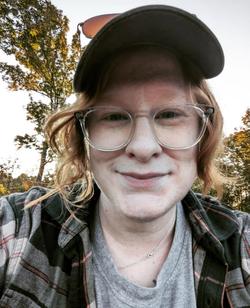
Understanding the Mental Health of Black Autistic Youth
Ed-Dee G Williams, MSW, PhD Assistant Professor, Boston College School of Social Work and Director, Black Mental Wellness Research Lab
Conoce tus derechos: Acceso a la educación especial
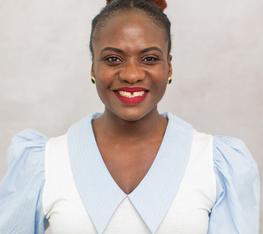
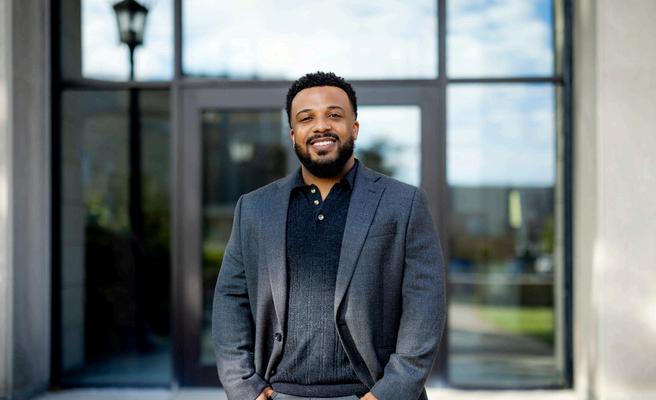
Sheyla Rosario, PsyD Outpatient Mental Health Clinician & In-home Therapy Clinician, The Child & Family Wellness Center
Grandparents, mothers, and fathers from the Latine community, many of whom courageously completed PPAL's Spanish-language Mental Health workshop series, gathered to celebrate their graduation at PPAL’s February Parent/Caregiver Respite Day.
These families first gained essential skills through training sessions on: How to Prepare for a Mental Health Crisis
Juvenile Justice 101
Juvenile Justice 102 Moving Forward Together
In Latine families, mental health conversations often carry heavy stigma: "No se habla de eso. (We don’t talk about that.)" Yet these resilient abuelos, mamás, y papás showed up, blending cultural strength with courage to break that silence.
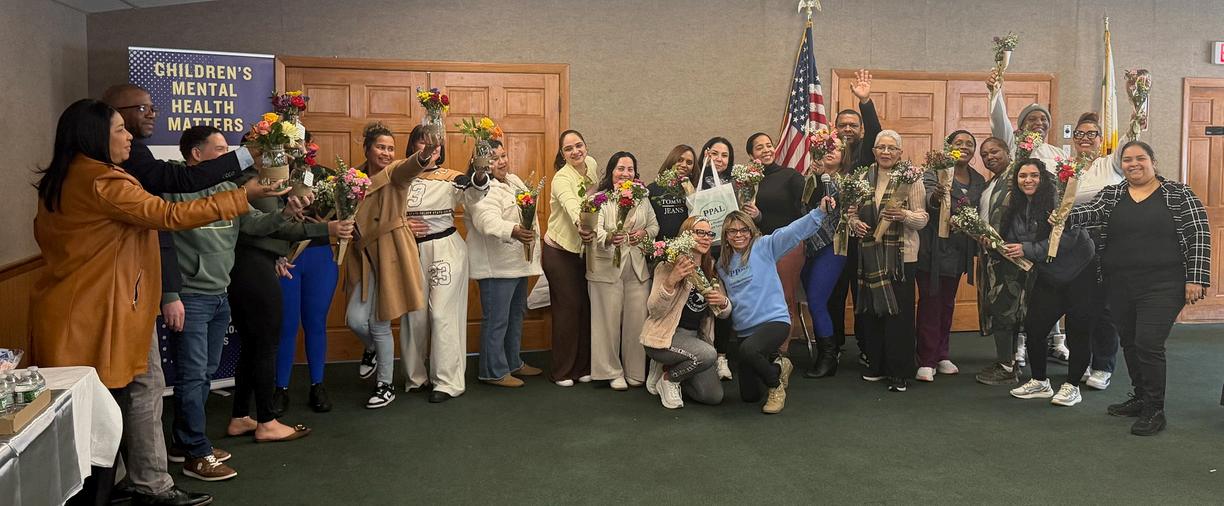
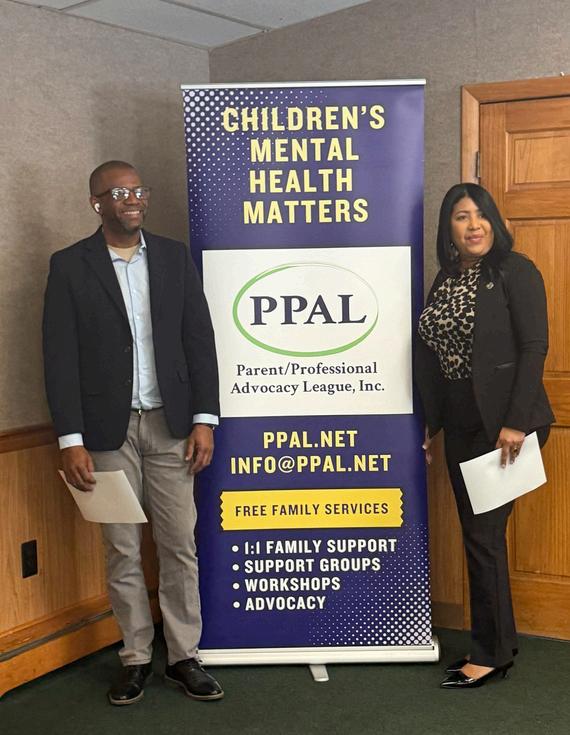
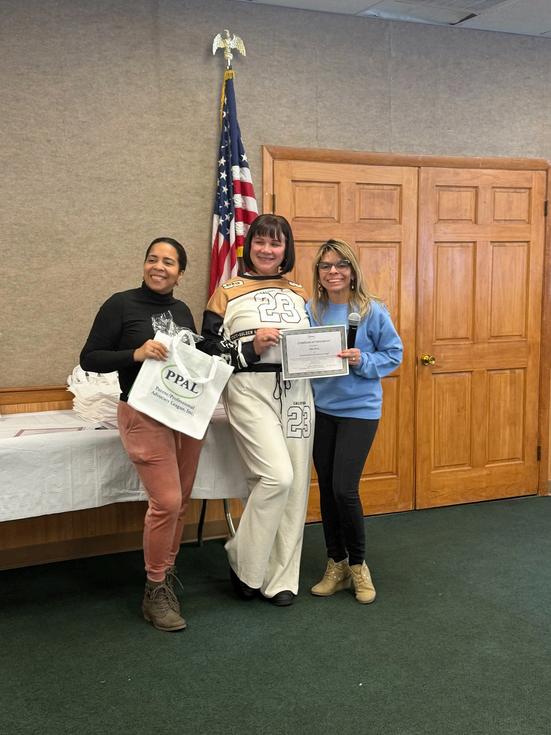
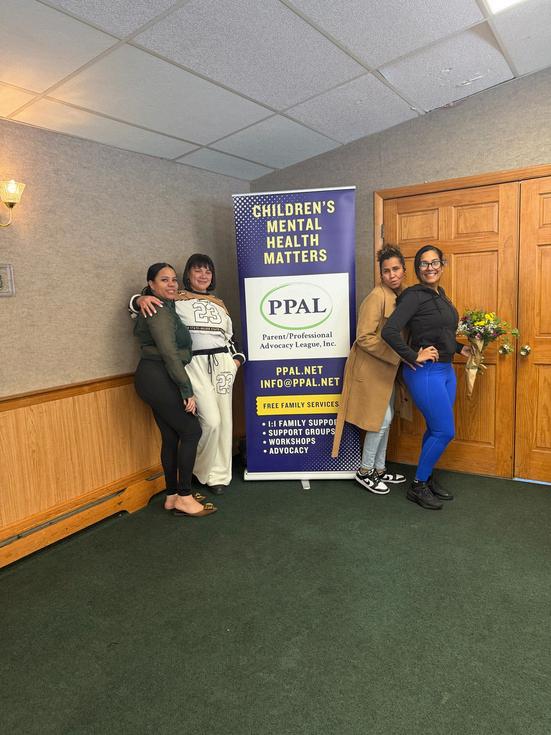
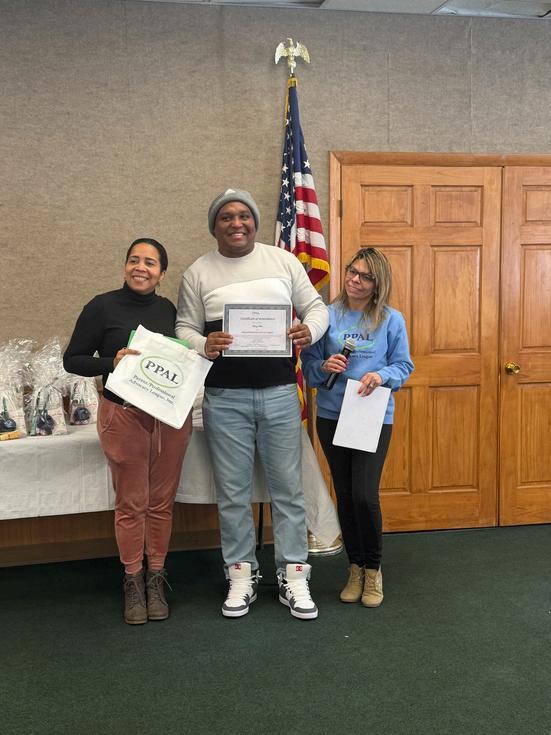
The Respite Day was a joyful graduation celebration where families shared heart-to-heart talks about children's mental health, self-care, and emotional well-being across generations Grandparents shared wisdom, parents supported each other, and strong bonds formed across generations and languages Laughter, tears, and connection flowed naturally. Real emotions were welcomed and honored through guided reflection, deep sharing, and quiet rest. Caregivers who felt stigma's isolation left seen, heard, connected, and less alone.
Families shared "Your care helped me heal and understand my emotions," "Thank you for your love and availability," and "A thousand thanks... showers of blessings!"
Thank you to every family who trusted PPAL. Together, we're breaking mental health stigma, one conversation at a time.
Interested in getting involved or finding out more about PPAL’s multicultural outreach? Contact Johana Rodriguez at jrodriguez@ppal.net
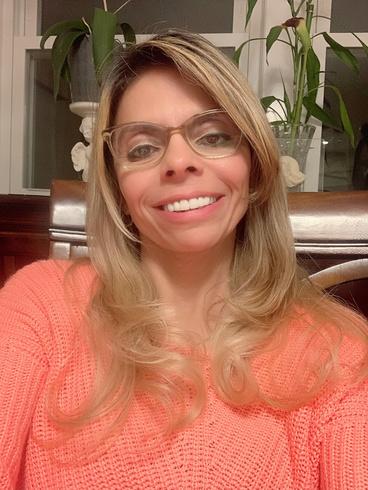
Johana Rodriguez, Statewide/Multicultural Program Manager
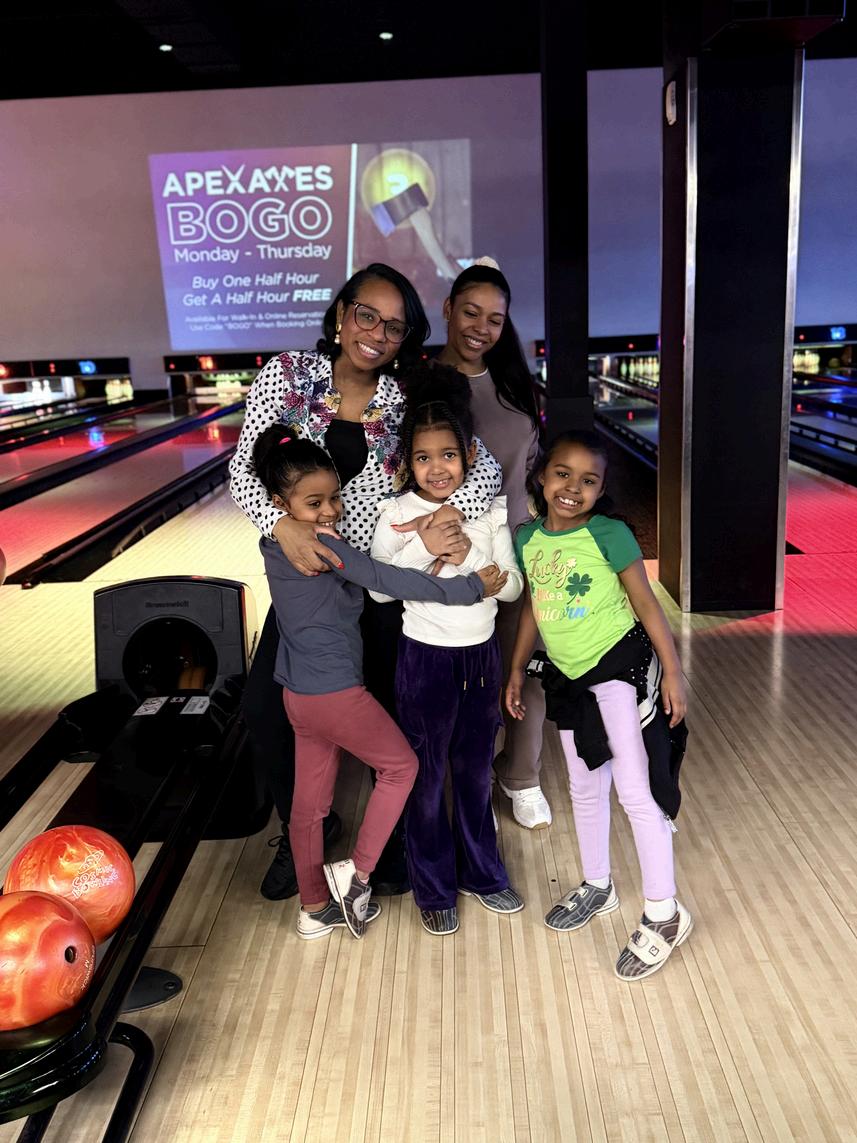
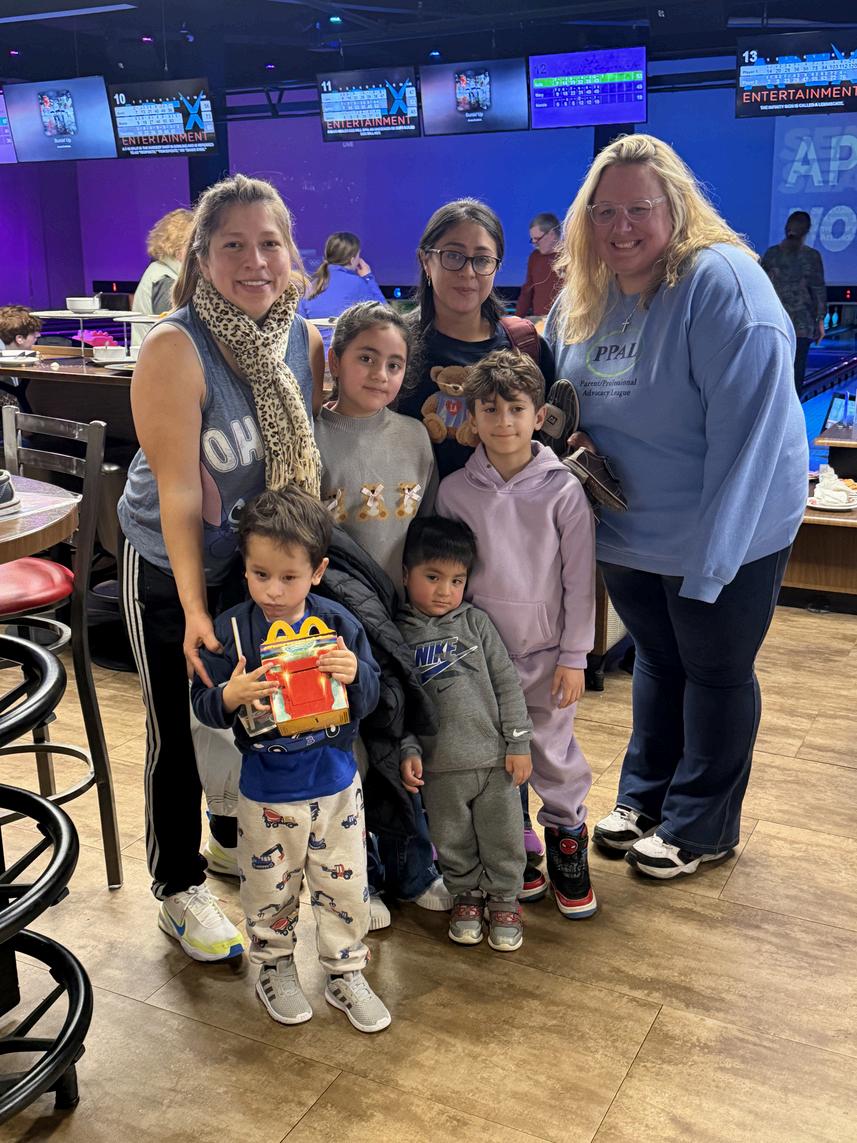
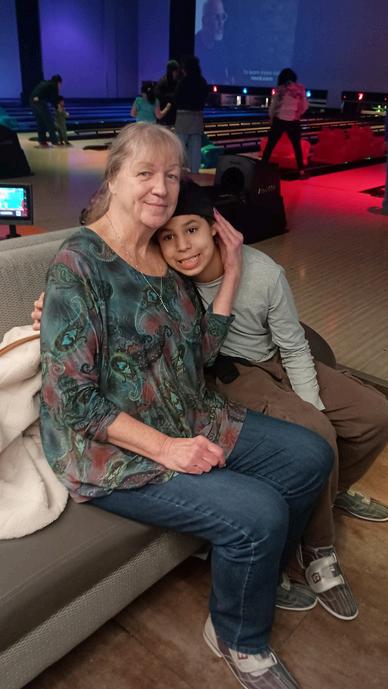
The new year has gotten off to a wonderful start for PPAL families across Central Massachusetts, with opportunities for connection, learning, and fun. In February, families gathered for another funfilled event at Apex, where parents and kids enjoyed bowling, arcade games, pizza, and time together Events like these provide valuable opportunities for families to relax, connect with one another, and build supportive relationships within the community.
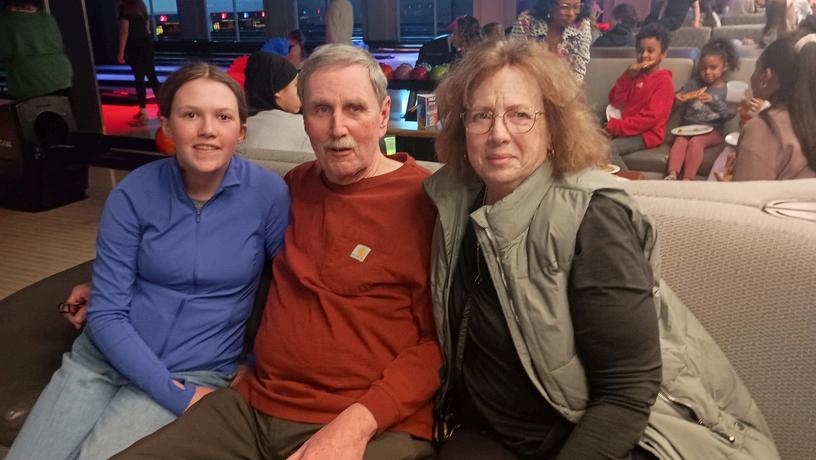
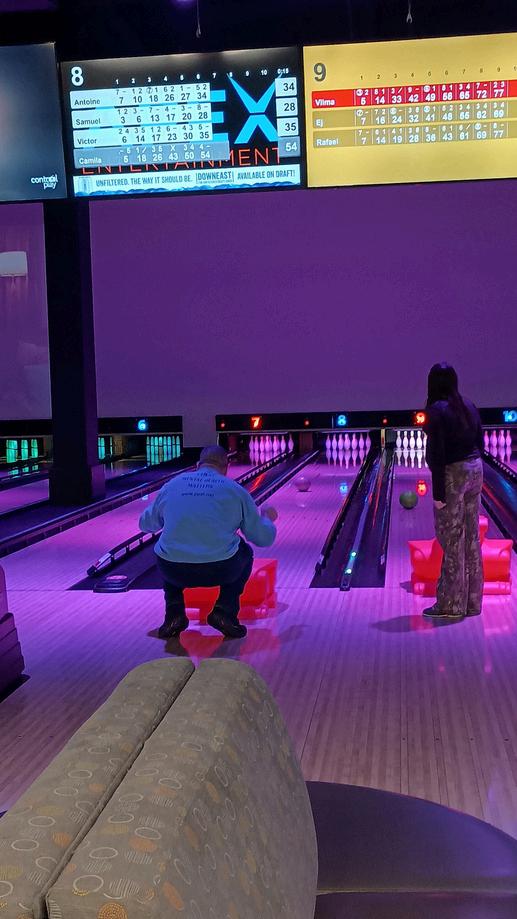
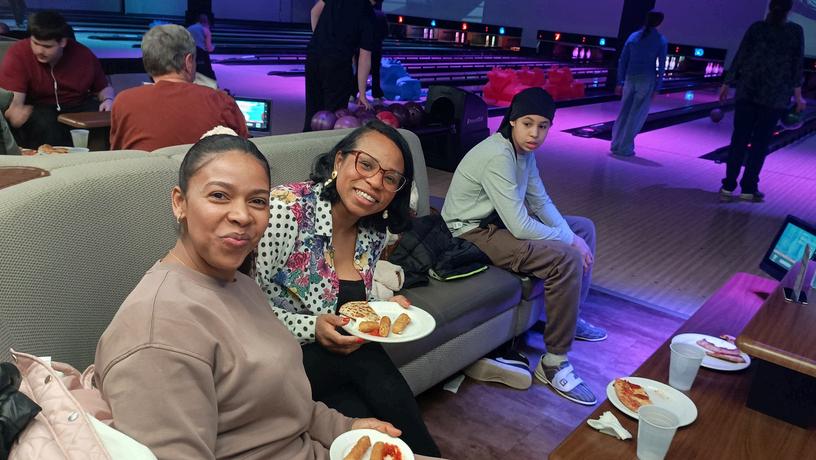
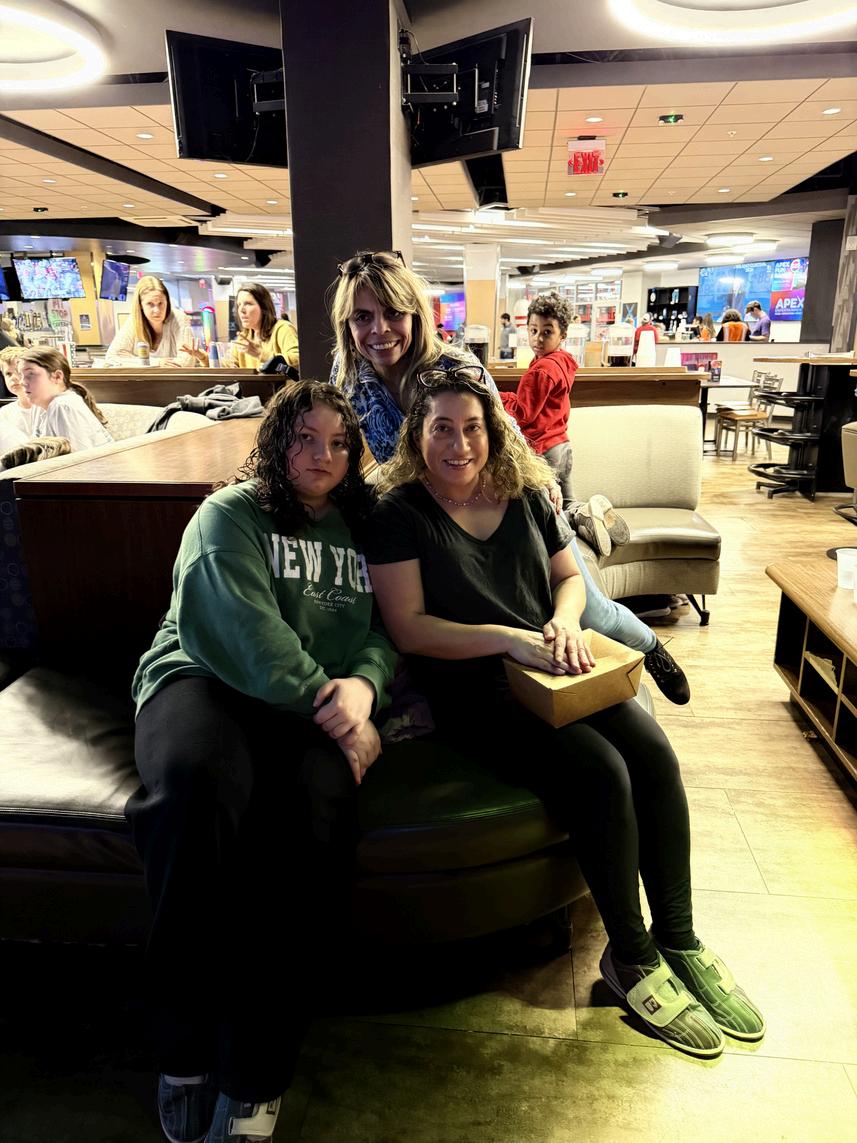
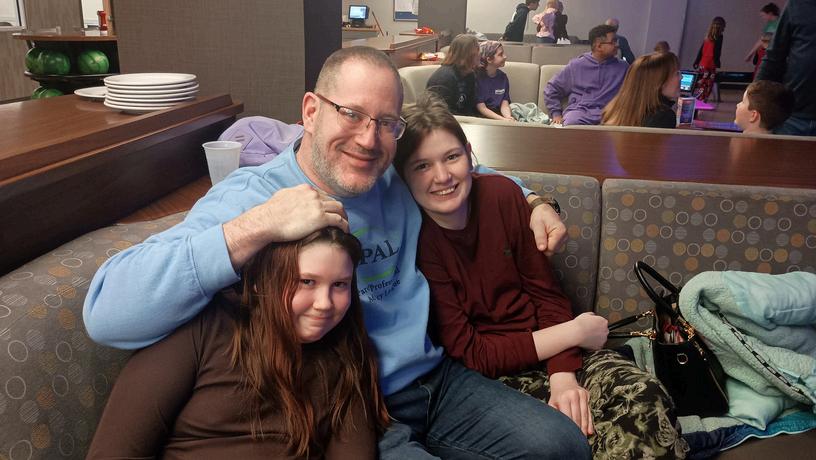
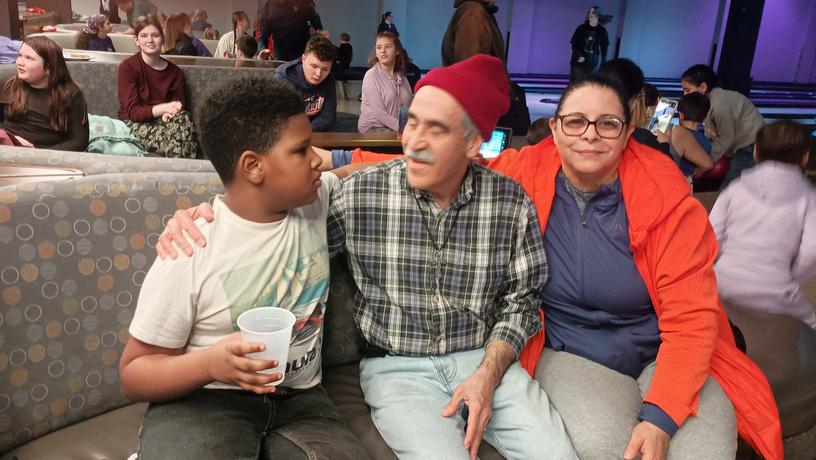
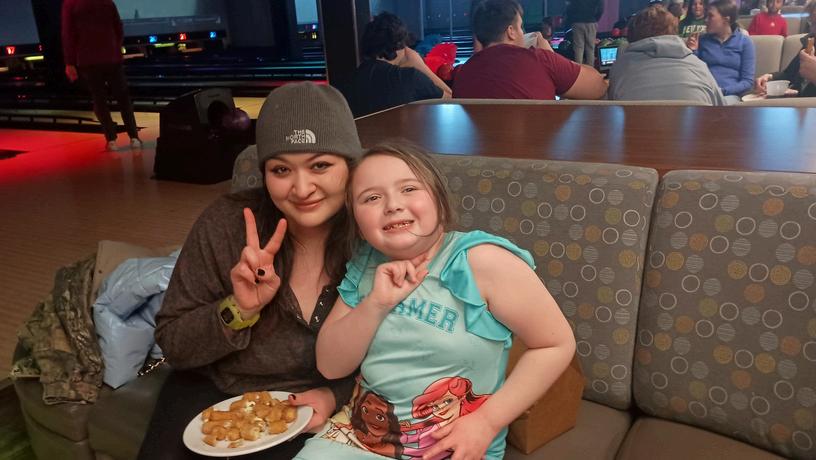
We hosted several impactful parent trainings over the past two months. The Mental Health IEP training was offered in both English and Spanish, helping families better understand how to advocate for their children’s educational and mental health needs within the school system. In addition, we were excited to offer the My Child’s Not Going To School: What Now? parent training in Spanish, expanding our efforts to reach and support families in diverse communities across the region.
Our Caregiver Connection groups have continued to feature knowledgeable speakers who share important information and resources with families. We were grateful to welcome Sheila Gauch, who presented a powerful training on Caregiver Trauma. Ashley Niggl from The Birch Center joined us to discuss valuable supports and services available to families Julie Giovangelo, founder of Ben Speaks, shared insights and advocacy around supporting youth and families. Ana Artavia-Speight from the Behavioral Health Help Line provided information on accessing statewide behavioral health resources. Cynthia Moore also joined us to discuss voter rights and registration for students with disabilities, highlighting the importance of civic engagement and access.
Alongside these events and trainings, PPAL continues to provide daily one-onone support for families throughout Central Massachusetts. We are grateful for the support we get from DMH to make all of this possible in our communities across Central MA. We are thankful for the continued engagement of families, speakers, and community partners who help make this work possible, and we look forward to many more opportunities to connect in the months ahead.
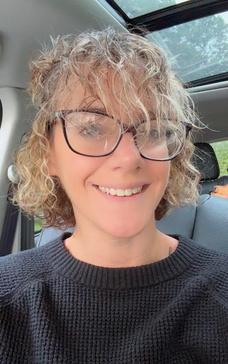
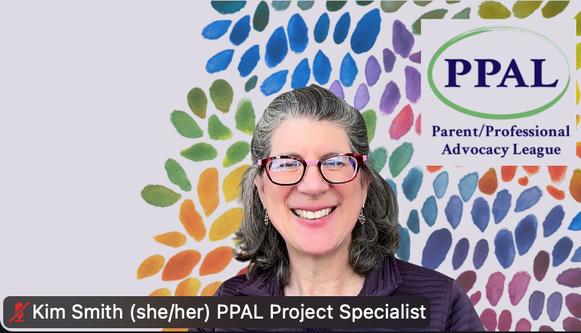
Fun Fact: I love audiobooks and podcasts I recently discovered https://www si edu/sidedoor and can't wait to make my way through all the episodes
What’s your role with PPAL and how did you get here?
I am a Project Specialist at PPAL PPAL has a multi-year Statewide Family Network grant from SAMHSA (Substance Abuse and Mental Health Services Administration) to develop a Family Partner Certification for MA I support that grant I also do research at PPAL In the past I’ve created tipsheets, workshops, and surveys, and supported policy efforts, grant writing, and social media. I also create PPAL’s Question of the Month that directly asks for input from our families!
I was introduced to PPAL many years ago, and attended PPAL workshops and conferences. In 2019, a PPAL board member let me know PPAL was looking for someone to work on updating publications and develop family engagement training materials. I was working and volunteering in the field: family support, community advocacy, and police crisis intervention trainings Working at PPAL has been a terrific way to combine all those interests and be part of a wonderful community
What drew you to children's mental health advocacy?
All too often, families feel alone when their child is struggling. It can be hard to find people who get it, know what’s trusted information, and figure out next best steps. I think sharing this sort of knowledge is invaluable for families and for the people in their lives.
What is your favorite part about your job and why?
Listening to caregiver questions and concerns and then creating PPAL workshops and materials that help break down the issues and support families to advocate for their children and families I’m so happy when caregivers feel that PPAL programs have boosted their confidence and skills to advocate for their children and families
What professional accomplishments are you most proud of?
Helping professionals better understand the challenges children/families face. I am proud to bring the voice of caregivers into professional settings, such as schools, clinics, and police departments. Caregivers are the experts in their children, and they bring important knowledge to every place their child goes. It’s working together that best supports children with mental health needs.
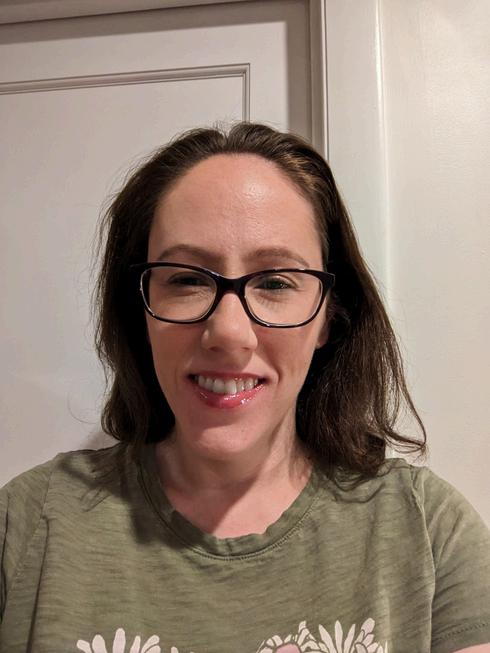
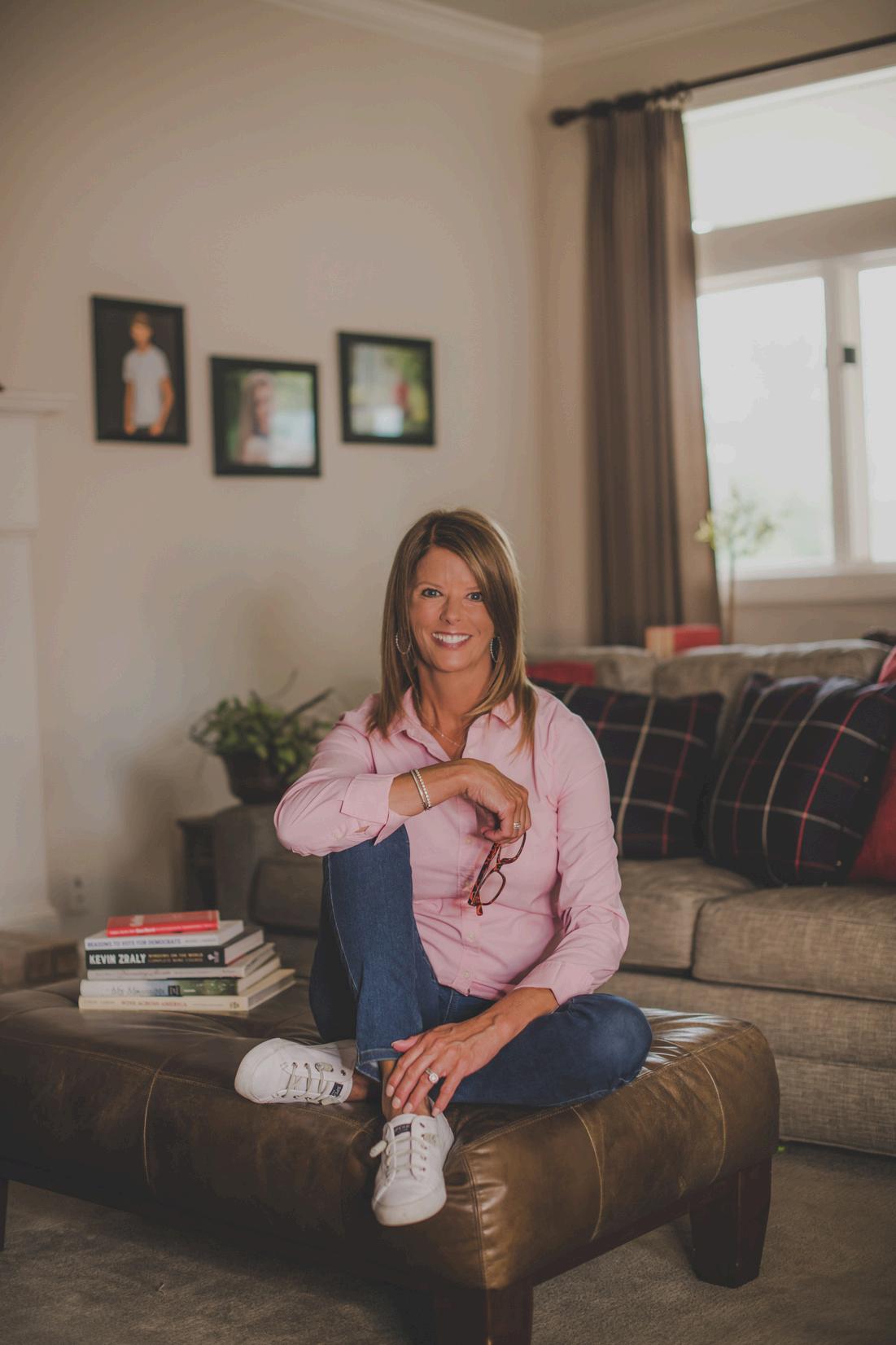
Meet Robin Richardson PPAL Family Support Specialist & Communications Specialist
Fun Fact: I went to the same high school as Barack Obama, but not at the same time
What’s your role with PPAL and how did you get here?
I play a dual role at PPAL I am a Family Support Specialist and a Communications Specialist
As a Family Support Specialist, I get to work with families with children with mental health needs I do my best to assist them wherever they are in their mental health journey, be it school/IEPs, finding treatment, navigating systems like DMH, or just being a supportive listener. As a Communications Specialist, I assist with things like PPAL's social media and newsletter. I am one of PPAL's go-to article writers and proofreaders.
Despite having kids with mental health needs, I had not heard of PPAL until I saw the posting for a job opening At the time my kids were growing older and both were doing better than they had been, and I was starting to think about working outside the home again, so it worked out well!
What drew you to children's mental health advocacy?
As a child, I struggled with mental health myself, so it's always been a cause that's important to me. When both my children started showing signs of their own mental health struggles, it became even more paramount. I feel lucky to be able to work for an organization that is dedicated to such an important cause.
What is your favorite part about your job and why?
One of my favorite parts of working at PPAL has been working with families on School Avoidance/School Distress issues I have led our training on school avoidance - My Child’s Not Going To School: What Now? - a number of times, and also work individually with families of kids struggling with school avoidance Both my kids have struggled to go to school at times, so it's an issue close to my heart. I also appreciate writing for PPAL's newsletter - my college English major doesn't get much use, but every couple months I get to pull out my writing skills and try to compose something that will be helpful to families.
What professional accomplishments are you most proud of?
I always feel super thankful and proud when a family that I've worked with expresses that I've been helpful to them - I think one of my favorite comments from a family was "You gave me hope"
Youth MOVE Massachusetts (YMM) started 2026 off on a great foot! In both January and March, YMM partnered with the Children’s Mental Health Campaign and the E4 project to hold two focus group sessions for youth and young adults with autism who experience mental health challenges. The information gathered from the youth and young adults will directly inform advocacy efforts, enabling actionable change. Between both sessions, over 50 young adults participated!
YMM has also spent the last three months focusing on direct advocacy around the Department of Mental Health Rental Subsidy Program (DMHRSP), which was level-funded in fiscal year 2026. Because of increases in costs associated with housing, such as rent, level-funding is effectively a decrease in spendable funds. As a result, no new rental subsidies, sometimes called vouchers, will be issued by DMH going forward. For young adults who are aging out of adolescent DMH services with no place to go, this can be a nightmare. Where will they live?
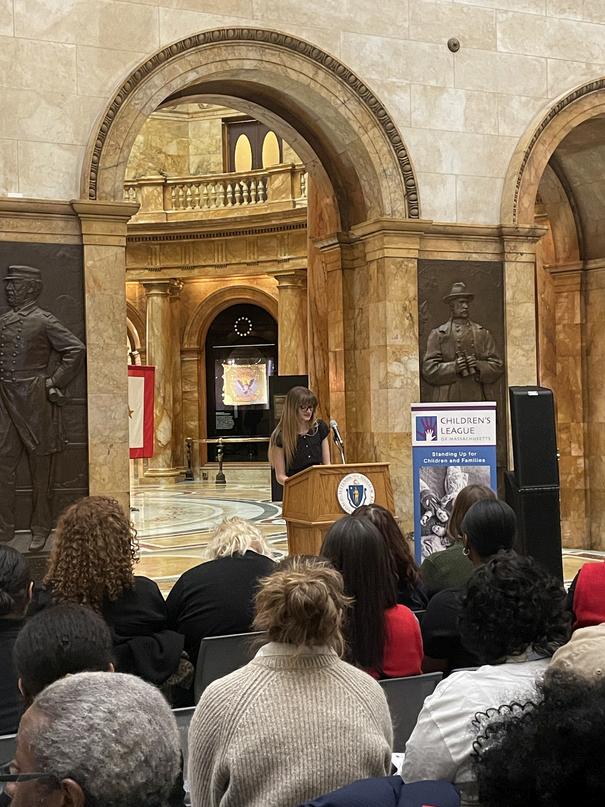
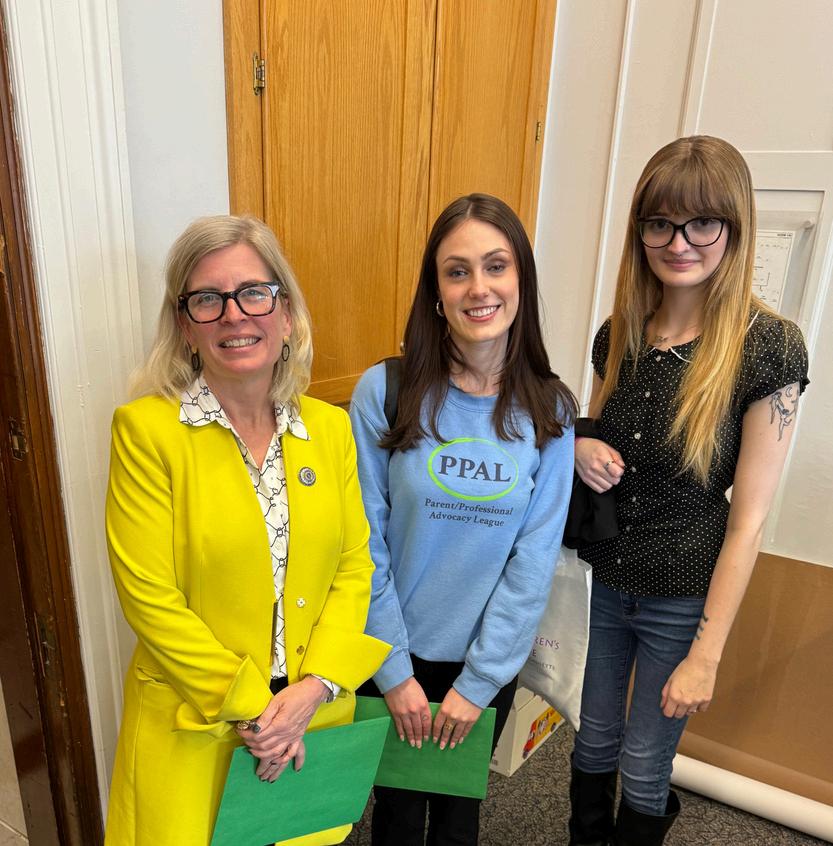
YMM launched a letter-writing campaign and spoke at the Children’s League of Massachusetts’ Transition-Aged Youth Hill Day to bring awareness to this issue and the need for support for transition-aged youth. We are fierce advocates! If you’re interested in advocating for youth and young adults with mental health challenges, contact Anna Cady Clouse at aclouse@ppal.net
Youth MOVE MA has continued to grow our Discord server, now having over 15 young adults online, as we continue our weekly peer support hour and monthly game night. Find detailed instructions on how to access the YMM Discord Server on the YMM Website. You will be able to see a thorough walkthrough of what the Discord looks like and details about the safety measures
https://youthmovemassachusetts.net/discord/
As we head toward spring, YMM is looking forward to numerous tabling and speaking events coming up. Look for us in the community! Interested in getting involved or finding out more about YMM? Contact Anna Cady Clouse at aclouse@ppal.net.


Youth MOVE Massachusetts is a youth and young adult-led organization rooted in peer support through lived experience with mental health needs. We provide our youth participants with access to leadership development and training opportunities and we offer opportunities for engagement in statewide and national policy advocacy efforts.
https://youthmovemassachusetts.net
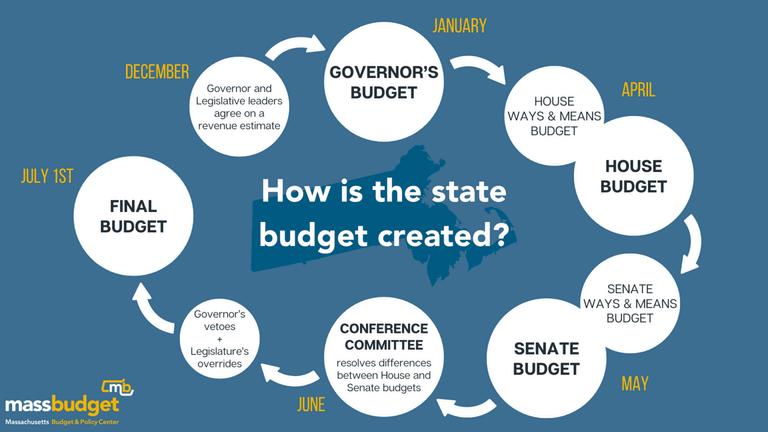
Last newsletter, we started talking about the State Budget See the graphic from MassBudget below to see the path that the budget takes to become finalized!
The proposed FY27 Governor’s Budget cut just about $4 2 million dollars from certain Child and Adolescent services within the Department of Mental Health budget:
$2.3 M in proposed cuts to DMH FLEXIBLE SUPPORT SERVICES (FLEX), mostly targeting ED Diversion
$1 M in proposed cuts to INTENSIVE HOME- BASED THERAPEUTIC CARE (IHBTC)
$880K in proposed cuts to Therapeutic Day Services
Recently, the House Ways and Means budget (circled in red below) was released. It did not restore the $4.2 million dollars to DMH’s Child and Adolescent Services
So what now?
We keep talking about the budget!
This is by no means the end of the line for these services. Through PPAL’s partnership with the Children’s Mental Health Campaign, the plan is to file amendments to get the $4.2 million back into the House Budget.
Now is your opportunity to help!
Contact your State Representative and ask them to RESTORE the DMH Child and Adolescent line 5042-5000 to FY26 levels!
Here’s some good news:
Have you heard about the Department of Mental Health Rental Subsidy Program (DMH RSP)? Learn more about the DMH RSP here.
The FY27 House Ways and Means Budget has restored half of the requested $7 million!
Youth MOVE Massachusetts (YMM) has been especially involved in this issue, with YMM’s Ashley Smith speaking at Hill Days and helping to shine a light on this critical need with her powerful voice. See more about Youth MOVE Massachusetts’s advocacy in this newsletter.
Next, we will continue working to restore the entire $7 million to get the Department of Mental Health Rental Subsidy Program (DMH RSP) back up and running!
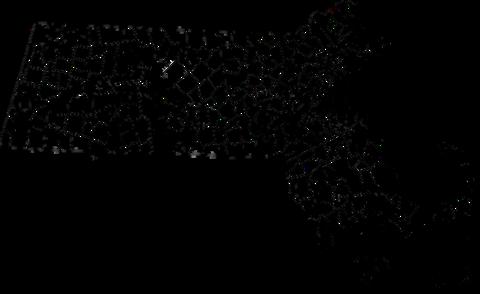
There are 40 Senate districts and 160 House of Representative districts in Massachusetts.

Beth Murphy FAA Parent Leader
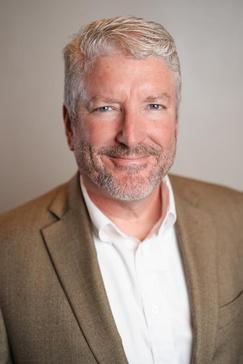
Kevin Riley FAA Parent Leader
Find
FAA’s goal is to identity a caregiver/family in every legislative district in Massachusetts.
about:
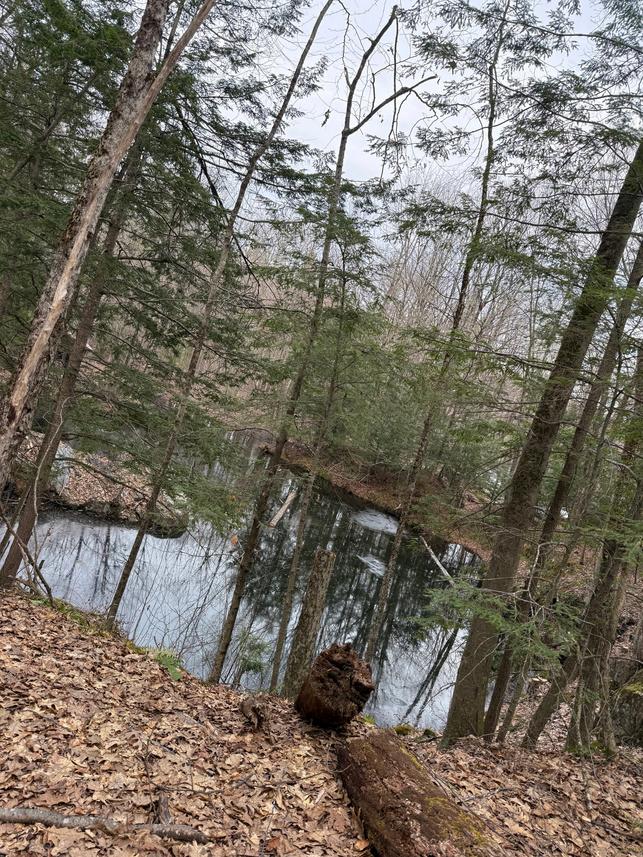
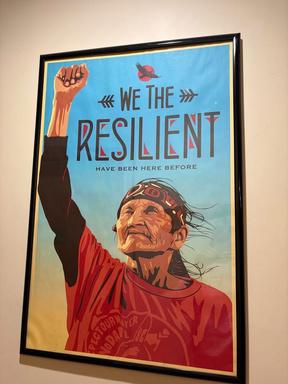
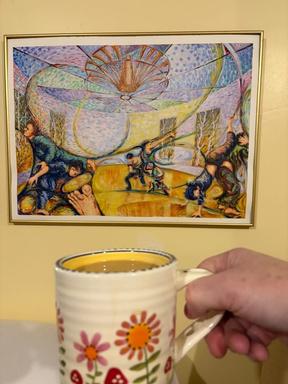
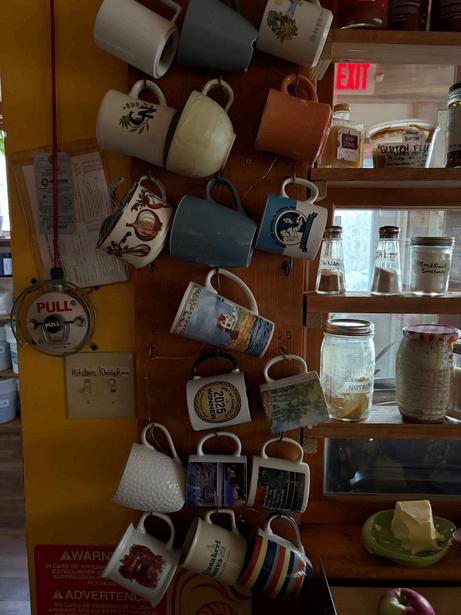
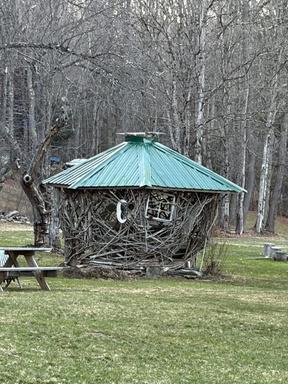
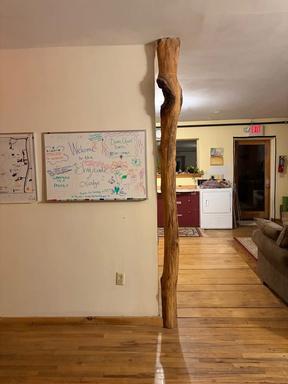
In early April, with support from the Department of Youth Services, the Parent Professional Advocacy League hosted an overnight retreat for 22 parents and caregivers at Earthdance in Plainfield, Massachusetts.
Together, we created space to connect, heal, and be heard. We shared stories, held one another through difficult moments, and began transforming pain into purpose—and purpose into advocacy.
This retreat was a reminder that no one has to walk this journey alone. When we come together in community, we build strength, resilience, and hope for the path ahead.
We are grateful for every parent and caregiver who showed up with courage and openness. This is how change begins.
PPAL has the opportunity to collaborate with Citizens for Juvenile Justice (CfJJ) and other organizations to create a Voter Guide about youth justice for the upcoming Massachusetts state elections - Tuesday, November 3 , 2026! rd
The Voter Guide is a non-partisan look at the issues affecting youth in the upcoming elections, along with candidates’ stances and basic voter information.
Check out CfJJ’s previous Voter Guides and look out for the 2026 Youth Justice Voter Guide coming out in the fall!
An Act to promote public safety and better outcomes for young adults (Raise The Age) https://www raisetheagema org/faqs
This bill would restructure the juvenile justice system to include 18 to 20-yearolds to prevent long-term criminal justice system involvement. Such reforms would lower recidivism and prevent deeper criminal justice system involvement.
Most Recent Update:
In October, this bill was reported favorably by committee, which means it will move to the next step of the budget process, the Senate Ways and Means!
An Act regarding families and children in need of assistance https://www mass gov/doc/an-act-regardingfamilies-and-children-in-need-ofassistance/download
This bill proposes changes to the Commonwealth’s Child Requiring Assistance (CRA) system, with the goal of ensuring that youth and families who are in need of support are better able to access it without needing to go through a lengthy and potentially harmful court process.
Most Recent Update:
In December, this bill was reported favorably by committee, which means it will move to the next step of the budget process, the Senate Ways and Means!
April 2026 April 2026
“Awareness is the greatest agent for change.” Eckhart Tolle