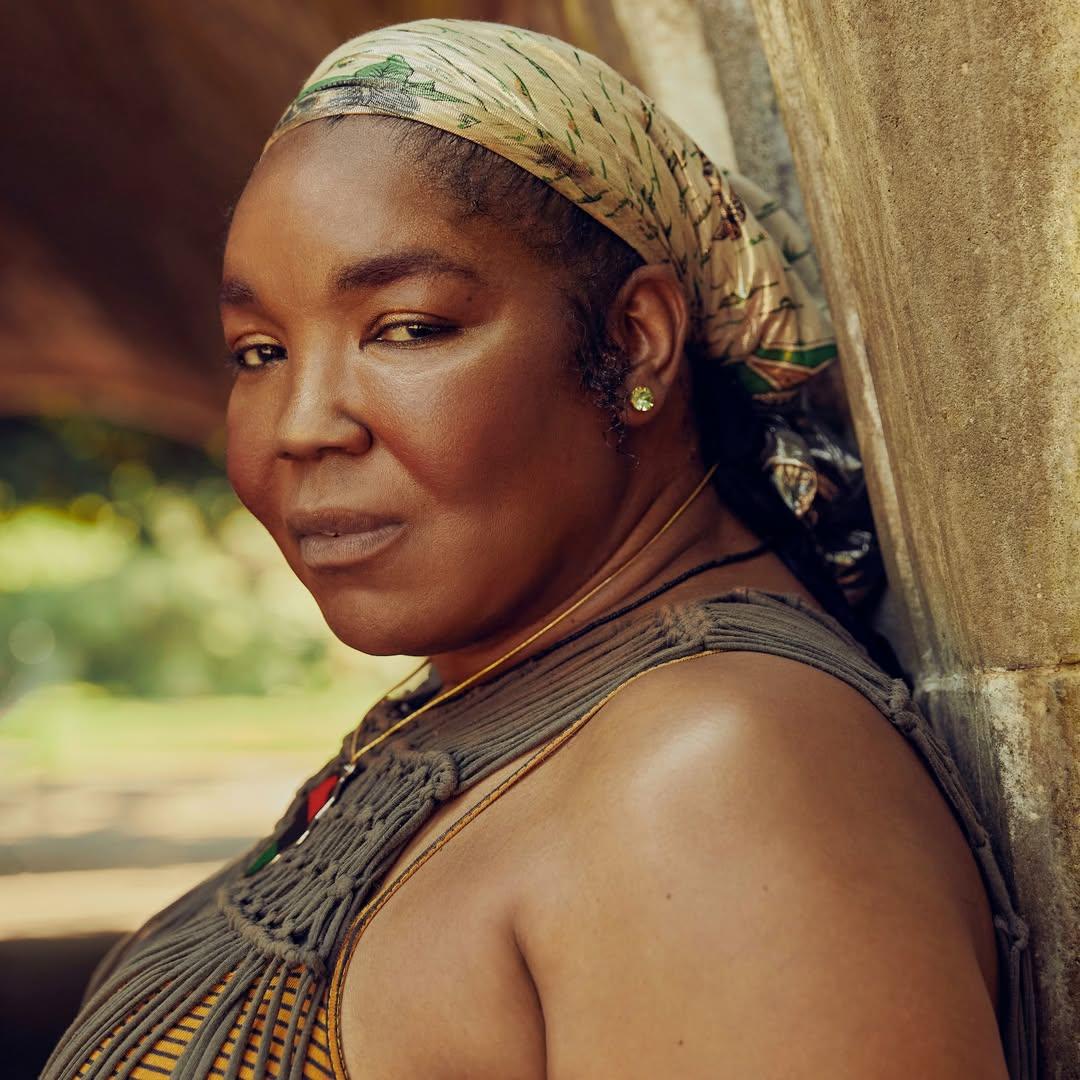
Kiara St. James: The Color Guard of New York’s Ballroom Scene
Kiara St. James stands as one of the most influential voices in the preservation and evolution of New York City’s ballroom culture. Emerging from the Harlem ballroom scene in the late 1980s and 1990s, she became known not only for her presence on the runway but for her role as a community organizer, educator, and advocate for transgender rights and HIV/AIDS awareness.
Her early years in ballroom were shaped by the House system, where Houses function as chosen family structures providing shelter, mentorship, and competition for Black and Latinx LGBTQ+ youth who often faced rejection from their biological families. Kiara walked in multiple categories, but her reputation was built on her command of runway and her ability to read a crowd with precision and poise. That stage presence translated into leadership off the floor.
What distinguishes Kiara St. James is the bridge she built between ballroom and public health. As the executive director of the New York Transgender Advocacy Group and later through her work with the Ballroom We Care initiative, she used the infrastructure of the ballroom community to deliver HIV testing, safe-sex education, and access to healthcare resources. The ball wasn’t just performance it became a venue for survival and care. She understood that you couldn’t separate the art form from the material conditions of the people creating it.
Her advocacy work extends into policy. She has testified before city councils and worked with health departments to ensure that transgender and gender-nonconforming people, particularly those of color, are included in funding and programming decisions. She’s often spoken about the way ballroom language—terms like “shade,” “reading,” and “realness” migrated into mainstream culture through media, while the originators remained invisible. Her goal has been to make sure credit and resources follow the culture.
Kiara’s style is direct and grounded. She doesn’t separate the glamour of the ball from the responsibility of community care. In interviews she emphasizes that ballroom is a living archive: a way of transmitting history, resilience, and creativity across generations when formal institutions fail to do so. Younger members of the scene often cite her as someone who taught them that visibility without infrastructure is hollow. Today, Kiara St. James remains active as both an elder and an educator. She lectures at universities, collaborates with artists, and continues to mentor newcomers in the scene. Her legacy is twofold: she helped codify ballroom as a cultural force, and she insisted that it be a space where people could live, not just perform.
Ballroom Community
• Legendary runway walker & competitor: Known for her commanding presence in runway categories during the 1980s–1990s Harlem ballroom scene.
• House leader & elder: Mentors younger members and helps maintain ballroom traditions as a living archive of Black and Latinx LGBTQ+ culture.
• Cultural historian/educator: Lectures at universities and collaborates with artists to teach the origins and significance of ballroom.
•
Advocacy & Public Health
• Executive Director, New York Transgender Advocacy Group: Leads policy work focused on transgender rights and inclusion in healthcare funding.
• Founder, Ballroom We Care: Uses ballroom events as platforms for HIV testing, safe-sex education, and connecting people to healthcare resources.
• Policy advisor: Testifies before city councils and works with health departments to ensure trans and gender-nonconforming people of color are represented in programming.
•
Broader LGBTQ+ Organizing
• Community organizer: Bridges performance culture and material support, emphasizing that visibility must come with infrastructure.
• Activist for cultural credit: Speaks on how ballroom language and aesthetics enter mainstream media, pushing for recognition and resources for originators.
• Kiara St. James and HIV/AIDS Work
Kiara St. James’s HIV/AIDS work is inseparable from her role in ballroom culture. She recognized early that the House system and ball events weren’t just performance spaces they were networks of care for Black and Latinx LGBTQ+ youth who were disproportionately impacted by the HIV/AIDS epidemic and often excluded from mainstream health services.
Ballroom We Care
One of her most direct interventions was co-founding and leading Ballroom We Care, an initiative that turns ballroom events into health outreach hubs. Instead of asking people to come to clinics, she brought clinics to the balls. That means:
• On-site HIV testing and counseling during balls and kiki functions
• Condom distribution and safer-sex education delivered by community members, not outsiders
•
• Linkage to care: Helping people who test positive navigate healthcare systems, insurance, and medication access
• The model works because it meets people where they already trust and gather. Ballroom has its own rules of respect, and Kiara used that structure to reduce stigma around testing.
Bridge to Institutions
Beyond direct service, Kiara acts as a translator between ballroom and public health institutions. Through her role as Executive Director of the New York Transgender Advocacy Group, she’s:
• Advised city health departments on how to design programs that actually reach trans women of color and ballroom community members
• Pushed for funding that goes directly to community-led organizations instead of just large hospitals
•
• Testified about barriers like misgendering, lack of trans-competent providers, and housing instability that make HIV treatment adherence hard
Education and Prevention Messaging
Kiara emphasizes peer education. She trains House mothers/fathers and ballroom leaders to become health advocates within their own Houses. That creates a ripple effect: instead of one-off workshops, health literacy becomes part of how a House takes care of its kids. Topics she’s focused on include PrEP access, U=U (Undetectable = Untransmittable), and harm reduction for people doing sex work.
Framing: Health as Survival
A core theme in her work is that ballroom categories like “realness” and “runway” were always about survival passing to avoid violence, or commanding a space to be seen. She extends that logic to healthcare: getting tested, staying on meds, and demanding competent care are also forms of realness and survival. By framing health in ballroom’s own language, she removes the clinical distance that keeps people away.
Legacy
Her approach helped shift how NYC public health engages with ballroom. Programs that once treated the community as “hard to reach” now partner with it. The model has been cited by other cities looking to do HIV outreach in LGBTQ+ subcultures.
•
READ THE REPORT NOW à CLICK HERE LISTEN TO THE NEW SEASON OF pozcast à CLICK HERE
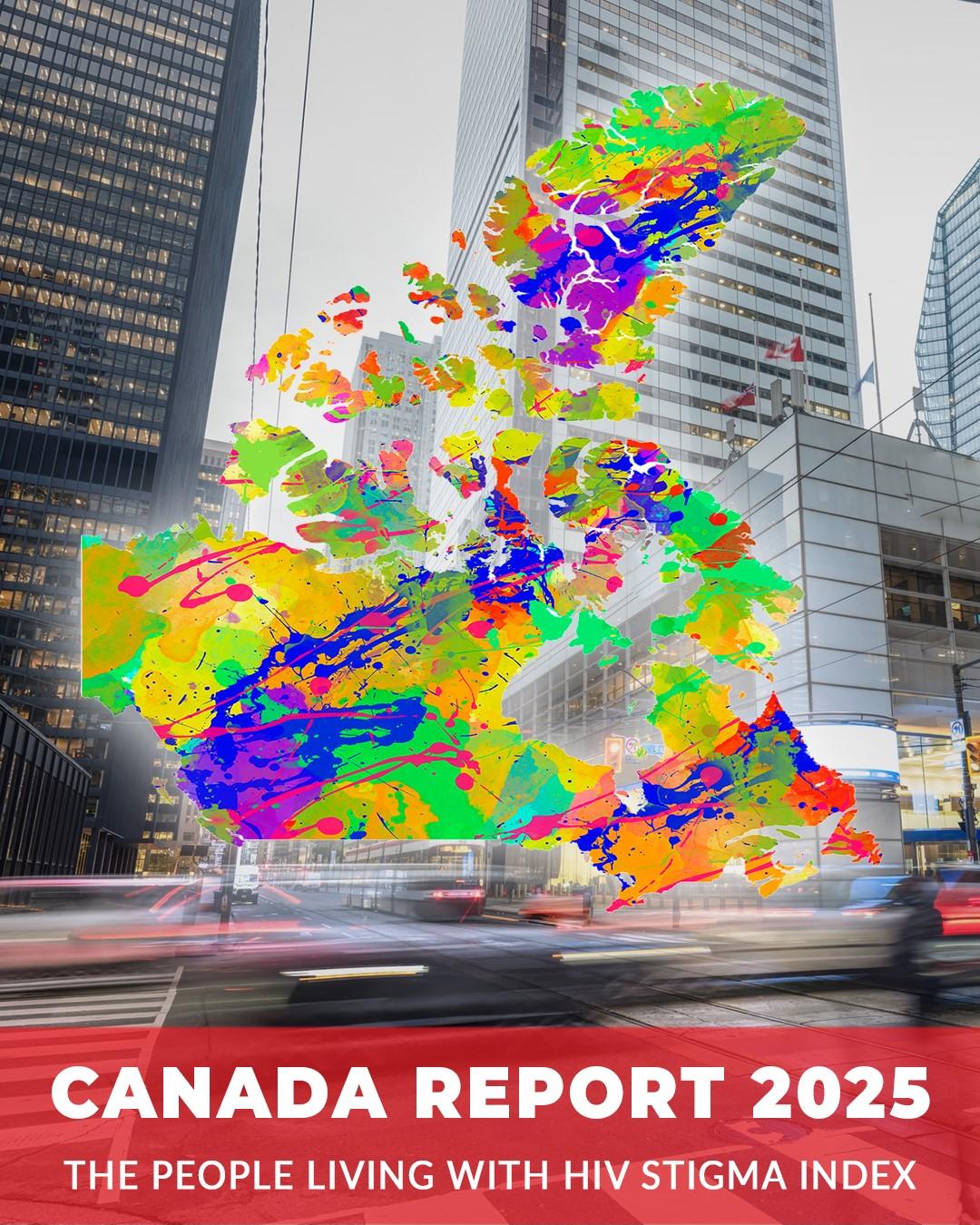
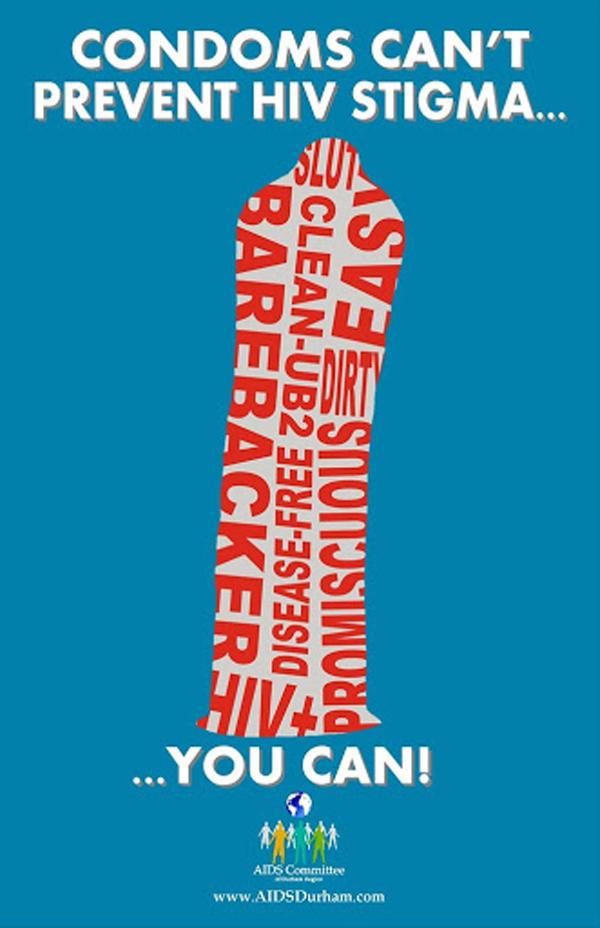
Better treatment did not end HIV stigma. In many ways, it just made stigma easier to ignore. The Canadian HIV Stigma Index tells a very different story. Stigma continues to perpetuate harm against people living with HIV, preventing access to the care and support that is often needed. While science and treatment have advanced dramatically over decades, there is significant progress needed to improve societal attitudes against HIV. Many people may believe that HIV is an issue of the past – but I beg to differ. The recently released Canadian Stigma Index Report reveals the numerous ways in which HIV-related stigma shapes the lives of people living with HIV: fear of status disclosure, feelings of worthlessness, withdrawing from relationships, experiences of harassment, to name a few. The Stigma Index is a global, community-led research initiative developed by and for people living with HIV. In Canada, more than 1,400 people shared how stigma continues to affect their healthcare, relationships, mental health, and daily lives.
One finding from the report that stands out: 1 in 3 study participants avoided or delayed seeking care because they were afraid of being mistreated in healthcare settings. No one should have to choose between protecting their health and protecting themselves from stigma — especially in the very places meant to provide care, dignity, and support when people are at their most vulnerable. Yet, it is clear that some feel that these spaces inflict harm rather than prevent it. I do believe there is onus on healthcare providers to treat all patients fairly and to be knowledgeable of key health-related information, including U=U (Undetectable equals Untransmittable). People living with HIV who are undetectable cannot sexually transmit HIV. Undetectable means that because of treatment, the amount of HIV in a person’s body is so low they cannot pass it through sex. However, despite overwhelming scientific evidence supporting U=U, misinformation and uneven awareness continue to fuel stigma.
These experiences are deeply connected. When people are repeatedly made to feel unsafe, judged, or exposed to misinformation about HIV, that stigma can become internalized. The Stigma Index report revealed that about 60% of study participants hide their HIV status due to fears of discrimination. No one should have to hide who they are out of fear for their safety or the way they will be treated.
So what do we do with this information? We start by listening to people living with HIV and being honest about what stigma still looks like today. We need to challenge the harmful narratives that continue to persist and show the realities of what it means to live with HIV now. People living with HIV can live long, healthy and fulfilling lives. HIV does not define a person’s worth or future. While there have been strong and engaging campaigns to educate the public on HIV, we seem to have hit a roadblock in reaching the mainstream. Important work has been done within the HIV-positive community and by allies who continue to stand alongside people living with HIV. But awareness within HIV communities alone is not enough.
HIV stigma is not inevitable. It is maintained through silence, misinformation, and fear. That means it can be challenged through honesty, education, and visibility. The science has changed. People living with HIV have changed the conversation. It’s time the rest of society caught up.
Ending HIV stigma will require collective action. Communities, policymakers, researchers, healthcare providers, and social service organizations all have a role to play in creating safer and more inclusive environments. It will take education, accountability, and collaboration to dismantle stigma. Together, we can move toward a future where people living with HIV are treated with the dignity and respect they deserve.
Alex Tran
Person living with HIV Research Coordinator, REACH Nexus alex.tran@unityhealth.to
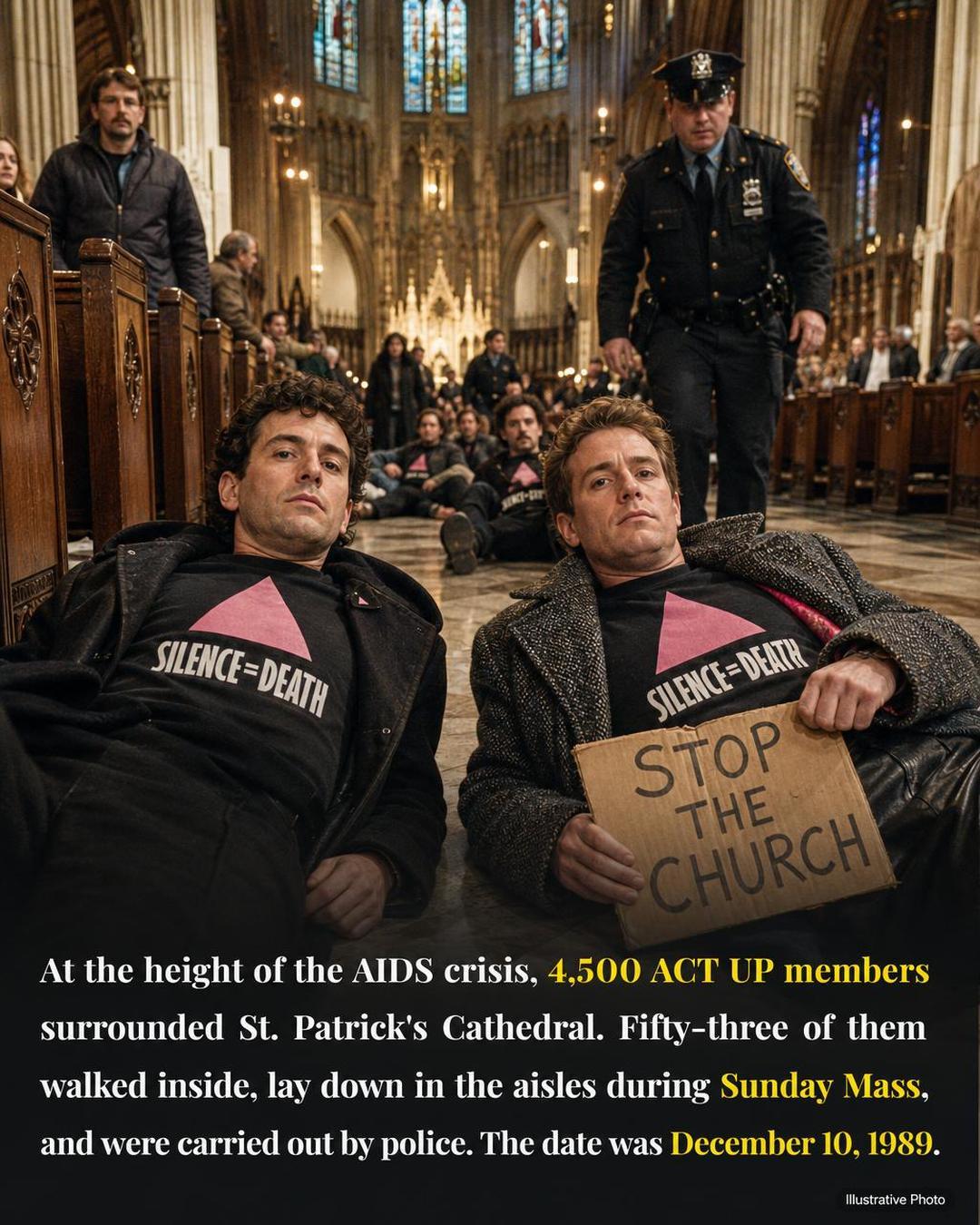
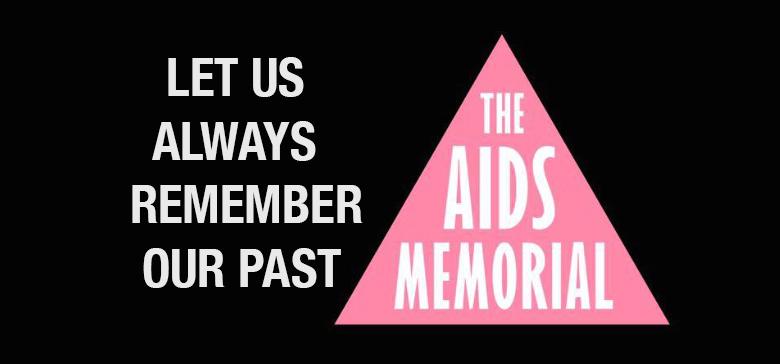
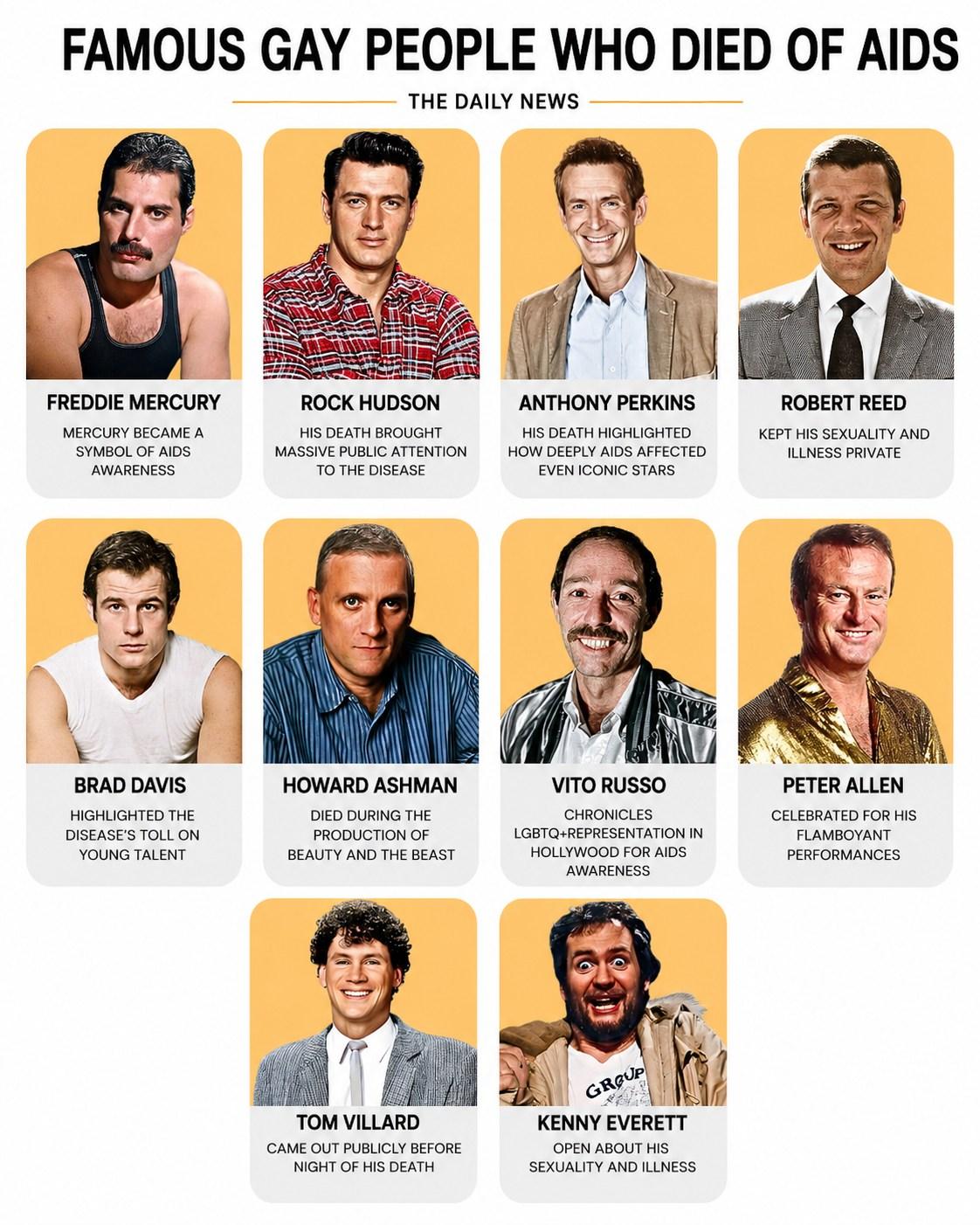
EDITOR’S NOTE: It was brought to my attention that a good way to fight stigma and show sex positivity is to share and remember some of the HIV activists we lost to AIDS.
The Life and Activism of SaVanna Wanzer: “A DC Legend” for Trans Liberation
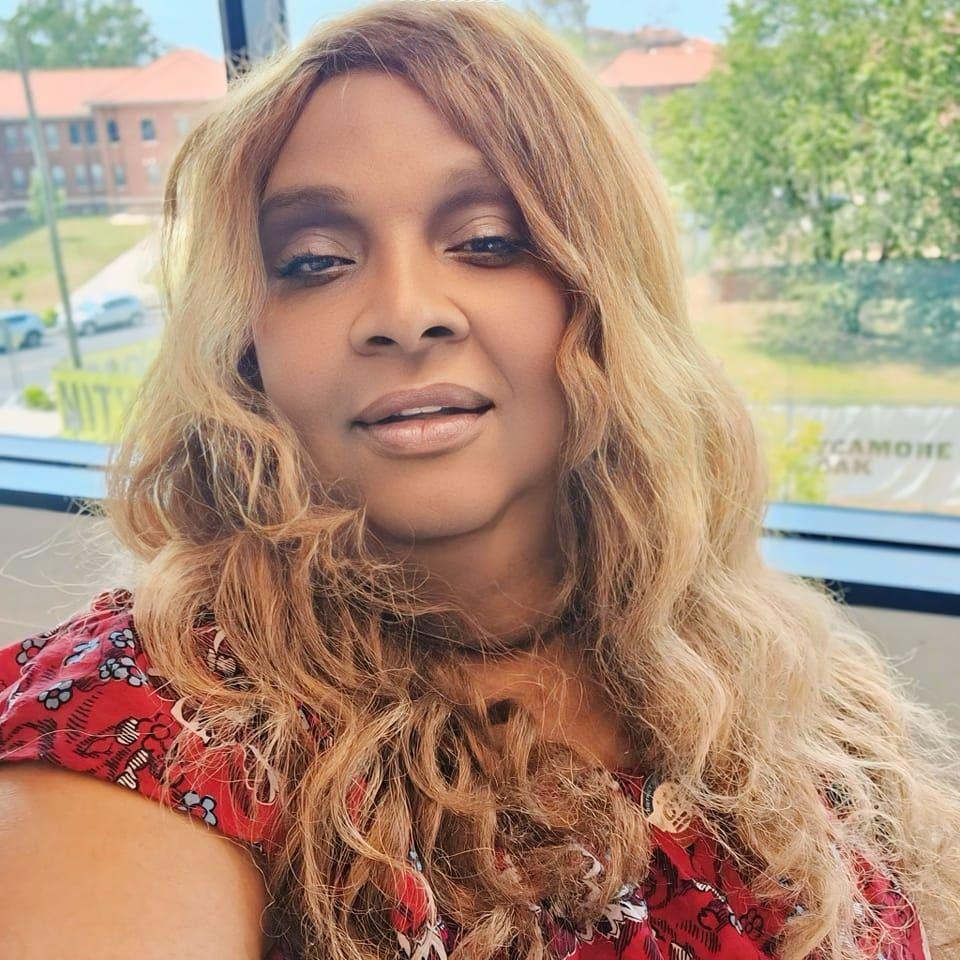
SaVanna Wanzer was a pioneering Black transgender activist, HIV educator, and community builder whose work reshaped LGBTQ+ advocacy in Washington, D.C. for more than three decades. She passed away on April 24, 2026, at age 63. Known to many as a “DC legend,” “trailblazer,” and “elder,” her legacy lives on through the spaces, programs, and traditions she founded for transgender people especially Black trans women.
SaVanna was open about living with HIV. She had been living with multiple health challenges for years, “including HIV, diabetes, and heart problems dating back to her teenage years”.
She used her own health experiences in her advocacy work she was described as a “passionate advocate for the trans community and for people living with HIV”, and volunteered extensively with Whitman-Walker Health and NMAC, organizations focused on HIV/AIDS care and support.
Early Life and Community Roots
A lifelong D.C. resident, Wanzer dedicated over 30 years to advocacy as a “Subject Matter Expert, Trans advocate, HIV educator, and transgender specialist”. She was open about living with HIV, diabetes, and heart conditions since her teenage years, and used her own health journey to push for dignity and equitable healthcare for marginalized communities. Wanzer was also candid about her years living a sober life, sharing her story to inspire others.
Founding Spaces for Trans Joy and Visibility
Wanzer’s activism was defined by creating spaces where transgender people could be “seen, protected, and celebrated”. Her major contributions include:
• D.C. Trans Pride – Founded in 2007 as Capital Trans Pride under Capital Pride Alliance. It grew into an annual all-day event with over 500 participants focused on the betterment of the trans community.
• D.C. Black Trans Pride – A program she created and led during D.C. Black Pride to ensure trans voices, stories, and leadership were “centered, celebrated, and protected”.
•
• May Is: All About Trans – Launched in 2018, this month-long series of events celebrates, features, and loves transgender people while educating and building bridges across communities. Her goal was to take it national.
• Westminster Presbyterian Church in D.C., her spiritual home, hosted the first Trans Pride and later her memorial service on May 17, 2026.
Service and Leadership
Wanzer broke barriers in LGBTQ+ and health organizations:
• First transgender woman to serve on the Board of Directors for both WhitmanWalker Health and Capital Pride Alliance.
• Served on the D.C. Mayor’s LGBTQ Advisory Committee
• Active CAP member for NMAC (National Minority AIDS Council) and DCCFAR (DC Center for AIDS Research)
• Volunteered with Whitman-Walker Health for over 25 years, including at the food bank, Name and Gender Legal Clinic, and HIV care programs.
• Connected to Food & Friends and other groups providing healthcare, meals, and mentorship.
• She also started and maintained multiple peer mentoring programs and co-facilitated an all-transgender support group.
Recognition and Awards
Wanzer’s impact was honored repeatedly:
• 2020 National Trans Visibility March Torch Award
• 2019 Leon Harris’ NBC 4 Hero
• 2017 D.C. Black Pride Unsung Hero Award
• 2015 Whitman-Walker Legal’s Robert Fenner Urquhart Memorial Award
• 2008 Capital Pride’s Hero Award
•
Legacy: “About Liberation, Not Just Representation”
Organizations from the Human Rights Campaign to the Center for Black Equity remembered Wanzer’s work as transformational. HRC’s Director of Strategic Outreach and Training, Tori Cooper, said:
“SaVanna will not just be missed for her work, but for her sisterly wisdom and her sense of humor. She was never too proud to share her journey… We are all better because we knew SaVanna. And now, she is among the ancestors.”
The Center for Black Equity emphasized that her work “was not just about representation, it was about liberation, community, and making sure Black Trans lives were honored in rooms, stages, policies, and movements that too often overlooked them”.
A celebration of life was held May 17, 2026, at Westminster Presbyterian Church, with a vigil the night before led by D.C. advocate Rayceen Pendarvis. The service was livestreamed and included ASL interpretation.
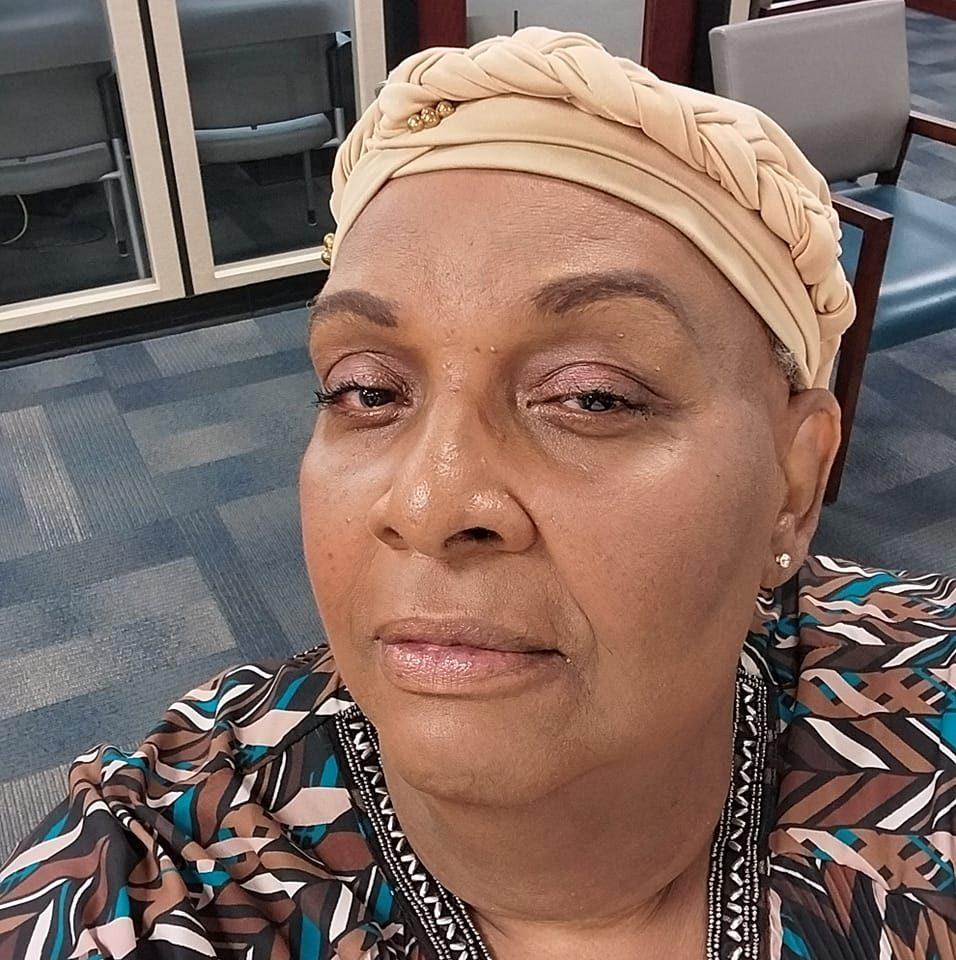
SaVanna Wanzer fought for Black trans lives “before the world was listening”. Through Trans Pride, Black Trans Pride, and May Is All About Trans, she built institutions that turned visibility into power. Through Whitman-Walker, NMAC, and countless mentoring relationships, she made sure that power translated into care, dignity, and joy. As the Washington Blade and HRC noted, she wasn’t just an activist she was family to a community.
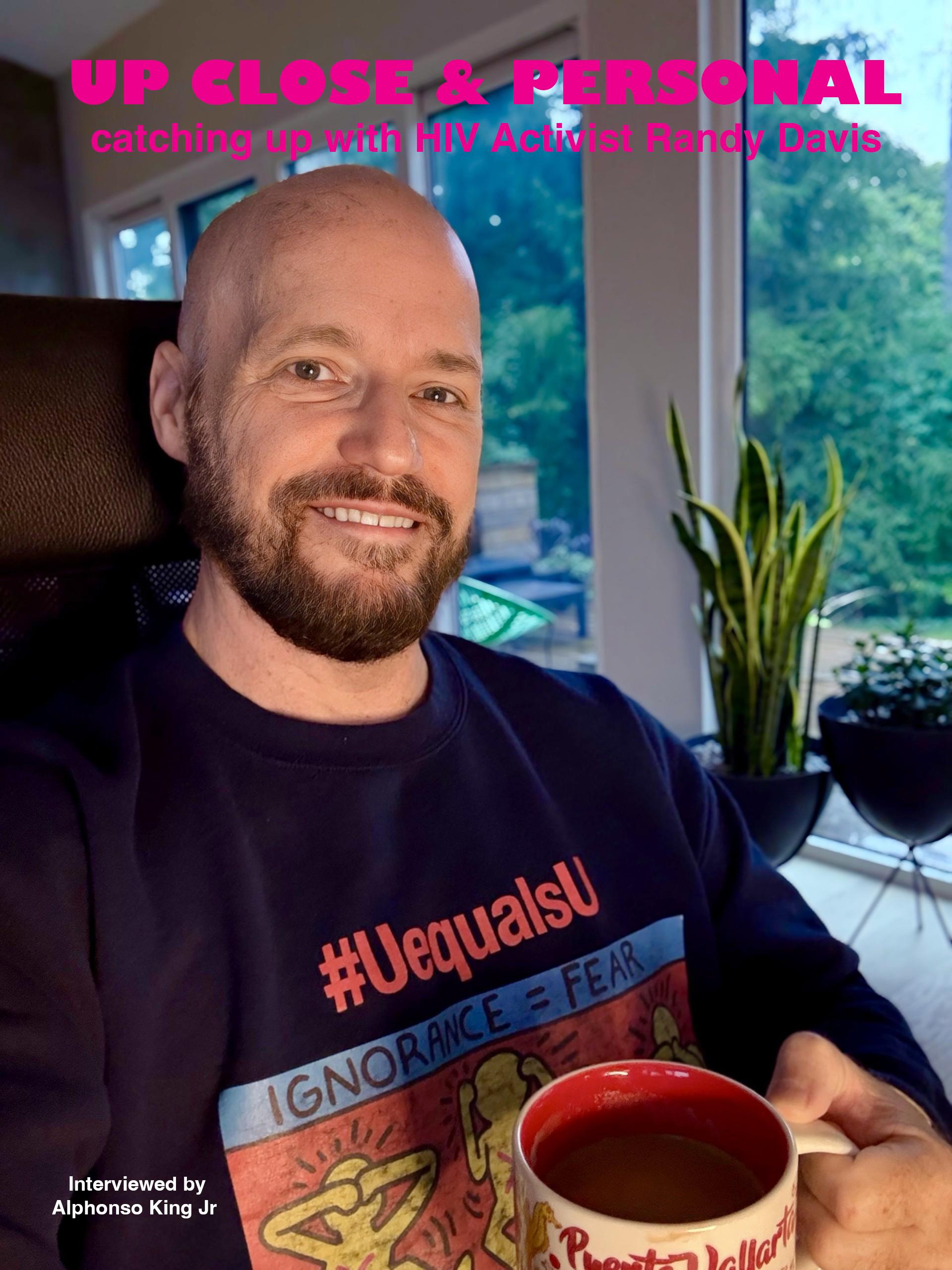
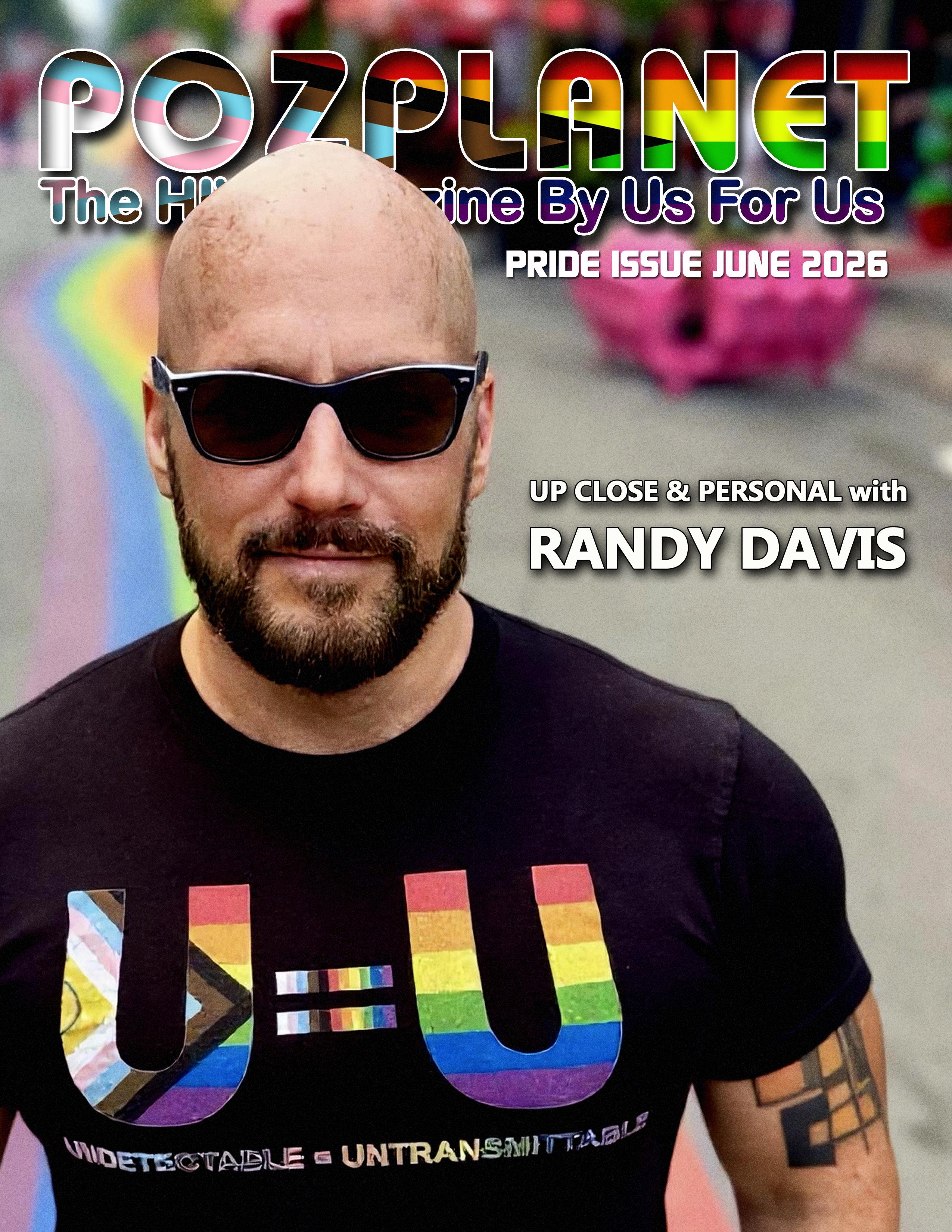
The last time we talked to Randy Davis it was 2022. He was in the kitchen at Casey House. He's moved on and is on a major campaign and still promoting U=U. Let's find out what he is up to four years later...
AKJ: Randy...how is my favourite "Accidental HIV Activist"?
RD: Honestly, life has been busy in the best possible way. The work has continued to evolve and so have I. I still laugh at the title “The Accidental HIV Activist” because I never imagined that sharing my own diagnosis publicly would lead to all of this. But over the years, I have realized that storytelling really does change hearts, minds, and lives.
These days I spend a lot of my time focused on U=U education. For anyone unfamiliar, U=U stands for Undetectable equals Untransmittable. It means that people living with HIV who are on effective treatment and maintain an undetectable viral load cannot sexually pass on HIV. ZERO possibility! That message continues to change lives around the world.
I also spend a lot of time focused on stigma reduction, leadership development, public speaking, and consulting through InclusHIV Consulting. I have been fortunate to work alongside some incredible organizations and advocates across Canada and internationally.
At the same time, I still try to stay grounded in the fact that I am just one person living with HIV who decided to speak openly. I never want to lose sight of that.
AKJ: So much has happened since our last chat back in 2022. What have you been up to?
RD: A lot has happened since then. Back in 2022, I was still very connected to frontline community work and peer support spaces. Since then, my work has expanded more into education, communications, consulting, advocacy, and leadership development.
I launched InclusHIV Consulting, which has allowed me to work with organizations, conferences, campaigns, and healthcare spaces looking to better understand HIV stigma, U=U, meaningful engagement of people living with HIV, and authentic community leadership.
I have continued my work as a CANFAR National Ambassador and remained active with organizations like the Ontario AIDS Network, the Canadian Coalition to Reform HIV Criminalization, and several advisory and mentorship initiatives.
One of the things I am most proud of recently has been becoming a certified trainer with U=U University, a Prevention Access Campaign initiative. I facilitate both the Understanding and Communicating U=U course and the Implementing and Evaluating U=U course with healthcare providers, advocates, service organizations, and community members.
I always encourage people to explore the courses whether they are living with HIV, working in healthcare, involved in community organizations, or simply wanting to better understand the science and impact of U=U. The courses are accessible, evidence based, and designed to help people communicate U=U more confidently and effectively.
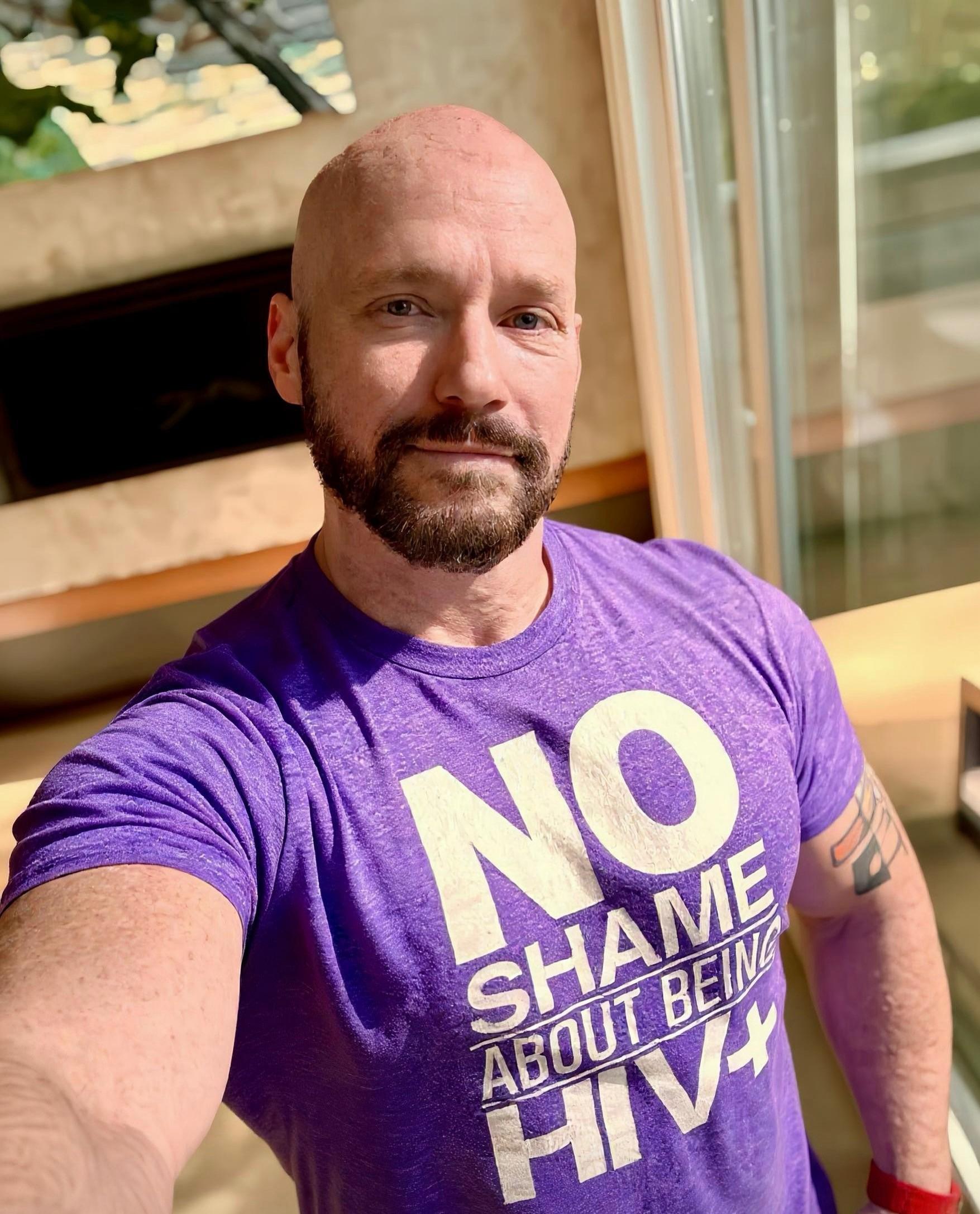
People can learn more about U=U University here: U=U University
I have also continued writing through my Substack publication, The Accidental HIV Activist, where I write about HIV, stigma, advocacy, aging, policy, and the realities of living openly with HIV today. And somewhere in there, I have also tried to remember to actually live life a little too.
AKJ: How is the "I Can Give U" Campaign going? How can someone get involved?
RD: The “I Can Give U” campaign continues to grow in ways I never expected when the idea first came to me during Positive Leadership Development Institute training several years ago.
At its core, the campaign is about shifting the narrative around HIV. For decades, people living with HIV have been associated with fear, danger, and transmission. I wanted to create something that challenged that directly while also creating space for people living with HIV to reclaim their voices and humanity.
The campaign uses photography and storytelling to highlight what people living with HIV can give the world instead of focusing on outdated stigma. Healing. Inspiration. Visibility. Humanity. Inclusion. Voice. Hope.
The response has honestly been incredible. I continue to hear from people who say the campaign helped them better understand U=U or rethink assumptions they had about people living with HIV.
Anyone interested in getting involved can learn more about the campaign here: I Can Give U Campaign Instagram
I am always interested in collaborating with people and organizations who believe in reducing stigma and amplifying authentic lived expertise.
AKJ: I've been seeing your face everywhere for Dovato. Tell us about your latest campaign and how you got involved.
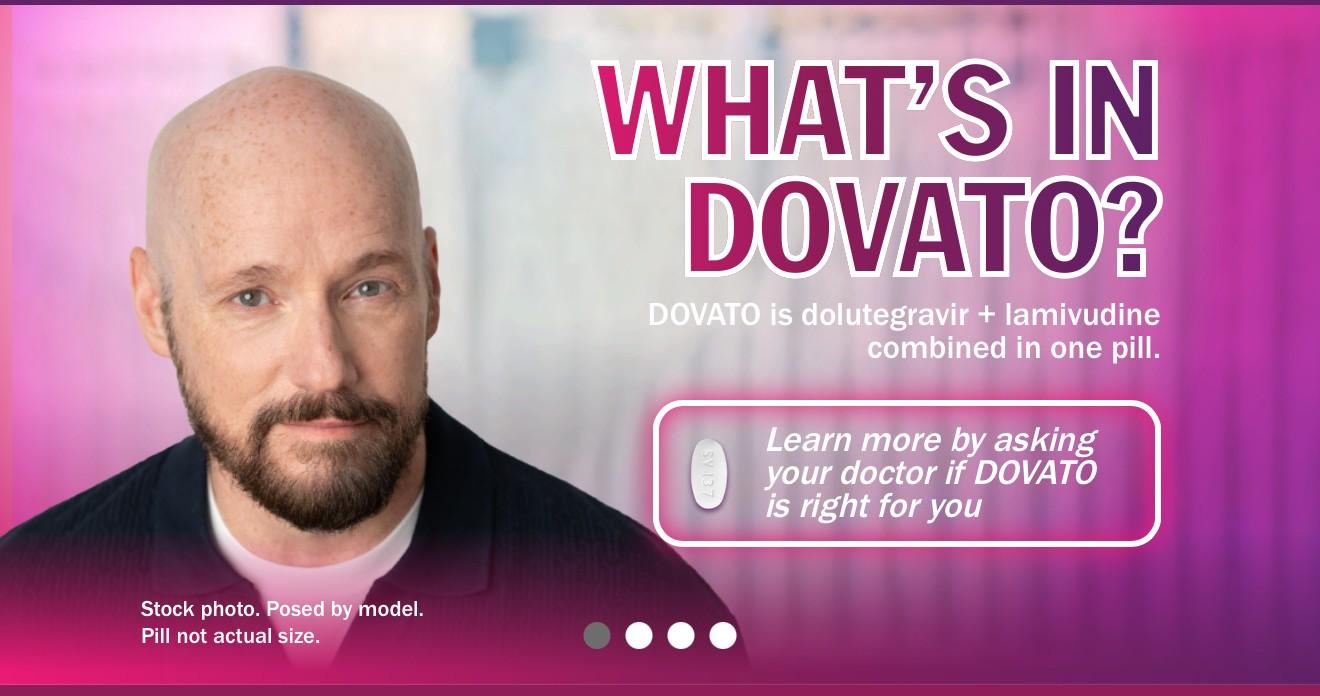
RD: It has definitely been a surreal experience seeing my face on transit shelters, pharmacy materials, digital ads, and even billboards across Canada. But what makes this campaign especially meaningful to me is that Dovato is actually the medication I take myself to maintain my undetectable viral load.
As someone living openly with HIV and actively educating about U=U, participating in this campaign felt very personal. For years, HIV campaigns often centered fear, illness, or stereotypes. What I appreciated about this opportunity with ViiV Healthcare was the chance to represent the reality of living with HIV today.
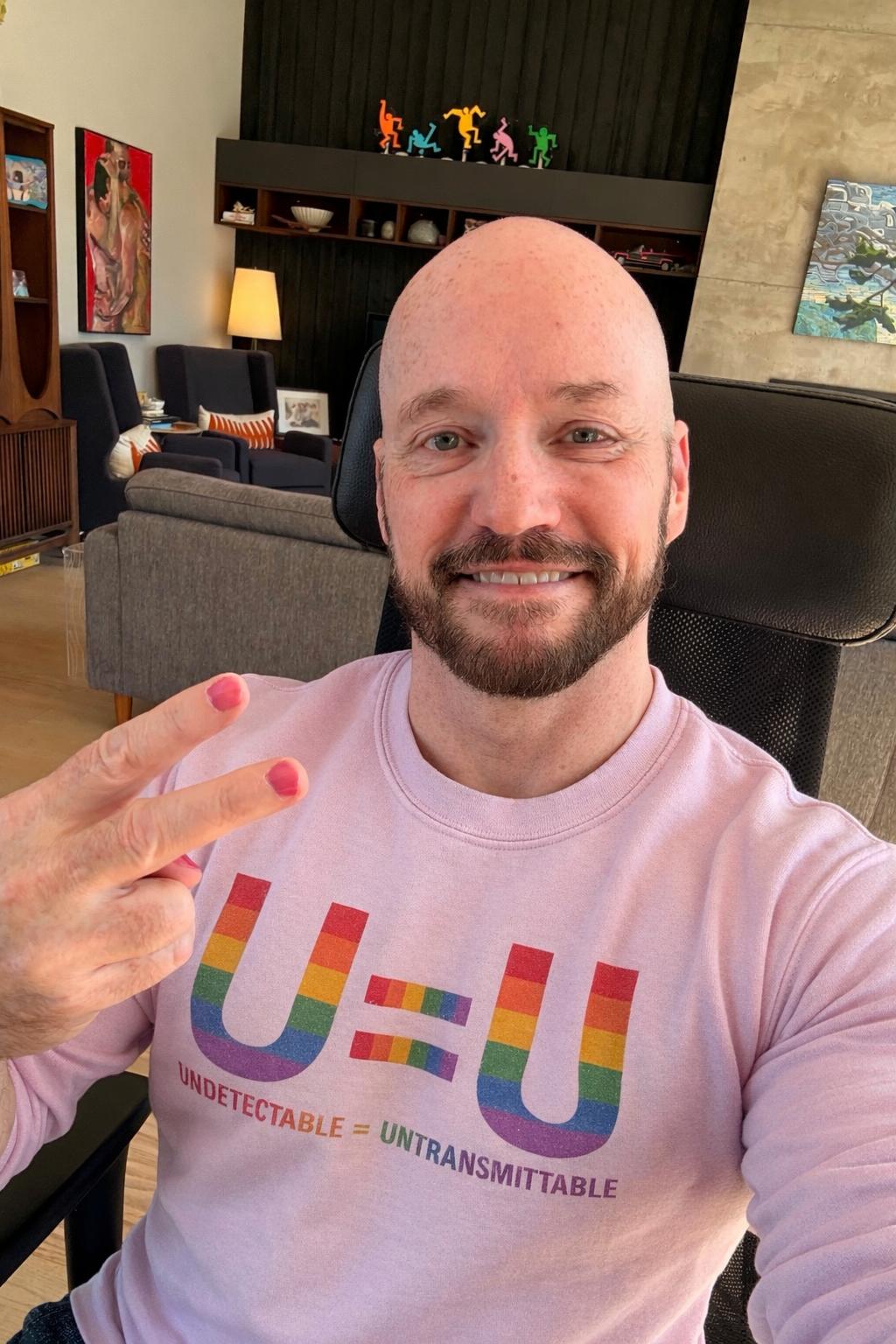
Treatment works. People living with HIV are living full and meaningful lives. We are visible. We are working, creating, advocating, building relationships, and contributing to our communities every single day.
I also think representation matters. There is something powerful about someone living openly with HIV being seen publicly in a campaign like this without shame or secrecy attached to it. I know there are people who will see these ads while navigating a new diagnosis or their own fears around HIV. If seeing someone like me helps them feel even a little less isolated, then being part of the campaign was worth it.
At the end of the day, this is bigger than one medication or one campaign. It is about visibility, science, dignity, and continuing to challenge outdated ideas about what it means to live with HIV in 2026.
AKJ: Now, our magazine has published a couple of your blogs. Where could someone who would like to follow you go to see them all?
RD: The easiest way to connect with all of my work, writing, social media, advocacy projects, media appearances, and speaking engagements is through my Linktree: The Accidental HIV Activist Linktree
That includes links to my Substack publication, The Accidental HIV Activist, where I share the majority of my long form writing. Some pieces are deeply personal while others focus on advocacy, policy, science, stigma, aging, criminalization, and current events affecting people living with HIV.
I try to write in a way that feels honest and accessible. I want people to feel invited into the conversation whether they are living with HIV or simply trying to learn more.
People can also connect with me across Instagram, LinkedIn, TikTok, Facebook, X, and YouTube through the Linktree as well.
AKJ: And lastly, I hear that you might be going to the upcoming AIDS Conference in Rio del Janeiro. Could you tell us about that?
RD: Yes, I will be attending AIDS 2026 in Rio and I am genuinely excited about it. This will be a particularly meaningful conference because 2026 marks ten years since the launch of U=U.
I am fortunate to be involved in several accepted conference submissions including workshops and presentations connected to leadership development and community engagement involving people living with HIV.
What excites me most is the opportunity to continue pushing conversations around stigma reduction, meaningful involvement of people living with HIV, and the importance of community leadership on a global stage.
We have made incredible progress over the past decade, especially scientifically. But stigma still remains one of the biggest barriers people living with HIV face. Conferences like AIDS 2026 are important opportunities to remind the world that science alone is not enough if people are still being left behind socially, politically, or emotionally.
There is also something incredibly powerful about gathering with advocates, researchers, healthcare providers, and people living with HIV from around the world. It reminds you that none of us are doing this work alone.
AKJ: Well, thank you so much for this update. And as usual whenever you have anything to promote or share please let us know so we can publish it. Thank you for all of the work that you do for the community.
RD: Thank you. I genuinely appreciate the continued support over the years. Publications like POZ Planet Magazine continue to create space for voices and stories that matter. That is incredibly important.
And thank you as well, Alphonso, for the decades of work you have dedicated to supporting people living with HIV and the broader 2SLGBTQIA+ community. Your commitment to creating space for our stories, amplifying community voices, and fostering connection and visibility continues to make a real difference.
Stay safe and stay well. Randy
Listen to the mix here: https://www.mixcloud.com/djrelentlessny/ear-candy-june-2026
Download your free video of this mix here: https://mega.nz/file/0iVljAzJ#DoGaS84b2V_boxCqKWVBXx3tYoZFlkfbbTkFsRPmHig
Subscribe to DJ Relentless’ Mixcloud page: https://www.mixcloud.com/djrelentlessny Follow DJ Relentless’ HearThis page: https://hearthis.at/djrelentlesstoronto
Pride Month is here and there are a lot of hot new tracks, great remixes and some really disappointing ones. We’ve got twenty-one selections to talk about. Some brand new and others reboots of the past. Legendary artists like Chaka Khan, Madonna & Duran Duran are back with new music. And we introduce you to some new one like Laufey and BL3SS. We even listen to a cancelled artist. So, we’ve got plenty to dicuss. Let’s get started, shall we?
When I first heard the title for Chaka Khan’s new single, I laughed. I couldn’t take it seriously. And then I saw the music video. “Chakzilla” is real. But after examining the lyrics I understood why she did it. She’s one of the last divas of color that can do a dance Pop dance song. The chant of “I’m a giant” is a declaration of her status as a vocalist. I read she recently told Mary J Blige that she fucked up her classic song, “Sweet Thang”. And if anyone has the right to say it, she does.
Another legendary act is Duran Duran who partnered with Nile Rodgers for their latest single “Free To Love”…just in time for Pride celebrations! Not sure if that was their intentions but after watching their performance on Jimmy Kimmel with all the rainbow graphics, I’m convinced I’m onto something. It’s a cure song but desperately needs some remixes.
Our third selection didn’t have a music video, but I liked it enough to include it in my set. Groove Armada has been consistent in releasing solid tracks that I would play. Their latest, “Love’s Theme” in my opinion is a hot single. Will it chart? Probably not. But I’m gonna be playing it! And no…it’s not a cover of the Barry White classic.
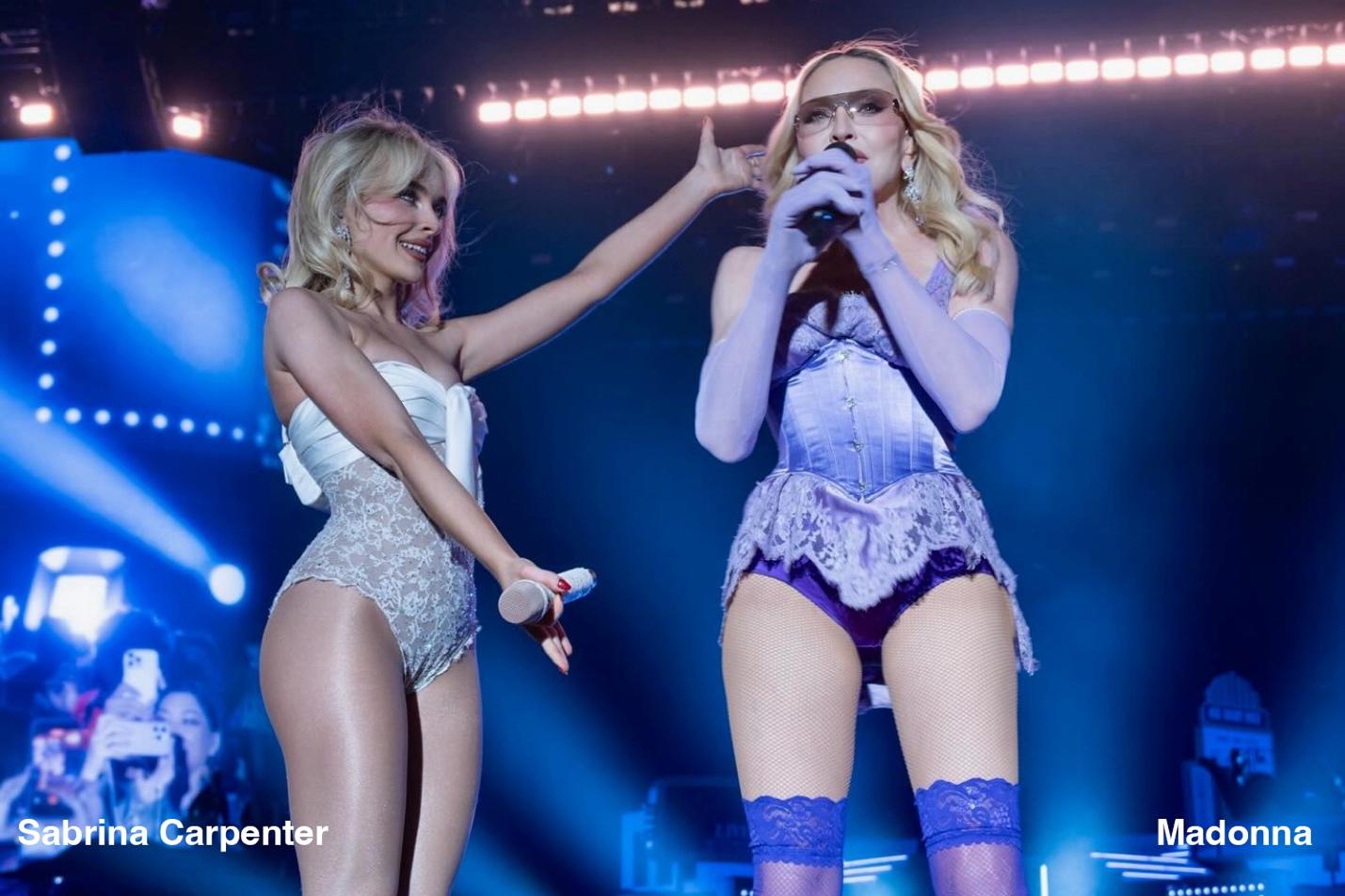
Our fourth selection is the LTD Remix of “Bring Your Love” by Madonna & Sabrina Carpenter. The original version didn’t do anything for me, but Licious The Daddy did a solid job of remixing this one. The groove and bassline of this version is the reason I’ll be playing this one.
One of our new tracks “Terms And Conditions” by BL3SS is one of my Hot Picks Hopefully there will be some remixes coming down the pike soon.
My husband told me about the artist known as Laufey. I tried listening to her but what I heard was a little too Retro Easy Listening for me. I did enjoy the music video for her single “Madwoman”. It featured Heated Rivalry’s Hudson Williams. So, when I heard there was a DJ Crow remix, I got excited. And he did not disappoint. Great job at reinventing our sixth selection.
Then DJ Crow struck gold again with his remix of Bruno Mars’ “Risk It All”. He gave this romantic wedding song a great dance-able version. I don’t think this song is as
catchy than “I Just Might” but I do appreciate the work that was done to do this version.
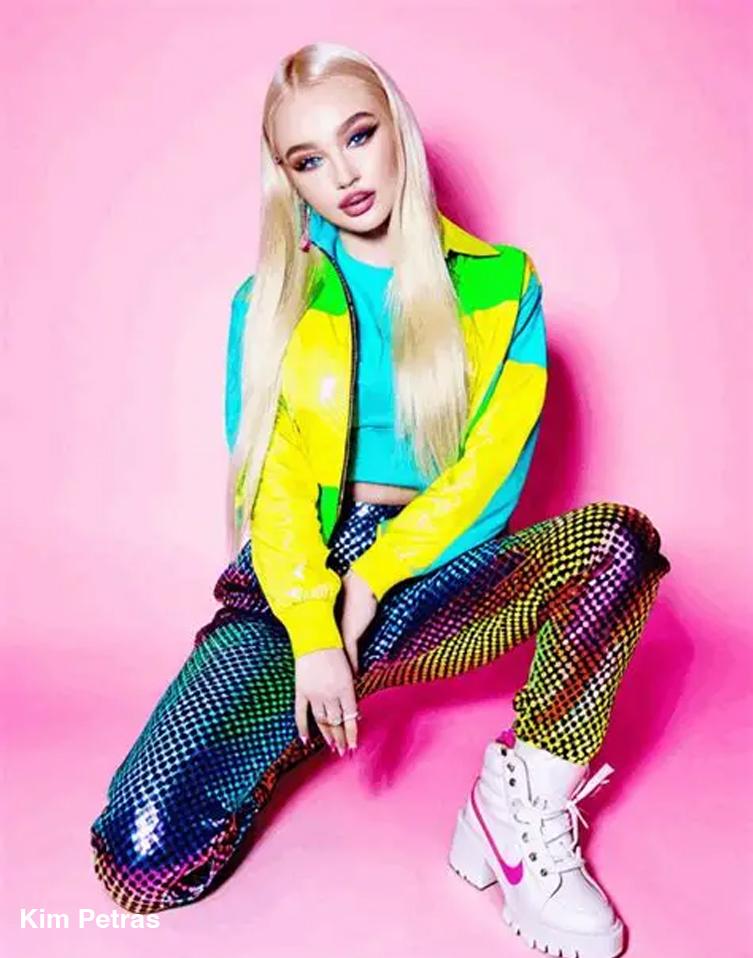
I always try to support our LGBT artists, and I have expressed my problems with Kim Petras in the past. I just feel that with such a huge platform she should be championing Trans Rights and concentrating on what her legacy will be. Her latest single is “Need For Speed”. I have resolved that she’s going to make slutty tracks. Hey…TS Madison used to be a sex worker. We can all grow and Ms. Madison definitely has. Her voice and work is so important right now. So, let’s hope that Kim will realize the voice that she has with this platform. But I wanna speak to whoever is Kim’s stylist. Stop doing the Old Hollywood Glam swoop for her hair. The hairline does not lend itself well to the look you’re going for. Watch the music video to see what I am talkin’ about.
Our ninth track is from another artist that I am still trying to figure out. Slayyyter seems to be more of an influencer who is looking to get as many followers as possible online than actual fans of her music. In the music video for her latest single, “Erotic Electronic” she appears to be walking through L.A.’s downtown completely naked at night. It’s bold and brave statement but it seems desperate. I have liked a few of her singles but her voice is being lost into the antics.
And our next track is another desperate attempt at getting attention… ”Which One” by Drake featuring Central Cee. Apparently, he has released three albums and has already taken over the Billboard charts. But embedded in some of the lyrics for “Make Them Remember” he has some wordplay that sounds like he is accusing the Black Community of being Nazis that don’t want to see him at the top. As soon as I started seeing the posts about that I immediately felt the same way I feel about Kevin Hart defending Tony Hinchcliffe’s distasteful George Floyd joke at his roast. Statements like these only alienate the person who makes them. I’m a Canadian citizen now and I know how Canadians always support their artists, but I cannot co-sign on this one. Drake…you can release as many albums as you want. It’s not gonna erase the ass whippin’ that Kendrick Lamar put on your reputation. You are “Not Like Us” and that ain’t gonna change. I’m biracial but black is all I will ever be in the eyes of a racist. And three albums at once really proves that point of how different Drake is. Those who live through the struggle of being black know what it means to be black.
When I heard “Sexistensial” I had no idea that the artist, Robyn. The lyrics were like nothing I associated with her. But I have to say that I loved it. It will definitely be on my playlist.
Our twelfth track is the Haute Toddy Remix of “Rock Music” by Charli XCX. Over the past four years Charli has had some big hits. After The Brat Summer I kinda lost interest. So, forgive me if I’m a little tired of the Bratty Fierce British Girl just ain’t hittin’ like she did a little while ago.
Megahn Trainor has definitely made some major transitions over her career. She was a thick girl when she burst on the scene with “All About That Bass”. I wonder if she still
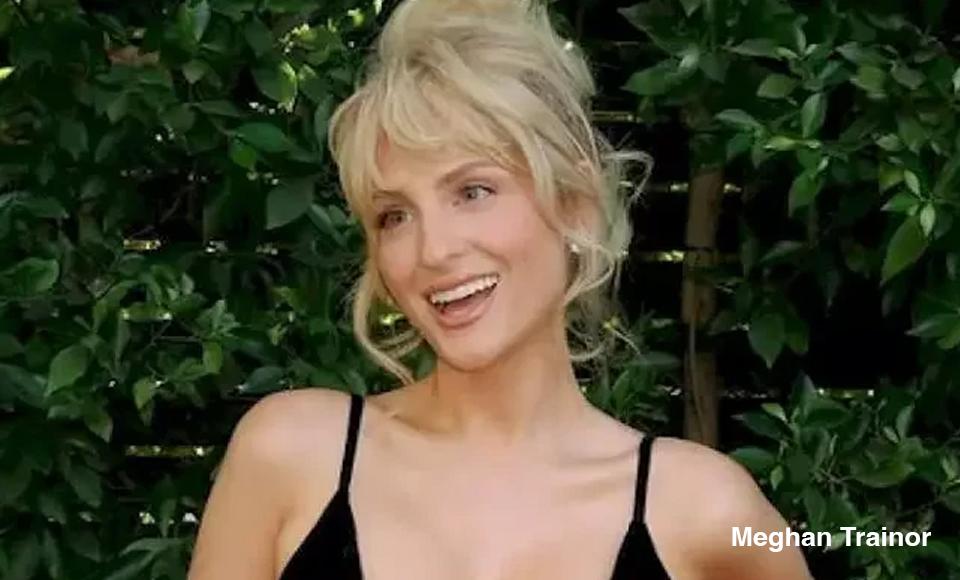
does that song in concert. I would just hit differently now that she has lost so much weight. She looks amazing! I’m just glad she hasn’t gone the Kelly Osbourne way. That child is a skeleton But anyway…I digressed. “Shimmer” is Meghan’s new single and I love it! Definitely going into my playlist.
Now our fourteenth selection would have been controversial five years ago. The artist was cancelled for his remarks about Lil Nas X. Of course I’m talking about DaBaby. In 2020, DaBaby was on the rise! He had hits with Camila Cabello and Dua Lipa. And then he took the stage at a concert and attacked Lil Nas X with his comments just because he was charting higher than himself. The backlash was immediate. Dua quickly removed his vocals from “Levitating” and went on to have a big hit. Camila didn’t do that that and “My Oh My” disappeared. Well after years of whining about the backlash and promising to donate to an LGBT charity, DaBaby just said fuck it and kept on making music. And the narrative of The Angry Black Man Caucus has had a speaking point for these past five years. Folks like D.L. Hughley have had a lot to say about LGBT people and how you better not say anything against them of your career is over. Which lends itself to the anger at our community because we stick together. And I believe that was the demise of the Black Lives Matter Movement. Because black straight men could not stand in solidarity with a bunch of fags and trannys. But as usual, I digressed. DaBaby is back with “POP THAT THANG” and David Guetta has done a remix. There is a music video for this song, but to sell it to the LGBT supported community they made a lyric video instead of using the Big Booty Flopping Titties
version that already exists.
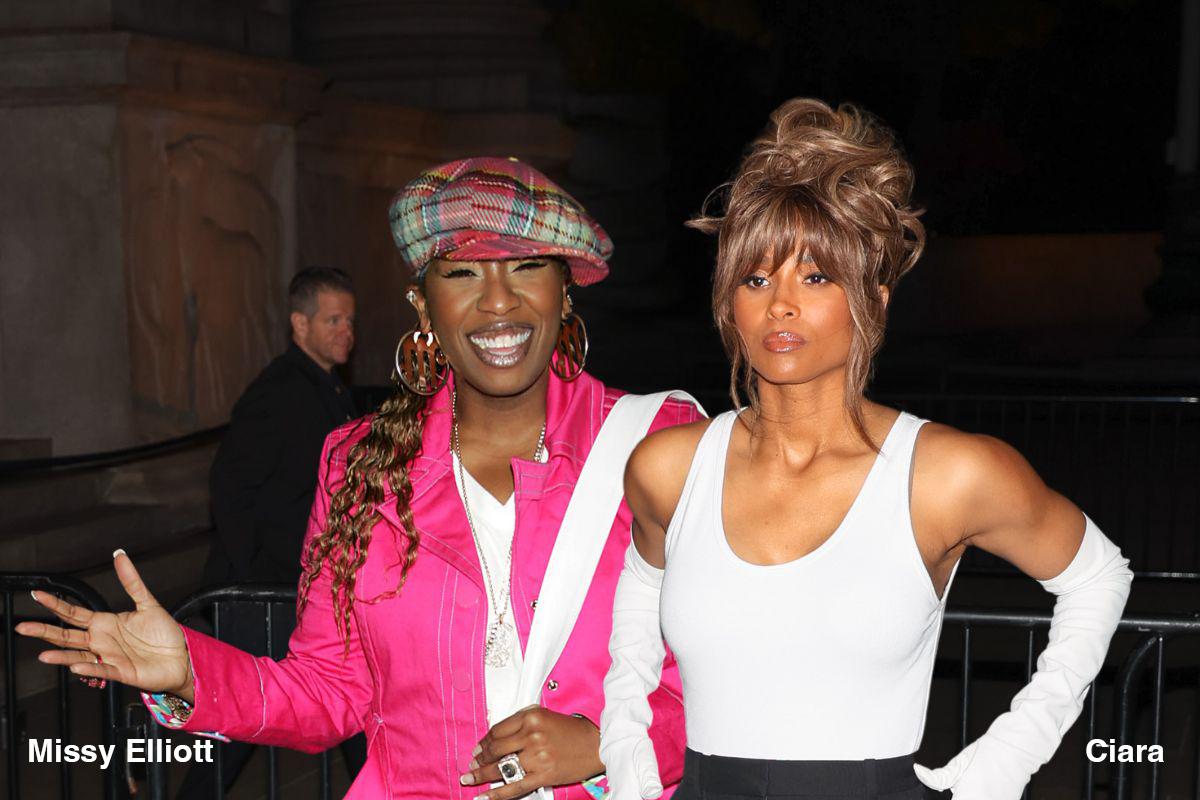
The Freemasons have done a new remix of “1, 2 Step” by Ciara featuring Missy Elliott. Love the production but wished they had incorporated more of Ciara’s vocals. They only used the hook. But they were smart enough to keep Missy’s rap. But maybe the Freemasons are trying to follow this trend of as few lyrics as possible. There are so many tracks that are just hooks. No main lyrics just a catchy hook. It’s sad and too many great songwriters are being pushed aside for a TikTok concept.
Could I take a moment to address the Freedom Williams controversy over performing for President Plump’s 250 anniversary show for the nation? First why did he post himself on the toilet? Is he that full of shit! The last time I saw him was in a KFC on East 14th Street in NYC back in the late 90s. Second Go ahead and sink yourself further into obscurity. You haven’t been relevant since 1993. You’re still performing the same tired rap you did back when Robert Clivilles & David Cole gave you an opportunity. If you were a better rapper, you would have continued on a solo career with a string of hits. So, get the fuck outta here with your threats of doing the gig to spite the naysayers! You can’t be cancelled because you have no career!
Our sixteenth track is “Jamaican (Bam Bam)” by Hugel & Solto. Now, before I get into describing the track I have to give credit where credit is due. This track samples the Reggae classic “Bam Bam” by Sister Nancy. Why they didn’t list her as a feature is
another slap in the face to the Black Community. Raping and pillaging our culture and listing it as their own creativity is just their way, I guess. The track is great, but the omission of Sister Nancy’s name makes me not wanna play it.
And speaking of a Reggae classic, the Sefu Remix of “It Wasn’t Me” by Shaggy featuring Rik Rok is definitely going into my playlist. I have heard a few bootleg remixes and mashups, but this is probably the best version I have heard besides the original.
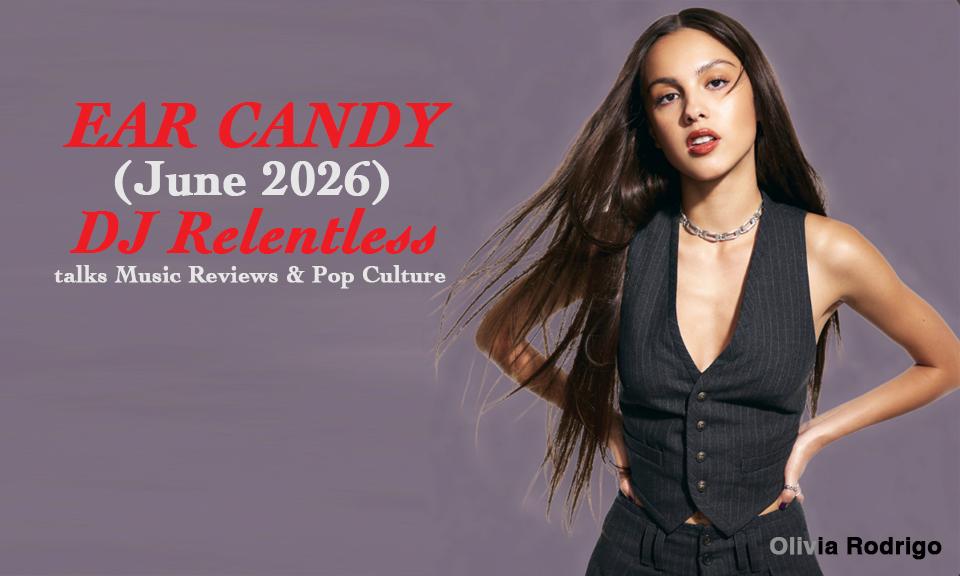
When I heard the original version of “Drop Dead” by Olivia Rodrigo I immediately said “I’m never gonna play this”. It was too Poppy and felt like a radio hit. But then I heard the Block & Crown vs Paul Parsons Remix and gave it another chance. Will I be rushing to play it in a future set? Absolutely not. But now I have a version that I can live with if it gets requested.
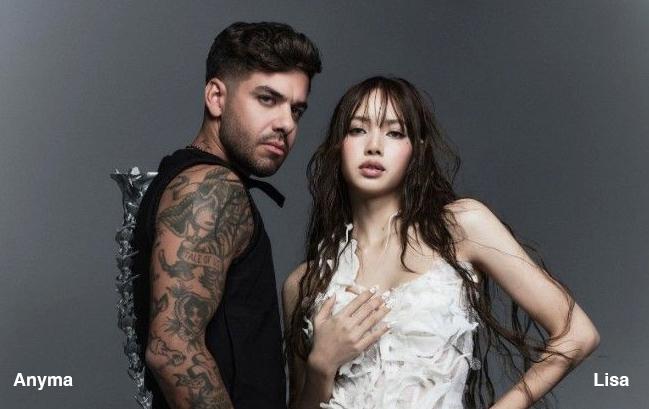
If you have been following this column, you know that I am not really a fan of K-Pop. So, I don’t keep up with the big names in it. I know that Lisa was a big deal last fall. She started doing a lot of collaborations last year. I had never heard of DJ Anyma. Well these two have come together to bring us “Bad Angel” Not really my cup tea. This will be one of those “if I gotta play it because someone requested it” tracks.
For our twentieth selection after the “Bad Angel” comes the Dirty Disco Pillowbiters Remix of “New Religion” by Bebe Rexha When I heard the original, I immediately recognized the rhythm track of “Insomnia” by Faithless. It’s always interesting when
a 90s hit is rebooted with new lyrics. I loved her last single, “Çike Çike”. This new song is okay. I could see how many DJs will jump on it. I didn’t care for the original and this new version doesn’t do anything for me either.
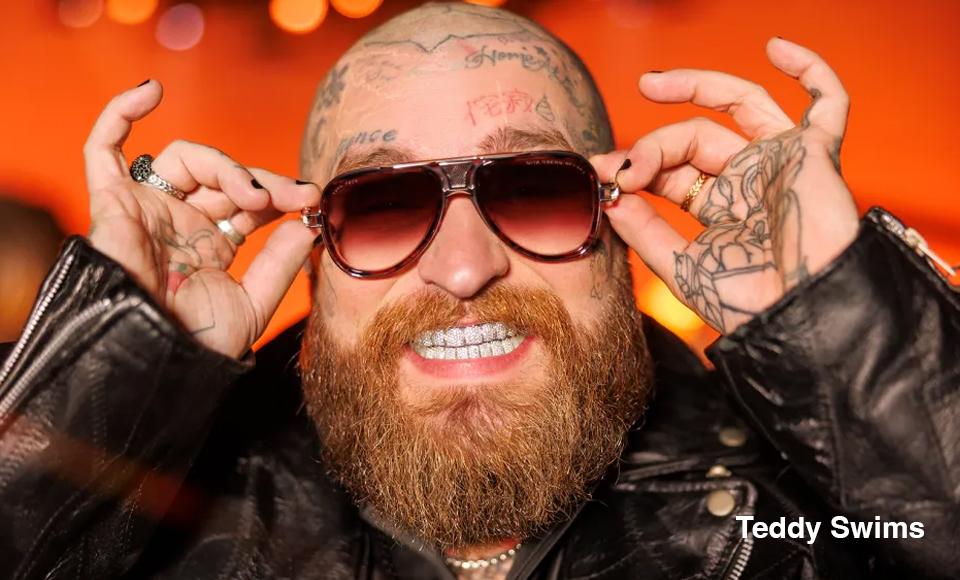
And to close out our June EAR CANDY mix is the PeteDown Poolside Remix of “Mr. Know It All” by Teddy Swims. I really loved “Lose Control” when it dropped. It was a specific time and moment in Pop music. But somehow that moment hasn’t happened again for me with Mr. Swims. I’m sure it will do well for radio play, but I won’t be playing it unless someone asks.
Be sure to catch my weekly MASTER CONTROL radio show on Sandcastle Radio every Monday afternoon at 3 PM (EST) where you never know what I might play when I hit the decks. I have been using this hour of radio to share my 46 years of a DJ career. All the different genres and the history behind why I played these tracks. Hopefully my journey will inspire other DJs to expand their musical taste. It’s definitely helped me through my years. Plus, I am considering also doing a weekly video show. Let me know what you think. Find me on social media and let your voice be heard! And don’t forget to get your free download of the video mix of this month’s EAR CANDY mix back at the top of this article. There’s also all the links to where you can find my past catalog of audio mixes.
You can tune in here for my weekly radio show: https://sandcastleradio.org
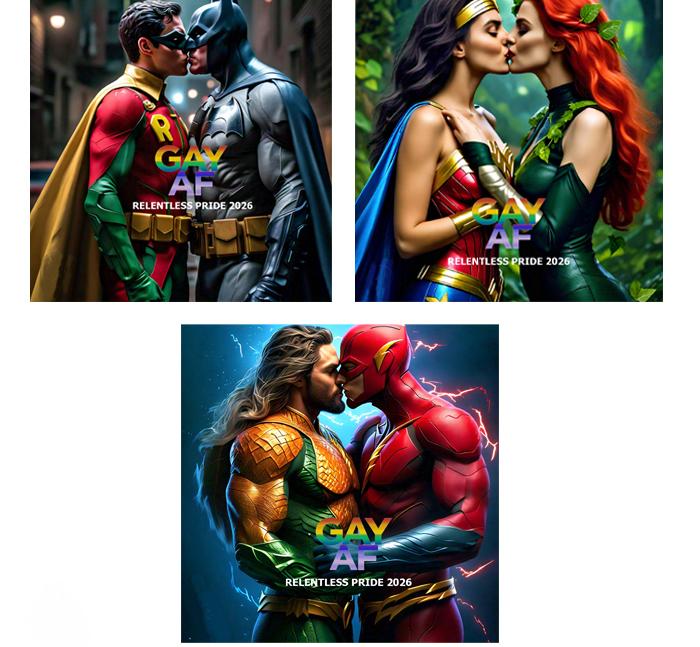
GAY AF: Relentless Pride 2026 Mix #1
https://www.mixcloud.com/djrelentlessny/gay-af-relentless-pride-2026-mix-1
GAY AF: Relentless Pride 2026 Mix #2
https://www.mixcloud.com/djrelentlessny/gay-af-relentless-pride-2026-mix-2
GAY AF: Relentless Pride 2026 Mix #3
https://www.mixcloud.com/djrelentlessny/gay-af-relentless-pride-2026-mix-3