Find the original article here: https://medicalxpress.com/news/2026-06-hiv-stigma.html
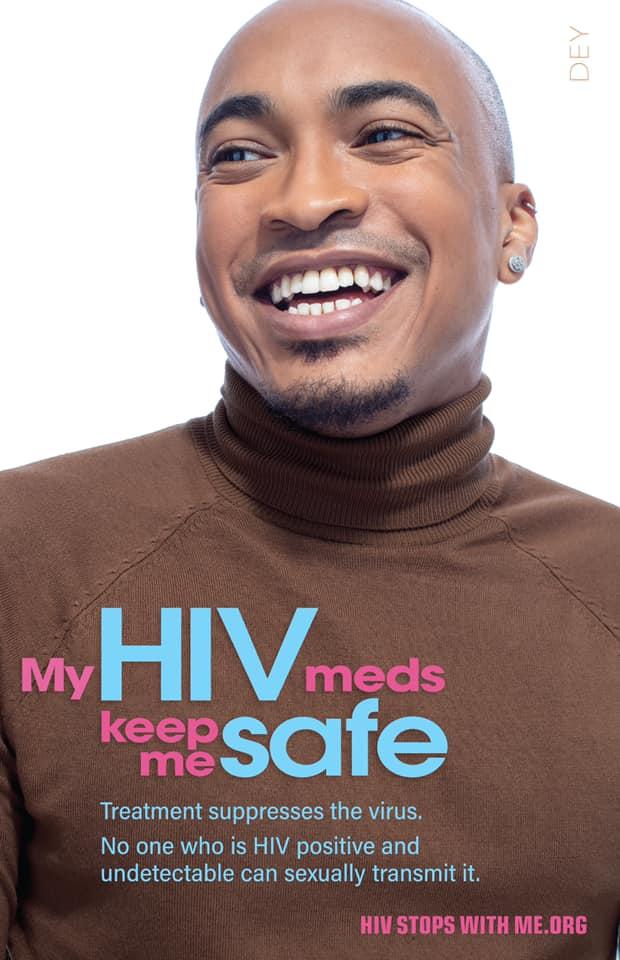
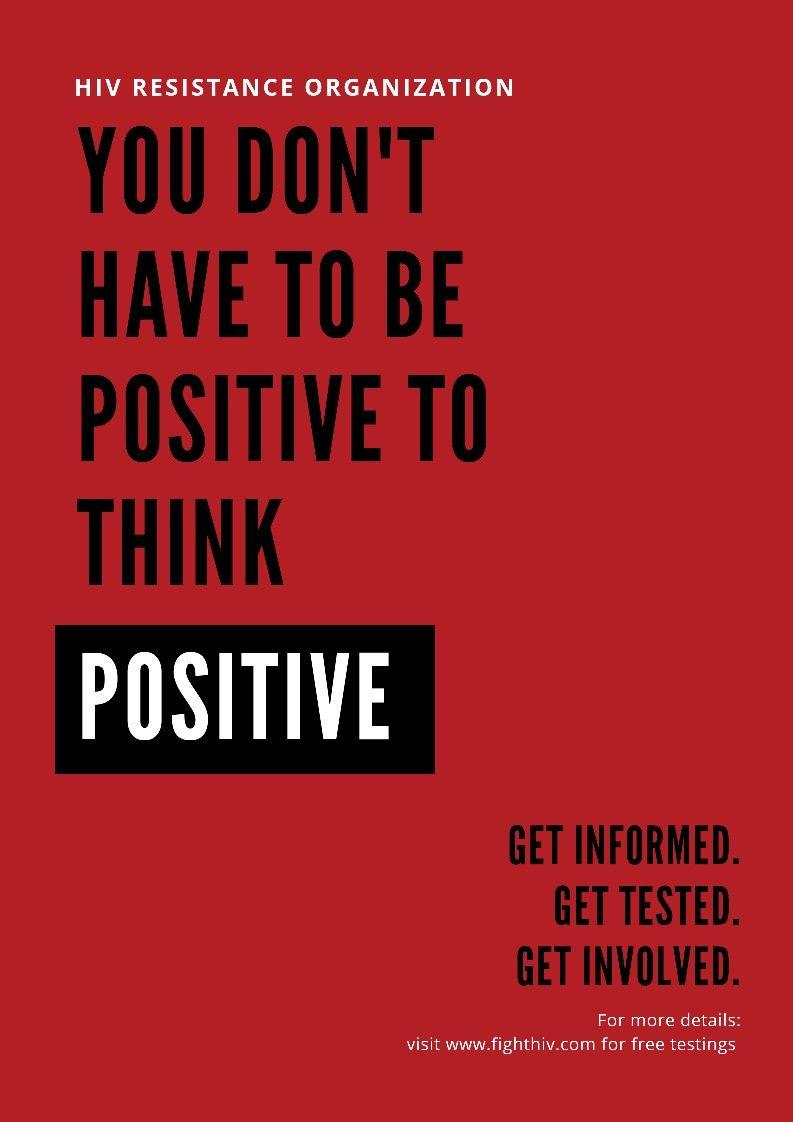
The most useful thing about a new HIV prevention guide may be a question it never asks: Why do you want to know about pre-exposure prophylaxis, or PrEP? In a pilot study at three clinics, a two-page decision aid helped people choose between a daily pill, long used to prevent HIV, and a newer injectable treatment given every two months, without requiring them to disclose details of their sex lives or explain why they wanted protection.
The study in PLOS Global Public Health details patient reactions to a decision-making tool.
The lead author, Wendy Davis, and senior author, Deanna Kerrigan, developed the tool with collaborators at the University of North CarolinaChapel Hill and community partners in Washington, D.C., when they were at George Washington University and have since joined the Rutgers School of Public Health. Davis now serves as program director for research development and training, Kerrigan as vice dean and Henry Rutgers Chair of Whole Person Health.
Two options, plainly compared
The guide sets the two forms side by side: One panel covers how each is used, how well it works and its side effects, while the other turns to preferences, such as taking a pill every day versus traveling to a clinic for a shot.
The tool targets an awareness gap. When the team first interviewed people who could benefit from PrEP, 80% had never heard of the injectable, which the Food and Drug Administration approved in December 2021. Nationally, fewer than 1 in 200 PrEP prescriptions were written for it. And in 2022, only 36% of the estimated 1.2 million Americans who could benefit from PrEP were taking any form of it, the researchers said.
Removing the need to justify
What set the tool apart, participants said, was that it carried no risk assessment. Because it never asked them to account for their behavior, they didn't feel they had to justify their interest in PrEP. People described the guide as a "third party in the room" and an "icebreaker" that "leveled the playing field."
The relief was especially clear among those who aren't always considered candidates for PrEP, such as older adults.
"We have a lot of options in HIV and other areas that we know work to protect and treat," Davis said. "A big challenge in public health now is how we make people aware of these options so they can use them to their benefit."
The lesson was almost plain, she said: "If you ask people what they want to know and how they want to receive it, and then you do that, they like it. It helps them decide."
Gaps the guide hopes to narrow
The team wrote both English- and Spanish-language versions of the guide in the plainest possible terms.
The disparities the tool aims to address are wide. Women made up 8% of PrEP users in 2023, but 19% of new U.S. HIV diagnoses. Black Americans accounted for 39% of new diagnoses but 14% of users.
The authors caution that the pilot used mock clinical visits rather than real appointments, that answers may reflect a wish to please, and that one participating clinic may be unusually experienced with PrEP. They say a larger, real-world trial is warranted. The tool is freely available with the open-access study, and the authors said clinics are welcome to use it.
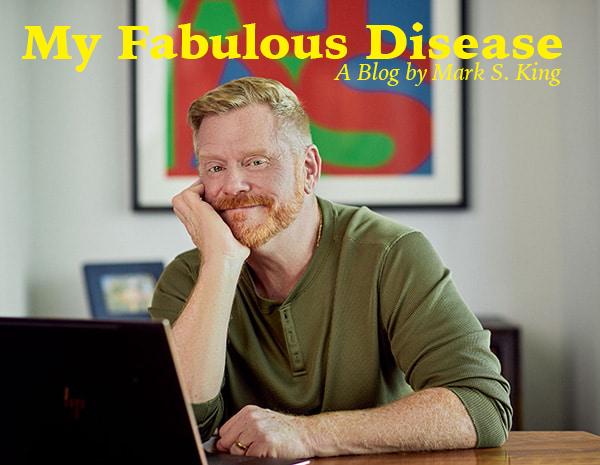
Find this blog and many others here: https://marksking.com/my-fabulous- disease/seven- days-atlanta
On June 5, 2026, as part of the national “Seven Days in June” campaign, Atlanta advocates held a rally and vigil in Piedmont Park. We told our stories and vented our rage at an administration that is dismantling social safety net programs and gutting public health prevention and treatment efforts.
Our number included Maxx Boykin of PrEP4All, Malcolm Reid of the U.S. People Living with HIV/AIDS Caucus, Dazon Dixon Diallo of Sisterlove, Jeff Graham and Noel Heatherland of Georgia Equality, Allison Glass of Amplify Georgia, the Rev. E.N.Hill, community advocate Jon Greaves, and former CDC employees who have banded together as the National Public Health Coalition, among others.
Here are my remarks at the event, which also marked HIV Long-Term Survivors Awareness Day:
My name is Mark. It is a name that will be remembered by those who love me.
On June 5, 1981, exactly 45 years ago today, a doctor with the name of Michael Gottlieb published a report in a CDC publication about five men who mysteriously died from pneumocystis pneumonia. Those five men had a disease that did not yet have a name. But those patients had names. Their names were Michael and Chuck and Gary and Phil and Brad.
Within a couple of years we would know how they died. They had a virus we named HIV, and a disease we named AIDS.
45 years ago. Since then, an estimated 45 million people around the world have died of AIDS. Many of them were friends of mine. All of them left someone who is grieving them to this day.
Only a few years after that report, we had the first test for HIV and as soon as it became available I took it and I was positive. That was more than 41 years ago. Why I didn’t die, why I am standing here four decades later when so many others are not, is a question I stopped asking a long time ago.
I know part of the why. Because our government got off its racist and homophobic ass in the 1980s and 1990s and engaged in research. Because there were safety net programs that saved my life when my health and my finances collapsed. Because the people most affected by the disease, brown bodies, black bodies, trans bodies, queer bodies, stood up and took care of one another and started food pantries and support groups and clinics and organizations
We fought against the ignorance and fear of who we were and the virus we carried. I say all this because what is going on right now fills me with a familiar, creeping dread.
The very safety net programs that helped me stay alive are being slashed by billions of dollars. Cuts to Medicare are set to go into effect after the midterms, in what has got to be one of the more cynical cases of bait-and-switch that we have seen in politics. Food programs. Health insurance subsidies. All getting the ax. Already, more than half a million people in Georgia have opted not to renew their health insurance because they
lost the aid they needed to pay for it. People will die. We will be raising candles at vigils to them someday
I remember what it was like to feel truly forlorn, to feel that as a gay man living with HIV, my government did not care if I lived or died. Well, we’re now dealing with a regime that has bigger ambitions. It does not care if ANY of us die as long as they can keep profiting and building obscene wealth and making black market bets on wars and covering every flat surface with gold leaf.
But here’s the thing. I know the names of those people too, and so do you. And I am going to remember those names, and every name of every person who did not have the courage to stand up to this agenda of hatred and neglect. I am going to remember those names as long as it takes to wipe them off the political landscape.
I am going to take the grief I feel over lost friends, and the grief I feel for the death and suffering yet to come due to these insane, cruel policies, and I am transforming it into action.
I am taking my action to the polls. I am taking action to phone banks, and town halls, and onto the letters to the editor pages, and anywhere I can add my voice. We must all do this. We are all capable of doing this
And when this passes, and it surely will, I will return to holding close the names of those I love and those I have lost. And the names of the people who brought this chaos on this country? Well, history will render its verdict on their legacy, but as for me, I will forget their names.
I do not have room for them. I am full.
Mark
EDITOR’S NOTE: It was brought to my attention that a good way to fight stigma and show sex positivity is to share and remember some of the adult actors/sex workers as well as celebrities we lost to AIDS.
Facebook page: https://www.facebook.com/theaidsmemorial
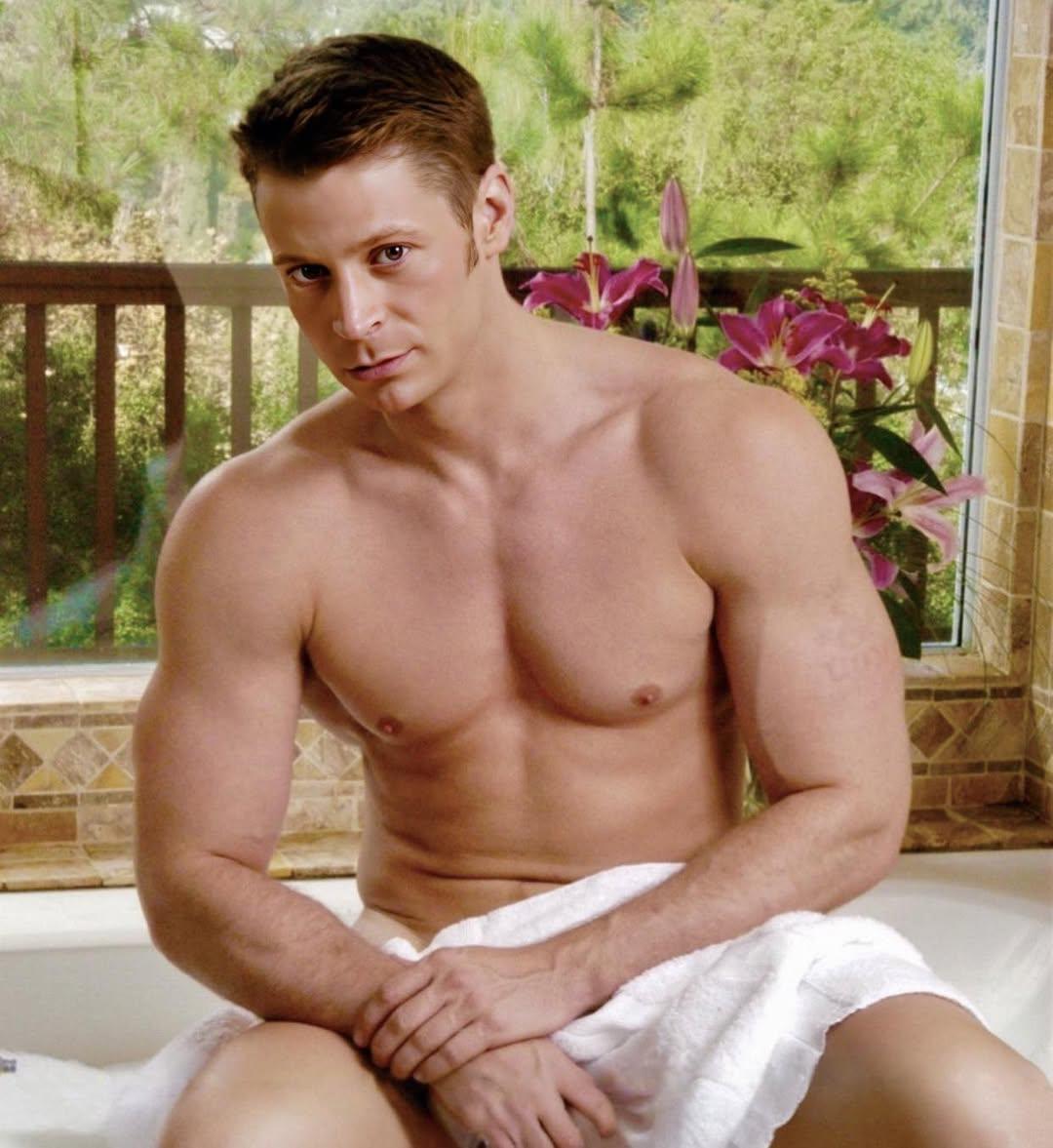
Chad Jason Hull (1973 – 2012), known to gay <ilm audiences as Josh Weston, died of AIDS-related septic shock and bacterial endocarditis in San Francisco.
A native of Nevada, after graduating from college, Chad moved to San Francisco and started a career as a personal trainer. He was discovered by adult <ilm producer/director Chi Chi LaRue while dancing at the Nob Hill Theatre.
Chad’s obituary stated, “His body fought hard. The severity of the infection was beyond any available medical interventions.
Chad was special. He was unique and one-of-a-kind. He enjoyed books, was well-read and a deep-thinker. He wrote amazing poetry. He enjoyed art exhibits, sculpture and botanical gardens. Chad's artistic creations are the foundation of my (his mom's) home decor. He loved to shop! His favorite screenplay was HOME. Chad was stunningly handsome, absolutely adorable, yet a humble guy. He loved working-out and was a dedicated body-builder. He was thoughtful, perceptive, sensitive and compassionate. Chad was hilarious with wit and humor that was signature. he was bold and brave with a beautiful spirit. he had a special spot in his heart for animals, kids, the elderly and his
family. His favorite performer was Madonna. He thought Ellen Degeneres was absolutely amazing.
In memory of Chad, love who you are. Go forth, with con<idence, know that you matter and keep your loved ones close. Chad passed embracing what had been and what was not to be and the journey ahead. He wanted every touch, every kiss, every hug, every moment. he was accepting of his lot in life and it was well with his soul." #whatisrememberedlives
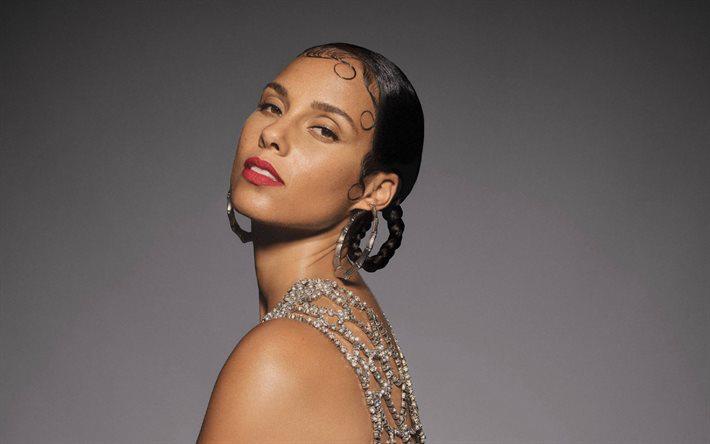
Alicia Keys co-founded Keep a Child Alive (KCA) in 2003 with AIDS activist Leigh Blake. Keys says the HIV/AIDS crisis first hit her at age 8 when her mother’s friend died from the disease, but her commitment deepened after a trip to South Africa at age 21. Visiting clinics with mothers and children living with HIV, she saw the lack of resources and education and felt compelled to act.
KCA was created as an emergency response to get antiretroviral medication to children dying of AIDS in Africa. Today the organization provides HIV treatment, care, nutrition, and support services in Kenya, Rwanda, Uganda, South Africa, and India. Keys is Global Ambassador for KCA and has served as musical director and host of its annual Black Ball fundraising gala.
Impact:
• KCA supports 6 grassroots organizations in Africa and 1 in India, serving over 120,000 people annually.
• By 2019, KCA had reached 150,000 children, adolescents and adults affected by HIV/AIDS.
• The group focuses on “treating people, not merely the disease,” addressing poverty, stigma, and lack of access that drive the epidemic.
Awareness campaigns and partnerships
Beyond KCA, Keys has used her platform for HIV education in the U.S. In 2013 she partnered with the Kaiser Family Foundation and Greater Than AIDS on the EMPOWERED campaign to reach women about HIV/AIDS. The campaign promoted 5 ways women are empowered: knowing the facts, speaking openly, protecting themselves, asking to be tested, and staying on treatment if positive.
She’s also been featured in PSAs dating back to 2002. At MTV and BET’s UrbanAID 2, she stressed, “It’s not about being scared, it’s just about being cautious” to encourage safe sex. The Elizabeth Taylor AIDS Foundation continues to share that interview as part of its Lifebeat program, linking music and HIV prevention.
In 2017, AIDS Healthcare Foundation highlighted Keys on National Women & Girls HIV/AIDS Awareness Day for celebrating the courage of HIV-positive women.
Personal advocacy and fundraising
Keys often connects her own experiences to the cause. She ran the 2015 NYC Marathon for KCA, saying “the miles we run are nothing compared to the hardships these children face”. Her documentary Alicia in Africa: Journey to the Motherland documented her trips to Kenya and Uganda to promote care for children affected by AIDS.
She frames activism as empathy learned from her mother: “How do you think that makes somebody else feel?” Keys told Chatelaine. “She gave me that spirit of walking in the shoes of another”. In 2017 she received Amnesty International’s Ambassador of Conscience Award for her work with KCA and the We Are Here Movement.
Why women and children
Keys emphasizes that HIV disproportionately affects women. In sub-Saharan Africa, young women are 8 times more likely to have HIV than young men, and AIDS is the leading cause of death for women of reproductive age. Her message: “We know that when we empower women, the entire community will change”.
KCA’s work includes antiretroviral drugs, pediatric care, and programs that help children orphaned by AIDS stay in school and learn life skills.
In her words:
“You can totally turn a person's life around by providing this medicine… It's the simplest thing to save a life. Every one, single person can be a hero for a dollar a day.”
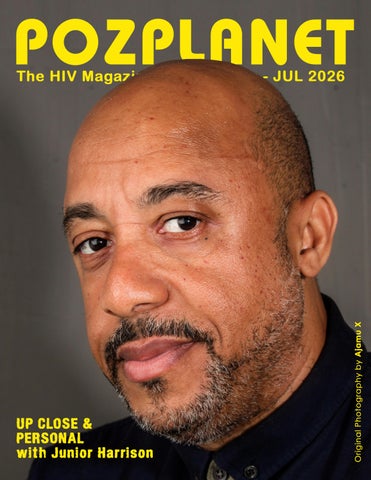
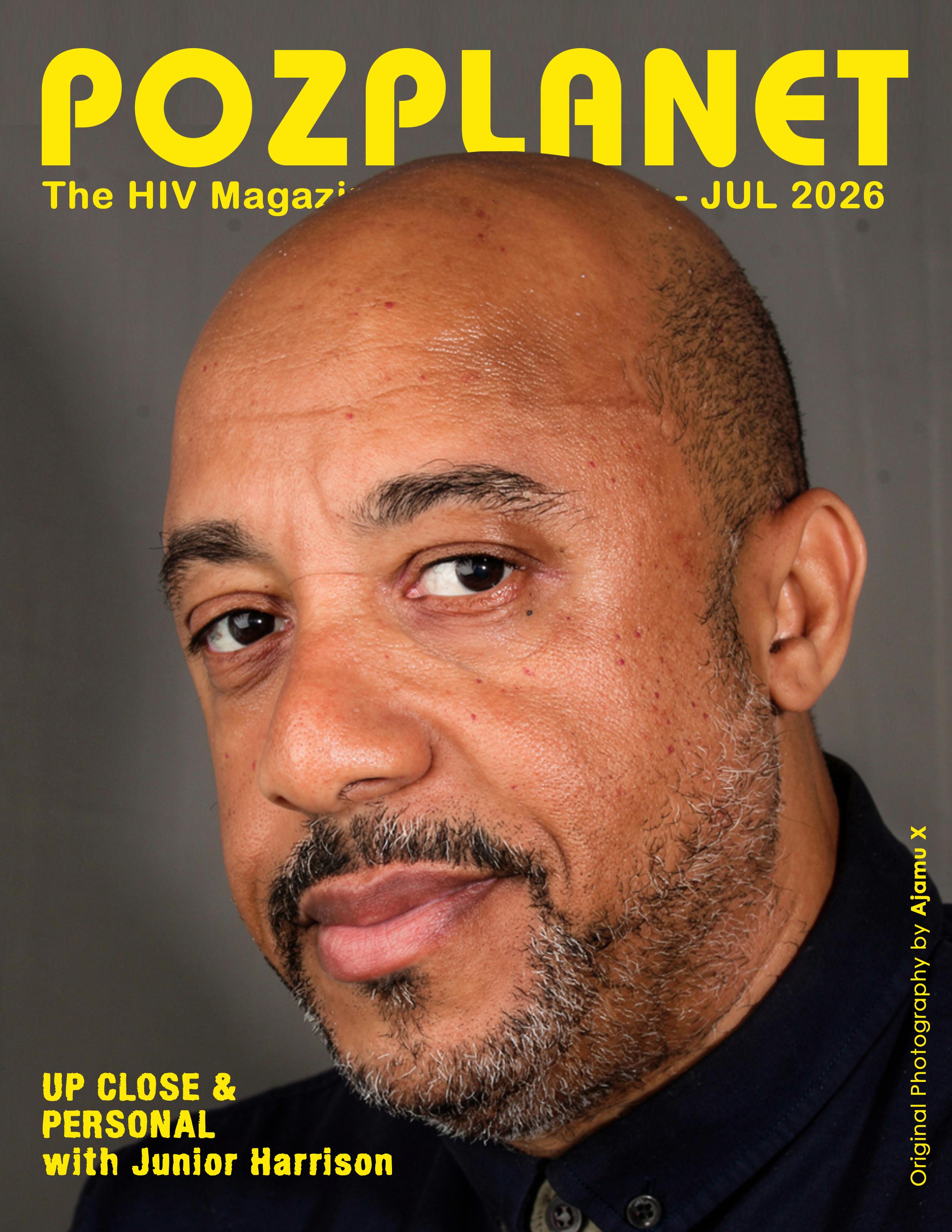
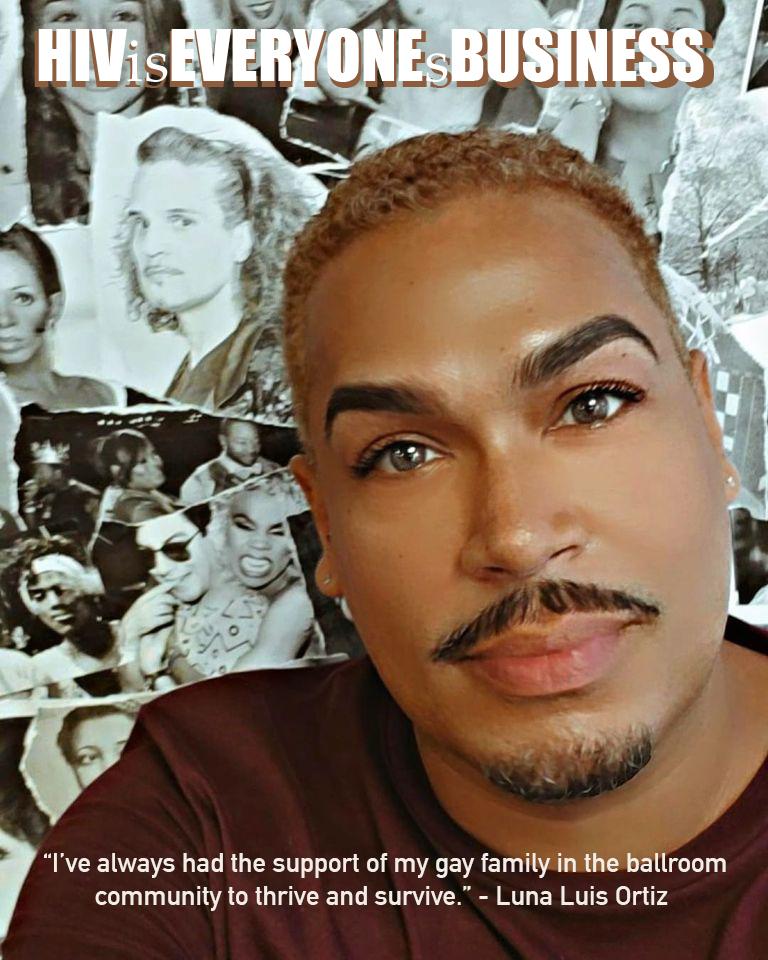
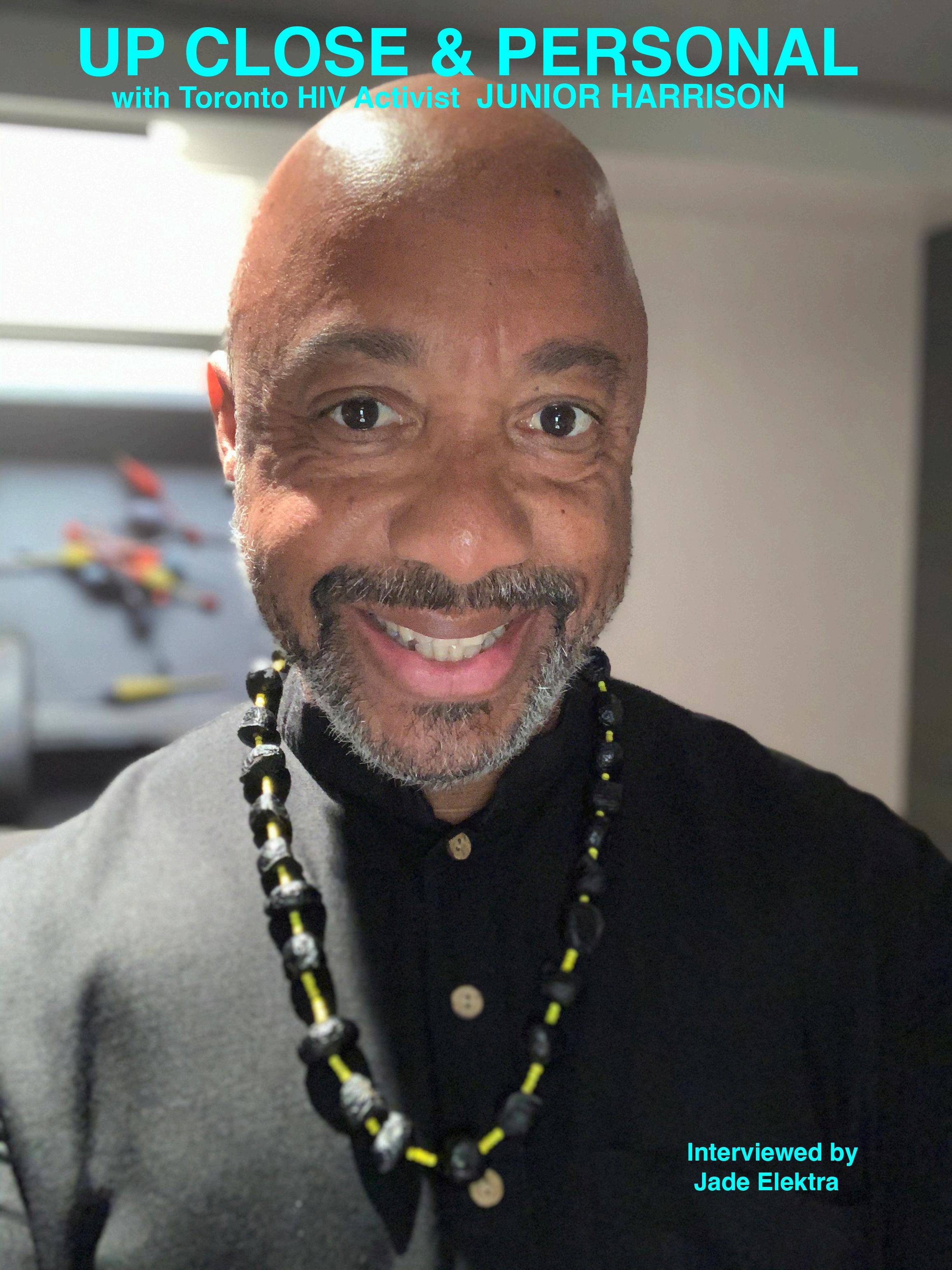
Here in Toronto, there are a few pioneers of the Black LGBT Community and one of them is someone who helped shape the Pride Festival called Block-o-rama. He is also a strong HIV activist. His name is Junior Harrison. I have wanted to interview him for a while, but between our busy schedules it has been a task. Finally, I was able to catch up with him and have a conversation about Toronto's Black Queer experience.
JE: I am so glad we finally got this time together. How are you, Junior?
JH: I am well, Jade. Thank you so much for asking and thank you for this opportunity. Hope you’re doing well also.
JE: I am doing well. Just working a lot. Thank you for asking. The last time I saw you was at Christopher Smith's Remembrance event. I was so happy to see everyone who came out. As a community, we needed to say our goodbyes properly. Before I ask you about Christopher, let's get into your background. Could you tell us a little about your background and where you ar e from?
JH: I was born in Jamaica immigrated to Canada in 1980 when I was about 12 years old. My mother was already living in Toronto, for about eight or nine years before I arrived JE: Now...forgive me but you and I have never really sat and talked before. So, I am a little ignorant about Toronto's Black LGBT scene's origin. When did you come out and what was the scene like? I'm sure there are venues and people who are no longer around that also helped shape the culture.
JH: No, this is a really good question. I came out in my late teens after graduating high school. And not unlike many black gay man I didn’t come out as black and gay. As a matter of fact, I avoided scenes that I would know would have a higher percentage of black people back in
the day because I was in a closet with glass doors. I also had this ignorant view that every black person in Toronto would somehow know my mother. So, I think it’s fair to say I came out white or rainbow colored. I got introduced to the bar scene by older men. I didn’t feel a lot of comfort going to the bars on my own. I was usually accompanied with friends for fear of being embarrassed at the door when asked for ID. Only to find out later that there was no such thing in the late 80s. I remember being invited to attend events like a game lesbian bowling league. I don’t remember the name that had their annual end of tournament gala in some hotel ballroom in downtown Toronto. Those experiences blew my mind.
I realized early that this fear of all things gay (aka internalized homophobia) was so unfounded because I would walk into this ballroom and there were all types of representation, including blacks of the gay community, drag queens, men in leather. But Jade, I did not wake up to my blackness until my HIV diagnosis and I’ll explain. When I received my diagnosis on February 2, 1990, I immediately had a yearning to find other black men who had the same diagnosis (preferably from the Caribbean) because I wanted to know how they were dealing with it How they were taking care of their health. If there are any diet changes I needed to make or were there foods from our culture that would assist in my longevity. So, I was on a hunt. My first AIDS organization that I walked into was the AIDS Committee of Toronto (ACT) Low and behold, sitting at the front desk was a lovely black woman and for some reason I didn’t have that unfounded fear that she’s black…she could know my mother because at this point in my HIV journey I hadn’t disclosed to her yet.
So, I walked up boldly and said to the young woman “I’m HIV positive and I’d like to know if there are any HIV/AIDS organizations for black people? “ To my surprise, she said “Yes. Have you heard of BlackCAP?” And I thought she said black cat. She clarified and said “No, it’s the Black Coalition for AIDS Prevention. ” I was so excited. She couldn’t write down the phone number fast enough and I couldn’t get to a payphone fast enough…no cell phones back then. I called that same afternoon and spoke to the receptionist who put me through to a support worker the one and only Dionne Falconer And as they say, the rest is history.
JE: For our readers who don't know about Blockorama...could you tell us about your involvement?
JH: Next, to my involvement with the Black Coalition for AIDS Prevention, the other proudest moment in my life is being one of the founders of Blockorama, a presentation of Blackness Yes! The first Blockorama was held on the last Sunday in June 1999 The conversation around the birth of Blockorama happened the previous summer on pride weekend of 1998. A few of us were on a patio at the corner of Dundon and Yonge Street where Jamea Zuberi brought up or suggested that they would like to have a carnival presentation for LGBTQI+ folks of Caribbean African descent as a part of the pride parade. And please, when you publish this, these are my recollections. The majority of us were excited and supportive of Jamea’s idea, but quickly started to think about the logistics. Also acknowledging that most of us in that crowd that day did not come from a carnival background in that we didn’t have the experience on how to put such an event on. Again…if memory serves, Douglas Stewart piped up and told us about his experience about going to Notting Hill Carnival describing how the presentation is a series of Bloc parties and suggested maybe we should start with a block party as far as my
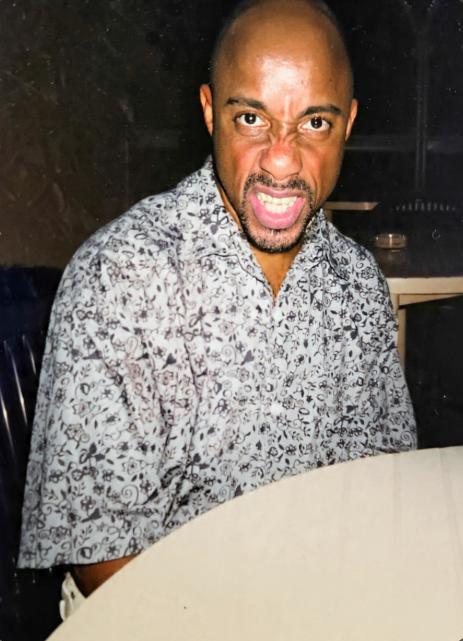
recollection goes. Everyone agreed it was manageable and we were off to the races. We put together a proposal we submitted it to Pride Toronto. They gave us the 50‘ x 50‘ space at the end of the parking lot across from the Wellesley subway entrance.
Many said or thought that the Pride Toronto organization at the time probably thought that it would’ve been a one off, but little did they know twenty-seven years later it is still going strong.
JE: Now...I'm gonna switch gears here. May I ask how long have you been HIV+? And what was it like when you found out? I only ask because I know there are some newly diagnosed people of color who probably think it is the end of the world to get the news. I am a 36-year long term survivor myself. Things have changed a lot since 1990.
JH: If anything, I’ve learned in this life is that everything is cyclical. Sometimes it’s unfortunate. I was given my HIV positive status on February 2, 1990. For some reason deep in my body, I knew I was gonna be okay. I knew I had to pay attention to my health. I knew I had to secure housing. I knew I had to secure employment to the best of my ability. I knew that I had to cut down stress in my life and I knew I had to get an understanding of what was happening to me. Plus, what could happen to me I needed to get myself connected to the proper healthcare for my long-term survival prospects.
When I found out or why did I choose to find out it was at a time when I was seeing a lot of pamphlets around this thing called HIV/AIDS, but I noticed on the pamphlets it was always white men or maybe these are the only pamphlets that I came across. As well the men in the pamphlets were always leather clad so my young 20s brain said well I don’t do the leather stuff. But when I open the pamphlet, it said if you did this action without protection, then you could be at risk so I took things from a logical perspective. Yeah, I did a lot of that without condoms. I think I need to get tested. I didn’t feel ill, but I’m the type of personality that needs to know. I don’t like being surprised. I like to take definitive action when it comes to my life. As for the doctor who gave me my diagnosis, I believe I wasn’t his first but I probably was very close to being his very first few HIV positive results at that time. I think he was more in shocked than I was. It was 1990 and immediately good or bad he shipped me off to Sunnybrook Health Sciences. At the time there was a pre-eminent pioneer HIV specialist named Dr. Anita Rachlis (https://en.wikipedia.org/wiki/Anita_Rachlis). I remember going to this big hospital establishment sitting in an examination room for what felt like hours. Then the door opens. It’s not the doctor. It’s an intern coming in to ask me some preliminary questions before putting on at least two pairs of gloves could’ve been three. Then came the questions: “How many men have you slept with? Less than ten, more than ten?”. Lord, I thought I hope you’re not gonna ask me for names so you can notify anybody! But Jade immediately I just knew deep down that this is not the healthcare I wanted. I didn’t even know what holistic meant but finally when I did, I knew that’s the type of healthcare I needed for me. Now let’s not get it twisted. It was no walk in the park for me to get to where I am today. It was tough navigating the healthcare system before I got to my doctor now. I’ve been with Dr. Alan Li for the past thirty years. As they say - I had to kiss a lot of frogs before I got to my prince. Some doctors in the early days weren’t about listening to the patient. With hindsight is 2020 I’m able to give a little grace in the fact that it
was a crisis but then there wasn’t a lot of medications to choose from and here I am saying to this doctor I prefer quality over quantity. I rejected medications that made me feel sick or nauseated…even though one doctor told me “ you’re not trying hard enough , here, go fill this prescription for Gravol” .
Then there's the doctor who sexually assaulted me...
After I decided that the type of treatment I was to receive at Sunnybrook was way too clinical, I needed a holistic approach. I also thought it would be best if I could find a doctor in the gay village. So, I tried the practice at 65 Wellesley St. E. I remember going for my initial intake assessment and he started by doing a full physical, which I figured I’m new to him so he has to get a baseline assessment. So, it started with the of checking my glands. I’m on the table. I do remember that I was lying on my back and then he starts to check my abdominal area. And then he moves to my genital area. He started to check my scrotum and I got aroused Now I’m embarrassed but he talked me down by saying “Oh, this is normal. ” While I’m in my head I started thinking “Wow, I guess this is how gay doctors examine you.” Now, I’m fully erect. He’s stroking me. I’m an aroused patient. Now…fully erect an he’s stroking me! I’m confused. I’m making excuses in my head that this is what gay doctors do for gay men which would be different than what a straight doctor would conduct his examination.
What woke me up to what was really happening was when he said “Does it take you this long to come?” That’s when I bought a clue and told myself “Okay… pull up your pants.” Jade, you’re one of the few people I’ve ever disclosed this to, but I think it’s important for everyone to know when a line is being crossed because back then I really didn’t know.
JE: Well, I appreciate you sharing that. Hopefully your openness about being positive will help someone out there. And speaking of which...how did you start your activism? Did you work or volunteer at any organizations?
JH: I’ve never been employed by any AIDS Service Organization, however, once I connected with the Black Coalition for AIDS Prevention, the Toronto People with AIDS Foundation and the AIDS Committee of Toronto. I started going to many workshops that helped me to find my voice, to realize that I am the one with a compromised immune system. I started getting more empowered, joined Positive Youth Outreach. Then I did my biggest disclosure, which was to my mother. After I disclosed to her the sky was the limit. I started saying yes to television interviews, and going into high schools (Positive Youth Outreach Speakers Bureau). I felt that I had a responsibility and a privilege to be able to show my face publicly to help others who could not have a voice, especially in the black communities.
JE: As I mentioned him earlier...could you tell us a little about Christopher Smith. I asked him a few years back about being interviewed, but he was a little shy and said maybe later. Unfortunately, that interview never happened.
JH: The Christopher Smith I knew was: brilliant, fun-Loving, compassionate and a warrior. Let me leave it there...I really loved him. All I can say is "gone too soon"... I'd say gone way too fucking soon.
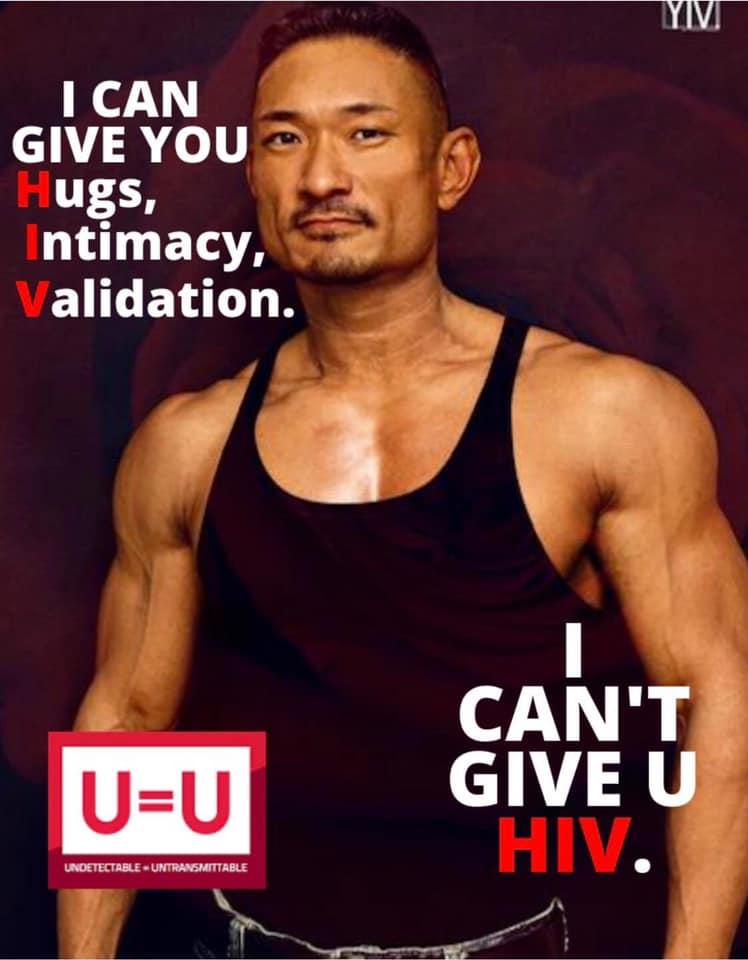
JE: I have been doing a lot of work with different organizations to get the U=U message out there to communities of color. What do you think should be done in this outreach?
JH: I really appreciate this initiative. I would love to see more endorsement from the medical community.
JE: And before I let you go...if you could give some advice to a young person who has just been diagnosed, what would it be?
JH: Take control of your health (physical and mental) immediately. Don’t delay, get on with your life. If you were thinking of going to school, starting a business or travelling the world, just do it!
JE: Thank you so much for taking the time to share your experiences with us. I want you to promise me that if you have any upcoming events such as speaking engagements on living with HIV that you will give us a heads up so we can help spread the word. We need everyone having conversations about HIV/AIDS and U=U. Was there anything I may have missed asking about or anything else you'd like to share?
JH: Thank you for this opportunity, for giving Positive folks a platform and a voice.
Listen to the mix here: https://www.mixcloud.com/djrelentlessny/ear-candy-july-2026 Download your free video of this mix here: https://mega.nz/file/JilSlQAC#qssdNV-xQ7D6JHir1wCYulNtABOVmOeLE8xizngdEXo
Subscribe to DJ Relentless’ Mixcloud page: https://www.mixcloud.com/djrelentlessny Follow DJ Relentless’ HearThis page: https://hearthis.at/djrelentlesstoronto
Pride Month is over but summer is here! I don’t why but I kinda feel like it is going to be a mild summer. The sun has been bright but here in Toronto there is still a cool breeze flowing about. I hear is is a scorcher down in Florida. And my friends in L.A. are basking in the sun as well. So, I have twenty-two tracks to help you start your warm season.
First, I need to apologize for those who are going to download the video version of this mix. I normally try to use selections that have music videos. Unfortunately, our first three tracks do not have music videos. But after such a great Pride weekend, I still had some Pride spirit going. And after all…isn’t Pride everyday? It is for me!
Our first selection is “Still I Shine” by ELMNTS The radio edit seemed like a good place to start. Good lyrics and nice production.
Then I followed it with the Matt Consola Mix of “Until We Are Free” by M Is For Motion featuring DJ Industrial Badger. The original mix is not bad, but I liked the production on this mix. And also, Matt Consola is scheduled to be interviewed for POZPLANET’s UP CLOSE & PERSONAL column. I am expecting more great remixes in his future.
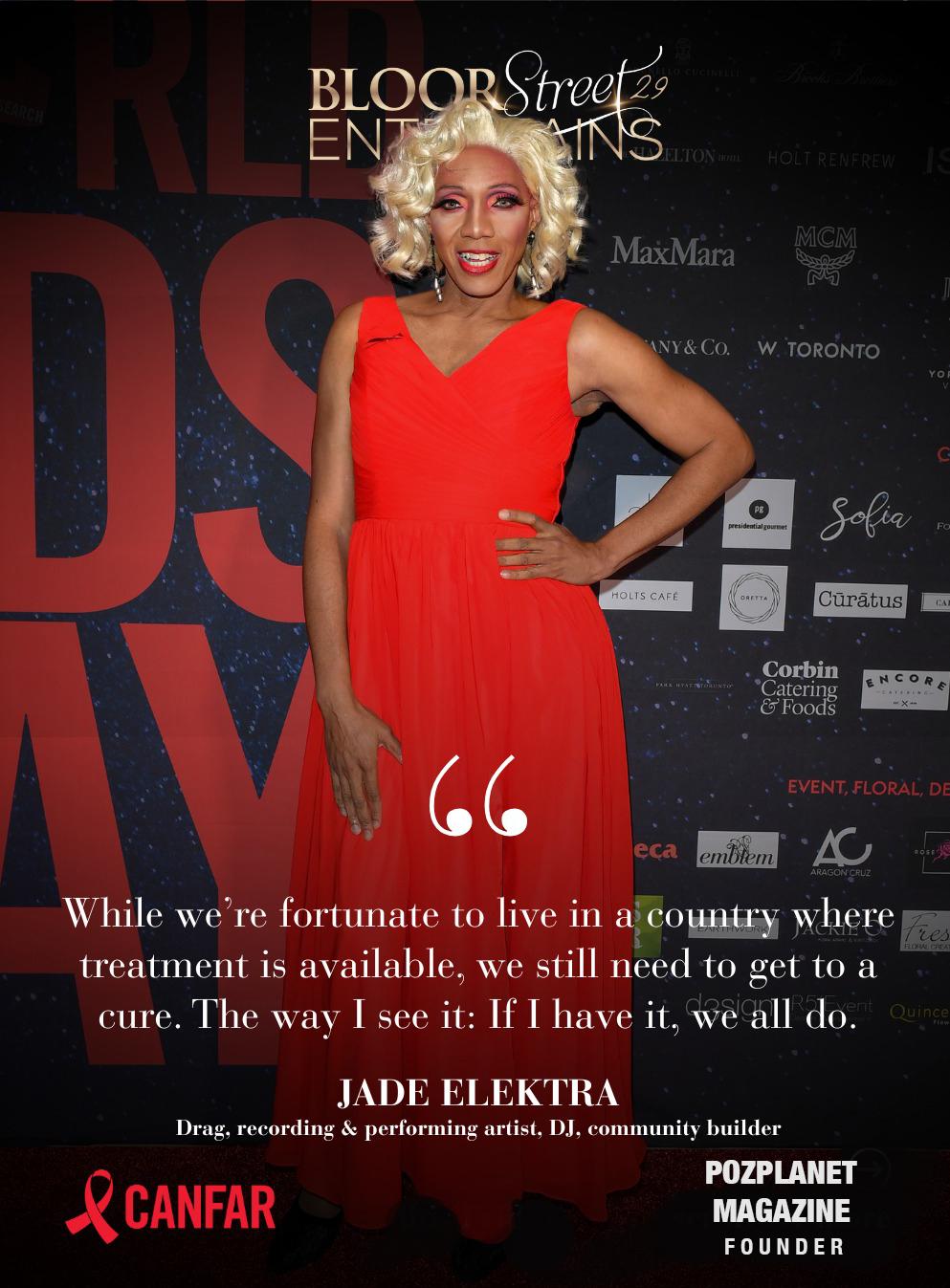
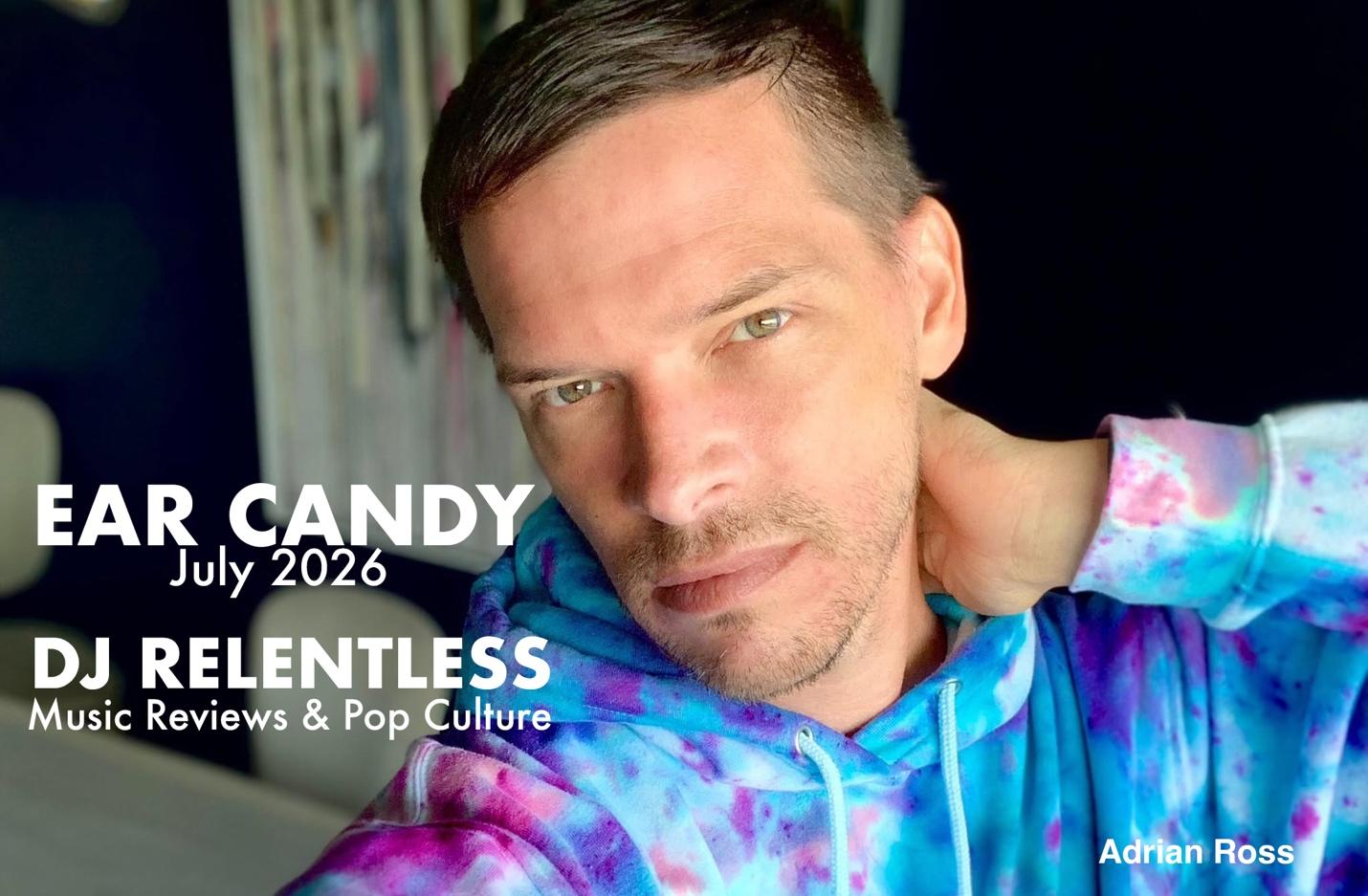
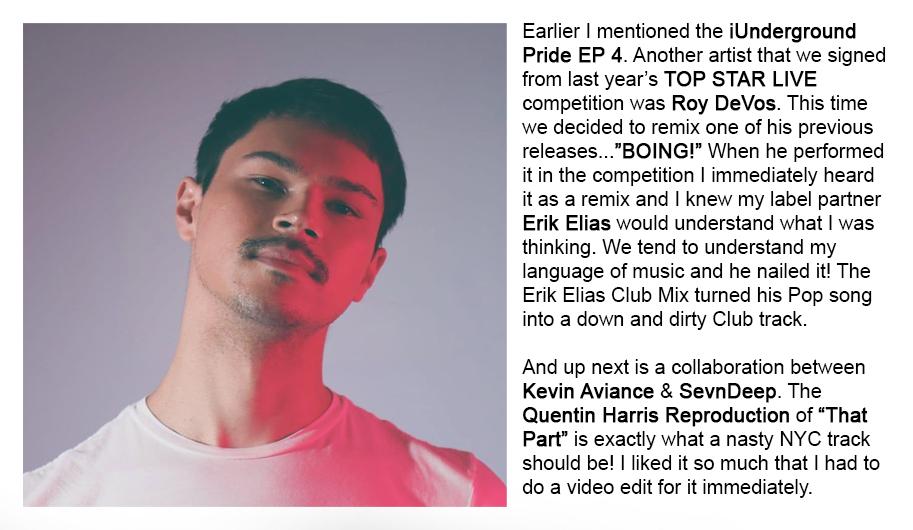
Our third track is a collaboration of singer/songwriter Adrian Ross and DJ/Producer Erik Elias for iUnderground Records’ fourth Pride EP. Every year as my alter-ego, Jade Elektra I host a competition called TOP STAR LIVE. I created it because I was sick of watching drag shows. I’m not a fan of Drag Race. I wanted a create a space for our LGBT artists. And in last year’s competition, Adrian was a contestant. He sang Stevie Wonder’s “Superstition” and I knew I had to work with him. I’m the Executive Producer for the EP and I hand pick a lot of the artists. So, I paired him with Erik and They came up with “Free”…a great Pride anthem.
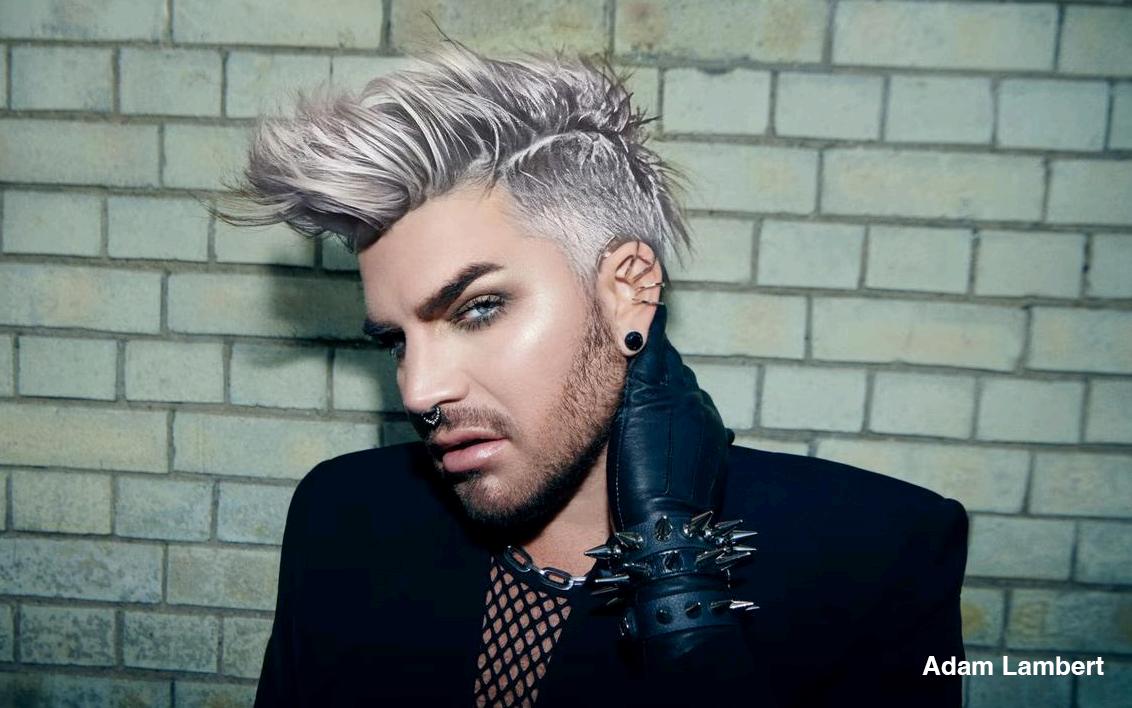
I’ve noticed that there is a return to this Nile Rodgers bassline production on a lot of tracks these days…like the latest Duran Duran or Harry Styles And it seems that the latest Adam Lambert is following suit with, The track’s original speed is about 115 BPM. I had to speed it up to 122 to make it work. After my many years as a DJ I really appreciate being able to jump BPMs in digitally. Going from vinyl on Realistic turntables to Technics to CD mixing to a laptop…I have earned a seamless transition without a fuss.
The fifth track is the latest collaboration between Chaka Khan and Snoop Dogg. It’s called “Boogie’s In My Soul”. Like her first single off her new album, this song has that 80s Gap Band sound. I’m glad that she doing more upbeat songs but this one sounds too much like “Chakzilla” and a sad knock off of “I Feel For You” with Snoop’s rap. Plus, folks like Snoop Dogg and Jay Z are not the look right about now. The word
“sellout” comes to mind. Snoop for performing for Plump and Jay Z striking up a deal with Target for an exclusive release of his next album. Black Twitter is dragging him right now because that undermines the boycott of DEI. They are even going after Mrs. Carter too.
Now, you know I love when someone digs up a classic and gives it a facelift. I’ve heard a few remixes and even a reboot of “Saturday Love” by Cherrelle & Alexander O’Neal, but this new Mgr Mike’s Xtra Thump Mix is a really good revision of one of the jams back in the day.
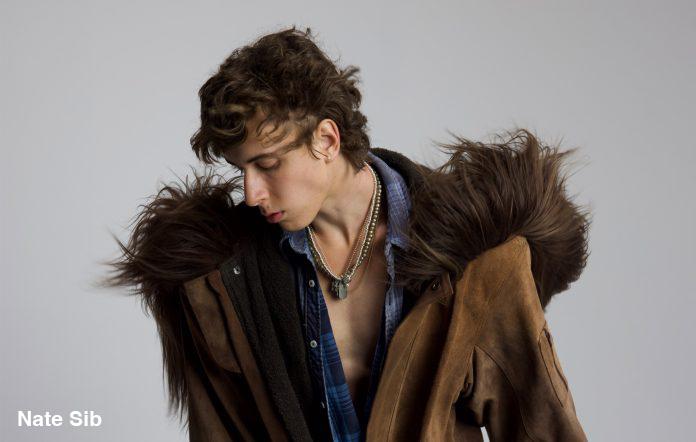
Up next is “Let You Go” by Nate Sib. On first listen I thought it was Justin Bieber. The production, the voice…I just knew it was Bieber. But it wasn’t I know nothing about this kid. He’s got several two to three minute music videos…I guess for TikTok. Those aren’t gonna help him with Club DJs. We need intros, dance breaks and outros. It’s a cute track but I don’t know if it’s gonna be a hit.
And speaking of Justins, our eighth track pays homage to Justin Timberlake with its nod to “SexyBack”. It’s “Cunty” by Maleigh Zan. She sings but mostly raps. Will it get radio play? Absolutely not! But it’s a clever take on this Pop track from the 2000s. The original speed is about 115 BPMs. So, I had to bump dat gyrl on up to 122. This is one of those tracks that my adopted DJ brother, Anthony Evans and I would call “N&R”…nightly and regardless if they dance or not. I’m playin’ dis for me!
Our ninth selection is the Scooter Afro Remix of “Janice STFU” by Drake. I would like to believe that this song was inspired by watching anything with Janice Dickinson speaking on it. Just watched her on TMZ bragging about how good she looks for her age after yet another facelift. Her antics on America’s Next Top Model really left me as not a fan. But I digress…let’s talk about this remix. I am still not using Miss Aubrey at all after that “Not see” wordplay. But if I have to play this particular song at least I have found a version I can live with.
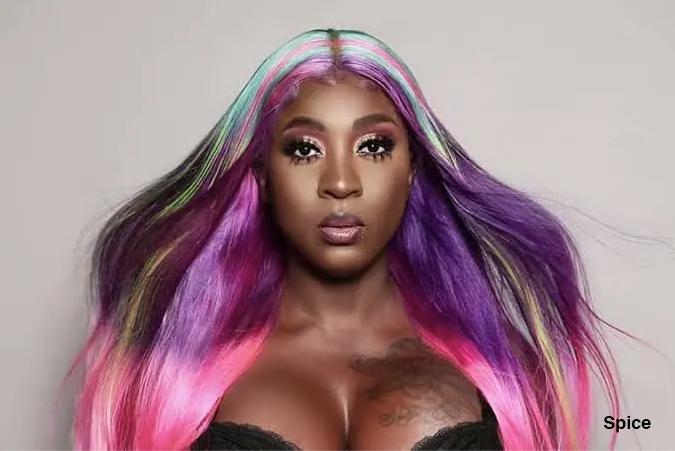
As we are getting ready for Caribana here in Toronto, I have been getting into some Afro Beats and Reggae tracks that I might play in August. One of my favourite Reggae artists is Spice and she’s back with a new single, “Volcano”. In my opinion this is a banga!
Our eleventh selection is the Afro House Rework of “Jalia” by Antigoni x Gigi Cyprus. Unfortunately I don’t know very much about other music from around the world. I just know that when I hear something that catches my ear it doesn’t matter if I understand what is being said. The music and the tones of the voices take to a place where I wanna dance or try to sing along. This is the case with this track.
Now, if you have followed this column, you know that I am not a fan of Shakira. She turned me off with “Waka Waka” a while back for her contribution for the World Cup
back in the 2010s. And then when I heard she went to Beyonce’s Renaissance Tour and basically copied what she could, I really didn’t have any love for her at all. I’m sorry…bitch you are a one note whore. Outside of belly dancing you really have no dancing abilities. And when you came for the “Barbie” movie and said that it was bad messaging for your two sons I was done. I was so hoping they would have caught you in Spain for taxes, but you wiggled your way out of that one too.
But I digressed. The Crems Remix of “Dai Dai” by Shakira & Burna Boy. This is another World Cup anthem. If I had a request from someone who was employing me, I would play this version.
Sometimes there are some songs that hit the charts and I really don’t understand how or why. This is the case with our thirteenth song, “Dracula” by Tame Impala. If it wasn’t for the Hellograph & MK Ita Remix I wouldn’t play this one at all.
Our fourteenth track is “Give It To Me” by Lucky Luke. When I started listening to this one I kept thinking “Why do I know these lyrics?” Then it dawned on me. This is a cover of Timbaland’s 2000 hit with Nelly Fuurtado & Justin Timberlake. And they didn’t change or update the lyrics. It literally still has a reference to “Promiscuous” in it. So, what was this for? Who was this for?
And since we’re talking some dirty tracks, our seventeenth selection is one of Big Freedia’s new tracks. I guess the new thang is to drop several at once. So, I grabbed “Back That Ass”. I thought there was a music video, but I guess it’s actually a visualizer with a slight lip sync at the beginning. I like this one.
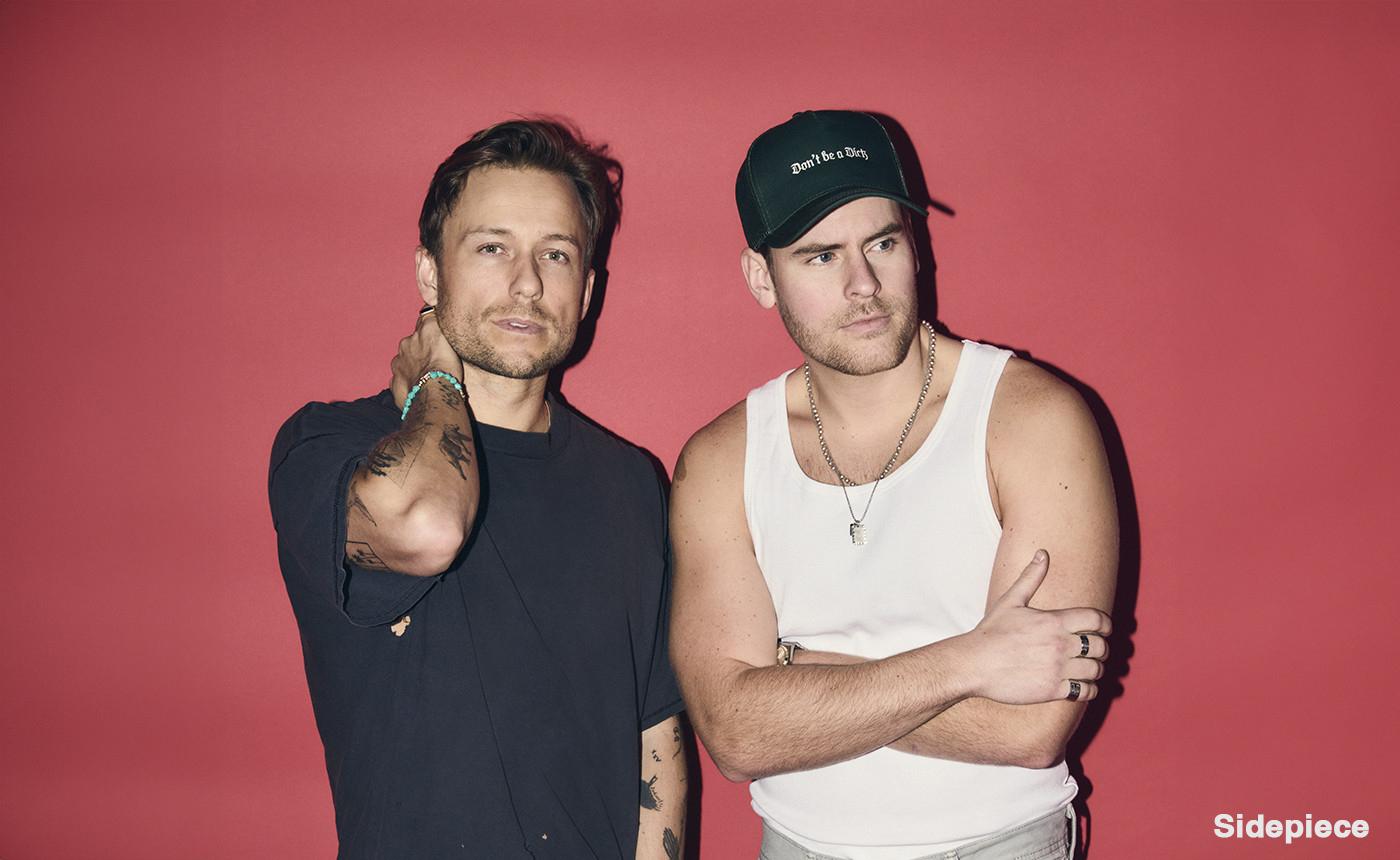
I have several track by Sidepiece but never investigated who or what they were. They are Dylan Ragland and Ricky Mears. They have been nominated for a Grammy for Best Dance Recording back in 2021. And their hit “On My Mind” was definitely in my rotation. So, I am loving their latest release, “Function”!
Weirdly our next selection has a nice smooth House production but at 128 BPMs. I’m talking about “Satisfy” by Calvin Harris featuring Jazzy. The speed of the track does not match the production, but I love the track.
The twentieth track is “Love Sensation” by Madonna. When I first read the title, I was worried that she had covered the Loleatta Holloway classic. Thank goodness it’s not. But then it got me thinking. Madonna is trying to leave breadcrumbs of her past on this new album. Her next single is “Dancetiria”. These are all songs and places that she used to experience back in the 80s. It’s an alright track but I’m hoping for a standout. Otherwise, this is going to be a flop…at least for me. Nothing has jumped out at me so far from this confession.
So, I promised tracks from the iUnderground Pride EP 4. Well, here’s the last one. It’s actually one of my tracks…or I should say my alter-ego’s track. “Legz & Dairy” by Jade Elektra is my latest Bitch Track. Inspired by Billy Porter’s reaction to Nicki Minaj’s sudden MAGA stance. The entire track is about The Orange Menace and his policy changes on our Trans sisters and brothers with a jab at Caitlyn Jenner. I hadn’t done a Bitch Track in a while…it was fun.
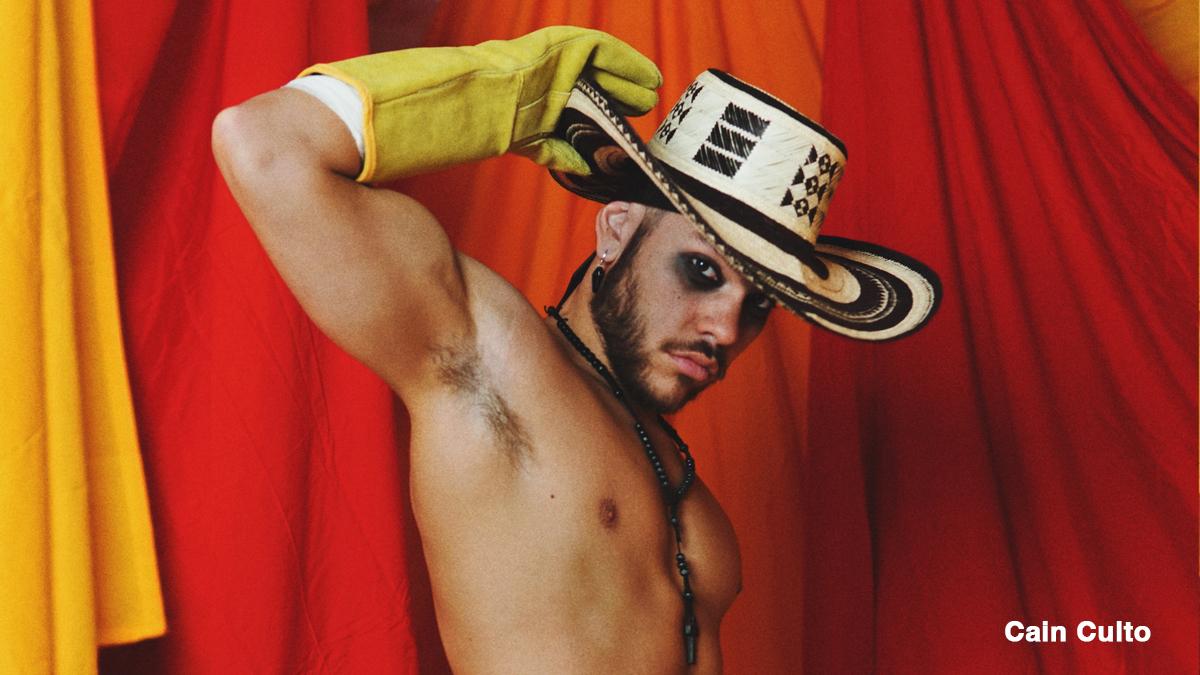
And to close out our July EAR CANDY mix, I sped thing up to a merengue pace for Cain Culto’s “¡BASTA YA!” featuring Xiuhlezcall & Snow The Product. The lyrics go by really fast but there are some gems to be learned. I have to admit that at first I was drawn into Cain by his sex appeal. But now that I have explored his catalog of music, I have discovered that he is a very deep and political artist…unafraid to speak his mind. My favourite dig in this track is when he dismisses Nicki & Ye.