




Special to The Post
The Alameda County Board of Supervisors and the African American Sports and Entertainment Group/Oakland Acquisition Company (AASEG/OAC) are entering the final stages of their negotiations to complete the disposition of the County’s 50% interest in the Coliseum Complex.
OAC is an affiliate of the AASEG. During the Coliseum Joint Powers Authority (JPA) meeting
on Jan. 16, the president of the Oakland City Council and the president of the Alameda County Board of Supervisors, who both serve on the JPA Board, publicly agreed to organize a cooperative meeting to discuss how to best expedite the completion of the Coliseum deal and plan an efficient operational transition.
The planning for that meeting was formally proposed in a letter that was circulated on Monday,
Composer Mark Miller Featured
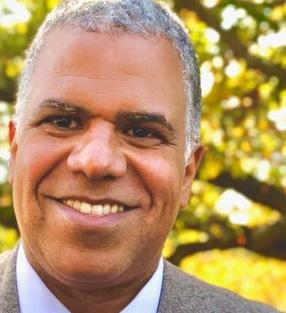
themes and is inflected by classical, contemporary, and gospel styles alike.
The words he writes are more relevant than ever in a time of rising discord and violence, such as in his song “Prayer Chant”: “We resist. We refuse to let hatred in. We rise up. We won’t back down. We’re in this ‘til the end.”
By Post Staff
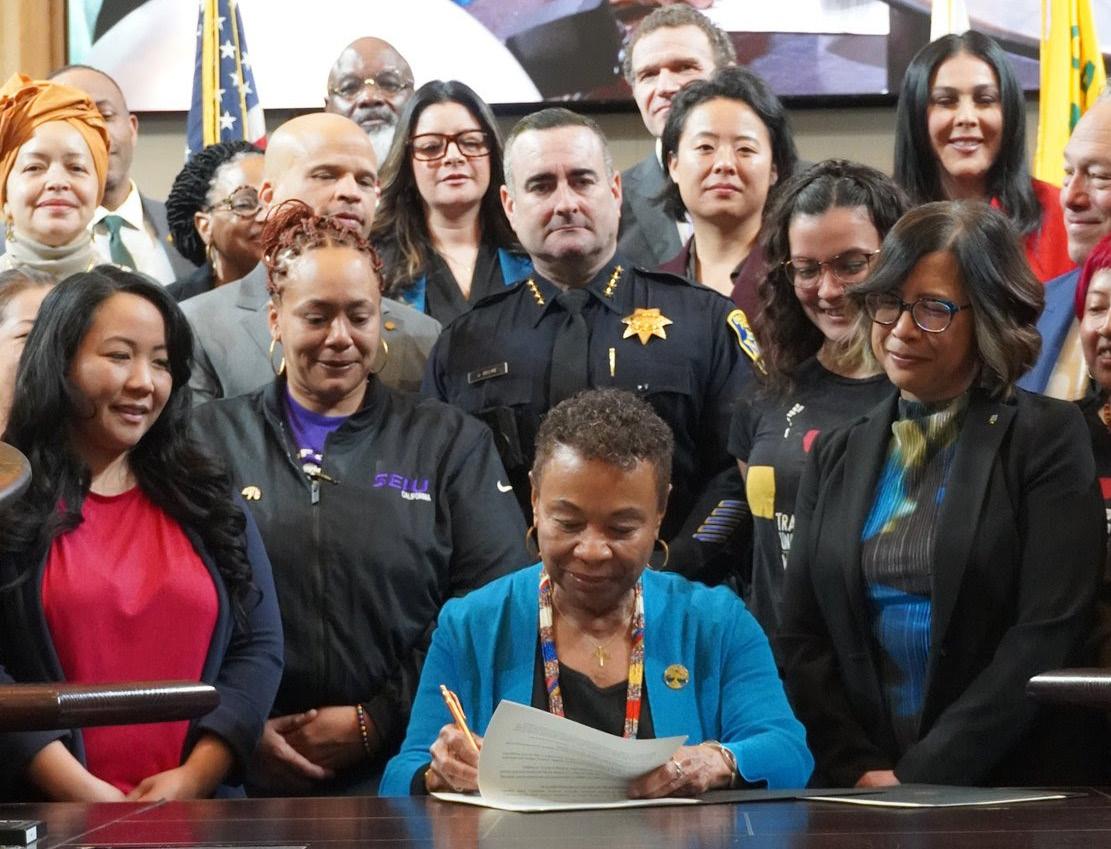
Mayor Barbara Lee signed two executive orders on Thursday, directing City departments to protect Oakland residents and resources in response to the Trump administration’s threats to deploy National Guard troops and surge immigration enforcement operations in the city. The executive orders take effect immediately.
The orders come as the Trump administration threatens to deploy National Guard troops and significantly expand immigration enforcement operations in cities including Oakland. The deployment of federal tactical units for civil immigration enforcement would exacerbate harms facing Oakland’s historically underserved residents, including unsheltered people, veterans, formerly incarcerated individuals, and immigrant communities.
By Ken Epstein
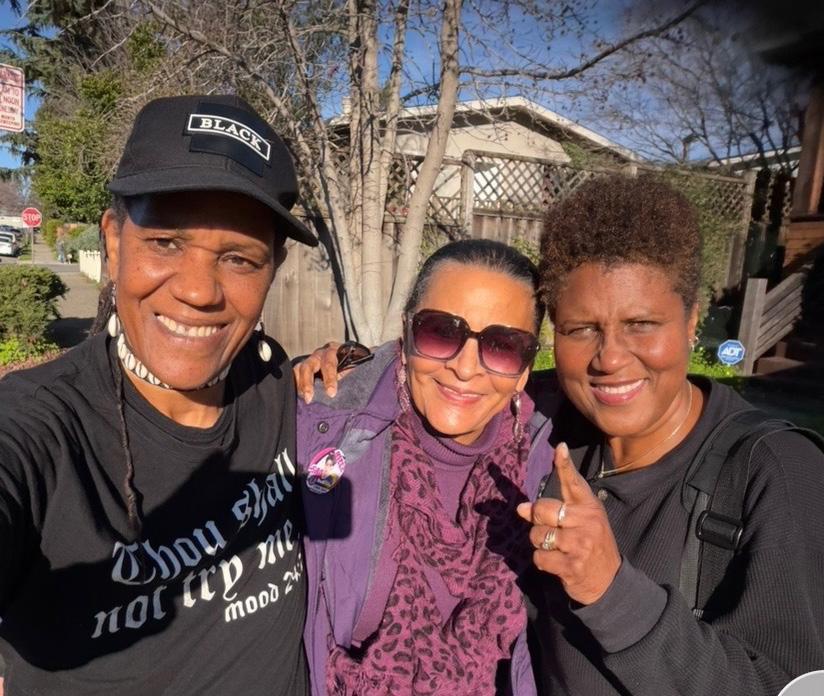
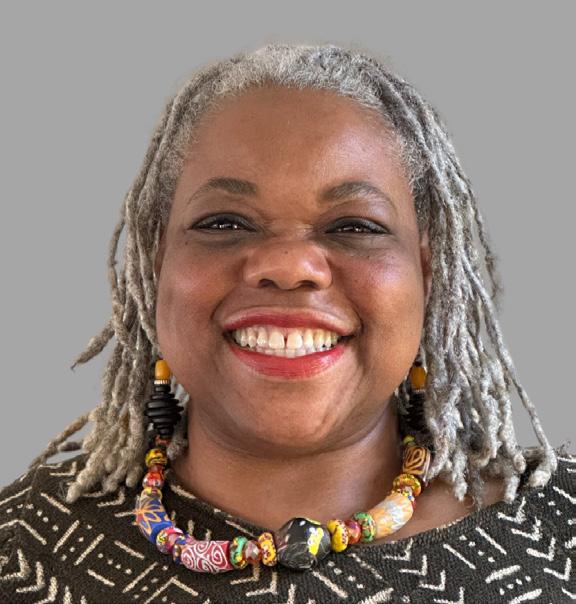
Dr. Kimberly Mayfield, a longtime education leader in Oakland, has been hired as the dean of the Kalmanovitz School of Education at St. Mary’s College in Moraga, scheduled to start in July.
“St. Mary’s is a primary resource for people who wish to enter education or seek an advanced education degree in the East Bay,” Mayfield said in an interview with the Oakland Post.
“It’s a primary destination for those who are seeking careers in
By Tanya Dennis
The Post Newspaper has been in the forefront of probate reform since 2016, when the family of newspaper secretary Maxine Ussery entered probate to settle the family dispute over their father’s estate.
Two siblings wanted to keep their parents estimated $9 mil-
By Ken Epstein
People may be aware of the existence of Marin City and know a little about its history as a center of U.S. resistance to fascism in World War II. But fewer know of the community’s ongoing struggles to survive potential displacement while facing severe toxic health and environmental conditions on a daily basis.
These conditions cause chronic disease and premature death, dramatically shown in the sharp dif-
ference in life expectancy between Black and white people living in households only a few miles apart.
A historically African American enclave Marin City, occupies a 0.5-square mile area between Mill Valley and Sausalito with its own freeway exit near the Golden Gate Bridge. In contrast, the rest of Marin County rates among the healthiest, wealthiest, and most environmentally friendly counties in the country. However, it is one of the least racially equitable
counties in California, with Black residents being the most impacted, according to the Advancement Project, a civil rights organization,. The community owes its continued existence to the World War II generation that came to the Bay Area from the South to work in the shipyards and to the resiliency of its residents. Despite often facing discriminatory practices, such as redlining and a segregated school district, Marin City residents have
intact, while the others wanted to sell. After more than a decade of court hearings and court orders, the Ussery family was forced to sell all properties and relinquish cash to pay off court fees. When the case was dismissed, the siblings received $20,000 each.
continually created a strong community rich in culture, spirituality, and community values.
The current statistics are brutal. At present, Marin City residents face more than a 17-year difference in life expectancy compared to neighboring cities and towns. Contributing to these conditions are a lack of investment in public housing and infrastructure: unsafe drinking water, air pollution caused by proximity to the U.S. 101 freeway, unsanitary stormwater drainage that produces mold and mildew, as well as old and broken lead pipes and sewage in homes.
As an unincorporated community, Marin City residents must rely primarily on the elected Marin County Board of Supervisors, Department of Public Works, Transportation Authority of Marin and Caltrans for the decisions and investments that impact their lives.
“Marin City residents have been fighting for years just to stay here. Residents live with the fear
By Post Staff
The First Presbyterian Church of Oakland, located at 2619 Broadway in Oakland, is hosting a special Black History Month musical celebration on Saturday, Feb. 7, at 3 p.m. The event features guest artist, composer, and keyboardist Mark Miller, alongside the choirs of First Presbyterian Church and Lafayette-Orinda Presbyterian Church.
In addition to being a conductor, keyboardist, and professor at Drew University and Yale, Miller is one of the most prolific composers of Christian music working today. His music reflects social justice
Some songs touch on recent events in Black history, such as his “Lament,” which was written in response to the murder of George Floyd. Others reflect the need for community unity in times of strife: “Draw the circle wide, draw it wider still. Let this be our song: no one stands alone.” The latter song is the source of the concert’s title: “Drawing the Circle Wide.”
A free-will offering will be taken up during the concert to support and appreciate the life coaches of Ceasefire, an anti-violence program.
According to First Church music director Jake Fontana, this concert is just the start of the celebration. “The planning for Black History Month has been in full swing for months, and the committee has put together a fantastic schedule,” he said.
Special to The Post
More than 50 years ago, Marvin Gay’s iconic song “Mercy, Mercy Me,” placed the then-new ecology movement alongside Black liberation efforts, but freedom from the
long-term impacts of civic neglect on health and equity in the Black community persist.
Several Oakland community groups including Lifers Leav-
of being forced out, public housing torn down and rebuilt for the wealthy. Due to ongoing issues continually being ignored, residents feel they must be empowered to make their own decisions for the future survival and protection of their community,” said Terrie Green, a lifelong resident and executive director of Marin City Climate Resilience (MCCR).
MCCR’s focus is on environmental justice. Its purpose is to empower and advocate for individuals to embrace sustainable living, envision a future free of environmental harm and collectively work towards a better Marin City.
MCCR’s motto is “Forever Marin City.”
MCCR has created a unique team of Marin City youth environmentalists who have studied and researched environmental issues impacting the health of the community.
Serenity Allen is an MCCR youth coordinator/young environmentalist studying to be a
medical social worker at Xavier University. She has been working in the community for six years. “I strongly believe that where you live should not determine how long you are able to live,” she said. Allen referred to the work done by former Marin County Public Health Officer Dr. Matt Willis, who stated that Marin City has a 17-year life expectancy difference between residents of Marin City (77 years) and more affluent areas like Ross (94 years).
“The research shows this gap is heavily correlated with race and socioeconomic status. Sausalito, which is not even two miles outside of Marin City, has a life expectancy of 92 years,” Allen said.
“Many elements contribute to this gap,” she said. “A major factor may be the 12 acres of toxic flood waters that pour down off the highway into low-lying Marin City.
In addition, “We do not have a barrier wall protecting us along

“Conversations on Justice: Food is a Human Right” at the Henry J. Kaiser for the Arts Event Center in Oakland, Icon Dr. Angela Davis, Revolutionary Ericka Huggins, Poet-Educator-Activist Jazz Monique Hudson, Hudson’s niece Harley Russ, Executive Director and CEO off the Alameda County Community Food Bank (ACCFB) Regi Young, Young’s daughter, Regina Young, Ruben E. Canedo, Director of Equity Initiatives at UC Berkeley, and Saleem Shakir-Gilmore, Director of Student Equity and Success at Chabot College. Photo by Carla Thomas.
Alameda County Community Food Bank Hosts Conversations on Justice: Food is a Human Right with Activists Dr. Angela Davis and Ericka Huggins
By Carla Thomas
A packed Calvin Simmons Theatre, at Henry J. Kaiser Center for the Arts in Oakland, set the stage for an evening with two of the nation’s most iconic Black women leaders; Dr. Angela Davis and Ericka Huggins on Tuesday, January 20. Both women, prominent members of the Black Panther Party during the 1960s and ’70s, were pioneers in launching the country’s first community food programs. Their lifelong work has centered on self-determination, protecting Black communities from police brutality, combating hunger, and advancing equity in a racist society.
The evening began with a stirring poem by poet and activist Jazz Monique Hudson, who opened with a soulful hum as she honored the legacy of her grandmothers; Mathilda of New Orleans and Gloria of Los Angeles, women who expressed love through food and care.
“Food kept bloodlines intact,” Hudson said. “We need systems that feed people, not politics. Food should not be political, food deserts are purposely engineered, and it's wrong to have workers feeding a community that won’t feed them back.”
Sponsored by the Alameda County Community Food Bank, the event sought to reframe the food bank model, from an act of charity to a movement for food justice. It also commemorated the National Day of Racial Healing, observed annually the day after Martin Luther King Jr. Day. Across the nation, organizations marked the day through storytelling, art, and dialogue that emphasized truthtelling and racial equity.
In his opening remarks, Alameda County Community Food Bank CEO and Executive Director Regi Young called for deeper, systemic transformation within the field.
“Food insecurity is a solvable
issue,” he said. “Historically, the Black Panther Party stepped up with solutions. We learn valuable insights from the women who helped create the country’s first food programs.”
The evening’s conversation was moderated by Saleem ShakirGilmore, Director of Student Equity and Success at Chabot College, and Ruben E. Canedo, Director of Equity Initiatives at UC Berkeley. Together, they guided a wide-ranging discussion on the enduring impact of racism, the courage required for transformation, and the social imagination needed to envision justice-centered communities.
Dr. Davis reflected on her youth in segregated Birmingham, Alabama, recalling the anger she felt as a child denied access to the public library across from her home.
“My mother told me, ‘This is not how things are supposed to be, and you will be part of changing it,’” Davis said.
Her activism began at age 11. “I learned early on that change doesn’t come into being unless we fight for it.”
Huggins spoke about facing fear and using courage as a vehicle for change. “Know who you are, push the boundaries of fear, and keep going,” she said. “Courage is never the absence of fear. I’m amazed that we are alive, because power does not like to concede. If we are pushing, we are paying our dues on the planet.”
Asked to envision Oakland and Alameda County's future 40 years from now, Huggins said, “I want to see housing for all, and older generations fully engaged with young people.”
Dr. Davis closed with a call to imagine a more just economic and social future.
Citing corporate greed and white supremacy, she noted that Bayer now owns Monsanto. She also stated, “We have to abolish ICE, the racist police and prison systems,and most importantly, we must imagine a world without capitalism.”
For many pregnant people, pregnancy brings a mix of both joy and uncertainty. Alongside excitement, there are questions about finding the right doctor, understanding what care is covered, and knowing where to turn for support after the baby arrives. For Black families in Alameda and San Francisco counties those questions are often compounded by long-standing disparities in maternal health outcomes.
Across California, including Alameda and San Francisco counties, Medi-Cal is working to address those concerns by expanding and coordinating maternal health services so pregnant and postpartum people receive care that is respectful, comprehensive, and easier to navigate. From the first prenatal visit through a child’s first birthday, Medi-Cal provides coverage and support designed to protect both parent and baby.
These services are available to people who qualify for Medi-Cal. In California, eligibility is based primarily on income, household size, age, pregnancy status, disability, or other qualifying circumstances. Pregnant people qualify at higher income levels than non-pregnant adults and remain eligible through pregnancy and for 12 months after the pregnancy ends.
Importantly, pregnant people who qualify for Medi-Cal are eligible for full-scope coverage regardless of immigration status, including medical, behavioral health, dental, and vision services during pregnancy and the postpartum year.

A Clearer Path Through Pregnancy: The Birthing Care Pathway
The Birthing Care Pathway helps pregnant people understand what care they should receive and when, while supporting providers in delivering coordinated, culturally responsive services. It outlines key steps during pregnancy, including prenatal screenings, behavioral health check-ins, nutrition support, and preparation for labor and delivery.
For Black pregnant and postpartum people in Alameda and San Francisco counties the pathway emphasizes early prenatal care, shared decision-making, and connections to communitybased programs that address medical needs and social drivers of health.
Doula Services: Support Before, During, and After Birth
Medi-Cal covers doula services for pregnant and postpartum members who qualify. Doulas provide non-medical emotional support, education, and advocacy during pregnancy, labor and delivery, and postpartum recov-
ery. Research shows doula care is associated with reduced stress, improved birth outcomes, and increased breastfeeding success.
Covered doula services include prenatal visits, support during labor and delivery, and postpartum follow-up visits, in accordance with Medi-Cal benefit guidelines.
Care That Continues After
Birth: The Postpartum Pathway
More than half of pregnancyrelated deaths in California occur after childbirth, with Black families facing the greatest risks. The Postpartum Pathway defines the care pregnant and postpartum people who qualify for MediCal should receive during the first year after birth.
The Pathway promotes a comprehensive postpartum visit within 12 weeks, ongoing primary care through 12 months postpartum, screening and treatment for postpartum depression and anxiety, breastfeeding support, chronic condition management, and referrals to community-based services.
Continued on page 7













Adult Day Program

Dedicated staff needed to work with individuals with developmental disabilities in communitybased settings, or environments.
Qualifications: High school or equivalent. Driver’s license. Dependable and efficient. Background check. Physical exam and TB test. Training available. Decent wages. Please call (510) 690-9570.
CITY OF SAN LEANDRO
STATE OF CALIFORNIA PUBLIC WORKS DEPARTMENT
NOTICE TO BIDDERS FOR SMALL TRASH CAPTURE DEVICE INSTALLATION
COSL PROJECT NO. 2017.0540
BID NO. 25-26.006
1. BID OPENING: The bidder shall complete the “Proposal to the City of San Leandro” form contained in the Contract Book. The proposal shall be submitted in its entirety. Incomplete proposals will be considered non-responsive. Sealed bids containing the completed Proposal Section subject to the conditions named herein and in the specifications for SMALL TRASH CAPUTRE DEVICE INSTALLATION addressed to the City of San Leandro will be received at City Hall, 835 East 14th Street, 2nd Floor San Leandro at the office of the City Clerk up to: 3:00 p.m. on Thursday, February 12, 2026, at which time they will be publicly opened and read.
2. WORK DESCRIPTION: The work to be done consists of installing stormwater trash capture inlet screens; and doing all appurtenant work in place and ready for use, all as shown on the plans and described in the specifications with the title indicated in Paragraph 1 above, and on file in the office of the City Engineer. Reference to said plans and specifications is hereby made for further particulars.
3. OBTAINING THE PROJECT PLANS AND CONTRACT BOOK: The project Contract Book may be obtained free of charge from the City’s website at: https://www.sanleandro.org/Bids.aspx.
Bidders who download the plans are encouraged to contact the City of San Leandro Engineering and Transportation Department at 510-577-3428 to be placed on the project planholder’s list to receive courtesy notifications of addenda and other project information. Project addenda, if any, will be posted on the website. A bidder who fails to address all project addenda in its proposal may be deemed non-responsive.
Printed, hardcopies of the contract book can be purchased from East Bay Blue at: https://www.eastbayblueprint.com. Search the public projects planroom to find the subject project.
4. PRE-BID CONFERENCE:
Two online virtual pre-bid conferences will be held for this project. These meetings will be cast on Zoom and can be accessed by internet as follows:
• Pre-Bid Meeting 1: Tuesday, January 20, 2026 at 10:00 AM https://sanleandro-org.zoom.us/j/83257985882?pwd=jv4Kks0TcIyq0aGj47MgRolDb iSqXx.1
Meeting ID: 832 5798 5882 Passcode: 435434.
• Pre-Bid Meeting 2: Thursday, January 29, 2026 at 3:00 PM https://sanleandro-org.zoom.us/j/84859455720?pwd=bHypjoTo5OfhMe2G8FByMD 0kNvZ5D2.1
Meeting ID: 848 5945 5720
Passcode: 739607
The information presented at each of the conferences will be identical. Questions regarding the plans and specifications may be submitted in writing to the project engineer until 5:00 p.m. five (5) days before, excluding Saturdays, Sundays and Holidays, bids must be received by the City. The City will not respond to oral questions outside of the pre-bid conference. The response, if any, will be by written addendum only. Oral responses do not constitute a revision to these plans or specifications.
5. VALUE OF WORK: The Engineer has estimated that the value of base bid work is between $300,000 and $500,000.
6. SAN LEANDRO BUSINESS PREFERENCE AND PARTICIPATION GOALS: The work performed under this contract is not subject to Section 1-6-225 of the San Leandro Municipal Code regarding local business preference and participation.
7. SAN LEANDRO COMMUNITY WORKFORCE AGREEMENT: The work performed under this contract is not subject to an amended Community Workforce Agreement adopted by City Council Resolution 2015-104.
Dated: January 16, 2026 Sarah K. Bunting Acting City Clerk
CITY OF SAN LEANDRO STATE OF CALIFORNIA
PUBLIC WORKS DEPARTMENT ENGINEERING DIVISION NOTICE TO BIDDERS FOR SANITARY SEWER POINT REPAIRS 2024-25 AND FLORESTA BOULEVARD SANITARY SEWER REPLACEMENT PROJECT NO. 2024.0120
BID NO. 25-26.009
1. BID OPENING: The bidder shall complete the “Proposal to the City of San Leandro” form contained in the Contract Book. The proposal shall be submitted in its entirety. Incomplete proposals will be considered non-responsive. Sealed bids containing the completed Proposal Section subject to the conditions named herein and in the specifications for Sanitary Sewer Point Repairs 2024-25, Project No. 2024.0120 addressed to the City of San Leandro will be received at City Hall, 835 East 14th Street, 2nd Floor San Leandro, CA 94577, at the office of the City Clerk up to 3:00 p.m. on February 11, 2026, at which time they will be publicly opened and read.
2. WORK DESCRIPTION: : The work to be done consists of sanitary sewer point repairs, manhole construction, manhole rehabilitation, CCTV inspection, and asphalt pavement restoration; and doing all appurtenant work in place and ready for use, all as shown on the plans and described in the specifications with the title indicated in Paragraph 1 above, and on file in the office of the City Engineer. Reference to said plans and specifications is hereby made for further particulars.
3. OBTAINING THE PROJECT PLANS AND CONTRACT BOOK: The project plans and Contract Book may be obtained free of charge from the City’s website at: https://www.sanleandro.org/Bids.aspx. Potential Bidders are encouraged to contact the City of San Leandro Public Works Department at 510-577-3428 or email Engineering@ sanleandro.org to be placed on the project plan holder’s list to receive courtesy notifications of addenda and other project information. Project addenda, if any, will be posted on the website. A bidder who fails to address all project addenda in its proposal may be deemed non-responsive.
Printed, hardcopies of the plans can be purchased from East Bay Blueprint and Supply Co. Contact: (510) 261-2990; https://www.eastbayblueprint.com Search the public projects planroom to find the subject project.
4. MANDATORY PRE-BID CONFERENCE: Attendance at a pre-bid conference is mandatory for bidding on this project: A firm that didn’t attend one of the pre-bid conferences and is not documented on its attendance sheet isn’t qualified to bid on the project.
Pre-bid meetings will be held via Zoom. Pre-bid conferences will be held for this project as follows:
• This meeting will be on Zoom on February 2, 2026 at 10:00am: the virtual meeting can be accessed by internet as follows: Join Zoom Meeting:
https://sanleandro-org.zoom.us/j/85737172429?pwd=huob4RYHE3LRP3QqAlG0LQCoq au0Az.1
Meeting ID: 857 3717 2429
Passcode: 570844
• This meeting will be on Teams on February 3, 2026 at 2:00pm: the virtual meeting can be accessed by internet as follows: Join Zoom Meeting
https://sanleandro-org.zoom.us/j/82309215612?pwd=cXNuBmpfofxg3K2buktX2DBNOj 3ZbW.1
Meeting ID: 823 0921 5612
Passcode: 367999
The information presented at each of the conferences will be identical. If you have any issues using this link please contact ifawzy@sanleandro.org.
Questions regarding the plans and specifications may be submitted in writing to the project engineer until 5:00 p.m. five (5) days before, excluding Saturdays, Sundays and Holidays, bids must be received by the City. The City will not respond to oral questions outside of the prebid conference. The response, if any, will be by written addendum only. Oral responses do not constitute a revision to these plans or specifications.
5. VALUE OF WORK: The Engineer has estimated that the value of work is between $1,000,000 and $1,500,000
6. SAN LEANDRO BUSINESS PREFERENCE AND PARTICIPATION GOALS: The work performed under this contract is subject to Section 1-6-225 of the San Leandro Municipal Code regarding local business preference and participation. A list of companies that hold a San Leandro business license is located on the City webpage under the finance department, here: https://sanleandro.hdlgov.com/. This list may be sorted by city and service offered to find local businesses.
7. SAN LEANDRO COMMUNITY WORKFORCE AGREEMENT: The work performed under this contract is subject to the Community Workforce Agreement adopted by City Council Resolution 2015-104. Contractor’s attention is directed to Part 1, Section 10 of the Special Provisions.
Dated: January 16, 2026 Sarah K. Bunting Acting City Clerk
Sponsored by JPMorganChase
You’ve put in the late nights, the weekends and the hustle. And now, what started as an opportunity to make extra money has turned into an enterprise with real potential.
If you handle everything on your own – logistics, production, marketing, finances and everything in between – you’re part of a growing group of entrepreneurs nicknamed “solopreneurs.” While the image of a small business often includes an owner and a few employees, for many entrepreneurs, “solopreneurship” makes the most sense for their business model and goals.
If you’re considering the solopreneur life or have already launched your business, JPMorganChase offers five helpful tips for you to grow your business in 2026.
1. Identify or solidify a business opportunity.
If you want to become a solopreneur or enhance your current offerings, look for a need in Oakland or come up with an innovative idea.
Maybe it’s a service that can help others or a product that could enhance or simplify their lives.
Once you have your big idea, careful planning and
preparation can give your startup its best shot at becoming a success. That can include researching your industry’s trends to see if you’re meeting a niche or a growing need. Look for long-term demand and understand your total addressable market, not just seasonal or trendy success.
2. Make a business plan. Start by writing or refining a business description to outline your goals and strategy. Your plan doesn’t have to be long, but it should outline your mission, goals, competitive analysis, marketing approach and financial forecasts.
If you’re already running a business, examine your customer base. Do you have repeat customers? Are they referring others to you? Side hustles that work have a steady and growing customer base. If yours does, it’s a positive sign your business may be ready for the next step.
3. Maximize savings to impact growth.
Many entrepreneurs use some personal savings to get their businesses started but also pursue business lines of credit or small business loans to fund equipment and

marketing plans. No matter how you get started, prioritizing saving along the way will help secure the funds you need to get your business up and running. One powerful tool for solo entrepreneurs is the new Solo 401(k) from JPMorganChase. This plan is designed for business owners without full-time employees, apart from their spouse, and allows for high annual contributions — up to $72,000 for themselves and their spouse — with both pre-tax and Roth options.
The key is consistency. According to data from Chase, while Solo 401(k) accounts are a popular choice for self-employed business

our highway; the rest of Marin County has 16 barrier walls to protect from noise and air pollution. Marin City has been fighting for a barrier wall since 2008,” she said.
Octavien Green, an MCCR high school environmentalist, spoke about the impact of the absence of recreational facilities on health and wellness, particularly for youth.
“Lack of investment in our recreational facilities means we have
fewer spaces and opportunities for physical activity, which contribute to serious health problems like heart disease, diabetes, weak bones and low energy, especially for kids. We are presently involved in an ongoing struggle just to rebuild a sports ball field for the community that’s been unusable for the last 15 years.”
“Marin City is the center of Black culture for all of Marin County,” said Green. “Historically, though, the county has not invested in the community, and you see it in the life expectancy, the highest chronic disease and disability rates and eight times
coordination and addressing health-related social needs.
Mental Health, Dental, and Vision Care Included
Medi-Cal covers perinatal behavioral health services for eligible members, including screening, therapy, counseling, and medication management when medically necessary. Services may be provided in person or through telehealth.
Pregnant and postpartum people who qualify for Medi-Cal also receive full dental benefits, including exams, cleanings, and medically necessary treatment, as well as vision care such as eye exams and eyeglasses.
Community Supports Through CalAIM
CalAIM (California Advancing and Innovating Medi-Cal) is a statewide initiative that strengthens Medi-Cal by improving care
Through CalAIM, eligible Medi-Cal members in Alameda and San Francisco counties may receive Community Supports such as transitional housing assistance, medically tailored meals, and help navigating social services.
How to Contact Medi-Cal in Alameda and San Francisco Counties
Pregnant and postpartum people who meet Medi-Cal eligibility requirements can get help enrolling, choosing a health plan, finding providers, or accessing doula and postpartum services by contacting the Alameda County Medi-Cal office at (510) 795-2428 or the San Francisco Medi-Cal office at (855) 355-5757 or calling the number on their Medi-Cal card.
Support at Every Step
Pregnancy and postpartum
the amount of asthma. In the last six weeks, we’ve had three young people in their 40s and 50s die from heart attacks. This is alarming and must be addressed.”
Looking toward next steps, she said, “The way forward is through incorporation,” which would mean that Marin City would have its own elected leadership to find solutions that determine the future of the community.
This is the first in a series of articles on Marin City, examining conditions in the community and interviewing both community members and public officials.
care should be clear, compassionate, and complete. Through the Birthing Care Pathway, Postpartum Pathway, doula services, behavioral health care, Black Infant Health, and Community Supports, Medi-Cal is working to ensure that eligible families in Alameda and San Francisco counties — especially Black Californians — receive the care and support they need to stay healthy and give their babies a strong start.
Ready to Learn More or Get Started?
Pregnant and postpartum people in Alameda and San Francisco counties can learn more about Medi-Cal benefits, enroll in coverage, or get help finding providers by contacting the Alameda County Medi-Cal office or San Francisco County Medi-Cal office or calling the number on their Medi-Cal card. Trained representatives can explain eligibility, available services, and next steps.
owners, 70% didn’t contribute in the past year. Building small, sustainable habits — such as setting up automatic monthly contributions or scheduling quarterly checkins with a financial advisor — can strengthen followthrough. Over time, these simple actions add up, helping ensure Solo 401(k) accounts reach their full potential and deliver meaningful long-term results.
You could also look for additional financing from angel investors—wealthy individuals that can provide small investments, usually in the very early stages of a business. Angel investors accept more risk but want an ownership stake. Crowd-
James West ...
Continued from page 4
rooms, and innovation spaces. West often shared an important message and please pay attention to it: you don’t have to be perfect or know everything to be an inventor. You need curiosity, patience, and the courage to keep
funding can also be beneficial for solopreneurs. With the right product and approach, you can raise small dollar amounts from a large pool of individual online backers with the bonus of connecting with your target customers early on.
4. Develop your marketing and brand strategy.
Define your brand voice and value proposition and choose the right marketing channels for growth. You might explore channels such as social media, email marketing or paid advertising. As you set a realistic marketing budget, consider the cost of tools, advertising and outsourced services like graphic design or content writing. Start small, measure results and scale what works.
You should also build a strong network to find mentors who can provide startup advice. Stay focused on your target audience so you can market to them effectively.
5. Plan for growth and operations.
The logistical side of entrepreneurship includes thinking about order fulfillment, customer service, project management and
asking questions.
In 2001, West retired from Lucent Technologies after a great 40year career at Bell Laboratories where he received the organization’s highest honor, being named a Bell Laboratories Fellow.
scheduling. Invest in the right tools to streamline daily operations, improve customer experience and save time.
A final note: Self-employment comes with new tax responsibilities, including quarterly estimated taxes and self-employment tax. You may also need to collect and remit sales tax, depending on your industry—and you could have to pay sales tax in all the states where your goods or services are sold.
You may already be operating as a sole proprietor, but going full time could mean exploring a more formal business structure. While creating an LLC for your side hustle is common, consider which structure best supports your longterm goals and legal needs. Depending on your industry, you may need licenses, permits, insurance, contracts or compliance paperwork before you can legally or safely scale operations.
If you want more assistance in taking your solo business to the next level, your local financial institution has resources that can help. You can also reach out to a Chase business banker today for more information and advice.
He then joined the faculty of the Whiting School at Johns Hopkins University where he is a professor in the Department of Electrical and Computer Engineering. In 2007, West received an honorary doctorate from NJIT. He has lived in Plainfield, New Jersey. He is married to Marlene, a teacher in Plainfield, and has four children.
2025–26 Season
Steven Banks, baritone saxophone Xak Bjerken, piano Golden Silhouettes
Steven Banks, “the saxophone’s best friend, fiercest advocate, and primary virtuoso in the classical realm” (Washington Post) offers a whirlwind musical tour on the mighty baritone saxophone in a program including works by Beethoven, Saint-Saëns, Barber, Carlos Simon, and John Musto.
Feb 1
HERTZ HALL, BERKELEY

Sullivan Fortner, piano Yasushi Nakamura, bass Kyle Poole, drums
Hailed as “her generation’s most imaginative and thrilling jazz interpreter” (Spin), vocalist and composer Cécile McLorin Salvant has redefined jazz. Come hear Salvant sing selections from her new release Oh Snap alongside an eclectic, thrilling mix of standards from her repertoire.
Feb 5
ZELLERBACH HALL, BERKELEY

Coliseum Deal Moves Closer to Completion ...
Continued from page 1
Jan. 26; however, no date has been set.
“From the statements and reactions from the decisionmakers involved in the Coliseum transaction it demonstrates that steps to move the property into the hands of a single owner for the first time have made strong progress,” said City Councilmember Ken Houston, who also serves as a commissioner of JPA, which governs the facility. Houston also said he was “proud of the cooperative efforts that are taking place to negotiate and to complete this extremely complicated transaction. The efforts that are being made to work together by the City, the County, The A’s/ CWP (Coliseum Way Properties) and AASEG/OAC to secure a new chapter for the Coliseum to benefit the overall Community, the Airport and the Hegenberger Corridor, through jobs and economic growth, is unprecedented.”
The tedious negotiations between the five entities that are associated with the transaction have been ongoing for several months, which, upon completion, could finally unlock the Coliseum transaction, and provide a clear pathway for the County’s 50% interest in the property to transfer to the Oakland Acquisition Company (OAC), an affiliate of the AASEG.
Noting that some critics are raising doubts about the outcome for the proposed acquisition, County Supervisor David Haubert said, “This process continues to make progress and move forward. We are committed to continuing positive negotiations that will secure its completion.”
Completion of this step by Alameda County will also allow for the final business exit of the A’s and its affiliate, Coliseum Way Partners (CWP), from their almost 60-year connection to Oakland, which will certainly trigger a myr-
iad of emotions. However, CWP and AASEG/ OAC are working closely together to accomplish this historic transfer of leadership.
Sandy Dean, president of the A’s, said, “We remain in constructive dialogue with AASEG/OAC and appreciate their engagement and tenacity.”
According to AASEG leader Ray Bobbitt, the Coliseum sale will be “a positive step forward and will open an exciting new chapter for the Coliseum Complex, including: providing a clear pathway for private ownership by an African American- and women-led organization; the opportunity for The Roots & Soul professional soccer clubs to continue playing their home season matches at the Oakland Coliseum; allowing the Joint Powers Authority to continue booking events at the highly successful Oakland Arena, while also renewing contracts with key service contractors and job providers.”
To underscore Bobbitt’s remarks, Lindsay Barenz, president of Oakland Roots & Soul SC, said, “We continue to support AASEG/ OAC’s acquisition of the Coliseum Complex and see a transaction with AASEG/OAC as an important step toward a successful new chapter of the site.”
In a statement, the OAC encouraged parties to “continue to work hard to deliver Oakland and the entire East Bay region a world class new chapter of the Coliseum Complex that our entire community can be proud of.”
Jim Reynolds, chairman and CEO of Loop Capital Markets, supported Bobbitt’s statements on behalf of OAC, saying, “I am thrilled and excited to be a part of this project that will help revitalize Oakland and bring a new beginning of economic investment to this historic city.”
Post Newspaper Launches National Movement for Probate Reform ...
Continued from page 1
The Ussery story in The Post resulted in a multitude of queries from families all over Alameda County with similar stories, and from there, the Alameda County Probate Reform Group was formed. For years the group protested and petitioned for reform with no results.
Post reporter Tanya Dennis says that “The courts depend on family disagreement to assure the courts are the ultimate beneficiary. In probate, too often, the only winners are the attorneys, guardians, and judges. My advice: Avoid probate at all costs! Get an outside mediator.
“It doesn’t matter if you have a will or trust, the court ignores the family and enrich themselves. This tragedy is happening nationwide, and after all the protests and petitions, nothing has shifted, people continue to get shafted,” Dennis said.
Last November, Post Publisher Paul Cobb decided to organize and convene a national town hall to ascertain – from experts and victims – what can be done to enact real change. On Thursday, Jan. 22, more than 60 people from all over California, New York, Florida, and other states came with solutions and answers.
Venus Gist, a co-host of the town hall and CEO of Care4People-Court, said that the “kick-off event was the beginning of what will be a year of action. We’re hosting monthly meetings on the first Thursday of every month through December. The public is invited to attend our Feb. 5 meet-
Mayor Lee Signs Executive Orders...
Continued from page 1
“Oakland has always been a city of refuge and a welcoming home for immigrants,” said Lee at a press conference Thursday. “These executive orders make clear that we will not allow our city resources, our property, or our police department to be weaponized against our residents. We will protect our communities and uphold our values.”
Said Oakland Police Department Chief James Beere: “The Oakland Police Department upholds the Oakland Sanctuary City Policy,” said Chief Beere. “We protect all residents regardless of immigration status. We do not assist with civil immigration enforcement. We will not ask you your immigration status when you call for help or dial 911. We do not share your address or court dates with ICE or Border Patrol. It is safe to call 911.”
The orders create a “Protect the Town Task Force” to coordinate citywide response efforts, explicitly prohibit federal officials from using Oakland city property as staging areas for immigration enforcement and ensure that OPD maintains operational independence from any deployed federal forces.
The first executive order establishes the Protect the Town Task Force to coordinate interdepartmental planning, educate communities about their rights, and work with state and local partners including California Governor Gavin Newsom and state Attorney General Rob Bonta to pursue legal actions if necessary. The task force will provide regular public updates and partner with community organizations to support immigrant
residents.
The order also reinforces the city’s existing sanctuary city position, which states that the OPD will not assist Immigration and Customs Enforcement (ICE) officials in enforcing civil immigration violations, and that OPD will maintain functional independence and will not act at the direction of the National Guard or federal authorities if troops are deployed to Oakland.
The second executive order prohibits use of any Oakland cityowned or city-controlled property as a staging area, processing location, or operations base for federal civil immigration enforcement. City agencies will post clear signage on properties and install physical barriers such as locked gates where appropriate. City employees who become aware of attempted unauthorized use must immediately report to their supervisors and the mayor’s office.
Speaking at the press conference, Congresswoman Lateefah Simon (D-CA-12) said, “President Trump’s threats to militarize our streets and terrorize Black, brown, and immigrant families are terrifying and unconscionable. We refuse to let this administration make us forget our rights and our power through violence and intimidation. Thank you to Mayor Lee for her clear and strong leadership. We’re going to stand up for our communities, our rights, and our future.”
Other speakers at the press conference included State Senator Jesse Arreguín and Assemblymember Mia Bonta as well as labor and community leaders.
Dr. Kimberly Mayfield ...
Continued from page 1
education and specifically for those who want a private and Catholic education,” she said.
Speaking of her goals for her new position, she said, “I really want to foster relationships throughout the East Bay, including with county offices of Education and school districts,” she said.
“Where there are existing relationships. I will work to strengthen them, and where there aren’t, to develop them. I really want to engage elected officials around their priorities for their constituents and identify ways for St. Mary’s to help them,” Mayfield said.
tion and Liberal Arts and served as vice president for External Relations and Strategic Partnerships until the university closed in May 2023.
Earlier in her career, Mayfield was a special education teacher at John Swett Elementary School in Oakland. She earned her doctorate at the University of San Francisco in Learning and Instruction in 2001.
Community Groups to Take on Impact of Dumping on Health of Oakland Residents ...
Continued from page 1
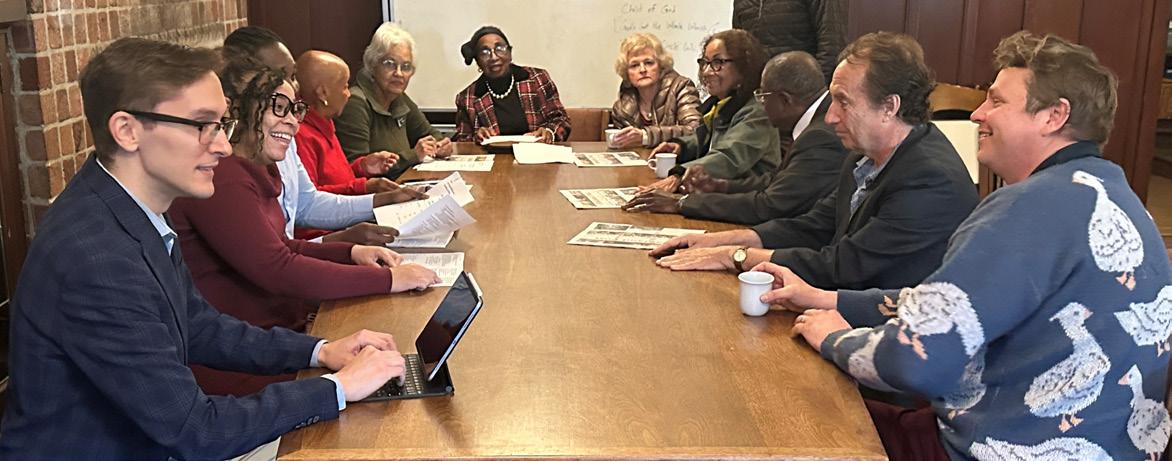
ing a Legacy, the Private Industry Council (PIC), Lulu’s House and Preventive Care Pathways are leading the charge to protect the health of Oakland residents. They will be joining with the Bay Area Air Quality Management Board, California Air Resources Board, the City of Oakland Public Works Department and others at Youth Uprising 8711 MacArthur Blvd. on Feb. 5 to raise concerns and discuss solutions from 6 to 8 p.m.
The public is invited to attend, and their input is welcome.
Though now illegal, the policy of redlining lingers in historically Black population areas bordered by highways, and host to industries that produce articulate waste.
These impacts have been measured in the high numbers of autoimmune diseases like cancer and asthma that decrease life expectancy and quality of life for residents.
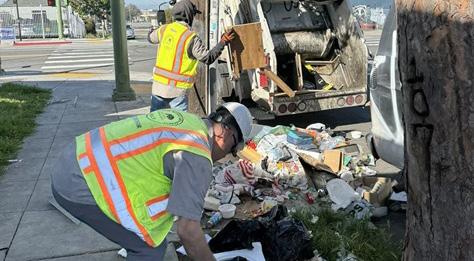
In Oakland, illegal dumping is an ecological problem identified by residents as a constant blight on life.
ing from 7–8 p.m. Send an email to the Post Newspaper for the Zoom link at https://www.postnewsgroup.com/contact-us/.
Dennis described the kickoff meeting as “an amazing beginning. The next 12 months of meetings will invite advocates, experts, and victims of the probate court system into the same room. It will be an opportunity to create a powerful movement for justice and reform.”
Cobb, committing the newspaper to a year of advocacy, says “Our intention is to spread this movement nationwide. We’re inviting the national network of African American newspapers scattered throughout the nation to join us.”
Emphasizing the need for commitment, perseverance and consistency, Cobb continued, “This group will be holding officials accountable. We recruited everyone in attendance to carry this movement forward; our intention is to recruit thousands more throughout the nation. This is not a movement of complaint but one of solutions and support.”
Elder rights activist Angelique Fawcette, founder of Elderly Lives Matter USA and CEO, producer and director at Archangel Films LA says, “My fellow advocates and myself will speak to all political parties for support of the elderly [because] as liberals, independents, and conservatives, we all have parents. Bringing vivid awareness to this atrocity in the elder rights sector just may unite our nation. It is our hope for the elderly and our hope for all of us.”
She said she has broad experience that will aid her efforts, having worked as deputy mayor for the City of Oakland. “I have had municipal experience. I understand how the political engine works,” she said.
Mayfield also served as co-convener of the Effective Teachers for Oakland task force in 2007, while Ron Dellums was mayor of Oakland, where she helped organize a big teacher recruitment summit at City Hall.
At Holy Names University, she was dean of the School of Educa-
She currently holds a statewide position as California Education Policy Co-chair for Black Women Organized for Political Action (BWOPA). She is also the Chief Learning and Innovation Officer at Oakland Natives Give Back (ONGB).
Mayfield emphasized that working to educate children and serve the community are deeply embedded in her personal history.
“I am a second-generation Oakland educator,” she said, “My mom, Margie G. Mayfield, taught at Markham Elementary. My husband taught in Oakland, I taught in Oakland, and my son went to Oakland schools.
“I think that’s important; I know education from the inside out.”
Dump sites often contain sharp objects, pestilence from deceased animals, food and human waste as well as rodents that can transmit disease. Direct and indirect contact with that raw waste by inhaling toxins and dust can cause respiratory problems.
Continued from page 1
Each Sunday of the month at 10 a.m., First Church will honor different aspects of Black history in music, song, and prayer.
On Sunday, Feb. 1, First Church will feature a salute to Black press, from the Oakland Post to Jet Magazine.
On Sunday, Feb.8, there will be an intergenerational service with a focus on Black poetry.
The final two Sundays (Feb. 15 and Feb. 22) will feature two other local music groups, which specialize in African American spirituals: the Voices of Legacy choir and the Lucy Kinchen Chorale.
All are welcome to attend, no matter their religious status or belief.
“Good Trouble” – Theme for Black History Month Services at First Presbyterian Church of Oakland
Feb. 1: Good Trouble: Why we Celebrate …Including the Role of the Black Press
Feb. 8: Good Trouble: Multi-Generational Energy Drives Us Forward!
Feb. 15: Good Trouble Today: A Conversation led by Rev. Joel Mackey, Parish Associate Feb. 22: Good Trouble and the Spirituals: Rev. Riana Shaw Robinson, Guest Preacher Featuring The Lucy Kinchen Chorale
Alameda
The pollutants can cause cancers such as stomach cancer, liver, kidney cancer, and leukemia. Illegal dumping is associated with higher levels of stress, depression and anxiety by residents in the area.
Oakland Public Works, PIC, Lifers Leaving a Legacy, Lulu’s House and Preventive Care Pathways as well as others have been testing air quality consistent with AB617 Community Air Protection Program to evaluate and eventually reduce exposure in communities most impacted by air pollution.
The studies by these organizations have revealed the community impact of illegal dumping on community health in East Oakland. With others, those organizations have removed more than 2.5 tons of garbage from all seven districts in Oakland.
In 2007, Dr. Geoffrey Watson and Lenore Gonzalez participated in a clinical review of social, genetic and environmental factors related to worsening asthma in the Hispanic and African American communities. It was clear during this study that environmental toxins played a part as it has in the studies performed most recently by Lifers.
Burning dumped waste may release hazardous pollutants such as methane, which will worsen asthma and lung problems. Groundwater may become contaminated with these toxins as well. Toxins accumulate in the soil and may cause unsafe growing environments for food.
Special to The Post
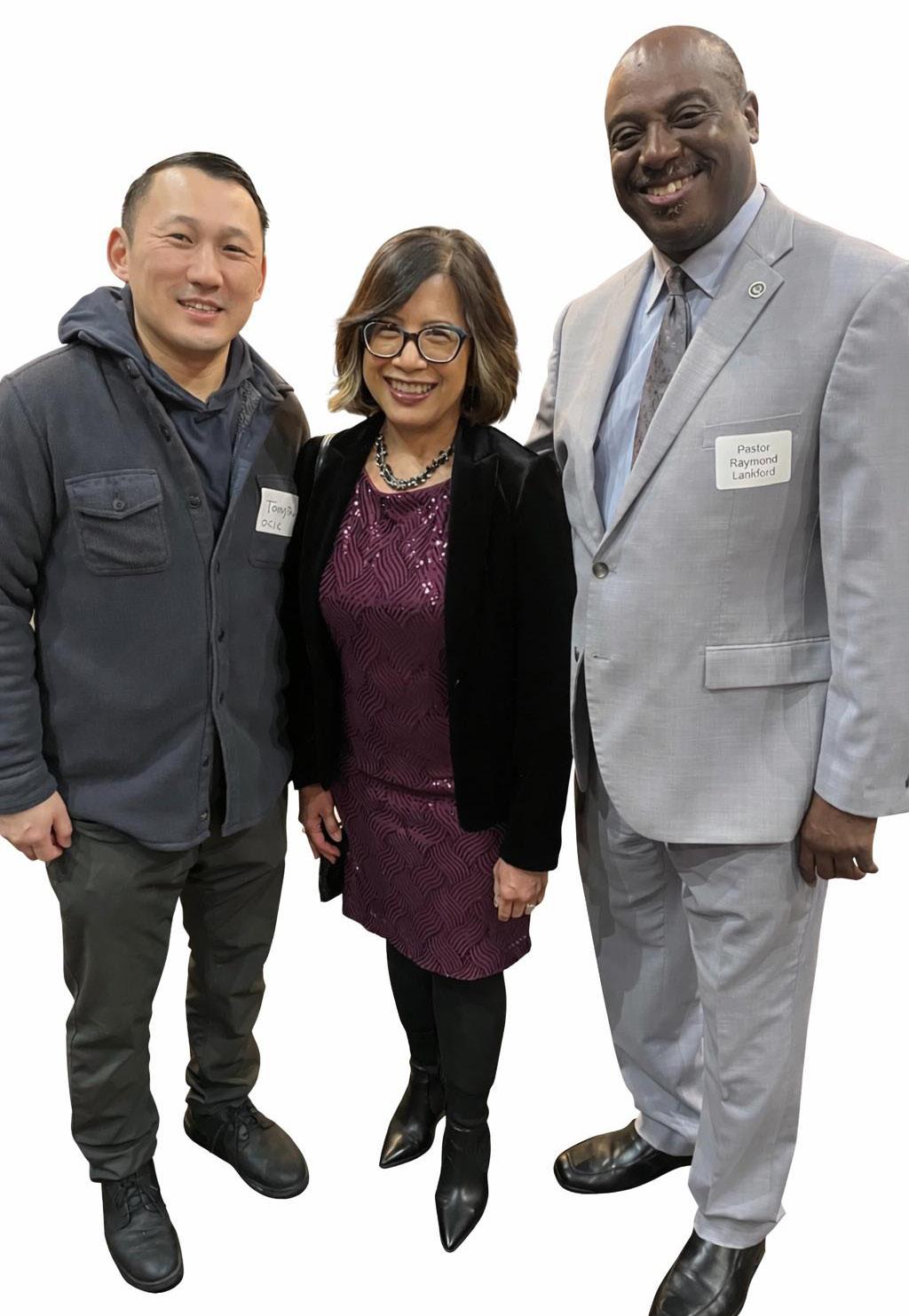
The Oakland Private Industry Council (OPIC) and Oakland Chinatown Improvement Council (OCIC) congratulated District 5 Alameda County Supervisor Nikki Fortunato-Bas (above center) as she completed her first year in office. She will celebrate with a community walk through Chinatown on Feb. 3. which starts at the Wilma Chan Park at 810 Jackson
St. in Oakland at 10:30 a.m. She will be joined by Tony Trinh, executive director of OCIC, (above left) and Raymond Lankford, executive director of OPIC (above right). Fortunato-Bas, who succeeded Keith Carson when she was elected in November 2024, represented Oakland Chinatown when she served as the councilmember for District 2. Courtesy photo.