MEDICAL UPDATE
JUNE 2026


JUNE 2026

Courtesy of Feature Impact
Roughly 1 in 8 American adults take GLP-1 medications for diabetes or weight loss and the number continues growing, according to a recent KFF Health poll. People considering these drugs understandably have many questions, ranging from which GLP-1 would be best, what side effects might they experience and whether their insurance will cover it.
The health care professional who prescribes GLP-1s is a key source of information, but another vital partner is the medication expert on your health care team: your pharmacist.
“GLP-1s are more complicated than your typical antibiotic or medicines like cholesterol drugs, and they require particular expertise to manage effectively,” said Martin Torres, PharmD, director of pharmacy, University of California, Irvine. “With their medication management expertise, pharmacists are particularly equipped to counsel people on GLP-1s. Our guidance can help people maximize benefits and minimize the risks.”
GLP-1s are intended to be taken long-
term, so it’s helpful to consult with the pharmacist at your medical center or clinic. The health-system pharmacists who work collaboratively with doctors in these settings can serve as ongoing guides on your GLP-1 journey.
Here are three ways they can support you.
Health-system pharmacists are an important resource for helping figure out how to pay for your medications. If you have insurance, they can help determine which GLP-1s your plan covers and which will suit you best.
If your plan doesn’t cover these drugs or you lack insurance, pharmacists can help you find alternative payment options, such as a drug-maker coupon or medication-support program. Effective and Safe Usage
Figuring out the optimal dose and frequency for each patient typically takes time. Many people also experience side effects. Pharmacists can help you manage the risks and maximize the effectiveness of your GLP-1 in several ways.
• They’re experts in flagging potential
harmful interactions between GLP-1s and other medications or supplements you’re taking.
• They can work with you to cope with or lessen side effects such as nausea, reflux and constipation.
• They can advocate to your doctor for increasing or decreasing your dose to get you to the safest effective amount and coordinate any other needed medication changes.
• They can teach you how to administer your medication properly to avoid waste.
Health-system pharmacists are also resources for lifestyle counseling to make the most of your GLP-1. There’s a common misconception that GLP-1s simply melt away fat. Rather, by reducing cravings, they help people eat less – and that can open the door to developing healthier eating and activity habits.
Pharmacists can provide a wealth of information on the effects of lifestyle modifications. The strategies for healthy eating and physical activity they share can help make these a routine part of your life for long-term success.
To learn more about how healthsystem pharmacists can impact your overall health, visit yourpharmacist. org.
At least half the people who start GLP-1s will stop within the first year. High costs, insurance issues and side effects are among the reasons people discontinue use. If you anticipate stopping your GLP-1, your healthsystem pharmacist can help smooth the transition.
A pharmacist’s extensive knowledge of medications is valuable not only for starting but also for stopping GLP-1s. They can help by:
• Determining whether a different GLP-1 or a more affordable source for the drug is right for you
• Helping people understand the source of side effects and how to lessen and manage them
• Providing advice on alternative medicines that may help patients reach their goals
• Guiding people on tapering their doses to avoid a hard stop

By Melissa Dengler, ND, LMT
In recent years, the term "gut health" has become a popular topic in healthcare conversations, and for good reason. Scientists continue to discover that the digestive system plays a much larger role in overall health than simply processing food. The gut influences immunity, metabolism, mood, energy levels, heart health, and even brain function.
At the center of gut health is the gut microbiome—a diverse community of trillions of bacteria, fungi, and other microorganisms that live primarily in the intestines. When this ecosystem is balanced, it supports health. When it becomes disrupted, digestive symptoms and other health concerns may develop.
Three important components that support a healthy gut are prebiotics, probiotics, and postbiotics.
Prebiotics:
Prebiotics are specialized plant fibers that nourish beneficial bacteria already living in the gut. Think of prebiotics as fertilizer for your microbiome. When beneficial bacteria consume these fibers, they produce compounds that help maintain digestive health and support the immune system.
Foods rich in prebiotics include: garlic, onions, leeks, asparagus, bananas, oats, apples, chicory root, and Jerusalem artichokes.
Probiotics: Adding Beneficial
Probiotics are live microorganisms that can help replenish and support healthy gut bacteria. They are found naturally in fermented foods and are also available as dietary supplements.
Common probiotic-rich foods
include: yogurt with live cultures, kefir, sauerkraut, kimchi, miso, tempeh and kombucha.
While probiotics can be beneficial, different strains serve different purposes. What works well for one person may not be ideal for another, making individualized approaches important.
Postbiotics: The Beneficial Byproducts
Postbiotics are compounds produced when beneficial bacteria digest prebiotic fibers. These compounds include short-chain fatty acids, enzymes, peptides, and other substances that help maintain the intestinal lining, regulate inflammation, and support immune function.
Researchers are increasingly interested in postbiotics because many of the health benefits attributed to probiotics may actually result from the postbiotics they produce.
Signs Your Gut May Need Support
Common signs of digestive imbalance may include:
• Bloating
• Excessive gas
• Constipation
• Diarrhea
• Food sensitivities
• Fatigue
• Frequent illness
• Skin issues
• Brain fog
While occasional symptoms are normal, persistent digestive concerns should be discussed with a qualified healthcare professional.
Dietary Habits That Support Gut Health
with simple dietary changes. Here are some simple rules to support your gut microbiome:
Eat More Fiber. Most Americans consume less fiber than recommended. A variety of vegetables, fruits, legumes, nuts, seeds, and whole grains provide nourishment for beneficial gut bacteria.
Diversify Your Diet. Research suggests that people who consume a wider variety of plant foods tend to have a more diverse microbiome. Aim to include a colorful assortment of fruits and vegetables throughout the week. Think about eating from the rainbow each week.
Limit Ultra-Processed Foods. Highly processed foods often contain additives, emulsifiers, and excessive amounts of sugar that may negatively impact the gut microbiome when consumed regularly.
Stay Hydrated. Adequate water intake supports digestion and helps maintain healthy bowel function. A general rule of thumb is to drink half of your body weight in ounces of water per day. For example, if you weight 150 pounds, it is recommended that you drink 75 ounces of water per day.
Lifestyle Factors Matter Too
Gut health is also influenced by much more than food.
Prioritize Sleep. Poor sleep can disrupt the gut microbiome, while a healthy microbiome may help support quality sleep. Adults should generally aim for 7-9 hours of sleep per night.
Manage Stress. Chronic stress affects the communication between the brain and digestive tract, often referred to as the "gut-brain axis." Practices
such as walking, meditation, deep breathing, yoga, and spending time outdoors may help support both mental and digestive health.
Exercise Regularly. Physical activity has been shown to promote microbial diversity and support healthy digestion. Even moderate exercise, such as brisk walking, can be beneficial.
Use Antibiotics Wisely. While antibiotics are often necessary and life-saving, they can also disrupt beneficial gut bacteria. Follow your healthcare provider's recommendations and discuss ways to support gut health during and after antibiotic use.
The gut microbiome is an essential partner in overall wellness. Supporting it doesn't require expensive supplements or complicated routines. Consuming a diet rich in fiber, incorporating fermented foods, staying active, managing stress, and prioritizing sleep can all contribute to a healthier digestive system.
As research continues to evolve, one message remains clear: caring for your gut is an investment in your long-term health. If you are experiencing digestive issues, please reach out to us at Vitality Natural Health and Wellness Center –Lakewood. Our team is ready to answer your questions and address your concerns. You can find us in Lakewood on Chautauqua Avenue at the clock tower “where we always have time for you.”

Stone Audiology was created to make the lives of people living with hearing problems in Olean, NY; Belmont, NY; Chaffee, NY; Jamestown, NY; Bradford, PA; Corry, PA; North East, PA; Kane, PA, and the surrounding areas more enjoyable. According to a study from the NIDCD, 30 million Americans aged 12 or older have hearing loss in both ears. It is our goal to assist those that fall into this category with the very best hearing care that is available.
Dr. Leslie Stone, AuD, F-AAA, Audiologist –Dr. Stone is a graduate of the State University of New York at Fredonia with a bachelor’s and master’s degree and holds a Doctorate of Audiology from Salus University. She is a proud member of the American Academy of Audiology.
We understand that hearing loss is a difficult issue to deal with and you may be apprehensive about coming to see us. At Stone Audiology, we will do everything in our power to make our customer’s visits as quick and
comfortable as possible
We offer several types of hearing aids and a wide selection of styles that include in-the-canal, receiver-in-canal, behind-the-ear and more. No matter what you may be looking for, we will give you a solution that will allow you to live comfortably for many years to come. We work with patients of all ages and have equipment tailored for a variety of different ear types. We listen to your wishes to ensure you are getting the exact hearing aid that you are hoping for. Let our attention to detail and care get to work for you so you can get back to enjoying your life as you always have.
Its Our Pleasure To Offer You These Services
We offer a wide variety of audiology
services to have your hearing back to where it needs to be.
• Diagnostic Audiologic Evaluation
• Evaluation for Hearing Aids
• Hearing Aid dispensing and Fitting
• Tinnitus Treatment Options
Schedule An Appointment Today!
If you would like to see us for any audiology services, we ask that you call us at your earliest convenience. We are the audiologists to trust, serving you in Jamestown, NY; Olean, NY; Chaffee NY; Belmont, NY; Bradford, PA; Corry, PA; North East, PA; Erie, PA; Kane, PA, and the surrounding areas.
The Jamestown location is at 2329 Foote Ave. Ext, and can be reached at 716-664-3000


Seasonal allergies affect a significant percentage of the global population. According to the National Oceanic and Atmospheric Administration, as much as 30 percent of the global population is affected by seasonal allergies, which can be marked by uncomfortable and disruptive symptoms such as sneezing, itchy and/or watery eyes, a runny or stuffy nose, and irritation of the throat.
As uncomfortable and disruptive as seasonal allergies can be, they are often manageable with over-thecounter (OTC) medications like Zyrtec®. According to the Cleveland
Clinic, medications like Zyrtec® work by blocking histamine, a substance the body releases during an allergic reaction. Seasonal allergy sufferers are urged to speak with their physicians and visit an allergist prior to taking any new medications, including OTC options. It also can help to identify seasonal allergy triggers. While people tend to associate seasonal allergies with spring and early summer, the makers of Zyrtec® note that seasonal allergies can affect people throughout the year. Triggers vary by season, and some overlap the seasons. Recognition of common seasonal allergy triggers can be an important step in combatting the unpleasant and often disruptive
side effects of flare-ups.
The makers of Zyrtec® note that tree pollen, grass pollen and weed pollen are common seasonal allergy triggers in spring. Tree pollen is the first seasonal allergy trigger to emerge in spring, but grass pollen and weed pollen are additional springtime triggers. Seasonal allergy sufferers are urged to monitor daily pollen counts, including tree pollen counts, and avoid going outside on particularly windy spring days.
Grass pollen is a significant seasonal allergy trigger in summer. Fungus
spores and mold also can trigger seasonal allergies in spring, as the makers of Zyrtec® note that hot and humid weather creates an ideal environment for mold to grow. The Asthma and Allergy Foundation of America (AAFA) notes that fungus spores tend to grow on grasses, grains, logs, and compost piles from July through early fall. To reduce the risk of a seasonal allergy attack in summer, avoid mowing the lawn on days when you plan to entertain outside or relax outdoors, as mowing spreads grass pollen around, increasing the risk of a reaction.
Weed pollen, mold and dust are seasonal allergy triggers that emerge in fall. Ragweed can grow anywhere and the AAFA notes it can travel for miles in the windy conditions of fall. Mold also can develop on wet soil and fallen leaves, while turning on heating systems on chilly fall days can send dust mites into the air. Keeping windows and doors shut in fall can ensure seasonal allergy triggers don’t get inside.
Weed pollen, mold and dust also are the most common triggers of seasonal allergies in winter. Increased exposure to indoor air allergens, including pets and Christmas trees, also can be risky in winter, as people and pets spend more time indoors when the weather cools than they do at other times of year. Frequent vacuuming and indoor air cleansers that employ highefficiency particulate air (HEPA) filters can help people combat wintertime seasonal allergy triggers.
Seasonal allergies can strike throughout the year. Identifying triggers can help people avoid them with a goal of reducing the discomfort of seasonal allergic reactions.

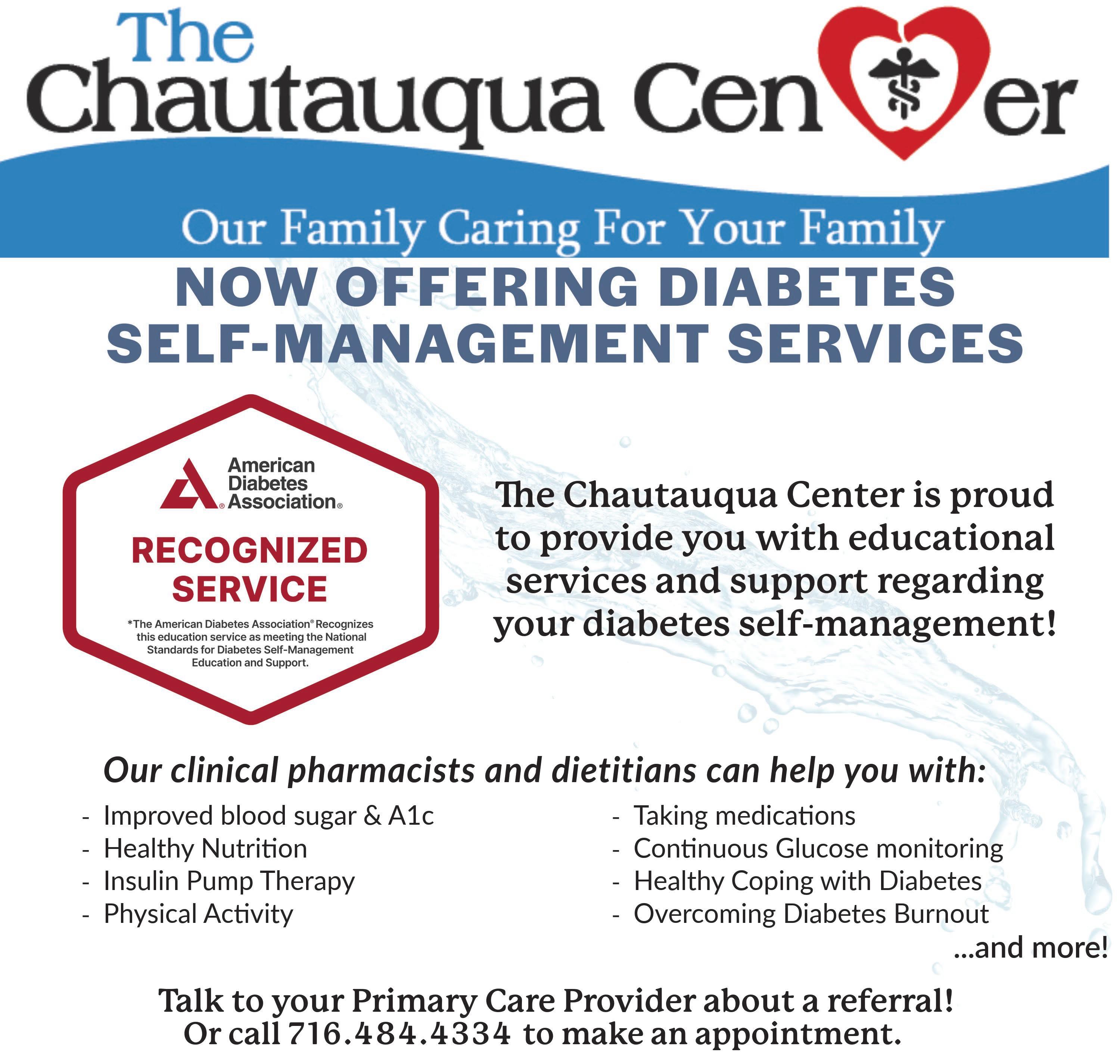
The Chautauqua Center is proud to announce the availability of its Diabetes Self-Management Education and Support program, providing patients throughout The Chautauqua Center’s eight-countywide service area with access to expert guidance, education, and personalized support to help manage diabetes and improve overall health outcomes.
Recognized by the American Diabetes Association, the program meets national standards for Diabetes Self-Management Education and Support and is designed to empower individuals living with diabetes through evidence-based education and individualized care.
The DMS program is led by The Chautauqua Center’s team of clinical pharmacists and registered dietitians, who work closely with patients to develop practical strategies for
managing their condition. Services are tailored to each individual’s needs and can include support with:
• Blood sugar and A1c management
• Healthy nutrition planning
• Insulin pump therapy
• Physical activity recommendations
• Medication management
• Continuous glucose monitoring (CGM)
• Healthy coping strategies for living with diabetes
• Preventing and overcoming diabetes-related burnout
• and more!
According to the Center for Disease Control and Prevention, diabetes affects millions of Americans and remains one of the leading causes of serious health complications, including heart disease, kidney disease, and vision loss. Education and ongoing support play a critical
role in helping patients achieve better health outcomes and reduce the risk of complications.
The Chautauqua Center’s DMS program offers patients practical, real-world guidance that can help them make informed decisions about nutrition, medications, physical activity, and everyday diabetes management.
Patients interested in participating are encouraged to speak with their primary care provider about obtaining a referral. Appointments can also be scheduled by calling 716484-4334.
The Chautauqua Center is a federally
qualified health center dedicated to providing comprehensive, compassionate, and accessible healthcare services to individuals and families throughout eight different counties. Through an integrated approach to care, The Chautauqua Center offers primary care, dental services, behavioral health services, pharmacy support, and more specialty programs designed to improve the health and well-being of the communities it serves.
To learn more about The Chautauqua Center’s providers, services, and locations, please visit their website: tcchealth.org.
Courtesy of Metro Creative
Alcohol affects people in various ways. While some who consume alcohol may indicate they have a high tolerance for it, such individuals are not immune to the effects of alcohol. Alcohol contributes to physical and mental impairment regardless of a person’s tolerance, and research has shown that certain symptoms of impairment can start to manifest when blood alcohol content (BAC) reaches certain levels. Understanding BAC and the effects that alcohol can have may discourage overconsumption.
What is BAC?
BAC indicates the amount of alcohol a person has in their blood. The Cleveland Clinic notes that alcohol is rapidly absorbed in the stomach and the intestines before it enters the bloodstream. The liver then metabolizes the alcohol to filter it out of the blood. However, when people consume alcohol faster than the liver can process it, their BAC increases. That’s when side effects like intoxication can occur.
Does alcohol affect people differently?
The National Institute on Alcohol Abuse and Alcoholism notes that alcohol metabolism is controlled by genetic factors, including variations in the enzymes that break down alcohol. So the speed at which someone becomes intoxicated can be much quicker for some people than others.
How do different levels of BAC affect the body?
The Cleveland Clinic notes that alcohol is a depressant, which is always good to keep in mind when consuming it. According to the Alcohol and Drug Foundation, depressants slow down the brain and body, which can lower energy levels, slow breathing, slow heart rate, and lower body temperature. The ADF also notes that depressants slow down a person’s ability to respond to unexpected situations, which is one reason why drinking and driving is so dangerous. Drivers contend with an array of unexpected situations whenever they get behind the wheel, and a slowed response to such scenarios can be fatal for drivers, their passengers and others sharing the road.
The Cleveland Clinic notes that different BAC levels produce different side effects. But even a relatively low BAC can have an adverse physical and mental effect.
• .02: At this level, people consuming alcohol may experience a change in mood and feel more relaxed. However, a slight loss in judgment also is typical with a BAC at .02.
• .05: Lowered inhibitions and alertness and impaired judgment are possible when BAC reaches .05.
• .08: This is the legal driving limit in all 50 states and Canada. Driving with a BAC level of .08 will merit an arrest in both the United States and Canada. At this level, a person may have reduced muscle coordination, struggle to identify dangerous situations and suffer from impaired judgment and reasoning.
• .10: A BAC of .10 is considered severely impaired. Slower reaction time, slurred speech and slowed thinking is possible when BAC reaches .10.
While it’s true that alcohol affects some people differently than others, all people who plan to consume alcohol are urged to do so responsibly and avoid driving if they plan to drink.






Making health-conscious decisions with your at-home menu doesn’t have to be complicated, but it does require commitment and a little more foresight at the grocery store. Simple adjustments to overall eating patterns, like building your plate around produce, powerful proteins and whole grains, can encourage better health.
Nutritious meal-planning can be easy, affordable and delicious – and it all starts with a little balance. Consider this advice from the American Heart Association’s Healthy for Good initiative, nationally sponsored by the Egg Nutrition Center, to adequately round out a healthy plate.
Loaded with nutrients, fresh produce is a perfect place to start each plate. Fill about half your plate with combinations of bananas, strawberries, blueberries, sweet potatoes, peas, carrots and more of your favorites. To boost variety with each meal, look for fruit and veggie blends or step out of your usual routine and try something new.
Grocery tip: Frozen fruits and veggies are often cheaper and just as delicious as their fresh counterparts. It’s frozen right after it’s picked, locking in
week without putting a dent in your wallet. Eggs are a perfect example as they can be used at any meal, not just breakfast – try them in wraps or omelets in the morning, hard-boil them to go with a lunchtime salad or add to a frittata at dinner.
Finally, fill that last quarter of the plate with ready-to-go whole grains, many of which provide dietary fiber that can support a healthy heart and healthy digestion. Conversely, most refined grains contain little or no fiber. Examples of whole grains include barley, brown rice, corn, oatmeal,
rolled or steel-cut oats, popcorn, quinoa, sorghum and wild rice, along with products labeled “whole grain” or “whole wheat” like bread or pasta.
Grocery tip: Look for whole grains that can make mealtime a cinch. Corn tortillas, instant oats and even popcorn can help you create nutritious plates and better-for-you snacks with the snap of your fingers. Try keeping packets of pre-cooked brown rice on hand to bulk up favorite dishes or toss with leftovers to round out a healthy plate.
Visit Heart.org to discover more nutrition guidance for heart-healthy meals.
freshness for a longer shelf life. Just be sure to avoid products with added salt or sugar.
Healthy food isn’t just fuel. It should be easy and nourish you, too. Look for versatile solutions that provide a protein power-up like skinless chicken breast, no-salt-added beans, lowsodium tuna, tofu or eggs.
High-quality protein from foods, along with a balanced diet and regular exercise, can help support the muscles in your body. Eggs are an example, along with lean animal protein and some plant-based proteins. According to the American Heart Association’s guidelines, healthy people can include up to one whole egg daily, and up to seven per week, as part of a heart-healthy diet. For older adults with normal cholesterol, two eggs per day is acceptable.
Eggs deliver both protein and choline, nutrients that help support growing brains and bodies, especially early in life. In fact, many Americans don’t get enough choline, a critical nutrient for supporting brain development, memory and mood.
Grocery tip: Stock up on proteins that offer both versatility and affordability, helping you cook multiple meals per
Nutrition isn’t just about what’s on your plate – it’s also about what’s next to it and how much is on it.
Pair a balanced meal with this advice to help take healthy eating to the next level.
Stay Hydrated
If it’s not already a habit, add a glass of water to each meal. Staying hydrated helps your heart pump blood throughout the body, get rid of waste and regulate body temperature. While water is the best source of hydration, water-rich foods like fruits and vegetables can also play a role.
Pay attention to suggested servings from your favorite food groups. For example, one slice of whole-grain bread, 1/2 cup of cooked pasta and two ounces of cheese (about the size of a domino) are the suggested serving sizes for these popular foods.
You can serve and eat smaller portions by:
• When cooking at home, offer the proper serving size to each family member then put extra food away for leftovers.
• When dining out, skip appetizers and split your meal with a friend or partner.
• Avoid eating while watching TV or
at your computer. It may be harder to control how much you’re eating if you’re not paying full attention.
• Mindfully measure out your snacks – even fruits and veggies – into appropriate portions before serving instead of helping yourself directly from the bag or box.
While sodium supports vital functions like controlling your body’s fluid balance, excess sodium in your bloodstream pulls water into the blood vessels, increasing the amount of blood inside them and thus increasing blood pressure. More than 70% of the sodium people eat comes from packaged, prepared and restaurant foods due to salt added for flavoring, stabilizing, preserving and reducing bacterial risk, according to the American Heart Association.
Cutting back on sodium can help reduce the rise in blood pressure that occurs as you age, even if you don’t have high blood pressure now. It may also help reduce the risk of heart attack, heart failure, kidney disease and more.
Try cooking more meals at home where you can control sodium intake, flavoring foods with herbs and spices instead of table salt and rinsing canned beans and vegetables to wash away excess sodium.

The term “wellness” comes up frequently during healthrelated discussions. Wellness is an umbrella term that refers to the many ways individuals can care for their minds and bodies. Recognition of various facets that fall under the wellness umbrella can help people striving to live healthier identify the ways and means to achieving that goal.
According to the insurance experts at AmeriHealth®, the term “social wellness” refers to the ability to create and maintain healthy, supportive and mutually respectful relationships.
and express those views with others in a calm and appropriate manner. Recognition of how you feel also can help students and professionals as they confront situations that might affect their success. That same sense of recognition also can foster stronger responses to mental health issues that can arise each day.
Occupational wellness
Work is a big part of many people’s lives, and the University of New Hampshire notes that the term “occupational wellness” refers to the pursuit of a career path that aligns with each person’s goals, professional growth and success. Occupational wellness emphasizes the importance of finding work that satisfies and enriches a person’s life. The UC Davis Student Health and Counseling Services note that some means to fostering occupational wellness include routine reflections on where you find joy and
making a commitment to keeping an open mind, which can help uncover new and unique career or volunteering opportunities.
Finances are a common source of stress. The discipline of financial wellness emphasizes practices that encourage people to effectively manage their own finances in ways that can lead to long-term financial well-being. Financial wellness strategies may start small, such as identifying ways to save money each day and uncovering resources and understanding how to use them. Financial wellness also encourages people to set long-term financial goals. Wellness is a wide-ranging term that encourages people to embrace strategies affecting all areas of their lives with a goal toward improving their overall well-being in the shortand long-term.
Social wellness aspires to build a strong sense of connection and belonging, which AmeriHealth® notes can help to increase self-esteem; reduce anxiety and depression; facilitate effective means to handle stress; foster a greater sense of safety and security; and improve physical well-being, among other benefits.
Emotional wellness
Emotional wellness is intended to help people develop an awareness of their feelings and how they respond to daily interactions. VeryWell Mind notes that emotional wellness can affect relationships by helping people to identify their own perspectives
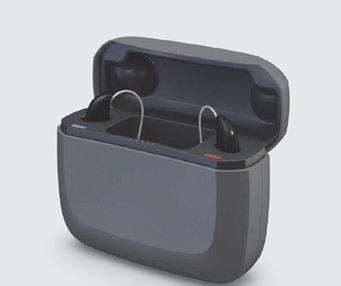
With ReSound Vivia, next-era hearing is...
With ReSound Nexia, next-era hearing is.. .
• Top-rated by users for sound quality and hearing in noise 1
• Rechargeable and tailored for your comfort, including all-day battery life and waterproof durability.
• Smaller than ever with the new Micro RIE style
• The world’s best for hearing in noisy environments.
• Rechargeable with all-day power and all-weatherproof design
• Discreet, stylish, and available in vibrant new colors.
• Great for calls, letting you double-tap on your ear to answer calls
• Enhanced by Intelligence Augmented - a human approach to Al.
• Smarter with the world’s rst Auracast™ Assistant for hearing aids.
• Ready for the future of connectivity with Bluetooth the new standard of wireless connectivity ® Auracast ™ ,



We make it easy to find out if you have hearing aid insurance coverage with our FREE benefits verification.
We will verify your hearing aid benefit, explain your options and walk you through the entire journey to better hearing. ls

























































































709 E. Columbus Ave., Corry, PA • 814-664-7070
5 W. Main St., North East, PA • 814-347-5255





2329 Foote Ave. Ext., Jamestown, NY • 716-664-3000
See our website for other office locations!




























By Tiffany Miller
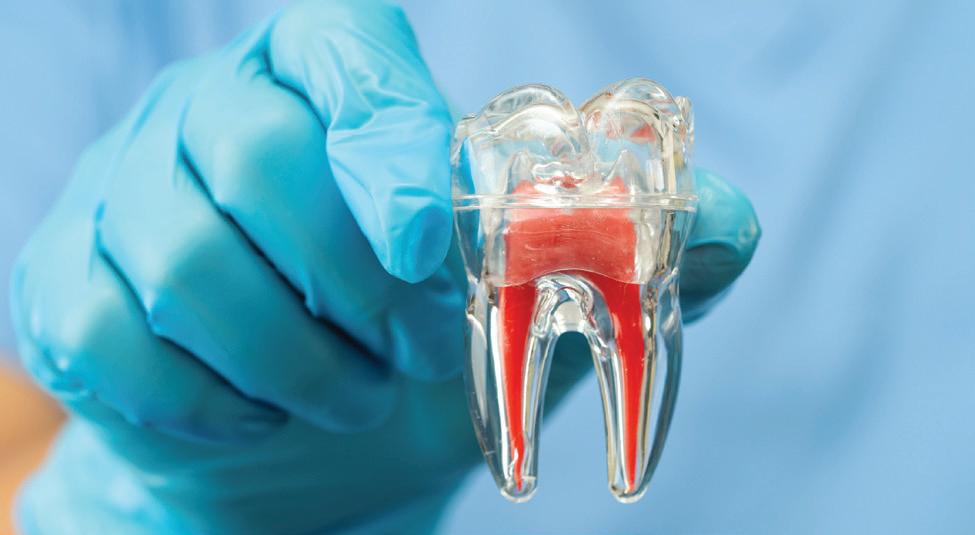
Most U.S. adults say they would do almost anything to avoid losing a natural tooth. Most have also put off going to the dentist when they suspected something was wrong. And some may not be aware of the dental specialists whose entire focus is helping them do exactly that. A new national survey from the American Association of Endodontists, the organization representing those specialists, finds all three of those things together at the center of how U.S. adults actually approach their dental health.
That tension runs through the entire survey. When faced with a serious tooth infection, 61%
would choose a treatment that saves the tooth over extraction. Seventy-eight percent say they would do almost anything to avoid losing a natural tooth. The attachment runs deeper than appearances. It is about the tooth itself, the one that has been there your whole life, that feels irreplaceable in a way an implant or crown never quite does.
The gap is not in conviction. It is in knowing what to do.
Only 27% of U.S. adults correctly identify that a knocked-out tooth needs to be treated within 30 minutes to give it the best chance of being saved. The rest either guess wrong or have no idea how quickly the clock is running. And the specialists most equipped to help in that moment, dental professionals called endodontists whose entire focus is saving natural teeth, are known to only 44% of U.S. adults.
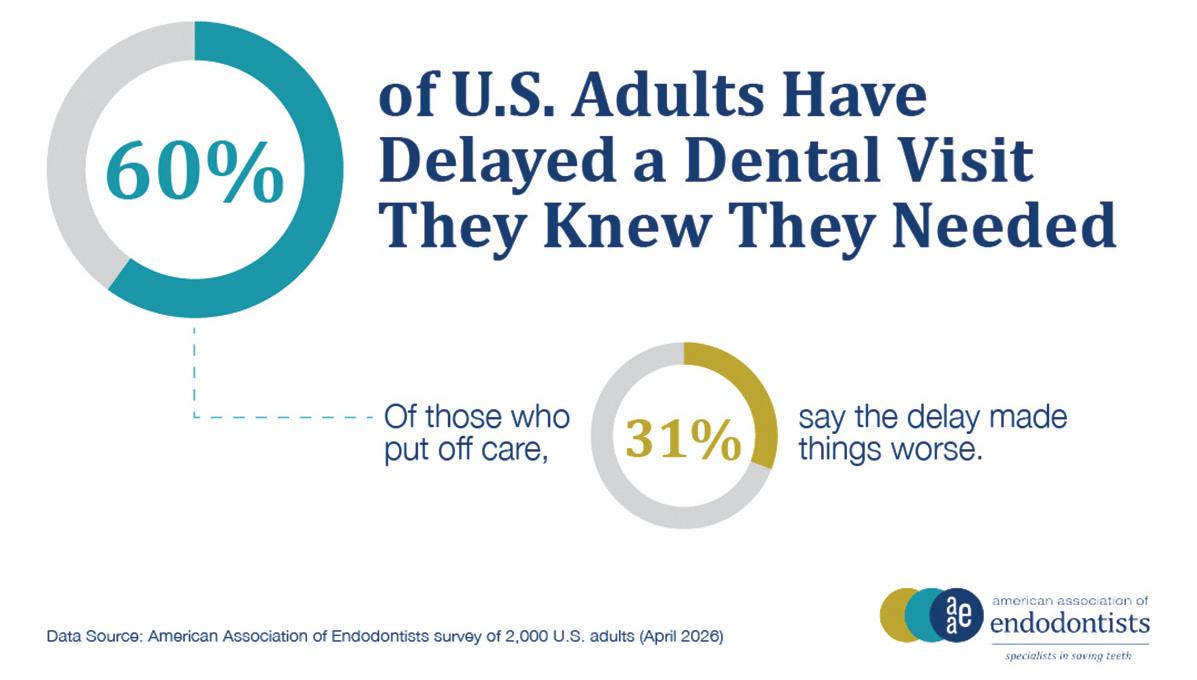
Cost widens the gap. Sixty percent of U.S. adults admit to having put off going to the dentist when they suspected something was wrong. The anatomy of that delay is familiar: a symptom that does not seem urgent enough, a bill that feels easier to avoid than face, an appointment that keeps getting pushed to next month. Of those who waited, 51% say it made things worse.
And then there is the fear. Root canals have a
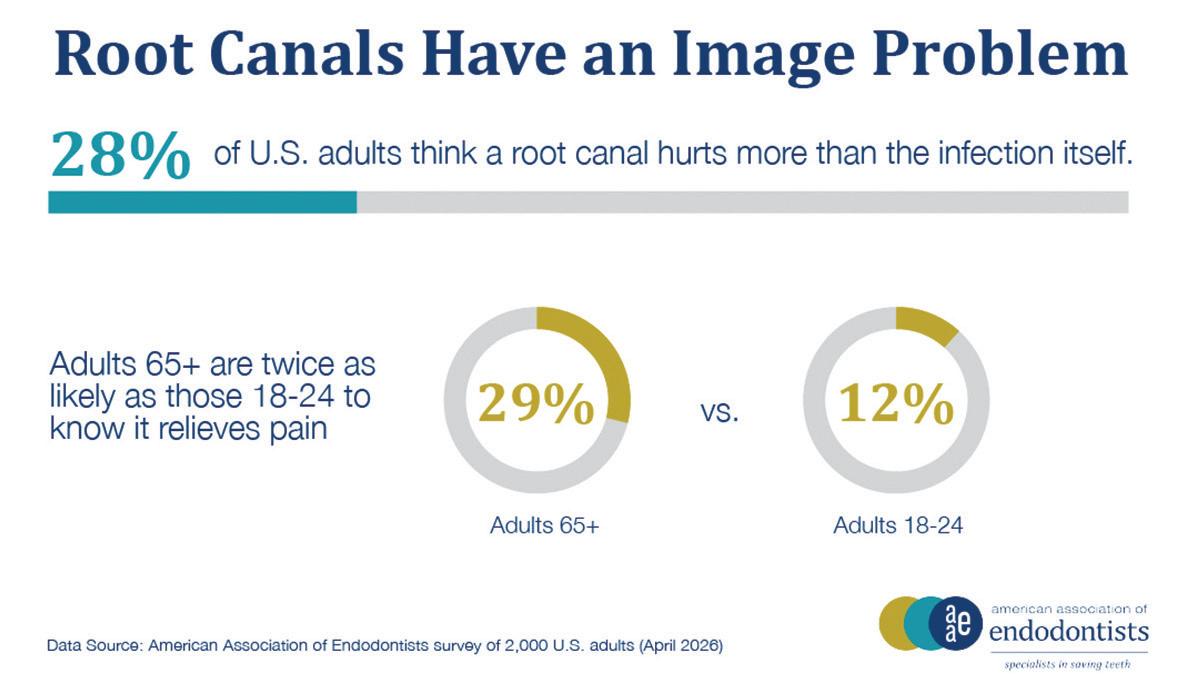
reputation that the data does not support. Asked what they believe, 28% of U.S. adults say a root canal is usually more painful than the toothache that sent them to the dentist in the first place. They have it backward. A root canal is designed to relieve that pain, not add to it, according to the American Association of Endodontists. But the perception lingers, shaped in part by a fragmented information environment where 35% of U.S. adults say they have encountered conflicting or confusing information online about procedures such as root canals.
U.S. adults feel strongly about their natural teeth, probably more than they would have predicted before being asked. They delay the care that protects them, do not know what to do when time is short, and are not always getting their information from sources that serve them well.
For a tooth that can often be saved in 30 minutes, that combination has consequences.
American Association of Endodontists commissioned Atomik Research, a creative market research agency part of 4media group, to conduct an online survey of 2,000 adults throughout the United States. The margin of error is plus or minus 2 percentage points at a 95 percent confidence level. Fieldwork was conducted between April 3 and April 8, 2026.
Courtesy of Chautauqua Hospice & Palliative Care
Hospice care isn't about giving up, it's about focusing on comfort and quality of life for those with a terminal illness and their loved ones. When curative treatments are no longer the main goal, hospice provides a team of specialists who manage pain and other symptoms, offering physical, emotional, and spiritual support.
Here's what hospice care means:
• Comfort-focused care: The focus shifts from cure to managing pain and symptoms, allowing patients to make the most of their remaining time.
• Support for families: Hospice teams understand the emotional toll on families and provide guidance
and support throughout the journey.
• Care wherever you call home: Whether it's a private residence, assisted living, or even a hospital in some cases, hospice care comes to you.
• Improved quality of life: Effective symptom management allows patients to enjoy activities and moments that matter most.
• Emotional and spiritual support: Hospice teams address emotional and spiritual needs for both patients and their families.
• Increased comfort: Personalized care plans ensure maximum comfort, with access to pain management, spiritual care, and counseling.
• Caregiver support: Resources and guidance are available to help caregivers navigate this challenging time.
• Respecting wishes: Hospice care prioritizes patient wishes and goals, ensuring their final days are filled with dignity and respect.
While a general guideline suggests a life expectancy of six months or less, every situation is unique. Here are some signs that hospice might be a good option:
• Treatments are no longer effective, and managing symptoms is difficult.
• Frequent hospitalizations and a decline in overall health.
• Experiencing pain or discomfort that's hard to control.
• A desire to spend remaining time at home, surrounded by loved ones.
• A recommendation from your doctor for hospice care.
Don't wait to discuss hospice with your doctor. Early intervention allows for more time to benefit from this valuable resource.
Hospice care makes a significant difference for both patients and families by providing comfort, support, and relief during a difficult time. Let's talk openly about hospice and ensure everyone has access to this valuable care option.


Courtesy of Feature Impact
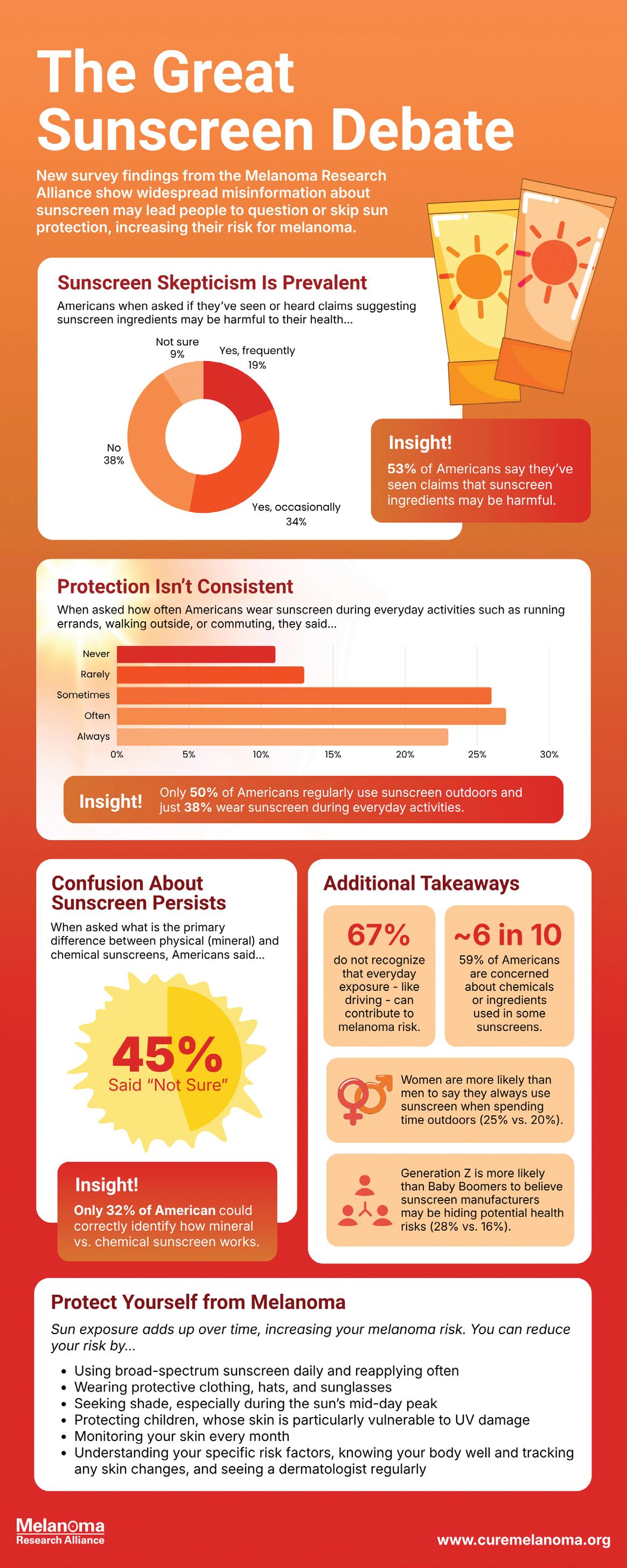
Despite its wide recognition as an effective tool for skin cancer prevention, many Americans still say they aren’t sure how sunscreen works. In fact, confusion about its use and misinformation persist, especially on social media.
According to a national survey conducted by Atomik Research on behalf of the nonprofit Melanoma Research Alliance (MRA), 53% of the 2,000 adult respondents said they’ve seen claims that sunscreen ingredients may be harmful while 59% reported they’re concerned about what’s in sunscreen and 38% don’t believe sunscreen is safe and effective.
This sunscreen confusion highlights a central challenge in preventing skin cancer, which is the most common form of cancer in the United States, according to the U.S. Centers for Disease Control and Prevention.
Among the various types of skin cancer, 9 out of 10, including melanoma, are linked to exposure to ultraviolet (UV) radiation, according to the MRA. The survey found most Americans have a basic understanding of the risks of sun exposure, including the more than 8 in 10 who recognize spending long hours in the sun contributes to melanoma risk. However, roughly one-quarter said they rarely or never use sunscreen when outdoors.
Reducing exposure to UV radiation lowers the

risk of skin cancer, making sunscreen a key part of prevention, even during those everyday moments you may not immediately recognize as “risky,” like a short walk through a parking lot or an hour sitting in the bleachers at a sporting event.
To combat the confusion, it’s important to first understand how sunscreen works. It absorbs or blocks UV radiation from reaching the skin, preventing DNA damage that can cause cancer.
“Conflicting or incomplete information can make people less likely to wear sunscreen consistently,” said Dr. Joan Levy, chief science officer at the MRA, “but the science on sun protection is clear, and sunscreen is one of the most effective tools to prevent melanoma.”
Active ingredients in sunscreen in the U.S. undergo rigorous review by the Food and Drug Administration (FDA), which evaluates them as over-the-counter drugs – a standard which requires extensive testing and contributes to a more limited set of approved UV filters compared to Europe, where sunscreens are regulated as cosmetics.
The FDA is evaluating additional methodologies for assessing sunscreen ingredients, a process that could, according to Levy, expand the number of approved UV filters available in the U.S.
While melanoma remains the deadliest form of skin cancer, real progress is being made in melanoma research. Recent advances are improving outcomes for many patients with the disease, though approximately 50% of patients do not respond to current treatments, according to the MRA, underscoring why prevention and early detection are critical.
“Treatments such as immunotherapy have significantly improved outcomes for many melanoma patients, but we should never need to treat what we could have prevented,” Levy said.
To learn more and find strategies to protect your skin, visit CureMelanoma.org.

As you get older, your risk for some eye diseases may increase. However, there are steps you can take to keep your eyes healthy –and it starts with taking care of your overall health.
Set yourself up for a lifetime of seeing your best with these eight tips from the experts at the National Eye Institute in honor of Healthy Vision Month:
1. Find an eye doctor you trust. Many eye diseases don’t have any early symptoms, so you could have a problem and not know it. An eye doctor can help you stay on top of your eye health. Find an eye doctor you trust by asking friends and family if they like their doctors. You can also check with your health insurance plan to find eye doctors near you.
2. Ask how often you need a dilated eye exam.
Getting a dilated eye exam is the single best thing you can do for your eye health. It’s the only way to find eye diseases early, when they’re easier to treat – and before they cause vision loss. Your eye doctor will decide how
often you need an exam based on your risk for eye diseases.
3. Add more movement to your day.
Physical activity can lower your risk for health conditions that can affect your vision, like diabetes and high blood pressure. If you have trouble finding time for physical activity, try building it into other activities. Walk around while you’re on the phone, do push-ups or stretch while you watch TV or dance while you’re doing chores. Anything that gets your heart pumping counts.
4. Get your family talking about eye health history.
Some eye diseases – like glaucoma and age-related macular degeneration – can run in families. While it may not be the most exciting topic of conversation, talking about your family health history can help everyone stay healthy. The next time you’re chatting with relatives, ask if anyone knows about eye problems in your family. Be sure to share what you learn with your eye doctor to see if you need to take steps to lower your risk.
5. Step up your healthy eating game. Eating healthy foods helps prevent
health conditions – like diabetes or high blood pressure – that can put you at risk for eye problems. Eat right for your sight by adding more eye-healthy foods to your plate, such as dark, leafy greens like spinach, kale and collard greens, and fish high in omega-3 fatty acids like halibut, salmon or tuna.
6. Make a habit of wearing your sunglasses – even on cloudy days. The sun’s UV rays can not only harm your skin, but the same goes for your eyes. However, wearing sunglasses that block 99-100% of both UVA and UVB radiation can protect your eyes and lower your risk for cataracts.
7. Stay on top of long-term health conditions like diabetes and high blood pressure.
Diabetes and high blood pressure
can increase your risk for some eye diseases, like glaucoma. If you have diabetes or high blood pressure, ask your doctor about steps you can take to manage your condition and lower your risk of vision loss.
8. If you smoke, make a plan to quit. Quitting smoking is good for your entire body, including your eyes. Kicking the habit can help lower your risk for eye diseases like macular degeneration and cataracts. Quitting smoking is hard, but it’s possible – and a plan can help.
Test your eye health knowledge with a quick quiz and find more vision resources at nei.nih.gov/hvm.

High blood pressure poses significant health risks for people of all ages, but there are effective ways to both prevent and manage this “silent killer” by working with a health care professional to make lifestyle changes.
Hypertension, also known as high blood pressure, is when the force of blood flowing through blood vessels is consistently too high. This condition makes the heart work harder than normal and can damage arteries, increasing the risk of heart disease, stroke and other health problems. High blood pressure is the leading risk factor for stroke and heart conditions such as coronary artery disease, heart failure and atrial fibrillation. Strengthening evidence also shows high blood pressure is linked to risk of cognitive decline and dementia, which is why the American Heart Association is working to increase awareness and encourage people to manage blood pressure. Protect your heart and brain both now and in the future with this information and wellness advice.
Anyone can develop high blood pressure, which is why it’s encouraged for everyone – in all age groups, including children and young adults –to have their blood pressure checked at annual physicals or wellness checkups. For those with a history of high blood pressure or risk factors for developing the condition, more frequent measurements may be recommended.
Major risk factors for high blood
pressure include excess weight, diabetes, high cholesterol, smoking, lack of physical activity, alcohol consumption and a diet high in sodium and low in potassium.
Nearly half of adults in the U.S. have high blood pressure and many don’t even know it. Of those with high blood pressure, about 75% don’t have the condition under control. Because it typically shows no symptoms, it’s often called a “silent killer.”
How is Blood Pressure Checked?
To get the best blood pressure reading, sit in a chair with support for your back with both feet flat on the ground.
Use a validated, automatic, cuff-style, upper-arm monitor. Remove clothing over the arm that will be used and rest for at least 5 minutes. Extend your arm and support it at heart level while staying quiet and still then take multiple readings and record the results. Aim to measure at the same time each day.
For most adults, a normal blood pressure reading should be less than 120/80 mm Hg.
Recognizing and taking quick action to control high blood pressure can significantly lower the risk of severe health consequences, including heart attack and stroke, and improve overall health. If you’ve been diagnosed with high blood pressure, work with a health care professional to design a treatment plan that works for you. It may include lifestyle changes to your diet or activity levels or medication.
Preventing high blood pressure is possible. Talk with a health care professional to create a plan that works for you, which may include small steps like eating a heart-healthy diet, staying active and maintaining a healthy weight.
For those diagnosed with high blood pressure, maintaining a healthy weight by staying active (at least 150 minutes of moderate activity per week) and eating a balanced diet rich in fruits, vegetables, lean protein and whole
grains are important. Even losing 5% of your weight can help improve blood pressure.
It’s also important to reduce or avoid alcohol consumption and tobacco use. Consider stress-reducing activities, including meditation, breathing control or yoga. For many individuals, adhering to prescribed medications is essential to effectively control blood pressure and reduce the risk of serious health complications.
To learn more about blood pressure management and how to check it properly, visit heart.org/bp.