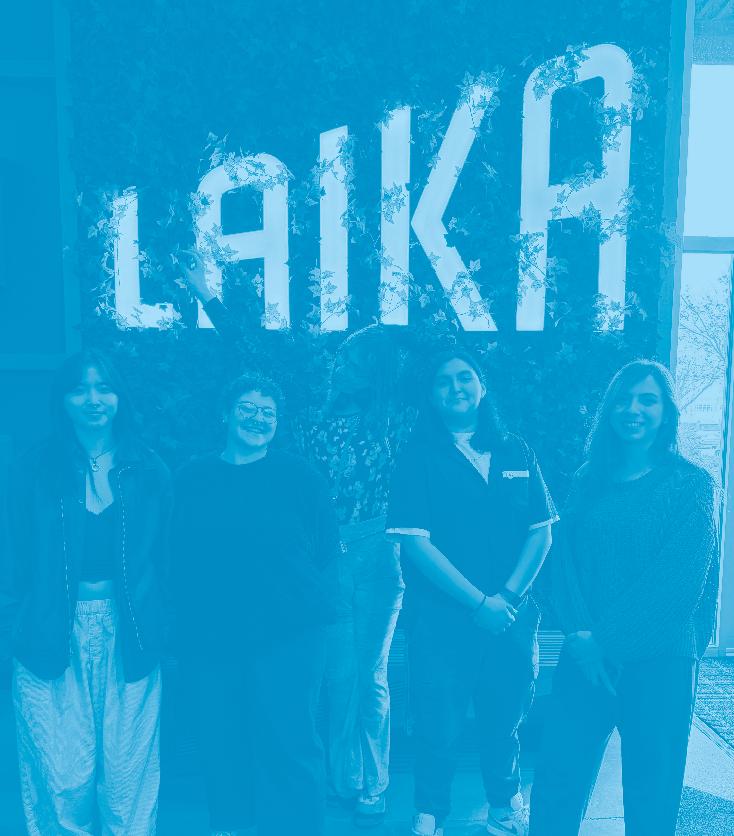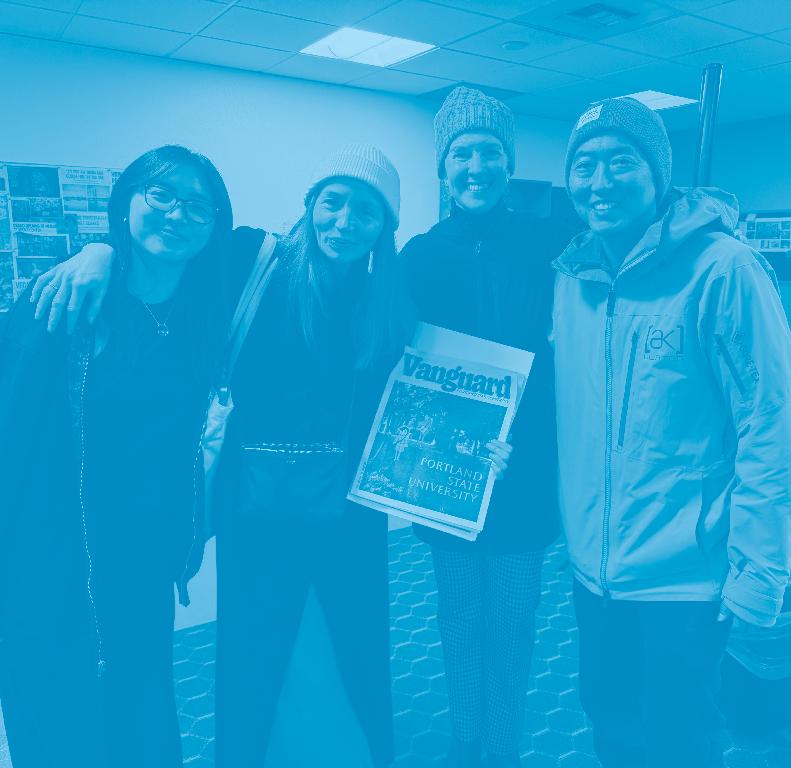






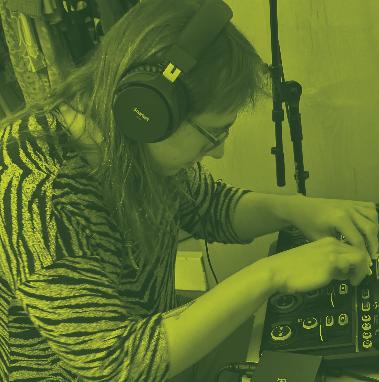


We live in a city of makers—from fashion designers and metal artisans to landscape architects, theater technicians, graffiti artists and brand builders. That spirit is what drives the partnership between LAIKA and Portland State University, two creative powerhouses dedicated to championing Portland’s emerging makers and strengthening its artistic workforce. Through student scholarships and faculty fellowships launched this year, we are investing in the artists who’ll define what Portland makes next.
In 2025-26, the first class of LAIKA Scholars produced short films, published music, said yes to internships, worried less about post-college debt, and were able to cover basic needs like new eyeglasses. Freed from the work-study grind, they had more time and energy to devote to their art.
The LAIKA Fellows equipped their academic programs with tools that didn’t exist in their classrooms before, from professional film cameras to digital fabrication equipment and 3D technology. They brought new discoveries back from LAIKA’s studio to PSU’s campus, developing courses and techniques that are expanding what students can create.
These LAIKA Scholars and Fellows represent the start of a lasting investment in Portland’s artistic ecosystem. They are proving what’s possible when LAIKA and PSU join forces to support local talent and open doors for students of all backgrounds. Portland’s future makers are taking shape.
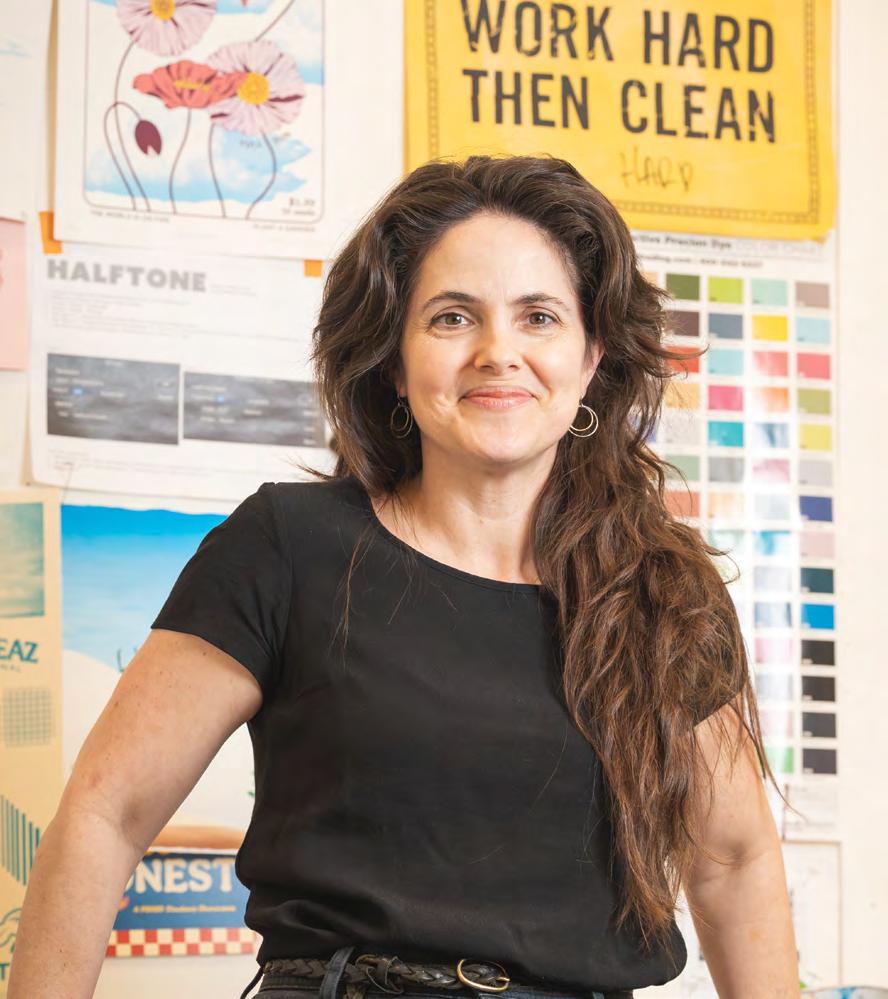
Sue Horn-Caskey & Charles F. Caskey Professor in Textile Arts & Costume Design, Schnitzer School of Art + Art History + Design
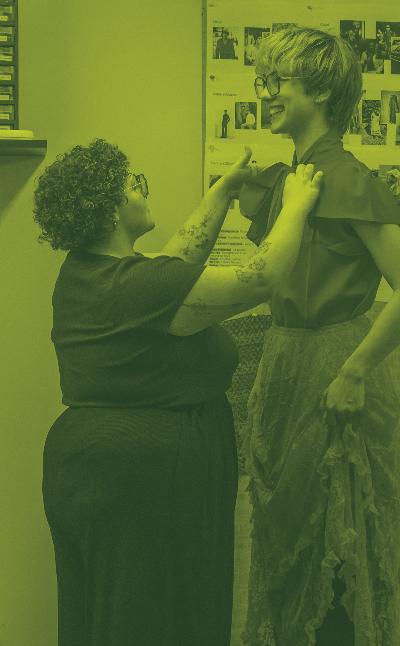
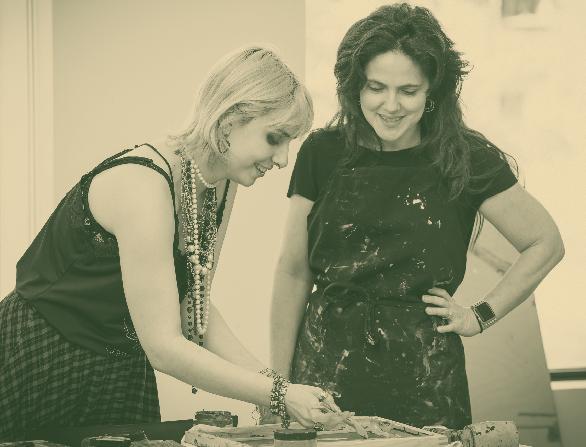
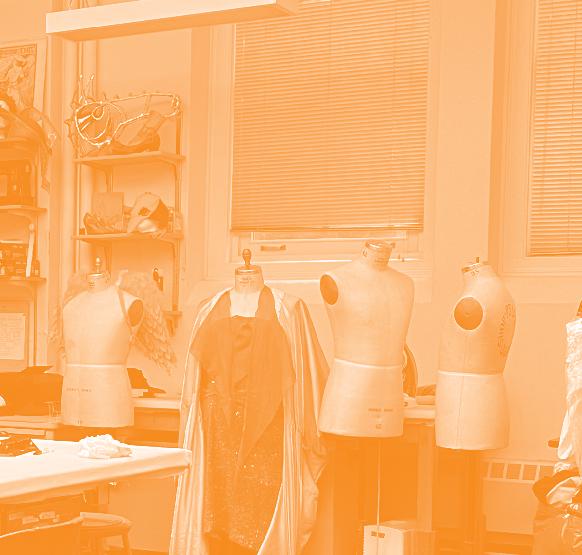
Growing up in Kansas City, Mo., Alison Heryer went to thrift stores, ripped up what she bought, and made the fabric into something else entirely, using the sewing skills she learned from her mother and grandmother.
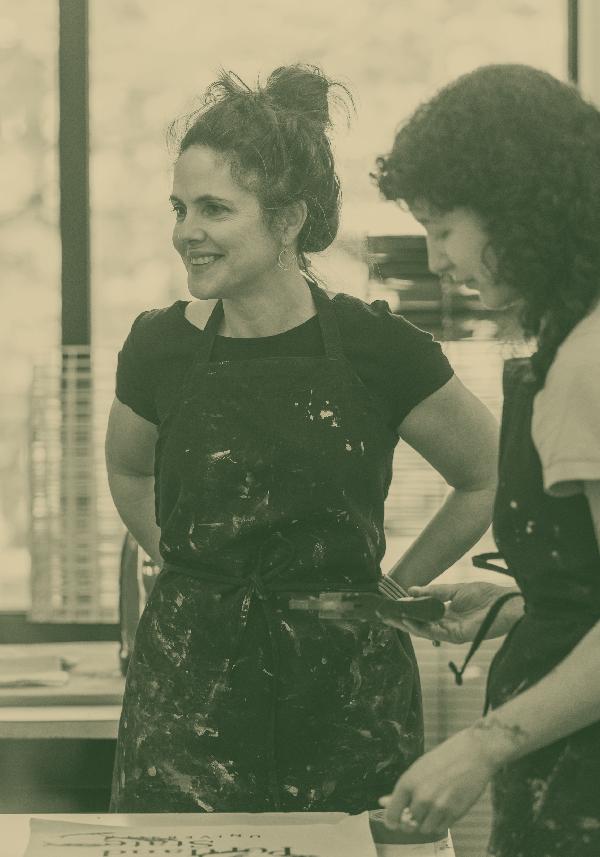
As a professor of Textile Arts & Costume Design in the Schnitzer School of Art + Art History + Design at PSU, Alison has come a long way since then. And she’s still committed to that same creative passion and no-waste ethos.
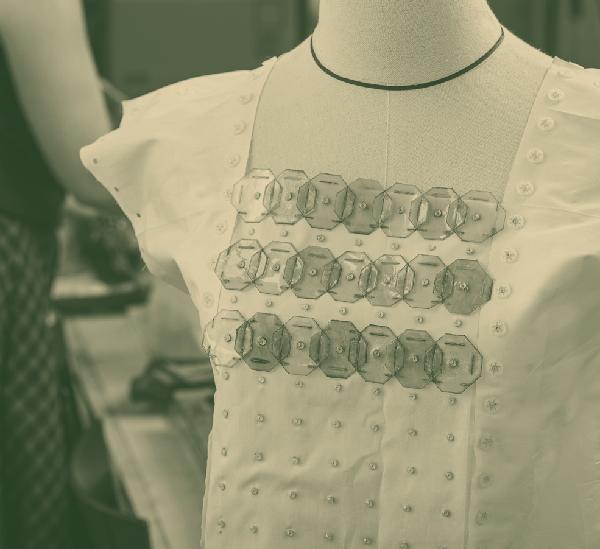
Using her deep experience in fashion, sculptural costume design, and one-of-a-kind wearable art, she recently innovated a modular garment system that combines zero-waste patterning, biomolded closure systems, and digitally fabricated components. The 3D-printed bioplastic tiles that adorn the garment (and look like jewel-toned sea glass) can be assembled, disassembled, and reconfigured.
“A single garment can grow as children grow or shift styles as fashion evolves,” says Alison. “This is an extension of my fascination with what makes people keep or throw away garments.”
Her idea for a modular garment system came into being because, as a LAIKA Fellow, Alison was able to attend
COURSES UPDATED
ART 399: COSTUME DESIGN
ART 314: SUSTAINABLE FASHION PRACTICE
NEW COURSES
ART 399: DIGITAL TEXTILES— DYE SUBLIMATION, LASER-CUT FABRICS, DIGITAL EMBROIDERY, 3D PRINTED TEXTILES
PILOTING 2026/27
EQUIPMENT
LASER CUTTER, 3D PRINTER, DIGITAL EMBROIDERY MACHINE
TRAINING
“This experience opened up entirely new ways of thinking—for my own creative practice and for what’s possible for students.”
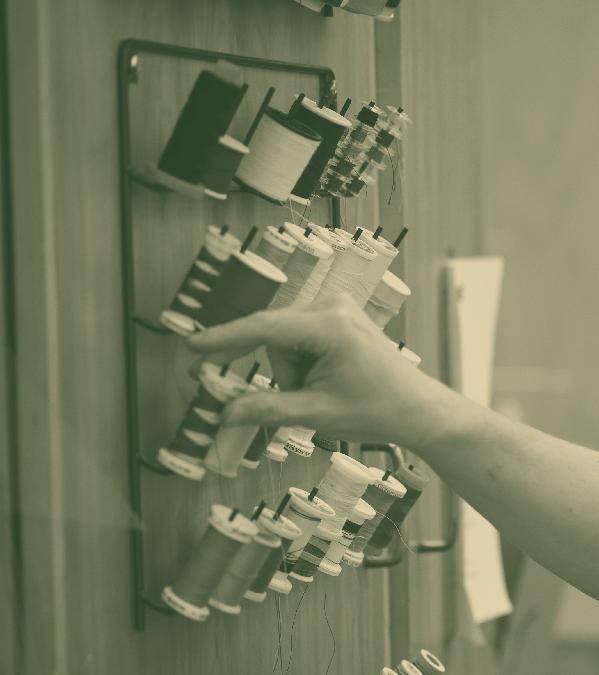
Fabricademy, a six-month program of online learning and handson lab work exploring cutting-edge textile development, like digital fabrication and repurposed and bio-based materials. That project was then chosen to be showcased at the Fabricademy Symposium in Dundalk, Ireland, where Alison presented in May.
“Before Fabricademy, I had no prior experience with 3D printing, laser cutting, and biomaterial fabrication,” says Alison, who has been instrumental in introducing weaving, knitting, sewing, dyeing, printing, embroidery, and techniques for soft sculpture into PSU’s textile arts coursework—in addition to creating a Sustainable Fashion minor. “Digital techniques have transformed my skillset. I have so many new project ideas, things I wouldn’t have imagined before. And it only expands from there.”
While high-tech textile fabrication is embraced by the fashion world, biomaterials (biodegradable alternatives to traditional plastics, made using gelatin, algae, or agar agar) are slower to be integrated. But they are a big focus for Alison. “I’m all about creating materials that can break down over time and don’t contribute to microplastics. What really interests me is combining digital fabrication with sustainability—finding ways they can complement and support each other.”
In the digital textiles course she’s creating for next year, Alison plans on teaching students to not just understand how to use the materials but also how they are made. As a fellow, Alison was able to purchase a specialized dehydrator for creating biomaterials and forming them into usable sheets and molded shapes for design applications.
She also acquired specialized textile-compatible 3D printers that work directly on fabric or textile yardage, a new laser cutter that can handle long lengths of fabric for more ambitious garment-scale fabrication, digital embroidery machines for easy experimentation and quick iteration, and resources for e-textiles, including components that integrate lighting and sensors into fabric. This technical access removes barriers between concepts and prototypes.
“I elevate process just as much as the final product,” says Alison, who was inspired by Fabricademy’s rigorous emphasis on documentation. “In the past, students would just create a collection and final images, but now they document how they got there: their different processes and their thinking along the way.”
In turn, Alison’s students have been using their project documentation to successfully apply for internships, graduate programs, and jobs.
“This experience opened up entirely new ways of thinking—for my own creative practice and for what’s possible for students.”
B.A. IN ARCHITECTURE
EXPECTED GRADUATION: 2027
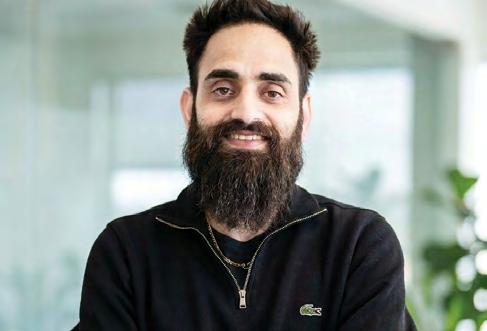
When Praveen Badu was 9 years old in Mahendranagar, Nepal, he showed an early and unmistakable talent for drawing, so much so that his older brother sought his help in sketching fauna for a school project. Later on, that same brother championed his education, encouraging him to pursue an architecture diploma in Kathmandu.
“At architecture school, I felt this was it. This was my thing,” says Praveen. Praveen, who is now 30 and married, eventually transferred to PSU in 2019. Despite facing a number of health- and pandemic-related obstacles, he persevered, and embraced opportunities including internships with Multnomah County and PSU’s Center for Public Interest Design. He is now set to receive his B.A. in Architecture next year.
Praveen plans to earn his Master of Architecture at PSU and eventually open his own studio in Portland. Someday, he hopes to return to Nepal to improve building processes for family homes, making them more sustainable and affordable.
“This journey has been derailed many times, but I’ve always kept the mindset that I will finish this,” says Praveen. “I really can’t explain how much LAIKA’s support has helped me. I can focus on my craft instead of worrying about making ends meet.”

B.A. IN THEATER ARTS, MINOR IN ART PRACTICE EXPECTED GRADUATION: 2026
During her freshman year in high school in Troutdale, Ore., Abby Fox—brand new to both theater and set design—joined the drama club, and while using a drill to build a set, she burned her hand and stripped a screw. By senior year, she was teaching the freshmen how to use the drill.
“Theater lights me up,” says Abby, who will graduate from PSU in 2026 with a B.A. in Theater Arts and a minor in Art Practice.
She particularly loves theater tech, the behind-the-scenes work for live performances that includes design, setup, operation, and maintenance. Stagecraft and technical production classes—plus hands-on experience on PSU productions—allowed her to delve deeper into the craft, all with a professional-level shop at her disposal.
“I’ve learned about lighting design and sound engineering, which I didn’t ever imagine I would,” says Abby. “Access is great at PSU: we tour big theaters and have opportunities for networking and internships.”
Before Abby became a LAIKA Scholar, she was burning out from balancing school, work, and financial burdens. “This opportunity from LAIKA has helped me keep my head above water. It gave me a safety net and a way to pay my bills and afford a new laptop. It’s been amazing.”

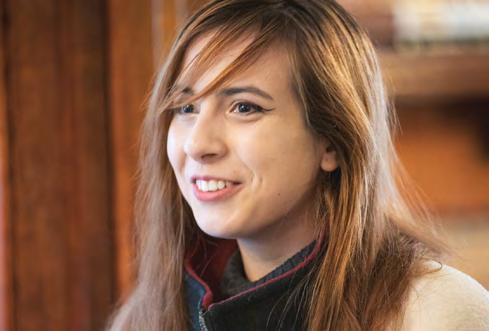
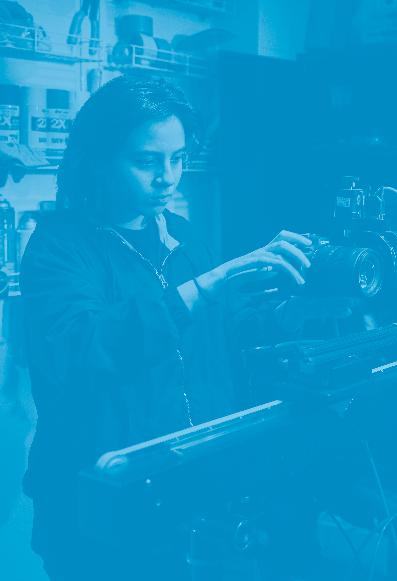
B.A. IN FILM EXPECTED GRADUATION: 2026
“In high school, I directed a short film called Mild Ramen, which I wouldn’t show to anyone now,” laughs 22-year-old Rosemary Gostovich, who will receive her B.A. in Film with a minor in Art Practice in 2026. “I’ve always loved deconstructing movies to understand them more deeply, and I love focusing on layered meaning in my own films.”
Born in Venezuela, Rosemary attended international school in South Korea and eventually landed at PSU, where she dove into making films. For the stop-motion short Interdimensional Piano, she used detailed storyboarding to develop a character idea. In it, a janitor walks down a street and finds an abandoned piano; when he plays, he’s transported to different dimensions of reality. Spur of the Moment is a Western romance about an actor auditioning for the role of a cowboy who winds up falling in love with an actual cowboy.
“I’ve learned so much here,” says Rosemary. “I never thought I’d love stop-motion animation, but I’ve grown to admire the medium. Being able to talk to filmmakers and visit sets at LAIKA studios has made me feel more comfortable pursuing this career.”
She dreams of one day being the creative director for an animation feature film. LAIKA’s support relieves post-graduation financial pressure for Rosemary, “so I can hit the ground running.”
BFA IN GRAPHIC DESIGN EXPECTED
GRADUATION: 2027
In her role as creative director of the PSU Vanguard, the university’s student-run weekly newspaper, Haley Hsu hires and manages designers, illustrators, and other creative staff. She plays on PSU’s club volleyball team, which travels to tournaments at regional schools, and keeps up with the extra requirements for students in PSU’s Honors College—all while working toward her BFA in Graphic Design with a minor in advertising.
Before the LAIKA scholarship, Haley was working four jobs. The support from LAIKA allowed her to drop three of those jobs and focus on her PSU Vanguard role. It also gave her the space to create a 100-page book about rave culture, which delves into the culture’s origins and includes interviews with local people in the scene, as well as her own photography.
For Haley, who hails from Southern California, PSU is an ideal place to study graphic design because art is woven into everyday Portland life— not just in the studios and museums, but all around the city, from graffiti to branding to multi-medium work.
“I’ve always been obsessed with art,” says Haley. “A cool thing about graphic design is that I can integrate my other passions, like photography, printmaking, and drawing. Graphic design encompasses so much more than logos and social media. It’s a part of everything.”


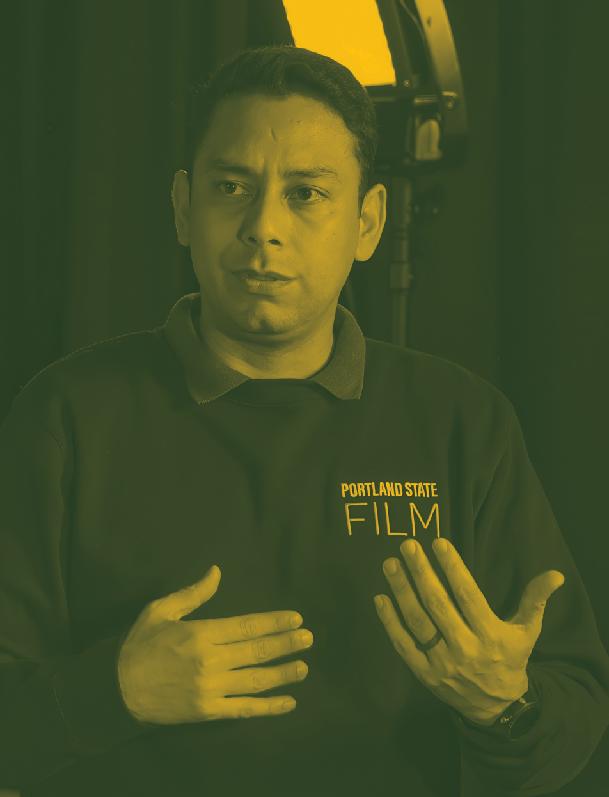



“The best part of being a professor is seeing the look students get when a lesson clicks and they understand something new,” says J.J. Vazquez, assistant professor in the PSU School of Film. “You know you’ve opened a door that will change their life in some way. That feeling: there’s nothing like it.”
It was J.J.’s dad, Juan, who first inspired him to work in higher education. Juan and Mercedes Vazquez immigrated from Mexico in the late seventies and worked tirelessly so their children could choose their own paths. Juan worked for New Wave Embroidery, which contracted with companies like Nike, the Olympic Games, and Disney; Juan was one of the first people to teach digitized embroidery machines, which he did extensively in Mexico, and frequently brought young J.J. along.
“I would sit back and watch my dad teaching,” says J.J. “I thought it was the coolest thing ever.”
Fast forward to 2018. J.J. had been working in the L.A. film industry for almost a decade when he produced the feature horror film The Run on Mount Hood. Strolling through downtown Portland one day, he noticed PSU’s campus. Back at his hotel that night, he found himself on the school’s website and saw a job listing for an assistant film professor position.
“Portland is a great place for film,” says J.J. “It’s easier to jump in. In L.A., dozens of film industry networking events can be on the same night. In Portland, there is one, and everyone is there; you get to interact with people whose work you’ve seen, and that’s very unique. Also, whatever screenplay you write, you’ll have a location to film it: beach, desert, mountains, rivers.”
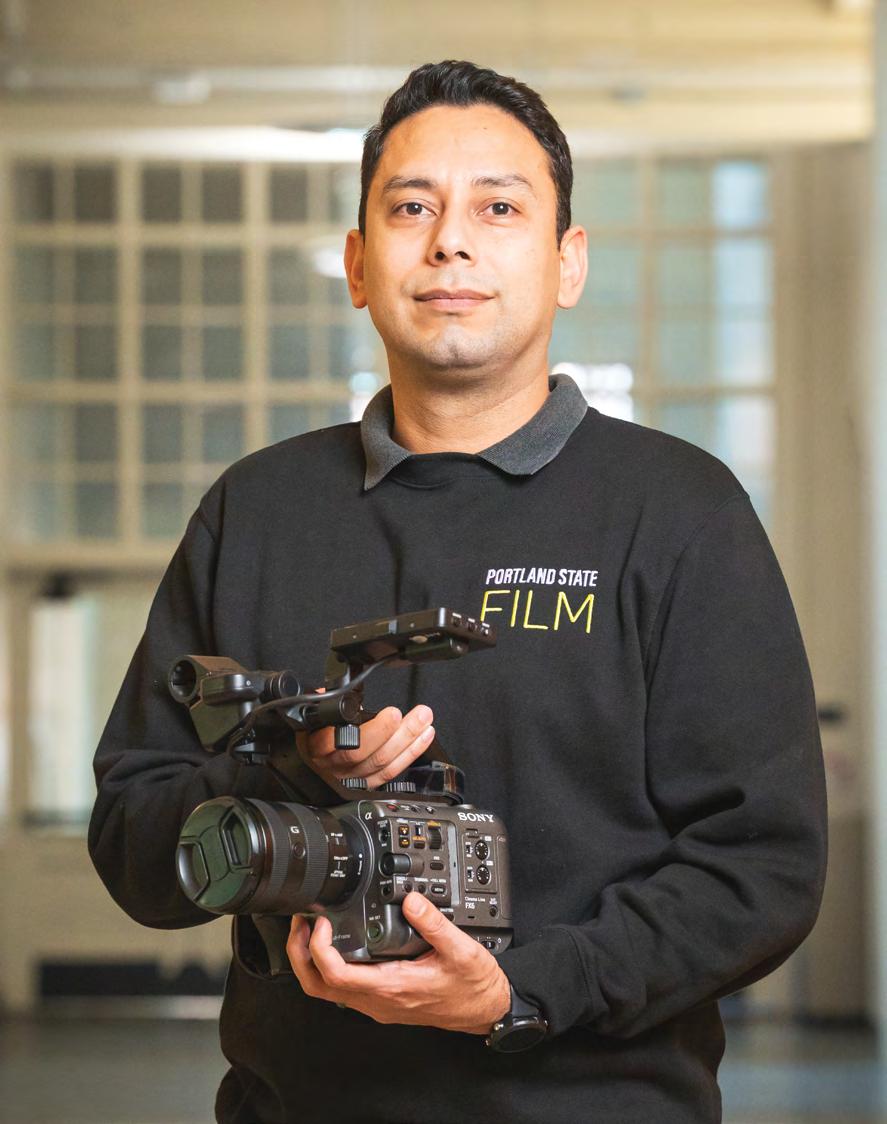
LAIKA’s support has been pivotal for the PSU School of Film. Funding for high-tech film equipment is limited. As a LAIKA fellow, J.J. was able to purchase Canon C70 camera kits necessary for an advanced cinematography class. “We’ve never had cameras with 16 stops of dynamic range,” says J.J. “These are the most advanced cameras in our equipment room.”
LAIKA mentors advised J.J. on curriculum design for Advanced Cinematography and Production Management. As a result, he integrated more hands-on, industry-based instruction using real world examples to teach technical concepts such as green-screen focal-length matching and production planning.
With the capability to record true DCI 4K video and high-framerate slow motion, this professional-grade equipment captures greater detail, especially in shadows. For J.J., this means something bigger: evolving the film school to equip students with the practical skills demanded in the modern film industry.
“Beyond the cutting-edge equipment, it’s been amazing to have access to LAIKA,” says J.J. “I’ve always worked in scrappy indie filmmaking. We get it done, but with lots of cuts. Through this program, I’ve had the opportunity to observe LAIKA’s fully resourced projects with hundreds of people. This exposure changed how I prepare students.”
LAIKA mentors Mark Stewart and Finley Mulligan advised J.J. on curriculum design for Advanced Cinematography and Production Management. As a result, he integrated more handson, industry-based instruction using real world examples to teach technical concepts such as green-screen focal-length matching and production planning.
“After our discussions, Mark and Finley were kind enough to visit my Intro to Digital Filmmaking course to speak to the students about stop-motion and offer advice about starting out in the industry,” adds J.J., who finds incredible value in the LAIKAPSU partnership.
Currently J.J. is studying Japanese to prepare for a summer film course. He’ll bring 15 film students to Japan to study the evolution of Japanese filmmaking from the postwar era to the present, analyzing genres from samurai epics and family dramas to anime, while visiting studios, film museums, and filming locations. In July, he will use the remaining fellowship support to attend the Los Angeles Indigenous Film Festival, which celebrates Native and Indigenous storytellers.
Associate Professor, Interactive/Experience Design, Schnitzer School of Art + Art History + Design
COURSES UPDATED
DES 408: 3D FORM MAKING
DES 345: INTRO TO MOTION GRAPHICS
DES 399: ADVANCED MOTION GRAPHICS NEW WORKSHOPS EMERGING TECHNOLOGY FOR THE CATALYST LAB
EQUIPMENT
BAMBU 3D PRINTER
EINSTAR ROCKIT 3D SCANNER
MAC STUDIO
META QUEST 3 VR HEADSET
When Stephen Lee started teaching at PSU in 2017, he noticed he was one of the only non-white faculty in the Graphic Design program (his parents are South Korean). He saw a similar demographic trend in his classrooms.
“It can feel very isolating when there is not a lot of representation,” says Stephen, who teaches Interactive/ Experience Design at the Schnitzer School of Art + Art History + Design. “That can make the already difficult path to being a creative even harder.”
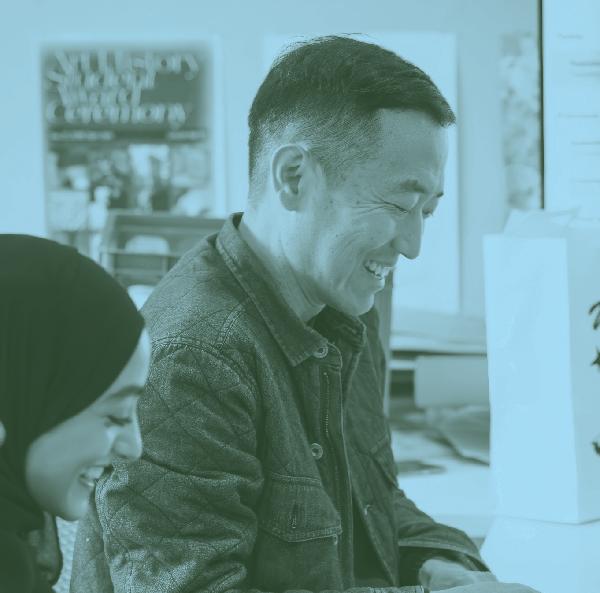
In response, he and former student Deidra McKnight (who has returned to PSU as an adjunct instructor) empowered students to organize the group Comma, where BIPOC Graphic Design students get together, connect, and collaborate. The Comma Bodega pop-up store showcases and sells the students’ creations. Comma also facilitates mentorship opportunities and visibility for BIPOC designers through connections with professional creative organizations.
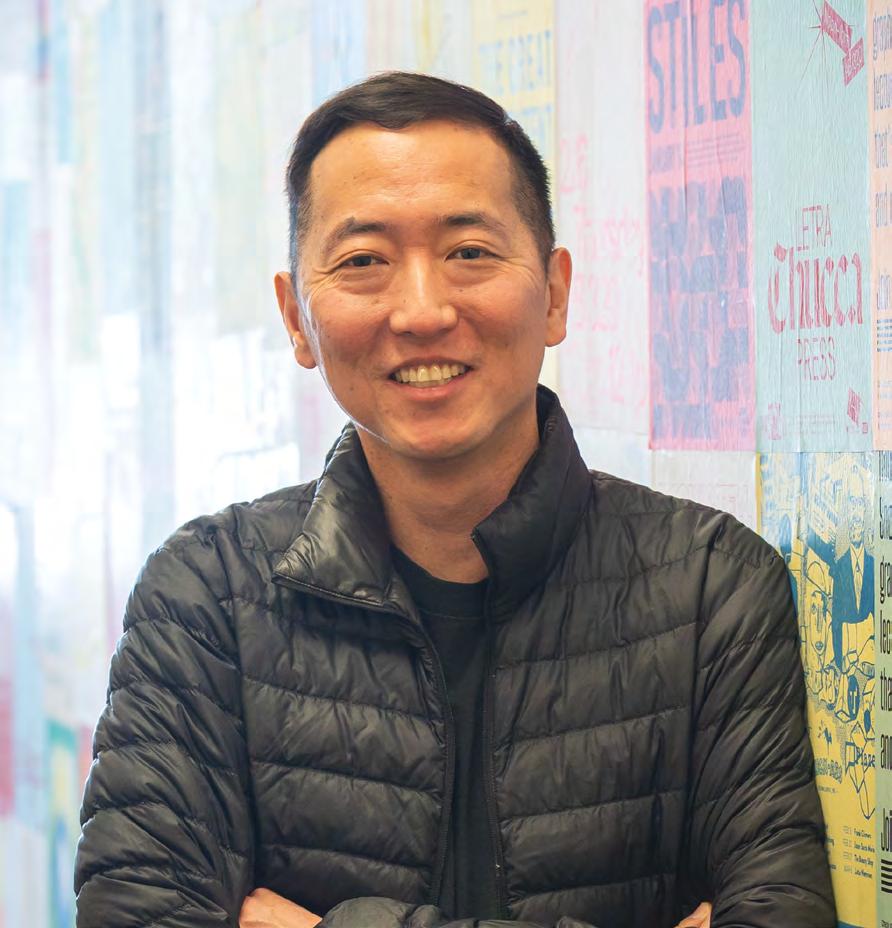
“I love pushing the envelope with creative technology,” says Stephen. ”Being able to take an idea and create a prototype is really special, and this equipment helps connect the dots to bring an idea into this world.”
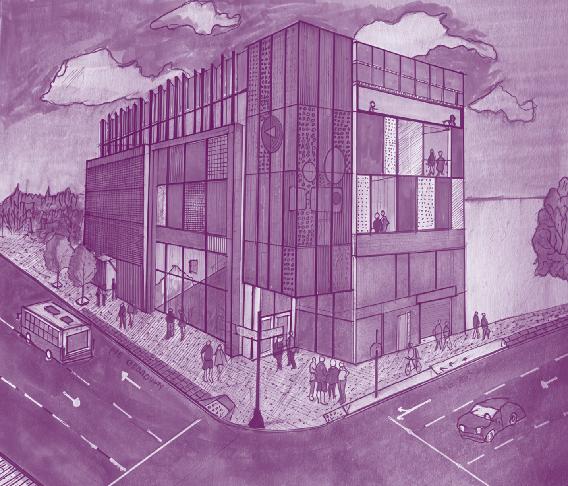
Stephen’s creative leadership made him a natural match as a LAIKA fellow, and PSU alum Zaneta Taylor, a Rapid Prototype Production Supervisor at LAIKA, partnered with him during the fellowship. Together they explored more ways to support a wide range of people in the creative arts. She also gave him an insider’s view into the latest RP technology being used at LAIKA, and recommended options for the new technology and design lab known as the Catalyst Lab, which will be in PSU’s new art building in fall 2026.
“Getting to see LAIKA’s equipment and consult with them has been so helpful as we dream up the capabilities of our new Catalyst Lab. We’re considering physical computing with sensors and microcontrollers and equipment for VR, soldering, and projection mapping. The purpose of this lab—which anyone in the school can use—is to reduce the friction from design to execution.”
As a fellow, Stephen acquired new equipment for the Graphic Design program and the field of Interactive/Experience design, which focuses on designing interactions across digital and physical environments. The new 3D printer, 3D scanner, and advanced projectors support a more robust back-and-forth between the real and digital worlds and will be the basis for boundary-pushing projection mapping, AR, and 3D workshops.
Stephen also integrated new plugins and software, such as one that imports Gaussian Splats into Adobe After Effects, an animation software. Gaussian Splatting represents a new paradigm of scanning, rendering, and capturing the 3D world. And it’s possible to create them from a smartphone.
“I love pushing the envelope with creative technology,” says Stephen. ”Being able to take an idea and create a prototype is really special, and this equipment helps connect the dots to bring an idea into this world.”
Beyond cutting-edge equipment for his program, Stephen used his fellowship to invest time, energy, and materials into researching and experimenting with 3D printing, AR, VR, and 360-degree immersive video. In the fall of 2025, he created a 3D sculpture out of foam core and projected images onto all sides. He exhibited his work at the fall show for the Creative and Emergent Technology Institute, something he wouldn’t have been able to do without the LAIKA fellowship.
After the show, Stephen used that same foam core material and newly acquired skills to create a similar project with students. They sculpted simple shapes and then used code to create visuals that they projected onto the foam core. Students’ work was displayed within an empty retail space for a month as a part of the Portland Winter Light Festival.
“Our partnership is so exciting because LAIKA is masterful at incorporating technology into their workflow in creative ways, at pushing boundaries for what technology can do,” says Stephen. “It’s been fun to see them work in a slower, methodical way and to appreciate how they maintain a level of craft while collaborating in a large group. It has opened my eyes to more possibilities.”


B.A. IN SONIC ARTS & MUSIC PRODUCTION EXPECTED GRADUATION: 2028
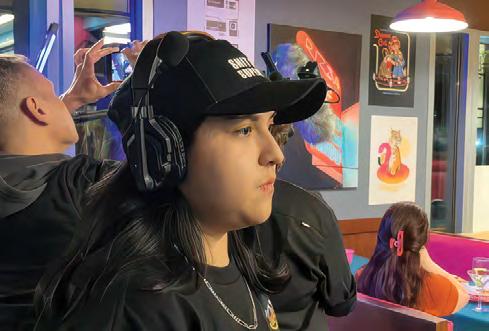
“I’m a digital hip-hop musician; I get more experimental, more avantgarde all the time,” says Xquenda Penrose, a Portland native pursuing a B.A. in Sonic Arts and Music Production. “That’s why I’m at PSU. Most other schools don’t have anything near as modern as my program.”
B.A. IN FILM EXPECTED
GRADUATION: 2026

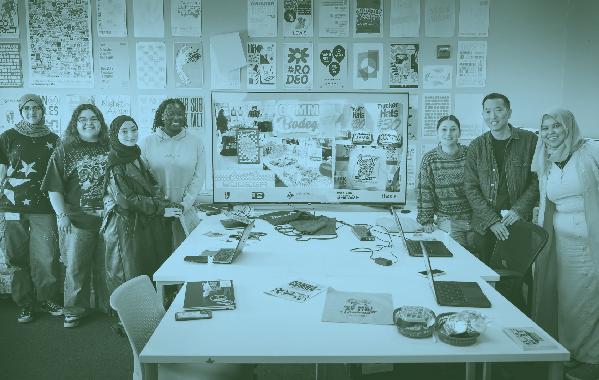
“I thought I would have to get a serious job, like being a lawyer,” says Catherine Olivares, a firstgeneration student from Beaverton, Ore. “When I realized that you could study film at PSU, it blew my mind. In high school I loved filming school theater productions.”
At PSU, Catherine had the opportunity to be a first assistant director on a short student film. She took notes, scheduled the shots for the day, drove on-set production, fielded questions for the director, and made sure people got to go home on time. In short, she loved assistant directing.
“I initially thought I’d make movies, but I’m made for the post-production and commercial world,” says Catherine, who is set to graduate with a B.A. in Film and minor in Advertising Management. “It would be a dream to work with companies like the Trail Blazers, LAIKA, or Nike; I’d welcome any chance to work with color grading, editing, or VFX.”
Being a LAIKA Scholar has made all the difference for Catherine. “Beyond help with food, rent, and a new computer, I was able to get new glasses after I accidentally sat on mine. I would’ve lived with crooked glasses, but now I don’t have to.”
During their studies, Xquenda became intrigued by music theory and microtonality, which has inspired them to integrate colorful, unique sounds into their music. Every month they release a song to disrupt streaming algorithms. “I protest AI-produced music by contributing as much music as humanly possible.”
For Xquenda, LAIKA’s support kept them in college, which wasn’t a given. “The fact that I won the scholarship, that I’m the one they want to be here, feels special. As an artist, not having to worry about money is a great thing.” Looking ahead, Xquenda aspires to make a consistent living off their music. They’d love to tour in the United States and Europe. “Realistically, I won’t get super famous for my music without diluting my sound. But I can change the musical world, maybe not like The Beatles, but like JPEGMAFIA. I can change the world by empowering trans women and LGBTQ+ communities.”

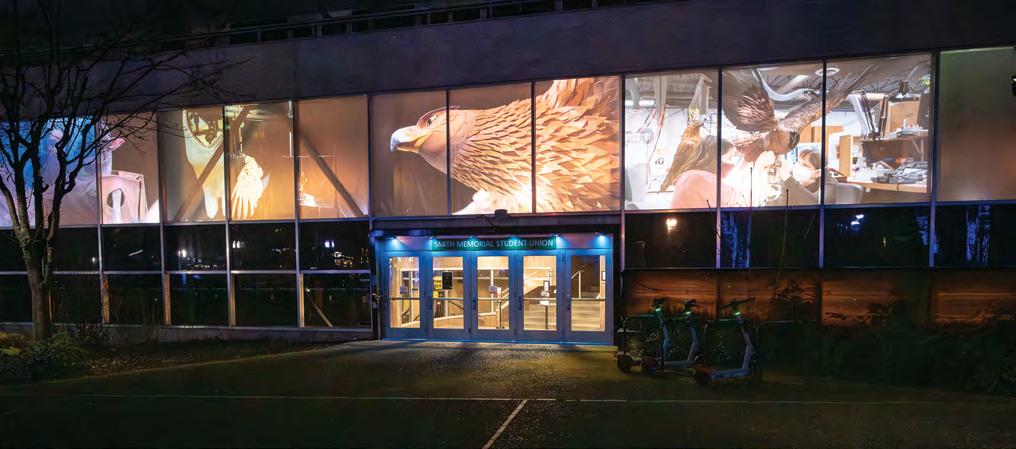
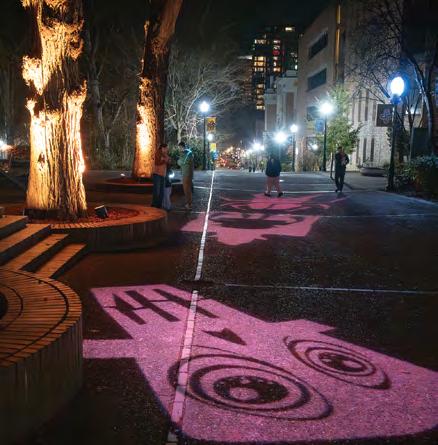
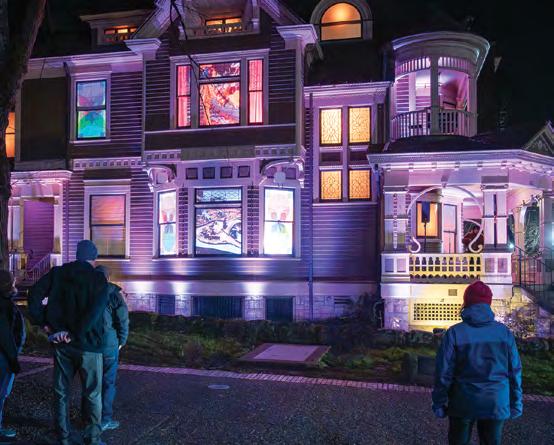
Each February for the past 11 years, hundreds of thousands of visitors and locals have ventured outside to experience nine nights of luminous displays across the city. Free and family friendly, the event transforms Portland into a glittering hub of creativity, bringing people together in the dark of winter.
For the 2026 festival, projected-light installations in the heart of PSU’s campus brought the LAIKA-PSU partnership to life. On the windows of the Smith Memorial Student Union, a dynamic original installation showcased behind-the-scenes footage of LAIKA’s animators, armature experts, and puppetry artists at work, including never-before-seen footage from inside the studio’s archives. LAIKA Fellow Stephen Lee, a returning festival artist and contributor, developed window projection imagery for the Simon Benson House from LAIKA’s film Coraline. Created with the support of LAIKA’s lead model maker Raul Martinez, the displays captured the festival’s theme “All the Little Things,” and for a studio where stop-motion is built on tiny details, it couldn’t have been more fitting.
“Art is not just envisioning brilliant creations and then magically executing them,” said Jeff Schnabel, a professor in the PSU School of Architecture and one of the founders of the Portland Winter Light Festival. “It requires inspiration, skill, and a commitment to getting every last detail just right, as artists at both LAIKA and the College of the Arts know.”
While the 2026 Portland Winter Light Festival brought together the LAIKA and PSU communities and supported downtown as a hub of arts and culture, it also inspired future generations. “A lot of little kids were transfixed by the behind-the-scenes LAIKA display,” says Schnabel. “Was the next great maker in that crowd? There’s always something that sparks a creative person to go down their path.”
AMANDA HERNANDEZ AMY HURWITZ ANDREW HASSOLD ANN LARSON ANN TSENG
ANNA KVORNING ASHLEY BURTON ASIA LAVAY AUSTIN WEITZEL BRAD MEYERS
BRAD SCHIFF BRIAN ELLIOT BRIAN MCLEAN BRYAN GARVER CASSIE LOPEZ
CASSIE VALENTE CHRISTOPHER MURRIE CRAIG ATKINSON DAVE PUGH DAVID BURKE
DEAN HOLMES DEB COOK EMILY BOWEN EMILY HOWELL SILVERMAN EMMA RUDDY
FINLEY MULLIGAN HOLLY WERNER IAN DEMING JENNY TORGERSEN JIL BUNNIMIT
JOE HEINEN JUSTIN COOPER KATHERINE LANE KAYSI LOVELACE KELSEY FORD
LAUREN DELGADO MARILYN ESCOBAR MARK STEWART MARY ANN ALBRIGHT
MATT COLE MATT O’BRIEN MERRY CAMMACK MICHAEL CAPPARELLI MORGAN HAY
NADINE PATTERSON NADINE PURIFICATO OLIVER JONES RACHEL CHERRY
RANDY LINK RAUL MARTINEZ ROB DUCEY ROB RODGERS RYANN RUNDELL
SAM WILSON SAMUEL TUROFF-ORTMEYER SHANNON JAMISON SPENCER RUTLEDGE
SUZANNE JOHNSON TIFFANY PURKEYPILE ZANETA TAYLOR
ANIMATION ART DEPARTMENT CHARACTER & PRACTICAL EFFECTS
COMMUNICATIONS COSTUME FABRICATION EDITORIAL LIGHTING MARKETING
PEOPLE & CULTURE PREVIS PRODUCTION MANAGEMENT PUPPET FABRICATION
RAPID PROTOTYPE RIGGING
Special thanks to David Burke, Anna Kvorning, Amy Hurwitz, Marilyn Escobar, and Sam Wilson, whose vision and partnership made this program possible. Thank you also to Emily Howell Silverman, Raul Martinez, and Justin Cooper for their dedicated support during the Portland Winter Light Festival.
We also want to acknowledge everyone at LAIKA who helped make this year happen. Whether you mentored a fellow, visited a classroom, assisted on a studio tour, or came out to experience the festival installations—we are grateful for your time, generosity, and spirit.