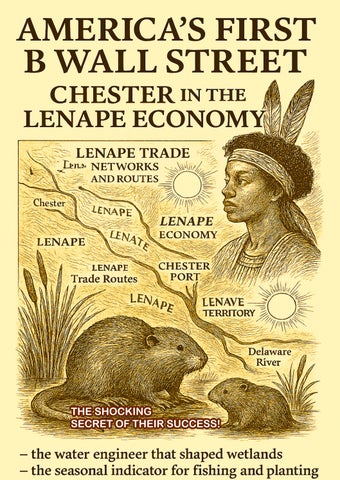
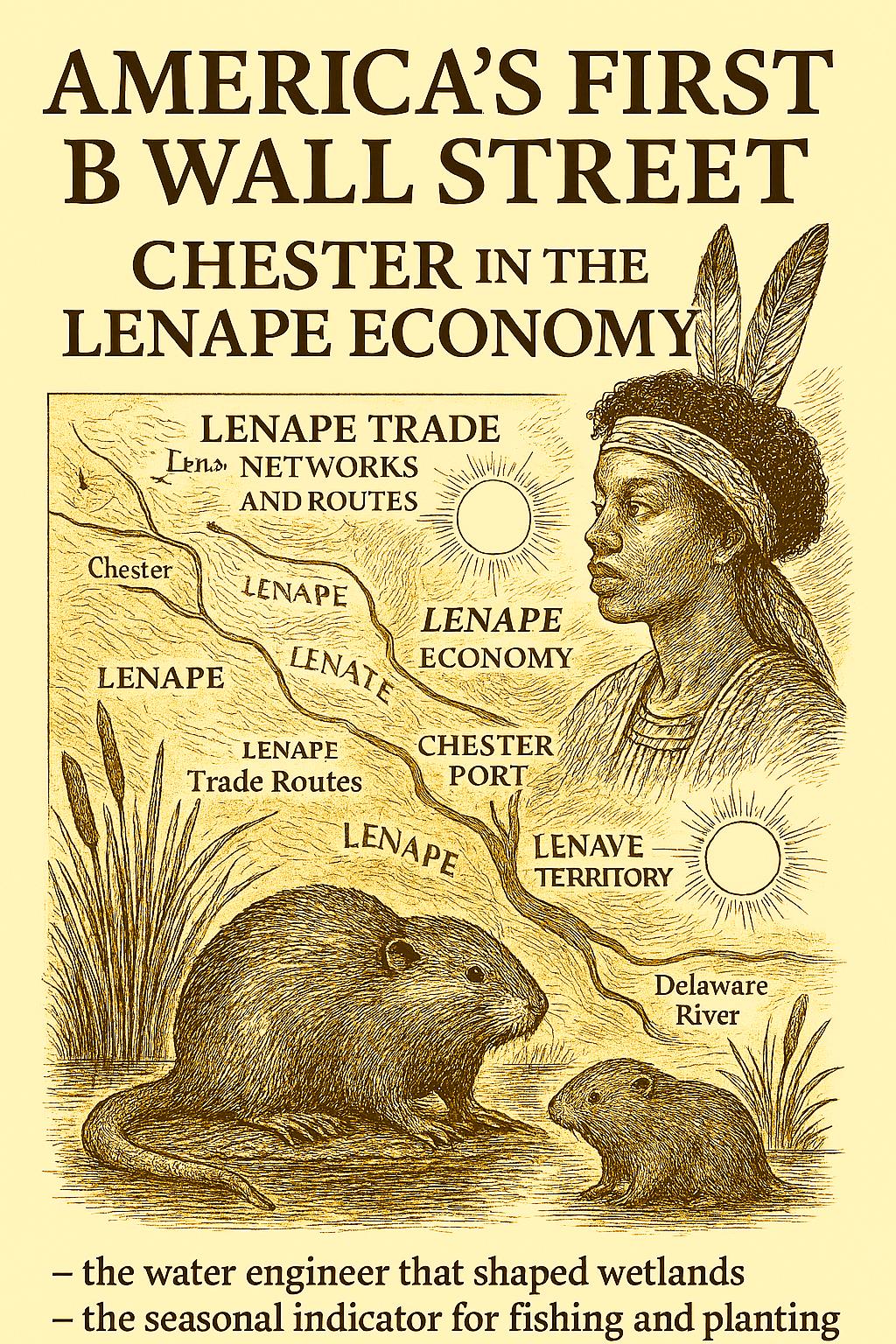
THE SHOCKING SECRET OF THEIR SUCCESS!
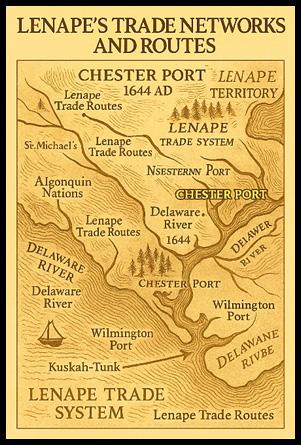
OLD CHESTER MAP 1644
When people talk about early American commerce, they jump straight to Boston, New Amsterdam, or Jamestown.
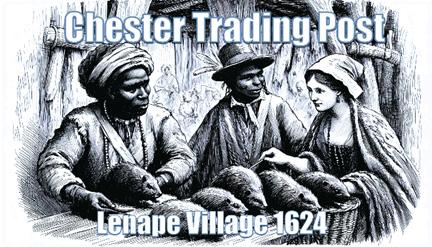
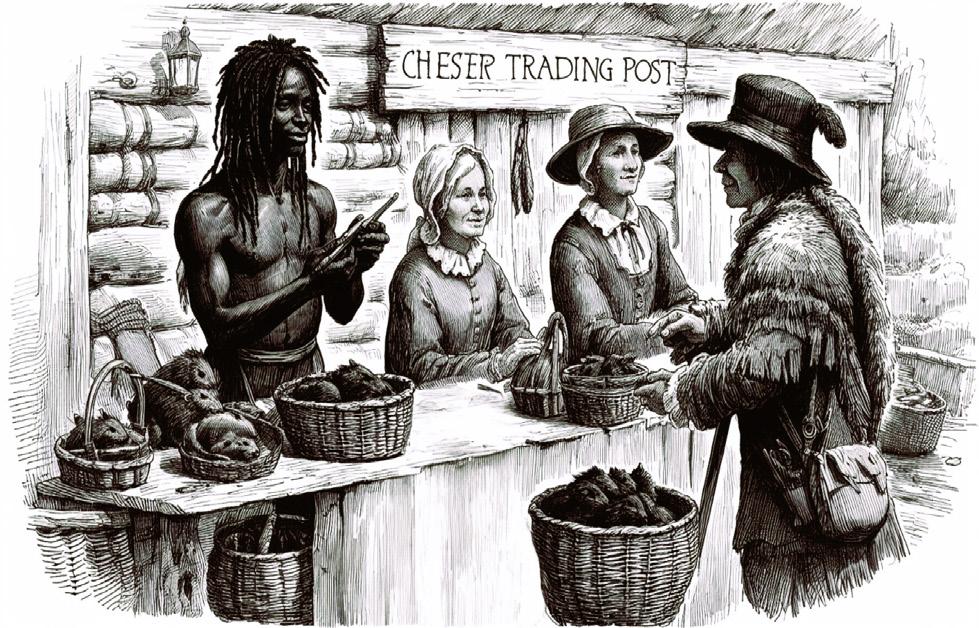
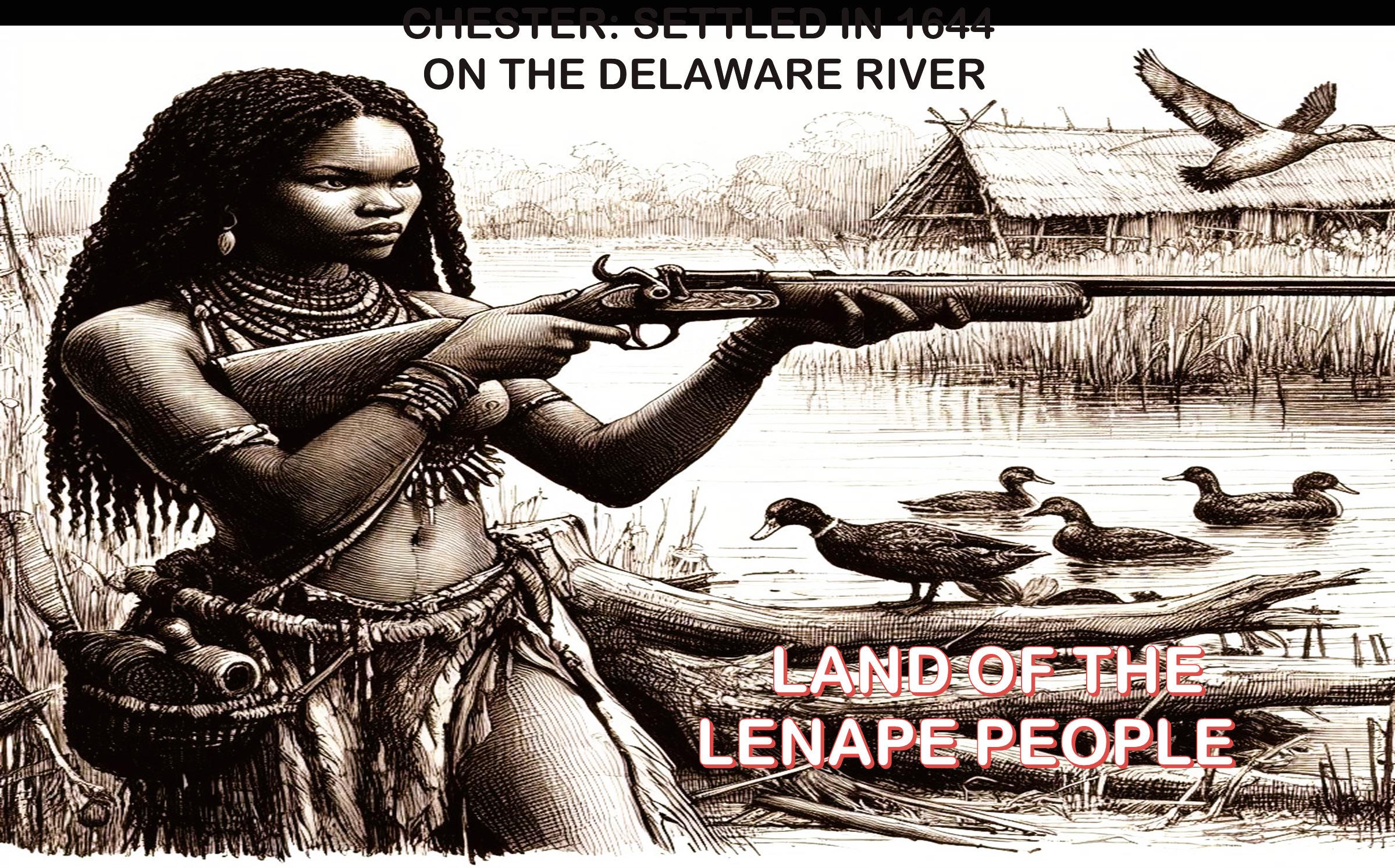
But long before those cities became symbols of trade, Chester, Pennsylvania — Lenape homeland — was already a thriving Indigenous marketplace, a hub of diplomacy, exchange, and ecological knowledge.
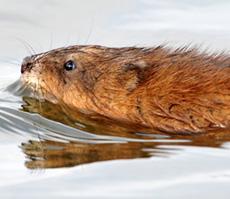
And at the center of that economy was a small, humble, brilliant creature: The Muskrat.
CORRECTING MISCONCEPTIONS
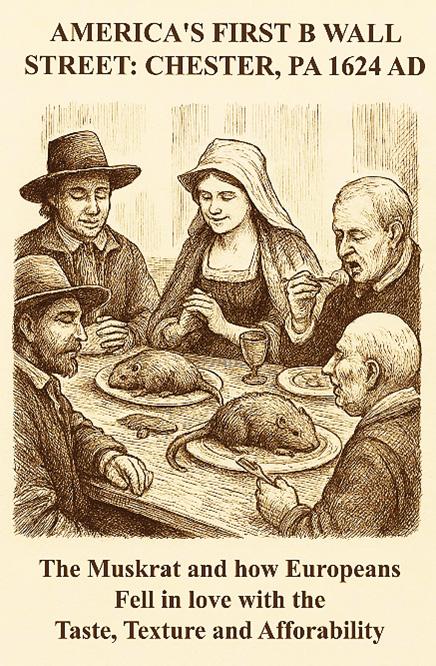
AMERICA’S FIRST B WALL STREET: CHESTER, PA (1644 AD) AND
The Muskrat Connection: The Forgotten Icon of Lenape Economy, Identity & Survival
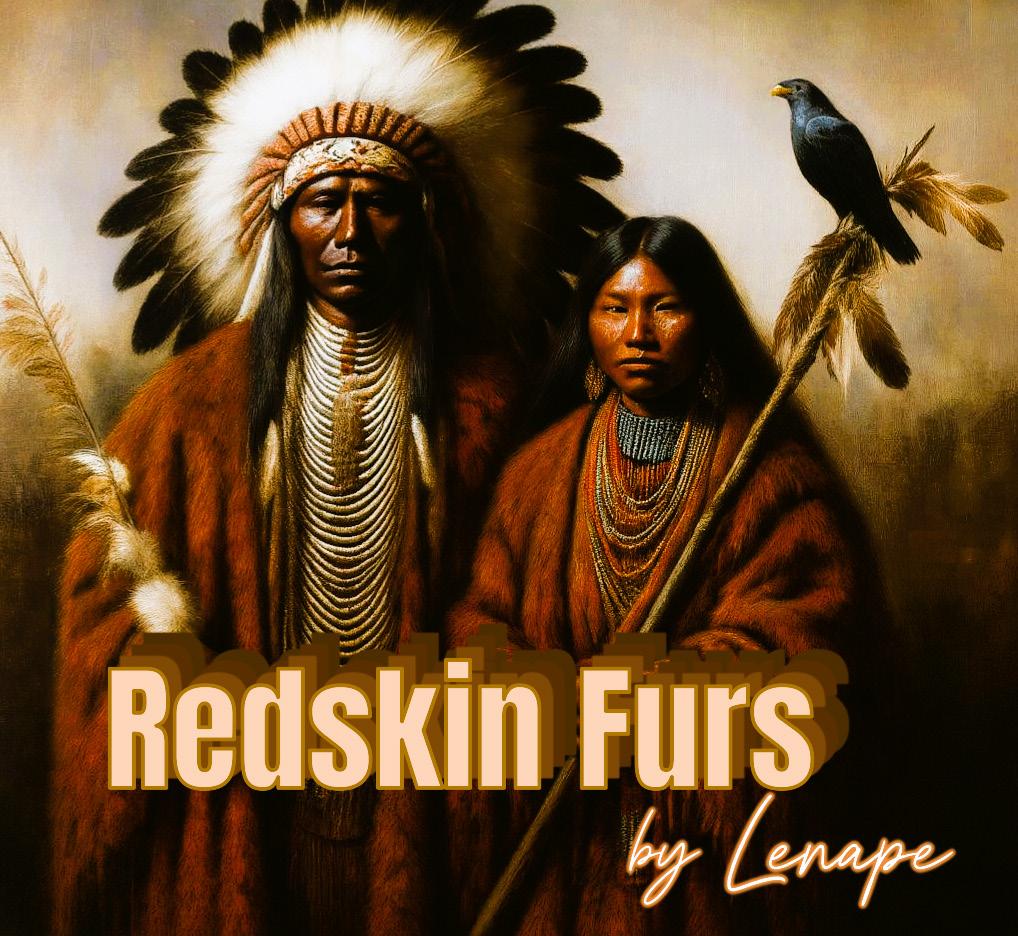
This is the story nobody tells — the story that explains not only the rise of Chester’s trading power, but also how some Lenape people came to be labeled “Redskin Indians,” a term whose true origin has nothing to do with human skin color.
1. The Muskrat: The Lenape’s Quiet Powerhouse
Food: Tastes just like chicken?
THE RED MUSKRAT
For the Lenape along the Delaware River corridor, the muskrat was not a side dish or a seasonal curiosity. It was a pillar of life — as essential as corn, as symbolic as the eagle, and as economically valuable as beaver.
• Muskrat was a year round protein source, especially in winter when other game was scarce.
• Its meat is dark, rich, and surprisingly close to poultry in texture — which is why Europeans immediately embraced it.
Clothing & Warmth
The muskrat’s reddish brown fur was prized for:
• winter garments
• lining for moccasins
• trade-ready pelts
• ceremonial clothing
Ecological Knowledge
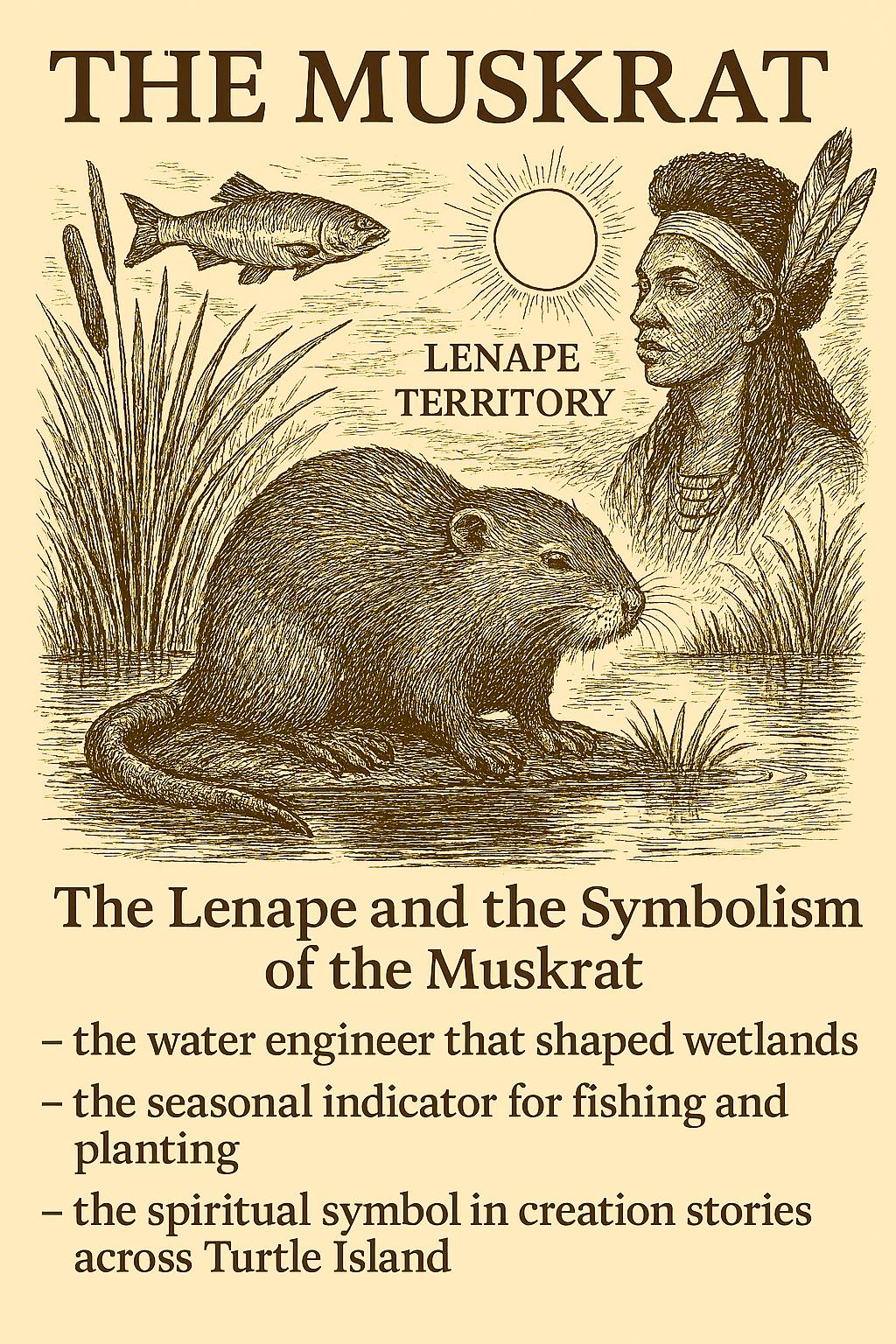
The Lenape understood the muskrat as:
• the water engineers that shaped wetlands
• the seasonal indicator for fishing and planting
• the spiritual symbol in creation stories across Turtle Island
This wasn’t just an animal. It was a cultural technology.
2. The Real Origin of “Redskin” — Lenape Truth: Red
refers to the Muskrat, Not Human Pigment
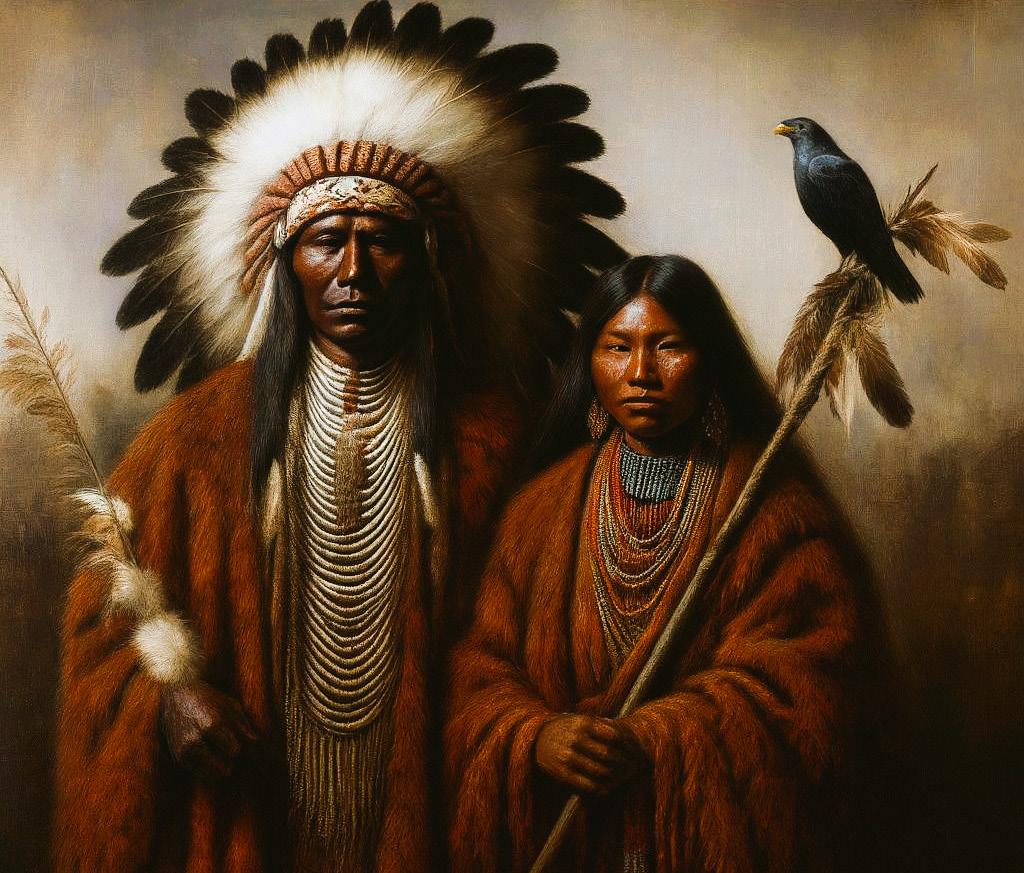
Before Europeans arrived, the Lenape were brown-skinned people, ranging from copper to deep mahogany — not “red.”
The term “Redskin” did not originally refer to human complexion.
It referred to the muskrat’s red winter fur, which the Lenape traded in large quantities.
European traders, unfamiliar with the animal and its value, began referring to Lenape merchants as: “the Red skin people” meaning: the people who trade the red skins.
Over time, as colonial language became racialized, the meaning was twisted, weaponized, and stripped of its economic context.
But the original reference was commercial, not biological.
Ancestral Knowledge
The Lenape understood the muskrat as:
• the water engineers that shaped wetlands
• the seasonal indicator for fishing and planting
• the spiritual symbol in creation stories across Turtle Island
This wasn’t just an animal. It was a Cultural Spirituality.
3. Europeans Had Never Seen a Muskrat Before
This is the part that shocks people.
There were no muskrats in Europe. None in England, France, Spain, or the Netherlands.
So, when colonists first tasted muskrat:
1. they loved it
2. they needed it
3. they depended on it
In fact, the Catholic Church made a special ruling:
Muskrat is not “meat,” so Catholics may eat it on Fridays, Ash Wednesdays and during Lent.
That’s how essential it became to European survival in the New World.
4. The Muskrat Economy: Why Chester Became a Powerhouse in the early 1600s.
Chester (originally Upland) sat at the crossroads of:
1. Lenape river routes
2. Dutch and Swedish trading posts
3. early English colonial expansion
Muskrat fur and meat moved through this corridor in massive quantities: It was: easy to trap, easy to preserve, easy to transport and in high demand
This made Chester one of the earliest and most profitable Indigenous led trading centers in North America — a true B Wall Street long before Wall Street existed.
A product that:
• fed nations
• clothed communities
• built economies
• saved colonists
• shaped Indigenous identity
5. So Why Did the Muskrat Disappear from History?
This is the mystery — and the tragedy.
…should have become a global commodity.
Instead, it was:
• diminished
• mocked
• erased
• replaced by European livestock
• stripped from schoolbooks
• disconnected from its Indigenous origins
Why?
Because acknowledging the muskrat’s importance means acknowledging:
• Indigenous economic sophistication
• Indigenous ecological mastery
• Indigenous contributions to colonial survival
• Indigenous ownership of early American commerce
And that challenges the myth of European “civilizing” influence.
6. Restoring
the
Muskrat to the Story of Chester’s Legacy
By bringing this history forward, we restore:
• the truth of Lenape innovation
• the economic roots of Chester as America’s first B Wall Street
• the real meaning behind “Redskin”
• the erased Indigenous contributions to American survival
The muskrat is not a footnote. It is a symbol of resilience, ingenuity, and economic power. And now, thanks to our Ancestral Family, it returns to its rightful place in the story.