BOC boosts trade facilitation in 2025 through digitalization, policy reforms and stronger partnerships
THEBureauofCustoms(BOC)accelerated
trade facilitation efforts in 2025 by strengthening digital customs services, streamlining policies, and deepening collaboration with stakeholders to ensure faster, more predictable, and transparent clearance of goods across ports of entry.
Upgrading Digital Tools for Faster Trade Central to these efforts was the BOC’s push for digitalization. The Bureau introduced the upgraded Online Tax Estimator, a more intuitive, web-based tool that helps importers anticipate duties and taxes with greater accuracy, even before lodging declarations. The BOC also launched the Origin Management System (OMS), which automates the issuance and processing of the Product Evaluation Report (PER), a mandatory document for goods intended for export under Free Trade Agreements (FTAs), reducing processing times and promoting export competitiveness.
To strengthen regional interoperability, the BOC also
implemented the ASEAN Electronic Document Exchange, enabling faster crossborder verification of trade documents and ensuring regional interoperability.
In addition, the agency proposed the integration of the Automated Export Declarations System (AEDS) across economic zones to support the future digitization of export submissions, with the potential to reduce errors and strengthen compliance.
The Bureau further improved processing for strategic and exportrelated goods through critical operational upgrades, including the streamlined clearance of aircraft parts at Clark International Airport and the full rollout of the electronic Certificate of Origin (e-CO) portal.
Reducing Trade Barriers through Policy Reforms
Alongside digital reforms, policy improvements in 2025 reinforced predictability and reduced administrative burdens for traders. Importer accreditation validity was extended from one year to three
years, allowing companies to plan operations with confidence and enabling BOC to focus on risk-based monitoring.
Nationwide standardization of offdock tariffs strengthened transparency and consistency in logistics costs. Clearance procedures for cross-border e-commerce goods were also streamlined to improve online trade efficiency.
Philippines,
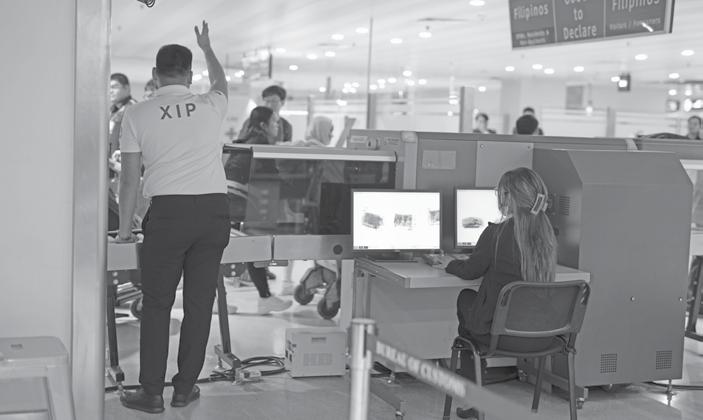
Measures such as the temporary suspension of routine Green Lane scanning at airports and the effective implementation of a 60-day rice import suspension demonstrated the Bureau’s calibrated approach in balancing facilitation, border security, and market stability.
Digitizing
Service Delivery
The BOC likewise enhanced service delivery through the Enhanced Tax Exemption System Lite (e-TES Lite), further digitizing the filing and processing of tax and duty exemption applications.
To expand trust-based facilitation, the BOC strengthened its engagement with compliant traders through the Authorized Economic Operator (AEO) and Super Green Lane (SGL) programs.
In 2025, eleven (11) companies were formally accredited under the AEO program, including Sony Philippines, Coca-Cola Europacific, Toyota Motor
Brother’s Industries, and Aboitiz Philippines, among others. Meanwhile, SGL membership grew to 273, continuing the Bureau’s efforts to reward low-risk traders through expedited customs processing and improved supply chain efficiency.
Amplifying Modernization Through Partnerships
Strategic partnerships further amplified the impact of BOC’s modernization initiatives. Collaborations with the Philippine Chamber of Commerce and Industry (PCCI) and Makati Business Club (MBC) supported technical guidance and the co-design of key digital upgrades.
Agreements with the Subic Bay Metropolitan Authority (SBMA) helped optimize customs operations within the freeport. Consultations with the Federation of Filipino Chinese Chambers of Commerce and Industry (FFCCCII) and the US-ASEAN Business Council
Turn to next page
BOC boosts trade facilitation in 2025...
strengthened the agency’s adherence with global best practices and improved the trade environment for investors and industries.
The Bureau also strengthened interagency coordination, including engagement with the Strategic Trade Management Office (STMO) and investment promotion agencies, to ensure seamless regulation of dual-use and strategic goods.
Improving Performance Through Data-Driven Reforms
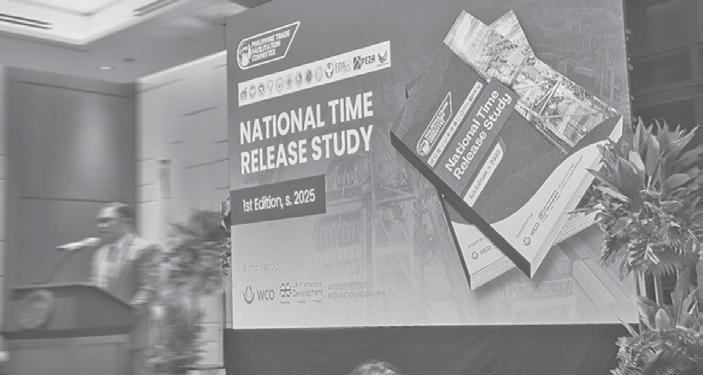
In support of evidence-based improvements, the BOC advanced reforms through the National Time Release Study (TRS) developed with the World Customs Organization (WCO).
The TRS enables the Bureau to identify bottlenecks, reduce cargo clearance times, and implement targeted interventions across processes and ports.
Reform momentum was further supported by initiatives from ARISE Plus Philippines and the DIGIPINAS project, strengthening e-commerce processing and supporting enhanced digital risk assessment for cross-border goods.
Gaining Regional Recognition for Trade Efficiency
These efforts contributed to the Philippines’ strong regional performance, with the country ranking second in ASEAN in the 2025 UN Global Survey on Digital and Sustainable Trade Facilitation, reflecting measurable gains in efficiency, transparency, and modernization.
Driving Fairer, Faster, and Transparent Trade
“The reforms we have implemented reflect our commitment to making trade faster, fairer, and more transparent, in line with President Ferdinand Marcos Jr.’s vision for a more competitive Philippine economy,” Commissioner
leveraging digital
policies, and strong partnerships, we are ensuring that businesses can operate with predictability while safeguarding national interests,” he added.
Nepomuceno said. “By
tools, clear
By advancing innovation, strengthening policies, and fostering collaboration, the BOC continues to make trade faster, fairer, and more accessible— supporting consumers, businesses, and overall economic growth.
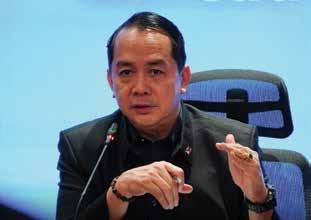
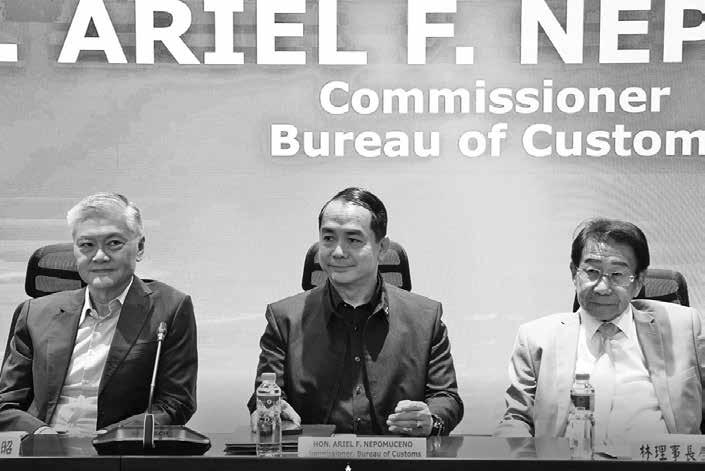
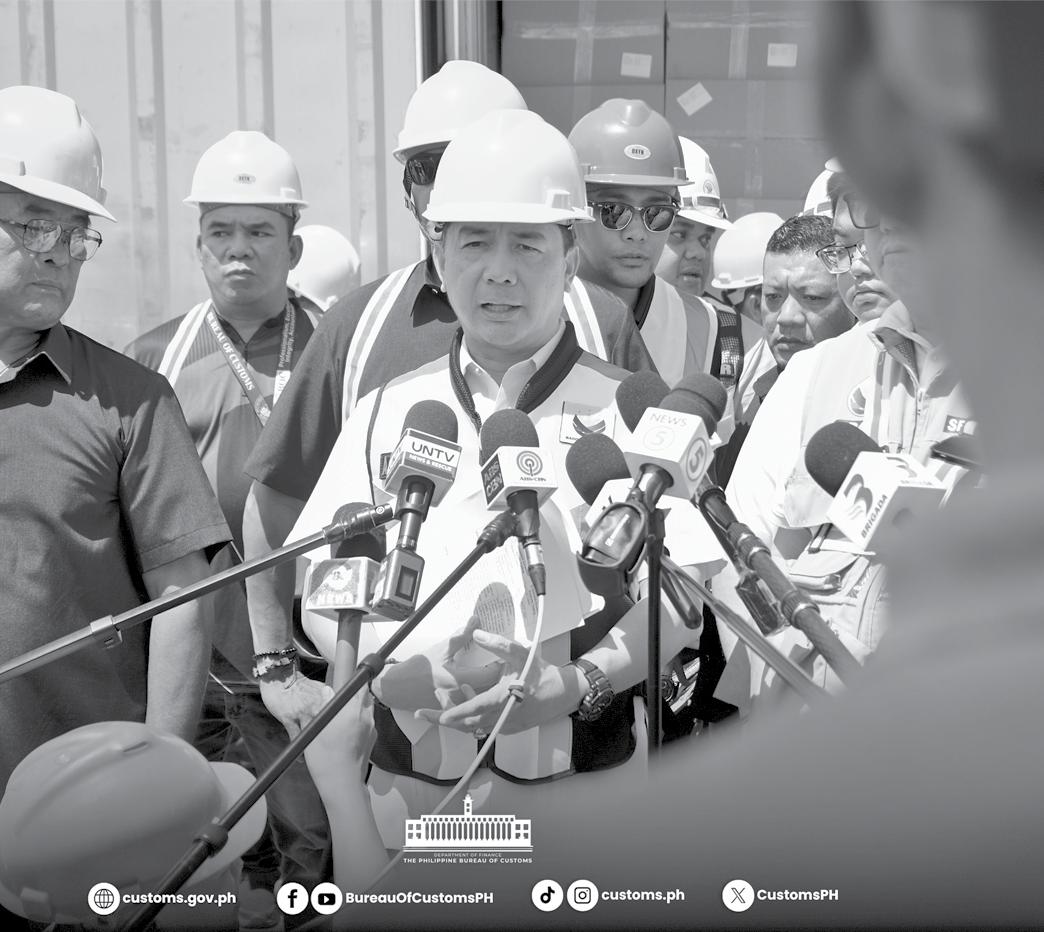
Customs Commissioner Ariel F. Nepomuceno.
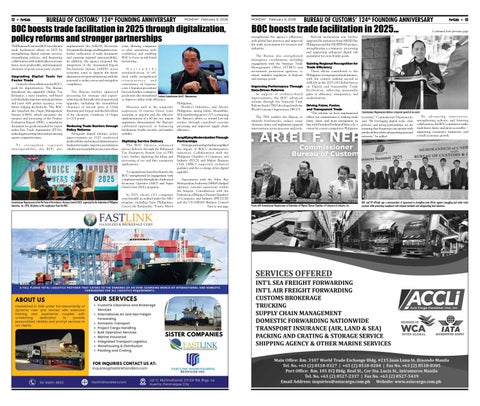
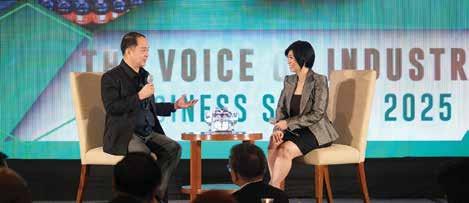
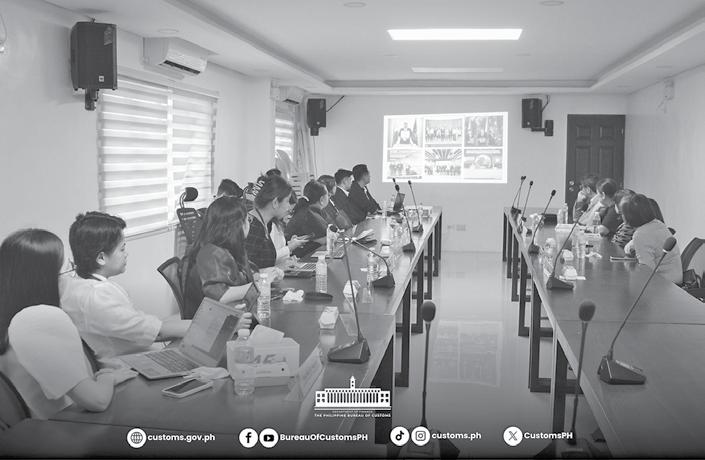
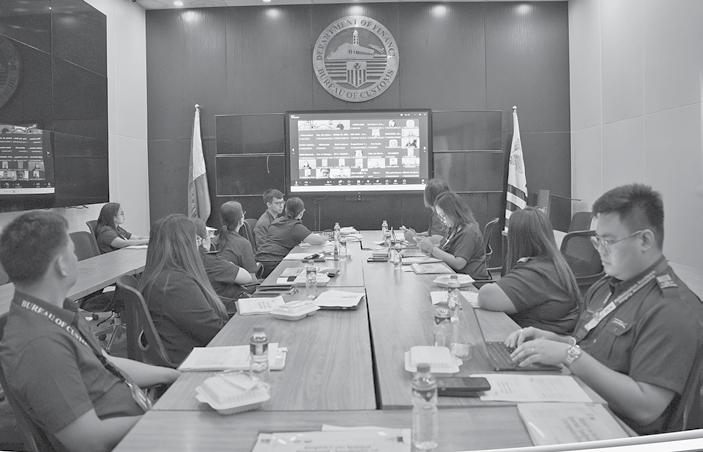
Commissioner Nepomuceno at the The Voice of the Industry–Business Summit 2025, organized by the Federation of Philippine Industries, Inc. (FPI). All photos in this supplement from the BOC.
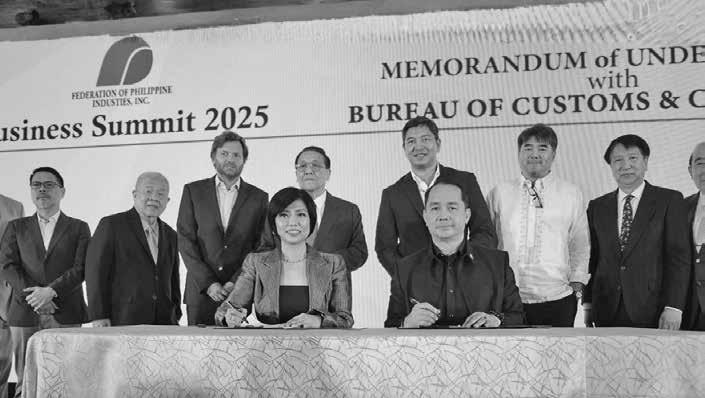
Forum with Commissioner Nepomuceno at Federation of Filipino Chinese Chambers of Commerce & Industry, Inc. BOC and FPI officials sign a memorandum of agreement to strengthen joint efforts against smuggling and unfair trade practices while promoting compliance with national standards and safeguarding local industries.
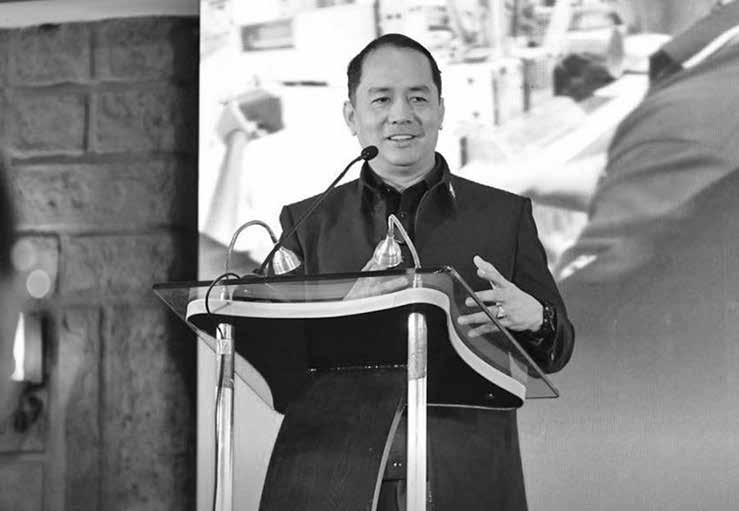
Commissioner Nepomuceno delivers a keynote speech at an event.
despite headwinds
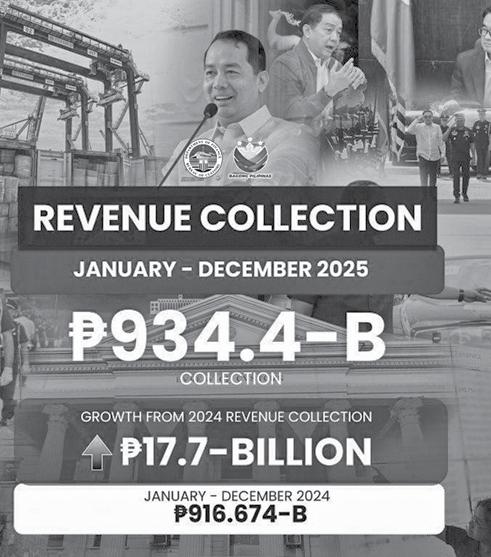
THE Bureau of Customs (BOC) ended 2025 on a strong and promising note, collecting a total of PhP934.4 billion. Under the leadership of Commissioner Ariel F. Nepomuceno, the BOC showcased innovation, efficiency, and commitment to excellence in revenue collection, reinforcing its vital role in sustaining fiscal growth for the country.
This performance directly supports government programs and President Ferdinand “Bongbong” Marcos Jr.’s vision for a stronger, more self-reliant Philippine
economy, while ensuring that revenue collection remains efficient, transparent, and responsive to the needs of the Filipino people.
In 2025, BOC achieved a total revenue collection of PhP934.4 billion, surpassing the previous year’s PhP916.674 billion by PhP17.7 billion or 1.9%. This growth was driven by the BOC’s strict enforcement measures, rigorous monitoring of import declarations, and efforts to ensure that importers pay the correct duties and taxes.
Despite external challenges, including a slight decline in import volume, the suspension of rice importation, and lower global oil and commodity prices, the BOC’s measures helped maintain fiscal stability while reinforcing the integrity of the country’s trade and customs operations.
Complementing these efforts, the BOC advanced its digital Turn to page 16
Continued from page 14
transformation initiatives with the Electronic Payment Portal (ePay) now integrated with the Landbank Linkbiz portal, enabling importers and other stakeholders to securely and conveniently settle customs duties and taxes on a 24/7 basis. This integration minimizes manual processes and payment delays, with the forthcoming integration of Maya set to further expand accessible digital payment options.
Meanwhile, the in- house PCAG Audit Tracker System (PCATS) strengthens post-entry controls by systematically monitoring voluntary disclosures and flagging inconsistencies in import and export declarations at an early stage, allowing potential issues to be addressed even before audits or
inspections are conducted.
Bolstering the Bureau’s revenue protection efforts, the Legal Service under the Revenue Collection and Monitoring Group expedited and streamlined the handling of revenue-related cases within the first two months of implementing internal efficiency measures.
These improvements shortened processing timelines affecting collection, disposal, and remittance to the National Treasury, enabling enforcement and audit actions to translate more promptly into actual revenues.
“Our work is about more than just revenue—it is about making a tangible difference in the lives of the Filipino people. In line with President Marcos’ directive to ensure the efficient and sustained collection of government revenues, every peso collected supports programs that uplift communities and strengthen our nation. Through innovation, strict enforcement, and transparency, the BOC continues to support the President’s vision for a stronger, more selfreliant Philippines, and we remain committed to serving the people with integrity and dedication every day,” said Commissioner Nepomuceno.
Good governance reforms sustained, expanded through IAM Program
THE Bureau of Customs (BOC) sustained and further strengthened its good governance reforms initiated in 2025, as it moves forward in 2026 with the Integrity, Accountability, and Modernization (IAM) program under the leadership of Commissioner Ariel F. Nepomuceno.
Building on the gains of the previous year, the BOC institutionalized key policies and initiatives to prevent corruption, reinforce ethical standards, enhance citizen engagement, and improve organizational performance. These reforms now serve as the foundation of the Bureau’s IAM program, ensuring that integrity-driven and modernizationfocused initiatives remain embedded in customs operations.
Among the major accomplishments carried out and enhanced was the full implementation of the updated Integrity Action Plan (IAP) across all offices, with technical support from the World Customs Organization (WCO). Through
corruption risk mapping and alignment with international integrity standards, the IAP strengthened transparency and accountability by modernizing customs processes, reinforcing audit and investigation mechanisms, and improving internal controls to reduce discretion, prevent fraud, and promote ethical public service.
The Bureau also approved a revised Code of Conduct on 21 April 2025, aligned with existing national laws and the WCO Model Code of Ethics. Bureau-wide cascading sessions and the distribution of printed copies ensured institutional adoption, laying the groundwork for a stronger culture of integrity that continues to guide personnel behavior under the IAM framework.
Transparency safeguards were further enhanced through Memorandum No. 392025, which imposed stricter disclosure and conflict-of-interest rules. These measures barred customs personnel from engaging in business with customs brokers and required the declaration of familial ties, reinforcing impartiality and accountability in customs operations.
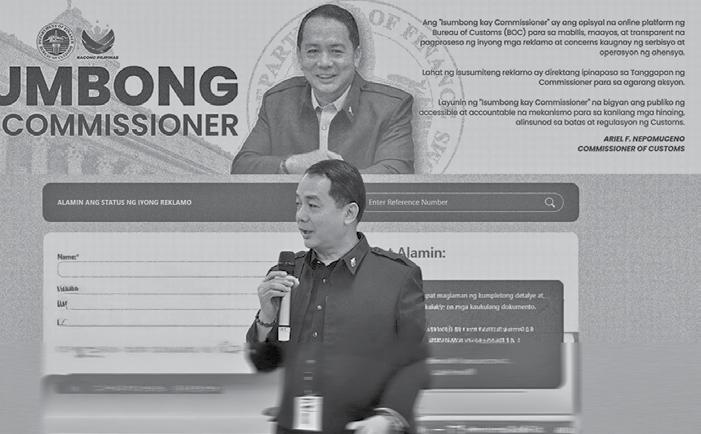
Citizen engagement initiatives introduced in 2025 continue to be strengthened in 2026. The launch of “Isumbong kay Commissioner” provided
the BOC expanded its workforce, implemented merit-based human resource development policies, and invested in extensive local and international training programs.
Organizational restructuring efforts under the Government Optimization Act further enhanced operational efficiency and institutional sustainability,
the public with a direct and accessible platform to report complaints and concerns, improving responsiveness and trust.
In September 2025, the rollout of the revised Citizens’ Charter clarified service standards, streamlined procedures, and reinforced transparency—key elements now integrated into the Bureau’s modernization agenda.
Complementing governance reforms,
supporting the long-term goals of the IAM program.
Through the continuity and enhancement of its good governance initiatives, the Bureau of Customs reaffirms its commitment to integrity, accountability, and modernization in 2026. These reforms support President Ferdinand Marcos Jr.’s call for transparent, efficient, and accountable public service, while advancing economic growth and safeguarding national interests.
BUREAU OF CUSTOMS’ 124th FOUNDING ANNIVERSARY
BUREAU OF CUSTOMS’ 124th FOUNDING ANNIVERSARY
BUREAU OF CUSTOMS’ 124th FOUNDING ANNIVERSARY
BOC bolsters national borders, seizes P61.707B in 2025 anti-smuggling campaign BOC bolsters national borders, seizes
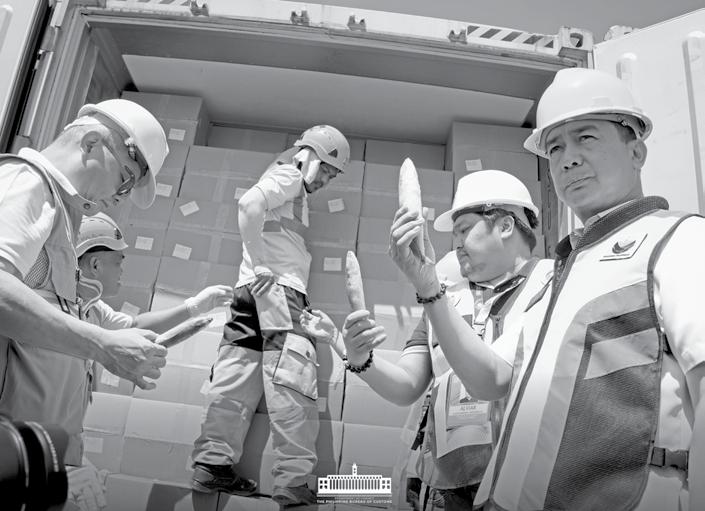
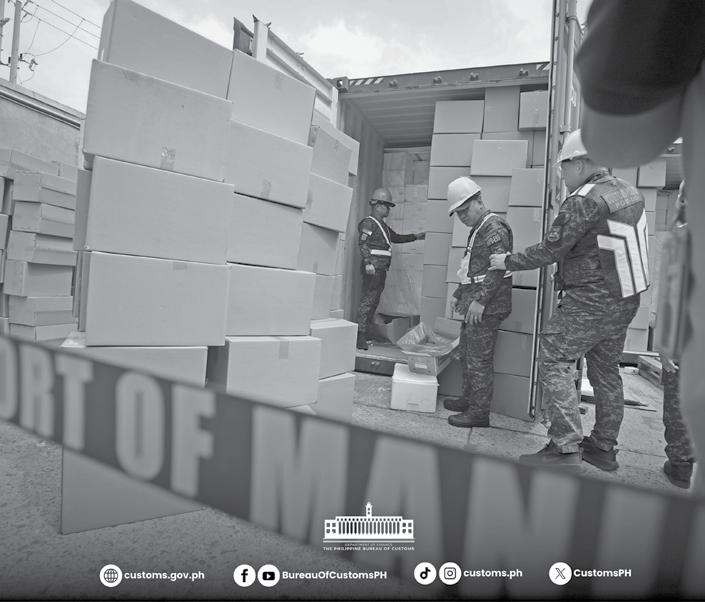
IN line with President Ferdinand R. Marcos Jr.’s directive to intensify the fight against smuggling, the Bureau of Customs (BOC) strengthened national border security in 2025 through 1,024 successful enforcement operations, seizing P61.707 billion worth of illicit goods under the leadership of Commissioner Ariel F. Nepomuceno.
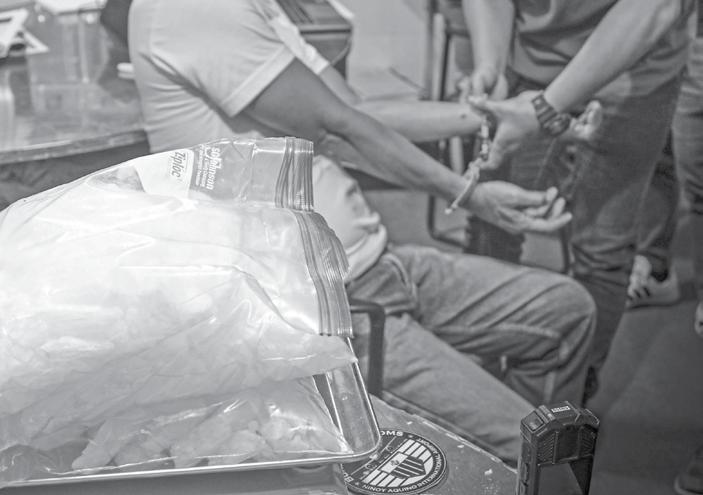
Based on preliminary data, the most significant seizures in 2025 included P28.47 billion worth of general commodities, P17.72 billion in counterfeit goods, P5.63 billion in dangerous drugs, P4.80 billion in wildlife and natural resources, and P1.86 billion in tobacco products.
In addition, BOC conducted 85 seizure operations involving agricultural
products, resulting in the confiscation of over P622 million worth of smuggled agricultural goods. These enforcement actions helped protect public health, maintain fair market conditions, and safeguard government revenue.
To strengthen compliance in the trade sector, the BOC revoked or suspended the accreditations of 40 importers and 12 customs brokers found to have violated customs laws and regulations.
In support of law enforcement and prosecution efforts, the Bureau of Customs (BOC) filed 64 criminal cases with the Department of Justice (DOJ), including 31 cases involving agricultural smuggling. Of these agricultural cases: 10 involved
violations of the Anti-Agri Smuggling Act (RA 10845) and 21 involved violations of the Customs Modernization and Tariff Act (RA 10863), reflecting BOC’s zerotolerance policy against illicit trade and customs violations.
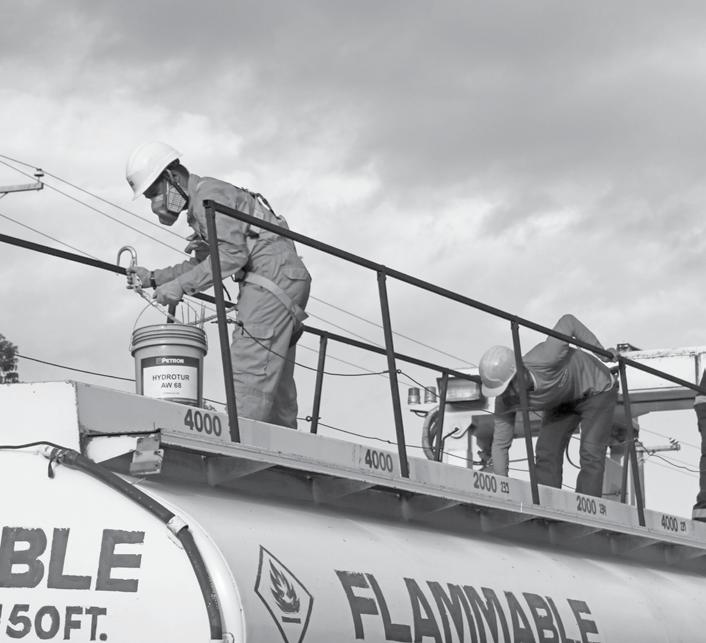
The BOC also continued to implement
the Fuel Marking Program, marking 21.102 billion liters of fuel in 2025 and generating P247.12 billion in tax revenue. The program remains a key measure in detecting fuel smuggling, ensuring transparency in fuel distribution, and promoting fair competition in the oil industry.
As part of its enforcement and restitution efforts, the BOC recovered 30 motor vehicles linked to the Discaya family, which were among those cited in the previous Senate investigation related to the alleged anomalous flood control projects. Of these, 13 vehicles were found to have violated customs laws and were issued Warrants of Seizure and Detention (WSDs).
The BOC subsequently auctioned five (5) forfeited vehicles, generating a total of P47.762 million, all of which was remitted to the National Treasury as restitution to the government, ensuring that the Filipino people ultimately benefit from the recovery of unlawfully acquired
assets. The remaining forfeited vehicles are scheduled for auction in accordance with existing regulations.
Commissioner Nepomuceno emphasized, “Our gains in 2025 demonstrate what decisive leadership and collective accountability can achieve.”
“From dismantling smuggling networks and enforcing strict integrity policies to ensuring the proper disposition of seized goods and strengthening the Fuel Marking Program, the Bureau of Customs remains firmly committed to transparent enforcement that protects government revenue, legitimate trade, and the welfare of the Filipino people,” he added.