


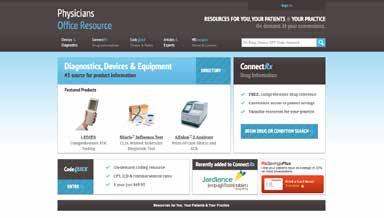

There are two simple ways to request information about the products and services found in Physicians Office Resource.
1. Go to www.PhysiciansOfficeResource.com and enter the four-digit reference number found next to the product or service into the search field, then request additional information, schedule a demo, or speak with a sales agent all with just a simple click of a button.
2. Find the Business Reply Card in this issue, circle the desired reference numbers, complete the form, and drop into any USPS mailbox. A representative will contact you as quickly as possible to answer your questions.
PUBLISHED BY Medical Education Resources, LLC
PUBLISHER
Aaron R. Medaris amedaris@physiciansofficeresource.com
CEO
Andrew C. Nimmo acnimmo@physiciansofficeresource.com
PRESIDENT
John D. Pasquale jpasquale@pharmaconnect.com
BUSINESS MANAGER
Marci J. Hills mhills@physiciansofficeresource.com
TRAVEL EDITOR
Brandi L. Brower
EDITORIAL BOARD
Shakeel Ahmed, MD
Barry Craig, MLT (NCA), CLC
STAFF WRITER
Dylan J. Chadwick
CREATIVE DIRECTOR PRODUCTION MANAGER
Jessica Elmer
Copyright ©2025
To continue your free subscription of Physicians Office Resource magazine, please fill out the Business Reply Card (BRC) located within this magazine and drop in any United States Post Office mailbox.
If you are a manufacturer of medical products or provide services to medical professionals and would like to advertise your products or services to the nation’s top physicians doing in-office testing, call 801-380-6094 or visit: POR.io for more information.



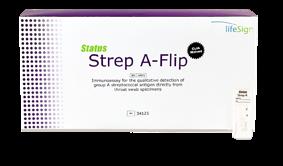
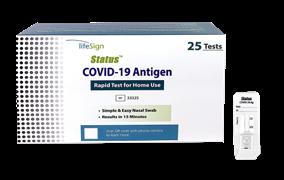
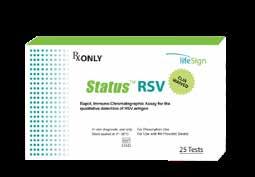
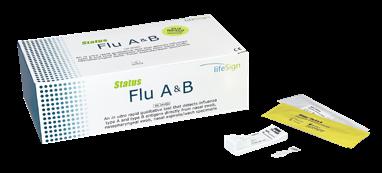
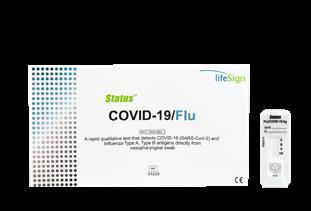
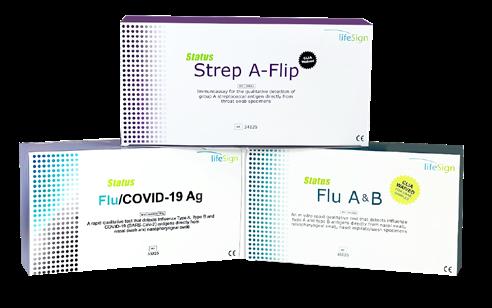
Buy 6 boxes for the Price of 5 through December 31, 2025 on the full line of LifeSign Status Brand Respiratory products. Quality driven and made in the USA, LifeSign products are staff friendly with similar procedures throughout the line.
What Patients Really Want: Re-Centering
While physicians manage administrative burdens, time pressures, and chronic care, patients are vocal about what they value in medical encounters.
Rapid antigen tests (RATs) are often utilized in urgent care settings for their ability to provide timely and accurate diagnoses of infectious diseases at the point of care.
MDescapes: Vienna Waits for You, The Ritz-Carlton, Vienna
There’s always the excitement of anticipation that comes with travel, but when you step off the train and arrive at your destination, the adrenaline is off the charts.


We understand your patients have varying needs which means you need a diverse set of tools to quickly and effectively test and treat for a range of conditions.
Our high-quality, women’s health rapid antigen tests are made in the U.S.A. and designed to be accurate and easy to use so you can get results fast.
We make diagnostics that matter because we believe each test represents the health and well-being of a real person.


BY AARON MEDARIS, PHYSICIANS OFFICE RESOURCE
Modern primary care medicine is at a crossroads. While physicians juggle administrative burdens, time pressures, and complex chronic care, patients are increasingly vocal about what they value most in their medical encounters. Numerous surveys, including the Commonwealth Fund International Health Policy Survey, NEJM Catalyst Insights Council reports, and data from The Beryl Institute’s State of Patient Experience, consistently reveal that patient satisfaction and adherence hinge less on clinical sophistication and more on human connection, communication, and trust.
This article distills what patients consistently report as most important in their interactions with primary care providers (PCPs), and offers practical, evidence-based strategies for meeting those expectations without sacrificing efficiency or clinical rigor.
When asked what defines a “good doctor,” patients almost never start with credentials or technology. They talk about being heard.
In a 2023 BMJ Open study analyzing over 50,000 patient comments, the most frequently cited determinants of satisfaction were the physician’s ability to listen, show understanding, and convey genuine care. Patients often describe this not in abstract terms, but through very tangible moments — a physician who looks away from the computer to make eye contact, who asks follow-up questions, or who remembers personal details from a previous visit.
• Perceived empathy correlates directly with clinical outcomes. A 2019 Patient Education and Counseling study found that higher empathy scores among clinicians were
associated with better control of chronic diseases such as diabetes and hypertension.
• Listening builds trust, which drives adherence. Patients who trust their provider are more likely to take prescribed medications, disclose sensitive information, and return for follow-up care.
Practical strategies:
• Start with silence. Let patients speak uninterrupted for the first 90 seconds. Research shows most patients complete their initial concern within this time.
• Summarize what you heard. Repeating key points back signals attention and accuracy.
• Acknowledge emotion. Even brief statements like “I can see this has been really frustrating for you” can defuse anxiety and build rapport.
Average primary care visits in the U.S. last about 16 minutes, yet patients consistently report feeling rushed. What they crave is not necessarily longer visits, but the sense that their time and concerns are valued.
Why it
A 2022 Annals of Family Medicine study found that patients’ perception of time adequacy — even more than actual visit length — was a top predictor of satisfaction. When patients feel their physician is hurried, they’re less likely to share important information or ask clarifying questions.
Practical strategies:
• Front-load attention. Start each encounter with undivided
The future of primary care will depend on balancing scientific progress with this timeless truth.
focus; even 60 seconds of genuine presence can set a calm tone for the visit.
• Use technology wisely. Voice recognition, AI scribes, or pre-visit questionnaires can reclaim minutes otherwise lost to data entry.
• End with an open door. Simple statements like “If you think of something else after you leave, send me a message” signal continued availability without extending visit time.
Patients increasingly navigate complex care ecosystems — specialists, portals, insurance networks — and often feel lost between touchpoints. Clear, consistent communication from their PCP remains the anchor.
• Plain language explanations. Health literacy remains a major barrier; over one-third of adults struggle to interpret medical information. Patients want clinicians who translate jargon into clear, actionable steps.
• Consistency and follow-up. A single call or portal message after test results can transform the patient’s sense of care continuity.
• Transparency. Patients appreciate knowing why a test, referral, or medication is recommended — and what the alternatives might be.
Practical strategies:
• The “teach-back” method. Ask patients to explain back the plan in their own words to confirm understanding.
• Set expectations. Clarify how results will be communicated (“You’ll see your lab results in the portal within three days, and I’ll message you if there’s anything to discuss”).
• Close the loop. Even a brief follow-up note reinforces reli ability and builds long-term trust.
4. Accessibility and Responsiveness
The modern patient defines quality care not only by the office visit, but by how accessible their clinician is between visits.
What matters most:
• Timely responses. Patients report frustration when messages or refill requests go unanswered for days.
• Ease of scheduling. Online scheduling, extended hours, and
same-day appointments are now viewed as hallmarks of good care.
• Convenience. Telemedicine, asynchronous messaging, and integrated urgent-care access are highly valued, particularly among younger adults and caregivers.
Practical strategies:
• Empower the team. Train staff to triage portal messages efficiently, reserving only complex questions for direct physician response.
• Offer digital touchpoints. A quick secure message can replace unnecessary follow-ups while reinforcing connection.
• Balance boundaries. Setting clear expectations (“I respond to portal messages within 24–48 hours”) maintains responsiveness without burnout.
Today’s patients expect shared decision-making. They want to feel informed, respected, and empowered in their own care — not dictated to.
Why it matters:
• Studies in JAMA Network Open show that patients who feel involved in care decisions are more likely to follow through with treatment plans and report higher satisfaction.
• Shared decision-making enhances adherence, reduces mal practice claims, and improves health literacy.
Practical strategies:
• Present options with pros and cons. Use visuals or decision aids for chronic conditions like hypertension, diabetes, or depression.
• Invite preferences. Ask, “What matters most to you when choosing between these options?”
• Acknowledge uncertainty. Patients respect honesty when medicine doesn’t have a clear answer.
6.
Patients frequently report feeling judged — about weight, mental health, substance use, or social circumstances. This perception can drive avoidance of care.
The data:
A 2021 Health Affairs analysis found that patients who per-
ceived discrimination or judgment from clinicians were 2–3 times more likely to delay or forego future medical visits.
What patients want:
• Respectful curiosity, not assumptions. They want physicians to ask, not presume, about lifestyle or adherence.
• Cultural sensitivity. Awareness of social, racial, and cultural contexts communicates respect and improves accuracy.
• Emotional safety. Patients want to know they can disclose sensitive issues without being shamed.
Practical strategies:
• Use neutral language. Replace “Why didn’t you take your medication?” with “What got in the way of taking it?”
• Acknowledge vulnerability. “These are tough conversations; I appreciate your honesty.”
• Reflect inclusivity through language, imagery, and policies in your practice.
7. Continuity and Relationship
Perhaps more than any other specialty, primary care thrives on continuity. Patients value having “a doctor who knows me.”
Why it matters:
• Long-term relationships reduce hospitalizations, lower mortality, and improve preventive care compliance.
• Continuity builds context — physicians understand patterns, family dynamics, and life stressors that affect health.
What patients describe:
They want someone who recognizes them, remembers past issues, and cares about their well-being beyond symptoms. They often use words like trust, familiarity, comfort, dependability.
Practical strategies:
• Personal touch. Brief notes like “How’s your daughter’s college search going?” make patients feel remembered.
• Stable care teams. Consistency in nursing and support staff enhances the perception of reliability.
• Transition planning. When referrals or changes are necessary, hand-offs should be warm and personal, not transactional.
8. Holistic Care and Prevention
Patients increasingly expect their primary care physician to consider more than immediate illness — to address lifestyle, mental health, and long-term wellness.
What patients value:
• Proactive prevention. Clear reminders and motivation for screenings, immunizations, and lifestyle interventions.
• Attention to mental health. Patients appreciate physicians
who ask about stress, sleep, and mood — even briefly.
• Integration of lifestyle medicine. Nutrition, exercise, and mindfulness guidance signal that the physician cares about the whole person.
Practical strategies:
• Normalize the whole-person conversation. “I ask all my patients about stress and sleep, since they affect everything else.”
• Collaborate with allied health professionals. Nutritionists, behavioral health specialists, and physical therapists can extend the reach of primary care.
• Use data for motivation. Personalized feedback from wearables or labs can make prevention tangible.
9. The Value of Diagnostic Care in the Physician–Patient Relationship
While communication and empathy drive trust, patients also deeply value diagnostic precision — the assurance that their physician is proactive, evidence-based, and attentive to the underlying “why” behind symptoms.
Why diagnostic care matters to patients
1. Confidence and reassurance.
Patients often equate good care with thoroughness. When physicians order appropriate tests, explain their purpose, and review results personally, patients feel cared for and safe. Conversely, missed or delayed diagnostics are a top driver of patient dissatisfaction and litigation.
2. Early detection saves lives.
From lipid panels to colon cancer screening and infectious disease testing, primary care remains the frontline of early intervention. Patients trust their PCP to identify risks before they become disease.
3. A bridge between prevention and treatment. Diagnostics link patient symptoms to actionable pathways. When results are discussed clearly — with context, visuals, or trend data — patients become active participants in managing their own health.
4. Personalization of care.
Today’s patients increasingly expect precision — not onesize-fits-all medicine. Diagnostic data (labs, imaging, genetic markers, point-of-care testing) provide that personalization, showing patients that their care plan is based on their biology, not averages.
What patients want from diagnostic care
• Timely testing and results. Waiting weeks for answers erodes confidence.
• Transparency about necessity and cost. Patients appreciate knowing why a test is ordered and whether alternatives exist.
• Clear explanations. Lab values are meaningful only when contextualized in plain language.
• Visible follow-through. A simple call or note reviewing results, even when normal, reassures patients that nothing was overlooked.
Practical strategies
• Make diagnostics conversational. “Here’s what I’m testing for and why.”
• Show data trends visually. Graphing cholesterol or A1C over time strengthens understanding.
• Close the loop immediately. Patients should never see results before hearing from you.
• Leverage point-of-care testing. Rapid strep, flu, HbA1c, or lipid testing empowers same-day decisions and reduces uncertainty.
Ultimately, diagnostic excellence reinforces empathy — it tells patients, “I care enough to look deeper.”
When diagnostic care and communication merge, trust becomes unshakable.
Healthcare affordability remains a major pain point. Patients increasingly expect physicians to help them navigate costs, even if only to acknowledge them.
What patients appreciate:
• Honesty. “This test is useful, but it’s expensive — let’s check your insurance coverage first.”
• Alternatives. Generic substitutions, lower-cost labs, or step wise testing strategies.
• Predictability. Clear expectations about billing reduce frustration and build goodwill.
Practical strategies:
• Use price-transparency tools. Many EHRs and pharmacy systems can estimate out-of-pocket costs.
• Collaborate with office staff. A knowledgeable billing or care coordinator can address financial questions patients may hesitate to raise.
• Empathy around cost discussions. Even brief acknowledgment (“I know healthcare costs can be stressful”) humanizes the conversation.
11. Compassion, Consistency, and Credibility
Ultimately, patients want their physician to be human — compassionate, competent, and consistent. A sense of safety in the relationship matters as much as clinical accuracy.
What this looks like in practice:
• A calm, confident demeanor during uncertainty.
• Respect for patient values even when disagreeing.
• Reliability over time — doing what you say you will.
In a 2024 Medscape survey of 10,000 patients, when asked, “What do you most want from your physician?” the top responses were:
1. “To feel my doctor genuinely cares about me.”
2. “To have confidence they know what they’re doing.”
3. “To know they’ll be there when I need them.”
The Takeaway: The Science of Connection Is the Heart of Medicine
As primary care evolves with technology, data analytics, and value-based reimbursement, it’s easy to assume that quality means efficiency or innovation. But to the patient, quality still means connection.
Patients want:
• To be seen, heard, and respected.
• To understand their care and participate in decisions.
• To trust that their physician cares — not only about the dis ease, but about them as a person.
The future of primary care will depend on balancing scientific progress with this timeless truth. No matter how advanced medicine becomes, healing begins with listening — and the best technology will always be compassion.
References
1. BMJ Open. 2023;13:e075284. “What Patients Value in Physician Interactions.”
2. Annals of Family Medicine. 2022;20(5):451–458. “Perceived Time and Patient Satisfaction.”
3. Patient Education and Counseling. 2019;102(5):895–901. “Empathy and Chronic Disease Outcomes.”
4. JAMA Network Open. 2021;4(6):e2110191. “Shared Decision Making and Patient Adherence.”
5. Health Affairs. 2021;40(9):1405–1413. “Perceived Discrimination in Health Care and Care Avoidance.”
6. Medscape Patient Experience Report. 2024.

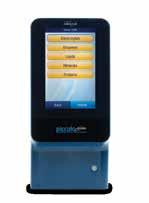
I-STAT SYSTEM
From Abbott Point of Care
The handheld i-STAT System offers a broad menu of diagnostic tests at the patient’s side in just minutes. With just a few drops of blood, the i-STAT System delivers real time, lab-accurate results for a wide range of tests, including chemistries, blood gas, coagulation, cardiac markers, and more. Minimize delays and wasted time with on-side tests. Easy, intuitive operation.
For intended use and complete product information, visit pointofcare.abbott.
For in vitro diagnostic use only. This material is intended for a U.S. audience only. i-STAT is a trademark of Abbott. Physician Office Resource i-STAT Product Description — US 3064.REV1 08/20

FULL COMPLEMENT OF CLIA-WAIVED
CHEMISTRY TESTS PICCOLO XPRESS® CHEMISTRY ANALYZER
From Abbott Point of Care
The Piccolo Xpress Chemistry Analyzer provides physician offices with lab-accurate results for a broad range of CLIA-waived general chemistry tests, including metabolic panels, lipids, live, and kidney function, and more with just 100 microliters of blood. Easy to use, the PIccolo Xpress provides results during a patient’s visit, accelerating treatment decisions, increasing efficiency, and supporting patient satisfaction. Automated quality control on every test helps ensure accuracy.

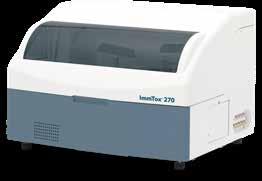
TOXICOLOGY SCREENING SIMPLIFIED ABBOTT’S IMMTOX
270 BENCHTOP ANALYZER NOW WITH 14 ASSAYS CLIA CATEGORIZED AS MODERATE COMPLEXITY
From Abbott
The ImmTox270 benchtop analyzer offers comprehensive toxicology screening solutions for physician offices, treatment centers and independent laboratories.
Broad test menu with over 20 assays to choose from including 14 that are now available as moderately complex.
With complete laboratory solutions from consultation to licensure, and compliance the Abbott Clinical Laboratory Solutions team has you covered.

Better outcomes. Lower costs. Better patient experience. Better clinician experience.

Gain insights into your patient’s current status with real-time actionable results.
DCA Vantage® Analyzer
Rapid assessment of glycemic control and kidney health
HbA1c
• CLIA-waived
Albumin-to-creatinine ratio (ACR)
• CLIA Moderate Complexity
CLINITEK Status® Connect System
CLIA-waived analyzer for routine urinalysis, including kidney health
• CLINITEK® Microalbumin 2 Strip (ACR)
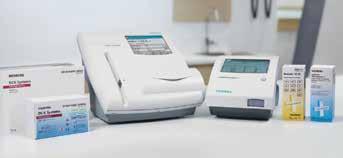
Customize your patient consultations to enhance physician-patient partnership toward improved outcomes.







Author: Rajesh Geria MD, Emergency/Urgent Care Physician, CityMD/Summit Health, Envision Health Services
Background
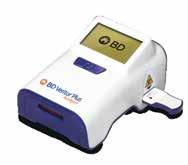
Rapid antigen tests (RATs) are often utilized in urgent care settings due to their ability to provide timely and accurate diagnoses of infectious diseases at the point-of-care. These tools help guide appropriate interventions and improve patient outcomes. This case study highlights how the BD Veritor™ Plus System, a RAT platform, supported real-time clinical decision-making for a pediatric patient presenting with non-specific respiratory symptoms during peak respiratory season at a busy urgent care clinic.
Case Summary
A 7-year-old previously healthy male presented to urgent care during peak respiratory syncytial virus (RSV) season with a 2-day history of fever, body aches, sore throat, and non-productive cough. He had no known sick contacts, and his vaccinations were up to date.
• Vital signs: T 101 °F, HR 88 bpm, RR 20/min, SpO₂ 98%
• Physical exam: Mild pharyngeal erythema, clear nasal discharge, postnasal drip, no tonsillar exudates or cervical lymphadenopathy; lungs clear bilaterally.
The differential diagnosis included Influenza, SARS-CoV-2, RSV, pneumonia, and other acute viral infections.
Diagnostic Approach
As per clinic protocol, rapid antigen testing was performed at bedside using the BD Veritor Plus System prior to provider evaluation. The following results were obtained within 15 minutes:*
• Influenza A: Positive • SARS-CoV-2: Negative
• Influenza B: Negative • RSV: Negative
Management and Outcome
Since symptoms began within 48 hours, Oseltamivir was prescribed. Antibiotics were avoided. The patient’s mother received education on supportive care, home isolation, and when to seek follow-up care. She expressed high satisfaction with the rapid diagnosis and the ability to initiate treatment immediately. At follow-up three days later, the child’s symptoms had significantly improved.3
*Result processing times for each BD Veritor™ assay are 15 minutes for the SARS-CoV-2 and SARS-CoV-2 & Flu A+B assays, 10 minutes for Flu A+B and RSV assays, and 5 minutes for the Group A Strep assay.
Urgent care centers play a critical role in managing episodic respiratory illnesses. In 2022, nearly 30% of U.S. children were evaluated in an urgent care or retail clinic setting. Clinicians are often faced with patients exhibiting overlapping symptoms from multiple pathogens. These symptoms commonly co-occur in fall and winter, making symptom-based diagnosis challenging and reinforcing the need for accurate diagnostic testing.1
Anecdotally, since the COVID-19 pandemic, patients visiting urgent care clinics seem to have higher expectations for receiving clear answers during their visit. Many now want to know exactly what infection they have during the visit, viral or bacterial, so they can make informed decisions about returning to work or school and avoid spreading illness to friends and family. The days of patients simply accepting, “it’s just a common cold,” appear to be gone. Instead, there is a growing demand for real-time results at the point of care.
Molecular PCR testing became the gold standard during the COVID-19 pandemic due to its sensitivity and public health value. However, PCR presents limitations in urgent care: delayed results, inconsistent reimbursement, and higher costs. As the pandemic phase has transitioned, there’s been a shift toward more accessible and efficient testing methods.2
In this case study, the BD Veritor™ Plus System proved highly beneficial. It offers multiple assay combinations (e.g., SARS-CoV-2 & Flu A+B, Flu A+B, RSV, Group A Strep) relevant to urgent care. These assays provide digitally interpreted results in 15 minutes or less—ideal for urgent care workflows.5
Speed 15 minutes
Training
30–90+
(if early/symptomatic) Very high (all phases)
Use case POC triage, rapid Rx
Confirmatory, late illness
Infection control Helps isolate quickly May delay containment
The BD Veritor™ Plus analyzer is portable, battery-operated, and easy to use in any clinical setting. Its digital result interpretation enhances accuracy. CDC notes that RIDTs using analyzers show higher sensitivity compared to visual reads. ADLM adds that automated result interpretation reduces subjectivity and improves accuracy.
Conclusion
The BD Veritor™ Plus System is a valuable diagnostic tool in urgent care. It supports timely diagnosis, evidence-based management, antibiotic stewardship, improved patient satisfaction, and faster patient throughput—making it ideal for both pediatric and adult urgent care populations.
References:
1. Centers for Disease Control and Prevention. (2024). QuickStats: Percentage of children and adolescents aged ≤17 years who visited an urgent care center or a clinic in a drug store or grocery store in the past 12 months, by age group and year — National Health Interview Survey, United States, 2021–2022. MMWR Morbidity and Mortality Weekly Report, 73(3), 68. https://doi.org/10.15585/mmwr.mm7303a5
2. Centers for Disease Control and Prevention. COVID-19 testing: what you need to know. CDC. Updated March 10, 2025. https://www.cdc.gov/covid/testing/index.html
3. Centers for Disease Control and Prevention. Influenza antiviral medications: summary for clinicians. CDC. Updated December 8, 2023. https://www.cdc.gov/flu/hcp/antivirals/summaryclinicians.html
4. Centers for Disease Control and Prevention. Interim Guidance for Antigen Testing for SARS-CoV-2. Updated January 20, 2022. https://www.cdc.gov/coronavirus/2019-ncov/lab/resources/ antigen-tests-guidelines.html
5. Cooper L, Eckert K, Mann J, et al. Accuracy of an antigen-detecting SARS-CoV-2 assay with self- and provider-collected specimens interpreted visually and with BD Veritor™ Plus analyzer. J Clin Virol Plus. 2023;3(1):100140. doi:10.1016/j.jcvp.2023.100140
AND MANAGEMENT OF CHRONIC
WITH DCA VANTAGE® AND CLINITEK STATUS®+ ANALYZERS
From Siemens Healthineers
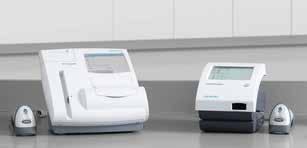
Siemens Healthineers DCA Vantage® and CLINITEK Status® family of analyzers provide Hemoglobin A1c (HbA1c) and albumin-to-creatinine ratio (ACR) testing at the point of care. Monitor glycemic control in patients with diabetes and screening for kidney disease in patients at-risk, in-office. Enable real-time consultation, eliminating loss to follow-up. Improve the patient experience and overall outcome by providing actionable results in minutes.
CLIA-waived: DCA HbA1c; CLINITEK Microalbumin 2 (ACR) CLIA Moderate Complexity: DCA® Microalbumin/Creatinine (ACR)
From Semler Scientific


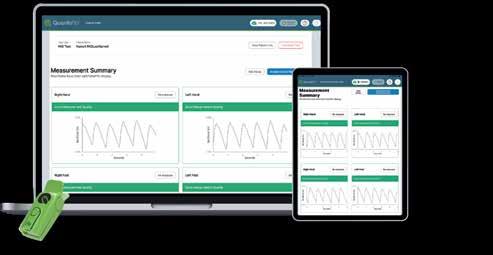
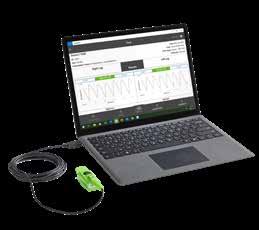
QuantaFlo® PAD is an easy to use, accurate, point of care, non-invasive solution that aids in the early detection of peripheral arterial disease (PAD). This FDA cleared device can be administered by a medical aide in less than 5 minutes. As published in the Journal of Vascular Surgery and the American Journal of Preventive Medicine, QuantaFlo detected undiagnosed PAD in 31.6% of patients +65.1 QuantaFlo is portable and integrates with other technologies and platforms. It is ideal for both home and clinic environments.
1. Smolderen KG, Ameli O, Chaisson CE, Heath K, Mena-Hurtado C. Peripheral Artery Disease Screening in the Community and 1-Year Mortality, Cardiovascular Events, and Adverse Limb Events, AJPM Focus (2022), https://doi.org/10.1016/j.focus.2022.100016
From Nova Biomedical
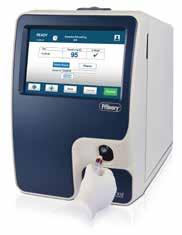
The U.S. FDA has cleared Nova Primary as a blood glucose reference analyzer that fills the need for a new reference analyzer to replace the YSI STAT PLUS 2300 (YSI, Inc., Yellow Springs, OH). Manufacturers of blood glucose measuring devices and clinical diabetes researchers have relied on the YSI 2300 as a reference and correlation analyzer. However, YSI, Inc. no longer supports the analyzer, and its discontinuation has left a critical industry void. With today’s FDA clearance, Nova Primary from Nova Biomedical is now available in the U.S. and worldwide.
I G H T N O W .
Patients with Peripheral Artery Disease (PAD) who may be facing a heart attack, stroke, amputation, or even death within the next 5 years
1 O U T O F 3 H A S P A D A N D T H E Y P R O B A B L Y D O N ’ T K N O W I T . A
Diabetics Smokers Over age 65
P E R I P H E R A L
Healthy Artery
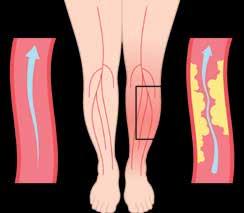
Diseased Artery
Atherosclerosis
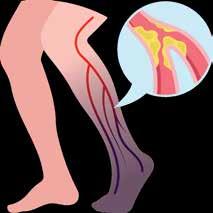
(PAD) is an often silent condition where narrowed arteries reduce blood flow to the legs, causing symptoms like leg pain, numbness, and slow-healing wounds.
DON’T LET PAD SNEAK UP ON YOU OR THESE PATIENTS.
50% report no symptoms, while those that do attribute their pain to arthritis or “old age”.
I N T R O D U C I N G

N o n - i n v a s i v e , p a t i e n t - f r i e n d l y t e s t
A C C U R A T E
A c c u r a c y e q u a l o r b e t t e r t h a n D o p p l e r A B I .
U s e f u l f o r d i a b e t i c s w i t h c a l c i f i e d a r t e r i e s
R E I M B U R S A B L E
r .
G r e a t R O I : t h e t y p i c a l i n t e r n i s t h a s 8 0 0 M e d i c a r e p a t i e n t s , p e r A C P
T
l e s s t h a n t w o m o n t h s .
C P T 9 3 9 2 3 ( A B I w / e x e r

THESE PATIENTS TRUST YOU TO FIND THEIR PAD
before they have a heart attack, stroke, or even die PAD also leads to significant disability and reduced quality of life.

For over 45 years, Newman Medical has been a leader in vascular innovation The ABI-Q system continues that legacy with fast, accurate results you can trust
Scan for more info

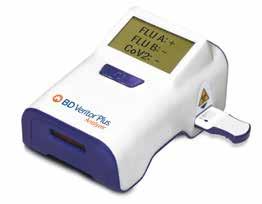
A 3-in-1 antigen assay for COVID-19, Flu A and Flu B with test results in 15 minutes.1
The BD Veritor™ Plus System streamlines clinical and patient workflows by detecting three key respiratory viruses in one test, reducing the need for multiple sample collections. With multiple testing modes and workflow efficiencies, the analyzer empowers convenience and efficiency (1 kit = 30 tests).
*In the USA, the BD Veritor™ System for Rapid Detection of SARS-CoV-2 & Flu A+B has not been FDA cleared or approved but has been authorized by the FDA under an Emergency Use Authorization for use by authorized laboratories; use by laboratories certified under the CLIA, 42 U.S.C. §263a, that meet requirements to perform moderate, high, or waived complexity tests. The product is authorized for use at the Point of Care (POC), i.e., in patient care settings operating under a CLIA Certificate of Waiver, Certificate of Compliance, or Certificate of Accreditation.
This product has been authorized only for the detection of proteins from SARS-CoV-2, influenza A and influenza B, not for any other viruses or pathogens; and, in the USA, the emergency use of this product is only authorized for the duration of the declaration that circumstances exist justifying the authorization of emergency use of in vitro diagnostics for detection and/or diagnosis of COVID 19 under Section 564(b)(1) of the Federal Food, Drug and Cosmetic Act, 21 U.S.C. §360bbb-3(b)(1), unless the declaration is terminated or authorization is revoked sooner.
1. BD Veritor™ Plus System for Rapid Detection of SARS-CoV-2 and Flu A+B. Package insert. 500051910 Becton, Dickinson and Company.
From LifeSign
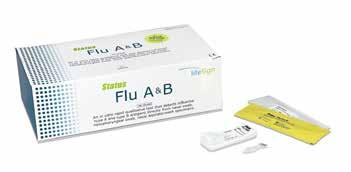
Status Flu A & B is an in vitro rapid qualitative test that detects influenza type A and type B directly from nasal swab, nasopharyngeal swab, and nasopharyngeal aspirate/wash specimens obtained from patients with signs and symptoms of respiratory infection. It is intended to aid in the rapid differential diagnosis of Influenza A and B viral infections.
• CLIA waived *Innovative flip design with onboard sample extraction
• Premeasured developer solution capsule for increased accuracy and ease of use
• Flocked nasal swabs for improved patient comfort and superior specimen collection
From LifeSign
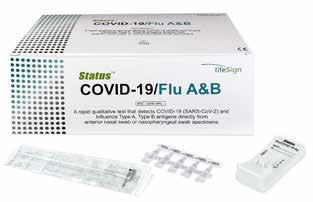
A Rapid Immunoassay for the Simultaneous Direct Detection and Differential Diagnosis of SARS-CoV-2, Influenza Type A and Type B Antigen from Anterior Nasal and Nasopharyngeal swab specimens. Infections with these viruses may present similar symptoms. Can you tell them apart? WE CAN!


Discover the first and only FDA-approved fibrinogen concentrate for bleeding patients with acquired fibrinogen deficiency, also known as acquired hypofibrinogenemia.

Fibrinogen replacement needs arise fast. Fibryga can be reconstituted within 5-10 minutes for rapid hemostasis in emergency and perioperative settings.1-6
Take the guesswork out of fibrinogen replacement. Each fibryga vial contains ~1 g of fibrinogen concentrate.
No cooling, no thawing. Unlike other fibrinogen concentrates, fibryga does not require refrigeration, making it readily available at the point of care.1,7

Indications and Usage
Fibryga is a human fibrinogen concentrate indicated for fibrinogen supplementation in bleeding patients with acquired fibrinogen deficiency and in treatment of acute bleeding episodes in patients with congenital fibrinogen deficiency, including afibrinogenemia and hypofibrinogenemia.
Fibryga is not indicated for dysfibrinogenemia.
Contraindications and Select Warnings and Precautions
Fibryga is contraindicated in individuals who have manifested severe immediate hypersensitivity reactions, including anaphylaxis, to fibryga or its components (Sodium Citrate Dihydrate; Glycine; L-Arginine Hydrochloride).
Fibryga is made from pooled human plasma. Products made from human plasma may contain infectious agents.
Adverse Reactions
The most serious adverse reactions observed with fibryga are thromboembolic episodes and anaphylactic-type reactions. The most common adverse reactions observed in clinical studies with fibryga in AFD (>5% of patients) were abnormal hepatic function, acute kidney injury, anemia, atrial fibrillation, delirium and renal failure.
Please see the Brief Summary on the next page, along with full Prescribing Information at fibrygausa.com.
From Sekisui Diagnostics
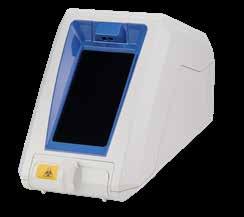
The Acucy™ Influenza A&B Test is for the rapid, qualitative detection of influenza A and B viral nucleoprotein antigens from both nasal and nasopharyngeal swabs. Utilizing the Acucy™ Reader in either the point-ofcare or laboratory setting, workflow flexibility is achieved with both Read Now and Walk Away features. The combination provides clinicians with standardized and definitive result interpretation.

From Sekisui Diagnostics
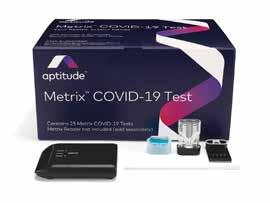
The Metrix® COVID-19 is a novel technology includes clinical claims for symptomatic and asymptomatic individuals, along with dualsample types for nasal or saliva, allowing for an enhanced point-ofcare testing experience. The reader is compact and robust, it’s ideal for professional use in diverse locations, including clinics and mobile health units. It’s a maintenance free device with no calibration step required.

From Sekisui Diagnostics 5719
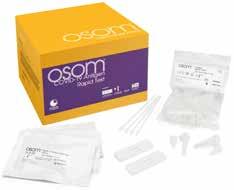
The OSOM® COVID-19 Antigen Rapid Test is a lateral flow immunoassay that detects the SARS-CoV-2 nucleocapsid protein with a nasal swab in only 15 minutes at the point-of-care. The test is intended to be used by healthcare professionals or operators on patients suspected of COVID-19 within the first 7 days of symptom onset. The clinical performance compares favorably against polymerase chain reaction methodology, with a positive percent agreement of 95.1% and a negative percent agreement of 97%.
OSOM® COVID-19 Antigen Rapid Test has not been FDA cleared or approved. It is authorized by FDA under an EUA for prescription use only. It has been authorized only for the detection of SARS-CoV-2 antigen, not for any other viruses or pathogens and is only authorized for the duration of the declaration that circumstances exist justifying the authorization of emergency use of in vitro diagnostics for detection and/or diagnosis of COVID-19 under Section 564(b)(1) of the Federal Food, Drug, and Cosmetic Act, 21 U.S.C S360bbb-3(b)(1), unless the authorization is terminated or revoked sooner.

Comprehensive toxicology menu now with 14 CLIA 1 categorized moderate complexity assays.
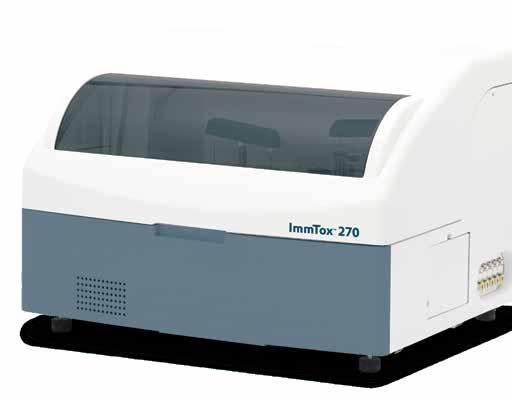
Toxicology screening solutions for physician offices, pain management, treatment centers and laboratories testing 200+ patient samples/mo.
MODERATE COMPLEXITY ASSAYS – FDA 510(K) CLEARED
6-acetylmorphine (6-AM Heroin metabolite)
Amphetamine
Barbiturates
Benzodiazepines
Benzoylecgonine (Cocaine metabolite)
Buprenorphine
Cannabinoids (THC)
1. Clinical Laboratory Improvement Amendments (CLIA) / * SEFRIA Fentanyl

EDDP (Methadone metabolite)
Fentanyl*
Methamphetamine
Opiates
Oxycodone
Phencyclidine (PCP)
Tramadol
Scan this QR code to view the ImmTox™ 270 product video
From Sekisui Diagnostics
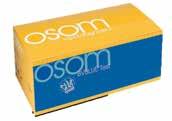
Test for both high-risk groups, younger children & elderly adults, for severe RSV infection using the OSOM® RSV Test. This test is a CLIA-waived, point-of-care test designed to detect Respiratory Syncytial Virus (RSV) using a painless anterior nasal swab in just 15 minutes. It is suitable for both children aged 6 months to 6 years and adults aged 60 and above, providing healthcare professionals with flexibility in diagnosing patients exhibiting symptoms of respiratory infections.
From Abbott
With reduced budgets, shrinking laboratory space and staffing challenges, many laboratories need a solution that lets them work smarter with less. The CELL-DYN Emerald 22 AL is a full performance, automated optical 5-part differential analyzer that delivers smarter results for small to midsize clinical laboratories.
• Compact Design
• Walkaway Functionality
• Ease Of Use
• Smart Safety Features



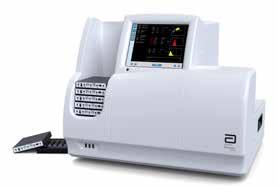
From Sysmex
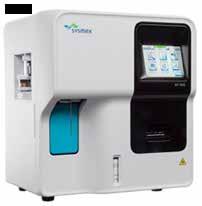
With its simplified operation, the Sysmex XP-300™ is ideal for clinics and physician office labs. It provides a CBC with 17 different parameters, including a 3-part WBC Differential. The XP-300+M combines the accuracy and reliability of a Sysmex CBC with the agility of Medicus Middleware. Features include EMR connectivity, instrument interfaces and a QC module.

From Sight Diagnostics

OLO® by Sight Diagnostics® is a state-of-the-art benchtop CBC analyzer that leverages AI, spectroscopy, and digital fluorescent microscopy to provide lab-grade results through full blood sample digitization. OLO offers 19 CBC parameters, including a 5-part white blood cell differential and 14 distinct flags. It handles venous and capillary blood samples with a minimum of 27 µL, and is suitable for children as young as three months. OLO’s unique cartridge-based technology, free from liquid reagents, and its internal controls offer easy maintenance, room-temperature storage, reduced operational overhead, and IQCP- eligibility.
From Semler Scientific
QuantaFlo® PAD is an easy to use, accurate, point of care, non-invasive solution that aids in the early detection of peripheral arterial disease (PAD). This FDA cleared device can be administered by a medical aide in less than 5 minutes. As published in the Journal of Vascular Surgery and the American Journal of Preventive Medicine, QuantaFlo detected undiagnosed PAD in 31.6% of patients +65.1 QuantaFlo is portable and integrates with other technologies and platforms. It is ideal for both home and clinic environments.
1. Smolderen KG, Ameli O, Chaisson CE, Heath K, Mena-Hurtado C. Peripheral Artery Disease Screening in the Community and 1-Year Mortality, Cardiovascular Events, and Adverse Limb Events, AJPM Focus (2022), https://doi.org/10.1016/j.focus.2022.100016

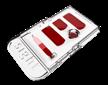
from Newman Medical
Your Patients Trust YOU To Find Their Peripheral Artery Disease
• High-risk patients include those over 65, diabetics, and smokers.
• If left untreated, 25% of patients with PAD will experience a heart attack or stroke within 5 years.
• PAD symptoms are often mistaken for arthritis or old age.
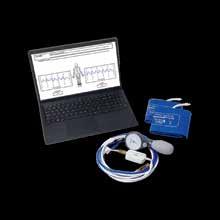
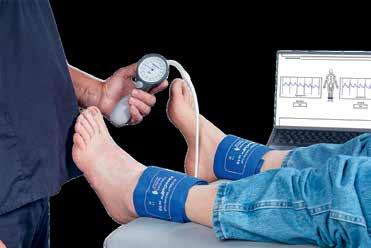
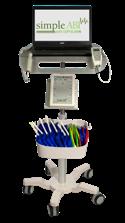
The simpleABI Cuff-Link System is Easy to Learn and Use.
• With a push-button remote, automatic calculations, and waveforms, it’s incredibly user-friendly.
• Reports are straightforward to save and share since the system is PC-based. Outstanding Value and Reimbursements
• The system pays for itself in less than a year with just one test per week.
• Medicare reimbursements vary by exam and location, averaging from $91 to $174.


Whether you're craving pristine beaches or vibrant cities, these nine must-visit destinations around the world promise stunning scenery, rich culture, and unforgettable adventures for every type of traveler.
Tucked away on a private stretch of white sand and palm trees, you will find the iconic Harbour Village Beach Club. An oasis beloved by sun lovers, scuba divers, and seafarers alike. Our boutique Bonaire retreat captures the breezy, barefoot elegance of the Dutch Caribbean, consistently earning the title of “Bonaire's leading hotel” in the World Travel Awards.

SCAN TO LEARN MORE


Deeply rooted in the land, the history, and the layered richness of Oahu, at Turtle Bay you’ll find an authentic connection to a place of uncommon natural splendor and the warm, welcoming community within it. Where your days are filled with constant discovery and moments that touch your soul, allowing you to explore the uncommon depths of this remarkable coast.

SCAN TO LEARN MORE
Discover an elevated escape with the perfect balance of fun and relaxation at our AAA Five Diamond, luxury Orlando Resort. Splash around with the family at Explorer Island water park, or unwind beneath swaying palms at Oasis adult-only pool while we entertain your young ones at our complimentary kids camp. Treat yourself to a soothing, post-park massage at The Spa, then toast to the nightly Walt Disney World® fireworks views over dinner at our Michelin-starred rooftop steakhouse Capa.


SCAN TO LEARN MORE

Secrets Cap Cana Resort & Spa is a sophisticated, adults-only hideaway located in the exclusive gated community of Cap Cana Facing the clear Caribbean Sea along the white sand of the exclusive Juanillo Beach. Secrets Cap Cana Resort & Spa is proud to support the Punta Cana Promise as part of the ongoing commitment to ensure that guests will continue to receive the highest levels of service and security they have come to know and expect from Secrets Cap Cana. The Punta Cana Promise reaffirms the commitment to a set of security standards and safety guidelines in one of the top travel destinations in the Dominican Republic.

SCAN TO LEARN MORE
Balboa Bay Resort is Newport Beach’s premier waterfront retreat offering stunning bay views and sunsets over Balboa Bay’s harbor. It is the #1 Resort in Newport Beach per U.S. News & World Report, and it is rated as a Forbes Four-Star and AAA Four-Diamond resort.



At Desolation Hotel, modern conveniences and eco-luxury commingle with Japanese tranquility and Scandinavian design. Our one-of-a-kind South Lake Tahoe experience inspires adventure and invites tranquility, providing the right space to recharge your battery. Balancing reverence for the past with appreciation for the present, Desolation Hotel nods to the simple days of yesteryear, while modern technology serves as a quiet backbone to the entire resort experience.

Situated within the new 56-acre Water Street Tampa neighborhood, the hotel is home to 172 guest rooms and suites and 7 food and beverage venues, including a signature restaurant, rooftop bar and terrace. The property features a 204 sqm Penthouse Suite, expansive spa, fitness center and over 550 sqm of flexible meeting and events space. Bringing some of the world’s best talents together into one project, the property is designed by acclaimed New York-based architecture practice Morris Adjmi in collaboration with Florida-based firm Nichols Brosch Wurst Wolfe & Associates; with interiors designed by the renowned Roman & Williams, and the whole project underpinned by the creative vision of Ian Schrager and Ian Schrager Company.



Welcome to Four Seasons Hotel Nashville, a luxury hotel located in the heart of downtown’s vibrant SoBro neighborhood. This new social hub is just steps away from the city's iconic music, sports, and entertainment venues. Experience the rhythm of our lively restaurants and event spaces, the tranquility of our Spa, and the stunning views from our rooftop pool overlooking the Cumberland River and Riverfront Park. With the unmatched service of Four Seasons and warm Southern hospitality, we’ll inspire an authentic experience of Music City.

SCAN TO LEARN MORE
As one of the only non-gaming and non-smoking hotels on The Strip, Four Seasons Hotel Las Vegas is a unique oasis in the heart of the action-packed sports and entertainment capital of the world. Offering Five Diamond luxury accommodations, acclaimed dining and a Forbes Five-Star spa, Four Seasons offers the best of both worlds: a resort retreat amid the famous energy of Las Vegas.


SCAN TO LEARN MORE





BY SENIOR TRAVEL EDITOR, BRANDI BROWER


There’s always the excitement of anticipation that comes with travel, but when you step off the train and you’ve arrived at your destination, the adrenaline is off the charts. My second city stop on my Golden Triangle of Central Europe is Vienna. Expectations for Vienna were high, despite my lack of knowledge of the Austrian capital. The only actual reference I had to Austria was “The Sound of Music.” The only Viennese reference is an old Billy Joel song, “Vienna.” When asked about the song’s meaning, the artist is quoted as saying: “... slow down, look around you, and have some gratitude for the good things in your life. That’s what Vienna represented to me.” The musician has a personal connection to Vienna and uses the city as a metaphor in the 1970s pop song. I decided to take Billy’s advice when exploring the “City of Music” - by slowing down, taking a good look around, and having a grateful heart for this fantastic life experience.
The first thing I notice is how quiet it is; most cars, trucks, and buses are electric, and even the motorcycles are quiet. The only sounds of transport you hear are the clip-clopping of the horse-drawn carriages. What a charming change from the city sounds I’m accustomed to. As my cab driver familiarizes me with the layout of his town, explaining Ringstrasse, or Vienna’s Ring, the popular name for a series of wide boulevards that encircle almost the entire center of the city. It’s approximately 4 miles long and features more historical sights along its edges than any other road in the world. As my cab passes by one white building after another, with ornate facades and gorgeous architecture, I’m enthralled at first blush with this enchanting place.
When I arrive at my destination, I step out of the car and notice the cobblestone street beneath my feet, a feature prevalent in the city center that contributes to its historic charm. As I look up, I see the iconic logo, The Ritz-Carlton, on the stylish awning dripping with chandelier-like crystals, signaling the class within. Every building in this metropolis looks like a palace, and this hotel is no exception. It comprises four separate palaces and is a UNESCO World Heritage Site. The hotel, the Habsburgs, and the history are all intertwined. Ring Boulevard is known as The City of Palaces because the city center of Vienna, until Franz-Joseph acceded to the throne in 1848, was the center of nobility.
The mid-to-late 19th century witnessed vigorous construction activity. On the Ring, architects made their mark, and “Ringstrassen architecture” was born. The Gutmann Family, the ragsto-riches story of coal merchants, whose influence and money built the Palais Gutmann in 1871, in hopes of being part of the royal society. Four palaces, primarily used by the Viennese nobility and bourgeoisie, were formally independent buildings that were creatively merged into a single structure, creating The Ritz-Carlton, Vienna. An original neoclassical marble staircase runs through the center of the building, original woodcarvings, and a Presidential Suite featuring an original frescoed ceiling and chandeliers, all Palais relics that underscore the period’s significance. The Ritz-Carlton, Vienna, a historical hideaway in


the heart of the city, whispers of a bygone era and echoes the luxury of 19th-century Vienna.
Passing through the revolving door, the marble-floored lobby impresses; a large tapestry hangs from the high ceiling to the left, and a conversation seating area is to the right, with the main focal point being numerous large-scale photographic works that reflect the city’s imperial past and contemporary Viennese culture. The black-and-white pictures serve as an aesthetic metaphor for the hotel itself, where the conscious blend of modern luxury and traditional elegance coexists.
I step down into the reception area, noticing the artistic wooden slats; spiral decorative elements frame the space. As Matthew greets me, I’m met with a surprising Irish accent. I’m offered a cool towel and drink before he escorts me to my room on the 7th floor. One of 200 rooms, the first element of décor that strikes me is the walnut wood finishing in an interesting paneled pattern as I walk in. At the other end of the room, a


cozy bench seat anchors the space, flanked by two windows. A substantial walk-in closet, a black-and-white marble bathroom with a towel heater, Diptyque bath products, and a tub are standouts. Half-frosted glass doors with a leaf motif provide privacy in both the water closet and the shower, where you find both handheld and waterfall shower heads. The 409-squarefoot Deluxe room options are the largest standard hotel rooms in the city.
Still, if you prefer a more luxurious experience, the property offers several specialty suites to suit your needs. The number one being the Presidential Suite, the hotel’s grandest, spanning over an impressive 2,045 square feet. A fully equipped kitchenette, a personal library, two separate living and sleeping areas with a dressing room and a makeup table, and two deluxe marble bathrooms to match. The substantial ceiling height necessary to accommodate the aforementioned frescoed art, an original masterpiece by August Eisenmenger, depicts the twelve
months, each represented by an individual angel. Distinct design elements seamlessly weave the beauty of the past and the present, creating a sensational space.
I also found the food to be sensational. Beginning with my dinner at Dstrikt Steakhouse. The distinguished restaurant set a high bar for cuisine and ambiance. Entering through an arched alcove flanked by marble pillars, we are seated at a table with an open door to the nightlife buzz on Schubertring Blvd. The highly trained wait staff were on their game this evening as both Nina and Sindy listened intently to our likes and dislikes, making excellent suggestions, all while being professional and pleasant. Highlights: sourdough bread made on the premises with rosemary butter, amuse-bouche of bacon and onion jam tart and slider, 7 oz filet Australian beef, cooked to perfection on the eatery’s Josper Grill with its 300° Celsius that gives their steaks a distinct smoky edge, the chimichurrie sauce addition brought a flavorful heat, the green beans with bacon as well as the truffled fries made the perfect sides, rounding out the extraordinary foodee experience, the hotel’s famous cheesecake for dessert. If I were to savor a last meal before I die, this may be the one I’d request.
Dstrikt Steakhouse is also the hotel’s restaurant for breakfast, where I enjoyed the sun streaming in through the windows while partaking of the daily breakfast buffet. Out of the revolving door to explore the “City of Music,” a moniker for many reasons, Vienna, as the imperial capital of the Habsburg Empire, was a prestigious and wealthy center for the arts. Many famous composers, such as Mozart, Beethoven, Haydn, Schubert, and Strauss, have lived and worked in Vienna. It is also the birthplace of the waltz. The Vienna Ball Season begins in November and ends in the first part of March, featuring over 450 balls and 2,000 hours of dancing; it’s a scene not to be missed. Nothing to wear, can’t waltz? Fortunately, The Ritz-Carlton, Vienna, has thought of everything if you wish to whirl, from dancing lessons to gown and tuxedo rentals. (Note to self: Return to Vienna for ball season.)
As we waltz our way through the cobblestone streets of the Ringstrauss, we are overwhelmed by the ornate buildings, beautiful facades, sculptures, fountains, statues, clock towers, and cathedrals. Everywhere you look, in every direction you turn, there is incredible architecture. We need energy to sustain us.
“Where’s the fire, what’s the hurry about? You’d better cool it off before you burn it out You’ve got so much to do And only so many hours in a day”
— BILLY JOEL
We take a much-needed pause at two famed spots for musthaves when in Vienna. The Central Cafe for a traditional Viennese coffee, followed by a sit-down at Demel for a sachertorte, a famous Austrian chocolate cake with apricot jam and chocolate glaze, and a Kaiserschmarrn, a fluffy shredded pancake served


with plum compote. Just the sweetness we need to keep going. We weave our way through the streets, appreciating the Hofburg Palace, the Vienna State Opera House, and the Burgtheater, one impressive structure after another. We make our way back to The Ritz-Carlton, Vienna, to take in the sunset at the Atmosphere Rooftop Bar. A popular spot for both hotel guests and locals who wish to inhale the incredible panoramic views of the city from the 8th-floor outdoor haunt.
Along with a food menu of both sweet and savory items to complement the signature cocktails, wine offerings, and the special champagne campaign with Perrier-Jouët, the terrace team brings creativity to new heights, literally. A few examples: In June, a Formula 1 race car was hoisted by crane to the 8thfloor bar in celebration of the Austrian Grand Prix. To celebrate Vienna’s famous Christmas Market, the popular outdoor lounge doesn’t just serve cocktails; it also hoists several gondolas up to the transformed Winter terrace. Cozy compartments for couples to gather, enjoy views of the snow-covered city below when the skyline shines brightest, and savor mulled wine, raclette, Buchteln, and more within the heated ski gondolas. (Note to self: Return to Vienna for Christmas markets.)
After the sun sets, we set out to dine at a local restaurant to
enjoy a traditional Viennese meal. We walked to Waldviertlerhof in the 5th district. The eatery is an institution in Vienna for authentic Austrian cuisine, established in 1842, where we dined in the garden on traditional Wiener Schnitzel with cranberry sauce and a side of potatoes. To sit at an establishment where composer Johann Strauss, the “Father of the Viennese Waltz,” could have visited, to enjoy an Austrian dish originally from the Italian region, introduced to Austria by Emperor Franz Joseph I, was a historical treat—tasty, too! Wúnderbar!
Also known as the “City of Dreams,” Vienna is primarily so named because it was home to Sigmund Freud, the founder of psychoanalysis, who explored the world of dreams. The appellation is appropriate for its cultural heritage, opulent architecture, grand palaces, and “dreamlike” atmosphere for its visitors.
“You’ve got your passion, you’ve got your pride
But don’t you know that only fools are satisfied? Dream on, but don’t imagine they’ll all come true
When will you realize Vienna waits for you?” -Billy Joel
A city full of grandeur and wonder, it does feel like a dream. My dream adventure continues thanks to the skilled concierge, Oliver, who purchased our tickets in advance for several


historical highlights of the Habsburg hub. We stopped by the hotel’s Dstrikt Steakhouse for a grab-and-go breakfast box, which a kind wait staff member, Natalia, helped us with. Then we trotted off to our first stop, the Sisi Museum and the famous Lipizzaner horses. What is that, you may ask? The Spanish Riding School is a historic institution renowned for its classical dressage and white Lipizzaner horses. We had beautiful seats for the morning training session at the Winter Riding School, a
Baroque-style arena where the 450-year-old tradition is staged. The equine showcase is held at one of the most beautiful riding halls in the world, which, combined with the uniformed riders, classical music, and the horses’ balletic movements, after years of meticulous training, is truly inspiring. The whole experience genuinely moved me.
So many palaces, so little time! We walk to the Belvedere Palace, housing one of the world’s largest collections of Austrian art. I came to see “The Kiss,” Austrian artist Gustav Klimt’s most famous piece. But left feeling culturally enriched after viewing additional paintings, such as his “Judith I” and “Sunflower,” as well as other works by Monet and Van Gogh. After walking the palace grounds, we head to the Naschmarkt, Vienna’s largest outdoor market, featuring over 120 food stands with diverse international and regional food offerings. This vibrant market is a great stop for a quick bite in this walkable city.
We catch the U-Bahn, Vienna’s metro, out to the Schönbrunn Palace. The UNESCO World Heritage site is one of the country’s most important historical monuments and a major tourist attraction. The 1441-room Baroque Palace and vast gardens were the principal summer residence for Habsburg rulers for over 300 years. Famous resident Empress Elisabeth “Sisi,” a favorite of the Austrian people, lived there. Franz Joseph, the longest-reigning Emperor of Austria, was born at Schönbrunn and spent a great deal of his life there. He died there, at the age of 86. Marie Theresa famously gave birth to 16 children; ten lived to adulthood, and the most infamous daughter was Marie Antoinette, and her sad demise. Neapolitan Bonaparte, a young Mozart, and John F. Kennedy have all visited the palace throughout its history -oh, if only the walls could talk.
After seeing so much royalty, it’s only right that we get a little royal treatment. With our long day of walking, The Ritz-Carlton Spa was a tempting option upon our return to the hotel. A little late in the day to schedule a luxurious spa treatment, a facial, a massage, or both sounded perfect. Even just a sauna and a swim in the largest indoor pool in Vienna would rejuvenate and reset. We decided to spend our last evening enjoying a final supper. We stop into the hotel’s roaring twenties speakeasy, D-Bar. The “D” stands for discovery, and there’s much to discover with the sophisticated mixes, fine spirits, and inspiring ceremonies served up on this night by Tomas and Aida. Whether you partake in the classic setting or outside overlooking the energy of the boulevard, you quickly realize why it’s been repeatedly named the best hotel bar in Austria. Prost! (Or, Cheers! As I picked up a little German.)
Pastamara - Bar con Cucina, a Southern Italian cuisine, is found in the heart of Vienna. Two-Michelin-starred chef Ciccio Sultano conceptualized the restaurant at The Ritz-Carlton, Vienna, patterned after the colors and flavors of his hometown of Ragusa in Sicily. As explained, when you’re from Italy and you go home, your family doesn’t hug you and say, “How are you?” They hug you and ask, “Did you eat something?” This authentic Italian food is the hug you’ve been waiting for. Stefania, the assistant restaurant manager, with passion, guides us through the
culinary choices. Favorite flavors of the fine dining event: tortellini, Tuma Persa cheese, hazelnut, black truffle, chanterelles, aged balsamic vinegar, and sole, served with Franciacorta sauce and seasonal vegetables. It is no surprise to find that it’s included in the Michelin Guide for Austria and ranked #26 among the top 50 Italian restaurants outside of Italy. Chef Francesco Milicia personally came to our table to ensure everything was to our satisfaction. His goal is “A delicate harmony of flavors that tells the story of Italian food tradition.” Goal achieved.
The Ritz-Carlton, Vienna, hotel manager, Ned Capeleris, was ever present. In my brief stay, I saw him three separate times, always enthusiastic and engaging. He shared the Carlton Credo with me. Every employee carries a pocket-sized version of the company’s mission statement, which notes, “We are ladies and gentlemen, serving ladies and gentlemen.” A list of 20 “Ritz Carlton Basics” listed on the card serves as a reminder of their commitment to exceptional service. It’s apparent that Mr. Capeleris loves his leadership role, and he practices the credo that he preaches.
"And you know that when the truth is told That you can get what you want, or you can just get old You're gonna kick off before you even get halfway through, Why don't you realize Vienna waits for you."
—Billy Joel

My visit to The Ritz-Carlton, Vienna, and the “City of Dreams” was just that, a dream. American philosopher, Henry David Thoreau, reminds us all, “Yesterday is but today’s memory and tomorrow is today’s dream.”
Vienna waits for you.

- Move from Waived to Non-Waived Testing with the help of experts
- Expand testing, don’t worry about all the work- policies, fillable forms, e-signatures, calendar reminders included
- Remote access – Lab Directors and Consultants manage compliance efficiently, save time, and travel expenses
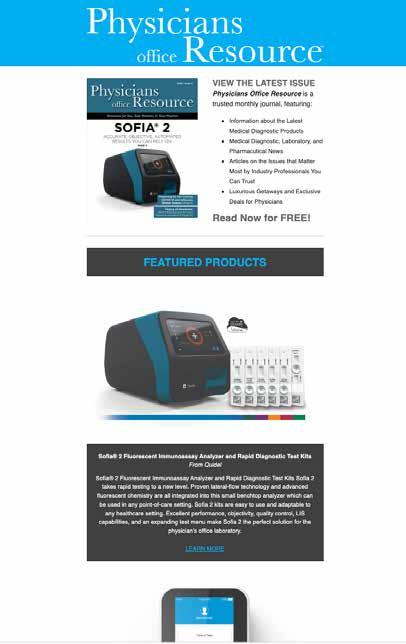
SOFIA® 2 FLUORESCENT IMMUNOASSAY ANALYZER AND RAPID DIAGNOSTIC TEST KITS
From QuidelOrtho

Sofia® 2 Fluorescent Immunoassay Analyzer and Rapid Diagnostic Test Kits Sofia 2 takes rapid testing to a new level. Proven lateral-flow technology and advanced fluorescent chemistry are all integrated into this small benchtop analyzer which can be used in any point-of-care setting. Sofia 2 kits are easy to use and adaptable to any healthcare setting. Excellent performance, objectivity, quality control, LIS capabilities, and an expanding test menu make Sofia 2 the perfect solution for the physician’s office laboratory.
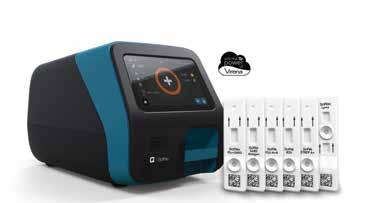
OSOM® ULTRA STREP A TEST
From Sekisui Diagnostics
The OSOM® Ultra Strep A test is a color immunochromatographic assay intended for the qualitative detection of Group A Streptococcus antigen directly from throat swab specimens. Shown to be not statistically different than single swab culture. Sensitivity 95.7% and 100% Specificity. Includes two additional test sticks for External QC. CLIA Waived.

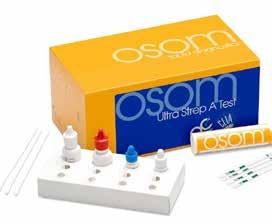
TOXICOLOGY SCREENING SIMPLIFIED ABBOTT’S IMMTOX 270 BENCHTOP ANALYZER NOW WITH 14 ASSAYS CLIA CATEGORIZED AS MODERATE COMPLEXITY
From Abbott
The ImmTox270 benchtop analyzer offers comprehensive toxicology screening solutions for physician offices, treatment centers and independent laboratories.
Broad test menu with over 20 assays to choose from including 14 that are now available as moderately complex.
With complete laboratory solutions from consultation to licensure, and compliance the Abbott Clinical Laboratory Solutions team has you covered.
OSOM® BVBLUE®
From Sekisui Diagnostics
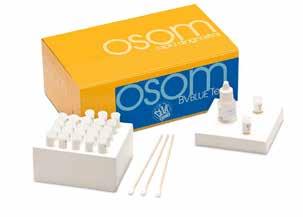
The OSOM® BVBLUE® detects elevated vaginal fluid sialidase activity, an enzyme produced by bacterial pathogens associated with bacterial vaginosis including Gardnerella, Bacteroides, Prevotella and Mobiluncus. OSOM® BVBLUE® is more sensitive than Amsel criteria providing physicians with a more accurate diagnosis to treat and minimize serious health consequences such as early spontaneous preterm births and miscarriage.
From Sekisui Diagnostics
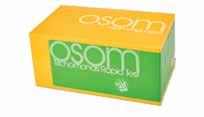
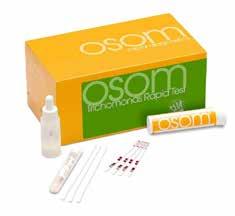
The OSOM® Trichomonas Rapid Test is intended for the qualitative detection of Trichomonas vaginalis antigens from vaginal swabs or from the saline solution. The OSOM® Trichomonas Rapid Test is a CLIA-waived rapid test available today. OSOM® Trichomonas is more sensitive than wet mount due to the assay being able to detect viable and non-viable organisms which offers significant benefits to the patient and clinician alike.


From Sekisui Diagnostics
The OSOM® Ultra hCG Combo test is a simple immunoassay for the qualitative detection of human chorionic gonadotropin (hCG) in serum or urine for the early confirmation of pregnancy. Internal studies have confirmed that the OSOM® Ultra hCG Combo test does not have a false negative result from hCG variants providing physicians with a higher level of confidence.




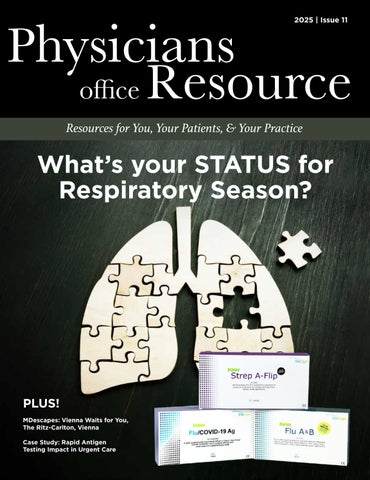
Respiratory season can pose a real threat to your patients, especially the elderly. Fast, accurate diagnosis and treatment is one way to protect them and get them back to doing what they love. Having the right diagnostics in your office can help you deliver a higher level of patient satisfaction and improve efficiency.
Our product portfolio includes high-quality, point-of-care molecular and antigen tests for diagnosing respiratory illnesses.
We make diagnostics that matter because we believe each test represents the health and well-being of a real person.