Resources for You, Your Patients, & Your Practice













There are two simple ways to request information about the products and services found in Physicians Office Resource.
1. Go to www.PhysiciansOfficeResource.com and enter the four-digit reference number found next to the product or service into the search field, then request additional information, schedule a demo, or speak with a sales agent all with just a simple click of a button.
2. Find the Business Reply Card in this issue, circle the desired reference numbers, complete the form, and drop into any USPS mailbox. A representative will contact you as quickly as possible to answer your questions.
PUBLISHED BY Medical Education Resources, LLC
PUBLISHER
Aaron R. Medaris amedaris@physiciansofficeresource.com
CEO
Andrew C. Nimmo acnimmo@physiciansofficeresource.com
PRESIDENT
John D. Pasquale jpasquale@pharmaconnect.com
BUSINESS MANAGER
Marci J. Hills mhills@physiciansofficeresource.com
TRAVEL EDITOR
Brandi L. Brower
EDITORIAL BOARD
Shakeel Ahmed, MD
Barry Craig, MLT (NCA), CLC
STAFF WRITER
Dylan J. Chadwick
CREATIVE DIRECTOR PRODUCTION MANAGER
Jessica Elmer
Copyright ©2026
To continue your free subscription of Physicians Office Resource magazine, please fill out the Business Reply Card (BRC) located within this magazine and drop in any United States Post Office mailbox.
If you are a manufacturer of medical products or provide services to medical professionals and would like to advertise your products or services to the nation’s top physicians doing in-office testing, call 801-380-6094 or visit: POR.io for more information.

Over the past several years, peptides have rapidly moved from a niche area of medical research into mainstream public awareness. Once discussed primarily among endocrinologists, researchers, and specialists in metabolic medicine, peptides are now widely promoted across social media platforms, wellness clinics, podcasts, fitness communities, and direct-to-consumer marketing campaigns. Patients increasingly arrive in physicians' offices asking about peptide therapies for weight loss, muscle growth, anti- aging, recovery, sexual health, cognitive enhancement, and longevity.
6

Reducing Diagnostic Uncertainty in Vaginitis, Bacterial Vaginosis, and Trichomoniasis
Vaginal symptoms are among the most common concerns in ambulatory care, yet they remain a frequent source of diagnostic uncertainty.
PSA Testing in 2026: Smarter Conversations, Better Risk Stratification
Few screening tests in modern medicine have generated as much debate as the prostate-specific antigen (PSA) test.
Why Men Skip Preventive Care—and How Diagnostics Can Close the Gap
Despite advances in preventive medicine, one challenge remains: men simply do not engage with the healthcare system until a problem becomes impossible to ignore.






• Unambiguous positive/negative display which may help to reduce result interpretation errors and streamline diagnosis.
• No monthly calibration required, operated with single-button functionality.
• No service contracts, maintenance or calibration needed for device lifetime.
• Delivers digitally read results in 15 minutes or less,** supporting timely clinical decisions.
• Walk Away mode: Built in timer allows you to perform other tasks throughout test development.
• Analyze Now mode: Enables immediate processing to support batch testing.†
• Compact, lightweight and portable— able to function without cords.
*In the USA, the BD Veritor™ System for Rapid Detection of SARS-CoV-2 & Flu A+B has not been FDA cleared or approved but has been authorized by the FDA under an Emergency Use Authorization for use by authorized laboratories; use by laboratories certified under the CLIA, 42 U.S.C. §263a, that meet requirements to perform moderate, high, or waived complexity tests. The product is authorized for use at the Point of Care (POC), i.e., in patient care settings operating under a CLIA Certificate of Waiver, Certificate of Compliance, or Certificate of Accreditation. This product has been authorized only for the detection of proteins from SARS-CoV-2, influenza A and influenza B, not for any other viruses or pathogens; and, in the USA, the emergency use of this product is only authorized for the duration of the declaration that circumstances exist justifying the authorization of emergency use of in vitro diagnostics for detection and/or diagnosis of COVID 19 under Section 564(b)(1) of the Federal Food, Drug and Cosmetic Act, 21 U.S.C. §360bbb-3(b)(1), unless the declaration is terminated or authorization is revoked sooner.
**Result processing times for each BD Veritor™ assay are 15 minutes for the SARS-CoV-2 and SARS-CoV-2 & Flu A+B assays, 10 minutes for Flu A+B and RSV assays, and 5 minutes for the Group A Strep assay.
†Any batch testing performed should be conducted at the discretion of the user, in accordance with local policies and clinical judgment.
BY AARON MEDARIS, PHYSICIANS OFFICE RESOURCE
Over the past several years, peptides have rapidly moved from a niche area of medical research into mainstream public awareness. Once discussed primarily among endocrinologists, researchers, and specialists in metabolic medicine, peptides are now widely promoted across social media platforms, wellness clinics, podcasts, fitness communities, and direct-to-consumer marketing campaigns. Patients increasingly arrive in physicians’ offices asking about peptide therapies for weight loss, muscle growth, anti-aging, recovery, sexual health, cognitive enhancement, and longevity.

For many physicians, these conversations can be challenging. The science surrounding peptides is evolving quickly, marketing claims often outpace available evidence, and social media influencers frequently present peptides as revolutionary treatments with few risks. At the same time, some peptide-based therapies have demonstrated legitimate clinical value and have become important tools in modern medicine.
As patient interest continues to grow, physicians must understand what peptides are, which therapies are supported by evidence, where risks exist, and how to guide patients through an increasingly confusing marketplace.
Peptides are short chains of amino acids that serve as signaling molecules throughout the body. They are essentially smaller versions of proteins, typically containing fewer than 50 amino acids. These molecules help regulate countless physiological functions including metabolism, appetite, hormone secretion, immune responses, tissue repair, inflammation, and cellular communication.
The human body naturally produces numerous peptides. Examples include insulin, glucagon, growth hormone-releasing hormone (GHRH), oxytocin, vasopressin, and glucagon-like peptide-1 (GLP-1). Many pharmaceutical peptides are designed to mimic or enhance the activity of naturally occurring peptides.
Unlike traditional small-molecule medications, peptide therapies often target specific biological pathways with remarkable precision. This targeted activity has made peptides attractive therapeutic candidates for a growing number of medical conditions.
Today, peptide-based medications are used in endocrinology, obesity medicine, gastroenterology, oncology, reproductive medicine, dermatology, and wound care, among other specialties.
Public fascination with peptides has been fueled by several converging trends.
The first is the extraordinary success of GLP-1 receptor agonists such as semaglutide and tirzepatide. These medications have demonstrated substantial efficacy for weight management and metabolic disease, introducing millions of people to the concept of peptide-based therapies.
Second, the rise of longevity medicine and wellness clinics has increased public exposure to peptides marketed for anti-aging purposes. Various compounds are promoted as tools for improving energy, preserving muscle mass, enhancing recovery, reducing inflammation, and optimizing overall health.
Third, social media platforms have become major drivers of peptide awareness. Influencers frequently discuss peptides as “biohacking” tools capable of delivering dramatic improvements in body composition, athletic performance, cognitive function, and lifespan.
As a result, many patients now view peptides as a broad category of treatments capable of addressing nearly every aspect of health and wellness.
Peptides with Established Clinical Utility
It is important to recognize that not all peptides belong in the
same category. Some peptide therapies have extensive clinical evidence and regulatory approval.
Insulin remains one of the most important peptide medications ever developed and has transformed diabetes management for over a century.
GLP-1 receptor agonists, including semaglutide and liraglutide, have demonstrated significant benefits for weight management, glycemic control, cardiovascular risk reduction, and metabolic health.
Parathyroid hormone analogs such as teriparatide are established therapies for osteoporosis and fracture prevention.
Calcitonin, gonadotropin-releasing hormone analogs, and various fertility-related peptide therapies also have well-defined roles in clinical practice.
These examples demonstrate that peptides are not experimental by definition. Many are among the most thoroughly studied and clinically valuable medications available today. However, the challenge arises when patients begin to assume that all peptides possess the same level of evidence and regulatory oversight.
Outside traditional medical applications, a growing number of peptides are marketed for wellness, performance enhancement, and anti-aging purposes.
Some commonly discussed examples include:
• BPC-157
• Thymosin Beta-4
• CJC-1295
• Ipamorelin
• Sermorelin
• Tesamorelin
• AOD-9604
• Epitalon
• MOTS-c
• Selank
• Semax
Many of these compounds are promoted for accelerated healing, muscle growth, fat loss, cognitive enhancement, improved recovery, or longevity benefits.
While preliminary laboratory and animal studies may appear promising, human clinical evidence often remains limited. In many cases, large randomized controlled trials are lacking, long-term safety data are unavailable, and optimal dosing strategies remain uncertain. This distinction is critical. Early scientific promise does not necessarily translate into proven clinical benefit.
Researchers continue to explore numerous potential applications for peptide therapies.
Areas of investigation include tissue regeneration, wound healing, muscle preservation, neuroprotection, metabolic optimization, inflammation reduction, and age-related functional decline.
Certain peptides may eventually prove valuable in supporting recovery from injuries, enhancing rehabilitation outcomes, improving body composition, or treating chronic diseases.
For example, growth hormone secretagogues have demonstrated effects on growth hormone release and body composition. Certain regenerative peptides have shown encouraging findings in animal models involving tendon healing and tissue repair. Neuropeptides such as Semax and Selank are being investigated for potential neurological and cognitive applications.
However, physicians should emphasize to patients that promising research does not automatically establish clinical effectiveness. Many therapies that perform well in animal studies ultimately fail to demonstrate meaningful benefits in human populations.
One of the most significant concerns surrounding peptide therapy is the perception that peptides are inherently safe because they resemble naturally occurring biological compounds.
This assumption can be misleading.
Peptides can produce significant physiological effects. Depending on the compound, risks may include hormonal disruptions, metabolic changes, cardiovascular effects, immune reactions, and unintended tissue growth.
Potential adverse effects vary widely but may include:
• Injection-site reactions
• Fluid retention
• Edema
• Headaches
• Nausea
• Gastrointestinal symptoms
• Blood pressure changes
• Glucose dysregulation
• Hormonal imbalances
• Increased risk of hypoglycemia
• Potential stimulation of abnormal cell growth
Growth hormone-related peptides warrant particular attention because chronic elevation of growth hormone and insulin-like growth factor-1 (IGF-1) may theoretically increase risks associated with certain malignancies or other long-term complications.
The absence of robust long-term safety data remains a major concern for many emerging peptide therapies.
Perhaps the greatest danger physicians should discuss with
patients is not necessarily the peptide itself, but where the product originates.
Many peptides promoted online are sold through websites that label their products as “for research use only” while simultaneously marketing them to consumers.
Independent testing has repeatedly identified concerns regarding product quality, including inaccurate dosing, contamination, impurities, and mislabeling.
Patients purchasing peptides from online vendors may have no reliable way to verify:
• Product purity
• Manufacturing standards
• Sterility
• Stability
• Actual ingredients
• Concentration accuracy
This creates substantial safety concerns, particularly for injectable products.
Unlike FDA-approved medications manufactured under stringent quality controls, many internet-sourced peptides exist in a regulatory gray area.
Patients may unknowingly inject substances that contain contaminants, incorrect dosages, or entirely different compounds than advertised.
Few areas of medicine have been influenced by social media as dramatically as peptide therapy.
Platforms such as Instagram, TikTok, YouTube, X, and various podcasts are filled with testimonials describing remarkable improvements in weight loss, muscle growth, injury recovery, cognitive function, and longevity.
The challenge is that anecdotal experiences are often presented as scientific evidence.
Patients frequently encounter before-and-after photos, influencer endorsements, and personal success stories that can create unrealistic expectations. Rarely do these posts discuss study limitations, adverse effects, selection bias, or regulatory concerns.
Many influencers also have financial relationships with peptide clinics, supplement companies, or online vendors.
The algorithms driving social media engagement tend to reward sensational claims rather than scientific nuance. As a result, patients are often exposed to highly favorable information while receiving little exposure to discussions of risks or uncertainties.
This imbalance can create tension when physicians provide
more measured, evidence-based recommendations.
Given the growing popularity of peptides, dismissing patient interest outright is unlikely to be productive.
Instead, physicians should approach these conversations with curiosity, empathy, and evidence-based guidance.
When patients ask about peptide therapies, it can be helpful to first understand their goals. Some patients seek weight loss. Others want improved athletic performance, enhanced recovery, better energy levels, or solutions for chronic symptoms. Understanding the underlying motivation allows physicians to address the patient’s actual concern rather than focusing exclusively on the peptide itself.
A patient interested in muscle preservation may benefit from discussions about resistance training, nutrition, testosterone evaluation when appropriate, or evidence-based obesity treatments. A patient seeking longevity interventions may benefit from conversations about cardiovascular risk reduction, sleep optimization, exercise, and preventive care.
By focusing on patient goals, physicians can often redirect discussions toward interventions supported by stronger evidence.
One of the most important communication skills physicians can employ is explaining uncertainty without appearing dismissive.
Patients may interpret statements such as “there is no evidence” as meaning the therapy has been disproven. In reality, many peptides fall into a category where evidence is simply incomplete.
A more accurate explanation may be:
“Some early research is encouraging, but we do not yet have enough high-quality human studies to know whether the benefits outweigh the risks.”
This approach acknowledges scientific potential while maintaining an evidence-based perspective.
Patients generally respond well when physicians demonstrate familiarity with emerging therapies while honestly discussing limitations in current knowledge.
When discussing peptides, physicians should encourage patients to consider several questions:
Has this therapy been adequately studied in humans?
Is it FDA-approved for the intended use?
What are the known side effects?
What remains unknown about long-term safety?
Where is the product being obtained?
What quality-control measures exist?
Are there proven alternatives that may accomplish the same goal?
These questions help patients think critically about therapies they encounter online.
Importantly, physicians should emphasize that “natural” does not automatically mean safe and that biological activity often carries both benefits and risks.
The future of peptide therapeutics remains extraordinarily promising.
Advances in peptide engineering, drug delivery systems, and molecular biology continue to expand the therapeutic possibilities of these compounds. Researchers are investigating peptides for obesity, neurodegenerative disease, cardiovascular conditions, autoimmune disorders, oncology, and regenerative medicine.
Some of today’s experimental peptides may eventually become standard components of medical practice.
At the same time, the current enthusiasm surrounding peptides highlights the need for rigorous clinical research, thoughtful regulation, and careful patient education.
Physicians will increasingly find themselves navigating conversations between emerging science and public enthusiasm.
Peptides represent one of the most exciting and rapidly evolving areas of modern medicine. Established peptide therapies such as insulin and GLP-1 receptor agonists have already transformed patient care, while numerous investigational compounds continue to generate scientific interest.
However, the growing popularity of peptides on social media has created an environment where marketing claims often exceed available evidence. Patients are frequently exposed to highly optimistic narratives that minimize risks, uncertainties, and regulatory concerns.
For physicians, the challenge is not simply determining whether a peptide works. The larger responsibility is helping patients distinguish between proven therapies, promising research, and unsupported claims.
By understanding the science behind peptides, recognizing the limitations of current evidence, discussing potential risks openly, and maintaining patient-centered conversations, physicians can serve as trusted guides in an increasingly complex landscape. As peptide medicine continues to evolve, evidence-based counseling will remain essential for ensuring that patient decisions are informed by science rather than social media hype.
From Siemens Healthineers
CLINITEK Status ® Connect System simplifies wireless or wired connectivity and testing oversight in point-of-care urinalysis for improved risk management.
• Offers flexible connectivity solutions by integrating data directly to the LIS, EMR or via point-of-care data management software solutions
• Provides improved POC testing workflow efficiencies when interfaced to leading data management solutions
• Minimize transcription errors with the 2-D bar-code scanner
• Improves risk management through advanced operator control functions, prevents unauthorized use
• Drives compliance across testing sites with programmable QC protocols and QC lockout
• Auto-Checks* help to ensure the quality and accuracy of data while facilitating an enhanced interpretation of results.
*Only available when using Siemens test strips with IR or color bands
From Siemens Healthineers
The DCA Vantage® Analyzer is a multi-parameter, point-of-care analyzer for monitoring glycemic control in patients with diabetes and detecting early kidney disease.
Benefits of the DCA Vantage System:
• CLIA-waived HbA1c test that is IFCC and NGSP-certified
• 1 µl finger stick without fasting – HbA1c results in 6 minutes
• Random urine sample provides A:C ratio in 7 minutes*
• Requires no sample or reagent preparation prior to testing
• Sample integrity safeguards
*CLIA moderately complex.
From Semler Scientific
QuantaFlo® PAD is an easy to use, accurate, point of care, non-invasive solution that aids in the early detection of peripheral arterial disease (PAD). This FDA cleared device can be administered by a medical aide in less than 5 minutes. As published in the Journal of Vascular Surgery and the American Journal of Preventive Medicine, QuantaFlo detected undiagnosed PAD in 31.6% of patients +65.1 QuantaFlo is portable and integrates with other technologies and platforms. It is ideal for both home and clinic environments.
1. Smolderen KG, Ameli O, Chaisson CE, Heath K, Mena-Hurtado C. Peripheral Artery Disease Screening in the Community and 1-Year Mortality, Cardiovascular Events, and Adverse Limb Events, AJPM Focus (2022), https://doi.org/10.1016/j.focus.2022.100016





Comprehensive toxicology menu now with 14 CLIA 1 categorized moderate complexity assays.


Toxicology screening solutions for physician offices, pain management, treatment centers and laboratories testing 200+ patient samples/mo.
MODERATE COMPLEXITY ASSAYS – FDA 510(K) CLEARED
6-acetylmorphine (6-AM Heroin metabolite)
Amphetamine
Barbiturates
Benzodiazepines
Benzoylecgonine (Cocaine metabolite)
Buprenorphine
Cannabinoids (THC)

EDDP (Methadone metabolite)
Fentanyl*
Methamphetamine
Opiates
Oxycodone
Phencyclidine (PCP)
Tramadol
Scan this QR code to view the ImmTox™ 270 product video
From Meridian Bioscience
6220 6412
StatID PRO™ COVID-19/Flu A&B is an FDA-cleared, CLIA-waived rapid antigen test that detects and differentiates SARS-CoV-2, Influenza A, and Influenza B from a single anterior nasal swab. Delivering results in 15 minutes, it supports efficient, on-site respiratory testing in physician offices, urgent care, and point-of-care settings enabling timely clinical decisions and streamlined patient management.


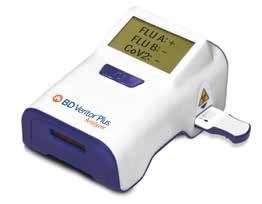
From BD Veritor™ Plus System 6413
A 3-in-1 antigen assay for COVID-19, Flu A and Flu B with test results in 15 minutes.1
The BD Veritor™ Plus System streamlines clinical and patient workflows by detecting three key respiratory viruses in one test, reducing the need for multiple sample collections. With multiple testing modes and workflow efficiencies, the analyzer empowers convenience and efficiency (1 kit = 30 tests).
*In the USA, the BD Veritor™ System for Rapid Detection of SARS-CoV-2 & Flu A+B has not been FDA cleared or approved but has been authorized by the FDA under an Emergency Use Authorization for use by authorized laboratories; use by laboratories certified under the CLIA, 42 U.S.C. §263a, that meet requirements to perform moderate, high, or waived complexity tests. The product is authorized for use at the Point of Care (POC), i.e., in patient care settings operating under a CLIA Certificate of Waiver, Certificate of Compliance, or Certificate of Accreditation.
This product has been authorized only for the detection of proteins from SARS-CoV-2, influenza A and influenza B, not for any other viruses or pathogens; and, in the USA, the emergency use of this product is only authorized for the duration of the declaration that circumstances exist justifying the authorization of emergency use of in vitro diagnostics for detection and/or diagnosis of COVID 19 under Section 564(b)(1) of the Federal Food, Drug and Cosmetic Act, 21 U.S.C. §360bbb-3(b)(1), unless the declaration is terminated or authorization is revoked sooner.
1. BD Veritor™ Plus System for Rapid Detection of SARS-CoV-2 and Flu A+B. Package insert. 500051910 Becton, Dickinson and Company.
From LifeSign


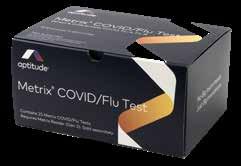
A Rapid Immunoassay for the Simultaneous Direct Detection and Differential Diagnosis of SARS-CoV-2, Influenza Type A and Type B Antigen from Anterior Nasal and Nasopharyngeal swab specimens. Infections with these viruses may present similar symptoms. Can you tell them apart? WE CAN!





BY RYAN SIMEONE, SEKISUI DIAGNOSTICS
Vaginal symptoms are among the most common concerns in ambulatory care, yet they remain a frequent source of diagnostic uncertainty. National guidelines emphasize that history alone is not sufficient to accurately diagnose vaginitis and may lead to inappropriate treatment. Instead, clinicians should incorporate symptom assessment, examination, and laboratory testing to identify the cause.1,3
This uncertainty is often operational as much as clinical. Access to microscopy, staff training, visit length, and follow-up workflows vary across primary care, urgent care, and OB/GYN settings. In community practice, point-of-care assessments such as vaginal pH, potassium hydroxide (KOH) testing, and wet mount microscopy may be underused, and inappropriate prescribing is common when diagnostic confirmation is not obtained.1,8
Practical strategies can reduce uncertainty in vaginitis presentations where bacterial vaginosis (BV) and trichomoniasis are key considerations. The goal is not to add complexity, but to introduce a pragmatic approach that uses objective data to improve first-visit decision-making.1
Why vaginitis is hard to diagnose on symptoms alone CDC guidance groups the infections most frequently associated with vaginal symptoms as BV, trichomoniasis, and vulvovaginal candidiasis (VVC), noting that cervicitis can also cause abnormal discharge. Because these conditions can share overlapping symptoms, symptom-based differentiation is unreliable and can contribute to empiric treatment patterns.1
Diagnostic uncertainty is compounded by the fact that many infections are minimally symptomatic or asymptomatic. For trichomoniasis, CDC guidelines indicate that a large proportion of infections present with minimal or no symptoms, and untreated infections may persist for extended periods.3
BV is also frequently asymptomatic. The CDC BV guideline notes that BV is highly prevalent and the most common cause of vaginal discharge worldwide, and that in a nationally representative survey, the majority of women with BV were asymptomatic.2
In other words, the absence of “classic” symptoms does not reliably exclude infection, particularly in busy settings where patients may present early, intermittently, or after self-treatment. CDC acknowledges that symptomatic women often use over-the-counter products before or in addition to evaluation by a provider, which can further blur the clinical picture.1
When diagnostic confirmation is not obtained, the clinical and operational consequences can extend beyond a single prescription. A community practice study evaluating symptomatic women found that point-of-care testing was rarely performed and that inappropriate prescriptions were common. Importantly, among women without BV, trichomoniasis, or VVC, those who received empiric antibiotics and/or antifungals were more likely to return for recurrent symptoms within 90 days than those not treated empirically.8
Classic clinical reviews similarly emphasize that vaginitis is common and associated with substantial discomfort and frequent medical visits, and that accurate diagnosis and appropriate management can be challenging in outpatient care.9 From a practice perspective, repeat visits, follow-up calls, and treatment cycling create avoidable workload. From a patient perspective, delayed relief and multiple touchpoints can erode trust, especially when symptoms are distressing or stigmatized. Diagnostic uncertainty is often shaped by the realities of clinical practice, including time, available tools, and workflow constraints.1,8
A “minimum viable certainty” workflow for the first visit
CDC outlines that, in the clinician’s office, the cause of vaginal symptoms can often be determined by a combination of vaginal pH testing, a KOH test, and microscopic examination of a wet mount of fresh discharge samples. When microscopy is not feasible, the same guidance underscores that multiple diagnostic methods are available and that laboratory testing can identify the vaginitis cause in the majority of women.1
Step 1: Focus on the history to guide testing
Clinicians should elicit key contextual factors that affect risk and interpretation, including sexual practices, menstrual timing, vaginal hygiene (including douching), and any recent self-treatment.1
Step 2: Use low-lift objective data (pH + KOH ± microscopy)
According to CDC, an elevated vaginal pH (>4.5) is common with BV or trichomoniasis (although trichomoniasis can also be present with a normal pH). Because pH testing is not highly specific, CDC recommends further evaluation with microscopy and KOH testing, noting that an amine odor after addition of KOH suggests BV or trichomoniasis.1
• Measure vaginal pH with pH paper to identify whether the environment is consistent with BV/trichomoniasis patterns (recognizing limited specificity).1
• Perform a KOH “whiff” test; immediate amine odor supports BV or trichomoniasis as considerations.1
• If microscopy is available, examine saline and KOH wet mounts to look for diagnostic features and to support appropriate treatment selection.1,2,3
Step 3: Choose the diagnostic method that fits your setting
The most effective diagnostic approach is the one your clinic can execute reliably. Public guidance on provider-performed microscopy emphasizes that microscopy requires training, quality practices, and appropriate oversight, which can affect feasibility and consistency across settings.1
If microscopy is not feasible or reliable, clinics can consider sendout laboratory testing or validated point-of-care tests to obtain objective results. CDC emphasizes that laboratory testing can identify the cause in the majority of women, and that multiple diagnostic methods are available for identifying etiology.1
Bacterial vaginosis: reduce uncertainty with structured criteria
BV can be diagnosed using clinical criteria (Amsel’s criteria) or laboratory-based scoring systems such as the Nugent score. It reflects a shift in vaginal microbiota and is associated with several behavioral and clinical risk factors.2
In practice, uncertainty can be reduced by standardizing a diagnostic pathway and training staff to apply it consistently. Available diagnostic methods include structured clinical criteria, microscopy-based approaches, and molecular testing.2
Objective testing reduces reliance on symptom interpretation and supports more confident treatment decisions.2,8
Trichomoniasis: remember the “silent” presentation
Trichomoniasis is common and treatable yet frequently missed due to its often subtle or absent presentation. CDC guidelines emphasize that many infections are asymptomatic and that untreated infections may persist for extended periods.3
This has practical implications for diagnostic strategy. A mild, intermittent, or nonspecific symptom story should not automatically close off the diagnostic pathway, particularly when risk factors or clinical suspicion are present. CDC guidance recommends laboratory testing to determine etiology rather than relying on history alone, and describes in-office approaches such as pH, KOH, and microscopy as part of clinician evaluation when feasible.1,3
Studies demonstrate that different testing methods vary in sensitivity, with more advanced methods detecting a greater proportion of infections than microscopy alone.3
Implementation tips: make the diagnostic plan executable
To reduce diagnostic uncertainty at scale, clinics benefit from standardizing a workflow rather than relying on individual clinician preference. Public guidance supports bringing objective results into the visit when possible because symptom overlap, time constraints, and resource variability can make diagnosis harder in routine care.1,8
Create a standard intake checklist that includes menstrual timing, douching, self-treatment, and relevant sexual history elements.1
• Define a default first-visit testing bundle your clinic can perform consistently (pH + KOH, with microscopy when feasible).1
• Establish clear criteria for when to use point-of-care versus laboratory testing.1
• Use patient-facing explanations that symptoms overlap and objective testing helps avoid unnecessary antibiotics/ antifungals and repeat visits.1,8
Patient education is important. Clinical guidance consistently reinforces that evaluation of vaginitis includes examination and laboratory testing as part of standard care.6
Vaginitis visits are common, and diagnostic uncertainty is a persistent challenge. However, it can be meaningfully reduced. Clinical guidance consistently emphasizes that history alone is insufficient and that targeted examination and diagnostic testing are necessary.1–3
By adopting a structured workflow that incorporates focused history, objective testing, and a reliable diagnostic approach aligned with clinical setting capabilities, clinicians can improve diagnostic confidence at the first visit and reduce unnecessary treatment and follow-up burden.1,5
1. Centers for Disease Control and Prevention. Diseases characterized by vulvovaginal itching, burning, irritation, odor, or discharge. Sexually Transmitted Infections Treatment Guidelines, 2021. Accessed May 19, 2026. https://www. cdc.gov/std/treatment-guidelines/vaginal-discharge.htm
2. Centers for Disease Control and Prevention. Bacterial vaginosis. Sexually Transmitted Infections Treatment Guidelines, 2021. Accessed May 19, 2026. https://www.cdc.gov/std/treatment-guidelines/bv.htm
3. Centers for Disease Control and Prevention. Trichomoniasis. Sexually Transmitted Infections Treatment Guidelines, 2021. Accessed May 19, 2026. https://www.cdc.gov/std/treatment-guidelines/trichomoniasis.htm
4. American College of Obstetricians and Gynecologists. Vaginitis. FAQ028. Last reviewed May 2025. Accessed May 19, 2026. https:// www.acog.org/womens-health/faqs/vaginitis
5. Hillier SL, Austin M, Macio I, et al. Diagnosis and treatment of vaginal discharge syndromes in community practice settings. Clin Infect Dis. 2021;72(9):1538-1543. doi:10.1093/cid/ciaa260
6. Carr PL, Felsenstein D, Friedman RH. Evaluation and management of vaginitis. J Gen Intern Med. 1998;13(5):335-346. doi:10.1046/j.15251497.1998.00101.x


Your patients depend on you to provide the best care possible and find solutions for the most uncomfortable situations.
Our high-quality, women’s health rapid antigen tests are made in the U.S.A. and designed to be accurate and easy to use so you can get results fast. We help you deliver answers and treatment plans getting your patients on the road to recovery fast.
We make diagnostics that matter because we believe each test represents the health and well-being of a real person.




BY MATT BAKER, PHYSICIANS OFFICE RESOURCE
Few screening tests in modern medicine have generated as much debate as the prostate-specific antigen (PSA) test. Since its introduction in the late 1980s and widespread adoption during the 1990s, PSA screening has transformed the landscape of prostate cancer detection. The test contributed to a significant increase in the diagnosis of localized prostate cancer and has been associated with reductions in prostate cancer mortality. At the same time, concerns regarding overdiagnosis, overtreatment, and unnecessary biopsies led to years of controversy regarding its appropriate use.
Today, PSA testing remains one of the most commonly ordered cancer screening tests in primary care. However, the conversation surrounding PSA screening in 2026 is markedly different from what it was a decade ago. Rather than focusing solely on whether a patient should or should not undergo PSA testing, clinicians are increasingly emphasizing individualized risk assessment, shared decision-making, and more sophisticated approaches to interpreting PSA results.
For primary care physicians, internists, family physicians, geriatricians, and men’s health providers, the challenge is no longer simply ordering a PSA test. The challenge is understanding how PSA testing fits into a broader framework of risk stratification that helps identify clinically significant prostate cancer while minimizing unnecessary interventions.
Prostate cancer remains one of the most common malignancies affecting men worldwide. In the United States, it continues to rank among the leading causes of cancer-related death in men despite substantial improvements in diagnosis and treatment. One of the unique challenges of prostate cancer is its biological diversity. Some prostate cancers grow slowly and may never become clinically significant during a patient’s lifetime. Others are aggressive and can metastasize rapidly if not identified and treated early.
This heterogeneity is precisely what has made screening so challenging.
The goal of modern prostate cancer screening is not simply to detect more cancers. Instead, it is to identify clinically significant disease while minimizing the diagnosis and treatment of indolent tumors that would never threaten a patient’s health.
PSA testing remains an important first step in achieving that objective.
One of the most important shifts in prostate cancer screening over the past decade has been moving away from viewing PSA as a simple positive-or-negative test.
Historically, many clinicians relied heavily on a PSA threshold of 4.0 ng/mL. Values above that level often triggered referral and biopsy consideration, while lower values were generally viewed as reassuring.
Modern practice recognizes that prostate cancer risk exists on a continuum.
Men with PSA values below 4.0 ng/mL may still harbor clinically significant disease, while many men with PSA levels above 4.0 ng/mL do not have prostate cancer.
The interpretation of PSA now increasingly incorporates multiple variables, including:
• Age
• Race and ethnicity
• Family history
• Genetic risk factors
• PSA velocity
• PSA density
• Prior PSA measurements
• Findings on digital rectal examination
• Multiparametric MRI results
• Secondary biomarker testing
As a result, PSA is no longer viewed as a standalone diagnostic tool but rather as one component of a comprehensive risk assessment strategy.
Primary care physicians remain on the front lines of prostate cancer screening.
For many men, discussions regarding PSA testing occur during annual wellness visits, preventive health examinations, cardiovascular risk assessments, or chronic disease management appointments.
These encounters provide opportunities to educate patients about both the benefits and limitations of screening.
Many patients still arrive with misconceptions about PSA testing. Some believe every elevated PSA indicates cancer. Others have heard historical concerns about overdiagnosis and mistakenly assume screening is no longer recommended.
Effective patient counseling requires a balanced discussion.
Clinicians should explain that PSA screening has evolved considerably. Modern screening strategies are designed to reduce unnecessary procedures while improving identification of patients at greatest risk for clinically significant disease.
The emphasis has shifted from universal screening to personalized screening.
Current screening recommendations continue to emphasize shared decision-making.
Rather than automatically ordering PSA testing for all men within a specific age range, physicians are encouraged to engage patients in informed discussions regarding potential
benefits, risks, and uncertainties.
These conversations should include several key topics.
Patients should understand that PSA screening may identify prostate cancer at an earlier and potentially more treatable stage. At the same time, they should recognize that some detected cancers may never become clinically significant.
The possibility of false-positive results, anxiety, additional testing, and biopsy-related complications should also be discussed.
Importantly, shared decision-making does not mean overwhelming patients with statistics. Instead, it involves tailoring information to the individual’s risk profile, health status, and personal values.
For many men, understanding their baseline risk helps guide the decision-making process.
Risk stratification begins long before the PSA test is ordered. Several factors significantly influence prostate cancer risk and should be considered during screening discussions.
Age
Age remains one of the strongest risk factors for prostate cancer. Incidence increases substantially after age 50, with risk continuing to rise throughout later decades of life.
Men with a first-degree relative diagnosed with prostate cancer face significantly elevated risk. The presence of multiple affected relatives, particularly those diagnosed at younger ages, further increases concern.
African American men experience higher rates of prostate cancer, are more likely to develop aggressive disease, and face higher mortality rates compared with many other populations.
These patients may benefit from earlier and more intensive screening discussions.
Advances in genetic testing have revealed numerous inherited mutations associated with elevated prostate cancer risk.
Mutations involving BRCA1, BRCA2, ATM, CHEK2, HOXB13, and other genes can substantially influence screening recommendations and management decisions.
As genetic testing becomes more common, primary care physicians increasingly play a role in identifying patients who may benefit from genetic counseling and risk-adapted screening approaches.
A single PSA value provides useful information, but longitudi-
nal trends often provide greater clinical insight.
PSA velocity—the rate at which PSA changes over time—can help identify patients who warrant further evaluation.
Although PSA velocity should not be used in isolation, rapidly increasing PSA levels may raise suspicion even when absolute values remain relatively modest.
Similarly, serial testing allows clinicians to identify stable patterns that may be reassuring and reduce unnecessary referrals.
Trend analysis has become an increasingly valuable component of modern prostate cancer screening strategies.
One of the most significant developments in prostate cancer screening has been the emergence of secondary biomarker tests designed to improve specificity.
These tests can help determine which patients with elevated PSA levels are most likely to harbor clinically significant cancer.
Examples include:
Measurement of free PSA relative to total PSA can improve discrimination between benign prostatic conditions and malignancy.
PHI combines multiple PSA-related measurements into a single risk score and has demonstrated improved predictive value compared with total PSA alone.
The 4Kscore incorporates multiple kallikrein biomarkers along with clinical information to estimate the likelihood of highgrade prostate cancer.
Additional blood-based and urine-based assays continue to enter clinical practice, offering increasingly sophisticated methods for risk assessment and biopsy decision-making.
These tools are helping reduce unnecessary biopsies while maintaining sensitivity for clinically significant disease.
Perhaps no advancement has altered prostate cancer evaluation more than multiparametric magnetic resonance imaging (mpMRI).
Historically, elevated PSA levels frequently led directly to systematic prostate biopsy. Today, many patients undergo mpMRI before biopsy consideration. This imaging approach offers several advantages.
MRI can identify suspicious lesions requiring targeted sampling. It can help avoid biopsy in selected low-risk patients. It can improve detection of clinically significant cancers while reducing identification of indolent disease.
For primary care physicians, understanding the role of MRI is important because patients increasingly ask questions about screening pathways and next steps after an abnormal PSA result.
MRI has become a critical component of modern prostate cancer risk stratification.
One of the most important goals of contemporary prostate cancer screening is minimizing harm.
The concerns that fueled PSA screening controversy during the past two decades largely stemmed from overdiagnosis and overtreatment.
Many men underwent surgery or radiation for cancers that may never have caused symptoms or shortened life expectancy.
Fortunately, management strategies have evolved.
Active surveillance has become a widely accepted approach for appropriately selected patients with low-risk disease.
Rather than proceeding immediately to definitive treatment, these patients undergo structured monitoring that may include:
• Serial PSA testing
• Repeat imaging
• Periodic biopsies
• Clinical assessments
This approach allows physicians to preserve quality of life while maintaining the ability to intervene if disease progression occurs. The growing adoption of active surveillance has significantly improved the risk-benefit profile of prostate cancer screening.
How physicians communicate abnormal results can profoundly influence patient anxiety and decision-making.
An elevated PSA should not be presented as a cancer diagnosis.
Instead, patients should understand that PSA is a risk indicator requiring further evaluation.
Several benign conditions can contribute to PSA elevation, including:
• Benign prostatic hyperplasia
• Prostatitis
• Urinary tract infection
• Recent ejaculation
• Urinary retention
• Recent urologic procedures
Patients often assume an abnormal PSA automatically means cancer. Clear communication can help reduce unnecessary fear while emphasizing the importance of appropriate follow-up.
The conversation should focus on probability, risk assessment, and next steps rather than definitive conclusions.
The next generation of prostate cancer screening is likely to become even more personalized.
Artificial intelligence is increasingly being applied to imaging interpretation, risk prediction models, and biomarker analysis. Machine learning algorithms may eventually help identify patients at highest risk for aggressive disease while reducing unnecessary testing among lower-risk individuals.
Liquid biopsy technologies are also advancing rapidly. Future blood-based assays may detect cancer-specific molecular signatures that provide greater specificity than PSA alone.
Genomic profiling is expected to play an expanding role as well. As clinicians gain a deeper understanding of inherited and tumor-specific genetic factors, screening strategies may become increasingly individualized.
The ultimate goal is precision screening—identifying the right patients, at the right time, with the right diagnostic tools.
More than three decades after its introduction, PSA testing remains a cornerstone of prostate cancer screening. However, the role of PSA in 2026 is fundamentally different from the role it played during the early years of screening.
The modern approach is not about a single cutoff value or a one-size-fits-all screening strategy. Instead, it centers on individualized risk assessment, shared decision-making, advanced biomarker testing, sophisticated imaging, and thoughtful patient counseling.
For primary care physicians, PSA testing represents an opportunity to engage patients in meaningful discussions about cancer prevention and early detection. By incorporating age, family history, race, genetics, PSA trends, secondary biomarkers, and imaging findings into clinical decision-making, providers can more accurately identify men at risk for clinically significant disease while minimizing unnecessary interventions.
The future of prostate cancer screening is not simply about finding more cancers. It is about finding the right cancers—and ensuring that patients receive care that is informed, personalized, and evidence-based. As diagnostic technologies continue to evolve, PSA testing will remain an important gateway to smarter conversations and better risk stratification in men’s health.
From Sekisui Diagnostics
• 3-in-1 Multiplex – Detects COVID-19, Flu A and Flu B from one swab, in one test
• Minimal Hands-On Time – Can be performed in a CLIA-waived setting in a few simple steps
• Convenient– No maintenance or calibration, ready for testing any time
• Accessible and Flexible – Suitable for any facility
• Exceptional Support – Experienced support teams and online training modules to help streamline your implementation
This product has not been FDA cleared or approved, but has been authorized for emergency use by FDA under an EUA; This product has been authorized only for the detection and differentiation of nucleic acid from SARS-CoV-2, Influenza A, and Influenza B, not for any other viruses or pathogens. The emergency use of this product is only authorized for the duration of the declaration that circumstances exist justifying the authorization of emergency use of in vitro diagnostics for detection and/or diagnosis of COVID-19, Flu A, and Flu B under Section 564(b) (1) of the Federal Food, Drug, and Cosmetic Act, 21 U.S.C. § 360bbb 3(b)(1), unless the declaration is terminated or authorization is revoked sooner.
From only one sample, the OSOM® Flu SARS-CoV-2 Combo Test simultaneously detects and differentiates between COVID-19, Flu A, and Flu B in just 10 minutes, allowing healthcare providers to make more informed decisions when treating patients who are symptomatic with viral infections that have similar symptoms, but different treatment protocols. Designed for point-of-care testing, the OSOM® Flu SARS-CoV-2 Combo Test empowers healthcare providers with the confidence necessary to initiate immediate treatment and isolation protocols at the very first patient visit.
This test has not been FDA cleared or approved. It is authorized by FDA under an EUA for use by authorized laboratories. It has been authorized only for the detection of proteins from SARS-CoV-2, influenza A and influenza B, not for any other viruses or pathogens and is only authorized for the duration of the declaration that circumstances exist justifying the authorization of emergency use of in vitro diagnostics for detection and/or diagnosis of COVID-19 under Section 564(b)(1) of the Federal Food, Drug, and Cosmetic Act, 21 U.S.C S360bbb-3(b)(1), unless the authorization is terminated or revoked sooner.
from Sekisui Diagnostics
Test for both high-risk groups, younger children & elderly adults, for severe RSV infection using the OSOM® RSV Test. This test is a CLIAwaived, point-of-care test designed to detect Respiratory Syncytial Virus (RSV) using a painless anterior nasal swab in just 15 minutes. It is suitable for both children aged 6 months to 6 years and adults aged 60 and above, providing healthcare professionals with flexibility in diagnosing patients exhibiting symptoms of respiratory infections.





From Meridian Bioscience
LeadCare® II brings CLIA-waived blood lead testing directly to the pointof-care — so you can test, educate, and take action in a single visit. For pediatric practices, every well-child visit is an opportunity to protect a child’s development. With rapid, quantitative results in just three minutes from a simple fingerstick, you can counsel families and initiate next steps immediately — turning screening into meaningful action when it matters most.
QUANTAFLO® PAD
From Semler Scientific
QuantaFlo® PAD is an easy to use, accurate, point of care, non-invasive solution that aids in the early detection of peripheral arterial disease (PAD). This FDA cleared device can be administered by a medical aide in less than 5 minutes. As published in the Journal of Vascular Surgery and the American Journal of Preventive Medicine, QuantaFlo detected undiagnosed PAD in 31.6% of patients +65.1 QuantaFlo is portable and integrates with other technologies and platforms. It is ideal for both home and clinic environments.
1. Smolderen KG, Ameli O, Chaisson CE, Heath K, Mena-Hurtado C. Peripheral Artery Disease Screening in the Community and 1-Year Mortality, Cardiovascular Events, and Adverse Limb Events, AJPM Focus (2022), https://doi.org/10.1016/j.focus.2022.100016


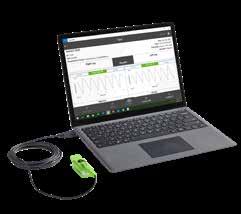
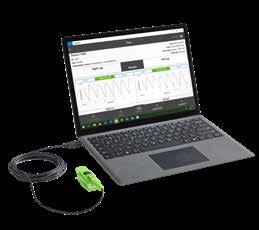
from Newman Medical
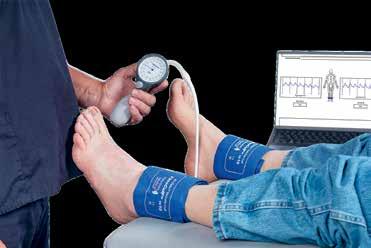
Your Patients Trust YOU To Find Their Peripheral Artery Disease
• High-risk patients include those over 65, diabetics, and smokers.
• If left untreated, 25% of patients with PAD will experience a heart attack or stroke within 5 years.
• PAD symptoms are often mistaken for arthritis or old age.
The simpleABI Cuff-Link System is Easy to Learn and Use.
• With a push-button remote, automatic calculations, and waveforms, it’s incredibly user-friendly.
• Reports are straightforward to save and share since the system is PC-based. Outstanding Value and Reimbursements
• The system pays for itself in less than a year with just one test per week.
• Medicare reimbursements vary by exam and location, averaging from $91 to $174.


BY ADAM IRVINE, PHYSICIANS OFFICE RESOURCE
Despite significant advances in preventive medicine, one stubborn challenge remains: many men simply do not engage with the healthcare system until a problem becomes impossible to ignore. While women are often introduced to preventive healthcare through reproductive health visits, pregnancy care, and routine screening programs, men frequently lack comparable touchpoints. As a result, they are less likely to seek routine medical care, less likely to participate in preventive screenings, and more likely to present with advanced disease.
The consequences are substantial. Men experience higher rates of cardiovascular disease, poorer control of chronic illnesses, lower utilization of preventive services, and shorter life expectancy than women. According to national health surveys, men are significantly more likely to report not having a primary care physician and are more likely to delay care even when symptoms develop.
For primary care physicians, internists, family medicine providers, urgent care clinicians, and specialists involved in preventive health, the question is no longer whether a gap exists. The challenge is understanding why it exists and identifying practical strategies to overcome it.

Increasingly, diagnostic testing is emerging as one of the most effective tools for engaging men in their health. Objective data, rapid results, and tangible evidence of risk can transform abstract health discussions into meaningful clinical conversations that motivate action.
The reasons men avoid healthcare are complex and multifactorial. Cultural expectations, psychological barriers, logistical challenges, and healthcare system limitations all contribute to the problem.
Many men grow up with cultural messages that emphasize toughness, independence, and self-reliance. Seeking medical attention may be perceived as unnecessary unless symptoms are severe. Consequently, many men adopt a “wait and see” approach to health concerns.
Research consistently shows that men are more likely than women to delay medical appointments, postpone diagnostic evaluations, and ignore symptoms. Some avoid care because they fear receiving bad news. Others believe that if they feel well, they must be healthy.
Unfortunately, many of the conditions responsible for the greatest morbidity and mortality in men are asymptomatic during their earliest and most treatable stages.
Hypertension is often called the “silent killer” because patients may feel perfectly healthy despite years of vascular damage. Type 2 diabetes can progress for years before symptoms become apparent. Chronic kidney disease frequently develops unnoticed until significant renal impairment has occurred. Dyslipidemia, metabolic syndrome, and early cardiovascular disease similarly progress without obvious warning signs.
By the time symptoms emerge, opportunities for prevention may have been lost.
Another challenge is time. Many men prioritize work, family responsibilities, and other commitments above their own health. Routine appointments may be viewed as inconvenient, particularly when no immediate health concerns are present.
This creates a paradox: the individuals who may benefit most from preventive interventions are often the least likely to seek them.
The impact of delayed preventive care extends far beyond individual patients.
Men account for higher rates of hospitalization for preventable conditions and often present with more advanced disease at diagnosis. Delayed detection contributes to increased healthcare expenditures, greater disease burden, and poorer long-term outcomes.
Cardiovascular disease remains the leading cause of death among men in the United States. Yet many of the major risk factors—including hypertension, hyperlipidemia, obesity, diabetes, and smoking—can be identified years before a cardiovascular event occurs.
Similarly, cancers commonly affecting men, including colorectal, prostate, lung, bladder, and skin cancers, are associated with substantially improved outcomes when detected early.
The challenge for physicians is creating opportunities for detection before disease progression occurs.
This is where diagnostics can play a transformative role.
Historically, diagnostic testing has been viewed primarily as a method of confirming disease. However, modern preventive medicine increasingly recognizes diagnostics as a powerful engagement strategy.
Many men respond favorably to objective, measurable information. Laboratory values, imaging findings, risk scores, and biomarker trends provide concrete evidence that can make health risks feel real and actionable.
Rather than discussing hypothetical future disease, physicians can point to specific data:
• Elevated blood pressure readings
• Rising hemoglobin A1c values
• Abnormal lipid profiles
• Increased coronary artery calcium scores
• Positive colorectal cancer screening results
• Declining renal function markers
Objective findings often have a greater impact than general lifestyle recommendations alone.
A patient may dismiss advice to lose weight or exercise more. However, when shown evidence of prediabetes, metabolic syndrome, or early cardiovascular risk, the conversation changes. Diagnostics provide a visual and measurable connection between current health behaviors and future outcomes.
For many men, data creates motivation.
One of the most promising developments in preventive care is the expansion of point-of-care diagnostic testing.
Traditional laboratory workflows often require patients to leave the office, visit an external laboratory, and return for follow-up discussions. Each step creates opportunities for disengagement.
Point-of-care testing compresses this process.
When physicians can obtain actionable results during the same visit, preventive discussions become more immediate and impactful.
Examples include:
• Hemoglobin A1c testing
• Lipid testing
• Urinalysis
• Urine albumin-to-creatinine ratio testing
• Infectious disease screening
• Testosterone assessment in appropriate clinical settings
• Cardiometabolic risk evaluation
Immediate results allow physicians to move directly from diagnosis to intervention.
A patient who arrives for an annual wellness visit may leave with a clear understanding of their cardiovascular risk profile, diabetic status, kidney health, and treatment plan—all within a single encounter.
This real-time feedback can be particularly effective for male patients who might otherwise delay follow-up appointments.
Perhaps no area offers greater opportunity for preventive engagement than cardiovascular disease.
Many men remain unaware of their cardiovascular risk despite having multiple risk factors.
Routine screening should include careful assessment of:
• Blood pressure
• Lipid levels
• Body mass index
• Blood glucose or A1c
• Family history
• Smoking status
• Physical activity levels
Beyond traditional risk assessment, newer diagnostic approaches can further personalize discussions.
Coronary artery calcium (CAC) scoring has become an increasingly valuable tool for selected patients. For men who remain skeptical about preventive interventions, visual evidence of coronary calcification can be highly persuasive.
Similarly, advanced lipid testing and cardiovascular risk calculators can help personalize recommendations regarding statin therapy, lifestyle modifications, and ongoing monitoring.
The ability to show rather than simply tell often increases patient engagement.
Type 2 diabetes continues to affect millions of American men, yet many cases remain undiagnosed.
Prediabetes represents a particularly important opportunity for intervention.
Patients often feel healthy and may not perceive any urgency regarding lifestyle modifications. However, an elevated A1c result provides objective evidence that metabolic dysfunction has already begun.
Point-of-care A1c testing allows physicians to identify at-risk patients and immediately discuss:
• Weight management
• Dietary changes
• Exercise interventions
• Medication options when appropriate
• Follow-up monitoring strategies
Men who may otherwise delay healthcare engagement often respond positively to measurable goals and repeat testing that demonstrates progress over time.
The ability to track improvements in A1c values can reinforce healthy behaviors and strengthen long-term engagement.
Cancer screening remains another area where male participation often lags behind recommendations.
Many men avoid screening because they feel healthy, underestimate their risk, or fear potential findings.
Diagnostic tools help overcome these barriers by providing structured, evidence-based pathways for evaluation.
Colorectal cancer screening offers a clear example. Screening can identify precancerous lesions years before symptoms develop. Whether using stool-based testing, colonoscopy, or emerging screening technologies, early detection dramatically improves outcomes.
Similarly, shared decision-making regarding prostate cancer screening can help men understand both the benefits and limitations of PSA testing.
Lung cancer screening with low-dose computed tomography has demonstrated significant mortality benefits among eligible highrisk patients, yet screening rates remain lower than desired.
The physician’s ability to connect diagnostic testing with improved outcomes can help motivate participation and reduce screening hesitancy.
Preventive care for men extends beyond cardiovascular disease and cancer. Diagnostics can also facilitate discussions regarding:
While testosterone testing should be reserved for patients with appropriate symptoms and clinical indications, many men increasingly seek information regarding hormonal health. Objective laboratory assessment allows physicians to guide evidence-based discussions while avoiding misinformation commonly encountered through social media and direct-to-consumer marketing.
Chronic kidney disease frequently develops silently. Routine assessment of renal function and urine albumin can identify early disease before significant damage occurs.
The rising prevalence of obesity and metabolic dysfunction-associated steatotic liver disease (MASLD) creates another opportunity for preventive screening and intervention.
Obstructive sleep apnea remains substantially underdiagnosed among men. Screening questionnaires combined with diagnostic testing can identify patients at risk and improve outcomes related to cardiovascular disease, metabolic dysfunction, and quality of life.
Physicians seeking to improve preventive care utilization among men should consider several practical approaches.
First, make preventive visits efficient and actionable. Men who finally attend an appointment should leave with clear answers, meaningful data, and a defined plan.
Second, use objective results to drive conversations. Diagnostic findings often resonate more strongly than generalized health advice.
Third, embrace point-of-care testing when appropriate. Sameday results increase engagement and reduce loss to follow-up.
Fourth, frame preventive care in terms of performance and longevity rather than illness alone. Many men respond favorably to discussions focused on maintaining energy, preserving function, optimizing performance, and remaining active throughout life.
Finally, use longitudinal data. Showing improvements in blood pressure, cholesterol, A1c levels, weight, or other biomarkers reinforces positive behavior and demonstrates the value of ongoing healthcare engagement.
Emerging diagnostic technologies may further transform preventive care for men.
Artificial intelligence-assisted risk prediction, advanced biomarker testing, wearable health monitoring, home-based diagnostics, and personalized screening algorithms are creating new opportunities to identify risk earlier and intervene more effectively.
Remote monitoring technologies may also help bridge the gap for men who are reluctant to engage with traditional healthcare
settings. Continuous data collection can provide actionable insights while reducing barriers to participation.
As diagnostics become more accessible, more accurate, and more integrated into everyday healthcare, physicians will have increasing opportunities to reach patients before disease develops.
Men’s reluctance to engage in preventive healthcare remains one of the most persistent challenges in modern medicine. Cultural attitudes, logistical barriers, and asymptomatic disease progression all contribute to delayed diagnosis and poorer health outcomes. However, diagnostics offer a powerful solution.
By transforming invisible risks into measurable data, diagnostic testing creates opportunities for meaningful conversations, earlier intervention, and improved patient engagement. Whether through point-of-care testing, cardiovascular risk assessment, cancer screening, metabolic monitoring, or emerging technologies, diagnostics help make preventive care tangible and actionable.
For physicians, the goal is not simply to identify disease—it is to engage patients before disease develops.
When used strategically, diagnostics can become more than a clinical tool. They can serve as a bridge between men’s reluctance to seek care and the preventive interventions that ultimately save lives.

- Move from Waived to Non-Waived Testing with the help of experts
- Expand testing, don’t worry about all the work- policies, fillable forms, e-signatures, calendar reminders included
- Remote access – Lab Directors and Consultants manage compliance efficiently, save time, and travel expenses
Schedule a Free Demo Today!
For more information, call 888.534.2977 or email us at sales@myinspection.us
A 3-in-1 antigen assay for COVID-19, Flu A and Flu B with test results in 15 minutes.1
The BD Veritor™ Plus System streamlines clinical and patient workflows by detecting three key respiratory viruses in one test, reducing the need for multiple sample collections. With multiple testing modes and workflow efficiencies, the analyzer empowers convenience and efficiency (1 kit = 30 tests).
*In the USA, the BD Veritor™ System for Rapid Detection of SARS-CoV-2 & Flu A+B has not been FDA cleared or approved but has been authorized by the FDA under an Emergency Use Authorization for use by authorized laboratories; use by laboratories certified under the CLIA, 42 U.S.C. §263a, that meet requirements to perform moderate, high, or waived complexity tests. The product is authorized for use at the Point of Care (POC), i.e., in patient care settings operating under a CLIA Certificate of Waiver, Certificate of Compliance, or Certificate of Accreditation.
This product has been authorized only for the detection of proteins from SARS-CoV-2, influenza A and influenza B, not for any other viruses or pathogens; and, in the USA, the emergency use of this product is only authorized for the duration of the declaration that circumstances exist justifying the authorization of emergency use of in vitro diagnostics for detection and/or diagnosis of COVID 19 under Section 564(b)(1) of the Federal Food, Drug and Cosmetic Act, 21 U.S.C. §360bbb-3(b)(1), unless the declaration is terminated or authorization is revoked sooner.
1. BD Veritor™ Plus System for Rapid Detection of SARS-CoV-2 and Flu A+B. Package insert. 500051910 Becton, Dickinson and Company.
From Sekisui Diagnostics

The OSOM® Ultra Strep A test is a color immunochromatographic assay intended for the qualitative detection of Group A Streptococcus antigen directly from throat swab specimens. Shown to be not statistically different than single swab culture. Sensitivity 95.7% and 100% Specificity. Includes two additional test sticks for External QC. CLIA Waived.

From CS Medical 6428

The Ethos Automated Ultrasound Probe Cleaner Disinfector is the first FDA-cleared device to provide both cleaning and high-level disinfection of ultrasound probes in one system. It’s fast and easy to use—simply place a soiled transvaginal, transrectal, or surface probe into the device, follow the prompts on the display, and a reprocessing report is printed at the end of the cycle. Ethos removes the unknowns of manual cleaning, giving healthcare professionals confidence and consistency with every cycle.

I G H T N O W .
1 O U T O F 3 H A S P A D A N D T H E Y P R O B A B L Y D O N ’ T K N O W I T . A
Healthy Artery
P E R I P H E R A L
Patients with Peripheral Artery Disease (PAD) who may be facing a heart attack, stroke, amputation, or even death within the next 5 years I N T R O D U C I N G
Diabetics Smokers Over age 65

Diseased Artery

Atherosclerosis
(PAD) is an often silent condition where narrowed arteries reduce blood flow to the legs, causing symptoms like leg pain, numbness, and slow-healing wounds.
DON’T LET PAD SNEAK UP ON YOU OR THESE PATIENTS.
50% report no symptoms, while those that do attribute their pain to arthritis or “old age”.

N o n - i n v a s i v e , p a t i e n t - f r i e n d l y t e s t
A C C U R A T E
A c c u r a c y e q u a l o r b e t t e r t h a n D o p p l e r A B I .
U s e f u l f o r d i a b e t i c s w i t h c a l c i f i e d a r t e r i e s
R E I M B U R S A B L E
r .
G r e a t R O I : t h e t y p i c a l i n t e r n i s t h a s 8 0 0 M e d i c a r e p a t i e n t s , p e r A C P
T
l e s s t h a n t w o m o n t h s .
C P T 9 3 9 2 3 ( A B I w / e x e r


THESE PATIENTS TRUST YOU TO FIND THEIR PAD
before they have a heart attack, stroke, or even die PAD also leads to significant disability and reduced quality of life.

For over 45 years, Newman Medical has been a leader in vascular innovation The ABI-Q system continues that legacy with fast, accurate results you can trust
Scan for more info






Whether you're craving pristine beaches or vibrant cities, these nine must-visit destinations around the world promise stunning scenery, rich culture, and unforgettable adventures for every type of traveler.
md-escapes.com
Escape to an island oasis surrounded by crystal blue waters, white sand and lush tropical greenery. A breathtaking 30 acre, oceanfront luxury hotel in St. Thomas, VI, The Ritz-Carlton, St. Thomas is a Caribbean marvel styled after traditional island architecture, but richly updated with all of the contemporary comforts for which the resorts of The Ritz-Carlton are known.



In a city renowned for its beauty and culture, The Ritz-Carlton, Vienna distinguishes itself with a unique blend of modern luxuries, fine dining, and spa experiences, all housed within four 19th-century palaces. Situated in the heart of downtown Vienna, along the iconic Ringstrasse and adjacent to the Stadtpark, our luxury hotel offers 200 elegant guestrooms, including 43 exquisite suites, allowing you to indulge in tasteful living, distinctive designs, and breathtaking views.

SCAN TO LEARN MORE
Discover an elevated escape with the perfect balance of fun and relaxation at our AAA Five Diamond, luxury Orlando Resort. Splash around with the family at Explorer Island water park, or unwind beneath swaying palms at Oasis adult-only pool while we entertain your young ones at our complimentary kids camp. Treat yourself to a soothing, post-park massage at The Spa, then toast to the nightly Walt Disney World® fireworks views over dinner at our Michelin-starred rooftop steakhouse Capa. SCAN TO LEARN MORE



Spectacularly sited on a clifftop promontory where the rainforest meets the sea on Dominica, the “Nature Island” of the Caribbean, Secret Bay is among the leading boutique resorts in the world and an acclaimed Relais & Châteaux property. The secluded six-star, all-villa resort consists of elegantly appointed, residential-style villas, each with a private plunge pool and dedicated villa host, on-call concierge, chefs and guides, access to a secret beach and transformative experiences curated specifically for each guest.

SCAN TO LEARN MORE
All Inclusive Family Resort in Puerto Vallarta. Experience the best all-inclusive resort in Puerto Vallarta, where first-class amenities invite you to relax by infinity pools, indulge in gourmet dining, and rejuvenate at a world-class spa embraced by jungle and ocean views. Garza Blanca Puerto Vallarta combines breathtaking natural beauty, exceptional service, and upscale comfort for an unforgettable luxury family vacation.



Welcome to Five-Star Luxury in California Wine Country. In the food and wine capital of North America, Four Seasons welcomes you to a bespoke luxury resort in Napa Valley, the heart of California wine country. Our Forbes FiveStar Hotel in Calistoga is set within its own world-class vineyard. Discover innovative and seasonal cuisine at Michelin-starred Auro, holistic spa rituals at Spa Talisa and thoughtfully personalized Four Seasons service. Raise a glass to all the best in life as you soak in magnificent views of Napa Valley.

SCAN TO LEARN MORE
As one of the only non-gaming and non-smoking hotels on The Strip, Four Seasons Hotel Las Vegas is a unique oasis in the heart of the action-packed sports and entertainment capital of the world. Offering Five Diamond luxury accommodations, acclaimed dining and a Forbes Five-Star spa, Four Seasons offers the best of both worlds: a resort retreat amid the famous energy of Las Vegas.



Welcome to Four Seasons Hotel Nashville, a luxury hotel located in the heart of downtown’s vibrant SoBro neighborhood. This new social hub is just steps away from the city's iconic music, sports, and entertainment venues. Experience the rhythm of our lively restaurants and event spaces, the tranquility of our Spa, and the stunning views from our rooftop pool overlooking the Cumberland River and Riverfront Park. With the unmatched service of Four Seasons and warm Southern hospitality, we’ll inspire an authentic experience of Music City.

SCAN TO LEARN MORE

Located in the heart of Budapest, our luxury art nouveau palace Hotel – the only Forbes Five-Star hotel in Hungary – embodies the spirit of Budapest’s Golden Era glam. From the moment you enter the iconic wrought iron peacock gates, pass through the lobby adorned with more than two million mosaic tiles illuminated with its striking chandelier, and let inspiration wash over you. Outside, views of the Danube and the picturesque Buda skyline stand before you. Spend the day exploring the sights, recharge in our Spa that harnesses the city’s heritage in wellness, then enjoy an innovative cocktail at our lobby bar MÚZSA.

Better outcomes. Lower costs. Better patient experience. Better clinician experience.

Gain insights into your patient’s current status with real-time actionable results.
DCA Vantage® Analyzer
Rapid assessment of glycemic control and kidney health
HbA1c
• CLIA-waived
Albumin-to-creatinine ratio (ACR)
• CLIA Moderate Complexity
CLINITEK Status® Connect System
CLIA-waived analyzer for routine urinalysis, including kidney health
• CLINITEK® Microalbumin 2 Strip (ACR)

Customize your patient consultations to enhance physician-patient partnership toward improved outcomes.

From Sekisui Diagnostics
The OSOM® BVBLUE® detects elevated vaginal fluid sialidase activity, an enzyme produced by bacterial pathogens associated with bacterial vaginosis including Gardnerella, Bacteroides, Prevotella and Mobiluncus. OSOM® BVBLUE® is more sensitive than Amsel criteria providing physicians with a more accurate diagnosis to treat and minimize serious health consequences such as early spontaneous preterm births and miscarriage.


From Sekisui Diagnostics
The OSOM® Trichomonas Rapid Test is intended for the qualitative detection of Trichomonas vaginalis antigens from vaginal swabs or from the saline solution. The OSOM® Trichomonas Rapid Test is a CLIA-waived rapid test available today. OSOM® Trichomonas is more sensitive than wet mount due to the assay being able to detect viable and non-viable organisms which offers significant benefits to the patient and clinician alike.
From Sekisui Diagnostics
The OSOM® Ultra hCG Combo test is a simple immunoassay for the qualitative detection of human chorionic gonadotropin (hCG) in serum or urine for the early confirmation of pregnancy. Internal studies have confirmed that the OSOM® Ultra hCG Combo test does not have a false negative result from hCG variants providing physicians with a higher level of confidence.




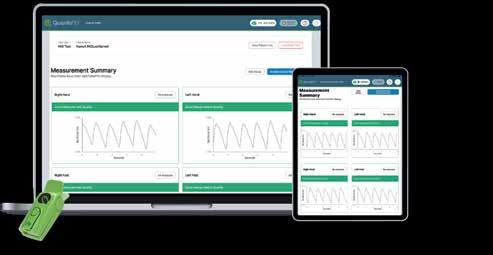



Lead exposure is a silent danger often invisible and without symptoms.
Because exposure isn’t always visible or symptomatic, timely testing is critical.
LeadCare® II enables rapid, in-office blood lead testing — delivering results in 3 minutes so you can make informed decisions during the patient visit.

The only CLIA waived point-of-care test for blood lead poisoning
Results in 3 minutes
Small sample with a simple fingerstick

A blood lead test is the best way to find out if a child has lead poisoning