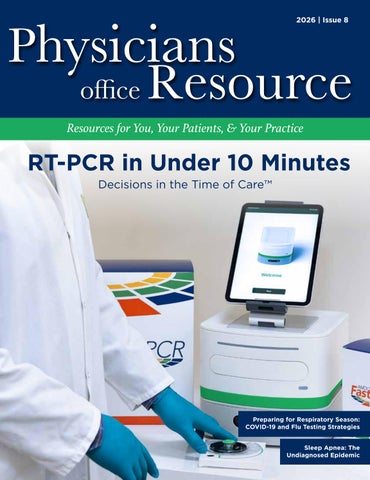
Physicians office Resource 2026 | Issue 8
Resources for You, Your Patients, & Your Practice
RT-PCR in Under 10 Minutes Decisions in the Time of Care™
Preparing for Respiratory Season: COVID-19 and Flu Testing Strategies Sleep Apnea: The Undiagnosed Epidemic
POC-24-NAM-5696
Meet the Quadruple Aim in Diabetes Care with In-office HbA1c and uACR Better outcomes. Lower costs. Better patient experience. Better clinician experience.
Diabetes management solutions at the point-of-care
6600
Gain insights into your patient’s current status with real-time actionable results. DCA Vantage® Analyzer Rapid assessment of glycemic control and kidney health HbA1c • CLIA-waived Albumin-to-creatinine ratio (ACR) • CLIA Moderate Complexity CLINITEK Status® Connect System CLIA-waived analyzer for routine urinalysis, including kidney health • CLINITEK® Microalbumin 2 Strip (ACR)
Total U.S. Population with Diabetes
The Prevalence of Diabetes Among U.S. Adults is on the Rise1 Help your patients reverse the trend Customize your patient consultations to enhance physician-patient partnership toward improved outcomes.
54% Increase
54,913,000 43,271,000 35,644,000
11.1%
2015
15.3% 13.0%
2020
2030 Projected
siemens-healthineers.us/chronicdisease
1. Rowley, William R et al. “Diabetes 2030: Insights from Yesterday, Today, and Future Trends.” Population health management vol. 20,1 (2017): 6-12. doi:10.1089/pop.2015.0181.
PUBLISHED BY Medical Education Resources, LLC PUBLISHER Aaron R. Medaris amedaris@physiciansofficeresource.com
CEO Andrew C. Nimmo acnimmo@physiciansofficeresource.com
PRESIDENT John D. Pasquale jpasquale@pharmaconnect.com
Getting the most from this guide
BUSINESS MANAGER Marci J. Hills mhills@physiciansofficeresource.com
TRAVEL EDITOR Brandi L. Brower EDITORIAL BOARD Shakeel Ahmed, MD STAFF WRITER Matt Baker Adam Irvine
There are two simple ways to request
CREATIVE DIRECTOR PRODUCTION MANAGER Jessica Elmer
information about the products and services
Copyright ©2026
found in Physicians Office Resource. 1. Go to www.PhysiciansOfficeResource.com and enter the four-digit reference number found next to the product or service into the search field, then request additional information, schedule a demo, or speak with a sales agent all with just a simple click of a button. 2. Find the Business Reply Card in this issue, circle the desired reference numbers, complete the form, and drop into any USPS mailbox. A representative will contact you as quickly as possible to answer your questions.
www.PhysiciansOfficeResource.com
To continue your free subscription of Physicians Office Resource magazine, please fill out the Business Reply Card (BRC) located within this magazine and drop in any United States Post Office mailbox. If you are a manufacturer of medical products or provide services to medical professionals and would like to advertise your products or services to the nation’s top physicians doing in-office testing, call 801-380-6094 or visit: POR.io for more information.
SCAN TO LEARN MORE
2026 · ISSUE 8 | 3
TABLE OF CONTENTS
RT-PCR in Under 10 Minutes. Decisions in the Time of Care™ From AMDI™ Fast PCR The AMDI Fast PCR System brings molecular testing into the Time of Care™, delivering RT-PCR results in under 10 minutes so healthcare providers can make informed clinical decisions during the patient visit. FDA 510(k) cleared and CLIA waived, the AMDI Fast PCR Instrument and Mini Respiratory Panel detect and differentiate RSV, Influenza A, Influenza B, and SARS-CoV-2 from anterior nasal swab specimens in point-of-care settings. The platform is designed to help reduce callbacks, unnecessary send-out testing, and workflow delays. Additional assays, including Strep A and sexually transmitted infections, are currently in development.
6601
SCAN TO LEARN MORE
6
12
20
Preparing for Respiratory Season: COVID-19 & Flu Testing
Sleep Apnea: The Undiagnosed Epidemic
Bone Health, Vitamin D & Menopause-Focused Testing
Respiratory season brings a familiar challenge. Patients with COVID-19 and influenza can present with similar symptoms.
OSA is characterized by recurrent episodes of partial or complete upper-airway obstruction during sleep.
For women, menopause represents one of the most consequential transitions in skeletal health.
4 | PHYSICIANS OFFICE RESOURCE
TO X I C O LO G Y S C R E E N I N G
SIMPLIFIED. Comprehensive toxicology menu now with 14 CLIA1 categorized moderate complexity assays.
6602
IMMTOX™ 270
BENCHTOP ANALYZER
Toxicology screening solutions for physician offices, pain management, treatment centers and laboratories testing 200+ patient samples/mo.
Scan this QR code to view the ImmTox™ 270 product video
MODERATE COMPLEXIT Y ASSAYS – FDA 510(K) CLEARED 6-acetylmorphine (6-AM Heroin metabolite)
EDDP (Methadone metabolite)
Amphetamine
Fentanyl*
Barbiturates
Methamphetamine
Benzodiazepines
Opiates
Benzoylecgonine (Cocaine metabolite)
Oxycodone
Buprenorphine
Phencyclidine (PCP)
Cannabinoids (THC)
Tramadol
CONTACT ABBOTT CLINICAL LAB SOLUTIONS
855-425-9428 | CLS_SALES@ABBOTT.COM 1. Clinical Laboratory Improvement Amendments (CLIA) / * SEFRIA Fentanyl
© 2022 Abbott. All rights reserved. All trademarks referenced are trademarks of either the Abbott group of companies or their respective owners. Any photos displayed are for illustrative purposes only. COL-09575 v3 12/22
FEATURE 6 | PHYSICIANS OFFICE RESOURCE
Preparing for Respiratory Season: COVID-19 AND FLU TESTING STRATEGIES FOR PHYSICIAN OFFICES BY RYAN SIMEONE, SEKISUI DIAGNOSTICS
Respiratory season always brings a familiar challenge to physician offices. Patients with COVID-19 and influenza can present with very similar symptoms, and both viruses may circulate at the same time. For clinicians and staff, that overlap can make testing decisions more important during already busy months. For physician offices, the goal is not to make every respiratory visit more complicated. It is to choose testing options that fit the realities of outpatient care. Fast results, clear answers, efficient workflows, and confidence in the result all matter. A practical COVID-19 and flu testing approach can help support clinical decision-making while keeping patient flow manageable. While there is no one-size-fits-all approach, starting the conversation early can help practices plan for a busy respiratory season. Why COVID-19 and Flu Still Belong in the Same Conversation COVID-19 and influenza remain clinically important because they can look alike at the point of care. Fever, cough, sore throat, fatigue, headache, and chills may occur with either illness. CDC guidance notes that both COVID-19 and influenza can cause acute respiratory illness with overlapping symptoms, which can make treatment decisions more difficult when both viruses are suspected.1 Testing is not the only factor in care decisions. Patient history, exposure risk, risk factors, local respiratory activity, and clinical judgment all matter. Still, testing can help inform treatment decisions, patient counseling, follow-up, and precautions.1,2 That can be especially important when patients are at higher risk for complications or may be within a window for antiviral treatment.
For many offices, planning for COVID-19 and flu together makes more sense than treating them as separate seasonal issues. A single patient visit may require consideration of both viruses. A single test result may influence counseling, treatment discussions, work or school guidance, and follow-up. When the testing approach is clear, the visit can move more smoothly for both the patient and the care team. The Role of Multiplex Testing Multiplex testing reflects the way respiratory illness often presents in real life. A patient does not usually arrive with symptoms that clearly point to one virus over another. When COVID-19 and flu are both circulating, a test that can detect and differentiate more than one pathogen may give clinicians useful information from a single encounter. CDC describes multiplex tests as assays that can detect and distinguish among multiple viruses from respiratory specimens, including influenza viruses, SARS-CoV-2, and RSV depending on the test.2 CDC also notes that multiplex testing can help inform antiviral treatment decisions, other clinical management decisions, and preventive measures.2 In a physician office setting, that value is both clinical and operational. Differentiating SARS-CoV-2 from influenza A or B may support more targeted patient counseling and management. A single sample and one testing pathway may also reduce extra steps for staff during high-volume periods. That can matter when offices are balancing scheduled appointments, walk-ins, phone calls, portal messages, and patient questions about whether more testing is needed.
2026 · ISSUE 8 | 7
Multiplex testing is not about testing for everything in every patient. It is about using the right level of information when the result may affect what happens next. For COVID-19 and flu, that can be relevant when symptoms overlap, treatment timing matters, or a patient needs a clearer answer before returning to work, school, or routine activities. Rapid Antigen and Molecular Testing Each Have a Place A strong respiratory testing strategy does not have to choose between antigen and molecular testing. Both can play an important role. Rapid antigen testing is often valued for speed and simplicity. It can fit well into physician office workflows when a quick result is needed during the visit. It can also support same-day counseling and help staff move patients through the testing process efficiently. Because antigen tests may have lower sensitivity than molecular tests, negative results should be interpreted in the context of symptoms, exposure history, local activity, and current product instructions. Molecular testing offers a different value. Molecular tests generally provide higher sensitivity than antigen tests and may be preferred when greater diagnostic confidence is needed.2,3 CDC outpatient guidance states that molecular assays are preferred for patients at risk for severe disease, although antigen assays may be used if nucleic acid detection is not available.1 CDC also notes that rapid molecular assays for influenza can detect viral RNA with high sensitivity and specificity, often within a timeframe that supports clinical decision-making during the visit.3 The practical takeaway is that antigen and molecular testing do not need to compete for the same role. Antigen testing may help offices deliver fast, accessible results. Molecular testing may help when the result carries more clinical weight. Together, these options can give physician offices flexibility during a season when patient needs and visit types can vary widely. Product Selection: How OSOM® and Metrix® Can Fit Into Respiratory Season Product selection should support the way physician offices actually work. Respiratory season can bring higher patient volume, tighter schedules, and more pressure on front-office and clinical staff. Testing options need to be practical, easy to integrate, and aligned with the level of confidence needed for different patient encounters. The OSOM® Flu SARS-CoV-2 Combo Test can help offices address two common seasonal concerns in one testing approach. For offices looking for a rapid point-of-care option, this combo test may help support efficient patient flow and timely counseling when a patient’s symptoms could suggest either COVID-19 or flu. The Metrix® COVID/Flu Test gives offices a molecular option for COVID-19 and flu testing. This can be useful when practices want molecular testing focused on the respiratory viruses most often driving seasonal testing decisions. Metrix® may be 8 | PHYSICIANS OFFICE RESOURCE
especially useful when a patient is at higher risk or when symptoms suggest COVID-19 or flu. A molecular result may help inform treatment and follow-up decisions when interpreted with clinical history and other relevant information. Together, the OSOM® rapid antigen and the Metrix® COVID/ Flu molecular give physician offices a flexible testing portfolio for a respiratory season shaped by overlapping COVID-19 and flu activity. Conclusion COVID-19 and flu will continue to challenge physician offices because they can look similar, circulate at the same time, and require timely decisions. A useful testing strategy does not need to be complicated. It should help clinicians answer the question in front of them while fitting into the pace of outpatient care. Multiplex testing can support clearer answers when COVID-19 and flu are both possible. Rapid antigen testing can provide speed and simplicity. Molecular testing can offer greater confidence when the clinical situation calls for it. With OSOM® and Metrix®, physician offices can consider a practical testing approach that supports clinical decision-making and outpatient workflow. Disclosure: The OSOM® Flu SARS-CoV-2 Combo Test and Metrix® COVID/Flu Test have not been FDA cleared or approved but have been authorized by the FDA under an Emergency Use Authorization. The OSOM® Flu SARS-CoV-2 Combo Test and Metrix® COVID/Flu Test has been authorized only for the detection of proteins from SARS-CoV-2, influenza A and influenza B, not for any other viruses or pathogens. The emergency use of this product is only authorized for the duration of the declaration that circumstances exist justifying the authorization of emergency use of in vitro diagnostics for detection and/or diagnosis of COVID-19 under Section 564(b)(1) of the Federal Food, Drug, and Cosmetic Act, 21 U.S.C. § 360bbb-3(b)(1), unless the declaration is terminated or authorization is revoked sooner. References
1. Centers for Disease Control and Prevention. Clinical guidance for outpatients with acute respiratory illness at higher risk of severe COVID-19 and/or influenza. Updated December 19, 2025. Accessed July 13, 2026. https://www.cdc.gov/flu/hcp/clinical-guidance/test ing-guidance-for-outpatient.html 2. Centers for Disease Control and Prevention. Multiplex tests to detect influenza, SARS-CoV-2, and RSV. Updated April 27, 2026. Accessed July 13, 2026. https://www.cdc.gov/flu/hcp/testing-meth ods/flu-covid19-detection.html 3. Centers for Disease Control and Prevention. Information on rapid molecular assays, RT-PCR, and other molecular assays for diagnosis of influenza virus infection. Updated April 30, 2026. Accessed July 13, 2026. https://www.cdc.gov/flu/hcp/testing-methods/ molecular-assays.html 4. SEKISUI Diagnostics. OSOM® Flu SARS-CoV-2 Combo Test. Accessed July 13, 2026. https://sekisuid iagnostics.com/product/osom-flu-sars-cov-2-combotest/ 5. SEKISUI Diagnostics. The Metrix® COVID/Flu Test. Accessed July 13, 2026. https://sekisuidiagnostics. com/product/the-metrix-covid-flu-test/
THE POWER TO DETECT THE HIDDEN THREAT OF PERIPHERAL ARTERIAL DISEASE (PAD) 6603
“PAD IS ASYMPTOMATIC IN 75% OF ELDERLY PATIENTS.” 1
IN PRIMARY CARE: “THE RISK OF MORTALITY WAS SIMILAR IN SYMPTOMATIC AND ASYMPTOMATIC PATIENTS WITH PAD” 2
BOOK YOUR FREE DEMO CONTACT US TODAY AT 888-340-4881, 5 OR INFO@SEMLERSCIENTIFIC.COM
SEMLERSCIENTIFIC.COM
1. Sillesen, H., & Falk, E. (2011). Peripheral artery disease (PAD) screening in the asymptomatic population: why, how, and who?. Current atherosclerosis reports, 13(5), 390–395. https://doi.org/10.1007/s11883-011-0196-x 2. Diehm, C., Allenberg, J. R., Pittrow, D., Mahn, M., Tepohl, G., Haberl, R. L., Darius, H., Burghaus, I., Trampisch, H. J., & German Epidemiological Trial on Ankle Brachial Index Study Group (2009). Mortality and vascular morbidity in older adults with asymptomatic versus symptomatic peripheral artery disease. Circulation, 120(21), 2053–2061. https://doi.org/10.1161/CIRCULATIONAHA.109.865600 ML00190 Rev A
PRODUCT FOCUS
ABI PAD TESTING SYSTEMS IDEAL FOR PRIMARY CARE TO VASCULAR SPECIALISTS
6604
from Newman Medical
SCAN TO LEARN MORE
Your Patients Trust YOU To Find Their Peripheral Artery Disease • High-risk patients include those over 65, diabetics, and smokers. • If left untreated, 25% of patients with PAD will experience a heart attack or stroke within 5 years. • PAD symptoms are often mistaken for arthritis or old age. The simpleABI Cuff-Link System is Easy to Learn and Use. • With a push-button remote, automatic calculations, and waveforms, it’s incredibly user-friendly. • Reports are straightforward to save and share since the system is PC-based. Outstanding Value and Reimbursements • The system pays for itself in less than a year with just one test per week. • Medicare reimbursements vary by exam and location, averaging from $91 to $174.
BONE HEALTH WHY BINDEX® IS A GAME-CHANGER IN OSTEOPOROSIS DIAGNOSTICS. From Bindex Medical
6605
SCAN TO LEARN MORE
6606
SCAN TO LEARN MORE
Comparable to DXA Extensive clinical research has proven Bindex to be 90% accurate in detecting osteoporosis. It can replace nearly 70% of DXA scans for patients with suspected osteoporosis. Fast and effective Using safe pulse-echo ultrasound to measure cortical bone thickness, Bindex analyzes bone density in just seconds. Easy to use anywhere Lightweight and pocket-sized, Bindex allows patients to receive on-the-spot bone density scans in doctors’ offices, hospitals and clinics and at home.
BRAIN FUNCTION ASSESSMENT EARLIER DETECTION OF MEMORY LOSS, DEMENTIA AND OTHER COGNITIVE DISORDERS From Morningside Medical Standard cognitive screening tools like MMSE/ MOCA are exactly that; screening tools. The technology is there to test the patients that fail these screening tools right in your office. Get clinically relevant information about your patients’ brain performance, while generating additional reimbursement for the practice, leading to earlier diagnosis and more accurate referrals. Aids in clear diagnosis • Strong Reimbursement • Improves Patient Outcomes • Easy for any staff to perform • Cognitive Testing / Mental Health • Sudomotor Function / Neuropathy • Vestibular Testing / Fall Prevention • Autonomic Function/ Cardiovascular Risk
10 | PHYSICIANS OFFICE RESOURCE
CHEMISTRY ANALYZERS 6607
SCAN TO LEARN MORE
6608
SCAN TO LEARN MORE
From Carolina Liquid Chemistries
A fully-automated, open system, benchtop clinical chemistry analyzer with throughput up to 270 tests/hour, 36 reagent positions, and 30 sample positions. It features a menu of over 60 CLIA moderate complexity assays, including cancer markers, cardiovascular markers, coagulation markers, diabetic markers, inflammatory markers, liver markers, renal/pancreatic markers, sepsis markers, vitamin markers, photometric electrolytes, and drugs of abuse. To learn more, visit https://www.carolinachemistries.com/products/dz-lite-c270-benchtop-chemistry-analyzer/.
EASYRA® BENCHTOP CHEMISTRIES + DRUGS From Carolina Liquid Chemistries
PRODUCT FOCUS
DIAZYME DZ-LITE™ C270 BENCHTOP GENERAL/SPECIAL CHEMISTRIES + DRUG SCREENS
When starting a lab, look no further. With a CLIA moderately complex menu of 35 general chemistries and 14 urine drug screens, the EasyRA is well-suited for oncology, rheumatology, and multi-specialty practices needing a benchtop clinical chemistry analyzer. The EasyRA offers photometric throughput of 240+ tests/hr (up to 480 tests/hr with ISE) and STAT samples in under 8 minutes. This all-in-one system is easy to learn and easy to operate.
TOXICOLOGY SCREENING SIMPLIFIED ABBOTT’S IMMTOX 270 BENCHTOP ANALYZER NOW WITH 14 ASSAYS 6609 CLIA CATEGORIZED AS MODERATE COMPLEXITY
SCAN TO LEARN MORE
From Abbott
The ImmTox270 benchtop analyzer offers comprehensive toxicology screening solutions for physician offices, treatment centers and independent laboratories. Broad test menu with over 20 assays to choose from including 14 that are now available as moderately complex. With complete laboratory solutions from consultation to licensure, and compliance the Abbott Clinical Laboratory Solutions team has you covered.
2026 · ISSUE 8 | 11
FEATURE 12 | PHYSICIANS OFFICE RESOURCE
Sleep Apnea: THE UNDIAGNOSED EPIDEMIC
Why primary care physicians may be uniquely positioned to identify one of the most commonly overlooked chronic disorders BY MATT BAKER, PHYSICIANS OFFICE RESOURCE
Obstructive sleep apnea (OSA) rarely announces itself in the examination room.
because estimates vary according to population, diagnostic criteria, age, obesity prevalence, and testing methodology.
The patient may present with hypertension that has become increasingly difficult to control. Another may complain of persistent fatigue, difficulty concentrating, morning headaches, or poor-quality sleep. A patient with obesity and type 2 diabetes may mention snoring only after being specifically asked. Another may report that a spouse has noticed periods during the night when breathing appears to stop.
Data cited by the U.S. Preventive Services Task Force (USPSTF) estimated that among adults aged 30 to 70 years, approximately 14% of men and 5% of women had at least mild OSA accompanied by daytime sleepiness, while approximately 13% of men and 6% of women met criteria for moderate-to-severe disease.²
Individually, these findings can seem routine. Collectively, they may point toward a disorder that remains substantially underrecognized despite its potential implications for cardiovascular, metabolic, cognitive, and overall health. OSA is characterized by recurrent episodes of partial or complete upper-airway obstruction during sleep. These events produce reductions or interruptions in airflow despite ongoing respiratory effort and can result in intermittent hypoxemia, sleep fragmentation, intrathoracic pressure changes, and recurrent sympathetic nervous system activation. The clinical consequences extend well beyond snoring and daytime fatigue. OSA has been associated with hypertension, cardiovascular and cerebrovascular disease, atrial fibrillation, heart failure, type 2 diabetes, cognitive impairment, decreased quality of life, and increased risk of motor vehicle crashes.¹˒² Severe OSA has also been associated with increased all-cause mortality.² Yet many patients remain unaware that they have the condition. For primary care physicians, that creates an important opportunity. The first step toward diagnosing sleep apnea may not occur in a sleep clinic. It may begin during a routine hypertension, diabetes, obesity, or annual wellness visit—with a few additional questions about what happens after the patient falls asleep. A Common Disorder That Frequently Goes Unrecognized Determining the precise prevalence of OSA is challenging
The prevalence becomes considerably higher in selected clinical populations. Age, male sex, obesity, craniofacial anatomy, upper-airway characteristics, and family history can increase risk. OSA is also frequently encountered among patients with cardiovascular and metabolic disease. The difficulty is that having OSA and recognizing OSA are two very different things. Patients do not necessarily perceive snoring as a medical problem. They may attribute daytime fatigue to aging, stress, parenting, work demands, medications, or insufficient sleep. Others live alone and have no one to observe nocturnal apneas. Some patients have experienced poor sleep for so long that their baseline level of fatigue feels normal. The result is a condition that can remain hidden for years while clinicians manage its associated symptoms and comorbidities. The Patient Does Not Have to “Look Like” Sleep Apnea The traditional image of a patient with OSA—an older man with obesity who snores loudly and struggles to stay awake during the day—is clinically useful but incomplete. Patients can present very differently. Classic symptoms include loud habitual snoring, witnessed apneas, nocturnal choking or gasping, nonrestorative sleep, and excessive daytime sleepiness. Other presentations may include morning headaches, nocturia, difficulty concentrating, memory 2026 · ISSUE 8 | 13
complaints, mood changes, irritability, insomnia, and persistent fatigue.²
sleep should become part of the clinical conversation when the patient’s overall presentation raises suspicion.
Women may be particularly vulnerable to underrecognition when their presentation differs from the classic phenotype. Insomnia, fatigue, headaches, and mood-related complaints can become the dominant symptoms rather than obvious reports of witnessed apnea or profound daytime sleepiness.
Metabolic Disease May Be Another Signal OSA frequently overlaps with obesity, metabolic syndrome, and type 2 diabetes.
OSA also should not be excluded simply because a patient does not have obesity. Body weight is an important risk factor, but upper-airway anatomy, craniofacial structure, age, genetics, and other physiological characteristics can contribute to airway collapsibility. For clinicians, avoiding phenotype-based assumptions is important. The better question is not simply, “Does this patient look like someone who has sleep apnea?” It is, “Does something in this patient’s symptoms, history, or comorbidities suggest that sleep-disordered breathing should be considered?” Follow the Cardiovascular Clues The relationship between OSA and cardiovascular disease is one of the strongest reasons physicians should remain alert to the disorder. During an obstructive event, continued inspiratory effort against a narrowed or closed airway creates substantial changes in intrathoracic pressure. Oxygen saturation may fall, carbon dioxide may increase, and sympathetic activity rises as the patient experiences an arousal that restores airflow. The cycle can then repeat throughout the night. Repeated episodes of intermittent hypoxia, sleep fragmentation, oxidative stress, inflammation, endothelial dysfunction, and sympathetic activation have been proposed as mechanisms linking OSA with cardiovascular disease.³ For the primary care physician, certain clinical presentations should therefore increase suspicion. Hypertension is especially relevant. Patients with OSA frequently have coexisting hypertension, and sleep apnea should be considered as a potential contributor in patients whose blood pressure remains difficult to control despite appropriate therapy. Atrial fibrillation provides another important clue. OSA is common among patients with atrial fibrillation and other forms of cardiovascular disease.³ A history of heart failure, coronary artery disease, stroke, or pulmonary hypertension may similarly justify closer attention to symptoms suggesting sleep-disordered breathing. This does not mean that every patient with cardiovascular disease necessarily requires sleep testing. It does mean that 14 | PHYSICIANS OFFICE RESOURCE
The relationship is complex and likely multidirectional. Obesity increases the risk of upper-airway obstruction, while sleep fragmentation and intermittent hypoxia have been investigated for their potential effects on sympathetic activity, inflammation, glucose regulation, and insulin sensitivity. The practical implication is straightforward. When a patient with obesity or type 2 diabetes also reports loud snoring, witnessed apnea, daytime sleepiness, morning headaches, nonrestorative sleep, or resistant hypertension, OSA deserves consideration. Identifying the disorder may also create an opportunity to address overlapping modifiable risks. For patients with overweight or obesity, weight management can be an important component of OSA care while simultaneously improving broader cardiometabolic health. Screening and Clinical Evaluation Are Not the Same Thing One of the most important nuances surrounding OSA involves the word “screening.” The USPSTF currently concludes that evidence is insufficient to assess the balance of benefits and harms of screening for OSA in the general adult population without recognized symptoms.² This is an “I” statement—not a recommendation against evaluating patients with symptoms or clinical findings suggestive of OSA. That distinction matters. Primary care physicians do not necessarily need to implement universal OSA screening across their entire adult population to improve detection. Instead, they can become more deliberate about recognizing patients in whom symptoms, comorbidities, or clinical history raise suspicion. Validated questionnaires can help structure that assessment. The STOP-BANG questionnaire incorporates snoring, tiredness, observed apnea, high blood pressure, body mass index, age, neck circumference, and sex. The Berlin Questionnaire and Epworth Sleepiness Scale may also provide useful information in appropriate settings. However, questionnaires are risk-assessment tools—not diagnostic tests. A diagnosis of OSA requires objective evaluation rather than a questionnaire score alone.
Clinical Clues That Should Raise Suspicion In everyday practice, several findings can justify asking additional questions about sleep: • Loud or habitual snoring • Witnessed pauses in breathing • Choking or gasping during sleep • Excessive daytime sleepiness • Persistent or unexplained fatigue • Nonrestorative sleep • Morning headaches • Nocturia • Difficulty concentrating or memory complaints • Obesity • Difficult-to-control or resistant hypertension • Atrial fibrillation • Cardiovascular disease accompanied by symptoms suggestive of OSA The presence of one finding does not establish the diagnosis. Instead, these features should help physicians recognize when a more focused sleep history or diagnostic evaluation may be warranted. Home Testing Has Changed the Diagnostic Pathway For decades, the diagnosis of sleep apnea was closely associated with overnight polysomnography performed in a sleep laboratory. Polysomnography remains the standard diagnostic test when OSA is suspected after a comprehensive sleep evaluation.⁴ It can measure sleep stages, airflow, respiratory effort, oxygen saturation, cardiac rhythm, limb movements, and other physiological parameters, allowing clinicians to evaluate OSA while identifying other potential sleep disorders. But laboratory testing is no longer the only diagnostic pathway for many adults. Home sleep apnea testing (HSAT) has made objective evaluation more accessible for appropriately selected patients. Current guidance from the American Academy of Sleep Medicine (AASM) recognizes HSAT as an alternative to polysomnography for diagnosing OSA in uncomplicated adults who have signs and symptoms indicating an increased risk of moderate-to-severe OSA.⁴˒⁵ The convenience can be substantial. Testing occurs in the patient’s home, may reduce some of the logistical barriers associated with overnight laboratory testing, and can make diagnostic evaluation easier to incorporate into clinical practice. However, convenience should not be confused with universal applicability. The AASM emphasizes that HSAT is a medical assessment that should be ordered following an appropriate medical evaluation. It should not be used as a general screening tool in asymptomatic populations, and diagnosis or treatment decisions should
not be based solely on automatically generated device scores.⁵ Furthermore, a negative home test does not always end the diagnostic process. When an HSAT is negative, inconclusive, or technically inadequate and clinical suspicion remains, polysomnography may be necessary.⁴ Laboratory polysomnography is also generally preferred over routine HSAT in patients with certain significant comorbidities or circumstances in which other forms of sleep-disordered breathing may need to be considered. For primary care clinicians, the message is not that every suspected case requires an immediate referral for laboratory polysomnography. Rather, diagnostic testing can increasingly be matched to the patient’s clinical profile. Understanding the AHI—And Its Limitations OSA severity has traditionally been classified using the apnea-hypopnea index (AHI), which represents the average number of apneas and hypopneas occurring per hour of sleep. In adults, commonly used categories define an AHI of 5 to 14.9 events per hour as mild OSA, 15 to 29.9 as moderate OSA, and 30 or more as severe OSA. AHI remains central to diagnosis and treatment decisions, but it does not tell the entire clinical story. Two patients with similar AHIs can experience different degrees of oxygen desaturation, sleep fragmentation, daytime impairment, and cardiovascular risk. Symptoms, comorbidities, oxygenation patterns, event duration, sleep stage, body position, and the patient’s overall clinical picture all matter. OSA management therefore should not become simply an exercise in treating a number. Treatment Is More Than CPAP Positive airway pressure (PAP) therapy remains a cornerstone of OSA treatment. The AASM recommends PAP therapy for adults with OSA who have excessive sleepiness and supports its use in other appropriate clinical circumstances. Continuous positive airway pressure (CPAP) and auto-adjusting positive airway pressure (APAP) are commonly used to maintain airway patency during sleep.⁶ Effectiveness, however, depends heavily on use. Mask discomfort, nasal congestion, pressure intolerance, dry mouth, claustrophobia, air leakage, and unrealistic expectations can all undermine adherence. Early education, appropriate mask selection, troubleshooting, and follow-up are therefore integral components of successful therapy. Patients who struggle with CPAP should not automatically be considered treatment failures.
2026 · ISSUE 8 | 15
Oral appliance therapy represents an established alternative for selected adults, particularly patients who cannot tolerate CPAP or prefer another therapy. Guidelines recommend custom, titratable oral appliances provided by qualified dental professionals when this treatment pathway is selected.⁷
nography remains available for more complex cases, and multiple therapeutic approaches now allow treatment to be tailored to individual patients.
Weight management is another important component of care for patients with overweight or obesity. Positional therapy may help selected patients with position-dependent disease. Surgical consultation and other anatomical interventions may be appropriate for carefully selected individuals, particularly when PAP therapy is poorly tolerated or anatomical factors contribute significantly to obstruction.⁸
Patients rarely schedule an appointment saying, “I think my airway repeatedly collapses while I sleep.”
Treatment therefore should be individualized according to disease severity, symptoms, comorbidities, anatomy, patient preferences, and likelihood of adherence. Primary Care Can Close the Diagnostic Gap Primary care physicians are unlikely to manage every component of sleep apnea care—and they do not need to. Their greatest contribution may come earlier. Primary care clinicians routinely manage the conditions that frequently coexist with OSA: hypertension, obesity, diabetes, cardiovascular disease, fatigue, insomnia, cognitive complaints, and mood symptoms. That makes the primary care encounter an ideal place to recognize the pattern. When hypertension becomes unexpectedly difficult to control, ask about snoring and witnessed apnea. When a patient complains of persistent fatigue, ask whether sleep feels restorative. When treating obesity or metabolic disease, consider whether sleep-disordered breathing may coexist. When a spouse reports that the patient “stops breathing” at night, take the observation seriously. And when symptoms and clinical history raise sufficient suspicion, move toward objective evaluation rather than assuming the patient’s fatigue, poor concentration, or sleepiness is simply a consequence of lifestyle. The intervention may take only a few minutes. The diagnosis may explain years of symptoms. The Bottom Line OSA occupies an unusual place in modern medicine: it is common, clinically important, treatable, and yet frequently hidden from both patients and clinicians. The challenge is not necessarily a lack of technology. Home sleep apnea testing has expanded diagnostic options, polysom16 | PHYSICIANS OFFICE RESOURCE
The larger challenge may simply be recognition.
They present with fatigue. Hypertension. Obesity. Diabetes. Poor concentration. Morning headaches. Atrial fibrillation. Or a spouse who says the snoring has become frightening. For physicians, recognizing those clues can change the trajectory of care. Sleep apnea may occur at night, but its consequences follow patients into the examination room every day. Making sleep part of routine clinical reasoning may be one of the simplest ways primary care physicians can help bring this largely hidden disorder into view. References 1. Gottlieb DJ, Punjabi NM. Diagnosis and management of obstructive sleep apnea: a re view. JAMA. 2020;323(14):1389-1400. doi:10.1001/ jama.2020.3514. 2. US Preventive Services Task Force. Screening for obstructive sleep apnea in adults: US Preventive Services Task Force recommendation statement. JAMA. 2022;328(19):1945-1950. doi:10.1001/jama.2022.20304. 3. Yeghiazarians Y, Jneid H, Tietjens JR, et al. Obstructive sleep apnea and cardiovascular disease: a scientific statement from the American Heart Association. Circulation. 2021;144(3):e56-e67. doi:10.1161/CIR.0000000000000988. 4. Kapur VK, Auckley DH, Chowdhuri S, et al. Clinical practice guideline for diagnostic testing for adult obstructive sleep apnea: an American Academy of Sleep Medicine clinical practice guideline. J Clin Sleep Med. 2017;13(3):479-504. doi:10.5664/jcsm.6506. 5. Rosen IM, Kirsch DB, Carden KA, et al. Clinical use of a home sleep apnea test: an updated American Academy of Sleep Medicine position statement. J Clin Sleep Med. 2018;14(12):2075-2077. doi:10.5664/jcsm.7540. 6. Patil SP, Ayappa IA, Caples SM, Kimoff RJ, Patel SR, Harrod CG. Treatment of adult obstructive sleep apnea with positive airway pressure: an American Academy of Sleep Medicine clinical practice guideline. J Clin Sleep Med. 2019;15(2):335-343. doi:10.5664/jcsm.7640. 7. Ramar K, Dort LC, Katz SG, et al. Clinical practice guideline for the treatment of obstructive sleep apnea and snoring with oral appliance therapy: an update for 2015. J Clin Sleep Med. 2015;11(7):773-827. doi:10.5664/jcsm.4858. 8. Kent D, Stanley J, Aurora RN, et al. Referral of adults with obstructive sleep apnea for surgical consultation: an American Academy of Sleep Medicine clinical practice guideline. J Clin Sleep Med. 2021;17(12):24992505. doi:10.5664/jcsm.9592.
NEED MORE CONTROL OVER YOUR POINT-OF-CARE URINALYSIS TESTING PROCESS?
6610
SCAN TO LEARN MORE
6611
SCAN TO LEARN MORE
6612
SCAN TO LEARN MORE
From Siemens Healthineers CLINITEK Status ® Connect System simplifies wireless or wired connectivity and testing oversight in point-of-care urinalysis for improved risk management. • Offers flexible connectivity solutions by integrating data directly to the LIS, EMR or via point-of-care data management software solutions • Provides improved POC testing workflow efficiencies when interfaced to leading data management solutions • Minimize transcription errors with the 2-D bar-code scanner • Improves risk management through advanced operator control functions, prevents unauthorized use • Drives compliance across testing sites with programmable QC protocols and QC lockout • Auto-Checks* help to ensure the quality and accuracy of data while facilitating an enhanced interpretation of results.
PRODUCTFEATURE FOCUS PRODUCT PRODUCT FOCUS
DIABETES/BLOOD GLUCOSE
*Only available when using Siemens test strips with IR or color bands
DRIVE IMPROVED PATIENT OUTCOMES WITH REAL-TIME, ACTIONABLE RESULTS! From Siemens Healthineers The DCA Vantage® Analyzer is a multi-parameter, point-of-care analyzer for monitoring glycemic control in patients with diabetes and detecting early kidney disease. Benefits of the DCA Vantage System: • CLIA-waived HbA1c test that is IFCC and NGSP-certified • 1 µl finger stick without fasting – HbA1c results in 6 minutes • Random urine sample provides A:C ratio in 7 minutes* • Requires no sample or reagent preparation prior to testing • Sample integrity safeguards *CLIA moderately complex.
QUANTAFLO® PAD From Semler Scientific
QuantaFlo® PAD is an easy to use, accurate, point of care, non-invasive solution that aids in the early detection of peripheral arterial disease (PAD). This FDA cleared device can be administered by a medical aide in less than 5 minutes. As published in the Journal of Vascular Surgery and the American Journal of Preventive Medicine, QuantaFlo detected undiagnosed PAD in 31.6% of patients +65.1 QuantaFlo is portable and integrates with other technologies and platforms. It is ideal for both home and clinic environments. 1. Smolderen KG, Ameli O, Chaisson CE, Heath K, Mena-Hurtado C. Peripheral Artery Disease Screening in the Community and 1-Year Mortality, Cardiovascular Events, and Adverse Limb Events, AJPM Focus (2022), https://doi.org/10.1016/j.focus.2022.100016
2026 · ISSUE 8 | 17
PRODUCT FOCUS
FLU AND RESPIRATORY RAPID COVID-19 & FLU A/B TESTING AT THE POINT OF CARE
6220
6613
From Meridian Bioscience
SCAN TO LEARN MORE
StatID PRO™ COVID-19/Flu A&B is an FDA-cleared, CLIA-waived rapid antigen test that detects and differentiates SARS-CoV-2, Influenza A, and Influenza B from a single anterior nasal swab. Delivering results in 15 minutes, it supports efficient, on-site respiratory testing in physician offices, urgent care, and point-of-care settings enabling timely clinical decisions and streamlined patient management.
BD VERITOR™ SYSTEM FOR RAPID DETECTION OF SARS-COV-2 & FLU A+B* (EUA) TEST
6614
SCAN TO LEARN MORE
6615
SCAN TO LEARN MORE
From BD Veritor™ Plus System A 3-in-1 antigen assay for COVID-19, Flu A and Flu B with test results in 15 minutes.1 The BD Veritor™ Plus System streamlines clinical and patient workflows by detecting three key respiratory viruses in one test, reducing the need for multiple sample collections. With multiple testing modes and workflow efficiencies, the analyzer empowers convenience and efficiency (1 kit = 30 tests). *In the USA, the BD Veritor™ System for Rapid Detection of SARS-CoV-2 & Flu A+B has not been FDA cleared or approved but has been authorized by the FDA under an Emergency Use Authorization for use by authorized laboratories; use by laboratories certified under the CLIA, 42 U.S.C. §263a, that meet requirements to perform moderate, high, or waived complexity tests. The product is authorized for use at the Point of Care (POC), i.e., in patient care settings operating under a CLIA Certificate of Waiver, Certificate of Compliance, or Certificate of Accreditation. This product has been authorized only for the detection of proteins from SARS-CoV-2, influenza A and influenza B, not for any other viruses or pathogens; and, in the USA, the emergency use of this product is only authorized for the duration of the declaration that circumstances exist justifying the authorization of emergency use of in vitro diagnostics for detection and/or diagnosis of COVID 19 under Section 564(b)(1) of the Federal Food, Drug and Cosmetic Act, 21 U.S.C. §360bbb-3(b)(1), unless the declaration is terminated or authorization is revoked sooner. 1. BD Veritor™ Plus System for Rapid Detection of SARS-CoV-2 and Flu A+B. Package insert. 500051910 Becton, Dickinson and Company.
STATUS FLU A&B From LifeSign
Status Flu A & B is an in vitro rapid qualitative test that detects influenza type A and type B directly from nasal swab, nasopharyngeal swab, and nasopharyngeal aspirate/wash specimens obtained from patients with signs and symptoms of respiratory infection. It is intended to aid in the rapid differential diagnosis of Influenza A and B viral infections. • CLIA waived *Innovative flip design with onboard sample extraction • Premeasured developer solution capsule for increased accuracy and ease of use • Flocked nasal swabs for improved patient comfort and superior specimen collection 18 | PHYSICIANS OFFICE RESOURCE
From LifeSign
6616
SCAN TO LEARN MORE
6617
SCAN TO LEARN MORE
6618
SCAN TO LEARN MORE
A Rapid Immunoassay for the Simultaneous Direct Detection and Differential Diagnosis of SARS-CoV-2, Influenza Type A and Type B Antigen from Anterior Nasal and Nasopharyngeal swab specimens. Infections with these viruses may present similar symptoms. Can you tell them apart? WE CAN!
METRIX® COVID/FLU TEST RAPID MOLECULAR TEST – PROVIDE LAB QUALITY RESULTS IN JUST 20 MINUTES From Sekisui Diagnostics
PRODUCT FOCUS
STATUS COVID-19/FLU A&B PANEL TEST
• 3-in-1 Multiplex – Detects COVID-19, Flu A and Flu B from one swab, in one test • Minimal Hands-On Time – Can be performed in a CLIA-waived setting in a few simple steps • Convenient– No maintenance or calibration, ready for testing any time • Accessible and Flexible – Suitable for any facility • Exceptional Support – Experienced support teams and online training modules to help streamline your implementation This product has not been FDA cleared or approved, but has been authorized for emergency use by FDA under an EUA; This product has been authorized only for the detection and differentiation of nucleic acid from SARS-CoV-2, Influenza A, and Influenza B, not for any other viruses or pathogens. The emergency use of this product is only authorized for the duration of the declaration that circumstances exist justifying the authorization of emergency use of in vitro diagnostics for detection and/or diagnosis of COVID-19, Flu A, and Flu B under Section 564(b) (1) of the Federal Food, Drug, and Cosmetic Act, 21 U.S.C. § 360bbb 3(b)(1), unless the declaration is terminated or authorization is revoked sooner.
COVID-19 OR FLU? STOP GUESSING. ONE SWAB, ONE TEST, RESULTS IN JUST 10 MINUTES From Sekisui Diagnostics
From only one sample, the OSOM® Flu SARS-CoV-2 Combo Test simultaneously detects and differentiates between COVID-19, Flu A, and Flu B in just 10 minutes, allowing healthcare providers to make more informed decisions when treating patients who are symptomatic with viral infections that have similar symptoms, but different treatment protocols. Designed for point-of-care testing, the OSOM® Flu SARS-CoV-2 Combo Test empowers healthcare providers with the confidence necessary to initiate immediate treatment and isolation protocols at the very first patient visit. This test has not been FDA cleared or approved. It is authorized by FDA under an EUA for use by authorized laboratories. It has been authorized only for the detection of proteins from SARS-CoV-2, influenza A and influenza B, not for any other viruses or pathogens and is only authorized for the duration of the declaration that circumstances exist justifying the authorization of emergency use of in vitro diagnostics for detection and/or diagnosis of COVID-19 under Section 564(b)(1) of the Federal Food, Drug, and Cosmetic Act, 21 U.S.C S360bbb-3(b)(1), unless the authorization is terminated or revoked sooner.
2026 · ISSUE 8 | 19
FEATURE
Bone Health, Vitamin D & Menopause-Focused Testing: A Practical Approach for Primary Care BY ADAM IRVINE, PHYSICIANS OFFICE RESOURCE
For many women, menopause represents one of the most consequential transitions in skeletal health. Hot flashes, sleep disruption, mood changes, weight concerns, and genitourinary symptoms may dominate the clinical conversation, but declining estrogen is also producing changes that patients cannot see or feel: accelerated bone remodeling and loss of bone mineral density (BMD). That makes the menopausal transition an important opportunity for primary care physicians to assess bone health before osteoporosis announces itself with a fracture. The challenge is not simply determining whether to order a 20 | PHYSICIANS OFFICE RESOURCE
dual-energy x-ray absorptiometry (DXA) scan. Clinicians must decide which patients warrant earlier screening, how fracture risk should influence interpretation of BMD, when vitamin D testing is appropriate, and when low bone density should trigger an evaluation for secondary causes. At the same time, emerging evidence has challenged the assumption that more testing is always better. In particular, routine measurement of serum 25-hydroxyvitamin D [25(OH)D] in otherwise healthy adults is no longer supported by several major guidelines.¹˒²
For primary care physicians, the goal should therefore be a more targeted strategy: identify women at increased skeletal risk, use DXA and laboratory testing when the results are likely to change management, and intervene before the first fragility fracture occurs.
the menopausal transition with clinical fracture risk factors as candidates for BMD testing.⁴
Menopause Is a Critical Inflection Point for Bone Bone is constantly being remodeled through the coordinated activity of osteoclasts and osteoblasts. Estrogen is an important regulator of this process, helping restrain bone resorption.
Who Should Receive a DXA Scan? The U.S. Preventive Services Task Force (USPSTF) updated its osteoporosis screening recommendation in January 2025.
During the menopausal transition, declining estrogen shifts remodeling toward increased resorption. Bone loss accelerates around menopause and can remain particularly pronounced during the first several postmenopausal years. The National Institutes of Health notes that declining estrogen during menopause and for approximately five years afterward results in bone resorption occurring faster than bone formation.³ This biological transition does not mean every woman entering menopause requires immediate DXA screening. It does mean that menopause should trigger a deliberate assessment of skeletal risk. A 52-year-old woman entering menopause with a normal body mass index, no fracture history, no relevant medications, and no major risk factors is very different from a 52-year-old woman with low body weight, a previous low-trauma fracture, chronic glucocorticoid exposure, or a parental history of hip fracture. The menopausal visit provides an opportunity to distinguish between them. Start With Clinical Risk, Not a Test A bone-health assessment can begin with information already available during routine primary care. Age, menopausal status, body weight, previous fractures, family history, smoking, alcohol consumption, physical activity, falls, medications, and conditions associated with secondary osteoporosis should all contribute to the assessment. Particular attention should be given to women who experience premature ovarian insufficiency or early menopause, because they experience estrogen loss earlier and may have a longer lifetime exposure to accelerated skeletal loss. Medication history is equally important. Chronic systemic glucocorticoid use is perhaps the most familiar example, but anticonvulsants, aromatase inhibitors and other therapies can also affect bone health. The International Society for Clinical Densitometry (ISCD) recommends BMD testing in women age 65 and older and in younger postmenopausal women when risk factors for low bone mass are present, including low body weight, previous fracture, high-risk medication use, or a disease or condition associated with bone loss. The ISCD also identifies women in
The key is recognizing that menopause is not a binary indication for testing. It is a clinical signal to assess risk.
The USPSTF recommends screening all women age 65 years and older for osteoporosis to prevent osteoporotic fractures. For postmenopausal women younger than 65, it recommends screening those who are at increased fracture risk as determined through clinical risk assessment.⁵ For women younger than 65, the USPSTF describes a two-step approach. First, clinicians identify the presence of one or more risk factors in addition to postmenopausal status. These include low body weight, parental history of hip fracture, cigarette smoking, and excessive alcohol consumption. Women with one or more risk factors can then be evaluated with a validated clinical risk-assessment tool to determine whether DXA is warranted.⁵ Importantly, these screening recommendations apply to adults without known osteoporosis or a previous fragility fracture. Patients with diseases or medications known to cause secondary osteoporosis require individualized evaluation outside the routine screening framework.⁵ Central DXA of the hip and lumbar spine remains the established standard for osteoporosis diagnosis.⁵ In postmenopausal women, a T-score of −2.5 or below at an appropriate skeletal site is consistent with densitometric osteoporosis. A T-score between −1.0 and −2.5 is generally classified as low bone mass, historically referred to as osteopenia. But the T-score is only part of the story. Why Fracture Risk Matters as Much as BMD A common misconception is that fracture risk becomes clinically meaningful only when a patient’s T-score reaches −2.5. In reality, many fragility fractures occur in people whose BMD does not meet the densitometric definition of osteoporosis. The USPSTF specifically notes that most fragility fractures occur in individuals with T-scores above −2.5.⁵ Age is particularly important. Two women can have identical femoral-neck BMD measurements but substantially different fracture risks because of differences in age, fall risk, previous fractures, medication exposure, and other clinical factors. This is where fracture-risk assessment becomes valuable. The Fracture Risk Assessment Tool (FRAX) estimates a patient’s 10-year probability of hip fracture and major osteopo2026 · ISSUE 8 | 21
rotic fracture using demographic and clinical factors, with the option to incorporate femoral-neck BMD. FRAX considers factors including age, sex, weight, height, previous fracture, parental hip fracture, smoking, glucocorticoid exposure, rheumatoid arthritis, secondary osteoporosis, and alcohol consumption.⁵ FRAX is useful, but it should not replace clinical judgment. It does not fully capture every contributor to fracture risk, including some aspects of fall risk, frailty, glucocorticoid dose, and certain medical conditions.⁵ The practical lesson is straightforward: treat the patient, not the T-score. Vitamin D: An Important Nutrient, but Not an Automatic Test Few laboratory tests have become as closely associated with bone health as 25(OH)D.
For generally healthy adults ages 51 through 70, the Recommended Dietary Allowance (RDA) for vitamin D is 600 IU (15 μg) daily. For adults older than 70, the RDA increases to 800 IU (20 μg) daily.⁶ The Endocrine Society’s 2024 guideline suggests against routine empiric vitamin D supplementation above established dietary reference intakes in generally healthy adults ages 50 through 74.¹ Large randomized trials have also tempered expectations that vitamin D supplementation alone will prevent fractures in generally healthy, vitamin D–replete adults. In the VITAL ancillary fracture study, supplementation with 2,000 IU of vitamin D₃ daily did not significantly reduce total, nonvertebral, or hip fractures compared with placebo.⁷ This does not mean vitamin D is unimportant.
Vitamin D is essential for calcium absorption and normal skeletal mineralization, and severe deficiency can contribute to osteomalacia and abnormalities of calcium metabolism. Yet the widespread use of vitamin D testing has outpaced evidence supporting universal screening.
Rather, it reinforces the distinction between ensuring adequate nutrition and treating a documented or clinically suspected deficiency. Patients with osteoporosis, malabsorption, metabolic bone disorders, or other relevant conditions may require individualized assessment and supplementation.
The Endocrine Society’s 2024 guideline on vitamin D for disease prevention recommends against routine 25(OH)D testing in generally healthy adults.¹ The guideline emphasizes that clinical trials have not established specific 25(OH)D concentrations that provide outcome-specific benefits in otherwise healthy populations.
Medication reconciliation should therefore include over-thecounter vitamins and supplements. Patients may be taking substantially more vitamin D than their physicians realize.
This has an important implication for menopause-focused care. Menopause alone is not an indication for routine vitamin D screening. A healthy 52-year-old woman should not necessarily receive a vitamin D test simply because she has entered menopause. Testing becomes more useful when there is a specific clinical question— for example, suspected osteomalacia, hypocalcemia, malabsorption, metabolic bone disease, or another established indication. The USPSTF has similarly concluded that evidence is insufficient to determine the balance of benefits and harms of screening asymptomatic, community-dwelling adults for vitamin D deficiency.² This distinction between population screening and diagnostic evaluation is essential. A recommendation against routine screening should not be interpreted as a recommendation against testing patients in whom vitamin D status is clinically relevant. Vitamin D Supplementation: More Is Not Necessarily Better The enthusiasm surrounding vitamin D has also contributed to widespread supplementation, sometimes at doses far exceeding nutritional requirements. 22 | PHYSICIANS OFFICE RESOURCE
Calcium: Think Dietary Intake Before Automatic Supplementation Calcium remains fundamental to skeletal mineralization, but supplementation should not automatically substitute for dietary assessment. The recommended calcium intake for women ages 51 through 70 is approximately 1,200 mg per day, and adults age 71 and older also require approximately 1,200 mg daily.⁸ A brief dietary history can help determine whether supplementation is necessary. Milk, yogurt, cheese, fortified beverages, calcium-set tofu, certain leafy vegetables, and canned fish containing edible bones can contribute meaningfully to intake. The evidence that calcium and vitamin D supplements prevent fractures in otherwise healthy, community-dwelling adults is mixed.³˒⁶ For this reason, the objective should be nutritional adequacy rather than reflexively prescribing high-dose supplementation to every postmenopausal patient. Patients who cannot meet calcium requirements through diet may benefit from supplementation to close the gap between dietary intake and recommended intake. When Low Bone Density Should Trigger Laboratory Evaluation An abnormal DXA should sometimes be considered the beginning of the diagnostic process rather than its conclusion.
Menopause and aging account for a large proportion of osteoporosis, but secondary causes of bone loss are common enough that physicians should remain alert for them—particularly when osteoporosis occurs earlier than expected, appears severe relative to age, progresses rapidly, or is accompanied by other clinical abnormalities. Laboratory evaluation should be individualized, but depending on the clinical context may include serum calcium, renal function, phosphorus, alkaline phosphatase, complete blood count, thyroid-stimulating hormone, and 25(OH)D. Additional testing may include parathyroid hormone, evaluation for celiac disease or malabsorption, serum or urine protein electrophoresis, urinary calcium, or other studies when history and examination suggest a secondary process. The most useful question is not, “Which osteoporosis panel should I order?” It is, “Could there be a reversible or treatable contributor to this patient’s bone loss?” Hyperparathyroidism, hyperthyroidism, chronic kidney disease, malabsorption, glucocorticoid exposure, nutritional deficiency, and other disorders can alter skeletal metabolism. Identifying one may significantly change management. The Fragility Fracture Is a Diagnostic Clue That Should Not Be Missed One of the most valuable pieces of bone-health information does not come from the laboratory or DXA scanner. It comes from the patient’s history. A fragility fracture is generally understood as a fracture resulting from a fall from standing height or less—an injury that would not ordinarily fracture healthy bone.⁵ A wrist fracture at age 58, for example, should not automatically be dismissed as an isolated orthopedic event. It may be an early manifestation of skeletal fragility. Vertebral fractures can be even easier to miss. Some occur without a dramatic traumatic event and may present as height loss, kyphosis, or persistent back discomfort rather than an acute fracture complaint. Asking about adult fractures, height loss, and previous imaging findings should therefore be part of menopause-focused bone assessment. The importance of identifying these patients cannot be overstated. The Endocrine Society recommends pharmacologic treatment for postmenopausal women at high fracture risk, particularly those who have experienced a recent fracture.⁹
Exercise, Muscle and Fall Prevention Belong in the Bone Conversation Bone strength is only one component of fracture prevention. Muscle strength, balance, coordination, vision, medications, neuropathy, orthostatic symptoms, and the home environment influence whether a patient falls in the first place. Weight-bearing physical activity and resistance exercise are therefore important not only because of their effects on the skeleton but also because they help preserve muscle and physical function. This becomes increasingly important with age, when sarcopenia and osteoporosis can coexist. Smoking cessation and avoidance of excessive alcohol intake should also be incorporated into counseling. Adequate protein and overall nutrition support muscle and skeletal health. For older women at increased fall risk, fracture prevention should therefore be approached from both sides of the equation: preserve bone strength while reducing the likelihood and consequences of falls. Where Menopausal Hormone Therapy Fits Menopausal hormone therapy (HT) adds another layer to the bone-health discussion. Systemic estrogen reduces the accelerated bone resorption associated with menopause and prevents bone loss. The Menopause Society recognizes prevention of bone loss and reduction of fracture risk among the indications for hormone therapy.¹⁰ However, the decision to initiate systemic HT should be individualized and should not be based solely on a DXA result. Age, time since menopause, vasomotor symptoms, thromboembolic and cardiovascular risk, breast cancer risk, hysterectomy status, and patient preferences all contribute to the benefit-risk discussion. The Endocrine Society suggests menopausal HT as an option for fracture prevention in appropriately selected postmenopausal women at high fracture risk who are generally younger than 60 years or fewer than 10 years beyond menopause, have bothersome menopausal symptoms, and do not have relevant contraindications.⁹ For a symptomatic woman early in the menopausal transition, preservation of bone mass may therefore be an additional benefit of treatment. For an older woman with established osteoporosis and high fracture risk, osteoporosis-specific pharmacologic therapy is generally the more relevant conversation.
A Practical Menopause-Focused Testing Strategy For primary care, bone-health assessment does not need to become complicated. Begin with the history. Determine menopausal status and age at menopause. Ask about adult fractures, height loss, parental hip fracture, smoking, alcohol use, weight changes, falls, exercise, calcium intake, medications, and conditions associated with secondary osteoporosis. Then decide whether the patient meets criteria for DXA. Women age 65 and older should be screened. In younger postmenopausal women, identify clinical risk factors and use risk assessment when appropriate to determine whether earlier DXA is warranted.⁵ If DXA demonstrates osteoporosis or unexpectedly low BMD, ask whether secondary causes should be investigated. Order laboratory tests because they answer a clinical question—not because they are automatically associated with menopause. The same principle applies to vitamin D. Routine screening of otherwise healthy women is not supported by current evidence, but targeted testing remains appropriate when vitamin D status could affect diagnosis or treatment. Finally, address the modifiable factors that no laboratory test can replace: nutrition, resistance and weight-bearing exercise, smoking, alcohol, muscle strength, and fall prevention. From Fracture Treatment to Fracture Prevention Osteoporosis is often called a silent disease because patients may experience progressive skeletal deterioration without symptoms until a fracture occurs. Primary care has an opportunity to change that trajectory. Menopause creates a natural clinical checkpoint—a time to assess risk, identify patients who warrant DXA, reconsider medications and lifestyle factors, and recognize when additional laboratory evaluation is appropriate. Importantly, better bone-health care does not necessarily mean ordering more tests. It means ordering the right tests for the right patients. DXA should be guided by age and clinical risk. Fracture-risk tools can add context but should not replace clinical judgment. Vitamin D testing should answer a meaningful clinical question rather than become a routine component of every menopause laboratory panel. Abnormal bone density should prompt consideration of secondary causes when appropriate. And throughout the process, physicians should remember the outcome that matters most. 24 | PHYSICIANS OFFICE RESOURCE
The goal is not simply to improve a T-score or normalize a laboratory value. The goal is to prevent the fracture that changes a patient’s mobility, independence, and quality of life.
Bone Health Testing at a Glance DXA (Dual-Energy X-Ray Absorptiometry) Consider when: Women are age 65 or older; younger postmenopausal women have increased fracture risk; patients have fragility fractures, high-risk medication exposure, or conditions associated with bone loss. Clinical role: Primary diagnostic measurement of BMD and cornerstone of osteoporosis screening. FRAX or Other Clinical Risk Assessment Consider when: Evaluating fracture risk, particularly in postmenopausal women younger than 65 with clinical risk factors or when BMD alone does not adequately describe risk. Clinical role: Estimates 10-year fracture probability and adds clinical context to BMD. 25-Hydroxyvitamin D [25(OH)D] Consider when: There is an established clinical indication such as suspected deficiency in the context of metabolic bone disease, hypocalcemia, malabsorption, or another condition in which vitamin D status may change management. Not routinely indicated: Universal screening of otherwise healthy adults solely because they have entered menopause. Calcium and Metabolic Evaluation Consider when: Osteoporosis, unexpectedly low BMD, abnormal calcium metabolism, renal disease, or another secondary cause is suspected. Clinical role: Helps identify metabolic abnormalities and potentially reversible contributors to bone loss. Targeted Secondary Osteoporosis Testing Consider when: Bone loss is premature, severe, rapidly progressive, or inconsistent with the patient’s expected clinical risk. Potential tests: Renal function, phosphorus, alkaline phosphatase, CBC, TSH, PTH, celiac testing, protein electrophoresis, urinary calcium, or other studies selected according to the clinical presentation.
References 1.
Demay MB, Pittas AG, Bikle DD, et al. Vitamin D for the prevention of disease: an Endocrine Society clinical practice guideline. J Clin Endocrinol Metab. 2024;109(8):1907-1947. doi:10.1210/clinem/dgae290.
7.
2.
US Preventive Services Task Force. Screening for vitamin D deficiency in adults: US Preventive Services Task Force recommendation statement. JAMA. 2021;325(14):14361442. doi:10.1001/jama.2021.3069.
8. National Institutes of Health Office of Dietary Supplements. Calcium: fact sheet for consumers. National Institutes of Health. Accessed August 7, 2026.
3.
National Institutes of Health Office of Dietary Supplements. Calcium: fact sheet for health professionals. Updated 2025. Accessed August 7, 2026.
4. International Society for Clinical Densitometry. 2023 ISCD Official Positions: Adult. Updated August 24, 2023. Accessed August 7, 2026. 5.
US Preventive Services Task Force. Screening for osteoporosis to prevent fractures: US Preventive Services Task Force recommendation statement. JAMA. Published January 14, 2025.
LeBoff MS, Chou SH, Ratliff KA, et al. Supplemental vitamin D and incident fractures in midlife and older adults. N Engl J Med. 2022;387(4):299-309. doi:10.1056/ NEJMoa2202106.
9. Eastell R, Rosen CJ, Black DM, Cheung AM, Murad MH, Shoback D. Pharmacological management of osteoporosis in postmenopausal women: an Endocrine Society clinical practice guideline. J Clin Endocrinol Metab. 2019;104(5):1595-1622. doi:10.1210/jc.2019-00221. Updated recommendations published 2020. 10. The North American Menopause Society. The 2022 hormone therapy position statement of The North American Menopause Society. Menopause. 2022;29(7):767-794. doi:10.1097/ GME.0000000000002028.
6. National Institutes of Health Office of Dietary Supplements. Vitamin D: fact sheet for health professionals. Updated 2025. Accessed August 7, 2026.
6619 ®
MAKE COMPLIANCE EASY
Save time, money & your sanity
Cloud-Based Solution Makes Lab Compliance Easy MyInspection® – CLIA Compliant, User-Friendly, Cost-Effective, Electronic Documentation System - Move from Waived to Non-Waived Testing with the help of experts - Expand testing, don’t worry about all the work- policies, fillable forms, e-signatures, calendar reminders included - Remote access – Lab Directors and Consultants manage compliance efficiently, save time, and travel expenses
Schedule a Free Demo Today! For more information, call 888.534.2977 or email us at sales@myinspection.us
PRODUCT FOCUS
FLU AND RESPIRATORY CLIA WAIVED, POINT-OF-CARE, RSV TEST from Sekisui Diagnostics
6620
SCAN TO LEARN MORE
Test for both high-risk groups, younger children & elderly adults, for severe RSV infection using the OSOM® RSV Test. This test is a CLIAwaived, point-of-care test designed to detect Respiratory Syncytial Virus (RSV) using a painless anterior nasal swab in just 15 minutes. It is suitable for both children aged 6 months to 6 years and adults aged 60 and above, providing healthcare professionals with flexibility in diagnosing patients exhibiting symptoms of respiratory infections.
WELLLIFE™ FLU TESTING from Wondfo USA Co Ltd
6621
SCAN TO LEARN MORE
The WELLlife™ Flu A&B Test for POC and OTC use is the FIRST to deliver such strong performance, with over 91% positive agreement and 100% negative agreement. Be prepared for flu season with this rapid diagnostic test that quickly identifies influenza A and/or B. 510(k) cleared for confidence, a simple workflow, and fast results make it an ideal choice for physician offices, urgent care centers, clinics, and home use.
GASTROINTESTINAL DISEASE TESTING PARA-PAK® STOOL TRANSPORT VIALS From Meridian Bioscience
Para-Pak® Stool Transport Vials help physician practices simplify stool specimen collection by providing patients with an easy-to-use at-home collection and transport solution. Designed to preserve specimen integrity during transport to the laboratory, Para-Pak is available with trusted transport media to support a variety of diagnostic testing needs. User-friendly collection devices help simplify specimen collection while promoting efficient workflows and reliable diagnostic testing.
26 | PHYSICIANS OFFICE RESOURCE
6622
SCAN TO LEARN MORE
BD Veritor™ Plus System Your simple solution * 6623
Digital clarity:
Cost-effective:
• Unambiguous positive/negative display which may help to reduce result interpretation errors and streamline diagnosis.
• No service contracts, maintenance or calibration needed for device lifetime.
Easy to use: • No monthly calibration required, operated with single-button functionality.
Rapid results: • Delivers digitally read results in 15 minutes or less,** supporting timely clinical decisions.
Flexible workflow options:
Learn more at bdveritor.com
• Walk Away mode: Built in timer allows you to perform other tasks throughout test development. • Analyze Now mode: Enables immediate processing to support batch testing.† • Compact, lightweight and portable— able to function without cords.
*In the USA, the BD Veritor™ System for Rapid Detection of SARS-CoV-2 & Flu A+B has not been FDA cleared or approved but has been authorized by the FDA under an Emergency Use Authorization for use by authorized laboratories; use by laboratories certified under the CLIA, 42 U.S.C. §263a, that meet requirements to perform moderate, high, or waived complexity tests. The product is authorized for use at the Point of Care (POC), i.e., in patient care settings operating under a CLIA Certificate of Waiver, Certificate of Compliance, or Certificate of Accreditation. This product has been authorized only for the detection of proteins from SARS-CoV-2, influenza A and influenza B, not for any other viruses or pathogens; and, in the USA, the emergency use of this product is only authorized for the duration of the declaration that circumstances exist justifying the authorization of emergency use of in vitro diagnostics for detection and/or diagnosis of COVID 19 under Section 564(b)(1) of the Federal Food, Drug and Cosmetic Act, 21 U.S.C. §360bbb-3(b)(1), unless the declaration is terminated or authorization is revoked sooner. **Result processing times for each BD Veritor™ assay are 15 minutes for the SARS-CoV-2 and SARS-CoV-2 & Flu A+B assays, 10 minutes for Flu A+B and RSV assays, and 5 minutes for the Group A Strep assay. †Any batch testing performed should be conducted at the discretion of the user, in accordance with local policies and clinical judgment.
BD, Sparks, MD, 21152, U.S. • 201.847.6800
bd.com BD, the BD Logo and Veritor are trademarks of Becton, Dickinson and Company or its affiliates. © 2025 BD. All rights reserved. (BD-166704 4515-US-1225 December 2025)
PRODUCT FOCUS
LEAD TESTING MEET LEADCARE® II From Meridian Bioscience
6624
SCAN TO LEARN MORE
6625
SCAN TO LEARN MORE
6626
SCAN TO LEARN MORE
LeadCare® II brings CLIA-waived blood lead testing directly to the pointof-care — so you can test, educate, and take action in a single visit. For pediatric practices, every well-child visit is an opportunity to protect a child’s development. With rapid, quantitative results in just three minutes from a simple fingerstick, you can counsel families and initiate next steps immediately — turning screening into meaningful action when it matters most.
PERIPHERAL ARTERIAL DISEASE QUANTAFLO® PAD From Semler Scientific
QuantaFlo® PAD is an easy to use, accurate, point of care, non-invasive solution that aids in the early detection of peripheral arterial disease (PAD). This FDA cleared device can be administered by a medical aide in less than 5 minutes. As published in the Journal of Vascular Surgery and the American Journal of Preventive Medicine, QuantaFlo detected undiagnosed PAD in 31.6% of patients +65.1 QuantaFlo is portable and integrates with other technologies and platforms. It is ideal for both home and clinic environments. 1. Smolderen KG, Ameli O, Chaisson CE, Heath K, Mena-Hurtado C. Peripheral Artery Disease Screening in the Community and 1-Year Mortality, Cardiovascular Events, and Adverse Limb Events, AJPM Focus (2022), https://doi.org/10.1016/j.focus.2022.100016
PAD TESTING SYSTEMS IDEAL FOR PRIMARY CARE TO VASCULAR SPECIALISTS from Newman Medical
Your Patients Trust YOU To Find Their Peripheral Artery Disease • High-risk patients include those over 65, diabetics, and smokers. • If left untreated, 25% of patients with PAD will experience a heart attack or stroke within 5 years. • PAD symptoms are often mistaken for arthritis or old age. The simpleABI Cuff-Link System is Easy to Learn and Use. • With a push-button remote, automatic calculations, and waveforms, it’s incredibly user-friendly. • Reports are straightforward to save and share since the system is PC-based. Outstanding Value and Reimbursements • The system pays for itself in less than a year with just one test per week. • Medicare reimbursements vary by exam and location, averaging from $91 to $174.
28 | PHYSICIANS OFFICE RESOURCE
THEY ARE IN YOUR WAITING ROOM RIGHT NOW. Patients with Peripheral Artery Disease (PAD) who may be facing a heart attack, stroke, amputation, or even death within the next 5 years.
1 OUT OF 3 HAS PAD
Diabetics
Smokers
Over age 65
AND THEY PROBABLY DON’T KNOW IT. ARE YOU TESTING THEM?
Atherosclerosis
Healthy Artery
Diseased Artery
P E R I P H E R A L (PAD) is an often silent condition where narrowed arteries reduce blood flow to ARTERY DISEASE the legs, causing symptoms like leg pain, numbness, and slow-healing wounds. DON’T LET PAD SNEAK UP ON YOU OR THESE PATIENTS. 50% report no symptoms, while those that do attribute their pain to arthritis or “old age”.
INTRODUCING
THESE PATIENTS TRUST YOU TO FIND THEIR PAD before they have a heart attack, stroke, or even die. PAD also leads to significant disability and reduced quality of life.
: A USER-FRIENDLY SOLUTION FOR EARLY PAD TESTING.
EASY No Doppler or vascular anatomy knowledge necessary. Can be done in five minutes or less by any staff member. Non-invasive, patient-friendly test. ACCURATE Accuracy equal or better than Doppler ABI. Useful for diabetics with calcified arteries. REIMBURSABLE Great ROI: the typical internist has 800 Medicare patients, per ACP. Testing five patients per week can pay for the system in less than two months. CPT 93923 (ABI w/exercise), with a national average of $142/exam.
6627
For over 45 years, Newman Medical has been a leader in vascular innovation. The ABI-Q system continues that legacy with fast, accurate results you can trust. Scan for more info
newman-medical.com | 800-267-5549 | info@newman-medical.com
PRODUCT FOCUS
STREP TESTS BD VERITOR™ SYSTEM FOR RAPID DETECTION OF SARS-COV-2 & FLU A+B* (EUA) TEST
6628
SCAN TO LEARN MORE
6629
SCAN TO LEARN MORE
6630
SCAN TO LEARN MORE
From BD Veritor™ Plus System A 3-in-1 antigen assay for COVID-19, Flu A and Flu B with test results in 15 minutes.1 The BD Veritor™ Plus System streamlines clinical and patient workflows by detecting three key respiratory viruses in one test, reducing the need for multiple sample collections. With multiple testing modes and workflow efficiencies, the analyzer empowers convenience and efficiency (1 kit = 30 tests). *In the USA, the BD Veritor™ System for Rapid Detection of SARS-CoV-2 & Flu A+B has not been FDA cleared or approved but has been authorized by the FDA under an Emergency Use Authorization for use by authorized laboratories; use by laboratories certified under the CLIA, 42 U.S.C. §263a, that meet requirements to perform moderate, high, or waived complexity tests. The product is authorized for use at the Point of Care (POC), i.e., in patient care settings operating under a CLIA Certificate of Waiver, Certificate of Compliance, or Certificate of Accreditation. This product has been authorized only for the detection of proteins from SARS-CoV-2, influenza A and influenza B, not for any other viruses or pathogens; and, in the USA, the emergency use of this product is only authorized for the duration of the declaration that circumstances exist justifying the authorization of emergency use of in vitro diagnostics for detection and/or diagnosis of COVID 19 under Section 564(b)(1) of the Federal Food, Drug and Cosmetic Act, 21 U.S.C. §360bbb-3(b)(1), unless the declaration is terminated or authorization is revoked sooner. 1. BD Veritor™ Plus System for Rapid Detection of SARS-CoV-2 and Flu A+B. Package insert. 500051910 Becton, Dickinson and Company.
OSOM® ULTRA STREP A TEST From Sekisui Diagnostics
The OSOM® Ultra Strep A test is a color immunochromatographic assay intended for the qualitative detection of Group A Streptococcus antigen directly from throat swab specimens. Shown to be not statistically different than single swab culture. Sensitivity 95.7% and 100% Specificity. Includes two additional test sticks for External QC. CLIA Waived.
ULTRASOUND ETHOS AUTOMATED ULTRASOUND PROBE CLEANER DISINFECTOR From CS Medical
The Ethos Automated Ultrasound Probe Cleaner Disinfector is the first FDA-cleared device to provide both cleaning and high-level disinfection of ultrasound probes in one system. It’s fast and easy to use—simply place a soiled transvaginal, transrectal, or surface probe into the device, follow the prompts on the display, and a reprocessing report is printed at the end of the cycle. Ethos removes the unknowns of manual cleaning, giving healthcare professionals confidence and consistency with every cycle.
30 | PHYSICIANS OFFICE RESOURCE
WOMEN'S HEALTH From Sekisui Diagnostics
6631
SCAN TO LEARN MORE
6632
SCAN TO LEARN MORE
6633
SCAN TO LEARN MORE
The OSOM® BVBLUE® detects elevated vaginal fluid sialidase activity, an enzyme produced by bacterial pathogens associated with bacterial vaginosis including Gardnerella, Bacteroides, Prevotella and Mobiluncus. OSOM® BVBLUE® is more sensitive than Amsel criteria providing physicians with a more accurate diagnosis to treat and minimize serious health consequences such as early spontaneous preterm births and miscarriage.
OSOM® TRICHOMONAS RAPID TEST From Sekisui Diagnostics
PRODUCT FOCUS
OSOM® BVBLUE®
The OSOM® Trichomonas Rapid Test is intended for the qualitative detection of Trichomonas vaginalis antigens from vaginal swabs or from the saline solution. The OSOM® Trichomonas Rapid Test is a CLIA-waived rapid test available today. OSOM® Trichomonas is more sensitive than wet mount due to the assay being able to detect viable and non-viable organisms which offers significant benefits to the patient and clinician alike.
ULTRA HCG COMBO TEST From Sekisui Diagnostics
The OSOM® Ultra hCG Combo test is a simple immunoassay for the qualitative detection of human chorionic gonadotropin (hCG) in serum or urine for the early confirmation of pregnancy. Internal studies have confirmed that the OSOM® Ultra hCG Combo test does not have a false negative result from hCG variants providing physicians with a higher level of confidence.
2026 · ISSUE 8 | 31
Physicians Office Resource Invites You to
GO ELECTRONIC! Sign up for our monthly eNewsLetter and get Physicians Office Resource delivered to your Inbox!
Physicians office Resource 2022 | Issue 8
Resources for You, Your Patients, & Your Practice
Point-of-care testing: A WINNING STRATEGY IN THE BATTLE AGAINST DIABETES PAGE 6
Luxurious Getaways and Special Offers Exclusively for Physicians PAGE 14
+
COULD YOUR PERSONAL FINANCES BENEFIT FROM EARLY INTERVENTION AND TREATMENT? | PAGE 36
Sign up at PhysiciansOfficeResource.com/home/contact/
9 Travel Destinations You Can't Miss in 2026 Whether you're craving pristine beaches or vibrant cities, these nine must-visit destinations around the world promise stunning scenery, rich culture, and unforgettable adventures for every type of traveler. md-escapes.com
Destinations included: SECRET BAY DOMINICA
Ritz-Carlton St. Thomas Ritz-Carlton Vienna · Four Seasons Orlando at Walt Disney World · Secret Bay Dominica · Garza Blanca Puerto Vallarta · Four Seasons Napa Valley · Four Seasons Las Vegas · Four Seasons Nashville · Four Seasons Gresham Palace, Budapest
RITZ-CARLTON ST. THOMAS Escape to an island oasis surrounded by crystal blue waters, white sand and lush tropical greenery. A breathtaking 30 acre, oceanfront luxury hotel in St. Thomas, VI, The Ritz-Carlton, St. Thomas is a Caribbean marvel styled after traditional island architecture, but richly updated with all of the contemporary comforts for which the resorts of The Ritz-Carlton are known.
SCAN TO LEARN MORE
RITZ-CARLTON ST. THOMAS
THE RITZ-CARLTON VIENNA In a city renowned for its beauty and culture, The Ritz-Carlton, Vienna distinguishes itself with a unique blend of modern luxuries, fine dining, and spa experiences, all housed within four 19th-century palaces. Situated in the heart of downtown Vienna, along the iconic Ringstrasse and adjacent to the Stadtpark, our luxury hotel offers 200 elegant guestrooms, including 43 exquisite suites, allowing you to indulge in tasteful living, distinctive designs, and breathtaking views.
THE RITZ-CARLTON VIENNA 34 | PHYSICIANS OFFICE RESOURCE
SCAN TO LEARN MORE
FOUR SEASON ORLANDO AT WALT DISNEY WORLD ORLANDO, FLORIDA Discover an elevated escape with the perfect balance of fun and relaxation at our AAA Five Diamond, luxury Orlando Resort. Splash around with the family at Explorer Island water park, or unwind beneath swaying palms at Oasis adult-only pool while we entertain your young ones at our complimentary kids camp. Treat yourself to a soothing, post-park massage at The Spa, then toast to the nightly Walt Disney World® fireworks views over dinner at our Michelin-starred rooftop steakhouse Capa.
FOUR SEASONS ORLANDO AT WALT DISNEY WORLD
SCAN TO LEARN MORE
SECRET BAY DOMINICA Spectacularly sited on a clifftop promontory where the rainforest meets the sea on Dominica, the “Nature Island” of the Caribbean, Secret Bay is among the leading boutique resorts in the world and an acclaimed Relais & Châteaux property. The secluded six-star, all-villa resort consists of elegantly appointed, residential-style villas, each with a private plunge pool and dedicated villa host, on-call concierge, chefs and guides, access to a secret beach and transformative experiences curated specifically for each guest.
SCAN TO LEARN MORE SECRET BAY DOMINICA 2026 · ISSUE 8 | 35
GARZA BLANCA PUERTO VALLARTA All Inclusive Family Resort in Puerto Vallarta. Experience the best all-inclusive resort in Puerto Vallarta, where first-class amenities invite you to relax by infinity pools, indulge in gourmet dining, and rejuvenate at a world-class spa embraced by jungle and ocean views. Garza Blanca Puerto Vallarta combines breathtaking natural beauty, exceptional service, and upscale comfort for an unforgettable luxury family vacation.
SCAN TO LEARN MORE
GARZA BLANCA PUERTO VALLARTA
FOUR SEASONS NAPA VALLEY
Welcome to Five-Star Luxury in California Wine Country. In the food and wine capital of North America, Four Seasons welcomes you to a bespoke luxury resort in Napa Valley, the heart of California wine country. Our Forbes FiveStar Hotel in Calistoga is set within its own world-class vineyard. Discover innovative and seasonal cuisine at Michelin-starred Auro, holistic spa rituals at Spa Talisa and thoughtfully personalized Four Seasons service. Raise a glass to all the best in life as you soak in magnificent views of Napa Valley.
FOUR SEASONS NAPA VALLEY 36 | PHYSICIANS OFFICE RESOURCE
SCAN TO LEARN MORE
FOUR SEASONS, LAS VEGAS, NV
FOUR SEASONS LAS VEGAS, NEVADA As one of the only non-gaming and non-smoking hotels on The Strip, Four Seasons Hotel Las Vegas is a unique oasis in the heart of the action-packed sports and entertainment capital of the world. Offering Five Diamond luxury accommodations, acclaimed dining and a Forbes Five-Star spa, Four Seasons offers the best of both worlds: a resort retreat amid the famous energy of Las Vegas.
SCAN TO LEARN MORE
FOUR SEASONS NASHVILLE, TENNESSEE Welcome to Four Seasons Hotel Nashville, a luxury hotel located in the heart of downtown’s vibrant SoBro neighborhood. This new social hub is just steps away from the city's iconic music, sports, and entertainment venues. Experience the rhythm of our lively restaurants and event spaces, the tranquility of our Spa, and the stunning views from our rooftop pool overlooking the Cumberland River and Riverfront Park. With the unmatched service of Four Seasons and warm Southern hospitality, we’ll inspire an authentic experience of Music City.
SCAN TO LEARN MORE FOUR SEASONS NASHVILLE 2026 · ISSUE 8 | 37
FOUR SEASONS GRESHAM PALACE BUDAPEST Located in the heart of Budapest, our luxury art nouveau palace Hotel – the only Forbes Five-Star hotel in Hungary – embodies the spirit of Budapest’s Golden Era glam. From the moment you enter the iconic wrought iron peacock gates, pass through the lobby adorned with more than two million mosaic tiles illuminated with its striking chandelier, and let inspiration wash over you. Outside, views of the Danube and the picturesque Buda skyline stand before you. Spend the day exploring the sights, recharge in our Spa that harnesses the city’s heritage in wellness, then enjoy an innovative cocktail at our lobby bar MÚZSA.
SCAN TO LEARN MORE 38 | PHYSICIANS OFFICE RESOURCE
Early Detection, Rapid Diagnosis, Better Outcomes 6634
6635
6637
6636
6639 6638
6640
For those seeking premium performance and reliable results Contact LifeSign Today (800) 526-2125 or email us at sales@lifesignmed.com MADE IN THE USA
To learn more about our full line of Rapid Diagnostic tests vist our website at www.lifesignmed.com to learn more about our products
Resilience + Passion We make diagnostics that
matter
A Broad Range of Respiratory Point-of-Care Tests We recognize your passion for providing high quality care to patients displaying symptoms associated with respiratory infections, and we appreciate your efforts and resiliency working to reduce the rapid spread of these infections. We are committed to providing high quality, molecular and antigen point-of-care tests for detecting the most common respiratory infections, so you can get the answers fast and your patients back to doing what they love. Like you, we understand there is a patient behind every answer—and that’s what matters most.
Learn more about our tests for Flu A&B, COVID-19, Strep A, and more. For more information, call 800-332-1042, or scan QR code
6641
6642
6643
The Aptitude Metrix® COVID/Flu Test is provided by SEKISUI Diagnostics The Metrix COVID/Flu, OSOM COVID-19 Antigen Rapid Test, and OSOM Flu SARS-CoV-2 Combo Test have not been FDA cleared or approved. They are authorized by FDA under an EUA for use by authorized laboratories. The Metrix COVID/Flu Test has been authorized only for the detection of nucleic acid from SARS-CoV-2, not for any other viruses or pathogens. The OSOM COVID-19 Antigen Rapid Test has been authorized only for the detection of SARS-CoV-2 antigen, not for any other viruses or pathogens. OSOM Flu SARS-CoV-2 Combo Test has been authorized only for the detection of proteins from SARS-CoV-2, influenza A and influenza B, not for any other viruses or pathogens. The use of these products are only authorized for the duration of the declaration that circumstances exist justifying the authorization of emergency use of in vitro diagnostics for detection and/or diagnosis of COVID-19 under Section 564(b)(1) of the Federal Food, Drug, and Cosmetic Act, 21 U.S.C S360bbb-3(b)(1), unless the authorization is terminated or revoked sooner. © 2026 SEKISUI Diagnostics, LLC. All rights reserved. OSOM® is a registered trademark of SEKISUI Diagnostics, LLC. Because every result matters™ is a trademark of SEKISUI Diagnostics, LLC. Metrix® is a registered trademark of Aptitude Medical Systems Inc.