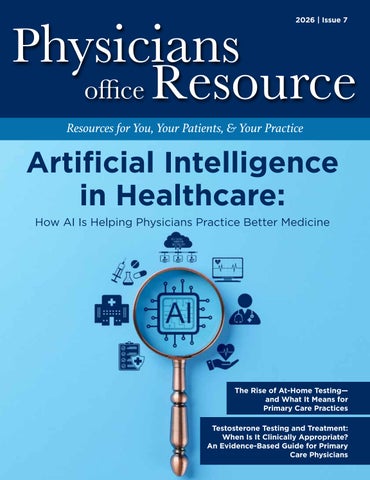
The Rise of At-Home Testing— and What It Means for Primary Care Practices
Testosterone Testing and Treatment: When Is It Clinically Appropriate? An Evidence-Based Guide for Primary Care Physicians
When Minutes Matter
Getting the most from this guide
There are two simple ways to request information about the products and services found in Physicians Office Resource.
1. Go to www.PhysiciansOfficeResource.com and enter the four-digit reference number found next to the product or service into the search field, then request additional information, schedule a demo, or speak with a sales agent all with just a simple click of a button.
2. Find the Business Reply Card in this issue, circle the desired reference numbers, complete the form, and drop into any USPS mailbox. A representative will contact you as quickly as possible to answer your questions.
PUBLISHED BY Medical Education Resources, LLC
PUBLISHER
Aaron R. Medaris amedaris@physiciansofficeresource.com
CEO
Andrew C. Nimmo acnimmo@physiciansofficeresource.com
PRESIDENT
John D. Pasquale jpasquale@pharmaconnect.com
BUSINESS MANAGER
Marci J. Hills mhills@physiciansofficeresource.com
To continue your free subscription of Physicians Office Resource magazine, please fill out the Business Reply Card (BRC) located within this magazine and drop in any United States Post Office mailbox.
If you are a manufacturer of medical products or provide services to medical professionals and would like to advertise your products or services to the nation’s top physicians doing in-office testing, call 801-380-6094 or visit: POR.io for more information.
Molecular Diagnostics Designed for the Time of Care™
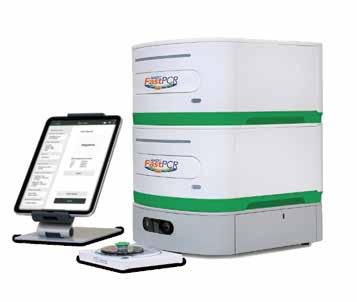
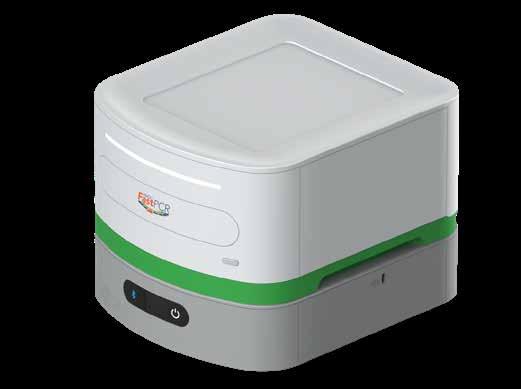
From AMDI Fast PCR
The AMDI Fast PCR System brings molecular testing into the Time of Care™, delivering RT-PCR results in under 10 minutes so healthcare providers can make informed clinical decisions during the patient visit. FDA 510(k) cleared and CLIA waived, the AMDI Fast PCR Instrument and Mini Respiratory Panel detect and differentiate RSV, Influenza A, Influenza B, and SARS-CoV-2 from anterior nasal swab specimens in point-of-care settings. The platform is designed to help reduce callbacks, unnecessary send-out testing, and workflow delays. Additional assays, including Strep A and sexually transmitted infections, are currently in development.
6
Artificial Intelligence in Healthcare: How AI is Helping Physicians Practice Better Medicine
Artificial intelligence is changing healthcare—but not in the way many people expected.
12 18
The Rise of At-Home Testing—and What It Means for Primary Care Practices
How primary care physicians can navigate the expanding role of consumer diagnostics while preserving clinical excellence
Testosterone Testing and Treatment: An Evidence-Based Guide for Physicians
Few topics in men’s health have generated as much public attention in recent years as testosterone replacement therapy.
SCAN TO LEARN MORE 6501
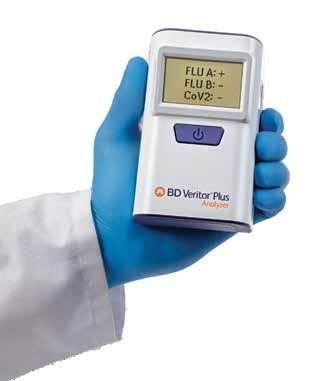
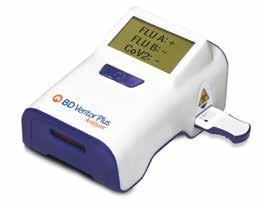
BD Veritor™ Plus System Your simple solution
Digital clarity:
• Unambiguous positive/negative display which may help to reduce result interpretation errors and streamline diagnosis.
Easy to use:
• No monthly calibration required, operated with single-button functionality.
Cost-effective:
• No service contracts, maintenance or calibration needed for device lifetime.
Rapid results:
• Delivers digitally read results in 15 minutes or less,** supporting timely clinical decisions.
Flexible workflow options:
• Walk Away mode: Built in timer allows you to perform other tasks throughout test development.
• Analyze Now mode: Enables immediate processing to support batch testing.†
• Compact, lightweight and portable— able to function without cords.
*In the USA, the BD Veritor™ System for Rapid Detection of SARS-CoV-2 & Flu A+B has not been FDA cleared or approved but has been authorized by the FDA under an Emergency Use Authorization for use by authorized laboratories; use by laboratories certified under the CLIA, 42 U.S.C. §263a, that meet requirements to perform moderate, high, or waived complexity tests. The product is authorized for use at the Point of Care (POC), i.e., in patient care settings operating under a CLIA Certificate of Waiver, Certificate of Compliance, or Certificate of Accreditation. This product has been authorized only for the detection of proteins from SARS-CoV-2, influenza A and influenza B, not for any other viruses or pathogens; and, in the USA, the emergency use of this product is only authorized for the duration of the declaration that circumstances exist justifying the authorization of emergency use of in vitro diagnostics for detection and/or diagnosis of COVID 19 under Section 564(b)(1) of the Federal Food, Drug and Cosmetic Act, 21 U.S.C. §360bbb-3(b)(1), unless the declaration is terminated or authorization is revoked sooner.
**Result processing times for each BD Veritor™ assay are 15 minutes for the SARS-CoV-2 and SARS-CoV-2 & Flu A+B assays, 10 minutes for Flu A+B and RSV assays, and 5 minutes for the Group A Strep assay.
†Any batch testing performed should be conducted at the discretion of the user, in accordance with local policies and clinical judgment.
Artificial Intelligence in Healthcare: How AI Is Helping Physicians Practice Better Medicine
Artificial intelligence is changing healthcare—but not in the way many people expected. Rather than replacing physicians, today’s AI is becoming an indispensable clinical assistant, reducing administrative burdens, improving workflow efficiency, enhancing diagnostic support, and allowing physicians to spend more time doing what only they can do: caring for patients.
For decades, artificial intelligence (AI) has been portrayed as a technology that would one day diagnose disease independently and replace physicians. While advances in machine learning and generative AI have certainly been remarkable, the reality unfolding in clinics and hospitals across the United States is far more practical—and far more beneficial.
Today’s most successful AI applications are not replacing physicians. Instead, they are helping physicians reclaim one of medicine’s most valuable resources: time.
Between growing patient volumes, increasingly complex chronic disease management, electronic health record (EHR) documentation, prior authorizations, inbox management, and evolving quality reporting requirements, physicians spend a significant portion of each day performing administrative tasks that compete with direct patient care. AI is emerging as a powerful tool to reduce that burden while improving efficiency, supporting clinical decision-making, and enhancing the overall patient experience.
For primary care physicians in particular, AI may represent one of the most meaningful technological advances since the widespread adoption of electronic health records.
From
Administrative Burden to Clinical Support
Healthcare has become increasingly data-driven. Every patient encounter generates laboratory results, imaging reports, medication histories, clinical notes, preventive care recommendations, insurance documentation, and quality metrics.
While electronic health records have centralized this infor-
mation, they have also created an enormous documentation burden. Numerous studies have demonstrated that physicians often spend nearly as much time interacting with the EHR as they do caring for patients, contributing substantially to professional burnout.
AI is beginning to reverse this trend.
Rather than asking physicians to document every aspect of a visit manually, modern AI systems can automatically organize information, summarize conversations, suggest documentation, retrieve relevant patient history, and streamline many repetitive administrative processes.
Importantly, physicians remain fully responsible for reviewing, editing, and approving all clinical documentation. AI serves as an assistant—not an autonomous clinician.
Ambient AI Scribes: One of Healthcare’s Biggest Success Stories
Perhaps no AI application has generated more enthusiasm among practicing physicians than ambient clinical documentation.
Using secure speech recognition and large language models, ambient AI systems—with patient consent—listen to the natural conversation between physician and patient. The software then generates a structured clinical note, allowing the physician to review, edit, and sign the documentation instead of creating it from scratch.
The impact has been significant.
Multiple health systems have reported meaningful reductions in documentation time, improvements in physician satisfaction, and decreases in after-hours charting. In a 2025 multicenter quality improvement study published in JAMA Network Open, physician burnout decreased significantly after implementation of ambient AI scribes, while clinicians reported improved workflow and reduced administrative burden.1,2
Similarly, a randomized trial published in NEJM AI found
that ambient AI documentation reduced work exhaustion and documentation burden while maintaining physician oversight of the medical record.3,4
For many physicians, these systems restore something that has slowly eroded over the past decade: uninterrupted eye contact with patients.
Instead of typing throughout the encounter, physicians can focus their attention on listening, observing nonverbal cues, and engaging in meaningful conversation.
AI Is Becoming a Smarter Clinical Assistant
Beyond documentation, AI is increasingly helping physicians organize and interpret enormous amounts of clinical information.
Modern AI-powered clinical decision support systems can rapidly synthesize laboratory values, medication lists, imaging reports, previous diagnoses, family history, and current clinical guidelines to identify potential care opportunities.
For example, AI may alert physicians that:
• A patient with diabetes qualifies for additional renal-protective therapy.
• A patient meets updated cardiovascular prevention recommendations.
Unlike traditional rule-based alerts that often contribute to “alert fatigue,” newer AI systems prioritize clinically meaningful recommendations based on the individual patient’s overall risk profile.
Importantly, AI recommendations are advisory rather than prescriptive. Physicians remain responsible for interpreting recommendations within the context of each patient’s preferences, comorbidities, and clinical presentation.
Earlier Detection Through Pattern Recognition
Artificial intelligence excels at identifying subtle patterns that may be difficult for humans to recognize consistently.
This strength has led to rapid growth in AI-assisted diagnostic support across multiple specialties.
Radiologists increasingly use AI algorithms to prioritize urgent imaging studies, identify pulmonary nodules, detect intracranial hemorrhage, and assist in breast cancer screening.
Pathologists are using AI to improve digital slide interpretation and quantify biomarkers.
Ophthalmologists have adopted FDA-authorized AI systems capable of detecting diabetic retinopathy from retinal photographs.
Cardiology has seen growing use of AI to analyze electrocardiograms, identify arrhythmias, estimate cardiovascular risk, and detect structural heart disease.
For primary care physicians, these technologies can facilitate earlier referrals, faster diagnoses, and more timely interventions.
Rather than replacing specialists, AI functions as an additional layer of quality assurance that helps clinicians recognize abnormalities that warrant closer evaluation.
Supporting Population Health
Primary care increasingly focuses on managing populations rather than responding solely to acute visits.
AI allows practices to continuously monitor entire patient panels and identify individuals who may benefit from proactive outreach.
Examples include patients who:
• have uncontrolled hypertension,
• have elevated A1C levels,
• are overdue for colorectal or breast cancer screening,
• have not filled important medications,
• require vaccination updates, or
• are at elevated risk for hospitalization.
Instead of waiting until these patients present with complications, practices can intervene earlier.
These capabilities align closely with value-based care initiatives, where improving preventive care and reducing avoidable hospitalizations have become important quality and financial objectives.
AI and Revenue Cycle Efficiency
While much of the discussion surrounding AI focuses on patient care, physicians may experience equally significant benefits in practice operations.
AI is increasingly assisting with:
• medical coding,
• documentation completeness,
• prior authorization preparation,
• insurance verification,
• claims review,
• denial prediction,
• appointment scheduling,
• patient messaging triage, and
• referral management.
These improvements reduce administrative workload for physicians and office staff while improving operational efficiency.
For independent practices facing staffing shortages, these workflow improvements may provide meaningful financial benefits without increasing personnel costs.
Enhancing Patient Communication
Patients increasingly expect healthcare interactions to resemble the digital experiences they encounter in banking, retail, and travel.
AI-powered patient communication tools help practices meet these expectations by answering routine administrative questions, scheduling appointments, providing medication reminders, distributing educational materials, and directing patients toward appropriate care resources.
This allows physicians and nursing staff to devote more time to clinically meaningful conversations while reducing repetitive phone calls and portal messages.
Equally important, AI-generated educational materials can often be personalized according to health literacy, language preference, and individual medical conditions, improving patient understanding and engagement.
AI Will Not Replace Clinical Judgment
Despite remarkable technological advances, AI remains fundamentally limited.
Medicine involves uncertainty, nuance, ethics, communication, empathy, and shared decision-making—qualities that extend far beyond data analysis.
An algorithm cannot fully appreciate the anxiety in a patient’s voice after receiving a new cancer diagnosis.
It cannot recognize the subtle hesitation that suggests a patient has not disclosed important symptoms.
It cannot build trust with a frightened family or navigate emotionally complex end-of-life discussions.
These remain uniquely human responsibilities. The physician’s role is evolving—not disappearing.
In the coming years, physicians will increasingly supervise AI-generated insights while applying clinical reasoning, experience, ethics, and compassion to individual patient care.
Important Challenges Remain
As adoption accelerates, physicians should also recognize AI’s limitations.
Large language models occasionally generate inaccurate information, commonly referred to as “hallucinations.” Clinical documentation produced by AI requires careful physician review before becoming part of the permanent medical record.
Algorithmic bias remains another important concern. AI systems trained using incomplete or non-representative datasets may perform differently across racial, ethnic, socioeconomic, or geographic populations. Ongoing validation and continuous monitoring remain essential.
Privacy and cybersecurity are equally important consider-
ations. Practices should understand how vendors store data, whether patient conversations are retained, how protected health information is secured, and whether systems comply with HIPAA requirements.
Regulatory oversight continues to evolve as the U.S. Food and Drug Administration expands its framework for AI-enabled Software as a Medical Device while healthcare organizations develop governance policies for responsible implementation.
Looking Ahead
Healthcare is still in the early stages of AI adoption.
Future applications are expected to include predictive risk modeling, personalized treatment recommendations, remote patient monitoring, automated quality reporting, clinical trial matching, and increasingly sophisticated decision support integrated directly into electronic health records.
Generative AI may also assist physicians in rapidly summarizing newly published literature, comparing evolving clinical guidelines, and synthesizing complex patient histories before each encounter.
Yet regardless of how sophisticated AI becomes, one principle is unlikely to change.
Patients do not simply seek diagnoses. They seek reassurance, understanding, and trust.
Technology can process information faster than any physician. It cannot replace the human connection that defines the practice of medicine.
The Bottom Line
Artificial intelligence represents one of the most significant technological advances in modern healthcare—not because it replaces physicians, but because it enables physicians to practice at the top of their license.
By reducing documentation burdens, streamlining administrative workflows, improving clinical decision support, strengthening population health management, and enhancing operational efficiency, AI allows physicians to devote more of their time and expertise to direct patient care.
The practices that will benefit most are unlikely to be those that adopt AI indiscriminately. Instead, they will be the organizations that thoughtfully integrate evidence-based AI tools while preserving physician oversight, protecting patient privacy, and maintaining the human relationships that remain central to quality healthcare.
In the years ahead, successful physicians will not compete with artificial intelligence—they will learn to work alongside it. The combination of advanced computational tools and experienced clinical judgment has the potential to improve efficiency, reduce burnout, enhance patient outcomes, and ultimately restore more of medicine’s most valuable resource: time.
REFERENCES
1. Olson KD, et al. Use of Ambient AI Scribes to Reduce Administrative Burden and Physician Burnout. JAMA Network Open. 2025.
2. Shah SJ, et al. Physician Perspectives on Ambient AI Scribes. JAMA Network Open. 2025.
3. Afshar M, et al. A Pragmatic Randomized Controlled Trial of Ambient Artificial Intelligence Scribes. NEJM AI. 2025.
4. Lukac PJ, et al. Ambient AI Scribes in Clinical Practice: A Randomized Trial. NEJM AI. 2025.
5. U.S. Food and Drug Administration. Artificial Intelligence and Machine Learning-Enabled Medical Devices.
6. American Medical Association. Augmented Intelligence in Health Care resources.
7. Office of the National Coordinator for Health Information Technology. Health IT and Artificial Intelligence guidance.
8. World Health Organization. Ethics and Governance of Artificial Intelligence for Health.
- Move from Waived to Non-Waived Testing with the
of
- Expand testing, don’t worry about all the work- policies, fillable forms, e-signatures, calendar reminders included - Remote access – Lab Directors and Consultants manage compliance efficiently, save time, and travel expenses
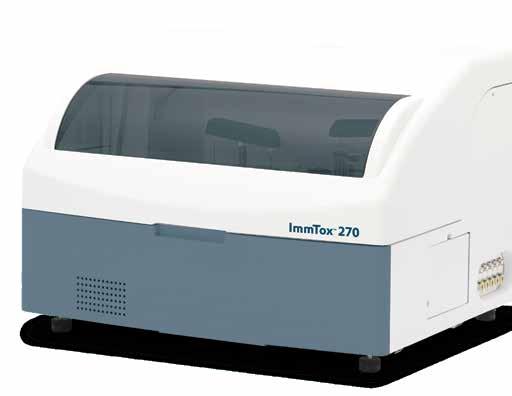
Comprehensive toxicology menu now with 14 CLIA 1 categorized moderate complexity assays.
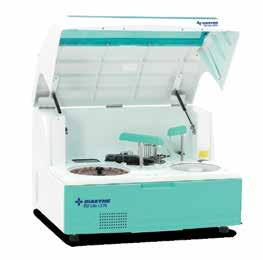
IMMTOX ™ 270 BENCHTOP ANALYZER
Toxicology screening solutions for physician offices, pain management, treatment centers and laboratories testing 200+ patient samples/mo.
MODERATE COMPLEXITY ASSAYS – FDA 510(K) CLEARED
6-acetylmorphine (6-AM Heroin metabolite)
Amphetamine
Barbiturates
Benzodiazepines
Benzoylecgonine (Cocaine metabolite)
Buprenorphine
Cannabinoids (THC)
EDDP (Methadone metabolite)
Fentanyl*
Methamphetamine
Opiates
Oxycodone
Phencyclidine (PCP)
Tramadol
Scan this QR code to view the ImmTox™ 270 product video
The Rise of At-Home Testing—and What It Means for Primary Care Practices
How Primary Care Physicians Can Navigate the Expanding Role of Consumer Diagnostics While Preserving Clinical Excellence
BY: MATT BAKER, PHYSICIANS OFFICE RESOURCE
For decades, diagnostic testing followed a familiar pathway: patients presented to their physician, laboratory testing was ordered based on a clinical assessment, specimens were collected in a healthcare setting, and results were interpreted within the context of the patient’s medical history. Today, that model is rapidly evolving. Advances in technology, digital health,
telemedicine, and laboratory science have ushered in a new era of consumer-directed diagnostics, with millions of Americans now performing health tests in their homes.¹
The COVID-19 pandemic served as a catalyst for this transformation. Before 2020, most patients had limited experience with
self-administered diagnostic testing outside of pregnancy tests or home glucose monitoring. During the pandemic, however, at-home SARS-CoV-2 testing became commonplace, fundamentally changing patient expectations regarding convenience, accessibility, and personal involvement in healthcare.² What was once viewed as an exception has become increasingly routine.
Today, patients can purchase or receive at-home tests for an expanding list of conditions, including colorectal cancer screening, diabetes monitoring, sexually transmitted infections (STIs), respiratory infections, chronic kidney disease, thyroid dysfunction, fertility, menopause, sleep apnea, lipid disorders, and numerous genetic conditions.³ Numerous companies now market direct-to-consumer laboratory testing with digital reporting platforms, smartphone integration, telehealth consultations, and in some cases, automatic delivery of results to healthcare providers.
For primary care physicians, this expanding diagnostic ecosystem presents both extraordinary opportunities and meaningful challenges. Properly integrated into longitudinal care, validated home diagnostics can improve preventive screening, enhance chronic disease management, increase patient engagement, and reduce barriers to care. Conversely, inappropriate testing, inaccurate interpretation, poor test selection, and fragmented communication can increase healthcare utilization while generating unnecessary anxiety and confusion.
Perhaps more importantly, the rise of consumer diagnostics is reshaping—not replacing—the role of the primary care physician. Rather than serving solely as the gatekeeper to laboratory testing, physicians are increasingly becoming expert interpreters of patient-generated health data, helping patients distinguish clinically meaningful information from misleading or unnecessary testing.
A Fundamental Shift in Healthcare Delivery
Healthcare has gradually transitioned from episodic, clinic-centered encounters toward continuous, patient-centered care. Wearable devices, remote physiologic monitoring, telemedicine, electronic health records, and patient portals have all contributed to a model in which health data are generated well beyond the walls of the physician’s office.⁴
At-home diagnostic testing represents another important component of this evolution.
Consumer demand is driven by several converging factors:
• Greater convenience
• Reduced travel and scheduling barriers
• Increased health literacy
• Growing acceptance of digital health technologies
• Rising healthcare costs
• Expanded telemedicine services
• Increased emphasis on preventive care
Patients increasingly expect healthcare to be available on demand. Just as banking, shopping, and communication have
become largely digital, many patients now expect portions of their healthcare experience to occur at home.
This trend is particularly evident among younger adults, who often prefer digital-first healthcare interactions and value convenience as highly as traditional access to care.
However, older adults are also embracing home testing, particularly when mobility limitations, transportation barriers, or chronic disease monitoring make frequent office visits burdensome.⁵
The Expanding Landscape of Home Diagnostics
The breadth of available home testing has expanded dramatically over the past several years.
While not all tests possess equivalent clinical utility, several categories have become increasingly evidence-based and widely adopted.
Infectious Disease Testing
COVID-19 fundamentally altered public acceptance of self-testing. Millions of patients became comfortable performing nasal swabs and interpreting rapid antigen results.
Since then, manufacturers have expanded home diagnostic platforms to include influenza, respiratory syncytial virus (RSV), and combination respiratory panels.²
For many patients, rapid identification of infectious illnesses facilitates earlier isolation, appropriate antiviral therapy, and improved infection control.
Primary care physicians should recognize, however, that diagnostic accuracy varies considerably depending on the testing platform, specimen quality, disease prevalence, and timing relative to symptom onset. Negative results do not always exclude disease, particularly during early infection or periods of lower viral shedding. Clinical judgment remains essential.
Colorectal Cancer Screening
One of the greatest public health successes of home diagnostics has been the increasing adoption of stool-based colorectal cancer screening.
Annual fecal immunochemical testing (FIT) and multitarget stool DNA testing provide evidence-based screening options for average-risk adults and have significantly improved participation among patients who decline colonoscopy.⁶
Primary care physicians remain central to this process.
Patients should understand that a positive stool-based screening test is not diagnostic for colorectal cancer. Rather, it identifies individuals who require timely diagnostic colonoscopy. Unfortunately, studies continue to demonstrate that delays in colonoscopic follow-up after abnormal stool testing are associated with worse clinical outcomes.⁷
Accordingly, practices should develop systems that actively track positive home screening results and ensure appropriate diagnostic follow-up.
Diabetes Management
Few areas have experienced greater innovation than diabetes management.
Traditional finger-stick glucose monitoring has evolved into sophisticated continuous glucose monitoring (CGM) systems capable of providing real-time glucose trends, glycemic variability, and ambulatory glucose profiles.
Although CGMs are not technically “at-home tests” in the traditional sense, they exemplify the growing integration of patient-generated diagnostic data into routine primary care.
Home HbA1c collection kits have also become increasingly available. While these tests should not replace comprehensive diabetes management, they may provide useful supplemental information for selected patients when interpreted within the broader clinical context.⁸
Hypertension
Home blood pressure monitoring has become a cornerstone of contemporary hypertension management.
Compared with isolated office measurements, properly performed home monitoring often provides a more accurate representation of an individual’s usual blood pressure while helping clinicians identify white-coat hypertension and masked hypertension.⁹
Current hypertension guidelines strongly encourage home blood pressure monitoring as part of both diagnosis and ongoing management, particularly when combined with physician interpretation and patient education.
Benefits for Primary Care Practices
Despite understandable concerns regarding consumer diagnostics, home testing offers several important advantages for primary care physicians when implemented thoughtfully.
Improving Preventive Screening Rates
One of primary care’s greatest challenges remains ensuring that eligible patients complete recommended preventive screenings.
Transportation difficulties, work obligations, caregiving responsibilities, embarrassment, cost concerns, and scheduling delays all contribute to lower adherence. Home testing removes many of these barriers.
Programs that mail FIT kits directly to patients have consistently demonstrated higher colorectal cancer screening participation compared with usual care, particularly among historically underserved populations.¹⁰ Similar strategies are being explored for chronic kidney disease screening, hepatitis C testing, sexually transmitted infection screening, and other preventive services.
For practices participating in value-based care arrangements, improved screening rates may translate into better quality metrics while simultaneously improving patient outcomes.
Enhancing Chronic Disease Monitoring
Traditional office-based laboratory testing provides isolated snapshots of a patient’s health.
In contrast, remote monitoring generates longitudinal datasets that may better reflect everyday physiology.
Patients managing hypertension, diabetes, heart failure, obstructive sleep apnea, and anticoagulation therapy increasingly generate clinically meaningful information outside traditional healthcare settings.
When integrated appropriately into electronic health records and reviewed systematically, these data can facilitate earlier intervention while supporting more individualized treatment decisions.¹¹
Importantly, physicians should establish standardized protocols regarding which home-generated data require active review, acceptable thresholds for clinical intervention, documentation expectations, and patient communication strategies.
Without clearly defined workflows, practices risk overwhelming clinicians with large volumes of patient-generated information while deriving relatively little clinical benefit.
Increasing Patient Engagement
Perhaps the greatest advantage of home diagnostics is their ability to foster patient engagement.
Patients who actively participate in monitoring their own health frequently develop a stronger understanding of disease processes and treatment goals.
Reviewing home-generated data during office visits often transforms conversations from retrospective discussions of laboratory values into collaborative planning sessions focused on disease management, lifestyle modification, and shared decision-making.
This enhanced engagement aligns closely with modern models of patient-centered care and may improve long-term adherence to both lifestyle recommendations and pharmacologic therapy.
Clinical Limitations: Recognizing What Home Testing Cannot Do
Despite the rapid growth of consumer diagnostics, physicians should remain mindful that no laboratory result exists in isolation. Diagnostic testing is only one component of clinical decision-making, and test performance must always be interpreted within the context of the patient’s symptoms, medical history, physical examination, and pretest probability of disease.¹²
One of the most common misconceptions among patients is
that a laboratory result alone can establish or exclude a diagnosis. In reality, even highly accurate tests have important limitations.
Every diagnostic assay possesses measurable sensitivity and specificity, meaning false-positive and false-negative results are inevitable. Test performance also varies according to disease prevalence, timing of specimen collection, specimen quality, and patient characteristics.¹³
For example, a patient who performs a home influenza or SARS-CoV-2 antigen test shortly after symptom onset may receive a false-negative result because viral concentrations remain below the assay’s detection threshold. Conversely, positive screening tests performed in populations with a low prevalence of disease may represent false positives that require confirmatory evaluation.
These limitations underscore a critical point: at-home testing should complement—not replace—clinical assessment.
The Growing Challenge of Test Interpretation
Primary care physicians increasingly encounter patients who present with laboratory results obtained independently through commercial testing services.
Some results provide meaningful clinical information, while others generate unnecessary concern.
Among the most problematic categories are tests marketed directly to consumers without strong evidence supporting routine clinical use. Examples include broad food sensitivity panels, hormone panels ordered without appropriate clinical indications, micronutrient testing in asymptomatic individuals, and genetic risk reports with uncertain clinical significance.¹⁴
Patients frequently assume that the availability of a test implies medical necessity. Physicians therefore play an increasingly important role in helping patients distinguish between evidence-based diagnostics and tests that lack sufficient validation or clinical utility.
This educational role has become one of the defining responsibilities of modern primary care.
Direct-to-Consumer Genetic Testing
Genetic testing represents one of the fastest-growing segments of consumer diagnostics.
Millions of Americans have undergone direct-to-consumer testing for ancestry, carrier screening, pharmacogenomics, and disease susceptibility. While these tests have increased public awareness of genetics, they have also introduced new challenges for primary care physicians.
Many commercially available genetic tests evaluate common genetic variants associated with relatively modest changes in disease risk. Patients may interpret these findings as definitive predictions of future illness, despite the fact that most chron-
ic diseases result from complex interactions among multiple genes, environmental factors, and lifestyle behaviors.¹⁵
False reassurance is also possible. A patient who receives a report indicating “low genetic risk” for cardiovascular disease, for example, may incorrectly assume that traditional risk factors such as hypertension, hyperlipidemia, obesity, smoking, or diabetes are less important.
Professional organizations continue to recommend that clinically significant genetic findings obtained through direct-to-consumer testing be confirmed in a certified clinical laboratory before major medical decisions are made.¹⁶
Primary care physicians should also recognize situations in which referral to a genetic counselor or medical geneticist is appropriate, particularly when hereditary cancer syndromes or other high-risk inherited conditions are suspected.
Workflow Challenges for Primary Care Practices
While home diagnostics may improve access to testing, they also generate additional demands on physician practices.
Patient portals now routinely receive uploaded laboratory reports accompanied by questions such as:
“My cholesterol is slightly elevated—should I start medication?”
“My thyroid test is abnormal. Do I need treatment?”
“My home kidney function test was positive. What should I do next?”
Although each question appears straightforward, collectively they represent a substantial and often uncompensated workload.
Practices should anticipate continued growth in patient-generated health data and establish standardized workflows before these requests become overwhelming.
Successful strategies may include:
• Developing triage protocols for incoming home test results
• Creating standardized patient education resources for commonly ordered tests
• Delegating initial review to appropriately trained nursing staff or advanced practice clinicians
• Establishing clear criteria for physician review
• Scheduling follow-up visits when interpretation requires shared decision-making or additional diagnostic evaluation
Just as practices developed efficient systems for managing electronic health record inboxes, similar approaches will be necessary for consumer-generated diagnostic information.
Opportunities Within Value-Based Care
Although increased data volume presents challenges, home diagnostics align closely with the principles of value-based healthcare.
Health systems and accountable care organizations increasingly emphasize preventive services, chronic disease management, and avoidance of unnecessary hospitalizations.
Validated home testing may contribute meaningfully to these goals.
Examples include:
• Remote blood pressure monitoring for hypertension
• Continuous glucose monitoring for diabetes
• Mailed FIT programs for colorectal cancer screening
• Home sleep apnea testing in appropriately selected patients
• Remote physiologic monitoring for heart failure
• Digital weight monitoring for patients with chronic cardiovascular disease
Numerous studies have demonstrated that remote monitoring programs can improve blood pressure control, glycemic outcomes, and patient satisfaction when incorporated into structured clinical care.¹⁷
Success depends upon timely physician review, appropriate clinical intervention, patient education, and consistent longitudinal follow-up.
Artificial Intelligence and the Future of Home Diagnostics
The next major evolution of consumer diagnostics will likely involve artificial intelligence (AI).
Increasingly sophisticated algorithms are being developed to assist with interpretation of home-generated health data, identify clinically significant trends, and recommend appropriate next steps.
Rather than evaluating isolated laboratory values, AI systems may integrate multiple sources of patient-generated information, including:
• Continuous glucose monitoring
• Blood pressure readings
• Heart rate variability
• Wearable activity data
• Sleep metrics
• Home laboratory results
• Medication adherence
• Patient-reported symptoms
These systems have the potential to identify subtle clinical deterioration before patients recognize symptoms themselves.
For example, gradual increases in fasting glucose, declining physical activity, worsening sleep quality, and progressive blood pressure elevation may collectively identify patients at increased risk for developing type 2 diabetes or cardiovascular disease.
Nevertheless, AI should be viewed as a clinical support tool
rather than an independent diagnostic authority.
Algorithms remain dependent upon data quality and cannot replace physician judgment, clinical reasoning, or individualized patient counseling.
The Physician’s Role Is Becoming More Important—Not Less
One concern occasionally expressed by physicians is that expanding consumer diagnostics could diminish the role of primary care.
Current evidence suggests precisely the opposite.
As healthcare generates increasingly large volumes of patient-produced information, interpretation becomes more—not less—valuable.
Primary care physicians remain uniquely positioned to integrate laboratory findings with clinical history, medication review, physical examination, family history, social determinants of health, and patient preferences.
This comprehensive perspective cannot be replicated by an isolated laboratory report or automated interpretation.
Indeed, patients often seek physician guidance specifically because they have received confusing or unexpected results through direct-to-consumer testing platforms.
Rather than competing with primary care, validated home diagnostics may strengthen the physician-patient relationship by creating additional opportunities for shared decision-making and preventive care discussions.
Practical Recommendations for Primary Care Physicians
As at-home diagnostics continue to expand, practices should proactively prepare for their integration into routine care.
Several practical strategies can facilitate successful implementation:
Develop evidence-based policies. Establish clear guidance regarding which home tests are accepted, how results should be documented, and when confirmatory laboratory testing is appropriate.
Educate patients before testing. Encourage patients to discuss planned home testing during preventive visits so that unnecessary or low-value testing can be avoided.
Prioritize validated diagnostics. Recommend FDA-authorized or guideline-supported tests whenever possible and counsel patients regarding the limitations of nonvalidated commercial products.
and establish communication standards that minimize unnecessary delays.
Incorporate home monitoring into chronic disease management. Home blood pressure monitoring, continuous glucose monitoring, and evidence-based remote monitoring programs can improve clinical decision-making when integrated thoughtfully into practice.
Emphasize shared decision-making. Diagnostic information should always be interpreted within the broader clinical context, incorporating patient values, symptoms, and overall health goals.
Conclusion
The rapid expansion of at-home diagnostic testing represents one of the most significant shifts in outpatient medicine since the widespread adoption of electronic health records. Advances in technology have empowered patients to participate more actively in their healthcare than ever before, generating valuable clinical information outside traditional healthcare settings. For primary care physicians, this evolution presents both opportunity and responsibility.
REFERENCES
1. U.S. Food and Drug Administration. In vitro diagnostics. Updated 2025. Accessed June 30, 2026. (Provides background on FDA oversight of diagnostic devices.)
2. Centers for Disease Control and Prevention. Guidance on self-testing for respiratory viral infections. Updated 2025. Accessed June 30, 2026.
3. U.S. Preventive Services Task Force. A and B recommendations. Updated 2025. Accessed June 30, 2026. Screening recommendations include colorectal cancer, hypertension, diabetes, HIV, hepatitis C, and other preventive services commonly incorporated into home-based screening strategies.
4. Centers for Medicare & Medicaid Services. Telehealth & Remote Monitoring. MLN Booklet. December 2025. Guidance on Medicare coverage for telehealth and remote monitoring.
5. American Diabetes Association. Standards of Care in Diabetes—2026. Diabetes Care. 2026.
6. U.S. Preventive Services Task Force. Screening for colorectal cancer: US Preventive Services Task Force recommendation statement. JAMA. 2021;325(19):1965-1977.
7. Corley DA, Jensen CD, Quinn VP, et al. Association between time to colonoscopy after a positive fecal test result and risk of colorectal cancer and cancer stage at diagnosis. JAMA. 2017;317(16):1631-1641.
8. American Diabetes Association. Glycemic monitoring and diabetes technology. In: Standards of Care in Diabetes—2026. Diabetes Care. 2026.
9. American Heart Association. Scientific statements and guideline recommendations supporting home blood pressure monitoring for the diagnosis and management of hypertension.
Validated home diagnostics can improve preventive screening, facilitate earlier disease detection, enhance chronic disease management, and increase patient engagement. At the same time, clinicians must remain vigilant regarding test quality, appropriate utilization, diagnostic limitations, and the growing burden of interpreting patient-generated health data.
Ultimately, the greatest value of home testing lies not in replacing physician expertise but in extending it. Laboratory results become clinically meaningful only when interpreted within the context of the individual patient, guided by evidence-based medicine and informed clinical judgment.
As consumer diagnostics continue to evolve, the physician’s role as educator, interpreter, and coordinator of care will become increasingly indispensable. Practices that embrace validated home testing while maintaining rigorous standards for interpretation and follow-up will be well positioned to improve patient outcomes, strengthen therapeutic relationships, and deliver high-quality primary care in an increasingly connected healthcare environment.
10. Dougherty MK, Brenner AT, Crockett SD, et al. Evaluation of interventions intended to increase colorectal cancer screening rates in average-risk adults: a systematic review and meta-analysis. JAMA Internal Medicine. 2018;178(12):16451658.
11. Omboni S, McManus RJ, Bosworth HB, et al. Evidence and recommendations on the use of telemedicine for the management of arterial hypertension. Hypertension. 2020;76(5):13681383.
12. National Academy of Medicine. Improving Diagnosis in Health Care. Washington, DC: National Academies Press; 2015.
13. Clinical and Laboratory Standards Institute. Current standards for diagnostic test evaluation, validation, and laboratory quality management.
14. American College of Medical Genetics and Genomics. Position statements regarding direct-to-consumer genetic testing and appropriate clinical confirmation of medically actionable findings.
15. Tandy-Connor S, Guiltinan J, Krempely K, et al. False-positive results released by direct-to-consumer genetic tests highlight the importance of clinical confirmation testing for appropriate patient care. Genetics in Medicine. 2018;20(12):1515-1521.
16. American College of Medical Genetics and Genomics. Recommendations regarding clinical confirmation and interpretation of direct-to-consumer genetic testing.
17. U.S. Department of Health and Human Services. Best practices for telehealth and remote patient monitoring, including reimbursement considerations and implementation guidance. Updated January 2025.
Testosterone Testing and Treatment:
An Evidence-Based Guide for Primary Care Physicians
BY ADAM IRVINE, PHYSICIANS OFFICE RESOURCE
Introduction
Few topics in men’s health have generated as much public attention in recent years as testosterone replacement therapy (TRT). Once reserved primarily for men with well-defined endocrine disorders, testosterone testing has become increasingly common in primary care, driven by aggressive direct-to-consumer advertising, telemedicine platforms specializing in “Low T,” and widespread discussion across social media.
Today, physicians are routinely asked to evaluate men who attribute fatigue, diminished libido, reduced exercise capacity, weight gain, depressed mood, or cognitive difficulties to low testosterone.
While heightened awareness has encouraged many men to seek evaluation for previously unrecognized hypogonadism, it has also created a growing challenge for primary care physicians: distinguishing true testosterone deficiency from the physiologic effects of aging, obesity, chronic illness, medication use, sleep disorders, or lifestyle factors. Symptoms commonly associated with testosterone deficiency are often nonspecific, and indiscriminate testing or treatment may expose patients to unnecessary risks while overlooking the underlying cause of their complaints.
At the same time, legitimate hypogonadism remains underdiagnosed in certain populations, particularly among men with pituitary disease, primary testicular failure, hereditary con-
ditions, or prior chemotherapy or radiation exposure. When appropriately identified and managed, testosterone replacement therapy can significantly improve sexual function, bone mineral density, body composition, anemia, and quality of life.
The role of the primary care physician has therefore become increasingly important. Rather than serving simply as gatekeepers to testosterone prescriptions, clinicians are uniquely positioned to conduct comprehensive evaluations, identify reversible causes of androgen deficiency, counsel patients regarding realistic expectations, and determine when hormone replacement is—or is not—clinically appropriate.
Current recommendations from the American Urological Association (AUA), the Endocrine Society, the American College of Physicians (ACP), and other professional organizations emphasize a consistent message: testosterone therapy should be reserved for men who demonstrate both persistent clinical symptoms and unequivocally low testosterone concentrations confirmed by appropriate laboratory testing. A diagnosis should never rest on symptoms alone or on a single laboratory value obtained under suboptimal conditions.
This article reviews current evidence regarding testosterone physiology, appropriate patient selection, laboratory evaluation, differential diagnosis, treatment considerations, monitoring strategies, and patient counseling to help primary care physicians navigate one of the most frequently requested—and frequently misunderstood—therapies in modern men’s health.
Testosterone Physiology: Understanding the Hypothalamic-Pituitary-Gonadal Axis
Successful evaluation of testosterone deficiency begins with an understanding of normal endocrine physiology.
Testosterone production is regulated through the hypothalamic-pituitary-gonadal (HPG) axis. Pulsatile secretion of gonadotropin-releasing hormone (GnRH) from the hypothalamus stimulates release of luteinizing hormone (LH) and follicle-stimulating hormone (FSH) from the anterior pituitary gland. LH then stimulates Leydig cells within the testes to produce testosterone, while FSH primarily supports spermatogenesis through Sertoli cell function.
Approximately 95% of circulating testosterone is synthesized within the testes, with the remaining fraction derived from adrenal androgen precursors. Once released into circulation, testosterone exists in three forms:
• Approximately 40–50% is tightly bound to sex hormone-binding globulin (SHBG)
• About 50–60% is loosely bound to albumin
• Only 1–3% circulates as free (unbound) testosterone
Although free testosterone represents only a small fraction of total circulating hormone, it is generally considered the biologically active component capable of entering target tissues and activating androgen receptors. Albumin-bound testosterone is also considered bioavailable because of its relatively weak protein binding.
Understanding these fractions becomes clinically important when interpreting laboratory results in patients with conditions that significantly alter SHBG concentrations.
Age-Related Decline Versus Pathologic Hypogonadism
One of the greatest misconceptions surrounding testosterone is that declining levels represent an inevitable disease requiring hormone replacement.
Beginning around the fourth decade of life, serum testosterone gradually declines at an average rate of approximately 1% annually, although substantial individual variation exists. Importantly, much of the observed decline appears related not simply to aging itself but to the increasing prevalence of obesity, metabolic syndrome, type 2 diabetes, chronic illness, reduced physical activity, and medication use.
Studies have demonstrated that healthy older men without significant comorbid disease often maintain testosterone concentrations within the normal physiologic range well into later adulthood. Conversely, obesity and chronic disease may suppress testosterone production in considerably younger individuals.
For this reason, professional societies increasingly distinguish organic hypogonadism, resulting from irreversible dysfunction of the testes or pituitary gland, from functional hypogonadism, in which testosterone production is suppressed secondary to potentially reversible medical conditions.
This distinction has important therapeutic implications. Men with organic hypogonadism frequently require lifelong testosterone replacement, whereas many patients with functional hypogonadism experience significant improvement following treatment of the underlying disorder.
When Should Physicians Order Testosterone Testing?
One of the most common errors in clinical practice is ordering testosterone levels in men without symptoms suggestive of androgen deficiency.
The Endocrine Society specifically recommends against routine screening of asymptomatic men. Instead, laboratory evaluation should be reserved for patients presenting with signs or symptoms consistent with testosterone deficiency.
Symptoms with the greatest diagnostic value include:
• Decreased libido
• Reduced frequency of spontaneous morning erections
• Erectile dysfunction
• Infertility
• Reduced sexual thoughts
• Decreased energy or endurance
• Loss of muscle strength
• Reduced physical performance
• Depressed mood
• Difficulty concentrating
• Hot flashes
• Low-trauma fractures
• Reduced shaving frequency
Physical examination findings may include:
• Decreased body hair
• Gynecomastia
• Reduced muscle mass
• Increased visceral adiposity
• Small or soft testes
• Delayed puberty (in younger patients)
• Osteopenia or osteoporosis
Many of the symptoms that prompt testosterone testing—including fatigue, reduced motivation, and cognitive complaints—are highly nonspecific. Sleep deprivation, depression, hypothyroidism, anemia, chronic inflammatory disease, medication effects, and psychosocial stress frequently produce similar clinical presentations.
Consequently, testosterone testing should be viewed as one component of a comprehensive diagnostic evaluation rather than a screening tool for generalized fatigue.
Which Patients Merit Special Consideration?
Although routine screening is discouraged, several patient populations warrant a lower threshold for evaluation because of their increased risk of hypogonadism.
These include men with:
• Type 2 diabetes mellitus
• HIV infection
• Osteoporosis or fragility fractures
• Chronic opioid therapy
• Pituitary disorders
• Prior pituitary surgery or radiation
• Klinefelter syndrome
• Bilateral orchiectomy
• Testicular trauma
• Chemotherapy exposure
• Chronic glucocorticoid use
• Hemochromatosis
• Infertility
Among these populations, identifying testosterone deficiency may significantly influence long-term management.
Functional Causes of Low Testosterone: Looking Beyond the Laboratory Value
Perhaps the most important clinical concept for primary care physicians is recognizing that low testosterone frequently reflects an underlying systemic condition rather than isolated endocrine disease.
Obesity
Obesity has emerged as one of the strongest predictors of reduced testosterone concentrations.
Adipose tissue contains aromatase, an enzyme that converts testosterone into estradiol. Increased estradiol suppresses hypo-
thalamic GnRH secretion, ultimately reducing LH stimulation of the testes. In addition, chronic inflammation, insulin resistance, leptin dysregulation, and altered SHBG production contribute to functional suppression of testosterone.
Importantly, multiple studies have demonstrated that clinically significant weight loss can substantially improve endogenous testosterone production without hormone replacement.
As the use of GLP-1 receptor agonists and dual GIP/GLP-1 agonists continues to expand, physicians may increasingly observe normalization of testosterone concentrations following successful weight reduction. Consequently, obesity should be viewed as a potentially reversible contributor to hypogonadism rather than an automatic indication for TRT.
Type 2 Diabetes and Metabolic Syndrome
Approximately one-third of men with type 2 diabetes exhibit biochemical evidence of testosterone deficiency.
Insulin resistance, chronic inflammation, obesity, and endothelial dysfunction all contribute to suppression of the HPG axis.
Although testosterone therapy may improve body composition and modestly improve insulin sensitivity in selected patients with confirmed hypogonadism, optimization of diabetes management, exercise, nutrition, and weight reduction remain first-line interventions.
Obstructive Sleep Apnea
Obstructive sleep apnea represents another frequently overlooked cause of functional testosterone deficiency.
Normal testosterone secretion depends heavily on uninterrupted sleep architecture, particularly rapid eye movement (REM) sleep. Sleep fragmentation and intermittent hypoxia reduce nocturnal testosterone production.
Untreated sleep apnea may also increase cardiovascular risk independently of testosterone status.
Physicians should therefore evaluate patients with obesity, loud snoring, witnessed apneas, excessive daytime somnolence, or resistant hypertension for sleep-disordered breathing before initiating testosterone therapy.
Chronic Illness
Acute illness temporarily suppresses testosterone production through adaptive endocrine mechanisms.
Similarly, chronic inflammatory diseases, chronic kidney disease, liver disease, malignancy, uncontrolled heart failure, and autoimmune disorders may produce persistent reductions in testosterone concentrations.
Treating the underlying disease frequently produces greater clinical benefit than hormone replacement alone.
Medication-Induced Testosterone Suppression
Several commonly prescribed medications interfere with testosterone production.
Among the most important are:
• Chronic opioid therapy
• Systemic glucocorticoids
• Anabolic steroid withdrawal
• Certain antipsychotic medications
• Some anticonvulsants
• GnRH analogues
• Certain chemotherapy agents
A careful medication history should therefore precede any decision regarding hormone replacement.
Obtaining Accurate Testosterone Measurements
The diagnosis of hypogonadism depends as much on proper laboratory technique as on interpretation.
Testosterone secretion follows a circadian rhythm, with peak concentrations occurring during the early morning hours. Although diurnal variation diminishes somewhat with aging, morning testing remains the standard.
Current guidelines recommend:
• Measuring total testosterone between approximately 7:00 and 10:00 a.m.
• Testing while fasting whenever practical
• Avoiding measurement during acute illness or hospitalization
• Confirming low values with a second morning measurement obtained on a separate day using a reliable assay
The AUA recommends using a total testosterone level below 300 ng/dL as a reasonable biochemical threshold in symptomatic men. However, clinicians should recognize that laboratory-specific reference ranges vary, and testosterone values should always be interpreted in conjunction with clinical findings rather than in isolation.
Reliance on a single afternoon testosterone measurement remains one of the most common causes of both overdiagnosis and underdiagnosis in clinical practice.
Total Testosterone or Free
Testosterone?
For most patients, total testosterone represents the preferred initial laboratory test.
However, free testosterone measurement may provide additional diagnostic value when SHBG abnormalities are suspected or when total testosterone concentrations are borderline despite persistent symptoms.
Conditions associated with altered SHBG include:
• Obesity
• Advanced age
• Hyperthyroidism
• Liver disease
• HIV infection
• Nephrotic syndrome
• Certain anticonvulsants
• Estrogen therapy
When indicated, calculated free testosterone derived from equilibrium dialysis or validated algorithms generally provides greater clinical reliability than many commercially available direct free testosterone immunoassays.
Determining the Cause: Primary vs. Secondary Hypogonadism
Confirming low serum testosterone is only the beginning of the diagnostic process. Once biochemical hypogonadism has been established with two appropriately obtained morning testosterone measurements, the next clinical objective is identifying the underlying cause. Distinguishing between primary and secondary hypogonadism has important implications for treatment, fertility counseling, prognosis, and the potential need for subspecialty referral.
Primary hypogonadism (hypergonadotropic hypogonadism) results from intrinsic testicular dysfunction. Because the testes fail to produce adequate testosterone despite normal pituitary stimulation, serum luteinizing hormone (LH) and follicle-stimulating hormone (FSH) concentrations are typically elevated.
Common causes include:
• Klinefelter syndrome
• Bilateral orchiectomy
• Testicular trauma
• Mumps orchitis
• Chemotherapy or pelvic radiation
• Undescended testes
•Advanced testicular atrophy
In contrast, secondary hypogonadism (hypogonadotropic hypogonadism) arises from impaired hypothalamic or pituitary signaling. Testosterone levels are low, but LH and FSH concentrations remain low or inappropriately normal.
Potential causes include:
• Pituitary adenomas
• Hyperprolactinemia
• Infiltrative pituitary disorders
• Head trauma
• Cranial irradiation
• Severe obesity
• Chronic systemic illness
• Chronic opioid therapy
• Hemochromatosis
• Congenital GnRH deficiency
Because secondary hypogonadism may reflect an underlying intracranial disorder, physicians should remain vigilant for symptoms such as headaches, visual field deficits, galactorrhea, or multiple pituitary hormone deficiencies.
A diagnosis of hypogonadism should rarely rely on testosterone measurement alone.
Following confirmation of low testosterone, additional laboratory evaluation generally includes:
• Luteinizing hormone (LH)
• Follicle-stimulating hormone (FSH)
• Prolactin
• Complete blood count
• Comprehensive metabolic panel
• Thyroid-stimulating hormone (TSH)
• Iron studies or ferritin when hemochromatosis is suspected
• Estradiol when gynecomastia or obesity is present
• Semen analysis in men undergoing fertility evaluation
Markedly elevated prolactin levels warrant further evaluation for pituitary disease, while persistent secondary hypogonadism without an obvious explanation may justify magnetic resonance imaging (MRI) of the pituitary gland.
Additional endocrine testing should be individualized according to the patient’s presentation, age, fertility goals, and associated medical conditions.
When Is Testosterone Replacement Clinically Appropriate?
One of the strongest messages across all major clinical guidelines is that testosterone therapy should not be prescribed solely because of a laboratory result or because a patient requests treatment.
Instead, appropriate candidates meet both of the following criteria:
• Persistent symptoms or physical findings consistent with testosterone deficiency
• Repeatedly low morning testosterone concentrations con firmed using reliable laboratory methods
The presence of only one criterion is insufficient.
For example, an asymptomatic man with a testosterone concentration of 260 ng/dL generally should not receive treatment, while a symptomatic patient with normal testosterone levels requires investigation for alternative diagnoses rather than empiric testosterone replacement.
Patients Most Likely to Benefit
Evidence supports testosterone replacement in carefully selected men with established androgen deficiency, including those with:
• Primary testicular failure
• Pituitary disease
• Klinefelter syndrome
• Bilateral orchiectomy
• Chemotherapy-induced gonadal failure
• Radiation-induced hypogonadism
• Symptomatic congenital hypogonadism
Selected older men with persistent symptoms and unequivocally low testosterone levels may also benefit following comprehensive discussion of potential risks and expected benefits.
However, clinicians should avoid viewing testosterone as an anti-aging therapy. Current evidence does not support prescribing testosterone solely to improve vitality, athletic performance,
cognition, or age-related declines in physical function among otherwise eugonadal men.
Contraindications to Testosterone Therapy
Before initiating therapy, physicians should carefully evaluate for contraindications.
Absolute or strong relative contraindications include:
• Men actively attempting conception
• Known or suspected prostate cancer without specialist evaluation
• Male breast cancer
• Hematocrit greater than 54%
• Untreated severe obstructive sleep apnea
• Uncontrolled heart failure
• Recent myocardial infarction or stroke
• Severe lower urinary tract symptoms until appropriately evaluated
Many of these conditions require individualized risk-benefit assessment rather than automatic exclusion. Shared decision-making remains essential.
Choosing the Appropriate Testosterone Formulation
Multiple FDA-approved testosterone formulations are available, allowing treatment to be tailored to patient preferences, insurance coverage, lifestyle, and clinical goals.
Intramuscular Testosterone
Testosterone cypionate and testosterone enanthate remain among the most frequently prescribed preparations.
Advantages include:
• Relatively low cost
• Familiarity among clinicians
• Flexible dosing intervals
Potential disadvantages include fluctuating testosterone concentrations, with supraphysiologic peaks shortly after injection followed by trough levels before the next dose. Some patients report corresponding fluctuations in mood, libido, or energy.
Long-Acting Injectable Testosterone
Testosterone undecanoate provides more stable serum concentrations and requires less frequent administration.
Although convenient for many patients, it must generally be administered in certified healthcare settings because of rare risks of pulmonary oil microembolism and anaphylaxis.
Transdermal Gels
Topical gels provide physiologic daily replacement with relatively stable hormone concentrations.
Benefits include:
• Avoidance of injections
• Steady testosterone levels
• Flexible dose adjustments
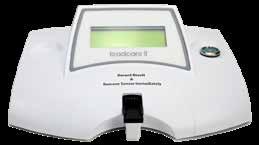
It Only Takes This Much.
Lead exposure is a silent danger often invisible and without symptoms.
Because exposure isn’t always visible or symptomatic, timely testing is critical.
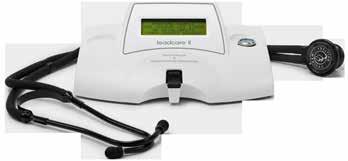
LeadCare® II enables rapid, in-office blood lead testing — delivering results in 3 minutes so you can make informed decisions during the patient visit.
The only CLIA waived point-of-care test for blood lead poisoning
Results in 3 minutes
Small sample with a simple fingerstick
A blood lead test is the best way to find out if a child has lead poisoning
See how easy lead testing can be. Scan to learn more or request a demo.
Patients should receive careful counseling regarding secondary transfer to partners, children, or other household contacts through skin-to-skin exposure before the medication dries completely.
Transdermal Patches
Patches offer another noninvasive option and provide consistent hormone delivery.
However, localized skin irritation remains a common reason for discontinuation.
Subcutaneous Pellets
Implanted pellets provide sustained testosterone release for approximately three to six months.
Advantages include improved adherence and convenience.
Disadvantages include the need for minor surgical insertion, occasional pellet extrusion, infection risk, and limited flexibility for dose adjustments.
Oral Testosterone
Newer oral testosterone undecanoate formulations have expanded treatment options while avoiding the hepatic toxicity associated with older oral alkylated testosterone preparations.
Because oral formulations remain relatively new, physicians should become familiar with formulation-specific monitoring recommendations and insurance coverage considerations.
What Benefits Should Physicians Expect?
Clinical improvement depends upon appropriate patient selection and realistic expectations.
Sexual symptoms often improve first, whereas changes in body composition and bone mineral density develop more gradually over months to years.
Randomized clinical trials have demonstrated improvements in:
Sexual Function
Among symptomatic hypogonadal men, testosterone replacement consistently improves libido and sexual desire. Erectile function may also improve, particularly when combined with phosphodiesterase-5 inhibitors in men with concurrent erectile dysfunction.
Body Composition
Testosterone therapy generally increases lean body mass while reducing visceral adiposity.
However, testosterone should not be considered a weight-loss medication. Lifestyle modification remains essential for longterm cardiometabolic improvement.
Bone Health
Long-term testosterone replacement increases bone mineral density, particularly within the lumbar spine.
These improvements may reduce fracture risk in appropriately selected patients, although fracture prevention data remain limited.
Anemia
The Testosterone Trials demonstrated meaningful improvement in unexplained anemia among hypogonadal older men receiving testosterone replacement.
Mood and Quality of Life
Many patients report improvements in mood, motivation, vitality, and overall well-being. Nevertheless, physicians should avoid presenting testosterone as primary treatment for depression or cognitive impairment, as improvements vary considerably among individuals.
Cardiovascular Safety: Where Does the Evidence Stand Today?
Few aspects of testosterone therapy have generated more controversy than cardiovascular safety.
Earlier observational studies suggested both increased and decreased cardiovascular risk, leading to considerable uncertainty and FDA safety communications during the past decade.
More recently, higher-quality randomized evidence has substantially clarified this issue.
The TRAVERSE Trial, published in 2023, enrolled more than 5,000 middle-aged and older men with symptomatic hypogonadism and either established cardiovascular disease or elevated cardiovascular risk.
After a median follow-up of approximately 33 months, investigators found that testosterone replacement was noninferior to placebo regarding major adverse cardiovascular events, including myocardial infarction, stroke, and cardiovascular death.
Although the study did identify small increases in certain adverse events—including atrial fibrillation, acute kidney injury, and pulmonary embolism—the overall findings provide reassurance that appropriately prescribed testosterone therapy does not appear to substantially increase major cardiovascular risk in carefully selected men.
For primary care physicians, the practical message is clear: cardiovascular disease alone should not automatically preclude testosterone therapy, but treatment should occur only after careful patient selection, optimization of cardiovascular risk factors, and shared decision-making.
Fertility: An Often Overlooked Counseling Point
One of the most important discussions before initiating testosterone therapy concerns fertility.
Many patients mistakenly believe testosterone replacement improves fertility because it increases serum testosterone concentrations.
The opposite is generally true.
Exogenous testosterone suppresses hypothalamic GnRH secretion, resulting in reduced LH and FSH production. Consequently, intratesticular testosterone levels fall dramatically, impairing spermatogenesis.
Some men develop severe oligospermia or complete azoospermia within months of treatment.
Men who desire future fertility should generally avoid testosterone replacement.
Alternative therapies—including selective estrogen receptor modulators (SERMs), aromatase inhibitors in selected cases, or human chorionic gonadotropin (hCG)—may preserve endogenous testosterone production and fertility under specialist supervision.
For younger patients, this conversation should occur before the first prescription is written.
Prostate Health: Separating Evidence from Myth
For decades, physicians avoided testosterone therapy because of concern that it might initiate prostate cancer.
Current evidence paints a far more nuanced picture.
No convincing evidence demonstrates that physiologic testosterone replacement causes prostate cancer in appropriately screened men.
However, testosterone may stimulate growth of existing androgen-sensitive prostate tissue. Consequently, clinicians should perform age-appropriate prostate cancer screening and discuss PSA monitoring before initiating therapy.
Men with untreated or active prostate cancer generally require evaluation by a urologist before considering testosterone replacement.
Similarly, men experiencing rapidly rising PSA concentrations or abnormal digital rectal examination findings should undergo appropriate urologic assessment before treatment continues.
Initiating testosterone replacement therapy is not the end of the clinical evaluation—it marks the beginning of an ongoing therapeutic relationship. Regular follow-up is essential to ensure treatment remains both effective and safe, allowing clinicians to optimize symptom relief while minimizing adverse effects.
Although monitoring recommendations vary slightly among professional organizations, most guidelines recommend reassessment approximately three months after therapy initiation, again at six to twelve months, and annually thereafter once the patient has achieved stable therapeutic levels.
At each follow-up visit, physicians should assess not only laboratory values but also whether the patient’s original symptoms have improved. Testosterone therapy should not be continued indefinitely in men who fail to derive meaningful clinical ben-
efit despite normalization of serum testosterone concentrations.
Routine follow-up should include evaluation of:
• Symptom improvement
• Adverse effects
• Medication adherence
• Blood pressure
• Weight and waist circumference
• Total testosterone concentration
• Hemoglobin and hematocrit
• Prostate-specific antigen (PSA), when age-appropriate
• Digital rectal examination according to current prostate cancer screening recommendations
The goal is not simply to normalize laboratory values, but rather to achieve mid-normal physiologic testosterone concentrations while improving quality of life and minimizing treatment-related complications.
Managing Polycythemia: The Most Common Clinically Significant Adverse Effect
Among all potential complications of testosterone replacement, erythrocytosis remains the most common and one of the most clinically important.
Testosterone stimulates erythropoiesis through several mechanisms, including increased erythropoietin production and suppression of hepcidin, leading to greater red blood cell production. While correction of unexplained anemia can be beneficial, excessive increases in hematocrit may increase blood viscosity and potentially elevate thromboembolic risk.
Professional guidelines recommend obtaining a baseline hemoglobin and hematocrit before initiating therapy and repeating measurements periodically throughout treatment.
If the hematocrit rises above 54%, clinicians should promptly evaluate contributing factors such as dehydration, smoking, chronic hypoxia, or untreated obstructive sleep apnea. Depending on the clinical scenario, management may include:
• Reducing the testosterone dose
• Extending the dosing interval
• Switching to a formulation associated with less erythrocytosis
• Temporarily discontinuing therapy
• Referral for therapeutic phlebotomy in selected cases
Injectable testosterone preparations generally produce erythrocytosis more frequently than transdermal formulations because of higher peak serum concentrations.
Managing Other Potential Adverse Effects
Although testosterone therapy is generally well tolerated in appropriately selected patients, physicians should remain attentive to other possible adverse effects.
Acne and Skin Changes
Increased sebaceous gland activity may lead to acne or oily skin, particularly during the first several months of therapy. Symptoms often improve with dose adjustment or conservative dermatologic management.
T H E Y A R E I N Y O U R W A I T I N G R O O M R
I G H T N O W .
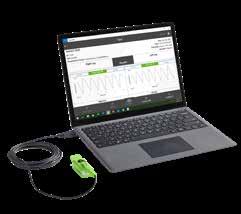
Patients with Peripheral Artery Disease (PAD) who may be facing a heart attack, stroke, amputation, or even death within the next 5 years
1 O U T O F 3 H A S P A D A N D T H E Y P R O B A B L Y D O N ’ T K N O W I T . A
Diabetics Smokers Over age 65
P E R I P H E R A L
ARTERY DISEASE
Healthy Artery
Diseased Artery
Atherosclerosis
(PAD) is an often silent condition where narrowed arteries reduce blood flow to the legs, causing symptoms like leg pain, numbness, and slow-healing wounds.
DON’T LET PAD SNEAK UP ON YOU OR THESE PATIENTS.
50% report no symptoms, while those that do attribute their pain to arthritis or “old age”.
I N T R O D U C I N G
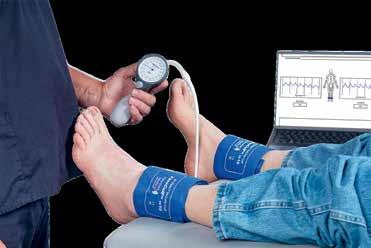
N o n - i n v a s i v e , p a t i e n t - f r i e n d l y t e s t
A C C U R A T E
A c c u r a c y e q u a l o r b e t t e r t h a n D o p p l e r A B I .
U s e f u l f o r d i a b e t i c s w i t h c a l c i f i e d a r t e r i e s
R E I M B U R S A B L E
r .
G r e a t R O I : t h e t y p i c a l i n t e r n i s t h a s 8 0 0 M e d i c a r e p a t i e n t s , p e r A C P
T
l e s s t h a n t w o m o n t h s .
C P T 9 3 9 2 3 ( A B I w / e x e r
THESE PATIENTS TRUST YOU TO FIND THEIR PAD
before they have a heart attack, stroke, or even die PAD also leads to significant disability and reduced quality of life.
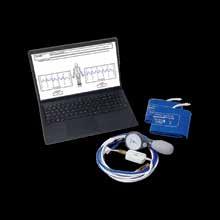
For over 45 years, Newman Medical has been a leader in vascular innovation The ABI-Q system continues that legacy with fast, accurate results you can trust
Scan for more info
Gynecomastia
Conversion of testosterone to estradiol through aromatization may contribute to breast tenderness or gynecomastia in susceptible individuals. Significant symptoms warrant reassessment of dosing and consideration of alternative treatment strategies.
Fluid Retention
Mild peripheral edema occasionally develops, particularly in patients with underlying heart failure or chronic kidney disease. New or worsening edema should prompt evaluation for other cardiovascular causes before attributing symptoms solely to testosterone therapy.
Mood Changes
Most patients experience stable or improved mood; however, supraphysiologic testosterone concentrations may contribute to irritability, mood lability, or aggression. These symptoms are more commonly associated with excessive dosing than with physiologic replacement.
Sleep Apnea
The relationship between testosterone therapy and obstructive sleep apnea remains complex. Current evidence does not support routine discontinuation in patients with adequately treated sleep apnea, but untreated severe disease should generally be addressed before initiating testosterone replacement.
The Rise of Direct-to-Consumer “Low T” Clinics
Perhaps no development has altered the landscape of testosterone prescribing more dramatically than the rapid expansion of direct-to-consumer telemedicine platforms and “Low T” clinics.
These services have increased public awareness of male hypogonadism and have encouraged many men with genuine symptoms to seek medical evaluation. However, they have also contributed to widespread misconceptions regarding appropriate testing and treatment.
Primary care physicians increasingly encounter patients who present after receiving online hormone panels, home collection kits, or testosterone prescriptions based on limited clinical evaluation. Some patients have undergone testing without regard to proper timing of blood draws, confirmation of abnormal results, or evaluation for reversible causes of low testosterone.
Others have been prescribed testosterone despite normal laboratory values or without documentation of symptoms consistent with androgen deficiency.
These encounters present an opportunity—not a confrontation.
Rather than dismissing the patient’s concerns or criticizing previous care, physicians should acknowledge the legitimacy of the patient’s symptoms while explaining the importance of evidence-based diagnosis. A thoughtful discussion emphasizing appropriate laboratory confirmation, identification of reversible causes, realistic expectations, and long-term monitoring often strengthens the physician-patient relationship and reinforces the value of comprehensive primary care.
Lifestyle Modification: The Foundation of Testosterone Health
One of the most important messages physicians can communicate is that testosterone levels frequently reflect overall health.
In many patients, particularly those with obesity or metabolic syndrome, lifestyle interventions improve endogenous testosterone production while simultaneously reducing cardiovascular risk and improving overall health.
Evidence consistently supports the following interventions:
• Sustained weight reduction
• Resistance training
• Regular aerobic exercise
• Improved sleep quality
• Treatment of obstructive sleep apnea
• Smoking cessation
• Limiting excessive alcohol consumption
• Optimization of diabetes and hypertension management
The increasing use of GLP-1 receptor agonists and dual GIP/ GLP-1 receptor agonists has further emphasized this relationship. Significant weight loss achieved through pharmacologic therapy or bariatric surgery has been associated with meaningful increases in endogenous testosterone production in many men with obesity-related functional hypogonadism.
Consequently, physicians should present testosterone therapy not as a substitute for lifestyle modification, but as one component of a comprehensive approach to men’s health when clinically indicated.
Perhaps the greatest determinant of long-term satisfaction with testosterone therapy is establishing realistic expectations before treatment begins.
Patients should understand that testosterone replacement is unlikely to transform energy levels overnight or reverse every symptom associated with aging. Improvements typically occur gradually, and the degree of benefit varies considerably among individuals.
Clinicians should discuss:
• Expected timeline of symptom improvement
• Need for ongoing laboratory monitoring
• Fertility implications
• Potential adverse effects
• Long-term treatment commitment
• Alternative treatment options
• Uncertainty surrounding certain long-term outcomes
Shared decision-making allows patients to weigh potential benefits against risks while ensuring therapy aligns with their individual goals and values.
Clinical Pearls for Primary Care Physicians
• Do not diagnose hypogonadism based on symptoms alone. Fatigue, low mood, and decreased energy have numerous potential causes.
• Confirm low testosterone with two separate earlymorning measurements. A single abnormal value is insufficient for diagnosis.
• Measure LH and FSH after confirming low testosterone. Differentiating primary from secondary hypogonadism guides subsequent evaluation and management.
• Discuss fertility before prescribing testosterone. Exogenous testosterone suppresses spermatogenesis and may lead to temporary or prolonged infertility.
• Monitor hematocrit regularly. Polycythemia remains the most common clinically significant adverse effect.
• Do not prescribe testosterone as an anti-aging therapy. Treatment should be reserved for men with consistent symptoms and confirmed biochemical hypogonadism.
• View low testosterone as a clinical clue—not always the final diagnosis. In many patients, it serves as a marker of underlying metabolic disease rather than an isolated endocrine disorder.
Conclusion
Testosterone deficiency represents one of the most frequently discussed—and increasingly requested—conditions encountered in contemporary primary care. Heightened public awareness has encouraged more men to seek evaluation for symptoms affecting their quality of life, but it has also contributed to misconceptions regarding the diagnosis and treatment of hypogonadism.
For physicians, the challenge lies in distinguishing true androgen deficiency from the far more common functional suppression of testosterone associated with obesity, metabolic syndrome, chronic illness, medication use, and normal physiologic aging. Careful history taking, targeted physical examination, appropriate laboratory testing, and thoughtful evaluation of reversible causes remain the cornerstones of evidence-based diagnosis.
Current clinical guidelines are remarkably consistent: testosterone replacement therapy should be reserved for men with persistent symptoms of androgen deficiency and unequivocally low testosterone concentrations confirmed on repeated morning measurements. Treatment should never be initiated solely on the basis of a single laboratory value or patient request.
When appropriately prescribed, testosterone therapy can meaningfully improve sexual function, bone health, body composition, anemia, and overall quality of life. Equally important, however, is recognizing when treatment is unlikely to provide
benefit or when addressing underlying obesity, sleep apnea, diabetes, depression, medication effects, or other comorbidities may be the more effective intervention.
As direct-to-consumer hormone clinics and online prescribing platforms continue to expand, primary care physicians remain uniquely positioned to provide comprehensive, evidence-based care rooted in clinical judgment rather than marketing. By combining guideline-directed evaluation with shared decision-making and ongoing monitoring, clinicians can help ensure that testosterone therapy is used safely, appropriately, and in the patients most likely to benefit.
REFERENCES
1. Bhasin S, Brito JP, Cunningham GR, et al. Testosterone therapy in men with hypogonadism: An Endocrine Society clinical practice guideline. J Clin Endocrinol Metab. 2018;103(5):1715-1744.
2. Mulhall JP, Trost LW, Brannigan RE, et al. Evaluation and Management of Testosterone Deficiency: American Urological Association Guideline. J Urol. 2018;200(2):423-432. Updated 2024.
3. Qaseem A, Horwitch CA, Vijan S, et al. Testosterone treatment in adult men with age-related low testosterone: A clinical guideline from the American College of Physicians. Ann Intern Med. 2020;172(2):126-133.
4. Lincoff AM, Nissen SE, Bhasin S, et al.; TRAVERSE Study Investigators. Cardiovascular safety of testosterone replacement therapy in men with hypogonadism. N Engl J Med. 2023;389:107-117.
5. Snyder PJ, Bhasin S, Cunningham GR, et al. Effects of testosterone treatment in older men. N Engl J Med. 2016;374(7):611-624.
6. Corona G, Goulis DG, Huhtaniemi I, et al. European Academy of Andrology guidelines on investigation, treatment, and monitoring of functional hypogonadism in males. Andrology. 2020;8(5):970-987.
7. Handelsman DJ. Free testosterone: Pumping up the tires or ending the free ride? Endocr Rev. 2017;38(4):297-301.
8. Grossmann M. Hypogonadism and male obesity: Focus on unresolved questions. Clin Endocrinol (Oxf). 2018;89(1):11-21.
9. Kelly DM, Jones TH. Testosterone and obesity. Obes Rev. 2015;16(7):581-606.
10. Morgentaler A, Miner MM, Caliber M, et al. Testosterone therapy and prostate cancer: An updated review of evidence and clinical recommendations. Mayo Clin Proc. 2024;99(2):267-281.
DIABETES/BLOOD GLUCOSE
NEED MORE CONTROL OVER YOUR POINT-OF-CARE URINALYSIS TESTING PROCESS?
From Siemens Healthineers
CLINITEK Status ® Connect System simplifies wireless or wired connectivity and testing oversight in point-of-care urinalysis for improved risk management.
• Offers flexible connectivity solutions by integrating data directly to the LIS, EMR or via point-of-care data management software solutions
• Provides improved POC testing workflow efficiencies when interfaced to leading data management solutions
• Minimize transcription errors with the 2-D bar-code scanner
• Improves risk management through advanced operator control functions, prevents unauthorized use
• Drives compliance across testing sites with programmable QC protocols and QC lockout
• Auto-Checks* help to ensure the quality and accuracy of data while facilitating an enhanced interpretation of results.
*Only available when using Siemens test strips with IR or color bands
DRIVE IMPROVED PATIENT OUTCOMES WITH REAL-TIME, ACTIONABLE RESULTS!
From Siemens Healthineers
The DCA Vantage® Analyzer is a multi-parameter, point-of-care analyzer for monitoring glycemic control in patients with diabetes and detecting early kidney disease.
Benefits of the DCA Vantage System:
• CLIA-waived HbA1c test that is IFCC and NGSP-certified
• 1 µl finger stick without fasting – HbA1c results in 6 minutes
• Random urine sample provides A:C ratio in 7 minutes*
• Requires no sample or reagent preparation prior to testing
• Sample integrity safeguards
*CLIA moderately complex.
QUANTAFLO® PAD
From Semler Scientific
QuantaFlo® PAD is an easy to use, accurate, point of care, non-invasive solution that aids in the early detection of peripheral arterial disease (PAD). This FDA cleared device can be administered by a medical aide in less than 5 minutes. As published in the Journal of Vascular Surgery and the American Journal of Preventive Medicine, QuantaFlo detected undiagnosed PAD in 31.6% of patients +65.1 QuantaFlo is portable and integrates with other technologies and platforms. It is ideal for both home and clinic environments.
1. Smolderen KG, Ameli O, Chaisson CE, Heath K, Mena-Hurtado C. Peripheral Artery Disease Screening in the Community and 1-Year Mortality, Cardiovascular Events, and Adverse Limb Events, AJPM Focus (2022), https://doi.org/10.1016/j.focus.2022.100016
6519
RAPID COVID-19 & FLU A/B TESTING AT THE POINT OF CARE
From Meridian Bioscience
6220 6520
StatID PRO™ COVID-19/Flu A&B is an FDA-cleared, CLIA-waived rapid antigen test that detects and differentiates SARS-CoV-2, Influenza A, and Influenza B from a single anterior nasal swab. Delivering results in 15 minutes, it supports efficient, on-site respiratory testing in physician offices, urgent care, and point-of-care settings enabling timely clinical decisions and streamlined patient management.
BD VERITOR™ SYSTEM FOR RAPID DETECTION OF SARS-COV-2 & FLU A+B* (EUA) TEST
From BD Veritor™ Plus System 6521
A 3-in-1 antigen assay for COVID-19, Flu A and Flu B with test results in 15 minutes.1
The BD Veritor™ Plus System streamlines clinical and patient workflows by detecting three key respiratory viruses in one test, reducing the need for multiple sample collections. With multiple testing modes and workflow efficiencies, the analyzer empowers convenience and efficiency (1 kit = 30 tests).
*In the USA, the BD Veritor™ System for Rapid Detection of SARS-CoV-2 & Flu A+B has not been FDA cleared or approved but has been authorized by the FDA under an Emergency Use Authorization for use by authorized laboratories; use by laboratories certified under the CLIA, 42 U.S.C. §263a, that meet requirements to perform moderate, high, or waived complexity tests. The product is authorized for use at the Point of Care (POC), i.e., in patient care settings operating under a CLIA Certificate of Waiver, Certificate of Compliance, or Certificate of Accreditation.
This product has been authorized only for the detection of proteins from SARS-CoV-2, influenza A and influenza B, not for any other viruses or pathogens; and, in the USA, the emergency use of this product is only authorized for the duration of the declaration that circumstances exist justifying the authorization of emergency use of in vitro diagnostics for detection and/or diagnosis of COVID 19 under Section 564(b)(1) of the Federal Food, Drug and Cosmetic Act, 21 U.S.C. §360bbb-3(b)(1), unless the declaration is terminated or authorization is revoked sooner.
1. BD Veritor™ Plus System for Rapid Detection of SARS-CoV-2 and Flu A+B. Package insert. 500051910 Becton, Dickinson and Company.
STATUS COVID-19/FLU A&B PANEL TEST
From LifeSign
A Rapid Immunoassay for the Simultaneous Direct Detection and Differential Diagnosis of SARS-CoV-2, Influenza Type A and Type B Antigen from Anterior Nasal and Nasopharyngeal swab specimens. Infections with these viruses may present similar symptoms. Can you tell them apart? WE CAN!
SCAN TO LEARN MORE
FLU AND RESPIRATORY
METRIX® COVID/FLU TEST RAPID MOLECULAR TEST – PROVIDE LAB QUALITY RESULTS IN JUST 20 MINUTES
From Sekisui Diagnostics
• 3-in-1 Multiplex – Detects COVID-19, Flu A and Flu B from one swab, in one test
• Minimal Hands-On Time – Can be performed in a CLIA-waived setting in a few simple steps
• Convenient– No maintenance or calibration, ready for testing any time
• Accessible and Flexible – Suitable for any facility
• Exceptional Support – Experienced support teams and online training modules to help streamline your implementation
This product has not been FDA cleared or approved, but has been authorized for emergency use by FDA under an EUA; This product has been authorized only for the detection and differentiation of nucleic acid from SARS-CoV-2, Influenza A, and Influenza B, not for any other viruses or pathogens. The emergency use of this product is only authorized for the duration of the declaration that circumstances exist justifying the authorization of emergency use of in vitro diagnostics for detection and/or diagnosis of COVID-19, Flu A, and Flu B under Section 564(b) (1) of the Federal Food, Drug, and Cosmetic Act, 21 U.S.C. § 360bbb 3(b)(1), unless the declaration is terminated or authorization is revoked sooner.
COVID-19 OR FLU? STOP GUESSING. ONE SWAB, ONE TEST, RESULTS IN JUST 10 MINUTES
From Sekisui Diagnostics
From only one sample, the OSOM® Flu SARS-CoV-2 Combo Test simultaneously detects and differentiates between COVID-19, Flu A, and Flu B in just 10 minutes, allowing healthcare providers to make more informed decisions when treating patients who are symptomatic with viral infections that have similar symptoms, but different treatment protocols. Designed for point-of-care testing, the OSOM® Flu SARS-CoV-2 Combo Test empowers healthcare providers with the confidence necessary to initiate immediate treatment and isolation protocols at the very first patient visit.
This test has not been FDA cleared or approved. It is authorized by FDA under an EUA for use by authorized laboratories. It has been authorized only for the detection of proteins from SARS-CoV-2, influenza A and influenza B, not for any other viruses or pathogens and is only authorized for the duration of the declaration that circumstances exist justifying the authorization of emergency use of in vitro diagnostics for detection and/or diagnosis of COVID-19 under Section 564(b)(1) of the Federal Food, Drug, and Cosmetic Act, 21 U.S.C S360bbb-3(b)(1), unless the authorization is terminated or revoked sooner.
CLIA WAIVED, POINT-OF-CARE, RSV TEST
from Sekisui Diagnostics
Test for both high-risk groups, younger children & elderly adults, for severe RSV infection using the OSOM® RSV Test. This test is a CLIAwaived, point-of-care test designed to detect Respiratory Syncytial Virus (RSV) using a painless anterior nasal swab in just 15 minutes. It is suitable for both children aged 6 months to 6 years and adults aged 60 and above, providing healthcare professionals with flexibility in diagnosing patients exhibiting symptoms of respiratory infections.
6524
6525
LEAD TESTING
MEET LEADCARE® II
From Meridian Bioscience
LeadCare® II brings CLIA-waived blood lead testing directly to the pointof-care — so you can test, educate, and take action in a single visit. For pediatric practices, every well-child visit is an opportunity to protect a child’s development. With rapid, quantitative results in just three minutes from a simple fingerstick, you can counsel families and initiate next steps immediately — turning screening into meaningful action when it matters most.
PERIPHERAL ARTERIAL DISEASE
QUANTAFLO® PAD
From Semler Scientific
QuantaFlo® PAD is an easy to use, accurate, point of care, non-invasive solution that aids in the early detection of peripheral arterial disease (PAD). This FDA cleared device can be administered by a medical aide in less than 5 minutes. As published in the Journal of Vascular Surgery and the American Journal of Preventive Medicine, QuantaFlo detected undiagnosed PAD in 31.6% of patients +65.1 QuantaFlo is portable and integrates with other technologies and platforms. It is ideal for both home and clinic environments.
1. Smolderen KG, Ameli O, Chaisson CE, Heath K, Mena-Hurtado C. Peripheral Artery Disease Screening in the Community and 1-Year Mortality, Cardiovascular Events, and Adverse Limb Events, AJPM Focus (2022), https://doi.org/10.1016/j.focus.2022.100016
PAD TESTING SYSTEMS IDEAL FOR PRIMARY CARE TO VASCULAR SPECIALISTS
from Newman Medical
Your Patients Trust YOU To Find Their Peripheral Artery Disease
• High-risk patients include those over 65, diabetics, and smokers.
• If left untreated, 25% of patients with PAD will experience a heart attack or stroke within 5 years.
• PAD symptoms are often mistaken for arthritis or old age.
The simpleABI Cuff-Link System is Easy to Learn and Use.
• With a push-button remote, automatic calculations, and waveforms, it’s incredibly user-friendly.
• Reports are straightforward to save and share since the system is PC-based. Outstanding Value and Reimbursements
• The system pays for itself in less than a year with just one test per week.
• Medicare reimbursements vary by exam and location, averaging from $91 to $174.
STREP TESTS
BD VERITOR™ SYSTEM FOR RAPID DETECTION OF SARS-COV-2 & FLU A+B* (EUA) TEST
From BD Veritor™ Plus System
A 3-in-1 antigen assay for COVID-19, Flu A and Flu B with test results in 15 minutes.1
The BD Veritor™ Plus System streamlines clinical and patient workflows by detecting three key respiratory viruses in one test, reducing the need for multiple sample collections. With multiple testing modes and workflow efficiencies, the analyzer empowers convenience and efficiency (1 kit = 30 tests).
*In the USA, the BD Veritor™ System for Rapid Detection of SARS-CoV-2 & Flu A+B has not been FDA cleared or approved but has been authorized by the FDA under an Emergency Use Authorization for use by authorized laboratories; use by laboratories certified under the CLIA, 42 U.S.C. §263a, that meet requirements to perform moderate, high, or waived complexity tests. The product is authorized for use at the Point of Care (POC), i.e., in patient care settings operating under a CLIA Certificate of Waiver, Certificate of Compliance, or Certificate of Accreditation.
This product has been authorized only for the detection of proteins from SARS-CoV-2, influenza A and influenza B, not for any other viruses or pathogens; and, in the USA, the emergency use of this product is only authorized for the duration of the declaration that circumstances exist justifying the authorization of emergency use of in vitro diagnostics for detection and/or diagnosis of COVID 19 under Section 564(b)(1) of the Federal Food, Drug and Cosmetic Act, 21 U.S.C. §360bbb-3(b)(1), unless the declaration is terminated or authorization is revoked sooner.
1. BD Veritor™ Plus System for Rapid Detection of SARS-CoV-2 and Flu A+B. Package insert. 500051910 Becton, Dickinson and Company.
OSOM® ULTRA STREP A TEST
From Sekisui Diagnostics
The OSOM® Ultra Strep A test is a color immunochromatographic assay intended for the qualitative detection of Group A Streptococcus antigen directly from throat swab specimens. Shown to be not statistically different than single swab culture. Sensitivity 95.7% and 100% Specificity. Includes two additional test sticks for External QC. CLIA Waived.
The Ethos Automated Ultrasound Probe Cleaner Disinfector is the first FDA-cleared device to provide both cleaning and high-level disinfection of ultrasound probes in one system. It’s fast and easy to use—simply place a soiled transvaginal, transrectal, or surface probe into the device, follow the prompts on the display, and a reprocessing report is printed at the end of the cycle. Ethos removes the unknowns of manual cleaning, giving healthcare professionals confidence and consistency with every cycle.
SCAN TO LEARN MORE
WOMEN'S HEALTH
OSOM® BVBLUE®
From Sekisui Diagnostics
The OSOM® BVBLUE® detects elevated vaginal fluid sialidase activity, an enzyme produced by bacterial pathogens associated with bacterial vaginosis including Gardnerella, Bacteroides, Prevotella and Mobiluncus. OSOM® BVBLUE® is more sensitive than Amsel criteria providing physicians with a more accurate diagnosis to treat and minimize serious health consequences such as early spontaneous preterm births and miscarriage.
OSOM® TRICHOMONAS RAPID TEST
From Sekisui Diagnostics
The OSOM® Trichomonas Rapid Test is intended for the qualitative detection of Trichomonas vaginalis antigens from vaginal swabs or from the saline solution. The OSOM® Trichomonas Rapid Test is a CLIA-waived rapid test available today. OSOM® Trichomonas is more sensitive than wet mount due to the assay being able to detect viable and non-viable organisms which offers significant benefits to the patient and clinician alike.
ULTRA HCG COMBO TEST
From Sekisui Diagnostics
The OSOM® Ultra hCG Combo test is a simple immunoassay for the qualitative detection of human chorionic gonadotropin (hCG) in serum or urine for the early confirmation of pregnancy. Internal studies have confirmed that the OSOM® Ultra hCG Combo test does not have a false negative result from hCG variants providing physicians with a higher level of confidence.
SCAN
6532
6533
SCAN TO LEARN MORE
6534
Meet the Quadruple Aim in Diabetes Care with In-office HbA1c and uACR
Diabetes management solutions at the point-of-care
Gain insights into your patient’s current status with real-time actionable results.
DCA Vantage® Analyzer
Rapid assessment of glycemic control and kidney health
HbA1c
• CLIA-waived
Albumin-to-creatinine ratio (ACR)
• CLIA Moderate Complexity
CLINITEK Status® Connect System
CLIA-waived analyzer for routine urinalysis, including kidney health
• CLINITEK® Microalbumin 2 Strip (ACR)
The Prevalence of Diabetes Among U.S. Adults is on the Rise1
Help your patients reverse the trend
Customize your patient consultations to enhance physician-patient partnership toward improved outcomes.
1. Rowley, William R
Resilience + Passion
We make diagnostics that matter
A Broad Range of Respiratory Point-of-Care Tests
We recognize your passion for providing high quality care to patients displaying symptoms associated with respiratory infections, and we appreciate your efforts and resiliency working to reduce the rapid spread of these infections.
We are committed to providing high quality, molecular and antigen point-of-care tests for detecting the most common respiratory infections, so you can get the answers fast and your patients back to doing what they love.
Like you, we understand there is a patient behind every answer—and that’s what matters most.