A1c Testing in the Exam Room: Transforming Diabetes Management in Real Time Skin Cancer: Early Detection, Diagnosis, and Evolving Management Strategies
Fast + Reliable Women’s Health Testing Solutions To Meet Your Needs
Your patients depend on you to provide the best care possible and find solutions for the most uncomfortable situations.
Our high-quality, women’s health rapid antigen tests are made in the U.S.A. and designed to be accurate and easy to use so you can get results fast. We help you deliver answers and treatment plans getting your patients on the road to recovery fast.
We make diagnostics that matter because we believe each test represents the health and well-being of a real person.
Getting the most from this guide
There are two simple ways to request information about the products and services found in Physicians Office Resource.
1. Go to www.PhysiciansOfficeResource.com and enter the four-digit reference number found next to the product or service into the search field, then request additional information, schedule a demo, or speak with a sales agent all with just a simple click of a button.
2. Find the Business Reply Card in this issue, circle the desired reference numbers, complete the form, and drop into any USPS mailbox. A representative will contact you as quickly as possible to answer your questions.
PUBLISHED BY Medical Education Resources, LLC
PUBLISHER
Aaron R. Medaris amedaris@physiciansofficeresource.com
CEO
Andrew C. Nimmo acnimmo@physiciansofficeresource.com
PRESIDENT
John D. Pasquale jpasquale@pharmaconnect.com
BUSINESS MANAGER
Marci J. Hills mhills@physiciansofficeresource.com
To continue your free subscription of Physicians Office Resource magazine, please fill out the Business Reply Card (BRC) located within this magazine and drop in any United States Post Office mailbox.
If you are a manufacturer of medical products or provide services to medical professionals and would like to advertise your products or services to the nation’s top physicians doing in-office testing, call 801-380-6094 or visit: POR.io for more information.
Reducing Return Visits with Smarter Diagnostic Decisions
In today’s primary care environment, reducing unnecessary return visits is more than a matter of convenience—it is central to improving patient outcomes, optimizing clinic efficiency, and strengthening patient trust. While some follow-ups are clinically appropriate and necessary, a significant portion of return visits stem from incomplete diagnostic workups, delayed or insufficient testing, or diagnostic uncertainty at the initial encounter.
Smarter diagnostic decision-making offers a powerful lever to reduce avoidable revisits. By leveraging appropriate testing, applying clinical reasoning with greater precision, and integrating evolving diagnostic tools into routine practice, primary care physicians (PCPs) can resolve more patient concerns in a single visit—or at least establish a clearer, more definitive care pathway.
A1c Testing in the Exam Room: Transforming Diabetes Management in Real Time
For decades, hemoglobin A1c (HbA1c) has served as the cornerstone of diabetes diagnosis and longitudinal management. Its ability to reflect average glycemic control over approximately three months makes it indispensable in primary care.
Skin Cancer: Early Detection, Diagnosis, and Evolving Management Strategies
Skin cancer remains the most common malignancy in the United States, representing a growing clinical and public health challenge. Despite its prevalence, it is also one of the most preventable and, when detected early, highly
BD Veritor™ Plus System Your simple solution
Digital clarity:
• Unambiguous positive/negative display which may help to reduce result interpretation errors and streamline diagnosis.
Easy to use:
• No monthly calibration required, operated with single-button functionality.
Cost-effective:
• No service contracts, maintenance or calibration needed for device lifetime.
Rapid results:
• Delivers digitally read results in 15 minutes or less,** supporting timely clinical decisions.
Flexible workflow options:
• Walk Away mode: Built in timer allows you to perform other tasks throughout test development.
• Analyze Now mode: Enables immediate processing to support batch testing.†
• Compact, lightweight and portable— able to function without cords.
*In the USA, the BD Veritor™ System for Rapid Detection of SARS-CoV-2 & Flu A+B has not been FDA cleared or approved but has been authorized by the FDA under an Emergency Use Authorization for use by authorized laboratories; use by laboratories certified under the CLIA, 42 U.S.C. §263a, that meet requirements to perform moderate, high, or waived complexity tests. The product is authorized for use at the Point of Care (POC), i.e., in patient care settings operating under a CLIA Certificate of Waiver, Certificate of Compliance, or Certificate of Accreditation. This product has been authorized only for the detection of proteins from SARS-CoV-2, influenza A and influenza B, not for any other viruses or pathogens; and, in the USA, the emergency use of this product is only authorized for the duration of the declaration that circumstances exist justifying the authorization of emergency use of in vitro diagnostics for detection and/or diagnosis of COVID 19 under Section 564(b)(1) of the Federal Food, Drug and Cosmetic Act, 21 U.S.C. §360bbb-3(b)(1), unless the declaration is terminated or authorization is revoked sooner.
**Result processing times for each BD Veritor™ assay are 15 minutes for the SARS-CoV-2 and SARS-CoV-2 & Flu A+B assays, 10 minutes for Flu A+B and RSV assays, and 5 minutes for the Group A Strep assay.
†Any batch testing performed should be conducted at the discretion of the user, in accordance with local policies and clinical judgment.
FEATURE Reducing Return Visits with Smarter Diagnostic Decisions
BY: ADAM IRVINE
In today’s primary care environment, reducing unnecessary return visits is more than a matter of convenience—it is central to improving patient outcomes, optimizing clinic efficiency, and strengthening patient trust. While some follow-ups are clinically appropriate and necessary, a significant portion of return visits stem from incomplete diagnostic workups, delayed or insufficient testing, or diagnostic uncertainty at the initial encounter.
Smarter diagnostic decision-making offers a powerful lever to reduce avoidable revisits. By leveraging appropriate testing, applying clinical reasoning with greater precision, and integrating evolving diagnostic tools into routine practice, primary care physicians (PCPs) can resolve more patient concerns in a single visit—or at least establish a clearer, more definitive care pathway.
This article explores the key drivers of unnecessary return visits and outlines actionable strategies PCPs can use to improve diagnostic efficiency without compromising quality of care.
The Cost of Unnecessary Return Visits
Return visits place a burden on both patients and healthcare systems. For patients, repeat appointments can mean additional time off work, increased anxiety, delayed treatment, and higher out-of-pocket costs. For practices, they contribute to overcrowded schedules, reduced access for new or acutely ill patients, and clinician burnout.
Importantly, repeat visits are not always benign. They can signal missed or delayed diagnoses, which in turn may lead to disease progression or complications. In value-based care models, excessive return visits may also negatively impact performance metrics, patient satisfaction scores, and reimbursement.
Why Do Patients Return? Common Diagnostic Gaps
Several recurring factors contribute to avoidable return visits:
1. Incomplete Initial Workups
Time constraints and competing priorities often lead to narrow or staged diagnostic approaches. While sometimes appropriate, overly conservative testing can result in missed opportunities to reach a diagnosis earlier.
2. Overreliance on Empiric Treatment
Empiric therapy without diagnostic confirmation—such as prescribing antibiotics for presumed infections—may temporarily mask symptoms without addressing the underlying cause, leading patients to return when symptoms persist.
3. Limited Use of Point-of-Care Testing
Failure to utilize available point-of-care (POC) diagnostics can delay answers that could otherwise be obtained during the initial visit.
4. Diagnostic Uncertainty and Cognitive Bias
Anchoring bias, premature closure, and availability bias can all contribute to incomplete evaluations and missed diagnoses.
5. Poor Patient Communication
When patients do not fully understand their diagnosis, expected symptom trajectory, or when to seek follow-up care, they are more likely to return unnecessarily.
The Case for Smarter Diagnostics
Smarter diagnostic decision-making does not mean ordering more tests indiscriminately. Rather, it involves selecting the right tests at the right time for the right patient. This approach balances clinical judgment, evidence-based guidelines, and the growing availability of rapid, high-quality diagnostic tools.
Key principles include:
• Diagnostic completeness: Addressing the most likely and most serious potential diagnoses upfront
• Timeliness: Reducing delays between presentation, testing, and diagnosis
• Precision: Using tests with high sensitivity and specificity appropriate to the clinical scenario
• Efficiency: Minimizing unnecessary steps and repeat visits
Leveraging Point-of-Care Testing
Point-of-care testing has evolved significantly in recent years and is now a cornerstone of efficient primary care diagnostics. CLIA-waived tests, in particular, offer rapid results with minimal operational complexity.
Common High-Impact POC Applications
• Respiratory infections: Rapid antigen and molecular testing for influenza, COVID-19, RSV, and strep throat
• Urinalysis: Immediate evaluation of urinary tract infections, kidney disease indicators, and metabolic abnormalities
• HbA1c: On-the-spot diabetes diagnosis and management adjustments
By providing actionable data during the visit, POC testing enables clinicians to make informed decisions immediately— reducing the need for follow-up visits solely to review results.
Molecular vs. Antigen Testing: Choosing the Right Tool
Understanding the strengths and limitations of different diagnostic modalities is essential.
• Antigen tests offer speed and convenience but may have lower sensitivity, particularly in early or asymptomatic disease.
• Molecular tests (e.g., PCR-based) provide higher sensitivity and specificity, enabling more confident rule-in or rule-out decisions.
For example, in a patient with respiratory symptoms and risk factors for complications, a molecular test may reduce the
likelihood of a false negative and prevent a return visit due to unresolved symptoms.
Strategically selecting between these modalities can significantly impact diagnostic accuracy and downstream care utilization.
Diagnostic Stewardship: Avoiding Both Under- and Over-Testing
While under-testing can lead to missed diagnoses and return visits, over-testing carries its own risks, including false positives, incidental findings, and increased healthcare costs.
Diagnostic stewardship involves:
• Following evidence-based guidelines
• Considering pre-test probability
• Understanding test characteristics
• Avoiding “just-in-case” testing without clinical justification
The goal is to achieve diagnostic clarity with the least necessary resource utilization.
Improving Clinical Decision-Making
1. Use Structured Clinical Frameworks
Clinical decision rules and algorithms—such as the Centor criteria for strep throat or Wells score for pulmonary embolism— can guide appropriate testing and reduce uncertainty.
2. Revisit the Differential Diagnosis
Before concluding a visit, take a moment to reassess the differential diagnosis. Ask: What else could this be? What can’t I afford to miss?
3. Guard Against Cognitive Bias
Awareness of biases such as anchoring and premature closure can improve diagnostic accuracy. Deliberate reflection and second opinions (when needed) can help mitigate these risks.
Enhancing Patient Communication
Even the most accurate diagnosis can lead to a return visit if the patient is unclear about next steps.
Key communication strategies include:
• Set expectations: Clearly explain the expected course of illness
• Provide contingency plans: Outline when and why the patient should return
• Use teach-back methods: Confirm patient understanding
• Offer written instructions: Reinforce verbal guidance
When patients understand what is normal versus concerning, they are less likely to seek unnecessary follow-up care.
Integrating Technology and Data
Electronic health records (EHRs), clinical decision support
tools, and predictive analytics can enhance diagnostic decision-making.
• Clinical decision support systems (CDSS): Provide evidence-based recommendations at the point of care
• Diagnostic checklists: Help ensure completeness of evaluations
• Data tracking: Identify patterns in return visits and areas for improvement
Practices that leverage data effectively can continuously refine their diagnostic strategies.
Diagnostic Strategy in Acute Respiratory Presentations
Acute respiratory complaints remain one of the most common drivers of primary care visits—and, not surprisingly, a frequent source of return encounters. While experienced clinicians are well-versed in managing these cases, variability in diagnostic approach—often driven by time constraints, test availability, or patient expectations—can influence downstream utilization.
In practice, the challenge is not recognizing likely etiologies but determining how much diagnostic certainty is necessary at the index visit to confidently guide management and avoid re-evaluation.
For example, in a patient presenting with cough, fever, and fatigue, a clinical diagnosis of a viral syndrome is often appropriate. However, without confirmatory testing, several variables remain unresolved:
• Is this influenza, where antivirals may be beneficial?
• Could this be COVID-19, with implications for isolation and risk stratification?
• Is there a risk of bacterial superinfection that may evolve?
In settings where rapid multiplex molecular testing is available, some practices have found value in increasing diagnostic specificity at the initial visit—not necessarily to change management in every case, but to:
• Reduce diagnostic ambiguity for both clinician and patient
• Improve confidence in withholding unnecessary antibiotics
• Provide clearer guidance on expected disease course
• Decrease “just in case” return visits when symptoms persist longer than anticipated
Importantly, this approach is not universally necessary. In low-risk patients with mild symptoms, supportive care without testing remains entirely appropriate. However, in higher-risk populations—or in practices experiencing high revisit rates for respiratory complaints—targeted use of more sensitive diagnostics may help close the loop at the initial encounter.
The key is not broader testing, but more intentional testing— aligning diagnostic certainty with the clinical and operational needs of the practice.
Operational Strategies for Implementation
To fully realize the benefits of smarter diagnostics, practices should consider:
1. Expanding Access to POC Testing
Evaluate which tests can be integrated into the practice setting and train staff accordingly.
2. Streamlining Workflow
Ensure that diagnostic testing fits seamlessly into patient flow without creating bottlenecks.
3. Training and Education
Keep clinicians and staff updated on new diagnostic technologies and guidelines.
4. Monitoring Outcomes
Track return visit rates, diagnostic accuracy, and patient satisfaction to measure impact.
Balancing Efficiency with Patient-Centered Care
While reducing return visits is an important goal, it should never come at the expense of patient-centered care. Some follow-ups are necessary and beneficial, particularly for chronic disease management, complex conditions, and patient reassurance.
The objective is not to eliminate return visits entirely, but to ensure that each visit adds value.
The Future of Diagnostics in Primary Care
Advances in diagnostic technology continue to reshape primary care:
• Expanded molecular testing panels
• At-home diagnostic integration
• Artificial intelligence–driven decision support
• Wearable health data influencing diagnostic pathways
As these tools become more accessible, PCPs will be increasingly empowered to make faster, more accurate diagnoses— further reducing unnecessary return visits.
Conclusion
Reducing return visits through smarter diagnostic decisions represents a win-win for patients, providers, and healthcare systems. By prioritizing diagnostic completeness, leveraging point-of-care and molecular testing, applying structured clinical reasoning, and enhancing patient communication, primary care physicians can resolve more issues at the initial visit and improve overall care quality.
In an era defined by increasing demand and limited resources, the ability to “get it right the first time” is not just a clinical advantage—it is a necessity.
- Move from Waived to Non-Waived Testing with the help of experts
- Expand testing, don’t worry about all the work- policies, fillable forms, e-signatures, calendar reminders included
- Remote access – Lab Directors and Consultants manage compliance efficiently, save time, and travel expenses
Schedule a Free Demo Today!
For more information, call 888.534.2977 or email us at sales@myinspection.us
Study design: SYFOVRE safety and efficacy were assessed in OAKS (N=637) and DERBY (N=621), multicenter, 2-year, Phase 3, randomized, double-masked trials. Patients with GA (atrophic nonexudative age-related macular degeneration), with or without subfoveal involvement, secondary to AMD were randomly assigned (2:2:1:1) to receive 15 mg/0.1 mL intravitreal SYFOVRE monthly, SYFOVRE every other month, sham monthly, or sham every other month for 2 years.
Change from baseline in the total area of GA lesions in the study eye (mm2) was measured by FAF. SYFOVRE was also assessed in GALE, a 3-year, open-label extension study evaluating the incidence and severity of ocular and systemic AEs, and change from baseline in total area of GA lesion(s) in the study eye (mm2).1,3,5
References: 1. Syfovre. Package insert. Apellis Pharmaceuticals, Inc.; 2025. 2. Data on file. Apellis Pharmaceuticals, Inc. 3. Wykoff CC, Holz FG, Chiang A, et al; OAKS, DERBY, and GALE investigators. Pegcetacoplan treatment for geographic atrophy in age-related macular degeneration over 36 months: data from OAKS, DERBY, and GALE. Am J Ophthalmol 2025;276:350-364. 4. Izervay. Package insert. Astellas Pharma US, Inc.; 2025. 5. Heier JS, Lad EM, Holz FG, et al; OAKS and DERBY study investigators. Pegcetacoplan for the treatment of geographic atrophy secondary to age-related macular degeneration (OAKS and DERBY): two multicentre, randomised, double-masked, sham-controlled, phase 3 trials. Lancet. 2023;402(10411):1434-1448.
INDICATION
SYFOVRE® (pegcetacoplan injection) is indicated for the treatment of geographic atrophy (GA) secondary to age-related macular degeneration (AMD).
IMPORTANT SAFETY INFORMATION CONTRAINDICATIONS
• SYFOVRE is contraindicated in patients with ocular or periocular infections, in patients with active intraocular inflammation, and in patients with hypersensitivity to pegcetacoplan or any of the excipients in SYFOVRE. Systemic hypersensitivity reactions (e.g., anaphylaxis, rash, urticaria) have occurred.
WARNINGS AND PRECAUTIONS
• Endophthalmitis and Retinal Detachments
– Intravitreal injections, including those with SYFOVRE, may be associated with endophthalmitis and retinal detachments. Proper aseptic injection technique must always be used when administering SYFOVRE to minimize the risk of endophthalmitis. Patients should be instructed to report any symptoms suggestive of endophthalmitis or retinal detachment without delay and should be managed appropriately.
– Retinal vasculitis and/or retinal vascular occlusion, typically in the presence of intraocular inflammation, have been reported with the use of SYFOVRE. Cases may occur with the first dose of SYFOVRE and may result in severe vision loss. Discontinue treatment with SYFOVRE in patients who develop these events. Patients should be instructed to report any change in vision without delay.
• Neovascular AMD
– In clinical trials, use of SYFOVRE was associated with increased rates of neovascular (wet) AMD or choroidal neovascularization (12% when administered monthly, 7% when administered every other month and 3% in the control group) by Month 24. Patients receiving SYFOVRE should be monitored for signs of neovascular AMD. In case anti-Vascular Endothelial Growth Factor (anti-VEGF) is required, it should be given separately from SYFOVRE administration.
• Intraocular Inflammation
– In clinical trials, use of SYFOVRE was associated with episodes of intraocular inflammation including: vitritis,
Only SYFOVRE has 5 years of clinical trial data—longer than any other FDA-approved treatment for GA.1-4
Patients treated with SYFOVRE achieved a reduced rate of GA lesion growth vs sham pooled in clinical trials at Year 2,* with long-term data out to 5 years. Help your patients look forward to what’s next, instead of what’s left behind.1,2
*At Year 2, SYFOVRE reduced GA lesion growth by 18% and 22% with monthly dosing and 17% and 18% with every-other-month dosing vs sham pooled.1
Start protecting your patients’ tomorrows at TreatGAtoday.com
vitreal cells, iridocyclitis, uveitis, anterior chamber cells, iritis, and anterior chamber flare. After inflammation resolves, patients may resume treatment with SYFOVRE.
• Increased Intraocular Pressure
– Acute increase in IOP may occur within minutes of any intravitreal injection, including with SYFOVRE. Perfusion of the optic nerve head should be monitored following the injection and managed as needed.
ADVERSE REACTIONS
• Most common adverse reactions (incidence ≥5%) are ocular discomfort, neovascular age-related macular degeneration, vitreous floaters, conjunctival hemorrhage.
Please see Brief Summary of Prescribing Information for SYFOVRE on the following page.
SYFOVRE ® (pegcetacoplan injection), for intravitreal use
BRIEF SUMMARY OF PRESCRIBING INFORMATION
Please see SYFOVRE full Prescribing Information for details.
INDICATIONS AND USAGE
SYFOVRE is indicated for the treatment of geographic atrophy (GA) secondary to age-related macular degeneration (AMD).
CONTRAINDICATIONS
Ocular or Periocular Infections
SYFOVRE is contraindicated in patients with ocular or periocular infections.
Active Intraocular Inflammation
SYFOVRE is contraindicated in patients with active intraocular inflammation. Hypersensitivity
SYFOVRE is contraindicated in patients with hypersensitivity to pegcetacoplan or to any of the excipients in SYFOVRE. Systemic hypersensitivity reactions (e.g., anaphylaxis, rash, urticaria) have occurred.
WARNINGS AND PRECAUTIONS
Endophthalmitis and Retinal Detachments
Intravitreal injections, including those with SYFOVRE, may be associated with endophthalmitis and retinal detachments. Proper aseptic injection technique must always be used when administering SYFOVRE in order to minimize the risk of endophthalmitis. Patients should be instructed to report any symptoms suggestive of endophthalmitis or retinal detachment without delay and should be managed appropriately.
Retinal vasculitis and/or retinal vascular occlusion, typically in the presence of intraocular inflammation, have been reported with the use of SYFOVRE. Cases may occur with the first dose of SYFOVRE and may result in severe vision loss. Discontinue treatment with SYFOVRE in patients who develop these events. Patients should be instructed to report any change in vision without delay.
Neovascular AMD
In clinical trials, use of SYFOVRE was associated with increased rates of neovascular (wet) AMD or choroidal neovascularization (12% when administered monthly, 7% when administered every other month and 3% in the control group) by Month 24. Patients receiving SYFOVRE should be monitored for signs of neovascular AMD. In case anti-Vascular Endothelial Growth Factor (anti-VEGF) is required, it should be given separately from SYFOVRE administration.
Intraocular Inflammation
In clinical trials, use of SYFOVRE was associated with episodes of intraocular inflammation including: vitritis, vitreal cells, iridocyclitis, uveitis, anterior chamber cells, iritis, and anterior chamber flare. After inflammation resolves patients may resume treatment with SYFOVRE.
Increased Intraocular Pressure
Acute increase in IOP may occur within minutes of any intravitreal injection, including with SYFOVRE. Perfusion of the optic nerve head should be monitored following the injection and managed as needed.
ADVERSE REACTIONS
Clinical Trials Experience
Because clinical trials are conducted under widely varying conditions, adverse reaction rates observed in the clinical trials of a drug cannot be directly compared to rates in the clinical trials of another drug and may not reflect the rates observed in practice.
A total of 839 patients with GA in two Phase 3 studies (OAKS and DERBY) were treated with intravitreal SYFOVRE, 15 mg (0.1 mL of 150 mg/mL solution). Four hundred nineteen (419) of these patients were treated in the affected eye monthly and 420 were treated in the affected eye every other month. Four hundred seventeen (417) patients were assigned to sham. The most common adverse reactions (≥5%) reported in patients receiving SYFOVRE were ocular discomfort, neovascular age-related macular degeneration, vitreous floaters, and conjunctival hemorrhage.
Table 1: Adverse Reactions in Study Eye Reported in ≥2% of Patients Treated with SYFOVRE Through Month 24 in Studies OAKS and DERBY
Adverse Reactions
*The following reported terms were combined:
Ocular discomfort included: eye pain, eye irritation, foreign body sensation in eyes, ocular discomfort, abnormal sensation in eye
Endophthalmitis, retinal detachment, hyphema and retinal tears were reported in less than 1% of patients. Optic ischemic neuropathy was reported in 1.7% of patients treated monthly, 0.2% of patients treated every other month and 0.0% of patients assigned to sham. Deaths were reported in 6.7% of patients treated monthly, 3.6% of patients treated every other month and 3.8% of patients assigned to sham. The rates and causes of death were consistent with the elderly study population.
Postmarketing Experience
The following adverse reactions have been identified during postapproval use of SYFOVRE. Because these reactions are reported voluntarily from a population of uncertain size, it is not always possible to reliably estimate their frequency or establish a causal relationship to drug exposure. Eye disorders: retinal vasculitis with or without retinal vascular occlusion. Systemic reactions: anaphylaxis, rash, and urticaria.
USE IN SPECIFIC POPULATIONS
Pregnancy
Risk Summary
There are no adequate and well-controlled studies of SYFOVRE administration in pregnant women to inform a drug-associated risk. The use of SYFOVRE may be considered following an assessment of the risks and benefits.
Systemic exposure of SYFOVRE following ocular administration is low. Subcutaneous administration of pegcetacoplan to pregnant monkeys from the mid gestation period through birth resulted in increased incidences of abortions and stillbirths at systemic exposures 1040-fold higher than that observed in humans at the maximum recommended human ophthalmic dose (MRHOD) of SYFOVRE (based on the area under the curve (AUC) systemically measured levels). No adverse maternal or fetal effects were observed in monkeys at systemic exposures approximately 470-fold higher than that observed in humans at the MRHOD.
In the U.S. general population, the estimated background risk of major birth defects and miscarriage in clinically recognized pregnancies is 2-4% and 15-20%, respectively.
Lactation
Risk Summary
It is not known whether intravitreal administered pegcetacoplan is secreted in human milk or whether there is potential for absorption and harm to the infant. Animal data suggest that the risk of clinically relevant exposure to the infant following maternal intravitreal treatment is minimal. Because many drugs are excreted in human milk, and because the potential for absorption and harm to infant growth and development exists, caution should be exercised when SYFOVRE is administered to a nursing woman.
Females and Males of Reproductive Potential
Contraception
Females : It is recommended that women of childbearing potential use effective contraception methods to prevent pregnancy during treatment with intravitreal pegcetacoplan. Advise female patients of reproductive potential to use effective contraception during treatment with SYFOVRE and for 40 days after the last dose. For women planning to become pregnant, the use of SYFOVRE may be considered following an assessment of the risks and benefits.
Pediatric Use
The safety and effectiveness of SYFOVRE in pediatric patients have not been established. Geriatric Use
In clinical studies, approximately 97% (813/839) of patients randomized to treatment with SYFOVRE were ≥ 65 years of age and approximately 72% (607/839) were ≥ 75 years of age. No significant differences in efficacy or safety were seen with increasing age in these studies. No dosage regimen adjustment is recommended based on age.
PATIENT COUNSELING INFORMATION
Advise patients that following SYFOVRE administration, patients are at risk of developing endophthalmitis, retinal detachments, retinal vasculitis with or without retinal vascular occlusion and neovascular AMD. If the eye becomes red, sensitive to light, painful, or if a patient develops any change in vision such as flashing lights, blurred vision or metamorphopsia, instruct the patient to seek immediate care from an ophthalmologist. Patients may experience temporary visual disturbances associated either with the intravitreal injection with SYFOVRE or the eye examination. Advise patients not to drive or use machinery until visual function has recovered sufficiently.
Manufactured for:
Apellis Pharmaceuticals, Inc. 100 Fifth Avenue Waltham, MA 02451
DIAZYME DZ-LITE™ C270 BENCHTOP GENERAL/SPECIAL CHEMISTRIES + DRUG SCREENS
From Carolina Liquid Chemistries
A fully-automated, open system, benchtop clinical chemistry analyzer with throughput up to 270 tests/hour, 36 reagent positions, and 30 sample positions. It features a menu of over 60 CLIA moderate complexity assays, including cancer markers, cardiovascular markers, coagulation markers, diabetic markers, inflammatory markers, liver markers, renal/pancreatic markers, sepsis markers, vitamin markers, photometric electrolytes, and drugs of abuse. To learn more, visit https://www.carolinachemistries.com/products/dz-lite-c270-benchtop-chemistry-analyzer/.
EASYRA® BENCHTOP CHEMISTRIES + DRUGS
From Carolina Liquid Chemistries
When starting a lab, look no further. With a CLIA moderately complex menu of 35 general chemistries and 14 urine drug screens, the EasyRA is well-suited for oncology, rheumatology, and multi-specialty practices needing a benchtop clinical chemistry analyzer. The EasyRA offers photometric throughput of 240+ tests/hr (up to 480 tests/hr with ISE) and STAT samples in under 8 minutes. This all-in-one system is easy to learn and easy to operate.
TOXICOLOGY SCREENING SIMPLIFIED ABBOTT’S IMMTOX
270 BENCHTOP ANALYZER NOW WITH 14 ASSAYS
CLIA CATEGORIZED AS MODERATE COMPLEXITY
From Abbott
The ImmTox270 benchtop analyzer offers comprehensive toxicology screening solutions for physician offices, treatment centers and independent laboratories.
Broad test menu with over 20 assays to choose from including 14 that are now available as moderately complex.
With complete laboratory solutions from consultation to licensure, and compliance the Abbott Clinical Laboratory Solutions team has you covered.
SCAN
DIABETES/BLOOD GLUCOSE
NEED MORE CONTROL OVER YOUR POINT-OF-CARE URINALYSIS TESTING PROCESS?
From Siemens Healthineers
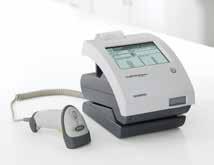
CLINITEK Status ® Connect System simplifies wireless or wired connectivity and testing oversight in point-of-care urinalysis for improved risk management.
• Offers flexible connectivity solutions by integrating data directly to the LIS, EMR or via point-of-care data management software solutions
• Provides improved POC testing workflow efficiencies when interfaced to leading data management solutions
• Minimize transcription errors with the 2-D bar-code scanner
• Improves risk management through advanced operator control functions, prevents unauthorized use
• Drives compliance across testing sites with programmable QC protocols and QC lockout
• Auto-Checks* help to ensure the quality and accuracy of data while facilitating an enhanced interpretation of results.
*Only available when using Siemens test strips with IR or color bands
DRIVE IMPROVED PATIENT OUTCOMES WITH REAL-TIME, ACTIONABLE RESULTS!
From Siemens Healthineers
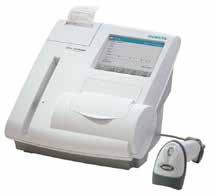
The DCA Vantage® Analyzer is a multi-parameter, point-of-care analyzer for monitoring glycemic control in patients with diabetes and detecting early kidney disease.
Benefits of the DCA Vantage System:
• CLIA-waived HbA1c test that is IFCC and NGSP-certified
• 1 µl finger stick without fasting – HbA1c results in 6 minutes
• Random urine sample provides A:C ratio in 7 minutes*
• Requires no sample or reagent preparation prior to testing
• Sample integrity safeguards
*CLIA moderately complex.
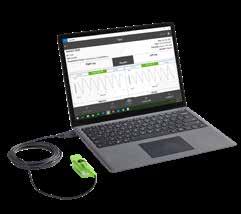
QUANTAFLO® PAD
From Semler Scientific
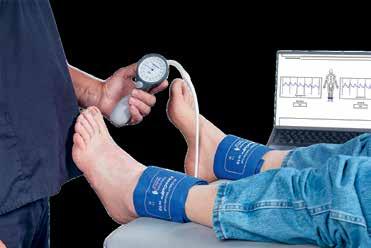
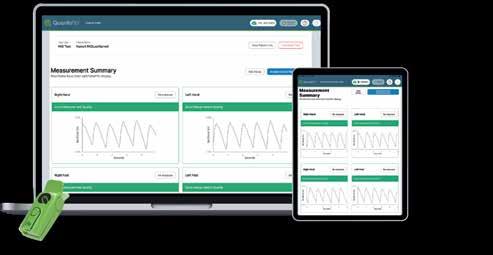
QuantaFlo® PAD is an easy to use, accurate, point of care, non-invasive solution that aids in the early detection of peripheral arterial disease (PAD). This FDA cleared device can be administered by a medical aide in less than 5 minutes. As published in the Journal of Vascular Surgery and the American Journal of Preventive Medicine, QuantaFlo detected undiagnosed PAD in 31.6% of patients +65.1 QuantaFlo is portable and integrates with other technologies and platforms. It is ideal for both home and clinic environments.
1. Smolderen KG, Ameli O, Chaisson CE, Heath K, Mena-Hurtado C. Peripheral Artery Disease Screening in the Community and 1-Year Mortality, Cardiovascular Events, and Adverse Limb Events, AJPM Focus (2022), https://doi.org/10.1016/j.focus.2022.100016
SCAN TO LEARN MORE
6309
FLU AND RESPIRATORY
RAPID COVID-19 & FLU A/B TESTING AT THE POINT OF CARE
From Meridian Bioscience
6220 6312
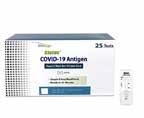
StatID PRO™ COVID-19/Flu A&B is an FDA-cleared, CLIA-waived rapid antigen test that detects and differentiates SARS-CoV-2, Influenza A, and Influenza B from a single anterior nasal swab. Delivering results in 15 minutes, it supports efficient, on-site respiratory testing in physician offices, urgent care, and point-of-care settings enabling timely clinical decisions and streamlined patient management.
BD VERITOR™ SYSTEM FOR RAPID DETECTION OF SARS-COV-2 & FLU A+B* (EUA) TEST
From BD Veritor™ Plus System 6313
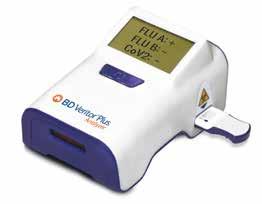
A 3-in-1 antigen assay for COVID-19, Flu A and Flu B with test results in 15 minutes.1
The BD Veritor™ Plus System streamlines clinical and patient workflows by detecting three key respiratory viruses in one test, reducing the need for multiple sample collections. With multiple testing modes and workflow efficiencies, the analyzer empowers convenience and efficiency (1 kit = 30 tests).
*In the USA, the BD Veritor™ System for Rapid Detection of SARS-CoV-2 & Flu A+B has not been FDA cleared or approved but has been authorized by the FDA under an Emergency Use Authorization for use by authorized laboratories; use by laboratories certified under the CLIA, 42 U.S.C. §263a, that meet requirements to perform moderate, high, or waived complexity tests. The product is authorized for use at the Point of Care (POC), i.e., in patient care settings operating under a CLIA Certificate of Waiver, Certificate of Compliance, or Certificate of Accreditation.
This product has been authorized only for the detection of proteins from SARS-CoV-2, influenza A and influenza B, not for any other viruses or pathogens; and, in the USA, the emergency use of this product is only authorized for the duration of the declaration that circumstances exist justifying the authorization of emergency use of in vitro diagnostics for detection and/or diagnosis of COVID 19 under Section 564(b)(1) of the Federal Food, Drug and Cosmetic Act, 21 U.S.C. §360bbb-3(b)(1), unless the declaration is terminated or authorization is revoked sooner.
1. BD Veritor™ Plus System for Rapid Detection of SARS-CoV-2 and Flu A+B. Package insert. 500051910 Becton, Dickinson and Company.
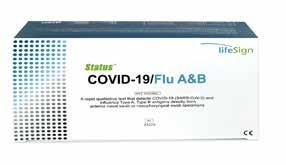
STATUS COVID-19/FLU A&B PANEL TEST
From LifeSign
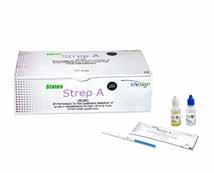
A Rapid Immunoassay for the Simultaneous Direct Detection and Differential Diagnosis of SARS-CoV-2, Influenza Type A and Type B Antigen from Anterior Nasal and Nasopharyngeal swab specimens. Infections with these viruses may present similar symptoms. Can you tell them apart? WE CAN!
SCAN TO LEARN MORE
Comprehensive toxicology menu now with 14 CLIA 1 categorized moderate complexity assays.
IMMTOX ™ 270 BENCHTOP ANALYZER
Toxicology screening solutions for physician offices, pain management, treatment centers and laboratories testing 200+ patient samples/mo.
MODERATE COMPLEXITY ASSAYS – FDA 510(K) CLEARED
6-acetylmorphine (6-AM Heroin metabolite)
Amphetamine
Barbiturates
Benzodiazepines
Benzoylecgonine (Cocaine metabolite)
Buprenorphine
Cannabinoids (THC)
EDDP (Methadone metabolite)
Fentanyl*
Methamphetamine
Opiates
Oxycodone
Phencyclidine (PCP)
Tramadol
Scan this QR code to view the ImmTox™ 270 product video
A1c Testing in the Exam Room:
TRANSFORMING DIABETES MANAGEMENT IN REAL TIME
BY: MATT BAKER
From Retrospective Data to Real-Time Decision-Making
For decades, hemoglobin A1c (HbA1c) has served as the cornerstone of diabetes diagnosis and longitudinal management. Its ability to reflect average glycemic control over approximately three months makes it indispensable in primary care. Yet despite its clinical value, the traditional laboratory-based A1c workflow has long been constrained by a fundamental limitation: time. When results are delayed by days, the opportunity to act in the moment—when the patient is present, engaged, and receptive—is lost.
In most primary care settings, A1c testing has historically been a retrospective tool. Blood is drawn during the visit, sent to a centralized laboratory, and results are returned sometime later. Clinicians must then decide whether to call the patient, wait until the next visit, or attempt to make treatment changes without the benefit of face-to-face discussion.
Each of these approaches introduces friction, and often, inaction. This delay contributes to what is widely recognized as clinical inertia—the failure to initiate or intensify therapy when indicated.
Point-of-care (POC) A1c testing represents a meaningful departure from this paradigm. By bringing accurate, rapid testing directly into the exam room, clinicians can obtain actionable data within minutes and make informed decisions during the same encounter.
This shift transforms A1c from a passive marker into an active driver of care, enabling a more responsive, patient-centered model of diabetes management.
The Clinical Role of A1c: Why Timing Changes Everything
HbA1c remains one of the most reliable and widely accepted measures of long-term glycemic control. Unlike fasting plasma glucose, it does not require patient preparation and is less influenced by short-term fluctuations due to stress, illness, or dietary variability. Because it reflects glycation over the lifespan of red blood cells, it provides a stable, integrated picture of glycemic exposure over roughly 8–12 weeks.
However, the value of A1c is not solely in its accuracy—it lies in its timing. A precise measurement that arrives too late to influence care decisions is inherently limited in its clinical utility. In chronic diseases such as diabetes, where management depends on iterative adjustments to therapy, even small delays can compound over time. A missed opportunity to intensify treatment today may translate into months of suboptimal glycemic control, increasing the risk of both microvascular and macrovascular complications.
When A1c results are available during the visit, their meaning changes. The number is no longer a retrospective summary; it becomes a real-time signal that can guide immediate action.
This temporal shift—from delayed to immediate—fundamentally alters the way clinicians and patients interact with the data.
Point-of-Care A1c Testing: A Practical Evolution in Primary Care
Point-of-care A1c testing has matured significantly over the past decade, evolving from a niche capability into a practical, scalable solution for primary care practices. Modern systems require only a small fingerstick sample and deliver results in a matter of minutes, often within the timeframe of a standard office visit. These devices are typically CLIA-waived, meaning they are designed for ease of use and require minimal training for clinical staff.
What distinguishes current-generation POC devices is not just their speed, but their reliability. Most systems are standardized to National Glycohemoglobin Standardization Program (NGSP) and International Federation of Clinical Chemistry (IFCC) reference methods, ensuring that results are consistent with those obtained from central laboratories. This alignment has been critical in driving adoption, as clinicians can trust that treatment decisions based on POC results are grounded in accurate data.
Equally important is the integration of these devices into clinical workflows. Rather than disrupting the visit, A1c testing can be performed during rooming or early in the encounter, with results available by the time the physician begins the clinical discussion. This seamless integration allows practices to maintain efficiency while enhancing the quality of care delivered.
Real-Time Clinical Decision-Making: Closing the Loop
The most immediate and tangible benefit of exam-room A1c testing is the ability to make decisions in real time. Instead of deferring action until lab results return, clinicians can evaluate glycemic control, discuss contributing factors, and adjust treatment plans within a single visit.
This capability has profound implications for therapy management. When an elevated A1c is identified, clinicians can initiate or intensify pharmacologic therapy on the spot, whether that involves adding a second oral agent, introducing a GLP-1 receptor agonist, or initiating basal insulin. Conversely, when A1c levels have improved, therapy can be de-escalated appropriately, reducing the risk of hypoglycemia and medication burden. The immediacy of these decisions ensures that treatment is aligned with current clinical status rather than outdated data.
Beyond medication adjustments, real-time A1c testing provides an opportunity to address adherence and lifestyle factors in a meaningful way. When patients and clinicians review the result together, the conversation naturally shifts toward understanding the drivers behind the number. This might include medication adherence, dietary patterns, physical activity, or psychoso-
cial barriers. Addressing these factors in the moment increases the likelihood of meaningful change.
Perhaps most importantly, point-of-care testing reduces clinical inertia. By eliminating delays, it removes one of the primary barriers to timely intervention. Over time, this can lead to more consistent achievement of glycemic targets and improved long-term outcomes.
Patient Engagement: Turning Data into Motivation
While the clinical advantages of real-time A1c testing are significant, its impact on patient engagement may be even more transformative. Diabetes management is inherently behavioral, requiring sustained lifestyle changes and adherence to complex treatment regimens. Data alone is rarely sufficient to drive change; it must be presented in a way that is immediate, relevant, and actionable.
When patients receive their A1c result during the visit, the number becomes tangible. It is no longer an abstract value communicated days later via a phone call or patient portal. Instead, it is part of a live conversation, contextualized within the patient’s recent behaviors and experiences. This immediacy strengthens the connection between actions and outcomes, making the consequences of daily choices more apparent.
Real-time feedback also facilitates shared decision-making. Rather than prescribing changes in a top-down manner, clinicians can engage patients in a collaborative discussion about next steps. For example, a patient whose A1c has improved may be encouraged to reflect on what strategies have been effective, reinforcing positive behaviors. Conversely, a patient with worsening control can be invited to identify barriers and co-develop solutions. This collaborative approach fosters a sense of ownership and accountability, which is critical for long-term success.
In addition, immediate results can enhance adherence. When treatment changes are made in direct response to current data and explained in context, patients are more likely to understand and accept the rationale behind those changes. This clarity reduces confusion and increases the likelihood that patients will follow through with recommendations.
Advancements in Point-of-Care Technology
The rapid evolution of point-of-care A1c testing technology has been a key driver of its adoption in primary care. Modern analyzers are designed to balance accuracy, speed, and usability, making them well-suited for busy clinical environments.
Benchtop analyzers such as the Afinion 2 Analyzer and the DCA Vantage Analyzer have become mainstays in many practices. These systems are capable of delivering results in just a few minutes and often support multiple assays, including urine albumin-to-creatinine ratio (ACR), allowing clinicians to assess both glycemic control and early signs of nephropathy during the same visit. Their ability to interface with electronic health
Point-of-care (POC) A1c testing represents a meaningful departure from this paradigm. By bringing accurate, rapid testing directly into the exam room, clinicians can obtain actionable data within minutes and make informed decisions during the same encounter.
record systems further enhances their utility, enabling automatic documentation and reducing the risk of transcription errors.
In parallel, portable and handheld devices have expanded the reach of A1c testing beyond traditional clinic settings. Systems like the A1CNow Plus System are compact, easy to use, and well-suited for mobile clinics, home visits, and community health programs. These devices maintain a high level of accuracy while offering greater flexibility in how and where care is delivered.
Underlying these platforms are increasingly sophisticated analytical technologies. Techniques such as boronate affinity and fluorescence-based detection have improved resistance to interference from hemoglobin variants, enhancing reliability across diverse patient populations. Emerging microfluidic technologies are further refining precision while reducing sample volume and processing time, bringing point-of-care testing ever closer to laboratory-grade performance.
Extending Care Beyond the Clinic: At-Home A1c Testing
The evolution of A1c testing is not limited to the clinical setting. Advances in technology have enabled the development of at-home A1c testing kits, which allow patients to measure their levels independently.
These systems typically use a fingerstick sample and provide results within minutes, offering a convenient way for patients to monitor trends between office visits. While they are not intended to replace clinician-directed testing, they can serve as a valuable adjunct, particularly in the context of remote patient monitoring or telehealth.
At-home testing empowers patients by giving them more frequent insight into their glycemic control. This can reinforce adherence to treatment plans and encourage proactive engagement with lifestyle modifications. When integrated into a broader care model that includes clinician oversight and digital
health tools, at-home A1c testing can support a more continuous, rather than episodic, approach to diabetes management.
Integration with Digital Health Ecosystems
As healthcare continues to embrace digital transformation, A1c testing is increasingly being integrated into connected care ecosystems. Many modern point-of-care devices are capable of interfacing directly with electronic health records, allowing results to be uploaded automatically and made immediately available to the care team. This integration supports more efficient documentation, facilitates quality reporting, and enables population health management.
In addition, A1c data can be combined with other sources of information, such as continuous glucose monitoring (CGM) and remote patient monitoring platforms. While A1c provides a long-term view of glycemic control, CGM offers granular, real-time insights into glucose variability and time-in-range. Together, these tools provide a more comprehensive picture of a patient’s metabolic status, allowing for more nuanced and individualized care.
Telehealth has further expanded the relevance of real-time diagnostics. In hybrid care models, patients may complete A1c testing at home or in a local setting, with results transmitted to their primary care provider for review during a virtual visit. This approach maintains the immediacy of decision-making while reducing the need for in-person visits, improving access and convenience.
Clinical Considerations and Implementation
Despite its many advantages, the adoption of point-of-care A1c testing requires thoughtful implementation. Practices must consider factors such as staff training, workflow integration, and quality control. Although CLIA-waived devices are designed for ease of use, ensuring consistent technique and adherence to calibration protocols is essential for maintaining accuracy.
There are also clinical considerations to keep in mind. While modern devices are highly reliable, certain conditions—such as hemoglobinopathies, anemia, or recent transfusions—can affect A1c measurements. Clinicians should remain vigilant for situations in which alternative markers of glycemic control may be more appropriate.
Cost is another factor, particularly for smaller practices. However, when viewed in the context of improved efficiency, reduced follow-up visits, and better clinical outcomes, pointof-care testing often represents a favorable investment. In value-based care models, the ability to achieve glycemic targets and reduce complications can translate into meaningful financial benefits.
Alignment with Value-Based Care
The shift toward value-based care has placed greater emphasis
on outcomes, quality metrics, and patient satisfaction. Diabetes management is a central focus of many of these initiatives, with measures such as A1c control serving as key performance indicators.
Point-of-care A1c testing aligns naturally with these goals. By enabling immediate intervention, it increases the likelihood that patients will achieve and maintain target A1c levels. This, in turn, reduces the risk of complications such as retinopathy, nephropathy, and cardiovascular disease. Improved outcomes not only benefit patients but also support practice performance under value-based reimbursement models.
Furthermore, the enhanced patient experience associated with real-time testing can improve satisfaction and retention. Patients appreciate the efficiency of receiving results during the visit and the opportunity to engage in meaningful discussions about their care.
These factors contribute to stronger patient-provider relationships and better long-term engagement.
The Future of A1c Testing in Primary Care
Looking ahead, the role of A1c testing in primary care is likely to continue evolving. Advances in technology are expected to yield even faster, smaller, and more accurate devices, further reducing barriers to adoption. At the same time, the integration of artificial intelligence and predictive analytics may enhance the clinical utility of A1c data, providing clinicians with decision support based on individual patient trends.
There is also growing recognition that A1c, while invaluable, is only one piece of the glycemic puzzle. Metrics such as timein-range, glycemic variability, and hypoglycemia burden are gaining prominence, particularly with the widespread adoption of CGM. The future of diabetes management will likely involve a more holistic approach that combines these metrics with A1c to guide care.
Conclusion: A More Immediate, More Effective Model of Care
A1c testing in the exam room represents more than a technological advancement; it reflects a broader shift toward immediacy, integration, and patient-centered care. By eliminating delays and enabling real-time decision-making, point-of-care testing transforms A1c from a retrospective measure into a dynamic tool for guiding treatment.
For primary care physicians, this shift offers a clear opportunity to improve the management of diabetes. With real-time data at their fingertips, clinicians can make more timely decisions, engage patients more effectively, and achieve better outcomes. As healthcare continues to evolve, the integration of point-ofcare diagnostics into routine practice will play an increasingly important role in delivering high-quality, efficient, and responsive care.
FLU AND RESPIRATORY
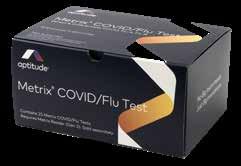
METRIX® COVID/FLU TEST RAPID MOLECULAR TEST – PROVIDE LAB QUALITY RESULTS IN JUST 20 MINUTES
From Sekisui Diagnostics
• 3-in-1 Multiplex – Detects COVID-19, Flu A and Flu B from one swab, in one test
• Minimal Hands-On Time – Can be performed in a CLIA-waived setting in a few simple steps
• Convenient– No maintenance or calibration, ready for testing any time
• Accessible and Flexible – Suitable for any facility
• Exceptional Support – Experienced support teams and online training modules to help streamline your implementation
This product has not been FDA cleared or approved, but has been authorized for emergency use by FDA under an EUA; This product has been authorized only for the detection and differentiation of nucleic acid from SARS-CoV-2, Influenza A, and Influenza B, not for any other viruses or pathogens. The emergency use of this product is only authorized for the duration of the declaration that circumstances exist justifying the authorization of emergency use of in vitro diagnostics for detection and/or diagnosis of COVID-19, Flu A, and Flu B under Section 564(b) (1) of the Federal Food, Drug, and Cosmetic Act, 21 U.S.C. § 360bbb 3(b)(1), unless the declaration is terminated or authorization is revoked sooner.
COVID-19 OR FLU? STOP GUESSING. ONE SWAB, ONE TEST, RESULTS IN JUST 10 MINUTES
From Sekisui Diagnostics
From only one sample, the OSOM® Flu SARS-CoV-2 Combo Test simultaneously detects and differentiates between COVID-19, Flu A, and Flu B in just 10 minutes, allowing healthcare providers to make more informed decisions when treating patients who are symptomatic with viral infections that have similar symptoms, but different treatment protocols. Designed for point-of-care testing, the OSOM® Flu SARS-CoV-2 Combo Test empowers healthcare providers with the confidence necessary to initiate immediate treatment and isolation protocols at the very first patient visit.
This test has not been FDA cleared or approved. It is authorized by FDA under an EUA for use by authorized laboratories. It has been authorized only for the detection of proteins from SARS-CoV-2, influenza A and influenza B, not for any other viruses or pathogens and is only authorized for the duration of the declaration that circumstances exist justifying the authorization of emergency use of in vitro diagnostics for detection and/or diagnosis of COVID-19 under Section 564(b)(1) of the Federal Food, Drug, and Cosmetic Act, 21 U.S.C S360bbb-3(b)(1), unless the authorization is terminated or revoked sooner.
CLIA WAIVED, POINT-OF-CARE, RSV TEST
from Sekisui Diagnostics
Test for both high-risk groups, younger children & elderly adults, for severe RSV infection using the OSOM® RSV Test. This test is a CLIAwaived, point-of-care test designed to detect Respiratory Syncytial Virus (RSV) using a painless anterior nasal swab in just 15 minutes. It is suitable for both children aged 6 months to 6 years and adults aged 60 and above, providing healthcare professionals with flexibility in diagnosing patients exhibiting symptoms of respiratory infections.
SCAN TO LEARN MORE
6318
LEAD TESTING
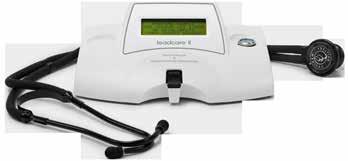
MEET LEADCARE® II
From Meridian Bioscience
LeadCare® II brings CLIA-waived blood lead testing directly to the pointof-care — so you can test, educate, and take action in a single visit. For pediatric practices, every well-child visit is an opportunity to protect a child’s development. With rapid, quantitative results in just three minutes from a simple fingerstick, you can counsel families and initiate next steps immediately — turning screening into meaningful action when it matters most.
PERIPHERAL ARTERIAL DISEASE
QUANTAFLO® PAD
From Semler Scientific
QuantaFlo® PAD is an easy to use, accurate, point of care, non-invasive solution that aids in the early detection of peripheral arterial disease (PAD). This FDA cleared device can be administered by a medical aide in less than 5 minutes. As published in the Journal of Vascular Surgery and the American Journal of Preventive Medicine, QuantaFlo detected undiagnosed PAD in 31.6% of patients +65.1 QuantaFlo is portable and integrates with other technologies and platforms. It is ideal for both home and clinic environments.
1. Smolderen KG, Ameli O, Chaisson CE, Heath K, Mena-Hurtado C. Peripheral Artery Disease Screening in the Community and 1-Year Mortality, Cardiovascular Events, and Adverse Limb Events, AJPM Focus (2022), https://doi.org/10.1016/j.focus.2022.100016
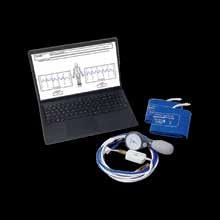
PAD TESTING SYSTEMS IDEAL FOR PRIMARY CARE TO VASCULAR SPECIALISTS
from Newman Medical
Your Patients Trust YOU To Find Their Peripheral Artery Disease
• High-risk patients include those over 65, diabetics, and smokers.
• If left untreated, 25% of patients with PAD will experience a heart attack or stroke within 5 years.
• PAD symptoms are often mistaken for arthritis or old age.
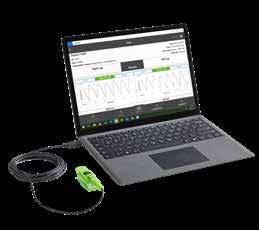
The simpleABI Cuff-Link System is Easy to Learn and Use.
• With a push-button remote, automatic calculations, and waveforms, it’s incredibly user-friendly.
• Reports are straightforward to save and share since the system is PC-based. Outstanding Value and Reimbursements
• The system pays for itself in less than a year with just one test per week.
• Medicare reimbursements vary by exam and location, averaging from $91 to $174.
STREP TESTS
BD VERITOR™ SYSTEM FOR RAPID DETECTION OF SARS-COV-2 & FLU A+B* (EUA) TEST
From BD Veritor™ Plus System
A 3-in-1 antigen assay for COVID-19, Flu A and Flu B with test results in 15 minutes.1
The BD Veritor™ Plus System streamlines clinical and patient workflows by detecting three key respiratory viruses in one test, reducing the need for multiple sample collections. With multiple testing modes and workflow efficiencies, the analyzer empowers convenience and efficiency (1 kit = 30 tests).
*In the USA, the BD Veritor™ System for Rapid Detection of SARS-CoV-2 & Flu A+B has not been FDA cleared or approved but has been authorized by the FDA under an Emergency Use Authorization for use by authorized laboratories; use by laboratories certified under the CLIA, 42 U.S.C. §263a, that meet requirements to perform moderate, high, or waived complexity tests. The product is authorized for use at the Point of Care (POC), i.e., in patient care settings operating under a CLIA Certificate of Waiver, Certificate of Compliance, or Certificate of Accreditation.
This product has been authorized only for the detection of proteins from SARS-CoV-2, influenza A and influenza B, not for any other viruses or pathogens; and, in the USA, the emergency use of this product is only authorized for the duration of the declaration that circumstances exist justifying the authorization of emergency use of in vitro diagnostics for detection and/or diagnosis of COVID 19 under Section 564(b)(1) of the Federal Food, Drug and Cosmetic Act, 21 U.S.C. §360bbb-3(b)(1), unless the declaration is terminated or authorization is revoked sooner.
1. BD Veritor™ Plus System for Rapid Detection of SARS-CoV-2 and Flu A+B. Package insert. 500051910 Becton, Dickinson and Company.
OSOM® ULTRA STREP A TEST
From Sekisui Diagnostics
The OSOM® Ultra Strep A test is a color immunochromatographic assay intended for the qualitative detection of Group A Streptococcus antigen directly from throat swab specimens. Shown to be not statistically different than single swab culture. Sensitivity 95.7% and 100% Specificity. Includes two additional test sticks for External QC. CLIA Waived. 6323
The Ethos Automated Ultrasound Probe Cleaner Disinfector is the first FDA-cleared device to provide both cleaning and high-level disinfection of ultrasound probes in one system. It’s fast and easy to use—simply place a soiled transvaginal, transrectal, or surface probe into the device, follow the prompts on the display, and a reprocessing report is printed at the end of the cycle. Ethos removes the unknowns of manual cleaning, giving healthcare professionals confidence and consistency with every cycle.
T H E Y A R E I N Y O U R W A I T I N G R O O M R
I G H T N O W .
Patients with Peripheral Artery Disease (PAD) who may be facing a heart attack, stroke, amputation, or even death within the next 5 years
1 O U T O F 3 H A S P A D A N D T H E Y P R O B A B L Y D O N ’ T K N O W I T . A
Diabetics Smokers Over age 65
P E R I P H E R A L
ARTERY DISEASE
Healthy Artery
Diseased Artery
Atherosclerosis
(PAD) is an often silent condition where narrowed arteries reduce blood flow to the legs, causing symptoms like leg pain, numbness, and slow-healing wounds.
DON’T LET PAD SNEAK UP ON YOU OR THESE PATIENTS.
50% report no symptoms, while those that do attribute their pain to arthritis or “old age”.
I N T R O D U C I N G
N o n - i n v a s i v e , p a t i e n t - f r i e n d l y t e s t
A C C U R A T E
A c c u r a c y e q u a l o r b e t t e r t h a n D o p p l e r A B I .
U s e f u l f o r d i a b e t i c s w i t h c a l c i f i e d a r t e r i e s
R E I M B U R S A B L E
r .
G r e a t R O I : t h e t y p i c a l i n t e r n i s t h a s 8 0 0 M e d i c a r e p a t i e n t s , p e r A C P
T
l e s s t h a n t w o m o n t h s .
C P T 9 3 9 2 3 ( A B I w / e x e r
THESE PATIENTS TRUST YOU TO FIND THEIR PAD
before they have a heart attack, stroke, or even die PAD also leads to significant disability and reduced quality of life.
For over 45 years, Newman Medical has been a leader in vascular innovation The ABI-Q system continues that legacy with fast, accurate results you can trust
Scan for more info
9 Travel Destinations You Can't Miss in 2026
Whether you're craving pristine beaches or vibrant cities, these nine must-visit destinations around the world promise stunning scenery, rich culture, and unforgettable adventures for every type of traveler.
md-escapes.com
St. Thomas Ritz-Carlton Vienna
Four Seasons Orlando at Walt Disney World
Secret Bay Dominica · Garza Blanca Puerto Vallarta
Four Seasons Napa Valley · Four Seasons Las Vegas
Four Seasons Nashville
Four Seasons Gresham Palace, Budapest
RITZ-CARLTON ST. THOMAS
Escape to an island oasis surrounded by crystal blue waters, white sand and lush tropical greenery. A breathtaking 30 acre, oceanfront luxury hotel in St. Thomas, VI, The Ritz-Carlton, St. Thomas is a Caribbean marvel styled after traditional island architecture, but richly updated with all of the contemporary comforts for which the resorts of The Ritz-Carlton are known.
SCAN TO LEARN MORE
THE RITZ-CARLTON VIENNA
In a city renowned for its beauty and culture, The Ritz-Carlton, Vienna distinguishes itself with a unique blend of modern luxuries, fine dining, and spa experiences, all housed within four 19th-century palaces. Situated in the heart of downtown Vienna, along the iconic Ringstrasse and adjacent to the Stadtpark, our luxury hotel offers 200 elegant guestrooms, including 43 exquisite suites, allowing you to indulge in tasteful living, distinctive designs, and breathtaking views.
SCAN TO LEARN MORE
RITZ-CARLTON ST. THOMAS
THE RITZ-CARLTON VIENNA
FOUR SEASON ORLANDO AT WALT DISNEY WORLD
ORLANDO, FLORIDA
Discover an elevated escape with the perfect balance of fun and relaxation at our AAA Five Diamond, luxury Orlando Resort. Splash around with the family at Explorer Island water park, or unwind beneath swaying palms at Oasis adult-only pool while we entertain your young ones at our complimentary kids camp. Treat yourself to a soothing, post-park massage at The Spa, then toast to the nightly Walt Disney World® fireworks views over dinner at our Michelin-starred rooftop steakhouse Capa. SCAN TO LEARN MORE
SECRET BAY DOMINICA
Spectacularly sited on a clifftop promontory where the rainforest meets the sea on Dominica, the “Nature Island” of the Caribbean, Secret Bay is among the leading boutique resorts in the world and an acclaimed Relais & Châteaux property. The secluded six-star, all-villa resort consists of elegantly appointed, residential-style villas, each with a private plunge pool and dedicated villa host, on-call concierge, chefs and guides, access to a secret beach and transformative experiences curated specifically for each guest.
SCAN TO LEARN MORE
FOUR SEASONS ORLANDO AT WALT DISNEY WORLD
GARZA BLANCA PUERTO VALLARTA
All Inclusive Family Resort in Puerto Vallarta. Experience the best all-inclusive resort in Puerto Vallarta, where first-class amenities invite you to relax by infinity pools, indulge in gourmet dining, and rejuvenate at a world-class spa embraced by jungle and ocean views. Garza Blanca Puerto Vallarta combines breathtaking natural beauty, exceptional service, and upscale comfort for an unforgettable luxury family vacation.
FOUR SEASONS NAPA VALLEY
Welcome to Five-Star Luxury in California Wine Country. In the food and wine capital of North America, Four Seasons welcomes you to a bespoke luxury resort in Napa Valley, the heart of California wine country. Our Forbes FiveStar Hotel in Calistoga is set within its own world-class vineyard. Discover innovative and seasonal cuisine at Michelin-starred Auro, holistic spa rituals at Spa Talisa and thoughtfully personalized Four Seasons service. Raise a glass to all the best in life as you soak in magnificent views of Napa Valley.
SCAN TO LEARN MORE
GARZA BLANCA PUERTO VALLARTA
FOUR SEASONS
LAS VEGAS, NEVADA
As one of the only non-gaming and non-smoking hotels on The Strip, Four Seasons Hotel Las Vegas is a unique oasis in the heart of the action-packed sports and entertainment capital of the world. Offering Five Diamond luxury accommodations, acclaimed dining and a Forbes Five-Star spa, Four Seasons offers the best of both worlds: a resort retreat amid the famous energy of Las Vegas.
FOUR SEASONS NASHVILLE, TENNESSEE
Welcome to Four Seasons Hotel Nashville, a luxury hotel located in the heart of downtown’s vibrant SoBro neighborhood. This new social hub is just steps away from the city's iconic music, sports, and entertainment venues. Experience the rhythm of our lively restaurants and event spaces, the tranquility of our Spa, and the stunning views from our rooftop pool overlooking the Cumberland River and Riverfront Park. With the unmatched service of Four Seasons and warm Southern hospitality, we’ll inspire an authentic experience of Music City.
SCAN TO LEARN MORE
FOUR SEASONS GRESHAM PALACE BUDAPEST
Located in the heart of Budapest, our luxury art nouveau palace Hotel – the only Forbes Five-Star hotel in Hungary – embodies the spirit of Budapest’s Golden Era glam. From the moment you enter the iconic wrought iron peacock gates, pass through the lobby adorned with more than two million mosaic tiles illuminated with its striking chandelier, and let inspiration wash over you. Outside, views of the Danube and the picturesque Buda skyline stand before you. Spend the day exploring the sights, recharge in our Spa that harnesses the city’s heritage in wellness, then enjoy an innovative cocktail at our lobby bar MÚZSA.
SCAN TO LEARN MORE
Meet the Quadruple Aim in Diabetes Care with In-office HbA1c and uACR
Diabetes management solutions at the point-of-care
Gain insights into your patient’s current status with real-time actionable results.
DCA Vantage® Analyzer
Rapid assessment of glycemic control and kidney health
HbA1c
• CLIA-waived
Albumin-to-creatinine ratio (ACR)
• CLIA Moderate Complexity
CLINITEK Status® Connect System
CLIA-waived analyzer for routine urinalysis, including kidney health
• CLINITEK® Microalbumin 2 Strip (ACR)
The Prevalence of Diabetes Among U.S. Adults is on the Rise1
Help your patients reverse the trend
Customize your patient consultations to enhance physician-patient partnership toward improved outcomes.
1. Rowley, William R
SKIN CANCER:
Early Detection, Diagnosis, and Evolving Management Strategies
Skin cancer remains the most common malignancy in the United States, representing a growing clinical and public health challenge. Despite its prevalence, it is also one of the most preventable and, when detected early, highly treatable cancers. For primary care physicians (PCPs), skin cancer sits squarely within the scope of daily practice—not only because of its frequency, but also because early recognition often begins outside the dermatology office. As frontline providers, PCPs are uniquely positioned to identify suspicious lesions, stratify patient risk, initiate diagnostic workups, and coordinate care that can significantly alter patient outcomes.
The importance of this role continues to expand as incidence rates climb and as advances in diagnostics and therapeutics reshape the management landscape. Understanding the nuances of skin cancer—from early presentation to evolving treatment modalities—enables PCPs to deliver more effective, timely, and comprehensive care.
Epidemiology and Risk Factors
The incidence of skin cancer continues to rise steadily, influenced by a combination of environmental, behavioral, and demographic factors. Increased ultraviolet (UV) radiation exposure remains the most significant contributor, whether from natural sunlight or artificial sources such as tanning beds. At the same time, an aging population has contributed to higher cumulative UV exposure across lifetimes, further elevating risk. Improved awareness and detection have also played a role, leading to more diagnoses, particularly in early-stage disease.
Risk factors are multifactorial and often cumulative. Patients with fair skin, light-colored eyes, and a propensity to burn rather than tan are at increased risk due to lower melanin protection against UV radiation. A history of blistering sunburns, especially during childhood, is strongly associated with melanoma risk. Chronic sun exposure, more often linked to occupational or lifestyle factors, increases the likelihood of non-melanoma skin cancers such as basal cell carcinoma (BCC) and squamous cell carcinoma (SCC). Immunosuppressed individuals—including organ transplant recipients and patients on long-term immunosuppressive therapy—are at markedly increased risk, particularly for aggressive SCC. Genetic predispositions, such as familial melanoma syndromes, and a personal history of skin cancer further compound risk. For PCPs, recognizing these risk factors during routine visits allows for targeted surveillance strategies that can significantly improve early detection.
Types of Skin Cancer
Skin cancer is broadly categorized into melanoma and non-melanoma types, each with distinct biological behavior, clinical presentation, and prognostic implications. Basal cell carcinoma is the most common form of skin cancer, arising from basal keratinocytes in the epidermis. It is characteristically slow-growing and rarely metastasizes, but it can be locally invasive and destructive if left untreated. Clinically, BCC often presents as a pearly or translucent papule, frequently with visible telangiectasias. Some lesions may ulcerate centrally, giving rise to the classic “rodent ulcer” appearance.
While prognosis is excellent with appropriate treatment, delayed recognition can lead to significant morbidity, particularly when lesions occur in cosmetically or functionally sensitive areas such as the face.
Squamous cell carcinoma arises from more differentiated keratinocytes and carries a higher risk of metastasis compared to BCC. It typically presents as a scaly, erythematous plaque or nodule, which may become hyperkeratotic or ulcerated. SCC is often associated with chronic sun exposure and may arise from precursor lesions such as actinic keratoses.
High-risk features—including location on the ears or lips, larger size, deeper invasion, and immunosuppression—are associated with an increased likelihood of metastasis and poorer outcomes.
Melanoma, while less common than BCC or SCC, is far more aggressive and accounts for the majority of skin cancer-related deaths. It originates from melanocytes and has a strong propensity for early metastasis. Melanoma can present in a variety of forms, including superficial spreading, nodular, lentigo maligna, and acral lentiginous subtypes. The well-known ABCDE criteria—Asymmetry, Border irregularity, Color variation, Diameter greater than 6 millimeters, and Evolution—remain a useful clinical framework for identifying suspicious pigmented lesions. However, clinicians must remain vigilant for atypical presentations, including amelanotic melanomas, which may lack pigmentation altogether.
The Critical Importance of Early Detection
Early detection is the most significant determinant of outcomes in skin cancer, particularly for melanoma. When
identified at an early, localized stage, melanoma carries an excellent prognosis, with five-year survival rates exceeding 99 percent. However, once the disease spreads regionally or distantly, survival rates decline dramatically.
Primary care settings offer critical opportunities for early detection, often during visits for unrelated concerns. Patients may not recognize the significance of a changing lesion or may delay seeking dermatologic evaluation. In this context, even a brief visual inspection of exposed skin or a focused examination prompted by patient concern can lead to earlier diagnosis.
While the role of universal full-body skin examinations in primary care remains debated, there is strong support for targeted screening in high-risk populations. Patients with significant risk factors benefit from regular skin evaluations, either in primary care or through referral to dermatology. Just as importantly, educating patients to perform self-examinations and report changes promptly can serve as a powerful adjunct to clinical screening.
Clinical Evaluation and Diagnosis
Effective diagnosis begins with a thorough history and physical examination. A detailed history should explore personal and family history of skin cancer, patterns of sun exposure, use of tanning beds, and any changes in existing lesions or the appearance of new ones.
Immunosuppressive conditions and medications should also be noted, as they influence both risk and management strategies. The physical examination should focus on identifying suspi-
cious lesions, with attention to asymmetry, border irregularity, color variation, and changes over time. Documentation of lesion characteristics—including size, location, and morphology—is essential for monitoring and follow-up. Dermoscopy has emerged as a valuable adjunct in primary care, improving diagnostic accuracy when used by trained clinicians. It allows for visualization of subsurface structures not visible to the naked eye and can help distinguish benign from malignant lesions.
Definitive diagnosis requires histopathologic confirmation. Biopsy remains the gold standard, and PCPs who are trained in minor dermatologic procedures can often perform this step efficiently within the primary care setting. Shave biopsies are commonly used for superficial lesions, while punch biopsies are useful for smaller or diagnostically uncertain lesions. When melanoma is suspected, excisional biopsy with narrow margins is generally preferred to ensure accurate assessment of tumor depth, which is critical for staging and management.
Advances in Diagnostic Technology
Technological advancements are increasingly enhancing the ability of PCPs to detect skin cancer earlier and with greater accuracy. Artificial intelligence (AI)-assisted diagnostic tools are becoming more accessible, offering image analysis that can support clinical decision-making. While not a replacement for clinical judgment, these tools can serve as valuable adjuncts, particularly in settings where dermatologic expertise is limited.
Total body photography and digital mole mapping are especially useful for patients with numerous nevi or high melanoma
risk. These tools allow for longitudinal monitoring of lesions, making it easier to detect subtle changes over time. Teledermatology has also expanded access to specialist input, enabling PCPs to obtain rapid consultations and reduce delays in care. In underserved or rural areas, this approach can significantly improve diagnostic accuracy and patient outcomes.
Treatment Options
The management of skin cancer varies depending on the type, stage, and location of the lesion, as well as patient-specific factors. For non-melanoma skin cancers such as BCC and SCC, treatment is often straightforward and highly effective when initiated early.
Surgical excision remains the cornerstone of treatment for most lesions, offering high cure rates. In cases where tissue preservation is critical, such as lesions on the face, Mohs micrographic surgery provides precise margin control while minimizing removal of healthy tissue. Less invasive options, including cryotherapy and curettage with electrodessication, may be appropriate for select low-risk lesions. Topical therapies, such as 5-fluorouracil or imiquimod, can be used for superficial BCC or actinic keratoses, particularly when surgery is not desirable.
Melanoma management is more complex and depends heavily on staging. Early-stage melanoma is typically treated with wide local excision, with margins determined by tumor thickness. Sentinel lymph node biopsy may be indicated to assess regional spread. In advanced disease, systemic therapies have dramatically improved outcomes. Immune checkpoint inhibitors, such as pembrolizumab and nivolumab, have revolutionized the treatment of metastatic melanoma by enhancing the body’s immune response against tumor cells. Targeted therapies directed at specific mutations, such as BRAF inhibitors, offer additional options for selected patients.
The Role of Primary Care Physicians
Primary care physicians are integral to every stage of skin cancer management, from prevention to long-term surveillance. Their role begins with patient education, emphasizing sun protection strategies that can reduce lifetime risk. Counseling on the use of broad-spectrum sunscreen, protective clothing, and avoidance of peak UV exposure is particularly important for younger patients, where behavior modification can have long-term benefits.
In addition to prevention, PCPs are responsible for identifying high-risk individuals and implementing appropriate screening strategies. This includes determining which patients require more frequent skin examinations and ensuring that concerning lesions are evaluated promptly. Early detection often hinges on the ability of the PCP to recognize subtle changes and act decisively.
PCPs may also manage certain low-risk skin cancers directly, particularly when trained in dermatologic procedures. This can improve access to care and reduce delays associated with specialist referral. For more complex cases, PCPs play a critical role in coordinating multidisciplinary care, ensuring that patients receive timely evaluation and treatment from dermatologists, surgeons, and oncologists.
Long-term follow-up is another essential component of care. Patients with a history of skin cancer are at increased risk for recurrence and for developing new primary lesions.
Ongoing surveillance, combined with reinforcement of preventive behaviors, helps mitigate this risk and supports better long-term outcomes.
Challenges in Primary Care
Despite their central role, PCPs face several challenges in managing skin cancer. Time constraints during office visits can limit the ability to perform thorough skin examinations. Variability in training and comfort with dermatologic procedures may also affect diagnostic accuracy and management decisions. In some regions, limited access to dermatology services can delay referrals and treatment.
Addressing these challenges requires a combination of continued education, adoption of new technologies, and collaborative care models. Expanding training opportunities in dermatologic evaluation and biopsy techniques can empower PCPs to take a more active role in skin cancer management. Integration of teledermatology and AI tools may further support clinical decision-making and improve access to care.
Future Directions
The future of skin cancer management in primary care is shaped by innovation and a growing emphasis on early detection. Advances in AI and imaging technologies are likely to enhance diagnostic accuracy and streamline workflows. Non-invasive diagnostic tools, including molecular and optical imaging techniques, are under development and may reduce reliance on biopsy in the future.
At the same time, continued progress in systemic therapies—particularly in immunotherapy—will further improve outcomes for patients with advanced disease. As these treatments become more widely used, PCPs will play an increasingly important role in managing side effects and coordinating care across specialties.
Conclusion
Skin cancer represents a critical area of opportunity for primary care physicians to make a meaningful impact on patient outcomes. With rising incidence rates and a strong correlation between early detection and survival, the role of the PCP is more important than ever. Through vigilant clinical assessment, patient education, and appropriate use of diagnostic and referral pathways, PCPs can significantly reduce the burden of this common disease.
In many cases, the difference between a curable lesion and a life-threatening malignancy lies in early recognition. Within the primary care setting, that recognition often begins with a single observation—one that underscores the enduring importance of clinical awareness and proactive care in modern medicine.
WOMEN'S HEALTH
OSOM® BVBLUE®
From Sekisui Diagnostics
The OSOM® BVBLUE® detects elevated vaginal fluid sialidase activity, an enzyme produced by bacterial pathogens associated with bacterial vaginosis including Gardnerella, Bacteroides, Prevotella and Mobiluncus. OSOM® BVBLUE® is more sensitive than Amsel criteria providing physicians with a more accurate diagnosis to treat and minimize serious health consequences such as early spontaneous preterm births and miscarriage.
OSOM® TRICHOMONAS RAPID TEST
From Sekisui Diagnostics
The OSOM® Trichomonas Rapid Test is intended for the qualitative detection of Trichomonas vaginalis antigens from vaginal swabs or from the saline solution. The OSOM® Trichomonas Rapid Test is a CLIA-waived rapid test available today. OSOM® Trichomonas is more sensitive than wet mount due to the assay being able to detect viable and non-viable organisms which offers significant benefits to the patient and clinician alike.
ULTRA HCG COMBO TEST
From Sekisui Diagnostics
The OSOM® Ultra hCG Combo test is a simple immunoassay for the qualitative detection of human chorionic gonadotropin (hCG) in serum or urine for the early confirmation of pregnancy. Internal studies have confirmed that the OSOM® Ultra hCG Combo test does not have a false negative result from hCG variants providing physicians with a higher level of confidence.
6334
6335
SCAN TO LEARN MORE
6336
It Only Takes This Much.
Lead exposure is a silent danger often invisible and without symptoms.
Because exposure isn’t always visible or symptomatic, timely testing is critical.
LeadCare® II enables rapid, in-office blood lead testing — delivering results in 3 minutes so you can make informed decisions during the patient visit.
The only CLIA waived point-of-care test for blood lead poisoning
Results in 3 minutes
Small sample with a simple fingerstick
A blood lead test is the best way to find out if a child has lead poisoning