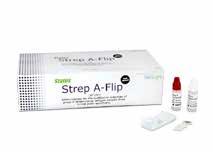
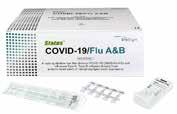
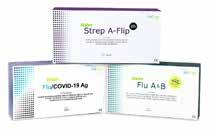
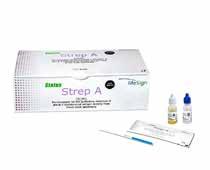
Fast + Accurate Point-of-Care Respiratory Solutions To Meet Your Needs
During respiratory season, your patients depend on you to provide fast, accurate diagnosis and effective treatment plans. Having the right diagnostic solutions in your office can help you provide the care your patients expect.
Our product portfolio includes high-quality, point-of-care molecular and antigen tests for diagnosing respiratory illnesses. Our solutions can help you deliver answers and treatment plans for your patients which can get them on the road to recovery and improve outcomes for your clinical practice.
We make diagnostics that matter because we believe each test represents the health and well-being of a real person.
Getting the most from this guide
There are two simple ways to request information about the products and services found in Physicians Office Resource.
1. Go to www.PhysiciansOfficeResource.com and enter the four-digit reference number found next to the product or service into the search field, then request additional information, schedule a demo, or speak with a sales agent all with just a simple click of a button.
2. Find the Business Reply Card in this issue, circle the desired reference numbers, complete the form, and drop into any USPS mailbox. A representative will contact you as quickly as possible to answer your questions.
PUBLISHED BY Medical Education Resources, LLC
PUBLISHER
Aaron R. Medaris amedaris@physiciansofficeresource.com
CEO
Andrew C. Nimmo acnimmo@physiciansofficeresource.com
PRESIDENT
John D. Pasquale jpasquale@pharmaconnect.com
BUSINESS MANAGER
Marci J. Hills mhills@physiciansofficeresource.com
To continue your free subscription of Physicians Office Resource magazine, please fill out the Business Reply Card (BRC) located within this magazine and drop in any United States Post Office mailbox.
If you are a manufacturer of medical products or provide services to medical professionals and would like to advertise your products or services to the nation’s top physicians doing in-office testing, call 801-380-6094 or visit: POR.io for more information.
MDescapes:
Practice Resilience in 2026:
Strengthening Staffing, Protecting Revenue, and Building a Future-Ready Primary Care Clinic
BY MICHAEL BAKER, PHYSICIANS OFFICE RESOURCE
Primary care practices continue to operate under extraordinary pressure. Between rising patient volumes, workforce shortages, fluctuating reimbursement, and the administrative burden that has become synonymous with modern medicine, clinics face an ongoing challenge: how to remain resilient while delivering high-quality care. The most successful practices today are those that intentionally invest in operational stability—especially around staffing models, workflow optimization, financial strategy, and the intelligent use of diagnostic and digital tools.
This article outlines proven approaches that primary care physicians and practice leaders can adopt to strengthen resilience, enhance staffing efficiency, and protect revenue in the face of a rapidly shifting landscape.
The New Realities Shaping Practice Resilience
Primary care’s operating environment in 2026 is shaped by four persistent forces:
1. Workforce shortages that strain capacity
The Association of American Medical Colleges continues to warn of significant primary care shortages over the next decade, while nursing turnover and the scarcity of medical assistants (MAs) affect nearly every clinic. Practices report increased difficulty hiring and retaining front-office staff, phlebotomists, and billing specialists, all of whom are essential to smooth daily operations.
2. The acceleration of chronic disease burden
Rates of diabetes, obesity, autoimmune disorders, long-COVID complications, and mental health conditions continue to rise. Many of these conditions require ongoing monitoring, point-of-care testing (POCT), and frequent follow-up—driving higher practice workload without proportionally higher reimbursement.
3. Unpredictable reimbursement and payer administrative friction
Prior authorizations, claim rejections, lab denials, and coding complexity introduce volatility into revenue cycles. Practices that depend primarily on fee-for-service reimbursement are especially exposed to these fluctuations.
4. Shifts in patient expectations
Patients increasingly expect same-day access, digital communication, and proactive follow-up—services that require strong staffing and efficient workflows.
These pressures make resilience—the ability to maintain clinical quality, financial stability, and staff well-being during stress—a core strategic priority.
I. Building a Resilient Staffing Model
Staffing is the backbone of practice resilience. A single vacancy or unexpected turnover can disrupt schedules, reduce daily visit volume, and create financial ripple effects. Developing a proactive approach to staffing ensures the clinic can withstand inevitable fluctuations.
1. Cross-Training as a Foundational Strategy
Cross-training is one of the most powerful, cost-effective ways to strengthen practice resilience. When staff members can perform multiple functions, the practice becomes far less vulnerable to absences or turnover.
Key cross-training combinations include:
• Front desk + medical assistant functions: checking patients in/out, verifying insurance, and basic rooming support
• MA + phlebotomy or POCT oversight: enabling quick turn around for CLIA-waived tests
Many practices now maintain a “floating support role”—an MA or RN who can shift between providers or functions based on daily demand.
Resilience impact: Cross-training ensures continuity of care and operations even when staffing shortages occur, reducing downtime and revenue loss.
2. Redesigning Workflows for Higher Staff Satisfaction
Burnout isn’t limited to physicians; support staff experience significant emotional and administrative load as well. Clinics can reduce turnover and improve efficiency by restructuring workflows to eliminate friction points.
Examples of resilience-focused workflow redesign:
• Pre-visit planning:
Conduct chart reviews 1–2 days before visits to identify required labs, preventive screenings, or refills. This reduces rooming delays and improves quality metrics.
• Team-based rooming protocols:
Standardize how vitals, medication reconciliation, screening questionnaires, social determinants of health (SDOH) assessments, and POCT are performed.
• Delegated standing orders:
Enable MAs and nurses to perform evidence-based tests (e.g., HbA1c, lipid panels, rapid strep) without waiting for real-time provider approval.
• Structured daily huddles:
Brief team meetings help allocate staff, confirm schedule gaps, adjust for no-shows, and anticipate complex visits.
• Use of asynchronous triage:
Allow clinical teams to address messages, refill requests, and follow-up care in batches, improving throughput.
Physician documentation continues to be a major driver of burnout. Practices that deploy scribes or AI-enabled medical documentation tools see significant gains in productivity and morale.
Options include:
• In-person scribes
• Virtual scribes
• Ambient AI documentation tools integrated into the EHR
• Task-specific AI assistants for messages, coding prompts, and pre-charting
Studies show that removing 1–2 hours of daily after-hours documentation dramatically improves retention and job satisfaction.
Resilience impact: Reducing documentation burden protects physician well-being and increases weekly capacity without hiring new providers.
II. Revenue Protection in a Challenging Reimbursement Environment
A resilient practice must protect its revenue streams proactively. This requires optimizing coding, strengthening the revenue cycle, reducing leakage, and making intelligent investments in testing and ancillary services.
1. Strengthening Coding Accuracy and Complexity Capture
Small improvements in coding can generate substantial financial benefit without increasing visit volume.
High-value strategies include:
• Training staff to identify and document chronic conditions such as CKD stage, obesity, or diabetes complications
• Ensuring annual wellness visits (AWVs) and G0439 fol low-ups are coded appropriately
• Using E/M coding guidelines effectively to capture visit complexity
• Documenting social determinants of health codes (Z55–Z65) where appropriate
• Performing annual medication reconciliation and poly pharmacy reviews
• Using digital tools to flag missed coding opportunities
Financial impact: Practices often see 5–15% increases in legitimate reimbursement through improved documentation alone.
2. Optimizing Point-of-Care Testing (POCT) for Efficiency and Profitability
CLIA-waived testing remains one of the most reliable ways to improve clinical decision-making while strengthening financial stability.
High-value CLIA-waived tests in primary care include:
• HbA1c
• Lipid panel
• Rapid strep
• COVID/flu/RSV combo tests
• Urinalysis
• Microalbumin
• H. pylori
• A1c and microalbumin for diabetic monitoring
• Pregnancy tests
• INR (in selected practices)
Practices that optimize POCT workflows gain benefits such as:
• Faster clinical decisions
• Fewer unnecessary referrals
• Higher patient satisfaction
• Stronger revenue per visit
• Ability to close gaps in care tied to payer incentives
Keys to POCT resilience:
• Maintain adequate inventory to avoid test shortages
• Standardize staff training for quality control
• Integrate results automatically into the EHR
• Use combo tests where appropriate to reduce supply cost and increase efficiency
• Review CPT reimbursement annually to identify new profitable tests
3. Reducing Revenue Leakage
Revenue leakage often occurs in ways practices overlook. Common sources include:
a. Missed or incomplete documentation
Especially for chronic disease management, transitional care management (TCM), and complex visits.
b. Under-billing due to time pressure
Providers may default to lower codes to save time.
c. Uncaptured ancillary services
Vaccines, POCT, in-office procedures, or prolonged services.
d. Denied claims that go uncorrected
Practices often lack dedicated staff to appeal or resubmit efficiently.
e. Missed follow-ups for chronic patients
Poor recall systems can lead to substantial lost revenue annually.
f. Referral leakage
When patients are referred outside the network without tracking—losing follow-up care opportunities.
A resilient practice conducts quarterly leakage audits to identify areas of improvement.
4. Strengthening the Revenue Cycle Through Better Technology and Delegation
A robust revenue cycle doesn’t necessarily require more staff— it requires smarter processes.
High-value steps include:
• Automating eligibility verification and co-pay collection
• Using pre-authorization software to reduce delays
• Training staff to code common POCT, minor procedures, and chronic care management (CCM) correctly
• Implementing prompt claim submission workflows
• Using dashboards to track denials by cause and payer
Practices that maintain same-week claim submission and nextday eligibility verification see noticeably faster cash flow and fewer denials.
III. Strengthening Practice Resilience Through Clinical Integration
Operational resilience is closely tied to clinical strategy. Practices with strong chronic care management, preventive care workflows, and integrated diagnostics experience smoother operations and more stable revenue.
1. Chronic Disease Management (CDM) as an Engine of Stability
A structured CDM program can support both patient outcomes and predictable revenue.
Components include:
• Routine testing (HbA1c, microalbumin, lipids)
• Scheduled follow-ups every 3–6 months
• Remote patient monitoring (RPM) for selected populations
• Nurse-driven care coordination
• Standardized medication titration protocols
• Lifestyle and nutrition counseling integration
Chronic disease management is one of the few areas where clinical quality directly correlates with financial resilience.
2. Preventive Care as a Revenue Stabilizer
Preventive care is clinically essential—but also helps maintain predictable visit volume and payer alignment.
Core preventive services that protect revenue include:
• Annual wellness visits
• Cancer screenings (FIT, PSA, cervical cytology)
• Immunizations
• Depression and anxiety screening
• Osteoporosis screening
• Smoking cessation counseling
Practices with strong preventive workflows maintain:
• Higher visit consistency
• Better quality-based incentive payments
• Improved panel management
3. Leveraging Digital Health to Extend Capacity
Digital tools are now central to practice resilience. These include:
• Patient portals with strong self-service features
• Telehealth for selected visit types
• AI-driven triage
• Automated appointment reminders
• Text-based workflows for refill requests and follow-up care
When used strategically, these tools allow practices to expand capacity without increasing staffing burdens.
IV. Cultivating a Culture of Resilience
Resilience is not solely operational—it is cultural. Practices that thrive under pressure foster a shared environment of communication, adaptability, and mutual respect.
1. Regular Staff Engagement and Transparent Communication
Employees who feel informed and valued are far more likely to stay. Consider:
• Transparent discussion of staffing challenges and financial realities
• Anonymous suggestion systems
2. Emphasizing Psychological Safety
Psychological safety—the sense that individuals can speak up without fear—dramatically reduces errors and burnout.
Encourage staff to:
• Identify workflow bottlenecks
• Suggest improvements without blame
• Participate in rapid-cycle testing of new processes
3. Continuous Learning
Provide opportunities for professional development:
• MA and RN up-skilling
• Coding and billing workshops
• CME related to primary care management
• Quality improvement training
These investments reduce turnover and strengthen clinical quality.
V. Looking Ahead: What Resilient Practices Will Prioritize in 2026 and Beyond
Primary care practices that build resilience today will be better prepared for future challenges. The most successful clinics will:
1. Embrace team-based care
Shifting tasks to the top of each team member’s license maximizes resources.
2. Expand clinical services strategically CLIA-waived testing, chronic disease management, behavioral health integration, and RPM will continue to grow.
3. Invest in workforce stability
Retention strategies, cross-training, and flexible staffing models will be essential.
4. Modernize revenue cycle management
Automation, analytics, and proactive coding education will protect income.
5. Leverage digital tools to reduce administrative burden
AI scribes, automated triage, and virtual care will increasingly define efficient practices.
6. Cultivate cultures of communication and well-being
Burnout prevention is not optional—it’s a core business strategy.
Conclusion
Practice resilience is not a single initiative—it is a comprehensive strategy that aligns staffing, workflows, clinical services, and financial operations. Primary care physicians who embrace cross-training, redesign workflows, optimize testing, strengthen revenue cycle processes, and invest in digital tools position their clinics to withstand the pressures of modern healthcare. Most importantly, resilient practices create stable, supportive environments where providers and staff can deliver the highest quality care—sustainably, efficiently, and confidently.
- Move from Waived to Non-Waived Testing with the help of experts
- Expand testing, don’t worry about all the work- policies, fillable forms, e-signatures, calendar reminders included - Remote access – Lab Directors and Consultants manage compliance efficiently, save time, and travel expenses
CHEMISTRY ANALYZERS
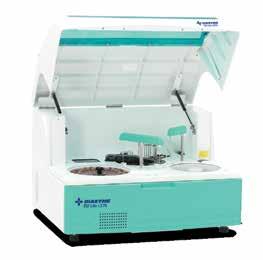
DIAZYME DZ-LITE™ C270 BENCHTOP GENERAL/SPECIAL CHEMISTRIES + DRUG SCREENS
From Carolina Liquid Chemistries
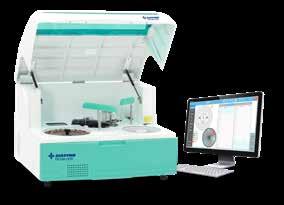
A fully-automated, open system, benchtop clinical chemistry analyzer with throughput up to 270 tests/hour, 36 reagent positions, and 30 sample positions. It features a menu of over 60 CLIA moderate complexity assays, including cancer markers, cardiovascular markers, coagulation markers, diabetic markers, inflammatory markers, liver markers, renal/pancreatic markers, sepsis markers, vitamin markers, photometric electrolytes, and drugs of abuse. To learn more, visit https://www.carolinachemistries.com/products/dz-lite-c270-benchtop-chemistry-analyzer/.
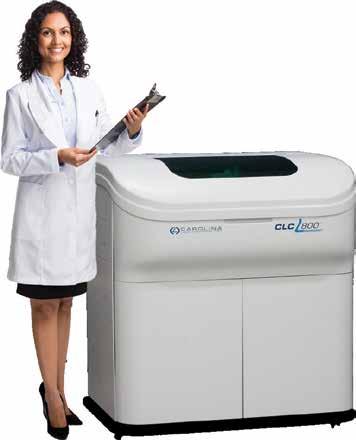
EASYRA® BENCHTOP CHEMISTRIES + DRUGS
From Carolina Liquid Chemistries
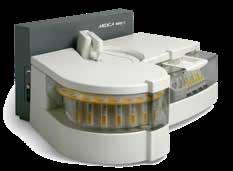
When starting a lab, look no further. With a CLIA moderately complex menu of 35 general chemistries and 14 urine drug screens, the EasyRA is well-suited for oncology, rheumatology, and multi-specialty practices needing a benchtop clinical chemistry analyzer. The EasyRA offers photometric throughput of 240+ tests/hr (up to 480 tests/hr with ISE) and STAT samples in under 8 minutes. This all-in-one system is easy to learn and easy to operate.
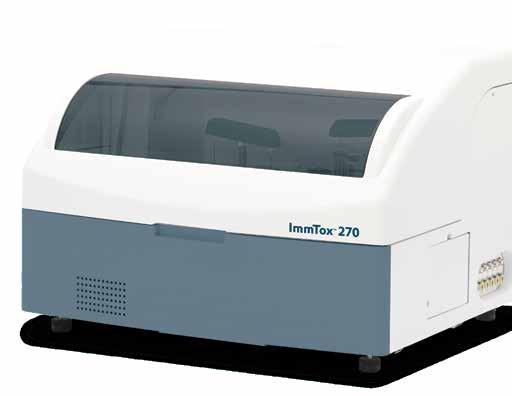
TOXICOLOGY SCREENING SIMPLIFIED ABBOTT’S IMMTOX 270 BENCHTOP ANALYZER NOW WITH 14 ASSAYS
CLIA CATEGORIZED AS MODERATE COMPLEXITY
From Abbott
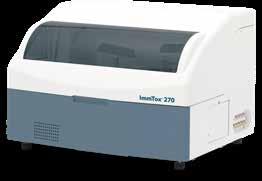
The ImmTox270 benchtop analyzer offers comprehensive toxicology screening solutions for physician offices, treatment centers and independent laboratories.
Broad test menu with over 20 assays to choose from including 14 that are now available as moderately complex.
With complete laboratory solutions from consultation to licensure, and compliance the Abbott Clinical Laboratory Solutions team has you covered.
SCAN
Comprehensive toxicology menu now with 14 CLIA 1 categorized moderate complexity assays.
IMMTOX ™ 270 BENCHTOP ANALYZER
Toxicology screening solutions for physician offices, pain management, treatment centers and laboratories testing 200+ patient samples/mo.
MODERATE COMPLEXITY ASSAYS – FDA 510(K) CLEARED
6-acetylmorphine (6-AM Heroin metabolite)
Amphetamine
Barbiturates
Benzodiazepines
Benzoylecgonine (Cocaine metabolite)
Buprenorphine
Cannabinoids (THC)
EDDP (Methadone metabolite)
Fentanyl*
Methamphetamine
Opiates
Oxycodone
Phencyclidine (PCP)
Tramadol
Scan this QR code to view the ImmTox™ 270 product video
DIABETES/BLOOD GLUCOSE
NEED MORE CONTROL OVER YOUR POINT-OF-CARE URINALYSIS TESTING PROCESS?
From Siemens Healthineers
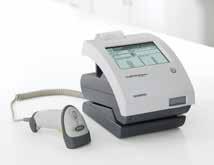
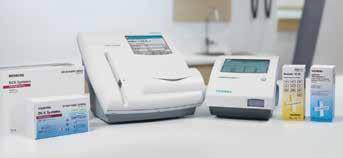
CLINITEK Status ® Connect System simplifies wireless or wired connectivity and testing oversight in point-of-care urinalysis for improved risk management.
• Offers flexible connectivity solutions by integrating data directly to the LIS, EMR or via point-of-care data management software solutions
• Provides improved POC testing workflow efficiencies when interfaced to leading data management solutions
• Minimize transcription errors with the 2-D bar-code scanner
• Improves risk management through advanced operator control functions, prevents unauthorized use
• Drives compliance across testing sites with programmable QC protocols and QC lockout
• Auto-Checks* help to ensure the quality and accuracy of data while facilitating an enhanced interpretation of results.
*Only available when using Siemens test strips with IR or color bands
DRIVE IMPROVED PATIENT OUTCOMES WITH REAL-TIME, ACTIONABLE RESULTS!
From Siemens Healthineers
The DCA Vantage® Analyzer is a multi-parameter, point-of-care analyzer for monitoring glycemic control in patients with diabetes and detecting early kidney disease.
Benefits of the DCA Vantage System:
• CLIA-waived HbA1c test that is IFCC and NGSP-certified
• 1 µl finger stick without fasting – HbA1c results in 6 minutes
• Random urine sample provides A:C ratio in 7 minutes*
• Requires no sample or reagent preparation prior to testing
• Sample integrity safeguards
*CLIA moderately complex.
QUANTAFLO® PAD
From Semler Scientific
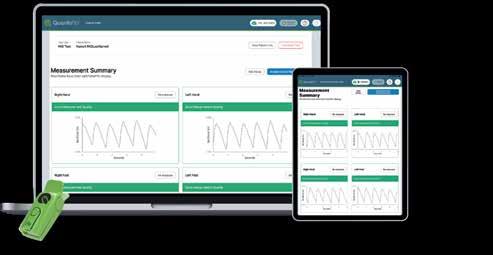
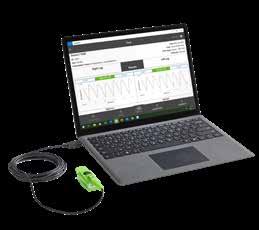
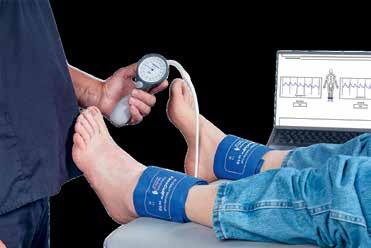
QuantaFlo® PAD is an easy to use, accurate, point of care, non-invasive solution that aids in the early detection of peripheral arterial disease (PAD). This FDA cleared device can be administered by a medical aide in less than 5 minutes. As published in the Journal of Vascular Surgery and the American Journal of Preventive Medicine, QuantaFlo detected undiagnosed PAD in 31.6% of patients +65.1 QuantaFlo is portable and integrates with other technologies and platforms. It is ideal for both home and clinic environments.
1. Smolderen KG, Ameli O, Chaisson CE, Heath K, Mena-Hurtado C. Peripheral Artery Disease Screening in the Community and 1-Year Mortality, Cardiovascular Events, and Adverse Limb Events, AJPM Focus (2022), https://doi.org/10.1016/j.focus.2022.100016
SCAN TO LEARN MORE
5911
BY ADAM IRVINE, PHYSICIANS OFFICE RESOURCE
Chronic disease management sits at the center of primary care, with hypertension, diabetes, and dyslipidemia making up a substantial percentage of daily visits. Despite major advances in medication, guidelines, and digital monitoring tools, control rates across these conditions remain suboptimal nationwide. One underused—but highly impactful—lever is strategic in-office diagnostic testing.
Primary care physicians are uniquely positioned to influence chronic disease outcomes during the clinical encounter itself. When essential tests are performed on-site, clinicians gain real-time decision-making ability, reduce therapeutic inertia, engage patients more effectively, and streamline follow-up workflows. Yet many practices remain unsure which tests truly belong in-office, which can remain externalized, and how to build a cost-efficient testing strategy.
This article provides a comprehensive, practical review of the essential in-office tests that support evidence-based management of hypertension, diabetes, and lipids—and how bringing them into the practice can enhance clinical efficiency, revenue protection, and patient outcomes.
The Case for In-Office Chronic Disease Testing
Across primary care, the challenges are consistent:
• Patients fail to complete external labs.
• Delayed results lead to delayed adjustments.
• Therapeutic inertia persists until the next visit.
• Patients struggle to understand long-term risk.
• Practices lose billable testing opportunities.
• Gaps in care increase compliance risk in value-based contracts.
In-office testing addresses each of these problems simultaneously.
Key advantages:
1. Immediate clinical action: Real-time A1c or lipid results support same-visit medication initiation or titration.
2. Higher completion rates: The test is performed before the patient leaves the practice.
3. Improved patient understanding: Seeing their numbers during the visit creates a teachable moment.
4. Better chronic disease control: Practices using real-time test-to-treat workflows consistently achieve higher control rates.
5. Revenue enhancement: CLIA-waived tests are billable and create a sustainable financial model for chronic care.
6. Value-based performance: On-site testing reduces gaps in care and supports quality metrics (A1c control, blood pressure control, LDL management).
Ultimately, in-office testing transforms a passive “wait for results” model into an active, point-of-care management strategy.
I. Hypertension: Essential In-Office Testing
Hypertension affects nearly half of U.S. adults, yet blood pressure control nationwide remains below 50%. In-office testing plays a central role in accurate diagnosis, risk stratification, and ongoing management.
Below are the key tests that should (and should not) be performed inside the practice.
1. Automated Blood Pressure Measurement
(ABPM and AOBP)
Test Type: In-Office Required
Why it belongs in-office:
Accurate BP measurement is the foundation of diagnosis and management. Automated office blood pressure (AOBP) devices reduce technique variability and “white coat” artifact. Ambulatory blood pressure monitoring (ABPM), though often performed via durable medical equipment models, is also increasingly supported in primary care.
Clinical impact:
• More accurate rates of true hypertension vs. white coat hypertension
• Stronger diagnostic confidence before initiating long-term therapy
• Better titration decisions during follow-up visits
Recommended in-office tools:
• Validated AOBP devices
• ABPM device or referral pathway; many practices now incorporate ABPM directly for billable revenue
2. Urine Albumin-to-Creatinine Ratio (uACR)
Test Type: Move In-Office When Possible
Hypertension is a leading driver of chronic kidney disease (CKD). The uACR is an essential annual test for risk stratification.
Benefits of in-office uACR (CLIA-waived options available):
• Rapid detection of early kidney damage
• Improved decision-making around ACE/ARB intensification
• Better compliance with quality metrics in value-based contracts
Because external lab completion rates for uACR are notoriously low, moving it in-office improves CKD detection dramatically.
3. Basic Metabolic Panel (BMP)
Test Type: Often External, but POC Creatinine Is Useful
While full chemistry panels are typically externalized due to analyzer complexity, point-of-care creatinine testing has be-
come more common and can support:
• Safe initiation of RAAS inhibitors
• Monitoring patients with borderline renal function
• Avoiding unnecessary ER referrals
For many practices, BMP remains external, but having creatinine available in-office can be clinically meaningful.
4. ECG Testing for Hypertension Patients
Test Type: In-Office as Needed
An ECG is not required for routine follow-up but is extremely valuable for:
• Evaluating LVH
• Assessing electrolyte abnormalities with medication changes
• Identifying arrhythmias linked to hypertensive heart disease
In-office ECG is fast, low-cost, billable, and integral to comprehensive management.
Summary: What Belongs In-Office for Hypertension?
Yes—should be in-office:
• Automated BP measurement
• ABPM (if operationally feasible)
• Urine ACR
• ECG for symptomatic or complex patients
Sometimes in-office:
• POC creatinine
External:
• BMP/CMP
• Imaging studies (echo, renal ultrasound)
II. Diabetes: Essential In-Office Testing
Diabetes management is where point-of-care testing delivers the most profound clinical value. A1c, microalbumin, and glucose testing build a rapid, reliable management pathway.
1. Hemoglobin A1c (POC
A1c)
Test Type: Essential In-Office Test
No test is more aligned with chronic disease control than same-visit A1c results.
Benefits:
• Immediate treatment adjustments
• Elimination of patient non-compliance with external labs
• Effective shared decision-making
• Real-time monitoring for rapid titration of GLP-1 agonists, SGLT2 inhibitors, insulin, or oral agents
A1c is one of the highest-value CLIA-waived tests in primary care and should be considered standard.
2. Glucose Monitoring (Random or Fasting POC Glucose)
Test Type: In-Office for Symptomatic or High-Risk Patients
While patients increasingly monitor glucose at home, point-ofcare glucose is crucial for:
• Diagnosing symptomatic hyper/hypoglycemia
• Evaluating poorly controlled patients
• Monitoring insulin-related visits
• Rapid testing during sick visits or med changes
The test is inexpensive and offers immediate reassurance or escalation guidance.
3. Urine Albumin-to-Creatinine Ratio (Annual)
Test Type: Should Be In-Office
uACR is a critical element of diabetes care guidelines and is underperformed when externalized.
In-office uACR supports:
• Early identification of nephropathy
• Prevention of CKD progression through timely ACE/ARB therapy
• Meeting quality measures for diabetes care
Every diabetic patient should have documented annual kidney screening. In-office testing makes that achievable.
4. Lipid Panel (Fasting or Non-Fasting POC Lipids)
Test Type: Strongly Recommended In-Office
Because diabetes and dyslipidemia align so closely in cardiovascular risk, point-of-care lipid panels offer substantial value.
POC lipid panels enable:
• Same-day statin initiation
• Better adherence to ADA/ACC guidelines
• More effective patient discussions around risk
• Improved completion rates for annual lipid requirements
Where possible, integrating a CLIA-waived lipid analyzer supports comprehensive, one-visit diabetes care.
5. POC Ketone Testing (β-Hydroxybutyrate)
Test Type: Situational In-Office Testing
Not required routinely, but extremely valuable during:
• Severe hyperglycemia
• Suspected DKA
• SGLT2 inhibitor side effects
• Acute illness in diabetics
This is particularly useful in primary care clinics that see walkins or same-day visits.
Summary: What Belongs In-Office for Diabetes?
Essential in-office testing:
• A1c (every 3–6 months)
• uACR (annually)
• POC glucose (as needed)
• POC lipid panel
As needed:
• Ketone testing
External:
• Full chemistry panels
• Specialized endocrine tests
III. Lipid Disorders: What Testing Should Happen In-Office?
Dyslipidemia is one of the most common chronic conditions in primary care and a key driver of ASCVD risk. Despite its prevalence, lipid testing is frequently delayed or missed when referred externally.
A point-of-care lipid analyzer offers a complete panel in minutes and supports:
• Same-day statin decision-making
• More confident management for ASCVD risk reduction
• Enhanced shared decision-making
• Immediate discussion of non-statin therapies (PCSK9 inhibitors, ezetimibe)
• Better quality-metric performance for LDL targets
Non-fasting results are acceptable for most clinical purposes, making in-office panels even more feasible.
2. Apolipoprotein B and Lp(a)
Test Type: External Lab
These advanced lipid tests are not CLIA-waived and remain external, but they complement in-office LDL panels by identifying residual risk. They are appropriate for:
• Premature ASCVD patients
• Statin-resistant dyslipidemia
• High-risk diabetic patients
• Those with strong family histories of heart disease
Even when external, POC lipid testing drives the initial conversation and follow-up plan.
3. Liver Enzymes for Statin Management Test Type: Typically External
Routine LFTs are not required for ongoing statin monitoring, but baseline values are needed.
A select group of practices may use in-office POC liver testing, but most continue to externalize CMP.
Summary: What Belongs In-Office for Lipids?
Yes—should be in-office:
POC lipid panel (foundational for ASCVD prevention)
External tests:
ApoB, Lp(a)
Liver function tests
Creating an Integrated In-Office Testing Workflow
Practices that implement a deliberate workflow around chronic disease testing often see dramatic improvements in control rates:
1. Standardize testing intervals
• A1c every 3–6 months
• Lipids annually or per cardiovascular risk
• uACR annually
• BP monitoring at every visit
2. Build a “test-treat-teach” visit model
Patient checks in → Medical assistant performs POC tests
Provider reviews results during same visit
Medication and lifestyle changes are implemented immediately
Patient receives tailored education based on same-day results
3. Integrate testing into EHR prompts
Automated reminders prevent gaps in care.
4. Train staff on workflow efficiency
Medical assistants and nurses play a crucial role in rapid testing.
5. Use real-time results to educate and motivate patients
Visual feedback is a powerful behavior-change tool.
Conclusion: In-Office Testing Is Now a Core Part of Chronic Disease Management
Primary care physicians are on the front lines of hypertension, diabetes, and lipid disorder management. While guidelines continue to evolve, the principle remains consistent: faster
Information leads to better outcomes.
Strategically performed in-office testing enhances clinical accuracy, accelerates treatment decisions, improves patient engagement, and supports both quality performance and financial sustainability.
As chronic disease volumes continue to rise—and as value-based care pressures increase—building a robust in-office diagnostic testing strategy is no longer optional. It is an essential component of modern primary care.
FLU AND RESPIRATORY
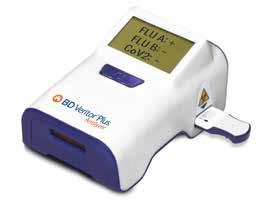
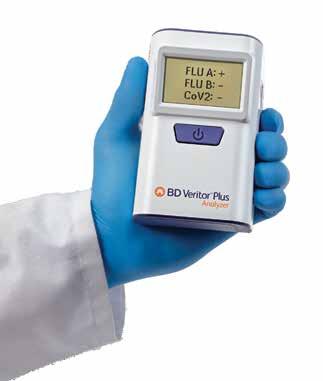
BD VERITOR™ SYSTEM FOR RAPID DETECTION OF SARS-COV-2 & FLU A+B* (EUA) TEST
From BD Veritor™ Plus System 5914
A 3-in-1 antigen assay for COVID-19, Flu A and Flu B with test results in 15 minutes.1
The BD Veritor™ Plus System streamlines clinical and patient workflows by detecting three key respiratory viruses in one test, reducing the need for multiple sample collections. With multiple testing modes and workflow efficiencies, the analyzer empowers convenience and efficiency (1 kit = 30 tests).
*In the USA, the BD Veritor™ System for Rapid Detection of SARS-CoV-2 & Flu A+B has not been FDA cleared or approved but has been authorized by the FDA under an Emergency Use Authorization for use by authorized laboratories; use by laboratories certified under the CLIA, 42 U.S.C. §263a, that meet requirements to perform moderate, high, or waived complexity tests. The product is authorized for use at the Point of Care (POC), i.e., in patient care settings operating under a CLIA Certificate of Waiver, Certificate of Compliance, or Certificate of Accreditation.
This product has been authorized only for the detection of proteins from SARS-CoV-2, influenza A and influenza B, not for any other viruses or pathogens; and, in the USA, the emergency use of this product is only authorized for the duration of the declaration that circumstances exist justifying the authorization of emergency use of in vitro diagnostics for detection and/or diagnosis of COVID 19 under Section 564(b)(1) of the Federal Food, Drug and Cosmetic Act, 21 U.S.C. §360bbb-3(b)(1), unless the declaration is terminated or authorization is revoked sooner.
1. BD Veritor™ Plus System for Rapid Detection of SARS-CoV-2 and Flu A+B. Package insert. 500051910 Becton, Dickinson and Company.
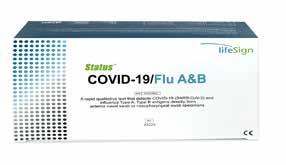
STATUS COVID-19/FLU A&B PANEL TEST
From LifeSign
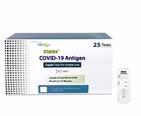
A Rapid Immunoassay for the Simultaneous Direct Detection and Differential Diagnosis of SARS-CoV-2, Influenza Type A and Type B Antigen from Anterior Nasal and Nasopharyngeal swab specimens. Infections with these viruses may present similar symptoms. Can you tell them apart? WE CAN!
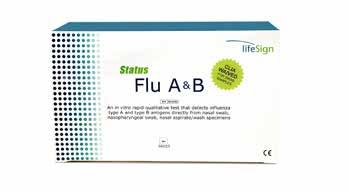
STATUS FLU A&B
From LifeSign
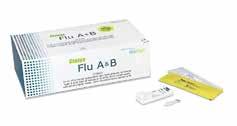
Status Flu A & B is an in vitro rapid qualitative test that detects influenza type A and type B directly from nasal swab, nasopharyngeal swab, and nasopharyngeal aspirate/wash specimens obtained from patients with signs and symptoms of respiratory infection. It is intended to aid in the rapid differential diagnosis of Influenza A and B viral infections.
• CLIA waived *Innovative flip design with onboard sample extraction
• Premeasured developer solution capsule for increased accuracy and ease of use
• Flocked nasal swabs for improved patient comfort and superior specimen collection 5916
FLU AND RESPIRATORY
BE PREPARED FOR RESPIRATORY SEASONS
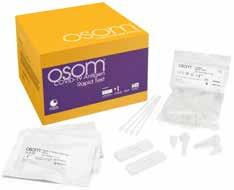
WITH THE OSOM® COVID-19 ANTIGEN RAPID TEST
From Sekisui Diagnostics
The OSOM® COVID-19 Antigen Rapid Test is a lateral flow immunoassay that detects the SARS-CoV-2 nucleocapsid protein with a nasal swab in only 15 minutes at the point-of-care. The test is intended to be used by healthcare professionals or operators on patients suspected of COVID-19 within the first 7 days of symptom onset. The clinical performance compares favorably against polymerase chain reaction methodology, with a positive percent agreement of 95.1% and a negative percent agreement of 97%.
OSOM® COVID-19 Antigen Rapid Test has not been FDA cleared or approved. It is authorized by FDA under an EUA for prescription use only. It has been authorized only for the detection of SARS-CoV-2 antigen, not for any other viruses or pathogens and is only authorized for the duration of the declaration that circumstances exist justifying the authorization of emergency use of in vitro diagnostics for detection and/or diagnosis of COVID-19 under Section 564(b)(1) of the Federal Food, Drug, and Cosmetic Act, 21 U.S.C S360bbb-3(b)(1), unless the authorization is terminated or revoked sooner.
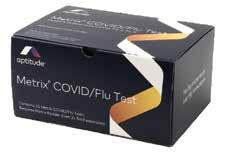
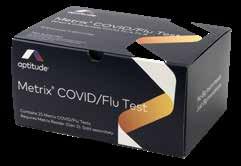
METRIX®
COVID/FLU TEST
RAPID MOLECULAR
TEST – PROVIDE LAB QUALITY RESULTS IN JUST 20 MINUTES
From Sekisui Diagnostics
• 3-in-1 Multiplex – Detects COVID-19, Flu A and Flu B from one swab, in one test
• Minimal Hands-On Time – Can be performed in a CLIA-waived setting in a few simple steps
• Convenient– No maintenance or calibration, ready for testing any time
• Accessible and Flexible – Suitable for any facility
• Exceptional Support – Experienced support teams and online training modules to help streamline your implementation
This product has not been FDA cleared or approved, but has been authorized for emergency use by FDA under an EUA; This product has been authorized only for the detection and differentiation of nucleic acid from SARS-CoV-2, Influenza A, and Influenza B, not for any other viruses or pathogens. The emergency use of this product is only authorized for the duration of the declaration that circumstances exist justifying the authorization of emergency use of in vitro diagnostics for detection and/or diagnosis of COVID-19, Flu A, and Flu B under Section 564(b) (1) of the Federal Food, Drug, and Cosmetic Act, 21 U.S.C. § 360bbb 3(b)(1), unless the declaration is terminated or authorization is revoked sooner.
COVID-19 OR FLU? STOP GUESSING. ONE SWAB, ONE TEST, RESULTS IN JUST 10 MINUTES
From Sekisui Diagnostics
From only one sample, the OSOM® Flu SARS-CoV-2 Combo Test simultaneously detects and differentiates between COVID-19, Flu A, and Flu B in just 10 minutes, allowing healthcare providers to make more informed decisions when treating patients who are symptomatic with viral infections that have similar symptoms, but different treatment protocols. Designed for point-of-care testing, the OSOM® Flu SARS-CoV-2 Combo Test empowers healthcare providers with the confidence necessary to initiate immediate treatment and isolation protocols at the very first patient visit.
This test has not been FDA cleared or approved. It is authorized by FDA under an EUA for use by authorized laboratories. It has been authorized only for the detection of proteins from SARS-CoV-2, influenza A and influenza B, not for any other viruses or pathogens and is only authorized for the duration of the declaration that circumstances exist justifying the authorization of emergency use of in vitro diagnostics for detection and/or diagnosis of COVID-19 under Section 564(b)(1) of the Federal Food, Drug, and Cosmetic Act, 21 U.S.C S360bbb-3(b)(1), unless the authorization is terminated or revoked sooner.
SCAN TO LEARN MORE
5919
FLU AND RESPIRATORY
CLIA WAIVED, POINT-OF-CARE, RSV TEST
from Sekisui Diagnostics
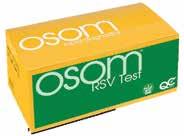
Test for both high-risk groups, younger children & elderly adults, for severe RSV infection using the OSOM® RSV Test. This test is a CLIAwaived, point-of-care test designed to detect Respiratory Syncytial Virus (RSV) using a painless anterior nasal swab in just 15 minutes. It is suitable for both children aged 6 months to 6 years and adults aged 60 and above, providing healthcare professionals with flexibility in diagnosing patients exhibiting symptoms of respiratory infections.
HEMATOLOGY
TURN SMALL PLACES INTO SMART SPACES
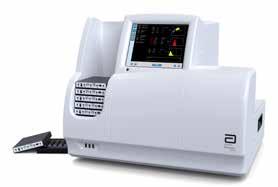
From Abbott With reduced budgets, shrinking laboratory space and staffing challenges, many laboratories need a solution that lets them work smarter with less. The CELL-DYN Emerald 22 AL is a full performance, automated optical 5-part differential analyzer that delivers smarter results for small to midsize clinical laboratories.
• Compact Design
• Walkaway Functionality
• Ease Of Use
• Smart Safety Features
NOW IT’S MORE THANK JUST A BLOOD TEST
From Sysmex
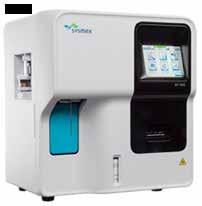
With its simplified operation, the Sysmex XP-300™ is ideal for clinics and physician office labs. It provides a CBC with 17 different parameters, including a 3-part WBC Differential. The XP-300+M combines the accuracy and reliability of a Sysmex CBC with the agility of Medicus Middleware. Features include EMR connectivity, instrument interfaces and a QC module.
SCAN TO LEARN MORE
5920
SCAN TO LEARN MORE
5921
SCAN TO LEARN MORE
5922
T H E Y A R E I N Y O U R W A I T I N G R O O M R
I G H T N O W .
Patients with Peripheral Artery Disease (PAD) who may be facing a heart attack, stroke, amputation, or even death within the next 5 years
1 O U T O F 3 H A S P A D A N D T H E Y P R O B A B L Y D O N ’ T K N O W I T . A
Diabetics Smokers Over age 65
P E R I P H E R A L
ARTERY DISEASE
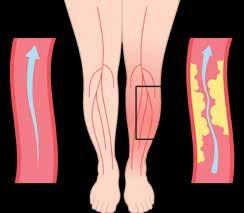
Healthy Artery
Diseased Artery
Atherosclerosis
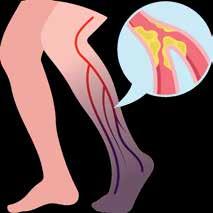
(PAD) is an often silent condition where narrowed arteries reduce blood flow to the legs, causing symptoms like leg pain, numbness, and slow-healing wounds.
DON’T LET PAD SNEAK UP ON YOU OR THESE PATIENTS.
50% report no symptoms, while those that do attribute their pain to arthritis or “old age”.
I N T R O D U C I N G
N o n - i n v a s i v e , p a t i e n t - f r i e n d l y t e s t
A C C U R A T E
A c c u r a c y e q u a l o r b e t t e r t h a n D o p p l e r A B I .
U s e f u l f o r d i a b e t i c s w i t h c a l c i f i e d a r t e r i e s
R E I M B U R S A B L E
r .
G r e a t R O I : t h e t y p i c a l i n t e r n i s t h a s 8 0 0 M e d i c a r e p a t i e n t s , p e r A C P
T
l e s s t h a n t w o m o n t h s .
C P T 9 3 9 2 3 ( A B I w / e x e r
THESE PATIENTS TRUST YOU TO FIND THEIR PAD
before they have a heart attack, stroke, or even die PAD also leads to significant disability and reduced quality of life.
For over 45 years, Newman Medical has been a leader in vascular innovation The ABI-Q system continues that legacy with fast, accurate results you can trust
Scan for more info
9 Travel Destinations You Can't Miss in 2026
Whether you're craving pristine beaches or vibrant cities, these nine must-visit destinations around the world promise stunning scenery, rich culture, and unforgettable adventures for every type of traveler.
md-escapes.com
St. Thomas Ritz-Carlton Vienna
Four Seasons Orlando at Walt Disney World
Secret Bay Dominica · Garza Blanca Puerto Vallarta
Four Seasons Napa Valley · Four Seasons Las Vegas
Four Seasons Nashville
Four Seasons Gresham Palace, Budapest
RITZ-CARLTON ST. THOMAS
Escape to an island oasis surrounded by crystal blue waters, white sand and lush tropical greenery. A breathtaking 30 acre, oceanfront luxury hotel in St. Thomas, VI, The Ritz-Carlton, St. Thomas is a Caribbean marvel styled after traditional island architecture, but richly updated with all of the contemporary comforts for which the resorts of The Ritz-Carlton are known.
SCAN TO LEARN MORE
THE RITZ-CARLTON VIENNA
In a city renowned for its beauty and culture, The Ritz-Carlton, Vienna distinguishes itself with a unique blend of modern luxuries, fine dining, and spa experiences, all housed within four 19th-century palaces. Situated in the heart of downtown Vienna, along the iconic Ringstrasse and adjacent to the Stadtpark, our luxury hotel offers 200 elegant guestrooms, including 43 exquisite suites, allowing you to indulge in tasteful living, distinctive designs, and breathtaking views.
SCAN TO LEARN MORE
RITZ-CARLTON ST. THOMAS
THE RITZ-CARLTON VIENNA
FOUR SEASON ORLANDO AT WALT DISNEY WORLD
ORLANDO, FLORIDA
Discover an elevated escape with the perfect balance of fun and relaxation at our AAA Five Diamond, luxury Orlando Resort. Splash around with the family at Explorer Island water park, or unwind beneath swaying palms at Oasis adult-only pool while we entertain your young ones at our complimentary kids camp. Treat yourself to a soothing, post-park massage at The Spa, then toast to the nightly Walt Disney World® fireworks views over dinner at our Michelin-starred rooftop steakhouse Capa. SCAN TO LEARN MORE
SECRET BAY DOMINICA
Spectacularly sited on a clifftop promontory where the rainforest meets the sea on Dominica, the “Nature Island” of the Caribbean, Secret Bay is among the leading boutique resorts in the world and an acclaimed Relais & Châteaux property. The secluded six-star, all-villa resort consists of elegantly appointed, residential-style villas, each with a private plunge pool and dedicated villa host, on-call concierge, chefs and guides, access to a secret beach and transformative experiences curated specifically for each guest.
SCAN TO LEARN MORE
FOUR SEASONS ORLANDO AT WALT DISNEY WORLD
GARZA BLANCA PUERTO VALLARTA
All Inclusive Family Resort in Puerto Vallarta. Experience the best all-inclusive resort in Puerto Vallarta, where first-class amenities invite you to relax by infinity pools, indulge in gourmet dining, and rejuvenate at a world-class spa embraced by jungle and ocean views. Garza Blanca Puerto Vallarta combines breathtaking natural beauty, exceptional service, and upscale comfort for an unforgettable luxury family vacation.
FOUR SEASONS NAPA VALLEY
Welcome to Five-Star Luxury in California Wine Country. In the food and wine capital of North America, Four Seasons welcomes you to a bespoke luxury resort in Napa Valley, the heart of California wine country. Our Forbes FiveStar Hotel in Calistoga is set within its own world-class vineyard. Discover innovative and seasonal cuisine at Michelin-starred Auro, holistic spa rituals at Spa Talisa and thoughtfully personalized Four Seasons service. Raise a glass to all the best in life as you soak in magnificent views of Napa Valley.
SCAN TO LEARN MORE
GARZA BLANCA PUERTO VALLARTA
FOUR SEASONS
LAS VEGAS, NEVADA
As one of the only non-gaming and non-smoking hotels on The Strip, Four Seasons Hotel Las Vegas is a unique oasis in the heart of the action-packed sports and entertainment capital of the world. Offering Five Diamond luxury accommodations, acclaimed dining and a Forbes Five-Star spa, Four Seasons offers the best of both worlds: a resort retreat amid the famous energy of Las Vegas.
FOUR SEASONS NASHVILLE, TENNESSEE
Welcome to Four Seasons Hotel Nashville, a luxury hotel located in the heart of downtown’s vibrant SoBro neighborhood. This new social hub is just steps away from the city's iconic music, sports, and entertainment venues. Experience the rhythm of our lively restaurants and event spaces, the tranquility of our Spa, and the stunning views from our rooftop pool overlooking the Cumberland River and Riverfront Park. With the unmatched service of Four Seasons and warm Southern hospitality, we’ll inspire an authentic experience of Music City.
SCAN TO LEARN MORE
FOUR SEASONS GRESHAM PALACE BUDAPEST
Located in the heart of Budapest, our luxury art nouveau palace Hotel – the only Forbes Five-Star hotel in Hungary – embodies the spirit of Budapest’s Golden Era glam. From the moment you enter the iconic wrought iron peacock gates, pass through the lobby adorned with more than two million mosaic tiles illuminated with its striking chandelier, and let inspiration wash over you. Outside, views of the Danube and the picturesque Buda skyline stand before you. Spend the day exploring the sights, recharge in our Spa that harnesses the city’s heritage in wellness, then enjoy an innovative cocktail at our lobby bar MÚZSA.
SCAN TO LEARN MORE
Meet the Quadruple Aim in Diabetes Care with In-office HbA1c and uACR
Diabetes management solutions at the point-of-care
Gain insights into your patient’s current status with real-time actionable results.
DCA Vantage® Analyzer
Rapid assessment of glycemic control and kidney health
HbA1c
• CLIA-waived
Albumin-to-creatinine ratio (ACR)
• CLIA Moderate Complexity
CLINITEK Status® Connect System
CLIA-waived analyzer for routine urinalysis, including kidney health
• CLINITEK® Microalbumin 2 Strip (ACR)
The Prevalence of Diabetes Among U.S. Adults is on the Rise1
Help your patients reverse the trend
Customize your patient consultations to enhance physician-patient partnership toward improved outcomes.
1. Rowley, William R
BY SENIOR TRAVEL EDITOR, BRANDI BROWER
“THE WORLD IS A BOOK, AND HE WHO DOES NOT TRAVEL ONLY READS ONE PAGE.”
— SAINT AUGUSTINE
New year, new goals and dreams, new you. Here are some travel trends for the New Year to inspire you not just to read a page out of the ‘world book’ but to challenge you to chart a course for parts unknown and devour a chapter or two.
When making the conscious decision to travel, we not only create distance from our traditional roles but also gain the grace to be ourselves. To vacate our daily grind of deadlines and demands, swapping it for spontaneity, a sense of adventure, and a space to grow. When we truly escape, we have the freedom to be curious, to be open to connecting with others, and to flourish without fear.
Luxury travel in 2026 will shift from materialism to meaningful. Travelers are prioritizing hyper-personalization rather than generic sightseeing. Choosing a “worth it” trip, a journey where the positive impact of the vacation, the joy, growth, memories created, and new experiences far outweigh the cost, effort, and challenges involved. Personal hobbies, wellness goals, deep cultural connections, and emotional resonance are great goals for getaways in ‘26.
Turn the page for a “Whycation”~ A modern travel trend that defines a trip by its purpose, its “why.” The travel focuses on rest, reconnecting, learning, or pursuing passions, often leading to slower travel and moving beyond the typical checklist tourism. Once you have determined
Argentina
your travel reason, another trend is pivoting from FOMO to Slow-mo. The fear of missing out is propelling adventures from “someday” inclination to a “right away” attitude shift, with an urgency to experience life before it’s too late. The rarer the location, the more travelers want to stretch it out, slow it down, and soak it in. Safari-goers are choosing smaller camps where they can spend unhurried days observing wildlife. River cruisers are requesting longer port stays to explore neighborhoods and markets at leisure. Travelers to South America linger longer in Chile, Peru, and Argentina to appreciate the heritage, as well as the food and wine.
One trend set to dominate this year: “Hushpitality” (quiet escapes), serenity, or connection,
Africa
albeit “Quietcations.” The movement centers on finding a way to escape the stresses of modern life and to unplug from the always-on digital culture. Finding a place to escape the ringtone on repeat or nagging notifications is a high priority for most. Parents actively seeking “digital detox” vacations, using travel to reconnect and get kids off screens through shared, immersive experiences. Whether it’s back-to-nature exploration, cultural adventures, or multi-generational gatherings, it’s a priority to find “no screen time” zones when traveling to a new time zone.
Turn the page for the U.S.A — So much slated for these United States to experience in 2026. The Centennial Celebration (100th birthday) of
Route 66 could spark a road trip renaissance. Dedicated celebrations across the eight states that this historic “Mother Road” crosses are slated for this year. A nostalgic drive down memory lane may be just the authentic unplugged classic Americana road less traveled adventure you’ve been needing. From the official starting point in Chicago, Illinois, all the way to the end of the road in Santa Monica, California, there’s roughly 2500 miles of charm and character, a time capsule of Main Street America, dotted with vintage gas stations, motels, diners, and other iconic landmarks that evoke the spirit of the Wild West with its rugged landscape, historic towns and cultural heritage.
An even bigger celebration, America’s 250th Birthday, the United States Semiquincentennial. Big-city events in Philadelphia, New York City, and Washington, D.C., as well as historical sites in Boston, offer a connection to the country’s past and a revolutionary romp through the birth of a nation.
The FIFA World Cup will kick off this summer with 80 matches across North America. U.S. host cities: Atlanta, Boston, Dallas, Houston, Kansas City, Los Angeles, Miami, New York/ New Jersey, Philadelphia, San Francisco Bay Area, and Seattle. World Cup fever will be high as the global stage is set for fans from all over the world to flock to the United States to cheer on their teams. Whether you call it football or soccer, the games are electric, and the enthusiasm is contagious.
Miami brings more than the heat in 2026, a hotspot for travel this year as tennis pros arrive for the Miami Open in March, Formula 1 races through the city in May, and the aforemen-
tioned FIFA World Cup matches in June and July. Little Havana, South Beach, Wynwood Art District, and the ever-present South Florida sunshine make up a playground ready to explore.
From hot to cold, Deer Valley, Utah, frosts the competition for best ski playground this season. Renowned for its intentionally limited ticket sales to reduce crowds, tissue-boxed lift lines, manicured corduroy, and skiers-only policy. Dear Valley can tout the world’s biggest ski resort expansion, the size of the resort will double this year, opening an additional 2,000 acres, nearly 100 new ski runs, seven additional lifts, and a peak-topeak gondola. The impressive expansion debuts during Park City’s last Sundance Film Festival hosting season before it moves to Boulder, Colorado, in 2027. With impressive apresski activities throughout the Park City valley, the film festival, and Deer Valley’s 4300 acres of skiable terrain, it makes for a memorable mountain retreat.
Turn the page for Set-Jetting and Literary Tourism~ The BookTok travel trend, when a lover of both books and travel collide. Visiting real-world locations that bring favorite stories to life is an upcoming trend. Some tourism companies cater to literary enthusiasts with itineraries to Switzerland’s mountains, lakes, and castles, hearkening to the wildly popular romance series, A Court of Thorns and Roses. Or perhaps a Harry Potter-esque tour of Scotland, or a Croatian cruise inspired by The People We Meet On Vacation. Similarly, cinephiles are just as enthusiastic about Set-Jetting, visiting the settings of their favorite films and television shows. A few 2026 movie-inspired vacations: a journey to the stunning Greek locales where
DEER VALLEY, UTAH
Miami, Florida
Boston, Massachusetts
Christopher Nolan’s highly anticipated movie, The Odyssey, was filmed. Yorkshire, U.K., for the latest film adaptation of Wuthering Heights, with Margot Robbie, or Tuscany, Italy, for a Netflix’s Jay Kelly-esque escape. I’m guilty of being star-struck by a show’s locale, adding Mallorca to my bucket list because of the BBC’s The Night Manager series. Whether your travel theme is BookBound or Silver Screen Scenery, it’s a great break from digital screens.
Turn the page for Beyond the Usual~ Europe is a perennial favorite, but travel trends will emphasize visiting during cooler months and shoulder seasons. High season is punctuated by overpricing, overheating, and overcrowding. Embracing the quieter months on the calendar can be the solution. Another answer is selecting the less crowded alternative to the popular destination or even secondary cities: European alternatives: Albania, Montenegro, Latvia - Asia’s next wave: China (visa-free travel), Taiwan (Japan-adjacent culture), and Japan diversions from the usual Kyoto/Tokyo, think Nikko, Hankone, and Kamakura. Both Japan and Thailand continue to dominate in the region, but a dark horse in the Pacific Rim to watch is the Philippines. Alternatives for crowded capitals - Bologna (swap for Rome), Mérida (swap for Mexico City), and Busan (swap for Seoul) are all gaining traction in the travel trends, but remain beyond the usual.
We are in a golden era of global exploration, where borders mean opportunities, not limitations. Travel is intentional, “getting the trip out of the group chat” and actually making concrete efforts to make it happen. Travel in 2026 is no longer linear, from A to B to C, one city to the next, but dynamic destinations fueled by cultural passion, deeper connections, and richer experiences. Maybe the equation for 2026 should look like this: New Year + New Adventure = New You.
Make the goal. Book the trip. Turn the page.
Other noteworthy trends in 2026:
Wellness & Transformation:
Holistic wellness is central, moving beyond spas to include medical wellness, DNA testing, mindfulness, and “Glowcations,” which specifically combine beauty and skincare rituals with tech-driven wellness treatments. Beauty and Wellness tourism continues to surge, travel evolving into long-term health investments.
The Pawprint Economy:
Pet travel is becoming the norm, with new infrastructure such as pet-friendly cabins on high-speed trains and luxury hotel “canine clubs” that cater to pets’ needs.
Evolving Travel Modes:
A rail revival of sorts, driven by sustainability and a desire for “slow travel,” rail bookings have surged over the past year by 25%, particularly for scenic routes in Europe and Japan. An air travel upgrade with new long-range narrow-body aircraft is enabling nonstop flights between secondary cities (e.g., Montreal to Mallorca), making farflung destinations more accessible without major hub layovers.
Multi-Generational Trips:
There is a boom in grandparents taking grandchildren on solo adventures, often skipping the middle generation to create unique family bonds. As well as generational family travel, multi-generational trips for milestone celebrations and shared legacy-building are common, with wellness often a unifying element.
CLIA-WAIVED COMPLETE BLOOD COUNT CITOCBC
From CitoCBC
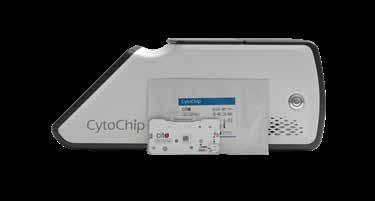
Cito means “quickly” in Latin, and CitoCBC® brings that efficiency to paitent care. FDA-cleared and CLIA-waived, it delivers lab-quality CBC results in minutes, reporting 16 parameters including a 5-part differential. Its cartridge-based design makes operation simple, while LIS connectivity and monthly QC ensure seamless workflow integration. For urgent care and primary care, CitoCBC is a true differentiator — enabling same-visit diagnostics that elevate patient care.
PERIPHERAL ARTERIAL DISEASE
QUANTAFLO® PAD
From Semler Scientific
QuantaFlo® PAD is an easy to use, accurate, point of care, non-invasive solution that aids in the early detection of peripheral arterial disease (PAD). This FDA cleared device can be administered by a medical aide in less than 5 minutes. As published in the Journal of Vascular Surgery and the American Journal of Preventive Medicine, QuantaFlo detected undiagnosed PAD in 31.6% of patients +65.1 QuantaFlo is portable and integrates with other technologies and platforms. It is ideal for both home and clinic environments.
1. Smolderen KG, Ameli O, Chaisson CE, Heath K, Mena-Hurtado C. Peripheral Artery Disease Screening in the Community and 1-Year Mortality, Cardiovascular Events, and Adverse Limb Events, AJPM Focus (2022), https://doi.org/10.1016/j.focus.2022.100016
PAD TESTING SYSTEMS IDEAL FOR PRIMARY CARE TO VASCULAR SPECIALISTS
from Newman Medical
Your Patients Trust YOU To Find Their Peripheral Artery Disease
• High-risk patients include those over 65, diabetics, and smokers.
• If left untreated, 25% of patients with PAD will experience a heart attack or stroke within 5 years.
• PAD symptoms are often mistaken for arthritis or old age.
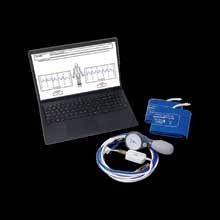
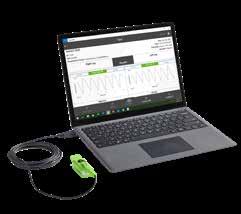
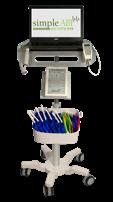
The simpleABI Cuff-Link System is Easy to Learn and Use.
• With a push-button remote, automatic calculations, and waveforms, it’s incredibly user-friendly.
• Reports are straightforward to save and share since the system is PC-based. Outstanding Value and Reimbursements
• The system pays for itself in less than a year with just one test per week.
• Medicare reimbursements vary by exam and location, averaging from $91 to $174.
STREP TESTS
BD VERITOR™ SYSTEM FOR RAPID DETECTION OF SARS-COV-2 & FLU A+B* (EUA) TEST
From BD Veritor™ Plus System
A 3-in-1 antigen assay for COVID-19, Flu A and Flu B with test results in 15 minutes.1
The BD Veritor™ Plus System streamlines clinical and patient workflows by detecting three key respiratory viruses in one test, reducing the need for multiple sample collections. With multiple testing modes and workflow efficiencies, the analyzer empowers convenience and efficiency (1 kit = 30 tests).
*In the USA, the BD Veritor™ System for Rapid Detection of SARS-CoV-2 & Flu A+B has not been FDA cleared or approved but has been authorized by the FDA under an Emergency Use Authorization for use by authorized laboratories; use by laboratories certified under the CLIA, 42 U.S.C. §263a, that meet requirements to perform moderate, high, or waived complexity tests. The product is authorized for use at the Point of Care (POC), i.e., in patient care settings operating under a CLIA Certificate of Waiver, Certificate of Compliance, or Certificate of Accreditation.
This product has been authorized only for the detection of proteins from SARS-CoV-2, influenza A and influenza B, not for any other viruses or pathogens; and, in the USA, the emergency use of this product is only authorized for the duration of the declaration that circumstances exist justifying the authorization of emergency use of in vitro diagnostics for detection and/or diagnosis of COVID 19 under Section 564(b)(1) of the Federal Food, Drug and Cosmetic Act, 21 U.S.C. §360bbb-3(b)(1), unless the declaration is terminated or authorization is revoked sooner.
1. BD Veritor™ Plus System for Rapid Detection of SARS-CoV-2 and Flu A+B. Package insert. 500051910 Becton, Dickinson and Company.
OSOM® ULTRA STREP A TEST
From Sekisui Diagnostics
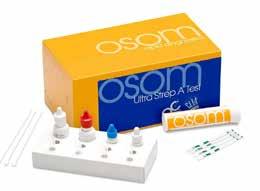
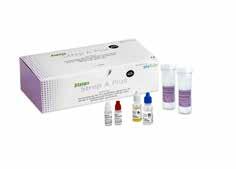
The OSOM® Ultra Strep A test is a color immunochromatographic assay intended for the qualitative detection of Group A Streptococcus antigen directly from throat swab specimens. Shown to be not statistically different than single swab culture. Sensitivity 95.7% and 100% Specificity. Includes two additional test sticks for External QC. CLIA Waived. 5929
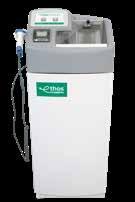
The Ethos Automated Ultrasound Probe Cleaner Disinfector is the first FDA-cleared device to provide both cleaning and high-level disinfection of ultrasound probes in one system. It’s fast and easy to use—simply place a soiled transvaginal, transrectal, or surface probe into the device, follow the prompts on the display, and a reprocessing report is printed at the end of the cycle. Ethos removes the unknowns of manual cleaning, giving healthcare professionals confidence and consistency with every cycle.
5930
WOMEN'S HEALTH
OSOM® BVBLUE®
From Sekisui Diagnostics
The OSOM® BVBLUE® detects elevated vaginal fluid sialidase activity, an enzyme produced by bacterial pathogens associated with bacterial vaginosis including Gardnerella, Bacteroides, Prevotella and Mobiluncus. OSOM® BVBLUE® is more sensitive than Amsel criteria providing physicians with a more accurate diagnosis to treat and minimize serious health consequences such as early spontaneous preterm births and miscarriage.
OSOM® TRICHOMONAS RAPID TEST
From Sekisui Diagnostics
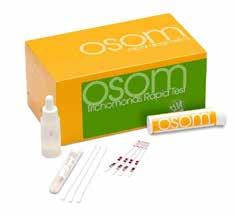
The OSOM® Trichomonas Rapid Test is intended for the qualitative detection of Trichomonas vaginalis antigens from vaginal swabs or from the saline solution. The OSOM® Trichomonas Rapid Test is a CLIA-waived rapid test available today. OSOM® Trichomonas is more sensitive than wet mount due to the assay being able to detect viable and non-viable organisms which offers significant benefits to the patient and clinician alike.
ULTRA HCG COMBO TEST
From Sekisui Diagnostics
The OSOM® Ultra hCG Combo test is a simple immunoassay for the qualitative detection of human chorionic gonadotropin (hCG) in serum or urine for the early confirmation of pregnancy. Internal studies have confirmed that the OSOM® Ultra hCG Combo test does not have a false negative result from hCG variants providing physicians with a higher level of confidence.
SCAN TO LEARN MORE
5931
SCAN TO LEARN MORE
5932
SCAN TO LEARN MORE
5933
BD Veritor™ Plus System Your simple solution
Digital clarity:
• Unambiguous positive/negative display which may help to reduce result interpretation errors and streamline diagnosis.
Easy to use:
• No monthly calibration required, operated with single-button functionality.
Cost-effective:
• No service contracts, maintenance or calibration needed for device lifetime.
Rapid results:
• Delivers digitally read results in 15 minutes or less,** supporting timely clinical decisions.
Flexible workflow options:
• Walk Away mode: Built in timer allows you to perform other tasks throughout test development.
• Analyze Now mode: Enables immediate processing to support batch testing.†
• Compact, lightweight and portable— able to function without cords.
*In the USA, the BD Veritor™ System for Rapid Detection of SARS-CoV-2 & Flu A+B has not been FDA cleared or approved but has been authorized by the FDA under an Emergency Use Authorization for use by authorized laboratories; use by laboratories certified under the CLIA, 42 U.S.C. §263a, that meet requirements to perform moderate, high, or waived complexity tests. The product is authorized for use at the Point of Care (POC), i.e., in patient care settings operating under a CLIA Certificate of Waiver, Certificate of Compliance, or Certificate of Accreditation. This product has been authorized only for the detection of proteins from SARS-CoV-2, influenza A and influenza B, not for any other viruses or pathogens; and, in the USA, the emergency use of this product is only authorized for the duration of the declaration that circumstances exist justifying the authorization of emergency use of in vitro diagnostics for detection and/or diagnosis of COVID 19 under Section 564(b)(1) of the Federal Food, Drug and Cosmetic Act, 21 U.S.C. §360bbb-3(b)(1), unless the declaration is terminated or authorization is revoked sooner.
**Result processing times for each BD Veritor™ assay are 15 minutes for the SARS-CoV-2 and SARS-CoV-2 & Flu A+B assays, 10 minutes for Flu A+B and RSV assays, and 5 minutes for the Group A Strep assay.
†Any batch testing performed should be conducted at the discretion of the user, in accordance with local policies and clinical judgment.