
Real Estate Guide to Pontotoc County & the surrounding area






Electrical fires at home may not be foremost on the minds of homeowners, but they’re a notable threat that should not be overlooked. The Electrical Safety Foundation International reports that home electrical fires account for an estimated 51,000 fires each year. Such fires result in hundreds of deaths and $1.3 billion in annual property damage.
Many electrical fires are preventable. Various preventive measures can be taken to reduce the risk of electrical fires and safeguard a home’s residents should such fires occur. The ESFI urges homeowners to take these tips to heart.
• Audit your home electrical system.
A thorough inspection conducted by a qualified electrician to ensure that all electrical work in the home meets the safety provisions in the NEC can uncover any potential issues that might increase the risk of an electrical fire. Homeowners also can periodically conduct a basic assessment of your home electrical system, electrical cords, extension cords, power plugs, and outlets.
• Install smoke detectors on every level of the home.
The ESFI recommends installing smoke detectors inside each bedroom and outside each sleeping area.
• Consider electrical upgrades.
Ask a qualified electrician if your home would benefit from AFCI protection, especially during inspections of older homes or upgrades to electrical systems. These advanced new safety devices recognize dangerous conditions that are not detected by standard breakers.
• Routinely inspect fire warning systems. Test smoke detectors and AFCIs monthly to ensure that they are working properly.
• Design and share a plan to escape to safety.
Establish an evacuation plan that can be used in case of an emergency, and practice evacuating with your family frequently enough that everyone knows exactly what to do should a fire occur.
• Adhere to manufacturer instructions in relation to lighting fixtures.
Always use light bulbs that match the recommended wattage on the light fixture.
• Childproof a home to avoid electrical accidents.
In homes with young children, install tamper-resistant receptacles to prevent electrical shocks and burns.
• Learn to spot the signs of a system in trouble.
Telltale signs of electrical problems include dim and flickering lights, unusual sizzling and buzzing sounds, and circuit breakers that trip repeatedly. Contact a qualified electrician immediately if any such signs appear.
• Reduce reliance on extension cords.
Use extension cords only temporarily, and never use them to power space heaters or air conditioners.
• Avoid overloading outlets.
Consider having additional circuits or outlets installed by a qualified electrician as needed.
Electrical fires can be deadly. But many can be prevented with some simple safety strategies.


Real estate has long been considered a good investment. Whether people are buying a home they intend to live in or purchasing investment properties they hope to flip or rent out, real estate tends to provide a strong return on investment.
Maximizing the investment value of a property is wise regardless of how buyers intend to use it.
Real estate has long been considered a great investment, and various strategies can help investors bolster their returns.

Though no room of a home in need of work should be ignored, various studies have identified the rooms buyers emphasize most when looking for a new home. Kitchens and primary suites tend to make the most lasting impressions on home buyers, and that can offer a strong return on investment (ROI). And the good news for homeowners hoping to sell a property they currently own is that minor kitchen remodels, which require a smaller financial investment than major overhauls, offer stronger returns. According to the Cost vs. Value Report 2025 from the Journal of Light Construction, a minor kitchen remodel offers an average return of 113 percent compared to a 36 percent average return for a major upscale remodel.
Real estate investors who aren’t looking to sell but buy can maximize their investment by prioritizing location as they search for properties. Though the real estate market is ever-changing, the importance of location remains a constant. Investopedia notes that a “good” location for prospective buyers typically is near access to transportation (be it public transportation or highways that can help cut down on
commute times), well-regarded schools, and community involvement. While the importance of location is a constant, Investopedia notes that a given neighborhood’s reputation can go from “good” to “bad” or vice versa. Identifying an emerging “good” neighborhood can be a tall order, but prospective real estate investors are urged to consider a range of variables about each location in an effort to maximize their investments. Recent investment in local infrastructure and a growth in local employment opportunities are two variables that can help a given area quickly transform into a place people want to live.
When selling a home with the intent of maximizing a real estate investment, it’s important that owners recognize certain times of year are better for sellers than others. A 2024 report from the real estate curator ATTOM indicated that listing a property in May, February or April can yield the best returns for sellers. May is a particularly good time to sell, as the ATTOM analysis of 59 million home sales between 2011 and 2023 found that homes sold in May sold for 13.1 percent above market value, which was the highest of any month.

Outdoor living has become a coveted feature for many homeowners and those looking to buy. In 2026, landscape architecture has shifted from something that is purely ornamental to features that are functional and resilient. The American Society of Landscape Architects says a professionally designed landscape can increase a home’s value by anywhere from 15 to 20 percent. Some projects can yield a return on investment of even more — even recuperating the entire cost.

Where is a homeowner to start when it comes to maximizing the potential of a landscape? These projects and components below can be a good place to start.
Homeowners looking to get great returns on outdoor living investments can consider prized improvements that transform exterior living spaces.
A high-quality patio can offer a great ROI. These patios may use the same stone levels and lines as the interior of the home.
HGTV says an outdoor kitchen ROI can range from 55 percent to 200 percent, depending on the location and comparable homes in the area. High-value versions include built-in grills, weather-resistant cabinetry, and stone prep areas.
Pergolas on their own can add interest and function to outdoor spaces. Those that feature motorized louvers that adjust for sun and rain have become a luxury essential for many home-
owners. They help extend the usability of outdoor spaces during various seasons.
Integrated systems with LED lights controlled by apps are now major selling points for homes. These systems improve security and curb appeal at night. According to Urban Oasis Contracting, outdoor lighting doesn’t just show a space, but also transforms it. Adding carefully placed lights can redefine the property in distinct ways.
Mature trees can add character to a property and also reduce cooling costs via natural shade. Landscapes that require low irrigation are outperforming traditional lawns, according to Organic Valley.
Backyards have undergone quite a transformation over the last decade-plus. The days when patios and decks were all a backyard living space had to offer are largely a thing of the past, as homeowners have realized just how valuable it can be to commit to a stunning backyard.

The real estate experts at Zillow estimate that homes with backyard features such as outdoor televisions, outdoor showers and outdoor kitchens command 3.1 percent more than expected upon reaching the market. If 3.1 percent doesn’t sound like a lot, it actually equates to nearly $11,000 on a typical home. But there’s more to gain than money when converting a backyard space into a relaxing respite. Such spaces can provide a welcoming escape from the hustle and bustle of daily life, all the while giving homeowners and residents a comfortable space to soak in the great outdoors. A relaxing backyard retreat can make for an ideal space to escape the hustle and bustle of daily life.
Even if your vision is centered on outdoor furniture and a space that accommodates movie nights under the stars, it’s still best to refresh the existing landscape if it needs a little upkeep. Overgrown trees, hedges and bushes can create the same cluttered vibe that dominates interior spaces overrun with items. If necessary, work with a local tree service or landscape architect to trim, or even remove, trees and hedges that are crowding the backyard and making it feel claustrophobic or giving it an unkempt look. Aim for a landscape that affords a balance of sun and shade so the space is as comfortable as possible throughout the day.
Once a backyard retreat is established, everyone who calls the property home might find the space hard to resist. Keep this in mind when planning the space and aim to set up multiple gathering spaces. An outdoor kitchen with a nearby dinner table can be a great space to enjoy al fresco dining, but a separate area to read a book or watch a movie or ballgame can make the space more versatile. Some may want to relax away from the noise of the grill area, and multi-
ple gathering spaces ensures there’s always a peaceful spot to unwind out back.
Running water has a way of calming the nerves, and that’s good to keep in mind when planning a backyard retreat. Water features run the gamut from garden ponds to koi ponds to fountains to hot tubs. Homeowners can identify which feature best aligns with their idea of relaxation and then work with a landscape architect to ensure it’s installed in their backyard oasis.
Temperatures are rising in many areas of the globe, and that’s worth noting when planning a backyard retreat. Even the most ardent sun worshippers likely won’t want to be exposed to the sun at all times when relaxing in their backyards. Strategically chosen means of providing shade can make spaces enjoyable all day long. Consider umbrellas, gazebos, pergolas, and even retractable awnings to cover patios and decks when the sun is at its highest each afternoon. If you plan to spend ample time in the grass, make that more enjoyable by planting shade trees, which also can protect the grass from drought and make it more comfortable underfoot.


Homeowners do not need to get hung up on room labels as they explore ways to reinvent their spaces. Just because a floor plan labels a space as a formal dining room doesn’t mean the area has to remain that way.
Repurposing rooms in a home comes down to aligning the space a person has with their lifestyle needs.

A good rule of thumb before converting any room is to give it a test run. Move in a piece of furniture and test how it works with its intended function. Assess lighting, noise and foot traffic for a week, and then move ahead with changes if the result is positive.
Take note of spaces that are cleaned but rarely used. For many people, this is a dining room or a guest suite. Either of these rooms can be transformed into something new.
Some people simply cannot transform an entire room into something else. Visual partitioning makes it possible to create rooms within rooms. An area rug can be used to define a border of a space. Open bookshelves can serve as a wall to separate a sleeping area from a lounging spot. Lighting can add dimension to areas in a space. A pendant light over a crafting or work table can be used define the space.
The area under the stairs or another small spot often is used to collect junk. Instead, it can be turned into a built-in wine rack, a reading nook for kids or even a pet sanctuary with just a few modifications. Analyze areas around the home that seem like they don’t serve a purpose, and then figure out a way to make them more functional.
Even people short on space can transform their homes. Replacing a traditional bed with a murphy bed or a daybed can make a room more suitable for a home office or yoga studio, but still provide a space for the occasional houseguest to sleep. A pull-down shelf desk in a bedroom or even a walk-in closet can turn an area into a compact home workstation.
Unless you are a do-it-yourselfer or have a hobby that takes up much of the garage or basement, utility areas are major spots in a home to consider repurposing. A garage can be turned into a home gym, kids’ play area or even a hobby shop. Modular flooring and insulated walls can make the room comfortable. Attic lofts are the ultimate quiet zones, and can be serene spots for reading, meditating or doing homework. An unfinished basement can be converted into a finished space to serve many different purposes. From media rooms to a teen lounge to a hobby cave, the opportunities are endless.
People considering buying or selling a home are facing a unique market. The real estate market has been in flux for several years, and high interest rates have made it more expensive to borrow.
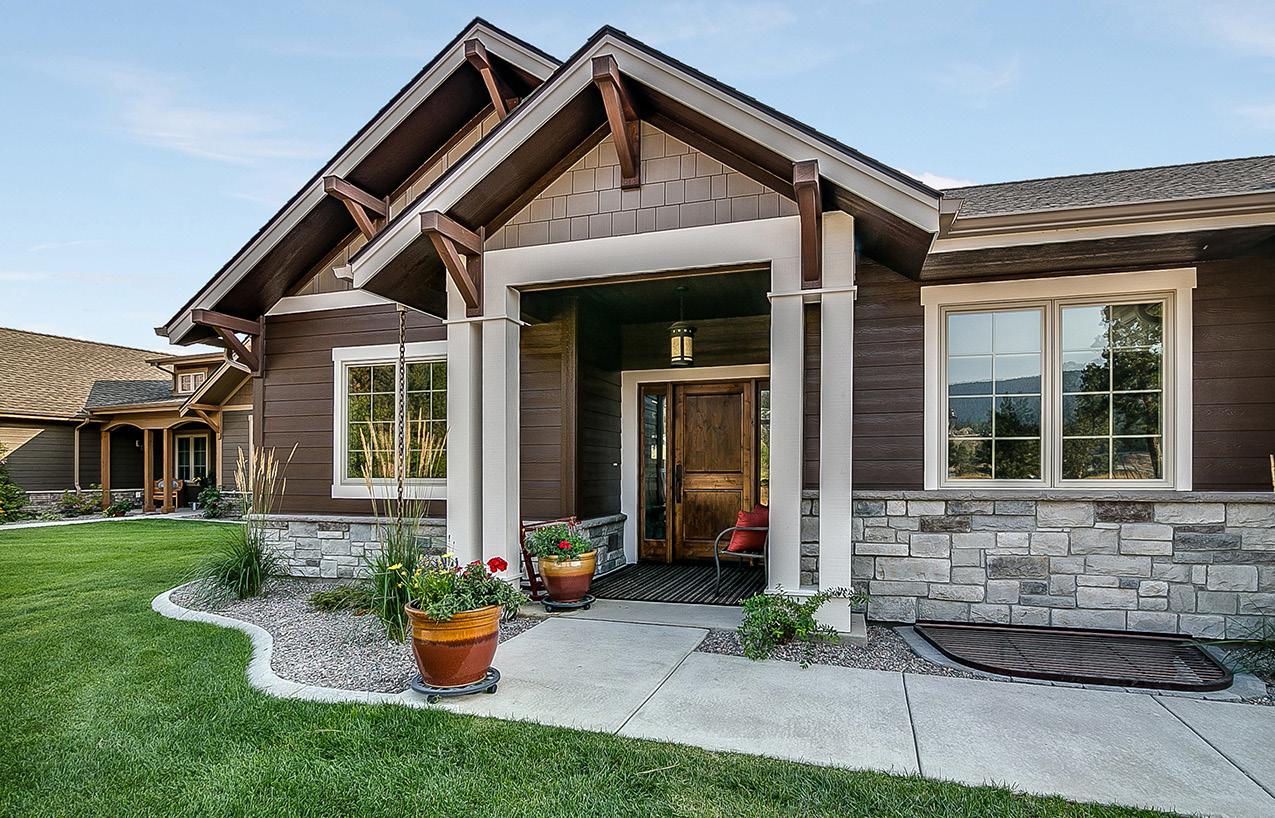
The Mortgage Bankers Association is projecting that 30-year mortgage rates will level out to 6.5 percent for the forseeable future. That means that people who have been waiting for changes in the real estate market could be disappointed, and hesitant buyers may finally just bite the bullet and buy even if mortgage rates are not where they hoped they’d be in 2025. Homeowners with properties they are considering listing for sale would be wise to make certain changes that will help garner the best prices from buyers.
Homeowners can consider a number of improvements to increase the resale value of their properties.
The kitchen is the heart of many homes. Real estate agents may recommend that homeowners make minor to moderate kitchen upgrades like resurfacing cabinets, upgrading countertops and changing fixtures or hardware to give the room an overhaul. Homeowners also should look to bathroom updates as smart investments that can improve home value. Katie Severance, author of The Brilliant Home Buyer, characterizes kitchens and baths as “money rooms” that add the most value to a home.
Homeowners should clean out items they no longer need. Decluttering can make a space feel bigger, which is beneficial in a market where open concept floor plans remain popular among home buyers. When buyers walk through a prospective home, they want to envision themselves living there, something that is more easily done if the home isn’t overrun with the current homeowner’s belongings.
Painting a home is a cost-effective renovation with a lot of oomph. Freshly painted rooms appear clean and updated, says HGTV, and that can appeal to buyers. Homeowners should choose neutral colors to accommodate the widest array of potential buyers.
The exterior of a home is the first thing potential buyers will see as they roll up to view a property or look at a listing online. Homeowners should start by evaluating and enhancing the landscaping. Ensure the lawn is well-maintained and add plants that provide color without a lot of maintenance.
Homeowners can think about adding to the usable space in a home. This translates into finishing basements or attics or even converting garages to rooms. Or it may involve adding a three-season room.