
Real Estate Guide to Pontotoc County & the surrounding area


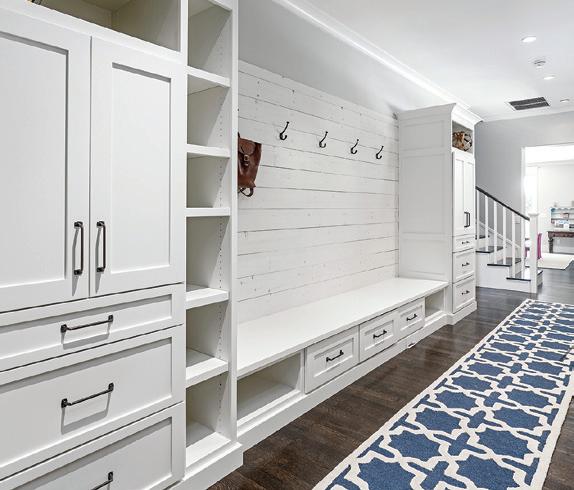

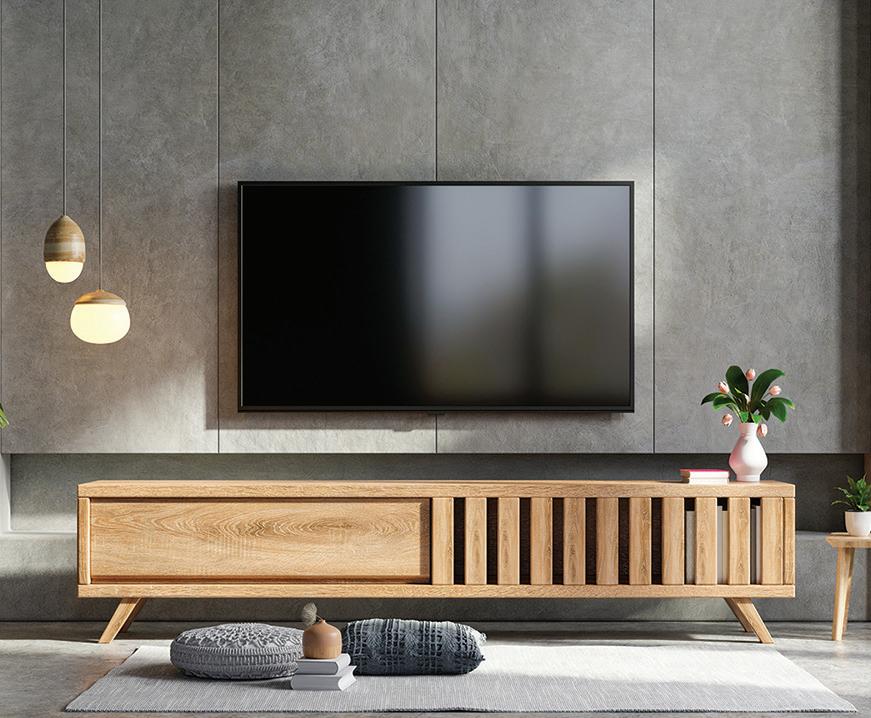

By the third quarter of 2025, the tide seemingly began to turn in regard to a housing market that had been marked by limited inventory since the onset of the COVID-19 pandemic in 2020. According to market indicators from Redfin, the National Association of REALTORS® and Homes for Heroes, by the summer of 2025 things began to shift in regard to inventory. Prices also began to level off, as the median existing home price in the United States was $435,300 in June 2025, which marked a 2 percent increase from the previous year.
Although affordability concerns still persist, many people may finally be ready to enter the home-buying arena. When doing so, it’s essential prospective home buyers recognize how much they can comfortably spend on a home. These factors can help individuals determine a reliable budget when shopping for homes.
Lenders use various parameters to identify a borrower’s creditworthiness. That includes figuring out a person’s debt-to-income ratio (DTI). Wells Fargo says DTI can be calculated by adding up all of a person’s monthly debt payments and dividing them by gross monthly income. That number is multiplied by 100 to get a percentage. The lower the DTI, the less risky one is to lenders.
Part of the DTI equation may include the 28/36 rule utilized by many mortgage lenders. This is a standard guideline that can help one see if it’s possible to afford a home loan. The 28 percent is allotted housing costs. The monthly housing expenses (principal, interest, taxes, homeowners insurance, private mortgage insurance, and homeowners association fees) should be no more than 28 percent of one’s gross monthly income. One’s total monthly debt payments, including housing, car, loans, student loans, and credit cards, should be no more than 36 percent of the gross monthly income. So if a prospective home buyer earns $10,000 per month, or $120,000 per year, the housing costs should not exceed $2,800. Total debt payments, including housing, should not exceed $3,600 per month.
Lenders may allow borrowers to borrow a certain amount of money, and buyers then go out and spend that much on a home. But to avoid living paycheck to paycheck and having all of one’s money go toward a home, it is best to account for personal spending habits and savings goals. It’s important to have an
emergency funds account to pay for unexpected things like home repairs, or to account for instances when income may decline. Ongoing costs to manage the home also merit consideration, as do utilities and future renovations.
Some people abide by another general guideline to shop for a home that costs no more than three to five times their annual household income. That means with an annual income of $100,000, one should aim for a home priced between $300,000 and $500,000. The specific range will also depend on a person’s existing debt.
The interest rate on home mortgages as well as down payment also must be considered. Resources like Bankrate and Zillow provide home affordability calculators that will factor in interest rates, terms of a loan, down payment, and property taxes. Buying a home when interest rates are high means spending more over the life of the loan. Also, how much one puts toward a down payment has a big impact. Aiming for 20 percent means avoiding paying for private mortgage insurance (PMI).


Many people will admit that home ownership tops their lists of long-term goals. Finding a home that is affordable may require moving into what many real estate agents bill as a “starter home.” But the arrival of a child, and then more children thereafter, could make a home that was perfectly functional for two or three feel too close for comfort.
Anyone who would like to raise a family in the future might want to consider certain factors when choosing a residence or designing living spaces. A home that can grow with life changes can truly be a forever home.
A family home will need more space as the years go on, and homeowners should keep that in mind when making renovations or choosing a property.
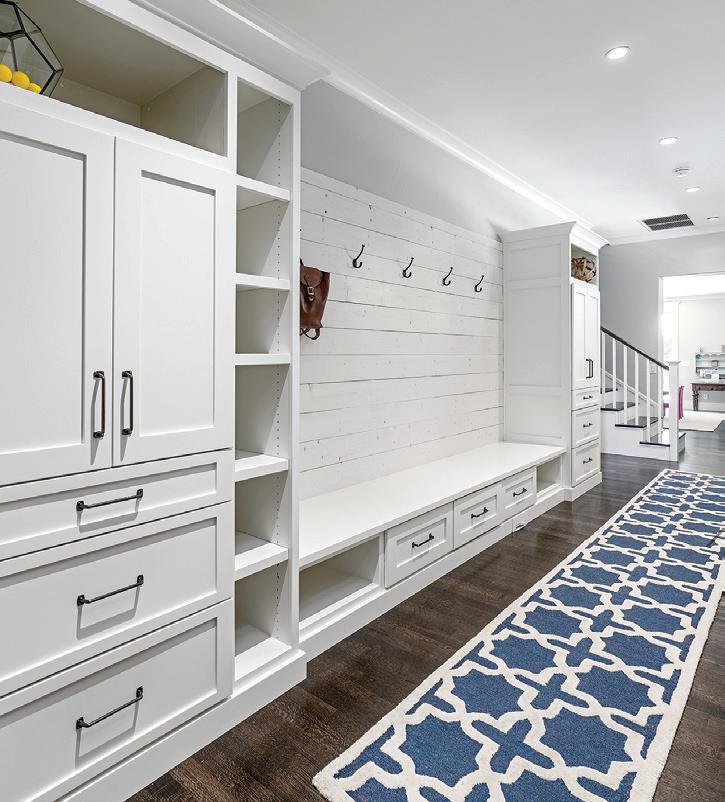
It is important to go through belongings regularly and remove anything that is no longer needed. This can be the first step to free up physical space in a room or the home in general. Donate any items that still have utility.
Look at different ways to maximize existing storage. Utilizing vertical space is one way to do so, so an investment in shelves, hooks and storage systems that maximize space in an upward direction can get items off the floor. Make use of storage under the stairs or in eaves. Loft beds with open space underneath are great for children’s rooms because they maximize floor area.
Children love to play with toys, and once kids are in a home, toys will accumulate quite quickly. Have a plan for keeping toys neat and stowed away when not in use. Under-the-bed storage, toy armoires (that are secured to the wall) and furniture that can double as storage, such as storage ottomans, are ideal.
Although closet space may be at a premium, particularly in older homes, a closet can be turned into a nook to hold a desk for a homework station or remote office space. Compact
and organized, it’s easy to hide away when not in use by closing the door.
Open floor plans have been the norm for some time. But at some point as a family grows, privacy and multi-functional spaces may be needed. It can be costly to put up permanent walls, but bookcases or pieces of tall furniture can be used as room dividers to cordon off areas as specific spaces, like a child’s play area.
Garages and basements have a reputation for being catch-alls for storage boxes and holiday decorations. However, such rooms have plenty of potential as functional living spaces. Invest in transforming a garage or basement into a room that can grow with the family. At first it may be a play area for young kids. Afterwards, it can be a gaming or homework hangout. As children grow older, spaces can be converted to a family media room. Having this extra space can free up room in the rest of the house so people can enjoy alone time when they need it.
A yard or another outdoor space can add valuable square footage to a home. A covered patio or deck can make the outdoor areas more usable throughout the year and zones can be created for family meals, play and relaxation.

Beauty is in the eye of the beholder, and that notion is as true when renovating a home as it is when studying a piece of art. Therefore, when homeowners are looking for the best building materials for their home remodels — including backyard decks — their own personal preferences may ultimately dictate the direction they go.
Deck boards and railings can be made from a diverse array of materials, including traditional hardwood, plastic and composite materials. Below is a deep look into some of the more popular decking materials so homeowners can make informed decisions when contracting with a decking professional for the build.
Homeowners have many choices when picking materials for their decks. If they want a traditional look and moderate cost, wood

may be the way to go. Those concerned about looks and durability may like composite. People who want very durable and long-lasting may want to give strong consideration to plastic or aluminum materials.
In the not-so-distant past, decks were primarily built using some type of wood. Wood is widely available and fairly cost-effective. However, as anyone with a wood deck knows, wood requires frequent upkeep and it can be susceptible to rotting or insect damage. Wood decks also may splinter and deteriorate when exposed to the elements or pool water. Pressure-treated boards are infused with chemicals to help them endure, but that does not make them impervious to wear. Still, the traditional look of a wood deck remains appealing to many homeowners.
Composite decking materials are made from a blend of recycled plastic and wood fibers. Since there is so much recycled content, composite decks attract those who are concerned about the environment and sustainability. Composite decking comes in uncapped and capped varieties. The capped version has an extra layer of protective capping made from high-performance polymers, says TimberTech, a decking and outdoor furniture provider. While composite decks may have similar up-front costs to wood, they will require less maintenance over the years, but they must be scrubbed to avoid mildew growth.
Decks made of polyvinyl chloride, polypropylene or high density polyethylene (HDPE) are collectively referred to as PVC decks. They are made entirely from environmentally safe plastic with no wood in the mix at all. PVC decks are more durable than composite and can last a lifetime. All PVC decks need is occasional cleaning. A potential disadvantage to PVC is it doesn’t always look, sound or feel like wood. Also, complex fastening systems can make the boards move as the temperature changes, resulting in squeaking as people walk on the deck. Generally, PVC is more expensive than wood or composite, but that investment may be worth it for those who never want to worry about deck repair or replacement.
This Old House says there is another plastic decking material made from polystyrene. It is stiff, strong and light, and with the brand Eon, the nonslip surface becomes less slippery when wet so it may be great around pools.
Aluminum may not be as popular as other decking materials, but it is lighter and stronger than wood, composite, and plastic. Aluminum also is resistant to mold, weather and insects, and it can be recycled. An aluminum deck will last for years, which is why it is one of the more costly decking materials.
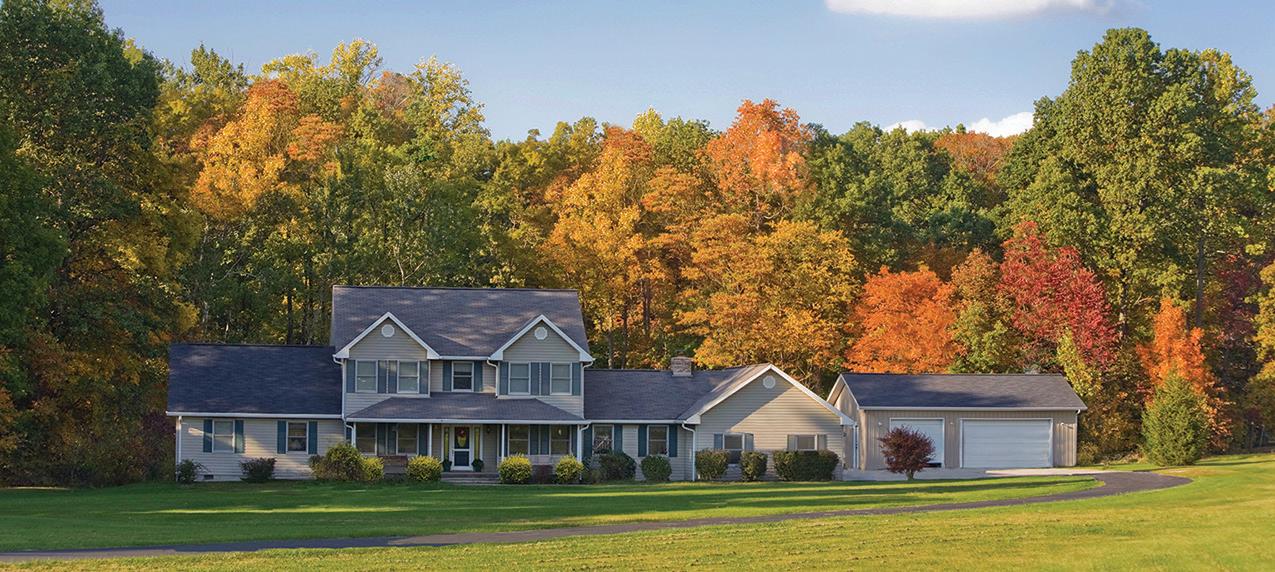
Spring is home renovation season, and no area of a home is off limits. That includes home exteriors, particularly in regard to landscaping.
Lawn and garden centers draw crowds on spring weekends, as homeowners are anxious to get out in the yard after spending more
time indoors over the winter.
Plants and trees provide a simple and unique way to transform the look and feel of a property.
Various plants and trees can help homeowners change the look of their landscapes without busting homeowners’ budgets.
There’s no shortage of colorful plants to add some pops of color to a property. Azaleas, lilacs, pansies, and, of course, rose bushes can add a wide range of colors to a landscape, providing undeniable and awe-inspiring curb appeal when the plants bloom.
When choosing plants for a landscape, it’s important to pick those accustomed to the local climate. A non-native plant might be able to withstand local conditions, but it also might compromise other trees and plants on a property. When choosing new plants and trees for a landscape, work with professionals at a local lawn and garden center to identify native plants that can handle local weather conditions and do so without putting existing plants on the property in jeopardy.
Homeowners who don’t want fencing, or those whose towns or homeowners’ associations won’t allow fencing, may look to trees to add the privacy typically provided by fences. The
growth rates of trees vary by species, so homeowners who want instant privacy should look for trees that are already tall and/or fast-growing. Needlepoint holly (which reach an average height of 10 to 15 feet) and sweet viburnum (25 to 30 feet at maturity) are fast-growing species to consider when planting for privacy. Green giant arborvitae are a popular privacy tree, as they can reach significant heights and widths within a few years of being planted. And while it’s always good to consult a lawn and garden center for advice on the compatability of a given tree with the local climate, green giant arborvitae are known to thrive in U.S. Department of Agriculture hardiness zones five through eight, which cover a significant portion of the United States.
Homeowners who lament the loss of color each fall when their existing trees shed their leaves can keep a property green throughout the winter by choosing evergreen trees for landscapes. The New Jersey Conservation Foundation notes that evergreen trees excel at conserving moisture, which allows them to keep their leaves and maintain that distinct and appealing green color throughout the winter.


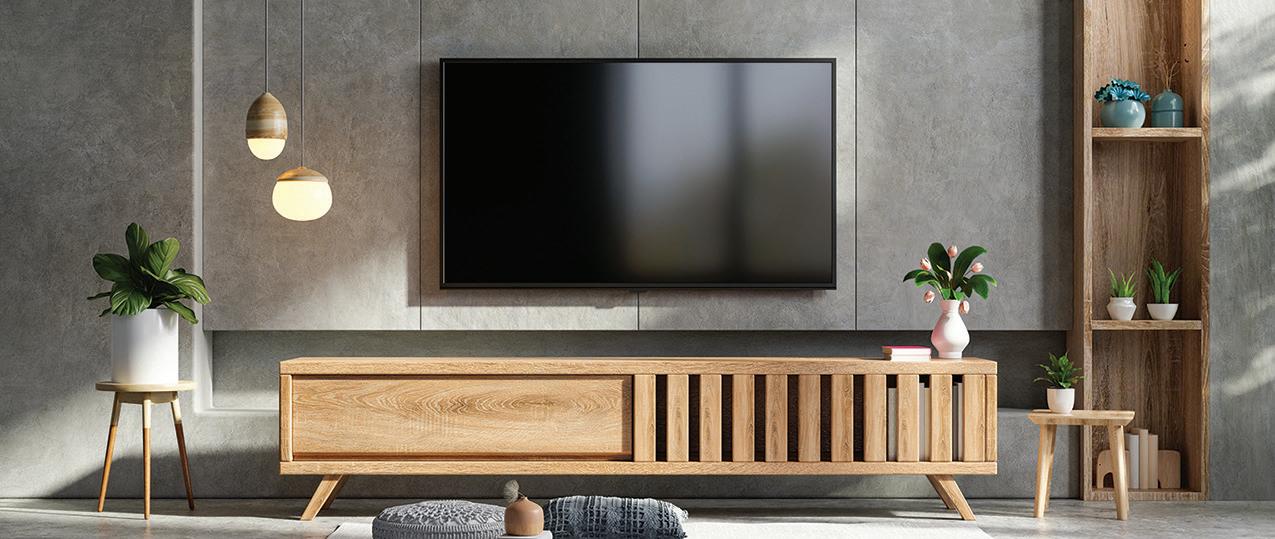
An “out with the old, in with the new” mentality can extend to people’s visions for their homes. A home in need of repair or renovation can serve as a catalyst to take inventory of personal style and help make interior spaces reflect one’s unique vibe.
A living room can grow stale over time and often serves as a catch-call for clothing, blan-
kets, gadgets, and other items. Upon recognizing a living room has seen better days, individuals may decide it’s time to give the space a new vibe. That transformation can start with these strategies.
Revamping a living room doesn’t have to be difficult. With an idea in place and some professional touches, an entirely new vibe can be achieved.
Clutter frequently is the culprit behind a living room that may not give off the vibe individuals desire. As families grow and people add belongings, space may be at a premium. Less is more has never been a more important concept. Remove extraneous items before purchasing new furniture or transitioning to a new design. You may even want to remove everything and start from scratch before reintroducing desirable elements to the space.
Some people are adept at decorating and designing spaces. But just as you wouldn’t perform your own medical procedures, you should leave jobs like interior design and renovations to the professionals. Hiring a professional interior designer and contractors can really bring a living room together in ways homeowners may have never imagined. These pros can build off of your ideas and truly create a space that may be worthy of a magazine spread.
You may want to consider adding natural materials in the design to promote well-being.
Eco-friendly furnishings, raw fibers and organic textures will create an environment from sustainable choices. Plenty of plants also can create a welcoming environment that helps you surround yourself with positive energy and the items you love.
One of the easiest ways to transform a room’s vibe is to utilize lighting. Change draperies to allow more natural light to shine in. Consider additional windows or skylights if yours is a particularly dark home. If you desire to create a more vivid or cozy ambiance, use a combination of accent, task and supplemental lighting in the space so there are no dim corners.
Industrial-chic design celebrates the bones of a building. It’s what makes city lofts so appealing, with their exposed beams and brick. Even those who live in suburbia or out in the country can give a living room this look with subtle nods to the style. Unadorned windows, clean lines on furniture, oversized, gallery-style art, and metal accents can add touches of this popular look to your home.
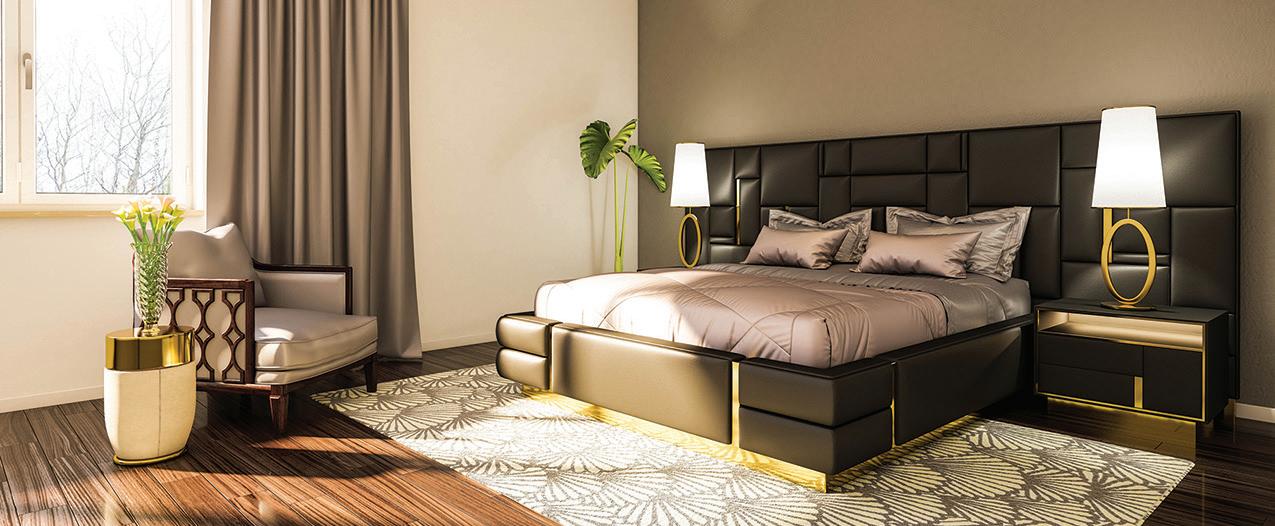
Homes are often characterized as sanctuaries. A home’s interior spaces can provide a respite from the hustle and bustle of daily life no matter what’s going on in the outside world.
Perhaps no space inside a home should be more relaxing than a bedroom. But bedrooms are not impervious to the hectic pace of life unless homeowners make a concerted
effort to transform these spaces into relaxing respites. By implementing a variety of strategies, homeowners can ensure bedrooms embody the notion that homes are sanctuaries for their residents.
Bedrooms can be respites within the larger sanctuary that homes are meant to be. That’s especially so when residents implement strategies to transform bedrooms into more relaxing spaces.
Blinds, curtains, shades, and other window treatments come in a variety of styles and colors, ensuring there’s at least one out there that can match an existing design scheme in a bedroom. Window treatments can be utilized to create a cozy vibe in a bedroom, blocking out lights from outside, including natural light from the sun and moon but also street lamps and decorative lights from neighboring properties. This can ensure bedrooms are a peaceful and welcoming respite when homeowners and residents return home each night.
Bedroom lighting is another variable that merits consideration when trying to transform the space into a more relaxing room. Ambient lighting can be utilized to create a soft and welcoming atmosphere in the room. Dimmable lights also allow residents to adjust the amount of light depending on the time of day. Lights can be bright when getting dressed in the morning, and then turned down when residents are going to bed and want to unwind before closing their eyes.
If escapism is an end goal, then turning a bedroom into a device-free zone is a must. Televisions, tablets and smartphones ensure the distractions and stressors of everyday life are never too far away, so removing these devices from bedrooms can help to establish a more peaceful bedroom environment. In addition, the National Sleep Foundation reports that using devices in a bedroom tends to reduce sleep duration by delaying the time users go to sleep.
A cluttered bedroom is more than an eyesore. The Royal Australian College of General Practitioners notes that clutter can contribute to anxiety and adversely affect individuals’ ability to sleep and focus. Examine bedrooms to see if there is any unnecessary or overly bulky furnishings that make the spaces feel cramped and cluttered. Remove those items when possible, or consider working with a contractor to expand the room if budget and space allows.