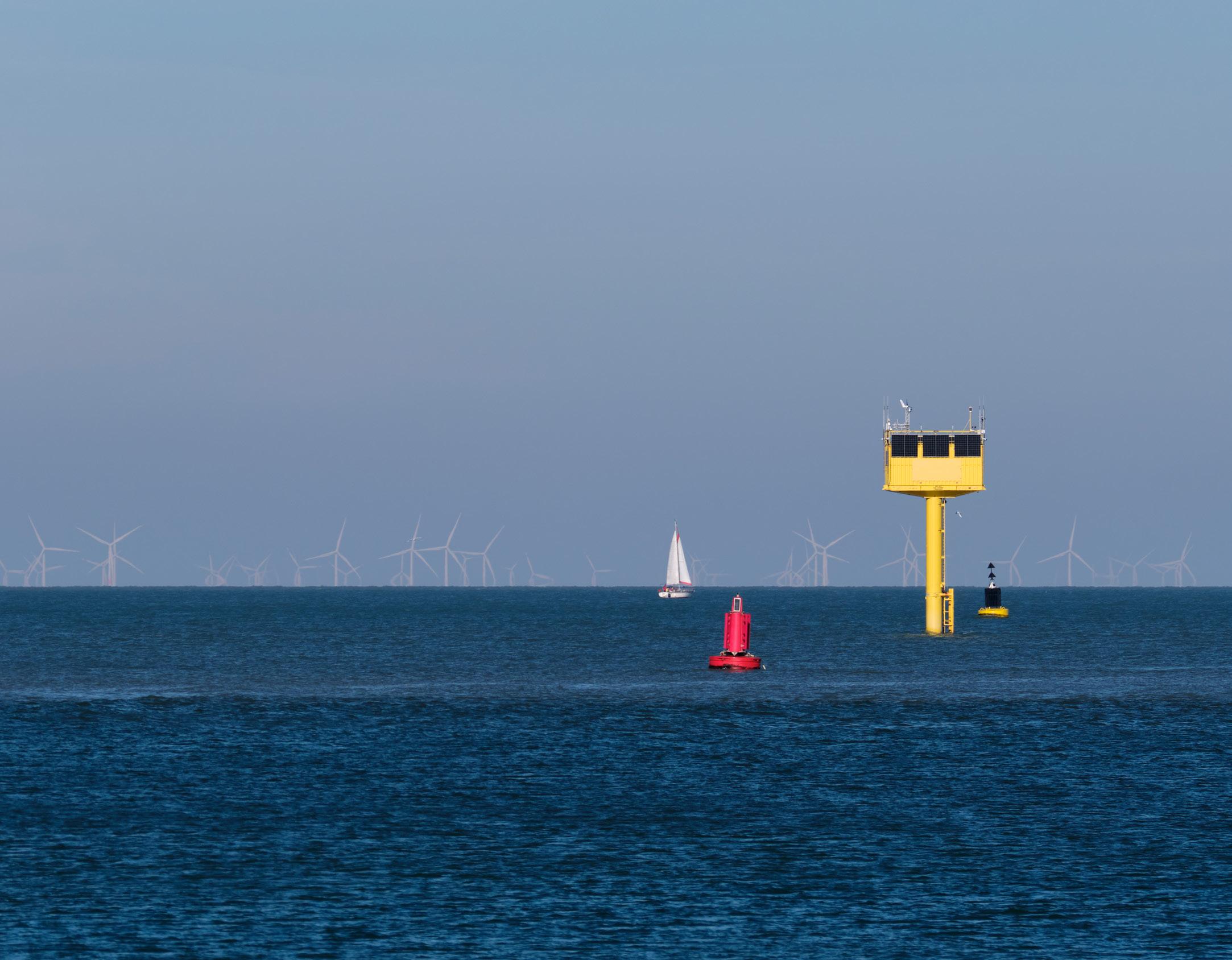
Blue Economy
Doing business in Europe starts here
Doing business in Europe starts here
Welcome to West Flanders, where opportunities for strategic investment abound in a region known for its rich heritage of high-quality products and services. Nestled in the heart of the European consumer and manufacturing market, our central location provides easy access to neighbouring countries, making it an ideal hub for international trade. As Belgium’s coastal region, with an extensive and versatile network of motorways, railways and waterways, boasting impressive export figures, it’s no surprise that West Flanders is a preferred choice for businesses seeking to expand globally.
Over the years, West Flanders has built a strong and reliable international reputation. We excel at providing solutions that meet the highest standards. Our region offers an enticing blend of tradition, innovation, and an entrepreneurial spirit that is deeply ingrained in our DNA.
In West Flanders, innovation is not just a buzzword; it’s a way of life. Our region fosters a culture of knowledge sharing, joint R&D initiatives, and participation in European projects. We have an extensive network of research centres and incubators to nurture innovation. Collaboration (local and abroad) is key to driving pioneering changes and ensuring that research, development and innovation remain top priorities. This results in better trade relations and the realisation of groundbreaking projects.
We have a highly skilled and flexible workforce that is renowned for its multilingual education. We provide ample opportunities for education and invest intensely in knowledge, training, and growth. Why? Because we believe in the power of human capital and the importance of investing in people.
To put it shortly: West Flanders is your gateway to unlocking growth and success in the global market. Invest in West Flanders and join us on an exciting journey of innovation and prosperity.
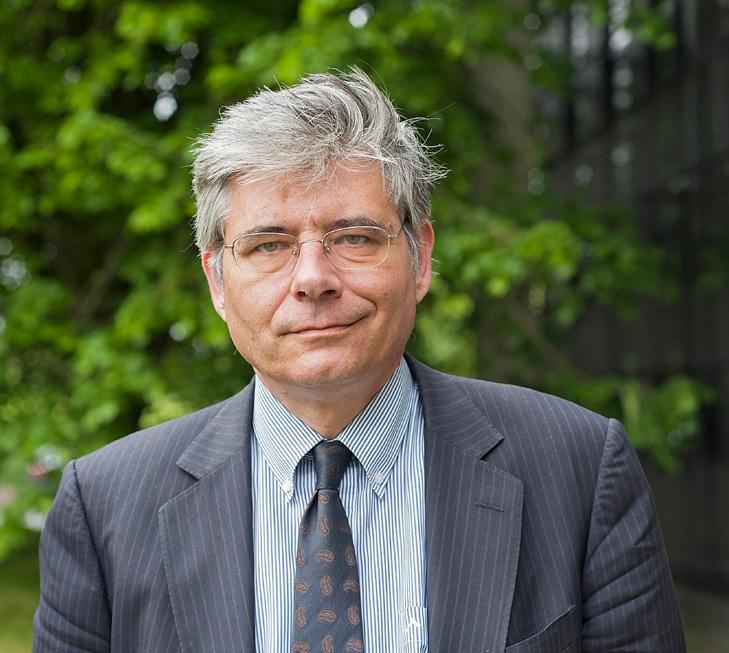
”West Flanders is the European logistics centre of excellence, based on critical factors such as storage costs, labour and space, the quality of transportation and the region’s accessibility by land, air and sea. These are all linked to a strong industrial network that generates freight.”
Jean de Bethune,
Provincial Executive for Economy and International Cooperation, Province of West Flanders
West Flanders is a dynamic province with a strong focus on international engagement. Our border region amounts to 3,197 km² and boasts a significant external orientation, serving as a key player in both European and global trade. In 2021, West Flanders’ exports of goods and services were estimated at an impressive €32.5 billion. Our GDP per capita stood at €43.379 in 2021, placing it among the top half of EU regions in terms of economic prosperity.
We are known for our vibrant economic landscape. West Flanders’ industrial sector remains robust, with a particular focus on the key clusters of Textiles, Food Production, Blue Energy and Machine Manufacturing – all of which play a crucial role in boosting industrial employment and exports. Simultaneously, our services sector has seen rapid development and continues to grow, contributing to the province’s economic dynamism.
The primary language spoken is Dutch, but many of its over 1.220.000 residents are proficient in English, French and German as well. West Flanders takes pride in its highly productive population, characterised by a substantial number of well-qualified workers and a remarkable labour productivity ratio. The region also boasts a relatively low unemployment rate by European standards. Furthermore, 94.5% of all households have access to the internet and 26.4% of all employees participate in lifelong learning. We have 5 higher education schools, 2 vocational schools, 9 adult education centres, 2 centres for basic education and many centres for continued learning.
Simply put, our region has a high quality of life. Most of the healthcare costs are reimbursed in West Flanders. Healthcare isn’t simply excellent – it’s affordable too. We are known for university-level health care and use the latest innovative applications. There is always a doctor and a hospital nearby.
West Flanders is not just a province; it’s a thriving economic centre with a rich cultural heritage, offering numerous opportunities for collaboration and growth.
• #4 MOST TALENTED WORKFORCE WORLDWIDE
• #6 ENGLISH PROFICIENCY WORLDWIDE
• #6 LABOUR PRODUCTIVITY WORLDWIDE
University colleges
Health care
Market segments
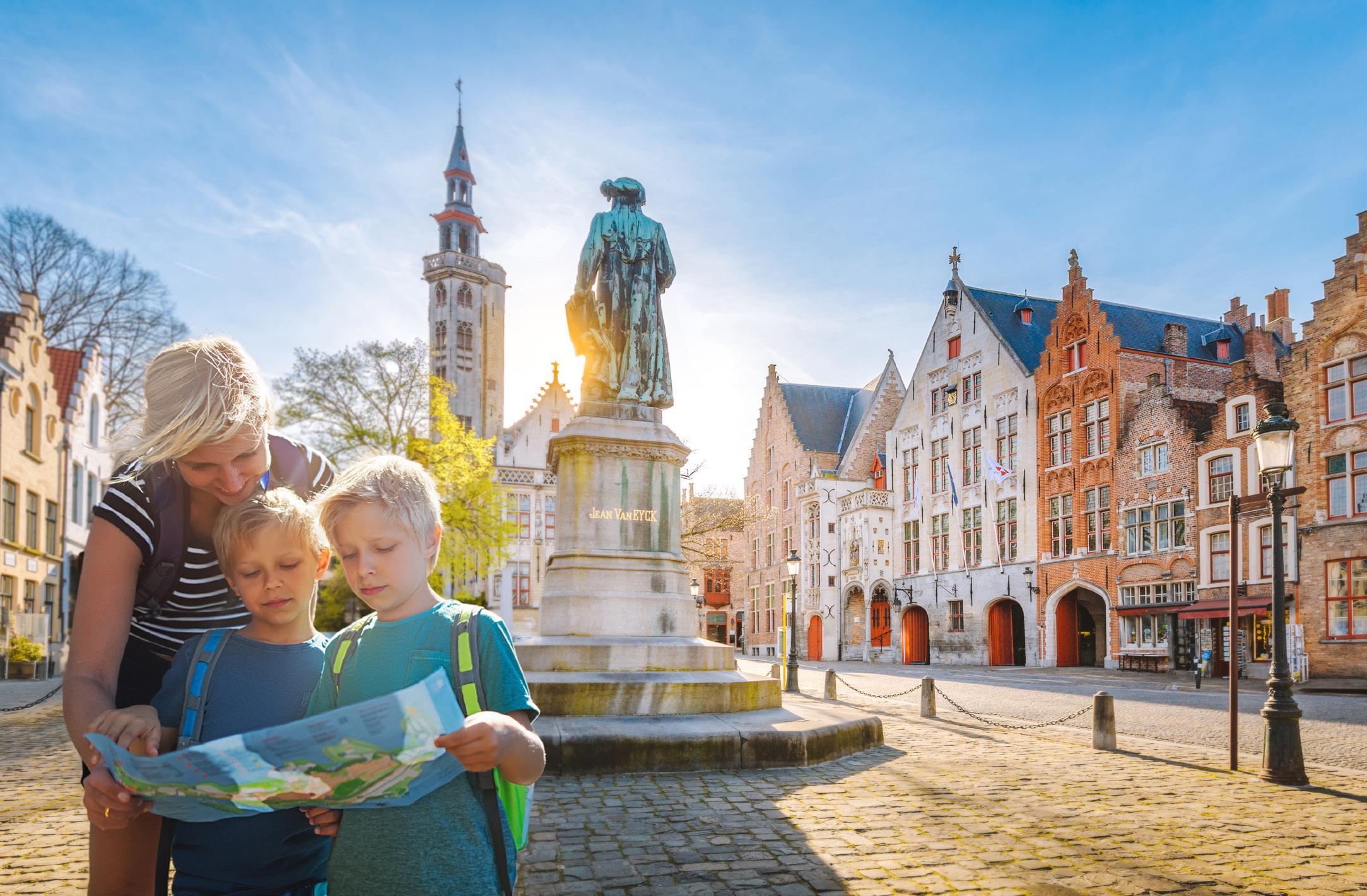
West Flemish people generally have convivial personalities. Here, enjoying the best things in life and generous hospitality go hand in hand. Quality of life touches us. Comfortable living, careful management of available space and respect for the green assets of our region are top priorities. This results in high-quality residential areas, safe roads, well-equipped industrial areas, the preservation of sufficient agricultural land, a solicitous nature, preservation of open space and a healthy environment.
The leisure offer and accommodation possibilities on the coast and in greater Bruges, the Westhoek and the Leie Region are unique in Western Europe. We have a colourful pallet of art cities, museums, war memorials, provincial estates, cycling and walking routes, picturesque landscapes and charming villages, attractions and top events to beguile the visitor.
In a prosperous region such as West Flanders, wellbeing is a priority. The people of West Flanders have a reputation of being close-lipped by nature. Living together is still an authentic experience here. Family life and close interaction with the neighbourhood are parts of the daily routine. The abundant offer in social activities guarantees a rich social life.
West Flanders, strategically positioned in the heart of Europe, offers unparalleled access to a vast consumer market. Within a 500-kilometer radius, you’ll find an impressive 56.5% of European purchasing power. This proximity makes West Flanders an exceptional gateway to connect with over 400 million consumers.
West Flanders finds itself at the crossroads of Europe’s major business centres, including Paris, Amsterdam, Frankfurt, and the Ruhr Valley, all within a short distance. Additionally, it’s less than 90 kilometres away from the United Kingdom, offering opportunities for transnational trade.
• Rotterdam is just 170 kilometres away.
• Paris is easily accessible at 295 kilometres.
• London is a mere 300 kilometres from West Flanders.
• Frankfurt, one of Europe’s key financial hubs, is within 500 kilometres.
Your business in West Flanders is near Brussels, the capital of Europe. It’s home to the headquarters of major international organisations such as the European Union and NATO. Brussels hosts 2,250 European headquarters and is the best spot for building membership and getting up close to European decision-makers.
• # 31 CHAMBERS OF COMMERCE
• #2 LARGEST HUB FOR DIPLOMATS WORLDWIDE
As a part of the Eurometropolis Kortrijk-Lille-Tournai, West Flanders tops the list of European industrial lusters. West Flanders is more than just a location; it’s a strategic advantage for businesses looking to expand, thanks to its accessibility, central position in Europe, and proximity to key economic centres.
By choosing West Flanders, you’re positioning your business at the forefront of European commerce and innovation.
Located in the logistics heart of Europe, Belgium’s coastal region West Flanders is an optimal breeding ground for business. Low logistics costs, plenty of logistics knowhow and expertise, as well as a significant amount of inbound and outbound freight allow us to optimise cargo capacity for both outbound and return journeys, providing companies with a strategic advantage in their logistics operations.
Our well-developed infrastructure regional network enhances economic connectivity for companies moving goods to and from West Flanders. We continue to make investments to optimise this multimodal infrastructure, seizing every opportunity for both rail and inland waterway traffic. West Flanders comprises:
• 2 sea ports (Port of Antwerp-Bruges and Port Oostende)
• 2 airports (Ostend-Bruges and Kortrijk-Wevelgem)
• 2 inland waterway platforms (Wielsbeke and Roeselare)
• 2 regional transshipment centres to connect the Westhoek (Diksmuide and Veurne)
• 1 rail platform (Lauwe-Aalbeke-Rekkem)
• Avelgem container terminal
• Logistics Centre Zwevegem
The Port of Antwerp-Bruges focuses on containers and Ro/Ro. It handles some 3 million vehicles each year, making it the world leader in the distribution of new cars. It’s also the most prominent European port for liquid natural gas. But as hydrogen plays an important role in the transition to a climate-neutral world, the Port of Antwerp-Bruges intends to take up a leading position as a European import hub for green hydrogen.
• #4 COMPETITIVELY PRICED INTERNATIONAL SHIPMENTS WORLDWIDE
• #4 BEST ON-TIME DELIVERY WORLDWIDE
• Fast and flexible deep-sea container port
• Permanent access for the largest container ships–with a depth up to 20 meters
• Frequent international connections to all continents
• Important and frequent short-sea connections (Ro/Ro) with the UK, Ireland and Scandinavia, Brexit-proof
• Strong in break-bulk with special sation in the Paper sector
• World’s largest port for the handling of new cars: 3 million per year
• European hub for liquefied natural gas (LNG) with storage capacity in buffer tanks (annual capacity of 9 billion m³)
• Pure air quality for handling of food products
• Cruise ship terminal: 160 à 170 ships per year, each with around 4,000 passengers
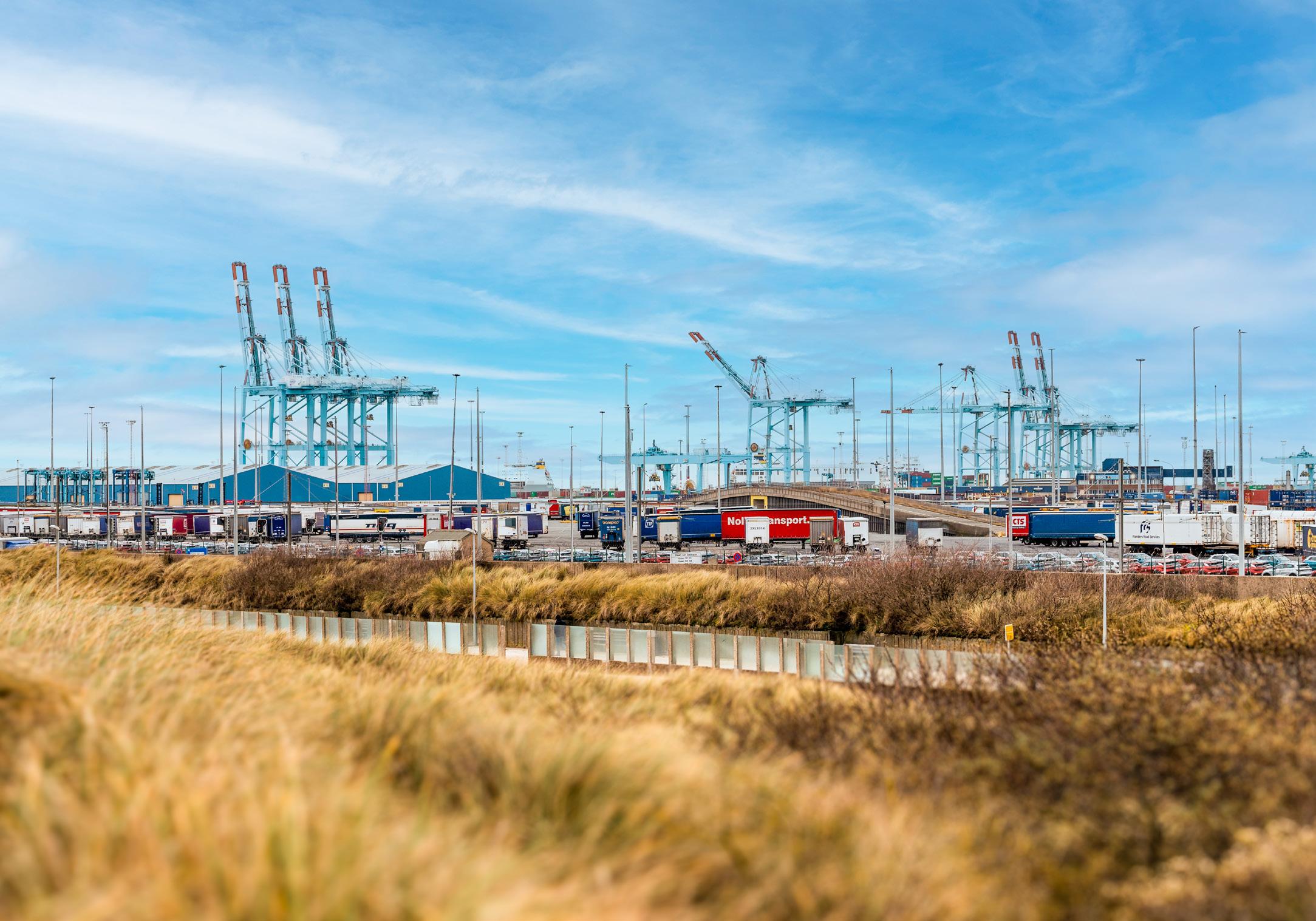
• Fast and frequent shuttle services to the European hinterland
• A flexible fleet of estuary ships and barges available through PortConnect to deliver freight to clients deep in the hinterland
CONTACT
portofantwerpbruges.com
Port Oostende focuses on offshore energy, bulk, and general cargo. The offshore wind parks in the North Sea and a direct access to the open sea make Port Oostende an ideal operational base for the offshore wind industry. To optimally serve this industry, major investments have been made in recent years, including the Renewable Energy Base Ostend (REBO) terminal.
• Excellent facilities for Ro/Ro and bulk
• Centre for the construction and maintenance of offshore windmills in the North Sea
• REBO platform for the handling, storage, assembly and transport of large and heavy windmill components
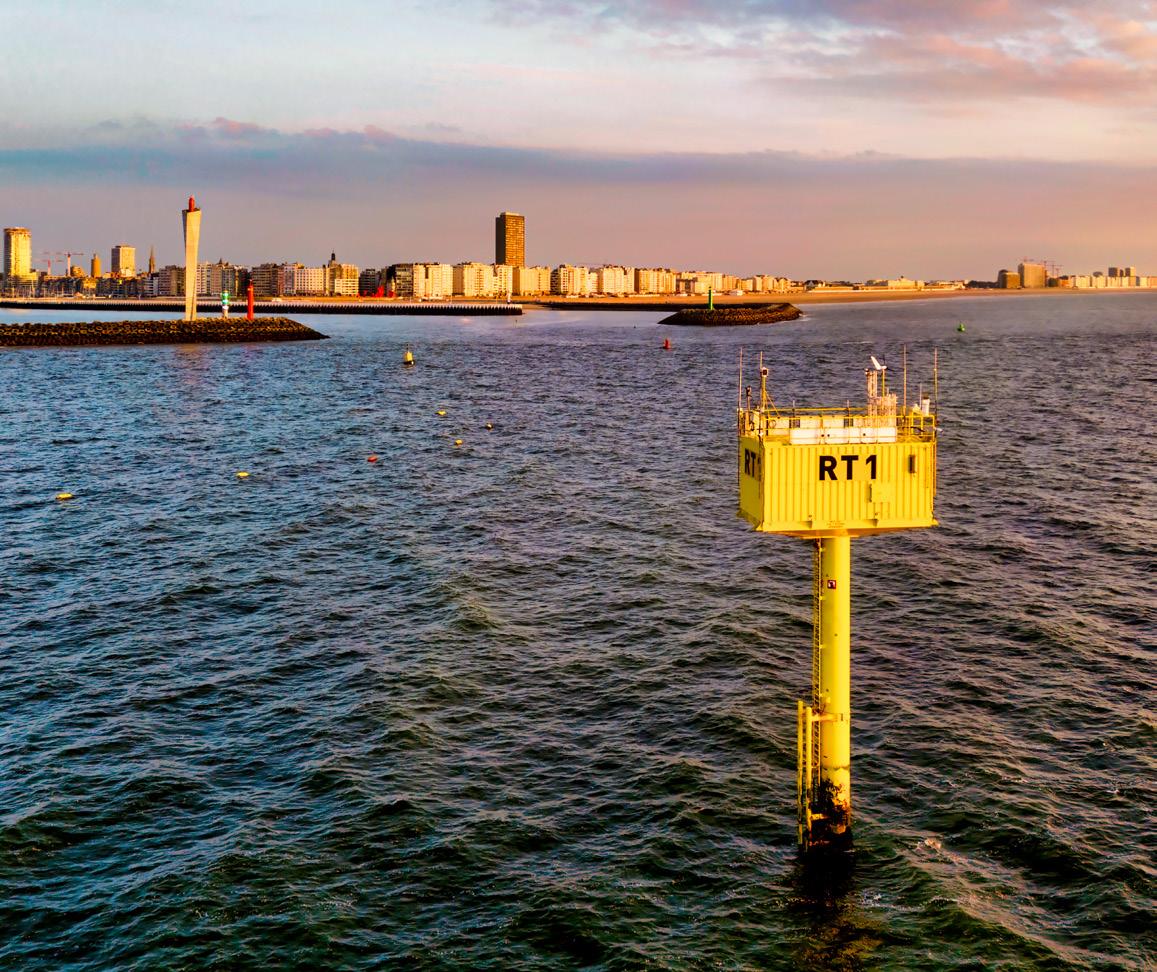
• Cruise terminal: 16 cruise ships, 4 river cruise ships and 9,216 passengers annually
• 10 hectares of terminal, with a maximum payload of 10 tons/m² for components such as foundations, masts, towers and blades
• 800 metres of customised docks with a capacity of up to 20 tons/m²
• Priority given to vessels active in the offshore wind industry
CONTACT
Port Oostende: portofoostende.be
REBO Terminal: reboostende.be
International Airport Ostend-Bruges is close to all major European industrial and consumer markets. Alongside passenger transportation, the greatest strength of Ostend-Bruges International Airport is freight. The airport Cargo Village is equipped with a 12,300 m² warehouse including refrigeration and freezing installations to store perishable goods, plus fully-equipped stables for livestock.
The airport is known for its 24/7 fast and flexible cargoservices, does not apply slots and doesn’t have capacity restrictions. The absence of congestion, both on the tarmac and on the motorways in the area, ensures that cargo flights experience an excellent on-time performance.
• Excellent facilities for freight transport and handling
• Adapted centre for perishable goods (vegetables, fruit, fish)
• Phytosanitary and veterinary control
• Fast and flexible tailored service
• Creation of 48,000 m² of new state-of-the-art warehouses designed to accommodate all types of cargo with the Cargo Village project – a collaboration between Versluys Logistics and OST Airport
• With Drone Dock, the logistics facilities are in place for testing for unmanned aviation such as flying drones and autonomous carriages on the ground and in water
CONTACT
ost.aero
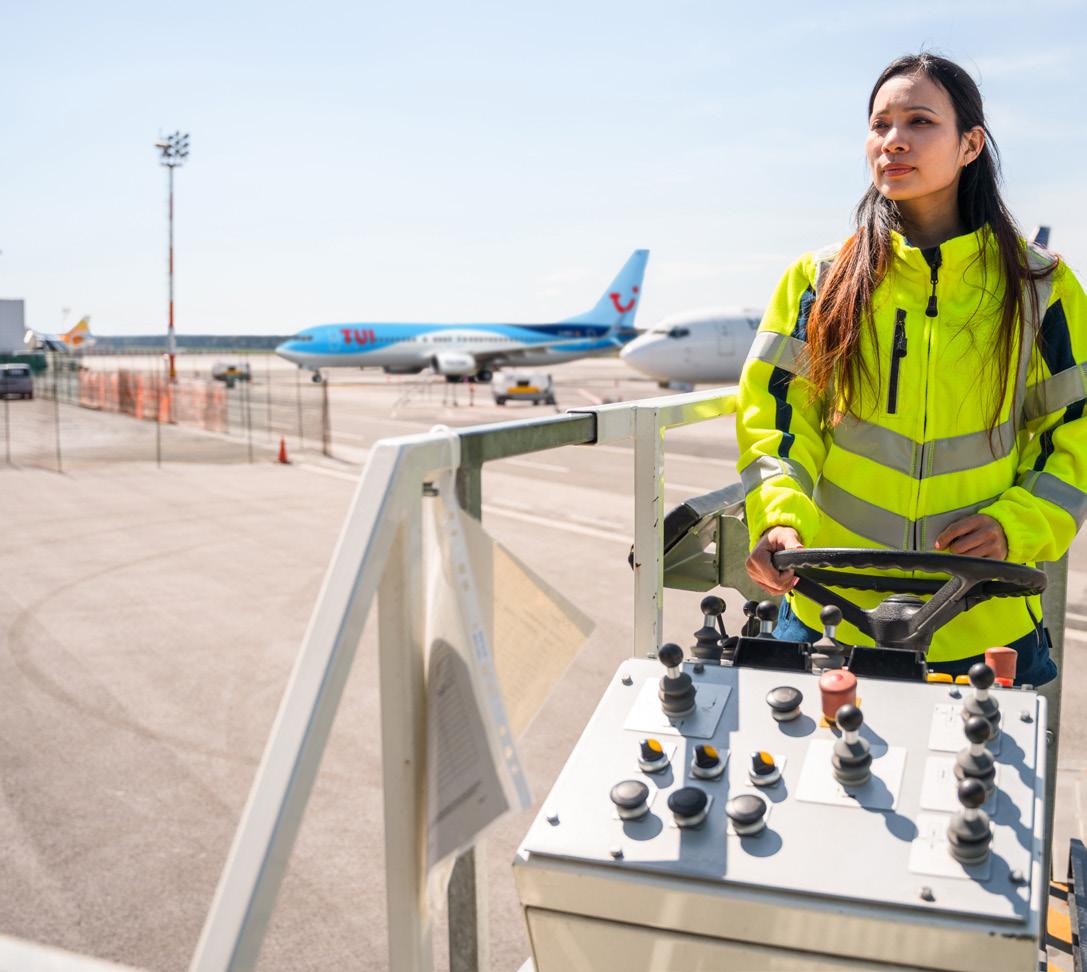
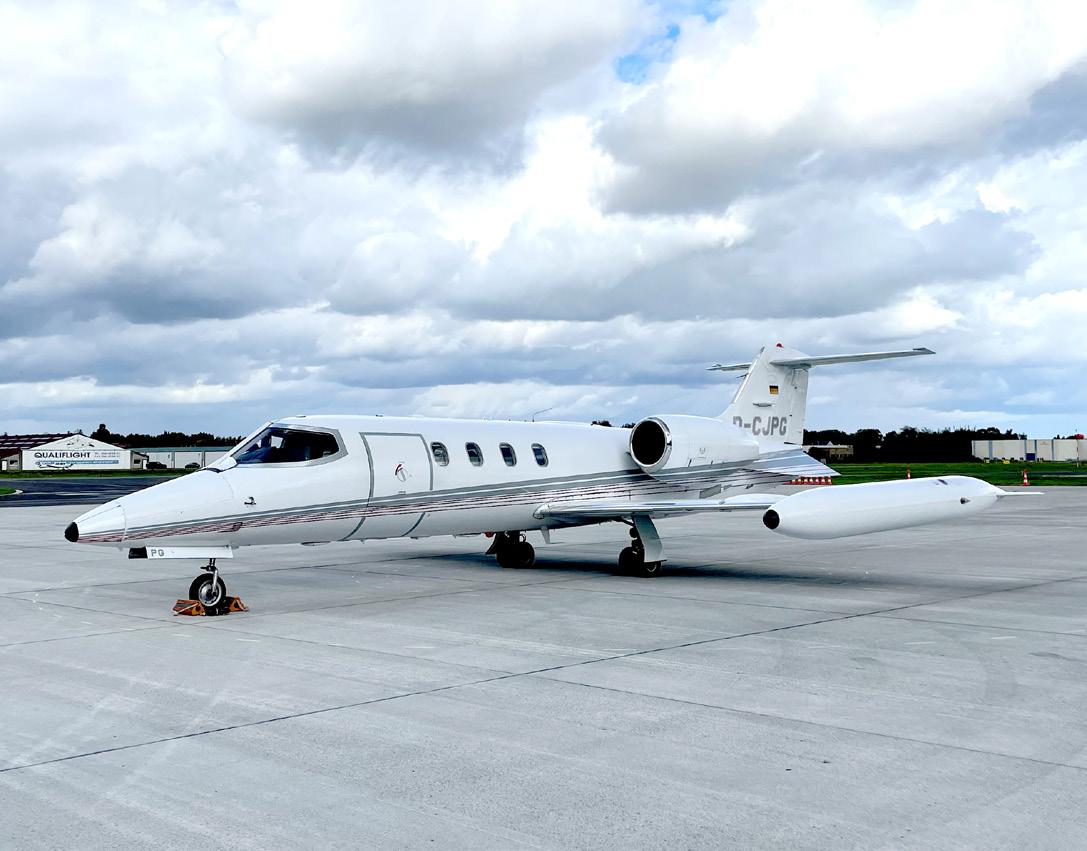
International Airport Kortrijk-Wevelgem is specialised in customised air services. By offering an excellent combination of service, price and flexibility, the airport is unbeatable in the niche markets of business flights, medical flights and trade fair travelling.
• Quick and flexible service
• Customised air services
• Updated to the latest EASA regulation
CONTACT kortrijkairport.be
Avelgem Container Terminal is strategically located on the river Scheldt. This container terminal for inland shipping serves as an extended gate for the ports of Rotterdam, Antwerp and Zeebrugge. It creates a link with South West Flanders, Wallonia and Northern France. The terminal covers an area of approximately 2 hectares and is used as an empty depot by a variety of shipping companies.
CONTACT avct.be
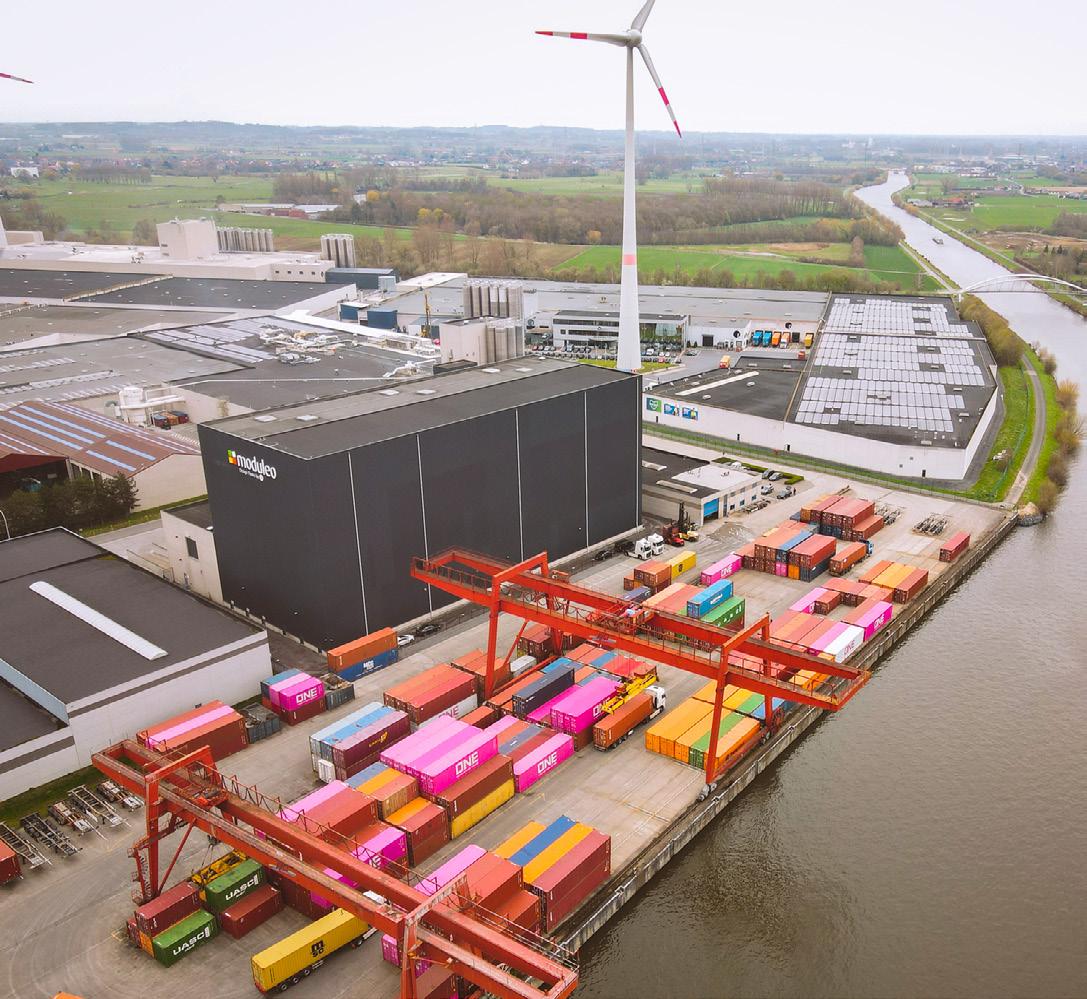
Its strategic location along the river Leie makes River Terminal Wielsbeke an extended gate. It connects the ports of Antwerp, Rotterdam and Zeebrugge with the industrial cluster in Central and South West Flanders. RTW spans 2 hectares and is a multi-purpose, open access terminal. All activities are available to all shippers. In response to the rapid growth in container traffic, River Terminal Wielsbeke underwent a comprehensive makeover in 2020. The terminal now features a 300 metre quay and a total area of approximately 41,000 square metres.
Delcatrans manages the container operations. With Shipit, the terminal has a second operator focusing on non-containerised freight, including building materials. Shipit uses innovative loading and unloading techniques such as a pallet ship and pallet shuttle barges.
River Terminal Wielsbeke: riverterminalwielsbeke.be
Containerised goods Delcatransport: delcatrans.be
Non-containerised goods Shipit nv: shipit.be
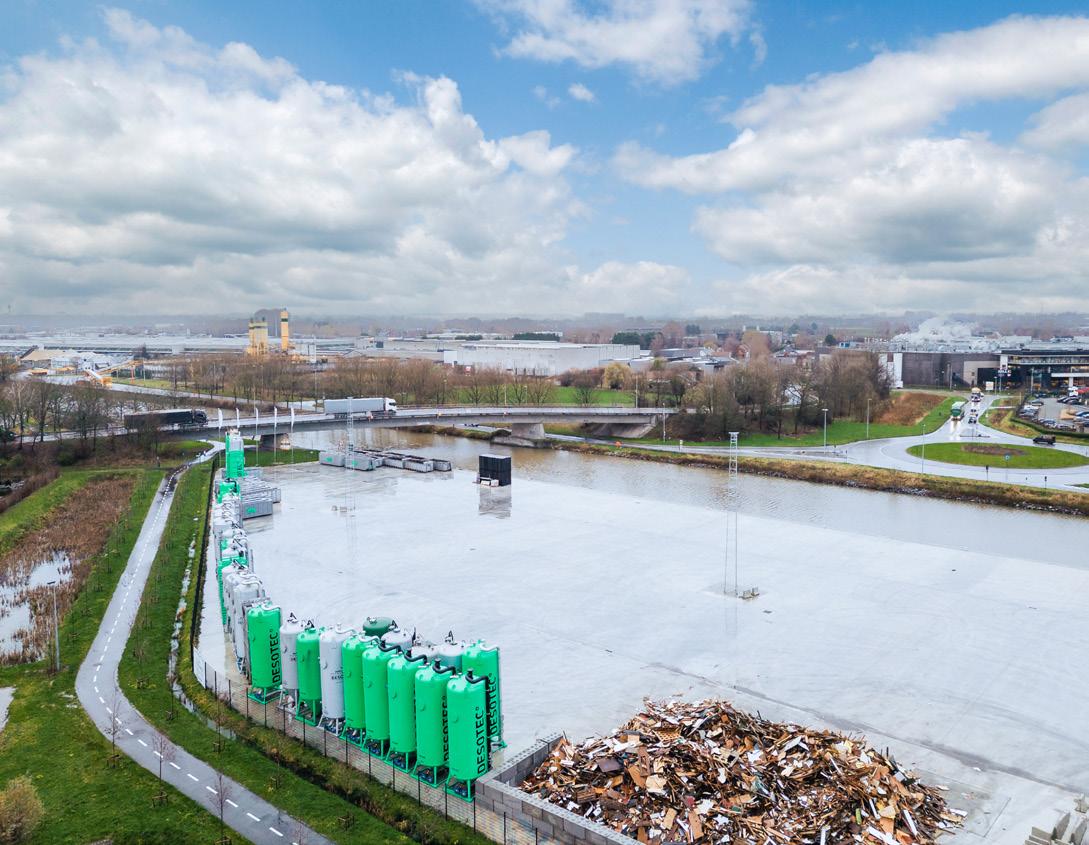
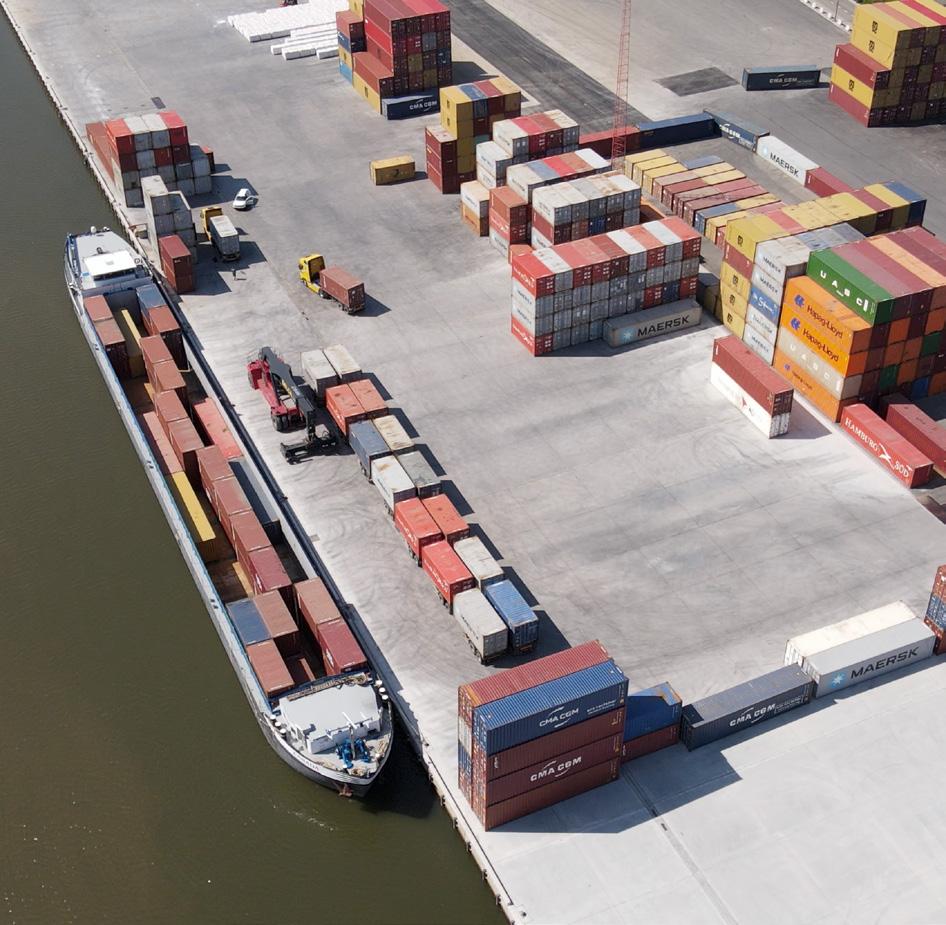
Following River Terminal Wielsbeke, POM West Flanders opened a second river terminal in West Flanders, known as River Terminal Roeselare. This terminal features a 230-metre quay and a platform for storage of 18,000 square metres. River Terminal Roeselare complements the Wielsbeke terminal (which mainly focuses on containers), aiming at transporting bulk and pallets, supporting the local cluster of companies active in building supplies. The Roeselare-Leie canal annually handles over 4 million tons of transported goods and raw materials.
At River Terminal Roeselare, even companies without direct access to waterways are now offered an excellent transport alternative to road-based transport. In June 2023, Transferium was appointed as the concession holder. The ambition is to develop this inland terminal into an important regional hub.
transferium.be/nl/terminals/roeselare
International Transport Centre Lauwe-Aalbeke-Rekkem, unlocks the Eurometropolis Kortrijk-Tournai-Lille. Railways and motorways connect the local industry with the seaports. As a strategic certre it's an extended gate for the ports of Antwerp, Zeebrugge and Rotterdam Around fifty companies – ranging from storage, shipping, and customs to transportation support services – are located here. LAR handles 43,000 TUES annually.
CONTACT
International Transport Centre: bitlar.be
LAR South: globalestategroup.eu
Logistics Centre Zwevegem is a family-owned business committed to sustainable logistics by both road and inland waterways.
Offering a full-service solution for companies in South-West Flanders, Logistics Centre Zwevegem provides container stuffing, storage, order picking, and bonded warehousing.
Its private terminal on the Bossuit-Kortrijk canal, along with an electric transhipment crane, supports an efficient modal shift towards greener transport.
CONTACT lcz.be
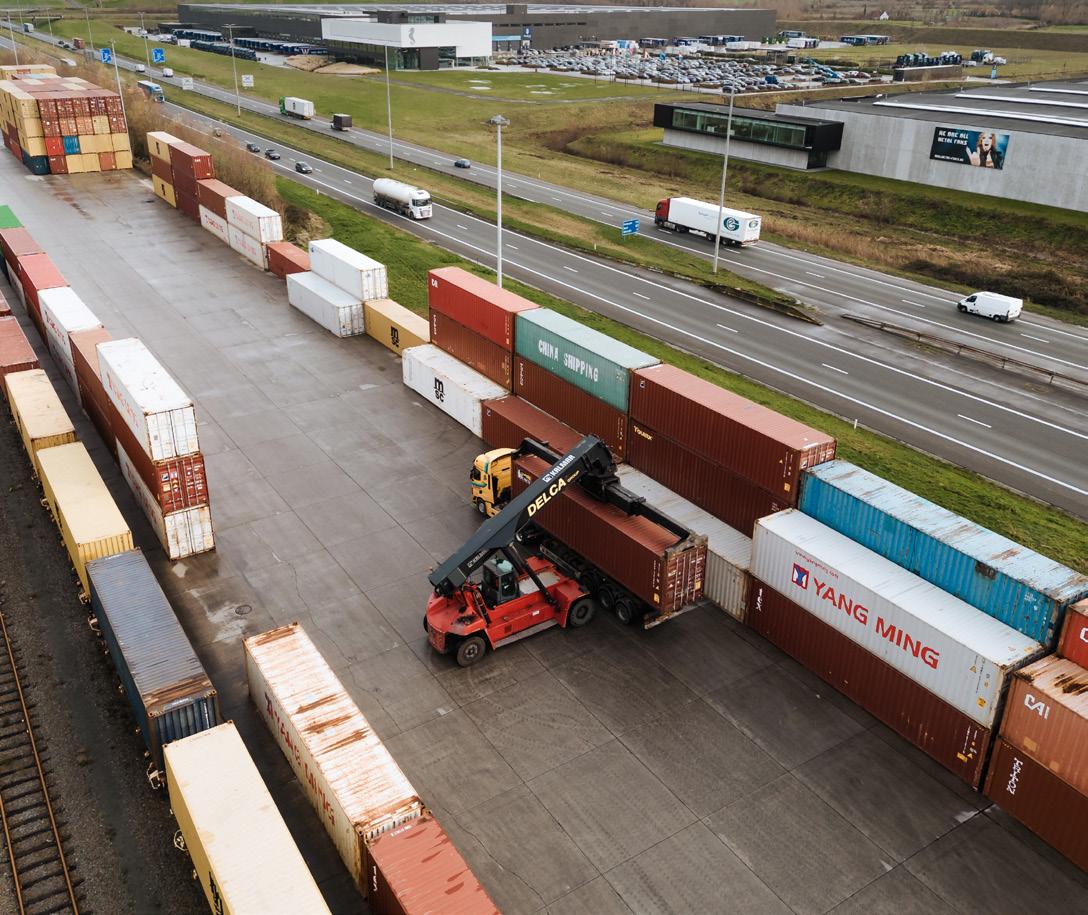
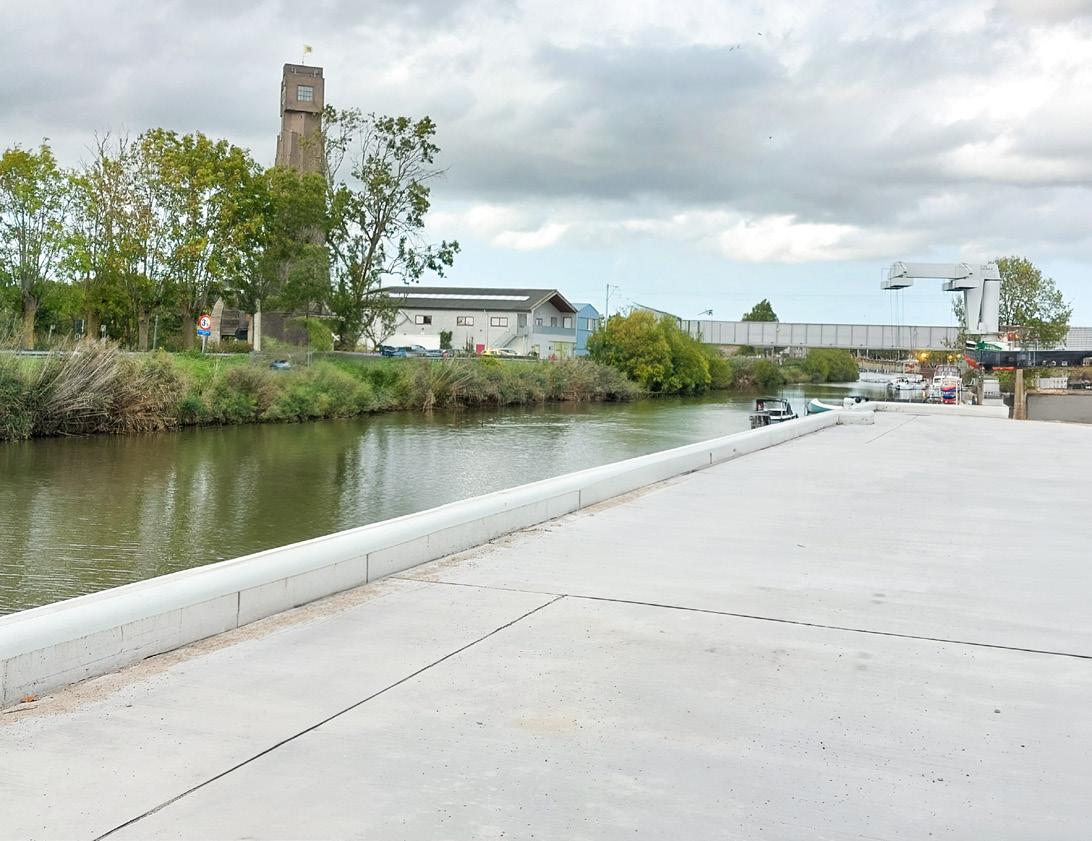
Since mid-2023, the Westhoek region too boasts two quay walls, one in Veurne, located along the Lovaart, and the other in Diksmuide, situated on the banks of the river Yser near Heernisse. Both transshipment centres consist of a 325-square-metre quay platform with connecting lanes.
This investment offers local companies an alternative option for their transportation needs, enhancing their competitive positioning and, most importantly, ensuring sustainable accessibility.
CONTACT
rocs@pomwvl.be
RIJSEL NORTH SEA

Le Havre
Zeebrugge Bruges Gand Antwerp Rouen
West Flanders features a number of strategic business clusters. Each is characterised by tradition, experience, business acumen and dynamic collaborations with suppliers and academic centres of excellence. This is the perfect environment for innovation with a global impact. In fact, West Flanders excels in many market segments, and is cutting-edge in Blue Economy.
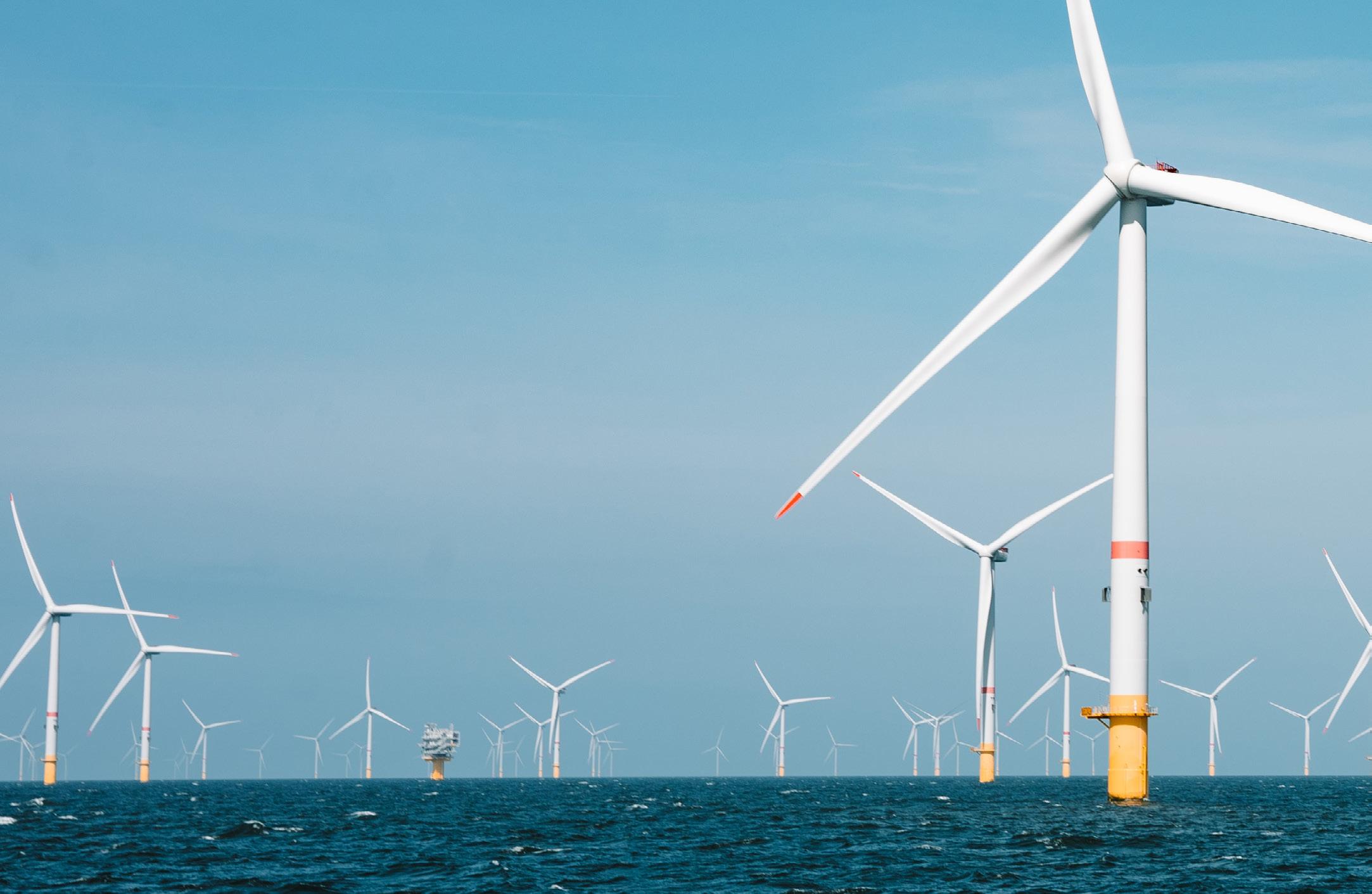
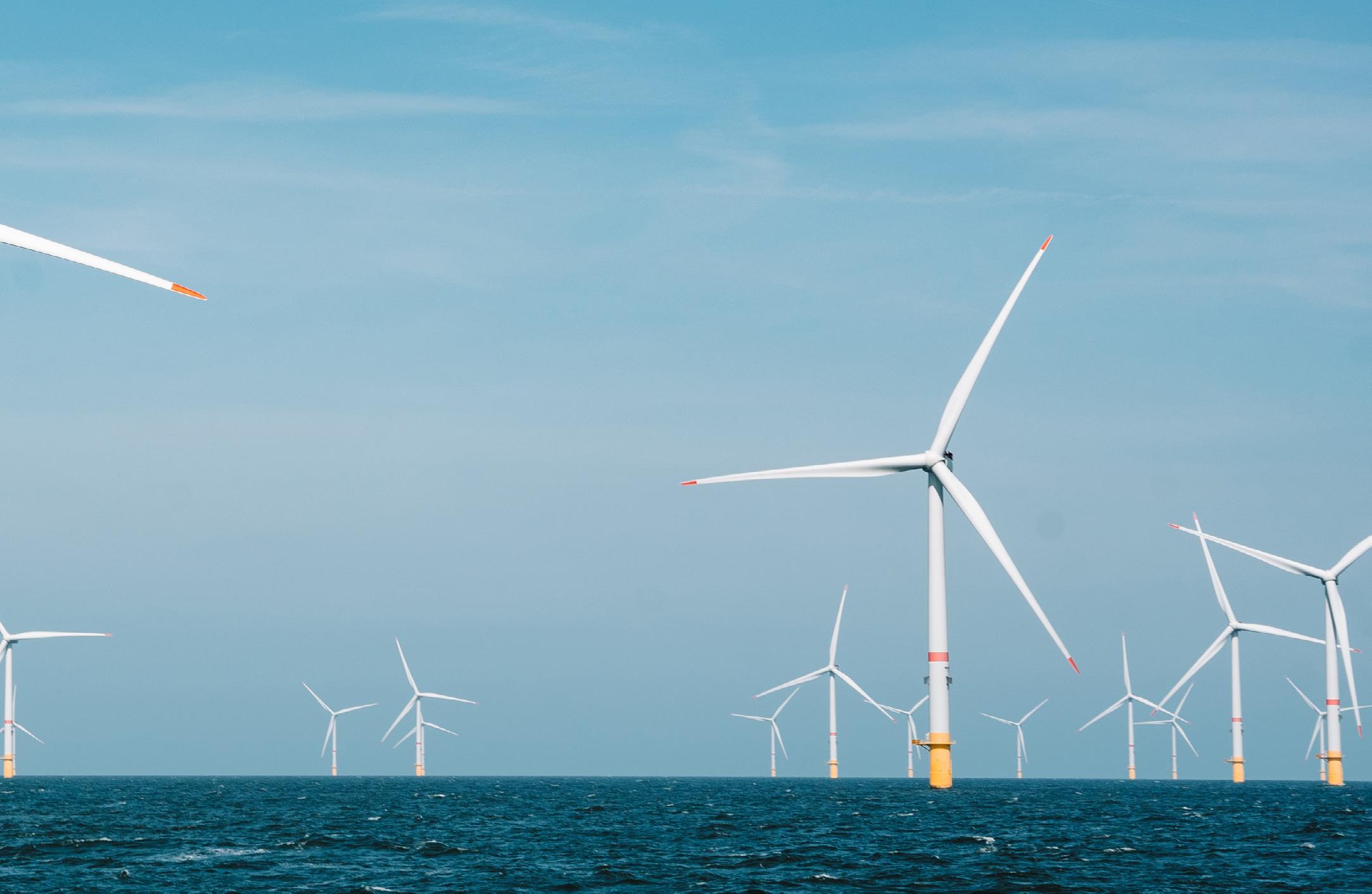
As a maritime innovation hub, West Flanders is a pioneer in wind energy. In 2009, our first offshore wind farms became operational. Today, we lead the charge in harnessing the power of the sea, offering an extensive array of opportunities within the Blue Economy cluster.
Our contribution to the EU’s climate neutrality target
Our commitment to sustainable energy is evident, with nine operational wind farms in the Belgian part of the North Sea. These farms boast a collective installed capacity of 2.262 MW (2.3 GW), generating a stag-
gering 8 TWh of green electricity annually, equivalent to 10% of Belgium’s electricity demand. By 2030, the offshore wind capacity in the North Sea will cover about 30% of the electricity demand, contributing a great deal to the EU’s climate neutrality target.
However, our vision transcends offshore wind alone. We leverage the sun’s energy through floating solar PV and are venturing into the production of green hydrogen through the use of offshore wind. The combination of offshore wind with floating energy conversion technologies, such as solar PV and wave energy, optimises our available North Sea space and the use of existing infrastructure for efficient electricity transportation. This holistic approach ensures a sustainable and diversified energy landscape.
Beyond energy production as such, West Flanders nurtures the further development of multi-use applications such as the combination of aquaculture and energy production. The development of multi-source energy production and multi-use applications offers tremendous potential for innovation and will help determine the sector’s future.
What’s more, new applications can count on a strong industrial network to develop and test these innovative forms of energy generation in a multi-use and upscaling perspective. Both at sea and on land, the facilities necessary are present or under construction. This has also created a boost in employment:
the development, construction, maintenance and dismantling of wind farms and their electrical infrastructure has the added advantage of creating nearly 16,000 jobs between 2010 and 2030.
As society’s electrification accelerates, we acknowledge the pressing need to expand the energy supply. The development of offshore wind farms and interconnections with the United Kingdom and Denmark is vital to prevent electricity shortages. That’s why our strategy places a strong emphasis on cross-border collaboration. We actively connect energy islands, streamline authorisation procedures and secure EU funding for offshore wind projects.
Our commitment extends to:
• Strengthening the innovation ecosystem: cultivating collaboration and community building to drive innovation.
• Creating test and demonstration infrastructure: offering state-of-the-art facilities for testing and demonstrations.
• Providing training infrastructure: nurturing talent and expertise through dedicated training services.
• Advising on sustainable decommissioning: developing a comprehensive plan for the responsible decommissioning of offshore wind turbines.
As the North Sea evolves into one of the world’s busiest areas, we extend a warm invitation to explore the vast potential of the Blue Economy cluster in West Flanders. Join us in shaping a brighter and more sustainable future.
COMPANIES IN BLUE ENERGY
9 OFFSHORE WIND FARMS
2.3 GW
11.000 PRODUCTION EMPLOYEES
€ 1,4 billion OPERATIONAL PROFIT
Welcome to the vibrant network of specialised companies located in West Flanders, Belgium, driving innovation and sustainability in the Blue Economy sector. This cluster of forward-thinking organisations is dedicated to pushing the boundaries of what's possible in the Blue Economy sector. Our industry leaders are shaping the future of sustainable maritime and coastal industries. Discover some of our leading pioneers.
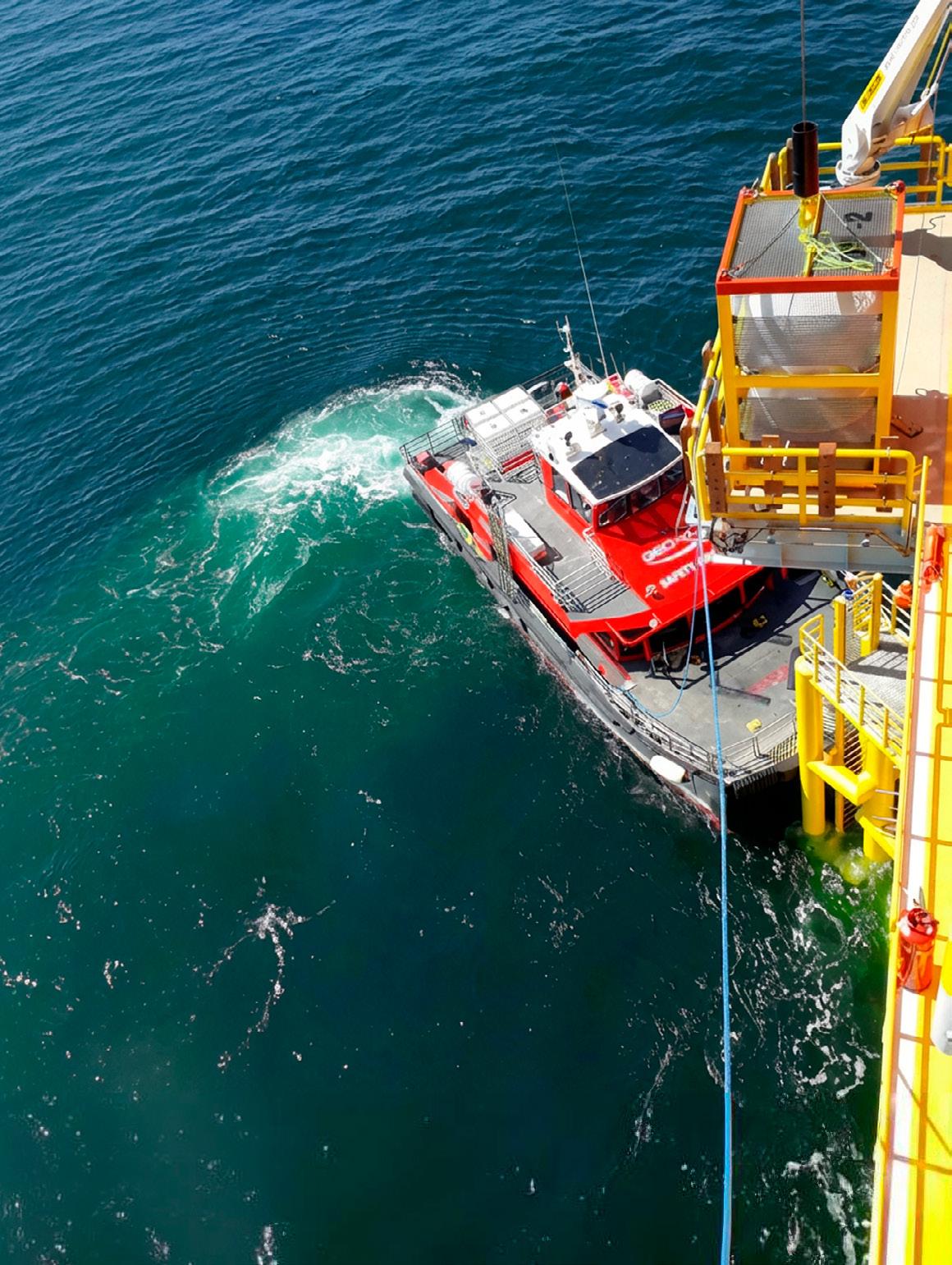
GEOxyz is renowned for its precision geospatial solutions in marine and coastal environments. Their expertise in hydrography, geophysics, and oceanography ensures accurate data collection and analysis. By collaborating with GEOxyz, our network gains a strong foundation in data-driven decision-making, enabling sustainable resource management and environmental protection.
e-BO Enterprises specialises in developing cutting-edge digital solutions for maritime operations. Their innovative software and technology advancements
optimise efficiency, safety, and environmental impact across the sector. Partnering with e-BO Enterprises enhances our network's ability to harness technology for sustainable growth and performance improvement.
Future Services is at the forefront of sustainable initiatives within the Blue Economy. Their commitment to eco-friendly practices, renewable energy, and responsible resource management aligns perfectly with our network's vision. Collaborating with Future Services strengthens our collective ability to drive sustainability and shape a brighter, eco-conscious future.
dotOcean stands out for its expertise in marine robotics and autonomous systems. Their pioneering developments in underwater technology and robotics have a transformative impact on marine exploration and resource management. Partnering with dotOcean adds a new dimension to our network, unlocking opportunities for advanced oceanic solutions and research.
RelyOnNutec is dedicated to ensuring the safety and competence of maritime professionals. Their training and consultancy services are crucial for enhancing workforce skills and reducing operational risks.
International partners are using Blue Accelerator as a maritime test platform within the European research project WILLOW to advance corrosion monitoring in offshore wind turbines. The goal is to reduce maintenance costs, extend the lifespan of wind farms, and support more sustainable energy production.
Led by Sirris, researchers are testing innovative electrochemical sensors to detect pitting corrosion at an early stage — a critical and highly aggressive form of corrosion for offshore structures. Additional sensors, steel samples and thermographic drone inspections are being deployed to monitor corrosion and train AI models for automated damage detection.
This research strengthens Blue Accelerator’s role as a unique nearshore test site, accelerating the development of more efficient and reliable offshore wind solutions.
CSpect developed different Remote Inspection Techniques to inspect industrial assets avoiding the use of divers for underwater inspections and the eliminating use of scaffolding, cranes, ladders and even drones for close-up inspections and thickness measurements at height or depth. They want to provide their customers top-notch inspection services using cutting-edge technology. Ensuring the best possible accuracy and efficiency in all their under and above water inspection needs.
West Flanders has emerged as a promising hub for the Blue Economy Cluster, presenting numerous strategic investment opportunities for foreign companies. With a robust ecosystem, cutting-edge expertise, and world-class infrastructure, this region offers a fertile ground for companies seeking to leverage the rapidly growing ocean-based industries. Explore three key strategic opportunities for companies interested in West Flanders' Blue Economy Cluster: tech development, manufacturing, and corporate venturing.
One of the standout features of West Flanders' Blue Economy Cluster is its thriving tech development ecosystem. The region boasts a deep pool of talented researchers, engineers, and innovators who are at the forefront of ocean technology advancements. This ecosystem is further complemented by state-of-the-art research facilities and testing sites along the North Sea coast.
Foreign companies can tap into this rich resource by collaborating with local knowledge institutions and (startup) companies. Such partnerships facilitate knowl-
edge transfer, joint research initiatives, and technology sharing, allowing companies to gain a competitive edge in developing cutting-edge solutions for the Blue Economy. Whether it's underwater robotics, renewable energy, or marine biotechnology, West Flanders offers a conducive environment for tech development.
West Flanders is strategically positioned to meet the increasing market demand for offshore wind energy in Europe. As the continent seeks to transition towards cleaner and more sustainable energy sources, offshore wind projects have become a central focus. The region's proximity to major European ports and its well-established industrial base make it an ideal location for manufacturing components crucial to the offshore wind industry.
Foreign companies can explore manufacturing opportunities in West Flanders to support the production of wind turbines, foundation structures, cables, and more. This sector not only aligns with the European Green Deal but also presents an even higher growth potential in the coming years due to the acceleration boost provided by RePOWER EU. Partnering with local companies can
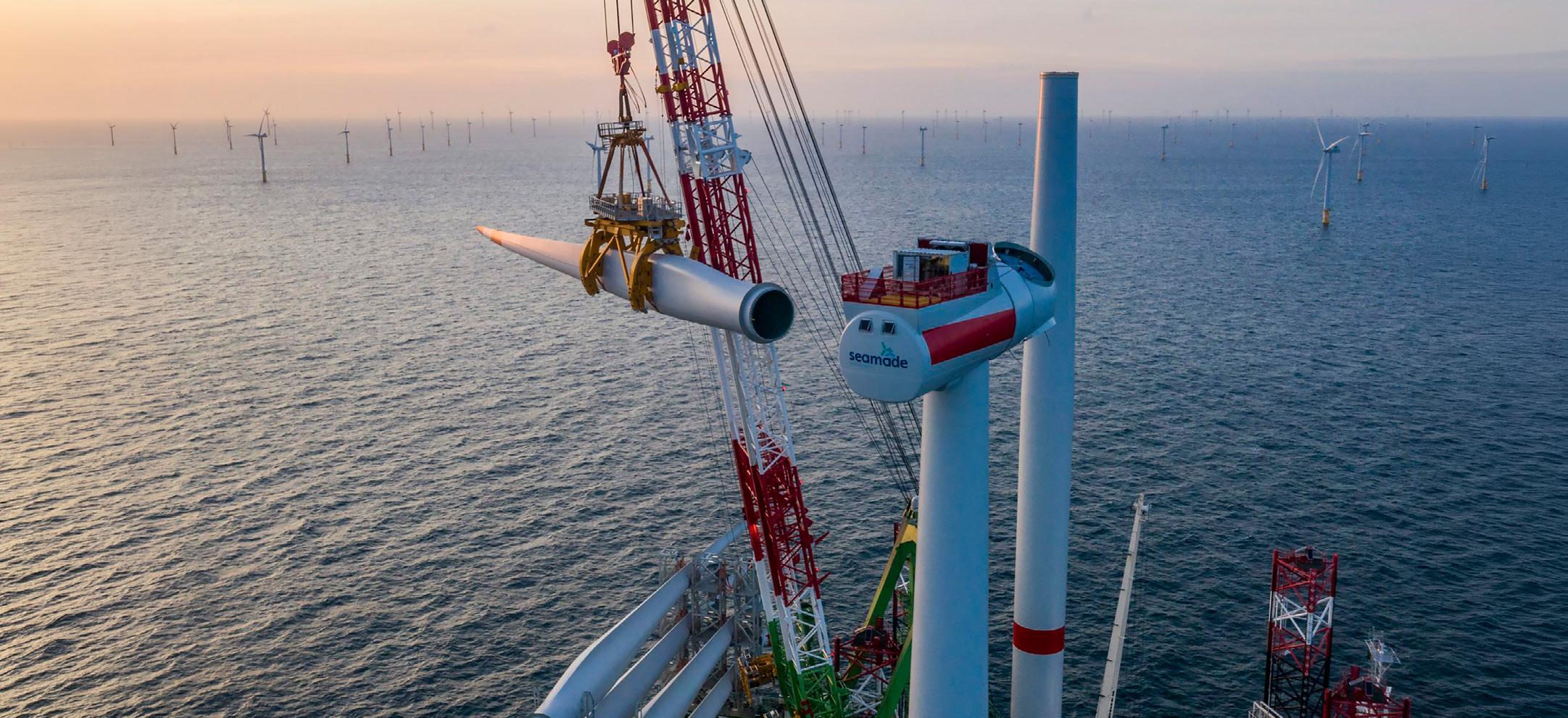
help foreign investors navigate the regulatory landscape and establish efficient manufacturing operations.
In the ever-evolving Blue Economy Cluster, corporate venturing is a strategic avenue for foreign companies to accelerate their learning curve and gain a foothold in West Flanders. By investing in or partnering with local startups and innovative enterprises, foreign companies can access cutting-edge technologies, gain market insights, and foster collaboration with established players in the region which are often pioneers, given the more than 15 years of Belgian experience in the offshore wind industry. These partnerships can yield mutual benefits, including knowledge sharing, access to funding opportunities, and rapid market expansion.
The Princess Elisabeth Zone is the second zone in the Belgian part of the North Sea in which offshore energy will be produced. 3.5 GW is the ambition.
This creates of course a very interesting opportunity to collaborate with lots of local pioneering players.
Find out more on page 51.
West Flanders and our adjacent regions offer a complete chain of test and research facilities, all located within a small radius. A wide array of cuttingedge facilities and resources are at the disposal of companies and institutions in the Blue Energy sector. From state-of-the-art laboratories and test sites for exploring the potential of blue energy, to cuttingedge research centres: West Flanders is a dynamic region where innovation knows no bounds.
1. Blue Accelerator
2. Drone Dock
3. Ostend Science Park
4. Future Logistics Hub
5. Circular Concrete Center
6. Digital Health Center
7. Circular Materials Center
8. Food Innovation Park
9. House of Manufactury
10. Marine@UGent Core Facility
11. Research vessels Simon Stevin & Zeekat
12. Ocean Innovation Space & Marine Robotics Centre
13. Flanders Maritime Laboratory
West Flanders and our adjacent regions offer a complete chain of test and research facilities, all located within a 100 km radius.
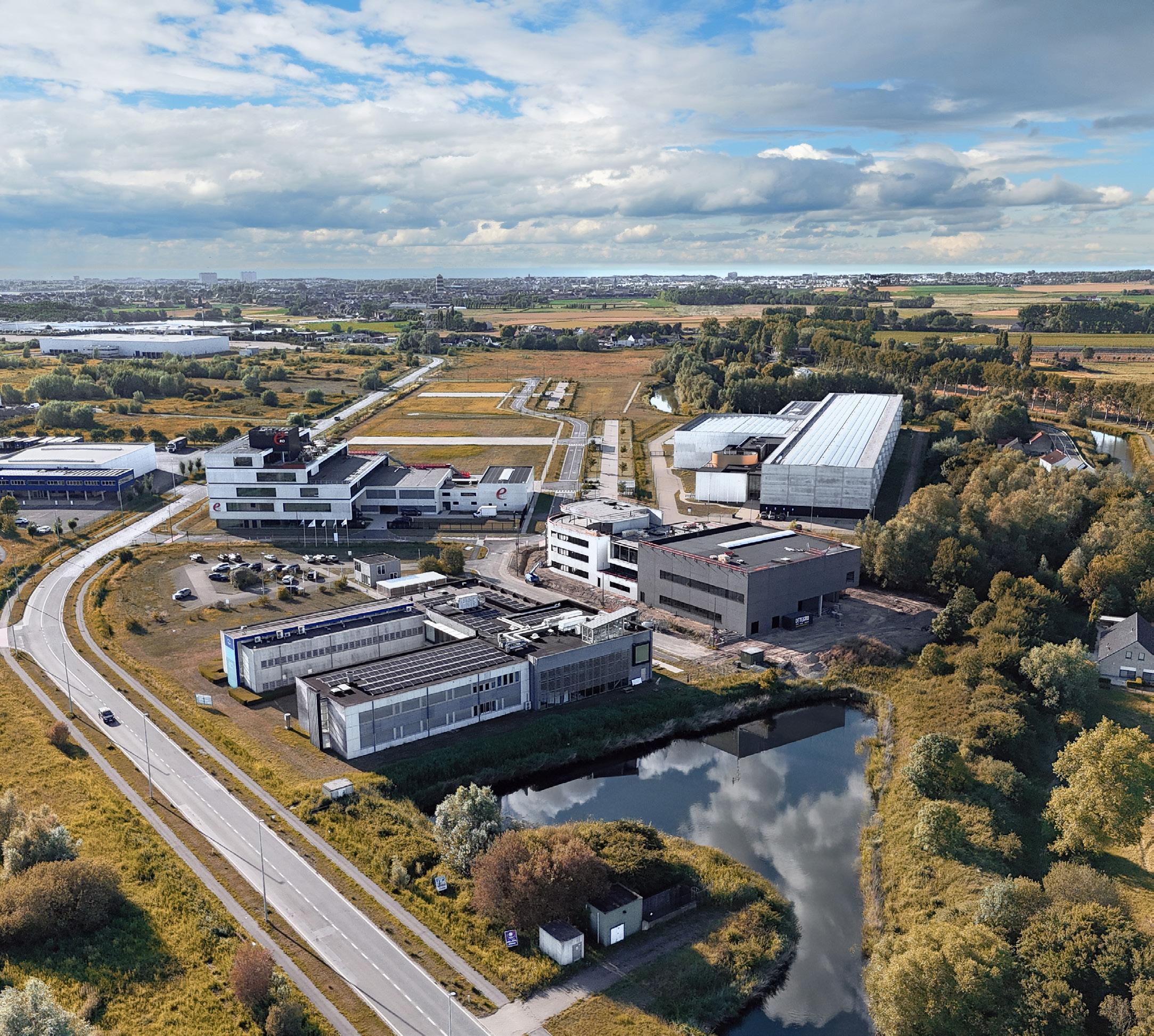
Ostend Science Park, the first of its kind in Belgium, is a high-tech knowledge hub exclusively dedicated to marine and maritime business and science. Founded by Ghent University, Port Oostende, and POM West Flanders Development Agency, it provides the ideal environment to boost blue business and support the Blue Economy.
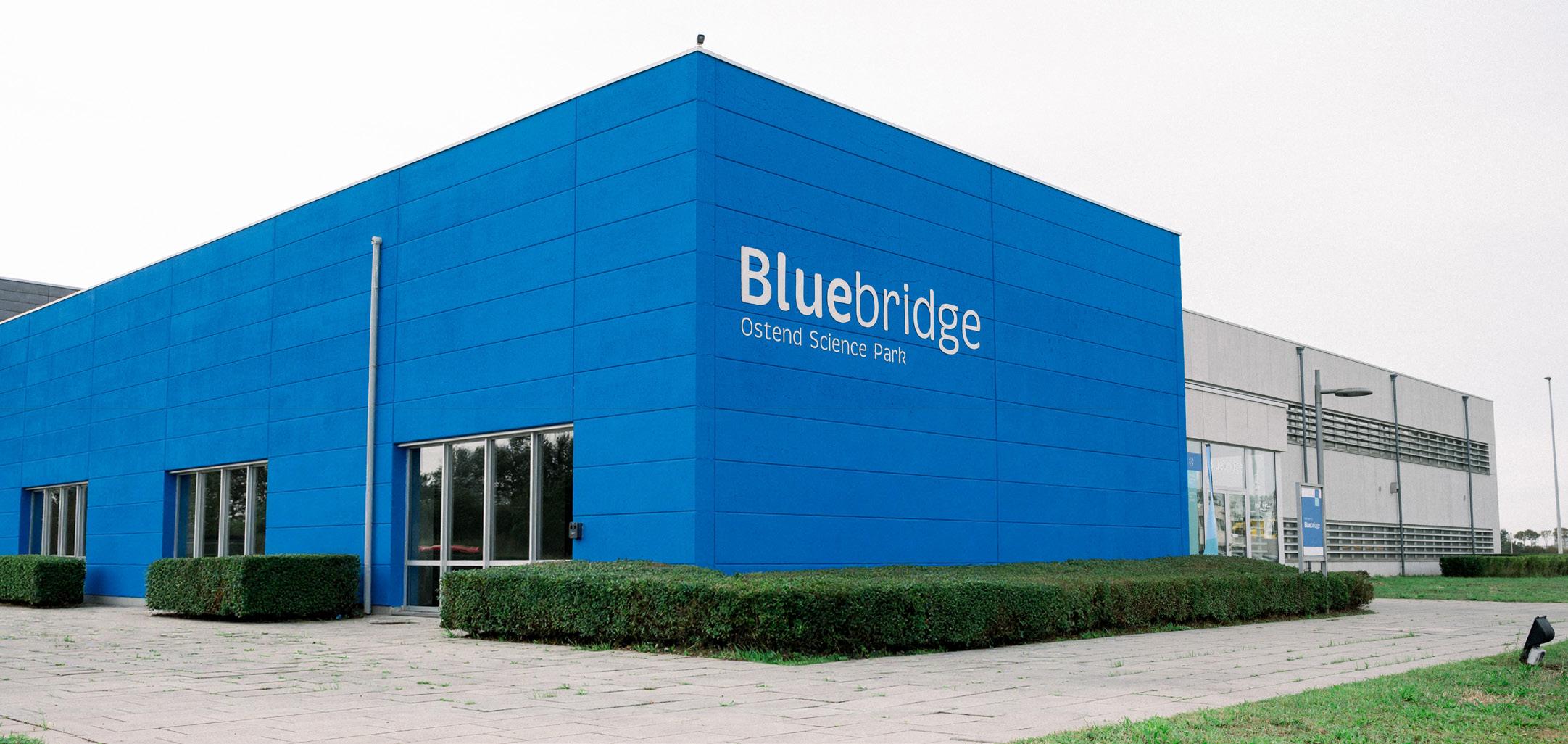
Bluebridge is the headquarters of Ostend Science Park, Ghent University in Ostend and of Blue Cluster, the Flemish spearhead cluster for the blue economy. Bluebridge facilitates open innovation by connecting start-ups, corporates, knowledge institutions, public partners and civil society. Contact Bluebridge for the rental of offices and event space, the organisation and support of meetings and (online) training and lifelong learning.
ostendsciencepark.be www.bluebridge-osp.be
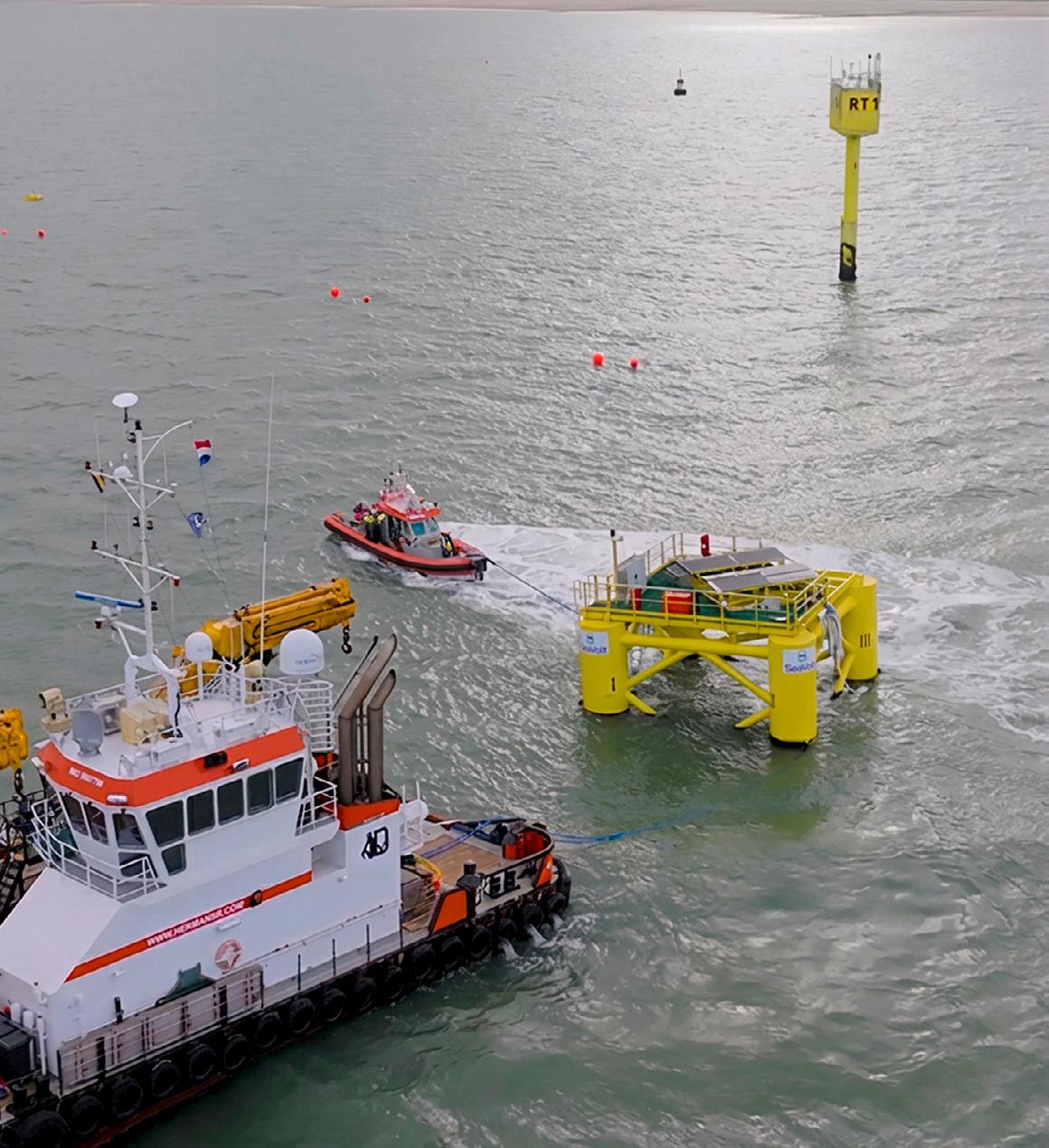
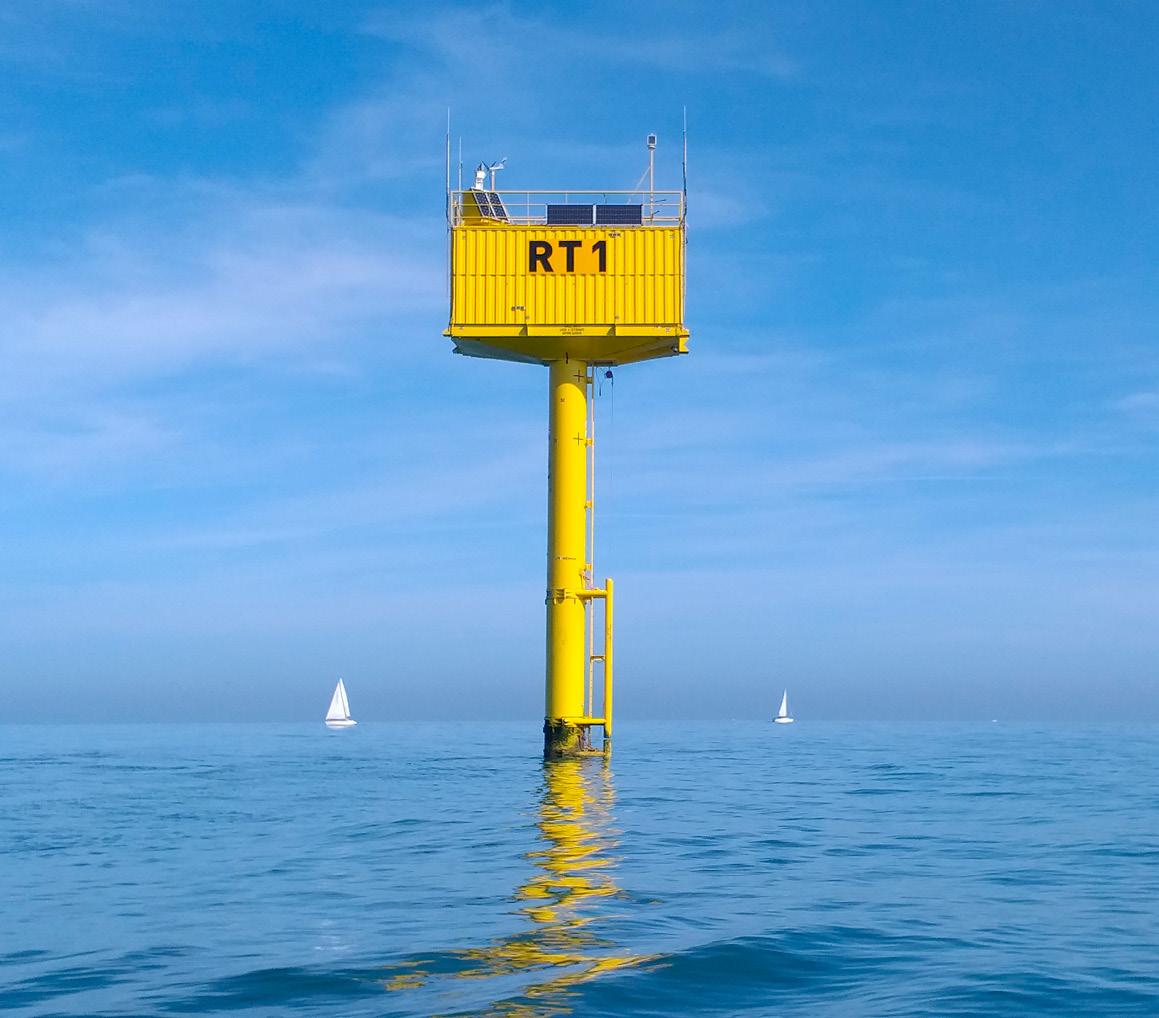
Blue Accelerator is a maritime innovation and demonstration platform for all types of research and development projects in the field of offshore technology.
Whether these projects are in the early or intermediate stages of technology readiness levels, the platform is ideally situated for testing through its location near the port of Ostend (Belgium). Blue Accelerator strengthens product development for maritime applications and offers a real-life testing environment at a strategic location, guaranteed to provide market-ready results.
• Real-Life testing: test your innovative solutions for offshore energy, climate change, wind farm maintenance, and more in authentic offshore conditions.
• Strategic location: benefit from the proximity to the port of Ostend.
• Market-ready results: fine-tune your developments and bring them to the international market.
blueaccelerator.be
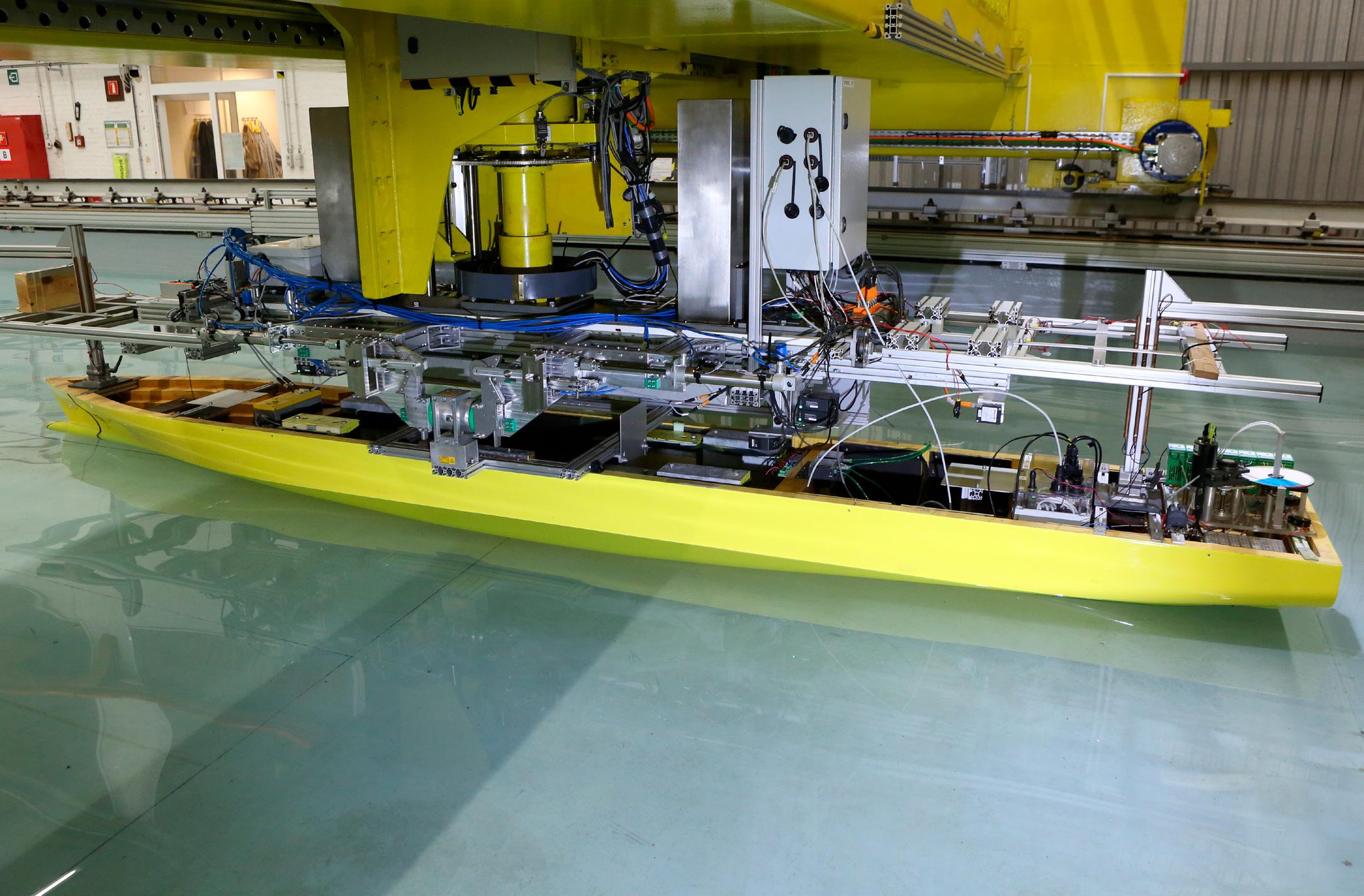
The Flanders Maritime Laboratory research facility in Ostend features a towing tank and a wave basin known as the Coastal & Ocean Basin (COB).
• Coastal and ocean basin
The Coastal & Ocean Basin (COB) is designed to study the effect of waves and currents on coastal and offshore structures, the generation of freak waves and the hydrodynamic and structural behaviour of devices for marine renewable energy. cob.ugent.be
• Towing tank
Flanders Hydraulics specialises in towing tank tests
with scaled ship models in shallow and/or confined water. It offers fully automated 24/7 testing, essential to meet the industry’s expected time scales.
waterbouwkundiglaboratorium.be/ nl/towing-tank-testing-0
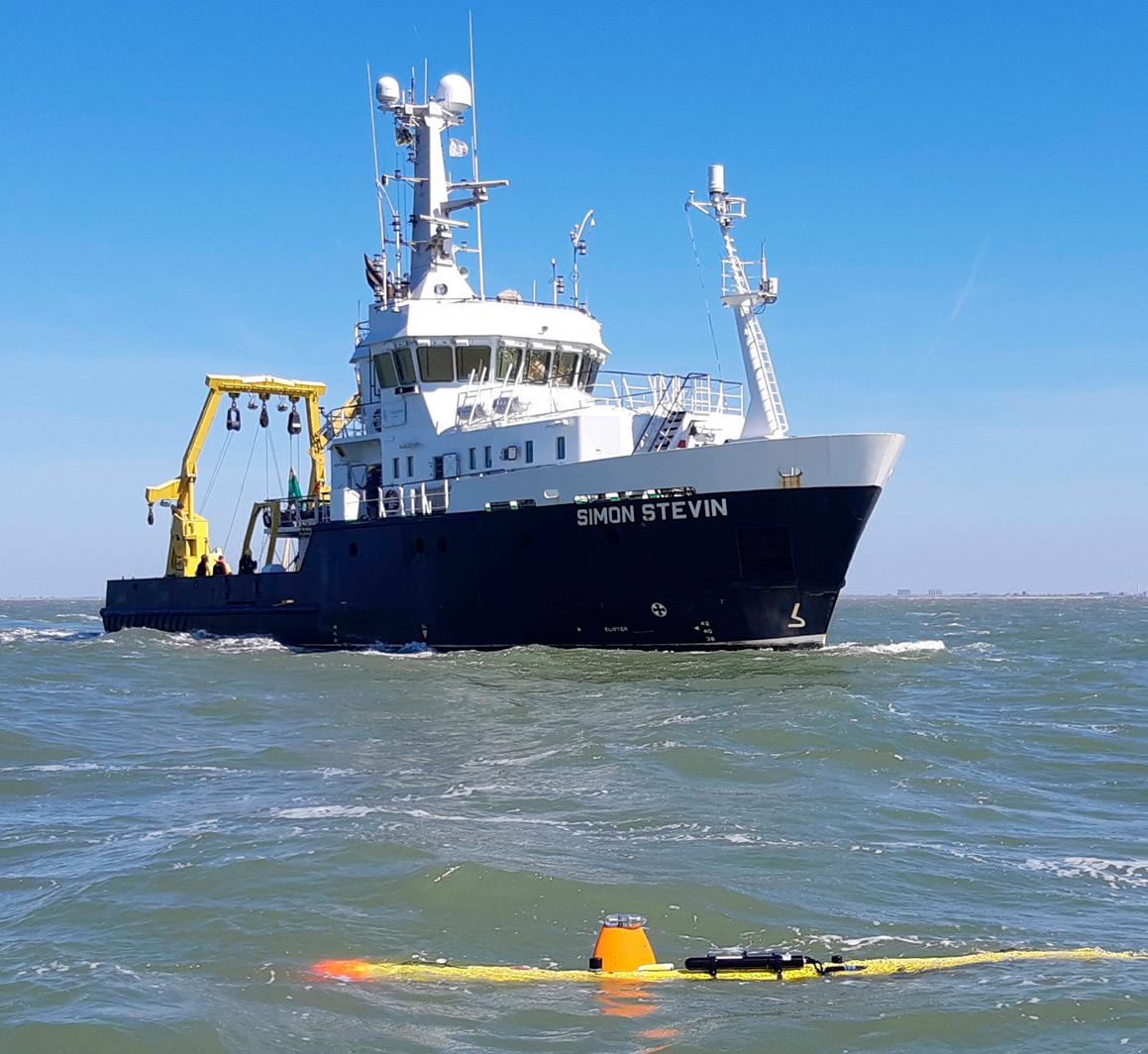
The Flanders Marine Institute (VLIZ) has two vessels that can be deployed in the Belgian part of the North Sea, tidal areas and rivers. The RV Simon Stevin is a 36-meterlong oceanographic research vessel and the RIB Zeekat is a 6.2-meter-long boat suitable for nearshore research.
In addition, the VLIZ welcomes a new workboat in 2024, complementary to the RV Simon Stevin and the RIB Zeekat. All vessels can be requested through annual calls.
The MIDAS (Marine Information and Data Acquisition System) data system records all kinds of data –ranging from navigation, meteorological to oceanographic data – while underway. In addition, scientists log their research activities with this system. All data are stored in a database.
vliz.be/nl/wat-we-doen/ aanbod-infrastructuur/onderzoeksvaartuigen
An innovative and highly technological salt-water wave flume, opening in 2026, can simulate regular and irregular waves and currents. It will be equipped with a wave making system, a powerful pump, and a removable double bottom for installation of sediment beds and fixation of floating structures. Everything will be resistant to seawater, which allows for research with living marine organisms, unique in Europe.
ugent.be/marine/en/research-facilities/waveflume
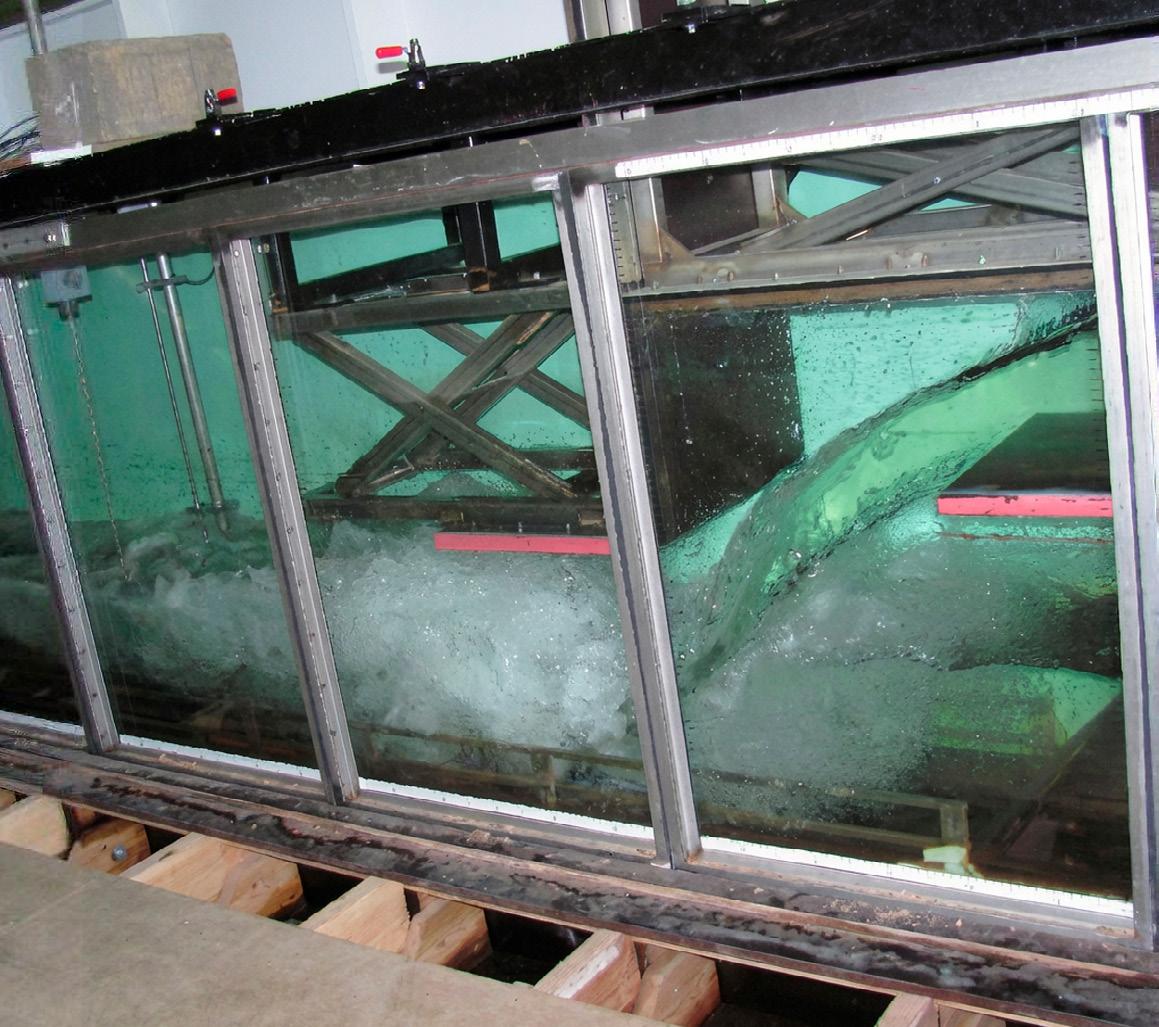
Current flumes are used to conduct research on topics such as current patterns, head losses, bedload transport, stilling basin design, fish passes, flood control areas, reduced tidal areas, etc.
waterbouwkundiglaboratorium.be/ en/facilities-and-tools/physicalmodelling/current-flumes
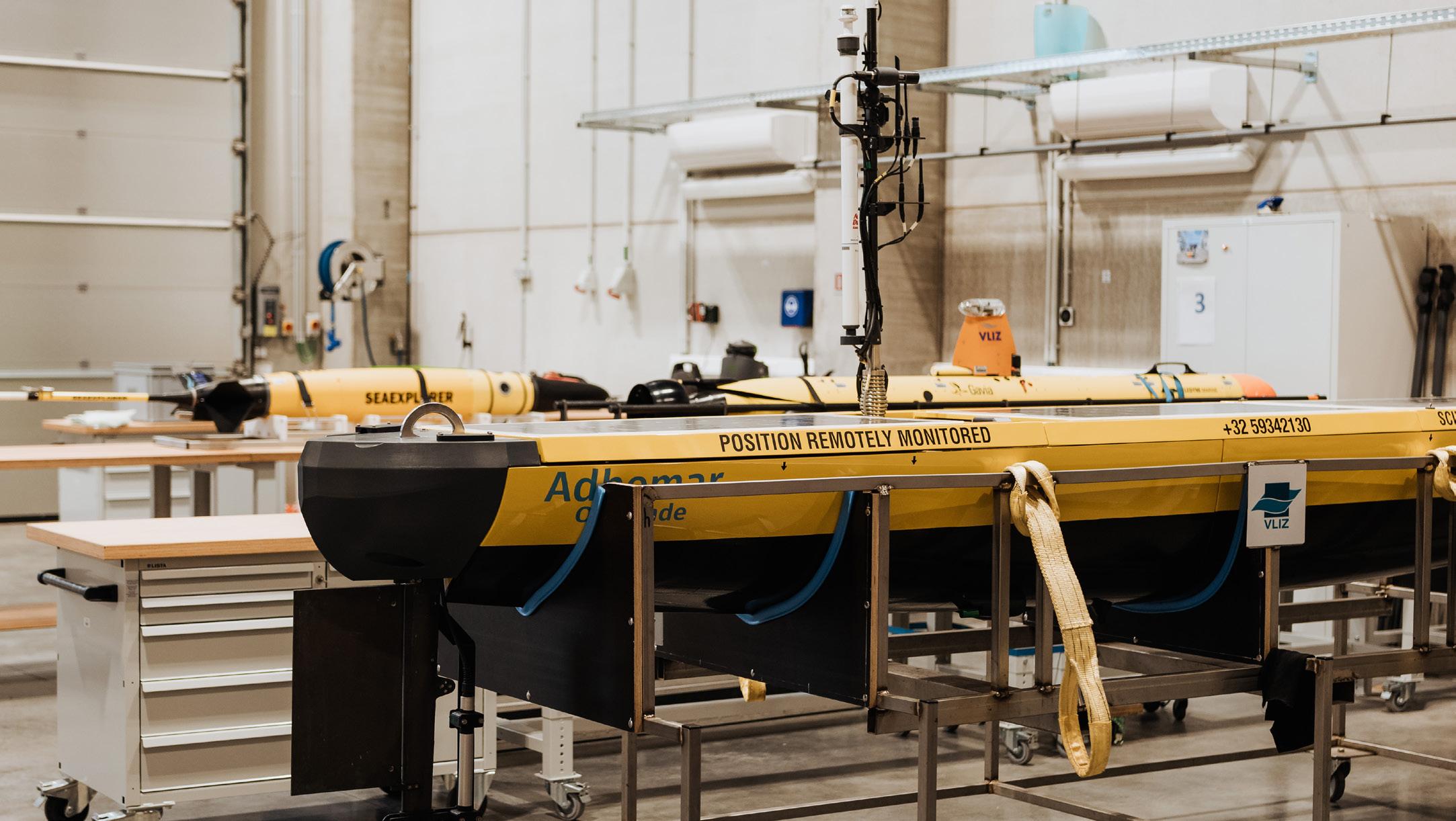
Ocean Innovation Space serves as an expansion of VLIZ's research capacity, enabling not only the recently established Marine Robotics Centre but also accommodating technical workspaces, refrigeration units, laboratories, and more.
The USV Gobelijn, developed by VLIZ and based on the Mariner X model from Maritime Robotics, is designed to transform glider deployment and recovery in oceanographic research.
vliz.be/testerep/ nl/2020-10-start-ocean-innovation-space
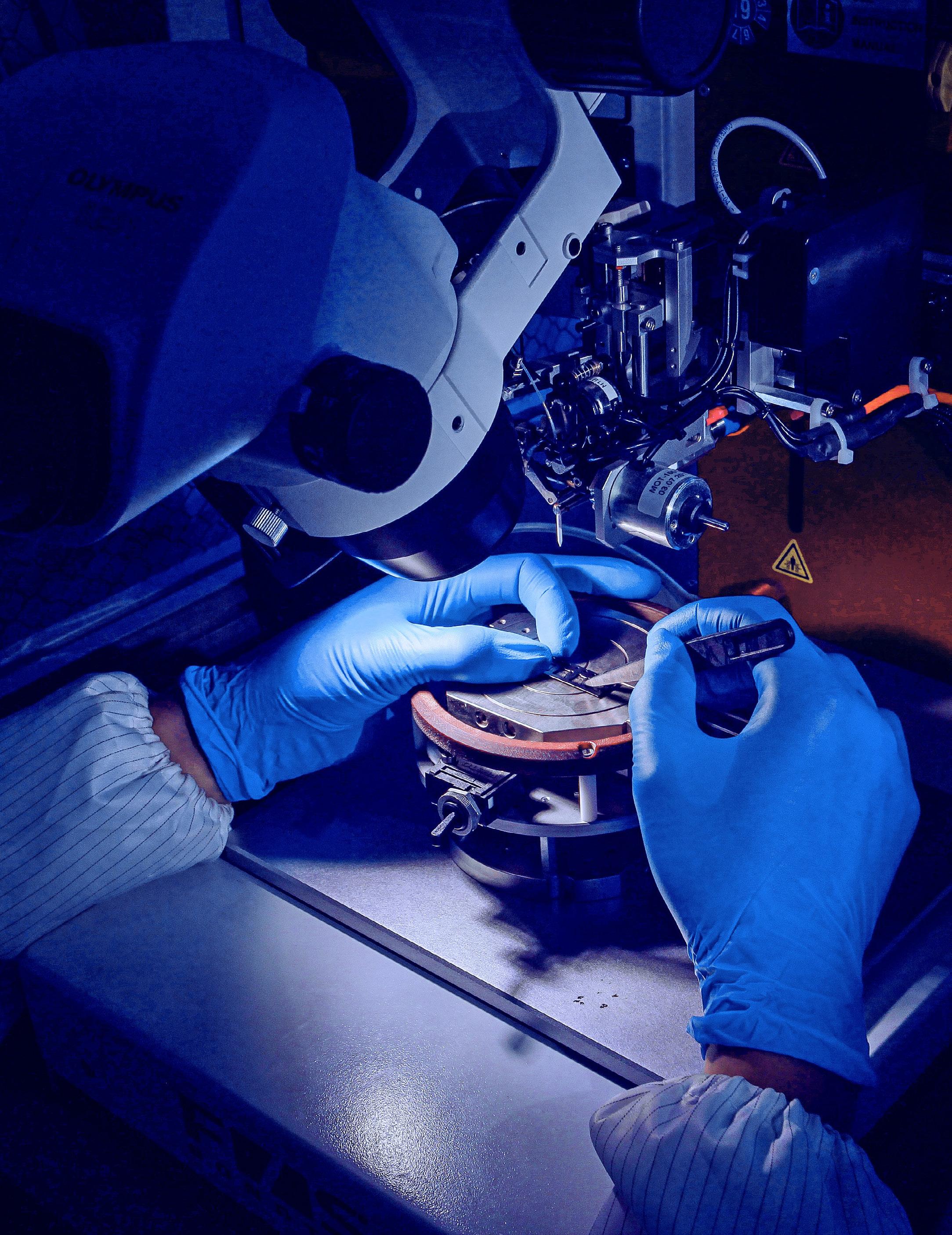
The Materials Research Cluster provides its customers a multidisciplinary offer in the field of materials science
to speed their time-to-market for new products and technologies in Flanders and far beyond.
testlabs.sirris.be/contact/lab-ghent
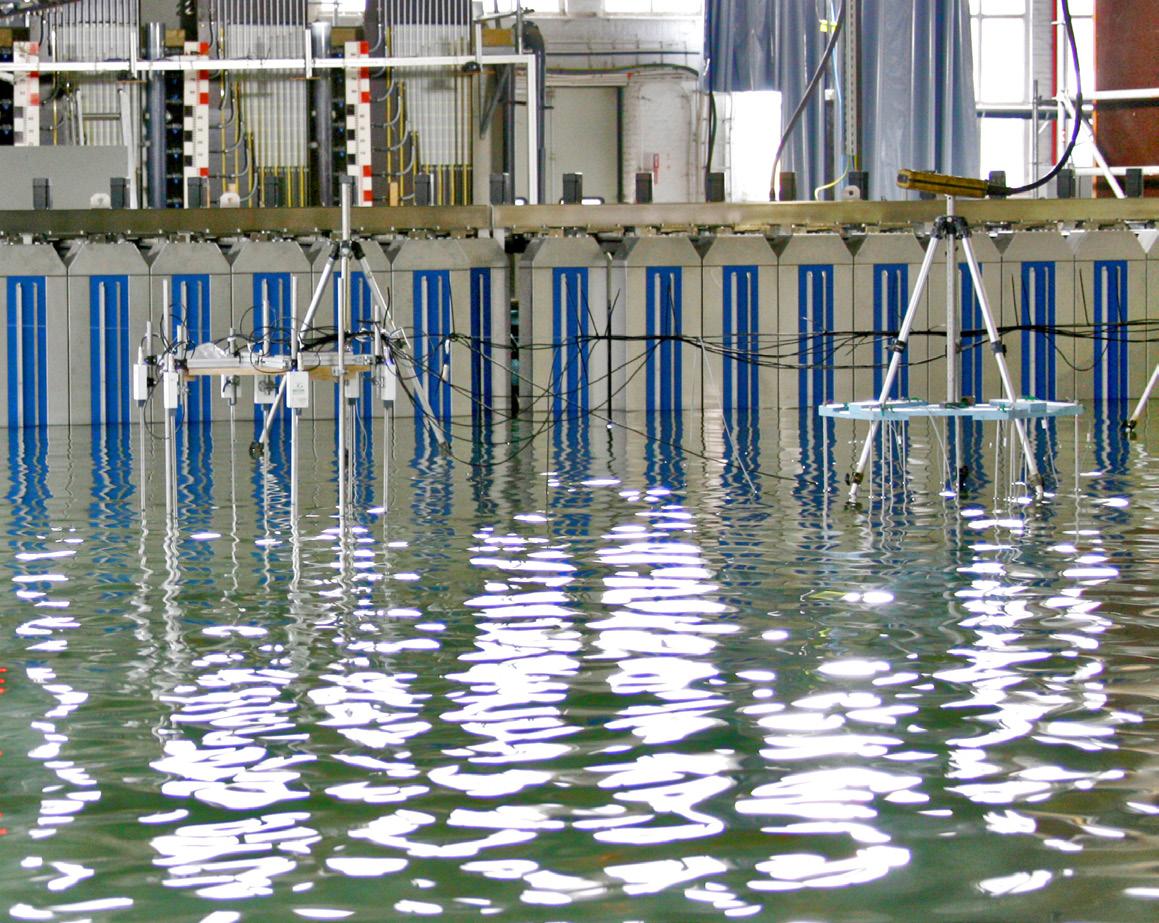
The wave basin serves as a crucial tool, employed to test diverse harbour entrances and expansions, aiding in the identification of the most fitting solution for each unique port.
waterbouwkundiglaboratorium.be/nl/ onderzoekstools/fysische-modellering/golftank
This climatic test service is used by OEM’s and component suppliers from different industry
sectors to test and validate the functional compliance of large and/or heavy electro-mechanical machinery in extreme climatic conditions.
sirris.be/en/industrial-lab/ largest-climatic-test-chamber-europe
Wave flumes are used to perform small scale physical model tests to study different coastal processes such as wave overtopping, wave impacts on sea defence structures, stability of breakwaters, etc.
ugent.be/ea/nl/onderzoek/cti_clusters_ research_innovation/cluster1/infrastructure_cl1
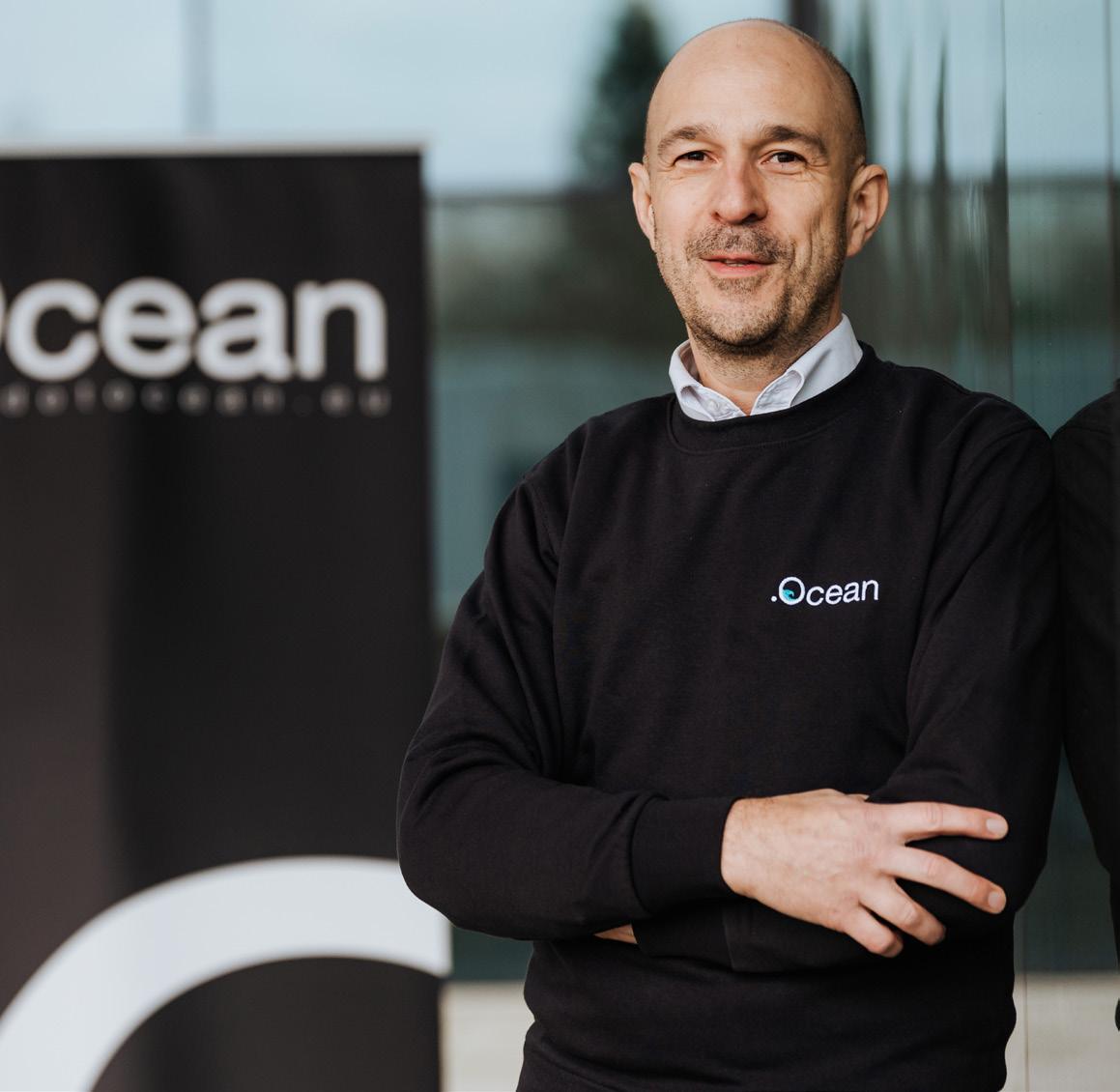
“Data and smart automation are creating a future beyond what we used to imagine. Collecting data and information at sea or transporting goods over water has a price. To reduce the operational cost and improve the efficiency and safety of the operations at sea, automation is key.” For Koen Geirnaert, CEO of dotOcean, the future is clear: autonomous navigation and vessel automation hold endless possibilities for the future of maritime operations and transport. Furthermore, West Flanders is a perfect location to create this reality close to the sea.
“For centuries, the adage has been that ‘Every ship needs its captain’. While that’s certainly the case in the metaphorical sense, there’s an incredible potential that can be found in setting sail without humans on board. Not only does this allow us to work more efficiently and safely, it also has huge implications for the operational range and fuel efficiency of a vessel.
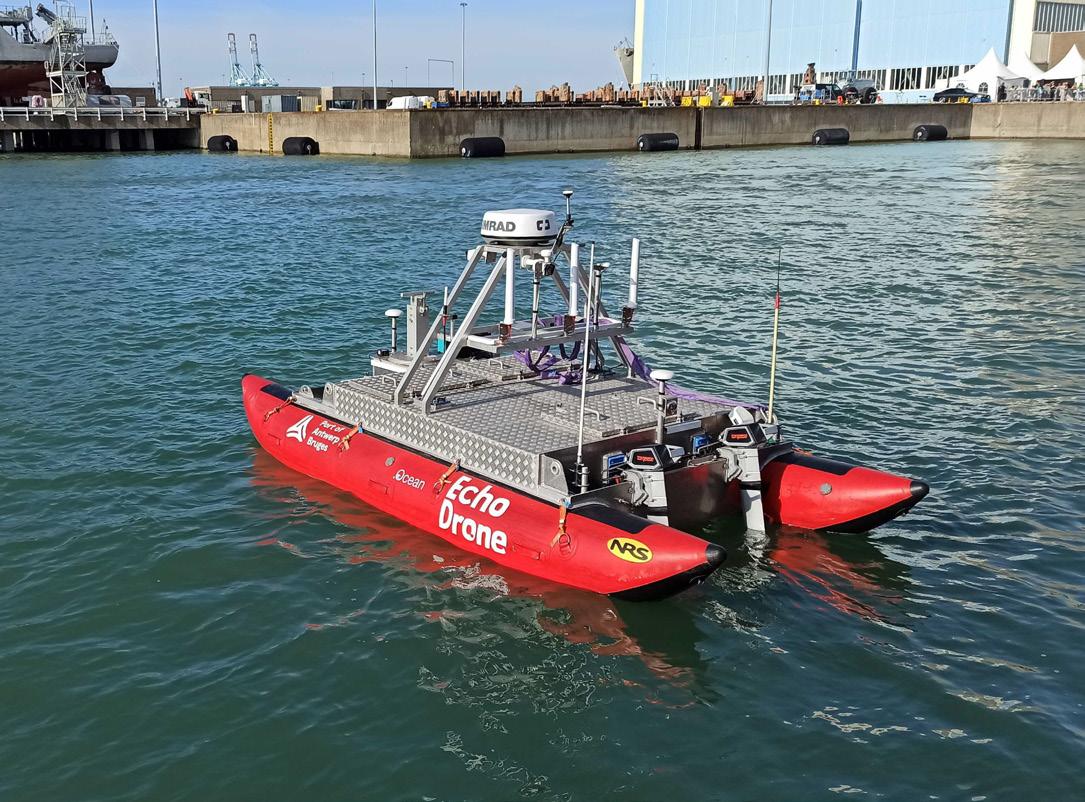
Consider, for example, the coast guard: if they can patrol non-stop with multiple autonomous vessels in parallel, human supervised from the side or from a mother vessel, in a 24/7 operation and without ever putting people in dangerous circumstances … Just imagine what that could mean!”
For dotOcean, it has already meant a clear development towards a specialization in autonomous control of vessels and advanced situational awareness software for the maritime, civil and security industry. “The maritime industry offers a lot of possibilities for applications of autonomous vessels: There is a lot of infrastructure at sea that needs to be installed, maintained, protected and inspected. Autonomous and efficient vessels to support these activities can bring a lot of value.”
“The West Flemish ‘can do’-mentality has created an environment which is perfect for growth in the offshore energy market. Here locally, we can access the market, which is vital to promote and sell our
products in an international market. Applications such as security at sea, protection of infrastructure, inspection and maintenance of aquafarms, solar parks and offshore wind parks, can be deployed on our North Sea, and scaled to the rest of the world… ”
Collaboration is another key element which dotOcean easily found in the West Flemish fields: “With our customers, who are an equal partner in everything we do. With the various governments and organizations, like POM West-Vlaanderen and De Blauwe Cluster, which aid not only by offering test infrastructure, but also by creating a space and a community where various partners can come together.”
“And of course, with various research projects, which help you create a network, but can equally well be partners in a variety of innovations. Recently, we collaborated with VLIZ on the presence of UXO’s in the North Sea. This old munition has been sunk but may pose a huge security risk to both humans and the ecosystem of the sea. Those aren’t the types of conditions you want to send people into to inspect and handle unexploded ammunition. Through our collaboration, we could work with unmanned robotic systems, which are much better suited for the job.”
The VLIZ (Flanders Marine Institute) is at the forefront of marine research, boasting two dedicated vessels that can be deployed in the Belgian part of the North Sea, tidal areas, and rivers. The RV Simon Stevin, a 36-meter-long oceanographic research vessel, is not only a platform for coastal oceanographic research but also provides training for students in marine and maritime studies. This vessel serves as a testing ground for cutting-edge technologies in marine research.
A unique partnership between VLOOT dab and the VLIZ ensures the seamless operation of the RV Simon Stevin. VLOOT dab provides the crew, technical maintenance, and operational support, while the VLIZ manages the scientific program and oversees the vessel's scientific equipment. The MIDAS (Marine Information and Data Acquisition System) data system onboard records a wide array of data, from navigation to meteorological and oceanographic data, enabling scientists to conduct their research activities seamlessly. All these data are securely stored in a centralized database.
As we navigate the future of maritime autonomy, the collaborative spirit and innovative landscape of West Flanders, paired with the advanced research capabilities of institutions like the VLIZ, are setting sail towards a brighter, more efficient, and secure maritime future.
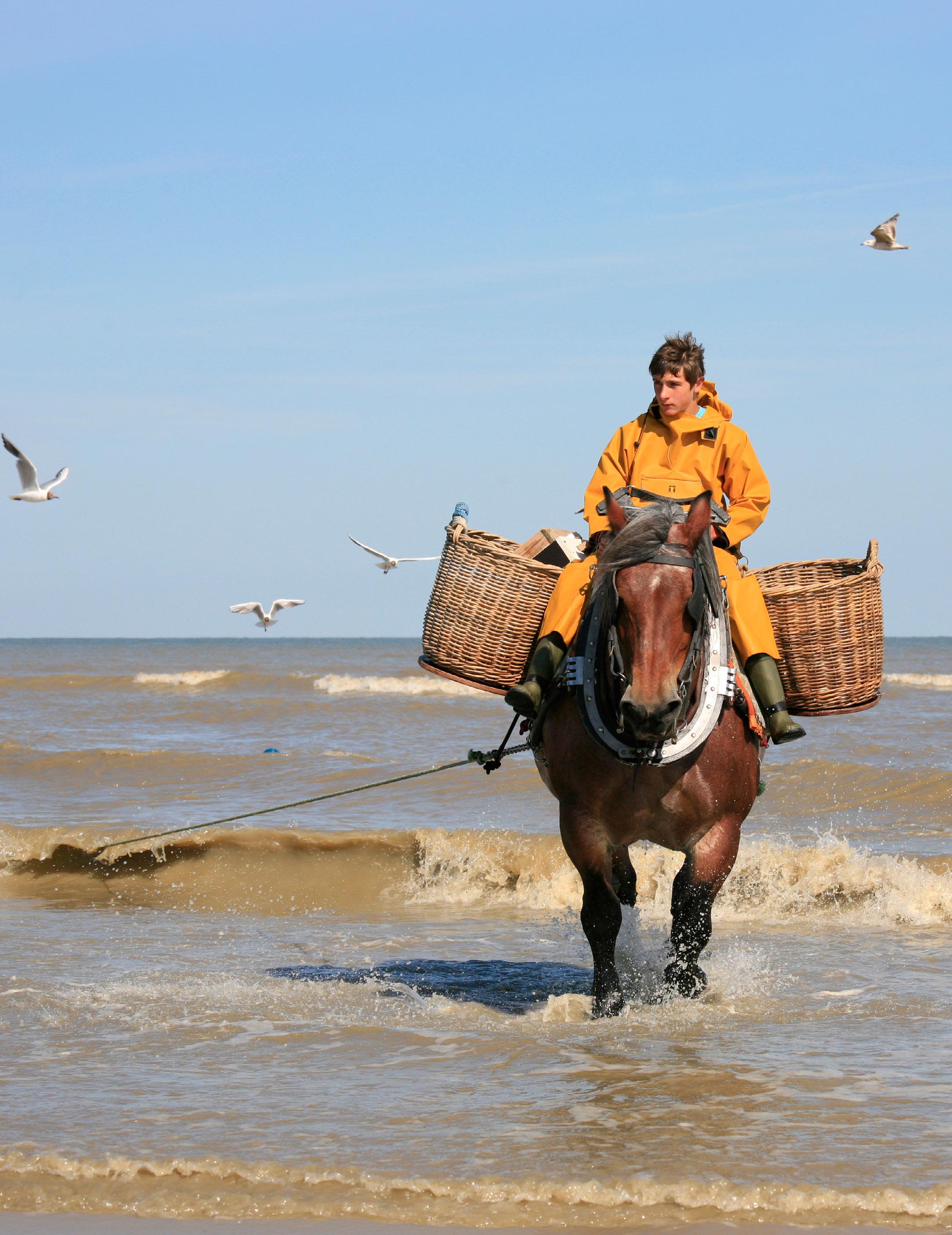
In West Flanders, history and creativity harmoniously merge to shape an enduring and innovative future. It’s a place where art, tradition, and exploration converge, offering a truly enriching experience that beckons visitors from every corner of the globe and offers numerous opportunities.
“In West Flanders, we have a farmer’s sense, ‘boerenverstand’. It’s like common sense, only better. Rather than look for reasons not to do something, we are always working toward ways we can do it. That is what sets West Flanders apart.” Patrick Reyntjens is the founder and CEO of GEOxyz, a company which specializes in hydrographic, geophysical and geotechnical surveys, as well as offshore support and topography.
“I started out in the late 90s as a land surveyor. Very quickly, though, I found my way towards wetter grounds:
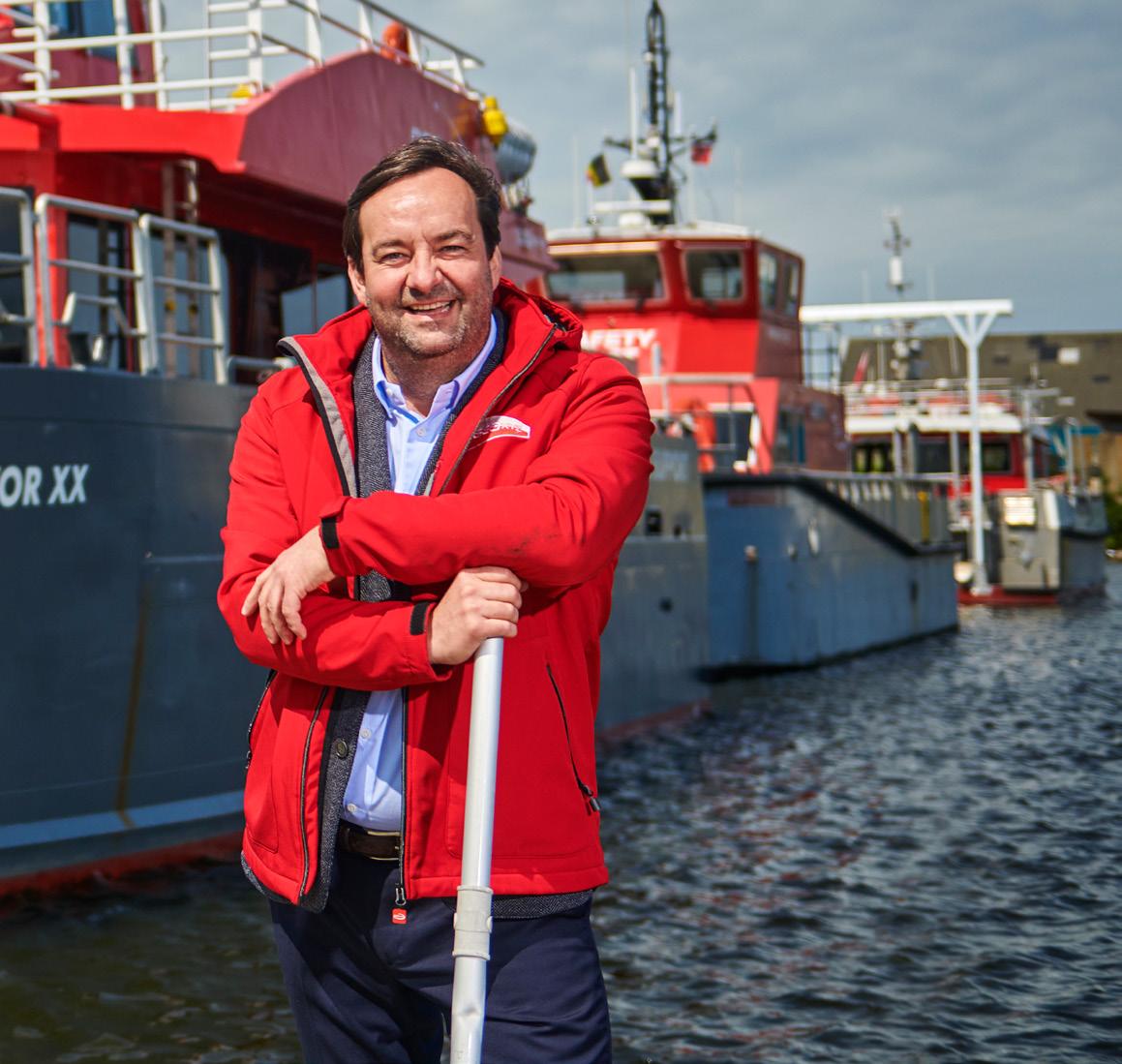
through brooks and rivers I created my niche in the wealth of data available in water bodies, eventually even growing to take on the North Sea and the seven oceans. 1998, GEOxyz was founded. In the past 20 years, our group has grown to about 500 people. And these people – and data – are at the core of everything we do. In the early 2000s we were there just as renewable energy took off. We’ve been active in the blue energy sector since the very first offshore windmills near the Belgian coast. And while that means we’ve faced all the teething problems that come with a developing sector, it also means that we’ve had the opportunity to learn more than we could ever have imagined.”
“It’s an entrepreneur’s responsibility to look for opportunities. Sustainability is probably the biggest opportunity we have, at this point. Not just for our business, but also for the planet. I’m proud to say that at this point over 80% of our turnover is created in renewable energy. But it’s important to keep looking – and striding – forward. When you look at our roots, we’ve been able to grow along with the life cycle of the offshore assets,” adds Patrick. “In the site investigation phase, we are there to collect data, which the client uses to create the best possible design for that location. In the construction phase, we offer survey support during the positioning of their offshore assets, cable laying or crew transfers. Throughout the exploitation, GEOxyz supports the operations and maintenance (O&M) for the infrastructure. And although we aren’t there yet, we’re already planning for the decommissioning phase: how can we best do this to create the lowest possible ecological impact?”
This continuous growth doesn’t seem to show any limits yet: “Through the years, the experience we gained in West Flanders has allowed us to expand our business from Norway to Africa and made us into a worldwide point of reference. We’re looking to move east and west as well: we’re currently working to get a foothold in the United States, and are looking towards Asia as well.”
Patrick Reyntjens - GEOxyz
West Flanders offers an enticing blend of tradition, innovation, and an entrepreneurial spirit that is deeply ingrained in our DNA. West Flemish people meet challenges head on. After the Second World War, naval routes around the world were laden with remnants of conflict—unexploded bombs and munitions lying dormant on the ocean floor, presenting a constant threat to maritime safety. These hazardous remnants posed significant risks to shipping lanes, fishing grounds, and the environment, demanding immediate attention.
So an important part of post-war clean-up consists of clearing the naval routes. Across the globe, demining efforts create a safer environment for people to live in. To this day, marines need to neutralize Second World War airplane bombs in the North Sea. “That’s why Exail Robotics Ostend uses its location at the North Sea to help create new ways to improve safety in the demining efforts”, states CEO Steven Luys.
Currently, most demining efforts start with a ship that is specifically equipped to be invisible to mines, as much as possible. This vessel sails into the minefields and neutralizes the mines. No matter the security measures, however, to some extent this puts the lives of the military people aboard in danger. What’s more, because this ‘mother ship’ has to be present to detect the mines, it’s also a relatively slow system.
“To increase both the efficiency and the safety of the demining efforts, Exail has created drones that are carried into the minefield by an unmanned ‘taxi’ boat, which we also produce”, says CEO Steven Luys. “These drones autonomously find and identify the mines, and send that information back to the mother ship. Should these mines need to be neutralized, then our toolbox also offers drones built especially for that task.”
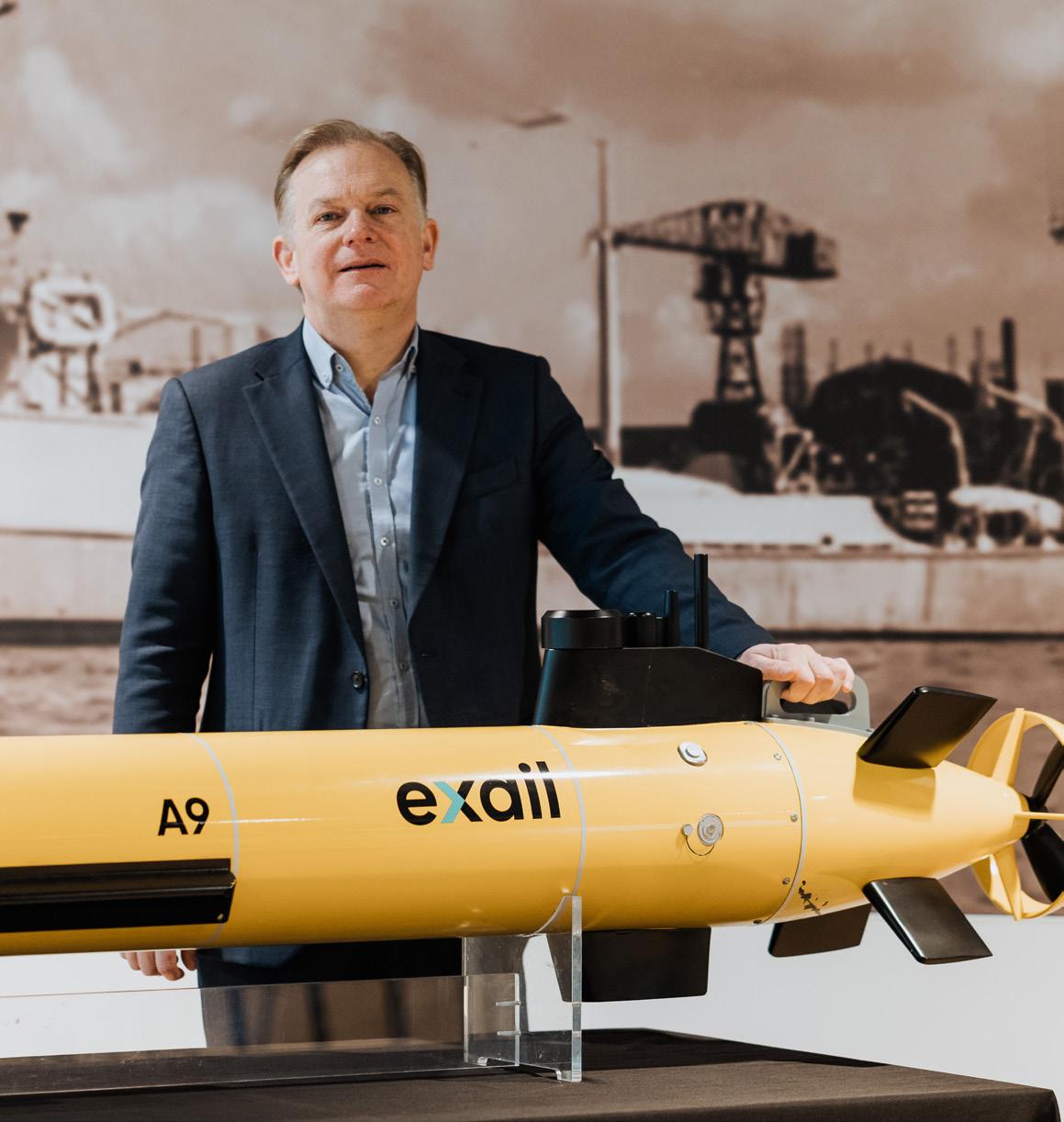
Through a collaboration with POM, Exail was able to equip the port of Ostend with antennas. “This allowed us to test our drones not only in the port, but also at sea. After all, that is where both the Belgian and the Dutch marines will use them. No wonder then, that we opted for this location right next to the North Sea!”
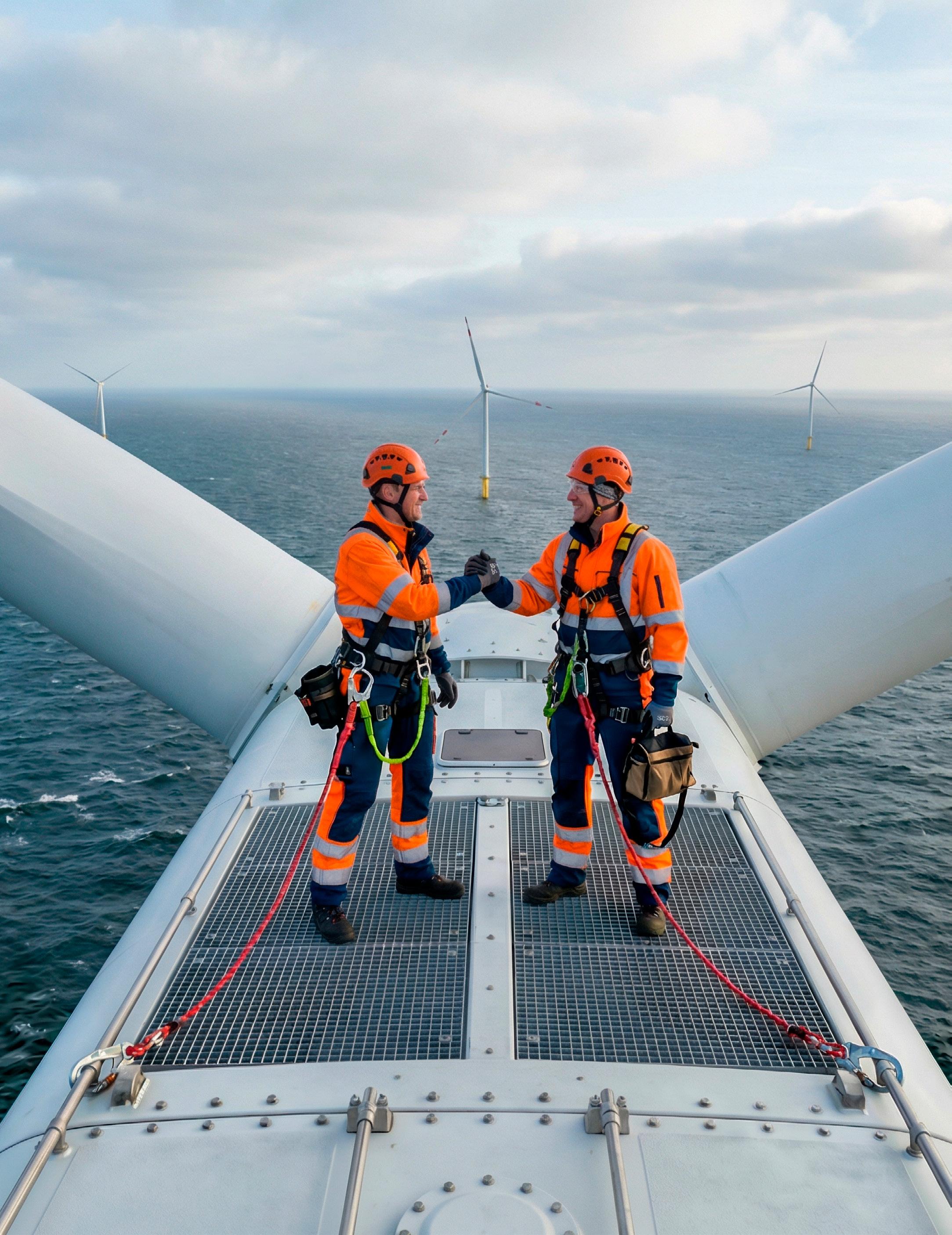
West Flanders is known across Belgium as a region of hard workers. Entrepreneurship is an inherent part of the region, with family-owned companies still at the cradle of regional growth. Not only are they an important source of employment, but they also underlie the quality of life and wellbeing of the region. While these small and medium-sized enterprises are the engine of West Flanders, however, the region also enjoys a favourable investment climate for companies large and small.
A major influence in this regard is the can-do mentality which is present both in the workforce and its surrounding infrastructure. West Flanders hosts a range of educational institutions, creating a multifaceted system which equips young people with the tools they need to thrive in a rapidly changing world. The region actively invests in vocational and technical training programs that prepare individuals for specific roles in the blue energy industry.
What’s more, our province has a continued focus on activating the labour force. We strongly believe that obstacles such as transportation poverty, lack of basic digital skills or child care, or even a limited knowledge of Dutch should not prevent people from finding
professional fulfilment. Through various initiatives and collaborations, we offer people the opportunity to re-enter the professional world after a prolonged illness, and offer guidance to people with a migration background as they first enter the job market.
As the entrepreneurial world grows ever more dynamic, West Flanders boasts a mentality which transforms any challenge into an opportunity. Innovation and collaboration are the key-words which guide our region as we handle the enormous impact of digitisation, global conflicts and energy crises.
In the midst of a global energy crisis, there is a silver lining on the horizon, and it comes in the form of the Blue Energy sector. Stakeholders from industry leaders to policymakers at various levels are joining forces to transform this crisis into an opportunity. Their aim? To expedite the construction of additional capacity in the North Sea, enabling the gradual replacement of fossil fuels with clean, European renewable energy
sourced from the North Sea. A pivotal component of this transformation lies in repowering existing offshore wind farms, a move deemed essential to achieve the ambitious target of producing 8 GW of offshore wind power in the Belgian North Sea by 2040.
However, with great ambitions come great challenges, one of which is the pressing need for skilled individuals to propel this burgeoning industry forward.
Today, wind energy at sea stands as a vital pillar in Belgium's sustainable energy transition. The impact of the offshore wind industry, spanning the entire value chain, is vividly reflected in the Gross Domestic Product (GDP) of the nation. According to estimates by the Belgian Offshore Platform, offshore wind development will contribute an impressive €1-1.5 billion to Belgium's GDP annually, commencing in 2024. This economic boost underscores the significance of nurturing and expanding the expertise of Belgian offshore wind companies within their
home market, thus allowing them to maintain their international leadership in the cleantech sector.
This capacity increase is poised to be a veritable catalyst for job creation in West Flanders, with its postion at the North Sea. Job opportunities will abound, spanning high value-added technical services, which will account for 40% of the new positions, as well as roles in construction, operations, maintenance, transport, administration, and financial services, collectively constituting 10-15% of the employment landscape.
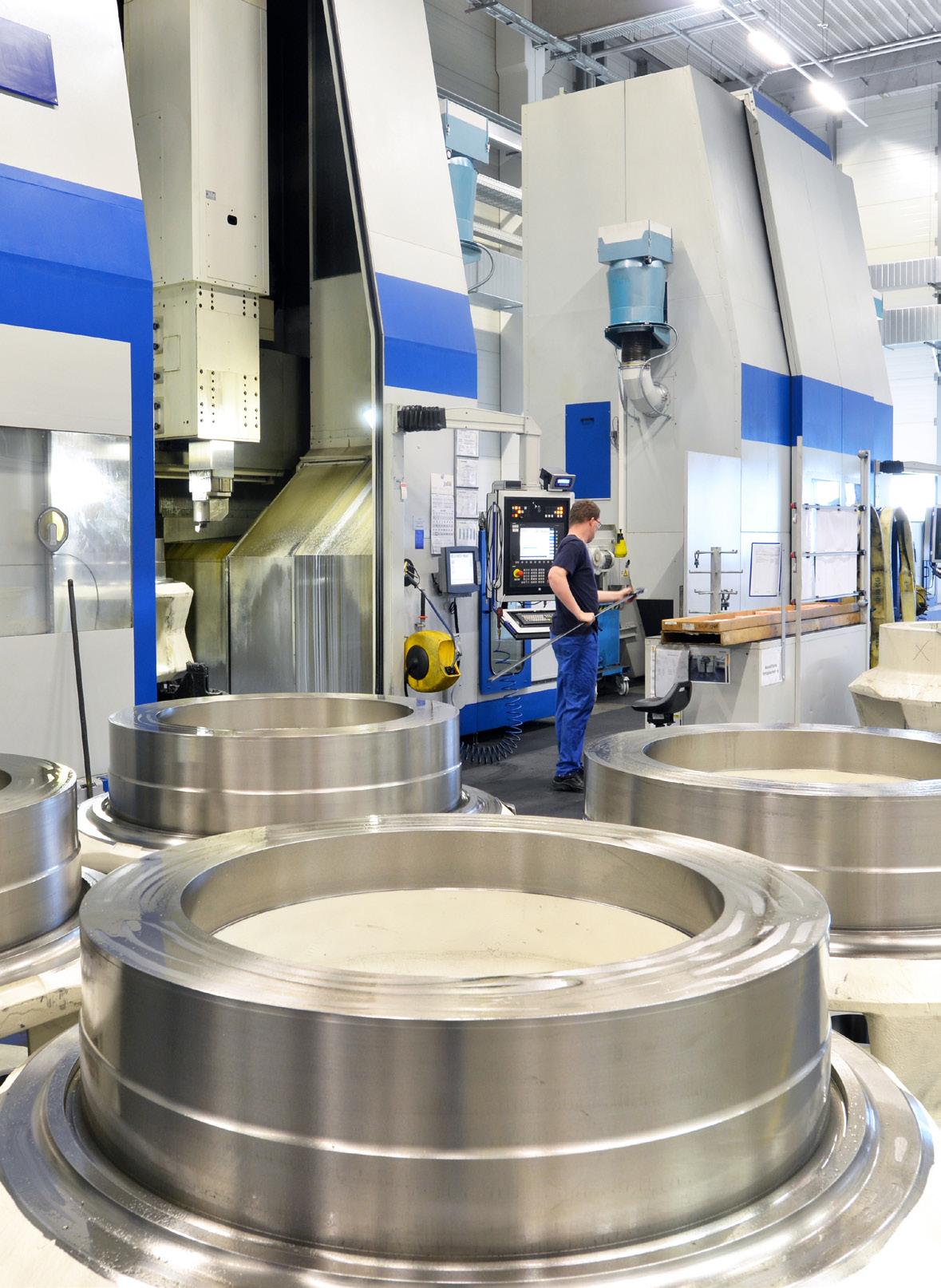
To cater to the evolving needs of the burgeoning Offshore Renewable Energy (ORE) sector, significant investments are being made in training and education. This entails close collaboration among knowledge institutions, industry leaders, and public authorities. The goal is to equip the workforce with the skills required for the current jobs and jobs of the near future.
Examples of these forward-looking training programmes include preparing maritime coordinators and remote operators capable of performing inspections and repairs using cutting-edge technology, such as drones, unmanned sailing vessels, and underwater robotics.
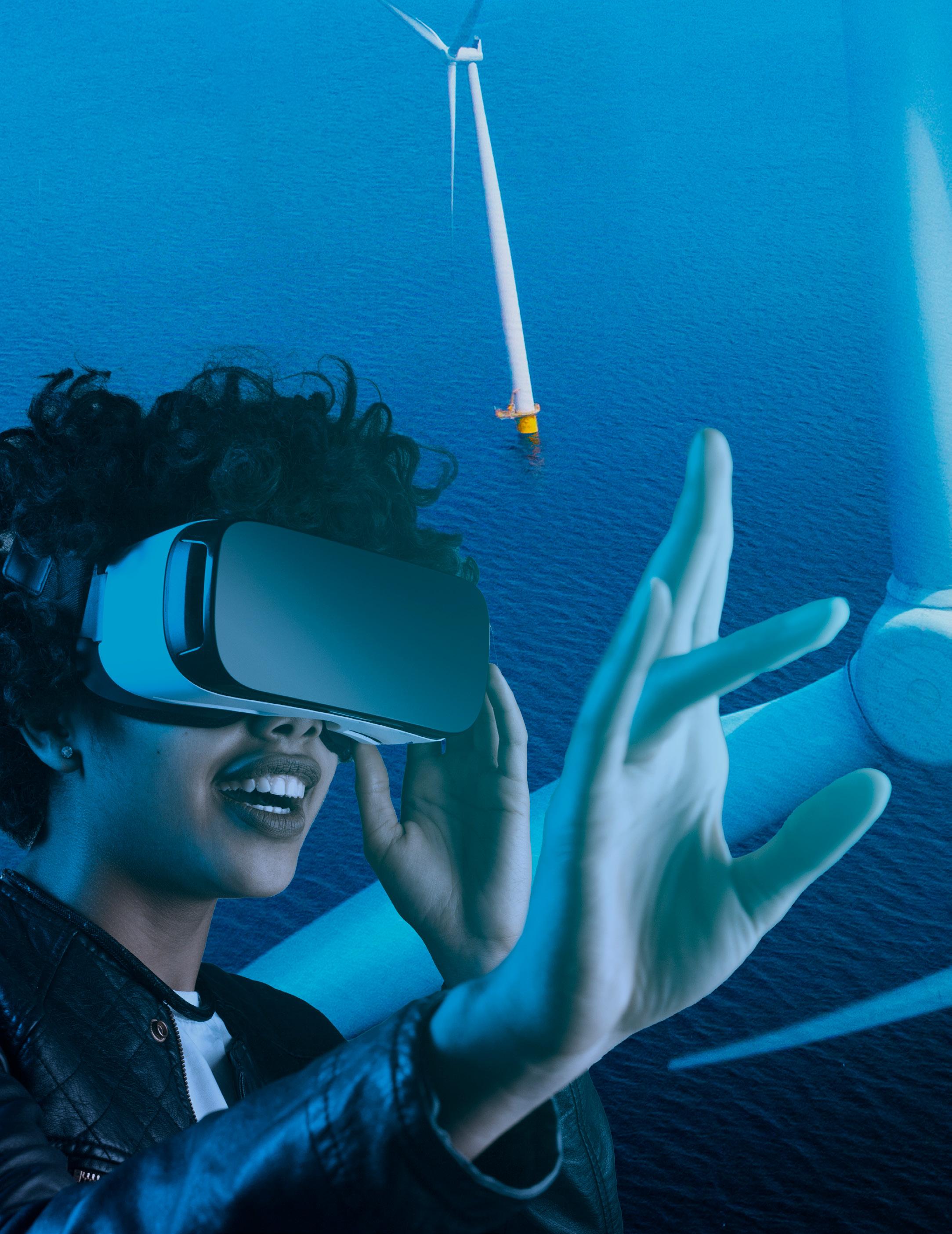
The Reef is a cutting-edge Training Lab for Blue Energy. Located in Ostend, at the heart of the Belgian offshore wind industry, this lab is the ultimate destination for
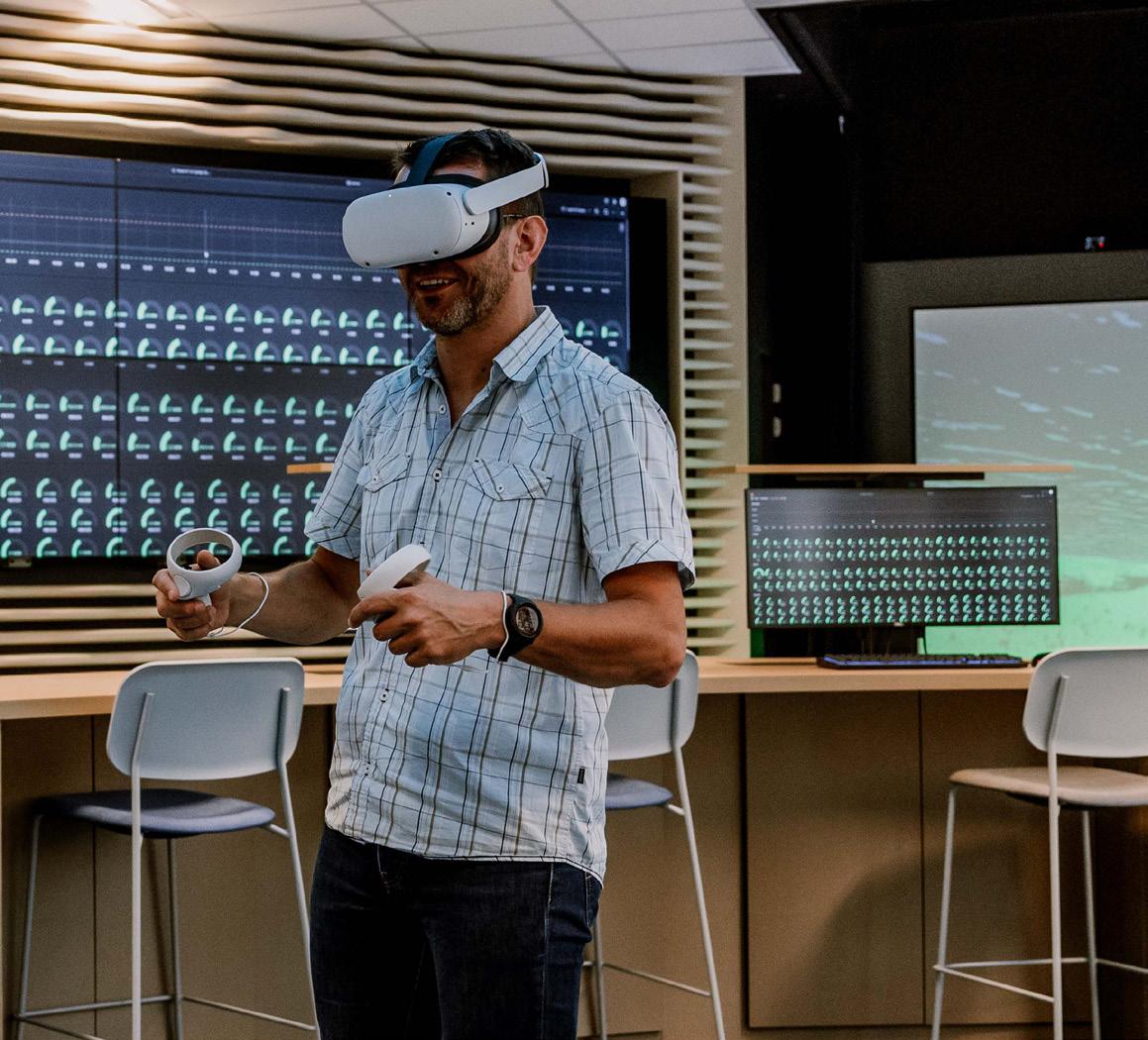
current and future offshore wind professionals looking to boost their digital and technical skills. By deploying innovative immersive training infrastructure such as a VR playzone and a VR cave, together with XR technologies, the future offshore working environment can be simulated virtually and lifelike. This way, more people, more frequently, can be trained. The Training Lab is a joint effort involving four Belgian knowledge institutions, each specialising in distinct areas of education and target audiences: Syntra West, Howest, UGent and Howest. More information: www.the-reef.be.
This commitment to specialised training ensures that the workforce in the Blue Energy sector is not only skilled but also adaptable and innovative, poised to drive the industry's growth and success.
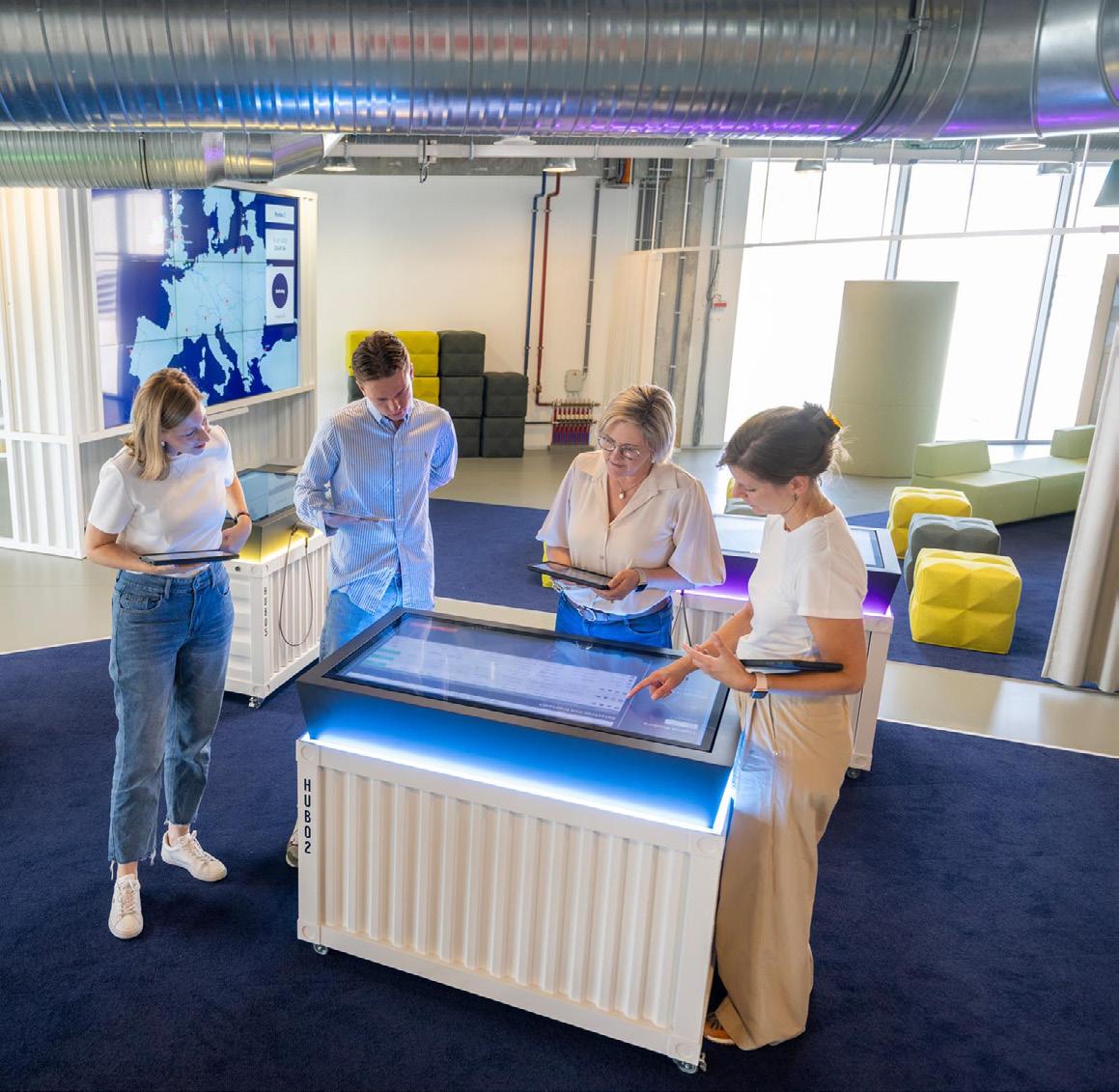
TUA West is a private foundation that promotes higher education and research in West Flanders in line
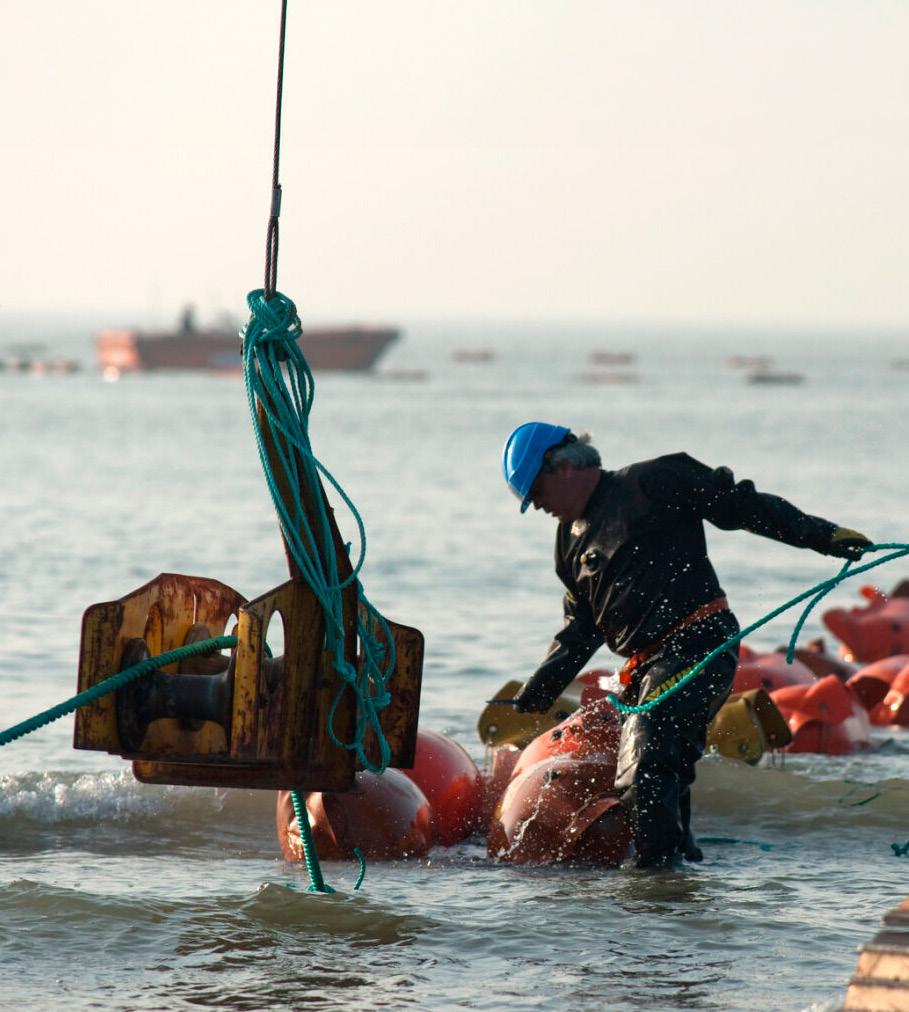
with the needs and opportunities of businesses. Why? Because knowledge is the basis for a future-orientedand innovative economy. TUA West stands for the Technical University Alliance for economic transformation in West Flanders. It is a unique collaboration between the Province of West Flanders, the universities of applied science Howest and VIVES, the West Flemish campuses of the universities of Ghent and Leuven, the Chamber of Commerce West Flanders and UNIZO (SME support association). TUA West accompanies the economic transformation of West Flanders in the knowledge domain and pays specific attention to Blue Economy.
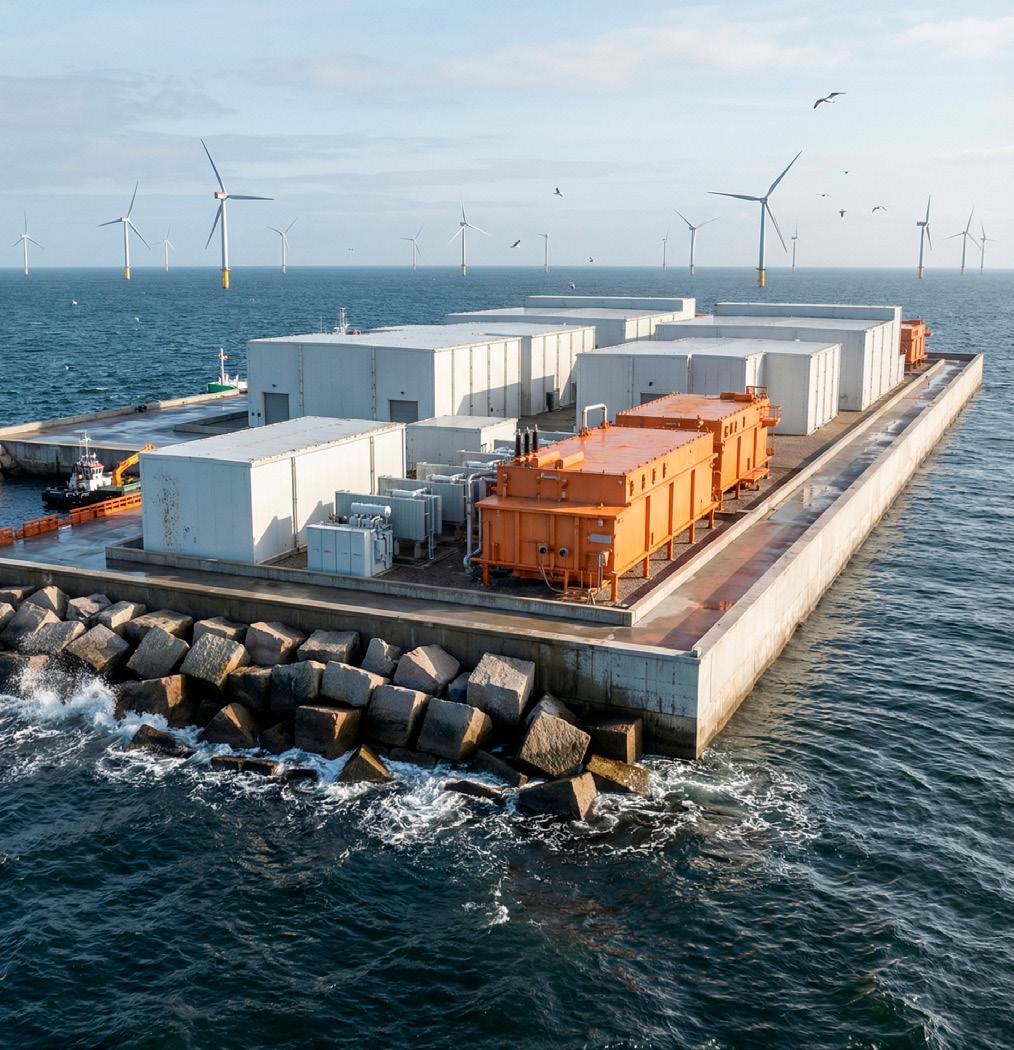
Developed by Elia Group, the Princess Elisabeth Island is the world’s first artificial energy island. Located 45 km off the Belgian coast in the Princess Elisabeth Zone, it is a cornerstone of Belgium’s offshore energy strategy and will unlock around 3.5 GW of new wind capacity in the North Sea.
The island will operate as a high-voltage electricity hub, collecting power from offshore wind farms and transmitting it to the mainland. It is also designed as a hybrid interconnection platform, enabling future links with other European countries and strengthening cross-border electricity exchange.
Combining innovative marine engineering with advanced technology, the project enhances Belgium’s energy security, supports European grid stability and sets a new standard for integrated offshore infrastructure. Construction is progressing in phases, with commissioning aligned with the development of the new wind farms..
With GROW Talent (www.growtalent.be), POM West Flanders wants to enthuse young people for a future in the strong industrial sectors in its own region. With this educational brand, POM West Flanders organises workshops, experience days, training courses and events for education.
West Flanders is a region that teems with potential and an ideal destination for foreign companies seeking to expand their horizons. In this dynamic business environment, we present a wealth of incentives and investment advantages designed to propel your enterprise to new heights. West Flanders is not just a place to invest; it’s a strategic choice for financial prosperity, innovation, and growth. Here, we outline the key advantages that make West Flanders an irresistible destination for investors:
West Flanders welcomes commercial investments and educational initiatives as integral components of strategic investment projects, offering opportunities for government funding. This financial support is divided into two crucial components:
• 8% Basic Funding for Investments: receive up to €500,000 (or €1 million for climate-specific projects) to bolster your investment and transform your business.
• 20% Basic Funding for Training: secure up to €500,000 (or €1 million for climate-specific projects) to enhance the skill set of your workforce, ensuring a competitive edge in the market.
Setting up your business in West Flanders translates to minimised labor costs. Foreign companies benefit from:
• Lifelong exemption from social security contributions (SSC) for the first employee, with a maximum quarterly amount of €4,000.
• Substantial SSC reductions for the next five employees.
• A generous 22.8% tax exemption for night and shift work, and an enticing 25% tax exemption for continuous work regimes.
• A special tax regime for inpatriate executives and researchers, offering a lump-sum reimbursement of up to 30% of the annual gross salary (capped at €90,000) under specific conditions.
In West Flanders, we understand that research & development is the bedrock of progress. Therefore, substantial incentives are available:
• 85% of innovation earnings are exempt from taxation, alleviating the financial burden associated with R&D.
• Companies can enjoy a deduction of 20.5% of investment or 27.5% of depreciation value, promoting innovation and growth.
• A remarkable 80% of withholding tax on research personnel is recoverable, making R&D projects even more enticing.
• We offer 25-60% support for R&D projects, ensuring that your innovation initiatives receive the backing they deserve.
In West Flanders your investment is truly attractive, with corporate tax incentives that include:
• Corporate income taxation lowered to 25%: for qualifying SMEs, the rate drops even further to 20%, allowing you to retain more of your hard-earned profits.
• 100% tax exemption for dividends: enjoy tax savings on your dividends.
• Deductible losses of subsidiaries: losses incurred by your subsidiaries can be deducted.
• Incremental notional interest deduction on capital growth: enhance your capital growth with this additional tax benefit.
In West Flanders, foreign companies have found a welcoming environment where investment is rewarded, costs are minimised, innovation is supported, and taxes are favourable. Join us, and unlock a world of opportunities. West Flanders is not just a destination; it’s your strategic advantage for growth and prosperity.
welcome@gatewaytoeurope.be gatewaytoeurope.be
Project partners Conquer With the support of
Editorial and design: POM West Flanders
Responsible publisher: Lieven Tack, General Manager POM West Flanders Koning Leopold III-laan 66 8200 Bruges Belgium