












Redefining private flight. Luxur y. Precision. Personal ser vice. Ever y flight. Ever y time.

Private aviation elevated, without the barriers. OspreyJets provides a private jet experience built entirely around you.
TRANSPARENT PRICING. NO COMMITMENTS. Freedom to fly exactly how & when you choose.
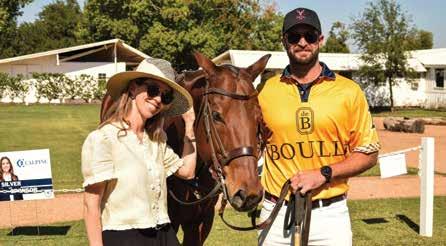
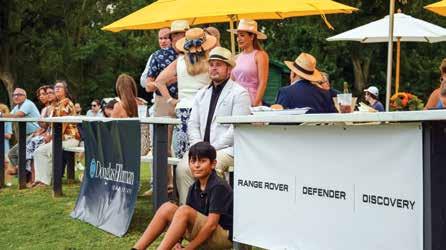
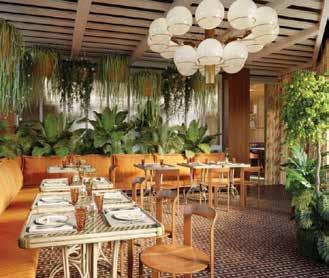
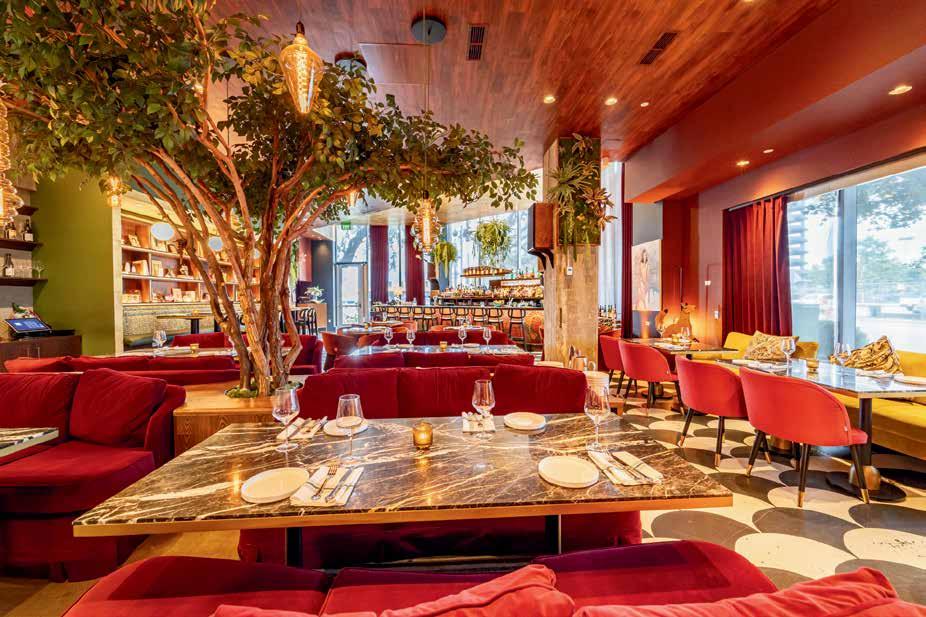
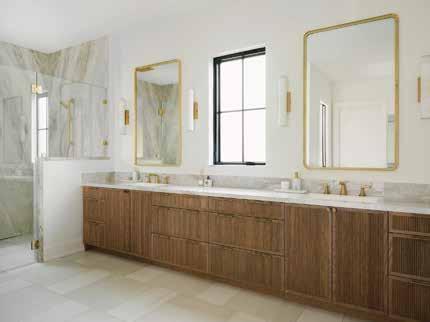
Located in the heart of Houston, the C. Baldwin redefines the idea of modern indulgence in a luxe hotel experience. Through a fusion of sensuous materials, sophisticated touches, impressive guest rooms, and incomparable culinary offerings, the C. Baldwin holds secrets of the past and promises of the future.




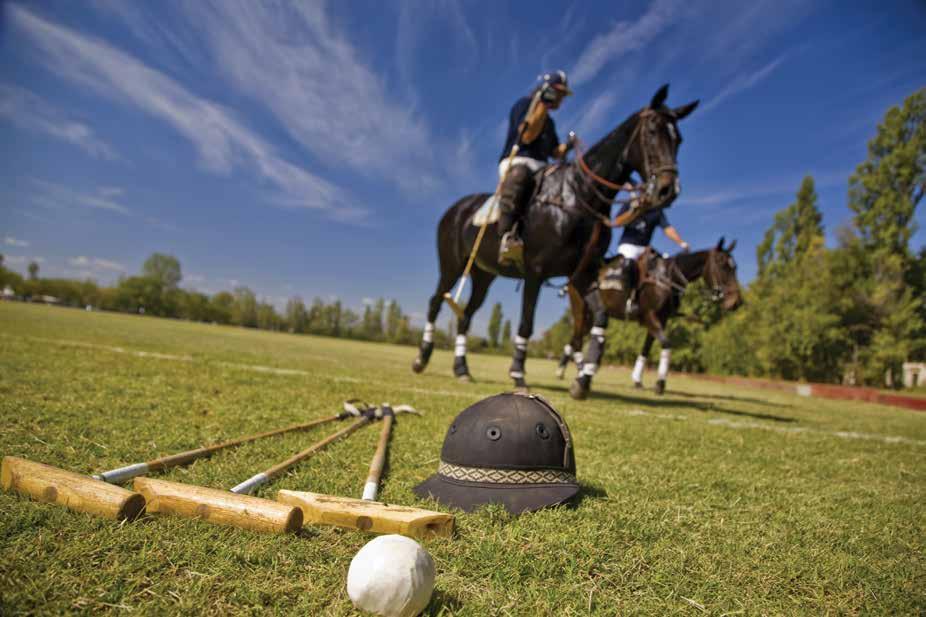

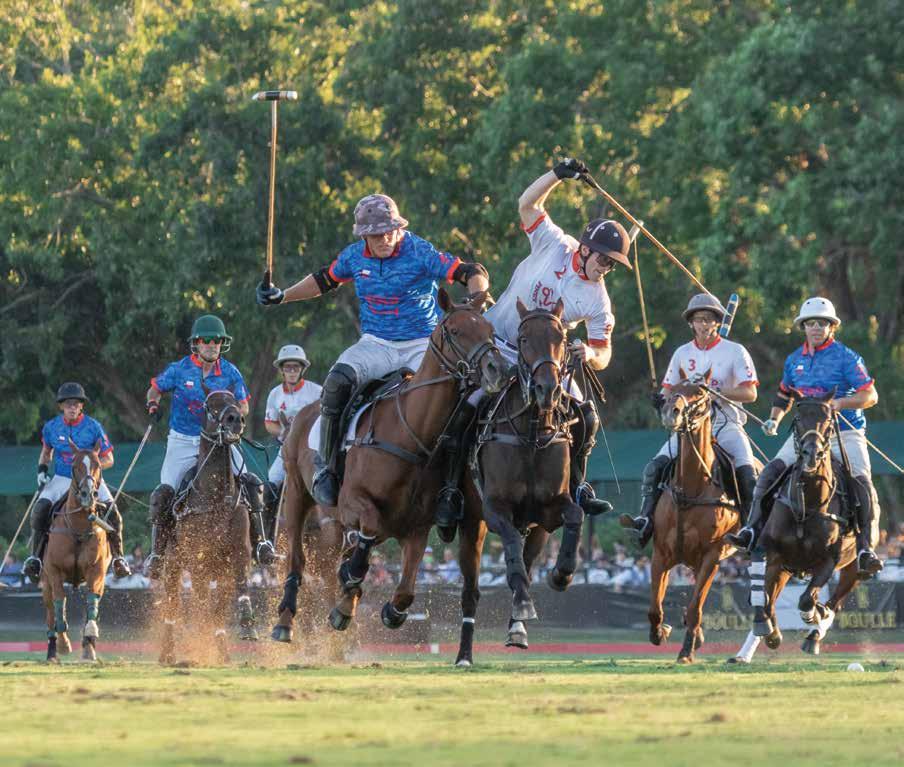
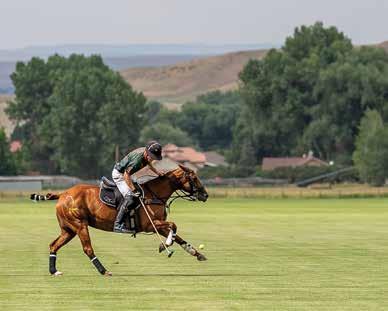
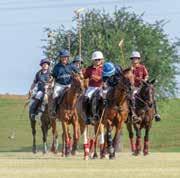
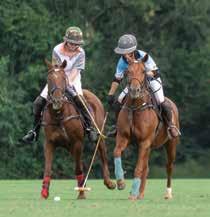
Founded in 1928, the Houston Polo Club has continued to grow and is now the largest polo club in the United States. The Club is situated on 26 beautifully landscaped and wooded acres in Memorial Park, in the heart of Houston.
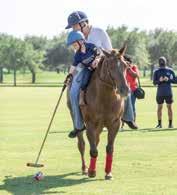
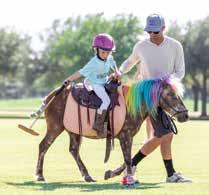
The Houston Polo Club is a not-for-profit organization. All membership and guest fees are directed toward serving our HPC family and supporting HPC riding programs, not only in Houston but throughout the United States. Every year, HPC looks for new ways to serve and build the sport of polo. HPC’s Polo School and Step-Up programs develop new players, no matter their age, and assist them in joining our polo community. HPC takes
a special interest in developing the next generation of polo competitors through our Junior Polo and Interscholastic programs.
Over our Spring and Fall seasons, HPC hosts leagues ranging from beginner to 10 Goal. In addition to league play, we host national-level USPA tournaments, including the H. Ben Taub Memorial, the U.S. Open Women’s Handicap, and the National Youth Tournament Series. In addition to polo, HPC offers full equestrian facilities, including on-site boarding, as well as English and Hunter Jumper riding lessons for children and adults. Our facility provides the perfect environment for horse lovers to develop their riding skills.
us for Sunday Polo!
Spring Season: April 5–June 7 Fall Season: September 13–November 15
Reserve your seats online: houstonpoloclub.com/buy-tickets

Sit under covered seating in the cantina/tented area, or, for those who want partial sun, you can enjoy seating under one of our gorgeous umbrella tables. Walk-up concession and premium bar service by The Lymbar.
Group seating for 2–20 guests, perfect for entertaining clients, family, or friends while watching the world’s most exhilarating sport.All boxes are serviced by professional waitstaff.
ANNUAL BOX MEMBERSHIPS: Seating for 6 for current-year spring and fall Sunday matches, a personalized box sign, invites to HPC social events, and HPC private league matches. All boxes are serviced by professional waitstaff, and call-ahead ordering is available. Food and drinks are not included. Box Memberships are based on availability.
PRIVATE GROUP EVENTS: HPC has the perfect fieldside event space for corporate entertaining, private parties, and fundraising.With its central Houston location and lush surroundings, the Houston Polo Club is a unique and ideal spot for your private or corporate event.
For booking/information on any of our individual or group ticket options, email events@thehoustonpoloclub.com
September
HOUSTON WOMEN’S POLO CHAMPIONSHIP presented by DON JULIO & OSPREY JETS (starts at 1:00 pm)




Publisher
Lisa Muirhead | lisa@poisepublications.com
Art Director
Garfield Street Media | info@garfieldstreet.ca
Executive Business Director
Tammy Beeson
Photography
Kaylee Wroe, Monique Brooks, James Beeson, Kailee Roos
Contributors
Tammy Beeson, Andrée-Anne Boisvert, Monique Brooks, Cindy Case, Steven Healey, Paul Hobby, Megan Kozminski, Stephen Larkin, Alicia Malay, Tom Penner, John Tasdemir, Mason Wroe
www.poisepublications.com
The Houston Polo Club
STEVEN ARMOUR
FOX BENTON
NICK DUNBAR
JEFF HALL
PAUL HOBBY
TIM KELLY
STEVE KRUEGER
ROXY MOUNTER
MARTIN MUNOZ
RICHARD ROLLAND
MARSHALL ROSENBERG
JOHN TASDEMIR
On behalf of the Board of Directors, our outstanding staff, and the entire Houston Polo Club family, I am delighted to welcome you to another exciting season at HPC.
Few places in Houston bring together sport, tradition, and community quite like the Houston Polo Club. Week after week, our fields host spirited competition, but what truly defines this club is the camaraderie that exists among our members, players, sponsors, and guests. Polo is a sport built on teamwork—between horse and rider, between teammates, and within the broader community that supports the game—and that spirit is evident throughout everything we do at HPC.
This past year has been another remarkable one for the club. Nearly 150 players competed across our spring and fall seasons, representing every level of the sport— from those just discovering polo to experienced competitors playing at the highest levels of club competition. At the same time, more than 120 boarding and riding members enjoyed our equestrian facilities, helping create a vibrant environment for riders, families, and horse lovers alike.
One of the most rewarding aspects of our club is watching new players discover the sport for the first time. Our Polo School and Step-Up programs continue to introduce riders of all ages to polo and provide a pathway into the game. My own journey into polo began through the Polo School in 2013, a reminder that it is never too late to pick up a mallet and become part of this incredible sport.
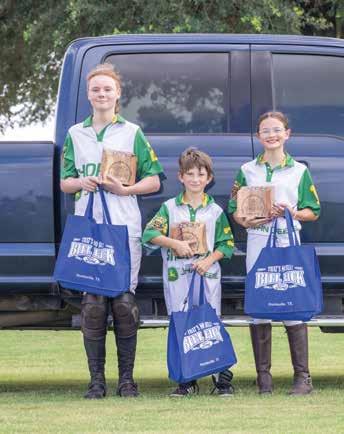
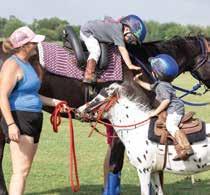
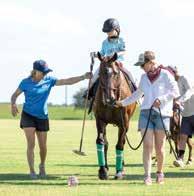
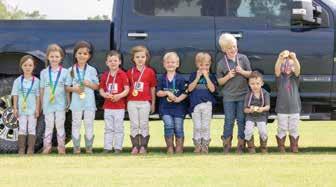
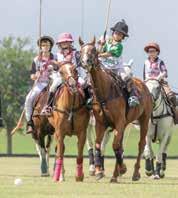
Equally important is the development of the next generation of players. Our Junior Polo and Interscholastic programs continue to grow and provide young riders with the opportunity to learn not only the skills of the game, but also the sportsmanship, discipline, and horsemanship that polo teaches so well.
Throughout the year, our fields host a full calendar of league play and prestigious tournaments. Our longstanding Women’s Championship Tournament will proudly celebrate its 32nd year this season.These events showcase the exceptional talent within our club and continue to elevate the level of polo played in Houston.
None of this would be possible without the generosity and commitment of our corporate sponsors. Their support allows us to present world-class polo while continuing to invest in the growth of the sport and the strength of our community. We are deeply grateful for their partnership and for the dedication of our members, players, and volunteers who make HPC such a special place.
As we look ahead, our focus remains on building a vibrant and welcoming polo community while preserving the traditions that have made the Houston Polo Club one of the premier clubs in the country. With the continued support of our HPC family, we are confident that the future of the club—and of polo in Houston—remains incredibly bright.
Thank you for being part of this tradition. We look forward to seeing you at the field.
Thank you,
Nick Dunbar President of the Board of Directors




















































































































John Tasdemir
Executive Director
General Manager

Tammy Beeson
Executive Business Director

Shoni Howell
Accounting Manager

Chloe Torres
Assistant Polo Manager
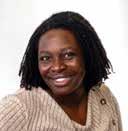
Monique Brooks
Marketing Assistant Club Photographer
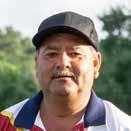

Becky Grohman
Lead Office Ambassador
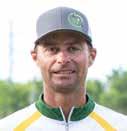
Mason Wroe Polo Manager
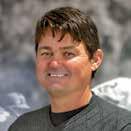
Mark Prinsloo
Senior Polo Instructor USPA RPC Manager

Paige Flanders
Head Riding Instructor
Junior Rodriquez
Barn & Grounds Manager


Grounds Supervisor
Head of Security
Polo Photographer

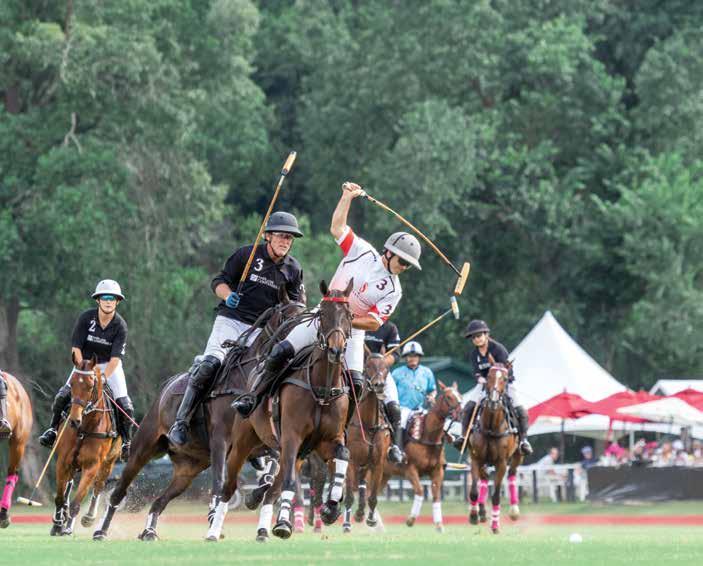
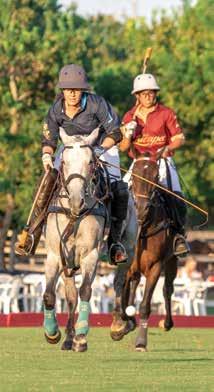
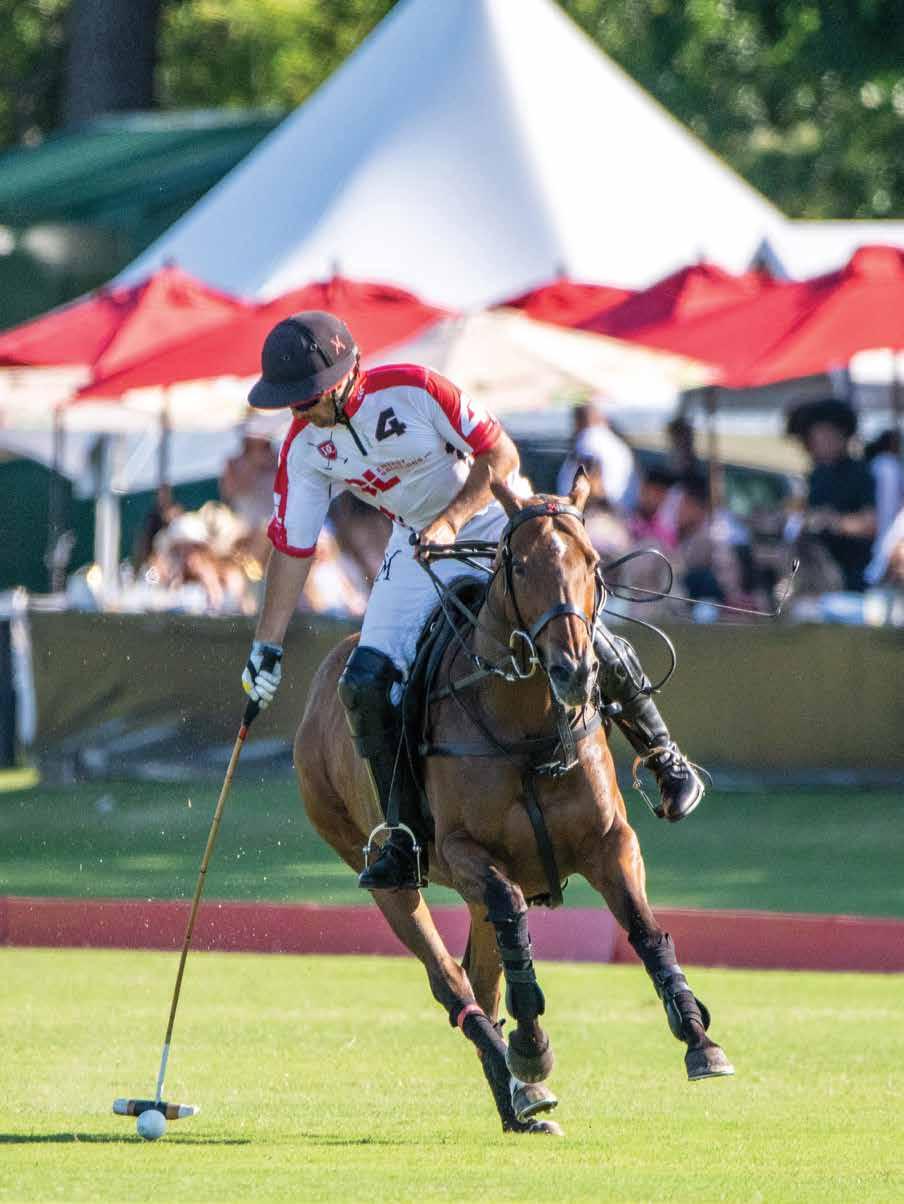
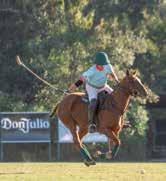
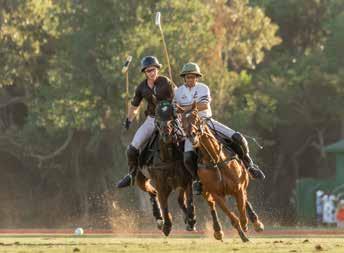
Polo is played on a massive field the size of nine football fields (300 x 160 yards) to accommodate the intense speed and pace of the game. Horse and player traffic can extend just outside of the low wooden border, but as soon as the ball leaves the field, it is out of bounds and stops play. Each match is divided into 7-/12 minute chukkers. In a low-goal game, players have four chukkers in which to score, and in a high-goal game, there are six chukkers.
A goal is scored by hitting the ball between the two goalposts at any height. A goal is confirmed by the flagger standing (at a safe distance) behind each goal. It pays to keep your eye on the ball—but also on the teams, because they change directions each time a goal is scored in order to equalize playing conditions.
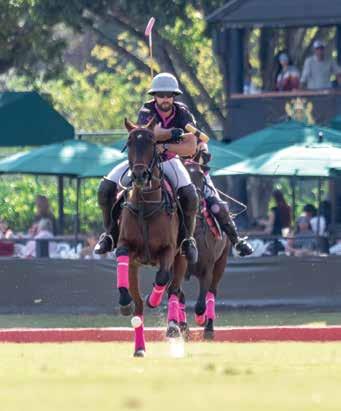
Because the primary focus in polo is the safety of the horses and of the players, the rules of play focus on avoiding injury. With horses hitting speeds of up to 35 miles per hour, the most significant rule governing play is “right of way,” as designated by the “line of the ball.” When a foul is called by one of the two umpires on the field, the resulting penalty is based on how dangerous the infraction was to the horse or player.
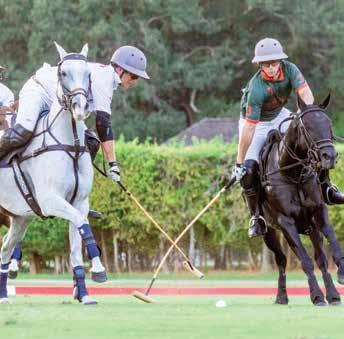
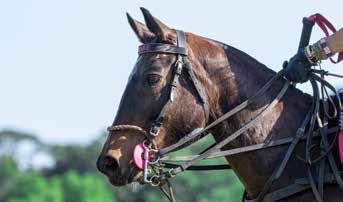
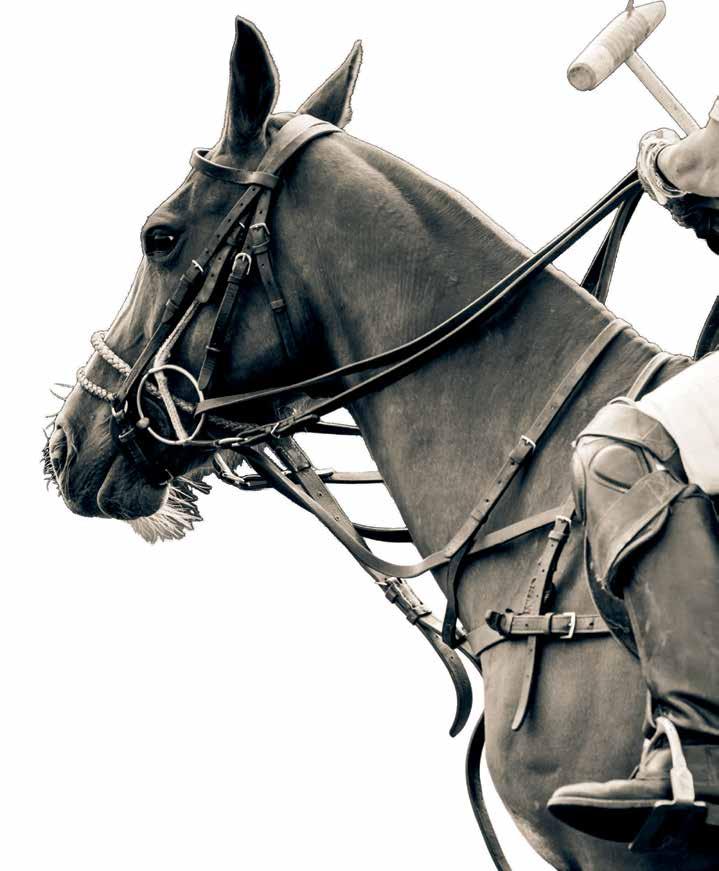
Polo ponies are thoroughbreds or part thoroughbred and part quarter horse, selected for their agility, speed, endurance, and intelligence. It takes 6–7 to raise and train a green pony, whose polo career can last over 15 years. Players usually play one pony per chukker (because they work hard!).
There are many uses for the term “goal” in the sport of polo. On the field, a goal is scored each time a ball fully crosses between the goalposts, whether it is by an attacker, defender, or pony. Each goal counts one point.
The second common use for the term “goal” refers to a player’s handicap or goal rating. A player’s handicap is a rating between -1 (or B) and 10, with 10-goal players being the very best in the world. Club-based rating committees decide the handicap of each player based on playing ability, horsemanship, team play, horses, and knowledge of the game.
Players’ goal ratings are used to build equal teams. The handicap of a team is the sum total of all of its players’ ratings, and the final score of a match is adjusted according to discrepancies in the two teams’ handicaps. So, if you are attending a 6-goal match, teams are composed of players whose sum goal rating equals six.
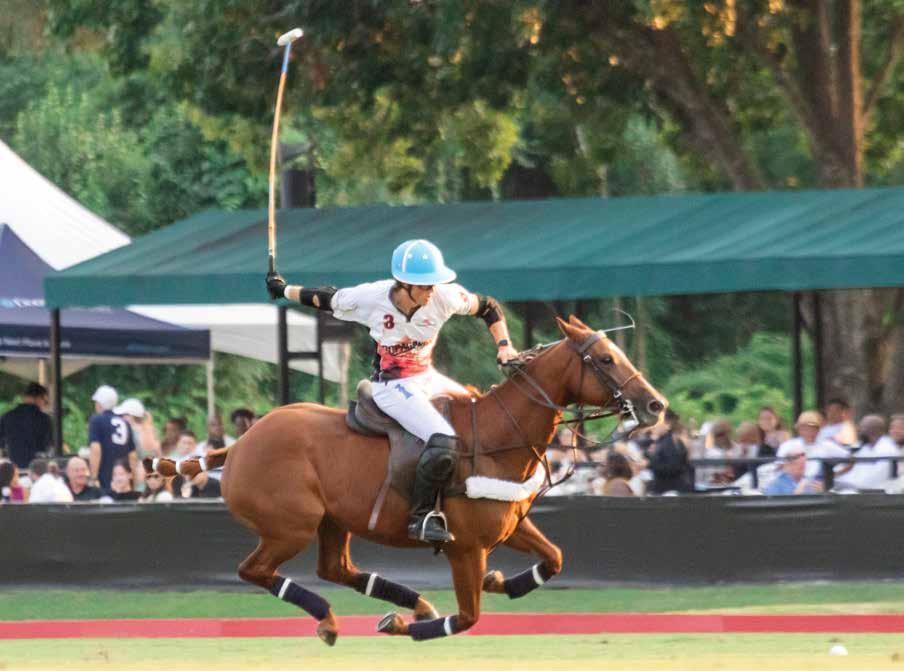
On the field, player positions are represented by the numbers on their polo jerseys—from one to four. The Number One player primarily assumes an offensive position on the field and is responsible for neutralizing the opposing team’s Number Four player—their primary defense. The Number Two is the mover and shaker, a transition player who backs up the Number One player and aggressively seeks to move the ball upfield. The Number Three player is the quarterback, who focuses on game strategy, field advantage, and moving the ball. This player is often the highest-rated player on the team. Finally, player Number Four is primarily responsible for guarding the goal and preventing the opposing team from scoring.
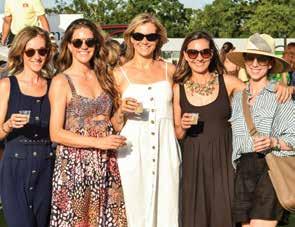
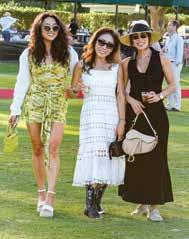
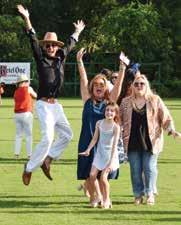
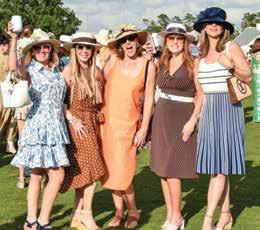
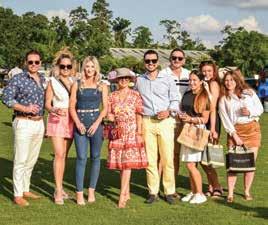
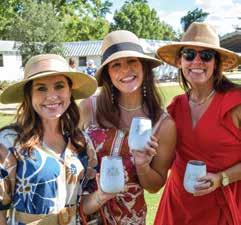
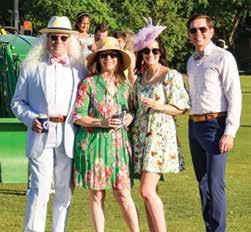
While the high-speed action remains on the field, there is a lot of fun to be had on the sidelines! Every Sunday, we host spectators in our boxes and general admission cantina and tented area, which is catered by The Lymbar. At half-time, spectators are invited onto the field to replace pieces of turf dug up by the horses during play. A great complement to the Divot Stomp is a tall glass of Piper-Heidsieck and a spoonful of chilled caviar (see page 50 for details!).

5.
By Paul Hobby
Texas has a foundational position in the history of North American Polo. The Galveston Daily News indicates in the summer of 1876 that Denison, Texas, had a polo club and that a challenge had been issued to the Westchester Polo Club in New York. There is also a persistent legend that the first polo game in the New World was played in Boerne, Texas, at retired British General Glynn Tourquand’s Balcones Ranch in 1883. Whatever version of that history you choose to believe, Texas has been contributing outstanding horseflesh and talented players to the global polo scene ever since. However, there is a more recent Texas contribution that is less appreciated, but no less essential to the modern game.
Before the Texas chapter began in the 19th century, polo traces its origins back more than two millennia. The name of the sport comes from the word pulu, which means “ball” in the Tibetan dialect of Balti. British tea planters and military officers in northeast India adopted this local, high-speed horseback activity and exported it around the world. While the speed of the game, the athleticism of the ponies, and the players often command attention, one small but integral part of the game has quietly shaped how polo is played: the ball itself. Every game is ultimately decided by mallet heads meeting the ball surface and generating a result—forward or backward, accurate or inaccurate.
The evolution of the polo ball—from carved wood to modern plastic— mirrors the broader story of tradition meeting innovation.
Early forms of polo, played in Persia and Central Asia, used balls fashioned from natural materials readily at hand. Historical accounts describe balls carved from willow root or made from bamboo, prized for their availability and hardness. These early balls were far from uniform. Weight, balance, and durability varied widely, influencing how the game unfolded on the field. As polo spread through India and later into Europe, these wooden and bamboo balls remained standard equipment.
By the 19th and early 20th centuries, wooden polo balls—most often made from willow—were the accepted norm in England, Argentina, and the United States. They produced a distinctive sound off the mallet and rewarded clean striking.Yet they came with serious drawbacks.Wooden balls chipped, absorbed moisture, and could splinter, sometimes breaking mallet heads or sending fragments across the field. In wet conditions, they grew heavy and unpredictable, altering both safety and style of play.
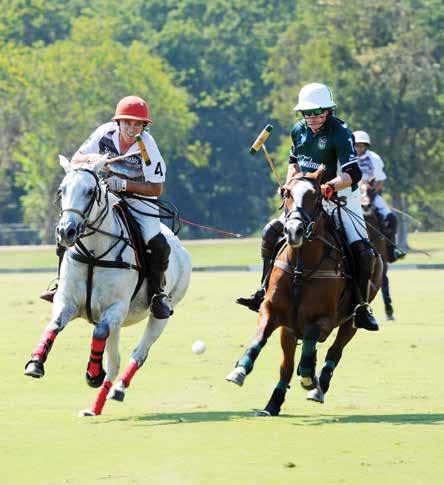
Experiments followed. Some clubs tried leather-covered balls or adapted cricket balls, while others explored rubber or cork interiors. None proved fully satisfactory. The ideal polo ball needed to replicate the feel and sound of wood while offering consistency, durability, and safety—an elusive combination.
The modern breakthrough came with the introduction of high-impact plastic polo balls in the late 20th century. Plastics offered uniform weight, moisture resistance, and a dramatically longer lifespan than wood, all while reducing the risk of splintering. Early plastic balls, however, were
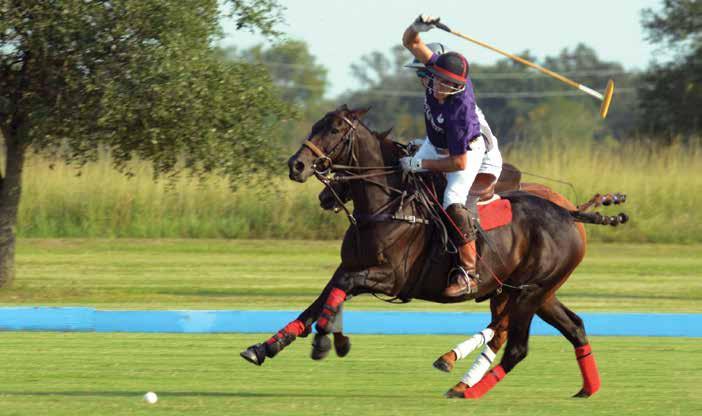
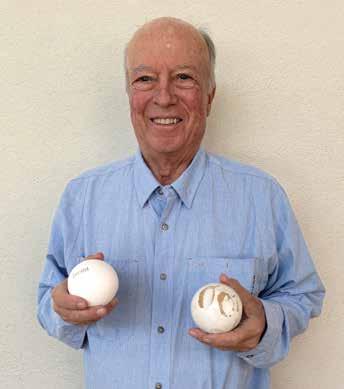
not universally welcomed. Players complained that some felt “dead” or marshmallow-like off the mallet, lacking the crisp response of traditional wood. But too hard could also be a problem. A ball that doesn’t dent at all will be far less controllable and less visible to a player at speed. It is understood generally in polo that when a professional player hits a penalty shot, they will ask for a battered (used) ball for that reason.
It was in this context that Vinnie Meyer, founder and former owner of Texas Polo, made his mark. Drawing on his background in manufacturing and plastics, Meyer set out not merely to replace the wooden ball but to improve upon it. Meyer applied precision molding techniques—originally developed for industrial equipment—to create a plastic ball that duplicated the sound, feel, and flight characteristics of a high-quality willow ball, while holding exact tolerances.
This refinement proved transformative. Texas Polo’s proprietary plastic ball gained acceptance among serious players and clubs, helping to normalize their use at all levels of the sport. Media profiles credit these balls with helping “revolutionize the sport,” by making play more consistent, safer, and less dependent on fragile materials. Today, Texas Polo balls are used by clubs around the world. Over the course of one week early this year, Meyer finished and shipped balls to Ecuador, Dubai, England, the National Polo Center, and Singapore, as well as to leading American teams. This is a significant achievement in a sport so married to its traditions. Graphite and fiberglass mallet shafts, dimpled balls, yellow balls, and even cloning of ponies have variously appeared on the polo scene but have all failed to achieve wide adoption. Even something as obvious as Velcro took decades to replace buckles on knee pads.
Modern polo balls remain deceptively simple in appearance: smooth, white spheres governed by strict size and weight specifications.Yet their journey—from hand-carved wood and bamboo to precisely engineered
plastic—reflects centuries of experimentation and adaptation. At the highest levels of any sport, details that are invisible to the spectator matter: subtle nuance and advanced materials science often become the difference between winning and losing. The story of the polo ball is part of that phenomenon, continually refined by those willing to blend respect for tradition with practical innovation.



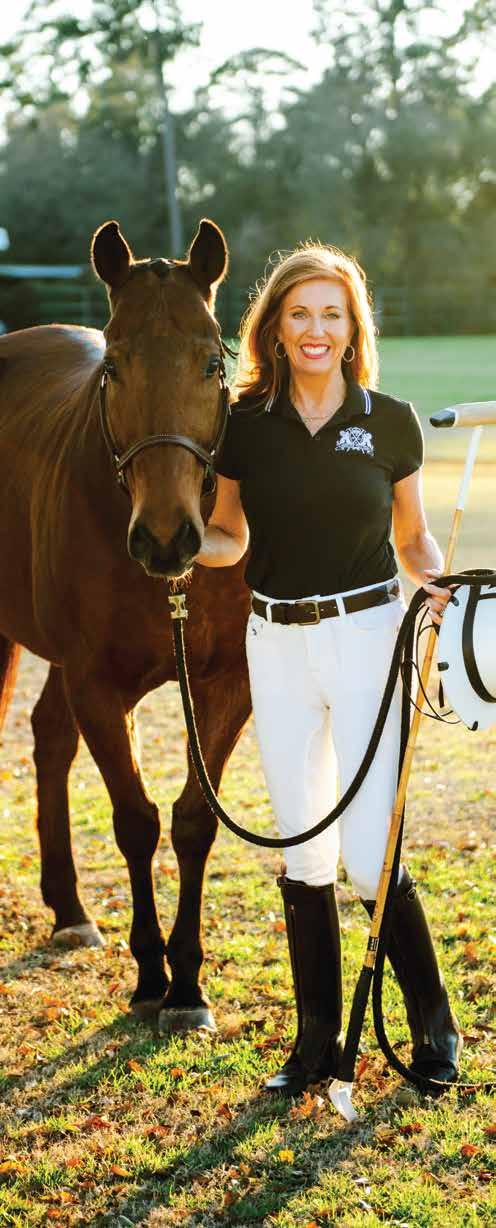
As a proud member of the polo community, Cindy Case brings the same focus, strategy, and composure from the field to every real estate transaction.
Specializing in finding and selling properties on- and off-market all over the world, Cindy delivers tailored guidance backed by a global perspective and trusted relationships.
Cindy Case
Sales Agent
O 281.652.5588
M 713.899.4010
cindy.case@elliman.com elliman.com
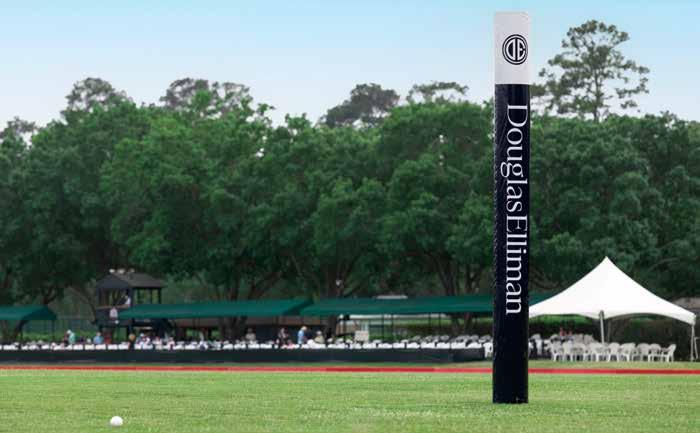
Douglas Elliman has been steeped in the equine world for almost three decades. But the luxury real estate broker’s connections to equine life are not just in the properties they sell. Douglas Elliman is an enthusiastic and long-standing sponsor of equine events, has a very invested cadre of agents who also ride, and caters to markets where being a “horse person” is woven into the social and sporting fabric of the communities. In fact, they even publish their own luxury equine magazine called Equestrian
Douglas Elliman has been a trusted luxury real estate brokerage for over a century (est. in 1911). Its alignment with the equine world makes sense when you consider that the markets that it calls home— New York, Florida, California, Texas, Colorado, and others—align quite nicely with pockets of significant equine sporting communities.
“We work in markets where equine properties are a very important part of the luxury market,” says Stephen Larkin, Executive Vice President & Chief Communications Officer at Douglas Elliman. “Whether it’s in Texas, Connecticut, upstate New York, the Hamptons, or Wellington, Florida.” And because so many Douglas Elliman agents are involved in equine sports and embedded in these equine communities, many of the sponsorships for tournaments and horse shows come directly through those agents.
“They live in the community. They own equestrian farms. They compete in the Hampton Classic or the Winter Equestrian Festival, both of which we sponsor,” explains Larkin. “So, we understand our clients—our buyers and sellers—because our agents are a part of their communities.
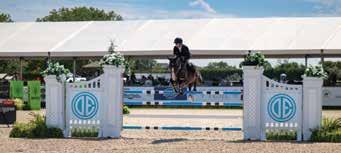
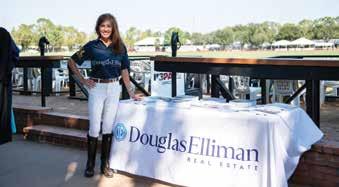
And who better to buy a very specialized property from than somebody who understands the life? Because we’re not just selling properties; we understand the labor and lifestyle that go with them.”
The equine community is very tightly knit, laced together by their love of horses and the lifestyle that surrounds them—whether that be in competition or the simple joy of a sunset trail ride. People who
love horses understand the meaningful world of trust and friendship that goes hand-in-hand with centering their families and lives around an equine lifestyle. It is a sacred bond that many feel can only be understood by other “horse people.” And it is these types of people who feel most comfortable reaching out to a broker who understands how to build a life and choose a property most suited to their lifestyle.
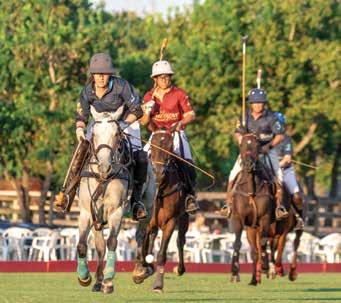
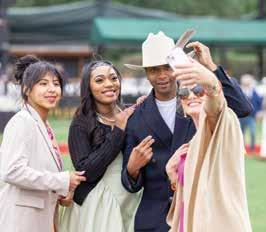
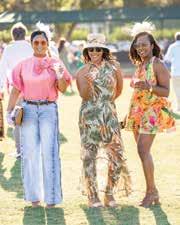
Alongside the thrilling competitive world of equine sports are those who participate as spectators at the events. The spectacle of equine sports has borne sideline traditions that draw people who love to watch horses and their riders display their skills: Champagne divot stomps at halftime, elaborate tailgating themes, a perfectly poured mint julep and the flair of a fascinator at the races.
The sidelines are also very social, where new connections are made, milestones are celebrated, and networks are built. This is also an important part of Douglas Elliman’s company culture. “It’s a real
Douglas Elliman is a huge supporter of the many equine disciplines as a sponsor, partner, promoter, and, in the case of many of their agents, as competitors in their own right. They partner with and sponsor many worldclass equestrian and polo events, including:
Hampton Classic Horse Show, Bridgehampton, NY
Winter Equestrian Festival, Wellington, FL
• Adequan Global Dressage Festival, Wellington, FL
• Houston Polo Club, Houston, TX
• LEXUS International Gay Polo Tournament, Wellington, FL
• Lamborghini Las Vegas Polo Classic, Las Vegas, NV
Old Salem Farm Horse Show, Westchester, NY
Upperville Horse & Colt Show, Upperville, VA
time-honored tradition that people come together on the sidelines of the events we sponsor,” says Larkin. “We invite agents and clients to come to our sponsored events. They sit down together, and they network and build business connections. Our agents love to get together, get to know each other, and refer business to each other from different markets.”


Cindy Case had no inkling that an invite to Sunday Polo would change her life. As a Douglas Elliman Realtor associate, she supported the company’s connection to equine lifestyles, but till that weekend, her horse-riding experience was limited to a single childhood trail ride.
“One Sunday, a friend of mine invited me to join her in her box at the Houston Polo Club,” says Case. “I recognized Tammy Beeson, the club’s Executive Business Director, who was also in my Doberman Pinscher Club. She enthusiastically suggested that I join the Polo School and be a part of the Houston Polo Club. I said, ‘I don’t even know how to ride a horse!’ I took a 2-hour introductory class, and I was hooked.”
After her intro class, in 2022, Case joined the Polo School, which is run by Polo Pro Mark Prinsloo. After graduating from the 8-week program, Case entered the Step-Up program, which guides learning players through a series of leagues designed to develop their horsemanship, polo skills, and passion for polo (see page 32 for more information). She played two years of Margarita League and is currently playing in the 2-Goal league as well as winter Arena Polo.
Case’s involvement with the Houston Polo Club led to an opportunity for Douglas Elliman to expand its equine support to Texas: Douglas Elliman Houston has been an active sponsor of HPC since 2024. They host a couple of events a year—including the Douglas Elliman Classic tournament— and invite family, friends, colleagues, and clients to a soirée under a beautiful tent that sits fieldside, surrounded by the lush Memorial Park.
Case’s life has taken a new tack since she was introduced to polo—in her focus, her relationships, and in her professional network. “At that introductory class, I met a handful of women who were all on the fence about joining. After that lesson, we all ended up joining together and have since become great friends.” She encourages anyone with even a passing interest in horses to come to a game. “I have played with men and women, ages 11 to 76. You don’t need riding experience, and age doesn’t matter; you can play polo.”



LET’S CREATE A HOME THAT’S AS EXTRAORDINARY AS YOU ARE.
Learn to play from the highest-rated USPA polo instructor in the USA! Mark Prinsloo brings 20+ years of teaching and playing experience to the field. All ages and skill levels are welcome!
Spring Polo School
April 14–June 2
Fall Polo School
September 15–November 7
School is in session twice a week: Tuesdays (6–8 pm) and Saturdays (9–11 am).
Proper polo horsemanship Game strategy
Swinging instructions Rules of the game Line of the ball
2 Tickets to Sunday Polo Matches Invites to HPC Social Events
Use of the HPC Polo Hitting Cage Polo School Graduation trophy item
No previous riding experience is necessary!
Too Cool for School?
Take a 2-hour polo clinic for just $200
For more information about Polo School programs, email us at playpolo@thehoustonpoloclub.com
The next step after Polo School isn’t a leap: it’s one step at a time to build your skills and passion for the sport!
The Margarita League: Each team has one instructor and two players, who receive individual coaching and grow at their own pace.
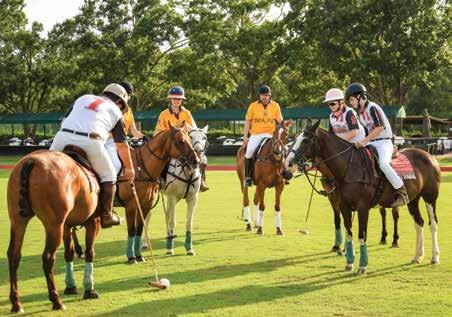
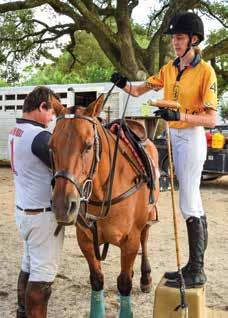
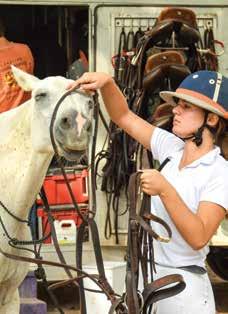
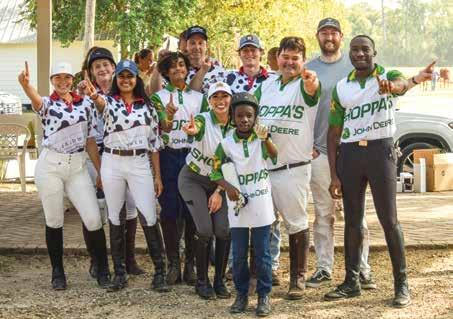
2-Goal League: With three players and an instructor per team, this league focuses on building up riding and stick-and-ball skills.
Pro Am League : Two sponsoring players play with two professional polo players who guide and coach the learning players in technique and strategy.
Excerpted with permission from United States Polo Association reporting
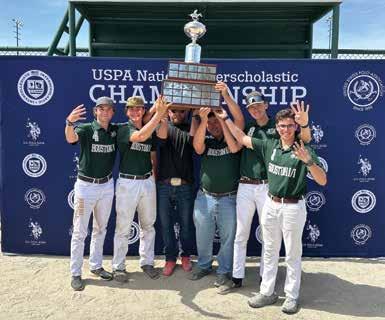
On Sunday,March 16,the conclusion of the Open National Interscholastic Championship featured a matchup between three-time reigning champions Houston (Judah Altic, Faris Hanna, Joe Bob Lequerica,Asa Gangjee) against Southeastern regional winners and firsttime national contenders Battlefield (Anushka Parasram, Aleem Siddiqui, Wil Ballhaus, Katelyn “KP” Pelaia, Zaki Siddiqui) at Empire Polo Club in Coachella, California.
Houston’s dominant start and consistent play proved decisive in a match defined by exceptional teamwork, precise passing, and outstanding horsemanship on both sides. Despite Battlefield’s determined final chukker push, Houston secured its fourth consecutive national title with an 11–7 win.
Houston’s victory marks the first national four-peat by a club since Culver Military Academy accomplished the streak from 1980 to 1983. Saturday’s triumph also vaulted Altic and Lequerica each to a fourth title (2022, 2023, 2024, 2025).
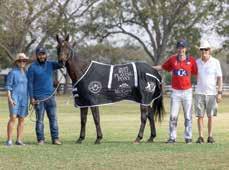
During the trophy ceremony, Houston’s team took home the award for Best TurnedOut String. Joe Bob Lequerica was named a tournament All-Star and earned the Horsemanship Award for his outstanding and consistent demonstration of riding ability and attention to equine care throughout the competition.
Congratulations to the team and their coaches, Shane Rice and Mark Prinsloo, for this incredible culmination of their determination, dedication, and teamwork.

The future of medical innovation is built in Houston. Let’s work together to shape what’s next. With our experience and your passion, we can turn bold ideas into real impact.





Presented by Bill Fick Ford
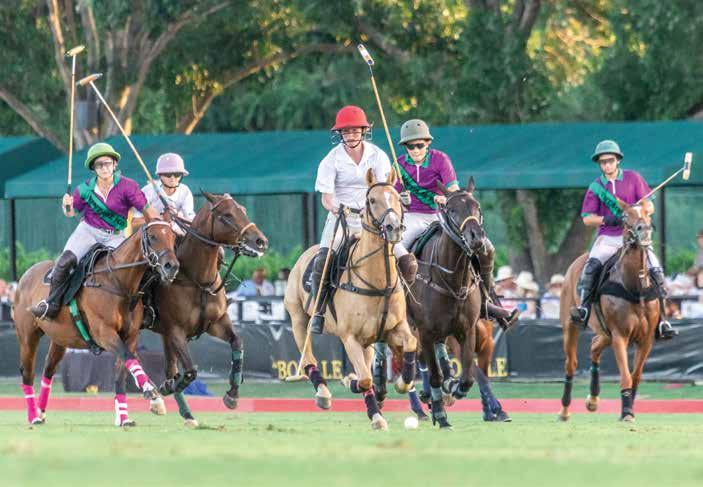
The NYTS qualifiers give our talented young players (aged 11 to 19) a chance to compete at the national level. Qualifiers are held at polo clubs across the United States during the summer months. NYTS All-Stars are announced at each qualifier, and each All-Star is in contention for being selected for the NYTS Championship, held each year in the fall.
The National Youth Tournament Series (NYTS) qualifier division, presented by Bill Fick Ford, had players hailing from St. Louis, Dallas,
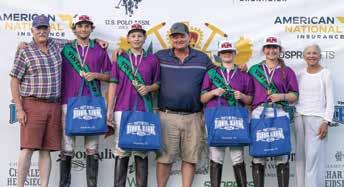
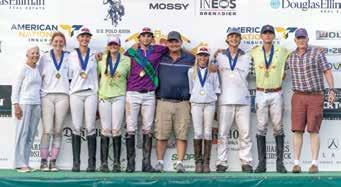
and the Houston area competing for spots on the NYTS Championship team. All-Stars are selected based on their horsemanship, sportsmanship, playing ability, current handicap, and team ability. Seven of our young players qualified as 2025 All-Stars.
The club would like to thank Bill Fick Ford for their generous sponsorship of the 2025 Houston Polo Club Junior Tournament and NYTS Qualifier.
Presented by Bill Fick Ford






FROM RIVER OAKS TO MEMORIAL, DOUGLAS ELLIMAN IS THE ONLY NAME FOR LUXURY REAL ESTATE.
One of the things that makes polo unique among major sports is that amateurs and professionals compete together on the same field. At nearly every level of the game—from club tournaments to some of the sport’s most prestigious events—you will find passionate amateur players riding alongside seasoned professionals.
Those amateur players are known in polo as patrons, and together with the professionals, they form the partnership that makes the sport possible. Every team you see galloping down the field on a Sunday afternoon is the result of that collaboration.
Behind the excitement of the match—the thunder of hooves, the speed of the play, and the crack of the mallet—there is also a thoughtful process of team building. A successful polo team is rarely assembled by accident. It is carefully constructed through a combination of skill, strategy, and a bit of what players often call “polo math.”
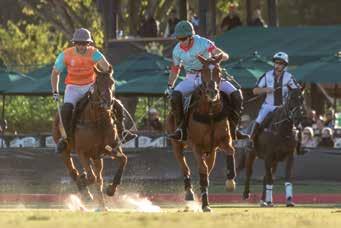
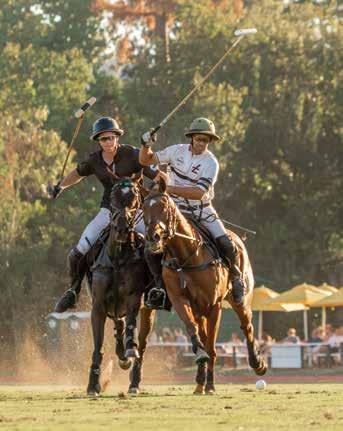
Most polo teams begin with a patron, the amateur player who organizes and sponsors the team. Patrons play the sport because they love it. They are often deeply involved in polo clubs and tournaments, and many have spent years learning the game and developing their horsemanship. But their role goes beyond simply playing.
Running a polo team requires a significant commitment. Patrons typically cover many of the costs that allow the team to compete—horses, training, transportation, tournament entry fees, and the salaries of the professional players they hire. In many ways, patrons are the engine that keeps the sport moving forward, providing the support that allows teams and tournaments to exist. Just as importantly, the patron acts as the team architect, selecting the professionals who will help bring the team together on the field.
To understand how teams are assembled, it helps to understand polo’s handicap system—one of the sport’s most distinctive traditions. In polo, the word “goal” is used not only for scoring, but also to describe a player’s handicap rating, which reflects their overall ability. Handicaps range from -1 to 10, with 10 being the highest rating in the world.
A player’s handicap takes into account their horsemanship, strategy, teamwork, and impact on the game. Each year, the United States Polo Association Handicap Committee reviews players and adjusts their ratings based on performance. Most players begin their polo careers with a handicap of -1, gradually improving their rating as they gain experience.
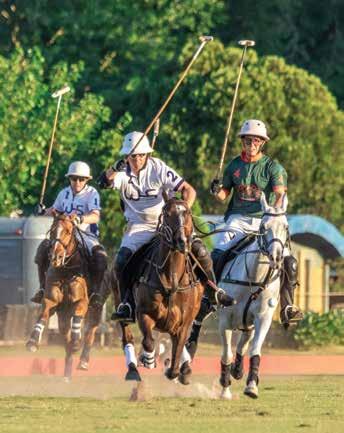
Every polo team consists of four players, and their handicaps are added together to determine the team’s total handicap.Tournaments are organized by handicap level, meaning each team must fall within a specific total. For example, in a 10-goal tournament, the four players on a team might combine to equal ten goals. One possible lineup might look like this:
A 4-goal professional player;Two 3-goal players; A 0-goal patron
Together, those four players form a 10-goal team.
Because of this system, building a polo team is a bit like solving a puzzle. Patrons must find players whose handicaps fit the tournament level while also assembling a group with the right chemistry, experience, and playing style.
Professional players—often simply called pros—are the athletes who dedicate their lives to the sport. Most pros have higher handicaps and spend the majority of the year riding, practicing, and competing. Many also train horses, coach other players, or manage polo operations as part of their careers.
Life as a professional polo player can be remarkably mobile. Many follow the polo seasons across the country, playing wherever tournaments are being held. A professional who plays in Houston during the spring and fall seasons, for example, might spend the winter competing in Florida and the summer playing in California or Wyoming. Wherever the polo circuit goes, many pros follow.
The line between amateur and professional polo can sometimes appear blurry, particularly at the lower levels of the game. A team competing in a 4-goal tournament, for example, might pay a 0-goal or 1-goal player a modest amount to help fill a position on the roster. But receiving occasional payment does not necessarily make someone a true professional. For those who want to build a career in the sport, the path requires years of dedication.
Houston Polo Club Polo Manager Mason Wroe explains that young players often travel extensively in search of opportunities. “You’ve got to perform,”Wroe says.“You’ve got to do well, you’ve got to get to the finals. Then you get noticed, then you get jobs—and your handicap increases.”
Many aspiring professionals spend years moving from club to club, hauling horses across the country and playing wherever they can find a spot on a team.
At its heart, polo is built on the partnership between patrons and professionals. Patrons bring the vision, passion, and support that allow teams to exist. Professionals bring experience, strategy, and the high-level skill that elevates the game. Together they create the teams that take the field—four riders working in harmony at full speed, blending talent, teamwork, and horsemanship in one of the most exhilarating sports in the world. And that partnership between amateur and professional is precisely what makes polo so distinctive. It is one of the few sports where the love of the game and the pursuit of excellence meet on the same field.



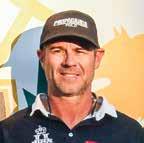

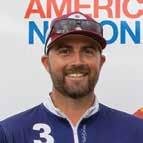


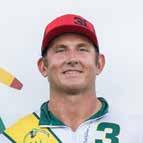
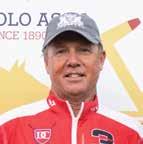





Name Rating Hometown
Judah Altic A Houston, TX
Jose Barrientos 2 Argentina
Chad Bowman 2 Cat Spring, TX
David Crea 1 Pattison, TX
Quinn Evans 2 Union, OR
Tiamo Hudspeth 1 Fulshear, TX
CJ Lequerica 1.5 Sealy, TX
Joe Bob Lequerica 2 Sealy, TX
Lily Lequerica A.5 Sealy, TX
Sheila Lequerica A.5 Sealy, TX Name
Troy Lequerica 1 Sealy, TX
Drew Luplow 2 Bellville, TX
Ariel Mancebo 1 Hempstead, TX
Carin Middleton A.5 Cat Spring, TX
Will Mudra 1 Cat Spring, TX
Martin Munoz 2 Brookshire, TX
Audry Persano 1 Wharton, TX
Mark Prinsloo 2 Pattison, TX
Hernan Tejera 2 Victoria, TX
Jesse Weaver 1 Houston, TX

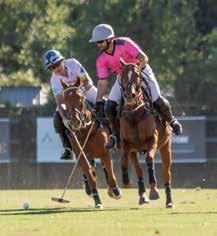
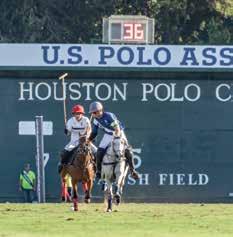
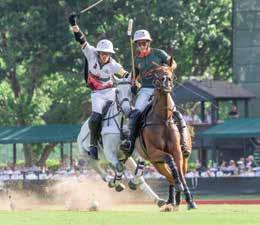
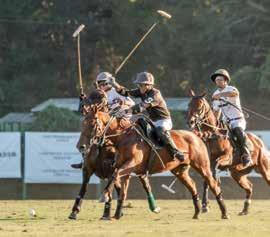
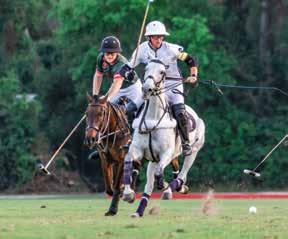
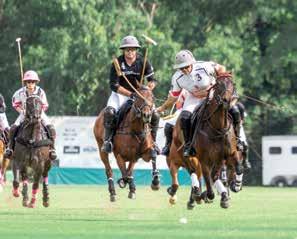
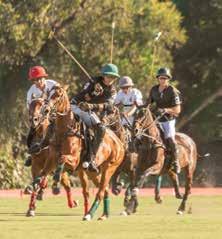
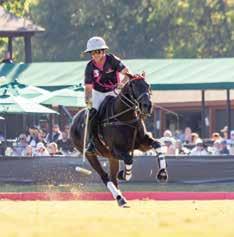
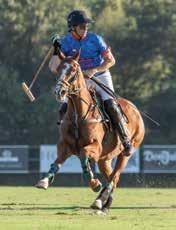
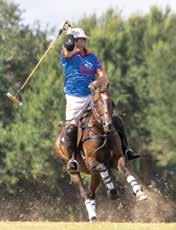
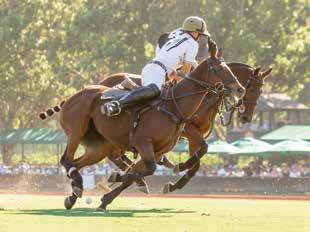

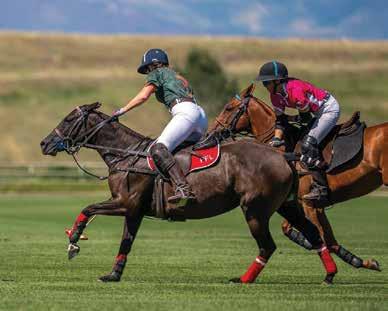
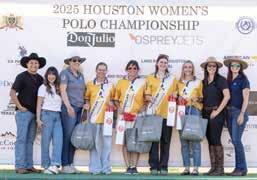
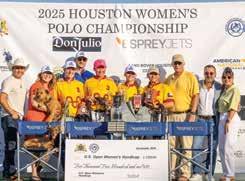
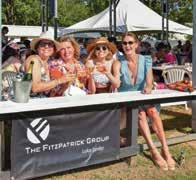
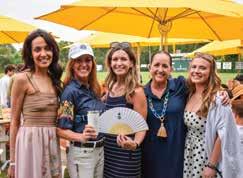
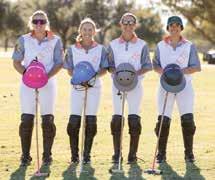
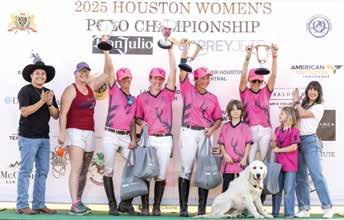
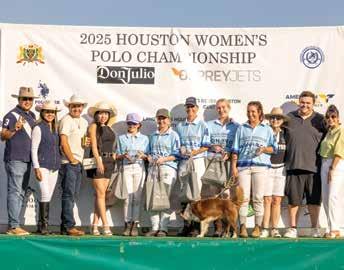
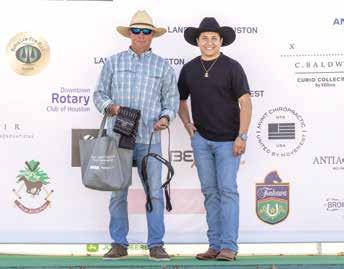
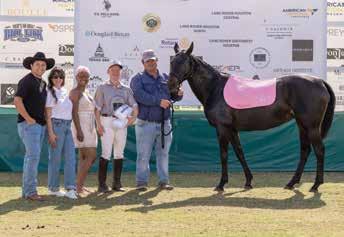
The Fall 2025 Houston Polo Club season culminated with the 2025 Houston Women’s Polo Championship, sponsored by Don Julio & Osprey Jets.The event started with a Kickoff celebration followed by a week of polo featuring four different tournament levels played by a total of 67 women.This week was made possible thanks to the generosity of private field owners; support from corporate sponsors; tons of effort by family members, friends, and grooms; and most importantly—the horses!
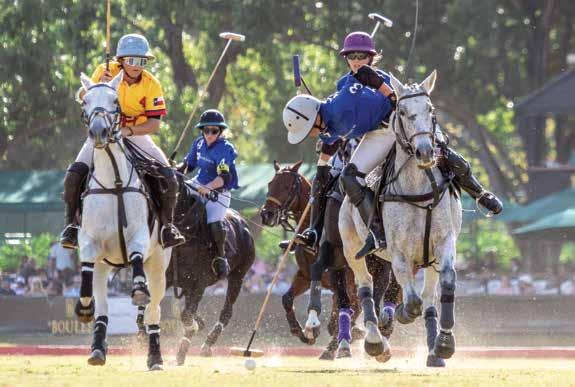


U.S. Open Women’s Handicap featured four 17/18-goal teams. The final featured an All-American battle between AF Pony Farm/ Wild Dog and BCI/Lazy 3.The thrilling back-and-forth game ended in a 7.5–6 victory for AF Pony Farm/Wild Dog.

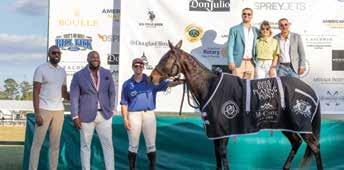
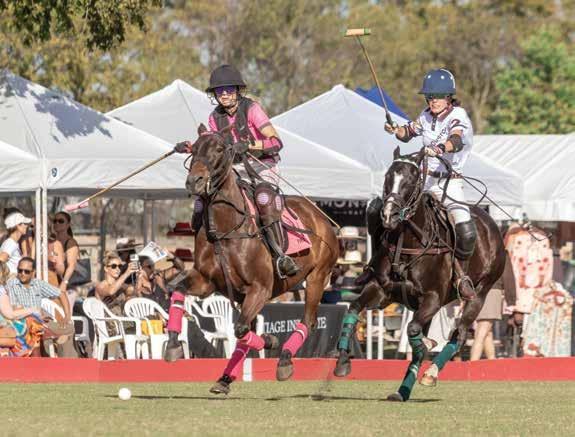
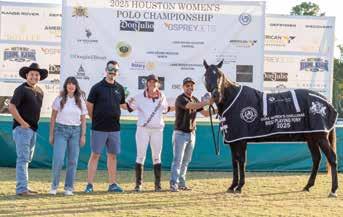
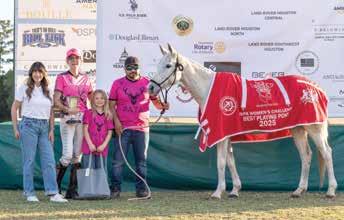
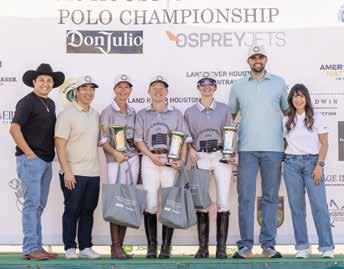
Out of the eight teams competing in the 2025 USPA Women’s Challenge, two 11/12-goal teams rose to the top to compete in the final: Pata Life and Sonic Land Rover Houston.The teams were neck-and-neck in the first half, but Pata Life surged ahead to secure a 10.5–4 victory.





REALTOR-ASSOCIATE® Circle of Excellence | Hall of Fame 713.253.9024
patricia.reed@sothebys.realty PATRICIAREEDREALTOR.COM David

REALTOR-ASSOCIATE® Circle of Excellence 713.851.5577
david.gugino@sothebys.realty DAVIDGUGINO.COM

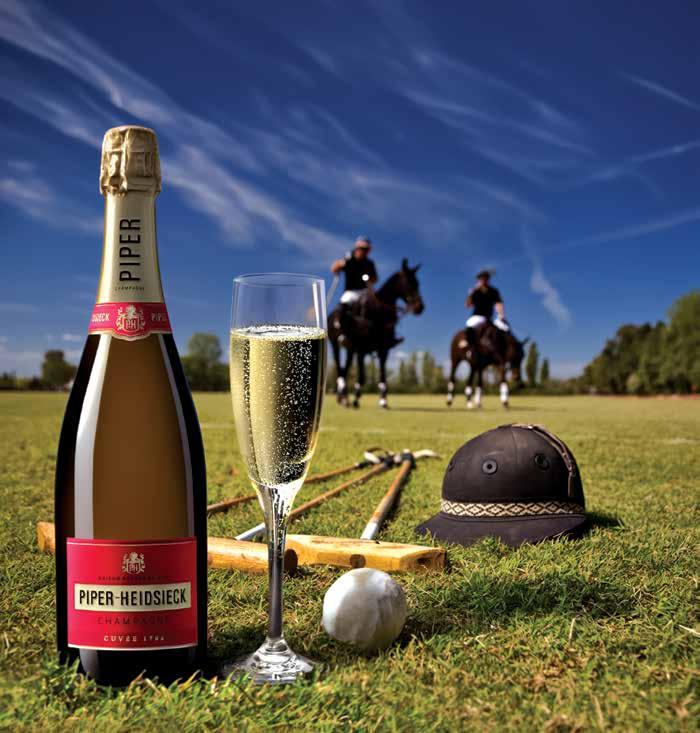
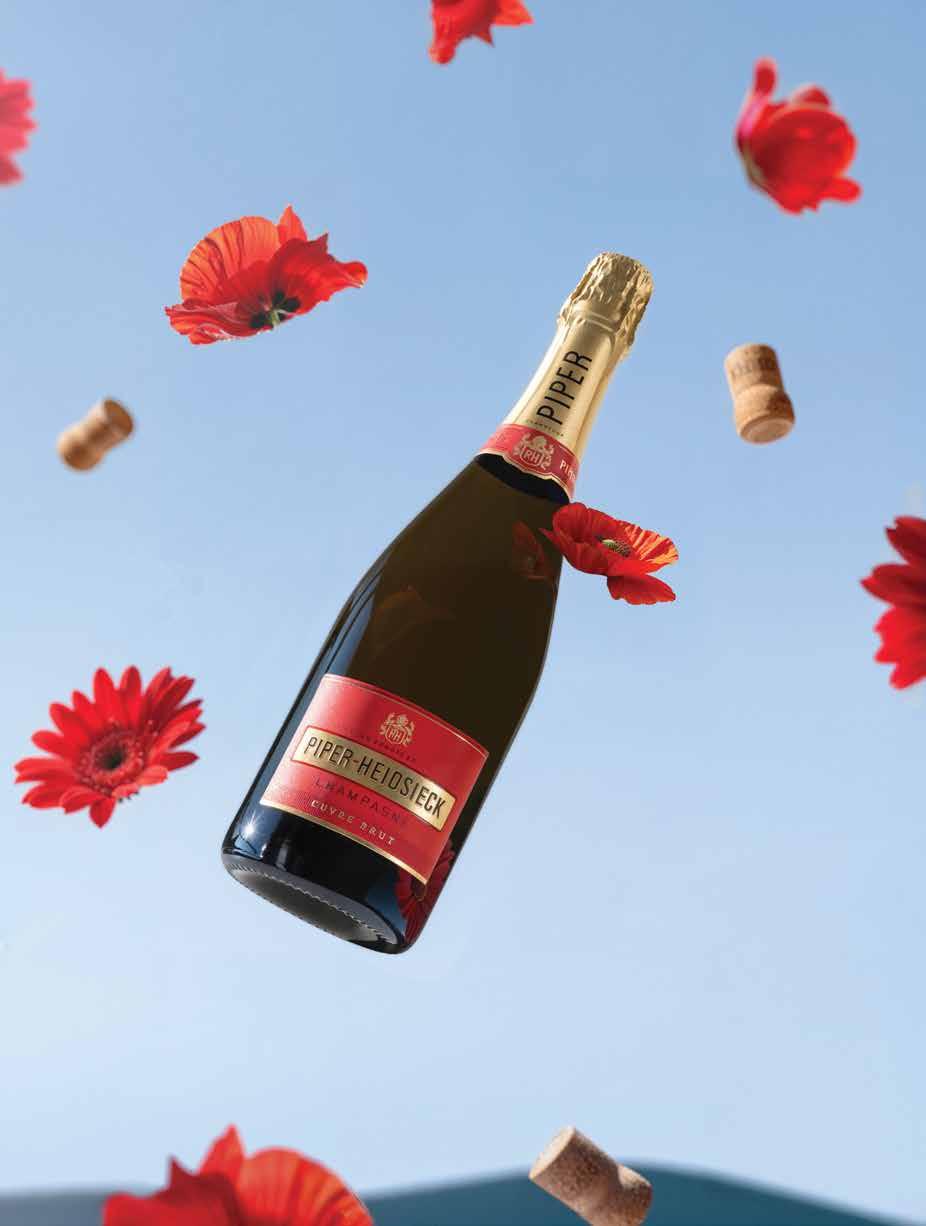
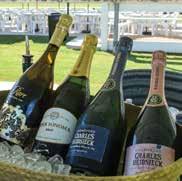
Polo has a regal history. At the Houston Polo Club, we like to bring that sense of occasion to our Sunday polo crowds with traditions like the half-time divot stomp—paired perfectly with Piper-Heidsieck Champagne!
In keeping with royal lineage, when the Heidsieck family founded their maison in 1785, they wanted to create a Champagne fit for a queen. So they sent bottles to Marie Antoinette, who loved it and became the first brand ambassador (or the 18th-century version thereof) for the Champagne.
We are excited to partner with a Champagne house that has balanced the tradition of a multi-generational family enterprise with the innovation required to make their wine consistently exciting. In addition to being the
most awarded Champagne of the past century, in 2022, Piper-Heidsieck became the first Champagne house to attain “B Corp” certification. This designation is awarded to businesses that meet high standards of social impact and environmental management. They are committed to sustainable practices that include preserving and enhancing biodiversity and local species by banning the use of herbicides and pesticides.
“I go to bed with a few drops of Chanel No 5 behind my ears and I wake up each morning with a glass of Piper-Heidsieck. It warms me up.”
—Marilyn Munroe
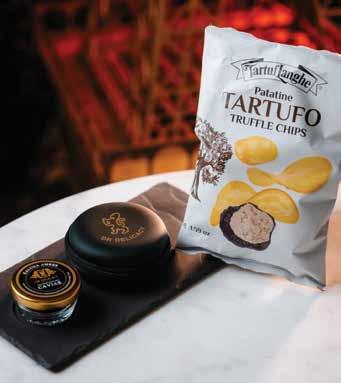
Partnering with Piper-Heidsieck made us ponder how we could augment the polo experience for our Sunday Polo spectators even more. The answer was obvious: a perfect pairing that feels a little like a celebration and a lot like fun. Champagne and caviar!
New to this pairing? Here’s why it works so well:
• Brine vs. Fruit: The subtle saltiness of the caviar highlights the fruit notes of the Champagne. In this case, the notes of white peach, fresh almond, orange blossom, pear, and toasted brioche play perfectly with the delicate brine and buttery texture of our two caviar choices: Kaluga Black Caviar and Osetra Imperial Gold Caviar
• Richness vs. Acidity: Caviar is a delicacy because when the little pearls burst in your mouth, you are treated to a rich, silky texture. Champagne bubbles cut through that richness to cleanse your palate, lifting it up for the next bite.
• Bubbles vs. Pearls: There is just something about the texture of the silky pearls and the bright effervescent bubbles that create an incredible sensory experience.
Nothing eases the heat of the Houston polo season like chilled bubbles and pearls.We keep our caviar and Piper-Heidsieck perfectly chilled on the sidelines.
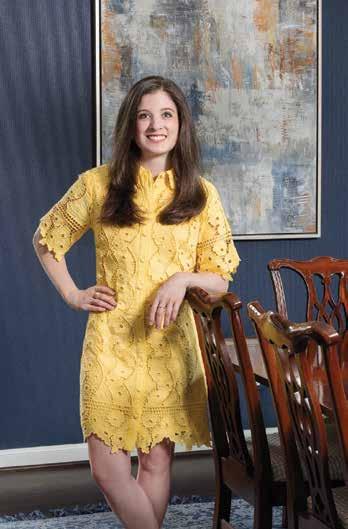
Laura Winslow Owner






























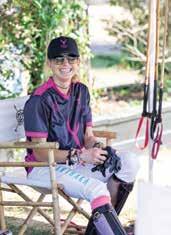
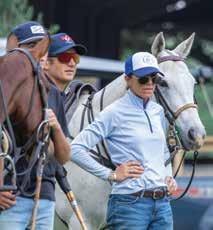
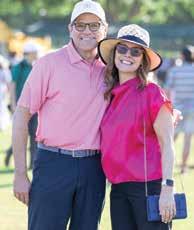
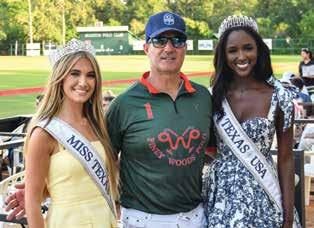













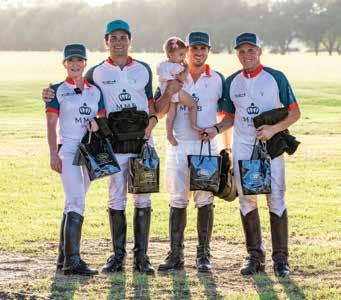

Winner: MRS MOMMA BEAR
Lee Lee, Harrison Azzaro, Santi Torres, Mike Azzaro
Runner Up: BTA
Kelly Beal, Steve Krueger, Cody Ellis, KC Krueger
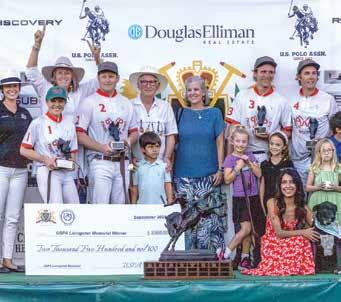
Runner
Winner: BTA
KC Krueger, Steve Krueger, Joe Bob Lequerica, Kelly Beal
Runner Up: Piney Woods Polo
Marit Stout, Drew Luplow, Joao Aranha, Jack Kiely
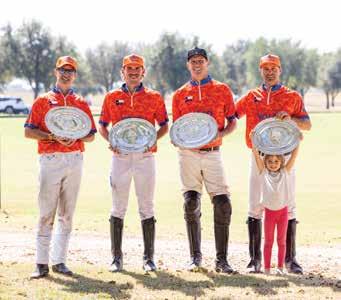
Winner: YOLO Polo
Runner Up: Eureka
Jorge
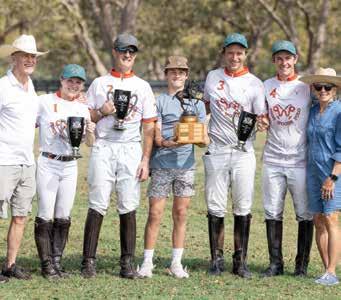
USPA Keleen & Carlton Beal Cup (6 Goal)
Winner: Piney Woods Polo
Marit Stout, Hank Stout, Joao Aranha, Jack Kiely
Runner Up: BTA
Alyson Poor, Carin Middleton, KC Krueger, Cody Ellis
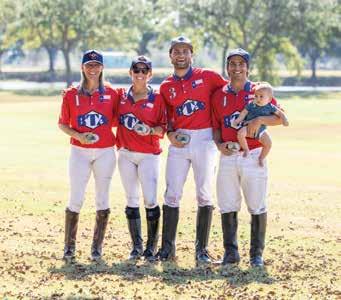
USPA Governor’s Cup (6 Goal)
Winner: BTA
Carin Middleton, KC Krueger, Harrison Azzaro, Jose Barrientos
Runner Up: Piney Woods Polo
Marit Stout, Hank Stout, Joao Aranha, Jack Kiely
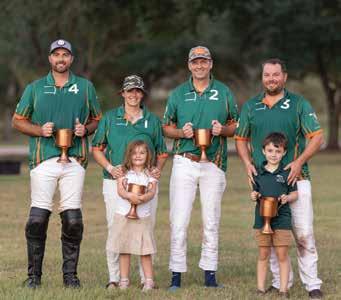
USPA Penny Cup (6 Goal)
Winner: Hicks Johnson LLC/Traveller’s Rest
Nicolai Galindo,Tiffany Orthwein, Logan Johnson, Robert Orthwein
Runner Up: Pegasus/Sentinel Trust
Sheila Lequerica, Asa Gangjee, Joe Bob Lequerica, Mason Wroe
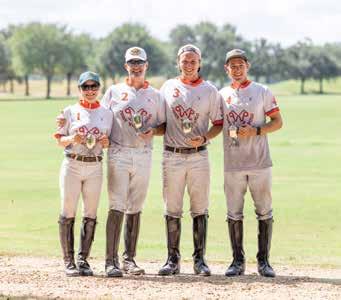
USPA General George S. Patton Jr. Cup (6 Goal)
Winner: Piney Woods Polo
Marit Stout, Hank Stout, Joao Aranha, Jack Kiely
Runner Up: BTA
Carin Middleton, KC Krueger, Harrison Azzaro, José Barrientos
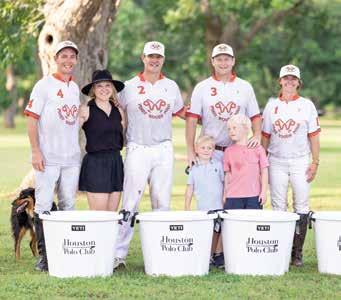
USPA Constitution Cup (6 Goal)
Winner: Piney Woods Polo
Jack Kiely, Marit Stout, Hank Stout, Drew Luplow, Audry Persano
Runner Up: BTA
KC Krueger, Harrison Azzaro, Lily Lequerica, Carin Middleton
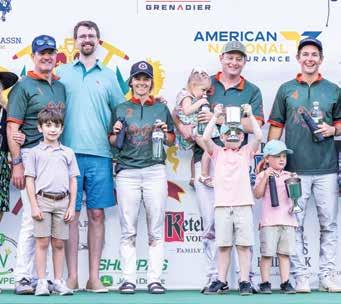
2025 USPA General S. Brown Cup (6 Goal)
Winner: Piney Woods Polo
Hank Stout, Audry Persano, Drew Luplow, Jack Kiely
Runner Up: Propaganda/W-S
Paul Hobby, Quinn Evans, Miguel Torres, Chris Williams
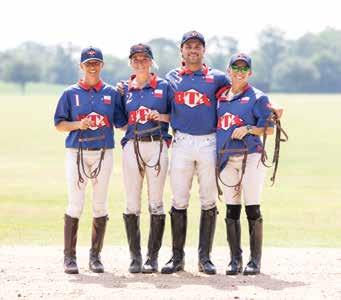
USPA Master’s Cup (6 Goal)
Winner: BTA
Carin Middleton, Lily Lequerica, Harrison Azzaro, KC Krueger
Runner Up: Propaganda/W-S
Taylor Shell (standing in for Paul Hobby), Quinn Evans, Miguel Torres, Wesley Sinor
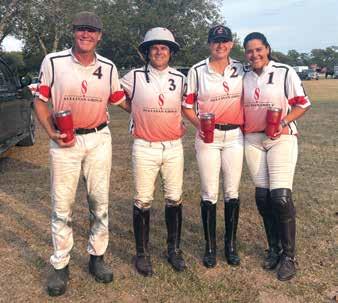
Cherry Oak Championship (6 Goal)
Winner: Plank Companies/Sullivan Group
Joe Wayne Barry, Nick Cifuni, Kendall Plank, Joanie Jackson
Runner Up: 3L Energy Solutions/Island Time Polo
Nick Dunbar, Bryan Middleton, Luciano Vasquez, Michelle Agrons
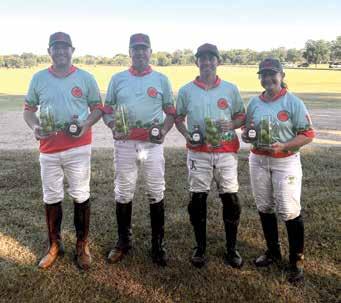
Traveller’s Cup (6 Goal)
Winner: 3L Energy Solutions/Island Time Polo
Nick Dunbar, Bryan Middleton, Luciano Vasquez, Michelle Agrons
Runner Up: Propaganda/W-S
Paul Hobby, Quinn Evans, Miguel Torres,Wesley Sinor
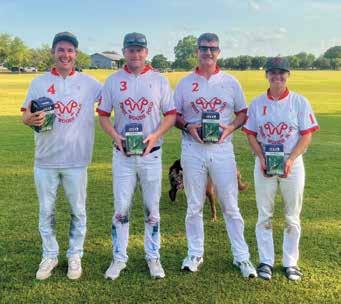
Commander’s Cup (6 Goal)
Winner: Piney Woods Polo
Jack Kiely, Drew Luplow, Hank Stout, Audry Persano
Runner Up: Island Time Polo/Plank Companies
Kendall Plank, Joe Wayne Barry,Tommy Alberdi, Michelle Agrons

Liberty Cup (6 Goal)
Winner: Pata Life
Jesse Weaver, Sylvia Kampshoff, Philipp Kampshoff, Marcos Villanueva
Runner Up: 3L Energy Solutions/BCI
Nick Dunbar, Chad Bowman, Bryan Middleton, Cara Kennedy
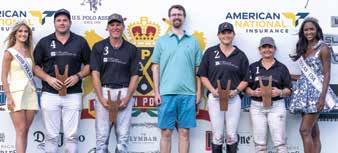
Bluebonnet Cup (6 Goal)
Winner: Island Time Polo/Plank Companies
Tommy Alberdi, Joe Wayne Barry, Kendall Plank, Michelle Agrons
Runner Up: Roxstars/Sullivan Group
Roxy Mounter, Joanie Jackson, Nick Cifuni, Shane Rice
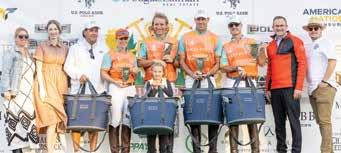
Lone Star Cup (4 Goal)
Winner: Crows Nest Ranch/YOLO Polo
Brandy Heckeroth, Hank Stout, Jimmy Seward, Joao Aranha
Runner Up: Jaipur Ranch/Island Time Polo
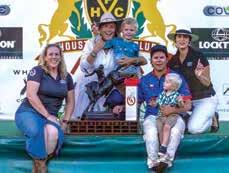
Ankit Joshi, Christine Agrons, Bryan Middleton, Joe Bob Lequerica