E-Book - EXCURSION 3 - Living in the Commune of Schengen
Realised projects
Not realised projects
Work in progress
Germany
Residential building Rauchstraße for the I.B.A. 1981–1986
Residential Park Am Elbpavillon 1993–1995
Senior citizens’ residences and hotel An den Dominikanern 1996–2000
France
Apartment building Coeur
Impérial – Monarque
2015–2021
Apartment building Coeur
Impérial – Le Gouverneur 2015–2021
Luxembourg
Réimerwee dwellings 1990
Nuddelsfabrik social housing 1993–1995
Two residential buildings Avalon House 3 and House 4 1994–1996
Residential building Avalon House 13 2000–2004
Apartment building Grünewald District 2004–2007
Six apartment buildings with thirty-three dwellings Bei Woiwer 2007–2011
General development plan for the Rilspert neighbourhood 2009
Rilspert subdivision with twenty-three terraced houses and landscaping 2009–2014
Social housing building for the Housing Fund 1991–1994
Social housing residence Kräizbierg – vingt-trois apartments 2009–2019
Multi-purpose complex: stores, offices and dwellings 2016
Residential Building Route d’Esch–Monopol Résidence Route d’Esch Monopol 2016
Muller single-family house 1984–1985
Ruppert single-family house 1984–1985
Single-family house Hirtt-Gaspar 1999–2000
Conversion of the Jankowitz building into a residential and office building 2004–2007
Apartment building A Spunjesch
2006–2007
Two single-family homes Weber 2006–2007
Single-family house La Schiazza 2009–2011
Conversion of the Wilzius House 2009–2010
Conversion of the Kayser House 2009–2011
Pretemer
Single-family house 2010–2011
Four terraced houses, op der Wollefskaul 2010–2012
Housing subdivision Am Doelchen 2011–2015
Single-family house
Obertin-Marx 2013–2015
Conversion and extension of the D’Haeseleer House 2014–2018
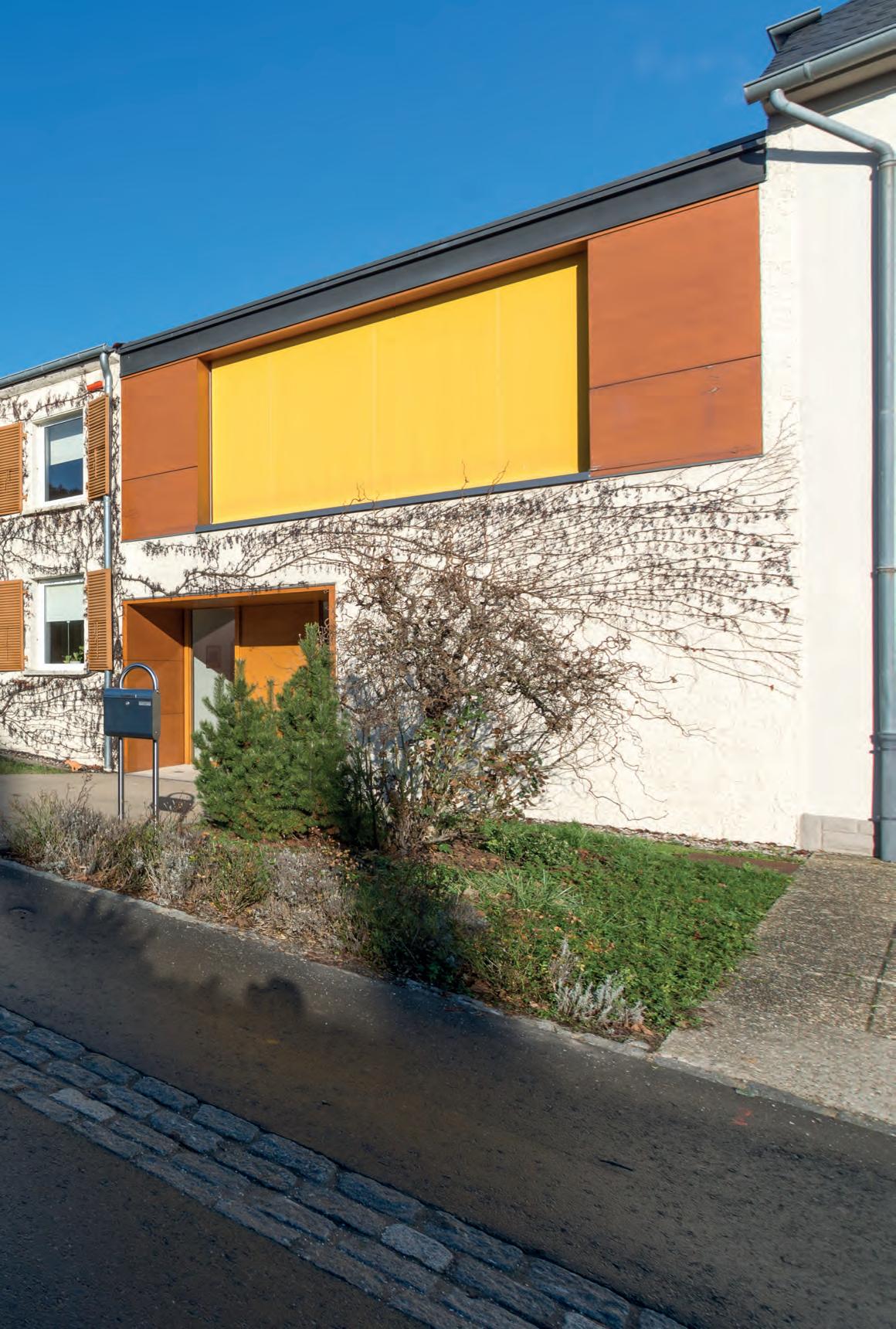
Conversion of a grocery store and construction of an apartment and a single-family house 2010–2012
Conversion of a winegrower’s house and dwellings Dentzscheseck 2013–2020 House for Karl Friedrich Schinkel 1979
Energy-house on the Mosel 1985
Reuter single-family house 1985–1987
Bortuzzo single-family house 1988–1989
Valentiny-Zucca single-family house 1988–1989
Hoffmann single-family house 1989–1990
Marxen single-family house 2003–2006
Artist’s studio Martine Deny 2016–2017
Wurth single-family house 2006–2007
Maglica single-family house 1988–1989
Schmit-Lauer single-family house 2012–2013
Reuter-Santer single-family house 2014–2016
Winter garden for a single-family house 2011–2012
Conversion and extension of the Rodenbourg house 2012–2015
Conversion of Heisdorf Castle into an integrated centre for the elderly 2002–2004
Residence for the elderly Les Jardins de Schengen 2007–2015
ENSEMBLE:
LIVING IN THE COMMUNE OF SCHENGEN
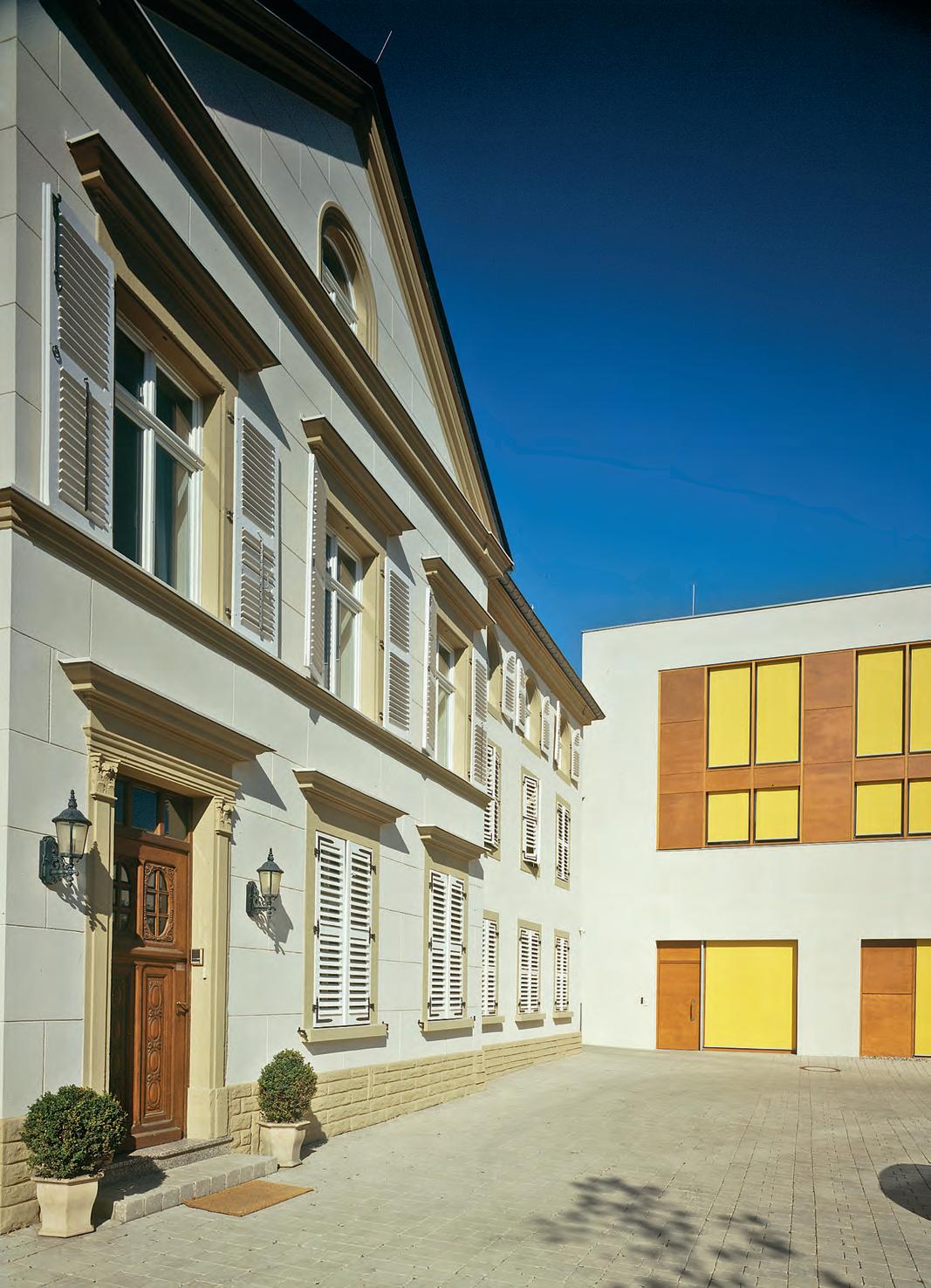
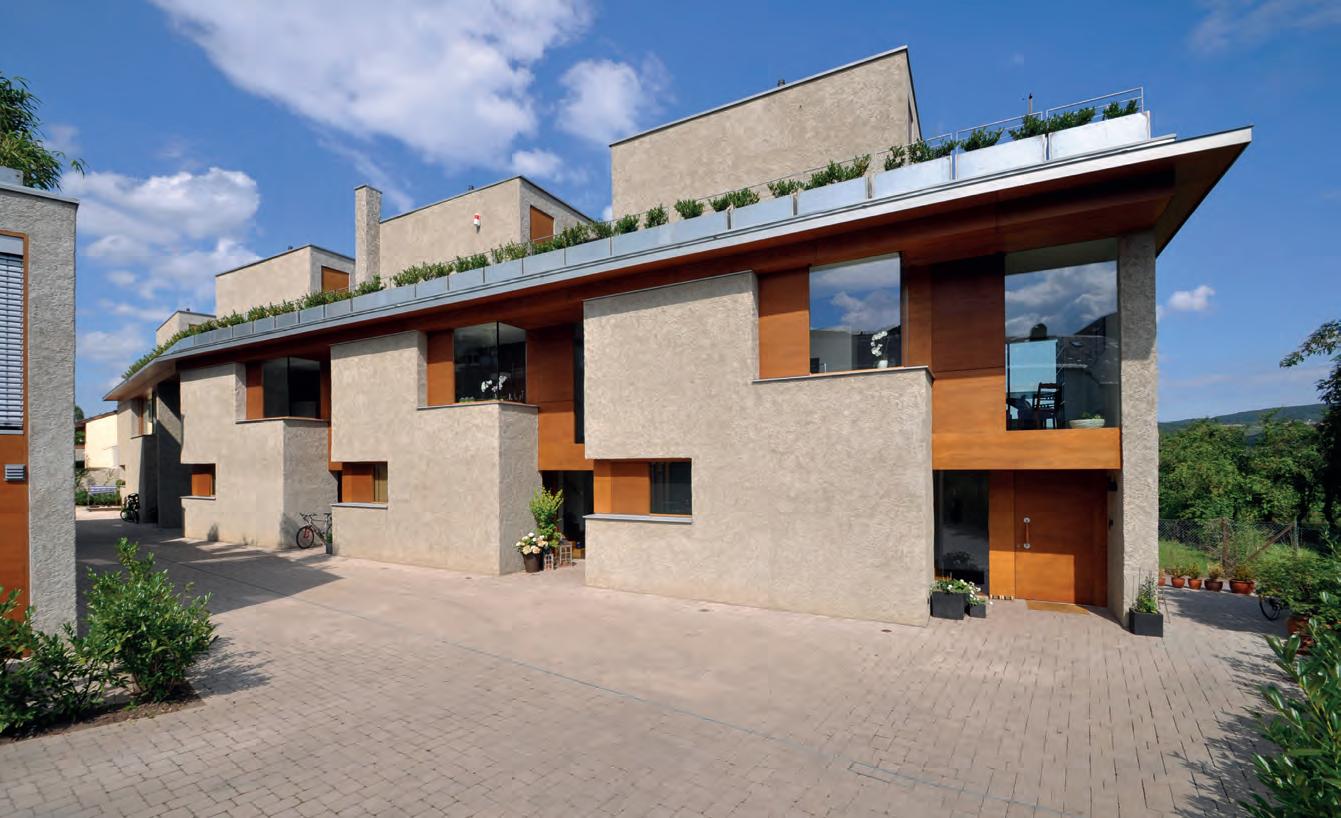
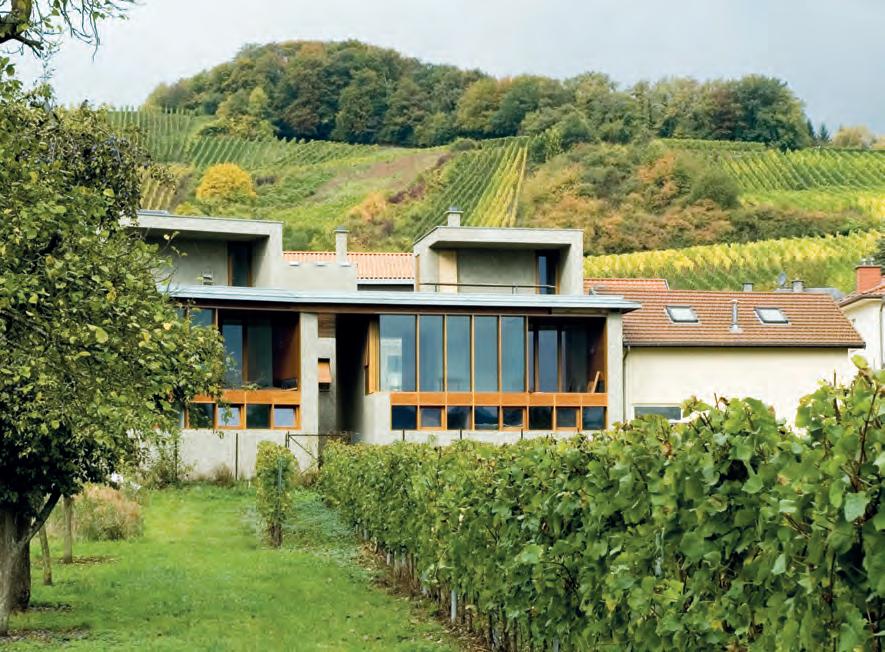
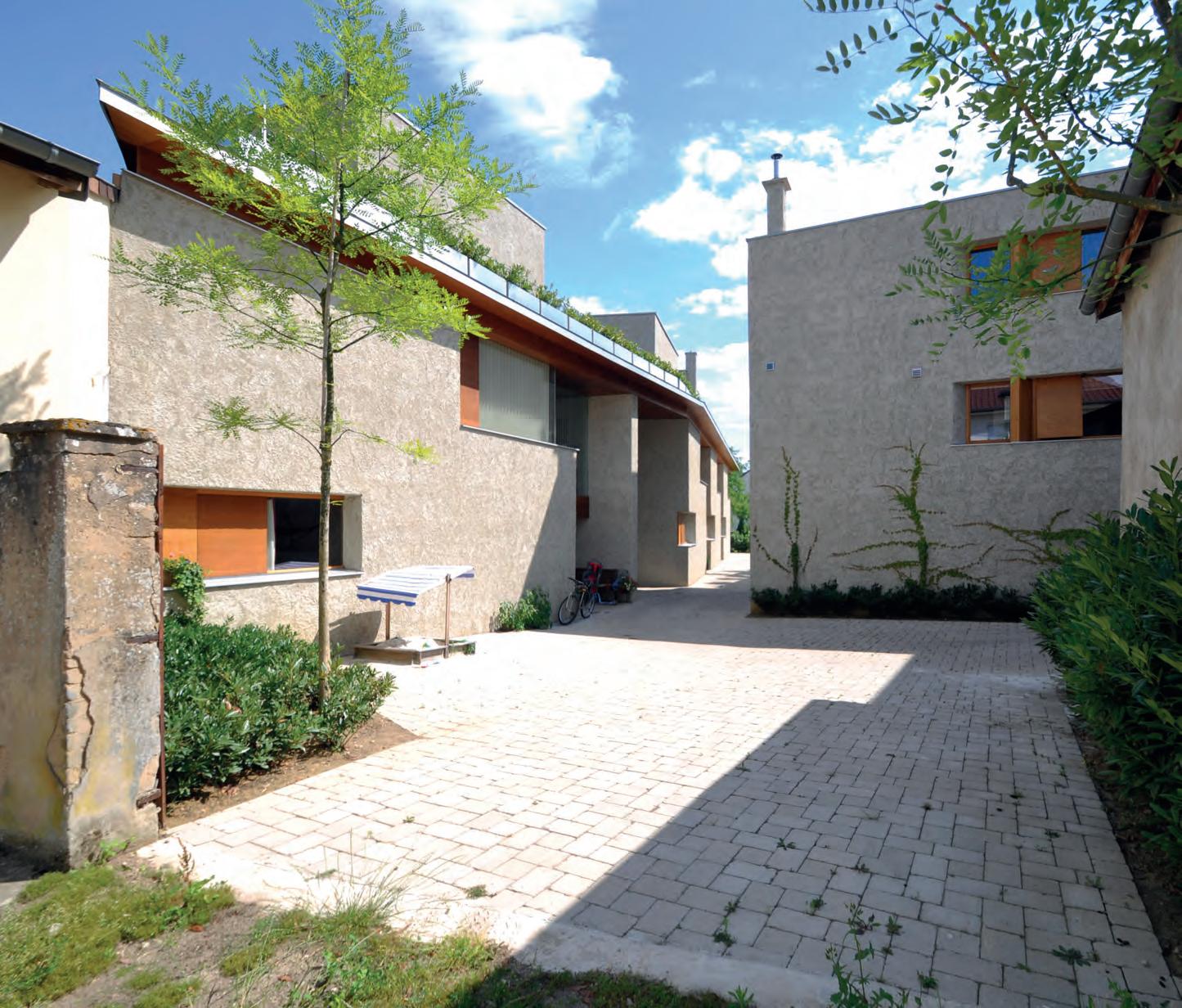
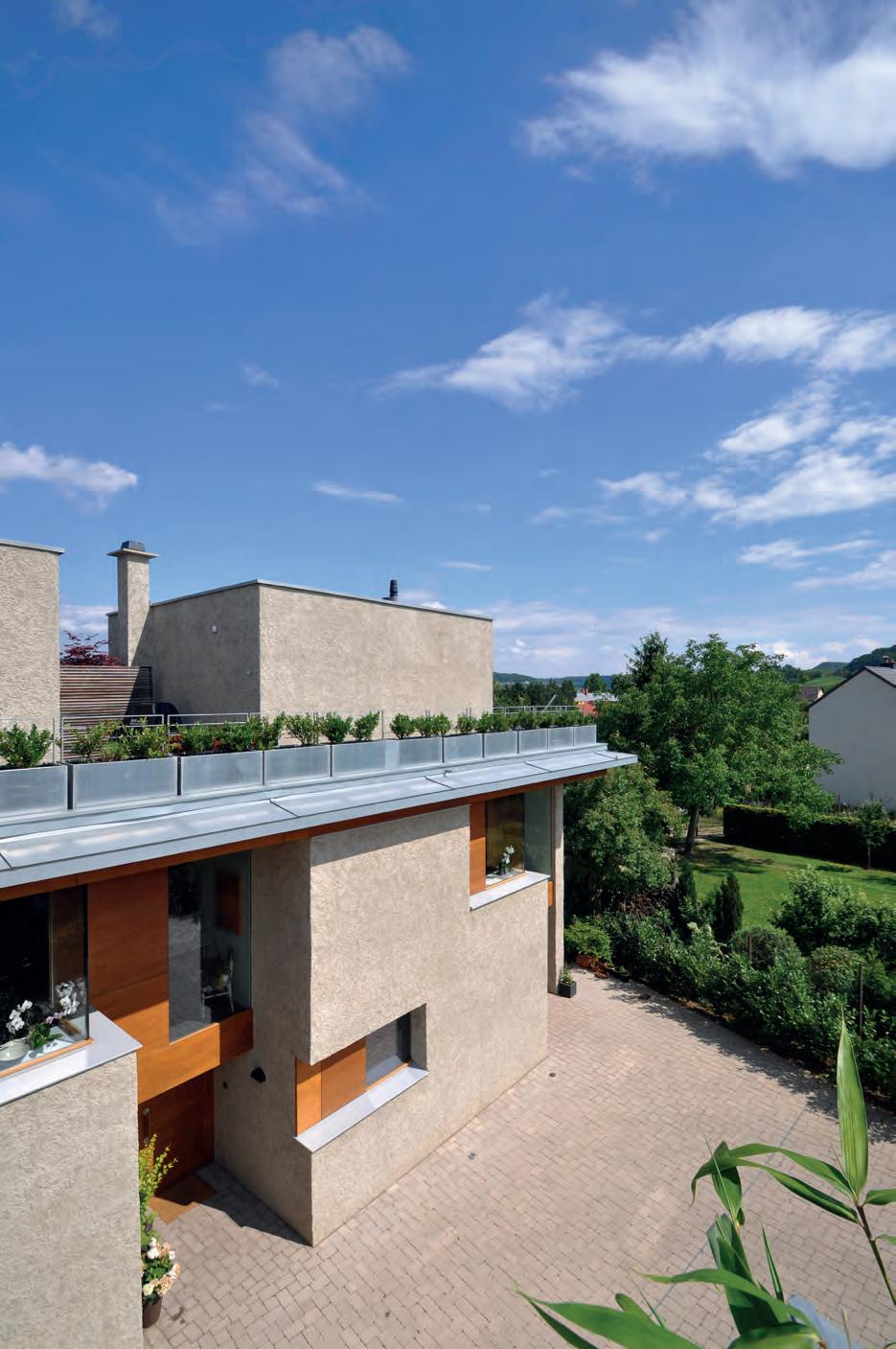
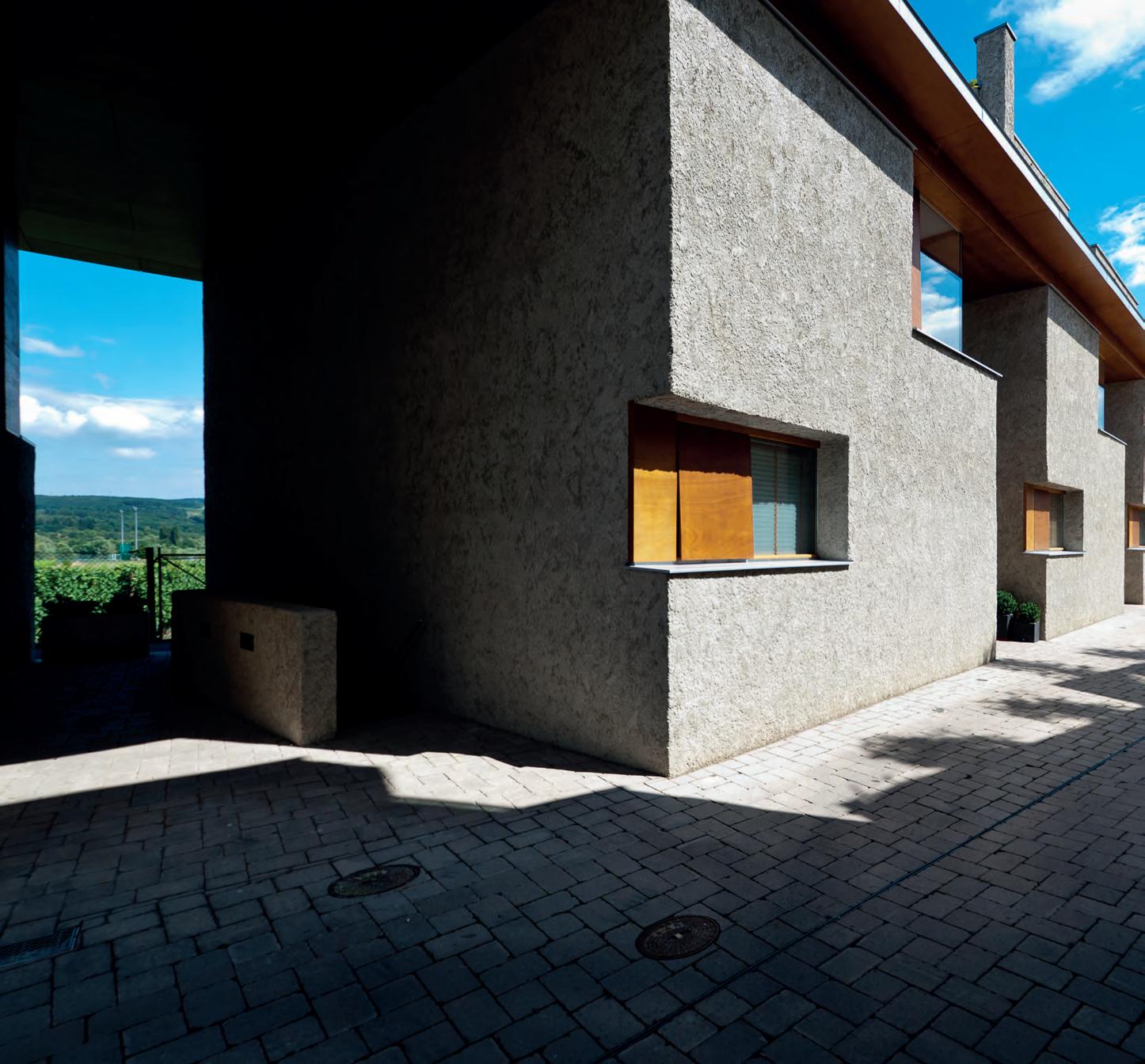
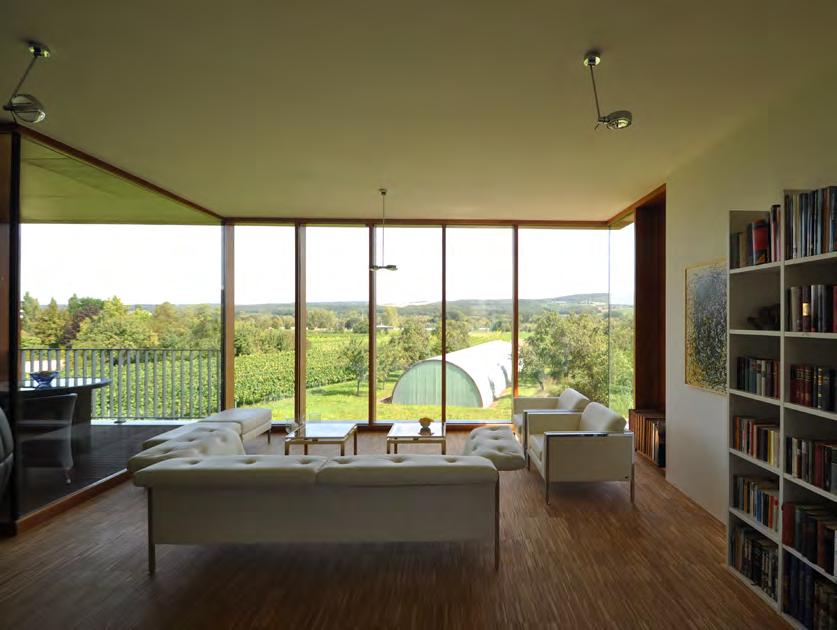
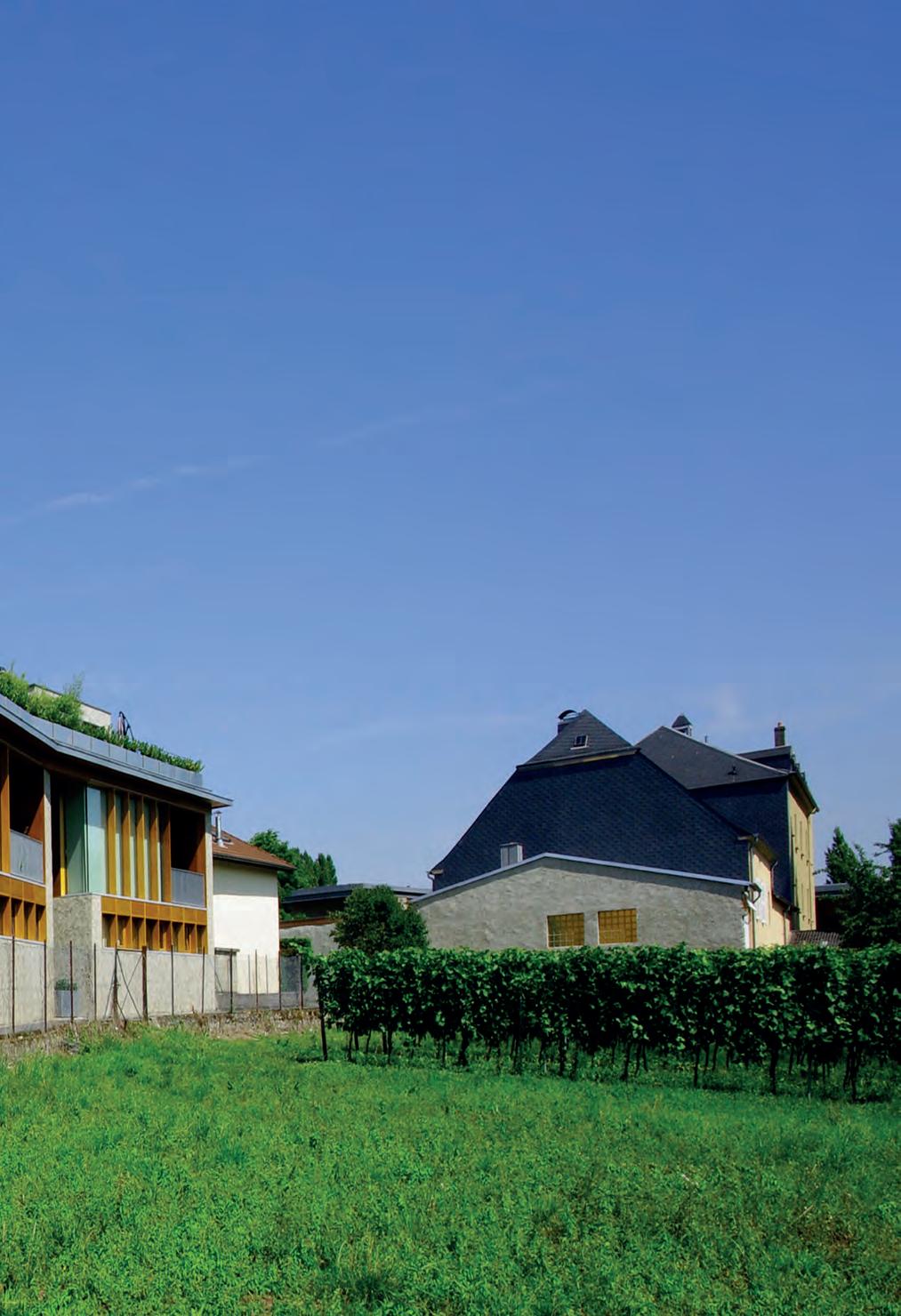
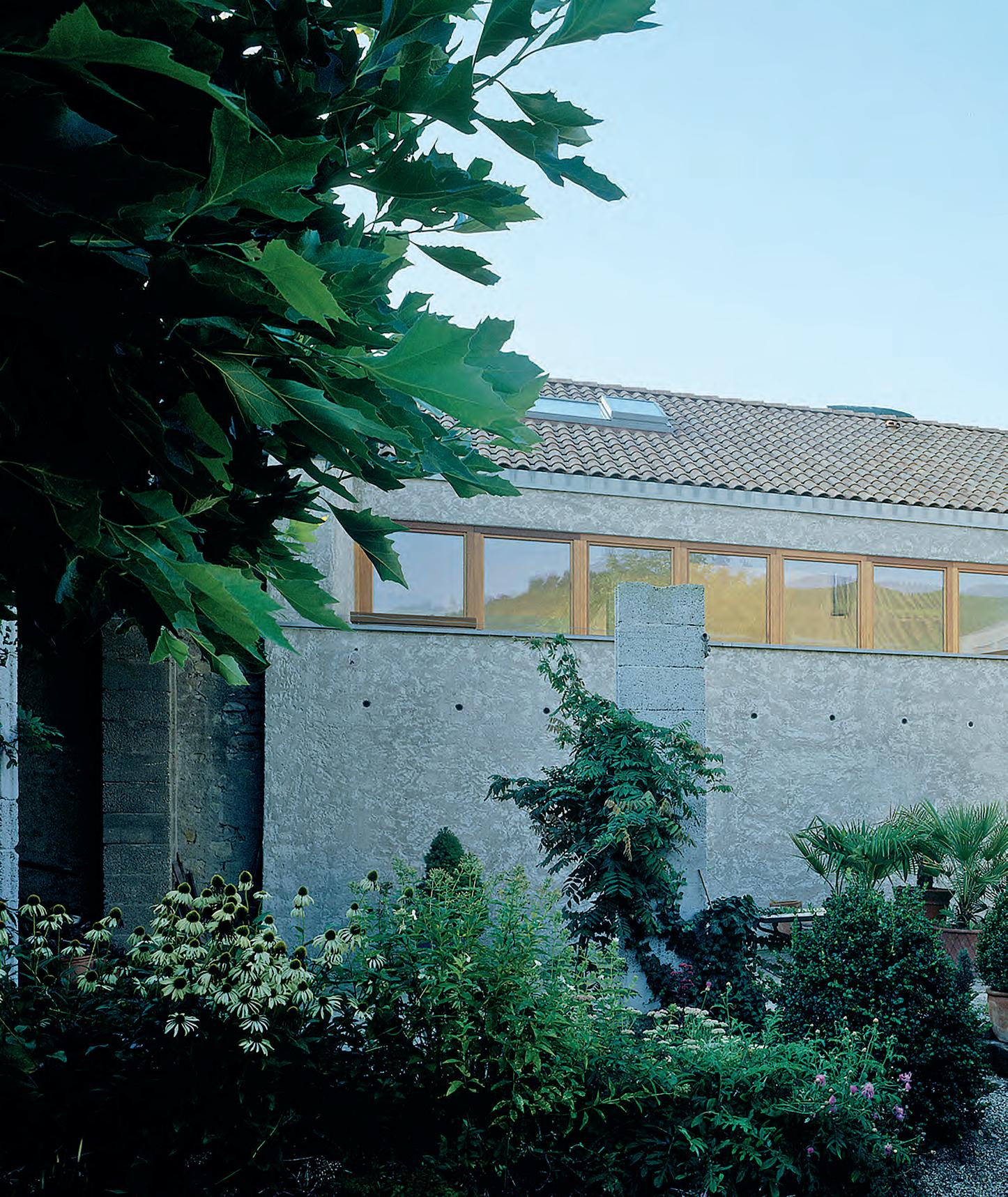
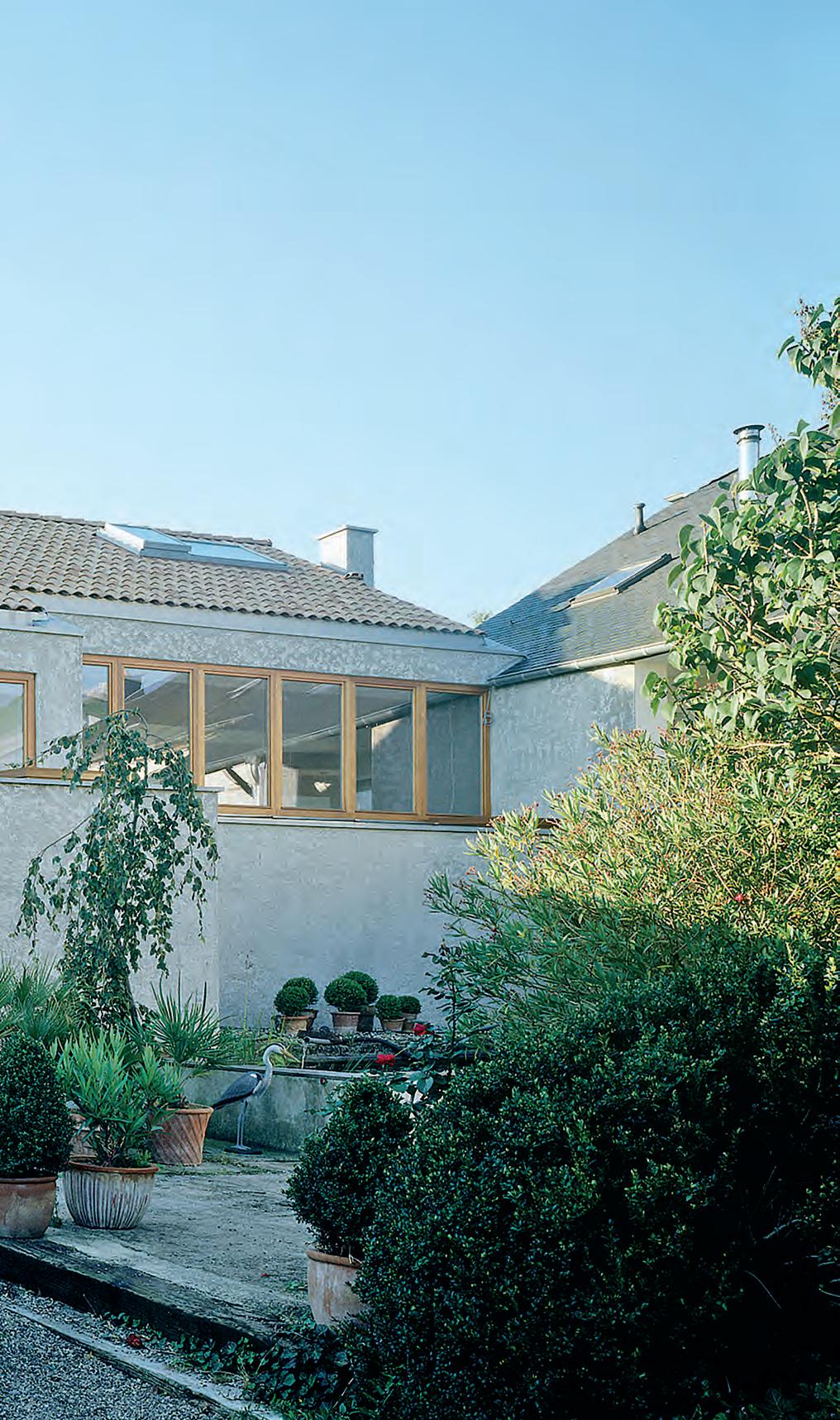
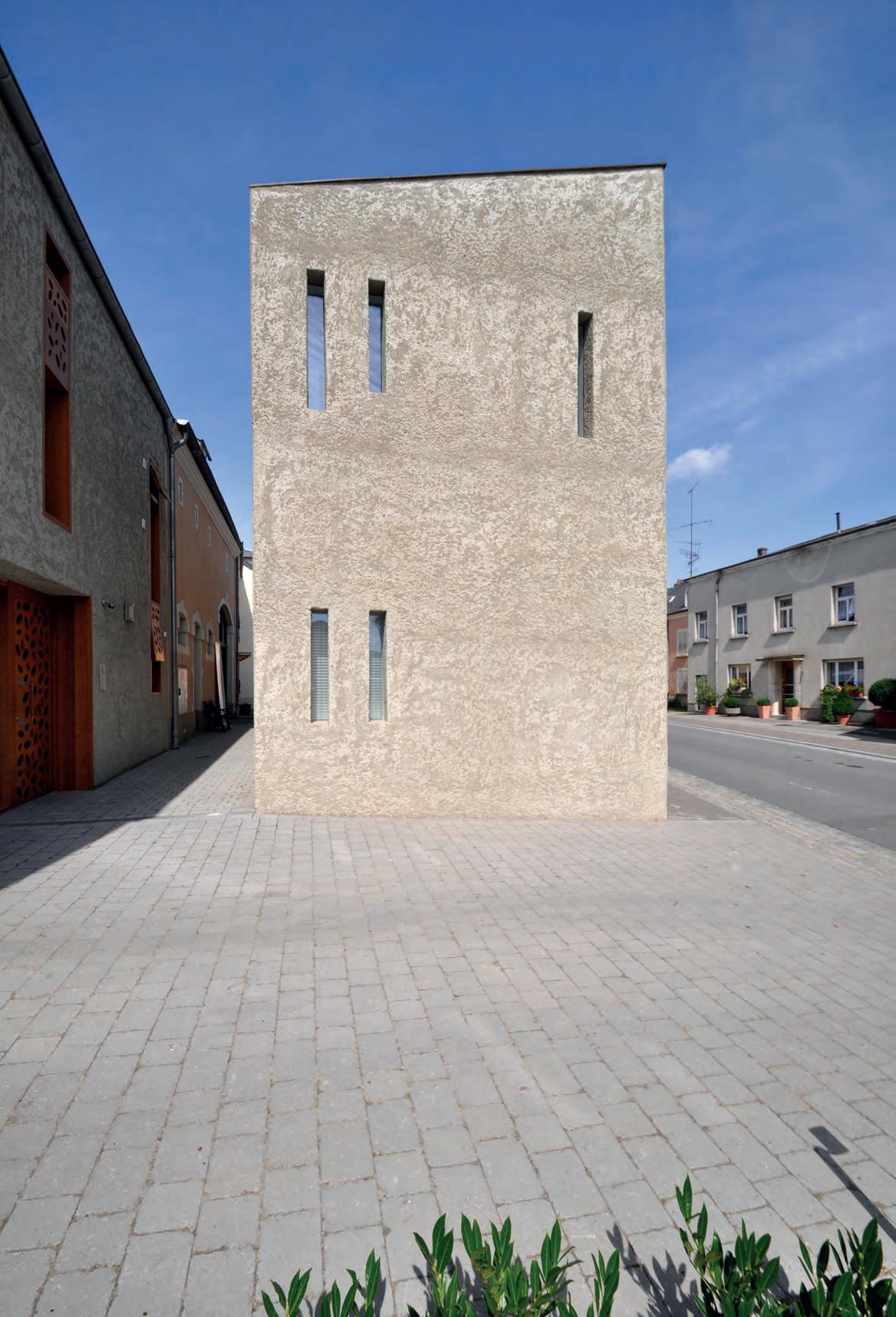
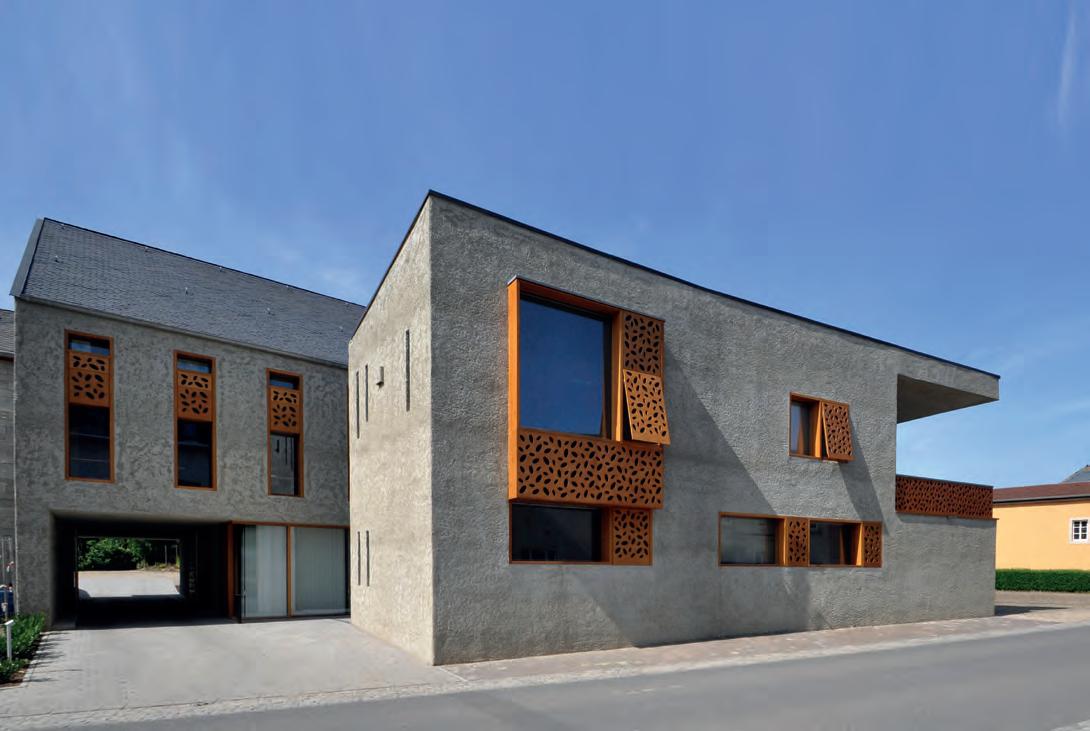
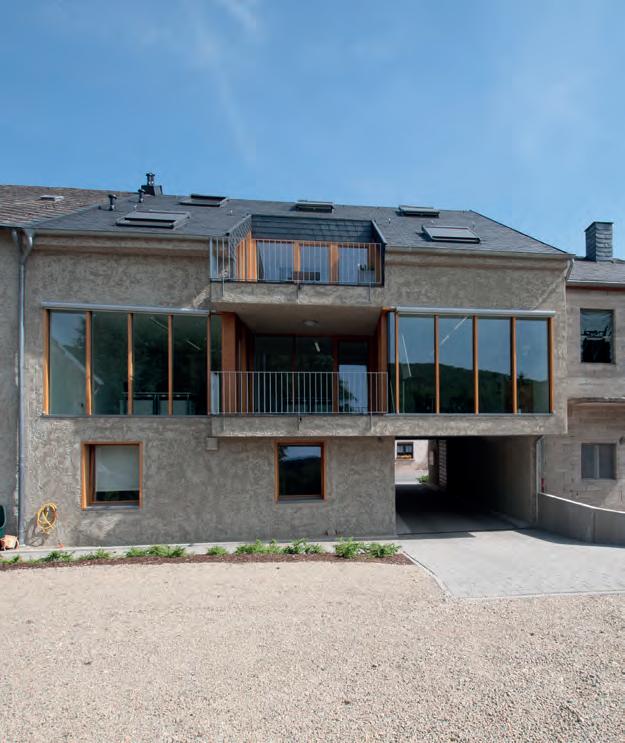
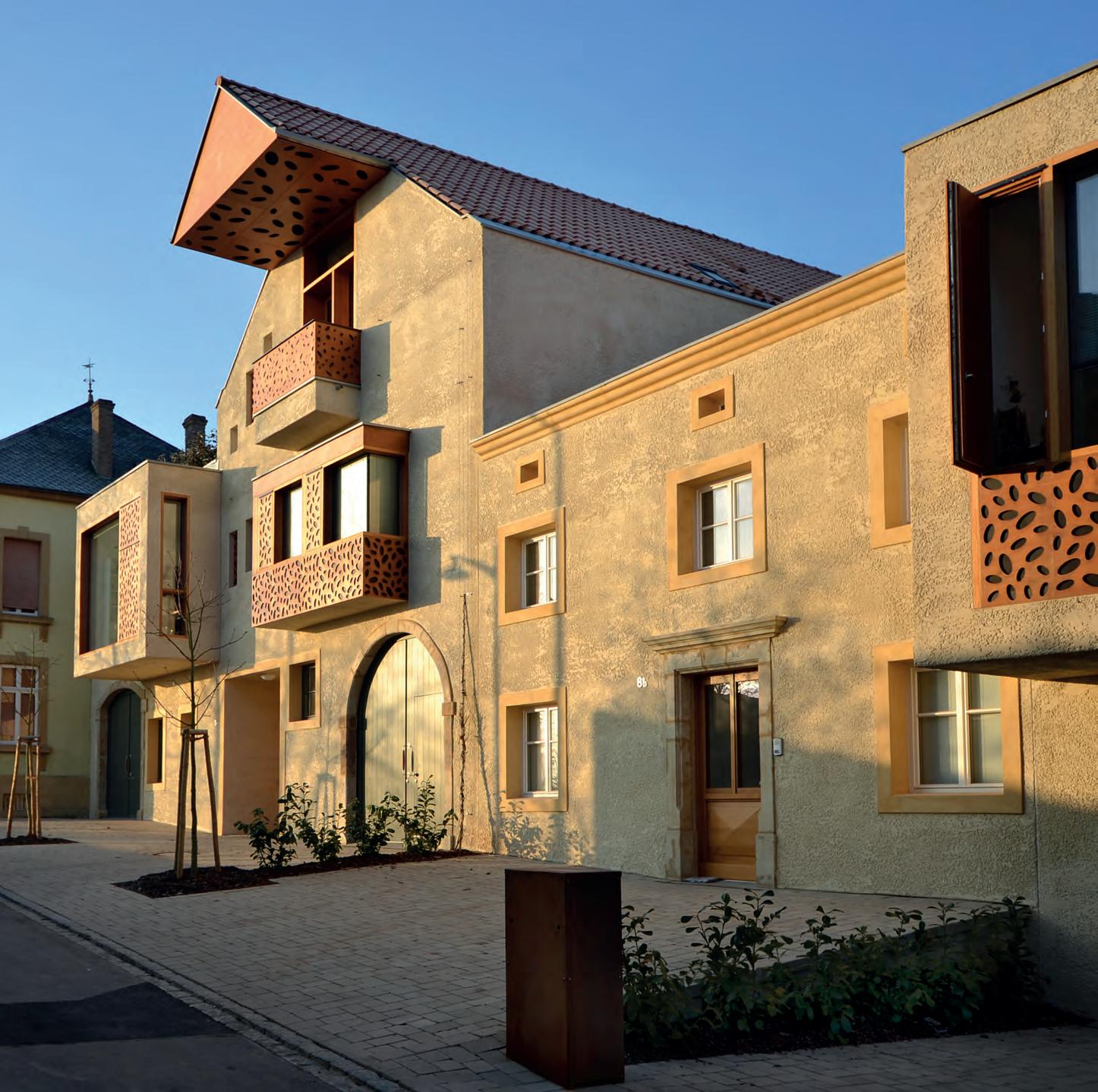
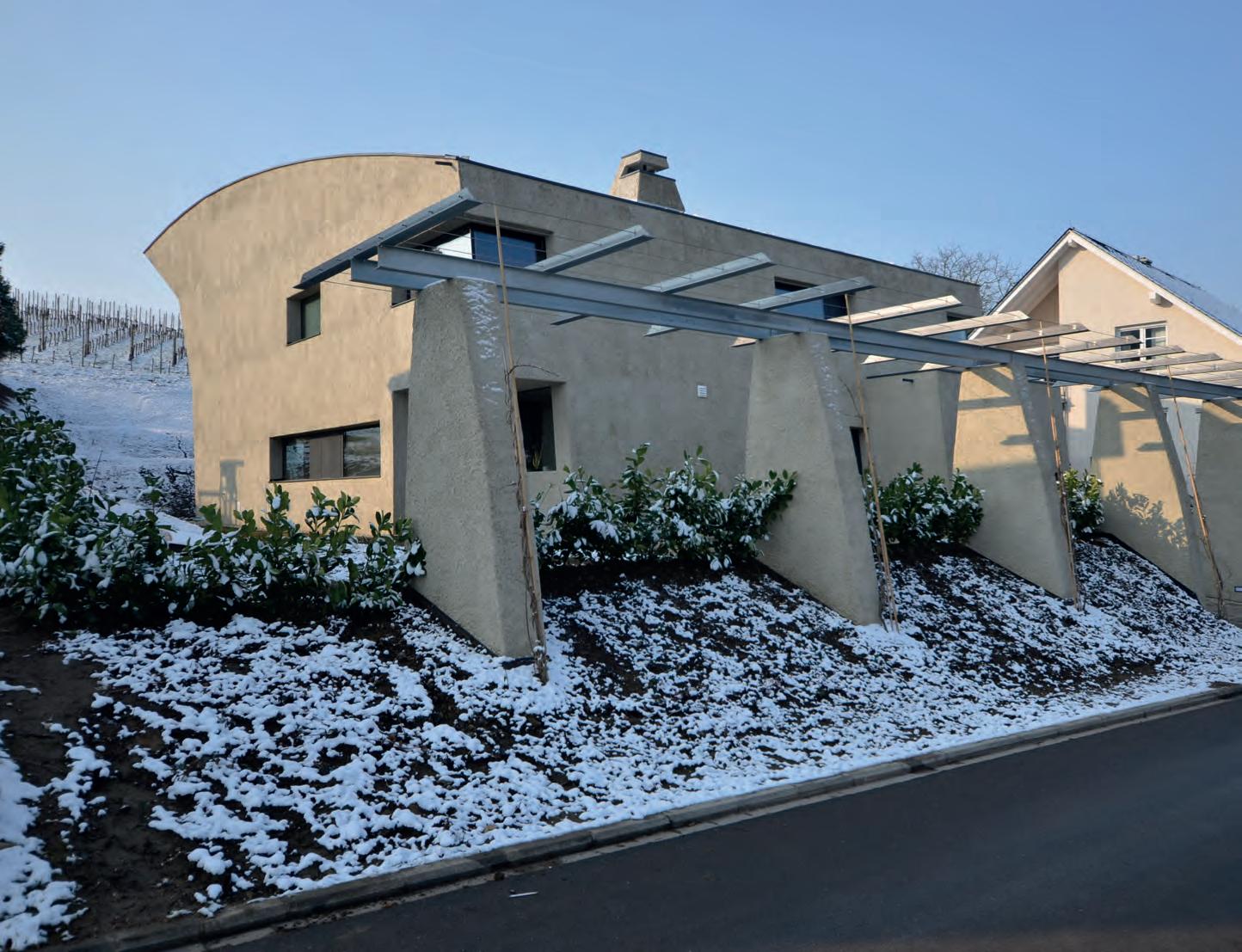
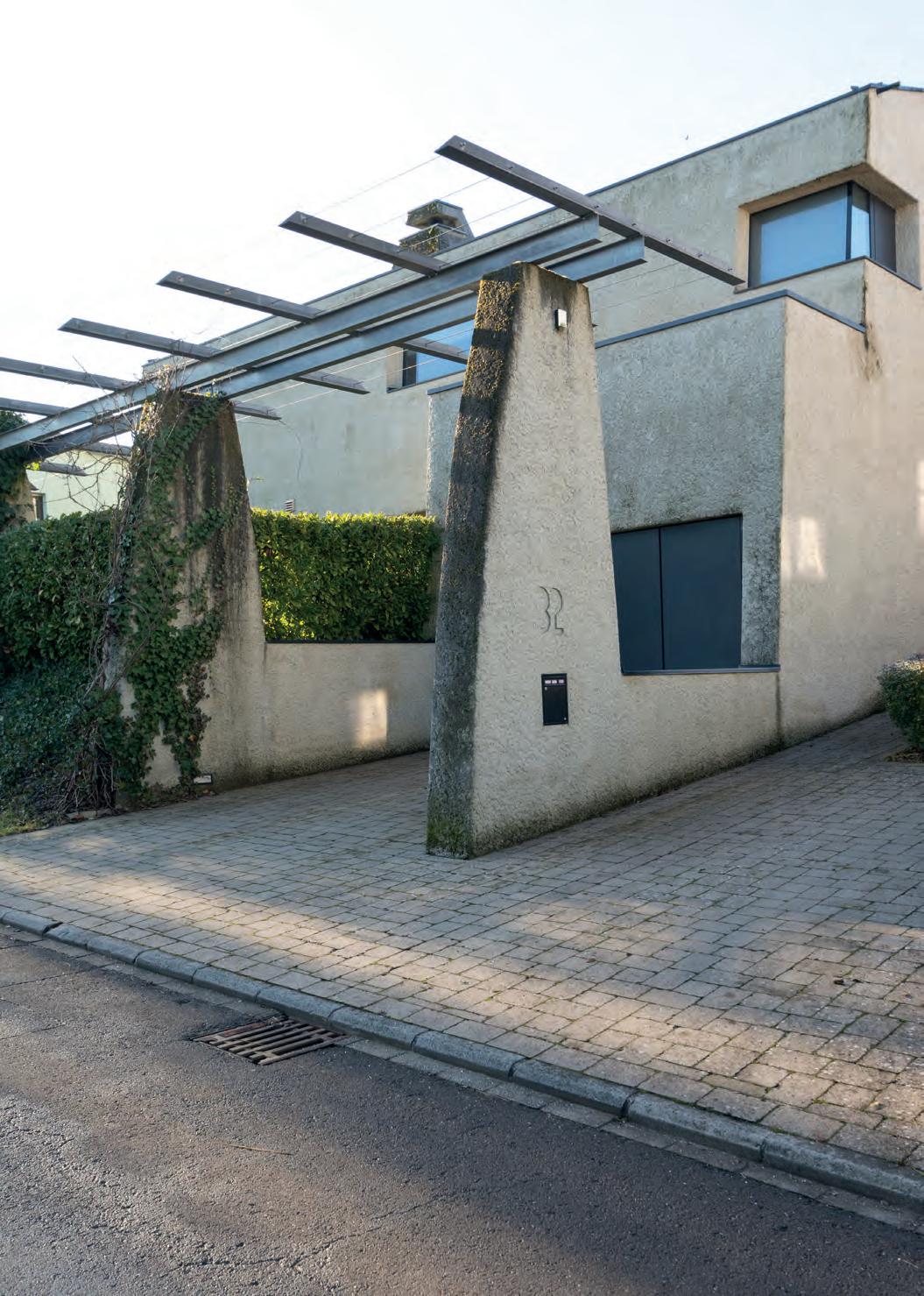
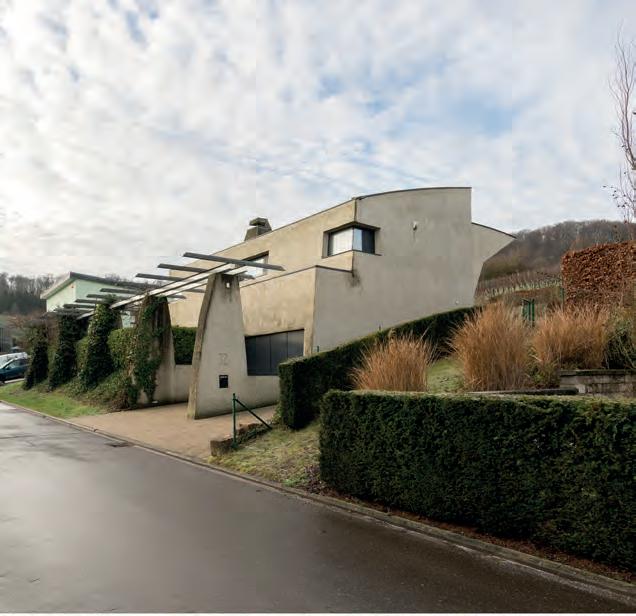
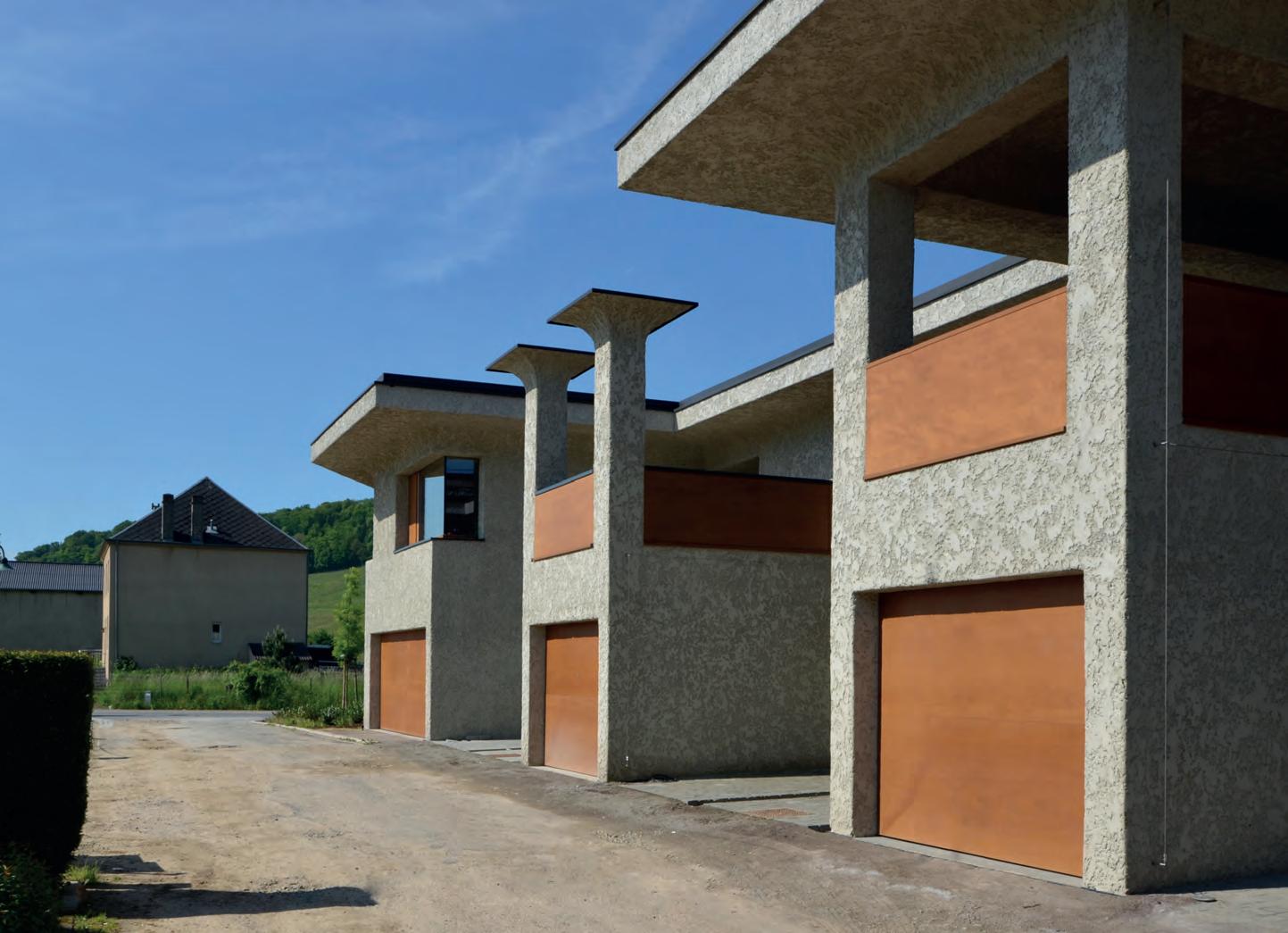
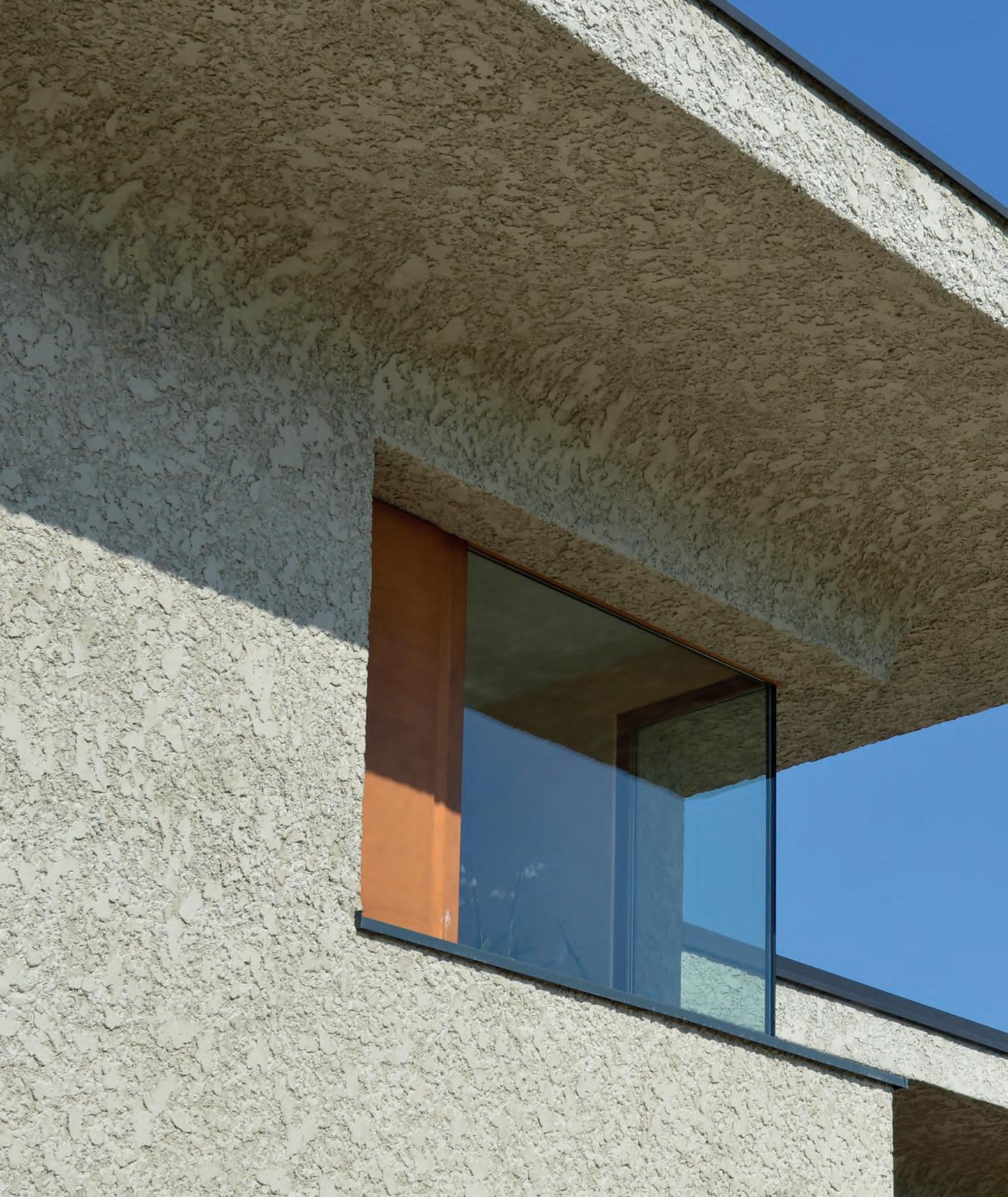
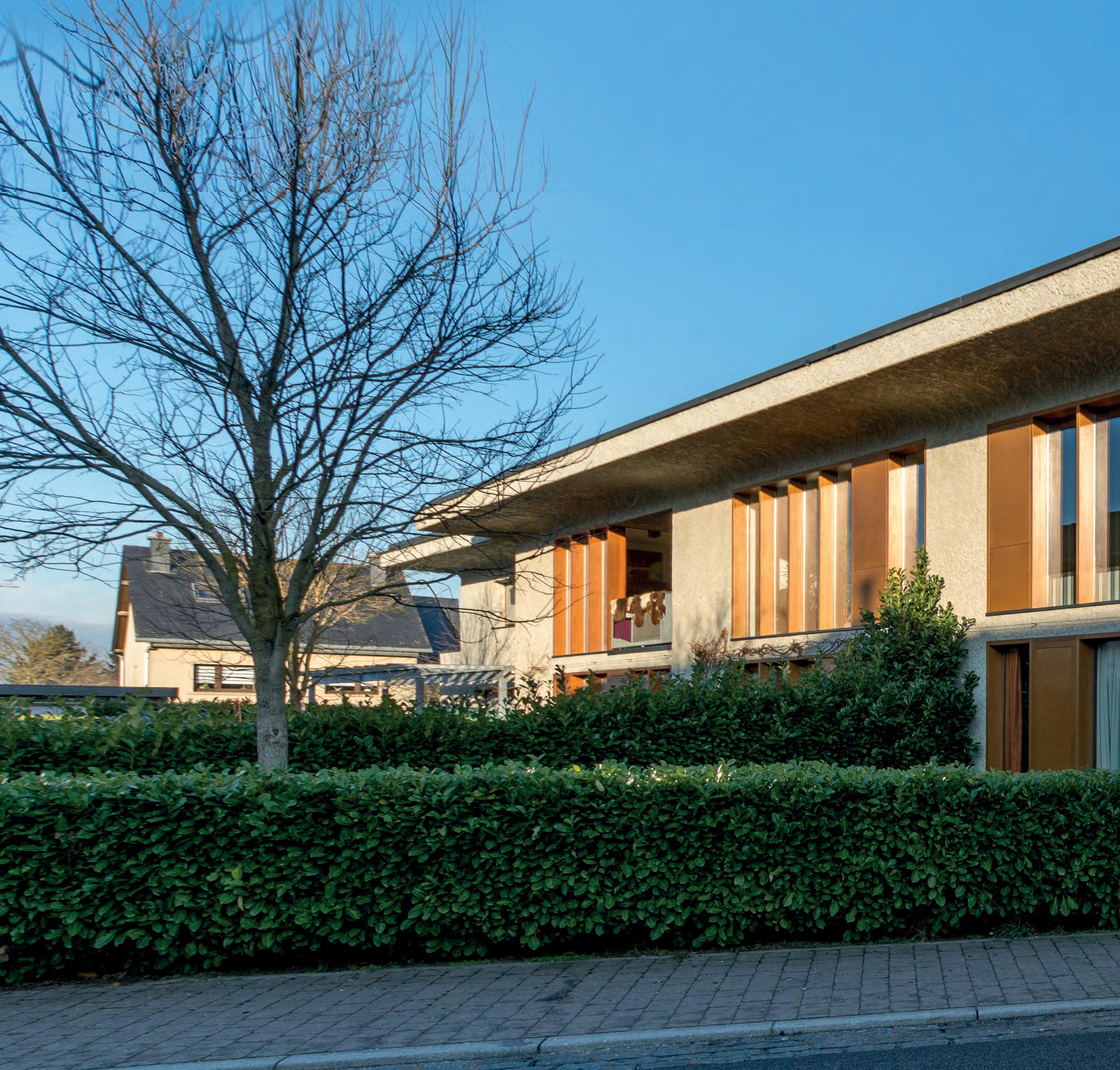
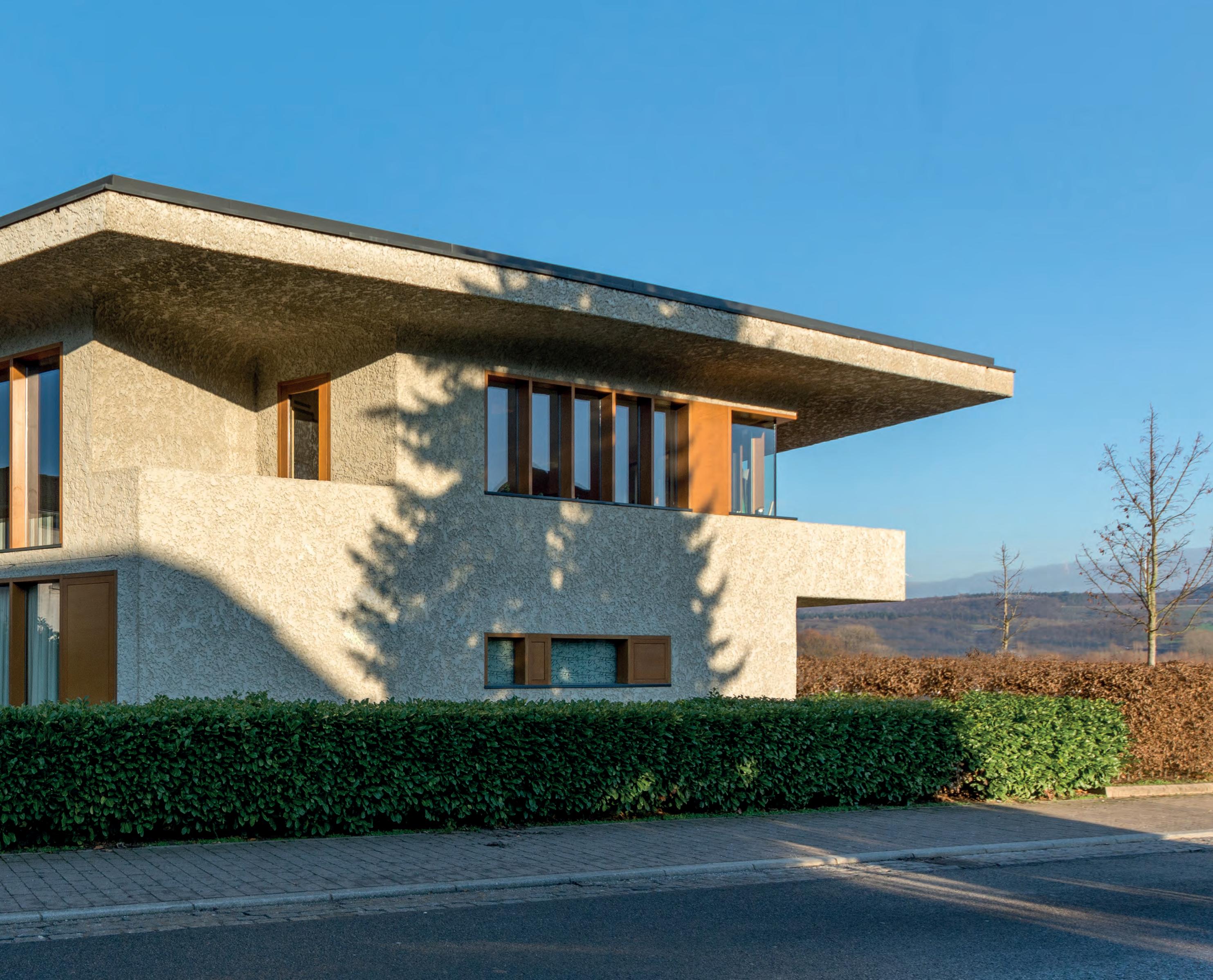
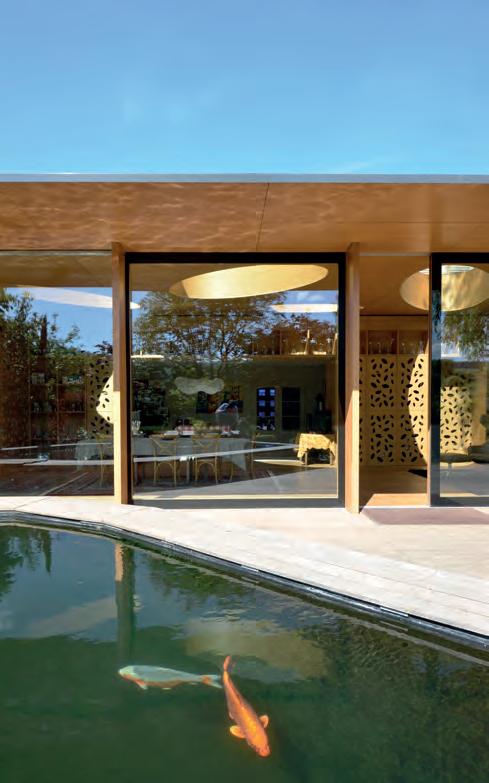
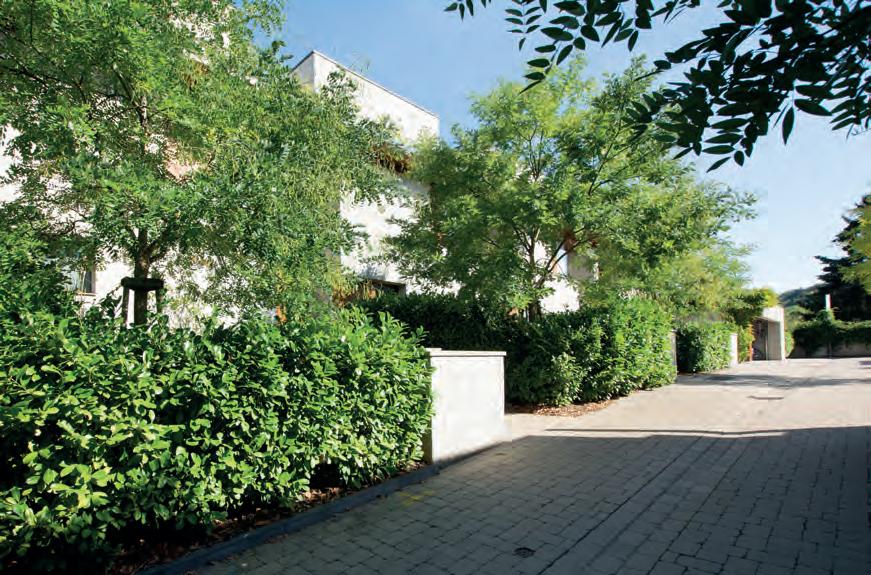
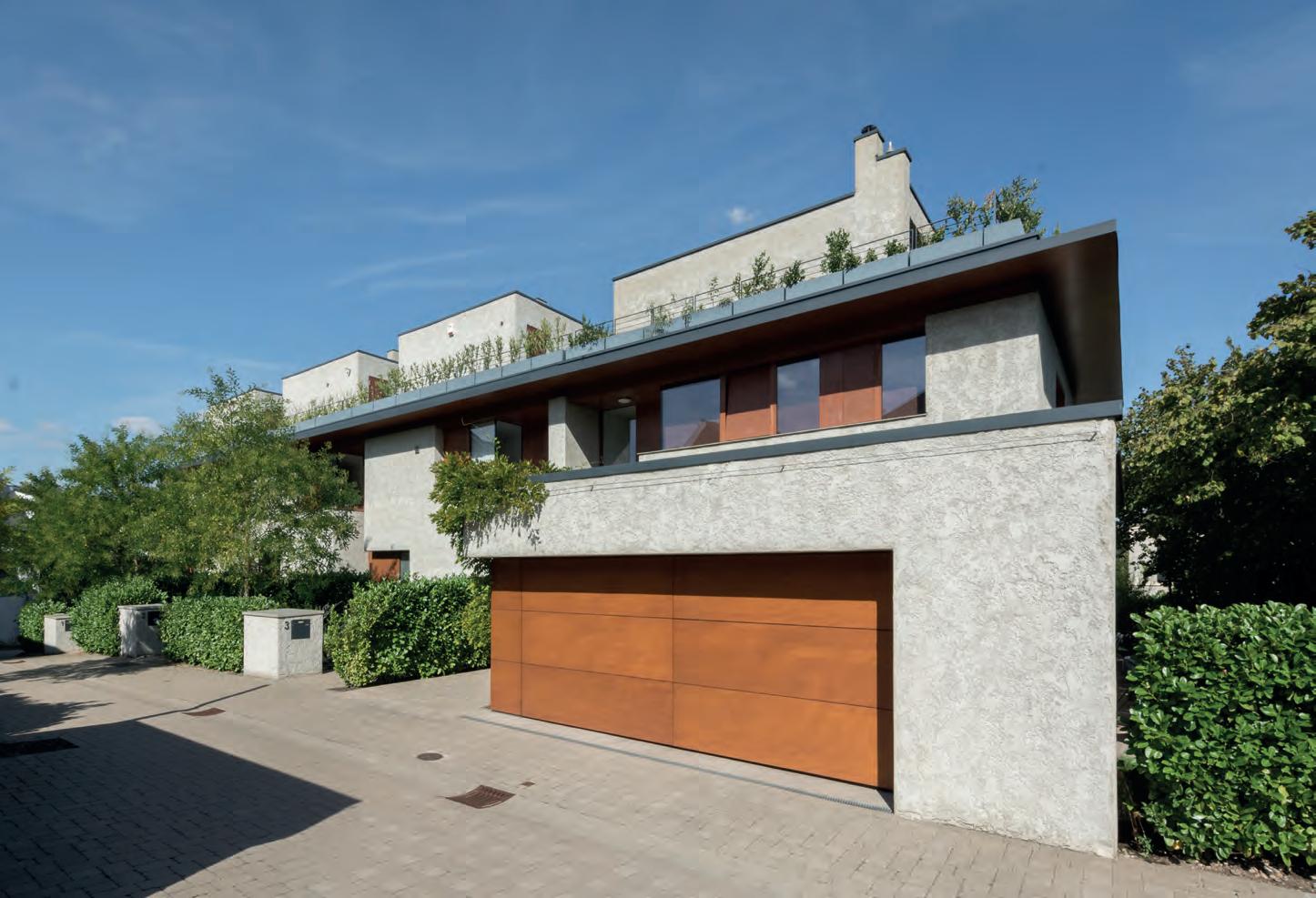
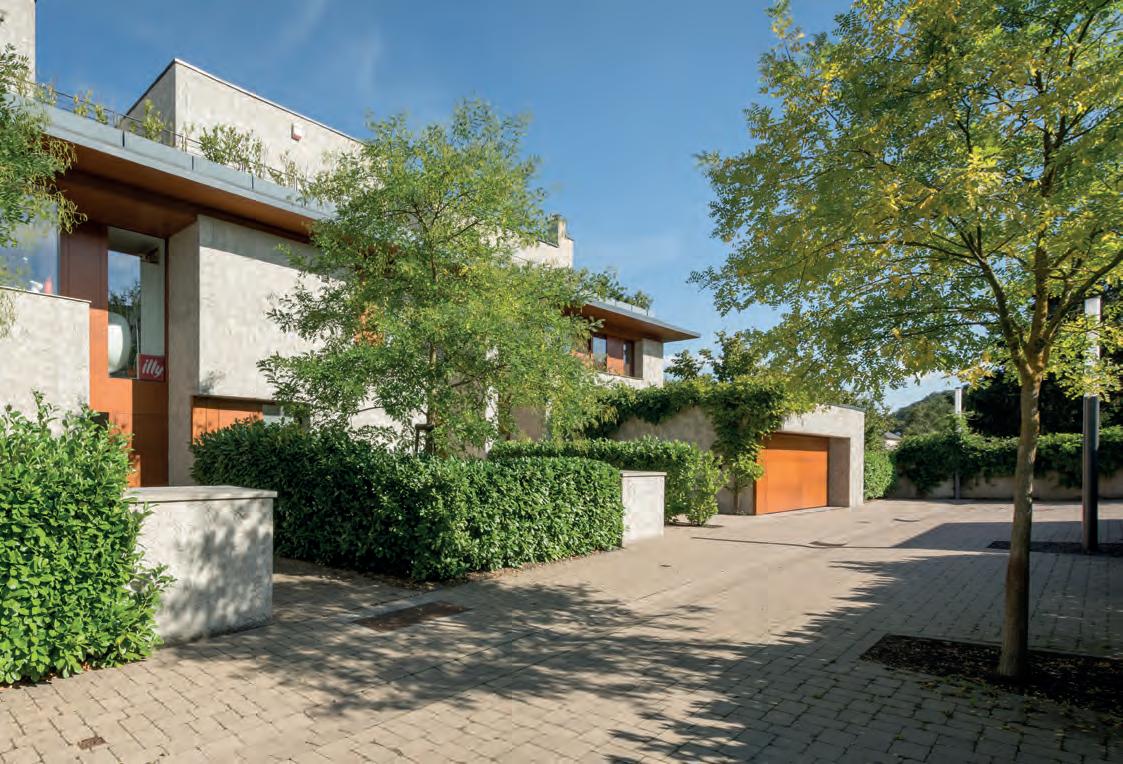
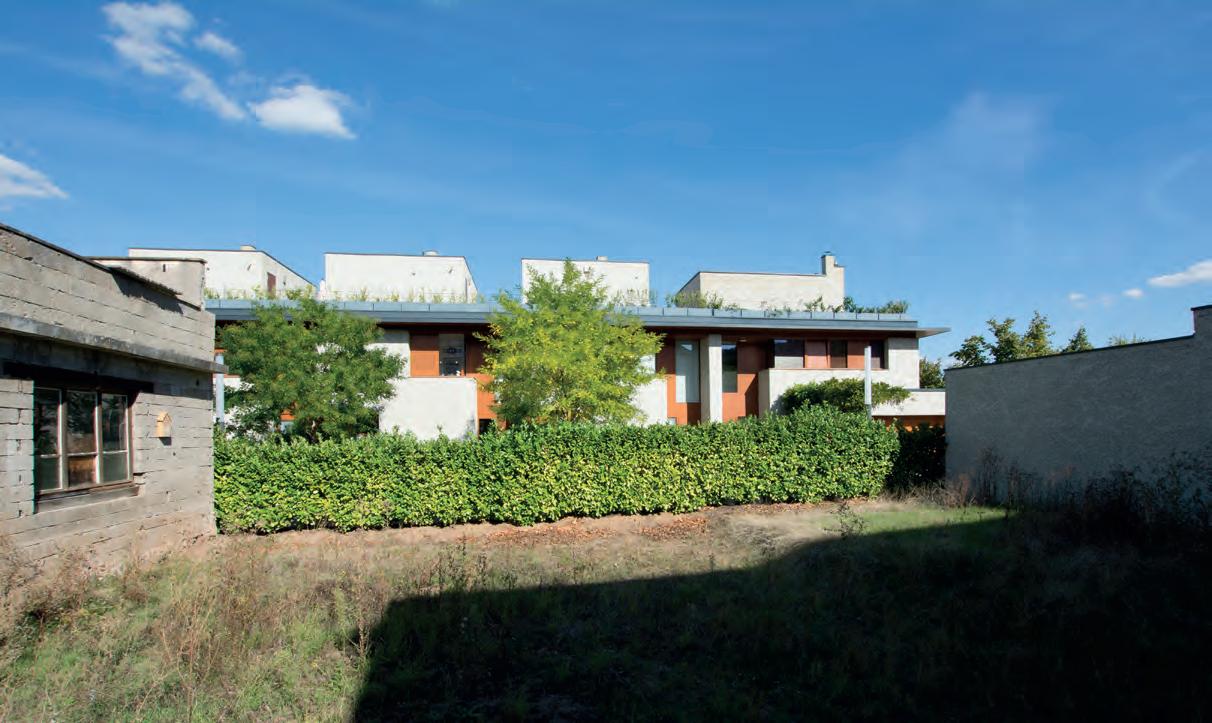
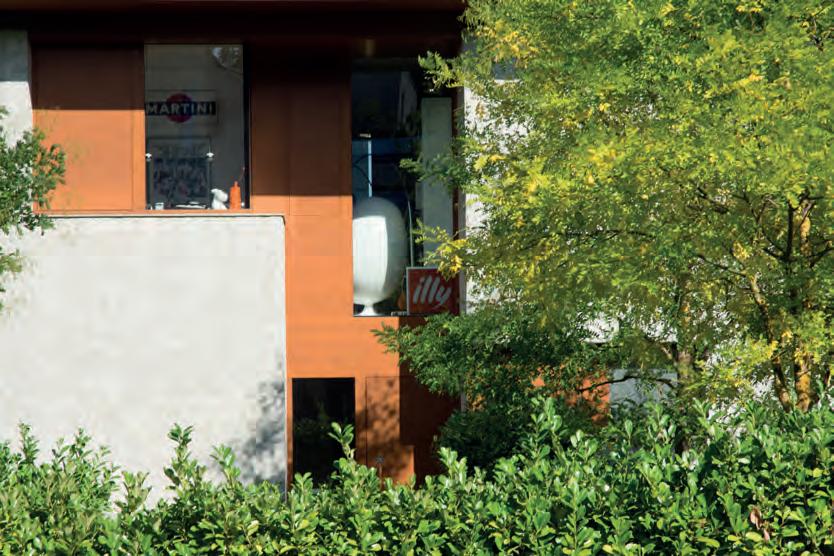
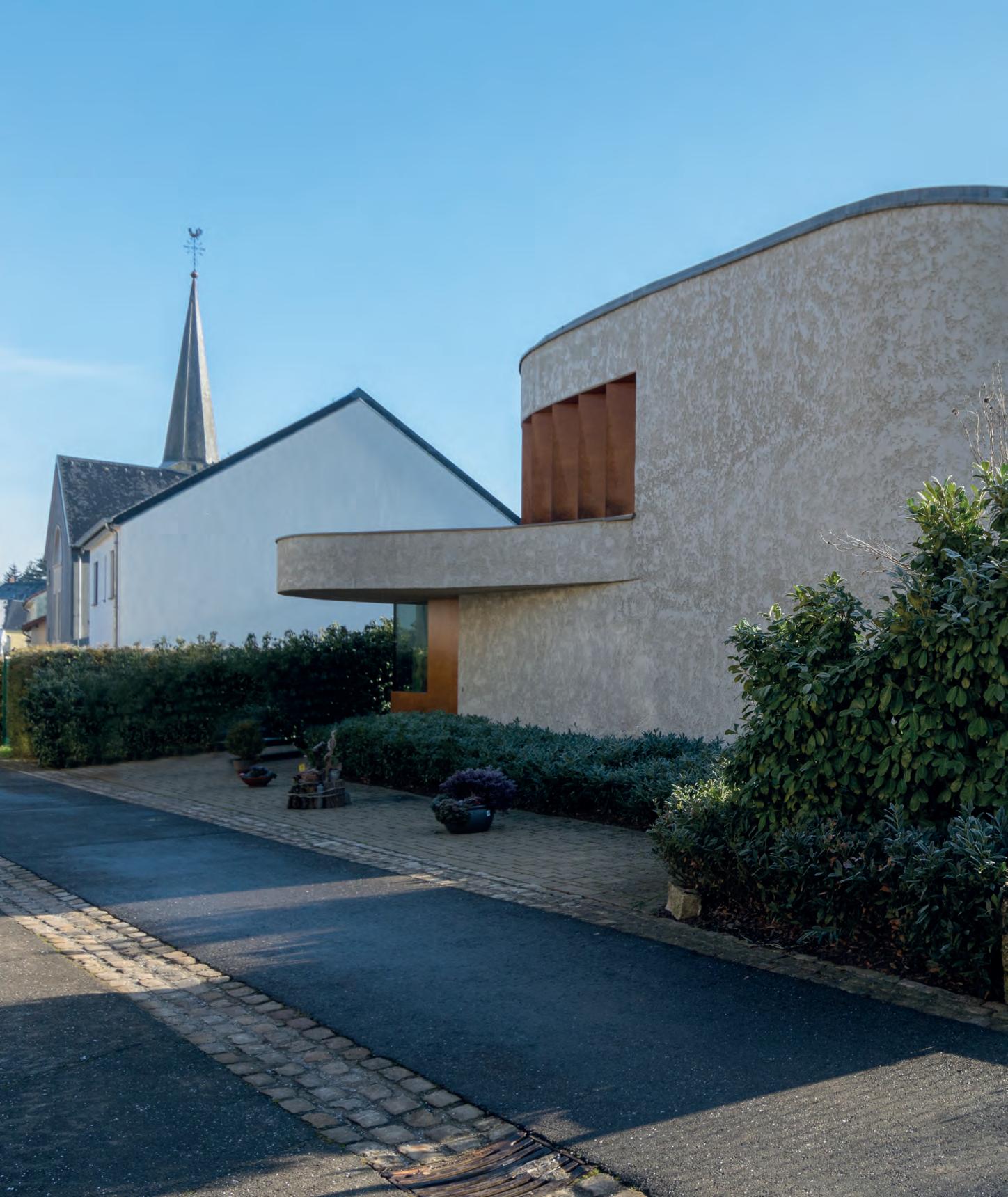
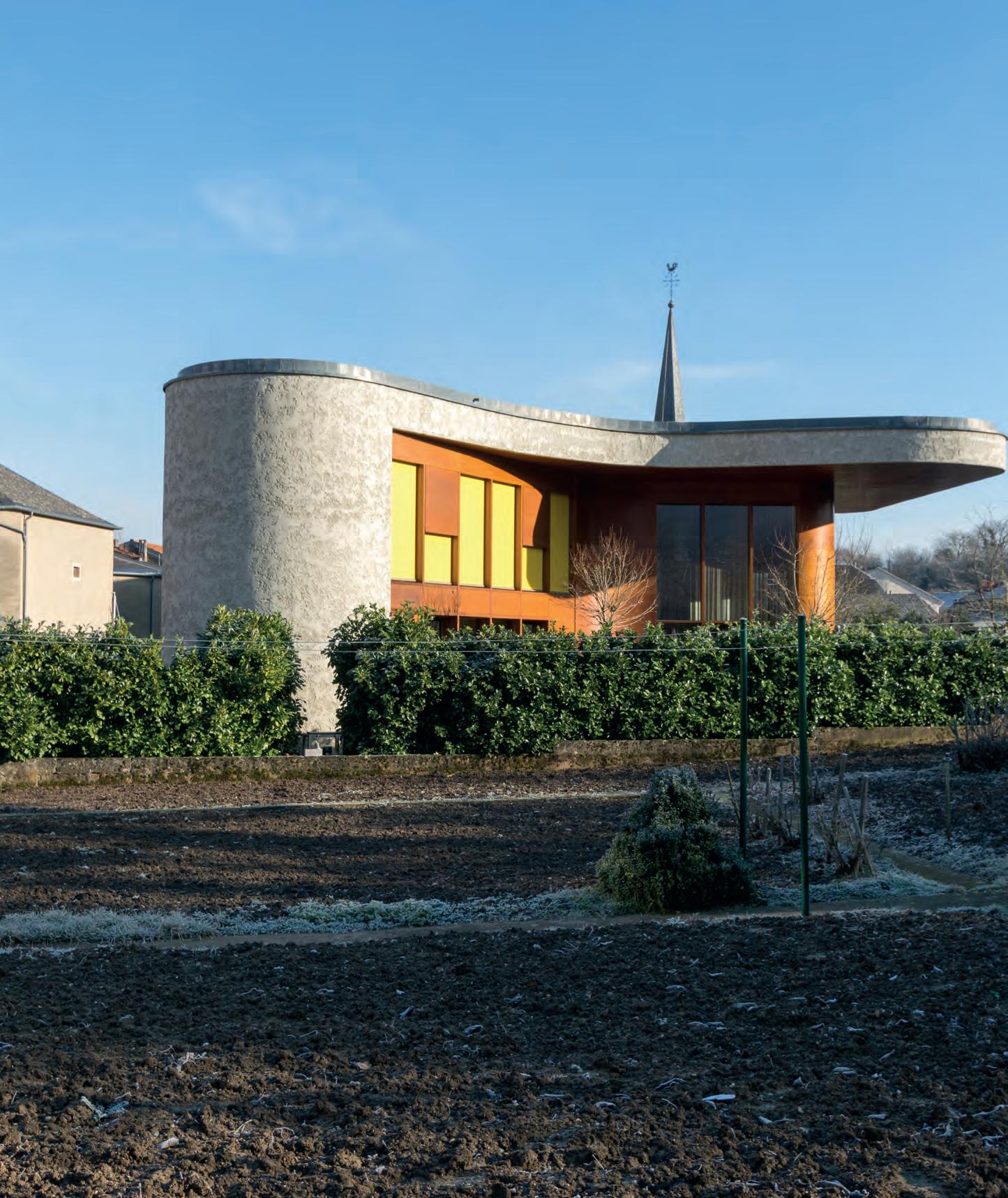
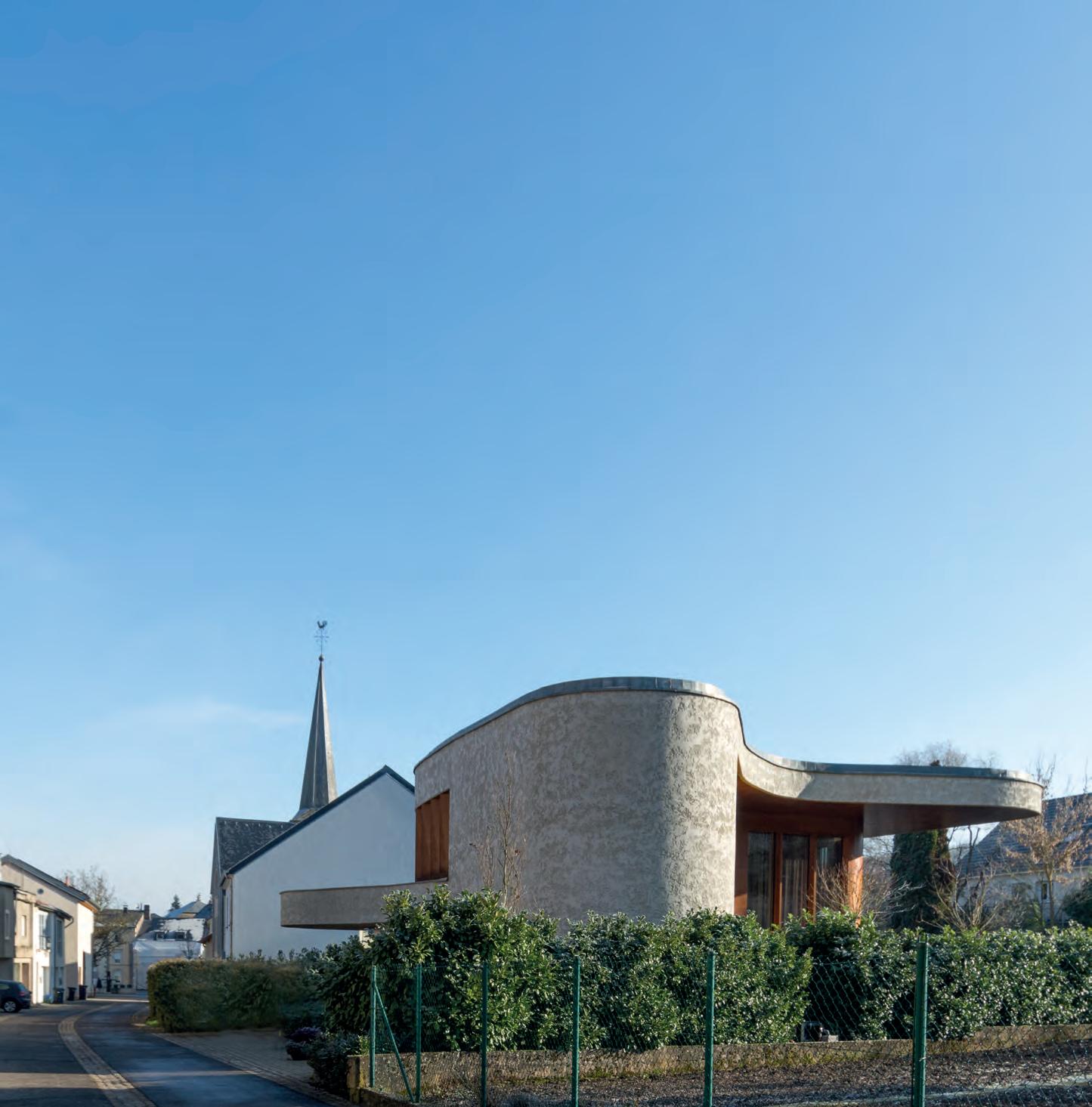
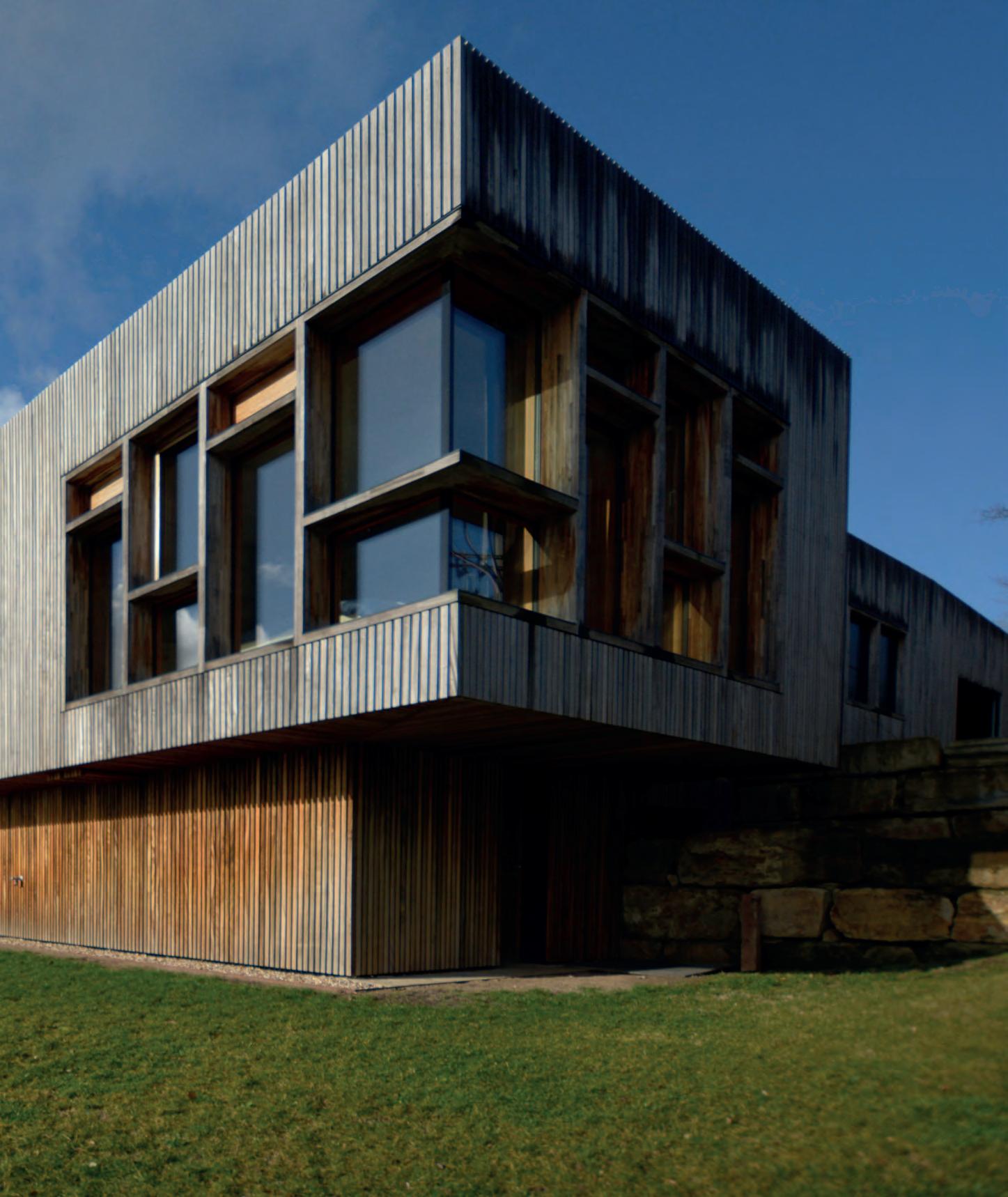
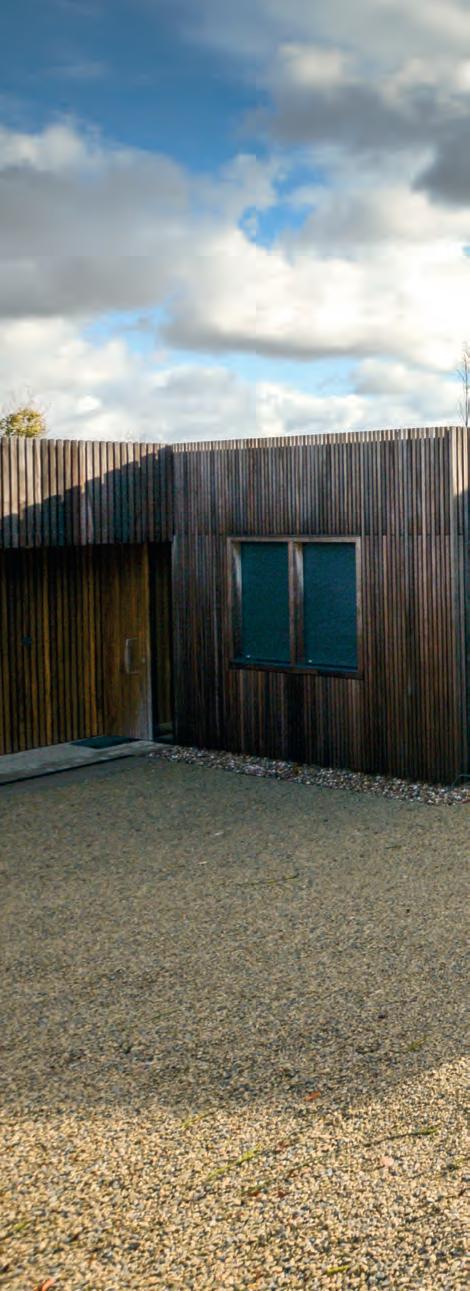
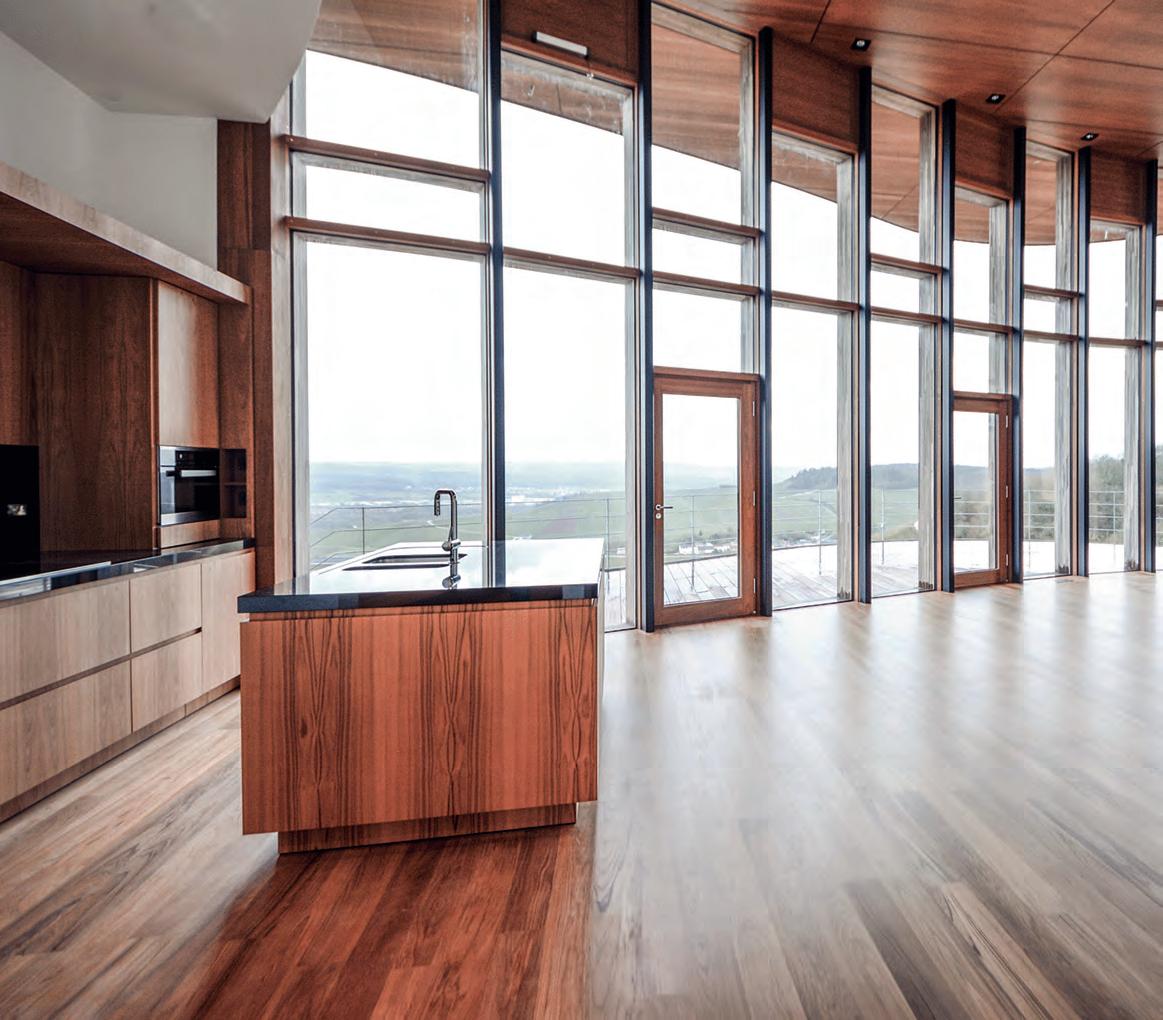
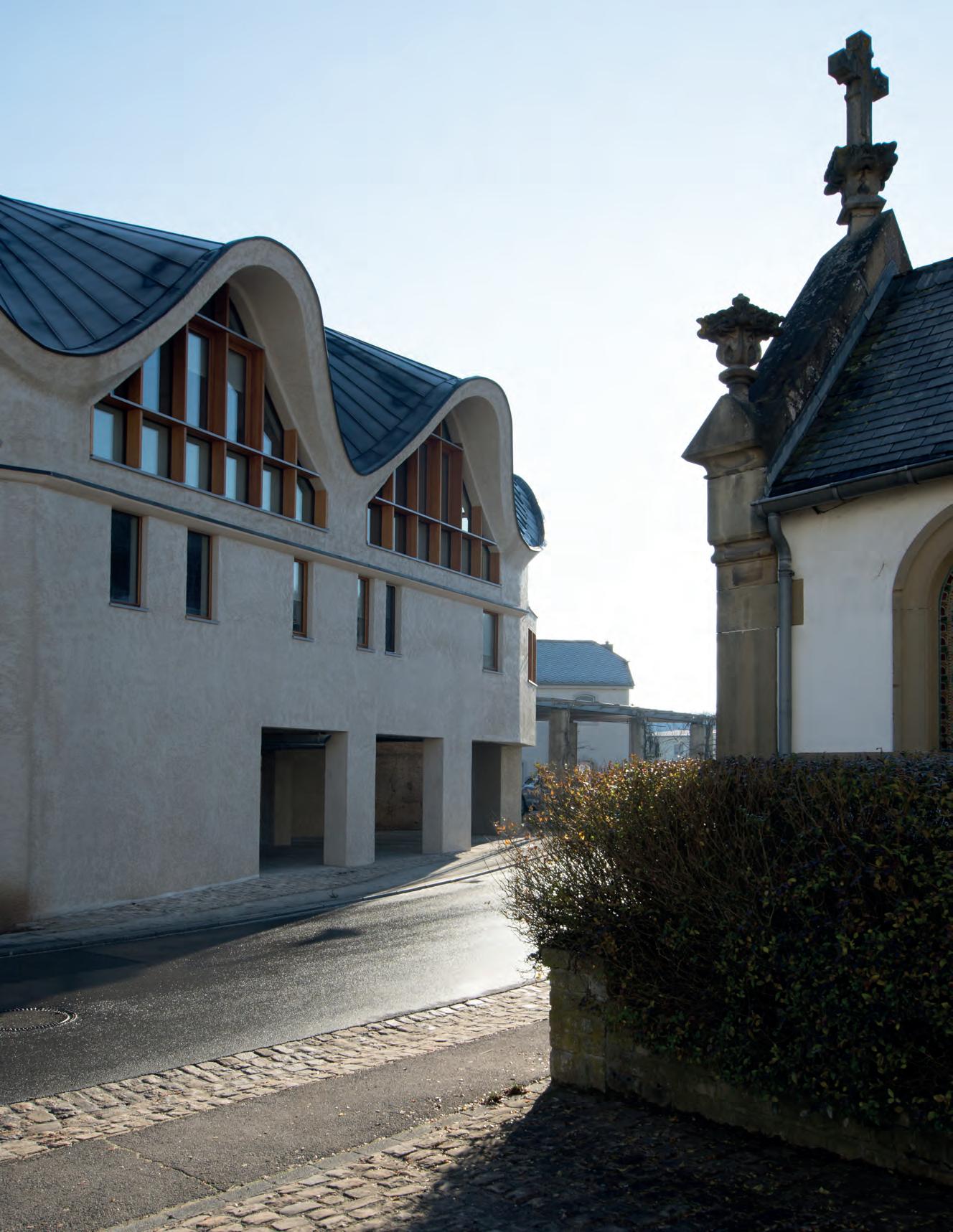
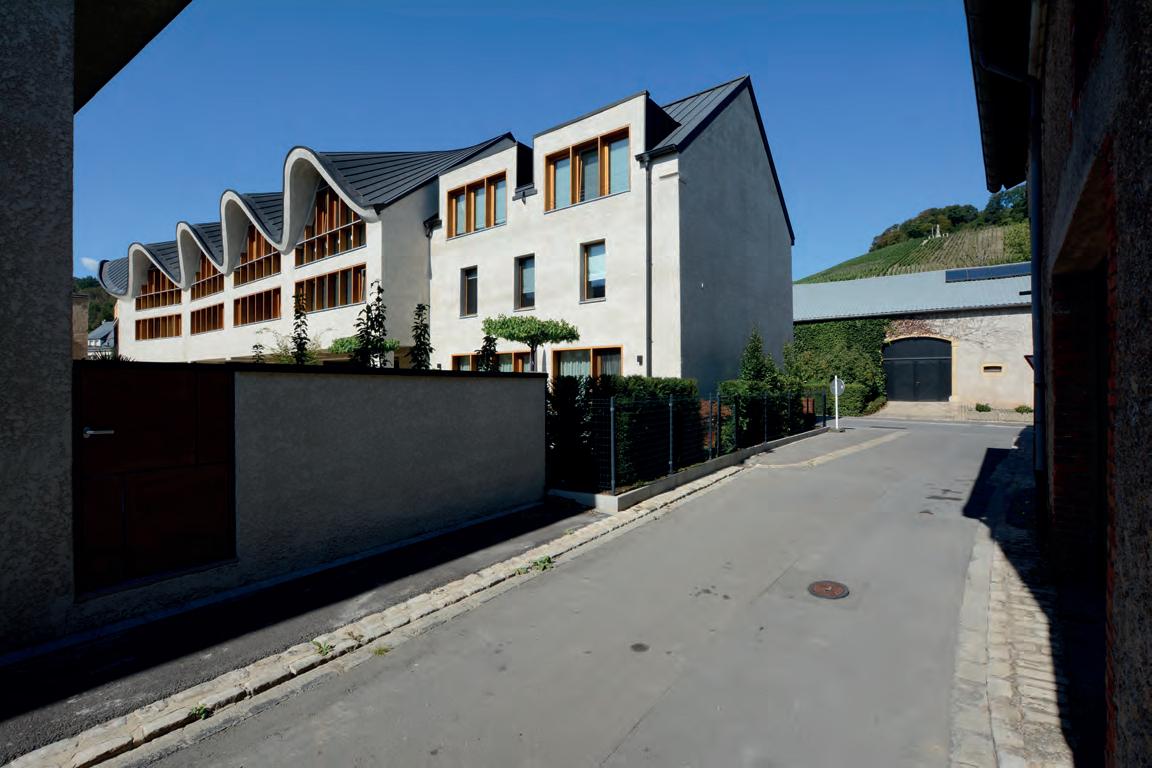
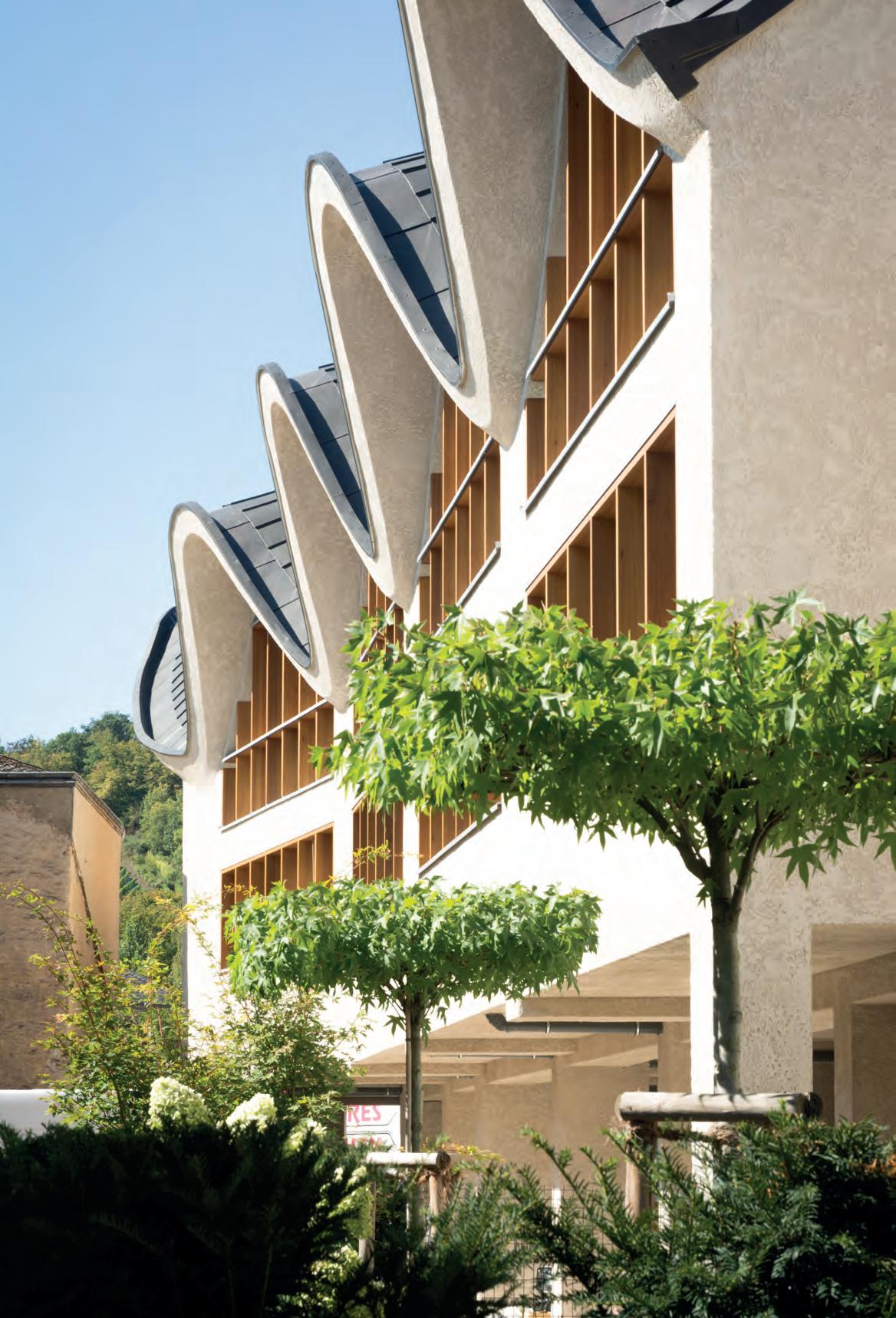
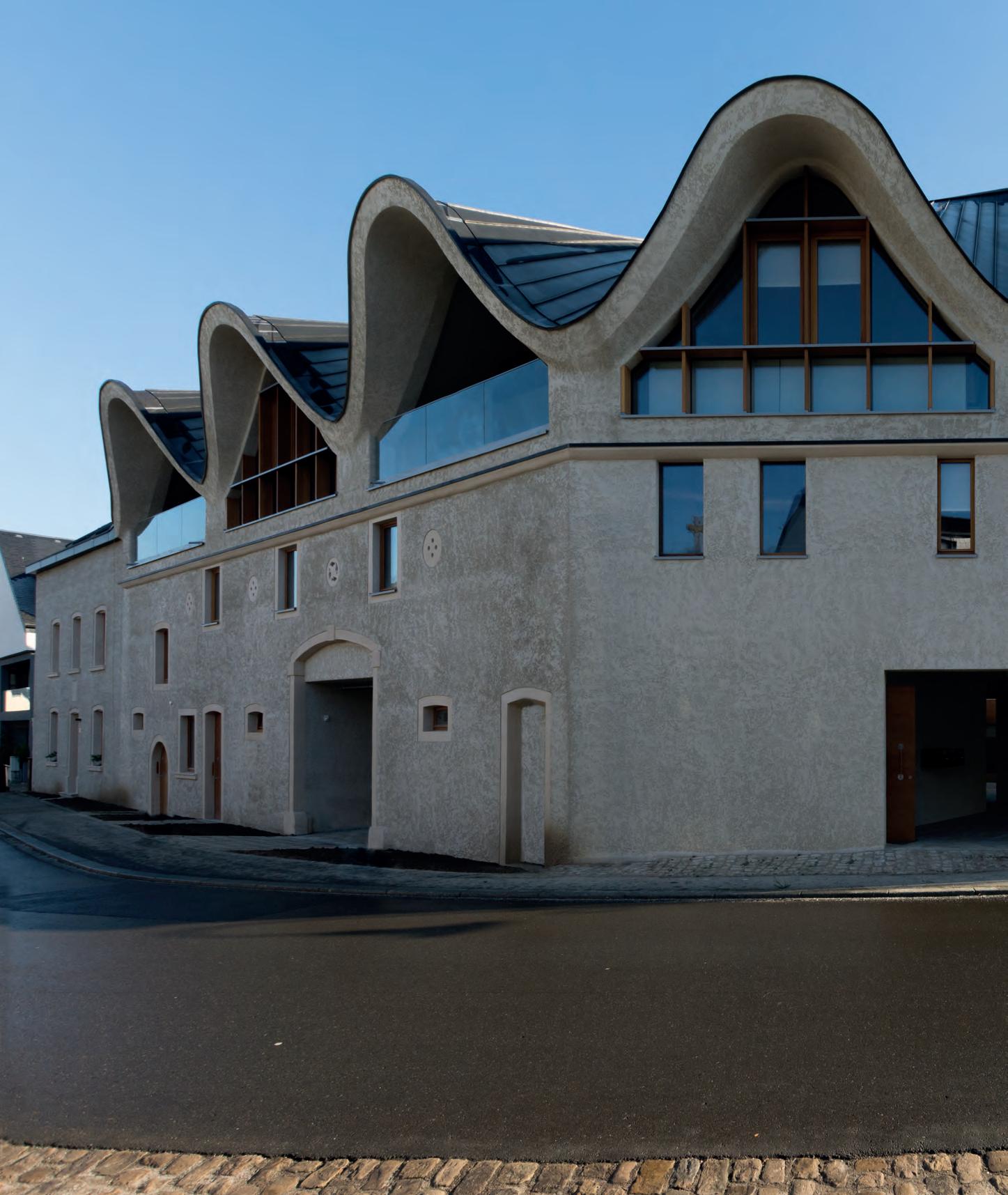
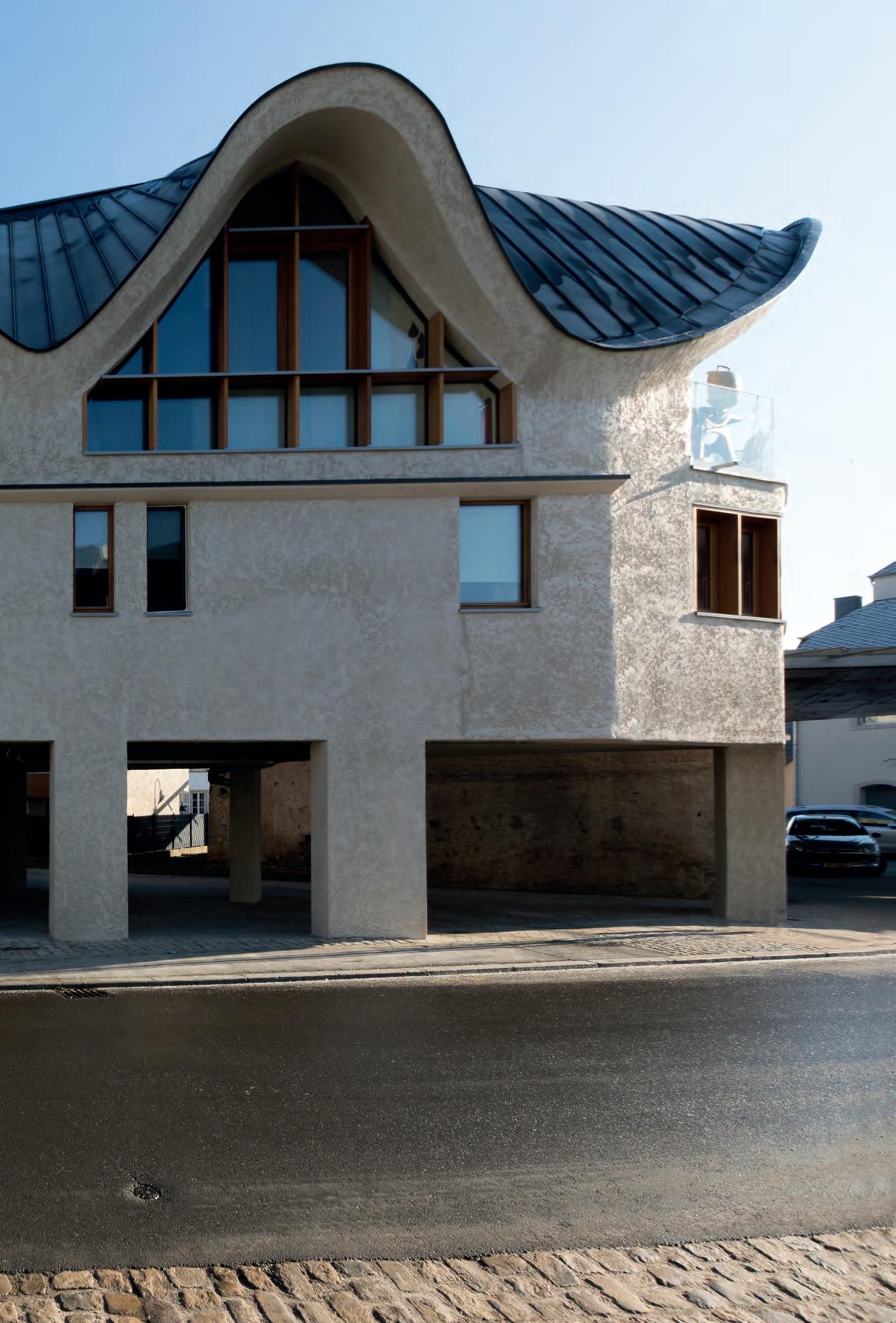
We built many houses and public buildings in the Moselle region in the mid2000s.In the Moselle region, we developed our own languages when it comes to shapes and materials. We moved away from concrete constructions to place greater emphasis on the region’s famous rough plaster made from Moselle sand, known as Schengener Putz, which we use for the façades according to the old local tradition. We started integrating wooden elements into our constructions in order for the buildings to release more heat.
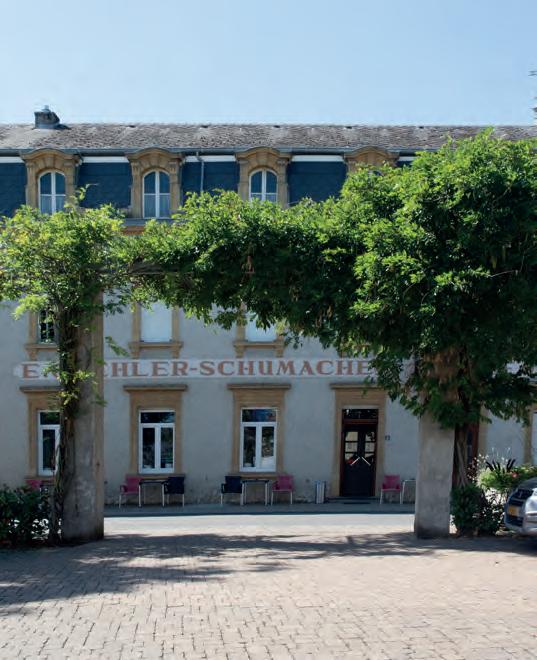
A whole series of buildings that we have built take into account or even contribute to the regional building culture. We took over local craft traditions and combined them with contemporary techniques, creating familiar places for the inhabitants. We work with utmost respect for the material. What motivates us is the search for regional harmony and homogeneity in the external appearance of buildings; no foreign body should disturb them.
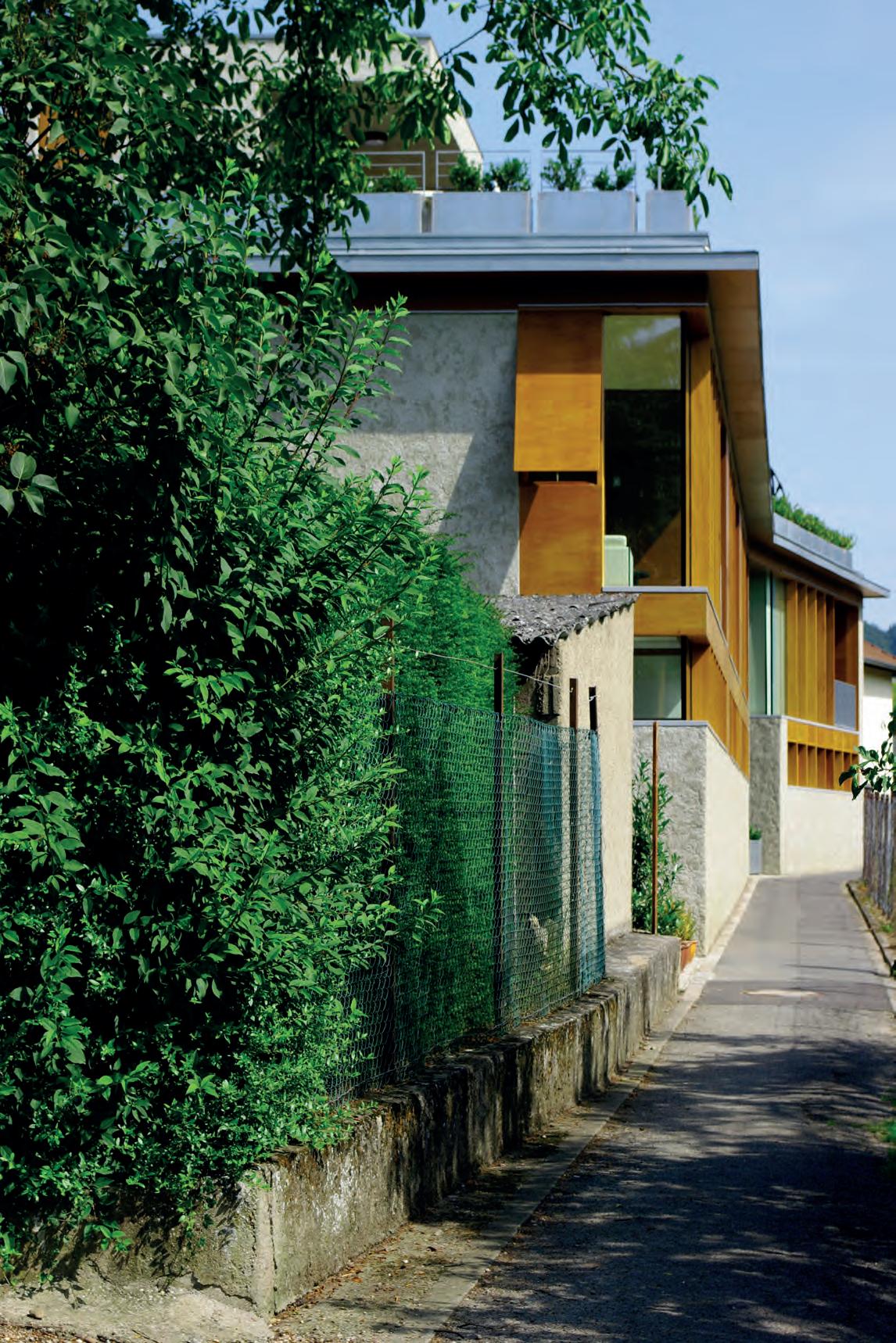
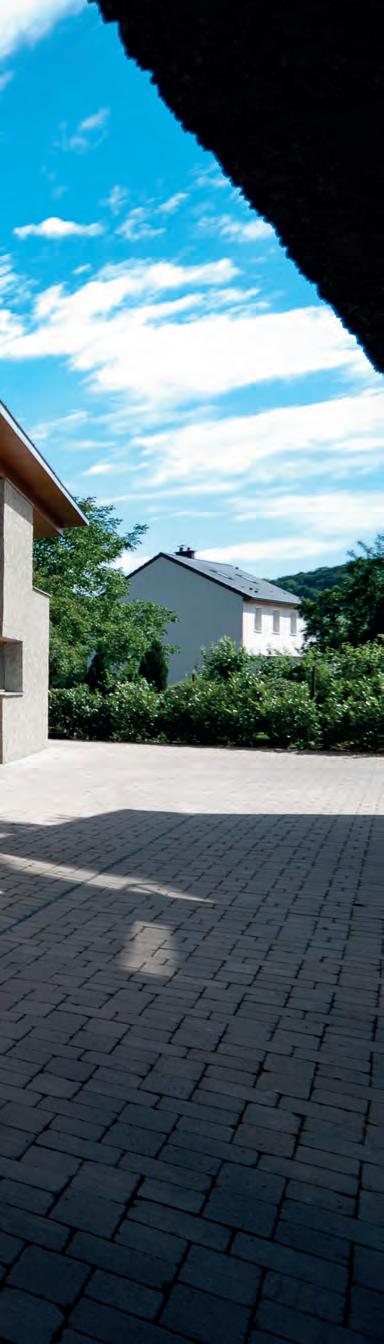
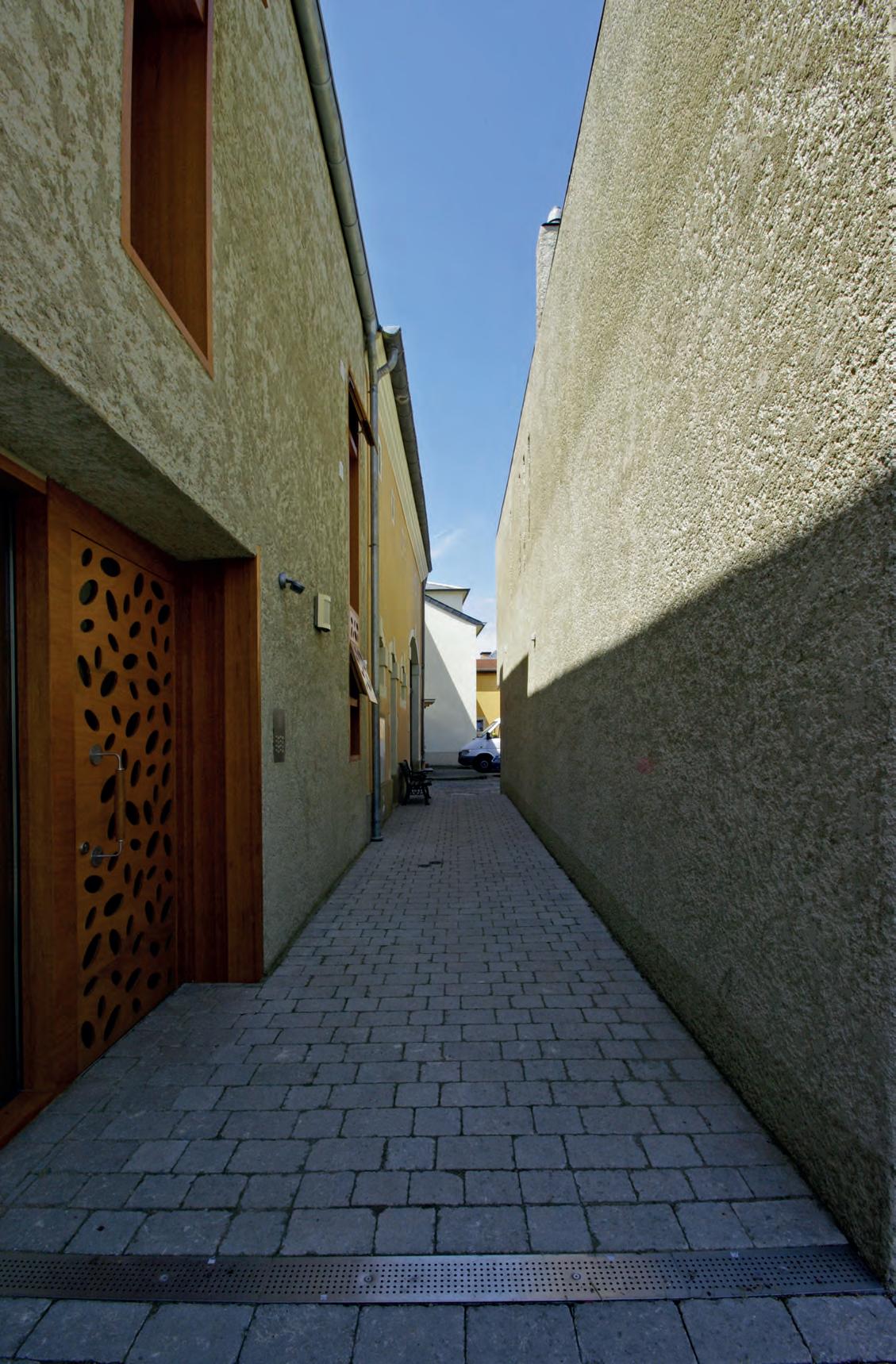
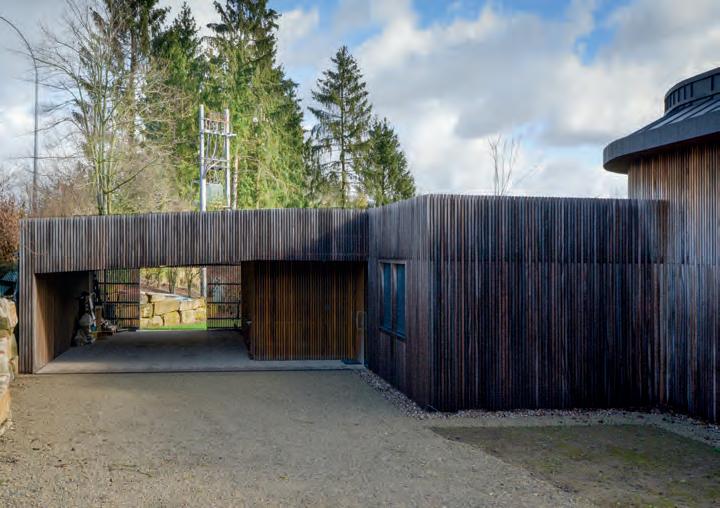
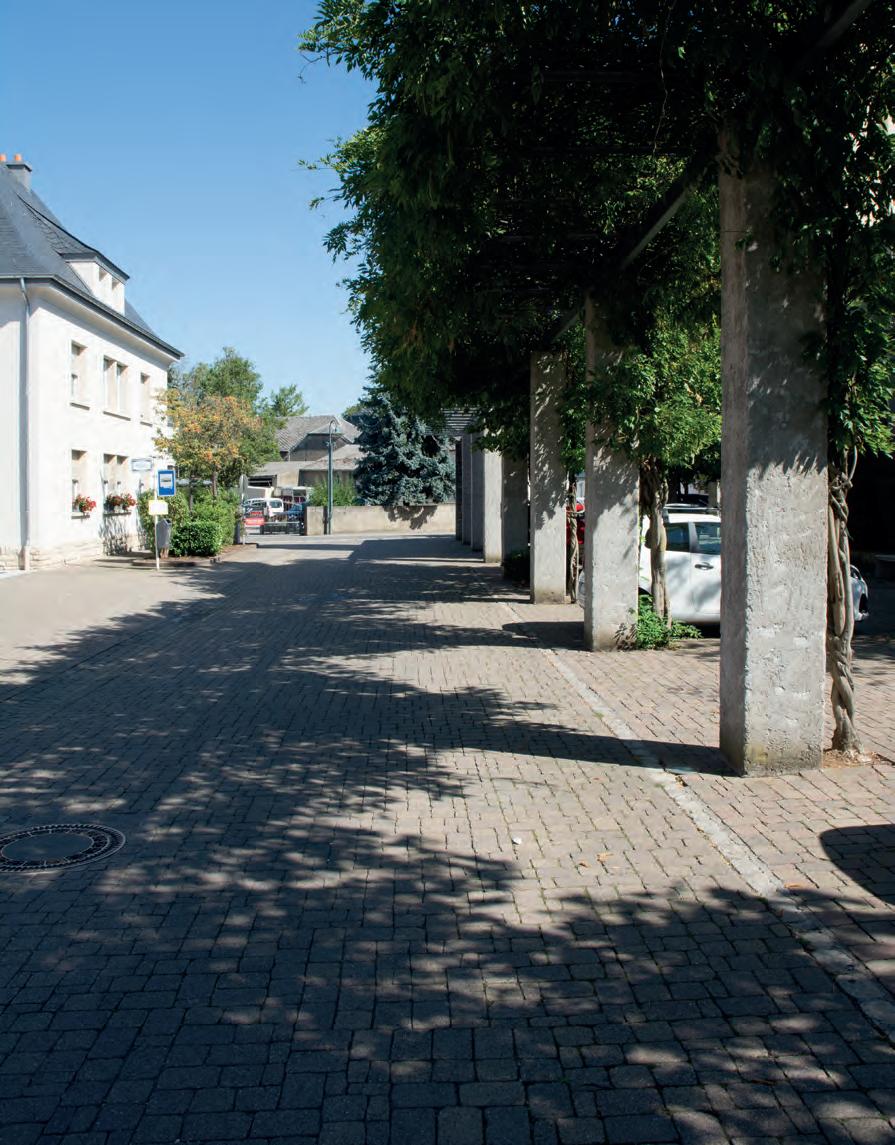
We have thus developed a form of construction that is certainly contemporary, but which is intended to be in keeping with nature, where elements can blend into each other: the wall of a small alley and a section of a house wall, for example, thanks to the use of the same material. We aim for the various elements of the different structures not to be dissociated by people’s eyes at first sight.
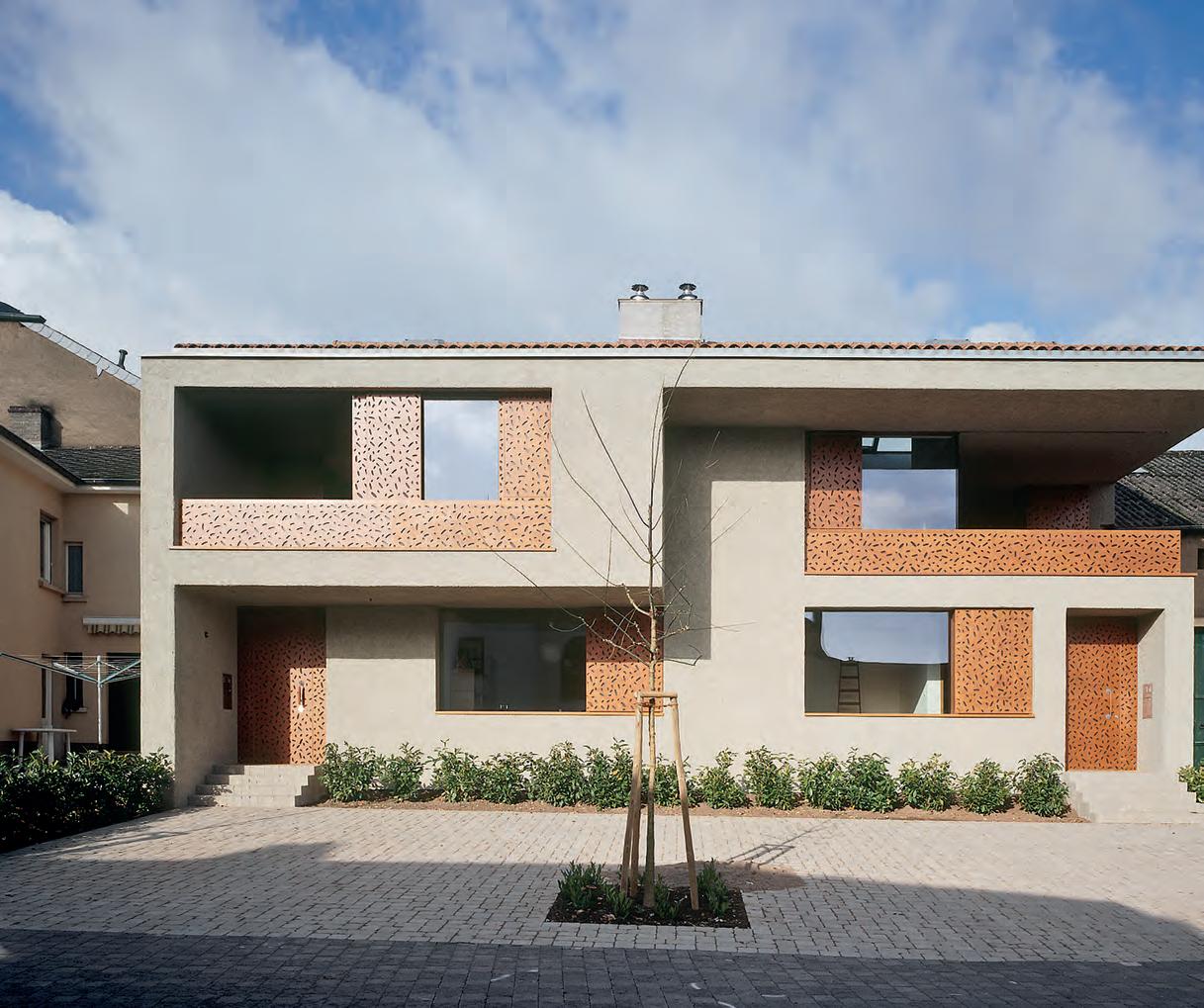
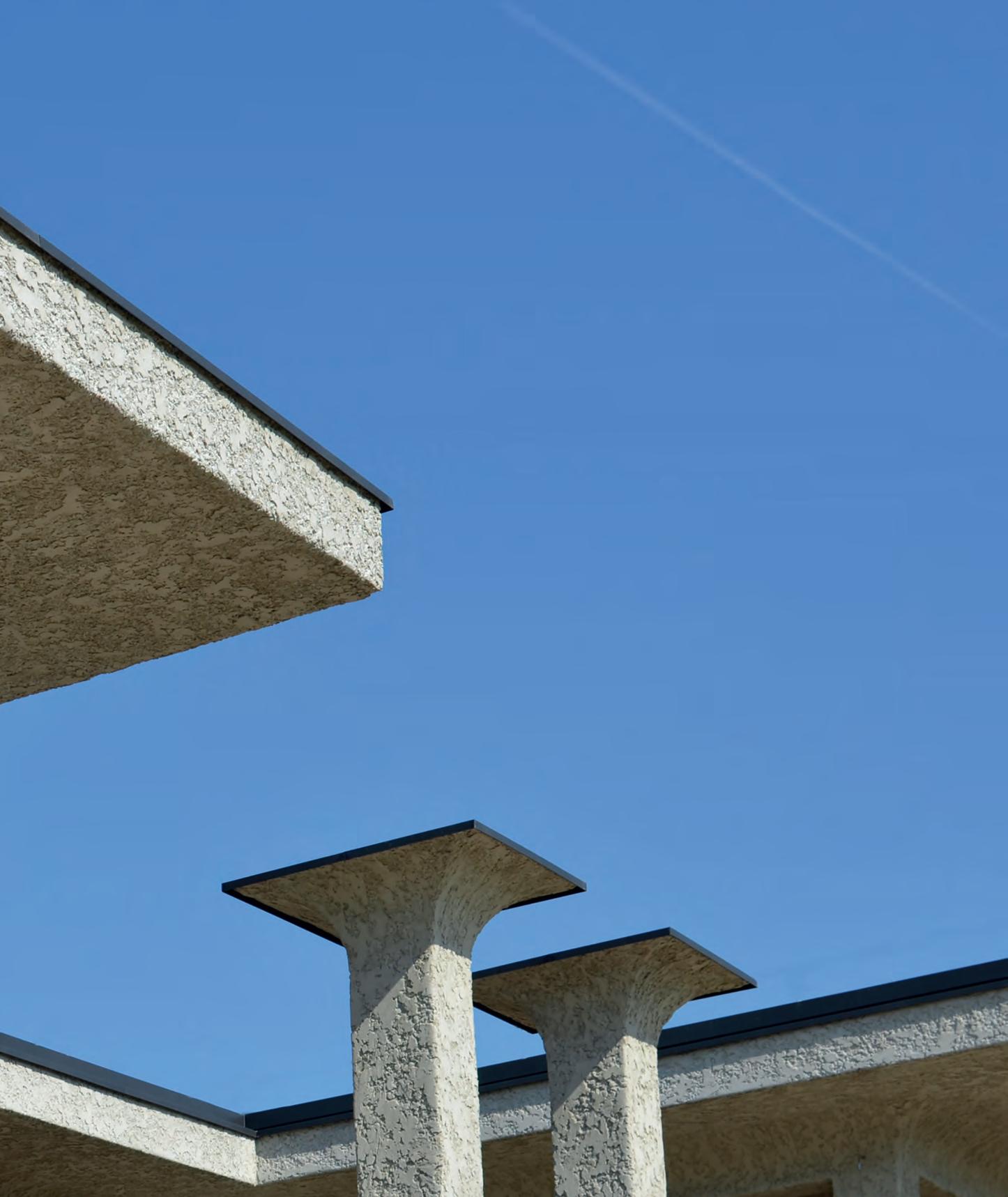
We worked with broken concrete for certain constructions, which creates an effect of depth in the walls, or with unevenly textured plaster, so that the façades do not look too smooth and polished.
In the villages along the Moselle, where stone houses abound, we work to create harmony via materials and colours, where a contrast could spoil the pleasure of the view. These are certainly technical reflections, but we deem them important for the philosophy of building single-family houses in a region like the Moselle.
To create this harmony – which is one of the major objectives of my architectural philosophy –, the dimensions of a structure are not as important as one might think. The material, the colour, the shape – which can vary according to the period, the opening or not of a construction, the available space –, the light, the sun and the texture of the chosen material are, on the other hand, determining factors.
FR Vers le milieu des années 2000, nous avons construit beaucoup de maisons et d’édifices publics dans la région mosellane.
Sur le territoire de la Moselle, nous avons développé nos propres langages de la forme et du matériau. Nous nous sommes éloignés des constructions en béton, pour nous intéresser davantage au fameux crépi brut de la région, à base de sable de la Moselle, qu’on appelle le Schengener Putz ; nous l’utilisons pour les façades, selon l’ancienne tradition locale. Nous avons commencé à intégrer des éléments en bois dans nos constructions, afin que les bâtiments dégagent davantage de chaleur.
Toute une série de bâtiments que nous avons construits tiennent compte de la culture de la construction régionale, voire y contribuent. Nous avons repris des traditions artisanales locales en les combinant avec des techniques contemporaines, créant ainsi des lieux d’identification familiers pour les habitants. Nous travaillons avec un grand respect du matériau. C’est la recherche d’une harmonie régionale et d’une homogénéité dans l’aspect extérieur des immeubles qui nous motive ; aucun corps étranger ne doit venir perturber celles-ci.
Nous avons ainsi développé une forme de construction certes contemporaine, mais qui se veut dans la continuité de la nature, où les éléments peuvent se fondre les uns dans les autres : le mur d’une petite ruelle et un pan de mur d’une maison, par exemple, grâce à l’utilisation d’un même matériau. Notre finalité est que l’œil ne puisse pas, à première vue, dissocier les divers éléments des différentes structures.
Pour certaines constructions, nous avons travaillé avec du béton brisé, qui crée du relief dans les murs, ou bien avec du crépi à texture inégale, pour que les façades n’aient pas un aspect trop lisse et poli.
Dans les villages le long de la Moselle, où beaucoup d’habitations sont construites en pierre, nous travaillons à créer une harmonie grâce au matériau et à la couleur, là où un contraste aurait gâché le plaisir de la vue. Il s’agit certes de réflexions techniques, mais celles-ci nous semblent importantes pour la philosophie de la construction de maisons unifamiliales dans une région comme la Moselle.
Pour créer cette harmonie, qui est une des grandes visées de ma philosophie architecturale, les dimensions d’une structure ne sont pas aussi importantes qu’on pourrait le penser. Le matériau, la couleur, la forme – celle-ci est variable, selon les époques, selon l’ouverture ou non d’une construction, selon les espaces disponibles –, la lumière, le soleil et la texture même du matériau choisi sont en revanche déterminants.
Muller single-family houses Maison unifamiliale
Ruppert single-family house Maison unifamiliale Ruppert Schengen (Luxembourg)
Single-family house Hirtt-Gaspar
Maison unifamiliale Hirtt-Gaspar Wellenstein (Luxembourg)
Conversion of the Jankowitz building into a residential and office building
Transformation de l’immeuble Jankowitz en habitations et bureaux Bech-Kleinmacher (Luxembourg)
Residential building A Spunjesch
Immeuble résidenciel A Spunjesch Remerschen (Luxembourg)
Two single-family houses Weber
Deux maisons unifamiliales Weber Remerschen (Luxembourg)
ENSEMBLE: LIVING IN THE COMMUNE OF SCHENGEN
DANS LA COMMUNE
Conversion of a grocery store and construction of an apartment and a single-family house Transformation d‘une épicerie et réalisation d‘un appartement et d‘une maison unifamiliale
(Luxembourg)
of a winegrower’s house and dwellings
(Luxembourg)
SCHENGEN
1 Ruppert single-family house (1984–1985)
2 Conversion of a grocery store
3 and construction of an apartment and a single-family house for the family Wagener (2010–2012)
4 Winter garden for a single-family house, family Wagener (2011–2012)
5 Residence for the elderly Les Jardins de Schengen (2007–2015)
REMERSCHEN
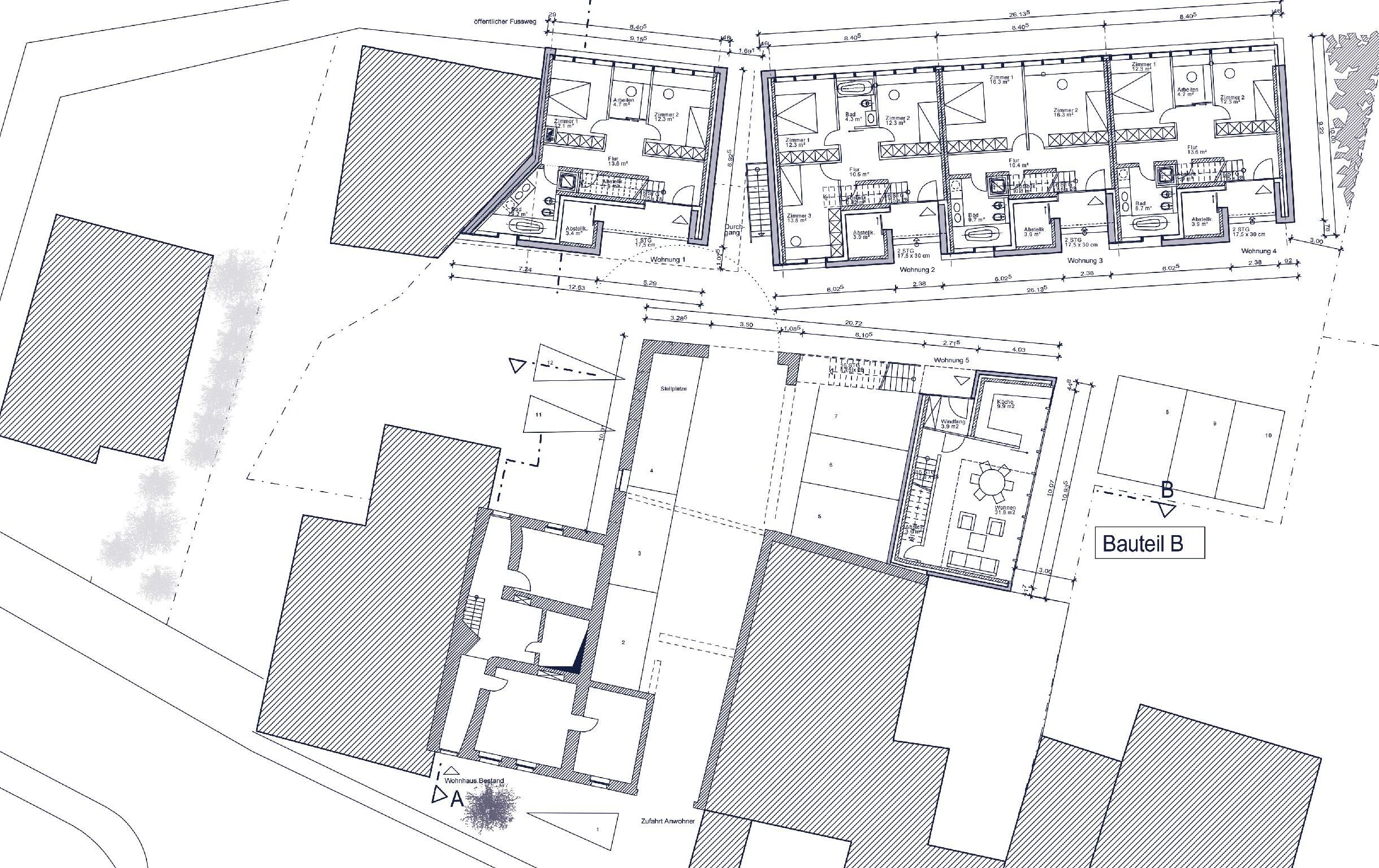
6 Four terraced houses, Op der Wollefskaul (2010–2012) 7 Conversion of the Wilzius house (2009–2010) 8 Pretemer single-family house (2010–2011)
(2009–2011)
17 Single-family house Muller (1984–1985)
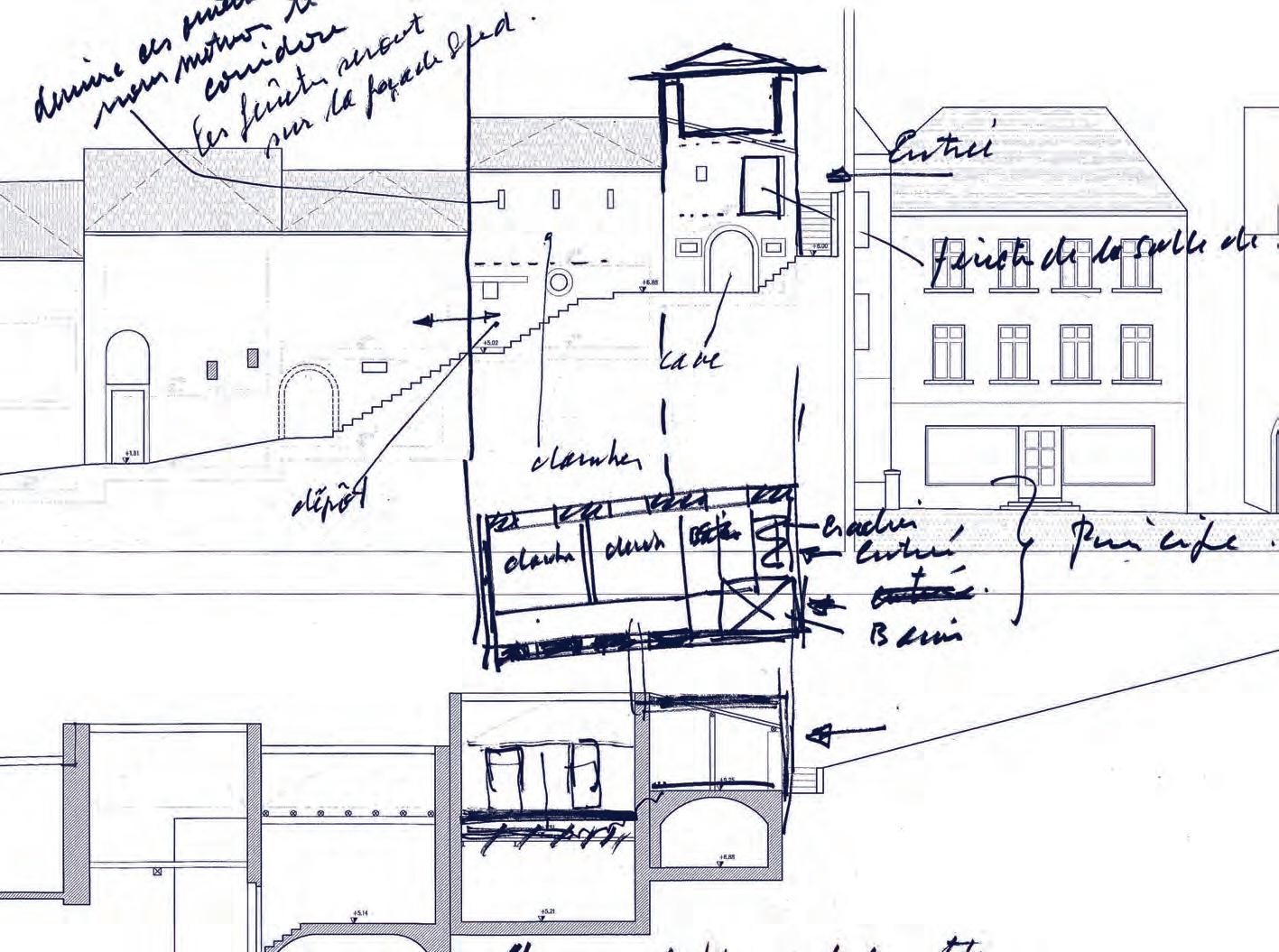
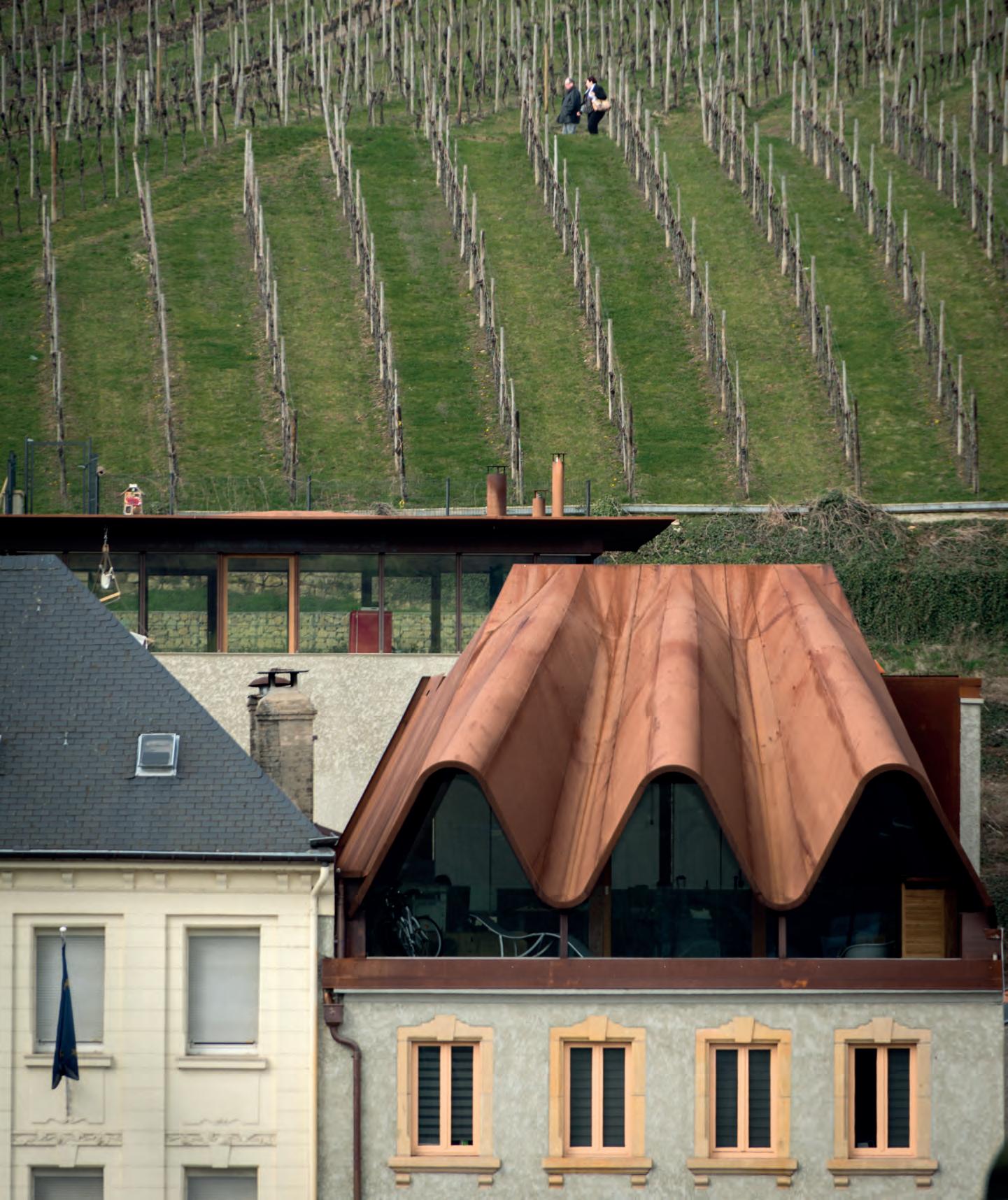
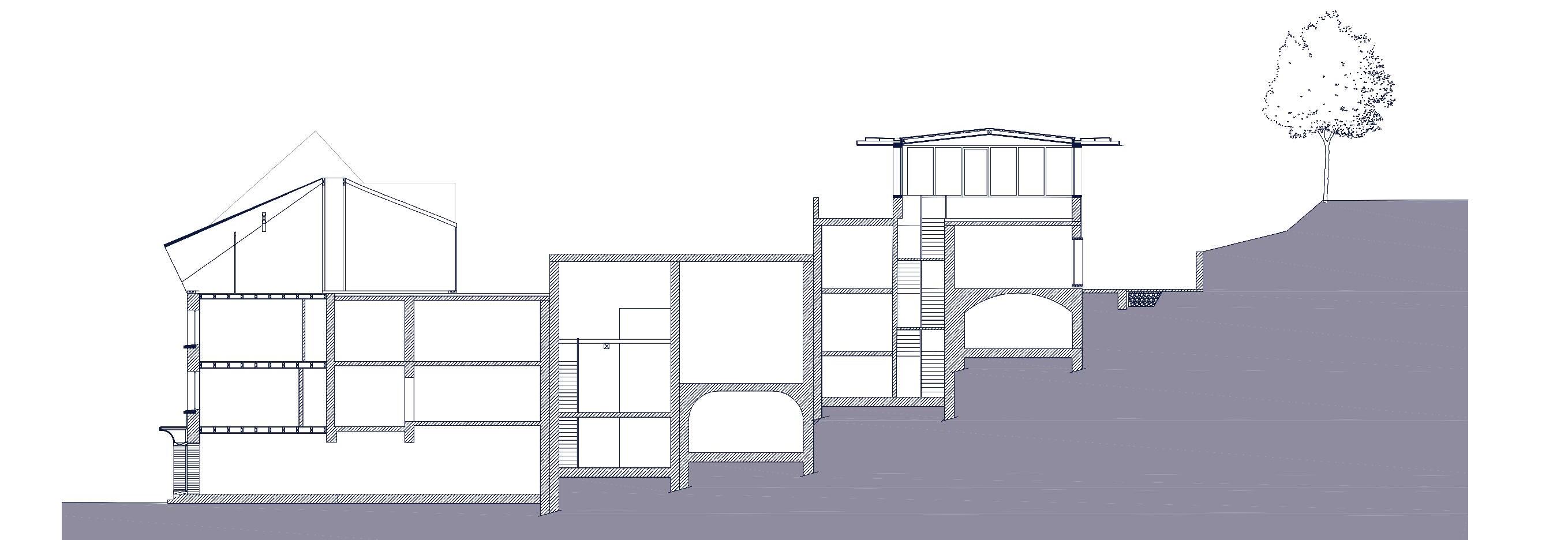
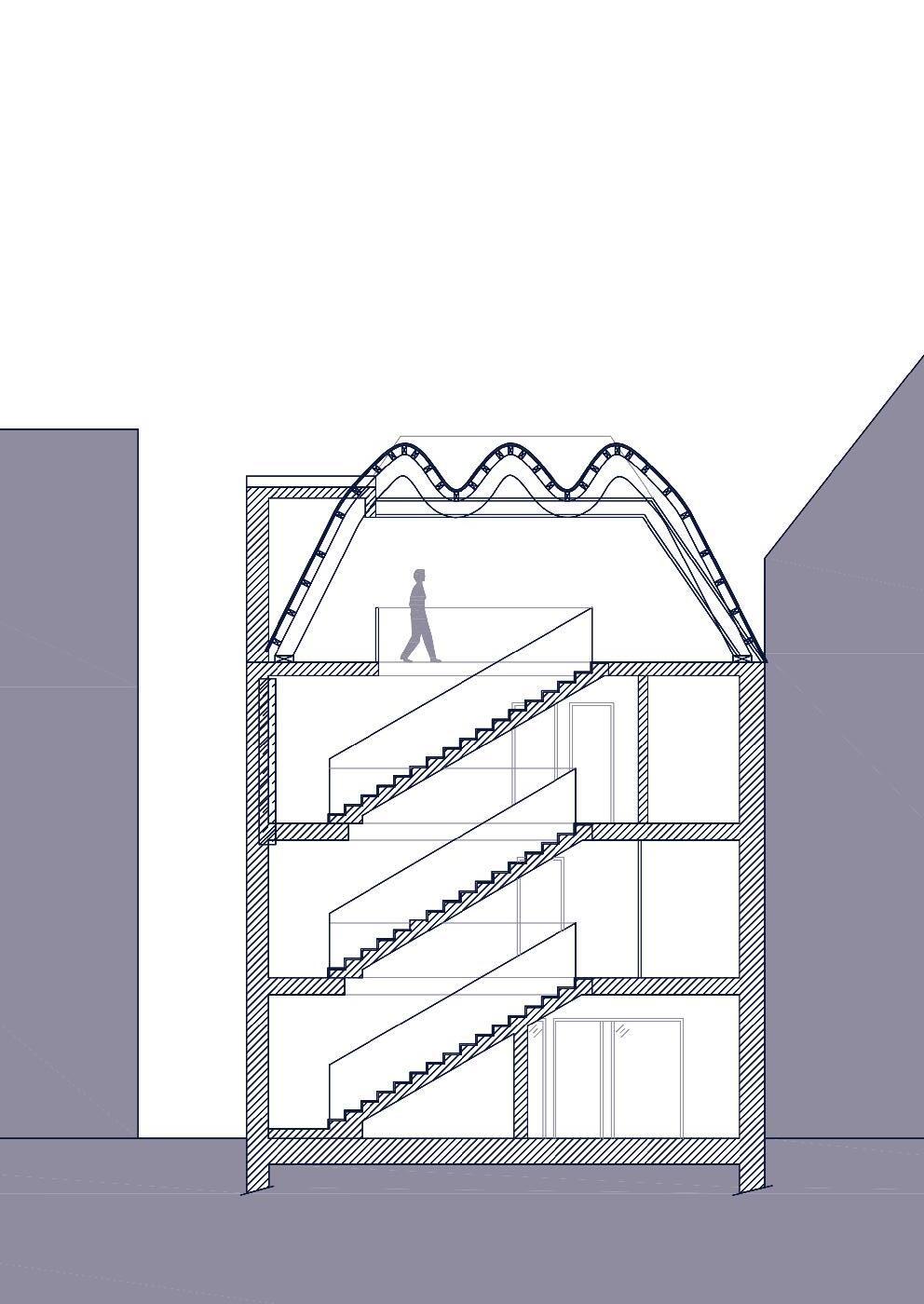
18 Conversion of a winegrower‘s house and dwellings Dentzscheseck (2013–2020)
WELLENSTEIN / BECH-KLEINMACHER
Conversion and extension of the D’Haeseleer house (2014–2018)
Single-family house Obertin-Marx (2013–2015)
Hirtt house
Reuter house
Conversion of an old winegrower‘s house - Schram (2012)
Conversion of the Jankowitz building into a residential and office building (2004–2007)
3.1
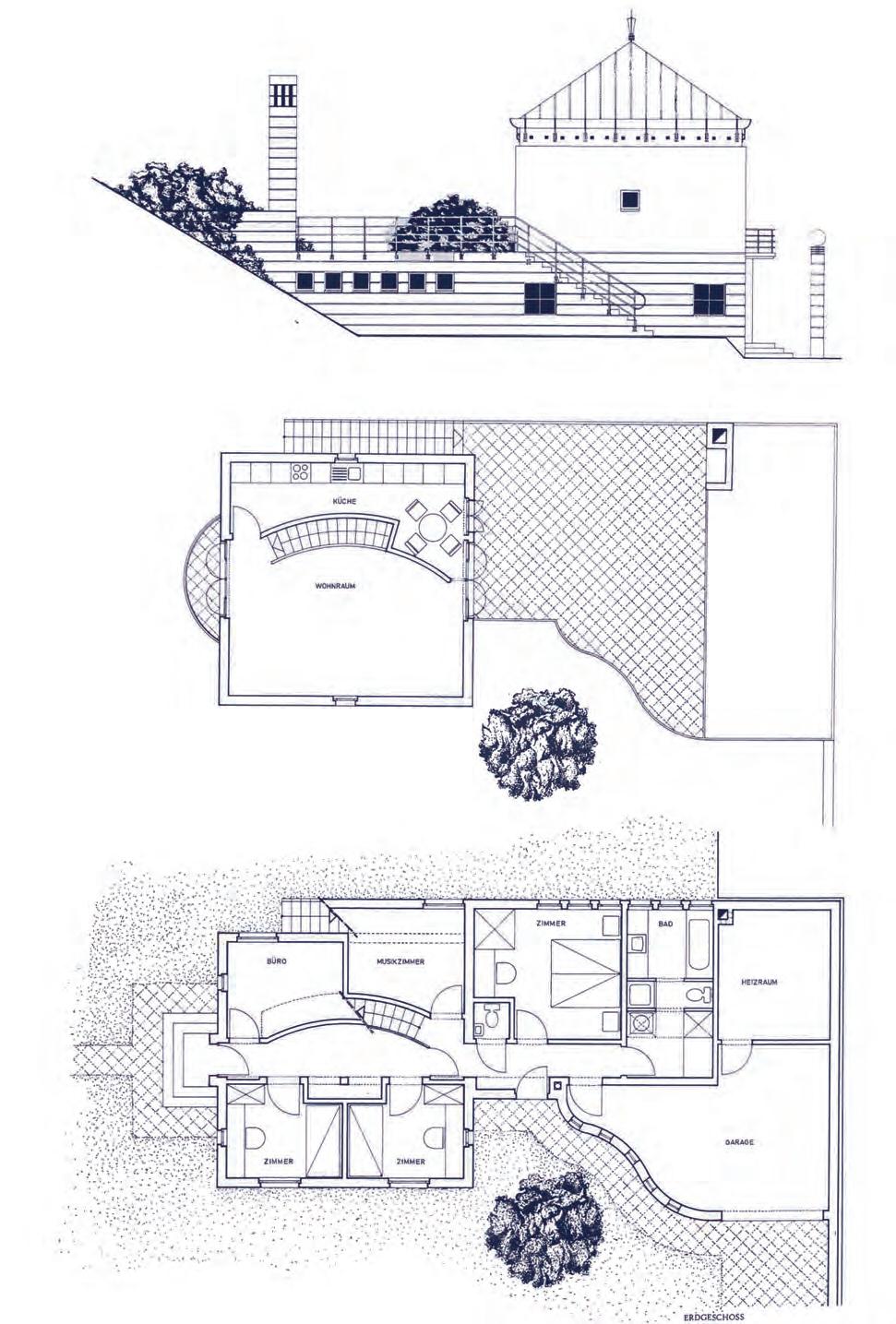
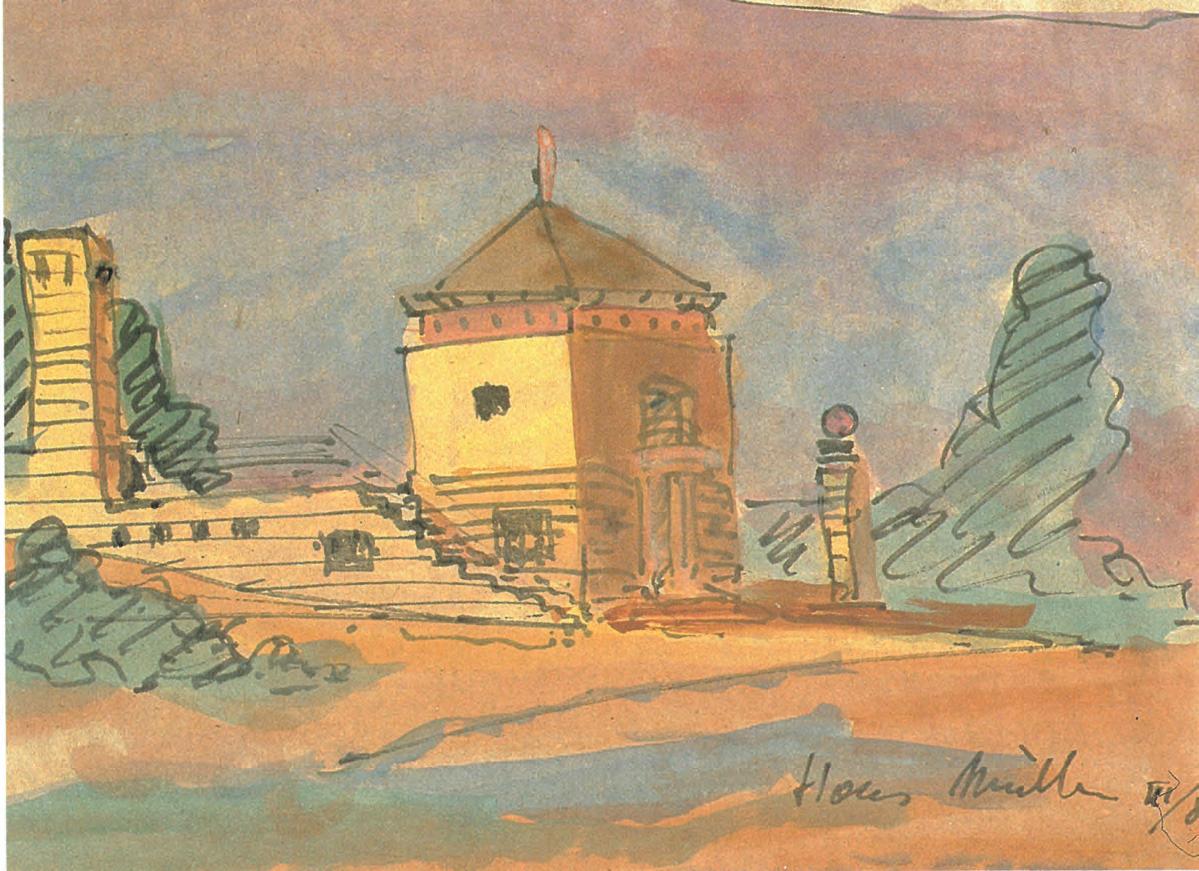
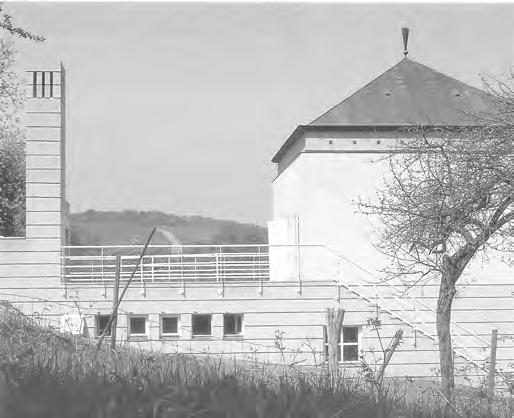
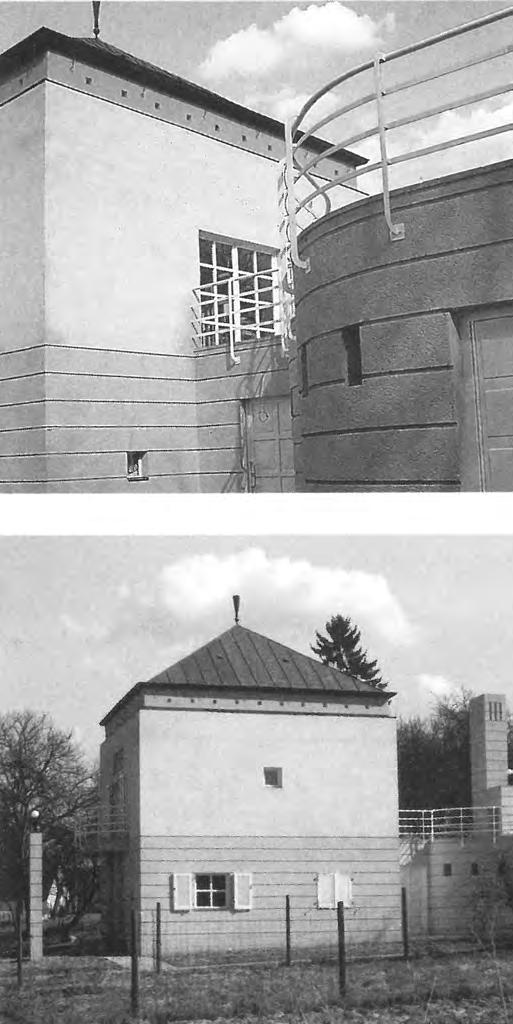
Muller single-family house
Maison unifamiliale Muller
Location: Wintrange (Luxembourg)
Client: Vic Muller
Year: 1984–1985
Ruppert single-family house
Maison unifamiliale Ruppert
Location: Schengen (Luxembourg)
Client: Paul Ruppert
Year: 1984–1985
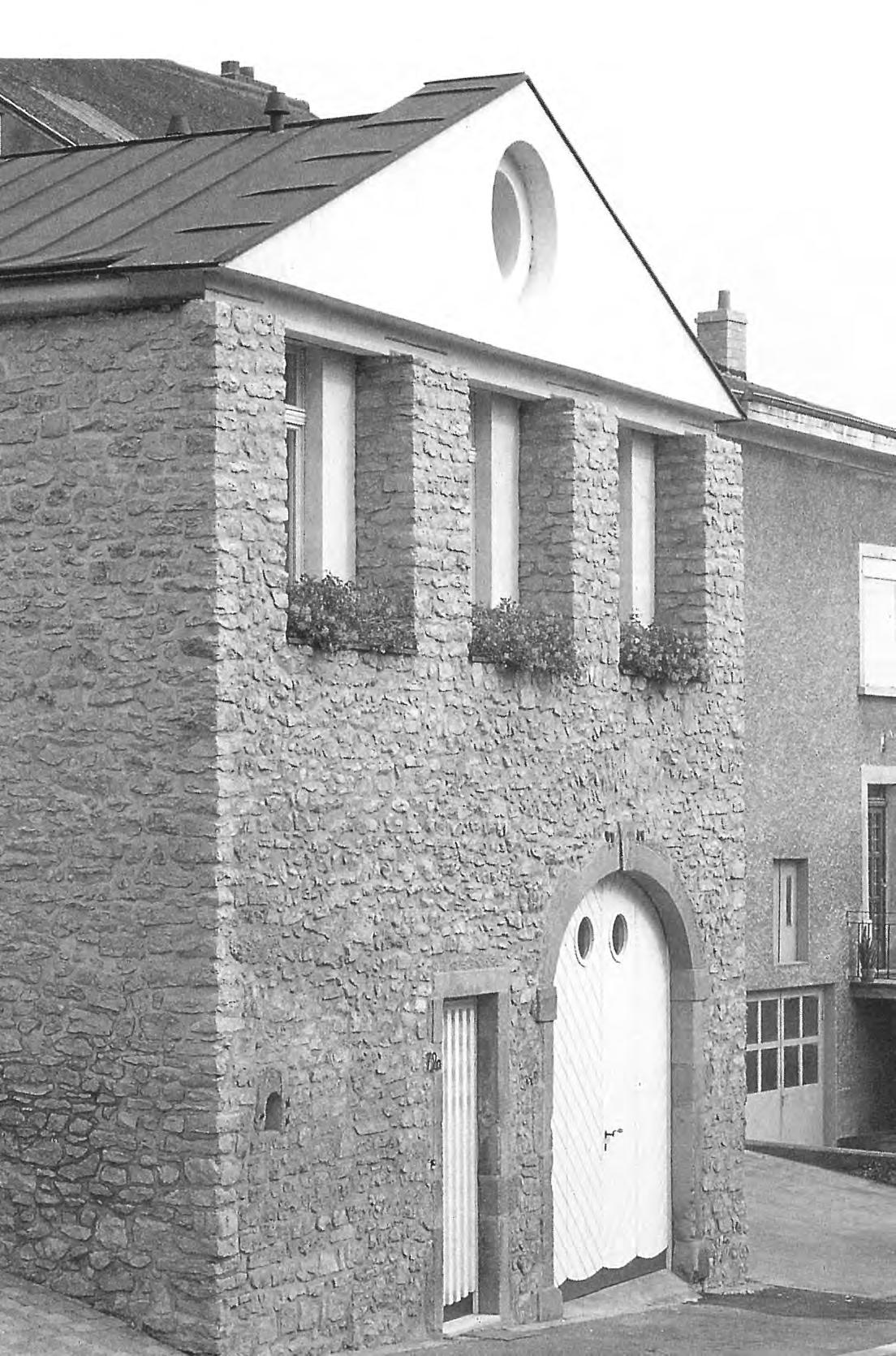
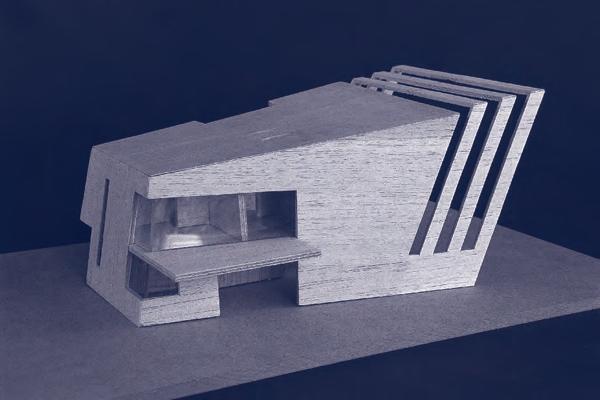
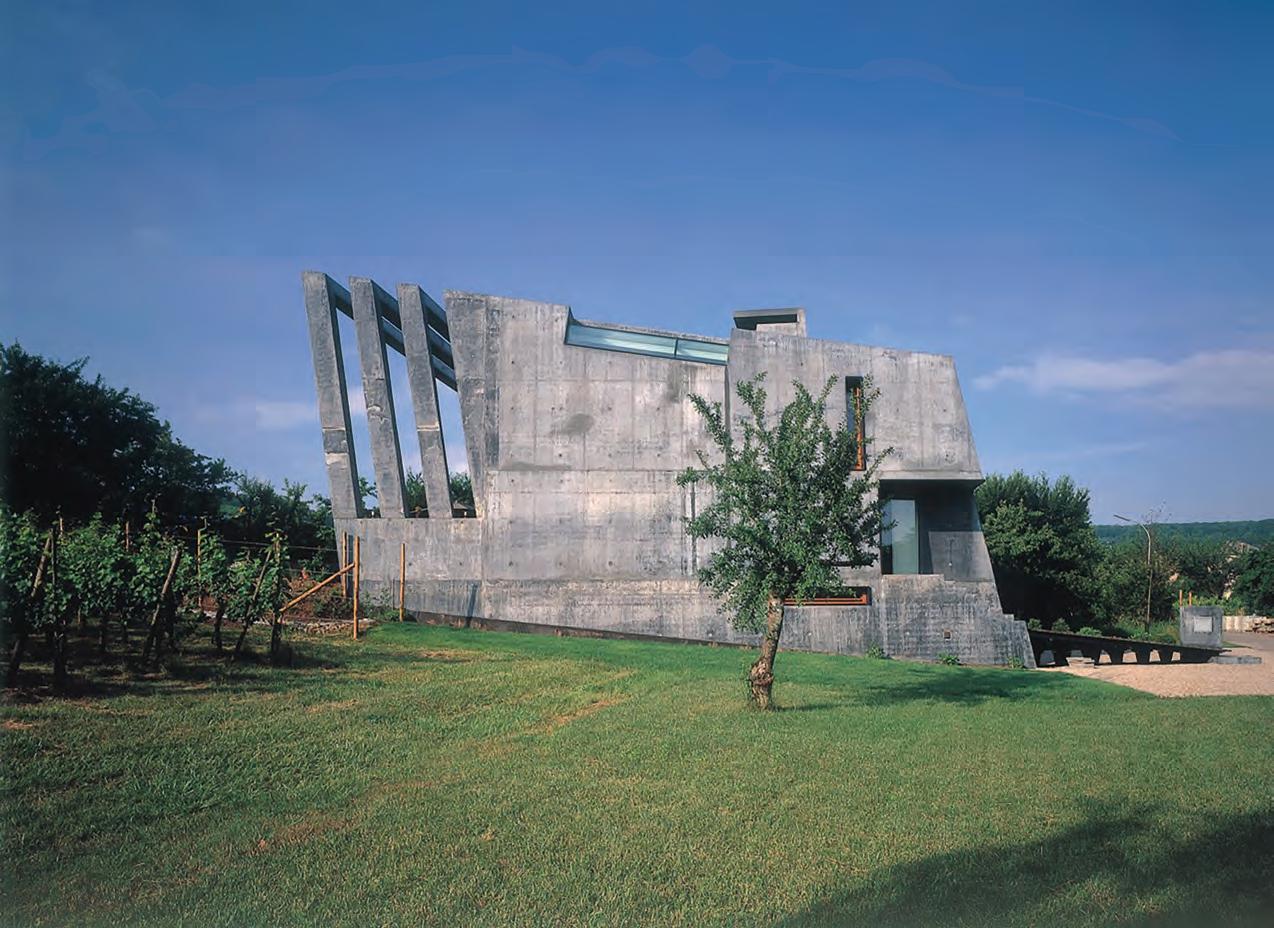
The façade was made of dry stone: a very classical structure.
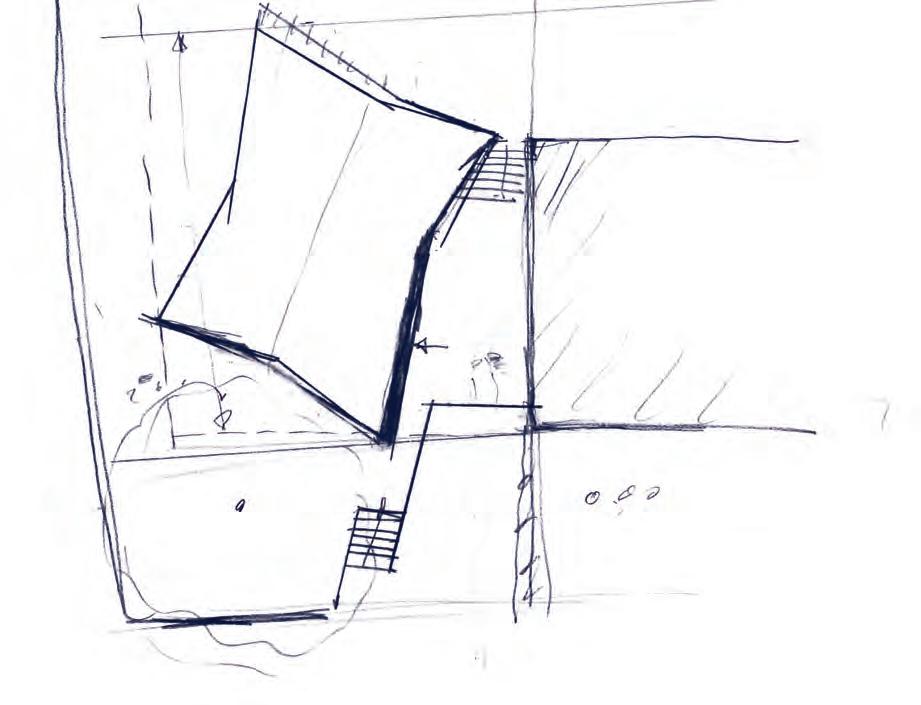
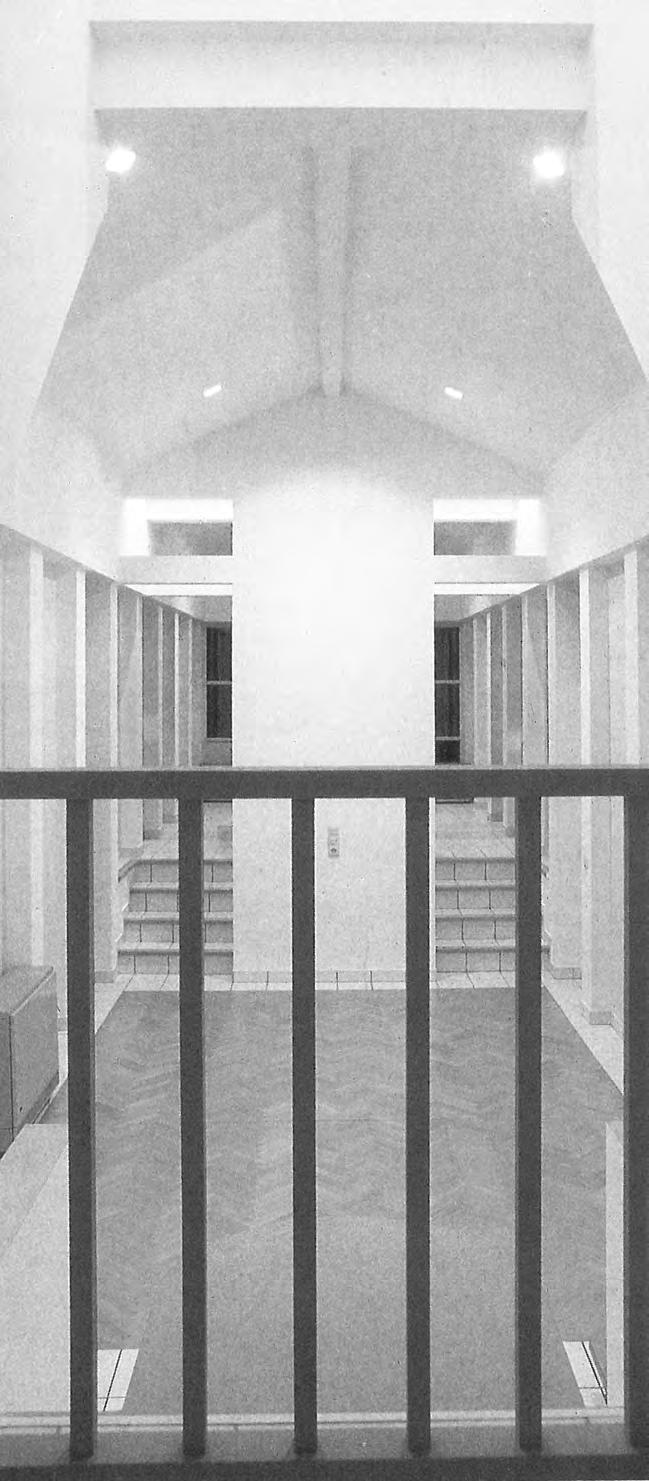
The design incorporated a void in the building itself, with a large centrally located dining room
La façade était en pierre sèche : une structure très classique.
La conception prévoyait un vide dans le bâtiment même, une grande salle à manger située au centre
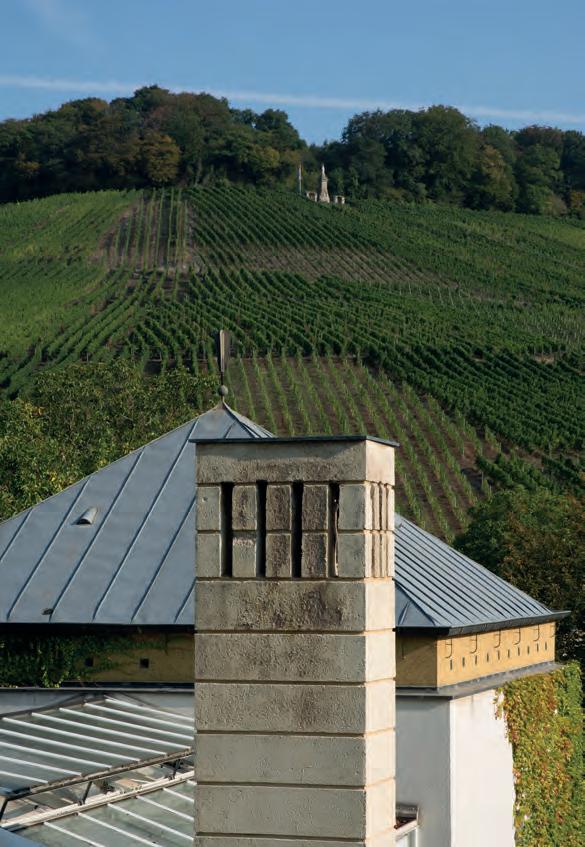
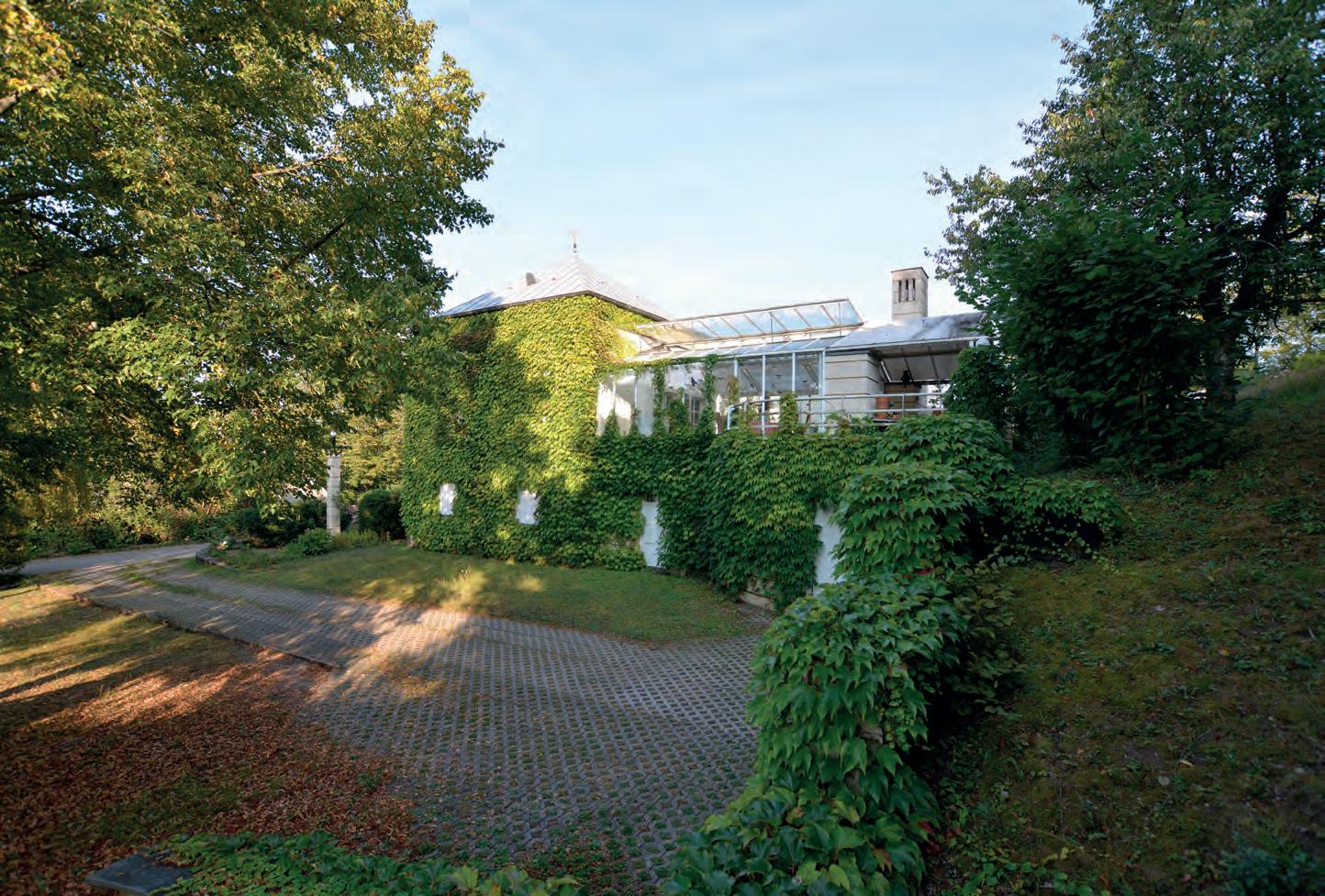
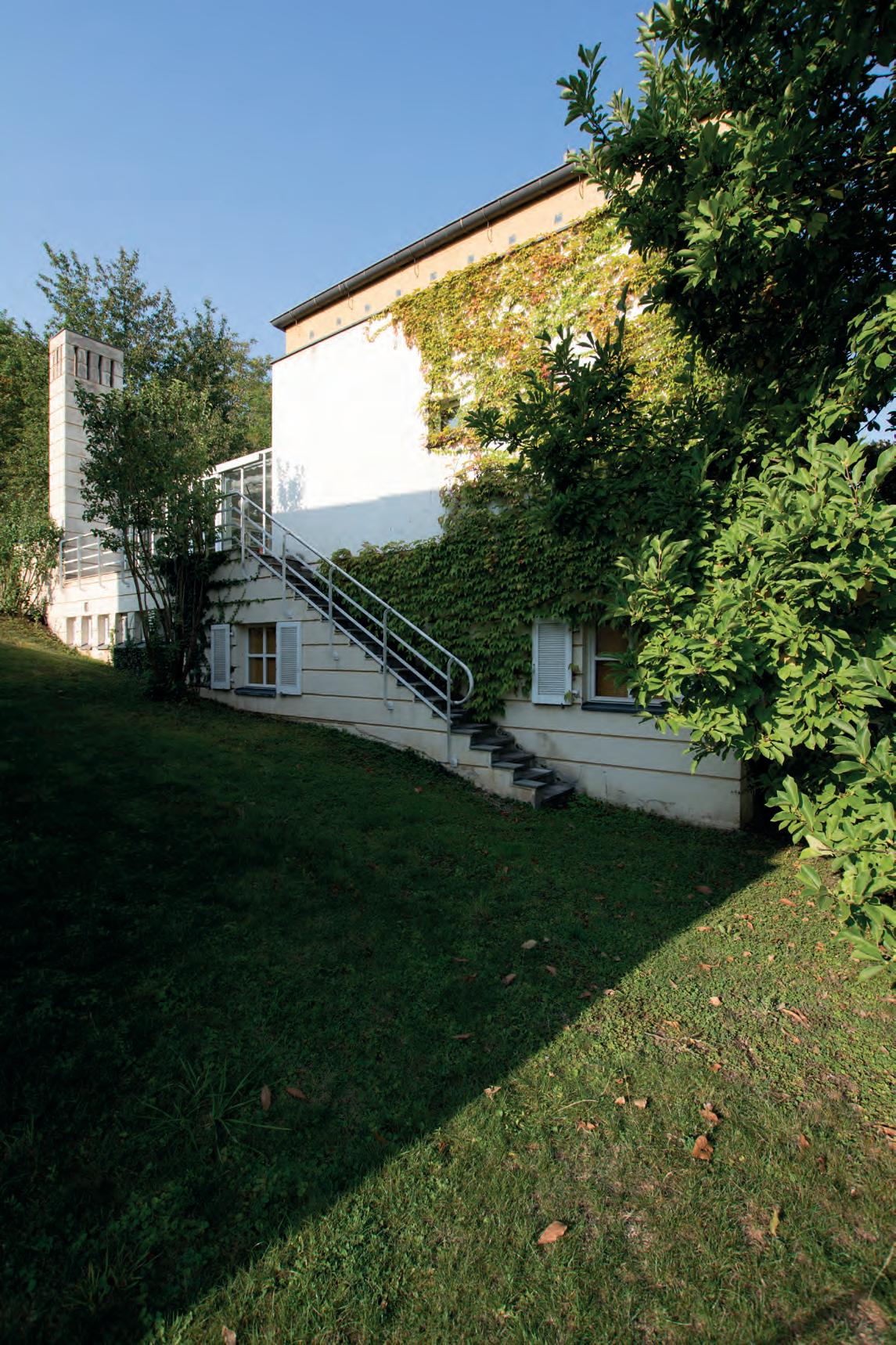
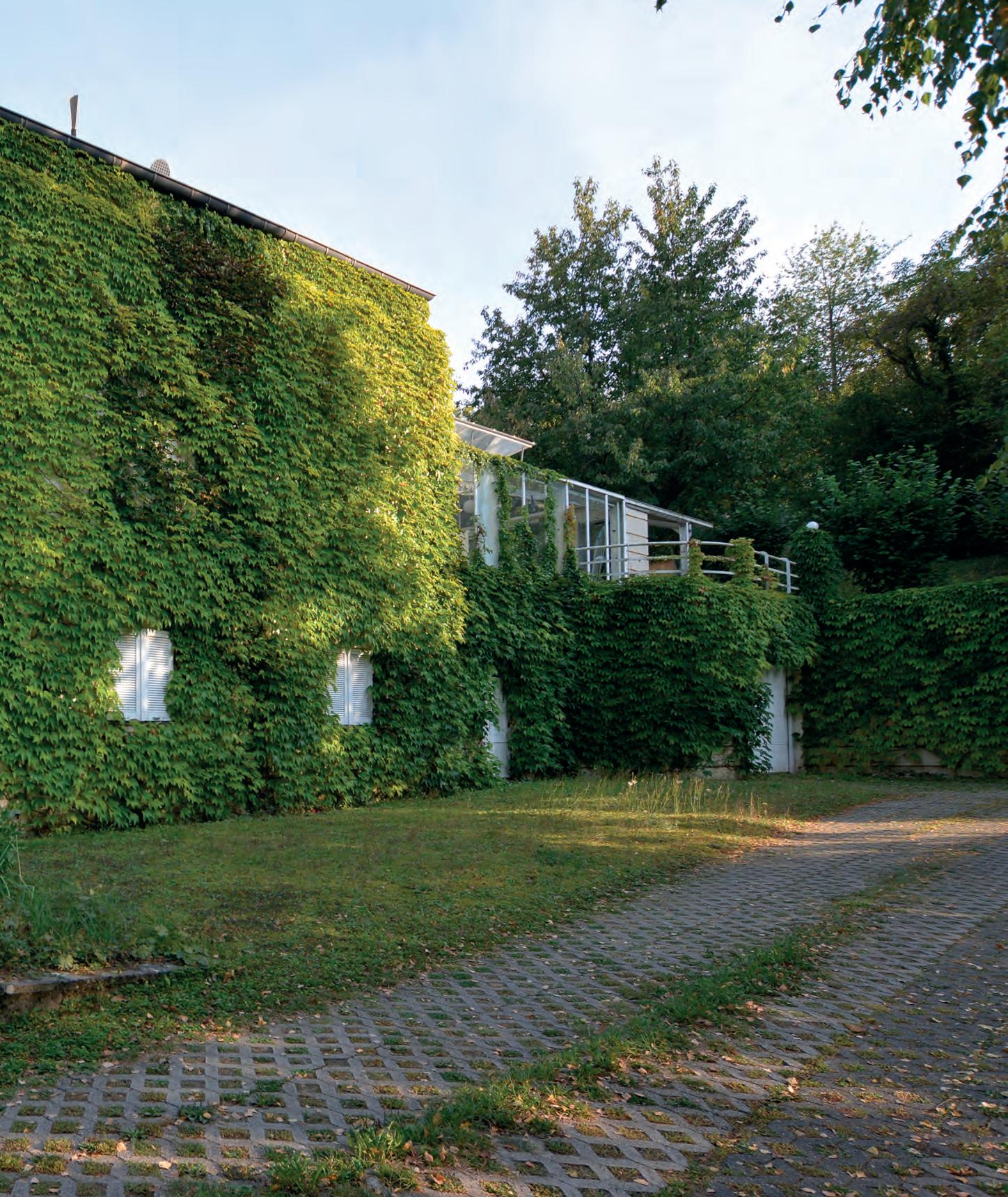
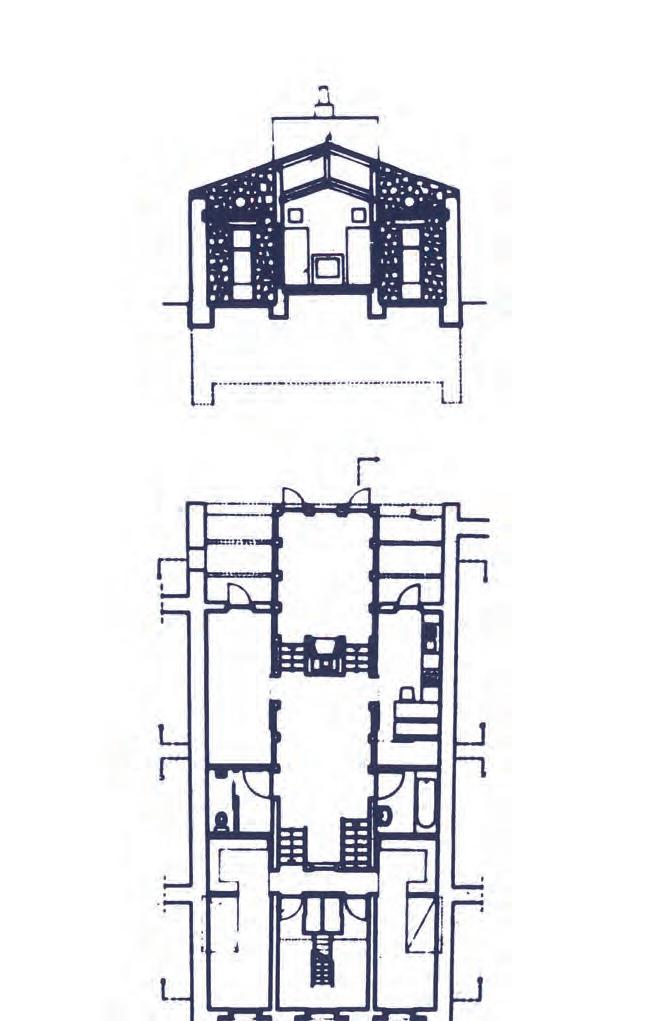
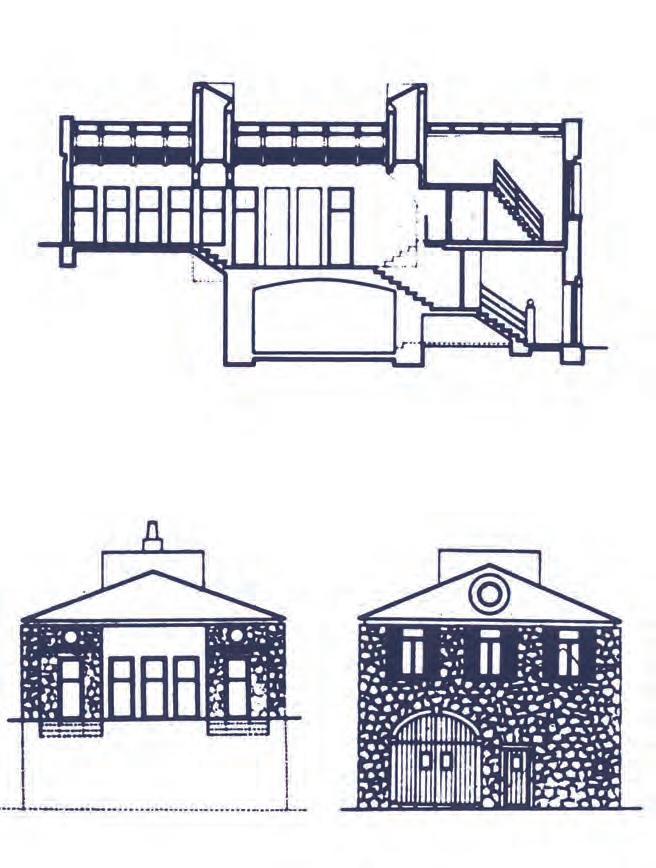
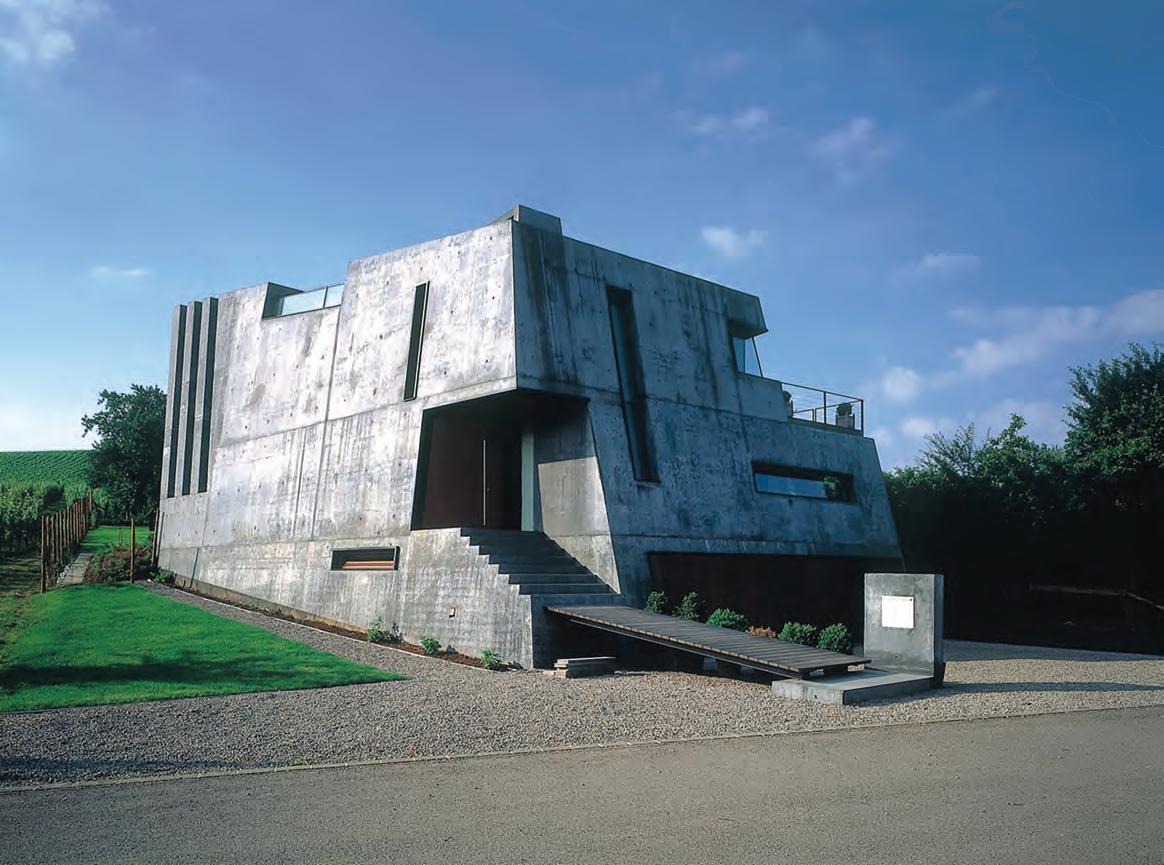
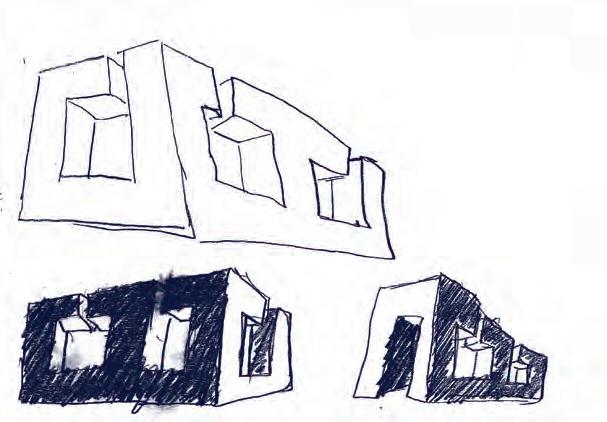
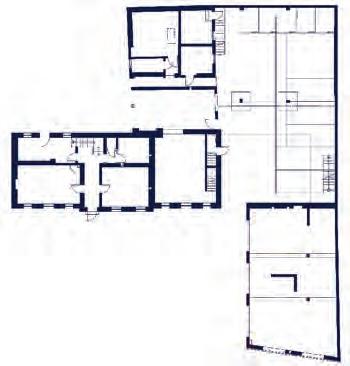
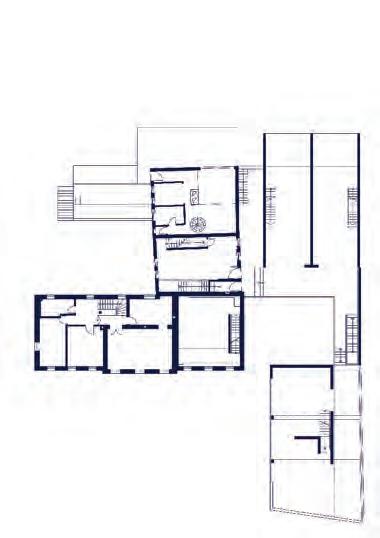
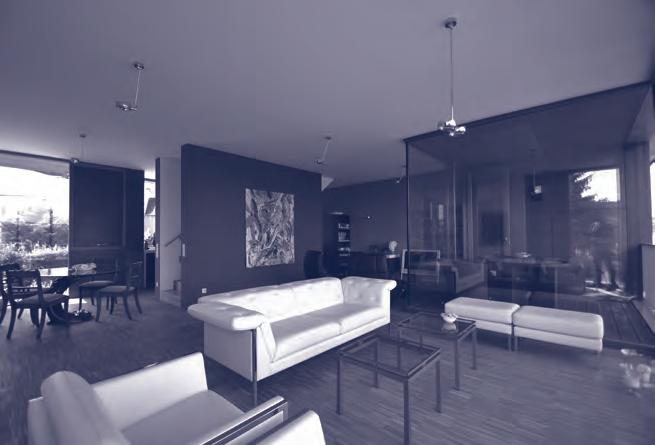
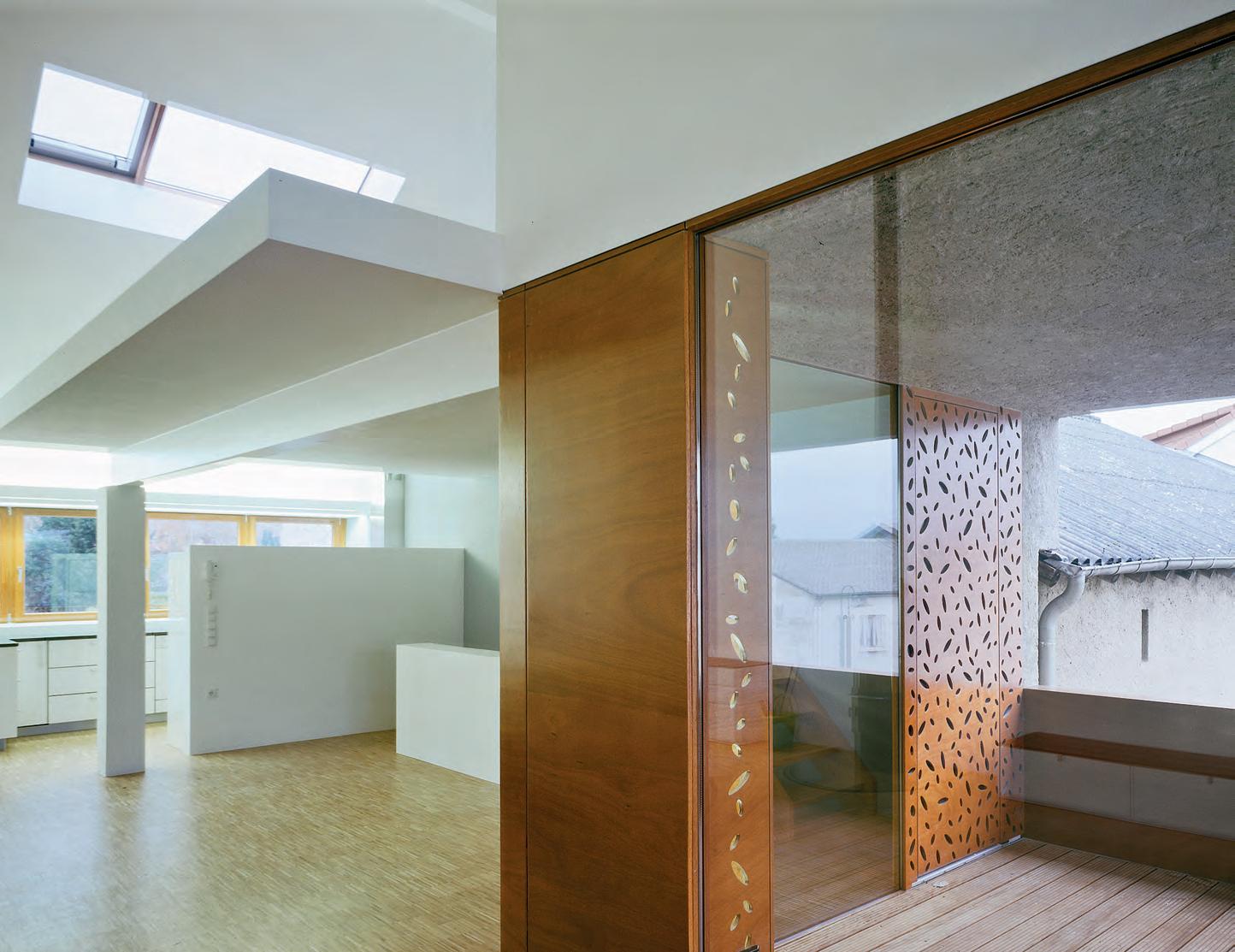
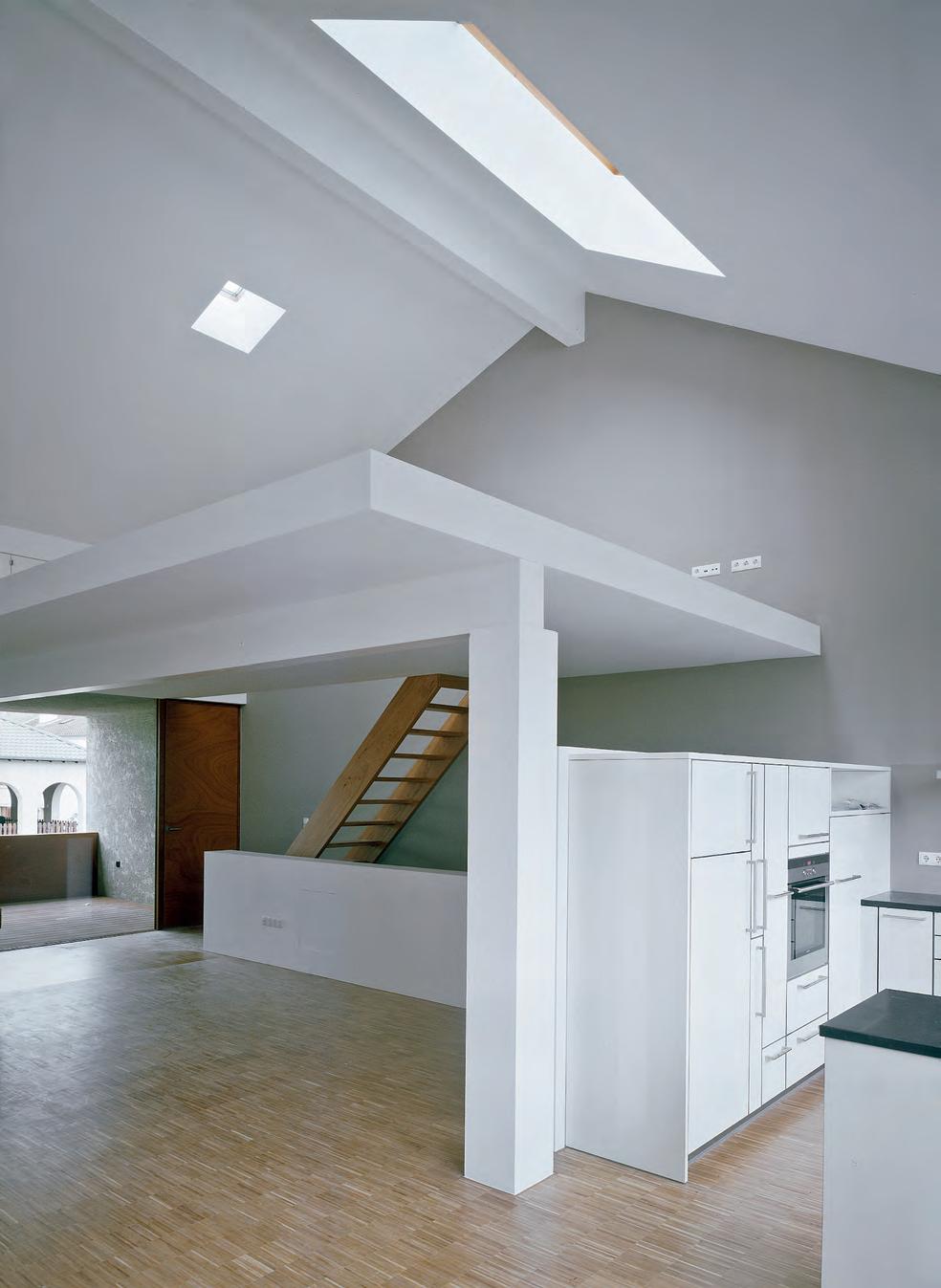
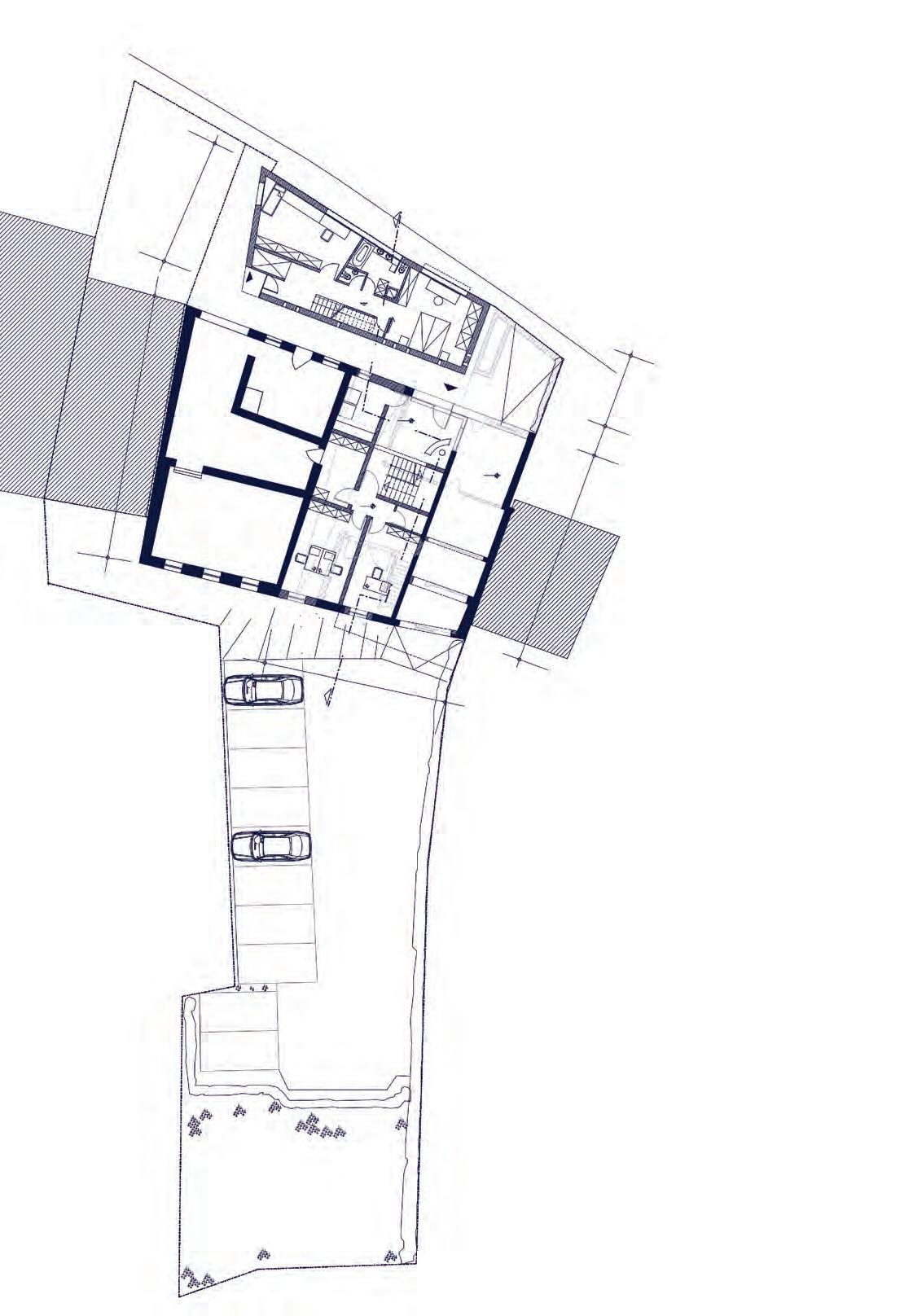
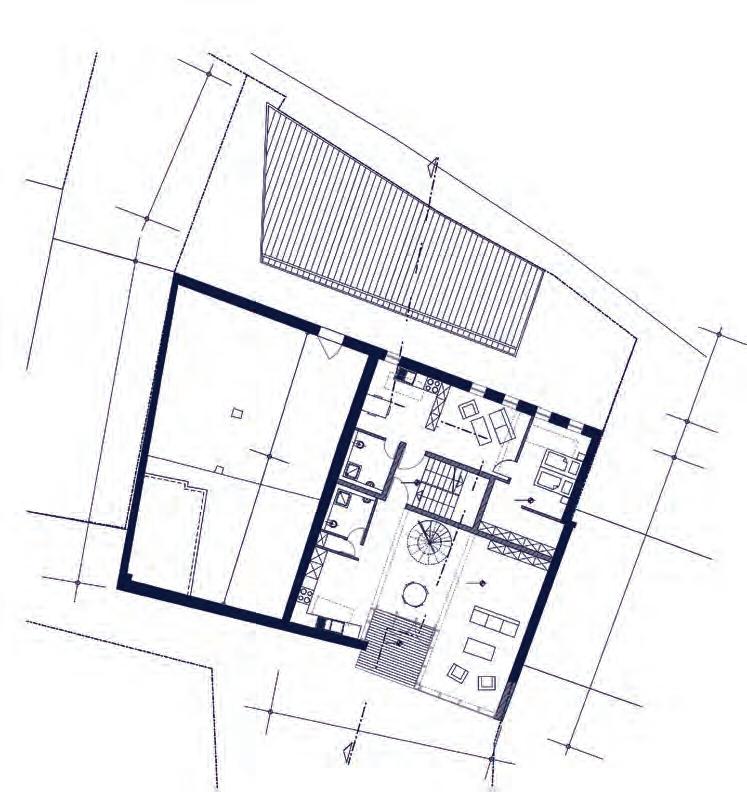
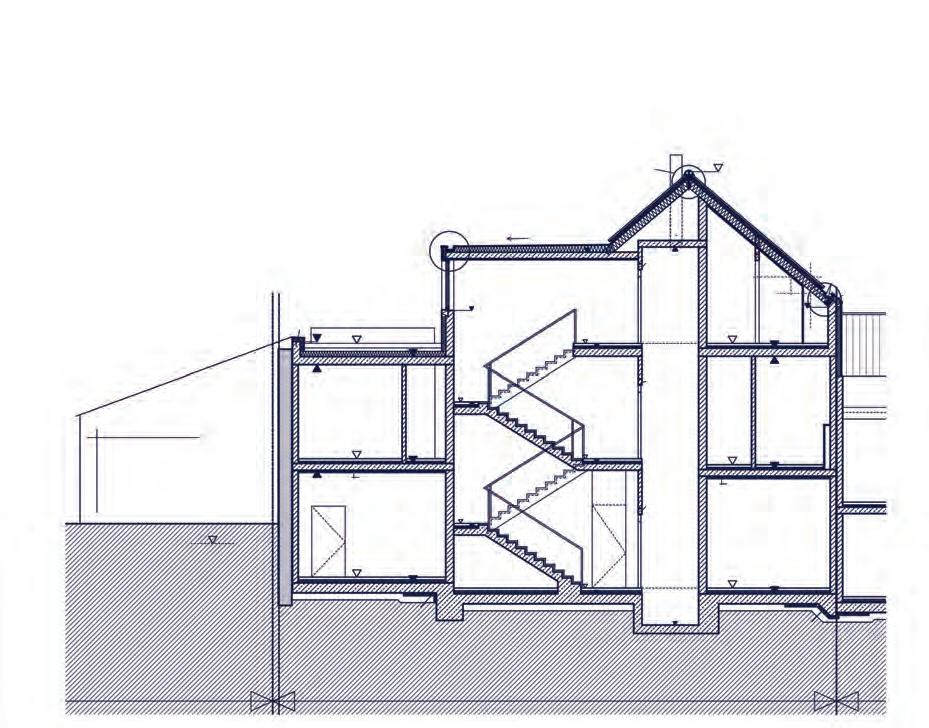
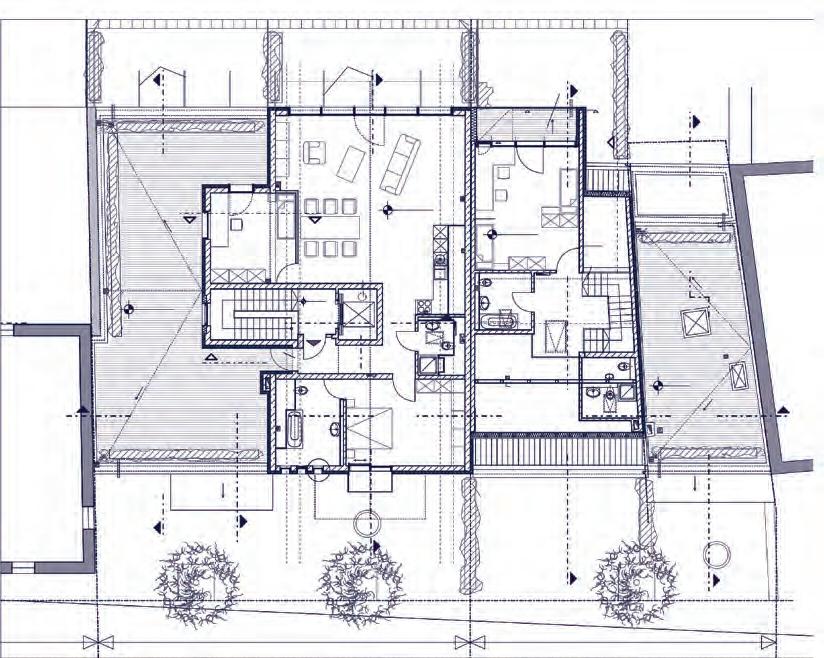
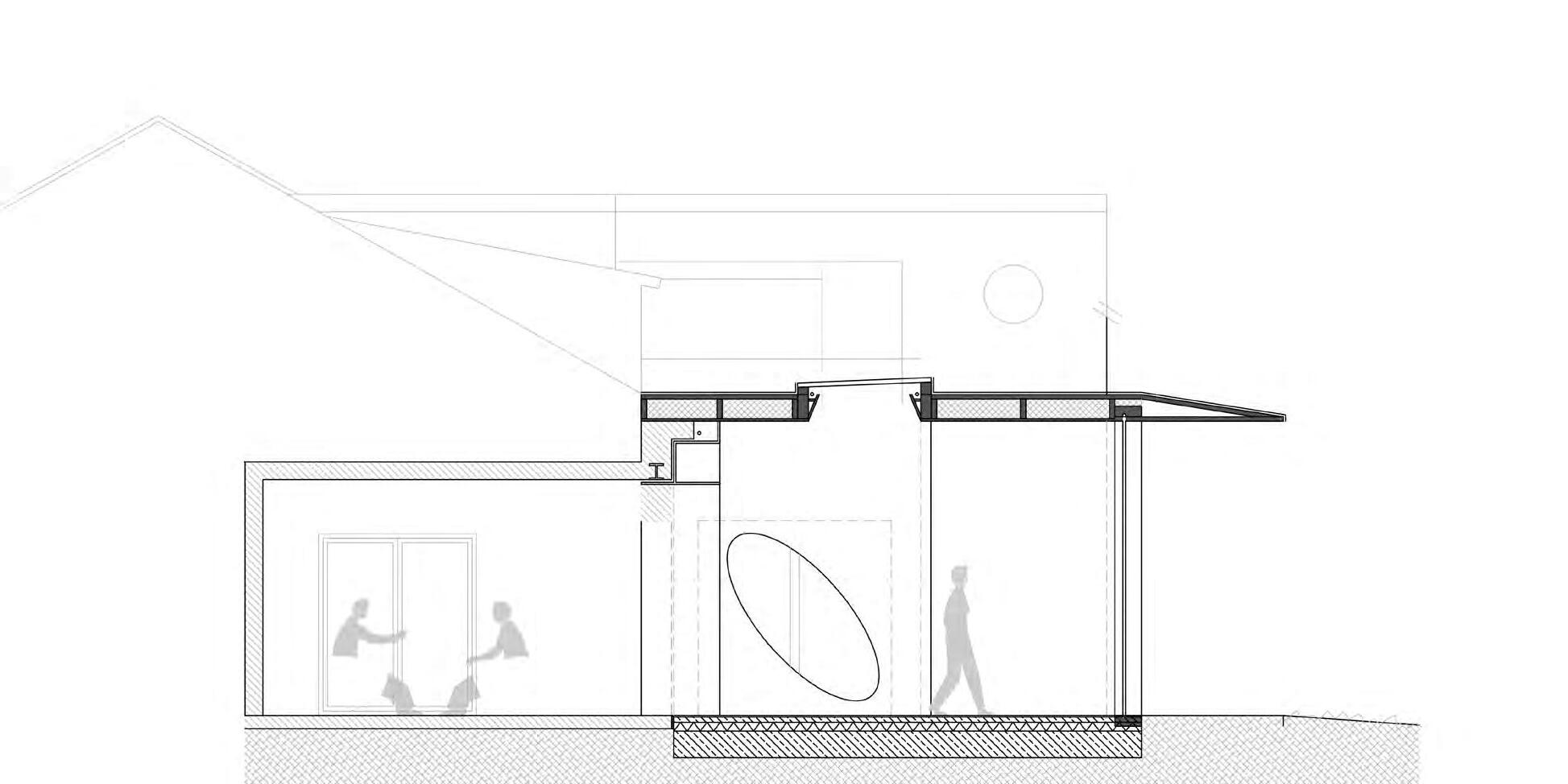
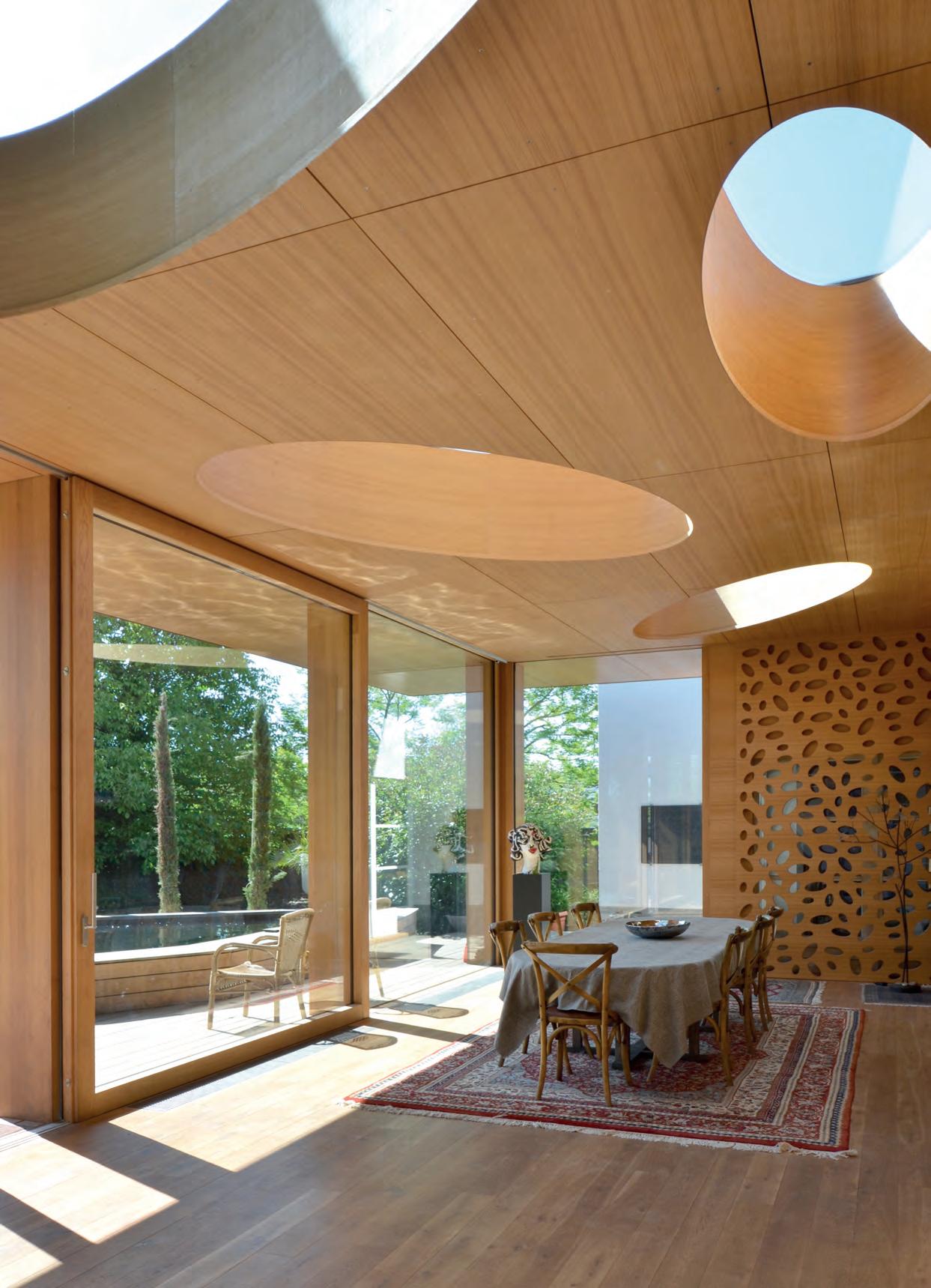
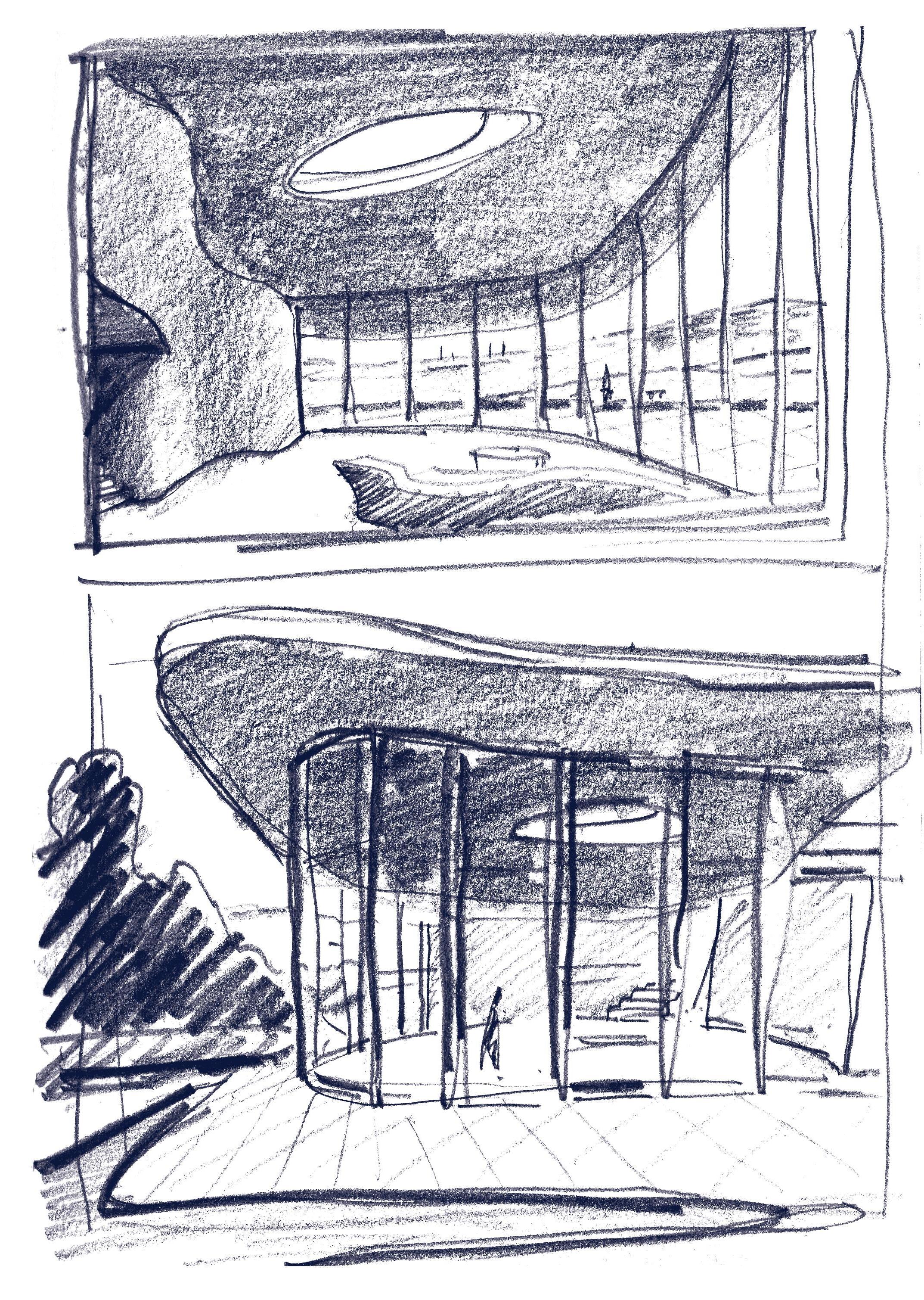
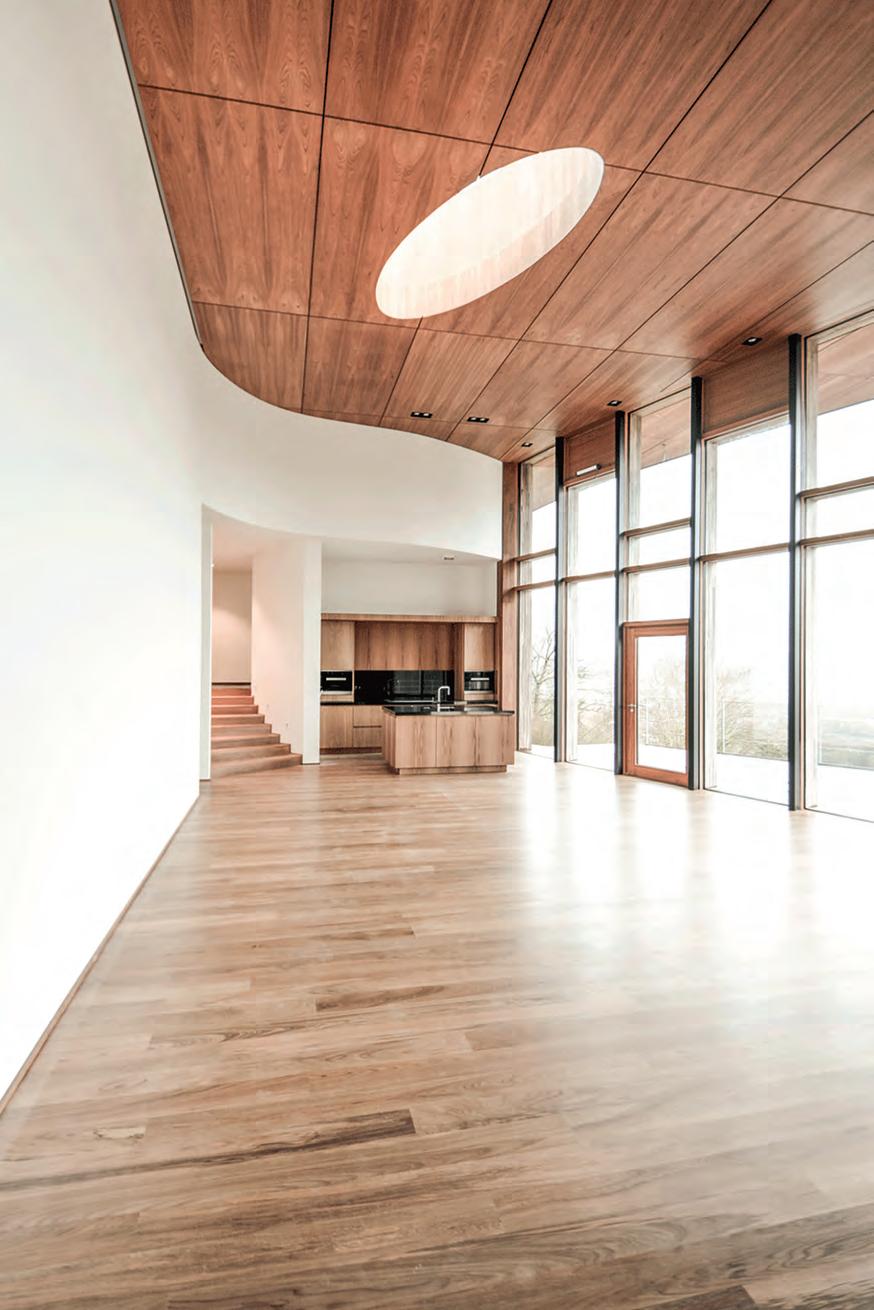
One of our very first single-family home projects was completed between 1985 and 1987 in Schengen for the Ruppert family. There, we converted a barn overlooking the vineyards in the centre of a small Moselle village into a functional winegrower’s house with an apartment and cellar. The façade was made of dry stone: a very classical structure. The design incorporated a void in the building itself, with a large centrally located dining room. It stood as a central area around which all the adjacent rooms came together at various levels, which was further highlighted by two skylights.
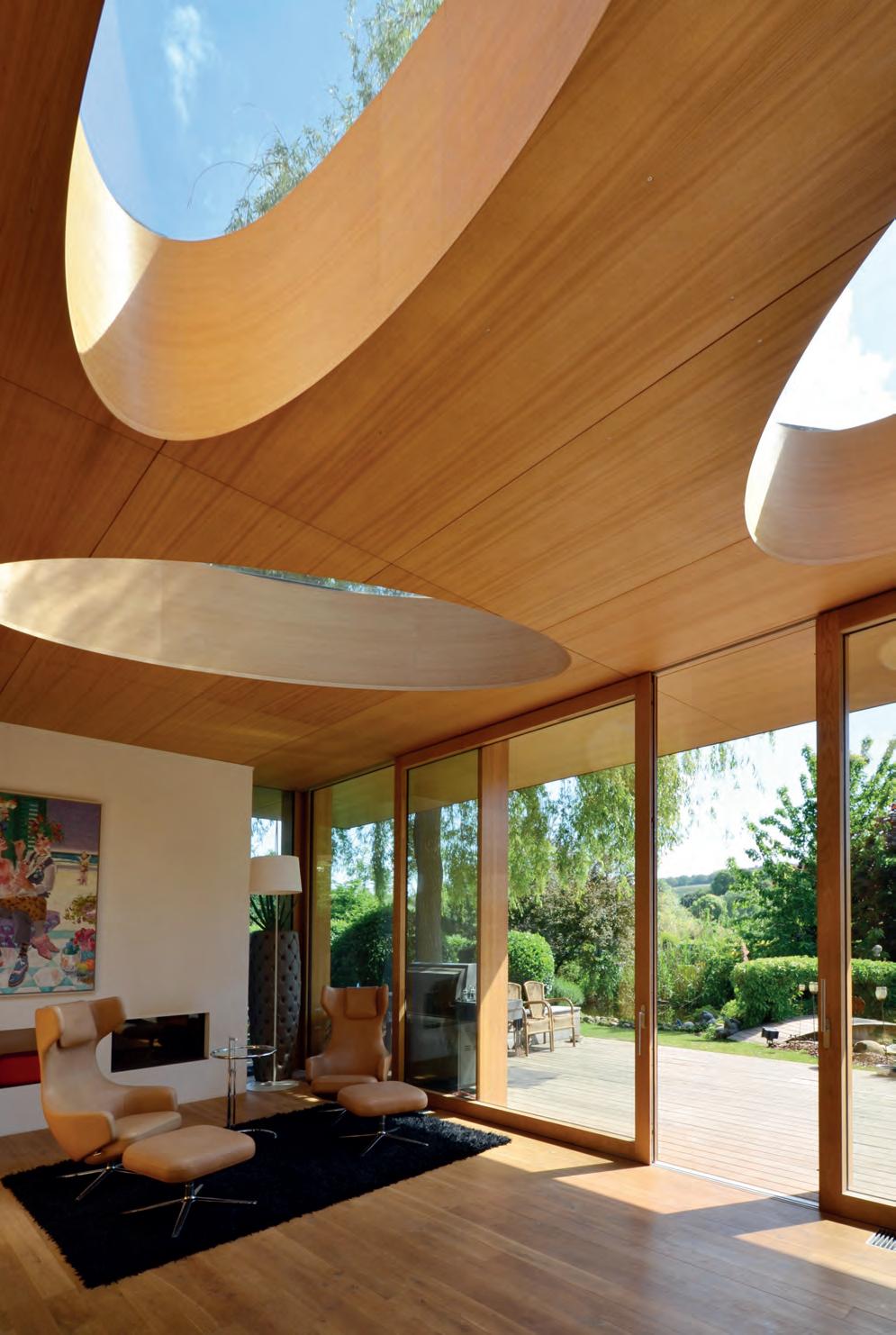
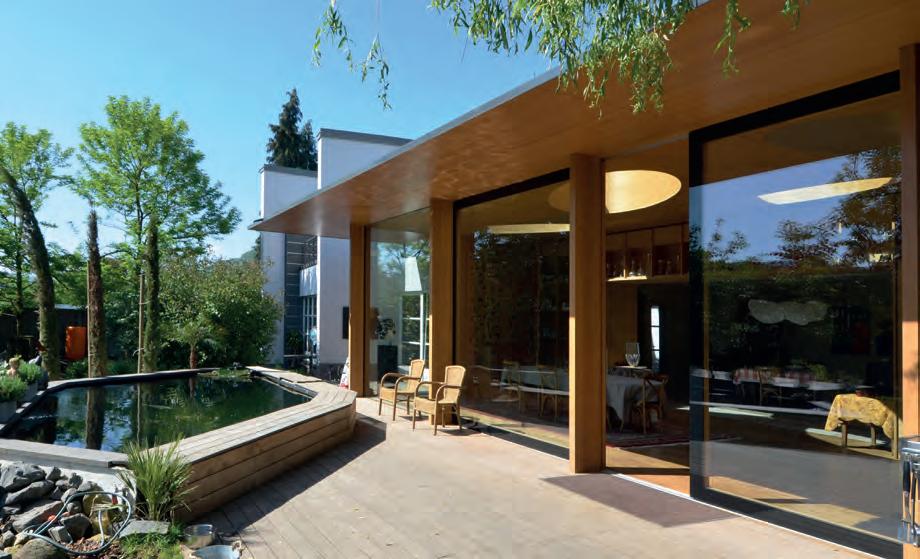
Based on this shape of the central room around which the other spaces gather and cluster – I consider this idea to be the original shape of all dwellings – we have built half a dozen other similar projects. A central space that is open at the front, featuring winter gardens at the back and lightwells to let in light from above; an idea we still use today in many buildings.
Un de nos tout premiers projets de maison unifamiliale a été réalisé entre 1985 et 1987 à Schengen, pour la famille Ruppert. Nous y avons transformé une grange dépassant des vignobles, au centre d’un petit village mosellan, en une maison de vigneron fonctionnelle avec un appartement et une cave. La façade était en pierre sèche : une structure très classique. La conception prévoyait un vide dans le bâtiment même, une grande salle à manger située au centre, espace central autour duquel toutes les pièces adjacentes se regroupaient, à divers niveaux, souligné encore par deux puits de lumière.
En nous basant sur cette forme de la pièce centrale autour de laquelle les autres espaces se regroupent et s’agglutinent – je considère cette idée comme la forme d’origine de toutes les habitations –, nous avons construit une demi-douzaine d’autres projets similaires. Un espace central ouvert sur le devant, avec des jardins d’hiver à l’arrière et des cages ouvertes en verre, pour laisser entrer la lumière depuis le haut ; une idée que nous utilisons encore aujourd’hui dans de nombreuses constructions.
Single-family house Hirtt-Gaspar
Maison unifamiliale Hirtt-Gaspar
Location: Wellenstein (Luxembourg)
Client: Hirtt-Gaspar family
Year: 1999–2000
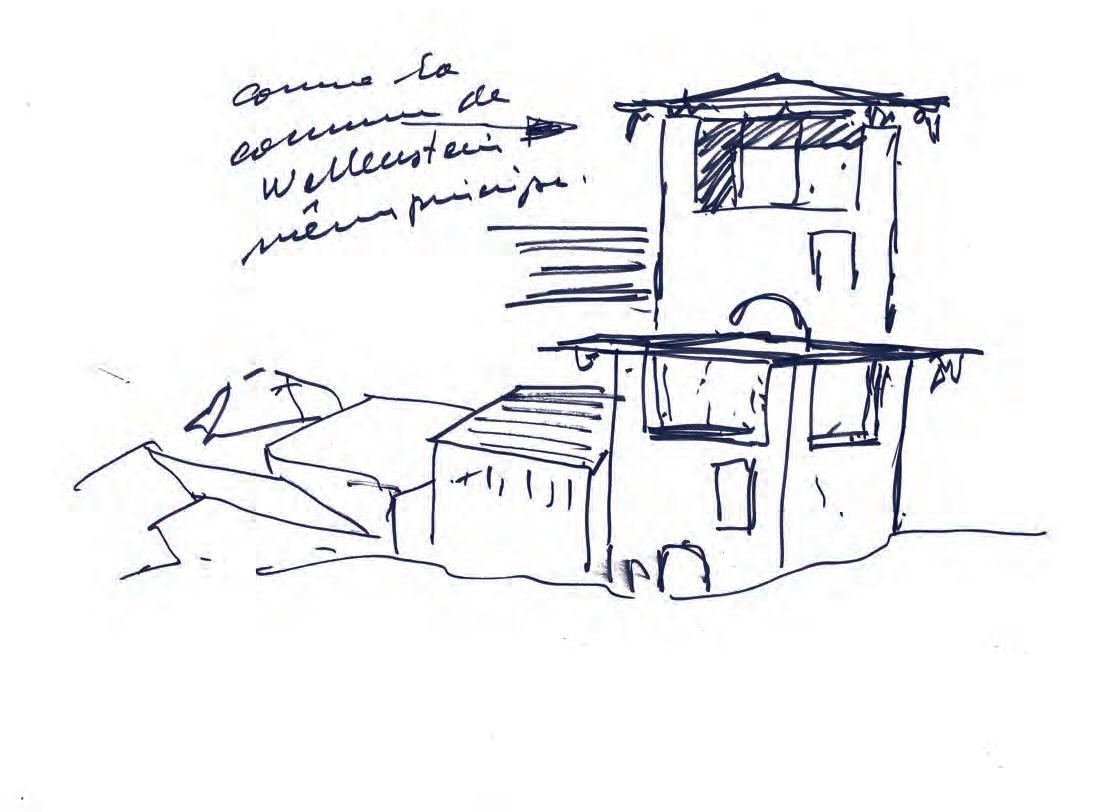
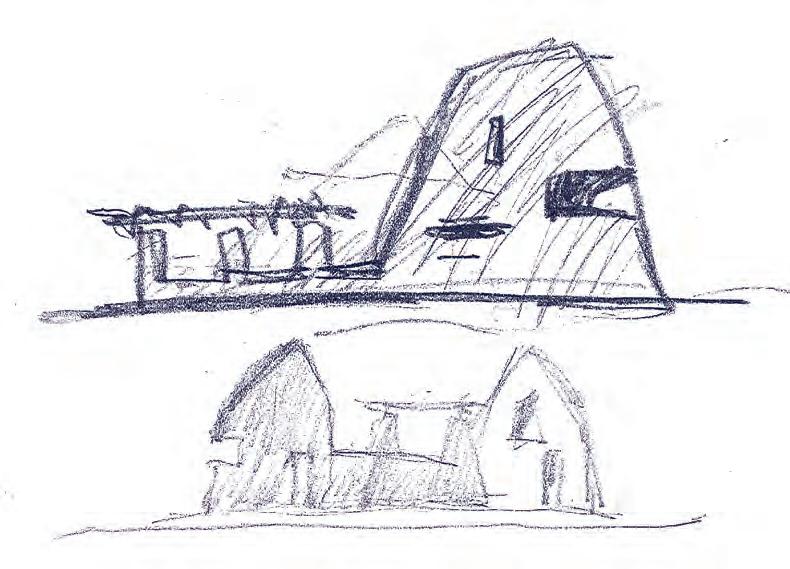
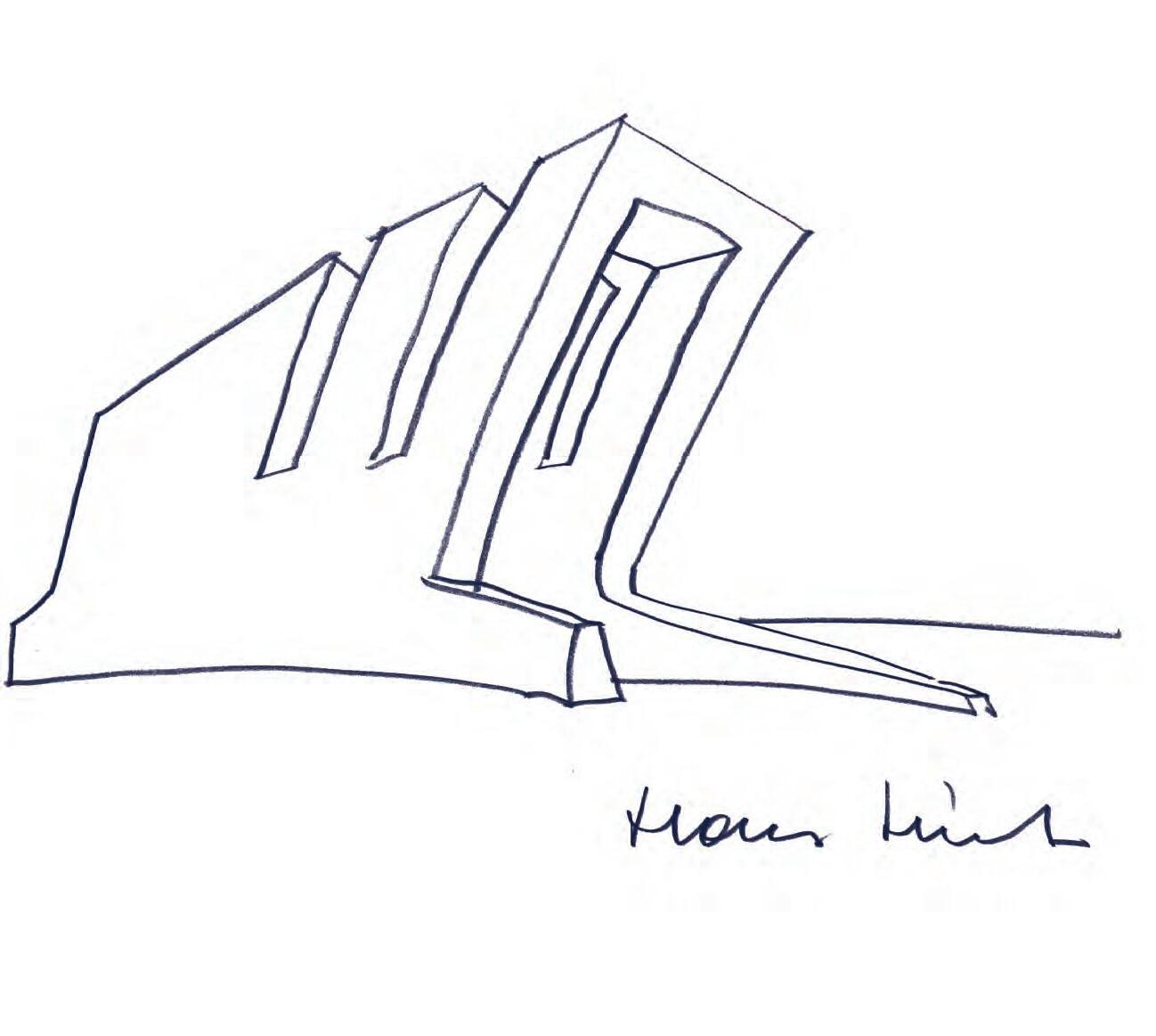
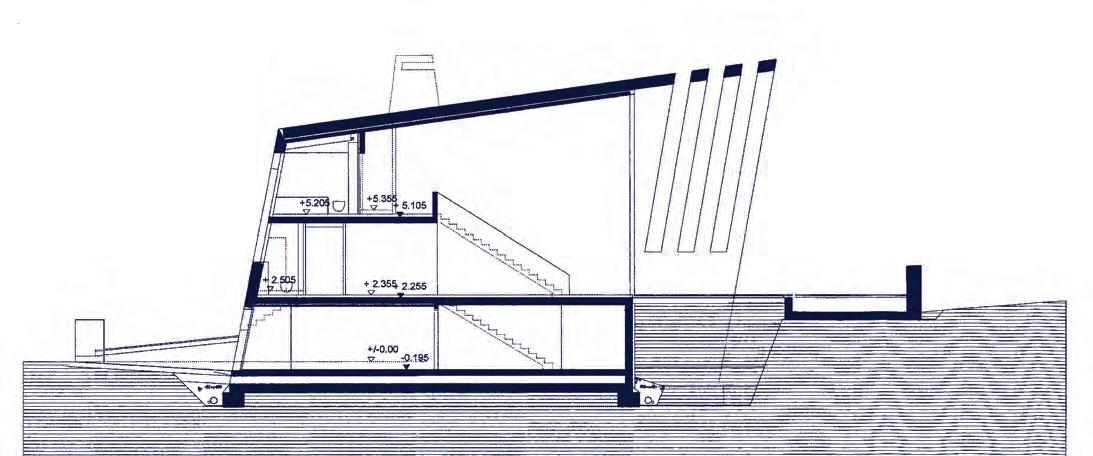
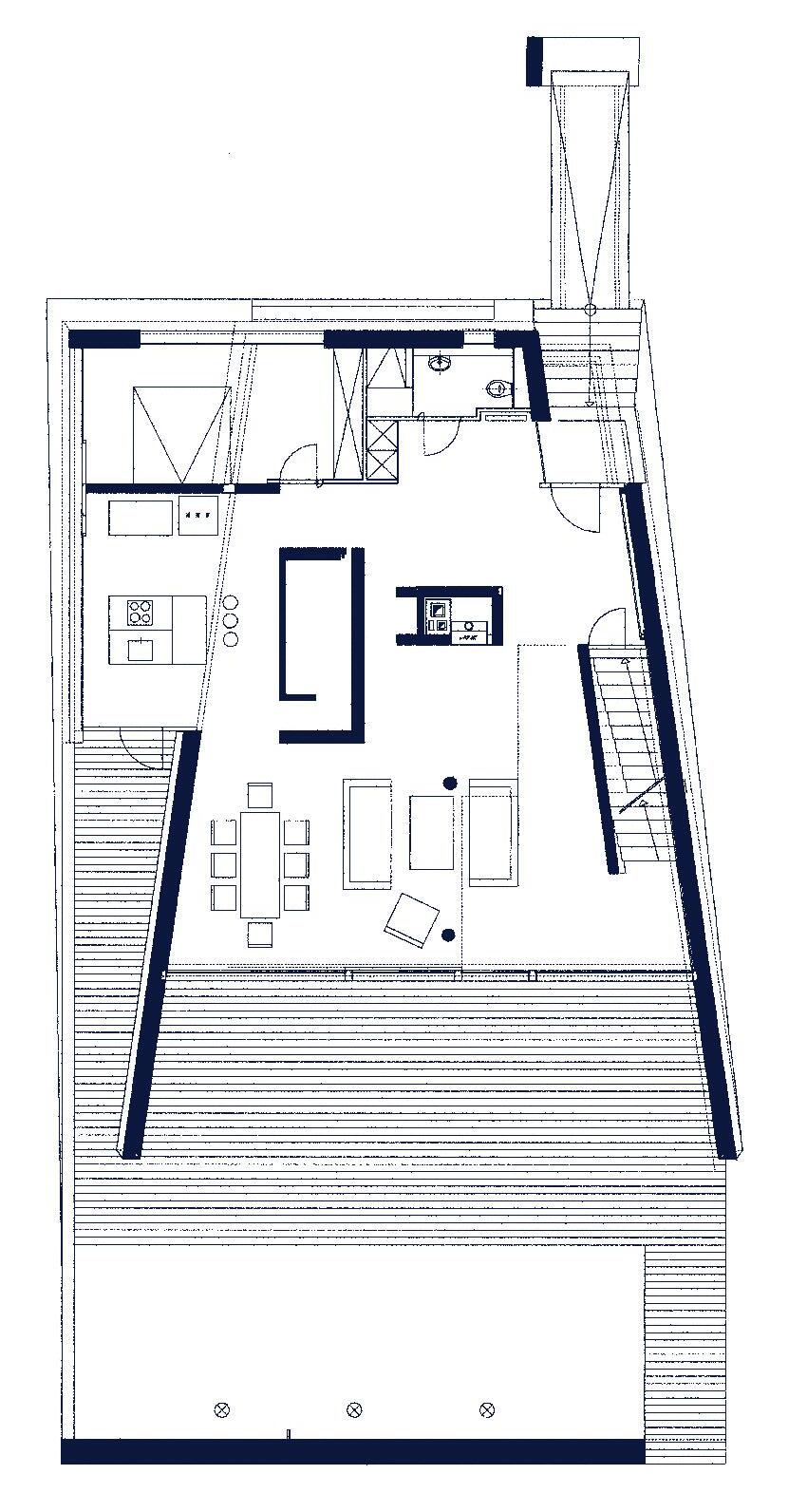
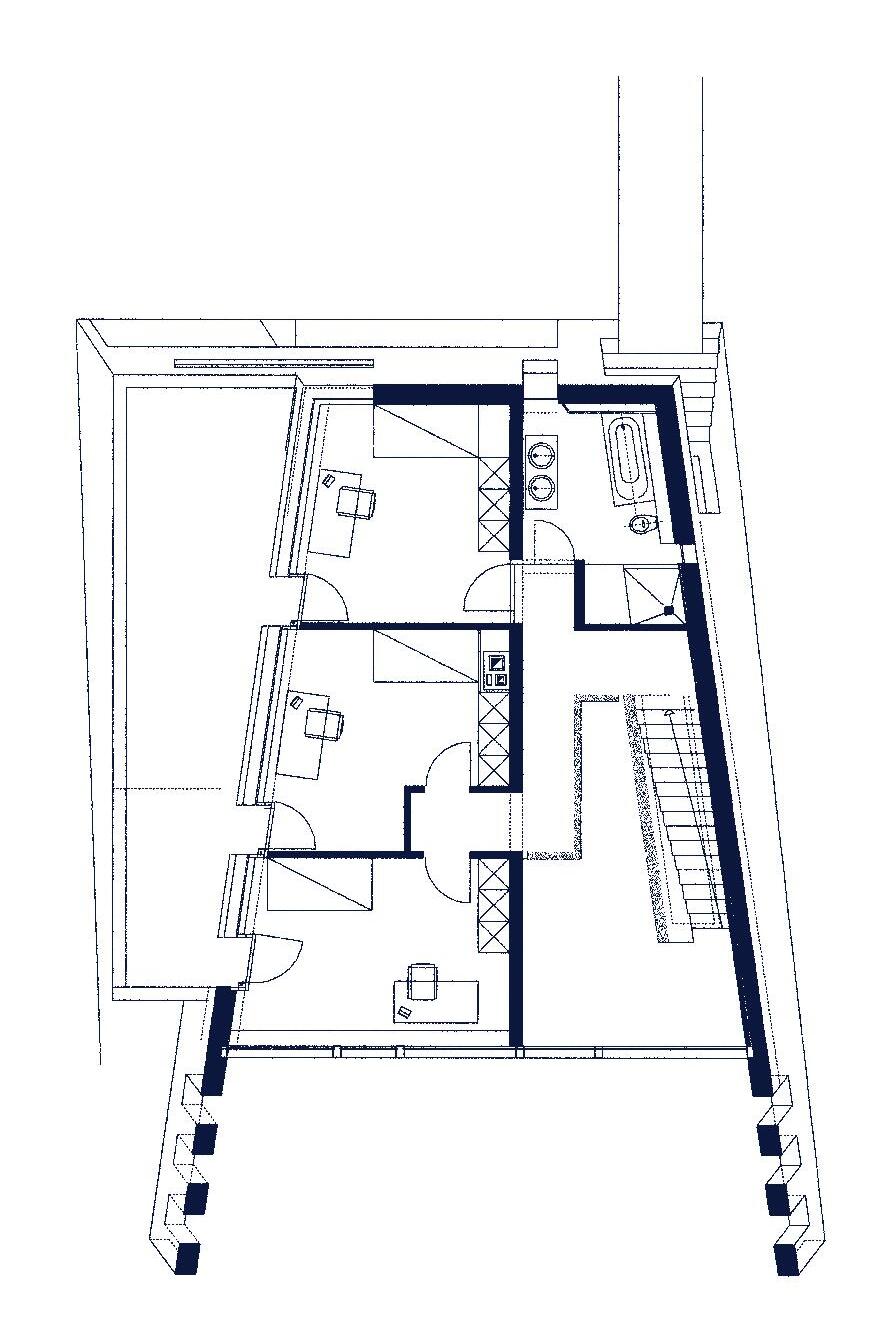
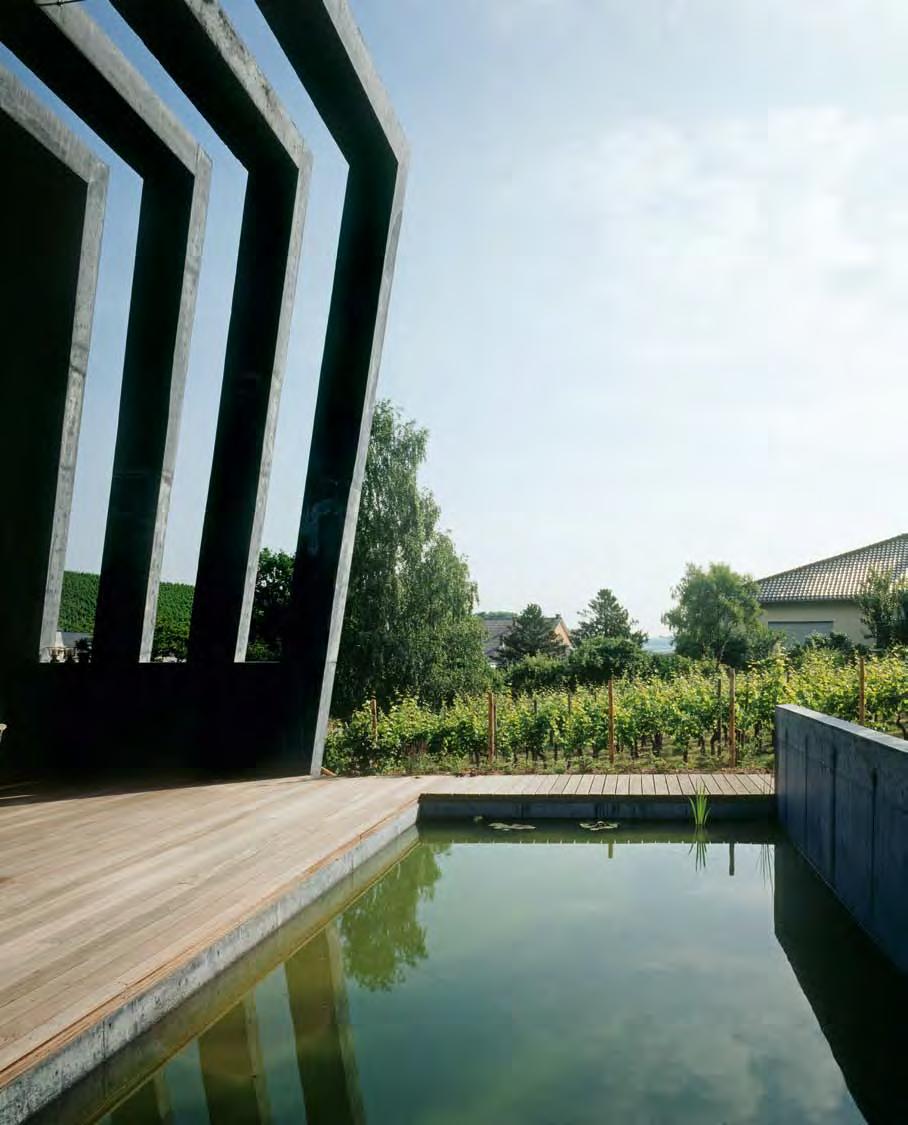
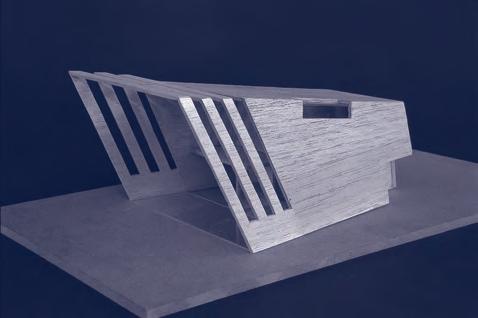
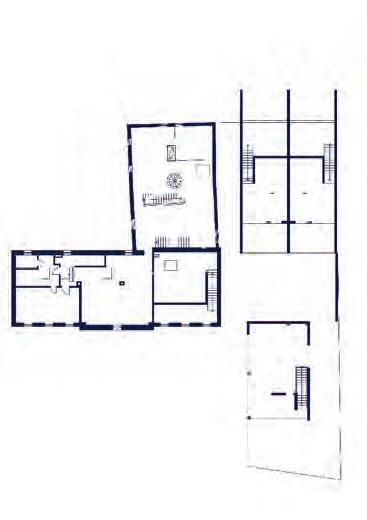
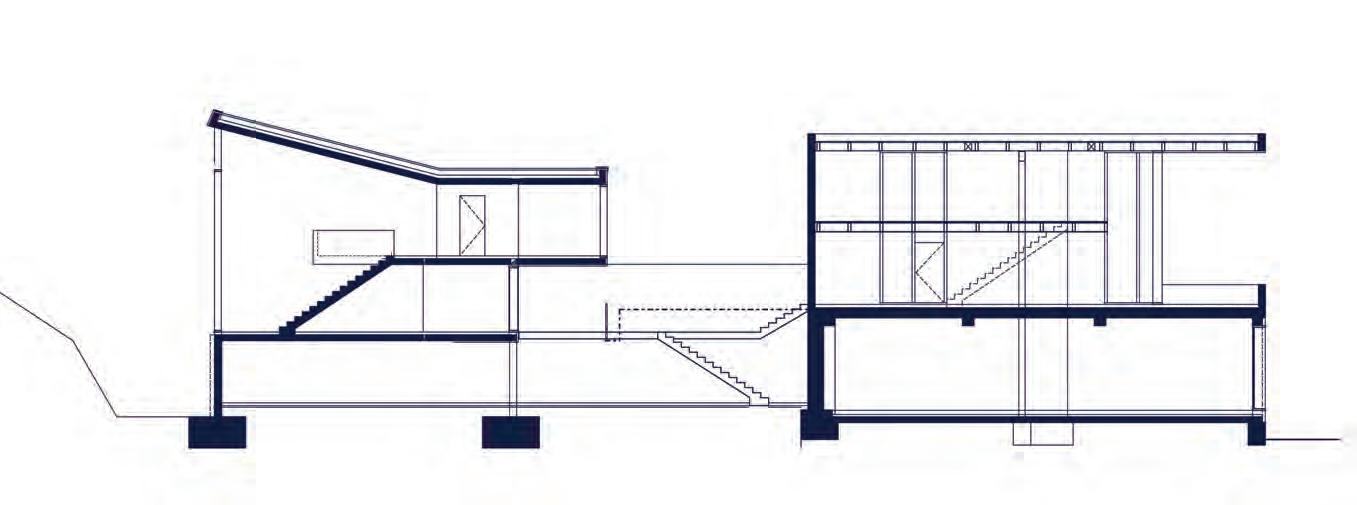
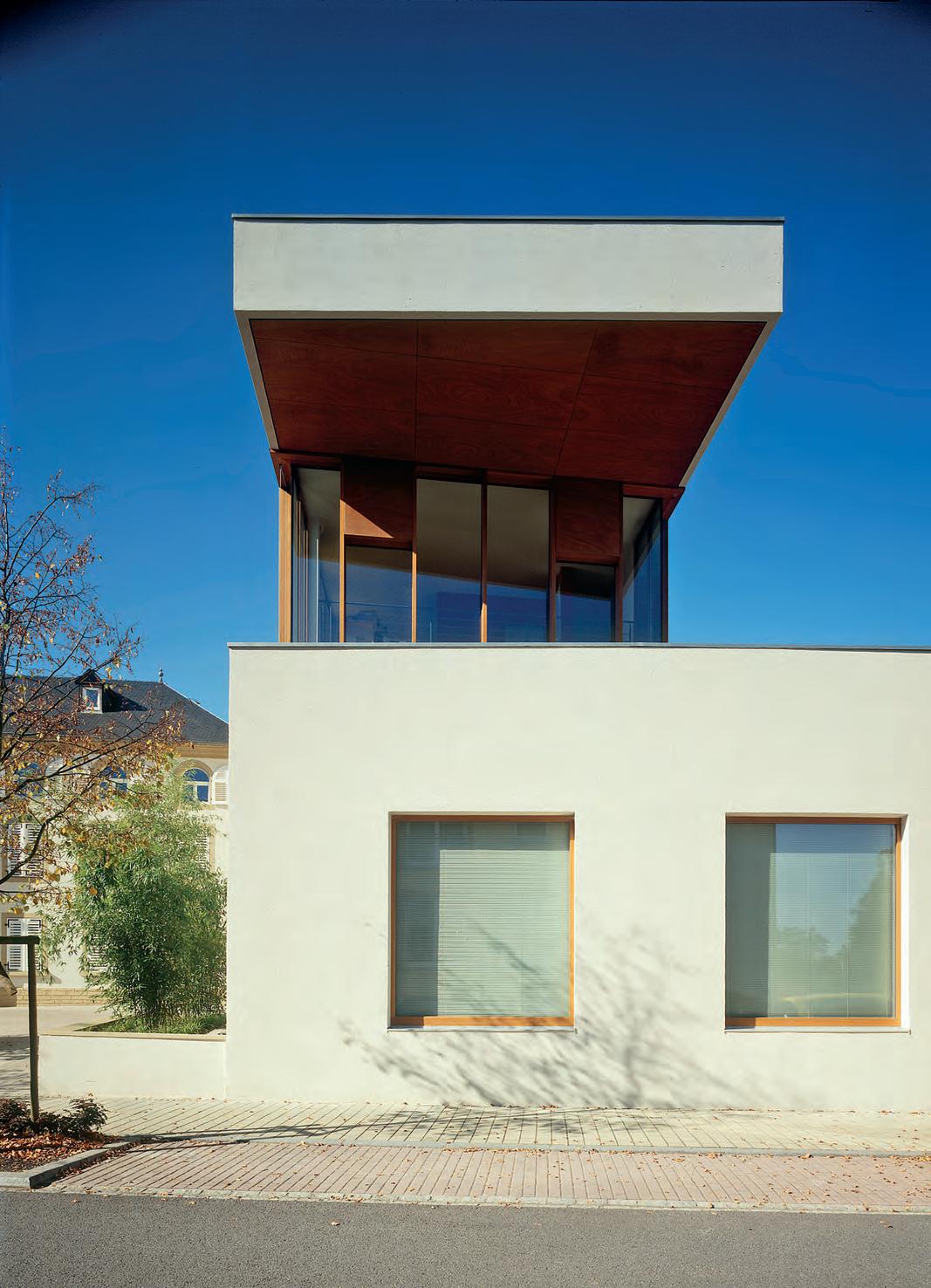
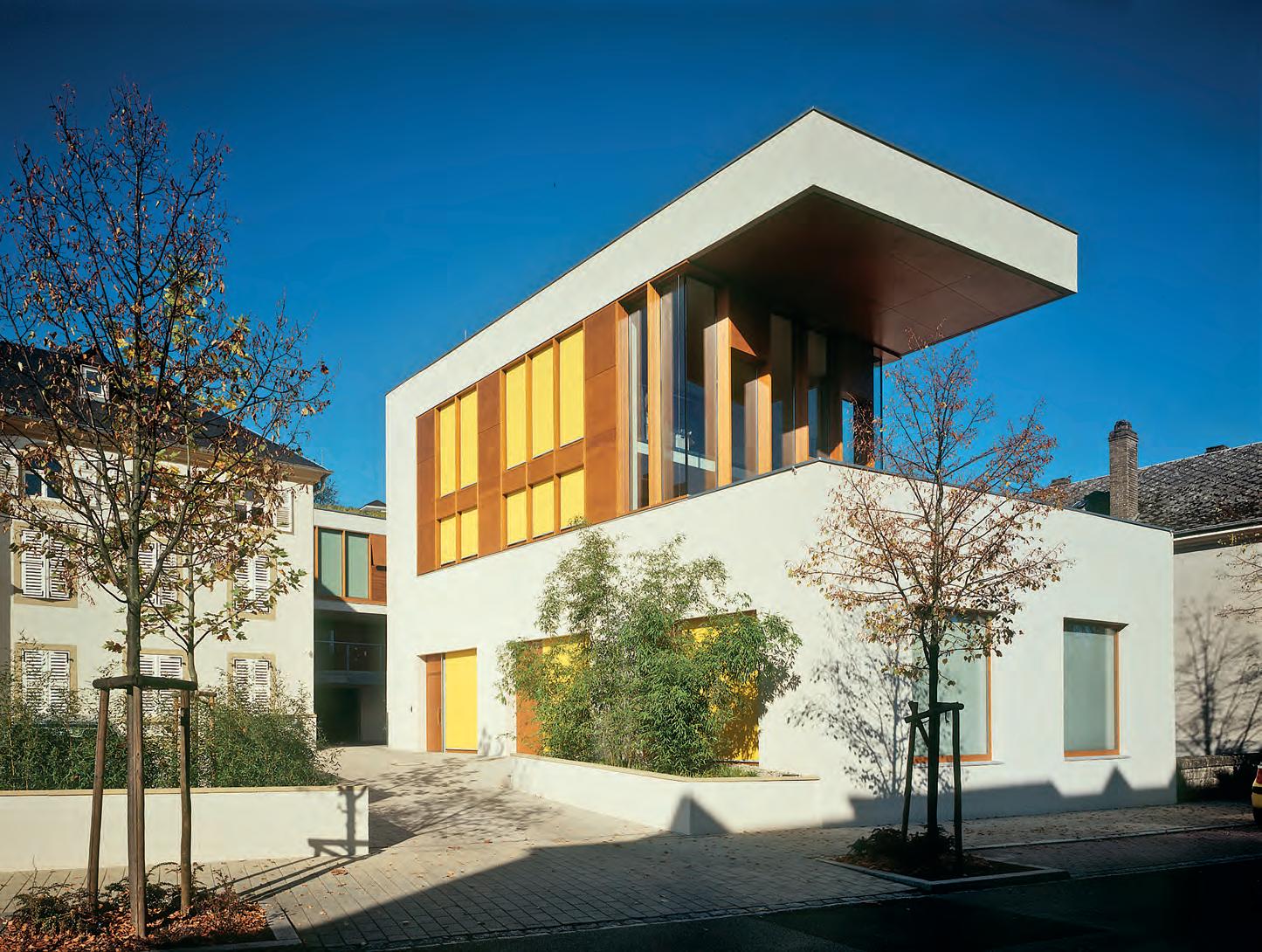
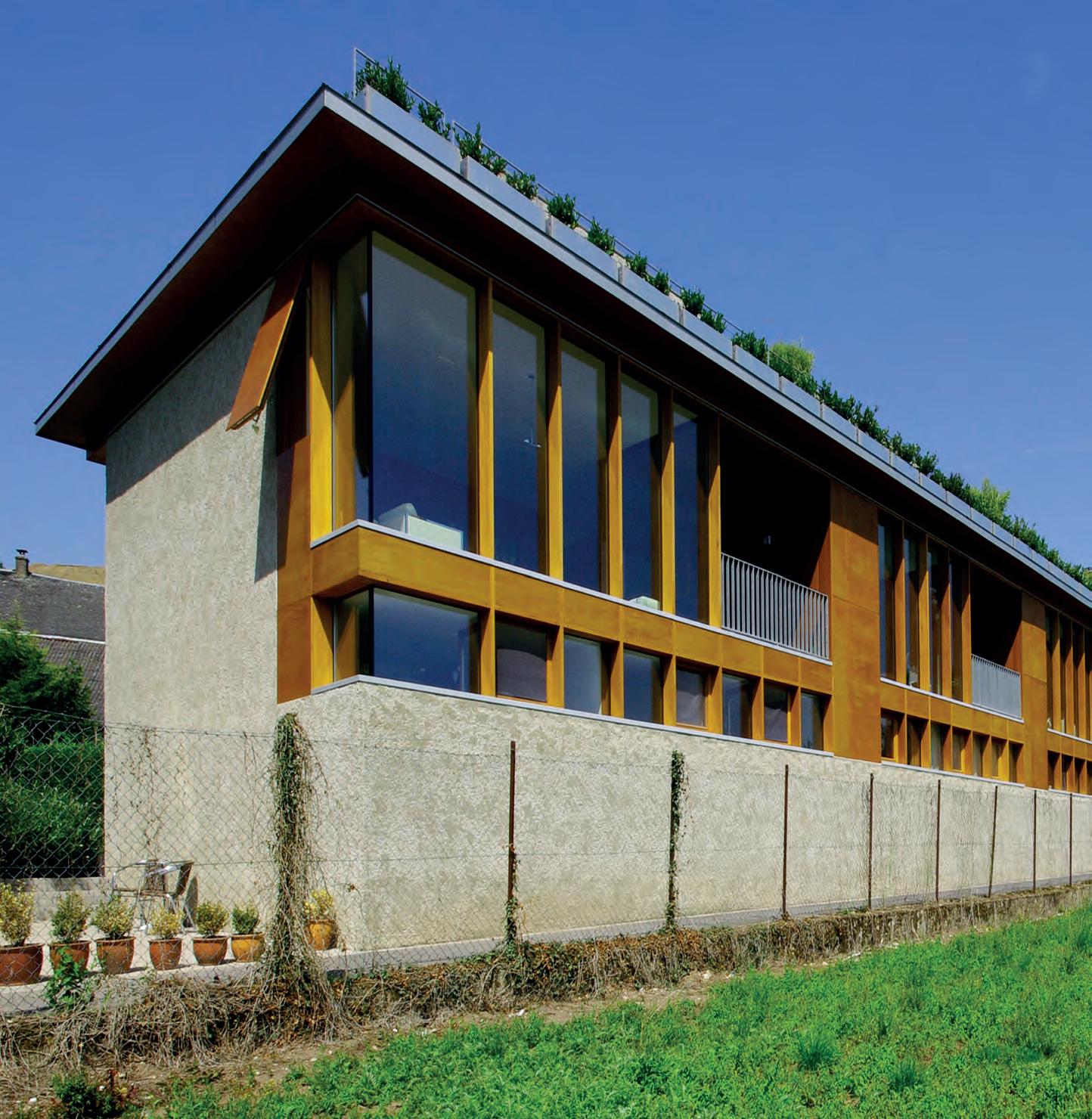
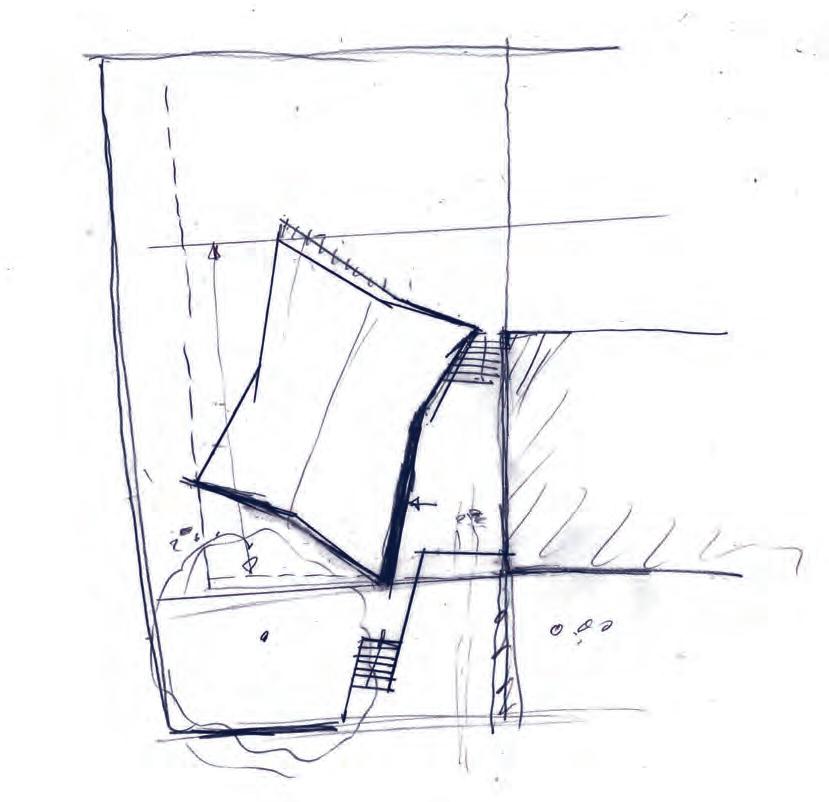
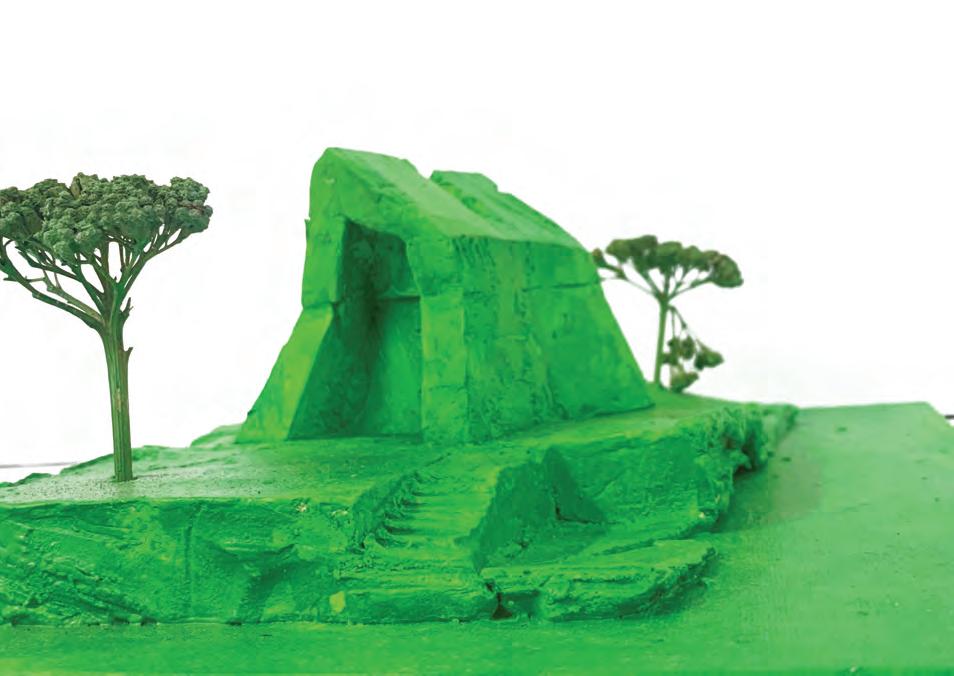
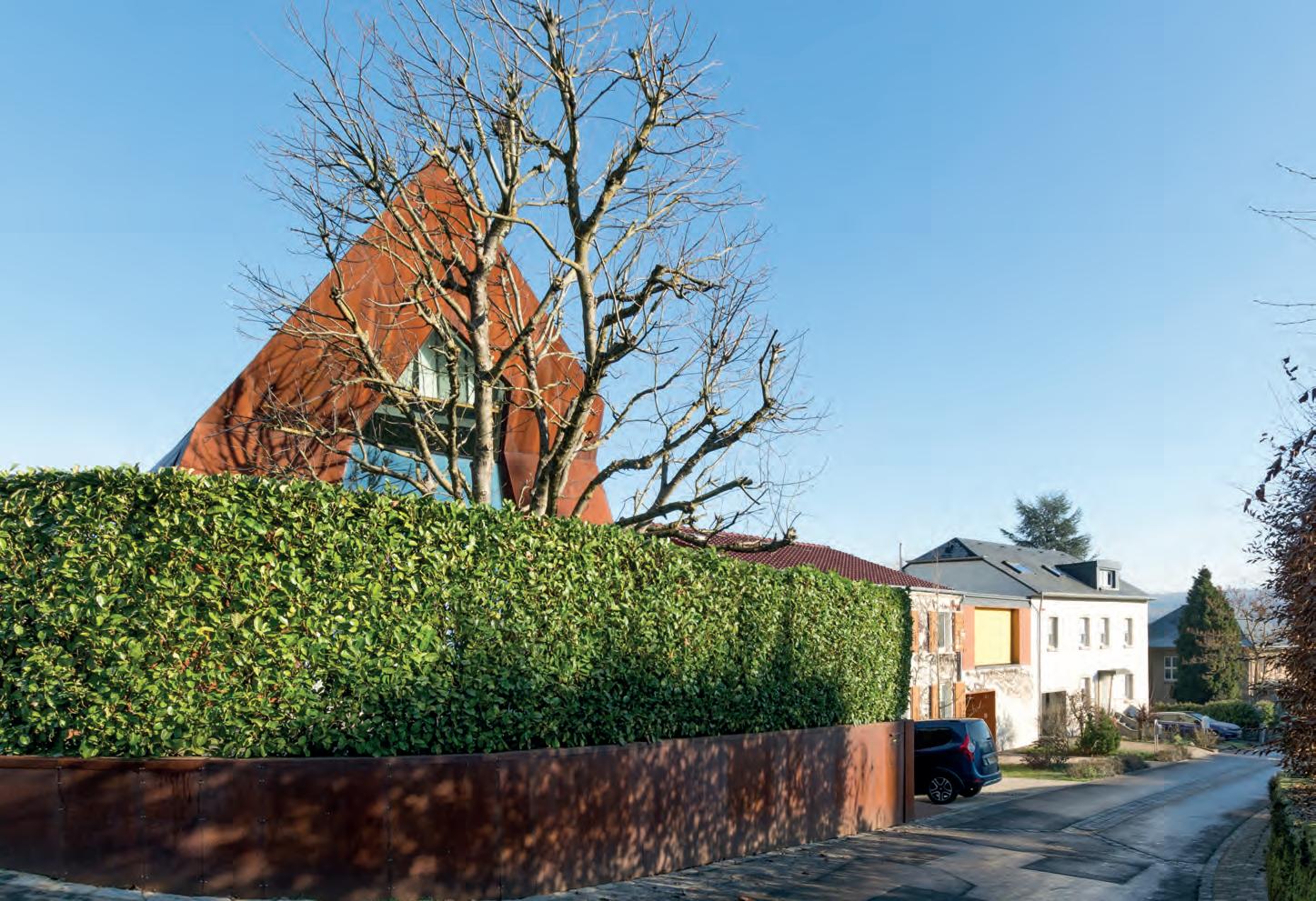
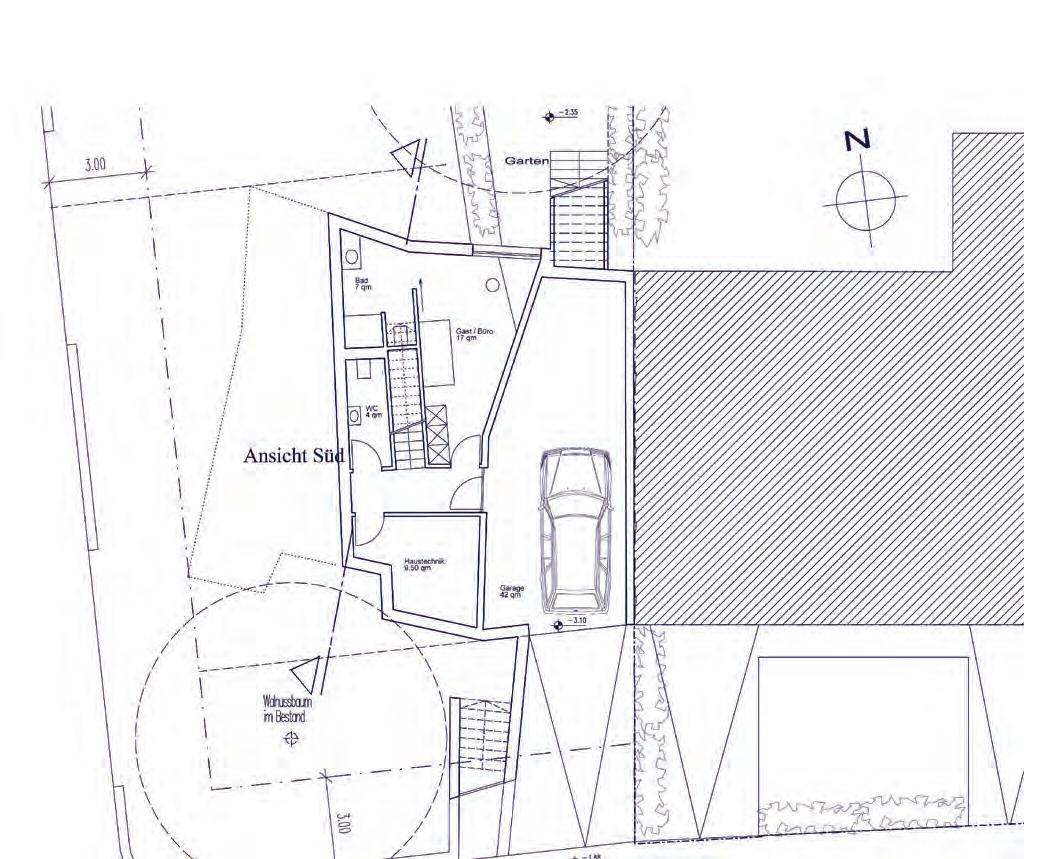
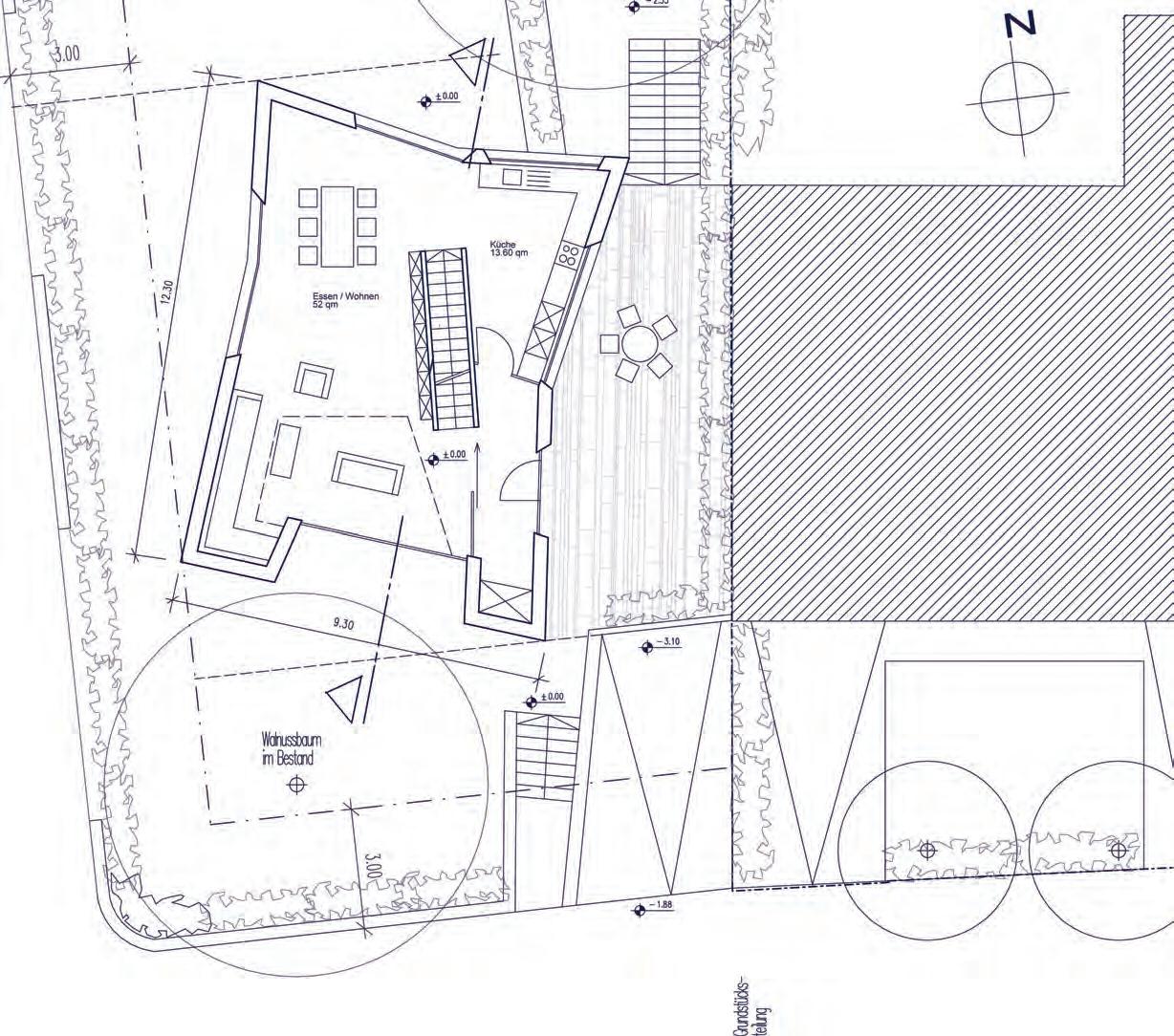
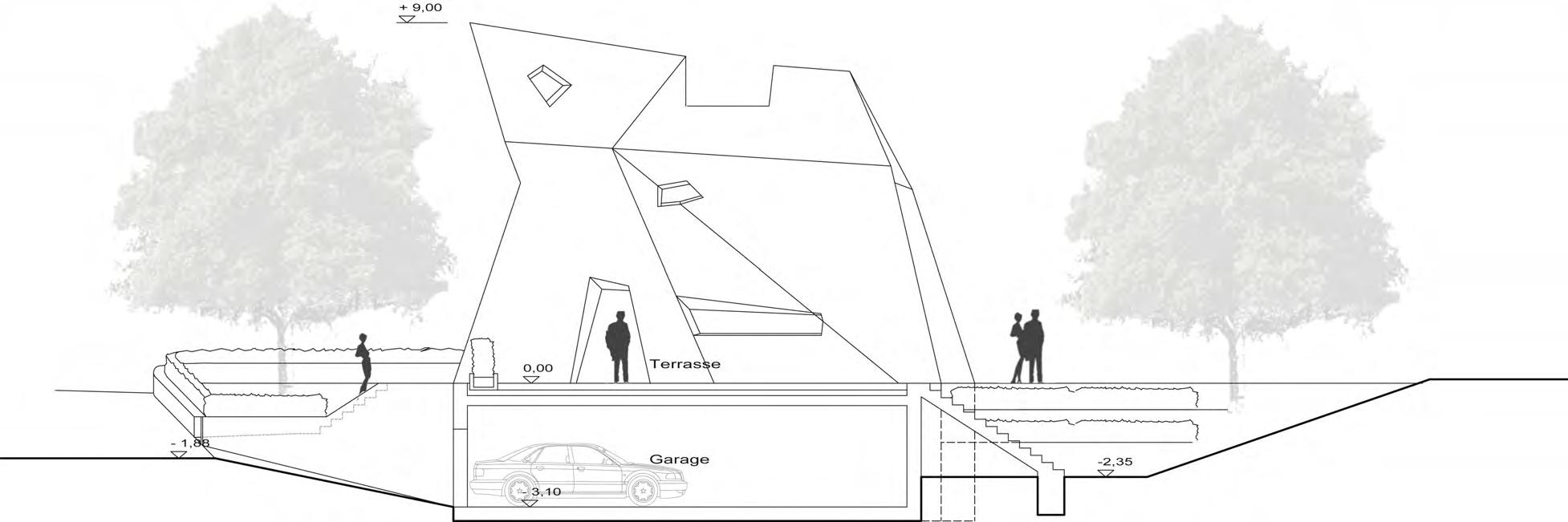
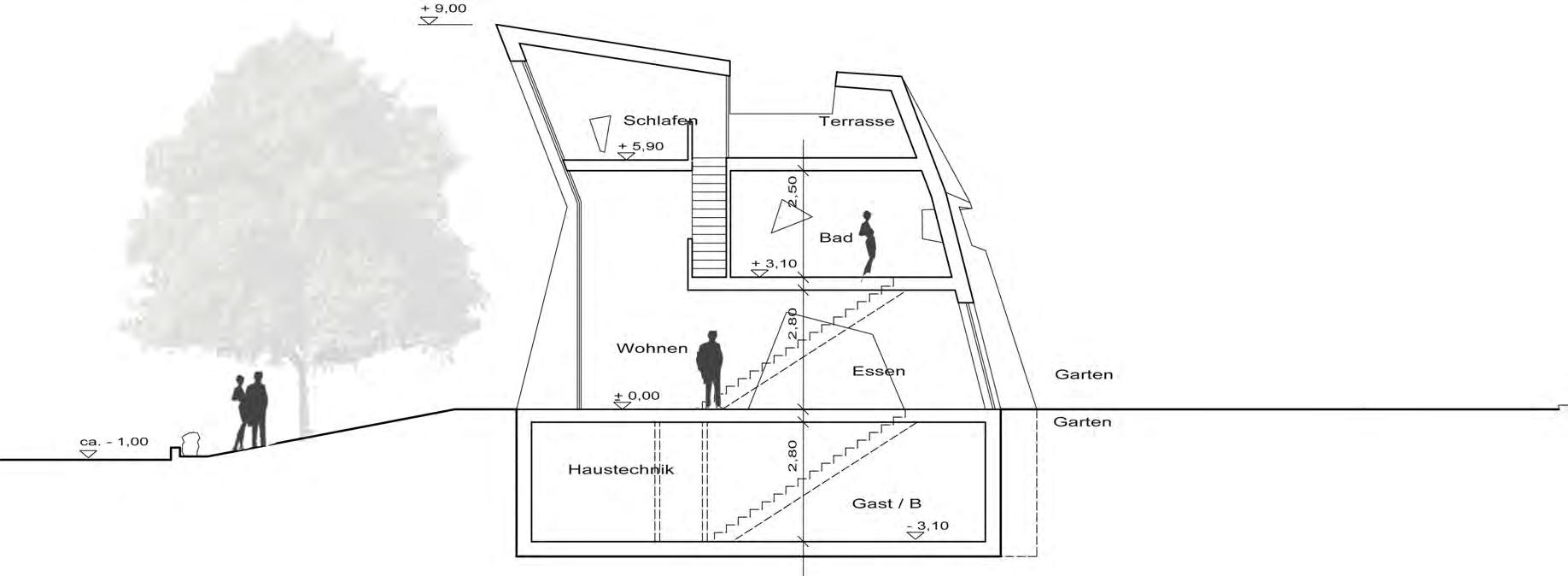
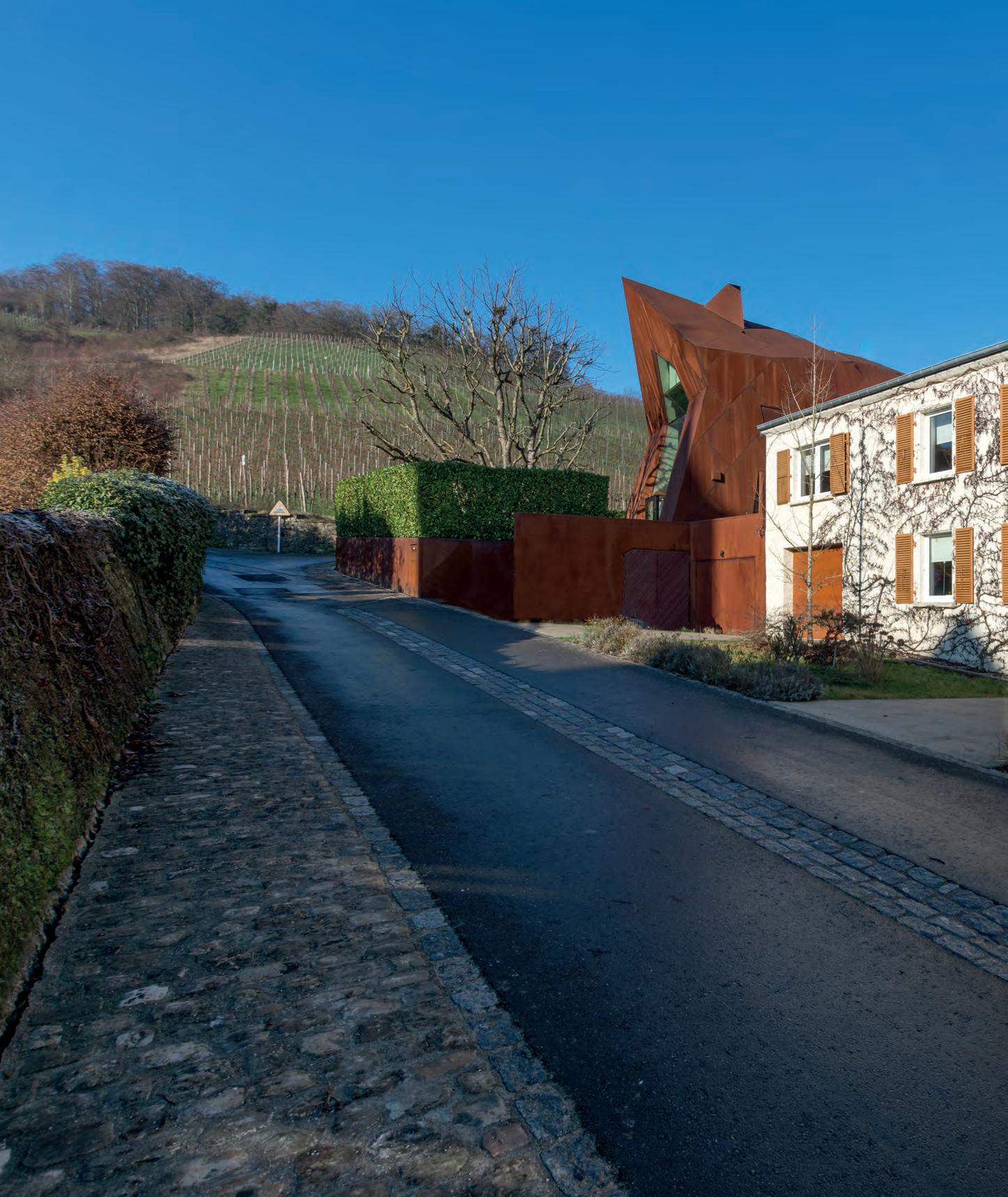
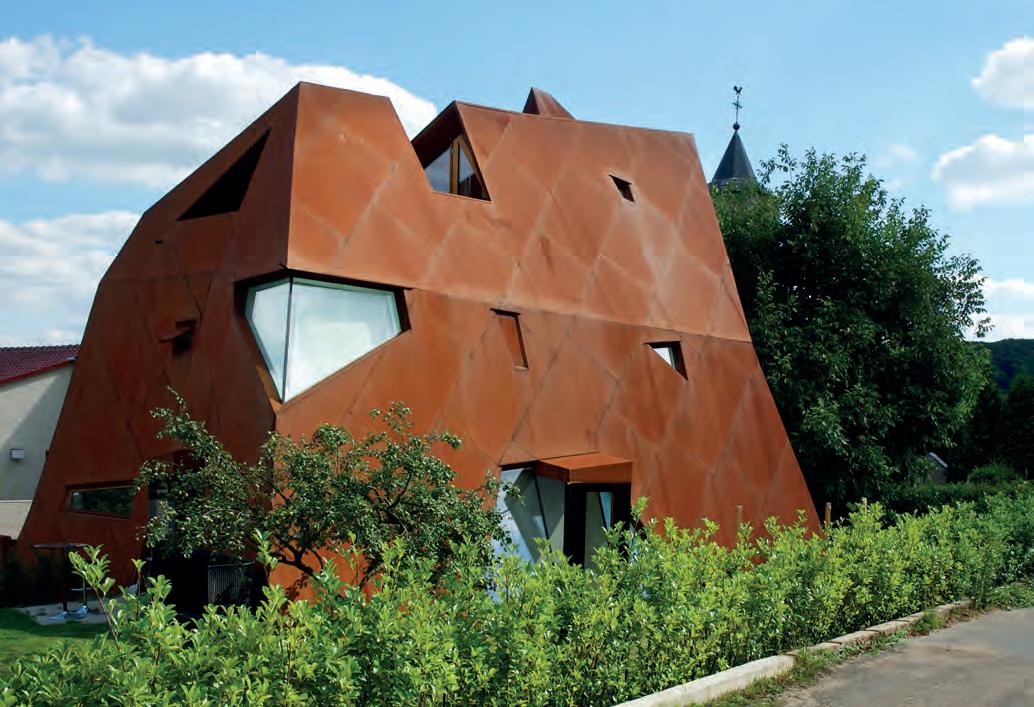
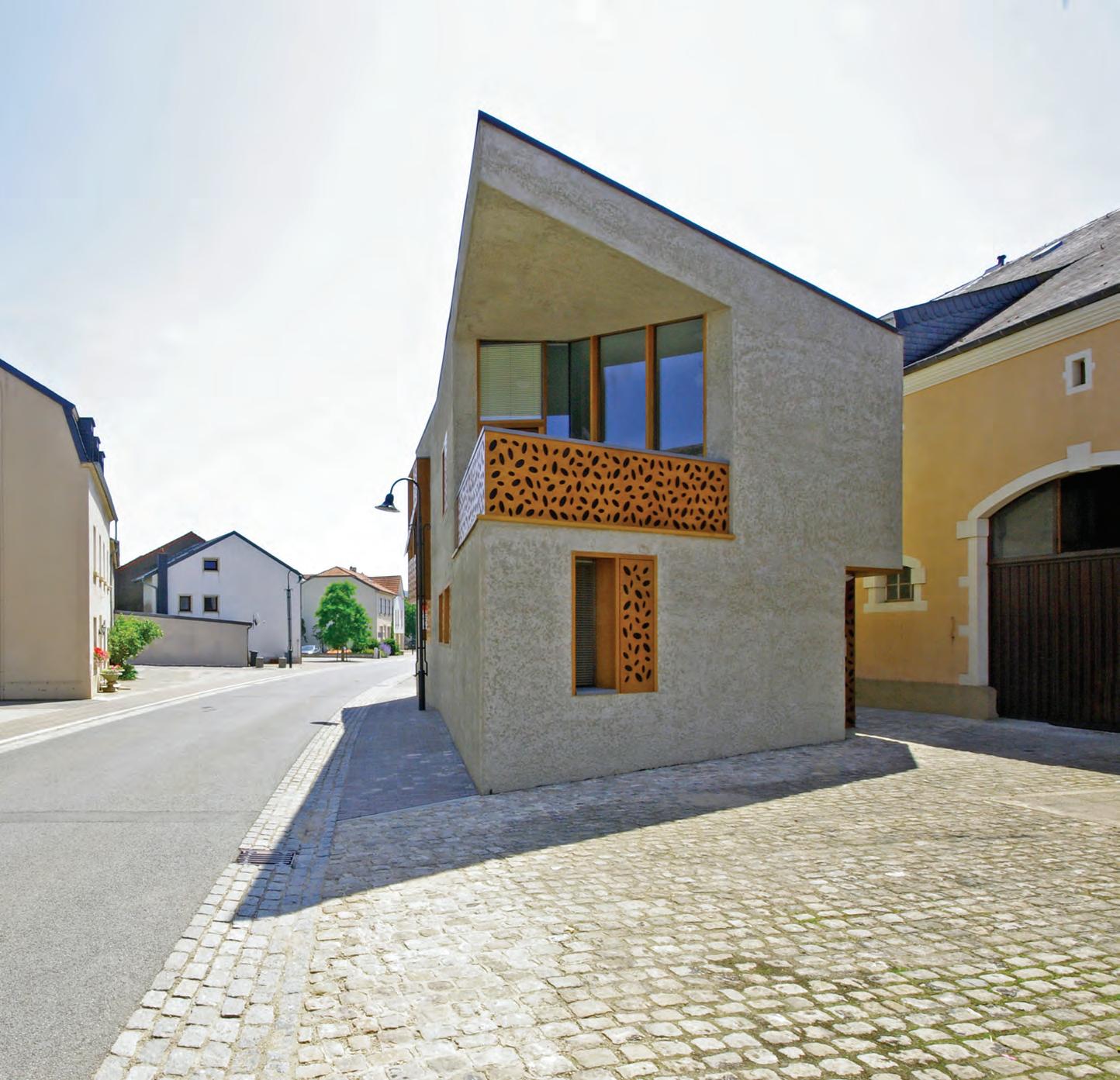
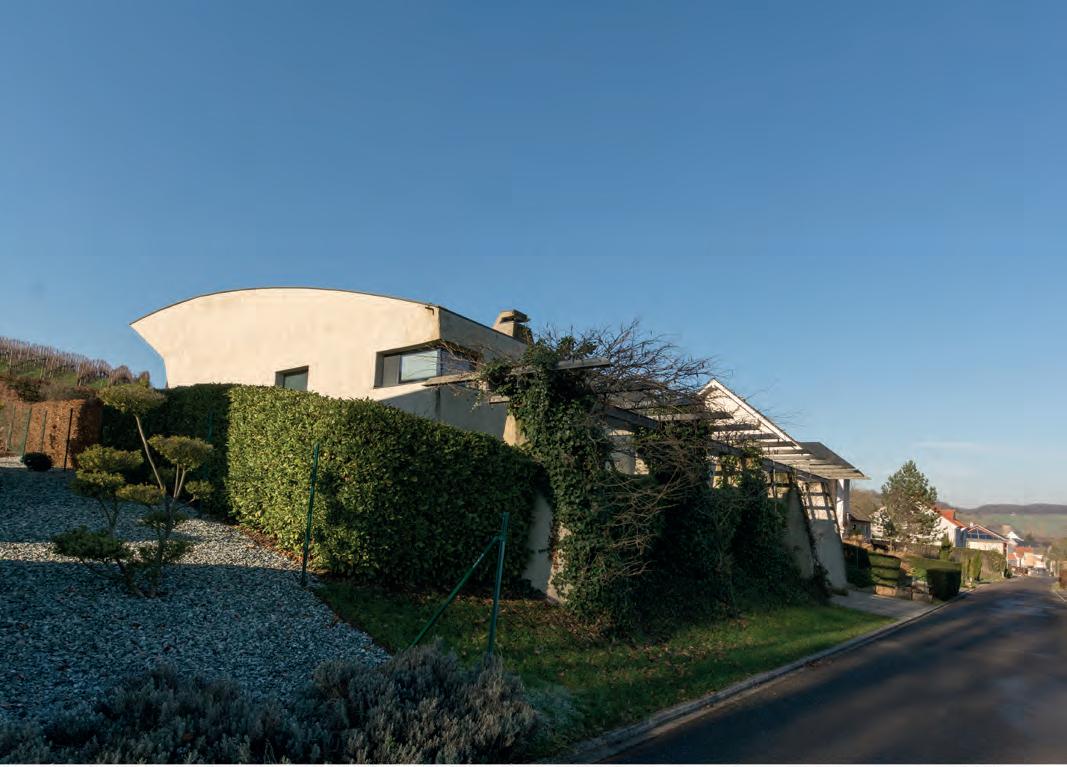
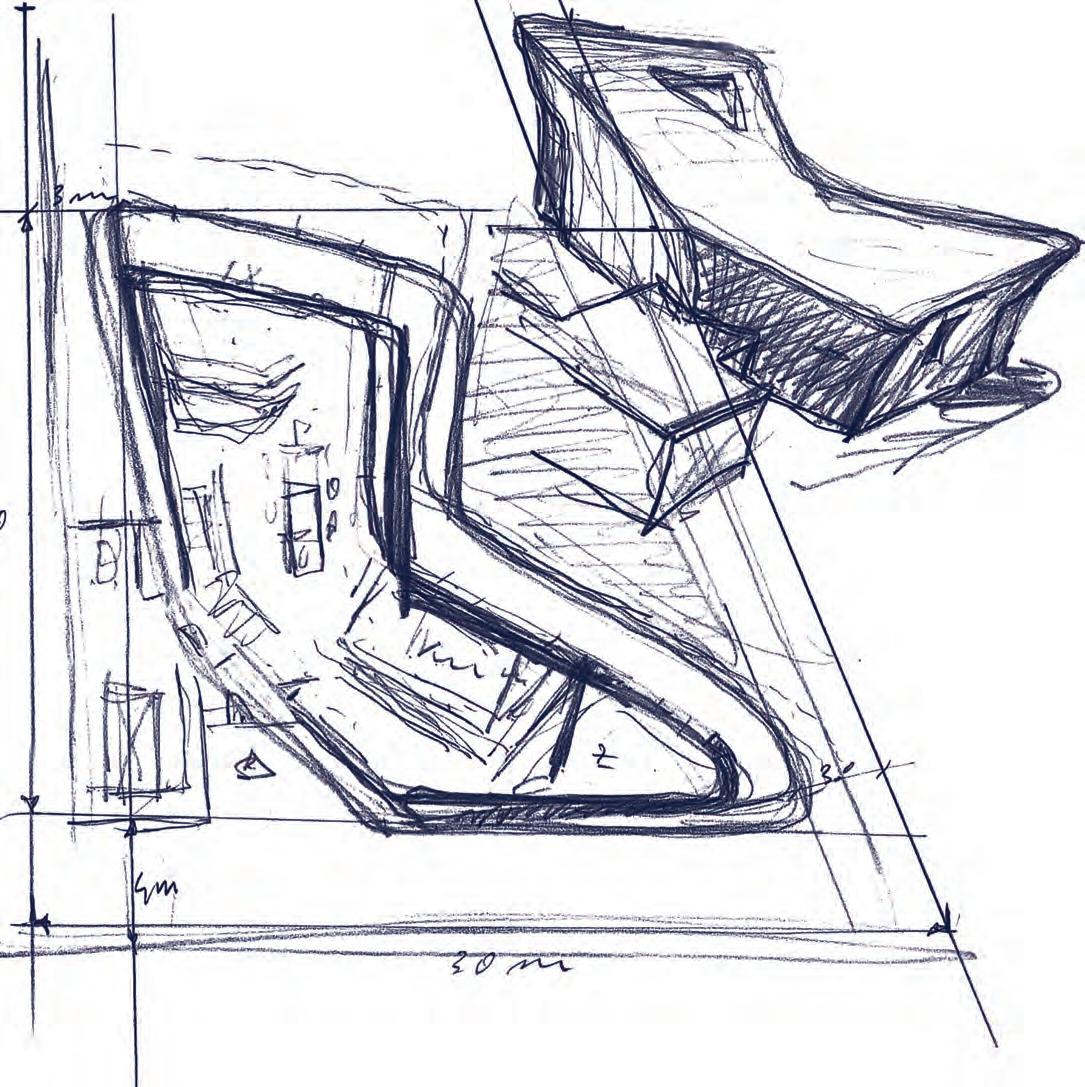
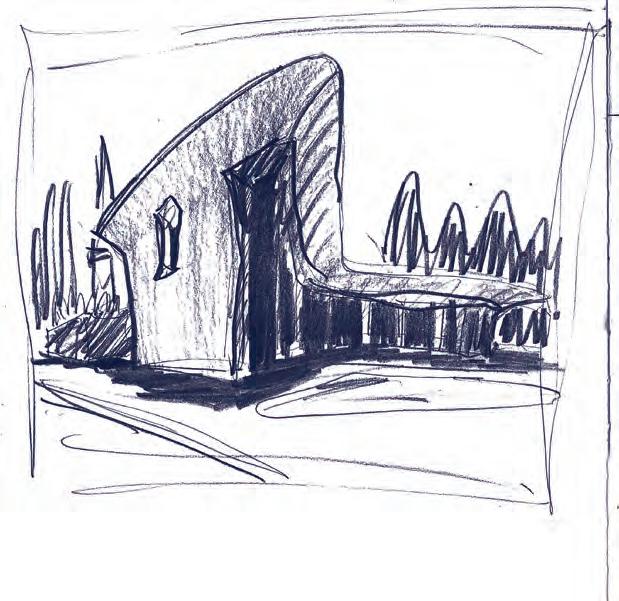
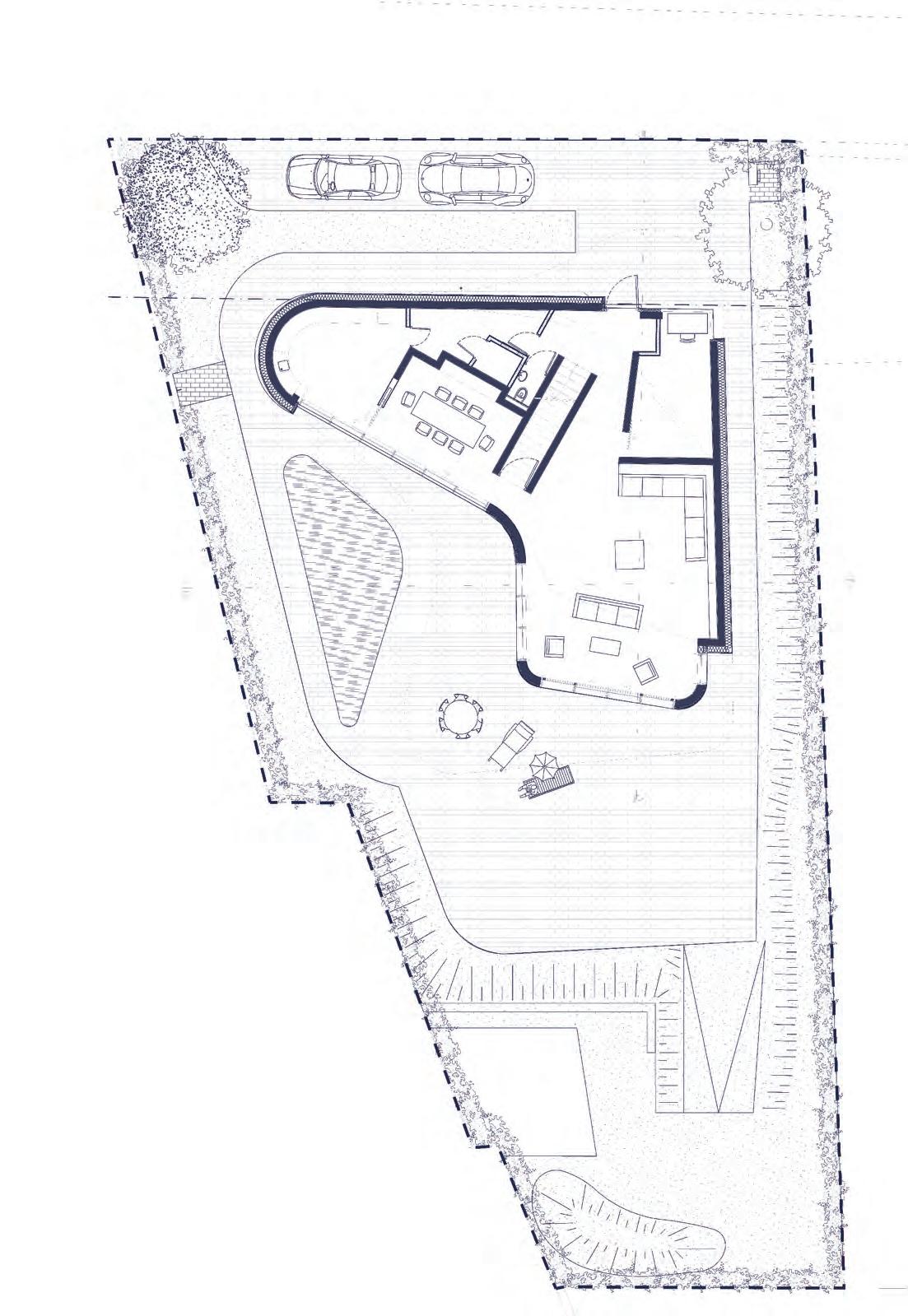
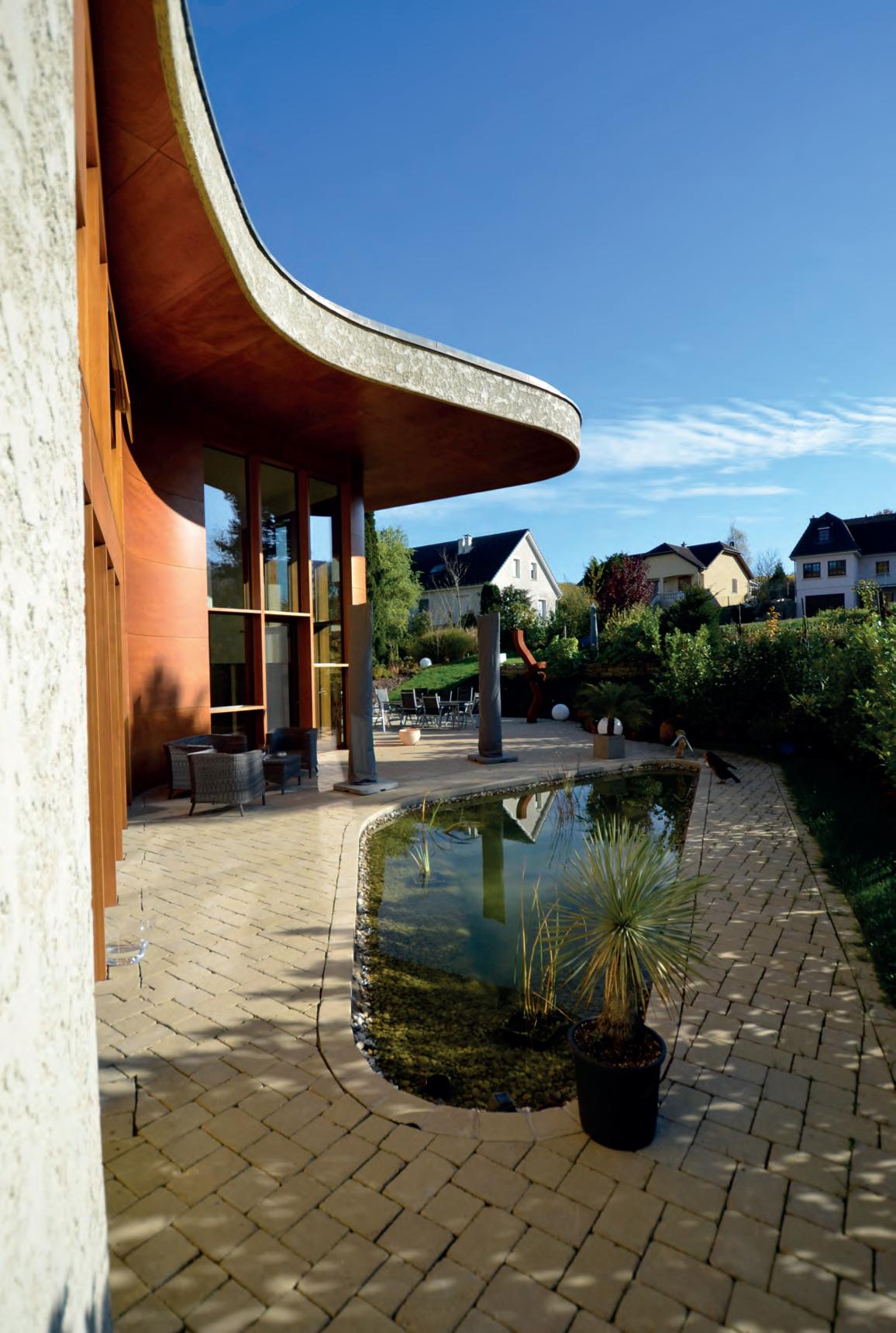
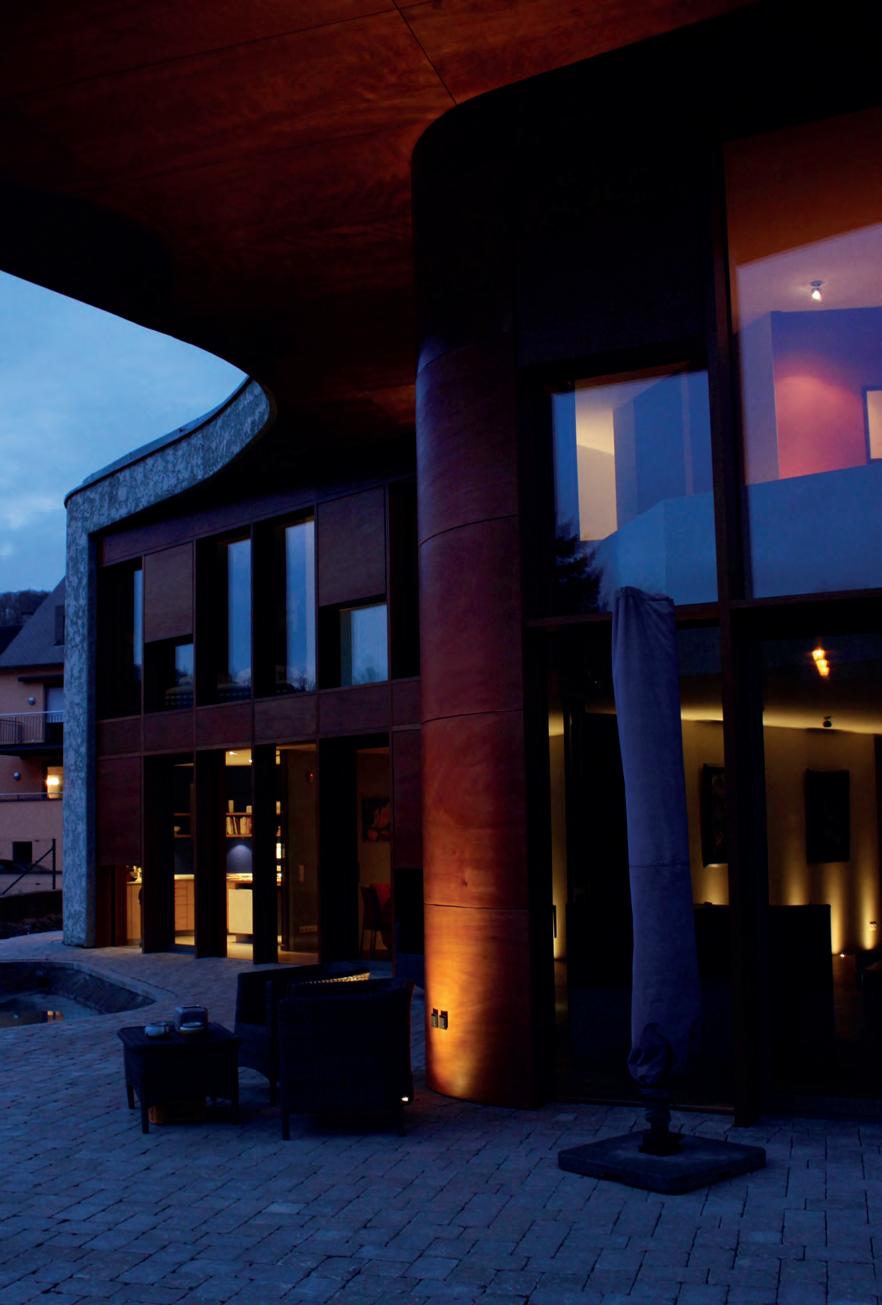
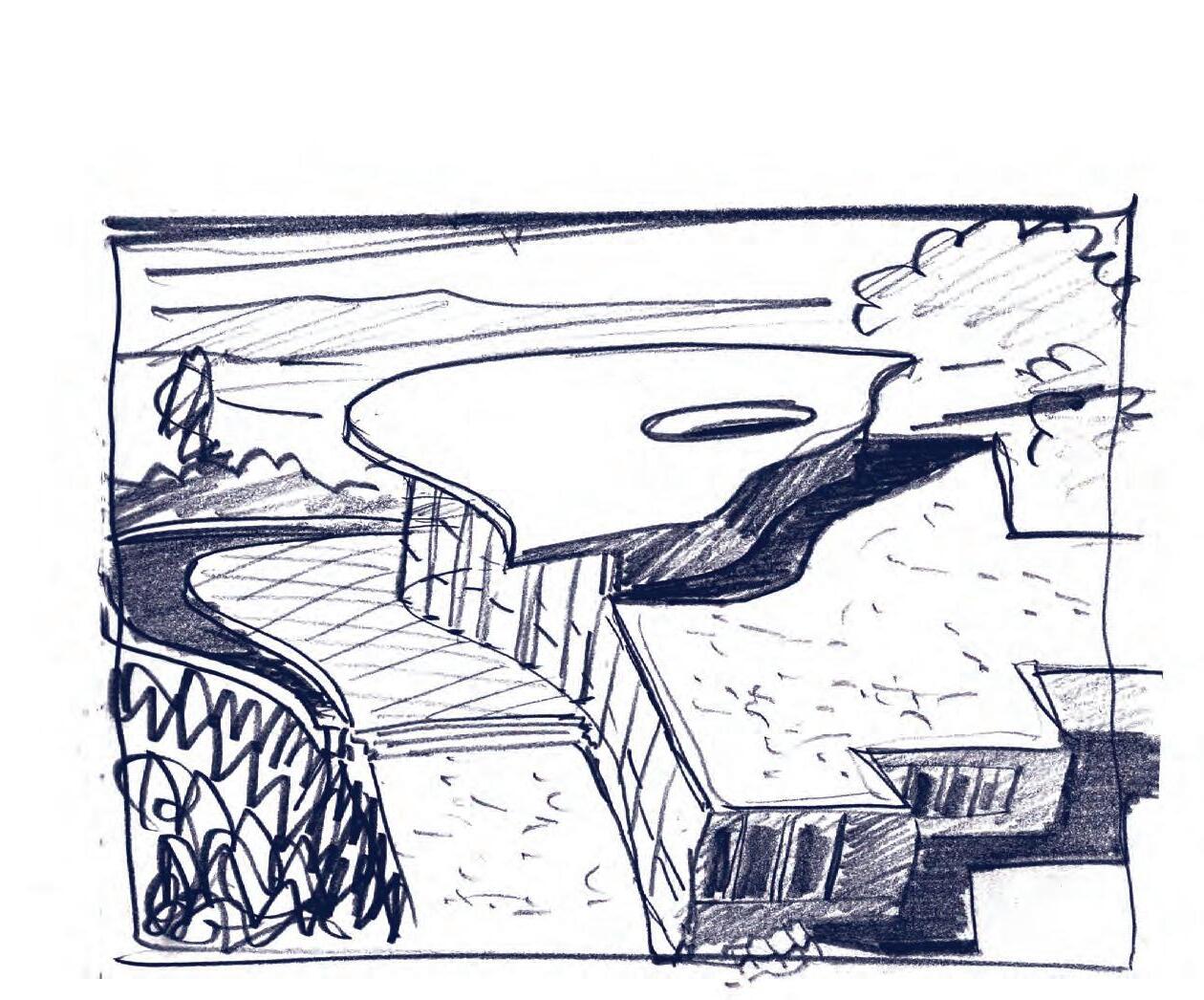
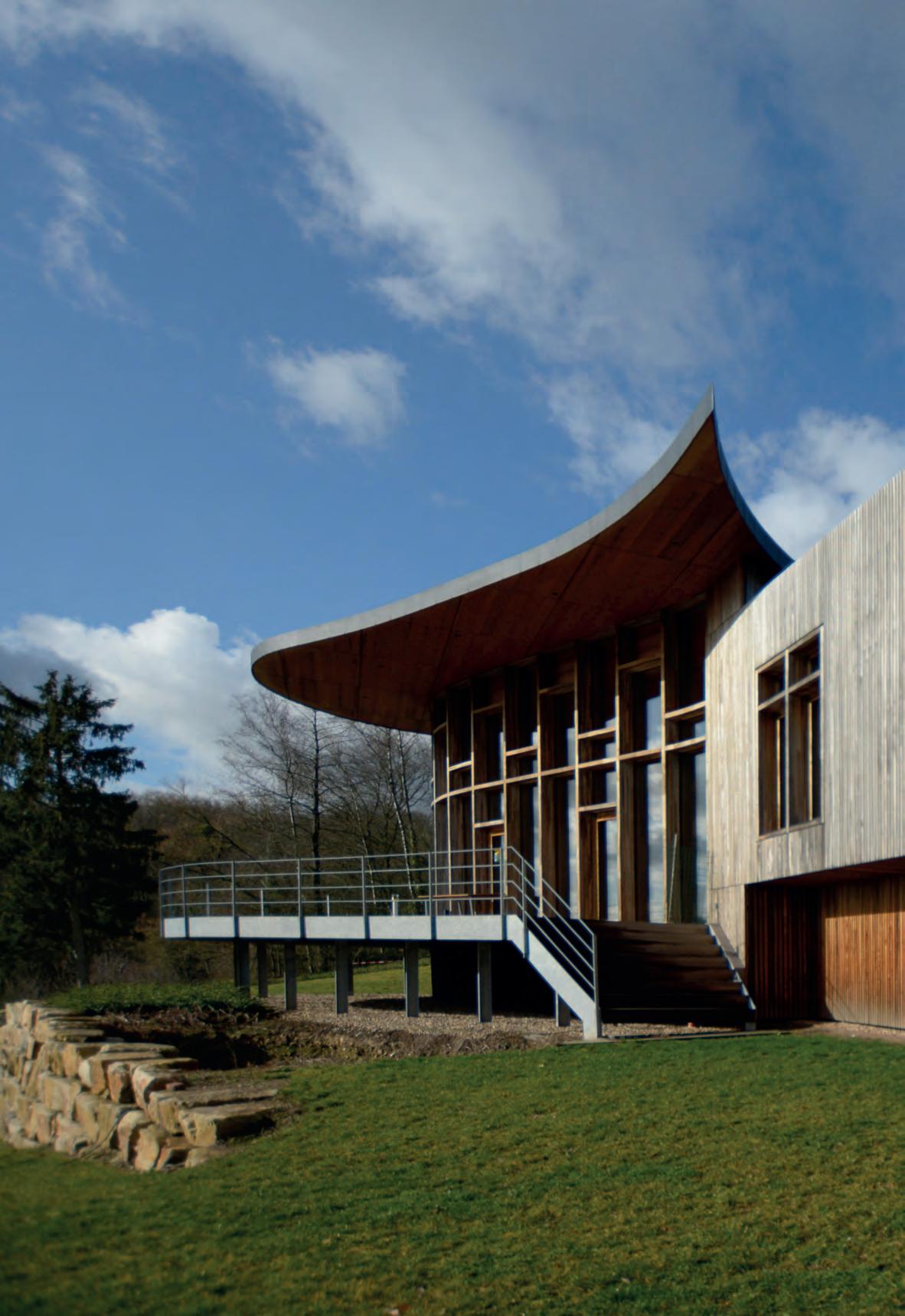
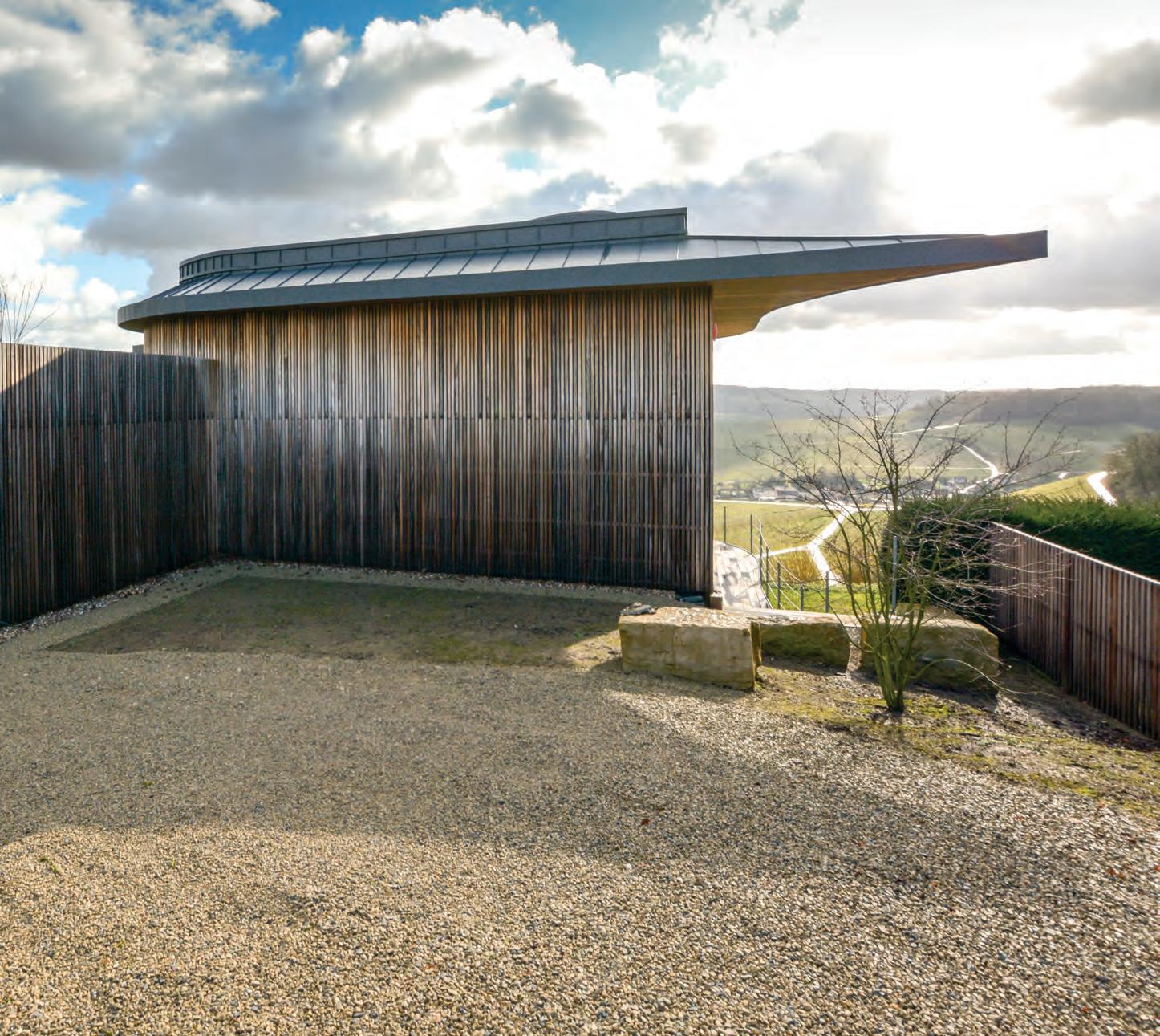
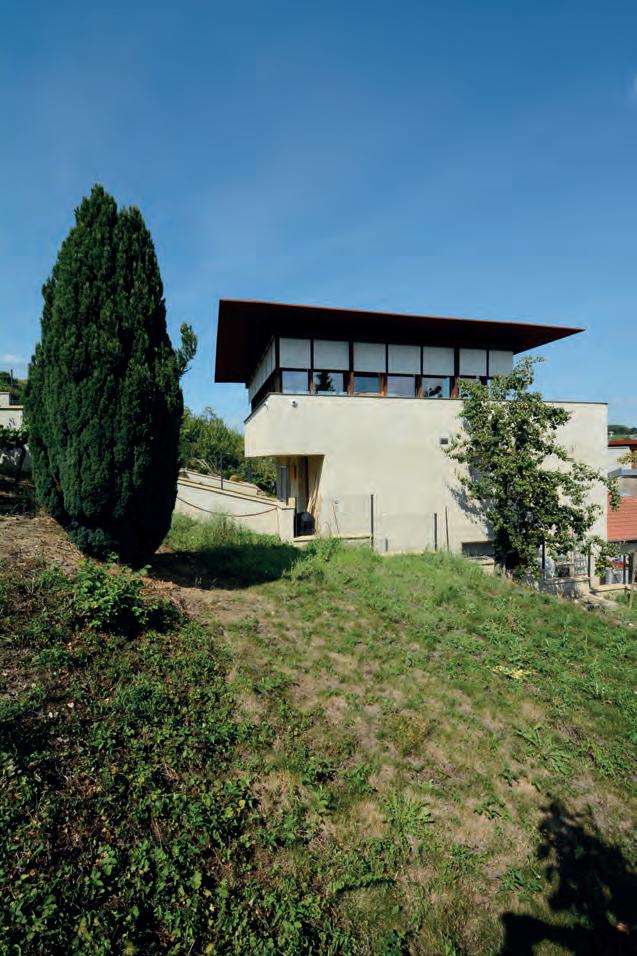
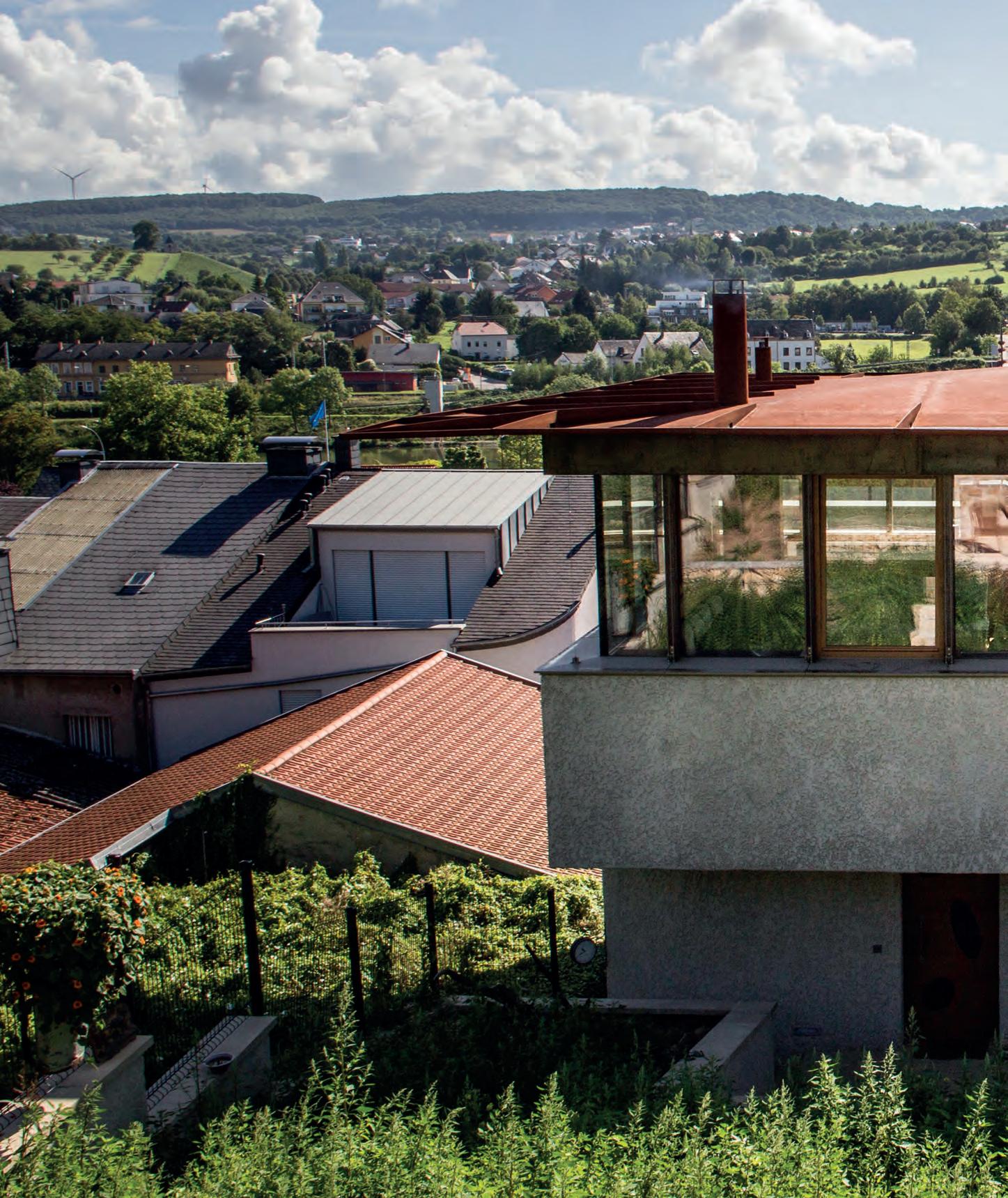
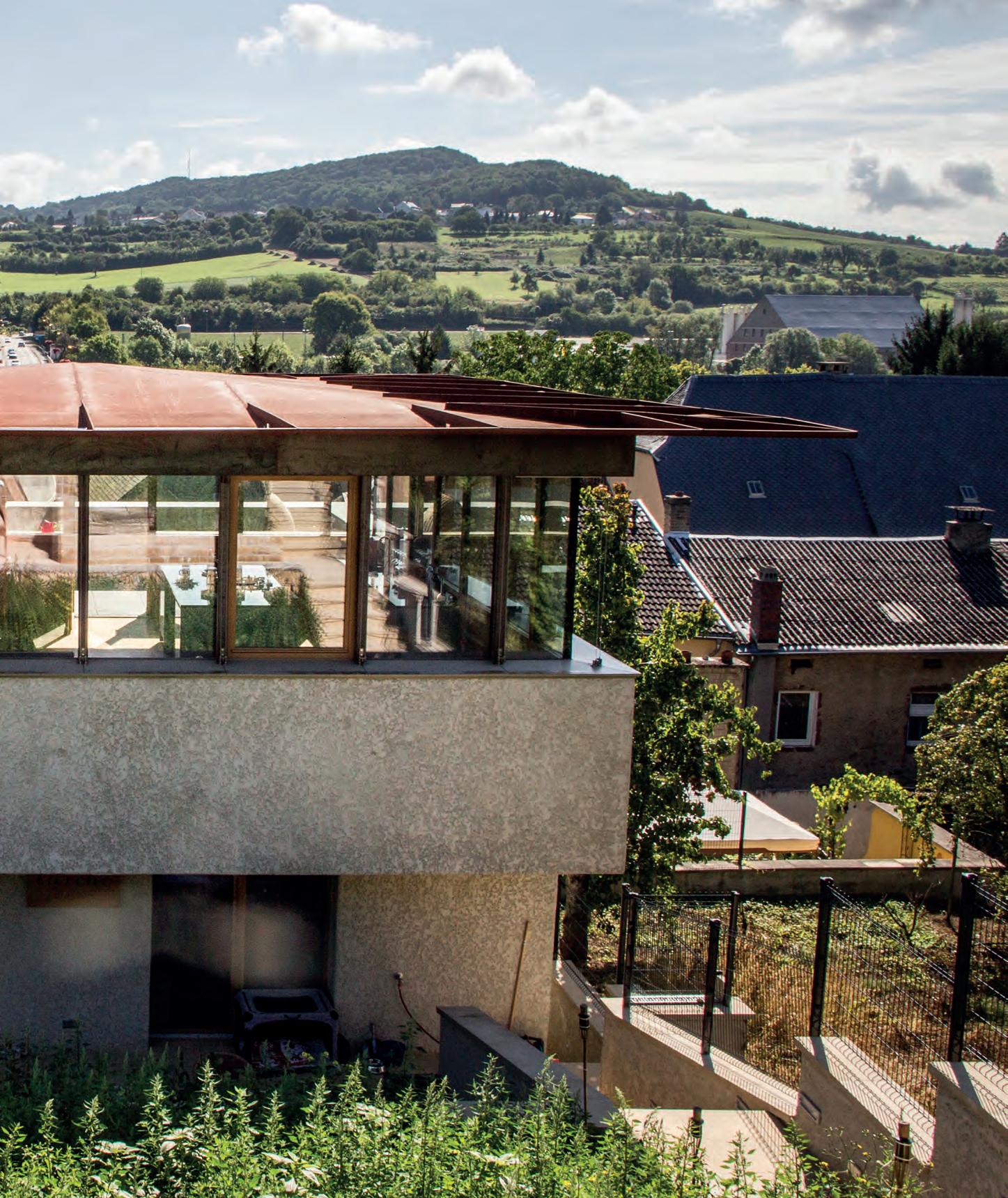
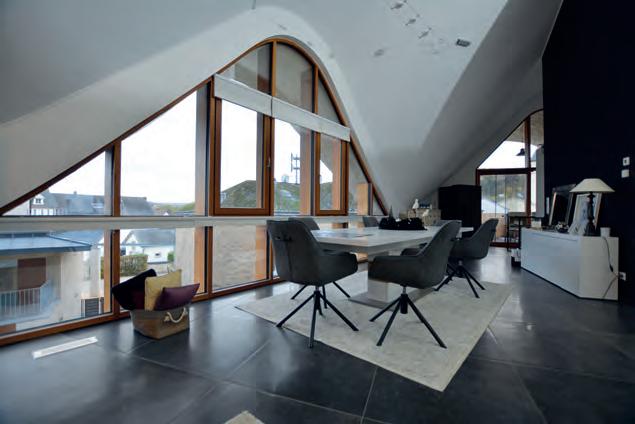
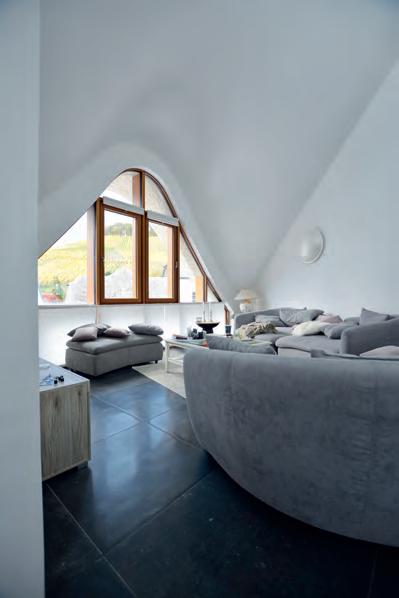
In Wellenstein, we built the Hirtt-Gasper House, which was completed between 1999 and 2001. It was based on the theories of the Greek philosopher Socrates – theories later taken up by Leon Battista Alberti (1404–1472), philosopher and architect of the Quattrocento – of the Mediterranean-style house, with a roof raised on the side where the sun shines, so that the rays can penetrate deep into the house. It is a two-storey, funnel-shaped house, facing south to capture the sun.
À Wellenstein, nous avons construit la maison Hirtt-Gasper, réalisée entre 1999 et 2001. Elle suit les théories du philosophe grec Socrate – théories reprises, plus tard, par Leon Battista Alberti (1404–1472), philosophe et architecte du Quattrocento – de la maison de type méditerranéen, avec un toit relevé du côté où arrive le soleil, pour que les rayons entrent profondément dans la maison. Il s’agit d’une maison à deux étages, d’une forme qui ressemble à un entonnoir, orientée vers le sud pour capter le soleil.
As is often the case when an idea proves successful, we continued to develop this type of house in the context of many subsequent projects.
Comme il arrive souvent, lorsqu’une idée s’avère fructueuse, nous avons continué à développer ce type de maison dans de nombreux projets ultérieurs.
Conversion of the Jankowitz building into a residential and office building
Transformation de l’immeuble Jankowitz en habitations et bureaux
Location: Bech-Kleinmacher (Luxembourg)
Client: Hugo T. Jankowitz
Year: 2004–2007
Residential building A Spunjesch
Immeuble résidentiel A Spunjesch
Location: Remerschen (Luxembourg)
Client: Progressio SA
Year: 2006–2007
3.6
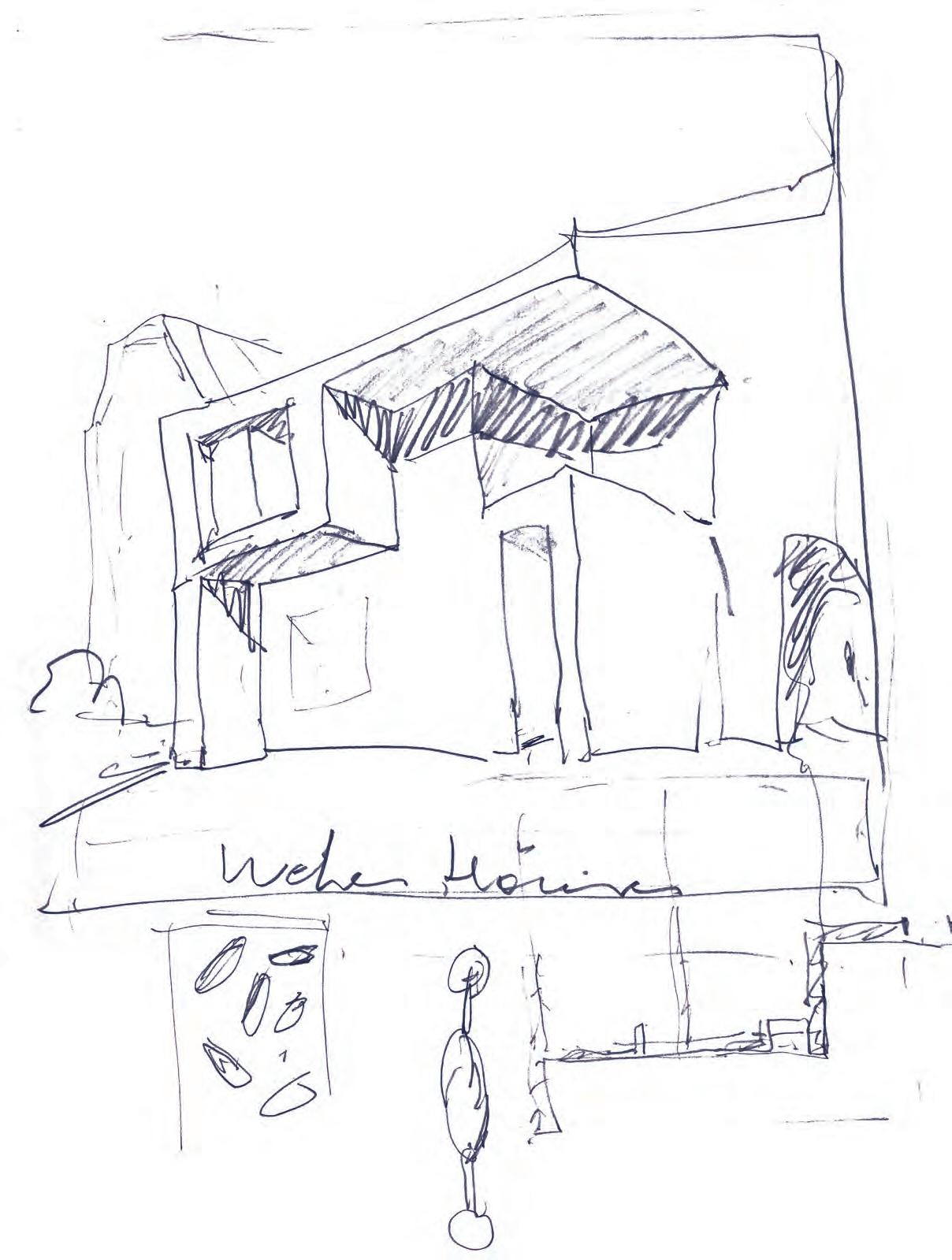
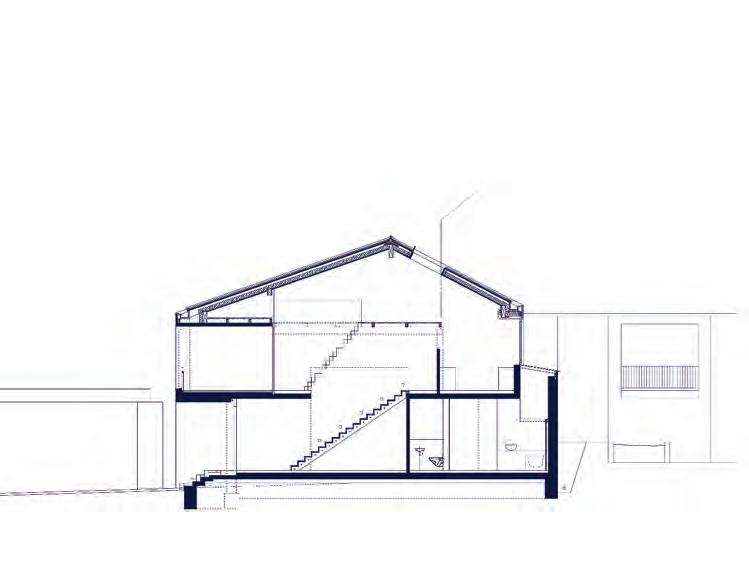
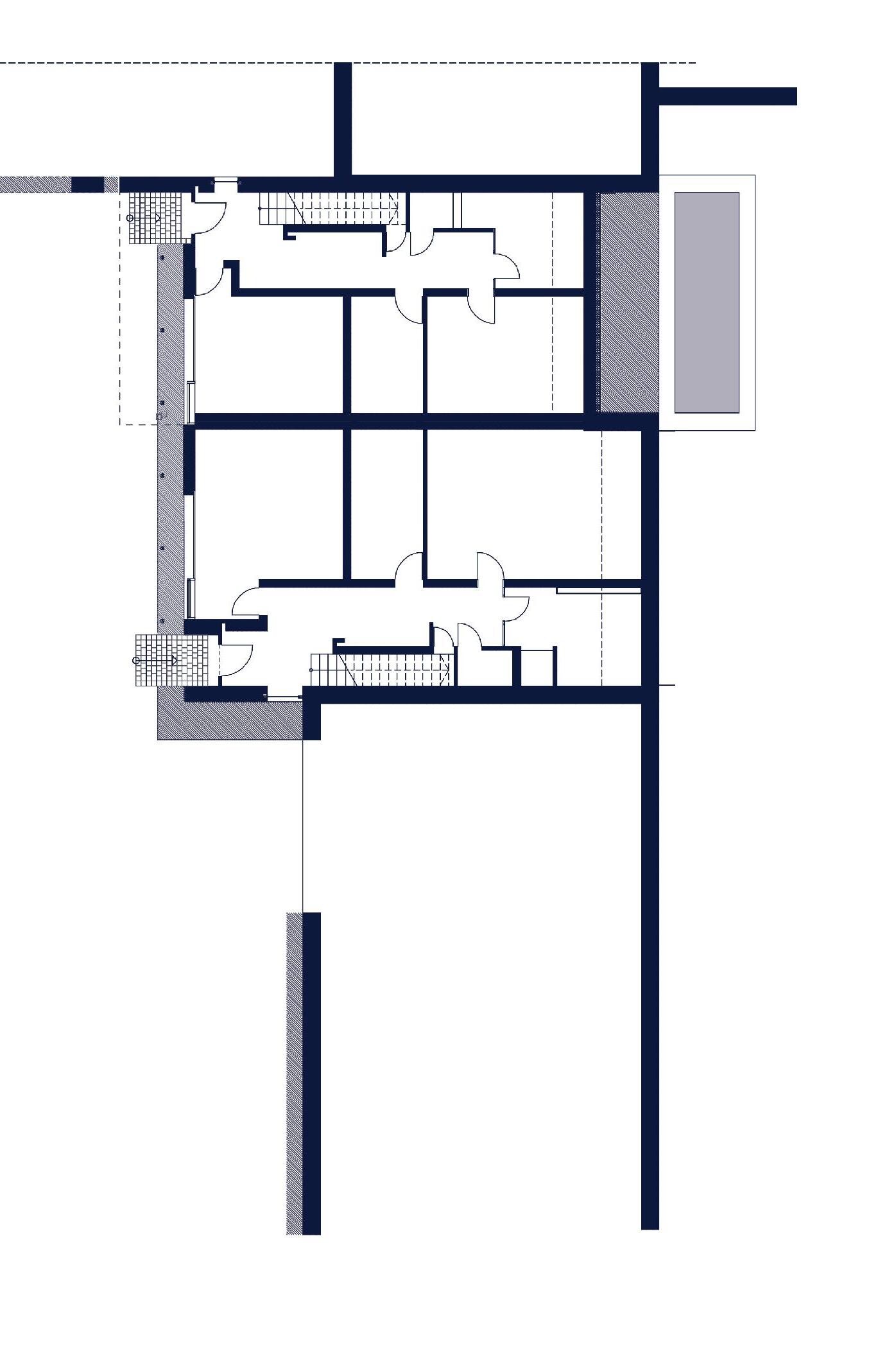
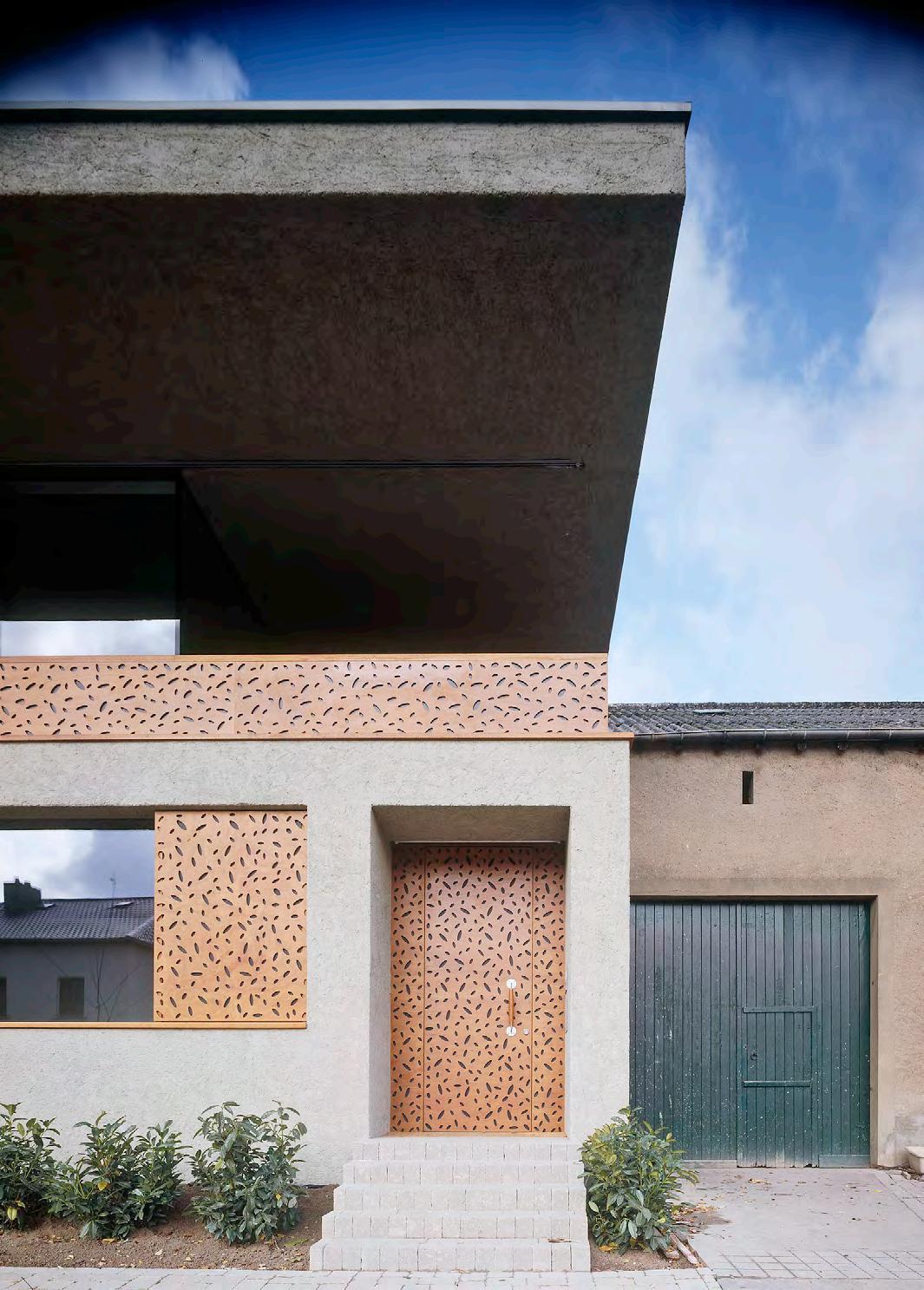
Two single-family homes Weber
Deux maisons unifamiliales Weber
Location: Remerschen (Luxembourg)
Client: Family Weber
Year: 2006–2007
3.7
Single-family houses Maisons unifamiliales
Location: Remerschen (Luxembourg)
Year: 2009–2011
3.8
Conversion of the Wilzius House
Transformation de la maison Wilzius
Location: Remerschen (Luxembourg)
Client: Trans Gast immobilière
Year: 2009–2010
Conversion of the Kayser House Transformation de la maison Kayser
Location: Remerschen (Luxembourg)
Client: Georges Kayser-Wengler
Year: 2009–2011
3.10
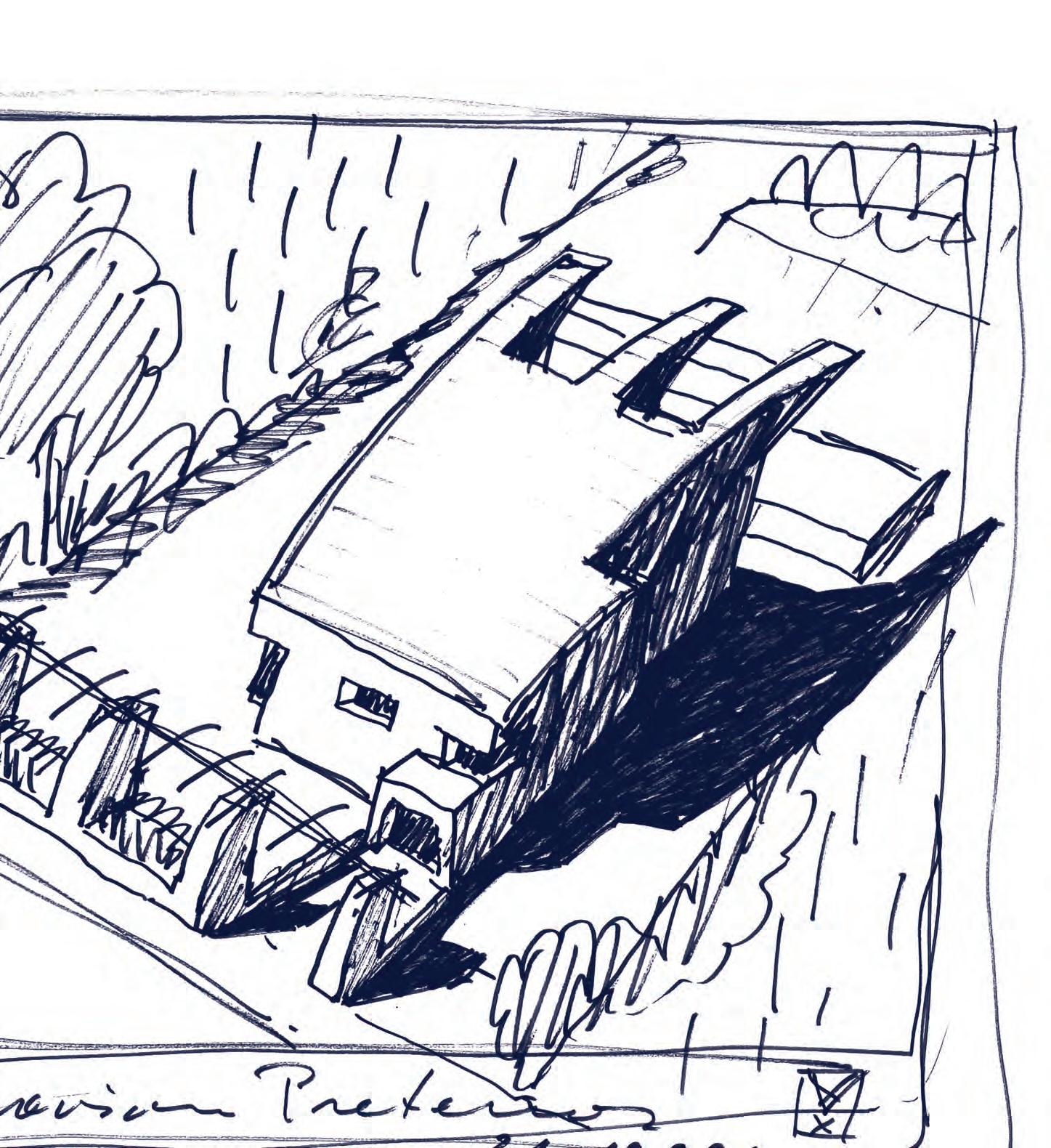
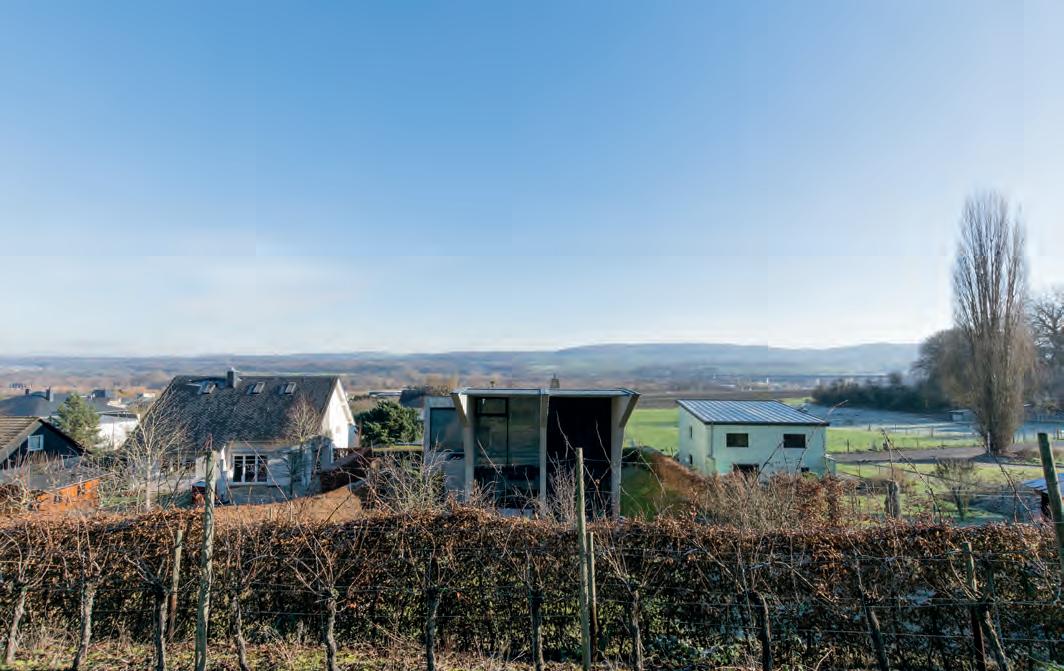
Pretemer single-family house
Maison unifamiliale Pretemer
Location: Remerschen (Luxembourg)
Client: Pretemer family
Year: 2010–2011
3.11
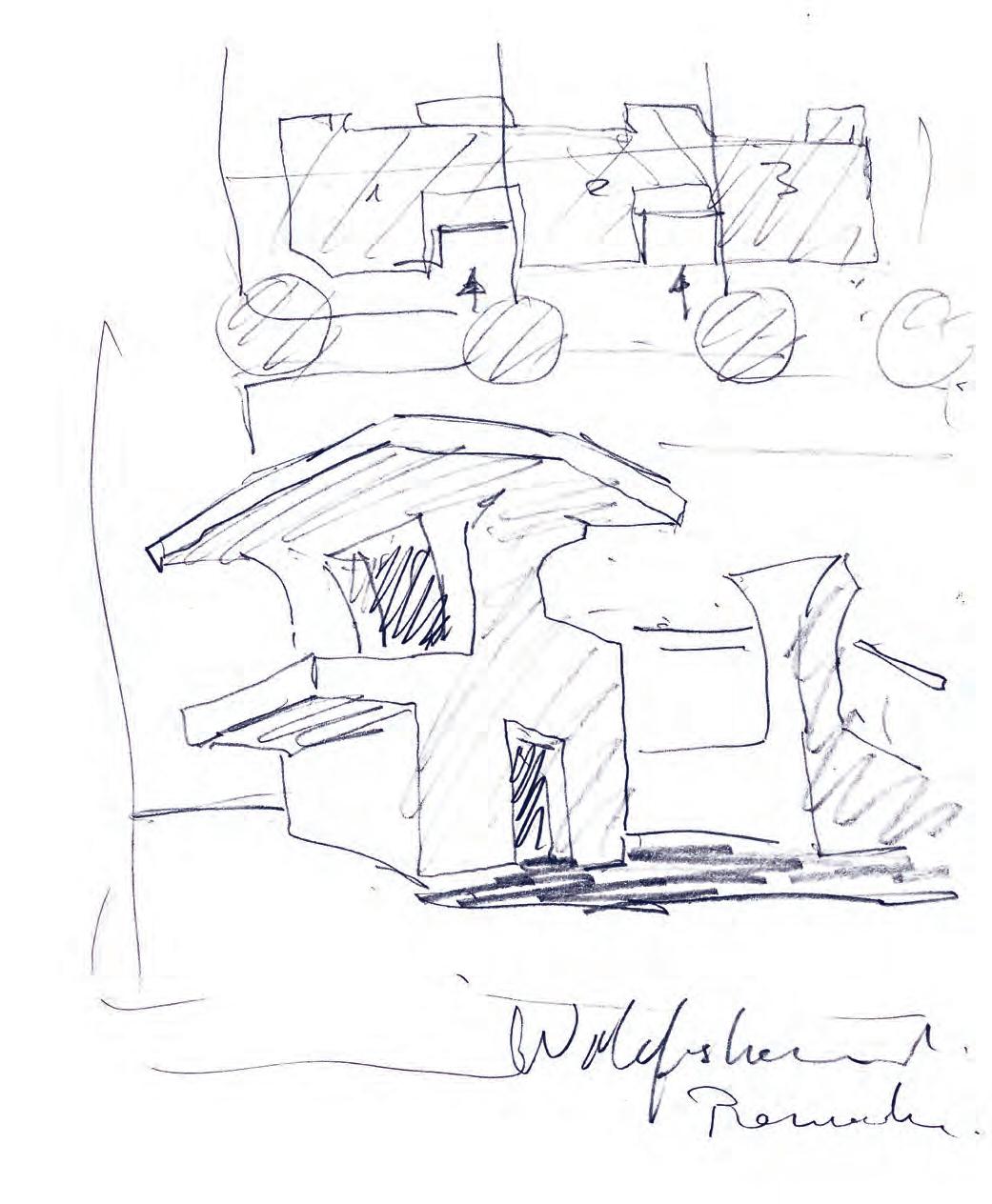
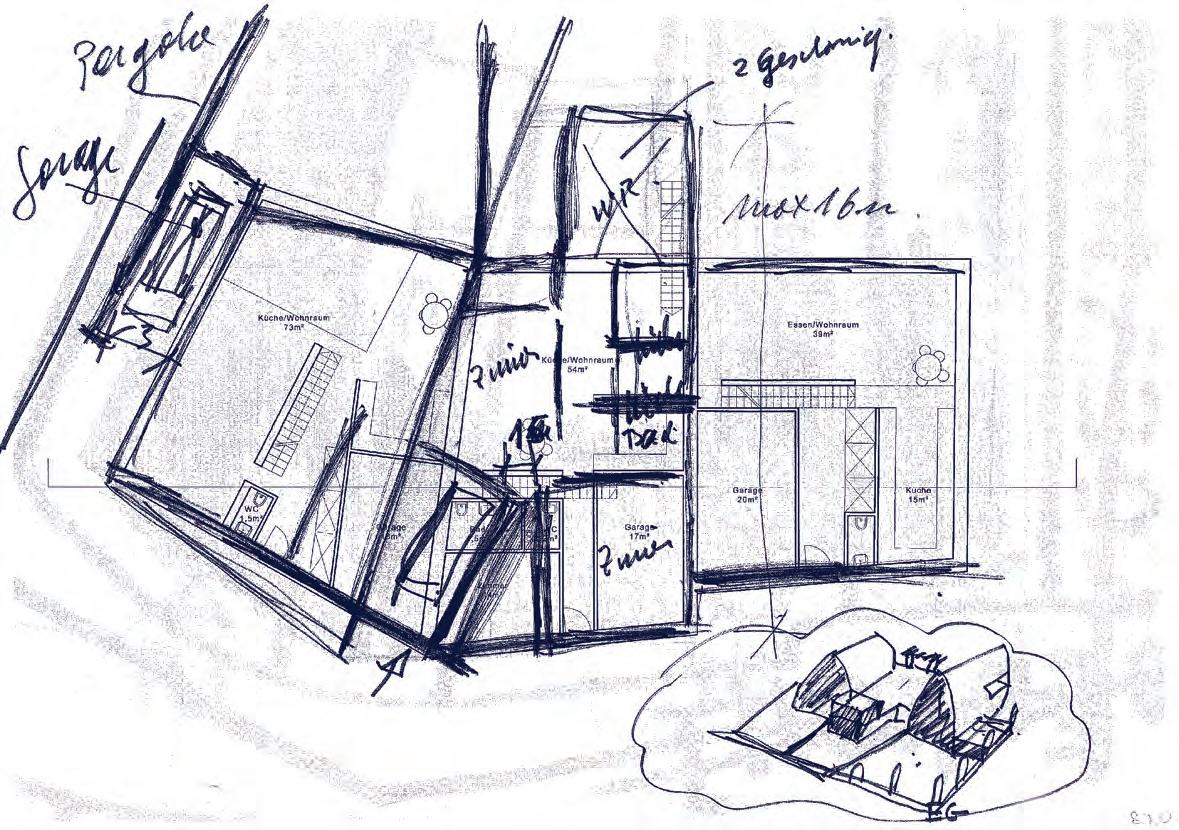
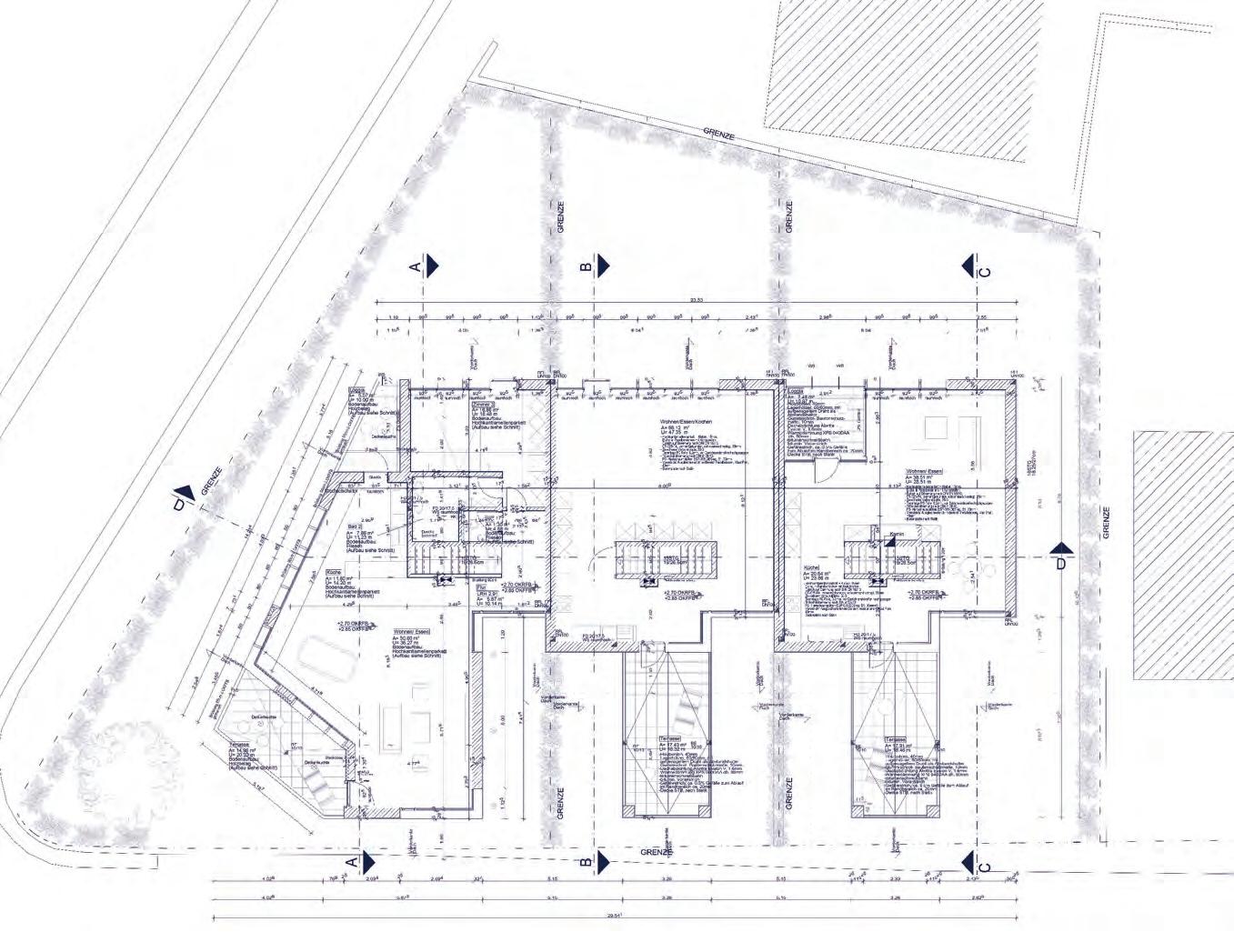
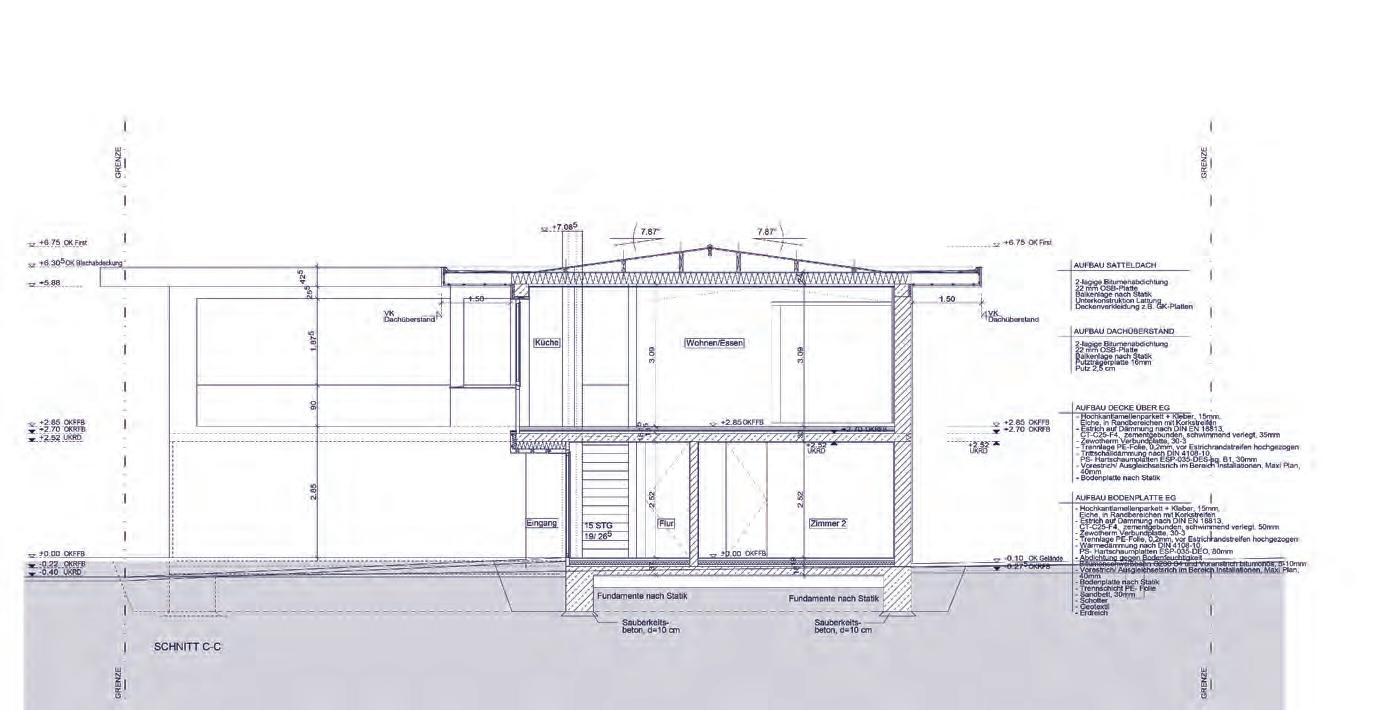
Four terraced houses Op der Wollefskaul
Quatre maisons en bande Op der Wollefskaul
Location: Remerschen (Luxembourg)
Client: Ms. Schmit, Mr. Bode, Ms. Weis, Mr. Boemia
Year: 2010–2012
3.12
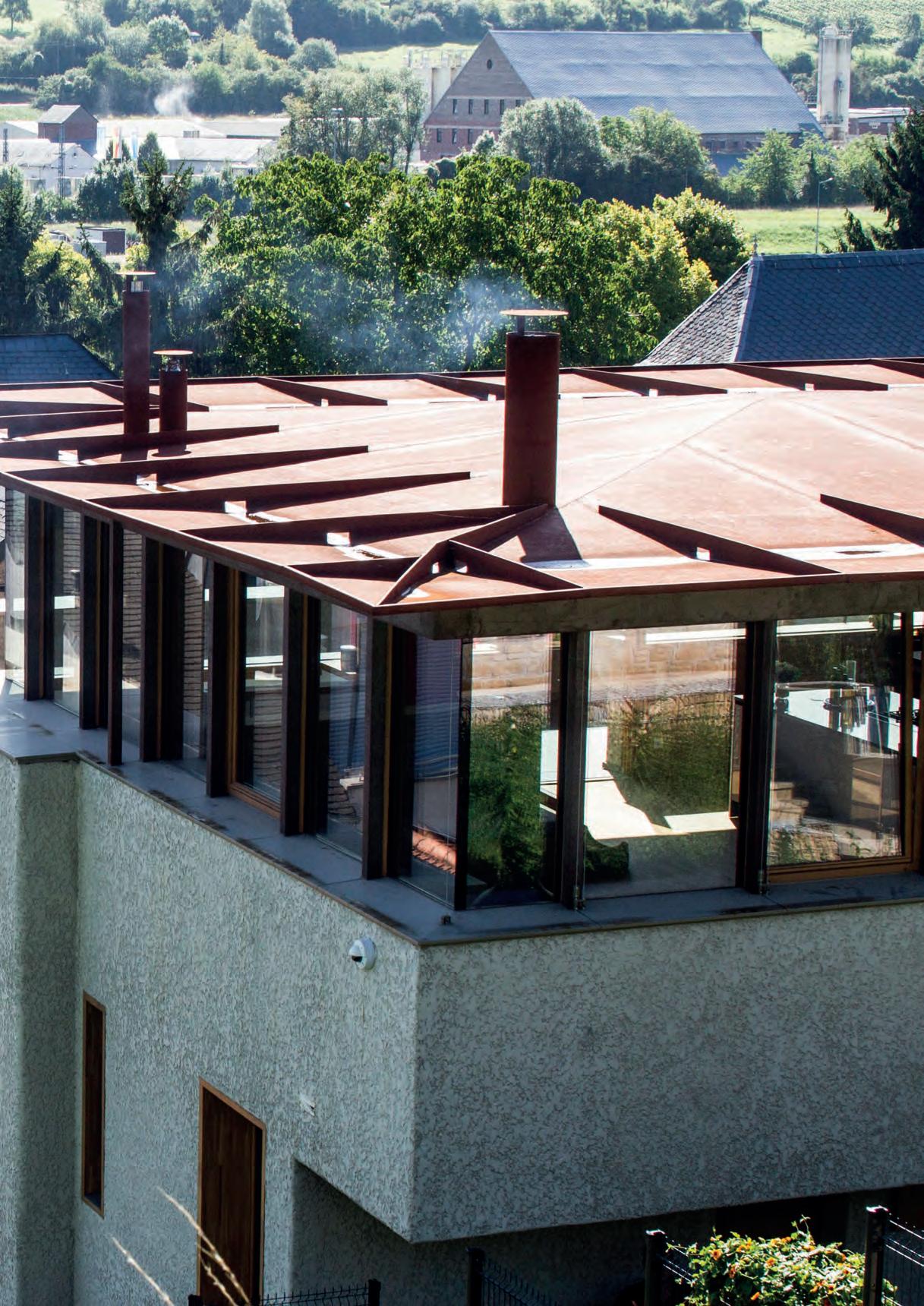
Winter garden for a single-family house Jardin d‘hiver pour une maison unifamiliale
Location: Schengen (Luxembourg)
Client: Mr. Wagener
Year: 2011–2012
3.13
Housing subdivision
Am Doelchen
Lotissement de maisons
Am Doelchen
Location: Remerschen (Luxembourg)
Year: 2011–2015
3.14
Single-family house Obertin-Marx Maison unifamiliale Obertin-Marx
Location: Wellenstein (Luxembourg)
Client: Obertin-Marx family Year: 2013–2015
3.15
Conversion and extension of the D’Haeseleer House
Transformation et extension de la maison D‘Haeseleer
Location: Bech-Kleinmacher (Luxembourg)
Client: D‘Haeseleer-Oelbrandt family
Year: 2014–2018
3.16
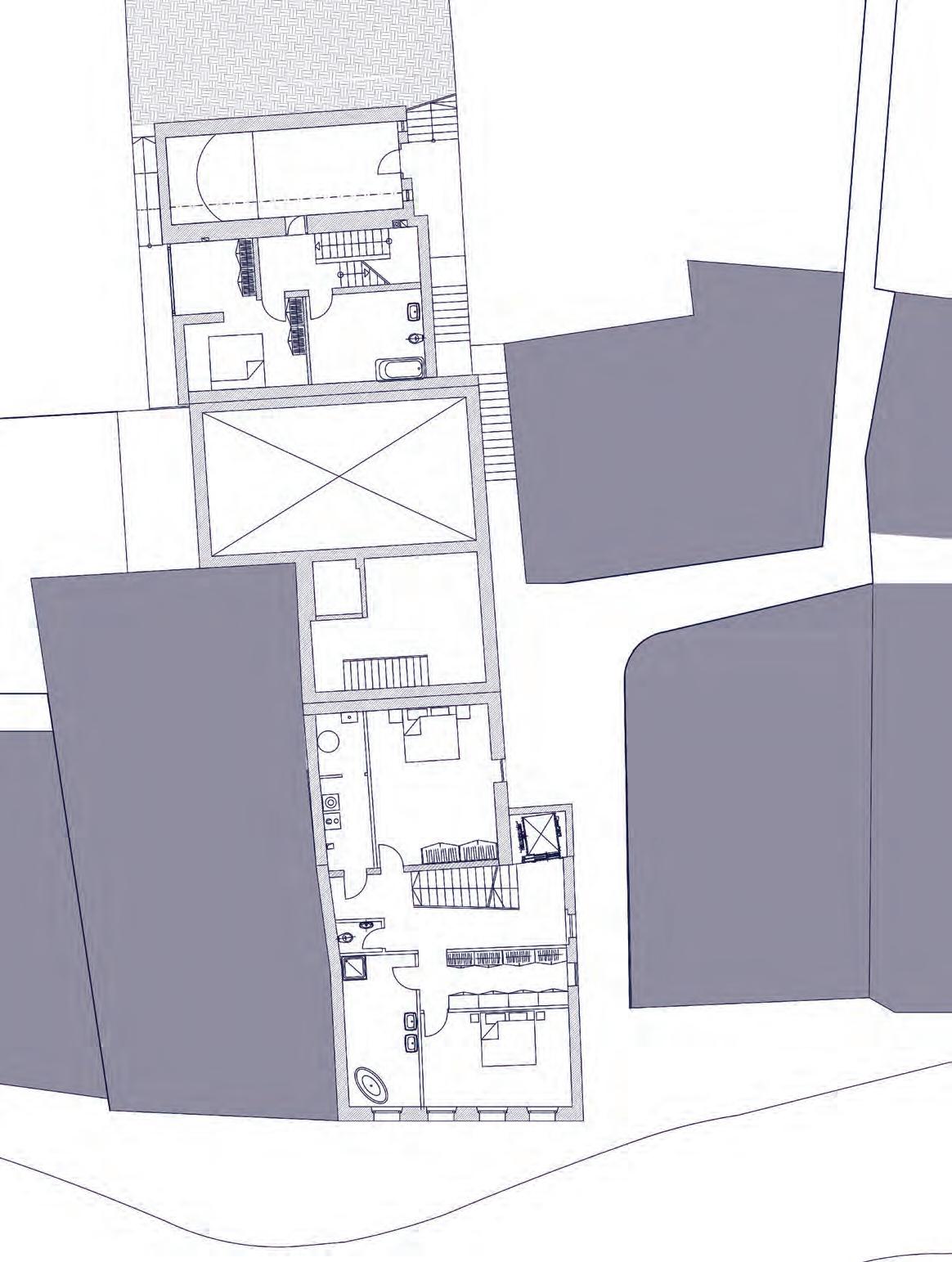
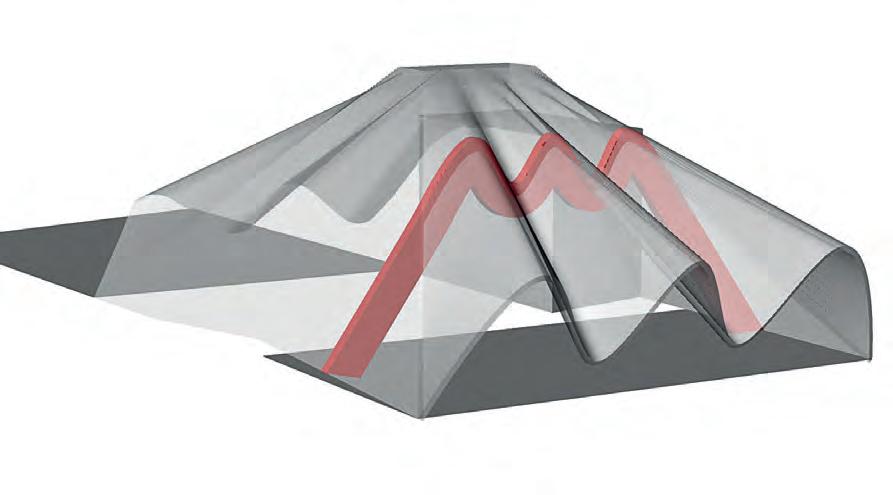
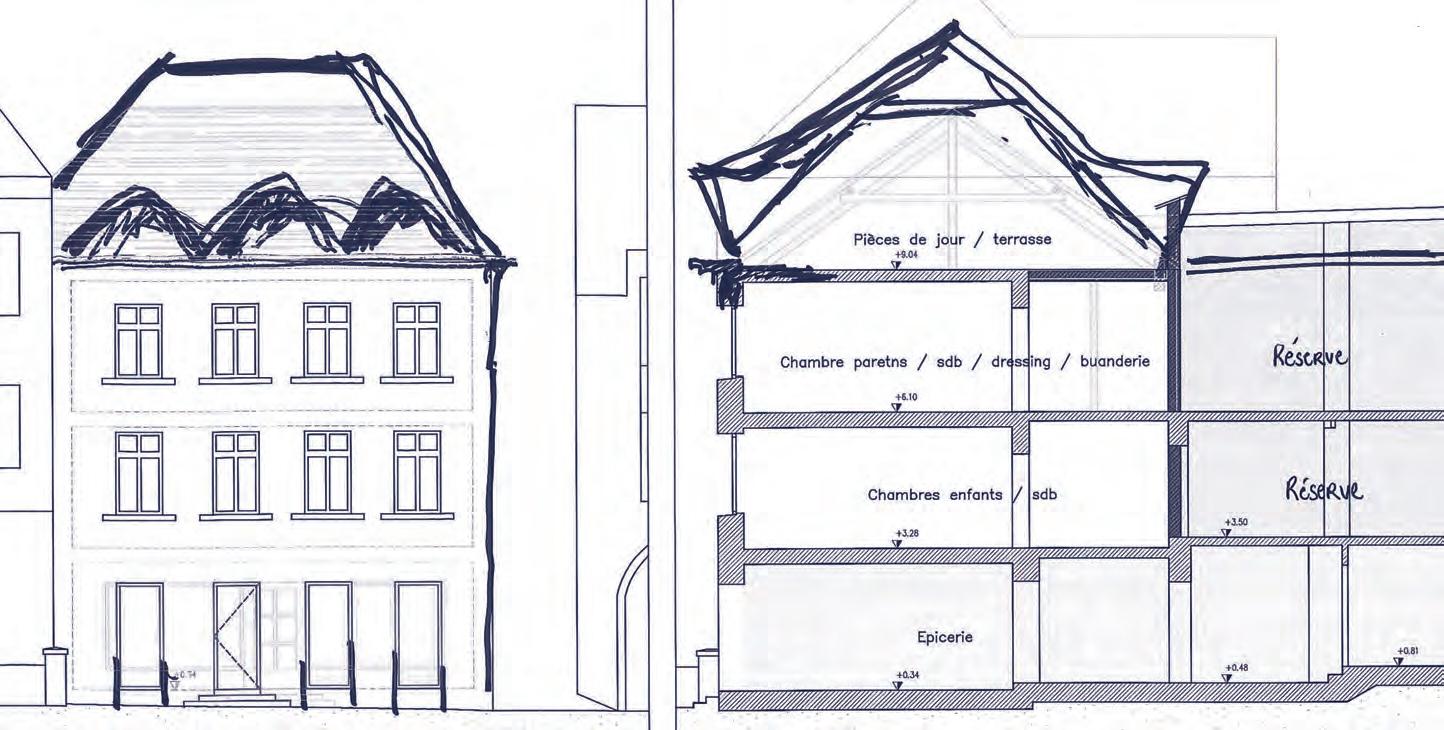
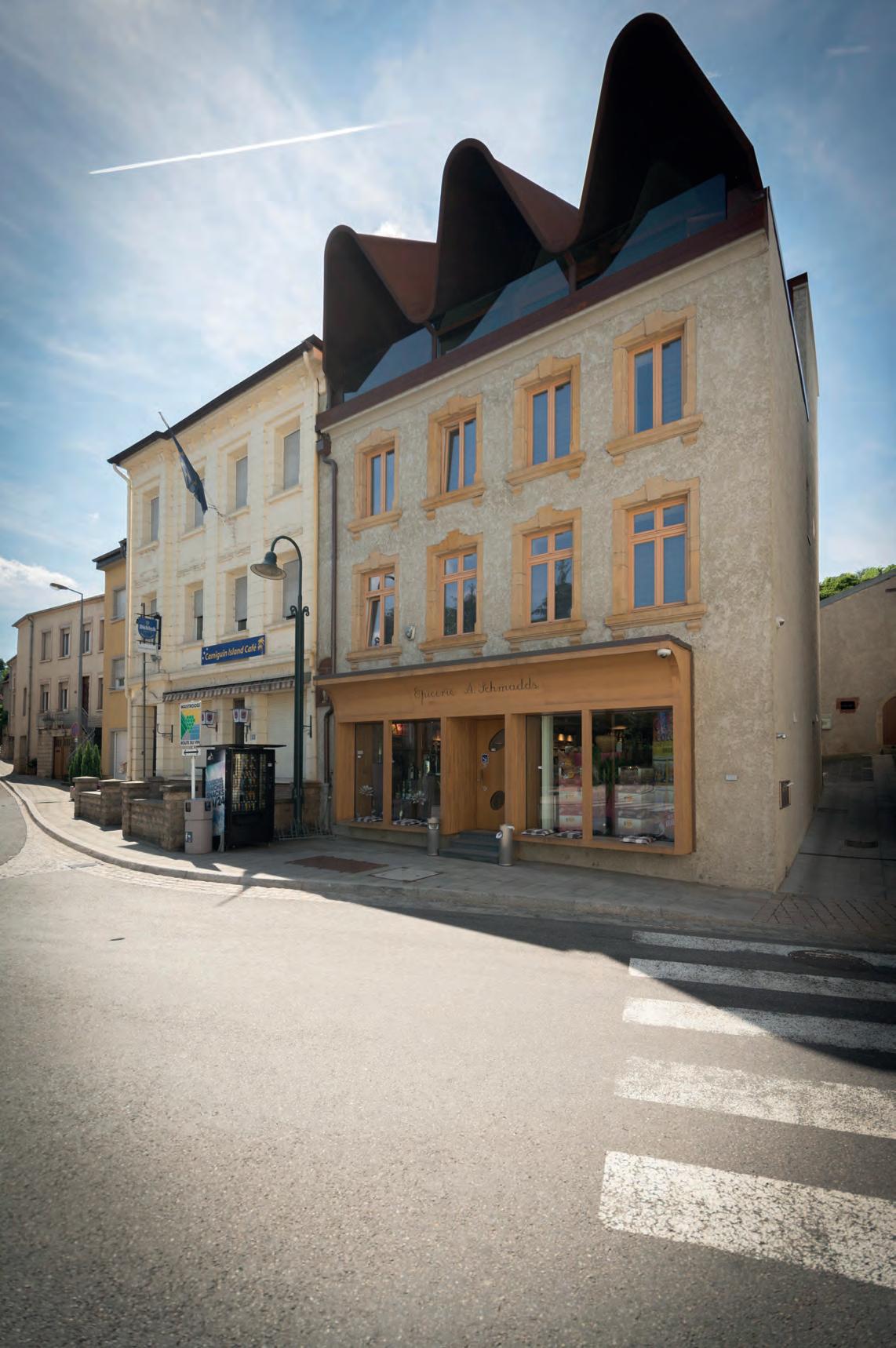
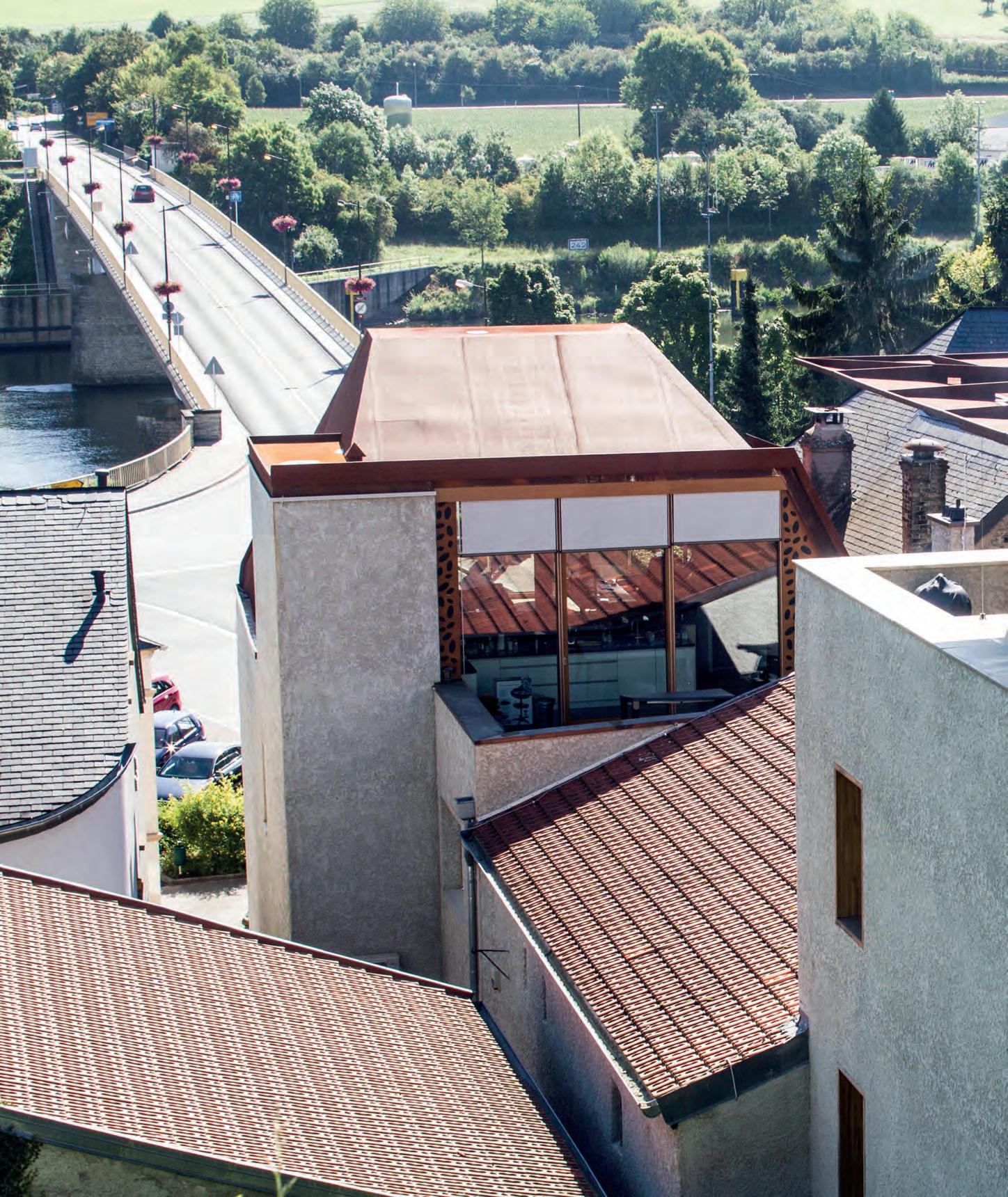
Conversion of a grocery store and construction of an apartment and a single-family house
Transformation d‘une épicerie et réalisation d‘un appartement et d‘une maison unifamiliale
Location: Schengen (Luxembourg)
Client: Mr. Wagener
Year: 2010–2012
3.17 Square Place
Location: Wintrange Year: 2005
Conversion of a winegrower’s house and dwellings Dentzscheseck
Transformation d’une maison viticole et habitations Dentzscheseck