Pocono Living Magazine and Pocono Family Magazine, two regional publications filled with articles, features and photography exploring and capturing the real Pocono Mountains living experience.
Our publications can be found at many locations throughout the Pocono Mountains region, and are available by subscription.
From competitive athletes to everyday adventurers, you deserve orthopedic care powered by the nation’s #1 health network for quality, safety and patient experience.
At St. Luke’s Orthopedic Care, our experts provide innovative, patient-centered treatment for bones, joints, muscles and movement, supported by the latest technology and evidencebased practices. From nonsurgical approaches to minimally invasive procedures that get you home the same day, we help you heal quickly and safely so you can stay active and keep chasing your goals.
We’re dedicated to restoring strength, preserving mobility and helping you return to what you love confidently, capable and ready for what’s next.
St. Luke’s Orthopedic Care. Start here. Go farther. Schedule online at sluhn.org/ortho or call 484‑526‑1735.
“Adopt the pace of nature: her secret is patience.”
― Ralph Waldo Emerson
> Photo by Regina Matarazzo
> 1. Gen. William Howe, the British commander
Pennsylvanians riflemen
MUSKETEERS MARCH TO NEW YORK IN 1776
Many are killed, wounded or captured in August battle on Long Island
By John L. Moore
It was obvious in early 1776 that the rebellious Americans had General William Howe and the British Army penned up in Boston. In the months since Lexington and Concord, Howe and his troops had become increasingly dependent upon supplies brought to the city by ships.
In Philadelphia, political leaders in the Pennsylvania government and in the 2nd Continental Congress started to realize it was only a matter of time before the British evacuated Boston.
Where would Howe’s army go next? Philadelphia?
A British attack on Philadelphia certainly seemed more than reasonable. For starters, it was the place where the 2nd Continental Congress was meeting. Also, as Gov. John Penn told British officials in London in January 1775, “The City of Philadelphia … is the most considerable town in the Province, or indeed in North America.”
Pennsylvania itself had become one of Britain’s most populous colonies in North America. “From the best information and estimate I have been able to procure, there are in the Province of Pennsylvania, 302,000 souls, of whom 300,000 are Whites and 2,000 Blacks,” the governor had reported.
Situated on the Delaware at its confluence with the Schuylkill River, Philadelphia had become Pennsylvania’s principal port. It was about 120 miles in from the Atlantic Ocean. With experienced river pilots, sea-going ships could easily sail up the Delaware.
The situation quickly raised questions. If Howe decided to come to Pennsylvania, who could defend it? Recruiting efforts had been so successful during 1775 that the colony had been able to raise nine companies of riflemen, three more than Congress had requested, but these men were no longer available to defend Pennsylvania. They had all had marched off to Boston and joined the Continental Army.
More soldiers were needed. On March 5, the colonial legislature authorized the creation of two new regiments, the Pennsylvania State Rifle Regiment and the Pennsylvania Battalion of Musketry.
The rifle regiment would “consist of 1,000 men to serve until January 1, 1778. There would be two battalions of six 78-man companies each,” according to Trussell, the military historian.
In turn, the musketry battalion would “consist of eight companies of 58 enlisted men and three officers,” Trussell said.
This works out to a total of 488 soldiers.
Command of the rifle regiment went to Col. Samuel Miles. Lt. Col. James Piper was given command of one of the regiment’s two battalions, and Lt. Col. Daniel Brodhead received command of the second.
Col. Samuel Atlee became commander of the musketry battalion, with Lt. Col. James Piper named as second-incommand.
Miles and Atlee had served with the Pennsylvania provincial forces during the French and Indian War. Miles had participated in Benjamin Franklin’s expedition to build frontier forts in the Pocono Mountains in 1756. Both men had taken part in the Forbes Expedition to western Pennsylvania in 1758.
“After a cannonade of three hours each day for two successive days, the (war) ships returned down the river”
Brodhead, who had grown up in present-day East Stroudsburg, had been working as a surveyor in Reading before the war.
Lt. Col. James Piper was from Bedford County. Miles was from present-day Montgomery County, and Atlee was raised in Lancaster County.
Patriotic feelings were running high in early 1776. As Trussell reports, “Miles’s regiment was recruited almost completely to its authorized strength within six weeks.” By mid-year, the regiment had 867 men and officers.
It was early May 1776 when two British warships came up the Delaware as far as Wilmington, Delaware. They were accompanied by tenders, smaller ships that literally tended to the warships.
A squad of 13 much smaller gunboats, called gondolas, soon sailed out of Philadelphia to stop them. At the time, Colonel Miles was stationed at Marcus Hook, along the Delaware’s
west shore some 20 miles below Philadelphia. He was still organizing the rifle regiment.
Concerned that the warships might attempt to land soldiers at Wilmington, Miles took a detachment of riflemen downriver as a protective measure. Their services weren’t needed, but they had a front-row seat for a naval battle on the Delaware. The fight pitted two British warships – “the Roebuck of 48 guns, and the Liverpool of 28” – against the smaller, flat-bottom boats from Philadelphia.
“I suppose three or four hundred shot have past between them,” Miles said.
“I write this from the bank of the river, where I have been with one hundred riflemen ever since morning,” the colonel said.
“After a cannonade of three hours each day for two successive days, the (war)ships returned down the river,” Richard Henry Lee, a Virginia delegate to the 2nd Continental Congress, said in a May 11 letter to a friend. Meanwhile, the Pennsylvania boats returned to Philadelphia.
The fight had ended, Lee said, “without much hurt, I believe, on either side.”
The riflemen returned to their camp near Marcus Hook, and Miles learned that companies of his two regiment still had to report for duty.
It was May 29 when a company recruited in Lancaster County arrived at Prospect Hill, “near Marcus Hook, where we encamped in tents, which was to me very disagreeable,” Lt. James McMichael wrote in his journal.
The recruits were slowly becoming accustomed to army life. They didn’t necessarily like it. As McMichael wrote on June 2, “This being the Sabbath Day, I was much surprised when I was awakened by the noise of drums and fifes beating the Reveille. This day the soldiers appeared much intoxicated.”
On June 13, the Pennsylvanians learned that Tories were gathering in the Delaware community of Lewes, about a hundred miles downriver. Although Delaware and Pennsylvania were separate colonies, they shared a common strategy for thwarting British advances. Soldiers from the rifle regiment were soon sent to Lewes to disperse the Tories.
2026 PHOTO CONTEST ENTER YOUR BEST SHOTS
Your photos could be seen by more than 26,000 readers when you enter them in Pocono Living Magazine’s Annual Photo Contest. The contest is open to amateur photographers only. (Those who do not earn a majority, over half, of their income as photographers).
You may enter no more than 15 images, so choose your best shots.
Categories are “Scenics”, “Wildlife”, “Florals”, and “Historical Structures”.
Only photographs that are representative of the Pocono Mountains should be submitted. Individual photos should be attached to an email message and sent to: larry@poconomagazines.com. Photos submitted must be high resolution, (300 dpi), jpg or tiff files or they cannot be used. You must include your full name in the title with each photo submitted as you would like it to appear in the magazines. We will contact you for your mailing address to receive your prize if your photo is chosen as a winner in the contest.
Winning photos, along with the names, and hometowns if available, of each winner will appear in the October/November 2026 issue of PoconoLivingMagazine and the PoconoMagazines.com website. Some lucky participants may have their photo featured as a cover on PoconoLivingMagazine!
Your photos could be seen by more than 26,000 readers when you enter them in Pocono Living Magazine’s Annual Photo Contest.
RULES OF THE CONTEST:
1. Contest open to amateur photographers only.
2. Contest opens April 1, 2026 and closes August 1, 2026.
3. Enter electronic files by email to: larry@poconomagazines.com.
One photo at a time.
4. Submitted photos must be as an attachment to an email message, (not within the body of the email), and be high resolution (300 dpi), jpeg or tiff files.
5. Please include your contact information (phone number, mailing address & email address) with the submission.
6. Each contestant may submit no more than 15 photographs. Choose any combination of categories.
7. Photos submitted may be judged for inclusion in this year’s contest, and in all future year’s contests, so you have several chances to be a winner.
8. Entered photos must have been taken recently, from January 2016 to present and be of a scene or subject found in the Pocono Mountains only.
10. Judging will take place in August and September 2026.
11. Winners will appear in the October/November issue of Pocono Living Magazine.
12. Contestants will retain all rights to their photography, but agree that Pocono Magazines, LLC and Pocono Mts. Publications, LLC may use their photos from time to time in the magazines that they publish and on the Pocono Magazines.com website provided proper credit is given to each photographer.
Questions? Email the editor at: larry@poconomagazines.com
Photo by Ray Roper
> Gen. George Washington, as painted by American artist John Trumbull in 1780. In background at right is Billy Lee, an enslaved man who accompanied Washington during much of the war.
Terse entries in McMichael’s journal for late June tells what happened:
June 27. “The Roebuck, man-of-war, and the Liverpool, with three tenders, .came into the (Delaware) bay, but the detestable Tories hearing of the riflemen having arrived evacuated the town.”
June 28. “Several scouting parties sent out, who having captured the officers of the Tories, swore them to be true to Congress, and then dismissed them.”
June 29. “At 4 p.m. we embarked for Marcus Hook, and having a favorable wind, we reached our desired haven July 1, at 10 a.m.”
The new recruits had little time for training. Nor did the Pennsylvania colony see much more of the service for which the new units had been formed. In March, the British had evacuated Boston. In early summer, a British fleet brought thousands of Redcoats to the lower Hudson River, and landed them on Staten Island. It became clear that their probable target would be New York, not Philadelphia.
Colonels Miles and Atlee were soon ordered to take their soldiers to New York.
By July 16, Pennsylvania riflemen led by Colonel Brodhead and Colonel Piper had reached Elizabeth Town, N.J., separated from British-held Staten Island by Arthur Kill, a tidal strait west of New York Bay.
In a letter to Gen. Washington, Brig. Gen. Hugh Mercer said he was planning a nighttime raid on British positions on Staten Island across from present-day Elizabeth. Pennsylvania riflemen would lead the expedition.
Mercer’s troops would “ferry over between the hours of 11 and 2 in the morning tomorrow night,” the general said.
The plan called for “Col. Brodhead with 400 P(ennsylvania) riflemen to pass over first and take possession of” a strategic spot on the island, and “there to lie in ambush.” Units following Brodhead would include “Col. Piper with 100 riflemen and 150 militia,” Mercer said.
If British soldiers tried to rescue any Redcoats trapped by the assault, “Col. Brodhead will have orders to place his men so as
to form an ambuscade that may give him a great advantage. His men are I think to be depended on for such service,” Mercer said.
But the attack never happened. When the time came for the troops to begin crossing the strait, the windy weather made the venture too dangerous. “... The weather became too tempestuous to venture over … in scows,” Mercer said. “We remained on the shore in hopes of calmer weather till near 11 o’clock,” but finally he canceled the operation.
The riflemen didn’t tarry at Elizabeth Town. McMichael’s regiment left Newark on August 11, crossed the Hudson River on ferry boats and marched into New York at 4 p.m. “We marched a mile out of town to a place called Pleasant Hill and there encamped.”
“Several scouting parties sent out, who having captured the officers of the Tories, swore them to be true to Congress, and then dismissed them.”
Looking down the bay, the Pennsylvanians could see “a formidable English fleet at the end of Staten Island, said to consist of 100 sail of the line,” McMichael said. The next day, “the enemy received a large re enforcement, which presages a sudden attack.”
Over the next several days, rumors swirled through the Rebel camp that the British were about to attack New York. Staten Island was close enough for the Americans to monitor their activities. On August 17, McMichael wrote, “The movements of the enemy give undoubted indications of a sudden attack, which has caused Gen. Washington to issue a proclamation for all women, children and infirm people to leave the city until after the engagement.”
Several days later, British ships ferried thousands of troops from Staten Island across the bay not to Manhattan, but to western Long Island,.
> Brig. Gen. William Alexander, also known as Lord Stirling. (New York Public Library)
On August 24, “we all marched from our encampment and crossed St. George’s ferry to Long Island,” McMichael said. Soon, “we had a heavy cannonade, with some small arms. This night we camped in the woods, without tents, in a hard rain. Sentries firing all night.”
It was August 27 when the Battle of Long Island took place.
In the days prior to the fight, the Americans had hurriedly fortified the Heights of Gowanus, a glacial ridge several miles east of the American fortification at Brooklyn. The ridge crossed much of the island on a diagonal, with its western end close to the Hudson River. It ranged between 100 and 150 feet above the adjacent plain where the British had concentrated a much larger force.
To attack the Americans, the British force either had to climb the steep, wooded slope of the ridge’s southern side or travel through any of four passes.
Colonel Atlee’s musketeers were on the American right. Colonel Miles’ regiments of Pennsylvania riflemen were on the American left. Other regiments were also posted along the ridge
The British began the attack from the plain. “The enemy advanced rapidly and endeavored to force our lines, but were repulsed with considerable loss,” McMichael said later.
It took considerable time for the Americans to realize that the British had discovered a pass that the Rebels had left
> Brig. Gen. Hugh Mercer
> The large sailing ship is the H.M.S. Argo, a Roebuck-class British warship that was the sister ship of the H.M.S. Roebuck. Pennsylvania riflemen watched the Roebuck trade cannon shots with smaller American gunboats in the Delaware River in 1776.
> Col. Samuel Miles
undefended. Guided by three Tories who lived on the island, a strong force of British soldiers moved through this pass and circled behind the Rebels atop the ridge.
“We were attacked by the enemy’s left wing, while their right endeavored to surround us,” McMichael said. “Their superior numbers forced us to retire for a short distance ...”
The battle raged on. “Having by this time lost a great number of men, we were again forced to retreat, when we found that the enemy had got between us and the fort (at Brooklyn),” McMichael said.
“We were attacked by the enemy’s left wing, while their right endeavored to surround us. Their superior numbers forced us to retire...”
Located much closer to the Hudson River than the riflemen were, Colonel Atlee’s musketeers thought “that the strength of the British Army was advancing ... to our lines.” But they soon learned from “some scattering soldiers” that British and Hessian troops “were advancing to surround us,” Atlee said later. “This we were soon convinced of by an exceeding heavy fire in our rear.”
The Americans’ situation became chaotic. Eventually, Atlee realized that he and a small group of soldiers accompanying him couldn’t make their way to the American position at Brooklyn, and they surrendered to some Scottish Highlanders.
Brodhead, who managed to avoid capture, wrote a detailed report from the American camp at Kings Bridge in northern Manhattan about a week after the battle. At one point, he remarked, “I did all in my power to rally the musketry and riflemen, but to no purpose, so that when we came to engage the enemy, I had not fifty men, notwithstanding which, we after about three rounds, caused the enemy to retire.”
“Our officers and men in general, considering the confusion, behaved as well as men could do,” Brodhead said.
The battle did not end well for the Americans, who had many casualties. Those who managed to make it back to Brooklyn considered themselves fortunate.
Of the top-ranking American officers at Gowanus Heights, Maj. Gen. John Sullivan, Brig. Gen. Lord Stirling, also Col. Samuel
> Maj. Gen. John Sullivan
> Col. Daniel Brodhead
> Painting shows Delaware troops firing at British soldiers during the August 1776 Battle of Long Island. Painted by by 21st century artist Domenick D’Andrea, the picture is in the public domain.
> Instead of conventional uniforms, Pennsylvania riflemen wore hunting frocks and, when available, moccasins. They could shoot farther and with greater accuracy than could soldiers armed with muskets.
Miles, Col. Samuel Atlee; and Lieut. Col. James Piper were all taken prisoners.
McMichael said later that of the men in his rifle regiment, “19 commissioned officers, 23 sergeants, and 310 rank and file” were captured. As for McMichael himself, “Though the bullets went around me in every direction, yet I received not a wound.”
Lt. Col. Daniel Brodhead survived the battle. Atlee’s musketry battalion and Miles’ rifle regiments had been so badly mauled that the Continental Army consolidated them into a unit with much smaller numbers and gave command to Brodhead.
By mid-September, the Continental Army had begun to leave Manhattan. Disgruntled, many riflemen under Brodhead decided that they had had enough of army life. Although they lacked permission to do so, they determined to return to Pennsylvania.
It was September 19 when William Heath, a major general from Massachusetts, had a surprise. Stationed at Kings Bridge, Heath
was responsible for Brodhead’s troops.
“This morning about 10 o’clock I was informed that one of Col. Brodhead’s battalions of riflemen had drawn up, and were determined to march home,” Heath informed Washington later that day.
Such an act would be mutiny.
Heath reacted quickly. He ordered several regiments to turn out with their weapons. Heath himself rode to the riflemen’s camp to stop them.
“They were partly dispersed … ,” he said. “About one company remained.”
He demanded “the reasons of their mutinous behavior.”
They replied, “the want of money and blankets, and the severe duty of the camp.” Also, “they were volunteers.”
“I ordered them immediately to repair to their tents … which they did in an orderly manner,” Heath said. He had cautioned
them that if they failed to comply, “the severest punishment should be inflicted.”
The general said that a number of riflemen had already deserted by the time he had learned of the situation. Of these, “six or seven of whom are taken and committed to the main guard.”
Heath advised Washington that as he was writing his report, “I am just informed that the other rifle battalion of Pennsylvanians are extremely uneasy, and talk of going home in a body.”
Heath’s surviving correspondence with Washington doesn’t mention Brodhead’s riflemen again.
Generals Sullivan and Stirling, and Colonels Miles and Atlee were eventually exchanged for American officers held by the British.
Colonel Piper died in captivity.
Colonel Brodhead became ill and relinquished command of the reorganized regiment of riflemen and musketeers. He later served as commanding officer at Fort Pitt and the Western Department in Pennsylvania for several years.
JOHN L. MOORE
John L. Moore continues to pursue his lifelong interests in Pennsylvania’s colonial history and archaeology. The Northumberland writer has published 15 nonfiction books about Pennsylvania during the 17th and 18th centuries. His most recent book, “Border War,” is the seventh volume in his ongoing Revolutionary Pennsylvania Series. It is available in bookstores and online at the Sunbury Press Bookstore. Over the years John has participated in archaeological excavations of Native American sites along the Delaware and Susquehanna Rivers. A professional storyteller, he specializes in telling historically-accurate stories about real people and actual events in Pennsylvania history. These include the true story of Frances Slocum, a 5-year-old girl who lived as a Native American after being kidnapped by Indians during the American Revolution. Frances Slocum State Park near Wilkes-Barre was named for her.
Courtesy of Family Features
Travel has a way of slowing time down, creating memories for loved ones that last long after suitcases are unpacked and regular routines return. For many Americans, their most treasured family memories took place on a vacation or trip rather than at home.
In fact, nearly 67% said they value a core memory more than a physical souvenir after a vacation, according to a survey commissioned by Holland America Line, a cruise line that has been exploring Alaska for nearly 80 years. What's more, almost 86% of survey respondents said they have looked at photos or videos from a past trip to lift their mood, and more than 90% said positive travel memories can improve their mood during difficult times.
With Alaska on the travel bucket list of more than two-thirds of Americans, it's a destination that is influencing experiencefocused family adventures.
EXPLORE CURIOSITIES
Travel is about more than seeing new places. For many Americans, it's also a time to learn, explore new interests and slow down. Booking a cruise can encourage those behaviors.
According to the survey, 61% of Americans are more likely to try new foods while traveling on a cruise, and nearly half (48%) said they've discovered a new interest or hobby during their cruise, including wildlife, food, history or culture. For example, cruise guests may be able to try local specialties, like fresh Alaskan seafood, reindeer sausage, birch syrup and Alaskan berries, while on board.
Unstructured time is part of the appeal of cruises, with 28% of respondents sharing they read more during their trips.
FOCUS ON NATURE
Nature-focused destinations stand out because they offer experiences that feel rare and immersive, especially in places where wildlife and landscapes are central to the journey. More than 4 in 10 survey respondents said seeing wildlife in nature
would be the most memorable family vacation experience, compared with about 12% who said meeting a character at a theme park would stand out most.
Whether spotting whales, watching glaciers calve or seeing the Northern Lights stretch across the Alaskan sky, the landscape being part of the experience helps define the journey. To help guests witness the majestic animals found in Alaska, including whales, eagles, bears, moose, otters, seals, sea lions and more, Holland America Line carries a wildlife expert on board. Plus, a wildlife spotting guide points out native animals found along the cruise route and a map with the best places to see each species is included.
“Wildlife sightings, time outdoors and shared moments linger long after the cruise ends, especially for families exploring Alaska together.”
"Guests tell us time and again how profoundly nature shapes the memories they carry home," said Robert Morgenstern, senior vice president of Alaska Operations at Holland America Line. "Wildlife sightings, time outdoors and shared moments linger long after the cruise ends, especially for families exploring Alaska together."
REIMAGINE FAMILY TIME
For families, travel often creates time for bonding that daily routines simply don't allow. More than half of the survey respondents said their best family memories occurred while traveling together, and more than 4 out of 5 (82%) said some of their strongest family bonding moments happened during a vacation or family trip.
In addition to shared memories, more than 91% said travel had a positive impact on their mental and emotional well-being.
As travelers look for relief from routine and overstimulation, finding experiences rooted in nature, exploration and shared moments can help create lasting memories and emotional connection.
To learn more about Alaska travel and book your next family adventure, visit hollandamerica.com.
Photos courtesy of Family Features
HEALTHY HABITS MADE EASY UPDATE YOUR PET’S HEALTH & WELLNESS ROUTINE
Courtesy of Family Features
Pets are more than companions – they’re family – and keeping them healthy can be simple, enjoyable and rewarding. Today’s pet parents may be busier than ever, yet they’re also more committed to wellness than previous generations. That means approaching their furry friends’ unique needs with the same balance, care and attention to overall well-being as they do their own.
In fact, according to the 2021 Human Animal Bond Research Institute Benchmark Survey of Pet Owners, increased knowledge about the health benefits of the human-animal bond led 91% of pet owners to say they would be more likely to take better care of their pets.
Pet health isn’t just about food, however. A holistic approach to wellness combines daily supplements, dental care, exercise, mental enrichment and proactive health, with many owners looking for ways to simplify routines to support their pets every day.
These practical ideas can help support a pet’s overall wellness routine.
TAILOR FLEXIBLE NUTRITION PLANS TO PETS’ NEEDS
Every pet is unique, but balanced nutrition forms the foundation of wellness. Dog and cat parents are increasingly seeking customizable food and supplement solutions designed around
their furry friend’s age, needs and lifestyle. Age-specific formulations and products featuring natural, minimally processed ingredients and eco-friendly sourcing allow owners to support their pets’ overall health, from mealtime to daily wellness routines.
SUPPORT HEALTHY SKIN AND COAT
A pet’s coat often reflects its overall health. Along with a balanced diet and plenty of water, adding a daily supplement can help support a natural shine. While professional grooming keeps dogs and cats looking their best, incorporating regular athome brushing and bathing with a gentle shampoo strengthens the bond you share and provides an opportunity to spot any changes, like lumps or bumps.
ENHANCE PET WELLNESS W/ FUNCTIONAL SUPPORT
Even with a balanced diet, many pets may benefit from extra support to maintain their overall well-being. Functional supplements can help target specific needs, including joint mobility, immunity and stress relief. For example, NaturVet’s easy-to-use Lickable supplements – available in Hip & Joint, Calming and Multi-Vitamin formulas for dogs and cats – offer a simple way to make wellness an effortless part of everyday life.
“A pet’s coat often reflects its overall health. Along with a balanced diet and plenty of water, adding a daily supplement can help support a natural shine.”
PROMOTE EXERCISE AND MENTAL ENRICHMENT
Movement is essential to any wellness routine. Regular walks, agility activities and games help keep pets fit and happy. Physical exercise is only part of the puzzle, though. Interactive toys, puzzle feeders, scent games and agility training help dogs and cats stay mentally sharp, even on days when outdoor activity is limited.
CREATE A CALMING HOME ENVIRONMENT
Dogs and cats can experience stress when routines aren’t followed, just like people. Maintaining a consistent daily schedule and providing a quiet, comfortable space – such as a bed in a low-traffic area – can help promote calm, comfort and security.
By taking a few simple, consistent steps each day, pet parents can create a balanced, enjoyable wellness routine that keeps their furry family members healthy, happy and thriving. From functional supplements and daily care habits to exercise, mental enrichment and a calming environment, small efforts can make a big difference, turning everyday care into a rewarding part of life with your pet.
To find more practical health and wellness solutions for your pet, visit naturvet.com.
Easy Steps to Help Pet Owners Build Healthy Habits
Creating a consistent health and wellness routine doesn’t have to be complicated. Consider these simple steps:
Start slow. Introduce new supplements or activities gradually to avoid overwhelming pets.
Be aware. Review product labels and ingredient certifications to ensure they are safe and appropriate for your pet.
Incorporate naturally. Mix functional supplements into meals or use them as a reward for good behavior.
Stay consistent. Small daily actions can add up to long-term health and wellness.
Monitor and adjust. Work with a veterinarian to create a tailored plan and observe your pet’s energy, mobility and mood, adjusting as needed.
“Old-fashioned lamps, ancient wall sconces and dusty chandeliers can make a room feel stale.“
Budget Friendly BEDROOM UPGRADES
Courtesy of Family Impact
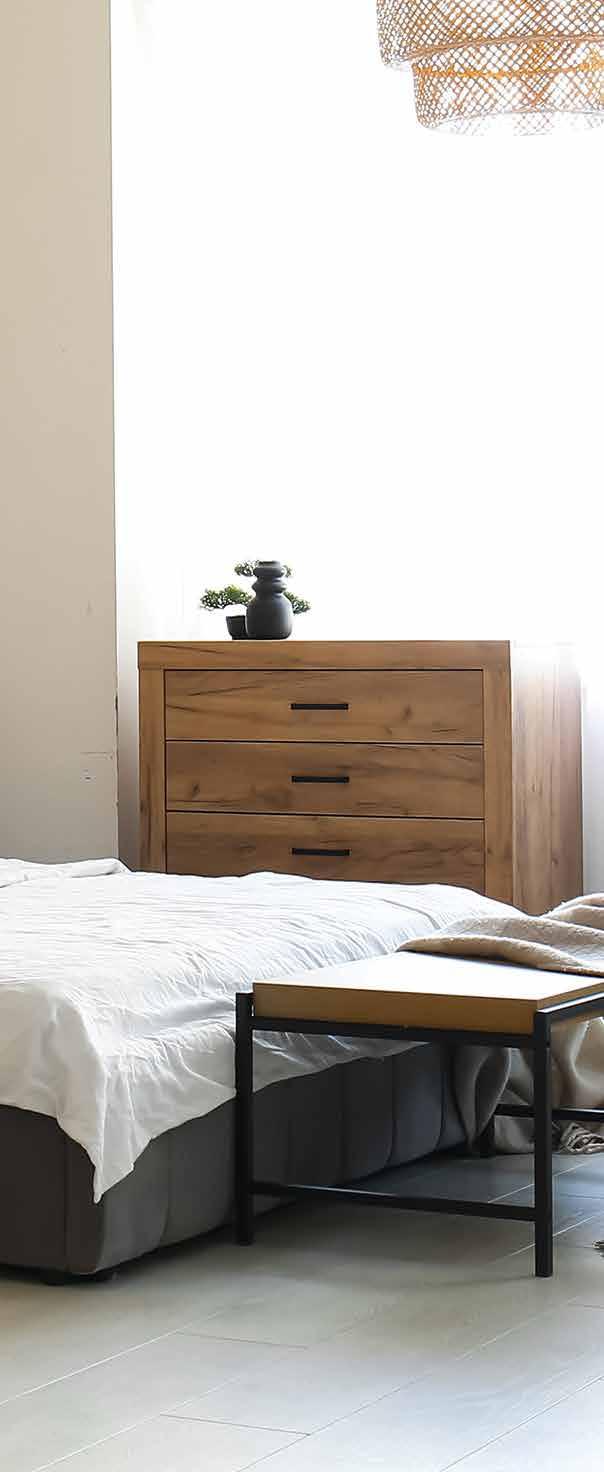
Making changes to a bedroom doesn’t have to break the bank. Simple swaps, a little DIY and some inexpensive purchases can go a long way toward freshening up the place you lay your head.
BETTER BEDDING
If you can’t remember the last time you bought a new comforter, it may be time to snag one. Think beyond the luxury home stores and check out discount home decor retailers and even thrift stores, where you can often find new, unopened bedding at a fraction of the cost. A fluffy throw blanket in a dynamic new color might be the perfect way to rejuvenate your bed.
PLAYFUL PILLOWS
Few things spruce up a bedroom more than new throw pillows. Available in a myriad of sizes and shapes – from squares to rectangles to asymmetrical – there is no shortage of ways to use these functional pieces to brighten up a space.
UPLIFTING LIGHT
Old-fashioned lamps, ancient wall sconces and dusty chandeliers can make a room feel stale. Scouring consignment stores and estate sales for new lighting can take a bedroom from dated to delightful without spending a ton of cash. If big box stores are more your thing, you can find budget lamps in unexpected departments; for example, try the back-to-school sections for dorm-friendly finds like twinkle lights and small bedside lamps. These little pops of light can both brighten and cozy up a room with minimal effort.
PUNCHY PAINT
Repainting a room is a doable DIY project, and it can make a huge difference in how a room looks and feels. Give yourself time to peruse the countless paint swatches at specialty paint
stores or home improvement stores. If you’ve always gravitated toward earthy tones, maybe opt for a color with a little more depth or saturation. If brighter hues are your thing, go a little darker. If you love the idea of painting but worry about buyer’s remorse, start with an accent wall.
HEAVENLY HARDWARE
Functional hardware like drawer pulls and doorknobs can be replaced without much effort or money. Secondhand stores, online marketplaces and even furniture boutiques can be a goldmine for offbeat and unique hardware. Be sure to think beyond your bedside, too. Wardrobe handles, closet rods, sconces, wall hooks and hinges can be swapped out easily and inexpensively.
Find more tips and guidance to give your bedroom a budgetfriendly upgrade at eLivingtoday.com.
Photo by Spacejoy on Unsplash
TRANSFORM YOUR BACKYARD INTO A PGA TOUR-LEVEL LAWN
Courtesy of BPT
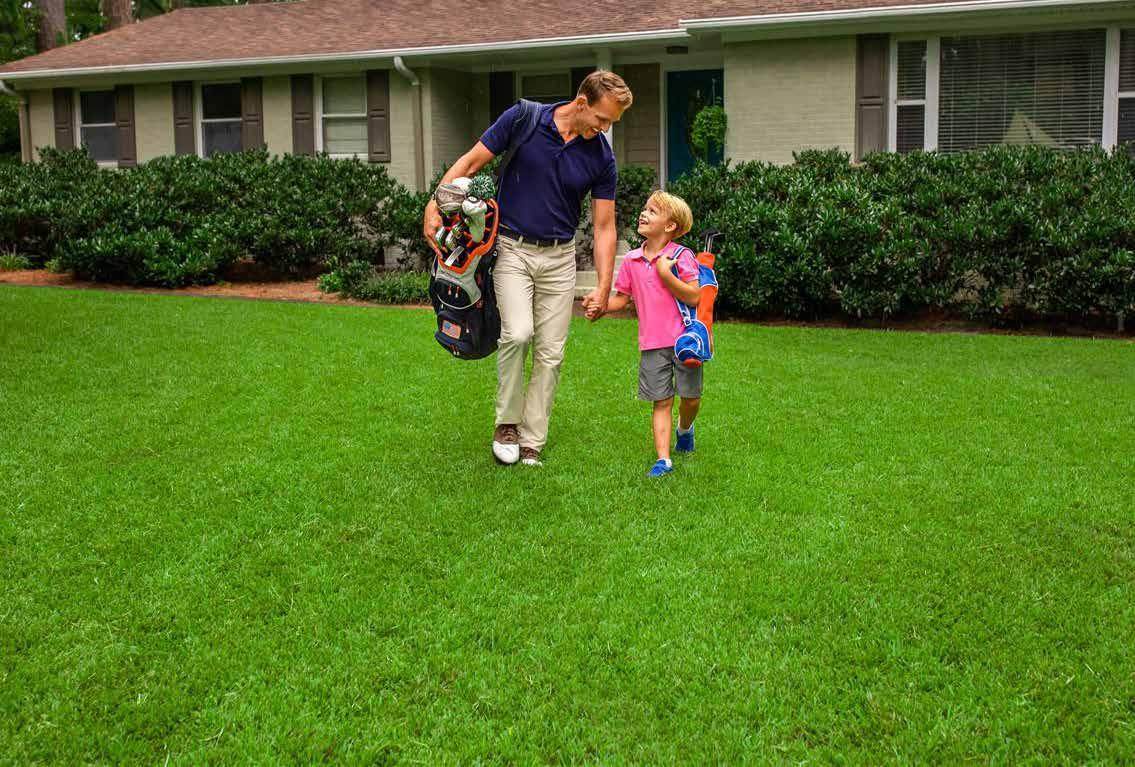
Throughout the year, golf tournaments captivate audiences excited to watch the pros do what they do best: play golf! As viewers tune in to see their favorite athletes compete on pristine golf courses, they may dream of replicating this championshiplevel fairway quality in their backyard.
Are you ready to turn your backyard into a golfer's dream? TruGreen, the official lawn care treatment provider of the PGA TOUR, has you covered with these five expert tips to make your lawn as beautiful as a world-class golf course.
THE FOUNDATION IS UNDERFOOT
The key to a healthy, green lawn is rooted in nutrient-rich soil. Premium soil fosters a healthy lawn that can withstand drought, ward off disease and pests, and develop a deep, sturdy root system.
Although the perfect soil composition varies based on grass type, a well-rounded mix of water, air, minerals, and essential nutrients is crucial.
MAINTAIN A METICULOUS MOWING SCHEDULE
Lawn care is not a one-size-fits-all solution, and the same goes for mowing schedules. The growth of your grass is influenced by various elements, such as prevailing weather and the local climate conditions. As such, you should plan to keep an eye on your lawn and mow it as necessary instead of following a specific schedule. For the most effective mow, adjust your mower to its maximum height setting, mow your lawn with sharp blades, and avoid mowing when the grass is damp.
Another great rule of thumb? Follow the "one-third" rule: aim to mow often enough so that you're only cutting one-third of the grass blade during any single mowing.
WATER IS WELCOME
When you water your grass, you're helping transport necessary nutrients around the roots to the grass blades, ensuring they stay alive and healthy. Watering also improves your lawn's tolerance against normal wear and tear and foot traffic by boosting firmness and supporting seed germination.
Photo Courtesy of BPT
Most turf grasses require about 1 inch of water per week via rainfall or intentional watering. A great watering guideline is to prioritize quality over quantity. Essentially, when you water your lawn, focus on the amount of water applied versus the frequency at which you water.
DON'T WAIT TO REMOVE THE WEEDS!
Can you think of anything more annoying than weeds on your lawn? Well, get this: they are likely already disrupting the health of your lawn before you can even spot them.
“When approaching weed removal, it’s important to first identify the type of weeds on your lawn.”
When approaching weed removal, it's important to first identify the type of weeds on your lawn. You can avoid the guesswork by consulting a professional to treat weeds early and prevent them from becoming an even bigger problem. Once you know what you're dealing with, you can determine the best action for removal such as digging by hand or pouring boiling water on them.
To keep stubborn weeds at bay, ensure you are maintaining a healthy, dense lawn that doesn't allow room for weeds to flourish.
DON'T WANT TO DIY? LEAVE IT TO THE PROS
"While your pursuit of the perfect swing might leave little roo for taking care of your lawn, you don't have to give up on your dream outdoor space just yet," says Brian Feldman, TruGreen's senior director of technical operations. "TruGreen provides tailored plans to meet your yard's specific needs year-round so you can spend more time playing on your PGA TOUR-level lawn instead of maintaining it."
These basic lawn care tips are sure to help get things off the ground, but they are just the beginning of your journey to a PGA TOUR-worthy backyard. For more advanced lawn care tasks such as aeration or pest control, learn more about TruGreen's lawn care service offerings at TruGreen.com.
Photo courtesy of Shutterstock
BEGINNERS GUIDE TO PRUNING FLOWERING PLANTS
Courtesy of Family Features
Pruning, or the practice of removing dead or diseased branches from flowering plants - including certain herbs, vegetables, shrubs, trees and flowers - allows them to focus their energy on new growth and blossoms, which can result in a more robust and abundant flowering season.
While the optimal time to prune is largely dependent on the type of plant and its blooming cycle, in general completing the chore shortly after first bloom can help shape plants, ensuring they grow in a desirable manner, and improve air circulation and light penetration, which help prevent fungal diseases.
Start by gathering the necessary tools, including sharp bypass pruners, loppers, a pruning saw and hedge shears, then consider these simple steps to begin pruning your plants:
1. Inspect your plants and remove any dead, diseased or damaged branches.
2. Find branches that cross or rub against each other and remove one of the crossing branches to allow the other to grow freely.
3. Thin out the plant by removing any overcrowded branches.
4. Shape the plant as desired, maintaining its natural form and structure.
Find more lawn and garden advice by visiting eLivingtoday.com.
Ross “Landscaping the Poconos since 1932”
5801 Paradise Valley Rd. • Cresco, PA 18326 - Located on Route 191 in Paradise Valley, PA570.595.9760 • rossandrossnursery@gmail.com rossandrossnursery.com
info@citerameats.com
www.citerameats.com
www.farmers-basket.com
Fueling a Creative Mindset SMALL
MOMENTS
LEAVE A LASTING IMPACT
courtesy
Courtesy of Family Features
Photo
of Shutterstock
Perhaps unsurprisingly, many people believe they aren’t creative.
They say, “I can’t draw,” or “I don’t have a creative bone in my body.” However, creativity isn’t about perfecting an art technique or spending time in formal training. It’s about expression, curiosity and the courage to explore. It’s about seeing the world not just as it is, but as it could be. In fact, the biggest barrier to creativity isn’t lack of talent, it’s the reluctancy to claim it as your own.
To that end, Crayola wants to broaden traditional views about what creativity is and how it shows up in the world. Creative superpowers shine when you solve problems, tell stories, build things and connect ideas. In other words, creativity isn’t just for artists.
It’s about engaging in simple, everyday creative moments that help unlock a mindset useful for navigating personal and professional demands, as well as managing life’s unexpected challenges.
“In an effort to redefine what it means to be creative, Crayola’s Campaign for Creativity is challenging narrow definitions and highlighting the benefits of this critical skill that fuels lifelong growth.”
In an effort to redefine what it means to be creative, Crayola’s Campaign for Creativity is challenging narrow definitions and highlighting the benefits of this critical skill that fuels lifelong growth. By shifting the focus from perfection to possibilities, the campaign empowers everyone, regardless of age or ability, to put imagination into action. This opens the door to new ways of expressing creativity, and one of the most powerful and accessible forms of expression is color.
According to a Color Perception Survey conducted by Crayola in partnership with the Ad Council Research Institute, color isn’t just decoration - it can be a catalyst to spark emotion, fuel imagination and deepen creative expression. In fact, 87% of
those surveyed say color impacts their creativity and 69% link specific colors to moods and emotions. This evidence supports that color is deeply personal, connecting people to their emotions and memories, and helping creatively express their feelings, thoughts and ideas.
To help tap into your own creative superpowers, consider these colorful ideas to get started.
USE COLOR
Multiple bodies of research affirm the interconnected relationships between color, sound and creativity. Specific colors and sounds can stimulate creativity, and their interaction can enhance creative processes. While the specific impact of color varies for everyone, it’s clear color can affect moods or reflect inner feelings.
For example, you might associate blue with a sense of calm while others with sadness; red can evoke feelings of energy and celebration or fear. Incorporating colorful elements into your creations - from fashion and decor to workplace presentations and weekend projects - can bring your ideas to life, showcase your unique perspective, amplify your message and inspire connections with others.
CREATING BY HAND
Whether through journaling, scrapbooking or coloring, creating by hand offers an immersive and meaningful experience. Research shows these activities can engage multiple areas of the brain, supporting memory, understanding and creativity. Coloring, in particular, is a timeless act of self-expressionfrom childhood scribbles to adult stress relief - that invites you to slow down, reflect and connect with your emotions.
TRY A NEW RECIPE
There’s no more practical outlet for creativity than in the kitchen where you can concoct new dishes that nourish your body and mind. Whether your goal is to put a novel flair on a familiar dish or stir some variety into your family’s routine
menu, experimenting in the kitchen is a terrific way to infuse creativity and a splash of color into your cooking.
GET OUTSIDE
Spending time in nature isn’t just good for your body and mind; it’s a powerful way to recharge your creativity. Natural environments are full of expressive color palettes, from the deep greens of forest canopies to the vibrant hues of wildflowers and sunsets.
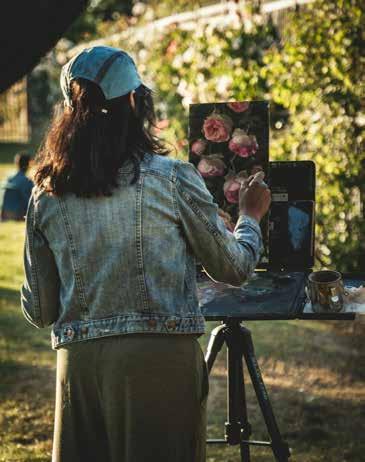
Research shows being outdoors can sharpen focus, reduce stress and even improve sleep. Beyond the science, nature invites you to observe, imagine and create. Try sketching a sunset, capturing the textures of leaves or using found objects to spark a new idea. Whether you’re walking through a park or sitting in your backyard, the colors and sounds of the outdoors can fuel your next creative moment.
Find more ideas for inspiring your creativity with color and beyond at Crayola.com.
Celebrate the holidays surrounded by great company and even better cuisine in the Pocono Mountains. From romantic dinners by candlelight to farm-to-table experiences, our local chefs are serving up something for every palate. Visit PoconoMountains.com to see all of our mouth-watering dining options and make your reservation.
Photo by noelle on Unsplash
REDUCE, REUSE REDECORATE
Courtesy of BPT
“Purchasing new furniture can have a significant environmental impact, with production contributing to deforestation, greenhouse gas emissions and waste.”
Photo Courtesy of BPT
I f you're searching for new ways to make a positive impact on the planet, have you considered how you buy furniture? By opting for pre-owned or used furniture you can save money, plus it's an excellent way to reduce waste and contribute to a more sustainable future.
WHY SHOP FOR PRE-OWNED FURNITURE?
Purchasing new furniture can have a significant environmental impact, with production contributing to deforestation, greenhouse gas emissions and waste. According to the Environmental Protection Agency, furniture accounts for 9.8 million tons of waste in landfills annually. By choosing to buy pre-owned, you can help divert usable items from ending up in a landfill and prolong the lifespan of resources that have already been extracted from the earth.
But buying pre-owned isn't just good for the planet; it can also be good for your wallet. Pre-owned furniture is often much more affordable than buying new, so you can save money while still getting quality pieces for your home. Plus, pre-owned shopping can give you access to unique and vintage finds you can't find elsewhere, and it can make your home feel stylish and unique.
TIPS FOR SHOPPING PRE-OWNED FURNITURE
It can feel overwhelming if you're new to shopping for pre-owned furniture. Here are a few tips to get you started:
Start with what you have: The most sustainable piece of furniture is the one you already own. So, before browsing for new furniture, take stock of what you already have. Can you repurpose or upcycle an item to give it new life? Sometimes a fresh coat of paint, new upholstery or modern hardware is all you need to completely transform a piece of furniture.
Determine your needs: If you still need new furniture, consider what kind of furniture you're looking for before shopping. Consider the size and style of the piece, as well as any specific features or details you're looking for. What is your budget? Knowing what you want will help you refine your search and make the process less daunting.
Shop locally: If you still need new furniture, consider shopping locally, which reduces transportation emissions and supports small businesses. Look for resale stores in your community or browse online marketplaces, like OfferUp, that allow you to search for items in your area. Download the mobile app from the Apple App Store or the Google Play Store - or visit OfferUp.com.
Consider the materials: When shopping for pre-owned furniture, consider how it's made. Look for items constructed from sustainably sourced wood, bamboo or other renewable materials. Avoid items made from materials that are harmful to the environment, such as plastics or synthetics. Antique and vintage items tend to be of higher quality, will usually last longer and can add unique character to your home.
Don't discount the imperfect: When shopping preowned, it's important to carefully inspect items before you buy them. Look for any signs of wear and tear, such as scratches, dents or stains. Make sure the piece is sturdy and functional. However, minor imperfections can often be fixed with a little bit of DIY work or by hiring a professional to complete repairs. Sometimes by simply cleaning an item thoroughly, you can bring it back to life.
Stay open to negotiation: Many resale stores and online marketplaces allow for negotiation on price. Don't be afraid to make an offer that fits within your budget. Ask about the piece's backstory - where it was originally purchased and how long it was owned - so you can be sure you're getting a fair price.
Get creative: One of the best things about buying pre-owned furniture is the opportunity to get creative and personalize your space. You can paint or refinish a piece to give it new life or mix and match styles for a unique look. Don't be afraid to experiment and have fun with your unique finds.
Choosing to shop for pre-owned furniture instead of new is a step toward reducing our environmental impact and creating a more sustainable future. With a little bit of effort and creativity, you can find beautiful and unique pieces that will give your home a fresh new look while also protecting the planet.
Lush greenery can add a sense of calm to many homes and bringing it indoors can help transform nearly any room into a relaxing oasis.
GROWING THRIVING PLANTS INDOORS
Courtesy of Feature Impact
Whether you're a seasoned plant parent or just beginning your indoor gardening journey, this guide can help you get started - and succeed in - growing healthy plants indoors.
CHOOSE THE RIGHT PLANTS
Not all houseplants are created equal, and the first step toward a flourishing indoor garden is picking plants that align with your home's conditions. If your home has several bright and sunny rooms, light-loving varieties will likely thrive. For shadier spots, look for low-light tolerant plants, which are often easier to care for and more forgiving.
Photo courtesy of Shutterstock
PROVIDE ADEQUATE LIGHT
Most houseplants prefer bright, indirect light - that soft glow when positioned just inside a window (and turned regularly for even light). However, some can tolerate lower light levels. If natural sunlight is limited where you live, consider grow lights that mimic the sun's spectrum and help plants keep their color and strong growth without plenty of daylight.
AVOID OVERWATERING
Too much water can lead to root rot and is one of the most common mistakes even the most experienced gardeners make. Rather than watering on a strict schedule, check the soil first. If the top inch is dry, it's usually time to give your plant a drink. Add warm or room-temperature water until you see moisture come out of the pot's drainage holes then let the soil dry before watering again.
“Not all houseplants are created equal, and the first step toward a flourishing indoor garden is picking plants that align with your home’s conditions.”
CONSIDER THE SOIL, POT AND GROWTH SPACE
Use a high-quality potting mix designed for indoor plants along with pots featuring proper drainage. If you prefer decorative planters without holes, consider placing your plant in a smaller pot inside the decorative one to ensure proper drainage. As plants grow, they may need repotted to give their roots room to spread and continue healthy growth.
NOURISH DURING THE GROWING SEASON
Plants use more nutrients in spring and summer, so feed them with a balanced, diluted fertilizer every 4-6 weeks during active months. In fall and winter, most indoor plants grow more slowly and need less feeding. Also remember to regularly prune dead or yellowing leaves to help plants focus on new growth.
Find more tips and guidance to help your indoor plants thrive at eLivingtoday.com.
It’s not just a day of shopping here in the Pocono Mountains—it’s an experience. Wander our historic streets. Explore our art galleries. Find unique local goods. And stop for a bite at one of our top-rated neighborhood restaurants along the way. Discover all of our shopping and sights now at PoconoMountains.com.
“The biggest mistake people make with spring allergies is waiting for the first sneeze to take action,”
SSTART PREPARING FOR SPRING ALLERGY SEASON
Courtesy of BPT
pring is right around the corner! If you're among the one in four U.S. adults that suffers from seasonal allergies, it's time to start preparing for the influx of pollen and other allergens.
"The biggest mistake people make with spring allergies is waiting for the first sneeze to take action," said Dr. Fred Pescatore, M.D., a Manhattan-based natural physician and author of The Allergy and Asthma Cure. "If you wait for symptoms to show up, you're fighting an uphill battle. Preparing early is the difference between controlling your allergies and letting them control you."
Check out Dr. Pescatore's top tips for preparing for allergy season so you can enjoy spring with minimal symptoms.
CHANGE YOUR AIR FILTER
Your HVAC air filter works hard year-round to improve your indoor air quality by removing dust, pollen and other allergens
from your home. Change the filter at the onset of spring so it is operating optimally before spring allergy season arrives.
Pro tip: If you have severe allergies, don't replace the filter yourself. The old filter will be full of allergens that can trigger your symptoms during the replacement. Instead, have another household member take on the chore and dispose of it immediately.
MANAGE INFLAMMATION
Leading up to allergy season, make an effort to manage inflammation before it starts. Inflammation is a normal immune response to allergens, triggering symptoms like sneezing, congestion, coughing and watery eyes.
A proactive approach can help reduce the intensity of seasonal symptoms. Foundational habits like limiting excess sugar, gluten and dairy, prioritizing sleep and managing stress all
Photo Courtesy of BPT
support a more balanced immune response. For those looking to add targeted nutritional support, Pycnogenol® French maritime pine bark extract has been clinically studied for its role in helping to modulate the body's inflammatory response when taken ahead of allergy season.
While many people rely on over-the-counter antihistamines for short-term symptom relief, some prefer a more natural approach that supports overall immune health rather than simply masking symptoms.
Dr. Pescatore adds, "When recommending Pycnogenol® to my patients, I typically suggest 50 to 100 milligrams daily starting 5-8 weeks before allergy season for best results."
REDUCE POLLEN EXPOSURE
Pollen is one of the most common seasonal allergy triggers, so reducing your exposure is key. This is especially important now, as pollen seasons have become more intense, start earlier and last longer in recent years - largely due to climate change. Warmer weather creates the perfect environment for pollen to thrive, especially during warm days and cool nights.
Even though it's tempting to let the fresh spring air in, keep doors and windows closed to prevent pollen from entering your home and settling on surfaces. Using a high-quality air purifier with a HEPA filter can also help reduce indoor pollen levels and improve overall air quality. In addition, avoid doing yard work like mowing the lawn before noon, when pollen counts are typically highest, and try to limit outdoor activities on high pollen-count days.
ADD A SHOWER TO YOUR NIGHTTIME ROUTINE
If you don't shower at night, it's time to start. During the day, pollen settles on and clings to your hair, face and body. Rinsing off before going to bed prevents pollen from settling on your pillow and triggering allergies while you sleep. Plus, having a warm shower before bed can be incredibly relaxing, allowing you to settle into sleep and wake up refreshed to take on another day.
DON'T BE REACTIVE. BE PROACTIVE.
You can't control allergens, but you can make intentional changes in your life to reduce your exposure to allergens and manage your symptoms before they start. Use these expert tips to get a jump on allergy season so you can enjoy the warmer weather to the fullest!
THE POTTING SHED
hotel MinisinK
SMART HOME INVESTMENT AN ALL-CLIMATE HEAT PUMP
Courtesy of Family Features
If your home uses a conventional heating and cooling system, you may wonder if there’s a better way to manage indoor comfort. Between rising energy costs and concerns about the efficiency of conventional systems, many homeowners are exploring alternatives. One popular solution is an all-climate heat pump.
All-climate heat pumps are the next generation of heat pump technology built for peak performance, regardless of the outdoor temperature. From the personalized comfort all-climate heat pumps deliver to the energy savings realized, it’s no wonder more homeowners are considering going all-in on allclimate.
If you’re considering replacing your current HVAC system, read on for some of the benefits of all-climate heat pumps.
• PERSONALIZED COMFORT
Ductless, multi-zone, all-climate heat pump systems are designed to deliver personalized, room-to-room temperature control tailored to your preferences. Unlike traditional ducted unitary systems, which typically operate on an all-or-nothing basis, ductless multi-zone solutions provide individualized climate settings for each space. Whether you prefer a warmer living room or a cooler bedroom, the flexibility to adjust each zone offers unparalleled convenience and energy efficiency.
According to a survey of U.S. homeowners commissioned by Mitsubishi Electric Trane HVAC US (METUS), 93% of homeowners surveyed with conventional HVAC systems reported concerns about utility bills. Seventy-five percent of those surveyed also consider energy efficiency always or often when considering home improvements.
“We continue to educate homeowners about the advantages all-climate heat pumps have over conventional HVAC systems,”
Conventional heating and cooling systems run at full capacity to reach set point and then shut off. The start-stop action ultimately wastes energy. With variable-capacity capabilities and inverter-driven technology, all-climate heat pumps can adjust and maintain temperatures, lessening your home’s overall energy demand and driving down cost.
• COST SAVINGS
The cost savings provided by efficient energy usage are evident. Additionally, some states offer rebates for new HVAC systems, and many contractors offer financing options, which make the upfront cost of an all-climate heat pump installation more affordable.
Reliability is another cost-saving factor. All-climate heat pumps are purpose-built with durable materials to perform well in all kinds of weather.
“We continue to educate homeowners about the advantages all-climate heat pumps have over conventional HVAC systems,” said Mark Kuntz, Chief Executive Officer, METUS. “As homeowners become more knowledgeable about the numerous benefits, including personalized comfort, energy efficiency and cost savings, we believe they will increasingly install these next-generation systems in their homes.”
Learn more about how you can better manage your home’s indoor comfort with all-climate heat pump technology by visiting mitsubishicomfort.com.
ON TREND KITCHEN & BATH UPGRADES
Courtesy of Family Features
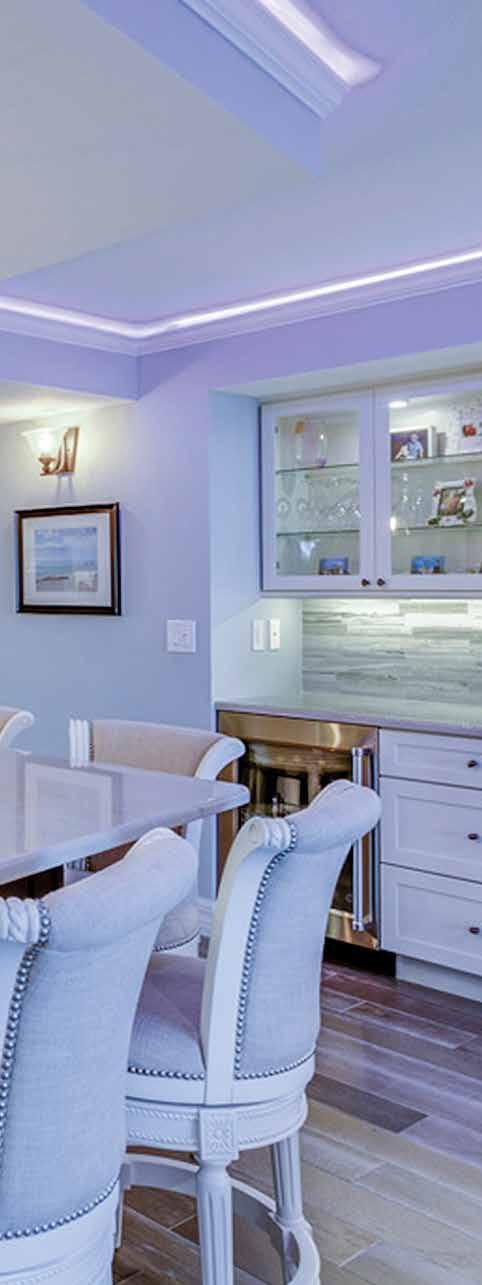
Kitchens and bathrooms remain among the top picks for homeowners looking to upgrade because their functional contributions to the household can’t be overstated and they typically provide high return on investment.
If you’re considering a renovation project for either in-demand space, consider some of these on-trend ideas from Doug King, CR, MBA, owner of King Contracting, Inc. and president of the National Association of the Remodeling Industry.
KITCHEN
Bigger functional spaces. Not only do many kitchen renovations result in added square footage, they also add practical features to make living and entertaining more comfortable and enjoyable. When it comes to physical space, a popular choice is removing or relocating walls to make the room larger.
This added space can be instrumental in adding an island or peninsula for bar seating, which many homeowners view as a necessity when it comes to entertaining. Other features like icemakers, tall wine refrigerators and walk-in pantries are high on the frequent request list. Another growing trend is a kitchen designed for two, complete with a second full-size sink, dishwasher and microwave drawer, along with a larger island.
Clever storage. Making the most of storage space has always been a top desire, and homeowners are getting increasingly clever about how to maximize their cabinetry. Drawer organizers are in high demand, along with pull-out waste baskets that hide recycling bins within. Another popular approach is large base cabinets with pivoting shelving mechanisms for storing large items like mixers and other taller countertop appliances. Making use of every inch of space is common; even the toe-kick area for drawers are proving useful
to hold smaller items or put kid-friendly essentials in easy reach.
Feature-rich appliances. Appliance manufacturers are adding all kinds of bells and whistles, and those features are increasingly attractive to homeowners. Upper-end appliances are becoming more mainstream as homeowners discover features the more expensive models offer for ease of use and comfort. Larger freezer and column-style refrigerators are especially growing in popularity.
BATHROOM
Spa-like setting. One long-term trend that is still in top demand for the master bath is design that mimics a serene spa. This plays out in cooler colors like white, blues and grays. Glass tiles are taking on a bigger role with many homeowners using them as artistic focal points in showers or opting for pebble-like tiles that spill from walls onto the floor.
Photo by GoodLifeConstruction on Unsplash
Upscale practicality. Little touches that may have once gone unnoticed are now trending as opportunities to add elements of style. For example, curbless showers with offset lineal drains are preferred to traditional centered circular versions. Similarly, homeowners are upping the ante with lighting such as fixtures integrated with fans and mirrors, and even below floating vanities for ambient light at night. One more place you might find lighting: on the bidet, which is also an increasingly hot addition in the master bath.
“Making the most of storage space has always been a top desire, and homeowners are getting increasingly clever about how to maximize their cabinetry. “
A splash of tech. Whether it’s used to control smart features or simply add entertainment like TV or soothing music, technology has a permanent place on the list of bathroom trends. The available features make it easy to make a full escape from the daily grind of life.
Find more inspiration and trending ideas for your next home improvement project at remodelingdoneright.com.