SUBJECT
Biomedical Sciences Edition
Gold
Admissions
+44 (0)1752 583222
admissions@plymouth.ac.uk plymouth.ac.uk
Schools & Colleges Outreach
Faculty of Health
School of Biomedical Science outreach@plymouth.ac.uk
University of Plymouth Drake Circus Plymouth Devon PL4 8AA
United Kingdom Medicine
Follow us @PlymUniApply
Biomedical Sciences Edition
SUBJECT
It’s never too early to start thinking about what you would like to do after school or college, or if you are thinking of a career move! At Plymouth, we know that choosing a university and course is a big decision. While you may have an idea of a profession, career or industry that you’re aspiring towards, if you’re unsure of exactly what you want to do or are keen to find out more – this is where our handy subject guide comes in.
Meet some of this issue’s contributors:

Ema
Ema reflects on her first-year experience Ema reflects on her first-year experience studying clinical physiology and building practical skills. P. 30
Bradley
How biomedical science graduate Bradley found his calling through hands-on lab work and impactful placements. P. 32
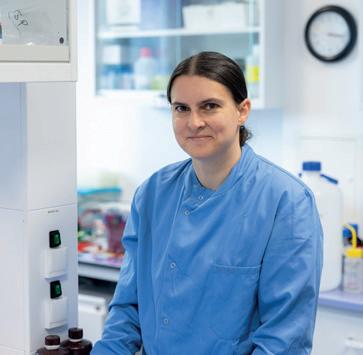
Kayley
Supportive staff, excellent facilities and hands-on learning have helped Kayley on her biomedical science journey. P. 36
EXPLORE YOUR FUTURE HOME
When it comes to finding out whether university feels right for you, nothing compares to an open day. Talk to current students and quiz lecturers about your course. You can register to attend here: plymouth.ac.uk/open-days
Our virtual tour allows you to experience firsthand what it is like to be on campus and explore the environments and facilities that inspire and shape our learning every day. You can take a virtual tour here: virtual.plymouth.ac.uk
FEATURES:
P.10 Discover our facilities. Learn more about what we offer our students.
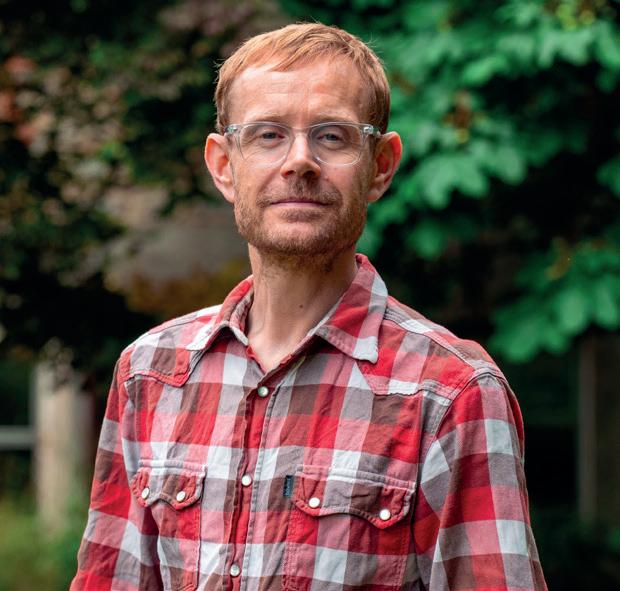
P.20 Dr Simon Fox Associate Professor of Molecular Pathology talks about his research, teaching and interests
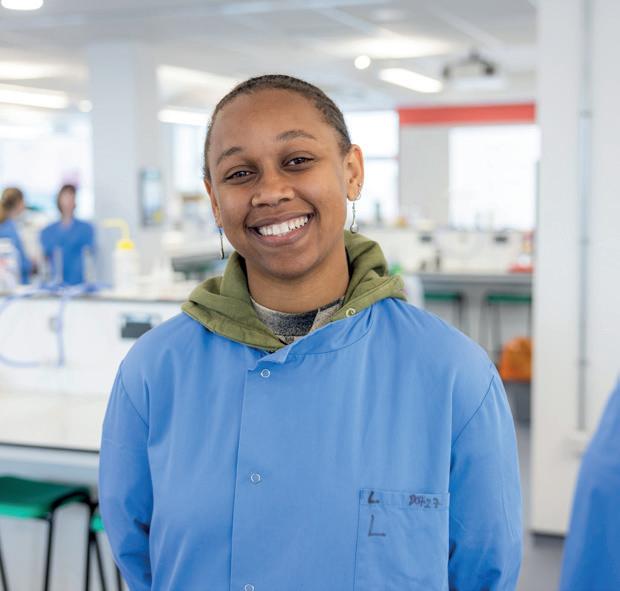
P.14 Shalini's Story.
Discover how Shalini has settled into life as a Biomedical Science student here in Plymouth
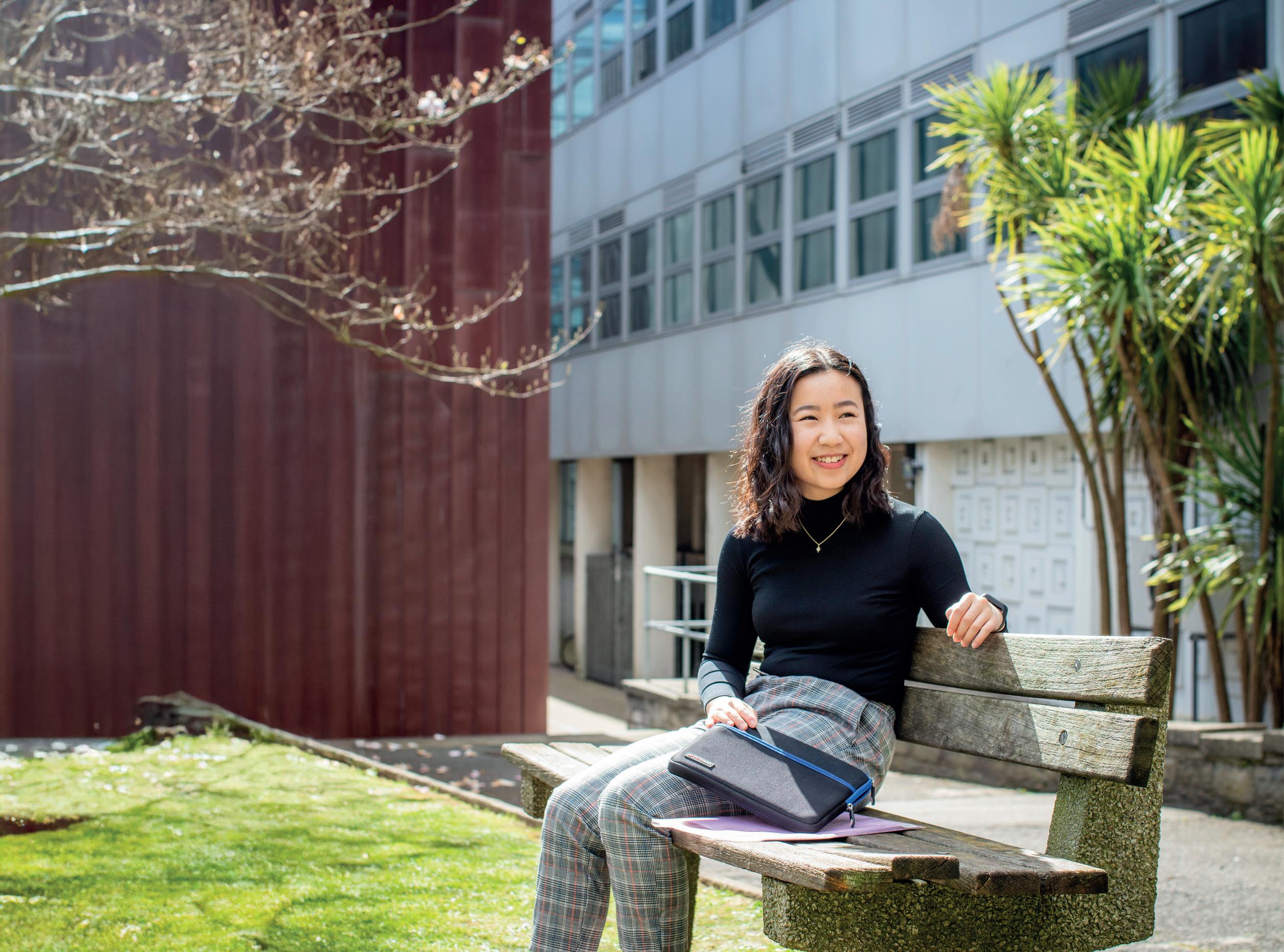
10 REASONS TO STUDY AT PLYMOUTH
1. STUDENT SATISFACTION
“Plymouth is diverse and close to the ocean, with beautiful views. All the times spent in the labs have been amazing and I got to use all the equipment, and staff encourage you to use everything. I am moving into the work force, and I realise that I’ve done things in Uni that I would be doing in work. Being at Uni is a self-development process and I encourage you to use everything you have to get yourself to where you want to be.”
Mejeem, Biomedical Science graduate
“I have been so supported at the University of Plymouth and that’s why I have been able to do so well. I came here so nervous and so scared and I thought I wasn’t going to do well. I graduated with a First, which I thought I’d never get. The support here is astounding, really!”
Abena Biomedical Science graduate
2. BE SUPPORTED
At Plymouth, you will benefit from a supportive learning environment and helpful and friendly staff . Every tutor operates an open-door policy, meaning you can reach out to them outside of timetables activities. There is also the Peer-Assisted Learning Scheme (PALS) where you can learn all the tips and tricks alongside other students on your course, helping you to broaden your knowledge and gain confidence. As a member of the School, you can join the Biomedical Society, which runs social and revision sessions to help you settle in to your course and meet new friends.
“Through PALS (Peer Assisted Learning) and SUM:UP workshops, I’ve gained a deeper understanding of the material and even learned strategies to make calculations less intimidating.”
Shalini, Biomedical Science student
3. STUDY AN ACCREDITED DEGREE / QUALIFICATIONS
Not all degrees are equal. Getting an accredited degree is a sign of excellence. Accredited degrees have been scrutinised by professional organisations (such as the Institute of Biomedical Sciences; The Association of Nutrition or the Registration Council for Clinical Physiologists), meaning they prepare you for your chosen career. With an accredited degree, you have a stamp of quality – telling employers you have trained to an industry specified standard, smoothing the way to seamlessly enter your role in healthcare or research.
4. EXPERT-LED TEACHING
Our staff are research active which means they are at the forefront of scientific knowledge, making new discoveries all the time. What’s more, they do not just conduct research, our staff also all teach. This means that as well as learning about wellestablished scientific theory, you’ll also learn about new developments in your chosen field. You will have the opportunity to learn directly at their side during research placements and final year projects, giving you a competitive edge on graduation.
5. THRIVE IN YOUR FUTURE CAREER
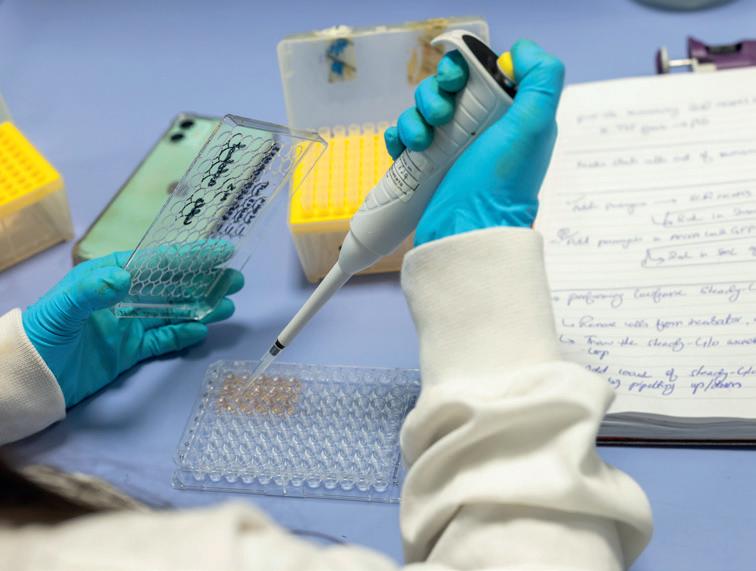
The School of Biomedical Science gives you all the tools you will need to take you forward either in the career of your choice or on the path to that special role you want. Aside from learning the techniques and methods of your chosen discipline, you will also learn those soft skills upon which employers place a high value. Skills like superb communication of complex topics; time management and organisation; How to thrive under pressure and how to effectively lead and take ownership of your projects and workload.
7. CHOOSE AN UNBEATABLE LOCATION
Plymouth is a small city in an unbeatable location: Where the Moor meets the Sea. There is something for everyone when study time is done. A vibrant and busy waterfront with all choices of nightlife and music, coupled to restaurants to suit every palate and price range, the Barbican is THE place to be. When the sun is shining, head to the Hoe for stunning views over Plymouth Sound – bring a picnic or BBQ! From SCUBA diving the UKs first underwater marine reserve to horse riding across the moor to quietly touring museums, art galleries and theatres, Plymouth is a safe city which promises a warm welcome.
“There’s no place like Plymouth! I love how everything is so nearby, and you never feel overwhelmed by it being too busy. I really love how the sea is so close by. There’s so much to do, it’s amazing!”Abena,
Biomedical Science graduate

6. SPECIALIST FACILITIES
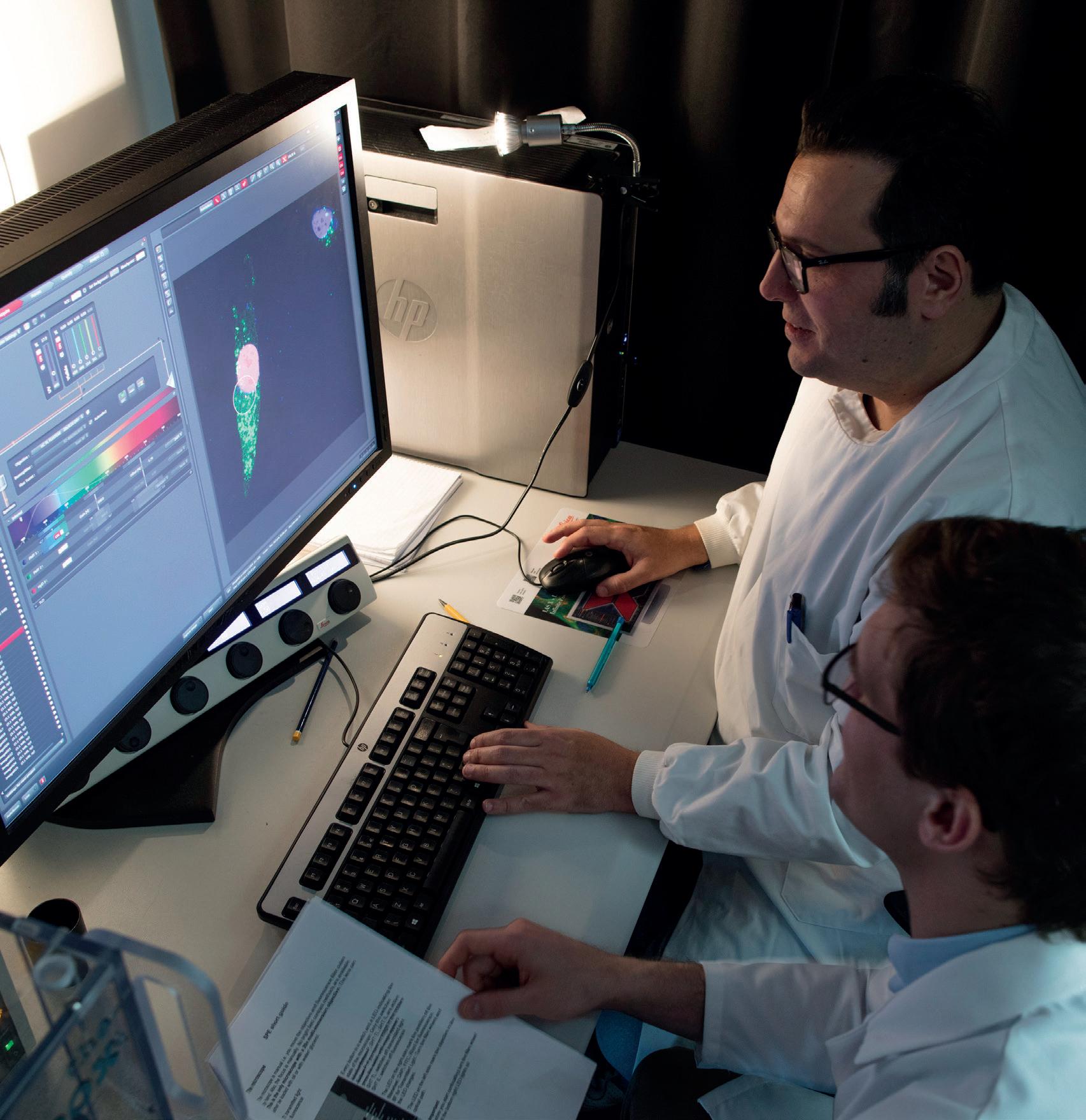
To be the best, you need the best. The University of Plymouth boasts some of the most advanced research and teaching facilities in the Southwest. From Day 1 you will learn the basics in our state-ofthe-art Class II safety laboratories; Hone your edge with LabPlus – open 24/7, 365 days of the year. Stay fit and healthy with our on-campus gym, optician and GP service. When you’re ready, join the research staff either on campus or at the specialist Derriford Research Facility and prepare your way for success.

“I would be more than happy to stay in Plymouth after my degree. Whether it’s for further studies or work, this city has become a place where I can truly see my future.”
Shalini
Biomedical Science student.

8. LEARN WITH OTHER HEALTHCARE PROFESSIONS
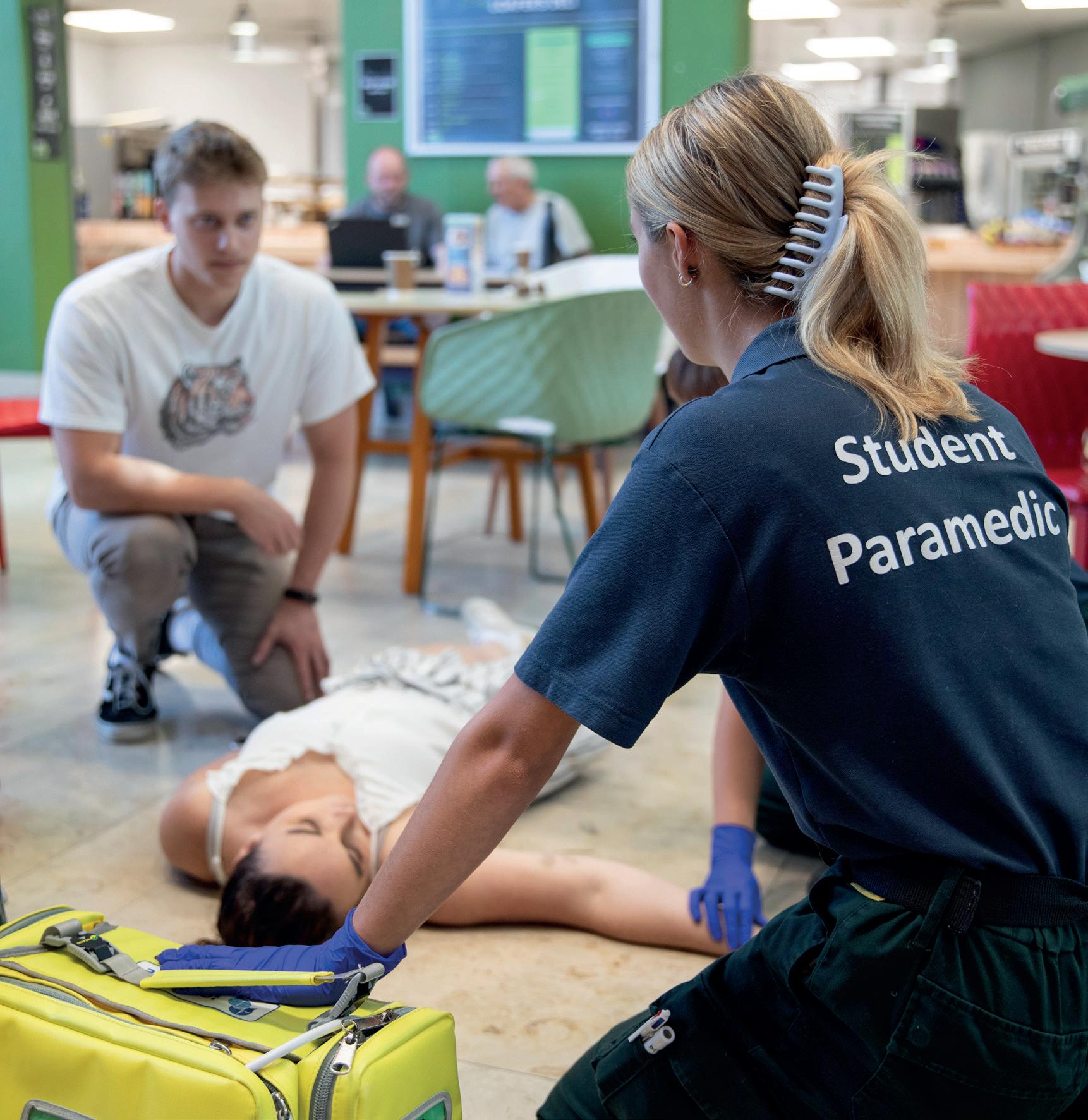
As a student within the University’s Faculty of Health you will have opportunities to learn alongside students from other healthcare professionals in the Faculty’s other six schools. The Plymouth Integrative Health and Social Care Education Centre (PIHC) embeds interprofessional learning within our programmes and helps students develop the skills and knowledge required for collaborative working in health, social care, and many other careers.

9. GAIN REALWORLD EXPERIENCE
The old graduate quandary: You need a job but can’t get one without experience and you can’t get experience without a job. Avoid this by gaining a crucial advantage during your time as an undergraduate using our Placement Services. From paid to unpaid, research to diagnostic, we are able to find a placement that suits you, and helps give you that much needed boost going in to your first job.

10. A DIVERSE COMMUNITY
We pride ourselves on an inclusive learning community, offering a sense of belonging amongst likeminded students where all values and beliefs are respected and harnessed throughout your time at Plymouth. Come and meet people from all around the world, try new things and broaden your horizons at the same time as broadening your mind.
WHICH DEGREE IS RIGHT FOR ME?
BS c (H ons) B iomedical S cience
Biomedical scientists – the people operating behind-the-scenes people of modern medicine. They are responsible for supporting the accurate diagnosis of patients in acute care through to general practice.
“What is wrong with our patient? How can we help fix it?” - These are the questions at the forefront of your mind. Whether working in the busy clinical laboratory or undertaking groundbreaking and potentially life-changing research, Biomedical Science seeks answers wherever it goes. The course will equip you with the fundamental basic understanding of the tools you will need to succeed: from the humble, practical pipette to the communication and analytical skills
This course is accredited by the Institute of Biomedical Science, graduating with this an IBMS accredited degree is a stamp of quality and recognised industry organisation.
FIND OUT MORE
About our BSc (Hons) Biomedical Science

BS c (H ons) B iomedical Science with Integrated Foundation Year
Explore topics ranging from genes to entire body systems, gaining a comprehensive understanding of the processes that support the structure and function of the human body in both health and disease. Taught by university
lecturers on campus, you’ll be part of the University community from day one. If your current qualifications don’t meet the requirements for direct degree entry, this course is ideal for you
FIND OUT MORE
About our BSc (Hons) Biomedical Science with Integrated Foundation Year
BS c (H ons) Medical Sciences
Develop a comprehensive understanding of how fundamental molecular, cellular, physiological, and psychological processes affect human health and biology. Explore how advances in these areas of contemporary science impact society. Delve into the ways these scientific developments drive innovation, improve disease prevention and treatment, and pose new challenges for ethical frameworks and public understanding.
FIND OUT MORE
About our BSc (Hons) Medical Sciences
BS c (H ons) Clinical Physiology
This comprehensive four-year programme includes integrated practice placements and serves as the primary path for training Clinical Physiologists and Healthcare Science Practitioners in Cardiovascular Physiology. The curriculum equips them with the essential skills and knowledge to excel in their field and engages in hands-on learning experiences
and collaborate with experienced professionals, ensuring they are well-prepared for the demands of the healthcare industry. Graduates find employment in various healthcare environments, such as hospitals, clinics, and research facilities, where they provide high-quality tests, diagnostic investigations, and interventions for patients and clients. They play a crucial role in patient care, contributing to the diagnosis and management of cardiovascular conditions, and ensuring optimal patient outcomes.
FIND OUT MORE
About our BSc (Hons) Clinical Physiology
BS c (H ons) Nutrition, Exercise and Health
Fuel your passion for health and wellbeing with a course that empowers you to make a real difference. As physical inactivity and poor diet contribute to rising health challenges, you’ll explore how exercise and nutrition shape long-term wellbeing. Through hands-on learning and expert guidance, you’ll build the skills, confidence, and insight to drive positive changewhether you're aiming for a career in fitness, public health, lifestyle coaching, or nutrition education.
FIND OUT MORE
About our BSc (Hons) Nutrition, Exercise and Health

MSCI (H ons) B iomedical S cience
The MSci (Hons) Biomedical Science is designed for students who want to go further with their passion for understanding human health and disease. This four-year full-time (or five-year sandwich) degree brings together the best of undergraduate and postgraduate teaching in one integrated programme, giving you the chance to build strong scientific knowledge while gaining advanced practical and research skills. You’ll work closely with research active academics on an extended project, develop the confidence to lead and innovate through entrepreneurship and leadership training. Following graduation, you’ll be a highly skilled scientist, well equipped to take on careers in healthcare, research, and industry or to continue your studies at PhD level.
FACILITIES AND RESEARCH LABS
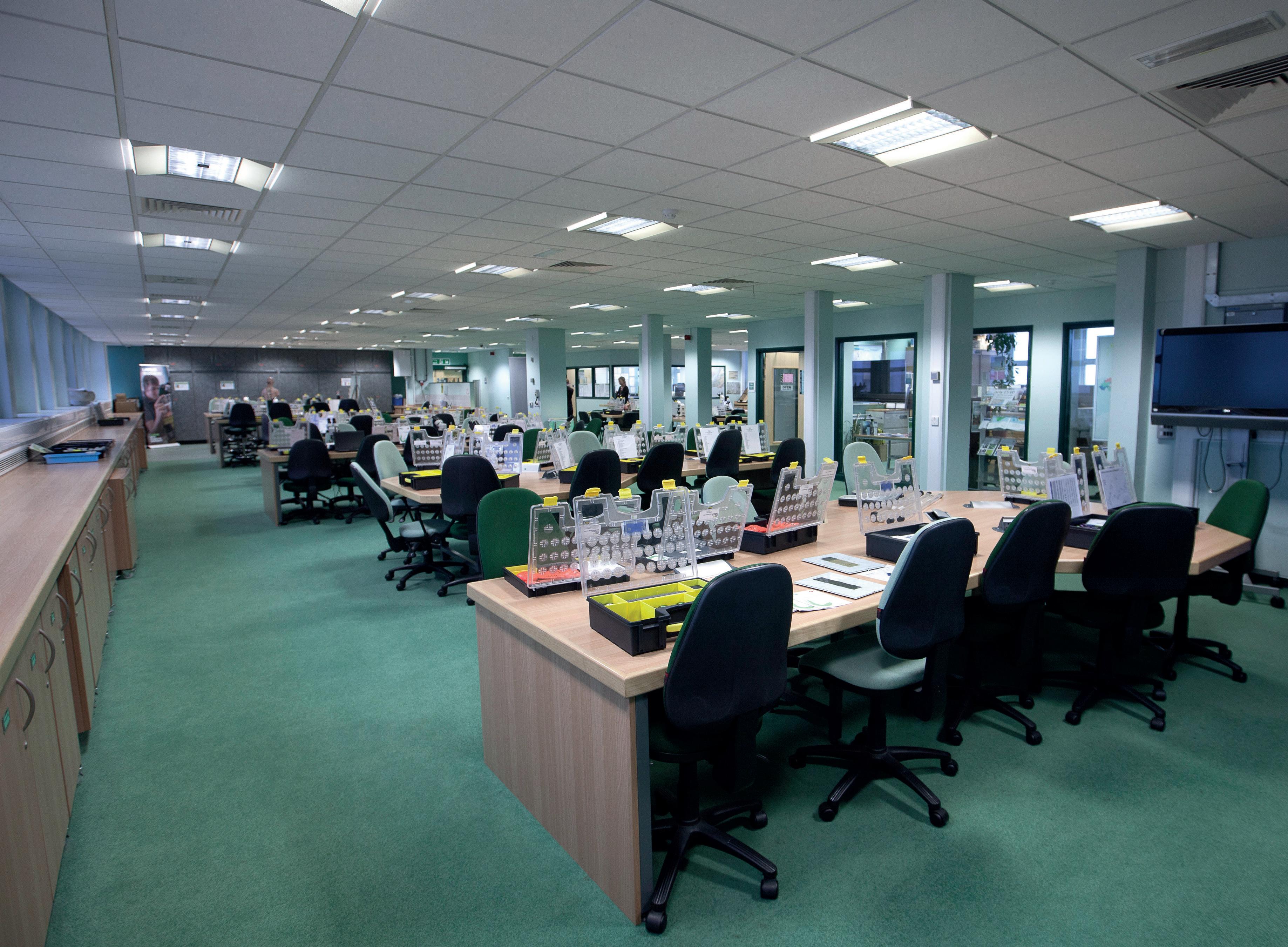
LABPLUS RESOURCE CENTRE
Location: Davy Building
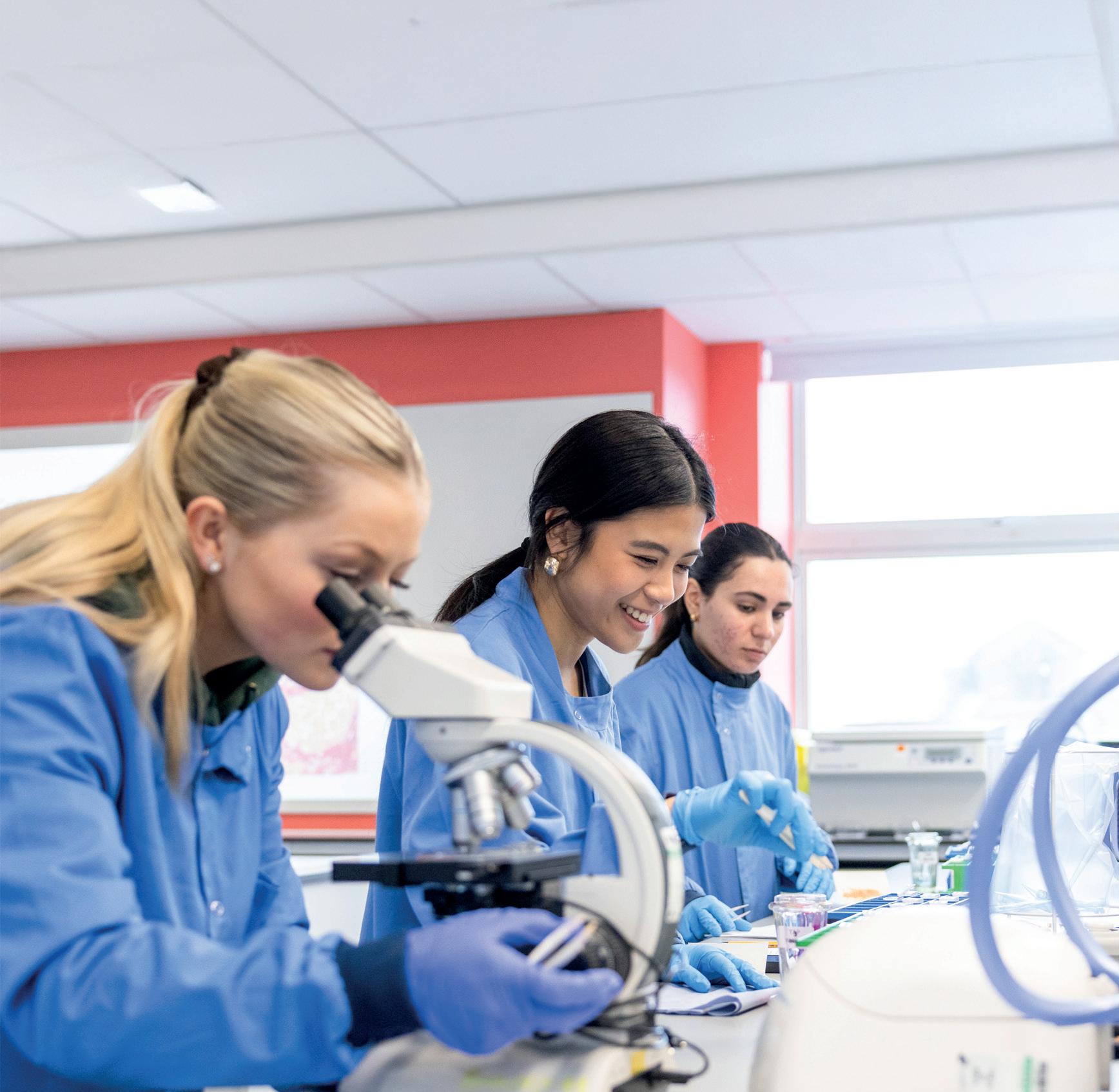
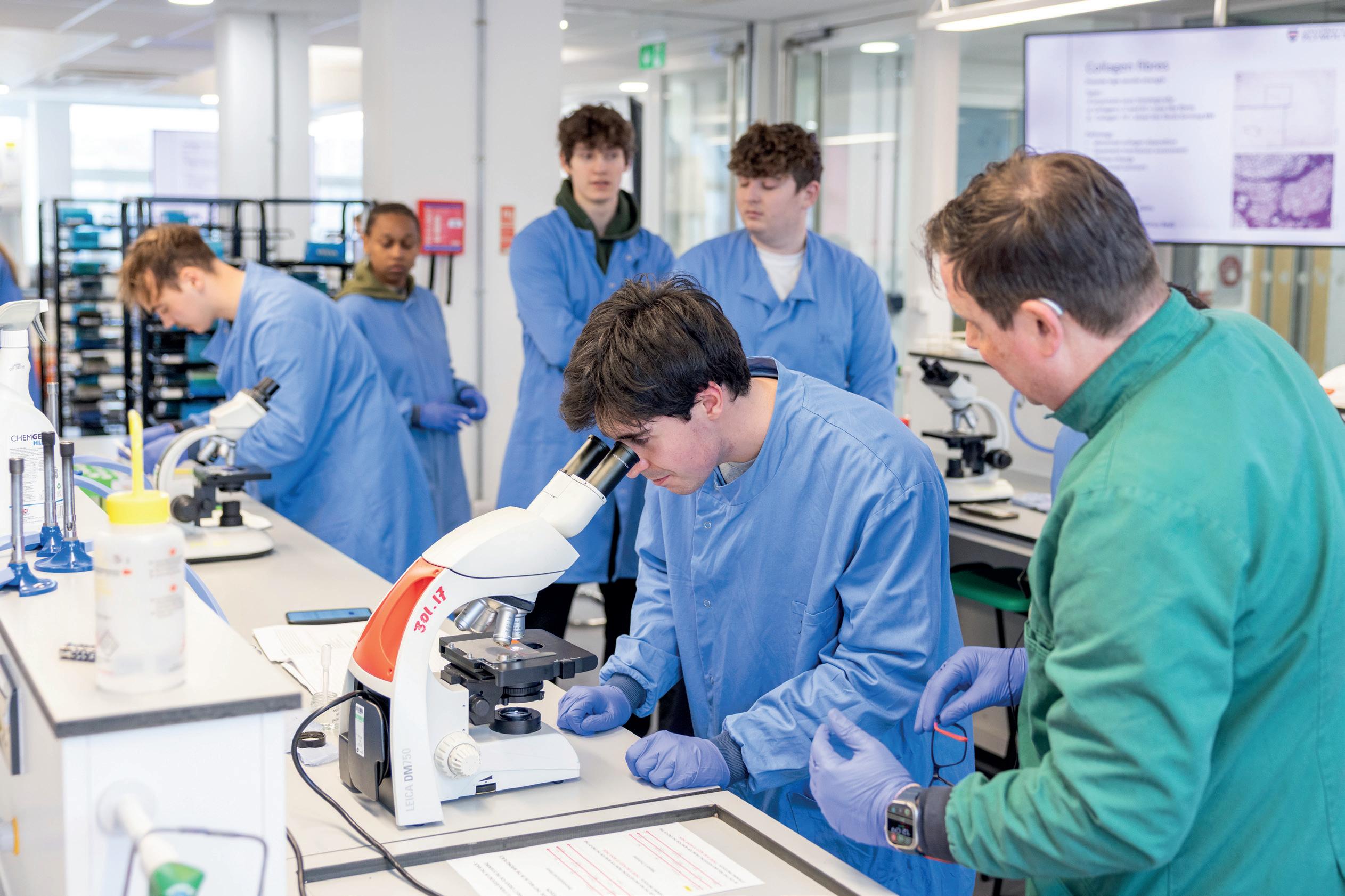
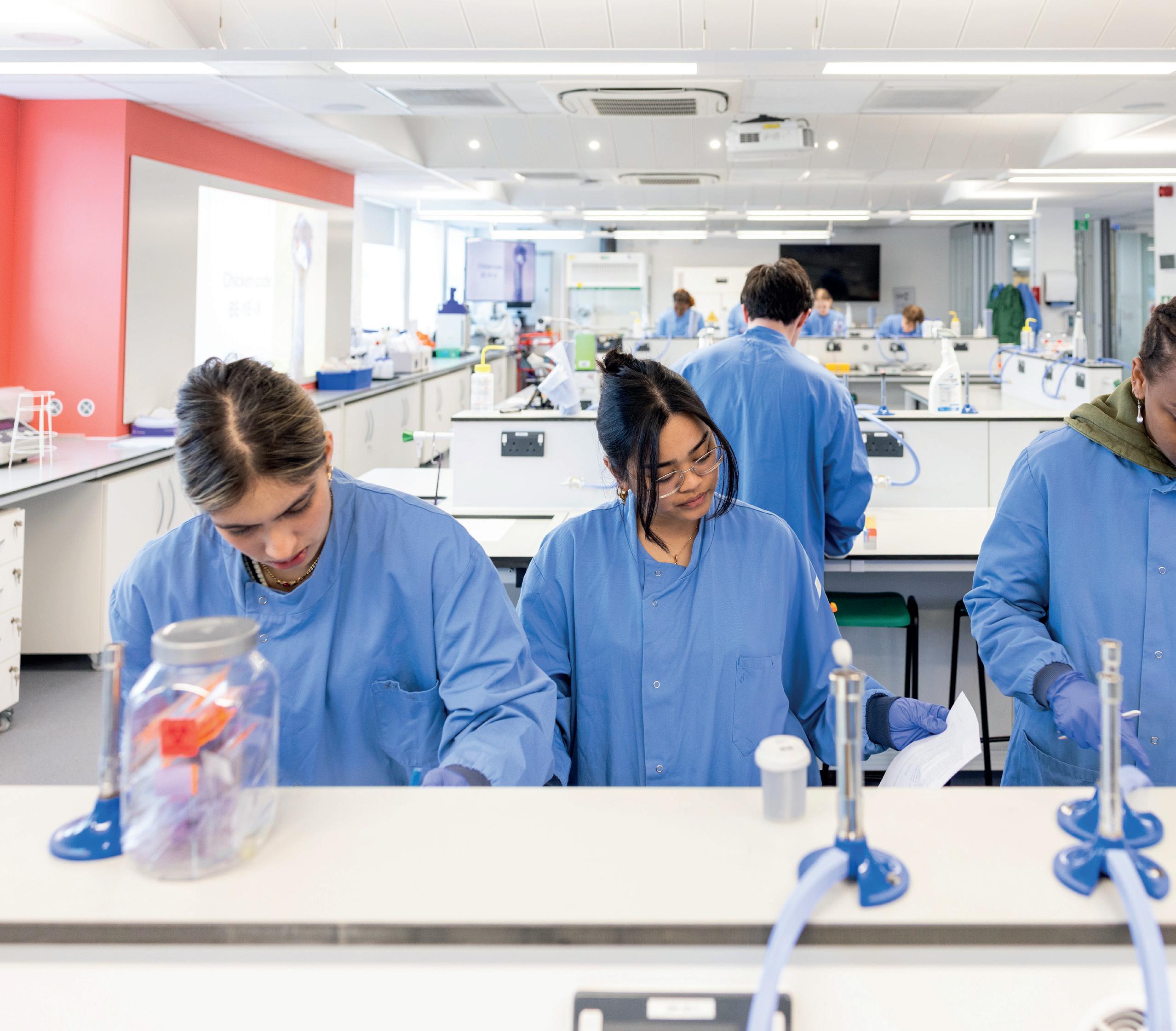
LABplus is a flexible learning space designed to support students with their studies, practical work and laboratory skills. Our focus is to support teaching and learning within the School of Biomedical Sciences by providing access to a variety of equipment and bespoke resources.
General features of the lab include:
• portable TV screens for presentation practice
• bookable laptops (with specialised software)
• printing and photocopying facilities
• laboratory ‘wet work’ area
• general laboratory supplies
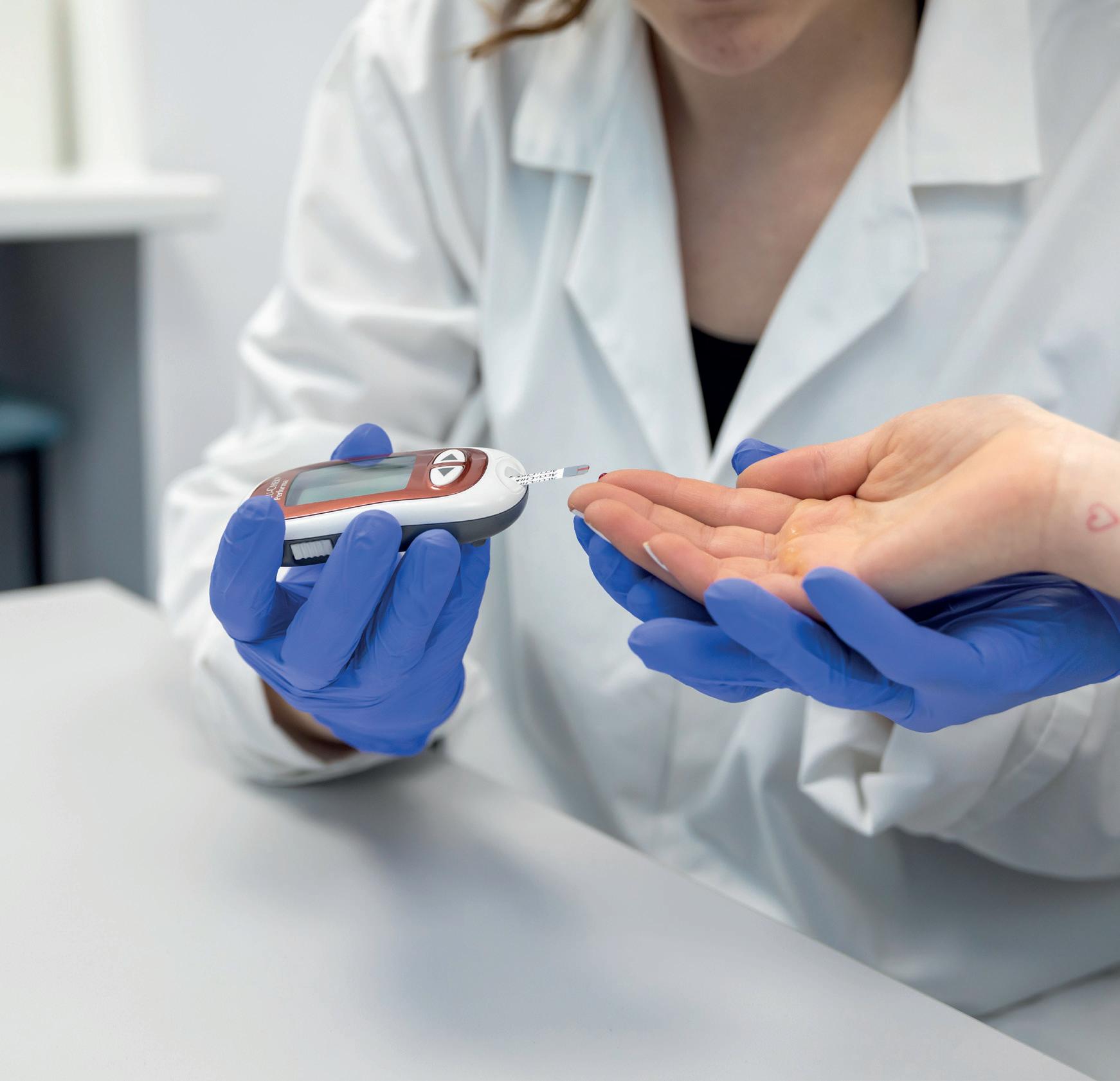
PHLEBOTOMY LABORATORY
Location: Link Building
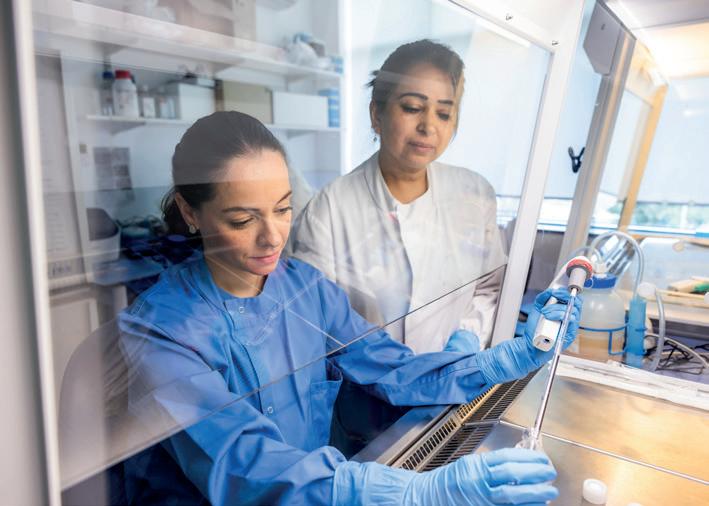
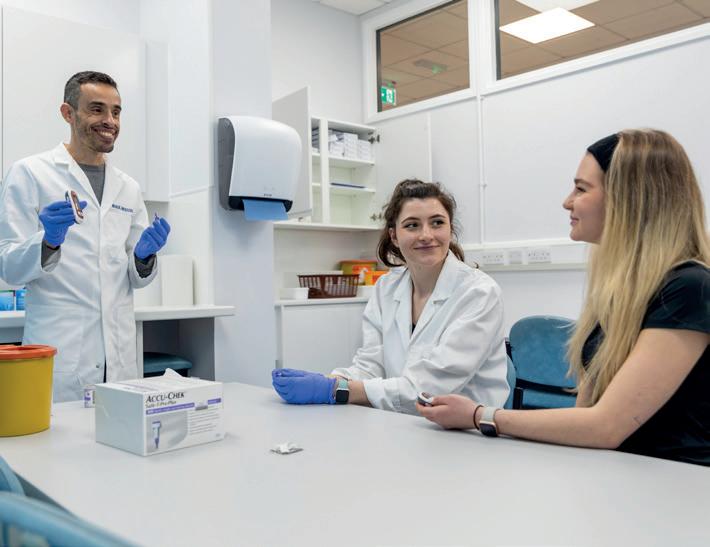
A specialised facility designed for the collection of biological samples including blood and saliva samples.
It plays a crucial role for teaching and research, serving as the workspace for students who are trained to measure blood glucose and for researchers who are trained to draw blood and saliva from patients for various diagnostic purposes. The facility is equipped with comfortable and sanitised chairs and a medical bed where individuals can sit or lie down while blood is drawn. The lab adheres to strict safety protocols, including the proper disposal of sharps, the use of personal protective equipment (PPE), and adherence to infection control guidelines.
ANALYTICAL LABORATORY
Location: Link Building
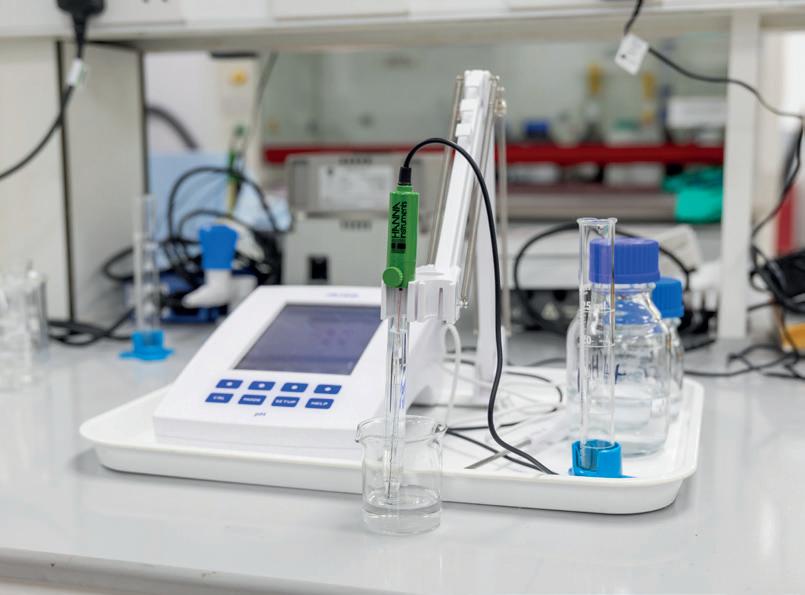
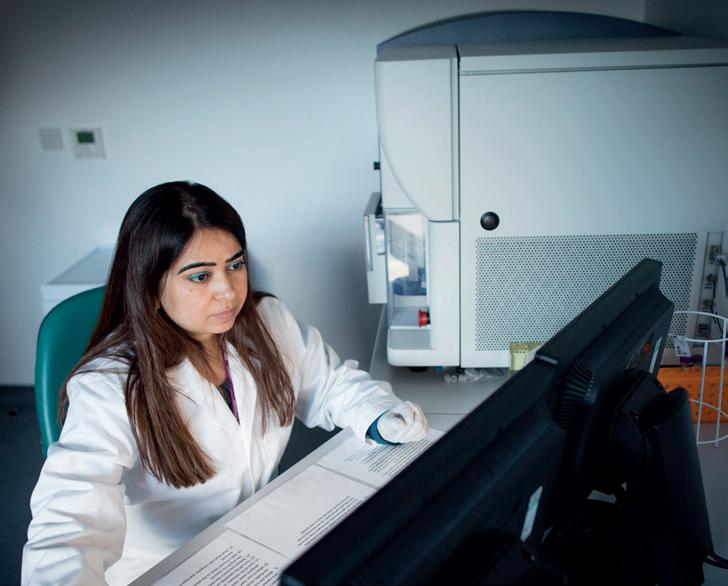
A laboratory is specifically dedicated to the testing, analysis and evaluation of food products and will allow you to process and analyse food samples ensuring the safety, quality, and compliance of food items.
The lab is equipped with a wide range of specialised instruments and analytical techniques are employed to determine the chemical composition of food products. This lab often supports research and development of new ingredients, formulations, and processes to help companies develop innovative and safe food products.
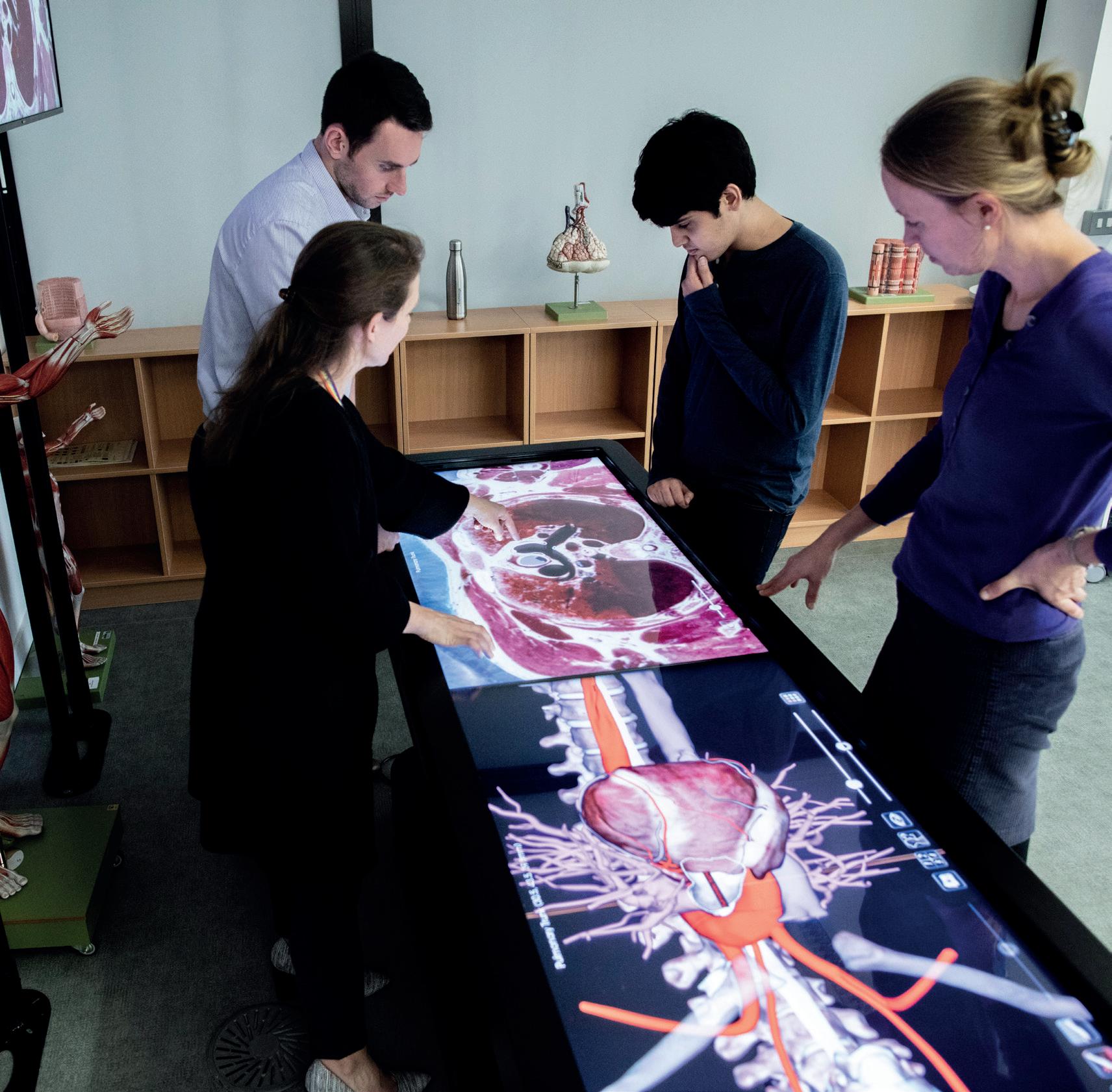
LIFE SCIENCES RESOURCE CENTRE (LSRC)
Location: Portland Square Building
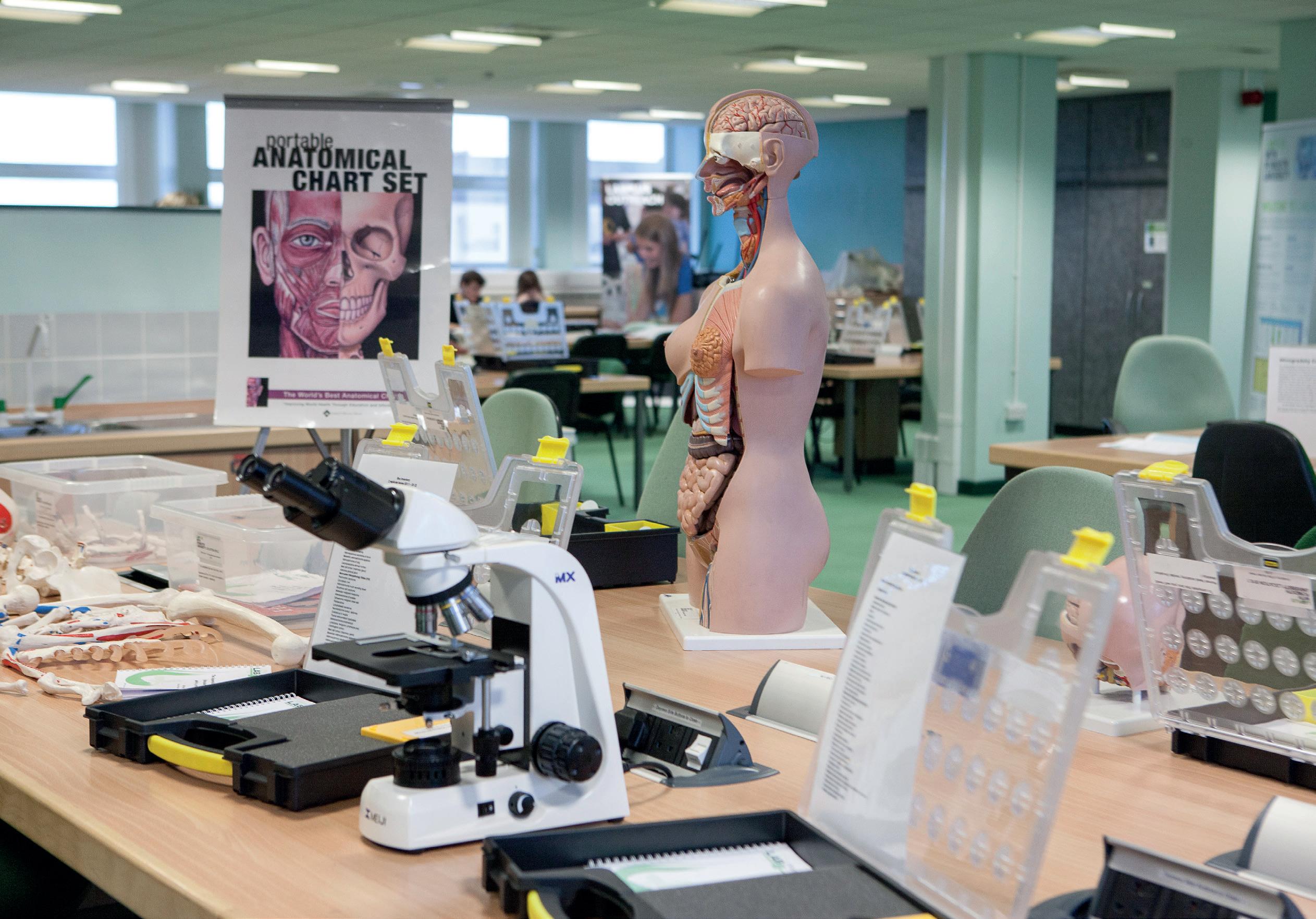
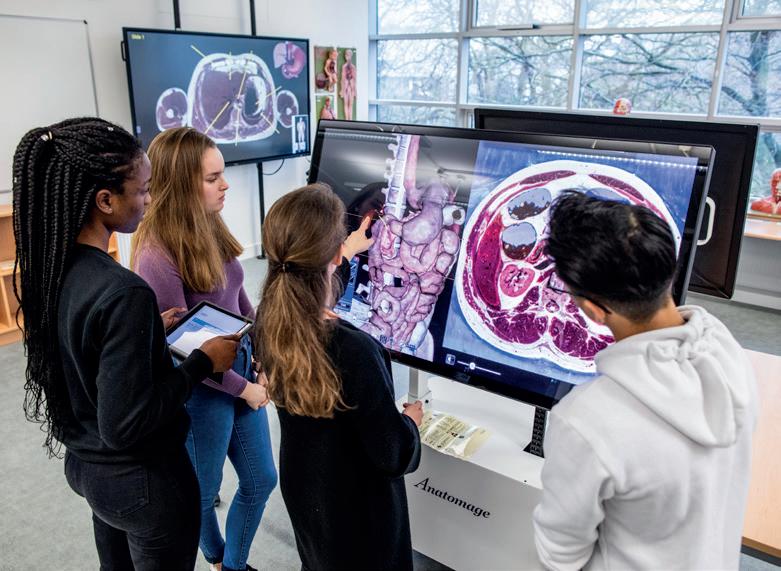
An outstanding teaching and learning facility for healthcare professionals, with an extensive range of modern resources designed to best support your study - whether attending taught sessions or during self-directed learning. The LSRC will empower you to succeed to your full potential.
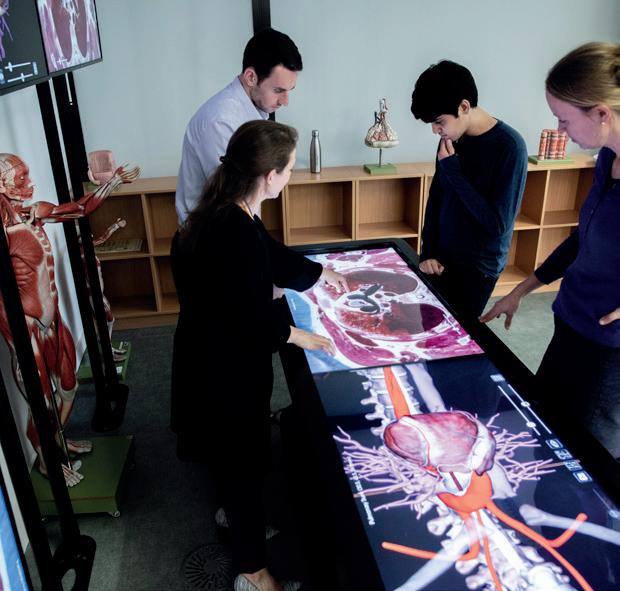
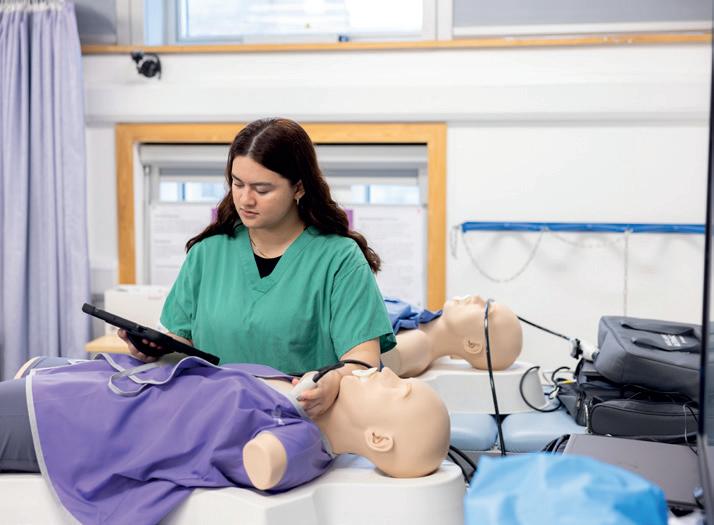
You will experience world class interdisciplinary teaching by a highly dedicated and experienced staff who will prepare and support you in your journey to become a health care professional. Through our creative approach to teaching, you will engage with our Anatomage tables, use ultrasound simulators, interact with our simulated patients, and use molecular and anatomical models from day one.
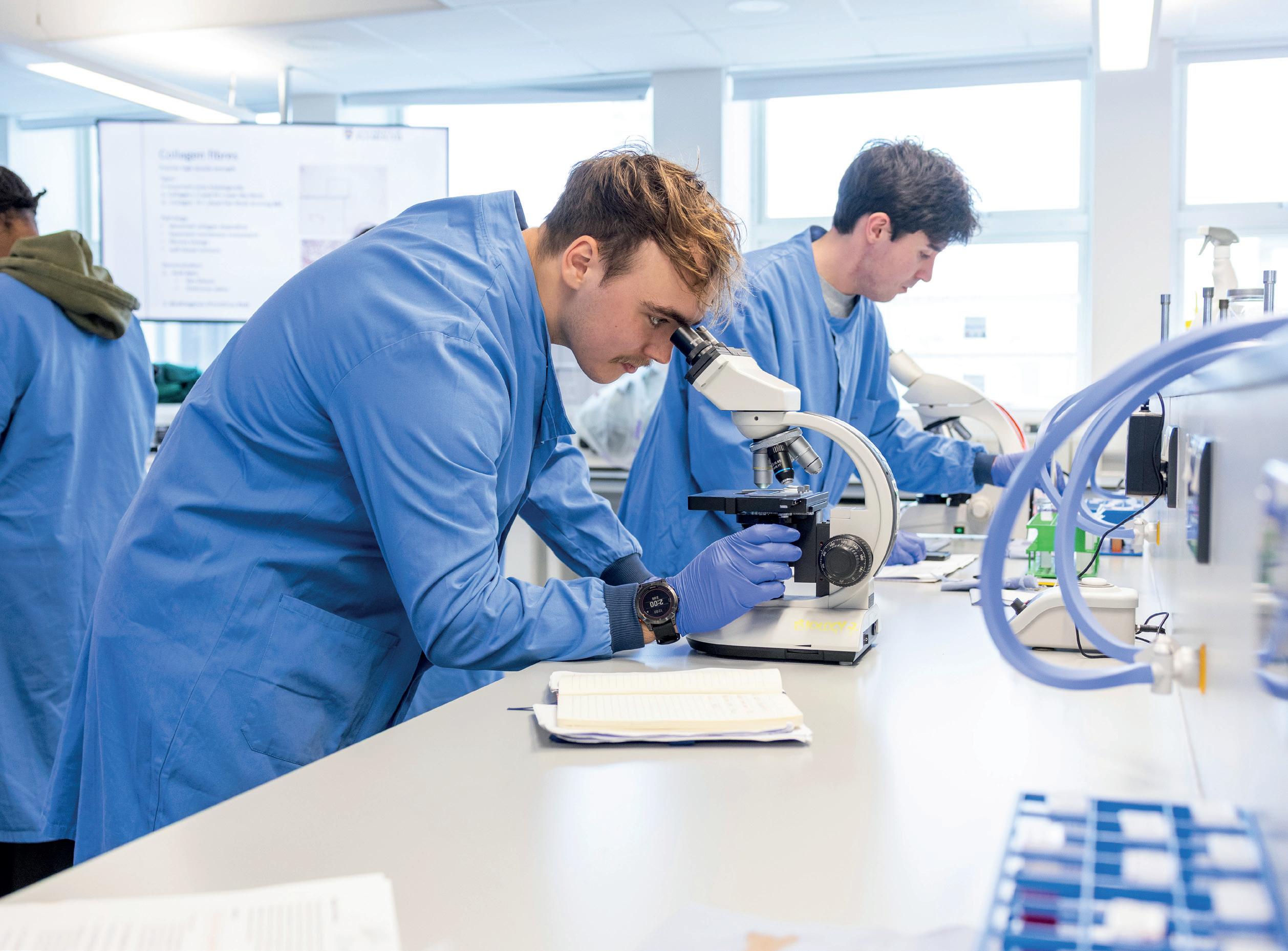
DAVY LABS
Location: Davy Building
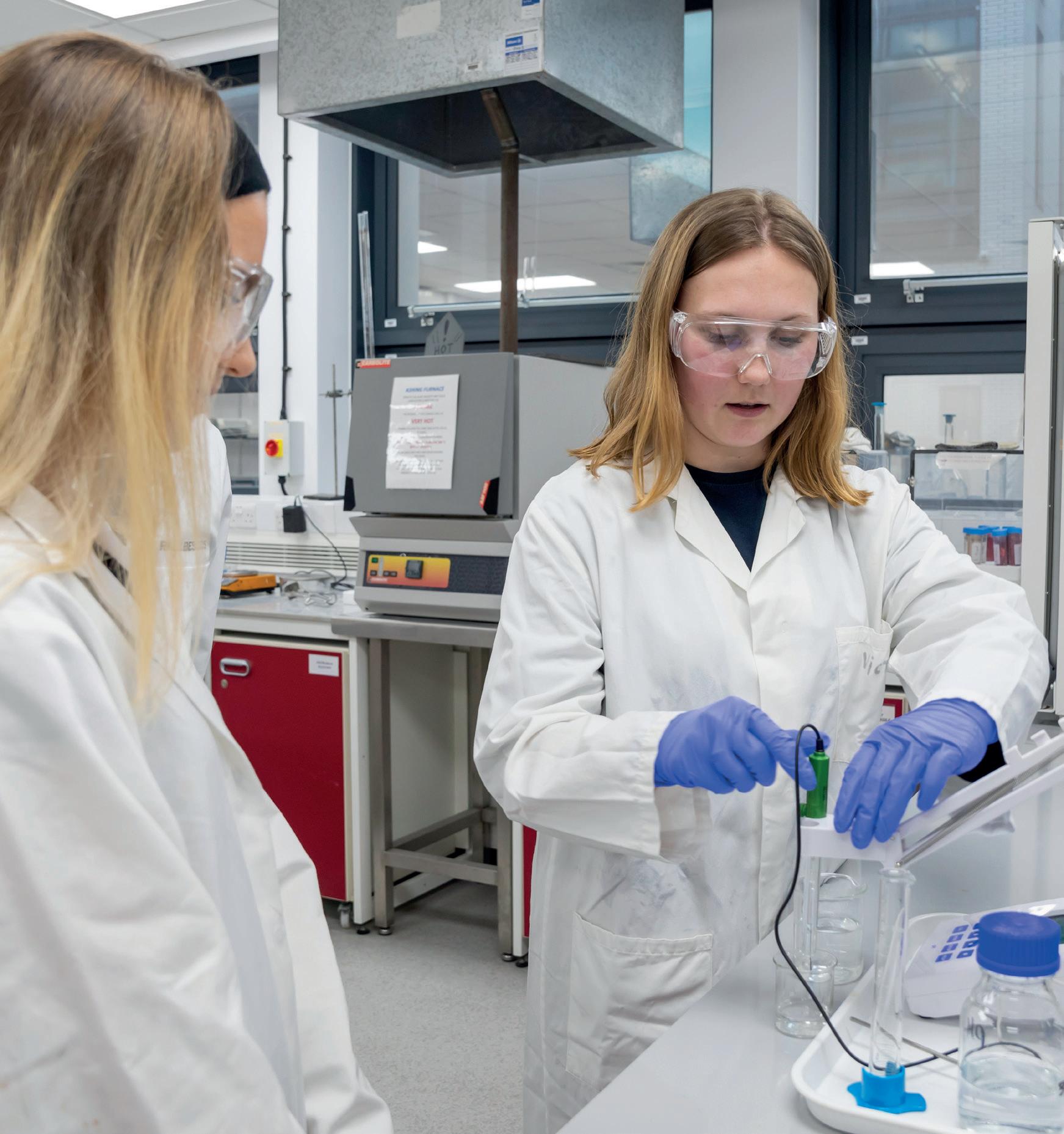
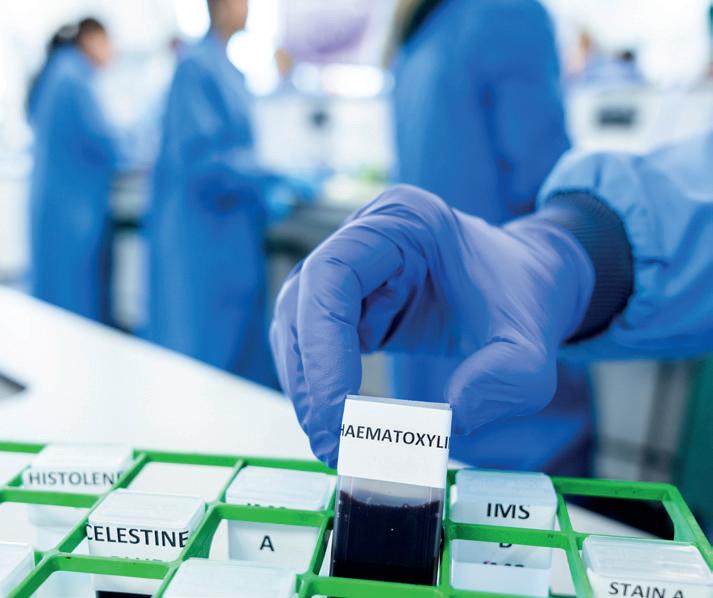
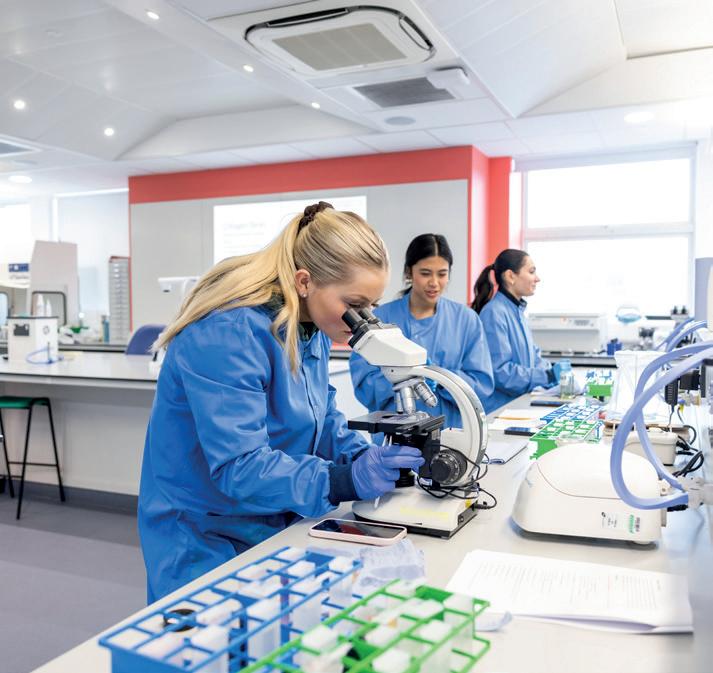
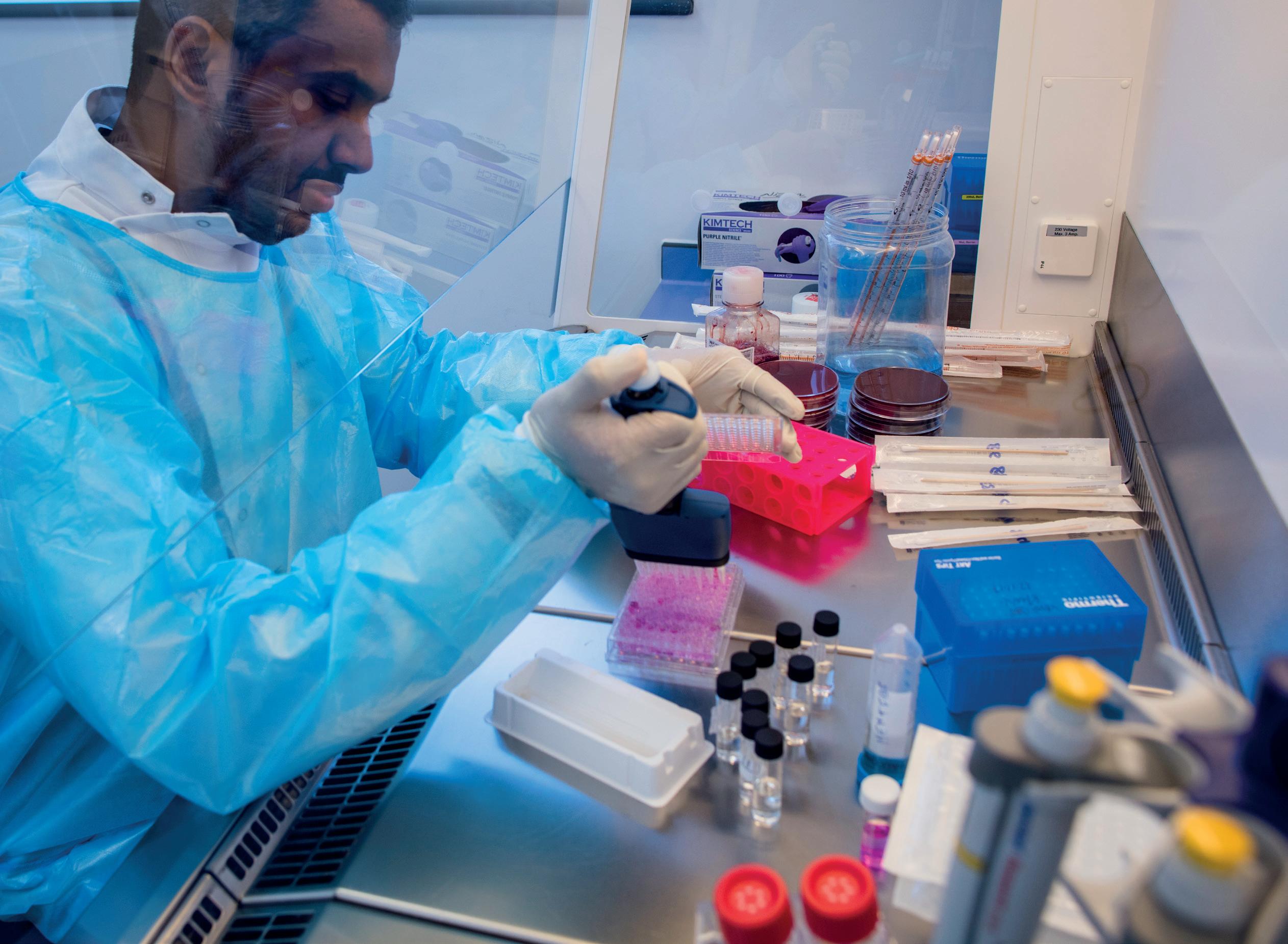
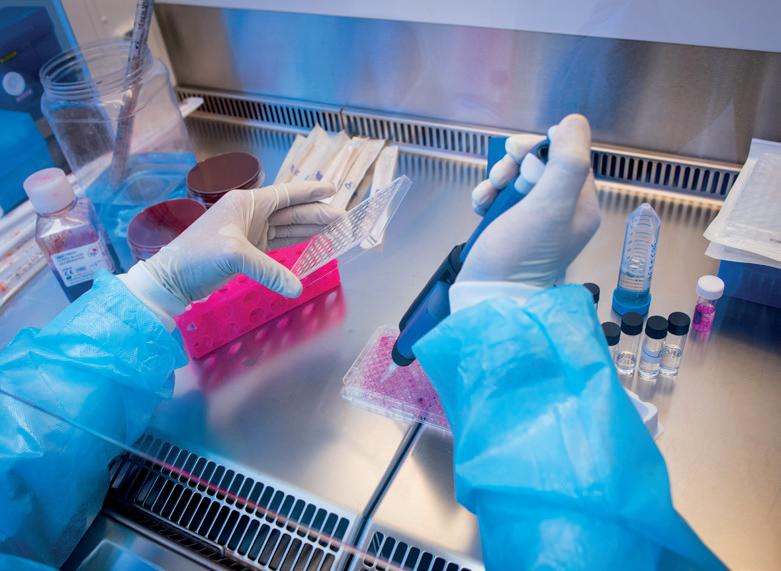
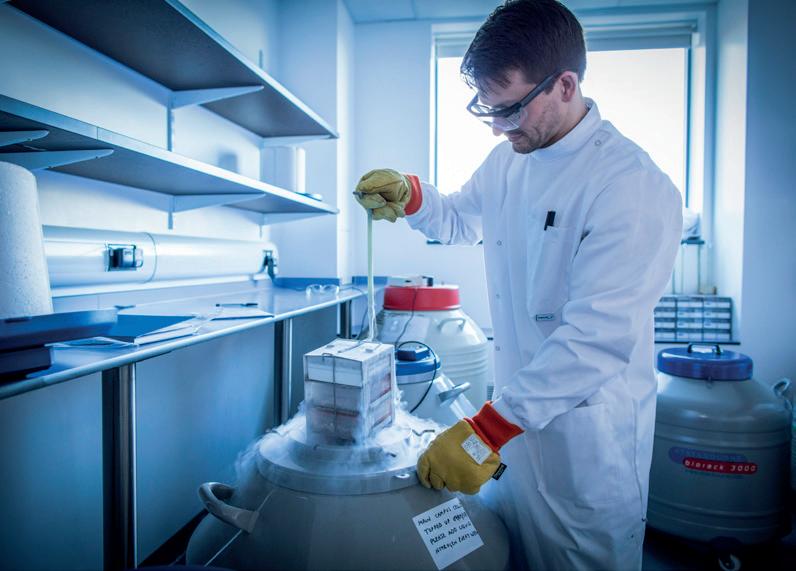
“Your work in Davy labs will take you from the exploration of cardiac function in a heart dissection through to the intricacies of DNA replication in molecular biology with everything in between. You will learn how technologies can be shaped for research and clinical diagnostic use: The techniques are the same whether you are discovering new antibiotics from bacteria found at the bottom of the sea to identifying the cause of a septic wound and how to appropriately treat it; to visualise and identify cancers in different tissues to discover both the cure and how to help fight it.”
"Laboratory work puts theory into practice and gives you the problemsolving and analytical skills that employers are looking for.”
DERRIFORD RESEARCH FACILITY
Location: North Campus
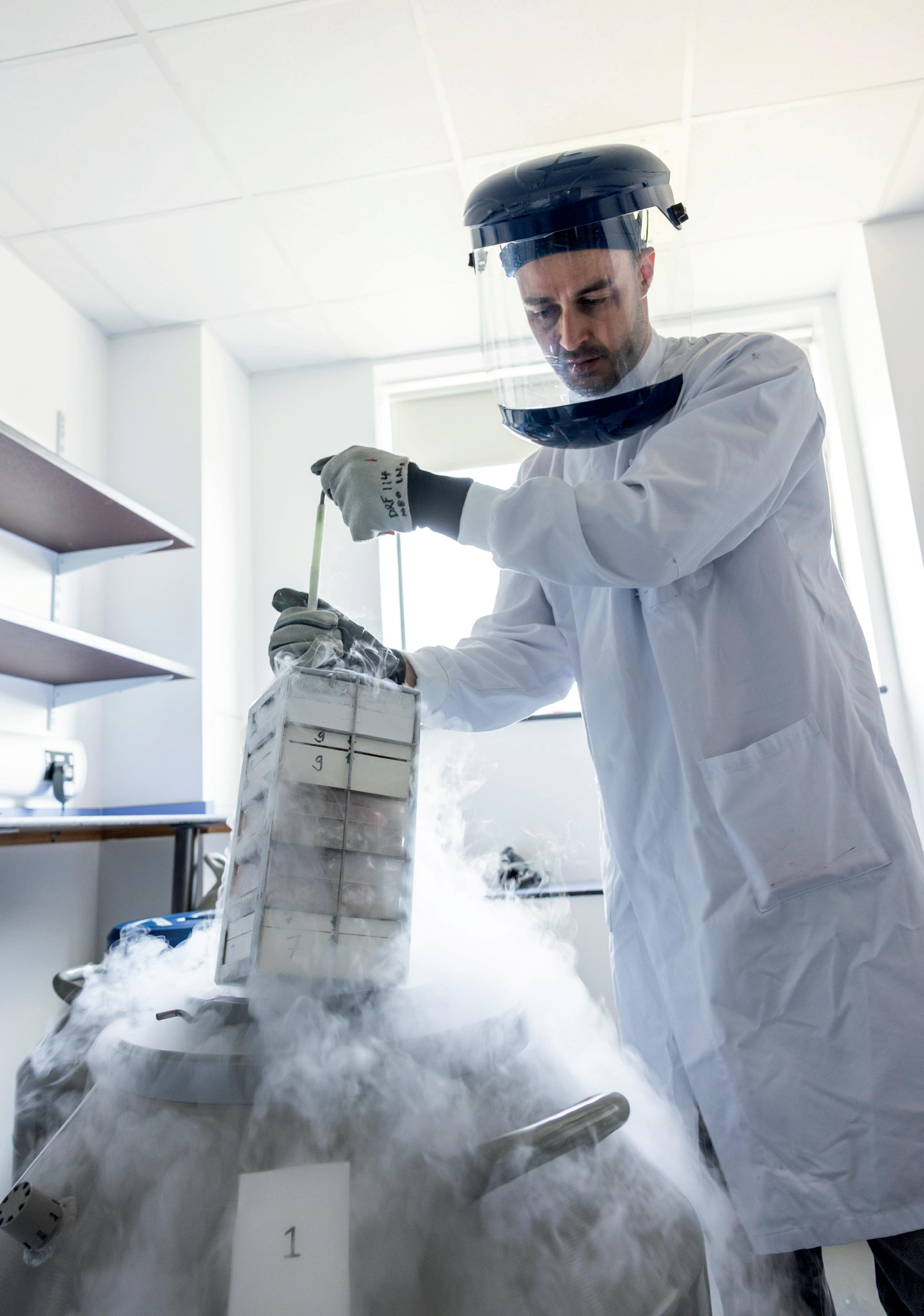
From brain tumours to vaccines, tissue regeneration to new cancer drugs, our state-of-the-art centre brings together all of the University’s lab-based research to focus on the development of new therapeutics, diagnostics, interventions and approaches to prevent, diagnose and treat diseases, enhance patient outcomes and improve global healthcare.
Located adjacent to the University’s Peninsula Schools of Medicine and Dentistry at Plymouth Science Park, and next to Derriford Hospital, the facility allows greater collaboration between medical, dental and biomedical researchers at the university, as well as with research clinicians from University Hospitals Plymouth NHS Trust.
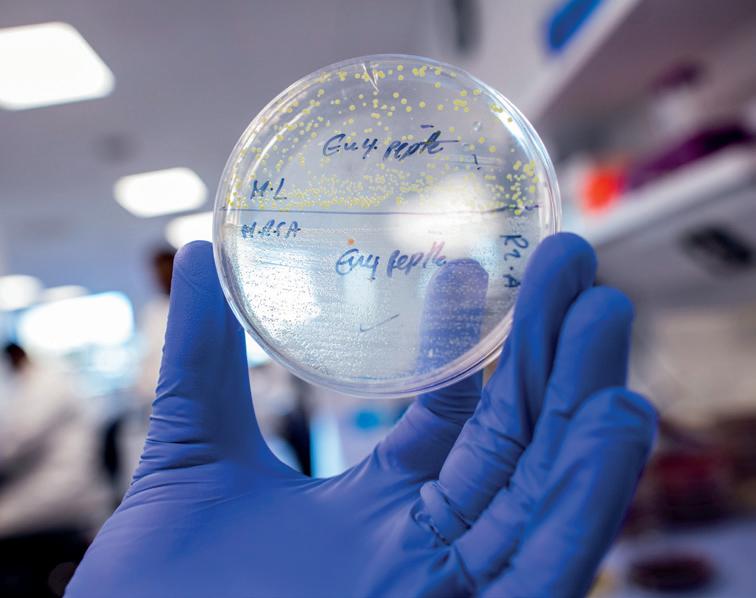
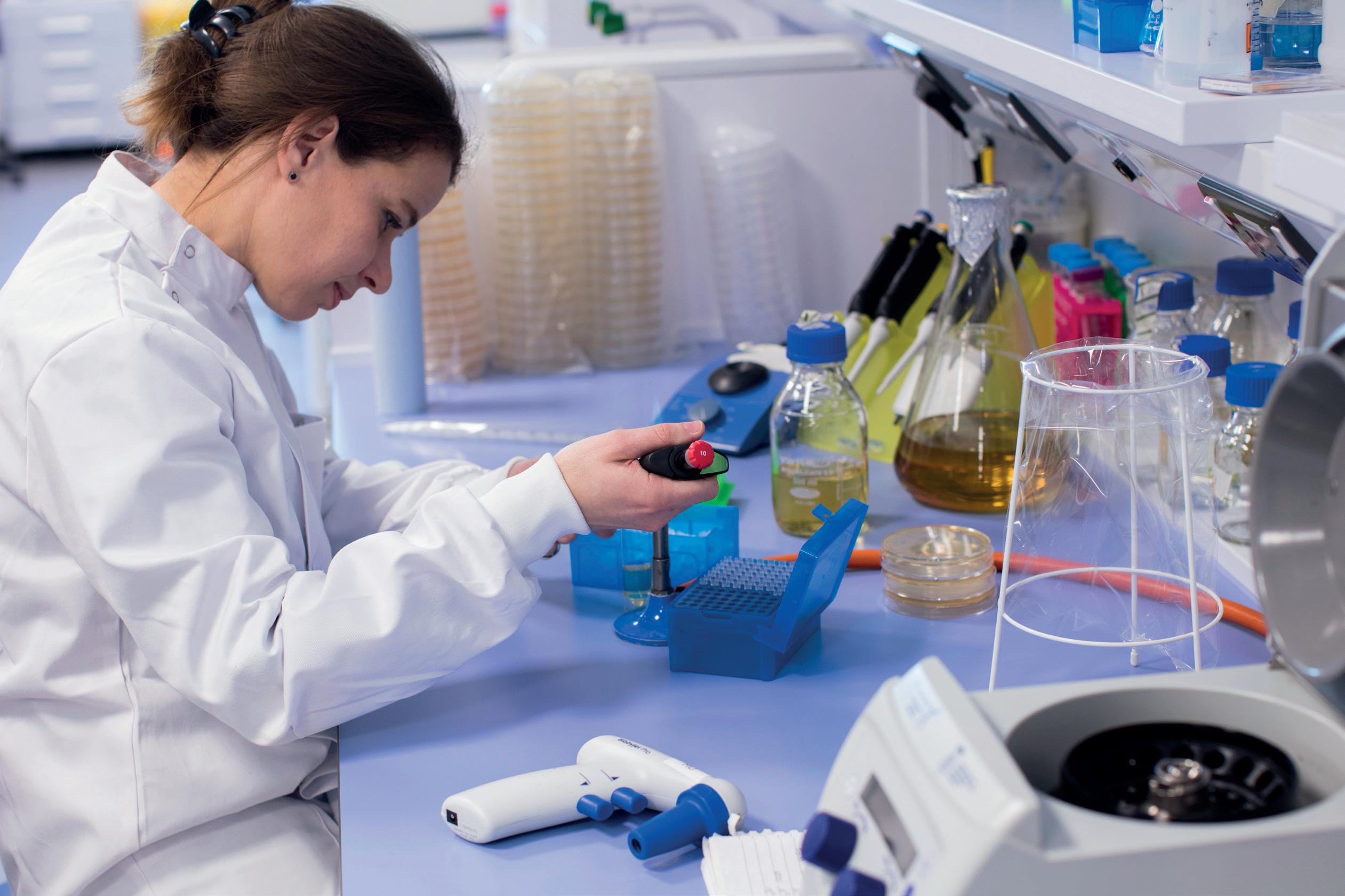
"Having this research facility to support my learning has been absolutely amazing. You have different research groups ranging from cancer biology to microbiology to vaccine development and being able to be in an environment that's fostering researchers all the way from undergrad to postgrad to post doc lecturers and professors, I think it's an environment that gives you hopes and dreams that I want to be like that person one day.”
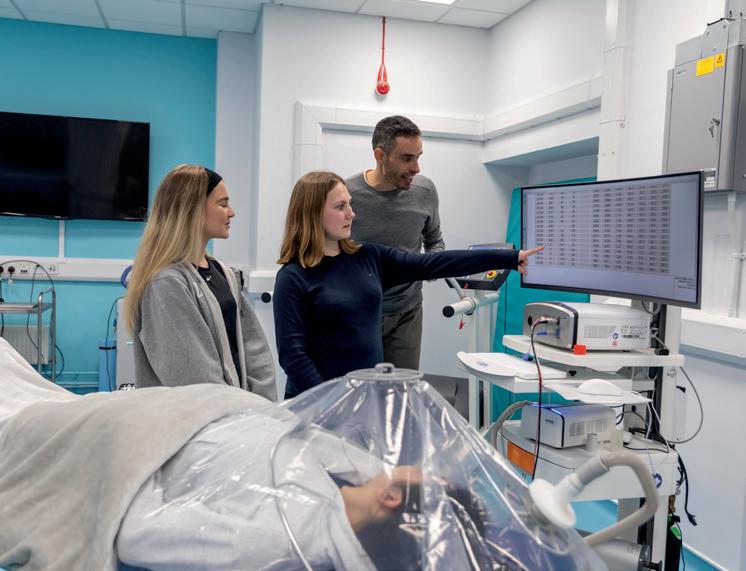
THE EXERCISE LABORATORY
Location: Smeaton
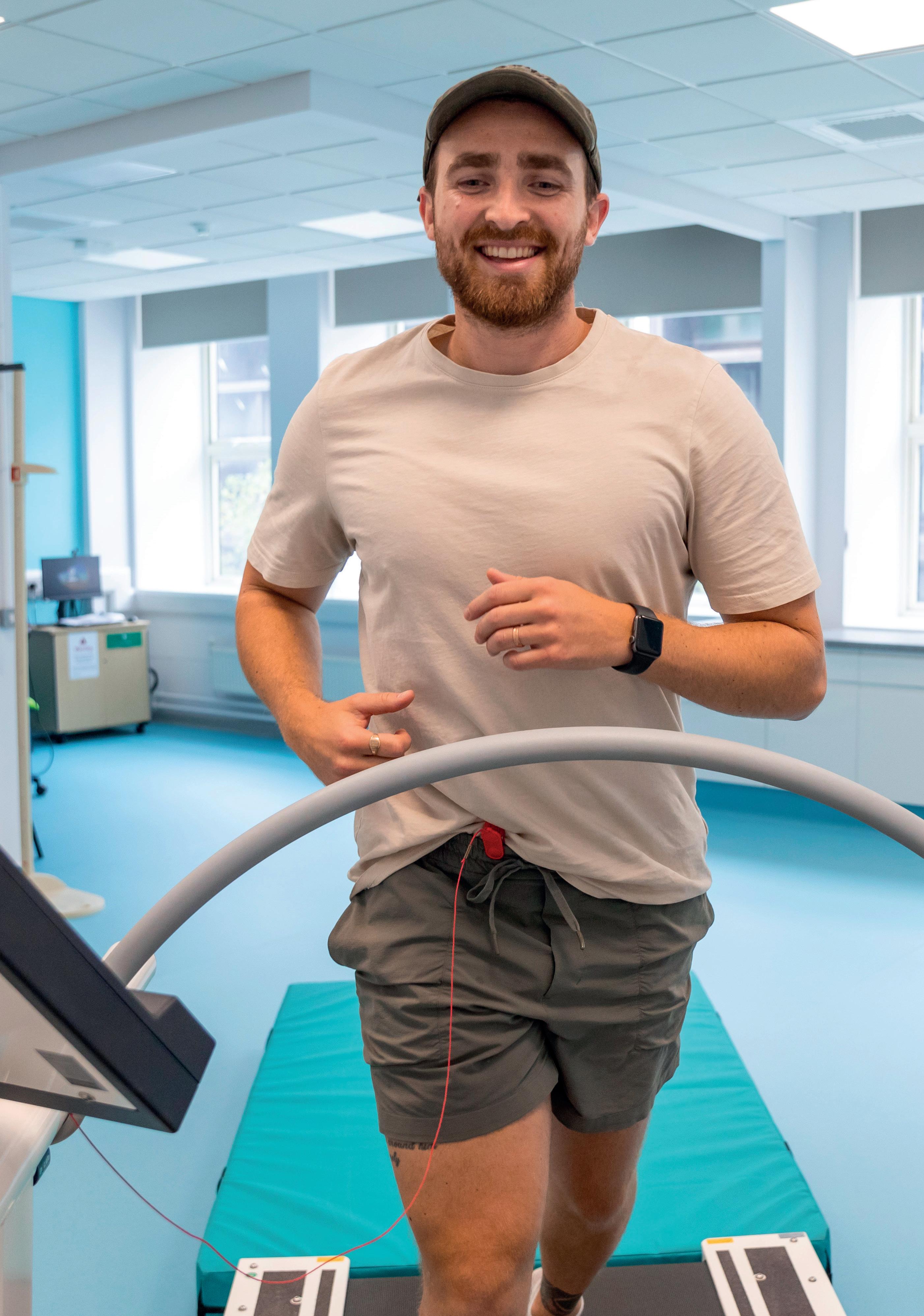
The Exercise Laboratory is dedicated to the analysis of the physiological responses and adaptations to exercise and diet and is specifically designed to support both teaching and research activities.
Students can gain hand-on experience, enabling them to apply theoretical knowledge, conduct experiments, and gain practical skills in physiological assessment. The space is equipped with state-of-the-art equipment, including several metabolic carts and Douglas bags, a near-infrared spectroscopy device (NIRS), blood pressure monitors and rapid cuff inflator, biochemistry analysers and bioimpedance devices.
THE KITCHEN LABORATORY
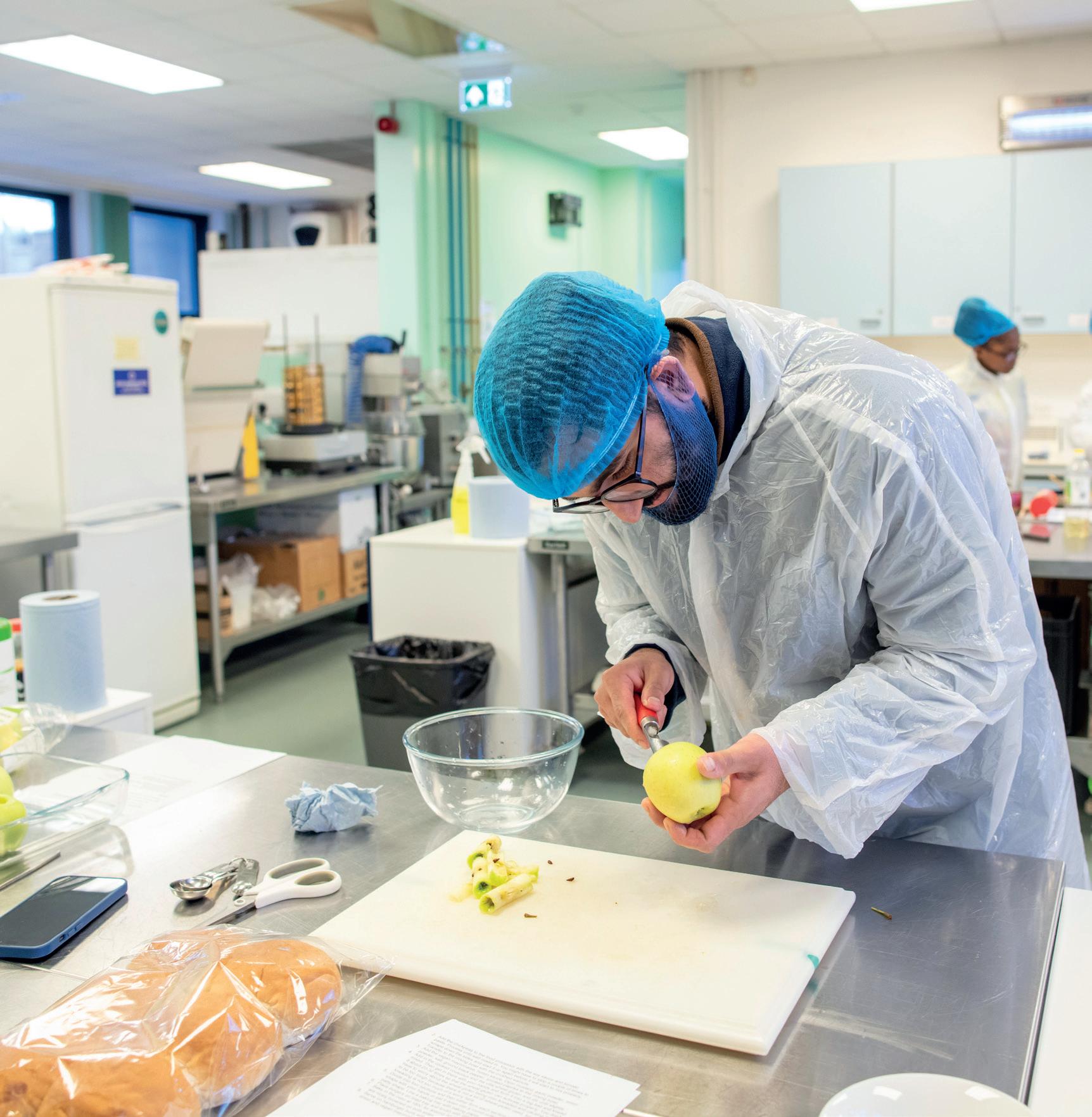
Location: Link
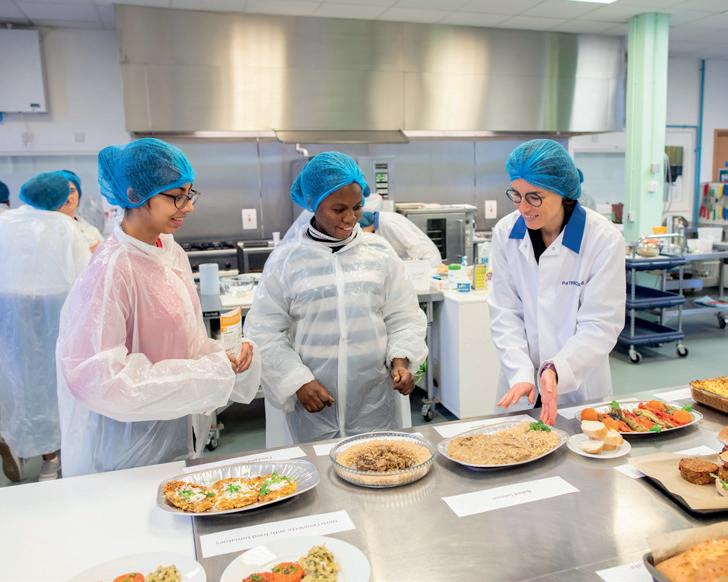
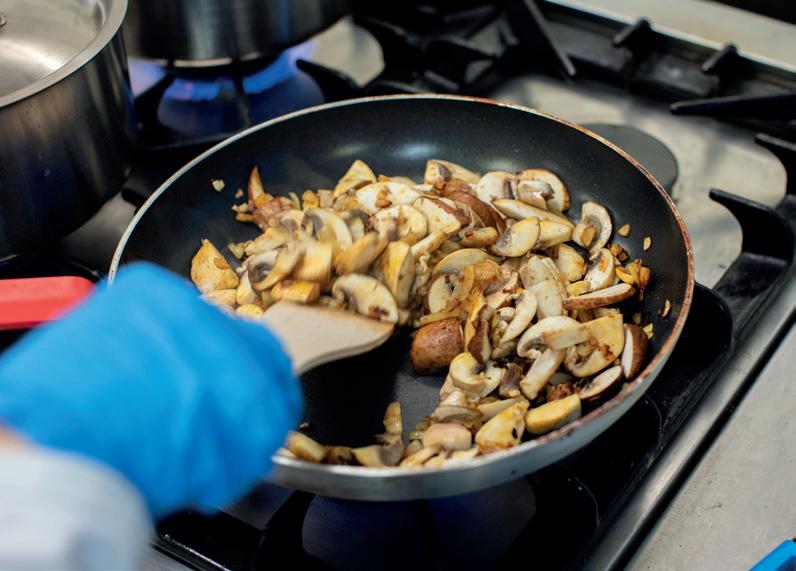
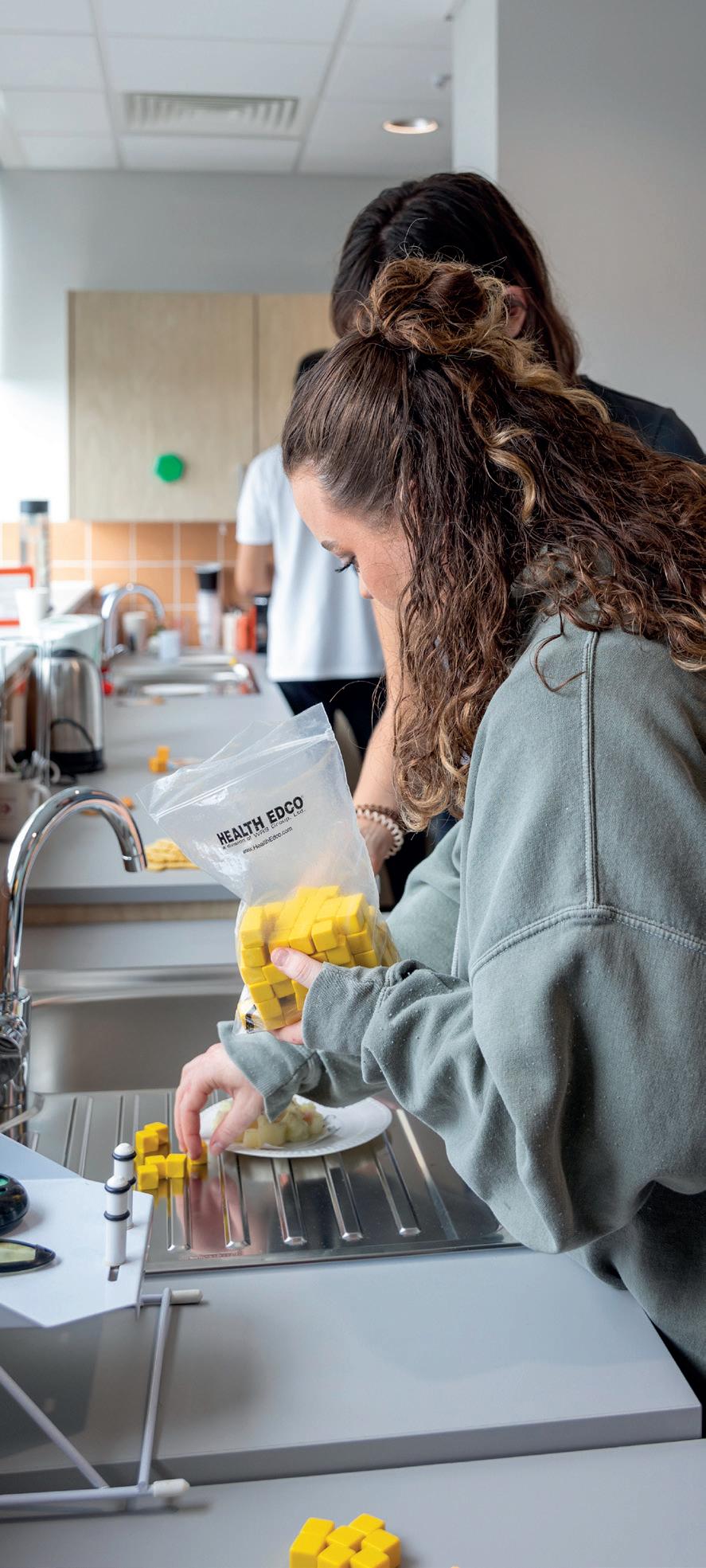
This hands-on learning environment will allow you to gain practical experience in cooking and preparing food, and focus on creating and implementing diets for various purposes, including those for healthy individuals, sports nutrition and therapeutic diets. This facility encourages you to understand nutritional principles in the context of meal preparation and learn how to tailor diets to meet specific health and wellness goals. Equipped with a wide range of specialised instruments, you can develop the skills necessary for working in various culinary and nutritional settings. the equipment includes:
• cooking appliances
• food preparation tools
• specialised dietetics tools (nutrient analysis software, dietary scales, portion control tools)
• cleaning and sanitising supplies

ONLINE NUTRITION CLINIC
This free online clinic offers dietary advice to help people improve their health and wellbeing. This service is offered to University staff, the local community and wider afield through social media. The students run the clinics with supervision from registered dietitians, providing advice on areas such as food and mood, gut dysfunction, nutrition in later life, nutrition for a healthy heart, nutrition and the menopause, healthy eating on a budget, nutritional adequacy and weight management. When people sign up, they are asked to complete and return a three day food diary and provide some information on the advice they would like to receive prior to their online appointment. The clinic supports the development of leadership and mentorship skills in our students as well as allowing the students, to practise their consultation skills and gain placement hours.
Shalini's experience at Plymouth
BSC (HONS) BIOMEDICAL SCIENCE STUDENT
SETTLING INTO UNI LIFE AT PLYMOUTH
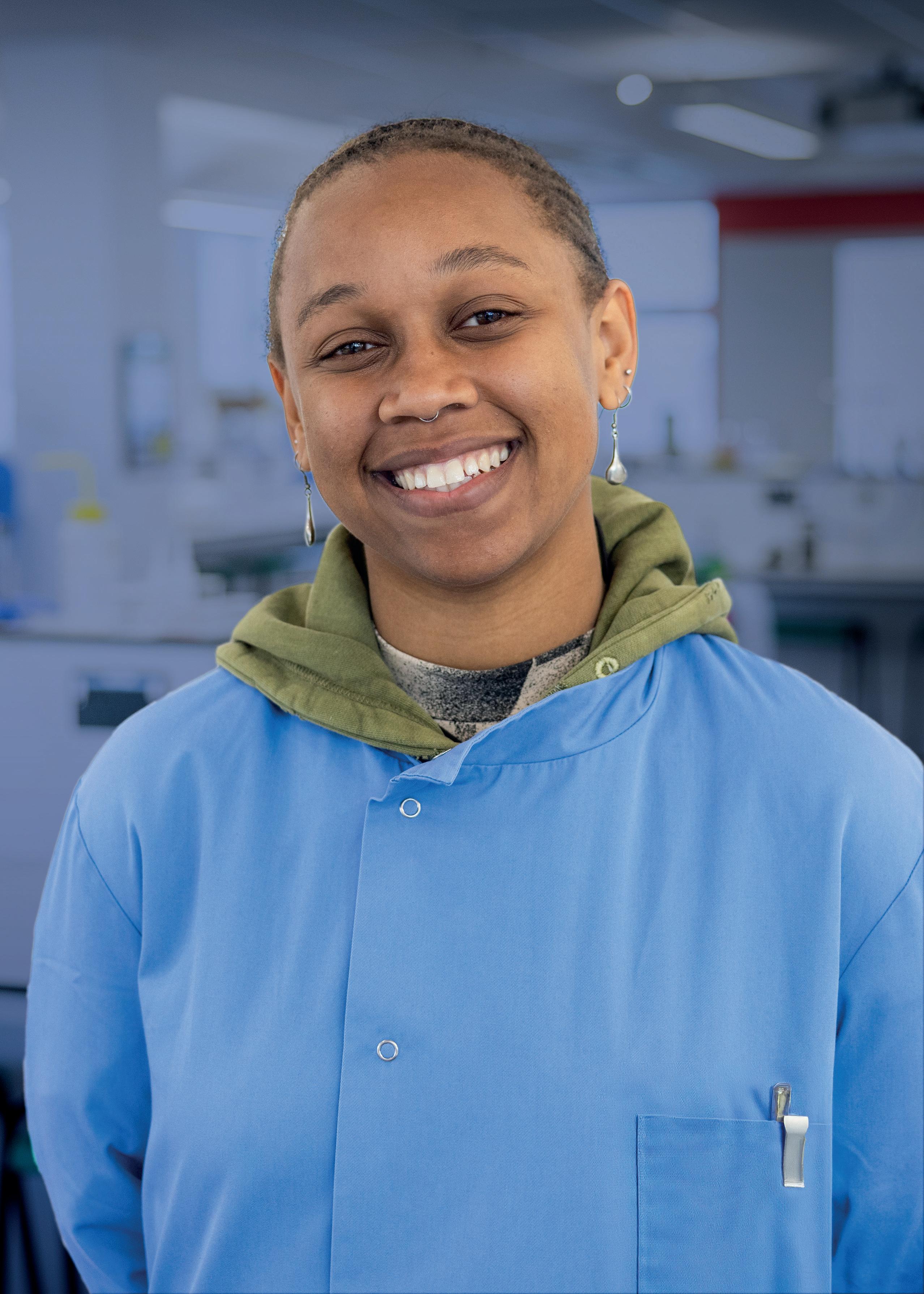
When I moved from Bristol to Plymouth in 2022, I wasn’t entirely sure what to expect. As a Biomedical Science student with a goal of becoming a neuropathologist, I was excited but also a bit nervous about the transition. Moving to a new city and starting university life can be daunting, but the experience so far has been more rewarding than I could have imagined.
MY FIRST YEAR ACCOMMODATION
My first accommodation was Francis Drake, located on campus, and it turned out to be the perfect choice. Living in a dorm with people from different courses, including fellow biomedical science students, helped me make friends quickly.

The university’s online portal made it easy to choose the right accommodation, with a detailed survey asking about my preferences for things like gender, noise levels, and cleanliness. This helped match me with flatmates who were a good fit, making the transition feel smoother.
Being on campus meant I had access to tons of events and activities. It was a great way to meet people, especially through the Freshers' Week events and society meetups. These experiences made it easy to form connections and friendships, many of which have lasted throughout my time at university. Most of my friends are from my first year, and we still hang out regularly, whether it’s studying together or exploring the city.
LIFE IN PLYMOUTH
Living in Plymouth is especially enjoyable in the spring and summer. The city is so close to the seaside, making it perfect for beach days or relaxing by the water when I need a break from studies. I also love that I can easily catch buses to places like Paignton Zoo and other local attractions. The city centre is full of great food spots that represent all kinds of cultures, and food is definitely one of my favourite parts of living here.
I’m always discovering new places to eat, especially in Plymouth Market and at the bottom of town. Whether I’m grabbing something quick on the go or enjoying a sit-down meal with friends, there’s no shortage of delicious options.
NIGHTLIFE AND CREATIVE SPACES
While Plymouth’s nightlife might be more tight-knit compared to larger cities, it definitely has its charm. Student Wednesdays and JSV (James Street Vaults) Thursdays are the highlights of the week, where everyone heads out to enjoy some time off from studies. I’ve had some fun nights out, especially with my course mates and flatmates. It's a good mix of relaxing and socialising, and I’ve met plenty of people along the way.
For a more creative experience, I’ve enjoyed visiting places like The Box and The Plot. These cultural hubs have been amazing for showcasing art and creativity, with events like John Lyon’s Carnivalesque showcase at The Box, which brought a fresh perspective on Caribbean culture and traditions.
I’ve also attended the Windrush and Carnivalesque events, which were fantastic in highlighting important cultural and historical stories.
SUPPORT AT UNIVERSITY
The support I’ve received from the university has been outstanding. As a biomedical science student, I’ve had my fair share of challenges, particularly with the mathematics involved in my course. I’ve never been particularly confident in maths, and modules like biochemistry and statistics have been tough. However, the support system at Plymouth has really helped me push through these difficulties. Through PALS (Peer Assisted Learning) and SUM:UP workshops, I’ve gained a deeper understanding of the material and even learned strategies to make calculations less intimidating.
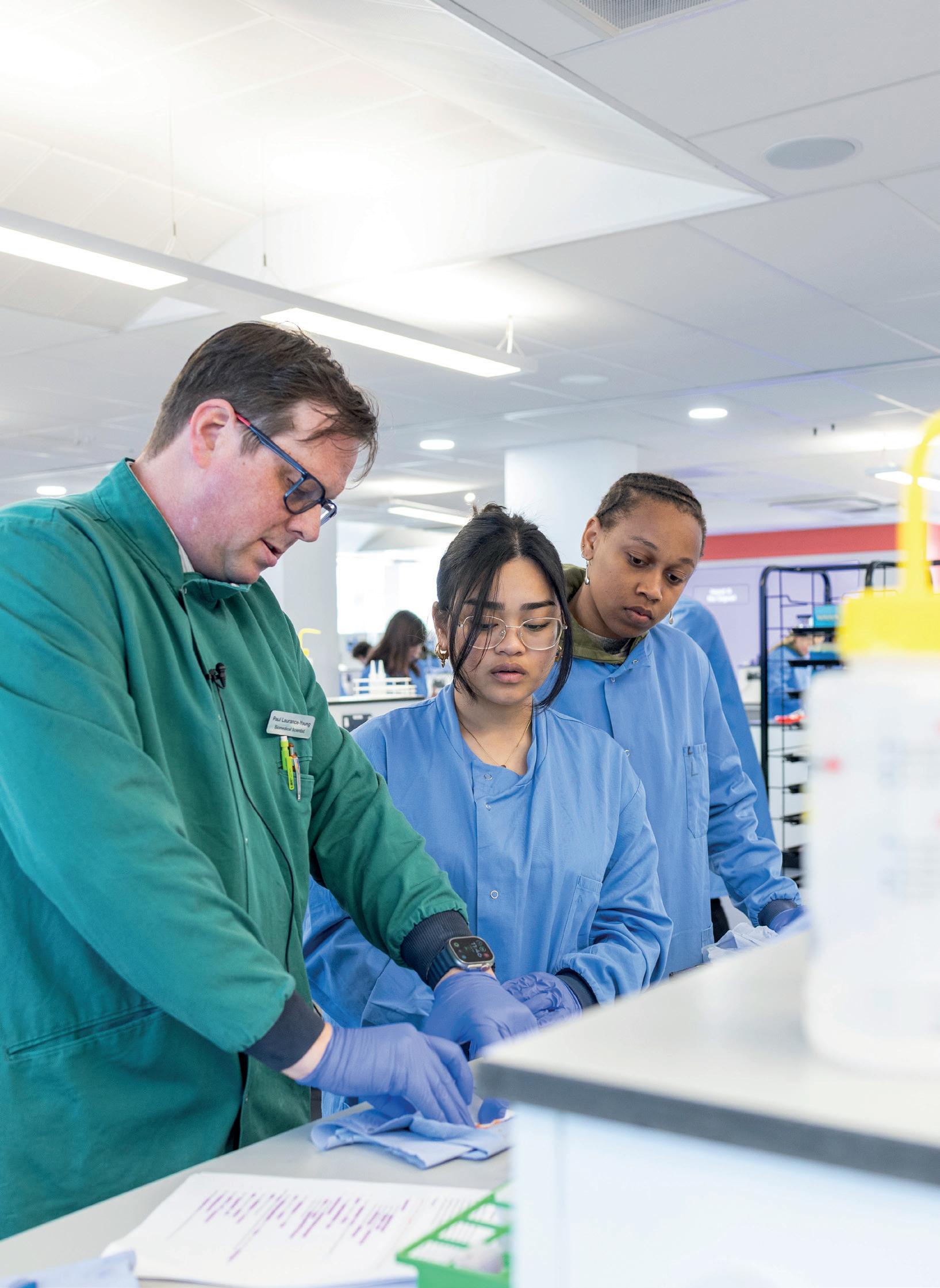
The lecturers and lab assistants have also been a huge help. In the lab, I’ve gained more confidence, especially in understanding complex processes and techniques. Whenever I feel unsure about a procedure or analysis, the lab assistants take the time to explain it thoroughly. Their patience and willingness to guide me through the steps has been invaluable in boosting my skills and confidence.
UNIVERSITY LIFE AND CAREER SUPPORT
One thing I’ve really appreciated is the career support that the university offers. As I’m planning my future career in neuropathology, the university has provided resources to help with CV building, career planning, and job placement opportunities. The placement and job fairs have been great
for connecting with companies, and I’ve already started looking into potential research placements that will help me gain more experience in my field.
There are also academic support groups for students like me, such as SUM UP for study help and the Writing Cafe for improving writing skills. These resources have been crucial in boosting my grades and confidence. The university really provides a holistic support system for both academic and career growth, which I’m grateful for as I continue working towards my goals.
MY JOURNEY SO FAR
Overall, my time in Plymouth has been a rewarding journey, from adjusting to university life to finding a supportive community. Whether it’s making lifelong friends, enjoying the creative and
cultural scene, or gaining academic confidence, this city and university have provided me with the tools I need to succeed.
As I continue my studies in biomedical science and work towards my career goals, I’ve found that Plymouth is more than just a university city - it’s somewhere I’ve come to feel at home. I’ve built meaningful relationships, discovered great places, and made memories that I’ll cherish for years to come. Because of this, I would be more than happy to stay in Plymouth after my degree. Whether it’s for further studies or work, this city has become a place where I can truly see my future.
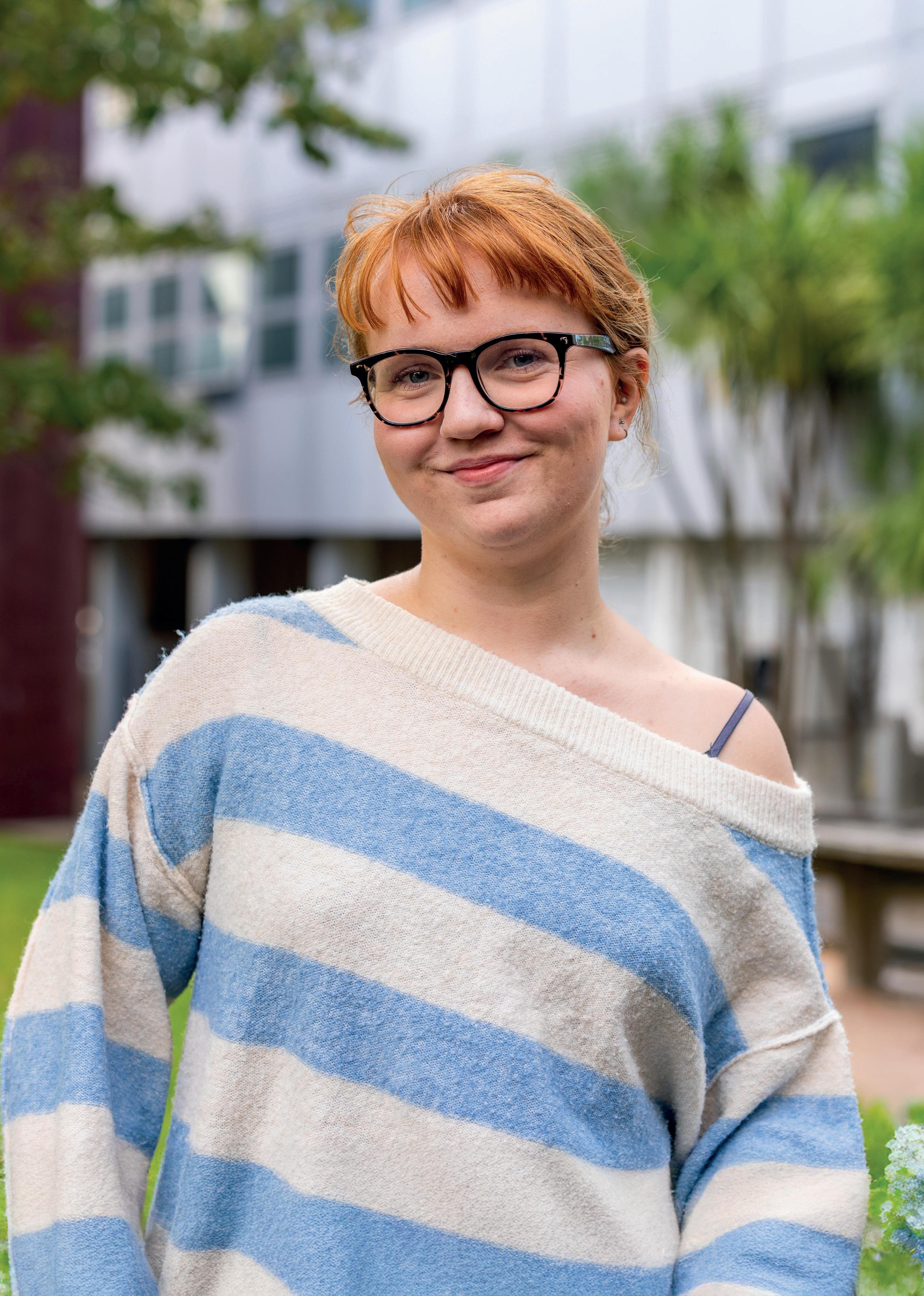
FROM MOLECULES TO MONITORS
RACHEL DESCRIBES HER EXPERIENCE AT PLYMOUTH.
FINDING A NEW DIRECTION AND DISCOVERING A NEW HOME

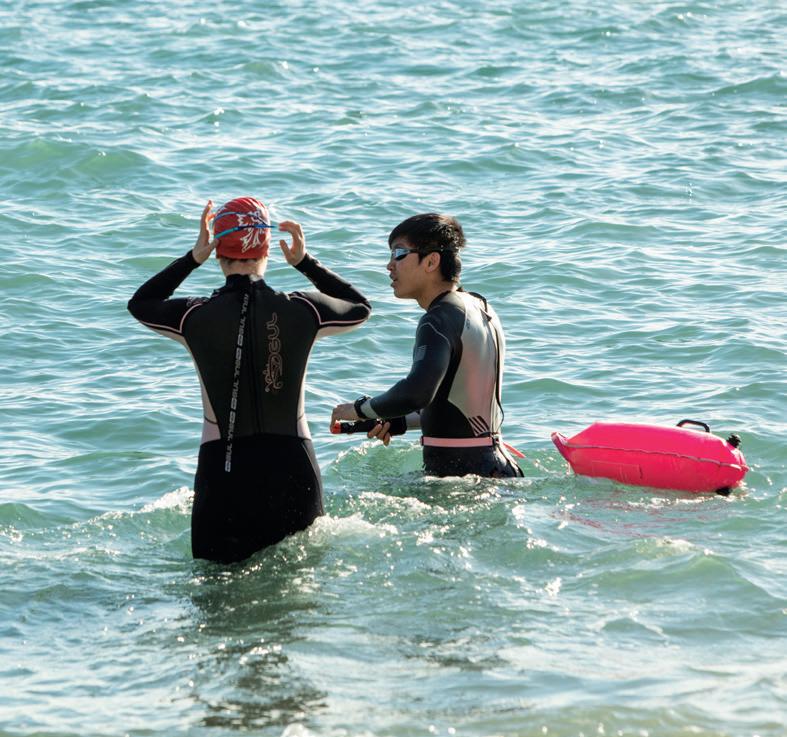

FINDING MY FLOW: UNIVERSITY LIFE AT PLYMOUTH
Starting university is one of those big life moments that comes with all kinds of questions: Will I like my course? What will the city be like? Will it be hard to make friends? As I began my journey studying biomedical science with a foundation year at the University of Plymouth, I had those same thoughts running through my head.
One of my biggest worries was about moving to a city. Coming from the countryside, I was nervous that city life would feel too busy or overwhelming. But Plymouth surprised me - in the best way. It’s not too big or chaotic, and it has a relaxed, friendly atmosphere that quickly made me feel at home. Plus, whenever I feel the need to escape the buzz, it’s easy. Being a seaside city, there’s always the option to head to the coast for a sea swim or a peaceful walk by the water. And with Dartmoor National Park so close by, getting back to nature is never hard and doing what I love is so easy.
To my surprise, finding friends was in of the easiest part. Everyone always says, “everyone is in the same boat”, and it's true, as you are with these people days so getting to know them happens a lot quicker than you think it ever would. Whether it's cooking dinner with my flat mates after lectures, social with society friends, I’ve found a great group of people who make the university life lot easier.
Academically, I’ve grown a lot since I started my foundation year in biomedical science. It’s been a journey of figuring out not just what I’m good at, but also how to navigate the new learning style at university. During this year I found a subject area that I am more passionate about, I decided to change courses and will be switching to BSc (Hons) Clinical Physiology
in September. It’s a course that feels more with my interests and future goals—and the process of making the change has been made so much easier thanks to how supportive the university staff has been. From help form the careers services in the library to the school of biomedical science approachable staff, I’ve felt encouraged and supported every step of this processes.
Outside of busy university life, I’ve found my own rhythm to make sure I get down time in Plymouth. I love going for sea swims—it’s cold, sure, but there's nothing quite like the adrenaline rush of slowly walking into the water, especially when watching the sunset. Running around the city or along the coast is another favourite way to refill my cup, it’s a great way to clear my head and keep up my fitness. This has helped me find a work life balance that works for me.
Looking ahead, I’m excited to start clinical physiology and explore all the opportunities it has to offer—weather it leads to working on the NHS wards or doing research into the heart and lungs. I am excited for this new opportunity.
Plymouth has already taught me so much— not just academically, but about myself, too. And will always have a special place in my heart as now it is my new home.
IF I HAD ONE PIECE OF ADVICE FOR FRESHERS, IT WOULD BE THIS: Get into a routine right from the start of term. Keep up with your lectures, make your notes, and create flashcards as you go. That way, when exam season rolls around, you’re not scrambling—you’ve already got everything ready to revise from. Trust me, your future self will thank you.
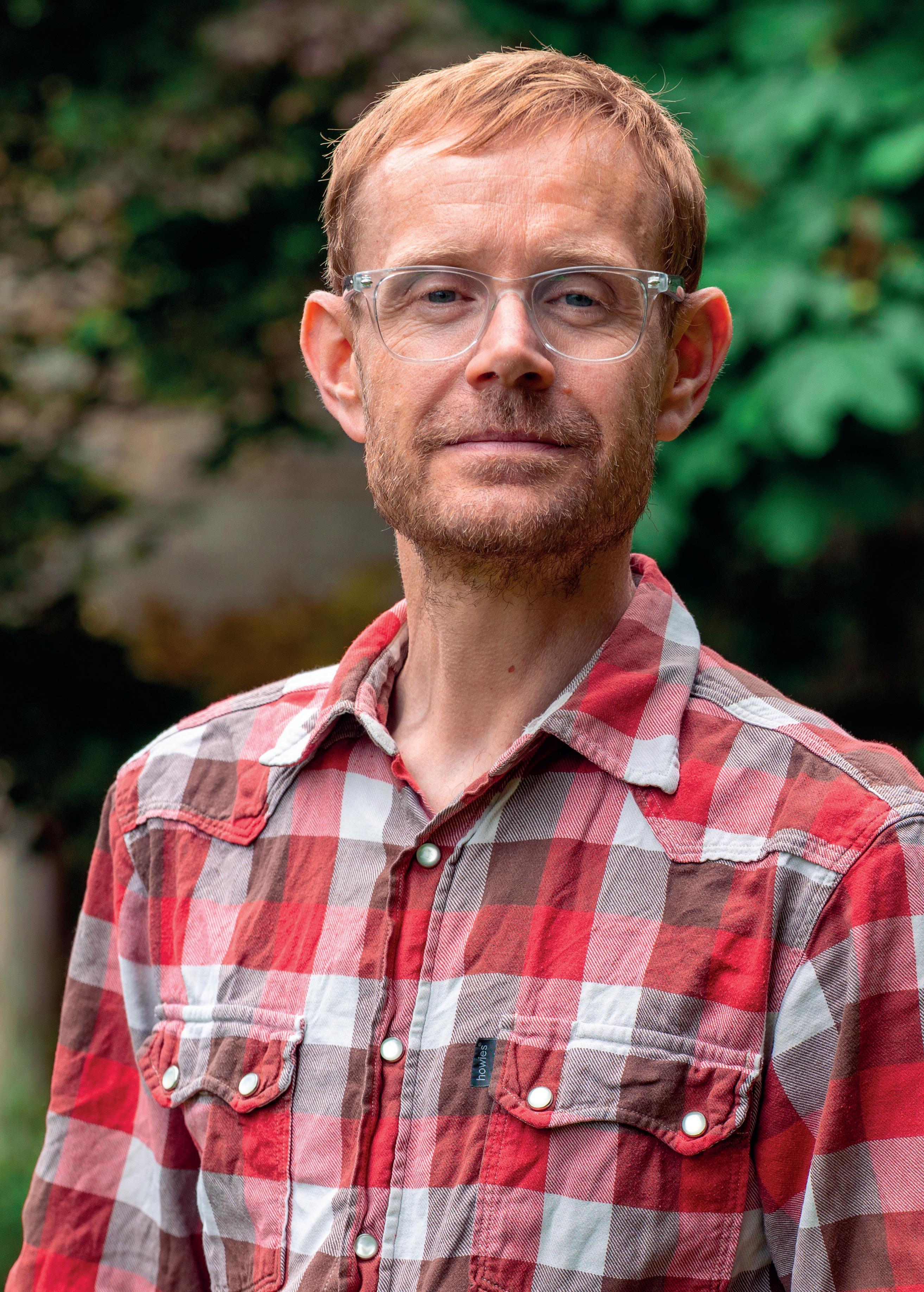
AN INTERVIEW WITH
DR SIMON FOX
ASSOCIATE PROFESSOR OF MOLECULAR PATHOLOGY
I was always interested in biology at school and, as a sixth former, was considering going to university to expand my horizons and improve my prospects. After weighing up a range of courses, I decided to study Anatomical Science. This discipline aligned with my desire for a humancentric approach, while providing me with the opportunity to explore research from a molecular to a whole organism level across diverse topic areas. Going to university was the right decision for me and I have never regretted it. While the course presented significant challenges, with multiple weekly assessment deadlines, it also afforded a multitude of enriching social and academic experiences that would have been otherwise unavailable.
My research career, like many scientists, began when I was completing my final year dissertation. In my case I investigated the effect of a new class of drugs on bone quality. I found the idea that a solid tissue could structurally adapt to its environment fascinating and enjoyed the process of
completing experiments with the goal of improving human health. After graduating I wanted to continue to use these skills in a laboratory-based setting. Fortunately based on my background I obtained a job as a research technician at a pathology department in South London, which specialised in bone remodelling. While working there I got involved in several projects examining mechanical adaptation and bone cell biology and consequently was able to complete a PhD part-time and publish several papers. With the support of senior researchers, I was encouraged to apply for external grant funding which paved the way for me to start my own research group.
I would have been happy to carry along this trajectory as it was enjoyable. However, an exciting opportunity arose in an expanding biology department at the University of Plymouth that allowed me to continue my research while developing new degree programmes that would help train the next generation of scientists.
This was very successful and enabled the formation of what is now the School of Biomedical Science, which has been supporting the aspirations of individuals who have an interest in human biology, pathology for over a decade.
Currently I am working with colleagues and Southwest industrial partners to identify and optimise growing conditions for plant-derived pharmaceuticals that can be used to promote bone cell activity and reduce the impact of cancers that end up in the skeleton such as breast and prostate cancer.
My advice to prospective students is to be flexible, establish achievable goals that will enhance your life, but remain open to change. Life often deviates from plans, so be prepared for new opportunities as they emerge.
AN INTERVIEW WITH
DR KATHY REDFERN
LECTURER IN HUMAN NUTRITION
ACADEMIC BACKGROUND
An interesting fact about me - I was in the first cohort of students studying this programme at Plymouth when it was called BSc (Hons) Exercise, Nutrition and Health! I went onto the University of Exeter for my MSc in Sport and Exercise Medicine and then came back to Plymouth to complete my PhD. My PhD research looked at the timing and composition of weight gain in pregnancy and how this was affected by diet, physical activity and sleep.
INTEREST IN NUTRITION
I originally wanted to be a nutritionist as I wanted to help people to optimise their health and help prevent disease. I’m particularly passionate about the prevention and treatment of obesity and reducing the risk of associated chronic diseases and also about optimising maternal and infant health before and during pregnancy.
CURRENT PROJECTS
We’ve been looking into the impact of blending fruit in a smoothie on blood glucose
for a number of years now. This stemmed from a student project that revealed some interesting results: when a particular combination of fruits were blended, it resulted in a lower blood glucose response compared to eating the same fruit whole, which is the opposite of what we’d expect. We’ve since been trying to understand why this is, and our current theory is that it’s to do with the seeds in the fruit, and that when blended, they reduce the rate at which glucose is absorbed into the blood stream. We have a PhD student investigating this in more depth, with laboratory tests and more trials in humans to try to understand whether public health advice needs to change.
Another of the PhD students in the department is investigating the relationship between feeding and fasting patterns, sleep and continuously measured blood glucose. The aim of this research is to determine whether simple advice around sleep, or the time spent eating or fasting, could be
helpful for those with obesity at risk of Type II Diabetes Mellitus.
ADVICE TO PROSPECTIVE STUDENTS
Make the most of your lecturers – we are here to help you succeed and there’s more to us than just lecturing! We’ve all been in your shoes at some point, and most of us have had quite the journey in academia to get where we are now. You can talk to us about anything, and we’re trained to be able to signpost you to the most appropriate support services. Many of us have worked outside academia and we have extensive networks, so you never know when we might come in useful helping you secure some work experience or a first job. Most of us are research active too, so if there’s something you want to get involved in, just ask.
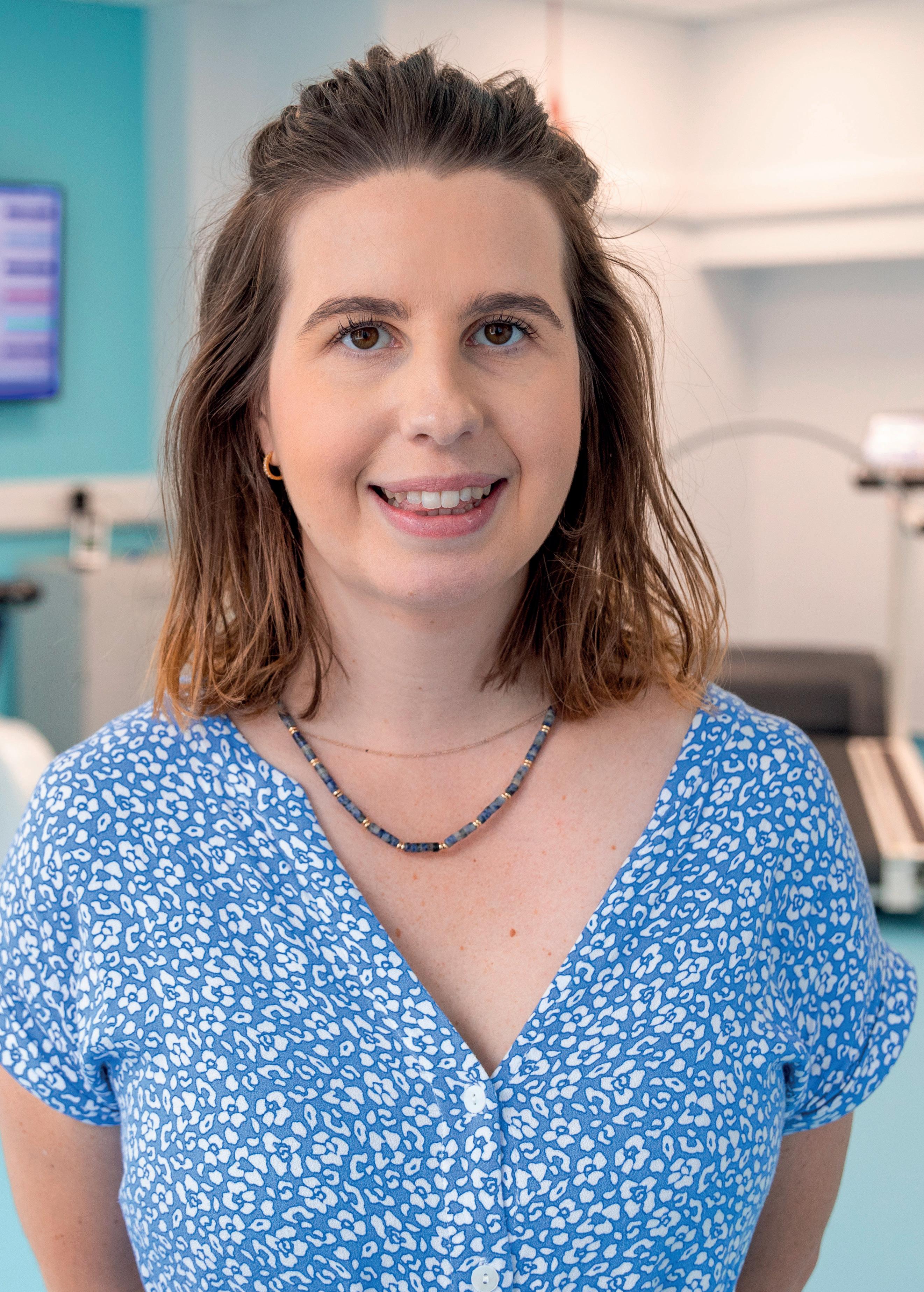
THE SUPPLEMENT STAPLES
BY DR KATHY REDFERN
From the sunshine vitamin to smart protein choices, this quick guide breaks down what you really need to know about these key dietary supplements. Discover why supplements matter, when they're essential, and how to fuel your body properly.

THE SUNSHINE VITAMIN
While other vitamins can usually be obtained from food, vitamin D is only present in small amounts, and we make the remainder of our requirement from sunlight during the summer months to last us throughout the year. However, recent studies have suggested many people in the UK have low vitamin D status, particular during the winter months if they have not made enough vitamin D during the summer. The Department for Health therefore recommends everybody takes a daily supplement of 10µg during autumn and winter, and that some people take a year-round supplement such as those who are pregnant, aged over 65 or under 5 years, or people who don’t get a lot of sunlight in summer.
THE TRUTH ABOUT PROTEIN
Most of us in the UK consume far more protein than we need. The average woman requires 45g of protein per day, which is equivalent to 1 medium sized chicken breast or steak, while the average male requires slightly more at 55.5g per day. Therefore, unless you are particularly trying to increase your muscle mass and are training with weights for over an hour each day, it is unlikely that you need to be taking protein supplements. Ultimately, unless your body is using the protein in supplements to replenish and build muscle after an intense training session, it will store the excess energy as fat, and although convenient, protein shakes and bars are no substitute for a healthy, balanced meal. Instead, try to include protein at every meal, for example an egg at breakfast, lean chicken in a sandwich for lunch and fish in the evening.
This will help you to feel satisfied throughout the day and provide you with the full range of essential amino acids required for good health.
A VITAL START
Folic acid is important for women planning a pregnancy or who are in their first trimester of pregnancy. It has been shown to reduce the risk of neural tube defects, such as spina bifida. For this reason, due to a new legislation, from the end of 2026, nonwholewheat flour will be fortified with folic acid which will increase baseline levels of folic acid in the population to help prevent neural tube defects in both planned and unplanned pregnancies.

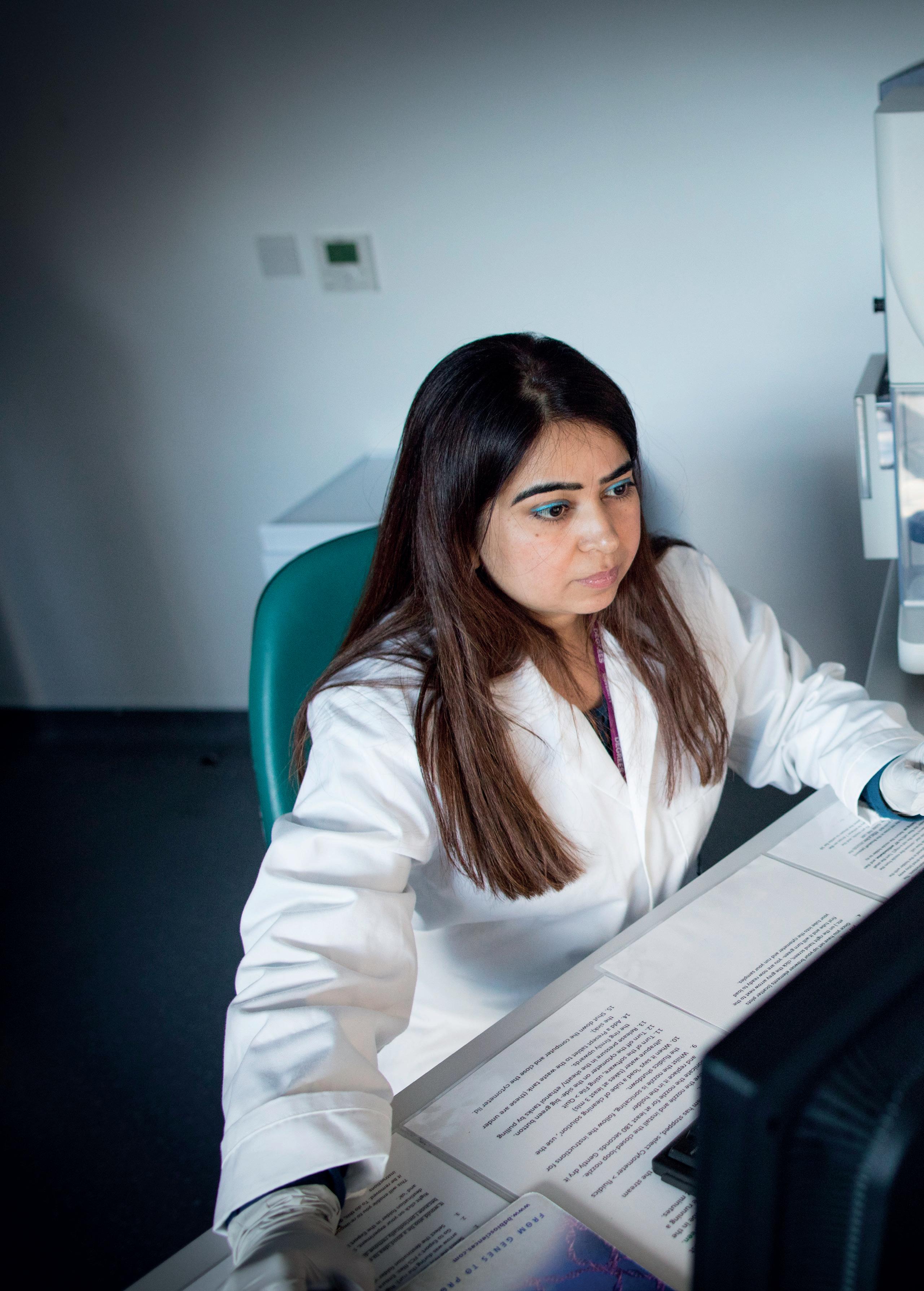
AN INTERVIEW WITH
DR SHAGUN KHERA
LECTURER IN BIOMEDICAL SCIENCES
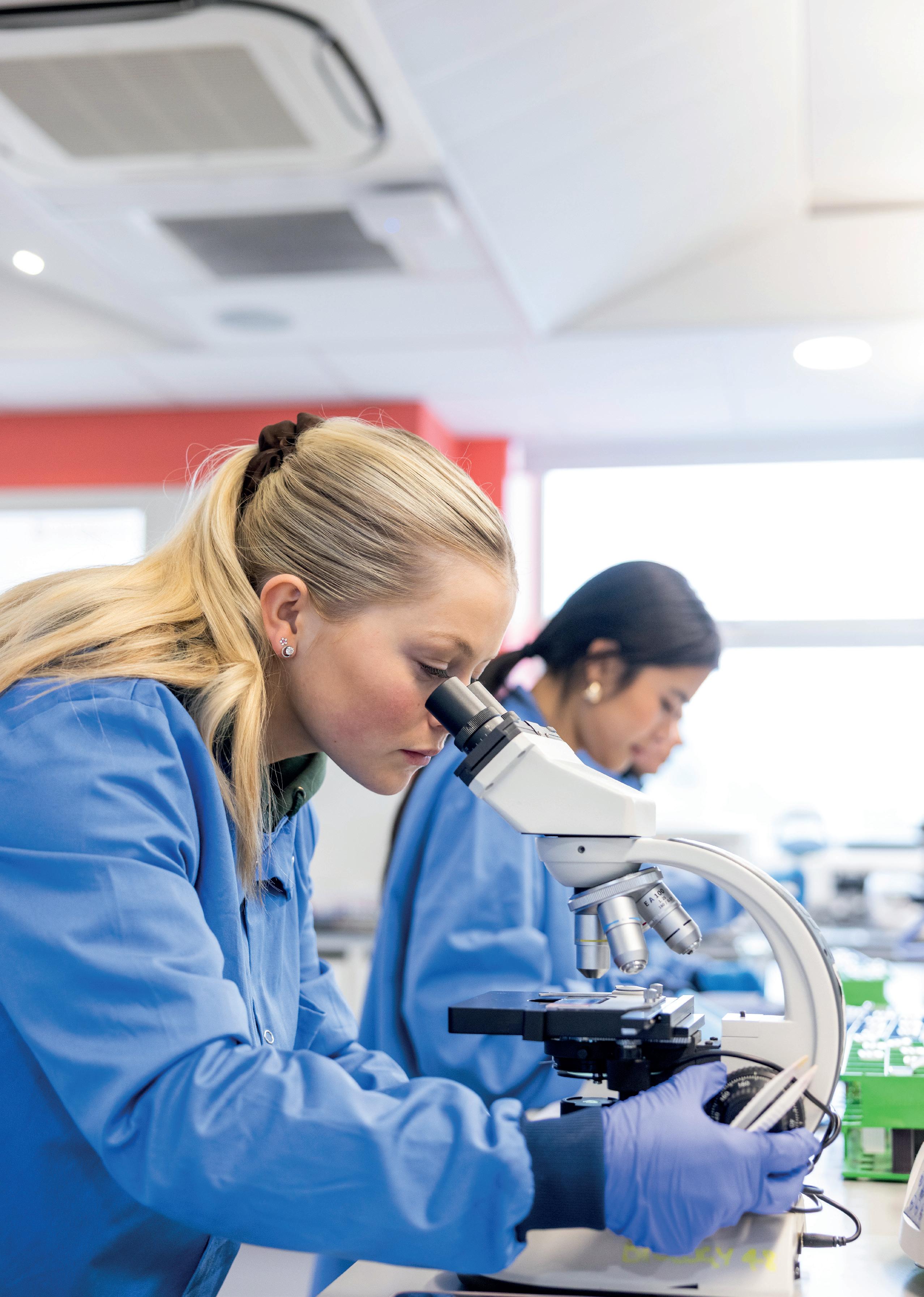
"As a lecturer in the School of Biomedical Sciences, I teach both undergraduate and postgraduate students, primarily in immunology, cell biology, and biochemistry. I love working with the microscope! When I stain cells, I can see them fluorescing which is amazing and satisfying."
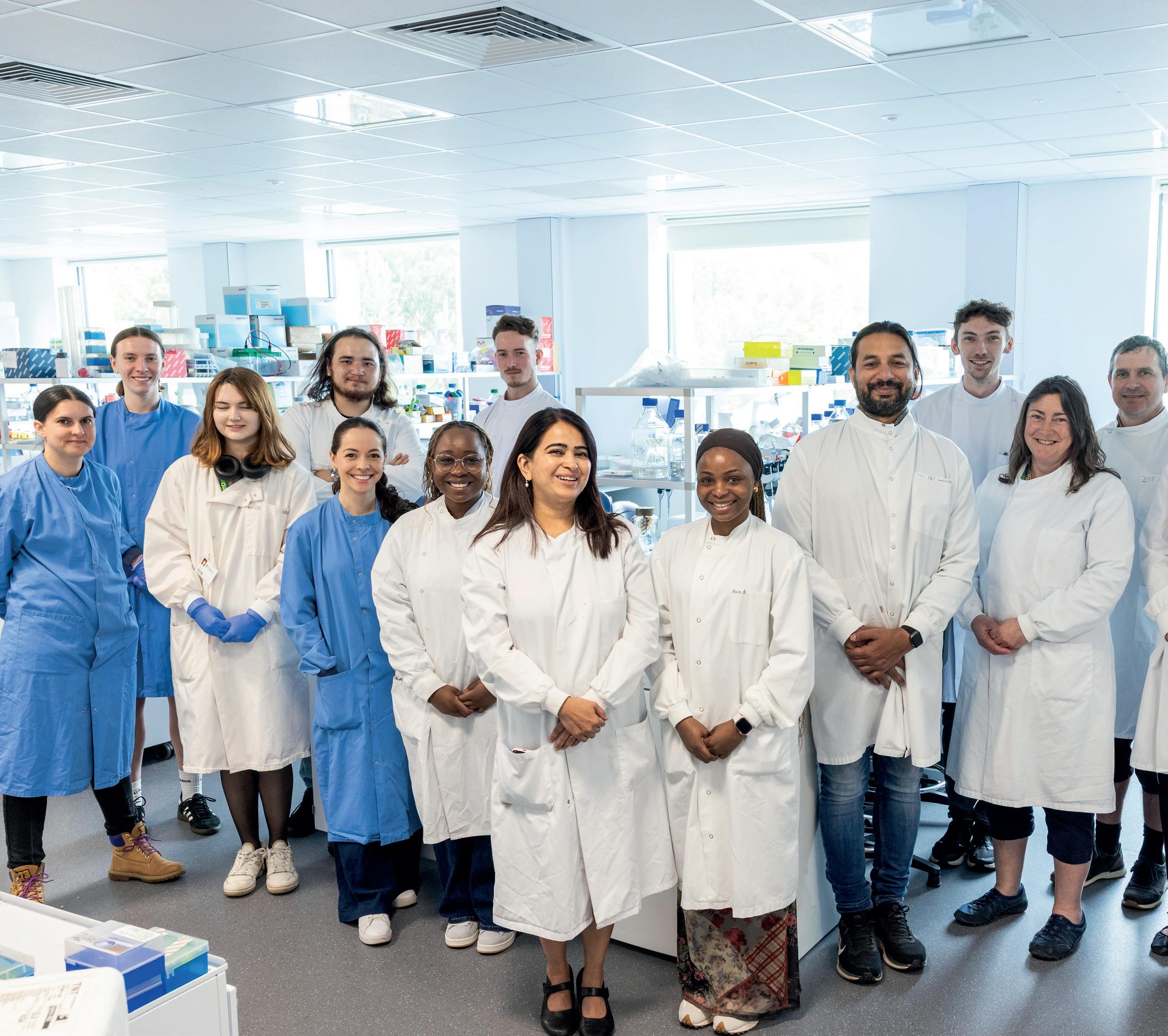
Using the microscope, you can see how cells respond to certain drugs, whether they are happy or not happy. I have lots of different experience with research projects and I enjoy working in the labs the most, as well as teaching. I couldn’t think of any other profession. I couldn’t be anywhere else!
USING THE LABS
Early-stage undergraduate students - those in their first and second years - are largely campus-based for their practical sessions, building essential lab skills and scientific understanding. In their final year, students have the opportunity to
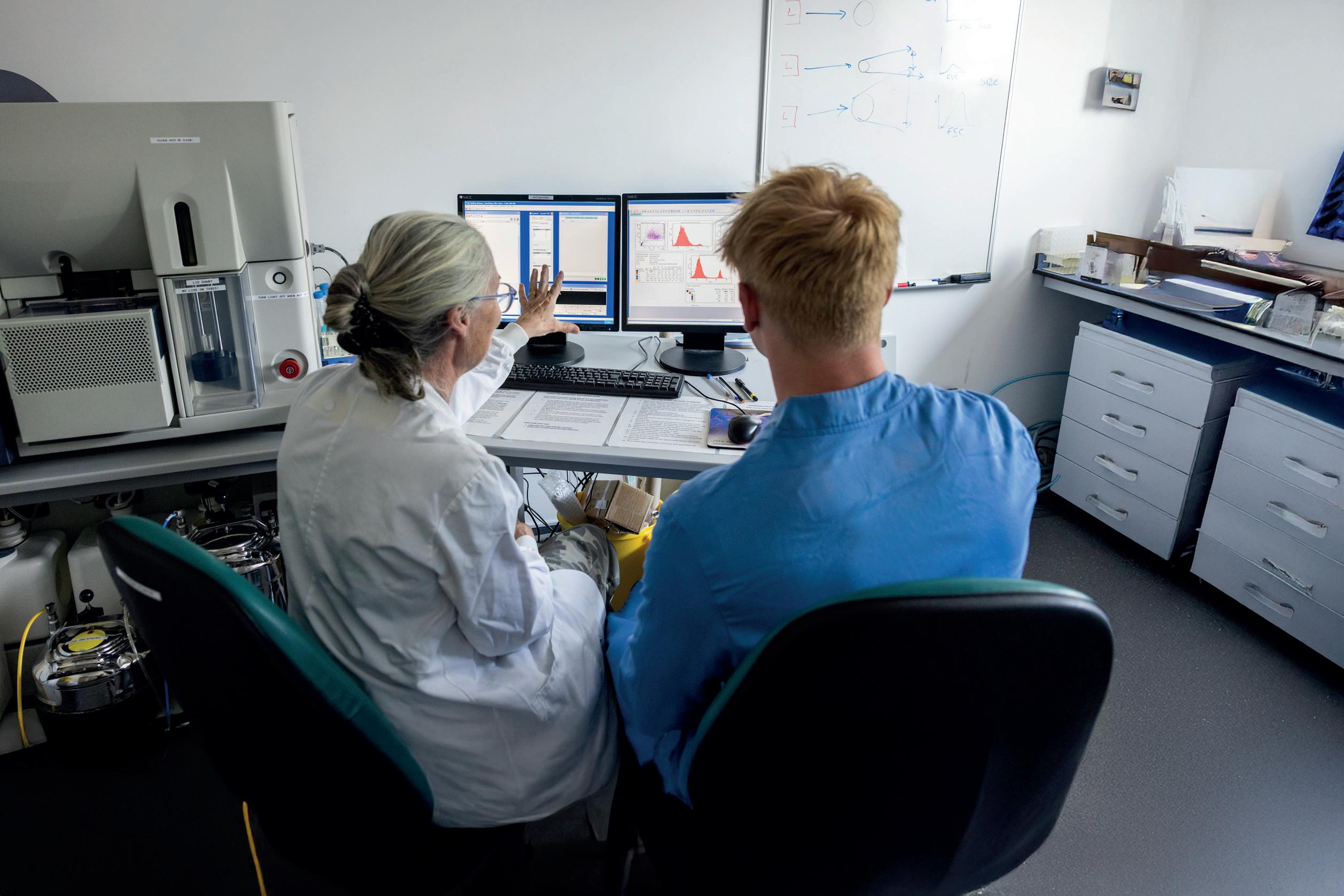
undertake research projects at the Derriford Research Facility (DRF), a dedicated space designed to enhance their scientific experience. Projects cover a diverse range of areas including neuroscience (e.g. Parkinson’s, Alzheimer’s, multiple sclerosis), cancer biology, infection immunology, antimicrobial resistance, and diseases such as sepsis and viral infections.
We also offer summer bursary projects (typically 4–6 weeks) and a placement year option between years two and four, allowing students to explore extended research and determine if it’s a path they’d like to pursue. These projects give students exposure to cutting-
"It’s not uncommon for students to discover unexpected passions and career directions through the lab experience - it can truly be transformative."
edge techniques like flow cytometry, microscopy, data analysis, and cell culture, which go beyond their core curriculum.
STUDENTS CAN CHOOSE BETWEEN:
• Dry lab projects— involving data modelling, computational analysis, or processing complex datasets such as next-generation sequencing
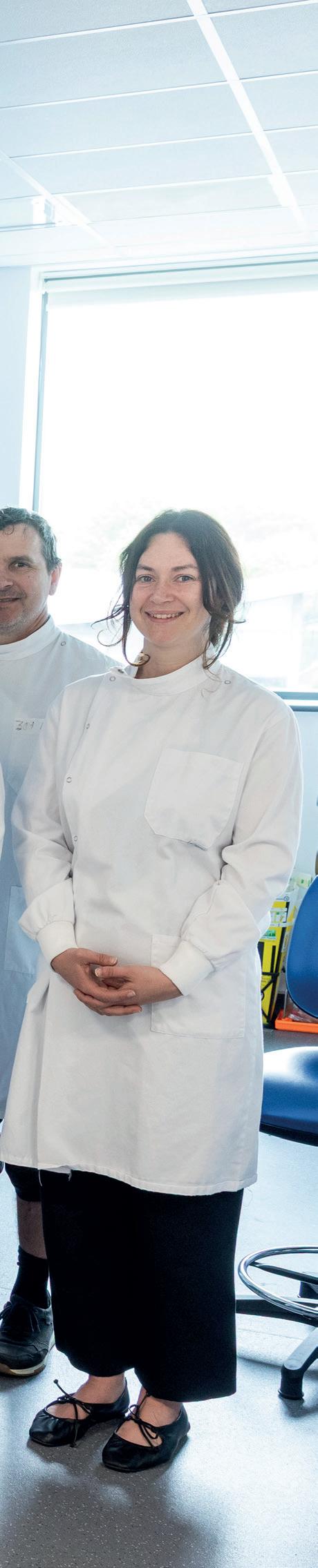
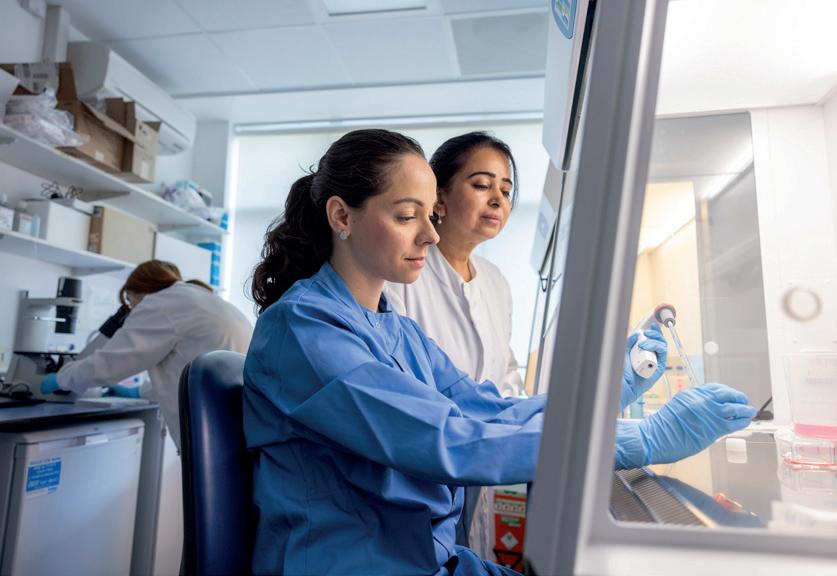
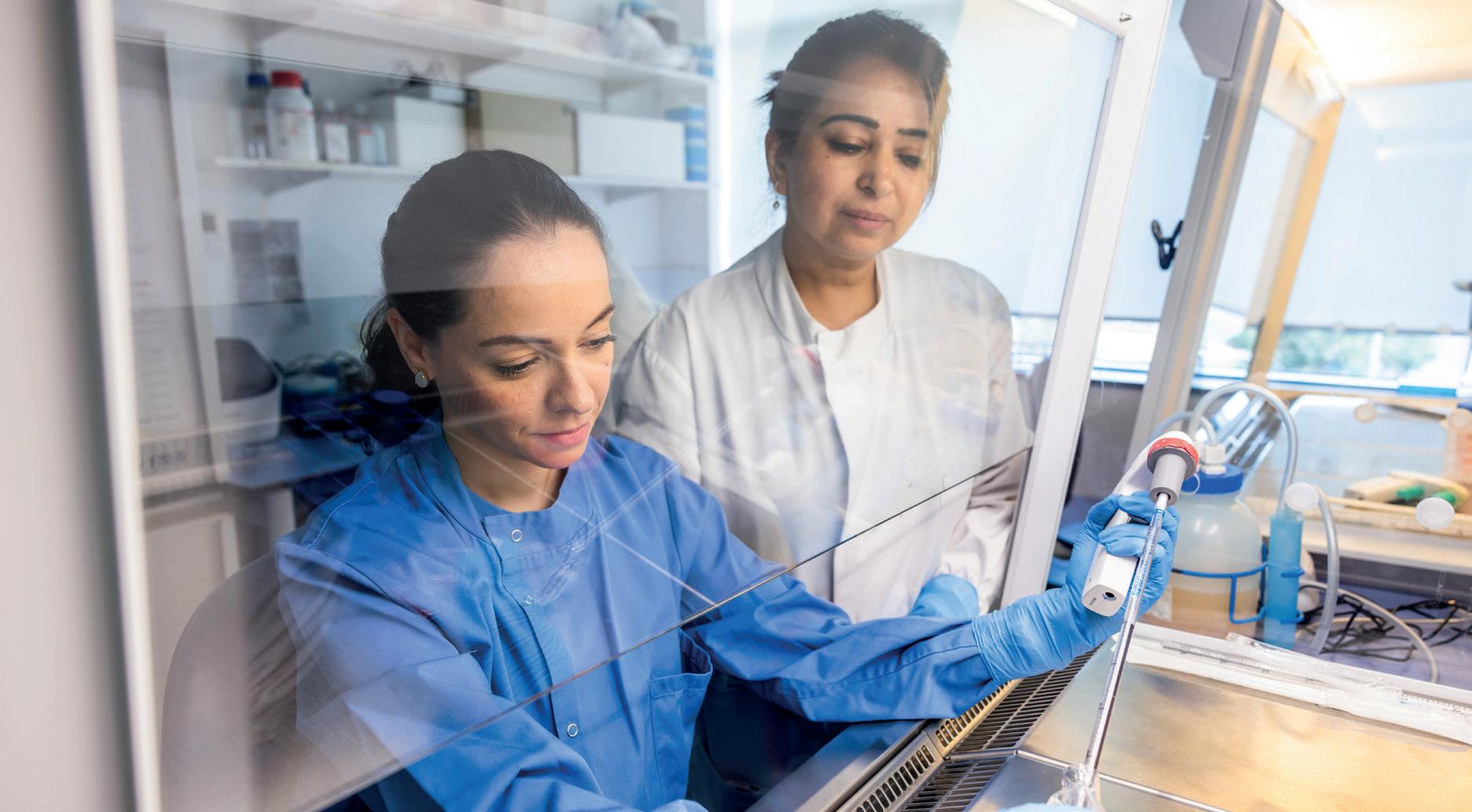
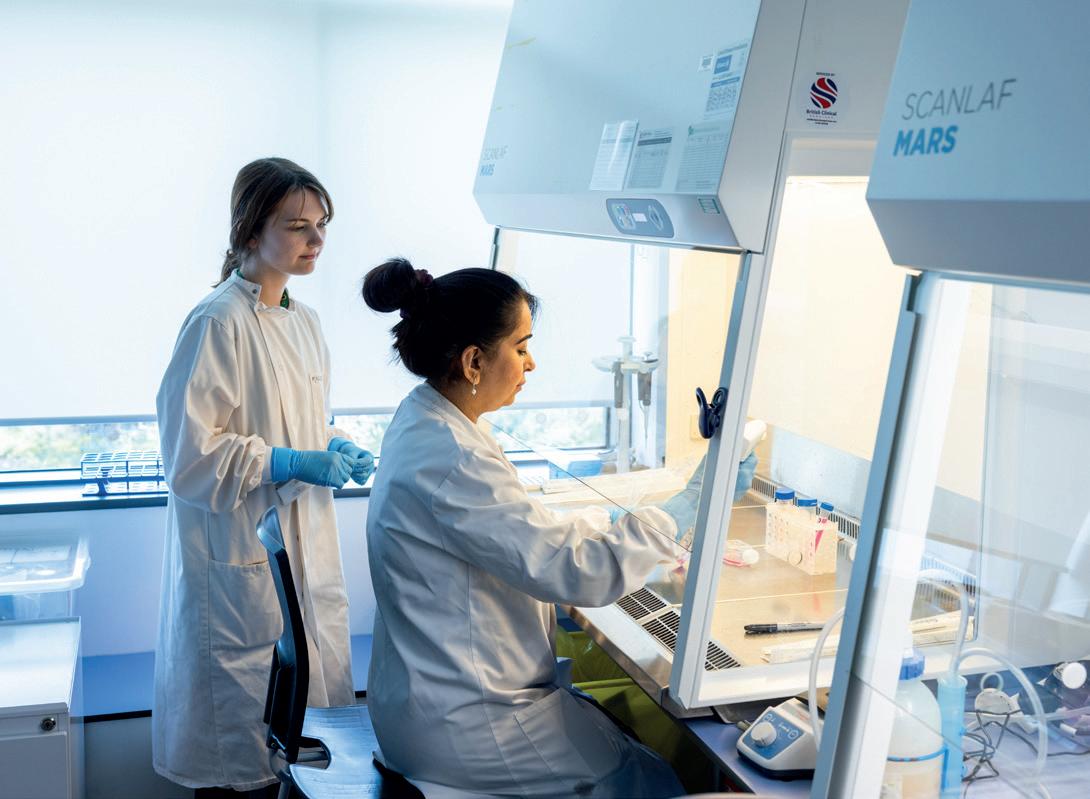
• Wet lab projects—focused on hands-on experimental work in the lab
These experiences allow students to connect theory to real-world applications, and some even publish their work during placements.
OUR TEACHING AND TRAINING
Our commitment to researchinformed teaching means that students are mentored by active researchers, learning not only technical skills but also gaining insight into current scientific challenges.
We train students to appreciate cellular behaviour, the influence of microenvironments, and how
cells interact - skills essential for advanced bioscience research.
SUPPORTING YOUR SUCCESS
Employability is built into our curriculum from the start. In the first and second year, we encourage CV building, skill audits, and offer dedicated support via the Careers and Placement Teams. Through research training and industry awareness, we help students explore a wide range of careers - from academia and pharmaceuticals to public health and even finance. It’s not uncommon for students to discover unexpected passions and career directions through the lab experience - it can truly be transformative.
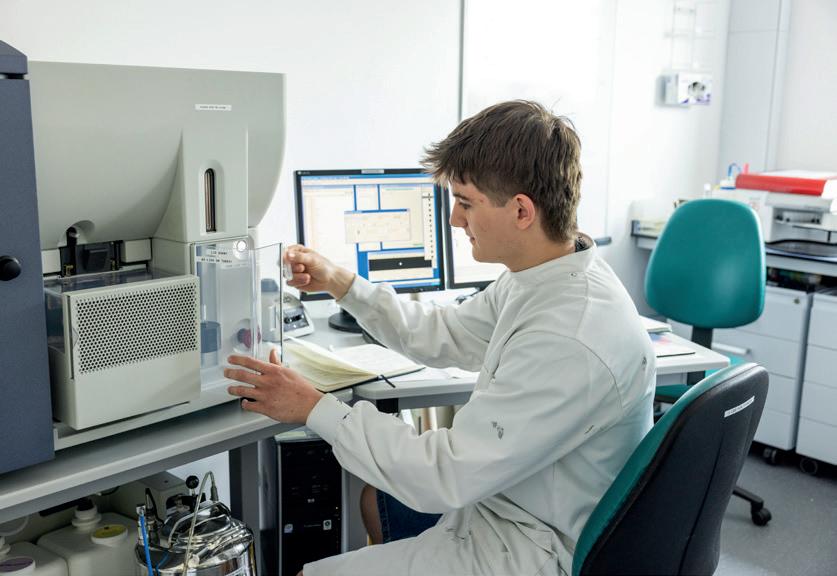
My advice to students would be to make use of the opportunities available to you. If you tell us what interests you, we are more than happy to help you get there. We can help you build your CV, your profile and offer experience in whatever you choose –whether that’s in the lab with stem cells or brain tumour research or macrophages to see how cancer cells interact with immune cells. Just communicate and we will help you get where you want to be.
Heartbeat of discovery
EMA’S CLINICAL PHYSIOLOGY JOURNEY
AT PLYMOUTH
WHAT DOES A TYPICAL WEEK LOOK LIKE FOR A YEAR ONE STUDENT?
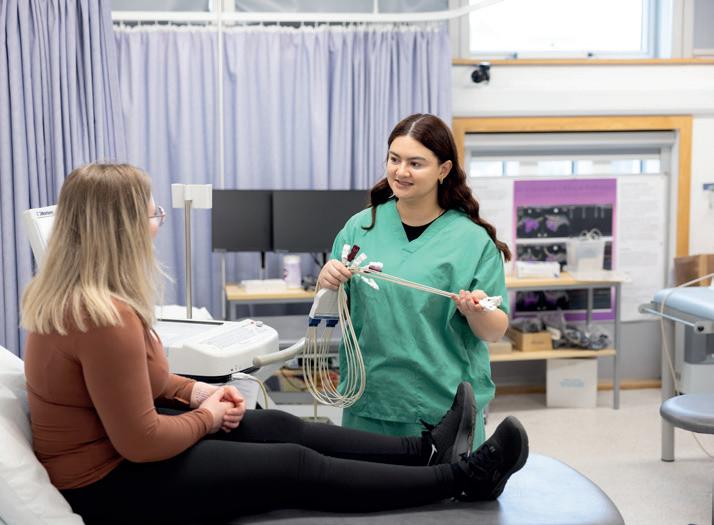
As a first-year student, you typically have lectures daily. Some of these are shared with biomedical science students due to overlapping content, which is a great way to meet new people! In Semester 1, practical sessions take place in the university’s labs, providing hands-on experience. Some lectures are course-specific, allowing you to get to know your course mates well. Moving into Semester 2, there’s an opportunity for day release at the cardiology department of the local hospital, helping you gain practical knowledge ahead of your first-year placement.
WHICH RESOURCES AND FACILITIES HAVE BEEN THE MOST HELPFUL FOR YOUR STUDIES?
The facilities and resources I use the most include the study areas around campus and the Writing Café in the library, which has been incredibly helpful for my assignments. I also love the convenience of the on-campus gym—it makes it much easier to stay active after lectures!
IF YOU NEED SUPPORT, WHICH SERVICES DO YOU ACCESS?
For support, I usually turn to my friends, personal tutor, or other professors. Everyone is very approachable and supportive, whether you need

academic or personal guidance. Although I haven’t personally needed the Student Hub in the library, many of my friends have found it really helpful.
WHERE DO YOU LIKE TO GO IN PLYMOUTH FOR FUN?
One of the best places for coffee in Plymouth is Fig & Thyme on the Barbican—the staff are lovely, and they even allow dogs inside! For food, Caffeine Club (just across from the university) offers great meals at reasonable prices. If my friends and I feel like heading to a pub in the evening, we often go to JSV (James Street Vaults), behind the Rolle building—they have pool tables, which are always fun!
DID YOU JOIN ANY SOCIETIES OR CLUBS?
So far, I have joined Pilates, Badminton, and the Cardiac Physiology Society. These societies are engaging and allow me to stay active while spending time with my friends, making them a great way to balance academics with social and physical well-being.
WHAT DO YOU LIKE TO DO, GENERALLY, IN YOUR SPARE TIME?
In my free time, I spend a lot of time with friends. I’ve made so many since coming to university, and there’s always
someone around campus to hang out with. If I want some time to myself, I enjoy going for walks at Plymbridge Woods, Saltram House, or Mount Edgcumbe.
ANY ADVICE FOR PROSPECTIVE CLINICAL PHYSIOLOGY STUDENTS?
My advice to prospective Clinical Physiology students would be to say “yes” to new opportunities. That mindset has helped me make friends and experience so many great things at university. I’d also recommend making sure you get out of the house and stay active - university can be challenging, so taking breaks and looking after yourself is really important!

Real-world experiences on placement
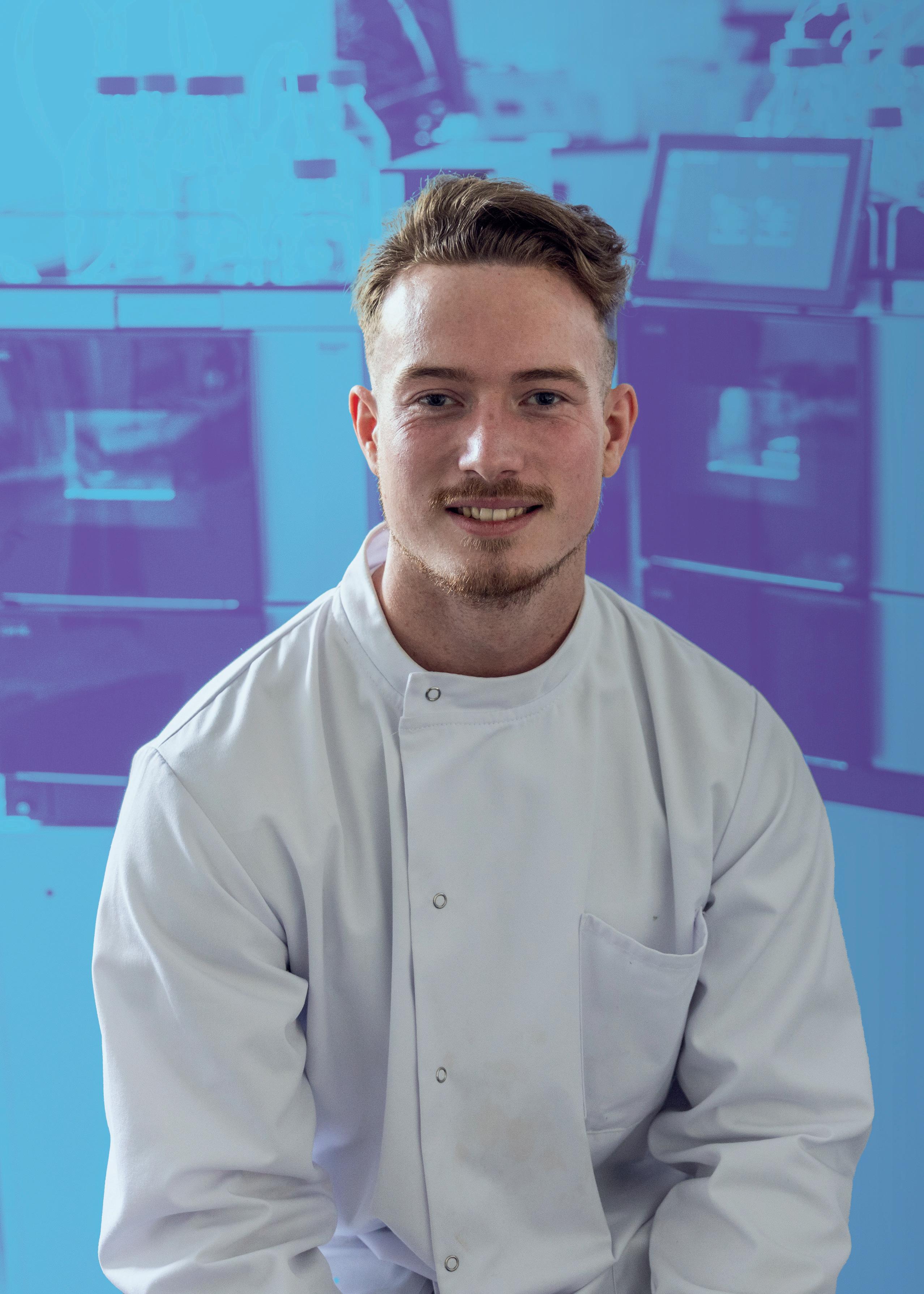
BRADLEY
MS c BIOMEDICAL
SCIENCE

WHY DID YOU DECIDE TO JOIN THE COURSE?
I’ve always enjoyed problem-solving, identifying patterns, and finding solutions, and I have always had a keen interest in human biology. Choosing biomedical science felt like a natural way to bring those two passions together. I was fascinated by the idea of not just understanding how the human body works but also exploring what happens when things go wrong at a cellular or molecular level, and how we can use science to diagnose, treat, or even prevent disease. That drive to uncover the "why" and "how" behind illness is what led me to this course.
DESCRIBE THE MOMENT YOU FIRST FELT LIKE YOU WERE BECOMING A BIOMEDICAL SCIENTIST
I first felt like I was truly becoming a biomedical scientist during my secondyear placement at the Derriford Research Facility (DRF). I was immersed in learning key techniques like cell culture, data analysis, and scientific communication, and it was the first time everything I’d studied began to come together in a real-world setting. I remember being in the lab, fully engaged in culturing cells and analysing experimental results, and then translating that work into a poster presentation for other students and academics to understand.
It was in that moment, handling real data, contributing to a team, and communicating science, that I realised I wasn’t just learning about biomedical science anymore, I was actively doing it.
WHAT MAKES STUDYING AT THE UNIVERSITY OF PLYMOUTH SPECIAL?
Studying at the University has been special because of the quality of the facilities, the supportive teaching staff, and the hands-on, practical nature of the course. The labs are well-equipped, allowing us to train with the same tools used in professional research and diagnostics. The lecturers are not only knowledgeable but genuinely passionate about their fields, which makes learning more engaging and inspiring. What stood out was the emphasis on real-world experience, especially through placements and practical modules, which gave me a deeper understanding of how biomedical science is applied beyond the lecture hall.
WHAT SKILLS HAVE YOU GAINED SO FAR (ACADEMIC AND PRACTICE) FROM YOUR COURSE?
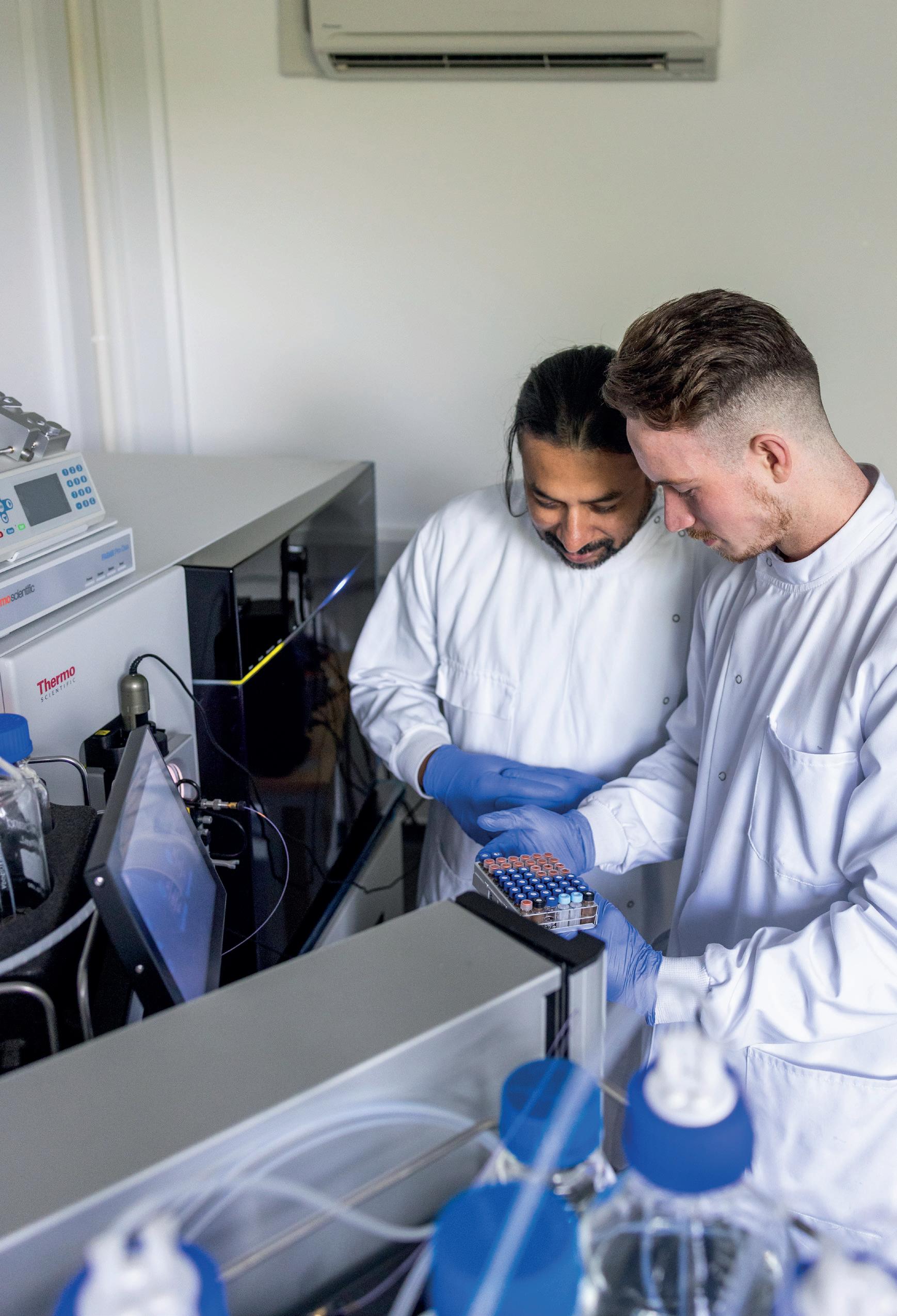
So far, my course has helped me develop a strong set of academic and practical skills. Academically, I’ve gained a solid foundation in molecular biology, pathology, and immunology, along with critical skills in data interpretation, scientific writing, and literature analysis. Practically, I’ve become confident in laboratory techniques such as cell culture, Cell viability analysis, western blotting, microscopy, ELISA and flow cytometry. I’ve also learned how to follow lab protocols precisely, maintain accurate records, and troubleshoot experiments when things don’t go as expected. On top of that, the course has strengthened my ability to communicate complex scientific ideas clearly while
being able to critically analyse the data presented, whether through reports, presentations, or group discussions.
WHAT PLACEMENTS HAVE YOU HAD AND HOW HAVE THESE BENEFITTED YOU?
I’ve had several valuable placement experiences that have really shaped my development as a biomedical scientist. During my second-year summer placement, I was introduced to foundational lab skills such as cell culture and cell viability assays, which
gave me my first real insight into working with live cells and analysing their responses. In my third-year dissertation project, I built on those techniques by advancing my skills in cell culture and learning more complex methods like gel electrophoresis and western blotting to study protein expression. For my Master’s placement, I’ve taken that a step further by working with co-culture systems to investigate the tumour microenvironment, specifically looking at how immune cells

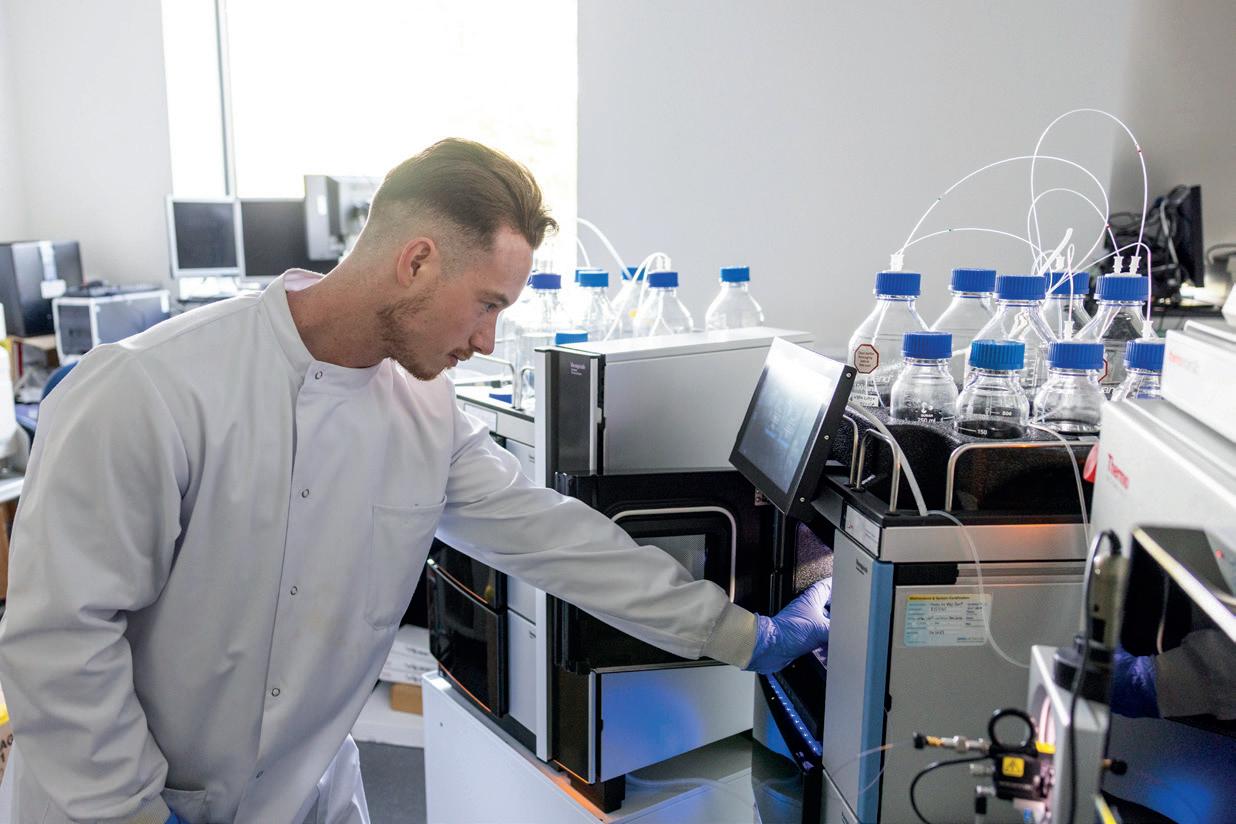
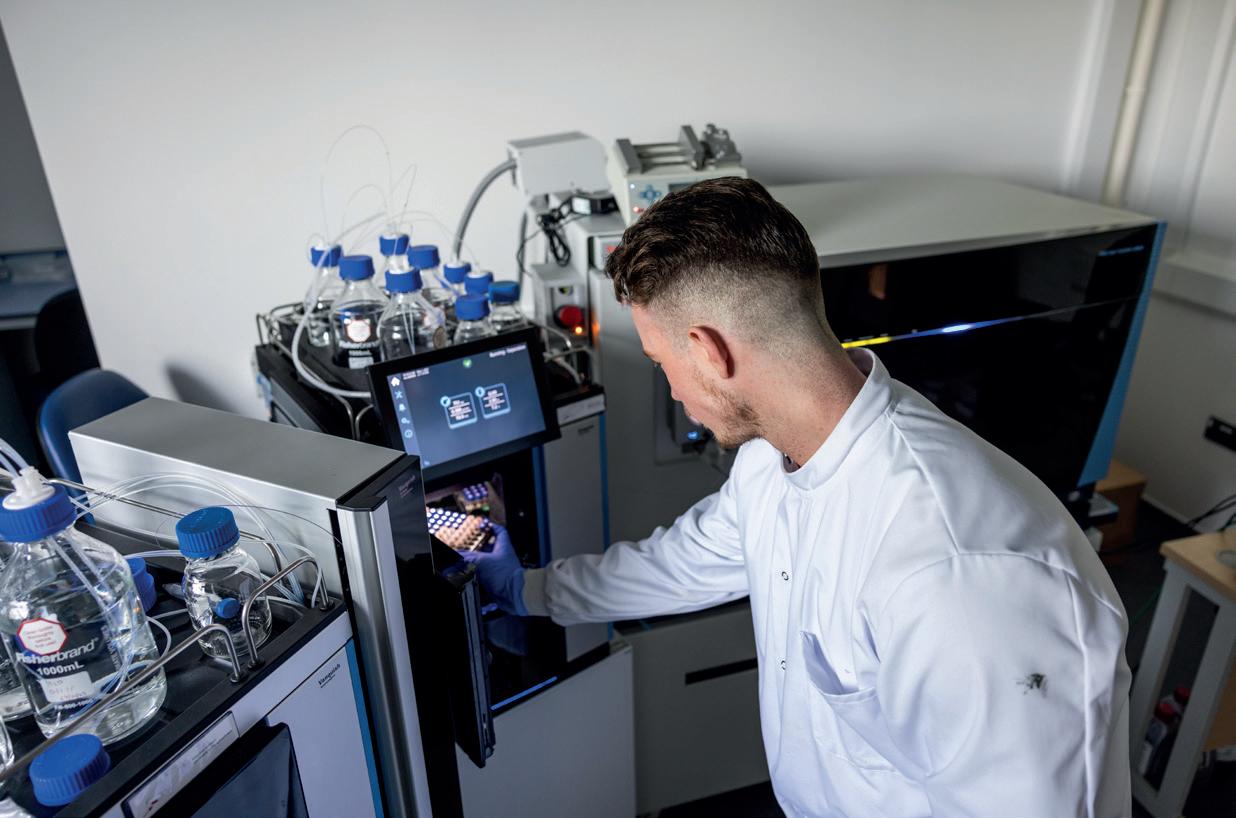
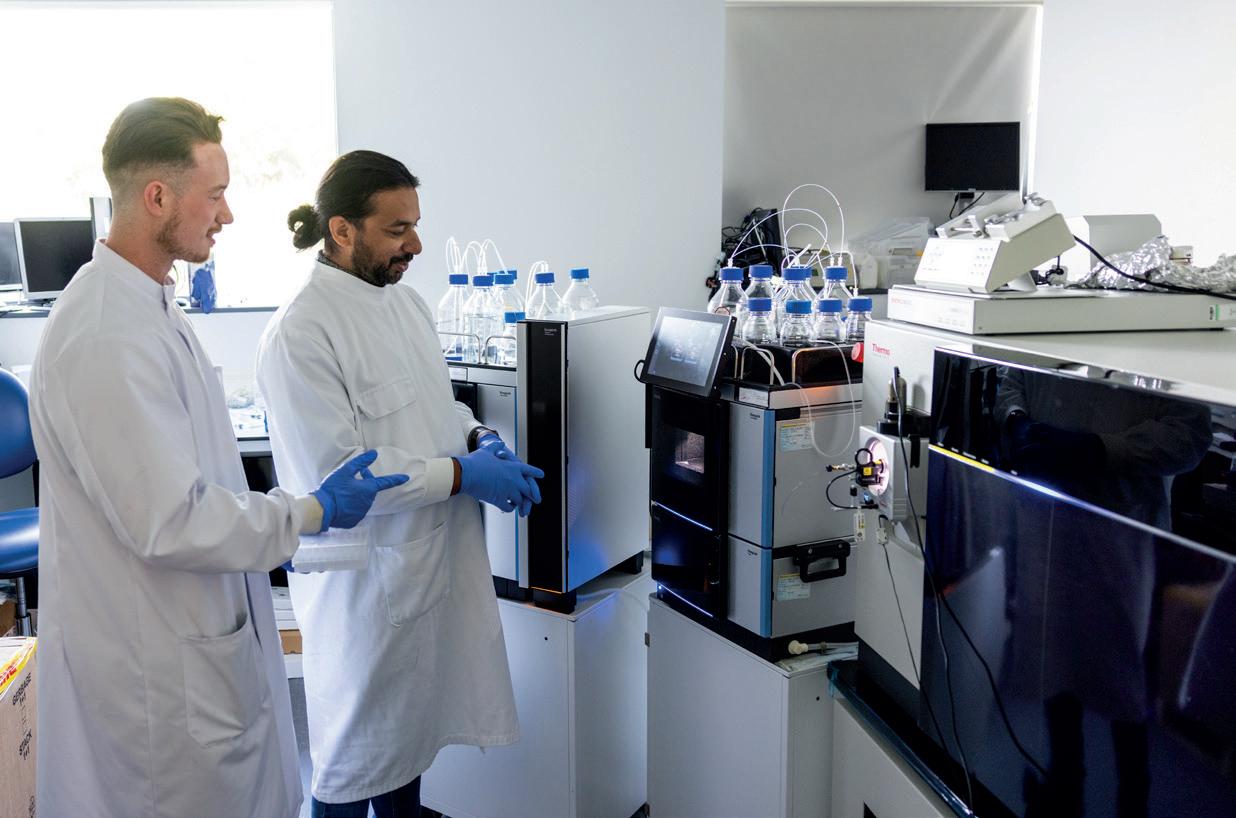
interact with cancer cells and influence tumour progression. Each placement has deepened my technical abilities, critical thinking, and understanding of the translational relevance of biomedical research.
WHAT HAS BEEN YOUR PROUDEST ACHIEVEMENT ON YOUR COURSE / PLACEMENT SO FAR?
My proudest achievement so far has been working as a lab technician while completing my Master’s degree. Balancing my
Studying at the University has been special because of the quality of the facilities, the supportive teaching staff, and the hands-on, practical nature of the course.
own studies with that level of responsibility was challenging, but incredibly rewarding. I was trusted to support and guide undergraduate students during their dissertation projects, as
well as interns gaining their first experience in a lab. Being in a position where I could share my knowledge, help troubleshoot experiments, and support others in developing their skills showed how far I’d come. It gave me a strong sense of confidence and pride in my abilities, not just as a student, but as someone now completing a full circle from first being taught to now doing the teaching.
WHAT DO YOU ENJOY THE MOST ABOUT STUDYING AT PLYMOUTH?
One of the things I love most about studying at the University of Plymouth is its location. Being right by the Hoe and the sea gives the city a calming atmosphere, and there’s always somewhere scenic to go for a break, whether it’s walking along the waterfront or exploring the many historic sites nearby. The university itself is right in the heart of the city centre, which makes everything convenient, from shopping days to catching frequent buses to nearby beaches. It’s the perfect mix of academic focus and a vibrant, coastal student life.
WHAT SUPPORT HAS BEEN BENEFICIAL TO YOU?
I’ve definitely felt supported in terms of my wellbeing at the University of Plymouth. Studying can be intense at times, especially with the demands of a scientific course, but knowing there’s a strong support system in place has made a big difference. The mental wellbeing support team has been fantastic—they’re approachable, professional, and always ready to listen. Whether you need to talk to a counsellor, your personal tutor, or another member of staff, there’s always someone available to help. That level of support has made it easier to stay on top of both my academic work and my mental health.
Real-world experiences on placement
KAYLEY BS c BIOMEDICAL SCIENCE

WHY DID YOU DECIDE TO JOIN THE COURSE?
I want to be a biomedical scientist and need to do an accredited course and a placement year to be HCPC registered!
WHAT IS THE BEST, MOST EXCITING, OR FUN THING THAT YOU HAVE DONE ON YOUR COURSE SO FAR?
The placement year! I put the learning into practice - it made things make sense. It was also a nice break from the stress of studying.
WHAT MAKES STUDYING AT THE UNIVERSITY OF PLYMOUTH SPECIAL?
The lecturers are really friendly and approachable and the lab facilities are really good - especially the Derriford Research Facility.
WHAT SKILLS HAVE YOU GAINED SO FAR (ACADEMIC AND PRACTICE) FROM YOUR COURSE?
I have got my portfolio finished so I can get HCPC registration and be employed as a band 5 biomedical scientist in the NHS.
WHAT PLACEMENTS HAVE YOU HAD AND HOW HAVE THESE BENEFITTED YOU?
I completed a year with the biochemistry department at Derriford Hospital, which allowed me to complete my portfolio without having to wait on a training position to become available. I was able to network and gain some contacts to help me achieve my goal, as well as getting lab experience to make sure it’s the job I want to do.
WHAT IS YOUR LONG-TERM CAREER PLAN?
My career goal is to work up the ranks in biomedical science or switching to clinical scientist if the opportunity arises.
WHAT HAS BEEN YOUR PROUDEST ACHIEVEMENT ON YOUR COURSE / PLACEMENT SO FAR?
Getting the award for best placement feedback. It made my hard work feel appreciated and that I was capable to become a biomedical scientist.
HAVE YOU FELT SUPPORTED, IN TERMS OF YOUR WELLBEING, AT THE UNIVERSITY? WHAT SUPPORT HAS BEEN BENEFICIAL TO YOU?
The staff being friendly and approachable for help and advice!
PLYMOUTH INTEGRATIVE HEALTH AND SOCIAL CARE EDUCATION CENTRE (PIHC)
INTERPROFESSIONAL LEARNING
Most of you will have had some form of experience with the healthcare system in your lifetime. While our courses at Plymouth are designed and delivered to let you excel at a single profession – be that to become an adult health nurse or an occupational therapist, we
want to offer you the additional skills and knowledge that will enable you to thrive within multi-disciplinary teams.
PIHC, or the Plymouth Integrative Health and Social Care Education Centre, is a new initiative within the Faculty of Health that supports
interprofessional learning (IPL) across our far-ranging suite of healthcare courses, so that our students are given opportunities to learn with, from and about each other. IPL is an effective tool in equipping students with transferrable skills that are valuable for their future careers. We want the next
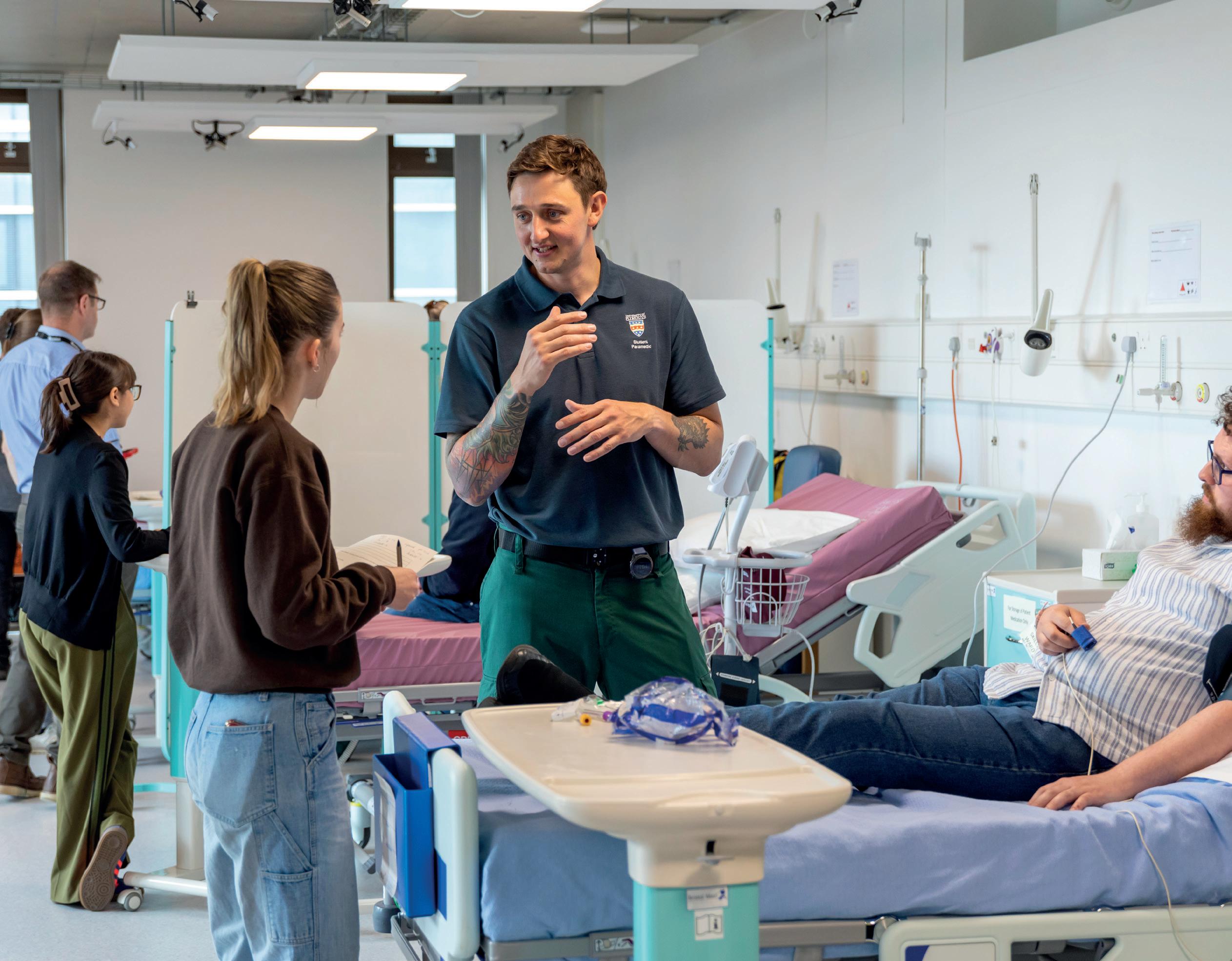
generation of healthcare professionals to step into the workforce as confident practitioners from day one, and perhaps the diversity of courses within the faculty allows us to facilitate this by bringing various disciplines together –from diagnostic radiography to dietetics, dental surgery to clinical physiology, and from paramedics to child health nursing.
INTERPROFESSIONAL LEARNING OPPORTUNITIES:
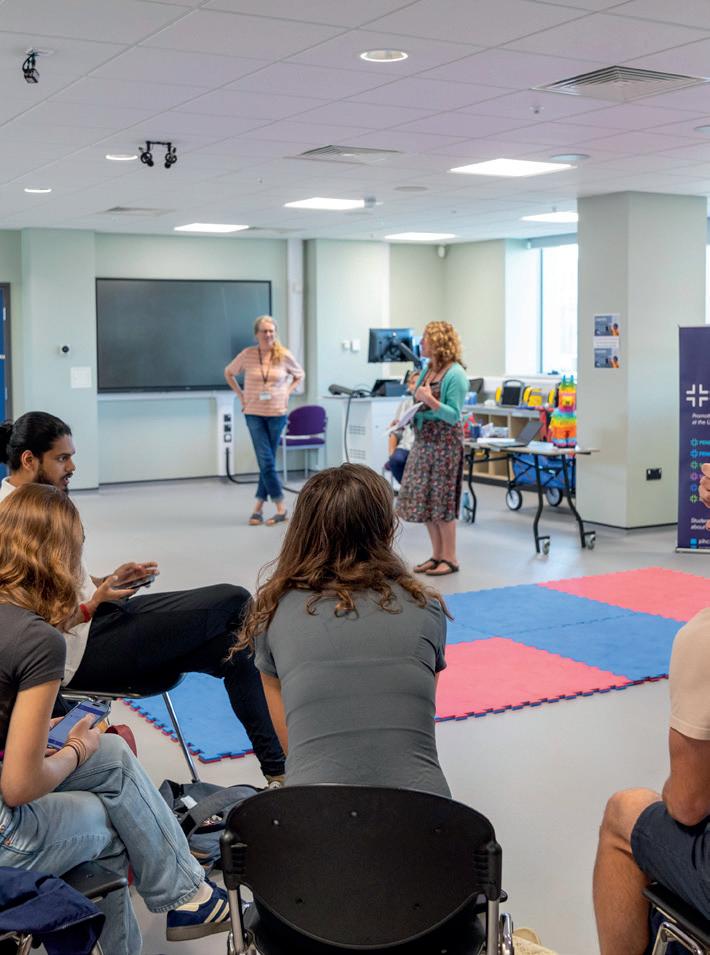
• Extensive Interprofessional Events: PIHC hosts a range of collaborative, interprofessional learning events, delivered both in-person and online, across multiple sites. These events focus on real-world topics such as patient journeys, common conditions, topical healthcare issues, and emerging healthcare practices.
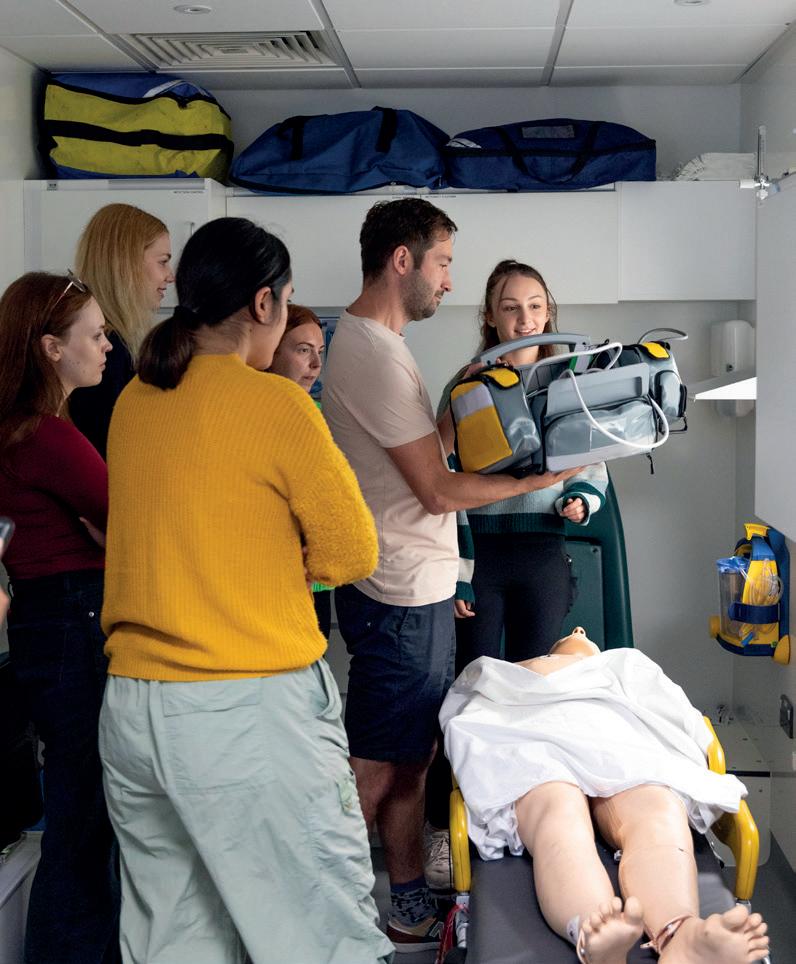
• Progressive Collaborative Learning: Early in your course, these events will introduce you to the roles, responsibilities, and scope of practice of various healthcare professionals to help to prepare you for future practice. As you progress through your studies, these sessions become more immersive, encouraging you to actively engage with students from other disciplines. You’ll collaborate on learning projects, developing the teamwork and communication skills essential for modern healthcare.
HANDS-ON LEARNING AND SIMULATION:
• Simulation Opportunities: PIHC also supports smaller scale interprofessional learning activities, including joint simulations, where students from different healthcare
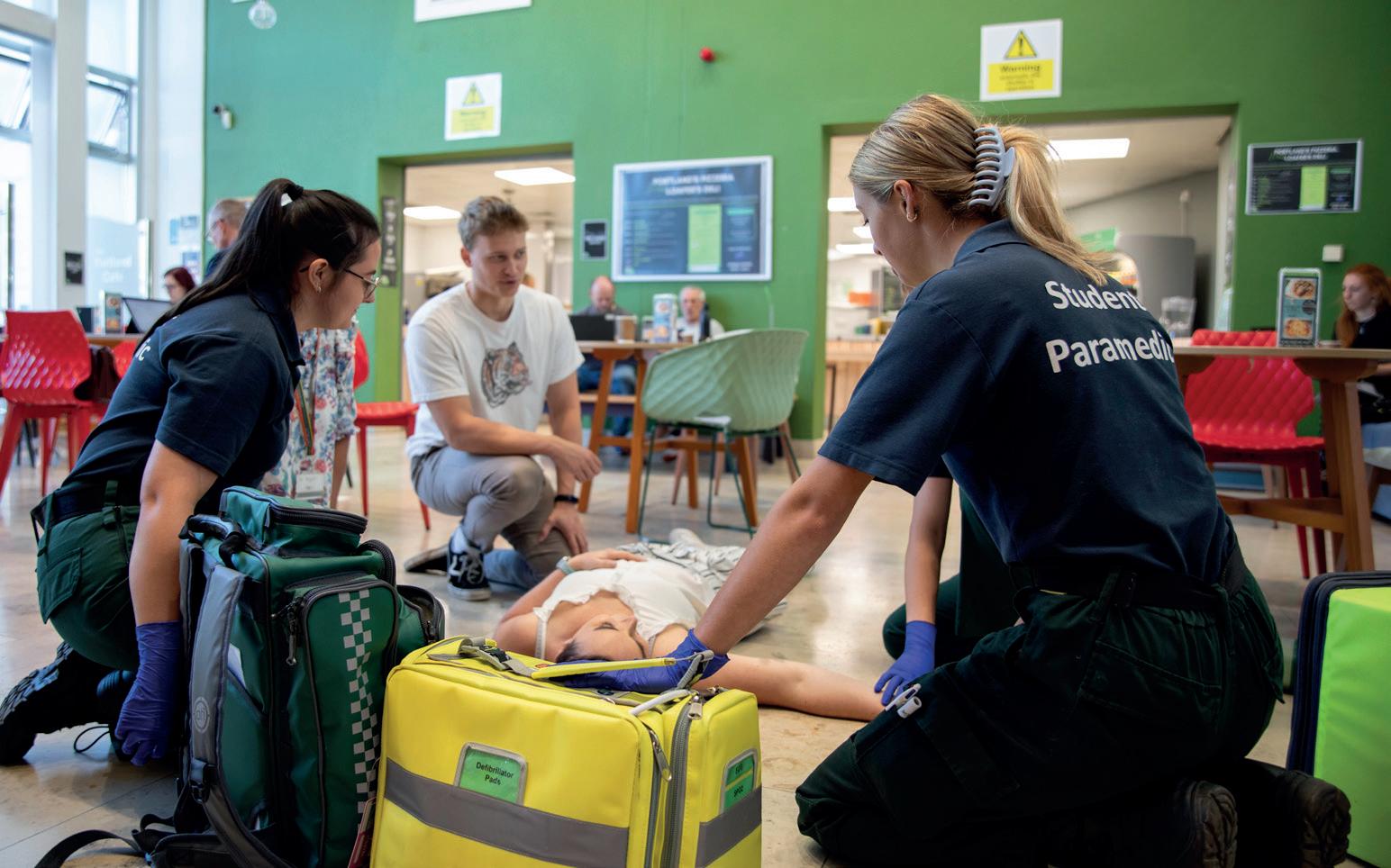
backgrounds work together in practical settings:
EMOTIONAL
AND SOCIAL LEARNING:
• Schwartz Rounds®: Understanding that healthcare can be both rewarding and challenging, our faculty also hosts Schwartz Rounds®, providing a safe, interprofessional space where students and staff can discuss the emotional and social aspects of healthcare.
Through our comprehensive approach to interprofessional education and the innovative initiatives offered through PIHC, you will gain the collaborative skills, practical experience, and professional understanding required for exceptional patient care in an evolving healthcare environment.
ALUMNI STORIES

Ella
BSc (Hons) Nutrition, Exercise and Health graduate.
A dancer’s journey into sports nutrition.
With a lifelong enthusiasm for health and exercise, BSc (Hons) Nutrition, Exercise and Health graduate Ella is dedicated to empowering others to improve their wellbeing.
"As a former ballet dancer, I have always had a keen interest in exercise training and nutritional strategies to support my health and performance, aspiring for a career in helping others also improve their health and wellbeing. During my time at Plymouth University, learning how the energetic requirements of exercise are supported, and the factors influencing fuel selection during different types of exercise sparked a keen interest as to how dietary manipulations could optimise performance, allowing athletes to reach their goals. This led me to focus my final year research project on athletic populations, exploring the extent of athlete knowledge and consumption
frequencies of probiotic products. After graduating, my next step involves further postgraduate study, undertaking an MSc in Sports Nutrition.
Being a degree accredited by the Association for Nutrition was a key feature that drew me to the BSc (Hons) Nutrition, Exercise and Health programme at Plymouth University, allowing me to apply for direct entry onto the register of Associate Nutritionists after graduating. Alongside this, the variety of content delivered on the course appealed to me, from modules focusing on nutrition through various stages of the life cycle to those exploring the relationship between diet and disease or the physiology of exercise training. I thoroughly enjoyed developing my practical skills within these modules, gaining experience assessing body composition, blood glucose/ lactate sampling and

conducting various fitness tests, as well as taking the opportunity to complete a Level 3 Personal Training award, allowing future work within the fitness industry. Having grown up in a small countryside village, I particularly love the balance of city life, and green space in Plymouth, with the Hoe and multiple parks just a short walk from campus.
Whilst juggling time spent on lectures, revision and coursework can be challenging, I would also thoroughly recommend engaging in a sport/hobby alongside studying. During my second and third year, I took up the challenge of running the London marathon, meaning my training was an opportunity to take time away from studying and get some fresh air. The University Students’ Union run many different clubs and societies to get involved with, which are a great opportunity to socialise and meet new people."

Trudie
BSc (Hons) Medical Sciences graduate.
Microscopic beginnings, big ambitions.
WHY DID YOU CHOOSE TO STUDY BSC (HONS) MEDICAL SCIENCES?
I was applying to university and had originally chosen medicine at Plymouth as my first choice, with Human Biosciences (now BSc (Hons) Medical Sciences) as my insurance choice.
However, due to the pandemic I was unable to sit my final A level exams and didn’t receive the grades required for medicine.Instead, I enrolled to study human biosciences as it appealed to my interest in the human body and how it functions during infection and disease.
WHY DID YOU CHOOSE TO STUDY AT PLYMOUTH?
I’m originally from Northern Ireland and knew I wanted to attend a university away from home. Plymouth is a relatively small city and has plenty
of green spaces, which appealed to me as someone from a small rural town.
The fact that Plymouth is right by the sea was another attractive feature for me as it provided the opportunity to try new activities associated with a seaside destination.
WHAT WERE YOUR FAVOURITE PARTS OF THE COURSE?
My favourite parts were definitely the laboratory practicals and modules about microbiology. I love being in the lab and am happiest with a pipette in hand! Due to my interest in microbiology, the practical sessions in those modules were my favourite.
At the end of my degree, I achieved two academic awards: an Academic Excellence Award for highest achiever in Year 3 and a Research Excellence
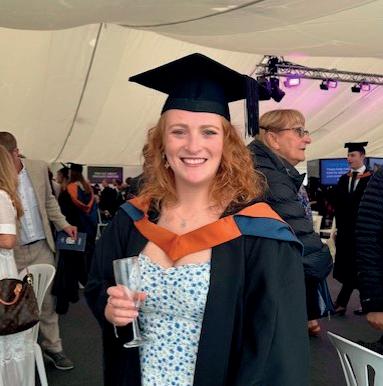
Award for highest achiever in Research Project in Year 3.
DO YOU HAVE ANY ADVICE TO PROSPECTIVE STUDENTS?
Seriously consider doing a placement year. I chose to do a placement year with Dr Gyorgy Fejer at the Derriford Research Facility and I got a real sense of what it means to work in a research laboratory – something I was beginning to realise could be a future career.
The skills and confidence I gained were a huge help when completing my final year research project and ultimately helped me come to the conclusion that I wanted to pursue research as a career.


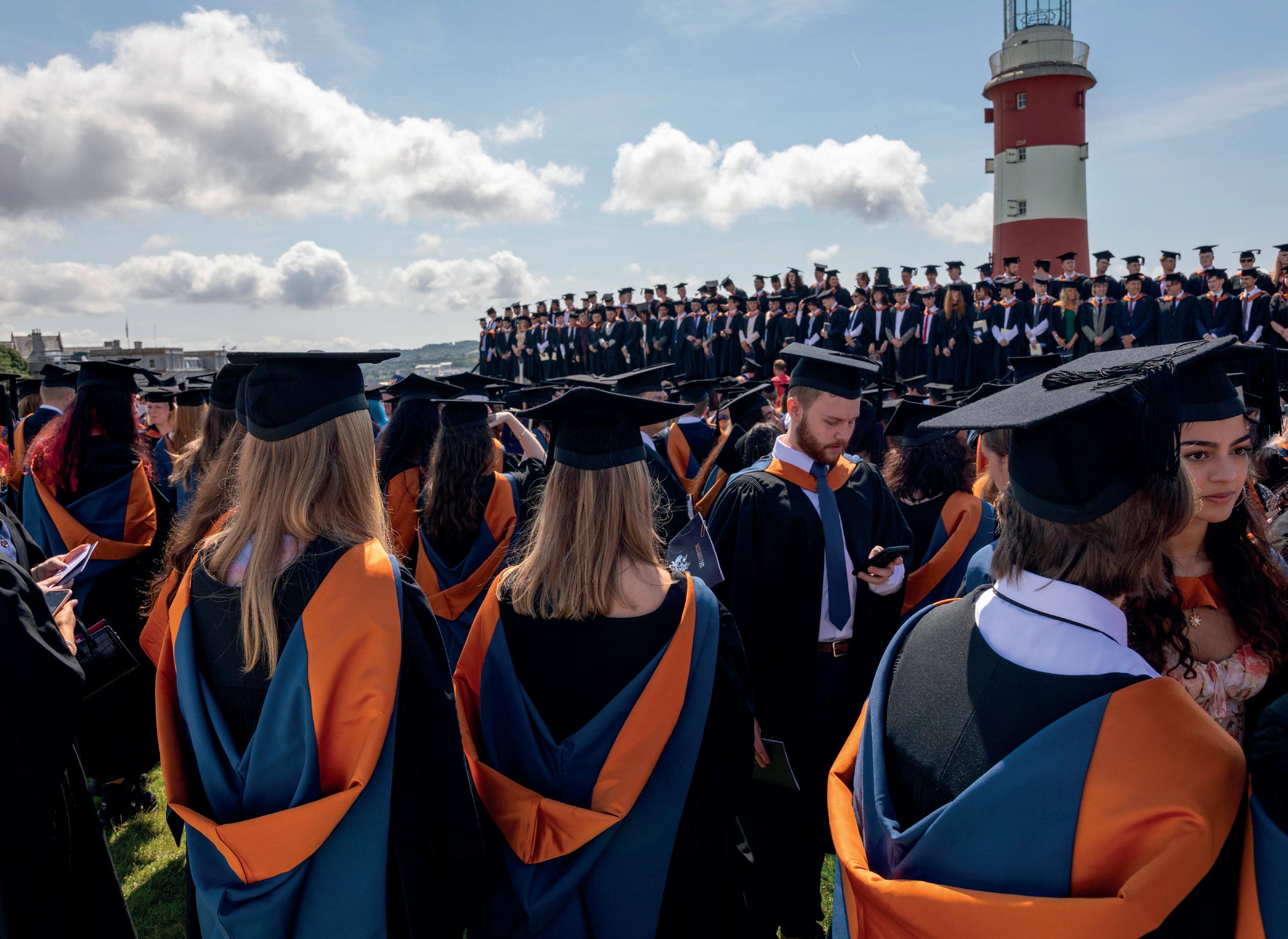
IT’S YOUR FUTURE MAKE IT COUNT
Over 95% of our graduates are in work or further study*