In this issue
Features
P11 Building Industry – Sustainable yet high-performance materials— including plastics made from recycled waste, concrete and circular paints derived from used tyres, and PE pipe solutions—are providing a fail-proof foundation for the building sector.
P14 Country Focus: Thailand – Thailand’s automotive and energy sectors are spearheading the country’s transition to a green economy through a strategic focus on EV manufacturing and the development of solar and other renewable energy projects.
P17 Packaging – Food packaging companies are serving up the latest innovations in the sector, including robust mono-material PE and ionomer-free vacuum skin packaging solutions that are cost-effective, secure, and highperforming.
Regulars
p1 Machinery News
P2 Industry News
P6 Materials News supplements

Automotive: Advanced materials are going circular, with engineering plastics such as PS/ABS, POM, and sustainably produced composites leading the way. Meanwhile, the EU has greenlit circularity regulations that cover the entire lifecycle of vehicles.
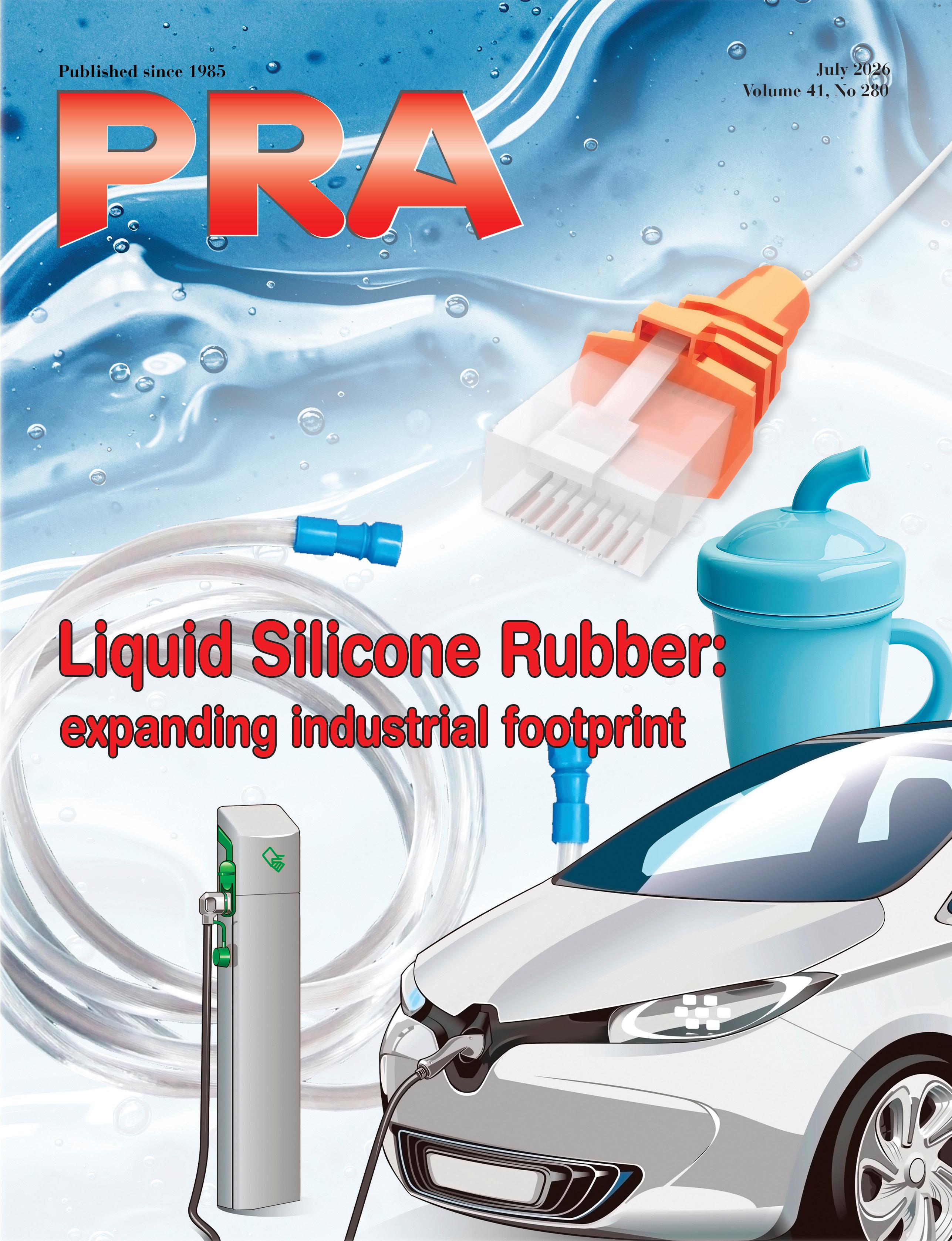
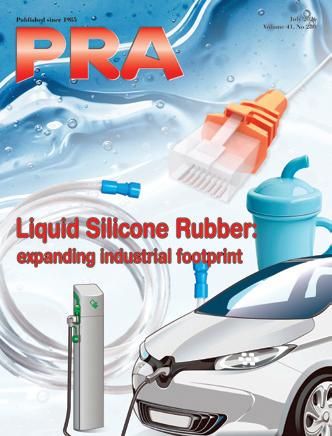
lsR: Liquid silicone rubber has gained traction in high-value sectors such as healthcare, automotive, and electronics owing to its thermal stability, chemical resistance, and biocompatibility, with its application scope expected to broaden further.



publisher/editor-in-chief
Arthur Schavemaker
Tel: +31 547 275005
Email: arthur@kenter.nl
Associate publisher/executive editor
Tej Fernandez
Tel: +6017 884 9102
Email: tej@plasticsandrubberasia.com
european correspondent
Jeanet Draaijer
E-mail: jeanet@kenter.nl
Asian correspondent
Angelica Buan
Email: gel@plasticsandrubberasia.com
circulation
Stephanie Yuen
Email: stephanie@taramedia.com.my layout/design
Prestige Trading
Email: prestige9a@gmail.com permits
ISSN 1360-1245
is published 4 (four) times a year in English by Kenter & co Publishers’ representatives BV.
Whilst every effort is made to ensure that the information contained in this publication is correct, the publisher makes no warranty, expressed or implied, as to the nature or accuracy of such material to the extent permitted by applicable law.
© 2026 Kenter & co Publishers’ representatives BV No part of this publication may be reproduced, stored or used in any form, or by any means, without specific prior permission from the publisher.
PrA is a digital publication that is circulated free to trade readers in the plastics and rubber industry. Please view this link to subscribe/renew your free subscription: http://plasticsandrubberasia.com/register.html
www.plasticsandrubberasia.com www.rubberjournalasia.com www.injectionmouldingasia.com www.eog-asia.com
SML stretches layers with Nano101
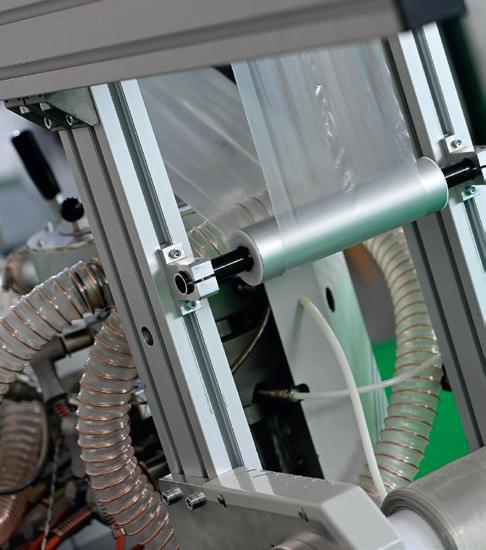
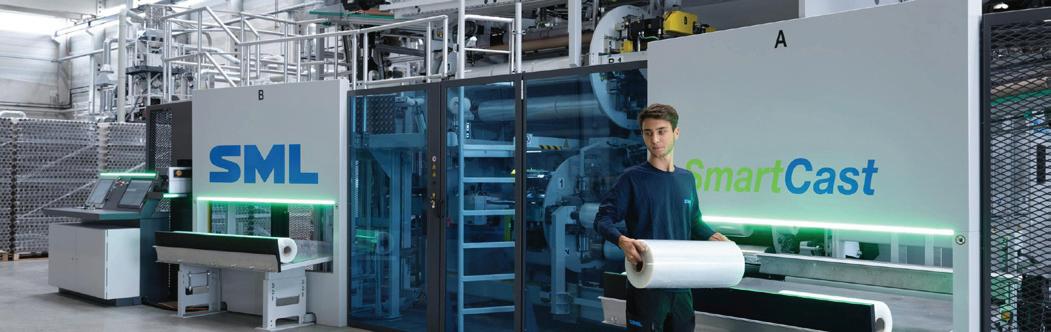
Building on the success of previous generations of SmartCast stretch film lines, extrusion machinery maker SML has now installed the fourth generation of the SmartCast Infinity in its Technology Centre in Austria, equipped with the latest advancements: a newly developed nanolayer feedblock for 101 layers.
Nanolayer technology is an advanced technology in stretch film production to improve film quality and wrapping application. Nano-layered film gives stretch film incredible performance despite its thickness.
While Nano67 is already an established technology for high-end applications on the market, SML is now pushing this technology further.
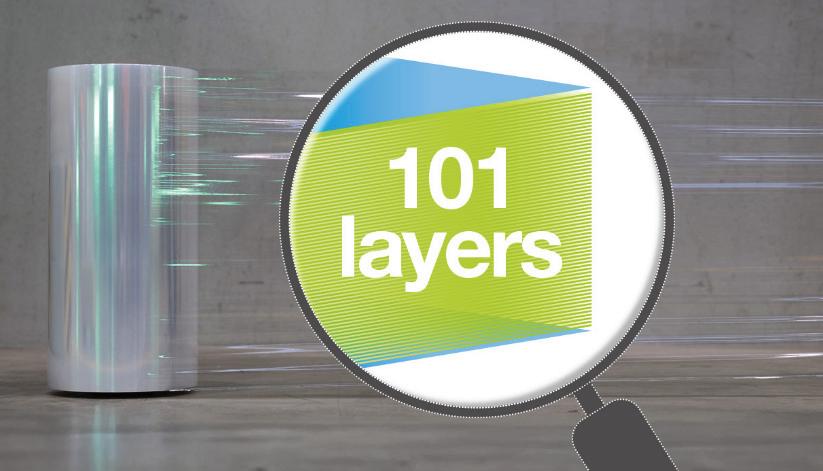
SML’s latest SmartCast stretch film line is equipped with a newly developed nanolayer feedblock for 101 layers What makes Nano101 unique?
In close collaboration with feedblock equipment maker Cloeren and drawing on the vast experience and learnings of Nano67, SML says it developed a “truly unique piece” of equipment. The new nanolayer feedblock was customengineered to meet highest requirements.
This design differs from every previous solution in three key ways:
• 101 layers – the highest number count ever achieved in stretch film
• Highest percentage of nano- structured film in the total film
• Highest number of extruders – the nanolayer feedblock is fed by eight extruders
Overall, these features offer higher flexibility to influence film properties.
Machinery news
“Nano101 lets us combine a wider range of functional materials, in different sequences and at lower percentages. While the stretch films produced on our machinery already exceed the market requirements for elongation, Nano101 focuses on influencing tear propagation, holding force and puncture resistance,” explains Thomas Rauscher, Product Manager at SML.
With Nano101, SML says it now offers two innovative nanolayer technologies as standard: the time-proven Nano67 and the brand-new Nano101.
StackTeck’s quick change system for moulds
To help brand owners achieve greater system flexibility, Canadian tooling supplier StackTeck Systems has developed its Quick Product Change (QPC) system that gives injection moulders the ability to perform complete product changeovers in as little as 30-50 minutes, even for large stack moulds. That compares to conventional mould technology in which changeovers often take an entire production shift or longer.
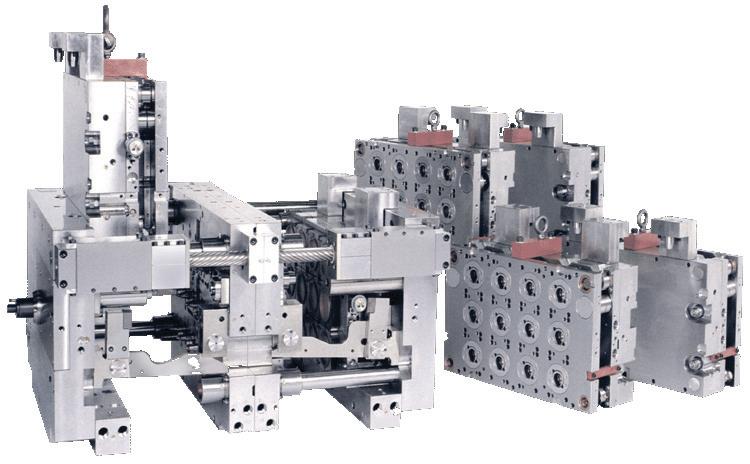
QPC is the foundation for lean manufacturing
The mould design consists of interchangeable core and cavity modules housed in a hot runner carrier frame. To change the product being moulded, a simple change of the core and cavity modules takes place within the common carrier frame.
No additional hook-up of services is required as all the electrical, water and air connections remain permanently installed within the carrier frame. This results in significant savings in shot-to-shot changeover time and an overall increase in machine run time. Alignment work needed for product changeover is also eliminated by the QPC approach.
QPC makes short production runs economical and provides the moulder with the ability to “mould-to-order” instead of maintaining high levels of inventory, says StackTeck. By using high-cavitation modules, plant capacity is actually increased and production yields are higher.
Some of the advantages of QPC include minimal capital costs as the frame and hot runner are reusable for multiple products; colour changes can be done with zero waste by moving the QPC modules from one press to another; product change-over times are reduced, meaning the processor can maximise production up-time and reusability as volumes grow.
StackTeck adds it also incorporates its QPC approach in its modular IML automation to enable rapid product and label changes within 45 minutes.
SML says it has installed the fourth generation of the SmartCast Infinity in its Technology Centre
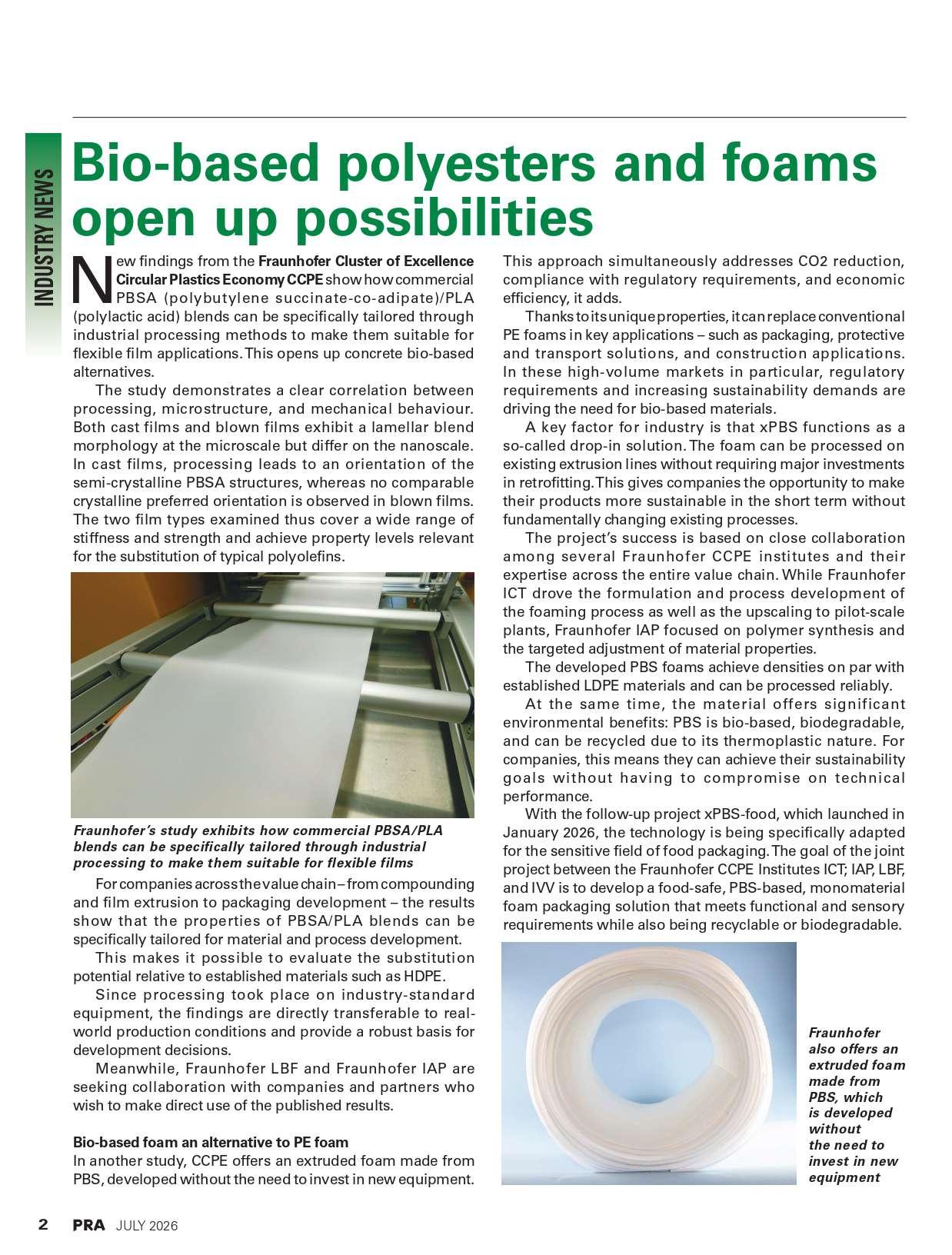
Wanhua Chemical Automotive Materials Innovative Solutions
As the automotive industry evolves rapidly, vehicle manufacturing demands increasingly high-performance materials. To address the industry's diverse needs for performance enhancement, low-carbon energy efficiency and health & environmental protection, Wanhua Chemical has launched a holistic automotive materials solution centred on three key trends: health & eco-friendliness, lightweighting, and electrification, enabling efficient and sustainable development across the entire automotive value chain.
Health & Eco-friendliness
With escalating consumer expectations, cabin health has become a critical purchasing factor, and low odour/ low VOC has become a global standard for automotive interiors. Wanhua Chemical has developed the "Three Lows and One Fast" PU foam technology system – low odour, low VOC, low density, and fast demoulding – for all interior applications including seats, dashboards, carpets and instrument panels.
We deliver high-performance MDI, TDI and polyether products, providing superior, comprehensive solutions for interior manufacturers and the broader automotive industry.
Lightweighting
Automotive lightweighting is the core trend to improve driving range and reduce energy consumption/ emissions. Wanhua Chemical offers a full portfolio of innovative lightweight materials for automotive exteriors, interiors and structural components, including high-performance isocyanates and polyethers.
Through molecular structure design, foaming formula and process optimization, we reduce the weight of seat and headliner foams. We also provide high-performance PC and PP modified materials, achieving 20%-50% average weight reduction for parts while maintaining component strength and vehicle safety, significantly lowering curb weight, cutting emissions and extending driving range.
Electrification
The new energy vehicle (NEV) industry has experienced explosive growth, with battery systems as the core component. Their flame retardancy, thermal conductivity, sealing and impact resistance directly determine vehicle safety and battery lifespan.
Wanhua Chemical provides an end-to-end integrated materials solution for battery packs, covering cathode/ anode raw materials, polyurethane battery housings, PA12 cables and more, comprehensively enhancing battery thermal management and safety protection, and underpinning the reliable operation of NEVs.
Looking ahead, Wanhua Chemical will continue to drive innovation, collaborate with more partners to develop diversified material solutions, expand market channels, and advance high-quality development and green transformation of the automotive industry, creating new possibilities for a better life.
About Wanhua
Wanhua Chemical Group Co., Ltd. is a global Chinese chemical new materials company. Leveraging continuous core technology innovation, industrial production facilities and efficient operations, we deliver competitive products and solutions to customers worldwide.
Wanhua Chemical operates 14 key production complexes and 29 sales offices globally, including offices in Vietnam, Thailand and Indonesia in Southeast Asia, providing materials solutions for automotive, home appliance, furniture and other industries.
Southeast Asia office contacts:
• Vietnam Office: whvietnam@ whchem.com; lyweia@whchem.com
• Thailand Office: whthailand@ whchem.com
• Indonesia Office: whindonesia@ whchem.com
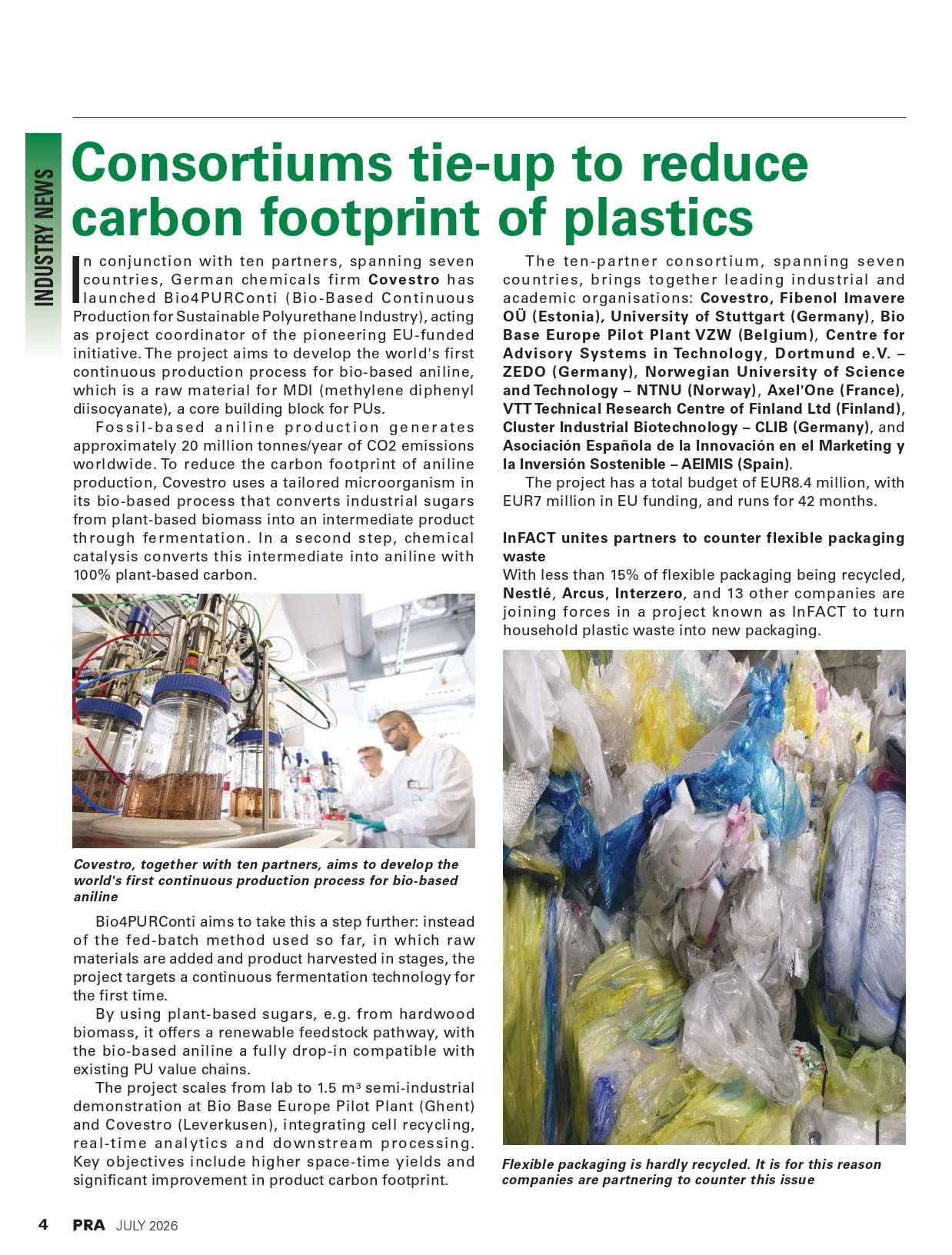
The 16 international partners will cover the entire value chain: collection, sorting, recycling, packaging production, and food companies. The project is led by Danish Technological Institute and runs from 2026 to 2028, and is funded by Innovation Fund Denmark through the TRACE programme.
Modern flexible food packaging is technically advanced - typically built from multiple polymer layers, barrier films, printing inks, adhesives and, in some cases, metallised surfaces. This makes the material almost impossible to recycle through conventional mechanical remelting. InFACT combines several complementary recycling technologies to crack that challenge.
In addition, key barriers have been a fragmented value chain and the lack of viable business models. InFACT is designed to address this by connecting technologies, documentation and market demand across the full packaging chain.
The project launches at a pivotal moment. The EU Packaging and Packaging Waste Regulation (PPWR), which entered into force in February 2025, tightens requirements for recyclable packaging and documented recycled content by 2030. InFACT is designed to help industry translate these requirements into practical circular infrastructure.
InFACT Facts
• InFACT stands for Infrastructure for the Flexible plastic packaging Circular Transition
• Project period: 2026–2028
• Total budget: EUR3.2 million
• Funded by Innovation Fund Denmark via the TRACE program, a mission-driven research and innovation partnership focused on circular economy for plastics and textiles.
• Goal: Demonstrate circular infrastructure in which flexible plastic packaging is converted into new packaging
• Partners: Nestlé Danmark A/S, BKI foods A/S, Hilton Foods Denmark A/S, Cloetta AB, City of Copenhagen, Interzero GmbH, TotalEnergies, Fraunhofer IVV, ARCUS Greencycling Technologies, Re:Lab AB, Topsoe, Coveris GmbH, Dapofa A/S, University of Southern Denmark, VANA and Danish Technological Institute
• PPWR: Regulation (EU) 2025/40, entered into force 11 February 2025
Physical & Mechanical Testing
Chemical & Analytical Testing
Material Characterization
Failure Analysis
Root Cause Investigation
Competitive Product Benchmarking
Material Qualification & Validation
Product Development Support
Industries Served
Rubber Compounds
Elastomers
Thermoplastics
Automotive Components
Medical Devices
Consumer Products
Industrial Products
Advanced Materials Testing & Development Services
QUALIFY MATERIALS. VALIDATE SUPPLIERS. INVESTIGATE ROOT CAUSES.
Testing to ASTM, ISO, SAE, and customer-specific specifications.

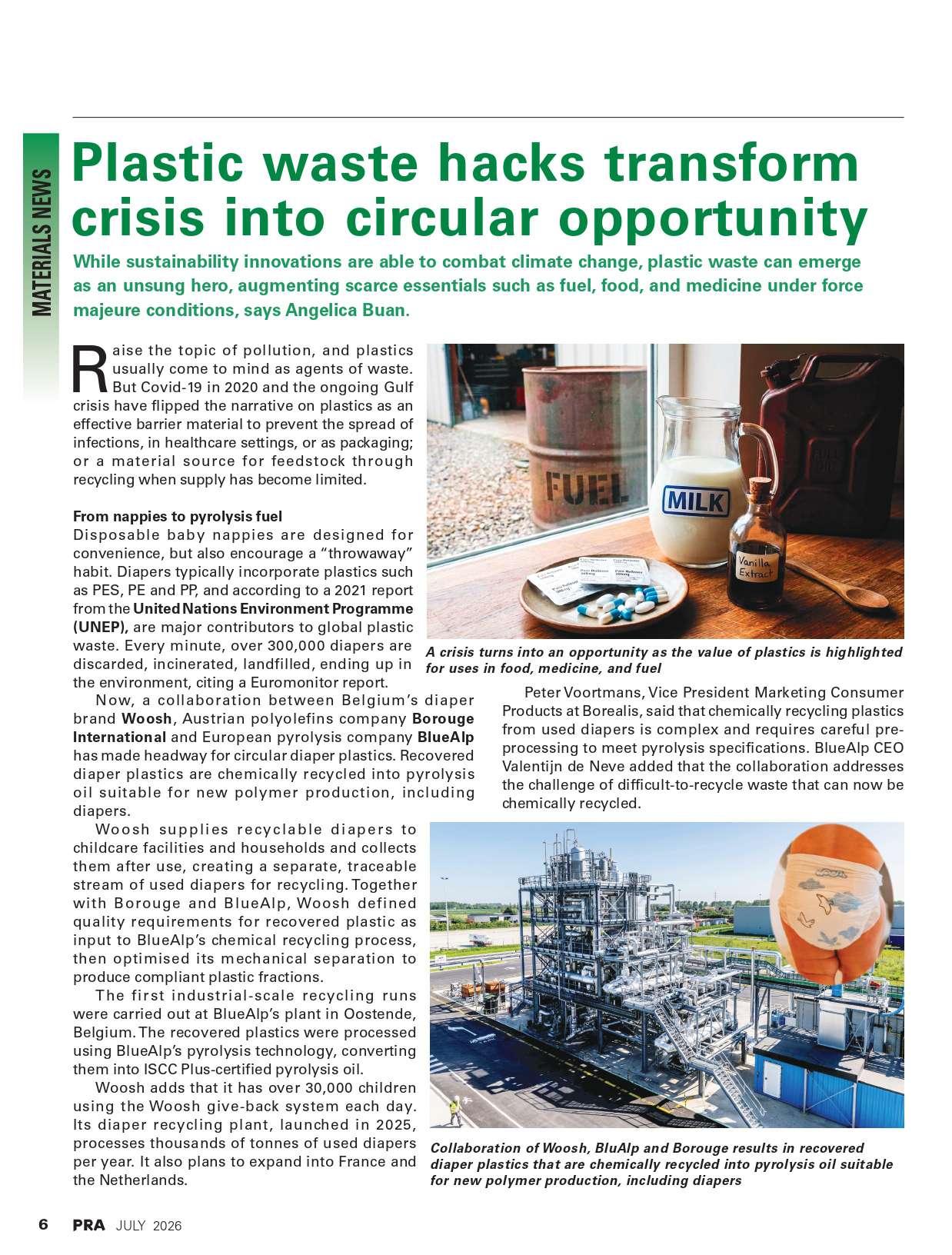
Microplastics into vinegar and vanilla Microplastics and nanoplastics, which result when plastics break down through environmental weathering over time or are manufactured for use in certain product preparations, are widespread, with studies indicating that exposure occurs through air, through the application of products containing microplastics, and through the consumption of food grown or obtained from contaminated areas.
While the thought of consuming microplastics can be unsettling, the US Food and Drug Administration ’s 2024 advisory states that the presence of environmentally
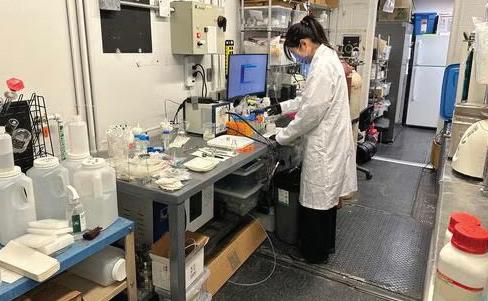
Researchers at the University of Waterloo developed a photocatalysis process that converts plastic waste into acetic acid, a key component of vinegar
derived microplastics and nanoplastics in food alone does not indicate a risk and does not violate FDA regulations unless it creates a health concern.
Given the volume of waste plastics, they are utilised to produce high-value products through the application of novel recycling technologies.
For example, a breakthrough sunlight-powered process of converting plastics into a pantry staple is not ending on a sour note. Researchers at the University of Waterloo have discovered a way to turn plastic waste into acetic acid, the main ingredient of vinegar, via photocatalysis, offering a promising alternative to plastic incineration.
Dr Yimin Wu, Professor of mechanical and mechatronics engineering and the Tang Family Chair in New Energy Materials and Sustainability, shared that the study aims to convert microplastic waste into high-value products using bio-inspired cascade photocatalysis with iron atoms embedded in carbon nitride, modelled on how certain fungi break down organic matter using enzymes.
When exposed to sunlight, the material drives a series of chemical reactions that transform plastics into acetic acid with high selectivity. The reaction takes place in water, making it particularly relevant for addressing plastic pollution in aquatic environments. This method allows solar energy to break down plastic pollution without adding additional carbon dioxide to the atmosphere, according to Wu.
Published in Advanced Energy Materials , the study, led by Waterloo PhD student Wei Wei under Wu’s guidance and with early-stage support from a joint seed fund from the Waterloo Institute for Nanotechnology and the Water Institute, shows that acetic acid can be produced from common plastic wastes, including PVC, PP, PE, and PET, and remains effective across mixed plastic compositions.
The findings also point to new possibilities for addressing microplastics directly, as the process degrades plastics at the chemical level and could help prevent the accumulation of microplastics in water systems.
While still at the laboratory stage, the team suggests that this approach could be adapted for scalable, solar-driven recycling and environmental cleanup, and that the photocatalytic upcycling system can be further enhanced through strategic engineering of materials and manufacturing processes.
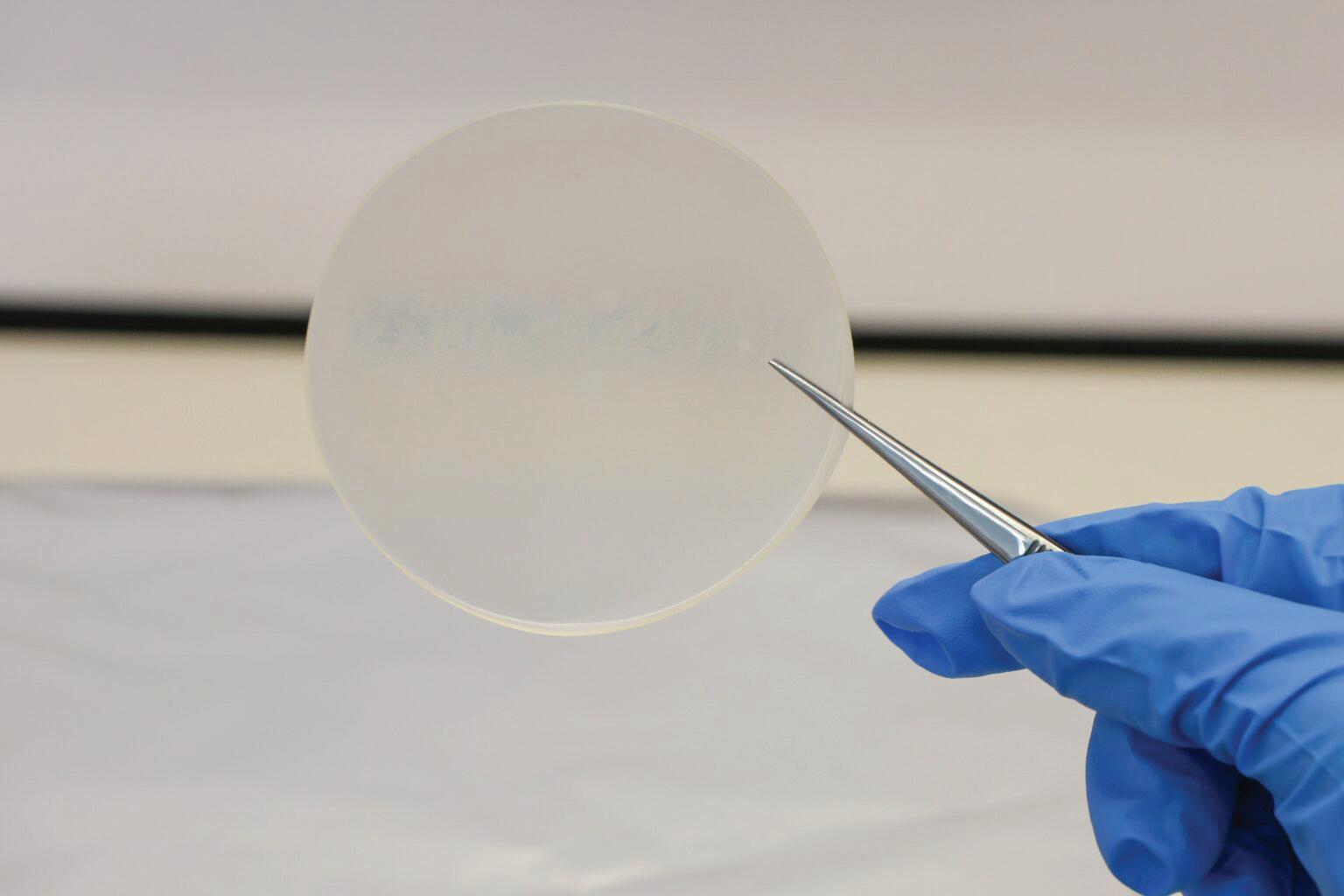
Flinders University researchers developed biodegradable films for sustainable food packaging by combining calcium caseinate, modified starch, and bentonite nanoclay, with glycerol and polyvinyl alcohol added to improve strength and flexibility
nanoclay to form a thin film, adding glycerol and polyvinyl alcohol to improve its strength and plasticity.
In a related development, scientists from the University of Edinburgh have discovered that the common bacterium E. coli can be used to convert post-consumer plastic into vanillin, a component of vanilla beans that is responsible for the taste and smell of vanilla.
Using laboratory-engineered E. coli in terephthalic acid, a molecule derived from degraded PET, the process transforms plastics into vanillin through a series of chemical reactions. The vanillin produced could be suitable for human consumption, although further experimental testing is required, said researchers.
Vanillin is widely used in the food and cosmetics industries, as well as in the formulation of herbicides, antifoaming agents, and cleaning products.
This biological system for upcycling plastic waste offers a way to reduce the environmental impact of plastic waste, according to Joanna Sadler, first author and BBSRC Discovery Fellow in the School of Biological Sciences.
Dr Stephen Wallace, Principal Investigator and UKRI Future Leaders Fellow, added that the study challenges the perception of plastic as merely problematic waste and instead demonstrates its potential as a carbon resource from which high-value products can be obtained. The study, funded by a BBSRC Discovery Fellowship and a UKRI Future Leaders Fellowship, was published in Green Chemistry.
“Milky” biofilm and 3D filament
Although milk is an unexpected source of plastic, a study by researchers from Flinders University , South Australia, demonstrates this possibility.
Published in Polymers , the study offers exploratory insights into the development of functional and biodegradable films using biopolymer blends and nanoclay suspensions with potential applications in sustainable food packaging.
The researchers experimented by combining calcium caseinate, a commercially available derivative of casein, the main protein in milk, with modified starch and bentonite
Biodegradability testing showed a consistent breakdown pattern, with full disintegration expected within 13 weeks under normal soil conditions.
Toxicity testing indicated low toxicity, and microbial analysis confirmed that bacterial colony levels remained within acceptable limits for non-antimicrobial biodegradable films.
The research was conducted in collaboration with Colombian chemical engineering researchers Nikolay Estiven Gómez Mesa and Professor Alis Yovana PataquivaMateus from the Department of Engineering at Universidad de Bogotá Jorge Tadeo Lozano, where they worked within the Nanobioengineering Research Group in the country to develop new polymers.
Professor Pataquiva-Mateus added that circular solutions should be further explored to conserve resources. Additional antibacterial evaluation, testing, and development are also recommended, according to Professor Youhong Tang, a nanomaterials researcher at the Tonsley Campus, Flinders College of Science and Engineering.
Similarly, researchers from the University of Wisconsin–Platteville have used spoiled milk to produce sustainable 3D printing filament. Dr Joseph Wu, associate professor of chemistry, and Dr John Obielodan, professor and chair of the Department of Mechanical and Industrial Engineering, drew inspiration for the study from what they observed during the Covid-19 lockdown, when farmers were forced to discard large quantities of milk due to closed facilities and limited labour.
With a newly approved patent, the study is expected to reduce the environmental footprint of 3D printing materials while also benefiting Wisconsin dairy farmers.
The study, which received US$180,000 in funding from Wisconsin’s state-owned Dairy Innovation Hub , explores the potential of casein and whey from spoiled dairy products to be used in plastic materials. Milk is, after all, considered a biopolymer.
Obielodan and Wu experimented with different types of proteins and forms to determine which would yield the best results, even created their own proteins and tested commercially available ones before finding the right match.
Identifying the right blend of ingredients was also a key part of the study, as the proportions used affect the material’s strength and flexibility.
Bio-upcycling plastic for life-saving drugs
When incinerated, waste plastics can release toxic gases such as dioxins, furans, mercury, and polychlorinated biphenyls (PCBs) into the atmosphere, and exposure to these can lead to serious health risks and environmental damage.
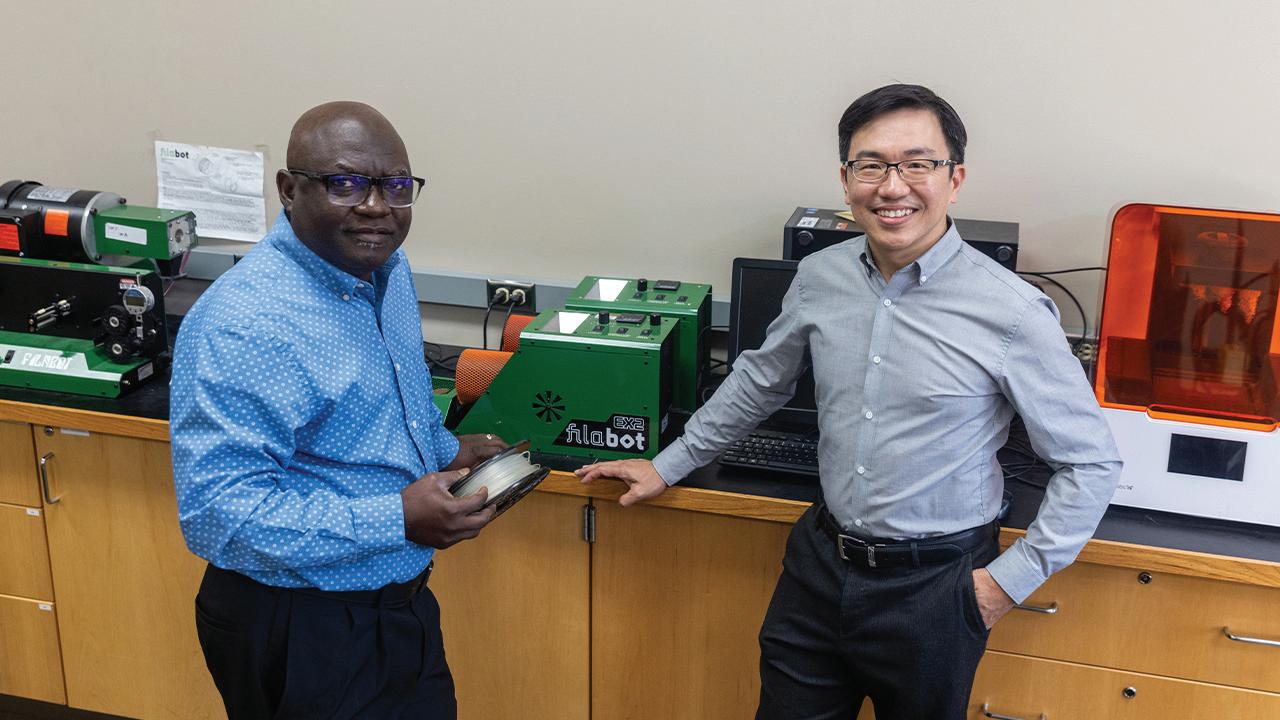
University of Wisconsin–Platteville’s Dr. Joseph Wu and Dr. John Obielodan explored the use of casein and whey from spoiled dairy products to produce plastic materials such as sustainable 3D-printing filament
A few studies have focused on converting plastic waste into useful feedstock. However, research on the potential of bacteria to upcycle plastics for the pharmaceutical industry represents an exciting development.
Researchers at the University of Kansas ( KU ) have explored the potential of fungi to convert plastic waste from the Pacific ocean into ingredients for the pharmaceutical industry.
The chemical–biological approach converts PE using a common soil fungus, Aspergillus nidulans, which has been genetically modified for this purpose. The results were reported in the paper “Conversion of Polyethylenes into Fungal Secondary Metabolites,” published in Angewandte Chemie , a journal of the German Chemical Society .
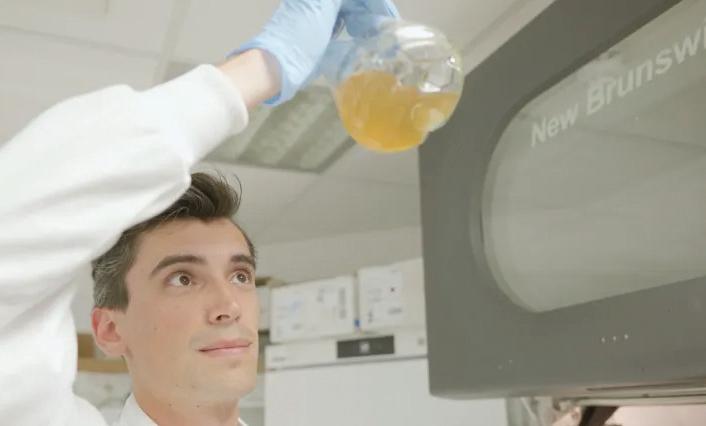
University of Edinburgh’s Wallace Lab used genetically reprogrammed E. coli bacterium to transform terephthalic acid, a molecule derived from PET into an active ingredient of paracetamol
Describing the process, study co-author Berl Oakley, Irving Johnson Distinguished Professor of Molecular Biology at KU, said that PE plastics are first broken down using oxygen and metal catalysts, which converts them into diacids.
Next, the long carbon chains produced from the decomposed plastics are fed to genetically modified Aspergillus fungi. As designed, the fungi metabolise these compounds into a range of pharmacologically active substances, including commercially viable yields of asperbenzaldehyde, citreoviridin, and mutilin.
The researchers focused on developing secondary metabolites to break down PE plastics because they are difficult to recycle. For this project, they collected PE waste that had accumulated on Santa Catalina Island in California.
Unlike previous approaches, Oakley said the fungi digested the plastic products quickly, enabling the final product to be obtained within a week. Oakley has previously worked with corresponding author Clay Wang of the University of Southern California ( USC ) to produce about 100 secondary metabolites from fungi for various purposes.
The long-term goal of the research is to develop methods to break down all plastics into products that can be used as food by fungi, eliminating the need to sort plastics during recycling.
Meanwhile, scientists at the University of Manchester have developed a process using engineered bacteria to convert mixed waste into sustainable biopolymers, including insulin and bioplastics.
The study, from the Manchester Institute of Biotechnology, describes a novel biological method to convert mixed municipal waste fractions, including food scraps, plastics, and textiles, into valuable bio-products. The team, led by Dr Neil Dixon, used the bacterium Pseudomonas putida to process complex waste streams into bioplastics and therapeutic proteins.
First, the team pre-treated the waste through enzymatic hydrolysis, a process that breaks down waste into monomers, which are then added to a bioreactor containing an engineered strain of Pseudomonas putida, for metabolic activity and bioproduction.
Dixon contends that Pseudomonas putida’s flexibility enables it to metabolise a mix of sugars, acids, and oils derived from various waste materials.
The team targeted two products to demonstrate the technology’s real-world applicability. For bioplastics production, the bacteria produced biodegradable plastics, polyhydroxyalkanoates (PHAs).
They are also used for therapeutic proteins as the engineered bacteria successfully produced insulin analogues for diabetes treatment, interferon-alpha2a for viral infections and some cancers, and a synthetic HEL4 nanobody.
Future work will focus on scaling up, improving enzyme efficiency, and expanding inputs to include rubber and nylon.
On a similar path, scientists from the University of Edinburgh’s Wallace Lab used genetically reprogrammed E. coli bacteriu, to transform terephthalic acid, a molecule derived from PET, into an active ingredient of paracetamol.
Researchers used a fermentation process, similar to beer brewing, to accelerate the conversion of PET waste into paracetamol in less than 24 hours. The technique operates at room temperature and produces virtually no carbon emissions, showing that paracetamol can be produced sustainably.
The team suggested further fine-tuning of the technique before it can be scaled to commercial levels. Nearly 90% of the product formed from reacting terephthalic acid with genetically reprogrammed E. coli was paracetamol.
The research, published in Nature Chemistry , was funded by an EPSRC CASE award and biopharmaceutical company AstraZeneca , and supported by Edinburgh Innovations (EI), the University’s commercialisation service.
According to Professor Stephen Wallace, UKRI Future Leaders Fellow and Chair of Chemical Biotechnology, this work shows that PET is not merely waste material as it can be transformed by microorganisms into valuable products, including those with potential to treat disease and ultimately save lives.
Fail-proofing buildings with sustainable plastics
The causes of a building’s collapse may vary, but the quality of materials used from the foundation up can ensure the structural resilience of a building, says Angelica Buan.
"It may have been preventable," witnesses recounted, referring to the recent mishap involving a ninestorey building in an urbanised city north of Manila, Philippines, on a fateful day in May this year. According to reports, the building, still under construction at the time, suffered a catastrophic structural failure that resulted in numerous injuries and several fatalities.
While the exact cause of the incident remains under investigation, factors such as material degradation, use of substandard construction materials, climatic stressors, and other potential contributors have yet to be ruled out. Meanwhile, this event is not isolated as globally, structural collapses do occur.

Material technology and standards upgrade aim to improve structural safety and resilience of buildings at risk of failure or collapse
As high-intensity earthquakes also becoming increasingly prevalent, advancements in material technologies and updates to material standards continue to improve structural safety and resilience, while sustainable construction materials are also gaining traction.
Concrete solution to waste plastics
Used plastics need not go to waste as seen in the Philippines where the durability of plastics has been harnessed for the production of concrete, cement, and tiles.
Cement manufacturer Holcim Philippines has adopted a sustainability initiative and in 2023, reportedly converted more than 1 million tonnes of qualified waste into alternative fuels and raw materials for cement production, a 9% increase from 2022.
Holcim is among the pioneers of co-processing, a government-approved and globally recognised waste management technology that transforms qualified discarded materials into alternative low-carbon fuels and raw materials for cement manufacturing.
Geocycle, the company's waste management unit that provides large-scale recycling solutions, has established sustainability partnerships to co-process significant volumes of waste. In 2023 alone, it partnered with 50 city and municipal governments across the country, up from 35 the previous year, helping reduce the volume of waste sent to landfills.
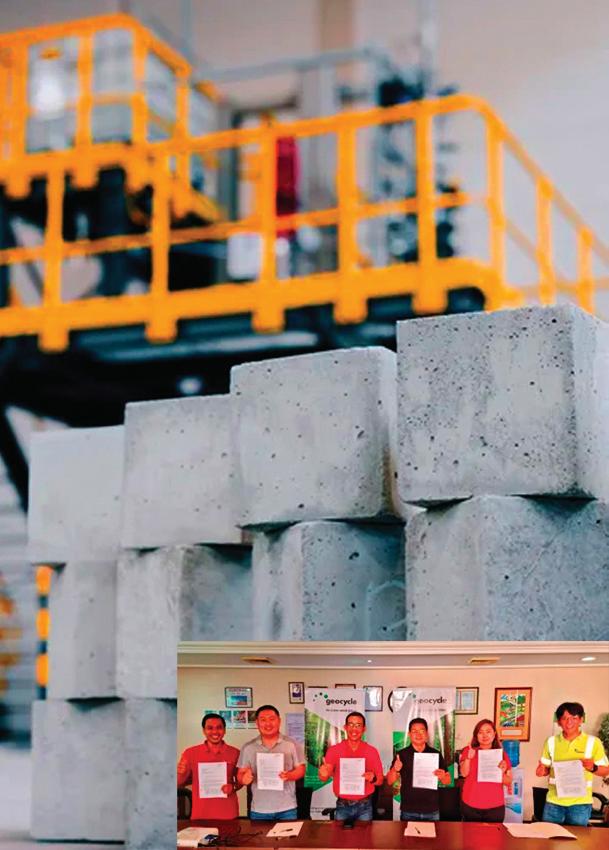
Holcim Philippines, together with its waste management arm, Geocycle, has adopted a sustainability initiative and, in 2023, reportedly converted more than 1 million tonnes of waste into alternative fuels and raw materials for cement production
In a similar move, the country’s Department of Public Works and Highways (DPWH) has pushed the use of recycled LDPE plastic bags mixed into asphalt cement to be used in the construction of national roads.
Under the agency’s policy, all regional offices, district engineering offices and unified project management office clusters can now utilise plastic bag waste in hot mix asphalt, which complies with the standards set by the Bureau of Research and Standards
Another novel method of reusing waste materials for construction has been adopted in Marikina city, where the City Environment Management Office (CEMO) collects used cooking oil from its community and mixes it with discarded extruded polystyrene (XPS) foam to make decorative paving blocks for use in the city’s parks and playgrounds.
The initiative encourages the proper disposal of used oil and non-biodegradable materials such as XPS foam and prevents the contamination of water systems due to improper waste disposal.
From traditional waste collection for recycling to the application of nuclear technologies such as radiation extrusion, plastic waste processing spans a wide range of methods for converting discarded packaging and containers into building materials.
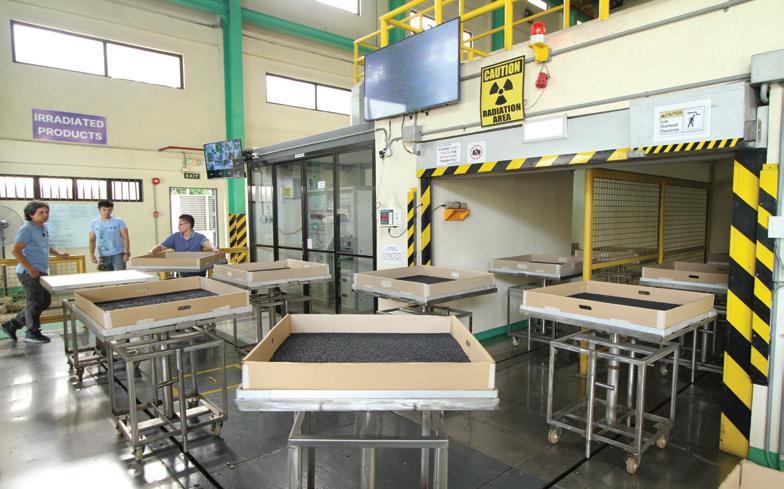
PNRI's process of post-radiation reactive extrusion of plastic wastes or PREx Plastic transforms these wastes to tiles and bricks
The Philippine Nuclear Research Institute (PNRI) of the Department of Science and Technology (DOST) has introduced a project called post-radiation reactive extrusion of plastic wastes (PREx Plastic), which transforms these wastes to tiles and bricks.
In partnership with the Davao City-based Envirotech Waste Recycling Incorporated, PNRI has built a prototype house utilising PREx tiles and bricks for the walls, to demonstrate the strength and effectiveness of the radiation-processed plastics.
PNRI explained that the application of radiation, such as x-rays used in the medical field, modifies the molecular structure of polymers, improving their compatibility for practical use and enhancing the mechanical properties of recycled materials.
Apart from Envirotech, PNRI has also collaborated with its sister agency, the DOST–Industrial Technology Development Institute, to utilise radiation technology for upcycling plastic waste.
Circular
paint from old tyres
A stack of old, worn-out tyres is a gold mine of resources, and this is proven by the collaboration between German chemical company BASF and French paint manufacturer Cromology, which utilised end-of-life tyres (ELTs) to produce wall paint.
Philippe Hosotte, Chief Innovation & Product Development Officer at Cromology, presents the new Tollens interior wall paint Maxiline+, developed in collaboration with BASF using chemically recycled feedstocks from end of life tyres
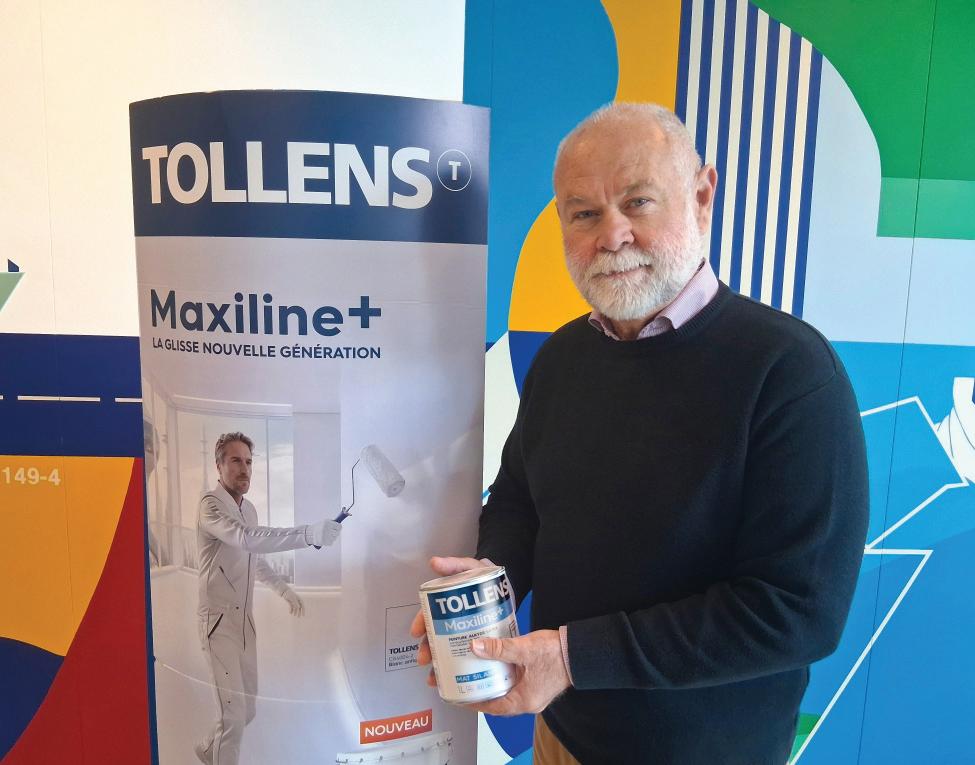
Cromology’s circular Tollens interior wall paints utilise BASF’s acrylic styrene acrylate binder, Acronal Ccycled, which is produced using chemically recycled feedstocks derived from ELTs.
The technology partners convert ELTs into a secondary feedstock, pyrolysis oil, via pyrolysis technology, which is used in the new Tollens interior paint Maxiline+, available in France.
In the ChemCycling process, this oil is fed into BASF’s production, replacing fossil feedstocks. For a 10 litre container of the new Tollens paint, the amount of pyrolysis oil used is equivalent to approximately two ELTs. Using a third-party audited mass balance approach, the share of the recycled feedstock is attributed to selected products manufactured in the facility. The resulting binders are independently certified according to REDcert, a certification system for sustainable use of biomass, and have the same properties as conventionally produced products, BASF adds.
Meanwhile, BASF tied up for another collaboration between Dutch paints/coatings manufacturer AkzoNobel and French materials company Arkema to yield a more sustainable option for high-performance coatings.
AkzoNobel’s Interpon brand achieves up to a 40% lower carbon footprint through its ongoing value-chain partnership with Arkema and BASF, resulting in a superdurable Interpon D range, which helps reduce carbon emissions across a building’s life cycle.
Additional gains come from BASF’s bio-attributed raw materials, which have a product carbon footprint (PCF) of zero. BASF supplies neopentyl glycol (NPG) in a biomassbalanced version produced using renewable electricity (NPG ZeroPCF), and which Arkema uses to lower the carbon footprint of low and standard-temperature cure superdurable powder coating resins for AkzoNobel.
The colour collections and low-E architectural powder coatings produced by Interpon in Europe, all of which are superdurable, use reduced-emission, bio-attributed materials.
Arkema recently showcased at a US coatings event its high-performance and bio-based products for paints and wood coatings, featuring up to 93% bio-based content, reduced titanium dioxide (TiO2) usage, and recycledbased powder coatings for metal furniture with up to 40% recycled content, for more circular housing applications.
The company added 10 coating solution production sites to the list of ISCC Plus certified facilities in 2025, and says it has obtained certification for more than 70% of its coating facilities worldwide, including those dedicated to advanced liquid resins, waterborne resins, rheology and specialty additives, powder resins, UV/LED/EB technologies, and acrylic monomers.
PE plastics in the pipeline
Piping systems are a vital part of infrastructure, necessitating structural integrity and performance. This requirement can readily be met by advanced plastic materials developed to prevent loss of containment, ensuring they withstand both internal and external pressures.
Russian petrochemicals company Sibur has introduced a new grade, HD 03380 RT, a high-density PE-RT for pipe extrusion. The new grade is intended for the production of modern piping systems that require heat resistance, longterm service reliability, and processing stability. Production of the new grade has been set up at the Kazanorgsintez site.
The new grade, which purportedly can withstand prolonged temperature loads while ensuring reliable piping system operation, is particularly suited to underfloor heating, hot water supply, and other applications. The new grade has successfully passed longterm hydrostatic strength testing and homologation with leading Russian PE-RT pipe manufacturers, Sibur says.
The new material also enables domestic manufacturers to reduce dependence on imported raw materials, simplifies raw material selection, and cuts reliance on imported analogues, according to Sibur. It also expands the capabilities of Russian processors in the segment of pipes for underfloor heating, water supply, and heating.
On the other hand, while PE plastics do wonders for modern piping systems, PE pipes, specifically largediameter ones, pose challenges, especially in jointing.
Germany’s Star Engineering Systems and Austrian chemical firm Borealis are stepping in to fill this gap with solutions for plastic piping construction.
Established jointing methods such as butt welding and electrofusion are proven and widely used. However, at large diameters and in confined or demanding environments, their use is constrained by practical limitations, including long installation times, heavy and specialised equipment requirements, and sensitivity to pipe ovality.
Star Engineering’s snapfuse, a patented electrofusion welding technology, simplifies the process of connecting sections of large-diameter PE pressure pipes. It works by integrating the heating element directly into one pipe end, removing the need for separate electrofusion couplings or specialised equipment. The result is a pressure-classcompliant, pull-resistant joint that can be produced with a
short set-up time, fewer on-site steps, smaller trenches, and less reliance on welding expertise, improving installation efficiency and reducing costs.
The technology also addresses the issue of pipe ovality, which becomes more pronounced at larger diameters. It does this through a conical self-aligning joint profile that automatically centres the pipe ends during jointing, preventing gaps.


Together, these factors expand the range of use cases for PE pipe systems, increasing their suitability for diameters of up to 3,500 mm and over, as well as for challenging and sensitive installation environments.
Further, snapfuse is said to improve the sustainability of pipe installation, by eliminating additional fittings and reducing the amount of welding equipment.
Borealis, with its Borstar technology, said that reliable system performance depends not only on the jointing technology but also on the quality and consistency of the pipes themselves.
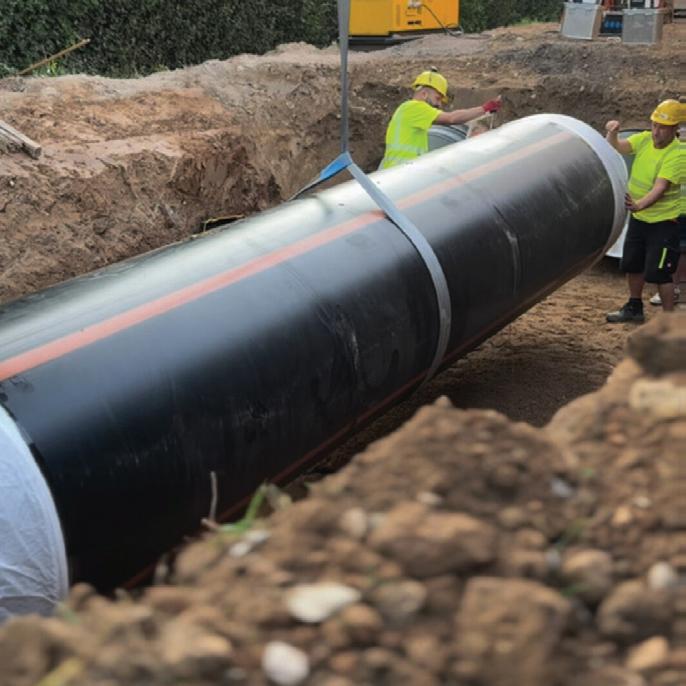
Star Engineering’s Snapfuse electrofusion technology for large-diameter pipes complements Borealis’ Borstar pipe materials by enabling efficient joining of advanced polyethylene piping systems


Net zero industries for greener pastures in Thailand
The automotive and energy sectors, two of the economy’s most carbon-intensive segments, could spur Thailand’s transition to a green economy, says Angelica Buan.
The World Bank was not mincing its words in a recent Thailand Economic Monitor report. It stated that the country’s growth, long regarded as one of Southeast Asia’s stronger economic performers, is projected to slow to 1.6% in 2026, before recovering to 2.3% in 2027.
As Southeast Asia’s second-largest economy, Thailand’s competitiveness in recent years has withstood pressures from high energy costs, raw material shortages and intense foreign competition.
However, the country’s resilience has yielded positive results and exceeded the projection of 1.6%, with the economy expanding by 2.8% year-on-year in the first quarter of 2026, up from 2.5% in the fourth quarter of 2025, according to the Office of the National Economic and Social Development Council ( NESDC ).
Meanwhile, the country’s transition towards a carbon-neutral economy is underway, with the automotive and energy sectors being key drivers.
EVs headlining automotive spot
Thailand, often dubbed the "Detroit of Asia", has not lost its lustre in the automotive sector despite a slowdown in global vehicle demand in recent years, compounded by supply uncertainties stemming from the current Gulf crisis, which has put pressure on fuel and petroleum feedstock markets.
As well, as a signatory to the Paris Agreement, the country has pledged to reduce carbon emissions by up to 40% by 2030 and achieve net-zero emissions by 2050. As the global automotive industry pivots towards electric vehicles (EVs), Thailand is drawing on its established expertise in automotive parts, electrical/ electronic components, and chassis manufacturing to upgrade its production base.
According to the World Bank's report, EV-related value chains account for 4.3% of Thailand's total exports, surpassing most of its ASEAN peers. More than 80% of the country's automotive parts industry is expected to remain relevant in the transition to EVs.
To accelerate EV adoption, Thailand aims for EVs to account for 50% of all new vehicle registrations by the end of the decade. Supporting that target, the government plans to facilitate the adoption of an additional 300,000 EVs through tax incentives and a vehicle trade-in scheme.
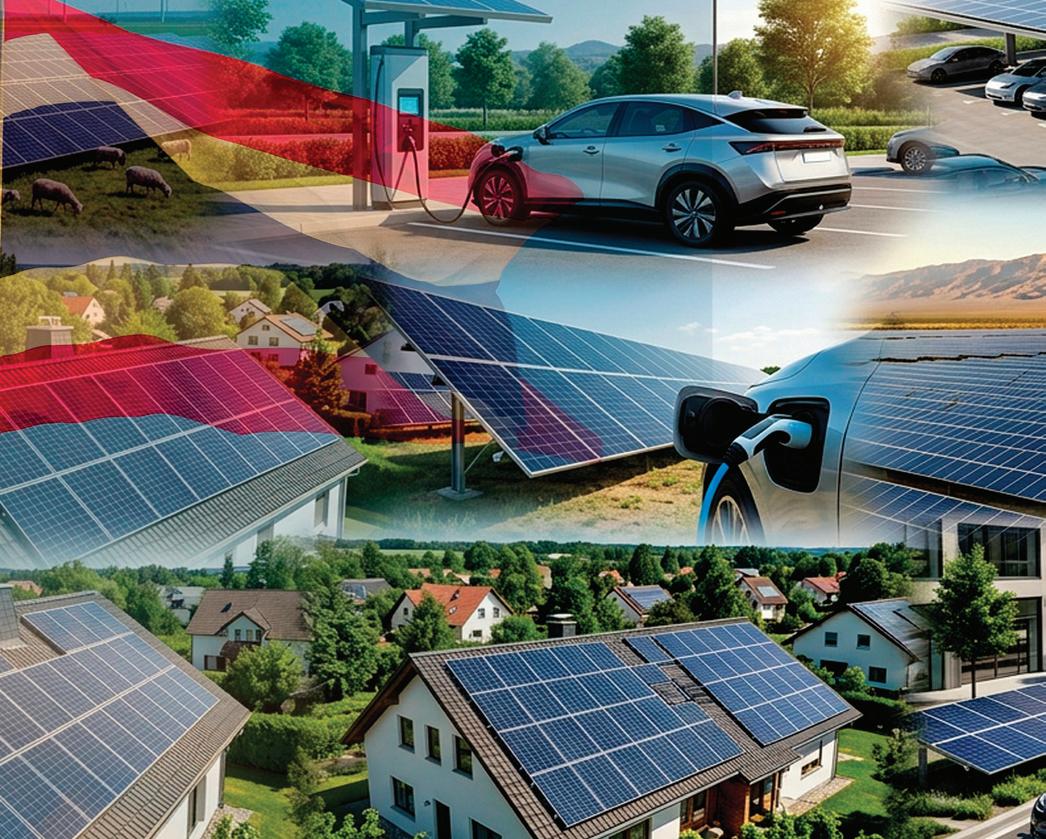
In a recent move to promote domestic adoption of EVs, the Thai government designated EVs as labelcontrolled products, requiring Thai-language labels that clearly disclose pricing, technical specifications, battery information and safety standards. The measure is intended to strengthen consumer protection by ensuring buyers receive accurate, complete and comparable information before making a purchase.
As part of its broader transition towards full-scale EV manufacturing, Thailand is considering restrictions on the sale of new petrol and diesel vehicles by 2035, according to the Thai Automotive Institute . The long-term objective is for all new vehicles sold in the country to be zero-emission models by that date.
Push for green mobility
Thailand’s EV industry is being lifted by government incentives, rising demand and investment from foreign automakers and original equipment manufacturers (OEMs).
Against this backdrop, the Board of Investment (BOI) has approved almost US$470 million in investments by Isuzu Motors ( Thailand ) Co. to modernise manufacturing operations and reinforce
Thailand, Southeast Asia's second-largest economy, is transitioning toward a carbon-neutral economy, with the automotive and energy sectors serving as key drivers
the country’s position as a key production hub. The projects include increased production-line automation, upgrades to meet Euro 6 emissions standards and the adoption of solar power at factories.
Isuzu plans to expand automation across chassis and body welding, painting and vehicle assembly, a move expected to improve quality while reducing production costs.
The Japanese automaker is Thailand’s secondlargest vehicle producer after Toyota , which operates through its subsidiary Toyota Motor Thailand Co . It manufactured nearly 172,000 vehicles in the country last year, with pickup trucks accounting for about threequarters of total output.
In a related development, Chinese automaker Great Wall Motor (GWM) has launched the ORA 5 production line at its facility in Rayong, capable of producing battery electric (BEV), hybrid (HEV) and internal combustion engine (ICE) vehicles on a single line. The plant has a maximum capacity of 80,000 units/year.
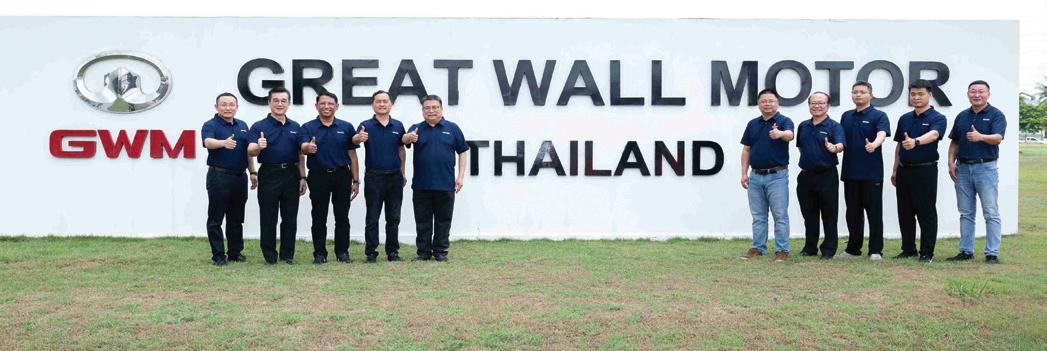
GWM launched the ORA 5 production line in Rayong, with capacity to produce up to 80,000 BEV, HEV, and ICE vehicles annually
The ORA 5, launched in March, is designed to accommodate multiple drivetrain types for different customer segments. It has been positioned as a nextgeneration SUV offering improved energy efficiency, performance and safety, with BEV and HEV variants. The company is using the model to replace the discontinued ORA Good Cat line as it aims to increase output and shorten delivery times by supplementing local production with imports from China.
Momentum in Thailand’s electric mobility sector is also extending into commercial vehicles, with Chinese manufacturers scaling up product offerings and charging and infrastructure partnerships.
Chinese automaker BAIC Foton has launched its eView Connect new energy van in Thailand, equipped with CATL’s thirdgeneration liquid-cooled battery enabling a 2C charging rate. The model offers two battery options and is compatible with both AC and DC fast charging. It comes with an 8-year or 400,000 km battery warranty.
and heavy-duty logistics vehicles, targeting nationwide 50-km coverage.
The partnership also involves Huawei , Spark EV’s technology partner, whose liquid-cooled ultra-fast charging systems are already deployed across major Thai cities including Bangkok, Pattaya and Chiang Mai.
Bright prospects in solar, renewable energy
Thailand was among the United Nations ’ member states that adopted the 2030 Agenda for Sustainable Development and has since pursued the UN Sustainable Development Goals (SDGs), drawing on its existing capabilities to advance a lower-carbon economy.
The country, committed to a cleaner energy mix, capitalises on its capacity for solar, wind, hydropower, geothermal and other alternative sources. According to the International Energy Agency ( IEA ), renewables accounted for nearly 20% of Thailand’s electricity generation as of 2026. Particularly, Thailand’s solar sector is growing, with cumulative installed capacity projected to rise further.
Institutional financing is also reinforcing the sector’s expansion. The Manila-headquartered Asian Development Bank ( ADB ) has extended a US$350 million loan to Gulf Renewable Energy Company Limited ( GRE ), a subsidiary of Gulf Development Public Company Limited ( GULF ), to expand renewable generation and strengthen decarbonisation efforts in Thailand’s power sector.
The financing is earmarked for the development of three projects comprising two solar-plus-battery energy storage systems (BESS) with a combined capacity of 126 MW and 151 MWh of storage, as well as a 68 MW solar power plant. Once operational, the projects are expected to reduce CO2 emissions by an average of 191,550 tonnes/year.
The projects fall under Thailand’s 5-GW renewable energy feed-in tariff programme, the country’s first large-scale procurement combining solar generation with battery storage in Southeast Asia.

Separately, the company has signed an MOU with Spark EV , Thailand’s fast-growing charging network operator, to develop ultrafast charging infrastructure for medium Baic Foton's eView
A regional hotspot for clean energy investments
The country is also emerging as a gateway for clean energy investment and deployment in Southeast Asia, with renewable energy companies firming up their regional presence.
China’s Yude Solar Technologies , a subsidiary of GoodWe and a rooftop solar developer, has opened its Thailand operations, to work with local engineering, procurement and construction (EPC) firms, as well as financial institutions, to broaden access to rooftop solar systems for households and businesses across the country.
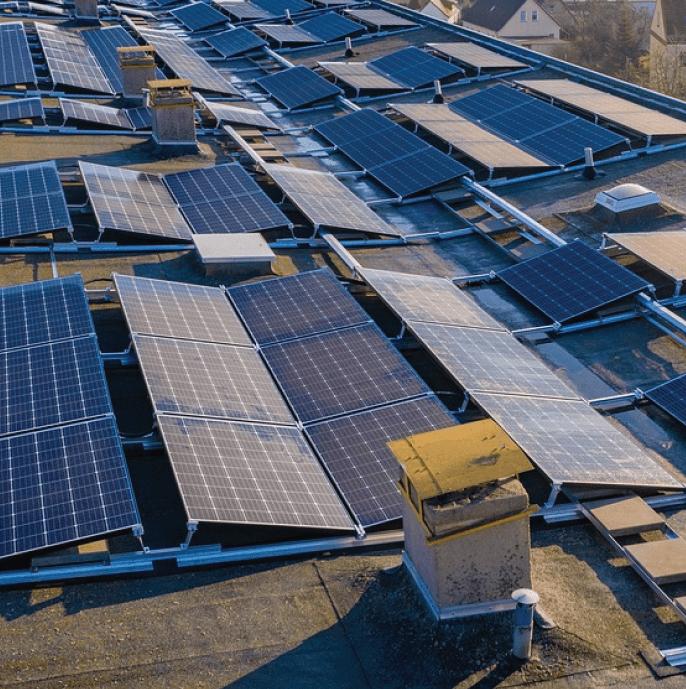
China’s Yude Solar Technologies has opened its Thailand operations
Similarly, Skyworth PV , the renewable energy subsidiary of China’s Skyworth Group , has inaugurated its Thailand office in Bangkok as part of its expansion in the region.

its Thailand office in Bangkok as part of its expansion in Southeast Asia
The company has been advancing its localisation strategy, casting a wider net across commercial and industrial as well as residential solar segments. In Thailand, Skyworth PV secured several milestones in 2025, including partnerships with financial institutions and progress on rooftop solar installation projects.
Momentum building up in renewable partnerships Global solar technology providers and energy developers are forging ties with local industrial users and regional distributors. Trinasolar , a global solar and energy storage company, and Ecohope Solar , a PV and battery energy storage systems (BESS) solutions provider with operations in China, Thailand and the UAE, have signed a MoU whereby Ecohope will purchase and distribute 600 MW of Trinasolar’s Vertex N G3 and Vertex S+ G3 modules over three years.
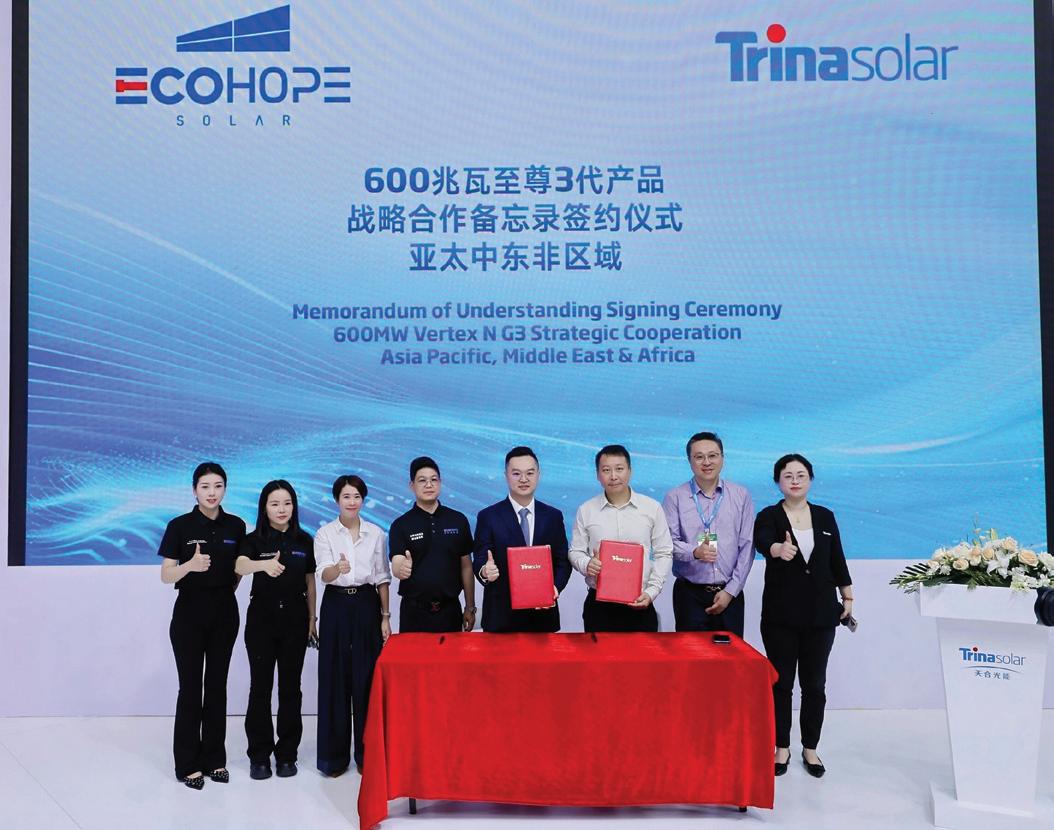
and
of 600 MW of solar modules.
The deal targets residential and commercial solar projects in Southeast Asia, with Thailand as a key market, as well as projects in the Middle East and Africa, particularly the Gulf Cooperation Council (GCC) region.
The Vertex N G3 modules deliver up to 760 W output and 24.5% efficiency, with bifacial capability suited to utility, industrial and commercial applications. A lowvoltage design increases energy density and reduces balance-of-system costs, lowering the levelised cost of electricity.
Ecohope’s access to Trinasolar’s latest module portfolio is expected to widen distribution reach and create room for further cooperation in solar and energy storage solutions in regional markets.
In a separate collaboration, Singapore-headquartered joint venture between energy firm TotalEnergies and Japan’s Eneos , TotalEnergies Eneos , focused on onsite B2B solar distributed generation across Asia, has tied up with Thai garment manufacturer Jintana Intertrade . The 15-year power purchase agreement (PPA) is for a 650 kWp rooftop solar installation at Jintana’s manufacturing site in Nakhon Ratchasima.
The system, comprising about 1,000 solar PV modules, is expected to generate more than 1,000 MWh/year, covering roughly 55% of electricity demand and avoiding over 480 tonnes/year of CO2 emissions.
Skyworth PV has inaugurated
Trinasolar
Ecohope Solar signed a three-year MoU for the distribution
This agreement adds to TotalEnergies Eneos’s growing pipeline of industrial solar projects in Thailand. In 2024, the company completed a 1.8 MWp floating solar project for S. Kijchai Enterprise , a wood-based panel producer. The system, comprising over 3,000 modules, generates about 2,650 MWh/year and reduces CO2 emissions by 1,125 tonnes, equivalent to around 16,800 trees.
Meanwhile, serving the burgeoning demand for battery storage in Thailand, Chinese renewable energy company and solar PV solutions supplier LONGi has secured its first energy storage order in Southeast Asia, for the supply of its BESS, with Thai partners Petro Plus Energy and Smart Solar Corporation
The system addresses grid stability challenges from solar intermittency in Thailand by integrating generation and storage to improve reliability, efficiency and energy management for commercial users.
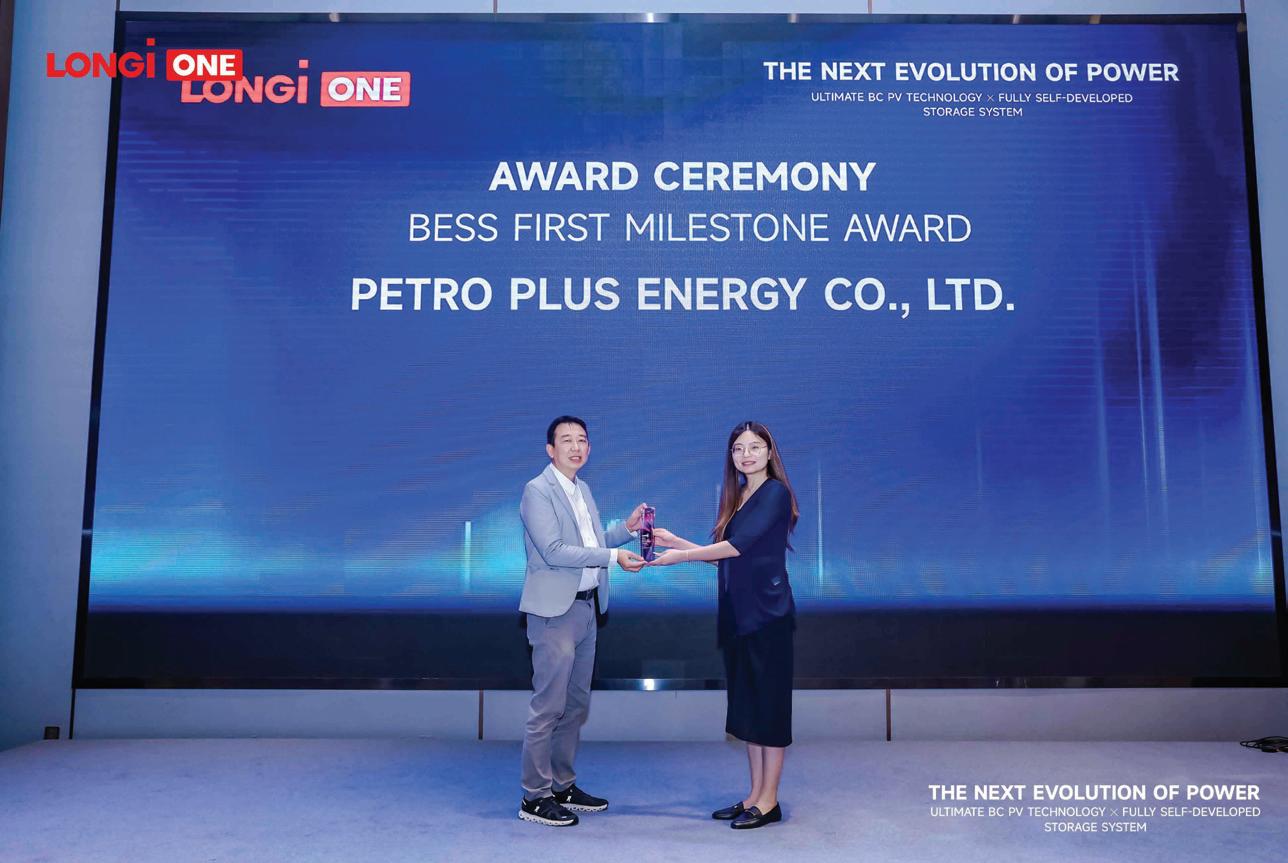
LONGi said its integrated PV and storage ecosystem prioritises safety and efficiency, with energy management tools that help businesses reduce peak
electricity costs and optimise usage. The system is designed for durability in tropical conditions and improved project economics through higher energy efficiency and lower lifetime costs.
Packaging to suit needs and requirements
Sustainable compression packaging
In response to consumer preferences and brand owner commitments, many converters are facing the challenge of developing hygiene compression packaging films with sustainability benefits such as downgauging, incorporation of recycled content, and design for recyclability.
In response, ExxonMobil Signature Polymers ’s team worked across the value chain to develop two monomaterial PE film solutions with reduced thickness and/or the incorporation of up to 35% PCR content. The films were produced at an ExxonMobil facility, converted on Hudson-Sharp ’s Apollo wicket machine, and formed and sealed using Optima ’s machinery.
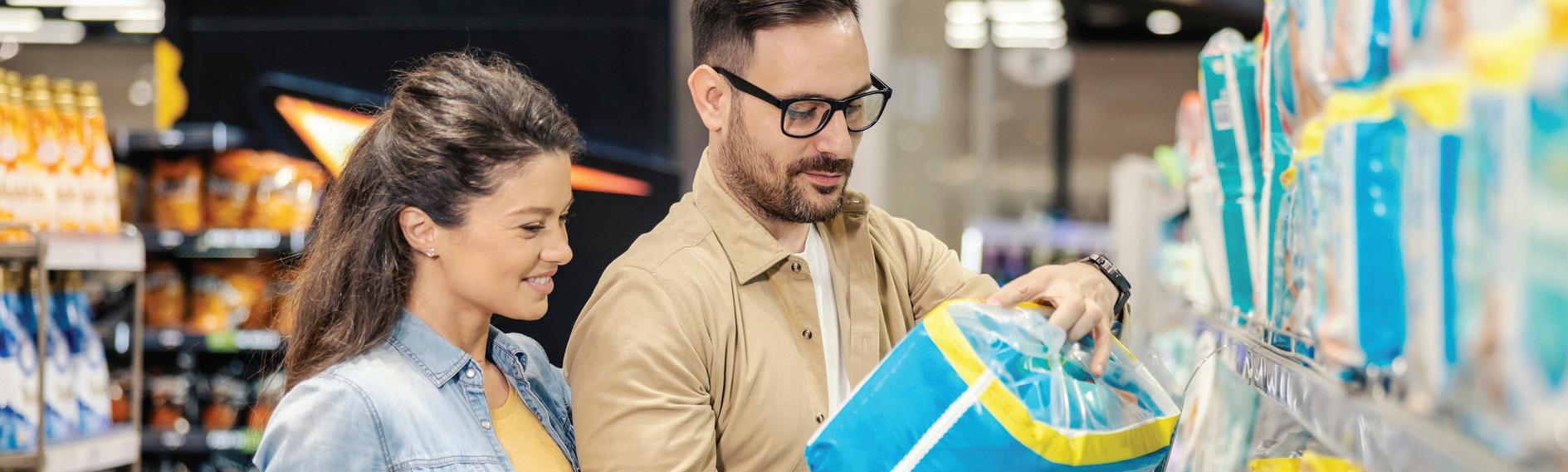
ExxonMobil worked with HudsonSharp and Optima to develop two monomaterial PE film solutions with reduced thickness for compression packaging
LONGi secured its first Southeast Asia BESS order with Thai partners Petro Plus Energy and Smart Solar
Packaging
In ExxonMobil’s formulation, the use of Exceed Tough+ m 0518 helps enhance the production of films with remarkable toughness and puncture resistance. When combined with ExxonMobil HD 6207FL polymers, it results in high stiffness and creep resistance, ensuring that the package maintains its dimensional stability throughout and after the packaging process.
Minor additions of ExxonMobil LD 07523 polymers can be employed to adjust processability and optical features. By leveraging just three PE grades, it is possible to reduce the film thickness and/or incorporate up to 35% PCR content while still meeting performance and processability requirements. The films were made on lines located in an ExxonMobil facility.
The films were then converted on HudsonSharp’s Apollo wicket machine, that is ideally suited for monomaterial PE films, which may or may not incorporate recycled content, even at very thin gauges. Thanks to the excellent sealability and easy side cutting/punching provided by ExxonMobil’s two PE film formulations, high machine output can be achieved. Customers can continue to benefit from fast changeovers, while achieving high output speeds, it adds.
The package was subsequently formed and sealed using Optima’s machinery, which is specifically calibrated to handle these materials while ensuring optimal performance and quality, exhibiting sufficient stiffness to prevent film elongation during handling and a good coefficient of friction for the grippers. These attributes are essential for maintaining the shape and functionality of the package, helping the products to be securely contained.
Creating cost-effective vacuum-skin packaging
Traditional ionomer-based vacuum packaging can be easily impacted by ionomer material shortage, hence be expensive to produce. Three companies leveraged their expertise across the value chain to produce an ionomerfree vacuum skin packaging that is both cost effective and provides high performance attributes.
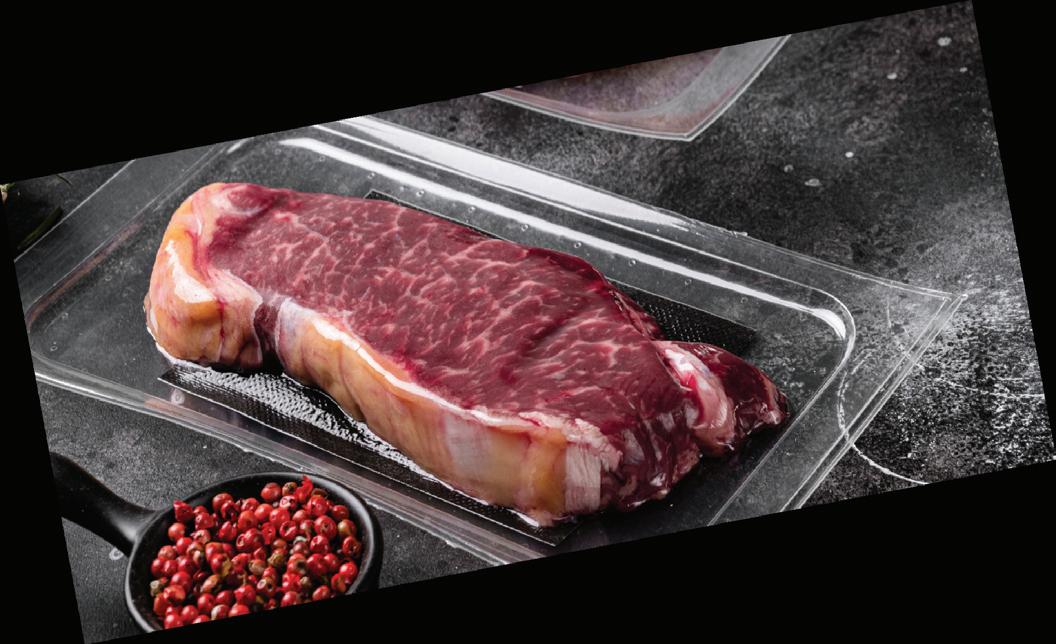
ExxonMobil developed a formulation using its Exceed Flow+ and Exceed Tough+ performance PE in combination with its ExxonMobil EVA resin and materials maker Kuraray ’s barrier material, Eval T101B. The formulation was used to produce blown film by Italian extrusion machinery maker GAP
To demonstrate the high performance and excellent shelf appeal, G.Mondini , an Italian processor of packaging food, provided access to its vacuum-skin packaging line, for vacuum and full seal around the product.
This work across the value chain brought a cost-effective solution to the market by reducing dependency on ionomers.
The ionomer-free solution using Exceed Flow+ and Exceed Tough+ and ExxonMobil EVA polymer grades delivers shelf appeal, toughness properties such as tear and puncture. It brings an outstanding gloss of 81, and transparency (haze 7.5%).
Videplast creates downgauged, mono-material PE pet food packaging
Brazilian converter Videplast was looking to provide its customers a competitive advantage in performance and cost. Their challenge was to create pet food packaging that maintains stiffness and toughness in a mono-material solution at a lower gauge and with cost savings opportunities.
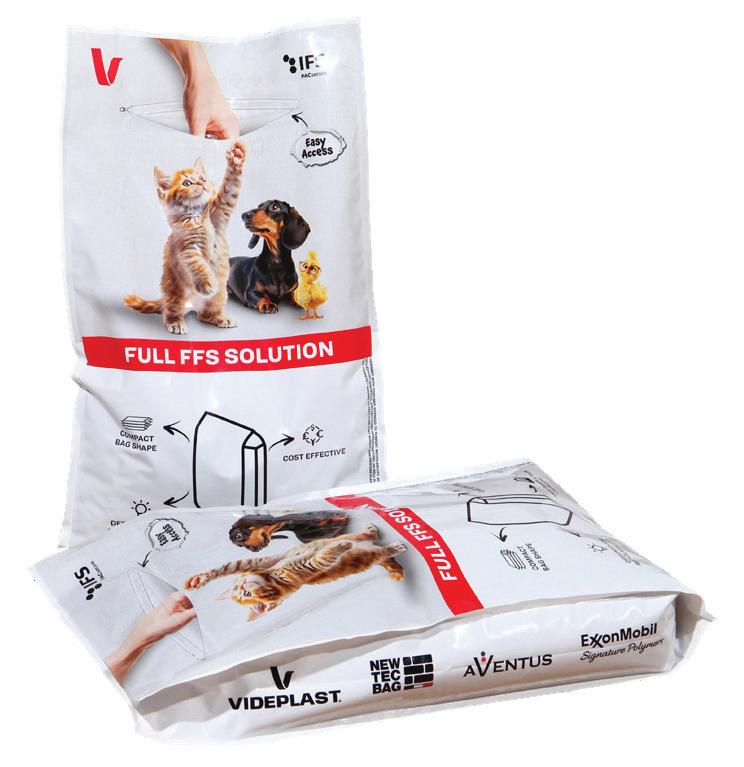
Videplast, together with ExxonMobil, created pet food packaging that maintains stiffness and toughness in a mono-material solution
The solution would be compared to a mono-material solution at a thicker gauge used to replace PET-based solutions.
ExxonMobil, Kuraray and machinery maker GAP have innovated an ionomer-free vacuum skin packaging
Part of the challenge the company faced was embracing was achieving mechanical properties, printability and aesthetics that match PET-based solutions at lower gauges. PET provides excellent stiffness and dimensional stability, while PE is softer and more flexible, which can affect packaging integrity and machinability. PET has a smooth surface ideal for high-quality printing whereas PE may require surface treatments (e.g., corona treatment) to achieve similar print quality.
The development of the new form, fill and seal (FFS) film was carried out through a strategic partnership between Videplast, Haver & Boecker and ExxonMobil.
After defining the optimal material architecture, advanced laboratory tests were conducted to validate the performance of the selected resins (Exceed Stiff+ m 0926 for stiffness/ toughness balance and Exceed Stiff+ m 0238 for stiffness and processability).
In the extrusion stage, the structure was produced via multilayer co-extrusion using PE, ensuring thickness uniformity, operational stability, and processability, even with material reduction.
Next, the film underwent flexographic printing, fully leveraging the surface properties of the resins to achieve superior ink adhesion and premium visual quality. Finally, lamination, alignment, and precision rewinding steps ensured mechanical strength, print protection, and dimensional accuracy, resulting in FFS rolls ready for use in automatic filling and sealing lines.
The use of ExxonMobil Signature Polymers was a key enabler to reduce the thickness of the FFS film from 180µm to 160µm while maintaining the performance levels demanded by the market.
This optimisation delivered direct economic benefits through lower raw material usage, and increased productivity. The new configuration made the solution more competitive in cost-sensitive markets and more attractive to customers.


Injection Moulding Asia
Materials drive automotive sector
Recycling composite waste for auto components
The composite materials industry has experienced significant growth in sectors such as aerospace, railway, naval and renewable energy, thanks to its ability to provide lightweight, strong and durable solutions. However, these processes generate substantial amounts of plastic waste, especially single-use auxiliary materials such as vacuum bags, release films and absorbent fabrics.
Now, a Spain-led Implicit project addresses this challenge through the development of multimodal recycling strategies that combine mechanical, physical and chemical technologies to recover these materials with the highest possible purity and enable their industrial reuse. The aim is to generate new recycled raw materials that can be used in applications, such as automotive components, technical textiles and urban furniture elements.
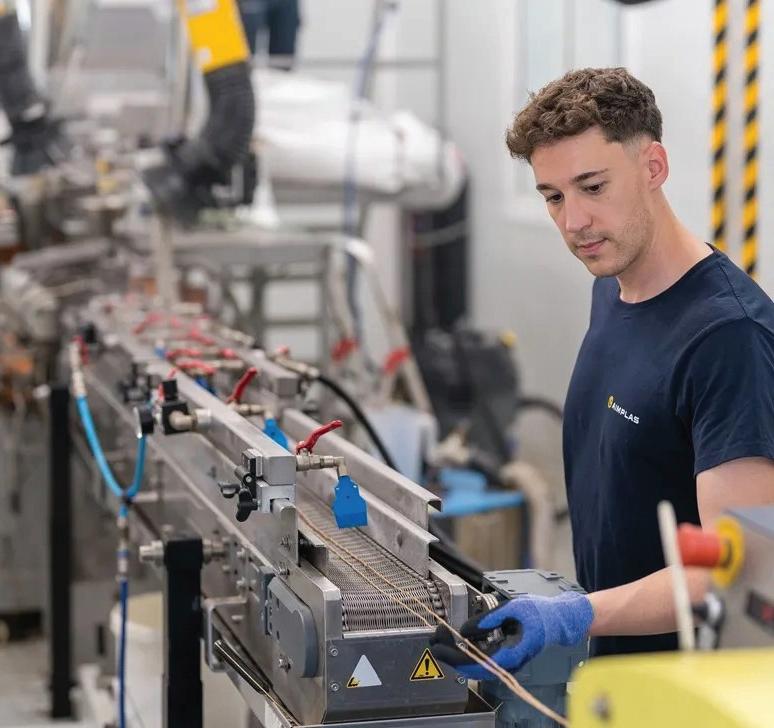
Spain-led Implicit project is looking at multimodal recycling strategies that combine mechanical, physical and chemical technologies to recover materials for use in automotive components
Funded by the Spanish Ministry of Science, Innovation and Universities through the Centre for the Development of Industrial Technology and Innovation (CDTI), with the support of European Union European Regional Development Fund (ERDF) funding, Implicit proposes a paradigm shift by transforming this waste into new resources.
The initiative brings together a consortium of eight entities representing different links in the plastics value chain. Participating companies include Solteco (project leader), Birziplastik, Faperin and Industrias Alegre, together with the technology centres AIMPLAS (technical leader), Eurecat, Tecnalia and Leartiker
This collaboration makes it possible to tackle the challenge from waste collection and treatment to the validation of new products in real applications, thus addressing one of the industry’s main environmental challenges: the management of difficult-to-recycle waste.
From a technical perspective, Implicit develops a multimodal recycling approach for materials mainly manufactured with thermoplastic polymers such as PA, PET, PE and PP. This approach integrates mechanical recycling processes (shredding, separation and extrusion), physical recycling based on selective dissolution, and chemical recycling technologies such as solvolysis to remove thermoset resins and recover highvalue monomers and oligomers.
The project also addresses key challenges such as waste heterogeneity and resin contamination through advanced decontamination, compounding and additive formulation processes aimed at improving the mechanical properties of recycled materials and ensuring their industrial viability.
Covestro’s recycled PC/ABS adopted for Lexus German materials firm Covestro announced that its polycarbonate/ABS material, Bayblend T85X R35 CQ, has been adopted for interior components in the Lexus ES. As part of Covestro’s Circular Intelligence (CQ) portfolio, the material delivers a 25% reduction in Global Warming Potential, measured in CO2 equivalents, compared to fossil-based alternatives, according to internal calculations.
The project was achieved through a partnership between Toyota Motor Corporation, Toyota Motor Kyushu, parts supplier Kojima Industries Corporation, and Covestro. Together, the four companies conducted testing and evaluation to ensure the recycled material met all performance requirements without compromising quality standards.
Integrating high levels of post-consumer recycled content into visible premium interior parts has typically been a high technical hurdle, making use in such areas difficult with many resins, yet the Bayblend resin used in the Lexus ES demonstrates that this barrier can be overcome, says Covestro.

Covestro’s recycled PC/ABS blend has been adopted for interiors of Lexus ES
This marks one of the first integrations of 35% postconsumer mechanically recycled content in visible components within a premium automotive segment, it adds.
Furthermore, Covestro says the material’s versatility extends beyond pre-coloured applications to paintable components, enabling use in both visible interior areas and exterior parts.
Covestro says it continues expanding its circular economy solutions through “The Material Effect” approach, including the recently launched “RV line”, part of the post-consumer recycled R series – featuring recycled end-of-life vehicle materials such as headlamps, with third-party certification. It adds that the innovations will contribute to EU ELV recycling targets toward 2032.
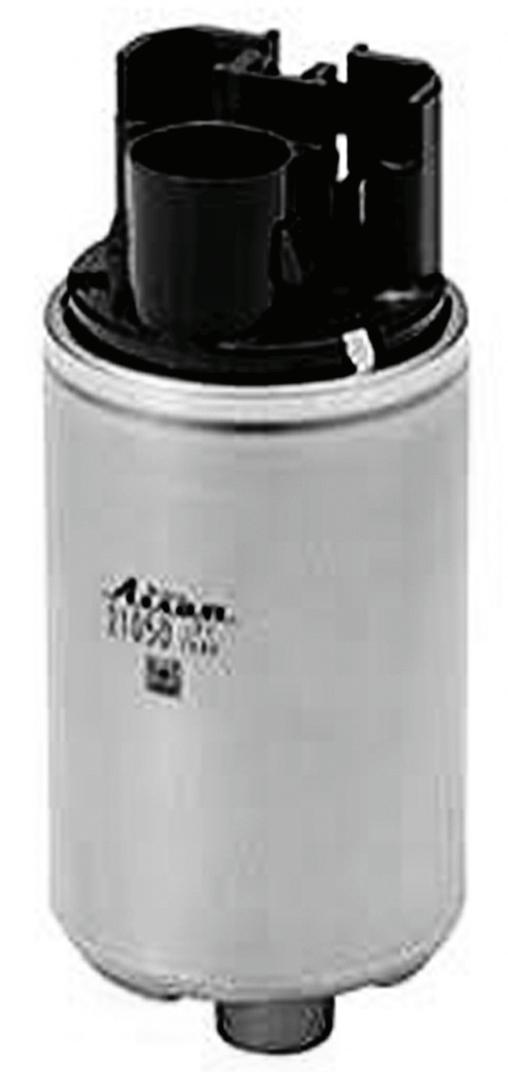
Aisan adopts CO2-POM material for fuel pumps Chemicals firm Celanese Corporation announced that Aisan Industry Kentucky, a subsidiary of Japan-based Aisan Industry Co, has adopted a Celanese polyacetal resin (POM) made from captured CO2 for fuel pump modules produced for a North American automaker.
Celanese says it uses CCU-based chemical building blocks to turn CO2 emissions into POM polymer that offers both reduced product carbon footprint (PCF) as well as a high percentage of circular content.
POM ECO-C solutions are drop-in choices that enable Aisan to offer more sustainable components without sacrificing performance and helps automakers work towards sustainability goals with solutions that are both practical and impactful, it adds.
“Celanese can uniquely turn waste CO2 into a high performance polymer, helping customers meet sustainability goals,” said Todd Elliott, Senior Vice President, Celanese Engineered Materials. “POM ECO-C turns technology into practical solutions while maintaining performance and quality, and without requiring changes to existing designs or production processes.”
New end-of-life rules to be mandated in the EU for vehicles
The European Parliament has recently given final approval to new EU rules on circularity, which cover the entire life cycle of a vehicle, from design to end-of-life treatment. The agreement reached by Parliament and the Council at the end of 2025 was adopted by 437 votes in favour, 112 against and 20 abstentions.
Under the new rules, all new vehicles must be designed to allow for easy removal of as many parts and components as possible. The plastics used in each new type of vehicle will have to contain at least 15% recycled plastics within six years and 25% within ten years. At least 20% of this recycled plastic must come from materials recovered from ELVs or used parts (so-called closed-loop recycling). Based on feasibility studies, the Commission may introduce targets in the future for other materials such as recycled steel, aluminium, magnesium and critical raw materials.

Celanese adds it continues to advance materials and technologies that help reduce environmental impact and support progress toward carbon neutrality and more sustainable manufacturing.
Its mass-balance based CCU platform is especially significant in supporting both ends of the integrated Celanese value chain by providing low-carbon feedstocks for ECO-C products across the Acetyl Chain and Engineered Materials businesses for customers seeking more sustainable solutions.
Aisan has adopted a Celanese POM material made from captured CO2 for fuel pump modules
When selling a used vehicle, businesses (unlike private citizens) will be required to assess whether the vehicle is end-of-life or has a valid technical inspection certificate. To avoid unnecessary burdens on citizens, transactions between private individuals will only require one of these two documents, if the vehicle is declared a total economic loss or if the sale is made exclusively via an online platform.
Three years after the entry into force of these new rules, extended producer responsibility will be introduced, meaning that producers will have to cover the costs of collecting and treating vehicles that have reached the end of their life anywhere in the EU.
In order to address the problem of “missing vehicles” and prevent illegal handling and dismantling, the law prohibits the export of vehicles that have been declared unroadworthy (this measure will apply five years after the entry into force of the Regulation).
After approval by Parliament, the new regulation must be formally approved by the Council before it can enter into force and apply 24 months later.
In 2023, 14.8 million motor vehicles were produced in the EU, while 12.4 million vehicles were registered. There are 285.6 million motor vehicles on the EU’s roads and around 6.5 million vehicles reach the end of their useful life each year.
Around 6.5 million vehicles reach the end of their useful life in the EU every year
Rubber Journal Asia
Liquid Silicone Rubber
LSR stretches its industrial footprint
Liquid silicone rubber, or LSR, is an advanced elastomer that has gained traction in high-value sectors such as healthcare, automotive, and electronics, with further scope of applications expected, says Angelica Buan.
Easier processing and automated manufacturing have spawned the adoption of liquid silicone rubber (LSR) in key economic sectors. As manufacturers respond to changing requirements and end-user needs, LSR stands out as an ideal high-performance material due to its combination of thermal stability, chemical resistance, and biocompatibility for applications in electronics, healthcare, and automotive industries, especially in the electric vehicle (EV) space.. Innovations in the LSR segment ensure compliance with global material safety standards and specifications such as food safety, and recyclability for certain LSR grades, and they also enable precision moulding and complex part designs; these developments boost market confidence.
Consultancy firm Business Research Insights, in its LSR market forecast, projects the global LSR market to reach a value of nearly US$1 billion in 2026 and almost US$1.54 billion by 2035, expanding at a CAGR of 5.4% from 2026 to 2035, driven by the automotive, healthcare, electronics, and industrial markets.
Materials shaping medical applications
The medical device sector is a natural fit for LSR, as it has traditionally been used there due to its biocompatibility, chemical inertness, flexibility, and resistance to heat and sterilisation. Consequently, wearables, diagnostic equipment, and other medical and healthcare technologies are enabled by ongoing material developments that improve processing and performance.
LSR is a highperformance material valued for its thermal stability, chemical resistance, and biocompatibility in electronics, healthcare, and automotive applications.
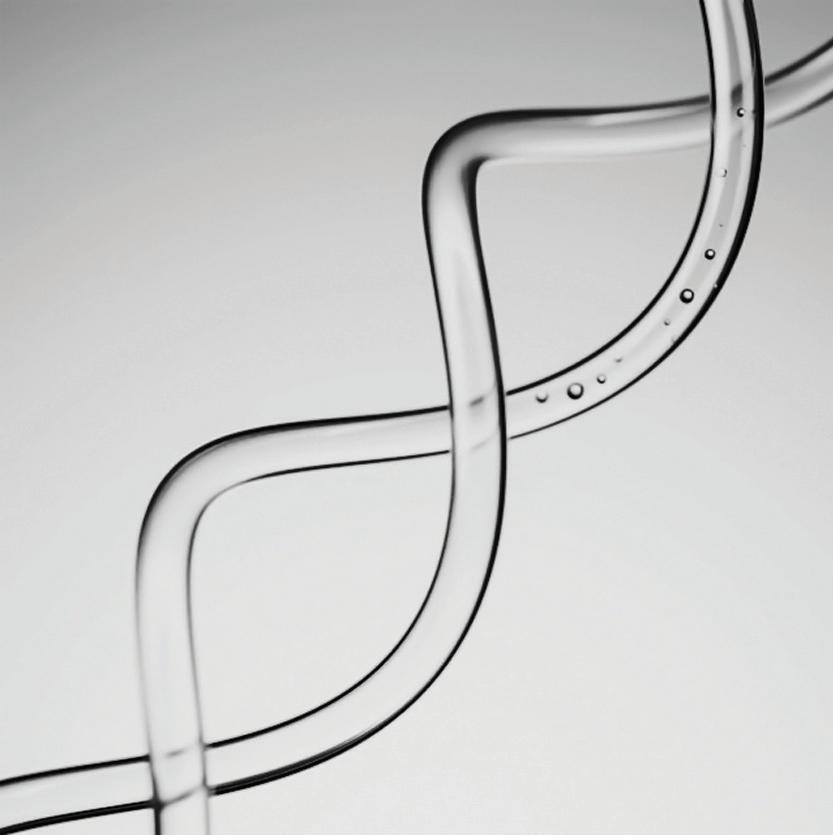
One example is US materials company DuPont’s Liveo C6-8XX LSR series, developed to meet the stringent performance requirements of medical devices.
The medical-grade, two-part silicone elastomer series is designed for healthcare applications requiring precision moulding. It features improved rheology and lower viscosity, for faster, more consistent moulding cycles in a fully automated production.

for non-implant and short-term implant medical components
The series offers high heat stability, compatibility with multiple sterilisation methods, and proven biocompatibility, making it suitable for non-implant and short-term implant medical components.
Available in five hardness grades ranging from 30 to 70 Shore A, the LSRs also provide enhanced flow characteristics and a pot life exceeding three days, allowing design flexibility and improved processability.
Advances in medical LSRs are also expanding into electrically functional materials for wearable and connected healthcare technologies.
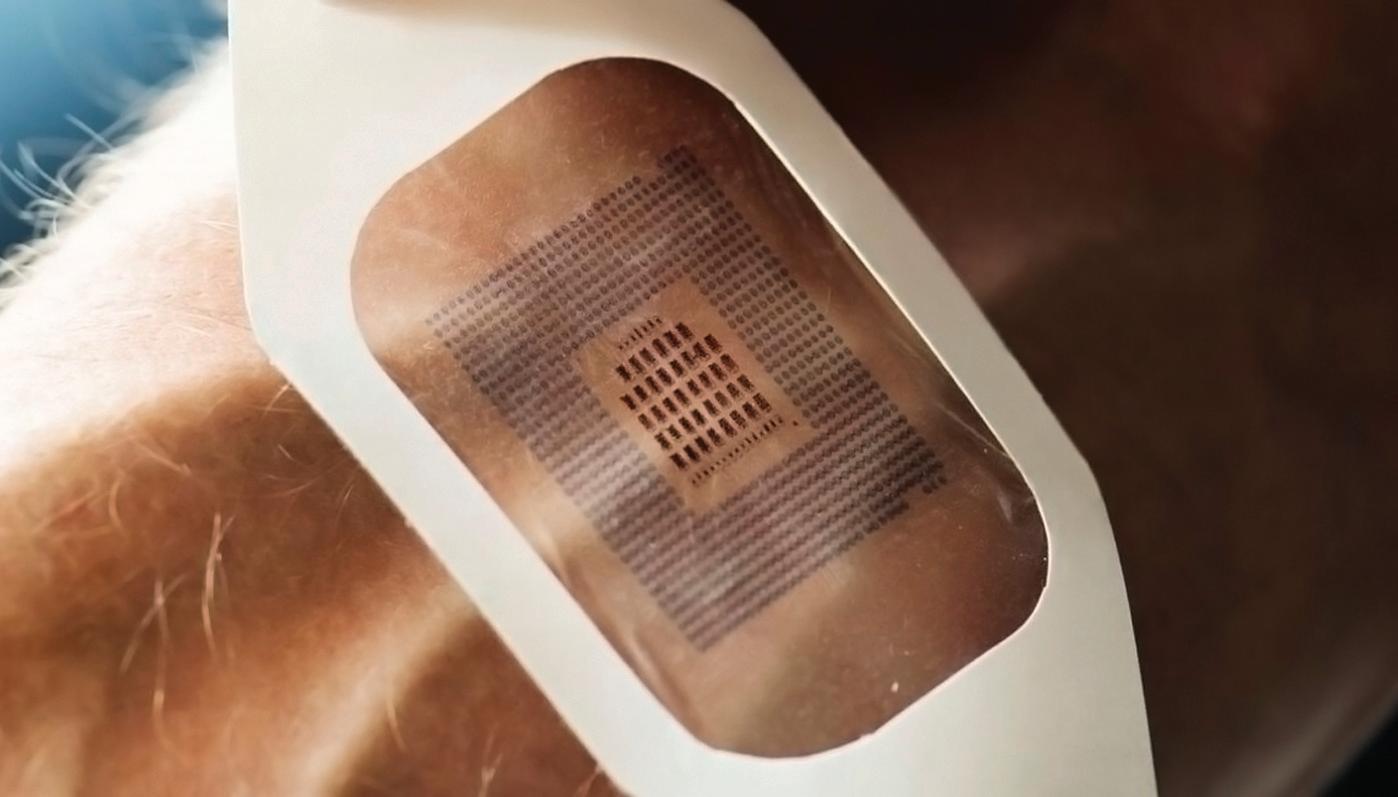
Norway-based materials provider Elkem ASA has introduced Silbione LSR Select EC 70, a medical-grade LSR developed for wearable healthcare devices, diagnostic equipment, flexible electronics, and advanced sensors. The material combines high electrical conductivity, flexibility, durability, and certified biocompatibility to meet the performance requirements of precision healthcare applications.
With resistivity below 10 ohm-centimeters, it enables reliable electrical performance while supporting intricate component designs through liquid injection moulding.
The material has passed ISO 10993-5 cytotoxicity and ISO 10993-10 skin sensitisation testing, making it suitable for applications including prosthetics, diagnostic devices, and flexible circuits.
DuPont’s Liveo C6-8XX LSR medical-grade, two-part silicone elastomer series offers high heat stability, compatibility with multiple sterilisation methods, and proven biocompatibility, making it suitable
Rubber Journal Asia
Silbione LSR is designed for use with Elkem’s LSR Select technology, which allows manufacturers to adjust cure kinetics directly within the mould, improving process control, reducing cycle times, and minimising material waste while operating on existing injection molding equipment.
Food-grade LSR takes a shot at lifestyle segments
Food-grade LSR with a sustainability twist offers a safer alternative to rubber in food-contact products. It enables durable and hygienic food-contact applications such as kitchenware, baking tools, and beverage components while meeting strict FDA and BfR regulatory standards.
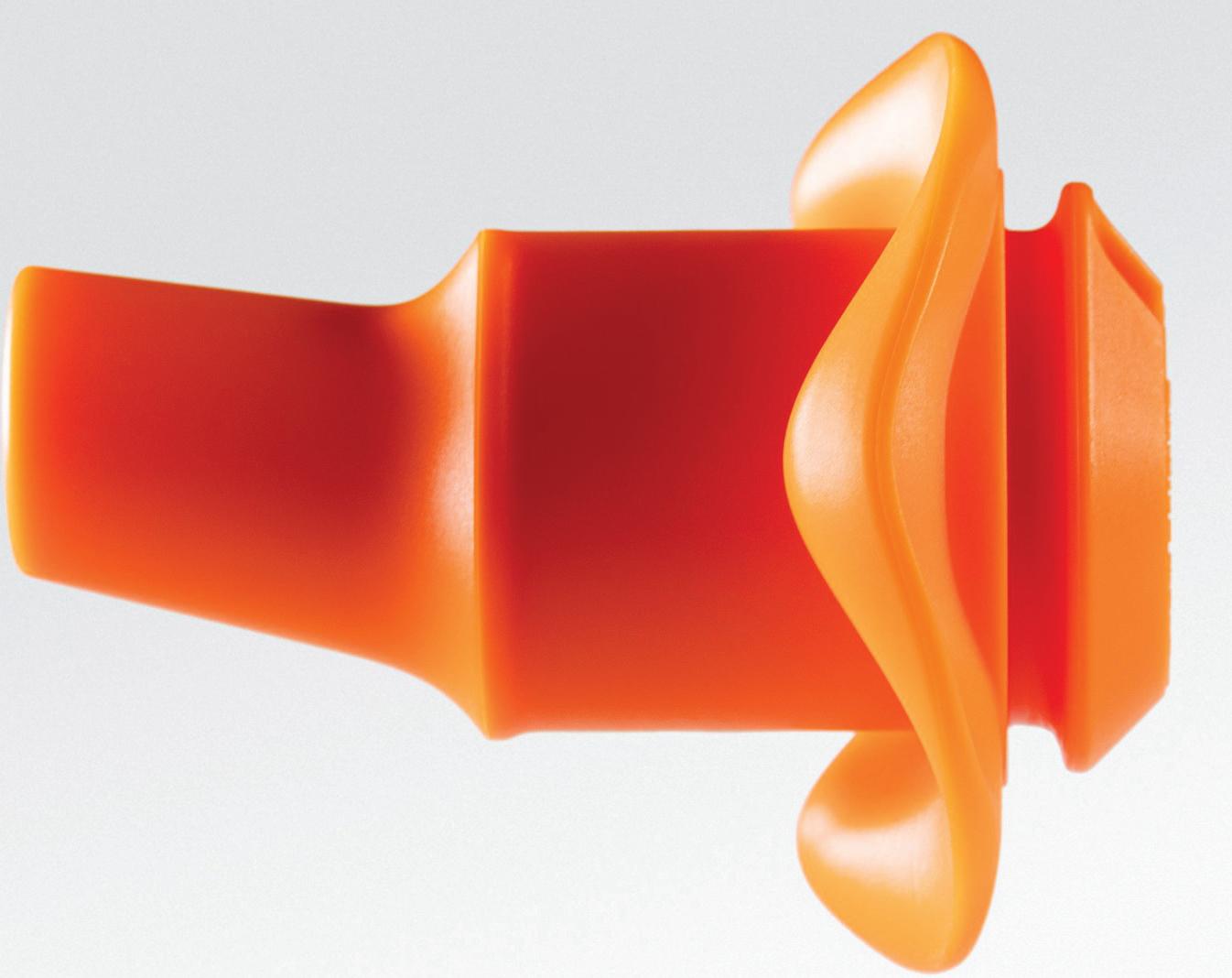
In line with these requirements, German chemicals company Wacker Chemie has raised the ante with its series of temperfree LSR grades for food and sensitive applications, including a biomethanol-based variant. Moulded parts made from Elastosil eco LR 5003 are resource-efficient and comply with food-contact guidelines even without thermal post-treatment, enabling highvolume production of items such as drinking straws, baking tins, dough scrapers, and other lifestyle products.
The grade is also used in air up drinking bottles, where it supports the production of mouthpieces for a flavour pod system that creates sensory perception by transforming plain water into flavoured drinking experiences without sugar or additives, based on retronasal perception.
Liquid Silicone Rubber
Elastosil eco LR 5003 is a non-post-cure LSR suitable for large-scale food and sensitive applications. It meets BfR limits for volatile content and FDA food-contact standards without post-curing, while also allowing optional post-curing for higher mechanical strength. Elastosil eco silicone rubber grades are produced from plant-based methanol derived from non-fossil sources and are certified under the REDcert2.
Electric mobility amps up LSR demand
The maturing electric vehicle sector is constantly exploring new material solutions to meet the segment’s demand for highperformance components, including connectors, seals, gaskets, cable accessories, sensor housings, battery insulation, and other key EV parts.
Within this context, German chemical company WevoChemie has developed an LSR for formed-in-place gasket (FIPG) sealing systems. Wevosil 23130 is designed to meet safety requirements for high-voltage EV batteries, including China’s GB 38031-2025 standard.
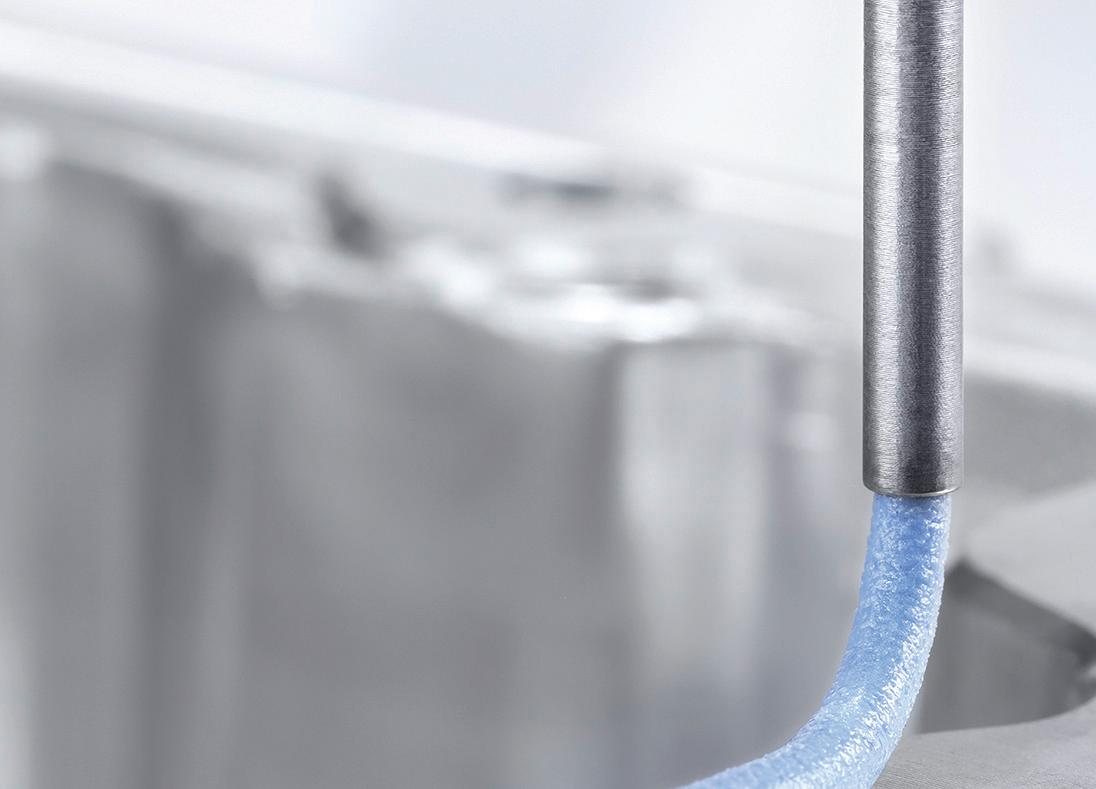
Wevo-Chemie has developed an LSR for formed-in-place gasket (FIPG) sealing systems, Wevosil 23130 designed to meet safety requirements for high-voltage EV batteries, including China’s GB 38031-2025 standard
Utilising the compounds forms an airtight barrier against gases and smoke released during thermal runaway in battery housings while providing high adhesion strength, thermal and chemical stability, and resistance to mechanical stress. Suitable for automated battery production, its fillerfree formulation enables precise dispensing on complex geometries, while its long pot life and controllable heat curing support efficient manufacturing.
The material is intended to improve battery safety, durability, and reliability by maintaining seal integrity under extreme operating conditions.
In a similar vein, Japanese chemical company Shin-Etsu Chemical has developed the ST-OR Type heat-shrinkable silicone rubber tubing for busbar covering to address the growing demand for high-performance insulation in power distribution systems. It particularly targets electric and hybrid vehicles where busbars are exposed to increasingly high voltages and currents.
Elkem’s Silbione LSR Select EC 70, a medical-grade LSR for wearable healthcare devices, diagnostic equipment, flexible electronics and advanced sensors
Wacker’s temper-free LSR grades for foodcontact and other sensitive applications are used in air up drinking bottles.
Rubber Journal Asia
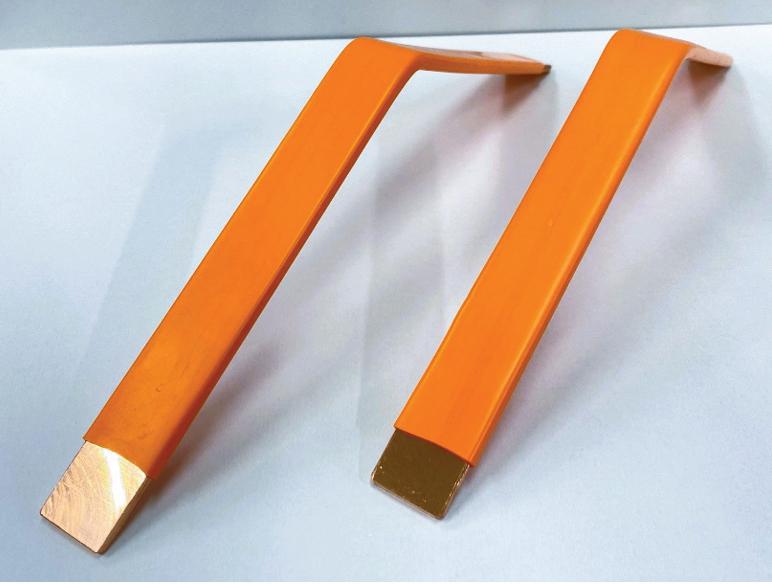
Shin-Etsu Chemical’s ST-OR heat-shrinkable silicone rubber tubing provides high-performance busbar insulation for power distribution systems, particularly in electric and hybrid vehicles operating at higher voltages and currents
The tubing provides electrical insulation with a dielectric strength of 28 kV/mm and reliable performance across a wide operating temperature range of −40°C to +200°C. Its bright orange outer surface makes it suitable for insulating busbars used as alternatives to high-voltage cables, while maintaining flexibility even after heat shrinking. By enabling simple heatactivated installation, it improves the reliability of power distribution systems and reduces labour and processing time in busbar manufacturing.
Shin-Etsu also offers the ST-TC-1 Type for thermal interface applications, combining electrical insulation with thermal conductivity to facilitate heat transfer from heating components to casings.
LSR hones into electronics
The growth of LSR in electronics applications hinges on technical advancements and the material’s inherent properties. Used for encapsulation, insulation, and protection of sensitive components, LSR offers excellent electrical insulation, thermal conductivity, and moisture resistance for 5G devices, computers, and other electronic systems. This is particularly significant in data centre sectors, where LSR enhances the efficiency and reliability of high-density hardware and cooling infrastructure by managing the extreme heat generated by AI workloads.
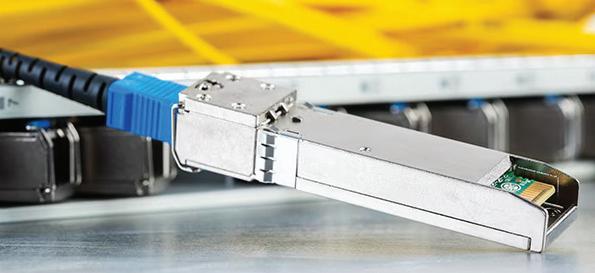
Recent developments in electronics application and thermal management materials show this trend. US materials company Dow has launched Dowsil TC-3120 Thermal Gel, a silicone-based material for high-efficiency heat transfer and opticalgrade cleanliness. It offers the highest thermal conductivity (~12 W/m·K) among Dow’s silicone gels and minimises oil bleeding and outgassing, which can compromise optical and electronic reliability.
The material supports 800G and 1.6T optical modules, dense electronics, and other high-heat applications, including optical transceivers, telecommunications equipment, electronic module assemblies, autonomous vehicles, and automotive controllers. Its optical-grade cleanliness reduces contamination risks in photodiodes, optical fibres, and lenses.
Dowsil TC-3120 is supplied as a flowable paste, can be dispensed with controlled extrusion, and pressed to a minimum bondline thickness of 200 µm for efficient heat transfer. It is a one-part, reworkable material that fills large gaps and can be heat-cured. Despite its high filler loading, it remains readily dispensable and stable in production use.
The gel resists silicone oil release, maintains consistent bond line formation, and reduces risks of contamination, adhesion interference, and optical failure. It is designed to withstand high temperatures, humidity, shock, vibration, and repeated thermal cycling, while maintaining stability under mechanical stress and resisting slumping in vertical applications such as optical transceivers. It is recommended for module-to-heatsink interfaces with uneven surfaces or tolerance stack-ups.
Similarly, French silicone manufacturer Elkem Silicones has introduced Bluesil ESA 8352 A&B, a two-component silicone adhesive designed for reliable performance in HVAC systems operating in complex industrial environments. It addresses demand for high-temperature, flexible adhesives that maintain reliability under harsh conditions while accommodating varied processing and assembly speeds.
The material cures at room temperature using selfbonding technology, enabling strong adhesion to multiple substrates, including metals and plastics, without primers. This supports streamlined production, reduced energy consumption, and improved manufacturing efficiency.
Bluesil ESA 8352 A&B offers a handling time of approximately 25–30 minutes and allows faster part processing. It delivers durable, leak-proof sealing, tolerates thermal expansion, and resists high temperatures, chemical exposure, and mechanical stress, supporting long-term HVAC system reliability.
The adhesive, certified UL 94 HB for flammability resistance and withstands continuous temperatures up to 180°C with peaks up to 220°C, is compatible with precise dosing systems and both automated and manual dispensing, enabling consistent application, reduced defects, and improved production efficiency.
Liquid Silicone Rubber
Dow’s Dowsil TC-3120 Thermal Gel is a silicone-based material designed for high-efficiency heat transfer and optical-grade cleanliness, offering high thermal conductivity while minimising oil bleeding and outgassing
1 – 4 JULY
HanoiPlas
Venue: Hanoi, Vietnam
Tel: +84-28-3827 9156 ext. 120 Fax: +84-28-3827 9157
Email: Salesb@chanchao.com.tw
Website: www.chanchao.com.tw/hanoiplas
1 – 4 JULY
MTA Vietnam
Venue: Ho Chi Minh City, Vietnam
Tel: +84 28 3622 2588
Email: mtavietnam@informa.com Website: www.mtavietnam.com
1 – 4 JULY
HanoiPrintPack
Venue: Hanoi, Vietnam
Tel: +886 2 2659 6000 Fax: +886 2 2659 7000
Email: exfdp@chanchao.com.tw Website: www.hanoiprintpack.chanchao.com.tw
13 – 16 AUGUST
Cambodia Int'l Machinery Industry Fair
Venue: Diamond Island Convention & Exhibition Center, Cambodia
Tel: +886-2-26596000
Email: automation@chanchao.com.tw
Website: www.chanchao.com.tw/CIMIF
26 – 28 AUGUST
Propak India
Venue: Mumbai, India
Tel: +91 98193 48505
Email: mustaque.ahmed@informa.com Website: www. propakindia.com
31 AUGUST – 2 SEPTEMBER
Plastics Recycling Show India (PRSI)
Venue: Mumbai, India
Tel: +44 07739 302081
Email: mabarber@crain.com Website: www.prseventindia.com
3 – 5 SEPTEMBER
3P Pakistan
Venue: Lahore Expo Center, Pakistan
Tel: + 92-042-32339863
Email: enquiry@plasprintpack.com Website: www.plasprintpack.com
9 – 11 SEPTEMBER
Medical Manufacturing Asia
Venue: Marina Bay Sands, Singapore
Tel: +65 6332 9624
Email: zarina@mda.com.sg Website: www.medmanufacturing-asia.com
9 – 12 SEPTEMBER
VietnamPlas
Venue: Saigon Exhibition & Convention Center, Ho Chi Minh City, Vietnam
Tel: +886 2 2659 6000 Fax: +886-2-2659-7000
Email: exfdp@chanchao.com.tw
Website: www.vietnamplas.chanchao.com.tw
15 – 19 SEPTEMBER
TaipeiPLAS
Venue: Taipei, Taiwan
Tel: +886 2 27255200 Fax: +886 2 27251959
Email: plas@taitra.org.tw Website: www.taipeiplas.com.tw
8 – 10 OCTOBER
Pack Print Plas Philippines
Venue: SMX Convention Center Manila, Philippines
Tel: + 63 917 792 4454
Email: info@packprintplasphilippines.com
Website: www.packprintplasphilippines.com
12 – 16 OCTOBER
Fakuma
Venue: Friedrichshafen, Germany
Tel: + 49 (0) 7025 9206-0
Email: fakuma@schall-messen.de Website: www.fakuma-messe.de
13 – 15 OCTOBER
MTA Hanoi
Venue: Hanoi, Vietnam
Tel: +84 28 3622 2588
Email: Dung.Nguyen@informa.com Website: www.mtahanoi.com
20 – 23 OCTOBER
AllPack Indonesia
Venue: JIExpo Kemayoran, Indonesia
Tel: +62-21 6345861
Email: info@kristamedia.com Website: www.allpack-indonesia.com
27 – 29 OCTOBER
NEPCON Asia
Venue: Shenzhen World Exhibition & Convention Center (Bao'an), China
Tel: +86 21 2231 7010
Email: julia.gu@rxglobal.com Website: www.nepconasia.com
3 – 5 NOVEMBER
Plastics Recycling Show Asia (PRSA)
Venue: Shanghai, China
Tel: +44 (0)7739 302081
Email: mabarber@crain.com Website: www.prseventasia.com
16 – 18 NOVEMBER
Interpack China
Venue: Shanghai New International Expo Centre, China
Tel: +49 211 4560 7781 Fax:+49 211 4560 877781
Email: portilloi@messe-duesseldorf.de Website: www.interpack-cn.com
17 – 20 NOVEMBER
Plastics and Rubber Indonesia
Venue: JIExpo, Kemayoran, Indonesia
Tel: +62 21 2525 320
Email: faradiba@pamerindo.com Website: www.plasticsandrubberindonesia.com
1 – 5 DECEMBER
IPF Japan
Venue: Makuhari Messe, Japan
Tel: +81-3-6273-2966 Fax:+81-3-6630-7068
Email: office_ipfjapan@ipfjapan.jp Website: www.ipfjapan.jp
Check out the Advertisers' page on our website. Information is categorised by the YEAR & DATE of publication for easy reference.
For further details, email us at: news@plasticsandrubberasia.com
Publishing Office / Scandinavia, Benelux & France
Postbus 130, 7470 AC Goor, The Netherlands
Tel: +31 547 275005 Fax: +31 547 271831
Email: arthur@kenter.nl
Contact: Arthur Schavemaker
European Correspondent: E-mail: jeanet@kenter.nl
Contact: Jeanet Draaijer
Regional Office
B6-11, Menara Indah, Jalan 9, Taman TAR 68000 Ampang, Selangor, Malaysia
Mobile: +6017-8849102
Email: tej@plasticsandrubberasia.com
Contact: Tej Fernandez
China & Hong Kong
Room 6B, Floor 6, Building HengLong, No. 50 Renming Zhong Road, Zhangjiagang, 215600 China
Tel: 0512-58919146
Fax: 0512-58919145
Mobile: +86-17751702720
Email: henry.xiao@matchexpo.com
Contact: Henry Xiao/Zhu Wei
Malaysia (Print, Web, Digital Advertising & Conferences)
Tara Media & Communications
Mobile: +6017 610 1270
E-mail: yokepeng@taramedia.com.my
Contact: Yoke Peng
Southeast Germany, Switzerland & Austria
Verlagsbüro G. Fahr e.K
Breitenbergstrasse 17
D-87629 Füssen, Germany
Tel: +49 8362 5054990
Fax: +49 8362 5054992
Email: info@verlagsbuero-fahr.de
Contact: Simon Fahr
North-West Germany
JRM Medien+Verlag
Minkelsches Feld 39
D-46499 Hamminkeln, Germany
Tel: +49 2852 94180
Fax: +49 2852 94181
Email: info@jwmedien.de
Contact: Renate Wickenhöfer
Malaysia, India, Indonesia, Singapore, Thailand, Australia, New Zealand, Korea & Philippines
Tara Media & Communications
B6-11, Menara Indah, Jalan 9, Taman TAR 68000 Ampang, Selangor, Malaysia
Mobile: +6017-8849102
Email: tej@plasticsandrubberasia.com
Contact: Tej Fernandez
Italy, Spain & Portugal
MediaPoint & Communications Srl Corte Lambruschini, Corso Buenos Aires, 8, Vo Piano - Interno 9, 16129 Genova, Italy
Tel: +39 010 570 4948 Fax: +39 010 553 0088
Email: info@mediapointsrl.it
Contact: Fabio Potesta
Taiwan 宗久實業有限公司 Worldwide Services
11F-B, No.540 Sec.1, Wen Hsin Rd., Taichung, Taiwan
Tel: +886 4 23251784 Fax: +886 4 23252967
Email: global@acw.com.tw
Contact: Robert Yu 游宗敏
USA & Canada
Plastics Media International
P. O. Box 44, Greenlawn, New York 117430, USA
Tel/Fax: +1 631 673 0072


Email: mjm@4m-media.com
Contact: Michael J Mitchell
www.plasticsandrubberasia.com www.rubberjournalasia.com
www.injectionmouldingasia.com