

ELITE WINGS MAGAZINE
ISSN 2816-4040
ELITE-WINGS.COM
EDITOR-IN-CHIEF
Abdelmajid Jlioui abdelmajid.jlioui@elite-wings.com
DIRECTOR CONTENT STRATEGY
Viswanath Tata viswanath.tata@elite-wings.com
EDITORIAL DIRECTOR
Jane Stanbury jane.stanbury@elite-wings.com
EDITOR AT LARGE
Claude Draillard claude.draillard@elite-wings.com
BUSINESS DEVELOPMENT
Achraf El Boustani achraf.elboustani@elite-wings.com
CONTACTS
Editorial: editorial@elite-wings.com
General Inquiries: info@elite-wings.com
Advertising: ads@elite-wings.com
Elite Wings publishes timely, structured, validated, unbiased, and relevant business aviation intelligence.
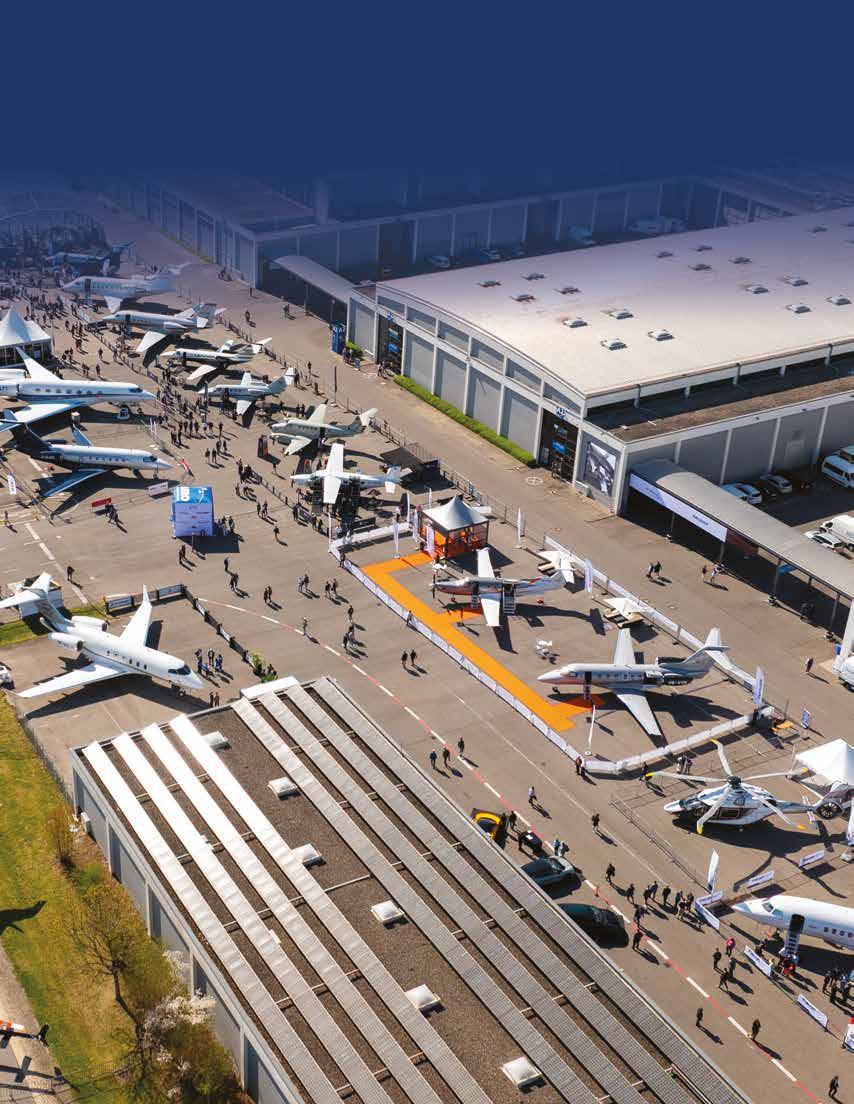
Cover Image: AERO FRIEDRICHSHAFEN 2025 @Fairnamic GmbH.
ELITE WINGS MAGAZINE (ISSN 2816-4040) IS PUBLISHED BY ELITE WINGS MEDIA INC, MONTREAL, CANADA.
Any information of a technical nature contained in this document may contain inaccuracies and is subject to change and should never be relied upon for operational use.
Copyright © 2026 All rights reserved. Reproduction in whole or in part without permission of Elite Wings Media is strictly prohibited.
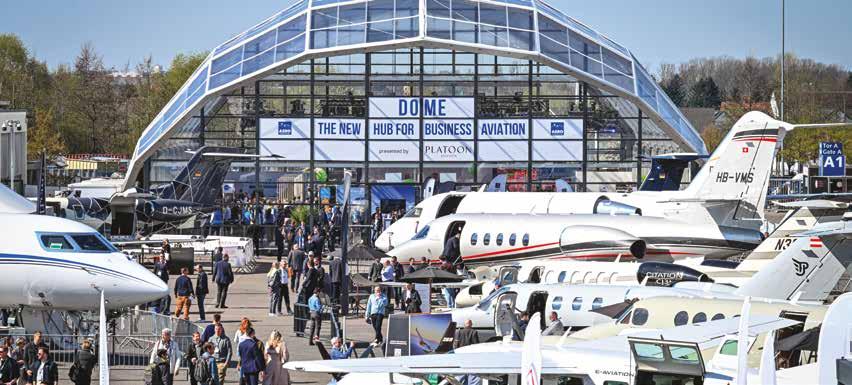
AERO Friedrichshafen 2026 will reaffirm its role as a key meeting point for the business aviation community, bringing together manufacturers, operators, suppliers, and decision makers from across the sector. With a strong focus on business aircraft, cabin innovation, connectivity, and sustainability, the show will highlight the latest developments shaping corporate and private aviation while fostering high value networking and strategic dialogue.
Business aviation in Europe remains resilient and strategically important, supported by steady demand for flexible, point to point travel across the continent. While operators continue to navigate rising costs, regulatory complexity, and sustainability pressures, the sector is benefiting from strong utilization in key business corridors, increased interest in charter and fractional services, and ongoing investment in newer, more efficient aircraft. As sustainability initiatives and SAF adoption gain momentum, European business aviation is increasingly positioned as a complementary, innovation driven pillar of the region’s broader air transport ecosystem.
Germany continues to play a central role in the market, remaining one of Europe’s busiest business aviation countries alongside France and the UK, anchored by major hubs such as Munich, Frankfurt, and Berlin. While Germany’s activity has recovered more gradually than Southern Europe due to corporate travel normalization and airspace complexity, demand remains structurally strong, driven by corporate flight departments, charter operations, and Germany’s export-oriented economy.
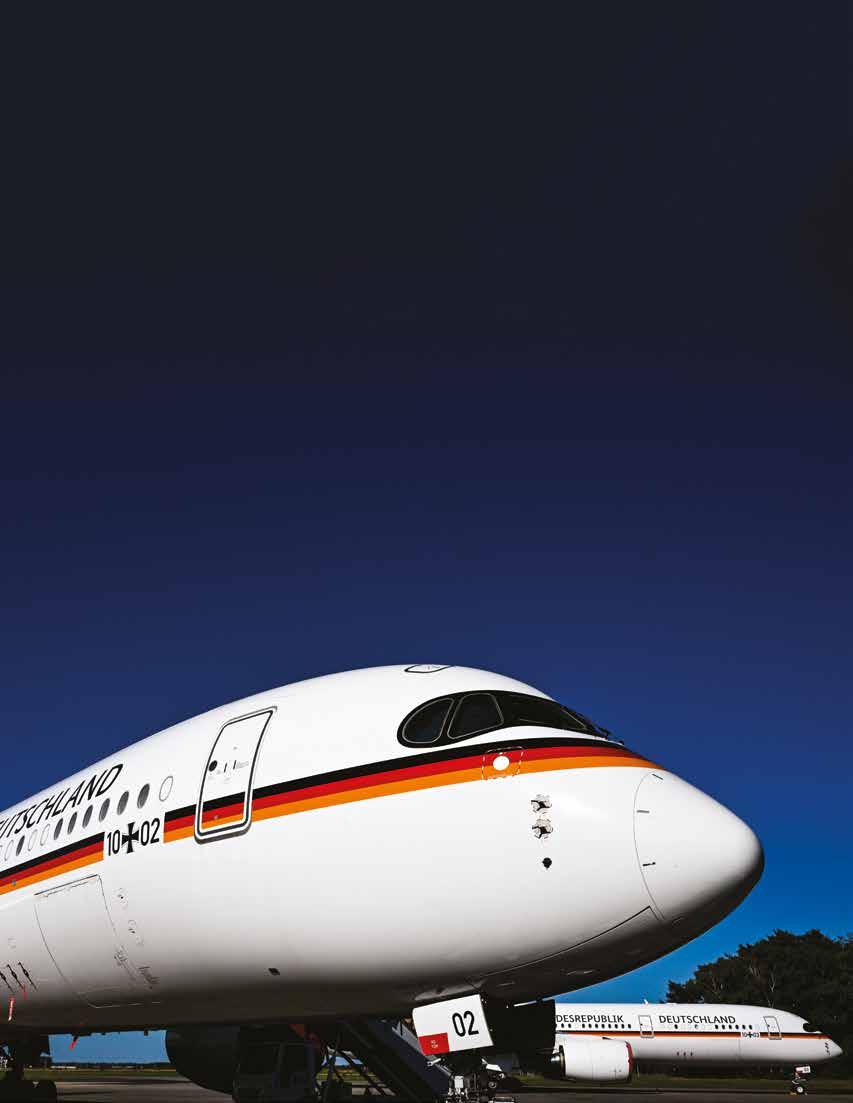
Special Air Mission Wing
By Viswanath Tata
Can you describe the Mission and Vision of the Bundeswehr and how they align with the needs of the European society?
The refocusing of the Bundeswehr to national and collective defense to protect the Federal Republic of Germany, its citizens and its NATO Allies against all kinds of threats is surrounded by the new vision to establish itself as a warfighting-capable, operational and future-oriented force that serves as backbone of deterrence and collective defense in Europe.
This is guided by the German National Security Strategy, which prioritizes an integrated security policy to foster a life in peace, freedom and security for German citizens while contributing to broader European stability.
The Vision to become Europe’s leading conventional force, through increased spending and modernization, positions Germany as a pillar of EU strategic autonomy, reducing reliance on external powers and promoting a more self-sufficient Europe. The Bundeswehr Mission and its new Vision align closely with the needs of European society, which includes maintaining peace, ensuring collective security against external aggression, addressing hybrid threats and fostering resilience amid geopolitical instability and economical vulnerabilities.
Which aircraft types do you operate and why were these chosen to meet the requirements of the German Federal Ministry of Defense (FMOD), as well as the NATO specifications for a Multi Role Tanker Transport (MRTT)?
The German Air Transport fleet consists of a broad spectrum of airplanes, tailored to the mission.
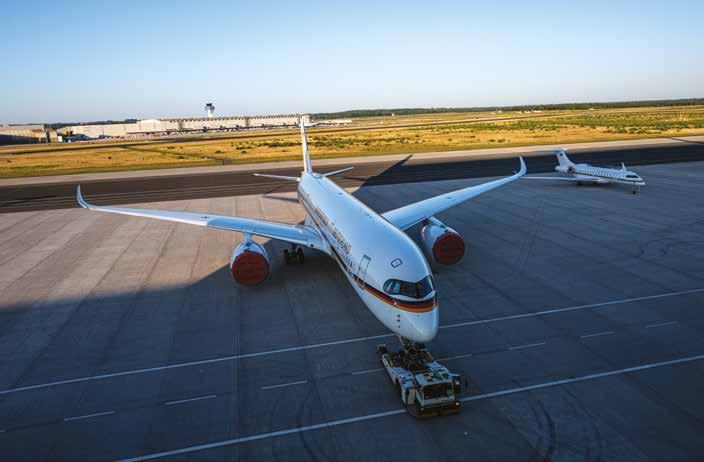
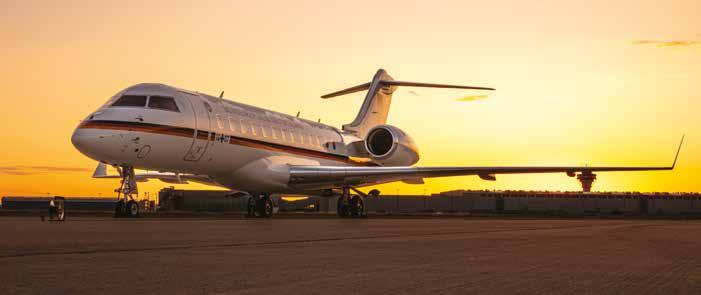
The Special Air Mission Wing of the FMOD operates a highly specialized fleet, consisting of Bombardier Global 5000 and 6000, as well as Airbus A319, A321 and A350 aircraft. These platforms are primarily configured for VIP transport. In addition, we operate Airbus A321neo for personnel transport and medical evacuation (MEDEVAC) missions worldwide.
The Global 5000 and 6000 business jets are ideal for discreet, long-range VIP travel. Their excellent range, speed, and ability to access smaller airports enable rapid point-topoint operations, while the tailored cabin design ensures privacy, in-flight productivity, and comfort at the highest level. These jets also allow full control over security, scheduling, and communications, making them a superior choice over commercial aviation.
Our Airbus fleet adds flexible capacity for larger delegations or multi-role operations. The A321neo, with its extended range and fuel efficiency is particularly valuable for long-haul troop transport and medevac operations with lower environmental impact.
On the Global 5000 in VIP transport role, how is security in air-to-ground and ground-to-air communications assured?
In the context of the Global 5000's VIP transport role, we prioritize the safety and security of all communications. While specific technical details regarding encryption may not be disclosed, we implement a range of best practices and protocols to ensure effective communication between air and ground operations.
Please describe the benefits of using a customized business aircraft such as the Global 5000 in lieu of relying upon commercial aviation in providing the requisite VIP passenger security and comfort. Compared to commercial aviation, operating customized aircraft like the BD700 ensures enhanced security and discretion whilst minimizing public exposure. Mission-critical flexibility in scheduling and routing in addition with superior comfort and rest for passengers on long missions ensures mission accomplishment whilst ideally accommodating our passengers. As the Special Air Mission Wing MoD is operating worldwide, our fleet ensures reliable response capability in dynamic or high-risk environments.
How does the cabin reconfiguration between VIP and Medevac roles take place on the Airbus aircraft?
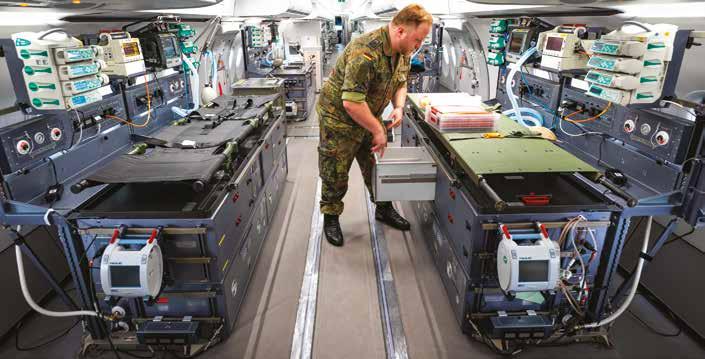
Inside the A319 the conversion is realized with two Patient Transport Units (PTU´s) in the rear cabin of the Delegation Area while not affecting the VIP Area. In the A321neo, three Medevac variants can be installed. For the largest variant, with four PTU´s and six double Intermediate Care Units (IMCU´s), the entire cabin, including the Conference Area, is removed to accommodate the Medevac modification. These configurations are currently in the process of being certified for operations.
The Medevac configuration is carried out through the AFT entrance door and is performed out in accordance with the approved Conversion Manual.
Please illustrate a typical Medevac mission profile, and why the Airbus aircraft in particular have the capability to fulfill these requirements.
In general the A321 neo MedEvac is planned to fly an intensive care unit (ICU) and is then able to transport up to six seriously and up to twelve slightly wounded patients depending on its configuration. The medical spectrum of MedEvac missions extends from slightly wounded patients with e.g. a simple pattern of injury to seriously wounded patients with complex patterns of injury or critical internal diseases. Irrespective of the medical indication the course of the mission is almost the same.
If a soldier is wounded or ill abroad, the responsible physician will request a MedEvac by contacting our national Patient Evacuation Coordination Center (PECC), that evaluates the medical reports, determines the mode of
transportation and coordinates further medical missions along with the other responsible institutions. Thereafter the Medical Director (MD), who is the responsible medical leader on the MedEvac mission, evaluates the available medical reports to identify possible air physiological restrictions based on the pattern of injury. If there are air physiological restrictions, the MD will discuss possible implications with the flight crew, so that they can consider these conditions in preparing the flight (e.g. flight altitude, cabine pressure, Alternates). Furthermore the Medical director informs other members of the medical crew like Medical Technician or Medical Crew Chief (MCC), who play a pivotal role by preparing the MedEvac missions. The Medical Technician is responsible for the medical equipment, loads it on board and checks it before departure. The Medical Crew Chief supports the Medical Director in planning and preparing the MedEvac mission for example checking the travel documents and preparing the loading schedule.
On mission day the Medical director receives the last updates from the physician abroad so that the flight crew and medical crew can discuss the upcoming flight with its characteristics in a preflight briefing. At the destination airport the medical director and anesthesiologist assess the airworthiness of the patient after a short medical handover. If the patient is unfit to fly the medical team has different options to act. First and foremost they can reschedule the mission so that the patient can get further
treatment in a local hospital in order to stabilize his condition. In some cases the medical team may also be able to prepare the patient with certain medical procedures to ensure that he is ready for his extraction flight. If the flight can depart as scheduled the Medical crew loads the patient onto the aircraft and prepares him for the flight to Germany. During the flight the patient will be under constant surveillance by the medical crew.
After landing the patient is handed over to a local ambulance for further treatment. Obviously every MedEvac mission has its own characteristics and therefore never routine duty.
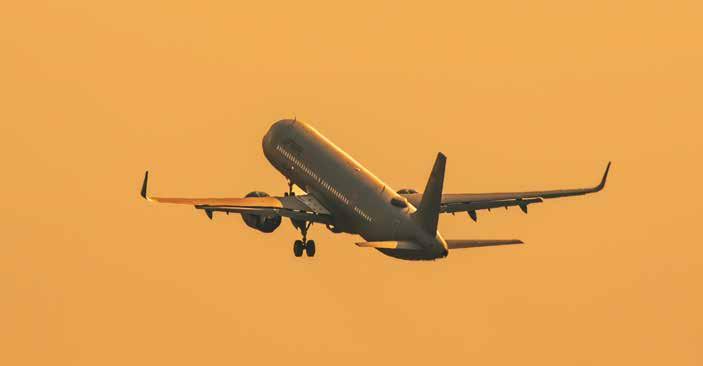
After phasing out the A310 MRTT a few years ago, this role was taken over by the tactical Airbus A400M and the multinational Air transport and tanker Fleet with Airbus A330 MRTT. In addition a new MedEvac capability will be introduced with the A321neo MedEvac in the Special Air Mission Wing moD. There are a lot of advantages by using the A321neo as an ambulance aircraft. The longer range allows us to schedule long distances flights that are nonstop or with less stopovers. Furthermore we can minimize the number of departures and landings resulting in less critical situations and also fewer cabin pressurizations and depressurizations. Although the Narrow Body limits the transport capacity it makes working during the flight more comfortable and effective for the medical crew due to the shorter ways. The quieter cabin environment makes
it easier for the crew to communicate during the flight and ensures patient comfort while it is also easier to perform certain examinations e.g. auscultating the lung. All together it increases the safety of all medical procedures. Depending on the configuration we can transport up to six seriously wounded and up to twelve slightly wounded patients with highest medical standards.
Due to the three different Aeromedical (AE) configurations we can adapt the transport capacity to the requirements of the mission thus creating maximal flexibility.
What interior features are available on the 321neo to provide patient medical support?
In general we have can choose between three different MedEvac configurations which we can adopt according to the current mission requirements. In AE1 and AE2 we are able to transport two to six seriously wounded patients. In configuration AE3 we have a capacity of sixteen patients (four seriously and twelve slightly wounded patients). The A321neo MedEvac is divided into two medical areas. In the front you can find the Litter Kit area where we can transport and treat our slightly wounded patients. In the back you will find the intensive care area with our Patient transport units (PTU). These PTUs are equipped with everything you need to treat a seriously wounded patient on Intensive Care Unit (ICU) level. In case of an emergency we have the opportunity to upgrade two Stretchers to intermediate care stretchers with full monitoring and ventilation options.
Can you share an actual case study of a Medevac mission that was successfully carried out?
Among the many MedEvac flights in the last decades the missions during the covid pandemic were our most significant MedEvac flights. At its peak our MedEvac Teams had two to three flights per week and transported slightly and seriously ill patients inside Germany or within Europe. Our MedEvac Teams had to overcome challenges with different aspects e.g. high mission frequency, working with protective equipment during the whole flight and reaching our own physical and mental limits due to the demanding mission profiles. Although it was a physically and mentally challenging time, we learned a lot and were able to hone our MedEvac skills. The cooperations with the local emergency services, the knowledge to improve our own professional and organizational procedures and the interpersonal encounters during and among the flights have left their mark on our crews and heavily increased our own appreciation of doing MedEvac missions.
Given that multiple aircraft are being discussed, you may submit up to 6 high-resolution photos, including exterior and interior. All other guidelines in my July 15 email remain valid. Let me know if all is acceptable.

Elite Wings business aviation guides aggregate knowledge from industry leaders, shapers, and analysts to deliver relevant information about the current state of the market and its future direction in each segment of our industry. We identify the key points to consider when selecting solutions, what to ask, and who to ask. Our motivation is to enable readers to make informed decisions when selecting, acquiring, and managing their business aviation strategies and decisions.
By Abdelmajid Jlioui
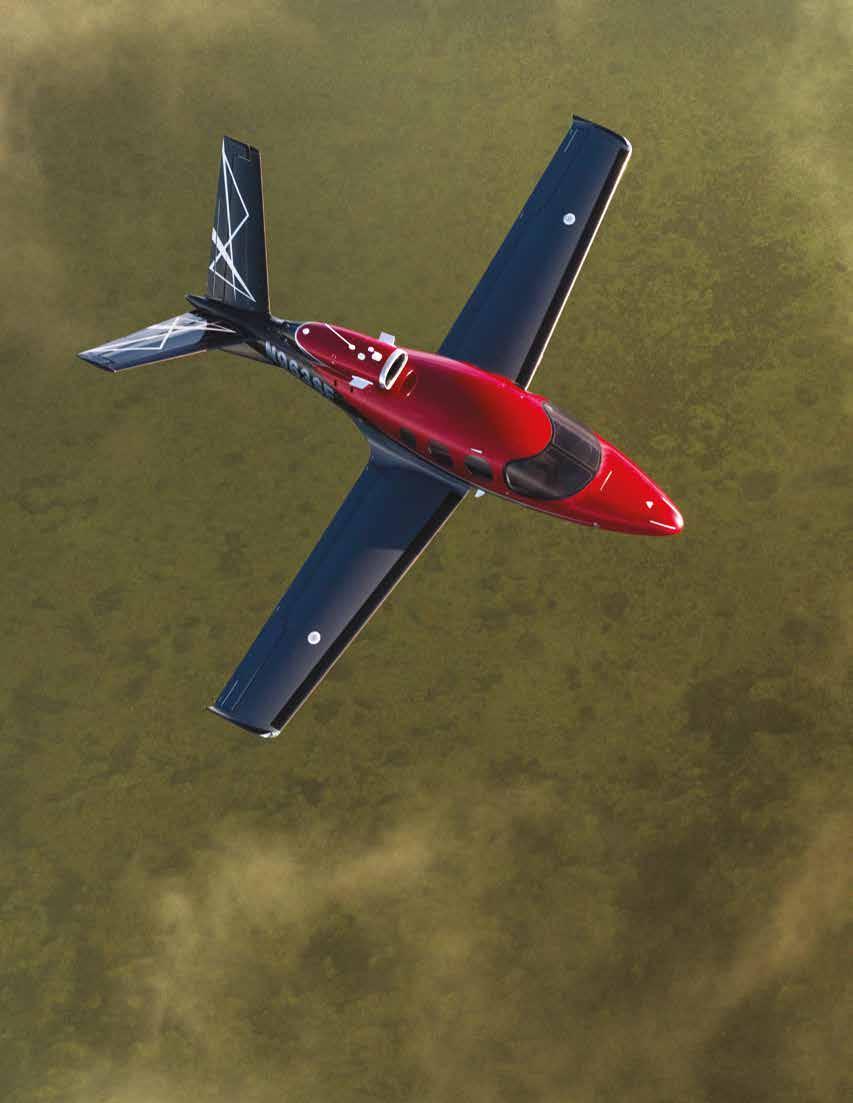
In February 2026, Cirrus Aircraft unveiled the third generation (G3) of the Vision Jet. We sat down with Cirrus to discuss what’s new, what’s changed, and how the G3 enhances the owner-pilot experience.
The Cirrus G3 Vision Jet isn’t about one dramatic change—it’s about thoughtful evolution. From seating and cabin comfort to avionics, connectivity, and behind the scenes data use, the G3 refines nearly every aspect of ownership while staying true to the Vision Jet’s owner pilot DNA.
Cirrus just introduced the third generation of the Vision Jet. That feels fast—how did we get here?
It does move quickly when you step back and look at it. We began delivering Vision Jets toward the end of 2016, and we now have about 730 aircraft flying worldwide. In less than ten years, we’re already on our third generation, which really speaks to how continuously we’ve been evolving and refining the airplane.
What are the headline changes with the G3?
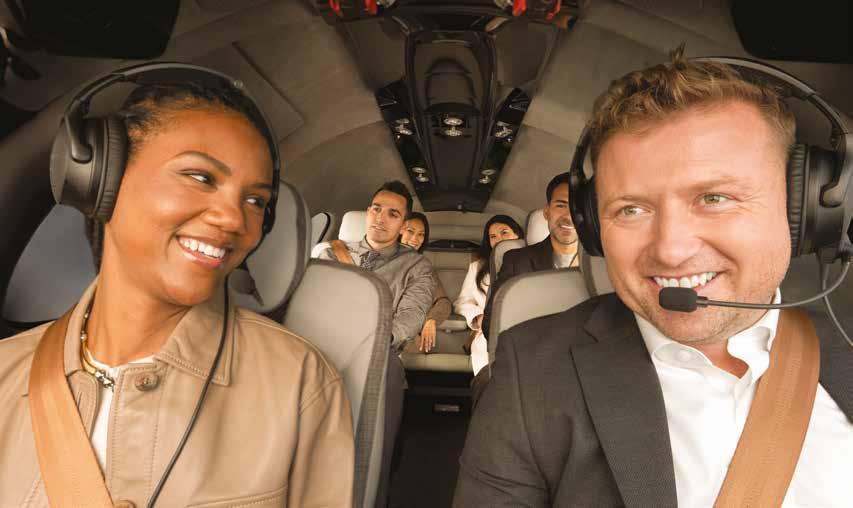
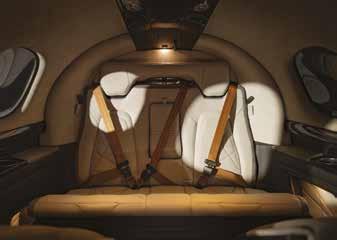
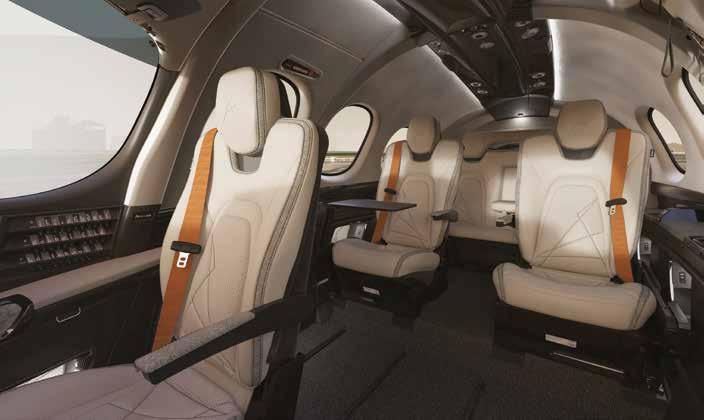
There are three major pillars to the G3 upgrade. First, seating capacity. The G3 Vision Jet can now comfortably seat six full-size adults, with a total of seven seatbelts available. We call it a “six plus one” configuration, depending on occupant size. Second, we’ve introduced ATC Data Link (CPDLC), which brings airline-style digital communications into the Vision Jet. Third, there are 30 to
40 refinements throughout the airplane—inside and out— that improve comfort, usability, and overall experience.
Let’s start with seating. How did you fit six adults in a cabin that’s basically the same size?
That was precisely one of the most engineering intensive parts of the G3. We redesigned every seat in the airplane. Previously, the rear row consisted of smaller individual seats. In the G3, that’s been replaced by a rear bench seat, designed specifically for adult comfort. To make that work, we moved the second row seats forward by about two inches without changing the hard points in the floor— purely through seat design.
We also added footwells, refined seat contours, and improved padding. The result is a noticeably better experience for rear passengers, even on longer flights.
Yes. The Vision Jet maintains its modular interior. The front seats still come out easily, and the rear bench can be removed as a unit. The aft bulkhead stays in place, but you still retain flat floor space for cargo if needed.
Interestingly, we expect many owners will simply leave the bench installed—it’s a great place for bags and loose items, and it’s very accessible.
Is the six seat configuration standard?
Officially, the standard configuration remains four seats, but the six adult configuration is an option, depending on trim and spec level. In practice, nearly every customer chooses all available seating options for maximum flexibility.
What about the mission profile—does the G3 push the Vision Jet more toward charter operations?
The Vision Jet is and remains fundamentally optimized for owner pilots, who make up 80–90% of operators today. However, the six-adult configuration makes it more attractive for charter and air-taxi-style missions, particularly for shorter trips.
It adds flexibility without compromising the aircraft’s core philosophy.
What other changes were made to the cabin experience?
The focus of the cabin redesign was to align it more closely with modern passenger expectations.
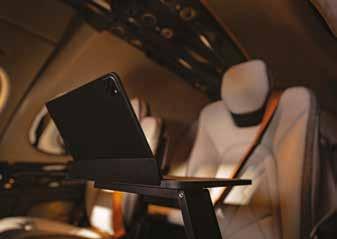
Some examples of this redesign include eliminating the center console tables and relocating tray tables to the seat sides. Rear passengers now have a magnet-secured panel that reveals a cold-shoe mount, allowing users to attach tablets or other devices—similar to what many airlines are moving toward in passenger seats, rather than built-in IFE.
There are USB-C charging ports throughout the cabin, along with standard power outlets, encouraging passengers to use their own devices.
You mentioned ATC Data Link. What exactly does that bring to the Vision Jet?
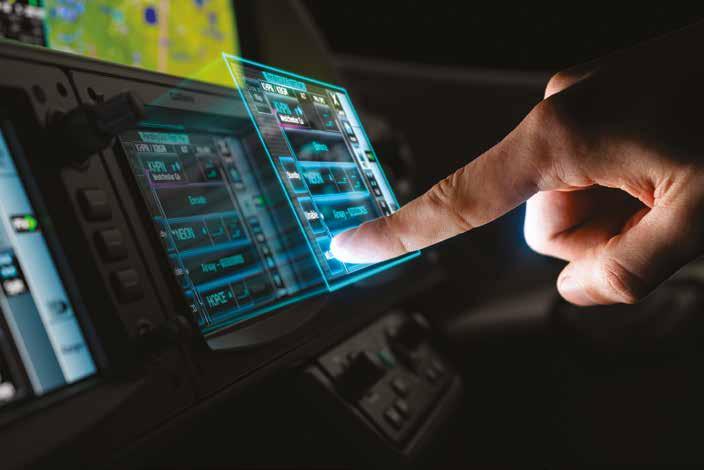
We’ve introduced CPDLC (Controller–Pilot Data Link Communications) using the Garmin avionics suite. Instead of voice only communications, pilots can now receive text messages directly from ATC—clearances, reroutes, altitude changes, frequency changes, and more.
In the U.S., CPDLC works with en-route centers and at about 60 major airports for ground clearances. Europe is expanding infrastructure as well, and more regions are coming online.
Does CPDLC require a subscription?
Yes. In the U.S., it requires a Garmin subscription, which is quite affordable. For Vision Jet owners enrolled in Jet Stream—Cirrus’ comprehensive ownership program— this and most other operational costs are covered, except fuel, hangar, and insurance.
Will CPDLC be available as a retrofit for existing Vision Jets?
It will be, but not immediately. CPDLC requires additional hardware, including a third VHF antenna and radio, so it’s more than just a software update. That retrofit will be offered in the future.
What about the G3 software updates—can G2 owners benefit from those?
Absolutely. G2 Vision Jet owners will receive extensive avionics software upgrades, including:
Ì 3D SafeTaxi, which provides a three dimensional airport environment on the PFD
Ì Taxiway Routing, allowing taxi clearances to be graphically displayed and followed
Ì Enhanced database management and pilot workflow improvements
These are significant upgrades from a pilot’s perspective.
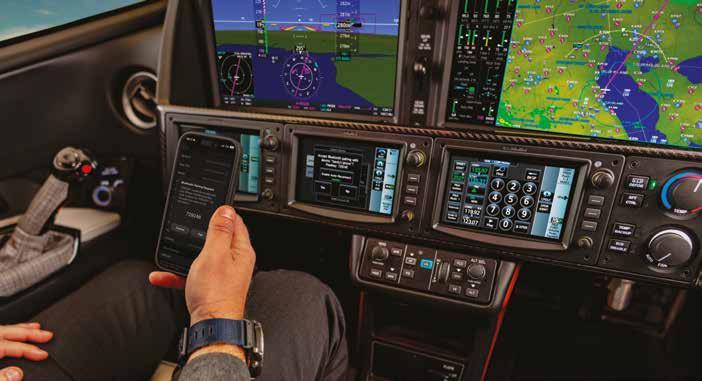
What cockpit and cabin connectivity solutions are offered in the G3 Vision Jet?
We have a layered Connectivity solution offering, which is designed to fit different operator missions and regions:
In the US, we offer GOGO air-to-ground Wi-Fi for internet connectivity.
We also offer a worldwide LEO satellite connectivity solution based on Iridium satellite connectivity for: this solution offers text messaging, voice calls and global weather coverage
Garmin’s latest Iridium equipment provides higher resolution weather, especially valuable outside the U.S., where XM weather isn’t available.
Beyond these, in-flight connectivity solutions. Owners can also push flight plans from a tablet to the avionics, Sync databases wirelessly via LTE when the aircraft is parked, eliminating the need for traditional SD cards and can also stream audio in the cabin.
The Vision Jet also collects and transmits data from multiple systems, including avionics and engine monitoring. That data enables predictive maintenance, trend monitoring, and proactive customer support.
In some cases, Cirrus has been able to identify component trends across the fleet and address issues before
the owner ever experiences a problem. We see this as a major part of the future—improving dispatch reliability and ownership experience.
Beyond seating and avionics, what other refinements were made?
Many small but meaningful improvements, I can provide a few examples below:
Ì Black de ice boots, replacing silver ones. These boots wear better, improve the jet aesthetics and make ice accumulation easier to see in flight
Ì Spectra wingtip lights, borrowed from the SR Series, show a very distinctive Cirrus “halo” at night and are nearly three times brighter, improving visibility on dark approaches
Ì We also replaced the mechanical air conditioning door with a new fixed air conditioning inlet. The new design reduces the noise and eliminates the airflow disruption when the compressor engages
Serial number 731 marks the transition—all aircraft from that point forward are G3s. International validation outside the U.S., including Europe and Canada, typically follows within about six months, so we expect broader availability by summer.
Step into the future of business aviation at the 2026 NBAA Business Aviation Convention & Exhibition (NBAA-BACE).
NBAA-BACE is where you can get up close with the newest business aircraft, meet legendary heroes of flight and witness epic announcements. It’s where business aviation comes together – not just to do business, but to connect, belong and celebrate the shared passion that unites our industry.

CIRRUS AIRCRAFT
HQ: Duluth, Minnesota
Founded in 1984
HONDA AIRCRAFT
HQ: Greensboro, North Carolina
Founded in 2006
PILATUS AIRCRAFT
HQ: Stans, Switzerland
Founded in 1939
EMBRAER
HQ: Sao Paulo, Brazil
Founded in 1969
TEXTRON AVIATION
CESSNA
HQ: Wichita, Kansas
Founded in 1927
CITATION M2 GEN3 1992 | 2027 Expected
CITATION CJ3 GEN3 2004 | 2027 Expected
CITATION CJ4 GEN3 2010 | 2026 Expected
CITATION ASCEND 2025
DASSAULT AVIATION
HQ: Paris, France
Founded in 1929
BOMBARDIER
HQ: Montreal, Canada
Founded in 1942
GULFSTREAM
HQ: Savannah, Georgia
Founded in 1958
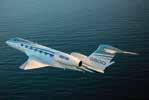


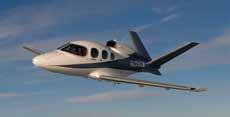
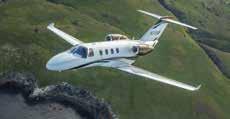
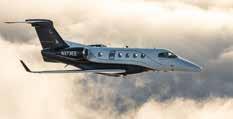
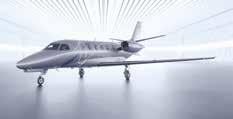
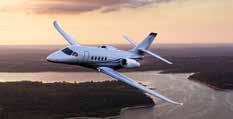
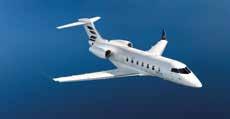
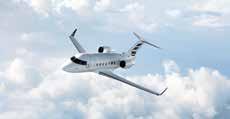
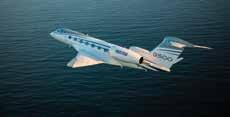
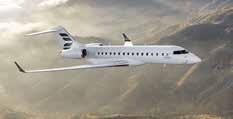
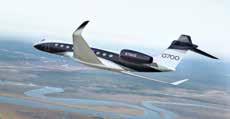
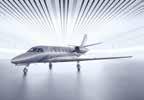
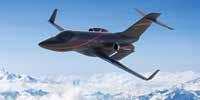
Max Range* 1275 nm
Max Cruise Speed311 KTAS
Takeoff Distance2,036 ft
Landing Distance1,628 ft
Max Cruise Altitude 31,000 ft
Avionics Manufacturer Garmin
Engines manufacturer Williams International
Max passengers6 + 1 Pilot
Cabin Volume 163 cu.ft
* 3 Occupants, 240 ktas, NBAA IFR reserves, Single Pilot
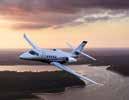
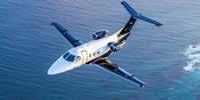
Max Range* 1,547 nm
Max Cruise Speed422 ktas
Takeoff Distance3,639 ft
Landing Distance2,795 ft
Max Cruise Altitude 41,000 ft
Avionics Manufacturer Garmin
Engines manufacturerGE-Honda
Max passengers7 + 1 Pilot
Cabin Volume 238 cu.ft
*4 Occupants, LRC, NBAA IFR reserves

TEXTRON CESSNA | CITATION CJ4 Gen3
Max Range* 2,165 nm
Max Cruise Speed451 ktas
Takeoff Distance3,410 ft
Landing Distance2,940 ft
Max Cruise Altitude 45,000 ft
Avionics Manufacturer Garmin
Engines manufacturer Williams International
Max passengers 10
Cabin Volume 313 cu.ft
*Ferry mission, LRC, NBAA IFR reserves
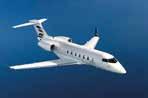
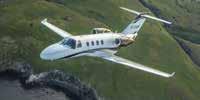
Max Range* 1,178 nm
Max Cruise Speed406 ktas
Takeoff Distance3,190 ft
Landing Distance2,430 ft
Max Cruise Altitude 41,000 ft
Avionics Manufacturer Garmin
Engines manufacturerPratt & whitney
Max passengers7 + 1 Pilot
Cabin Volume 212 cu.ft
* 4 Occupants, LRC, NBAA IFR reserves

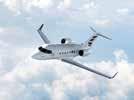
Max Range* 2,040 nm
Max Cruise Speed416 ktas
Takeoff Distance3,180 ft
Landing Distance2,770 ft
Max Cruise Altitude 45,000 ft
Avionics Manufacturer Garmin
Engines manufacturer Williams International
Max passengers9
Cabin Volume 284 cu.ft
*Ferry mission, LRC, NBAA IFR reserves

Max Range* 2,040 nm
Max Cruise Speed440 ktas
Takeoff Distance3,090 ft
Landing Distance2,410 ft
Max Cruise Altitude 45,000 ft
Avionics Manufacturer Honeywell
Engines manufacturer Williams International
Max passengers11 + 1 Pilot
Cabin Volume 498 cu.ft
*4 Passengers, 1 Pilot, LRC, NBAA IFR reserves
Max Range* 1,550 nm
Max Cruise Speed404 ktas
Takeoff Distance3,210 ft
Landing Distance2,590 ft
Max Cruise Altitude 41,000 ft
Avionics Manufacturer Garmin
Engines manufacturer Williams International
Max passengers7 + 1 Pilot
Cabin Volume 199 cu.ft
*Ferry mission, LRC, NBAA IFR reserves

Max Range* 2,625 nm
Max Cruise Speed 450 ktas
Takeoff Distance3,300 ft
Landing Distance2,500 ft
Max Cruise Altitude 47,000 ft
Avionics Manufacturer Garmin
Engines manufacturer Williams International
Max passengers10 + 1 Pilot
Cabin Volume
*1 Crew + 4 Pax, LRC, NBAA IFR reserves
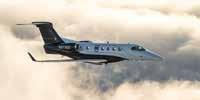
EMBRAER | Phenom 300E
Max Range* 2,010 nm
Max Cruise Speed464 ktas
Takeoff Distance3,209 ft
Landing Distance2,212 ft
Max Cruise Altitude 45,000 ft
Avionics Manufacturer Garmin
Engines manufacturer Pratt & Whitney
Max passengers10 + 1 Pilot
Cabin Volume 324 cu.ft
*5 Occupants, LRC, NBAA IFR reserves
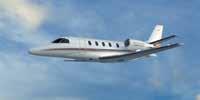
TEXTRON CESSNA | Citation Ascend
Max Range* 1,900 nm
Max Cruise Speed 441 ktas
Takeoff Distance 3,660 ft
Landing Distance
Max Cruise Altitude 45,000 ft
Avionics Manufacturer Garmin
Engines manufacturer Pratt & Whitney
Max passengers 12
Cabin Volume 501 cu.ft
*4 Passengers, LRC, NBAA IFR reserves
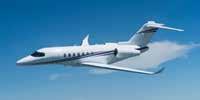
TEXTRON CESSNA | Citation Longitude
Max Range* 3,500 nm
Max Cruise Speed 483 ktas
Takeoff Distance 4,810 ft
Landing Distance 3,170 ft
Max Cruise Altitude 45,000 ft
Avionics Manufacturer Garmin
Engines manufacturer Honeywell
Max passengers 12
Cabin Volume 761 cu.ft
*4 Passengers, M 0.80, NBAA IFR reserves
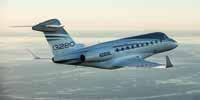
Max Range* 3,600 nm
Max Cruise Speed M 0.85
Takeoff Distance 4,780 ft
Landing Distance 2,720 ft
Max Cruise Altitude 45,000 ft
Avionics Manufacturer Honeywell
Engines manufacturer Honeywell
Max passengers 10
Cabin Volume 935 cu.ft
*4 Passengers, 2 Crew, M 0.80 , NBAA IFR reserves
Midsize Jets
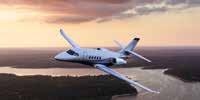
CESSNA | Citation Latitude
Max
Max
Landing
Max
Avionics Manufacturer Garmin
Engines
Max passengers 9
Cabin Volume 701 cu.ft
*4 Passengers, HSC, NBAA IFR reserves

Max Range* 4,018 nm
Max Cruise Speed 466 ktas
Takeoff Distance 4,717 ft
Landing Distance 2,165 ft
Max Cruise Altitude 45,000 ft
Avionics Manufacturer Collins Aerospace
Engines manufacturer Honeywell
Max passengers 12
Cabin Volume 826cu.ft
*4 Passengers, LRC, NBAA IFR reserves
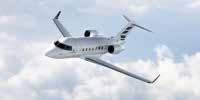
BOMBARDIER | Challenger 650
Max Range* 4,000 nm
Max Cruise Speed M 0.85
Takeoff Distance 5,640 ft
Landing Distance 2,402 ft
Max Cruise Altitude 41,000 ft
Avionics Manufacturer Collins Aerospace
Engines manufacturer GE Aerospace
Max passengers 12
Cabin Volume 971 cu.ft
*6 Passengers, LRC, NBAA IFR reserves

EMBRAER | Praetor 500E Midsize Jets
Max Range* 3,340 nm
Max Cruise Speed 466 ktas
Takeoff Distance 4,222 ft
Landing Distance 2,086 ft
Max Cruise Altitude 45,000 ft
Avionics Manufacturer Collins Aerospace
Engines manufacturer Honeywell
Max passengers 9
Cabin Volume 705 cu.ft
*4 Passengers, LRC, NBAA IFR reserves
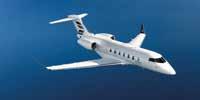
BOMBARDIER | Challenger 3500
Max Range* 3,400 nm
Max Cruise Speed M 0.83
Takeoff Distance 4,835 ft
Landing Distance 2,364 ft
Max Cruise Altitude 45,000 ft
Avionics Manufacturer Collins Aerospace
Engines manufacturer Honeywell
Max passengers 10
Cabin Volume 862 cu.ft
*4 PaX, 2 Crew, M 0.77 , NBAA IFR reserves

DASSAULT AVIATION | Falcon 2000LXS
Max Range* 4,000 nm
Max Cruise Speed M 0.86
Takeoff Distance 4.675 ft
Landing Distance 2,260 ft
Max Cruise Altitude 47,000 ft
Avionics Manufacturer Honeywell
Engines manufacturer Pratt & Whitney
Max passengers 10
Cabin Volume 1,024 cu.ft
*6 Passengers, M0.80, NBAA IFR reserves

Max Range* 4,750 nm
Max Cruise Speed M 0.87
Takeoff Distance 5,360 ft
Landing Distance 2,415 ft
Max Cruise Altitude 51,000 ft
Avionics Manufacturer Honeywell
Engines manufacturer Honeywell
Max passengers 14
Cabin Volume 1,264 cu.ft
*6 Passengers, M0.80, NBAA IFR reserves
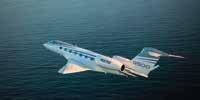
Max Range* 5,300 nm
Max Cruise Speed M 0.925
Takeoff Distance 5,300 ft
Landing Distance 3,100 ft
Max Cruise Altitude 51,000 ft
Avionics Manufacturer Honeywell
Engines manufacturer Pratt & Whitney
Max passengers 19
Cabin Volume 1,715 cu.ft
*8 Passengers, 3 Crew, M 0.85, NBAA IFR reserves
Long Range | 6,000 nm
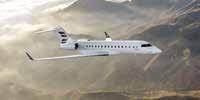
BOMBARDIER | Global 6500
Max Range* 6,600 nm
Max Cruise Speed M 0.90
Takeoff Distance 6,145 ft
Landing Distance 2,236 ft
Max Cruise Altitude 51,000 ft
Avionics Manufacturer Collins Aerospace
Engines manufacturer Rolls Royce
Max passengers 17
Cabin Volume 1,690cu.ft
*8 Passengers, 4 Crew, M 0.85, NBAA IFR reserves
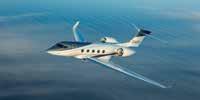
Max Range* 4,200 nm
Max Cruise Speed M 0.90
Takeoff Distance 5,000 ft
Landing Distance 3,000 ft
Max Cruise Altitude 51,000 ft
Avionics Manufacturer Honeywell
Engines manufacturer Pratt & Whitney
Max passengers 12
Cabin Volume 1,441 cu.ft
*8 Passengers, 3 Crew, M 0.85 , NBAA IFR reserves

Max
Max
Landing
Max Cruise Altitude 51,000 ft
Long Range | 5,000 nm
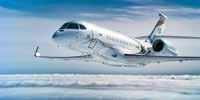
Max Range* 5,500 nm
Max Cruise Speed M 0.90
Takeoff Distance 5,115 ft
Landing Distance 2,440 ft
Max Cruise Altitude 51,000 ft
Avionics Manufacturer Honeywell
Engines manufacturer Pratt & Whitney
Max passengers 16
Cabin Volume 1,843 ft
*8 Passengers, 3 Crew, M 0.80 , NBAA IFR reserves
Long Range | 6,000 nm
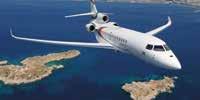
DASSAULT AVIATION | Falcon 8X
Max Range* 6,450 nm
Max Cruise Speed M 0.90
Takeoff Distance 5,880 ft
Landing Distance 2,240 ft
Max Cruise Altitude 51,000 ft
Avionics Manufacturer Collins Aerospace
Engines manufacturer Rolls Royce
Max passengers 16
Cabin Volume 1,589 cu.ft
*8 Passengers, 3 Crew, M 0.85, NBAA IFR reserves BOMBARDIER | Global 5500
Avionics Manufacturer Honeywell
Engines manufacturer Pratt & Whitney
Max passengers 16
Cabin Volume 1,695 cu.ft
*8 Passengers, 3 Crew, M 0.80, NBAA IFR reserves
Long Range | 7,000 nm

| G600 Long Range | 6,000 nm
Max Range* 6,600 nm
Max Cruise Speed M 0.925
Takeoff Distance 5,700 ft
Landing Distance 2,900 ft
Max Cruise Altitude 51,000 ft
Avionics Manufacturer Honeywell
Engines manufacturer Pratt & Whitney
Max passengers 19
Cabin Volume 1,884 cu.ft
*8 Passengers, 4 Crew, M 0.85, NBAA IFR reserves

BOMBARDIER | Global 7500
Max Range* 7,700 nm
Max Cruise Speed M 0.925
Takeoff Distance 5,760 ft
Landing Distance 2,237 ft
Max Cruise Altitude 51,000 ft
Avionics Manufacturer Collins Aerospace
Engines manufacturer GE Aerospace
Max passengers 19
Cabin Volume 2,633 cu.ft
*8 Passengers, 4 Crew, M 0.85, NBAA IFR reserves
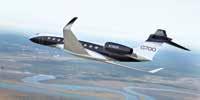
Max Range* 7,750 nm
Max Cruise Speed M 0.935
Takeoff Distance 6,250 ft
Landing Distance 3,250 ft
Max Cruise Altitude 51,000 ft
Avionics Manufacturer Honeywell
Engines manufacturer Rolls Royce
Max passengers 19
Cabin Volume 2,603 cu.ft
*8 Passengers, 4 Crew, M 0.85, NBAA IFR reserves GULFSTREAM |
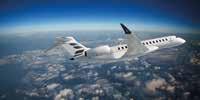
Max Range* 8,000 nm
Max Cruise Speed M 0.95
Takeoff Distance 5,760 ft
Landing Distance 2,237 ft
Max Cruise Altitude 51,000 ft
Avionics Manufacturer Collins Aerospace
Engines manufacturer GE Aerospace
Max passengers 19
Cabin Volume 2,236 cu.ft
*8 Passengers, 4 Crew, M 0.85, NBAA IFR reserves

Max Range* 7,500 nm
Max Cruise Speed M 0.925
Takeoff Distance < 6,000 ft
Landing Distance < 2,500 ft
Max Cruise Altitude 51,000 ft
Avionics Manufacturer Honeywell
Engines manufacturer Rolls Royce
Max passengers 19
Cabin Volume 2,780cu.ft
*8 Passengers, 4 Crew, M 0.80, NBAA IFR reserves

Max Range* 8,200 nm
Max Cruise Speed M 0.935
Takeoff Distance 5,812 ft
Landing Distance 3,250 ft
Max Cruise Altitude 51,000 ft
Avionics Manufacturer Honeywell
Engines manufacturer Rolls Royce
Max passengers 19
Cabin Volume 2,138 cu.ft
*8 Passengers, 4 Crew, M 0.85, NBAA IFR reserves
July 19, 1932 – March 4, 2026
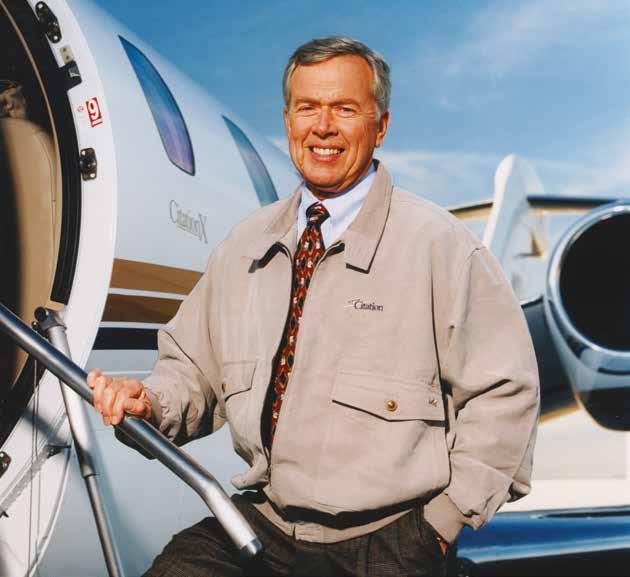
Russ Meyer was an aviation legend, leading Cessna for nearly 30 years and overseeing the development and launch of Citation business jets. He played a key role in stabilizing the industry through the General Aviation Revitalization Act of 1994, and earned top aviation awards, including two Collier Trophies, the Wright Brothers Memorial Trophy and induction into the National Aviation Hall of Fame.
Russ Meyer was an aviator, attorney and passionate advocate who believed that business success car-
ried civic obligations. He championed product-liability reform at a time when the general-aviation industry faced collapse, created a line of business jets that democratized business-jet travel, and built programs that trained inner-city residents and uplifted Special Olympics athletes. His record — 67,000 aircraft delivered, an industry saved, thousands of jobs created and countless lives touched — ensures that his name will remain revered in aviation history forever.

JUNE 16 – 17 | LE MOUNT
The Elite Wings Aviation Summit (EWAS) is a one of a kind gathering that brings together business aviation leaders, experts, and advisors to share insights, perspectives, and visions for the industry’s future. Designed as a platform for meaningful dialogue, EWAS provides an ideal environment to address today’s challenges while uncovering new opportunities for growth.
As technologies continue to advance and solutions become increasingly sophisticated, understanding diverse viewpoints has never been more important. EWAS fosters collaboration and knowledge sharing, transforming industry challenges into innovation-driven opportunities and offering valuable insights for anyone passionate about business aviation.
EWAS 2026 takes place in the vibrant city of Montréal, Canada. Greater Montréal is a key pillar of the global business aviation ecosystem, renowned for its depth of expertise, culture of innovation, and dynamic business opportunities.


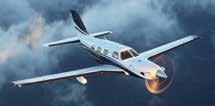
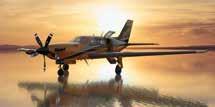
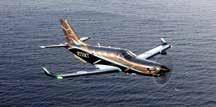
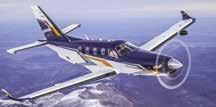
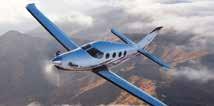
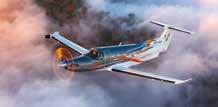
Avionics
Avionics
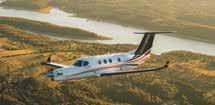
Max Range* 1,600 nm
Max Cruise Speed 285 ktas
MTOW -
Usable Fuel -
PAX 10 + 1 Pilot
Cabin Volume 334 cu.ft
Number of Engines 1
Engine Manufacturer GE Aerospace
Engine Model Catalyst
Takeoff Power 1,300 shp
Avionics Manufacturer GARMIN
Avionics Model G3000
* 4 Passengers at LRC, NBAA Reserves
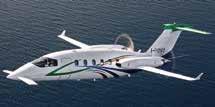
Max Range* 1,770 nm
Max Cruise Speed 402 ktas
Avionics Manufacturer Collins Aerospace
Avionics Model Pro

Max Range* 1,720 nm
Max Cruise Speed 310 ktas
MTOW 12,500 lbs
Usable Fuel 544 USG
PAX 8 + 1 Pilot
Cabin Volume 283 cu.ft
Number of Engines 2
Engine Manufacturer Pratt & Whitney Canada
Engine Model PT6A-52
Takeoff Power 1,346 eshp
Avionics Manufacturer Collins Aerospace
Avionics Model Pro Line Fusion
* Ferry mission at LRC, NBAA reserves
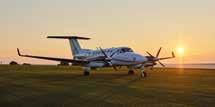
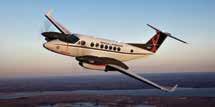
Max Range* 1,806 nm
Max Cruise Speed 312 ktas
MTOW 15,000 lbs
Usable Fuel 539 USG
PAX 9 + 1 Pilot
Cabin Volume 331 cu.ft
Number of Engines 2
Engine Manufacturer Pratt & Whitney Canada
Engine Model PT6A-60A Takeoff Power 1,218 eshp
Avionics Manufacturer Collins Aerospace
Avionics Model Pro Line Fusion
* Ferry mission at LRC, NBAA reserves
LIGHT MTOW < 7,000 lbs
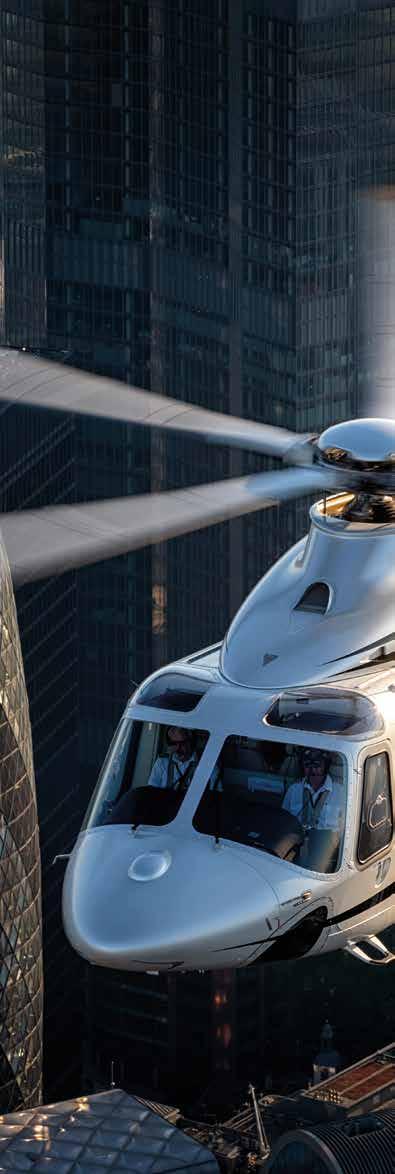
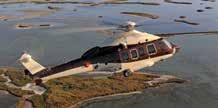
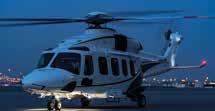
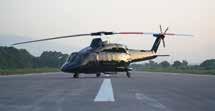
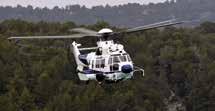
With their large mission versatility and efficiency, Light helicopters are the most popular helicopters in the civil market. The Light category is divided into two sub-categories: single and twin-engine.
The primary differences between single and twin-engine helicopters lie in their power and speed capabilities. Twin-engine helicopters provide greater overall power and speed when compared to their single-engine counterparts. The engine redundancy is especially valuable when flying over water, densely populated areas, or inhospitable terrains.
INTERMEDIATE
7,000 lbs < MTOW < 10,000 lbs
The Intermediate category combines light helicopter versatility with increased cabin size and range capabilities making them perfect for a large number of missions ranging from Emergency Medical Services to Search & Rescue and offshore operations.
MEDIUM & SUPER-MEDIUM
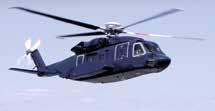
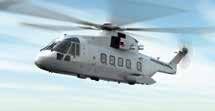
Developed primarily to support the offshore oil and gas industry, the Medium and Super-Medium category helicopters have proven very popular in corporate transportation applications as their large and unobstructed cabins can embody the hallmarks of elegance, style, and sophistication. These helicopters can often be equipped with state-of-the-art telecommunications and entertainment systems, dedicated workspaces, and refreshment and stowage areas.
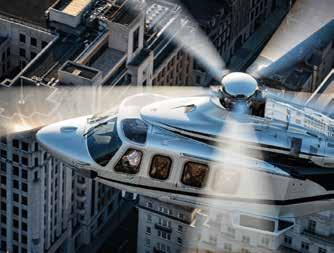
Designed primarily for the long-range offshore oil and gas market, Heavy helicopters are very popular in the VVIP market for government officials and head-of-state transportation.
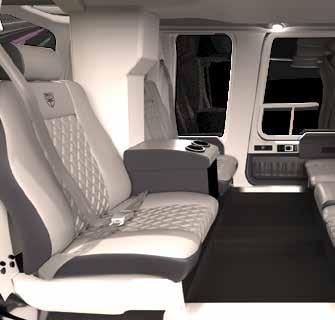
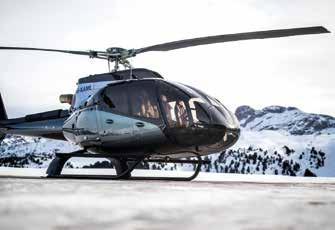
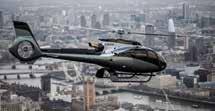
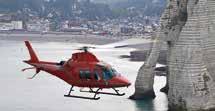
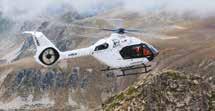
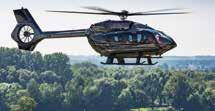
August 2025 - Japanese non-classical hospitality operator NOT A HOTEL placed an order for the country’s first ACH130 Aston Martin Edition, becoming Airbus Corporate Helicopters’ latest customer.
The ACH130 is the hospitality group’s first-ever aircraft purchase and will be used to offer unique aerial experiences for its guests seeking an elevated lifestyle immersion through its NOT A GARAGE mobility service. The new highend service is designed to revolutionise luxury travel by blending ownership with curated experiences across land, sea and air. The service allows users to own and share luxury mobility assets such as helicopters, private jets, luxury cruisers and cars. By purchasing a share in one mobility asset, users gain access to a network of other mobility options managed by NOT A HOTEL.
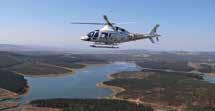
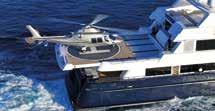
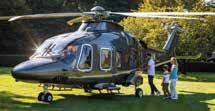
June 2025 - UAE-based Falcon Aviation Services orders an AW139 for VVIP charter operations.
The aircraft, ordered by Falcon Aviation’s owner His Highness Sheikh Dr. Sultan Bin Khalifa Bin Zayed Al Nahyan, will feature a VVIP 8-seater configuration, hinged doors, and a range of the latest generation on-board comfort and entertainment equipment.
Falcon Aviation has a long-term partnership with Leonardo as a helicopter operator and has played a key role in deploying Leonardo’s cutting-edge rotorcraft technology across the UAE. The company has placed orders for several AW109 GrandNew, AW169, and AW189 for energy support operations both in the UAE and internationally, as well as for passenger transport duties. in 2024, Falcon Aviation placed an order for its first AW139 to support offshore transport.
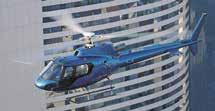
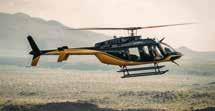
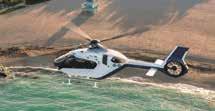
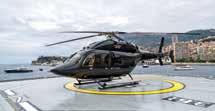
March 2025 - Bell launched a new Designer Series luxury interior offering for the Bell 407GXi.
Bell launched the first Designer Series interiors in 2022 for the Bell 429. Since then, Bell has completed 25 deliveries of Designer Series aircraft to customers from Japan, New Zealand, and Indonesia, and additional global operators.
The new trim option upgrades all the interior cabin materials with superior leathers and coordinated color schemes featuring updated Black Kydex panels, headliner, and trim, along with custom stitched seats. Leather-wrapped and color-matched armrests and headliner inserts, along with Bell Logo embroidery.
The new series is available in a range of color configurations, in addition to various premium flooring options, to complete the luxury experience for the discerning corporate or private traveler.
Bell has already received several orders for the new interior from global corporate operators.






By Viswanath Tata
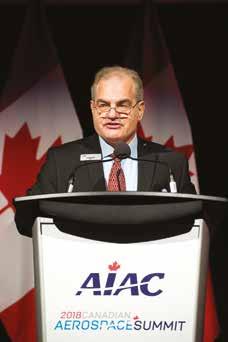
John Maris is a decorated aerospace engineer, test pilot, and entrepreneur whose career spans military aviation, advanced flight systems, and aircraft certification. As President and CEO of Certification Centre Canada, he leads efforts to validate cutting-edge technologies for safe integration into modern aircraft. A former Royal Canadian Air Force test pilot, Canadian Aviation Hall of Fame inductee, and recipient of the prestigious Trans-Canada (McKee) Trophy, Maris has been instrumental in shaping the future of flight through both hands-on testing and strategic innovation.
In this wide-ranging interview, Maris explores how business aviation has consistently served as a proving ground for transformative technologies—from glass cockpits and fly-by-wire systems to artificial intelligence and autonomous flight. His insights reveal not only the technical brilliance behind these innovations but also the human factors and safety imperatives that drive their adoption.
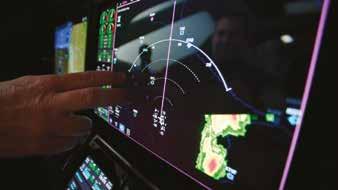
Glass cockpits emerged in the late 1970s and early 1980s, with business aircraft manufacturers like Dassault and Gulfstream leading the way. How have these digital displays improved situational awareness and reduced pilot workload?
Glass cockpits were a quantum leap. Before them, pilots relied on a cluttered array of mechanical instruments— each with its own limitations. You had to mentally synthesize data from disparate sources, which was cognitively demanding and error-prone, especially under stress.
With electronic flight instrumentation systems (EFIS), we gained the ability to integrate navigation, terrain, traffic, and weather into a coherent visual format. Map displays, synthetic vision, and vertical situation indicators became standard. These tools don’t just show you where you are—they show where you’re going, what’s around you, and what to expect.
One of the most underrated benefits is trend awareness. For example, a digital airspeed indicator can show a trend vector, allowing pilots to anticipate whether they’re accelerating or decelerating. That kind of predictive insight wasn’t possible with analog dials. It’s not just about aesthetics—it’s about smarter, safer flying.
Glass cockpits also paved the way for more intuitive human-machine interfaces. Pilots can now customize displays, prioritize alerts, and interact with systems in ways that reduce cognitive load. That’s a huge leap forward in ergonomics and safety.
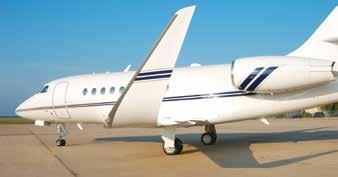
Winglets were pioneered in the 1970s and first adopted by business jets like the Learjet 28. What performance and environmental benefits do they offer?
Winglets are a masterclass in aerodynamic efficiency. Richard Whitcomb, who developed them at NASA, understood that induced drag—caused by wingtip vortices— was a major performance penalty. Winglets mitigate that by redirecting airflow and increasing the effective aspect ratio of the wing.
In practical terms, winglets allow aircraft to cruise more efficiently at high altitudes, reducing fuel burn and emissions. They also improve climb performance and range. For business jets, which often operate at the edge of performance envelopes, these gains are significant.
What’s fascinating is how elegantly winglets solve a complex problem. Extending the wingspan would achieve similar results but introduces structural challenges and gate compatibility issues. Winglets offer a compact, lowdrag solution that’s now standard across aviation—from Gulfstreams to Boeing 737s.
They also contribute to sustainability. By reducing fuel consumption, winglets help lower carbon emissions. That’s increasingly important as aviation faces pressure to decarbonize. Business aviation, often seen as a luxury, is actually leading the way in adopting green technologies.
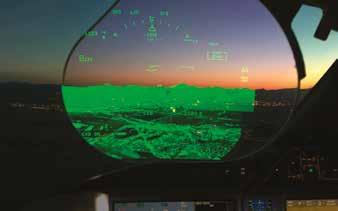
Head-up displays (HUDs) transitioned from military to business aviation in the late 1980s. What safety benefits do they offer, and have you personally benefited from using one?
I’ve flown with HUDs extensively, both in military and civilian contexts. In the Air Force, I was a test pilot for the F-5 Avionics Upgrade Program, which included HUD integration. The advantage is simple but profound: you never have to look down.
HUDs project critical flight data—airspeed, altitude, flight path vector—onto a transparent screen focused at infinity. That means your eyes don’t need to refocus between the instrument panel and the outside world. During low-visibility approaches, this is a lifesaver.
In business aviation, HUDs have evolved to include Enhanced Vision Systems (EVS) and Synthetic Vision Systems (SVS). EVS uses infrared cameras to pierce through darkness, while SVS overlays terrain and runway data from databases. Together, they allow pilots to “see” even when visibility is near zero. It’s like having superpowers in the cockpit.
HUDs also reduce pilot workload during critical phases of flight. By keeping essential data in the pilot’s line of sight with the symbology focussed at or near infinity, they minimize the need for pilots to refocus from the instrument panel to the runway environment. This is particularly significant during approaches in marginal weather conditions, where the visual transition has to be accomplished in a few seconds. The HUD allows the pilot to concentrate on a single integrated view throughout the final approach which eliminates this challenge.
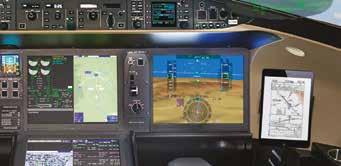
Terrain Awareness and Warning Systems (TAWS) were prototyped in business aviation before becoming mandatory in commercial fleets. Have they helped prevent accidents?
TAWS has been one of the most impactful safety innovations in aviation history. Controlled Flight Into Terrain (CFIT) used to be a leading cause of fatal accidents. These were cases where perfectly functional aircraft were flown into terrain due to pilot disorientation or lack of situational awareness.
TAWS changed that. By combining GPS data with terrain databases, the system alerts pilots well in advance of potential conflicts. It’s proactive, not reactive. And it’s saved countless lives.
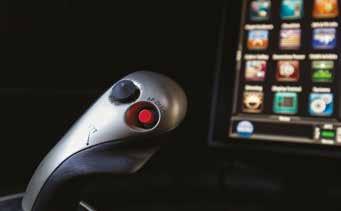
What’s remarkable is how quickly TAWS became standard. Business aviation led the way, but now even small general aviation aircraft have versions of it. It’s a textbook example of how innovation trickles down—and how business aviation often serves as the testbed.
TAWS also integrates with other systems, like autopilot and flight management systems, to provide coordinated responses. That’s part of a broader trend toward automation and system integration, which enhances safety across the board.
Fly-by-wire systems were first adopted in business jets like the Dassault Falcon 7X. How has this technology changed aircraft design and performance?
Fly-by-wire is transformative. In traditional aircraft, control inputs are transmitted mechanically—via cables, pulleys, and hydraulic actuators. That imposes design constraints, especially around center-of-gravity limits and control surface sizing.
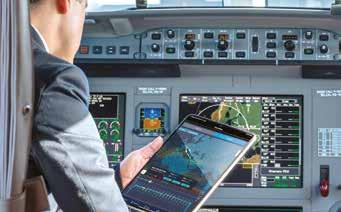
With fly-by-wire, pilot inputs are interpreted by computers, which then command actuators. This allows for more aerodynamically efficient designs. For example, aircraft can be designed with relaxed longitudinal stability which can significantly reduce drag and leads directly to reduced fuel consumption and carbon emissions.
It also enables envelope protection. The system can prevent stalls, overspeeds, and excessive bank angles automatically. Pilots get “carefree handling,” and manufacturers gain flexibility in design. The Falcon 7X was a pioneer, but fly-by-wire is standard in everything from the Airbus A350 to the Gulfstream G700.
Fly-by-wire also supports modularity and scalability. Manufacturers can adapt control laws for different aircraft models, reducing development time and cost. That’s a huge advantage in a competitive market.
Electronic Flight Bags (EFBs) were pioneered in business aviation. You mentioned Jeppesen used to ship 2 billion sheets of paper annually. What impact have EFBs had?
The shift to EFBs was revolutionary. I remember the days of lugging around massive binders filled with charts, performance tables, and regulatory documents. Updating them was a logistical nightmare—and errors could have serious consequences.
EFBs replaced all that with tablets and software. Pilots now have real-time access to charts, weather, NOTAMs, and aircraft-specific data. Updates are automatic, and the information is always current. It’s not just convenient—it’s safer.

Jeppesen’s transformation is emblematic. They went from being the largest user of the Colorado Post Office to a digital powerhouse. And the integrity of their digital charts is at the same level as the flight management systems that navigate the aircraft! It’s a perfect example of how digital transformation enhances both efficiency and safety.
EFBs also support collaborative decision-making. Pilots, dispatchers, and maintenance crews can share data in real time, improving coordination and reducing delays. That’s a major operational benefit.
Looking ahead, what are your views on artificial intelligence and autonomous flight? Should we be optimistic or cautious?
We should be both—optimistic about the potential, and cautious about the implementation. AI is already transforming aviation in subtle but powerful ways. It’s not just about replacing pilots or automating flight—it’s about enhancing safety, improving decision-making, and supporting human operators in ways that weren’t possible before.
One of the most promising applications is in vigilance monitoring. Humans are notoriously poor at maintaining attention during long periods of inactivity which is a characteristic of today’s highly automated aircraft. AI can monitor pilot behavior, eye movement, and other biometric data to detect fatigue, distraction, or cognitive overload. It can then cue the pilot, suggest actions, or even take corrective measures. That’s not science fiction—it’s already being tested at leading research facilities.
Another area is predictive maintenance. AI can analyze thousands of flight hours’ worth of sensor data to identify patterns that precede component failures. Instead of waiting for something to break, operators can replace parts proactively, reducing downtime and improving safety. This is especially valuable in business aviation, where reliability and dispatch availability are critical.
But when we talk about autonomous flight, things get more complicated. There’s a big difference between automation and autonomy. Automation is rule-based and deterministic—you know how the system will behave. Autonomy, especially when powered by machine learning, is non-deterministic. That means the system might behave differently in similar situations, depending on how it interprets the data. That’s a challenge for certification.
I’ve worked on certification programs for complex systems, and regulators rightly demand traceability and predictability. If you can’t explain why the system made a certain decision, it’s very hard to certify it for safety-critical applications. That’s one of the biggest hurdles for AI in aviation.
That said, we’re already seeing autonomous capabilities in action. Garmin’s Autoland system is a perfect example. If the pilot becomes incapacitated, the system can declare an emergency, select a suitable airport, navigate, descend, and land the aircraft—all without human input. It’s certified and flying today. That’s a huge milestone.
In the military and cargo sectors, we’re seeing large unmanned aircraft operating routinely. These platforms are often remotely piloted, but they include autonomous features like collision avoidance, route optimization, and dynamic mission planning. The technology is mature—it’s the regulatory and societal acceptance that lags behind.
I believe the next step will be single-pilot operations with AI assistance. The AI won’t replace the pilot, but it will act as a co-pilot—monitoring systems, managing communications, and even flying the aircraft in routine conditions. That’s a realistic goal within the next decade, especially for cargo operations where passenger safety isn’t a factor.
For passenger aircraft, the timeline is longer. People want to see a human in the cockpit. There’s a psychological comfort in knowing someone is there to make judgment calls, especially in emergencies. But over time, as AI proves itself and becomes more transparent, that resistance will fade.
Ultimately, AI and autonomy are not about removing humans—they’re about augmenting human capability. Pilots will still be in command, but they’ll have tools that make them smarter, faster, and more resilient. That’s the future I see: a partnership between human and machine, where each complements the other.
And business aviation will continue to lead the way. It always has. Whether it’s glass cockpits, fly-by-wire, or synthetic vision, business jets are the sandbox where new ideas are tested, refined, and proven. AI will be no different. The first truly intelligent flight systems will likely appear in business aircraft—quietly, efficiently, and with the same pioneering spirit that’s driven this industry for decades.
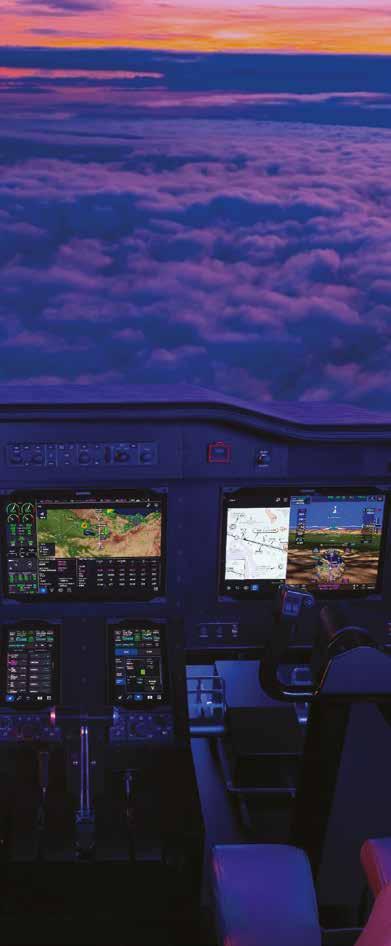



Experience the exceptional connectivity of JetXP from Viasat. Business aviation’s No. 1 satellite Wi-Fi, with expanded capacity (including 5x boost over major US hubs), increased network prioritization and uncapped speeds across the world. Because business at the top never stops.
Experience more than fast