LA COSTANTE DEL TUO TALENTO
CARCIOFI
Ampia gamma di carciofi selezionati e cucinati in olio o trifolati, adatti a soddisfare tutte le esigenze di ricettazione sia in cucina che in pizzeria.
DEMETRA FOOD COLLECTION i prodotti che fanno tendenza.
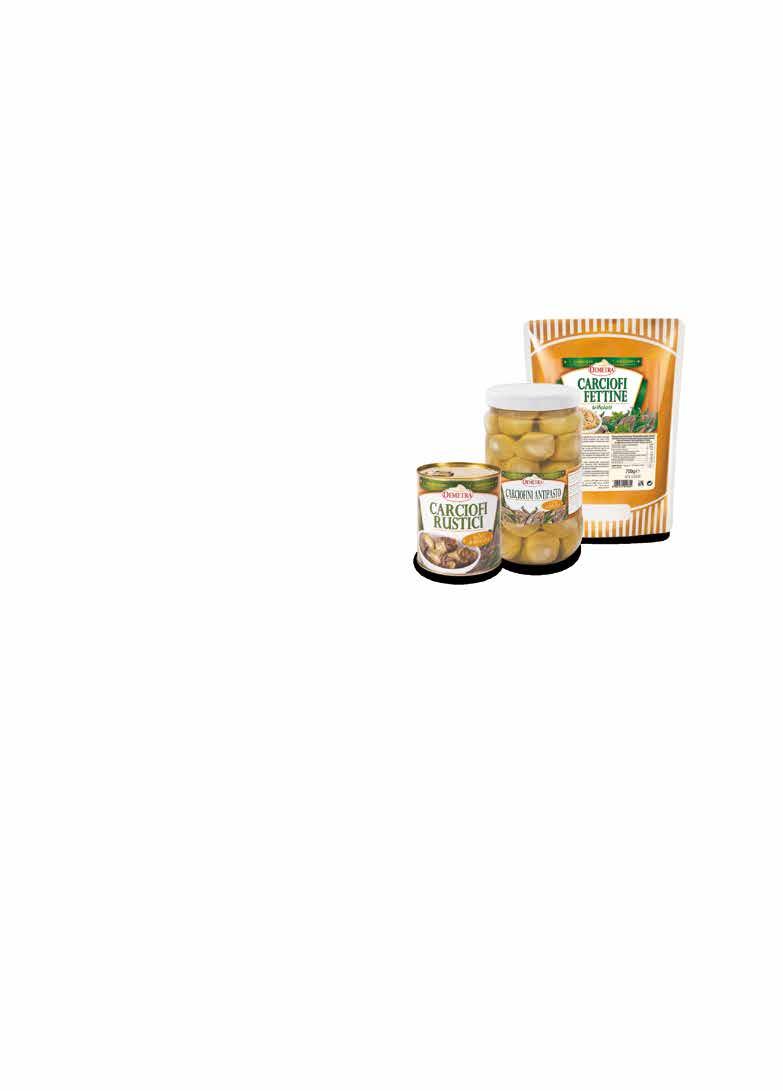
Ampia gamma di carciofi selezionati e cucinati in olio o trifolati, adatti a soddisfare tutte le esigenze di ricettazione sia in cucina che in pizzeria.
DEMETRA FOOD COLLECTION i prodotti che fanno tendenza.
"Ho bisogno di conoscere la storia di un alimento. Devo sapere da dove viene. Devo immaginarmi le mani che hanno coltivato, lavorato e cotto ciò che mangio."
/"I need to know the story behind a food. I need to know where it comes from. I need to picture the hands that grew, prepared, and cooked what I eat."
Carlo Petrini
QUESTO NUMERO È STATO RESO POSSIBILE GRAZIE A /THIS ISSUE HAS BEEN MADE POSSIBLE THANKS TO
2 Grangusto, 3 Le 5 Stagioni, 4 Demetra, 11 Galbani, 13 La Torrente, 19 Molino Dallagiovanna, 21 Familia, 27 Sanfelici Franco, 39 Sitta, 57 Mulino Padano, 63 Molino Merano, 65 Dr. Zanolli, 67 Latteria Sorrentina, 79 Sacar, 87 Valledoro, 99 Scuola Italiana Pizzaioli, 101 Millberg, 107 Molino Scoppettuolo, 109 Vito Italia, 113 Vecogel, 114 Industria Alimentare Tanagrina, 115 Sigma, 116 Rinaldi Superforni
GIUGNO /JUNE 2026 28
8 ENTRÈE
Antonio Puzzi
10 PIZZA NEWZ
redazione /editorial staff
12 ON THE ROAD Eventi del Mese
Events of the Month redazione /editorial staff
14
WRITING ABOUT
Il pizzaiolo: un'arte matura per una professione riconosciuta
The pizza chef: an art form ripe for professional recognition
Caterina OrlandI, Antonio Puzzi
22
WRITING ABOUT
Lo stato di salute del "fuori casa"
The state of the ‘out-of-home’ sector
Giusy Ferraina
28
TECH FORWARD
Tipicità e smart technologies: what's up?
Traditional specialities and smart technologies: what’s going on?
Domenico Maria Jacobone
38
RORATO'S
Dal fuoco di Prometeo ai forni digitali
From Prometheus’s fire to digital ovens
Giampiero Rorato
40
INTERVIEWZ
Dire Donna senza stereotipi
Speaking of Women without stereotypes
Noemi Caracciolo
46
GALEOTTO FU(D)
L'intelligenza del Caso
Food in the Maritime Republics
Anna Marlena Buscemi
52
RISTORAZIONE DOMANI
Gli spaghetti non nascono in fabbrica
Spaghetti isn’t made in a factory
Giampiero Rorato
58
PIZZA PEOPLE
Dalle strade di Marsiglia al tetto del mondo
From the streets of Marseille to the top of the world
Annatina Franzese
70
PIZZA PEOPLE
Simone’s “bubble”
Noemi Caracciolo
76
BAKERY PEOPLE
Uno spazio tutto per sé
A space all to itself
Caterina Vianello
82
PIZZA WORLD
Non è un Paese per vegani
No Country for Vegans
Giuseppe A. D'Angelo
88
FOOD DESIGN
Un'ora sola in più vorrei
I’d like just one more hour
Antonella Mignacca
94 BEER
La birra è il territorio
Beer is the local area
Alfonso Del Forno
102
EAT WELL STAY WELL
Tecnologie e alimentazione
Technology and nutrition
Marisa Cammarano
110
THE TIP
Libro. La mente radiosa
Book. The Radiant Mind redazione /editorial staff
COMPANY SPOTLIGHT
64 Dr. Zanolli
66 Rinaldi
68 Lilly Codroipo
69 Marana
97 Scuola Italiana Pizzaioli
108 Vito Italia
di lune-
dì 18 ottobre 2004, avevo 23 anni e, insieme a tre amici dell’Università “Suor Orsola Benincasa”, ci ritrovammo alla stazione di Napoli centrale per prendere un treno notte che ci avrebbe fatto svegliare al mattino successivo a Torino. Eravamo lì perché Marino Niola ci aveva detto che avrebbe accettato la nostra richiesta di tesi in Antropologia dell’Alimentazione se fossimo andati come volontari in un evento che, per la prima volta, avrebbe portato in Italia 5000 contadini provenienti da tutto il mondo. Quell’evento si chiamava Terra Madre.
Ricordo il freddo pungente di Corso Vittorio Emanuele al mattino, in una Torino che ancora sonnecchiava. Io – per spirito d’inerzia – seguivo Maurizio (il più grande del gruppo) che, tra informazioni richieste ai passanti e tanto spirito d’iniziativa, ci condusse fino al Palazzo del Lavoro, dove il giorno dopo si sarebbe aperto il primo incontro mondiale delle Comunità del Cibo. Nessuno sapeva dirci nulla, i nostri nomi erano sicuramente stati comunicati ma chissà dove. Alla sera, salimmo un po’ fortuitamente su un autobus insieme a 50 delegati dell’est Europa, del Sudafrica e del Sudamerica e arrivammo a Bra, nella frazione di Bandito, dove avremmo trascorso la notte.
Fu lì che conobbi Matjaz, un contadino sloveno che coltivava una mela dalla storia molto simile a quella dell’annurca della mia città. E Francesca, che veniva da Napoli ed era una vocalist dei Taranta Power. Il giorno dopo, approfittando di una piccola falla organizzativa dell’evento, ci “autoproclamammo” volontari addetti all’ufficio di presidenza dove c’era un personaggio per me ignoto: si chiamava Carlo Petrini. Di lì a poco, in quell’ufficio sarebbe arrivato il Principe del Galles, l’attuale re Carlo III. La sera, rientrati nel nostro alloggio, insieme a tutti gli altri, che parlavano lingue diverse, Francesca suonava e noi cantavamo a squarciagola “Che sarà”. Fu lì che mi innamorai di Slow Food. Perché solo “amore” si può definire quel sentimento che non riesci a spiegare ma che ti fa fare scelte incomprensibili a tutti gli altri, che ti fa macinare chilometri e digerire sconfitte ma che ti fa sentire a casa. Di ricordi come i miei ne è pieno il mondo, tutto quel mondo che oggi piange Carlin, l’uomo a cui nessuno di noi ha mai saputo dire di no, l’uomo che ha fatto la rivoluzione col cibo, unendo gastronomia e sostenibilità, l’uomo che ha detto: “Chi semina utopia, raccoglie realtà”.
evening of
Monday 18 October 2004. I was 23 years old and, together with three friends from the “Suor Orsola Benincasa” University, we met at Naples Central Station to catch a night train that would take us to Turin, where we would wake up the following morning. We were there because Marino Niola had told us he would accept our application to write a thesis in Food Anthropology if we went as volunteers to an event that, for the first time, would bring 5,000 farmers from all over the world to Italy. That event was called Terra Madre.
I remember the biting cold of Corso Vittorio Emanuele in the morning, in a Turin that was still slumbering. I – out of sheer inertia – followed Maurizio (the eldest of the group) who, by asking passers-by for directions and showing plenty of initiative, led us to the Palazzo del Lavoro, where the first global meeting of the Food Communities was due to open the following day.
No one could tell us anything; our names had certainly been passed on, but who knows where. In the evening, we rather by chance boarded a bus with 50 delegates from Eastern Europe, South Africa and South America and arrived in Bra, in the hamlet of Bandito, where we were to spend the night.
It was there that I met Matjaz, a Slovenian farmer who grew an apple with a history very similar to that of the Annurca from my city. And Francesca, who was from Naples and was a vocalist with Taranta Power. The next day, taking advantage of a minor organisational glitch at the event, we ‘proclaimed ourselves’ volunteers for the presidium office, where there was a figure unknown to me: his name was Carlo Petrini. Shortly afterwards, the Prince of Wales, the current King Charles III, was due to arrive at that office. That evening, back at our accommodation, together with everyone else, who spoke different languages, Francesca played and we sang at the top of our voices “Che sarà”.
It was there that I fell in love with Slow Food. Because only “love” can describe that feeling you cannot explain but which makes you make choices incomprehensible to everyone else, which makes you cover miles and swallow defeats but which makes you feel at home. The world is full of memories like mine, the whole world that today mourns Carlin, the man none of us ever knew how to say no to, the man who sparked a revolution through food, uniting gastronomy and sustainability, the man who said: “He who sows utopia reaps reality.”
Molino Pasini sviluppa un percorso tra prodotto, cultura e racconto che trova nel “Bar Italia” la sua espressione più visibile. A Tuttofood, Milano dall’11 al 14 maggio a Rho Fiera, l’azienda porta una riflessione sul bar come luogo capace di raccontare il modo di vivere italiano. Non è un ristorante, non è la cucina di casa: è uno spazio quotidiano attraversato da gesti semplici e ripetuti, dal caffè al banco alla brioche del mattino, dalla pausa veloce alla conversazione breve. Un luogo informale e trasversale dove si sono consolidati rituali e consumi che hanno reso riconoscibile nel mondo il vivere all’italiana.
Da qui parte il nuovo percorso di Molino Pasini, che dopo aver definito la propria identità con “Proud to be Pasini” amplia oggi lo sguardo con “Proud to be Italian”, una riflessione sulla quotidianità come sistema culturale.
Molino Pasini has developed a journey through product, culture and storytelling, which finds its most visible expression in the “Bar Italia”. At Tuttofood, Milan, from 11 to 14 May at Rho Fiera, the company presents a reflection on the bar as a place capable of conveying the Italian way of life. It is not a restaurant, nor is it the kitchen at home: it is an everyday space filled with simple, repeated gestures, from a coffee at the counter to a morning brioche, from a quick break to a brief conversation. An informal, all-encompassing place where rituals and habits have taken root, making the Italian way of life recognisable across the globe. This is the starting point for Molino Pasini’s new journey: having defined its identity with “Proud to be Pasini”, the company is now broadening its outlook with “Proud to be Italian”, a reflection on everyday life as a cultural system.
La storia di Molino Magri inizia a Mantova nel 1929. Qui, da ben cinque generazioni, si tramanda di padre in figlio la passione dell’arte della macinazione. Una realtà sempre in continua evoluzione, che risponde velocemente alle esigenze dei professionisti dell’arte bianca.
L’alta qualità delle farine Molino Magri è sempre stato un punto fermo. Oggi a cambiare è il linguaggio: un importante rebranding cambia veste all’azienda, senza snaturare i suoi valori. A partire dal nuovo logo fino ai rinnovati packaging, la nuova voce del Molino parla di eccellenza, prestigio e tradizione attraverso uno stile fortemente contemporaneo, in linea con l’attitudine dell’azienda sempre proiettata nel futuro. Un tributo al territorio. Un’affermazione d’identità. Il nuovo marchio vuole essere un tributo a questo territorio e, insieme, un’affermazione della lunga storia familiare.
The history of Molino Magri began in Mantua in 1929. Here, for five generations, a passion for the art of milling has been passed down from father to son. A company in constant evolution, responding swiftly to the needs of baking professionals. The high quality of Molino Magri flours has always been a cornerstone. Today, it is the language that is changing: a major rebranding gives the company a fresh look, without compromising its values. From the new logo to the revamped packaging, Molino Magri’s new voice speaks of excellence, prestige and tradition through a distinctly contemporary style, in keeping with the company’s forward-looking approach. A tribute to the region. A statement of identity. The new brand aims to be a tribute to this region and, at the same time, a statement of the company’s long family history.



Giugno /June 2026
IN ITALIA /IN ITALY
→ Buono e Bio in Festa
6-7 giugno
Roma www.buonoebioinfesta.it
→ Slow Food Day
13 giugno
Eventi in tutta Italia www.slowfood.it/calendariograndi-eventi-slow-food/
→ Anteprima Terra Madre
dal 19 al 21 giugno
Tropea www.slowfood.it/calendariograndi-eventi-slow-food/
→ Bufala Fest
dal 25 al 28 giugno
Padova www.bufalafest.com
→ Pizza in Piazza
dal 26 al 28 giugno
Vicenza www.pizzainpiazza.org
→ BOB Fest
dal 26 al 29 giugno
Praia a Mare (CS)
San Nicola Arcella (CS) www.bobfest.it
/EVENTS
IN EUROPA E NEL MONDO /IN EUROPE AND AROUND THE WORLD
→ Warsaw Food Expo
9-11 giugno 2026
Warsaw Expo, Varsavia, Polonia www.warsawfoodexpo.pl
→ Free From Food Expo
16-17 giugno 2026
Messe Wien, Vienna, Austria www.freefromfoodexpo.com
→ Good Food Show Summer
18-21 giugno 2026
NEC, Birmingham, UK
www.thenec.co.uk/whats-on/ good-food-show-summer/
→ Food 4 Future – Expo FoodTech
27-28 Maggio /May
Bilbao Exhibition Centre, Bilbao, Spagna www.expofoodtech.com
/OF THE MONTH
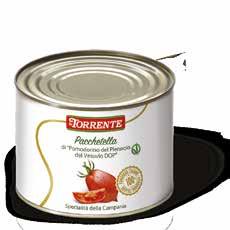
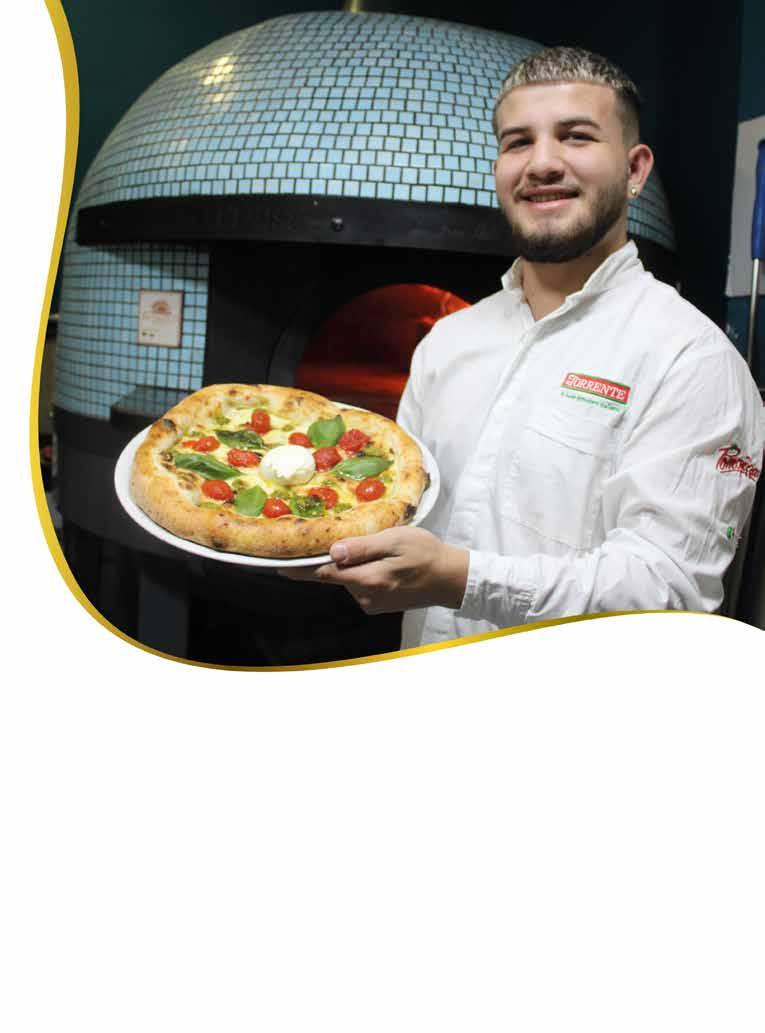
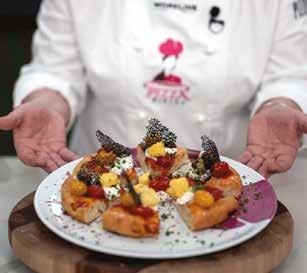
Tante idee da assaporare ogni mese con i nostri dodici Artisti della Pizza. Giugno è dedicato al nostro caro pizzaiolo Michael Del Mestre, che firma la sua deliziosa creazione: “Fantasia dei colori del Mediterraneo” Una pizza che porta in tavola tutta la vivacità e la ricchezza della nostra tradizione mediterranea. Alla base troviamo il carattere autentico del Pomodorino del Piennolo del Vesuvio DOP, un prodotto prezioso, coltivato alle pendici del Vesuvio e riconoscibile per il suo gusto intenso, sapido e leggermente acidulo. “Fantasia dei colori del Mediterraneo” è una pizza che racconta il Sud pensato per conquistare occhi e palato fin dal primo assaggio.
scopri di più


by Antonio Puzzi and Caterina Orlandi

The pizza chef: an art form ripe for professional recognition.
Pepita - Pizza e Pasta Italiana presents the States General of Pizza.
Pizza represents one of the most recognisable and iconic expressions of Italy’s culinary heritage, a symbol of ‘Made in Italy’ across the globe, with its many facets. In Italy, there are over 127,000 pizzerias with a turnover (including related industries) of approximately 15 billion euros annually. Despite the economic and cultural significance of the phenomenon, however, the profession of pizza chef is not currently adequately regulated. Even in the face of three UNESCO recognitions – such as the Mediterranean Diet (2010), the art of the Neapolitan pizzaiolo (2017) and Italian cuisine (2025) – the pizzaiolo is still considered a ‘ghost’ category, whilst fellow chefs enjoy recognised status. In this regard, a delightful 1st-century Latin poem attributed to Terenzio Vespa comes to mind, recounting a contest between a cook and a baker, each claiming to be more important than the other and more akin to the gods. Vulcan, god of fire and symbol of man’s inventive and creative capacity, is called upon to pass judgement.

La pizza rappresenta una delle espressioni più riconoscibili e iconiche del patrimonio culinario italiano, simbolo stesso del Made in Italy nel mondo, con le sue molteplici sfaccettature. In Italia, ci sono oltre 127.000 pizzerie con un fatturato (comprensivo dell’indotto) pari a circa 15 miliardi di euro annui. Nonostante la rilevanza economica e culturale del fenomeno, però, la professione di pizzaiolo, ad oggi non risulta opportunamente regolamentata. Anche a fronte delle tre patrimonializzazioni Unesco, come quella della Dieta Mediterranea (2010) dell’arte del pizzaiolo napoletano (2017) e della cucina italiana (2025), quella del pizzaiolo è ancora considerata una categoria “fantasma”, mentre i colleghi chef godono di uno statuto riconosciuto. A tal proposito, torna alla mente un gustoso poemetto latino del I secolo, attribuito a Terenzio Vespa, che racconta un certamen tra un cuoco e un fornaio, ciascuno dei quali sostiene di essere più importante dell’altro e più simile agli dèi. A emettere il giudizio è chiamato Vulcano, dio del fuoco, simbolo della capacità inventiva e creativa dell’uomo.
Durante l’edizione 2026 del Campionato Mondiale della Pizza, nel contesto del Pizza World Forum, si è discusso proprio di questo in una partecipata tavola rotonda che aveva lo spirito di sottolineare l’urgenza di tutele giuridiche e contratti collettivi per chi oggi intende fare il lavoro di pizzaiolo.
In videoconferenza erano presenti i Senatori Bartolomeo Amidei e Gianluca Cantalamessa, pronti ad ascoltare i rappresentanti delle Associazioni di categoria APES, Coldiretti e Associaizone Verace Pizza Napoletana.
Gli storici Antonio e Donatella Matozzi indicano che non è ben nota la data in cui compare il primo pizzajuolo, in quanto si tratta di fenomeni sotterranei di cui si ha traccia solo nella loro piena fioritura. La pizza, così come la conosciamo, è sicuramente un fatto dell’Ottocento e, a quell’epoca, non esistevano ancora delle corporazioni o associazioni collettive che raggruppassero la categoria. Anche nell’Ottocento, però, il successo di una pizzeria dipendeva dall’abilità dell’artigiano, secondo testimonianze dell’epoca fiscalmente collocato nell’ultima classe degli esercenti: i pizzaioli, dunque, erano ultimi nella scala sociale ma era già un privilegio avere delle categorie censite.
During the 2026 edition of the World Pizza Championship, as part of the Pizza World Forum, this very issue was discussed at a well-attended round-table discussion aimed at highlighting the urgent need for legal protections and collective agreements for those who wish to work as pizza chefs today. Senators Bartolomeo Amidei and Gianluca Cantalamessa took part via videoconference, ready to listen to representatives from the trade associations APES, Coldiretti and the Verace Pizza Napoletana Association.
Historians Antonio and Donatella Matozzi point out that the date when the first pizzaiolo appeared is not well known, as these were underground phenomena of which traces are found only once they had fully flourished. Pizza, as we know it, certainly dates back to the nineteenth century and, at that time, there were still no guilds or collective associations bringing the trade together. Even in the nineteenth century, however, the success of a pizzeria depended on the skill of the artisan, who, according to contemporary accounts, was classified in the lowest tax bracket of tradespeople: pizza makers, therefore, were at the bottom of the social ladder, yet it was already a privilege to be part of a recognised trade.
The key point to note is the ‘resilience’ of this humble profession, which has not disappeared but has instead passed down the art of making pizza from generation to generation, whilst the pizzerias remain firmly rooted in their birthplace amongst the streets of Naples.
Is it possible that, after some two centuries, the situation remains unchanged? The first draft bill on the subject was presented some twenty years ago. At present, however, Parliament has no fewer than two proposals before it: one, tabled by the Centre-Right via Senator Bartolomeo Amidei; the other, from the Five Star Movement, with Senator Gisella Naturale.
The political parties involved in following this matter have been clamouring for clarity amongst all the forces at play, presenting a unified request that can then be brought before Parliament. So, if we wish to achieve this result, we believe the time has come for a strong, decisive, concrete initiative—and above all, one free from prevailing political affiliations.
Il fatto importante da osservare è la “resistenza” di questa umile categoria che non scompare ma che anzi tramanda l’arte di fare la pizza di generazione in generazione, e le pizzerie, rimangono fisse nel luogo di nascita tra le vie della città partenopea.
È possibile che, dopo circa due secoli, la situazione resti ancora invariata? Il primo Disegno di Legge sul tema fu presentato circa vent’anni fa. Al momento, invece, il Parlamento ha a disposizione ben due proposte: una, giunta dal Centrodestra tramite il Senatore Bartolomeo Amidei; l’altra, del Movimento 5 Stelle, con la Senatrice Gisella Naturale.
stanno

di seguire la vicenda hanno richiesto a gran voce di fare chiarezza tra tutte le forze in gioco, presentando una richiesta unitaria che possa poi essere portata in Parlamento.
Allora, se vogliamo ottenere questo risultato, crediamo sia giunto il momento di un’iniziativa forte, decisa, concreta e soprattutto senza colori politici prevalenti. Ecco, perché, nel nostro ruolo di rivista internazionale, prima al mondo a essere nata proprio per raccontare questo settore, noi lanciamo gli Stati Generali della Pizza.

That is why, in our role as an international magazine – the first in the world to be founded specifically to cover this sector – we are launching the States General of Pizza.
Together with everyone who wishes to take part, we will be launching an initiative to meet at least three times between September 2026 and April 2027 (some in person, others remotely) to then arrive at ‘ ’ in Parma, at the new edition of the World Pizza Championship, with a final draft of the regulation to be proposed to the various political parties, asking them to take it on board and, should it not be adopted, for it to become a draft law initiated by the people. Let us start with what is common to each of the proposals put forward so far: the recognition of the professional qualification of pizza chef, defining the criteria for access and validation, with the overall aim of ‘strengthening the position of Italian pizza and pizza chefs at an international level, in terms of quality, traceability and innovation’, as clearly defined in No. 1751 of the Parliamentary Proceedings held at the Senate of the Republic.


Insieme a tutte e a tutti coloro che vorranno farne parte, lanceremo un’iniziativa di incontrarsi almeno tre volte da settembre 2026 ad aprile 2027 (alcune in presenza, altre a distanza) per arrivare poi a Parma, alla nuova edizione del Campionato Mondiale della Pizza, con una stesura definitiva della norma da proporre alle varie forze politiche,
chiedendo loro di farsene carico e che, qualora, non venisse recepita, possa diventare un Disegno di Legge di iniziativa popolare.
Partiamo da ciò che è condiviso in ciascuna delle proposte finora realizzate: il riconoscimento della qualifica professionale di pizzaiolo, definendone i criteri di accesso e di validazione, nella complessiva “ottica di rafforzamento del posizionamento della pizza e dei pizzaioli italiani a livello internazionale, in termini di qualità, tracciabilità e innovazione”, come ben definito al n. 1751 degli Atti parlamentari custoditi al Senato della Repubblica.
Anyone wishing to join this working group –associations, individual professionals, and members of the public – should write to redazione@ pizzaepastaitaliana.it
Each month, we will then report on these pages on the progress of the initiative.







by Giusy Ferraina
state of the ‘out-of-home’
What was 2025 like for the catering sector, including pizzerias? Certainly a year in which consumer trends and new consumers have rewritten the rules, 12 months with many new openings – a sign that the catering sector is one in which there is confidence and a willingness to invest – but also with a series of closures, which highlight how catering cannot be improvised and that continuous training and the ability to adapt to the times and new consumer habits are necessary if one wishes to survive.
All this is detailed in the FIPE-Confcommercio Catering Report 2026, which provides an annual snapshot of the sector.
Italy is still chasing pre-Covid figures, a gap that has not yet been closed despite significant growth and renewal in both numerical and sociological terms within the catering market. Consumption reached €100 billion, up 0.5% on 2024, but still 5.4% below 2019 levels.
Com’è stato il 2025 per la ristorazione, pizzerie comprese? Sicuramente un anno in cui trend di consumo e nuovi consumatori hanno ridisegnato le regole, 12 mesi con tante nuove aperturesegno che la ristorazione è un settore in cui c’è fiducia e volontà d’investimento - ma anche con una serie di chiusure, che sottolineano come la ristorazione non si improvvisa e che è necessaria una formazione continua e la capacità di adattamento ai tempi e ai nuovi consumi se si vuole sopravvivere.
Tutto questo ce lo racconta il Rapporto Ristorazione 2026 di FIPE-Confcommercio, che ogni anno scatta la fotografia del settore.
L’Italia rincorre i dati pre-Covid, un gap ancora non recuperato nonostante una crescita e un rinnovamento importante in termini numerici e anche sociologici del mercato ristorativo. I consumi hanno toccato quota 100 miliardi di euro, in aumento dello 0,5% sul 2024, ma ancora al di sotto del 5,4% rispetto al 2019.
Crescita moderata e anche rallentata nel tempo, che riflette lo stato generale dell’economia: tensioni internazionali e dazi che hanno frenato la crescita produttiva, inflazione e non meno importante la mancanza di personale competente che ha innescato una serie di criticità strutturali.
Growth has been moderate and has also slowed over time, reflecting the general state of the economy: international tensions and tariffs that have curbed production growth, inflation and, not least, the lack of skilled staff, which has triggered a series of structural issues. But let’s look at the actual figures for 2025. There are 324,436 active businesses (-1% on the previous year), with 10,062 new start-ups and 25,000 closures. This is a significant figure that highlights the fragility of the business landscape, due to management issues, unsustainable business models and a gap in managerial and entrepreneurial skills. All things considered, one in two businesses ceases trading within five years of being established.
Fortunately, the figures published show that female, youth and foreign entrepreneurship are keeping spirits high, continuing to play a leading role. There are 92,961 businesses led by women (28.7%), whilst those run by under-35s have seen a slight decline due to the evident demographic ageing, standing at 37,861 (-6.2%); conversely, foreign entrepreneurship is growing, with 48,436 active businesses in 2025, up 2.6% on 2024. Let us now turn to the employment chapter.
The sector employs over 1 million workers, and this figure also shows a clear decline of 10% compared to 2024, confirming the difficulty in finding qualified staff. This is a contradictory situation that highlights both the sector’s central and driving role in the national economy and the difficulty in recruiting staff faced by one in two businesses. Indeed, there is a high turnover of employees under the age of 40, as well as a rise in the average age, which is an indication of expertise within the sector on the one hand and a consequence of the demographic crisis on the other. What is happening on the consumer front? We have seen a clear rise in list prices as a result of inflation, with the risk of further increases due to the energy crisis. There is also a clear shift in consumer habits and the occasions on which they dine: with a general slowdown in visits, dinner remains the consumers’ favourite time, whilst breakfast and the evening aperitif are losing ground, with a modest but encouraging +0.4% for lunch, driven by leisure consumption and tourism.
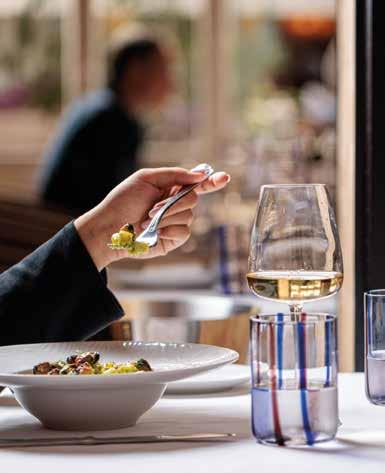
Ma vediamo quali sono i numeri effettivi del 2025. Le imprese attive sono 324.436 (-1% sull'anno precedente), 10.062 sono le nuove aperture, mentre 25 mila le chiusure.
Un dato importante che mostra la fragilità del tessuto imprenditoriale, dovuta a criticità gestionali, modelli di business poco sostenibili e a un divario nelle competenze manageriali e imprenditoriali. A conti fatti, un’impresa su due interrompe l’attività entro cinque anni dalla nascita. Dai numeri pubblicati, per fortuna, a tenere alto il morale è l’imprenditoria femminile, giovanile e straniera, che continua a giocare un ruolo di primo piano. Le imprese guidate da donne sono 92.961, (28,7%), quelle under 35 in leggera contrazione per evidente invecchiamento demografico 37.861 (-6,2%); al contrario, l’imprenditoria straniera cresce con 48.436 imprese attive nel 2025, con un +2,6% rispetto al 2024.
Guardiamo ora il capitolo occupazione. Il settore impiega oltre 1 milione di lavoratori dipendenti e anche su questo dato si registra un calo evidente del 10% rispetto al 2024, a conferma della difficoltà di trovare risorse qualificate. Un aspetto contraddittorio in cui si palesa la forza trainante e centrale del settore nell’economia nazionale e la difficoltà di reperimento del personale per un’impresa su due. Si assiste infatti a un forte turnover dei dipendenti di età inferiore ai 40 anni, così come un innalzamento dell’età media, che è indice di competenza nel settore da un lato ed effetto della crisi demografica dall’altro.
Cosa succede sul versante dei consumi? Si è assistito a un evidente carico dei prezzi di listino a seguito dell’inflazione, con il rischio di una nuova crescita per via dello shock energetico.
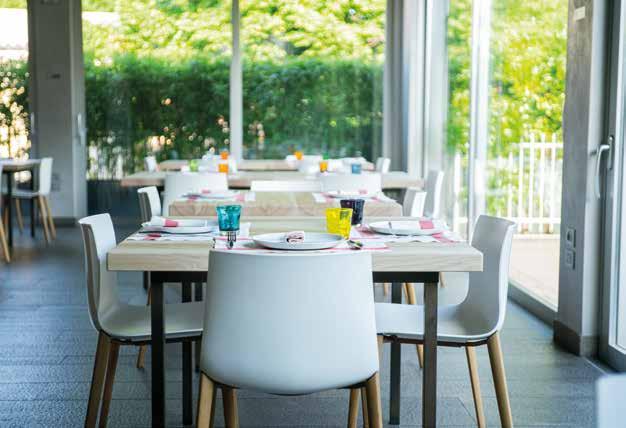
C’è inoltre un evidente cambio di paradigma delle abitudini di consumo e delle relative occasioni: con un rallentamento generalizzato delle visite, la cena si conferma il momento preferito dai consumatori, mentre perdono la colazione e l’aperitivo serale, con un flebile ma incoraggiante +0,4% per il pranzo sostenuto dai consumi leisure e dal turismo.
Un panorama attuale che definisce un sentiment di incertezza per l’anno in corso, nonostante una certa fiducia generale. Quello che è certo è che le decisioni di investimento nel settore rispondono a logiche di vocazione personale o storia familiare: il ristoratore è innamorato del suo lavoro e questo fa sì che si lavorino più ore, che vi sia un maggiore controllo e qualità del servizio, ma con limiti sulla crescita. A rafforzare questo legame, entra in gioco la famiglia: il 37% prosegue una tradizione già esistente e, più in generale, il nucleo familiare resta un vero asset strategico per l’attività, aiutando anche a trasmettere saperi, valori e competenze.
The current landscape is characterised by a sense of uncertainty for the current year, despite a certain general confidence. What is certain is that investment decisions in the sector are driven by personal vocation or family history: the restaurateur is passionate about their work, which leads to longer working hours, greater control and higher service quality, but with limits on growth. The family plays a key role in strengthening this bond: 37% are continuing an existing tradition and, more generally, the family unit remains a true strategic asset for the business, helping to pass on knowledge, values and skills.
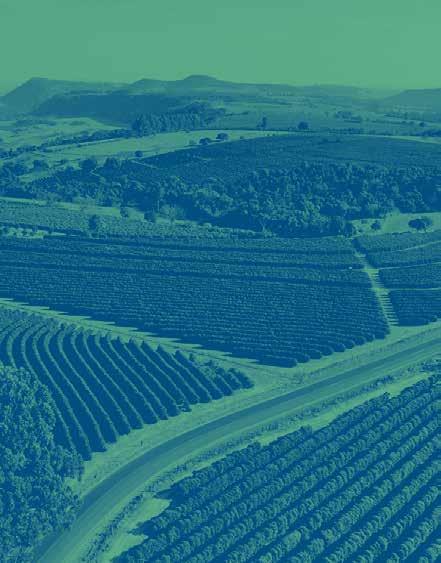
C’è un paradosso che attraversa silenzioso il mondo agroalimentare italiano. Un patrimonio di 891 denominazioni riconosciute a livello
UE, costruito nei secoli su tradizioni, microclimi e gesti tramandati, si trova di fronte a un ecosistema di sensori, algoritmi e registri distribuiti che promette di misurare e certificare quei gesti con una precisione che il palato umano non raggiungerà mai.
There is a paradox quietly permeating the Italian agri-food sector. A heritage of 891 EU-recognised designations, built up over centuries on traditions, microclimates and time-honoured practices, finds itself facing an ecosystem of sensors, algorithms and distributed ledgers that promises to measure and certify those practices with a precision the human palate will never achieve.
I prodotti a denominazione sono quelli che avrebbero più da guadagnare dalla tracciabilità digitale: hanno disciplinari codificati, parametri misurabili, storie da raccontare. Sono nati per essere digitalizzati. Eppure, il 33% delle aziende agricole italiane dichiara di non conoscere le soluzioni disponibili e 7 agricoltori su 10 non hanno mai partecipato ad attività di formazione digitale. C’è un treno che corre e una buona fetta del Paese che sta ancora cercando il binario.
Consorzi come quelli del Parmigiano Reggiano DOP e dell’Aceto Balsamico di Modena IGP hanno già adottato sistemi blockchain per verificare il rispetto dei disciplinari. Il consumatore scansiona un QR-code e accede alla storia certificata del prodotto, con dati che nessuno può alterare retroattivamente.
Products with protected designations are the ones that stand to gain the most from digital traceability: they have codified specifications, measurable parameters, stories to tell. They were made to be digitised. Yet 33% of Italian farms say they are unaware of the solutions available, and 7 out of 10 farmers have never taken part in digital training. The train is already moving, yet a significant portion of the country is still searching for the right track.
Consortia such as those for Parmigiano Reggiano PDO and Balsamic Vinegar of Modena PGI have already adopted blockchain systems to verify compliance with specifications. The consumer scans a QR code and accesses the product’s certified history, with data that no one can alter retrospectively.
Abbiamo già raccontato nei numeri precedenti il caso Barilla, con il QRcode sul Pesto alla Genovese collegato a Hyperledger Sawtooth e 19 aziende agricole su 310 ettari: non è marketing travestito da innovazione, è una carta d’identità verificabile. La Legge quadro sul Made in Italy (L. 206/2023) promuove le tecnologie a registro distribuito per la supply chain italiana, dando un segnale politico chiaro.
We have already covered the Barilla case in previous issues, with the QR code on Pesto alla Genovese linked to Hyperledger Sawtooth and 19 farms across 310 hectares: this is not marketing disguised as innovation, it is a verifiable identity card. The Framework Law on Made in Italy (Law 206/2023) promotes distributed ledger technologies for the Italian supply chain, sending a clear political signal.
So far, technology seems a natural ally of authenticity, but the interpretative concept is not so straightforward. Traditionally, authenticity links a product to a place, a climate, and a tradition of production: it is the terroir of wine applied to food. A set of specifications codifies this relationship, but the heart of authenticity remains something perceived and not always measurable.
Fin qui, la tecnologia sembra un alleato naturale della tipicità ma il concetto interpretativo non è così scontato.
Tradizionalmente, la tipicità lega un prodotto a un luogo, a un clima, a una tradizione di lavorazione: è il terroir del vino applicato al cibo. Un disciplinare codifica questa relazione ma il cuore della tipicità resta qualcosa di percepito e non sempre misurabile.
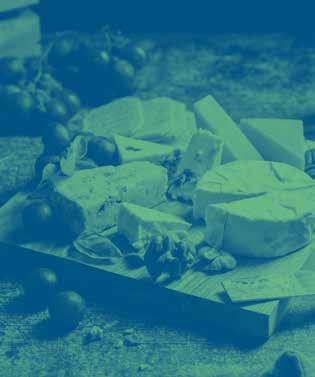
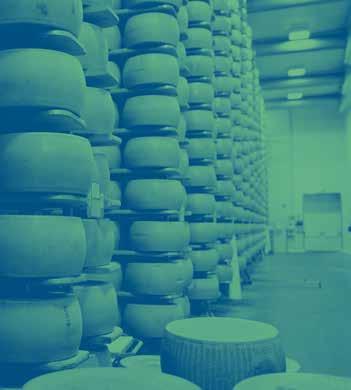
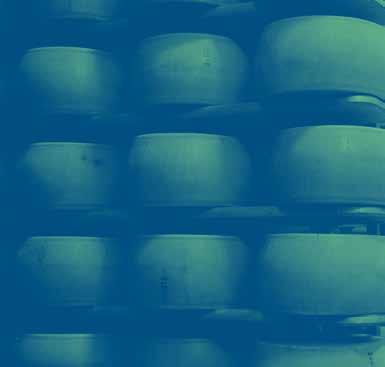
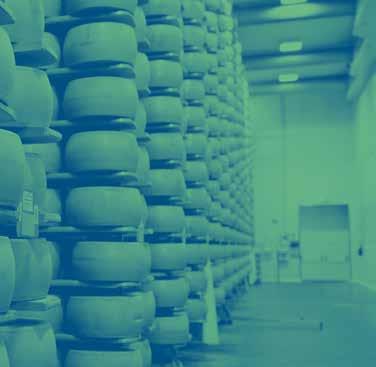
Le smart technologies spostano il baricentro dalla percezione alla misurazione: ad esempio un sensore IoT dentro una cella di stagionatura non “percepisce” che quel formaggio è tipico, lo misura: temperatura a 18 gradi, umidità all’85%, 24 mesi di permanenza. Se i parametri rientrano nel disciplinare, il prodotto è conforme. Bianco o nero, zero o uno.
Questo approccio riduce le frodi ma introduce un rischio sottile: confondere la conformità al Disciplinare con la tipicità stessa. Il Parmigiano Reggiano non è identico da forma a forma e questo non è un difetto: è una caratteristica.
La stagionatura dipende dalla flora microbica della cantina, dalla qualità del latte di quella stagione, dalla mano del casaro che batte la forma con un martelletto e ascolta il suono. Quando un sistema di intelligenza artificiale analizzerà quel suono meglio dell’orecchio umano, avremo un prodotto migliore o un prodotto diverso?
La nostra posizione è a metà strada: la tecnologia è lo strumento, la tipicità è il fine. Il sensore non sostituisce il casaro, lo aiuta a decidere meglio. La blockchain non inventa una storia, la rende verificabile. Il pericolo reale è l’applicazione pigra:
Smart technologies shift the focus from perception to measurement: for example, an IoT sensor inside a maturing chamber does not ‘perceive’ that the cheese is typical; it measures it: temperature at 18 degrees, humidity at 85%, 24 months’ maturation. If the parameters fall within the specification, the product is compliant. Black or white, zero or one.
This approach reduces fraud but introduces a subtle risk: confusing compliance with the Specifications with the very essence of typicality. Parmigiano Reggiano is not identical from wheel to wheel, and this is not a defect: it is a characteristic. Maturation depends on the microbial flora of the cellar, the quality of the milk in that season, and the cheesemaker’s touch as they tap the wheel with a small hammer and listen to the sound. When an artificial intelligence system analyses that sound better than the human ear, will we have a better product or a different one?
Our position lies somewhere in between: technology is the tool, authenticity is the goal. The sensor does not replace the cheesemaker; it helps them make better decisions. Blockchain does not invent a story; it makes it verifiable. The real danger lies in lazy application: using sensors to standardise a product that loses its soul in the process. Using them to protect the complexity that makes it unique, however, is an opportunity we cannot afford to miss.
The authenticity of the future will not be any less ‘authentic’ because it is measured by a sensor: it will be more defensible. The concept of authenticity does not die with smart technologies; it evolves, shifting from being a promise on one’s word to being a verifiable promise. From blind trust to informed trust. In a global market where ‘Italian Sounding’ thrives on the impossibility of verification, this evolution is not a loss: it is the most modern defence that ‘Made in Italy’ has ever had.
usare i sensori per standardizzare un prodotto che nella standardizzazione perde la propria anima. Usarli per proteggere la complessità che lo rende unico è, invece, un’opportunità che non possiamo sprecare. La tipicità del futuro non sarà meno “tipica” perché misurata da un sensore: sarà più difendibile. Il concetto di tipicità non muore con le smart technologies, si evolve, passando dall’essere una promessa sulla parola all’essere una promessa verificabile. Dalla fiducia cieca alla fiducia informata.
In un mercato globale dove l’Italian Sounding prospera sull’impossibilità di verificare, questa evoluzione non è una perdita: è la difesa più moderna che il Made in Italy abbia mai avuto.
Breve storia dell’evoluzione tecnologica in cucina
di/by Giampiero Rorato
According to ancient Greek myth, it was Prometheus who stole fire from the gods to give it to mankind, marking the beginning of a new era. Beyond the symbolic narrative, this event represents one of the fundamental moments in human history: the discovery of fire radically transformed the way we live, starting with our diet.
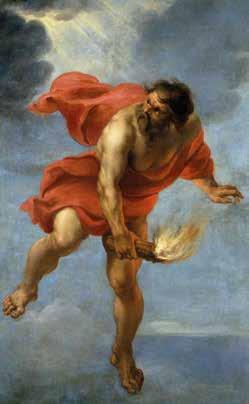
greco, fu Prometeo a rubare il fuoco agli dèi per donarlo agli uomini, segnando l’inizio di una nuova era. Al di là della narrazione simbolica, questo passaggio rappresenta uno dei momenti fondamentali nella storia dell’umanità: la scoperta del fuoco ha infatti trasformato radicalmente il modo di vivere, a partire proprio dall’alimentazione.
Claude Lévi-Strauss ha descritto questo cambiamento come il passaggio “dalla natura alla cultura”, indicando nella cottura dei cibi uno dei primi atti autenticamente culturali dell’uomo.
Prima dell’uso controllato del fuoco, l’alimentazione era basata su cibi crudi o su tecniche rudimentali, come l’esposizione delle carni al sole o il loro contatto con pietre riscaldate.
The great anthropologist Claude LéviStrauss described this change as the transition “from nature to culture”, identifying the cooking of food as one of humanity’s first genuinely cultural acts
Before the controlled use of fire, diets were based on raw foods or rudimentary techniques, such as exposing meat to the sun or placing it in contact with heated stones. With the discovery of fire, however, more effective cooking methods were developed—methods still in use today—such as grilling and roasting on a spit.
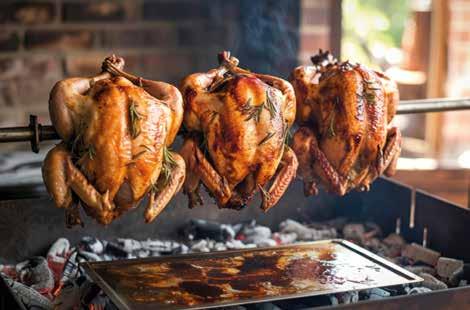
At the same time, in the ancient civilisations of the so-called Fertile Crescent and, later, in the Greek and Roman worlds, the first ovens appeared: initially rudimentary structures in which a fire was lit to heat the inner walls and then removed before food, particularly bread, was placed inside. As early as 2000 BC, in Egypt, breadmaking was an established practice, destined to spread rapidly throughout the Mediterranean basin.
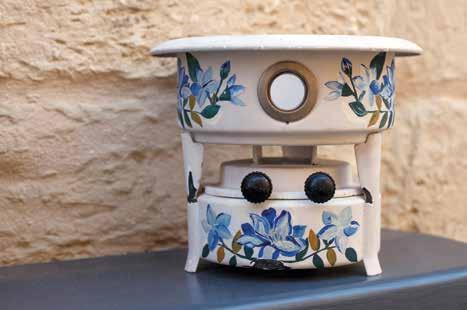
Another decisive step was the invention of boiling. In prehistoric times, people began to cook food, particularly meat, inside earthenware pots immersed in boiling water.
This technique paved the way for new dishes and a greater variety of food. The Romans, for example, prepared pultes, the ancestors of modern polenta, by mixing cereal flours such as millet and spelt into boiling water.
The hearth soon became the heart of ancient kitchens. Indeed, family life developed around the fire, and daily activities related to food preparation were centred there. Over time, the hearth underwent a significant evolution: chains were introduced to suspend pots, and iron structures were added to facilitate cooking. This system remained in use for centuries, right up to the modern era. Between the 19th and 20th centuries, the so-called ‘economical stove’ made its appearance, a more efficient wood-burning stove better suited to urban environments.
Con la scoperta del fuoco, si svilupparono invece metodi di cottura più efficaci e ancora oggi utilizzati, come la griglia e lo spiedo. Parallelamente, nelle antiche civiltà della cosiddetta Mezzaluna Fertile e, poi, nel mondo greco e romano, comparvero i primi forni: strutture inizialmente rudimentali, in cui il fuoco veniva acceso per scaldare le pareti interne e poi rimosso prima di inserire gli alimenti, soprattutto il pane. Già nel 2000 a.C., in Egitto, la panificazione era un’attività consolidata, destinata a diffondersi rapidamente in tutto il bacino del Mediterraneo.
Un altro passaggio decisivo fu l’invenzione della bollitura. In epoca preistorica, si iniziò a cuocere il cibo, in particolare le carni, all’interno di recipienti in terracotta, immersi nell’acqua portata a ebollizione. Questa tecnica aprì la strada a nuove preparazioni e a una maggiore varietà alimentare. I Romani, ad esempio, preparavano le pultes, antenate delle moderne polente, mescolando farine di cereali come miglio e farro in acqua bollente.
Il cuore della cucina antica divenne presto il focolare domestico. Attorno al fuoco, si sviluppa, infatti, la vita familiare e si concentrano le attività quotidiane legate alla preparazione del cibo. Nel tempo, il focolare ebbe una sostanziale evoluzione: vennero introdotte catene per sospendere le pentole e strutture in ferro che facilitavano la cottura. Questo sistema rimase in uso per secoli, fino all’età moderna.
Tra Ottocento e Novecento fece la sua comparsa la cosiddetta “cucina economica”, una stufa a legna più efficiente e adatta agli ambienti urbani. La svolta definitiva arrivò, però, nel secondo dopoguerra, con la diffusione del gas e dell’energia elettrica. I fornelli moderni sostituirono progressivamente la legna, introducendo maggiore controllo, sicurezza e rapidità nella cottura. Negli ultimi decenni, la cucina ha conosciuto un’accelerazione significativa grazie all’innovazione tecnologica. I forni di nuova generazione permettono di regolare con precisione temperatura, umidità e tempi di cottura. Nel settore della ristorazione, strumenti avanzati consentono lavorazioni sofisticate, migliorando qualità e ripetibilità dei piatti. Nonostante queste trasformazioni, molte tecniche antiche continuano a resistere. La griglia, lo spiedo e il forno tradizionale restano simboli di una continuità culturale che attraversa i secoli.
Dalla fiamma rubata agli dèi fino ai dispositivi digitali di oggi, la storia della cucina è anche la storia dell’uomo. Un percorso fatto di ingegno, adattamento e cultura tutt’altro che concluso.
ENG
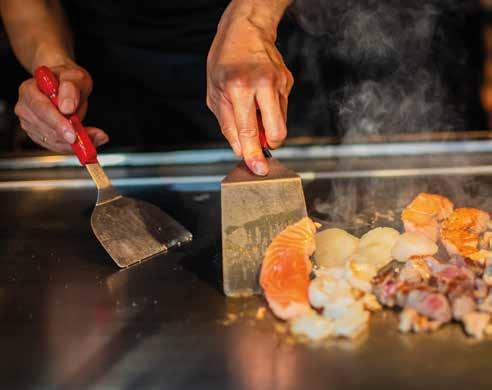
The definitive turning point, however, came after the Second World War, with the spread of gas and electricity. Modern cookers gradually replaced wood, introducing greater control, safety and speed in cooking. In recent decades, the kitchen has seen significant acceleration thanks to technological innovation. New-generation ovens allow for precise adjustment of temperature, humidity and cooking times. In the catering sector, advanced tools enable sophisticated techniques, improving the quality and consistency of dishes. Despite these transformations, many ancient techniques continue to endure. The grill, the spit and the traditional oven remain symbols of a cultural continuity that spans the centuries.
From the fire stolen from the gods to today’s digital devices, the history of cooking is also the history of humankind. A journey of ingenuity, adaptation and culture that is far from over.
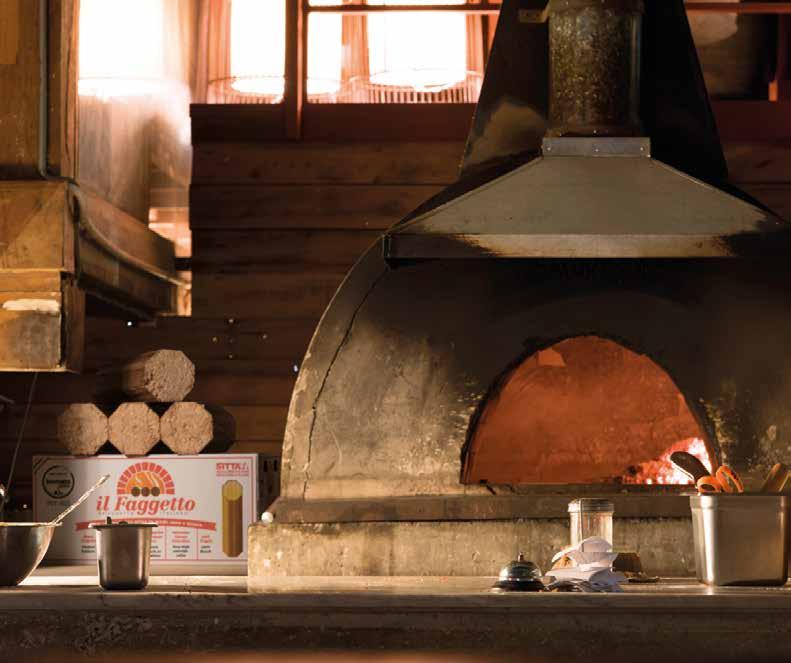
Mino re ful i g g in e e i nquinam e nto, maggiore resa e potere calorifico.
Il Faggetto è 100% farina di puro faggio selezionato , senza aggiunta di collanti, molto più compatto, pulito ed efficiente della legna tradizionale. Accendilo e dimentica i problemi!
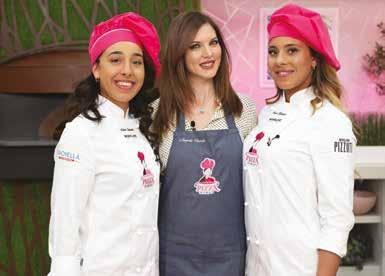
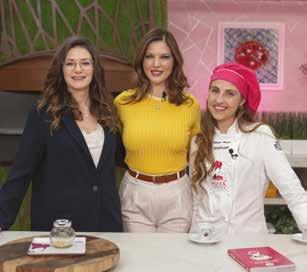
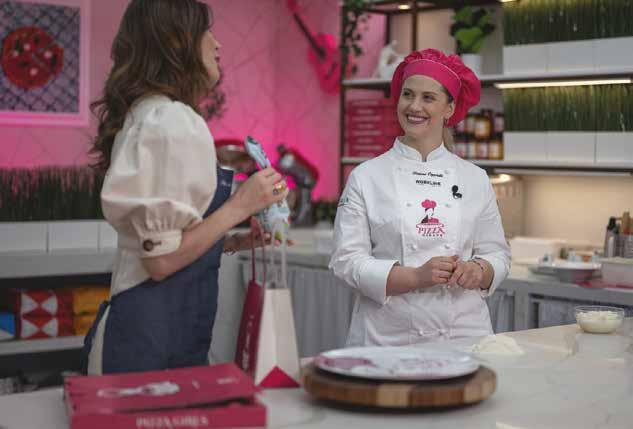
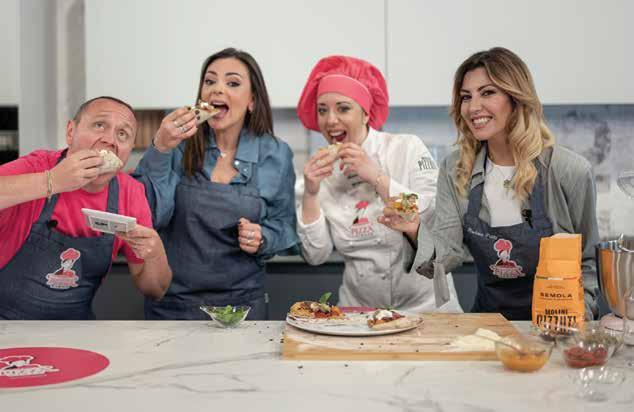
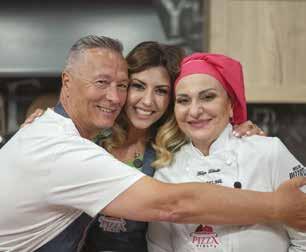
Carlo Fumo è il “creatore” di “Pizza Girls”, nato nel 2019 come primo format tutto al femminile dedicato alle donne della pizza. In onda su Rai 2, adesso il regista si prepara a una nuova fase di espansione tra tv, social, podcast e nuovi progetti, mantenendo al centro storie, passione e autenticità.
Carlo Fumo is the ‘creator’ of ‘Pizza Girls’, launched in 2019 as the first all-female programme dedicated to women in the pizza industry. Aired on Rai 2, the director is now preparing for a new phase of expansion across TV, social media, podcasts and new projects, keeping stories, passion and authenticity at the heart of it all.
Pizza Girls is coming to Rai 2, but with an eye on the web: what does this mean, and what new features will we see this season compared to previous ones?
Moving to Rai 2 isn’t just a change of channel; it’s finally a daytime slot on the second channel, with eight episodes airing every Sunday from 7 June to 26 July at 9.15 am. These episodes are the same ones we officially
launched in September as RaiPlay originals, featuring 8 pizza makers making pizza in the studio and another 8 presenting the ‘homemade pizza’ segment, which takes the programme into the kitchens of celebrities such as Paolo Belli, Martina Stella, Costanza Caracciolo, Ludovica Nasti, Guillermo Mariotto, Claudio Guerrini and Beppe Convertini. At the same time, however, the project is growing significantly online: the programme remains available all year round – not just for a limited period – and this allows us to be present seven days a week, with a continuous offering for the community, as well as books, merchandise and initiatives such as the talk and the showcooking event we organised at Tuttofood.
How important is it, for a food programme, to speak the language of social media and online platforms?
It’s essential. Today, the web – especially YouTube – is such a powerful platform that it’s starting to replace traditional television broadcasting in many consumer behaviours. For a food format like Pizza Girls, this means communicating in a direct, everyday, allencompassing way, maintaining a 24/7 presence across multiple platforms, each with its own language: TikTok, Instagram, Facebook, YouTube, and soon also a podcast
Pizza Girls arriva su Rai 2, ma guarda al web: cosa significa e quali novità vedremo in questa stagione rispetto alle precedenti?
Arrivare su Rai 2 non è solo un cambio di canale, è finalmente un ingresso in daytime sulla seconda rete, con 8 puntate che vanno in onda ogni domenica dal 7 giugno al 26 luglio, alle 9:15. Queste puntate sono le stesse che abbiamo lanciato ufficialmente a settembre come originali RaiPlay, con 8 pizzaiole che fanno la pizza in studio e altre 8 che curano la rubrica “pizza fatta in casa”, che porta il programma anche nelle cucine dei VIP come Paolo Belli, Martina Stella, Costanza Caracciolo, Ludovica Nasti, Guillermo Mariotto, Claudio Guerrini e Beppe Convertini. Parallelamente, però, il progetto cresce molto sul web: il programma resta visibile tutto l’anno - non solo in un periodo limitato - e questo ci permette di essere presenti 7 giorni su 7, con un’offerta continua verso la community, oltre a libri, merchandising e iniziative come il talk e lo showcooking che abbiamo realizzato a Tuttofood.
È fondamentale. Oggi il web, soprattutto YouTube, è una piattaforma così potente che sta iniziando a sostituire, in molti comportamenti di consumo, il canale classico del broadcast televisivo. Per un format food come Pizza Girls significa parlare in modo diretto, quotidiano, a 360 gradi, avendo una presenza H24 su più piattaforme, ognuna con il suo linguaggio: TikTok, Instagram, Facebook, YouTube, e a breve anche il podcast su Spotify, che sarà poi anche sul canale ufficiale YouTube. Significa anche capire che le tendenze cambiano in continuazione, quindi bisogna adattarsi, studiare gli algoritmi, lavorare di team e creare contenuti specifici per ogni piattaforma, senza copiare e incollare lo stesso materiale ovunque.
on Spotify, which will then also be available on the official YouTube channel. It also means understanding that trends are constantly changing, so we need to adapt, study the algorithms, work as a team and create specific content for each platform, without simply copying and pasting the same material everywhere.
How do you integrate social media into production to engage the audience? Which channel has worked best so far and why?
We’ve set up an in-house team of filmmakers, editors and social media managers, who work in synergy with the TV production and the online project.
On YouTube, the editorial plan is very structured: 3 videos a week for 33 weeks, totalling 160 videos a year, with 16 pizza makers competing in 6 categories (gourmet, homemade, healthy, margherita, fusion and others) on Mondays and Fridays, whilst on Wednesdays we upload ‘Academy’ videos to the , explaining how to make pizza in a more educational
way. These main videos then turn into a mountain of content on Instagram, Facebook and TikTok, featuring clips, behind-the-scenes footage, bite-sized recipes and interactions with the community. YouTube remains our “digital hub”, as that’s where we gather the most contacts and data, but TikTok is proving very effective for reaching a young audience and quickly circulating food-related content.
What role do female pizza chefs play in the Italian culinary scene today, and how has this changed over time?
When we started in 2019, we were practically searching for female pizza makers with a magnifying glass; today, for a single season, over 60 people turn up for auditions and we already have around 100 female pizza makers on our books to potentially involve in the future. Across the entire project, including both the TV and online versions, we have already filmed nearly 40 female pizza makers: mothers, entrepreneurs, and restaurant owners, who have found in the programme a platform to tell not only their professional stories but also their personal ones.
Each episode is dedicated to an iconic woman from Italian history who has changed the country in one way or another, so we talk about pizza but also about the role of women, courage and resilience, without forcing the narrative or resorting to stereotypes.
Come integrate i social nella produzione per coinvolgere il pubblico? Quale canale ha funzionato meglio finora e perché?
Abbiamo creato un team interno fatto di filmmaker, editor e social media manager, che lavora in sinergia con la produzione televisiva e con il progetto online. Su YouTube il piano editoriale è molto strutturato: 3 video a settimana per 33 settimane, per un totale di 160 video all’anno, con 16 pizzaiole che si sfidano in 6 categorie competitive (gourmet, fatta in casa, healthy, margherita, fusion e altre) il lunedì e il venerdì, mentre il mercoledì carichiamo i video dell’“Academy”, in cui si spiega come si fa la pizza in modo più didattico. Questi video principali poi si trasformano in una montagna di contenuti su Instagram, Facebook e TikTok, con estratti, dietro le quinte, ricette in formato snack e interazioni con la community YouTube resta il nostro “hub digitale”, perché è lì che accumuliamo più contatti e dati, ma TikTok si sta rivelando molto potente per raggiungere pubblico giovane e far circolare velocemente contenuti legati al food.
Cosa rappresentano oggi le pizzaiole nel panorama gastronomico italiano e cosa è cambiato nel tempo?
Quando abbiamo iniziato nel 2019 le pizzaiole le cercavamo quasi con la lente di ingrandimento; oggi, per una sola stagione arrivano oltre 60 persone ai casting e abbiamo già circa 100 contatti di pizzaiole da poter coinvolgere in futuro. Nel progetto complessivo, tra versione tv e versione online, sono già girate quasi 40 pizzaiole: mamme, imprenditrici, titolari del proprio locale, che hanno trovato nel programma una vetrina per raccontare la propria storia professionale ma anche personale.
Ogni puntata viene dedicata a una donna iconica della storia italiana che ha cambiato il Paese in un modo o nell’altro, così parliamo di pizza ma anche di ruolo delle donne, di coraggio, di resilienza, senza forzature né stereotipi.
Girls ha
taglio molto umano oltre che gastronomico. Quando scegliete le protagoniste, cosa cercate davvero nelle loro storie?
Cerchiamo prima di tutto valori, sincerità e passione per il proprio lavoro. Abbiamo imparato a riconoscere le persone che fanno davvero questo lavoro ogni giorno, con sacrifici, turni massacranti e gestione di un’attività spesso propria, rispetto a chi magari arriva solo per approfittare della visibilità televisiva o del trend del corpo femminile sul web. Non mettiamo paletti estetici, di provenienza o di padronanza del linguaggio; se una candidata
Pizza Girls has a very human angle as well as a gastronomic one. When you choose the protagonists, what are you really looking for in their stories?
Above all, we look for integrity, sincerity and a passion for their work. We have learnt to distinguish between those who genuinely do this work every day – making sacrifices, working gruelling shifts and often running their own businesses – and those who might simply be here to capitalise on television exposure or the trend for female bodies online. We don’t set limits based on appearance, background or language skills; if a candidate is less confident in front of the camera but has great authenticity, we help her, train her and prepare her, because for us it’s important to showcase the real person, not just the one who speaks perfectly. We also see the work of directing and writing as a way to positively change the lives of those taking part: many of our pizza makers tell us that appearing on the programme has increased the visibility of their restaurant, their self-confidence or their opportunities for personal growth.
Looking to the future, where do you see Pizza Girls across social media and TV?
Good question. I see it becoming increasingly crossmedia, fluid and multi-tasking. A project born on TV but which operates across multiple fronts, with ongoing online content, a physical presence in the franchise’s pizzerias and new storytelling channels through books, podcasts and merchandise. We’ve already mapped out the editorial plans for 2027 and 2028.
In the future, we may also explore new formats, such as 3D or immersive experiences with VR headsets, to let the audience ‘step inside’ the ‘Pizza Girls’ pizzeria virtually. In the meantime, we are focusing heavily on TV, social media, podcasts and franchising, always telling authentic stories with a distinctly feminine sensibility but without stereotypes, because for us the format remains a rare project in Italy: a long journey, built on ethics, values and a deep love for pizza.
ha meno confidenza davanti alla telecamera ma grande autenticità, la aiutiamo, la formiamo, la prepariamo, perché per noi è importante raccontare la persona reale, non solo la parlata perfetta. Vediamo anche il lavoro di regia e di autore come un modo per cambiare positivamente la vita di chi partecipa: tante delle nostre pizzaiole ci raccontano che entrare nel programma ha aumentato la visibilità del locale, la fiducia in loro stesse o le opportunità di crescita personale.
Bella domanda. Lo vedo sempre più crossmediale, fluido e multitasking. Un progetto nato in tv ma che vive su più fronti, con contenuti continuativi online, una presenza fisica nelle pizzerie del franchising e nuovi canali di racconto tramite libri, podcast e prodotti merchandise. Abbiamo già programmato le linee editoriali per il 2027 e il 2028. Nel futuro, potremo anche esplorare nuovi linguaggi, come formati in 3D o esperienze immersive con visori VR, per far “entrare” il pubblico virtualmente nella pizzeria di “Pizza Girls”. Nel frattempo, puntiamo molto su tv, social, podcast e franchising, raccontando sempre storie autentiche, con una sensibilità fortemente al femminile ma senza stereotipi, perché per noi il format continua a essere un progetto raro in Italia: un viaggio lungo, fatto di etica, valori e molto amore per la pizza.
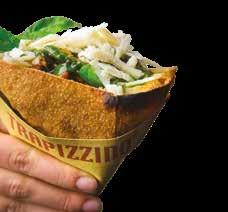
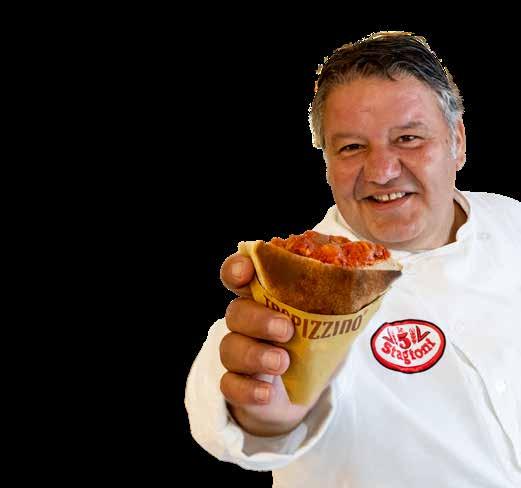
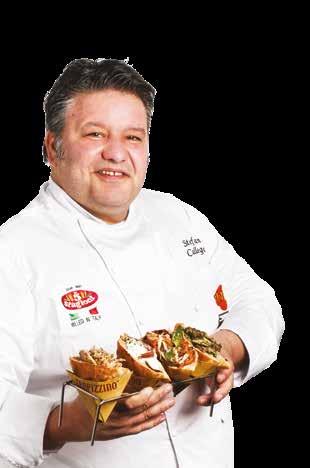
“It was a fluke.” Frankly, it was the last answer one would have expected from Stefano Callegari when asking him how the Trapizzino came about. As if inventing one of the most ingenious culinary creations of the last twenty years were the most natural thing in the world.
Yet, this is how he tells the story: with the ease of someone who simply wanted to open his second pizzeria, given that the first one, where he made a classic round pizza, had been warmly received.
For the new opening, he was thinking of tweaking the formula slightly, opting for a pan-baked base to be topped with the most beloved and well-known recipes of Roman cuisine; served by the slice, so that service would be even faster and people could eat on the go.
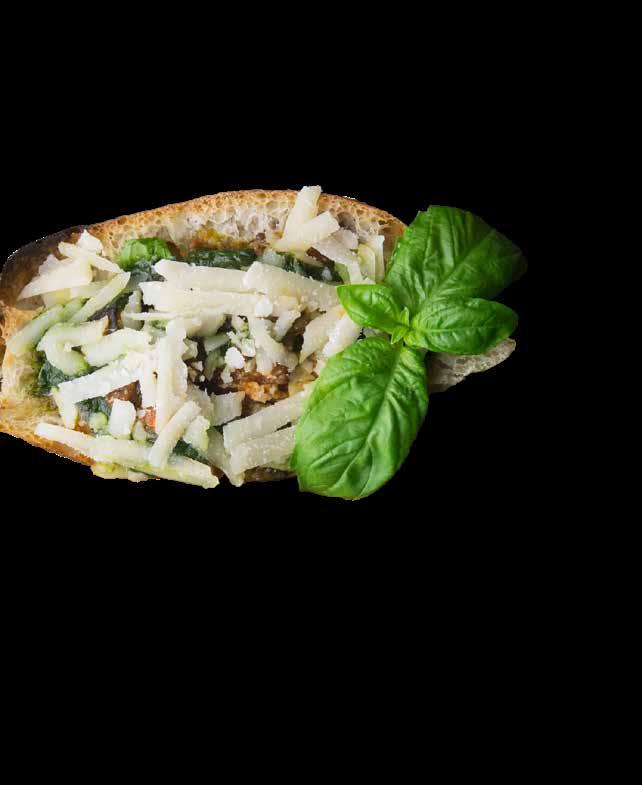
by Anna Marlena Buscemi
“É stato un caso”.
Francamente, era l’ultima risposta che ci si sarebbe aspettati da Stefano Callegari, chiedendogli come sia nato il Trapizzino. Come se inventare una delle trovate gastronomiche più intelligenti degli ultimi vent’anni, fosse la cosa più naturale del mondo.
Eppure, lui la racconta così: con la naturalezza di chi voleva semplicemente aprire la sua seconda pizzeria, visto che la prima, dove faceva una classica pizza tonda, aveva ottenuto calorosi riscontri. Per la nuova apertura, meditava di cambiare un po’ la formula, prediligendo una base in teglia da condire con le più amate e riconosciute ricette della cucina romana; servita al taglio, affinché il servizio diventasse ancora più veloce e si potesse mangiare anche camminando. C’era solo un grande limite nel suo progetto: la scomodità.
Immaginava, infatti, il condimento scappare da tutte le parti, a ogni morso, trasformando quel pasto in un balletto piuttosto coreografico, fatto di mosse fantasiose e tentativi creativi, perché il boccone non perdesse nemmeno un grammo del piacere che era in grado di suscitare.
Il primo passaggio fu, dunque, quello di trasformare il topping, ovvero quello che sta sopra la pizza, in una farcia. Ma si rese conto presto che servivano argini più solidi e accoglienti per contenere tutta l’opulenza dei piatti "de’ Roma".
Provò quindi a creare una tasca in un angolo di focaccia, per poi riempirlo con del pollo alla cacciatora. Funzionò subito, o quasi. L’unico limite era matematico: ogni teglia aveva solo quattro angoli, mentre ne sarebbero
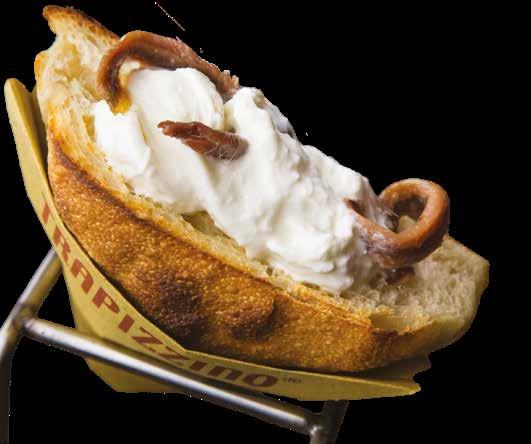
There was just one major drawback to his plan: the mess. He imagined, in fact, the toppings spilling out in all directions with every bite, turning that meal into a rather choreographed dance, made up of imaginative moves and creative attempts, so that the bite would not lose even a gram of the pleasure it was capable of evoking. The first step, therefore, was to transform the topping—that is, what sits on top of the pizza—into a filling. But he soon realised that more solid and welcoming ‘banks’ were needed to contain all the opulence of Rome’s dishes.
He therefore tried creating a pocket in a corner of the focaccia, then filling it with chicken cacciatore. It worked straight away, or almost. The only limitation was mathematical: each baking tray had only four corners, whereas many more would have been needed.
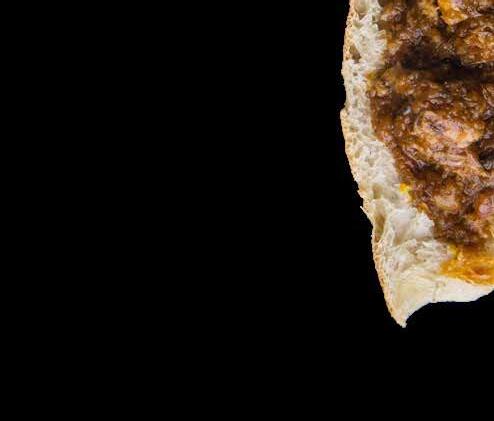
It was then that the decisive insight struck: to create smaller square bases, so that each one, cut diagonally, would become a triangle to be opened, filled and eaten comfortably, even whilst walking if one wished. At that point, the real endurance tests began. Tripe, coda alla vaccinara, meatballs, stews: anything that was succulent, dripping, and potentially unmanageable

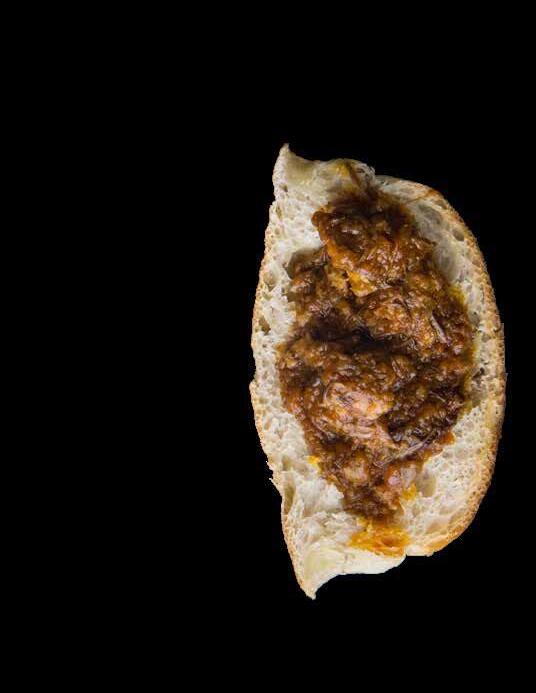
was used as a test. And the Trapizzino, one after another, passed them all with flying colours. Revealing yet another quality: that of being self-mopping, i.e. capable of soaking up every last drop of the sauces with which it was dressed.
Over the years, a series of other thoughtful touches contributed to its success, as decisive as only wellconsidered details can be: the table stand, designed to prevent the filling from spilling; the takeaway packaging, designed to withstand sudden stops, bumps and rough journeys; Roman fried snacks to provide a counterpoint;
Trapizzino also conveys just the right dose of Roman charm, that goodnatured versatility capable of reassuring both the most ‘popular’ and the most refined palates, without neglecting two elements that are neither negligible nor all that common: carefully selected
Fu allora che arrivò l’intuizione decisiva: creare delle basi quadrate più piccole, affinché ciascuna, tagliata diagonalmente, diventasse un triangolo da aprire, farcire e mangiare comodamente, volendo anche camminando. A quel punto, iniziarono le vere prove di resistenza. Trippa, coda alla vaccinara, polpette, spezzatini: tutto ciò che era succulento, colante, potenzialmente ingestibile venne usato come test.
E il Trapizzino, uno dopo l’altro, li superò tutti, gagliardamente.
Rivelando un’ulteriore qualità: quella di essere auto-scarpettante, ovvero in grado di raccogliere tutti, proprio tutti gli umori dei sughi con cui veniva condito. Contribuirono, negli anni, a sancirne il successo una serie di altre accortezze, determinanti come solo i dettagli ben pensati riescono a essere: il supporto da tavolo, studiato per evitare che il
ripieno si rovesciasse; il packaging da asporto, pensato per resistere a frenate, dossi e tragitti impervi; fritti romani a fare da contrappunto; la possibilità di adattare le farciture alle stagioni e ai territori.
Trapizzino trasmette anche la giusta dose di piacioneria romana, quella bonaria trasversalità capace di rassicurare tanto i palati più “pop” quanto quelli più raffinati, senza trascurare due elementi non trascurabili né così frequenti: le materie prime selezionate con cura e trasformate con una tecnica attenta e identitaria, tale da non risultare mai fredda o impersonale; e, infine, un invidiabile rapporto qualità/prezzo che lo rende non solo accessibile a un
ingredients, prepared with a meticulous and distinctive technique that never feels cold or impersonal; and, finally, an enviable value for money that makes it not only accessible to a wide audience but also the best possible alternative to much of the street food on the market.
Even the name, so precise as to seem inevitable, was, according to Callegari, born by chance. Now all that remains is to decide who deserves the credit for this invention: whether it is truly down to the intelligence of Chance, which found the right idea to entrust to the right man (at the right time and in the right place), or to the determination of a pizza chef who managed to transform the solution to an awkward problem into a new concept in catering.
Take note of such instances, where the most ingenious discoveries are precisely those which, once made, seem so simple as to appear almost obvious. In reality, they almost always arise in the same way: when someone, noticing a problem, instead of simply accepting it, decides to find a way to solve it.
pubblico vasto ma anche la migliore risposta possibile a buona parte degli streetfood sul mercato. Persino il nome, così preciso da sembrare inevitabile, secondo Callegari sarebbe nato per caso. Ora non ci resta che decidere a chi dare il merito di questa invenzione: se davvero all’intelligenza del Caso, che ha trovato l’idea giusta da affidare all’uomo giusto (al momento giusto e nel posto giusto), oppure alla volontà di un pizzaiolo di aver saputo trasformare la soluzione a un problema scomodo in un’idea nuova di ristorazione.
Fate caso ai casi, in cui le scoperte più geniali sono proprio quelle che, una volta avvenute, ci appaiono così semplici da sembrare quasi scontate.
In realtà, nascono quasi sempre nello stesso modo: quando qualcuno, notando un problema, invece di limitarsi ad accettarlo, decide di trovare un modo per risolverlo.
Galeotto fu(d) vuol essere una piccola opera corale, dove il cibo non è solo ciò che cuciniamo, ma ciò che ci capita mentre lo cuciniamo. È sorprendente quante storie inizino da un ingrediente sbagliato o da un impasto che sfugge alle regole della scienza, davanti ai fornelli o intorno a una tavola: a volte bastano pochi grammi o attimi per cambiare (o complicare) il finale di una storia o della Storia.
Ogni mese ne sceglieremo una, in linea con il tema del mese. Se pensi che la tua meriti di uscire dalla cucina ed entrare su questa rubrica, puoi scriverla a amarlena.buscemi@gmail.com
ENG Galeotto fu(d) aims to be a small choral work, where food is not only what we cook, but what happens to us while we cook it. It is surprising how many stories begin with the wrong ingredient or a dough that defies the rules of science, in front of the stove or around a table: sometimes a few grams or moments are enough to change (or complicate) the ending of a story or of History.
Each month we will choose one, in line with the theme of the month. If you think yours deserves to leave the kitchen and enter this column, you can write it to amarlena.buscemi@gmail.com
by Giampiero Rorato
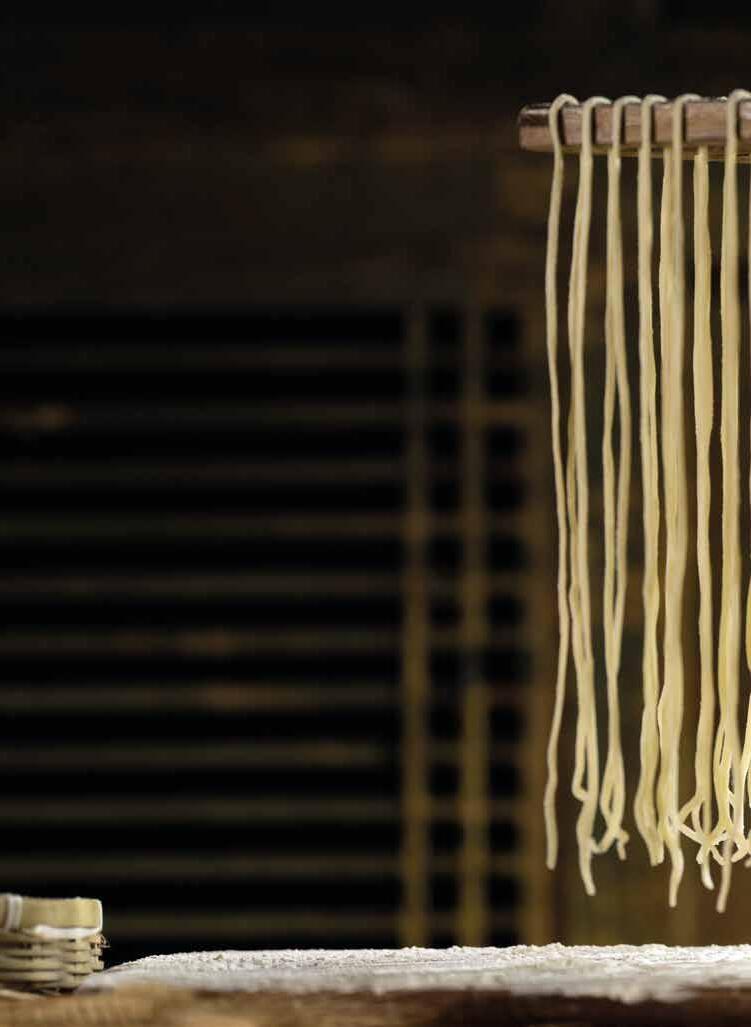
Gli spaghetti non nascono in fabbrica. O almeno, non solo. Dietro uno dei simboli più riconoscibili della cucina italiana non c’è semplicemente una trafila industriale ma una storia lunga secoli, fatta di viaggi, scambi culturali e saperi tramandati. Per cominciare, conviene sgombrare il campo da una delle leggende più diffuse: quella secondo cui
Spaghetti isn’t made in a factory. Or at least, not only there. Behind one of the most recognisable symbols of Italian cuisine lies not simply an industrial production line but a history spanning centuries, made up of journeys, cultural exchanges and knowledge passed down through the generations.
To begin with, it is worth dispelling one of the most widespread myths: the one claiming that Marco Polo brought pasta from China to Venice in 1295. It is a fascinating story but does not stand up to scrutiny. Pasta, in various forms, was already known in the Mediterranean long before his travels.
The Greeks were making it over two and a half thousand years ago and passed on the practice to the Romans. However, this was fresh pasta: dough prepared and consumed within a short time. Among the most popular dishes in ancient Rome were, for example, dishes similar to lasagne, often fried and served with chickpeas.
sarebbe stato Marco Polo a portare la pasta dalla Cina a Venezia nel 1295. È una storia affascinante ma non regge alla prova dei fatti. La pasta, in forme diverse, era già conosciuta nel Mediterraneo, ben prima dei suoi viaggi.
I Greci la preparavano oltre duemilacinquecento anni fa e ne trasmisero l’uso ai Romani. Tuttavia, si trattava di pasta fresca: impasti lavorati e consumati in tempi brevi. Tra i piatti più diffusi nell’antica Roma c’erano, ad esempio, preparazioni simili a lasagne, spesso fritte e accompagnate da ceci.
vera
A svilupparla furono i popoli nomadi del Nord Africa, che avevano bisogno di alimenti facilmente trasportabili e conservabili durante gli spostamenti. Essiccare la pasta significava poterla portare con sé e consumarla all’occorrenza. Furono poi gli Arabi, a partire dal VII secolo, a diffondere questa tecnica in Sicilia, da dove si irradiò progressivamente nel resto del Sud Italia. Nel Nord, i primi documenti che attestano l’uso della pasta secca rimandano a Genova. Ma, per molto tempo, in tutta la Penisola, prevalse la tradizione della pasta fresca, legata alle abitudini domestiche. Ancora oggi, molte delle eccellenze italiane – dalle tagliatelle ai tortellini, dai ravioli alle orecchiette, fino a trofie, pici e scialatielli –nascono da questa tradizione artigianale.
The real turning point came with dried pasta. It was developed by the nomadic peoples of North Africa, who needed food that was easy to transport and preserve whilst on the move. Drying the pasta meant they could take it with them and eat it when needed. It was then the Arabs, from the 7th century onwards, who spread this technique to Sicily, from where it gradually spread to the rest of southern Italy.
In the North, the earliest records attesting to the use of dried pasta point to Genoa. However, for a long time, the tradition of fresh pasta, linked to domestic customs, prevailed throughout the peninsula. Even today, many of Italy’s culinary masterpieces – from tagliatelle to tortellini, from ravioli to orecchiette, right through to trofie, pici and scialatielli – stem from this artisanal tradition.
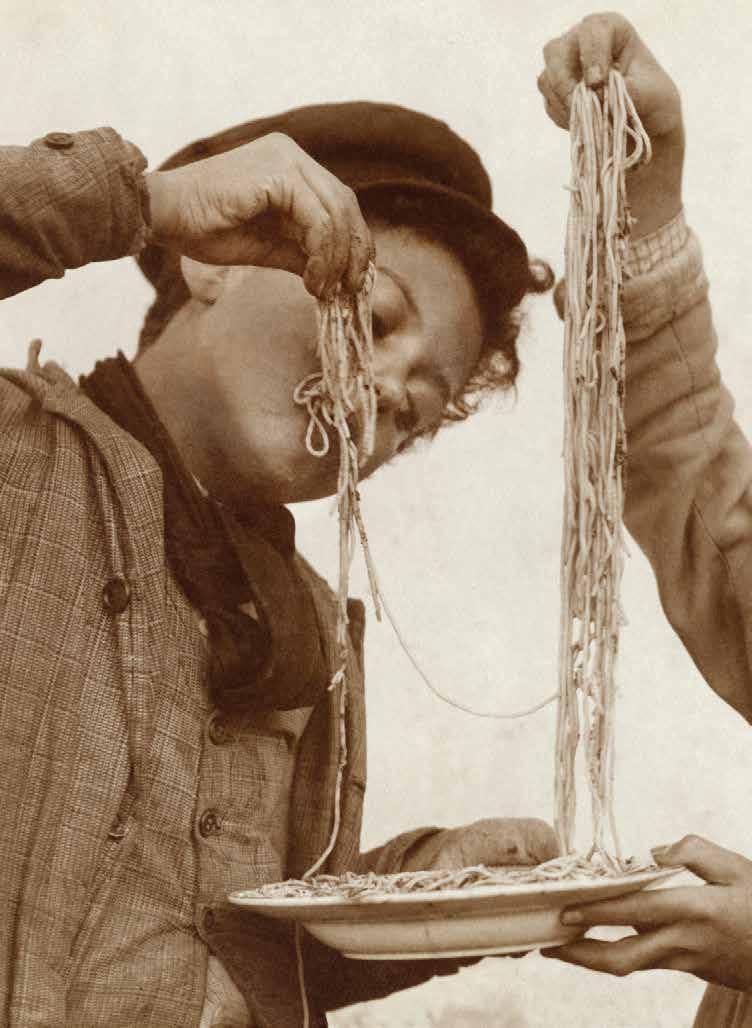
Quando si parla di spaghetti, dunque, si parla anche di agricoltura. Prima ancora dei pastifici, c’è il grano. La qualità della pasta dipende dalla scelta delle varietà, dai terreni, dai tempi di coltivazione e raccolta. In questo percorso, si inserisce il lavoro di Nazzareno Strampelli, che nei primi decenni del Novecento sviluppò varietà di grano duro fondamentali, tra cui il celebre Senatore Cappelli, ancora oggi punto di riferimento per la produzione di pasta di qualità. Dal campo si passa poi alla molitura, il processo di frantumazione e macinazione di cereali o olive per ottenere rispettivamente farine o olio: può avvenire a pietra o a rulli.
Ma c’è un altro elemento, meno visibile e spesso sottovalutato: il sapere domestico. Per secoli, sono state le donne di casa a perfezionare impasti, tecniche e formati, costruendo una cultura della pasta che è insieme pratica e identitaria. I pastifici moderni, in questo senso, non rappresentano l’origine ma una tappa: hanno raccolto e sistematizzato un patrimonio antico, rendendolo compatibile con una produzione su larga scala. Hanno portato gli spaghetti sulle tavole di tutto il mondo ma non li hanno inventati.
From field to table
So, when we talk about spaghetti, we are also talking about agriculture. Even before the pasta factories, there is the wheat. The quality of the pasta depends on the choice of varieties, the soil, and the timing of cultivation and harvest. This is where the work of Nazzareno Strampelli comes in. In the early decades of the 20th century, he developed key varieties of durum wheat, including the famous Senatore Cappelli, which remains a benchmark for quality pasta production to this day. From the field, we then move on to milling, the process of crushing and grinding cereals or olives to obtain flour or oil respectively: this can be done using stone or roller mills.
But there is another element, less visible and often underestimated: domestic knowledge. For centuries, it was the women of the household who perfected doughs, techniques and shapes, building a culture of pasta that is both practical and a marker of identity. In this sense, modern pasta factories do not represent the origin but a stage in the process: they have gathered and systematised an ancient heritage, making it compatible with largescale production. They have brought spaghetti to tables all over the world, but they did not invent it.
To say that spaghetti is not born in a factory, therefore, is not a provocation. It is a way of reminding us that, behind a seemingly simple dish, lies a complex supply chain: made up of land, history, technique and culture. And, perhaps, it is precisely this intertwining that makes it, even today, so universal.
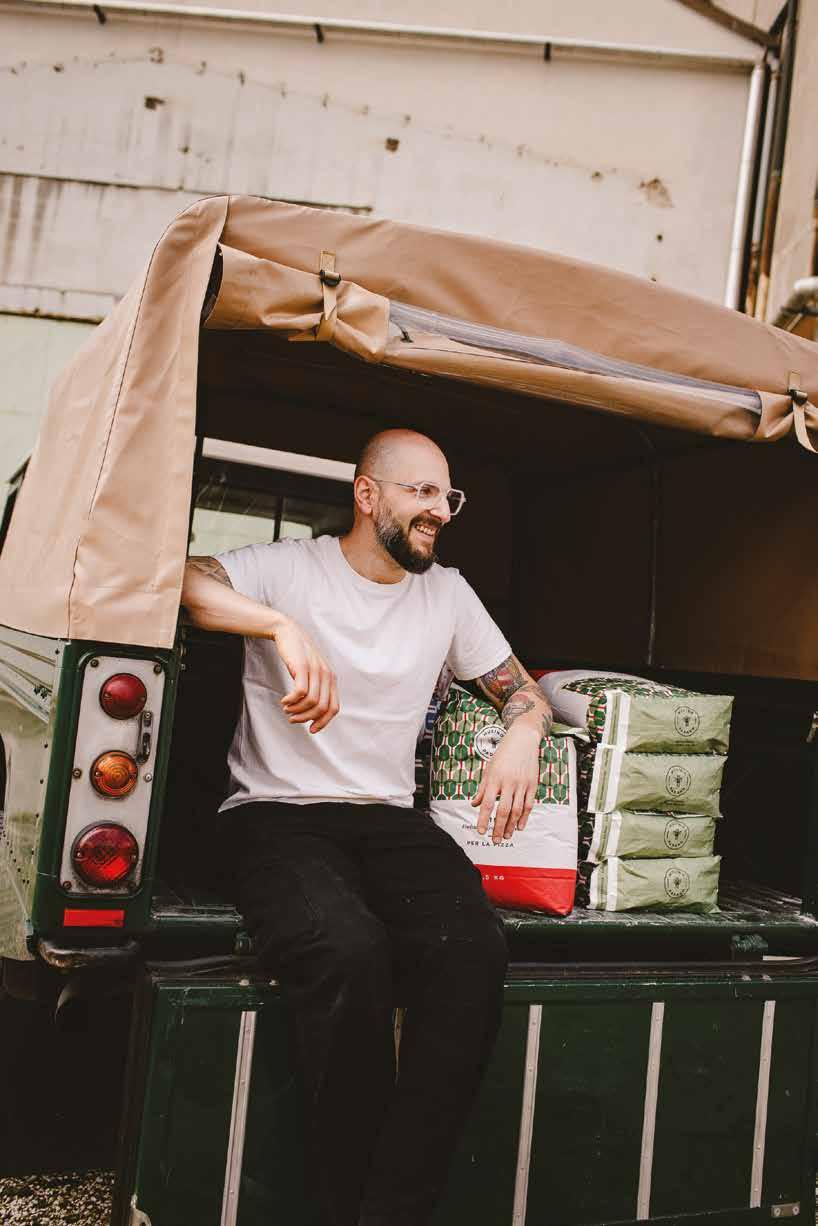
Farine Mulino Padano per la Pizza, create pensando a te.
Sì. In ogni sacco ci mettiamo anche i tuoi sogni, i tuoi progetti e la tua passione, per aiutarti a creare una pizza che raggiunga l’eccellenza. Perché ogni impasto racconta la tua storia.
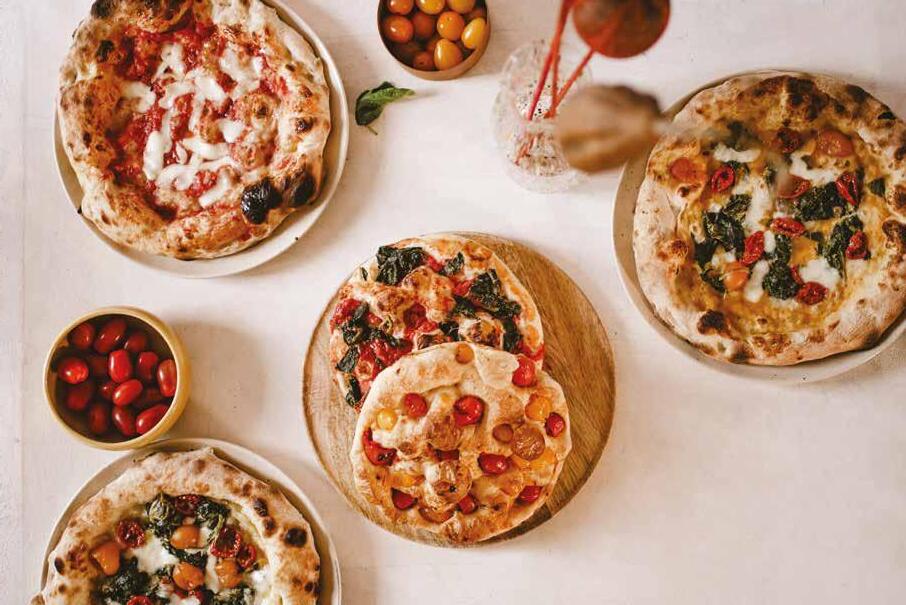
Speciale Campionato Mondiale della Pizza 2026
/2026 World Pizza Championship Special

by Annatina Franzese
“DOPPIO”
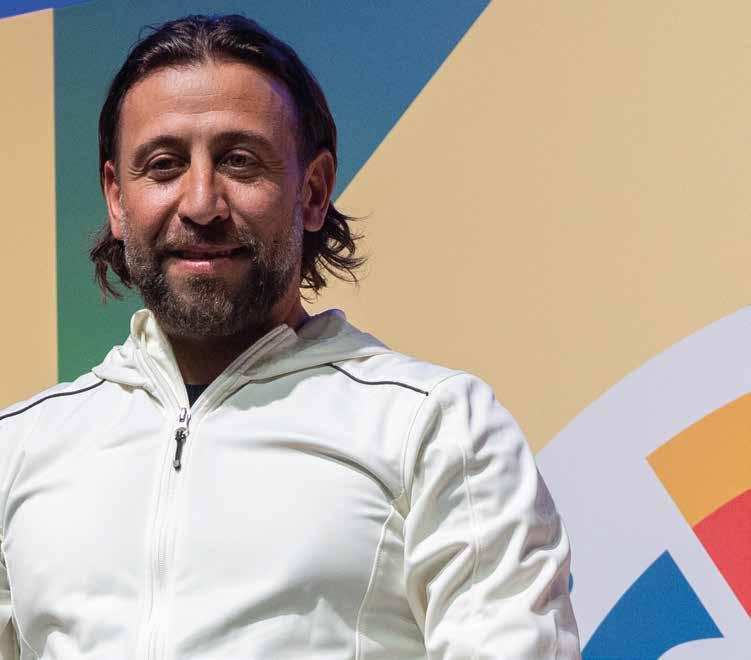
Bicchierai,
ENG Ludovic Bicchierai’s story is a journey made of flour, passion and pinpoint precision. Having begun almost as a challenge on a food truck in 2002, his career today represents the perfect bridge between French elegance and the rigour of Neapolitan tradition. Following his historic success in 2016, his triumph at the 2026 World Championship in Parma cemented his status once and for all: he is the “Master of two worlds”, capable of mastering both the technique of Neapolitan STG pizza and that of pan-baked pizza. We met him to discover the secret behind the perfect dough and retrace the stages of a historic achievement.
La storia di Ludovic Bicchierai è un viaggio fatto di farina, passione e precisione millimetrica. Iniziata quasi per sfida su un food truck nel 2002, la sua carriera rappresenta oggi il ponte perfetto tra l'eleganza francese e il rigore della tradizione partenopea. Dopo lo storico successo del 2016, il trionfo al Campionato Mondiale 2026 di Parma lo consacra definitivamente: è lui il "Maestro dei due mondi", capace di dominare sia la tecnica della pizza napoletana STG che quella in teglia.
Lo abbiamo incontrato per scoprire il segreto dietro l'impasto perfetto e ripercorrere le tappe di un’impresa storica.
Speciale Campionato
Mondiale della Pizza 2026
/2026 World Pizza Championship Special
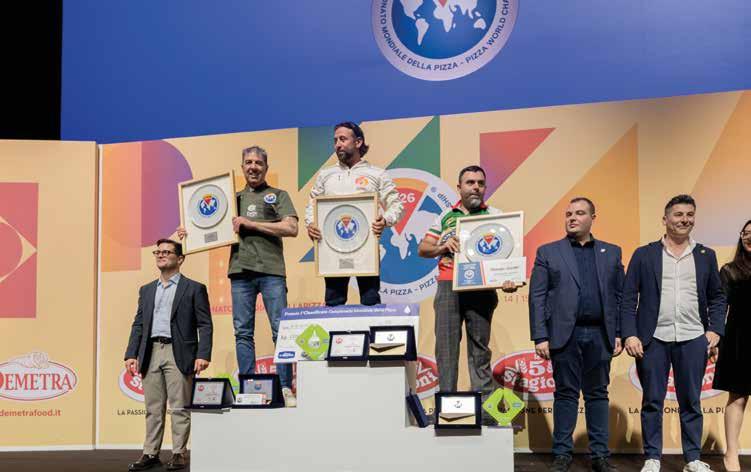
Sinceramente, è stato un mix fortissimo di emozioni. Ho provato un orgoglio immenso, ma anche un profondo sollievo dopo tutto il lavoro fatto dal 2016, l'anno della mia prima vittoria nella categoria Pizza classica.
Sul momento, facevo quasi fatica a rendermene conto. L'emozione è esplosa all'improvviso quando ho sentito il mio nome per la categoria STG ma non ho avuto nemmeno il tempo di realizzare il primo successo che è arrivata una seconda scarica di adrenalina, ancora più forte: il primo posto nella categoria Pizza in teglia. Sono stati momenti intensi, susseguitisi senza sosta: in pochi minuti ero diventato “doppio Campione del mondo”. Era la sera del 16 aprile, alla Fiera di Parma, in una sala gremita di centinaia di persone provenienti da ogni angolo del globo. Per me questo campionato resta il riferimento mondiale: è un'istituzione che riunisce il meglio del settore con un livello di esigenza altissimo.
How did you feel at the moment of your double victory in Parma?
Honestly, it was a powerful mix of emotions. I felt immense pride, but also a deep sense of relief after all the work done since 2016, the year of my first victory in the Classic Pizza category. At the time, I could hardly believe it. The emotion hit me all of a sudden when I heard my name called for the STG category, but I didn’t even have time to take in that first success before a second, even stronger rush of adrenaline hit me: first place in the pan-baked pizza category. They were intense moments, following one after another without pause: in a matter of minutes, I had become a ‘double World Champion’. It was the evening of 16 April, at the Parma Fair, in a hall packed with hundreds of people from every corner of the globe.
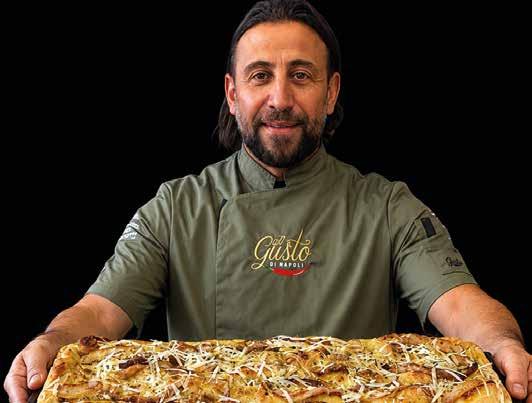
For me, this championship remains the global benchmark: it is an institution that brings together the best in the industry with the highest standards.
Was becoming a pizza chef your childhood dream?
Not at all, initially. Like many young people, I had other ideas for my future. However, when I discovered this trade at a very young age, in 2002, it was love at first sight, so much so that by the age of just 21 I had already set up my first business.
There is, however, a deep connection to my roots: my grandparents were of Italian origin and my grandmother would often make pan-baked pizza for us on family Sundays. It’s a world that allows me to be creative. Today, I couldn’t imagine doing anything else.
What are your plans for the future? I never stop. I’d like to keep moving forward and – why not – compete in other categories in the future. I certainly want to develop my business, perhaps by opening a new restaurant or focusing more on STG pizza. But my priority remains the same: to keep passing on what I’ve learnt over the years.
DIVENTARE PIZZAIOLO ERA IL TUO SOGNO D'INFANZIA?
All'inizio per niente. Come molti ragazzi, avevo altre idee per il mio futuro. Tuttavia, quando ho scoperto questo mestiere giovanissimo, nel 2002, ho avuto un vero colpo di fulmine, tanto che a soli 21 anni avevo già creato la mia prima impresa.
C’è, però, un legame profondo con le mie radici: i miei nonni erano di origine italiana e mia nonna ci preparava spesso la pizza in teglia durante le domeniche in famiglia. È un universo che mi permette di essere creativo. Oggi, non riuscirei a vedermi a fare nient'altro.
QUALI SONO I TUOI PROGETTI PER IL FUTURO?
Non mi fermo mai. Vorrei continuare a progredire e - perché no - partecipare ad altre categorie in futuro. Certamente voglio sviluppare la mia attività, magari aprendo un nuovo locale o focalizzandomi maggiormente sulla pizza STG. Ma la mia priorità resta una: continuare a trasmettere ciò che ho imparato in questi anni.
Speciale Campionato
Mondiale della Pizza 2026
/2026 World Pizza Championship Special
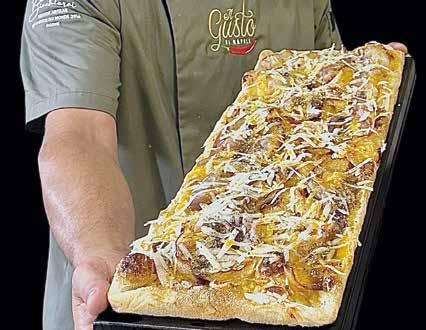
On that note, tell us about your training centre.
I firmly believe in passing on knowledge. I myself have progressed thanks to dialogue and continuous study. In 2017, I founded the “CFNP Centre de Formation National de la Pizza” in the southern French region of : a 250 m² facility where we train around 100 students a year. It’s a project that’s very close to my heart. The school is equipped with stateof-the-art facilities to share my expertise with both professionals and trainees. We start with the basics and work our way up to advanced techniques: classic pizza, authentic Neapolitan pizza, pan-baked pizza, peel-baked pizza and focaccia. My aim is to train well-rounded professionals, but above all to pass on a deep-seated love for this craft.
Credo fermamente nella trasmissione del sapere. Io stesso sono progredito grazie al confronto e allo studio continuo. Nel 2017, ho fondato il “CFNP Centre de Formation National de la Pizza” nel sud della Francia: una struttura di 250 m² dove formiamo circa 100 allievi l'anno.
È un progetto che mi sta davvero a cuore.
La scuola è dotata di attrezzature all'avanguardia per condividere il mio know-how sia con professionisti che con persone in fase di formazione. Partiamo dalle basi per arrivare alle tecniche avanzate: pizza classica, vera pizza napoletana, teglia, pala e focaccia. Il mio obiettivo è formare professionisti completi, ma soprattutto trasmettere l'amore viscerale per questo mestiere.
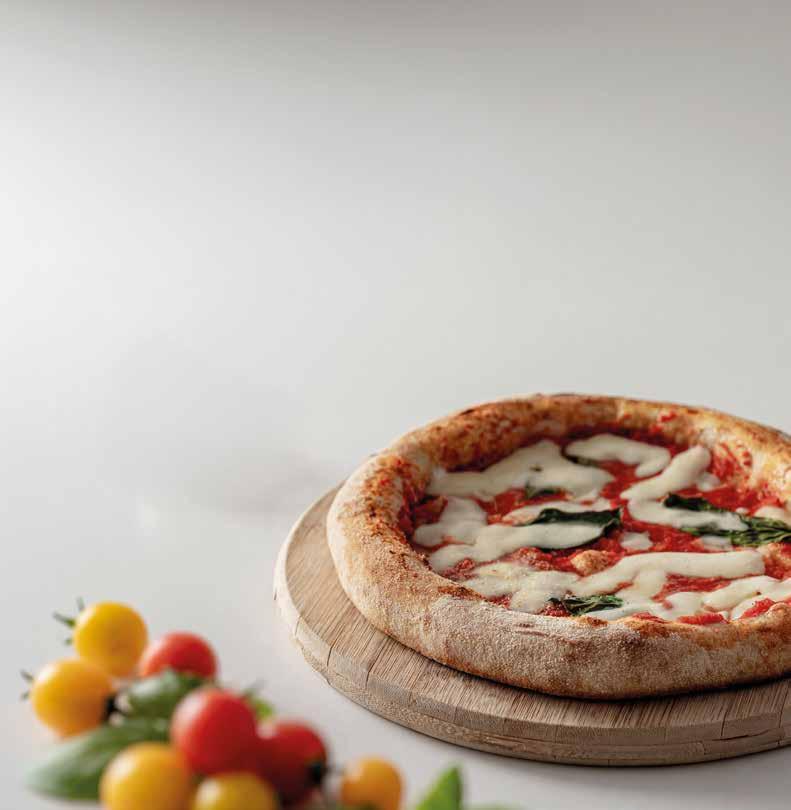
iL segreto per una pizza morbida e gustosa più a Lungo, firmato moLino merano. perfetta anche per iL deLivery.
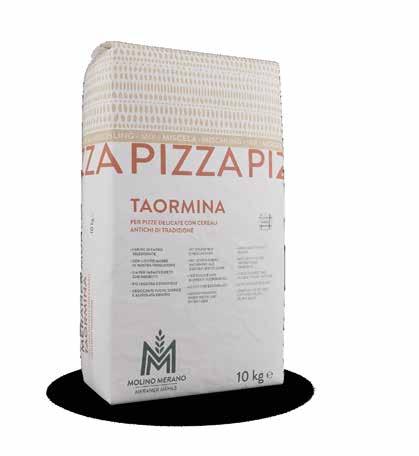
L a misceL a 100% farro firmata moLino merano.
TAORMINA è l’alleato ideale per ogni tipologia di impasto, dalle pizze classiche al padellino fino alla pala. La miscela di farro e farro integrale, arricchita con lievito madre, garantisce estensibilità e lavorabilità ottimali, per risultati versatili e performanti.
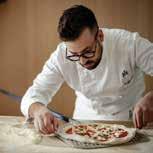
“TAORMINA: UNA FARINA RETRÓ, PROGETTATA PER IL PIZZAIOLO DEL FUTURO.”
1. Qual è la richiesta più strana che hai ricevuto nei giorni del Campionato?
Il fatto che il campionato accolga concorrenti provenienti da ogni parte del mondo ci impone di partecipare con la mente aperta, per cui nessuna richiesta ci sembra strana. C’è ancora tanta curiosità sul forno a tunnel Synthesis che, anche se non si utilizza nelle gare, è sempre esposto nel nostro stand e quest’anno era anche il premio per il vincitore della Pizza Classica.
2. Quale ricordo ti è rimasto impresso di questa edizione?
Sicuramente faticheremo a dimenticare il momento delle premiazioni. Abbiamo conferito il premio Fair Play che va a chi si è distinto per lealtà sportiva e correttezza agonistica. Abbiamo poi premiato il vincitore della Pizza Classica, podio caratterizzato dalla vittoria di tre giovani di talento.
3. La tua azienda e il futuro della pizza: quali progetti per domani?
Il futuro della pizza è oggi. I professionisti sono sempre più formati e ricercano macchinari che gli permettano di soddisfare un pubblico molto esigente. Per questo il 2026 sarà dedicato sia a nuovi progetti che vedranno la luce a Sigep 2027, sia al miglioramento dei prodotti già in produzione.
1. What was the strangest request you received during the Championship?
The fact that the championship welcomes competitors from all over the world means we have to approach it with an open mind, so no request seems strange to us. There is still a lot of curiosity about the Synthesis tunnel oven which, even though it isn’t used in the competitions, is always on display at our stand and this year was also the prize for the winner of the Pizza Classica.
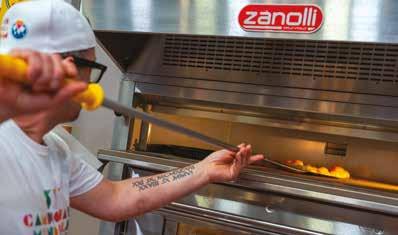
2. What memory stands out for you from this edition?
We’ll certainly find it hard to forget the awards ceremony. We presented the Fair Play award, which goes to those who have distinguished themselves for sporting loyalty and competitive integrity. We then awarded the winner of the Pizza Classica, a podium marked by the victory of three talented young people.
3. Your company and the future of pizza: what plans do you have for tomorrow?
The future of pizza is today. Professionals are increasingly well-trained and are looking for equipment that allows them to satisfy a very demanding clientele. For this reason, 2026 will be dedicated both to new projects set to be unveiled at Sigep 2027 and to improving products already in production.
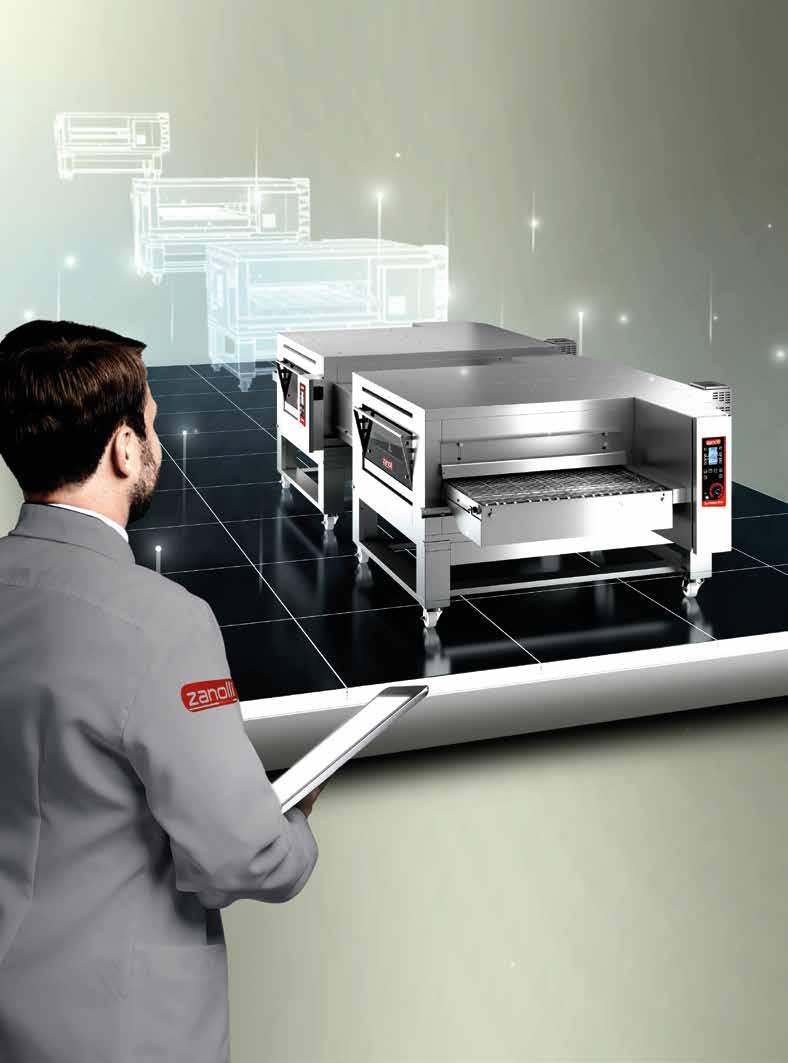
1. Il ricordo più impresso
L’immagine che resta più impressa è il fermento creativo dei concorrenti. Vedere pizzaioli arrivare da diversi continenti con ingredienti locali rari, pronti a sfidarsi e a confrontarsi mettendo in gioco le proprie esperienze
2. La richiesta più insolita
Tra le tante curiosità, la più bizzarra è stata quella di un concorrente che cercava disperatamente un posto “sicuro” dove poter conservare dell’acqua distillata di rose da nebulizzare sul cornicione della sua pizza a fine cottura.
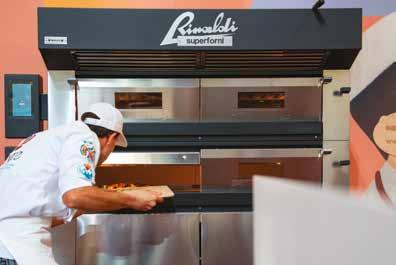
1. The most memorable moment
The image that stands out most is the creative buzz among the competitors. Seeing pizza chefs arrive from different continents with rare local ingredients, ready to compete and measure themselves against one another by putting their experience to the test
2. The most unusual request
Among the many curiosities, the most bizarre was that of a competitor who was desperately looking for a ‘safe’ place to store
some distilled rose water to spray onto the crust of his pizza once it was cooked.
3. The future and new projects
Innovation and sustainability
As energy costs rise, so does the importance of ovens equipped with advanced thermal insulation and software for monitoring energy consumption. Intuitive dashboards that allow even less experienced staff to manage complex baking processes. The aim is to reduce stress in the
3. Il futuro e i nuovi progetti Innovazione e sostenibilità
Con l’aumento dei costi energetici, cresce l’importanza di forni dotati di isolamento termico avanzato e software per il controllo dei consumi. Dashboard intuitive che permettano anche al personale meno esperto di gestire cotture complesse. L’obiettivo è ridurre lo stress in cucina e ottimizzare i consumi energetici. Il nostro impegno per il futuro è chiaro: meno tempo dedicato alla gestione tecnica del calore e più tempo per la creatività e l’eccellenza dell’impasto.
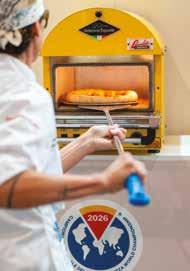
kitchen and optimise energy consumption. Our commitment to the future is clear: less time spent on the technical management of heat and more time for creativity and the excellence of the dough.
1. Quale ricordo ti è rimasto impresso di questa edizione?
Questa edizione ci ha colpito per la forte presenza di ospiti e professionisti internazionali. Dopo 40 anni di attività, vedere il nostro brand apprezzato all’estero è motivo di grande orgoglio: la conferma che qualità, affidabilità e performance dei nostri prodotti vengono riconosciute dai pizzaioli di tutto il mondo.
2. Qual è la richiesta più strana che hai ricevuto nei giorni del Campionato?
Le richieste particolari non sono mancate. La più curiosa?
La proposta di realizzare una nuova versione della nostra Arena Design con una grafica fuori dagli schemi, creativa e originale. Un’idea che ci ha colpiti così tanto da spingerci a valutarla concretamente: potrebbe nascere qualcosa di davvero unico.
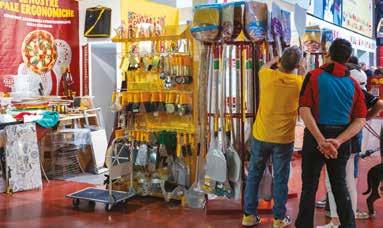
1. What memory stands out most for you from this year’s event?
This year’s event impressed us with its strong turnout of international guests and professionals. After 40 years in business, seeing our brand appreciated abroad is a source of great pride: it confirms that the quality, reliability and performance of our products are recognised by pizza chefs all over the world.
2. What was the strangest request you received during the Championship?
There was no shortage of unusual requests. The most curious? A proposal to create a new version of our Arena Design with unconventional, creative and original graphics. An idea that impressed us so much that we’re seriously considering it: it could lead to something truly unique.
3. La tua azienda e il futuro della pizza: quali progetti per domani?
Per il futuro vogliamo continuare a investire nella qualità assoluta, senza compromessi su materiali e prestazioni. Durante il Campionato abbiamo lanciato il Lilly Club, uno spazio dedicato agli appassionati del settore con vantaggi esclusivi e nuove opportunità di connessione. Crescere insieme ai professionisti della pizza resta il nostro obiettivo principale oggi.
3. Your company and the future of pizza: what are your plans for tomorrow?
Looking ahead, we want to continue investing in absolute quality, without compromising on materials or performance. During the Championship, we launched the Lilly Club, a space dedicated to industry enthusiasts offering exclusive benefits and new networking opportunities. Growing alongside pizza professionals remains our primary goal today.
1 Quale ricordo ti è rimasto impresso di questa edizione?
Tornare al Campionato Mondiale della Pizza di Parma è stato emozionante. Abbiamo percepito grande interesse per i nostri forni e per il progetto Cuorelettrico, oltre a tanti complimenti sulla qualità e uniformità di cottura.
2 Qual è la richiesta più strana che hai ricevuto nei giorni del Campionato?
Alcune personalizzazioni del forno molto creative, quasi scenografiche: la fantasia dei pizzaioli non si ferma mai all’impasto.
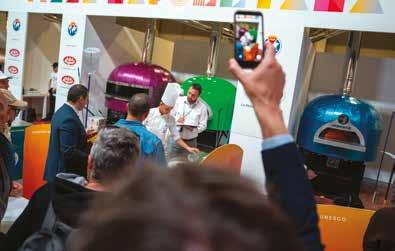
1. What memory stands out most for you from this year’s event?
Returning to the World Pizza Championship in Parma was exciting. We sensed a great deal of interest in our ovens and the Cuorelettrico project, as well as receiving many compliments on the quality and consistency of the cooking.
2. What was the strangest request you received during the Championship?
Some very creative, almost theatrical oven customisations: the imagination of pizza chefs never stops at the dough.
3 La tua azienda e il futuro della pizza: quali progetti per domani?
La sfida più importante è il lancio dei forni elettrici. Per Marana Forni è un territorio nuovo, ma il nostro know-how ci permette di affrontarlo con solidità e visione. Vogliamo sviluppare forni elettrici capaci di mantenere gli standard Marana: affidabilità, prestazioni elevate, qualità di cottura e supporto costante al pizzaiolo. L’obiettivo è portare anche nell’elettrico la nostra identità, unendo innovazione e tradizione.
3. Your company and the future of pizza: what are your plans for tomorrow?
The most important challenge is the launch of electric ovens. For Marana Forni, this is new territory, but our know-how allows us to tackle it with solidity and vision. We want to develop electric ovens capable of maintaining Marana standards: reliability, high performance, cooking quality and constant support for the pizza chef. The aim is to bring our identity to the electric sector too, combining innovation and tradition.
Pizzeria “La Bolla”, Caserta, di Simone De Gregorio
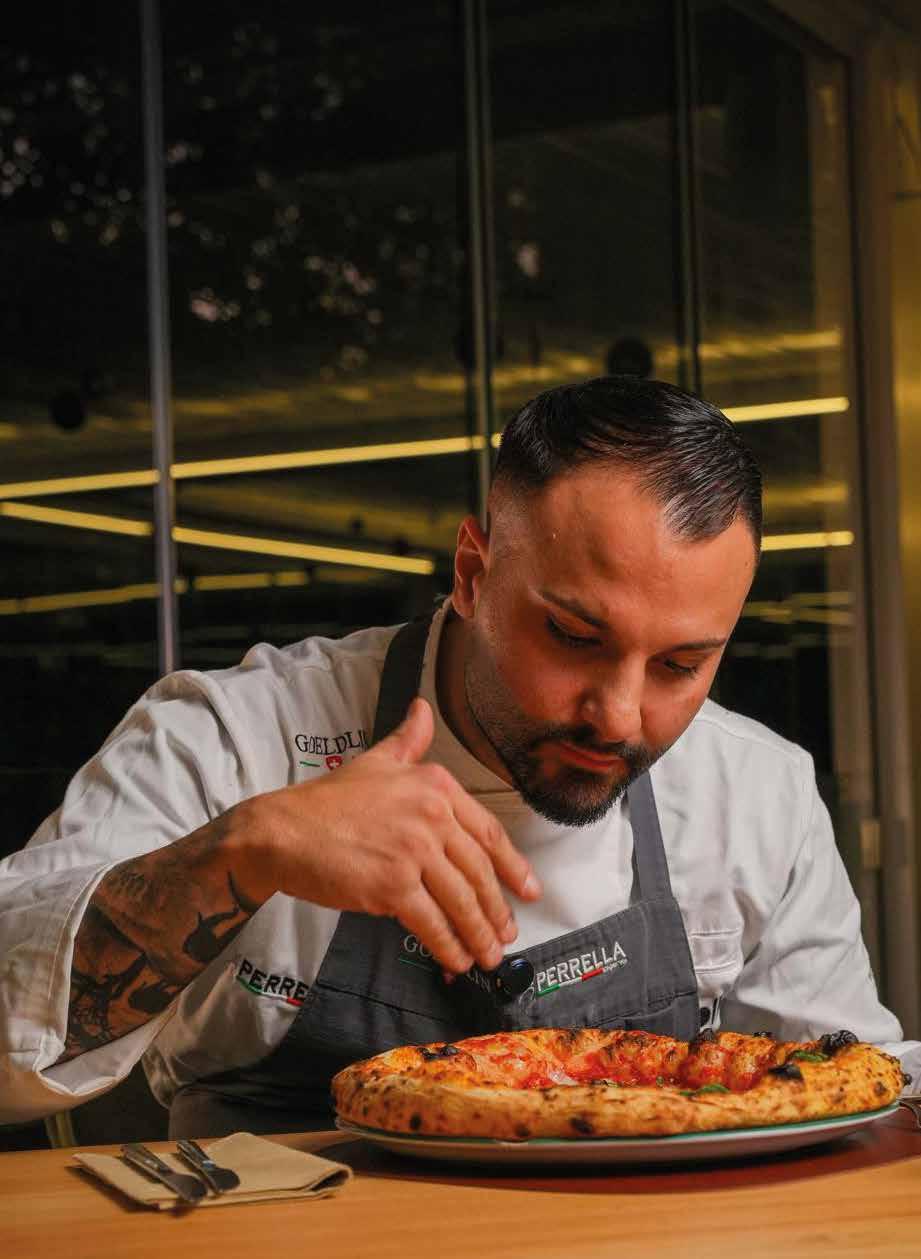
Un biglietto strappato per Los Angeles, la scelta di restare in Campania per amore, solo per amore. Una porta che si chiude, un portone che si apre.
Sembra una favola e, invece, è storia vera: quella di Simone De Gregorio.
by Noemi Caracciolo
Simone’s “bubble” Simone De Gregorio, Caserta
A torn ticket to Los Angeles, the choice to stay in Campania for love, just for love. A door that closes, a gateway that opens. It sounds like a fairy tale, yet it is a true story: that of Simone De Gregorio.
From the kitchen to the pizza, via the dining room, sandwiches and gruelling shifts. Simone tells us of a journey built step by step, which began in Giugliano in Campania and has now arrived in Caserta, where he oversees the pizza menu at “La Bolla”, an accommodation facility with a restaurant and pizzeria. A job built on technique, research and memory, in which every pizza – from the sweet ones, their hallmark, to the savoury ones – stems from a precise memory, a dish experienced or a flavour transformed into dough. When did you realise that pizza would be your path?
At 16, when I walked into a local takeaway pizzeria. Up until then, I’d worked in the dining room, making sandwiches and in catering, but when I walked in there, they immediately handed me a bucket and a mop, and I truly understood what it meant to start from scratch. Then, I started working my way around Naples, especially the Tribunali area, where I learnt speed and how to handle large volumes. That training has stayed with me to this day. Even as a lad, I already had very clear ideas.
Dalla cucina alla pizza, passando per sala, panini e turni massacranti. Simone ci racconta un percorso costruito passo dopo passo, iniziato a Giugliano in Campania e arrivato ora a Caserta, dove guida la proposta pizza de “La Bolla”, struttura ricettiva con ristorante e pizzeria. Un lavoro fatto di tecnica, ricerca e memoria, in cui ogni pizza – dalle dolci, loro segno distintivo, alle salate – nasce da un ricordo preciso, da un piatto vissuto o da un gusto trasformato in impasto.
QUANDO HAI CAPITO CHE LA PIZZA SAREBBE STATA LA TUA STRADA?
A 16 anni, entrando in una pizzeria di quartiere da asporto. Fino a quel momento, avevo fatto sala, panini e ristorazione ma, quando entrai lì, mi diedero
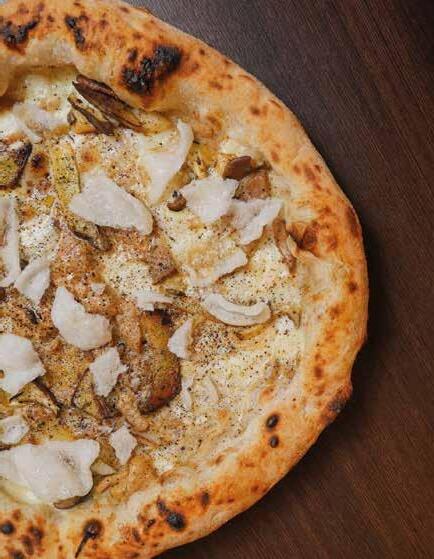
Pizzeria “La Bolla”, Caserta, di Simone De Gregorio
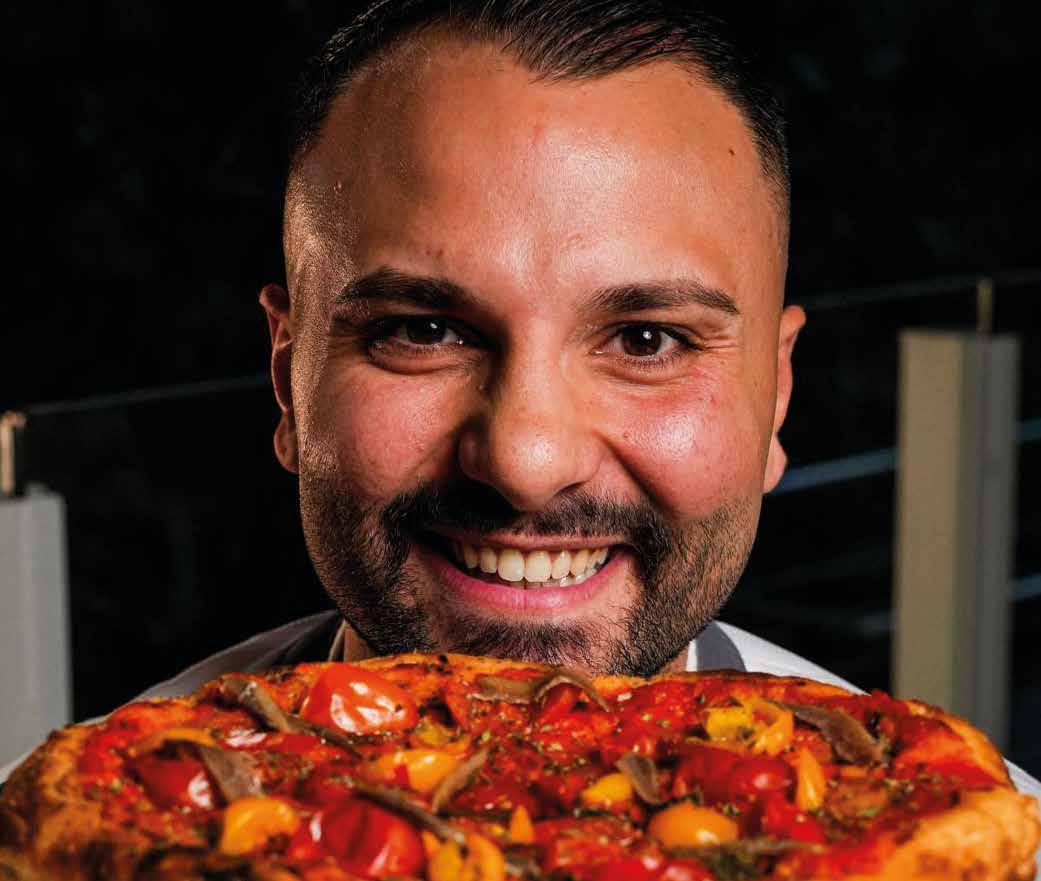
subito secchio e straccio in mano e capii davvero cosa significasse partire da zero. Poi, iniziai a girare Napoli, soprattutto la zona dei Tribunali, dove imparai la velocità e la gestione dei grandi numeri. Quella scuola mi è rimasta addosso ancora oggi. Da ragazzino avevo già le idee chiarissime. Volli fortemente frequentare l’istituto alberghiero “Don Bosco” di Frattamaggiore e mio padre fece enormi sacrifici per permettermi di frequentarlo. Mi qualificai e iniziai subito a fare stage fuori regione. Avevo anche un biglietto per Los Angeles mandatomi da mia zia che vive lì ma lo strappai quando conobbi quella che oggi è mia moglie. Decisi che sarei rimasto qui, costruendomi il mio percorso.
I was determined to attend the ‘Don Bosco’ catering college in Frattamaggiore, and my father made enormous sacrifices to allow me to go there. I qualified and immediately started doing work placements outside the region. I even had a ticket to Los Angeles sent to me by my aunt who lives there, but I tore it up when I met the woman who is now my wife. I decided I would stay here and forge my own path. How did “La Bolla” in Caserta come about?
In 2020, just after the toughest period of the Covid pandemic, Pasquale, who is the manager of the venue, contacted me on Instagram. He told me about this project and from there we built everything together. I even designed the pizzeria myself: the L-shape was created to better organise the workflow and allow us to handle large numbers of customers efficiently.
You’re also very creative with your toppings, and particularly with sweet pizzas.
While everyone else was at a standstill, I kept visiting friends’ kitchens and restaurants to learn techniques, cooking methods and new ways of working with ingredients. From there, I began to incorporate elements from my personal memories or the dishes I love to eat onto the pizza. The Annurca Apple Absolute, for example, was created as a tribute to my region. We prepare the apple in four textures: crisps, fried apple, a gel made from the peel, and jam. That pizza marked the start of our sweet pizza range, which has now made us recognisable even outside Italy.
The “Mc Flurry” pizza also tells a personal story.
Yes, it stems from a memory with my son: we love to end every meal with dessert! There are caramelised peanuts, dark chocolate, salted caramel and vanilla mousse on a disc of fried dough, blast-chilled and then returned to the oven with icing sugar and cinnamon. Every sweet pizza always stems from something I’ve experienced. Just like the “Anatomical Heart”, created for Valentine’s Day but which also reflects the moment I’m going through. It’s a maritozzo filled with red berries, vanilla cream, redcurrants and dark chocolate in two textures. There’s also a nod to American Red Velvet, because whatever I do, I always think about what my life would have been like if I’d actually left for Los Angeles.
COME NASCE INVECE “LA BOLLA” A CASERTA?
Nel 2020, subito dopo il periodo più duro del Covid, Pasquale, che è l’amministratore della struttura, mi contattò su Instagram. Mi parlò di questo progetto e da lì abbiamo costruito tutto insieme. Anche la pizzeria l’ho disegnata io: la forma a L nasce per distribuire meglio il lavoro e permettere di lavorare bene anche con grandi numeri.
SIETE MOLTO CREATIVI ANCHE SUI TOPPING E, IN PARTICOLARE, SULLE PIZZE DOLCI.
Mentre tutti erano fermi, io continuavo a girare cucine e ristoranti di amici per imparare tecniche, cotture e nuovi modi di lavorare gli ingredienti. Da lì, ho iniziato a trasferire sulla pizza cose che appartenevano ai miei ricordi personali o ai piatti che amo mangiare. L’Assoluto di mela annurca per esempio, per esempio, nasce per omaggiare il mio territorio. Lavoriamo la mela in quattro consistenze: chips, mela fritta, gel ottenuto dalla buccia e confettura. Da quella pizza è partita tutta la parte dei dolci, che oggi ci ha resi riconoscibili anche fuori dall’Italia.
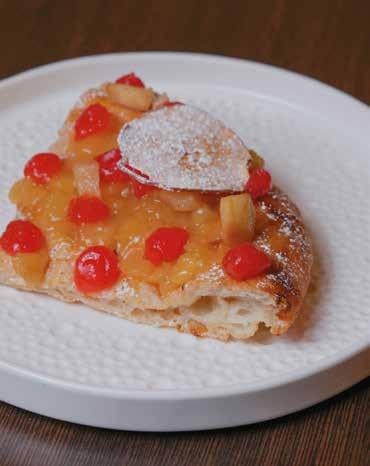
Pizzeria “La Bolla”, Caserta, di Simone De Gregorio
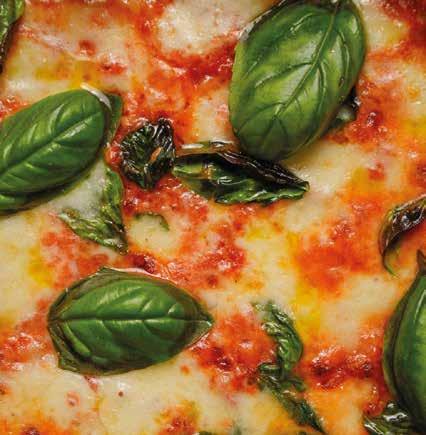
ANCHE LA PIZZA “MC FLURRY” RACCONTA QUALCOSA DI PERSONALE.
Sì, nasce da un ricordo con mio figlio: noi amiamo concludere qualsiasi pasto con il dolce! Ci sono arachidi caramellate, fondente, caramello salato e mousse vanigliata su un disco di pasta fritto, abbattuto e poi ripassato in forno con zucchero a velo e cannella. Ogni pizza dolce nasce sempre da qualcosa che ho vissuto. Come anche la “Cuore anatomico”, nata per San Valentino ma che racconta anche il momento che sto vivendo. È un maritozzo ai frutti rossi con panna vanigliata, ribes e fondente in due consistenze. C’è anche un richiamo alla Red Velvet americana, perché qualsiasi cosa faccia penso sempre a come sarebbe stata la mia vita se fossi partito davvero per Los Angeles.
How important is the work on the dough?
A great deal. We make 10 different doughs: contemporary classic, double-baked, wholemeal, gluten-free and even a gluten-free sweet version. The contemporary dough takes a total of 36 hours between fermentation and proving, with high hydration and low-glycaemic-index flours. The experience must be complete: from the starter right through to the sweet pizza, without feeling heavy.
Among the savoury pizzas, which one is most closely linked to tradition?
The “Scarpetta nel ragù”, created together with Raffaele, who has been working with me for ten years. The ragù simmers slowly for about ten hours with San Marzano tomatoes and beef; then, the meat is shredded over the pizza.
QUANTO CONTA IL LAVORO SUGLI IMPASTI?
Tantissimo. Facciamo 10 impasti diversi: contemporaneo classico, doppia cottura, ai cereali, senza glutine e anche il dolce senza glutine. L’impasto contemporaneo arriva a 36 ore complessive tra fermentazione e lievitazione, con alta idratazione e farine a basso impatto glicemico. Il percorso deve essere completo: dall’antipasto fino alla pizza dolce, senza appesantire.
On top, we add the savoury cream from the “San Salvatore” farm and Parmigiano Reggiano. It’s a pizza that tastes of Sundays and home cooking. And which one best represents the link between pizza and cuisine?
The “Pizza risotto”. We prepare a rice base, then add cardoncelli and porcini mushrooms sautéed in butter, fermented black garlic, provola and Parmigiano Reggiano on a contemporary dough. I liked the idea of transforming a proper risotto into a pizza.
La “Scarpetta nel ragù”, nata insieme a Raffaele che lavora con me da dieci anni. Il ragù cuoce lentamente per circa dieci ore con pomodoro San Marzano e muscolo; poi, la carne viene sfilacciata sulla pizza. Sopra, aggiungiamo il cremoso salato dell’azienda “San Salvatore” e Parmigiano Reggiano. È una pizza che sa di domenica e di cucina di casa.
La “Pizza risotto”. Prepariamo una cialda di riso, poi aggiungiamo funghi cardoncelli e porcini spadellati al burro, aglio nero fermentato, provola e parmigiano su impasto contemporaneo. Mi piaceva l’idea di trasformare un risotto vero in una pizza.
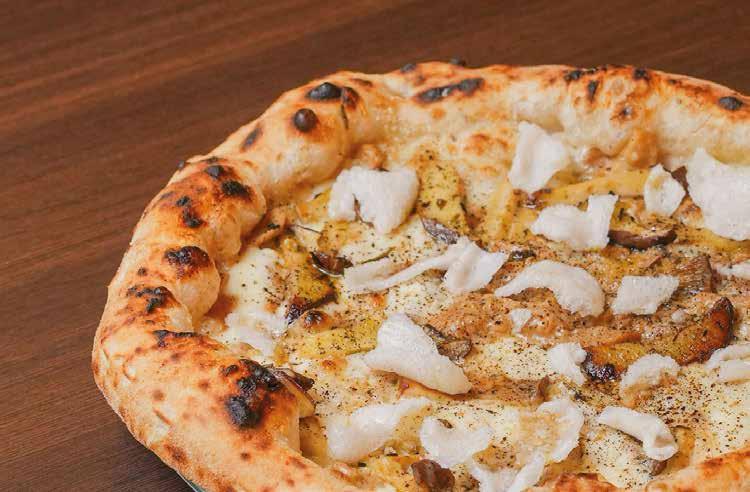
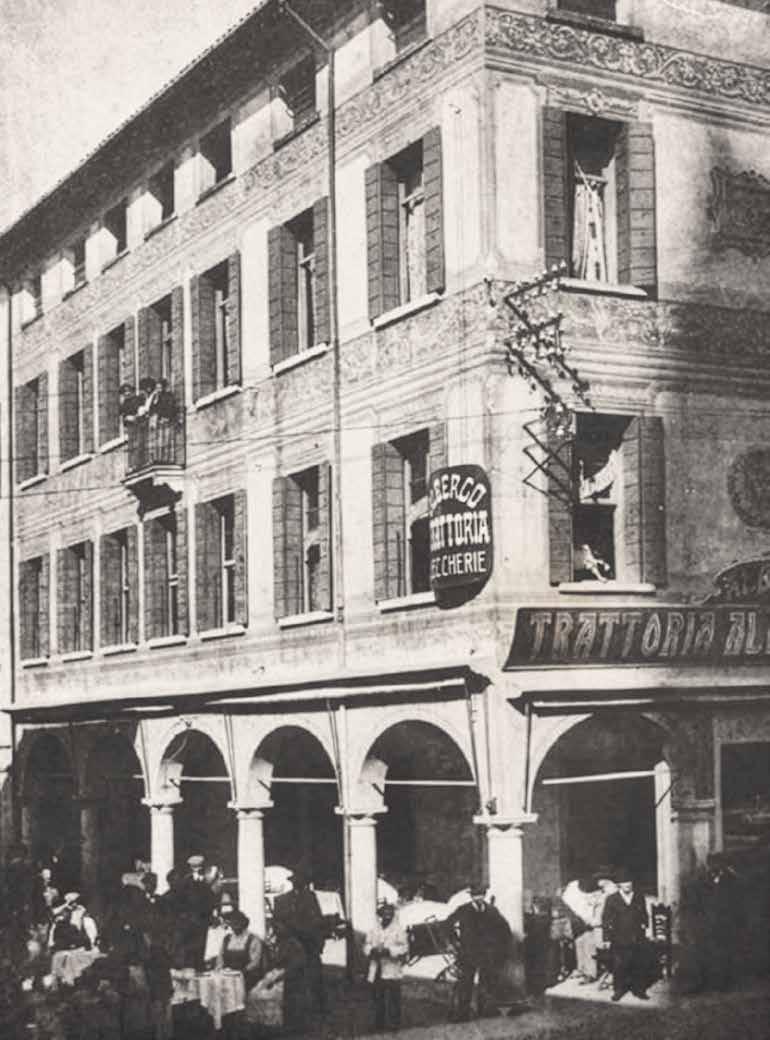
Ristorante
Le Beccherie, Treviso
Su Instagram il suo hashtag vale più di tutte le altre attrazioni italiane - 5,4 milioni di post, superando Colosseo e Uffizi – e la celebre guida Michelin l’ha di recente posto al vertice della classifica dei 6 dolci italiani più amati al mondo: protagonista di tanta celebrità – al pari ovviamente del suo successo gastronomico – è il Tiramisù. Una manciata di ingredientimascarpone, uova, savoiardi e caffè – per una vera e propria icona, le cui origini, come si conviene per ogni ricetta che si dica tradizionale, sono assai contestate. Se non è questa la sede per dibatterne, è pur vero però che la storia veneta del dolce ha una solidissima base geografica che vede nella città di Treviso il suo cuore.
by Caterina Vianello
On Instagram, its hashtag is worth more than all other Italian attractions combined – 5.4 million posts, surpassing the Colosseum and the Uffizi – and the renowned Michelin Guide recently placed it at the top of the ranking of the 6 most loved Italian desserts in the world: the star of such fame – on a par, of course, with its gastronomic success – is tiramisu. A handful of ingredients – mascarpone, eggs, ladyfingers and coffee – for a true icon, whose origins, as is fitting for any recipe that calls itself traditional, are highly contested. Whilst this is not the place to debate the matter, it is nevertheless true that the dessert’s Venetian history has a very solid geographical basis, with the city of Treviso at its heart. It was, in fact, the restaurant ‘Le Beccherie’ that gave birth to tiramisu in the early 1970s: from the hands
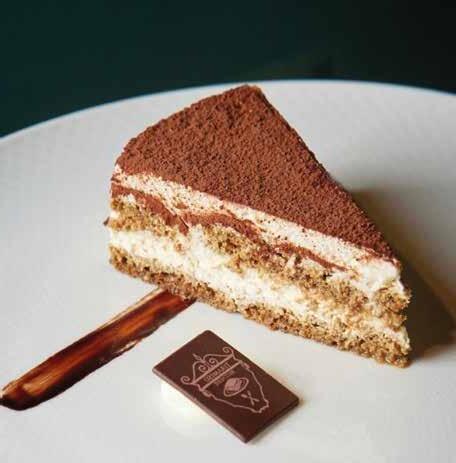
Ristorante
Le Beccherie, Treviso
Fu infatti il ristorante “Le Beccherie” a dare i natali al Tiramisù, nei primi anni ’70: dalle mani di Alba Campeol e del pasticcere Roberto “Loli” Linguanotto nacque, infatti, un simbolo dell’identità trevigiana, veneta e italiana, comparendo per la prima volta come voce nel menù nel 1972 e venendo riconosciuto come “legittimo” dal gastronomo veneto Giuseppe Maffioli
Da allora il Tiramisù è stato protagonista di una crescita inarrestabile e, per rendergli il giusto omaggio, da “Le Beccherie” si è pensato di dare vita ad uno spazio interamente dedicato al dessert trevigiano.
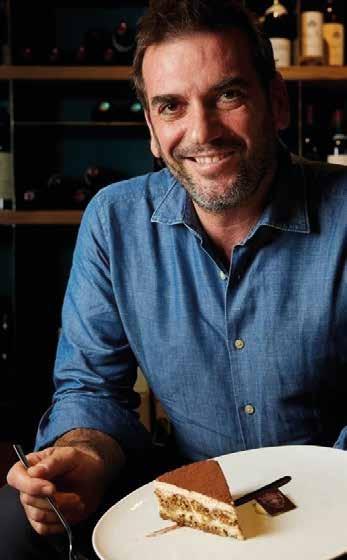
Si chiama “Tiramisù Le Beccherie”, sorge accanto al ristorante in piazza Ancilotto ed è uno spazio che - nelle intenzioni Paolo Lai, titolare del ristorante e di Sergio Buongiovanni, co-proprietario del gruppo “Le Beccherie srl” - completa l’offerta della ristorazione e risponde alla grande richiesta dei clienti, per la maggior parte turisti stranieri ma anche clientela business di passaggio o semplici buongustai che vogliono assaggiare il dolce proprio dove è nato. Una pasticceria, dunque, ma non solo: la possibilità di degustare una porzione di Tiramisù – preparato rigorosamente in loco, con tanto di cucina a vista, e modulabile in diversi formati, classici e non – è infatti solo una parte del progetto.
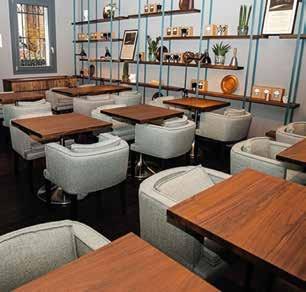
/by Caterina Vianello
of Alba Campeol and the pastry chef Roberto “Loli” Linguanotto, a symbol of Trevisan, Venetian and Italian identity was born, appearing for the first time on the menu in 1972 and being recognised as “legitimate” by the Venetian gastronome Giuseppe Maffioli
Since then, tiramisu has enjoyed unstoppable growth and, to pay it the tribute it deserves, “Le Beccherie” decided to create a space entirely dedicated to this Treviso dessert. It is called “Tiramisù Le Beccherie”, is located next to the restaurant in Piazza Ancilotto and is a space which – in the words of Paolo Lai, owner of the restaurant, and Sergio Buongiovanni, co-owner of the “Le Beccherie srl” group —complements the restaurant’s offering and meets the high demand from customers, mostly foreign tourists but also business travellers passing through or simply food lovers who want to taste the dessert right where it was born. A patisserie, then, but not just that: the chance to enjoy a portion of tiramisu – prepared strictly on the premises, complete with an open kitchen, and available in various formats, both classic and otherwise – is in fact only part of the project.
The space is designed to be an experiential setting, allowing visitors to immerse themselves in the product’s history through display panels – which are also translated into English – as well as a venue for hosting cooking demonstrations with master artisans, tasting sessions, corporate meetings or events organised in collaboration with clients.

Forno con alimentazione elettrica, dalle dimensioni contenute, concepito per la cottura di 1 o 2 pizze da 33 cm.
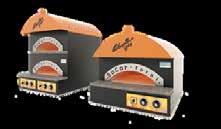

Forni elettrici a una o a due camere concepiti per la cottura di pizze e pinsa, in teglia e a pala.

Il Pulcinella Leon è un forno elettrico professionale che simula la cottura a legna, raggiungendo i 510°C per una vera pizza napoletana È dotato di piano rotante in refrattario e tecnologia di gestione dell'energia per alta efficienza e bassi consumi.

Il nuovo forno ibrido Pulcinella Drago, dal design compatto e cuore napoletano, unisce la cottura a legna e quella elettrica per pizze fragranti e uniformi.



Forni a tunnel con tappeto di cottura in refrattario. Montato su ruote e configurabile per ogni esigenza. Disponibile anche con tecnologia Industria 4.0.




Lo spazio vuole essere un contesto esperienziale, che consenta di immergersi nella storia del prodotto, attraverso pannelli, tradotti anche in inglese, oltre che un luogo in cui poter dare vita a show cooking con maestri artigiani e percorsi degustativi, incontri aziendali o eventi da costruire con i clienti. E, per chi voglia godersi fino in fondo il dolce, abbinando al piacere gastronomico anche quello culturale, magari passeggiando per Treviso, ecco che ne è stata concepita anche una versione “da passeggio”: il Lingotto. Si tratta di una rilettura reinterpretata in formato contemporaneo che racchiude la ricetta classica in una forma compatta, elegante e pratica, pensata per essere gustata ovunque.
And, for those who wish to enjoy the dessert to the full, combining gastronomic pleasure with cultural enjoyment, perhaps whilst strolling through Treviso, a ‘to-go’ version has also been created: the Lingotto. This is a contemporary reinterpretation that encapsulates the classic recipe in a compact, elegant and practical form, designed to be enjoyed anywhere. “Tiramisù Le Beccherie”, precisely to allow those who wish to sample the dessert even outside restaurant opening hours, is open every day, except Tuesdays, from 10am to 7pm. The intention is to continue expanding with other similar venues, confirming not only the success of the initiative but also the widespread and almost unstoppable popularity of a dessert of extreme simplicity. With this spin-off of the restaurant where it all began, in short, Tiramisu confirms that it has truly become a brand capable of attracting a vast clientele and acting as a driving force for tourism and culture.
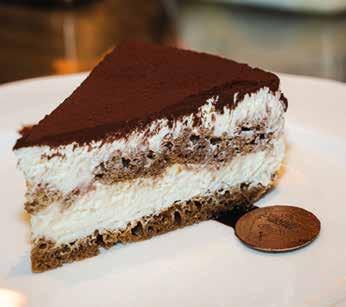
“Tiramisù Le Beccherie”, proprio per consentire a chi vuole assaggiare il dessert anche oltre l’orario del ristorante, è aperto tutti i giorni, tranne il martedì, dalle 10 alle 19. L’intenzione è quella di continuare ad espandersi con altri locali simili, confermando non solo il successo dell’iniziativa ma anche l’apprezzamento trasversale e pressoché inarrestabile di un dolce di estrema semplicità.
Con questo spin off del ristorante da cui tutto è iniziato, insomma, il Tiramisù sancisce di essere davvero diventato un brand in grado di attrarre una vastissima clientela e di fare da volano per turismo e cultura.
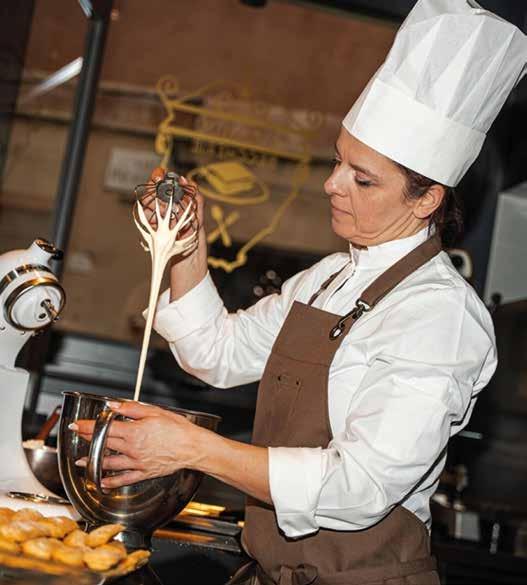
Giuseppe A. D’Angelo
We Neapolitans used to be called ‘mangiafoglia’ (leafeaters) when vegetables were the mainstay of our diet: we were vegans without even knowing it. One might think that we carried this philosophy forward into the following centuries, applying it to pizza as well. But it is only in recent times that vegan options have been making their way into Italian pizzerias.
And whilst we in Italy are lagging behind on menus, totally plant-based pizzeria concepts have long since emerged abroad: the paradox is that they are often the brainchild of our own compatriots. No one is a prophet in their own land.
My first encounter of this kind was in the UK with ‘Purezza’: a small pizzeria in Brighton, an hour from London, which quickly built a reputation within the vegan community and opened further branches, including one in the capital. At the time, the executive chef was Filippo Rosato, who left the project after years of success and accolades, leaving behind a contemporary dough and the philosophy of entirely in-house production, including cashew-based dairy products.
Anoi napoletani ci chiamavano “mangiafoglia”, quando le verdure erano la base principale della nostra alimentazione: eravamo vegani senza saperlo. Verrebbe da pensare che questa filosofia ce la siamo portata nei secoli successivi, adottandola anche sulla pizza. Ma è solo in tempi recenti che le opzioni vegane si stanno facendo largo nelle pizzerie italiane.
E se, in Italia, siamo in ritardo sui menù, all’estero da tempo sono nati concept di pizzerie totalmente plant-based: il paradosso è che spesso sono frutto dello stesso genio dei nostri connazionali. Nemo propheta in patria.
Il mio primo incontro del genere è stato nel Regno Unito con “Purezza”: una piccola pizzeria di Brighton, a un’ora da Londra, che ci ha messo poco a conquistarsi una reputazione nella community vegan e ad aprire altre sedi, tra cui una nella Capitale. All’epoca l’executive chef era Filippo Rosato, che ha lasciato il progetto dopo anni di successi e riconoscimenti, lasciando in eredità un impasto contemporaneo e la filosofia di una produzione totalmente domestica, compresi i latticini a base di anacardi.
Sempre a Londra, i primi che ho visto sperimentare in tal senso sono stati i ragazzi di “Santa Maria”, il brand di pizza napoletana creato da Pasquale Chionchio e Angelo Ambrosio, tra i primi a inserire alternative vegane nel menù. Il loro progetto di aprire una sede totalmente vegana chiamata
“Vergine Maria” purtroppo non ha mai preso piede a causa della crisi causata dalla pandemia, ma lo spirito rimane negli altri ristoranti del gruppo.
In tempi più recenti, sono stato invece piacevolmente colpito dal Portogallo: in un Paese che fa della carne un perno alimentare, la scena veg è cresciuta notevolmente. Nella capitale, Lisbona, mi sono imbattuto in “Retrogusto84”, una pizzeria con un’ampia sezione dedicata a pizze vegane, di cui molte a base di pistacchio. Questo amore sconfinato per la drupa riflette l’origine palermitana del titolare Bruno Cardinale, che pubblicizza il locale come “pizzeria siciliana”. L’impasto di farine integrali si presenta come un’ottima base per giocare con le consistenze tra creme di verdure e succedanei a base vegetale come bacon e salame.
Altra piacevole esperienza di recente è stata a Vienna con “Pizzis and Cream”, locale che si distingue anche per l’estetica newyorchese, e la vendita di pizza by the slice. In effetti, quando viaggio, il claim “pizza vegana” è quello che mi fa fermare sempre.
Forse è proprio perché in Italia un concept del genere è ancora ignoto, che lo trovo sorprendente. Certo, ci sono numerosi ristoranti interamente vegani che fanno anche pizza:
Forse è proprio perché in Italia un concept del genere è ancora ignoto, che lo trovo sorprendente. Certo, ci sono numerosi ristoranti interamente vegani che fanno anche pizza:
Also in London, the first I saw experimenting in this vein were the team at “Santa Maria”, the Neapolitan pizza brand created by Pasquale Chionchio and Angelo Ambrosio, among the first to include vegan alternatives on the menu. Their plan to open a fully vegan branch called “Vergine Maria” unfortunately never took off due to the crisis caused by the pandemic, but the spirit lives on in the group’s other restaurants. More recently, I have been pleasantly impressed by Portugal: in a country where meat is a dietary staple, the vegan scene has grown considerably. In the capital, Lisbon, I came across “Retrogusto84”, a pizzeria with a large section dedicated to vegan pizzas, many of which are pistachio-based.
This boundless love for the nut reflects the Palermo origins of the owner, Bruno Cardinale, who advertises the place as a “Sicilian pizzeria”. The wholemeal dough provides an excellent base for playing with textures, from vegetable creams to plant-based alternatives such as bacon and salami.
I only had to venture just outside the capital, to the coastal town of Cascais, to come across another pizzeria with a vegan menu: Souldough Pizza, a place that might seem almost like an exclusive club at first glance but which harbours an experimental and refined spirit. A selection of vegan and vegetarian pizzas that play less with substitutes and much more with creative combinations to surprise the palate. And an all-female team, which we always appreciate.
Another recent highlight was in Vienna at “Pizzis and Cream”, a place that stands out for its New York-style vibe and the fact that it sells pizza by the slice. In fact, when I’m travelling, the phrase “vegan pizza” is what always makes me stop. Perhaps it’s precisely because such a concept is still unknown in Italy that I find it so surprising. Of course, there are numerous entirely vegan restaurants that also serve pizza: right here in my own Naples, I’d like to highlight two outstanding examples: “Vitto Pitagorico” and “Piperita”.
proprio nella mia Napoli ci tengo a segnalare due eccellenze come “Vitto Pitagorico” e “Piperita”.
proprio nella mia Napoli ci tengo a segnalare due eccellenze come “Vitto Pitagorico” e “Piperita”.
Eppure, nella patria della pizza, ancora facciamo fatica a stare al passo. I tempi evolvono, però e credo manchi poco al momento in cui
anche l’Italia possa essere inserita tra le destinazioni in cui la pizza vegana possa diventare uno standard. Non più solo un’opzione.
Eppure, nella patria della pizza, ancora facciamo fatica a stare al passo. I tempi evolvono, però e credo manchi poco al momento in cui anche l’Italia possa essere inserita tra le destinazioni in cui la pizza vegana possa diventare uno standard. Non più solo un’opzione.
Yet, in the home of pizza, we still struggle to keep up. Times are changing, however, and I believe it won’t be long before Italy too can be counted among the destinations where vegan pizza becomes the norm. No longer just an option.



















I grissini monoporzione Valledoro Gourmet : un sottile piacere che conquista . Stirati con maestria, la loro lenta lievitazione e l'accurata cottura li rendono irresistibili in ogni momento .
Per un tocco di gusto inconfondibile, scegli i grissini Valledoro Gourmet.



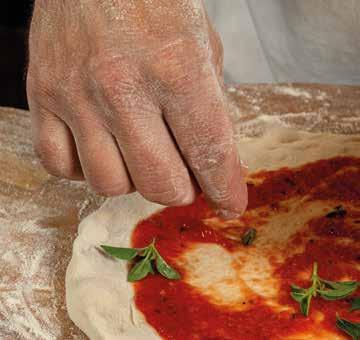
by Antonella Mignacca
/ I’D LIKE JUST ONE MORE HOUR HOW AI WILL CHANGE THE CUSTOMER EXPERIENCE AND FREE UP TIME FOR PIZZERIA STAFF.
A DAY WITH MARCO.
Somewhere near Naples, in a scene straight out of the future.
6.47 am – Alarm clock
Marco hasn’t set foot in the pizzeria yet, but his day has already begun. On the bedside table, his phone vibrates gently. It’s not an alarm: it’s a message from his AI assistant. “Good morning, Marco. The weather forecast changed overnight:
there’s a storm forecast for tomorrow evening. I suggest you reduce the order of fresh buffalo mozzarella by 20% and prepare three extra batches of dough for today.” He agrees and puts the coffee on.
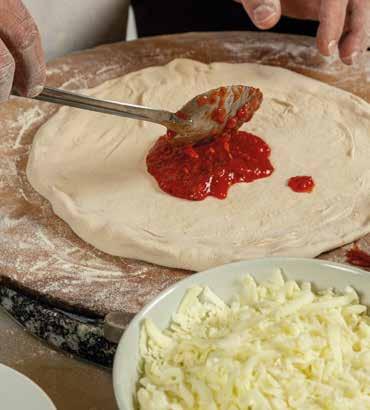
7.15 am – The community wakes up
Before entering the pizzeria, Marco scrolls through his notifications. The system has already replied to routine comments in the warm, direct tone Marco has trained it to use over time. He has set aside a detailed review from a long-standing customer. “You write this reply,” he says, and he’s right.
9.00 am – The briefing with the team
Every member of the team has already received a personalised briefing for their role on their phone. No meetings, just confirmations. “Tonight, the Esposito family are celebrating their fiftieth wedding anniversary. Let’s treat them well.” Marco emphasises this, because the system wouldn’t have told him that.
UNA GIORNATA CON MARCO.
Più o meno Napoli, in uno scenario dal futuro.
Ore 6:47 - Sveglia
Marco non ha ancora messo piede in pizzeria ma la sua giornata è già cominciata. Sul comodino, il telefono vibra dolcemente. Non è una sveglia: è un messaggio del suo assistente AI. “Buongiorno Marco. Stanotte le previsioni meteo sono cambiate: domani sera temporale. Ti suggerisco di ridurre l’ordine delle bufale fresche del 20% e di anticipare la preparazione di tre impasti in più per oggi.”. Lui approva e mette su il caffè.
Ore 7:15 - La community si sveglia
Prima di entrare in pizzeria, Marco scorre le notifiche. Il sistema ha già risposto ai commenti di routine con il tono caldo e diretto, Marco lo ha addestrato nel tempo. Ha messo da parte una recensione articolata di un cliente storico.“Questa risposta la scrivi tu” e ha ragione.
Ore 9:00 - Il briefing con la brigata
Ogni persona della brigata ha già ricevuto sul telefono il briefing personalizzato per il proprio ruolo. Nessuna riunione, solo conferme. “Stasera la famiglia Esposito festeggia i cinquant’anni di matrimonio. Trattiamoli bene”. Marco si raccomanda perché questo il sistema non glielo avrebbe detto.
Ore 9:15 - L’impasto non si tocca
Marco infarina le mani. Qui l’IA si fa da parte. Una bilancia intelligente registra peso e profili di lievitazione, costruendo nel tempo un ricettario digitale. In un angolo, coperto da un telo, c’è O’ Professore: un sistema robotico con sensori tattili che Marco sta lentamente addestrando sui suoi gesti. Non sa ancora come lo userà. Sa solo che le sue mani, per ora, restano l’unico strumento che conta davvero.
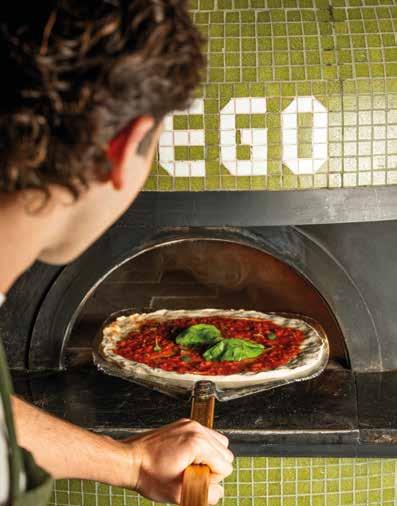
“L'IMPASTO NON SI TOCCA // DON’T TOUCH THE DOUGH“
9.15 am – Don’t touch the dough
Marco dusts his hands with flour. Here, the AI steps aside. A smart scale records weight and proofing profiles, building a digital recipe book over time. In a corner, covered by a cloth, sits O’ Professore: a robotic system with tactile sensors that Marco is slowly training to recognise his movements. He doesn’t yet know how he’ll use it. He only knows that, for now, his hands remain the only tool that really matters.
2.30 pm – The break
Marco is back on his motorbike. After years of having given up that freedom for the sake of work and family, he can now enjoy the seafront, a coffee and the wind once again.
11.00 pm – The evening shift
The pizzeria is emptying. Marco opens the evening report: margins, dishes, times, community. And then a note: ‘The most-viewed content this week is you, in the oven.’ That’s something the AI will never do in his place.
Good technology doesn’t replace people. It frees up time. There’s a job the customer never sees. It’s not the pizza: they certainly see that, smell it, photograph it, judge it.
It’s everything else: the phone calls to suppliers, the shifts written and rewritten, the messages to the team at eleven o’clock at night, the reviews to read, the orders to reorder because the stock has run out without anyone noticing.
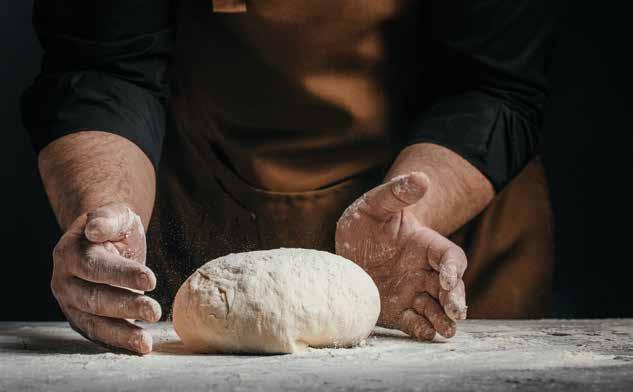
It is invisible work that takes up precious hours every day. It is on this hidden labour that artificial intelligence is having – and will increasingly have – its most tangible impact, giving the pizza chef back the rarest commodity in the restaurant trade: time. Time to stand by the oven with a clear head, to train the team, and for his own life.
Marco’s scenario is not science fiction. Most of the technologies described already exist; some have been available for years, others have emerged in the last two years and are rapidly falling in price, whilst others will be available in a few years’ time.
What will really change in the near future is their seamless and invisible integration into the working day – no longer separate tools, but everything integrated into a single digital ecosystem.
Ore 14:30 - La pausa
Marco è tornato in moto. Dopo anni in cui tra lavoro e famiglia, aveva rinunciato a quella libertà, ora può godersi di nuovo il lungomare, un caffè, il vento.
Ore 23:00 - Il servizio serale
La pizzeria si svuota. Marco apre il report serale: margini, piatti, tempi, community. E poi una nota, “Il contenuto con più visualizzazioni questa settimana sei tu, al forno.” Quello, l’IA non lo farà mai al posto suo.
LIBERA IL TEMPO.
C’è un lavoro che il cliente non vede mai. Non è la pizza: quella la vede eccome, la annusa, la fotografa, la giudica. È tutto il resto: le telefonate ai fornitori, i turni scritti e riscritti, i messaggi alla brigata alle undici di sera, le recensioni da leggere, gli ordini da rifare perché il magazzino è andato a zero senza che nessuno se ne accorgesse.
Tempo per stare al forno con la testa libera, per formare la brigata, per la propria vita. Lo scenario di Marco non è fantascienza. La maggior parte delle tecnologie descritte esiste già, alcune sono disponibili da anni, altre sono arrivate nell’ultimo biennio e stanno rapidamente scendendo di prezzo, altre saranno disponibili fra qualche anno. Quello che cambierà realmente nel prossimo futuro è la loro integrazione fluida e invisibile nella giornata di lavoro, non più strumenti separati ma tutto integrato in un unico ecosistema digitale.
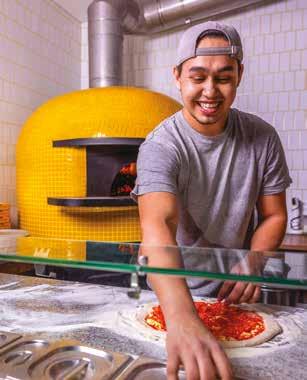
In the coming decades, the customer experience will also change, becoming more personalised and connected to a digital system capable of remembering tastes and habits. Artificial intelligence will do extraordinary things. But what will make your restaurant irreplaceable is not the technology you use. It is the answer to a question that only you can ask yourself: why am I doing this?
The customer of the future will be surrounded by perfect experiences, calibrated down to the last detail. Amidst all this perfection, they will seek just one thing: a place that awaits them not because an algorithm has calculated everything, but because someone has chosen, every day, to be truly there in their own way. That choice cannot be delegated or automated. No artificial intelligence will build that place. Only you can do it. And there has never been a better time to start if you haven’t already.
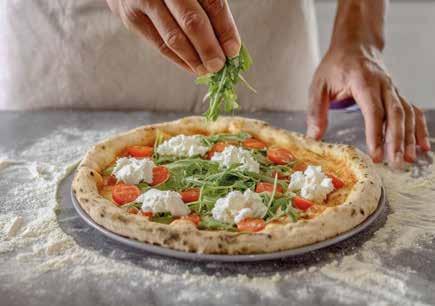
Nei prossimi decenni, cambierà anche l’esperienza del cliente, più personalizzata e connessa a un sistema digitale capace di ricordare gusti e abitudini. L’intelligenza artificiale farà cose straordinarie. Ma quello che renderà il vostro locale insostituibile non è la tecnologia che userete. È la risposta a una domanda che solo voi potete farvi: perché lo faccio? Cosa voglio che la gente senta quando morde questa pizza? Qual è la storia che solo io posso raccontare?
Il cliente del futuro sarà circondato da esperienze perfette, calibrate al millimetro. In mezzo a tutta questa perfezione, cercherà una cosa sola: un posto che lo aspetti non perché un algoritmo ha calcolato tutto ma perché qualcuno ha scelto, ogni giorno, di esserci davvero a modo suo. Quella scelta non si delega e non si automatizza. Nessuna intelligenza artificiale costruirà quel posto. Potete farlo solo voi. E non c’è mai stato momento migliore per iniziare se non lo avete ancora fatto.
by Alfonso Del Forno
There is a precise moment when beer ceases to be merely a drink and becomes a story. It happens when the brewer chooses to step away from standardised catalogues and look around: the spelt field behind the brewery, the chestnut grove scented with autumn, the lemons of a coast that tastes of salt.
C’è un momento preciso in cui la birra smette di essere semplicemente una bevanda e diventa racconto. Accade quando il birraio sceglie di uscire dai cataloghi standardizzati e guardare intorno a sé: il campo di farro dietro al birrificio, il castagneto che profuma d’autunno, i limoni di una costa che sa di sale. È in quel gesto (prendere la materia prima locale e portarla in pentola) che la birra artigianale italiana trova la sua voce più autentica.
It is in that gesture (taking local raw materials and putting them in the pot) that Italian craft beer finds its most authentic voice.
Before globalisation standardised supplies, beer was a product of the landscape. Every great brewing tradition was born from the meeting of technique and territory. Italy, which has made this logic its hallmark in wine, olive oil and cheese, took a little longer to apply it to beer.
The new generation of breweries, established after 2010 and nurtured on a diet of agronomy as much as fermentation chemistry, have, however, returned to doing what rural producers did out of necessity: looking close to home before looking further afield.
Prima che la globalizzazione standardizzasse gli approvvigionamenti, la birra era figlia del paesaggio. Ogni grande tradizione birraria è nata dall’incontro tra tecnica e territorio. L’Italia, che di questa logica ha fatto il proprio marchio identitario nel vino, nell’olio, nei formaggi, ha impiegato un po’ di più ad applicarla alla birra. I birrifici di nuova generazione, nati dopo il 2010 e cresciuti leggendo tanto di agronomia quanto di chimica delle fermentazioni, però, hanno ricominciato a fare quello che i produttori rurali facevano per necessità: guardare vicino prima di guardare lontano. Non per nostalgia, ma per identità. Le birre prodotte con grani antichi locali tendono a esprimere note di cereale più profonde, spesso terrose, con una dolcezza più sfaccettata e una struttura proteica che si traduce in una schiuma persistente e in una pienezza gustativa difficile da ottenere con i malti industriali. Alcuni birrifici campani stanno lavorando con il grano Saragolla, altri in Puglia con il grano duro, altri ancora in Sicilia con il frumento Tumminia: ogni scelta porta nel bicchiere una storia di territorio.
Per anni si è detto che in Italia il luppolo non crescesse bene. Era una semplificazione: cresceva, ma non era conveniente coltivarlo e la filiera non esisteva. Negli ultimi anni qualcosa è cambiato. Piccole coltivazioni sono nate in Emilia-Romagna, Piemonte, Toscana e qualcosa si muove anche al Sud. Non si tratta ancora di volumi paragonabili a quelli tedeschi o americani, ma l’interesse è crescente e i risultati sono già leggibili in alcune birre.
Not out of nostalgia, but for the sake of identity.
Beers brewed with local ancient grains tend to express deeper, often earthy cereal notes, with a more complex sweetness and a protein structure that results in a persistent head and a full-bodied flavour difficult to achieve with industrial malts.
Some breweries in Campania are working with Saragolla wheat, others in Puglia with durum wheat, and still others in Sicily with Tumminia wheat: each choice brings a story of the local area to the glass.
IN DRY
O COME FIORE, PORTA UN
PROFILO AROMATICO
PECULIARE: NOTE ERBACEE, FLOREALI, SPESSO CON UN
TOCCO BALSAMICO CHE
RIMANDA ALLA MACCHIA
MEDITERRANEA. NON
IL FRUTTO TROPICALE
ESPLOSIVO DEI CULTIVAR
DEL PACIFICO, NON LA
RESINA DEI LUPPOLI
DA AMARO TEDESCHI: QUALCOSA DI PIÙ
DISCRETO, MENO URLATO.
For years, it was said that hops did not grow well in Italy. This was an oversimplification: they did grow, but it was not cost-effective to cultivate them and the supply chain did not exist. In recent years, something has changed. Small-scale cultivation has emerged in EmiliaRomagna, Piedmont and Tuscany, and things are also stirring in the south. The volumes are not yet comparable to those in Germany or the US, but interest is growing and the results are already evident in some beers.
When fresh, Italian hops—whether used in dry hopping or as whole cones—offer a distinctive aromatic profile: herbaceous and floral notes, often with a balsamic touch reminiscent of the Mediterranean scrub. Not the explosive tropical fruit of Pacific cultivars, nor the resinous bitterness of German hops: something more subtle, less in-your-face.

Negli ultimi anni, la tecnologia ha modificato profondamente il lavoro in pizzeria: impastatrici evolute, celle climatiche smart, sistemi digitali di controllo e forni intelligenti consentono una standardizzazione impensabile fino a poco tempo fa. Di fronte a questo scenario, molti si chiedono se il mestiere del pizzaiolo sia destinato a sparire. In realtà, il rischio non è l’estinzione del mestiere ma la trasformazione della sua funzione. La tecnologia può ridurre gli errori ed efficientare la produzione ma non può sostituire ciò che rende unica una pizza: interpretazione, cultura tecnica e capacità decisionale. Un impasto non sarà mai una procedura completamente automatica, perché richiederà sempre lettura ed esperienza. Il pizzaiolo del futuro sarà quindi meno “operaio” e più professionista specializzato: dovrà conoscere la fermentazione, comprendere i dati, gestire attrezzature avanzate e, nel contempo, mantenere una visione artigianale del prodotto. La differenza non la farà la macchina ma la capacità umana di darle una direzione.
Will we have a pizzeria without a pizza chef?
In recent years, technology has profoundly transformed the work carried out in pizzerias: advanced dough mixers, smart climate-controlled chambers, digital control systems and intelligent ovens allow for a level of standardisation that was unthinkable until recently. Faced with this scenario, many wonder whether the profession of the pizza chef is destined to disappear. In reality, the risk is not the extinction of the profession but the transformation of its role. Technology can reduce errors and streamline production, but it cannot replace what makes a pizza unique: interpretation, technical expertise and decision-making skills. Dough-making will never be a fully automated process, because it will always require judgement and experience. The pizza chef of the future will therefore be less of a ‘labourer’ and more of a specialised professional: they will need to understand fermentation, interpret data, manage advanced equipment and, at the same time, maintain an artisanal vision of the product. It is not the machine that will make the difference, but the human ability to guide it.
Enrico Bonardo
Se i cereali e il luppolo rappresentano la struttura della birra, è negli ingredienti aggiuntivi che il legame con il territorio diventa più immediato e narrativo. La chiave, per un birraio serio, non è soltanto aggiungere l’ingrediente locale come elemento di marketing. È capire in quale momento del processo produttivo inserirlo, in quale forma (fresco, essiccato, in infusione, come succo) e in quale quantità affinché diventi parte integrante del profilo aromatico senza sovrastare la birra di fondo. Una birra al limone di Amalfi mal gestita è soltanto una birra acida con retrogusto citrico. Ben costruita, è una sinfonia in cui la materia prima locale amplifica il lavoro del lievito e del malto. Tra gli ingredienti locali che stanno vivendo una riscoperta interessante nel mondo della birra artigianale italiana c’è il miele.
USATO STORICAMENTE
NELLE FERMENTAZIONI, IL MIELE È TORNATO NELLE
RICETTE DI BIRRIFICI
ATTENTI AL TERRITORIO
COME FONTE DI ZUCCHERI
FERMENTESCIBILI E
COME PROTAGONISTA SENSORIALE.
Il risultato dipende enormemente dalla varietà botanica: un miele di castagno porta tannini e note legnose che asciugano il finale; un millefiori di alta quota aggiunge floreale e morbidezza; un miele di agrumi del Sud porta profumi che persistono anche dopo una fermentazione completa.
While grains and hops form the structure of the beer, it is in the additional ingredients that the link with the local area becomes most immediate and evocative. The key, for a serious brewer, is not merely to add a local ingredient as a marketing ploy. It is to understand at what stage of the production process to introduce it, in what form (fresh, dried, as an infusion, as juice) and in what quantity, so that it becomes an integral part of the flavour profile without overpowering the base beer.
A poorly executed Amalfi lemon beer is merely a sour, h d beer with a citrus aftertaste. When wellcrafted, it is a symphony in which the local raw material enhances the work of the yeast and malt.
Among the local ingredients currently enjoying an interesting resurgence in the world of Italian craft beer is honey. Historically used in fermentation, honey has returned to the recipes of breweries with a focus on local produce as a source of fermentable sugars and as a key flavour component. The result depends heavily on the botanical variety: chestnut honey brings tannins and woody notes that dry out the finish; high-altitude wildflower honey adds floral notes and smoothness; southern citrus honey brings aromas that linger even after full fermentation.
Crediamo fortemente nel valore della formazione e quotidianamente condividiamo passione, tecniche e conoscenze per chi vuole fare della pizza la propria professione.
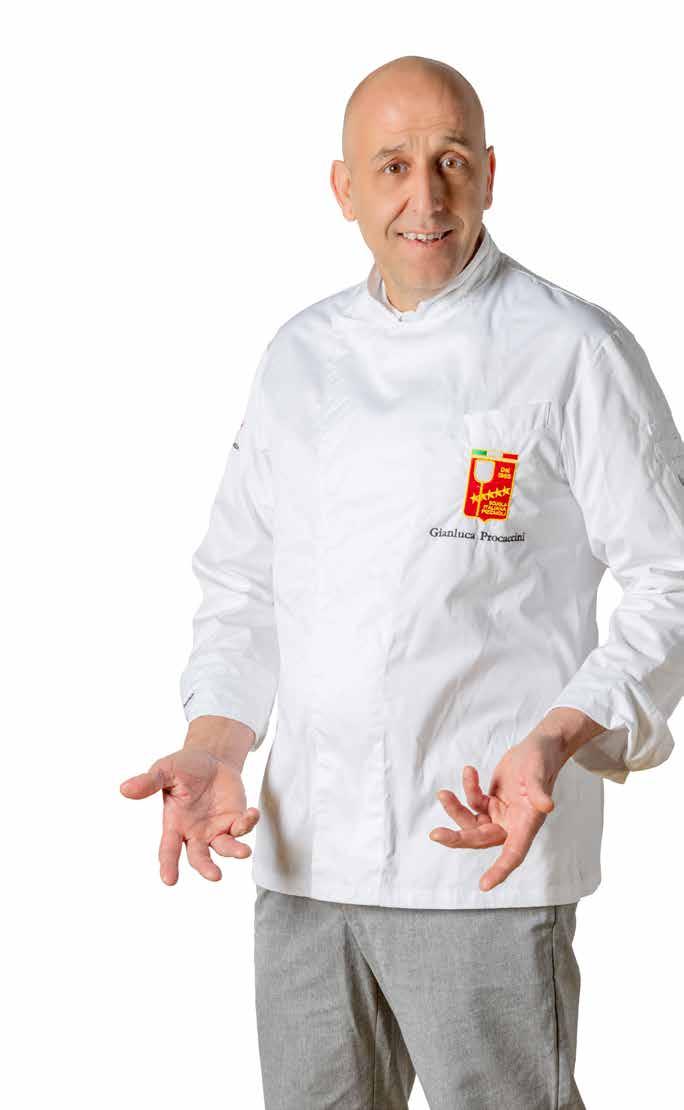
Il rischio in questo campo è fare del localismo una bandiera invece che una pratica. Mettere sull’etichetta “materie prime locali” senza una vera riflessione tecnica e identitaria è operazione di marketing, non di territorio. Il consumatore avveduto - e il mercato della birra artigianale sta producendo consumatori sempre più preparati - sa riconoscere la differenza tra chi usa il fico d’India perché cresce nel suo orto e ci ha ragionato sopra per mesi e chi lo aggiunge perché fa tendenza.
BEER AND TERRITORY: A QUESTION OF METHOD
FARE BIRRA DI
TERRITORIO SIGNIFICA
AVERE UNA FILIERA:
CONOSCERE IL
PRODUTTORE AGRICOLO,
CAPIRE LE VARIAZIONI
ANNUALI DEL RACCOLTO,
ADATTARE LA RICETTA
ALLA MATERIA PRIMA
E NON IL CONTRARIO.
SIGNIFICA ACCETTARE
CHE LA BIRRA POSSA
CAMBIARE DI ANNO IN ANNO COME CAMBIA IL
VINO, CHE L’ANNATA DI SICCITÀ PORTI MENO
SUCCO NEL FRUTTO E
PIÙ CONCENTRAZIONE
AROMATICA, E CHE QUESTO
SIA UN VALORE, NON UN DIFETTO.
The risk in this field is to make localism a banner rather than a practice. Putting ‘local raw materials’ on the label without genuine technical and identity-based consideration is a marketing ploy, not a matter of terroir. The discerning consumer –and the craft beer market is producing increasingly knowledgeable consumers –can tell the difference between someone who uses prickly pear because it grows in their garden and has thought it through for months, and someone who adds it simply because it’s trendy. Making local beer means having a supply chain: knowing the farmer, understanding the annual variations in the harvest, adapting the recipe to the raw material and not the other way round. It means accepting that beer can change from year to year just as wine does, that a drought-stricken year yields less juice in the fruit and greater aromatic concentration, and that this is a virtue, not a flaw.
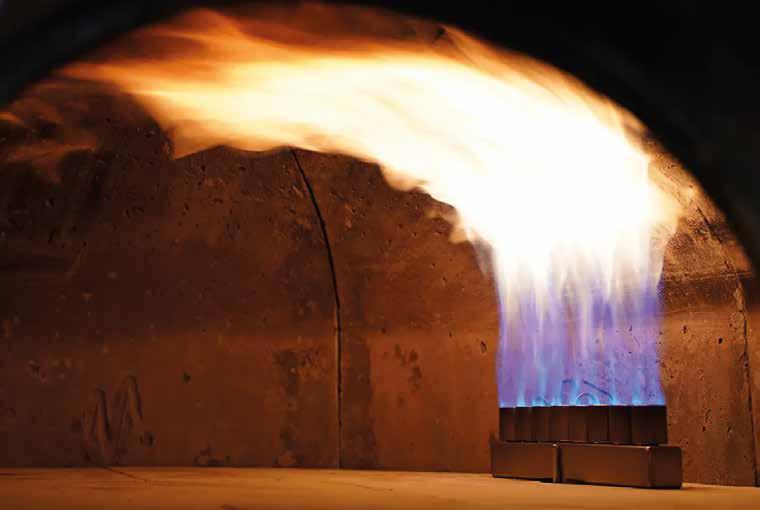
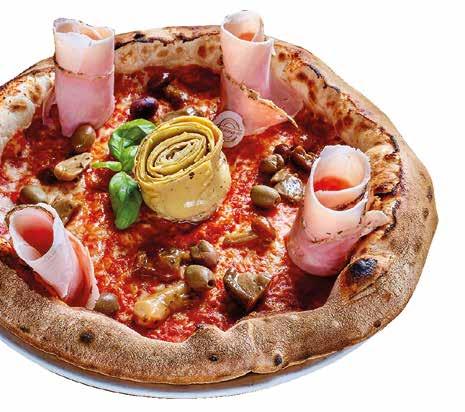

SPITFIRE, il bruciatore a gas perfetto per esaltare il sapore della tua pizza mantenendo inalterato il gusto, l’aspetto e la fragranza di sempre. Ideale per tutti i tipi di pizza.
FINO AL 70% di risparmio sui costi di gestione del tuo forno.



Contattaci per una consulenza gratuita +39 035 525065 +39 347 2470046

by Marisa Cammarano BIOLOGA NUTRIZIONISTA / NUTRITIONIST AND BIOLOGIST
Nell’era digitale siamo abituati a considerare gli smartphone come una fonte di distrazione, specialmente a tavola. Guardare uno schermo mentre si mangia scollega la mente dal corpo, portando a consumare cibo in modo automatico ed incontrollato. Il rapporto con l'alimentazione passa inevitabilmente attraverso gli schermi. I giovani oggi sono costantemente sommersi da contenuti visivi legati al cibo: dai video virali su TikTok ai feed estetici di Instagram, fino alle tendenze fitness che promuovono diete restrittive. Questo bombardamento mediatico può distorcere la percezione del corpo e dunque, generare ansia da prestazione alimentare. Tuttavia, la stessa tecnologia che rischia di creare queste pressioni sta evolvendo per offrire ai ragazzi strumenti di protezione, consapevolezza e riabilitazione del proprio legame con il cibo.
ENG In the digital age, we’ve become accustomed to viewing smartphones as a source of distraction, especially at mealtimes. Staring at a screen whilst eating disconnects the mind from the body, leading to automatic and uncontrolled eating. Our relationship with food inevitably plays out through screens. Young people today are constantly inundated with visual content related to food: from viral videos on TikTok to aesthetic Instagram feeds, right through to fitness trends promoting restrictive diets. This media bombardment can distort body image and, consequently, generate performance anxiety around eating.

Quindi, se utilizzate con un cambio di prospettiva, le nuove tecnologie possono trasformarsi da nemiche a preziose alleate.
Non si tratta di usare la tecnologia per contare ossessivamente le calorie o pesare ogni grammo, pratiche che spesso alimentano ansia e controllo rigido. Al contrario, i nuovi strumenti digitali, oggi, si mettono al servizio dell'alimentazione intuitiva e della mindful eating. Il primo grande cambiamento risiede nel superamento del diario alimentare tradizionale. Le nuove applicazioni dedicate alla consapevolezza, propongono un approccio puramente visivo e riflessivo. Invece di inserire numeri e grammi, l’utente scatta una fotografia al proprio piatto. Subito dopo, l’app non calcola i macronutrienti, ma pone domande cruciali: Perché stai mangiando? Come ti senti? Dove ti trovi? Questo semplice schema sposta l'attenzione dal giudizio matematico all'ascolto emotivo.
However, the very technology that risks creating these pressures is evolving to offer young people tools for protection, awareness and rehabilitation of their relationship with food.
So, when used with a shift in perspective, new technologies can transform from enemies into valuable allies. It is not about using technology to obsessively count calories or weigh every gram, practices that often fuel anxiety and rigid control. On the contrary, today’s new digital tools are being harnessed to support intuitive eating and mindful eating. The first major change lies in moving beyond the traditional food diary. New apps dedicated to mindfulness offer a purely visual and reflective approach. Instead of entering numbers and grams, the user takes a photograph of their plate. Immediately afterwards, the app does not calculate macronutrients, but asks crucial questions: Why are you eating? How do you feel? Where are you? This simple framework shifts the focus from mathematical judgement to emotional awareness. Photographing food creates a sacred pause between impulse and action, helping us recognise the difference between biological hunger— that is, the body’s real need for nourishment—and emotional hunger—that is, the response to stress, boredom, loneliness or anxiety. Over time, the data collected reveals recurring behavioural patterns, allowing us to understand which situations or emotions trigger certain eating behaviours. Another major obstacle to a healthy relationship with food is speed.
Fotografare il cibo crea una pausa sacra tra l'impulso e l'azione, aiutando a riconoscere la differenza tra la fame biologica cioè il reale bisogno di nutrimento del corpo e la fame emotiva ovvero la risposta a stress, noia, solitudine o ansia.
Con il tempo, i dati raccolti mostrano schemi comportamentali ricorrenti, permettendo di capire quali situazioni o emozioni scatenino determinati comportamenti alimentari. Un altro grande ostacolo ad un sano rapporto con il cibo è la velocità. Mangiare di fretta impedisce ai segnali ormonali di sazietà di raggiungere il cervello in tempo, portando a sovralimentarsi.


Anche in questo caso, la tecnologia offre soluzioni semplici ma efficaci. Esistono applicazioni che funzionano come "timer della masticazione" o che guidano l'utente attraverso brevi meditazioni prima di iniziare il pasto. Programmi strutturati su basi neuroscientifiche offrono, invece, micro-esercizi quotidiani per gestire il craving ovvero la voglia improvvisa di un determinato alimento. Attraverso video e tecniche di respirazione, l'utente impara a "cavalcare l'onda" del desiderio senza reprimerlo e senza cedervi ciecamente, spezzando i vecchi automatismi mentali. La tecnologia, in definitiva, non deve sostituire il nostro istinto, ma deve fare da ponte per ricostruirlo. Lo scopo finale di questi strumenti digitali è l'autonomia: usarli per il tempo necessario a risintonizzarsi con i segnali interni del proprio corpo, come la fame e la sazietà reali.
Quando
lo smartphone ci
aiuta
a fare silenzio, ad osservare il piatto con curiosità e a mangiare senza giudizio, allora l'innovazione ha raggiunto il suo obiettivo più nobile. Ha trasformato l'atto di nutrirsi da una fonte di stress quotidiano ad un momento di autentica cura di sé stessi.
Eating in a hurry prevents hormonal satiety signals from reaching the brain in time, leading to overeating. Here too, technology offers simple yet effective solutions. There are apps that function as ‘chewing timers’ or ‘ s’, or that guide the user through short meditations before starting a meal. Programmes based on neuroscience, on the other hand, offer daily micro-exercises to manage cravings, or sudden urges for a particular food. Through videos and breathing techniques, the user learns to ‘ride the wave’ of desire without suppressing it and without giving in to it blindly, breaking old mental habits. Ultimately, technology should not replace our instincts, but act as a bridge to rebuild them. The ultimate aim of these digital tools is autonomy: using them for as long as necessary to reconnect with our body’s internal signals, such as genuine hunger and satiety. When the smartphone helps us to be still, to observe our plate with curiosity and to eat without judgement, then innovation has achieved its noblest goal. It has transformed the act of eating from a source of daily stress into a moment of genuine self-care.
9^
1° Posto al Trofeo
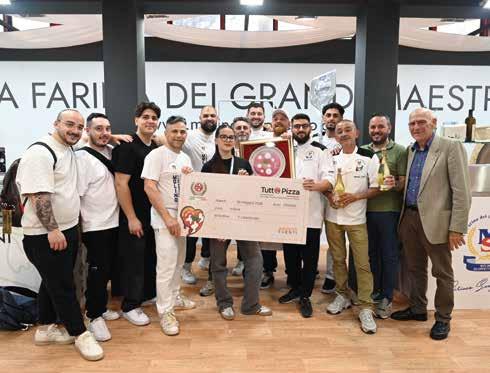

Un impasto perfetto non è mai frutto del caso. Nasce dall'esperienza, dalla passione e da una materia prima d'eccellenza.
Al 9° Salone Internazionale della Pizza, la nostra Reginella "0" con germe di grano è salita sul gradino più alto del podio, confermandosi la farina ideale per i professionisti più esigenti. Un prodotto studiato per garantire massima stabilità, alta digeribilità e un profumo autentico che fa la differenza.
Oggi innovazione e sostenibilità viaggiano insieme.
Nelle cucine professionali, ridurre sprechi e consumi senza rinunciare alla qualità è diventato un obiettivo concreto — e VITO® nasce proprio per questo.
Grazie al suo sistema intelligente di filtraggio, VITO® permette di prolungare la durata dell’olio fino al 50%, migliorando la qualità del fritto e riducendo costi operativi, cambi frequenti e sprechi inutili. Meno olio consumato significa anche meno trasporto, meno imballaggi e un impatto ambientale ridotto.
VITO®: the sustainable technology revolutionising professional kitchens
Today, innovation and sustainability go hand in hand.
In professional kitchens, reducing waste and consumption without compromising on quality has become a tangible goal — and VITO® was created precisely for this reason.
Il risultato? Una cucina più efficiente, più sostenibile e più performante ogni giorno.
Dalle trattorie ai grandi hotel, sempre più professionisti scelgono VITO® per lavorare meglio, risparmiare e offrire fritture impeccabili servizio dopo servizio.
Perché la tecnologia intelligente è quella che migliora il lavoro quotidiano… rispettando anche l’ambiente: meno sprechi, più risparmio, più futuro!
Thanks to its intelligent oil filtration system, VITO® extends the life of the oil by up to 50%, improving the quality of fried food and reducing operating costs, frequent oil changes and unnecessary waste. Less oil used also means less transport, less packaging and a reduced environmental impact.
The result? A more efficient, sustainable and high-performing kitchen every day.
From small eateries to large hotels, more and more professionals are choosing VITO® to work more efficiently, save money and serve up flawless fried food, time and time again.
Because the best technology is the one that improves daily work… whilst also respecting the environment: less waste, more savings, a brighter future!



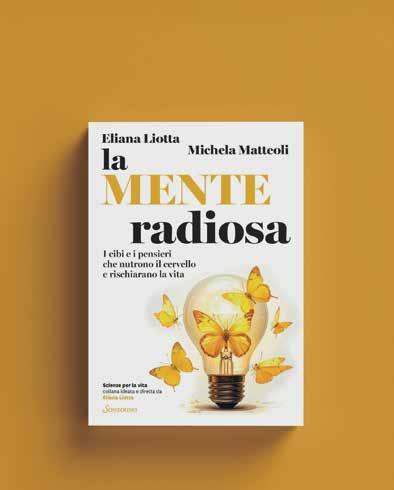
AUTRICI /AUTHORS Eliana Liotta, Michela Matteoli
CASA EDITRICE /PUBLISHER Sonzogno (collana Scienze per la vita)
ANNO DI USCITA /YEAR OF PUBLICATION 2026
NUMERO DI PAGINE /NUMBER OF PAGES 240
LINGUA /LANGUAGE Italiano /Italian
PREZZO DI COPERTINA /COVER PRICE € 18.00
IL LIBRO È DISPONIBILE SIA IN FORMATO CARTONATO CHE IN EDIZIONE DIGITALE. /THE BOOK IS AVAILABLE IN BOTH HARDCOVER AND DIGITAL EDITIONS.
La giornalista e saggista Eliana Liotta e la neuroscienziata Michela Matteoli - già autrici di successi editoriali individuali nel campo della divulgazione scientifica - uniscono le proprie “menti radiose” in questo saggio pubblicato nella primavera del 2026, dando vita a un’opera che ha rapidamente conquistato le classifiche italiane. Il cuore del libro è una tesi tanto semplice quanto rivoluzionaria nel modo in cui viene argomentata: la mente non è separata dal corpo e il cervello ha bisogno di nutrienti specifici per funzionare bene. Le autrici propongono una
visione della mente come “entità incarnata”, in dialogo continuo con il corpo e con il microbiota intestinale, un approccio in linea con le scoperte più recenti delle neuroscienze. Il punto di vista è nuovo e parte dagli studi recenti di neuroscienze per approdare a discipline nascenti come la psichiatria nutrizionale e il neurometabolismo. Inutile negare che in molti seguiamo regimi alimentari ricchi di calorie ma poveri di nutrienti essenziali in una dieta basata su prodotti ultra-processati, zuccheri raffinati e pochi alimenti freschi.
Tutto questo può contribuire a stanchezza mentale, difficoltà di concentrazione, peggioramento dell’umore e disturbi del sonno.
In particolare, dall’analisi dei dati scientifici emerge che, in media, gli abitanti dell’Italia sono carenti di sostanze essenziali per il sistema nervoso, come gli omega-3 e le vitamine B e D, con conseguenze concrete sulla qualità della vita quotidiana.
La mente radiosa si caratterizza per un linguaggio accessibile e vivace, mai banale. Il libro unisce rigore scientifico e riflessione quotidiana, offrendo strumenti concreti per nutrire non solo il corpo ma anche i pensieri. Per questo, è un libro consigliato a tutti, specialmente a chi sente di soffrire di stanchezza cronica, difficoltà di concentrazione. È un libro adatto anche a chi non ha una formazione scientifica ma è curioso di capire cosa dice oggi la ricerca sul benessere mentale.
Attenzione, però: non è un manuale di istruzioni né un libro di ricette; è piuttosto un invito consapevole a trattare la propria mente con la stessa attenzione che dedichiamo al corpo… o che dovremmo dedicargli.
Journalist and essayist Eliana Liotta and neuroscientist Michela Matteoli – both authors of successful individual works in the field of popular science – have joined their ‘brilliant minds’ in this essay published in the spring of 2026, creating a work that has quickly topped the Italian bestseller lists.
At the heart of the book lies a thesis that is as simple as it is revolutionary in the way it is argued: the mind is not separate from the body, and the brain needs specific nutrients to function properly. The authors propose a view of the mind as an ‘embodied entity’, in constant dialogue with the body and the gut microbiota, an approach in line with the latest discoveries in neuroscience. This perspective is new and draws on recent neuroscience studies to explore emerging disciplines such as nutritional psychiatry and neurometabolism. There is no denying that many of us follow diets high in calories but low in essential nutrients, based on ultra-processed foods, refined sugars and few fresh foods. All this can contribute to mental fatigue, difficulty concentrating, low mood and sleep disorders. In particular, analysis of scientific data shows that, on average, people in Italy are deficient in substances essential for the nervous system, such as omega-3s and vitamins B and D, with tangible consequences for the quality of daily life.
The Radiant Mind is characterised by accessible and lively language, never banal. The book combines scientific rigour with everyday reflection, offering practical tools to nourish not only the body but also the mind. For this reason, it is a book recommended for everyone, especially those who feel they suffer from chronic fatigue or difficulty concentrating. It is also suitable for those without a scientific background but who are curious to understand what current research says about mental wellbeing.
But be warned: this is neither an instruction manual nor a recipe book; rather, it is a conscious invitation to treat one’s mind with the same care we devote to the body… or that we ought to devote to it.
PEPITA - Pizza e Pasta Italiana
Mensile di Pizza, Pasta, Enogastronomia e Cultura /A monthly magazine on pizza, pasta, food, wine, and culture
EDITO DA /PUBLISHED BY PIZZA NEW S.p.A.
Autorizzazione Tribunale di Venezia n.1019 del 02/04/1990 Anno XXXVII - n.413 / giugno 2026 - Repertorio ROC n. 5768 / Authorisation from the Court of Venice No. 1019 of 02/04/1990 Year XXXVII - No. 413 / June 2026 - ROC Register No. 5768
DIRETTORE EDITORIALE /EDITOR-IN-CHIEF
Massimo Puggina
DIRETTORE ONORARIO /HONORARY DIRECTOR
Giampiero Rorato
DIRETTORE RESPONSABILE /PUBLISHING DIRECTOR
Antonio Puzzi antonio.puzzi@pizzaepastaitaliana.it
PUBBLICITÀ /ADVERTISING
Caterina Orlandi caterina.orlandi@pizzaepastaitaliana.it
COMITATO TECNICO E REDAZIONALE / TECHNICAL AND EDITORIAL COMMITTEE
Alfonso Del Forno, Annatina Franzese, Antonella Mignacca, Antonio Puzzi, Caterina Vianello, Domenico Maria Jacobone, Giampiero Rorato, Giuseppe A. D'Angelo, Giusy Ferraina, Marisa Cammarano, Marlena Buscemi, Massimiliano Bruno Gallo, Noemi Caracciolo
REDAZIONE /EDITORIAL OFFICE
Via Sansonessa, 49 - 30021 Caorle (VE) Tel. 0421/ 212348
E-mail: redazione@pizzaepastaitaliana.it www.pizzaepastaitaliana.it
ART DIRECTION & GRAPHIC DESIGN
Manuel Rigo, Paola Dus — Mediagraf Lab
ILLUSTRAZIONE DI COPERTINA /COVER ILLUSTRATION
Sancho Sancho
FONTS
STAMPA /PRINTING
Mediagraf S.p.A. — Noventa Padovana (Pd)
AFFILIAZIONI INTERNAZIONALI /INTERNATIONAL AFFILIATIONS
Pizza Today (U.S.A.)
P.M.Q. (U.S.A.)
PER LA PUBBLICITÀ SULLA RIVISTA / FOR ADVERTISING IN MAGAZINE:
PEPITA - Pizza e Pasta Italiana; TEL. / PHONE +39 0421 83148 caterina.orlandi@pizzaepastaitaliana.it
INFO E NUMERI ARRETRATI /INFO AND BACK ISSUES
TEL. / PHONE +39 0421 212348 dal lun. al ven. / Mon–Fri: 10:00 – 12:00 / 15:00 – 17:00 redazione@pizzaepastaitaliana.it

A tutela del diritto d’autore e ai sensi della Legge 132/2025, si informa che gli articoli presenti in questa rivista sono opere dell’ingegno umano. Nella fase di realizzazione di alcuni tra questi, potrebbero essere stati utilizzati strumenti di intelligenza artificiale ma il risultato finale qui pubblicato è comunque frutto del lavoro intellettuale dell’autore che firma l'articolo.
/ To protect copyright and in accordance with Law 132/2025, please note that the articles in this magazine are works of human intellect. During the creation of some of these, artificial intelligence tools may have been used, but the final result published here is nonetheless the intellectual work of the author who signed the article.
DIS è il network distributivo di DISARONNO INGREDIENTS che ogni giorno raggiunge migliaia di clienti con un approccio olistico alle esigenze di gelaterie, pasticcerie, bar e ristoranti.
DIS distribuisce un’ampia gamma di semilavorati per gelateria e pasticceria garantiti dalla qualità di Disaronno Ingredients e dalla storia dei brand che ne fanno parte: Montebianco, Stella, Anselmi, Alvena, Chiaravalle.
DIS è un punto di riferimento anche per la linea completa di prodotti complementari che arricchiscono e completano l’offerta di ogni operatore del settore. Dai coni e cialde agli ingredienti decorativi, dai contenitori agli accessori per la vendita, i nostri prodotti rispondono a tutte le esigenze di chi opera nel mondo del gelato.
La Business Unit Equipment di DIS si pone al fianco dei professionisti del settore con una gamma completa di attrezzature e macchinari in grado di soddisfare molteplici esigenze.
Grazie a un team di professionisti offriamo consulenza tecnica altamente qualificata in ogni fase dell’acquisto, dalla valutazione iniziale fino all’assistenza postvendita.
Sviluppiamo attrezzature a nostro marchio con le più avanzate tecnologie per assicurare performance elevate e affidabilità nel tempo:

Sweet Bike, elegante e maneggevole, per il servizio in mobilità o per piccoli spazi all’aperto.


iChef per i professionisti dell’Ho.Re.Ca che cercano una macchina compatta e altamente funzionale per piccole produzioni di dessert gelato.
Siamo Esclusivisti Dynamic per il settore HO.RE.CA: elettrodomestici da cucina di alta qualità progettati per uso professionale. Comprendono una gamma di prodotti come frullatori a immersione, fruste e cutter per alimenti, noti per la loro robustezza e affidabilità.


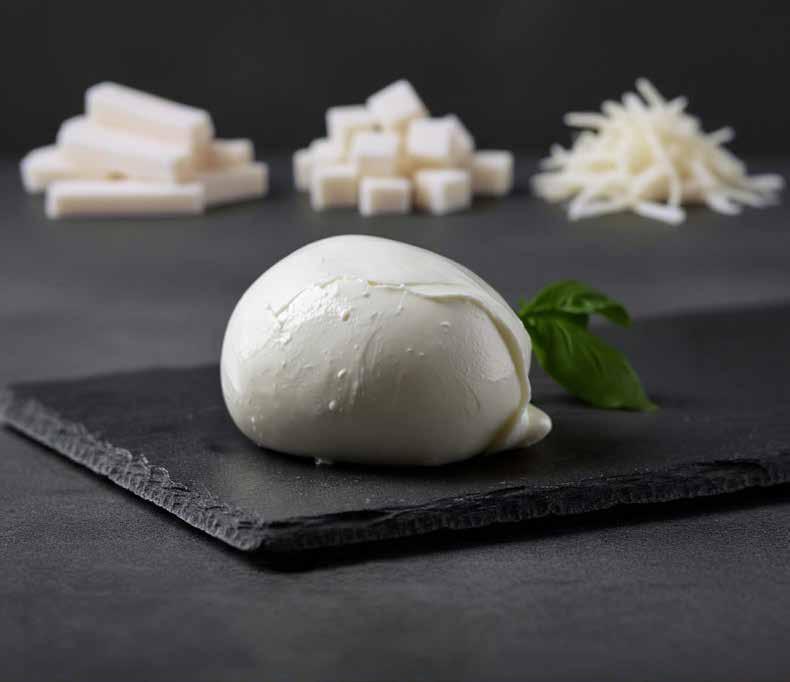


Fiordilatte e Mozzarella di Bufala in vari formati, per ristoranti e pizzerie.
Fiordilatte and Mozzarella di Bufala in various formats, for restaurants and pizzerias.
Fiordilatte per pizza in filoni, cubettata e julienne in vari formati
Fiordilatte for pizza in loaves, diced and julienne in various formats
Mozzarella di Bufala Campana DOP
Mozzarella di Bufala Campana PDO
Specialità casearie: Burrata, stracciatella
Dairy specialties: Burrata, stracciatella
Mozzarella Fiordilatte
Mozzarella Fiordilatte
Formaggi filanti e a umicati
Pasta filata and smoked cheese
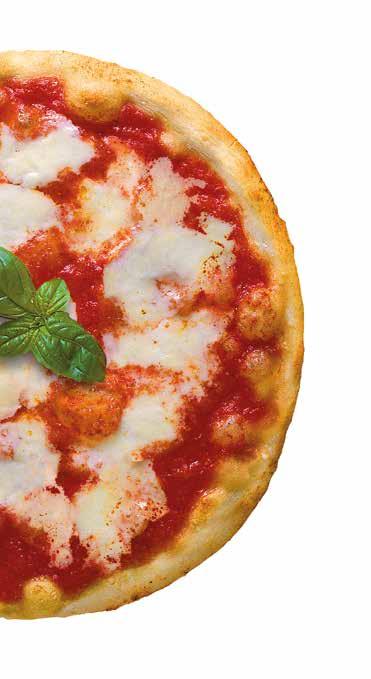
Oltre 70 Paesi. Una sola firma: quella dell’eccellenza italiana. I nostri forni uniscono innovazione tecnologica e cura artigianale.