PEPITA
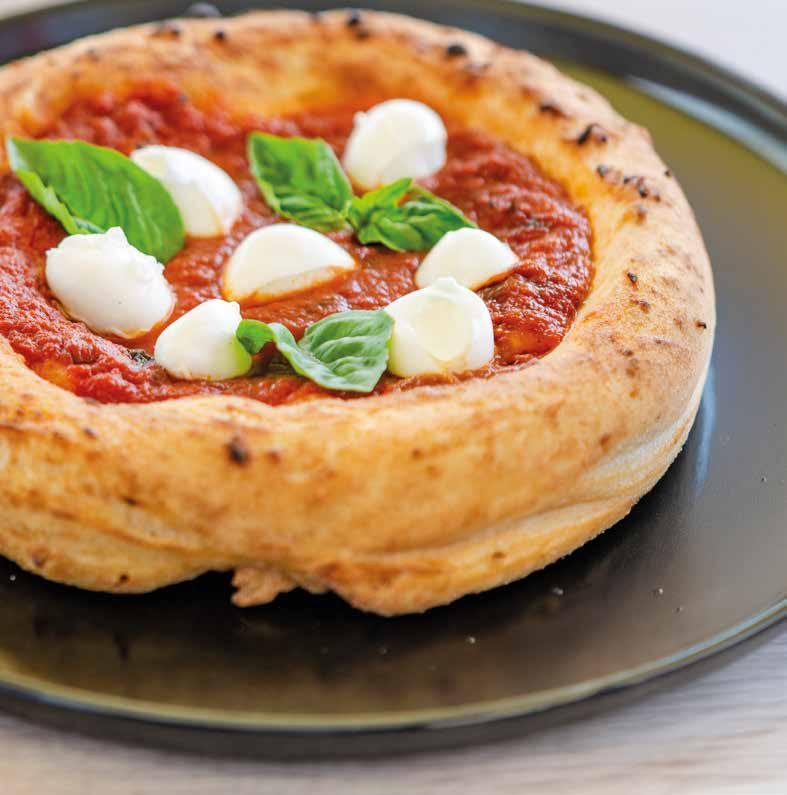
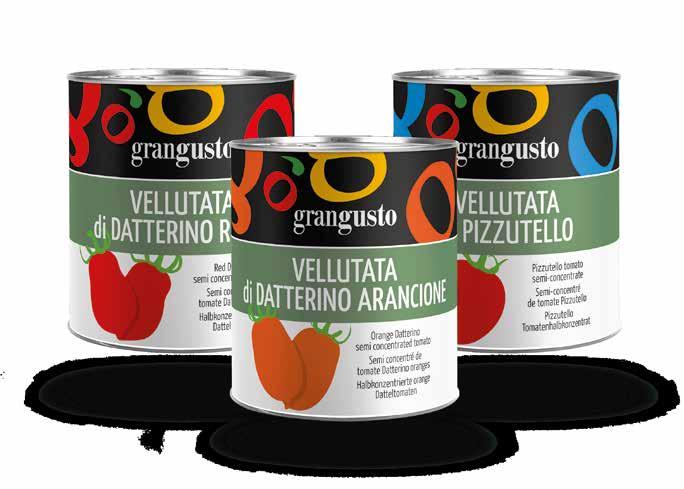
per accedere al catalogo completo. Scopri la gamma dedicata ai professionisti su www.grangusto.it
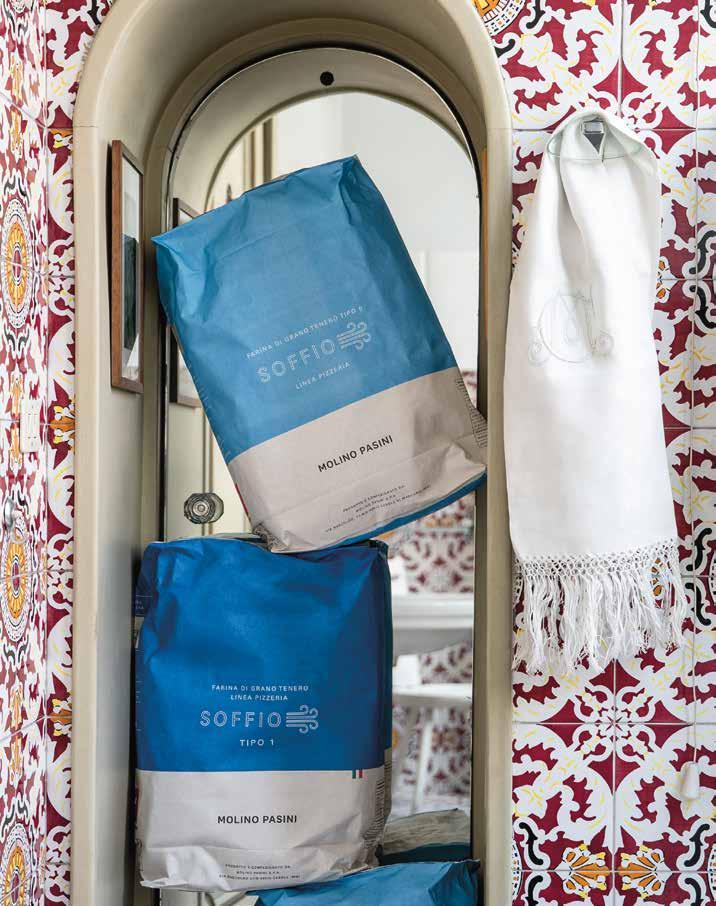


per accedere al catalogo completo. Scopri la gamma dedicata ai professionisti su www.grangusto.it
"Affacciati alle sponde dello stesso mare
Nisciuno
è pirata e nisciuno è emigrante
Simme tutte naviganti"
/"Looking out from the shores of the same sea
No one is a pirate and no one is an emigrant
We are all sailors"
Che il Mediterraneo sia, Eugenio Bennato
QUESTO NUMERO È STATO RESO POSSIBILE GRAZIE A
/THIS ISSUE HAS BEEN MADE POSSIBLE THANKS TO
2 Grangusto, 3 Molino Pasini, 4 Le 5 Stagioni, 11 Molino Naldoni, 13 La Torrente, 17 Molino Polselli, 20 Industria Alimentare Tanagrina, 31 Ab Mauri, 33 Di Marco, 45 Latteria Sorrentina, 51 Salomon Foodworld, 57 Rinaldi Superforni, 71 Molino Dalla Giovanna, 83 Molino Bruno, 87 Sacar, 97 Scuola Italiana Pizzaioli, 103 Sitta, 113 Galbani, 114 Sanfelici Franco, 115 Valledoro, 116 Millberg
8 ENTRÈE
Antonio Puzzi
10 PIZZA NEWZ
redazione /editorial staff
12 ON THE ROAD
Eventi del Mese Events of the Month redazione /editorial staff
14
RORATO'S
Pane. Il cibo che ci rende umani
Bread. The food that makes us human Giampiero Rorato
2O
GALEOTTO FU(D)
Il seminatore di Utopie
The Sower of Utopias
Anna Marlena Buscemi
26
SLOW FOOD
Da Tropea a Torino. È iniziato il viaggio verso TERRA MADRE.

From Tropea to Turin It has begun the journey toward "TERRA MADRE". a cura di Slow Food Italia
34 TECH FORWARD

Navigating the jungle of online bookings: which is the best platform for your venue?"
Domenico Maria Jacobone
Coprogettare la pizza
Co-designing the pizza
Antonella Mignacca 46
INTERVIEWZ
La cucina italiana secondo Alberto Capatti
Italian cuisine according to Alberto Capatti
Caterina Orlandi
FOOD FOR THOUGHT
That’s why the Mediterranean Diet continues to win over the World
Giampiero Rorato
60
PIZZA PEOPLE
“Una pizza tutta per me”. Silvia Da Re, campionessa di Pizza Homemade
“A pizza of one's own”. Silvia Da Re, champion of Pizza Homemade
Giusy Ferraina
66
PIZZA PEOPLE
The ‘emerging’ story of Lorenzo De Angelis
Annatina Franzese
72
PASTA PEOPLE
La stanza della nonna. Antonia Abbatiello e la sua “Casa Vittoria”
Grandma’s Room Antonia Abbatiello Antonia Abbatiello and her "Casa Vittoria"
Noemi Caracciolo
80
PIZZA WORLD
Asian Pizza Lovers
Giuseppe A. D'Angelo
84
EAT WELL STAY WELL
Come vincere la spossatezza in estate
How to beat summer fatigue
Marisa Cammarano
92
GLUTEN FREE
Non solo farina di riso
Not just rice flour
Alfonso Del Forno
98
OLIO
Una storia mediterranea
A Mediterranean story
Massimiliano Bruno Gallo
104
FOODTELLING
Gelato gastronomico.
Un universo oltre il dolce
Gourmet ice cream. A world beyond dessert
Caterina Vianello
110
THE TIP
Libro. Esseri Umami
Book. Umami Beings redazione /editorial staff COMPANY SPOTLIGHT
Sarò un inguaribile romantico ma per me l’estate è tutta qui: il sole che si avvicina lentamente al mare, come per sfiorarne le labbra in quello che è un infinito primo bacio. E un orizzonte che si fa sempre più visibile, quasi tangibile e che vince il limite razionale della distanza.
Non sono né il primo né il più bravo e certamente non sarò neppure l’ultimo a essere innamorato del Mediterraneo: protagonista silenzioso delle nostre vite, letteralmente “mare tra le terre”, da sempre culla dei popoli e scrigno di biodiversità. “Mediterraneo da scoprire”, cantava un giovane Pino Mango in uno dei suoi brani più celebri, in cui è racchiusa l’essenza stessa di ciò che il Mediterraneo è: “da vedere e da mangiare”, certo. Ma anche luogo di preghiera e di morte, perché negli ultimi decenni abbiamo tradito la sua vocazione dialogica per trasformarlo in posto di frontiera tra la vita e la sua assenza, la democrazia e la tirannia, l’opulenza e la povertà, dimenticando che censo e origine non sono metri di giudizio per essere considerati umani.
Si dovrebbe, allora, tornare a studiare con maggior convinzione il Mediterraneo nelle scuole e, magari, anche dal vivo, per sapere che il porto di Tunisi e quello di Mazara del Vallo parlano la stessa lingua; che il couscous e la fregola sono imparentati; che senza l’Anatolia non avremmo mai imparato a domesticare l’olivo. Sì, ci basterebbe saperlo, anche senza conoscerne il perché, per capire dove ci stanno guidando le derive sovraniste e assolutiste delle Nazioni. E anche la nostra incapacità di ammettere che abbiamo un solo pianeta a disposizione e che ne stiamo usando a dismisura le risorse.
In fondo, nelle nostre case basta accendere un climatizzatore per allentare il caldo, almeno fino a quando avremo energia sufficiente per alimentarlo. Allora, si fanno vive nella mia memoria, oggi più che mai, le parole di Toro Seduto, capo Sioux che, a metà Ottocento, mentre era in corso uno dei vari tentativi di genocidio dei nativi Americani, disse: "Quando avranno inquinato l'ultimo fiume, abbattuto l'ultimo albero, preso l'ultimo bisonte, pescato l'ultimo pesce, solo allora si accorgeranno di non poter mangiare il denaro accumulato nelle loro banche".
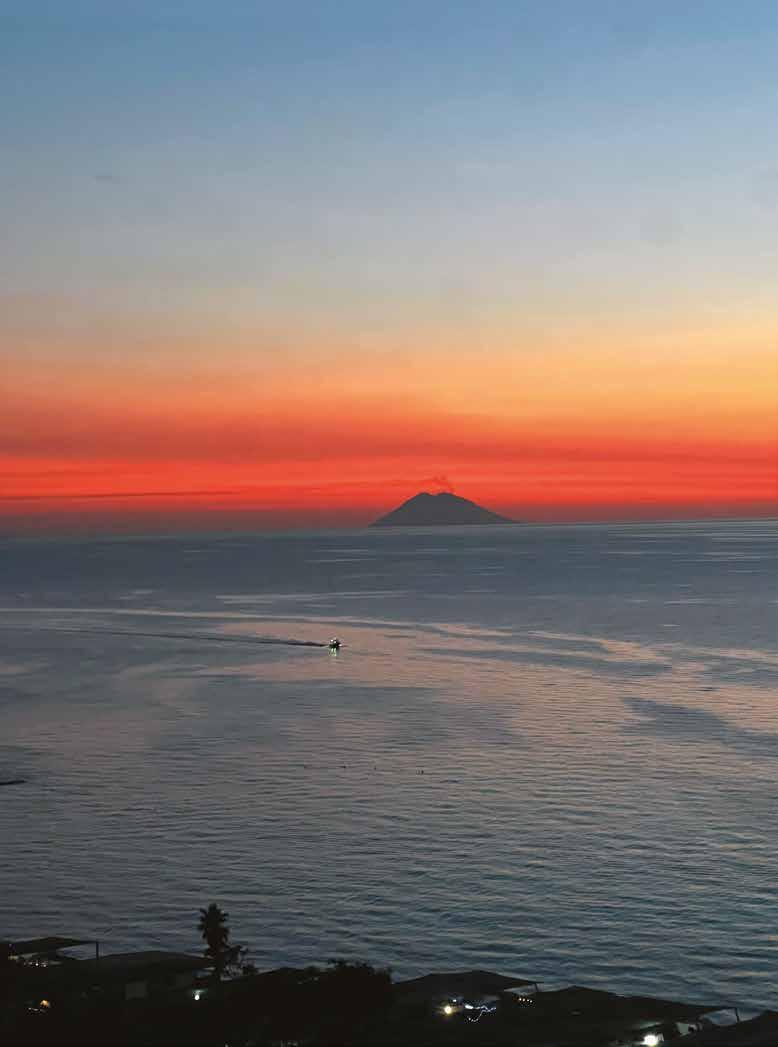
I may be an incurable romantic, but for me, summer is all about this: the sun slowly drawing closer to the sea, as if to brush its lips in what feels like an endless first kiss. And a horizon that becomes ever more visible, almost tangible, transcending the rational limits of distance.
I am neither the first nor the best, and I certainly won’t be the last to fall in love with the Mediterranean: the silent protagonist of our lives, literally the ‘sea between the lands’, which has always been the cradle of peoples and a treasure trove of biodiversity. ‘The Mediterranean waiting to be discovered’, sang a young Pino Mango in one of his most famous songs, which encapsulates the very essence of what the Mediterranean is: ‘to be seen and to be savoured’, certainly. But it is also a place of prayer and death, because in recent decades we have betrayed its vocation for dialogue, transforming it into a frontier between life and death, democracy and tyranny, opulence and poverty, forgetting that wealth and origin are not criteria for judging whether one is human.
We should, therefore, return to studying the Mediterranean with greater conviction in schools and, perhaps, even through direct experience, to realise that the ports of Tunis and Mazara del Vallo speak the same language; that couscous and fregola are related; that without Anatolia we would never have learnt to cultivate the olive tree. Yes, simply knowing this – even without understanding why – would be enough to grasp where the sovereignist and absolutist tendencies of nations are leading us. And also our inability to admit that we have only one planet at our disposal and that we are using its resources to excess. After all, in our homes, all we need to do is switch on an air-conditioner to beat the heat – at least until we have enough energy to power it. So, the words of Sitting Bull, a Sioux chief who, in the mid-19th century, whilst one of the many attempts at the genocide of Native Americans was underway, come to mind today more than ever: “When they have polluted the last river, cut down the last tree, hunted the last bison, caught the last fish, only then will they realise they cannot eat the money they have accumulated in their banks.”
CON UNA PROPOSTA
PENSATA PER L’HO.RE.CA.
Da Cattel, una proposta dedicata alle eccellenze DOP e IGP: 248 referenze certificate (di cui 176 DOP e 72 IGP), selezionate da buyer esperti e validate dall’Ufficio qualità con rigorosi controlli, per rispondere alle esigenze concrete dei professionisti del fuori casa. Tra i prodotti più adatti al mondo pizza e pasta: Mozzarella di Bufala Campana DOP, Gorgonzola DOP, Parmigiano Reggiano DOP anche grattugiato, Pasta di Gragnano IGP, Aceto Balsamico di Modena IGP e il comparto pomodoro.
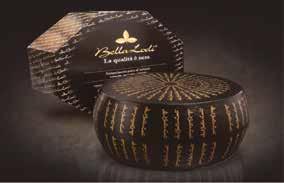
Bella Lodi celebra l’eccellenza della tradizione casearia lodigiana attraverso il Granone Lodigiano, formaggio che racchiude qualità, territorio e sapere artigianale. Realizzato con latte selezionato e lavorato secondo metodi consolidati nel tempo, il Granone Lodigiano rappresenta un simbolo dell’identità gastronomica locale. Dalla sua lavorazione nasce anche la celebre raspadura, sottile sfoglia di formaggio dal gusto delicato, ideale come ingrediente innovativo e versatile per arricchire pizze gourmet. Con questo prodotto, Bella Lodi conferma il proprio impegno nella valorizzazione delle eccellenze agroalimentari del territorio.
CATTEL SHOWCASES PDO AND PGI PRODUCTS OF EXCELLENCE WITH A RANGE DESIGNED FOR THE HO.RE.CA. SECTOR.
Cattel presents a range dedicated to PDO and PGI products: 248 certified items (including 176 PDO and 72 PGI), selected by expert buyers and validated by the Quality Department through rigorous checks, to meet the specific needs of professionals in the foodservice sector. Among the products best suited to the world of pizza and pasta are: Mozzarella di Bufala Campana PDO, Gorgonzola PDO, Parmigiano Reggiano PDO (including grated), Pasta di Gragnano PGI, Aceto Balsamico di Modena PGI and the tomato range.
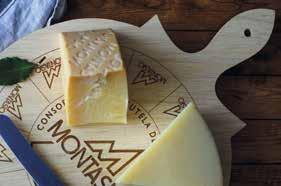
Bella Lodi celebrates the excellence of Lodi’s cheesemaking tradition through Granone Lodigiano, a cheese that embodies quality, the local terroir and artisanal expertise. Made from carefully selected milk and produced using time-honoured methods, Granone Lodigiano stands as a symbol of the local gastronomic identity. The production process also yields the famous ‘raspadura’, a thin sheet of cheese with a delicate flavour, ideal as an innovative and versatile ingredient to enhance gourmet pizzas. With this product, Bella Lodi reaffirms its commitment to promoting the region’s finest food and drink specialities.
Luglio-Agosto /July-August 2026
IN ITALIA /IN ITALY
→ Festa Artusiana
27 giugno/june – 5 luglio/july
Forlimpopoli (FC) www.festartusiana.it
→ Gli Artisti dello Street Food
22 luglio/july Brusaporto (BG) www.davittorio.com
→ Pacentro del Mondo
24–26 luglio/july
Pacentro (AQ) www.billetto.it/e/pacentro-delmondo-2026-biglietti-1452230
→ Street Food Festival
7–16 luglio/july Livorno https://eventi.visit-livorno.it
→ Fiera Nazionale del Peperone
28 agosto/august – 6 settembre/september Carmagnola (TO) www.fieradelpeperone.it
/EVENTS
IN EUROPA E NEL MONDO /IN EUROPE AND AROUND THE WORLD
→ FIPAN
21–24 luglio/july
São Paulo, Brasile www.fipan.com.br
→ HKTDC Food Expo PRO
13–17 agosto/august Hong Kong www.hktdc.com/event/ hkfoodexpo/en
→ Fi India
26–28 agosto/august Mumbai, India www.figlobal.com/india/en/home. html
→ F Istanbul – Food & Beverage Products Exhibition
26–29 agosto/august Istanbul, Turchia www.f-istanbul.com
/OF THE MONTH
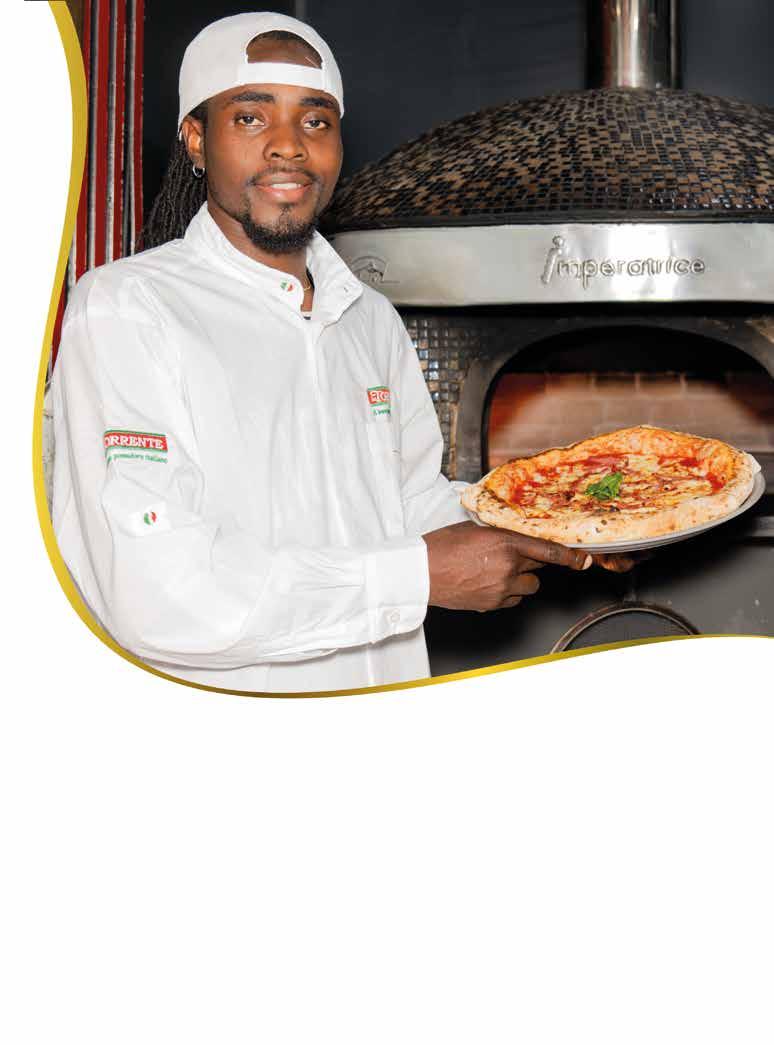
Ogni mese, ci lasciamo sorprendere da dodici straordinarie creazioni dei nostri 'Artisti della Pizza'. Per Luglio vi presentiamo “Il bacio del diavolo”, ideata dal talentuoso pizzaiolo Emmanuel Ehiosun. Una pizza intensa, passionale, capace di sedurre al primo morso: il pomodoro avvolge con il suo profumo autentico, il fiordilatte regala morbidezza e dolcezza, mentre il salame piccante accende il gusto come una fiamma improvvisa. Il basilico fresco e un filo d’olio extravergine completano un incontro caldo, deciso e irresistibile.

di/by Giampiero Rorato
There is one food that, more than any other, has accompanied the history of humanity. It tells us who we were, but also who we are. It is not wine, it is not meat, it is not oil. It is bread. Every day we find it on our tables, in restaurants, in pizzerias, in bakeries and in our homes. We take it almost for granted, but – if we look back at human history – it is anything but. Behind a simple loaf of bread lies one of the most extraordinary adventures of human civilisation.
Bread is not merely food. It is a symbol. It is the result of a discovery that changed the course of human history: agriculture. When our ancestors stopped living solely by hunting and gathering and began to cultivate cereals, villages, towns and great civilisations sprang up. In other words, the world as we know it today came into being. It is no coincidence that bread features constantly in tales, myths and religions. It goes almost without saying that bread played a significant role in the history of Christianity, to give just one brief example. Even in ancient Greece, it represented the dividing line between civilisation and barbarism.
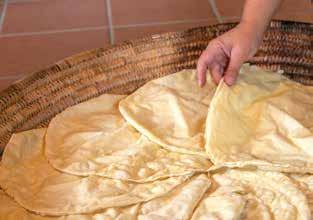
C’è un alimento che più di ogni altro accompagna la storia dell’umanità. Ci dice chi siamo stati, ma anche chi siamo. Non è il vino, non è la carne, non è l’olio. È il pane. Ogni giorno lo troviamo sulle nostre tavole, nei ristoranti, nelle pizzerie, nei panifici e nelle case.
Lo consideriamo quasi scontato ma - se si ripercorre la storia dell’uomo - non lo è. Dietro una semplice pagnotta, si nasconde una delle più straordinarie avventure della civiltà umana.
È il risultato di una scoperta che ha cambiato il destino dell’uomo: l’agricoltura. Quando i nostri antenati smisero di vivere solo di caccia e raccolta e iniziarono a coltivare cereali, nacquero i villaggi, le città, le grandi civiltà. In altre parole, nacque il mondo come lo conosciamo oggi. Non è un caso che il pane compaia continuamente nei racconti, nei miti e nelle religioni. Appare quasi scontato ricordare l’importanza del pane nella storia del Cristianesimo, per fare un breve esempio. Già nell’antica Grecia, esso rappresentava il confine tra civiltà e barbarie. Un esempio curioso si trova nell’Odissea di Omero. Quando Ulisse incontra il ciclope Polifemo, il gigante viene descritto come un essere selvaggio, incapace di vivere secondo le regole degli uomini. Tra le caratteristiche che lo rendono diverso, c’è proprio il fatto che non coltiva la terra e non produce pane. Vive di pastorizia e di ciò che trova in natura. Per i Greci, mangiare pane significava appartenere al mondo della cultura e della comunità
Da quei racconti, sono passati quasi tremila anni ma il legame tra pane e società è rimasto fortissimo. Nell’antico Egitto, i fornai erano figure essenziali. Nell’Impero Romano, esistevano forni pubblici e il prezzo del pane era una questione politica. Nel Medioevo, il raccolto dei cereali determinava spesso la fortuna o la miseria di intere popolazioni.
Persino le rivoluzioni hanno avuto a che fare con il pane. La Rivoluzione Francese scoppiò anche a causa della scarsità e dell’aumento del prezzo di questo alimento fondamentale. Quando manca il pane, la società entra in crisi. Quando il pane abbonda, le comunità prosperano.
Oggi il pane continua a raccontare storie. Racconta i territori, le tradizioni e le identità locali. In Italia, esistono centinaia di varietà diverse: dal pane di Altamura alle coppie ferraresi, dalla michetta milanese al pane carasau sardo, dalla cioppa (o cioppetta)
A curious example can be found in Homer’s Odyssey. When Odysseus encounters the cyclops Polyphemus, the giant is described as a savage being, incapable of living by the rules of men. Among the characteristics that set him apart is precisely the fact that he does not cultivate the land or bake bread. He lives off sheep-herding and whatever he finds in nature. For the Greeks, eating bread meant belonging to the world of culture and community
Almost three thousand years have passed since those tales were told, yet the link between bread and society remains extremely strong. In ancient Egypt, bakers were essential figures. In the Roman Empire, there were public bakeries and the price of bread was a political issue. In the Middle Ages, the grain harvest often determined the fortune or misery of entire populations.
Even revolutions have been linked to bread. The French Revolution broke out partly because of the scarcity and rising price of this staple food. When bread is scarce, society enters a crisis.
When bread is plentiful, communities thrive. Today, bread continues to tell stories. It tells of regions, traditions and local identities. In Italy, there are hundreds of different varieties: from Altamura bread to the ‘coppie’ of Ferrara, from the Milanese ‘michetta’ to Sardinian ‘pane carasau’,


veneta, panino di grano tenero dalla crosta sottile e croccante con una caratteristica forma a croce, al friulano “Pan di Sorc”, pagnotta tonda a base di farina di mais (da cui il nome dialettale sorc), segale e frumento. Ogni regione custodisce ricette tramandate per generazioni.
Anche il mondo della ristorazione sta riscoprendo il valore culturale del pane: sempre più ristoranti investono nella panificazione artigianale, nelle madri (intese come lieviti), nelle farine locali e nei cereali antichi. Non si tratta soltanto di qualità gastronomica: il pane è diventato un modo per raccontare una filosofia, un territorio e un’idea di accoglienza.
Lo stesso vale per le pizzerie, dove l’attenzione agli impasti, alle fermentazioni e alla scelta delle farine è cresciuta enormemente negli ultimi anni. In fondo, pizza e pane condividono la stessa origine: l’incontro tra acqua, farina, tempo e lavoro umano.
Forse è proprio questo il segreto del pane. Dietro ingredienti semplicissimi si nasconde qualcosa di profondamente umano. Richiede conoscenza, pazienza, collaborazione e capacità di guardare al futuro: chi semina oggi raccoglierà domani. Da Polifemo ai giorni nostri, il pane continua a essere molto più di un alimento. È una memoria che attraversa i secoli. Un gesto quotidiano che racconta chi siamo stati e, forse, anche chi vogliamo diventare.
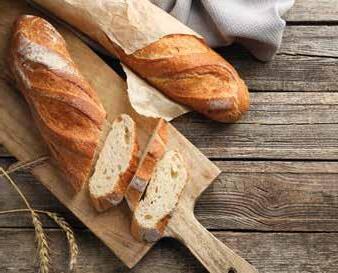
from the Venetian ‘cioppa’ (or ‘cioppetta’), a soft-wheat roll with a thin, crisp crust and a characteristic cross-shaped design, to the Friulian ‘Pan di Sorc’, a round loaf made from maize flour (hence the dialect name ‘sorc’), rye and wheat. Every region cherishes recipes handed down through the generations.
The restaurant industry is also rediscovering the cultural value of bread: more and more restaurants are investing in artisan baking, sourdough starters, local flours and ancient grains. It is not merely a question of gastronomic quality: bread has become a way of expressing a philosophy, a region and a sense of hospitality. The same applies to pizzerias, where attention to dough, fermentation and the choice of flours has grown enormously in recent years. After all, pizza and bread share the same origin: the combination of water, flour, time and human labour.
Perhaps this is precisely the secret of bread. Behind the simplest of ingredients lies something profoundly human. It requires knowledge, patience, collaboration and the ability to look to the future: those who sow today will reap tomorrow. From Polyphemus to the present day, bread continues to be much more than a foodstuff. It is a memory that spans the centuries. An everyday gesture that tells the story of who we have been and, perhaps, even who we want to become.

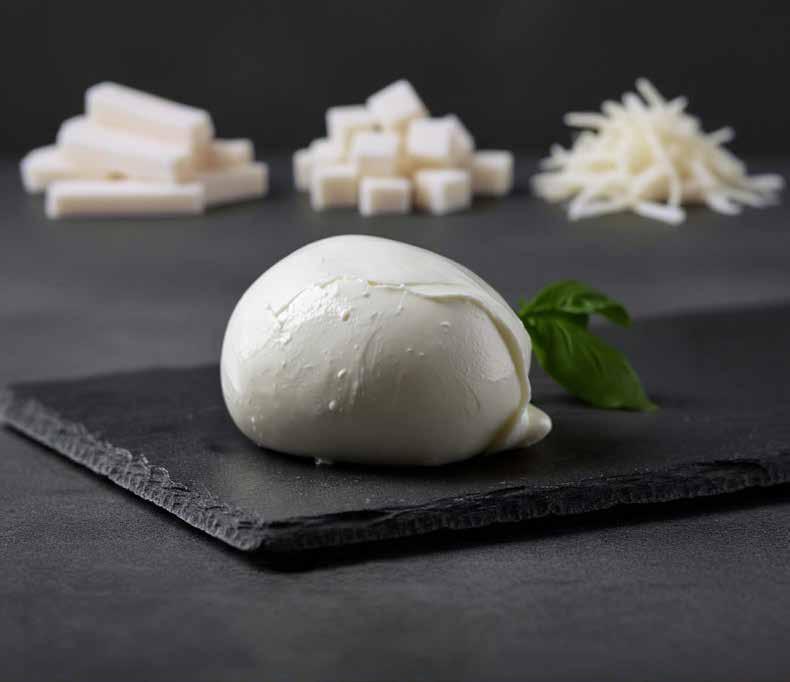


Fiordilatte e Mozzarella di Bufala in vari formati, per ristoranti e pizzerie.
Fiordilatte and Mozzarella di Bufala in various formats, for restaurants and pizzerias.
Fiordilatte per pizza in filoni, cubettata e julienne in vari formati
Fiordilatte for pizza in loaves, diced and julienne in various formats
Mozzarella di Bufala Campana DOP
Mozzarella di Bufala Campana PDO
Specialità casearie: Burrata, stracciatella
Dairy specialties: Burrata, stracciatella
Mozzarella Fiordilatte
Mozzarella Fiordilatte
Formaggi filanti e a umicati
Pasta filata and smoked cheese
- STORIES - UNEXPECTED EVENTS
Around the mid-1980s, there was a growing sense that the world had put its foot down on the accelerator. This was fuelled by the illusion that prosperity could finally become democratic and generous for everyone.
Moving fast, ever faster, was the most eloquent and tangible expression of this, to the point of sweeping through every sector and sphere of human life, without making too many distinctions. In the rush to accelerate, the possible consequences were lost sight of, weakening the link between causes and effects.
by Anna Marlena Buscemi
Intorno alla metà degli anni ’80, si cominciò ad avere la sensazione che il mondo avesse pigiato il piede sull’acceleratore. Complice l’illusione che il benessere potesse finalmente diventare democratico e generoso per tutti.
Andare veloce, sempre più veloce, ne era l’espressione più eloquente e tangibile, a tal punto da travolgere qualsiasi settore e ambito umano, senza fare troppe distinzioni. Nella fretta di accelerare, si persero di vista le possibili conseguenze, allentando il legame tra le cause e gli effetti.
La velocità fece da livella: uniformare divenne più vantaggioso che mai, prediligendo produzioni a catena, precise e infinitamente replicabili. Se questo permetteva grandi vantaggi nelle costruzioni e nella meccanica, applicato alle produzioni alimentari creava una distorsione piuttosto perversa: se la Natura ci incanta, è soprattutto per la sua capacità di creare e tenere insieme elementi estremamente diversi e, talvolta, persino incompatibili tra loro.
In questo abbaglio collettivo, una piccola minoranza resistette alle lusinghe, per quanto affascinanti, di quella miracolosa floridezza, ponendosi domande che andavano ben oltre il qui e ora. Quali rinunce ci avrebbe imposto tutto questo andare veloce? E a quale prezzo? A partire da una delle più edonistiche: il diritto di mangiare bene. Dove “bene” non significava soltanto gustoso e appagante ma anche qualitativamente valido.
Pochi si sarebbero aspettati che a mettere in crisi quel modello sarebbe stato un goliardico uomo barbuto di una remota provincia italiana. Un po’ cazzaro, lontanissimo dall’immagine del rivoluzionario. Partì in sordina, incoraggiato da pochi e fedeli amici di avventura, una chitarra e qualche bottiglia di vino. Nessuno di loro poteva immaginare che, grazie agli scambi di idee tra una fetta di salame,
Speed acted as a levelling force: standardisation became more advantageous than ever, favouring precise, infinitely replicable assemblyline production. Whilst this offered great advantages in construction and engineering, when applied to food production it created a rather perverse distortion: if Nature enchants us, it is above all for its ability to create and hold together elements that are extremely diverse and, at times, even incompatible with one another.
Amidst this collective delusion, a small minority resisted the allure – however fascinating – of that miraculous prosperity, asking questions that went far beyond the here and now. What sacrifices would this relentless rush impose on us? And at what cost? Starting with one of the most hedonistic: the right to eat well. Where ‘well’ meant not only tasty and satisfying but also of high quality.
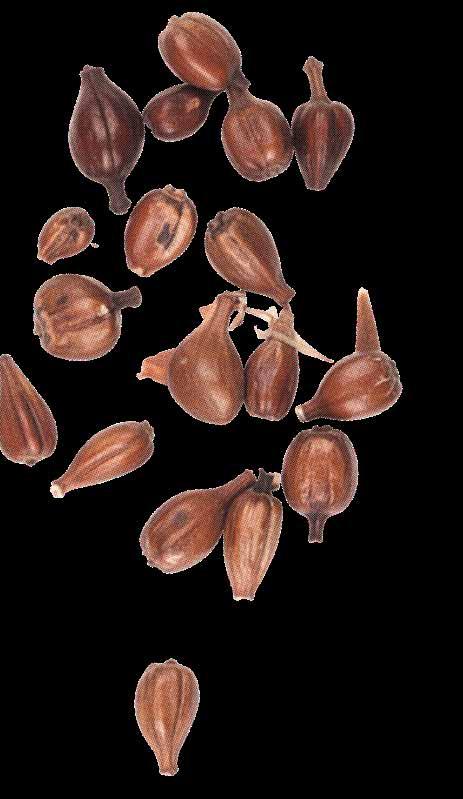
un’acciuga e un vinello sincero, sarebbe nata una rete internazionale capace di restituire al cibo una considerazione più alta e articolata, rimettendo insieme tutte le componenti che ne raccontano la complessità.
Few would have expected that the man to challenge that model would be a jolly, bearded fellow from a remote Italian province. A bit of a braggart, a far cry from the image of a revolutionary.
He set off quietly, encouraged by a handful of loyal friends ready for an adventure, a guitar and a few bottles of wine. None of them could have imagined that, thanks to the exchange of ideas over a slice of salami, an anchovy and a glass of honest wine, an international network would emerge capable of restoring a higher and more nuanced regard for food, bringing together all the elements that reveal its complexity.
During those chats around the table, many seeds were sown. Some took just a few years to sprout, others much longer, whilst still others turned to compost. Everything proved useful in bringing to life Slow Food, the Presidia, the Salone del Gusto, Terra Madre, school gardens, Cheese… even a university dedicated to Gastronomic Sciences. An idea that, at the time, was so far outside the norm that it seemed more mad than revolutionary.
In quelle chiacchiere attorno a una tavola, furono gettati molti semi. Alcuni impiegarono pochi anni a germogliare, altri molto di più, altri ancora sono diventati compost.
Tutto è stato utile per dare vita a Slow Food, ai Presìdi, al Salone del Gusto, a Terra Madre, agli orti scolastici, a Cheese… persino a un’università dedicata alle Scienze Gastronomiche. Un’idea che, all’epoca, era così tanto fuori dalla norma, da risultare più folle che rivoluzionaria.
Io lo conobbi proprio lì, a Pollenzo, dove quel seme aveva trovato il terreno giusto per mettere radici e delle mura robuste entro cui crescere.
Qui il cibo usciva dalla cucina per entrare in ogni altra stanza e disciplina. Diventava agronomia, antropologia, economia, ecologia, filosofia, storia. La gastronomia si rivelava così uno degli strumenti più efficaci per affrontare, comprendere e mettere in dialogo anche gli argomenti più spinosi.
Questo è soltanto uno dei tanti risultati che può generare una semina. Chi la fa, accetta una cosa che chi raccoglie tende a non considerare: la semina è un atto di fiducia.
I met him right there, in Pollenzo, where that seed had found the right soil to take root and sturdy walls within which to grow. Here, food emerged from the kitchen and th , entering every other room and discipline. It became agronomy, anthropology, economics, ecology, philosophy and history. Gastronomy thus proved to be one of the most effective tools for tackling, understanding and fostering dialogue on even the thorniest of topics. This is just one of the many outcomes that sowing a seed can bring about.
Those who sow accept something that those who reap tend not to consider: sowing is an act of trust. It offers no guarantees, nor the certainty of witnessing the harvest. For this reason, it cannot be neutral. Every seed holds a present and, at the same time, a future. To sprout, it needs diversity, freedom and responsibility. Only then will it be possible to reap and continue sowing. Today and tomorrow.

At a pace that is compatible with –and not at odds with – pleasure and, ultimately, life itself.
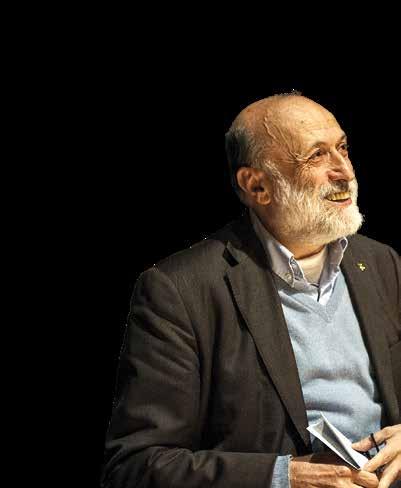
This is the most precious lesson left for us to reap by that bearded, somewhat boastful man known as Carlin.
His full name was Carlo Petrini.
Galeotto fu(d) vuol essere una piccola opera corale, dove il cibo non è solo ciò che cuciniamo, ma ciò che ci capita mentre lo cuciniamo. È sorprendente quante storie inizino da un ingrediente sbagliato o da un impasto che sfugge alle regole della scienza, davanti ai fornelli o intorno a una tavola: a volte bastano pochi grammi o attimi per cambiare (o complicare) il finale di una storia o della Storia.
Ogni mese ne sceglieremo una, in linea con il tema del mese. Se pensi che la tua meriti di uscire dalla cucina ed entrare su questa rubrica, puoi scriverla a amarlena.buscemi@gmail.com
ENG Galeotto fu(d) aims to be a small choral work, where food is not only what we cook, but what happens to us while we cook it. It is surprising how many stories begin with the wrong ingredient or a dough that defies the rules of science, in front of the stove or around a table: sometimes a few grams or moments are enough to change (or complicate) the ending of a story or of History.
Each month we will choose one, in line with the theme of the month. If you think yours deserves to leave the kitchen and enter this column, you can write it to amarlena.buscemi@gmail.com
Non offre garanzie, né la certezza di assistere al raccolto. Per questo non può essere neutrale. Ogni seme custodisce un presente e, al tempo stesso, un futuro.
Per germogliare, ha bisogno di diversità, di libertà e di responsabilità. Solo così sarà possibile raccogliere e continuare a seminare. Oggi e domani. A una velocità compatibile - e non contraria - al piacere e, in definitiva, alla vita. Questo è l’insegnamento più prezioso che ci ha lasciato da mietere quell’uomo barbuto e un po’ cazzaro, detto Carlin.
All’anagrafe, Carlo Petrini.
From Tropea to Turin It has begun the journey toward "Terra Madre"
edited by Slow Food Italia
ENG
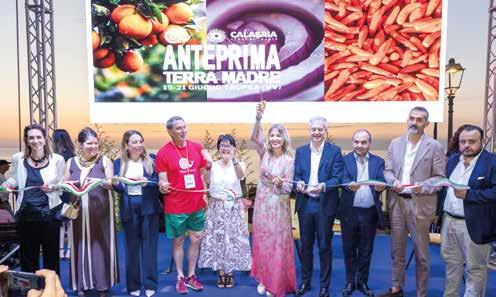
There is one image that, more than any other, captures the essence of the upcoming edition of Terra Madre: biodiversity, which “is not a sepia-toned photograph, nor is it nostalgia for a lost world, but a path to be followed and a declaration of love for what is to come”.
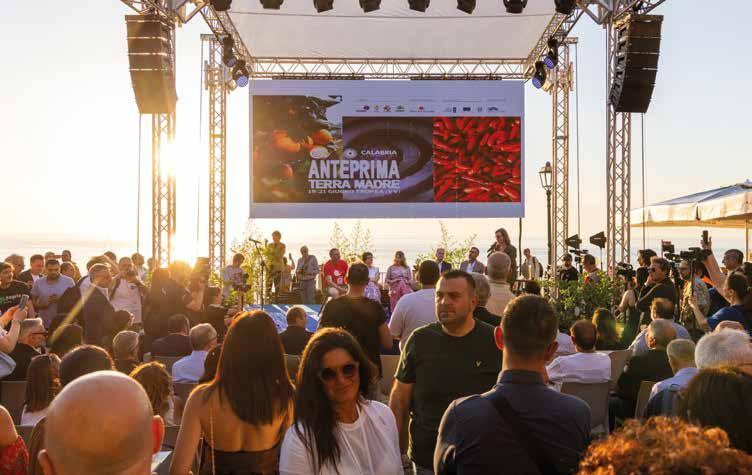
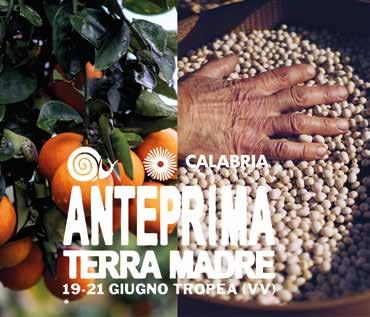
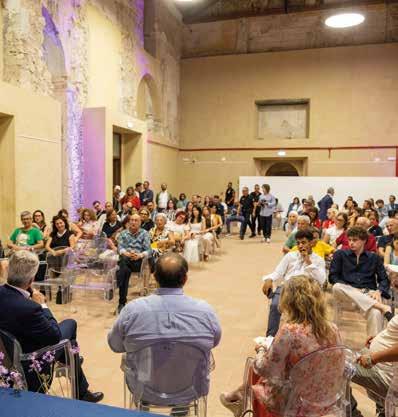
These are the words with which Barbara Nappini, president of Slow Food Italy, chose to conclude “Anteprima Terra Madre”, the event that, from 19 to 21 June, brought the streets and squares of Tropea (Vibo Valentia) to life with 150 producers from the Presidia and Slow Food networks, show cooking sessions with chefs from the Slow Food Alliance, talks, conferences and workshops for “young and old alike”.

C'è un'immagine che, più di ogni altra, racconta il senso della prossima edizione di Terra Madre: la biodiversità, la quale “non è una fotografia color seppia, non è la nostalgia di un mondo perduto ma una strada da percorrere e una dichiarazione d'amore verso ciò che verrà”.
Sono le parole con cui Barbara Nappini, presidente di Slow Food Italia, ha voluto concludere “Anteprima Terra Madre”, la manifestazione che dal 19 al 21 giugno ha animato le vie e le piazze di Tropea (Vibo Valentia) con 150 produttori dei Presìdi e delle reti Slow Food, showcooking con le cuoche e i cuochi dell'Alleanza Slow Food, talk, conferenze e laboratori per “piccoli e grandi”.
EVENTO /EVENT Terra Madre /LOCATION Torino
QUANDO /WHEN 24-27 settembre / september 2026
Quella raccontata in Calabria è una biodiversità viva e in continua evoluzione, tutt'altro che da museo: il frutto di ecosistemi diversissimi - dal mare alla montagna - e di secoli di stratificazioni culturali. Una ricchezza fatta di varietà vegetali, razze animali, formaggi, salumi, pani e dolci, che trova oggi una casa nell'Atlante dell'Arca del Gusto della Calabria che – insieme a quelli di tutte le altre regioni, come fortemente voluto dal fondatore di Slow Food, Carlo Petrini, scomparso lo scorso maggio – sarà presentato a Torino, giovedì 24 settembre alla presenza del Presidente della Repubblica Italiana, Sergio Mattarella.
Pensati come una vera e propria enciclopedia della biodiversità regionale, gli atlanti raccoglieranno i tasselli di un patrimonio unico, custodito da contadini e artigiani che della nostra terra si prendono cura ogni giorno.
The biodiversity found in Calabria is a living, constantly evolving phenomenon, far from being a mere museum piece: it is the result of vastly different ecosystems – from the sea to the mountains – and centuries of cultural layers. This wealth comprises plant varieties, animal breeds, cheeses, cured meats, breads and desserts, and is now documented in the Ark of Taste Atlas of Calabria which – alongside those of all the other regions, as strongly advocated by Slow Food’s founder, Carlo Petrini, who passed away last May – will be presented in Turin on Thursday 24 September in the presence of the President of the Italian Republic, Sergio Mattarella.
Conceived as a veritable encyclopaedia of regional biodiversity, the atlases will bring together the pieces of a unique heritage, safeguarded by farmers and artisans who care for our land every day.
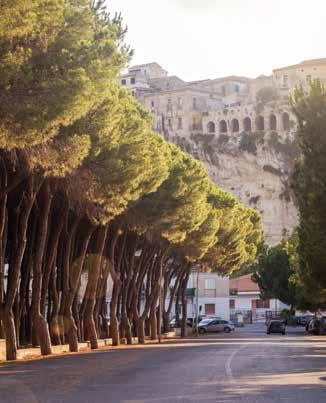
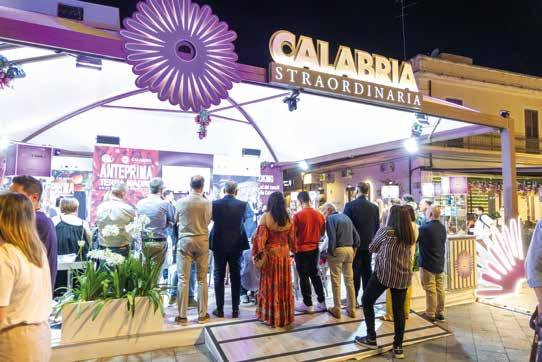
Behind every market stall and in every encounter in Tropea, the faces of those who generate and defend this biodiversity have emerged: promoters of variety, builders of resilient communities and of ‘restanza’ – a spirit of resilience – capable of transforming isolation into presence and forgotten products into opportunities for redemption. Celebrating food and its custodians, overlooking the Mediterranean, also means rethinking our relationship with the land that nourishes us, protects us and is our home. And perhaps, as was suggested in Tropea, if we realised just how much Mother Earth loves us, we would learn to treat her differently.
Biodiversity will be the central theme of Terra Madre Salone del Gusto 2026, scheduled to take place in Turin from 24 to 27 September.
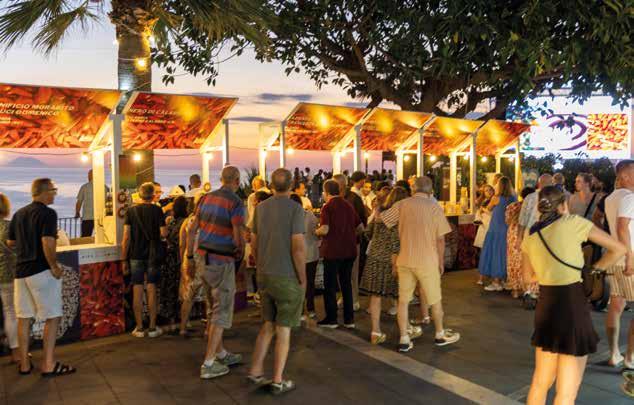
Dietro ogni banco del mercato e in ogni incontro, a Tropea sono emersi i volti di chi questa biodiversità la genera e la difende: amplificatori di varietà, costruttori di comunità resilienti e di "restanza", capaci di trasformare l'isolamento in presenza e i prodotti dimenticati in occasioni di riscatto. Celebrare il cibo e i suoi custodi, davanti al Mediterraneo, significa anche ripensare il nostro rapporto con la terra che ci nutre, ci protegge e ci fa da casa. E forse, come è stato suggerito a Tropea, se ci rendessimo conto di quanto la Terra Madre ci ama, impareremmo a trattarla in modo diverso.
Sarà proprio la biodiversità il filo conduttore di Terra Madre Salone del Gusto 2026, in programma a Torino dal 24 al 27 settembre. Il cammino è già tracciato. L'evento di Tropea, organizzato da Regione Calabria, Comune di Tropea e Arsac con la direzione artistica di Slow Food Italia, è stato definito il simbolo di un Sud che collabora e lavora in sinergia, con la Calabria a vantare un autentico primato sulla biodiversità. Già nel 2024, a Saracena, Slow Food Italia e Regione Calabria avevano avviato il progetto "Presidiamo la Calabria", che prevede sei nuovi Presìdi Slow Food entro il 2026 e dieci segnalazioni per l'Arca del Gusto. Un impegno condiviso che da Tropea guarda dritto a Torino, dove la biodiversità non sarà soltanto un tema da raccontare, ma una promessa concreta per le generazioni future.
The path has already been mapped out. The event in Tropea, organised by the Calabria Region, the Municipality of Tropea and Arsac under the artistic direction of Slow Food Italia, has been described as a symbol of a South that collaborates and works in synergy, with Calabria boasting a genuine leadership role in biodiversity.
Back in 2024, in Saracena, Slow Food Italy and the Calabria Region had already launched the “Presidiamo la Calabria” project, which envisages six new Slow Food Presidia by 2026 and ten nominations for the Ark of Taste. A shared commitment that, from Tropea, looks straight towards Turin, where biodiversity will not merely be a topic to be discussed, but a concrete promise for future generations.
L’Azienda Di Marco, inventrice e leader globale della Pinsa Romana, è ufficialmente diventata Società Benefit, formalizzando un modello d’impresa a “doppio scopo” che da sempre fa parte dell’identità aziendale: coniugare la crescita con la generazione di impatti positivi per la comunità, il territorio e l’ambiente.
Fin dalle origini, Di Marco ha promosso il benessere attraverso soluzioni alimentari equilibrate e contemporanee, sviluppando prodotti innovativi che hanno dato vita a nuove abitudini di consumo e nuove prospettive
Di Marco becomes a Benefit Corporation
Di Marco, the inventor and global leader of Pinsa Romana, has officially become a Benefit Corporation, formalising a ‘dual-purpose’ business model that has always been part of the company’s identity: combining growth with the creation of positive impacts for the community,
di mercato, e diventando espressione dell’eccellenza del Made in Italy nel mondo.
Oggi, il conseguimento dello status di Società Benefit rappresenta quindi l’evoluzione naturale di questo percorso: una visione che parte dalle persone e da una cultura aziendale fondata su rispetto, responsabilità e collaborazione, con l’obiettivo di generare valore duraturo lungo tutta la filiera produttiva, per contribuire al futuro del food in modo concreto e sostenibile.
the local area and the environment.
From its very beginnings, Di Marco has promoted wellbeing through balanced and contemporary food solutions, developing innovative products that have given rise to new consumer habits and new market opportunities, and becoming a symbol of ‘Made in Italy’ excellence worldwide.
Today, achieving Benefit Corporation status therefore represents the natural evolution of this journey: a vision centred on people and a corporate culture founded on respect, responsibility and collaboration, with the aim of generating lasting value throughout the entire production chain, to contribute to the future of food in a concrete and sustainable way.
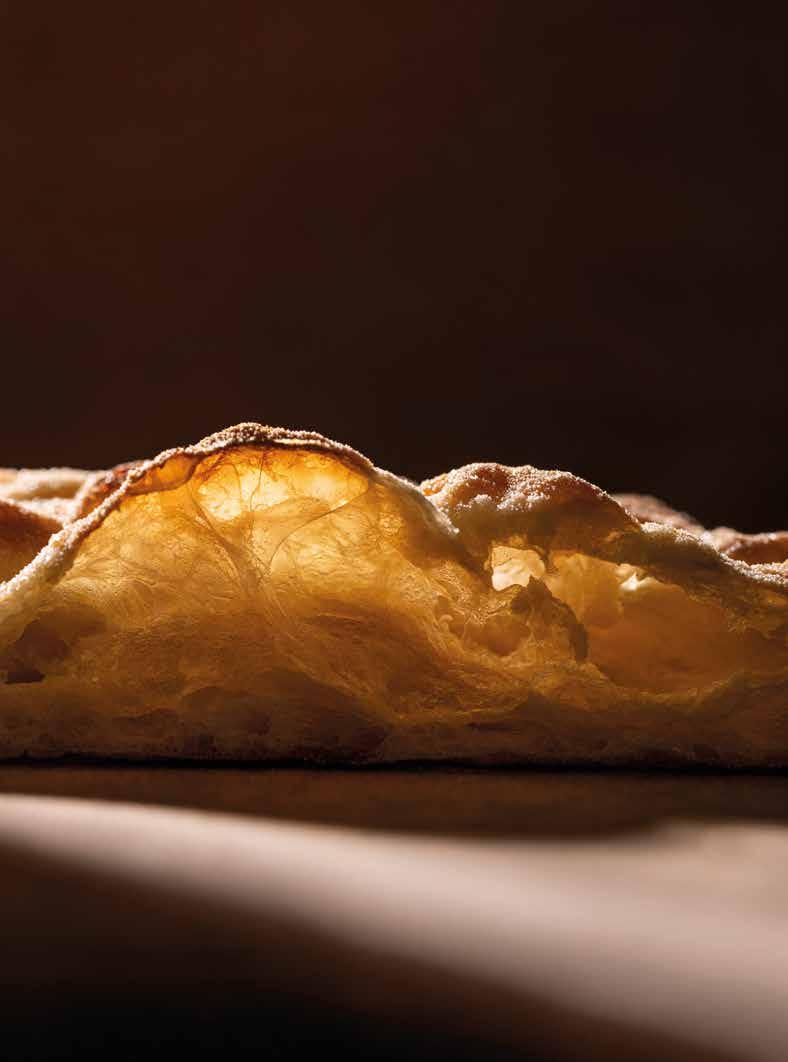


Navigating the jungle of online bookings: which is the best platform for your venue?
For some years now, there has been a precise moment when a restaurant ceases to be a place and becomes a piece of data. It happens when the customer picks up their smartphone, filters by cuisine, location and availability, and books a table just as they would a seat on a plane. From that moment on, the restaurant exists only insofar as it is present, visible and bookable.
According to ‘Statista’, by 2024 the global online booking market had exceeded 6 billion dollars. In Italy, the pandemic has accelerated the normalisation of digital booking: today, any business not on at least one platform is missing out on a growing share of tourist and urban clientele.
We are well past the point of wondering whether to adopt an online booking system; rather, we should be asking ourselves which one to choose, at what cost and under what conditions.
The market is clearly divided. On the one hand, there are the marketplaces – “TheFork”, “OpenTable”, “Google Reserve”, “Alfonsino” – which bring together supply and demand, drive customers to businesses but retain a commission for every booking generated. On the other hand, there are SaaS systems – “SevenRooms”, “TableCheck”, “Eat App” – which charge a fixed subscription fee and give the restaurateur full control over their data and customer relationships.

Da qualche anno, c'è un momento preciso in cui il ristorante smette di essere un luogo e diventa un dato. Accade quando il cliente prende lo smartphone, filtra per cucina, posizione e disponibilità e prenota un tavolo come si farebbe per un posto sull'aereo. Da quel momento, il ristorante esiste nella misura in cui è presente, visibile, prenotabile. Secondo “Statista”, nel 2024 il mercato globale delle prenotazioni online ha superato i 6 miliardi di dollari. In Italia, la pandemia ha accelerato la normalizzazione del booking digitale: oggi chi non è su almeno una piattaforma rinuncia a quote crescenti di clientela turistica e urbana.
Siamo ben oltre il dubbio sull’adottare un sistema di prenotazione online, piuttosto dovremmo chiederci quale scegliere, a quale costo e a quali condizioni.
Il mercato si divide in modo netto. Da un lato i marketplace – “TheFork”, “OpenTable”, “Google Reserve”, “Alfonsino” - che aggregano domanda e offerta, portano clienti ma trattengono una commissione per ogni copertura generata. Dall'altro i sistemi SaaS – “SevenRooms”, “TableCheck”, “Eat App” – che hanno una quota di subscription fissa e cedono al ristoratore il pieno controllo dei dati e della relazione con il cliente.
‘TheFork’ is the European leader: over 80,000 restaurants, commissions ranging from 0.30 to 2 euros per booking, with visibility on TripAdvisor included. ‘OpenTable’ is stronger amongst English-speaking users and in the business travel sector, with a hybrid model (subscription plus commission). “Google Reserve” is not a standalone platform but an integration
“TheFork” è il leader europeo: oltre 80.000 ristoranti, commissioni tra 0,30 e 2 euro per copertura, visibilità su TripAdvisor inclusa. “OpenTable” è più forte sull'utenza anglosassone e nel business travel, con modello misto (abbonamento più commissione). “Google Reserve” non è una piattaforma autonoma ma un'integrazione con partner certificati che consente di prenotare direttamente dai risultati di ricerca, un moltiplicatore di domanda ad alta intenzione d'acquisto. “Alfonsino” è il player italiano di nuova generazione: si posiziona come alternativa locale a “TheFork” con tariffe più contenute e un orientamento esplicito al mercato nazionale, senza la dispersione di un catalogo europeo.
with certified partners that allows bookings to be made directly from search results, acting as a demand multiplier for customers with a high purchase intent. “Alfonsino” is the new-generation Italian player: it positions itself as a local alternative to “TheFork” with lower rates and a clear focus on the domestic market, without the dilution of a European-wide catalogue.
Costs are often the underestimated pitfall of this new booking accelerator: for a trattoria with forty covers and an average bill of 25 euros, a commission of 1.50 euros per person amounts to giving up 6 per cent of the turnover generated by that channel. A recurring criticism from restaurateurs is that platforms drive up customer acquisition costs without offering any tools for building customer loyalty: customers who book via a marketplace tend to return to the platform for their next visit, rather than to the restaurant’s own website. The data remains with the intermediary, not with the business owner.

SaaS systems turn this logic on its head: a fixed monthly fee (€100–500 depending on features), zero commission per booking, and full ownership of the data. The downside mirrors the advantage: traffic does not come from the platform; it must be generated independently. For those who rely on local word-of-mouth, this is sustainable; for those who need to build their customer base from scratch, it is a real obstacle.
The type of customer is a further distinguishing factor: for example, a foreign tourist who chooses to spend three days in Naples, Florence or on Lake Garda has no local contacts: they rely entirely on digital platforms. According to data from “TheFork” for 2023, over 40 per cent of bookings in Italy’s main tourist destinations come from foreign users. For this segment, having a presence on the platform is not an optional extra: it is essential for business. The quality of the listing –
I costi sono spesso l’insidia sottovalutata di questo nuovo acceleratore di prenotazioni: per una trattoria con quaranta coperti e scontrino medio di 25 euro, una commissione di 1,50 euro per persona equivale a cedere il 6 per cento del fatturato generato da quel canale. La critica ricorrente dei ristoratori è che le piattaforme alzino il costo di acquisizione senza proporsi come strumenti di fidelizzazione: il cliente prenotato tramite marketplace tende a tornare sulla piattaforma per la visita successiva, non sul sito del ristorante. I dati rimangono nell'intermediario, non nell'esercente.
I sistemi SaaS ribaltano la logica: canone fisso mensile (100-500 euro secondo le funzionalità), zero commissioni per copertura, piena proprietà dei dati. Il limite è speculare al vantaggio: il traffico non arriva dalla piattaforma, deve essere generato autonomamente. Per chi dipende dal passaparola locale, è sostenibile; per chi deve costruire la propria base clienti da zero, è un ostacolo reale.
La tipologia di clienti è un ulteriore discrimine: ad esempio, il turista straniero che scelga di passare tre giorni a Napoli, a Firenze o sul Lago di Garda non ha referenze locali: si affida interamente alla mediazione digitale. Secondo i dati di “TheFork” relativi al 2023, oltre il 40 per cento delle prenotazioni nelle principali destinazioni turistiche italiane proviene da utenti stranieri. Per questo segmento, la presenza sulla piattaforma non è un accessorio: è la condizione di esistenza commerciale.
La qualità della scheda - foto aggiornate, menù leggibile, risposte alle recensioni - pesa quanto la qualità effettiva della cucina nella decisione d'acquisto del turista.
Il no-show è una delle preoccupazioni ricorrenti del nostro settore: le stime più attendibili collocano il tasso di mancate disdette tra il 15 e il 25 per cento delle prenotazioni gestite senza garanzie. Per un ristorante da sessanta coperti, significa in media dieci o quindici posti vuoti per servizio.
La soluzione su cui si sta convergendo è la prenotazione con garanzia tramite carta di credito: chi non disdice entro 24-48 ore paga una penale di 10-30 euro a persona. I dati mostrano che questo meccanismo riduce il no-show fino al 70 per cento. Il costo: una quota di potenziali clienti abbandona la prenotazione quando viene richiesta la carta.
In questa complessa gamma di scelte ed opportunità, è bene usare una “bussola” per orientarsi e tre domande sono sufficienti a comprendere cosa fare: quanti
coperti, qual è lo scontrino medio, da dove viene la clientela.
up-to-date photos, a legible menu, responses to reviews – carries as much weight as the actual quality of the cuisine in the tourist’s decision to book.
No-shows are a recurring concern in our sector: the most reliable estimates put the rate of no-shows at between 15 and 25 per cent of bookings made without a guarantee. For a restaurant seating sixty, this means an average of ten to fifteen empty seats per service. The solution that is gaining traction is guaranteed booking via credit card: anyone who fails to cancel within 24–48 hours pays a penalty of 10–30 euros per person. The data shows that this mechanism reduces noshows by up to 70 per cent.
The cost: a proportion of potential customers abandon their booking when a credit card is required.
Amid this complex array of choices and opportunities, it is wise to use a ‘compass’ to find your bearings, and three questions are enough to understand what to do: how many covers, what is the average bill, and where do the customers come from?


With fewer than thirty covers and a low average bill, the commission-based model is unsustainable – direct booking integrated with ‘Google Business Profile’ is preferable. With seventy covers in a tourist setting, a marketplace is essential and the commission cost should be treated as a marketing expense. With an average bill above 60 euros, the investment in SaaS pays for itself quickly thanks to CRM, customer profiling and personalised service.
The combination of a marketplace for customer acquisition and SaaS for management and customer loyalty is the solution adopted by the most well-structured groups. The restaurateur who makes the best choice is not always the one who adopts the most famous platform, but the one who understands where their customers are, how much it is worth acquiring them, and how they want to manage the relationship over time.
A booked table is just the starting point. What happens next – the smile at the welcome, the service, the food, and the memory of the experience
– fortunately remains beyond the reach of any algorithm.
Sotto i trenta coperti e con scontrino basso, il modello a commissione non regge - meglio il booking diretto integrato con “Google Business Profile”. Con settanta coperti in contesto turistico, il marketplace è indispensabile e il costo commissionale va trattato come voce di marketing. Sopra i 60 euro di scontrino medio, l'investimento SaaS si giustifica rapidamente grazie a CRM, profilazione e personalizzazione del servizio.
La combinazione tra marketplace per l'acquisizione e SaaS per la gestione e la fidelizzazione è la soluzione adottata dai gruppi più strutturati. Il ristoratore che sceglie meglio non è sempre quello che adotta la piattaforma più famosa ma quello che capisce dove si trovano i propri clienti, quanto vale acquisirli, e come vuole gestire la relazione nel tempo.
Il
tavolo prenotato è solo il punto di partenza.
Quello
che
accade dopo: il sorriso all'accoglienza, il servizio, il cibo, il ricordo che si lascia dell’esperienza resta ancora, per fortuna, fuori da qualsiasi algoritmo.
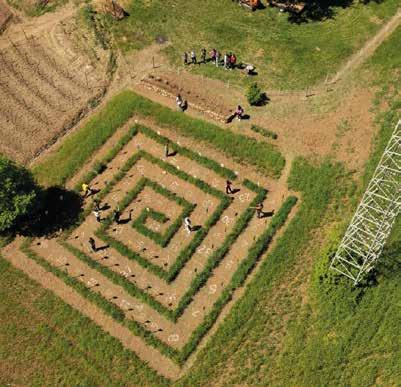
/ STARTING WITH THE GRAIN TO RECONNECT WITH A STORY OF COMMUNITY
by Antonella Mignacca
For millennia, the granary was the most important building in the city, alongside the palace and the temple: a government was considered legitimate if its granaries were full; the price of wheat was, likewise, regarded as the most telling indicator of a society’s stability. Gradually, everything changed and granaries became almost invisible, privatised, removed from civic debate and democratic governance. Today, wheat is a commodity: between 70 and 90 per cent of the global grain trade is controlled by a handful of giants, and the Italian milling industry processes around 7.1 million tonnes of soft wheat, of which only about 30 per cent is of domestic origin. Whilst, on the one hand, we have completely relinquished control over cereals, domestic production has seen the growth – particularly over the last decade – of small supply chains bringing together producers who are reviving ‘ancient’ grains, pizza makers and bakers who frame the story of their products in terms of a history more closely linked to the communities in which they live.
IL GRANAIO COME SIMBOLO
DELLE CIVILTÀ DEL PASSATO
Per millenni, il granaio è stato l’edificio più importante della città, accanto al palazzo e al tempio: un governo era considerato legittimo se i suoi granai erano pieni; il prezzo del grano era, altresì, considerato l’indicatore più eloquente della stabilità di una società. Pian piano, tutto è cambiato e i granai sono diventati quasi invisibili, privatizzati, fuori dal dibattito civico e dal governo democratico.
Oggi il grano è una commodity: tra il 70 e il 90% del commercio mondiale di cereali è controllato da pochissimi colossi e l’industria molitoria italiana lavora circa 7,1 milioni di tonnellate di grano tenero, di cui solo il 30% circa è di origine nazionale.
Se da una parte abbiamo rinunciato totalmente al controllo sui cereali, la produzione nazionale sta vedendo crescere, soprattutto nell’ultimo decennio, piccole filiere che mettono insieme produttori che recuperano grani “antichi”, pizzaioli, panificatori che avvicinano la narrazione dei loro prodotti ad una storia più vicina alle comunità che vivono.
Nel 2004, Antonio Pellegrino, sociologo originario di Caselle in Piattini, paese dell’entroterra cilentano, torna da un’esperienza di lavoro in Toscana e, insieme alla Pro Loco, dà vita a un esperimento: nel 2005 nasce il Palio del Grano, una gara di mietitura a mano tra gli otto rioni del paese. Non è una rievocazione folkloristica ma un rito che riannoda un paese alle proprie radici contadine, in un’area segnata dallo spopolamento iniziato negli anni Sessanta. Da quel gesto collettivo di riportare le mani sul grano, è nata la Cooperativa sociale Terra di Resilienza, che oggi tiene insieme un mulino a pietra, un forno, la ricerca sui grani e una rete di contadini, panificatori e ristoratori.
Il primo passo concreto è stato il recupero. A partire dal 2008, la cooperativa ha avviato il salvataggio di antiche sementi cilentane destinate a sparire: la ianculidda e la russulidda, due grani teneri coltivati in tutto il Cilento fino agli anni Settanta e poi quasi perduti. Recuperare quei semi significa custodire un patrimonio genetico ma anche un sapere: come si coltiva, come si macina, come lievita, che gusto restituisce nel pane. Prende forma un’idea antica e radicale insieme: riportare in vita il Monte Frumentario, ente mutualistico nato alla fine del Quattrocento per prestare ai contadini più poveri il grano da semina, una rete di credito non monetario che lo Stato unitario soppresse per legge a favore dei Consorzi agrari. Terra di Resilienza ne recupera la funzione: i soci si prestano sementi, si scambiano manodopera e
In 2004, Antonio Pellegrino, a sociologist originally from Caselle in Piattini, a village in the Cilento hinterland, returned from a work placement in Tuscany and, together with the Pro Loco, launched an experiment: in 2005, the Palio del Grano was born, a hand-harvesting competition between the village’s eight districts. This is not a folkloric re-enactment but a ritual that reconnects a village with its farming roots, in an area marked by depopulation that began in the 1960s. From that collective act of returning to work the wheat by hand, the Terra di Resilienza social cooperative was born, which today brings together a stone mill, a bakery, research into grains and a network of farmers, bakers and restaurateurs. The first concrete step was recovery: from 2008 onwards, the cooperative began the rescue of ancient Cilento seed varieties destined to disappear: the ianculidda and the russulidda, two soft wheat varieties cultivated throughout the Cilento region until the 1970s and then almost lost. Recovering those seeds means preserving not only a genetic
heritage but also a body of knowledge: how to grow the grain, how to mill it, how to let it rise, and what flavour it imparts to the bread. An idea that is both ancient and radical is taking shape: to revive the Monte Frumentario, a mutual aid organisation founded at the end of the fifteenth century to lend seed grain to the poorest farmers – a non-monetary credit network that the unified state abolished by law in favour of agricultural consortia. Terra di Resilienza is reviving this function: members lend each other seeds, exchange labour and varieties, and share costs. A participatory seed bank that is not a vault managed by a few, but a pact of reciprocity between farmers.
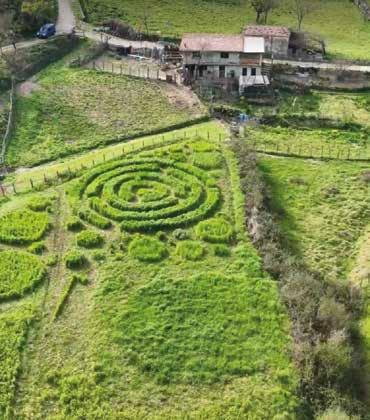
Right from the start, the Biblioteca del Grano (Wheat Library) was established: an experimental field where, in small plots, different types of wheat are grown side by side. Starting with just four initial varieties, the collection has now grown to 150, comprising local varieties, grains from other regions and hybrids. The seed is not set aside: it is sown again every year, allowed to adapt to the climate and soil. Preservation becomes cultivation. But the library is, above all, a community project; each field is designed to be walked through, not just observed – an open-air classroom that
varietà, dividono i costi. Una banca del seme partecipata che non è una cassaforte gestita da pochi ma un patto di reciprocità tra agricoltori.
Fin da subito nasce la Biblioteca del Grano, un campo sperimentale dove, in piccole parcelle, si coltivano fianco a fianco diversi tipi di grano. Partiti dalle 4 varietà iniziali, arrivano alle 150 di oggi tra popolazioni locali, grani di altri territori e miscugli. Il seme non viene messo in pausa: viene rimesso in terra ogni anno, lasciato adattare al clima e al suolo. Custodire diventa coltivare. Ma la biblioteca è soprattutto un progetto di comunità: ogni campo è pensato per essere attraversato, non solo osservato, un’aula a cielo aperto che si reinventa a ogni semina per accogliere chi arriva. I soci partecipano alla selezione, osservano l’adattamento delle varietà e imparano a distinguere le spighe. Le scuole seguono percorsi di apprendimento studiati e guidati da Rossella Torre, biologa e nutrizionista; imparano muovendosi, osservando, giocando.

A PAROLE, MA SI TOCCA, SI ANNUSA, SI CALPESTA.
Molti mulini italiani stanno costruendo patti di filiera e accordi diretti con agricoltori, panificatori e pizzaioli, scommettendo su grani del territorio. Il pizzaiolo diventa co-progettista della filiera e questo significa vantaggi concreti: un prodotto riconoscibile e raccontabile, un impasto con un’identità precisa, un prezzo più stabile, un rapporto diretto con chi coltiva. Per la comunità e il territorio significa lavoro per chi resta, mulini che riaprono, campi che non vengono abbandonati e paesi che non continuano a spopolarsi, saperi e varietà locali che non vanno perduti. Nessuno ha la pretesa di azzerare le importazioni. L’obiettivo qui è costruire, accanto al mercato globale, una filiera del cibo più locale, più vicina alle comunità, alla biodiversità e alle conoscenze del territorio. Co-progettare la pizza è esattamente questo: non essere un anello passivo della filiera, scegliere farine iniziando a scegliere un grano come un vignaiolo le sue cultivar, un campo e una comunità. Riportare, anche solo in parte, il granaio dentro il territorio.
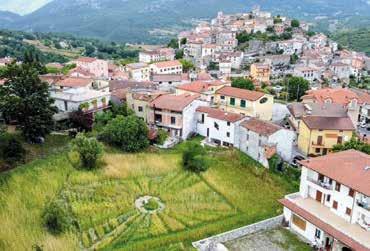
reinvents itself with every sowing to welcome new visitors. Members take part in the selection process, observe how the varieties adapt and learn to distinguish between the different ears of wheat. Schools follow learning programmes devised and led by Rossella Torre, a biologist and nutritionist; the children learn by moving around, observing and playing. The Wheat Library transforms a field into a place where biodiversity is not explained in words, but can be touched, smelled and walked upon.
Many Italian mills are forging supply chain partnerships and direct agreements with farmers, bakers and pizza chefs, focusing on locally grown grains. The pizza chef becomes a codesigner of the supply chain, and this brings tangible benefits: a recognisable product with a compelling story behind it, a dough with a distinct identity, a more stable price, and a direct relationship with the growers. For the community and the local area, this means jobs for those who stay, mills reopening, fields that are not abandoned and villages that do not continue to lose their population, as well as local knowledge and varieties that are not lost. No one is claiming that imports can be eliminated entirely. The aim here is to build, alongside the global market, a food supply chain that is more local, closer to communities, biodiversity and local knowledge. Co-designing pizza is exactly this: not being a passive link in the supply chain, but choosing flours by starting to select a wheat variety just as a winegrower chooses their grape varieties, a field and a community. Bringing the granary back into the local area, even if only in part.

di/by di Caterina Orlandi
Italian cuisine according to Alberto Capatti Non è ancora estate ma il profumo è già nell’aria. Lo scorso dicembre, la cucina italiana è stata riconosciuta dall’Unesco patrimonio immateriale dell’umanità e sembra riecheggiare la voce d’oltralpe, al di là del Reno, appena dopo i trafori svizzeri, dove tutti vogliono gustare l’Italia, quell’Italia che già Pellegrino Artusi aveva unificato dal punto di vista culinario nel lontano 1891.
It isn’t summer yet, but the scent is already in the air. Last December, Italian cuisine was recognised by UNESCO as Intangible Cultural Heritage of Humanity, and the echoes seem to reach from beyond the Alps, across the Rhine, just past the Swiss tunnels, where everyone wants to savour Italy – that Italy which Pellegrino Artusi had already unified from a culinary perspective way back in 1891.
His book, *Science in the Kitchen and the Art of Eating Well*, helped to shape the nation’s gastronomic and linguistic identity and is, moreover, known throughout the world. Given that our readers are passionate about pizza, the book also includes a pizza recipe – number 609 – which, under the heading ‘Pizza alla napoletana’, does not evoke the aroma and flavour of tomatoes and
mozzarella, but rather a sweet dish made of shortcrust pastry and custard, with almonds, pine nuts, sugar and dried fruit – undoubtedly a traditional Neapolitan recipe, yet distinct from the Neapolitan pizza we all know. By that time, the modern Neapolitan pizza had already come into being and was a popular, widespread dish in Naples. The famous Margherita pizza is traditionally traced back to 1889, the year in which the chef Raffaele Esposito prepared the tricolour pizza for Queen Margherita of Savoy; however, the pizza had not yet achieved the national popularity it would attain in the 20th century. This fact shows us just how much this dish, at the end of the 19th century, was still a regional speciality. From the 20th century onwards, pizza found its way into Italian homes, conquered – thanks to our emigrants – those abroad, and quickly became a symbol of the nation’s culinary culture.
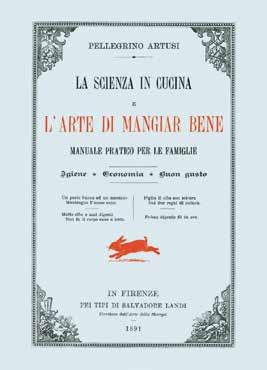
Il suo libro, La scienza in cucina e L’arte di mangiare bene, che ha contribuito a costruire l’identità gastronomica e linguistica nazionale, è inoltre, conosciuto in tutto il mondo. Visto che i nostri lettori hanno a cuore la pizza, il libro reca anche una ricetta di pizza, la numero 609, che alla voce di “Pizza alla napoletana” non ci fa sentire il profumo ed assaporare la fragranza del pomodoro e della mozzarella bensì una preparazione dolce, di pasta frolla e crema, con mandorle, pinoli, zucchero, frutta secca, con tutta certezza una ricetta della tradizione partenopea ma differente da quella della pizza napoletana, che tutti conosciamo. A quel tempo, la pizza napoletana moderna era già nata e, a Napoli, era un cibo popolare diffuso. La celebre pizza Margherita viene tradizionalmente fatta risalire al 1889, anno in cui il cuoco Raffaele Esposito preparò la pizza tricolore per la regina Margherita di Savoia; tuttavia, la pizza non aveva ancora la diffusione nazionale che avrebbe raggiunto nel Novecento. Questo fatto ci mostra quanto questa pietanza, alla fine dell’Ottocento, fosse ancora regionale.
Dal Novecento in poi, la pizza entra nelle case italiane, conquista - grazie ai nostri emigrati - quelle straniere e diviene in poco tempo il simbolo della cultura gastronomica nazionale. Torniamo ai tempi recenti ed al riconoscimento per la cucina italiana ma qual è stato il ruolo di “Casa Artusi” in tutto questo? Per la candidatura della cucina italiana a patrimonio Unesco, se ne sono fatte promotrici tre comunità diffuse: la “Fondazione Casa Artusi”, che rappresenta soprattutto la dimensione domestica di questa cultura; l’Accademia italiana della cucina, che ne rappresenta soprattutto la dimensione professionale e la rivista “La cucina Italiana” che, fondata nel 1929 (la più antica rivista di cucina europea), promuove lo scambio e la condivisione delle diversità locali a livello nazionale. Dal 1997, a Forlimpopoli in Romagna, verso la fine di giugno e l’inizio di luglio, durante la Festa Artusiana, si celebra il gastronomo nato nel lontano 1820, padre riconosciuto della cucina domestica italiana.
Il Professor Alberto Capatti, una delle voci più autorevoli della gastronomia italiana ed europea, massimo conoscitore di Pellegrino Artusi, lo studia da una vita; è stato il primo rettore dell’Università di Scienze Gastronomiche di Pollenzo, direttore scientifico di CasArtusi ed è membro del comitato direttivo dell’Institut Européen d’Histoire de l’Alimentation.
Let us return to more recent times and the recognition of Italian cuisine, but what role did ‘Casa Artusi’ play in all this? For the nomination of Italian cuisine as a UNESCO Intangible Cultural Heritage, three widely recognised organisations championed the cause: the ‘Fondazione Casa Artusi’, which primarily represents the domestic dimension of this culture; the Italian Academy of Cuisine, which primarily represents its professional dimension; and the magazine ‘La cucina Italiana’, founded in 1929 (the oldest European cookery magazine), which promotes the exchange and sharing of local culinary diversity at a national level. Since 1997, in Forlimpopoli in Romagna, towards the end of June and the beginning of July, during the Festa Artusiana, celebrations have been held in honour of the gastronome born way back in 1820, the recognised father of Italian home cooking.
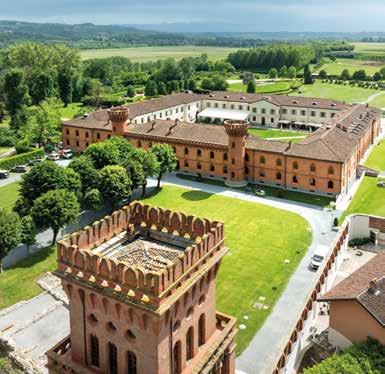
Professor Alberto Capatti, one of the most authoritative voices in Italian and European gastronomy and a leading expert on Pellegrino Artusi – whom he has studied for a lifetime – was the first rector of the University of Gastronomic Sciences in Pollenzo, scientific director of CasArtusi, and is a member of the steering committee of the Institut Européen d’Histoire de l’Alimentation.
Professor Capatti, in December 2025 Italian cuisine was officially declared a UNESCO Intangible Cultural Heritage; yet I already find in the text *La Cucina Italiana – Storia di una cultura* (first edition, 1999) words that seem to point to a path already laid out: ‘The Italy of a hundred cities and a thousand bell towers is also the Italy of a hundred cuisines and a thousand recipes. The great variety of gastronomic traditions, reflecting a historical experience marked by regional distinctiveness […] makes our country’s gastronomy incredibly rich.’
Professor Capatti, nel dicembre 2025 la cucina italiana è stata ufficialmente dichiarata Patrimonio Culturale Immateriale dell’UNESCO; ritrovo però già nel testo La Cucina Italiana – Storia di una cultura, prima edizione del 1999, delle parole che sembrano indicare un percorso già segnato “L’Italia delle cento città e dei mille campanili è anche l’Italia delle cento cucine e delle mille ricette. La grande varietà di tradizioni gastronomiche, specchio di un’esperienza storica segnata dal particolarismo […] rendono incredibilmente ricca la gastronomia del nostro paese”. Basta questo per concludere che una cucina italiana in senso proprio non è mai esistita ancora, in fondo (e fortunatamente), non esiste ancora?
In verità, per quest’opera mi ero occupato degli anni della cucina dal 1945 ad oggi; questa cucina non era particolarmente presa in considerazione, però questa frase rappresenta un punto emblematico. Io non sono del tutto propenso ai fatti istituzionali, Pellegrino Artusi sosteneva più volentieri associazioni di tipo culturale e non politico, non siamo personaggi istituzionali.
Ovviamente, il patrimonio
UNESCO è un’idea generica della cucina italiana, Pellegrino Artusi, porta avanti una cucina domestica italiana, di cui
coglieva solo pochi elementi, di una cucina, che ha fondamenti tecnologici potenti, dalla cucina industriale che pesa fortemente sulla cucina domestica.
Faccio un esempio per tutti: i maccheroni, cibo artigianale che oggi è rimasto industriale rispetto alla cucina di casa.
Si è mai occupato di pizza?
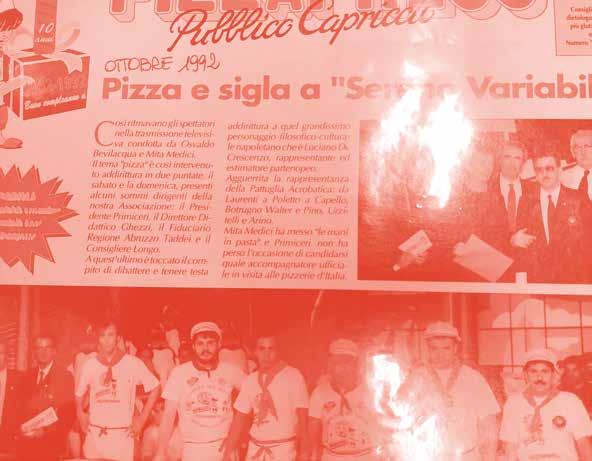
In realtà, Pellegrino Artusi parla di una cucina domestica: la pizza per come la conosciamo noi, non può essere replicata “a casa”, perché mancano le temperature per poterla cuocere adeguatamente. Però, tanti anni fa (credo negli anni ‘80), feci una ricerca sulla pizza in lingua francese e mi venne in mano una rivista, Pizza Press. Conteneva un articolo che stupì tutti: diceva che la pizza si faceva anche ai piedi dell’ Himalaya.
Come vede ed auspica lo sviluppo della cucina italiana negli anni a venire?
Questo verbo, “auspicare” instaura un rapporto cognitivo che io non amo: la cucina italiana è così com’è, sta bene e soffre (penso all’anno del Covid) oppure si rianima, ed è il post-Covid ed io non auspico nulla perché è un patrimonio che va al di là. È riduttivo, quindi, “auspicare”.
Is this enough to conclude that an ‘Italian cuisine’ in the strict sense has never actually existed, and that, after all (and fortunately), it still does not exist?
In truth, for this work I had focused on the history of cuisine from 1945 to the present day; this particular cuisine was not given much consideration, yet this sentence represents a key point. I am not entirely inclined towards institutional matters; Pellegrino Artusi was more inclined to support cultural rather than political associations – we are not institutional figures. Obviously, the UNESCO heritage status represents a broad concept of Italian cuisine.
Pellegrino Artusi championed Italian home cooking, of which he captured only a few elements – a cuisine with powerful technological foundations, influenced by industrial cooking which exerts a strong influence on home cooking. To give just one example: maccheroni, a once-artisanal food that has now become industrialised compared to home cooking.
Did he ever discuss pizza?
Actually, Pellegrino Artusi talks about home cooking: pizza as we know it cannot be replicated ‘at home’, because the temperatures required to cook it properly are lacking. However, many years ago (I think in the 1980s), I was doing some research on pizza in French and came across a magazine called *Pizza Press*. It contained an article that astonished everyone: it claimed that pizza was even made at the foot of the Himalayas.
How do you see and hope Italian cuisine will develop in the years to come?
This verb, ‘to hope for’, establishes a cognitive relationship that I do not like; Italian cuisine is as it is –it is doing well and it suffers (I am thinking of the Covid year) or it revives, as in the post-Covid era – and I do not hope for anything because it is a heritage that goes beyond that. it is therefore reductive to ‘hope for’ it.
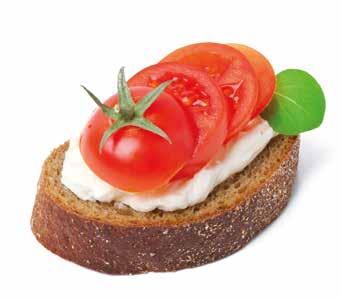
by Giampiero Rorato
With the arrival of summer, some of the most iconic elements of our culinary tradition are returning to Italian tables: fresh vegetables, extra virgin olive oil, fish, bread, aromatic herbs and simple dishes prepared with seasonal ingredients. This is at the heart of what is known worldwide as the ‘Mediterranean Diet’, a dietary model that has been studied for decades not only for its flavour but also for its health benefits. It was primarily Ancel Keys, an American biologist and physiologist who moved to Pioppi – a small town in the Cilento region of the province of Salerno – in the years following the Second World War, who brought this dietary style to prominence.
Con l’arrivo dell’estate, tornano sulle tavole italiane alcuni degli elementi più rappresentativi della nostra tradizione gastronomica: ortaggi freschi, olio extravergine d’oliva, pesce, pane, erbe aromatiche e piatti semplici preparati con ingredienti di stagione. È il cuore di quella che nel mondo viene definita “Dieta Mediterranea”, modello alimentare studiato da decenni non soltanto per il gusto ma anche per i benefici legati alla salute. A rendere celebre questo stile alimentare fu soprattutto Ancel Keys, biologo e fisiologo americano che negli anni del secondo dopoguerra si trasferì a Pioppi, piccolo centro del Cilento in provincia di Salerno.
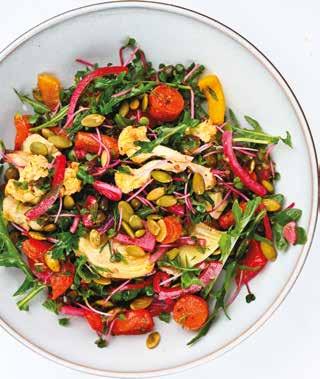
Qui Keys osservò le abitudini alimentari delle famiglie locali e avviò studi scientifici destinati a diventare fondamentali nella storia della nutrizione moderna.
Lo studioso notò, infatti, che le popolazioni dell’area mediterranea, pur seguendo una cucina povera e basata su prodotti semplici, presentavano una minore incidenza di malattie cardiovascolari rispetto ad altri Paesi occidentali.
Da quelle ricerche, nacque la definizione moderna di Dieta Mediterranea, oggi riconosciuta dall’Unesco come Patrimonio culturale immateriale dell’umanità. Non si tratta soltanto di un insieme di alimenti ma di un vero stile di vita fondato su stagionalità, equilibrio nutrizionale, convivialità e valorizzazione dei prodotti del territorio.
L’estate rappresenta probabilmente la stagione che meglio esprime questa tradizione culinaria. La varietà climatica italiana permette infatti una produzione molto ampia di ortaggi e verdure: pomodori, zucchine, melanzane, peperoni, cetrioli, insalate e legumi diventano protagonisti della tavola quotidiana. Consumati crudi o cucinati in maniera semplice, spesso conditi soltanto con olio extravergine d’oliva e poche erbe aromatiche, questi alimenti costituiscono una base nutrizionale ricca di vitamine, sali minerali e fibre. Accanto alle verdure, trovano spazio il pesce azzurro, i formaggi freschi, le carni bianche e il pane tradizionale, elementi che da secoli caratterizzano la cucina delle regioni affacciate sul Mediterraneo.
Here, Keys observed the eating habits of local families and launched scientific studies that were to become fundamental to the history of modern nutrition. The researcher noted, in fact, that people in the Mediterranean region, despite following a simple diet based on basic ingredients, had a lower incidence of cardiovascular disease compared to other Western countries. That research gave rise to the modern definition of the Mediterranean Diet, now recognised by UNESCO as Intangible Cultural Heritage of Humanity. It is not merely a collection of foods but a genuine way of life based on seasonality, nutritional balance, conviviality and the celebration of local produce.
Summer is probably the season that best embodies this culinary tradition. Italy’s varied climate allows for a very wide range of vegetables to be grown: tomatoes, courgettes, aubergines, peppers, cucumbers, lettuces and pulses take centre stage on the daily table. Eaten raw or cooked simply, often dressed only with extra virgin olive oil and a few aromatic herbs, these foods form a nutritional base rich in vitamins, minerals and fibre.
Alongside vegetables, there is plenty of room for oily fish, fresh cheeses, white meat and traditional bread – elements that have characterised the cuisine of the regions bordering the Mediterranean for centuries. A cuisine that originated in working-class homes and the countryside, refined over time by family tradition and now transformed into one of the international symbols of Italian identity.
Tourism has played a decisive role in spreading this gastronomic culture. Indeed, millions of foreign visitors associate Italy not only with art and landscape but also with the quality of its food and the variety of regional dishes. Each region preserves its own recipes, ingredients and customs, which tell the story of local communities and their traditions.
Even popular dishes such as pizza are fully in keeping with the Mediterranean Diet, particularly in versions featuring seasonal vegetables and simple ingredients.
From courgettes to tomatoes, from aubergines to peppers, regional variations continue to highlight the relationship between cuisine and the local area.
Almost eighty years on from Ancel Keys’ studies, the Mediterranean dietary model remains one of the most important points of reference in the international debate on nutrition and wellbeing. And it is precisely Italian summer cuisine that continues to represent one of its most recognisable and appreciated expressions.
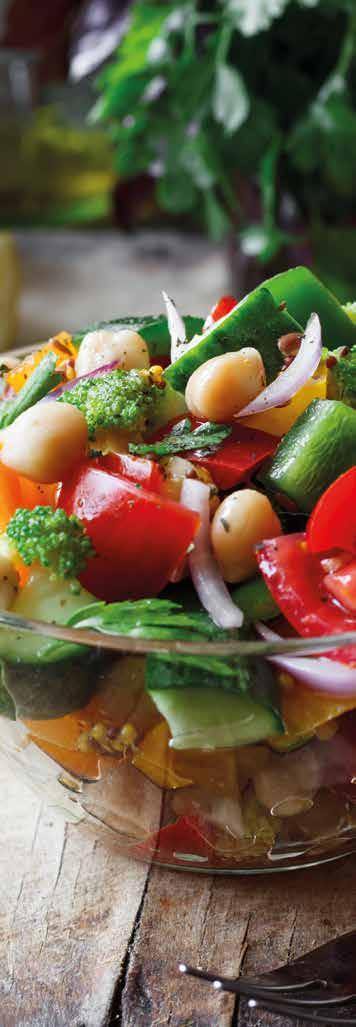
Una cucina nata nelle case popolari
nelle campagne, affinata nel tempo dalla tradizione familiare e trasformata oggi in uno dei simboli internazionali dell’identità italiana.
Il turismo ha contribuito in modo decisivo alla diffusione di questa cultura gastronomica. Milioni di visitatori stranieri associano, infatti, l’Italia non soltanto all’arte e al paesaggio ma anche alla qualità del cibo e alla varietà delle preparazioni regionali. Ogni territorio conserva ricette, ingredienti e abitudini differenti che raccontano la storia delle comunità locali e delle loro tradizioni. Anche prodotti popolari come la pizza rientrano pienamente nel solco della Dieta Mediterranea, soprattutto nelle versioni legate alle verdure di stagione e all’utilizzo di ingredienti semplici. Dalle zucchine ai pomodori, dalle melanzane ai peperoni, le varianti regionali continuano a valorizzare il rapporto tra cucina e territorio.
A distanza di quasi ottant’anni dagli studi di Ancel Keys, il modello alimentare mediterraneo resta ancora oggi uno dei punti di riferimento più importanti nel dibattito internazionale sulla nutrizione e sul benessere. E proprio la cucina estiva italiana continua a rappresentarne una delle espressioni più riconoscibili e apprezzate.

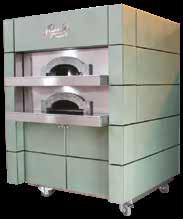
Nel mondo della panificazione, della pasticceria e della pizzeria, la tradizione vive di dettagli, ma cresce grazie all'innovazione. Da 80 anni Rinaldi Superforni rappresenta il punto di riferimento per i professionisti dell'arte bianca che non scendono a compromessi sulla qualità.
Il vero cuore tecnologico dei nostri forni risiede nelle esclusive resistenze in ceramica, che progettiamo e produciamo direttamente all'interno della nostra azienda. Questa scelta strategica garantisce una distribuzione del calore straordinariamente
Bake-to-Order: the evolution by Rinaldi Superforni
In the world of bread-making, pastry-making and pizza-making, tradition thrives on the details, but grows thanks to innovation. For 80 years, Rinaldi Superforni has been the benchmark for baking professionals who refuse to compromise on quality.

omogenea e costante, valorizzando l'idratazione e lo sviluppo di ogni impasto, dalla pizza al pane artigianale ai grandi lievitati.
Un’ingegneria d'eccellenza che unisce la massima precisione del controllo termico a un’attenzione rigorosa per il risparmio energetico. Scegliere Rinaldi significa avere un partner affidabile, robusto e intuitivo.
Rinaldi Superforni: l'ingrediente segreto dietro ogni capolavoro di gusto.
The true technological heart of our ovens lies in our exclusive ceramic heating elements, which we design and manufacture in-house. This strategic choice ensures an extraordinarily even and consistent heat distribution, enhancing the hydration and development of every dough, from pizza to artisan bread to large leavened products.
Engineering excellence that combines the utmost precision in temperature control with a rigorous focus on energy efficiency. Choosing Rinaldi means having a reliable, robust and intuitive partner.
Rinaldi Superforni: the secret ingredient behind every culinary masterpiece.
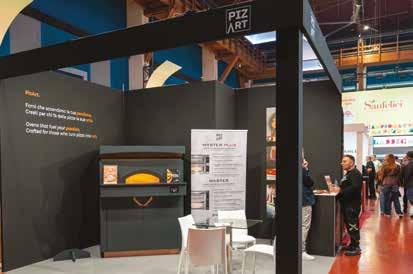
Oltre 70 Paesi. Una sola firma: quella dell’eccellenza italiana. I nostri forni uniscono innovazione tecnologica e cura artigianale.
1. Quale ricordo ti è rimasto impresso di questa edizione?
Il trionfo di bandiere durante la premiazione, testimoni dell’eccellenza proveniente da ogni parte del mondo. In un momento storico segnato da tensioni internazionali, colpisce vedere professionisti di ogni nazione affiancati e accomunati dalla stessa passione. In questo senso, la pizza si conferma un linguaggio universale.
2. Qual è la richiesta più strana che hai ricevuto nei giorni del Campionato?
Non abbiamo ricevuto richieste strane, ma ci ha colpito il livello di tecnicità delle domande di pizzaioli e ope-
ratori, a evidenziare come il forno sia un elemento centrale del processo, e non solo uno strumento. È lo specchio di un settore sempre più attento a precisione, ripetibilità del risultato ed efficienza nella cottura.
3. La tua azienda e il futuro della pizza: quali progetti per domani?
Crediamo che l’elettrico rappresenti una risposta alla necessità di mantenere la cultura artigianale del prodotto, assicurando uniformità del risultato, con un approccio energetico responsabile. La direzione futura è lo sviluppo di strumenti sempre più intelligenti, anche con sistemi IA, che supportino il professionista tra precisione e creatività.
1. What memory stands out most for you from this year’s event?
The sea of flags during the awards ceremony, a testament to excellence from all corners of the globe. At a time in history marked by international tensions, it is striking to see professionals from every nation standing side by side, united by the same passion. In this sense, pizza proves once again to be a universal language.
2. What was the strangest request you received during the Championship?
We didn’t receive any strange requests, but we were struck by the technical depth of the questions from pizza chefs and industry professionals, highlighting how the oven is a central element of the process, and not just a tool. It reflects a sector that is increasingly focused on precision, consistent results and efficiency in baking.
3. Your company and the future of pizza: what are your plans for tomorrow?
We believe that electric ovens offer a solution to the need to preserve the artisanal culture of the product, ensuring consistent results whilst adopting a responsible approach to energy use. The way forward lies in developing increasingly intelligent tools, including those with AI systems, which support professionals in balancing precision and creativity.
1 Quale ricordo ti è rimasto impresso di questa edizione?
La nostra prima partecipazione al Campionato Mondiale della Pizza ci ha lasciato un ricordo davvero speciale. Ci ha colpito l’energia dell’evento, l’organizzazione e il clima di condivisione tra professionisti provenienti da tutto il mondo. Un momento che porteremo con noi è stata sicuramente la cena di gala, insieme allo spazio dedicato a Stefano Sutto per raccontare l’identità delle nostre tre cantine –Sutto, Batíso e Polje.
2 Qual è la richiesta più strana che hai ricevuto nei giorni del Campionato?
In quella giornata, più che richieste strane abbiamo ricevuto spesso una domanda curiosa: “Perché dovremmo abbinare il vino alla pizza?”. La nostra risposta è semplice: perché una grande pizza merita un grande abbinamento. E poi, diciamolo, un calice di Prosecco Rosé con la pizza giusta può creare atmosfera.
3 La tua azienda e il futuro della pizza: quali progetti per domani?
Per il domani, il nostro progetto è sdoganare definitivamente questo binomio nei locali d'Italia. In particolare, ci auguriamo che il nostro Pala Rosa, il Prosecco Rosé in edizione limitata nato proprio per questo Campionato, faccia onore al suo nome e venga proposto a “palate” in tutte le pizzerie!
1. What memory stands out most for you from this year’s event?
Our first time taking part in the World Pizza Championship left us with a truly special memory. We were struck by the energy of the event, the organisation and the spirit of camaraderie amongst professionals from all over the world. One moment we’ll certainly cherish was the gala dinner, along with the space dedicated to Stefano Sutto to showcase the identity of our three wineries –Sutto, Batíso and Polje.
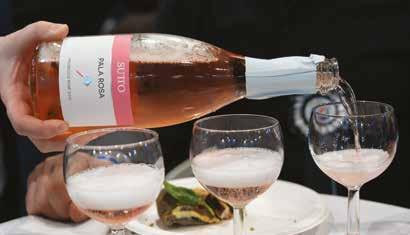
2. What was the strangest request you received during the Championship?
On that day, rather than strange requests, we were often asked a curious question: “Why should we pair wine with pizza?”. Our answer is simple: because a great pizza deserves a great pairing. And let’s face it, a glass of Prosecco Rosé with the right pizza can really set the mood.
3. Your company and the future of pizza: what are your plans for tomorrow?
Looking ahead, our plan is to firmly establish this pairing in restaurants across Italy. In particular, we hope that our Pala Rosa – the limited-edition Prosecco Rosé created especially for this Championship – will live up to its name and be served by the ‘palate’ in every pizzeria!
Speciale Campionato Mondiale della Pizza 2026
/2026 World Pizza Championship Special
by Giusy Ferraina
La pizza ha i suoi appassionati, non solo a tavola ma anche ai forni. Appassionati che non sono professionisti ma “semplici” impastatori amatoriali che, a furia di esercitarsi, hanno trasformato un hobby in una capacità tecnica che potrebbe competere in risultati con tanti pizzaioli di mestiere. Di questa speciale fenomenologia si è accorto il Campionato Mondiale della Pizza, che dallo scorso anno propone il World Best Homemade Pizza:
non solo una gara ma un riconoscimento ufficiale al valore culturale e gastronomico della pizza fatta in casa. Ad aggiudicarsi il titolo di campione in questa edizione 2026 è stata Silvia Da Re, che porta con sé una storia speciale e una passione per la pizza nata per caso e per curiosità, cresciuta negli anni tra un impasto e l’altro e che forse neanche lei immaginava arrivasse fino alla conquista di un podio.
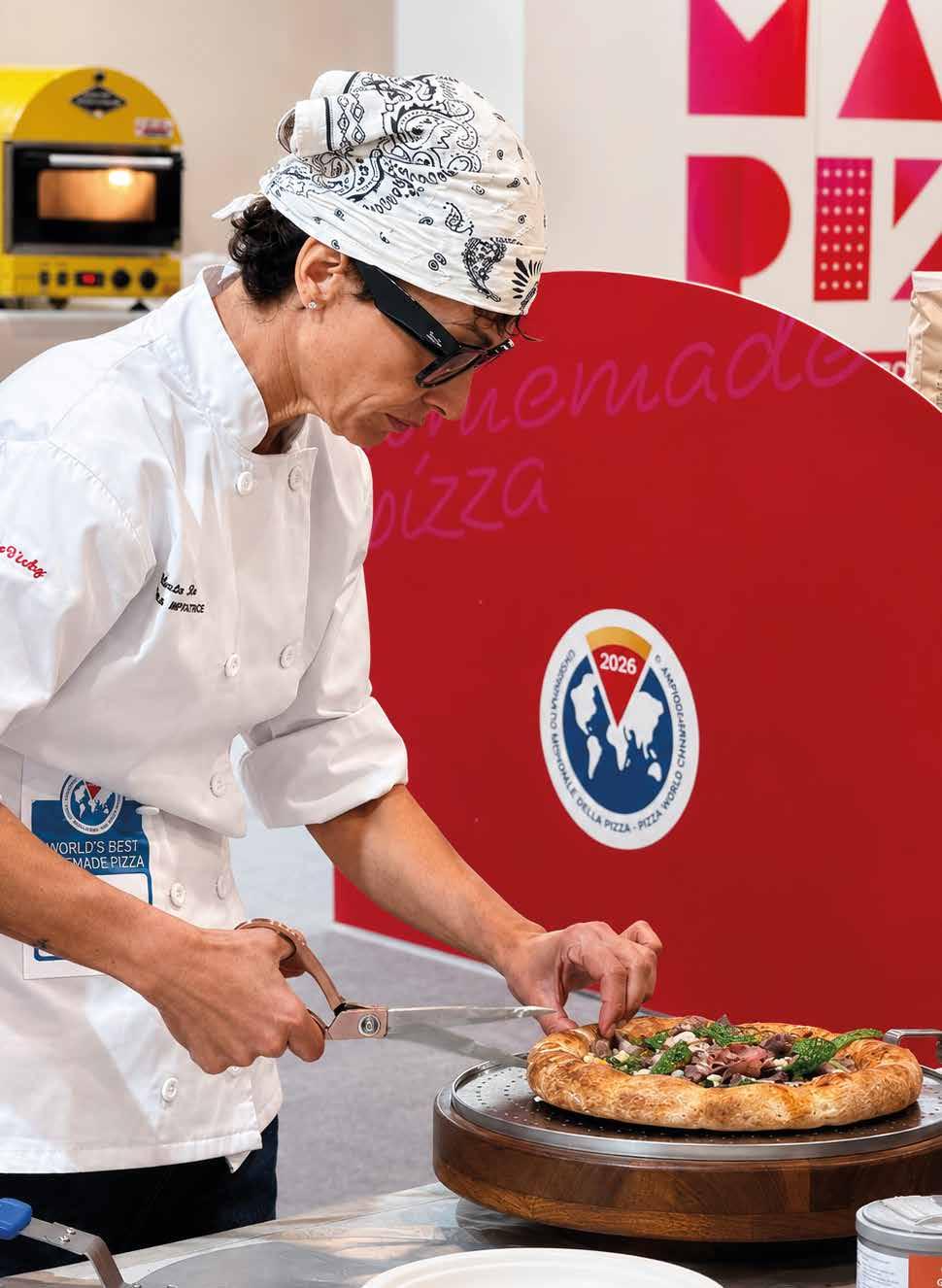
"A pizza of one's own"
Silvia Da Re, champion of Pizza Homemade
ENG Pizza has its enthusiasts, not just at the dinner table but also in the kitchen. These enthusiasts are not professionals but ‘ordinary’ amateur pizza-makers who, through sheer practice, have turned a hobby into a technical skill that could rival the results of many professional pizza chefs. The World Pizza Championship has taken note of this special phenomenon and, since last year, has been organising the World Best Homemade Pizza competition: not just a contest, but an official recognition of the cultural and gastronomic value of homemade pizza. The title of champion in this 2026 edition was won by Silvia Da Re, who brings with her a special story and a passion for pizza that began by chance and out of curiosity, growing over the years between one batch of dough and the next – a passion she perhaps never even imagined would lead her to a place on the podium.
Speciale Campionato
Mondiale della Pizza 2026
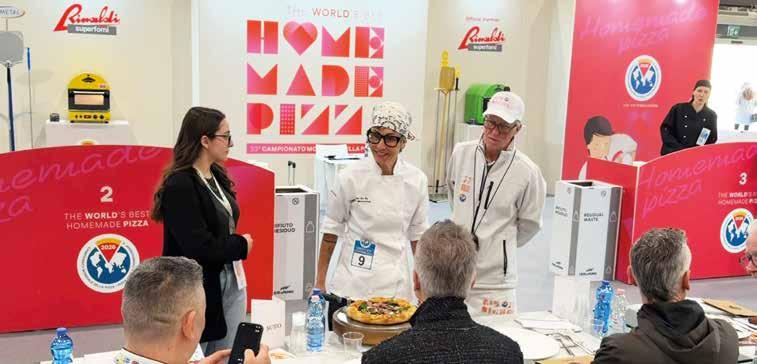
/2026 World Pizza Championship Special
52 anni, di Padova, Silvia è un’ex ostetrica, ha un marito, due figli e quattro chihuahua. La pizza dal 2020 è parte “affettiva” della famiglia, perché è proprio durante la pandemia che Silvia inizia a impastare e, da allora, non ha più smesso. “La mia passione per la pizza è nata in modo insolito”, ci racconta. “Sono una sportiva e pratico la corsa e il mio coach mi sconsigliò anni fa di mangiare pizza perché poco adatta alla mia alimentazione. Così, ho deciso di prepararmela da sola, con l’obiettivo di un prodotto leggero e digeribile. Da questa necessità è nata una vera passione che nel tempo si è trasformata in ricerca e continua sperimentazione”.
Da quella prima volta, la pizza a casa si fa con una frequenza di due volte a settimana, e come spiega la neo-campionessa: “All’epoca mi sembrava di ottenere ottimi risultati; oggi, con l’esperienza riconosco che quelle pizze erano ancora molto lontane da una pizza ben fatta. Tuttavia, erano digeribili ed era proprio quello il mio obiettivo iniziale”.
DALLA CHIACCHIERATA CHE ABBIAMO
FATTO SI PERCEPISCE SUBITO
CHE SILVIA DA RE È INNAMORATA
DELLA PIZZA:
“Della pizza mi piace tutto. Amo l’intero processo: dalla scelta delle farine allo studio dell’impasto, dalle fermentazioni alla stesura, fino alla cottura. Mi affascina la cura del dettaglio perché secondo me è
A 52-year-old from Padua, Silvia is a former midwife; she has a husband, two children and four Chihuahuas. Since 2020, pizza has been an ‘emotional’ part of the family, because it was during the pandemic that Silvia began kneading dough and, since then, she hasn’t stopped. ‘My passion for pizza began in an unusual way,’ she tells us. “I’m a keen sportswoman and I run, and years ago my coach advised me against eating pizza because it wasn’t suitable for my diet. So, I decided to make it myself, aiming for a light and easily digestible pizza. This need gave rise to a genuine passion which, over time, has turned into research and continuous experimentation.”
Since that first time, she’s been making pizza at home twice a week and, as the newly crowned champion explains: “At the time, I felt I was achieving excellent results; today, with hindsight, I realise those pizzas were still a long way from a well-made pizza. However, they were easy to digest, and that was precisely my initial aim.”
From our chat, it’s immediately clear that Silvia Da Re is in love with pizza: “I love everything about pizza. I love the whole process: from choosing the flours
un equilibrio continuo tra tecnica, sensibilità e creatività. Mi piace sperimentare, studiare farine diverse, lavorare sui blend, sulle idratazioni e sui processi fermentativi per comprendere come ogni variabile influenzi il risultato finale”.
Se, da un lato, c’è tanta ricerca e studio, dall’altro non manca la creatività. “Mi considero – ci racconta - decisamente creativa: parto da ingredienti di qualità per costruire abbinamenti che abbiano un senso gustativo e narrativo. Anche se penso che sia la Margherita nella sua semplicità a racchiudere la vera perfezione”.
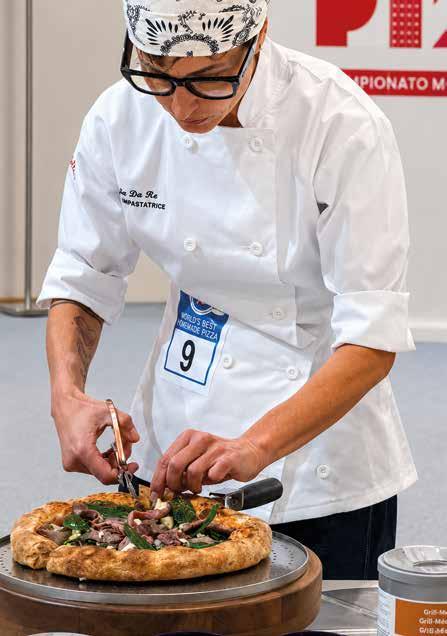
E tanta creatività la troviamo anche nella pizza con cui Silvia si aggiudica il primo posto al mondiale di Parma. Si chiama Bufala in tre atti ed è una pizza che racconta la bufala attraverso diverse consistenze e sfumature. Un impasto realizzato con metodo indiretto, utilizzando una biga al 50% maturata a 18°C con farina Creativa della filiera OIRZ e successivo rinfresco con IntensaOro. Per il topping, bufala in tre espressioni differenti: la delicatezza del roastbeef, la cremosità della mozzarella di latte di bufala e il carattere deciso di una scamorza affumicata di bufala. La componente vegetale è affidata a erbette spontanee raccolte personalmente; a completare il piatto, c’è un dressing di senape alleggerita, studiato per esaltare gli altri ingredienti senza sovrastarli.
to studying the dough, from fermentation to rolling out the dough, right through to baking. I’m fascinated by the attention to detail because, in my view, it’s a constant balance between technique, sensitivity and creativity. I enjoy experimenting, studying different flours, working on blends, hydration levels and fermentation processes to understand how each variable influences the final result.”
Whilst there is a great deal of research and study involved, creativity is certainly not lacking. “I consider myself,” she tells us, “to be decidedly creative: I start with quality ingredients to create combinations that make sense both in terms of flavour and narrative. Although I do think it is the Margherita, in all its simplicity, that embodies true perfection.”
And we also find plenty of creativity in the pizza with which Silvia won first place at the World Pizza Championships in Parma. It’s called ‘Bufala in tre atti’ (Buffalo in Three Acts) and is a pizza that showcases buffalo milk through different textures and nuances. The dough is made using the indirect method, with a 50% biga starter
Speciale Campionato
Mondiale della Pizza 2026
/2026 World Pizza Championship Special
UN LAVORO DI ALTA GASTRONOMIA
ANCHE, CHE SUSCITA UNA DOMANDA, FORSE UN PO’ SCONTATA: C’È UN PROGETTO DI PIZZERIA O PREFERISCE FAR RIMANERE LA PIZZA UNA PASSIONE?
“In realtà, l’idea di una pizzeria mi affascina molto. Se un giorno decidessi di trasformare questa passione in un progetto concreto, immaginerei un locale con pochi posti a sedere, curato in ogni dettaglio e orientato alla massima qualità. Più che una pizzeria tradizionale, mi piacerebbe creare un luogo dove ogni elemento, dall’impasto all’abbinamento nel calice, contribuisca a offrire un’esperienza gastronomica completa”.
Nell’attesa che il sogno si realizzi, Silvia continua a sfornare e confessa: “Se devo essere sincera, la mia pizza preferita resta quella che preparo io. Dopo anni di prove, riesco a realizzare una pizza che rispecchia perfettamente il mio gusto. E quindi, scherzando ma non troppo, la mia pizzeria del cuore è casa mia!”
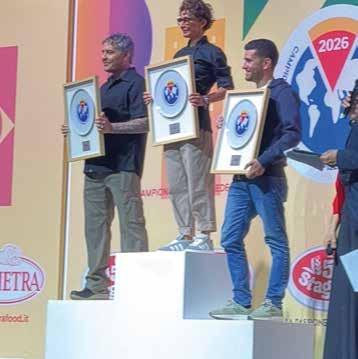
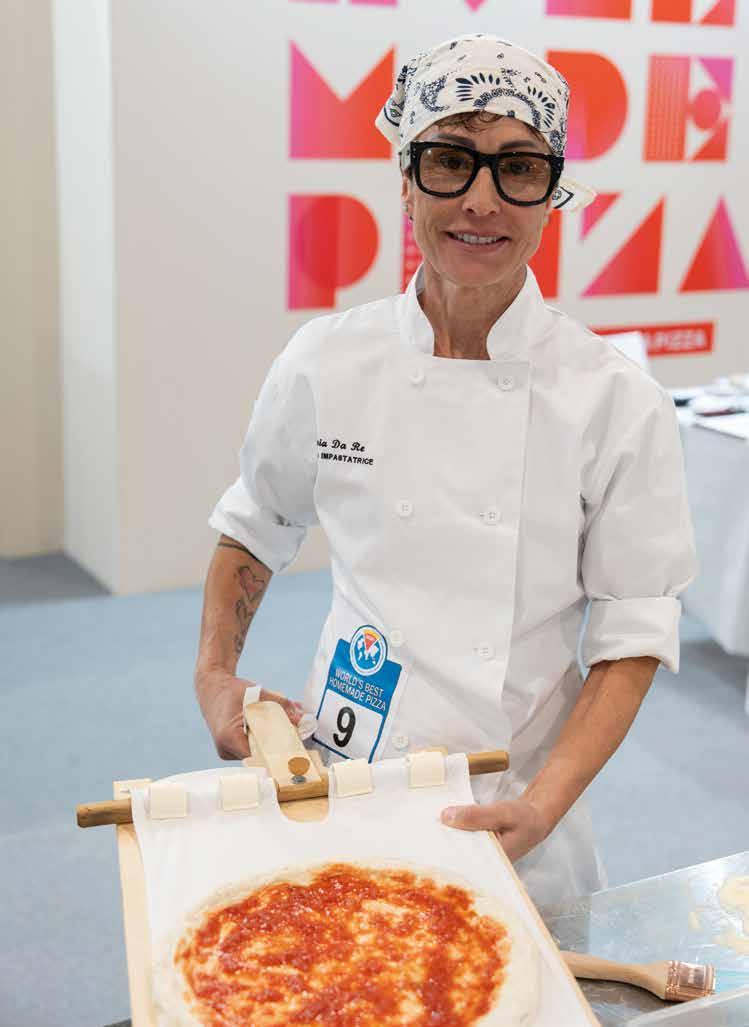
matured at 18°C using ‘Creativa’ flour from the OIRZ supply chain, followed by a refresh with ‘IntensaOro’. For the toppings, buffalo mozzarella is presented in three different forms: the delicacy of roast beef, the creaminess of buffalo milk mozzarella and the bold character of smoked buffalo scamorza. The vegetable component features wild herbs picked by Silvia herself, whilst the dish is rounded off with a light mustard dressing, designed to enhance the other ingredients without overpowering them.
It’s also a work of haute cuisine, which raises a question – perhaps a somewhat predictable one. Are there plans for a pizzeria, or would you prefer to keep pizza as a passion?
“Actually, the idea of a pizzeria really appeals to me. If one day I decided to turn this passion into a concrete project, I’d envisage a venue with just a few seats, where every detail is carefully considered and the focus is on the very highest quality. Rather than a traditional pizzeria, I’d like to create a place where every element – from the dough to the wine pairing – contributes to offering a complete gastronomic experience.”
Whilst waiting for that dream to come true, Silvia carries on baking and confesses: “To be honest, my favourite pizza is still the one I make myself. After years of trial and error, I’ve managed to create a pizza that perfectly reflects my own taste. So, jokingly but not entirely, my favourite pizzeria is my own home!”
Frumentario,
Lorenzo De Angelis, Roma
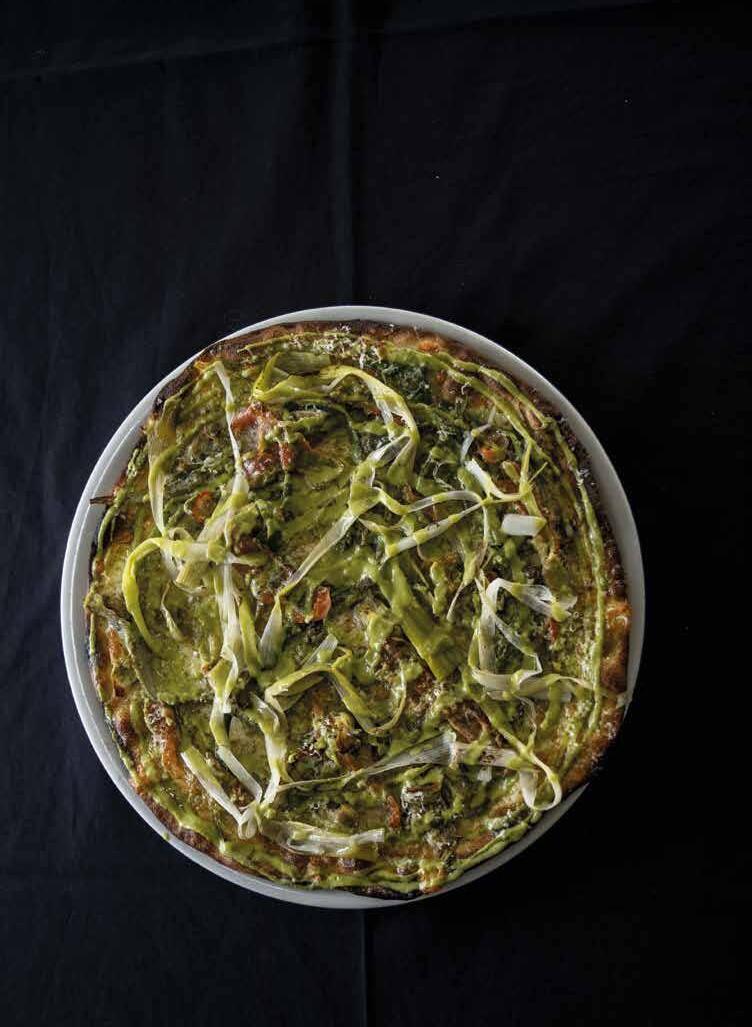
by Annatina Franzese
ENG There is a story of redemption, pure passion and deep respect for the raw ingredients behind the final verdict of “Emergente Pizza 2026”, which took place at the Villa Reale in Monza. The prestigious competition, conceived by Luigi Cremona and Lorenza Vitali, which for over twenty years has been unearthing the best under-30 talents in the Italian restaurant industry, declared a joint victory. Taking the top step of the podium were Sofia Paba (from “Locanda Sa Matracca” in Cagliari) and Lorenzo
C’è una storia di riscatto, passione pura e profondo rispetto per la materia prima dietro al verdetto finale di “Emergente Pizza 2026”, andato in scena alla Villa Reale di Monza. Il prestigioso concorso ideato da Luigi Cremona e Lorenza Vitali, che da oltre vent'anni scova i migliori talenti under 30 della ristorazione italiana, ha decretato un trionfo ex-equo. A salire sul gradino più alto del podio sono stati Sofia Paba (della “Locanda Sa Matracca” a Cagliari) e Lorenzo De Angelis, talento romano di “Frumentario” (Roma).
Per Lorenzo, 27 anni, questo successo non è solo un traguardo professionale ma il coronamento di un viaggio umano straordinario, iniziato quasi per caso tra i motorini delle consegne a domicilio e decollato grazie a un talento innato da autodidatta.
La sua storia non segue il classico percorso accademico. Iscrittosi all'università e dopo aver cambiato molti lavori diversi senza mai trovare la propria vera vocazione, la scintilla scatta solo pochi anni fa. Lavorando come fattorino per le consegne, si innamora perdutamente del mondo della pizzeria, unendo questa folgorazione a una passione viscerale per la cucina che coltivava da sempre.
De Angelis, a Roman talent from “Frumentario” (Rome).
For Lorenzo, aged 27, this success is not just a professional achievement but the culmination of an extraordinary personal journey, which began almost by chance amongst the delivery scooters and took off thanks to his innate, selftaught talent.
His story does not follow the traditional academic path. After enrolling at university and trying his hand at many different jobs without ever finding his true calling, the spark was ignited just a few years ago. Whilst working as a delivery rider, he fell head over heels in love with the world of pizzerias, combining this sudden revelation with a deep-seated passion for cooking that he had always nurtured.
From that moment on, he embarked on a purely self-taught journey: books, the internet, and endless experiments at home. A year and a half ago came the turning point: the owner of ‘Frumentario’ recognised his immense potential and offered him the chance to take the plunge behind the counter. It was a gamble that paid off handsomely, leading Lorenzo to compete against –and triumph over – the country’s finest young professionals.
Frumentario, Lorenzo De Angelis, Roma
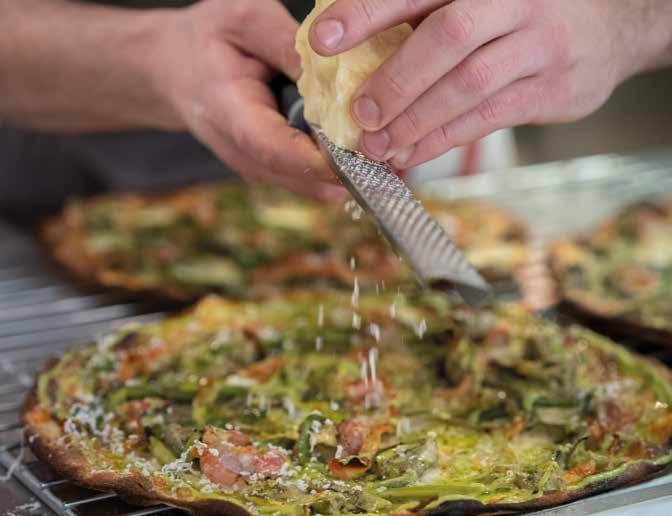
Da quel momento, inizia un percorso da autodidatta puro: libri, internet, infinite sperimentazioni casalinghe. Un anno e mezzo fa, la svolta: il titolare di “Frumentario” ne intuisce il potenziale immenso e gli propone di fare il grande salto dietro al bancone. Una scommessa stravinta, che oggi ha portato Lorenzo a confrontarsi e a vincere contro i migliori giovani professionisti del paese.
"Non mi aspettavo un risultato così importante perché il livello della competizione era altissimo. Speravo in un bel posizionamento ma vincere è stato incredibile. In queste competizioni, oltre alla gara, la cosa stupenda è stata stringere legami e rapporti di colleganza con gli altri ragazzi", dichiara Lorenzo.
A convincere la giuria di grandi chef e critici gastronomici d'Italia, è stata la sua straordinaria capacità di interpretare anche la prova obbligatoria "Pizza No Waste", combinando l'obbligo di inserire un salume “Levoni” (la scelta è ricaduta
su un guanciale) con una filosofia culinaria totalmente devota alla stagionalità e al recupero.
Il piatto forte è stato una “Vignarola rivisitata”, un omaggio alla primavera romana, trasformato in un perfetto topping per la pizza: un bilanciamento magistrale di sapori e consistenze.
Lorenzo ha dimostrato che la lotta allo spreco non è un limite ma una grandissima opportunità creativa:
"Per me l'assenza di scarti è una prerogativa, non una difficoltà. La Vignarola è nata proprio per dimostrare come un piatto della tradizione povera e del recupero possa trasformarsi in una pizza contemporanea".
Lavorare sotto gli occhi dei mostri sacri della cucina italiana è stata un'emozione indescrivibile: "Vederli assaggiare la mia pizza è stato un onore immenso. Durante la gara, ho ricevuto molti complimenti anche per la postura e il comporta-
“I didn’t expect such a significant result because the standard of the competition was so high. I was hoping for a good placing, but winning was incredible. In these competitions, apart from the contest itself, the wonderful thing was forging bonds and collegial relationships with the other competitors,” says Lorenzo.
What won over the jury of leading Italian chefs and food critics was his extraordinary ability to interpret even the compulsory ‘Pizza No Waste’ challenge, combining the requirement to include a ‘Levoni’ cured meat (he chose guanciale) with a culinary philosophy entirely devoted to seasonality and reducing waste. The star dish was a “reimagined Vignarola”, a tribute to Roman spring, transformed into the perfect pizza topping: a masterful balance of flavours and textures.
Lorenzo demonstrated that the fight against food waste is not a constraint but a tremendous creative opportunity: “For me, the absence of waste is a priority, not a difficulty. The Vignarola was created precisely to demonstrate how a dish rooted in humble traditions and the reuse of leftovers can be transformed into a contemporary pizza.”
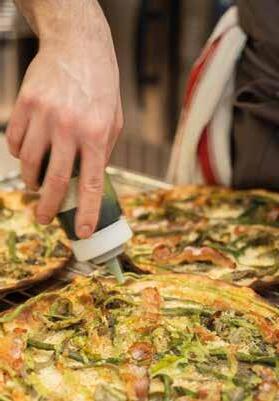

Tra gli errori più frequenti che si riscontrano in pizzeria, vi è la convinzione che la farina sia semplicemente una materia prima da scegliere in funzione del valore W o del marchio. In realtà, la farina è il punto di partenza di ogni progetto tecnico e deve essere scelta in base allo stile di pizza, ai tempi di fermentazione e al risultato desiderato.Una pizza tonda classica, una contemporanea, una pizza in pala o una pizza in teglia richiedono farine con caratteristiche differenti. Forza, rapporto P/L, capacità di assorbimento e qualità proteica influenzano infatti sviluppo dell’impasto, lievitazione e struttura finale del prodotto.Per questo, la formazione è fondamentale. Conoscere le farine significa comprendere il comportamento dell’impasto e saper gestire correttamente ogni fase produttiva. In un mercato sempre più competitivo, la competenza tecnica non rappresenta un valore aggiunto ma una condizione indispensabile per essere veri professionisti.
The culture of flour: the technical knowledge that too many pizza chefs lack
One of the most common mistakes encountered in pizzerias is the belief that flour is simply a raw material to be chosen based on its W value or brand. In reality, flour is the starting point for every technical process and must be selected according to the style of pizza, fermentation times and the desired result. A classic round pizza, a contemporary pizza, a pizza cooked on a peel or a pan-baked pizza all require flours with different characteristics. Strength, the P/L ratio, absorption capacity and protein quality all influence the dough’s development, rising and the final structure of the product. For this reason, training is essential. Understanding flours means understanding how the dough behaves and knowing how to manage each stage of production correctly. In an increasingly competitive market, technical expertise is not merely an added value but an essential requirement for being a true professional.
Enrico Bonardo Direttore
Frumentario, Lorenzo De Angelis, Roma
mento davanti al forno e, per questo, devo ringraziare infinitamente il titolare del locale dove lavoro. Tutto quello che so, l'opportunità di imparare cose nuove ogni giorno e la disciplina, me le ha insegnate lui".
I passati vincitori di Emergente Pizza oggi guidano le classifiche mondiali: basti pensare a nomi come Pier Daniele Seu. Lorenzo, però, preferisce mantenere i piedi ben saldi a terra, conscio del fatto che la fretta sia cattiva consigliera. Il suo obiettivo per i prossimi anni è approfondire ulteriormente le tecniche culinarie da applicare agli impasti. E, se gli si chiede dove si vede tra 5 anni, la risposta è lucida e determinata: "Mi vedo a capo di un'attività mia. Ma oggi il livello generale è altissimo, si tocca con mano la bravura dei colleghi. Un passo del genere si fa solo quando si è pronti al 100%. E io voglio arrivarci preparato, maturo e perfetto".
Working under the watchful eyes of the giants of Italian cuisine was an indescribable thrill: “Seeing them taste my pizza was an immense honour. During the competition, I also received many compliments on my posture and demeanour in front of the oven, and for this I owe an immense debt of gratitude to the owner of the restaurant where I work. Everything I know – the opportunity to learn new things every day and the discipline – he taught me.”
Past winners of Emergente Pizza now top the world rankings: just think of names like Pier Daniele Seu. Lorenzo, however, prefers to keep his feet firmly on the ground, aware that haste makes waste. His aim for the coming years is to further refine the culinary techniques he applies to his dough. And, if asked where he sees himself in five years’ time, his answer is clear and determined: “I see myself running my own business. But today the overall standard is extremely high; you can really see the skill of my colleagues. A move like that can only be made when you’re 100 per cent ready. And I want to get there prepared, mature and perfect.”
The signs leave no room for doubt: the future of contemporary pizza already has a new, major protagonist.
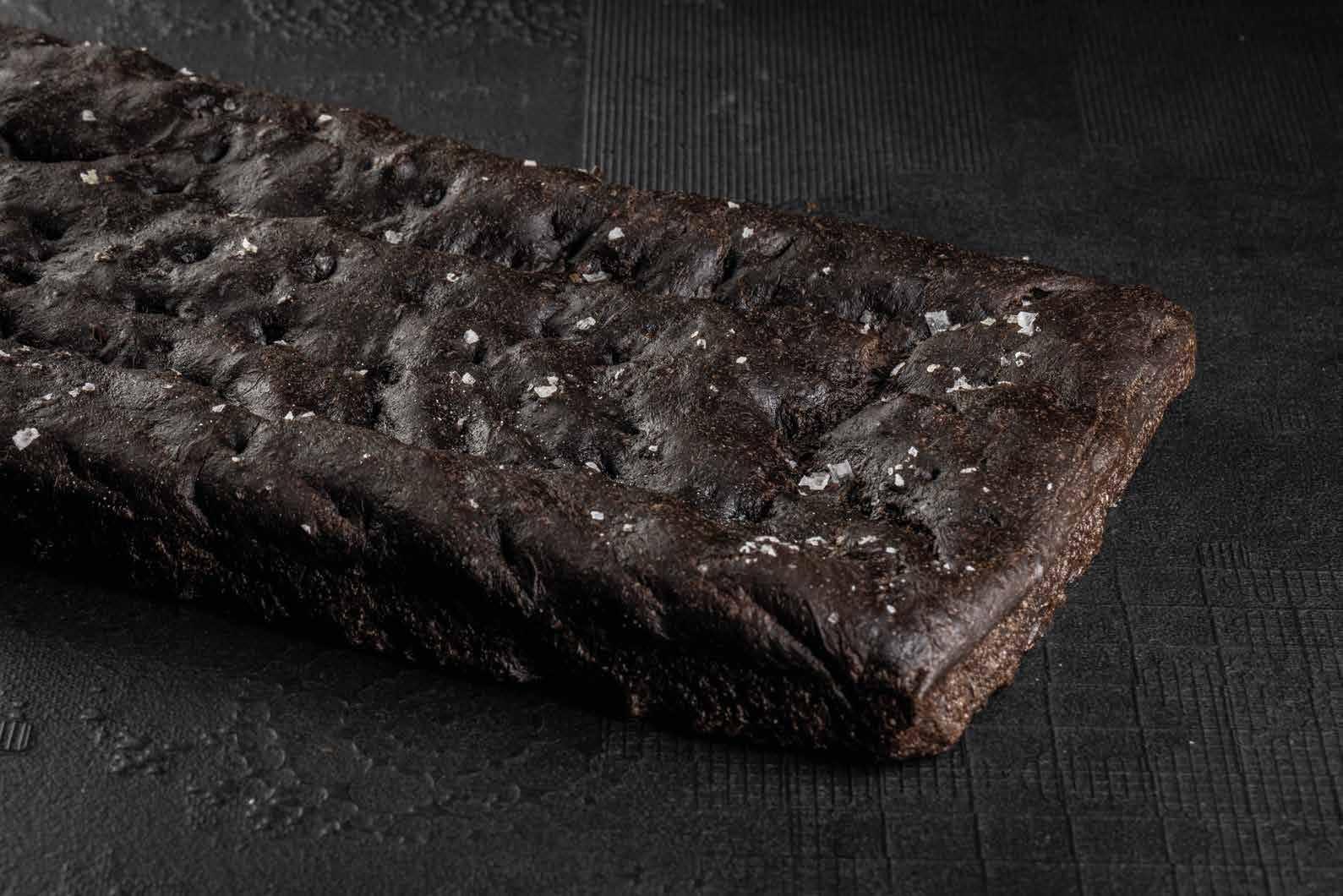
Casa Vittoria, a Durazzano, Benevento, di Antonia Abbatiello
Grandma’s Room
Antonia Abbatiello and her ‘Casa Vittoria’
by Noemi Caracciolo
L’amore è cura. Per la famiglia, per il territorio, per le tradizioni, per tutto ciò che ci rende ciò che siamo. E il cibo, allora, non è mai soltanto cibo. È identità, memoria, affetto. È il tempo condiviso attorno a una tavola, le risate in famiglia, i profumi che riportano all’infanzia, i gesti che si tramandano di generazione in generazione. A “Casa Vittoria” tutto sembra nascere da qui, da un’idea di cucina che parla di radici e appartenenza. Dalla cura che Antonia mette in ogni piatto, in ogni confettura, in ogni preparazione che racconta il Sannio e la sua storia. Una cucina fatta di ricette custodite nel tempo, di insegnamenti imparati da bambina e della volontà di non lasciare andare sapori che ancora oggi raccontano, nel modo più autentico, l’amore profondo per la propria terra e per la propria famiglia.
Love is care. For family, for the local area, for traditions, for everything that makes us who we are. And so, food is never just food. It is identity, memory, affection. It is time shared around a table, family laughter, the scents that take us back to childhood, the gestures passed down from generation to generation. At “Casa Vittoria”, everything seems to stem from this – from a vision of cuisine that speaks of roots and belonging. From the care that Antonia puts into every dish, every jam, every creation that tells the story of the Sannio and its history. A cuisine made up of recipes
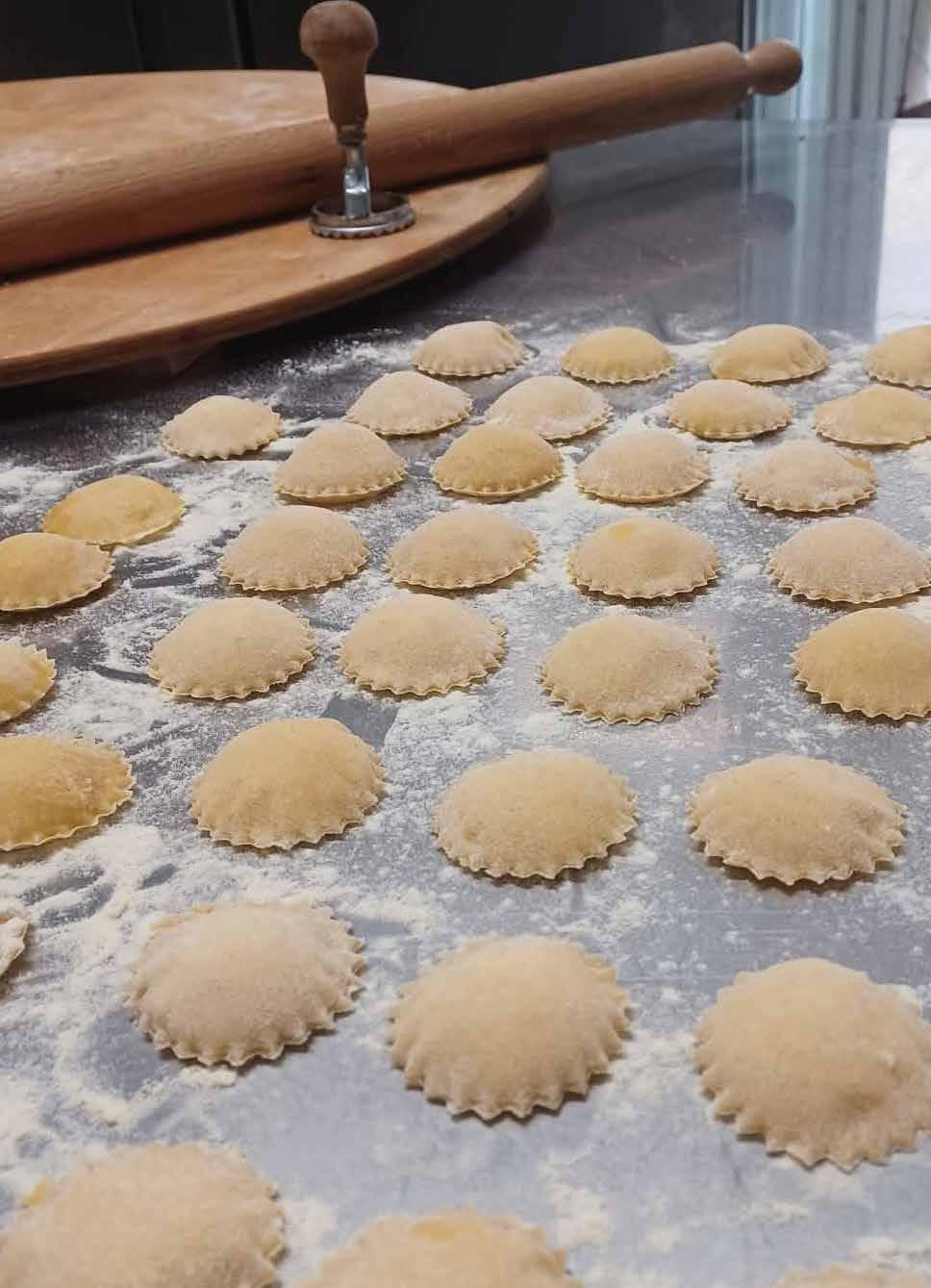
preserved over time, lessons learnt as a child, and the determination not to let go of flavours that still today, in the most authentic way, express a deep love for her homeland and her family.
When did you realise that cooking wasn’t just about making food but about preserving something greater, and how did you get started? I grew up in my grandparents’ house. My grandmother was one of those ladies in the village who used to prepare all sorts of things for weddings, parties and all kinds of celebrations. There were other women there, and the doors were always open. Antonia, my grandmother, passed on this passion for cooking and hospitality to me, because she was the matriarch of a trading family where cooking was a constant, regardless of whether there were three, four or five of us in the family – always in case someone might turn up and stay for lunch. People would come from out of town – industrialists linked to the cherry trade – who enjoyed sampling local specialities: from pickled vegeta-
Casa Vittoria, a Durazzano, Benevento, di Antonia Abbatiello
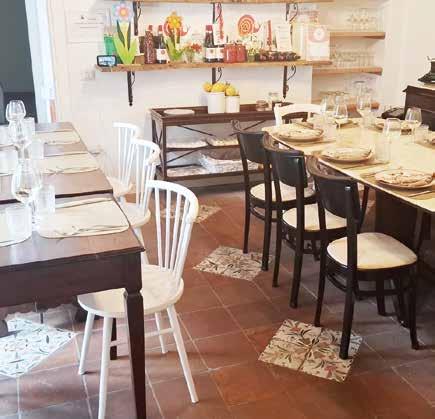
QUANDO HAI CAPITO CHE CUCINARE
NON ERA SOLO FARE DA MANGIARE MA CUSTODIRE QUALCOSA DI PIÙ GRANDE E COME HAI INIZIATO?
Io sono cresciuta nella casa dei nonni. Mia nonna era una di quelle signore del paese che preparava tante cose per matrimoni, feste e qualsiasi tipo di cerimonia. C’erano altre donne e sempre le porte aperte. Antonia, mia nonna, mi ha trasmesso questa passione per la cucina e per l’ospitalità, perché era la donna di una casa di commercio dove si cucinava, a prescindere dal fatto che in famiglia si fosse in tre, quattro o cinque ma nell’eventualità che qualcuno potesse arrivare e restare a pranzo. Arrivavano persone da fuori, industriali legati al mondo delle ciliegie, che avevano piacere ad assaggiare prodotti tipici: dai sottoli ai piatti della tradizione. La mia famiglia, da generazioni, si occupa del commercio delle ciliegie e io sono cresciuta in una realtà molto legata alla terra: facevamo il formaggio, i taralli, il
bles to traditional dishes. My family has been in the cherry trade for generations, and I grew up in a world deeply rooted in the land: we made cheese, taralli and bread at home, as well as homemade pasta; we butchered the pig and worked in the fields. I used to follow my grandparents and my father out into the countryside, and that’s how I developed a passion for it. Then I went away, studied, graduated, obtained a European doctorate and worked for two years at the Constitutional Court in Madrid. When I decided to return, I found myself faced with two paths: to continue my academic career or to devote myself to something else. Today, I believe it was precisely that journey that made me realise that those roots are my greatest asset and that little something extra I can offer others.
Which flavours or traditions do you feel a duty to preserve, and which of your grandmother’s recipes must be passed on?
There are so many things I feel a duty to preserve because they are part of our identity. I grew up with these everyday traditions. Fried cannoli are also part of this heritage and are one of my grandmother’s recipes, just like so many traditional desserts that continue to tell a family story. Even today, we still stock our larder just as we used to. We harvest the olives and preserve them in brine or in salt; we make turnip greens preserved in oil and aubergine strips.
It’s a well-stocked larder that ensures we always have local flavours and a varied selection.
Your husband told me: “It’s not your usual workshop”; how would you describe “Casa Vittoria”?
It’s not your typical shop, nor is it your typical tavern. When we returned here,
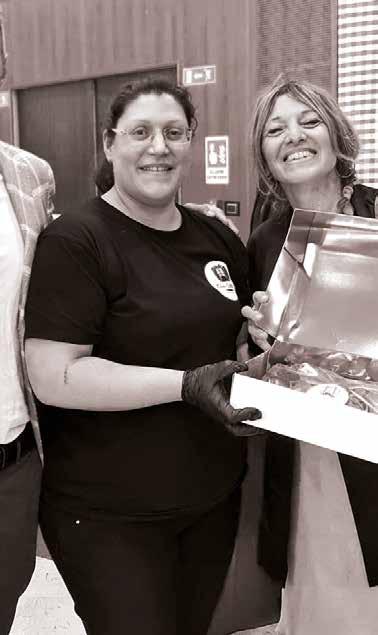
we renovated this property that my parents had bought, and when it came to furnishing it, we decided against the usual counter or shelving. We kept the dining room as it was: when you walk in here, you’re stepping into a home. The first thing everyone says is that this room reminds them of their grandmother’s house and Sunday lunches. We try to preserve precisely these feelings through the recipes we serve.
If I were to come here for a day, what would you serve me to give me a taste of the soul of your land?
You won’t find elaborate cuisine or unusual dishes here. We’re very much rooted in tradition. Above all, I’d have you try ‘taccuni e fasule’ – a fresh pasta made with semolina, flour and water. In summer, we prepare it with a
pane in casa, la pasta fatta in casa, si lavorava il maiale e si andava nei campi. Seguivo i miei nonni e mio padre in campagna e mi sono appassionata così. Poi sono stata fuori, ho studiato, mi sono laureata, ho conseguito un dottorato europeo e ho lavorato per due anni alla Corte costituzionale di Madrid. Quando ho deciso di tornare, mi sono trovata davanti due strade: continuare il percorso universitario oppure dedicarmi ad altro. Oggi credo che proprio quel percorso mi abbia fatto capire che quelle origini sono la mia risorsa e quel qualcosa in più che posso donare agli altri.
QUALI SAPORI O GESTI SENTI IL DOVERE DI NON FAR SPARIRE E QUAL È LA RICETTA DELLA NONNA CHE DEVE RESTARE?
Ci sono tante cose che sento il dovere di custodire perché fanno parte della nostra identità. Sono cresciuta con questi gesti quotidiani. Anche i cannoli fritti fanno parte di questa memoria e sono una ricetta della nonna, così come tanti dolci tipici che continuano a raccontare una storia di famiglia. Noi ancora oggi riempiamo le dispense come si faceva una volta. Raccogliamo le olive e le conserviamo in salamoia o sotto sale, facciamo le cime di rapa sott’olio, le melanzane a filetti. È una dispensa ricca che ci permette di avere sempre sapori del territorio e un’offerta varia.
TUO MARITO MI HA DETTO: “NON È IL SOLITO LABORATORIO”; TU COME DEFINIRESTI “CASA VITTORIA”?
Non è il classico punto vendita e nemmeno la classica osteria. Quando siamo tornati qui, abbiamo ristrutturato questo immobile acquistato dai miei genitori e, nel momento di arredarlo, abbiamo deciso di non fare il solito bancone o lo scaffale.
Casa Vittoria, a Durazzano, Benevento, di Antonia Abbatiello
Abbiamo lasciato la sala da pranzo che c’era già: chi entra qui, entra in una casa. La prima cosa che dicono tutti è che questa stanza ricorda la casa della nonna e i pranzi della domenica. Cerchiamo di custodire proprio queste emozioni anche attraverso le ricette che proponiamo.
SE VENISSI QUI PER UN GIORNO
COSA MI FARESTI ASSAGGIARE PER RACCONTARMI L’ANIMA DELLA TUA TERRA?
Qui non trovi cucine elaborate o piatti particolari. Noi siamo molto legati alla tradizione. Tra tutti, farei provare taccuni e fasule, una pasta fresca fatta con semola, farina e acqua. In estate, la prepariamo con un sugo fresco, tante erbe aromatiche come basilico, rosmarino e salvia e con l’aggiunta dei fagioli. In inverno, invece, si fa con il sugo di carne di maiale, con tracchie e cotiche. Cuciniamo molto il pollo e gli animali da cortile, il tacchino, l’agnello nei periodi di Pasqua e Natale. Qui, nel Sannio, abbiamo ancora tanti allevamenti e riusciamo a reperire carni locali di qualità.
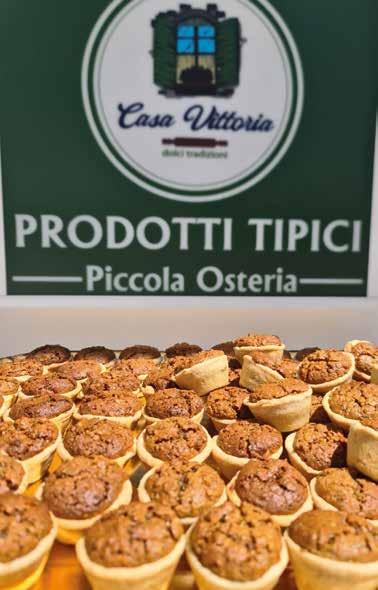
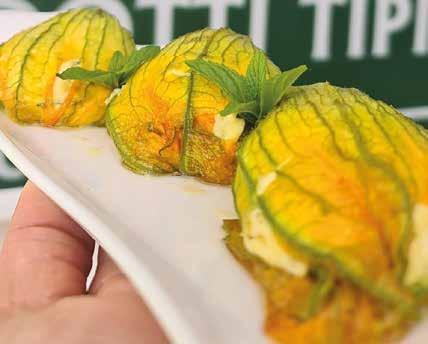
fresh sauce, plenty of aromatic herbs such as basil, rosemary and sage, and with the addition of beans. In winter, however, it’s made with a pork sauce, using pork ribs and pork rinds. We cook a lot of chicken and farmyard poultry, as well as turkey and lamb at Easter and Christmas. Here in the Sannio, we still have plenty of farms and are able to source high-quality local meat. We also make extensive use of pulses and wild herbs. At this time of year, we serve bean salads with wild rocket, whilst in winter we make soups with wild herbs that turn into ‘pancotto’. These are simple dishes with very clean yet flavourful tastes. The workshop was also set up for fruit processing – specifically for jams, traditional sweets, savoury taralli and ‘nfrennule’, which are recognised as traditional agri-food products.
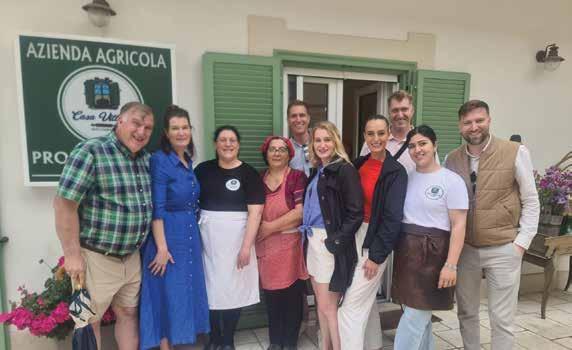
How important has Slow Food been in your journey, and what do you feel is most important to convey today?
Slow Food has had a major influence on how I’ve set up this business: the workshop, the shop and even the tavern. I took part in a course organised by the Campania Region as a specialist in local food specialities. I’m a firm believer in training and I continue to undertake it. I’ve delved deeper into the world of wine and, recently, I completed the first level of training as an olive oil taster. Today, I think it’s important to revive traditions that are at risk of disappearing. We in inland areas need people to safeguard these traditions, because I believe they are an important resource for the region and for the future.
Usiamo molto anche i legumi e le erbe spontanee. In questo periodo proponiamo insalate di fagioli con rucola selvatica mentre, in inverno, facciamo minestre con erbe spontanee che diventano pancotto. Sono piatti semplici, dai gusti molto puliti ma saporiti. Il laboratorio nasce anche per la trasformazione della frutta, quindi per confetture, dolci tipici, taralli salati e nfrennule, riconosciute come prodotto agroalimentare tradizionale.
QUANTO HA CONTATO SLOW FOOD NEL TUO PERCORSO E COSA SENTI PIÙ IMPORTANTE TRASMETTERE OGGI?
Slow Food ha influito molto nel modo di impostare questa attività: il laboratorio, il punto vendita e anche l’osteria. Ho partecipato a un corso promosso dalla Regione Campania come tecnico delle tipicità territoriali alimentari. Credo molto nella formazione e continuo a farla. Ho approfondito il mondo del vino e, da poco, ho concluso il primo livello come assaggiatrice di oli. Oggi penso sia importante recuperare tradizioni che rischiano di scomparire. Noi delle aree interne abbiamo bisogno di persone che custodiscano queste realtà, perché credo siano una risorsa importante per il territorio e per il futuro.
LThe first time I went to Japan ten years ago, I was very struck by the sheer number of Neapolitan pizzerias run by local pizza chefs. Let’s be clear, I wasn’t discovering anything new: the Japanese had already embraced pizza culture as early as the 1990s, travelling to learn directly from Neapolitan masters. What is surprising, however, is to find, even after so many years, a pizza that remains exactly the same, adhering strictly to tradition. In Japan, all new pizzerias that open tend to follow this path.
It is therefore striking to see a trend such as ‘omakase pizza’, which has gained ground in recent years. It applies a classic concept from Japanese dining to pizza: a counter, a few diners, no menu. The chef cooks right in front of you, serving you small portions of the highest quality. In practice, this is what Franco Pepe had already done in Italy with his Authentica (but that’s another story).
I believe, however, that the most important innovation Japan has given us is the pizza that symbolises the dynamism of its capital: the Tokyo-style pizza. So named by outside observers, this pizza was born out of practical necessity, thanks to a second generation of pizza chefs who were unable to travel to Naples but nevertheless sought to recreate the style of our most famous pizza simply by observing it and adding a few creative tweaks. Names such as Savoy, Seirinkan and Pizza Studio Tamaki have set a precedent and spawned a new trend. The pizza chef Tsubasa Tamaki, of the pizzeria bearing his name, is currently enjoying success abroad too, with new outlets opening in the United States.
a prima volta che andai in Giappone dieci anni fa rimasi molto colpito dalla sterminata quantità di pizzerie napoletane gestite dai pizzaioli locali. Non stavo scoprendo niente, sia chiaro: i giapponesi hanno abbracciato la cultura della pizza già a partire dagli anni ‘90, venendo a studiare direttamente dai maestri partenopei. Quello che sorprende, però, è ritrovare anche a distanza di tanti anni una pizza sempre uguale a se stessa, da disciplinare. In Giappone, tutte le nuove pizzerie che aprono seguono tendenzialmente questa strada.
Colpisce quindi un trend come quello del pizza omakase, che si è affermato negli ultimi anni. Si applica alla pizza un concetto classico della ristorazione giapponese: un bancone, pochi commensali, nessun menù.
Colpisce quindi un trend come quello del pizza omakase, che si è affermato negli ultimi anni. Si applica alla pizza un concetto classico della ristorazione giapponese: un bancone, pochi commensali, nessun menù.
Lo chef cucina davanti a te porgendoti piccole porzioni di alta qualità.
Lo chef cucina davanti a te, porgendoti piccole porzioni di alta qualità.
In pratica, quello che in Italia aveva già fatto Franco Pepe con la sua Authentica (ma questo è un altro discorso).
In pratica, quello che in Italia aveva già fatto Franco Pepe con la sua Authentica (ma questo è un altro discorso).
Ritengo, però, che l’innovazione più importante che ci abbia regalato il Giappone sia la pizza simbolo del dinamismo della sua capitale: la Tokyo-style. Battezzata così da osservatori esterni, questa pizza è nata per esigenze pratiche, grazie a una seconda generazione di pizzaioli che non hanno potuto viaggiare a Napoli ma hanno cercato comunque di ricreare lo stile della nostra pizza più famosa, semplicemente osservandolo e aggiungendovi qualche modifica creativa. Nomi come Savoy, Seirinkan, Pizza Studio Tamaki hanno fatto scuola e generato un nuovo filone. Il pizzaiolo Tsubasa Tamaki, dell’omonima pizzeria, sta attualmente riscuotendo successo anche all’estero con nuove aperture negli Stati Uniti.
La loro pizza si distingue per la stesura pizzicata e il cornicione intrecciato su se stesso, assumendo una forma sgraziata e con delle enormi bruciature che in circostanze normali guarderemmo inorriditi rimandandola subito indietro; su una pizza tokyota regalano, però, un crunch piacevole e per niente amaro. C’è poi il famoso pizzico di sale gettato sulla platea poco prima dell’infornata, quel je ne sais quoi aggiuntivo che la rende più sfiziosa.
Nei miei viaggi, ho notato come l’impostazione verace sia predominante nei due vicini di casa del Giappone: Corea e Taiwan. In questo caso il passaggio a Napoli non è più obbligato: l’arte si apprende direttamente dagli shokunin, i maestri nipponici. Insomma, se un tempo il Giappone colonizzava i due Paesi con l’esercito, oggi lo fa col cibo. E forse è proprio per questo che da quelle parti ci sono alcuni moti di ribellione nei confronti di un disciplinare imposto. C’è chi, come Jin Chiu di Pizza Round a Taipei, ha imparato tutto sulla pizza napoletana contemporanea semplicemente guardando i video online di campioni come Bonetta, Lioniello e Capuano:
Their pizza is characterised by its pinched crust and the rim twisted in on itself, taking on an awkward shape with huge scorch marks which, under normal circumstances, we would look at in horror and send straight back; on a Tokyo-style pizza, however, they provide a pleasant crunch that is not at all bitter. Then there’s the famous pinch of salt sprinkled over the dough just before it goes into the oven – that extra je ne sais quoi that makes it even more delicious.
In my travels, I’ve noticed how the authentic approach predominates in Japan’s two neighbours: Korea and Taiwan. In this case, a detour via Naples is no longer necessary; the art is learnt directly from the shokunin, the Japanese masters. In short, whilst Japan once colonised these two countries with its army, today it does so through food. And perhaps this is precisely why there are some stirrings of rebellion in those parts against an imposed set of rules. There are those, such as Jin Chiu of Pizza Round in Taipei, who have learnt everything about contemporary Neapolitan pizza simply by watching online videos of masters such as Bonetta, Lioniello and Capuano:
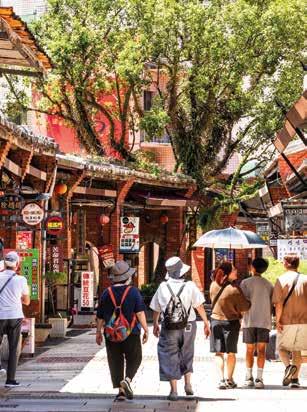
to this he has added his passion for experimenting with fermented waters to give that extra edge to his doughs, which are incredibly light and delicious.
Moving on to Korea, I was particularly impressed by the ‘Papero’ project on Jeju Island: a wine bar converted into a pizzeria, offering a limited number of pizzas by reservation only. Here, you’re required to order a drink – alcoholic or otherwise – alongside your pizza, to enjoy the full experience and, at the same time, make up for the limited number of seats in the dining room and at the counter. Owner Young-Rok Kim chose Italian cuisine, he tells me, “because it’s more straightforward”: so intuitive, in fact, that his chef and pizza makers learnt the craft by reading recipe books, both Italian and American. Here too, the trend is towards a thin-crust style. There are still very few doing this in Korea.
Unfortunately, I haven’t been everywhere, so to understand some Asian trends I turned to a few professionals from those parts. Jenna Ding, the pizza chef and owner of Wala Pizza in Singapore, tells me about a multifaceted reality:
a questo ha aggiunto la sua passione per la ricerca con le acque fermentate per dare quella marcia in più ai suoi impasti, leggerissimi e deliziosi.
Spostandomi in Corea, ho invece apprezzato tantissimo il progetto di “Papero” sull’isola di Jeju: un wine bar convertito in pizzeria, con un numero di impasti limitato per pizze su prenotazione. Qui c’è l’obbligo di consumare una bevanda, alcolica o no, assieme alla pizza, per fruire di un’esperienza completa e, allo stesso tempo, compensare il numero ridotto di posti in sala e al bancone. La scelta del titolare Young-Rok Kim è caduta sulla cucina italiana, mi dice, “perché è più immediata”: talmente intuitiva che il suo chef e i pizzaioli hanno imparato leggendo libri di ricette, sia italiani che americani. Anche qui la tendenza è verso un canotto spinto. Sono ancora in pochi a farlo in Corea.
Purtroppo, non sono stato ovunque, per cui per capire alcuni trend asiatici mi sono rivolto ad alcuni professionisti di quelle parti. Jenna Ding, pizzaiola titolare di Wala Pizza a Singapore, mi racconta di una realtà multisfaccettata:
“Qui le persone sono molto più aperte e curiose, e il mix di culture e sapori ci permette di sperimentare. Molte pizzerie, anche quelle aperte da italiani, incontrano i gusti locali con topping del sud-est asiatico come granchio al chilli, tonno e wakame, laksa… Inoltre, molte collaborazioni a quattro mani con chef stellati Michelin portano la pizza a un altro livello”.
“Qui le persone sono molto più aperte e curiose il di sapori permette di sperimentare. Molte pizzerie, anche quelle aperte da italiani, incontrano i gusti locali con topping del sud-est asiatico come granchio al chilli, tonno e wakame, laksa… Inoltre, molte collaborazioni a quattro mani con chef stellati Michelin portano la pizza a un altro livello”.
Non tutto è rose e fiori, però: in un Paese enorme come l’India, la pizza napoletana sta cominciando a farsi strada adesso con un boom che recepisce la moda ma non accoglie la cultura. Ho chiesto a Susanna Di Cosimo, titolare dell’apprezzatissima pizzeria “Da Susy” a Gurgaon, cosa ne pensa del trend del momento: “Gli Indiani copiano quello che ha successo, ma lo fanno male: prima andava la pizza stile americano con una marea di topping; ora fanno la stessa cosa ma ci aggiungono il cornicione solo perché la napoletana va di moda”.
Nel frattempo, un colosso come la Cina si sta accorgendo adesso della pizza napoletana e chiama dall’Italia frotte di pizzaioli con percorsi e stili anche molto differenti tra di loro per insegnare ai suoi. Conoscendo la rapidità dei Cinesi, possiamo aspettarci che si mettano presto al passo. Ma l’Asia è grande, tante le sue culture e occorreranno altre trasferte per capire come la pizza, napoletana e non, si stia affermando nel continente. E il pensiero non mi dispiace.

“Here, people are much more openminded and curious and the mix of cultures and flavours allows us to experiment. Many pizzerias, even those run by Italians, cater to local tastes with South-East Asian toppings such as chilli crab, tuna and wakame, and laksa… What’s more, numerous collaborative projects with Michelin-starred chefs are taking pizza to a whole new level.”
It’s not all plain sailing, though: in a country as vast as India, Neapolitan pizza is only just beginning to make its mark, with a boom that embraces the trend but not the culture. I asked Susanna Di Cosimo, owner of the highly acclaimed pizzeria �Da Susy� in Gurgaon, what she thinks of the current trend: ‘Indians copy whatever’s successful, but they do it badly: first it was American-style pizza with a mountain of toppings; now they’re doing the same thing but adding a thick crust just because Neapolitan pizza is in fashion’.
Meanwhile, a giant like China is only just discovering Neapolitan pizza and is bringing in hordes of pizza chefs from Italy – with backgrounds and styles that vary greatly – to train its own. Given how quickly the Chinese adapt, we can expect them to catch up soon. But Asia is vast, with many cultures, and further trips will be needed to understand how pizza – Neapolitan and otherwise – is establishing itself across the continent. And I rather like the idea.
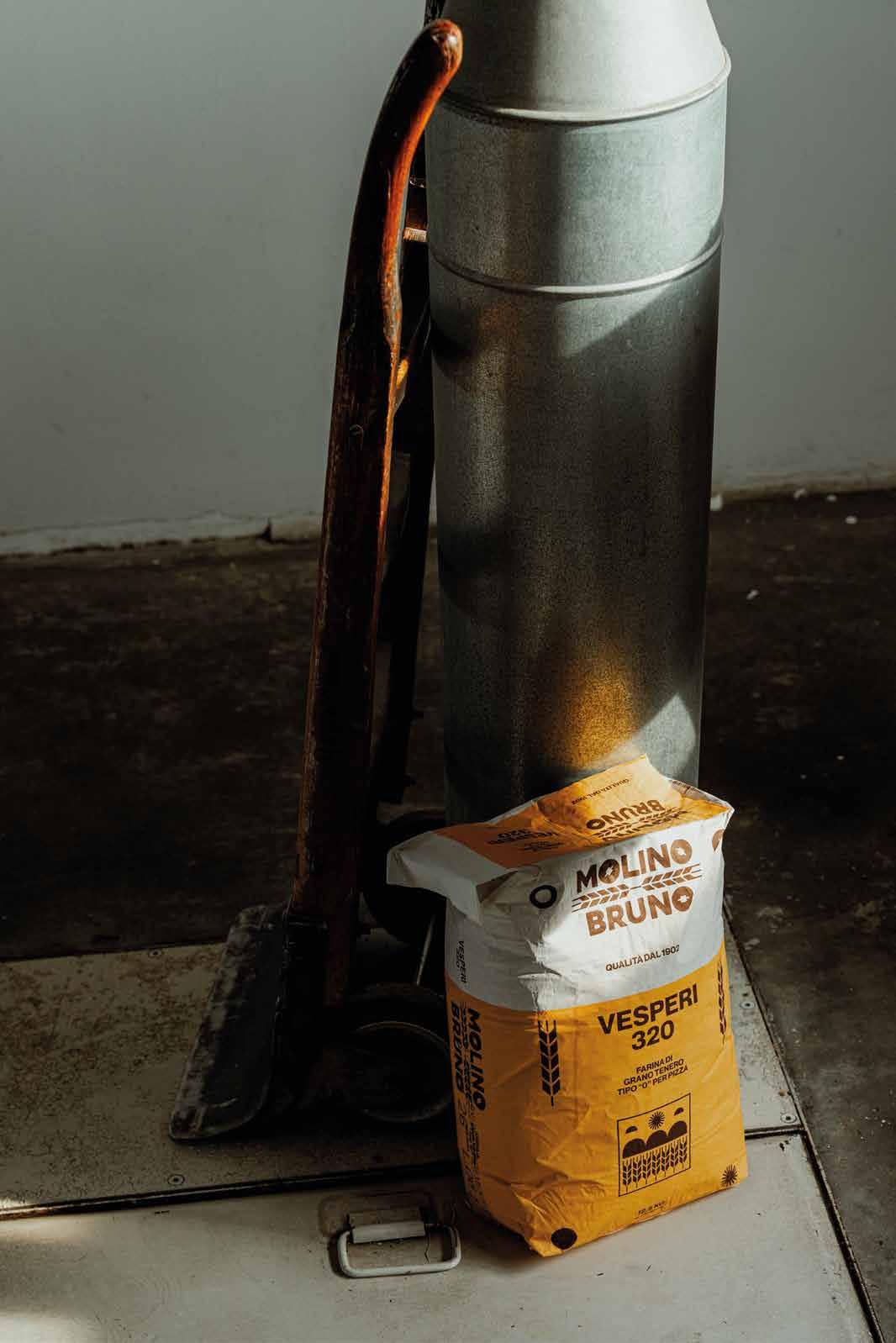

by Marisa Cammarano BIOLOGA NUTRIZIONISTA
Con l'arrivo dei mesi più caldi dell’anno, una sensazione di stanchezza profonda e pervasiva tende a colpire moltissime persone. Non si tratta di semplice pigrizia, ma di una reale risposta fisiologica del nostro organismo di fronte all'innalzamento delle temperature e dell'umidità. Comprendere i meccanismi biologici alla base di questo fenomeno e, di conseguenza, adottare le giuste contromisure nello stile di vita, nell’alimentazione e nell’idratazione è fondamentale per vivere la stagione estiva al massimo delle proprie potenzialità energetiche. La causa principale della spossatezza estiva risiede nel sistema di termoregolazione corporea. Il corpo umano ha la necessità assoluta di mantenere la propria temperatura interna costante, attorno ai 36-37 °C, per garantire il corretto funzionamento degli organi e delle reazioni biochimiche vitali. Quando la temperatura ambientale sale, l’organismo mette in atto due strategie di raffreddamento: la vasodilatazione periferica e la sudorazione. La vasodilatazione fa sì che i vasi sanguigni si allarghino per spingere il sangue verso la superficie della pelle, facilitando la dispersione del calore. Questo processo provoca un calo della pressione arteriosa, riducendo l'afflusso di ossigeno al cervello ed anche ai muscoli, generando sonnolenza e debolezza. Parallelamente, la sudorazione consente di raffreddare la cute tramite l'evaporazione, ma comporta una massiccia perdita di liquidi e di elettroliti essenziali, in particolare potassio e magnesio, minerali cruciali per la contrazione muscolare, la trasmissione degli impulsi nervosi e la produzione di energia cellulare.

With the arrival of the hottest months of the year, a deep and pervasive feeling of tiredness tends to affect a great many people. This is not simply a case of laziness, but a genuine physiological response by our bodies to rising temperatures and humidity. Understanding the biological mechanisms underlying this phenomenon and, consequently, adopting the right lifestyle, dietary and hydration measures is essential for making the most of the summer season in terms of energy levels. The main cause of summer fatigue lies in the body’s thermoregulatory system. The human body has an absolute need to maintain a constant internal temperature, around 36–37 °C, to ensure the proper functioning of organs and vital biochemical reactions. When the ambient temperature rises, the body employs two cooling strategies: peripheral vasodilation and sweating. Vasodilation causes the blood vessels to widen, pushing blood towards the skin’s surface and facilitating heat dissipation. This process leads to a drop in blood pressure, reducing the supply of oxygen to the brain and muscles, resulting in drowsiness and weakness. At the same time, sweating cools the skin through evaporation, but leads to a significant loss of fluids and essential electrolytes, particularly potassium and magnesium – minerals that are crucial for muscle contraction, the transmission of nerve impulses and the production of cellular energy.
Per contrastare efficacemente la disidratazione ed i cali pressori, l'acqua rappresenta il rimedio sovrano. Non bisogna mai attendere lo stimolo della sete, poiché quest'ultimo compare quando la perdita di liquidi è già in atto.
La raccomandazione è di consumare almeno 2 o 2,5 litri di acqua oligominerale al giorno, sorseggiandola frequentemente a piccoli sorsi durante tutta la giornata. Se la sudorazione è intensa, l’acqua da sola può non bastare a ripristinare l'equilibrio elettrolitico. In questi casi, è utile consumare bevande isotoniche naturali, come l'acqua di cocco, oppure ricorrere a formulazioni specifiche.
La digestione è un processo che richiede molta energia e produce calore interno (termogenesi). Durante l'estate, consumare pasti abbondanti, ricchi di grassi o zuccheri semplici sovraccarica l’apparato digerente, richiamando ulteriore sangue allo stomaco ed accentuando la sonnolenza post-prandiale. La dieta estiva deve essere leggera, frazionata in piccoli e frequenti spuntini, e focalizzata su cibi ad alto contenuto di acqua e fibre.
Water is the best remedy for effectively combating dehydration and drops in blood pressure. You should never wait until you feel thirsty, as this sensation only arises once fluid loss is already underway.
The recommendation is to drink at least 2 or 2.5 litres of low-mineral-content water a day, sipping it frequently in small sips throughout the day. If sweating is heavy, water alone may not be sufficient to restore electrolyte balance. In such cases, it is helpful to consume natural isotonic drinks, such as coconut water, or to use specific formulations. Digestion is a process that requires a great deal of energy and produces internal heat (thermogenesis). During the summer, eating large meals high in fat or simple sugars overloads the digestive system, diverting more blood to the stomach and increasing post-meal drowsiness. A summer diet should be light, divided into small, fre s of snacks, and focused on foods high in water and fibre.

Fresh, seasonal fruit and vegetables should always be included: watermelon, melon, peaches, tomatoes, cucumbers and courgettes are natural sources of water, vitamins and minerals.
As for sources of protein and carbohydrates, it is advisable to opt for lean fish, white meat, eggs and whole grains (such as barley, Venere rice or quinoa), which release energy gradually without causing blood sugar spikes.

Forno con alimentazione elettrica, dalle dimensioni contenute, concepito per la cottura di 1 o 2 pizze da 33 cm.

Forni elettrici a una o a due camere concepiti per la cottura di pizze e pinsa, in teglia e a pala.


Il Pulcinella Leon è un forno elettrico professionale che simula la cottura a legna, raggiungendo i 510°C per una vera pizza napoletana È dotato di piano rotante in refrattario e tecnologia di gestione dell'energia per alta efficienza e bassi consumi.

Il nuovo forno ibrido Pulcinella Drago, dal design compatto e cuore napoletano, unisce la cottura a legna e quella elettrica per pizze fragranti e uniformi.




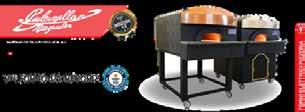

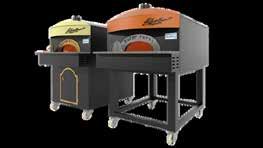
Forni a tunnel con tappeto di cottura in refrattario. Montato su ruote e configurabile per ogni esigenza. Disponibile anche con tecnologia Industria 4.0.





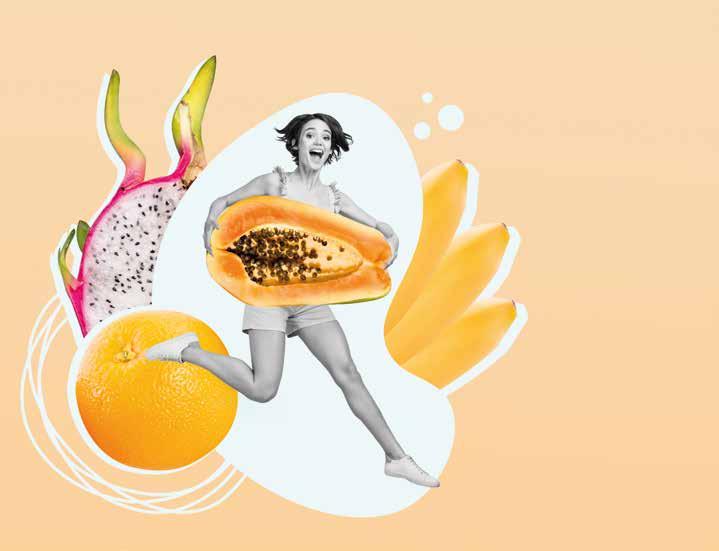
La frutta e la verdura fresche di stagione non devono mai mancare:
pesche, pomodori, cetrioli e zucchine sono miniere naturali di acqua, vitamine e sali minerali.
Per quanto riguarda le fonti proteiche e di carboidrati, è consigliabile preferire pesci magri, carni bianche, uova e cereali integrali (come orzo, riso venere o quinoa), i quali rilasciano energia in modo graduale senza picchi glicemici. Al contrario, andrebbero limitati gli alcolici e le bevande eccessivamente ricche di caffeina; sebbene la caffeina sembri offrire una sferzata di energia immediata, la sua azione diuretica rischia di accelerare la disidratazione, peggiorando la spossatezza nel medio periodo. Il caldo influisce negativamente anche sulla qualità del sonno. Le notti afose riducono la fase profonda del riposo, facendoci svegliare già stanchi. Per migliorare l’igiene del sonno estivo, è importante mantenere la camera da
Conversely, alcohol and drinks that are excessively high in caffeine should be limited; although caffeine seems to provide an immediate energy boost, its diuretic effect risks accelerating dehydration, worsening fatigue in the medium term. The heat also has a negative impact on sleep quality. Sultry nights reduce the deep sleep phase, causing us to wake up already tired. To improve sleep hygiene in summer, it is important to keep the bedroom cool, preferably between 18 °C and 22 °C, by airing the room in the evening and blacking out the windows during the day to block out the sun’s rays. The choice of fabrics for bed linen and pyjamas is also important: natural fibres such as cotton or linen allow the skin to breathe better than synthetic materials. To be fair, however, it must also be said that the intense heat is not entirely to blame for the fact that in summer we feel more tired, sleep less and are unable to relax as much as we would like. In fact, this season – characterised by longer days, leisure activities and outdoor events, and a greater desire to escape from the daily grind – disrupts our daily rhythms. Whilst many people experience this change in routine positively, for others it can be a source of stress. Insomnia, anxiety, sadness and depression can arise even during a season when scientific studies suggest that our mood should actually benefit from increased exposure to sunlight. Finally, staying active remains important, but it must be done sensibly. Physical activity should not be stopped, but rather rescheduled.
letto fresca, preferibilmente tra i 18 °C ed i 22 °C, ventilando l'ambiente la sera e oscurando le finestre di giorno per bloccare i raggi solari. Anche la scelta dei tessuti per le lenzuola ed il pigiama è importante: fibre naturali come il cotone oppure il lino favoriscono la traspirazione della pelle rispetto ai materiali sintetici. Ad onor del vero, però, c’è da dire anche che non è tutta colpa del gran caldo se in estate siamo più stanchi, dormiamo meno e non riusciamo a rilassarci come vorremmo. In questa stagione, infatti, caratterizzata da giornate più lunghe, attività ludiche ed eventi all’esterno ed un maggior desiderio di evadere dalla quotidianità, alterano i ritmi quotidiani. Se per molti, questo cambiamento di abitudini è vissuto in modo positivo, per altri può essere, invece, fonte di stress. Insonnia, stati di ansia, tristezza e depressione possono comparire anche in una stagione in cui anche gli studi scientifici dicono che l’umore dovrebbe beneficiare di una maggiore irradiazione solare. Infine, muoversi rimane importante, ma con criterio. L'attività fisica non va sospesa, bensì riprogrammata. Gli allenamenti o le passeggiate devono essere concentrati nelle ore più fresche della giornata, come il mattino presto o il tardo crepuscolo, evitando tassativamente la fascia oraria che va dalle 11:00 alle 17:00, in linea con le direttive di salute pubblica. Adottando questi accorgimenti quotidiani, sarà possibile godersi appieno la bella stagione, trasformando l'estate in un momento di autentica ricarica fisica e mentale.
Workouts or walks should be concentrated during the cooler hours of the day, such as early morning or late evening, strictly avoiding the period between 11.00 and 17.00, in line with public health guidelines.
By adopting these daily precautions, you will be able to enjoy the warmer months to the full, turning summer into a time of genuine physical and mental rejuvenation.

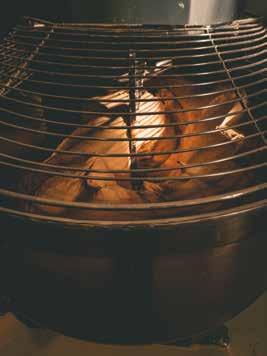
Nel settore della panificazione, la qualità del prodotto finale dipende dalla scelta delle materie prime. La struttura, il gusto e la resa in cottura dipendono dagli ingredienti utilizzati negli impasti. Tra questi, la semola rimacinata di grano duro rappresenta uno degli elementi che contribuiscono maggiormente a definire l'eccellenza di un prodotto da forno. È proprio questa attenzione alla selezione degli ingredienti che distingue le scelte dei fratelli Aliano per Base Pizza S.r.l., azienda specializzata nella produzione di basi pizza e prodotti da forno artigianali, dove la semola viene utilizzata per garantire standard qualitativi elevati e caratteristiche organolettiche superiori.
La semola rimacinata si ottiene attraverso una seconda lavorazione del grano duro che ne riduce la granulometria, rendendola più fine. Una delle sue caratteristiche principali è la sua capacità di conferire ai prodotti una crosta croccante e fragrante. Favorisce, inoltre, la formazione di impasti elastici, migliorando la lavorabilità e garantendo una
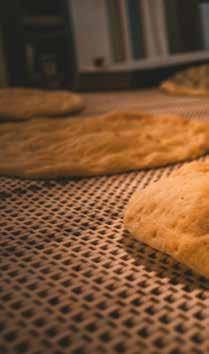
maggiore stabilità durante i processi di lievitazione e cottura.
Rispetto alle farine più raffinate, offre un profilo aromatico più ricco e caratteristico. Il risultato è un prodotto dal sapore pieno, autentico e riconoscibile.
In un mercato sempre più competitivo, i fratelli Aliano hanno scelto di puntare sulla qualità delle materie prime, utilizzando la semola rimacinata di grano duro come elemento distintivo delle proprie produzioni.
È un perfetto esempio di come la tradizione italiana, espressa attraverso ingredienti autentici e lavorazioni artigianali, possa tradursi in prodotti moderni, performanti e altamente distintivi.
Per Base Pizza S.r.l., la qualità nasce proprio da qui: dalla selezione accurata delle migliori materie prime e dalla volontà di offrire al mercato prodotti che si distinguono per gusto, struttura e affidabilità.
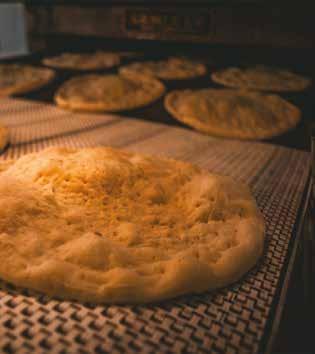
In the bakery sector, the quality of the final product depends on the choice of raw materials. The texture, flavour and baking performance depend on the ingredients used in the dough. Among these, remilled durum wheat semolina is one of the key elements that contribute most to defining the excellence of a baked product. It is precisely this attention to ingredient selection that sets the Aliano brothers’ choices apart
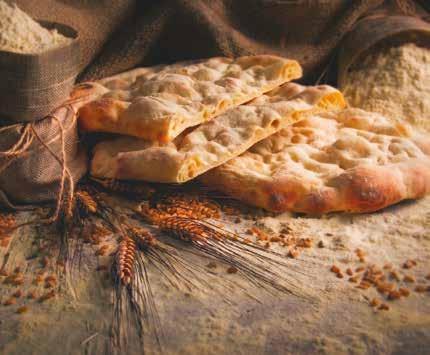
at Base Pizza S.r.l., a company specialising in the production of pizza bases and artisan baked goods, where the semolina is used to guarantee high quality standards and superior organoleptic characteristics.
Remilled semolina is obtained by subjecting durum wheat to a second milling process that reduces its particle size, making it finer. One of its main characteristics is its ability to give products a crisp, fragrant crust. It also promotes the formation
of elastic doughs, improving workability and ensuring greater stability during the proving and baking processes.
Compared to more finely milled flours, it offers a richer and more distinctive flavour profile. The result is a product with a fullbodied, authentic and recognisable flavour.
In an increasingly competitive market, the Aliano brothers have chosen to focus on the quality of their raw materials, using remilled durum
wheat semolina as the defining feature of their products. It is a perfect example of how Italian tradition, expressed through authentic ingredients and artisanal methods, can translate into modern, highperforming and highly distinctive products.
For Base Pizza S.r.l., quality stems precisely from this: from the careful selection of the finest raw materials and the commitment to offering the market products that stand out for their taste, texture and reliability.
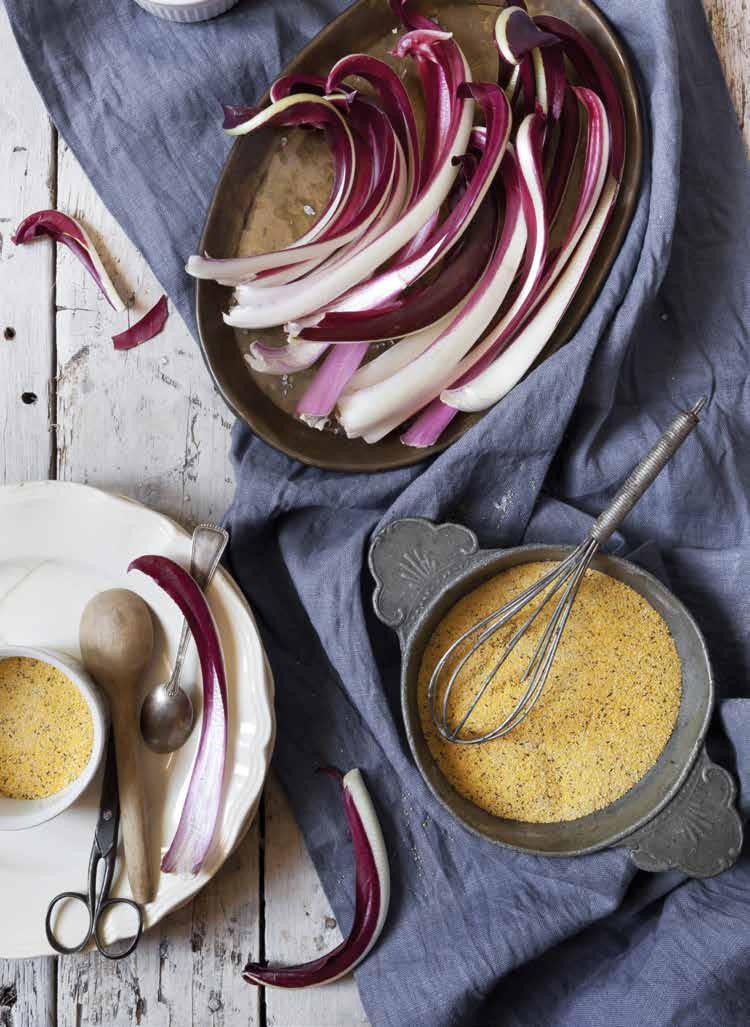
When we talk about gluten-free cooking, our thoughts almost automatically turn to rice flour. Yet the range of ‘naturally gluten-free’ flours is vast, rich in nuances and often unexplored possibilities. Each flour has its own nutritional profile, cooking behaviour and gastronomic identity: getting to know them means opening up new horizons in the kitchen, for coeliacs and non-coeliacs alike.
tradition and versatility
One of the oldest and most deeply rooted in Italian tradition, maize flour is the basis of polenta and, in its finer varieties, lends itself superbly to both sweet and savoury dishes. Fioretto maize flour, which is finer, is ideal for crumbly biscuits and rustic cakes; bramata maize flour, which is coarser, gives structure to loaves and focaccia. Its slightly sweet flavour and warm yellow colour make it a distinctive ingredient, capable of adding character to any dish.
Quando si parla di cucina senza glutine, il pensiero corre quasi automaticamente alla farina di riso. Eppure, il panorama delle farine “naturalmente gluten free” è vastissimo, ricco di sfumature e di possibilità spesso inesplorate. Ogni farina porta con sé un profilo nutrizionale, un comportamento in cottura e un’identità gastronomica propri: conoscerle significa aprire nuovi orizzonti in cucina, per celiaci e non
Tradizione e versatilità
Tra le più antiche e radicate nella tradizione italiana, la farina di mais è la base della polenta e, nelle sue versioni più fini, si presta egregiamente a preparazioni dolci e salate. La farina di mais fioretto, più sottile, è ideale per biscotti friabili e torte rustiche; quella bramata, più grezza, regala struttura a pani e focacce. Il suo sapore leggermente dolce e il colore giallo caldo ne fanno un ingrediente riconoscibile, capace di dare carattere a ogni preparazione.
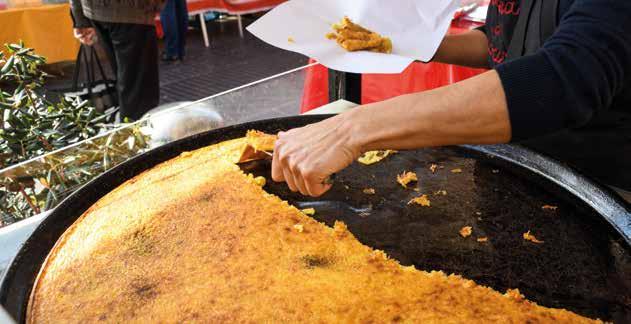
Profondità e nutrimento
Nonostante il nome inganni, il grano saraceno non è un cereale bensì una pianta erbacea naturalmente priva di glutine. La sua farina, dal colore grigio bruno e dal sapore intenso e terroso, è protagonista dei pizzoccheri valtellinesi e delle crespelle bretoni. Ricca di proteine, fibre e minerali come magnesio e ferro, si rivela un alleato prezioso nella dieta del celiaco. In pasticceria, dona note aromatiche profonde a torte, muffin e pancake, spesso abbinata a farine più neutre per bilanciarne la rusticità.
Proteine e sapore mediterraneo
Protagonista indiscussa della cucina ligure e toscana, la farina di ceci è alla base di farinata, panelle e cecina. Il suo alto contenuto proteico e il basso indice glicemico la rendono particolarmente interessante dal punto di vista nutrizionale. In cucina si comporta bene come addensante per zuppe e vellutate, nella preparazione di pastelle croccanti e come base per impasti di pane e focacce dal sapore deciso. Il suo aroma caratteristico richiede un certo equilibrio nelle ricette, ma saperla dosare premia con risultati ricchi e soddisfacenti.
Depth and nutrition
Despite its misleading name, buckwheat is not a cereal but a herbaceous plant that is naturally gluten-free. Its flour, with its grey-brown colour and intense, earthy flavour, is the star ingredient in Valtellina-style pizzoccheri and Breton crêpes. Rich in protein, fibre and minerals such as magnesium and iron, it proves a valuable ally in the diet of those with coeliac disease. In baking, it lends deep aromatic notes to cakes, muffins and pancakes, often combined with more neutral flours to balance its rustic flavour.
Protein and a Mediterranean flavour
An undisputed star of Ligurian and Tuscan cuisine, chickpea flour forms the basis of farinata, panelle and cecina. Its high protein content and low glycaemic index make it particularly interesting from a nutritional point of view. In the kitchen, it works well as a thickener for soups and purées, in the preparation of crispy batter, and as a base for bread and focaccia doughs with a strong flavour. Its distinctive aroma requires a certain balance in recipes, but using it in the right quantities yields rich and satisfying results.
Natural sweetness
Almond flour, obtained by grinding blanched almonds, is one of the most popular flours in gluten-free baking: moist, rich and naturally sweet, it makes cakes and biscuits extraordinarily soft and flavourful. It is perfect for spoon desserts, tarts and the classic gluten free sponge cake. Chestnut flour has deep roots in the Italian Apennines: its sweet, enveloping flavour makes it ideal for fritters, castagnaccio and speciality fresh pasta, as well as for enriching flour mixtures in leavened baked goods.
the new frontiers
Among the lesser-known but rapidly growing flours are those made from teff, sorghum and quinoa. Teff, a tiny yet powerful Ethiopian cereal, yields a dark, nutritious flour that is excellent for bread-making and leavened products. Sorghum, which is light and has a neutral flavour, blends well into mixtures for bread and fresh pasta. Quinoa, technically a pseudocereal like buckwheat, provides a protein-rich flour with a slight grassy aftertaste, suitable for pasta, crackers and savoury baked goods. All three share a high nutritional profile and great versatility in the kitchen.
Dolcezza naturale
La farina di mandorle, ottenuta dalla macinazione delle mandorle pelate, è una delle più amate in pasticceria gluten free: umida, grassa e naturalmente dolce, rende torte e biscotti straordinariamente morbidi e saporiti. Perfetta per dolci al cucchiaio, crostate e il classico pan di Spagna senza glutine. La farina di castagne ha radici profonde nell’Appennino italiano: il suo sapore dolce e avvolgente la rende ideale per frittelle, castagnaccio e paste fresche particolari, oltre che per arricchire miscele di farine nei lievitati.
Le nuove frontiere
Tra le farine meno conosciute ma in rapida crescita vi sono quelle di teff, sorgo e quinoa. Il teff, cereale etiope minuscolo ma potente, offre una farina scura e nutriente, eccellente nella panificazione e nelle preparazioni lievitate. Il sorgo, leggero e dal sapore neutro, si integra bene nelle miscele per pane e pasta fresca. La quinoa, tecnicamente uno pseudocereale come il grano saraceno, fornisce una farina proteica e dal leggero retrogusto erbaceo, indicata per pasta, crackers e prodotti da forno salati. Tutte e tre condividono un profilo nutrizionale elevato e una grande duttilità in cucina.
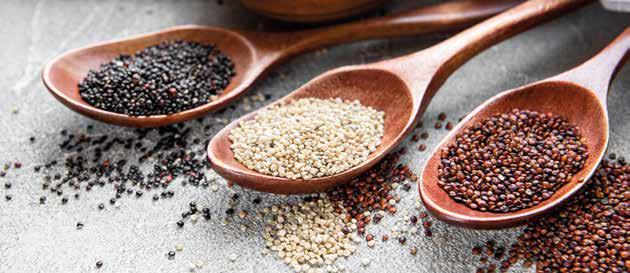
La sfida - così come il piacere - sta nel miscelare, sperimentare, assaporare: perché la cucina senza glutine, quando è fatta con consapevolezza, non rinuncia a nulla.
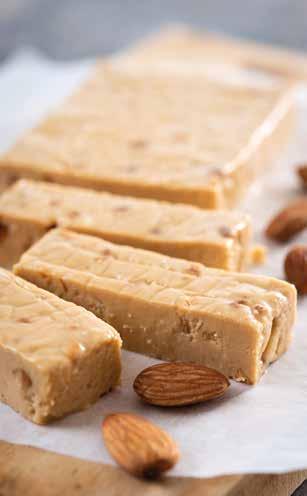
The challenge – and the pleasure – lies in mixing, experimenting and savouring: because gluten-free cooking, when done with care, doesn’t mean sacrificing anything.
Crediamo fortemente nel valore della formazione e quotidianamente condividiamo passione, tecniche e conoscenze per chi vuole fare della pizza la propria professione.
PER COMPRENDERE
CIÒ CHE SIAMO,
DOBBIAMO PRIMA
CAPIRE CHI SIAMO
STATI. QUESTO
PRINCIPIO VALE
To understand who we are, we must first understand who we have been. This principle applies to everything. Among these things is extra virgin olive oil. Some people like to call it a ‘culinary fragrance’, such as Professor Raffaele Sacchi, because of the extraordinary multitude of aromas contained in every single drop. Others, like me, prefer to regard it as a ‘magical liquid’. There are many adjectives suitable for describing it, but one must be strictly excluded: ‘condiment’.
In the past, olive oil has already paid the price for not being regarded as a foodstuff in its own right. It has served as fuel, a healing ointment and a cosmetic product. Today, in the 21st century, this noble product has no intention of ‘returning to the past’.
Our journey begins in the 4th millennium BC, in the eastern Mediterranean, amongst the lands of present-day Syria, Palestine and Jordan. It is in Palestine that traces of the world’s oldest oil mill have been found. From rudimentary methods of crushing on stone bases, the real technological leap came courtesy of the Romans. It was they who perfected the machinery by inventing the ‘trapetum’, a large vat with stone millstones, the forerunner of the modern millstone (designed to rotate without crushing the kernel, thus preventing the release of a bitter flavour).
Tra queste, c’è anche l’olio extravergine di oliva. C’è chi ama definirlo un “profumo alimentare”, come il professor Raffaele Sacchi, per via della straordinaria moltitudine di sentori racchiusi in ogni singola goccia. C’è chi, come me, preferisce considerarlo un “liquido magico” . Tanti sono gli aggettivi adatti a descriverlo ma uno va tassativamente escluso: “condimento». L’olio ha già pagato in passato il prezzo di non essere considerato un alimento vero e proprio. È stato combustibile, unguento curativo e prodotto cosmetico. Oggi, nel XXI secolo, questo nobile prodotto non ha alcuna intenzione di “tornare al passato”.
Proprio in Palestina si trovano le tracce del frantoio più antico del mondo. Dai rudimentali metodi di schiacciamento su basi di pietra, il vero salto tecnologico avvenne grazie ai Romani. Furono loro a perfezionare i macchinari inventando il trapetum, una grande vasca con mole in pietra, antenata della moderna molazza (progettato per ruotare senza frantumare il nocciolo, evitando così il rilascio del sapore amaro). I Romani furono veri innovatori, introducendo per la prima volta una classificazione del prodotto basata sul momento della raccolta e sul grado di maturazione, divisa in cinque categorie:
• Oleum Ex Albis Ulivis: il più pregiato, da olive verdi.
• Oleum Viride: l’olio di prima scelta.
• Oleum Maturum: l’olio comune, da olive mature.
• Oleum Caducum: l’olio di seconda scelta, da olive cadute a terra.
• Oleum Cibarium: l’olio di scarsa qualità, destinato agli schiavi.
I Romani avevano intuito che l’attacco dei parassiti o l’eccessiva maturazione compromettessero la qualità. Tuttavia, non disponendo delle moderne tecniche di estrazione e delle attuali conoscenze scientifiche, non amavano la nota amara e prediligevano un olio dolce.
La storia ci mostra come le abitudini di oggi siano ancora influenzate da retaggi culturali che poco hanno a che fare con la qualità. Ricordo ancora quando interrogai mia nonna su questo tema. Mi raccontò che, quando era piccola e andava al mercato a fare la spesa, l’olio veniva conservato in grandi contenitori anonimi, versato con un mestolo in una bottiglia e portato a casa dai clienti. Quando le chiesi che tipo di olio fosse, mi rispose:
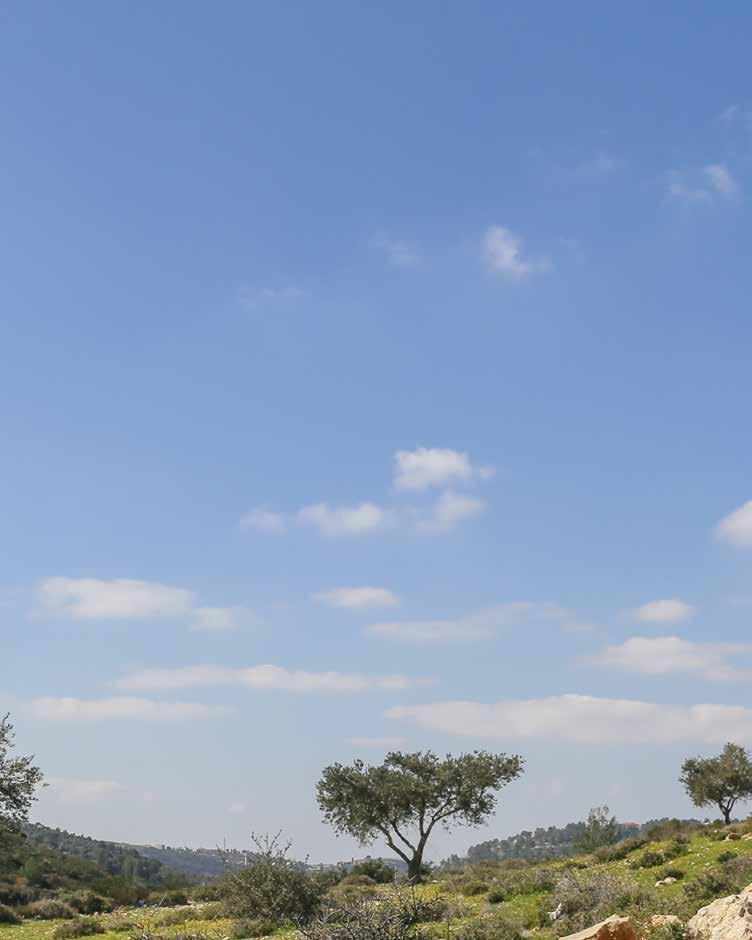
The Romans were true innovators, introducing for the first time a classification of the product based on the time of harvest and the degree of ripeness, divided into five categories:
• Oleum Ex Albis Ulivis: the finest, made from green olives.
• Oleum Viride: the first-choice oil.
• Oleum Maturum: the standard oil, made from ripe olives.
• Oleum Caducum: second-grade oil, made from olives that have fallen to the ground.
• Oleum Cibarium: low-quality oil, intended for slaves.
The Romans had realised that pest infestation or over-ripening compromised the quality. However, lacking modern extraction techniques and current scientific knowledge, they did not care for the bitter note and preferred a sweet oil. History shows us how today’s habits are still influenced by cultural legacies that have little to do with quality. I still remember when I asked my grandmother about this. She told me that, when she was a little girl and went to the market to do the shopping, the oil was kept in large, unmarked containers, ladled into a bottle and taken home by the customers.
When I asked her what sort of oil it was, she replied: “It was oil, uogljo”. We had to wait until the 20th century to give due recognition to the staple food of the Mediterranean diet. In these centuries-old olive trees, we find millennia of history passed down through the earth, roots that bear fruit in landscapes caressed by the Mediterranean scrub, kissed by the wind from the hills or the salt spray of the sea. Today, the key lies precisely in that bitterness once discarded by our ancestors. Bitterness is the symbol of our ‘Mediterranean identity’, striking a perfect balance between health and flavour. After all, our gastronomic culture is rich in bitter nuances: as I write, citrus zest, liquorice and the pleasant bitter note of oily fish spring to mind.
Contemporary extra virgin olive oil is now ‘a completely different story’ compared to the past. It exists because generations of civilisations have been able to extract a precious liquid from olives and have protected the olive trees, a symbol of environmental resilience. What we are and what we have today, we owe to those who knew how to preserve what they had in order to pass it on to future generations. A lesson that we should probably take to heart today as well.
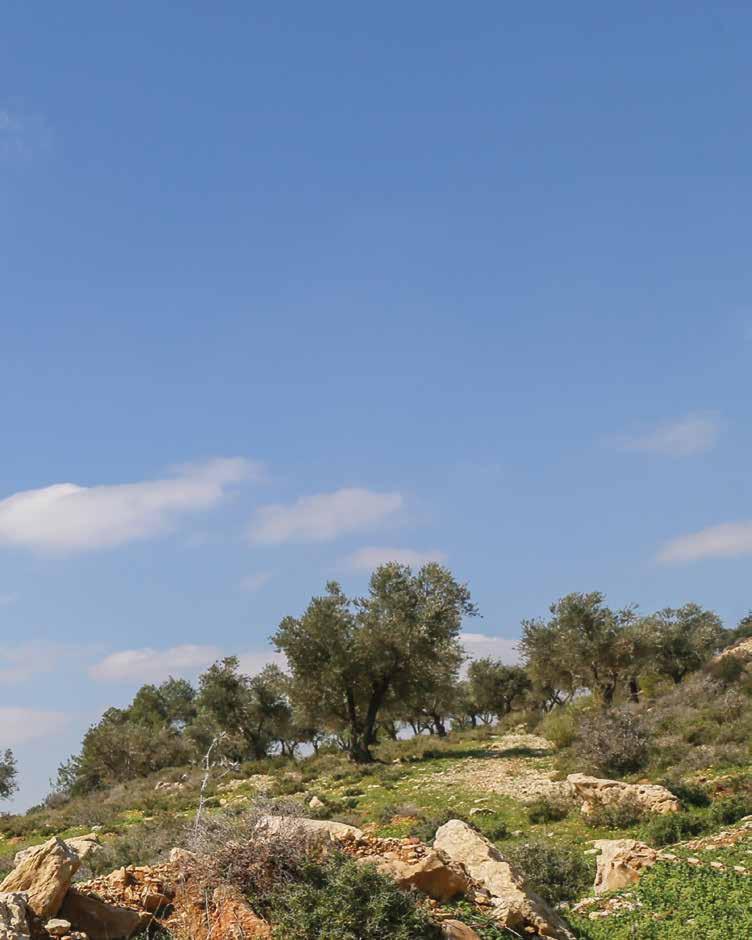
Abbiamo dovuto attendere il XX secolo per dare il giusto valore all’alimento principe della Dieta Mediterranea. Negli ulivi secolari, troviamo millenni di storia tramandati attraverso la terra, radici che si fanno frutto in paesaggi accarezzati dalla macchia mediterranea, baciati dal vento delle colline o dalla salsedine del mare. Oggi la chiave di volta risiede proprio in quell’amaro un tempo scartato dagli antichi. L’amaro è il simbolo del nostro “essere mediterranei”, in un perfetto equilibrio tra salute e gusto. Del resto, la nostra cultura gastronomica è ricca di sfumature amare: mentre scrivo mi vengono in mente la scorza degli agrumi, la liquirizia o la piacevole nota amarostica del pesce azzurro.
L’olio extravergine contemporaneo è ormai “tutta n’ata storia” rispetto al passato. Esiste perché generazioni di civiltà hanno saputo estrarre dalle olive un liquido prezioso e hanno protetto gli ulivi, emblema di resilienza ambientale. Quello che siamo e che abbiamo oggi lo dobbiamo a chi ha saputo preservare ciò che aveva per donarlo a chi sarebbe arrivato dopo. Una lezione che, probabilmente, dovremmo fare nostra anche oggi.
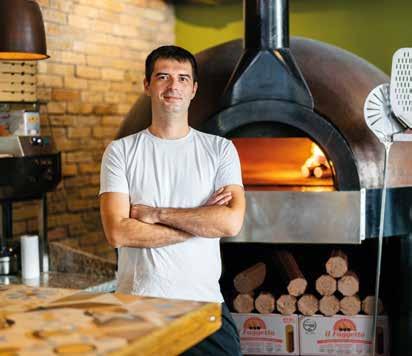
Massima resa calorica e zero emissioni nocive per il tronchetto che rivoluziona la cottura in pizzeria.
Nel mondo della pizzeria professionale, la gestione del forno a legna è un'arte che richiede costanza e strumenti impeccabili. Per questo sempre più maestri pizzaioli scelgono Il Faggetto, l'innovativo tronchetto ottagonale, ideale per ottimizzare la cottura mantenendo intatta la tradizione. Prodotto esclusivamente con farina di faggio 100% depolverata e ipercompressa, Il Faggetto
Il Faggetto: the finest beech wood for the perfect pizza
Maximum heat output and zero harmful emissions from the log that is revolutionising pizza cooking.
In the world of professional pizzerias, managing a woodfired oven is an art that requires
garantisce prestazioni straordinarie senza l'uso di collanti, corteccia o additivi chimici.
Grazie al suo eccezionale potere calorifico (oltre 5.000 kcal/kg), permette di raggiungere rapidamente la temperatura d'esercizio e di mantenerla costante nel tempo. Con un risparmio energetico fino al 40% rispetto alla legna tradizionale minimizza fumi e fuliggine per salvaguardare l'ambiente e le canne fumarie.
consistency and impeccable tools. This is why more and more master pizza chefs are choosing Il Faggetto, the innovative octagonal log, ideal for optimising the cooking process whilst keeping tradition intact. Produced exclusively from 100% dust-free, hyper-compressed beechwood flour, Il Faggetto guarantees extraordinary performance without the use of binders, bark or
chemical additives.
Thanks to its exceptional calorific value (over 5,000 kcal/ kg), it allows the oven to reach operating temperature quickly and maintain it consistently over time. With energy savings of up to 40% compared to traditional wood, it minimises smoke and soot to protect the environment and chimney flues.
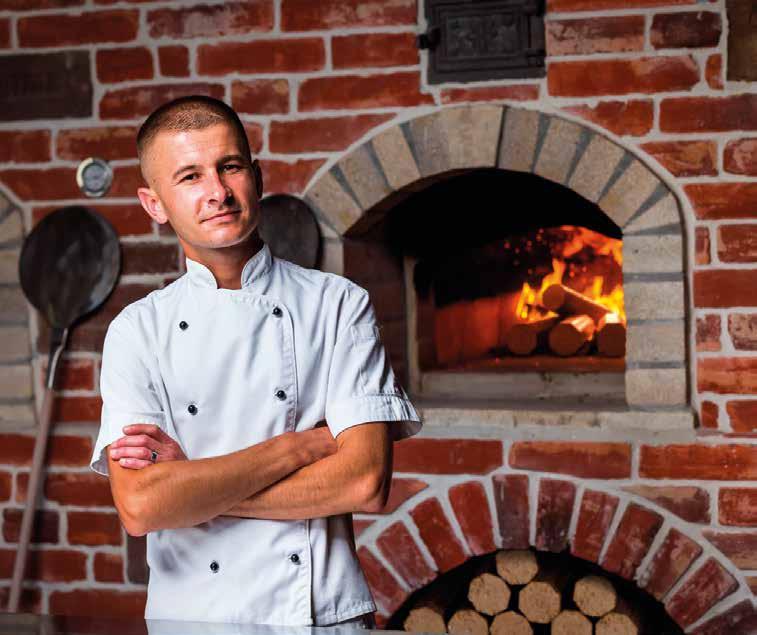
Certificato Biomass Plus A1, Il Faggetto ha superato le più severe analisi di laboratorio.
Perché per un professionista come te, qualità e sicurezza vengono prima di tutto. E ai tuoi clienti piace mangiare sano!
Gourmet ice cream
A world beyond dessert
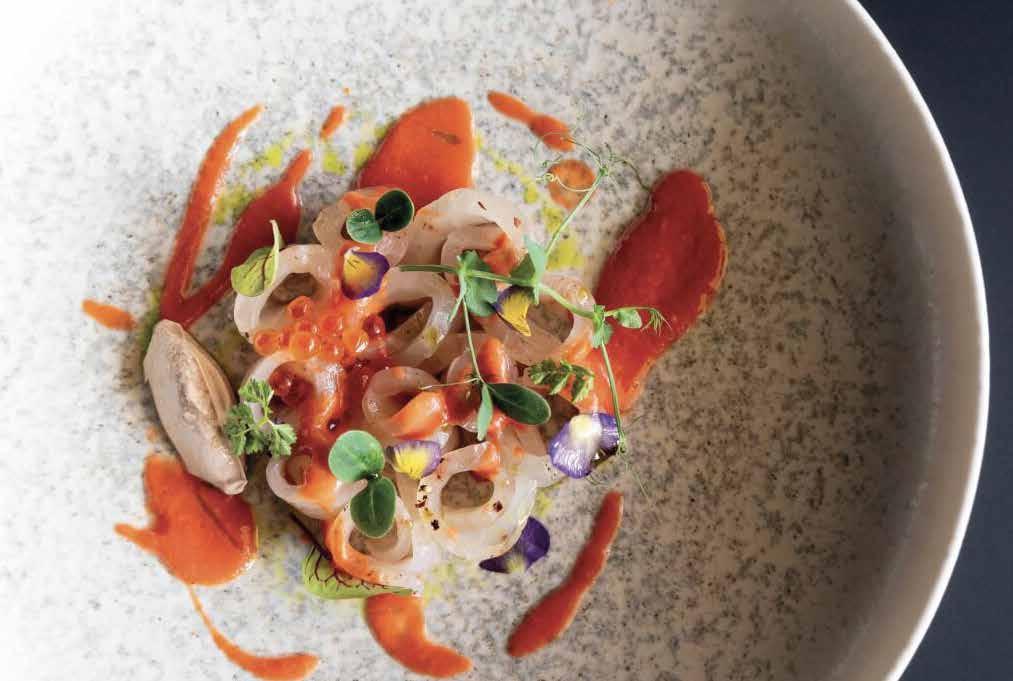
Dal carretto celebrato da Battisti ne I giardini di marzo ad oggi, il mondo del gelato artigianale ha vissuto un’evoluzione paragonabile a quella della pizza: studio, selezione delle materie prime, consapevolezza e tecnica hanno trasformato un cibo semplice, immediato e goloso in terreno di sperimentazione e creatività. Se sappiamo che il gelato si ottiene mescolando latte, panna, zucchero, (oltre agli elementi caratterizzanti come frutta, cioccolato, vaniglia, uova, ecc.), poi pastorizzati, fatti maturare e infine mantecati (congelati
by Caterina Vianello
ENG From the ice-cream cart celebrated by Battisti in I giardini di marzo to the present day, the world of artisan gelato has undergone an evolution comparable to that of pizza: research, the selection of raw ingredients, awareness and technique have transformed a simple, immediate and indulgent food into a realm of experimentation and creativity. Whilst we know that gelato is made by mixing milk, cream and sugar (along
with distinctive ingredients such as fruit, chocolate, vanilla, eggs, etc.), which are then pasteurised, left to mature and finally churned (frozen and stirred simultaneously) to incorporate air and create the classic creamy texture, it is equally true that this seemingly simple ‘recipe’ actually conceals a complexity of flavour combinations and variations. However, it is no longer just sweet flavours that feature on avant-garde menus: for some time now, master artisans have been experimenting with savoury flavours, to the extent that we can say gelato has, to all intents and purposes, entered the kitchen, becoming an ingredient capable of interacting fearlessly with any dish.
The trend is towards ‘gastronomic gelato’, which breaks down the traditional boundary between sweet and savoury.
Tomato, basil, saffron, radicchio, extra virgin olive oil, beer and cheese: these are just some of the ingredients that have taken on a new form in recent years as gelato or sorbet. This experimentation is proceeding on two fronts, involving both artisan ice-cream parlours and restaurants,
e mescolati contemporaneamente) per incorporare aria e creare la classica consistenza cremosa, è pur vero che questa “ricetta” apparentemente semplice nasconde in realtà una complessità di abbinamenti e declinazioni.
Ad essere oggetto di menu d’avanguardia, però, non è più solo il gusto dolce: da tempo, infatti, i maestri artigiani hanno iniziato a cimentarsi con il salato, tanto da poter affermare che il gelato è a tutti gli effetti entrato in cucina, diventando ingrediente capace di dialogare senza timore con ogni piatto.
La tendenza è quella del “gelato gastronomico”, capace di abbattere il tradizionale confine tra dolce e salato.
Pomodoro, basilico, zafferano, radicchio, olio extravergine d’oliva, birra, formaggio: sono solo alcuni degli elementi che negli ultimi anni hanno trovato una nuova veste sotto forma di gelato o sorbetto. Una sperimentazione che viaggia su un doppio binario, coinvolgendo tanto le gelaterie artigianali quanto i ristoranti, dove il gelato non viene più servito soltanto a fine pasto ma diventa parte integrante della costruzione di un piatto.
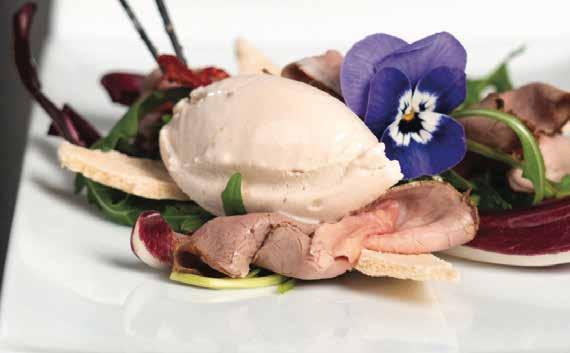
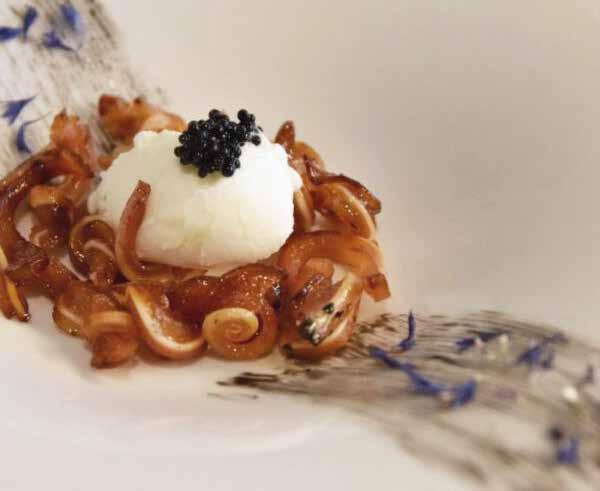
rivoluzione che non si risolve semplicemente nella creazione di gusti insoliti ma che vede anche il
loro utilizzo in cucina.
In gelateria pensare a gusti salati va oltre la semplice aggiunta al resto dell’offerta, in una mera giustapposizione “ad effetto”: significa piuttosto studiare gli accostamenti con il resto delle proposte, per valorizzarle al meglio.
Analogamente, in cucina, ogni ricetta di gelato deve essere pensata in funzione del piatto che andrà ad accompagnare, in un gioco di temperature, consistenze e contrasti. La scelta tra gelato e sorbetto, per esempio, rappresenta uno dei primi passaggi creativi: se il sorbetto, grazie alla sua base acquosa, porta freschezza e leggerezza, il gelato offre una maggiore rotondità gustativa e una cremosità tale da legare i sapori. Ecco perché il primo trova spazio accanto a tartare, crudi e vegetali, mentre il secondo accompagna spesso risotti, paste e preparazioni calde. Fondamentale è poi anche il lavoro di estrazione aromatica: chef e gelatieri ricorrono a infusioni, estratti, riduzioni e tecniche di concentrazione per trasferire nel gelato tutta la complessità dell’ingrediente.
where ice cream is no longer served merely at the end of a meal but has become an integral part of a dish’s composition.
It is a revolution that goes beyond simply creating unusual flavours to include their use in cooking.
In ice-cream parlours, the idea of savoury flavours goes beyond simply adding them to the existing range as a mere ‘gimmicky’ juxtaposition: rather, it involves studying how they pair with the rest of the menu to bring out the best in each dish. Similarly, in the kitchen, every icecream recipe must be designed with the dish it is to accompany in mind, playing on temperatures, textures and contrasts. The choice between gelato and sorbet, for example, is one of the first creative steps: whilst sorbet, thanks to its water-based consistency, brings freshness and lightness, gelato offers a rounder flavour profile and a creaminess that binds the flavours together. This is why sorbet is often served alongside tartare, raw dishes and vegetables, whilst gelato frequently accompanies risottos, pasta dishes and hot dishes. The process of extracting flavours is also crucial: chefs and gelato makers use infusions, extracts, reductions and concentration techniques to transfer the full complexity of the ingredient into the gelato.
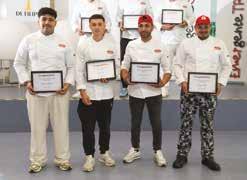
Per Agugiaro & Figna, valorizzare il talento e supportare concretamente i protagonisti della pizza di domani è uno degli elementi distintivi della propria missione. È in quest’ottica che l’azienda sostiene da anni EmergentePizza, EmergenteChef, EmergenteSala ed EmergentePastry, il format ideato da Luigi Cremona che mette al centro la tecnica, ma anche la cultura e la capacità di innovare.
Nel corso delle Selezioni Nord 2027, svoltesi il 10 e 11 giugno presso il Campus De Filippi di Varese, si sono confrontati i 12 concorrenti di EmergenteChef, i 12 di
Le 5 Stagioni invests in the future of pizza: new talents honoured at EmergentePizza 2027
For Agugiaro & Figna, nurturing talent and providing tangible support to the pizza-makers of tomorrow is one of the defining elements of their mission. It is with this in mind that the company has for years supported EmergentePizza, EmergenteChef, EmergenteSala and Emergente-
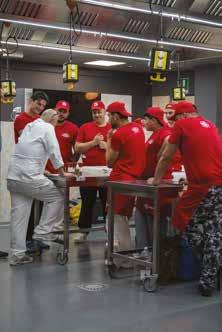
EmergenteSala e gli 8 protagonisti di EmergentePizza.
Ad accedere alla finale 2027 sono stati Luca Di Benedetto, Giorgio Valota, Orgito Peza e Ahmed Ghoneim. Grazie alla vittoria della menzione speciale “Miglior Pizza Margherita”, Davide Frittoli conquista il quinto posto disponibile per la finale nazionale; a lui anche il Premio Speciale Le 5 Stagioni “Pizzaiolo del Cambiamento”, riconoscimento dedicato a chi interpreta con sensibilità e visione l’evoluzione della professione.
Pastry – the format devised by Luigi Cremona that focuses not only on technique, but also on culture and the ability to innovate.
During the 2027 Northern Regional Qualifiers, held on 10 and 11 June at the De Filippi Campus in Varese, the 12 contestants from EmergenteChef, the 12 from EmergenteSala and the 8 finalists from EmergentePizza competed against one another.
Luca Di Benedetto, Giorgio Valota, Orgito Peza and Ahmed Ghoneim have qualified for the 2027 final. Thanks to his victory in the ‘Best Margherita Pizza’ special mention category, Davide Frittoli secured the fifth place available for the national final; he also received the Le 5 Stagioni Special Award for ‘Pizzaiolo of Change’, a recognition dedicated to those who interpret the evolution of the profession with sensitivity and vision.
Il risultato è una nuova grammatica del gusto, dove il freddo non attenua i sapori ma, al contrario, li amplifica e li racconta da prospettive inedite.
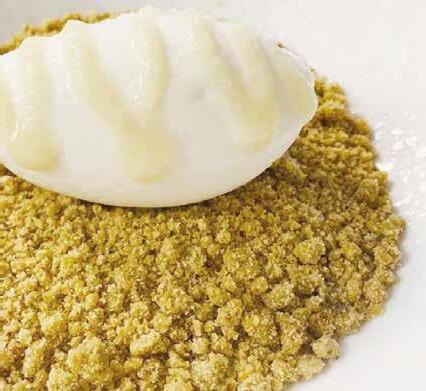
Realizzare un gelato gastronomico, insomma, significa trovare il perfetto equilibrio tra sapidità, dolcezza e struttura, preservando l’identità dell’ingrediente di partenza. Non più trend gastronomico ma nuovo linguaggio, questo “tipo” di gelato, sta dimostrando di possedere tutte le caratteristiche della cucina contemporanea: tecnica, creatività e capacità di sorprendere. Perché oggi, più che mai, il gelato non è più soltanto un dessert: è un ingrediente, una consistenza e, soprattutto, una nuova esperienza di gusto.
The result is a new grammar of taste, where the cold does not dampen the flavours but, on the contrary, amplifies them and reveals them from fresh perspectives.
In short, creating a gourmet gelato means striking the perfect balance between savouriness, sweetness and texture, whilst preserving the identity of the original ingredient. No longer merely a gastronomic trend but a new language in its own right, this ‘type’ of gelato is proving to possess all the hallmarks of contemporary cuisine: technique, creativity and the ability to surprise. Because today, more than ever, gelato is no longer just a dessert: it is an ingredient, a texture and, above all, a new taste experience.
Pizza with iberian ham, artichokes and grana
INGREDIENTS FOR 1 PIZZA
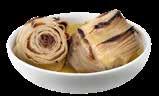
- 90g Demetra Polpabio Fine Tomato Pulp
- 2g Condipomodoro – Wiberg Aromatic Salt
- 2g Demetra Extra Virgin Olive Oil
- 70g fiordilatte mozzarella
- 60g Iberian ham
- 2 Demetra Baked Artichoke Hearts
- to taste, shavings of Grana
- to taste, fresh basil
METHOD
Season the tomato pulp with the tomato seasoning mix and oil.
Top the pizza base with the tomato mixture and mozzarella fiordilatte, then bake in the oven.
Once cooked, top with an artichoke opened like a flower in the centre of the pizza, one cut into wedges, the prosciutto and the shavings of Grana.
Garnish with fresh basil leaves.
PRODUCT DESCRIPTION
BAKED ARTICHOKE BLOSSOMS
Top-quality Italian artichoke hearts, deleaved, with the base removed, oven-baked and seasoned with sunflower oil. Large in size (5–6 cm in diameter), firm yet with tender leaves, they are suitable for both hot and cold dishes as a main course, paired with meat, fish, cured meats, eggs and truffles, or served with traditional sauces.
TOMATO DRESSING
with an intense flavour of basil and oregano, and a fruity tomato note.
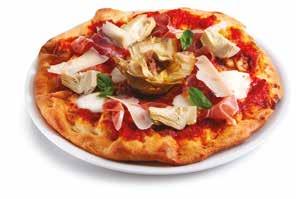
INGREDIENTI x 1 pizza
- 90g Polpabio Polpa di Pomodoro Fine Demetra
- 2g Condipomodoro - Sale Aromatico Wiberg
- 2g Olio Extra Vergine di Oliva Demetra
- 70g mozzarella fiordilatte
- 60g jamón iberico
- 2 Fior di Carciofo al Forno Demetra
- q.b. scaglie di grana
- q.b. basilico fresco
PROCEDIMENTO
Condire la polpa di pomodoro con la miscela condipomodoro e l’olio.
Farcire il disco della pizza con il pomodoro, la mozzarella fiordilatte e cuocere al forno.
Terminata la cottura completare con un carciofo aperto a fiore al centro della pizza, uno tagliato a spicchi, il prosciutto e le scaglie di grana.
Guarnire con foglie di basilico fresco.
DESCRIZIONE PRODOTTI
FIOR DI CARCIOFO AL FORNO
Fiore di carciofo italiano di prima scelta, defogliato, privato del fondello, cotto al forno e condito con olio di girasole. Dalle dimensioni importanti (diametro 5/6 cm) consistente ma dalle foglie tenere si presta a utilizzi freddi e caldi come piatto unico in abbinamento a carne, pesce, salumi, uova, tartufo anche accompagnato a salse tipiche.
CONDIPOMODORO
dal sapore intenso di basilico e origano, fruttato di pomodoro.

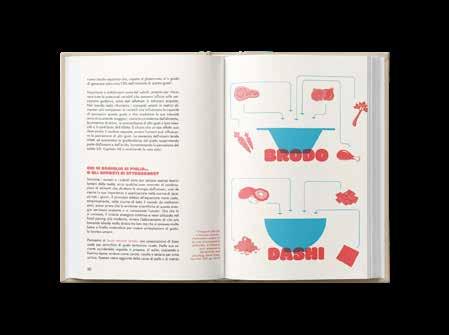
AUTRICI /AUTHORS Davide Risso
CASA EDITRICE /PUBLISHER Topic
ANNO DI USCITA /YEAR OF PUBLICATION 2026
NUMERO DI PAGINE /NUMBER OF PAGES 192
LINGUA /LANGUAGE Italiano /Italian
PREZZO DI COPERTINA /COVER PRICE € 25.00
Diciamolo: è impossibile non lasciarsi affascinare dallo stile narrativo di Davide Risso.
Nato ad Alba (Cuneo), nel cuore delle Langhe, Risso si è laureato in scienze naturali e biologiche, specializzandosi in gusto e nutrizione e arrivando, poi, a ricoprire ruoli dirigenziali in importanti multinazionali del cibo. Autore di oltre 40 pubblicazioni scientifiche ha, però, scritto anche un romanzo dal titolo Giallo di sera. Davide Risso si definisce un “antropologo molecolare” e, in effetti, la materia trattata in Esseri Umami non potrebbe che essere descritta così. Il suo nuovo libro è un viag-
gio nel quinto gusto, che ha fatto più fatica ad affermarsi, pur essendo quello che il nostro organismo riesce a riconoscere più facilmente. Non a caso, come scrive Risso, l’umami è «il gusto che spesso non sappiamo nominare, ma che riconosciamo subito quando c’è».
Per l’autore, l’umami lega «il piacere alla sostanza, il desiderio alla nutrizione, la cultura alla biologia» e sono proprio il piacere, il desiderio e la cultura a guidare il lettore nelle circa 200 pagine che trattano di storia, geografia, antropologia, sociologia e, ovviamente, chimica e biologia.
L’umami, per anni considerato una curiosità esotica al pari delle gorditas pellizcadas com manteca di Italo Calvino, lega la sua sorte al pregiudizio sul tanto vituperato glutammato di sodio (MSG) che Risso ben ricostruisce in questo volume: negli anni ‘60, infatti, si diffuse la credenza che il cibo asiatico causasse mal di testa e nausea ma la scienza ha ampiamente smentito qualsiasi correlazione tossica, dimostrando che meno dell’1% della popolazione può risultare particolarmente sensibile a esso, manifestando lievi sintomi passeggeri. Non solo: essendo l’ingrediente più riconoscibile del dado da brodo, inventato dal chimico tedesco Justus von Liebig e commercializzato dall’imprenditore svizzero Julius Maggi a fine Ottocento, è stato vittima di “disprezzo gustativo” da parte dei palati che rigettano l’utilizzo della chimica negli alimenti. Ignorando, però, che ritrovare l’umami è possibile ben oltre la sintesi molecolare: basta assaggiare i pomodori secchi, il Parmigiano Reggiano, la colatura di alici, i funghi Shiitake e, ovviamente, l’alga Kombu, utilizzata tradizionalmente per la base dei brodi giapponesi (dashi).
Nel saggio di Davide Risso, l’umami diventa, dunque, una lente per esplorare la scienza, la cultura, la linguistica e l’evoluzione umana. Presto disponibile anche nel mercato anglofono, il libro ha una gustosa ciliegina sulla torta: la prefazione è firmata da Telmo Pievani.
Let’s face it: it’s impossible not to be captivated by Davide Risso’s narrative style. Born in Alba (Cuneo), in the heart of the Langhe, Risso graduated in natural and biological sciences, specialising in taste and nutrition, and went on to hold senior management roles in major multinational food companies.
Author of over 40 scientific publications, he has, however, also written a novel entitled Giallo di sera. Davide Risso describes himself as a ‘molecular anthropologist’ and, indeed, the subject matter covered in Esseri Umami could only be described in this way. His new book is a journey into the fifth taste, which has struggled most to gain recognition, despite being the one our bodies recognise most easily. It is no coincidence, as Risso writes, that umami is ‘the taste we often cannot name, but which we recognise immediately when it is present’.
For the author, umami links ‘pleasure to substance, desire to nutrition, culture to biology’, and it is precisely pleasure, desire and culture that guide the reader through the approximately 200 pages covering history, geography, anthropology, sociology and, of course, chemistry and biology.
Umami, for years regarded as an exotic curiosity on a par with Italo Calvino’s ‘gorditas pellizcadas com manteca’, has had its fate tied to the prejudice surrounding the much-maligned monosodium glutamate (MSG), which Risso reconstructs well in this volume: in the 1960s, in fact, the belief spread that Asian food caused headaches and nausea, but science has thoroughly disproved any toxic link, demonstrating that less than 1 per cent of the population may be particularly sensitive to it, experiencing mild, temporary symptoms. Not only that: as the most recognisable ingredient in stock cubes – invented by the German chemist Justus von Liebig and marketed by the Swiss entrepreneur Julius Maggi in the late nineteenth century – it has been the victim of ‘gustatory contempt’ from palates that reject the use of chemicals in food. However, they overlook the fact that umami can be found well beyond molecular synthesis: one need only taste sun-dried tomatoes, Parmigiano Reggiano, anchovy sauce, shiitake mushrooms and, of course, kombu seaweed, traditionally used as the base for Japanese broths (dashi).
In Davide Risso’s essay, umami thus becomes a lens through which to explore science, culture, linguistics and human evolution. Soon to be available in the Englishl market too, the book has a tasty icing on the cake: the foreword is written by Telmo Pievani.
PEPITA - Pizza e Pasta Italiana
Mensile di Pizza, Pasta, Enogastronomia e Cultura /A monthly magazine on pizza, pasta, food, wine, and culture
EDITO DA /PUBLISHED BY PIZZA NEW S.p.A.
Autorizzazione Tribunale di Venezia n.1019 del 02/04/1990 Anno XXXVII - n.414 / luglioagosto 2026 - Repertorio ROC n. 5768 / Authorisation from the Court of Venice No. 1019 of 02/04/1990 Year XXXVII - No. 414 / July-August 2026 - ROC Register No. 5768
DIRETTORE EDITORIALE /EDITOR-IN-CHIEF
Massimo Puggina
DIRETTORE ONORARIO /HONORARY DIRECTOR
Giampiero Rorato
DIRETTORE RESPONSABILE /PUBLISHING DIRECTOR
Antonio Puzzi antonio.puzzi@pizzaepastaitaliana.it
PUBBLICITÀ /ADVERTISING
Caterina Orlandi caterina.orlandi@pizzaepastaitaliana.it
COMITATO TECNICO E REDAZIONALE / TECHNICAL AND EDITORIAL COMMITTEE
Alfonso Del Forno, Annatina Franzese, Antonella Mignacca, Antonio Puzzi, Caterina Vianello, Domenico Maria Jacobone, Giampiero Rorato, Giuseppe A. D'Angelo, Giusy Ferraina, Marisa Cammarano, Marlena Buscemi, Massimiliano Bruno Gallo, Noemi Caracciolo
REDAZIONE /EDITORIAL OFFICE
Via Sansonessa, 49 - 30021 Caorle (VE) Tel. 0421/ 212348
E-mail: redazione@pizzaepastaitaliana.it www.pizzaepastaitaliana.it
ART DIRECTION & GRAPHIC DESIGN
Manuel Rigo, Paola Dus — Mediagraf Lab
ILLUSTRAZIONE DI COPERTINA /COVER ILLUSTRATION
Sancho Sancho
STAMPA /PRINTING
Mediagraf S.p.A. — Noventa Padovana (Pd)
AFFILIAZIONI INTERNAZIONALI /INTERNATIONAL AFFILIATIONS
Pizza Today (U.S.A.)
P.M.Q. (U.S.A.)
PER LA PUBBLICITÀ SULLA RIVISTA / FOR ADVERTISING IN MAGAZINE:
PEPITA - Pizza e Pasta Italiana; TEL. / PHONE +39 0421 83148 caterina.orlandi@pizzaepastaitaliana.it
INFO E NUMERI ARRETRATI /INFO AND BACK ISSUES
TEL. / PHONE +39 0421 212348 dal lun. al ven. / Mon–Fri: 10:00 – 12:00 / 15:00 – 17:00 redazione@pizzaepastaitaliana.it

A tutela del diritto d’autore e ai sensi della Legge 132/2025, si informa che gli articoli presenti in questa rivista sono opere dell’ingegno umano. Nella fase di realizzazione di alcuni tra questi, potrebbero essere stati utilizzati strumenti di intelligenza artificiale ma il risultato finale qui pubblicato è comunque frutto del lavoro intellettuale dell’autore che firma l'articolo.
/ To protect copyright and in accordance with Law 132/2025, please note that the articles in this magazine are works of human intellect. During the creation of some of these, artificial intelligence tools may have been used, but the final result published here is nonetheless the intellectual work of the author who signed the article.
Un equilibrio unico tra cremosità avvolgente e gusto pieno.
Pratico formato richiudibile
Consistenza morbida e vellutata
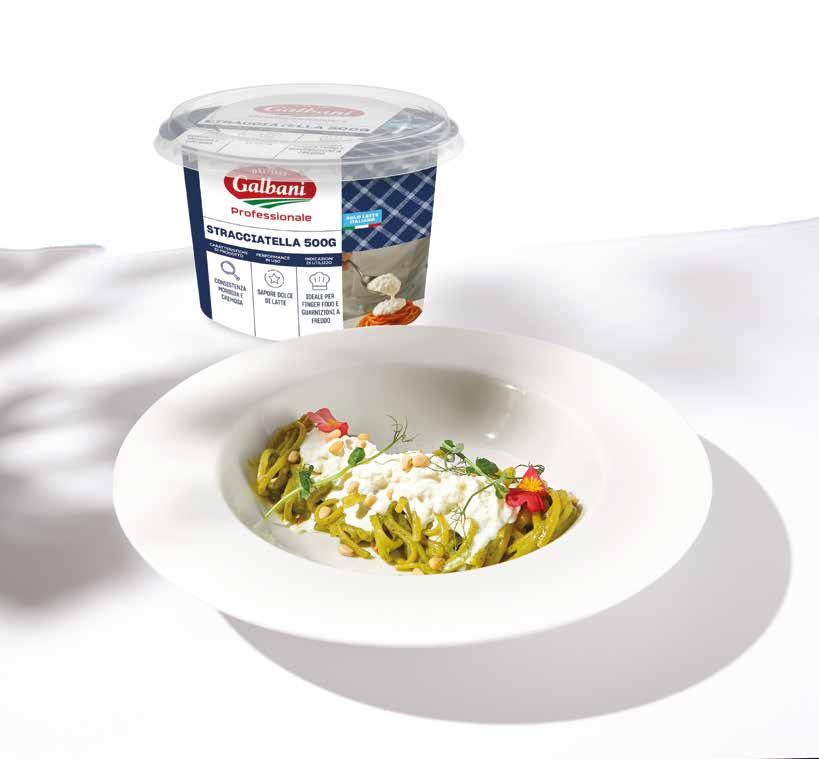

I grissini monoporzione Valledoro : la tua selezione d'eccellenza per la tavola
Dai Satiné, ondulati e salati al punto giusto, ai Rustici, dal gusto tipico e l'aspetto casereccio. Ogni grissino
è un benvenuto che lascia il segno , unendo eleganza e tradizione.
Scegli la varietà che distingue, scegli la bontà dei grissini Valledoro.

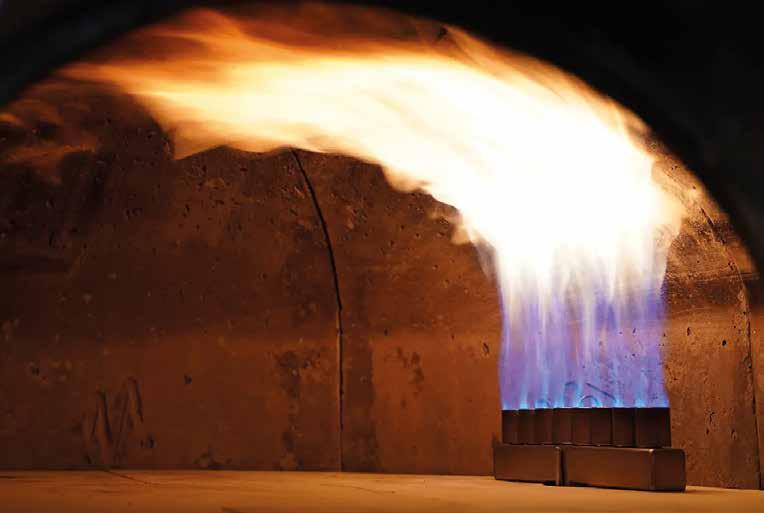
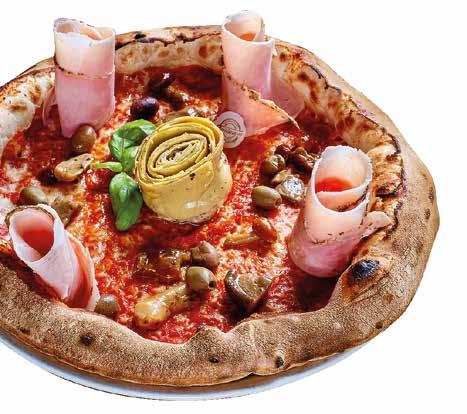
SPITFIRE, il bruciatore a gas perfetto per esaltare il sapore della tua pizza mantenendo inalterato il gusto, l’aspetto e la fragranza di sempre. Ideale per tutti i tipi di pizza. FINO AL 70% di risparmio sui costi di gestione del tuo forno.