EXPERIENTIAL LEARNING AND PROFESSIONAL ENGAGEMENT
CO-OP/INTERNSHIP | GLOBAL | CORPORATE ENGAGEMENT
Biannual Publication of the University of Pittsburgh Swanson School of Engineering
EXPERIENTIAL LEARNING AND PROFESSIONAL ENGAGEMENT
CO-OP/INTERNSHIP | GLOBAL | CORPORATE ENGAGEMENT
Biannual Publication of the University of Pittsburgh Swanson School of Engineering
By Nichole Faina
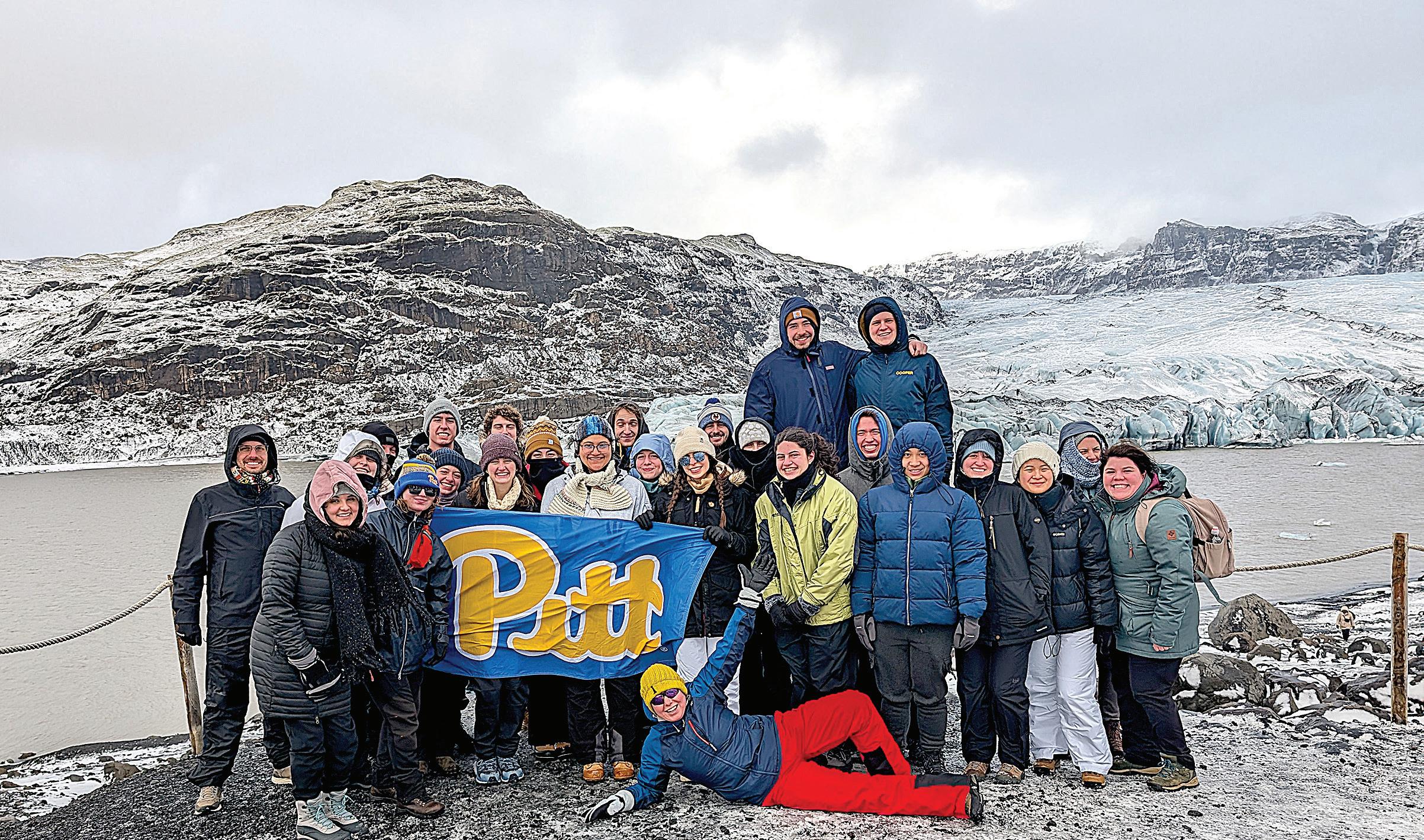
Clad in construction helmets and electric green safety vests, 22 Pitt students walked onto a snow-packed field dotted with chrome geodesic domes linked by a maze of pipes. They arrived in the otherworldly landscape of the Hellisheidi Geothermal Power Plant just hours after their plane touched down in Keflavík, Iceland. It was day one of the University’s spring recess, but these students were engaged in learning.
This semester, the Swanson School of Engineering launched Sustainable Engineering in Iceland: Culture, History and Innovation, a three-credit course taught by Matt Barry, an associate professor of materials and mechanical science. The study abroad course, which combined classroom lessons and a week-long field experience, was Pitt’s first faculty-led excursion to Iceland.
“Iceland’s ethos is conservation. Their technology, their commitment to carbon neutrality and their drive to make processes better is inspiring,” said Barry.
“My goal was to have students gain a holistic understanding of Iceland’s engineering practices, including the influences of history and culture,” he added.
Students spent spring break touring highlights of eastern and southern Iceland, including glaciers,
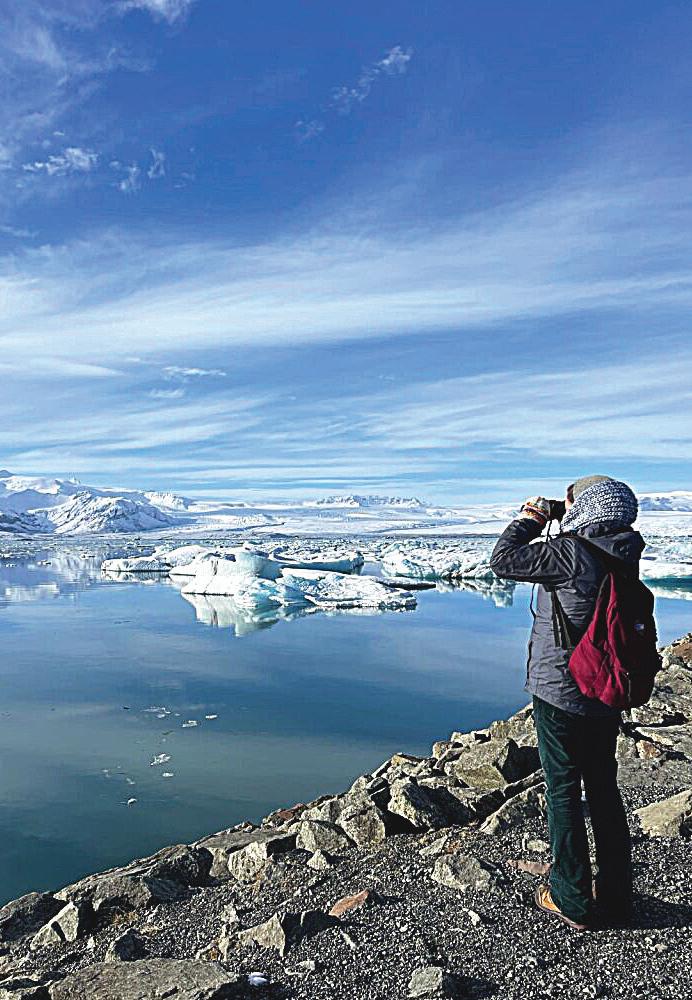
black sand beaches and a volcanic crater – the Northern Lights even made an appearance. Daily, they reflected on their adventures in an online travelogue, and you can read all of their reports on the course site.
Iceland is an island about the size of Kentucky. Still, it plays an outsize role in global geothermal ingenuity. Most simply, geothermal energy extraction taps into the Earth’s crust, bringing hot water and steam to the surface. This technology has countless applications: Hot water can be diverted to homes and greenhouses for heating and channeled under sidewalks and roads to melt ice and snow. Steam is used to drive turbines and generate electricity.
Geothermal sources currently account for 66% of Iceland’s primary energy use. The nation also hosts the Unesco Geothermal Training Programme to support developing countries’ adoption of geothermal technology.
Iceland’s geological makeup makes it uniquely suited to produce geothermal energy, said Barry. The country is one of the most active volcanic regions on Earth thanks to its location over the Mid-Atlantic Ridge where North American and Eurasian tectonic plates are slowly drifting apart, making space for magma in the Earth’s interior
to flow upwards – that’s a very powerful heat source warming surrounding rocks and water.
On their visit to the Hellisheidi Geothermal Power Plant, one of the world’s largest producers of geothermal energy, students got an up-close look at production by touring the inside of one of the geodesic domes on site. The domes house wellheads where carbon dioxide and hydrogen sulfide, byproducts of geothermal energy production, are added to groundwater and injected below ground for carbon capture and storage, ensuring the plant’s energy production produces almost zero emissions.
“Before studying in Iceland, I rarely heard geothermal energy mentioned, and I didn’t understand how it could sustain a country. Seeing how Iceland has harnessed the Earth’s natural energy was astounding,” said Chris Ash, a sophomore mechanical engineering student.
continued on page 6 > > >
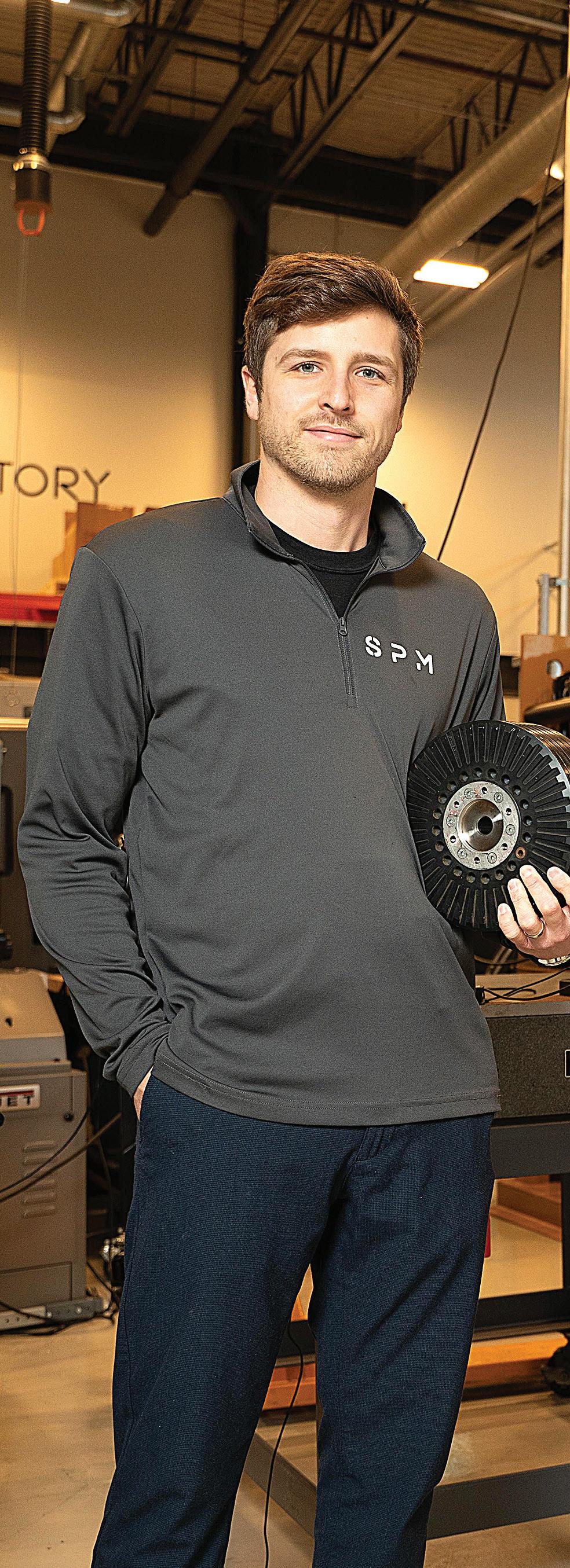
Jonathan Powers
Mechanical Engineering Graduate, 2016, MSME/MBA 2019
Co-Op Experience: Transtar Industries
Student Extracurriculars: Formula SAE, GNCC UTV Off-road Racing
Former Industry Roles:
• Sr. Mechanical Design Engineer - Tesla
• Mechanical Engineer - Workhorse Group
• Mechanical Design Engineer 2 - Honda Powersports
• Graduate Project Management Intern - Arconic
Currently: CEO and Founder - Super Powers Mobility (SPM)
What projects did you get to work on during your time at Tesla? What about Workhorse and Honda?
I joined Tesla in 2021 and was there until September 2024. I had the privilege of taking Cybertruck from concept to production. My role was Mechanical Integration of the various vehicle systems – a high-level vehicle architecture role. My team and I worked directly with individual part designers at a systems level, ensuring cohesive compatibility between adjacent systems, and engineering functions like design, simulation, test, manufacturing and service. We are like the “glue” that holds the vehicle together.
At Workhorse group I was a mechanical engineer on the C62 electric last mile delivery truck. I had the responsibility of designing the truck’s brake system from the ground up. The skills that I used in this role were directly gained from my leadership experience on the Formula SAE team as brake system lead.
During my time at Honda Powersports I was an ATV and UTV design engineer. I had the honor of contributing to the ergonomics and powertrain system of the 2022 Honda Pioneer 1000 UTV and the Honda TRX 250 – both legendary vehicles in the powersports market.
Tell us about your co-op at Transtar?
Transtar was a super important employer in Pittsburgh. The company was a torque converter remanufacturing company – the largest in the region. Unfortunately, there were some business changes while I was there, and ultimately shut down the McKees Rocks plant. I was present for the shutdown, which was such a humbling experience. Some of these folks worked here for 30+ years.
After my co-op ended, I was going into my Junior year at Pitt, so I focused on Formula SAE, and my own personal off-road racing career. I raced UTVs, starting out with no sponsors and working my way up to professional sponsorship by year three.
Besides co-op, what other experiences at Pitt did you feel were most impactful to you professionally and otherwise?
One of my favorite job experiences during my undergraduate education was leading an introduction to mechanical engineering design – SolidWorks seminar. Teaching students how to use SolidWorks proficiently was so much fun. As a member of the Formula SAE team, we all must become experts with SolidWorks to effectively design and manufacture
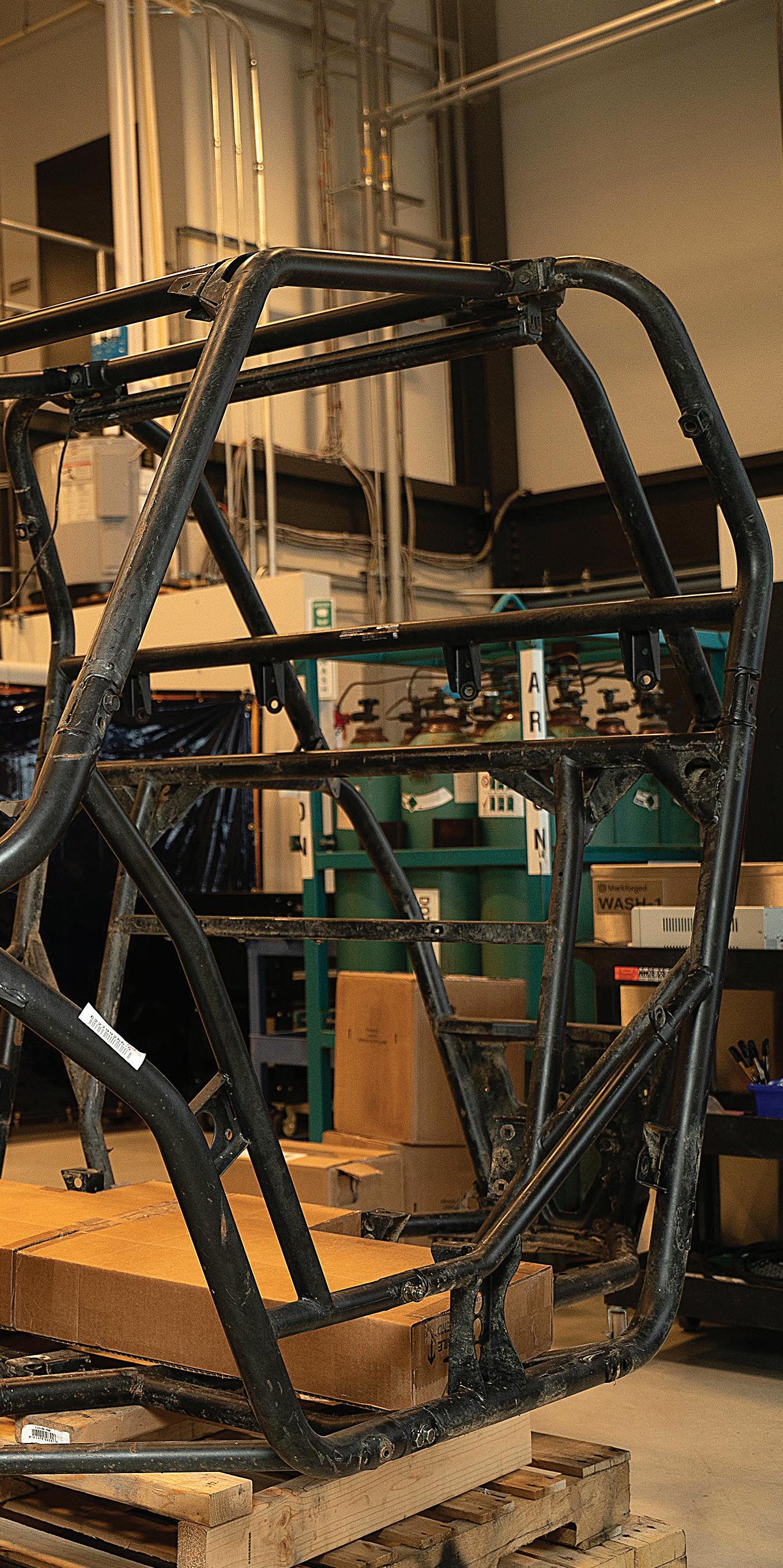
the car. Being able to give back and teach students felt really fulfilling. If you’re proficient at SolidWorks, I’d highly recommend trying to secure this role.
Surprisingly, racing off-road vehicles helped me to develop professionally because it required determination, organization, and coordination with sponsors and racing venues. Every weekend I was tearing down my racing UTV, replacing suspension and powertrain components. This was so common that by the end of my racing career I vowed to start a UTV company that made reliable UTVs that could withstand the abuse of racing and not require constant racing. This was in 2017. But at the time, I didn’t know how to start companies.
In grad school (2017-2019), I co-founded a company called AdventureHound with two friends at Katz MBA school. This was my first experience with startups. We did it as part of a class, but we followed through with starting and attempting to grow the company because we believed in the opportunity. In short – AdventureHound did what Airbnb did for homeowners, but for landowners. You can rent your land out on the AdventureHound platform for people to use it hunting, fishing, off-roading, camping, for a venue, etc. When we all graduated, we decided to shut the company down because it would’ve required significant fundraising to pay for the annual insurance premium to cover landowners.
Your position at Tesla sounds so interesting! How did you decide that you wanted to go into that role?
When I was close to graduating my dual MBA/MS program at Pitt I realized that I didn’t want to be solely mechanical engineering part design for a career, I wanted something higher level, more of systems design or even business leadership. After working at Honda and Workhorse, I saw an awesome role at Tesla for Mechanical Integration, which is basically vehicle architecture and high-level systems integration. When I applied, I thought it was a longshot, but my friend who was at the company gave me a recommendation and Tesla reached out quickly for interviews.
Working with some of the smartest people in the world at Tesla built my confidence to a level I previously thought would be unachievable. Everybody was very competitive but a team player. You had to know exactly what you were talking about and be prepared for every meeting. Tesla is a great company to work for.
What is your company Super Powers Mobility? What are you doing?
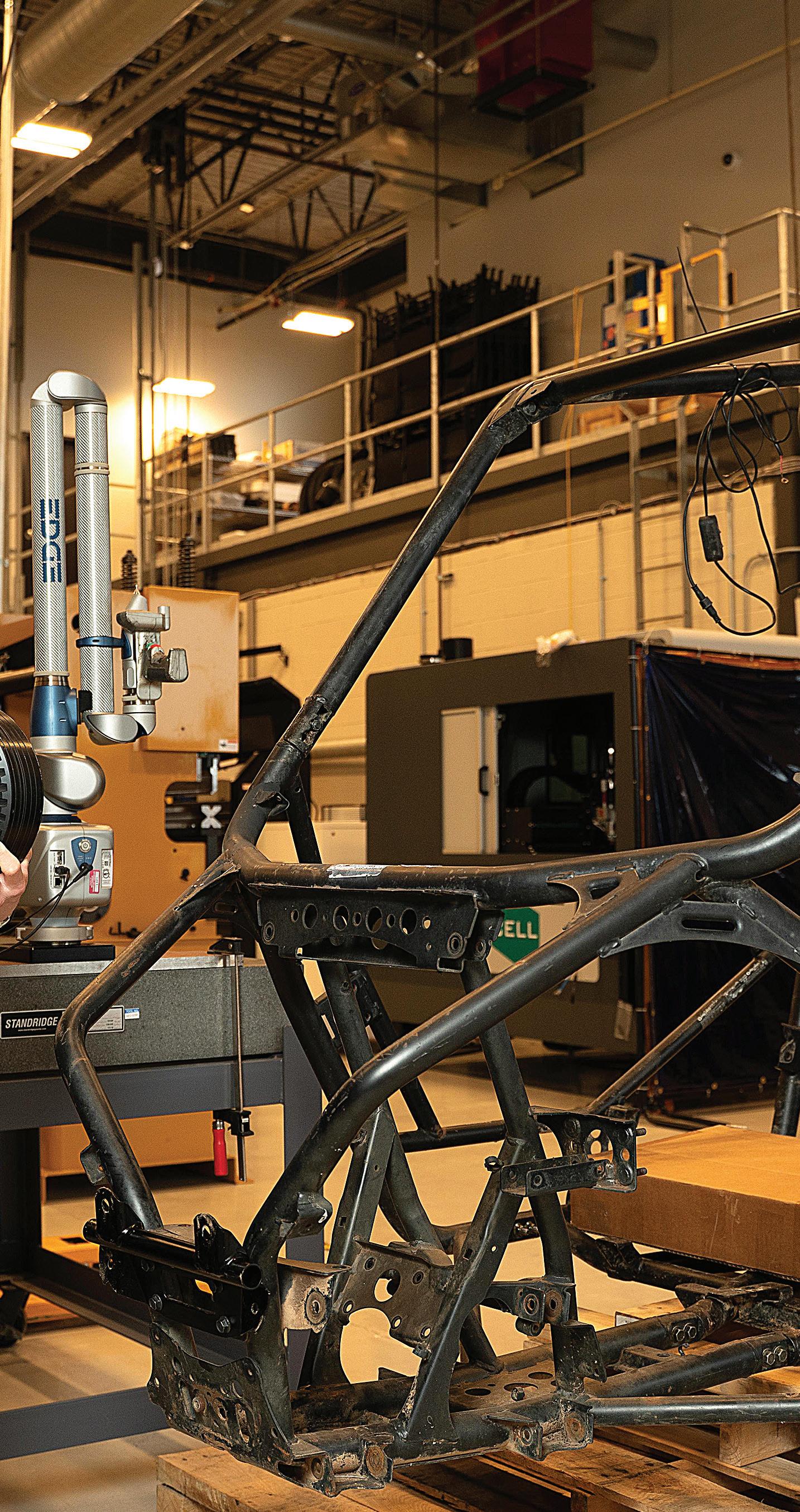
Super Powers Mobility, SPM for short, is developing electric off-road vehicle powertrains, pioneering a path to enable electrification of off-road vehicles. We are working to vertically integrate the entire powertrain, something no company in the off-road industry has done yet. Our focus is on IP ownership and establishing a first movers advantage related to bespoke off-road E-powertrains.
Currently we are in the process of commercializing our first product – an EV-retrofit kit that converts any utility terrain vehicle (UTV). If you know about ATVs, a UTV is like an ATV but with automotive controls – brake pedal, gas pedal, steering wheel, and you sit side-by-side with your passenger. This is the fastest growing segment of off-road vehicles (600,000+ sales per year), the layout of the vehicles lends themselves perfectly to electrification. We will manufacture EV-Kits in low volumes in-house, and either scale up or utilize contract manufacturing as demand increases. The goal is a licensing agreement with a large off-road OEM.
Tell me a little more about your current role as founder of Super Powers Mobility, and what kinds of work you get to do. What are your favorite parts?
I’m very blessed to have this opportunity. Leaving Tesla to pursue my dream of starting a company was not an easy decision but it was something I dreamed of doing since graduating undergrad. My day-to-day as a founder includes everything imaginable. From engineering design, testing, validation, manufacturing, to marketing, investor relations, fundraising outreach, public relations, company roadmap development. As a founder you wear every hat imaginable, but it is so fulfilling, and I wouldn’t trade it for anything.
My favorite parts are seeing my team get so excited about our progress and creations coming to life. What we accomplished in six short months with less than $120,000 some corporations can’t do for under $1,000,000 in less than one year. We all work very well together and understand what it takes to bring a product from conception to market. Of our founding team of six people, 100% of us are founders of other companies and 50% of us are Formula SAE alumni. 50% of the founding team are Pitt alum. Of the whole company, 60% of contributors are Pitt alum and 60% are formula SAE alum.
Anything else you’re looking forward to professionally, or advice for current Pitt students?
I’m really looking forward to growing SPM in Pittsburgh, becoming a wellknown employer and making it so that highly talented automotive engineers no longer need to migrate away from Pittsburgh to find high-tech industry leading automotive jobs. Recruiting from Pitt is going to be an absolute pleasure.
My advice for Pitt students – think big, be confident, do what needs to be done to achieve your dreams no matter how hard it sounds. Your network is your biggest asset when it comes to job search. Leverage your friends and connections. LinkedIn is much more valuable than you may realize for job searches. You can sometimes connect with high level individuals who can fast track your hiring process.
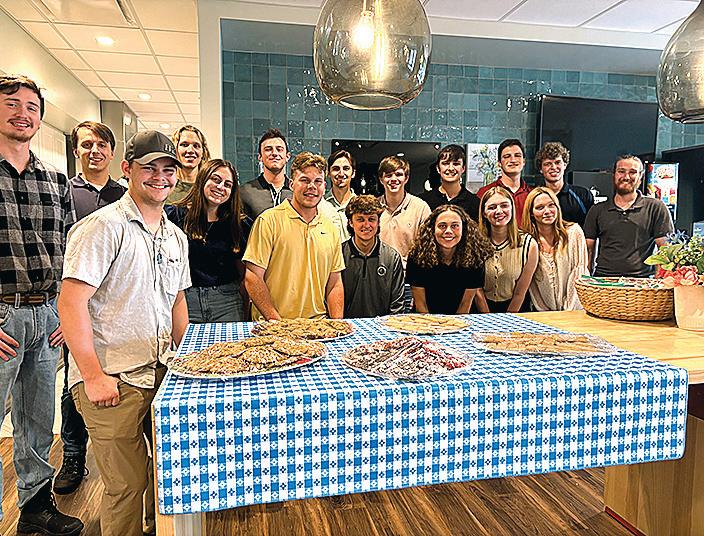
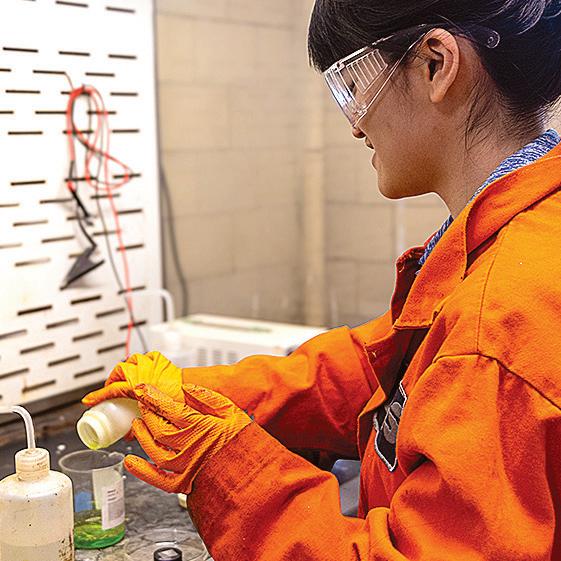
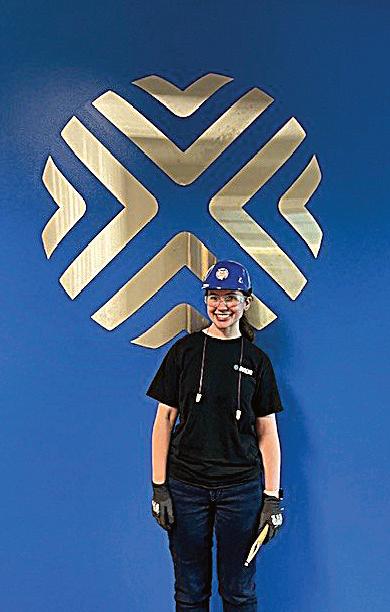
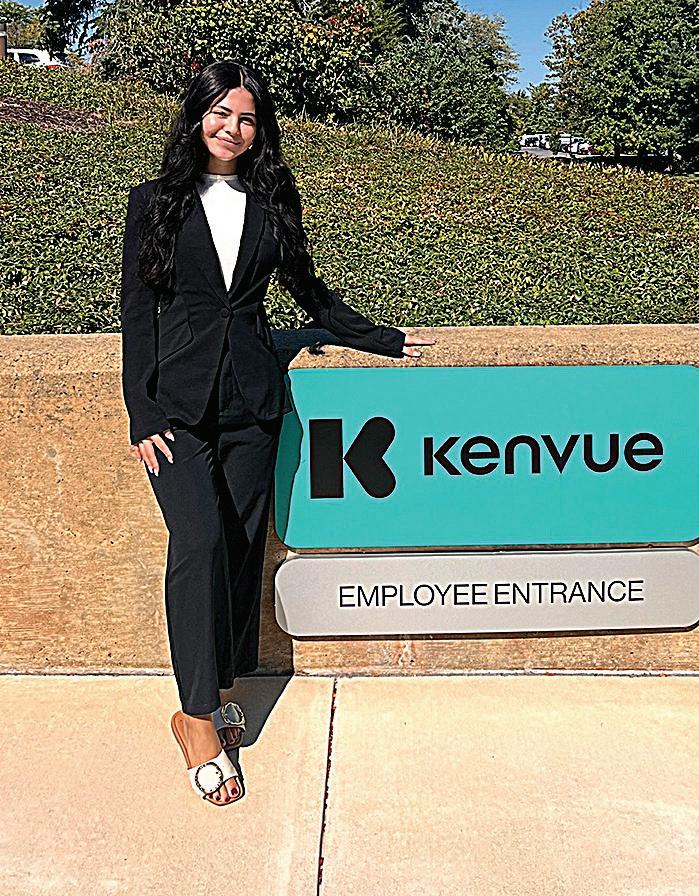
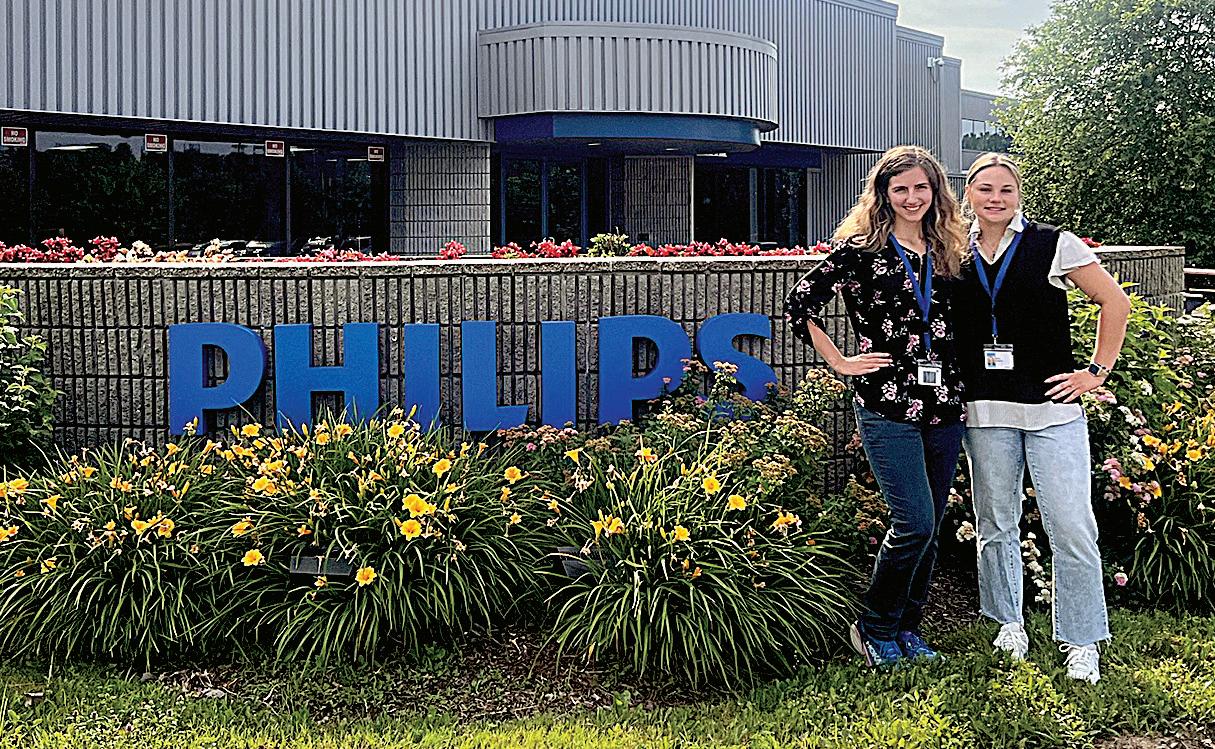
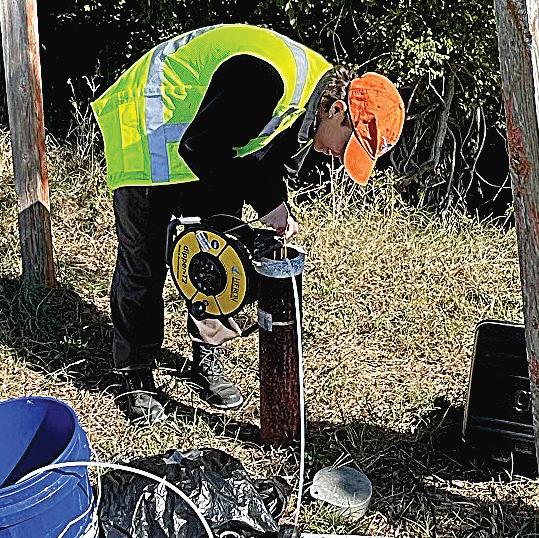
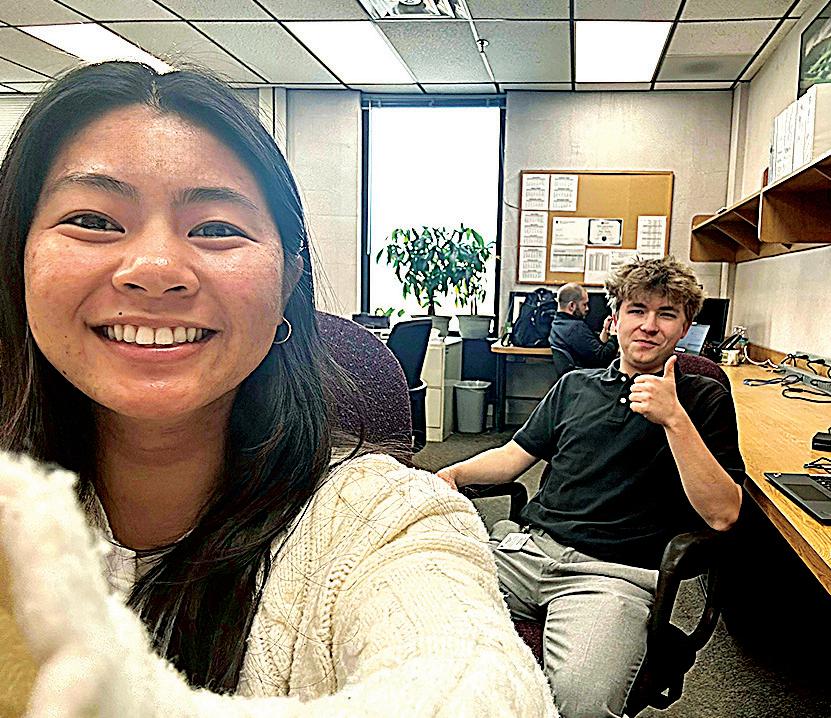
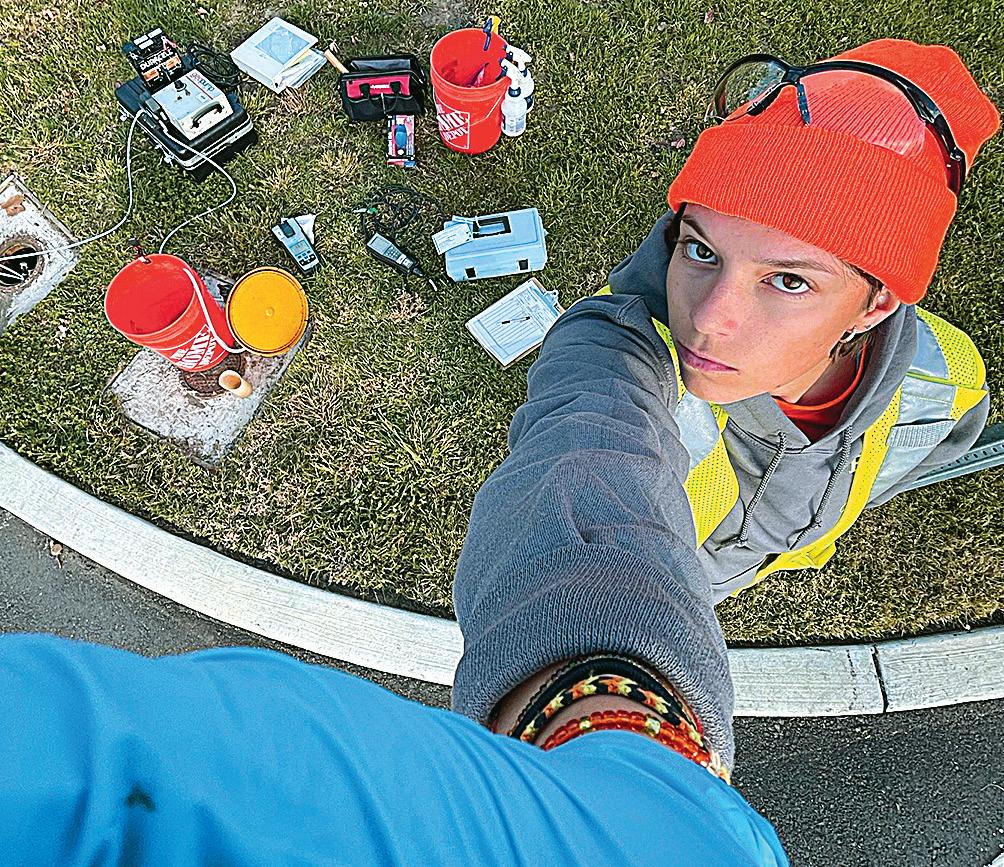
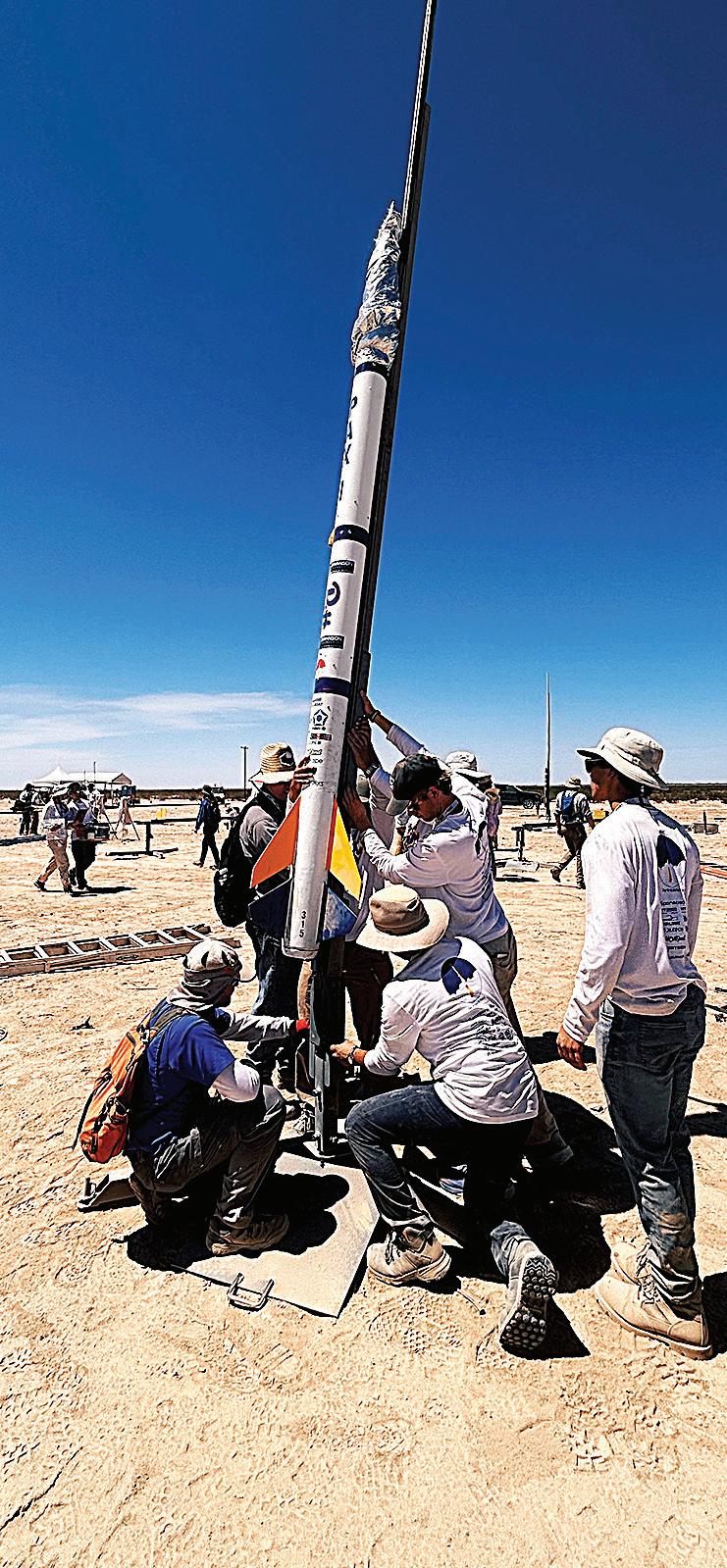
As summer heated up, many engineering students traded their textbooks for professional experience by participating in cooperative education (co-op) programs. The co-op experience goes beyond a typical summer job. Students immerse themselves in the professional environment, taking on projects and responsibilities that contribute to the success of their host companies while gaining invaluable real-world work experience!
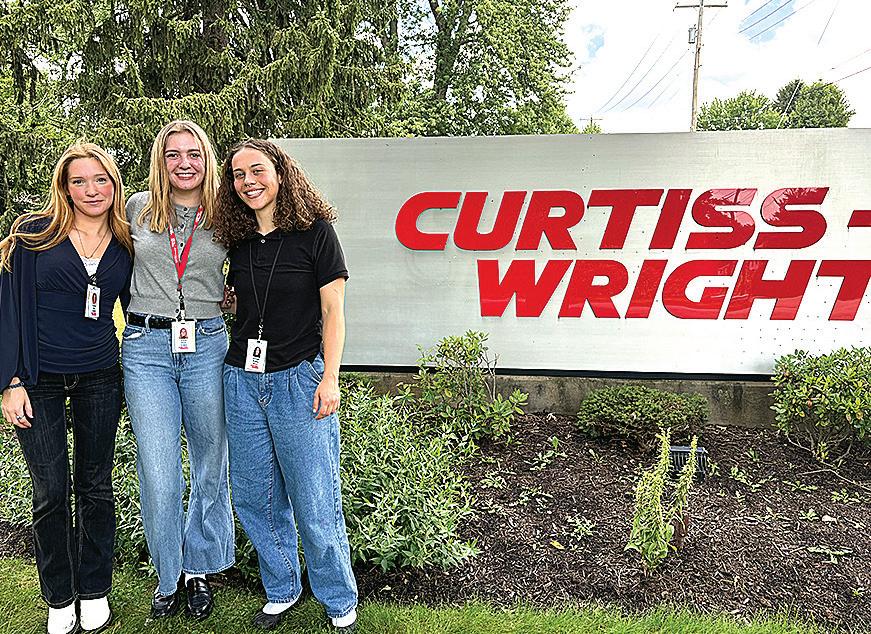

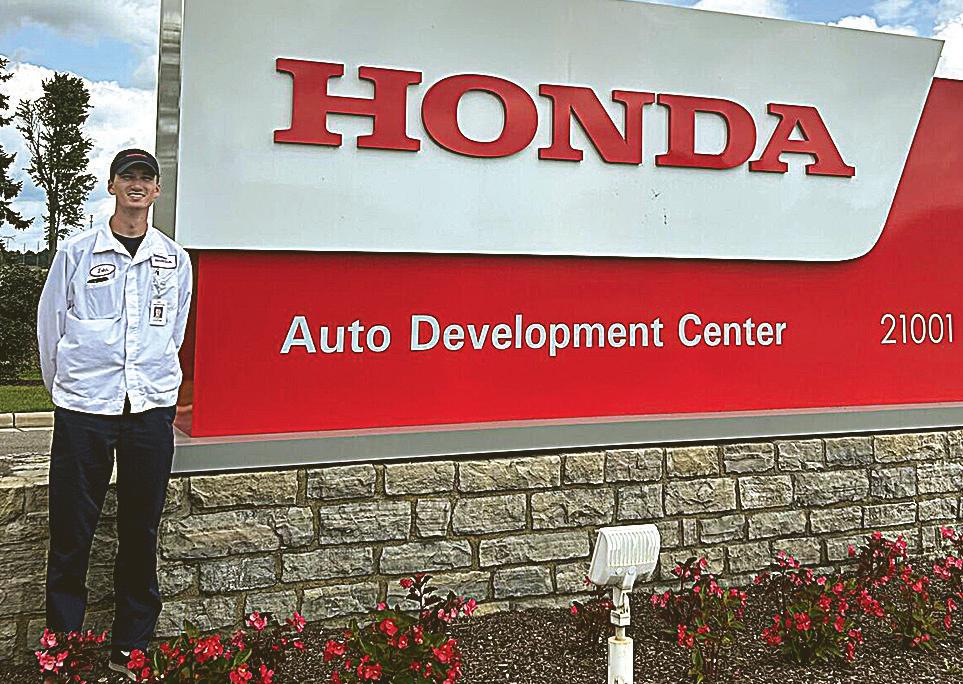
John Luc Chadam, Honda Development and Manufacturing of America
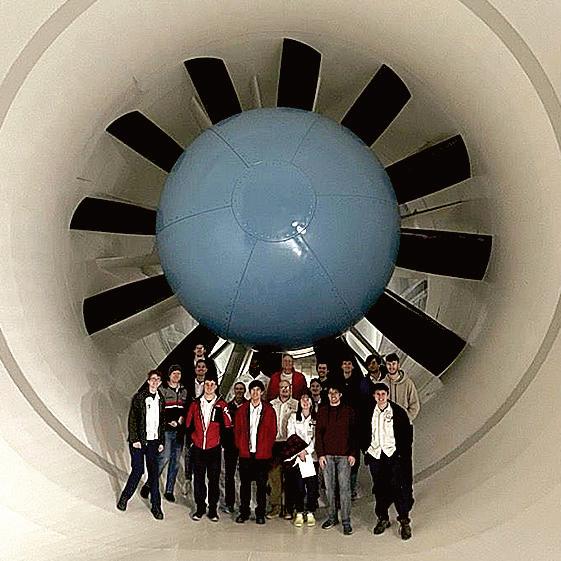
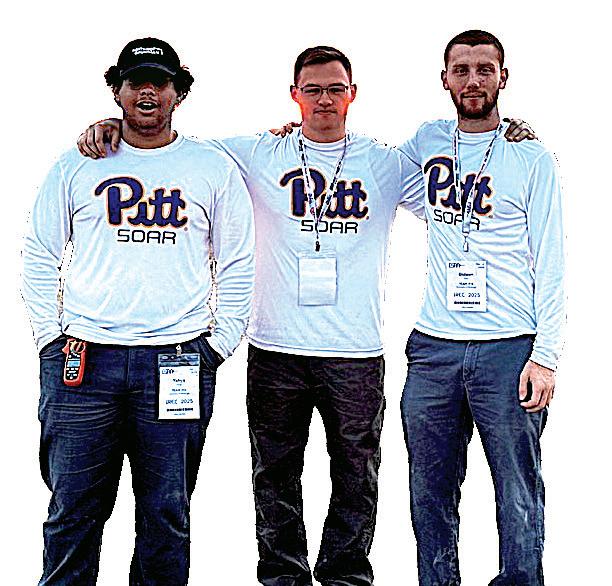
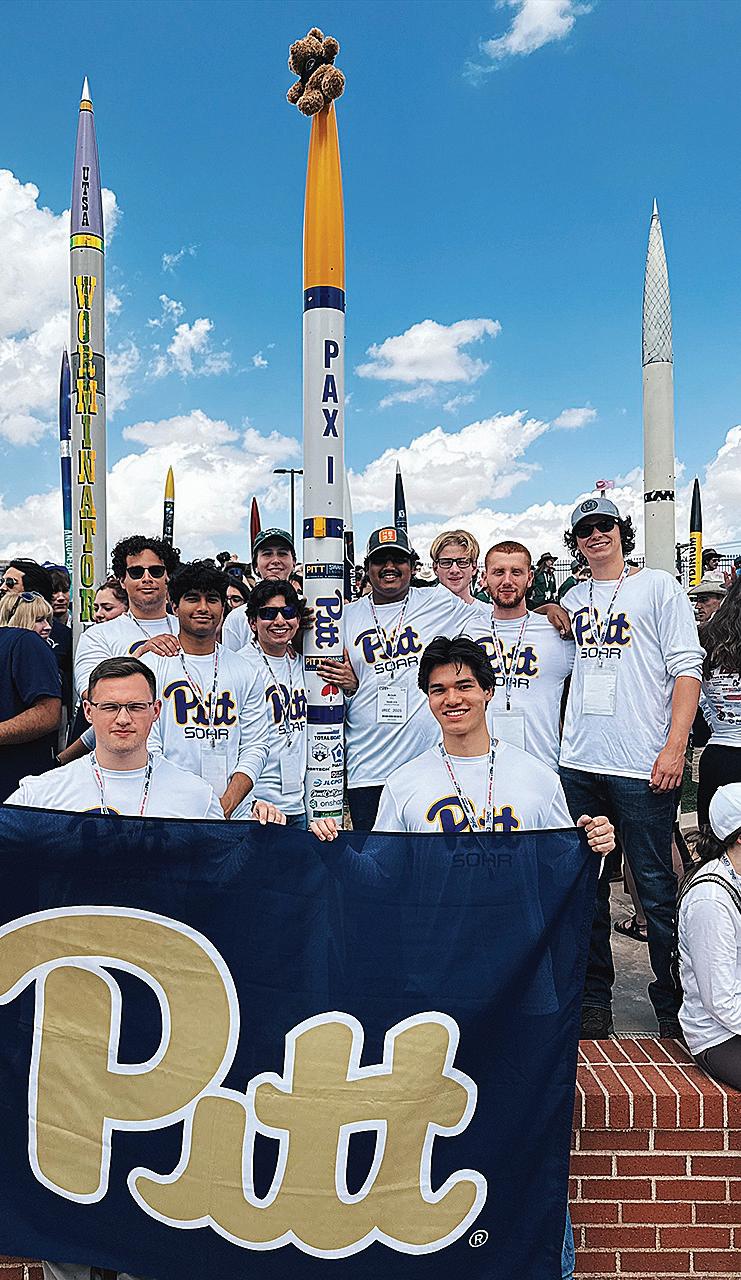
Garrett Deller, Yahya Farag, and Gideon Glick, International Rocket Engineering Competition Midland, Texas 2025
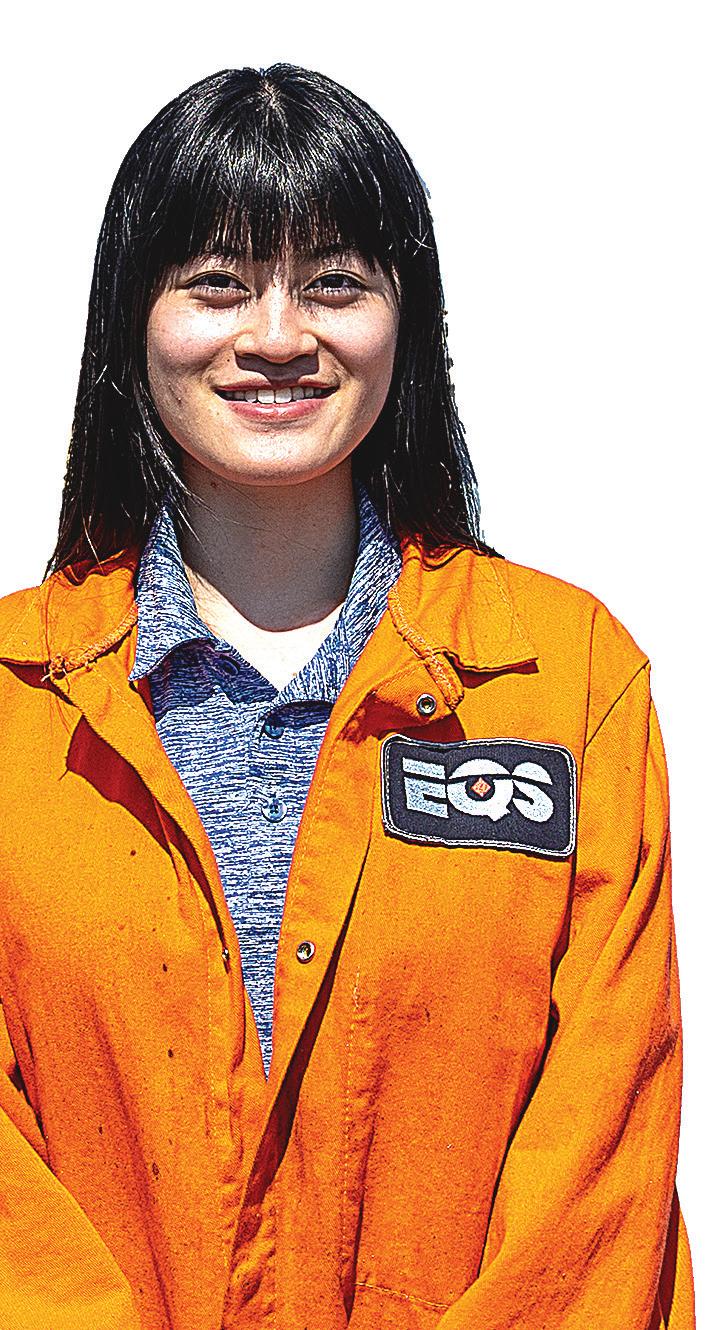
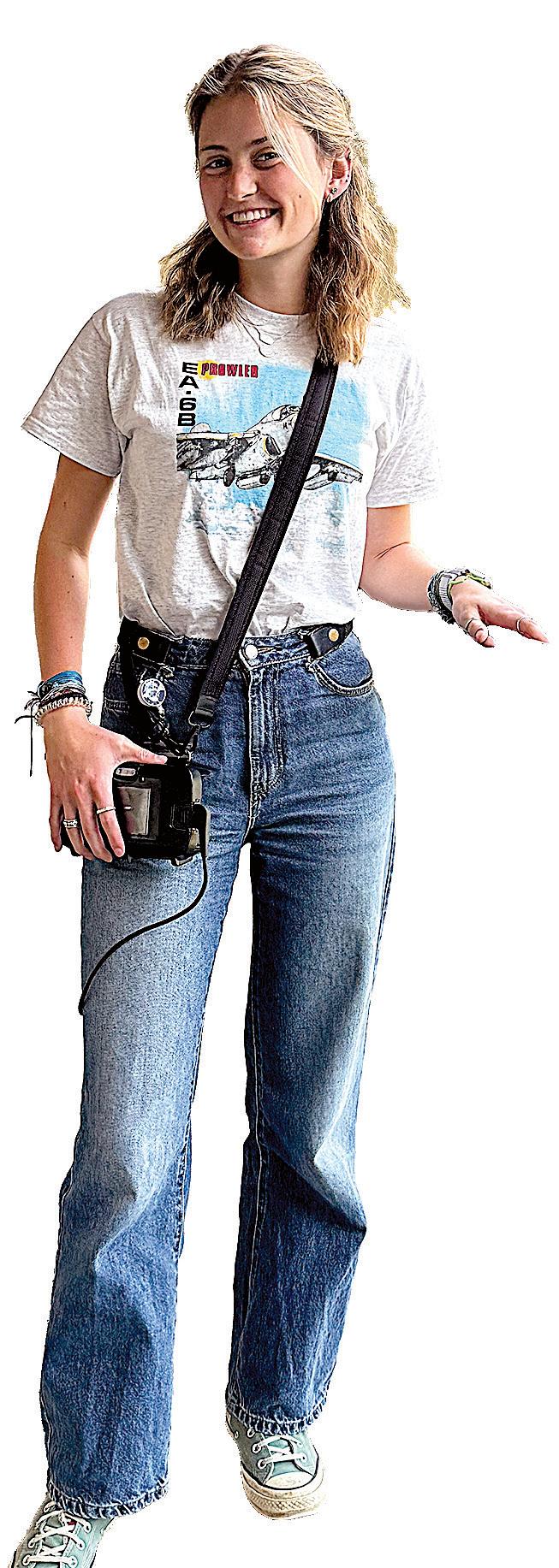
Emme
, Zoll Cardiac Management Solutions
In 2024, 18% of Pitt engineering students graduated with a global education experience on their resume, far exceeding the national average of 5.4% reported by the Institute of International Education’s Open Door survey.
The takeaways from accessing education overseas can positively impact a student’s career trajectory, said Nora Dougherty, global and engineering professional development consultant in the Swanson School.
Participating in a University-sponsored global experience can be an entry point for students to travel internationally and to be open to international assignments in their careers.
“Having guidance from the Swanson School on how to prepare and pack was very useful for building my confidence to go abroad in the future,” said Kalinda Wagner, a David C. Frederick Honors College student and junior in mechanical engineering. “I now know how to price flights, use my phone overseas and customs aren’t scary. That can all seem intimidating if you’ve never done them before.”
Though Sustainable Engineering in Iceland is a course taught in the Swanson School, it’s open to all Pitt students, a point that strengthens learning
both for engineering students and students from other programs, Barry said.
“Engineering programs can silo students, and I wanted to create a course accessible not just to engineers; it’s important to have intellectual diversity and include students from other schools,” he said.
Students like Megan Duda, a junior environmental studies major in the Kenneth P. Dietrich School of Arts and Sciences, who joined the class to deepen her knowledge of thermodynamics.
“I aspire to enter a career in environmental economics, and a common research topic is energy and natural resources, determining how developed countries can transition to renewable energy sources to lower emissions. Traveling to Iceland was a chance to learn about renewable energy, its applications’ practicality and feasibility,” Duda said.
On their journey along the coast of southeast Iceland, students witnessed the country’s climate change challenges and how engineers adapt and respond to the ever-changing landscape.
“Engineering is humanity,” said Barry. “You can’t separate the two. Anytime you go somewhere
and you see how people are not only surviving but thriving, that’s their unique engineering perspective.”
There are vast threats to Iceland’s infrastructure related to glacial melt, including increased volcanic activity. As the ice mass dissipates, the weight it exerts over reservoirs of magma also decreases and eruptions can occur, leading to hazardous volcanic ash becoming airborne. Melting glacier ice also leads to flooding and shore erosion, which threatens road and bridge infrastructure and requires flood mitigation in and near towns.
Students also saw firsthand how engineers respond to a changing climate on a visit to the memorial for Skeiðará Bridge, which was destroyed by flooding in 1996.
Below the surface of Iceland’s southern coast is a few hundred meters of silt, not bedrock. So, in flood-prone areas, engineers design suspension bridges that are anchored by concrete blocks, which act as a floating foundation that remains standing even in shifting sand.
“Balancing resiliency and sustainability is tough,” Emme Blanchard, a junior mechanical engineering student, wrote in her travelogue. “But Iceland proves itself time and time again with its grand efforts and admirable pioneers.”
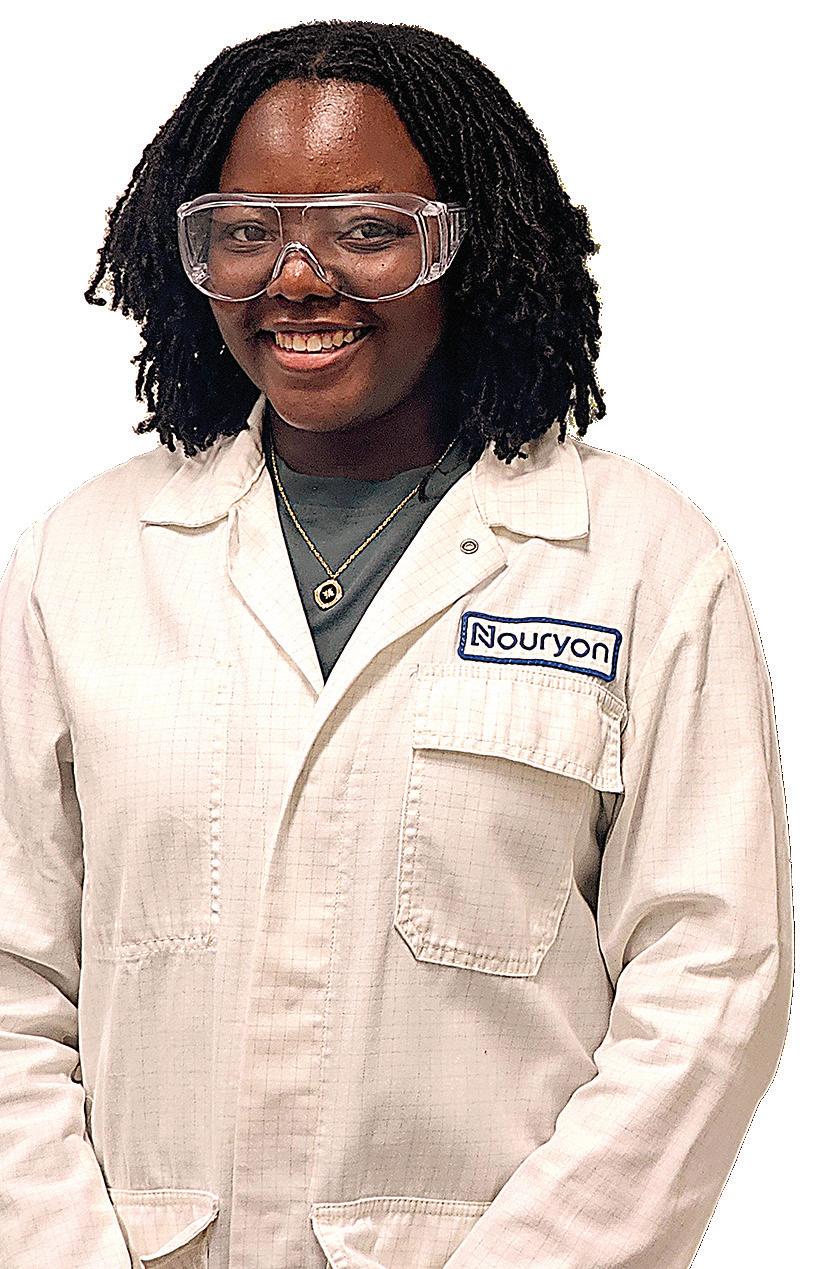
This past summer, Stacy Bediako, a Swanson Chemical Engineering student, interned with Nouryon, a global specialty chemicals company, at their Netherlands location. Approaching her senior year, Stacy wanted to have a global experience that would build on her professional skills, having already completed domestic co-op rotations. At the Swanson Global Experiences & Engagement Office, we support our students not only in more traditional study abroad programs, but also in global co-op, internships and research. Stacy’s journey reflects our commitment to preparing engineers who can thrive – and lead – anywhere in the world.
Last year, our office became aware of the Netherlands-America Foundation USA2Holland Internship Grant and quickly recognized its potential to benefit our students. We actively promoted the grant through social media, classroom presentations, and information sessions. During an evening global experiences Zoom session for students currently on co-op rotations, we connected with Stacy! Her strong academic record and exceptional professionalism were key factors in her being chosen as a 2025 grant recipient.
Thanks to Pitt’s extensive global alumni network, Stacy was able to connect with an alum at Nouryon in the Netherlands who helped secure her summer internship. Stacy’s journey is a great example of
what’s possible when students combine ambition with global opportunity – and we couldn’t be more proud. We are happy to have built a strong relationship with the team at NAF this past year and look forward to more students pursuing the grant in the future. As Alicia Olalde, Director, SSoE Global Experiences & Engagement, states, “We are always eager to collaborate with global industry partners to create unique international opportunities allowing our engineers to gain meaningful global experience.”
The USA2Holland Internship Grant is an award designed to support American college students seeking internship opportunities in the Netherlands. Sponsored by the NetherlandsAmerica Foundation (NAF), the grant provides recipients with a monthly stipend, a travel reimbursement, and full coverage of work permit visa fees. The program helps make international professional experiences more accessible. By supporting students as they gain global work experience, the grant strengthens cultural exchange and fosters lasting connections between the U.S. and the Netherlands.
If your company can offer engineering internships or co-ops abroad, or if you have contacts with other international partners, please don’t hesitate to reach out to SSoE Global Experiences, international@engr.pitt.edu or Nora Dougherty at NCD37@pitt.edu
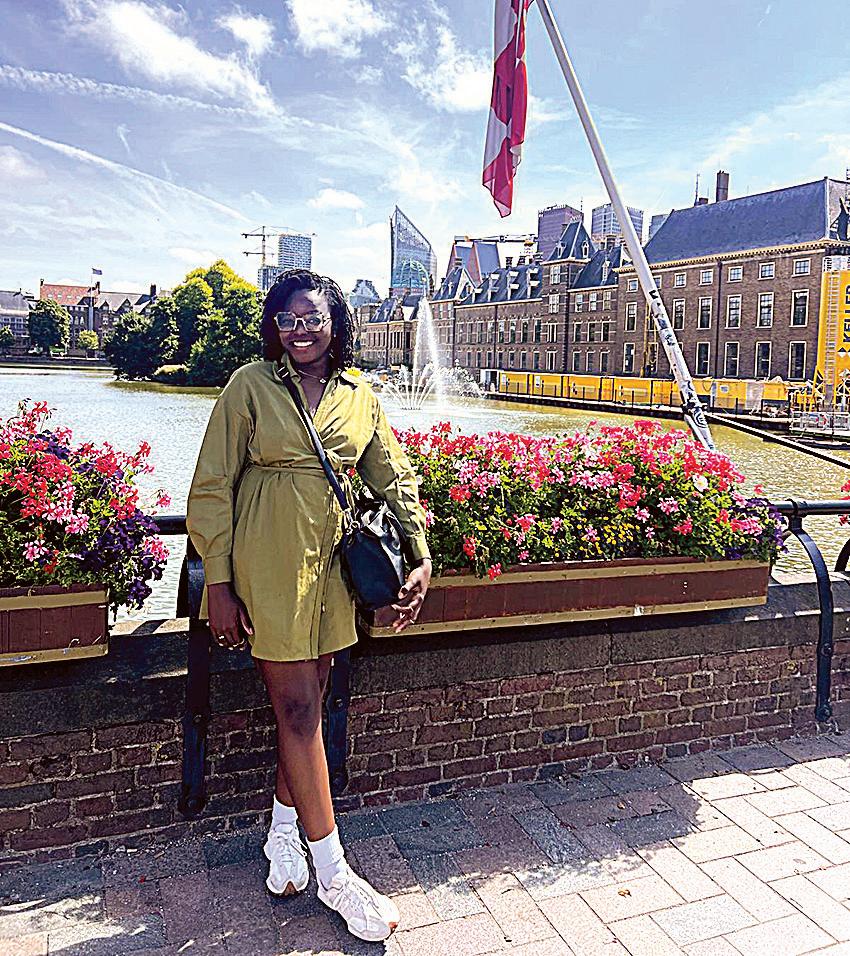
I never thought I’d have the opportunity to intern abroad if it weren’t for the NetherlandsAmerica Foundation Scholarship and the Gilman Scholarship. Thanks to their support, I interned at Nouryon in the Netherlands, where I deepened my understanding of catalyst research. Compared to my U.S. internships, the Dutch workplace felt more laid-back and less hierarchical, which encouraged me to take more initiative and grow professionally. This experience helped me develop both technical and cross-cultural skills that I’ll definitely carry forward in my career.
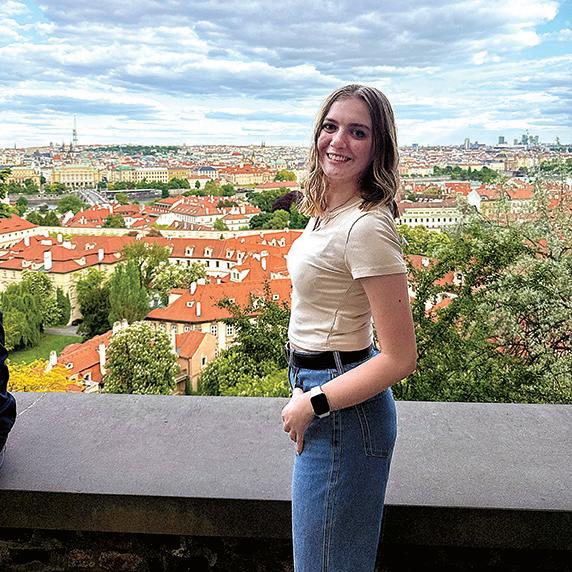
Aleia Frye, IE, Plus3 Czech Republic
Going to the Plus3 Transfer+: Czech Republic
Program was one of the best experiences of my life! As someone who had never been abroad before, I was absolutely terrified to travel to another country for the first time. However, I quickly got over my fear and had an amazing time on this program. Not only did I learn so much about Czech engineering and culture, but I also made some amazing friends along the way!
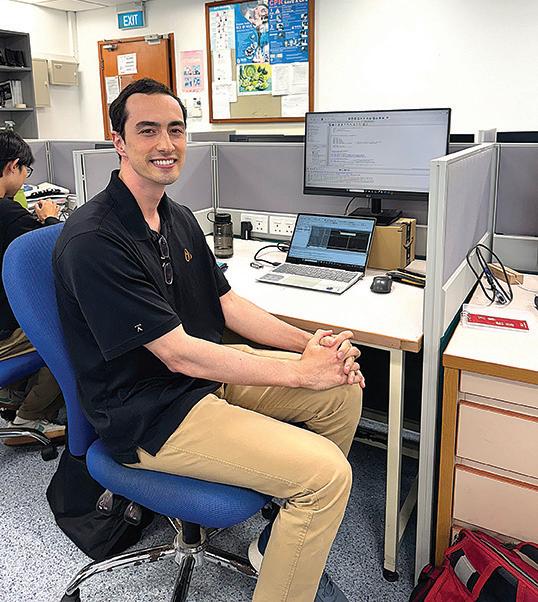
Calvin Fetzek, SERIUS
At SERIUS Summer Research at National University of Singapore, the SEEDER group in which I was assigned, competes in the rapidly evolving field of network-on-chip and process-in-memory designs to develop technology not only to generate research output but to produce innovation that can be applied in the market. Drawing from their industry experience, the professor and researchers give critical feedback challenging presenters. A strong work ethic backed by the knowledge of the group are the principles I aim to bring back from this experience.
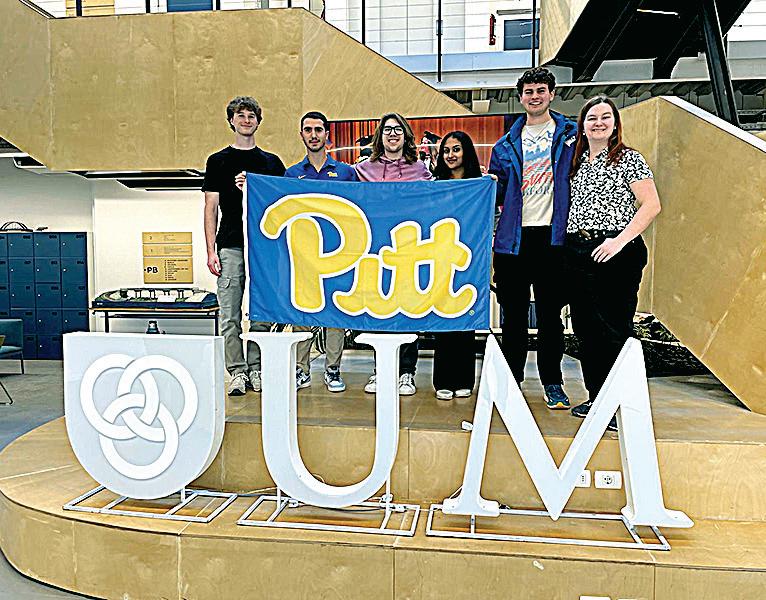
Studying abroad in Prague was a unique opportunity for me to experience the Czech Republic from a technical perspective. We were able to visit many of the top manufacturing and energy companies in Central Bohemia. Being abroad allowed me to engage in different ways and compare technical practices to those in the U.S. Overall, it was both a rewarding and informative experience!
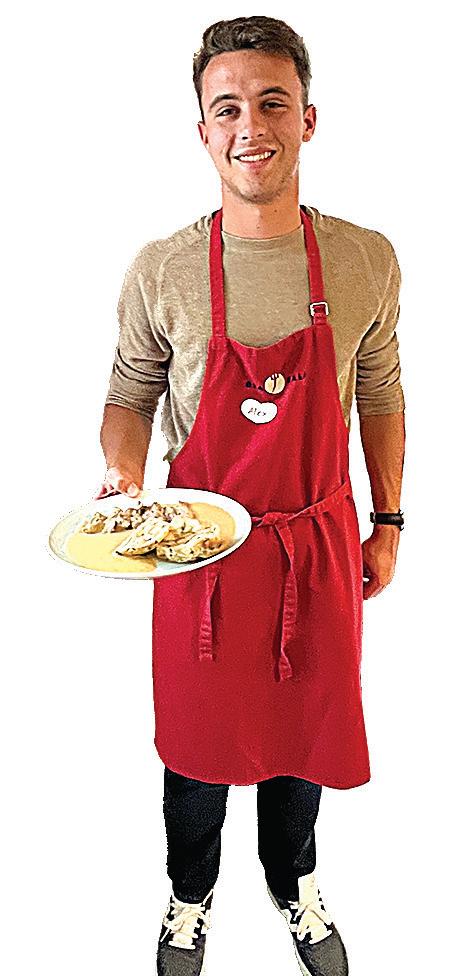
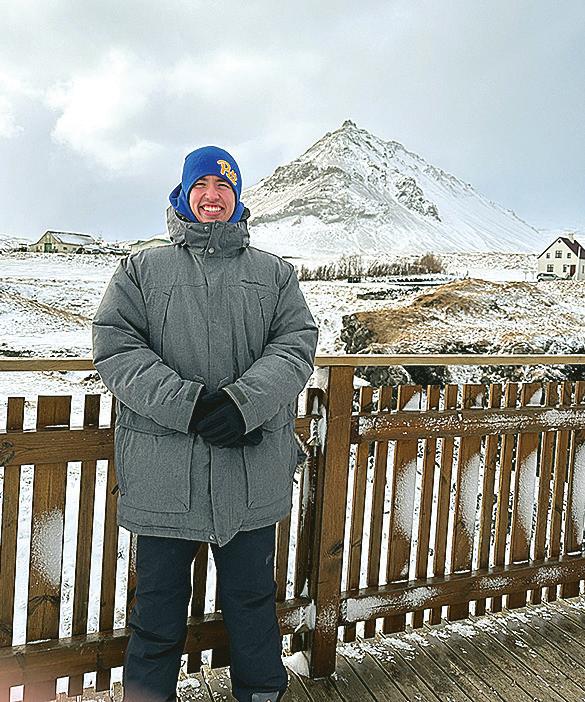
During my studies in Iceland, I had the opportunity to explore the countless different landscapes of the nation that make it so unique. From the lava fields, to the countless glaciers, it truly gave me a new perspective on what it means to acclimate to the conditions around you and utilizing your resources. I wasn’t a big traveler before this trip, but I’m now encouraged more than ever to explore the different beauties of the world and learn about more cultures!
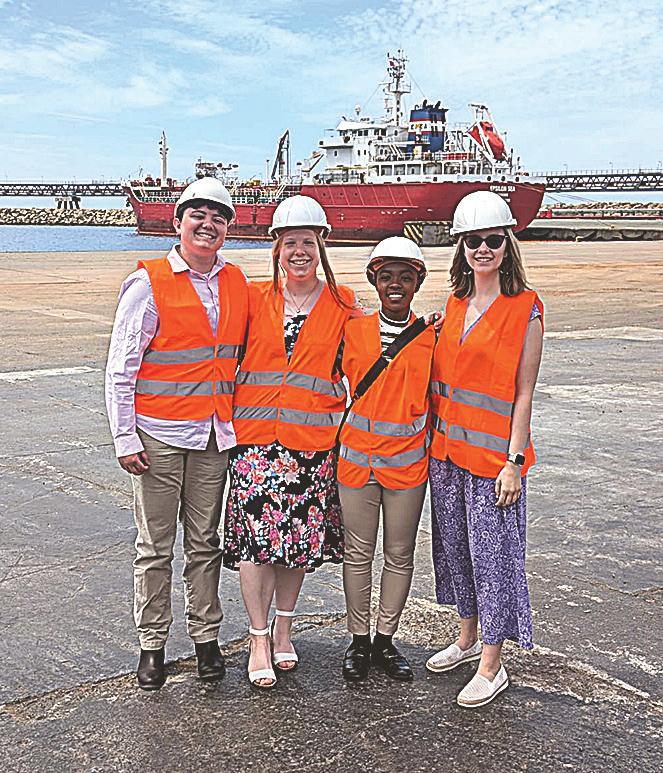
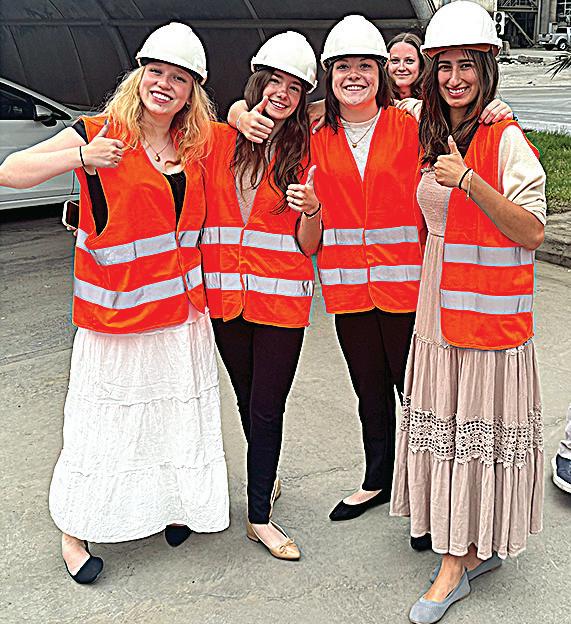
Having never traveled abroad before, I feel like the Plus3 Cyprus program really broadened my horizons both culturally and professionally and made global travel less daunting. I loved learning about how each company incorporated sustainability into each part of their supply chain, and it made me think critically about how this could be brought into my future projects. I think a global experience is important to any engineering student because it helps bring diverse perspectives and ideas into every project.
Going to Cyprus this summer was such a unique experience as I grew close with peers I hadn’t met before and got to know locals in Cyprus that made my experience worthwhile. While I was there, I grew in my professional skills learning how to ask insightful questions to the presenters who gave speeches about their company and what their jobs were.
Aaron Schachter, Global Supply
The Uruguay supply chain study abroad program was an incredible professional development opportunity by giving me firsthand exposure to international logistics, trade practices, and supply chain strategies in a developing country, an alternative perspective to that of the U.S. This trip taught me that it is paramount to compare how we view our supply chains with how countries all over the world do, because our supply chains connect us all!
Elena Polar, Plus3 the Netherlands Plus3 Netherlands gave me the opportunity to venture beyond my comfort zone in a global experience to explore a different culture and their different practices of sustainability. This trip not only brought me new professional and peer connections but also introduced new ways of problem solving for something that I am passionate about. I learned that there is no international barrier for engineering minds, and this opportunity helped me become a better engineer!
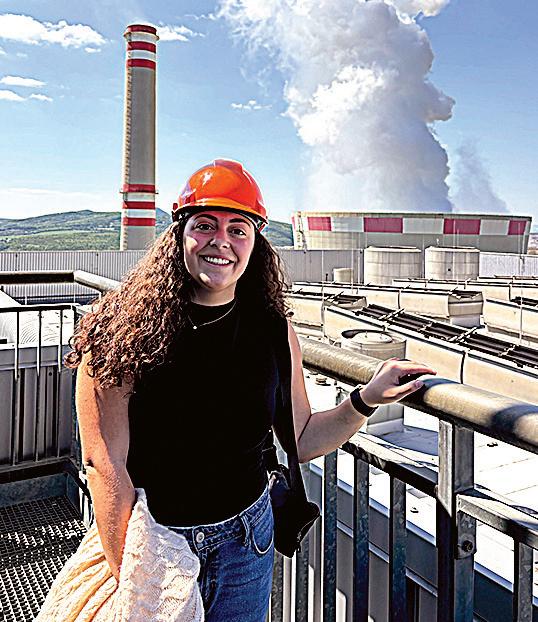
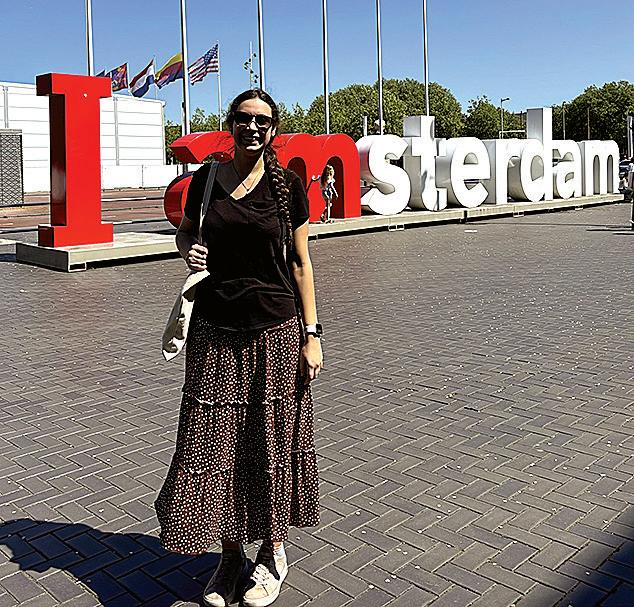
The Czech Republic was not only a great opportunity to have as my first study abroad experience, but to grow my perspective as a global engineer. Through both company visits and cultural tours, I learned about how engineering practices are shaped by the society they are utilized in. Participating in this program helped me to grow as an engineer, I also learned a lot about myself and being a global citizen in the process.
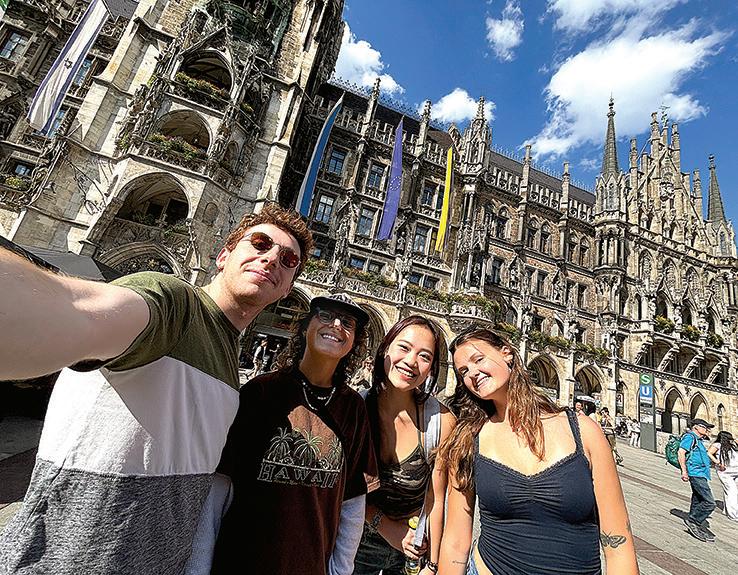
Emily Stephan, BioE, Plus3 Czech Republic
My experience in Prague truly exceeded all expectations! I learned so much about the impact society and culture has on engineering and technology. Getting to learn about a new culture, see historical castles, and try new foods was incredible. The highlight of the trip was becoming such great friends with everyone and making memories with each other!
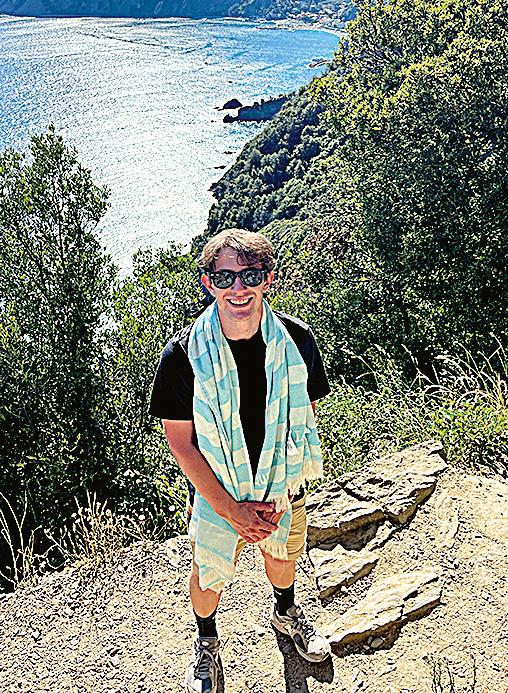
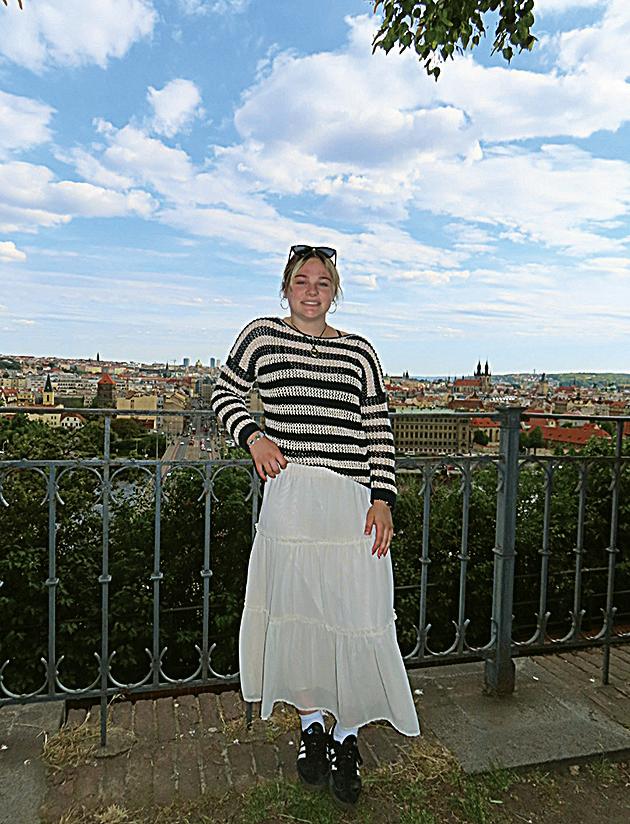
Fatziner, ME, Renaissance
My abroad experience in Florence was an incredible opportunity to spend a month immersed in Italian culture. Through the program, I learned about innovative approaches to engineering a sustainable future, while also gaining a deeper appreciation for the rich history of Florence, especially during the Renaissance period. This experience will stay with me forever, and I highly recommend it to anyone who has the opportunity.
The UROP International program is an amazing experience that I would recommend to anyone interested in research abroad. It combines a research opportunity, a German language class, cultural experiences, and social life into one package deal. I’ve made many friends that I’ve traveled to cities with on weekends and holidays, greatly improved my German speaking, and have some flashy new resume skills to show for it. Aachen is a great city, and the University is one of the best in the world!
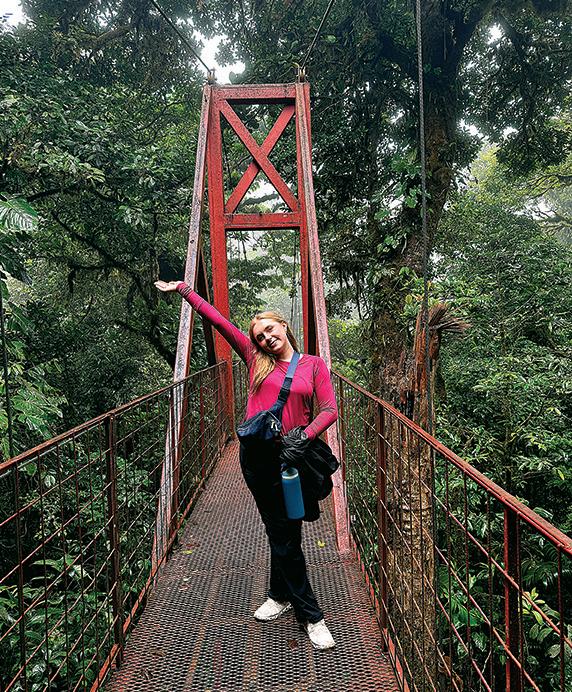
Studying abroad in Costa Rica was an unforgettable experience. I got to learn about business supply chains and logistics firsthand, seeing how they operate in real time. Additionally, I gained an appreciation for trying new things. Being exposed to a new culture and way of living was intimidating at first, but pushing through uncomfortable moments helped me grow, learn more about myself, and build lasting relationships.
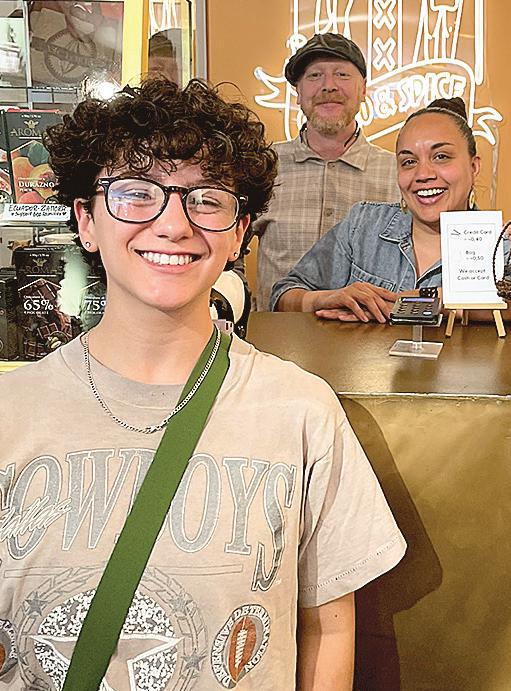
Immersing myself in the Dutch culture, learning from Dutch engineers, and observing common practices transformed my worldview and helped me envision a brighter future. Along the way I made countless memories and friends that I will never forget. If you have the opportunity, do a global experience. It will surely change your life!
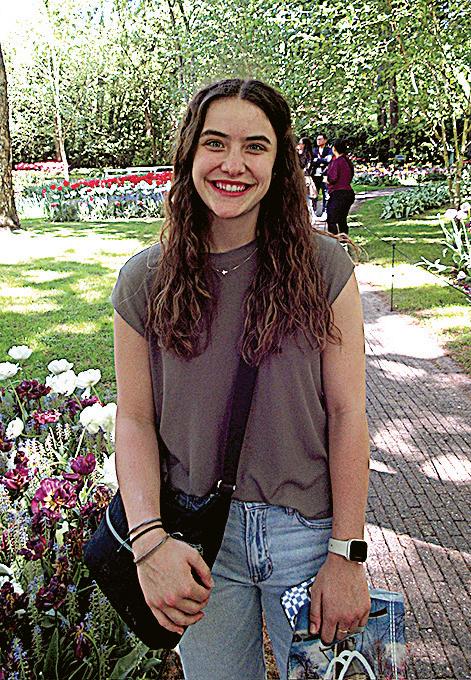
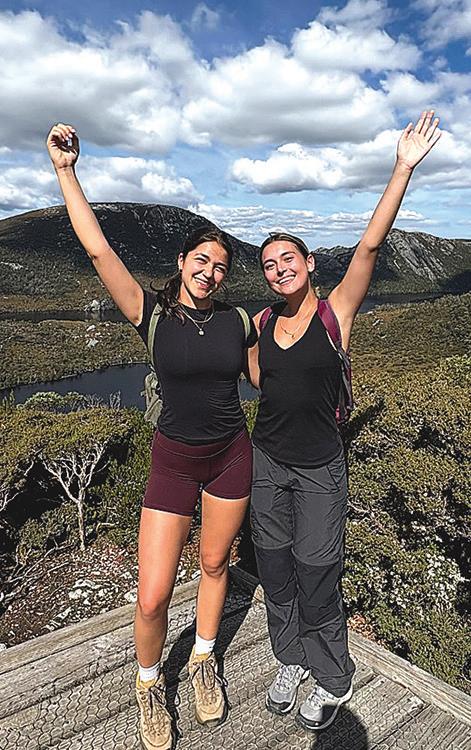
Jake Cinchar, EE, German Way
I left Germany with new perspectives, stronger professional skills, and lasting friendships. I am incredibly grateful for this opportunity and hope to carry what I’ve learned forward in my education and future career.
MacKenzie Rhykerd, Plus3 the Netherlands
My study abroad experience with Plus3 was the best possible way to end my freshman year. I had never been out of the country before, and this program opened my eyes to how engineering and sustainability intersect on a global scale. Through my visits to many innovative companies and two sustainably designed cities, I was able to immerse myself in Dutch culture and see how environmentally conscious practices are built into everyday life. I’m incredibly grateful for this opportunity.
Mara Azur, CEE, GE3 Melbourne
Studying abroad in Melbourne, Australia gave me the opportunity to learn valuable skills both inside and outside of the classroom. Collaborating with students from around the world strengthened my communication skills and taught me how to be open-minded, adaptable, and culturally aware, all of which are important skills in the engineering field.
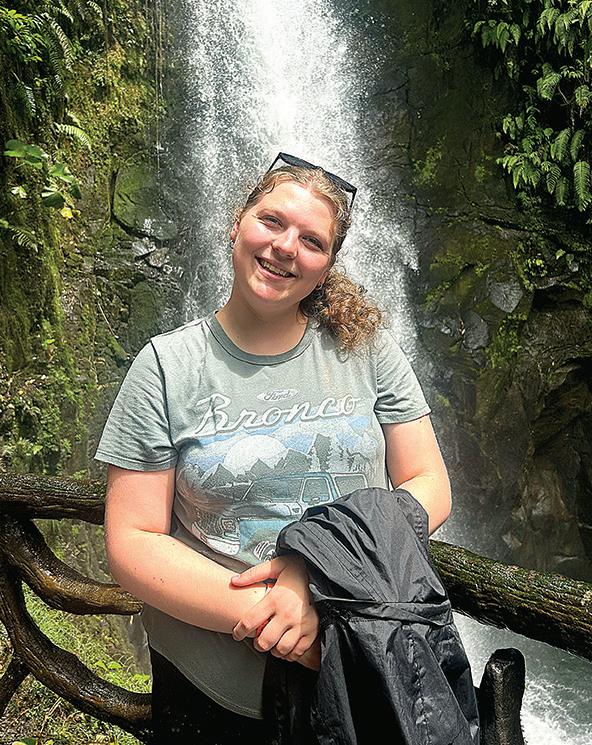
Matthew Bean, ME, Plus3 Korea
Global experiences are essential for engineering students because it exposes them to diverse perspectives and unfamiliar challenges. My time in Korea pushed me outside of my comfort zone and gave me the valuable opportunity to expand my knowledge in such an innovative place like Seoul. Being able to experience Korea’s advanced smart systems and rich culture in person was such a unique experience that helped me grow as both a student and person.
Leah Kerber, CEE, Plus3 Costa Rica
Going on my Plus 3 Costa Rica trip was one of the best experiences I’ve ever had. The knowledge I gained on this trip was much easier and more fun to digest than in the classroom. Along with powerful knowledge about engineering I learned a lot about myself too. I was able to make friends, embrace a new culture, and find happiness in a place that was nowhere near my home. Ultimately, this experience gave me a wider understanding of engineering and life in general.
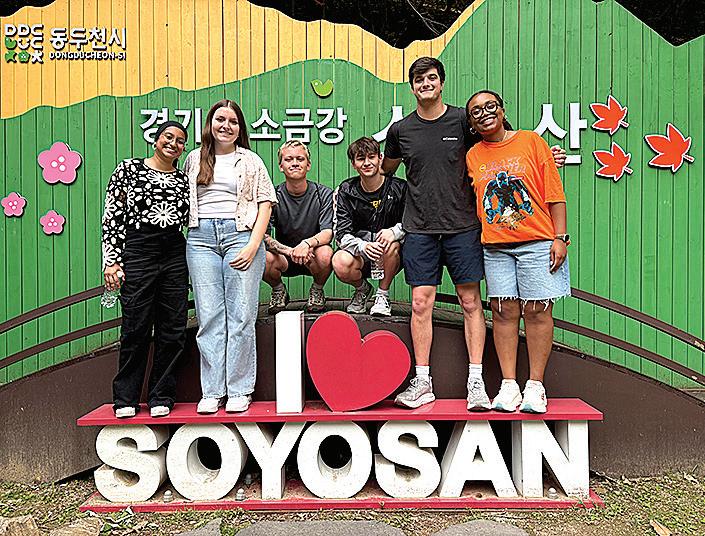
Marie Flinchbaugh, EnvE, Global Supply
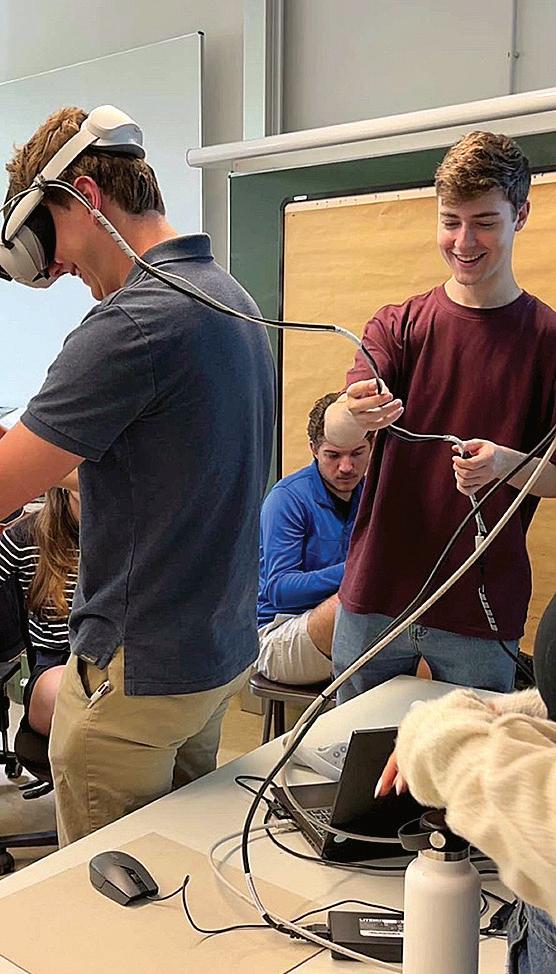
Studying abroad in a Latin American country has been my goal for a very long time. I was thrilled to have the opportunity to study for three weeks in Montevideo, Uruguay. Our official curriculum was in English, yet I got countless opportunities to practice my Spanish skills with students, professors, and industry professionals. My personal highlight was definitely taking the Spanish-speaking tour of a Darnell plastic factory.
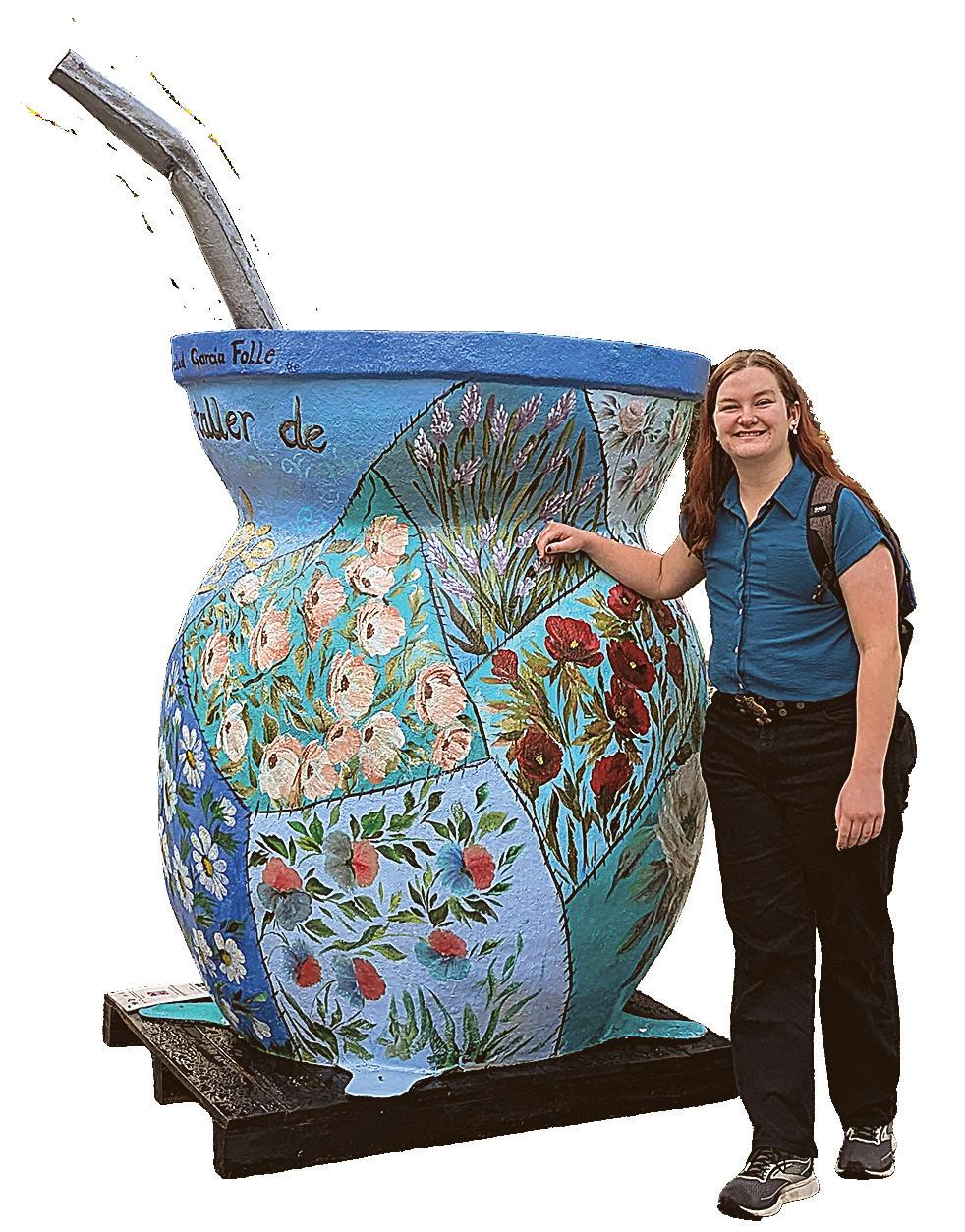
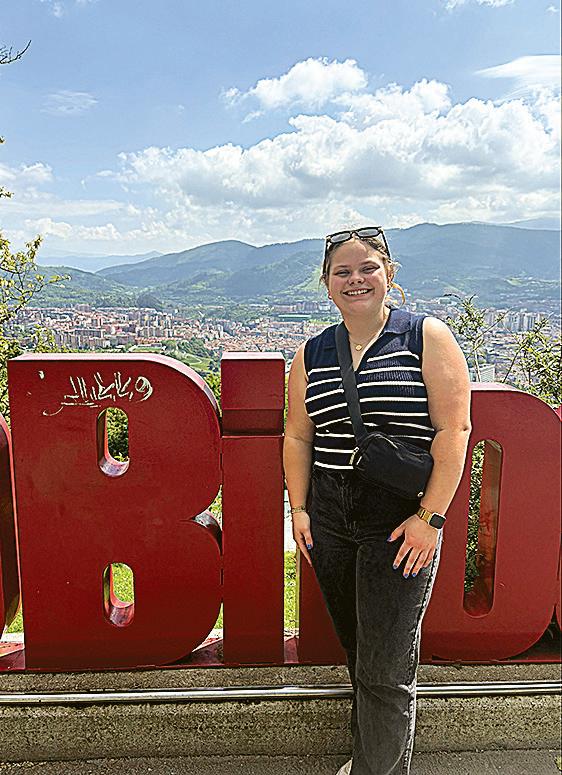
Cook
My experiences in Spain impacted my professional career as it truly showed me the versatility of bioengineering. Learning about Saioa’s research and collaboration was impactful because it gave me a better understanding of the holistic process and time needed to physically create a medical device. Another professional journey that I never thought about before this trip that I now want to do is an internship abroad. From hearing the other students work with the University and Tekiner it honestly opened my eyes to all of the opportunities I have at my fingertips.
Plus3 Spain offered an incredible introduction to experiential learning by balancing educational visits with cultural excursions. I enjoyed the hospital tours and meeting patients. I liked exploring the Guggenheim and taking a Basque cooking class. I was inspired by the labs we visited and how Spanish engineers successfully implemented their designs in hospitals. This trip deepened my interest in creating rehabilitation machines after witnessing the profound impact on patients. I am forever grateful for this journey.
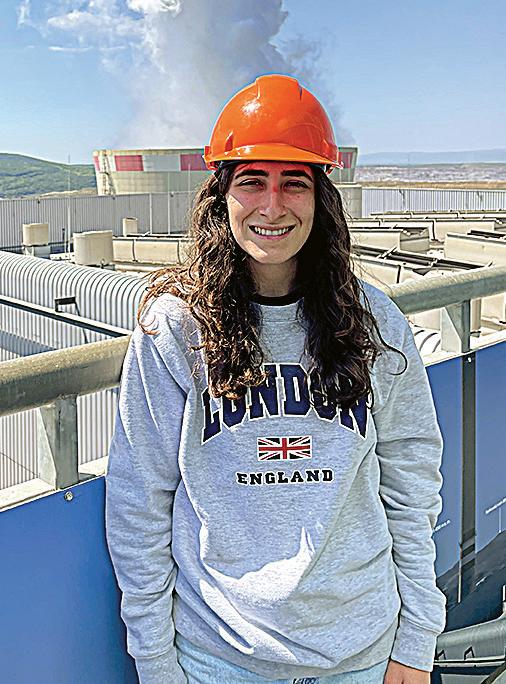
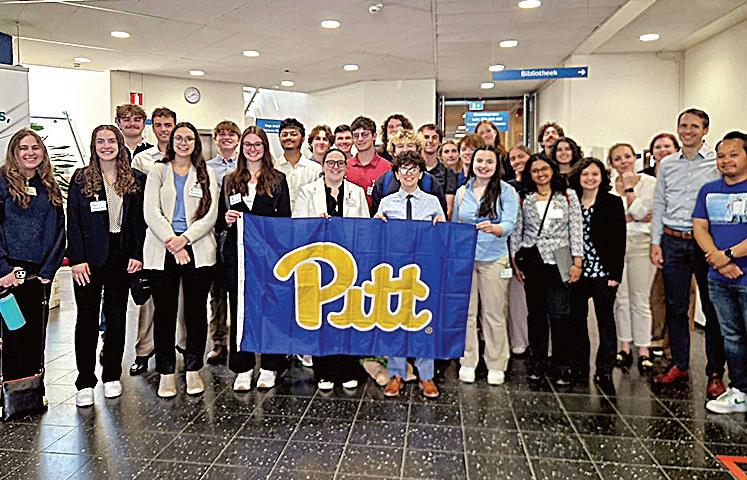
Global experiences showcase applications of engineering in everyday life that embody the local and cultural differences. Additionally, they allow you to step out of your comfort zone with fellow classmates, creating friendships, great experiences, and learning to adapt together.
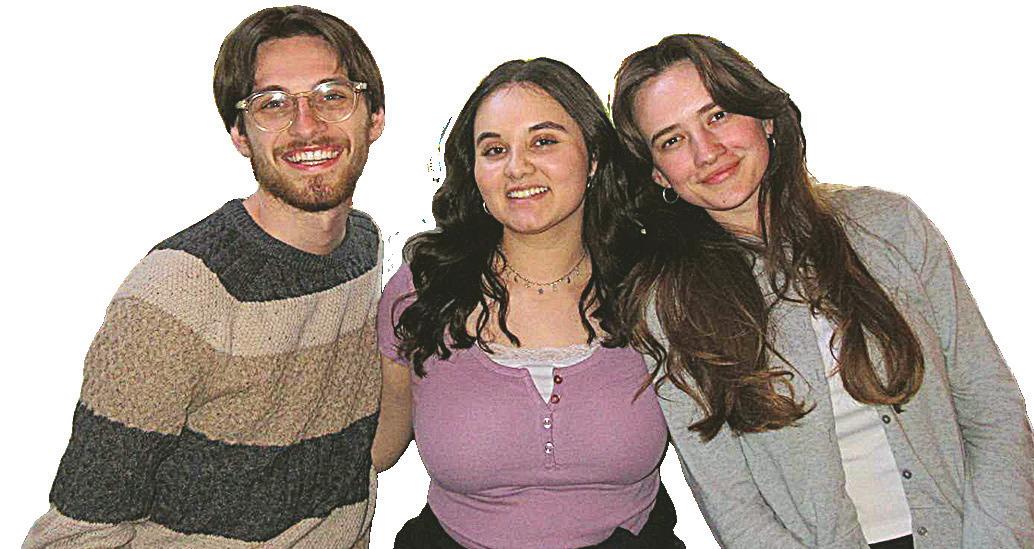
Nicolas Bove, ME, Plus3 Korea
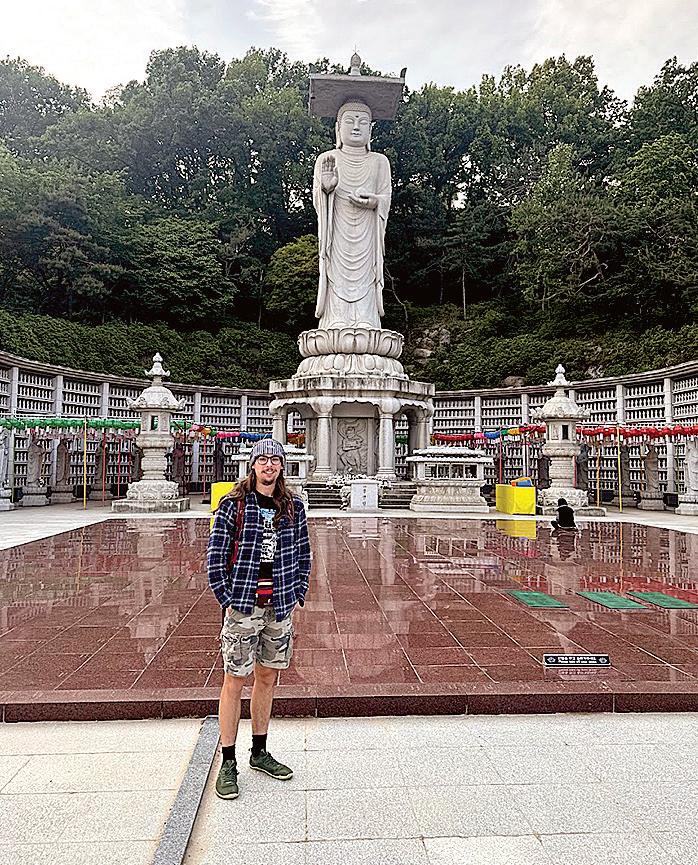
My experience in South Korea put engineering into a global perspective as I witnessed how smart systems are implemented into industry throughout the city of Seoul. From summiting the highest peak in the Bukhansan National Park to getting an authentic Korean baseball experience. I truly enjoyed immersing myself in their history, food, customs, and traditions. My passion for traveling abroad was fueled even more by this trip, and I would highly recommend Plus3 South Korea to anyone.
Marina Pappas, Transfer+
My two weeks in the Czech Republic were enriching and memorable. We not only explored culture and history, but we were fortunate enough to visit renowned engineering companies, where we gained an extensive understanding of the engineering practices within central Europe. Navigating the city of Prague and all its beauty was a fantastic experience. I am so grateful to have had this opportunity, and lucky to have had such an amazing group of students and faculty to travel with!
Iceland felt like stepping into another world, one where glaciers, black sand beaches, and volcanic landscapes are part of daily life. The trip was a perfect mix of engineering discovery and oncein-a-lifetime adventures, like chasing waterfalls and seeing the Northern Lights. Through the Sustainable Engineering program, I learned how geothermal, and hydropower systems are woven into the country’s fight against climate change. It’s an experience that grew my sense of responsibility as an engineer and the bigger picture of protecting our planet.
As an industrial engineer, it is vital that I approach problems and explore solutions with an open mind.. My experience with “Business, Technology, and Engineering the German Way” has accelerated my ability to do so by providing key knowledge and understanding regarding German production and industry. I will now approach problems through both a domestic and German context to better understand the problem at hand and reach a more effective solution.
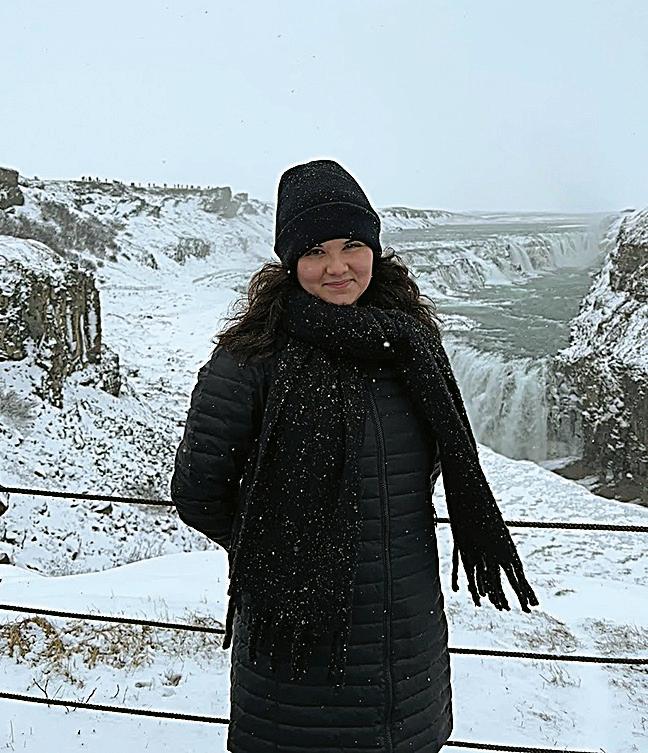
We are now accepting nominations for both Co-op Student of the Year and Co-op Employer of the Year for 2025. We appreciate all nominations.
The Criteria for Co-op Student of the Year are:
1. Outstanding work contributions with co-op employer (students must have three rotations completed)
2. Volunteerism or contributions to co-op or University community
3. Excellent academic record
Ideally, we would like to have one nominee from each engineering department, and students can be nominated by their employer or SSoE department. The winner will then represent Pitt in the National Co-op Student of the Year competition sponsored by the Cooperative Education Division through ASEE. Pitt has won nationally seven times and has had many outstanding finalists!
The criteria for Co-op Employer of the Year are:
1. Sustained commitment to cooperative education at the University of Pittsburgh
2. Quality of projects and assignments
Please direct any questions or nominations to Chris Frankovic at caf54@pitt.edu by October 14, 2025.
Academic Year 2024-25 Edition
• Australia
• Belgium
• Bolivia
• China
• Costa Rica
• Cyprus
• Czech Republic
• Ecuador
• England
• France
• Germany
• Greece • Iceland
ASCE (American Society of Civil Engineers) Fair
Friday, September 19 Peterson Events Center
Pittsburgh Robotics Expo
Friday, September 19 Noon – 3 p.m. Benedum Lobby
AICHE Networking Event
Wednesday, September 24 4 – 7 p.m. 102 Benedum
Fall 2025 ELPE Co-op and Internship Fair
Thursday, September 25 9:30 a.m. – 1:30 p.m. University Club
IISE (Institute of Industrial & Systems Engineers) Fair
Friday, September 26 10 a.m. – 2 p.m. Benedum Lobby and 102 Benedum
India • Ireland
• Italy • Japan
Netherlands
Singapore
South Korea • Spain • Uruguay • Vietnam • Wyoming
Benedum
October
152 Benedum
Co-op and Internship – Student Panel
Tuesday, October 7 Noon – 1 p.m. 102 Benedum
Clean Energy Conference Career Expo
Tuesday, October 14 10 a.m. – 3 p.m. WPT Assembly Room
PhD Student Internship Panel
Wednesday, October 15 5:30 – 6:30 p.m. 102 Benedum
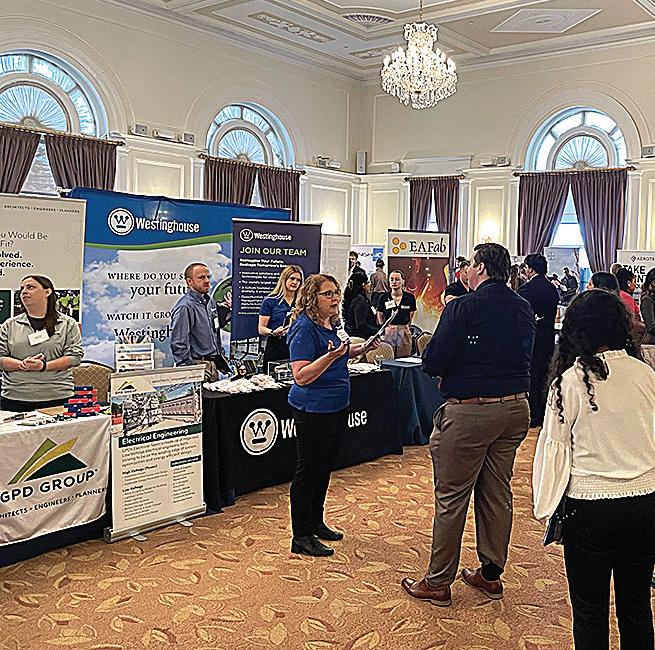
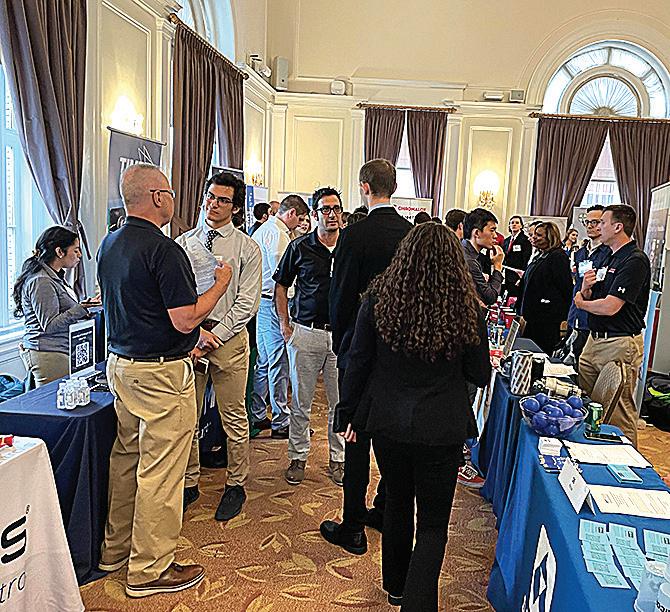
TIME IS NEAR FOR THE
Gain the potential to kick off your career with a morning of mingling and networking with over 80 highly sought-after companies!
Thursday, September 25, 2025
9:30 a.m. – 1:30 p.m.
University Club
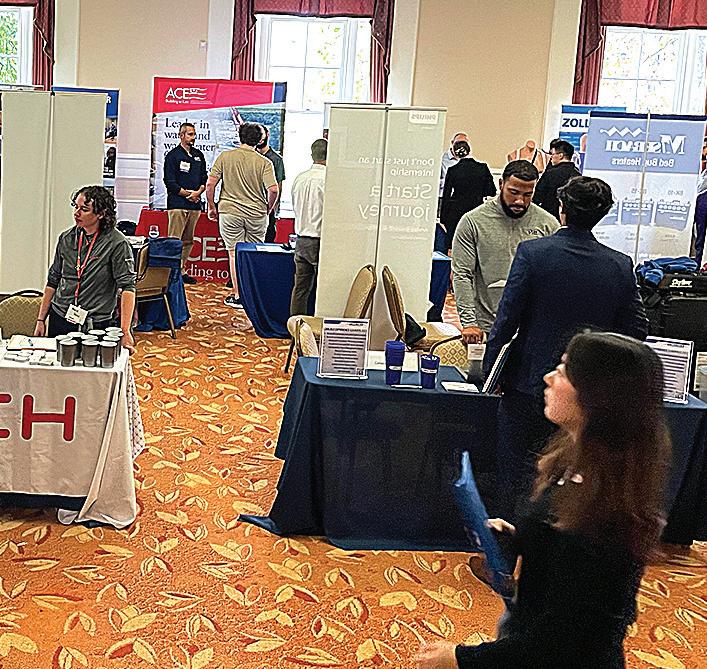
Register Now in the Events section of SSoE SELECT using your account!
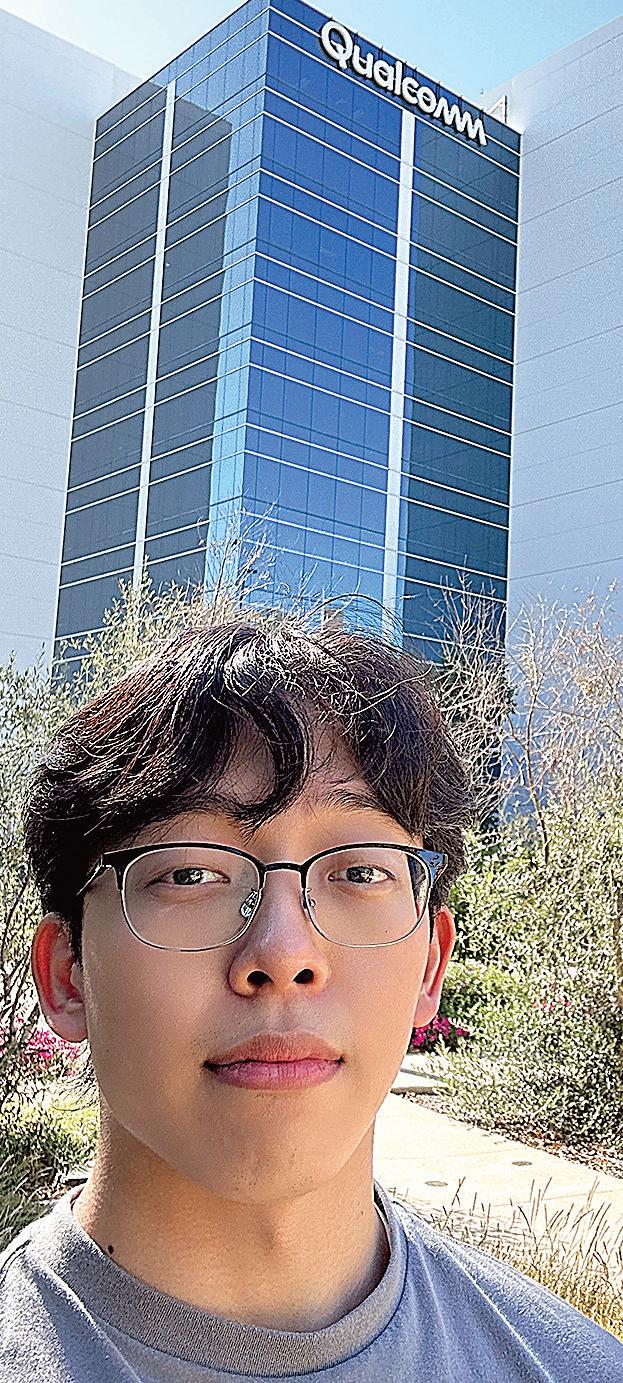
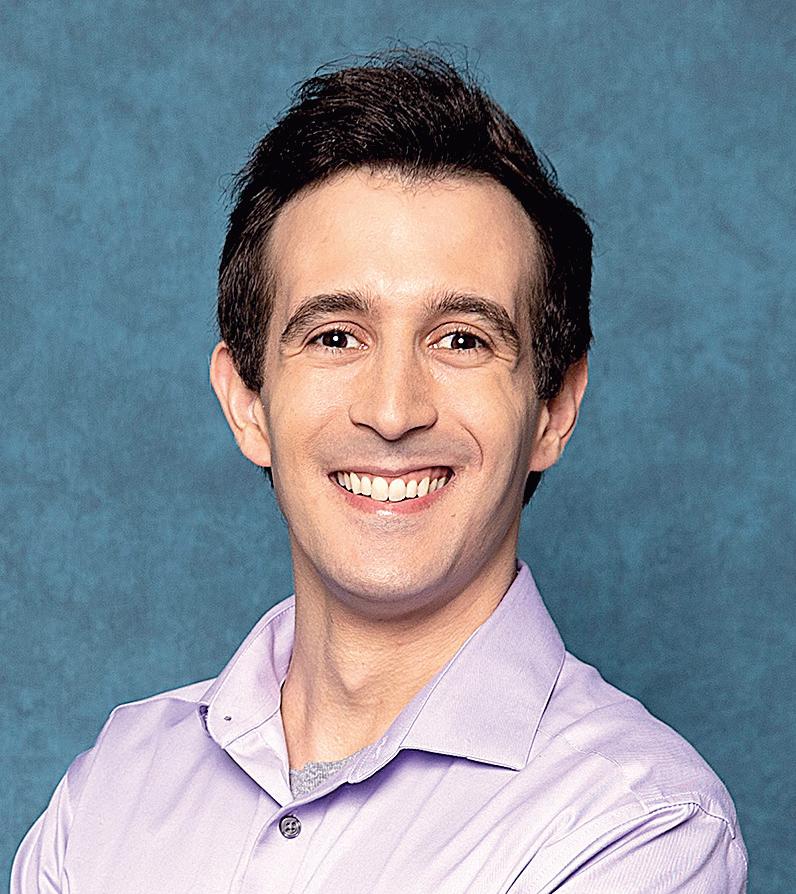
Aiden Seo is a current MS in Electrical and Computer Engineering student and Graduate Research Lead in the Hu Lab. He completed a summer 2025 internship at Qualcomm in San Diego, California in the Graphics Processing Unit (GPU) Performance division where he verified the performance of the GPU and worked on developing an AI tool to further validate data collected from the GPUs. Aiden shared the following about his internship experience, “From this internship, I gained a deeper understanding of how GPUs work. There are limitations to how much you can learn about GPUs in school, as their architectures are highly confidential and vary between companies. This opportunity
greatly helped me explore potential career paths, such as becoming a GPU engineer.”
Upon graduation in spring 2026, Aiden aspires to work as either a GPU Engineer or a Machine Learning Engineer. He has the following advice for fellow graduate students considering a similar career path in industry, “Since a GPU is a very complex piece of hardware, many teams are involved in its development. In my case, which is focused on performance, I would recommend learning about GPU architecture, general computer architecture, and how memory and caches work.” Wishing you all the best in your future career, Aiden!
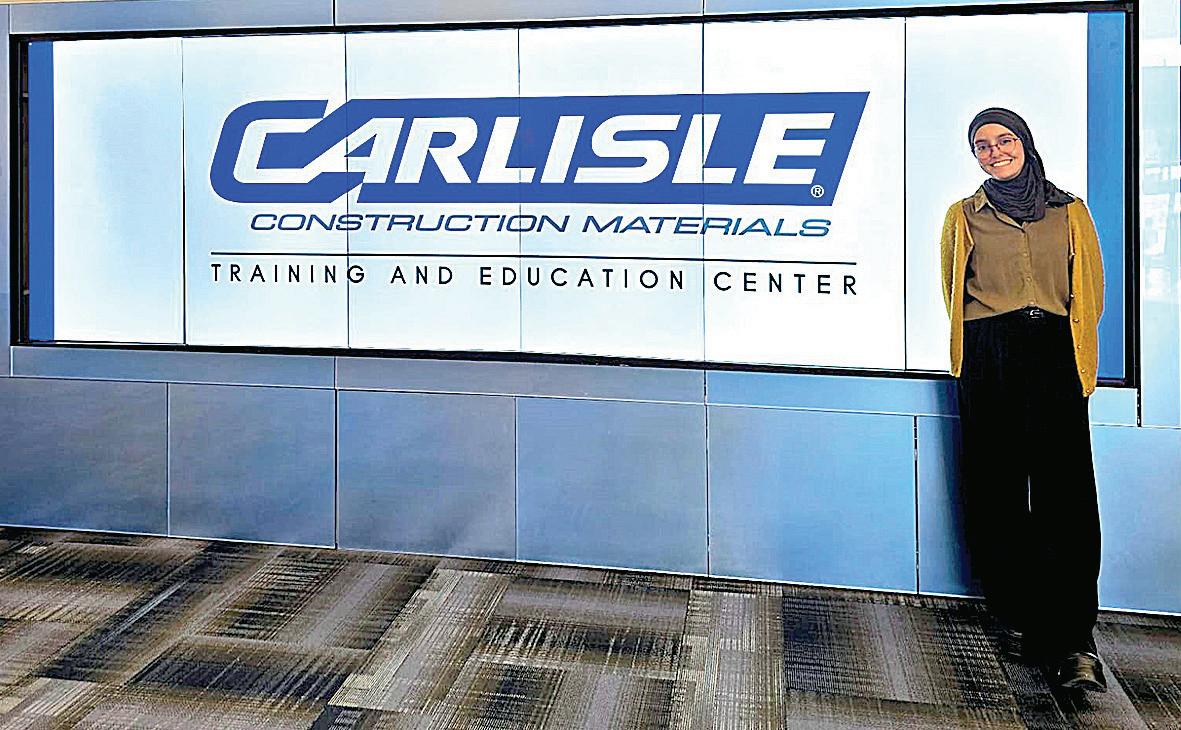
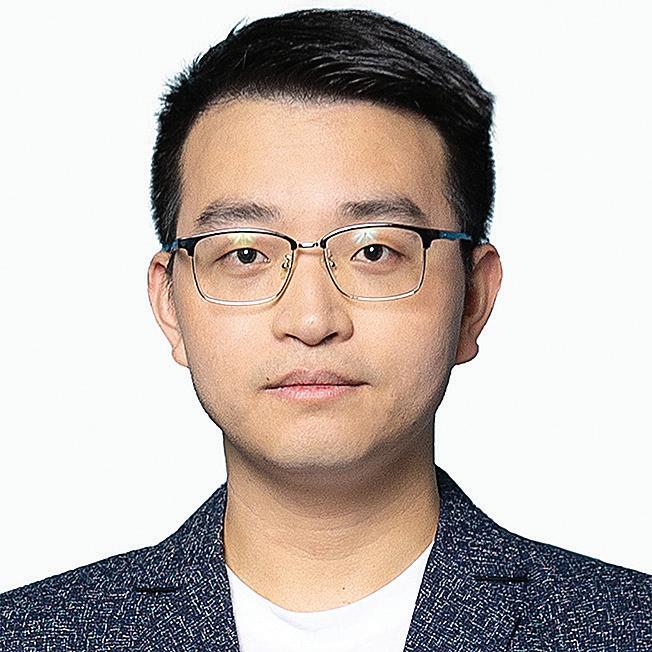
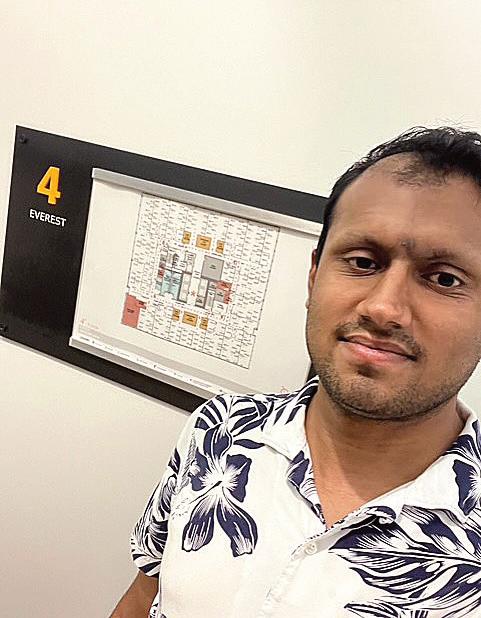
Abdullah Alturki, PhD, ME Automation Researcher Intern, General Motors Warren, MI
Prem Shenoy, PhD, IE
Applied Scientist Intern, Amazon Bellevue, WA
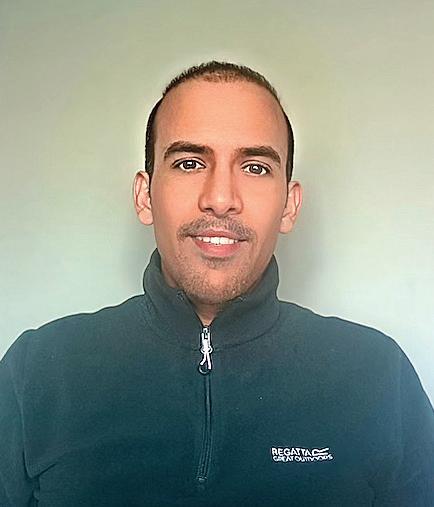
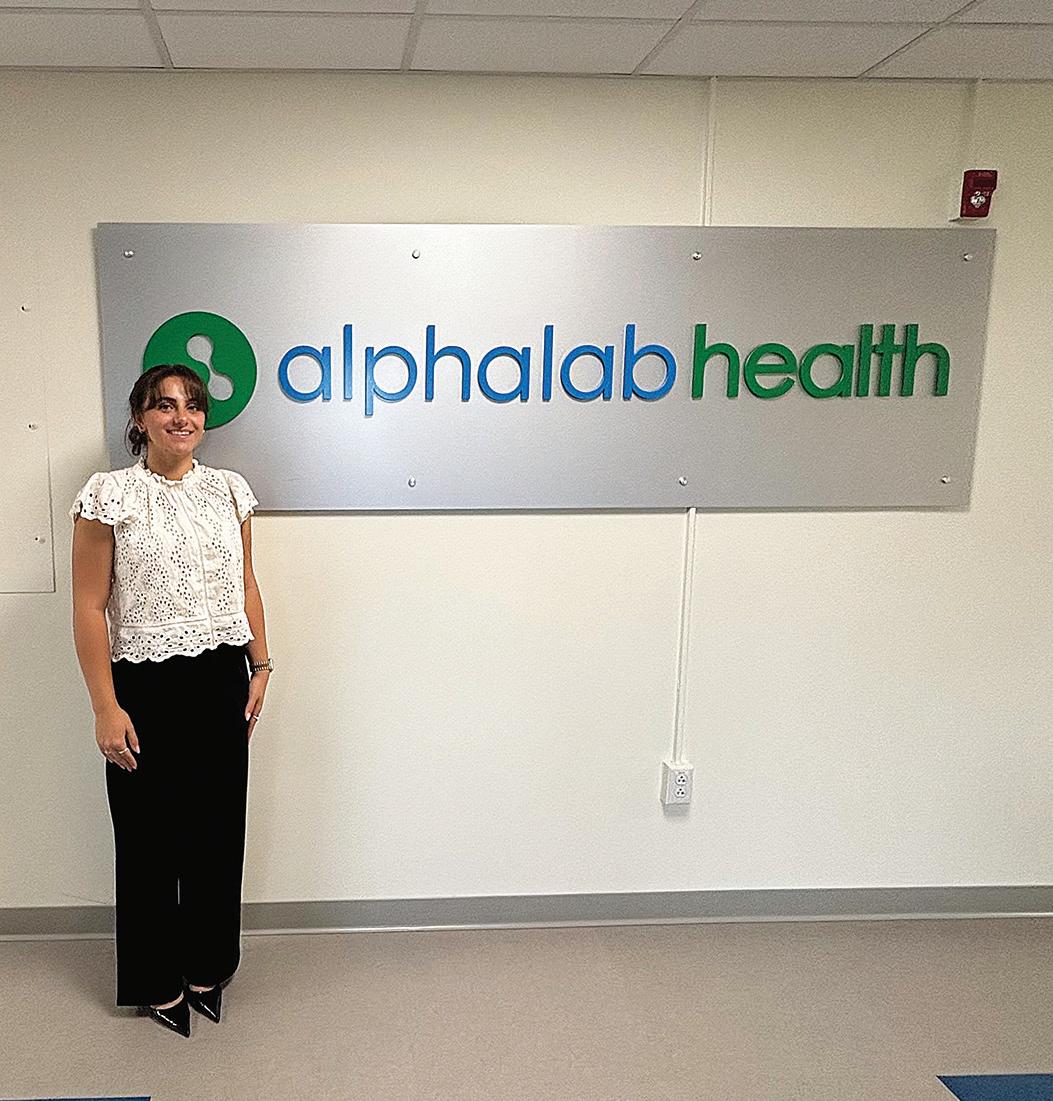
Human Factors Engineering Intern, InnSight Technologies Pittsburgh, PA
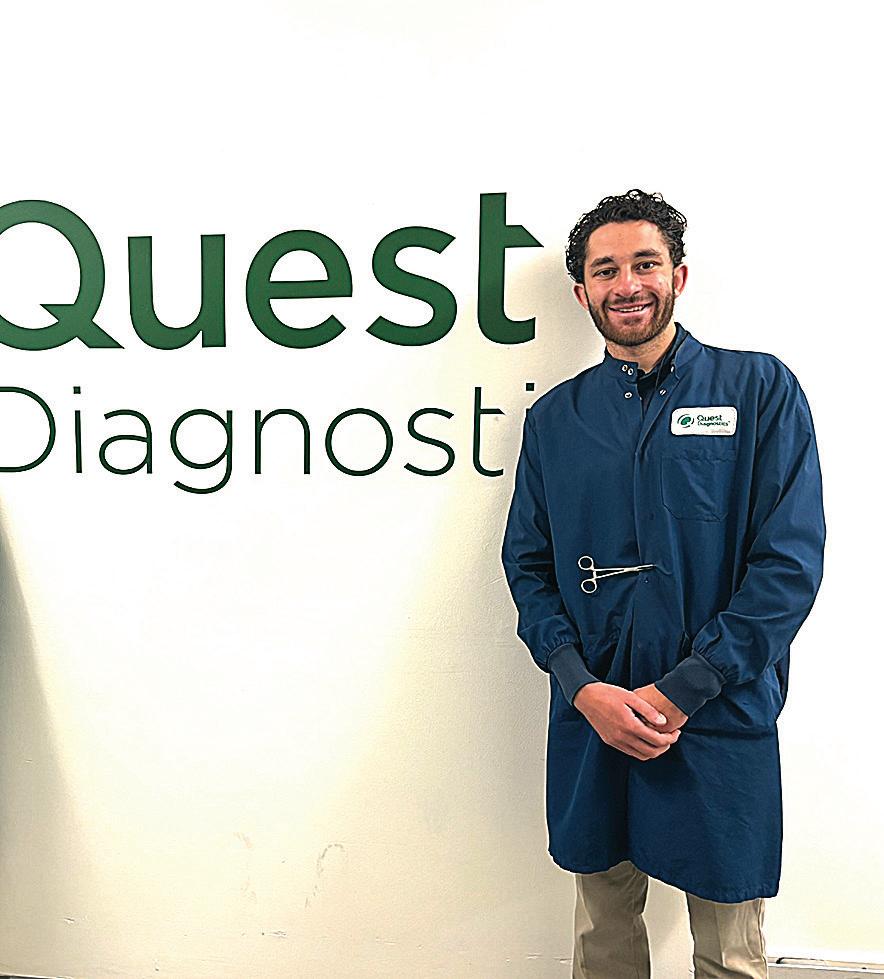
Ryan Formica, MS, BioE-MPE Engineering Co-op, National Dentex Labs Irwin, PA

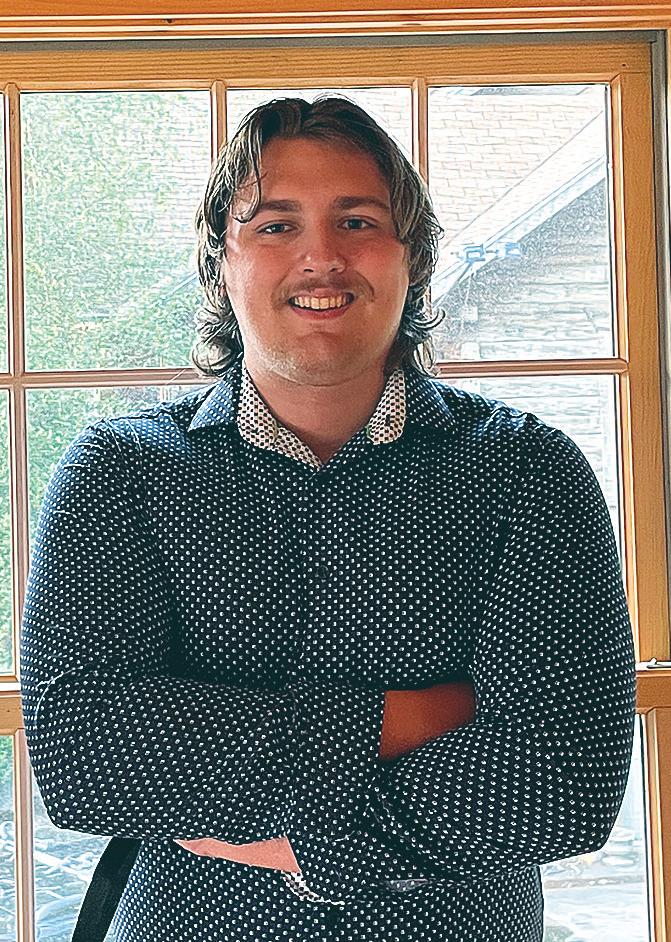
Emma Donatelli, MS, BioE-MPE
Patient Interface Engineering Co-op, Philips (Spring 2025) Murrysville, PA
Quest Diagnostics Pittsburgh, PA
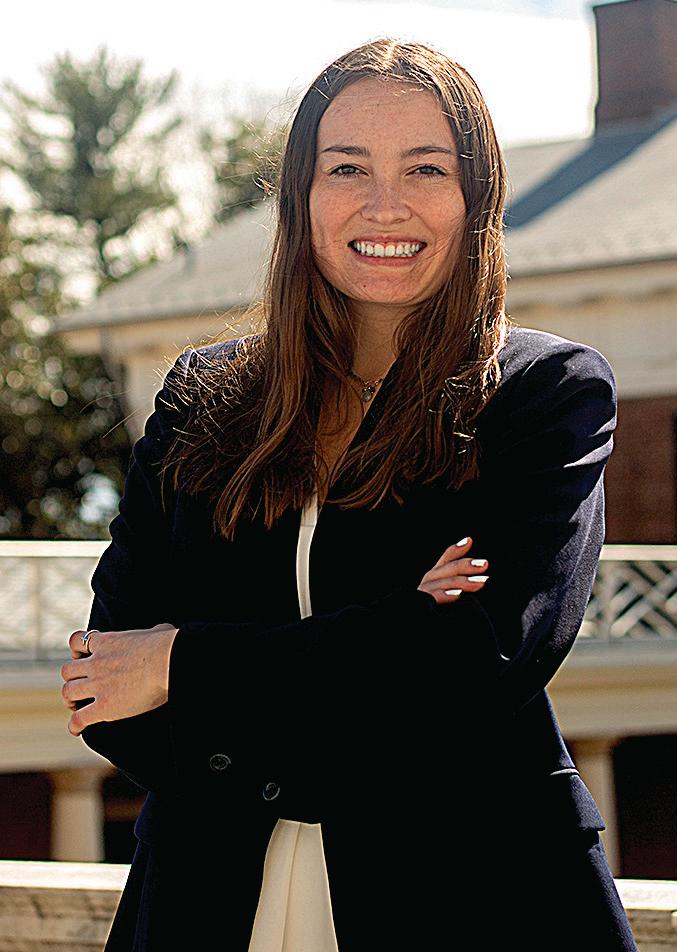
Bush, MS, BioE-MPE Engineering Intern, BioEx Consulting Pittsburgh, PA
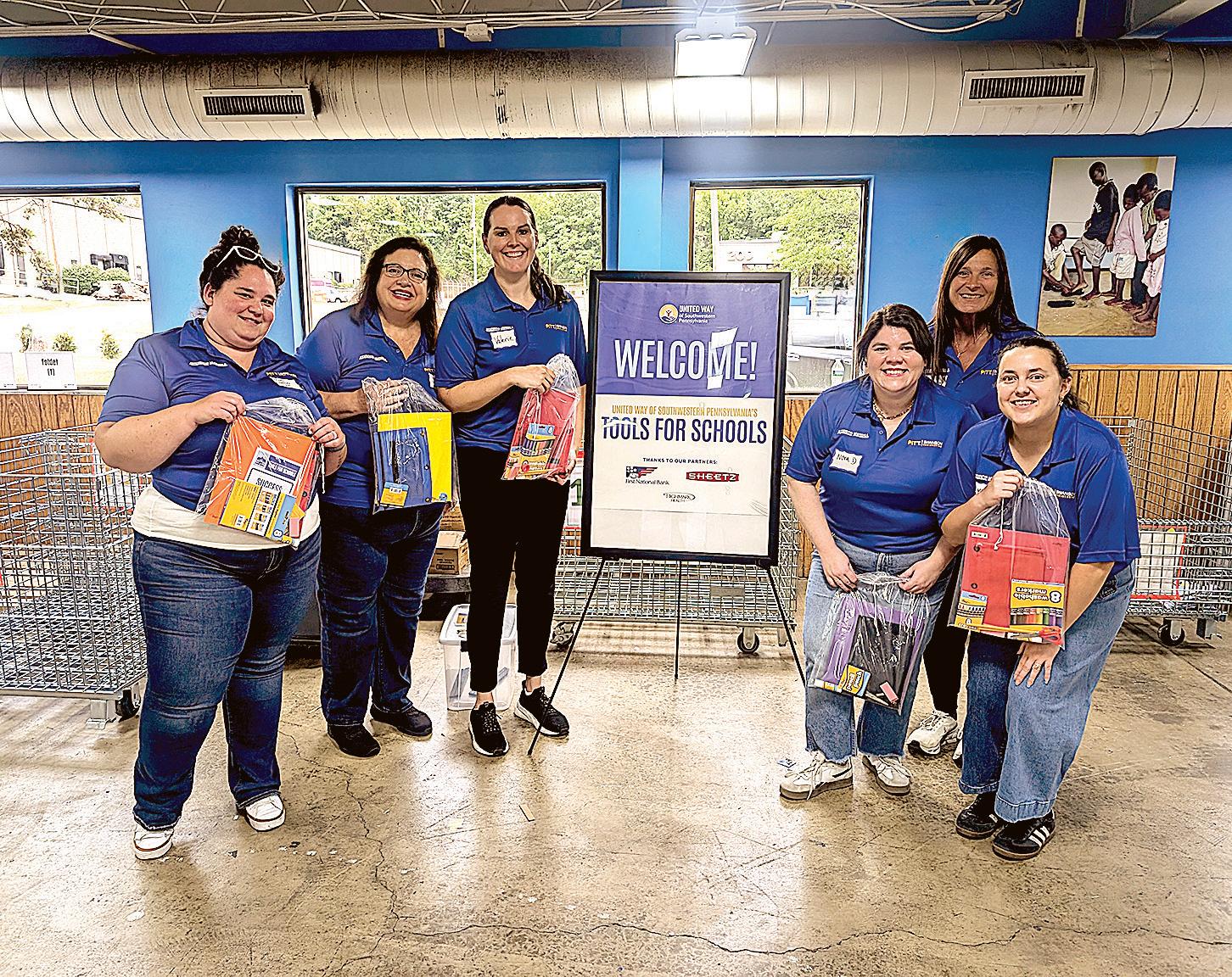
On August 13, 2025, the ELPE team assisted in building hundreds of school supply kits at the Tools for Schools event for the United Way of Southwestern PA. The kits benefit our kids at local school districts. Pictured from left to right, Kristie Frazier, Dana Romano, Valerie Kerr, Nora Dougherty, Chris Frankovic, and Megan Amoroso. Not pictured but supportive of the cause; Tyler Kimmel and Alicia Olalde.

SSoE ELPE office now has a LinkedIn page!
Office of Experiential Learning and Professional Engagement Staff
Chris Ann Frankovic Director, Cooperative Education and Internships caf54@pitt.edu
Alicia Olalde Director, Global Experiences and Engagement a.olalde@pitt.edu
Dana Romano Director, Career and Industry Engagement Dar19@pitt.edu
Tyler Kimmel Assoc. Director, Cooperative Education and Internships Tjk58@pitt.edu
Valerie Kerr Assoc. Director, Graduate Professional Development, Cooperative Education and Internships vek32@pitt.edu
Megan Amoroso Global Program Manager m.amoroso@pitt.edu
Nora Dougherty Global and Engineering Professional Development Consultant clc369@pitt.edu
Kristie Frazier ELPE Administrator Kmw257@pitt.edu