Pinal County 150th Celebration Commemorative Magazine
WELCOME!
Welcome to the Pinal County 150th Anniversary Commemorative Booklet! As we gather to celebrate a remarkable century and a half of history, we take this opportunity to reflect on the progress, resilience, and unity that have been the foundation of our vibrant community. This booklet is not just a collection of words; it is a heartfelt tribute to the countless individuals, historical landmarks, and significant events that have contributed to the rich tapestry of Pinal County.
Throughout these pages, we invite you to embark on a captivating journey through time, exploring the pivotal moments that have defined our county and its people. From the early settlers who laid the groundwork and faced the challenges of the untamed landscape to the modern-day leaders who continue to forge a path toward a bright future, each story adds to the legacy of Pinal County.
Join us as we honor our past, celebrate our achievements, and look forward to the opportunities that lie ahead. Through photographs, personal anecdotes, and historical highlights, we aim to capture the essence of what it means to be a part of this community. Together, let us commemorate our shared history and envision the promising future of Pinal County.
PINAL COUNTY: Honoring the Past, Embracing the Present,
Envisioning the Future
PAST: FOUNDATIONS OF A COMMUNITY
Established on February 1, 1875, Pinal County was formed from portions of Maricopa and Pima counties in response to the petitions of the upper Gila River Valley. Florence, established in 1866, was designated and has remained the county seat. The county’s early economy was rooted in mining and agriculture, with towns like Florence and Superior emerging as vital centers of commerce and community life. Landmarks such as the Casa Grande Ruins stand as enduring symbols of the region’s rich cultural heritage.
PRESENT: A VIBRANT AND DIVERSE COMMUNITY
Today, Pinal County is a dynamic region characterized by rapid growth and diversity. It hosts a variety of cultural events, including the Arizona Renaissance Festival and Country Thunder, attracting thousands of visitors annually. The county’s economy has expanded beyond its historical roots to include sectors like manufacturing, renewable energy, and technology. Educational institutions and community programs continue to foster a strong sense of community and civic engagement.
FUTURE: STRATEGIC GROWTH AND INNOVATION
Looking ahead, Pinal County is committed to sustainable development and innovation. The county plans to embrace technology to improve performance, collaboration, and public service. Strategic foresight will be utilized to identify potential challenges and opportunities, preparing for various possible futures. Investments in infrastructure, such as improvements to I-10 and the development of Interstate 11, aim to enhance connectivity and support economic growth. Workforce development initiatives, including partnerships with Central Arizona College, are designed to equip residents with skills for emerging industries like aerospace, electric vehicles, and biotechnology.
HISTORY OF PINAL COUNTY
Established in 1875, Pinal County has played a pivotal role in Arizona’s development. From its early days as a mining and agricultural hub to its modern advancements in industry and technology, the county has continued to evolve while preserving its rich heritage.
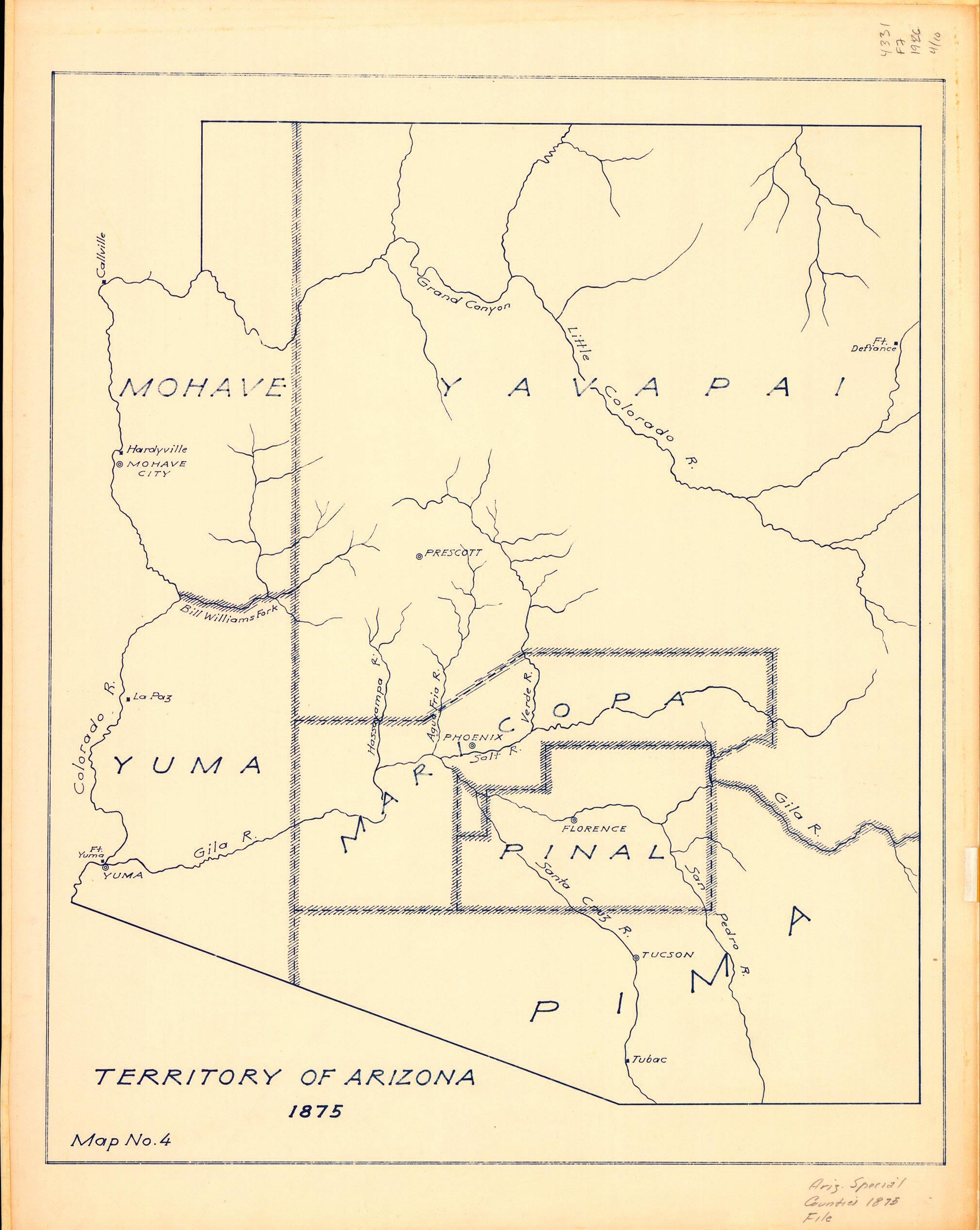
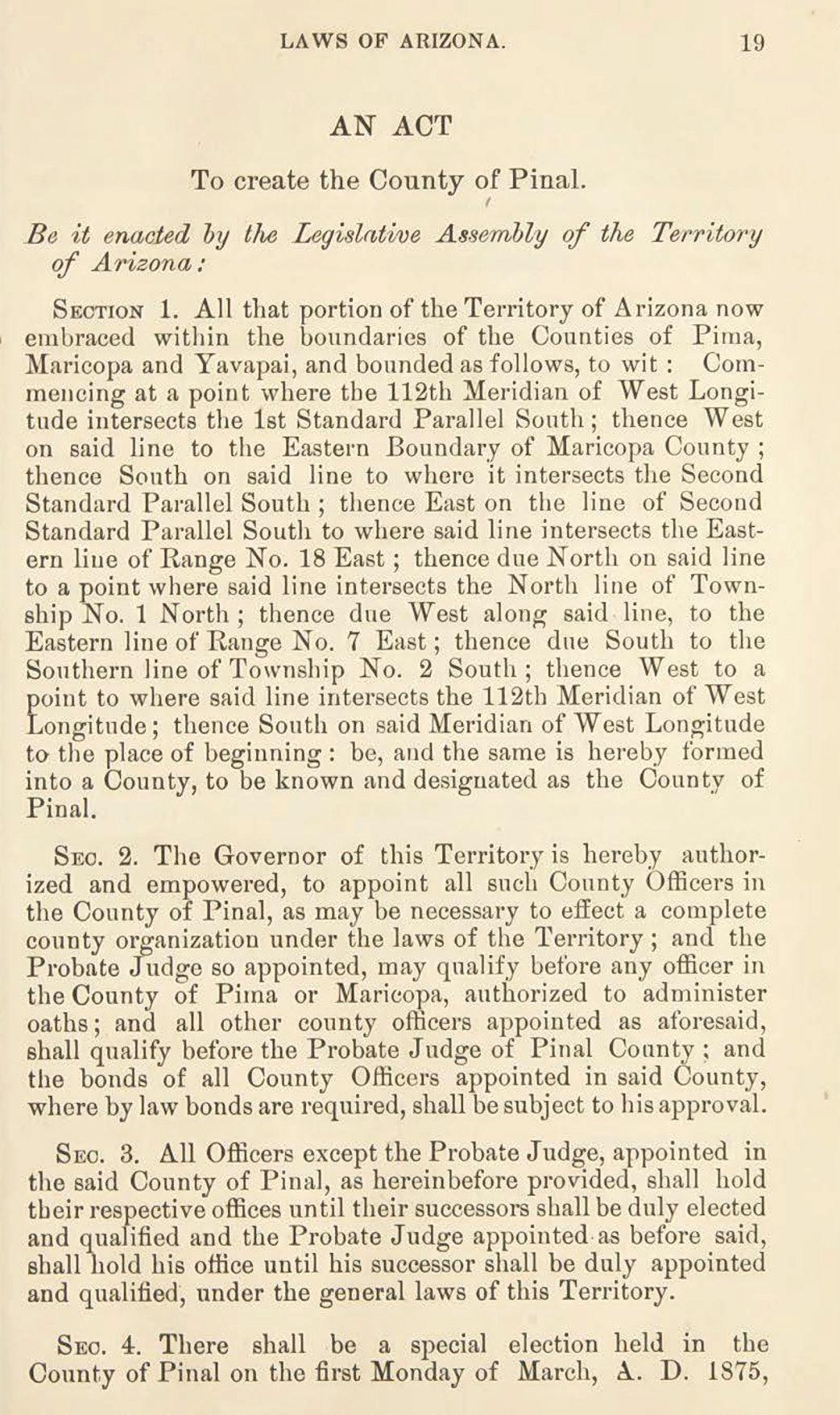
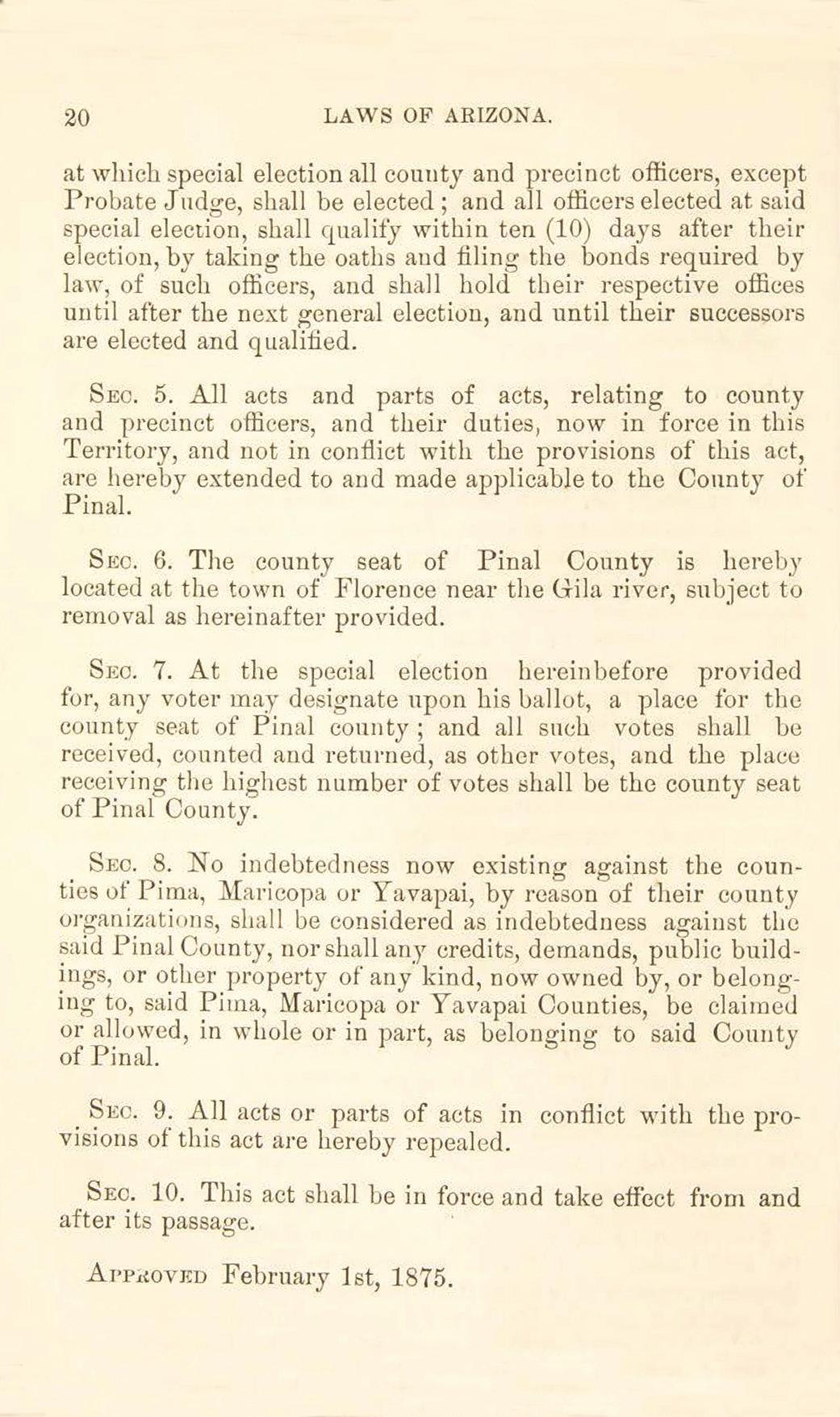
On February 1, 1875, Pinal County was officially organized out of neighboring Maricopa County and Pima County. This momentous occasion was made possible through a formal petition by residents and was enacted by the Eighth Legislative Assembly of the Territory of Arizona.
As part of this historic milestone, we are proud to showcase the following historical documents.
LAWS OF ARIZONA (PAGES 19 & 20)
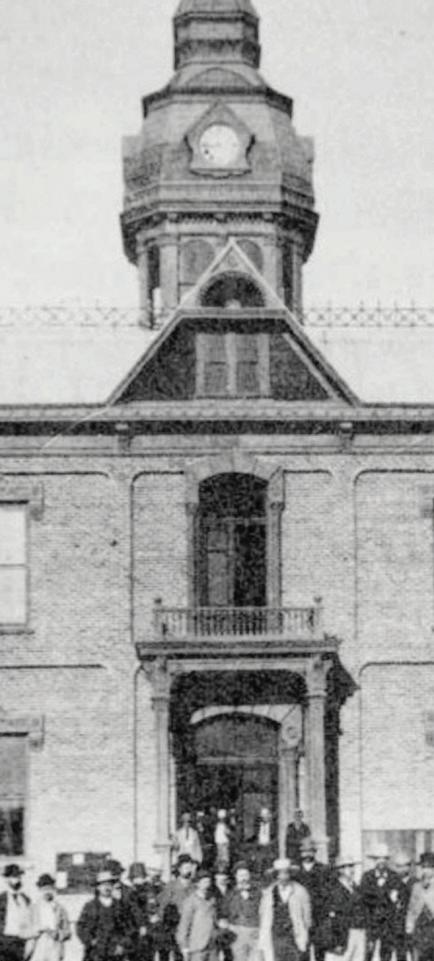
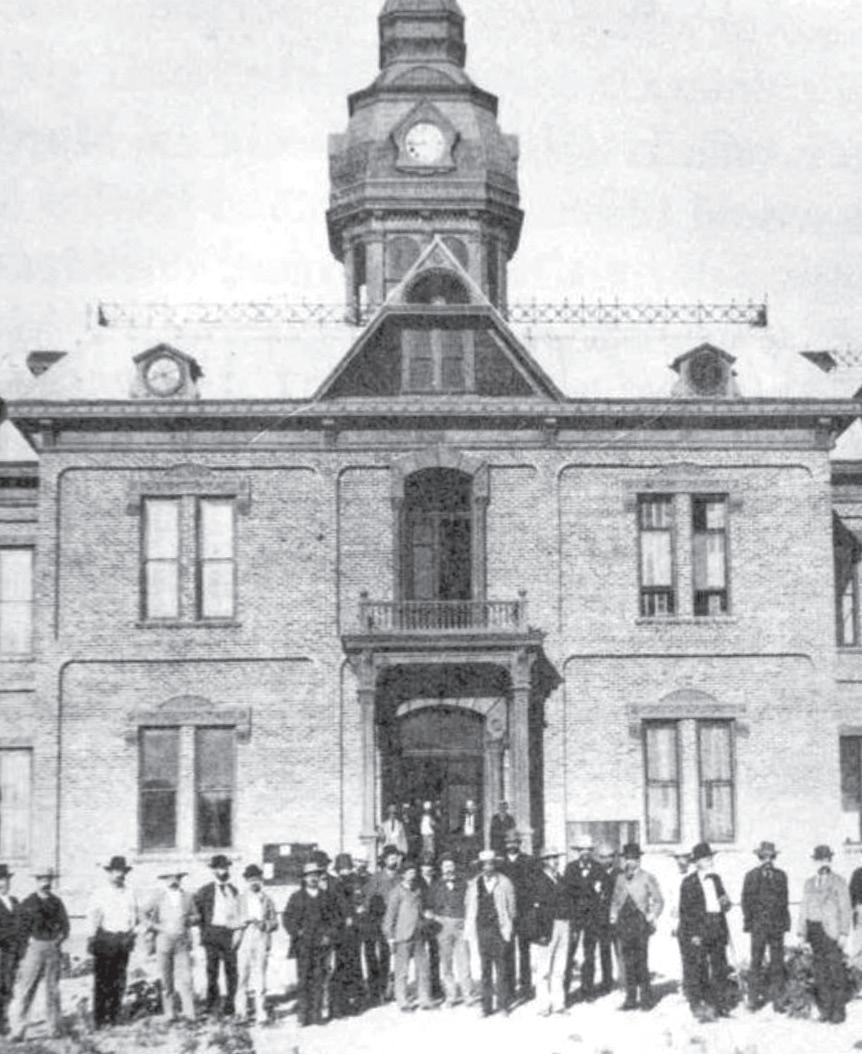
1891 COURTHOUSE
SESQUICENTENNIAL KEY MOMENTS
As Pinal County proudly celebrated its Sesquicentennial, several milestone events throughout 2025 highlighted the county’s history, community spirit, and forward-looking vision.
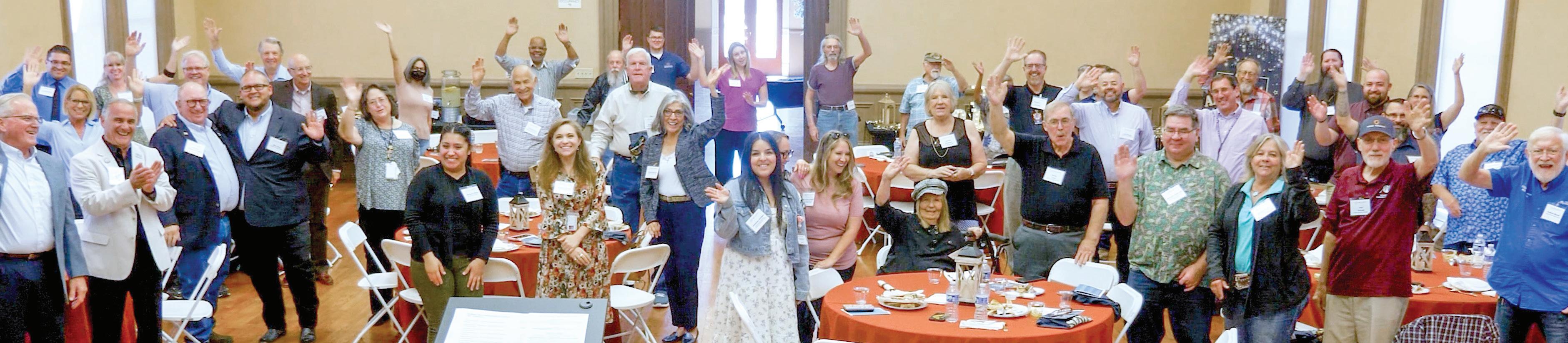
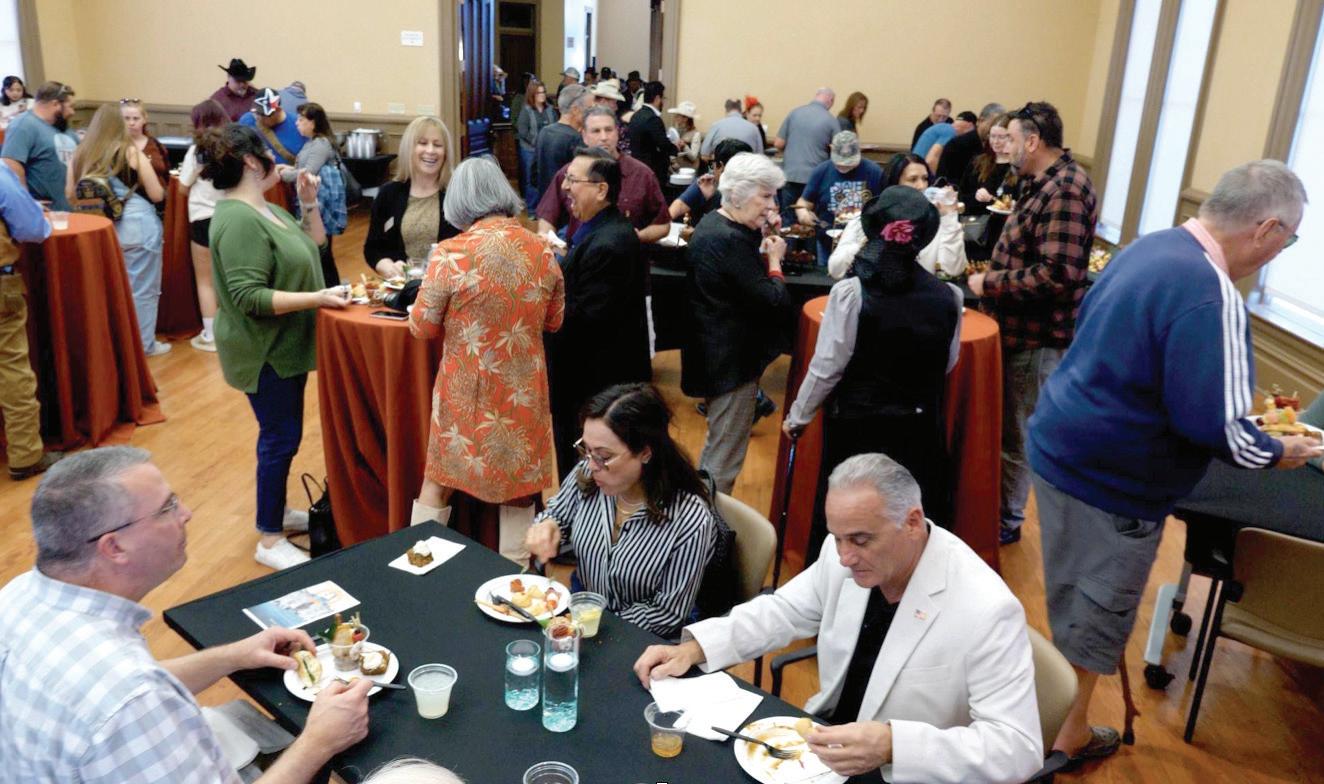
BOARDS AND COMMISSIONS VOLUNTEER APPRECIATION LUNCHEON
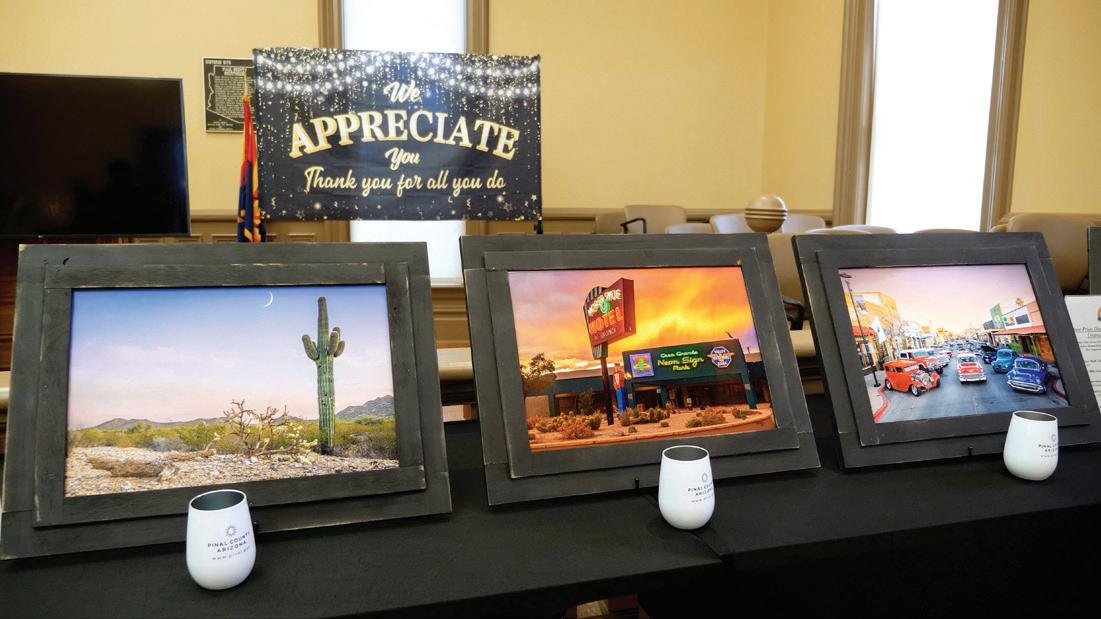
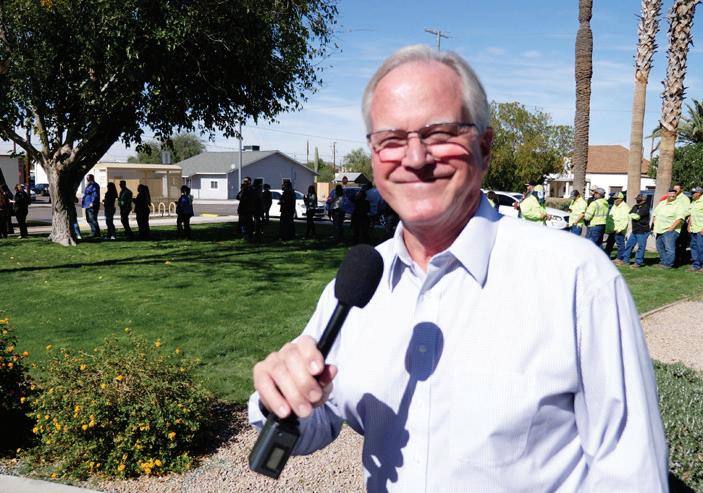
The Board of Supervisors hosted an appreciation luncheon for around 150 community members, recognizing the invaluable service of citizens who dedicate their time and expertise to Pinal County’s 18 Boards and Commissions. The Volunteer Appreciation Week ran from April 20, 2025, to April 26th. During the luncheon, each supervisor’s district raffled a unique portrait showcasing the county.
WATCH THE FULL VIDEO HERE.
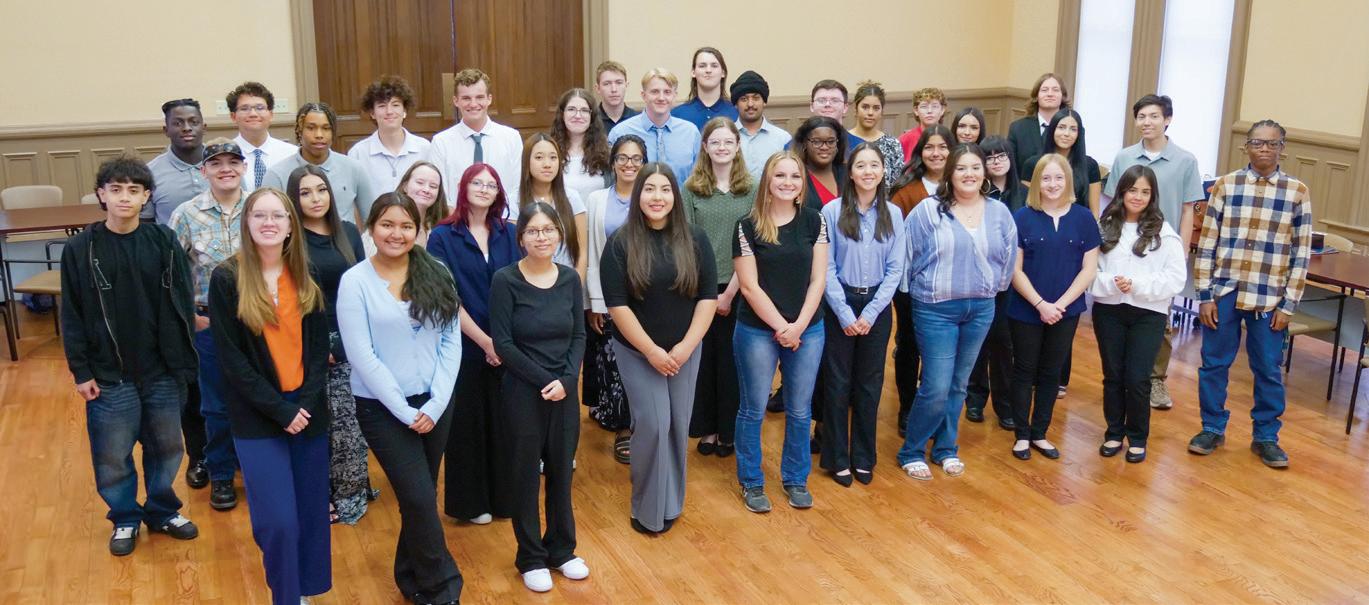
INAUGURAL SUMMER YOUTH "LEARN AND EARN" INTERN PROGRAM
Pinal County launches first year of Summer Internship Program to promote and encourage more workforce development. This program provided young people with hands-on experience in county government, nurturing future leaders.
The county's inaugural Summer Youth "Learn and Earn" Program wrapped on July 11th, 2025, with 39 interns working across 15 Pinal County departments for seven weeks as part of a paid internship. These interns contributed to meaningful work while gaining insight into the County, our operations, the culture, and themselves.
Mentors were crucial in shaping a positive intern experience and ensuring alignment with their department's goals and Pinal County values. In a post-internship survey, 100% of interns stated that they would recommend the program to their friends and expressed interest in returning next summer. Thank you to all who participated in the program. We can't wait to welcome our next class of interns next summer!
ADVERTISERS AND LOGOS FEATURED WITHIN THIS BOOKLET SPONSORED PINAL COUNTY’S 150TH BIRTHDAY BASH CELEBRATION
SAN TAN VALLEY INCORPORATION
On September 17, 2025, at the Board of Supervisors Meeting, the Board formally approved a resolution incorporating San Tan Valley, and chose the seven community members who form the inaugural Town Council. With the approval of the resolution, San Tan Valley is officially recognized as a Town; however, Pinal County will continue to provide services through June 30, 2026. The new Town Council was officially sworn in on September 25, 2025. With its incorporation, San Tan Valley gained the ability to govern locally, manage growth responsibly, and preserve the unique character of the region. The establishment of the Town of San Tan Valley marks a defining milestone in Pinal County’s 150-year history, symbolizing progress, unity, and the continued evolution of one of Arizona’s fastest-growing regions.
SCAN TO READ THE FULL DOCUMENT HERE
CITY OF COOLIDGE CENTENNIAL
September 19, 2025, marked the City of Coolidge’s Centennial, celebrating the city’s 100 years of incorporation. On September 20, 2025, the City hosted an event at San Carlos Park to commemorate the milestone. The event included a proclamation from Mayor Jon Thompson, live music, and a drone show.
HONORING THE RANDOLPH TOWNSITE
Randolph proudly marks 100 years of history, strength, and cultural legacy, celebrated alongside Pinal County’s 150th anniversary. Founded in February 1925, Randolph is Arizona’s oldest remaining historically Black community, which became a sanctuary for Black families seeking opportunity, stability, and freedom in the early 20th century. Through agriculture, faith, family, and strong community ties, Randolph has maintained its identity for a century, preserving the stories and traditions of the generations who built it. Today, the Historical Randolph Community stands as a powerful reminder of resilience, self-determination, and the lasting contributions of African American communities to Pinal County’s rich and diverse history.
Celebrating
OF THE CITY OF COOLIDGE
Celebrating Our Foundation & Embracing Our Future
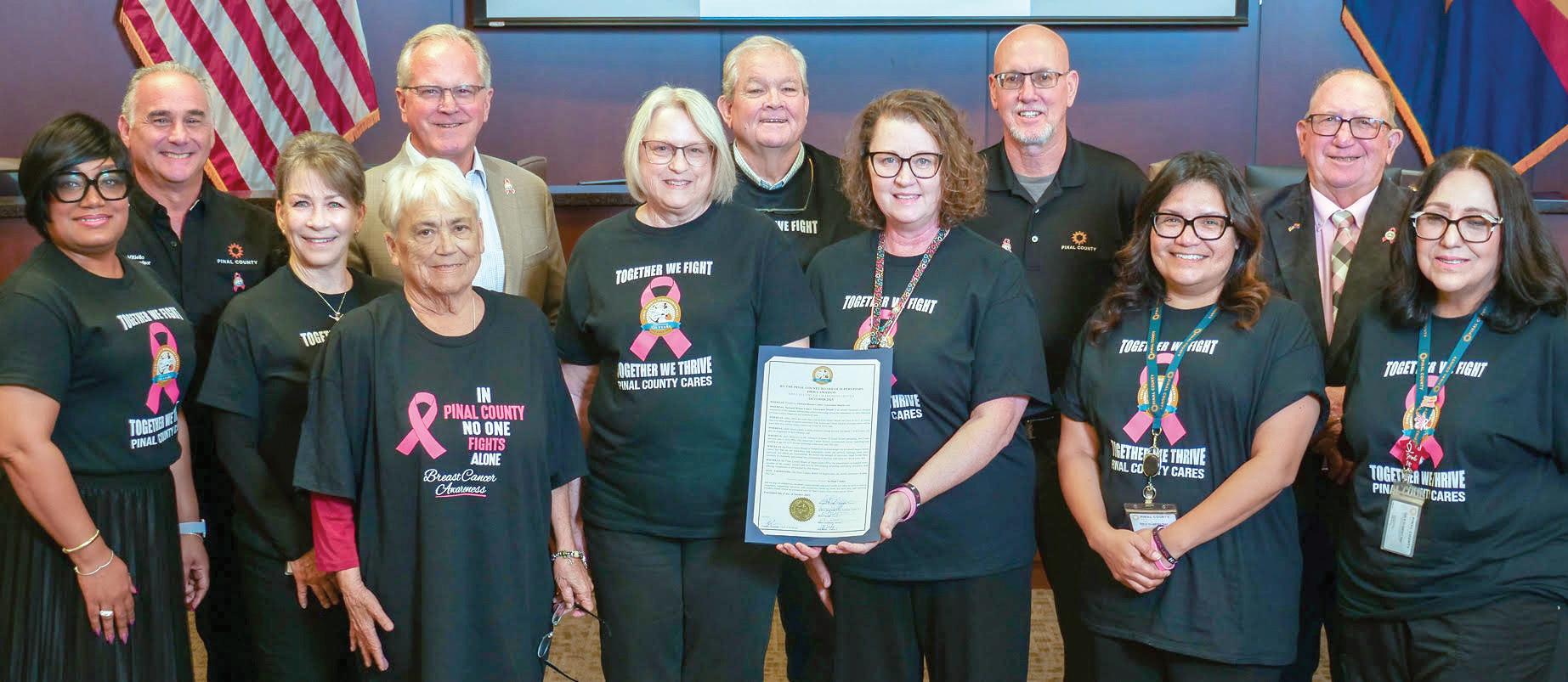
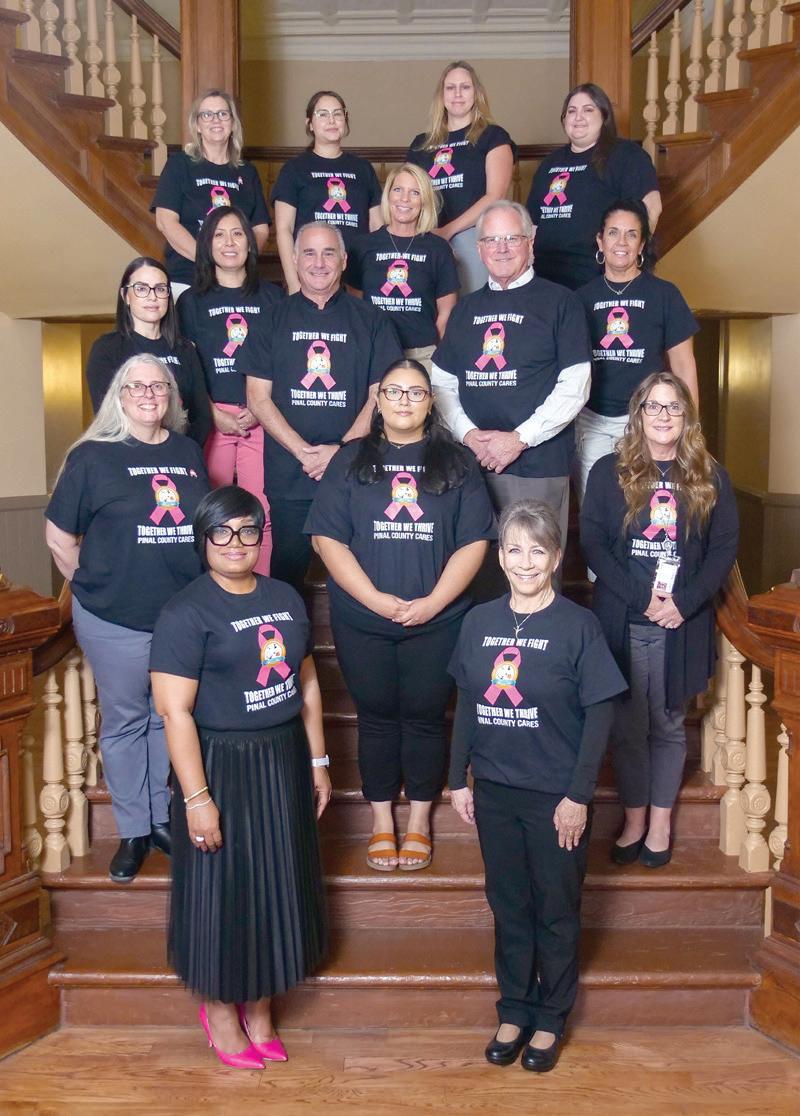
The Board of Supervisors is pictured with breast cancer survivors from left to right: Natasha Kennedy, Mary Ellen Sheppard, Dea Podhajsky, Barbara Ludwig, Kristen Fowler, Alicia Santa Maria, and Anna Del Carmen Chavez
BREAST CANCER AWARENESS PROCLAMATION
October is National Breast Cancer Awareness Month, an annual campaign to increase awareness of this disease and public knowledge of early breast cancer diagnosis, treatment, and detection.
The Board recognizes and acknowledges the strength and resilience of Pinal County employees and citizens’ survivors and invites all to join in this worthwhile cause. We aim to offer support for those courageously battling this disease, recognize the many survivors, and honor the lives lost to this disease.
CITIES, TOWNS, TRIBAL, AND UNINCORPORATED COMMUNITIES
Pinal County is home to numerous historical sites that tell the story of its past. Discover famous landmarks such as the Casa Grande Ruins, Florence’s historic downtown, and the legendary Apache Junction. Learn how these sites have been preserved and their significance in our shared history.
AK-CHIN:
HIM-DAK ECO-MUSEUM
The Him-Dak Eco-Museum was established to collect, analyze, preserve, protect, promote and teach various aspects of the Ak-Chin heritage, culture and communication between generations. Tribal crafts, exhibits and photographs of the Ak-Chin people are displayed. The museum is distinguished from a traditional museum in that land and territory replace the museum building, and the residents of the area take on the role of curator and public. This museum acts as an exhibit and storage area that reflects both prehistoric and local items from families housed here. It hosts two yearly celebrations: the annual Him-Dak Celebration held in April and the Native American Recognition Day Celebration in September.
APACHE JUNCTION:
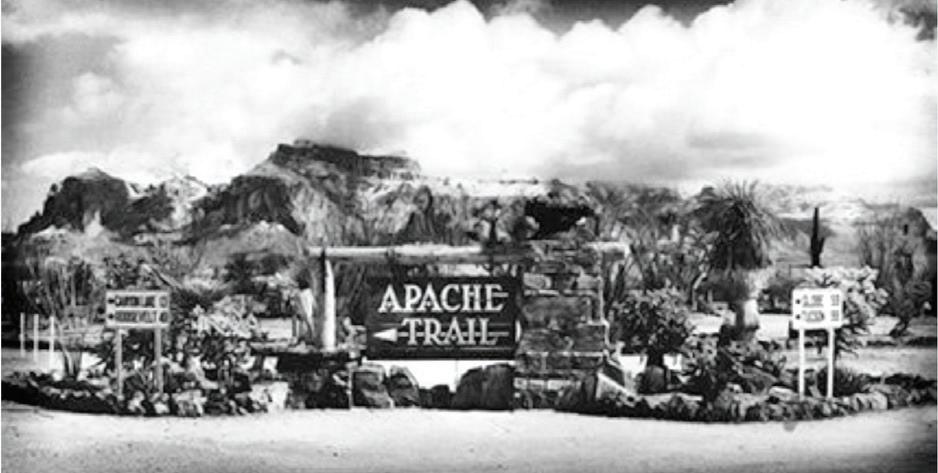
APACHE TRAIL
The City of Apache Junction is steeped in a rich history of legends and myths, which adds a touch of mystery and allure to our beloved city. Boasting a rich and vibrant history, there are many reasons the City of Apache Junction has earned its recognition as being “surrounded by legends.”
Apache Junction’s history began with Native American use of the Apache Trail, followed by the 1890s gold rush that established the ghost town of Goldfield, near the legendary Lost Dutchman’s Gold Mine in the Superstition Mountains. The legend of the Lost Dutchman’s Gold Mine has captured the imaginations of treasure hunters and adventurers for over a century, and remains an enduring legend that continues to draw adventurers, treasure seekers, and history enthusiasts to the rugged and remarkable terrain of the Superstition Mountains.
The city itself was named for the “junction” of the Apache Trail with the highway in the 1920s, with its growth accelerating after the completion of the Roosevelt Dam and the development of tourism and retirement communities. Key landmarks like Goldfield, Ghost Town and the Superstition Mountain Museum preserve its Western heritage, while its proximity to the iconic history and landscape continues to draw visitors from all walks of life.
Today, Apache Junction stands as a vibrant community that honors its heritage while welcoming new opportunities and growth. Whether you’re a resident or a visitor, you’ll find the spirit of adventure and discovery alive in every corner. We invite you to be a part of our history, create your own stories, and embark on a journey through time, where the past intertwines with the present, and legends are real.
CITIES, TOWNS, TRIBAL, AND UNINCORPORATED COMMUNITIES
ARAVAIPA
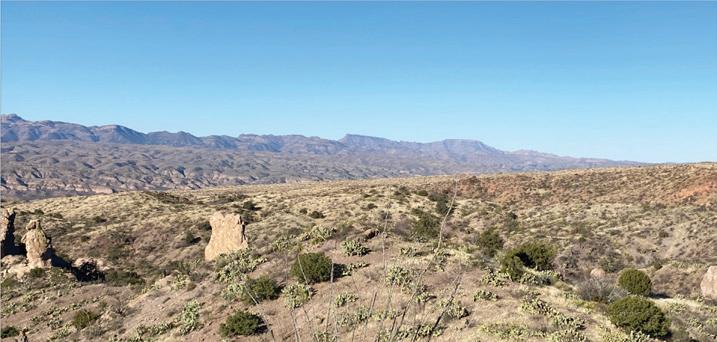
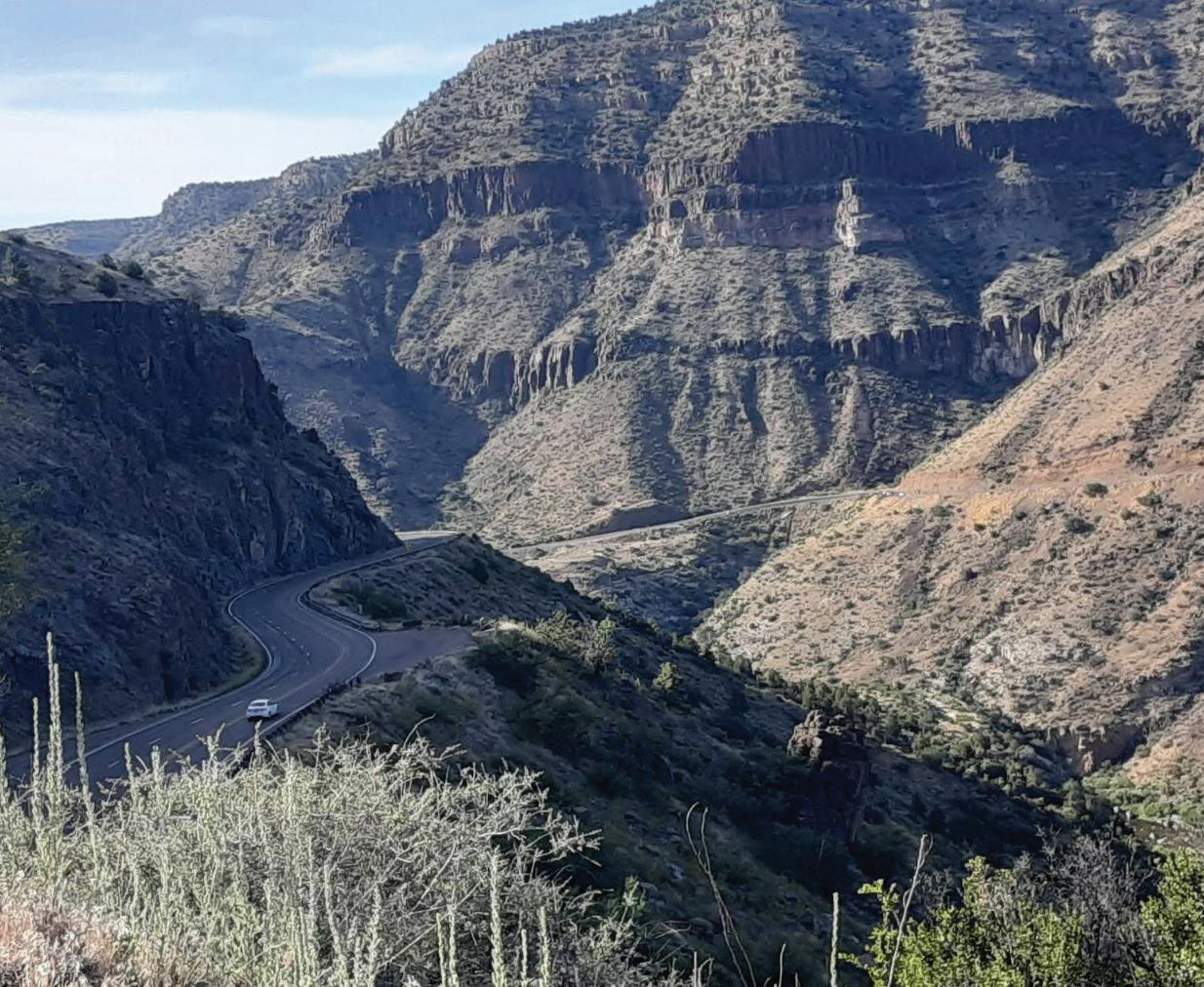
Aravaipa is a beautiful canyon wilderness with a 20-mile-long creek that supports a wide range of native desert wildlife. In Apache, the word Aravaipa means “Laughing waters.” The area is popular for its recreation, but permits are required from the Bureau of Land Management.
ARIZONA CITY
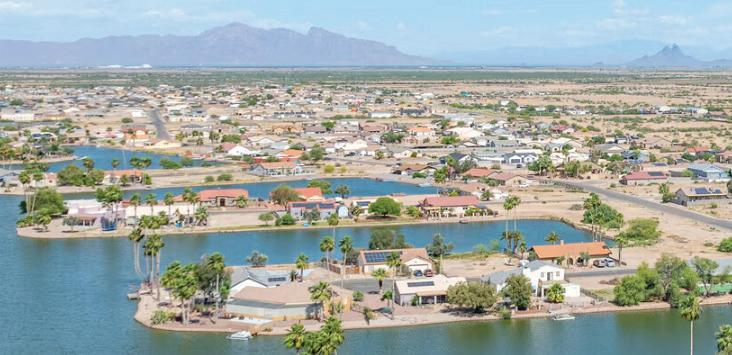
Arizona City is a rural, residential community south of Casa Grande that features a large man-made lake. Hikers enjoy some well-known trails near Arizona City such as Bolt Trail, Casa Grande Mountain Trail, and Spine Trail Loop.
CACTUS FOREST
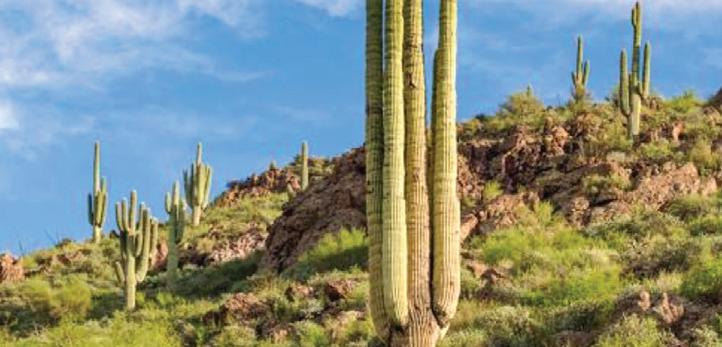
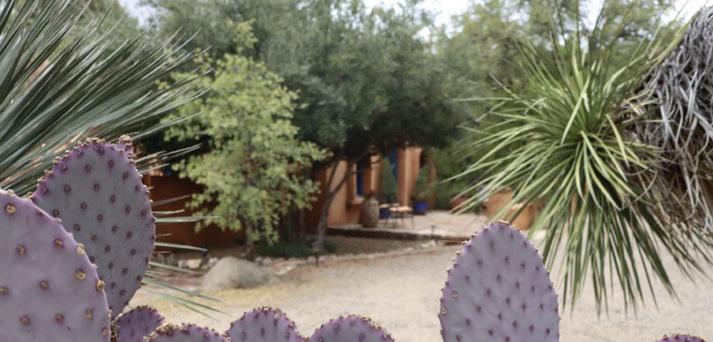
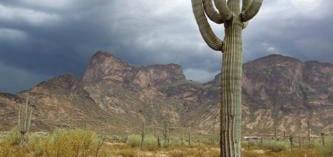
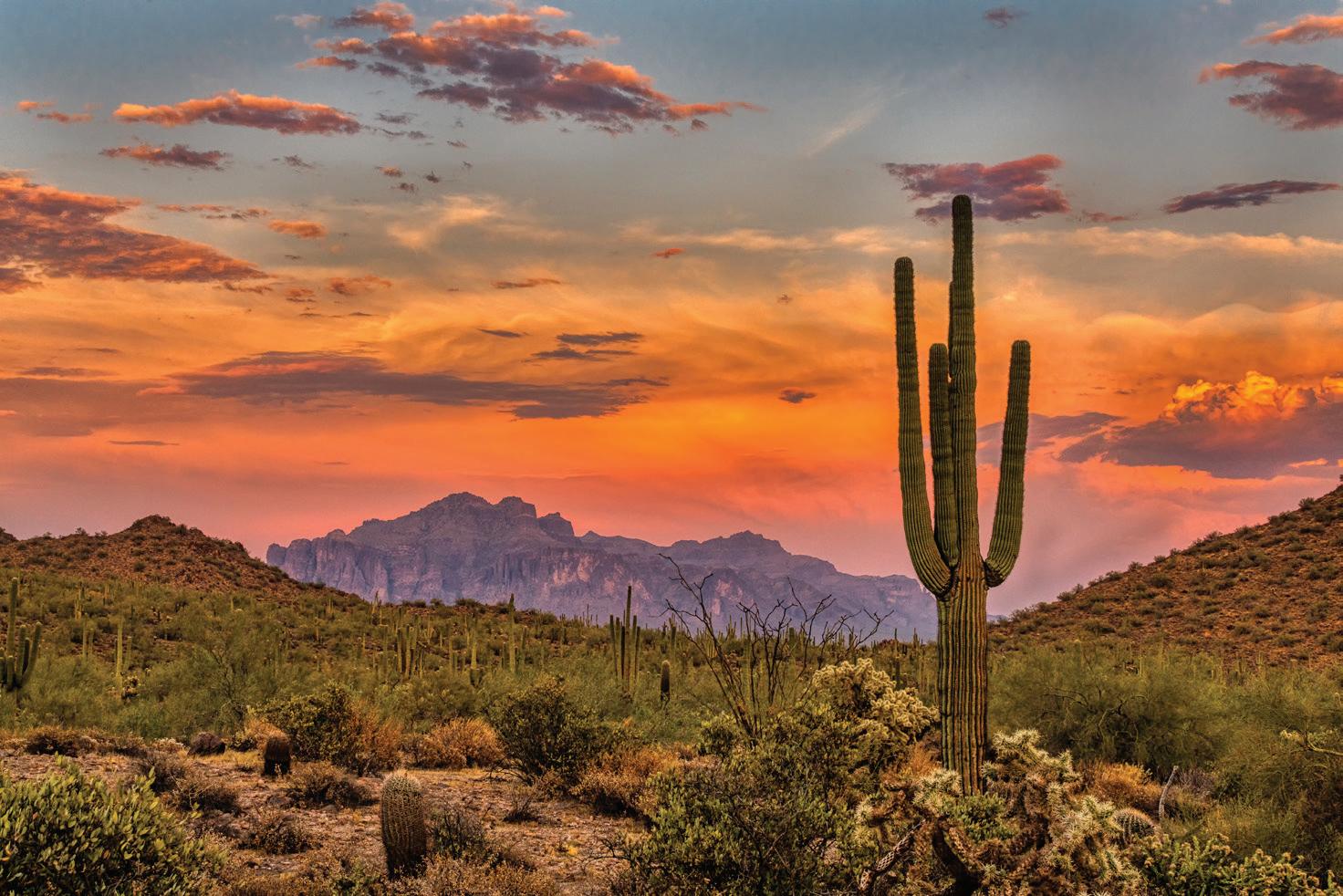
Cactus Forest is a rural suburban community known for it abundant cactus desert landscape. It offers opportunities for hiking, mountain biking, equestrian activities, and is an ideal location to stargaze due to the dark skies.
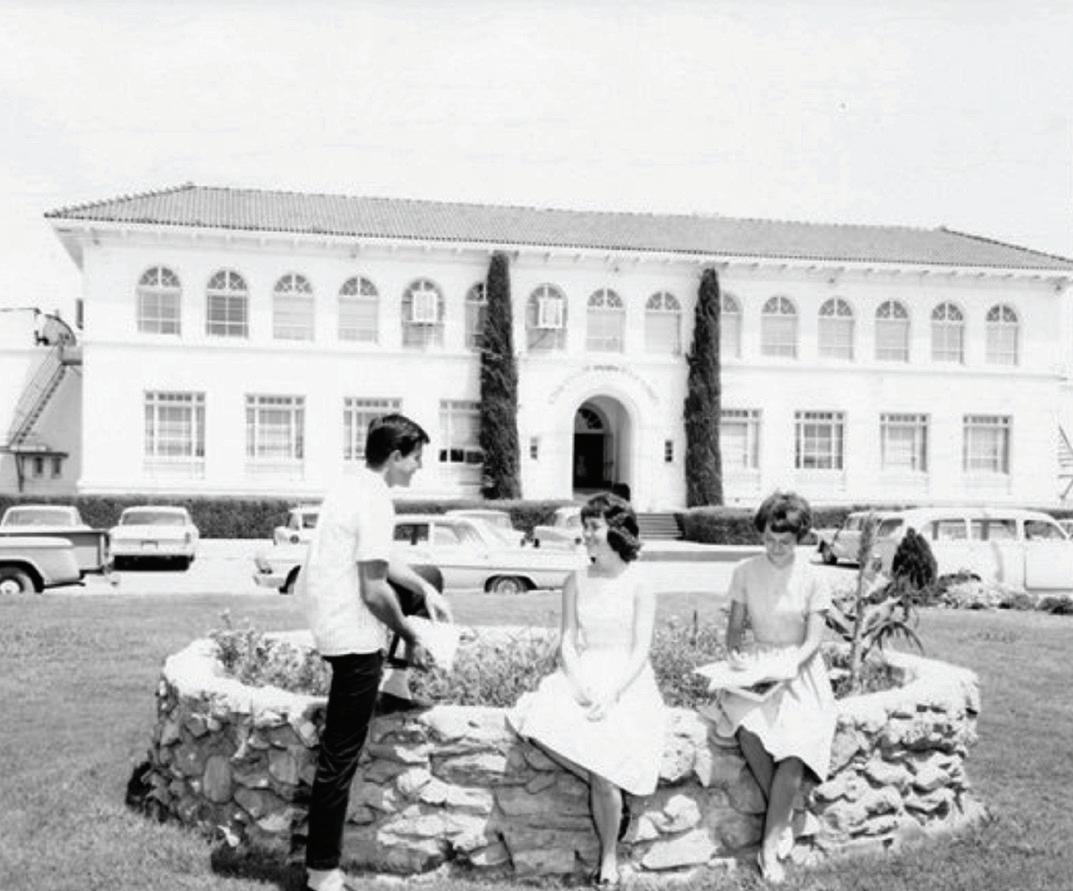
CASA GRANDE: CASA GRANDE CITY HALL
– FROM OLD MAIN TO CIVIC LANDMARK
Casa Grande City Hall began its life in 1921 as “Old Main,” the city’s first high school, built for $135,000 in the Spanish Colonial style. For 76 years, Casa Grande Union High School has educated generations of students here, making the building a cornerstone of community life.
When the high school relocated in 1997, the city stepped in to preserve and repurpose the landmark. Supported by a Heritage Fund Grant, Casa Grande invested more than $4 million to rehabilitate the building, restoring its historic exterior while creating a modern interior for civic use.
Today, Old Main serves as Casa Grande City Hall, home to the offices of the city manager, city attorney, planning and zoning, and the city clerk. Once a place of learning, it now stands as a center of leadership, service, and civic pride.
CITIES, TOWNS, TRIBAL, AND UNINCORPORATED COMMUNITIES
COOLIDGE:
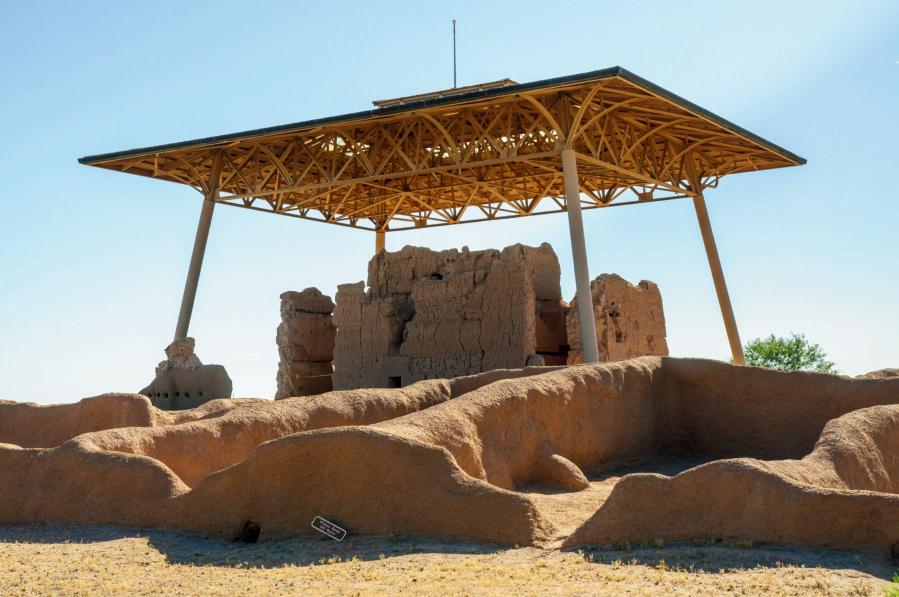
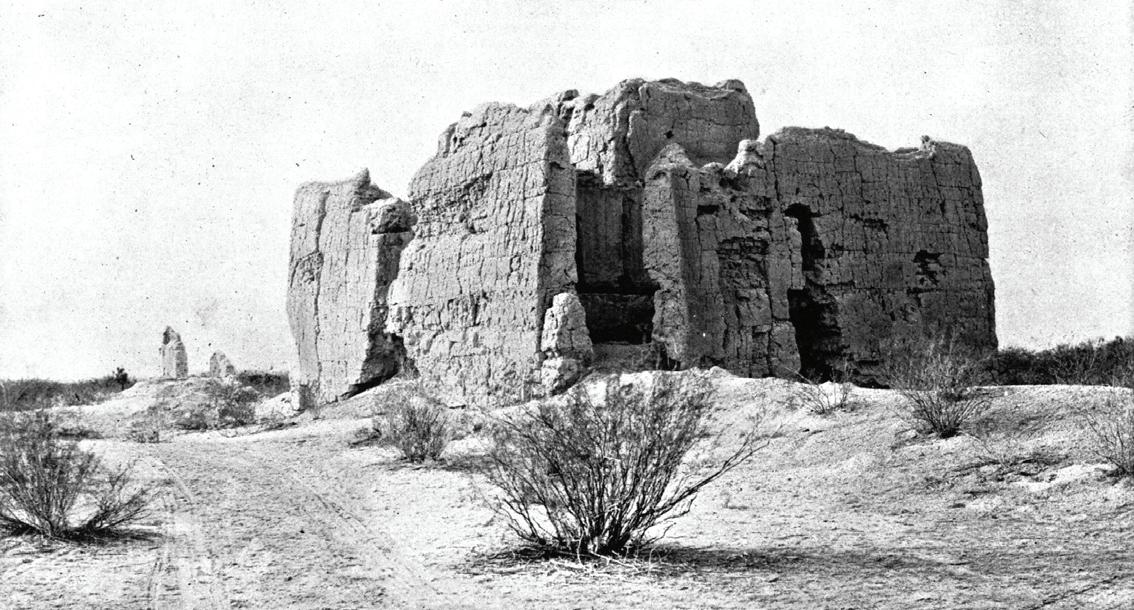
CASA GRANDE RUINS
NATIONAL MONUMENT
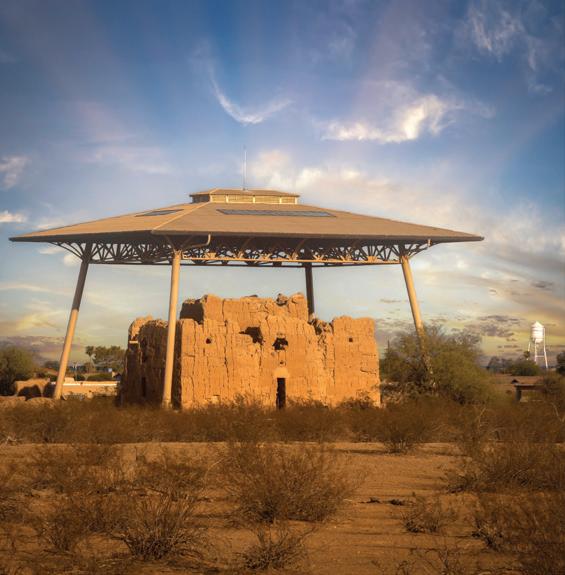
An Ancestral Sonoran Desert People’s farming community and “Great House” are preserved at Casa Grande Ruins. Whether a gathering place for people or simply a waypoint marker in an extensive system of canals and trading partners, the structures are a large part of the story of this site. Explore the history and stories of an extended network of communities and irrigation canals. Anthropologist and historian Adolph Bandelier visited the Casa Grande ruins in 1883-1884 and reported on its condition and probable significance. The Hemenway Southwestern Archaeological Expedition of 1887-1888, sponsored by Massachusetts philanthropist Mary Hemenway and led by anthropologist Frank H. Cushing, produced further information on the deterioration of the Casa Grande. As a result, several influential Bostonians urged Massachusetts Senator George F. Hoar to present a petition before the U.S. Senate in 1889 requesting that the government take steps to repair and protect the ruins. Repair work began the following year, and in 1892, President Benjamin Harrison set aside one square mile of Arizona Territory surrounding the Casa Grande Ruins as the first prehistoric and cultural reserve established in the United States.
DUDLEYVILLE
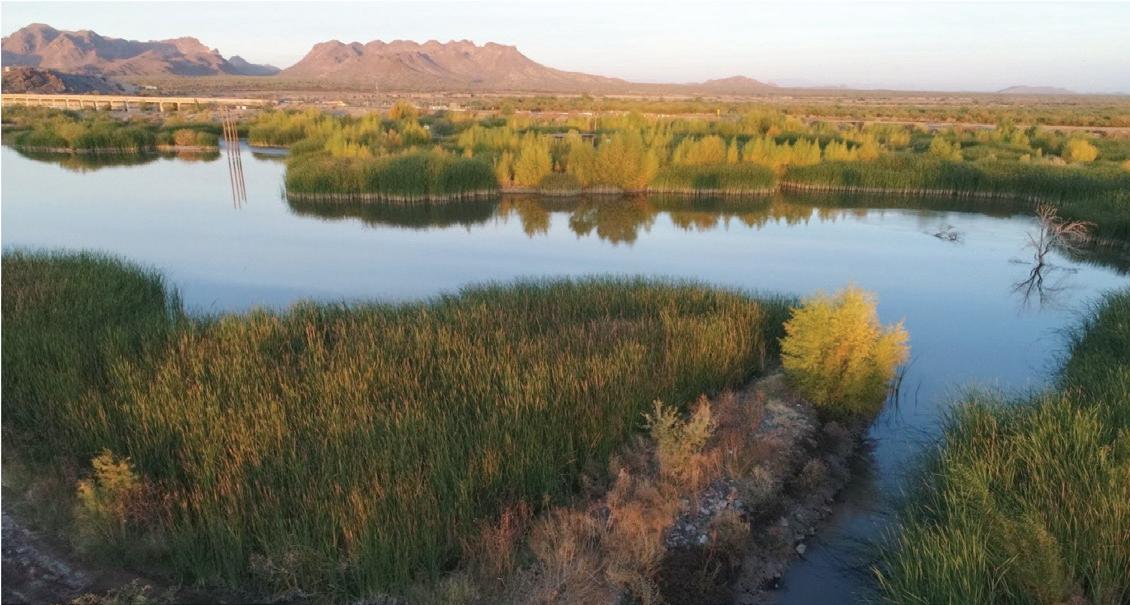
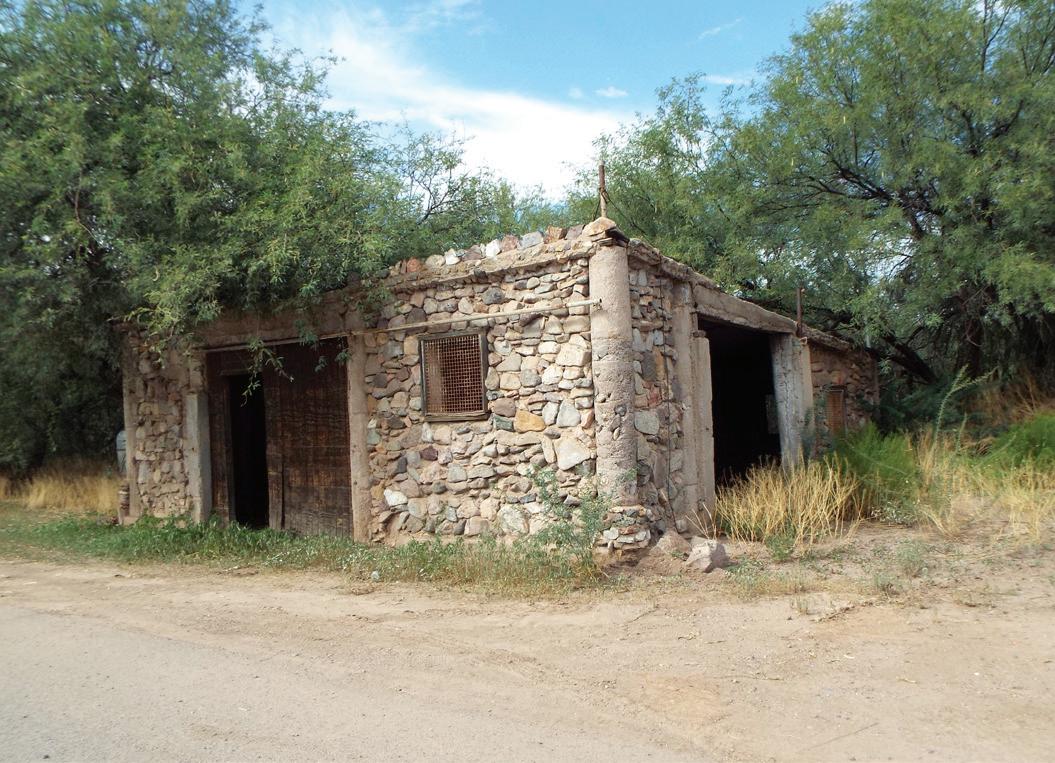
Dudleyville is a rural neighborhood in Winkelman. During the 1870s ranchers moved cattle into the lands along the lower San Pedro River. It has small-town charm, and ideal bird watching and hiking due to nearby wildlife from the Lower San Pedro River.
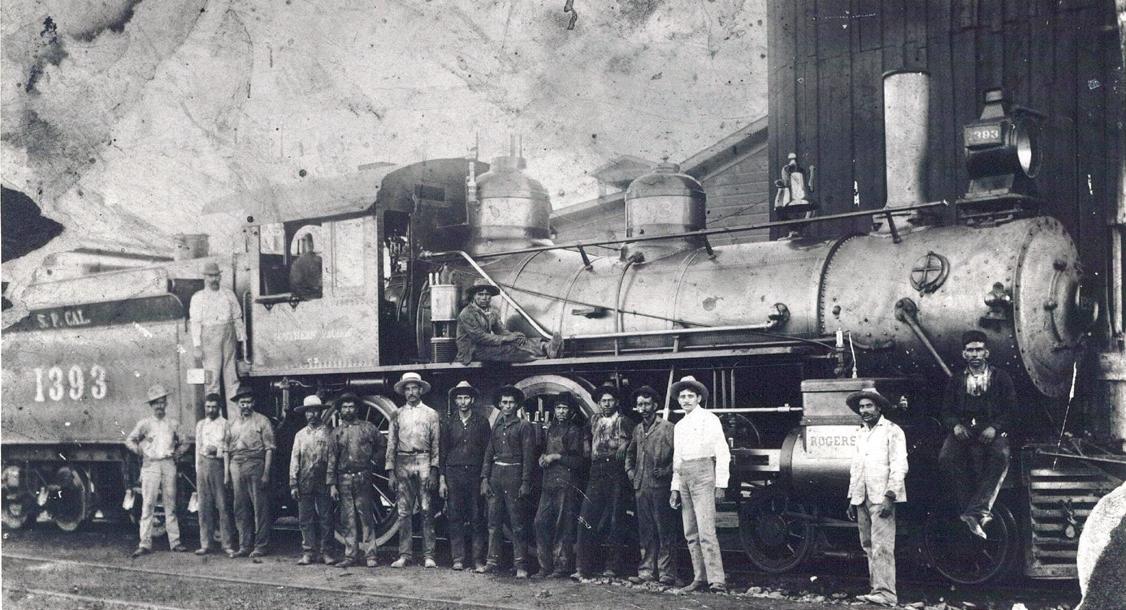
SOUTHERN PACIFIC RAILROAD
The community was named by the Southern Pacific Railroad, which built a switch here in the early 1900s. The name Eloy is derived from the European name meaning the “Chosen” or the “Chosen One”. The Southern Pacific Railroad built the first railroad across Southern Arizona in 1878/1880. It was known as the East Line of Yuma. In 1902 they added a siding and section house six miles west of Picacho and named the siding Eloy, the acronym for the East line of Yuma. During construction of the railroad it was easier, and faster, to handprint E.L.O.Y. on construction drawings and maps, rather than writing out “East Line of Yuma”, each time the railroad made reference to, or revised a drawing.
ELOY
CITIES, TOWNS, TRIBAL, AND UNINCORPORATED COMMUNITIES
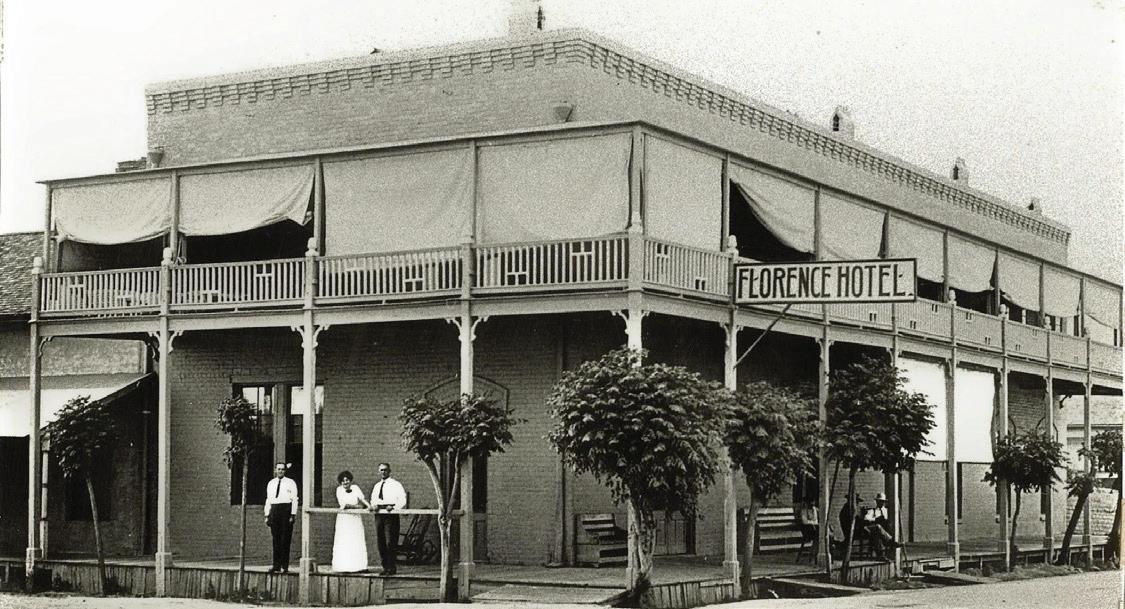
FLORENCE:
THE HEART OF PINAL COUNTY
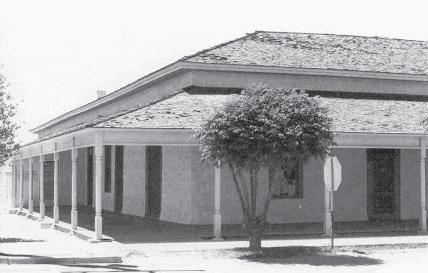
Founded in 1866 and named the county seat in 1875, Florence has long stood at the center of Pinal County’s story. Its nationally recognized historic district features one of the largest collections of preserved adobe buildings, Victorian-era storefronts, and the iconic 1891 Pinal County Courthouse – landmarks that reflect the town’s resilience, craftsmanship, and community pride.
Florence is a place where history is embodied. Museums, guided walking tours, and century-old neighborhoods invite visitors to trace the town’s past, while artisan shops, cafés, live music, and signature events bring the town to life. From the internationally known Country Thunder music festival to the Jr. Parada, the nation’s oldest youth rodeo, Florence blends living traditions with contemporary culture in ways that engage every generation.
Situated at the heart of Pinal County, Florence offers a welcoming sense of community alongside modern conveniences, making it a worthy destination to explore and revisit. On this 150th anniversary of Pinal County, Florence celebrates its role as county seat and extends an invitation to everyone attending the festivities to experience our history, take part in our traditions, and discover why Florence remains the historic heart of Pinal County.
GILA RIVER INDIAN COMMUNITY:
GILA RIVER
The Gila River Indian Community, located in the southern portion of the Phoenix metropolitan area and extending into Pinal County, is home to the Akimel O’otham (Pima) and Pee Posh (Maricopa) people. Our ancestors have inhabited this region for thousands of years, cultivating the land along the Gila River through advanced irrigation systems that sustained vibrant agricultural societies. Established by Congress in 1859, the community continues to honor its enduring traditions while fostering growth through education, enterprise, and cultural preservation. Today, we are a sovereign nation that upholds the values of stewardship, innovation, and self-determination, contributing to the social and economic fabric of Pinal County. As we commemorate 150 years of Pinal County’s history, the Gila River Indian Community stands with pride in its role as a steadfast partner in shaping the region’s past, present, and future.
CITIES, TOWNS, TRIBAL, AND UNINCORPORATED COMMUNITIES
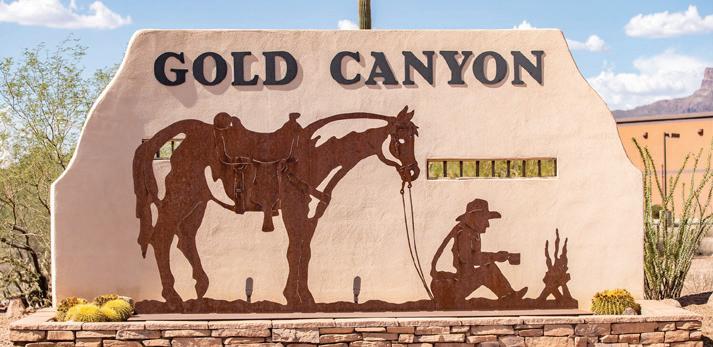
GOLD CANYON
Gold Canyon offers stunning views of the Superstition Mountains and is a hub for outdoor recreation like hiking, golf, biking, and camping. Hikers, bikers and campers are always eager to explore its stunning beauty.
KEARNY OASIS IN THE DESERT
The town of Kearny got its start around the same time as a few other towns met their end.
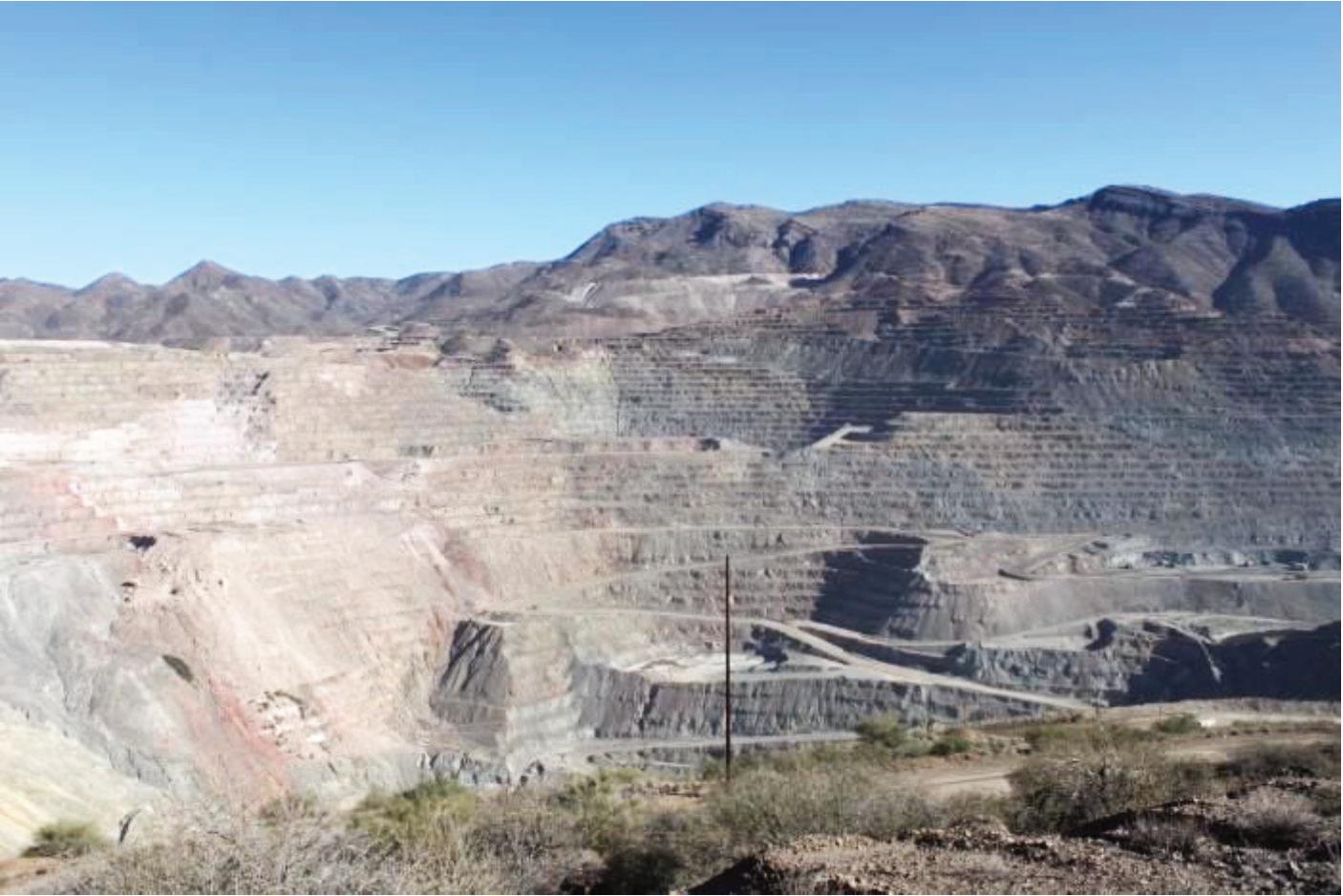
Kearny, which is named after Gen. Stephen Watts Kearny, who passed through the region in 1846 while exploring along the Gila River, was established by the Kennecott Mining Company as the new home for residents of the towns of Ray, Sonora and Barcelona; those three Pinal communities were eventually swallowed up by the company’s expansion of an open pit mine in the area.
Located in what is called the Copper Corridor, an area of central Arizona that has a rich mining history, Kearny sits along the Gila River between the Tortilla and Dipping Springs Mountains.
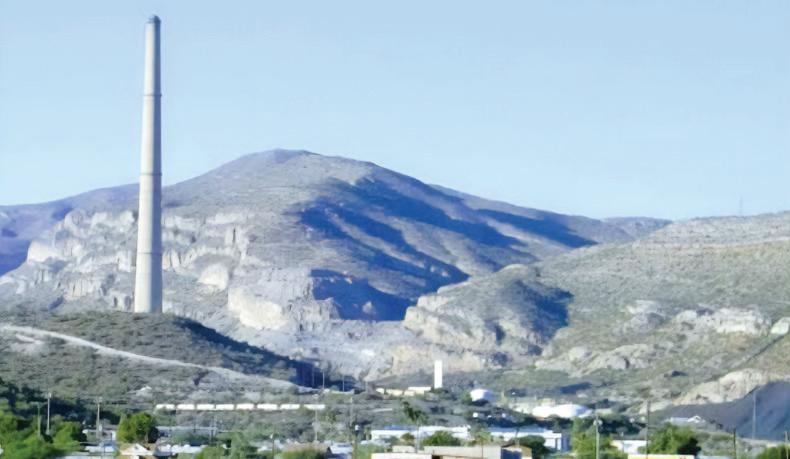
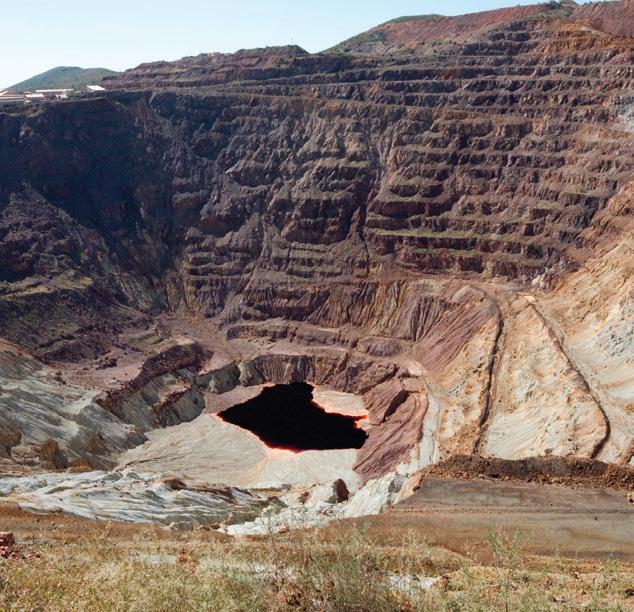
Mining remains a big part of Kearny’s modern-day economy, as ASARCO operates a large open-pit copper mine near the community.
Today, Kearny is often referred to as an “oasis in the desert” due in part to its proximity to the Gila River and also a recreational lake, with a small park with lake access located within the community. Thanks to its proximity to the Gila River, Kearny is a popular destination for bird watching, fishing and hiking, among other outdoor activities.
KELVIN
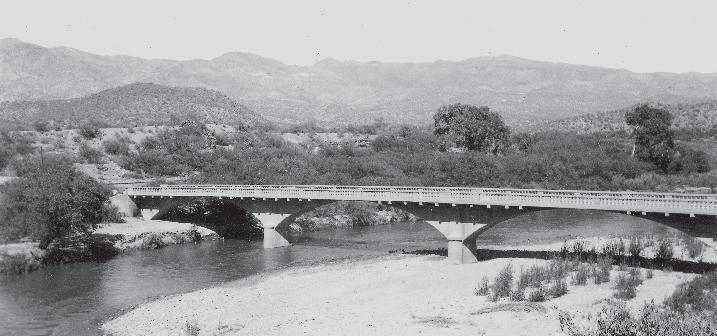
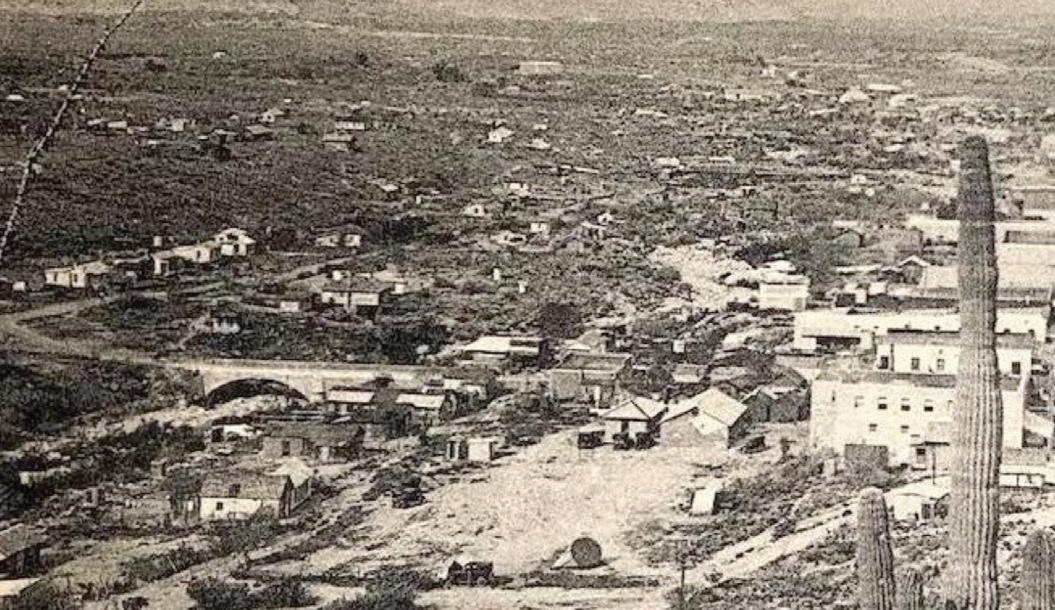
Kelvin is home to the historical bridge on the Florence-Kelvin Highway over the Gila River, built in 1916. A modern two-lane bridge was completed in 2018 to replace the original single-lane structure, and the historic bridge was converted into a footbridge serving as a pedestrian-friendly connection for the Arizona Trail.
CITIES, TOWNS, TRIBAL, AND UNINCORPORATED COMMUNITIES
LA PALMA
La Palma is located near the cities of Eloy and Casa Grande. It’s a small, quiet community with lots of farming. A major feature in the area is the La Palma Correctional Facility, a medium-security prison managed by CoreCivic under contract with the state of Arizona. The name “La Palma” is Spanish for “The Palm”.
MAMMOTH: RUINS
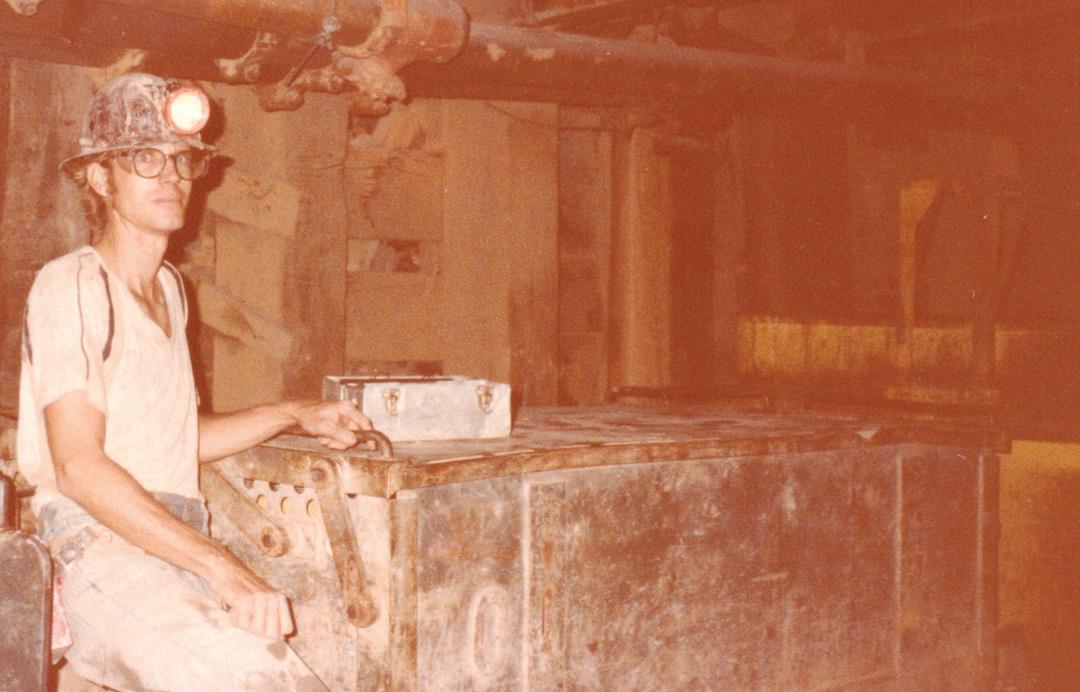
Mammoth was founded around 1872 as Mammoth Camp to serve the nearby Mammoth Mine until 2003, when it closed. Mammoth was incorporated as a town in 1958. The must-see town is nicknamed the “Gateway to the Galiuro Mountains” because it is situated on the banks of the San Pedro River and at the base of the Galiuro Mountains.
MARICOPA: RAILWAYS
Before railroads and highways, Maricopa was home to those who settled around Maricopa Wells. Fed by the Gila, Santa Cruz, Vekol, and Santa Rosa Rivers, the area became a rare and vital desert oasis. In the 1800s, thousands of travelers crossing Arizona to reach California’s gold fields relied on Maricopa Wells for water, supplies, and safety. By the mid-19th century, it had become a key stagecoach stop on the San Antonio and San Diego Mail Line, and later the famous Butterfield Overland Mail Route.
As the railroad era dawned, the town relocated south to form “Maricopaville” in 1879, as a short-lived boomtown built in anticipation of a major rail junction. Though the junction never came, a second relocation just a few miles east solidified Maricopa’s place on the map as a key connection point between the Southern Pacific Railroad and the Maricopa & Phoenix Railroad. For decades, Maricopa thrived as a rail hub—helping to move goods, people, and ideas across the developing West.
Though the town’s prominence as a junction faded in the early 20th century, agriculture took root. Cotton, alfalfa, citrus, melons, and pecans flourished in the desert soil, and cattle ranching became a staple industry. Through it all, Maricopa remained a place of perseverance and community and was officially incorporated in 2003.
CITIES, TOWNS, TRIBAL, AND UNINCORPORATED COMMUNITIES
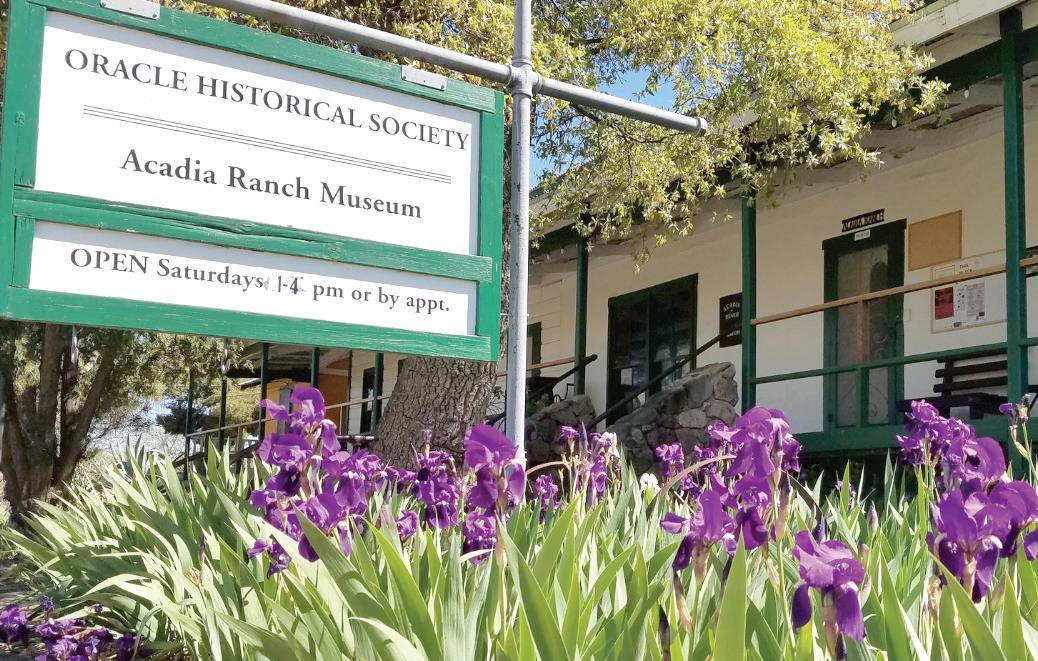
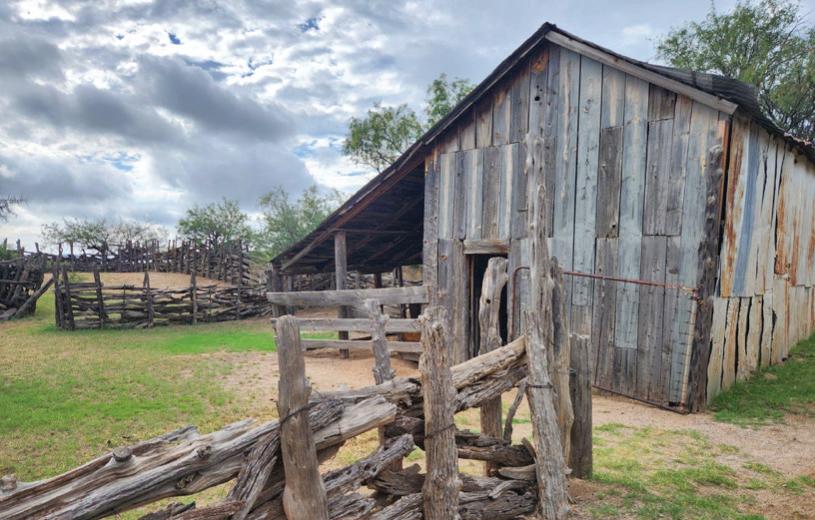
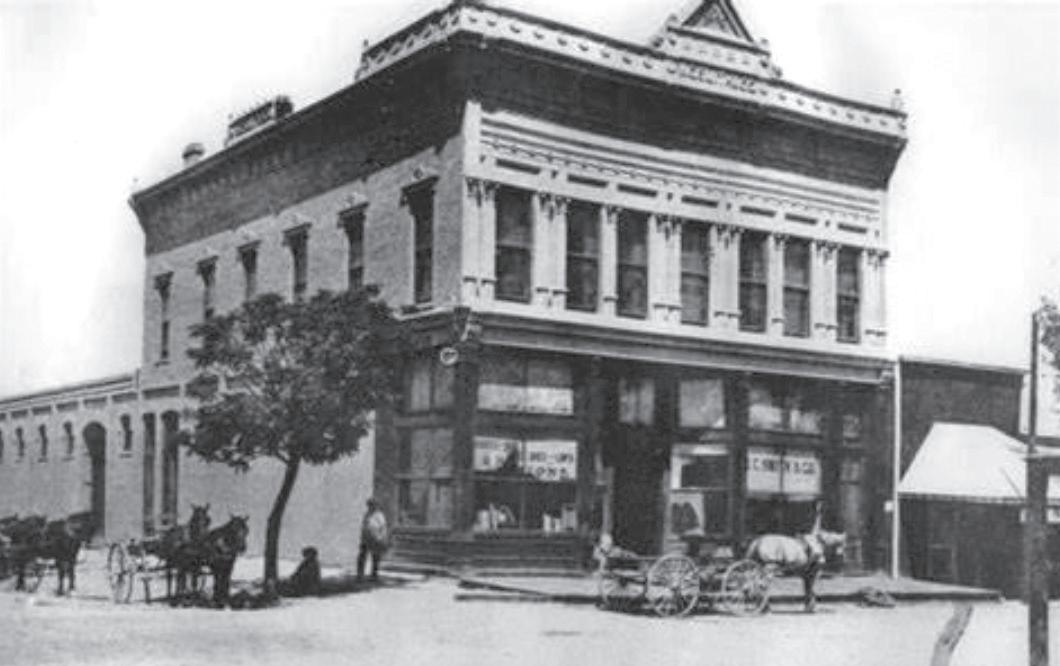
ORACLE
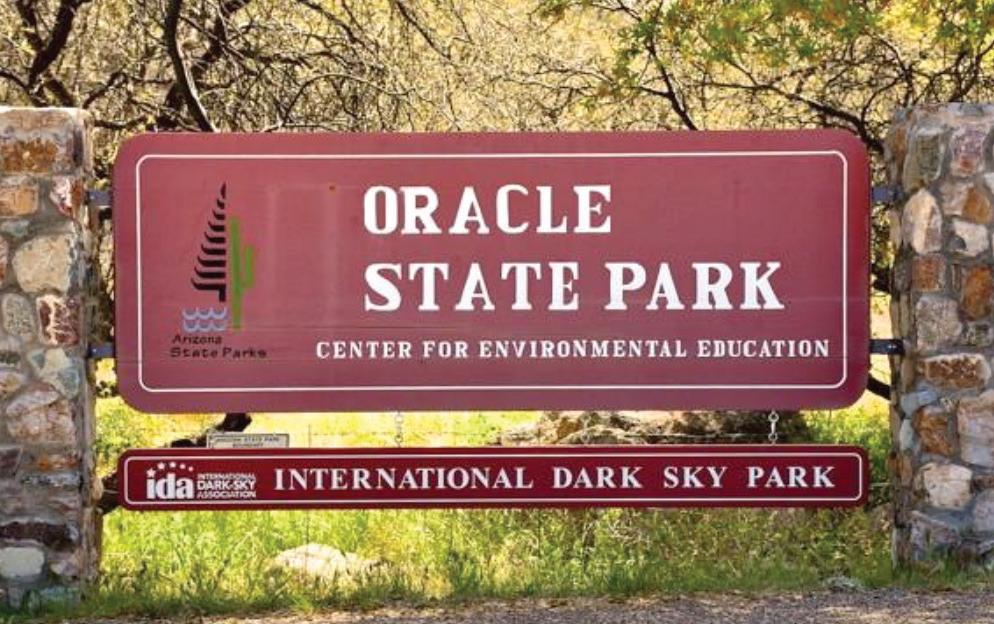
Oracle has a unique history as a former gold-mining town and natural surroundings, including Biosphere 2 and Oracle State Park. Oracle is a designated International Dark Sky Park.
PICACHO
Picacho is known for Picacho Peak State Park, a prominent landmark, and historically, as the site of the Battle of Picacho Pass, the largest Civil War clash in Arizona.
QUEEN CREEK: HERITAGE REFLECTS TIES TO THE LAND
QUEEN VALLEY
Queen Creek’s roots lie in agriculture, with citrus, cotton, pecans, and vegetables sustaining families for generations. Early Native communities, homesteaders, and immigrant farmworkers shaped the town’s culture, while traditions of neighborliness, dances, and celebrations created a strong community spirit. Founding families like Ellsworth, Power, Sossaman, Hawes, Combs, and Schnepf left their names on local roads and in town history.
Memories of 4th of July celebrations at the Schnepf farm, train rides on the “dinky,” and community gatherings reflect Queen Creek’s rural heritage. Today, as the town grows, it works to balance development with its small-town charm, preserving open space, trails, and traditions while welcoming new cultural diversity. Incorporated in 1989, Queen Creek remains committed to providing opportunity, recreation, and a high quality of life.
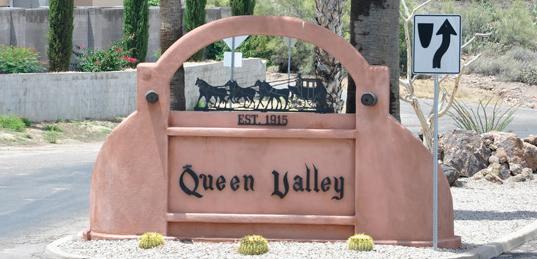
Queen Valley is a unique small community near Superior. In the 1870s, it was recognized as a farming and mining corridor, earning the name the Jewel of the Desert. It sits in a great location, close to the Tonto National Forest and with stunning views of the Superstition Mountains. Outdoor enthusiasts come for hiking, camping and recreational opportunities.
CITIES, TOWNS, TRIBAL, AND UNINCORPORATED COMMUNITIES
RANDOLPH
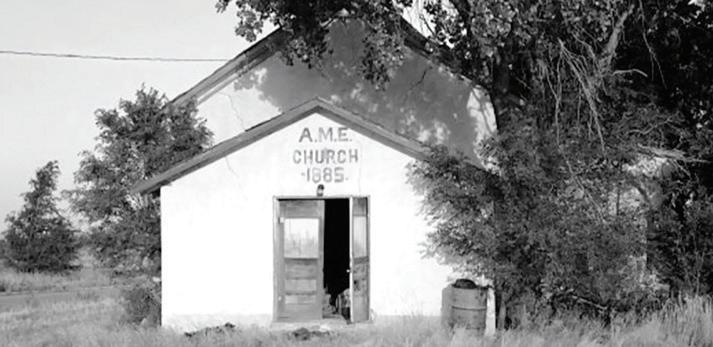
Randolph is the oldest predominantly African American community in Arizona, established in 1925 and recognized by its inclusion in the National Register of Historic Places. The community was named after Epes Randolph, a vice-president and general manager of the Southern Pacific Railroad, who founded the town in the early 1920s.
RED ROCK
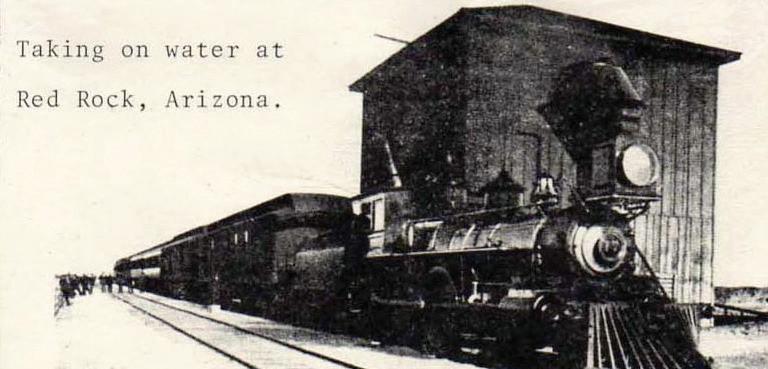
Red Rock is a red butte near the Southern Pacific Railroad. Once, a branch spur line to the Silver Bell Mine smelter had its junction with the Southern Pacific Railroad at Red Rock. A post office was established in 1887 as “Red Rock.” The name was changed to “Redrock” (one word) on November 30, 1895. It remained with this spelling until June 1, 1950, when it reverted to “Red Rock” (two words).
SADDLEBROOKE
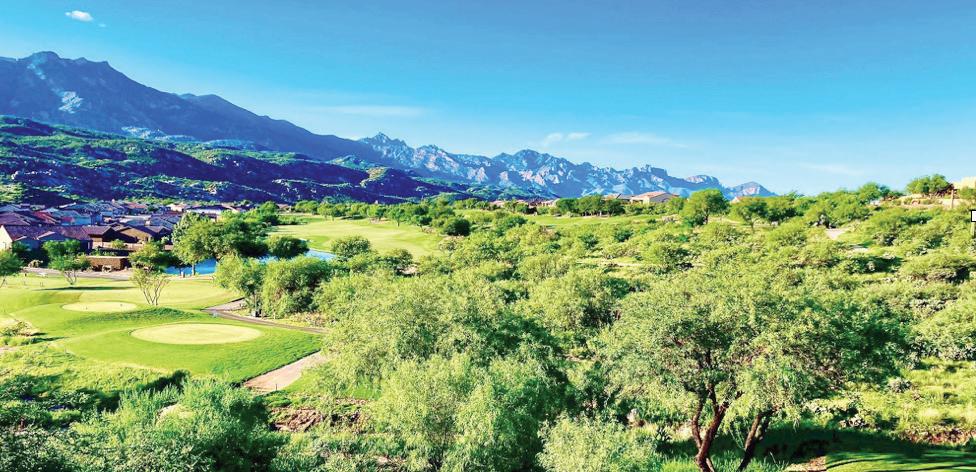
SaddleBrooke is located north of Oro Valley and close to Tucson offering resort-style living for active older adults. It sits at the base of the Catalina Mountains with breathtaking views and at higher elevation, the community boasts cooler temperatures than most in the warmer months.
SAN CARLOS APACHE TRIBE: THE LAND, THE GIFT
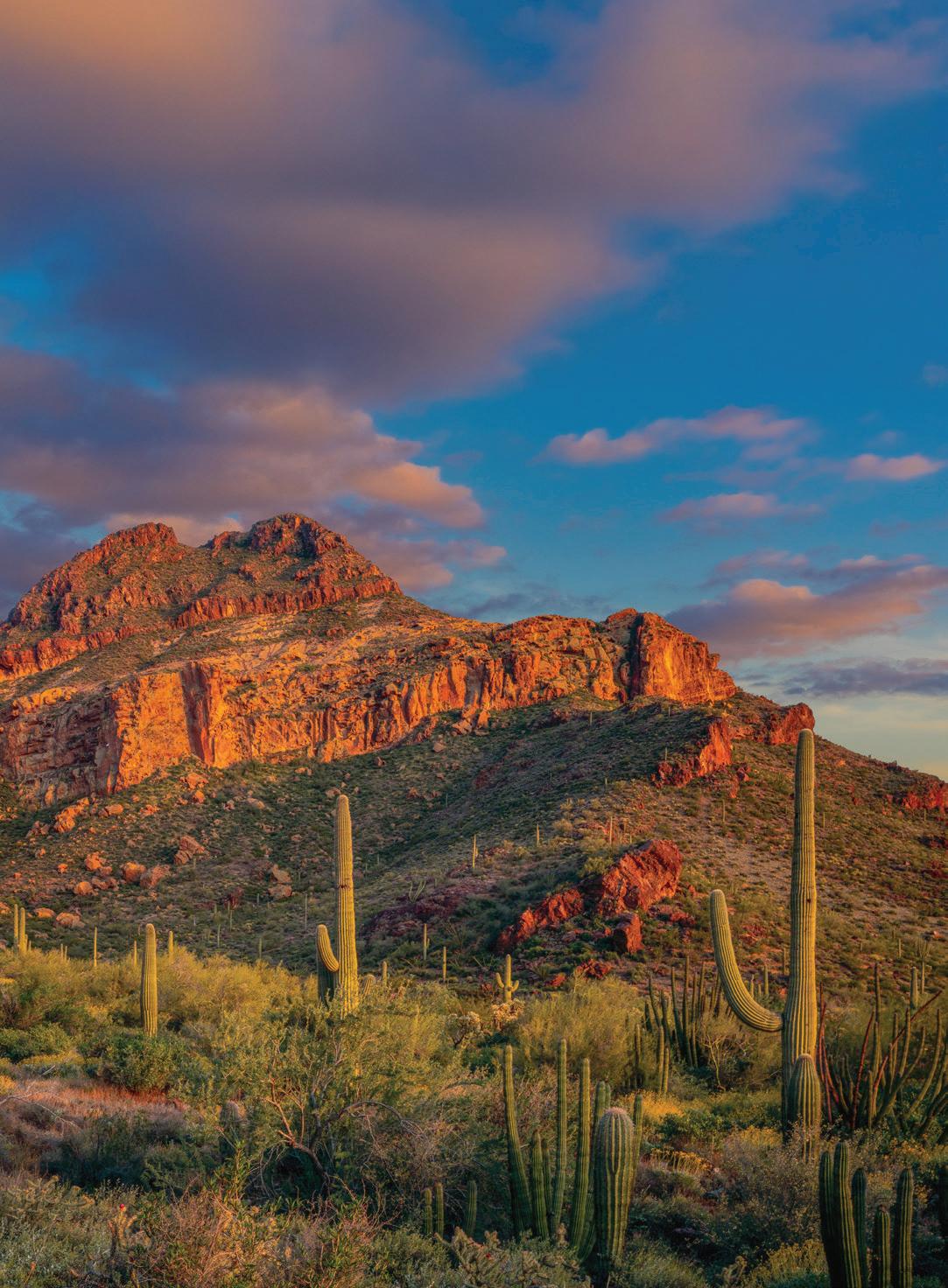
The San Carlos Apache Reservation was the first Apache reservation created way back in 1871, during the beginning of the famous Apache Wars. Its original size has shrunk considerably, and what was left was divided between the San Carlos and Fort Apache. It is also home to the largest Apache Tribe in the country. The reservation consists of approximately 1.865 million acres or roughly close to 3,000 square miles of mostly untouched landscape. Located in the southeastern central region of Arizona, the San Carlos Apache Reservation comprises many different landscapes, from Sonoran Desert regions to high desert rimrock to alpine regions with high country meadows and timber.
CITIES, TOWNS, TRIBAL, AND UNINCORPORATED COMMUNITIES
SAN MANUEL
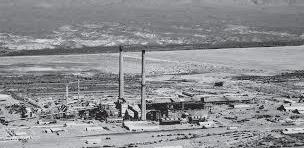
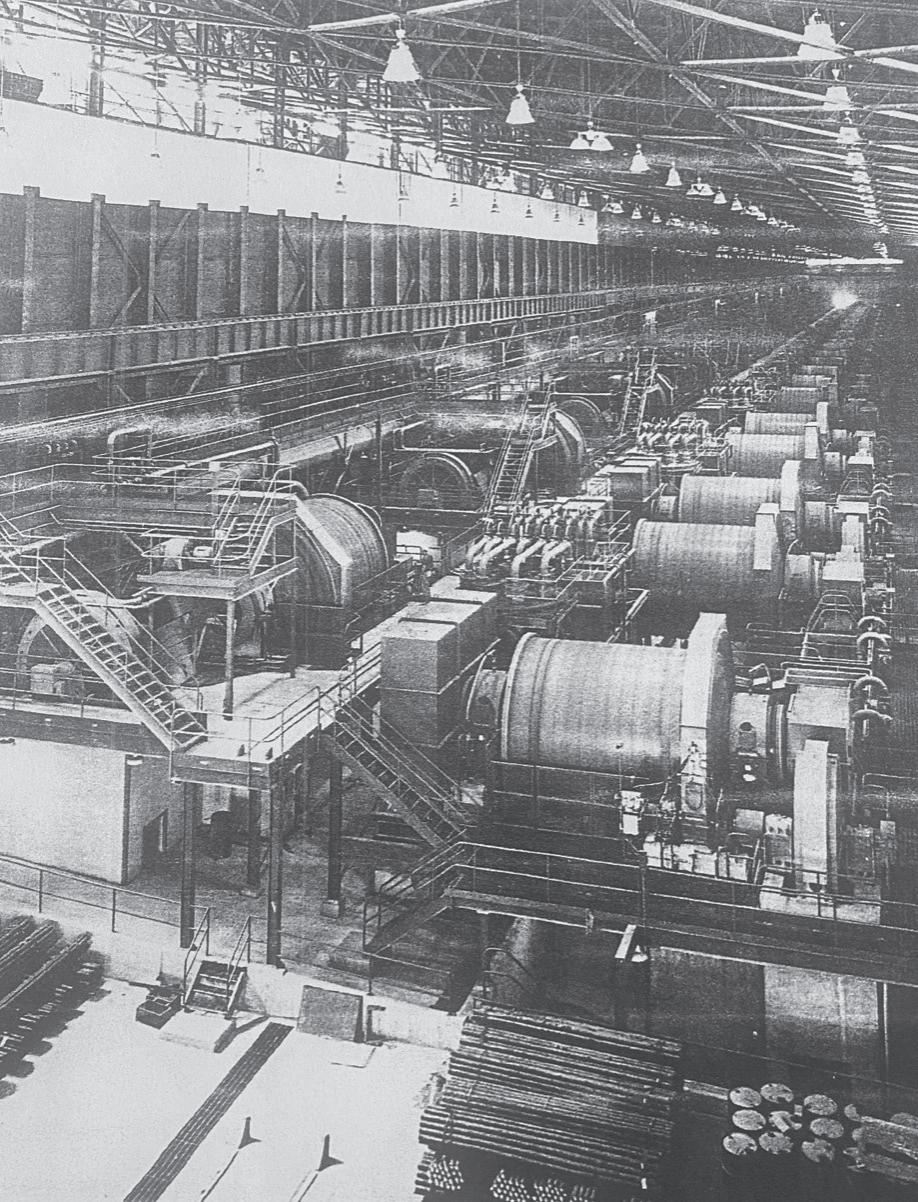
San Manuel is located in the broad San Pedro River Valley of southeastern Pinal County. Mammoth and Oracle are located within a 10-mile radius of San Manuel and make up the tri-community area. In 1944, Magma Copper Company purchased existing mining claims in the area and launched a program of exploration and development that resulted in the present-day mine, mill, smelter, refinery, and community, and in the mid-1950s, they provided adequate housing for employees.
SAN TAN VALLEY: HISTORIC TOWN OF SAN TAN VALLEY’S INCORPORATION
History was made in Pinal County on September 17, 2025, when San Tan Valley officially became Arizona’s newest incorporated municipality and the largest by population in the state’s history.
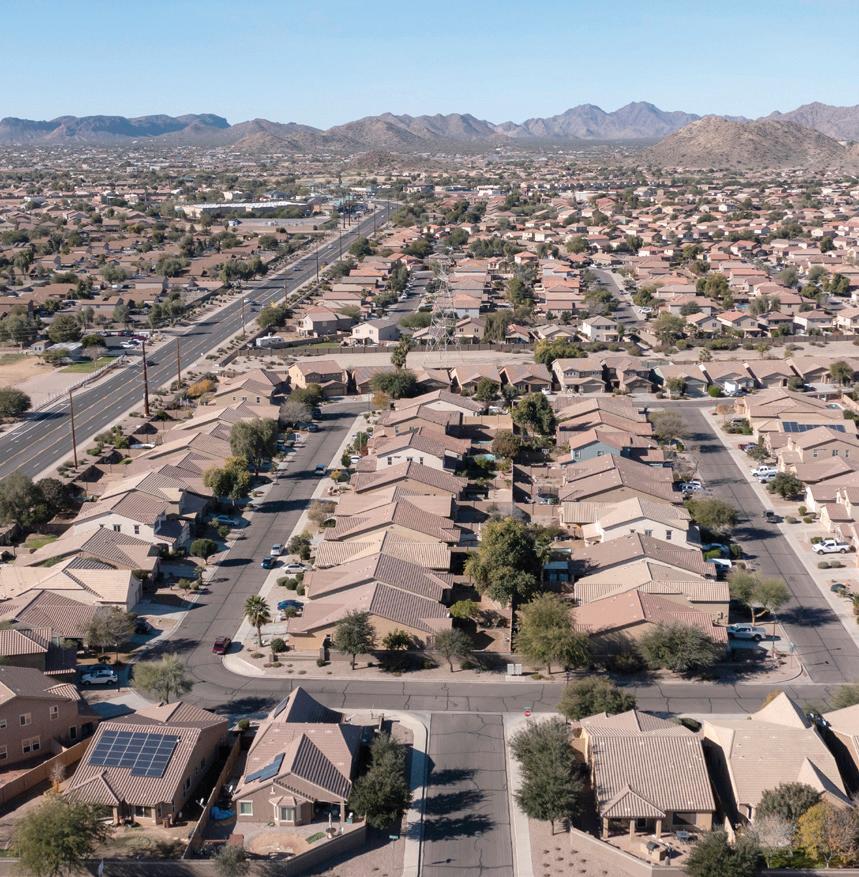
Nestled in the northeastern portion of Pinal County, San Tan Valley spans approximately 35 square miles, bordered by the San Tan Mountains to the west, Florence to the south, and Queen Creek and Maricopa County to the north. Once a collection of rural communities and master-planned developments, the area has grown rapidly over the past two decades into a vibrant residential hub, representing a blend of small-town charm and suburban growth.
The community’s name honors the San Tan Mountains, whose peaks and trails define the region’s landscape and identity. Efforts to incorporate San Tan Valley had been discussed for years, but it was not until 2025 that residents and community leaders came together to make the vision a reality.
STANFIELD
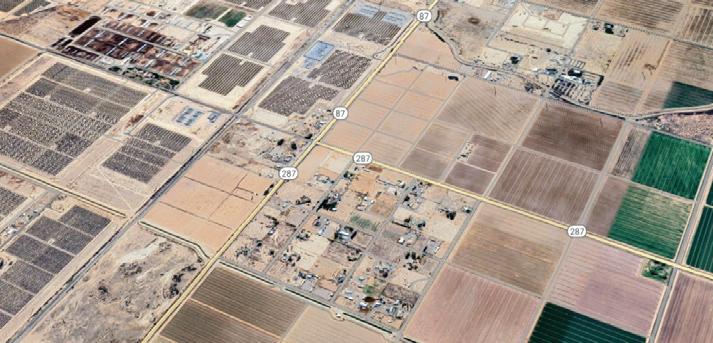
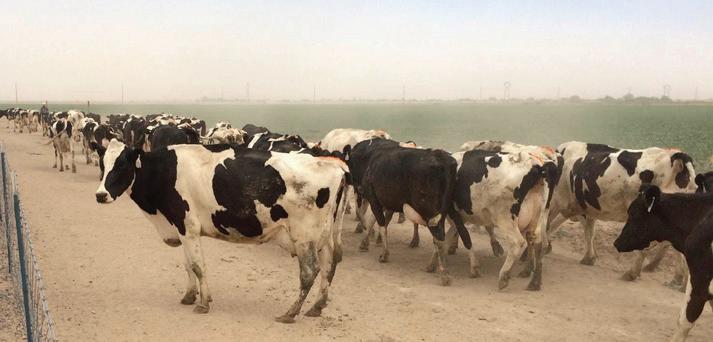
Stanfield is a small rural, agricultural-based community just west of Casa Grande. Originating from Phoenix, Shamrock Farms moved its entire 10,000-cow herd to a new state-of-the-art farm in Stanfield in 2003. The farm is quite popular for its family-friendly tours.
CITIES, TOWNS, TRIBAL AND UNINCORPORATED COMMUNITIES
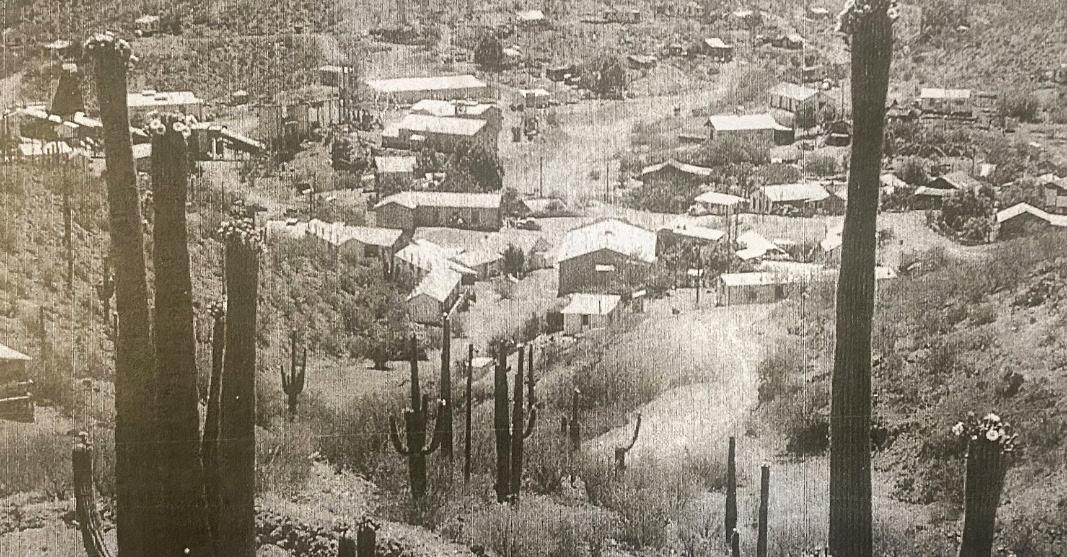
SUPERIOR: HISTORIC MINING TOWN
Superior, founded in 1882, is a historic mining town located in Pinal County. Home of the Boyce Thompson Arboretum, Superior has been a small town with a global impact. With a proud and storied history, we are looking forward to building a future that will sustain Superior and Pinal County for another 150 years.
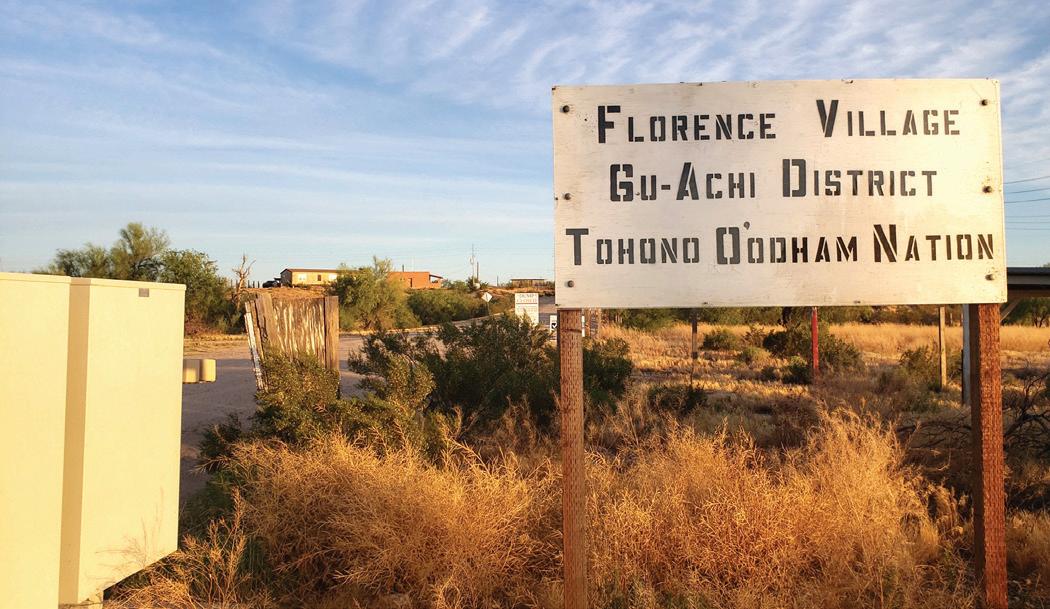
TOHONO O’ODHAM: FLORENCE VILLAGE GU-ACHI DISTRICT
Origins are linked to the homeland of the Sonoran Desert. Thousands of years ago, the Hohokam settled along the Salt, Gila, and Santa Cruz Rivers. They were master dwellers of the desert, creating sophisticated canal systems to irrigate their crops of cotton, tobacco, corn, beans, and squash. They built vast ball courts and huge ceremonial mounds and left behind fine red-on-buff pottery and exquisite jewelry of stone, shell, and clay. Following ancestral heritage, meteorological principles continue to govern planting, harvesting, and ceremonial cycles, as well as complex water storage and delivery systems.
CITIES, TOWNS, TRIBAL AND UNINCORPORATED COMMUNITIES
TOP OF THE WORLD
Top of the World is a small community that was once known as Mason’s Valley. It was named after Charles G. Mason, an early settler and prospector who helped discover the Globe mining district. The name “Top of the World” actually came from a camping spot created in 1922. The community sits at a high point, around 4,600 feet above sea level.
VALLEY FARMS
Valley Farms is associated with its agricultural heritage and, more recently, with a proposed solar energy project. It was a historical government experiment farm in the mid-20th century and is now part of a larger agricultural region.
WINKELMAN:
SMALLEST INCORPORATED TOWN IN ARIZONA
Winkelman is the smallest incorporated town in Arizona, and most of Winkelman’s economic activity is based on copper. The community serves primarily as a service center and residential area for families of employees associated with the mining and processing activities. The principal employer with the Town is the Hayden-Winkelman School District.
FIGURES WHO SHAPED PINAL COUNTY:
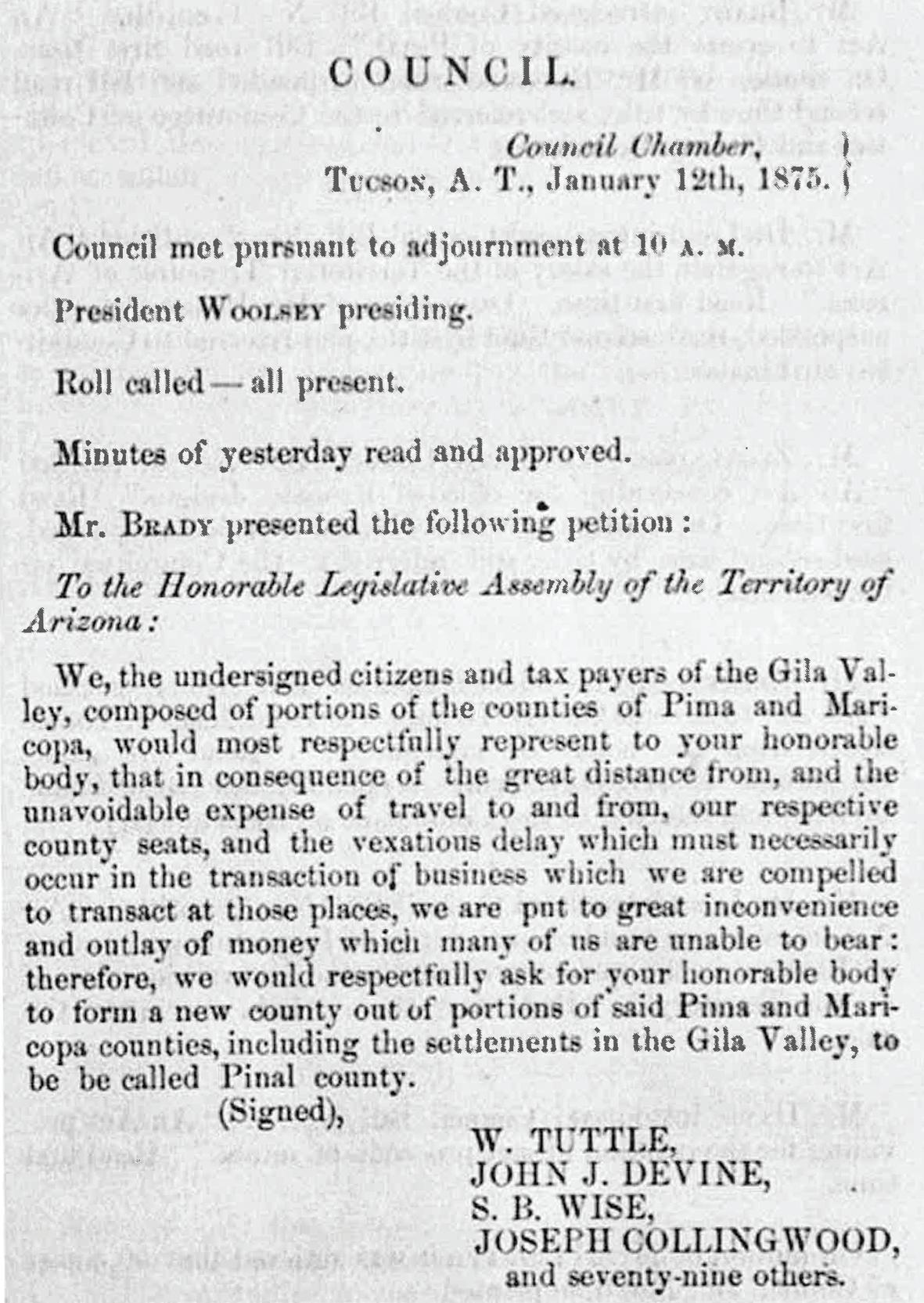
As early as 1873, the Weekly Arizona Miner reported that citizens of the Gila River wanted a new county. The western side of the valley was part of Maricopa County and small bit of Yavapai, and the rest was Pima County. A horse could only travel about 20 to 30 miles a day. Phoenix and Tucson, the respective county seats, could be an arduous and dangerous overnight journey to reach. Peter Reignsford Brady, Pima County legislator, took a petition to the eighth territorial legislature with the signatures of Joseph Collingwood, Florence Merchant, Sam B. Wise, an Adamsville farmer specializing in peaches, William Tuttle, a justice of the peace, and Jon B. Divine of Florence and 79 other concerned citizens and taxpayers. The petition cited the vexatious delay, the unavoidable expense of travel, and the great inconvenience of traveling to the respective county seats for the transaction of business. They respectfully asked for a new county to be formed of those portions of the other counties and settlement in the Gila Valley to be called Pinal County. The act to create the county passed on February 1, 1875, and Florence was chosen as the county seat on March 5th.
1875 PINAL COUNTY PETITION
BOARD OF SUPERVISORS
Rich Vitiello | District 1
Mike Goodman | District 2
Stephen Q. Miller | District 3, Chairman
Jeffrey McClure | District 4, Vice-Chairman
Jeff Serdy | District 5
COUNTY OFFICIALS
Douglas Wolf | County Assessor
Brad Miller | County Attorney
Dana Lewis | County Recorder
Jill Broussard | County School Superintendent
Ross Teeple | County Sheriff
Michael McCord | County Treasurer
JUSTICE COURT JUDGES
Hon. Shaun Babeu, J.P.
Presiding Justice of the Peace,
Precinct 1 Judge, Pioneer Justice Court
Hon. Kelly Gremmel, J.P.
Associate Presiding Justice of the Peace, Precinct 6 Judge, Apache Junction Justice Court
Hon. Eustino “Tino” Tarango, J.P.
Precinct 3 Judge, Central Pinal Justice Court
Hon. Patricia Glover, J.P.
Precinct 4 Judge, Western Pinal Justice Court
Hon. Ellie Brown, J.P.
Precinct 5 Judge, Copper Corridor Justice Court
Hon. Reginald Winston, J.P.
Precinct 2 Judge, Casa Grande Justice Court
CONSTABLES
Mal Osgood
Constable - Pioneer Justice Precinct 1
Scott Elliott
Constable - Casa Grande Justice Precinct 2
David Irvin
Constable - Central Pinal Justice Precinct 3
William Griffin
Constable - Western Pinal Justice Precinct 4
Mike Sloan
Constable - Copper Corridor Justice Precinct 5
Ted Gremmel
Constable - Apache Junction Justice Precinct 6
SUPERIOR COURT
Hon. Joseph R. Georgini | Superior Court Presiding Judge
Hon. Steven J. Fuller
Superior Court Criminal, Presiding Judge
Hon. Daniel A. Washburn | Superior Court Judge
Hon. Jason R. Holmberg
Superior Court Associate, Presiding Judge
Hon. Delia R. Neal | Superior Court Judge
Hon. Robert C. Olson | Superior Court Civil Presiding Judge
Hon. Patrick K. Gard | Superior Court Family Presiding Judge
Hon. Danielle Harris | Superior Court Judge
Hon. Jessica K. Dixon | Superior Court Judge
Hon. Karen F. Palmer
Superior Court Juvenile, Presiding Judge
Rebecca Padilla | Clerk of the Superior Court
APPOINTED COUNTY OFFICIALS
Leo Lew | County Manager
Natasha Kennedy | Clerk of the Board
ECONOMIC GROWTH AND DEVELOPMENT
The County is experiencing significant growth in several dynamic sectors, including advanced manufacturing and cuttingedge technology, as well as the manufacturing of building materials that support the County’s expanding construction sector. Pinal County is uniquely positioned to support the growth of the semiconductor industry as the state of Arizona continues as a national leader in this sector. Notable areas of expansion include aerospace and aviation, where innovative companies are developing next-generation aircraft and technologies. Additionally, the electric vehicle and battery industries are advancing rapidly, fueled by an increasing demand for sustainable transportation solutions. The biotechnology sector is also thriving, with numerous establishments focused on developing medical advancements and health solutions.
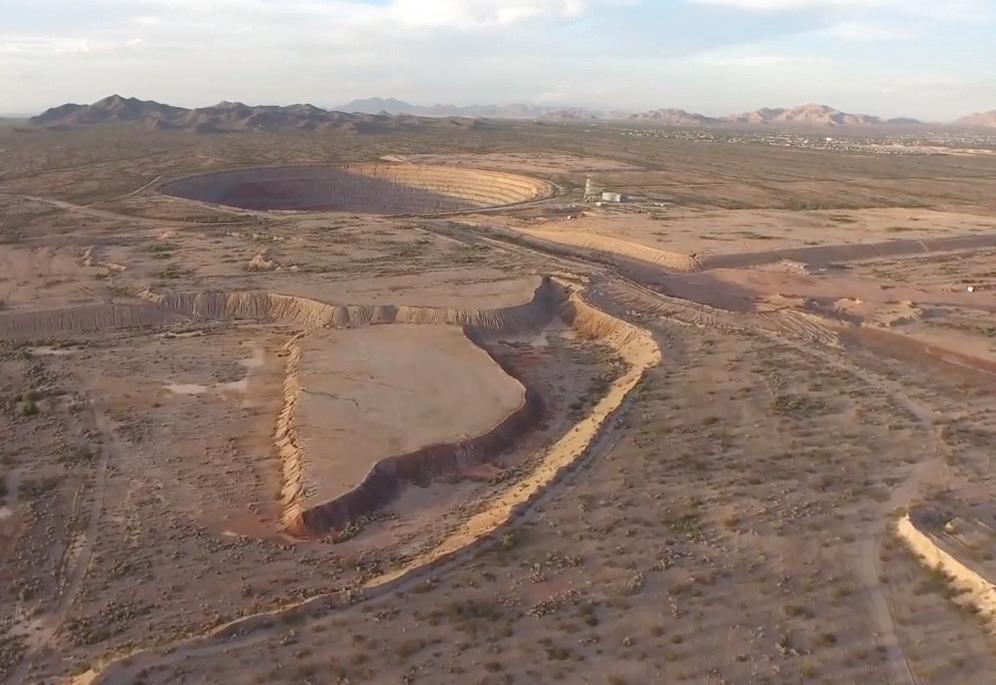
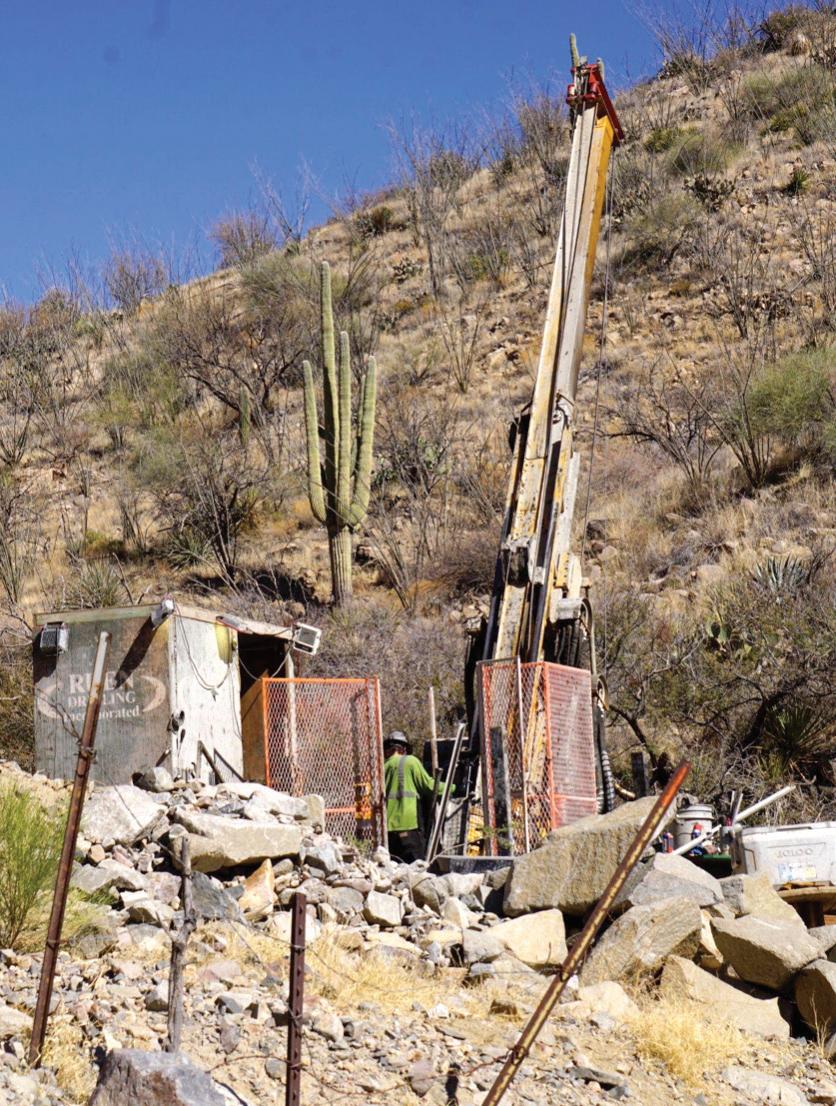
In the realm of renewable and green technologies, the County is becoming a leader in multiple forms of energy production, contributing to a more sustainable future and reducing carbon footprints. Additionally, copper mining is making a significant return to Pinal County with no less than four mines in various stages of development. These mines will be a critical growth sector to support the semiconductor industry.
Moreover, the County boasts an array of robust recreational, cultural, and tourism opportunities that play a crucial role in fostering a diverse economy. These offerings not only create high-wage job prospects but also enhance the overall quality of life for residents and visitors alike. The combination of a thriving job market and vibrant community amenities ensures that the County remains an attractive destination for both businesses and individuals seeking to thrive in a progressive environment.
PINAL COUNTY: Poised for Prosperity
A NEW ERA OF GROWTH AND DEVELOPMENT
As Pinal County celebrates its 150th anniversary, its future has never looked brighter. Once a largely agricultural region, the county has transformed into one of Arizona’s fastest-growing and most economically dynamic areas. With strong population gains, record-setting industrial investment, and a renewed focus on workforce development, Pinal County is emerging as a key player in Arizona’s future.
A POPULATION ON THE RISE
In just over a decade, Pinal County has grown into the third most populous county in Arizona, approaching 500,000 residents as of 2025. This marks a nearly 24% increase since 2010, driven by affordable housing, a strategic location between Phoenix and Tucson, and an expanding job market. Communities such as Casa Grande, Maricopa, Florence, and Apache Junction continue to attract new residents seeking a high quality of life and economic opportunity.
San Tan Valley, the county’s recently incorporated community, now boasts a population of approximately 106,000 residents. Incorporation grants residents more control over local governance, infrastructure planning, and public services—setting the stage for continued growth and community investment.
ECONOMIC INDICATORS SHOW ACCELERATED GROWTH
Pinal County’s economic momentum is outpacing much of Arizona. In 2023 alone, the county’s GDP rose by 9%, nearly three times the statewide average, reaching an estimated $14.3 billion. Per capita income continues to rise, reflecting broader prosperity and job creation across key industries like advanced manufacturing, clean energy, logistics, and mining.
New construction and reinvestment are also reshaping the landscape. In FY 2024–2025, primary property tax valuations increased by over 11%, driven by nearly $190 million in new construction and over $300 million in added value from improvements to existing properties. These numbers underscore both the county’s desirability and its smart planning to accommodate growth.
INDUSTRY INVESTMENT AND INNOVATION
Powering the Next 150 Years
DRIVING INNOVATION IN TRANSPORTATION
Lucid Motors continues to expand its advanced manufacturing campus in Casa Grande, placing Pinal County at the forefront of the electric vehicle revolution. The facility produces luxury EVs that are helping shape the future of clean, hightech mobility — and bringing high-wage jobs and global attention to the region.
COPPER FOR A SUSTAINABLE FUTURE
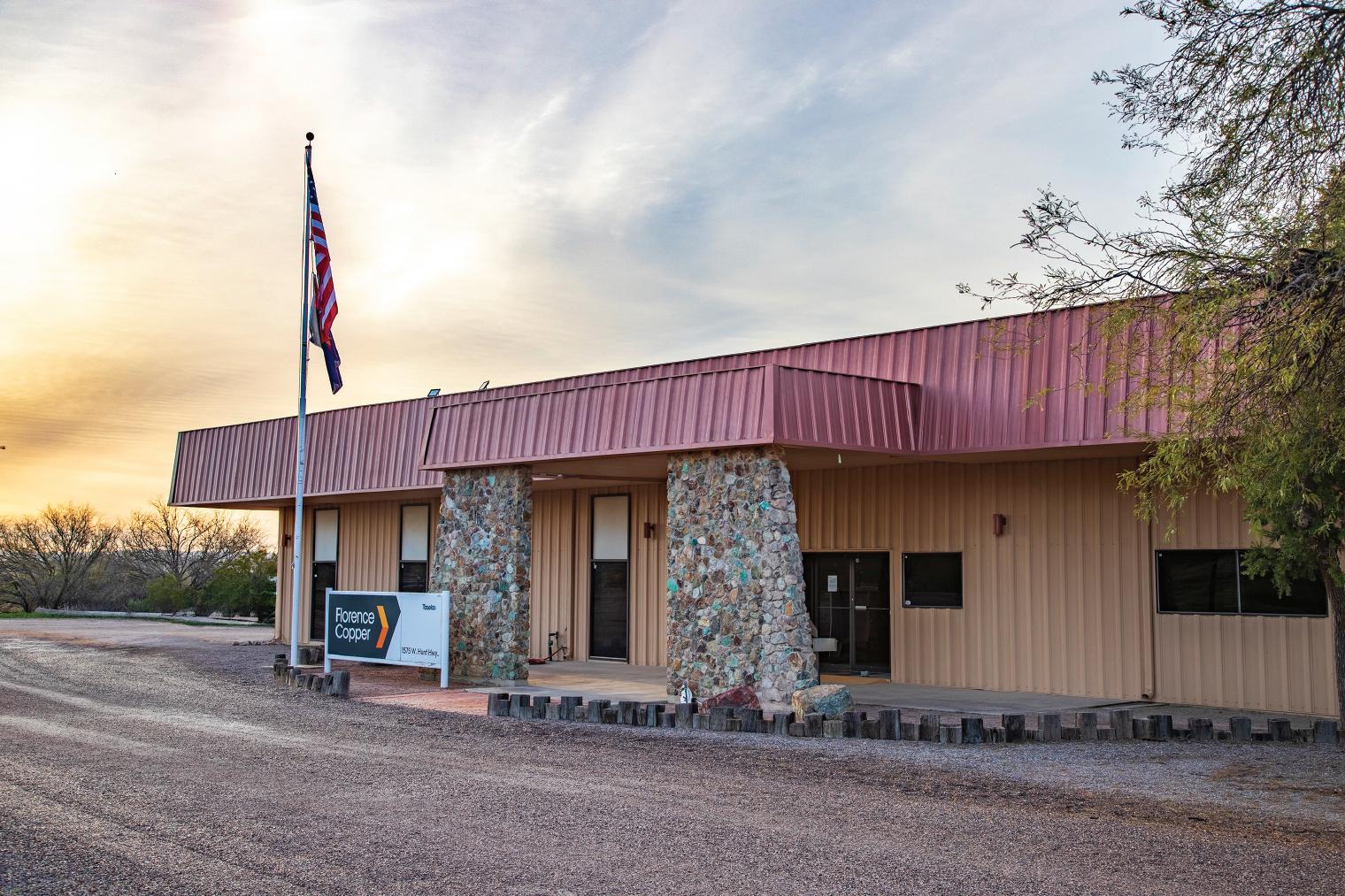
The Florence Copper Project, now over halfway through construction, will be a vital domestic source of copper—an essential mineral in clean energy, battery storage, and electric vehicles. This project is a model of environmentally responsible mining and economic contribution to the region.
RESOLUTION COPPER MOVES FORWARD
Near Superior, the Resolution Copper project recently advanced past a key legal hurdle, clearing the way for development. Once operational, it could meet up to 25% of U.S. copper demand and contribute billions to the local and national economy. It highlights Pinal County’s growing role in securing America’s clean energy supply chain.
INVESTING IN RENEWABLE ENERGY
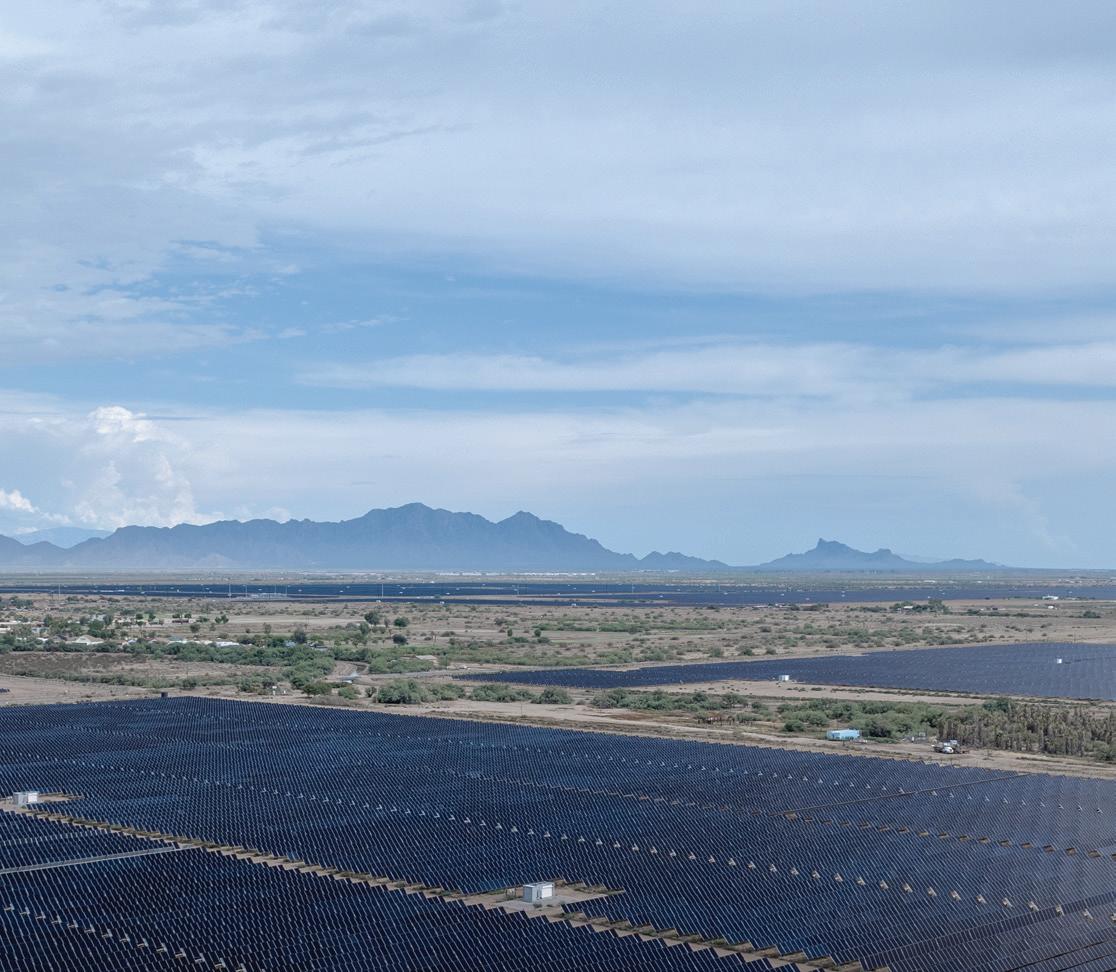
Box Canyon Solar Project represents an investment in clean power and local prosperity. By generating renewable energy and returning tax revenue to schools and infrastructure, this project embodies the county’s forward-thinking approach to energy and economic development.
BUILDING THE WORKFORCE OF THE FUTURE
A growing economy requires a skilled and adaptable workforce. Pinal County’s updated Workforce Development Strategic Plan is focused on aligning education, job training, and employer needs to support long-term economic resilience. Partnerships with local school districts, Central Arizona College, and the Pinal County Workforce Development Board are preparing residents for in-demand careers in fields like manufacturing, healthcare, transportation, and information technology.
To help tell the story of its people, assets, and opportunities, the county also launched an updated Economic Development Profile and Visitors Guide—tools that showcase Pinal County as not only a great place to work and do business, but a great place to live and explore.
LOOKING AHEAD
With its ideal location, businessfriendly climate, and commitment to responsible growth, Pinal County is entering its next chapter with confidence. As it honors 150 years of history, the county is equally focused on what’s ahead: a future built on innovation, sustainability, and shared prosperity.
Pinal County is Not Just Growing - It’s Thriving... The Best is Yet to Come.
FEBRUARY
1,
2025: Pinal County’s 150th Official Ceremony
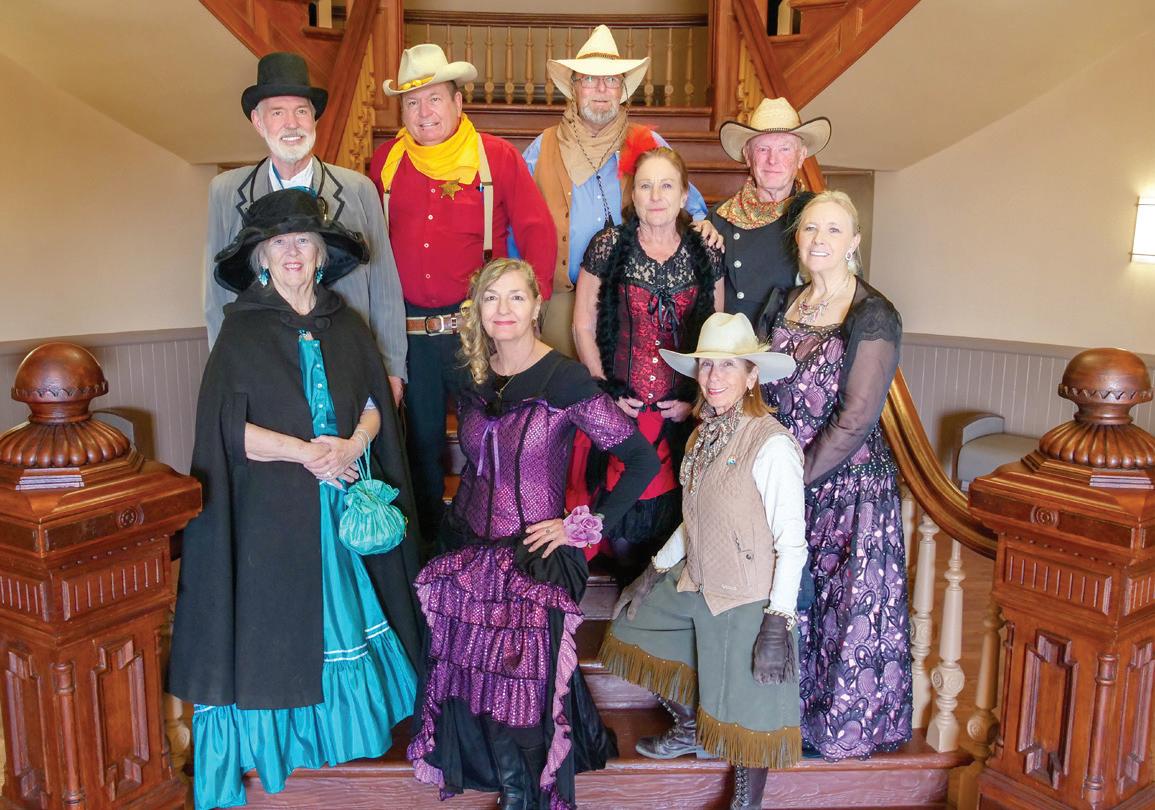
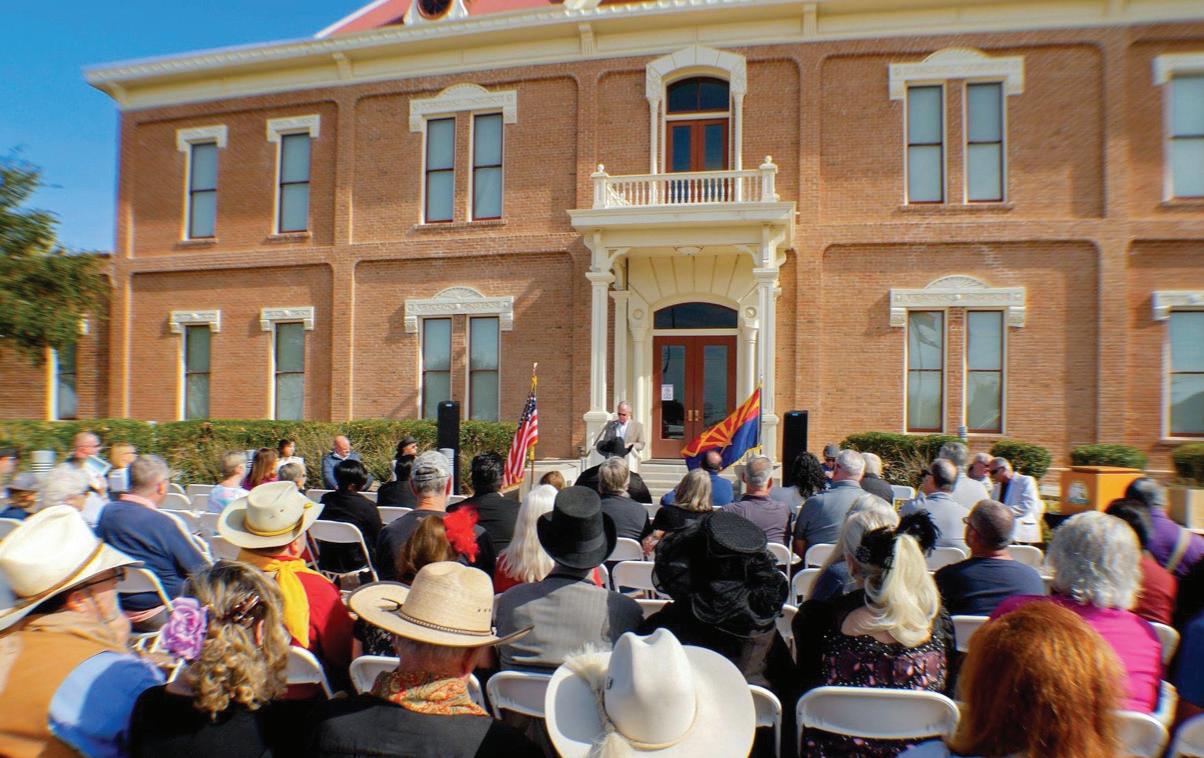
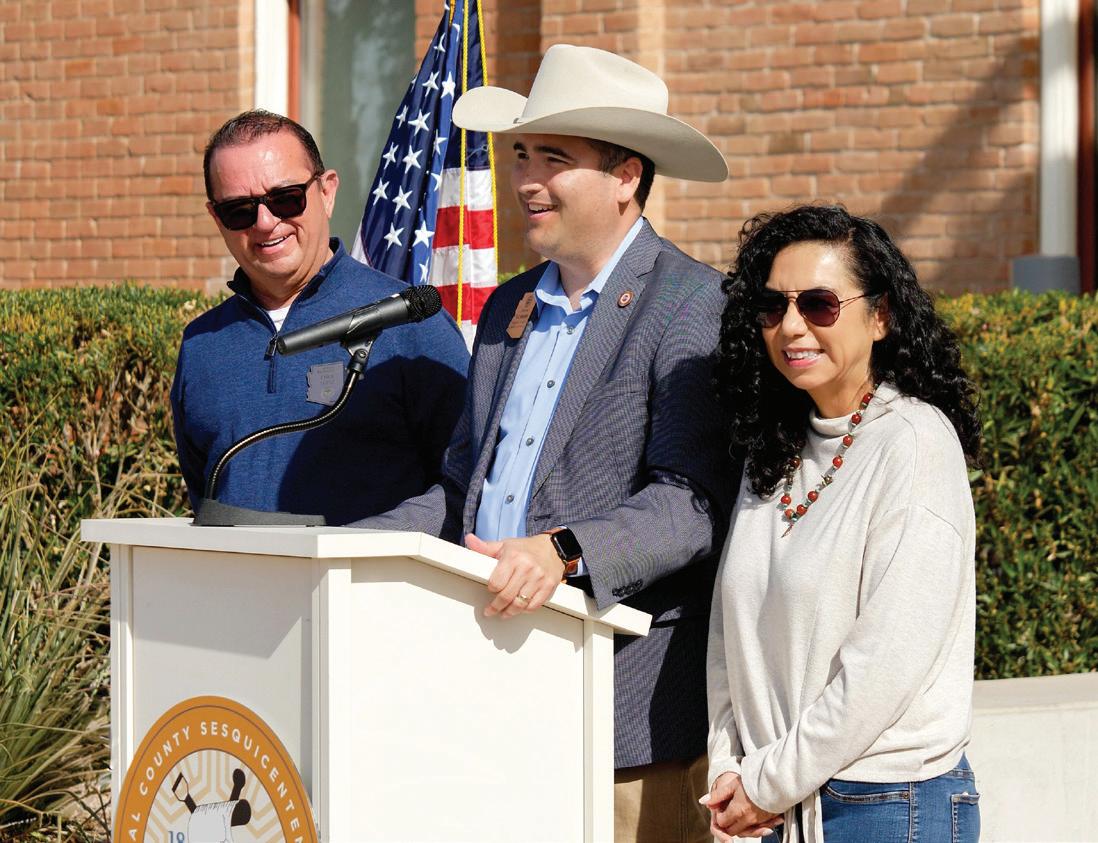
On a sunny Saturday afternoon, the front lawn of the 1891 Historic Courthouse became the setting for a once-in-a-lifetime celebration. Residents, community leaders, and elected officials gathered to honor Pinal County’s 150th anniversary with a program that blended history, reflection, and hope for the future.
CELEBRATION HIGHLIGHTS
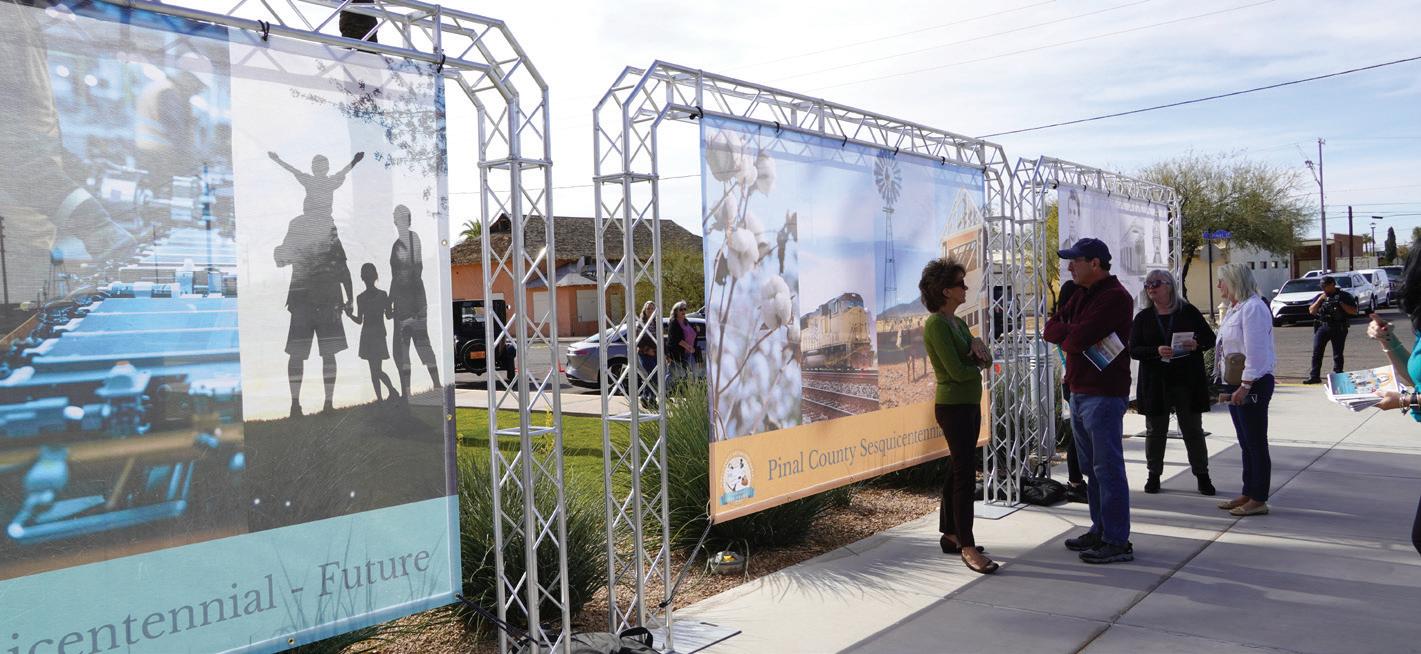
From 1:00 to 3:00 p.m., attendees enjoyed remarks from the Pinal County Board of Supervisors and distinguished guests, each reflecting on the County’s past achievements and future promise. A curated display of archival artifacts and historic photographs gave visitors a glimpse into Pinal’s evolution over the decades. Guests also strolled the courthouse’s storied halls and shared in light refreshments, connecting past generations with the present.
THE TIME CAPSULE, PRESERVING TODAY FOR TOMORROW
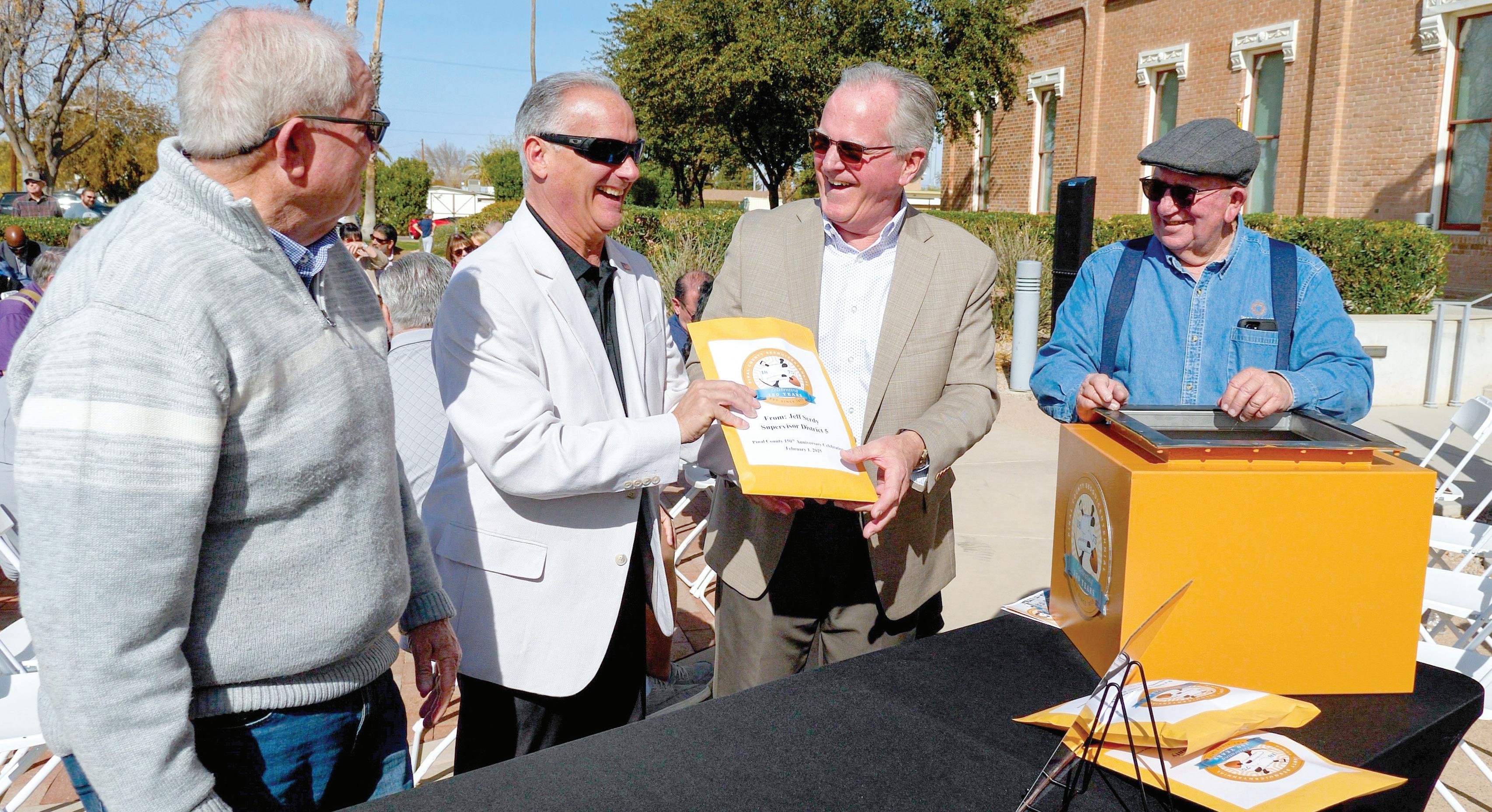
The highlight of the afternoon was the dedication of a 25-year time capsule, a gift to future residents of Pinal County. Filled with contributions from officials and citizens of all ages, the capsule includes handwritten letters, photographs, memorabilia, and newspaper clippings, capturing the spirit and culture of 2025, it will be opened in the year 2050, when the people of Pinal will look back on this historic milestone and rediscover the legacy left for them.
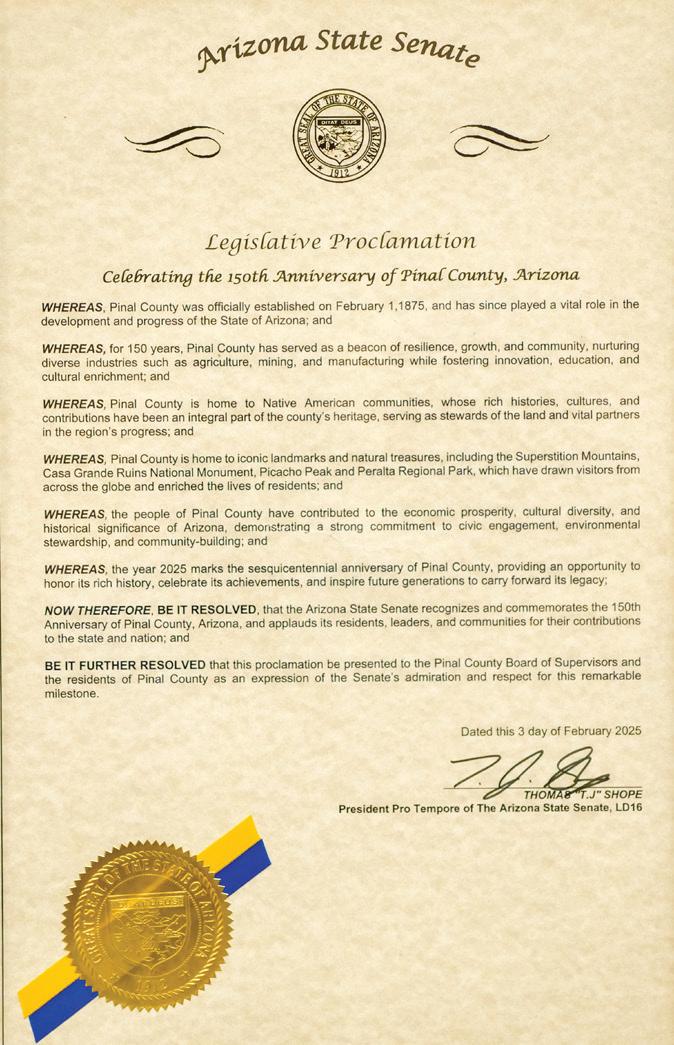
ARIZONA STATE SENATE LEGISLATIVE PROCLAMATION
THOMAS “T.J.” SHOPE, LD16
OCTOBER 4, 2025: Pinal County’s 150th Birthday Bash
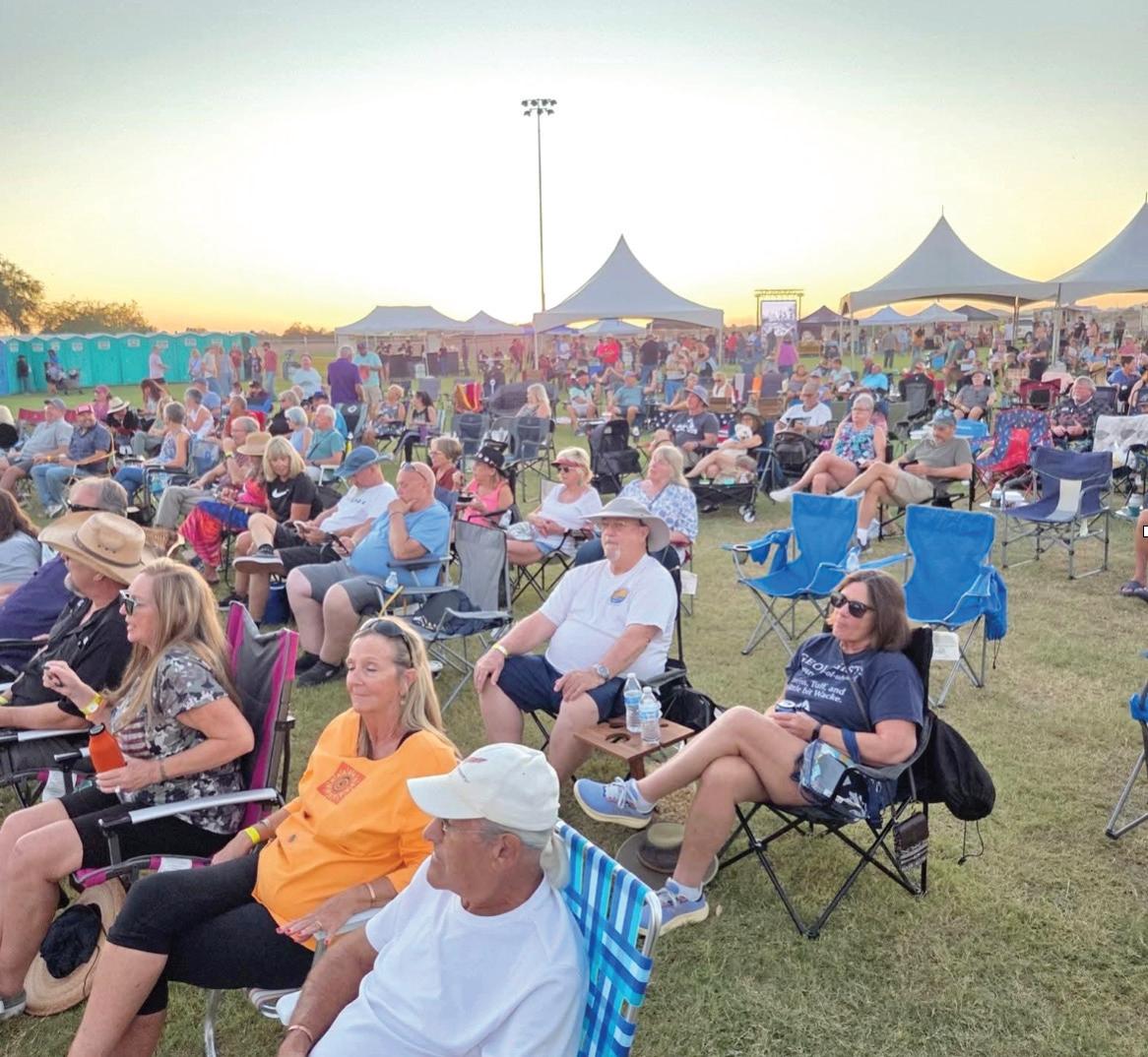
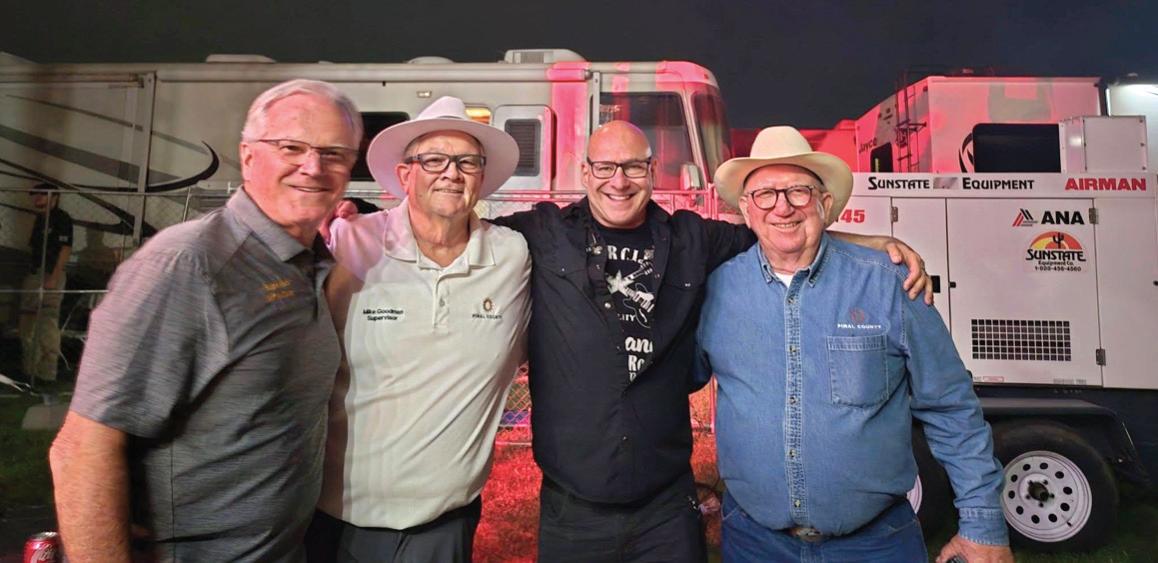
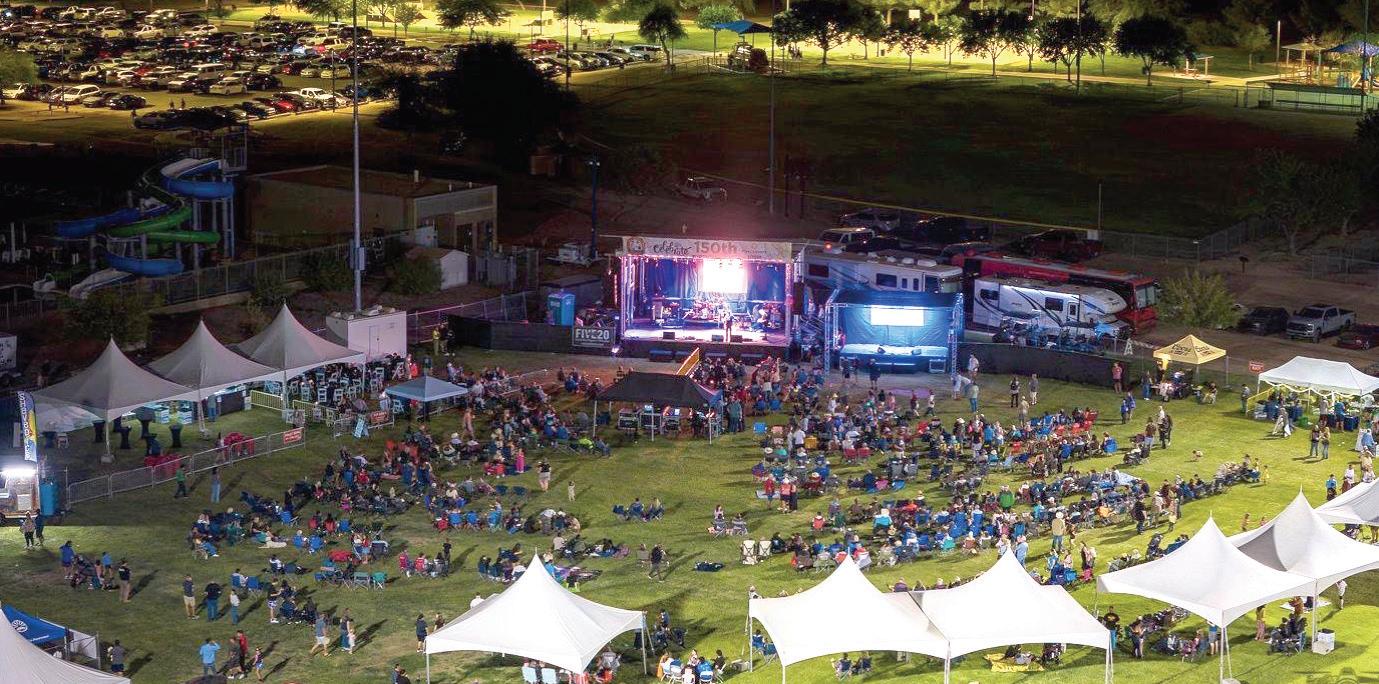
On October 4, 2025, the community came together for an unforgettable celebration marking Pinal County’s 150th birthday. Hosted on the MultiPurpose Field in Florence, the day was filled with pride, laughter, and the spirit of togetherness that defines our county.
The festivities opened with a warm welcome from the Pinal County Board of Supervisors, who shared reflections on the county’s past, present, and future. Throughout the afternoon and evening, live music filled the air as local bands, cultural performers, and entertainers took the stage. Guests enjoyed a diverse lineup ranging from country and rock to traditional and Latin rhythms, creating a soundtrack that reflected the county’s unique blend of history and modern growth.
Family fun was at the heart of the bash. Children explored the vibrant Kids Zone, while adults enjoyed activities tailored just for them. Food trucks offered flavors for every taste, and community booths highlighted local pride. Adding to the excitement, top sponsors joined the celebration, underscoring the strong partnerships that support Pinal County’s growth and prosperity.
As the sun set, the celebration became a shared memory of joy, connection, and community spirit. The night concluded with a spectacular fireworks display paired with a breathtaking drone show, lighting up the Florence sky in dazzling color and creativity.
The 150th Birthday Bash was more than a party, it was a historic milestone, a reminder of how far Pinal County has come, and an inspiration for the next 150 years.
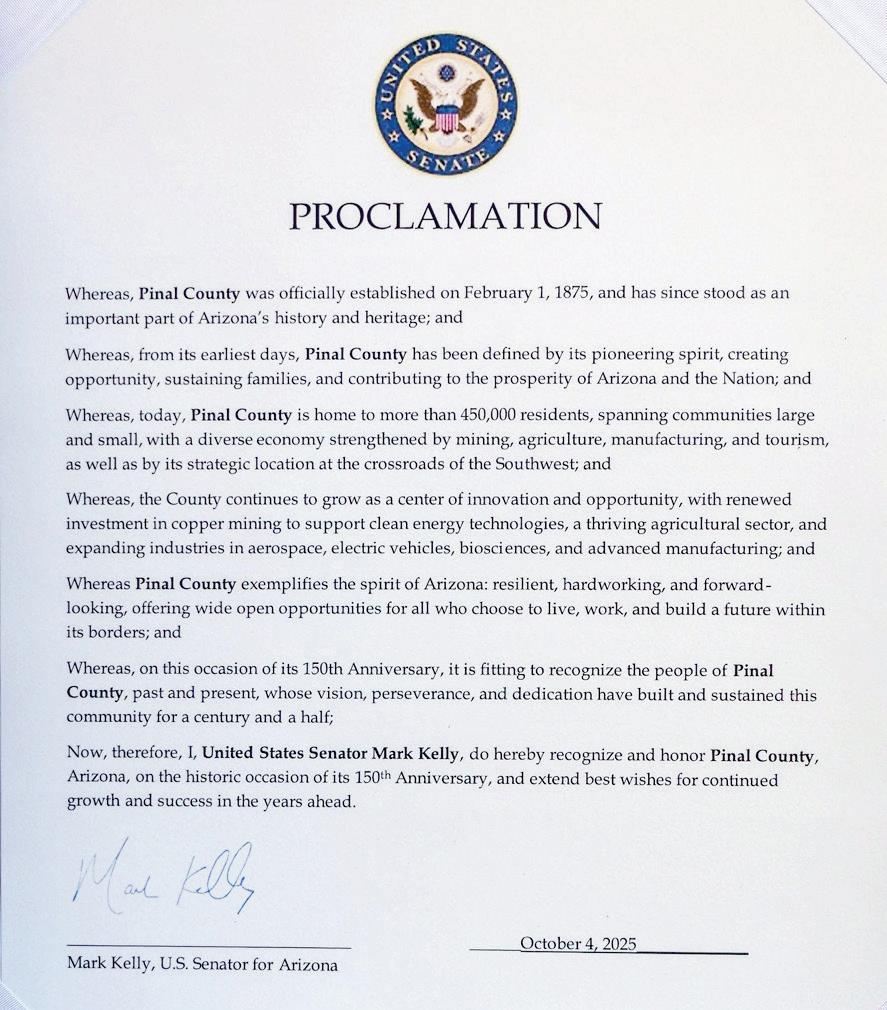
MARK KELLY, U.S. SENATOR FOR ARIZONA
EMPLOYEE APPRECIATION
LUNCHEON: 150 YEARS OF SERVICE AND SPIRIT
NOVEMBER 12,
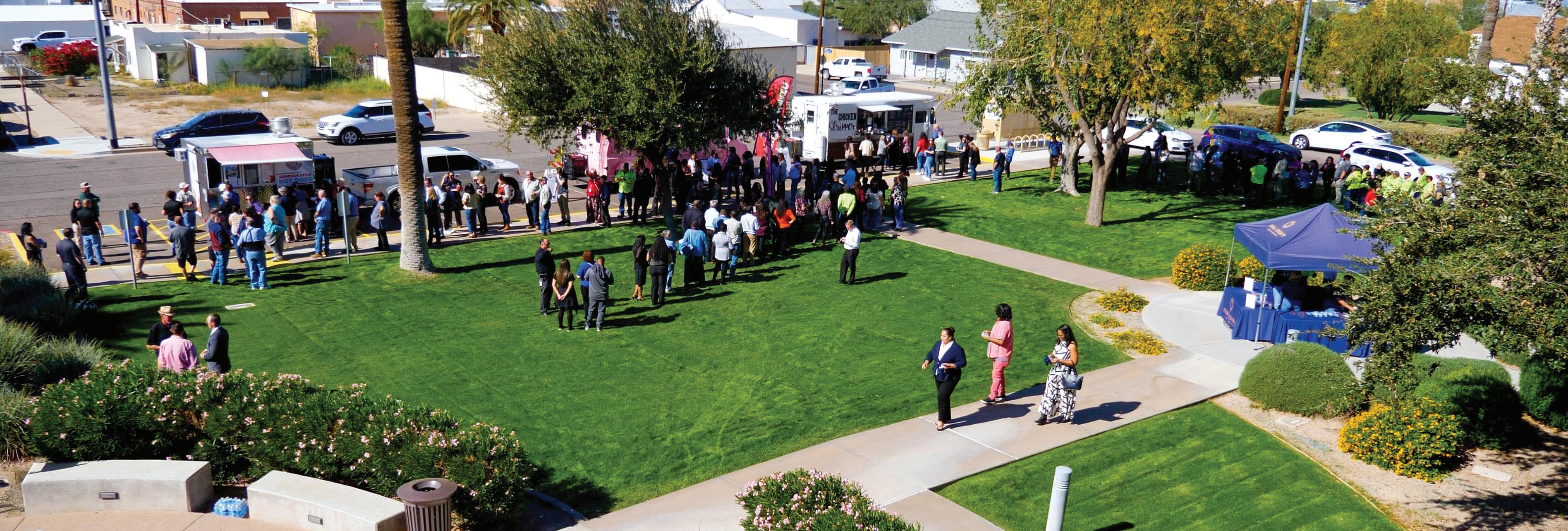
As Pinal County’s yearlong Sesquicentennial celebration comes to a close, the final event, “Your County, Your Board, Your Celebration,” brought together the heart of Pinal County: its dedicated employees. On November 12, 2025, the 1891 Courthouse lawn in Florence came alive with music, laughter, and appreciation as hundreds of employees gathered for a special luncheon with the Pinal County Board of Supervisors.
This culminating celebration served as a heartfelt “thank you” from the Board to the County’s workforce, whose commitment and service continue to define Pinal County’s legacy. Each department contributes to the success of Pinal County, which has thrived for 150 years and continues to grow with innovation and pride.
Under the shade of the courthouse’s grand arches, employees enjoyed lunch from a variety of local food trucks, sweet treats, and time to connect with the Board and colleagues across departments. The event not only recognized the County’s milestone anniversary but also reflected on the teamwork and resilience that have carried Pinal County through a century and a half of service to its residents.
Chairman Stephen Q. Miller and the Board of Supervisors extended their gratitude to all County employees for their dedication and contributions during the Sesquicentennial year, as well as to the Sesquicentennial Planning Committee. From the official ceremony, capsule dedication, and community events to the grand 150th Birthday Bash, the celebration truly showcased a collective effort that honored the county’s past while inspiring the next 150 years.
As the luncheon ended, the spirit of unity and pride lingered across the courthouse lawn, a perfect ending to a historic year. Here’s to Pinal County 150 years strong, and a future even brighter.
DISTRICT 1
DISTRICT 3
DISTRICT 2
DISTRICT 5
DISTRICT 4
SUPERVISOR DISTRICTS
DISTRICT 1 | RICH VITIELLO
DISTRICT 2 | MIKE GOODMAN
DISTRICT 3 | STEPHEN Q. MILLER
DISTRICT 4 | JEFFREY M CCLURE
DISTRICT 5 | JEFF SERDY
A MESSAGE FROM YOUR SUPERVISORS
"We will continue to do business as usual, advancing the ball. We really never know what challenges may come before the Board of Supervisors and/or in the three communities that I represent, which are Coolidge, Eloy, and Casa Grande. Something is always going on in all those areas, and if the County can assist each one of those communities, I’m here to help. Water and transportation are two main topics, and I will continue to focus on making some headway."
"I am honored and proud to be a member of the Board of Supervisors in such an auspicious year. This county is growing at an incredible rate. I know that is not a comfort for some residents, however the growth brings remarkable prosperity to the region and much needed services to the residents. I look forward to the bright future of Pinal County and its prominence in the State of Arizona."
CHAIRMAN STEPHEN Q. MILLER , PINAL COUNTY SUPERVISOR DISTRICT 3
VICE CHAIRMAN JEFFREY M CCLURE , PINAL COUNTY SUPERVISOR DISTRICT 4
“I am honored to take part in this historic celebration marking 150 years since the founding of this great county. My heartfelt thanks to everyone who joined us for the many events held throughout the year in recognition of this remarkable milestone. Here’s to the next 150 years—and beyond—as we continue to build upon Pinal County’s proud legacy.”
THE HON. RICH VITIELLO, PINAL COUNTY SUPERVISOR DISTRICT 1
“As a long-time resident, I have been privileged to not just hear about the tremendous growth of Pinal County, but to experience it first-hand. Many of my children and grandchildren have grown up here, I’ve farmed this land, and went through significant life events in this very community. My decision to run for office stemmed from the desire to get involved and work alongside the great people of Pinal County to help create a brighter future for our families and generations to come. A future where our people can truly live, work and play. I am in awe over everything that has taken place over the years, and feel grateful to witness our community turn into a destination point for residents, developers, and broader industry. My hope is that we continue to grow responsibly and keep our unique identity where families can thrive . ”
THE HON. MIKE GOODMAN, PINAL COUNTY SUPERVISOR DISTRICT 2
“We’re proud of all we’ve built and achieved over the past 150 years, and as we look ahead to the next 150, we must remain committed to protecting our wilderness and preserving the open spaces that make Pinal County special.”
THE HON. JEFF SERDY, PINAL COUNTY SUPERVISOR DISTRICT
5
THE SIX C’S OF PINAL COUNTY
COPPER
Pinal County has long been at the heart of Arizona’s copper industry, with mines that not only built our communities but continue to provide the resources that power modern life.
CITRUS
Our citrus groves remind us of the sweet harvests that have thrived in Pinal’s fertile soil and continue to connect us to our agricultural roots.
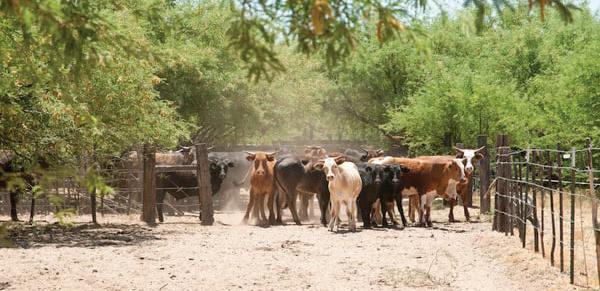
CATTLE
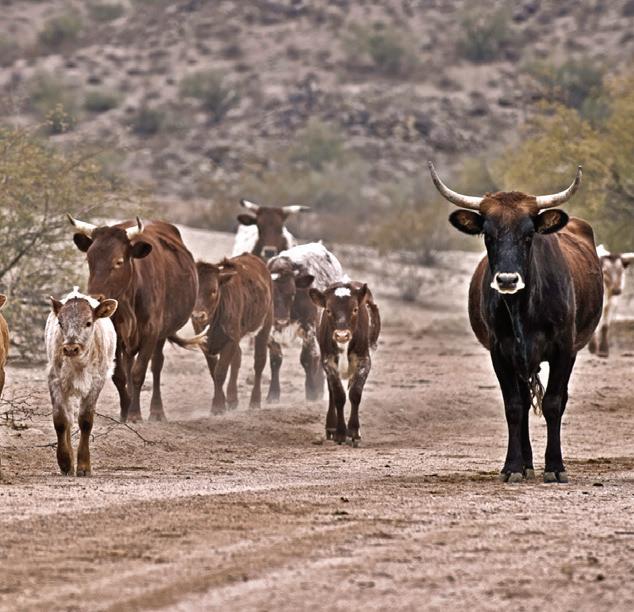
From the wide-open ranges of our past to today’s working ranches, cattle symbolize Pinal’s heritage of grit, family, and tradition that still runs deep.
COTTON
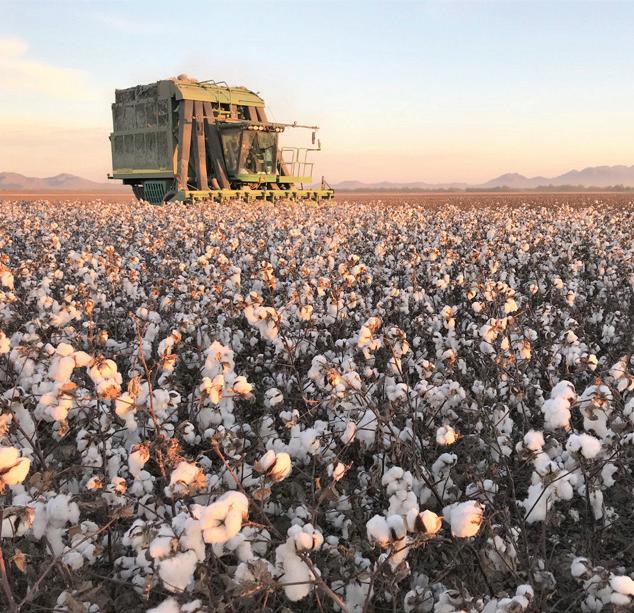
Cotton fields across our county have fed families, built towns, and carried Pinal’s reputation as part of Arizona’s “Cotton Kingdom.”
CLIMATE
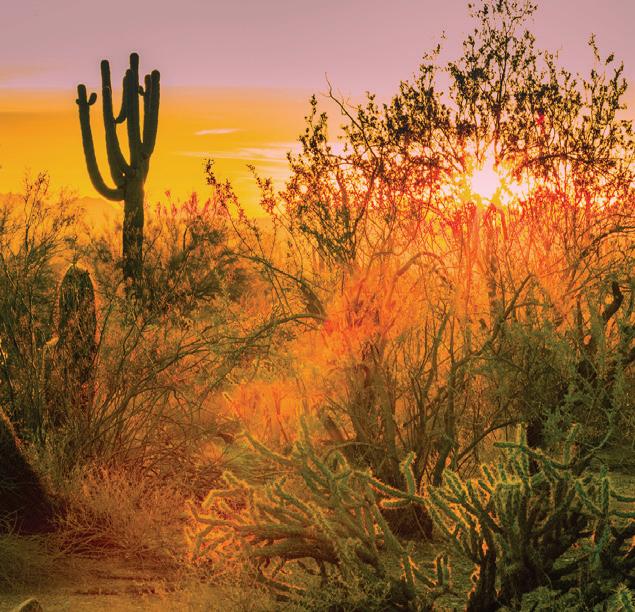
Pinal County’s climate has always been one of our greatest assets— supporting crops, welcoming families, and drawing new opportunities to our communities.
CARS
Today, we add a sixth “C” for Cars. Pinal County is proud to be a leader in the automotive and electric vehicle industry, where innovation and job growth are driving our economy forward and shaping our future.
CULTURAL AND COMMUNITY IMPACT
Community Reflections and Memories
One of the most heartfelt elements of our 150th Anniversary Celebration has been the overwhelming response from the people who know Pinal County best – its residents. Through the lenses of community members, we have received an incredible collection of photographs that beautifully capture the essence of life in Pinal County.
From sweeping desert landscapes and historic townscapes to candid family moments and vibrant community events, each image tells a unique story. These photographs are more than just snapshots – they are memories, traditions, and glimpses into everyday life that bind us together as a county.
We extend our deepest gratitude to every individual who shared a piece of their world with us. Your contributions have helped shape this commemorative booklet into a true reflection of our shared experience. Many of these photos are featured throughout these pages, with additional submissions available in a special digital gallery online. Together, these images celebrate our diversity, resilience, and deep-rooted pride in calling Pinal County home. Thank you for helping us preserve the past, celebrate the present, and inspire the future – one photo at a time.
A TRIP DOWN MEMORY LANE
2025 marked Pinal County's 150th Anniversary. Citizens submitted photos from the past or present to commemorate in celebration. Review submitted memories by scanning the QR code.
CAPTURED THROUGH COMMUNITY EYES: A Visual Tribute
Board of Supervisors
Learn More About the Departments That Can Better Serve YOU!
- The County Board of Supervisors is made up of five Elected Supervisors, each representing a District. The Board is responsible for governing the County, establishing the County property tax rate and setting the budget for County Departments and Elected Offices each year The County currently has over two thousand employees and the County seat is located in Florence
Air Quality
Monitoring, and Forecasting
Ambient Air quality Levels
Permitting for Open Burning and Dust Control Projects
Permitting for Industrial and Commercial Facilities Compliance/Enforcement
County Attorney’s Office
Prosecutes Thousands of Cases Each Year
Provides Services to Victims of Crime
Serves as In-House Counsel for Pinal County and its Officials
Housing Authority
Provides Temporary Housing for qualified lowincome people
Provides Counseling, Education, and Support to Assist Individuals in Becoming Independent
Public Defense Services
Provides Court-Appointed Legal Representation to Citizens Deemed Indigent and Entitled to Counsel as a Matter of Law
Recorder’s Office
Processes and Maintains Records and Governmental Information
Administers Voter Registration and Early Voting Oversees Elections
Animal Care & Control
Animal Protection Services
Kennel Permits
Licensing of Animals
Rabies Vaccinations
Adoption Services
Fostering Program
Development Services
Building Safety and Code
Code Compliance
Planning and Zoning
Aquifer Protection
Road Maintenance
Transportation Infrastructure Flood Control
Library District
Operates Libraries in Arizona City and San Tan Valley Supports Municipal Libraries in Pinal County
Provides Online Library Collections and Services
Public Fiduciary
Provides Court-Appointed Services as the Guardian and/or Conservator for Vulnerable Adults Deemed Unable to Make Decisions Due to Incapacity
Sheriff
Provides Law and Order in Unincorporated Pinal County
Provides Adult Detention Services
Processes and Executes all Criminal/Civil Processes of Pinal County Superior Court
Assessor’s Office
Identifies and Appraises
Property for Tax purposes
Values Manufactured
Housing and Business
Personal Property
Maintains Ownership Information
Economic & Workforce Development
Works to Attract Businesses and Create Opportunities Development and Education of the Workforce Promoting Tourism in the County
Open Space, Trails & Regional Parks
Operates Peralta Regional Park in Gold Canyon
Operates Five Neighborhood Parks in Pinal County Manages approximately 60 miles of regional nonmotorized multi-use trails
Public Health
Provides Immunizations, WIC and Clinic Services
Prepares and Responds to Public Health Emergencies Oversees Environmental Health Permitting and Inspection
Treasurer
Collects and Distributes Personal and Real Property Taxes Levied by the County and Taxing Entities Provides Financial Services to Special Districts and Political Subdivisions
COUNTY MANAGEMENT TEAM
LEO LEW COUNTY MANAGER
HIMANSHU PATEL DEPUTY COUNTY MANAGER
MARYELLEN SHEPPARD DEPUTY COUNTY MANAGER
WHALEN DEPUTY COUNTY MANAGER
SESQUICENTENNIAL PLANNING COMMITTEE
NATASHA KENNEDY CLERK OF THE BOARD
TANYA MARTINEZ ADMINISTRATIVE MANAGER
GEORGINA SALINAS WEBSITE & DESIGN MANAGER
TAYLOR OLLERTON CITIZEN ENGAGEMENT MANAGER
VICTORIA SANCHEZ COMMUNICATIONS ASSISTANT
LISETTE PADULA COMMUNICATIONS ASSISTANT
CATHRYN
PINAL COUNTY BOARD OF SUPERVISORS
ACKNOWLEDGMENTS
A special thank you to everyone who contributed to this commemorative booklet. Advertisers within this booklet sponsored Pinal County’s 150th Birthday Bash events. From historians and community leaders to residents who shared their stories, this project would not have been possible without your support. As we celebrate 150 years of history, let’s honor our past, celebrate our present, and embrace the future together. Thank you for being part of this incredible journey!
A special thank you goes out to the cities, towns, and tribal communities of Pinal County, the Pinal County Historical Museum, and to the Arizona State Archives.