Building Stronger Futures with Pediatric Mental Health Care
Growing up can be exciting, but it can also be confusing and hard sometimes. Kids and teens go through many changes in their bodies, feelings, and thoughts. Sometimes those feelings become too big to handle alone. When that happens, families may look for help from a pediatric psychiatrist. Mental health is just as important as physical health. If a child breaks an arm, they see a doctor. If a child feels very sad, very worried, or very angry for a long time, they may need to see a mental health doctor. That is where a pediatric psychiatrist can help.
What Is a Pediatric Psychiatrist?
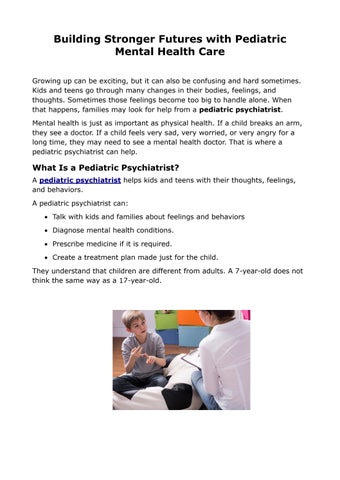
A pediatric psychiatrist helps kids and teens with their thoughts, feelings, and behaviors.
A pediatric psychiatrist can:
Talk with kids and families about feelings and behaviors
Diagnose mental health conditions.
Prescribe medicine if it is required.
Create a treatment plan made just for the child. They understand that children are different from adults. A 7-year-old does not think the same way as a 17-year-old.

Why Would a Child See a Pediatric Psychiatrist?
Many children visit a pediatric psychiatrist for different reasons. Sometimes parents notice changes that do not go away. Other times, teachers or doctors suggest getting extra support.
Here are some common reasons children may need help:
1. Big Worries (Anxiety)
It is normal to worry sometimes. But if a child worries so much that they:
Avoid school
Feel sick often because of fear
Have trouble sleeping
Cry a lot about small things
Then it might be more than normal worry. A pediatric psychiatrist can help find out what's wrong. They can also help make those worries smaller.
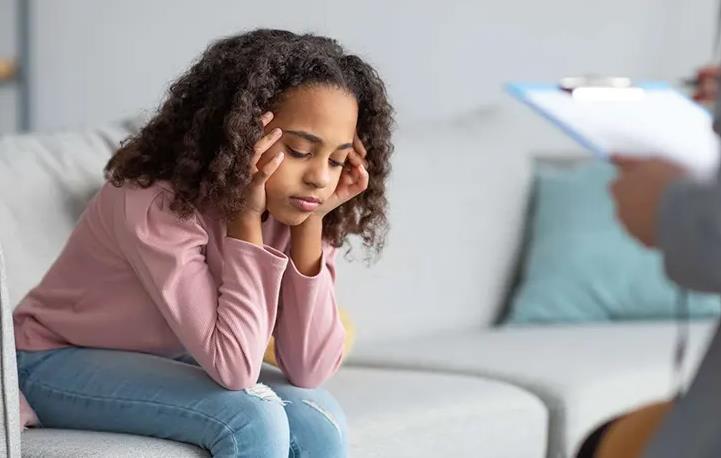
2. Feeling Very Sad (Depression)
Everyone feels sad sometimes. But if a child feels sad?
Stops enjoying favorite activities
Feels tired all the time
Has trouble concentrating
Talks about feeling hopeless
And these feelings last for weeks; it is importTheyTheyant to get help. Early care can make a big difference.
3. Trouble Paying Attention (ADHD)
Some kids have a very hard time sitting still, focusing, or finishing tasks. This might be Attention-Deficit/Hyperactivity Disorder (ADHD).
A pediatric psychiatrist can:
Ask questions about behavior at home and school
Use special checklists
Decide if treatment is needed
Sometimes treatment includes learning new skills. Sometimes medicine may help. Each child’s plan is different.
4. Strong Anger or Big Emotional Outbursts
Some children have very big reactions that are hard to control. They may:
Yell or throw things
Get into trouble often
Have trouble making friends
A pediatric psychiatrist helps children learn better ways to handle strong emotions.
5. Changes After Something Scary or Sad
If a child goes through something very upsetting, like losing someone they love or seeing something scary, they may:
Have nightmares
Feel jumpy
Avoid talking about what happened
This is called trauma. Getting help early can prevent long-term problems.
What Happens at the First Visit?
Visiting a pediatric psychiatrist is not scary. It is mostly talking and listening.
During the first visit, the doctor may:
Talk with the child and parents
Ask about school, friends, and family
Ask about sleep and eating habits
Learn about medical history
Sometimes parents and kids talk together. Sometimes they talk separately so everyone feels comfortable sharing.
The doctor may also use simple questionnaires to understand what is going on.
How Treatment Helps
Treatment is different for every child. Some children may need:
Regular talk therapy
Family support sessions
School planning help
Medicine
A mix of these options
Medicine is not always needed. If it is recommended, the doctor explains why and watches carefully to make sure it helps.
The goal is always to help the child feel better, do better in school, and enjoy life more.
Why Early Help Matters
When mental health problems are treated early, children can:
Build stronger friendships
Improve school performance
Learn healthy coping skills
Feel more confident
Ignoring problems can sometimes make them bigger. Asking for help shows strength, not weakness.
Working Together as a Team
A pediatric psychiatrist does not work alone. They may work with:
Therapists
School counselors
Pediatricians
Parents and caregivers
When everyone works together, children get better support. If a child has trouble in class, the psychiatrist might suggest how teachers can help. If a child feels anxious at home, parents can learn new ways to provide support.
Common Questions Parents Have
Is it my fault?
No. Mental health conditions are not caused by “bad parenting.” Many factors can impact a child’s mental health. These include genetics, environment, and life events.
Will my child need medicine forever?
Not always. Some children need medicine for a short time. Others may need it longer. The doctor checks regularly to see what is best.
Is therapy enough?
Sometimes therapy alone works very well. Other times, combining therapy and medication gives better results. Each child is unique.
Supporting Mental Health at Home
Parents can also help by:
Listening without judging
Keeping routines steady
Encouraging healthy sleep
Limiting too much screen time
Praising effort, not just results
Small daily habits can make a big difference.
Final Verdict
Taking care of a child’s mental health is one of the most important steps a parent can take. Getting help early can lead to positive changes when emotions, behavior, or focus issues affect daily life.
At Pima Behavioral Health, we offer child and adolescent psychiatry services. We want to give families clear answers. We provide caring support. We create personalized treatment plans. These plans focus on understanding each child’s needs. We also work closely with families to support healthy emotional growth.
If you need a trusted pediatric psychiatrist in Tucson, Pima Behavioral Health is here to help. We offer expert care to help kids and teens feel stronger, happier, and more confident every day.