If this booklet is found, please contact the owner listed above. Thank you!
Favorably reviewed by:
This booklet was developed to be consistent with American Diabetes Association educational materials, including the Standards of Medical Care in Diabetes. This booklet does not replace the advice of your diabetes care team. Be sure to consult your diabetes care team regarding your individual diabetes care plan.
Time to take charge!
If you have diabetes, you are not alone. Millions of people have diabetes. Diabetes cannot yet be cured. But it can be managed. This booklet will give you some tips to help you manage your diabetes.
To learn more about how you can take an active role in your diabetes care, visit Cornerstones4Care.com. You’ll find resources to help you take charge!
How can you take charge of your health?
Learn as much as you can. When it comes to diabetes, knowledge really is power. The more you know about diabetes, the better you’ll be able to manage it. This booklet will get you started. You can learn more at Cornerstones4Care.com.
Work with your team.
Good diabetes care takes a team. Your doctor, nurse, diabetes educator, dietitian, pharmacist, and others are all members of your team. And then, of course, there’s you. You are the most important member of your team. Your fellow team members are experts on diabetes. But you are the expert on how you feel with diabetes. All of your team members have the same goal: to help you manage your diabetes.
When it’s time to take charge
Think about ways you can set up your environment to make it easier to change.
Get support to stay strong! We all need support at times. You can get support from family and friends. You can also find it at a diabetes support group. Check with your diabetes care team or local hospital to find one. To learn more about getting support, visit Cornerstones4Care.com.
MICHELE T. AND LAWRENCE E. Michele and Lawrence have type 2 diabetes
Diabetes: what it is and why it happens
Hormones, sugar, and your cells
When you eat, some of your food is broken down into sugar (also called glucose). Sugar travels in your blood to all your body’s cells. Insulin helps sugar move from your blood into your cells. Insulin is a hormone that is made by the beta cells in your pancreas. The image below shows, in a simple way, what happens when we eat. Your cells need sugar for energy. Sugar from food makes your blood sugar level go up. Insulin lowers your blood sugar level by helping sugar move from your blood into your cells.
When you eat, another hormone made in the gut helps the pancreas release the right amount of insulin to move sugar from the blood into the cells. This hormone is called glucagon-like peptide-1 (GLP-1). It helps beta cells in the pancreas release more insulin when there is food in the stomach and intestines. The increased insulin lowers blood sugar levels.
There are other hormones that play important roles in how the body processes sugar. For example, the hormone amylin, along with the hormone GLP-1, helps reduce the amount of sugar made by the liver and slows the emptying of food from the stomach. Another hormone called glucagon tells the liver to release stored sugar if your blood sugar gets too low or if you have not eaten for many hours, such as overnight.
What happens in diabetes?
When you have diabetes:
Your pancreas makes little or no insulin, or Your body prevents the insulin you do make from working right
As a result, sugar can’t get into your cells. So it stays in your blood. That’s why your blood sugar gets too high (also called hyperglycemia).
There are 4 ways doctors can tell if you have diabetes:
1. Your A1C (a test that measures your estimated average blood sugar level over the past 2 to 3 months) is 6.5% or higher
2. Your fasting blood sugar level is 126 mg/dL or higher. Fasting blood sugar levels means no food for at least 8 hours prior to checking your blood sugar
3. The result of your oral glucose tolerance test is 200 mg/dL or higher
4. You have symptoms of high blood sugar (see page 13 of this booklet for a list of the common signs and symptoms), and a blood test taken at a random time shows a blood sugar level of 200 mg/dL or higher. Without symptoms of high blood sugar, the first 3 tests should be repeated by your doctor
Some myths about diabetes –and the facts
Not everything you hear about diabetes is true. Here are some myths you may hear – and the facts you should know.
Myth 1: “Diabetes is a one-way street to bad health problems.”
Fact: You can go in another direction! If you follow your diabetes care plan, you can often delay or prevent problems from diabetes.
Myth 2: “It’s your own fault that you have diabetes.”
Fact: Diabetes isn’t anyone’s fault. No one knows what causes diabetes. Your eating and activity choices can play a role in your blood sugar control. But it’s not the whole story.
Myth 3: “I have to take insulin. My diabetes must be really bad.”
Fact: Not always. Everyone with type 1 diabetes needs to take insulin. And some people with type 2 diabetes will in time need to take insulin. That’s because after a while the beta cells in the pancreas make less and less insulin. Since some pills work to help the pancreas release more insulin, as diabetes changes these pills simply may not work anymore.
You won’t believe the myths when you learn the facts about diabetes at Cornerstones4Care.com. You can also join a free program that provides tools and information to help you manage your diabetes.
CAROLYN F. Carolyn has type 2 diabetes
A helpful hint
Anticipating or avoiding the triggers that get you off track increases your chances of success.
The types of diabetes
The most common types of diabetes are type 1 and type 2.
Type 1
In type 1 diabetes, the body makes little or no insulin, due to an overactive autoimmune system. So people with type 1 diabetes must take insulin every day. Type 1 diabetes usually occurs in children and young adults, but it can also appear in older adults.
Type 2
In type 2 diabetes, your body prevents the insulin it does make from working right. Your body may make some insulin but not enough. Most people with diabetes – about 90% to 95% – have type 2. This kind of diabetes usually happens in people who are older or in those who are overweight. In fact, about 8 out of 10 people with type 2 diabetes are overweight.
Find out more about the types of diabetes at Cornerstones4Care.com.
HARMINDER C.
Harminder has type 2 diabetes
Risk factors for type 2 diabetes
No one knows exactly what causes diabetes. But scientists are working hard to find out what’s behind it. We do know that some things, called risk factors, increase your risk of having type 2 diabetes.
Risk factors that cannot be changed
Being over 45 years of age
Having diabetes in the family
Being a member of certain ethnic groups (for example, African American or Hispanic)
Having had gestational diabetes (during pregnancy)
Risk factors that can be managed
Being physically inactive
Being overweight
NANCY S. Nancy has type 2 diabetes
What are the signs and symptoms of diabetes?
Some common signs and symptoms of diabetes are:
Urinating often
Being thirsty more often than usual
Being hungry more often than usual
Being tired more often than usual
Irritability
Blurry vision
Wounds that won’t heal
Numb or tingling hands or feet
Sometimes people experience other diabetes symptoms. And some people may have no symptoms at all. You can find out more about diabetes at Cornerstones4Care.com.
Your diabetes care team will work with you to make your diabetes care plan. Your plan will try to match your likes and dislikes and your blood sugar goals.
A typical diabetes care plan includesa:
A meal plan
A physical activity plan
A plan for how and when to check your blood sugar
Your personal blood sugar goals
When to take your diabetes medicines
Other health goals (such as managing your weight and blood pressure)
A schedule for regular health checkups
Ways to deal with stress
Type 2 diabetes and medicines
Many people with type 2 diabetes follow meal and physical activity plans to help manage their blood sugar. Type 2 diabetes is affected by what you eat, how much you eat, how active you are, and how you deal with stress.
But following your meal plan and staying active often are not enough to keep your blood sugar in check. Medicine is almost always necessary. If your blood sugar levels are above your recommended goal range or your A1C is higher than desired with meal planning and physical activity alone, then you might need medicine for your diabetes.
TOM C. Tom has type 2 diabetes
Diabetes medicines may need to change over time
It is now clear that type 2 diabetes can change over time:
The beta cells may stop working. Research suggests that many people with type 2 diabetes may already have lost about 50% to 80% of their beta cell function by the time their diabetes is diagnosed
As the number or function of beta cells goes down, the pancreas may make less and less insulin
As a result, your treatment may also need to change over time.
There are many types of effective medicines to treat diabetes. The main types of diabetes medicines are:
Pills taken by mouth
Medicines taken by injection
Talk with your diabetes care team to find out which diabetes medicine is right for you. You can learn more about diabetes medicines at Cornerstones4Care.com.
Pancreas
Without diabetes
In people without diabetes, beta cells in the pancreas make and release insulin to keep blood sugar levels normal.
Release of insulin
cells
Pancreas
With diabetes
In people with type 2 diabetes, there may be fewer beta cells in the pancreas. The beta cells may stop working and may make too little insulin. Or they may make enough insulin, but the body doesn’t use it properly. That prevents it from working to lower blood sugar.
Release of insulin
Beta cells
Beta
Diabetes pills
There are many types of diabetes pills. These pills are also called oral antidiabetic drugs, or OADs for short. Diabetes pills work best when you also follow a meal plan and take part in regular physical activity. For a certain period of time, pills may help manage blood sugar for people with type 2 diabetes. They work in different ways to lower blood sugar levels. Each medicine works in one or more of the following ways:
Some pills help the body release more insulin
Some pills lower the amount of sugar the liver releases
Some pills help insulin work better in muscle and fat
Some pills slow the breakdown of food into sugar
Some pills prevent the breakdown of a hormone called GLP-1, which is necessary for controlling blood sugar
Some pills help the body get rid of extra sugar through the urine
Depending on your treatment needs, you may need to take more than one of these medicines to control your diabetes as it progresses. The different types of medicines can work together to help lower blood sugar levels.
Diabetes pills do not work for everyone. Sometimes they do not bring blood sugar levels down low enough. Or they sometimes stop working after a few months or years. This may happen because of the loss of beta cells over time in people with type 2 diabetes.
2
If your diabetes pills stop working, it does not mean you have failed to control your diabetes. It simply means that your body has changed and needs a different type of treatment. Please visit Cornerstones4Care.com to learn more about diabetes pills. Or ask your diabetes care team for a copy of the Novo Nordisk booklet Diabetes Medicines
DAVID W. David has type
diabetes
Injectable diabetes medicines
In addition to diabetes pills, there are diabetes medicines that are taken by injection. Some of these are non-insulin injectable medicines, and some are insulin.
Some people worry that injections might be painful. But the needles used today are very small. Prescription pens can be used to inject diabetes medicines.
Keep in mind that taking diabetes medicines is just one of the things you need to do to meet your blood sugar goals. Healthy eating and physical activity are also important parts of your diabetes care plan.
MASON C. Mason has type 2 diabetes
A helpful hint
When you’re feeling anxious about injections, it may help to think how the injection can help you improve your diabetes control.
Non-insulin injectable medicines
Non-insulin injectable medicines for people with type 2 diabetes:
Are taken by using a prescription pen
May be taken once a day, twice a day, once a week, or before each meal (depending on the medicine)
Common non-insulin injectable medicines called GLP-1 receptor agonists work in the following ways:
By helping the beta cells release more insulin when there is food in the stomach and intestines
By stopping the liver from releasing sugar into the blood when it is not needed
By slowing the movement of food through the stomach so sugar enters the blood more slowly
By making you feel full, which helps decrease how much food you want to eat
Talk with your diabetes care team about your treatment needs to ensure that you are taking the medicine that’s right for you.
How do diabetes pills and non-insulin medicines taken by injection work to control blood sugar?
Help decrease how much food you want to eat by making you feel full
Block the breakdown of GLP-1
Make muscle cells more sensitive to insulin
Keep the liver from making too much sugar
Help the pancreas release more insulin
Help the body get rid of extra sugar through the urine
Slow down digestion of food so after-meal blood sugar levels don’t go so high
Insulin
Injected insulin works like the insulin that the body makes. It lowers blood sugar by helping sugar move from the blood into your cells.
Everyone with type 1 diabetes needs to take insulin. In people with type 1 diabetes, the beta cells in the pancreas stop making insulin. People with type 1 diabetes need to take insulin to control blood sugar. The amount of insulin taken must be balanced with the type and amount of food that is eaten and how active they are. Healthy eating, physical activity, managing stress, and taking insulin are the main parts of a diabetes care plan for type 1 diabetes and often for type 2 diabetes.
A helpful hint
Focus on the positive. Ask your doctor or pharmacist how your injectable medicine will help with controlling your diabetes, and keep these benefits in mind whenever things get tough.
LAWRENCE
E. Lawrence has type 2 diabetes
In type 2 diabetes, many people find that as their beta cells stop working over time, they need to take insulin. If you have been told that you could benefit from insulin but have delayed starting it, you are not alone. Many people worry about injecting themselves. They wonder if insulin has side effects. They wonder if taking insulin will interfere with their lives. These feelings are common and should be discussed with the diabetes care team.
Today, there are many insulin products and insulin devices available to treat different stages of type 2 diabetes. You and your diabetes care team can work together to find the diabetes products that are right for you.
You can learn more about insulin at Cornerstones4Care.com. Or ask your diabetes care team for a copy of the Novo Nordisk booklet Diabetes Medicines.
Your diabetes meal plan
Healthy eating is important for everyone, but it’s even more important for people with diabetes.
To manage your diabetes, you’ll want to:
Eat healthy meals and snacks at regular times each day
Match how much you eat with your activity level
Learn to count carbohydrates, as directed by your diabetes care team
You don’t need to ban any foods from your meal plan, but you may need to limit the amounts you eat or how often you eat some of them.
Your meal plan should:
Include a wide variety of foods so that you get needed nutrients (the healthy things in food)
Include many of your favorite foods so that you enjoy what you eat
Be easy to follow
The goals of your meal plan are to help you:
Keep your blood sugar within your goal range
Manage your weight
Manage your blood cholesterol and blood fat levels
Manage your blood pressure
Making your plan is a snap with the handy menu planner you’ll find at Cornerstones4Care.com. Designed to take the guesswork out of meal planning, it lets you plan a menu with foods you like. You can print recipes and a grocery list to make meal planning even easier.
Guide to healthy eating
Healthy eating means choosing the right amounts of healthy foods every day. The American Diabetes Association (ADA) recommends that you:
Choose fruits, vegetables, whole grains, legumes, and low-fat milk more often than sugary foods when choosing carbohydrate-rich foods
Eat fiber-rich foods
Keep saturated fats to less than 7% of total daily calories
Eat at least 2 servings of non-fried fish per week
Limit trans fats
Restrict cholesterol intake to less than 200 mg/day
Reduce sodium intake to about 1,500 mg/day or less
A quick tip
Foods that contain sugar tend to be high in carbohydrates, so the portion size is often quite small.
Making changes in the way you eat may take time. But the benefits are well worth it. Here are some steps to help:
Start small. Make one or two changes in your meal plan. Then add another change
Get support. Your meal plan is a healthy way for anyone to eat. So see if you can get others in your family to join you
Learn more about healthy eating at Cornerstones4Care.com.
MICHELE T. Michele has type 2 diabetes
Knowing your nutrients and keeping track of your carbs
The foods you eat provide the nutrients your body needs to stay healthy. Each type of food has a different job to do in your body.
Carbohydrates (“carbs”)
Carbohydrates are the main kind of food that raises blood sugar levels. That’s why it’s important to be aware of the amount of carbohydrates you eat
Sugary foods, which are one type of carbohydrate, will begin to raise blood sugar very soon after you eat them
Starchy foods, which are another type of carbohydrate, take longer for the body to change into sugar but will eventually be changed completely to sugar
Fiber is the third type of carbohydrate. It is the part of plant foods, like vegetables, fruits, nuts, beans, and whole grains, that cannot be digested. Fiber helps prevent constipation and diarrhea. It also helps you feel full after eating and may lower cholesterol levels
Protein
Protein helps to build and repair your body tissues.
Protein-rich foods include:
Meat (such as beef or pork)
Poultry (such as turkey or chicken)
Fish (such as salmon or tuna)
Dairy products
Eggs
Soy Fat
Different kinds of fat make up the rest of your meal plan
Monounsaturated fat includes fats such as canola and olive oils
Polyunsaturated fats are found in corn and safflower oils
Saturated fat is usually solid at room temperature and is found mostly in animal products, such as butter and meat, but also in tropical oils, such as coconut and palm kernel oil. Less than 7% of your total daily calories should come from saturated fat
NANCY S Nancy has type 2 diabetes
Your physical activity plan
Physical activity is important to your health and blood sugar control. Even a small increase in activity can make a big difference. Your activity plan and your meal plan work together.
Being active can help to:
Lower your blood sugar
Reduce your need for many diabetes medicines or help your body use insulin better
Improve your heart health
Manage your weight
If that isn’t enough, being active can also:
Strengthen your bones and muscles
Give you energy
Relieve stress
Improve how you look and feel
Talk with your diabetes care team about how your physical activity, your eating plan, and your medicines work together to help you manage your diabetes.
A quick tip
Think about why being physically active is important to you and the benefits you’ll get from being active. Do what you can and gradually build up from there.
Three steps to starting your activity program
Step 1: Talk with your doctor before you start
Let your doctor know that you’d like to become more active. Talk about what kind of activity is best for you.
Step 2: Choose your activity
Choose an activity that you enjoy. Just about anything that gets you moving is good. Maybe you’d enjoy one of these activities:
Walking
Swimming
Jogging Dancing
Bicycling
Step 3: Set a goal
The American Diabetes Association (ADA) recommends being active for at least 150 minutes a week, spread over at least 3 days a week in addition to resistance exercise 2 to 3 times a week, spread out during the week. The ADA also recommends breaking up time spent sitting every 30 minutes. Talk with your doctor to find a goal that’s right for you.
Staying safe while being active
You can stay active when you have diabetes. Just follow these few simple tips:
Check your blood sugar before and after your activity
Bring a fast-acting carb snack with you in case your blood sugar drops too low (see page 44 of this booklet for ideas)
Don’t exercise if you’re not feeling well
Wear a medical identification bracelet or necklace
Protect your feet. Check inside your shoes and socks for anything that might injure your feet. Wear comfortable shoes and socks that fit well. Examine your feet after being physically active. Notify your diabetes care team right away if you injure your feet. Special footwear may help those at a high risk for foot problems
Learn more about staying active at Cornerstones4Care.com.
It’s you time
Try different types of activities so that you don’t get bored. Reward yourself for your effort and hard work – you deserve it.
Tests and checkups
It’s important to have regular checkups with your diabetes care team. Talk with your team about what schedule is best for you. On the last page of this booklet, you’ll find a suggested schedule for health tests. You can tear it out and save it as a handy reminder of which tests you need to have and when. Keep it in your wallet or post it on your refrigerator. Check off each test after you have it.
For help keeping track of your tests and results, ask your diabetes care team for the Novo Nordisk booklet Your Guide to Better Office Visits.
Something to keep in mind
Knowing your numbers gives you a clearer picture of how you are managing your diabetes. There are actions you can take to help bring your numbers into target range.
Checking your blood sugar
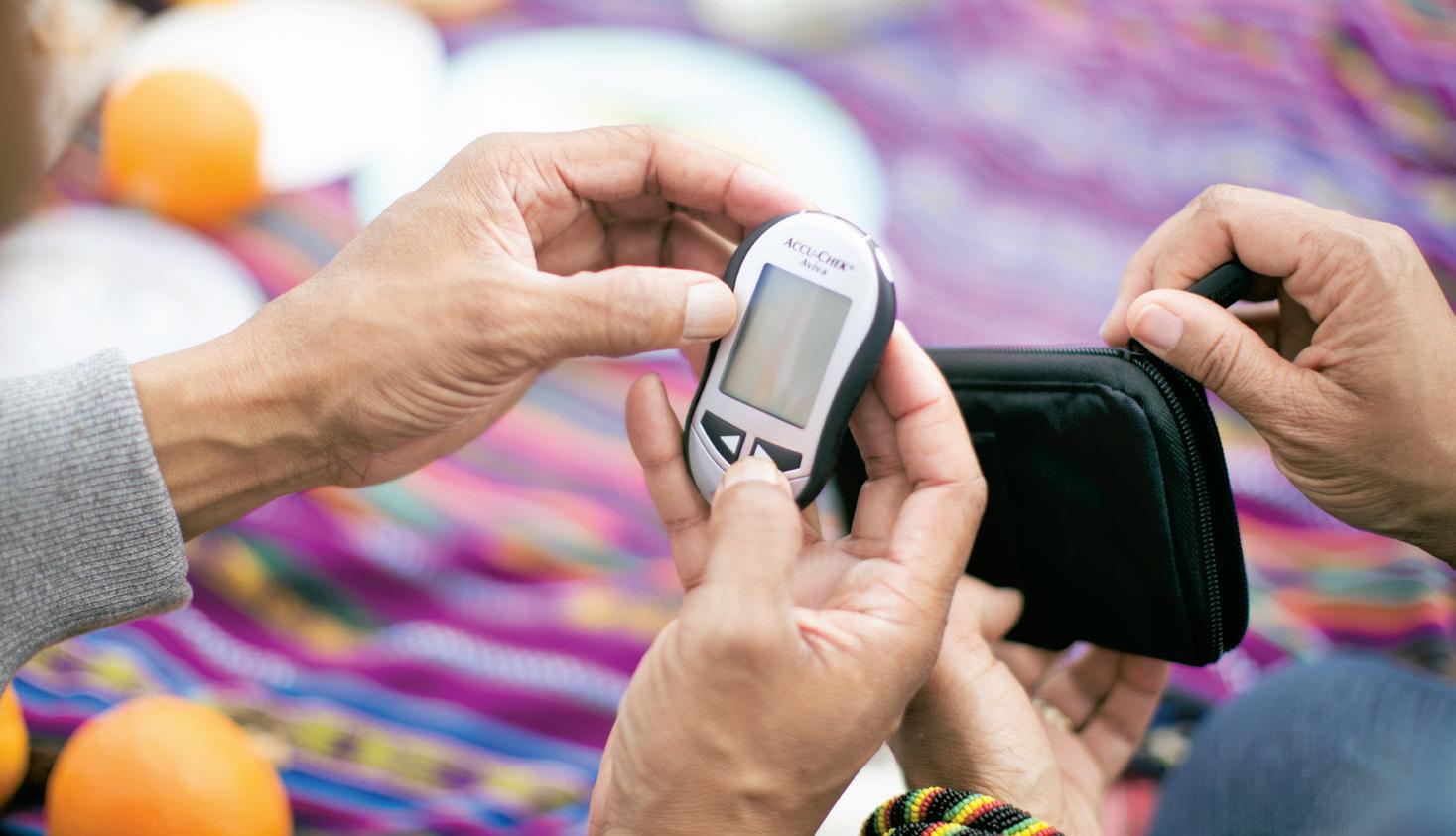
Checking your blood sugar yourself can be an important part of a diabetes care plan. Checking often will tell you: If your insulin or other diabetes medicine is working How physical activity, the foods you eat, and stress affect your blood sugar
You’ll usually feel better and have more energy when your blood sugar stays at or near normal. Managing your blood sugar can also reduce your risk of developing problems from diabetes.
How to check your blood sugar
Many different kinds of blood sugar meters are available today. Your diabetes care team can help you choose a meter and show you how to use it.
When to check your blood sugar
You and your diabetes care team will decide when and how often you should check your blood sugar. Here are some times when you may want to check:
At bedtime and when you wake up, to see if your blood sugar is staying under control while you’re asleep
Before meals or large snacks, to know what your blood sugar is before you eat
1 to 2 hours after meals, to see how the food you eat affects your blood sugar
Before and within minutes after physical activity, to see how being active affects your blood sugar
It’s important to write down your blood sugar levels so that you can keep track of what makes them go up or down. Some meters also keep a log of your past blood sugar levels. Ask your diabetes care team for a copy of the Novo Nordisk booklet Staying on Track. Or visit Cornerstones4Care.com to track your blood sugar online.
Setting your blood sugar goals
The table below lists blood sugar goals for most nonpregnant adults with diabetes. You and your diabetes care team will set the goals that are right for you. Write your goals in the last column.
For tips to help you make checking your blood sugar a part of your life, visit Cornerstones4Care.com.
Time Goals for most Your goals nonpregnant adults with diabetes
Before meals
80 to 130 mg/dL
1 to 2 hours after Less than 180 mg/dL the start of a meal
A1C
Less than 7%
Adapted from the American Diabetes Association. Standards of medical care in diabetes—2017. Diabetes Care. 2017;40(Suppl 1):S1-S142.
Here’s a thought
Have you ever wondered whether you were on the right track with your diabetes care? While you can’t see inside your body to know what’s going on, you can use “diabetes numbers” to help you see where things stand – and what might need to be changed in your diabetes care plan.
Knowing your A1C
The A1C test measures your estimated average blood sugar level over the past 2 to 3 months. It’s like a “memory” of your blood sugar levels. It shows how well you’re controlling your blood sugar levels over time. Your A1C and your blood sugar levels go up and down together. Here is how A1C relates to the estimated average blood sugar level:
A1C levels Average blood sugar
Adapted from the American Diabetes Association. Standards of medical care in diabetes—2017. Diabetes Care. 2017;40(Suppl 1):S1-S142.
Talk with your diabetes care team about your A1C goal and write it in the box on page 37.
It is recommended that you get an A1C test:
At least 2 times a year if your blood sugar is under good control
4 times a year if you’re not meeting your goals or if your treatment has changed
You can learn more about the importance of knowing your A1C at Cornerstones4Care.com.
MARK C. Mark has type 2 diabetes
Managing changes in your blood sugar
As part of your diabetes care plan, it’s important to know what to do if your blood sugar goes too high or too low. Blood sugar that’s too high or too low can cause symptoms that can be mistaken for other problems. That’s why it’s important for you to always wear your medical ID. The ID should show that you have diabetes and should tell others what you might need in an emergency.
Knowing when your blood sugar is high
High blood sugar (also called hyperglycemia) is when there is too much sugar in your blood.
Over time, it can cause serious health problems. High blood sugar can happen if you:
Skip a dose of insulin or other diabetes medicines
Eat more than usual
Are less active than usual
Are under stress or are sick
If your blood sugar is too high, you may:
Feel very thirsty or hungry
Need to pass urine more than usual
Feel like your mouth and skin are dry
Have blurry vision
Feel sleepy
High blood sugar and DKA
High blood sugar can lead to diabetic ketoacidosis, or DKA. DKA is a buildup of ketones (acids) in the blood. Ketones are produced when the body uses fat for energy instead of sugar. This can happen when you don’t have enough insulin and sugar is not getting into your cells to be used for energy.
DKA is mainly a problem for people with type 1 diabetes. Regular checks of your urine or blood for ketones can help prevent this serious problem. Ketones in your urine or blood are a sign that your insulin level is too low.
What to do about high blood sugar
If you have signs or symptoms of high blood sugar, check your blood sugar level. Check your ketones too. If your blood sugar is high and you don’t have ketones, you can help lower your blood sugar if you:
Follow your meal plan
Do some physical activity (follow your physical activity plan)
Take your medicine as directed
Call your diabetes care team if:
Your blood sugar level has been above your goal for 3 days and you don’t know why
You have ketones
Recognizing low blood sugar
You might get low blood sugar (also called hypoglycemia) if you:
Take certain medicines and eat too few carbohydrates, or skip or delay a meal
Take too much insulin or diabetes pills (Ask your diabetes care team if this applies to you)
Are more active than usual
When your blood sugar gets too low, you may feel:
Weak or tired Hungry
Dizzy or shaky
Nervous or upset
Sweaty
Like your heart is beating too fast
Confused
Like your mood is changing
Like your head hurts
How low blood sugar may be prevented
Your diabetes care plan is designed to match your usual schedule of meals and activities with the dose and timing of your diabetes medicine. When these factors are not well matched, low blood sugar can result. For example, if you take insulin or another medicine that increases insulin levels, and then you skip a meal, your blood sugar can drop.
You are encouraged to report negative side effects of prescription drugs to the FDA. Visit www.fda.gov/medwatch, or call 1-800-FDA-1088.
Speak with your diabetes care team about what to do for low blood sugar. Here are some options you can discuss:
Your diabetes medicines
It is important to take your medicines exactly as prescribed. If you will be changing your normal routine, ask your diabetes care team how to adjust your medicines.
Your meal plan
Follow your meal plan too. To avoid low blood sugar, eat regular meals, and eat enough food at each meal. Avoid skipping meals or snacks.
Your physical activity plan
Consider checking your blood sugar before exercise or other physical activity. Have a snack if your blood sugar level is below 100 mg/dL. It’s also a good idea to check your blood sugar from time to time during long periods of physical activity and after activity.
Your use of alcoholic beverages
Drinking alcohol, especially on an empty stomach, can cause low blood sugar, even a day or two later. If you are going to drink alcohol, always have a meal or snack, and check your blood sugar often. If you want to drink alcohol, talk with your diabetes care team about how you can safely include it in your meal plan.
What to do about low blood sugar
Ask your diabetes care team what low blood sugar is for you. For most people, it is 70 mg/dL or lower.
Check your blood sugar right away if you have any symptoms of low blood sugar. If your blood sugar is low, or if you think your blood sugar is low but you cannot check it at that time, follow the rule of 15. Eat or drink something with 15 grams of carbohydrates right away, such as:
4 ounces (½ cup) of regular fruit juice (like orange or apple juice)
4 ounces (½ cup) of regular soda pop (not diet)
4 glucose tablets or 1 tube of glucose gel
1 tablespoon sugar, honey, or corn syrup
2 tablespoons of raisins
Wait 15 minutes and then check your blood sugar again. If it is still low, eat or drink something with 15 grams of carbohydrates again. Once your blood sugar returns to normal, eat a meal or snack. This can help keep low blood sugar from coming back.
Always check with your diabetes care team about how to treat your low blood sugar. Tell your diabetes care team if you often have low blood sugar. You and your team may need to change your diabetes care plan.
Dealing with severe low blood sugar
Severe low blood sugar usually requires help from someone else. It can be treated with glucagon, an emergency medicine used to treat severe low blood sugar. Ask your diabetes care team if an emergency glucagon medicine is right for you. Keep it handy, and make sure that your loved ones and co-workers know how to use it. If you become unconscious, they should use this medicine right away, and seek emergency medical help immediately after use.
Make sure they know that they should:
Inject a glucagon medicine
Call 911
Make sure they know that they should not:
Inject insulin
Give you anything to eat or drink
Put their hands in your mouth
Emergency glucagon medicines expire after about a year, so be sure to check the dates and get a new glucagon medicine before the old one expires.
Low blood sugar unawareness
Some people do not feel any signs or symptoms of low blood sugar before they have a problem. This is called low blood sugar unawareness. It can be very dangerous because people do not realize that their blood sugar is dropping below a safe level, so they do not take action to treat it. Work with your diabetes care team to find patterns to use as warning signs that your blood sugar is low.
Low blood sugar and driving
Low blood sugar can be dangerous when you are driving. Low blood sugar may affect your concentration, vision, and ability to react quickly to road hazards. Be sure to discuss driving with your diabetes care team. Here are some things to consider:
Check your blood sugar before you begin driving and if it is low, treat it using the rule of 15 (see page 44)
During longer trips, check your blood sugar often and eat snacks as needed to keep your level at 70 mg/dL or higher. If necessary, stop to treat low blood sugar using the rule of 15. Then make sure that your blood sugar level is 70 mg/dL or higher before starting to drive again
Coping with diabetes
It is not easy to cope with diabetes. But there are 3 key factors that can help:
Knowledge. Try to learn all you can about diabetes. Find out what you can do on a daily basis to manage it for the rest of your life
Skill. There’s a difference between knowing what to do and being able to do it. Developing good coping and self-care skills helps you take your knowledge and put it to good use. Give yourself time to learn these new skills
Support. Most people find it easier to deal with the challenges of coping with diabetes when they have the support of family, friends, and members of their diabetes care team
Here’s a hint
Be prepared to face obstacles. Find ways to manage the normal lapses and slips that are also part of living with diabetes.
JASON M Jason has type 2 diabetes
Coping with changes in your diabetes care plan
Change is part of life when you have diabetes. Usually, the changes are small. But at some point you may need to make a major change in your diabetes care plan. For example, you may need to advance from diabetes pills to an injected medicine. Here are some tips that may help you cope with changes in your care plan.
Accept that change is part of life, especially life with diabetes. Sometimes just realizing this fact can help you accept and deal with change in a positive way
When more medicine is needed, you may benefit from making greater efforts to get back on track with your diabetes care plan. You may want to look at your activity level and eating habits. Remember, set small, realistic goals to help you get back on track. Talk with your diabetes care team about your blood sugar goals. Don’t forget to reward yourself when you do achieve a goal, or even just for the effort you made toward achieving it
Join a diabetes support group. Change is usually easier to manage when you know you’re not alone. Your diabetes care team may be able to recommend a local support group. Or you can call your local chapter of the American Diabetes Association
To learn more about coping with diabetes, visit Cornerstones4Care.com.
Coping with diabetes burnout
Managing your diabetes day to day is very important. But having to pay attention to the many details of diabetes management every day is not always easy. Many people who have had diabetes for a long time have a condition called diabetes burnout.
You may have diabetes burnout if:
You’re feeling burdened by diabetes
You’re angry and filled with negative feelings
You feel that diabetes controls your life
You’re thinking of quitting your diabetes care
Diabetes burnout:
Is very common among people who have diabetes
Reduces your energy and interest in taking care of yourself
You may need professional help to overcome your feelings of diabetes burnout. Talk with your diabetes care team about how you are feeling. They can refer you to other specialists as needed.
DAVID W. David has type 2 diabetes
CAROLYN F. Carolyn has type 2 diabetes
Depression and diabetes
Diabetes-related health problems sometimes happen when you do not follow your diabetes care plan closely enough. But they may also occur even if you do follow your plan. So it’s important to deal with any guilt or depression you may be feeling in a positive way.
Depression is common among people who have diabetes, but most kinds of depression respond well to treatment. The following tips may help you cope with your feelings:
If your “blue” moods don’t go away and are affecting your ability to take care of your diabetes, get help. Depression is real and needs treatment. Treatment can consist of medicine, counseling, or a combination of both
Start taking action to manage your health in positive ways. Feelings of depression are often linked to feeling powerless. Following a healthy meal plan, being more active, and engaging in stress-relieving activities are steps that can help
Work even harder to keep your blood sugar levels as close to normal as possible. High blood sugar levels can lead to mood changes that might result in depression
Be sure to talk about depression with your diabetes care team.
Managing diabetes safely during sick days
Illness can make it harder to manage your diabetes. It may be difficult to take your usual doses of diabetes medicines or eat as you usually do. But with planning and close contact with your diabetes care team, you can keep things under control.
It’s important to keep close track of your blood sugar. That’s because even if your blood sugar is usually under good control, it can vary when you’re sick. Talk with your diabetes care team about how often to check your blood sugar if you are sick.
You may be directed by your diabetes care team to continue to take certain diabetes medicines.
If you take insulin or other injectable medicine, talk with your diabetes care team. They may advise you to continue to take it even if you are vomiting (throwing up) or unable to eat
Your team may not want you to continue certain diabetes pills if you are vomiting. If you take pills and vomit them up, call your diabetes care team
Check with your team before taking over-thecounter medicines, like aspirin, cough syrup, or decongestants, to see if they might raise or lower your blood sugar
W. Patricia’s husband, David, has type 2 diabetes
You can call your diabetes care team any time you have questions or concerns. Speak with your team about what to do if:
Your blood sugar is higher or lower than your target
You can’t eat or drink
You have a fever
Your illness doesn’t seem to be going away
You have been vomiting or having diarrhea
You have moderate to large amounts of ketones in your urine
A quick tip
From time to time, take a look at your goals to make sure that they are still realistic.
PATRICIA
Diabetes at work
Diabetes doesn’t have to get in the way of work. You should be able to do just about any kind of job with diabetes. Think about how your job might be affected by your diabetes. Talk with your diabetes care team about whether you might need to make any changes in your:
Meal plan
Schedule for taking insulin or other diabetes medicine
Activity plan
Be sure to tell your diabetes care team if you:
Drive for a living or operate dangerous equipment
Do shift work
Have a high-stress job
The Americans with Disabilities Act requires that most employers make arrangements for people with diabetes. (Some employers, such as those with few employees, may not have to follow the terms of the act.) For example, you may need:
Regular breaks to eat or drink, test your blood sugar, or take medicine
A private area to check your blood sugar or to take injectable diabetes medicine
A place to rest if you have low blood sugar
Be honest with your employer about what arrangements would help you.
Traveling with diabetes
If travel is a part of your life, diabetes doesn’t have to tie you down! With a little planning, travel can be more manageable. Here are a few things to include in your plans before you leave:
Visit your diabetes care team and ask for extra prescriptions in case you need medicine or supplies while you’re gone
When flying, always carry diabetes medicines, insulin, and testing supplies with you. It is a good idea to ensure that your medicines are in their original bottles with their labels from the pharmacy. Do not check your medicines with your luggage
Think about where you will store your diabetes medicines. Check your product’s information for the right way to store your diabetes medicines. Do not store diabetes medicines or supplies in the glove compartment of a car
Wear or carry your “I have diabetes” ID
Carry extra food with you
Check your blood sugar often. A change in schedule may mean changes in your usual patterns
JASON M
Jason has type 2 diabetes
Wrapping up
Here’s what we hope you’ve learned from this booklet:
You are not alone. Millions of people are coping every day with diabetes and reaching their goals. You can too.
It’s important to work with your diabetes care team. Make a diabetes care plan that includes:
Healthy, well-balanced meals
Regular physical activity
Insulin or other diabetes medicine and a schedule for taking it
A schedule for checking your blood sugar regularly
A schedule for checkups with your diabetes care team
Ways to manage stress
The more you work to manage your blood sugar, the better you’ll feel each day. And the more likely you’ll be to avoid diabetes problems down the road.
Diabetes doesn’t have to stand in your way! Learning how to manage your diabetes will help ensure that it doesn’t.
Something to remember
Build an environment that encourages your healthy behavior and reward yourself when you do well.
Commitment to my health
My agreement
Use this chart to help you decide on your wellness goals and plan how to get to the goals you choose. I, ________________________, agree to achieve the goals below to help improve my overall health and wellness.
Example
What I will do: I will learn all I can about diabetes so that I can take an active role in my care.
When I will start: I will start tomorrow.
How I will start: I will start by reading a new section of Cornerstones4Care.com each day until I have read all of them.
My barriers: I work long hours and am often short on time.
How I will overcome barriers: I will wake up 20 minutes early and read while I eat breakfast.
Your signature
Friend’s signature
Diabetes care schedulea
Every 3 months (or as often as your diabetes care team advises)
q Regular office visit
q A1C test (if your blood sugar is not stable)
q Blood pressure check
q Weight check
q Foot check
Every 6 months (or as often as your diabetes care team advises)
q A1C test (if your blood sugar is stable)
q Dental office visit
Every year (or as often as your diabetes care team advises)
q Physical exam
q Comprehensive foot exam (needed more often if you have foot problems)
q Blood fat and cholesterol tests (if your levels are normal)
q Kidney tests
q Dilated eye exam
q Flu shot
aThese recommendations are based on American Diabetes Association guidelines. Talk with your diabetes care team about the schedule that is right for you.
What are Diabetes Complications? What are Diabetes Complications?
Eye disease (diabetic retinopathy): decreased vision and in some cases, blindness
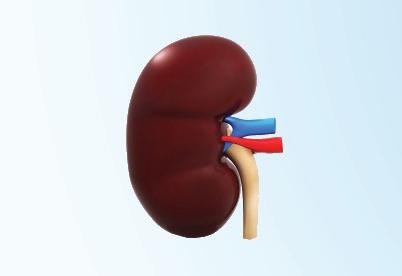
Kidney disease (diabetic nephropathy): the kidneys may not work as well or may stop working
Foot problems, such as infections and sores, and in some cases, amputation
Following your diabetes management plan and taking an active role in your treatment are two important ways that you can help to prevent or delay diabetes complications.
Talk with your healthcare provider for more information.
REFERENCES: ADA. Heart disease. Available at: http://www.diabetes.org/living-with-diabetes/complications/heart-disease/. ADA. Kidney disease (nephropathy). Available at: http://www.diabetes.org/living-with-diabetes/complications/kidney-disease-nephropathy.html. National Diabetes Information Clearinghouse. Prevent diabetes problems: keep your diabetes under control. Available at: http://diabetes.niddk.nih.gov/dm/pubs/complications_control/. May 2014
Mouth problems, such as gum disease or problems with teeth
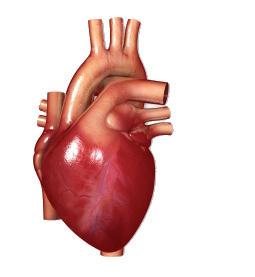
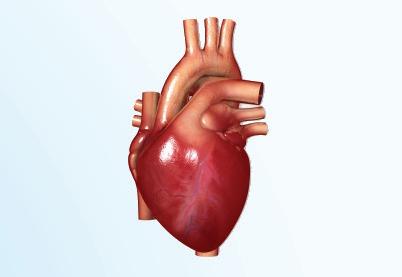
Heart and blood vessel diseases (cardiovascular diseases), such as heart attack, stroke, and peripheral artery disease (poor blood flow in the feet and legs)
Two out of three people with diabetes die from heart disease or stroke
Nerve damage (diabetic neuropathy): numbness, tingling, or pain in the arms, hands, legs, and feet