Students Occupy college campus
ELAC students camp out on campus to protest rising costs and budget cuts
With education cutbacks some students at East Los Angeles College (ELAC), one of the nine schools in the Los Angeles Community College District, have formed Occupy ELAC.

For the last four weeks students have been occupying a space that is known as Tent City by the Occupiers, which is between the Administrations Building and the Student Services Building. The students are protesting to try and lower the cost of education and stop the budget cuts.
The Pierce College Associated Students Organization (ASO) president wasn’t in favor of the Occupy movement at ELAC.
“For Pierce I am not so sure it will work,” said Ruiz. “The whole Occupy movement is getting chaotic … and rather than associating ourselves with that we rather get appointments with people who we can talk about the budget.”

ASO Advisor Brad Saenz isn’t in favor of the protest at ELAC either.
“They shouldn’t protest the budget issues because that’s not set by the school; they should protest course offering because the school controls that,” said
Saenz.
The Occupiers have until Jan. 1, when the area that they are located will no longer be safe because of the construction going on behind them. Also the students are legally bound to stay in that area until the set date, but after that the school can call the police and have them removed.
“I have been heavily involved in student activism ever since I got to East Los Angeles College,” said Mike Sanchez, 22, communication studies major. “What we are doing here encompasses far beyond what a student is … funding is crucial to a student’s success because services and programs do get cut which has an adverse effect on student transfer.”
The first week was a challenge for the occupiers as due to the rain. They had to scramble to add wood and cardboard under their tents. However, with the rain out of the way they spread their cause by handing out flyers to students and inviting classes to Tent City to explain their cause.
“The toughest part has been not being home of course,” said Luz Juan, 22, a political science major who has been at Occupy ELAC from day one which was Oct. 31. “Most of the administration here on campus has been pro because it’s a student movement.”
The Occupy ELAC movement is an
off shoot of the national movement in which large groups of protestors have camped out in downtown areas across the country claiming to represent 99 percent of Americans.
“It’s been a little rough I am not going to lie it’s been pretty rough,” said Keanujr Paar, 19, engineering major, who has been camped at the Occupy ELAC location for the last three weeks. “We have a few lobbyist and we were able to get Calif. State Senator Ed Hernandez down here and gave us his input, so I consider that a victory.”
It hasn’t been all about protesting during the four week occupy movement at ELAC.
Students have had to manage with rationing their food, which is provided by parents and private donations, having a tent with electricity to study and learning to live together with other students.

“The time that we’ve been here we’ve developed certain relationships that feels like a community,” said Mike Sanchez. “Even though everyone has their own tent there is a familiar feeling there might have been people you might have not known in the past, but all of a sudden you emerge into this new sub-culture.”
I-TAP remains absent
code that limits the amount of money students can be charged for transportation to $70 a semester.
The recent cancelation of the Institution Transit Access Pass (ITAP) program, which exclusively gave qualified students across the district low-cost transit passes, has prompted student representatives to
According to Bari, another hindrance to any progress with the new deal is an educational
For their side of the agreement, LACMTA is asking students to pay $8.31 weekly. For a 16-week semester, each student would be paying $132.96.
“We cannot ask students for that kind of money,” Bari said.
“The rest of the lump sum has to come from [somewhere else] like ASO (Associated Students Organization) or the college. No one has that money.”
LACMTA does offer a discount to Transit Access Pass (TAP) cards for college and vocational students, where approved applicants only have to pay $36 monthly. Regularly priced 30-day passes amount to $75. Bari, however, is looking for a “different type of program,” one similar to the now-defunct I-TAP.
See ITAP page 2
California’s budget crisis, and the subsequent slashing of government institutions, such as public universities, have caused an increasingly watchful eye to be turned towards public employee salaries.

During an investigation into public employee compensation, the Roundup acquired the salaries, before taxes, of all non-classified faculty and staff members employed by the Los Angeles Community College District (LACCD) during 2010.
Professors teaching in the LACCD have the opportunity to join the American Federation of Teachers (AFT) union. Union members have not received a pay raise in recent years, according to Don Sparks, union representative. The last raise given to union members occurred in 2008 and was .64 percent, according to Sparks.
“A lot of teachers could be making more money working in industry,” said Elizabeth Cheung, professor of industrial technology, describing the pay cut she took to work as a professor. “I felt like I wanted to do something that was more rewarding.”
Richard McMillan, instructor of history, has been teaching at Pierce for the past 15 years and said he enjoys the benefits that come with being a tenured professor.
“I had the responsibility of a family,” said McMillian.
When non-classified employees are hired by the district they are ‘rated-in’ to determine the amount of their salary. Several factors are considered during this process including the amount of time, spent teaching in the district and the amount of time spent in the profession.
Employees can move higher in the rating scale by remaining in the district longer, taking more classes and completing degrees. They are also paid more when taking on extra assignments such as becoming chair of a department.
Most professors are paid for 10 months of work, while administrators are paid for 12 months of work.

Public records show professor salaries for 2010 Transit pass program can’t be subsidized by students
Community college professors are not the only professors able to join unions, however.
The average salary of a state university professor is $95,652, according to Mike Uhlenkamp, spokesman for the state university chancellor’s office.
“In the history of this country, the unions made the middle class of this country,” said Don Sparks, AFT chapter president. “Everybody needs a job and needs to put food on the table, unions guarantee a decent living.”
See salaries page 2 to find your professor’s salaries go online to www.theroundupnews.com
A FIRST AMENDMENT PUBLICATION
theroundupnews.com Woodland Hills, California Volume 115 - Issue 10 November 30, 2011 One copy free, each additional copy 50¢ Inside Section Opinion page 2: Should police use pepper spray News page 3: Recap of I-TAP Features page 4: Nursing Department A and E page 5: A look at the Side Show Photo Essay page 6: Recap of semester sports Sports page 7 and 8: Volleyball advances
ROUNDUP
take it upon themselves to set up their own version of the program. Leading the efforts to establish an agreement with Los Angeles County Metropolitan Transportation Authority (LACMTA) is Andrea Bari, vice president of finance for Los Angeles City College’s student government. Bari has been trying to negotiate a deal with the transit company since the spring of this year, he said. The problem, according to Bari, is money. “We cannot afford to pay the amount that they’re asking,” he said.
Palmer cpalmer.roundupnews@gmail.com
Coburn
Eduardo Razo erazo.roundupnews@gmail.com
Michaia Hernandez mhernandez.roundupnews@gmail.
LACCD salaries save money
Javier Zazueta
Occupy: A tent city has sprung up at East Los Angeles College as students camp out to protest against California budget cuts and rising tution costs.
Javier Zazueta
Wed. Nov. 30: Partly cloudy; High 70, Low 43 Thu. Dec. 1: Partly cloudy, windy; High 62, Low 45 Fri., Dec. 2: Partly cloudy; High 59, Low 40 Sat., Dec. 3: Sunny; High 63, Low 41 Sun., Dec. 4: Sunny; High 65, Low 40 Mon., Dec. 5: Sunny; High 68, Low 42 Tue., Dec. 6: Sunny; High 68, Low 42 Volleyball vs. Orange Coast won 3 sets to 2 Men’s Basketball vs. West LA won 87-78 Womens Basketball Pierce Tournament won 1 game lost 1 game To find your professor’s salary go to www.theroundupnews.com
Boots: Student shoes left outside ELACʼs tent city.
—EDITORIAL—

Going too far
Police had right to pepper spray UC Davis protesters PRO
Everyday it seems like citizens are finding new reasons to gather in large groups to protest for a cause they believe in. Which is great, to an extent.
The problem with a lot of these so called organized sit-ins, is that they are not very organized at all.
Most of these demonstrators lack a core message that all of their participants agree on and they tend to fail at properly informing the public and authorities about what they are protesting about.
How is sitting in a tent going to solve that when I could be going to school or getting a job that will help work me away from that?
The students who were engaging in a non-violent sit in were asked by police officers to move out of a pathway.
More help from ASO

The student leadership at Pierce College has an opportunity to make real change in the lives of the students but instead has settled for sinking into obscurity.
In one of the state’s largest community colleges, officers are elected to leadership positions in the hopes that they will take an active role in improving the lives of students.
But so far, this year’s leadership has failed to accomplish anything.
Former Associated Students Organization (ASO) president Gabriel Mellibosky recently resigned, prompting Vice President Febe Ruiz to step in. Ruiz has plans to attend Cal State University Northridge in the Spring which means yet another interruption of power in our student government.
With the semester coming to a close the current president is almost out of options. It will be up to the next president to take real action.
The ASO officers are elected by the students to serve their needs, however, this makes the third year in a row a sitting ASO president has failed to serve their full term. This cannot continue.
Brad Saenz, ASO advisor, is employed in a part-time basis by the college.
This means that the only advisor for the student government is not available full time. The group that is in charge of more than a hundred thousand dollars in student funds needs a full time advisor.
With a half million dollars in reserve and a base of more than 20,000 students the student leadership at Pierce has the opportunity to do almost anything, but instead have chosen to be content with hosting a fair.
Earlier this semester the ASO hosted a fair involving the many clubs on campus in Rocky Young Park.
While this happy and fun event no doubt lifted many student’s spirits, it should not stand alone as the sole thing our student leaders have accomplished.
There are so many problems facing the campus that the opportunities to improve students’ lives are almost endless.
The ASO could choose to fund the defunct ITAP pass, or even host a referendum about it like we were promised last year.
The ITAP, which served as a low cost access pass to public transportation for students, was cancelled last semester due to a lack of funding.
The program, which cost the district approximately $1.2 million for each six month period, would cost Pierce’s ASO approximately $133,000 for six months, without being further subsidized by the students.
With so much money at their disposal the student leadership could fund the athletic department, provide students a place to eat that isn’t full of overpriced, unhealthy and questionably clean food.

The group representing students at the college could enact real reform by registering its students to vote and starting petitions.
They could start letter writing campaigns and visit local representatives to ensure that student’s voices are heard.
Earlier this semester the Students Organizing for Success club put on and planned a school wide rally to protest the cuts in California’s education budget.
The ASO backed away from supporting the rally at the last minute because of poor planning.
After failing to adequately plan, prepare for and advertise for the counterpoint of what was arguably one of the most important events last semester the ASO backed away
 Maria Salvador
from the school wide rally which they helped to plan. Shame on them.
Long absent from important campus meetings such as the academic senate, the ASO seems content to merely hold their weekly meetings and dole out funds as they see fit caring little for they good they could be doing.
With a budget this year of $142,100 the ASO has funded everything on campus from club events to the president’s honor list reception.
They have also decided not to fund many events and causes such as an annual film festival, the ASPIRE club, a thanksgiving potluck and much more.
The students at Pierce College elected leaders not book keepers. Doling out money to organizations on campus is wonderful but we need more from our leaders.
We, the electorate of Pierce College, are asking, no, begging for leadership.
Thousands of us are struggling with co-enrollment, financial and social issues.



Who can we turn to for support?
Go to the important meetings, learn about the issues that affect your constituents and then take action.
These students weren’t shot and they weren’t graphically brutalized. They were pepper-sprayed.
sma.roundupnews@gmail.com
The purpose of the sit-in was to protest against the rising cost of tuition, a very admirable and important message to send. But when were they going to move?
Students need to understand that as citizens, we have to reasonably comply with authorities who,are just trying to maintain peace and order for the community as a whole.
CON

Use of pepper spray not needed for a peaceful protest
The use of Pepper spray on student protestors at University of California, Davis (UC Davis) was unacceptable behavior from police officers on campus.
I personally am against the protests popping up all around the country.
However, I am not against the right for people to do so, I only wish those who do have a clearer idea of what can be done to accomplish what they want.
The actions taken by police officers at UC Davis was unnecessary and clearly the wrong choice.
When the campus police arrived students were sitting with their arms locked refusing to leave.
The police decided to open fire with Pepper spray on the peaceful protestors.
To bring violence against peaceful protestors is never the answer. The police not only could have turned the scene violent with their own action but they brought more attention to the protestors.
There were so many other ways the

 Kevin Reynolds kreynolds.roundupnews@gmail.com
police could have handled this situation without violence. For instance they could have turned on the sprinklers and just soaked them out.
Instead these men and women, who are supposed to protect people, knowingly, and intentionally brought violence of a sort, to a peaceful protest.
It is no longer a matter of whether the protestors had a point or if there were breaking any laws now the only issue is that these officers abused their power.
the Editor




Theft of an idea





Dear Editor, I am writing in response to the column published on November 16, 2011 by Rodrigo Carbonel titled “Requirements must be raised.” I am not sure if I need to be flattered that my ideas and suggestions on the same issue has been taken by Rodrigo either knowingly or unknowingly and has been republished. In any case, I need a clarification and due credit where deserved.
I have two concerns regarding this column. Firstly, if Rodrigo has read my letter to the editor dated 24 October 2011, which was written as a response to a similar Editorial Column on ASO requirements, he would have considered giving me credit in some form in this column that he has published on November 16, 2011. Anyone who reads my response to the previous editorial can understand that the ideas were mine.
Secondly, if Rodrigo has not read my response, then it does reflect poorly on his initiative to keep abreast with the publishing at ROUNDUP. Either way, this error needs to be corrected. Simply changing the sentence structures and adding a couple of new phrases do not make Rodrigo the owner of the idea. If at all he wanted to pursue his suggestions based on my ideas and opinion, he should have at least acknowledged my contribution.
I understand that Rodrigo has suggested specific changes that could be implemented in order to bring forth improvement in the ASO but the fact remains that the body of idea for the specifics were still generated by me. In a professional world, this might be considered plagiarizing.






Thank you for your attention to this matter,
Sylvia Dsouza
— Editor’s Note

















The Roundup disagrees with the following opinion. However, we also feel that it is important to operate as an unbiased and transparent publication. Just as we take seriously our responsibility of watchdog journalists so do we also accept criticism from the public in an effort to improve our newspaper. We have therefore chosen to publish this letter in its entirety.
Lynn Levitt



Tessa Miller
Tavares Robinsongreen
Mani Shabbooi
Angela Tafoya
Yenifer Velasquez


William Welles

Javier Zazueta
Reporters:
Calvin Alagot







Sean Dullaghan
Temi Fajemisin
Yajayra Gil
Lior Haykeen

Gina Gutierrez
Carlos Islas
Alana Kennedy
Shannon Ma
Lindsay Martinez
Arash Rod
Taylor Rouch
Alex Smith
ROUNDUP: November 30, 2011 Opinion 2 Letters to the Editor 6201 Winnetka Ave. Woodland Hills, CA 91371 Room: Pierce College Village 8211 Phone: (818) 719-6427 Fax: (818) 719-6447 Web site: www.theroundupnews.com E-mail: newsroom.roundupnews@gmail.com Policy: Letters and guest columns for or against any position are invited. Letters should be kept as brief as possible (300 words or less) and are subject to non-substantive editing. Letters must be signed and include a valid mailing address and telephone number. Pseudonyms or initials will not be used, but names may be withheld upon request and approval of the Editorial Board. The Roundup publishes “Letters to the Editor” that are not obscene or libelous and do not contain racial denigration. Writers are given the opportunity to revise unacceptable letters. The Pierce College Roundup will not publish, as letters, literary endeavors, publicity releases, poetry or other such materials as the Editorial Board deems not to be a letter. The deadline is noon Thursday prior to the issue date. Editorial Policy: The Pierce College Roundup position is presented only in the editorials. Cartoons and photos, unless run under the editorial masthead, and columns are the opinions of the creators and not necessarily that of the Roundup. The college newspaper is published ROUNDUP Editor in chief Coburn Palmer News Editor ............................Kevin Reynolds Features Editor...................Michaia Hernandez A&E Editor ..............................James Hermon Sports Editor.........................Rodrigo Carbonel Assistant Sports Editor....................Navid Khoi Opinion Editor............................Eduardo Razo Photo Editor...............................Jose Romero Online Editor............................. Jose Romero Multimedia Editor.............................Eli Diaz Cartoonist..............................Maria Salvador Copy Editor..........................Tanita Indelicato Senior Editor.............................Bryan Melara Senior Editor.............Victor Stephen Kamont Advisers................................. Amara Aguilar .................................... Jill Connelly ................................... Stefanie Frith ..........................................Jeff Favre Advertising Manager...................Julie Bailey [For advertising call Julie at (818) 710-2960] as a learning experience under the college journalism instructional program. The editorial and advertising materials published herein, including any opinions expressed, are the responsibility of the student newspaper staff. Under appropriate state and federal court decisions, these materials are free from prior restraint by the virtue of the First Amendment to the Constitution of the United States of America. Accordingly, materials published herein, including any opinions expressed, should not be interpreted as the position of the L.A. Community College District, the college or any officer or employee thereof. Photographers: Emad Abbasi Ozlem Bilis Jordan Laufe
Letter to
COMIC
Maria Salvador
Shannon Ma
Funding tapped
“[LACMTA has] been giving me the runarounds. They’ve given me a good rate at a certain point in time, but it wasn’t good enough,” he said. “I’m at a point where I think it’s going to require various ASO leaders to make a massive [appearance] at the next Metro board meeting.”
Bari admits that support for his efforts isn’t as high as he would like it to be.
“I understand why some other students [are hesitant about pursuing the agreement]. They tend to get discouraged because it seems like a goal that’s too hard to obtain,” he said. “But, if we are to represent students’ needs and rights, sometimes it means holding people accountable for their job. Otherwise, we’re not representatives; we’re just students.”
Through I-TAP, students who met requirements for eligibility were able to, each semester, either acquire loaded TAP cards for $20, or load cards they already had for $15.
To be able to utilize the program,
students had to “be currently enrolled in at least an aggregate of 12 units or more for the applicable Fall or spring semester at one or more of the colleges and hold a valid student identification card,” according to the contract between LACCD and LACMTA.
The program, which was cosponsored by both LACCD and LACMTA, commenced Sept. 20, 2008 and was discontinued this semester due to present construction circumstances and lack of funding.

“MTA has had a nice three-year contract [with the district],” said Bobbi Kimble, dean of Educational Support Services for LACCD.
The program was initially set up because parking structures in schools across the district were undergoing either construction or renovation, according to Thomas Hall, director of Facilities, Planning and Development for LACCD.
“It was a mitigation for not enough parking,” Hall said. Because the program was put


in place for construction reasons, I-TAP was funded completely with bond money.
“Bond money won’t be there forever,” said Linda Tong, former student trustee for LACCD.

The program cost the district $1,199,293.55 each six-month term.
In May of this year, Gabriel Mellibosky, then-Pierce College ASO presidential elect for fall 2011 and spring 2012, told the Roundup that he planned on holding a referendum sometime this semester for students to vote on possible subsidization of the program by students.
However, nothing came out of this plan.
“As far as where Gabriel left off with that, if he was doing any legwork, I don’t know about that,” said Febe Ruiz, who took over as ASO president this month after Mellibosky resigned from his post due to personal reasons. “I definitely want to get more informed about I-TAP, because I know it’s a need… a lot of students are coming in and asking
District salary practices
[Salaries: Continued from page 1]
Two Pierce College employees, one a professor, the other an administrator, make more than $170,000 a year, according to the report.
There were also several employees in the LACCD who made less than $30,000 a year, due to a leave of absence or other factors.
Across the state, several cost saving measures have been implemented including limiting the number of units students can take and reduced funding for athletics.
New fees have also been implemented including the recent $10 fee increase and the additional increase, which will start during the summer.
A single session at Pierce College costs the college approximately $5,000, according to Ken Takeda, vice president of administration services.
“Teachers are able to directly impact the lives of students,” said Cheung. “The key is attracting and keeping good teachers.”
Included in this salary report are any additional projects the staff

member may have taken on, including the duties of department chair.
The report includes all payments made to non-classified professors and administrators during the 2010 year.
Staff members, adjunct professors and classified employees were not included in the report.
Pension benefits are paid based on an employee’s base salary not on additional assignments taken on such as summer school.
The salaries are listed at www. theroundupnews.com
about it.”
For Spring 2010, 1,364 students either purchased TAP cards that were part of the I-TAP program or loaded TAP cards they already had, according to Pardaman Mann, business office supervisor. That’s approximately 6 percent of the total
population, and 23 percent of the total number of students with 12 units or more.
For Fall 2010, on the other hand, there were 1,665 students who utilized I-TAP, bringing the percentages up to 7 percent compared to the total student population and 27
percent compared to the number of students with 12 units and above.


“I know this semester has been a lot more focused on the budget and Occupy L.A.,” Ruiz said. “This may have just been kind of pushed off because of those things.”
Sheriff’s Blotter

• Nov. 21 Employee incident verbal disturbance
• Nov. 23 Theater department incident computer network
• Nov. 24 Injury report from Farm Center accidental fall
• Nov. 28 Petty theft, a student backpack stolen outside of gym.
ROUNDUP: November 30, 2011 News 3
[ITAP: continued from page 1]
File
Photo
the Orange Line
Boulevard.
Student
transportation: Students stand waiting to board
Bus on Victory
e district takes steps to x budgeting issues Carlos
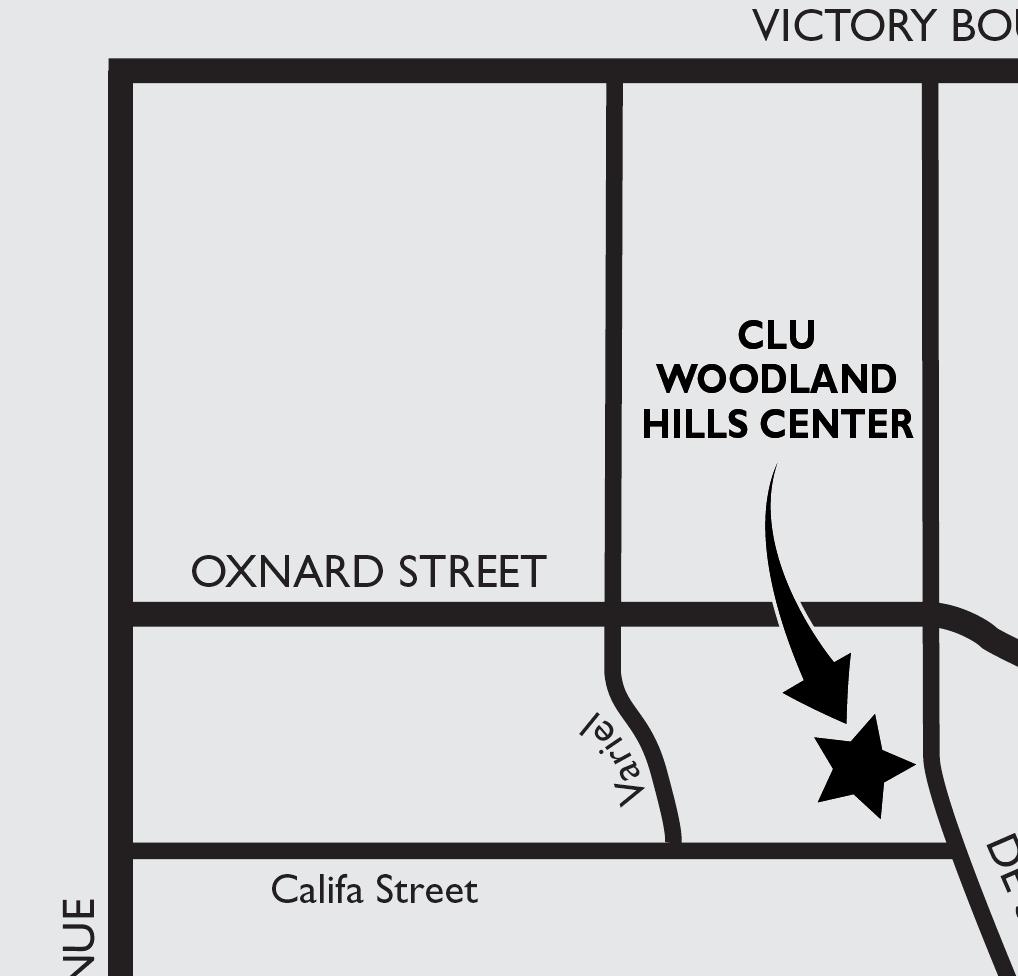
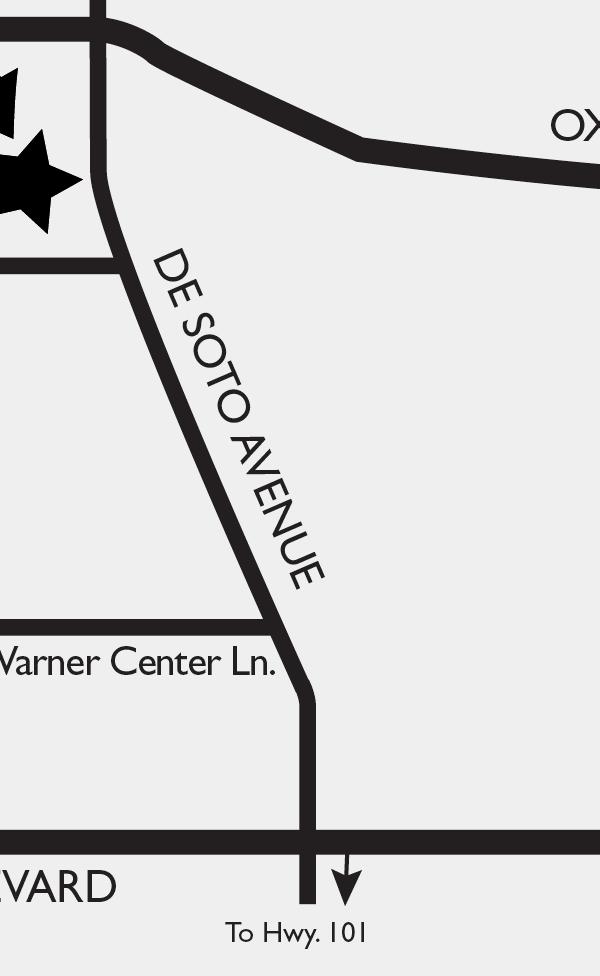
cislas.roundupnews@gmail.com Help om ASO for debunked ITAP program needed VISIT OUR NEW WOODLAND HILLS CENTER! California Lutheran University’s Adult Degree Evening Program (ADEP) is located in our new, state-of-the-art center near Pierce College! Visit us at 5925 De Soto Ave. 1.888.CLU-GRAD | www.callutheran.edu/adep THREE CONVENIENT LOCATIONS: THOUSAND OAKS, OXNARD AND WOODLAND HILLS BACHELOR’S DEGREES: • Accounting • Business Management • Organizational Leadership • Psychology TRANSFER TO CLU: • Articulation agreements for seamless transfer. Transfer guides available online. • Transfer up to 70 community college credits. ADULT DEGREE EVENING PROGRAM CALIFORNIA LUTHERAN UNIVERSITY FINANCIAL AID AVAILABLE (Now Online!)
Islas
Nursing program in high demand
Students have only praises
Coburn Palmer cpalmer.roundupnews@gmail.com
Arash Rod arod.roundupnews@gmail.com
Standing outside the Center for Sciences, the aspiring nursing student pauses to take a deep breath before stepping inside to start her new life.
Pierce freshman Stephanie Hernandez strode into the pristine hospital-like environment like there was no turning back.

Hoping to create a better life for herself, Hernandez took the advice of her cousin and started the first of many steps on the road to becoming a nurse.
Pierce College offers a number of different programs and certificates besides general education classes, and one of the most popular ones is the nursing program.
Students who want to be in this program have to complete a number of science prerequisite courses in physiology, microbiology, chemistry, anatomy and psychology in order to qualify.
- Steven Holden President of first semester
Nursing is a two-year program that includes four semesters.
“To be successful in this program you have to be really dedicated... You have to put in the time,” said Steven Holden, president of the first semester nursing program students. “It’s more than just majoring [in nursing]. This is a profession.”
Holden, who already has degrees in microbiology and biochemistry, decided to take on nursing to have a more direct relationship with patients.
He applied here because Pierce “has a very high reputation for the nursing program.”
“The teachers here are outstanding. They care about their students, and they want [us] to succeed,” Holden said.
He also admires his fellow students.
“People who get in the program [treat it] as their life... their future... their professional career. That’s why the people in this program are different than the average student,” Holden said.
Students in the program learn about pharmacology, geriatric health, psychiatric health, maternal and newborn care, pediatric health and hands-on training in clinics and hospitals.
“I like the fact that we have a good reputation,” said 28-year-old Amber Nicole Posadas. “It motivates me to maintain that reputation and just to be the best nurse I could possibly be.”
The program takes a lot of discipline and reading and the preparation that the aspiring nurses go through is quite significant, according to students.
It’s also an in-demand program, with some students having to wait for years before getting accepted.

Teresa Siova, 23, waited for two

and half years before she got into the program.
Siova, who has had a cousin graduate from Pierce, said she applied here because of recommendations from family and friends.
“Every time I heard about Pierce, [I heard] that it was a really good school,” she said.
In addition to pursuing a degree in nursing, Siova works as a caregiver.
What else is new on campus?
Wednesday, Nov. 30
There will be an XBOX 360 tournament in the Great Hall at 7 p.m. Admission is $3. The event is sponsored by the Leadership Club.
“A Gathering for Education,” a seminar on the district’s budget situation, will take place on the Free Speech Area in the Mall at 12:45 p.m. The event is organized by Ars Poetica.
Saturday, Dec. 3
Various artisan crafts will be sold in room 3308 from 10 a.m. to 4 p.m. as part of the Art and Architecture department’s annual Winter Festival. Free chili will be available for costumers.
Monday, Dec. 5
Student performances reflecting the theme of perspective will be showcased in “The Philosopher’s Cabaret,” which will take place in the Great Hall at 6 p.m. There will be a reception immediately following the show. The event is organized by the Philosophy Club.
Thursday, Dec. 8
KPCRadio will be hosting “Music Night Showcase” in the Great Hall from 6 to 9 p.m. Local musicians will be performing, and there will also be a dance showcase. Free food will also be available.
“It is very time-consuming,” said Siova. “I have heard it before, but you don’t realize how difficult it is [until you are actually in this position].”
Claudia O’brien, 43, got accepted into Los Angeles City College’s program before she got into Pierce, but she decided to go to the latter instead.
“I heard a lot of wonderful things from coworkers [in the hospital I
work at] and they told me the best choice was to pick Pierce,” she said.
The nursing classes don’t just involve in-class settings, but also clinical settings, said O’brien.
“We go to designated hospitals and have a hands-on experience. It’s a great experience,” she said. “It’s not an easy program but the professors are doing their job to make us good nurses.”
O’brien actually got her associate’s degree in liberal arts in 2005, but came back to school again for this program because it was her dream from childhood.
“They should continue their pursuit if their passion is being a nurse,” she said. “[Don’t let] anything get in your way, if that is what you want.”
ROUNDUP: November 30, 2011 Features 4
Lynn Levitt
PLASTIC: A practice dummy used by the nursing students for instructional purposes lays on a hospital bed inside a Center for Sciences classroom.
for the course of study, say it lives up to their
expectations
“It’s more than just majoring [in nursing]. This is a profession.”
(888) 773-2380 or online LosAngeles.BryanUniversity.edu Accredited by ACICS O ering Specialized Degrees in: • Court Reporting • Personal Training • Sports Performance Training Now Accepting Transfer Students! e Bryan University Di erence: • Proven track record since 1940 • Financial aid available for those who qualify • Small class sizes & individual mentoring • Job placement assistance EDUCATION COLLEGE ISN’T JUST ABOUT CAREER IT’S ABOUT STARTING A A UNIVERSITY THAT UNDERSTANDS
nursing students
Restaurants in
To eat or not to eat isn’t the question Food trucks or the ‘Sip’?
Eduardo Razo erazo.roundupnews@gmail.com
On campus vs Off campus
With an hour or two between classes, students sometimes want toget a bite to eat.
Since the new cafeteria is still under construction, they have different options of places to get their meal from.
One place that could serve as an option is the Freudian Sip, as they offer coffee, sandwiches, pizza, chips, and fountain drinks. However, students’ like Michael De Silva, computer science major, believe that the Freudian Sip has become a bit “overpriced” with how much they charge for food, so he’d rather eat somewhere else.
In addition to the Freudian Sip, Pierce College now has food trucks scattered around the campus to give the students other options on where to purchase
their meals.
“I used to get my food at the Sip, but then the food trucks came into my life,” said Elliot Bergman, undecided.
However, there are students who don’t eat at the Freudian Sip or out of the food trucks, for some students decide to bring lunch from home.
Roody Joseph, undecided, and a current member of the Pierce College football team brings his own microwavable burritos. “I like to bring my own two-dollar burritos that I get from Wal-Mart that cook under two-minutes,” said Joseph.
For more food reveiews, on and off campus please visit www. theroundupnews.com and select the Lifestyle tab and scroll down to food reviews.
The freaks are in town
‘Sideshow’ is set to open this week
Sean Dullaghan sdullaghan.roundupnews@gmail.com
Walking out of class right after a long test, having to break your last $10 on a pencil and scantron, and now your starving and there’s only 45 minutes until your next class.
What do you do?
Most would run to a vending machine or stop to whatever they could afford with $5 dollars from the food truck.
But if you’re looking for a well rounded meal that will fuel you for your next class you could try SanSai Japanese Grill in Woodland Hills.
With clean simple white and red design from the outside and a counter order/pick-up style dinning on the inside, SanSai is a quick and close option for Pierce
students searching for a meal that would make your nutritionist happy.
The main attraction for the average student will be their chicken bowl lunch special ($5). It offers a small but decent portion of white rice and teriyaki chicken with a choice of one of three salads: Madarin, coleslaw or Thai pasta.
SanSai is an average Japanese grill with a sushi bar, but these are deals that a college student in need of nutrition can’t pass up.
SanSai is located at 20042 Ventura Blvd.
Woodland Hills, CA 91364 and is open from 11 a.m. to 9:30 p.m. Monday through Friday, closes at 9 p.m. Saturday and at 8 p.m. on Sunday. Credit cards accepted and there is plenty of parking.
PERFORMERS:
Temi Fajemisin

Tfajemisin.roundupnews@gmail.com
The musical “SideShow” will open Friday, Dec. 2 at 8 p.m. and will run until Dec. 12 in the Performing Arts Complex at Pierce College, under the direction of Gene Putnam.

The production focuses on the carnival life of the Hilton sisters, Daisy and Violet who were famous conjoined twins as well as other performers who traveled around the country to perform and earned a living off of carny life.
During the early 19th and 20th century, carny life was fixture in culture as well as a lucrative business for people to get into and during that time, people with disabilities embraced carny
Tickets
life and used circuses as an opportunity to make a successful living.
“People will learn as well as be exposed to carny life and how people used their unusual talents to perform on stage then after be a close knit family as they tour around the country,” said Putnam.
Acts such as the bearded lady, the snake charmer and of coarse the conjoined twins Daisy and Violet Hilton all had successful long careers while doing side shows and people will be able to experience and watch that.
“Although people will be enlightened about carny life, you’ll also be able to enjoy the beautiful music, dance routines and romance that the show will have,” said Putnam.
$18 for students and seniors






$20 for general admission
Dates
Dec. 3 at 8 p.m.
Dec. 4 at 2 p.m.
Dec. 9 at 8 p.m.
Dec. 11 at 8 p.m.
Dec. 12 at 2 p.m.
Parking
Free in Lots 7 and 8
ROUNDUP: November 30, 2011 Arts & Entertainment 5 Food Reviews
Coburn Palmer
with Find the Spring Schedule of Classes online at www. piercecollege.edu/schedules Go Online for the Latest Updates 42 Added Sections in English, Math & Speech Spring Session Feb. 6 - June 4, 2012 Pierce is the place to bloom this spring RegisterEarly! Sign up now - Still $36 per Unit the question is... the area?
The cast comes together for dress rehearsal in preparation for their opening night.
A season in review






ROUNDUP: November 30, 2011 Photo Essay 6
As the semester nears its end the Roundup takes a look back at Brahma sporting events
Angela Tafoya
Tackle: Brahmas running back Josh Johnson breaks the tackle of LA Valley’s free safety Motu Veaveaalagi and offensive lineman (L to R) Alex Flandez, James Sparks, Neemia Vitale.
Emmad Bassi
Possession: Sophmore Daisy Alvarenga fends off two Bakersfield defenders.
Emad Abbasi
Dribble: Arely Blanco dribbles the ball past Valley College defenders.
UD
Flipped: Sopmore cornerback Eric Frain makes an interception in the endzone to stop a Santa Monica drive.
Javier Zazueta Defense: Freshman Sofia Granato and Sophmore Jaimine Levi got up to block Glendale’s freshman Jami Mugar shot.
javier Zazueta
Spike: Brahmas freshman Danetta Boykin goes for the kill as Santa Monica’s Lani Mikaele and Catie Roberts try to block the attempt.
The hardest part

“When you’re in the playoffs you play teams that were used to winning like you are so it really forced them to dig down dip, both physically and mentally and they showed they’re able to do that.”
After being down two sets to one in a match for the first time in the season, the Pierce College women’s volleyball team responded like the defending state champions as they came back to defeat Orange Coast on Saturday.

The #1 state ranked Brahmas continue their perfect season as they improve to 29-0 with the win against the No.6 Pirates by scores of 25-18, 21-25, 19-25, 25-23, 15-8.
“We didn’t play emotionally very good but we pulled out the win, they had a very good scouting report on the Brahmas,” said Pierce head coach Nabil Mardini.
Big performances by Danetta Boykin, who spiked 20 kills to increase her total to 308 for 564 attempts, and setter Janelle Futch who dished out 56 assists to help her hit the century mark for the 2011 campaign.
“It was a great contest with two outstanding programs, when you go five sets in volleyball it can’t get better than that,” said Pierce College Athletic Director Bob Lofrano.

Although Pierce came out victorious, state aces leader Kathleen Wright, who served three aces in the match, had to play with an injury that forced Coach Mardini to move her to the outside making Brooke Dawson as the libero.
Wright is out for the rest of the postseason with a knee injury, according to Mardini.
Head coach Mardini talked to the players about Wright’s injury.
“I just told them to not make a big deal out of it, that we had to change the lineup, make adjustments and that we had to move forward,” he said. “Because we can’t dwell on it, if we do then we’re increasing the level of doubt.”
Despite finishing the season with an 81-3 sets record, the Brahmas have quite struggled in keeping the same dominance during playoffs.
“We’ll find out [how the team responds], that is a true test of character for the team, we’ll be ok, we still have the guns on the floor to win this.”
Despite the Pierce College men’s basketball team shaky start to the game, they made the stops they needed during the second half and pulled out the win.


The Brahmas struggled at the start of the game turning over the ball several times.
Even though their struggles were noticeable, they were able to pull out the win with a final score of 87-78.
“We just started playing better,” said Brahmas’ head coach Edward Babayan. “We stopped settling for jump shots and started going in for the basket.”
West L.A’s ability to handle the ball was not called into question but their rebounding was.
“Every team we’ve played has out rebounded us,” said West L.A. head coach Ron Mcclurkin. “I will contribute every loss to that.”
After the victory, the Brahmas gear up for their next game at Mira Costa College on Tuesday, Dec. 6 at 5 p.m.
Javael Boykins Janelle Futch

ROUNDUP: November 30, 2011 Sports 7
Kevin Reynolds kreynolds.roundupnews@gmail.com Lynn
LAY UP: Freshman
a lay up against West L.A.’s
T’Anthony
Lynn
Mani
Rodrigo Carbonel rcarbonel.roundupnews@gmail.com
Levitt
center Adam Ruka goes for
forward
Redman.
Levitt
Shabbooi Holding on to victory
Paying Too Much For Your Auto Insurance? You’re probably not insured with us! Saving students money on their car insurance for more than 25 years! We work with dozens of companies (Mercury, Progressive, Safeco, Infinity, GMAC, to name a few) and match you with the most affordable. Student and Faculty Discounts Offered. Call For our Free, No Obligation Quote Request the Brahma Plan (818) 222-5595 CA Lic.#0660396 ADVERTISE I N THE ROUND UP • DISPLAY • CLASSIFIED • JOB CONTACT: baileyjd@piercecollege.edu or Phone : (818) 710-2960 Over 20,000 of us are here. Where are you? BRAHMAS OF THE WEEK
Ozlem Billis
SPIKE: Jessica Burns goes for the kill against Orange Coast’s Amy Hartwell and Allison Dumsden.
The coach behind the scenes Assistant head coach Jason Sabolic is a teacher on and o the eld
Navid Khoi Nkhoi.roundupnews@gmail.com
With five seconds left on the clock in Pierce College’s last game of the year against Antelope Valley College on November 7, 2009, kicker Steven Sandoval made a 20 yard field goal as time expired to give Pierce a, 44-41 win.
This win gave Pierce their first conference championship since 1985.
Players and coaches ran on the field, and one of these coaches was assistant head coach Jason Sabolic.
“It was one of the best moments in my life,” said Sabolic. “An amazing feeling for everyone involved from the players to the Pierce program.”
Now in his eighth year coaching at the junior college level, Sabolic has helped head coach Efrain Martinez and Pierce football become constant winners.
“Jason Sabolic makes me a better coach since he’s been on my staff,” said Martinez. “He has a lot of responsibilities for this team and he does everything for me to help us win.”
Sabolic was a dual sport athlete in both high school and college as he played football and baseball.
“I











 -E ain Martinez Head coach
“Baseball was my first love, but being part of a football team is like family and is why I love the game,” said Sabolic.
He was an All-Conference player at both sports at El Camino Real High School, were he won the schools only city championship.
“Being on TV as a high school player at the LA Coliseum was an experience I will never forget,” said Sabolic.
While in his junior year at Occidental College, Sabolic went to play professional baseball for his home country Croatia in the fall of 2001.
“I felt like a movie star out their while I was playing,” said Sabolic. “Signing autographs, being in the news after every win, and just being a professional ball player was just a dream come true for me.”

Sabolic started his coaching career in 2000 as El Camino’s offensive line coach.

“I’ve always wanted to be a coach and to think I got a chance to coach the team I played for in high school was just amazing,” said Sabolic.
Being a son of former junior college player and a current coach now was what got Sabolic to seek out being a part of football in some shape or form.
“My father was a big influence on me playing sports, and wanting to become a coach,” said Sabolic. “He was the best coach I have ever had, and I wanted to be just like him.”
After three years at El Camino, he moved on to join Martinez and his coaching staff at Pierce in 2003 as an offensive line and running back coach.
“I wanted to surround my team with great coaches and people and Sabolic was the perfect fit for what I had planned,” said Martinez.
In 2005, Sabolic went on to coach at Valley College, until later returning back to Pierce in 2008.



“Martinez wanted me to come back and help him win,” said Sabolic. “The head coaching situation at Valley was not a good situation, so it was the right decision for me to return back to Pierce and coach.”
Aside from being a coach, Sabolic also is a teacher at both El Camino high school and Pierce College.
“Being a teacher is my

main profession, and I enjoy it the upmost being able to educate students on the subject I
This subject that he is which was his favorite
“I see myself as a mad scientist


love,” said Sabolic. speaking of is chemistry, which was his favorite subject in school according to Sabolic. during the day, but when I get onto the field for practice or a game I see myself as an intense coach,” said Sabolic.

Sabolic teaches chemistry at El education teacher at Pierce. “Getting




Camino, and is a health and a physical education teacher at Pierce. science is pretty interesting to me,” said Sabolic. “Seeing them learn and trying to get them to enjoy the subject is what I love to do.” the field is what makes him happy of what he has done so far in his life.
mentor, and a father figure,” said Sabolic. “Football means the world to me because I get to coach young student athletes and mold them into men.”

ROUNDUP: November 30, 2011 Sports 8
students interested in science is pretty interesting to me,” said According to Sabolic, being a teacher on and off
a coach allows me to be a teacher, a “Football means the world to me Angela
Angela Tafoya/ Screaming: Assistant head coach Jason Sabolic screaming at one of his players.
“Being
Tafoya/
wanted to surround my team with great coaches and people and Sabolic was the perfect t for what I had planned.”
Accredited by ACICS CHANGE LIVES. BECOME A PERSONAL TRAINER. *Department of Labor Occupational Outlook Handbook, 2010 Edition 29 PercentJob growth for personal trainers projected through 2018.* • Proven track record since 1940 • National cert. prep. for ACSM and NASM • Financial aid available for those who qualify • World-class training facilities • Job placement assistance e Bryan University Di erence: Now Accepting Transfer Students! (800) 895-8039 or online LosAngeles.BryanUniversity.edu The Pepperdine Advantage · Lead the way by adding the prestige of Pepperdine University to your resumé · Complete your bachelor’s degree in two years with evening and weekend classes, and earn your MBA in as little as one additional year · Transfer to Pepperdine’s Graziadio School with a minimum of 60 lower-division units · Guaranteed admission through TAG community college partnerships Learn more by attending an upcoming Information Session Encino Campus: Tuesday, December 6 bschool.pepperdine.edu Master the leader in you. Encino, West LA, and Irvine Graduate Campuses Complete your dream. The Bachelor of Science in Management Angel Stallings Account Executive, Killer Tracks Bachelor of Science in Management 2011 074618.21_PEPUNI_BSM_LA_Pierce_CC_3rd _MECH ROUND #: MECH
