

FINANCIAL WELL-BEING IN WALES


Welcome
What is Public Health Network Cymru?
Public Health Network Cymru was established in 2015 for professionals working on improving the health and wellbeing of the population of Wales and combined four previous topic specific networks which were hosted by Public Health Wales.
The Network covers a broad spectrum of topics including prevention in healthcare, health-related behaviours, mental wellbeing and has a focus on the wider determinants of health – housing, education, employment, income and resources and the environment.
Getting to know our members
We are getting to know our members and would like to help our members to get to know each other.
If you would like to feature in a future edition, please complete this form.
Prevention as investment: A healthy and smarter future for Wales
Rajendra Kadel, Health Economist, Wellbeing Economy and Value (WEAVE) at Public Health Wales
9 Stop Loan Sharks Wales – Bite Back!
Ryan Evans – Client Liaison Officer, Wales Illegal Money Lending Unit / Stop Loan Sharks Wales
10 Financial strain interventions with serious mental illness: A rapid review of the evidence
Dr John Carden, Nurse Specialist, Betsi Cadwaladr University Health Board
Dr Emily Peckham, Director Centre for Mental Health and Society, Bangor University
Professor Peter Huxley, Centre for Mental Health and Society
Pauline Goodlad: Librarian, Betsi Cadwaladr University Health Board
Professor Rob Poole, Retired
Beyond the Foodbank: From emergency support to lasting change
Kate Leslie, Communications Officer, Citizens Advice Pembrokeshire


Webinar: Financial Well-being in Wales – A Driver for Better Health
Public Health Network Cymru
Financial wellbeing plays a vital role in shaping health and wellbeing. Public Health Wales has identified Financial Wellbeing as one of its five key policy priorities for the next Welsh Government.
This webinar brought together national expertise to explore the links between financial circumstances and health outcomes in Wales.
Public Health Wales has worked in collaboration with members of the Financial Wellbeing Delivery Plan for Wales Steering Group, including the Money and Pensions Service and Welsh Government, to outline the links between financial
circumstances and health outcomes in Wales.
Lee Phillips from the Money and Pensions Service shared insights from the briefing, ‘Financial wellbeing as a building block for health’, updating delegates on the ongoing work to better connect financial well-being with health improvement in Wales. The session highlighted which population groups are most affected and how adopting a public health approach to financial wellbeing can lead to improved long-term health and financial outcomes.
The webinar also featured findings from the Basic
Income for Care Leavers pilot, evaluated by the Children’s Social Care Research and Development Centre (CASCADE). Dr Vibhor Mathur from CASCADE presented key evaluation findings to date, sharing what young people have told us about how the basic income has impacted their lives, wellbeing and financial decision-making.
Policy, Research
Prevention as investment: A healthy and smarter future for Wales
Rajendra Kadel, Health Economist, Wellbeing Economy and Value (WEAVE) at Public Health Wales
Wales faces a defining moment for its health, wellbeing and prosperity. Rising levels of long-term illness, widening health inequalities, mental health pressures, population ageing and environmental risks are placing increasing strain on people, communities and public services (1). While the NHS continues to play a vital role in treating illness, many of the factors driving poor health are preventable (2). Consequently, the key issue is no longer whether prevention matters, but whether sufficient resources and policy commitment can be directed towards early action before avoidable health, social and economic costs accumulate.
The burden of poor health is not shared equally across Wales. People living in more deprived communities continue to experience poorer health, develop illness earlier and spend fewer years in
good health than those in more affluent areas (3). These inequalities are shaped by wider social and economic factors, including poverty, poor housing, financial insecurity and unequal access to healthy environments (4). As a result, smoking, obesity, mental ill-health and multiple long-term conditions are disproportionately concentrated in disadvantaged communities, creating a cycle in which poor health and social disadvantage reinforce one another (5). Tackling these wider determinants of health has therefore become one of the most urgent public health priorities for Wales.
Nowhere is the case for prevention clearer than in tobacco control. Smoking and nicotine use remain among the largest preventable causes of mortality, morbidity and health inequality in Wales (6). Although smoking rates have
declined overall, smoking remains more common in deprived communities and continues to place a substantial burden on health services and families (7). At the same time, the rapid growth of youth vaping presents a new challenge (8). Wales therefore faces a dual task: continuing to support smokers to quit while preventing a new generation from becoming dependent on nicotine. Therefore, strong tobacco control policies, targeted cessation support and balanced regulation of vaping are likely to remain central to prevention efforts.
Beyond tobacco, the rise of chronic disease presents an equally pressing challenge. Wales faces increasing levels of obesity, diabetes and multiple long-term conditions. More people are living with combinations of chronic illnesses that reduce quality of life and increase demand for
health and social care services (9). These conditions are often linked to environments that make healthy choices difficult, including poor access to affordable healthy food, low physical activity and social disadvantage (10, 11). Without stronger prevention, the future burden on the NHS and wider economy is expected to grow.
Mental health has emerged as another defining prevention challenge. Anxiety, depression, loneliness and emotional distress affect people of all ages, with growing concerns about the wellbeing of children and young people (12). Moreover, financial pressures, social isolation and uncertainty continue to affect mental wellbeing, highlighting the need for prevention beyond crisis management and clinical treatment (13). Effective action therefore requires supportive communities, early intervention, improved wellbeing in schools and workplaces, and policies that address the wider social and economic determinants of mental health (14, 15).
The strongest returns on prevention are often achieved early in life. Experiences during childhood influence health, educational attainment and economic wellbeing throughout the life course. When children are exposed to poverty, family stress or adverse childhood experiences, the effects can persist well into adulthood (3). Consequently, providing
timely support to families can improve wellbeing and reduce future harms. Investment in prevention during the early years therefore offers some of the strongest long-term returns for both society and public finances (16).
At the same time, Wales must prepare for the challenges of an ageing population and a changing environment. Increasing numbers of older people are living with frailty, falls risk and complex health needs, while climate-related threats such as air pollution, heat and poor housing are becoming increasingly relevant to health planning (17). Together, these pressures further strengthen the case for prevention, healthy ageing and community-based support (2).
Recognising these challenges, prevention has become a central pillar of Welsh health policy. Through ‘A Healthier Wales’, NHS planning frameworks and the Wellbeing of Future Generations Act, government policy has promoted a shift away from relying solely on hospital care and towards prevention, early interventions and care closer to home (18, 19). The overall direction is clear: improve population health, reduce inequalities and help people stay healthy and independent for longer.
This policy shift reflects a broader understanding of what creates health. Health is shaped by far
more than healthcare alone, and Welsh Government priorities increasingly connect health with housing, education, transport, the environment and local communities. Prevention is therefore being framed as a shared responsibility across government and public services rather than a task for the NHS alone (19). Policies supporting community care, multidisciplinary teams, mental health support and healthier environments are all part of this wider agenda.
Yet the greatest challenge lies not in policy ambition but in delivery. Prevention is widely supported in principle, yet health systems under pressure often prioritise immediate demand over long-term investment (16). Waiting lists, workforce shortages and financial constraints can push prevention lower down the agenda, even though delayed action usually creates greater costs later (20). This creates a prevention gap in which governments acknowledge the value of prevention but struggle to fund and sustain it at the scale required.
Closing this prevention gap will require better evidence and smarter investment decisions. Decision-makers increasingly need clear information about which interventions work, where investment produces the greatest benefit and how policies affect different communities (2, 16). Economic evidence, return-on-investment analysis and understanding
the distribution of outcomes across different population groups are therefore becoming increasingly important.
Wales now stands at a decisive moment. Continuing to focus primarily on treating illness after it occurs will place growing
References
pressure on public services and widen inequalities. Investing earlier in prevention offers a different path - one that reduces avoidable illness, improves wellbeing and creates healthier, fairer communities. The question facing Wales is no longer whether prevention is desirable, but whether
necessary action will be taken early enough to make a lasting difference.
For further Information please contact: Rajendra. Kadel@wales.nhs.uk
1. McKee M, Dunnell K, Anderson M, Brayne C, Charlesworth A, Johnston-Webber C, et al. The changing health needs of the UK population. Lancet. 2021;397(10288):1979-91.
2. Masters R, Jones J, Stielke A, Kadel R, Azam S, Davies J, et al. Investing in a healthier Wales: Prioritising prevention. 2025. Available from: https://phwwhocc.co.uk/resources/investing-in-a-healthier-wales-prioritising-prevention/
3. Marmot M. Health equity in England: the Marmot review 10 years on. BMJ. 2020;368:m693.
4. Whitehead M, Dahlgren G. Concepts and Principles for Tackling Social Inequities in Health: Levelling Up Part 1. World Health Organization: Studies on Social and Economic Determinants of Population Health. 2006.
5. Marmot M, Friel S, Bell R, Houweling TAJ, Taylor S. Closing the gap in a generation: health equity through action on the social determinants of health. The Lancet. 2008;372(9650):1661-9.
6. Welsh Government. A smoke-free Wales: Our long-term tobacco control strategy. 2022. Available from: https://www.gov. wales/sites/default/files/pdf-versions/2022/7/2/1658848397/tobacco-control-strategy-wales.pdf
7. Jackson SE, Brown J, Buss V, Cox S. Sociodemographic and Regional Differences in Cigarette Consumption Across Great Britain: A Population Study, 2022-2024. Nicotine Tob Res. 2025;27(12):2289-96.
8. Hatherley S. Looking ahead: a smoke-free but not vape-free Generation?2025 29/05/2026. Available from: https:// research.senedd.wales/research-articles/looking-ahead-a-smoke-free-but-not-vape-free-generation/
9. Lewis A. From treatment to prevention: rethinking care for chronic conditions in Wales2025 29/05/2026]. Available from: https://research.senedd.wales/research-articles/from-treatment-to-prevention-rethinking-care-for-chronic-conditions-inwales/.
10. Li J, Pandian V, Davidson PM, Song Y, Chen N, Fong DYT. Burden and attributable risk factors of non-communicable diseases and subtypes in 204 countries and territories, 1990-2021: a systematic analysis for the global burden of disease study 2021. Int J Surg. 2025;111(3):2385-97.
11. Marmot M, Bell R. Social determinants and non-communicable diseases: time for integrated action. Bmj. 2019;364:l251.
12. McGorry P, Gunasiri H, Mei C, Rice S, Gao CX. The youth mental health crisis: analysis and solutions. Front Psychiatry. 2024;15:1517533.
13. Magomedova A, Fatima G. Mental Health and Well-Being in the Modern Era: A Comprehensive Review of Challenges and Interventions. Cureus. 2025;17(1):e77683.
14. Barry MM, Clarke AM, Petersen I, Jenkins R. Implementing mental health promotion. 2nd ed: Springer; 2019.
15. McDaid D, Park AL. The economic case for investing in the prevention of mental health conditions in the UK. Mental Health Foundation; 2022. Available from: https://www.mentalhealth.org.uk/sites/default/files/2022-06/MHF-Investing-inPrevention-Full-Report.pdf.
16. Masters R, Anwar E, Collins B, Cookson R, Capewell S. Return on investment of public health interventions: a systematic review. J Epidemiol Community Health. 2017;71(8):827-34.
17. Tipaldo J, Balk D, Hunter L. A framework for ageing and health vulnerabilities in a changing climate. Nat Clim Chang. 2024;14(11):1125-35.
18. Welsh Government. Well-being of future generations act: the essentials. 2015. Available from: https://www.gov.wales/ well-being-future-generations-act-essentials
19. Welsh Government. A healthier Wales: Long-term plan for health and social care. 2018. Available from: https://www.gov. wales/sites/default/files/publications/2021-09/a-healthier-wales-our-plan-for-health-and-social-care.pdf
20. Audit Wales. No time to lose: Lessons from our work under the Well-being of Future Generations Act. 2025. Available from: https://www.audit.wales/sites/default/files/publications/No_time_to_lose_Lessons_from_our_work_under_the_Well-being_ of_Future_Generations_Act.pdf.
Stop Loan Sharks Wales – Bite Back!
Ryan Evans – Client Liaison Officer, Wales Illegal Money Lending Unit / Stop Loan Sharks Wales
Stop Loan Sharks Wales is operated by the Wales Illegal Money Lending Unit. Our team was established in 2008, and as Stop Loan Sharks Wales we are the agency which investigates and prosecutes loan sharks throughout Wales – and supports people who have borrowed money from loan sharks.
The UK Government funds us to carry out this vital work, with a team of specialist investigators and client liaison officers.
Illegal money lending is a criminal offence, and loan sharks often target vulnerable people. If you or someone you know are involved with illegal money lending, coming forward is the right thing to do.
Loan sharks lend money and charge interest on the loan without the legal authority. They operate within our communities often taking advantage of vulnerable people.
Not always violent criminals, loan sharks seem friendly and helpful when you are in need. They can be a small lender taking advantage of friends or family, a rogue landlord or employer, a work colleague or a member of a community group.
Stop Loan
Sharks Wales is here to support victims and protect people from illegal lending and related crimes.
If you or someone you know is involved with a loan shark, contact us for information and support. Our top priority is your wellbeing and safety.
Support

Training
Our relationship with partner agencies is vital to our work, and we will provide free training and awareness raising to organisations. Contact us to discuss this!
Our priority is always the safety and welfare of people who have borrowed money from a loan shark. We have specialist officers who focus on supporting and assisting the victims of this crime. We encourage and support the use of safe affordable credit, such as that offered by Credit Unions.
Prosecution
We are the government agency tasked with investigating and prosecuting loan sharks in Wales. Our team of investigators includes specialist financial investigators and has a wide range of expertise in gathering evidence which will lead to the successful prosecution of a loan shark.
Contact Us Anytime: Phone 0300 123 3311 Email stoploansharkswales@ valeofglamorgan.gov.uk stoploansharks.co.uk


Research
Financial strain interventions with serious mental illness: A rapid review of the evidence
Dr John Carden, Nurse Specialist, Betsi Cadwaladr University Health Board
Dr Emily Peckham, Director Centre for Mental Health and Society, Bangor University
Professor Peter Huxley, Centre for Mental Health and Society
Pauline Goodlad: Librarian, Betsi Cadwaladr University Health Board Professor Rob Poole, Retired
Introduction
With the seemingly neverending cycle of cost-ofliving crisis, the ability to meet every day basic needs becomes more difficult. The stress of trying to meet these needs is often referred to as financial strain (FS). Whilst financial strain can affect anyone, it can disproportionately affect those on lower end of the socioeconomic scale. For individuals suffering with serious mental illness (SMI), FS can not only affect a person’s ability to manage their finances, but also have a deleterious effect on their mental health, thereby compounding the problem. Little is known on how to address FS within SMI, as the evidence appears to focus on assessment and FS effects on
physical and mental health only and not interventions. This rapid review has two main aims; 1. To identify current evidence base of effective interventions and 2. To support a larger trial that modifies an existing assessment tool, and develops FS interventions for this patient group.
Review
We searched 3 databases, using a range of search terms including: schizophrenia, SMI, financial strain, interventions.
The search revealed a small number of studies that evaluated a range of interventions, with varying degrees of effectiveness. The majority of studies were from USA, along with Australia,
Canada, UK and Scandinavia.
Interventions with the greatest effectiveness came from a USA study that explored payee assistance programmes. This intervention is effectively similar to appointeeship in the UK, where a legal agreement is reached with the individual for an individual or service to manage the persons financial affairs.
Studies where financial advice, support and education have been explored, are either not evaluated robustly, or result in limited impact. There is some evidence that where a package of support and interventions are offered, which include finance support, there is a positive effect on mood and suicidality.
There is a cohort of studies from Sweden where financial support is provided above and beyond standard benefits. Outcomes from the study reveal that individuals generally use additional monies to engage in social engagement activities.
In summary, the evidence base regarding financial interventions for people with SMI is small in size, with the most effective approaches being ones that provide formal assistance to manage an individual’s financial situation.
Project Impact
This rapid review of evidence has provided the rationale for a large study that intends to modify an existing assessment tool to enable robust FS assessment to take place in order for effective interventions to be implemented.
Key Learning Messages
There is a large body of evidence that has established that FS has a major impact on an individual’s mental health. However, this understanding has not resulted in a similar size evidence base for intervening with such financial difficulties.
Evidence base for financial interventions for people with SMI is extremely limited and warrants urgent action to develop effective interventions with this vulnerable group.
For further Information please contact: john.carden@ wales.nhs.uk
Beyond the Foodbank: From emergency support to lasting change
Kate Leslie, Communications Officer, Citizens Advice Pembrokeshire
Beyond the Foodbank is a project by Citizens Advice Pembrokeshire and Pembrokeshire Food Bank, funded by Trussel Trust, providing financial wellbeing advice within food bank settings across Pembrokeshire. It supports people experiencing financial hardship, including those affected by debt, rising living costs, benefit issues and poor health.
Two advisers rotate across local food banks, with weekly presence at the busiest sites and monthly outreach to smaller locations. The project is designed to reach both first-time and repeat food bank users, offering practical support to address immediate pressures and build longerterm financial resilience.
The need and approach Food bank use is increasingly driven by overlapping financial pressures rather
than isolated events. Rising energy costs, debt, delays in benefits and poor health can combine and escalate over time, particularly where people struggle to access or navigate support systems. Citizens Advice Pembrokeshire is seeing growing numbers of single adults, pensioners and families relying on food banks to meet essential needs, reflecting wider financial pressures in parts of Wales.
To respond, Beyond the Foodbank brings financial wellbeing advice directly into food bank settings. Advisers provide tailored support on benefits, debt, budgeting, energy costs, housing and employment, focusing on income maximisation and long-term financial stability. The model is built around accessibility and trust. Food banks provide a familiar and non-judgemental environment where people are already seeking support,
while volunteers help identify individuals who may benefit from advice and connect them with advisers on site, often providing a sense of ‘relief’ to service users.
One adviser reflected: “Many people we meet have never sought support before and haven’t spoken to anyone about their financial difficulties. Some older clients are particularly nervous, but once we explore their circumstances, we often find they may be entitled to benefits that could significantly improve their quality of life. ”
Kim – Citizens Advice Pembrokeshire
The approach is grounded in evidence that early intervention and joined-up support can prevent crisis escalation and reduce longterm reliance on emergency food provision.
Impact so far
Since launching in June 2025, Beyond the Foodbank has supported over 200 people across Pembrokeshire and identified more than £216,000 in additional income.
Alongside these financial gains, clients report reduced stress, improved confidence and a greater sense of control over their circumstances. Embedding advisers within food banks has improved access to support at a critical moment, particularly for people who may not otherwise engage with advice services. The project is still developing but is already demonstrating how early, community-based intervention can improve financial wellbeing and strengthen pathways out of crisis.
Key messages and what we’ve learned
The project demonstrates the importance of embedding financial wellbeing support within trusted community settings where people are already seeking help. Early intervention can prevent financial crisis from deepening and improve longterm outcomes.
It also highlights the value of partnership working between advice services and food banks in addressing the root causes of hardship rather than responding only to immediate need.
Funding from the Moondance Foundation will support continuation of the project for a further two years from July 2026, strengthening its reach and impact. Expanding this model could play a key role in improving financial resilience across Wales.

Grapevine

Practice
Ageism and Age Discrimination
Older People’s Commissioner for Wales
Ageism refers to the way we think, feel and behave towards people based on their age. It is a fluid concept that can apply to any age group. Ageism exists in our institutions, in our relationships with others and even in how we view ourselves. This course focuses on ageism directed at older people, exploring the stereotypes, prejudices and discrimination they face, and the impact these can have. Ageism is so widespread that it often goes unnoticed. This course aims to help you recognise ageism and understand how to respond. You will learn about key aspects of UK law that protect people from ageism, the legal duties of the public sector in Wales, and practical steps you can take as an individual to challenge ageism and age discrimination. This course has been developed for public sector workers in Wales, but it is free to access and
valuable for anyone with an interest in ageism and age discrimination.
This course was co-developed with the Older People’s Commissioner for Wales.
Videos




Public Health Wales’ International Health Forum
The International Health Forum promotes the experiences of colleagues across Public Health Wales, sharing their learnings from engaging in international health activities and research and provides time to discuss opportunities for the future to engage in international partnerships working and networks.
Building Strong Foundations in Early Childhood
This webinar explored why the earliest years of life are critical for lifelong health, wellbeing, and opportunity.
Financial Well-being in Wales – A Driver for Better Health
This webinar brought together national expertise to explore the links between financial circumstances and health outcomes in Wales.

News & Resources

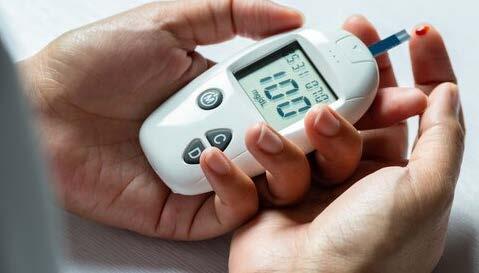
Wales’ diabetes crisis is growing faster than predicted — but it doesn’t have to
02-06-2026

New data shows record proportion of Receptionage children living with overweight or obesity in Wales
12-05-2026
Better Join Up, Better Outcomes for Child Poverty
Building A Healthier Wales
Loneliness, social isolation and social connection in Wales: A public health perspective
Public Health Wales
Next Issue: Breastfeeding – The Best Start in Life

Breastfeeding offers significant health and wellbeing benefits for both babies and mothers, and Welsh Government acknowledges it as the most accessible and cost effective activity available to public health.
In our upcoming webinar, we will explore the important role that local authorities and communities can play in creating supportive environments for families.
We are now inviting colleagues from across all sectors to contribute to a forthcoming themed e-bulletin on breastfeeding support. We welcome submissions that showcase practical approaches, tools, or resources that support breastfeeding environments in Wales. This could include examples of innovative projects, partnership working, or initiatives taking place at a national, regional, or local level.
Our article submission form will provide you with further information on word count, layout of your article and guidance for images.
Please send articles to publichealth.network@ wales.nhs.uk by 16 July 2026.