
INTERNATIONAL HEALTH –LEARNING, PARTNERSHIPS AND PRACTICE

Welcome
4 Articles
Getting to know our members: Laura Rich
Global Citizenship and Partnerships: NHS Wales’s Commitment to International Health
Laura Holt, Senior International Health Officer, Policy and international Health WHO Collaborating Centre, Public Health Wales
Driving solutions to unfair differences in health in Wales and beyond through the Welsh Health Equity Status Report Initiative
Zuwaira Hashim,International Health Coordinator, Public Health Wales
Daniela Stewart,International Evidence Development Office, Public Health Wales
James Allen,Public Health Scientist, Public Health
Wales
Jo Peden,Consultant in Public Health, Public Health Wales
Lauren Couzens,Principal Public Health Practitioner, Public Health Wales
Practice and research in Wales providing International Support for Parents
Professor Judy Hutchings, Bangor University
Wales leading healthier decision- making through Health Impact Assessment (HIA)
Kathryn Ashton, Principal Health Impact Assessment Development Officer, Public Health Wales
Liz Green, Consultant in Public Health, Public Health Wales
When Vegetables Meet Viruses: The Role of Artists in Global Health Communication.
MHD MALEK AL DALI, Public Health MSc Graduate, Bangor University
International Health Insights: Learning from Global Practice to Strengthen Public Health in Wales
Zuwaira Hashim, International Health Coordinator, Public Health Wales
Mariana Dyakova, Head of International Health and Wellbeing Economy Lead, Public Health Wales
Keira Charteris, Senior International Evidence Development Officer, Public Health Wales
Daniela Stewart, International Evidence Development Officer, Public Health Wales
Public Health as a Driver of Wellbeing Economies in Wales and Globally
Mariana Dyakova, Head of International Health and Well-being Economy Lead, Public Health Wales
Anna Stielke, Senior International Evidence and Policy Officer, Public Health Wales
Grapevine
What Makes Collaboration Work? Insights and Tools for Effective Partnerships
Emma Girvan, Practitioner, Wider Determinants of Health Unit Public Health Wales
Rebecca Evans, Principal Public Health Practitioner, Wider Determinants of Health Unit Public Health Wales

Getting to know our members: Laura Rich
We are getting to know our members and would like to help our members to get to know each other. If you would like to feature in a future edition, please complete this form.
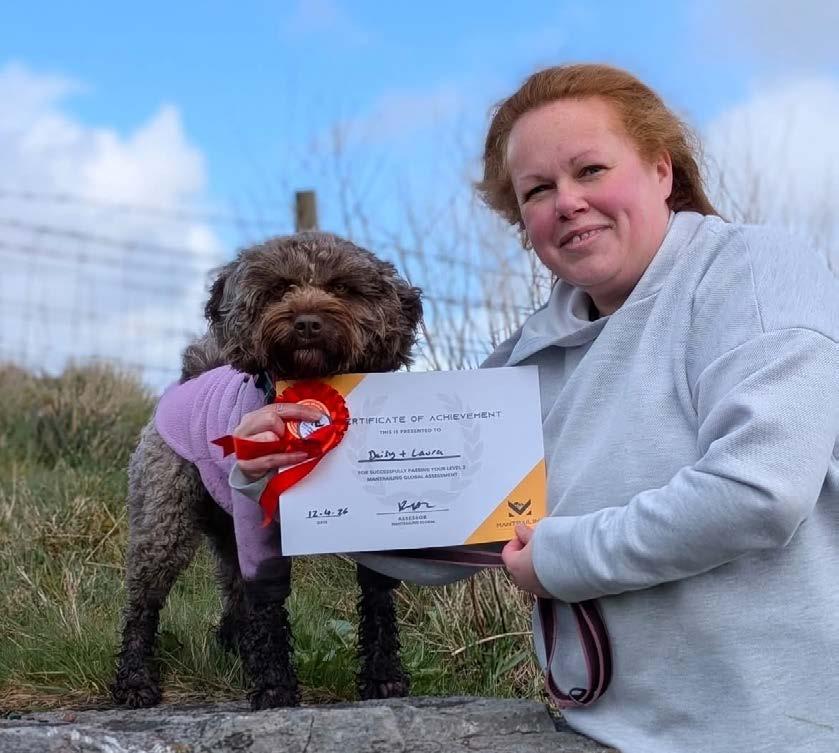
This month we’re meeting Laura Rich, Principal Public Health Practitioner in Health Improvement, Public Health Wales
Please tell us a bit about yourself and your current work
Hi, I am Laura, a Principal Public Health Practitioner in Health Improvement. I work in the Tobacco, Vapes, Nicotine Addictive Products (TVNAPs) Team. My work will focus on developing, delivering, and evaluating foundational and primary prevention activities. This will take a settings approach to thinking about prevention in babies, children and young people, such as in Further or Higher Educational Settings, Outdoor Spaces and Places and Smoke Free Homes.
What motivated you to join this network?
I have been a member for many moons now and I just love the breadth of information and knowledge sharing that you get from the Network. Basically, motivated by FOMO (Fear Of Missing Out)!
What are the benefits for you in being a member of this network?
The regular learning webinars, the topic bank on the website and the newsletter provides me with easy to access up to date and evidenced based information, news and learning opportunities.
What is one thing you would like to share with other members of the network?
It has taken me a long-while to get to this space where I have accepted that you can’t know everything, and you aren’t expected to be a knowledge bank of all Public Health policy, practice and evidence - but one thing you can do to help shape your knowledge, build confidence and capability is through connecting with others across the public health system. So, don’t be afraid to ask that ‘silly’ question, say ‘hi’ to new people you meet, and make time to connect as much as possible (virtually or inperson).
Are you happy for your email address to be shared on the e-bulletin?
Yes - laura.rich4@wales.nhs. uk
Global Citizenship and Partnerships: NHS Wales’s Commitment to International Health
Laura Holt,
Senior International Health Officer, Policy and international Health WHO Collaborating Centre, Public Health Wales
The International Health Coordination Centre (IHCC), is part of Public Health Wales’s Policy and International Health Directorate — a World Health Organisation Collaborating Centre on Investment for Health and Well-being that advocates, enables, and mobilises action to shape policy and practice. The IHCC connects NHS Wales to global networks, evidence, and expertise, supporting Wales’s commitment under the Wellbeing of Future Generations Act to be a globally responsible nation.
What we do
Leading on Public Health Wales International Health Strategy 2023–2035, the IHCC works across NHS health boards, Welsh Government, academia, the third sector and international organisations. We facilitate multisector networking through the International Health Activity Group, the International Health Forum where colleagues share learnings from across the world, a regular International Health Newsletter, and structured learning exchanges with international organisations.
Why Global Citizenship matters for NHS Wales staff
One of our core areas of work is building global citizenship, helping people in the NHS understand how global events shape local priorities, and sharing examples of how to engage with international partners respectfully and reciprocally.
In collaboration with Cymru Global, our workshops and e-learning modules explore themes including aid and development, rights-based health, globalisation, peace, conflict and health and gender equity. These aren’t abstract topics; they’re the context behind the patients and communities we serve.
Policy | Research | Practice
Knowing how to build partnerships that are genuinely equitable is central to this work. The Charter for International Health Partnerships toolkit provides practical guidance on navigating power dynamics, while the Welsh Health Equity Status Report initiative (WHESRi) team and partners have taken this further with Strengthening Health with Equitable International Partnerships: Key Learning and Best Practices — a report examining how international collaboration can improve health outcomes in Wales and beyond. Its findings are clear: the most effective partnerships are equitable, mutually beneficial, and grounded in shared learning, strong governance, sustainability, and genuine community involvement.
Making an Impact: What Participants Say Feedback from our workshops consistently shows staff leaving sessions more motivated, inspired, and ready to apply a global lens to their role.
Motivation:
“I’m inspired to look for new opportunities to collaborate internationally.”
“I’m coming away with new ideas I want to explore in my own work.”
Shifting perspective:
“I’m thinking about how global events shape our local policies and priorities.”
Personal
development:
“I’m feeling empowered to find out more and thinking how I can improve my practice and perceptions.”
These new, insightful perspectives can ripple outward, benefiting the way whole teams and systems think and work.
Get involved
Global citizenship workshops are available in person and online, as half-day sessions or informal lunch-and-learns, tailored for teams across NHS Wales and beyond.
If you’d like to host a session or explore collaboration, contact laura.holt@wales.nhs.uk
Policy | Research | Practice
Driving solutions to unfair differences in health in Wales and beyond through the Welsh Health Equity Status Report Initiative
Zuwaira Hashim,
International Health Coordinator, Public Health Wales
Daniela Stewart,
International Evidence Development Office, Public Health Wales
Health equity means that everyone has a fair opportunity to be as healthy as possible, regardless of their circumstances. In Wales, health inequities remain a persistent challenge, driven by differences in factors like employment, education, housing and social support.
The Welsh Health Equity Status Report initiative (WHESRi), established in 2020 with the World Health Organization, was developed to better understand these
James Allen,
Public Health Scientist, Public Health Wales
Jo Peden, Consultant in Public Health, Public Health Wales
inequalities and their causes. By providing robust evidence and practical tools, the initiative supports coordinated action across sectors, helping to inform policy, prioritise investment and improve health outcomes for communities across Wales.
The WHESRi is the first national application of the World Health Organization Health Equity Status Report framework and is considered a live innovation site for health equity. Delivered through a
Lauren Couzens,
Principal Public Health Practitioner, Public Health Wales
partnership between Welsh Government and the World Health Organization Regional Office for Europe, the initiative brings together data, evidence and policy to support a wholeof-government and whole-ofsociety approach to improving health equity.
The programme has produced key reports, including analysis of the immediate impacts of COVID-19 on health equity and a decomposition analysis highlighting the need for prevention and action across
the Five Essential Conditions for healthy, prosperous lives for all. Similar to the wider determinants of health model where social, economic and environmental factors impact health, the Five Essential Conditions include: Health and Health Services; Health and Income Security and Social Protection; Health and Living Conditions; Health and Social and Human Capital; and Health and Employment and Working Conditions.
Making a difference: turning global evidence into local action
A central output of the initiative is the Solutions for Health Equity platform, an online gateway to evidence, policy resources, data and practical tools. It includes research directories, data dashboards, policy guidance and examples of innovative practice. The Solutions for Health Equity platform has extended this impact by providing accessible, practical tools and evidence, with over 37,000 views since its launch and more than half of users returning. This demonstrates strong engagement and its value in supporting organisations to translate evidence into action and improve outcomes.
The initiative has multiple workstreams, one for example is on gender equity and women’s health to support the implementation of the
Women’s Health Plan. To date WHESRi has:
-Hosted a high-level policy dialogue in Wales exploring the intersection of gender equity and the well-being economy, involving senior stakeholders and government ministers from leading wellbeing economy nations
-Published a spotlight feature blog highlighting actionable opportunities for change
-Delivered two pilot workshops linked to the Welsh Government’s Women’s Health Plan
-Contributed to the Global Health Partnerships Conference through a workshop on gender equity and health
-Supported the World Health Organization Special Initiative to end violence against women and girls, including expert meetings, a launch event in Madrid and report publication
For further information please contact: solutionsplatform@ wales.nhs.uk.
Practice and research in Wales providing International Support for Parents
Professor Judy Hutchings, Bangor University
After an NHS and research career working with families in Wales to support parenting and reduce antisocial child behaviour, on retirement in 2010, I began exploring how my UK based work could contribute to supporting families in global south countries.
Linking with a colleague in Oxford, and based on my work in Wales, I co-developed a parenting programme to support parents in establishing prosocial ways of dealing with challenging child behaviour and to prevent/reduce violence against children [1-3]. The need is significantly greater in global South countries where rates of violence against
children are considerably higher than in more affluent countries. However, research had shown that the same positive parenting skills that benefit people in high income countries also work well in global South countries [4, 5].
Most of the programmes with evidence came from high income countries and many were licensed and expensive. With my colleague in Oxford, we wrote a programme for parents of 2- to 9-year-olds that is freely available through the WHO website [6] and has a Creative Commons license.
We trialed this programme, the Parenting for Lifelong Health programme for
parents of young children, in a township in South Africa and it worked well [7, 8]. At the same time, other colleagues within the group developed programmes for parents of babies and toddlers and for teenagers [8,9]. I continued to work with the programme for parents of 2- to 9-year-olds and contributed to trials in the Philippines [10], Thailand [11] and across Eastern Europe [12]. The programme received Horizon 2020 funding for a trial in North Macedonia, Romania and Moldova that has produced some useful evidence, some published and some currently being written up [12].
The UNICEF funded work,
Research
to support adaptation and training, that I have done in Montenegro has been particularly inspiring since we received licensing for the programme from various government ministrys and roll-out support from the Government of Montenegro who recognised it in their national strategy to prevent and reduce violence against children. This is now being rolled out across Montenegro [13]. Subsequent adaptations of the programme support the Montenegrin Roma population and target young children with, or likely to have, diagnosis of ADHD, ASD and or language delay. With an ESRC International collaboration grant through Bangor University, we brought people from the University of Montenegro to Bangor and undertook a pre-post evaluation of the adapted programme for the Roma population (paper submitted). There is interest in this programme across Eastern Europe, as many of these countries have a significant Roma populations, and I continue to support these efforts.
In the UK we have faced 50% reduction in funding for early intervention over the last 10 years [14] alongside post-COVID increases in the number of preschool/ early school years pupils experiencing the challenges that mean that they are not effectively school ready [15].
We have recently undertaken a small trial of the initial programme in Wales and published some positive prepost results [16].
So work in Wales initially contributed to global support for parents and the results have fed back into further benefits for Wales.
References
1) Ward, C. L., Mikton, C., Cluver, L., Cooper, P., Gardner, F., Hutchings, J., Lachman, J. M., Murray, L., Tomlinson, M., & Wessels, I. (2014). Parenting for lifelong Health: From South Africa to other low- and middle-income countries. UWE Research Repository (UWE Bristol). http://eprints.uwe.ac.uk/30159/
2) Ward, C. L., Wessels, I. M., Lachman, J. M., Hutchings, J., Cluver, L., Kassanjee, R., Nhapi, R., Little, F. and Gardner, F. (2019) Parenting for Lifelong Health for young children: a randomized controlled trial of a parenting program in South Africa to prevent harsh parenting and child conduct problems. Journal of Child Psychology and Psychiatry https://doi.org/10.1111/jcpp.13129
3) Wessels, I., Booij, A., Cluver, L., Cooper, P., Gardner, F., Hutchings, J., Jeffery, D., Lachman, J., Masuku-Mukadah, N., Murray, L., Tomlinson, M., & Ward, C. L. (2019). Implementing the Parenting for Lifelong Health programmes: Lessons learned from low-resource settings. In M.M. Barry, A.M. Clarke, I. Petersen, & R. Jenkins. A (Eds.), Implementing Mental Health Promotion (Second Edition; pp. 278-284). New York: Springer. https://www.springer. com/in/book/9783030234546
4) Gardner, F., Hutchings, J., Bywater, T., & Whitaker, C.J. (2010). Who Benefits and How Does It Work? Moderators and Mediators of Outcome in an Effectiveness Trial of a Parenting Intervention. Journal of Clinical Child & Adolescent Psychology, 39(4), 1-13. do i:10.1080/15374416.2010.486315
5) Gardner, F., Leijten, P, Harris, V., Mann, J, Hutchings, J., Beecham, J., Bonin, E.M., Berry, V McGilloway, S., Gaspar, M., SeabraSantos, M-J., Orobio de Castro, B., Menting, A., Williams, M., Axberg, U., Morch. W-T., Scott, S., & Landau, S. (2019). Do parenting interventions increase social inequalities in child conduct problems? PanEuropean Individual Participant Data (IPD) meta-analysis The Lancet Psychiatry https:// doi.org/10.1016/S2215-0366(19)30162-2MDO (6) Word Health Organization. (n.d.). Parenting for lifelong health. World Health Organization. Retrieved May 13, 2026, from https://www.who.int/teams/ social-determinants-of-health/parenting-forlifelong-health
(7)Ward, C.L., Mikton, C.,Cluver, L., Cooper, P., Gardner, F., Hutchings, J., Lachman, J.M., Murray, L., Tomlinson, M., & Wessels, I.M. (2014). Parenting for Lifelong Health: from South Africa to other low- and middle-income countries. Early Childhood Matters, 122,
49-53.
(8)Ward, C. L., Wessels, I. M., Lachman, J. M., Hutchings, J., Cluver, L., Kassanjee, R., Nhapi, R., Little, F. and Gardner, F. (2019) Parenting for Lifelong Health for young children: a randomized controlled trial of a parenting program in South Africa to prevent harsh parenting and child conduct problems. Journal of Child Psychology and Psychiatry https://doi.org/10.1111/jcpp.13129
(9)Cluver, L., Meinck, F., Steinert, J., Shenderovich, Y., Doubt, J., et al. (2018). Parenting for Lifelong Health: A pragmatic cluster randomised controlled trial of a non-commercialised parenting programme for adolescents and their families in South Africa. BMJ Global Health, 3 (1) e000539; DOI: 10.1136/bmjgh-2017-000539.
(10)Alampay, L.P., Lachman, J.M., Landoy, B.V., Madrid, B.J., Ward, C.L., Hutchings, J., Alinea, M.C.D., & Gardner, F. (2018). Preventing child maltreatment in low and middle-income countries: Parenting for lifelong health in the Philippines. Ch 15 pp 277-293 In S. Verma & A. Petersen (Eds.), Sustainable Development Goals: Using Developmental Science to Improve Young Lives Globally. Cham: Springer
(11)Mon, H. M., Pongpaew, W., Witvorapong, N., McCoy, A., & Hanvoravongchai, P. (2025). Costs and budget impact of Scaling‐Up Parenting for Lifelong Health for Young Children program in Thailand. Child Care Health and Development, 52(1), e70216. https://doi.org/10.1111/cch.70216
(12)Katzef, c., Baban, A., Babbi, V., Fang, X., Foran, H., Gajdadzis-Knezhevikj, S., Gardner, F., Heinrichs, N., Hutchings, J., ……. & Ward, C. L. (2026) Taking Parenting Programs to Scale: Lessons From Studying Parenting for Lifelong Health for Young Children in SouthEastern Europe. Families in Society published online on 28th January 2026 https://doi. org/10.1177/10443894251388685
(13)Hutchings, J., Ferdinandi, I., Janowski, R., Ward, C., McCoy, A., Lachman, J.M., Gardner, F. and Williams, M.E. (2024) Parenting for Lifelong Health for Young Children in Montenegro: Preliminary outcomes, dissemination, and broader embedding of the program. Prevention Science. https://doi.org/10.1007/s11121-02401682-x
(14)Centre for Young Lives. (2025, April 8). New FOI data reveals funding cuts to family hubs and children’s centres could put government’s opportunity mission at risk [Press release]. Centre For Young Lives. Retrieved July 15, 2025, from https://www. centreforyounglives.org.uk/news-centre/ new-foi-data-reveals-funding-cuts-tofamily-hubs-and-childrens-centres-couldput-governments-opportunity-mission-atrisk?utm_source.com
(15)Kindred2. (2025). 2024 School Readiness Survey. In kindredsquared.org.uk [Report]. Retrieved May 18, 2026, from https:// kindredsquared.org.uk/wp-content/ uploads/2025/01/School-Readiness-SurveyJanuary-2025-Kindred-Squared.pdf
(16)Hutchings, J., Jones, S., Jones, A., Williams, M. and Lachman, J. Delivering the Parenting for Lifelong Health Programme with Parents of Young Children in Wales. Children 2025, 12 (10), 1280. https://doi. org/10.3390/children12101280
Policy | Research | Practice
Wales leading healthier decision-making through Health Impact Assessment (HIA)
Kathryn Ashton, Principal Health Impact Assessment Development Officer, Public Health Wales
Health in All Policies (HiAP) is an approach that recognises that health outcomes are influenced by decisions made across many sectors, including housing, transport, education, employment, and the environment. It promotes collaboration between policymakers to ensure that health and health equity are considered in all areas of decision-making. Health Impact Assessment (HIA) is a process that supports this approach by identifying the potential positive and negative effects of policies, programmes, decisions or projects on health, well-being
Liz Green, Consultant in Public Health, Public Health Wales
and equity through the lens of the wider determinants of health. Together, they help prevent health inequalities, improve population wellbeing, and ensure that public policies contribute to healthier communities.
Established in 2004, the Wales Health Impact Assessment Support Unit (WHIASU) plays a pivotal role in promoting best practice in Health Impact Assessment (HIA), not only across Wales, but also internationally. Based within the Policy and International Health
Directorate
at Public Health
Wales
and the
World Health Organization Collaborating Centre on Investment for Health and Well-being, WHIASU works collaboratively with colleagues and stakeholders across Europe and beyond to develop HIA practice and promote Wales as a case study for the institutionalisation of HIA.
WHIASU has contributed to international conferences, including the European Public Health Conference, the International Association of Impact Assessment Conference and the International Conference on Urban Health recently.
Members of WHIASU have also published in international (1–5) and have been named a key cluster leading international progress in the field of HIA (6).
Wales is viewed as a global leader in the field of HIA practice and regularly share practice with other national Public Health Institutes and academic institutions for example, Cork, Ireland and Wageningen in The Netherlands, so that they can learn from us. WHIASU have developed guidance, training and capacity-building programmes and carried out HIAs such as the climate change HIA that can be adapted by other countries. The HIA Regulations (Wales) 2025 is recent legislation that has been passed in Wales which requires public bodies to undertake HIAs when making decisions of a strategic nature. This has further strengthened Wales’ position as a global leader in this field, creating opportunities for international learning and collaboration.
WHIASU’s work has helped raise awareness internationally about the importance of considering health and well-being across policy sectors. WHIASU’s work has strengthened partnerships between Wales and international organisations, while supporting other countries to progress their HIA practice. For example Scotland, Ireland, India, New
Zealand and Australia. The sharing of Welsh expertise has demonstrated how smaller nations like Wales can influence global public health practice through collaboration, research and shared learning.
References
(1)Green L, Ashton K, Williams J, Douglas M. Institutionalisation of health impact assessment. A systematic scoping review and development of a descriptive conceptual framework. Impact Assess Proj Apprais. 2026 Apr 16;0(0):1–16. doi:10.1080/14615517. 2026.2658912
(2)Green L, Ashton K, Azam S, Clemens T, Bellis M. Brexit, COVID-19 and climate change: mapping the impact of the ‘triple challenge’ on health and well-being in wales. Impact Assess Proj Apprais. 2023 Mar 4;41(2):126–38. doi:10.10 80/14615517.2022.2154434
(3)Green L. Measuring health impact - a case study of Wales. In: Climate Change and Public Health: Governance and Challenges’. Manipal University Press, India; 2023.
(4)Ashton K, Cotter-Roberts A, Dyakova M, Green L. Integration of Social Return on Investment with Health Impact Assessment and evaluation frameworks. Eur J Public Health. 2023 Oct 1;33(Supplement_2):ckad160.1285. doi:10.1093/eurpub/ckad160.1285
(5)Ashton K, Gray B, Lines R, Harman D, Green L. Safer inhalation devices: a rapid Health Impact Assessment of a harm reduction pilot for people who smoke crack cocaine. Harm Reduct J. 2026 Jan 13;23(1):34. doi:10.1186/s12954025-01383-w PubMed PMID: 41530850; PubMed Central PMCID: PMC12903636.
(6)Kim J, Haigh FA. HIA and EIA Are Different, but Maybe Not in the Way We Thought They Were: A Bibliometric Analysis. Int J Environ Res Public Health. 2021 Jan;18(17):9101. doi:10.3390/ ijerph18179101

When Vegetables Meet Viruses: The Role of Artists in Global
Health Communication.
MHD MALEK AL DALI,
Public health updates during crises are often overwhelmed by cold statistics and strict rules. While important, this data-heavy approach can easily lead to information fatigue. It also struggles to cross language and cultural barriers in global health communication. At its core, health engagement depends on human connection, emotion, and trust. Historically, art and storytelling have been some of the most effective universal ways to simplify complex ideas. When a crisis happens, creative media becomes
more than decoration—it becomes a human way to build empathy, reduce public anxiety, and help important health messages actually reach and stay with different communities.
There is growing evidence, including reports from the World Health Organization, showing that creative and artistic engagement can support public wellbeing and strengthen health messaging. Visual storytelling helps bypass literacy and language barriers, and it often creates
emotional connections that people remember more than numbers alone. I applied this idea during the 2020 COVID-19 lockdown. I noticed that many people were becoming overwhelmed and tired of repeated safety warnings and fear-based messages.
To respond to this, I created an independent short stopmotion awareness film using simple handmade vegetable characters, light humour, and warm voice acting to communicate the “stay
Public Health MSc Graduate, Bangor University
home” message. Instead of repeating formal institutional instructions, I tried to use a more human and familiar storytelling style to make the guidance feel easier to relate to and less intimidating. This approach reflected modern health promotion thinking that encourages flexible and culturally sensitive communication rather than purely authoritative messaging.
From my experience, this small creative project showed me that even simple digital storytelling can act as a bridge between complex medical guidance and everyday understanding. It also made me realise how important tone is when communicating health advice during stressful times, especially when people are already anxious or overloaded with information.
After it was shared on social media, my short stop-motion film gained over 200,000 views within two weeks. However, what mattered more was how people responded. Many viewers from different backgrounds connected emotionally with the characters and the message. They shared it in family groups and engaged with the health advice in a more positive way. It seemed to reduce some of the anxiety around pandemic messaging while still reinforcing safe behaviour. Overall, the project showed me that creative communication
could make public health messages feel more human, less distant, and easier to accept. My main takeaway is that creative communication is not just something extra, but something genuinely necessary. In a world where attention is limited and trust is fragile, public health needs to work more closely with artists and storytellers. Health communication cannot rely only on data and written information. My call to action is for public health organisations to include creative professionals as part of their campaign planning from the beginning. By combining scientific knowledge with storytelling, we can create messages that are clearer, more inclusive, and more emotionally meaningful, helping people actually connect with and act on health advice.
References:
World Health Organization (2023). Arts and health . [online] www.who.int. Available at: https://www. who.int/initiatives/arts-andhealth
International Health Insights: Learning from Global Practice to Strengthen Public Health in Wales
Zuwaira Hashim,
Keira Charteris,
International Health Coordinator, Public Health Wales
Mariana Dyakova,
Head of International Health and Wellbeing Economy Lead, Public Health Wales
Senior International Evidence Development Officer, Public Health Wales
The International Health Insights programme within Public Health Wales’s Policy and International Health Directorate bring together global public health evidence and applies it to a Welsh context through targeted country case studies and analysis. In an increasingly interconnected world, this work helps identify emerging risks, highlight effective interventions, and support timely decision-making.
Daniela Stewart,
International Evidence Development Officer, Public Health Wales
Originally established during COVID-19, the programme has evolved over the past six years into a core intelligence function supporting prevention, reducing inequalities and strengthening system resilience. It aligns with the Well-being of Future Generations (Wales) Act by contributing to a healthier, more equal and globally responsible Wales.
Expanding from COVID-19 to wider public health priorities
The workstream began during the COVID-19 pandemic, providing rapid international intelligence on public health measures, recovery strategies, and wider social and economic impacts.
Since 2020, the work has expanded beyond COVID-19, with 52 reports covering key public health priorities including health improvement, health protection and healthcare public health services. Report topics have included dementia prevention, urgent care, fiscal levers to address obesity, the cost-of-living crisis, free school meals, child poverty, commercial determinants of health, primary care, intermediate care and vaccine communications. Each report combines global research, policy analysis and practical case studies, with clear implications for Wales. Findings are shared across sectors to support the use in policy and service planning, helping ensure international learning is practical, relevant and actionable in Wales.
Influencing policy and practice in Wales
Over the past six years, the reports have helped inform policy and practice in Wales. During COVID-19, early reports shaped Welsh Government understanding of R values and the prevention paradox, informing national reporting and ministerial briefings. More recently, insights have supported urgent and emergency care strategy development, Single Points of Access, the Wales Dementia Strategy, and discussions at the Welsh Government Food Advisory Committee. Together, these examples
show the value of using international evidence to strengthen public health policy and practice in Wales. International evidence should not be an add-on, but a routine part of public health intelligence. Policymakers and practitioners are encouraged to use these insights to inform strategies, services and interventions, helping Wales respond effectively to current and future challenges.
Get in touch
Reducing health inequalities requires shared learning, sustained effort and collaboration. To provide feedback on previous reports, suggest future topics or collaborate on upcoming International Health Insights reports, please contact: Mariana.Dyakova@wales.nhs. uk.
Policy | Practice
Public Health as a Driver of Well-being Economies in Wales and Globally
Mariana Dyakova, Head of International Health and Wellbeing Economy Lead, Public Health Wales
Background
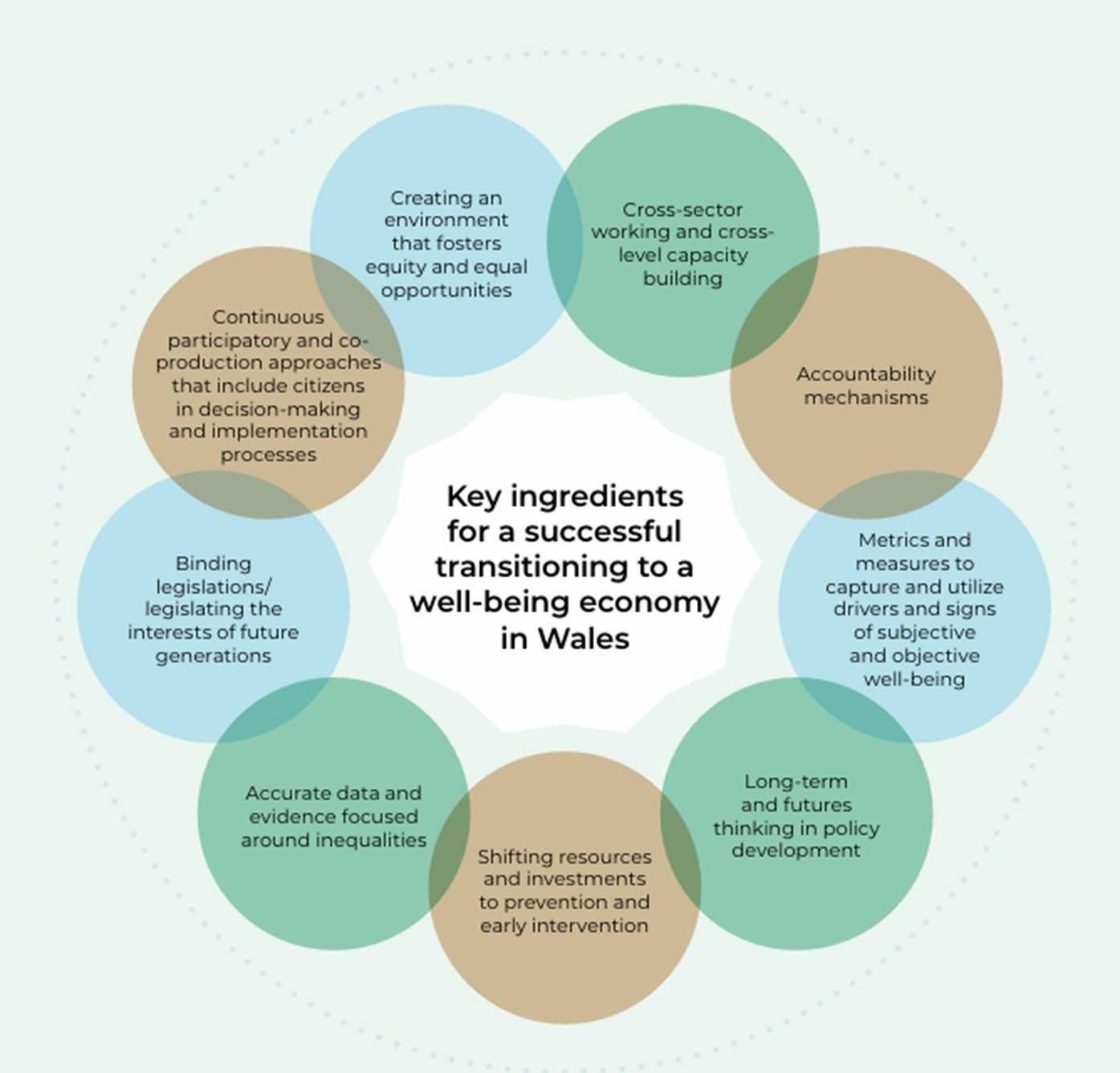
Wales, and other countries alike, is facing a multitude of demographic, environmental, social and economic pressures that impact on population health and well-being, and public services, especially for communities and areas left behind. A growing global ‘Well-being Economy’ movement focuses on addressing these challenges through placing human, societal and planetary wellbeing as central capitals for economic development. Wales leading the way
Anna Stielke,
Senior International Evidence and Policy Officer, Public Health Wales
From a health perspective, the Well-being Economy offers a lever to prioritise prevention and shift budgets and investment upstream towards healthy prosperous lives for all, leaving no one behind. Wales has been recognised as a global champion for building a wellbeing economy through adopting the Well-being of Future Generations (Wales) Act.
Public Health as a driver and beneficiary
The World Health Organization (WHO) Collaborating Centre on Investment for Health and Well-being (WHOCC) at Public Health Wales has been advancing this agenda. We have enabled and delivered to a Memorandum of Understanding between the Welsh Government and the WHO Regional Office for Europe, focusing on implementing well-being economies with health and equity at the center.
Live Innovation Site for implementing Well-being Economy
The WHOCC has established a unique Well-being Economics and Value service, providing evidence and expertise, and building capacity and capability, to inform prevention-focused Value-Based policies and investments in Wales and beyond. It is supporting research, implementation and evaluation of key public health programmes across disciplines and sectors, such as social value of immunizations and trauma-informed approaches; costs of smoking, and health inequalities; and prevention spend modelling.
We are working closely with WHO offices, regions and networks, such as the European Office for Investment for Health and Development in Venice, Italy; the Pan American Health Organization (PAHO), the Regions for Health and the Healthy Cities networks. The WHOCC’s work in this space has recognised Wales as a live innovation site - mobilising and developing intelligence, know-how, novel tools and practical approaches, to inform and progress wellbeing economies across Europe and the world.
Convening Health, Economy and Finance towards well-being for all Together with WHO and other partners across Wales, the
UK and internationally, the WHOCC has brought together health, economy and finance leaders and decision-makers to align goals, agree priorities, learn from best practices, identify solutions and explore novel funding mechanisms that could protect and improve population health, reduce inequalities, build resilient communities, and increase societal trust, cohesion and prosperity.
Thinking globally, acting locally
The WHOCC has been supporting the development of a South West Wales Regional Health Economy, working closely with Swansea Bay and Hywel Dda University Health Boards. This is translating global, European and national levers, such as WHO resolutions, strategies and Wales’ legislation, on a local level – to strengthen the role of the NHS as a local Anchor; engage with local business, academia and charities in a sustainable and mutually beneficial way, and create healthier, fairer and more resilient communities.
Further reading and resources:
WHO European Well-being Economy Initiative
Wales’s commitment to becoming a well-being economy
Unlocking funding for health and well-being in the WHO
European
Region
Investing in prevention at the top of the agenda for a policy dialogue in Wales
World Health Organization Collaborating Centre On Investment for Health and Well-being
Sustainable Investment for Health & Well-being
Social Value E-Guide for Public Health
Wellbeing Economy Alliance

Grapevine
What Makes Collaboration Work? Insights and Tools for Effective Partnerships
Emma Girvan, Practitioner, Wider Determinants of Health Unit Public Health Wales
The Better Join Up, Better Outcomes report explores how organisations can work together more effectively to improve outcomes for people and communities. While grounded in a needs assessment on child poverty in Wales, its learning is relevant to any sector or partnership. Many services operate in complex systems where individuals must navigate multiple organisations that do not always feel connected. This work focuses on understanding what makes collaboration work well— and what gets in the way. It highlights that effective collaboration is not an optional extra, but a core part of delivering better, more joined-up services across sectors.
This work, led by the Building a Healthier Wales Coordination Group, set out to understand what supports effective collaboration across organisations and sectors. A review of over 150 research papers identified key features of successful collaboration, including trust, shared goals, strong leadership, clear governance, adequate resources, citizen involvement and effective information sharing.
Rebecca Evans, Principal Public Health Practitioner, Wider Determinants of Health Unit Public Health Wales
These features were used to design a survey and interview approach, gathering insight from professionals across various sectors. Participants reflected on their real-world experiences of collaboration using a structured selfassessment framework.
The findings show that while there is strong commitment to partnership working, collaboration is often shaped by system conditions rather than individual effort. Positive practice is built on relationships, open communication and shared purpose. However, collaboration can be undermined by short-term funding, changing priorities, unclear roles, and limited data sharing. Involvement of people with lived experience is also inconsistent.
Importantly, this work frames collaboration as something that must be actively designed and supported. It provides practical tools, including a self-assessment framework and clear recommendations, to help organisations reflect on and strengthen how they work together—whatever the policy area or sector.
This work has translated evidence on collaboration into practical, usable tools for organisations and partnerships. It gives teams a shared language and framework to assess how well they are working together and where improvements are needed. By focusing on system-wide enablers—such as leadership, funding stability and data sharing—it helps shift the conversation from individual responsibility to collective conditions for success. The work has also connected partners across sectors, encouraging shared learning and reflection. As a result, organisations are better equipped to strengthen collaboration in their own contexts and apply these principles to a wide range of challenges. Effective collaboration does not happen by chance—it needs the right conditions. Strong relationships, shared goals and clear leadership are essential, but so are practical enablers like stable funding, good data sharing and meaningful involvement of people affected by decisions. You don’t need to start from scratch. Begin by
asking: how well are we really working together? Use structured reflection tools to identify strengths and gaps. Share what works, learn from others, and champion collaboration as core business.
The call to action is simple, wherever you work and whatever you work on prioritise collaboration, invest in it, and help to shape national recognition that collaboration is real work.
A link to the tools can be found on the Public Health Network Cymru website: https:// publichealthnetwork.cymru/ better-join-up/
For more information, contact phw.determinants@wales.nhs. uk
Videos


Public Health Wales’ International Health Forum
The International Health Forum promotes the experiences of colleagues across Public Health Wales, sharing their learnings from engaging in international health activities and research and provides time to discuss opportunities for the future to engage in international partnerships working and networks.
What Makes Collaboration Work? Insights and Tools for Effective Partnerships
This webinar shared examples of strong collaborative practice already happening across Wales, as well as the actions – particularly at a national level – that could help strengthen and sustain local and regional partnership working in the future.
New Parent Health Information Resources published by Public Health Wales –Supporting Families Across Wales
This webinar highlighted how embedding these resources into your programmes and services and offering them to our families, help to create a consistent, trusted parenting offer across Wales.

News & Resources
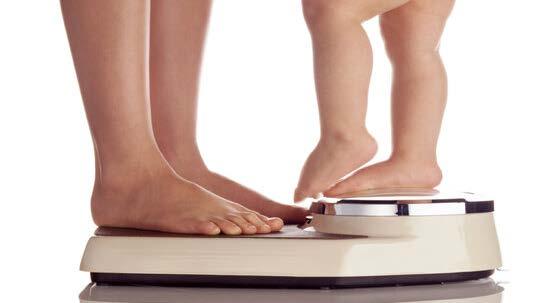
New data shows record proportion of Receptionage children living with overweight or obesity in Wales
12-05-2026

Healthy life expectancy falls in the UK

Healthier choices made easier as new rules take effect
05-05-2026
02-04-2026
Better Join Up, Better Outcomes for Child Poverty
Building A Healthier Wales
Loneliness, social isolation and social connection in Wales: A public health perspective
Public Health Wales
Next Issue
FINANCIAL WELL-BEING IN WALES

Financial wellbeing plays a vital role in shaping health and wellbeing. Building on the themes of our webinar - Financial Well-being in Wales – A Driver for Better Health, we are inviting colleagues across all sectors to contribute to a forthcoming themed bulletin on this topic.
We would like to invite members to share any practical approaches, tools or resources that support financial wellbeing. This might include examples of innovative projects, collaborative working, or initiatives happening at a national, regional or local level.
We’re keen to learn from your experiences and showcase them within our e-bulletin to support shared learning and strengthen efforts to improve financial wellbeing across Wales.
Our article submission form will provide you with further information on word count, layout of your article and guidance for images.
Please send articles to publichealth.network@ wales.nhs.uk by 18 June 2026.