
Expanding Solutions for People, Animals and the Planet
REPORTING YEAR ENDED DECEMBER 31, 2025 | PUBLISHED JUNE 2026
A LETTER FROM OUR PRESIDENT, CEO AND CHAIRMAN OF THE BOARD
I am pleased to present the latest Environmental, Social and Governance (ESG) Report of Phibro Animal Health Corporation (“Phibro” or the “Company”) (Nasdaq: PAHC). In 2025, concurrent with the successful integration of the medicated feed additive (MFA) product portfolio, certain water-soluble products, and related assets from Zoetis, Inc. (the “Acquisition”), we re-committed to our vision of improving lives through innovative and proven solutions, incomparable expertise and exceptional care.
At Phibro, we understand the critical role we play in supporting sustainable food production. With a growing global population and increasing pressure on natural resources, healthy livestock, poultry and aquaculture systems are more crucial than ever. Our products empower our customers to achieve just that – healthy animals, raised in ways that judiciously use grain, land and water, ultimately leading to more affordable and plentiful protein products for consumers.
Our products include an unrivaled portfolio reaching approximately 100 countries and furthering our purpose of empowering customers to protect and nourish animals, people and the planet. We are global leaders in vaccine innovation, uniquely solving critical global disease issues. Importantly, Phibro product and service offerings also include nutritional specialty products (NSPs), mineral nutrition products, companion animal health products and ethanol production technology products and services.
With our expanded portfolio, we are investing in livestock research, product innovation and global team capabilities to support current and emerging customer needs. In 2025, we invested in livestock nutritional research with the upgrade to our Mendon, Illinois, research and development facility. We also partnered with VAXA Technologies Ltd. (VAXA Technologies), a nutritional ingredient company based in Iceland,
to exclusively provide feed-based sustainability solutions for farmers to reduce carbon emissions. Through this partnership, we will now offer Verratain™ products, our verified solutions to significantly reduce Scope 3 emissions.
Our success is driven by our dedicated employees – the true giants upon whose shoulders we stand. Every colleague plays a vital role in our operations. Their commitment to quality, innovation, customer service and environmental stewardship is what allows us to deliver on our promises to our customers and contribute to a more sustainable future. We are committed to fostering a work environment where every employee feels valued, respected and empowered to contribute their best.
This ESG Report captures Phibro’s consistent progress over time, thanks to employee teamwork and ingenuity. The efforts and metrics in this Report reflect the entirety of our portfolio since the Acquisition. We invite you to explore our initiatives and join us on our journey to drive innovation in animal health, support sustainable agriculture and contribute to a healthy world.

JACK BENDHEIM President, CEO and Chairman of the Board

From Vision to Value: Building the Next Chapter of Phibro’s Growth

Throughout 2025, Phibro continued to strengthen its global operations, building a more scalable, integrated, and execution-driven platform. Through its Vision to Value framework, Phibro is aligning strategy, people, systems and operations around a clear objective: translating its vision, purpose and values into measurable outcomes for customers, animals, employees and the broader food system.
This year’s ESG Report highlights Phibro’s progress in strengthening the foundation for long-term growth, investing in livestock health and innovation, and supporting safe, healthy protein production globally. Together, these efforts reflect a company evolving with purpose, building on its strong legacy while reinforcing the infrastructure, research capabilities and customer-focused solutions that will support its next chapter.
Our ESG Council remains chaired by CFO Glenn David and sponsored by independent Board director Carol Wrenn.
SCALING INFRASTRUCTURE, PROCESSES AND GLOBAL CAPABILITIES
As Phibro grows, it continues to strengthen the internal foundation needed to scale effectively. In 2025, the Company advanced efforts to build the systems, processes and teams that support greater consistency, accountability and execution across the business. A key example is Phibro Forward, a broad set of specific, trackable, employee-led projects designed to enhance performance, support growth and position the Company for long-term success. In 2025, Phibro also continued expanding global leadership and capabilities across functions including Global Marketing, Global Technical Operations and Supply Chain, and Global Research and Development and Regulatory Teams, helping build a more connected and execution-focused organization.
INVESTING IN LIVESTOCK HEALTH
Phibro continues to prioritize investment in scientific and innovation capabilities that support the future of livestock health. Phibro’s global commercial vaccine R&D team includes twentyfive experts across multiple disciplines committed to finding solutions to the most challenging poultry diseases globally. Through the upgrade of the Mendon, Illinois, research facility, acquired in December 2023, the Company affirmed its commitment to strengthening research and development (R&D) in ways that are practical, science-based and closely connected to customer needs. Phibro is also advancing innovation through its Sustainable Solutions Platform, SSP, which is designed to help address sustainability challenges across animal agriculture, with an initial focus on carbon and Scope 3 emissions across the value chain.
SUPPORTING SAFE, HEALTHY PROTEIN GLOBALLY
Phibro’s work ultimately supports a broader purpose: helping customers protect animal health and contribute to a safe, healthy and affordable protein supply around the world. In 2025, the Company continued advancing products and solutions that help producers meet evolving needs while supporting animal well-being, productivity and responsible growth.
By strengthening its internal foundation while continuing to invest in innovation, product quality and customer-focused solutions, Phibro is positioning itself to deliver long-term value across the animal health and nutrition value chain. This includes not only developing and commercializing products effectively, but also ensuring the organization is equipped to bring those solutions to market with greater focus, coordination and impact.
Together, these efforts show how Phibro is bringing its vision, purpose and values to life, evolving as it scales and reinforcing its role in supporting safe, healthy protein production globally.

Feeding 10 Billion people by 2050 requires 20% more animal
OUR PRODUCTS
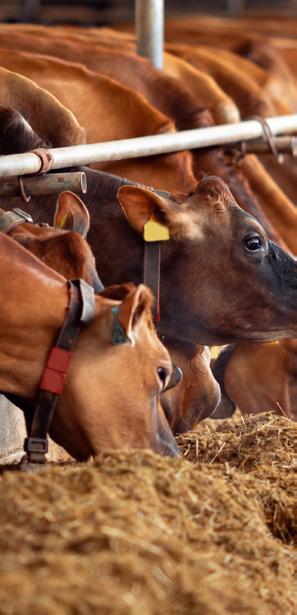
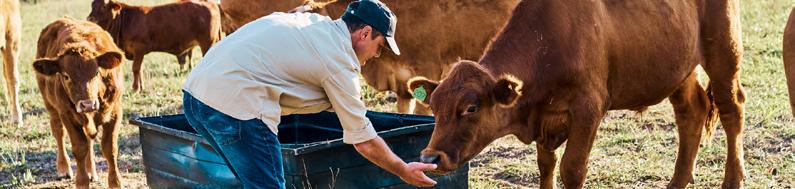
Our broad portfolio of products, backed by in-house manufacturing, innovative research, and exceptional service, serves as the core of our partnerships with farmers, ranchers, nutritionists and veterinarians. With a growing line of natural and sustainably produced products, we offer responsible solutions to help support the health of all animal species, including cattle, poultry, swine and aquaculture.
FOR LIVESTOCK AND AQUACULTURE
MEDICATED PRODUCTS: Our products safeguard animal health by preventing and treating enteric diseases, intestinal parasites and respiratory disease. The Acquisition discussed on page 2 expanded and strengthened Phibro’s position in this market globally.
Phibro recognizes the critical importance of responsible antibiotic use in animal agriculture and supports the global effort to combat antimicrobial resistance (AMR). We are encouraged by recent publications from the Food and Agriculture Organizaton of the United Nations (FAO) and World Organization for Animal Health (WOAH), outlined on p.10. These reports underscore the importance of preventive health measures. We have long championed that proactive animal health management – including vaccination, biosecurity and sound nutrition – is essential to reducing the need for antibiotics and preserving their effectiveness for future generations.
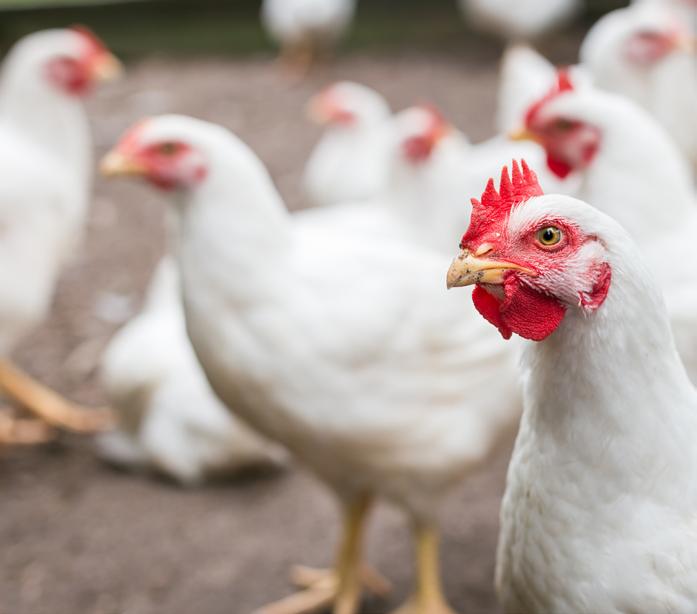
VACCINES: Our vaccines prevent diseases, reduce animal suffering, and empower farmers to uphold top-tier standards in animal care and production quality. With a diverse portfolio of conventional and autogenous vaccines, we provide trusted products supported by ongoing innovation and technical expertise. We have developed and market approximately 50 vaccines globally, guarding against diseases like Infectious Bronchitis, Infectious Bursal Disease, Newcastle Disease, and zoonotic pathogens such as Salmonella, E. coli, Campylobacter and Streptococcus iniae.
NUTRITIONAL SPECIALTIES: Phibro stands out as a premier provider of multi-species, branded nutritional specialty products backed by extensive research and proven efficacy. Our innovative, science-based solutions contribute to optimal animal health by supporting immune function and promoting gut health.
MINERAL NUTRITION: We develop and manufacture custom trace mineral pre-mix blends to fortify and maintain an optimal mineral balance in animals’ diets to maintain the health of animals. Our portfolio includes a wide array of trace and macro mineral products including elements comprised of various forms of manganese, copper, zinc, cobalt, iodine, iron, selenium, magnesium, sulfur, potassium, phosphorus, calcium, sodium and chlorine. Our offering includes the GemStone® line of organic trace minerals, selenium yeast and our Phi-Chrome® line of chromium products including chromium propionate and tripicolinate.
FOR COMPANION ANIMALS
We continue to build our companion animal business and pipeline. Our Rejensa® joint care chews continue to gain popularity, and we launched Restoris® piezoelectric dental gel for the treatment of periodontal pockets in dogs. Our companion animal development pipeline includes a treatment for canine mitral valve disease, a pain relief product, and a differentiated treatment for periodontal pockets in dogs. We continue to make progress across our pipeline and to seek out new strategic opportunities.
FOR PLANTS
Global population growth combined with limited land and water resources makes it more important than ever to maximize crop yields. Our products – including microbials and macro and trace elements – support the production of grains, forages, fruits and vegetables. Microbials are used in seed treatment or soil application to help stimulate plant growth, improve yields and protect plants against harmful organisms and pests. Macro and trace element products provide a supplemental source of nutrients required for optimal plant health and production.
FOR FUEL, DISTILLERS GRAIN AND DISTILLERS CORN OIL
Phibro Ethanol provides tools that work behind-the-scenes to help provide cleaner fuel, high-value distillers grain and corn oil. Phibro products and services empower our customers to achieve efficiency in their fermentation facilities, yielding more renewable energy from less biomass. Our solutions help biofuel producers worldwide provide a low-carbon energy solution – a solution that is positioned to play a significant role in the fight against climate change.
FOR INDUSTRIAL APPLICATIONS
We manufacture and market specialty ingredients for industry through our legacy chemical business, Performance Products. The PhibroChem division of the Company and Ferro Metal & Chemical Corporation supply specialty chemicals to the U.S. and European markets for use in coatings, personal care products, metal finishings, and a range of industrial applications. Phibro-Tech, Inc. is a recycler that manufactures copper- and iron-based products and recycles permitted waste primarily from the electronics industry.
ABOUT THE REPORT
This is Phibro’s fifth year reporting on its ESG priorities, performance, and progress. The discussion and data presented in this Report reflect the 2025 calendar year.
In 2021, Phibro established a global ESG Council, chaired by the Chief Financial Officer (CFO) and sponsored by an independent member of the Board of Directors. With guidance from this cross-functional team and support from a third-party consultant, the Company conducted a comprehensive materiality assessment to help identify the sustainability topics most relevant to its business and stakeholders.
Phibro primarily aligns its disclosures with the Sustainability Accounting Standards Board (SASB) Biotechnology & Pharmaceuticals industry framework. Where appropriate, the Company also references select metrics from other SASB industries, including Meat, Poultry & Dairy and Food Retailers & Distributors, and Medical Equipment & Supplies to reflect the nature of its manufacturing operations, supply chain, and product end-use. This Report is also available in Portuguese and Spanish.
Content within this Report should not be considered a substitute for Phibro’s filings with the U.S. Securities & Exchange Commission (SEC), including, but not limited to, the Company’s Annual Report on Form 10-K and Quarterly Reports on Form 10-Q.
This ESG Report captures the many ways Phibro empowers our people, protects the environment, acts with integrity, and engages with the communities in which we operate globally.

OUR CORPORATE ESG POLICY
True to our legacy as a dynamic, family-centric company that takes care of our employees, their families, and the communities in which we operate, Phibro is committed to the health of animals and support for the people who care for them. Healthy animals help create a healthy future for people and our planet.
ESG is embedded in our operations through our strategic decision-making and business processes as we continue to work with our customers and communities to reach shared goals. Phibro has a proven track record of evolving with changing times, and it is our intent to continue to do so.
Leadership at Phibro starts with our Board of Directors, CEO and senior management, and cascades throughout the Company. We are committed to investing in ESG activities, including gathering Board member input.
While developing our first ESG Report, we surveyed key stakeholders to understand their perspectives on priority areas. We were pleased to see strong alignment between their interests and ours, thus forming the basis of our annual ESG Reports.
The animal health community plays a key role in feeding people. Despite continuous efforts of all in food and agriculture, there is more work to do. According to the Food and Agriculture Organization of the United Nations, about 2.3 billion people, or 28% of the global population, faced moderate or severe food insecurity in 2024. That’s why ESG is more than a scorecard to us - it is our commitment that is integral to our Company:
Healthy Animals. Healthy Food. Healthy World.®
NEW 2025 PUBLICATIONS REINFORCE THE VALUE OF PREVENTION
Rising demand underscores the importance of animal health
New research and publications released in 2025 continued to reinforce the broader societal importance of animal health. Against a backdrop of rising global food demand, the FAO previously noted that demand for animal food products such as meat, eggs, and dairy is expected to increase by about 20% by 2050, even as land and natural resources remain constrained. This makes it increasingly important to produce more food efficiently and responsibly.
In this context, improving animal health and welfare is a critical part of meeting future food needs. In its inaugural State of the World’s Animal Health report 1, WOAH highlighted vaccination as a key element of disease prevention and control, noting that vaccination, alongside other measures, has “saved countless lives, prevented economic losses, and reduced the need for antimicrobial treatments.”
WOAH also emphasized that preventing animal disease can help reduce zoonotic risk, protect livelihoods, and lessen environmental impacts associated with livestock production.
A 2025 FAO-led study 2 similarly reinforced the connection between animal health, productivity, and food security. FAO reported that, without targeted interventions, antibiotic use in livestock is projected to rise by 2040. FAO noted that producing more animal-sourced food with the same or fewer animals can help reduce the need for antibiotics while strengthening global food security.
WOAH’s 2025 antimicrobial use report also pointed to encouraging global progress. Based on data
representing 62% of global animal biomass, WOAH reported a 5% decrease in antimicrobial use intensity between 2020 and 2022, from 102 mg/kg to 97 mg/kg of estimated animal biomass.
Together, these findings reinforce a clear message: prevention-focused animal health strategies are essential to supporting more efficient and resilient livestock production and judicious use of antibiotics remains important to protect animal health. These findings also highlight the close connection between animal health (including prevention of disease or suffering), improved productivity, and more efficient use of limited natural resources.
PREVENTION AND INNOVATION REMAIN CRITICAL TO PROGRESS
The 2025 publications make clear that sustained focus on disease prevention, improved productivity, and responsible antimicrobial stewardship is essential to reducing the need for antibiotics and supporting resilient food systems. For Phibro, this reinforces our vision of a future where multiple tools are used to keep animals healthy. We strive to find new solutions, while recognizing that there remain circumstances in which responsible use of antibiotics, as ordered by a veterinarian, is the right thing to do.
20%
Expected increase in demand for animal food products by 2050.1 5%
Decline in antimicrobial use intensity in animals between 2020 and 2022, from 102 mg/kg to 97 mg/kg.2
1 World Organisation for Animal Health, The State of the World’s Animal Health 2025, 2025. https://www. woah.org/app/uploads/2025/05/the-state-of-theworlds-animal-health-2025.pdf
2 Food and Agriculture Organization of the United Nations, New FAO-led study highlights that improving productivity is key to reducing antibiotic use in livestock, April 1, 2025. https://www.fao.org/ newsroom/detail/new-fao-led-study-highlights-thatimproving-productivity-is-key-to-reducing-antibioticuse-in-livestock/en
Product Responsibility
Phibro’s approach to product responsibility is grounded in science, quality, and continuous improvement. Through research and development, innovation, and robust quality processes, the Company works to develop products that meet customer needs, support animal health and wellbeing, and uphold high standards for safety, consistency, and performance.

RESEARCH AND DEVELOPMENT
Phibro supports product responsibility through research and development, technical service, and quality oversight across its manufacturing operations. Scientists, veterinarians, nutritionists, and technical teams contribute to product development, testing, quality assurance, quality control, and customer support across the Company’s portfolio.
Research and development activities are conducted at several domestic and international facilities and, where appropriate, through independent contract research organizations. These efforts support vaccine development, chemical synthesis and formulation, nutritional specialty products, fermentation and microbiological strain improvement, and ethanolrelated products.
Phibro R&D efforts are guided by a focus on delivering products that are safe for animals and help support a safe food supply for the people who rely on meat, milk, seafood, and eggs produced from those animals.
MENDON RESEARCH FACILITY
Expanding in-house livestock
R&D to strengthen science, speed development, and support customers
Since acquiring the Phibro Innovation Center (PIC) in Mendon, Illinois, in December 2023, Phibro has significantly expanded the site into a multi-species research hub that strengthens the Company’s ability to develop, validate, and support solutions across livestock health and nutrition. Through targeted infrastructure upgrades and expanded scientific
capabilities, the PIC is helping Phibro move more quickly from early proof of concept to field-relevant insights, while also deepening technical support for customers across critical livestock markets.
Investing in advanced infrastructure and biosafety capability
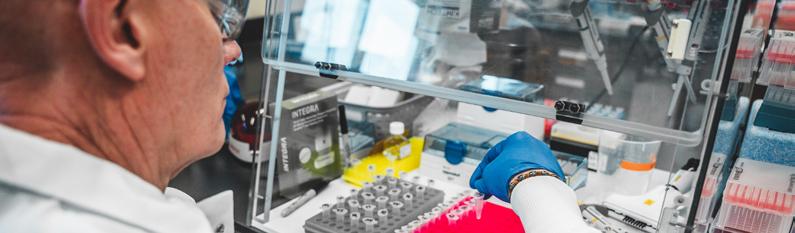
Phibro has made major upgrades to both the research areas and laboratory infrastructure at Mendon. The swine and poultry research areas were expanded to include new BSL-2 rooms, dedicated to swine and poultry, enabling controlled bacterial and viral pathogen challenge studies. The on-site laboratory was also upgraded to be BSL-2 compliant, and Phibro invested in a dedicated virus laboratory to support viral immunoassays and viral propagation. The PIC now has the capacity to conduct multiple BSL-2 studies in swine and poultry each year. In addition, the laboratory can now grow the challenge materials needed for both viral and bacterial studies.
To strengthen nutrition and production research, the Company installed Calan gates in the dairy barn to support controlled feeding trials and nutrition studies. Phibro also completed facility upgrades to standardize all feedlot pens and partnered with a company to monitor the Grow-Safe feeders. In addition, the Company acquired essential equipment, to properly perform feeding studies. Together, these investments have expanded the PIC’s ability to support all major livestock species from one integrated research site.

Turning capability into faster R&D and real-world outcomes
The PIC’s expanded capabilities now support swine, poultry, dairy, and beef research across Phibro’s nutritional products, vaccines, and medicated feed additive portfolio. By bringing more studies in-house, including early proof-of-concept vaccine work for swine and poultry and mode-of-action and market support studies for swine and beef, the PIC is helping the Company accelerate R&D timelines and respond more quickly to market and customer needs. Contract research organizations can often have limited availability, but by using our internal facility, Phibro can reduce study timelines. This ability to generate timely, species-specific data helps Phibro test hypotheses more rapidly, strengthen product claims with evidence, and answer customer questions with greater speed and confidence.
Building the R&D team and scientific rigor
Phibro has also invested in people and upgraded operational procedures at the PIC. The team has grown to 16 full-time employees. New roles include dedicated research coordinators for swine, ruminant, and poultry research, an on-staff research veterinarian, and additional animal technicians. Team members have completed Good Clinical Practice
training to support studies requiring that standard of execution, reinforcing Phibro’s commitment to scientific rigor, data integrity, and responsible research.
In addition, the PIC has a dedicated Agricultural Animal Care and Use Committee that helps ensure studies are conducted in an ethical and humane manner. Each study is reviewed and approved by this committee prior to initiation.
What’s next: Scaling research models and expanding species coverage
Looking ahead, Phibro expects the PIC to play an increasingly important role in supporting innovation across its livestock portfolio. As the facility’s capabilities continue to expand, the PIC is expected to support additional research across beef, dairy, swine, and poultry, further strengthening Phibro’s ability to generate science-based insights and advance product development.
Together, these investments position the PIC as a cornerstone of Phibro’s livestock R&D engine, helping the Company accelerate innovation and deliver trusted solutions that support animal health, producer productivity, and long-term growth.
SUSTAINABLE PRODUCT INNOVATION
Advancing Lower-Carbon Solutions Through Innovation
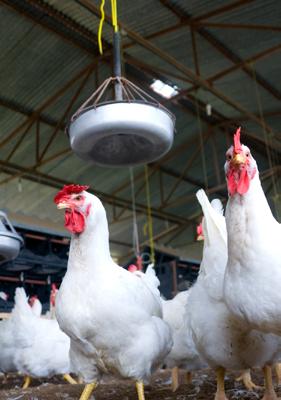
In 2025, Phibro advanced its Sustainable Solutions Platform (SSP), a new platform designed to help address sustainability challenges across animal agriculture, with an initial focus on carbon and Scope 3 emissions across the value chain. SSP reflects Phibro’s effort to develop practical, scalable solutions that support customers’ sustainability goals while also aligning with the Company’s broader climate-related ambitions.
A key milestone in this effort was Phibro’s strategic partnership with VAXA Technologies. Through this partnership, Phibro is preparing to bring innovative algae-based ingredients to market in 2026, including VERRATAIN™ Spirulina for dairy, beef, poultry, swine and aquaculture applications, as well as algae-derived VERRATAIN Algal Oil for aquaculture. These products represent the initial commercial offering under the VERRATAIN Verified Sustainable Solutions master brand name.
What makes this initiative notable is its focus on integrating sustainability benefits directly into feed and nutrition systems. Rather than relying solely on operational changes at the farm level, the SSP approach is intended to support emissions reductions through ingredients that can be incorporated into existing customer supply chains with limited disruption. In this way, the platform is designed to help customers address Scope 3 emissions and evolving sustainability reporting expectations.
During 2025, the initiative remained in an early-stage development phase, with customer discovery, internal go-to-market alignment, branding development, and regulatory review underway. To support the next phase of development, Phibro hired a Head of Sustainable Solutions at the end of the year to lead the development and commercialization of the SSP across the organization. Initial flagship offerings are expected to launch in 2026 through strategic partnerships, as Phibro continues pilotled adoption and works with customers to align solutions with their sustainability roadmaps.
Success for the Sustainable Solutions Platform is defined by delivering quantifiable emissions reductions that enable customers to meet their sustainability goals, respond to downstream customer expectations, maintain market access, and support resilient supply chains.
Why this matters
• Supports customer efforts to address Scope 3 emissions
• Embeds sustainability benefits into existing feed systems
• Represents Phibro’s first formal platform-level sustainability initiative
• Connects innovation, customer needs and future growth opportunities
2025 Progress
Advanced the Sustainable Solutions Platform
Established a strategic partnership with VAXA Technologies
Hired a Head of Sustainable Solutions to lead platform development and commercialization
TABIC®: INNOVATING VACCINE DELIVERY TO SUPPORT SUSTAINABILITY
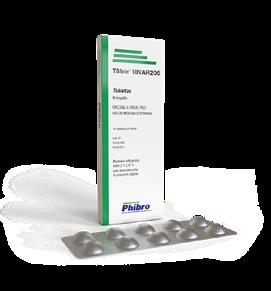
Phibro’s TAbic® technology platform illustrates how product innovation can support both animal health and sustainability objectives. TAbic is a proprietary, patented vaccine delivery technology that formulates vaccine antigens in effervescent tablets packaged in sealed aluminum blister packs, replacing traditional glass vials. This format is designed to simplify preparation and handling for customers while reducing storage requirements and packaging-related burdens. TAbic technology is also used in multiple Phibro vaccines for the most significant diseases facing the global poultry industry: Infectious Bronchitis, Newcastle Disease, and Infectious Bursal Disease.
Compared with conventional glass vial packaging, TAbic’s packaging offers several practical sustainability advantages. At 26.43 grams, TAbic packaging is approximately 78% lighter than conventional glass vials at 118.18 grams, which can help reduce material use and may lower transportation-related costs and associated emissions. TAbic’s packaging also has a slightly smaller overall package volume, and its blister-pack presentation may reduce packaging waste, improve recyclability, and make storage, handling, and disposal easier for customers.
TAbic’s platform technology demonstrates how R&D and innovation can support business growth while advancing more sustainable product design. Phibro’s vaccine portfolio continues to expand globally. Vaccines using TAbic technology are registered and commercialized in 32 countries.
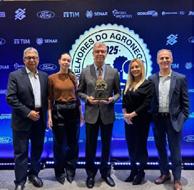
Best of Agribusiness 2025 Award for Phibro Bragança, Brazil
Small and Medium Business category, an initiative of Globo Rural magazine and Editora Globo

PRODUCT QUALITY AND SAFETY
Across Phibro’s manufacturing sites in 2025, Quality teams directed their efforts toward several key areas, including: strengthening GMP controls, cold chain integrity, and contamination prevention through risk-based oversight, workforce training, and use of digital quality tools. These initiatives enhance product integrity and directly support animal welfare by ensuring products are manufactured, stored, and released under robust, well-controlled systems.
Examples of initiatives / projects:
• Launch of an Extraneous Agent (EA) Risk Assessment Program, a formal risk-based assessment process designed to reduce routine safety testing while maintaining protection of animal health.
• Definition and implementation of quality KPIs, including deviations, corrective and preventive actions (CAPA), and change requests, to improve early detection of systemic quality risks before they affect product quality or animal health.
• Initiation of a global quality management system platform to strengthen GMP controls and streamline KPI monitoring across the organization.
Dynamic Quality Assurance® in Quincy
At Phibro’s Quincy mineral nutrition business, the Dynamic Quality Assurance® (DQA®), program helps support product quality, safety, and consistency through an integrated approach spanning Quality and Food Safety, Manufacturing, Material Science, and Biological Research. The program combines raw material assessment, manufacturing controls, scientific evaluation, and traceability to help ensure mineral nutrition products are safe, efficacious, and consistent for customers and the animals they serve. In 2025, the DQA program incorporated enhancements to quality KPIs and metrics, further strengthening oversight of product quality and performance.
Phibro’s DQA program supports a risk-based view of quality across the supply chain. At Phibro’s Quincy facility, all lots received, consumed, and shipped are electronically controlled to enable full traceability, one step back and one step forward, while ingredient and process risks are assessed to help prevent contamination and support product integrity. Phibro’s mineral nutrition quality approach is further reinforced by third-party certifications to globally recognized quality schemes, including FAMI-QS and FSSC 22000. The DQA platform continues to help reduce product and packaging waste while improving operational efficiency.
Voluntary Product Certifications:




Environmental Stewardship
Environmental stewardship remains an important part of how Phibro operates. Across its sites and business functions, the Company focuses on responsible resource management, operational efficiency, and continuous improvement in areas such as energy, water, and waste. By working with suppliers and other stakeholders, Phibro aims to advance practical, long-term solutions that support both environmental performance and business resilience.
KEY PRIORITIES AND PROGRESS
Based on Phibro’s Materiality Assessment, we track and report our progress against the following Environmental Stewardship topics: GHG Emissions, Energy Management, Energy Sourcing, Energy Consumed, Water Management, and Waste & Hazardous Substance Management. Relevant SASB and GRI metrics along with our current and prior years’ data follow.
The greenhouse gas emissions figures presented in the table below include Phibro’s global manufacturing and R&D facilities and exclude administrative offices. Historically, Phibro has disclosed greenhouse gas (GHG) emissions in its ESG Report on a calendar-year basis to support year-over-year comparability within the Report.
Table 1. Historical ESG reporting basis, Calendar Year
Note: Phibro’s 2025 emissions increased significantly compared with prior years, primarily due to the inclusion of operations from the Acquisition in the Company’s 2025 GHG inventory. As a result, 2025 emissions are not directly comparable to prior-year emissions reported under Phibro’s historical organizational boundary.
In preparation for California SB 253 reporting, which is expected to be based on the Company’s fiscal year, Phibro has also included supplemental fiscal-year Scope 1 and Scope 2 emissions data. Phibro’s fiscal year ends June 30. As a result, this Report includes both calendar-year emissions data for continuity with prior ESG disclosures and fiscal-year emissions data to support regulatory readiness. Because these reporting periods are different, the figures should not be compared directly without taking the change in reporting basis into account.

Table 2. Supplemental SB 253 readiness disclosure, Fiscal Year
Note: Phibro’s fiscal year ended June 30, 2025.
WHAT IS AN INTENSITY SCORE*?
Phibro presents Scope 1, Scope 2 and total greenhouse gas emissions relative to annual revenue to support year-over-year analysis in the context of the Company’s growth. This emissions intensity metric is calculated by dividing total emissions by revenue in millions of U.S. dollars. Management believes this metric provides useful context for evaluating environmental performance over time by normalizing emissions relative to business scale.
Energy Management
Sources of Purchased Electricity for Manufacturing Facilities*
The figures to the left include global, Company-wide manufacturing and R&D facilities and exclude administrative offices.
* The percentages have been estimated based on locations where the source data is readily available.
** data was updated to improve accuracy following publication of the 2022 and 2023 ESG Reports.
Note: Many of Phibro’s manufacturing facilities are located in areas with strong access to renewablesourced electricity. As a result, more than 50% of Phibro’s third-party sourced electricity needs for manufacturing are from green or renewable sources.
Energy Consumed
Water Management
WASTE & HAZARDOUS SUBSTANCE MANAGEMENT
Under Phibro’s Waste Management Policy, minimizing waste is an ongoing priority across the Company’s facilities, supported by both sustainability objectives and cost efficiency considerations. Many locations have established recycling practices for common materials such as pallets, plastics, and cardboard. Certain facilities also apply circularity measures, including reusing yield collected from dust collectors in new batches. At sites that handle hazardous waste, practices include hazardous chemical substitution where feasible, along with waste minimization efforts. In addition to routine operational practices, some facilities pursue larger-scale waste reduction initiatives, while smaller continuous improvement projects are ongoing across the organization. Where third parties are used for waste management, Phibro expects waste to be handled in line with applicable contractual and regulatory requirements. Waste-related information is collected and monitored through site-level environmental management processes.
Waste Management
For context, we are providing Company-wide total amounts of Hazardous Waste, Non-Hazardous Waste and Recycling Quantities in metric tons (MT) as a factor of Phibro’s total revenue, the Intensity Score. The below figures include global, Company-wide manufacturing and R&D facilities and exclude administrative offices.
ONGOING ENVIRONMENTAL INITIATIVES
In 2025, Phibro initiated several efforts to further strengthen its environmental stewardship approach and support evolving stakeholder and regulatory expectations. These included engaging an external consultant to conduct a climate-related risk assessment in support of California SB 261 climate-related financial risk disclosure requirements, beginning product-level life cycle assessment (LCA) work to better understand environmental impacts across the product lifecycle, and advancing early efforts related to product stewardship and extended producer responsibility in the United States. These initiatives also reflect Phibro’s commitment to monitoring and complying with applicable environmental laws and regulations in the jurisdictions where it operates, including preparing for evolving requirements such as California’s SB 261 and SB 253 climate disclosure requirements.
GREENER OPERATIONS
Phibro remains committed to sustainability and energy efficiency, making strategic capital investments that optimize operations while reducing environmental impact.
Reducing Local Air Emissions at Braganca Paulista
In January 2025, Phibro’s Bragança Paulista site transitioned its boiler and heater systems from BPF-A1 fuel oil to natural gas, an operational improvement undertaken primarily to reduce atmospheric emissions. The boiler system generates steam used in the site’s manufacturing processes and the heater heats the thermal oil applied to the unit’s reactor, making this a meaningful infrastructure upgrade within the facility’s operations.
The fuel switch significantly improved the site’s emissions profile. Under the previous fuel oil system, particulate matter and sulfur oxides were key pollutants associated with combustion. Following the transition to natural gas, monitoring results showed substantial reductions in nitrogen oxides, and the cleaner fuel profile also eliminated the generation and consequently the need to monitor certain pollutants previously associated with oil combustion.
In addition to lowering emissions, the project is expected to improve operational efficiency, reduce local air pollutants, and support a stronger environmental profile for the site within the surrounding community.
* Due to the fuel change, natural gas generates negligible amounts of particulate matter and SOx emissions.

Modernizing Operations at Chicago Heights
Phibro’s Chicago Heights facility completed targeted upgrades designed to improve efficiency and strengthen manufacturing performance. New variable frequency drives were added to cooling fans, allowing the system to better match fan speed to cooling demand rather than running continuously at full output. The facility also replaced an older blender with a new Turbulizer system, improving batch consistency and reducing rework and scrap. Since the new system came online in late October 2025, the facility has seen fewer batch quality issues requiring rework or disposal. Together, these improvements demonstrate how operational upgrades at the site can support more efficient energy use, reduce wasted materials, and enhance production quality.
Advancing Chemical Stewardship in Sligo, Ireland
In August 2025, Phibro’s Sligo site improved and updated the fire suppression system as part of an effort to strengthen environmental compliance and reduce the use of materials associated with persistent environmental risks. The extinguishers were disposed of through hazardous waste channels and replaced with approved alternatives recommended by the site’s specialist contractor, including fluorinefree foam (F3), dry powder, and CO₂ extinguishers. The site removed and disposed of 16 extinguishers in total.
This proactive change reduces the presence of higher-risk materials historically associated with some firefighting foams and reflects the site’s focus on evolving expectations around chemical management and environmental protection.

Improving Resource Efficiency Through Upgrades in Italy
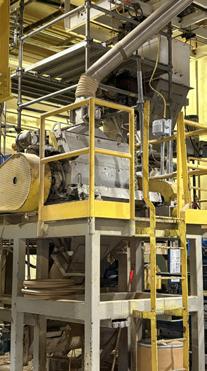
In 2025, Phibro’s Italy site advanced resource efficiency through two practical infrastructure improvements focused on reducing unnecessary water use and making better use of existing sustainability assets. After identifying elevated water consumption linked to an underground leak in legacy piping connected to the site’s fire prevention water system, the team worked with external specialists to locate the issue and complete repairs. Following the fix, annual water consumption declined significantly, from approximately 250 cubic meters in 2024 to about 100 cubic meters in 2025.
Phibro also brought an existing solar hot water system into operation in 2025. The system had originally been installed as part of reconstruction work following earthquake damage in 2016 but had not previously been commissioned for active use. Following the Acquisition, Phibro identified activation of the system as an opportunity for improvement and completed the maintenance needed to make it operational. The system now supports office hot water needs and underfloor heating during the winter months, helping the site make better use of existing infrastructure and reduce reliance on conventional heating sources. Together, these efforts reflect Phibro’s practical, site-level approach to improving resource efficiency through targeted operational improvements.
Eagle Grove Restores Recycling Program
In October 2025, Phibro’s Eagle Grove facility re-established its recycling program after several years in which rising recycling and transportation costs had made recycling financially unfeasible. By partnering with a local recycling agency and shipping provider, the site restored a more sustainable and cost-effective waste management approach. Between October and December 2025, the facility diverted approximately 42 tons of paper, plastics, and super sacks to recycling. The renewed program also improved operational efficiency by reducing waste handling costs. By diverting more materials from landfill, the program strengthened waste management practices at the site and supported a more circular approach to handling operational materials.

Social Responsibility
At Phibro, we aim to foster a culture where employees feel valued, respected, and empowered to contribute to the Company’s success. Rooted in our Values, this commitment helps shape a workplace that supports our people and reflects our responsibility to the communities we serve. #TeamPhibro
Supporting employees through development, integration, and engagement remained a key area of focus for Phibro in 2025. Through continued investment in learning and development and the successful integration of colleagues joining the Company through the Acquisition, Phibro worked to strengthen organizational capabilities, support employee growth, and foster a connected global workforce.
LEARNING AND DEVELOPMENT
A key component of Phibro Forward is investment in employee learning and development. Since 2024, Phibro has committed more than $1 million to expand opportunities for employees at multiple levels of the organization. An orientation program for first-time managers, built on the LinkedIn Learning platform, was introduced to help equip new managers with foundational leadership skills. These efforts reflect the Company’s broader focus on building leadership capabilities and supporting employee development across the organization.
SEAMLESS INTEGRATION
Following the Acquisition, more than 300 employees joined Phibro. Supporting these new colleagues through the transition was a key priority during late 2024 and into 2025. Through focused communication, onboarding support, and integration efforts, Phibro worked to help employees adapt to the organization and contribute as part of a unified team.
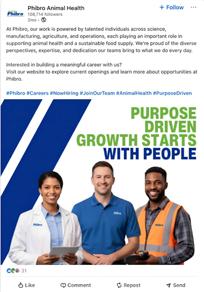

DRIVING SUCCESS THROUGH OUR PEOPLE
Phibro’s people strategy is designed to support both business performance and employee growth. The Company seeks to attract, develop, and retain talent through human resources practices that support leadership development, skill building, employee wellbeing, and long-term engagement.
Talent development remains an important priority at Phibro. As business needs evolve, the Company continues to invest in building leadership capabilities, strengthening organizational effectiveness, and creating opportunities for growth across multiple levels of the organization.
Phibro supports employees through competitive compensation and benefits, training and development programs, health and safety initiatives, and work environments designed to help employees apply their skills and contribute effectively. Employees also have access to a cloud-based online learning curriculum that supports ongoing professional development.
Our employee benefit programs vary by country to reflect local market practices, regulations and employee needs. Benefits are available to employees who work at least 30 hours per week and may include life insurance, health care, including dental and vision coverage, short- and long-term disability insurance, accidental death and dismemberment insurance, travel assistance, retirement savings plans, pension plans outside the United States where offered, and paid time off.
Phibro also works to foster a respectful workplace grounded in fair treatment and accountability. By encouraging diverse perspectives and broad participation in decision-making, the Company aims to strengthen collaboration, support innovation, and improve outcomes across the organization.
The Company also emphasizes internal mobility, employee communication, and the protection of employee records and personal information as part of its broader approach to supporting its workforce.
Phibro’s recruitment approach is rooted in local talent markets. Across significant locations of operation, 100% of senior management hires are from the local community. Recruitment for roles across the organization uses a mix of channels, including the Company’s careers webpage, recruiting platforms such as Indeed and LinkedIn, and professional networking sites. For executive-level positions, Phibro may also engage retained search firms to support candidate identification.
This focus on talent also extends to specialized areas of the business, including research and development. To recruit for certain scientific roles, Phibro may use search firms with expertise in relevant fields and leverage the professional and university networks of existing scientific personnel. In 2025, the Company also strengthened its talent acquisition resources through additional staffing and expanded sourcing capabilities, reducing reliance on external search firms.

DEVELOPING FUTURE LEADERS
Phibro’s Global Mentoring Program continued to support employee development in 2025. To date, 40% of mentees have earned promotions or expanded their responsibilities, while 18% have gone on to become mentors themselves.
GROWING LEADERS FROM WITHIN
Ashley Alexander’s career journey reflects Phibro’s commitment to developing talent and creating pathways for advancement. She joined the Company as a dairy sales intern in 2015, returned in 2017 in a full-time sales role, and over the past decade advanced through account management and regional leadership positions to become Regional Director for the Eastern Dairy Region. Along the way, she expanded her responsibilities across customer relationships, regional sales and team leadership, while also helping manage intern projects that supported growth across the East team. Supported by mentorship, leadership development and external industry training, Ashley’s story demonstrates how Phibro builds leadership from within.
KEY PRIORITIES AND PROGRESS
Based on Phibro’s Materiality Assessment, we track and report our progress against the following Social Responsibility topics: Employee Recruitment, Development & Retention, Talent Inclusivity, Employee Health & Safety, Labor Practices, Cybersecurity & Privacy and Customer Engagement & Welfare. Relevant SASB and GRI metrics, along with our current and prior years’ data, follow:

* program revision in 2024
BUILDING A STRONG ORGANIZATIONAL CULTURE
Phibro uses the Denison Organizational Culture Survey to help assess organizational health and identify opportunities to strengthen culture, leadership, onboarding, and employee effectiveness. The survey was administered globally in 2017, 2023, and 2025, with an abbreviated pulse survey conducted in 2021. Insights from these assessments help inform ongoing efforts to support employees and strengthen organizational capabilities.
Since beginning participation in the survey, we have seen significant improvement in survey scores. Our 2025 results placed Phibro as one of the highest scoring companies in the Denison database across all areas the survey measures: mission, consistency, adaptability, and involvement. These results are a direct result of the actions taken specifically related to communication and building employee capability and highlight the hard work and dedication of Phibro’s employees.
STRENGTH THROUGH DIVERSITY & INCLUSION
Phibro is committed to creating a workplace where employees are treated fairly and respectfully. The Company recognizes that diverse perspectives and inclusive decision-making can strengthen collaboration, support innovation, and contribute to better outcomes across the organization.

PHIBRO VALUES TALENT INCLUSIVITY

PHIBRO VALUES
RETIREMENT AND FINANCIAL SECURITY
Supporting employees’ long-term financial well-being is an important part of Phibro’s overall employee value proposition. In the United States, Phibro provides retirement benefits through a 401(k) plan, while outside the United States retirement benefits are offered at the local level based on applicable legal requirements and market practices.
Under Phibro’s U.S. 401(k) plan, the Company matches 100% of employee contributions up to the first 6% contributed. As of December 31, 2025, the 401(k) plan had an active participation rate of 95%. Among participants, 91% were achieving at least a 10% savings rate, including both employee and employer contributions, and the annual average employee dollar contribution was over $10,000.
Phibro aims to provide employees with resources that support financial security over the long term, while reflecting local practices and requirements across its global workforce.

LABOR PRACTICES AND COLLECTIVE BARGAINING
Phibro respects the diverse labor practices, legal frameworks and employment arrangements that apply across the countries in which we operate. Compensation, benefits and other terms and conditions of employment may vary by country, employee group and employment status, and may also be shaped by collective bargaining agreements, works councils and local legal requirements.
In 2025, various union-represented employee groups and works councils represented portions of Phibro’s global workforce. The percentage of the active workforce covered by collective bargaining agreements or similar representative arrangements varies by region. Coverage is presented by major geography, as collective bargaining arrangements vary significantly across Phibro’s operations.
Argentina: 28% Brazil: 100% EU:11% Israel:63% U.S.: 9.5%
During 2025, Phibro experienced no work stoppages or idle operating days related to labor disputes. The Company did not incur any court-ordered payments or settlements related to labor law violations or employment discrimination proceedings during the reporting period.
Supporting Mental Wellbeing in Sligo
In June 2025, Phibro’s Sligo site hosted a mental wellbeing seminar as part of its site wellbeing initiative, designed to support employee wellbeing and strengthen a healthy, supportive workplace culture. The session combined group discussion, practical demonstrations, and guided meditation, and was attended by approximately 80% of the site population.
Led by an external mental wellbeing expert, the seminar focused on understanding feelings and what drives them, the nature of thought, and techniques for quieting a busy mind, even in challenging or distracting environments. By creating space for open discussion and practical takeaways, the site reinforced that mental wellbeing is an important part of overall health, safety, and workplace effectiveness.

COMMITMENT TO COMMUNITY
Phibro is committed to support the communities in which our employees live and work. Here are examples of our community engagement efforts in 2025.
Strengthening Community Connections in Quincy
In 2025, Phibro’s Quincy, Illinois, location demonstrated its commitment to community engagement through coordinated giving, volunteerism, and local outreach. Employees across the Quincy office and plant supported the United Way of Adams County through annual pledges, raffles, small fundraisers, and an office concession stand, raising $22,685. With a 1:1 Company match, total contributions reached $45,370.
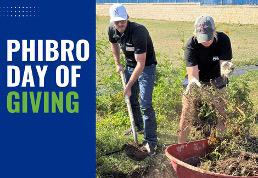
Employees also gave their time to the community. During the annual Day of Caring, 10 Quincy employees joined local volunteers for a trail cleanup at the community college, helping maintain a public space used by residents across the Quincy area. Later in the year, office employees participated in the 2025 Angel Tree program through a local Early Childhood Center to sponsor 43 children, ages 3 to 5, with holiday gifts for families in need of extra support.
In addition, the Quincy team contributed 526 pounds of canned and paper goods, along with a monetary donation, to Horizons Soup Kitchen & Food Pantry. Through these efforts, the Quincy location helped address local needs while reinforcing Phibro’s culture of service and community involvement.



Supporting Local Communities in Sligo, Ireland
At Phibro’s Sligo site in Ireland, employees came together throughout 2025 to support local charities and community organizations through a series of seasonal fundraising activities led by the site CSR Committee. Across the year, employees organized events tied to familiar moments on the calendar, including Easter, summer holidays, Halloween, and Christmas, creating an accessible and inclusive way for colleagues to participate and give back.
Phibro matched employee fundraising in 2025, supporting a total of €7,000 in donations to local community and environmental organizations. Donations supported a range of causes aligned to community wellbeing and environmental stewardship, including the Irish Bee Conservation Project, Cara Curley Fund, Northwest Hospice, Aoibheann’s Pink Tie, and Breast Cancer Ireland. The CSR Committee includes five active employees, but participation extends well beyond the committee, with employees encouraged to recommend organizations and join activities throughout the year.
Phibro Volunteers Support Community Health and Garden Education
In 2025, 170 Phibro employees participated in the Company’s Corporate Volunteer Day in San Antonio, supporting Gardopia Gardens and its mission to improve community health through garden-based education and access to fresh produce. Working across six school sites, volunteers helped plant trees, spread mulch, improve irrigation, support composting efforts, and assist with light farm-animal system care. The initiative reflects Phibro’s commitment to community engagement and support for local programs that promote fresh food access and sustainable agriculture.

ADVANCING A CULTURE OF SAFETY
Protecting employee health and safety is a core priority at Phibro. The Company is committed to maintaining a safe workplace and embedding safety into day-to-day operations across its global footprint. This commitment is supported by a combination of leadership oversight, sitelevel accountability, formal policies and programs, and active employee engagement.
A key element of Phibro’s approach is its Road to Zero initiative, which promotes employee participation in project-based safety improvements through a team-oriented model. By encouraging shared responsibility, accountability, and leadership at all levels, Road to Zero helps strengthen the Company’s safety culture while creating meaningful opportunities for employees to contribute to continuous improvement.
Phibro’s environmental, health, and safety efforts are led by the Global Director of Environmental Health and Safety, supported by regional and site-based EH&S professionals across the organization. Site managers are responsible for implementing established EH&S controls, and all manufacturing sites operate under health and safety policies, programs, and processes designed to protect employees and support safe operations. External EH&S audits are also conducted at sites, as appropriate, based on local conditions and risk considerations.
Phibro’s safety performance in 2025 reflected the strength of this approach. Twenty of the Company’s 36 locations recorded zero accidents, and Phibro’s overall total recordable incident rate was approximately 44% below the 2024 U.S. private industry average reported by the Bureau of Labor Statistics. These results underscore the Company’s continued focus on building a strong safety culture and advancing workplace safety across its operations.
Data is reported in fiscal years; i.e., FY2025 is July 1, 2024

WORKFORCE HEALTH & SAFETY
Phibro is committed to protecting the health and safety of its workforce and maintaining strong environmental, health and safety (EH&S) practices across its global operations. The Company’s approach focuses on proactive risk management, employee participation, and continuous improvement through monitoring, training, and clearly defined policies and programs.
OCCUPATIONAL HEALTH & SAFETY MANAGEMENT SYSTEM
While there are no specific legal requirements mandating a formal EH&S management system for Phibro beyond compliance with OSHA, EPA, DOT and other applicable federal, local and international regulations, the Company maintains a structured EH&S management system designed to support safe operations across all facilities globally.
Phibro’s EH&S management system is supported by more than 44 corporate EH&S policies and programs that apply across all operations. Corporate policies provide an umbrella framework for global sites, while individual facilities implement site-specific adjustments to address local regulatory requirements and operating conditions.
The EH&S management system applies broadly across the organization and covers employees working in manufacturing facilities, offices, laboratories, sales functions, fleet operations and remote work settings. A centralized list of EH&S programs and policies is maintained and periodically updated and is available to employees through the Company intranet.
Phibro EH&S Policies
• Incident Communication
• Forklift
• Ladder Safety
• Hot Work
• Lock Out and Tag Out
• Bloodborne Pathogens
• Emergency Response
• Laboratory Safety
• Contractor Safety
• Fire Extinguisher
• Fall Protection
• Machine Guarding
• Confined Space
• Compressed Gas Cylinders
• Automated External
• General Safe Work Practices
Phibro EH&S Programs
• EH&S Management System
• Management of Safety Data
Sheets & Formulations
• Internal and External Audits
• Employee Participation
• Hazardous Communication
• Waste Management
• Job Hazard Analysis
• Fleet Safety
Phibro EH&S Form
• Respiratory Protection
• Personal Protective Equipment
• Incident Reporting
• Hearing Conservation
• Electrical Safety Procedures
• Slips, Trips and Falls
• First Aid
• Safety Showers & Eye Wash
• Workers Compensation
• Cold Stress Prevention Program
• Heat Stress Prevention Program
• Pathogen Positive Test Result Response Plan
• Hoist & Cranes
• Sustainability Data Reporting Policy
• Industrial Hygiene
• Hazardous Materials Transportation
• Ergonomics
• Compliance Task Tool
• Biosafety
• Armed Intruder
Phibro Incident Communication Policy Checklist
OCCUPATIONAL HEALTH SERVICES
Phibro supports employee health through occupational health services and preventive initiatives designed to address risks early and support employees in their daily work. These efforts include EH&S training programs, participation and incentive initiatives, and agreements with local occupational doctors and therapy centers to help prevent minor injuries from becoming more serious issues.
To monitor and continuously improve safety performance, site EH&S Managers and the Global Director of EH&S meet monthly to review and evaluate the Company’s EH&S program. These meetings include analysis of key safety indicators such as OSHA incident rates, workers’ compensation claims, fleet safety claims, and injury types. Based on these evaluations, the Company adjusts programs and targets specific initiatives to strengthen safety performance. Phibro also establishes annual EH&S goals and works each year to meet these objectives.
WORKER PARTICIPATION AND ENGAGEMENT
Employee engagement and participation are central to Phibro’s safety culture. The Company recognizes that a strong safety culture requires active involvement from employees across the organization. For more than a decade, Phibro has maintained a policy encouraging facilities to involve employees in occupational health and safety programs.
Employees participate in EH&S Committees, First Aid Teams, and regular safety programs, and may take part in community safety outreach activities such as training with local fire departments. In addition, employees are encouraged to contribute ideas for improving safety through suggestion boxes and other feedback mechanisms. Incentive programs are also used to promote employee involvement in safety initiatives and continuous improvement.
SAFETY FIRST
Phibro’s robust safety program is overseen by dedicated Environmental, Health and Safety professional at each of our facilities. These individuals play a crucial role in ensuring a safe and healthy work environment. Our EH&S Reps are proactive risk managers, identifying potential hazards and developing solutions for improvement. They create and deliver comprehensive safety training, empowering employees to understand and follow established procedures. Regular monitoring ensures consistent adherence, and in the event of an incident, EH&S Reps conduct investigations to determine root causes and implement preventive measures. Beyond reactive measures, EH&S Reps champion a culture of safety. They ensure that safety equipment is properly maintained and up-to-date, and they often collaborate with internal committees and local authorities. Through their vigilance and expertise, EH&S Reps help create an environment where production employees feel secure and empowered. Their efforts are exemplary of Phibro’s unwavering commitment to workplace safety and continuous improvement.
RESPIRATORY HEALTH PROTECTION
Phibro is committed to safeguarding employee respiratory health and maintaining safe air quality conditions across its facilities. The Company’s approach is guided by its Industrial Hygiene and Respiratory Protection policies, which support the identification, assessment, monitoring, and mitigation of respiratory health risks.
These policies underpin a broader program that includes periodic exposure evaluations, employee training, engineering controls, personal protective equipment, and administrative measures designed to reduce the risk of both acute and chronic respiratory health conditions.
Celebrating a Culture of Safety in Suzhou, China
In June 2025, Phibro’s Suzhou site reached a significant safety milestone, recording 1,000 days without a recordable injury across its 72-employee facility. The achievement reflects the site’s sustained focus on safety awareness, hazard identification, and employee engagement.
To mark the milestone, the site hosted a Family Day celebration and invited employees’ families to visit the facility and see firsthand where employees work each day. The event highlighted the site’s strong safety culture and provided families with greater visibility into the workplace environment.
The celebration also included activities for children, including a treeplanting activity in the site garden. This element of the event reflected Phibro’s broader commitment to environmental responsibility and to supporting a healthy environment for future generations.
The milestone was supported by ongoing safety initiatives such as the site’s GOOD CATCH Program, which encourages employees to identify and report hidden hazards, as well as targeted efforts focused on slip, trip, and fall prevention. Together, these programs have helped strengthen day-to-day safety awareness and foster a culture in which employees actively participate in identifying and reducing risks.
Strengthening Safety Culture Across Brazil Facilities
Phibro’s Brazil facilities continued to reinforce a proactive safety culture in 2025 through comprehensive events, such as the SIPAT- Semana Interna de Prevenção de Acidentes do Trabalho / Internal Week for the Prevention of Workplace Accidents, held across sites in line with local regulatory requirements. Phibro’s facilities use SIPAT as an opportunity to deepen employee engagement around health and safety through a broad range of activities designed to be practical, visible, and relevant to daily work. In 2025, SIPAT programming across the Brazil facilities included trainings, lectures, demonstrations on proper use of personal protective equipment (PPE), interactive activities, and employee engagement initiatives covering topics such as workplace safety, first aid techniques,
ergonomics, physical and mental health, nutrition, traffic safety, harassment prevention, and substance abuse awareness. These efforts were designed to reinforce safe behaviors, increase awareness of workplace risks, and strengthen a shared sense of responsibility for health and safety across the workforce.
These ongoing efforts are supported by broader site-level EHS practices, including risk analysis, operational procedures, inspections, safety reporting program, corrective and preventive actions, daily safety dialogues, health and safety campaigns, emergency drills, and routine training. Together, they contribute to a stronger safety culture and help embed accident prevention into day-to-day operations.
One reflection of this commitment was the Guarulhos site achieving 500 days without a lost-time accident, a milestone celebrated in March 2025. While safety performance requires continuous vigilance, this achievement highlights the value of sustained employee engagement, structured prevention efforts, and strong site-level focus on maintaining a safe workplace.
Strengthening Safety Awareness in Sligo
In September 2025, the Sligo site introduced a quarterly Environment, Health and Safety (EH&S) topic to keep priority safety and environmental issues visible and relevant throughout the year. Shared through videos, links, images, and site tasks, the program was designed to promote active engagement and consistent awareness across functions, including manufacturing, engineering, QA, QC, facilities, administration, and contractors.
In 2025, topics included Slips, Trips and Falls (September) and Winter Readiness (December). Quarterly themes help the site focus attention on the issues that matter most, including those informed by incident trends and day-to-day operational risks, while reinforcing accountability and continuous improvement.
Safety awareness and foster a culture in which employees actively participate in identifying and reducing risks.
Governance

Strong governance is fundamental to Phibro’s long-term success and resilience. Ethical conduct, transparency and accountability help build trust with stakeholders and support responsible growth. We are committed to maintaining high standards of integrity across our operations, complying with applicable laws and regulations, and fostering a culture of ethical decision-making throughout the organization.
Beyond market-specific legal compliance, Phibro supports this commitment through a robust governance framework, underpinned by internal controls and risk management processes.
BUSINESS ETHICS AND COMPLIANCE
Phibro maintains a strong commitment to ethical business practices, regulatory compliance, and responsible marketing of its products. The Company’s governance framework includes formal policies, oversight mechanisms, and review processes designed to ensure integrity in business conduct and adherence to applicable laws and regulations.
Phibro maintains a comprehensive Code of Business Conduct and Ethics (Code of Conduct), which applies to all employees, including executive officers. In addition, the Company maintains a Code of Ethics for the CEO and Senior Financial Officers, which applies to certain members of senior management. These codes are designed to communicate the Company’s ethical standards and guide decision-making across all aspects of its operations.
To reinforce these expectations, Phibro conducts annual Company-wide training on its Code of Conduct. The training includes practical guidance and examples of situations employees may encounter to support ethical decision-making in daily work.
Phibro encourages employees to raise concerns if they observe conduct inconsistent with its ethical standards. Employees may report suspected violations, misconduct, or unsafe conditions through multiple channels, including management reporting structures and an independent thirdparty operated EthicsPoint hotline, which is available 24 hours a day. This system supports confidential and anonymous reporting.
During 2025, Phibro reported no monetary losses associated with legal proceedings related to corruption or bribery.
BOARD OVERSIGHT
Phibro’s Board of Directors provides oversight of governance, financial integrity, and risk management. The Board currently operates with two standing committees: an Audit Committee and a Compensation Committee, each of which reports directly to the Board. Additional committees may be established in the future as the Board determines appropriate.
The Audit Committee oversees the Company’s relationship with its independent registered public accounting firm, including auditor independence, audit scope and results. The committee also reviews and monitors accounting principles, accounting policies, financial reporting controls, and compliance with legal and regulatory requirements. In addition, the Audit Committee establishes procedures for the confidential and anonymous submission of concerns regarding accounting, internal controls, or auditing matters, reviews related-party transactions, and oversees aspects of the Company’s risk management process.
The Compensation Committee oversees key employee compensation policies and programs, including compensation for directors, the Chief Executive Officer, and other executive officers. The committee also reviews employment agreements and administers stock-based and other incentive compensation plans. Executive compensation programs are regularly reviewed to ensure alignment with Company performance and long-term shareholder value.
The Compensation Committee conducts an annual evaluation of the CEO’s performance and approves CEO compensation. The CEO also conducts annual performance reviews for executive officers, including named executive officers other than himself, which are reviewed with the Compensation Committee.
RESPONSIBLE MARKETING AND PRODUCT STEWARDSHIP
Phibro maintains a formal review process for marketing and promotional materials involving both the Regulatory and Legal departments to ensure that all communications comply with applicable regulatory and legal requirements. This review process is designed to confirm that promoted product uses remain consistent with approved uses.
While some markets permit off-label use of products through veterinary prescription, Phibro does not promote or encourage off-label use of its products. All promotional materials and communications must be accurate, not misleading, and compliant with applicable legal and regulatory standards. This includes adherence to standards addressing scientific substantiation, fair balance, and responsible marketing practices. Employees in sales, marketing, technical services, and regulatory functions are required to follow applicable regional policies related to labeling, promotional programs, product samples, and other marketing activities. Marketing and promotional materials undergo technical and regulatory review at the regional level prior to use.
During 2025, Phibro reported no incidents of non-compliance with industry or regulatory labeling and marketing codes and no monetary losses associated with legal proceedings related to marketing or labeling practices.
Phibro’s product stewardship practices include evaluating environmental and human health considerations associated with its products. The Company’s products are developed and manufactured to comply with U.S. Food and Drug Administration (FDA) standards and applicable regulatory requirements in each country of operation, including requirements related to tissue residue and environmental impact.
STRENGTHENING GLOBAL VACCINES OPERATIONS
Scaling global vaccines operations through stronger governance and targeted capacity investments
At Phibro, our global operations and supply chain are designed to deliver consistent, high-quality solutions to the animal health market while ensuring the reliability and resilience required in a highly regulated, biologically sensitive industry.
A key step in this effort was the implementation of the Global Vaccines Operations and Supply Unit, effective in October 2025. This change in governance and organizational structure brought all four vaccines sites, both conventional and autogenous, under a new global leadership structure. This global integration is intended to maximize technical and manufacturing capabilities and strengthen Phibro’s capacity to supply vaccines globally in a reliable and sustainable way.
As part of the strategy, Phibro continues to strategically invest in manufacturing capacity, supporting greater supply of conventional vaccines for critical markets in Europe. In the United States, Phibro has expanded Phibro Vaccines Omaha (PVO) through PVO2, adding 16,400 square feet to increase adjuvants, bacterin, and virus capacity. Together with our other vaccines manufacturing sites in Israel, Ireland, and Brazil, these investments strengthen our position as a leading supplier in animal health vaccines and reinforce the resilience of our global supply network.
Strengthening planning discipline to improve agility and service reliability
To further enhance global supply robustness, Phibro has begun implementing an enhanced supply chain operating model through a standardized Sales and Operations Planning (S&OP) platform that connects commercial demand forecasts with manufacturing capacity, raw material sourcing, and distribution capabilities. Rollout has started within Conventional Vaccines as part of the global supply strategy, with additional business units to follow. This integrated planning approach supports stronger inventory positioning and service reliability across the network, helping ensure the supply levels customers expect.
DEVELOPING AN OPERATIONAL EXCELLENCE CULTURE
Standardizing how we operate, empowering continuous improvement across the network
Phibro’s steps toward implementing Operational Excellence as part of its global strategy were officially announced in August 2025. Since then, Global Technical Operations and Supply have been advancing a more standardized operating model, including the introduction of standardized KPIs and management routines such as daily management, tier meetings, and ideation events, or Kaizens.
These efforts are designed to drive performance in Safety, Quality, Customer Service, and Finance, while empowering teams to identify and execute improvement opportunities. Through this work, Phibro is building a more agile and competitive operating model that embeds continuous improvement into the way the Company operates, helping reduce supply risks, strengthen reliability, and support sustainable growth.
As Phibro continues to evolve its global operations, Operational Excellence is expected to remain a critical enabler of scalable, resilient growth and
a True North for 2026. While systems, processes, and performance metrics are important, the strength of Operational Excellence ultimately lies in the daily behaviors and ownership demonstrated by the people who operate and sustain Phibro’s manufacturing facilities.
LAUNCH OF A GLOBAL PROCUREMENT ORGANIZATIONS
In January 2025, Phibro launched a Global Procurement Organization, an important milestone in the evolution of procurement from a decentralized model to a centralized global function. This transformation was designed to strengthen governance, improve operational efficiency, and create a more consistent approach to supplier management across the business.
This new structure is already helping the Company strengthen the foundations of responsible sourcing. With a dedicated Global Procurement Leader, a core procurement team, and newly hired category managers, the organization is better positioned to engage suppliers more strategically, improve performance management, and support more consistent procurement practices. The team is also working with internal stakeholders and suppliers to begin incorporating sustainability-certified product metrics and responsible sourcing considerations into purchasing decisions, helping embed ESG considerations more directly into supply chain management.
Over time, the Global Procurement Organization has the potential to strengthen the Company’s ability to identify and manage supply chain risks, improve supplier accountability, and advance sustainability priorities through more structured procurement practices. As the function matures, this centralized model is expected to support stronger governance, improved transparency, and greater integration of environmental and social considerations into sourcing decisions.
STRENGTHENING OPERATIONAL CONTROLS AND SUPPLY CHAIN VISIBILITY
Phibro began advancing new tools in 2025 to strengthen operational oversight, improve information management, and enhance visibility across its supply chain. These initiatives included a contractor management system to support contractor safety processes, a raw material Safety Data Sheet database to improve information management and traceability, and logistics tracking tools that provide near real-time visibility into inbound and outbound shipments.
Currently, the logistics tracking capability is used primarily for North American road transport, with the ability to track certain global ocean movements as well. While visibility is currently at the load or shipment level rather than the individual product batch level, the system enhances coordination across the distribution chain and supports more effective logistics management. Together, these initiatives are expected to strengthen controls and support more efficient operational data management as implementation progresses.

SUCCESS STORY: LAUNCH OF A MODERN TRAVEL & EXPENSE PROGRAM
In 2025, the Company launched a new global Travel & Expense (T&E) program, implementing a modern travel booking and expense management platform together with corporate liability travel cards. This initiative was designed to improve employee experience, strengthen financial governance, and enhance the Company’s ability to track and manage the environmental impact of business travel.
The new platform provides improved visibility into travel activity and associated carbon emissions through AI-enabled dashboards that track metrics such as estimated CO₂ emissions per trip, emissions by route and airline, and trends in travel-related carbon output over time. These insights help support more informed travel decisions and provide a stronger data foundation for ESG reporting and internal monitoring of travel-related emissions.
The program also delivers social and governance benefits by reducing the need for employees to use personal credit cards for business travel, helping remove a financial burden and simplifying the expense reporting process. The integrated travel and expense system enables more automated expense capture and reconciliation, reducing manual effort for employees while improving policy compliance, transparency, and oversight for finance teams.
Over time, the new T&E program has the potential to support more sustainable travel practices, improve the reliability of travel emissions data, and strengthen accountability in travel and expense management. The platform’s enhanced visibility into business travel activity and associated carbon emissions may also provide useful data to support future tracking and reporting of Scope 3, Category 6 emissions related to employee business travel.
APPROACH TO CYBERSECURITY RISK MANAGEMENT
As Phibro continues to enhance enterprise systems and processes, the Company also invests in cybersecurity capabilities designed to protect data, strengthen operational resilience, and support the secure adoption of new technologies. The program is led by the Chief Information Security Officer (CISO), reporting to the Chief Technology & Digital Innovation Officer (CTDIO), and is supported by documented policies and procedures developed in collaboration with the Information Security, Legal, Compliance, and Human Resources teams.
Phibro’s cybersecurity program is aligned with recognized cybersecurity frameworks and guidance, including the National Institute of Standards and Technology Cybersecurity Framework, recommendations from the Cybersecurity and Infrastructure Security Agency (CISA NJ), and guidance from the Israel National Cyber Directorate.
Cybersecurity risk management is based on a risk-driven approach that includes continuous monitoring, layered security controls, and regular evaluations of the Company’s technology environment. Phibro utilizes a combination of preventive, detective, and responsive security technologies such as encryption, multi-factor authentication, endpoint protection, and advanced network security controls designed to protect Company systems from threats including phishing, malware, and ransomware.
During the reporting period, Phibro initiated a cross-organizational cybersecurity risk assessment to further strengthen the Company’s security posture, identify emerging threats, and evaluate potential vulnerabilities across business and technology environments.
In addition, the Company conducts independent third-party penetration testing and cybersecurity risk assessments on yearly (PT) basis to help validate the effectiveness of security controls and identify potential areas for improvement.
Recognizing the rapid growth of artificial intelligence (AI) technologies, Phibro has implemented governance processes to manage risks associated with AI platforms. The Company has deployed monitoring capabilities for enterprise AI tools, including Microsoft Copilot®, and is actively evaluating additional solutions to identify and manage potential Shadow AI usage across the organization. These initiatives support the responsible and secure adoption of AI technologies while maintaining strong data protection standards.
Phibro employees receive regular cybersecurity awareness training and participate in simulated phishing exercises to reinforce security best practices. The organization also promotes cyber awareness through periodic communications and internal awareness initiatives. Multi-factor authentication and active threat protection software further protect Company devices and email from cyberattacks such as malware, phishing, and ransomware.
Phibro actively uses established processes for backup and recovery of all on-premises and cloud-based systems and data to support operational resilience and business continuity.
Phibro strives to demonstrate an effective, risk-based approach to assuring cybersecurity and protecting confidential information belonging to customers, employees, and the Company.
Appendix
Next Steps on our ESG Journey - Our commitment to animals, people and our planet is a way of life at Phibro. It guides our decisions, drives innovation, and strengthens our role as a responsible corporate citizen.
As part of the adoption of our new Strategic Priorities, we are integrating ESG principles into our core operational and strategic planning. Meaningful progress requires continuous effort and a long-term vision. We will continue to evolve in collaboration with our customers and stakeholders and share our progress in future reports.

APPENDIX
Although the report includes several GRI metrics, as we inspire to meet best practice, the report was not prepared in accordance or with reference to the full GRI standards.
GRI INDEX
GRI 201: ECONOMIC PERFORMANCE 2016
201-2
201-3
Financial implications and other risks and opportunities due to climate change In progress; p.21
Defined benefit plan obligations and other retirement plans p. 32
GRI 202: MARKET PRESENCE 2016
202-2
Proportion of senior management hired from the local community p.27
GRI 203: INDIRECT ECONOMIC IMPACTS 2016
203-2
Significant indirect economic impacts through community outreach, philanthropy and economic development pp.34, 35
GRI 302: ENERGY 2016
302-1 Energy consumption within the organization p.20
302-3 Energy Intensity pp.18, 19
GRI 303: WATER AND EFFLUENTS 2018
303-4 Water discharge p.20
GRI 305: EMISSIONS 2016
305-1 Direct (Scope 1) GHG emissions pp. 18, 19
305-2 Energy indirect (Scope 2) GHG emissions pp. 18, 19
305-4 GHG emissions intensity pp. 18, 19
306-2 Management of significant waste-related impacts p.21
GRI 401: EMPLOYMENT 2016 401-1 New employee hires and employee turnover pp. 26, 29 401-2
Benefits provided to full-time employees that are not provided to temporary or part-time employees p. 32
GRI 403: OCCUPATIONAL HEALTH AND SAFETY 2018 403-1 Occupational health and safety management system p. 37 403-3 Occupational health services p. 38
403-4 Worker participation, consultation, and communication on occupational health and safety pp. 36, 37, 38, 39 403-5 Worker training on occupational health and safety pp.38, 39 403-6 Promotion of worker health
GRI 404: TRAINING AND EDUCATION 2016
404-1 Average hours of training per year per employee p.28 404-2 Programs for upgrading employee skills and transition assistance programs p.28
GRI 417: MARKETING AND LABELING 2016
417-2
Incidents of non-compliance concerning product and service information and labeling p.42 417-3 Incidents of non-compliance concerning marketing communications p.42
APPENDIX
SASB INDEX
CODE DESCRIPTION
BUSINESS ETHICS
RESPONSE
HC-BP-510a.1 Total amount of monetary losses as a result of legal proceedings associated with corruption and bribery p.42
HC-BP-510a.2 Description of code of ethics governing interactions with health care professionals Not applicable
DATA SECURITY
FB-FR-230a.2 Description of approach to identifying and addressing data security risks p.45
DRUG SAFETY
HC-BP-250a.1
List of products listed in the Food and Drug Administration’s (FDA) MedWatch Safety Alerts for Human Medical Products database
HC-BP-250a.2 Number of fatalities associated with products as reported in the FDA Adverse Event Reporting System
HC-BP-250a.3
Number of recalls issued, total units recalled
HC-BP-250a.4 Total amount of product accepted for take-back, reuse, or disposal
HC-BP-250a.5
Number of FDA enforcement actions taken in response to violations of current Good Manufacturing Practices (cGMP), by type
EMPLOYEE RECRUITMENT, DEVELOPMENT & RETENTION
HC-BP-330a.1
Not applicable
Discussion of talent recruitment and retention efforts for scientists and research and development personnel p.27
HC-BP-330a.2 (1) Voluntary and (2) involuntary turnover rate for: (a) executives/senior managers, (b) mid-level managers, (c) professionals, and (d) all others p.29
ENERGY MANAGEMENT
FB-MP-130a.1 (1) Total energy consumed, (2) percentage grid electricity, (3) percentage renewable pp.19,20
ETHICAL MARKETING
HC-BP-270a.1 Total amount of monetary losses as a result of legal proceedings associated with false marketing claims p.42
HC-BP-270a.2 Description of code of ethics governing promotion of off-label use of products p.42
APPENDIX
SASB INDEX
CODE DESCRIPTION
FOOD SAFETY
FB-MP-250a.1
FB-MP-250a.2
Global Food Safety Initiative (GFSI) audit (1) non-conformance rate and (2) associated corrective action rate for (a) major and (b) minor non-conformances
Percentage of supplier facilities certified to a Global Food Safety Initiative (GFSI) food safety certification program
FB-MP-250a.3 (1) Number of recalls issued and (2) total weight of products recalled
FB-MP-250a.4 Discussion of markets that ban imports of the entity’s products
GREENHOUSE GAS EMISSIONS
RESPONSE
Not applicable
FB-MP-110a.1 Gross global Scope 1 emissions pp. 18,19
LABOR PRACTICES
FB-FR-310a.2 Percentage of active workforce covered under collective bargaining agreements p.33
FB-FR-310a.3 (1) Number of work stoppages and (2) total days idle p.33
FB-FR-310a.4
Total amount of monetary losses as a result of legal proceedings associated with: (1) labor law violations and (2) employment discrimination p.33
MANAGEMENT OF ENVIRONMENTAL & SOCIAL IMPACTS IN THE SUPPLY CHAIN
FB-FR-430a.3 Discussion of strategy to manage environmental and social risks within the supply chain, including animal welfare pp.6, 12, 13, 14, 15, 16
FB-FR-430a.4 Discussion of strategies to reduce the environmental impact of packaging p.15
APPENDIX
CODE DESCRIPTION
PRODUCT DESIGN & LIFECYCLE MANAGEMENT
HC-MS-410a.1
Discussion of process to assess and manage environmental and human health considerations associated with chemicals in products, and meet demand for sustainable products p.38
PRODUCT HEALTH & NUTRITION
FB-FR-260a.1 Revenue from products labeled and/or marketed to promote health and nutrition attributes p.12
FB-FR-260a.2
Discussion of the process to identify and manage products and ingredients related to nutritional and health concerns among consumers p.12
PRODUCT LABELING & MARKETING
FB-FR-270a.1 Number of incidents of non-compliance with industry or regulatory labeling and/or marketing codes p.42
FB-FR-310a.2
Total amount of monetary losses as a result of legal proceedings associated with marketing and/or labeling practices p.42
HC-MS-430a.2 Description of efforts to maintain traceability within the distribution chain pp.6, 43, 44
PRODUCT SAFETY
HC-MS-250a.2 List of products listed in the FDA’s MedWatch Safety Alerts for Human Medical Products database
HC-MS-250a.1 Number of recalls issued, total units recalled Not applicable
HC-MS-250a.3
HC-MS-250a.4
Number of fatalities related to products as reported in the FDA Manufacturer and User Facility Device Experience database
Number of FDA enforcement actions taken in response to violations of current Good Manufacturing Practices (cGMP), by type
APPENDIX
CODE DESCRIPTION
SUPPLY CHAIN MANAGEMENT
HC-MS-430a.1 Percentage of (1) entity’s facilities and (2) Tier I suppliers’ facilities participating in third-party audit programs for manufacturing and product quality Not applicable
HC-MS-430a.2 Description of efforts to maintain traceability within the distribution chain
HC-MS-430a.3 Description of the management of risks associated with the use of critical materials
WATER MANAGEMENT
FB-MP-140a.1 (1) Total water withdrawn, (2) total water consumed, percentage of each in regions with High or Extremely High Baseline Water Stress p.20
FB-MP-140a.2 Description of water management risks and discussion of strategies and practices to mitigate those risks p.24
WORKFORCE HEALTH & SAFETY
FB-MP-320a.1 (1) Total recordable incident rate (TRIR) and (2) fatality rate p.36
FB-MP-320a.2
Forward-Looking Statements
This Report contains forward-looking statements that are subject to risks and uncertainties. All statements other than statements of historical or current fact included in this report are forward-looking statements. Forward-looking statements discuss our current expectations and projections relating to our financial condition, results of operations, plans, objectives, future performance and business. You can identify forward-looking statements by the fact that they do not relate strictly to historical or current facts. These statements may include words such as “aim,” “anticipate,” “believe,” “estimate,” “expect,” “forecast,” “outlook,” “potential,” “project,” “projection,” “plan,” “intend,” “seek,” “may,” “could,” “would,” “will,” “should,” “can,” “can have,” “likely,” the negatives thereof and other words and terms of similar meaning in connection with any discussion of the timing or nature of future operating or financial performance or other events. For example, all statements we make relating to our estimated and projected earnings, revenues, costs, expenditures, cash flows, growth rates and financial results, our plans and objectives for future operations, growth or initiatives, strategies, or the expected outcome or impact of pending or threatened litigation are forward-looking statements. All forward-looking statements are subject to risks and uncertainties that may cause actual results to differ materially from those that we expected.
Examples of such risks and uncertainties include:
• Outbreaks of animal diseases could significantly reduce demand for our products or availability of raw materials;
• Perceived adverse effects on human health linked to the consumption of food derived from animals that utilize our products could cause a decline in the sales of those products;
• Restrictions on the use of antibacterials in food-producing animals may become more prevalent, including limitation of use related to implementation and compliance with Food and Drug Administration (“FDA”) Guidance 273 (as defined below) and similar initiatives, in other larger production markets globally;
• The potential FDA withdrawal of approval of our Mecadox® (carbadox) product;
• A material portion of our sales and gross profits are generated by antibacterials and other related products;
• Competition in each of our markets from a number of large and small companies, some of which have greater financial, research and development (“R&D”), production and other resources than we have;
• Our business may be negatively affected by weather conditions and the availability of natural resources;
• The negative effects of a pandemic, epidemic, or outbreak of an infectious disease in humans, such as COVID-19, on our business, financial results, manufacturing facilities and supply chain, as well as our customers, protein processors and markets;
• Climate change could have a material adverse impact on our operations and our customers’ businesses;
• Actions of regulatory bodies, including obtaining approvals related to the testing, manufacturing and marketing of certain of our products;
• The continuing trend toward consolidation of certain customer groups as well as the emergence of large buying groups;
• Our ability to control costs and expenses;
• Any unforeseen material loss or casualty;
• Misuse or extra-label use of our products;
• Exposure relating to rising costs and reduced customer income;
• Heightened competition, including those from generics and those deriving from advances in veterinary medical practices and animal health technologies;
• Unanticipated safety or efficacy concerns;
• Our dependence on suppliers having current regulatory approvals;
• Our raw materials are subject to price fluctuations and their availability can be limited;
• Natural and man-made disasters, including but not limited to fire, snow and ice storms, flood, hail, hurricanes and earthquakes;
• Business interruption from political and social instability, including crime, civil disturbance, terrorist activities, outbreaks of disease and pandemics and armed conflicts, such as armed conflicts between Israel and Hamas, between the United States/Israel and Iran, potential broader military conflict in the Middle East, and between Russia and Ukraine;
• Terrorist attacks, particularly attacks on or within markets in which we operate, including terrorist attacks on Israel by Hamas or Hezbollah;
• Risks related to changes in tax rates and exposure;
• Our ability to successfully implement our strategic initiatives;
• Our reliance on the continued operation of our manufacturing facilities and application of our intellectual property;
• Adverse U.S. and international economic market conditions, including currency fluctuations;
• Failure of our product approval, R&D, acquisition and licensing efforts to generate new products;
• The risks of product liability claims, legal proceedings and general litigation expenses;
• The impact of current and future laws and regulatory changes, including risks related to the protection of our customers’ privacy and risks related to environmental, health and safety laws and regulations;
• Modification of foreign trade policy, including any new or increased tariffs or retaliatory measures in response to such modification, may negatively impact our profitability and may harm our food animal product customers;
• Our ability to successfully integrate acquired businesses, including the medicated feed additive product portfolio, certain water-soluble products and related assets, which we acquired from Zoetis Inc.;
• Our dependence on our Israeli and Brazilian operations;
• Impact of increased or decreased inventory levels at our direct customers or channel distributors;
• Our substantial level of indebtedness and related debt-service obligations;
• Restrictions imposed by covenants in our debt agreements;
• The risk of breaches of data security and cybersecurity attacks;
• Risks related to the use of artificial intelligence (“AI”) in our business;
• Our dependence on sophisticated information technology and infrastructure;
• The risk of work stoppages; and
• Other factors as described in “Risk Factors” in Item 1A of our Annual Report on Form 10-K.
While we believe that our assumptions are reasonable, we caution that it is very difficult to predict the impact of known factors, and it is impossible for us to anticipate all factors that could affect our actual results. Important factors that could cause actual results to differ materially from our expectations, or cautionary statements, are disclosed under “Risk Factors” and “Management’s Discussion and Analysis of Financial Condition and Results of Operations” of our most recent Annual Report on Form 10-K and subsequent reports filed with the SEC. All forward-looking statements are expressly qualified in their entirety by these cautionary statements. You should evaluate all forward-looking statements made in this Report in the context of these risks and uncertainties.
We caution you that the important factors referenced above may not contain all of the factors that are important to you. In addition, we cannot assure you that we will realize the results or developments we expect or anticipate or, even if substantially realized, that they will result in the consequences we anticipate or affect us or our operations in the way we expect. The forwardlooking statements included in this Report are made only as of the date hereof. We undertake no obligation to publicly update or revise any forward-looking statement as a result of new information, future events or otherwise, except as otherwise required by law. If we do update one or more forward-looking statements, no inference should be made that we will make additional updates with respect to those or other forward-looking statements.