
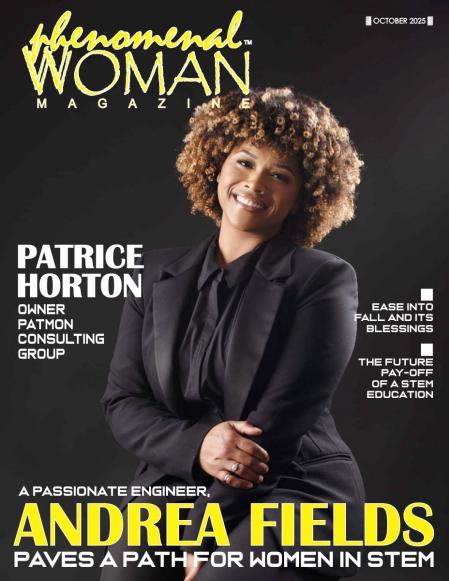
Patrice
Monique Zebbs









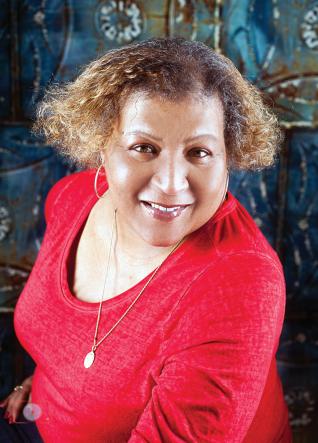
It's a new year, and like many of you, I've planned to be a better version of myself. How? By showing up even when I'm afraid.
Every year begins differently. From a "Word" to guide your thoughts and actions, to "Vision Boards" - visual reminders of what you want to accomplish. I believe we've left the lifelong setting of "Resolutions" in the rearview mirror because we've all heard the statistics that by the end of January, 75% or more of us have abandoned those.
This year feels different for me because I began the process of restarting my life before the clock struck midnight on December 31, 2025. For background, I'm slowly - or quickly - approaching retirement. The swiftness depends on the day of the week and my progress in preparing for that reality. Understanding that time isn't on my side, I decided to pull the trigger and launch my marketing and communications business as a true venture and not just a side hustle with clients here and there. I want it to be fully functioning and sustainable this year
I started the process in 2024 when I signed up for what I believe was a 30-day coaching session and began working on the framework for my business. During these coaching sessions, my confidence and belief in what I bring to the table were elevated, and I was ready to go
So why two years later am I sharing this story with you?
Well, my old nemesis - "Self-doubt" - showed up and halted my progress. Fast-forward to January 2025, I once again joined my coach, but this time it was group coaching, and that belief in myself was reignited. At the end of our sessions, I again allowed "Self-doubt" to win because I needed to have a website and ways to share my gift with others. What were these? They were obstacles that I placed along my path to success. I know these were obstacles born in fear because I received coaching that offered a way to overcome these roadblocks, but instead of listening to the Coach, I listened to my internal voice of fear.
I come to you today as a reformed doubter
I now take baby steps as well as huge leaps of faith that have led me to enroll in programs that continue to drive me forward - one step at a time. This journey hasn't been easy, but I'm happy to say that if I continue to believe in myself and focus on the big picture, I will achieve my goals.
Focus is important, and you don't have to take it from me because in this issue, Columnist Marsha Walker Eastwood shares with you her insight on "How to Stay the Course When Motivation Fades." To help you understand how this works, Eastwood uses emotions to illustrate how we begin with hope and put all our energy into that task, goal, or vision. But as humans, we want quick results, and when that doesn't happen, our hope wanes, doubt surfaces, and our motivation begins to fade.
I encourage you to read her column and examine your life to see if your experiences mirror her words and make the necessary adjustments. This year, we're all betting on ourselves and sending fear, self-doubt, and any of their cousins packing so we can achieve the best version of ourselves.
As we work to continue the best versions of ourselves, lifestyle changes may be in order. Patrice Zebbs, owner of Damn Good Vegan, can offer information on incorporating plant-based meals into your diet and how to center yourself with yoga. She brings a wealth of experience to her business along with a strong desire to help others. Learn more inside this edition.
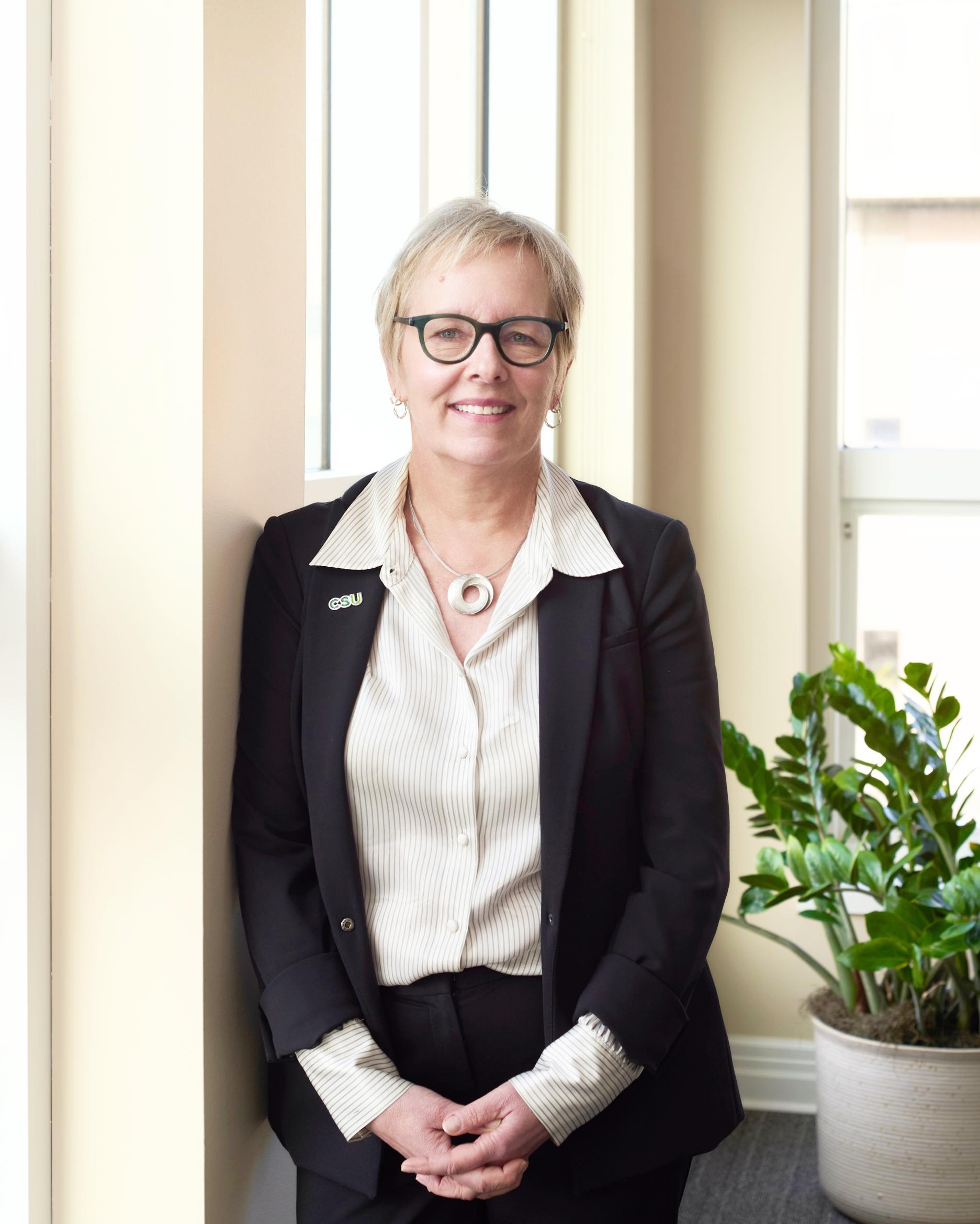
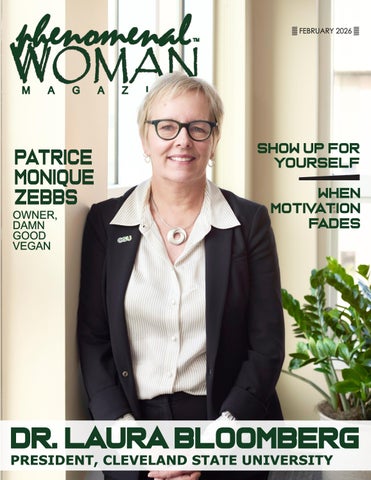
A lesson I'm learning is that life is a journey that begins with the first step, but as we travel, we often alter our course as we change and encounter roadblocks. While she didn't hit a lot of roadblocks, Cleveland State University's president, Dr. Laura Bloomberg, knew at an early age that her life's work would be to help improve the lives of individuals living with mental disabilities. As a child, she witnessed the segregation of students based on their disabilities, and that didn't sit well with her. She sought an integrated world where we would help one another when we recognized a need.
To achieve her goal she became a classroom teacher, only to learn it would not help her change how these students were treated. Her goal didn't change, but teaching offered a clearer understanding of how to be more effective in aiding this population. This led to a pivot in careers, something that she would do several times before landing in the role that allows her to not only address the needs of the mentally disabled but also the lives of those who are disenfranchised and seeking a better life.
By reading her story I hope you will see how we can all change courses and remain true to what is at the heart of our life purpose.
Thank you for checking out our latest edition, and we look forward to seeing you here on the page soon!

SHOW UP FOR YOURSELF, EVEN WHEN YOU'RE SCARED
Marsha Walker Eastwood
HOW TO STAY THE COURSE WHEN MOTIVATION FADES BLACK HISTORY MONTH EVENTS
NORTH SHORE HIGH SCHOOL
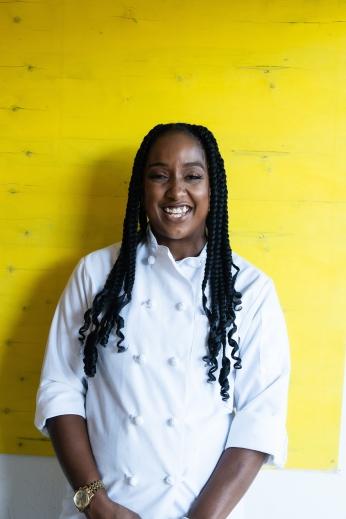
Patrice Monique Zebbs already knew she wanted to be a chef by the time she was ten years old. “My mother taught me to cook about a year or two before I was ten because she was having trouble teaching me math.” She says. “I fell in love with cooking and always wanted to own a restaurant.”
More on page 10

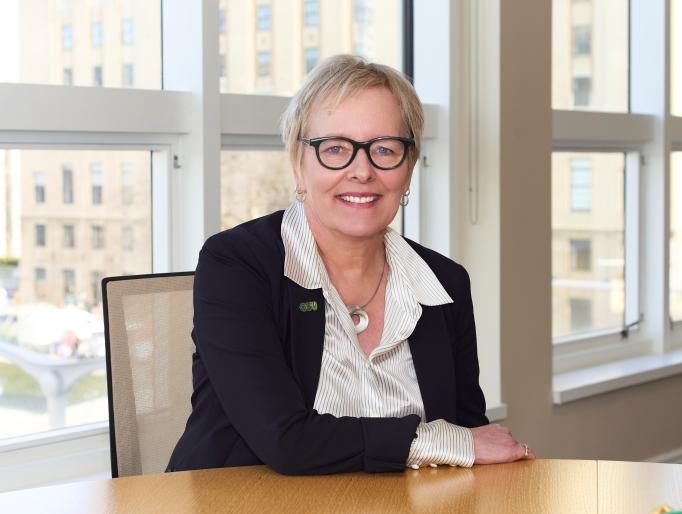
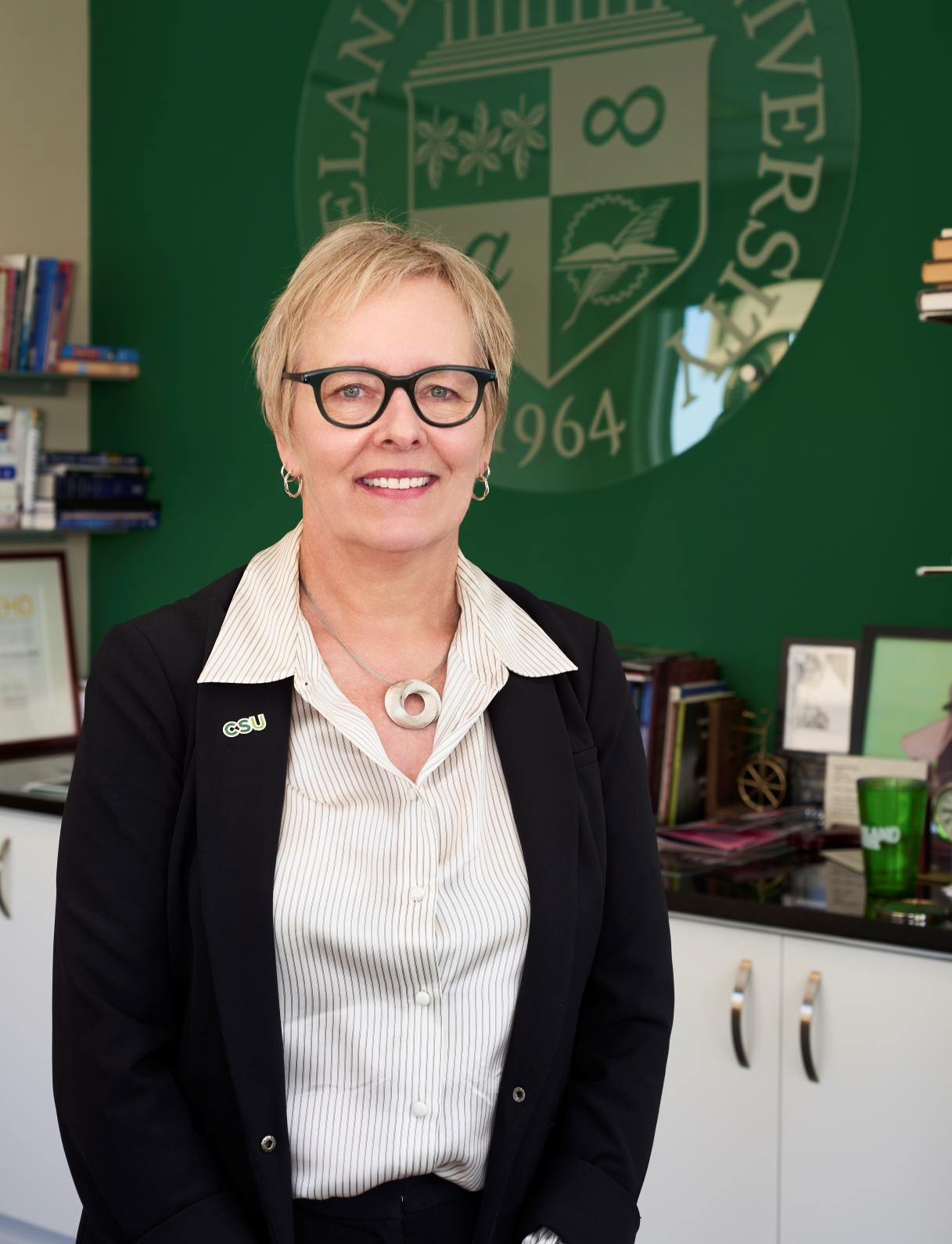
Dr. Laura Bloomberg, the eighth President of Cleveland State University, can pinpoint the exact moment she became fascinated by human interaction and learning. This early curiosity evolved into a career in education and has served as the north star for her professional and personal life.
Seated in her home, near a window overlooking the Rocky River, on a snowy December day just before winter break, via Zoom, her recall travels back to the late sixties/early seventies when in elementary school. She explained that special education was a segregated program then, and there was a separate building on the grounds where students with mental disabilities attended classes. She would have never known except that those children were not allowed on the playground at the same time as the other students.
More on page 16.
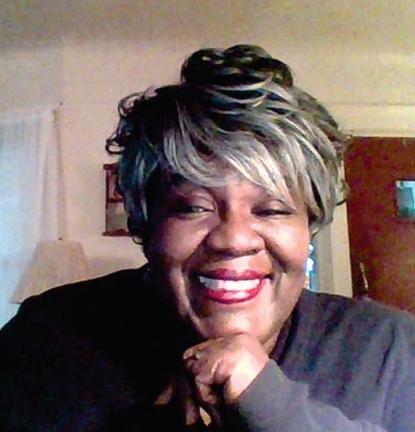
By: Marsha Walker Eastwood, BSEd, MSHSVC PWM Contributing Writer
growth almost always begins with hope: You give all your attention, energy, and effort to a specific task, goal, or central point, filtering out distractions to achieve clarity, deeper understanding, and better results, often entering a state of deep engagement known as "flow," in which time seems to pass more slowly It begins the moment something within you whispers, "I can't keep living like this," or "I want more for myself." Sometimes that realization arrives quietly, in the middle of an ordinary day. Other times, it comes after heartbreak, exhaustion, or a moment of profound clarity. Either way, you decide—perhaps for the first time in a long while—to choose yourself.
Initially, the path appears clear: Motivation is high. You feel energized, inspired, even relieved. You're finally doing something that matters. Then time passes. The excitement fades. Progress feels slower than you imagined. Old habits return without warning. Life interrupts with responsibilities, distractions, and demands that don't pause simply because you're trying to grow. Somewhere along the way, you begin to feel stuck—not because you stopped caring, but because the effort of caring has become heavier than you expected. This is where focus becomes essential. Not the kind of focus that comes from rigid discipline or relentless selfcontrol, but the kind that helps you stay connected to yourself when growth feels uncomfortable, uncertain, or lonely. In personal development, focus is not about doing more. It's about staying present long enough for change to take root.
external goals, personal growth is internal work. You can't always measure it. There are no instant rewards, no applause, no clear finish line. Much of the progress happens quietly, beneath the surface, where no one else can see it. Focus tends to weaken when growth doesn't look as we imagined, or when old emotions resurface and discomfort increases rather than disappears. We often compare our journey to that of others and expect transformation to be rapid or linear. When someone
says they've “lost focus,” what they usually mean is that they've lost emotional clarity. They no longer feel connected to the version of themselves who began the journey—or to the reasons that made change feel necessary in the first place.
Beginnings are fueled by clarity. Endings are driven by accomplishment. The middle—the long, unglamorous stretch—is where personal growth either deepens or quietly dissolves. In the middle, you may notice how deeply ingrained your habits truly are, and that insight alone isn't enough to create change, and there are those parts of yourself you hoped you wouldn't have to face. At times, progress feels real but difficult to define. This is where many people disengage—not because they are incapable, but because they were unprepared for how uncomfortable growth can feel once it stops being inspirational and becomes personal. During this phase, focus is less on motivation and more on relationship: your relationship with patience, discomfort, and yourself
When focus begins to slip, many people assume something has gone wrong. We internalize it as a personal flaw another example of insufficient discipline, strength, or consistency. But in reality, loss of focus during personal growth is often a sign of emotional fatigue, not failure. Women, in particular, tend to carry growth alongside responsibility. They are evolving while caregiving, working, supporting others, managing households, and meeting expectations—both spoken and unspoken. When energy thins, focus is often the first thing to suffer This is where self-compassion matters.
Losing focus doesn't mean you should quit. It may mean you need rest, recalibration, or permission to move more slowly. Growth is not intended to occur under constant pressure. It's meant to be lived. Instead of asking, Why can't I keep up? Try asking: What do I need to stay connected to myself right now? Sometimes focus returns not through effort, but through gentleness. Growth continues even during pauses. Focus is not lost simply because it wavers—it is lost only when we decide that temporary exhaustion means permanent defeat.

Focus Begins With Self-Understanding, Not SelfCriticism:
When focus slips, many people turn inward with harsh self-judgment: "What's wrong with me?" “Why can't I stick to anything? Why do I always start strong and fade? These thoughts don't restore focus. They drain it. Personal growth requires self-understanding rather than self-punishment. When focus wavers, the more helpful question is not "Why am I failing?," but rather “What am I reacting to emotionally right now?” “What feels overwhelming or unsafe?” “What part of this process am I resisting?” Focus returns when curiosity replaces criticism. Awareness creates choice, and choice restores momentum.
Reconnecting With Your Inner Motivation: In personal growth, focus is sustained by meaning—not willpower. You have to ask yourself, What kind of person am I trying to become? What values matter more to me now than they did before? What pain or pattern am I ready to release? What peace, stability, or freedom am I moving toward? Your answers don't have to be dramatic. They only need to be honest. Focus strengthens when growth feels personally relevant rather than socially impressive or externally validated. When your “why” is internal, your focus becomes far more resilient.
Growth Requires Narrowing Your Attention: Many people lose focus because they try to change everything at once. Personal growth doesn't work that way Trying to heal every wound, fix every habit, and reinvent your entire life simultaneously creates emotional overload. Focus thrives when attention is narrowed. You have to choose one area: One habit you want to practice consistently, one emotional pattern you want to understand, one boundary you want to strengthen, and one belief you want to challenge. Depth creates change faster than breadth. When focus has a clear direction, progress becomes steadier and far less exhausting.
One of the most overlooked reasons people lose focus is discomfort intolerance. Growth often feels awkward. It can feel emotionally raw, frustratingly slow, and deeply uncertain. These sensations are not signs of failure—they are signs of movement. Discomfort does not necessarily indicate that something is wrong. It means something is shifting. Instead of asking, Why does this feel so hard? try asking, What is this discomfort teaching me about myself? Focus grows when discomfort is expected rather than feared.
Continued on next page...
Focus Is Staying When You Want to Escape: When growth challenges identity or brings old emotions to the surface, the instinct is often to distract, numb, or disengage. In personal development, focus means sitting with feelings instead of rushing to escape them, not abandoning yourself when progress slows, and choosing gentle persistence over dramatic quitting. This isn't about forcing productivity. It's about emotional presence—showing up for yourself even when the process feels uncomfortable.
Progress Over Perfection: Perfectionism quietly sabotages focus. It whispers, “If I can't do it perfectly, why try?” or “If I slip, it means nothing is working.” Or “I should be further along by now”. Personal growth isn't about flawless behavior It's about awareness, adjustment, and compassion. Every moment of noticing—especially when things don't go as planned—is part of progress. Focus isn't lost when you struggle. It's lost when you decide you're not worth continuing.
Creating Gentle Structure to Support Growth: Focus is easier when growth has rhythm. Helpful structures might include brief daily or weekly self-check-ins, journaling or reflective writing, a consistent habit, and realistic expectations regarding emotional energy Structure creates safety. Safety allows focus to return naturally, without pressure.
Rebuilding Trust in Yourself Through Consistency: Many people struggle to stay focused because they no longer trust themselves. Over time, broken promises to oneself quietly accumulate. Trust is rebuilt through consistency, not intensity: Showing up imperfectly but regularly and following through on small commitments. Acknowledging effort, not just outcomes. Each small act of follow-through restores confidence. Focus strengthens when you begin to believe in yourself again.
Focus Is a Relationship With Yourself: In personal growth, focus isn't rigid attention—it's loyalty to your own evolution. It's choosing to stay present with your process even when you feel behind, uncertain, and/or discouraged. Focus is not about intensity. It's about returning to yourself, to your intention, to your values—again and again.
Staying the Course When Change Gets Quiet: Real personal growth rarely looks dramatic. More often, it seems like subtle shifts, repeated choices, and quiet resilience practiced over time. When you feel stuck, it doesn't mean you've failed. It means you're being asked to grow differently—more patiently, more compassionately, and more honestly than before. Focus is what carries you forward when change stops being exciting and starts being real. And every time you choose to refocus—not perfectly, but intentionally you strengthen your relationship with yourself. You prove that growth isn't just something you begin in a moment of clarity or courage. It's something you stay with. g


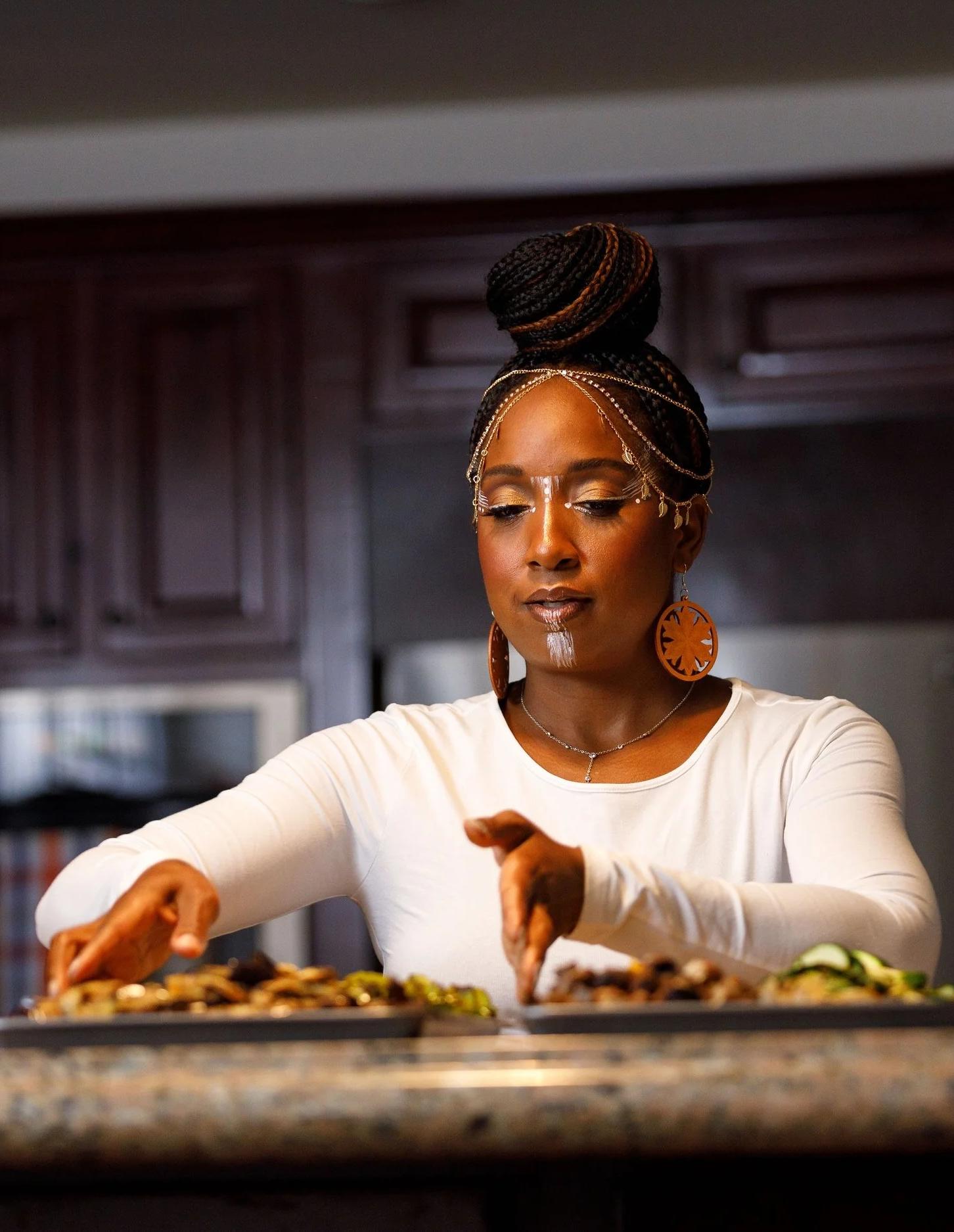
Patrice Monique Zebbs already knew she wanted to be a chef by the time she was ten years old. “My mother taught me to cook about a year or two before I was ten because she was having trouble teaching me math.” She says. “I fell in love with cooking and always wanted to own a restaurant.”
Patrice, founder and owner of 'Damn Good Vegan' -a plant-based eatery that strives to provide delicious foods with health-conscious values-has accumulated over thirty years of culinary experience, including nearly a decade devoted to vegan cooking.
According to a study by the Good Food Institute (GFI), the U.S. plant-based food industry has grown and evolved substantially over the past decade. U.S. retail for plant-based food sales indicates a growth in market from $3.9 billion in 2017 to $8.1 billion in 2024. Further, almost three-quarters of U.S. consumers aged 18 to 59 say they are open to consuming plant-based meat and/or plant-based dairy in the future.
Patrice and her younger brother were raised in Garfield Heights. Her parents were strict, hardworking and supportive of their children's dreams. While her father worked for RTA, her mom was a seamstress and entrepreneur who homeschooled her children. She said, “We always ate dinner at the kitchen table and when I told them that I wanted to be a chef, they did everything in their power to help me get there.”
After being homeschooled for eight years, Patrice enrolled in and graduated from John F. Kennedy High School. She later attended Sullivan University in Louisville, Kentucky, to study culinary arts and while there, she had the opportunity to cook for the Kentucky Derby.
Prior to founding 'Damn Good Vegan,' Patrice honed her skills at several establishments. She worked in the kitchen at Six Flags for three summers and later at Olive Garden for a few years. She also worked at Bravo as a prep cook and later as a line cook, taught cooking classes at Sur La Table and worked as a cook at Whole Foods.
Armed with professional culinary training, extensive culinary experience and motivated by her 2016 transition to veganism for health reasons, Patrice launched 'Damn Good Vegan' in 2018. Of this, she said, “As I got older, that dream of becoming a chef pivoted into providing services to help people transition to or continue their vegan journey. It paired my two loves: cooking and
helping others live healthier lifestyles.” She continued, “When I started my business, there wasn't any good vegan food available. I began veganizing my favorite dishes, and the rest is history."
According to Tufts Medicine, “A vegan diet is a type of vegetarian diet that excludes not just meat, but all animal products, including dairy and eggs. Vegan diets can be a part of a healthy lifestyle when planned and implemented correctly. If planned and supplemented (as needed) appropriately, vegan diets can certainly be a part of a healthy lifestyle.”
Chef Patrice is dedicated to crafting exquisite, plantbased dishes that delight the senses and nourish the body. To better serve the community, her plant-based eatery offers a variety of services, including catering for corporate events, intimate gatherings, and weddings; private meal service (vegan meals cooked fresh in your home), and cooking classes (in your own home or virtual).
Her favorite meal to eat and cook is eggplant parmesan. She said, “I ate it a lot as a child. It's my ultimate comfort food.” Chickpea curry with spinach, cauliflower tikka masala, and Mujadara (a rice and lentil dish) are also her favorites and those of her clients.
When asked how she ensures quality and consistency in delivering vegan food, she explained, “I use the best ingredients that I can get my hands on. I use a lot of organic food, and I really love what I do. I write down my recipes so that every time I make a dish, it is the same.”
Despite her busy schedule running Damn Good Vegan, Patrice also finds time to teach yoga classes to adults and children. Before this, she practiced yoga for over 12 years. She started with videos and continued with classes at local studios. “I didn't really feel welcome at some of the studios until I found Dawn's studio, Daybreak Yoga. That is where I decided to do my yoga teacher training.” She said. “I wanted to teach children yoga so they could have the tools to better navigate their lives using breathwork and yoga. I completed my certification in 2021.”
So far, she has trained more than 100 people, teaching in yoga studios, schools, recreation centers, and summer camps. She also maintains a roster of private clients whom she instructs regularly.
Continued on next page



The link between plant-based diets and mindful movement, such as yoga, is well-documented. According to an article by Yoga & Health Foundation, yoga practice has been revered for centuries as a holistic system that promotes physical, mental, and spiritual well-being. On the other hand, a vegan diet is gaining increasing recognition for its health and ethical benefits. While both yoga and veganism offer advantages on their own, combining them can amplify their positive results and lead to a more balanced, and fulfilling life.
Patrice says, “Yoga aligns the mind, body, and spirit. Plantbased eating nourishes that alignment by helping digestion, reducing inflammation, and cultivating the vital life energy that flows through the body.”
Although she is working on a multitude of initiatives, Patrice believes she could have done more had additional support been made available. Women-owned businesses are a significant economic force in the U.S., generating approximately $3.3 trillion in annual revenue and employing over 12.9 million people, but account for only 39% of all businesses. Hence, concerted efforts are required to support the growth of women-owned businesses.
When asked about challenges that hinder the progress of her businesses, Patrice said, “For me, it has been access to capital and marketing.” She continued, “Also, the world has been changing so fast with technology. I think it would be great to have experts teaching entrepreneurs about AI and how not to get lost in it. We don't need to use it for every aspect of our business, but we do need to be educated on how to use AI in a way that benefits us.”
Mentors play a significant role in helping individuals reach their full potential, and Patrice is grateful to everyone who supported and mentored her on her path to success. In this regard, she cited two people in particular, Sam Gaston and Dawn Rivers.
“Sam is a Chef and a really good friend of mine. A lot of doors have been opened up for me because of him and his mom, Diane Gaston,” She said. “Dawn is my friend and yoga teacher. Taking yoga teacher training with her helped me grow in ways I didn't know were possible. She has a way about her that makes you want to dive deep and become the best version of yourself.”
While her busy schedule doesn't allow her to do as much as she desires, she remains active in her community by teaching cooking and yoga classes to local children.
Patrice is currently preparing to teach cooking classes and yoga at a retreat in Costa Rica next month. She is also working on a certification program on the basics of plantbased cooking and living.
To young girls and women, she said, “Never give up on your dreams. If there is something that you want to do, take the steps now to create the life that you want. Stay focused and consistent, and do something that you are passionate about. It will take you a long way in life.”
For more information, visit: damngoodveganllc.com or email at: patrice@damngoodveganllc.com

A special keynote closing discussion on February 18 at 5:30 p.m. at the Louis Stokes Wing of the Main Library Campus. This engaging discussion will focus on the ongoing importance of educational equity in local schools, while reflecting on fifty years since court-ordered school desegregation in Cleveland.
Wednesday, February 18 5:30pm – 8:00pm Main Library–Downtown Lower Level – Auditorium 325 Superior Ave.
Visit Brett Hall at Main Library through Wednesday, February 18 to experience the immersive Relay Cleveland exhibit. Relay traces the deeply personal and profoundly political journey of school desegregation in Cleveland.
Monday-Saturday 10:00am – 6:00pm Main Library – Downtown Brett Hall: 325 Superior Ave.
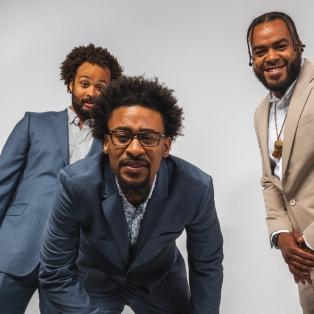
Inspired by gospel, jazz, and soul, Theron Brown Trio, returns to Main Library for Music at Main in celebration of Black History Month on Saturday, February 28 at 2:00 p.m.
Saturday, February 28 1:00pm – 2:00pm Main Library – Downtown 325 Superior Ave.

Weekly on Sunday, 3:00–4:00 p.m. from Sunday, February 1, 2026 until Sunday, February 22, 2026
Weekly on Wednesday, 6:15–7:15 p.m. from Wednesday, February 4, 2026 until Wednesday, February 25, 2026
Location: ATRM Atrium Ames Family Atrium Tours meet at the information desk in the Atrium. Free; Ticket Required


In honor of Black History Month, Cuyahoga Community College (Tri-C®) is gathering voices for an evening of joy, harmony and inspiration that celebrates the rich legacy of gospel music.
Tri-C Sings: A Celebration of Gospel Music takes place from on Friday, Feb. 27, at the Metro Campus Auditorium.
The event will include a special performance by the Tri-C Joe Clark Gospel Choir and special guests, including Lynette Turner, the Vocal Arts Allegro Ensemble and Humbly Submitted.
Tickets to Tri-C Sings are free and can be reserved online before Feb. 20. Free, secure underground parking is available in Lots 4, 5 and 6 off Woodland Avenue and Community College Avenue near East 30th Street.
For more information, contact Lisanetta McDade, the director of community relations and strategic initiatives, at the Metro Campus, or Vennie Palmer, the program manager for Recording Arts and Technology.
“Do the best you can until you know better. Then when you know better, do better." Maya Angelou
Dr. Laura Bloomberg, the eighth President of Cleveland State University, can pinpoint the exact moment she became fascinated by human interaction and learning. This early curiosity evolved into a career in education and has served as the north star for her professional and personal life.
Seated in her home, near a window overlooking the Rocky River, on a snowy December day just before winter break, via Zoom, her recall travels back to the late sixties/early seventies when in elementary school. She explained that special education was a segregated program then, and there was a separate building on the grounds where students with mental disabilities attended classes. She would have never known except that those children were not allowed on the playground at the same time as the other students.
“My first grade classroom window looked out over the playground, and I watched the kids come out there, and they would have to go back into their old building before we went out,” she said. “And, I don't think it was any saintly thoughts on my part. I was just fascinated by that,” she continued. “I was fascinated by why I [wondered] why we couldn't do things together because I would watch and think, 'that kid can't get up the ladder, but I could help.'”
At that moment, she experienced a 'this is stupid' kind of feeling and, from then on, knew she wanted to be a special education teacher. “Because, in my arrogant little first grade mind, I thought I could do it a lot better”
As she grew up and matured, Bloomberg didn't waver in that vision to work with kids with disabilities. During high school, volunteering and working part-time in group homes serving that population, kept her vision alive.
Bloomberg earned a bachelor's degree in special education from St. Cloud State University. She eventually landed her first classroom teaching job in Cannon Falls, a small town south of Minneapolis. But that's when her perspective shifted.
“In that classroom, I realized how limiting it was for me,” she said. “I wanted to change the world. I wanted to change society. I wanted to, yes, support kids with disabilities, but that wasn't all I wanted to do. I wanted to change the policies. I wanted to change how the Special Olympics focused not just on “the special-ness” but on the athletic ability of kids with Down syndrome.”
After spending a considerable amount of time working with people with disabilities, she only spent one year as a classroom teacher, which led her to realize the classroom is only part of education. Education is about how humans learn from and with each other.“That's been my professional journey,” she added.
The classroom experience shifted her focus toward community integration, deinstitutionalization, and policy reform, enabling people to live their best lives. This journey fostered an acknowledgment that we all have limitations and can amplify each other's strengths
“A huge part of my life was focused on people with disabilities, but I had a very narrow view of what that meant at first,” she said. “I thought the only thing I could do was be a special education teacher.”
At one point, she served as the president of the Youth Division of the Minnesota ARC, an organization that promotes and protects the human rights of people with intellectual and developmental disabilities, actively supporting them and their families in a lifetime of full inclusion.
University of Minnesota. However, having been there for some time, she felt a need to return to K-12 education. She believed that with the experience she had gained, returning would allow her to both continue learning and contribute meaningfully to the field.
This time, she served as a principal at an inner city school with a very high level of gang activity, working with students on the fringe. But, according to Bloomberg, they were really smart kids. “The world didn't see that,” she said. “They saw 'thugs' but I saw some really smart, talented kids. And, that broadened my horizons.”
This was when she discovered she wanted to focus on more than just people with disabilities. She realized that we all have different paths and that everyone is capable of learning and achieving greatness.
Then, ten years later, she was recruited back to the University of Minnesota. This time, she focused on policy as opposed to direct service. “I think for many of us, we have a love/hate relationship with direct service or what I call the zoom in/zoom out phenomena.”
Fundamentally, I want people to be able to thrive. And partly, that means we don’t push people into the structures that we’ve built; we build structures so that people can find their path. “ ”
Bloomberg continued, “You see a different path for the passion that you have.” And, oftentimes, one must follow the path wherever it goes. Because, becoming a college administrator was never a part of her vision.
Following the path of passion
Bloomberg eventually ended up at the University of Minnesota, working as the associate director at the Institute for Community Integration, focused on community integration for people with disabilities. The Institute still exists and is a national leader in helping children and adults with disabilities fully integrate into society, not segregated in any way, she explained. A bonus: being an employee allowed her to take classes for free.
She worked under the supervision of Director Bob Bruininks, a professor of special education and a leader in the field who developed cognitive assessments. One day, he said to her, “you really have leadership skills; you should think about continuing.” Heeding his advice, she entered the doctoral program. Bruininks became her doctoral advisor.
“I wanted to change policy. I wanted to change the structures that allow all of us to be educated in the way that works best for us,” she said.
She completed her PhD and was on track to remain in higher education. She noted that a tenure-track faculty position would likely have been available to her at the
She explained the "zoom in/zoom out" phenomenon as wanting to zoom in to support an individual on their journey, only to see the systemic barriers they face—prompting a desire to zoom out and change the world. This, she noted, has defined her own professional journey
"I never set out to be an administrator in higher education; that was never my vision for myself. When I went back to the University of Minnesota, I attended the Humphrey School of Public Affairs. I didn't focus exclusively on people with disabilities, nor did I focus exclusively on education. I focused on public affairs, and that's when my world really opened up," Bloomberg said.
She eventually became dean of the school. From that position, she was recruited in 2021 to serve as Cleveland State University's provost and senior vice president for academic affairs—her shortest tenure to date—before being appointed president in 2022.
Having served as a special education teacher, a principal in an underprivileged community, a dean on a politically active campus, and a provost, Bloomberg— now an urban college president—might be expected to have been raised by parents who championed the marginalized. However, her guiding principles stand in direct contrast to her upbringing.
Continued on next page ...
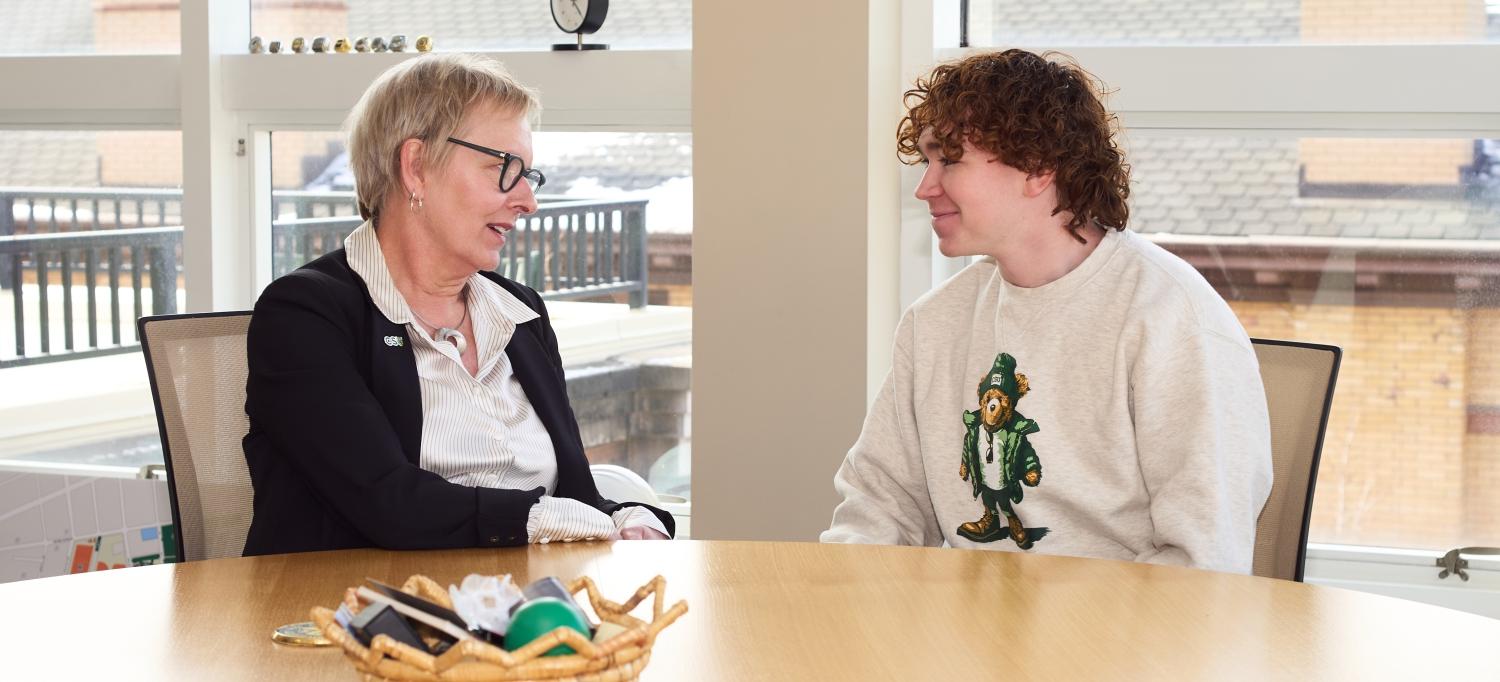
Born in St. Cloud, Minnesota—a small town about 75 miles northwest of Minneapolis with a then-population of about 45,000 residents—Bloomberg, the youngest of four children, describes her family as ideal.
“I had parents who loved each other and, by St. Cloud's standards, were upper middle class," she said. "[But], as an adult, I've thought a lot about this [my upbringing]. I feel like my adult life is rooted in something that I didn't experience as a young person growing up.
The good part: her loving parents afforded her every opportunity to succeed in life. However, she's often found herself questioning if that's enough.
It likely first hit her during a formative time in her life, during undergraduate studies, when she took a social justice class. There, classmates were sharing personal stories and it seemed like everyone had a family member who marched in Selma or something of that nature. “I thought, that is not my reality [and] I don't think I had horrible parents in any way,” she said.
“I think I had narrowly-focused parents who were fairly conservative in their beliefs, had good jobs, liked to have a lot of money, and weren't particularly interested in how other people lived their lives, benefited or were harmed by the choices of those of us who were in the upper middle class.”
She said her childhood wasn't one rooted in thinking about how “our” actions impact the world. “It was rooted in love, an enormous amount of security and, candidly, an enormous amount of privilege. And, that's been a journey for me to have to understand and figure out what that means for me as an adult.”
The inner work required to answer that question seems to have transformed the empathy with which she was obviously born into a deep conviction for bringing out the best in all people.
When asked when she became socially aware, she points to her time as an urban principal. Given a
student population that was 96 percent African American and nearly 100 percent low income, she still isn't sure that her appointment was the wisest move for the district. “It is what it is,” she said. “[But], you can imagine how the parents and the community felt. It was a transformative time in my life.”
She went into the school thinking: I know a lot, I've got my PhD, I know what I need to do and I know how to run a school until some parents told her, “You know nothing. You can stay and we can work together but only if you close your mouth and open your ears and learn.”They put her on a journey, she said. The first thing those parents did was connect her with the north Minneapolis Black pastors, with whom she built a really strong alliance.
Coming to terms with the passing of both her parents, she realizes she loved them dearly and that all of us are flawed human beings. She had once experienced a period of rage, wondering why they hadn't helped her see the world differently. She now understands we're all shaped by something and has reconciled with her upbringing.
“I can't shy away from it. I can't avoid telling the truth about it. But, I can choose a different path forward,” she said, before likening the choice to an image of walking away from one dinner table and creating a different one because the way we are shaped is oftentimes around food. “My childhood was full of terrible jokes but I was loved,” she added. But, I can choose a different future for my family and children.”
With that, she's proudest of her two empathic adult children: her son, an immigration attorney who has dedicated his life to creating safe, secure pathways for immigrants, refugees and new Americans as well as her oldest child, who identifies as non-binary and is an urgent care physician.
“I am really proud of our children and I don't take credit for it except I hope we created a different kind of dinner table than the one I grew up around.”These values naturally spill over into her leadership style.
“What I don't want to be is someone just sappy, soaked in white savior syndrome. I want to try to the greatest extent I can to live my values and not preach them,” she said.
One example, as president of CSU, she has a cabinetthe president's senior leadership team - composed of 13 vice presidents and chief officers of the university. “It is an exceptionally diverse group and I am proud of that. That to me is living my values.” She noted that they sometimes argue and misunderstand each other more than a more homogenous team would, but she believes it's worth it.
Her team is diverse, comprising individuals of different sexual orientations, generations, political beliefs, races, and countries of origin. “I think we are stronger because of it. It doesn't make it easier, but it does make us stronger”
In her role as president of CSU, Bloomberg is tasked with shaping the college's future. Since her appointment, she has guided strategic initiatives that support CSU's ability to create an academic community where everyone can thrive, including the introduction of the University's strategic plan, “Cleveland State United” and the formation of the Division of Student Belonging and Success.
“I think we are a core part of Cleveland and that's part of my vision, that we really lean into that,” she explained. “I want us to be Cleveland's university and that is more than us saying we recruit students from Cleveland. It's understanding that we are in and of the city of Cleveland.”
With a campus situated in the heart of the eastern flank of Downtown, adjacent to Playhouse Square and within a 15-minute walk of major league sporting events, she recognizes that dozens of opportunities in sports and entertainment management, as well as connections to Fortune 100 and 1000 companies, are literally at the CSU students' doorsteps.
“So, when I say I want us to be Cleveland's university, I want the story to be wherever you come from, you have infinite opportunities because of being at Cleveland State.”
While the overall hope is that people understand CSU is a great option, she also seeks to lean into the idea of building long-term, sustainable strategic community partnerships.
“We're not a campus on a rolling hill with ivory towers and never will be, so let's be what we are and be it proudly, which is an urban-serving (but not exclusively) institution in the heart of Cleveland,” she said. As an urban-serving college, she believes CSU can be an honest space for dialogue as well.
“We can start to learn about each other in new ways. I think this city is a great place to start to build that common understanding of our shared humanity”
Bloomberg's philosophy on adult education
“It might sound a little trite, but it comes from deep in the heart,” she said. “Fundamentally, I want people to be able to thrive. And partly, that means we don't push
people into the structures that we've built; we build structures so that people can find their path.” She thinks institutions should build learning systems.
“We can gain information but, when we learn, when we create new ideas, we do it in community,” she continued. “As humans, we are communal. And, for me, the greatest magic happens when we do it in community.”
Bloomberg went on to say, when we learn with people who are just like us, we limit ourselves, But when we learn in diverse settings, whether its level of physical disability or cognitive or racial differences or country of origin, we learn better because we're forced to think about the world from a different lens. “I think that's when the magic happens,” she added.
Her greatest professional accomplishment
Bloomberg proclaims, at CSU, her greatest professional accomplishment is the development of the strategic plan. “I've worked on a lot of strategic plans. This is hands down the most workable, inclusive strategic plan I've ever seen. It's simple. It's clear. Literally hundreds of people across and outside of campus had a say in crafting it and we use it.”
She noted that staff members refer to the plan daily and that its three priorities extend through 2030. 'I'm very proud of our collective work to develop that strategic plan,' she added.
When considering the span of her career, she reflects on leading a school with many politically active students (Humphrey) during the pandemic and when the murder of George Floyd took place. Notably, Floyd's murder occurred only about a mile from the school.
“We had a school of students deeply rooted in social justice, which of course made me proud and terrified,” she said. “We had students who, for the vast majority, were young, outraged and ready to act. My deepest prayer every day was 'Please don't die.'”
With social distancing still required, the leadership was challenged with finding ways to gather the learning community and determine the most appropriate response. They shifted the students' focus to begin considering: how can you use your policy and public affairs chops, not only your body, to express how you feel about this situation?
“We did have one student who lost an eye due to a rubber bullet,” she sadly recalled. “It was a terrifying time. But, as a community, I think we did some pretty amazing things to figure out how to empower our students and try to keep the community safe and have an impact.”
That, she considers, is her hardest, scariest leadership challenge but ultimately her proudest because of the team. “I didn't do anything myself,” she said.
They held outside, socially-distanced leadership sessions where they discussed the power of the pennot only the power of the protest - as well as the downsides of participating, in any way, in actions that led to looting or made one complicit with people who are there just to create havoc and are unaware of the issues.
Continued on next page ...
BS Special Education St. Cloud State University
MS Psychometrics and Educational Psychology Cornell University
Ph.D. Educational policy and administration University of Minnesota
Three-time recipient of awards for Graduate-level teaching and advising
Co-editor of the award-winning books:
-"Public Value and Public Administration"
-"Creating Public Value in Practice: Advancing the Common Good in a MultiSector,
-Shared-Power, No-OneWholly-in-Charge World."
Member, Board of Trustees, The Playhouse Square Foundation
Member
Team NEO's Talent Development Council
Member, Board of Directors
Greater Cleveland Partnership
Member, Board of Directors Destination Cleveland
Named one of YWCA Greater Cleveland's Women of Achievement
Ex-Officio
Cleveland Metropolitan School District
Ex-Officio
Cleveland State University Foundation
“It was a formative time in a politically active public affairs school and we navigated well, with the one tragic exception,” she said. “[Overall], the students were safe yet extremely active.”
How Bloomberg balances a demanding career against her personal life
Bloomberg admits that she has the tendency to be a workaholic and has to consciously push against it. She does think she's getting better with age. To manage, she's developed a framework, “holding it lightly,” which is different than not caring. “For this moment,” she explained, “I will just let it go ”
For example, three years ago, she faced the challenge of a structural deficit and had to part ways with employees. “That is a big, heavy weight. I cared deeply and still I had to cultivate the discipline of “hold it lightly,” set it aside for now, and fill myself up ”
How does she refill her cup? Kayaking, walking in the woods, backpack camping near Lake Superior with her husband. Even from her home on the shores of Rocky River, on a gloomy windy day, she can look out the window and see the river moving and it fills her up.
She also credits her husband, whom she first met while teaching in Cannon Falls. “I am married to a saint. My best friend,” she said of her 40-year partner in life. “He is hugely supportive of my career and success.”Bloomberg is very cognizant of the fact that he's come to grips with sometimes having to be in the background, as the husband of a very public-facing leader. “That is just an absolute blessing. And, he keeps me grounded.” she added.
One key, she said, is cultivating the relationship to have someone who knows you as someone other than your title.
She's not sure if she'll ever want to retire and can imagine doing other things. “I may teach or consult, but this is my last full leadership role,” she said, explaining that by the time she retires, she will have been a principal, an associate dean, and dean of a top-ten policy school, a provost, and university president. “I am proud of the journey,” Bloomberg added.
She does not intend to look for another presidency nor plan to relocate either. “I'm a northern gal. My husband and I would not be retiring to Florida.” She laughed.
Coming from Minnesota, they made an easy transition to Cleveland and have fallen in love with the city. “This place. I think it gets to you,” she said. “It's real. It has its warts. It has its gritty history. It has all of these things, and it's a real city. It endures in a way I find pretty inspiring. We are rooted here now.”
To prove it, they are building their “forever home “on the Rocky River near Lake Erie “There is something really special about Cleveland, and we're happy to be a part of it,” she said.
Dr. Bloomberg's life story is a testament to hard work, dedication, devotion to family and self-belief. She has also learned a few hard lessons along the way. Her contributions speak for themselves, and she continues to impact our community in a profound way. By all objective standards, she is truly phenomenal! g
Honoring the history and contributions of Black communities this month. Together, let’s keep the legacy alive!

With time away from work and school – not to mention indulgent feasts and social commitments – it's easy to let good habits go by the wayside around the turn of the new year. Whether you're resolving to get back to a regular routine or starting one anew in 2026, now is a perfect time to rethink your day-to-day for heightened productivity and less stress.
Commit to a new year of new routines with this step-bystep guidance.
When routines begin to fade, sleep is often one of the first areas of health that can slip. It's also one of the simplest bad habits to shake. Hold yourself accountable by preparing for sleep at the same time each night with an easy-to-follow routine – like brushing your teeth, drinking a glass of water and changing into pajamas –that signals to your body it's time to rest. Waking up at the same time each day, even on the weekends, can help you dial in on a more natural sleep and wake rhythm.
If a messy home is what's keeping you awake at night, try putting a weekly or biweekly “cleaning day” on the calendar and ask family members to do their part. Start in shared spaces like the kitchen, bathrooms and living areas then divide and conquer bedrooms, prioritizing throwing away (or recycling) items that aren't used frequently while reorganizing chaotic spaces for peace of mind.
The hectic nature of life, especially busy weeknights, is inescapable. Whether you're wrapping up late work
meetings, running kids to activities, tackling homework or juggling errands, turning to a tasty, convenient air fryer snack like Mrs. T's Snack Pierogies can hold the family over before mealtime. All you need is an air fryer and 8 minutes to enjoy big and bold, on-trend flavors including Cheddar Sour Cream and Onion, 5 Cheese or Cheddar Ranch Seasoned with Bacon. Easy for teens to prep on their own and ideal for busy moms, they're a perfect bite to whip up while getting back into the swing of things in 2026.
Keeping up with a schedule full of field trips, sporting events, work meetings, social commitments and weekend activities can be a chore, but turning to technology makes it more manageable. Choose a family calendar app that can be downloaded to your devices and log all of your upcoming events so everyone stays in the know.
While tech can encourage better organization and planning, it can also encroach on special moments together. After a break from school and work, you might've noticed more screentime around the house –making this an ideal time to return to screentime limits or, at the least, mindfulness of how often you and your loved ones are in front of a TV, computer or mobile device. Encourage kids to put down the tablets and instead opt for family game nights or craft sessions, putting your creativity to the test while reconnecting offline.
Reshaping day-to-day schedules, reviewing routines and preparing for a strong start to 2026 doesn't mean fun is out the window. You can meet your goals and set your family up for success with, like always, a little planning. While building out your calendar with mandatory meetings and obligations, make sure to prioritize downtime, too. Schedule family game nights, dinners at home when everyone is available or a weekend trip to a favorite nearby attraction. Remember what matters most in the hustle and bustle: shared moments with your nearest and dearest.
Learn more and find quick, easy snacking solutions as you dive into 2026 at mrstspierogies.com/snackpierogies.
Introducing A BRAND NEW High School Experience in East Cleveland, OH NOW OPEN!
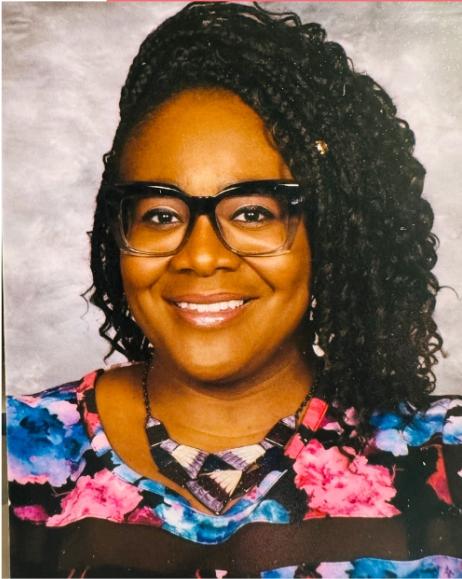
North Shore High Schools are conveniently located in East Cleveland, Cleveland, and Garfield Heights, Ohio.
Our school helps students earn an accredited high school diploma fast! With College and Career Fast-Track Graduation Pathways, North Shore will open the door to your future.
Here's the GREAT news: Our High School, Career, and College courses are 100% FREE. Our 2026-2027 Application is available now
Seats are filling up Fast! Enroll Online Now and get on the North Shore Fast Track to Your High School Diploma!
§ Flexible and Relaxed Learning Spaces: Our classrooms are designed to foster comfort and focus, making it easier for students to learn at their own pace.
§ After-School Activities: From clubs to job trade, we offer a variety of activities to keep students engaged beyond the classroom.
§ Mentoring and College/Career Support: We are committed to guiding students toward their future goals, whether that means college, vocational training, or entering the workforce.
§ Accredited Curriculum: Earn your diploma with confidence, knowing it is recognized and respected.
Principal LaTasha K. Goodall, a proud native of East Cleveland, is dedicated to creating an educational experience that uplifts and empowers our students.
Enroll now for the upcoming 2026-2027 School Year at www.nshighschool.com and choose the East Cleveland Campus!
Let's begin your students' future with us today!
FREE WALK-INS WELCOME! 10AM - 2:00PM, MONDAY — FRIDAY





especiallyduringthecoldwintermonths.Giveyour


Today's seniors aren't shying away from a world that has become increasingly reliant on technology. Quite the opposite, in fact, as recent survey findings suggest adults ages 65 and older are more digitally active and selfassured than ever before.
Nearly all seniors surveyed as part of the “Connecting the Digital Dots: Online Habits and Safety Concerns Across Three Generations” survey from Cox Mobile consider themselves digitally literate, using devices for shopping, banking, social media and entertainment. With older adults spending a significant amount of time connected to the digital world – 41% of those surveyed reported spending five or more hours online daily – they're also more at-risk for scams, viruses like malware and data breaches.

Enable Multi-Factor Authentication: A simple and effective way to stop most attempts at unauthorized account access, 60% of seniors are already using multifactor authentication as an extra layer of protection. Some seniors, however, may need assistance setting up the safeguard, which typically sends a code to a phone number or email address as part of the login process, for online banking, email or social media accounts.
Even though 61% of seniors who encountered digital threats were able to mitigate the issues themselves, showing their growing digital capability, increased online engagement brings new challenges and responsibilities for caregivers, who often play a crucial role in supporting seniors' digital journeys.
To help support older loved ones' safety and confidence as they navigate an evolving digital landscape, Cox Mobile, in partnership with Common Sense Media, offers educational materials on digital safety, smart device use and media literacy for all ages. In addition, these practical safety strategies can help empower seniors to make informed, safe choices online.
Encourage Strong Passwords: Simple passwords, like number sequences, keyboard patterns or personal information – such as variations of your name, birthdate, address or names of pets or loved ones – are easily guessable and may lead to issues. While the survey found 70% of seniors already create strong, unique passwords, encourage them to avoid reusing passwords across sites. Recommend a password manager app to safely store passwords and eliminate the need to write them all down, which could lead to a breach if not stored properly.
Promote Security Software: If devices aren't protected, even the most careful users are susceptible to viruses. Though 63% of those surveyed have security software installed, it's important to regularly make sure it's up to date (or that automatic updates are enabled) and covers all devices, including laptops, tablets and smartphones.
Review Apps and Channels: Over time, it can be easy to accumulate apps on smartphones and tablets. While 51% of surveyed seniors remove unsafe apps, make it a habit to regularly check loved ones' devices for unfamiliar or suspicious applications and delete them. Also keep an eye out for unauthorized charges, data sharing or browser extensions.
Utilize Built-In Safety Features: Explore privacy controls on individual devices (and apps) and check with your loved ones' internet service provider to ensure security features are being utilized like the 43% of those surveyed who are already taking advantage of their devices' safety settings. Included privacy protections may include limiting data sharing, disabling location tracking, blocking pop-ups and restricting other unwanted communication.
Discuss Online Safety Regularly: Because technology is ever-changing, it's important for caregivers to talk with senior loved ones about online safety. Open, ongoing conversations, like those one-third of seniors are already having several times a week or even daily, can help build trust and awareness of current scams, suspicious texts or emails, commonly used apps and more.
By fostering open dialogue, sharing practical safety strategies and leveraging trusted resources, caregivers can help their loved ones thrive and stay safe. Visit your local Cox Mobile store or go to CoxMobileSafety.com to find more tips, guides and full survey results.
As you age, your doctor's interest in your cholesterol level is likely to increase. That's no coincidence. High cholesterol and age are two significant risk factors for heart disease, which is the leading cause of death in the United States.
You may not be able to slow the hands of time, but elevated low-density lipoprotein (LDL) cholesterol, also known as “bad” cholesterol, is one of the most significant addressable risk factors for the development of cardiovascular disease. Uncontrolled high LDL-C can lead to death, heart attack, stroke or the need for a coronary revascularization.
While statins are considered first-line treatment for people with high LDL cholesterol, an estimated 29% of patients stop taking their statin within the first year, based on findings published in the “American Journal of Cardiology” Up to 30% of people have some degree of statin intolerance, according to research published in the “Journal of Clinical Lipidology”
Test your heart health knowledge and learn more about managing your risk factors, including high cholesterol, with this quick quiz:
1. Do cardiovascular diseases, including heart disease and stroke, claim more lives in the U.S. than all forms of cancer and accidental deaths (the Nos. 2 and 3 causes of death, respectively) combined?
Yes. Cardiovascular disease is the No. 1 killer of men and women in America and worldwide, killing more people than both cancer and accidents each year
2. According to the American Heart Association, which of the following are true?
Men are more likely to have heart attacks at a younger age than women.
Women experience different symptoms indicating potential heart disease.
Women have a higher risk of fatality because their symptoms are frequently misunderstood or misdiagnosed, leading to delayed treatment.
All are True. While many factors are at play, one major underlying issue is historically, women simply haven't been well represented in clinical trials of heart-related conditions. However, Harvard Health reports that culture is slowly changing and some of the gaps are starting to close.
3. Does statin intolerance mean statins are not effective?
No. On the contrary, statins are the standard of care to lower LDL cholesterol. However, some people cannot take statins at any dose because of statin intolerance symptoms such as muscle pain,
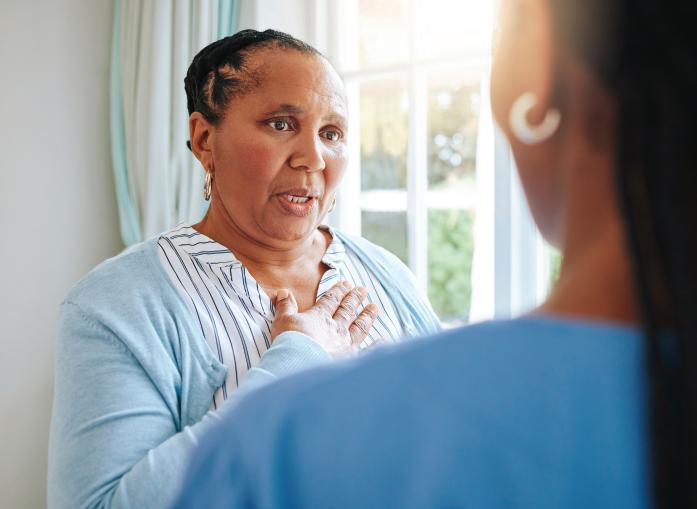
while others may have their LDL cholesterol remain uncontrolled because they are not able to take higher doses.
4. Are women more likely to be statin intolerant than men?
Yes. According to the National Institutes of Health, being female is a risk factor for statin intolerance.
5. If a person is statin intolerant, are there other treatments available to help lower their uncontrolled LDL-C?
Yes. Alternative treatments are available for people with statin intolerance. A health care provider can help explain what options are available if you experience potential statin-associated side effects.
6. Are muscle-related symptoms typically the most common side effect of statins?
Yes. Muscle pains or cramps ( ) are the myalgias most people experience. Your common symptoms health care provider may run tests or change your medication to address these symptoms.
For more information on statin intolerance, talk with your health care provider or visit statinalternatives.info.
LDL cholesterol, commonly referred to as “bad” cholesterol, leads to plaque in your arteries, reducing blood flow and potentially damaging your cardiovascular system.
If your bloodwork shows elevated LDL cholesterol levels, you can take steps to reduce it.
1. Eat a healthy diet low in saturated and trans fats and high in fiber, with an emphasis on fruits, vegetables and whole grains.
2. Get at least 30 minutes of exercise daily, and if you carry extra weight, work to lose it.
3. Talk to your health care provider about cholesterollowering medications, which can help lower bad cholesterol and reduce the risks associated with heart disease.