FREE First Exam*!
We hope that with each visit you and your pet feel like part of our hospital family.
Free exam includes:
•Status check on weight, nutrition and general health
•Dental check
•Vaccination overview
•Complete wellness services: vaccines, annual exams, etc.
•Emergency and critical care services
•Dentistry & surgery
•Therapeutic laser therapy
•Endoscopy and ultrasonography
•Over 70 years of trusted, compassionate care









CORRESPONDENCE pghpetconnections@gmail.com





Winter 2020/2021 Volume 8 Issue 2
From The Publisher

NEWS & EVENTS
Welcome to Pittsburgh PetConnections Magazine’s!
Winter 2019, Volume 7 Issue 1
Welcome to our Winter 2020/2021 issue of Pittsburgh PetConnections and beginning of our 9th year!
We are especially excited to bring the good news about our licensing partner dvm360® magazine! The partnership will mean online national and global exposure for PetConnections magazine!
News
Welcome to our Winter 2019 issue!

“dvm360® is the veterinary profession’s No. 1 print resource for news, product resources, tools, and practice solutions. dvm360® captures the voice of the profession and delivers relevant, real-world coverage while meeting the everyday clinical needs of small animal and equine veterinarians.”
PITTSBURGH PETCONNECTION
info@pghpetconnections.com
Published by All Life Media, LLC. Pittsburgh

724 -292-7387
We welcome Ease Animal Massage, Buzzy Photography, and O2 Derm Pet Topical Gel to our supporting advertisers!
Introducing our new sister publications coming out in March, Integrative Healing magazine for people (and, of course, a pet section!)
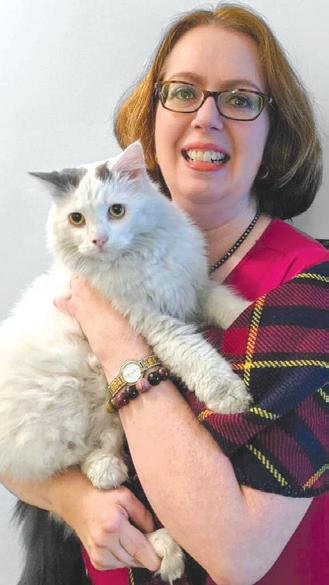
We welcome new advertisers 5th Avenue Fido and All Life Veterinary Clinics to the magazine! Introducing Laura Gudenburr as a new staff writer for PetConnections! Laura brings her expertise and experience with writing for various publications including Gateway Publications. Laura was nominated by The Press Club of Western PA for the prestigious Golden Quill! I’d like to give Laura the opportunity to introduce herself to all of you:
We are also pleased to announce some fun new things that we have in the works for PetConnections!

“I am thrilled to share my knowledge about living with pets through the forum of PetConnections Magazine! I will strive to share my personal experiences paired with information from experts including clinicians from both veterinary and human medicine. grew up as a child around cats. My grandmothers’, parents’ and uncle’s love and affection for their felines brought me joy and ingrained a strong respect for animals into my soul. But I also know that my family and have not always known how to handle certain situations that arose with our pets. I know firsthand that people often don’t “do wrong” by their pets on purpose; rather we sometimes simply don’t have resources or connections to help guide us. For those reasons, I believe that access to a free resource like PetConnections is so important to enhance our human-animal bond.” ~ Laura
We will be publishing pictures of your pet from winners of our new weekly social media photo contests! Also new, our membership sign-up button on our Facebook page, where you can receive news about events and contests, special discounts from our advertisers, discount event tickets, join our PetConnections Birthday Club for Pets, submit your story to be published in our Human-Animal Bond section or Remembrance, and more!
This Issue

• East End • South Hills • Strip District
Sewickly
Sewickly
Monroeville
Monroeville
Wexford
Wexford
We hope you enjoy this issue as it is packed full of informative articles and resources for our pet parent readers!
PetConnections is published quarterly as follows: March, July, September, and special Holiday issue in early December! Our print copy distribution sites will be replenished every 6 weeks. Our online presence has always been much greater than in print with now over 400,000 impressions! To subscribe to your own personal copy of PetConnections, please contact us below.
Did you know? PetConnections has evolved into a full-service specialized pet media company, providing services for advertising in print and digital marketing platforms to help our sponsors grow their businesses. Contact us below for information on advertising or sponsoring!







Custom Pet Cremation’s Healing Hearts Pet Loss Grief Seminar, Animal Friends’ and CARMAA’s events are highlighted in our event section.
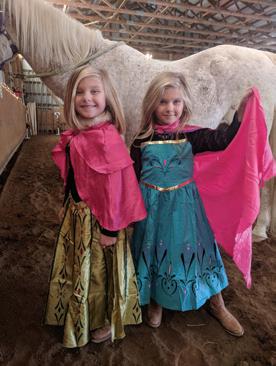
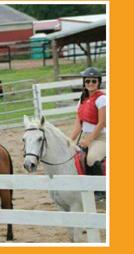
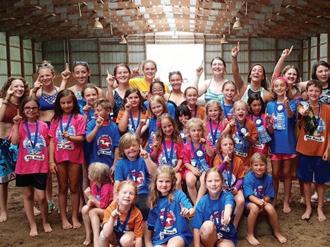
Our cover features Manon Farm’s Princess Showcase riding show! See the Equine Affairs section article inside, written by April Minech! Also, a reader, Ruth Maloy-Carter submitted her heart-warming story, “Great to be Ginger”, in the HumanAnimal Bond section! Edward Moats continues his avian nutrition articles, with more great tips, in Feathered Friends. Also, we are revisiting Integrative Healing for Pets with Dr. Doug, in our Pet Holistic section.
Our rescue section features Nate’s reptile Rescue. PVSEC/BluePearl’s article about winter safety for pets. Our Kitty Korner has Homeless Cat Management Team has spay and neuter info, by Bernadette Kazmarski. Equine affairs, Kristin Hermann writes about Learning from Source.
Thank you for picking up this copy of PetConnections. Be well and we wish you a joyful Holiday season with your family and pets! Stay Safe!
PetConnections is published quarterly as follows: Early February, May, August, and November. Our print copy distribution sites will be replenished every 6 weeks. Our online presence has always been much greater than in print with now over 350,000 impressions this year. To subscribe to your own personal copy of PetConnections, please contact us below.
Did you know? PetConnections has evolved into a full-service specialized pet media company, providing services for advertising in print and digital marketing platforms to help our sponsors grow their businesses. Contact us below for information on advertising or sponsoring!
Thank you for picking up this copy of PetConnections.
Warmly,


Warmly,
Carla Mader Publisher
Carla Mader Publisher
Pittsburgh | Central Ohio PetConnections


Grooming Day CareBoardingTraining
Grooming Day CareBoardingTraining







Cover Photo: Hayden and Harper Stewart
Photo By: Erica Stewart
Behavior Solutions for Our Furry Friends
By Laura Gudenburr
Many of us have felt lonelier and more anxious during quarantine restrictions – an experience that can help us to empathize with pets, who often are at home without human company. Despite the pandemic, the holiday season likely will result in more visitors at home and increased time away from home while shopping and traveling. These changes in our routine can cause stress and separation anxiety for pets.
Reasons for pet behavior
Some dogs are destructive when home alone because canines innately want to be with human(s). “Dogs are creatures of habit; COVID has screwed up their routine,” says Lilian Akin, of Pittsburgh, who holds dual advanced certifications for her vast experience and knowledge assessed as both a behavior consultant for canines and professional dog trainer. She notes that pets have become used to us being home during quarantine, but eventually our schedules will change again – causing repeated disruption.
While many cats are content with hours alone and comfortable with additional visitors and festivities, some felines will act out when owners are away for days in a row or during environmental changes including increased noise. Stressed cats may hide, refuse to eat and not use their litterbox.

Medications to help pets
Karen Hayworth, DVM of VCA Northview Animal Hospital, values the role of medications to improve pet behavior. “If we can relieve pet anxiety, then we can relieve owner anxiety,” says Dr. Hayworth, who recommends contacting your veterinarian if pet behavior is adversely impacting the human-animal bond and definitely if a pet is injuring itself. Overgrooming causes digestion problems leading to vomiting or diarrhea. Chewing on hard objects causes tooth decay and bleeding gums.
Ms. Akin encourages owners to try medication early when behavioral problems are observed. Medications often help pets become more open to behavior changes and aid in training.
References
Hughes, Kate. Grzyb, DVM, Katie. “6 Cat Calming Products to Help Ease Cat Anxiety.” PetMD, 29 Dec. 2018, www.petmd.com/cat/behavior/6-cat-calming-products-help-ease-cat-anxiety. Musachio, Joy. “5 Steps To Make Essential Oils Safe For Dogs.” Dogs Naturally, 12 April 2020, www.dogsnaturallymagazine.com/5-steps-to-make-essential-oils-safe-for-dogs/. Sargisson, Rebecca J. “Canine separation anxiety: strategies for treatment and management.” Veterinary Medicine: Research and Reports Vol. 5 143–151. 30 Oct. 2014, doi:10.2147/VMRR.S60424.
NATURAL REMEDIES
I’ve compiled these suggestions based upon consultation with numerous veterinarians and pet trainers, personal trial-anderror, and research during the past 15 years:
• Plan ahead to maintain consistent timing for feedings, interaction and potty needs. Use electronic timers to control lights inside.
• Invest in a camera that connects to your home Internet Wi-Fi and your smartphone. From anywhere, you can see your pets in real-time. Two-way audio allows you to hear if pets are vocalizing displeasure and enables you to talk to them. You can verbally reinforce good behavior or redirect them.
• Create a “hug” sensation from afar. Specially-designed apparel use gentle compression to imitate being held. Round beds with side bolsters, tent-shaped hideaways and cardboard boxes give secure resting areas that mimic snuggling with a human.
• Offer aromatherapy such as collars, sprays and diffusers. Products contain pheromones and essential oils designed to calm pets.
• Leave on a radio or TV with music or people talking. Such sounds can reassure anxious pets during owners’ absence.
• Consider adopting another pet to provide companionship to a single pet, if your finances and time permit. Before adding another pet to your home, supervise and observe your current pet’s interaction with a potential new pal.
• Find a trusted person or hire a pet-sitter to visit your home to ensure dog potty breaks, litterbox cleanings, cuddling and playtime while you’re away for long periods.




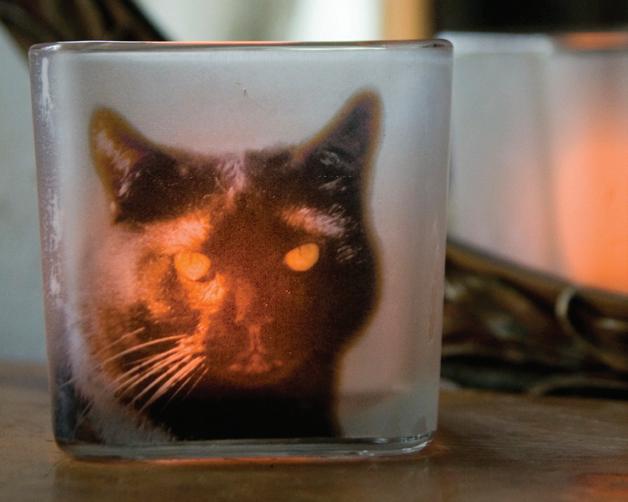
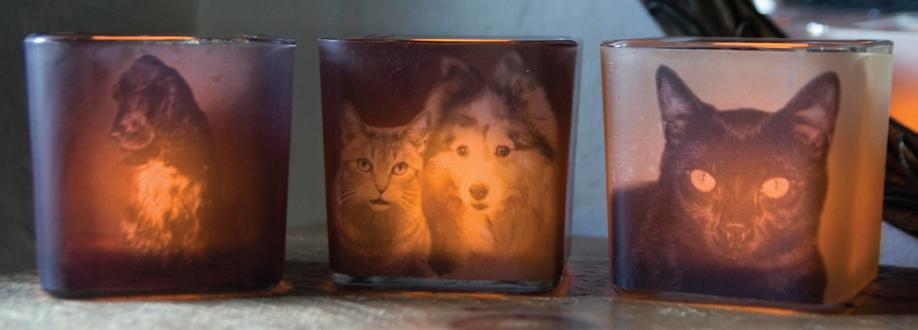
CuStOm PEt LOSS VOtIVES a forever gift to remember a beloved animal companion
E. Kazmarski, artist www.PortraitsOfAnimals.net


Bernadette
Portraits of animals
HUMANE ANIMAL RESCUE
ELLIE’S THANKFUL PAWS DOG FOOD DISTRIBUTION EVENT
1101 Western Ave, Pittsburgh PA 15233
10am, December 14th, 2020
ALL LIFE VETERINARY CLINICS
LOW-COST VETERINARY CLINICS FOR YOUR DOGS & CATS
5843 Brownsville Rd, Pittsburgh, PA 15236
Every Sunday at Woody’s Dog Wash and Boutique (South Park) (see page 7 for more details)
LOW-COST VETERINARY CLINICS for your dogs & cats
WHEN: Sundays, 9am-5pm
WHERE: Woody’s Dog Wash & Pet Boutique
5843 Brownsville Road in South Park, PA, 724-281-3446
What we offer:
• Low cost outpatient veterinary care clinics
• Curbside service
• Walk in appointments
• Scheduled appointments
• Preventive & wellness care
• Minor illnesses
• Chronic illnesses
• Pharmacy
• Laboratory services Call About Low-Cost Cat Neuter Clinics!
South Pittsburgh’s first SELF-SERVE DOG WASH & HEALTHY PET specialty store since 2007
• Do-it-yourself dog bathing (Mon-Sat)
• Now offering full-service grooming
• We clean and disinfect tubs
• Healthy pet food, treats and supplies
• Dog walking area and waste station available in large back parking lot
*All will be served but limits on numbers served in-house at time will be observed for COVID restrictions and mask required in-house Dog Wash & Pet Boutique
• Near South Park dog parks Mon-Fri: 10am-7pm • Sat: 10am-5pm • Sun: 9am-5pm (no baths on Sundays during vet clinics)
412-714-4644 | woodysdogbath.com | 5843 Brownsville Rd, Pittsburgh, PA 15236
Helping Community Cats and their Communities through TNR
By Dr. Becky L. Morrow, DVM
Regardless of where you live, bet that you have seen at least one “stray” cat wondering around your neighborhood. While she may be a lost cat, more often than not, even if the cat is friendly, she probably does not have an indoor home. It may be surprising to hear that there are tens of millions of cats living outside of our homes in the United States. We just don’t see that many cats around in most cases. Why is that? Many of these cats are what we refer to as “feral.” Though they are members of the same species as that furball purring on your lap, these cats have reverted to a wild or semi-wild (“semi-feral”) state. Feral cats typically avoid human interactions and often come out at night when we are less likely to be around. Of course, there are friendly cats outside as well, often referred to as “stray” cats. All these freeroaming cats, whether feral or friendly, are called “community cats.” Community cats live in groups that we call colonies. A colony can be as small as a group of 6 cats or include over 100 cats. It really depends on the geography of the area, available resources such as food, water, and shelter, and whether the cats routinely interact with one another.
So why talk about community cats? The number one source of cats entering our shelters is from this population, and over 3 million cats each year are taken to shelters. The problem, of course, is there are not enough folks adopting all these cats, forcing shelters to euthanize nearly 1 million cats each year. While the shelter and rescue communities work endlessly to find enough homes, they simply do not exist. Another issue with community cats is from a humane standpoint. Remember that even feral cats are from a domesticated species and are still dependent on humans to some extent. Don’t get me wrong, these animals are amazing survivors – I’ve seen many cats with healed fractures, missing limbs, and lost eyes that appear to be doing just fine. That does not mean that all community cats can or even the majority will thrive without any human intervention. This is especially true of the previously “owned” cats that are tossed outside and abandoned by the humans that were responsible for their care. If all they have known was indoor life, imagine how they feel out there.
Despite the difficulties of living entirely in the great outdoors, due to their polyestrous nature and ability to ovulate in conjunction with mating, cats will still reproduce, and population explosions will occur. The more cats that are born, the more suffering that occurs. Fighting between cats leads to injuries and abscesses. Resources become stretched thin and increased population densities lead to an increase in feline-specific infectious diseases. Nearly half of all kittens born die from exposure, infections, or parasite infestations. Clearly, they can use our help and many people do try and help them. You may know someone who is feeding or you may have been feeding community cats yourself. A study performed in Ohio showed that 1 in 4 people do so. While that is a great start, we must think about what just said – the more cats that are born, the more suffering that occurs. By providing increased resources (i.e. feeding) we are promoting the birth of more cats. Now I am certainly not implying that it is ok to let these poor kitties starve - it is ultimately our fault they are in this situation in the first place. But we do need to take it one step further and stop the reproduction. This is where TNR, or Trap, Neuter, Return, comes in.
TNR is a scientifically validated, humane method to stabilize community cat populations, and, eventually, reduce the overall population through attrition. How does it work? Cats are humanely trapped, spayed or neutered, vaccinated for rabies, ear-tipped (to indicate that they are TNR’d), and returned to their outdoor homes. The colony is then monitored for any newcomers that would need TNR’d, although this is minimized due to the territorial nature of the colony. In addition to daily, responsible feeding in a way not to attract vermin, colony caretakers provide shelters and monitor the general health of the cats. Anyone who manages a colony can tell you that the cats come running at feeding time and seem to be quite content. can tell you that I have seen quite a few feral cats reaching ages in the teens, and that the vast majority of the thousands I care for each year are in good health.
One real caveat that must be considered is that TNR needs to be targeted in order to work properly. What does that mean? All of the cats in one colony should be TNR’d as quickly as possible before moving to another colony. This makes sense based on how cats reproduce. They will increase the population exponentially and could render any TNR efforts useless if we do a few at a time from multiple colonies. Getting as close to 100% done at one time is more efficient as well, since you will not be re-trapping cats that have already gone through the surgery. Though this sounds like a daunting task, with the help of community partners, their trapping supplies and expertise, we have done colonies of 40, 50, and even 90+ cats in a single weekend. This would not be possible without high volume, high quality spay/ neuter (HVHQSN), using more efficient surgical techniques that allow for smaller incisions, less time under anesthesia, and faster recoveries for the cats. This way we not only have the ability to help more cats, but we can get those who live outdoors back to their homes, and away from the stress that interactions with humans causes, more rapidly. Each year at Frankie’s Friends, we spay or neuter around 9,000 cats. Although we never seem to have a shortage of patients, can only imagine how many more cats there would be in our region if those dedicated community cat advocates were not bringing in cats for TNR ...
Article continued on page 17.
COLLABORATION. COMMITMENT. CARE.
COLLABORATION. COMMITMENT. CARE.
COLLABORATION. COMMITMENT. CARE.
COLLABORATION. COMMITMENT. CARE.
VMD, DACVECC, CVA
Cri�cal Care, Integra�ve Medicine, Acupuncture
THE BEST CARE FOR EVERY PET
THE BEST CARE FOR EVERY PET
THE BEST CARE FOR EVERY PET
We work closely with your family veterinarian from the moment of diagnosis through the en�re medical care period an into follow-up, con�nually providing updates regarding your pet’s treatment.
Dr. Morrow and her team can be reached at frankiesfriendscatrescue@gmail.com, by messaging Frankie’s Friends Cat Rescue on Facebook, or calling 724-889-7011.
We work closely with your family veterinarian from the moment of diagnosis through the en�re medical care period an into follow-up, con�nually providing updates regarding your pet’s treatment.
We work closely with your family veterinarian from the moment of diagnosis through the en�re medical care period an into follow-up, con�nually providing updates regarding your pet’s treatment.


Deanna Purvis
Deanna Purvis Medical Director
THE BEST CARE FOR EVERY PET
BECAUSE ADVANCED CARE GOES BEYOND MEDICINE
BECAUSE ADVANCED CARE GOES BEYOND MEDICINE
BECAUSE ADVANCED CARE GOES BEYOND MEDICINE
Lisa Assandri
BECAUSE ADVANCED CARE GOES BEYOND MEDICINE
ment, coupled with highly able to offer an unparalleled healthcare. Our dedication ent from the first “hello OUR SPECIALTIES INCLUDE:
We work closely with your family veterinarian from the moment of diagnosis through the en�re medical care period an into follow-up, con�nually providing updates regarding your pet’s treatment.
DVM, DACVIM Internal Medicine
Deanna Purvis Medical Director
Deanna Purvis
Medical Director
Medical Director
VMD, DACVECC, CVA Cri�cal Care, Integra�ve Medicine, Acupuncture
VMD, DACVECC, CVA Cri�cal Care, Integra�ve Medicine, Acupuncture
VMD, DACVECC, CVA Cri�cal Care, Integra�ve Medicine, Acupuncture


VMD, DACVECC, CVA Cri�cal Care, Integra�ve Medicine, Acupuncture
Tara Enwiller
The best health of every pet is our top priority delivered with expertise and compassion that goes beyond great medicine. Our goal is to provide a superior client/patient/doctor experience that gets to the heart of the health matter and provides the best possible outcome. We genuinely care for pets, their people, and promoting healthy collaborative relationships with referring primary care veterinarians. When further diagnostics or advanced care is necessary, we are here and ready to help. And because our hospital is equipped with state-of-the-art diagnostic and treatment equipment, coupled with highly trained doctors and support staff, we are able to offer an unparalleled level of comprehensive, specialized pet healthcare. Our dedication to exceptional animal health is apparent from the first “hello”.
Lisa Assandri
Lisa Assandri DVM, DACVIM Internal Medicine
Lisa Assandri
Lisa Assandri DVM, DACVIM Internal Medicine
DVM, DACVIM Internal Medicine

DVM, DACVIM Internal Medicine
Tara Enwiller
Tara Enwiller
Tara Enwiller
Tara Enwiller DVM, MS, DACVS Surgery
DVM, MS, DACVS Surgery

DVM, MS, DACVS Surgery
The best health of every pet is our top priority delivered with expertise and compassion that goes beyond great medicine. Our goal is to provide a superior client/patient/doctor experience that gets to the heart of the health matter and provides the best possible outcome. We genuinely care for pets, their people, and promoting healthy collaborative relationships with referring primary care veterinarians. When further diagnostics or advanced care is necessary, we are here and ready to help. And because our hospital is equipped with state-of-the-art diagnostic and treatment equipment, coupled with highly trained doctors and support staff, we are able to offer an unparalleled level of comprehensive, specialized pet healthcare. Our dedication to exceptional animal health is apparent from the first “hello”.
DVM, MS, DACVS Surgery
OUR SPECIALTIES INCLUDE:
OUR SPECIALTIES INCLUDE:
OUR SPECIALTIES INCLUDE:
· Surgery
OUR SPECIALTIES INCLUDE:
· Surgery
· Surgery
· Internal Medicine
· Surgery
The best health of every pet is our top priority delivered with expertise and compassion that goes beyond great medicine. Our goal is to provide a superior client/patient/doctor experience that gets to the heart of the health matter and provides the best possible outcome. We genuinely care for pets, their people, and promoting healthy collaborative relationships with referring primary care veterinarians. When further diagnostics or advanced care is necessary, we are here and ready to help. And because our hospital is equipped with state-of-the-art diagnostic and treatment equipment, coupled with highly trained doctors and support staff, we are able to offer an unparalleled level of comprehensive, specialized pet healthcare. Our dedication to exceptional animal health is apparent from the first “hello”.
· Internal Medicine
· Avian/Zoological
· Emergency Medicine
· Surgery
· Internal Medicine
· Internal Medicine
· Avian/Zoological Medicine
· Internal Medicine
· Avian/Zoological Medicine
· Avian/Zoological Medicine
· Emergency Medicine
· Avian/Zoological Medicine
· Emergency Medicine
Jennilee Morrison
DVM, MS, DACVS Surgery
Jennilee Morrison
· Emergency Medicine
· Integra�ve Medicine
· Integra�ve Medicine
· Emergency Medicine
· Integra�ve Medicine
· Acupuncture
· Integra�ve Medicine
· Acupuncture
· Acupuncture
DVM, DABVP (Avian Practice)
Avian & Zoological Medicine
Jennilee Morrison DVM, DABVP (Avian Practice) Avian & Zoological Medicine
Jennilee Morrison
Jennilee Morrison DVM, DABVP (Avian Practice) Avian & Zoological Medicine
DVM, DABVP (Avian Practice) Avian & Zoological Medicine

· Advanced Diagnos�c Imaging/CT
· Advanced Diagnos�c Imaging/CT
· Acupuncture
· Advanced Diagnos�c Imaging/CT
· Advanced Diagnos�c Imaging/CT
DVM, DABVP (Avian Practice) Avian & Zoological Medicine
· Integra�ve Medicine
· Acupuncture
· Advanced Diagnos�c

We offer compassionate, personalized care and look forward to working closely with you and our partner veterinarians.
We offer compassionate, personalized care and look forward to working closely with you and our partner veterinarians.
We offer compassionate, personalized care and look forward to working closely with you and our partner veterinarians.
We offer compassionate, forward to working veterinarians.
We offer compassionate, personalized care and look forward to working closely with you and our partner veterinarians.
Northview Animal Hospital Specialty Referral Center
VCA Northview Animal Hospital
The best health of every pet is our top priority delivered with expertise and compassion that goes beyond great medicine. Our goal is to provide a superior client/patient/doctor experience that gets to the heart of the health matter and provides the best possible outcome. We genuinely care for pets, their people, and promoting healthy collaborative relationships with referring primary care veterinarians. When further diagnostics or advanced care is necessary, we are here and ready to help. And because our hospital is equipped with state-of-the-art diagnostic and treatment equipment, coupled with highly trained doctors and support staff, we are able to offer an unparalleled level of comprehensive, specialized pet healthcare. Our dedication to exceptional animal health is apparent from the first “hello”. LOCATION
VCANorthview@vca.com
www.vcanorthviewspecialty.com
BUSINESS HOURS
ER/Urgent Care 7 days/week 8am-7pm
Referral Consulta�ons: By Appt. Mon-Sat Hospitalized Care 24/7
VCA Northview Animal Hospital Specialty Referral Center
VCA
My Pet Had a Seizure – Now What?
Dr. Laura Scoda Residency, trained in Neurology BluePearl PVSEC Neurology Service
First and foremost, if you are ever concerned about your pet, call your veterinarian or a local emergency clinic right away. The information provided here is meant to be supplemental to the conversation between you and your veterinarian.
WHAT IS A SEIZURE, AND WHAT DOES IT LOOK LIKE?
Seizures are the physical activity we see when the brain is having excessive, uncontrolled, abnormal electrical activity. What a seizure looks like varies widely and depends on what area of the brain is affected. Generalized seizures typically involve the whole body and can include loss of consciousness, falling over to one side, stiff and/ or paddling limbs, head and neck extension, vocalizing, drooling, urination, defecation, and jaw chomping. Focal seizures typically involve the face and can include drooling, facial twitching, and lip smacking. However, there are many different types of seizures with many different presentations. In addition, many abnormal episodes can look like seizures but aren’t seizures, including severe vertigo, a syncopal event (fainting secondary to low blood pressure and usually cardiac disease), an episode of severe pain, or movement disorders. Therefore, it is very important for you to provide an accurate description of the episode to your veterinarian and even a video if possible.
WHAT CAUSED MY PET’S SEIZURE?
Seizures are not a disease, but rather a symptom. Just as a cough alerts us to a problem in the respiratory system, a seizure alerts us to a problem in the brain. Most causes of seizures are grouped into two large categories - diseases outside the brain vs. diseases inside the brain. Common causes of seizures include Idiopathic Epilepsy (seizures with no identifiable underlying cause), cancer, a stroke, infectious or autoimmune conditions, or a metabolic cause such as low blood sugar or liver disease. Different disease processes will be more or less likely depending on your pet’s age, breed, and neurological examination performed by your
veterinarian. To determine the underlying cause of your pet’s seizure(s), your veterinarian will likely recommend a stepwise approach to start ruling different disease processes in or out. The usual starting place is routine blood work and a blood pressure to look for metabolic causes. Other more advanced diagnostics can be performed by a specialist, a veterinary neurologist, and may include MRI (magnetic resonance imaging) of the brain and a CSF (cerebrospinal fluid) tap. Most specialized procedures need to be performed under general anesthesia.
HOW DO WE TREAT MY PET’S SEIZURES, AND WHAT SHOULD I EXPECT?
Controlling seizures can be a difficult task, and is usually an ongoing and lifelong conversation between you and your veterinarian with sometimes frequent adjustments. Our goal of seizure treatment is not to eliminate seizures, but rather reduce their frequency and severity. Many different anti-epileptic drugs (AEDs) are available, but some more commonly used in veterinary medicine include phenobarbital, potassium bromide (KBr), zonisamide, and levetiracetam (Keppra). Your veterinarian will discuss the pros and cons of each medication and together you will determine a plan that works best for you and your pet. These medications are lifelong and will require routine monitoring of blood work at least once to twice per year. In addition, some pets need to be on multiple AEDs at the same time. Adjustments to medications are made based on a combination of seizure control and blood work.
IMPORTANT DO’S AND DON’TS OF SEIZURES
DON’T put your hand in your pet’s mouth during a seizure. Dogs and cats do not swallow their tongues, so you do not need to put your hands or any other objects in their mouth during a seizure. If you do, you may get bit, and that really won’t be helpful.
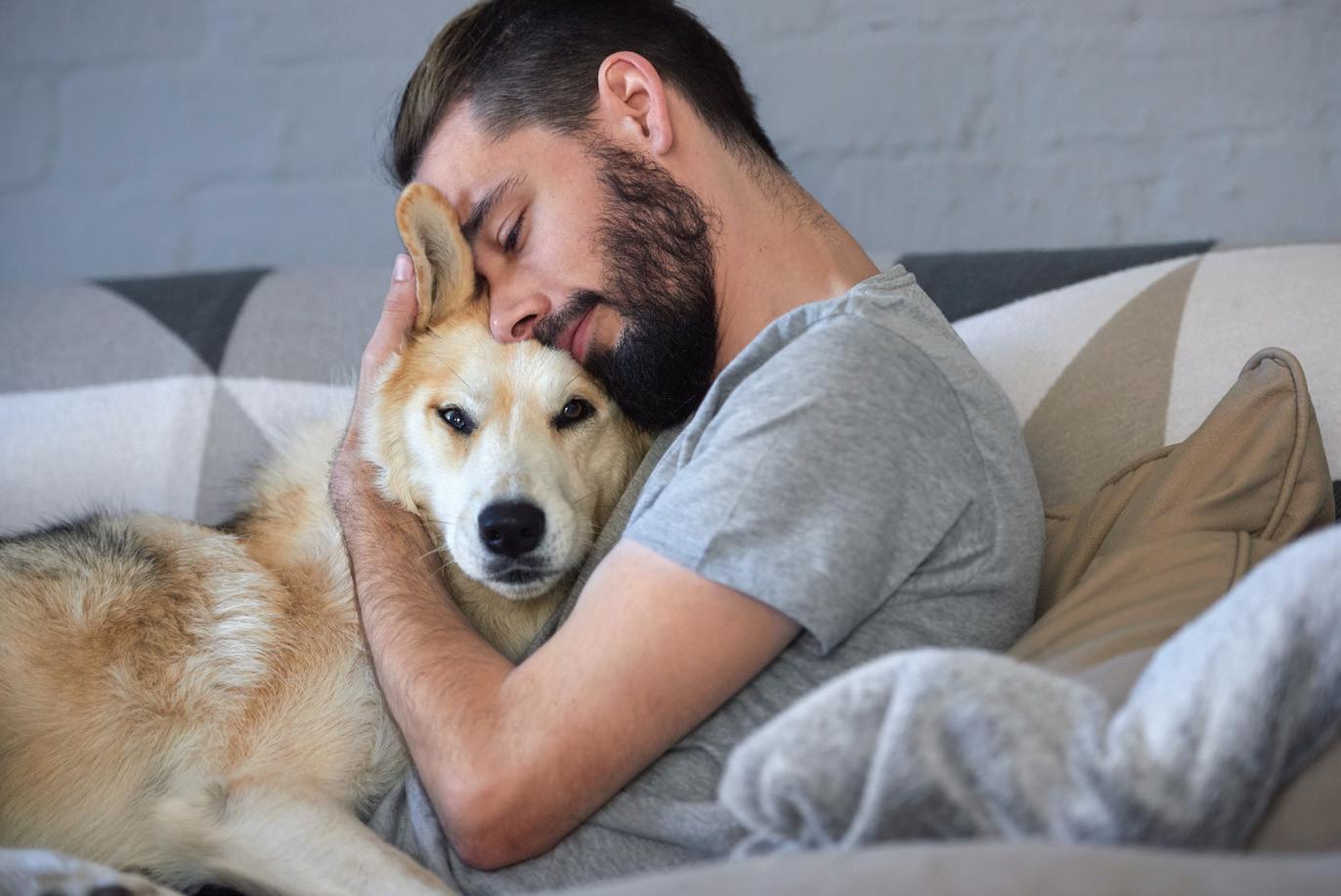
DO keep a log of your pet’s seizures. Keeping an accurate seizure log, and bringing it to every veterinary appointment, will better enable your veterinarian to manage your pet’s seizure disorder. We base a lot of medication changes on this seizure log. Things to include are date and time of the seizure, how long the seizure lasted, what your pet was doing before, during, and after the seizure, and any changes in medication.
DO video tape your pet’s seizures (if possible and safe to do so). Although most people have a cell phone camera within arms’ reach at all times, taking a video during such a stressful event is often counterintuitive and easier said than done! However, there are lots of other episodes that can look like seizures, and videos can be very helpful when trying to determine if your pet had a seizure. Things to include in the video are a close up of your pet’s face, a full body shot, and you talking to your pet and monitoring them for a response.
DON’T make any changes to your pet’s medications without first talking to your veterinarian. Anti-epileptic drugs (AEDs) should never be stopped and doses should never be missed, so make sure you refill all medications at least one week ahead of time and make sure to set those medication alarms. Missing or skipping doses can sometimes lead to rebound seizures that can be difficult to control. If your pet did miss a dose, give the medication as soon as you realize and then call your veterinarian. This message applies to supplements, as well – don’t start any supplements without talking to your veterinarian since some supplements can lead to adverse reactions when mixed with certain AEDs.
DON’T stay home all day to stare at your pet. Seizures happen. And unfortunately, anti-epileptic drugs (AEDs) do not eliminate seizures, they just decrease their frequency and severity. Although seizures look scary, they are very rarely life-threatening, so it is OK to leave your pet at home as usual. Just make sure to leave them in a safe space where if they do have a seizure, they won’t hurt themselves. Although treating seizures can be hard, we want to ensure good quality of life for both you and your pet, which means trying to go about business as usual.
DON’T panic – not all seizures are emergencies, but some are. Although seizures look scary, your pet is usually unconscious during a seizure and won’t remember it happened. If they vocalize, it’s not because they’re scared or painful – it’s just that area of the brain being overactive. And while not all seizures are emergencies, some are. Emergency situations include a seizure lasting longer than three minutes, three or more seizures in a 24-hour period, and abnormal or prolonged recovery from a seizure. In any of those instances, or any time you’re concerned, bring your pet to an emergency clinic as soon as possible.
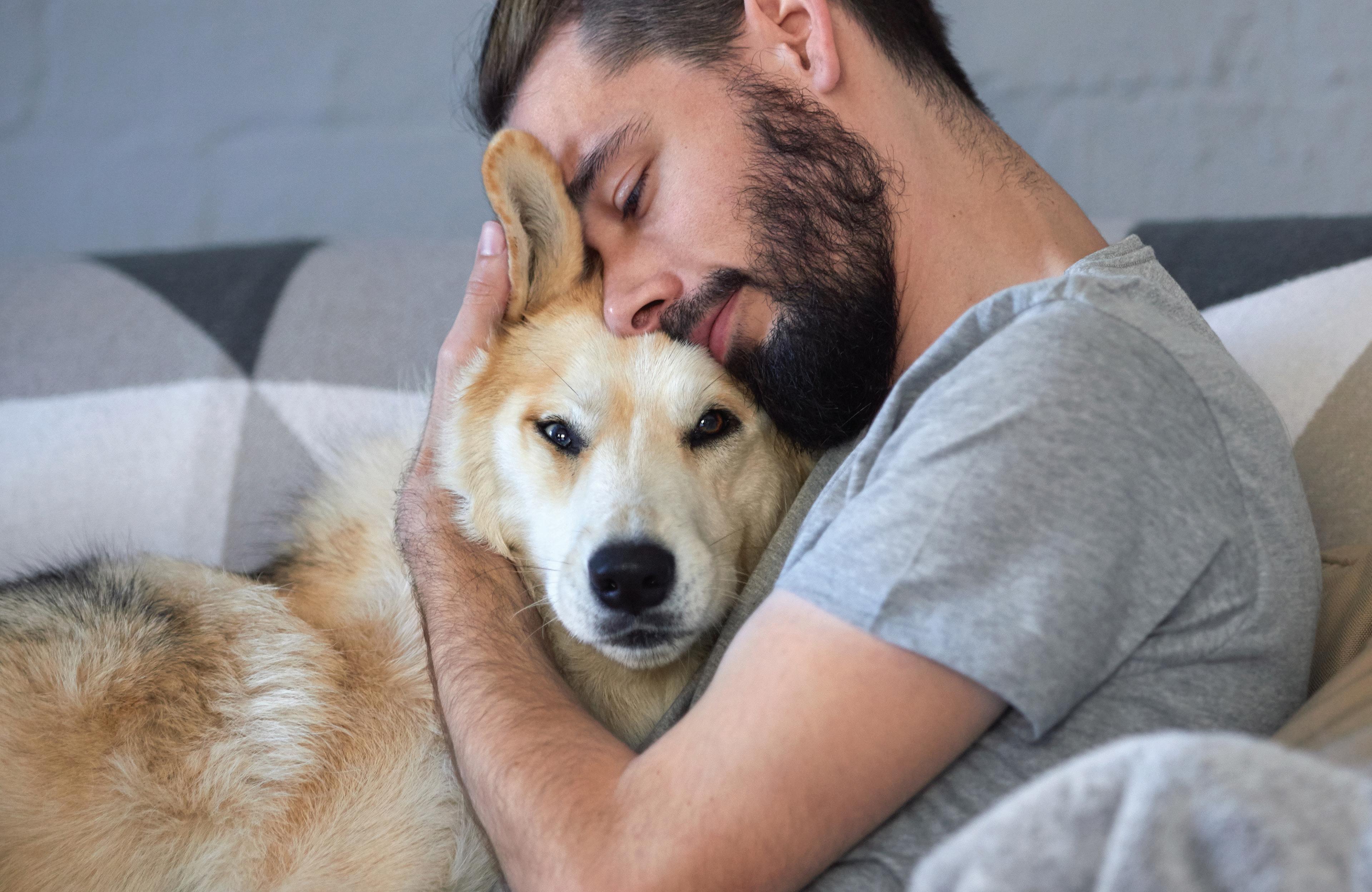
DO move your pet to a safe environment during a seizure (if possible and safe to do so). Move them away from bodies of water (e.g. pools, lakes), stairs they could fall down, heavy furniture or furniture with sharp edges, and off hard flooring where they could hurt themselves. If outside, try and move them inside or to a shaded area where they are less likely to overheat. Do not move your pet if trying to move them will cause injury to them or you.
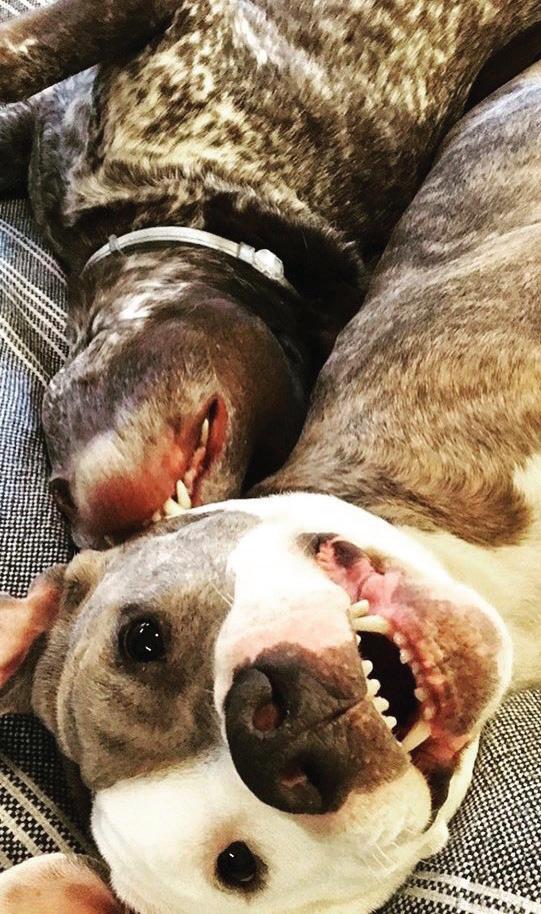
Is your dog eligible?
• Between 1-7 years old
• Weight: 50 lbs +
• Healthy with a gentle temperament
• Current with vaccinations
• Never had a blood transfusion
• Tested negative for blood-borne diseases (free testing by blood bank)
• Must be on heartworm, flea and tick preventative
• Not pregnant or currently nursing
For questions, or to make an appointment:
Follow us facebook.com/animalbloodbank Instagram: @pghanimalbloodbank
AGWAY - SOUTHERN STATES see ad on page 25
Healing Hearts Pet Loss Grief Seminar
Feb 24
All Life Veterinary Clinics page 7
Animal Friends page 10, M
Best Breed Pet Food page 15
Beaver Animal Clinic, page 17, D
Bridgeville Chartiers Custom Pet Cremations www.ccpc.ws
BluePearl Pittsburgh Animal Blood Bank, page 13
Animal Friends
Buzzy Photography page 3
Biscuits Bingo Saturday
Camp Bow Wow page 23
March 23 | Doors open at 10 a.m.
Chartiers Custom Pet Cremation page 27, F
Bingo starts at Noon | IBEW Hall
Overnight Boarding, and


5 Hot Metal Street, Pittsburgh, PA 15213
Cheyenne Veterinary Wellness & Surgical Center page 15, Q
Coventry Stables page 25
Pittsburgh Marathon Run for Their Lives
Dog Stop page 23
EASE Animal Massage page 3
Sunday, May 5 | 7 a.m.
Downtown Pittsburgh
Frankie’s Friends Cat Rescue, page 6
Fuzzy Paws Pet Villa, page 15, H
Gentle Journey Veterinary Hospice page 15
CARMAA presents Suzanne Clothier Behavior Lecture May 24-26
Hounds Town USA page 1
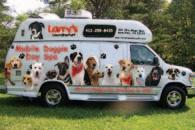
Jefferson Memorial page 28, Larry’s Laundromutt page 5, P
Paws Here Awhile, page 15
Petagogy, page 5
Pittsburgh Veterinary Specialty & Emergency Center, back cover, N
Portraits of Animals page 5


Rockin Horse Stables, page 25, O
VCA Castle Shannon inside front cover, S
VCA Northview Animal Hospital Specialty Referral Center page 29
Woody’s Dog Wash & Boutique, page 7, V
5th Avenue Fido, page 14
Please see listed pages for complete addresses.









The Ketogenic Diet for Cancer
By Doug Knueven, DVM, CVA, CVC, CVCH
Cancer is the number one fatal disease of dogs and cats in the U.S. For people, the percent dying from metastatic cancer in the U.S. has not decreased since the “War on Cancer” was declared in 1971. Our current cancer treatments include slash (surgery), burn (radiation) and poison (chemo). Sadly, veterinary oncologists measure success in months. With all the money and effort thrown at this terrible disease, you would think that by now our understanding would be complete and that we would be doing better with treatment. Maybe there’s something wrong with our current concept of cancer.
The present-day model of cancer is called the “Somatic Mutation Theory” (SMT). According to the SMT, cancer is caused by mutations in the nuclear DNA that trigger a cell to go rogue and reproduce uncontrollably. It requires about six specific genetic changes for cancer to develop.
1. Growth accelerating genes must be turned on
2. Growth suppressor genes must be turned off
3. Cell immortality genes must be turned on
4. Cell suicide genes (those for apoptosis) must be turned off
5. Blood vessel formation genes must be turned on
6. Nuclear DNA repair processes must be deactivated
Given the redundant DNA repair processes within cells, having all these specific changes happen through random mutations is quite unlikely. The fact is that it does not require mutations of the nuclear DNA to make these shifts, as we will see.
Evidence against the SMT can be found in the “Cybrid” which is a cell that has been constructed using parts from two or more different cells. If the nucleus of a normal cell is replaced with the nucleus
of a cancer cell, the cell remains normal. If the nucleus of a cancer cell is replaced with the nucleus of a normal cell, the cell remains cancerous.1 This indicates that rather than nuclear DNA being responsible for causing cancer, it is something in the cytoplasm of the cell that is the initiating factor.
In fact, under normal conditions the mitochondria of the cell are responsible for sensing the metabolic conditions and switching off and on key genes. When food, in the form of glucose, is in short supply, the mitochondria signal the nucleus to switch off the cell’s genetic program of growth and reproduction. When blood glucose is abundant, the mitochondria signal the nucleus to cause the cell to reproduce. It is important to note that normal cells can use either glucose or ketones for fuel, but only high levels of glucose promote cellular reproduction.
Integrative Holistic Medicine
Integrative: combining the best of conventional and alternative medicine
Holistic: providing more options for therapy
• Acupuncture
• Herbal Medicine
• Spinal Manipulation
• Supplements
• Natural Nutrition
• Vaccine Counseling
• Massage Therapy
• Healing Touch
While the nuclear DNA is well protected, that of the mitochondria is not. Over time, high blood glucose, combined with a high calorie diet, damages mitochondrial DNA which deranges mitochondrial function.2 The broken mitochondria rely strictly on glucose metabolism, and simultaneously the signal for cellular reproduction gets stuck in the “on” position. These processes also cause the production of mutation-causing free radicals. The relentless increased speed of reproduction and the free radicals lead to the nuclear mutations associated with cancer. Thus, high blood glucose predisposes to cancer cell formation and to cancer cell survival.
The fact that cancer cells can only use glucose for fuel has led to the idea that sugar feeds cancer. A ketogenic diet (one that is high in fat, moderated in protein, and extremely low in starch) can starve cancer cells yet feed normal cells. It can also make the formation of cancer cells less likely in the first place. Conventional, processed pet foods are high in starch, which the body quickly converts to glucose, which in turn can trigger and feed cancer.
Cancer is a metabolic disease. It is caused by highstarch, high-calorie diets (conventional pet foods) that damage cellular mitochondria. With this more complete understanding of how cancer really works, we can truly fight this disease by providing pets an appropriate diet. We can win the war on cancer with nutrition.
References
Spector R. The War on Cancer, a Progress Report for Skeptics. Skeptical Inquirer. 2010;34(1):25-31.
Cancer is a Metabolic Disease. Thomas N Seyfried, Wiley, 2012.
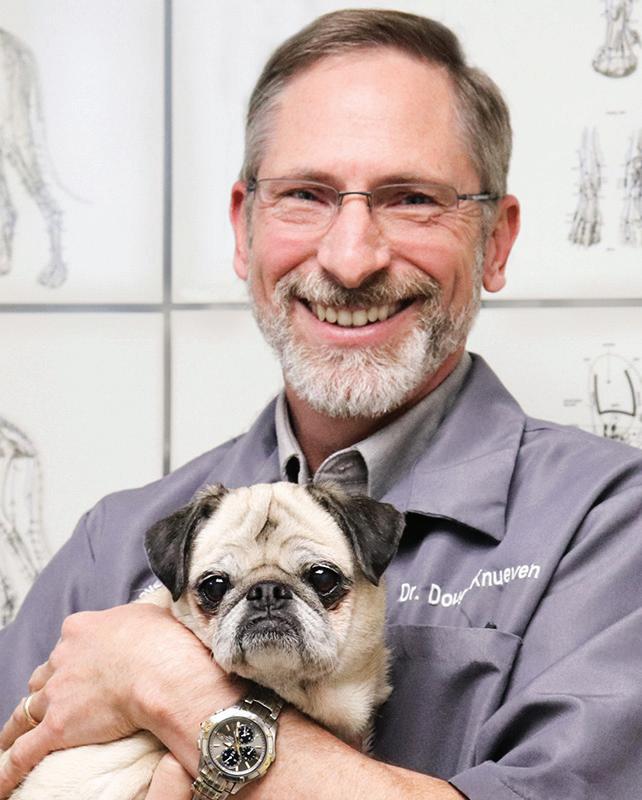
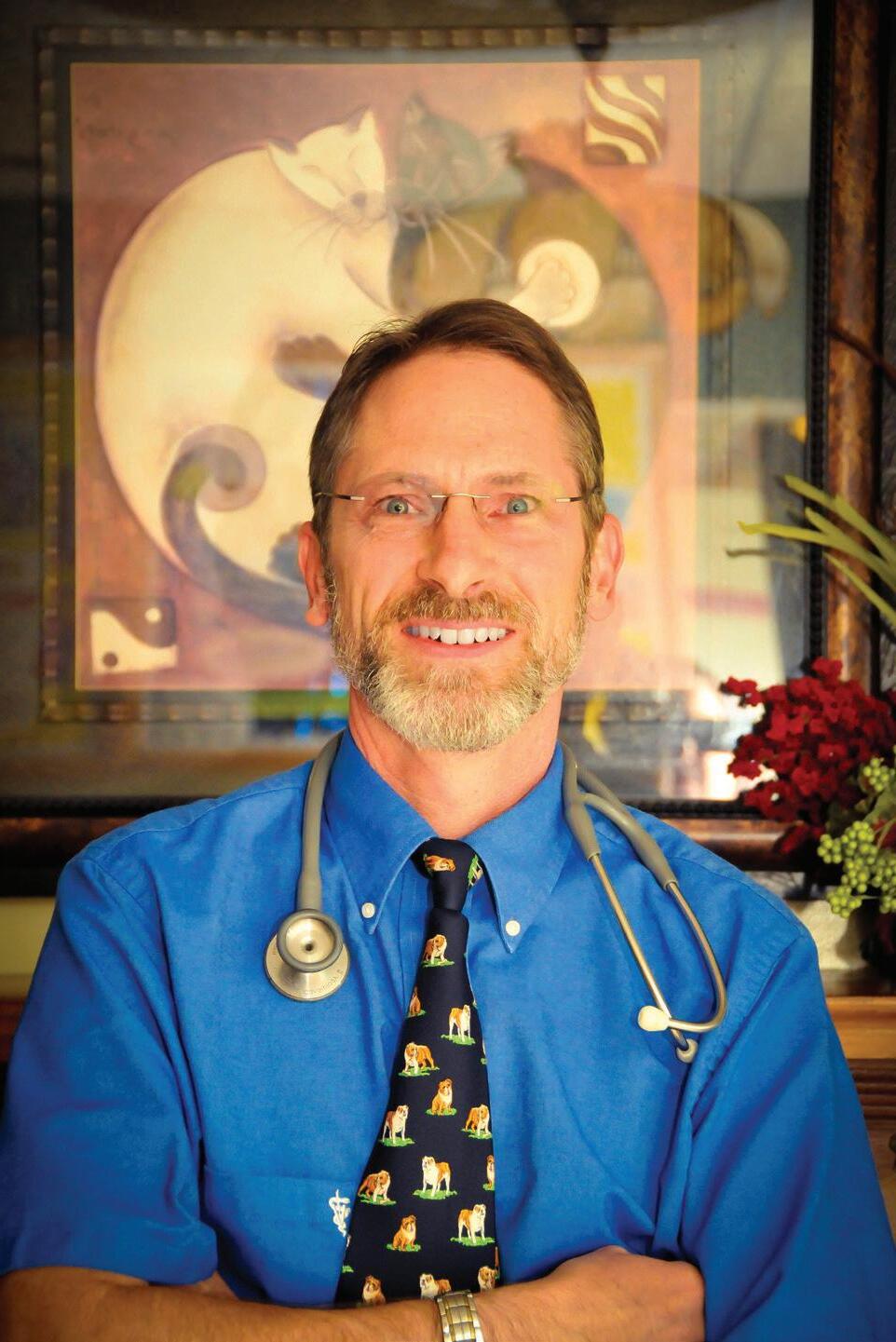
Dr. Doug has been practicing integrative veterinary medicine since 1993. He is certified in acupuncture, Chinese herbal medicine, and chiropractic. With over 30 years of veterinary experience, Dr. Doug has treated thousands of challenging cases.
For complete care for your animal companion, see Dr. Doug. Call Beaver Animal Clinic today to set up a holistic exam for your pet.
Dr. Doug | The Holistic Vet
Continued from page 8.
Young, vibrant Golden Retriever named Bauer is diagnosed with torn knee ligaments, after just 2 visits he is “acting as if nothing had ever happened”, read what Bauer’s dad had to say about working with Animal Healing NOW:
By Dr. Becky L. Morrow, DVM
Dr. Savko is awesome! took my Golden Retriever to him when the vets thought he tore his ACL. He was limping and not playing a whole lot. Initially the veterinarians had me thinking that expensive surgery after expensive diagnostic testing were my ONLY options for my pal to have a normal life again. If that was the way it had to be then so be it, but I thought maybe there might be a better way so I got a second opinion. I am so glad I got another opinion from a veterinarian that referred me to Dr. Savko. Right away messaged Dr. Savko frantic about my baby and he responded immediately and was very calming. I’ve
Bring this ad to your first appointment to receive a FREE GIFT!
357 State Avenue | Beaver, PA 15009 | 724.774.8047 beaveranimalclinic.com
Helping Community Cats and their Communities through TNR
... Using TNR to manage community cats not only benefits the cats, but the human community as well. Spayed and neutered cats are better citizens. They will rarely fight or loudly vocalize since the reason for most conflicts is associated with mating. Neutered male cats typically stop spraying urine. Vaccinated cats are protected against rabies and provides a “buffer zone” between us and rabid wild animals when they keep the wildlife out of their territories. Well-fed and healthy cats in managed colonies will keep rodents and their associated vectors of human disease away from us. I hear a lot of misconceptions about disease in community cats while assisting various cities and boroughs in dealing with issues in their communities. People are worried that feral cats will spread disease to humans, but direct interaction between people and feral cats does not occur in the majority of circumstances, as feral cats like other wild animals, avoid human interaction. We are much more likely to get cat scratch disease (CSD) from a non-flea treated pet cat (Bartonella henselae bacteria that cause CSD are in flea feces). Other zoonotic conditions can be spread from the environment shared with cats but requires ingestion of the cat’s fecal material. Toxoplasmosis, often singled out as a concern by “anti-catters,” in addition to having to be transmitted by the fecaloral route mentioned above, is only shed for two weeks in a cat’s entire lifespan and causes no ill effects to the vast majority of humans. There is a higher risk of getting toxoplasmosis from eating meat.
since been seeing him for about 8 weeks now and after just 2 visits, Bauer was acting as nothing ever happened and playing with his puppy brother. Dr. Savko saw the progress himself and could’ve easily taken advantage of me and told me to come 7 days a week, but he spread out the visits and even cut a few out because Bauer was doing so well. NO MATTER WHERE YOU LIVE, THIS DR. IS WORTH EVERY SECOND TO GET YOUR PET BETTER. THANKS DR. SAVKO!
You have not tried everything until you have tried Animal Healing NOW, besides why wouldn’t you go the non invasive route first? Unless it is a life or death emergency natural and non invasive options should always be considered first or at least in addition to anything else!
Healing, not just treating.

In all honesty, there is no viable argument against targeted TNR as the means for community cat management. Killing community cats isn’t only ethically questionable, it is not scientifically sound. The resources in the area still exist, and cats from neighboring colonies will come in and establish a new colony, causing a vicious circle. In a study with badgers, it only took 5 years for the reestablishment of a colony, so I would expect it would be even quicker since cats are induced ovulators and can have up to 3 litters each season. Relocating cats will produce the same result and is not easy on the cats being displaced. Ultimately, whether people love or hate community cats, we agree that we need to reduce their populations. The goal in the words of the Humane Society of the United States is to “dramatically and humanely reduce the number of cats outdoors, leading to much less risk and harm to the cats, no predation of birds and wildlife and the elimination of potential public health concerns and nuisance-related issues” through TNR.




It is up to us to realize that community cats are all our cats. It is our responsibility to help them in a way that makes them good members of our communities. The only sustainable way to do that is through targeted TNR. There are many groups out there that can help, but we do need more members of the veterinary community to step up. want to invite anyone interested in joining the effort to help community cats to contact us at Frankie’s Friends so we can connect you to people in your area who are out there directly working with the colonies. I would also invite any veterinarians, technicians, and veterinary students who want to learn more about HVHQSN, and how you can hone your skills to help more community cats, to reach out to us. Targeted TNR in Western Pennsylvania can happen when we all work together. We can save lives and make our communities better places for both human and feline citizens.
What to Expect When Hiring a Dog Trainer
By April Minech
If your childhood was anything like mine, your parents didn’t hire a dog trainer to help with the family pet. I grew up thinking those magical people lived in Hollywood, and trained dogs like Lassie for movies. It wasn’t until I was an adult and started volunteering with a local shelter that I found out what those trainers really did; they’re life coaches for you and your pet. And they can help everyone not just movie stars.
Trainers spend their time first learning how to understand dogs, then helping people to understand them. That was news to me, and seems like there’s still a shroud of mystery about the subject. For example, my cousin and his wife got a lab puppy soon after they were married and when talking to him about it, I casually asked if they were taking any puppy classes. “He already knows how to sit and lay down,” my cousin said. “What else is there?” Zoinks! “Classes are for you to learn how to work with your dog,” I teased him, in my newly-educated-tone. “You’re the one that needs them!” He really had no idea, and appreciated the explanation and joined a suggested class soon after. “Training is not about teaching your dog commands, it’s about building a relationship with your dog,” says Lilian Akin, a well know Pittsburgh dog trainer. “We try to help clients understand what their dogs are thinking and feeling. It’s about trying to be a good teacher to both the person and the dog.” So in case there are others out there wondering how it all works, this article should answer the basics and provide a starting point if you are interested in learning more.
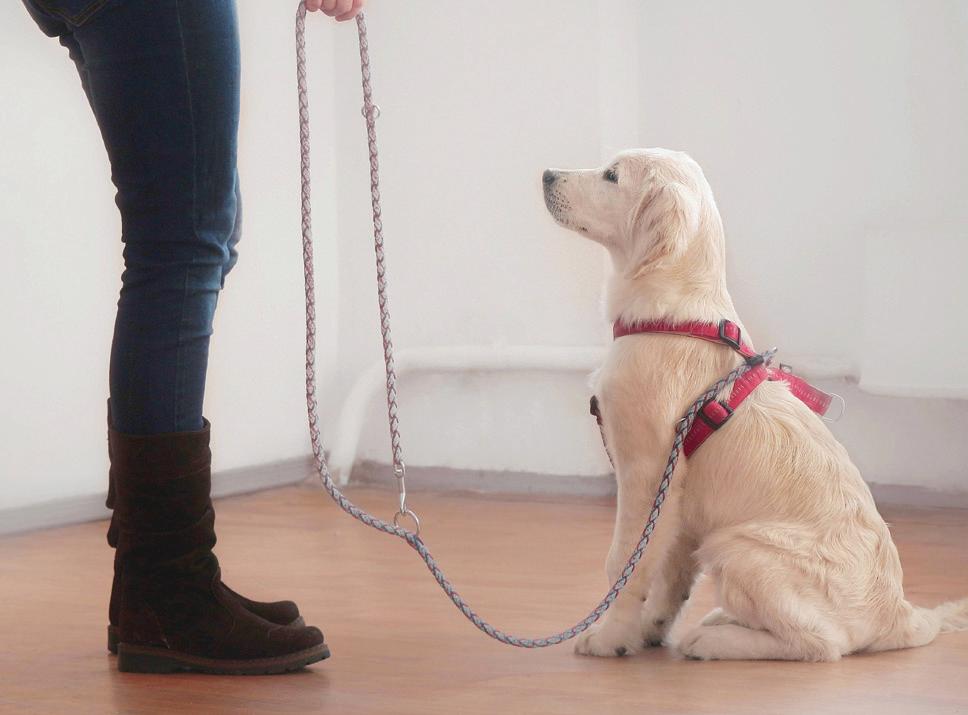
So what qualifies someone to be a good trainer? Here’s the tricky part. While there is an official test that puts the letters CPDT (certified pet dog trainer) and CPDT-KA (certified pet dog trainer-knowledge assessed) after a person’s name, trainers are as individual in their methods as chefs are with their cooking. When looking for a trainer you should do some research: look for those with well rounded experiences like helping at shelters, ask friends about personal experiences, read reviews on web sites and most importantly - trust your gut. It should feel like a good fit for both you and your dog. If, after the first meeting, you don’t feel great or your dog seems upset, know that it’s okay to look for someone else. You’re going to be taking a journey with your dog and you want to enjoy the trip. Ever sit next to someone on a plane that you
didn’t vibe with? It can be a long ride. It’s your choice who to work with (and remember you’re advocating for your dog as well) so take your time and find someone who’s methods feel right to you.
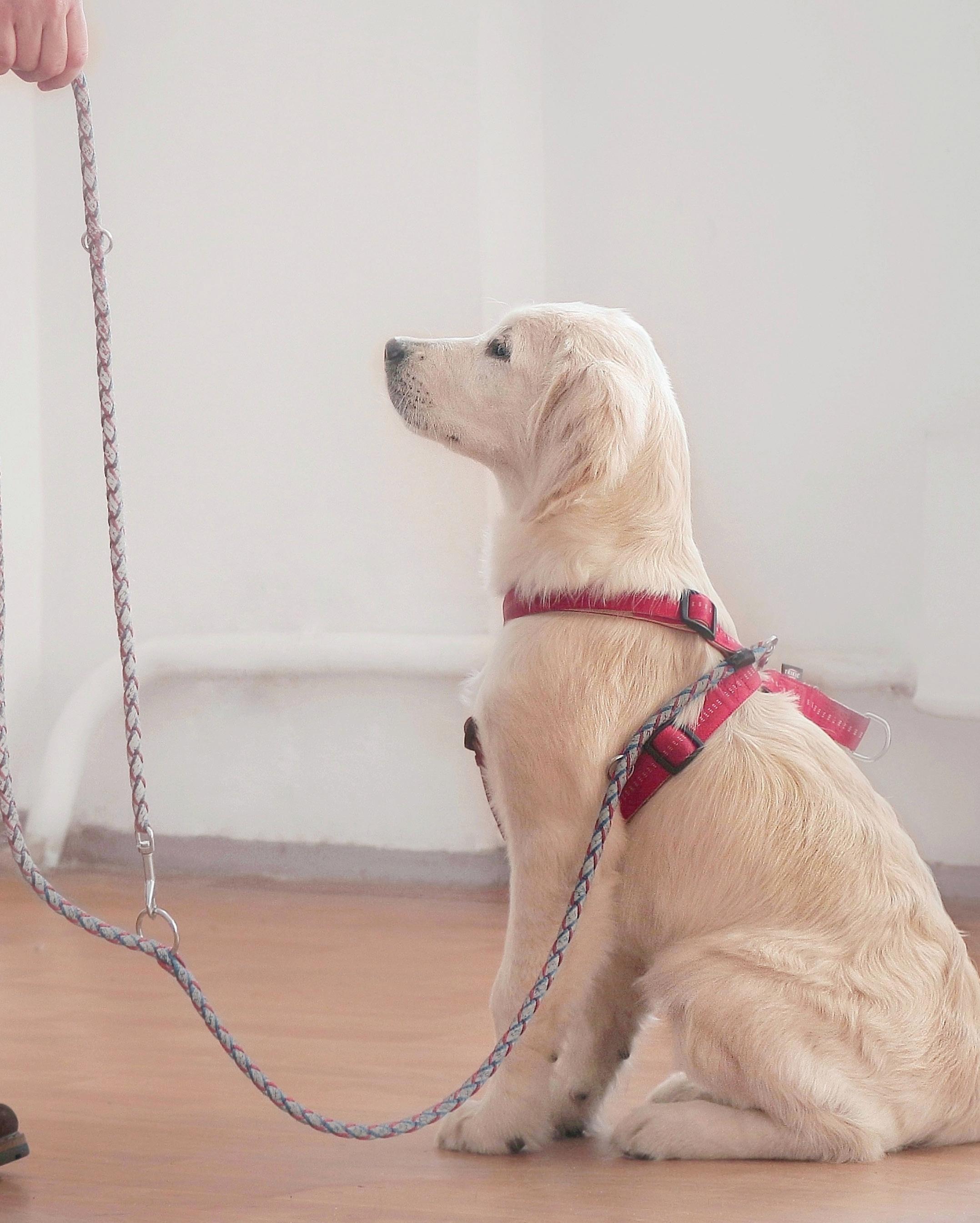
Be prepared to do the work. Hiring a dog trainer is not like hiring a plumber, where they come in and fix the problem and leave you a bill. A trainer is more like a fitness coach: they make the plan, inspire and support you to do the work and help you with your form. Who has to do the exercises? YOU.
How much does it cost? Rates are usually charged by the hour but that can be a little misleading. The pricing typically ranges from $75-$200 an hour (or upwards, depending on what you need) which sounds expensive. But the “hour”refers to how much time the trainer will be working hands on with you and most of the time all the rest: travel to and from your home, time spent writing up your case history and researching articles, prepping for specific questions that will need asked, phone/email support and general brainstorming on how best to help you come along for free. A trainer might be spending 5-6 hours on your case per week but only officially charging you for one. And that doesn’t count the years of schooling that the trainer has put it, almost always at their own expense. So while it may look like a glamorous profession, it’s actually pretty reasonably priced for what you’re getting.
You’ll also need to be reasonable about your expectations. “Rome wasn’t built in a day,” my mom used to say when I was running short on patience. How much time are you willing to put in? What is your current life situation? If you’re a working mom with small children, spending and hour every day doing training exercises with your dog might not be feasible. How much can you do? Your trainer can help talk you through what both you and your dog need to be happy, and map out what that will look like and how long it will take. Sometimes taking weekly classes can be a good fit and your trainer can recommend ones that might be a good fit. Other times, your dog may need specific work on one issue and the trainer can narrow down a plan to work on just that issue.
Dogs became our companions because we both benefit from the relationship. And that’s the key word - relationship- to remember in all of this. Working with your dog is a beautiful journey through life, something for both you and your dog to enjoy, and a good trainer can light the way.
If you are interested in learning more, you can contact Lilian here:
Lilian Akin CBCC-KA, CPDT-KA Akin Family Dog Training laakin@verizon.net
CAT RESOURCE GUIDE
Homeless Cat Management Clinic Schedule through March 2021
Our clinic is located at 207 Allegheny Street, Tarentum, PA 15084. At this time, we treat only cats at our clinics. You must call to register prior to any clinic.
CLINIC REGISTRATION
BY PHONE: call 412-321-4060 and leave a message. Please include your name and phone number in your message. Someone will return your call and complete your pre-registration. HCMT is all volunteer and this may take some time. Clinics fill up quickly and it’s best to call at least two weeks in advance of the clinic you want to attend.
BY EMAIL: Email cathomeless@gmail.com with your name, number of spots you need and which date you are registering for. You will receive a confirmation email ONLY if you are registered. NOTE: dates may be added and are subject to change.
FREE CLINICS (ferals
Jan 9 – sponsored
Feb 6 –
March 6
Low-cost spay/neuter and animal services in and around Allegheny County
This is an ever-changing list of resources for pet owners in Pittsburgh and beyond including low-cost spay and neuter programs for pets as well as TNR for community cats, after-hours emergency care, help with veterinary bills, pet-friendly rentals in Pittsburgh and across the US and links to shelters for adoption and other services. This information is provided for reference only and subject to change without notice. Please contact the organization or agency before using their services.
Low-cost Spay and Neuter Organizations and Programs
TNR AND LOW-COST SPAY/NEUTER PITTSBURGH AREA
Homeless Cat Management Team
207 Allegheny St., PO Box 100203, Tarentum, PA 15084, 412-321-4060 http://www.homelesscat.org/ Feral Cats and Rescued Cats. Feral cats must arrive in a humane trap. Check the website for clinic dates. All appointments must be made by calling the phone number. No walk-ins. Ferals: $30.00 Fast Track, no-charge at free clinics. Rescued Cats: Females $55.00, Males $40.00 Both include rabies, earmite and flea treatments. Other services available.
City of Pittsburgh Free Spay and Neuter for City Residents
City of Pittsburgh offers five free spays/neuters to all city residents http://www.pittsburghpa.gov/publicsafety/animal-control/spay-neuter.html
Low-Cost Spay/Neuter Programs at Shelters in Allegheny and surrounding counties
SHELTER PROGRAMS
Animal Friends
https://www.thinkingoutsidethecage.org/pet-care/spay-neuter/ Pet/friendly cats: $50 spay or neuter, includes pain medication – vaccines require are an additional fee. Feral/Outdoor Package: $50, includes pain medication, rabies, FVRCP, ear tip and flea treatment. Cats must be feral and in a humane trap to receive this service.
Humane Animal Rescue https://www.humaneanimalrescue.org/veterinarycenters/spay-neuterservices/
East End: 66209 Hamilton Ave., Pittsburgh, PA 15206, 412-661-6452 North Shore: 1101 Western Ave., Pittsburgh PA 15233, 412-321-4625
Pet/friendly cats: $70 spay/neuter, rabies, FVRCP (distemper), microchip Feral/Outdoor Package: $50, includes pain medication, rabies, FVRCP, ear tip and flea treatment. Cats must be feral and in a humane trap to receive this service.
Beaver County Humane Society 3394 Brodhead Road, Center Township, PA 15001, 724-775-5801 http://www.beavercountyhumanesociety.org
Friendly or feral cats, 3 packages: $35.00/$70.00/$100.00 Visit website for more information.
Clarion Paws (Serves Clarion, Forest and Jefferson County) Mailing address: P.O. Box 804, Clarion, PA 16214
Current Location: 11348 Route 322, Shippenville, PA (Clarion River Hill, between Kronospan and Clarion Electric) http://www.clarionpaws.org/programs/spay-neuter/ Monthly clinics, submit an application and you will be called when an appointment becomes available. Pets or ferals: $65 spay, $45 neuter. Includes rabies vaccine, ear mite check and treatment and flea treatment. Optional services at an upcharge.
Low Cost Spay/Neuter Clinic: spayneuterclinic@clarionpaws.org or call 814-2291231. Trap-Neuter-Return: tnr@clarionpaws.org or call 814-229-1231 and leave a message
Butler County Humane Society 1015 Evans City Road, Renfrew, PA 16053 https://butlercountyhs.org/clinic/ Occasional clinics with mobile spay/neuter unit. Call 724-789-1150 for upcoming low-cost Pet/TNR clinics
Washington Area Humane Society 1527 Route 136, Eighty Four, PA 15330 http://washingtonpashelter.org/ Currently moving into new building.
Low-cost Spay/Neuter Organizations in Allegheny and surrounding counties (alphabetical)
These are organizations which are not day-to-day clinics but organize, host, sponsor or otherwise provide access to spay and neuter services.
Catnip Acres (Greene County)
155 Dark Hollow Rd, Waynesburg, PA 15370
https://catnip-acres.com/upcoming-events
To schedule a spay/neuter, please call 724-833-0954 and leave a message.
Fix ‘Ur Cat Spay & Neuter Clinic
Low Cost Spay Neuter Washington County, Inc., DBA Fix ‘Ur Cat 18 West Pike Street, Canonsburg, PA 1531
Call 724-405-7FIX (7349) for an appointment. Spay/neuter clinics are by appointment only, on Mondays, Tuesdays, and Wednesdays. Pets and TNR surgeries. Early morning drop-off; late day pickup.
https://fixurcat.org/
Fluffy Jean Fund (Washington County) 724-941-3991
http://fluffyjeanfund.weebly.com/
Fund for Feral Cats of Pittsburgh
Reimburses partial funds to help spay/neuter feral cats (funds not always available) 412-521-5352
Lawrence County Animal Relief Fund (LCARF) PO Box 8514, New Castle, PA 16107, 724-510-4952
http://www.lcarf.com/
Monthly clinics: $65 Spay/Neuter for Cats and Kittens! Includes a rabies vaccine, FVRCP vaccine, (distemper) and flea and earmite treatment. Visit website for more information.
Operation Spay/Neuter Butler, PA (for Butler County residents only)
http://operationspayneuter.com/ For all surgeries call for an appointment at 724-287-SPAY (7729).
Pet Search
P.O. Box 1653, Washington, PA 15301 Call 724-228-7335 for clinic information.
http://www.petsearchpa.org/
SNIPP: Spay and Neuter Indiana PA Pets Westmoreland/Indiana Counties, Alle-Kiski Valley (Leechburg) Monthly low cost clinics. Call 724-541-7205 for clinic information.
http://www.snippindianapa.org/ Low-cost Spay/Neuter and Veterinary Clinics
Fix’N Wag’N
Mobile low-cost spay/neuter and vaccination clinics scheduled in communities partnering with rescues. Visit the website for upcoming dates and places.
https://fixnwagn.com/ THESE ARE INDEPENDENT CLINICS THAT OFFER SERVICES ON SITE DURING REGULAR BUSINESS HOURS.
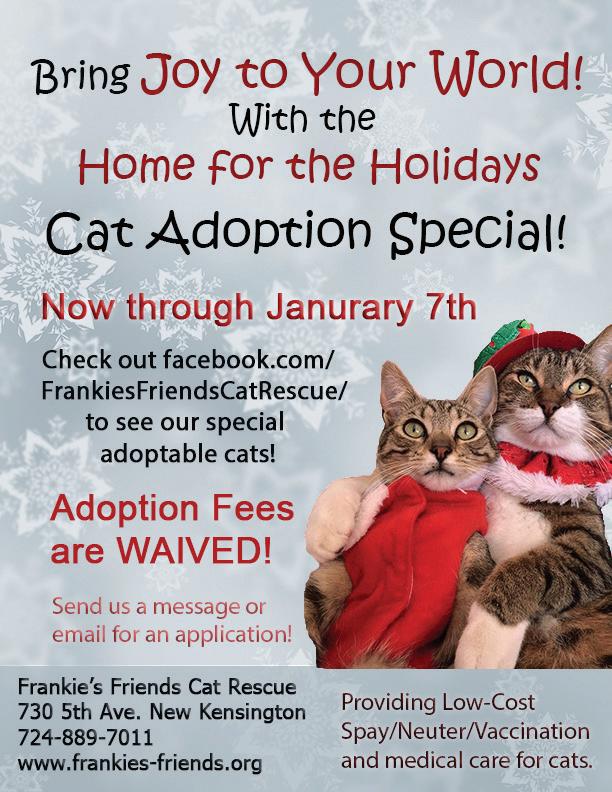
Frankie’s Friends
730 5th Avenue, New Kensington, PA 15068, 724-889-7011
Spay/neuter for pet/feral cats: Neuter $40, Spay $55, includes Rabies, Ear mite treatment, Flea Treatment. Also offers low cost vaccinations and basic medical treatments.
http://www.frankies-friends.org/
Penn Hills Spay/Neuter Clinic 11644 Frankstown Rd, Pittsburgh, PA 15235, 412-244-1202 Open Monday-Friday. Walk-in services for ferals.
Pet/TNR: Spay $56, Neuter $37, visit website for details and scheduling. Also offers low cost vaccinations and basic medical treatments.
http://www.spayaz.com/Pittsburgh.html North Hills Spay/Neuter Clinic 3967 William Flinn Hwy, Allison Park, PA 15101, 412-213-7353 Open Monday-Friday. Walk-in services for ferals. Pet/TNR: Spay $56, Neuter $37, visit website for details and scheduling. Also offers low cost vaccinations and basic medical treatments. https://spayaz.com/locations/pittsburgh-north-hills/ Find Local Low-cost Spay, Neuter and Veterinary Care on the Internet Low-cost Neuter and Spay (search by zip) http://neuterspay.org/
Love That Cat (online search) http://www.lovethatcat.com/spayneuter.html Spay USA http://www.spayusa.org/search.php
Spay and Neuter Early, a Humane Alliance Campaign http://www.whentospay.org/get-your-pet-fixed Get Your Fix.org http://getyourfix.org/ ASPCA searchable map of low-cost clinics in US & Canada https://www.aspca.org/pet-care/general-pet-care/ low-cost-spayneuter-programs
EMERGENCY AND AFTER-HOURS CARE
Pittsburgh Veterinary Specialty and Emergency Center (PVSEC) http://www.pvs-ec.com/ VCA Castle Shannon Animal Hospital http://www.vcahospitals.com/castle-shannon VCA Northview Animal Hospital Specialty Referral Center http://www.vcahospitals.com/northview A-VETS, http://www.avets.us/ PET-FRIENDLY RENTALS
In the Pittsburgh area, visit this list on the FosterCat website: http://www.fostercat.org/friendly.html Nationwide (United States only) http://www.rent.com/pet-friendly-apartments SHELTERS AND SHELTER SERVICES
Adoption, surrender, low-cost clinics, pet food pantries, referrals, etc.
Humane Animal Rescue, North Shore (Western PA Humane Society) www.wpahumane.org
Humane Animal Rescue, East Liberty (Animal Rescue League) www.animalrescue.org
Animal Friends (AFI), www.thinkingoutsidethecage.org
Animal Advocates, animaladvocates.net
Washington Area Humane Society, www.washingtonpashelter.org
Butler County Humane Society, www.butlercountyhs.org
Beaver County Humane Society, www.beavercountyhumanesociety.org
ANIMAL CRUELTY LAWS BY STATE (UNITED STATES)
Animal Legal & Historical Center www.animallaw.info/articles/armpstatecruelty.htm
by the Ruth D. Simpson Fund of the Pittsburgh Foundation
sponsored by the Ruth D. Simpson Fund of the Pittsburgh Foundation
ANIMAL
North:
The Pittsburgh Zoo & PPG Aquarium pittsburghzoo.org
The National Aviary nationalaviary.org
ANIMAL COMMUNICATION
Greater Pittsburgh Area: Renee Takacs, M.A., intuitguide.com
ANIMAL-RELATED ART, PHOTOGRAPHY & RETAIL
April Minech Custom Portraits Pet Inspired Art www.ladybugdelightz.etsy.com
North:
Kim Lenz, Behind the Lenz Photography
412-983-0981, https://www.facebook.com/ Behind-the-Lenz-127787624032093/ Buzzy Photography
412-371-5212 anita@buzzyphoto.com
South:
Kara Jones Photography, kjones.smugmug.com
Paws ‘n Claws Eyewear, PawsnClawsEyewear.com
ANIMAL RESCUE ORGANIZATIONS
North:
Animal Friends
412-847-7000 thinkingoutsidethecage.org
Beaver County Humane Society
724-775-5801 www.beavercountyhumanesociety.org
Frankie’s Friend Rescue
724-889-7011 www.frankies-friends.org
Pennsylvania Great Dane Rescue, 724-869-9185
Hope Haven Farm Sanctuary
412-366-1187 hopehavenfarm.org
South:
Animal Care & Welfare
412-244-1372 animalcareandwelfare.org
Droopy’s Basset Rescue 888-9 GET DROOL | www.droopysbassetrescue.com
Washington Area Humane Society 724-222-7387 washingtonpashelter.org
Animals Against the Odds Rescue/Rehab www.aato.rescueme.org
East:
Humane Animal Rescue
412-345-7300 animalrescue.org
HAR Wildlife Center
412-345-7300 animalrescue.org
SW PA Pugs with Special Needs
724-763-2790 swpapug.org
West:
CARMAA, 412-780-4983 carmaa-petadoption.com
Greater Pittsburgh Area: SPAAR, www.seniorpetandanimalrescue.org
Guardian Angels Pug Rescue, 724-537-3466 www.facebook.com/guardianangelspugrescue
Humane Society of Greene County 724-627-9988 greenepet.org
PEARL Parrot Rescue, www.pearlparrots.com
BIRD & SUPPLIES
Natural Inspirations Parrot Cages
www.naturalinspirationsparrotcages.com
DOG TRAINING
North:
AKIN Family Dog Training (Lilian Akin)
412-732-8091 akinfdt.net
Greater Pittsburgh Area:
Happy Pets Training/Christine Flint
412-373-9583 www.happypetstraining.com
Success Just Clicks, successjustclicks.com
North Shore:
South:
Paula’s Professional Dog Services, 412-818-2482
DOG TRAINING CLUBS
South:
Dogworks Training Center at The Canine Club
412-220-8100 www.thecanineclub.com
Golden Triangle Obedience Training Club 412-653-6880 gtotc.com
Keystone Canine Training 412-833-2211 keystonecanine.com
Xcel Canine Training Center 412-833-2504 xcelcaninetraining.com
EQUINE BOARDING, LESSONS & TRAINING FACILITIES
North:
Rockin’ Horse Stables
724-601-4706 rockinhorsestables.com
South:
Coventry Equestrian Center, 724-206-9902
Manon’s Farm, 724-705-7912 | 724-621-0260
SydMor Equestrian Center
724-969-0510 | www.sydmorstables.com
EQUINE FEED & SUPPLY
AGWAY - SOUTHERN STATES
North:
Mount Nebo Agway, Sewickley, PA | 412-364-4430
Beaver Agway, Beaver, PA 724-775-0535
Mars Agway, Mars PA 724-625-2340
South:
Eighty Four Agway, Eighty Four, PA 724-222-0600 East:
Ligonier Agway, Ligonier, PA 724-238-6207 West:
Imperial Agway, Imperial, PA 724-695-7388
EQUINE HOLISTIC CARE
Greater Pittsburgh Area:
Dr. Michael Savko, DC, CCSP, CVCP 724-261-7915 drchirovet.com
EQUINE TACK STORES
North:
Shady Acres Saddlery 412-963-9454 www.shadyacressaddlery.biz
South:
Lowry’s Western Store 724-228-1225 | lowryswesternshop.com
EQUINE VETERINARIANS
Dr. Brian Burks, DVM - Fox Run Equine Center 724-727-3481 foxrunequine.com
HOLISTIC PET PRACTITIONERS
Pet Chiropractor
North:
Dr. Doug Knueven, DVM, Beaver Animal Clinic 724-774-8047 beaveranimalclinic.com
Greater Pittsburgh:
Dr. Michael Savko, DC, CCSP, CVCP 724-261-7915 drchirovet.com
EASE Animal Massage 412-447-8490 | www.easeanimalmassage.com
HOLISTIC PRACTITIONERS FOR GUARDIANS
East End:
Judith Levy, Coaching/Energy Modalities 412-726-2659 www.judithlevycoaching.com
South:
HOLISTIC VETERINARIANS
Dr. Doug Knueven, DVM, Beaver Animal Clinic 724-774-8047 beaveranimalclinic.com
Dr. Qiang Li VCA Castle Shannon 412-885-2500
PET BURIAL, MEMORIAL & CREMATION SERVICES
South:
Chartiers Custom Pet Cremation 412-220-7800 | ccpc.ws
Jefferson Memorial Funeral Home 412-655-4500 | jeffersonmemorial.biz
Greater Pittsburgh: Thousand Hills Pet Crematory 724-355-8296 www.thousandhillspetcrematory.com
PET GROOMING
North:
All About Dogs 724-925-1577 allaboutdogsgrooming.info
Happy Tailz Pet Spa 412-759-7620 | Happytailzpetspa.com
Healthy Pet Grooming 724-759-7567
Larry’s Laundromutt 412-534-4052 Larryslaundromutt.com
South:
Woody’s Dog Wash & Pet Boutique 412-714-4644 woodysdogbath.com
East:
Animal Elegance
412-361-1177 www.animal-elegance.com
Cat Around Town Cat Grooming
412-466-7877 (PURR) cataroundtown.com
West:
Paws Here Awhile Pet Resort
724-573-4665 pawshereawhile.com
Greater Pittsburgh Area:
Zoom N Groom (Sonya Patterson), 724-225-4827
PET FRIENDLY BUSINESSES & ORGANIZATIONS
Bactronix, 412-375-7886 | www.bactronix.com
Good Nature Organic Lawn Care 888-LAWNSAFER whygoodnature.com
Simple Sugars Scrub, Simplesugarsscrub.com
Village Shoppes Scenery Hill
Elves Lair Christmas & Gifts, Jan’s Tea Shoppe - 2nd Street Coffee Roasters, Velvet Envelope, Westerwald Pottery, Two Old Crows, www.sceneryhillpa. com
Greater Pittsburgh Area:
Fragasso Financial Advisors 412-227-3200 www.fragassoadvisors.com
Matt Arch Foundation, www.connectarian.com
One Hour Heating & Air Conditioning 724-225-1644 www.onehourair.com
OxyMagic, 412-781-4110 | www.oxypgh.com
Susan G. Komen Pittsburgh 412-342-0500 www.komenpittsburgh.org
East
Pittsburgh East Nissan 412-824-9020 www.pittsburgheastnissan.com
Unique Home Solutions www.uniquehomesolutions.com
South:
Southpointe Chamber, www.southpointe.net
PET-FRIENDLY LIVING
Greater Pittsburgh Area: Pinch Property Services 412-445-8550 PinchPropertyServices.com
East:
North:
Dog stop - North
724-935-DOGS (3647) www.thedogstop.net
The Dog Stop - Sewickley 412-766-DOGS (3647) www.thedogstop.net
Lucky Paws Pet Resort 724-728-1484 www.luckypawsresort.com
South:
Grandma’s Dog Daycare 412-586-7094 grandmasdogdaycare.com
Fuzzy Paws Pet Villa 724-746-3899 fuzzy-paws.com
The Dog Stop - Banksville Rd. 412-343-1171 www.thedogstop.net
East:
Pampered Paw Resort 724-413-3135 pamperedpawresort.com
Pittsburgh Pet Concierge 412-856-8505 petconcierge.org
The Dog Stop - Monroeville 412-373-3355 www.thedogstop.net
The Dog Stop - East End 412-361-0911 www.thedogstop.net
The Dog Stop - East: Strip District 412-315-7050 www.thedogstop.net
Home & Farm Sitting
South:
Pets at Home
412-655-7297 (PAWS)
Western PA No Boarders Pet and Animal Care
724-219-7801 | Noboarders-petcare.com
Your Critter Sitters (Raylene Hoover) 724-448-7330 | yourcrittersitters.com
East:
Country Lane Pet Hotel 412-824-7991 www.countrylanepethotel.com
Greater Pittsburgh Area:
Pittsburgh Pet Concierge 412-856-8505 | petconcierge.org
VETERINARY HOSPICE & MOBILE SERVICES
Nancy A. Ruffing, DVM 412-801-1071 gentlejourneyvet.com
VETERINARY PHARMACIES
Greater Pittsburgh Area: Murray Avenue Apothecary 412-421-4996 MAApgh.com
VETERINARY HOSPITALS
North:
Beaver Animal Clinic
724-774-8047 beaveranimalclinic.com
Cheyenne Veterinary Wellness & Surgical Center
412-884-3162 www.cheyennevet1.com
South:
Amore
North:
The Getaway at Glen Highland Farm www.glenhighlandgetaway.com
American Destiny Real Estate Services 412-983-2220 | www.adr-usa.com
877-716-6840 amoreapartments.com
PET GROOMING SCHOOLS
Pa Academy of Pet Grooming, 412-759-7620
PET MINISTRIES
South:
Christ United Methodist Church 412-277-1096 | christumc.net
Westminster Presbyterian Church 412-835-6630 westminster-church.org
PET RESORTS - BOARDING, DAYCARE, GROOMING & TRAINING
Camp Bow Wow South 971 Killarney Dr Pittsburgh, PA 15234
Camp Bow Wow Southwest 412-276-WAGS (9247)
Camp Bow Wow North 412-931-WAGS (9247)
Camp Bow Wow Highland Park 412-362-PLAY
Camp Bow Wow Pgh East 724-733 CAMP (2267)
West:
North:
Paws Here Awhile Pet Resort 724-573-4665 pawshereawhile.com
Greater Pittsburgh Area: Hounds Town USA 412-232 -5085 www.houndstownusa.com
PET RETAIL/SUPPLY
Oddball Pets & Aquariums 412-884-2333 oddballpets.com
Woody’s Dog Wash & Pet Boutique 412-714-4644 | woodysdogbath.com
East:
Greater Pittsburgh Area: Baskets of Nature
Dig It Collars, dig-it-store.com
Trixie’s Dog Fashions www.trixiesdogfashions.com
Petagogy, petagogy.com 412-362-7387
724-831-9437 | www.basketsofnature.com
O2 Derm Pet Topical Gel, www.O2Dermpet.com
PET SITTERS
North
Furry Family Pet Sitting 412-999-9524 www.furryfamilypetsitting.com
Frankie Friends Veterinary Services
724-889-7011 www.frankies-friends.org/low-costveterinary-services 724-889-7011
VCA Northview Animal Hospital 412-364-5353 vcanorthview.com
South:
Petland East Side Village 412-363-PETS www.petlandvillageofeastside.com
All About Pets Veterinary Hospital 724-745-5503 aapvet.com
All About Pets Veterinary Hospital – Washington location 724-503-4887 www.aapvet.com
All Life Veterinary Clinics, 724-381-3446 VCA Castle Shannon 412-885-2500
East:
The Big Easy Animal Hospital 412-908-9301 tbeah.com
Monroeville Pet Hospital 412-372-1100 www.monroevillepethospital.com
VETERINARY SPECIALTY & EMERGENCY SERVICES
North/South:
List your business today! pghpetconnections@gmail.com
Pittsburgh Veterinary Specialty and Emergency Center, Inc. 412-366-3400 724-809-2000 pvs-ec.com North:
VCA Northview Animal Hospital Specialty Referral Center 412-364-5353 vcanorthview.com
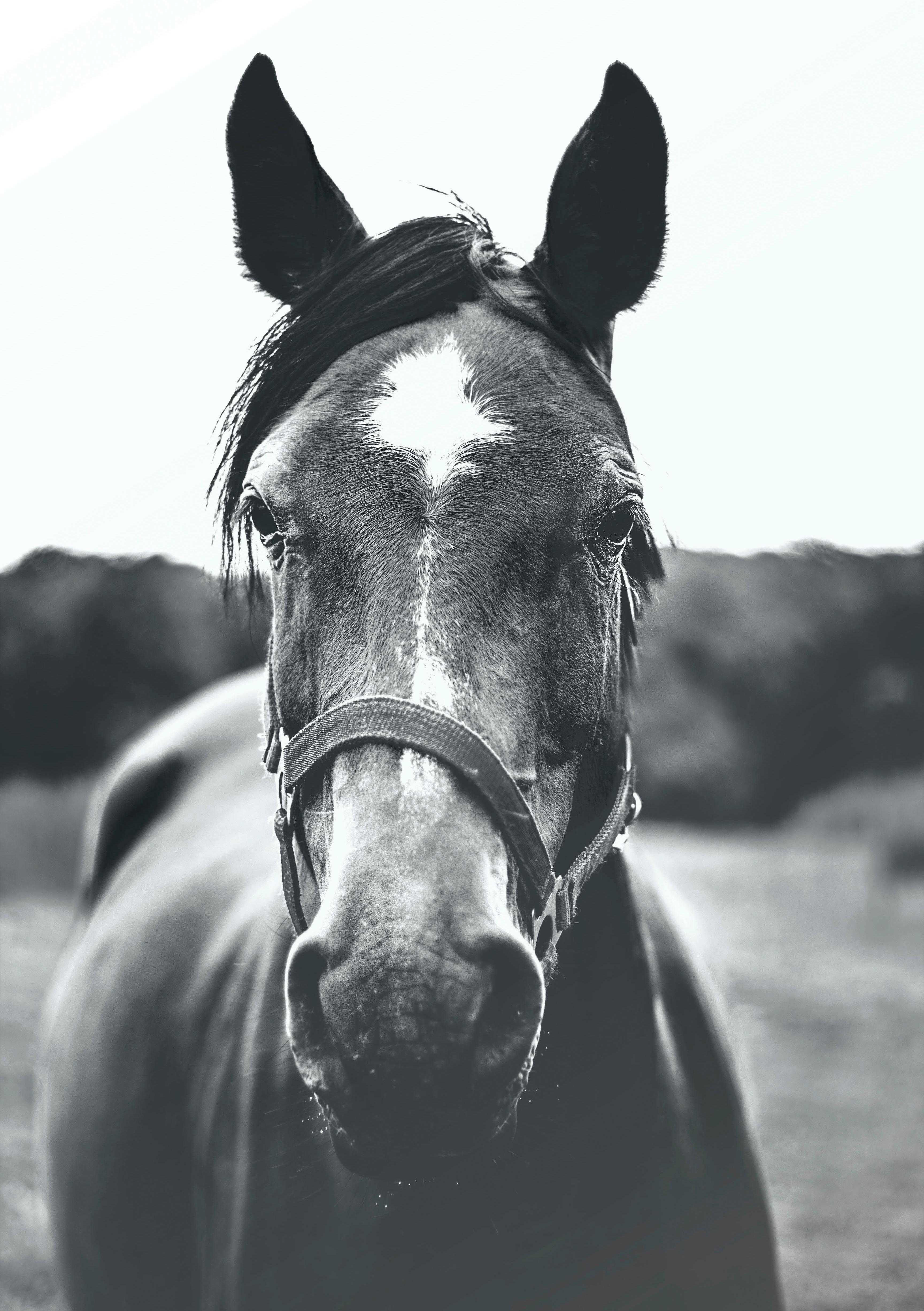
Lunging to develop your horse’s topline
By Kristin Hermann
Lunging
alternative, especially if you cannot afford to pay a trainer.
However, one must first know how to lunge a horse. And I am not going to tell you it is easy. Like anything we do with our horses, it requires skill and coordination. We have to walk and hold the lunge line plus whip and keep the horse in the middle. Lunging is similar to riding; only we are not riding and are standing. The lunge whip is equivalent to the rider’s legs and asks the horse to go forward, and the lunger stands in line with the saddle, and the lunge line is like the reins. Like riding the legs or lunge line ask the horse to go forward and into the reins. If you don’t have lunging skills, tell my students to develop them on a horse that won’t act out, turn in, or challenge them. Once you have developed necessary lunging skills with a reliable horse, then challenge those skills on a horse that may test you. also recommend supervision. No one wants to get tangled up in a lunge line!
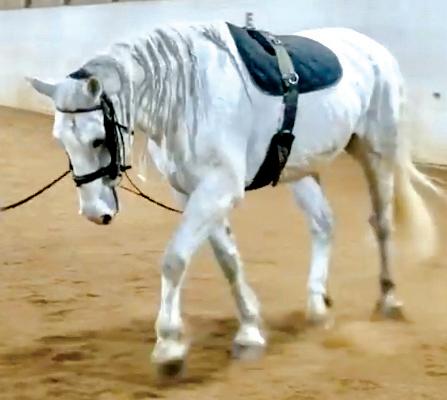
Lunging in a Chambon.
To train a horse on the lunge, we have many options. We can use side reins, a Chambon, sliding side reins, Pessoa, or a neck stretcher to develop the horse. Each training tool has a different purpose. The neck stretcher, Pessoa, Chambon, and sliding side reins get the horse to stretch over the back and work back to front. Using these tools, get the horse to lift the back and carry the rider. Side reins also work the horse over the back but keep the horse also balanced laterally, meaning from side to side.
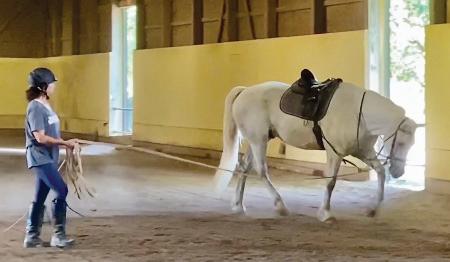
A horse has both longitudinal and lateral balance. We train the horse in both directions to get it supple to perform better. No one wants to ride a stiff or one-sided horse. Side reins work differently from the other tools because they keep the horse’s head and neck in the center of the horse’s shoulders. The other tools just stretch the horse over the back, and the horse can still “pop” a shoulder and lean on the bit and not go straight. Have lost you yet?
Side reins put the horse’s head down with an elastic connection, keeps the neck and shoulders straight, and encourage the horse to give to the bit and back off the bit.
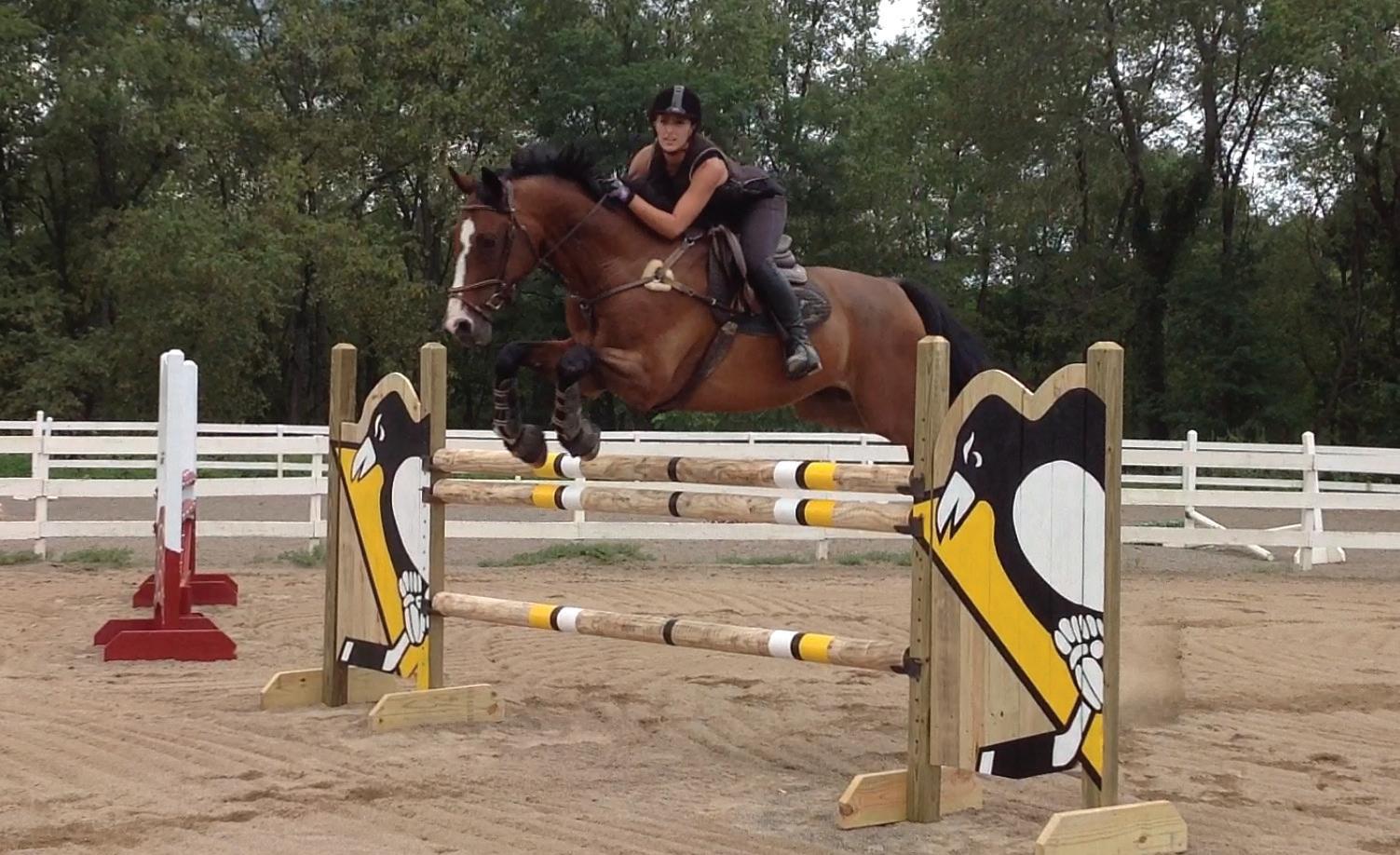
Just like we don’t want to ride a stiff horse, we don’t want a horse leaning or being heavy in our hands either. Being able to lunge a horse and understand the varying training tools and how they work is valuable for all equestrians bringing their horse along. Learning about lunging will help riders train a horse, whether you are struggling to get a horse to jump straight, move out or attempt to get the horse round! As you develop your skills, recommend only lunging your horse at a trot until you and the horse are proficient in lunging.
Also, we never want to put any of these auxiliary aids on tight ever! Like everything we introduce to the horse, we want to do it gradually and not over face the horse. Anytime we tie a horse’s head down, we risk the horse reacting, and if a horse can’t go forward or feels constrained, it could go up! Avoid this at all costs!
What you want to look for when lunging is that your horse is relaxed, rhythmic, and eventually tracking up. When the horse is tracking up or stepping underneath itself, it is using its back. Most equestrians think drive, drive, and push, and then the horse gets quick and rushes. Not good. If we train our horses to lift its back, the stride will do what call unravel and release the tension, and the horse will lengthen its stride and work over its back without getting quick or rushing. Relaxation and rhythm are two qualities a trainer needs to influence the horse further.
Developing your knowledge about lunging and developing those skills is an inroad to successful horsemanship and training. Lunging is an art, and training is a skill and understanding the biomechanics of training becomes fascinating!
Coventry Equestrian Center will be offering lunging seminars over the winter. Interested equestrians who want to learn more about these valuable training tools can contact Kristin Hermann blythedale@comcast.net. Or visit our Facebook page at Coventry Equestrian Center. Kristin also shares training tips on her Facebook page called Home School Your Horse.In the next Pet Connections Magazine, will write about developing the horse’s canter on the lunge!
Recommended reading: “Understanding the Chambon,” by Elizabeth Lander and Hilary Legard
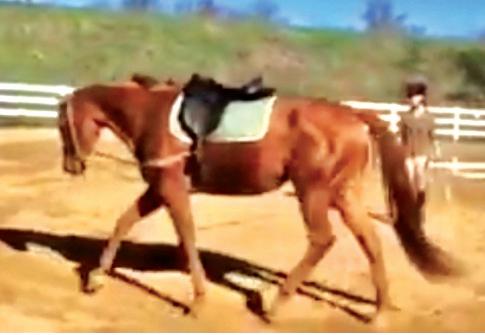

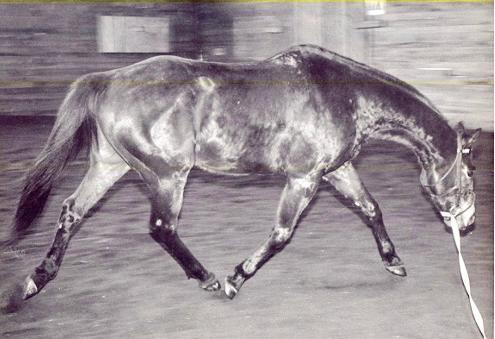





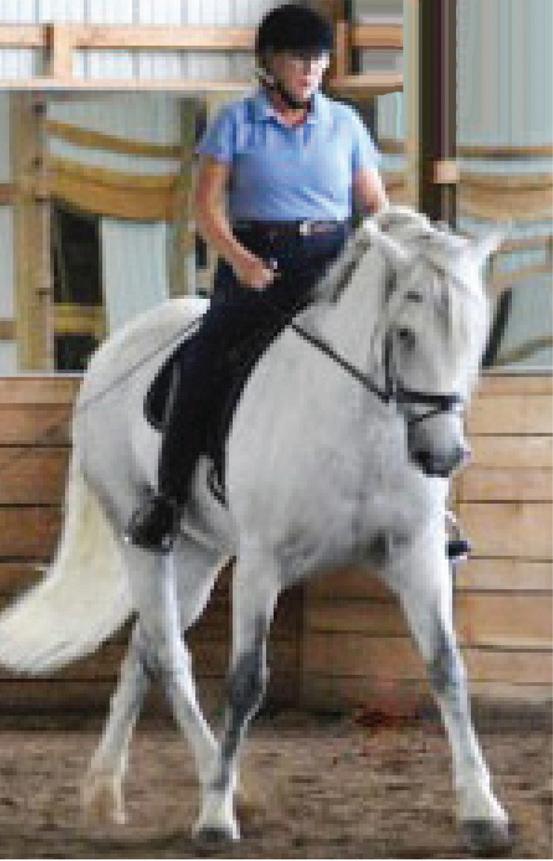
Leather sliding side reins encourage stretching down to lift the back but most of the pressure is on the bit. No elastic in the sliding sidereins.
Losing an Animal Companion
Grieving a Loss or Palliative Care During the Holidays
By Bernadette Kazmarski
The holiday season, from Thanksgiving through the New Year, with all the extra social time and expectations, can be a jumble of tears and anger if you are anticipating a loss or grieving a loss. This year, with the physical restrictions of COVID, the isolation can make you feel alone and forgotten.
Caretaking is often sad and difficult work. Palliative care for a critically ill or terminally ill animal companion can be a lonely endeavor, made all the more difficult by a time of year when we are more social than usual, outside of our usual circle of friends, some of whom may not understand or accept, or even object to, your devotion. The expectation to spend more time away from home, especially when so many of us have had so little opportunity to socialize, may give you the choice of having to either cancel an obligation or leave your animal companion alone, can tear you apart.

Grieving a loss, even if the loss is not recent, even if the loss was years ago whether or not it happened during the holidays, this time of family, friends, socializing, choosing special gifts and making memories, is a marker in our year. It’s natural to remember all the previous holidays as you decorate, prepare food, shop, and visit, and if a beloved part of those memories isn’t with you any more you just can’t get away from it. This is even worse if you lost a animal companion during the holiday season and memories of their decline and death are mixed with memories of the holiday time.
On top of the fact that your memories of previous years clearly remind you of the loss, the extra socializing can be a nightmare as you try to manage your grief when you don’t really feel like going to the office party or the grab bag gift exchange, no matter how safe and physically distant it is. You stand a greater chance of encountering people who don’t understand your grief at losing an animal companion, and even if they do understand you may find yourself explaining over and over about the loss and that can be overwhelming.
FIVE THINGS YOU CAN DO TO HELP YOURSELF
• Allow yourself to feel pain or sadness. When you are by yourself or with understanding family or friends, don’t hide from your sadness at your animal companion’s condition, or your grief. Don’t push the feeling away, but recognize it, understand it, go ahead and cry, and let it pass on its own.
Holding it off, holding it in, denying it, telling yourself you shouldn’t feel that way will only stress you and you may instead feel resentful, irritable or angry and hurt someone else or yourself, and it will sometimes come out in tears or anger at unexpected times.
• Plan your holiday time, especially social time, and prepare yourself for meeting the public and participating in social activities It’s good to give yourself a break with friends who understand during caretaking and during grieving at any time of the year. Social activities are greatly abridged this holiday season, and if you have been at home with your animal companion, suddenly being out with others wanting to catch up and be merry can be a shock. If people knew your animal companion or know that you are giving palliative care, plan what you’ll tell them about your loss if they ask, and whether or not you might want to bring it up yourself. And, as you do at other times, avoid people who don’t understand your caretaking or grief at the loss of an animal companion.
• Include your animal companion in your holidays. Your animal companion may not be well enough to meet guests but if they are, let them, or let those who are interested and loving spend time with your animal companion. If you’re grieving a loss you probably feel your animal companion’s loss constantly, but it may seem they’ll just get lost in the shuffle of activities and be forgotten, and there is no more desolate feeling. Find ways to keep your animal companion present, for you and others who know you and remember your animal companion. Include decorations that were part of your relationship with your animal companion, like a stocking with their name on it, or a personalized ornament. Do something extra to add their presence, like frame your favorite photo of your animal companion and feature it prominently in your holiday display, or have a gift made for yourself with their photo, like a throw or a pillow that you’ll see and use. When you’re with friends or family, whether physical or virtual, bring up a memory of your animal companion from earlier holidays and point out the special things you’ve added in their memory.
• Be kind to yourself, as you always should be while grieving. Make sure you really want to be part of social gatherings and limit your time if you feel you need to. Don’t overindulge but find some comfort foods and activities that make you feel happy—and don’t feel guilty about it.
• Make a memorial to your animal companion. Get a live tree that you can plant outside and then decorate each year. Make a holiday donation in your animal companion’s name at an animal shelter or rescue, or sponsor an adoption so that another animal companion will be sure to have a chance to know a life with a person like your animal companion had with you.
Be aware of how you feel, and accommodate where you are. Remember the good moments with your animal companion, and make sure you allow yourself some smiles and even laughs at your memories. Most of all, share the caretaking and the loss with others so that you don’t feel isolated, and that your experience and your animal companion’s will not be forgotten.
Remembering Atticus
By Kaite Tontala
*Offer
“Think of him as living in the hearts of those he touched... for nothing loved is ever lost and he was loved so much.”
7 CONVENIENT LOCATIONS
7 CONVENIENT LOCATIONS
• East End • South Hills • Strip District
• East End • South Hills • Strip District
• Upper St. Clair NEW FOR
Wexford
• Upper St. Clair NEW
As Atticus took his last wobbly walk in the garden- still stopping to smell the flowers, I wondered if he knew how many lives he had touched, both feline and human. Nine years ago, I brought this goofy blind cat home with me. I knew nothing about how to care for a blind or deaf cat and there was not FB or many internet sites to tell me how. I just felt that after being at the shelter for so long-he deserved better. I took a leap of faith, and never regretted a second. His fearless love and joy of life changed my life and guided me along my path of cherishing and giving a home to over 60 senior special needs cats. He touched so many people-from the seniors he met as a therapy cat, the people who met him as my official massage cat and those who fell in love with him because he was just Atticus - an amazing sweet cat. There is a hole in my heart that I do not know how to mend, but try to remember the joy he gave to me and so many others. I wish you all could have met this special guy... and for those of you who did, take a moment to remember the smiles he gave you, hug your precious seniors. RIP Atticus Schmaticus. Know your legacy will live on and you will never be forgotten.
• Sewickly • Monroeville • Wexford
• Sewickly • Monroeville • Wexford
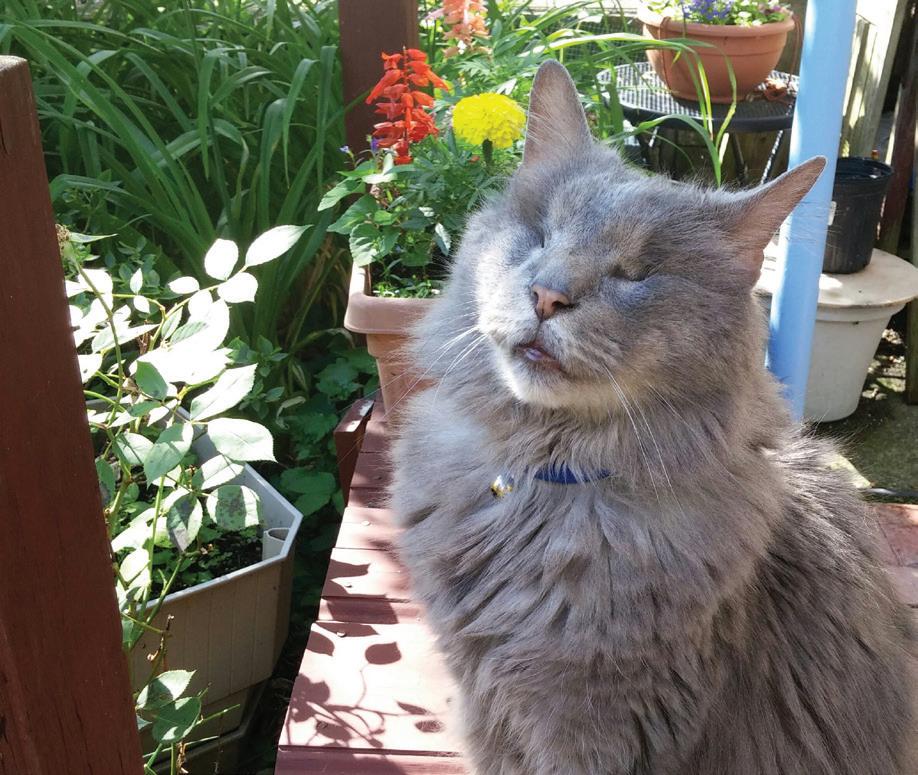
Grooming Day CareBoardingTraining
Grooming Day CareBoardingTraining
Note: We all have that one animal that touches us like no other, and Atticus was the cat that inspired Katie on her journey. She has spent over a decade volunteering with cats at several organizations and learning along the way. Many senior cats (15+) and special needs felines spent their last few years safe and warm with Katie. She offers hospice to cats that have been abandoned. And love to those who need it most. Katie is as special as the cats who find their way into her loving arms. Knowing there are people like her in the world is a comfort to all. In honor of Atticus, Katie asks that people consider adopting a senior or special needs animal.
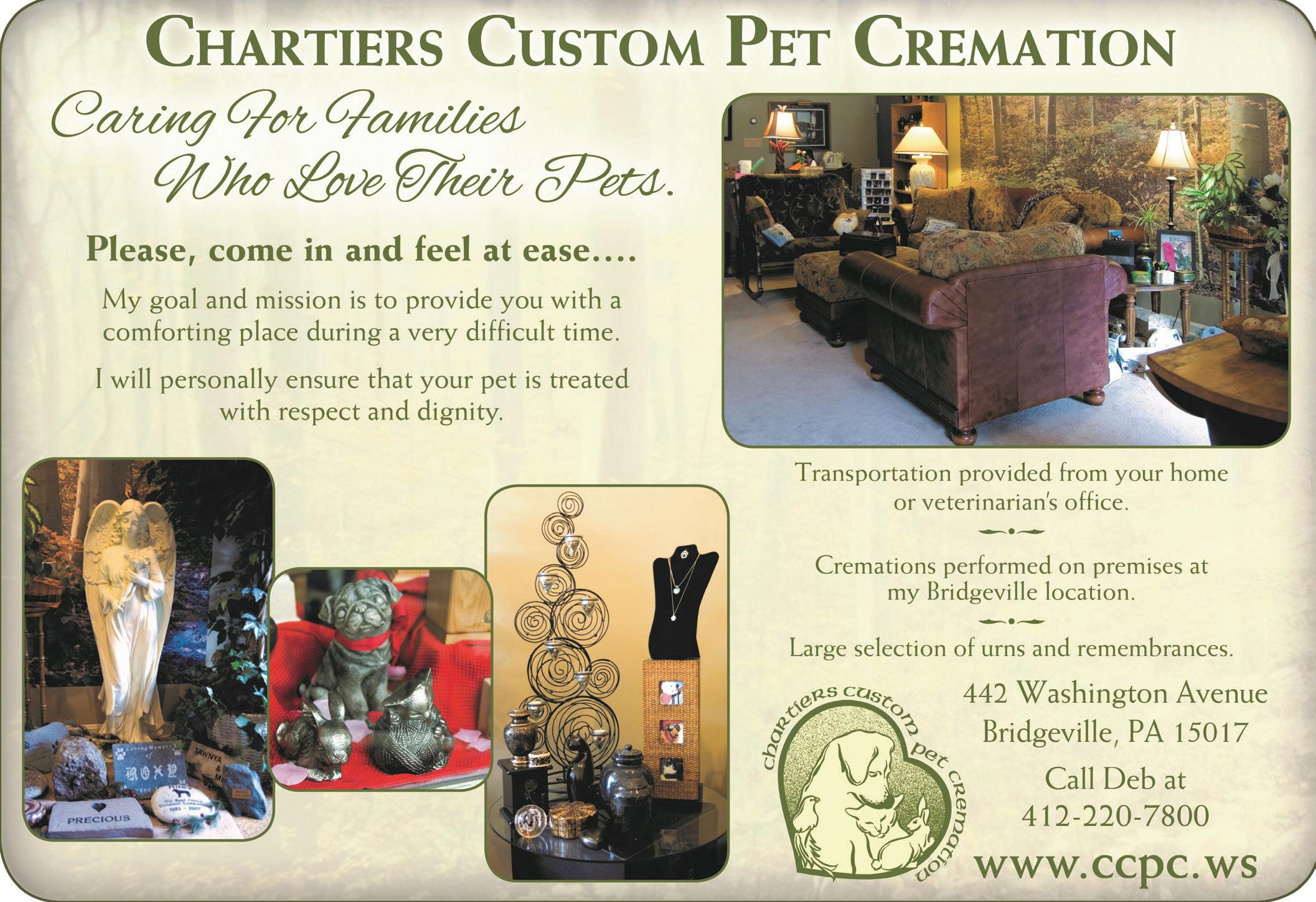
The Garden of Faithful Friends at Jefferson Memorial
beatific vistas of rolling hills and wooden glens that wrap around friendly nearby neighborhoods. Jefferson Memorial Cemetery has provided a a peaceful resting place since 1929 when it was founded by Harry C. Neel.
Jefferson Memorial Park was founded in 1929 and passed down to his only son, John D. Neel, who is credited with the growth and innovation that has made Jefferson Memorial what it is today. John’s eldest son, also Harry C. Neel, currently runs the business as President and CEO. Harry’s oldest daughter, Dagny V.N. Fitzpatrick, joined the sales department of Jefferson Memorial and is now Vice President in charge of Family Services. Harry’s second daughter, Whitney R. Neel, joined the Funeral Home team in 2013 and will become the family’s 1st Funeral Director upon completion of her mortuary degree in December 2016.
Jefferson Memorial Funeral Home Facts
• A fully handicap accessible facility
• 18,500 square feet of floor space, beautifully decorated in Williamsburg décor
• A chapel with vaulted ceiling and cushioned pews to seat up to 115 people
• 5 visitation rooms
• Hospitality room and lounge with parquet hardwood flooring
• A children’s room that offers parents and guardians the ability to express their condolences without a babysitter (adult supervision is required)
• Lighted parking lot that holds 178 cars with 6 handicap accessible parking spots
Jefferson Memorial Cemetery Facts
• Jefferson cemetery consists of 340 owned acres with 170 acres developed and 180 acres available for future development
• 1500 average annual interments
• 38 traditional ground burial gardens including 4 lawn crypt sections for double depth burials

• Mausoleum Crypt spaces constructed for casketed burial that includes 5 separate buildings and 4 private mausoleums
• 14 mausoleum cremation niche units
• 14 gardens that contain cremation niches
• 24 garden statues of bronze or marble
Unlike many cemeteries and funeral home’s today, Jefferson Memorial has a place dedicated to our furry friends that’s open, cozy and, tranquil – The Garden of Faithful Friends. Within the garden is the Faithful Friends Mausoleum, which houses crypt spaces for your pet, and unlike any other cemetery in the area, space for you and your pet. In that same building are niche spaces for pet and human cremated remains.
The mausoleum is an elegant visual feature that expresses meaningful sayings and showcases people with their pets. Like a full-service funeral home, Jefferson Memorial offers visitation opportunities to all pet families.
We at Jefferson believe that a pet who gave love and loyalty through life deserves the respect and dignity of having their remains placed in a lasting and final resting place, just as you would your human counterpart, for they too are a part of the family.

We have developed a distinctive pet room that consists of an arrangement room, a display room for caskets, urns and memorials, as well as a visitation room. Our before needs representatives and Family Service team aim to serve our pet families in every way we can.
We all love our pets and want to know they are in a safe and respectful place. Our Garden of Faithful Friends allows your pet to stay at your side forever. It truly represents our motto – Family is at the Heat of Everything We Do
For more information on how we can help you in your pets time of need, please reach out to our trained professional representatives at www.jeffersonmemorial.biz or call us directly at 412.655.4500








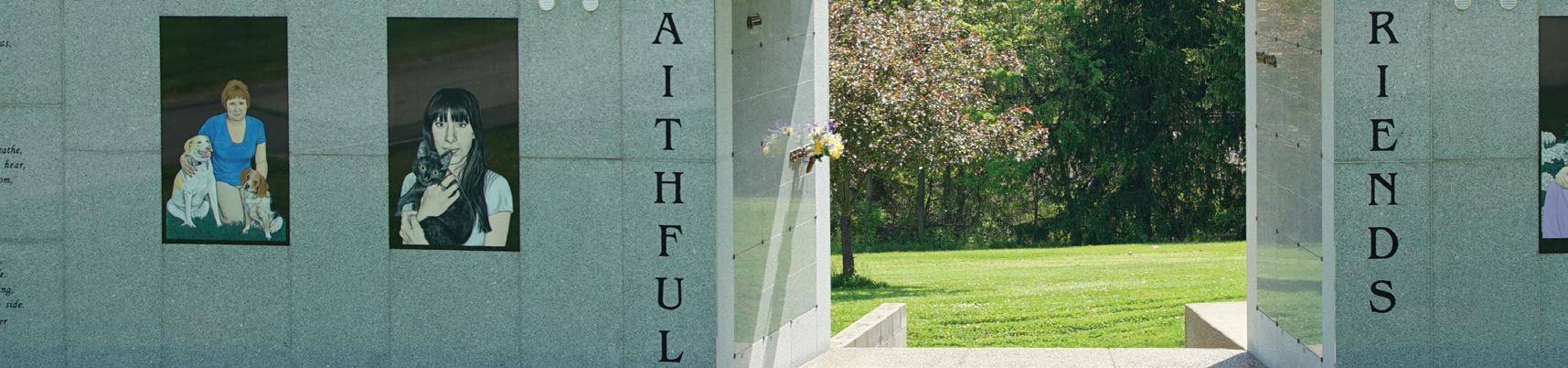



PRIMARY CARE:
• Preventive and routine medicine (vaccines, spay/neuter, dentistry, routine diagnostic lab tests such as heartworm, fecal, CBC/chemistry, microchipping)
• VCA CareClub® – A wellness plan to help your pet live a happy, healthy life –is available for every stage of life!
SPECIALTY CARE:
• Surgery - Orthopedic, advanced soft tissue, laparoscopy/arthroscopy
• Internal Medicine - Diagnosis and medical management of complicated cases
• Integrative Medicine and Acupuncture - A mix of conventional western medicine and alternative eastern medicine
• Avian and Exotic / ZooMed - Fur, scales, feathers, fins, and slime! Avian & exotic / zoological companion animals are unique and delicate. Their anatomy and physiology is vastly different from dogs and cats, yet require the same amount of expertise and care, special dedicated equipment, housing, and staff
• Advanced Diagnostics - Digital radiography, ultrasound, CT, endoscopy

807 Camp Horne Rd. Pittsburgh, PA 15237 412.366.3400
807 Camp Horne Rd. Pittsburgh, PA 15237
412.366.3400
• Anesthesia & Pain Management
• Cardiology
• Critical Care
• Dermatology
• Diagnostic Imaging
• Diagnostic Imaging
• Emergency Medicine
• Emergency Medicine
• Internal Medicine
• Internal Medicine
• Neurology & Neurosurgery
• Neurology & Neurosurgery
• Oncology
• Oncology
• Ophthalmology
• Ophthalmology
• Radiation Oncology
• Radiation Oncology
• Surgery
• Surgery NORTH HILLS