PORTFOLIO
UNIVERSITY OF TEXAS AT AUSTIN
GRADUATING MAY 2027

UNIVERSITY OF TEXAS AT AUSTIN
GRADUATING MAY 2027
My name is Peyton Wartell, and I am a third year interior architecture and design student at the University of Texas at Austin. Growing up in Dallas, Texas exposed me to old traditions and constant reinvention, demonstrating how design can be both timeless and progressive. The rich architectural history in downtown Dallas sparked my appreciation for classic, enduring design and detail.
I have always been drawn to creating and refining, whether through painting, spatial design, tablescapes, or cooking, approaching each with an emphasis on detail and personalization. As an eighth grader, passion led me to start a business creating logos and monograms. Through Peyton’s Personalizations, I catered to clients’ needs and invested in various tools. As I matured, I realized a career in interior design would continue to allow me to improve people’s quality of life, utilize creativity, and apply analytical thinking.
The University of Texas has expanded my educational platform to establish a robust foundation for future sustainable design solutions, interactions between the physical and digital worlds, and cultural awareness and communication. Making something aesthetically pleasing is a key component of an enjoyable-
space, but functionality is equally important. I have learned how to design an environment to consider human function and serve everyone through inclusive spatial planning, attention to accessibility, and creating experiences that are intuitive, comfortable, and adaptable for all users.
I aspire to be a designer who shapes identity and experience through spaces that evoke feeling and influence mood, creating environments that are both meaningful and memorable. With a deep appreciation for detail, I value design that feels personal and intentional, where personalization and craftsmanship make each space unique and special. My goal is to create timeless beauty, allowing spaces to endure while continuing to adapt to the people who inhabit them.
214-430-2100
peytonwartell@gmail.com
www.linkedin.com/in/peyton-wartell
Digital
Adobe Illustrator, Adobe InDesign, Adobe Photoshop, AutoCAD, Enscape, Revit, Rhino, Laser Cutting, 3D Printing
Analog
Sketching, Model Building, Woodworking, CNC Router
Parish Episcopal School
High School Diploma
2019-2023
University of Texas at Austin Bachelor of Science in Interior Design
2023-2027
University of Texas 40 Acres Scholars Program Finalist
Recognized as one of sixty-four students out of over 65,000 applicants for possessing intellectual curiosity and academic success as well as a passion to promote positive change
David A. Conway, Jr. Memorial Scholarship
Selected by Texas Exes for this scholarship recognizing a high school athlete who excelled academically
Dallas Alumnae Panhellenic Association Scholarship
Selected as the Dallas high school senior recognized for outstanding achievement
Salutatorian
Ranked second in the graduating class of 110 students at Parish Episcopal School
Brooklyn Botanic Garden Exhibit
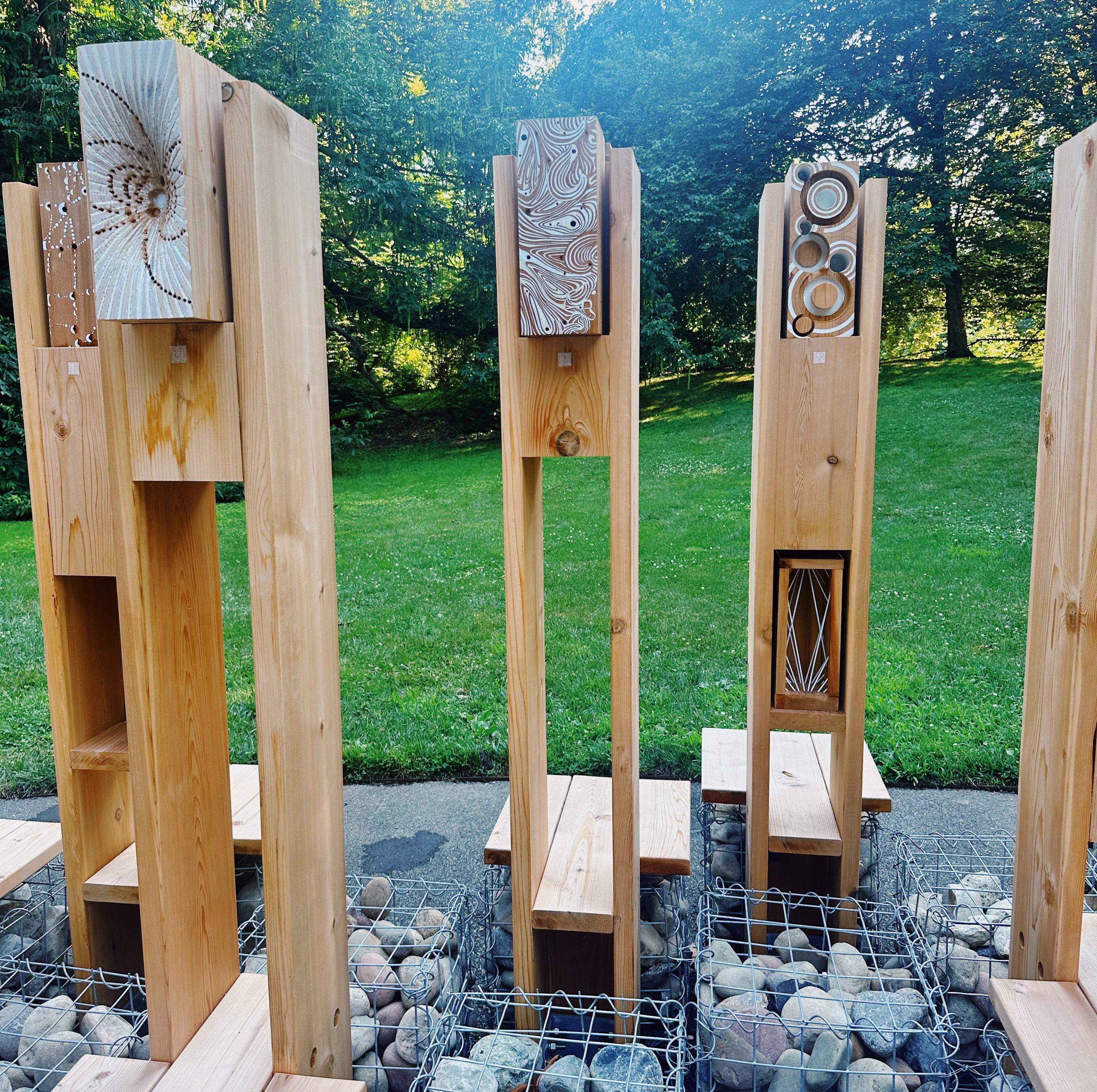
Bee Habitat featured in the Natural Attraction: A Plant Pollinator Love
Story exhibition during the summer of 2024 at the Brooklyn Botanic Garden
Paid Internship
Summer 2025
• Sourced FF&E, finishes, and materials, obtaining samples and pricing to ensure alignment with design intent and project budgets.
• Collaborated closely with senior designers and architects, contributing to client meetings, design reviews, and cross-disciplinary project discussions.
• Gained hands-on experience in business-side operations, including project budgeting, contracts, professional ethics, and intellectual property considerations.
Shadow
• Organized previous project files
• Sorted library materials
• Observed design process utilized in the hospitality industry
• Attended product representative meetings
Community Service
Summer 2024
Summer 2024
• Coordinated and prepared for the Thrift Studio event through multiple site engagements
• Priced items in the designer vignettes
• Studied construction and design process of vignettes
Internship
• Participated in client meetings
• Helped prepare for installations
• Assisted with product selection
• Created color palettes
• Observed design process used for model homes
Project
Summer 2023
2021-2023
• Met with administrators to initiate and gain feedback on space improvements and interior design opportunities for students
• Received approval to redesign the Math Lab with a $12,000 budget
• Completed Advanced CAD/CAM classes for design mockup
• Compiled and priced needed supplies, met with necessary administrators for design approval
• Visited Smith System warehouse to procure furniture, color, and material selections
• Worked with the Chief Financial Officer and the Head of Operations
Paid Internship
• Participated in client meetings
• Assisted in tasks
• Procured customer selections for installations
Pool Server
• Provided poolside pool and beverage service
• Processed transactions
Summer 2022
Summer 2024


MULTISPECIES LOUNGE 23-34


TEXTILE ENVIRONMENTS 35-40 .05
PORTABLE POCHE 41-52
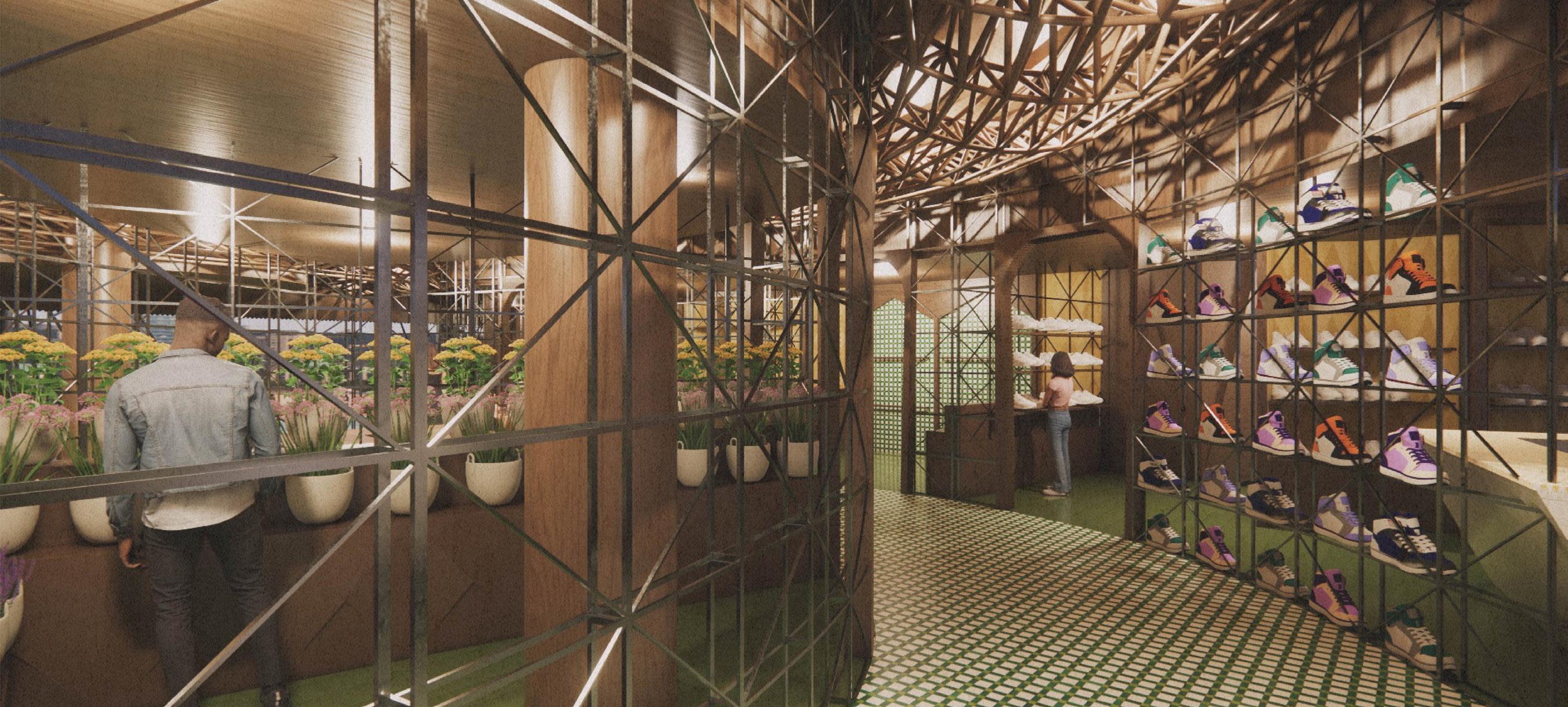
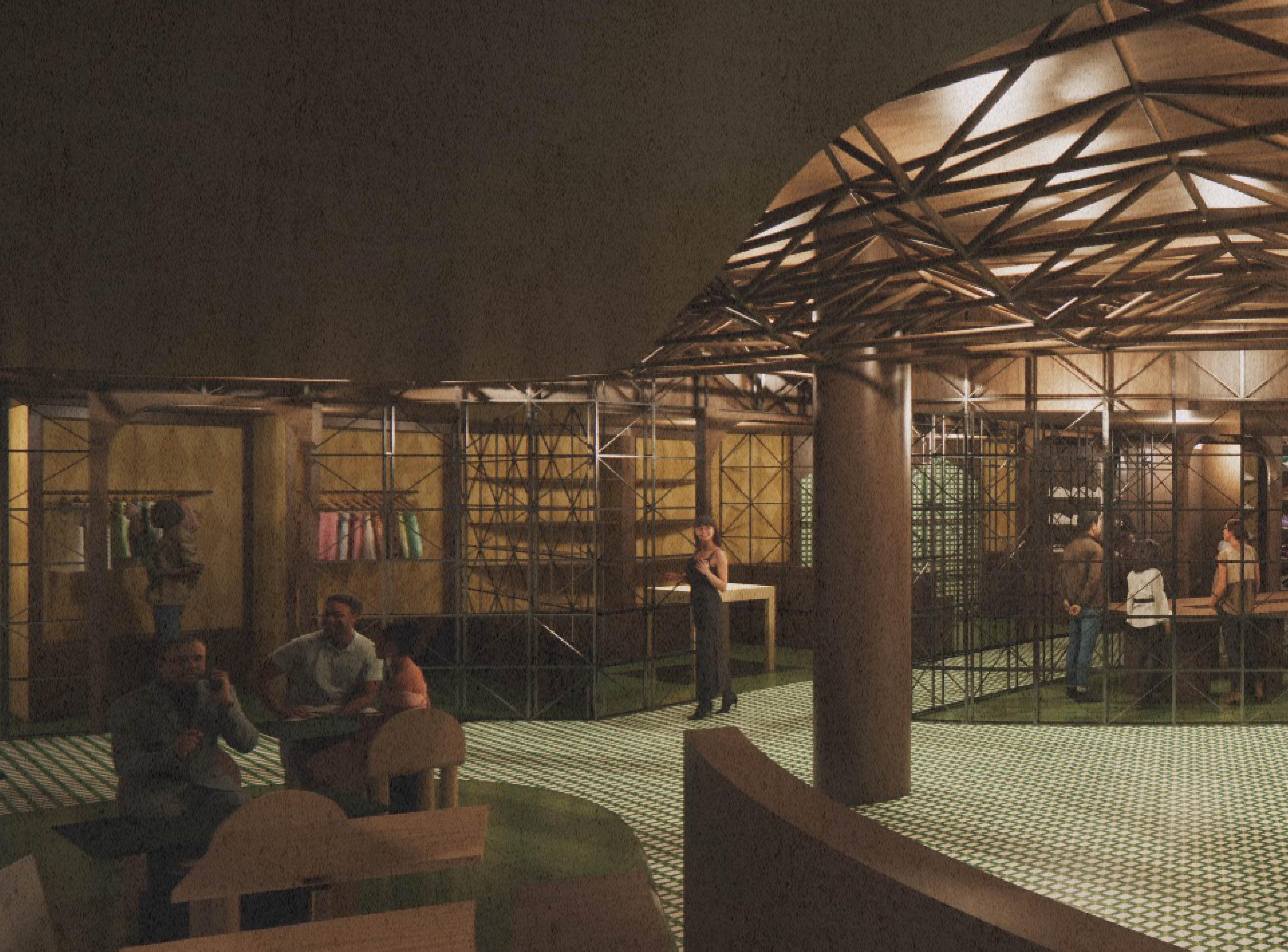
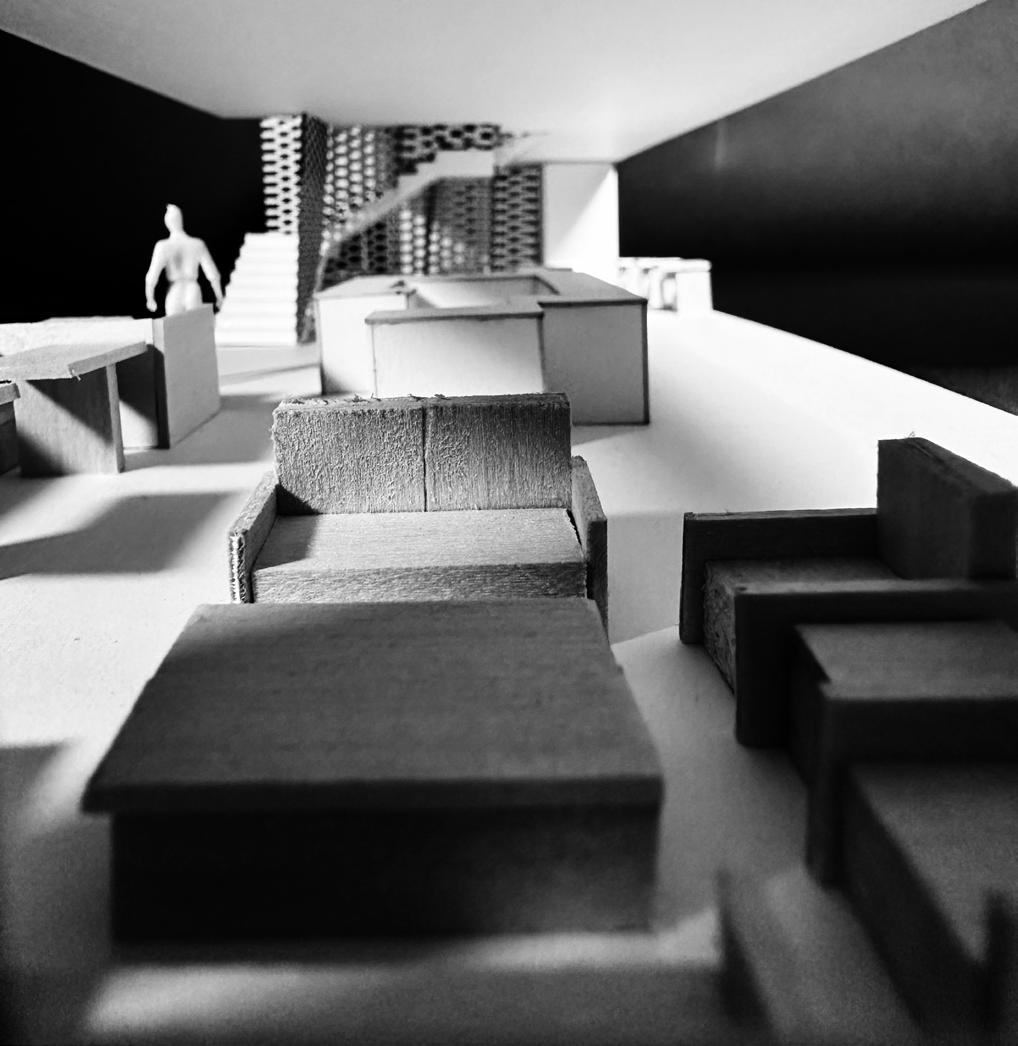
This Informal Retail project borrows its name from the phrase “meet me there,” capturing the idea of a point of connection rather than a fixed destination. Meet Me There is a community oriented interior, creating a place where people can come together through movement, interaction, and shared experience. The design emphasizes openness, using continuous circulation paths and gathering spaces that allow the environment to function as both a retail destination and a place to pass through and spend time. Interactive retail programs, flexible spaces, and integrated display elements encourage engagement between visitors, makers, and the surrounding community. Through thoughtful spatial planning, materiality, and geometry, the project reimagines retail as a social environment that brings people together.








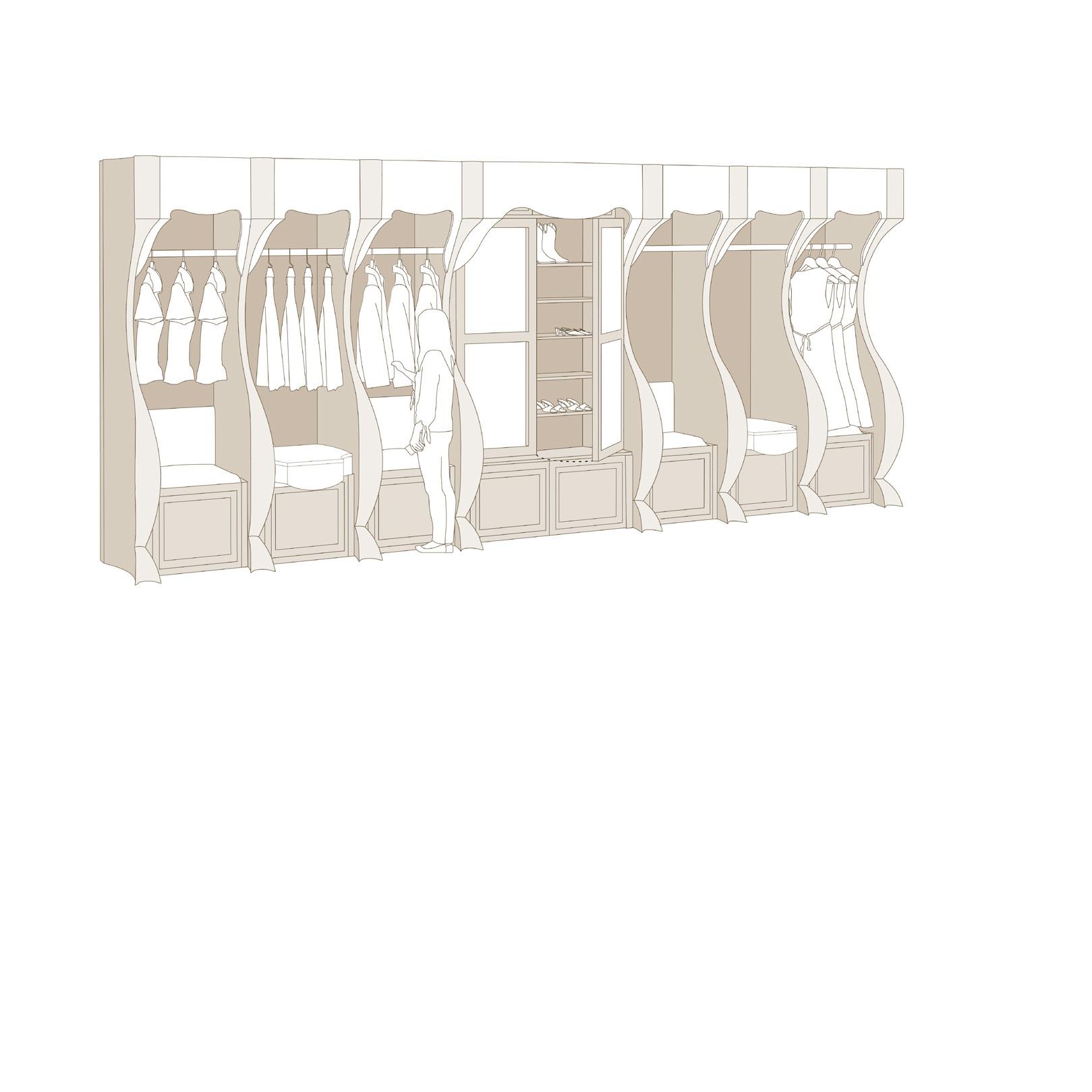
FLOOR TO CEILING RETAIL DISPLAY
The floor-to-ceiling kiosk functions as both a retail display system and a spatial partition, defining individual retailer zones while maintaining visual cohesion. These wall elements are designed to support merchandise display, including hanging items and footwear. The trussbased structure references the geometric logic of bridge design, introducing a clear structural rhythm and architectural expression to the space.



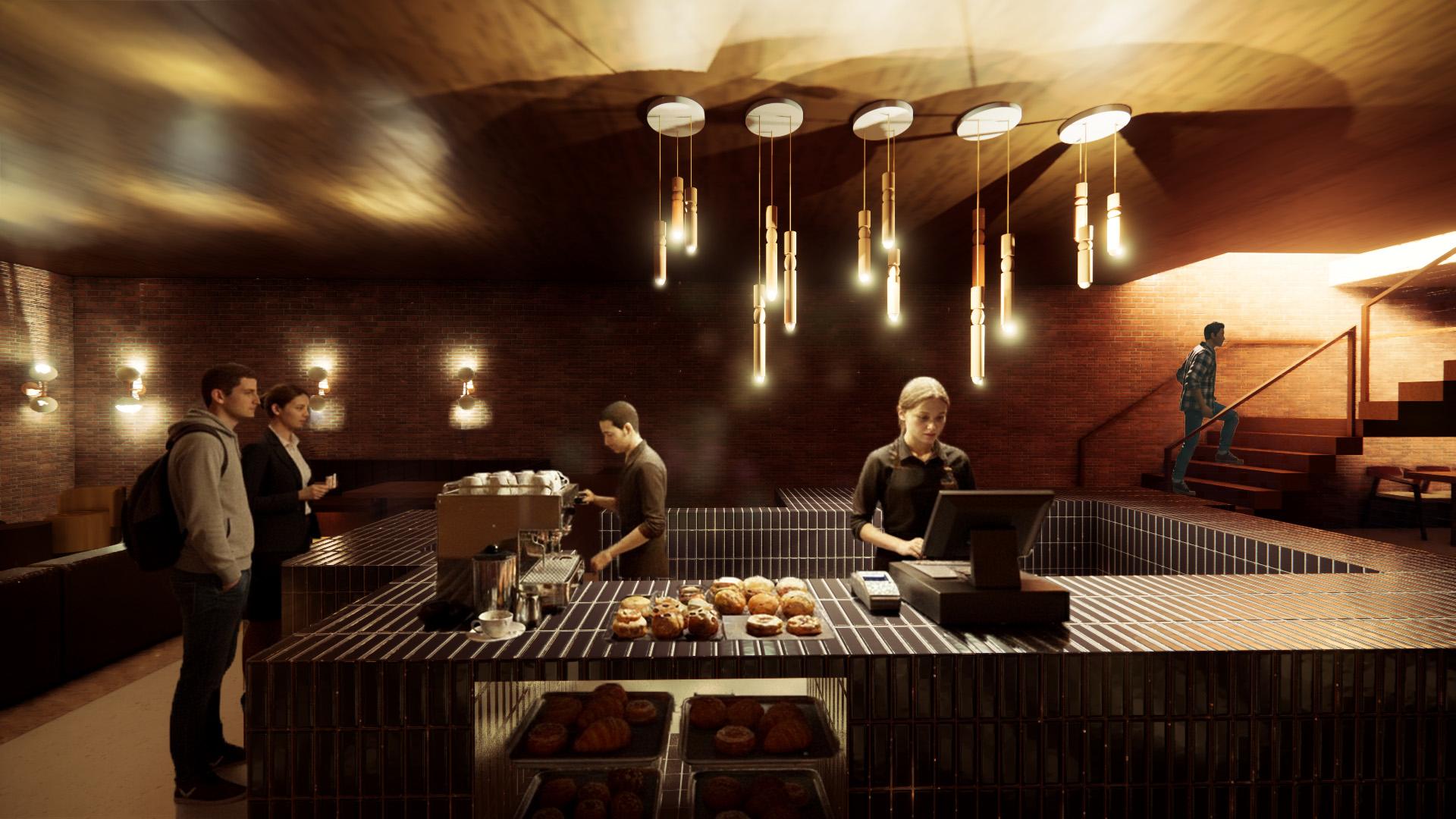
The Medici Coffee shop on Guadalupe is a staple of the University’s cultural profile. The reimagining of the Medici Coffee Shop emphasizes the transformative power of circulation, creating an interior that celebrates dynamic spatial qualities. By integrating accessibility standards and carefully considering the materiality and its constraints, the design challenges conventional notions of the everyday coffee shop environment. Through a carefully curated sequence of movement and spatial organization, the project elevates the user experience, offering both a functional and immersive atmosphere that redefines the interaction between space and its occupants.
After visiting and analyzing the site, several issues were identified, including inadequate circulation, lack of natural light, and areas with high noise levels. The accompanying diagrams illustrate the original conditions of the site.
Drawing inspiration from the brick wall at Medici, I traced the brick pattern and adapted it into the spatial organization of the coffee shop. The zones were designed to interlock seamlessly, much like the arrangement of bricks.
The redesign primarily focused on optimizing circulation and spatial organization. By repositioning the bar to the center, the layout was restructured to improve flow and enhance overall accessibility within the coffee shop. The introduction of distinct zones not only minimized noise but also created a more functional and purposeful environment. These zones maximize seating capacity while ensuring each area serves a specific function.
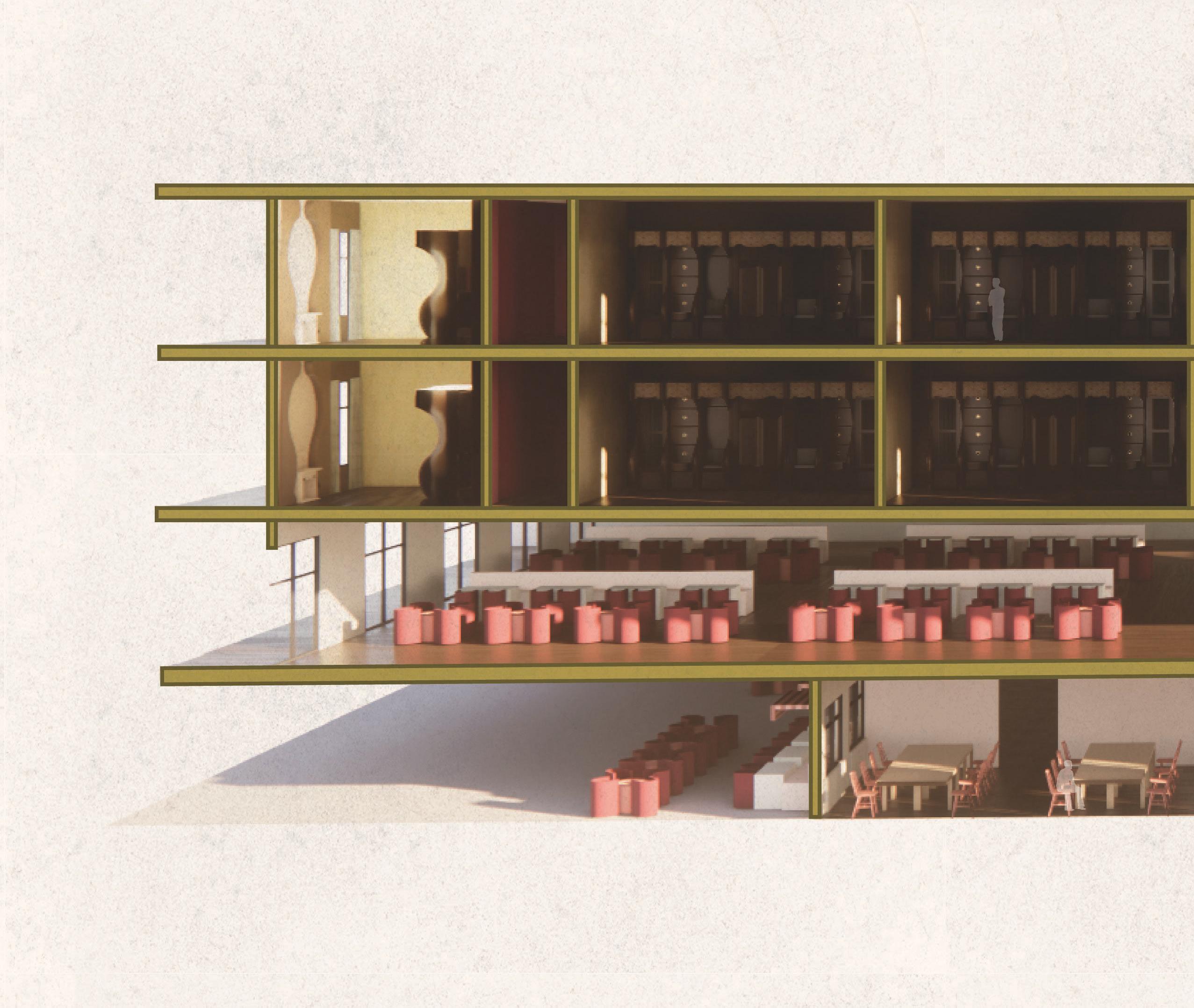
The downstairs area is designed as a more dynamic, social space, with the lounge, bar, and collaborative zones fostering interaction and contributing to a livelier atmosphere. In contrast, the upstairs offers a quieter, more focused environment. It includes dedicated areas for solo work, flexible focus suites with movable walls to accommodate larger meetings or group study sessions, and the Synergy
Space—designed for individuals who thrive on the quiet energy of others while maintaining a calm, productive atmosphere. This careful zoning strategy enhances both the functionality and ambiance of the café, catering to a variety of user needs.
FIRST FLOOR PLAN
Floor Plan First Floor Plan
FIRST FLOOR PLAN
SECOND FLOOR PLAN
SECOND FLOOR PLAN
Longitudinal Section


R b b o n 2 W C O s a n d e r
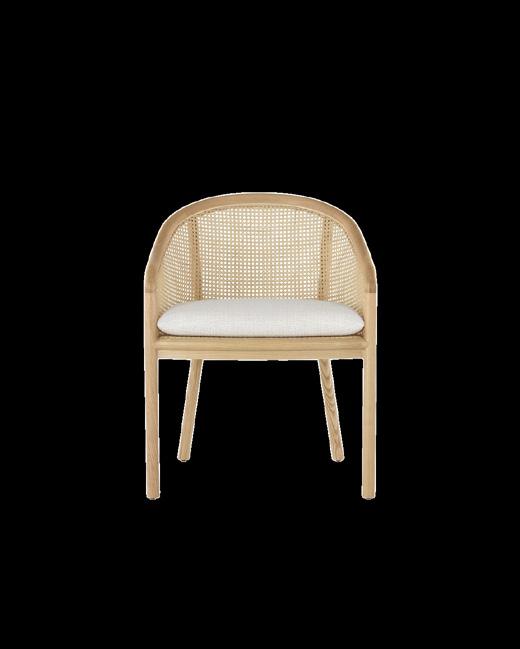

F u l l T w s t m a r k g o e t z G
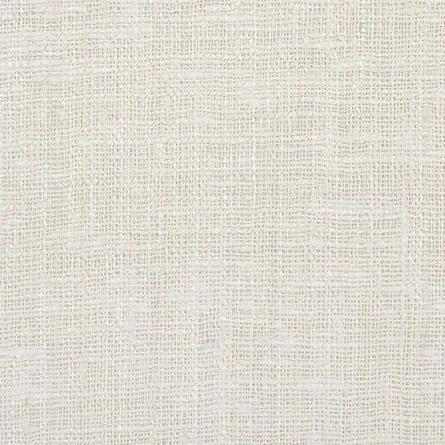
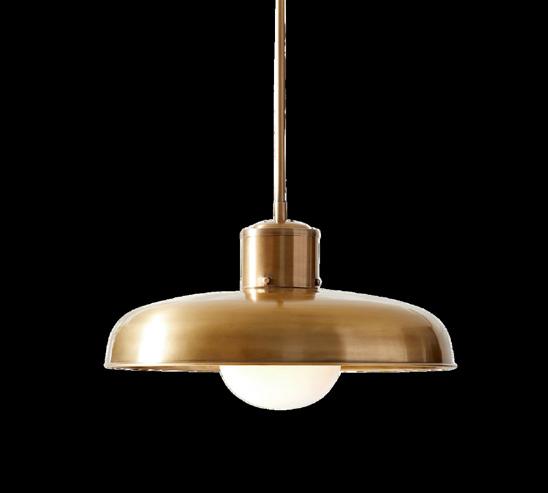


L a n d m a r k C h a r C a n e g e i g e r
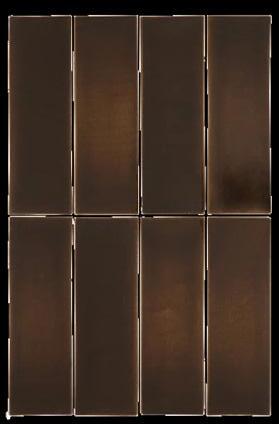









A RESTING PLACE FOR ALL
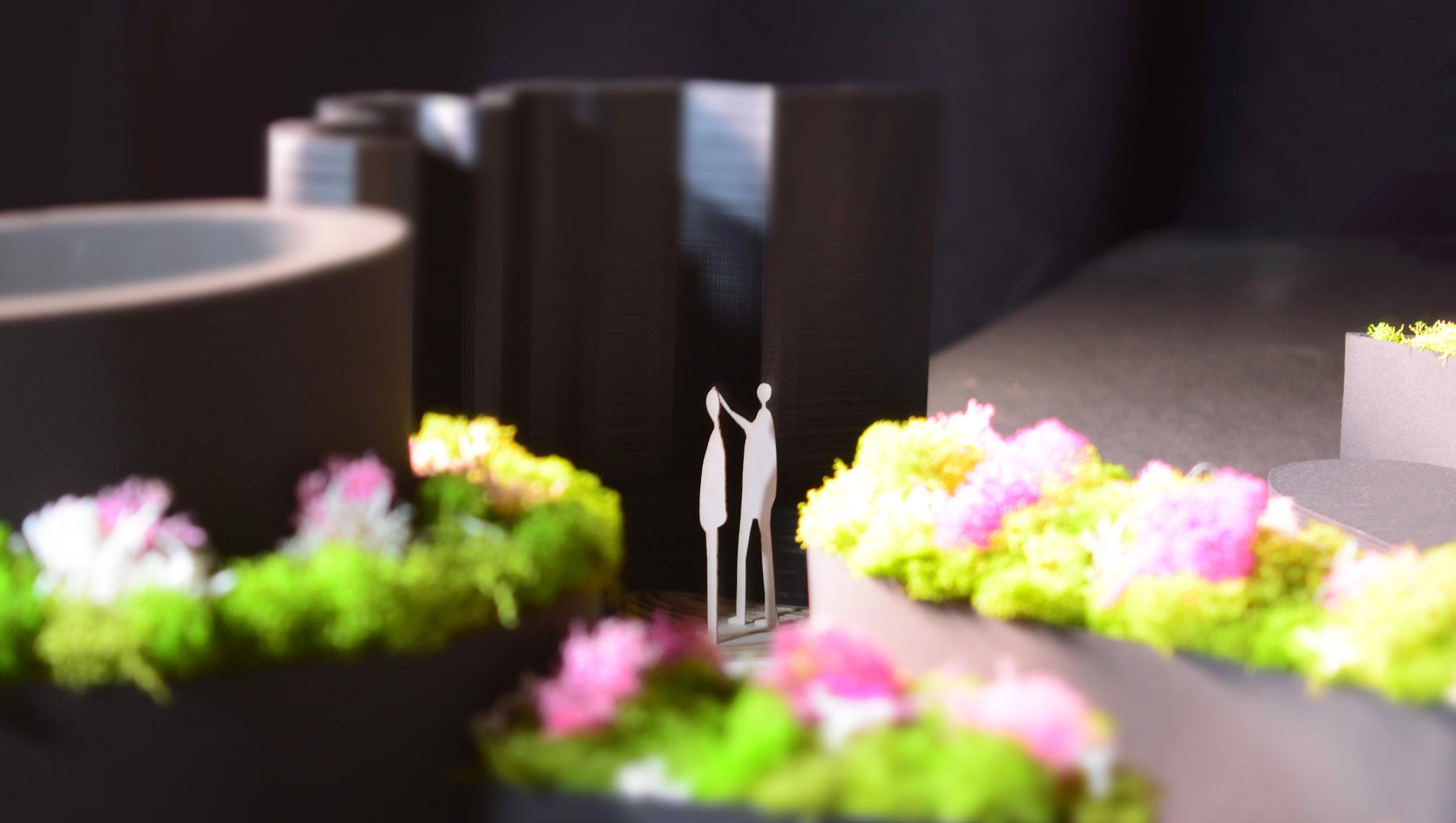
The Multi-Species Lounge at the Brooklyn Botanic Garden emerged from a design exploration centered on the in tersection of human and pollinator experiences. A series of graphic translations was developed into a dynamic figure-ground pattern, which, when exposed to UV light at night, undergoes a transformative visual effect. This pattern was applied to a pollinator habitat and holes were drilled to create nesting sites for local insect pop ulations. The habitat design was featured in the Natural Attraction: A Plan Pollinator Love Story exhibition during the summer of 2024 at the Brooklyn Botanic Garden.
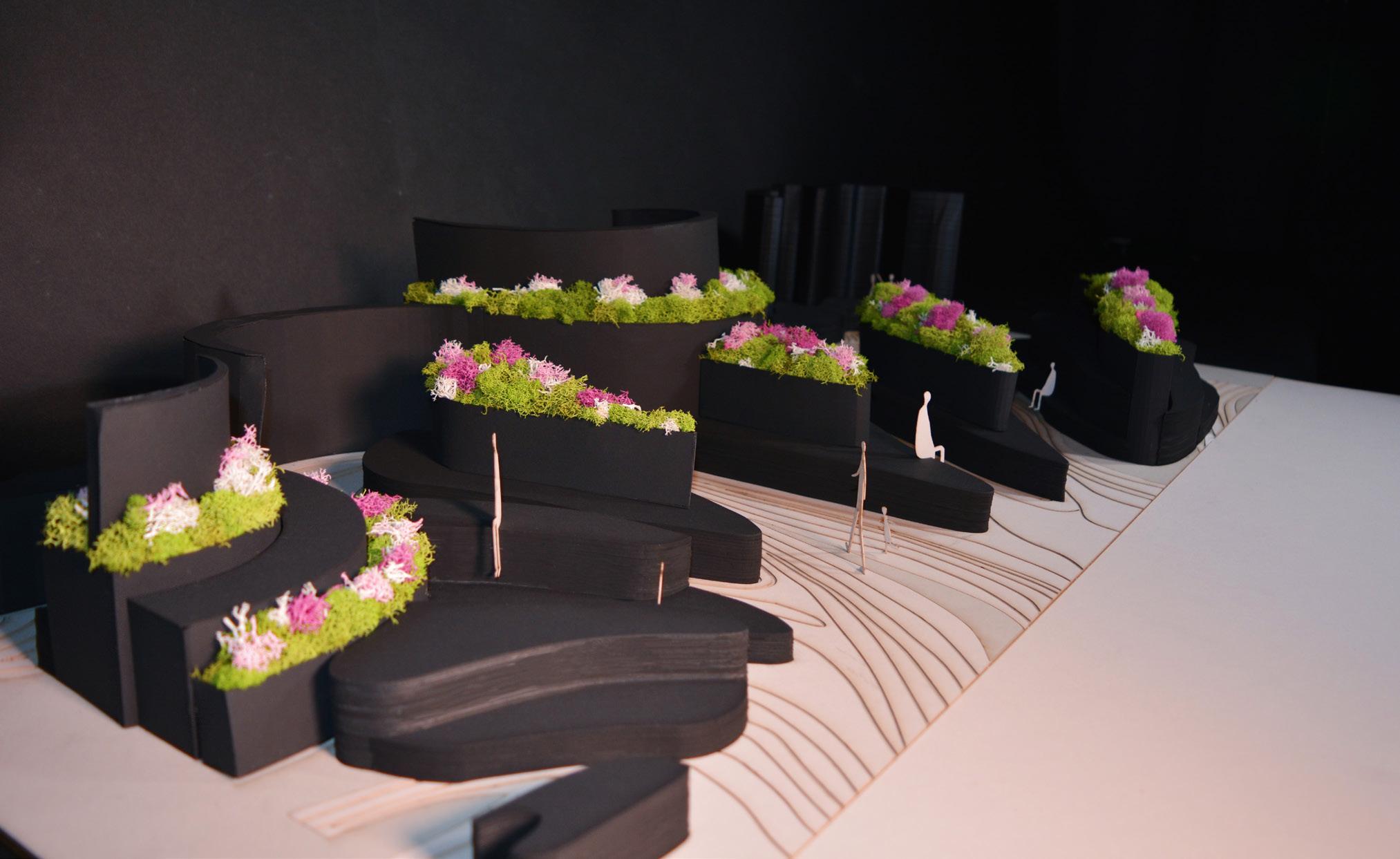
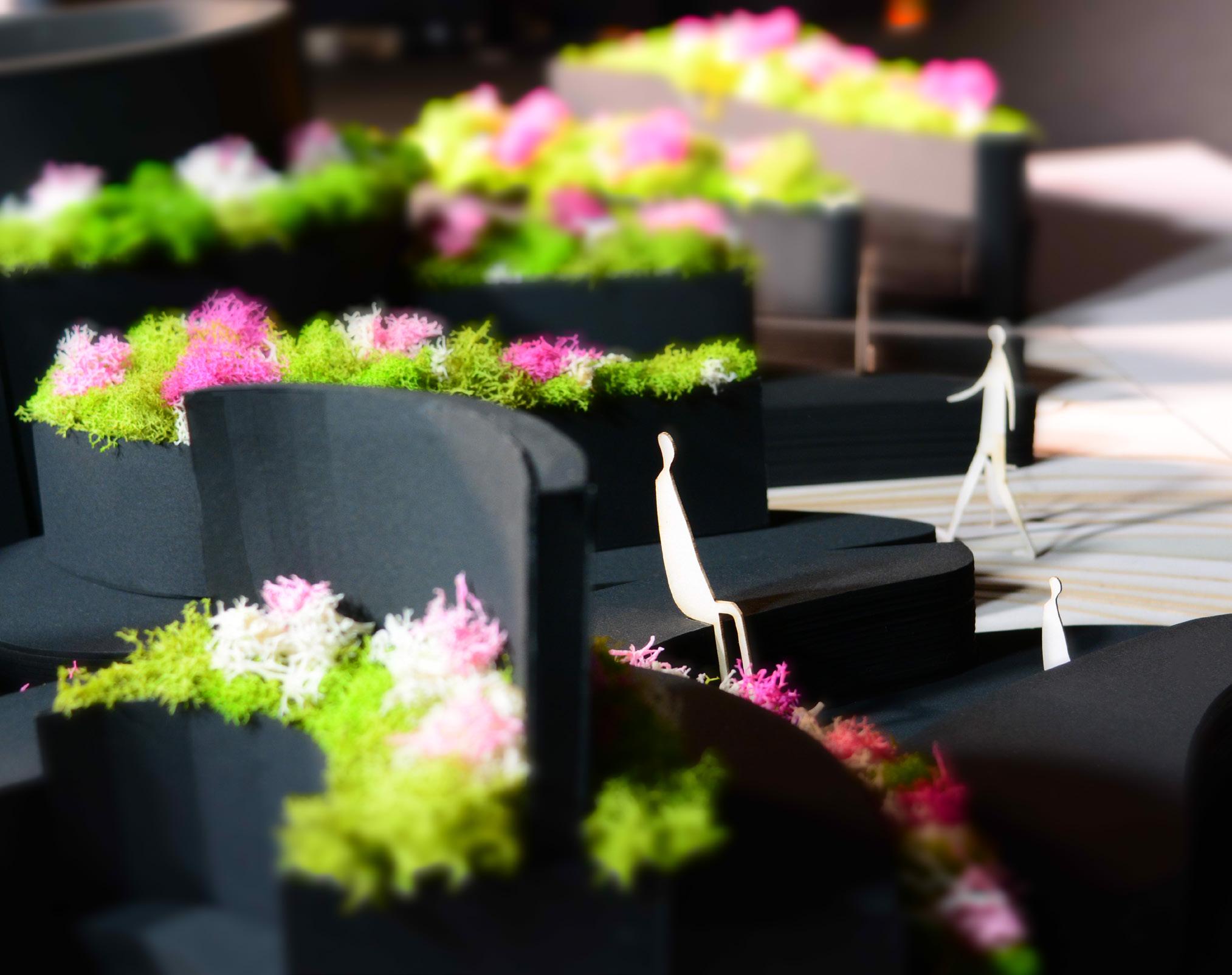
Building on this pattern, a concept for a multispecies com pound furniture system was developed, emphasizing the varied perceptual experiences of both humans and pol linators. The design integrates a range of heterogeneous components, including seating for both adults and chil dren, resting surfaces, pollinator habitats, and planters. These elements work in tandem to create a multifunction al environment that accommodates diverse species while providing a space for human interaction and engagement with nature. The project emphasizes a holistic approach to spatial design, where human and ecological needs are interwoven in a shared, responsive environment.




DESIGNING LIGHT AND ATMOSPHERE
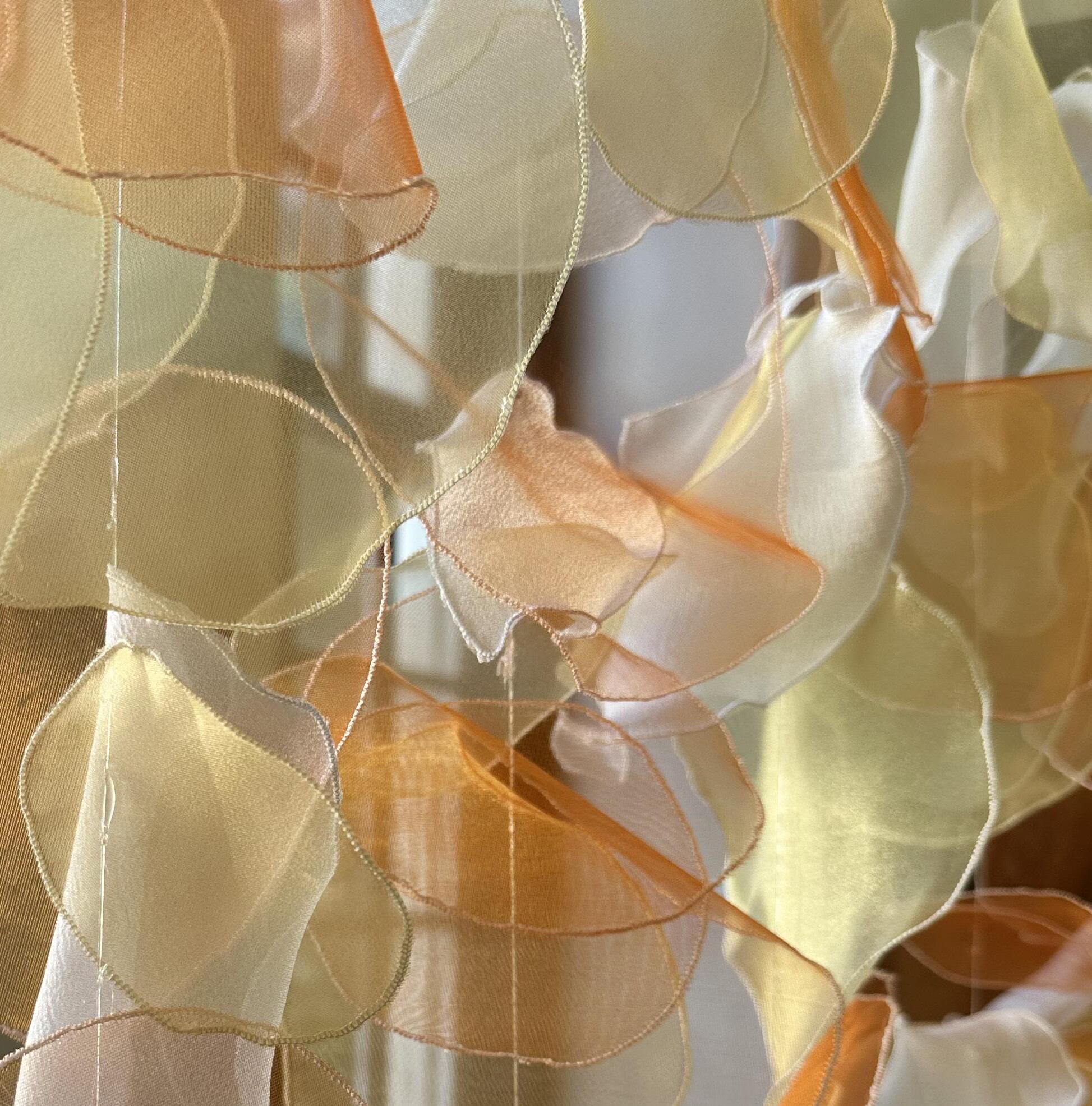
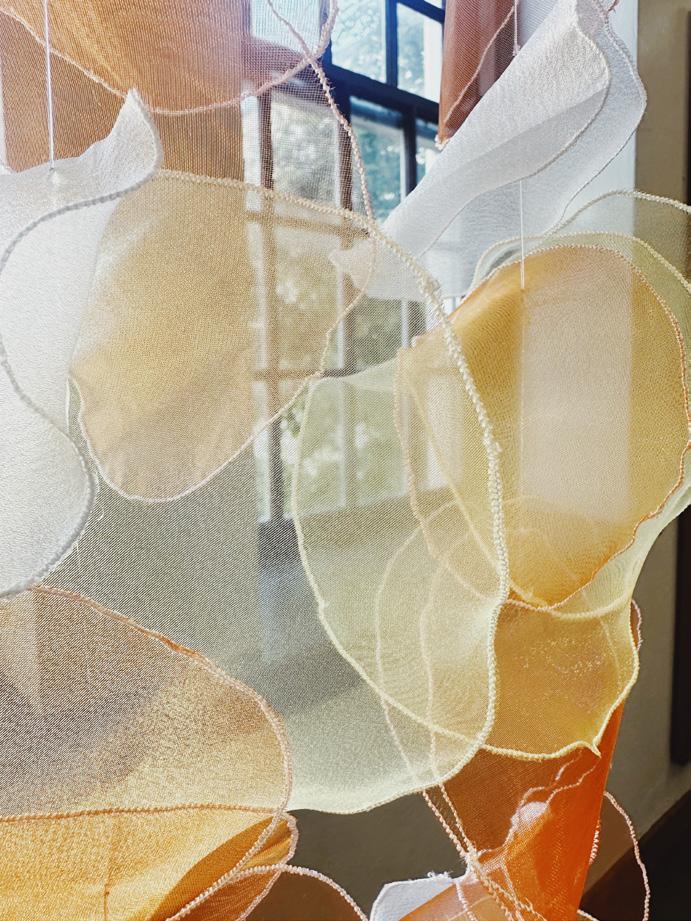
Textiles are integral to interior architecture, transforming spaces into sensory experiences that enhance both aesthetics and functionality. By leveraging qualities such as opacity, texture, pattern, and color, textiles play a pivotal role in shaping the atmosphere of a room, elevating ordinary environments into extraordinary experiences. A full-scale mock-up of a textile panel was developed to manipulate light and transparency, intentionally creating a dynamic ambiance while offering a level of privacy within the space.

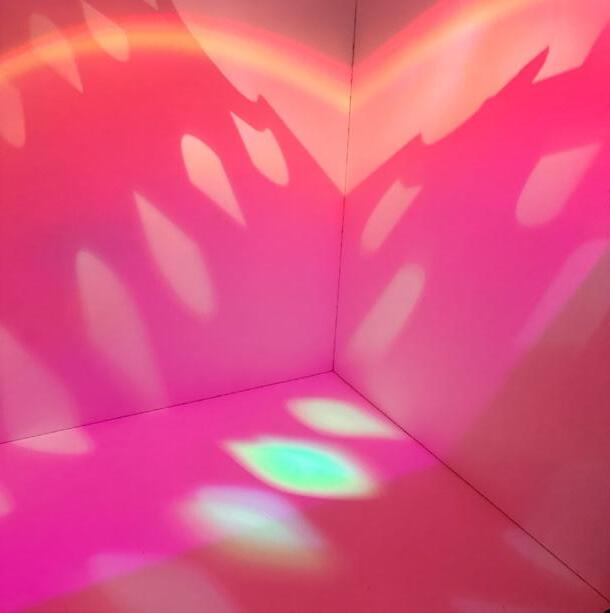
Light possesses a unique ability to define and animate the character of a space due to its dynamic and ever-changing nature. Much like physical materials, the aesthetic qualities of light can be carefully controlled, designed, and celebrated to shape the atmosphere of an environment—it is a material in its own right. In this exploration, a shadow box was constructed with various materials placed over light sources to create distinct patterns and effects. By manipulating transmittance through different layers, light was used to “paint” the space, crafting a range of lightscapes. This process considered factors such as contrast, brightness, color, temperature, and pattern, to evoke a nuanced and intentional ambiance within the space.






This project explores the transformation of conventional interior walls into inhabitable, mobile elements that actively support domestic life. Rather than functioning solely as static boundaries, the portable poche operates as a flexible spatial system that accommodates activities such as resting, eating, and exercising while responding to changing user needs. Emphasizing accessibility, inclusivity, and user experience, the design reframes partitions as sites of interaction and occupation. The project culminates in a comprehensive student housing proposal that integrates the portable poche concept at an architectural scale, balancing materiality, lighting, furniture, and spatial organization to create a cohesive, responsive living environment that prioritizes adaptability, comfort, and well-being.


Walter Webb Hall, located along the Drag in West Campus, is just a short distance from UT Austin and only a seven-minute walk from the architecture buildings. The building’s proximity makes it an accessible and convenient hub for architecture students. The absence of warmth and comfort in the original space became a guiding focus of my redesign.
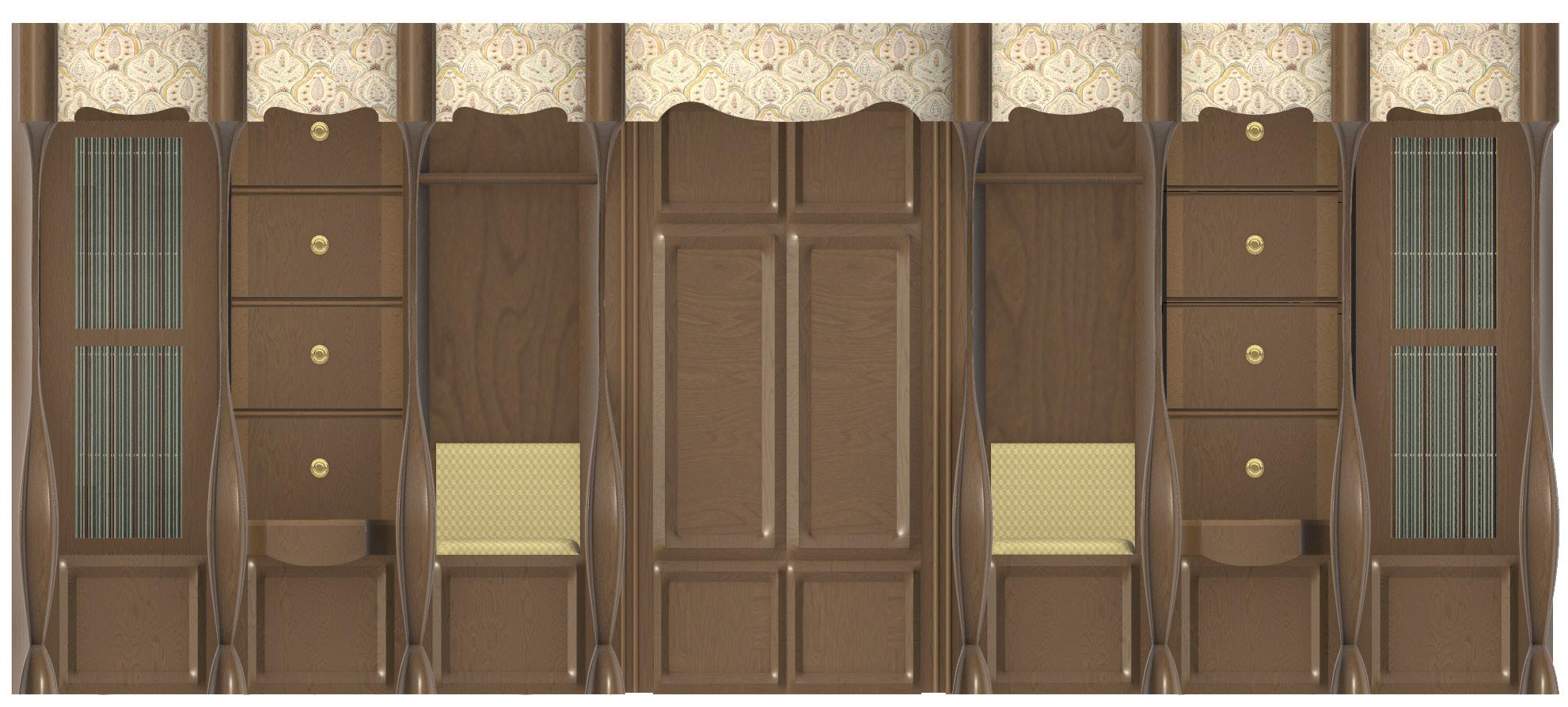
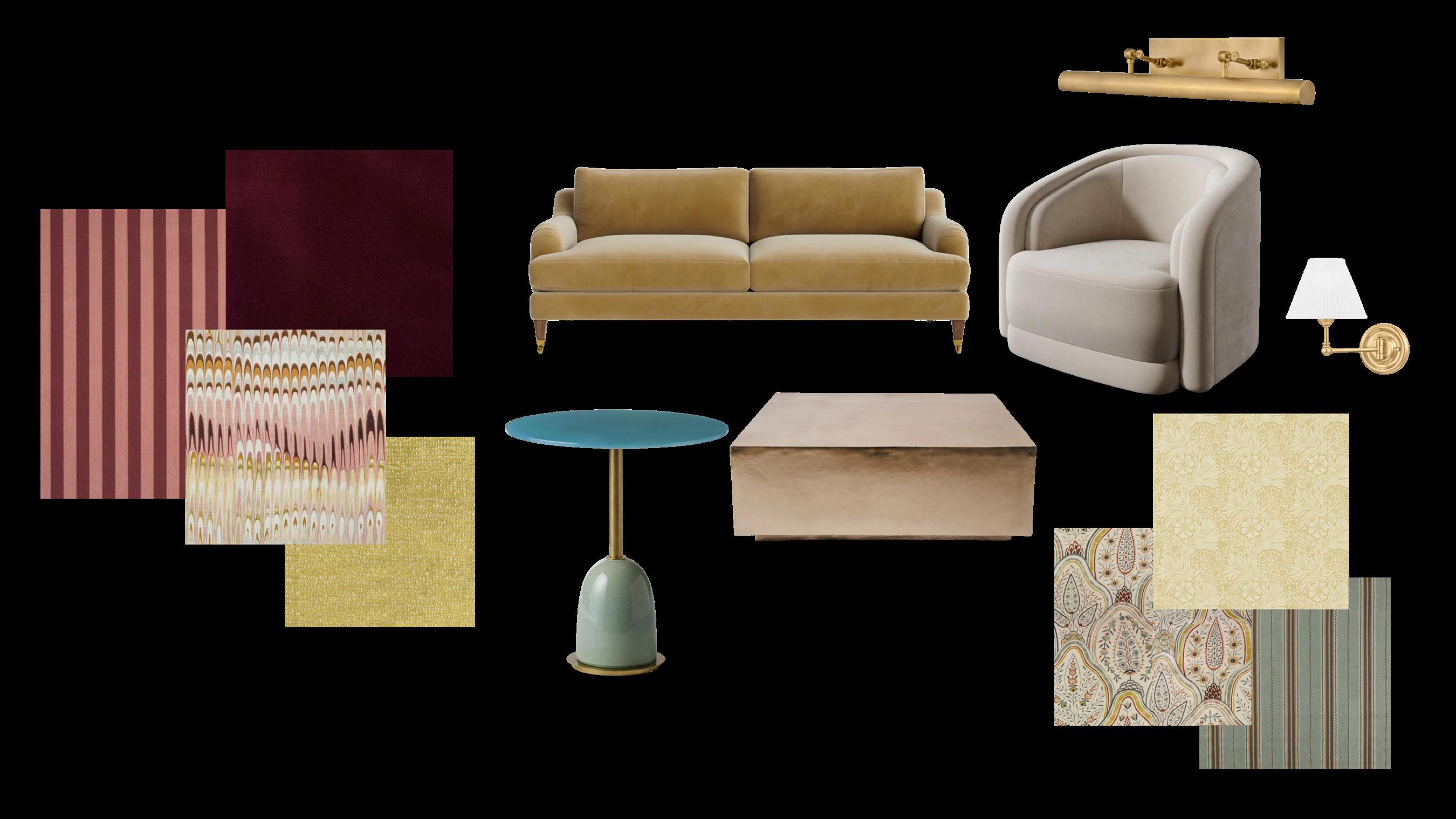
The portable poche design was inspired by the multifunctional nature of the secretary desk, emphasizing both familiarity and adaptability. Traditionally, secretary desks are celebrated for their detailed millwork and their ability to conceal and reveal a variety of compartments. This balance of elegance and practicality reflects a distinctly domestic quality that is translated into the poche wall, complemented by the inherent warmth and tactile comfort of wood and fabric. Just as the secretary desk adapts to its user, the design offers flexibility for daily activities. This multifunctionality allows the wall to serve a diverse range of students, each engaging with the space in ways that reflect their personal routines and preferences.