
Common Mistakes Homeowners Make With DIY Pet Door Installation
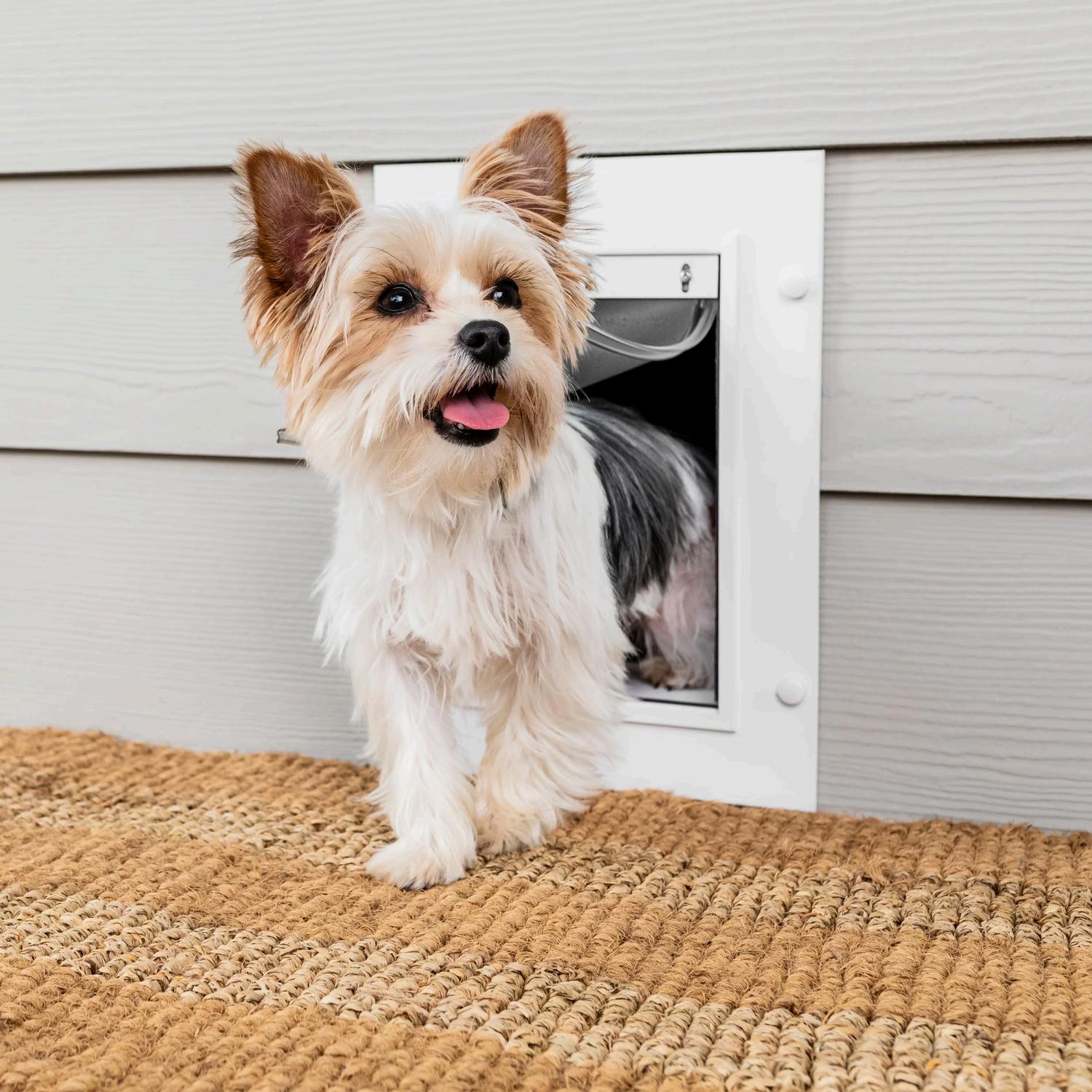
DIY pet door installation might be a straightforward task in your mind, but if you make a small mistake, it can result in drafts, security risks, and even damage your house. Knowing what kinds of mistakes are made helps to ensure that the door functions in a safe and efficient way.
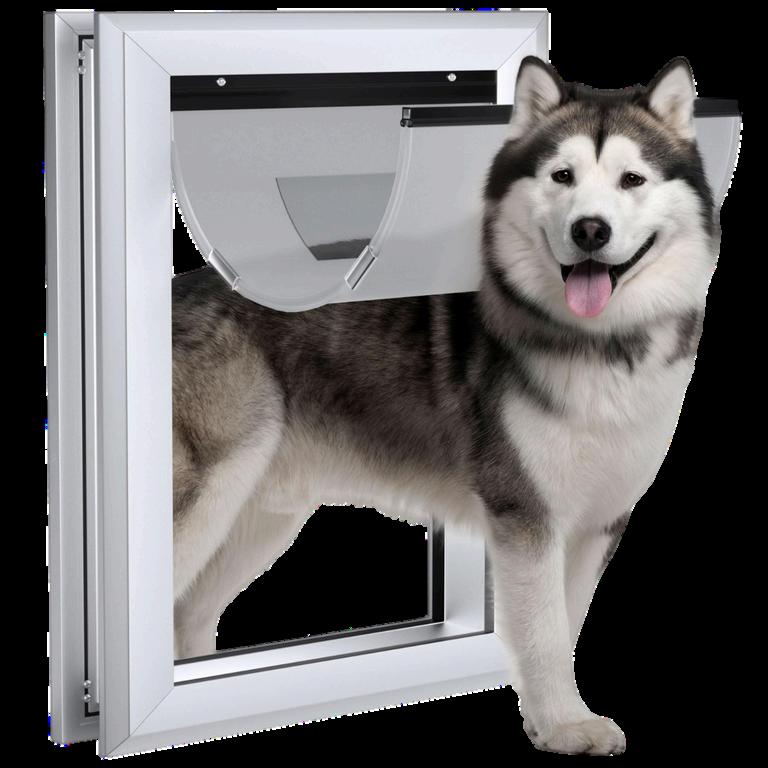
Several homeowners measure their pets by eye instead of actually measuring their pets. Doors that are too small cause discomfort to pets; on the other hand, doors that are too big cause a loss of insulation and security. One should always measure the height of the shoulder and the width before making a choice.
Installed too low or too high, pets will find it difficult to use.
The placement of a door near an obstacle or a tight corner makes it difficult to access.
Improper exterior placement of the door may expose the house to water or dirt.
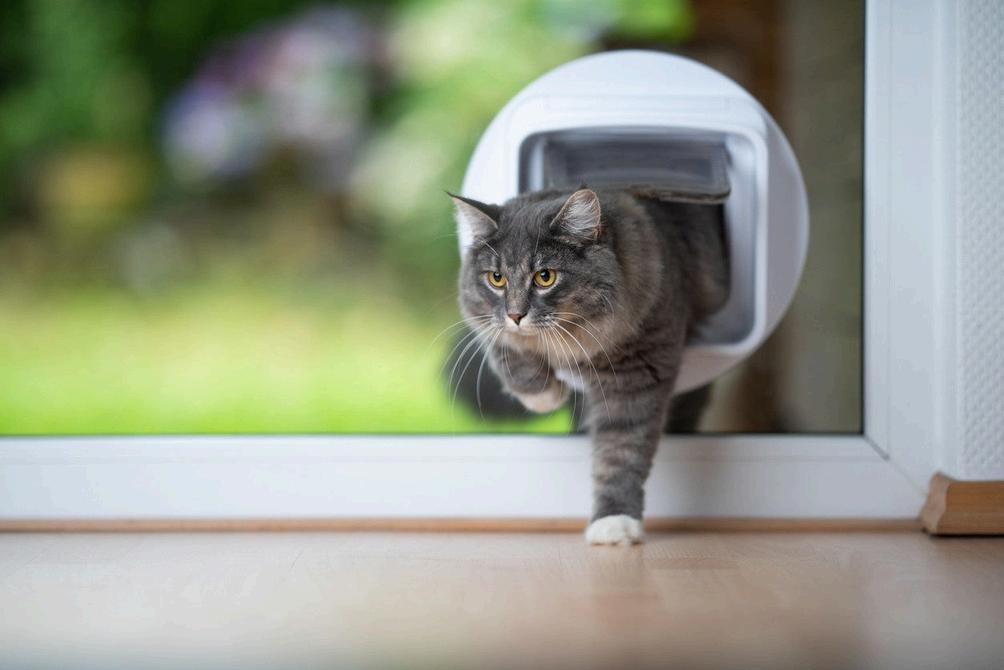
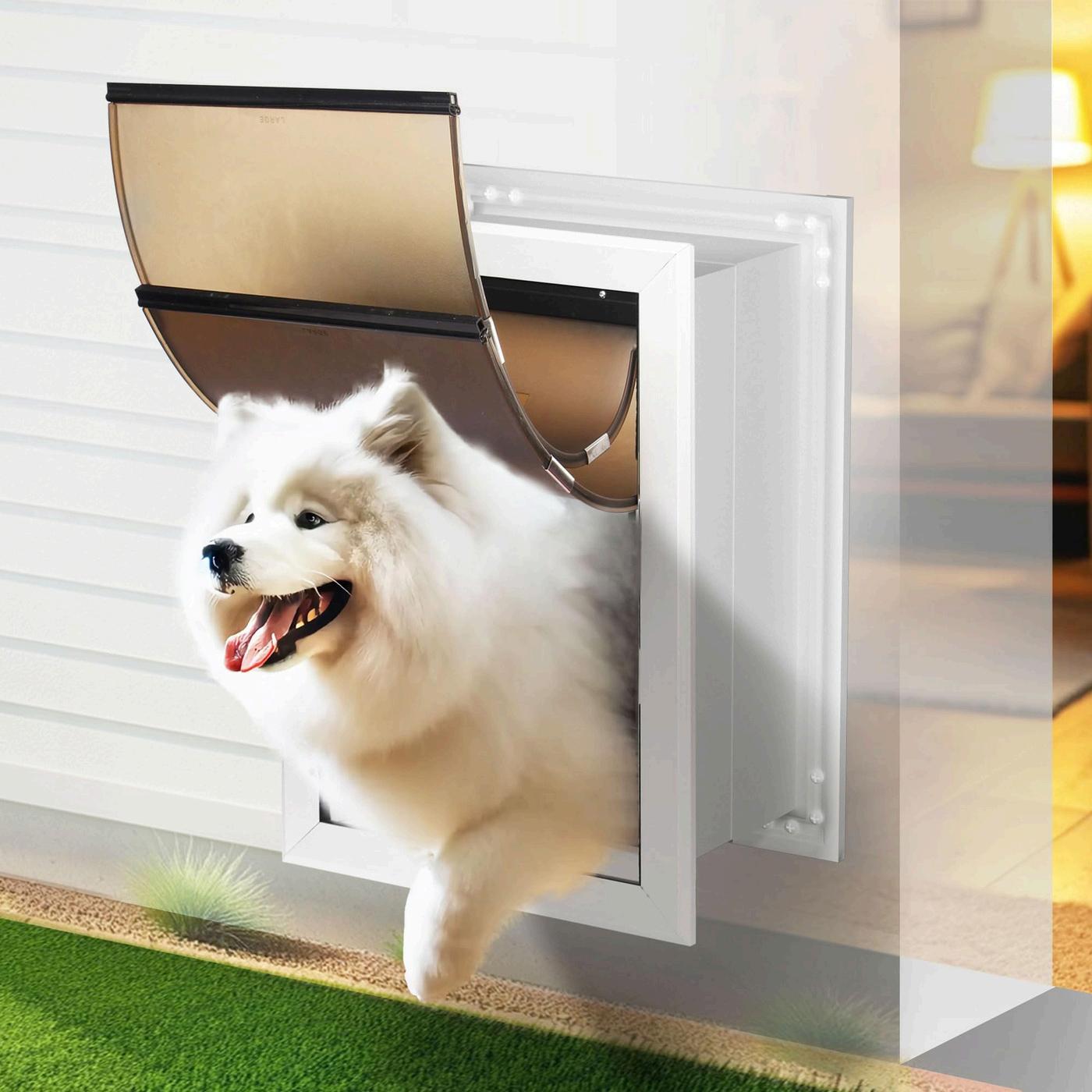
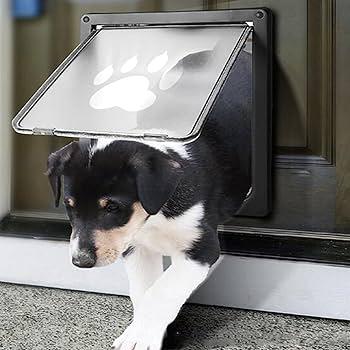
Unaligned cuts result in spaces and damage to the structure.
If you cut a wall without checking if there is wiring or plumbing, you may create a hazardous situation.
It is very important to follow the template exactly.

Poor sealing invites drafts, pests, and energy loss. Missing insulation, weak frames, and wrong hardware cause instability. Proper caulking, weather stripping, and solid mounting ensure durability and security.


Loose frames compromise security and durability. Using the wrong screws or tools leads to premature wear. Solid mounting ensures long-lasting performance.

Poorly installed or oversized pet doors can invite unwanted entry.
Missing locks or security flaps weaken home safety.
Uneven walls, thick materials, and glass doors often require expert handling. Professionals ensure precise cuts, proper weatherproofing, and secure installation. Expert installation prevents costly mistakes and ensures long-term safety.
Avoiding these mistakes helps protect your home and gives your pet safe, easy access.
When in doubt, expert installation provides peace of mind and lasting quality.