
BENEATH THE PLATFORM
With the World Cup live, 2026 is won on the things customers never see: infrastructure, operations, compliance and the people behind them.

THE YEAR DECIDED BENEATH THE SURFACE
Last issue argued that AI had moved from the slide deck into live production. This issue asks the harder question. With the World Cup under way and platforms running hot, what actually decides who has a good summer and who merely survives it?
Across almost every contributor, the answer sits below the part of the product a customer ever sees.
Simon Dorsen of Back Slap Media opens with the affiliate reset. The volume model is finished. Value, compliance and audience ownership now carry the commercial weight. Chad Beynon of Macquarie Capital takes us into the hidden engine, where data feeds, trading and risk systems, payments and compliance quietly determine margin. Andy Wright, former chief executive of Sporting Group, is blunter still. The operators who win 2026 will not be the ones with the newest stack. They will be the ones whose people and processes hold under pressure. A second thread runs alongside the first. As live activity rises, so does the attack surface. Simon Baggs of Corsearch sets out the cyber battle now facing every trusted brand, from cloned sites to deepfake endorsements. 1xPartners shows how quickly affiliates must react when results upend the markets. From Eastern Europe, Marko Mitevski tracks the rise of micro-betting and live wagering, and the responsible-gambling questions that come with real-time play.

ABOVE:
Mark McGuinness, Editor in Chief, Sports Betting Operator
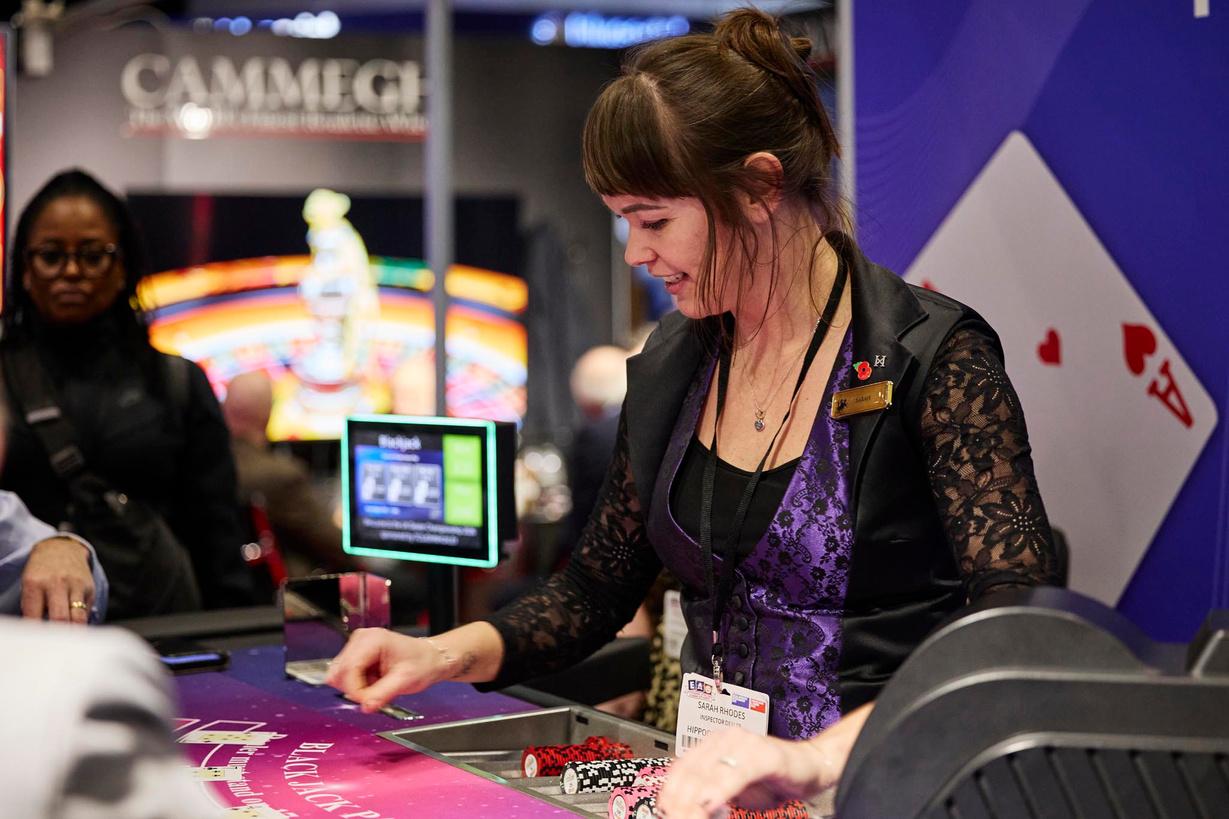
We close with iGB L!VE. Stuart Hunter of World Gaming explains why London, on 1 and 2 July, becomes the industry’s mid-year meeting point, and why the conversations that matter still happen face to face.
A loaded calendar rewards preparation, not noise. By the time the tournament ends, the operators who prepared properly will know it. So, quietly, will everyone else.
Mark McGuinness Editor in Chief Sports Betting Operator

CONTENTS

VOLUME 008 - ISSUE 023
CONTACTS
Publisher – Peter White peter@outsourcedigitalmedia.com
Editor in Chief – Mark McGuinness mark@outsourcedigitalmedia.com
Editor EMEA – Damien Connelly damien@outsourcedigitalmedia.com
Las Vegas Correspondent – Ryan Slattery ryanslats@gmail.com
Associate Editor North America –David McKee dmckee314@gmail.com
Associate Editor EMEA – Andrew Behan a.behan@librasgroup.com
Designer – Stewart Hyde www.de5ign.co.uk
Tel: 44 (0) 1892 740869 W: www.sportsbettingoperator.com
Editorial Policy: The views and opinions expressed in Sports Betting Operator remain principally the views of contributors and do not necessarily reflect those of the editor or publishers.
The publishers wish to avoid inaccuracies and, whilst every precaution has been taken to ensure that information contained in this publication is accurate, no liability is accepted by the editor or publishers for errors or omissions, however caused.
Unless otherwise stated, articles appearing in this publication remain the copyright of the publishers and may not be reproduced in any form without the publisher’s written consent.
Printed in the UK by Pensord Press.
EDITOR’S LETTER
Mark McGuinness on the year decided beneath the surface
5 SIMON DORSEN, BACK SLAP MEDIA / BETBEAGLE
The Affiliate Reset: Value, Velocity and Visualising the Next Era
Why the volume model is finished, and compliance and audience ownership now carries the commercial weight
9 MACQUARIE CAPITAL
Inside Betting’s Hidden Engine
Chad Beynon on data, trading, payments and compliance as the real drivers of margin and competitive advantage
13 ANDY WRIGHT
Beyond the Platform: Why Operations Decides 2026
The former Sporting Group CEO on why people and process, not the newest technology, separate the operators who cope
16 1XPARTNERS
Turning Upsets into Opportunity
How tournament shocks, emerging markets and shifting odds are opening new affiliate opportunities
19 CORSEARCH
Inside Betting’s Cyber Battle
Simon Baggs on fake sites, impersonation and deepfakes, and protecting trust in the digital betting economy
24 EASTERN EUROPE
Real-Time Betting Revolution
Marko Mitevski on micro-betting, live wagering and the responsible-play questions that follow
32 IGB L!VE
All-In for Industry Growth
World Gaming MD Stuart Hunter on innovation, networking and a business-critical iGB L!VE 2026
37 BOOMERANG PARTNERS
Preparation Wins Before Kick-Off
Boomerang Partners’ case study: how affiliates prepare traffic campaigns around major sports events
40 IBIA
Africa’s Betting Boom Needs an Integrity Blueprint
Africa’s regulated betting sector is expanding at pace. For IBIA CEO Khalid Ali, the task now is to ensure that market growth is matched by stronger monitoring, formal integrity protocols and trusted cross-border cooperation

THE AFFILIATE RESET: VALUE, VELOCITY, AND VISUALISING THE NEXT ERA
As escalating costs and regulatory pressure reshape the iGaming landscape, affiliate publishers must abandon the volume model or face commercial extinction
The global iGaming affiliate landscape has reached a structural inflection point. The twin pressures of unprecedented search engine volatility and escalating customer acquisition costs mean that legacy models built on raw click volume are obsolete.
Operators are aggressively rationalising their marketing spend, shifting budgets away from high-risk, transient traffic sources toward highyield partners who can guarantee lifetime value and flawless compliance.
The industry tension no longer sits between volume and margin. It sits between algorithmic vulnerability and audience ownership.
Sports Betting Operator caught up with Simon Dorsen, the co-founder and director of Back Slap Media Ltd and its new affiliate media publishing brand, BetBeagle, to discuss how modern publishers are navigating this paradigm shift by prioritising player education and channel diversification over traditional transactional acquisition.
The Cost of Player
Acquisition: From Clicks to High-Yield Intent
Customer acquisition costs continue to rise across sportsbook and casino markets. How are affiliate and acquisition businesses adapting their strategies to maintain profitability while still delivering quality traffic to operators?
The traditional affiliate model of chasing raw volume is fundamentally broken.
As customer acquisition costs soar, operators can no longer afford to subsidise low-value traffic that churns within a single billing cycle. At BetBeagle and Back Slap Media, we are actively shifting the paradigm from transactional acquisition to lifetime value generation.
Maintaining profitability requires a deliberate focus on intent-driven, highly qualified traffic. Our strategy is to replace aggressive, bonus-heavy clickbait with deep, educational content that attracts a more sophisticated player demographic. By teaching users how to read odds, understand margins, and evaluate betting markets sustainably, we develop a stickier user base for sportsbooks. Operators do not just need more registrations. They require sustainable active players.
Through player education long-term churn reduces, offering a commercially viable antidote to rising customer acquisition costs by building traffic around transparency rather than fleeting financial incentives.
Regulation and Responsible Marketing: Compliance as a Competitive Moat
Regulators are paying closer attention to affiliate activity, influencer marketing and bonus promotion. How is the affiliate sector evolving to meet stricter compliance expectations while still remaining commercially competitive?
Stricter compliance is frequently framed as a commercial problem, by all in the industry, but we are all in on making this a competitive advantage.
The era of the unchecked, wild-west affiliate is over. Regulators like the UK
Gambling Commission are entirely correct to increase scrutiny on bonus promotions and influencer marketing. At BetBeagle, compliance is not a reactive box-ticking exercise. It is embedded directly into our product architecture. We are deliberately positioning our brand as an educational, player-first alternative. This was already our plan but we have been refreshed to see that the majority of our Operator partners have asked for and been attracted by this strong compliance and educational approach. This means moving away from predatory free bet traps and instead focusing on transparent, risk-aware content. By proactively implementing avoiding misleading promotional language, and heavily integrating safer gambling messaging, resources and access to support, we protect both the player and the operator’s licence. Ultimately, operators will naturally rationalise their marketing spend, shifting budgets away from high-risk traffic sources and toward trusted compliance-first partners who safeguard their brand reputation.
Beyond Traditional SEO: The Architectural Shift to Audience Ownership
Search engine volatility has forced many affiliates to diversify traffic sources. Which acquisition channels, including streaming, social communities, Telegram, mobile apps or AI-driven personalisation, are showing the strongest growth potential today?
Relying entirely on Google’s organic search algorithm is a high-risk strategy in today’s volatile digital landscape. While core search engine optimisation remains a fundamental pillar for Back Slap Media, diversification is absolutely paramount
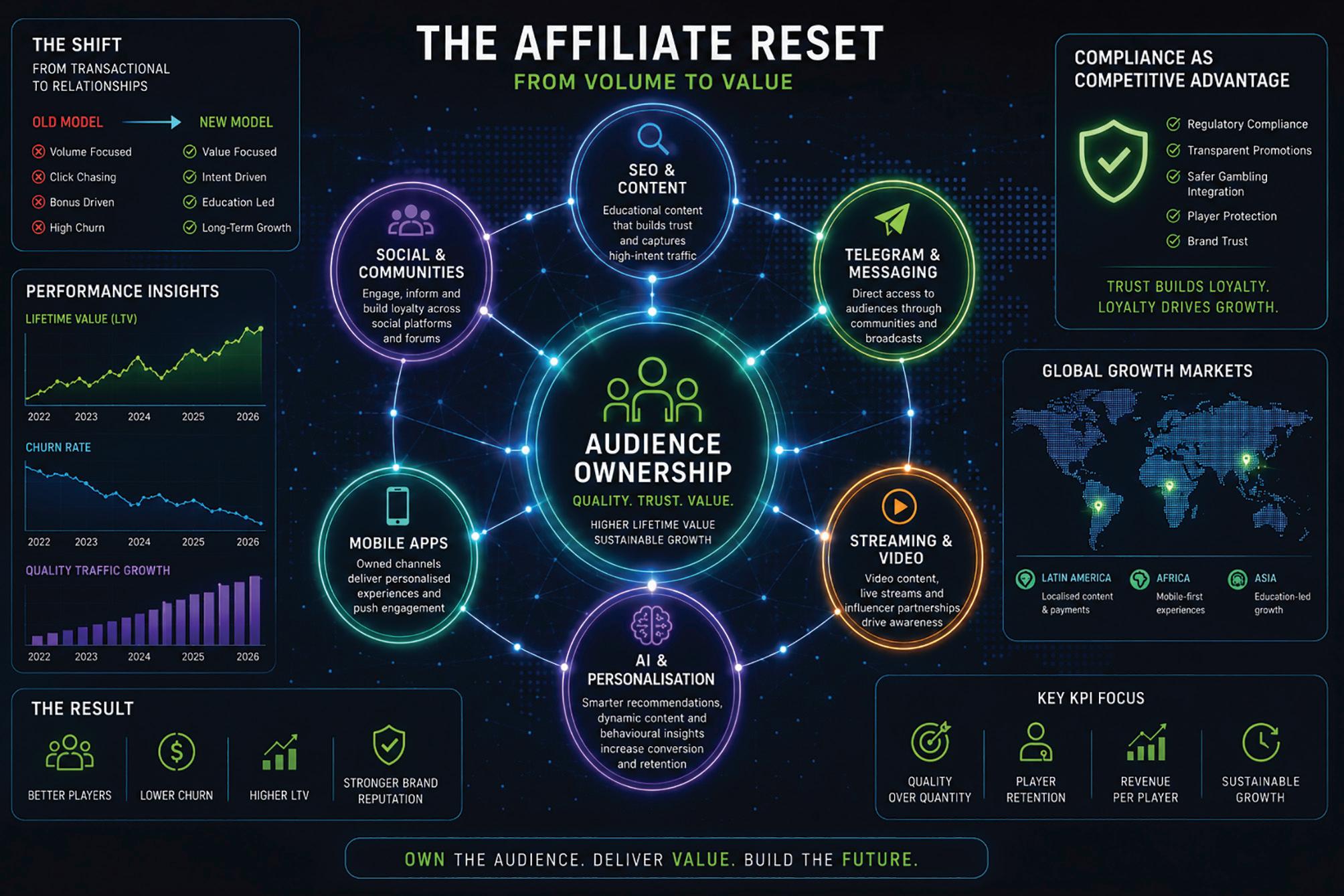
to long-term operational resilience. We are seeing immense growth by shifting toward closed-loop, highly engaged social ecosystems.
Telegram channels and private messaging groups allow us to deliver real-time, context-specific sports data and betting insights directly to a dedicated audience, entirely bypassing third-party algorithm changes. This is and will remain a high investment focus for us.
The strategic imperative here is proprietary audience ownership. By creating localised, interactive communities where players discuss strategy and access expert analysis, we foster genuine brand loyalty. This diversified approach ensures that traffic streams remain stable, predictable, and highly insulated from search engine volatility.
AI’s Impact on Acquisition and Retention: HyperPersonalisation over Automation
Artificial intelligence is rapidly changing digital marketing. How do you see AI influencing player acquisition, CRM, retention and personalised betting experiences over the next 12 months?
Over the next 12 months, artificial intelligence will transition from a speculative marketing hyperbole buzzword into a critical infrastructure tool for player retention and compliance.
However, the industry must avoid using AI merely to automate cheap, generic content creation, which only alienates users and degrades trust. At BetBeagle, our focus is on deployment for hyper-personalisation and early harm awareness.
On the acquisition side, AI allows us to dynamically serve customised, context-specific sports data feeds tailored precisely to a user’s demonstrated interest, ensuring they receive relevant sports data rather than generic offers and we expect this to be increasingly sophisticated over time.
For retention, the real breakthrough lies in behavioural analysis.
We can use predictive modelling to spot patterns indicating player frustration or risky behaviour before it escalates. By intelligently guiding users toward responsible play tools or shifting their content feed toward analytical sports insights, we use AI to actively prolong player lifecycles sustainably.
The Next Global Growth Markets: Hyper-Localization and Structural Challenges
Emerging regions including Africa, LATAM and Asia continue to attract major investment from operators and affiliates alike. Which markets currently present the biggest opportunities, and what are the biggest operational or regulatory challenges businesses must overcome to succeed there? Is it correct to still call them emerging? These regions present an undeniable, high-growth frontier than Europe, but they are maturing fast in their own ways and entering them requires a complete rejection of the one-size-fitsall European approach.
Latin America, particularly Brazil, offers monumental scale, while selected African markets show incredible mobile-led sports betting volume. However, the operational hurdles are complex and can create barriers to entry.
The primary challenge is navigating highly localised, fragmented regulatory frameworks alongside unique payment ecosystems. Success in these territories demands heavy investment in localised infrastructure and a deep understanding of domestic player behaviour.
For an affiliate focused on sustainability, the strategy must centre on education.
RIGHT: Simon Dorsen, co-founder and director, Back Slap Media Ltd

About Simon Dorsen
Simon Dorsen is a commercially driven entrepreneur with over 24 years of international experience spanning fintech, payments, and gaming. He has held senior and C-suite roles at some of the industry’s most influential organisations, including Gauselmann Group, Gtech, IGT, Trustly, and OKTO, overseeing P&Ls and bringing award-winning products to market. Having operated across the full spectrum of business maturity, from NYSE-listed corporations to pre-revenue startups, Simon combines strategic vision with hands-on execution to drive growth, innovation, and measurable performance. A proven strategist and leader, he applies these skills directly within iGaming operations and digital media, building high-performing teams, shaping long-term direction, and translating complex challenges into clear, actionable outcomes.
As co-founder of both Northbolt and Back Slap Media, he leads with a collaborative, outcome-focused approach that positions his ventures and clients to thrive in fast-evolving markets.
Many players in emerging markets are interacting with formalized, regulated digital betting frameworks for the very first time. By launching localised portals that demystify local regulations, explain platform mechanics, and promote responsible play from day one, we can establish ourselves as the trusted authority in these rapid-growth regions.

INSIDE BETTING’S HIDDEN ENGINE
The Infrastructure Behind Digital Betting. By Chad Beynon
The infrastructure underpinning digital sports betting has evolved into a highly sophisticated, multi-layered ecosystem, and in our view represents a key driver of market share, margin expansion, and long-term competitive advantage across the sector. While the consumer experience is defined by intuitive mobile apps, real-time odds, and immersive features, the economics of the business are increasingly dictated by the strength and ownership of the underlying technology stack— spanning data ingestion, cloud infrastructure, trading systems, payments, and compliance.
Historically, operators relied on a patchwork quilt network of third-party vendors to deliver these capabilities. However, the industry has progressively shifted toward vertical integration, with leading operators investing to internalize key components of the value chain where scale and economics justify it. While this strategy requires significant upfront capital—particularly in data rights, platform development, and trading capabilities—it can drive structurally higher margins over time through cost efficiencies, faster innovation cycles, and greater control over the user experience.
The importance of this infrastructure is most evident in the growth of live, or in-play, betting. In the U.S., in-play penetration has expanded materially in recent years, increasing from roughly ~10% of gross gaming revenue (GGR) to approaching ~50%, driven by both evolving consumer preferences and improvements in platform capabilities. This segment is inherently latencysensitive, requiring operators to ingest, process, and respond to live sporting events in near real time. Data feeds from official league partners (e.g., Genius Sports, Sportradar), tracking technologies, and aggregators must be continuously validated and disseminated with minimal delay. In addition to in-house improvements has been the general improvement in low-latency speeds, greater network capacity and overall broader reach from 5G. Even marginal delays in updating odds can expose operators to arbitrage opportunities or mispriced markets, with direct implications for profitability. As such, operators have increasingly invested in low-latency architecture, including cloud-native deployments, edge computing, and distributed systems designed for resilience and uptime during peak traffic events (e.g., Super Bowl, World Cup). From a financial perspective, this creates a higher fixed-cost base but introduces meaningful operating leverage, as incremental volume can be absorbed at relatively low marginal cost.
In parallel, trading and risk management systems represent a core earnings driver. In a live betting environment, operator exposure can shift rapidly as bettors react to game developments. As a result, operators must continuously rebalance their books across thousands of markets, dynamically adjusting pricing to manage liabilities. This is typically
achieved through automated trading models that incorporate real-time inputs, historical data, and probabilistic frameworks.
Execution in this function is directly correlated with margin outcomes. Operators with more advanced pricing capabilities can maintain tighter spreads and higher hold percentages, while minimizing volatility in earnings. Conversely, system failures—such as delayed suspensions, inaccurate pricing, or data inconsistencies—can lead to outsized losses, particularly in high-liquidity events. We therefore view investment in proprietary trading technology and quantitative expertise not as a cost center, but as a core revenue-generating capability.
Payments infrastructure is another critical, though underappreciated, lever of both growth and profitability. Real-time betting requires seamless capital movement, with users expecting instantaneous deposits, wager execution, and rapid payouts. Delivering this experience necessitates integration with realtime payments networks, digital wallets, and fraud prevention systems, all while maintaining compliance with jurisdiction-specific regulatory requirements.
While payments introduce incremental costs—primarily via processing fees, fraud mitigation, and compliance overhead—they also drive user engagement and lifetime value. A frictionless payments experience reduces abandonment, increases betting frequency, and enhances customer trust. Additionally, faster settlement cycles can improve operator cash flow dynamics, enabling more efficient capital turnover.
Regulation and compliance further shape the cost structure and operating model. Given the highfrequency nature of in-play betting,
regulators impose strict requirements around data integrity, responsible gambling, and transaction monitoring. Operators must deploy systems to detect suspicious behavior, enforce betting limits, and ensure platform integrity. While these capabilities add complexity and cost, they are essential for maintaining licensure and sustaining long-term market access.
From a competitive standpoint, infrastructure ownership is increasingly a key differentiator. Larger, vertically integrated operators that control their data feeds, trading engines, and front-end platforms are better positioned to innovate, optimize pricing, and expand margins. In contrast, smaller or less integrated operators reliant on third-party solutions often face structural margin pressure due to revenue-sharing agreements and reduced flexibility in product development. This dynamic has contributed to continued industry consolidation, as operators seek to internalize strategic assets and build scale advantages. Importantly, many of the most popular user features—such as cash-out functionality, bet builders, and live streaming—are dependent on this underlying infrastructure. For example, cash-out requires continuous recalculation of bet value based on updated odds and exposure, while live streaming integration requires synchronization across multiple realtime data sources. As such, product differentiation at the front end is increasingly a function of backend capability.
Looking forward, we expect continued investment in advanced technologies—including artificial intelligence, machine learning, and edge computing—to further enhance pricing efficiency, personalization, and fraud detection. These innovations have the potential to further widen
Chad Beynon, Macquarie Capital’s US Head of Research and senior Gaming, Lodging and Theatre analyst

About Chad Beynon
Chad Beynon is Macquarie Capital’s US Head of Research and senior Gaming, Lodging and Theatre analyst. He has followed the sector for over 20 years and collaborates with his global team of gaming analysts. He previously conducted Consumer Research at Prudential Equity Group and is a proud graduate of the University of Maryland.
the gap between leading and subscale operators.
In summary, while the front-end experience remains critical for customer acquisition, we believe the primary determinants of long-term value creation in sports betting lie within the “hidden backbone” of infrastructure. This includes data systems, trading and risk management, payments, and compliance capabilities. Although capital-intensive, these investments drive operating leverage, margin expansion, and competitive differentiation. At the same time, they introduce financial risk: in a high-speed, real-time environment, errors in pricing, latency, or exposure management can quickly translate into material losses. As a result, infrastructure is not merely a support function—it is central to both profitability and risk in modern digital betting.
RIGHT:


BEYOND THE PLATFORM: WHY OPERATIONS DECIDES 2026
As the World Cup, NFL season and F1 calendar converge on a single year, former Sporting Group CEO Andy Wright tells Sports Betting Operator why the operators who win 2026 will be those whose people and processes hold up under pressure, not those with the newest stack
The 2026 sporting calendar is unusually loaded. A World Cup, a full NFL season with continued international expansion, and an F1 grid drawing record audiences. For every Tier 1 sportsbook, the operational pressure is about to be tested in public.
Sports Betting Operator caught up with Andy Wright, former CEO of Sporting Group and a veteran of nearly three decades in regulated international betting and gaming, to talk through major-event readiness, the real role of AI, the difficulty of platform transformation, and the question he’d ask first when the dust settles on the World Cup final.
With the World Cup, the NFL season and the F1 calendar all landing in 2026, where does a sportsbook come under most strain at peak? And what separates the operators that cope in-play from those that don’t?
The biggest misconception is that major sporting events are primarily a technology challenge.
They aren’t.
I’ve been through enough World Cups, Cheltenham’s and Grand Nationals to know that while operators understandably focus on platform scale, it’s rarely the technology that determines whether they succeed or fail. Most operators already know where their technical bottlenecks are. What catches them out are the operational ones.

Trading teams making decisions under pressure. Payment’s volumes spiking. Customer service queues growing. Risk teams dealing with unusual patterns of activity. Fraud teams seeing behaviours they didn’t anticipate.
Technology gets customers through the front door. Operational readiness determines whether they stay there.
The operators that perform best aren’t necessarily the ones with the newest technology stack. They’re the ones that prepare properly, test thoroughly and have a plan for when things inevitably go wrong.
I’ve seen operators spend millions upgrading technology only to discover the biggest bottleneck was an operational process they hadn’t looked at for years. Major sporting events have a habit of exposing those weaknesses very quickly.
Mobile is now the default rather than the differentiator. Over the next year, which single capability do you think will genuinely improve the in-play experience, rather than just sounding new?
Relevance.
The industry has spent years adding more markets, more content and more functionality. At some point, more becomes noise.
Customers don’t want hundreds of additional betting options. They want to get to the moments that matter to them as quickly as possible.
Whether that’s delivered through personalisation, smarter navigation or better use of data, the operators that reduce friction will have an advantage.
The best customer experiences often feel simple. That’s usually because a lot of hard work has happened behind the scenes.
In my experience, customers rarely remember the feature you added. They remember how easy—or difficult—you made it for them to do what they wanted to do.
AI is being attached to everything from pricing to personalisation to safer gambling. Where does it add real value in the sportsbook this year, and where is the hype running ahead of reality?
The industry has a habit of overestimating what technology will achieve in the short term and underestimating what it will achieve in the long term. AI feels a little like that today.
There are clear areas where it already creates value. Customer operations, fraud detection, safer gambling and personalisation are all obvious examples where automation and pattern recognition can make a measurable difference.
Where the hype runs ahead of reality is the idea that technology can replace experience.
The best operators I’ve worked with weren’t successful because they had the most technology. They were successful because they had the best people making the best decisions.
That’s why I don’t see AI as a replacement for expertise. I see it as a tool that helps experienced people make better decisions faster.
If we get that balance right, it will be transformational. If we think it removes the need for expertise, we’ll be disappointed.
A lot of operators are still running on ageing core systems. What is the hardest part of moving to cloud-native platforms without disrupting live trading?
In most transformations, the technology isn’t what keeps me awake at night. It’s everything around it.
The processes, controls and ways of working that have built up over years are usually far harder to change than the platform itself.
In most operators, the platform isn’t just a piece of technology. It’s the backbone of how the organisation functions. Replacing it means changing workflows, responsibilities, reporting lines and sometimes culture.
I’ve been involved in large-scale transformations and integrations throughout my career, and one lesson keeps repeating itself: technology projects rarely fail because of the technology.
They fail because organisations underestimate the complexity of change.
In-play customers now expect odds to track the action with no lag, on any device. What matters most for keeping latency low and reliability
high when millions are betting on the same moment?
Preparation and resilience.
Customers only see what happens on match day, but reliability is determined months beforehand.
Architecture matters. Infrastructure matters. Monitoring matters.
But the real differentiator is whether you’ve genuinely prepared for peak demand and unexpected issues.
The operators that perform consistently well are usually the ones that assume things will go wrong and plan accordingly.
Because if you’ve been in this industry long enough, you know perfect doesn’t exist.
The goal isn’t to eliminate every issue. The goal is to identify problems quickly, respond effectively and minimise the impact on customers.
When millions of customers are reacting to the same sporting moment, resilience becomes a competitive advantage.
And to finish. When the World Cup final ends, what will separate the operators who had a good tournament from the ones who merely survived it? Most operators will immediately look at turnover, revenue and acquisition numbers.
They’re important.
But they’re not the first numbers I’d be looking at.
The first question I’d ask is simple: did the business perform under pressure?
Major sporting events expose weak processes, fragile systems and poor communication faster than almost anything else. They reveal the truth about how an organisation really operates.
The operators that come out strongest won’t necessarily be the ones with the biggest revenue spike.
RIGHT: Andy Wright, CEO, Sporting Group

About Andy Wright
Andy Wright is an international betting and gaming executive with almost three decades of leadership experience across sportsbook, gaming and retail operations.
A former CEO of Sporting Group, Andy has held senior leadership roles with FDJ United, Tabcorp, Ladbrokes, Betclic Everest, Stan James and Blue Square, working across publicly listed, private equity-backed and high-growth organisations.
Throughout his career, Andy has led large-scale transformation programmes, organisational change initiatives and operational improvement projects across regulated international markets, building a reputation for combining strategic thinking with strong execution.
He is recognised for his expertise in business transformation, customer experience, commercial performance and the practical application of technology and automation to improve operational effectiveness.
They’ll be the ones that delivered a consistently good customer experience, kept their teams performing under pressure and emerged better prepared for the next major event.
That’s usually the sign of a well-run business.
And in my experience, well-run businesses tend to win more often than they lose.

TURNING UPSETS INTO OPPORTUNITY
1xPartners reveals how Globe Cup shocks, emerging markets and shifting odds are creating powerful new affiliate opportunities.
The opening days of the premier football tournament have already confirmed what many experts had been discussing long before kickoff: the largest Globe Cup in history is going to be the most unpredictable.
Reality has exceeded even the boldest expectations. Matchday 1 of the group stage delivered a series of surprises, with teams considered overwhelming favourites dropping points and several underdogs unexpectedly finding themselves in the spotlight of millions of fans. The numbers speak for themselves: nearly 40% of games ended in draws (9 out of 24). By comparison, the share of draws at the same stage of previous tournaments rarely exceeded 20%.
Spain’s scoreless draw against Cape Verde, Tunisia’s heavy 5-1 defeat to
Sweden, and the tournament’s first managerial dismissal were just some of the events that shook up the entire market.
For the iGaming industry, this kind of volatility means one thing: a sharp increase in audience engagement. When traditional favourites fail to meet expectations and conventional predictions no longer hold up, fans are forced to adapt quickly to new realities. As a result, interest in the competition continues to grow, creating the perfect environment to attract new leads and improve conversion rates for existing traffic.
Unexpected leaders in activity and conversion
The start of the tournament has clearly demonstrated that focusing exclusively on top-tier European markets is
becoming less effective. One of the biggest revelations of the group stage has been the shift in the geography of user activity. Traditionally, advertisers have concentrated most of their attention on European markets, but the first weeks show that some of the strongest growth in interest is coming from other regions.
Today, some of the most attractive opportunities are emerging in local markets across Africa, Asia, and LATAM, where audience engagement has reached exceptional levels thanks to the success of national teams.
One of the most remarkable stories so far has been Cape Verde’s rise. A historic 0-0 draw against tournament favourites Spain transformed the relatively unknown team into one of the biggest sensations in world football. Particular attention was paid to 40-year-old goalkeeper Vozinha, who kept a clean sheet and became a national hero virtually overnight. Global interest in the player grew so rapidly that his social media following reportedly increased hundreds of times over, rising from around 50,000 followers to more than 14 million within just a few days.
The African market received an additional boost from Egypt’s impressive 1-1 performance against Belgium and DR Congo’s high-scoring draw with Portugal. These results sparked a significant surge of interest among football fans not only across Africa but around the world.
The growth of high-quality traffic from regions traditionally classified as Tier-2 and Tier-3 markets remains underestimated. During events of this scale, national pride and emotional engagement are just as important to conversion rates as market size. Users invested in their national teams’ success tend to engage more actively with content, return to platforms more
frequently throughout the tournament, and respond more positively to localised marketing campaigns.
Asia is redefining traditional traffic patterns
Another major tournament trend has been the resurgence of Asian markets. Strong performances by Japan and South Korea, including Japan’s 2-2 draw with the Netherlands and South Korea’s 2-1 victory over the Czech Republic, have led to a noticeable increase in activity during time slots that many operators have traditionally considered “off-peak” hours.
Despite significant time-zone differences, overnight and earlymorning sessions have begun generating substantial volumes of organic traffic, driven by local supporters closely following their national teams.
It serves as an important signal for the affiliate industry: partners who can quickly adapt their content to local newsworthy events gain a competitive advantage. Effective content localisation and region-specific marketing adaptations can deliver significantly higher ROI than strategies focused solely on traditional European markets.
Shifts in long-term predictions:
What do they mean for the market?
The unexpected results of the opening matches have also had a great impact on the long-term betting market. France benefited the most: following a convincing 3-1 victory over Senegal, the team strengthened its position as the tournament favourite and climbed to the top of numerous analytical rankings, with its title odds falling to 5.0.
Spain, on the other hand, has lost some market confidence after a scoreless draw against Cape Verde. The team’s odds drifted noticeably, increasing from 5.5 to 7.0, reflecting growing uncertainty among fans regarding one of the pre-tournament favourites. England also broke into the top three contenders after a dominant 4-1 win over Croatia, with its tournament-winning odds shortening from 7.5 to 7.0.
Among the leading South American teams, Argentina gained the upper hand. A strong start helped solidify its position in the title race, with odds of 9.0, while Brazil slipped further down the list of favourites, to 13.0.
Such fluctuations in the betting markets are particularly valuable for affiliates. Every significant odds movement creates a fresh opportunity to engage with audiences. Updated banners, analytical content, beforeand-after prediction comparisons, dedicated landing pages, and targeted promo materials all help attract users looking to secure favourable odds before bookmakers adjust their markets.
How to turn football chaos into stable income
Tournament upsets are occurring almost daily, odds are changing after every match, and audience engagement continues to rise rapidly. In this environment, the ability to react quickly to results and breaking storylines becomes one of the most important factors in successful traffic monetisation.
This approach lies at the heart of the 1xPartners affiliate program. The brand helps partners adapt to market changes in real time, leverage the latest information, and stay ahead of emerging trends. The program provides access to in-depth analytics, exclusive promo materials tailored to different geos, and tools designed to efficiently convert spikes in user interest into long-term, sustainable revenue.
There is a popular football saying: “A good player is where the ball is, but a world-class player is where the ball is going to be”. While the football world discusses the latest headlines and surprises, 1xPartners affiliates can turn every major tournament event into an additional source of profit.
INSIDE BETTING’S CYBER BATTLE
Protecting Trust in the Digital Betting Economy.
An interview with Simon Baggs, Executive Chairman of Brand & Content Protection at Corsearch
As sports betting continues its rapid global expansion, operators face a growing challenge: protecting their brands, customers and reputations in an increasingly complex digital landscape.
From fraudulent websites and social media impersonation to affiliate abuse, piracy and AI-generated scams, bad actors are becoming more sophisticated in the ways they exploit trusted betting brands. At the same time, major sporting events create spikes in consumer activity that provide fertile ground for fraudsters looking to capitalise on excitement and urgency.
We spoke with Simon Baggs, Executive Chairman of Brand & Content Protection at Corsearch, about the evolving threat landscape, the role of AI in online protection, and what betting operators can do to safeguard both their business and their customers.
Can you begin by telling our readers about your role and how Corsearch has evolved in recent years? Corsearch has evolved significantly alongside the growth of the internet and digital commerce. Historically, brands primarily had to protect themselves in the physical world. Today, consumers interact with brands across websites, social media platforms, app stores, marketplaces

ABOVE: Simon Baggs, Executive Chairman of Brand & Content Protection, Corsearch
and countless other digital channels. While this has created tremendous opportunities for businesses, it has also opened the door to a wide range of online threats.
My role focuses on helping brands tackle online infringement, fraud, counterfeiting and content abuse. At Corsearch, we use technology, particularly AI, to identify what is happening across the internet, make sense of enormous volumes of data and take action against harmful activity.
I often describe the internet as a giant shop window. Consumers browse products, services and content across platforms such as Meta, Amazon, eBay, app stores and standalone websites. If those shop windows aren’t clean and trustworthy, consumers can easily be deceived, manipulated or exposed to harm.
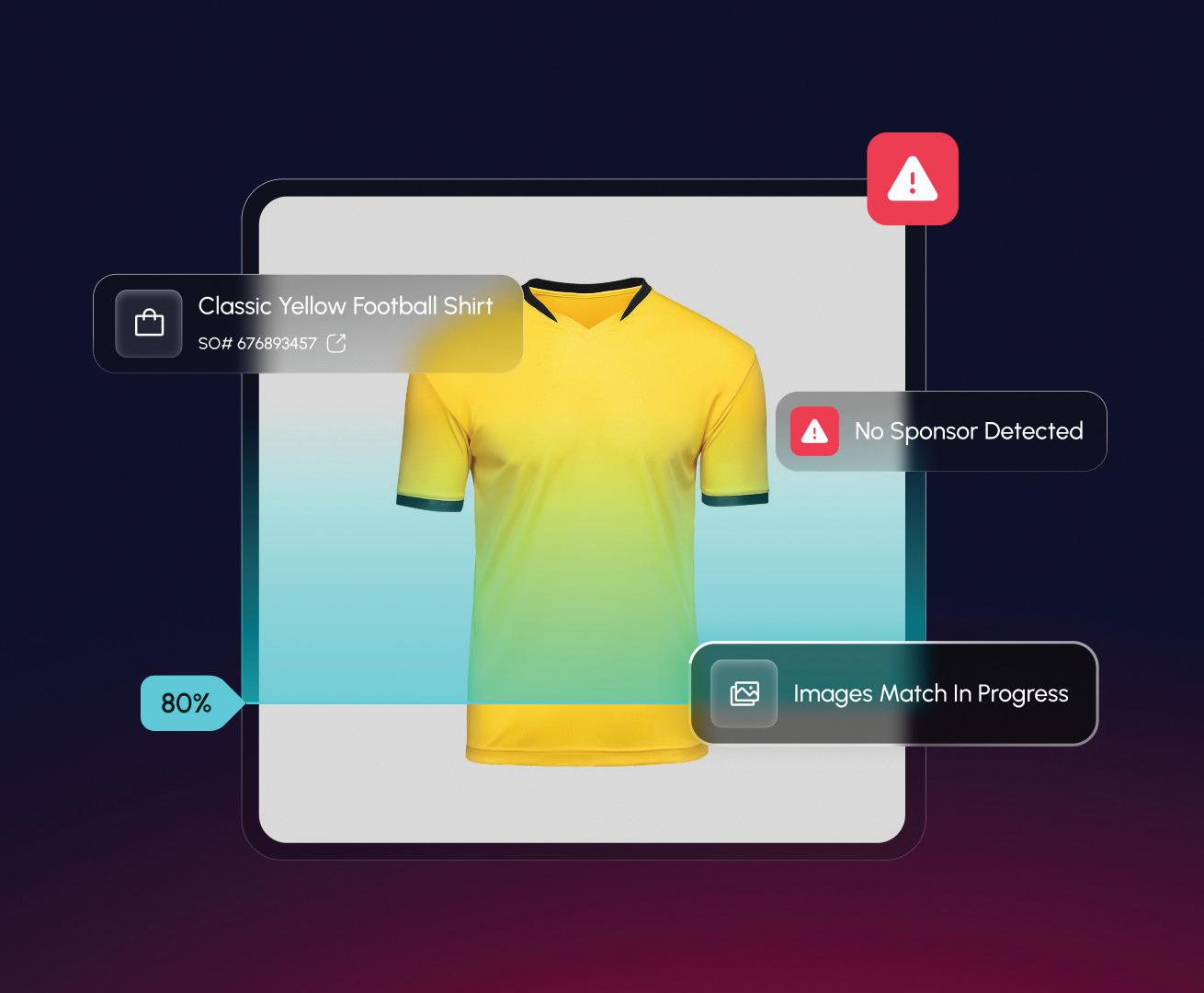
Our job is to help keep those digital environments as safe as possible, protecting both brands and consumers in the process.
The sports betting industry continues to expand globally. What are the biggest brand protection challenges operators face today?
The biggest challenge is the scale and speed of the online environment.
Sports betting has evolved dramatically from the days of the traditional bookmaker on the high street. Today, most betting activity happens online, often through mobile devices, and consumers increasingly expect fast, frictionless experiences. While that convenience is beneficial for legitimate operators, it also creates opportunities for bad actors.
Consumers may be placing bets quickly, often during live events, without giving their full attention to every detail. Fraudsters understand this. They exploit trusted betting brands by creating fake websites, impersonating social media accounts or presenting offers that appear legitimate at first glance.
Major sporting tournaments amplify the problem. During high-profile events, many casual users enter the betting market for the first time. Corsearch data illustrates the scale of the challenge. During last year’s major summer sporting tournaments, enforcement actions against bettingrelated phishing scams increased by 118% month-on-month, highlighting how fraudsters actively exploit periods of heightened betting activity. They may not already have trusted apps installed or established betting habits. As a result, they are more vulnerable to deceptive websites and fraudulent promotions.
It’s a perfect storm of heightened demand, increased consumer activity and sophisticated criminal behaviour.
How serious is the threat posed by illegal betting websites and counterfeit brands?
The threat is significant, both from a consumer protection perspective and a commercial perspective. In fact, Corsearch’s analysis of 12 major international betting and gaming operators found that trademark abuse accounted for 58% of all brand infringements enforced in 2025, with copywright infringement representing a further 29%.
The most immediate concern is consumer trust and safety. If someone believes they are interacting with a legitimate operator but instead ends up on a fraudulent platform, they may lose money, expose personal information or become the victim of wider scams. However, there is also a direct commercial impact. Revenue that should be flowing to licensed operators is diverted elsewhere. In some cases, fraudulent operators are effectively building businesses by exploiting the reputation and marketing investment of legitimate brands.
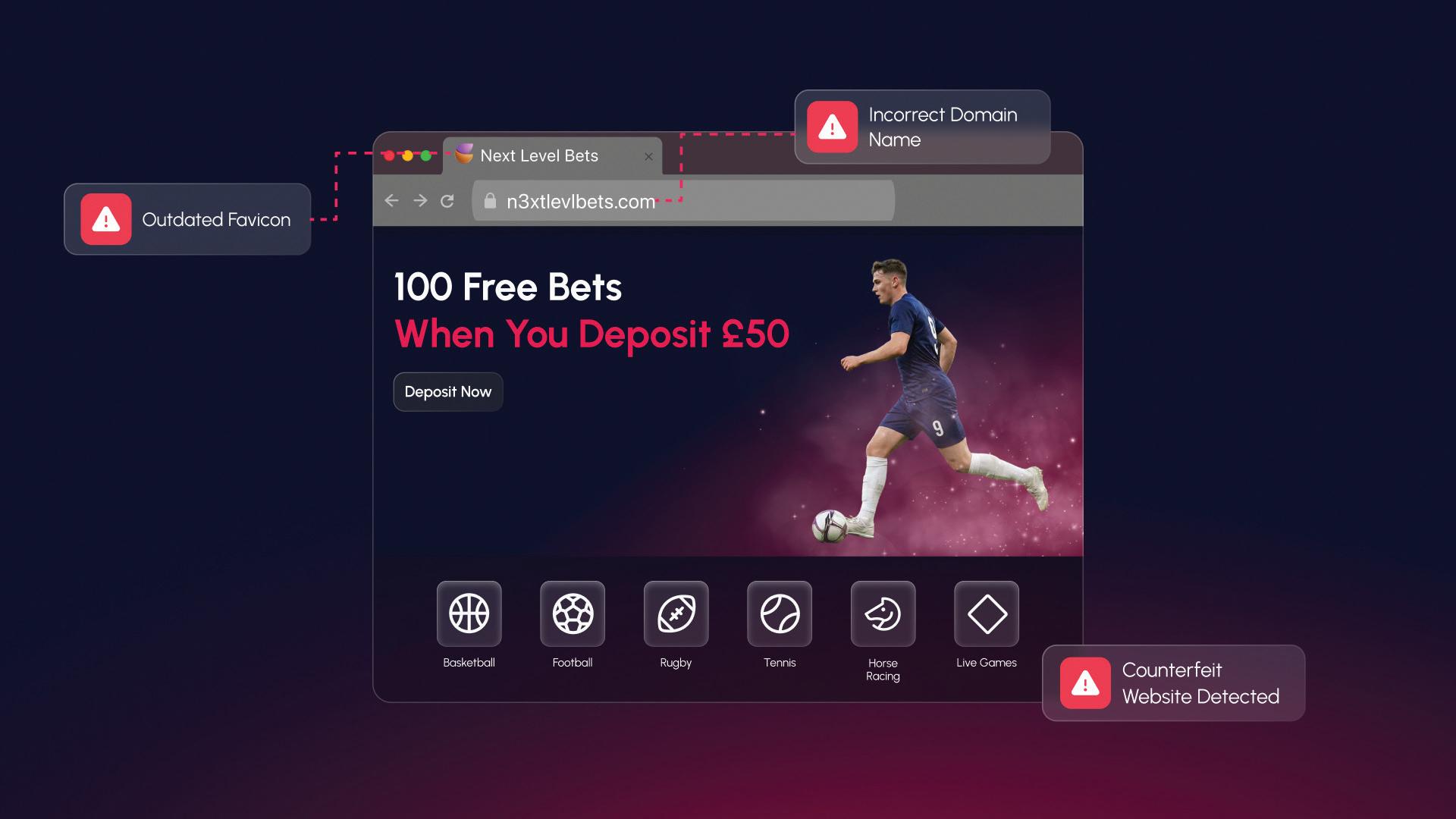
Perhaps most importantly, consumers often hold the legitimate brand responsible when things go wrong. Many customers don’t distinguish between an official platform and a convincing impersonation. If they feel they have been misled, they frequently ask why the brand didn’t do more to protect them. That can create reputational damage, customer dissatisfaction and a loss of trust that takes significant effort to rebuild.
How are AI and data analytics transforming brand and content protection?
The internet is simply too large for manual monitoring. In the past, a betting operator might have been concerned with a handful of physical locations in a particular town or city. Today, there are millions of digital storefronts across websites, social media channels, app stores and other online environments.
AI enables organisations to monitor these environments at scale. It helps identify potentially harmful activity, filter out irrelevant noise and prioritise
the issues that matter most. However, AI is only part of the solution.
Once a potential infringement has been identified, expertise becomes critical. Intellectual property rights, trademark enforcement, copyright law and platform policies all require specialist knowledge. Organisations need experts who understand what action can be taken, how quickly it can be taken and what enforcement route is most appropriate.
The real value comes from combining technology with human expertise. AI helps find and prioritise threats, while specialists ensure those threats can be addressed effectively and removed as quickly as possible.
How can sports betting operators better protect their trademarks and digital assets?
The starting point is ensuring trademarks and other intellectual property rights are properly secured and registered. However, registration alone is not enough.
Operators need continuous visibility into how their brands are being used online. That means monitoring
websites, social platforms, domains, apps and other digital channels to identify unauthorised activity as early as possible.
When issues are identified, organisations need a clear response strategy. In some cases, that may involve removing infringing content or taking down fraudulent websites. In more serious cases, operators may need to pursue investigations, involve law enforcement or consider legal action against organised criminal networks. The key is moving from a reactive mindset to a proactive one.
What trends are you seeing in piracy, affiliate fraud and domain abuse?
Across Corsearch’s betting and gaming enforcement activity, social platforms accounted for 51% of all actions taken, although strong platform cooperation helped deliver a 94% takedown success rate. One of the biggest trends is the increasing ease with which bad actors can create convincing online assets. Today, websites can be built and deployed in minutes. Multiple variations can be created almost instantly and scaled across different domains and channels. As a result, fraudsters can operate more quickly and efficiently than ever before.
We’re also seeing growing activity across standalone websites, social media platforms and app stores, particularly during major sporting events. The challenge for operators is not simply finding individual infringements. It’s identifying patterns, understanding how abuse networks operate and responding quickly enough to minimise consumer exposure.
Technology is essential because the volume of activity is simply too large for manual monitoring alone.
How important is proactive brand protection when entering new markets?
It is extremely important. When entering any new market, businesses naturally want to understand who their competitors are, how the market operates and what risks may exist. The same principle applies online. Operators need visibility into who is already using similar branding, whether unauthorised activity is taking place and how their intellectual property could be exploited once they launch. The earlier organisations gain that visibility, the better positioned they are to protect themselves and their customers. Brand protection should not be viewed as something that happens after launch. It should form part of the market entry strategy from the outset.
What role does online brand protection play in safeguarding player trust?
Trust is fundamental to the betting industry. Licensed operators invest heavily in responsible gambling measures, compliance programmes and customer protections. Those safeguards are designed to help consumers engage responsibly and safely.
The problem arises when bad actors misuse trusted brands to attract customers to unauthorised platforms that lack those same protections. Consumers who believe they are engaging with a legitimate operator may unknowingly expose themselves to greater financial risks, weaker safeguards and fewer avenues for support.
Strong brand protection therefore supports more than revenue and reputation. It also helps reinforce responsible gambling commitments and protects consumers from harmful experiences.
Looking ahead, what are the biggest threats facing the betting industry?
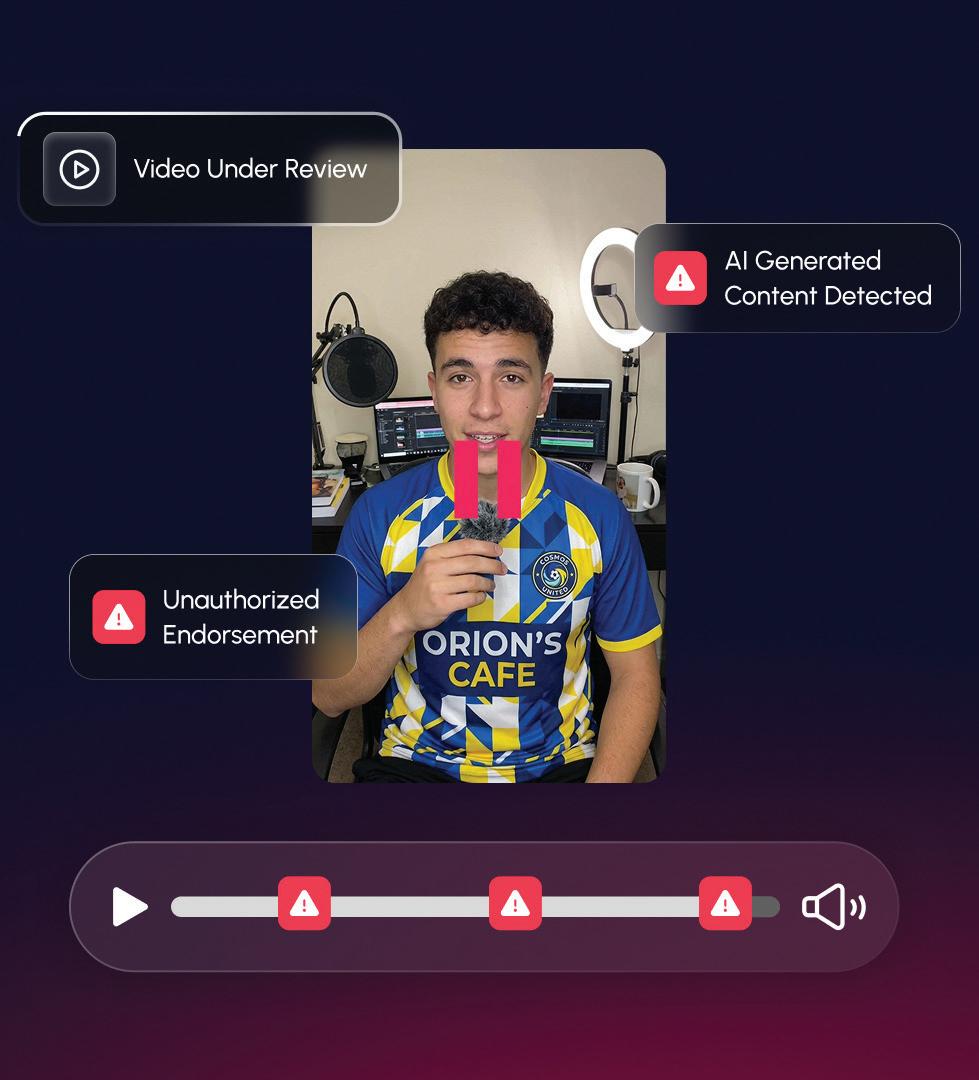
AI-generated impersonation and deepfake technology are likely to become increasingly significant concerns. We’re already seeing examples where public figures, celebrities and trusted personalities are falsely presented as endorsing products or services. As these technologies become more sophisticated, distinguishing between genuine and fraudulent content will become increasingly difficult for consumers.
For betting operators, the risk is clear. A convincing deepfake featuring a well-known sports personality or brand ambassador could be used to drive traffic towards fraudulent platforms or deceptive promotions. The technology will continue to improve, making proactive monitoring and rapid response capabilities even more important.
Are there any recent innovations from Corsearch that demonstrate the value of brand protection technology?
One area we’re particularly excited about is our ability to monitor video content across platforms such as TikTok and other social channels. Historically, much of online brand protection focused on websites, domains and text-based content. However, video is becoming an increasingly important channel for both legitimate marketing activity and fraudulent behaviour.
Our video monitoring capabilities help identify harmful content that might otherwise go undetected. While the technology is already producing strong results in areas such as counterfeit goods, it also has significant potential to address deceptive video content, impersonation and emerging forms of fraud.
Finally, what advice would you give sports betting operators looking to strengthen their brand protection strategies?
Start with strong intellectual property foundations, but don’t stop there. Make sure your trademarks are properly protected, ensure you have visibility into how your brand is being used online and invest in the tools and expertise needed to respond quickly when issues arise.
Perhaps most importantly, treat brand protection as a business-wide priority rather than solely a legal concern. Marketing teams, compliance teams, security teams and legal teams all have a role to play. The operators that are most successful in protecting their brands are those that recognise brand protection is ultimately about safeguarding trust, protecting customers and preserving long-term business value.
REAL-TIME BETTING REVOLUTION
Micro-betting and live wagering are transforming Eastern Europe’s sports betting landscape, driving engagement, innovation and growth. By Marko Mitevski
Over the last ten years, the sports betting sector in Eastern Europe has changed beyond recognition. It started out as a very basic and limited activity, mainly featuring bets on the final outcome of the game. Though, the industry has since been transformed into a complex digital entertainment platform that is capable of running in real time. Among the major factors behind this change are micro-betting and live betting. These two innovations have altered the betting landscape at its core and are a great example of how technology can redefine the relationship between fan and sports through gambling.
In fact, micro-betting and live betting have become extremely popular in many parts of Eastern Europe. Serbia, Croatia, Romania, and North Macedonia are some of the countries where people are increasingly opening online sportsbook accounts and using mobile devices for betting during a game. This change has been accompanied by proliferation of smartphones, secure payment mechanisms, and a growing willingness to enjoy interactive sports entertainment.
Nowadays, both micro-betting and live betting are mainstream activities. They are also very popular among the younger generation who demand instant gratification and wish to have
a continuous interaction. In the eyes of the operators, these offerings mean an opportunity for greater customer loyalty and revenue, while the bettors see them as a form of sports entertainment that is more engaging and absorbing.
Understanding Live Betting and Micro-Betting
To appreciate these developments, one has to first get the difference between live and micro betting.
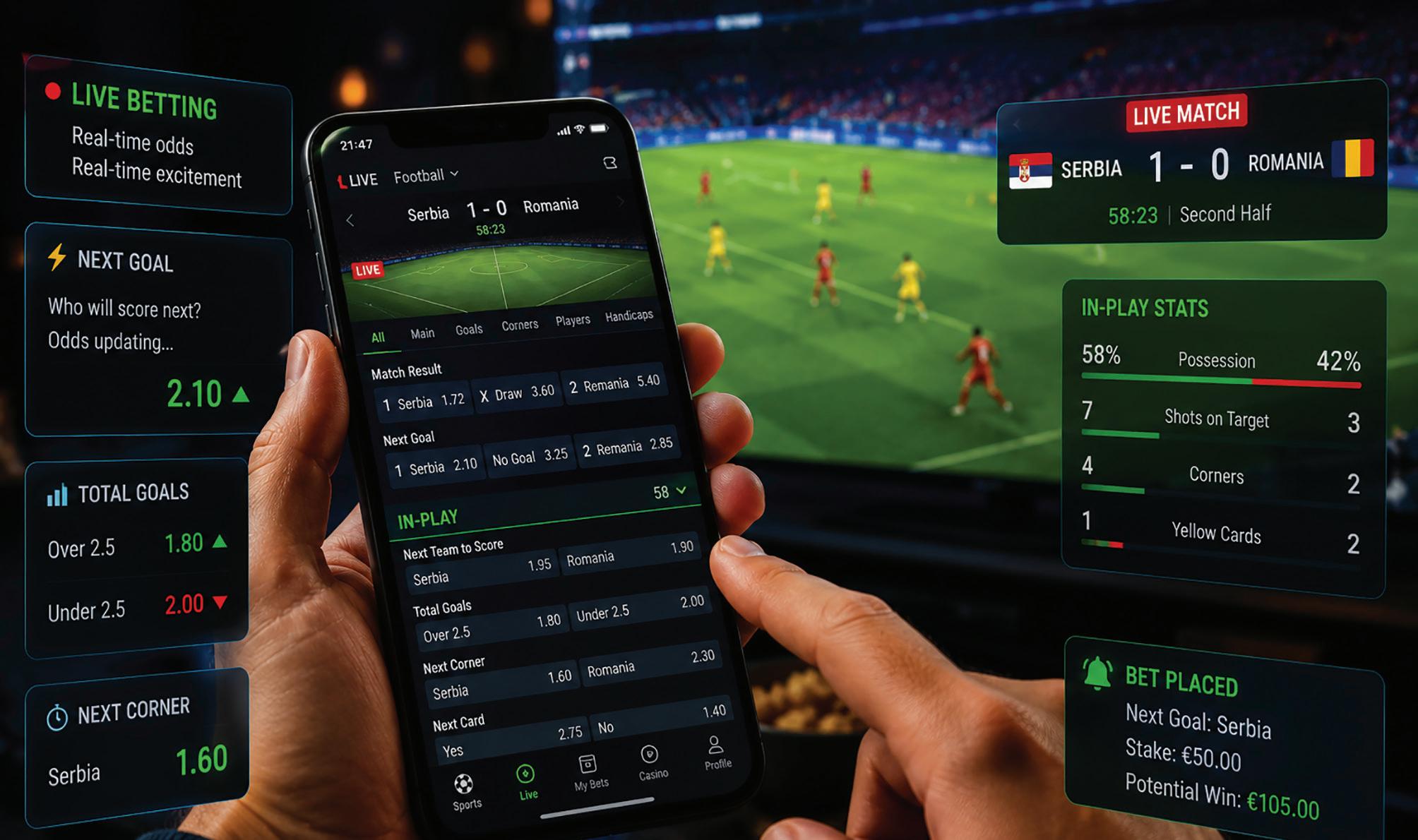
Live betting, or in-play betting, is a concept that lets players place bets on the progress of a sports event as it is happening. Since the odds are updated all the time according to what is going on in the field, court, or track, the bettors can truly react to the in-game developments and fine-tune their strategies.
Take for instance a football supporter who tunes into a UEFA Champions League game and after watching the first 20 minutes of play, he or she decides to place a bet on the team that will score next. Same thing, a basketball enthusiast might decide to cheer for the side that has fallen behind at the beginning but seems to be coming back strong.
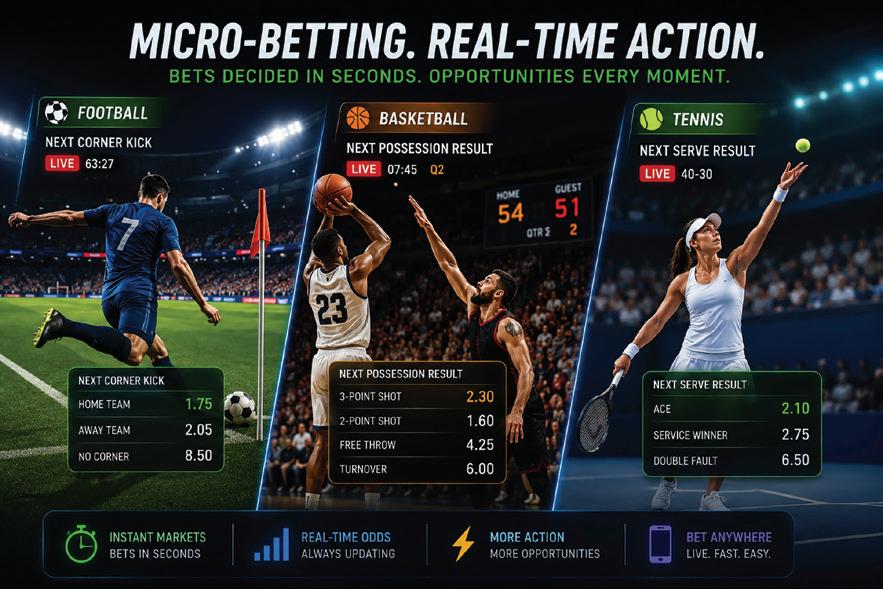
Micro-betting is basically doing the same thing but to an even greater extent. Instead of betting on the final result of a match, micro-betting deals with the very precise elements that define a very short time period. Such a wager can be decided in seconds or minutes.
Examples are calling whether the next tennis serve will be an ace, whether the next basketball possession will end with a three-point shot, or whether the next football corner kick will come within the time limit set.
Simply put, micro-betting is attractive because of its quick pace. Apart from knowing that your match
will no longer take hours but minutes, you get to enjoy the rapid turn-around while also being able to participate many times during the event.
The Digital Transformation of Eastern European Betting Markets
Live betting and micro-betting could not have emerged if there hadn’t been a major digital transformation in the entire Eastern Europe region.
Internet penetration rates have shot up dramatically over the last 15 years throughout the region. Besides that, fast broadband and mobile internet have become so widespread that most people can access betting platforms practically anytime and anywhere.
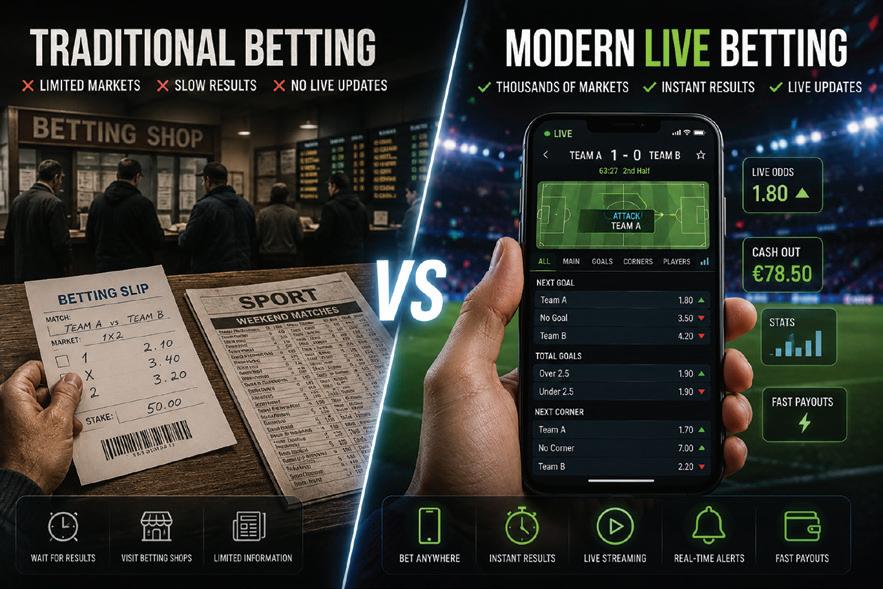
Yet, smartphone adoption has been just as significant a factor. Today’s bettors don’t need to go to a betting shop to place a bet. Mobile apps grant instant access to tens of thousands of betting markets, live statistics, streaming content, and real-time updates of odds.
Eastern European sportsbooks have quite a bit invested in technology after that. Modern apps present a userfriendly interface, give personalized suggestions, allow instant deposits, and have integrated live streaming. All these features combined resulted in a fertile ground that let live and microbetting flourish.
What has happened is a continuous move away from the traditional betting style towards an engaging and lively experience.
Why Eastern European Bettors Are Embracing Real-Time Wagering
There are several reasons why live betting and micro-betting are presently the most liked forms of
betting among Eastern Europeans.
One major reason is the strong sports culture in the whole region. Football remains the main sport, but basketball, tennis, volleyball, handball, and fight sports are also quite popular. Fans are so passionate about their teams that at times they know the players and their stats by heart.
Live betting allows sports enthusiasts to use their knowledge during the game. Instead of just making decisions based on the team’s strengths and weaknesses before the match, they can respond to new tactics, injuries, change of pace, and other factors that may throw the game off balance.
Another reason is the enjoyment factor. Most gamblers who bet in the live betting market are looking at it as a fun part of following sports and not mainly a way of making money. Live betting makes fans get involved at a whole new level, and so they end up getting through a match with increased thrill.
Micro-betting takes the fun aspect of live betting to the next level by giving bettors even more opportunities to interact and enjoy their pastime. Every possession in the game, serve, or corner kick can be a suspenseful moment for them.
The younger generation of consumers that is being brought to the market through betting is also a factor in the increasing demand for small-stake wagers. Digitally native customers expect quick responses from social media, gaming, and streaming platforms. Betting products based on traditional performance can sometimes be viewed as slow versus contemporary digital experiences.
Micro-betting is perfectly in line with these expectations because it gives quick results after the bet and ongoing interaction with the product.
Football as the Engine of Growth
Football is the main sport that leads to the growth of live and micro-betting in Eastern Europe.
The format of the game lends itself very well to betting as it opens up many possibilities for placing bets during a single match. Market participants can bet on a whole range of topics like goals, corners, yellow cards, possession, shots on target, and substitutions just to name a few.
Top European clubs usually make the most volume in betting markets but the home ones also are significant. The loyalty of Eastern European fans to their domestic teams and players can also be seen in betting.
International competitions provide a lot of betting opportunities. For example, FIFA World Cup, UEFA European Championship, UEFA Champions League, and Europa League attract enormous volumes of live betting.
Since football is an extremely emotional sport the in-play betting gets particular popular. The course of the game can change so fast that for a short period of time the odds can be so different that it looks like a completely different market altogether. This is why bettors tend to believe that if they are fast enough to reacting to the on-field happenings, they will have an advantage.
Basketball and Tennis: Perfect Sports for Micro-Betting
Though football is the most popular sport on playing volume, basketball and tennis lend themselves to microbetting even better than football does. Basketball is a high-scoring game with sudden changes of game flow. A new market can be created with each possession. The operators can present
bets asking if the next basket will be a three-pointer, which team will score next, or if a player will make a free throw.
The speed of the game opened basketball the chances to players that wish to be completely engaged at all times.
Tennis shares these traits. Each point, game, or set offers a new turning point that can be bet on. Modern sportsbooks give you the opportunity to bet on very specific results like a serve being an ace or the game going to deuce.
Eastern Europe has produced many great athletes in these sports which also impacts the bettors interest in them. Also, being able to place several dozen bets during one single game makes these three sports very appealing for fans of micro-betting.
Technology Behind the Revolution
The expansion of micro-betting would have been unthinkable without a huge technical leap. Believe it or not, sportsbook operators work with very advanced data providers that can transmit a split-second account of an ongoing sporting event. Thanks to this, data operators can not only change the betting odds as fast as thought, but also get the final score and settle the bets almost simultaneously.
However, to better comprehend the huge amount of data and to generate proper odds for the thousands of live markets that are open simultaneously, sportsbooks have started using artificial intelligence and machine learning.
Infrastructural support enabled by cloud computing is what makes it possible for bookmaking platforms to accommodate the high influx of users that a major sporting event usually
attracts. But without having scalable systems, sportsbooks would have a really hard time keeping up with the enormous number of transactions that live betting will generate.
While mobile technology has made it possible for people, it has also become a means of spreading betting opportunities. New Apps enable people to get alarmed, live streaming, statistics tracking, and betting with a few simple taps only.
The Economic Impact on the Betting Industry
Live and micro-betting are two features which have in fact been major contributors to the revenue of betting operators throughout Eastern Europe. Traditionally, pre-match betting has been the main source of income for the industry, with most of the revenue being made before the events actually take place. After the start of the game, the chances to drum up further interest are rather limited. Live betting completely re-models this situation by offering new betting markets going on virtually every minute of the event.
It is safe to say that the opportunity to bet on a single football match can be seen almost endlessly and from time to time may even reach in the thousands. This is what leads to larger turnover, and the customers become more engaged.
FEATURE: EASTERN EUROPE
Besides, operators enjoy the fact that the users are engaged for longer periods of time and they keep coming back to the platform more frequently. People who bet live markets tend to spend quite a bit more time using the sportsbook apps compared to those who do only pre-match betting.
Their expansion didn’t stop the industry’s leaders from also raising capital for the purchase of technology, customer acquisition, marketing, and data services. That in turn has resulted in the betting sector in total evolving and producing jobs in many areas like software developers, customer support, etc.
For most of the licensed betting companies, live betting accounts for more than half of the total betting activity.
Regulatory Challenges and Responsibilities
The fast development of micro-betting and live betting has also brought up some major regulatory issues.
Throughout Eastern Europe, governments are paying more attention to keeping betting markets fair, transparent, and secure. Regulations differ a lot from one country to another, but a lot of places are upgrading their control of online gambling businesses.
The main issue is about safeguarding consumers. Since live betting and micro-betting offer continual opportunities to bet, regulators get scared of the risk of problem gambling.
In many places, the authorities oblige the operators to put responsible gambling features like setting deposit limits, provision of self-exclusion programs, carrying out reality checks and age verification procedures.
The other problem is ensuring the integrity of the sports events. The availability of very detailed betting
markets may raise issues of matchfixing and corruption. Fortunately, sports authorities and betting operators are working together to track down suspicious betting and avoid threats.
Keeping up with innovation without risking consumers is still one of the major dilemmas for regulators and players in the industry.
The Psychology of Instant Engagement
The rise of micro-betting can be largely attributed to the innate human tendencies, and it is hardly surprising that this form of betting has become so popular among the people.
Traditional betting is essentially about waiting for one’s turn. The bettor places the bet and then has to wait for the event to unfold, sometimes quite a long time until the magician reveals the outcome.
Micro-betting quickly transforms this cycle of excitement and resolution to one that is in seconds long. With things happening so fast, it is easy to get trapped in an endless loop of seeing one result after the other.
This kind of on-the-spot is very much like the way things work now in our digital age. Social media notifications, video games, and shortform content platforms all rely on rapid feedback mechanisms to maintain user engagement.
Rates of adoption of these strategies by sportsbooks are high. Constant updating of odds, quick agreement on the result, and custom-made tips are just some of the ways in which users are given an idea of the environment that leads to the temptation for continuous play.
It is crucial that both stakeholders, operators and regulators, grasp these psychological forces at work. Not only can greater involvement enhance the
amusement factor, but it also points to the necessity for a string of responsible gambling measures.
The Influence of Esports and Digital Entertainment
The increasing popularity of esports is one of the reasons why live and microbetting formats are gaining more attention.
Eastern European countries have embraced esports extensively and the most popular titles there are Counter-Strike, Dota 2 and League of Legends. Such tournaments have even drawn many millions of spectators, not to mention the ample potential for betting in these games.
Micro-betting on esports basically means betting on small in-game events because there is a lot of action happening in the game which can be measured. For instance, one may be able to place a bet on the winner of a round, on which player made a kill, on what specific objectives were achieved, and so on.
Bets on sports events have become popular among newer generations of gamers through this synthesis of betting culture and gaming culture. Interactive digital entertainment being a major part of their lives, these young consumers naturally prefer betting formats that are highly stimulating and engaging all the time.
No doubt, this blend of sports, gaming and technology will continue to be one of the driving forces for industry growth.
Future Innovations in Live Betting
The next step in the evolution of technology offers a glimpse into the future of betting that will feature sophisticated betting experiences enhanced by AI.
Artificial Intelligence may help to
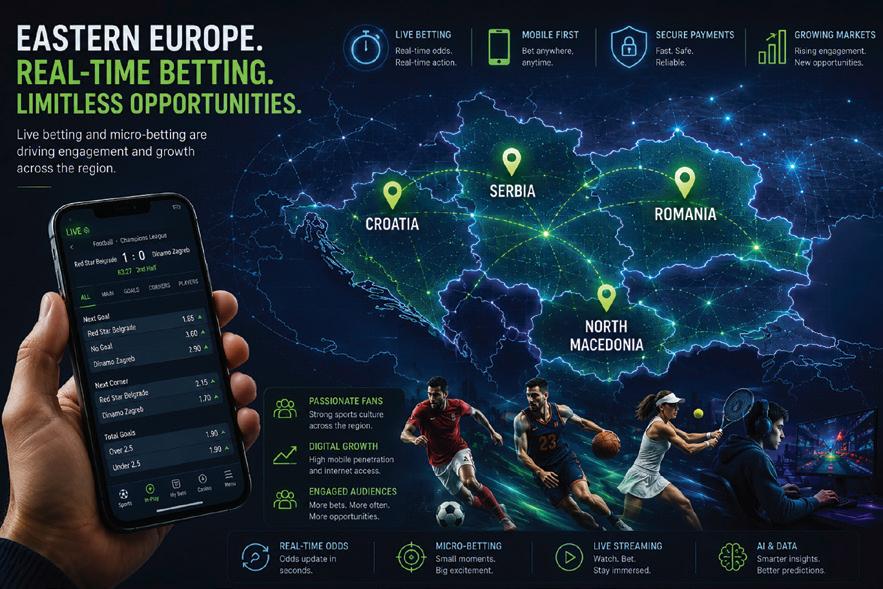
develop personalized betting interfaces that cater to the unique preferences and behavior of the users. Personalized market suggestions could be made to users aligned with their favorite sports, teams, and betting patterns.
Eventually, AI technologies may produce sports viewing experiences that feature betting functionalities embedded into the broadcasts.
With the employment of advanced data analytics, there could be opportunities for micro-betting at a much more detailed level. As player and team tracking technologies improve, sportsbooks may be able to offer markets based on highly detailed performance metrics.
Integration of streaming with betting features is yet another area with tremendous potential. Many operators are already providing a combination of live video with betting interfaces. This way enables users to watch the event and place the wagers within the same application.
Technology keeps developing so the distinction between sports viewing and interactive entertainment will probably get even more blurry.
The Future of Eastern Europe’s Betting Landscape
There is a strong likelihood that Eastern Europe will continue being one of the most vibrant betting markets globally.
This part of the world has a potent mix of factors like strong passion for sports, improving digital infrastructure, widening regulatory structures, and growing usage of smartphones. Such factors foster the perfect setting for the sustained expansion of live and micro-betting.
It is anticipated that the race among operators will intensify as businesses put their money in innovation and customer experience. Very good quality of mobile apps, streaming services, data visualization tools, and personal features might be the main factors that differentiate betting companies.
Meanwhile, regulators will still make continuous efforts to adjust policies that not only protect customers but are also favorable to the growth of the industry. Such initiatives that focus on responsible gambling will probably be more sophisticated and fed with data. The future of the market depends on how well a balance among innovation, entertainment, and consumer protection is met.
Conclusion
Micro-betting and live betting mostly changed sports betting experience in the countries of Eastern Europe. Originally, they were a mere technological innovation, but gradually, these new ways of sports wagering
turned into a fundamental change of sports fans behavior. Rather than simply watching the entire game, bettors become a part of the event, as the new betting methods allow them to make a statement indicating their reaction to the game scenario.
Mobile technology, availability of data over the internet in real-time, artificial intelligence technologies, and digital infrastructure advances have all contributed to the rebirth of live and micro betting. To highlight the sports that through their nature seem to be amazing home for new betting possibilities, these would be most likely football basketball tennis, and esports, as people can pretty much bet on all actions in the game.
Operators who are still hesitant to use live and micro betting as customer retention and acquisition tools, and as a revenue generation means, should keep in mind that these are extremely powerful tools. Besides providing even greater fun and entertainment, the betting formats also offer consumers a chance to get a much more immersive experience of sports. Then again, for regulators, these new market developments are a double-edged sword that features new possibilities, but also unseen risks.
The development of live betting and micro-betting is just another indicator of the digital transformation of Eastern Europe, and because of this, the region would be the main beneficiary of these revolutionary new ways of betting. Eastern Europe will position itself at the beginning of a completely new time of sports entertainment where instant, participatory, and uninterrupted nature will be the characteristics defining the new era. Not only that, but these new ways of sports betting will also change the way people watch, follow, and experience sports.


ALL-IN FOR INDUSTRY GROWTH
World Gaming MD Stuart Hunter reveals how innovation, networking and global expansion are shaping a business-critical iGB L!VE 2026
iGB L!VE has continued to evolve rapidly over the past few years.
What are the biggest changes attendees and exhibitors can expect from the 2026 edition?
‘New’ underpins the entire iGB L!VE experience, and attendees can expect that commitment to be evident throughout the event. Highlights include the launch of the inaugural iGB L!VE Africa Summit, dedicated sessions on doing business in LatAm, the launch of the first World Gaming M&A Summit, the first Summer Gala (in association with ICE) and which is being hosted by the Savoy Hotel, the new iGB Affiliate Awards taking place at the iconic Shard and a significantly expanded Sustainable Gambling Zone, the largest in the event’s history. Our
message for 2026 is ‘All In’ – a theme which reflects both the energy of iGB L!VE and the breadth of what the show covers from casino, to affiliates and in the year of the FIFA World Cup, sports betting operators.
How important is London as a host city for iGB L!VE in terms of attracting international operators, affiliates, suppliers and investors?
London remains the spiritual and commercial home of the global iGaming industry. More than 50 of the sector’s most influential companies are based in the UK, alongside an estimated 37,000 iGaming professionals, making the city one of the world’s leading hubs for business networking, investment and industry leadership.
Being in London places iGB L!VE closer to the investors, operators and decision-makers who are shaping the future of the sector. The city’s position as a global financial centre also creates the perfect backdrop for some of our key strategic content streams.
The first World Gaming M&A Summit (WGM&A) which is taking place 1 July, draws on the importance of London as host city. The WGM&A represents the only dedicated forum for corporate development officers and M&A advisors working in iGaming. Convening leadership from public and private operators alongside sector-focused investment banks, legal advisors and corporate finance specialists, attendees will benefit from a highly focussed opportunity to engage with key decision-makers, originate deal flow, assess strategic fit, and gain insights from active market participants. The event provides direct access to London’s deep sector expertise built over decades of transactions and its unparalleled ecosystem of strategic acquirers, potential targets, leading advisory firms, and business leaders across the M&A value chain. M&A is a business imperative in the current iGaming landscape and this event features insights from sector-specialist advisors and industry leaders including Morgan Stanley’s Laurence Hopkins, Paolo Della Rovere and Bally’s Robeson Reeves. Also featuring Strategic Intent Sessions, industry leaders will host round-tables to explain their growth theses, define their M&A criteria and share their business’ vision for consolidation and growth. Following the sessions attendees are invited to the M&A Summit cocktail reception and dinner where conversations will continue and deals will be cemented. Legislative and fiscal developments including the increase in UK gaming
Stuart Hunter, MD, World Gaming

taxes which were announced by the government in the November 2025 budget, evolving European regulations, and wider global legislative adjustments, have prompted the introduction of the World Gaming M&A Summit. The WGM&A, is part of a broader programme of businesscritical events taking place at iGB L!VE.
AI has become one of the most important talking points across gaming technology. How are you seeing operators and suppliers embrace AI-driven innovation and what other trends are shaping the industry?
A critical point to make at the outset is that our job as event organisers is to provide the best possible platform to debate and reflect the topics, trends, challenges and opportunities that our stakeholders tell us are impacting the industry. AI is clearly fundamental impacting customer support, fraud prevention, data analysis, operational efficiency, and player engagement. Additional themes that have been highlighted and fed back to us are the intersection of gaming and mainstream entertainment, localisation, regulation, and with that the path to achieving sustainable growth. The fact remains that every
RIGHT:
current and future trend will be represented at iGB L!VE London in July making it a truly business critical event.
Responsible gambling and compliance remain critical topics globally. How is Clarion Gaming ensuring these conversations remain central to the iGB L!VE agenda?
Responsible gambling, compliance and player protection have long been central to our events. I remain extremely proud that we were the first organisers in the sector to introduce a dedicated player protection area with the launch of the Consumer Protection Zone at ICE 2018. Since then, that initiative has evolved into the Sustainable Gambling Zone (SGZ), reflecting the broader industry focus on sustainability, compliance and duty of care.
This year, the SGZ at iGB L!VE will be the largest and most prominent we’ve ever delivered. Given the show’s digital-first audience, it provides an ideal platform for showcasing technology-led safer gambling and KYC solutions that are particularly relevant to the online gaming sector.
Many of the tier two and tier three operators, alongside businesses entering new or emerging markets, are actively seeking solutions that can help them prepare for future regulation or strengthen their longterm business positioning. The SGZ creates an important environment for networking, knowledge-sharing and collaboration among organisations that place sustainable play and consumer protection at the forefront of their operations.
From an exhibitor perspective, what are companies looking for most from industry events in 2026, branding, lead generation, networking, partnerships, or something else?
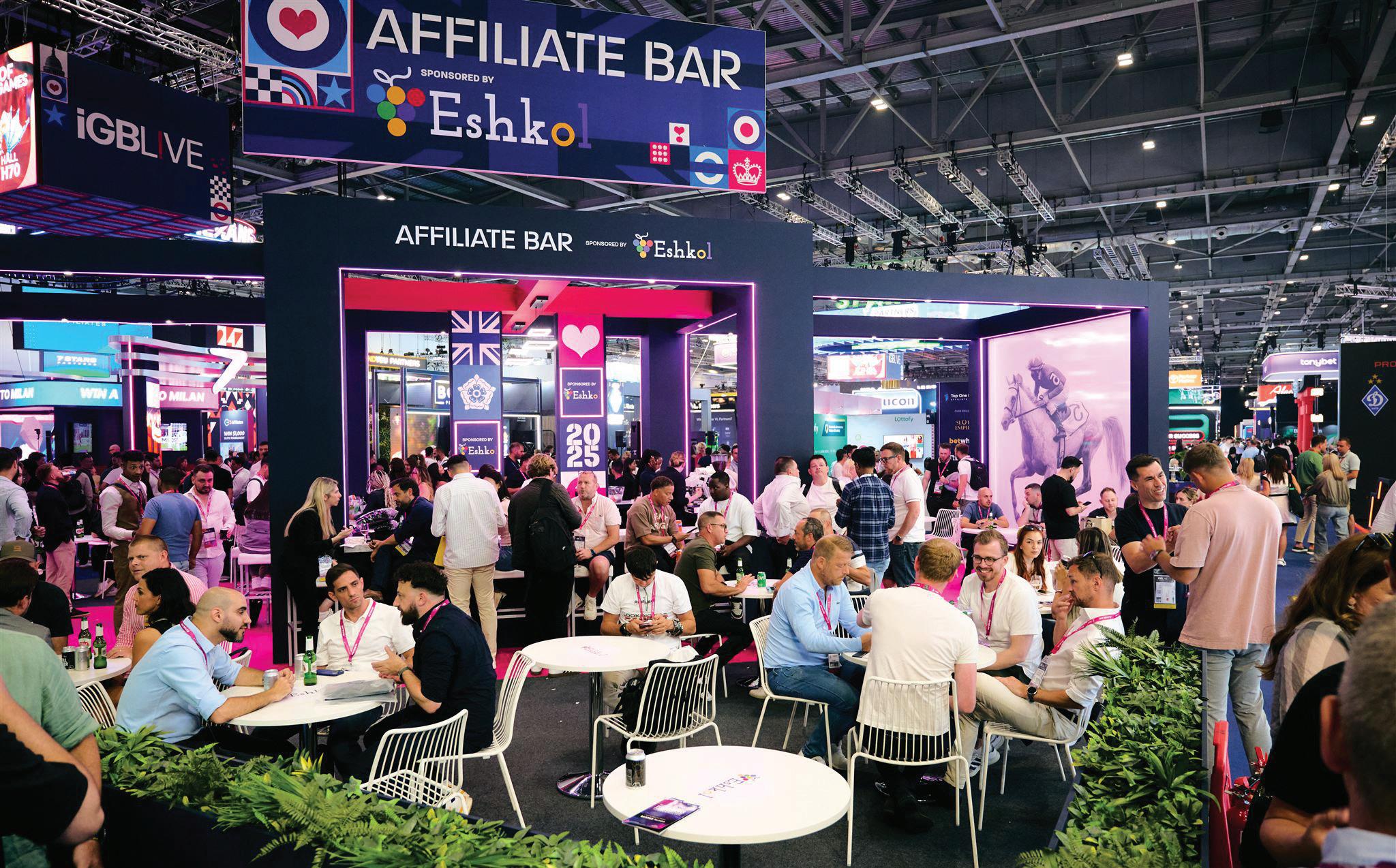
All of the above – and much more! While virtual communication has become easier than ever, there is still no substitute for face-to-face conversations. Many of the industry’s most valuable partnerships, ideas, and innovations begin with a discussion on a show floor and iGB L!VE is central to that process.
The affiliate sector continues to evolve alongside stricter regulations and changing acquisition models. How important is the affiliate community to the ongoing success of iGB L!VE?
With the advance of technology, including Ai has made Gaming Affiliation even more complex and competitive. Creating the biggest global gatherings of the affiliate community in Barcelona followed by London, is a unique opportunity to develop crucial strategies and partnerships in an ever-evolving landscape.
What role do emerging markets such as Latin America, Africa and parts of Asia now play within the overall iGB L!VE ecosystem?
One of the stand-out strengths of iGB L!VE is its global reach. We are focussed on building on last year’s success which set a new visitation record of 20,227 with attendees travelling to London from 149 nations – international credentials that are only bettered by ICE Barcelona. Bringing together representatives from so many different markets creates opportunities to exchange ideas, compare experiences, and identify emerging trends before they become mainstream. We have entered into a strategic partnership with the African iGaming Alliance (AiA) designed to support the development of sustainable, wellregulated gaming markets across
Africa. The first major initiative delivered through the partnership will be the launch of the Africa Summit at iGB L!VE London, taking place on 1 July. The business-critical Summit will bring together African regulators, international operators, suppliers and industry stakeholders to explore Africa represents one of the most important growth opportunities in global gaming, but success depends on market knowledge, regulatory understanding and trusted local engagement. The Summit has been created to give delegates exactly that. The Summit will cover a wide range of business-critical topics including regulatory cooperation, growth through best practice, the future of taxation, adapting global products for local audiences, sports betting, responsible gaming, player protection and integrity, AML, mobile money, KYC and player acquisition. The programme will also include region-specific roundtables focused on markets across west, east and southern Africa.
What feedback have you received from previous attendees that has helped shape the experience and content for the 2026 show?
Listening to the industry is fundamental to the way we develop all of our award-winning products including iGB L!VE. Any organiser that stops engaging with its customers risks losing relevance very quickly. The experience delegates will be part of in July is the product of hundreds of conversations with stakeholders across every part of the sector.
We don’t make major decisions in isolation. Our events are shaped collaboratively with the industry, for the industry, and that ongoing dialogue plays a critical role in how the show evolves year after year. Postevent research is equally important,
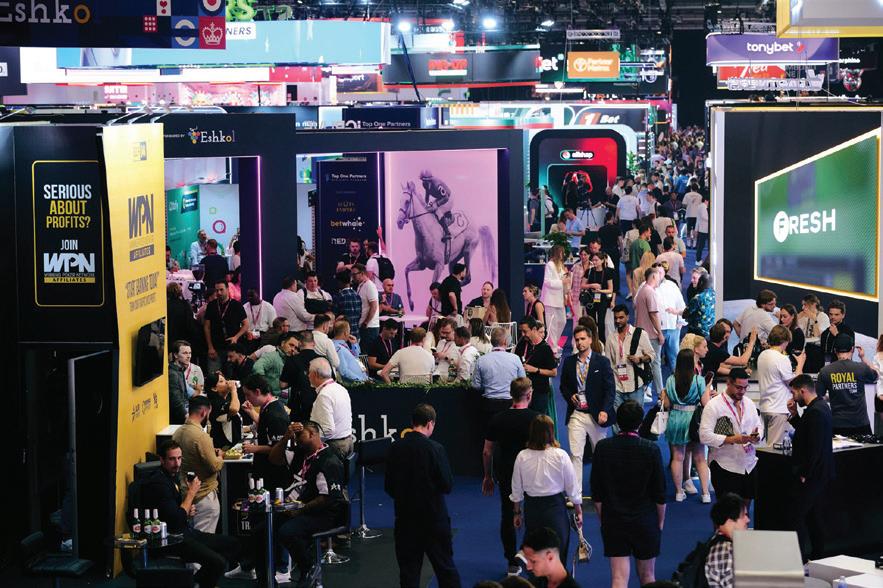
helping us identify which initiatives resonated most strongly and where improvements can be made. In many ways, attendees themselves are continuously shaping the future direction and experience of iGB L!VE.
Networking remains one of the biggest drivers for event attendance. How is iGB L!VE enhancing networking opportunities both on and off the exhibition floor?
The evolution of our networking opportunities are community driven. By that I mean we put an even greater emphasis on listening to the needs of the sector and designing platforms and experiences that not only deliver a memorable experience - which we believe is hugely important - but that it delivers an ROI beyond just fun. There are numerous large- scale networking events held across the industryhuge parties and concerts in fact: for us the focus is the effectiveness of the opportunity. Be it small curated dinners, to rare access galas, we think creatively on who’s in the room and what we want the outcomes to be for all.
In terms of specifics, we are hosting the first Summer Gala which will take place in the Beaufort Bar, at The Savoy Hotel, on Wednesday, 1 July (7pm to 9pm.) The Savoy was Britain’s first luxury hotel and became FEATURE:
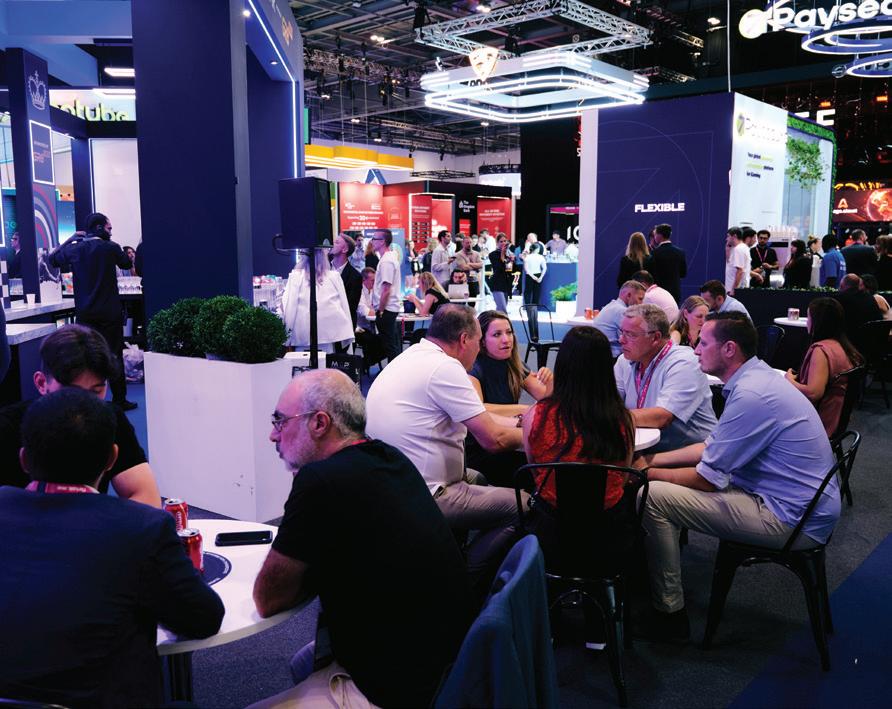
a legendary hub for film stars, artists, authors and royalty. This exclusive, invitation-only event will bring together senior leaders, regulators, and investors from the global gaming industry. The Beaufort Bar at The Savoy offers an elegant, intimate and luxurious setting which is ideal for meaningful conversation, networking and supporting the goal of fostering key connections among industry leaders. The Summer Gala is being jointly presented by iGB L!VE and ICE underlining how the conversations started in Barcelona in January are continued, developed and extended in London six-months later.
We have also reimagined the iGB Affiliate Awards. which will take place in the salubrious surroundings of The Shard, the iconic London landmark. The Shard was created as an architecturally stunning Vertical City emerging from the Thames and at just under 310 metres high (1,016 feet) is Western Europe’s tallest building. The Awards will take place in the Aqua Shard Restaurant which is located on the 31st floor. We’ve replaced the traditional table lay-out with a standing format that that will enable everyone to network more widely and freely. The iGB Affiliate Awards will open at
8pm on 2 July with food served as a series of bowls, bites and canapes curated by Aqua Shard Executive Chef Mark Abbot. The Shard is an unforgettable venue and I’m sure that the industry will embrace its outstanding architecture and ambience.
Finally, what message would you give to operators, affiliates and suppliers who may still be considering attending iGB L!VE 2026?
iGB L!VE the event occupies a pivotal position within the industry calendar as a mid-year meeting point where businesses can reconnect, review progress and prepare strategically for the months ahead.
Attendees consistently tell us that the event plays a valuable role in continuing the conversations and relationships established earlier in the year at ICE and iGB Affiliate Barcelona, while offering the energy and accessibility of another major international city.
Although more compact than ICE, the strength of iGB L!VE lies in the quality of its audience, exhibitors and networking opportunities. The event is designed to be highly focused, commercially relevant and driven by the needs of the industry itself.
For first-time attendees, my advice would simply be to plan ahead and fully explore the breadth of content, networking opportunities and specialist events available throughout the week. To quote one of our exhibitors ‘the industry is evolving rapidly, and iGB L!VE provides a unique opportunity to learn, network, and gain perspectives that are difficult to replicate anywhere else.’
Register for the 2026 edition of iGB L!VE (1st- 2nd July) at https://www.igblive.com
PREPARATION WINS BEFORE KICK-OFF
Boomerang Partners’ case study: how affiliates prepare traffic campaigns around major sports events
On June 11, the FIFA World Cup 2026 starts in North America. It will be the biggest sports event of the year, but the real challenge for affiliates is the rest of the schedule. Throughout 2026, dozens of major tournaments – from football and tennis to Formula 1 – are running almost back-to-back across the sports calendar. This creates one of the most overloaded sports calendars affiliates have worked with in recent years. Periods like these usually bring some of the highest traffic volumes and strongest audience engagement of the year for affiliate teams.
But data from Boomerang Partners shows that old tactics no longer work. You cannot just launch a campaign on match day and expect good results.
Today, teams have to plan their traffic and content weeks before the first game begins.
Regular leagues create more stable traffic
The pressure of this busy schedule became clear during the recent TIME TO WIN affiliate tournament, organized by Boomerang Partners. The project became a live test for different traffic strategies during major events.
The tournament highlighted one clear pattern. Teams like Fumma LTD pointed to the UEFA Champions League and the English Premier League as some of the most reliable traffic drivers. This approach gives affiliates several advantages:
• Fixed schedules make it easier to prepare content and distribute traffic across several tournament stages.
• Recurring match cycles help teams plan campaign timing and prioritize key fixtures well before kick-off.
The real problem in sports is overlapping events. Several big tournaments now run simultaneously across different regions and time zones.
For sports-focused affiliates, this means competing for the same audience attention at the same time. In many cases, the audiences overlap as well. If two major match cycles collide, teams have to choose quickly where to push traffic. Otherwise, they will lose their visibility entirely.
Campaigns must start before kick-off
The timeline for traffic preparation has completely changed. Affiliate teams increasingly start campaign preparation long before the opening
match. By the time the live event starts, much of the preparation work is already done.
Preparation now involves several steps. Content teams need to prepare match materials in advance, and media buyers must schedule traffic around the most important fixtures and playoffs.
During the live match, there is no time to fix mistakes. Audiences move too fast between different games. This is especially true when several big matches happen on the same day. If a campaign fails at kick-off, fixing it on the fly is almost impossible.
This is why arbitrage remains one of the strongest sources for sports campaigns. As Sanan Kamilli, CBO at Fumma LTD, noted during TIME TO WIN: “Google PPC works best for sports-focused campaigns because it captures high-intent users actively searching for event-related queries,
5 design services in one creative hub
allowing precise targeting, scalable volume, and strong conversion rates compared to other channels.”
Users searching for specific matches, teams, or betting odds usually show much stronger intent than broader tournament audiences. This makes search traffic particularly valuable during major sports events.
Sports traffic extends beyond the final match
Many affiliates think that sports traffic disappears once the final whistle blows. This is a mistake.
As Fumma LTD noted during TIME TO WIN, sports-driven audiences typically remain valuable for several weeks after the event. The company continues working with these users through retargeting, promoting upcoming matches, and using CRM campaigns to drive repeat engagement and increase lifetime value.
Fumma LTD also highlighted conversion rate (CR), earnings per click (EPC), and player lifetime value (LTV) as some of the key metrics for evaluating traffic quality and longterm profitability in sports-focused campaigns.
For affiliate teams, this creates opportunities beyond a single tournament window. Large finals still generate the biggest traffic peaks, but audience activity often continues into the following match cycles as well.
Using the 2026 Calendar to manage niche traffic
With so many tournaments running back-to-back in 2026, the main difficulty is managing multiple campaigns at once. Content creation, publishing, and ad buying must happen simultaneously.
To help with this, Boomerang Partners launched the Sports
Marketing & Betting Calendar 2026. This tool gathers major leagues, global tournaments, and niche events in one place.
For teams like Paradise Media, this centralized schedule solved a major workflow problem. As the company noted during TIME TO WIN, football still accounts for more than 80% of online sports betting activity, so having all World Cup match days, groups, and teams in one place helps speed up research and campaign preparation. To make their workflow faster, the team also combines the calendar with different AI and LLM tools to gather information and cross-check with the calendar to enrich their content, said Mehdi, Director of Affiliates at Paradise Media.
Niche sports also play an important role during quieter periods between major football tournaments. They may not generate the same traffic volume as top leagues, but they help affiliates maintain publishing activity and keep audiences engaged throughout the year.
For many teams, this is no longer just about traffic volume. Covering niche events also helps build authority and positions affiliate platforms as more consistent sports sources outside the biggest football peaks.
A structured calendar always beats reaction
The main takeaway from the market is simple: sports marketing is no longer about quick reactions. 2026 requires good coordination, pre-made content, and smart scheduling across overlapping tournament cycles.
The strongest affiliate teams are already moving toward structured, calendar-based strategies where preparation starts weeks before kickoff and continues well beyond the final match.
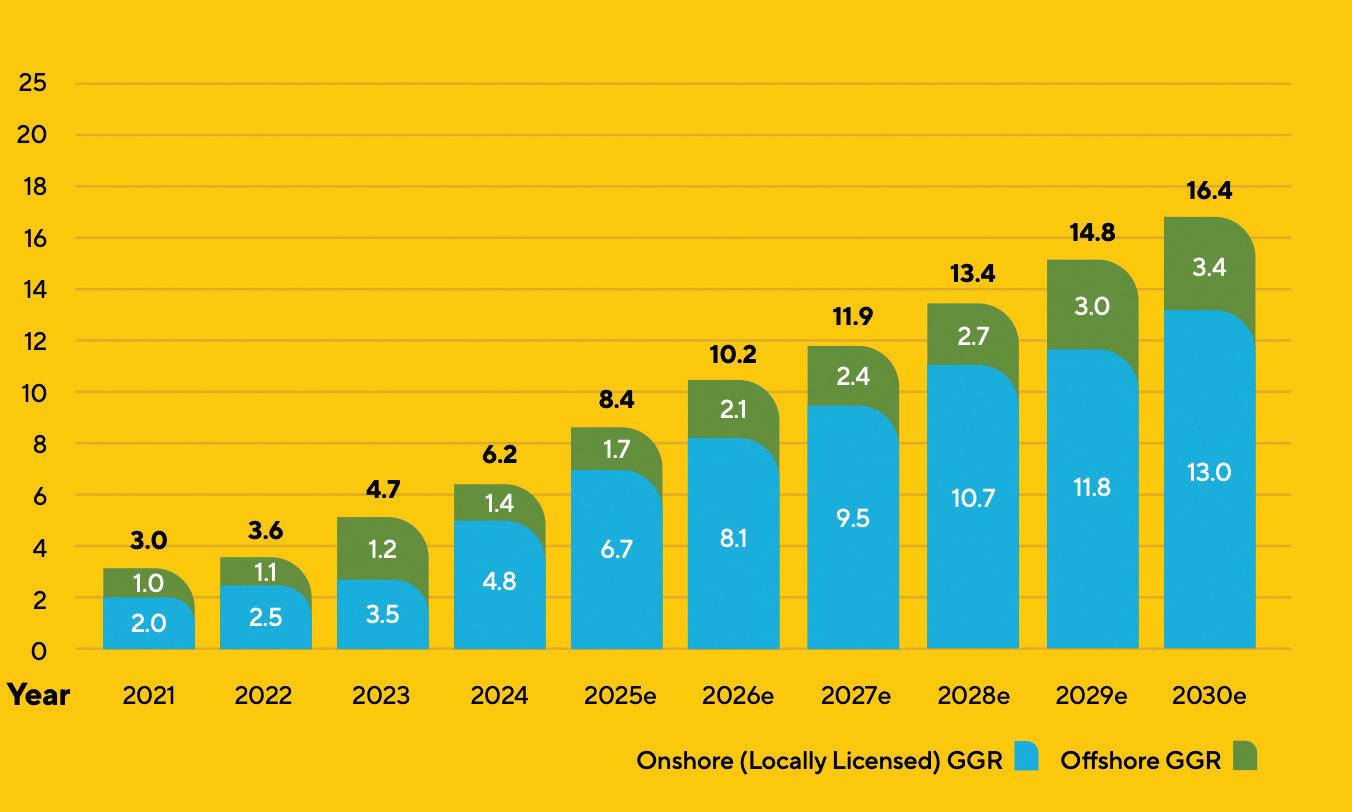
AFRICA’S BETTING BOOM NEEDS AN INTEGRITY BLUEPRINT
Africa’s regulated betting sector is expanding at pace. For IBIA CEO Khalid Ali, the task now is to ensure that market growth is matched by stronger monitoring, formal integrity protocols and trusted cross-border cooperation
A market moving into the integrity spotlight
Africa is becoming an increasingly important part of the global sports betting integrity landscape. The continent’s regulated betting sector is expanding rapidly, with H2 Gambling Capital forecasting that Africa’s land-based and online betting gross gambling revenue will grow from approximately US$3.5 billion in 2021 to around US$19.4 billion by 2030. Most of that growth is expected to come through online channels, creating significant commercial opportunities and also opportunities to create a more effective integrity environment that protects the licensed market and African sporting events.
It is important to recognise that properly licensed and regulated online betting generates the account-level transactional data on which effective integrity monitoring depends. Licensed operators can identify unusual customer behaviour, track staking patterns and escalate suspicious activity in ways that are not possible when betting takes place through opaque or unregulated channels.
For the International Betting Integrity Association (IBIA), which represents many of the largest licensed sports betting operators in the world and monitoring over $300bn in sports bets per annum, the lessons from other markets are clear: Africa’s market growth must be accompanied by integrity mechanisms that are capable
of scaling with it. As betting markets become increasingly interconnected, suspicious betting activity rarely remains confined to one jurisdiction. A single alert can involve operators, customers and payment flows across several countries, making intelligenceled monitoring and international information sharing central to any effective response.
World Cup focus, African relevance
Major sporting events will further sharpen the focus. According to H2 Gambling Capital, the 2026 FIFA World Cup is expected to generate around US$60 billion in betting activity globally and will feature a record ten African nations. That profile is likely to increase betting interest in African teams, players and competitions, both domestically and internationally. Events of that scale underline why integrity preparation cannot be left until tournament time. Strong monitoring frameworks, operator participation and trusted relationships between regulators, sports bodies and law enforcement need to be in place. The more betting activity that is channelled through licensed and transparent markets, the more effectively suspicious activity can be detected, assessed and sanctioned.
Africa is not one market
Comparisons with other markets are helpful, but the processes are not always easily transferable or as immediately applicable as might be expected. Much of Europe, for example, benefits from longestablished regulatory structures and relatively institutionalised cooperation between operators, regulators, sports governing bodies and law enforcement. The American market, by contrast, has progressed quickly
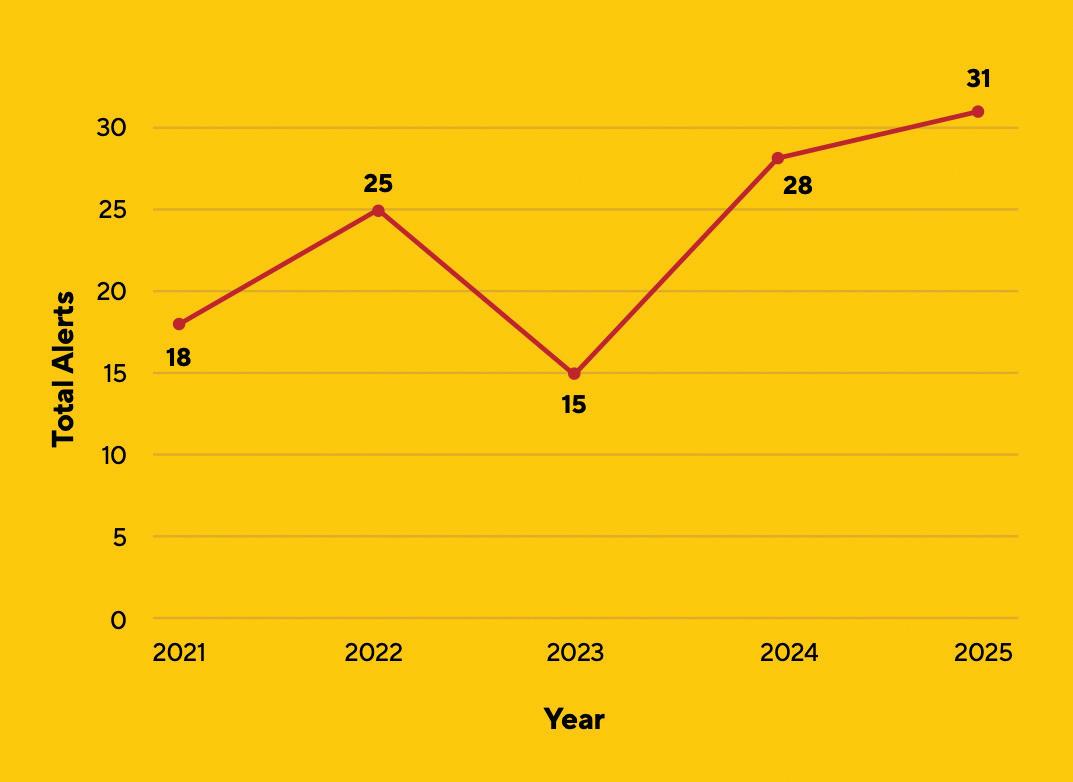
since the post-2018 expansion of regulated sports betting, with many US state licensing processes embedding mandatory integrity monitoring requirements into their frameworks from the outset.
Africa presents a more varied picture. Some jurisdictions are developing more modern and sophisticated regulatory models, while others remain at an earlier stage of market and integrity development. Monitoring infrastructure, reporting mechanisms and operator participation can therefore differ significantly between countries. In markets with a smaller regulated operator base, the amount of customer account-level intelligence available to integrity systems may also be limited.
However, it would be wrong to frame Africa simply as lagging behind. IBIA is seeing growing encouraging engagement from regulators, operators and sports bodies seeking to develop integrity protocols and connect with international monitoring initiatives. A practical example is the Memorandum of Understanding signed between IBIA and the African iGaming Alliance (AIA)) in November 2025. Under that agreement, IBIA acts as

the AIA’s strategic betting integrity partner, while the AIA serves as IBIA’s betting policy and regulation partner for Africa. The AIA represents licensed operators across twenty African countries, giving the partnership meaningful continental reach.
What the 2025 alert data shows
Across 2025, IBIA reported 31 suspicious betting alerts linked to sporting events in Africa, representing approximately 10% of all alerts reported globally during the year. Over the longer period from 2021 to 2025, IBIA recorded 117 alerts connected to African sporting events.
These figures should be interpreted with care. Alert volumes do not simply measure underlying integrity risk; they also reflect the maturity and reach of monitoring infrastructure. As regulated markets expand and more operators participate in recognised monitoring networks, detection capability improves. In that sense, rising alert numbers can indicate that the system is identifying suspicious activity more effectively, rather than proving that integrity conditions are deteriorating.
The data also reflects the increasingly international character of betting-related integrity risks. Suspicious patterns linked to an
African sporting event may involve customers, operators and payment channels in multiple jurisdictions. This is why information sharing across borders is not an optional add-on, but a core part of modern sports betting integrity.
The objective is not to produce fewer alerts for the sake of appearances. It is also fundamental to recognize that an alert is not proven corruption, it is evidence that supports the start of an investigation. A credible integrity system should identify suspicious activity promptly, test whether the pattern is genuinely concerning and escalate relevant intelligence to the right stakeholders. Viewed through that lens, alerts are evidence of detection capability and structured response, not merely a measure of risk.
Building the next stage of integrity capability
The next market evolutionary phase for Africa should be a focus on strengthening the whole integrity ecosystem. One clear priority is the adoption of formal sports betting integrity protocols across more African jurisdictions. At present, the African market lacks the comparable commitment to, and investment in,
suspicious betting monitoring and information-sharing arrangements seen in Europe and North America. In this respect, African regulators can draw lessons from recent integrity advances in the Canadian provinces of Ontario and Alberta. Ontario’s open and competitive iGaming market requires licensed sportsbook operators to monitor and report unusual and suspicious betting patterns and to engage registered Independent Integrity Monitors (IIMS). These monitors receive, assess and distribute betting alerts and, importantly, must be free from real or perceived conflicts of interest such providing betting-related commercial services like trading or oddsmaking. Alberta, which is preparing to launch its own open competitive market on 13 July, has modelled its integrity architecture on Ontario’s world leading integrity monitoring approach, including commercial conflict free IIMs.
The broader lesson is transferable: integrity requirements are strongest when they are built into regulation from the outset. That means clear reporting duties, access to customer account-level data, independent monitoring, effective escalation channels and cooperation with sports and law enforcement.
For emerging or rapidly expanding markets, the most effective approach is not necessarily to replicate another jurisdiction wholesale, but to adapt proven principles to local market realities. Licensing, taxation, product rules and advertising controls will differ from country to country. Integrity expectations, however, should be clear, practical and enforceable: operators should know what must be monitored, when it must be reported and which authority or integrity body should receive the information.

Channelisation, education and cooperation
Maintaining high consumer channelisation into regulated markets is equally important. Integrity monitoring can only work properly when betting activity takes place in licensed environments where operators know their customers, monitor account behaviour and report suspicious activity. Where betting migrates to unregulated markets, the visibility required to detect and investigate potential manipulation is significantly reduced.
ABOVE: Khalid Ali, CEO, IBIA

The role of operators is central. Regulated betting companies are not merely commercial participants in the market; they are often the first point at which suspicious betting behaviour becomes visible. Their customer account data, internal risk controls and ability to escalate concerns quickly can make the difference between a broad integrity concern and an actionable intelligence report. That is why operator participation in recognised monitoring networks is so important. For regulators, the policy objective should be to make cooperation routine rather than exceptional. Formal reporting duties, clear escalation routes and trusted relationships with sports bodies and law enforcement create a framework in which suspicious activity can be assessed quickly and consistently. Without that structure, alerts risk becoming fragmented, delayed or difficult to act upon.
Education must also form part of the response. Athletes, officials
and sporting personnel remain one of the first lines of defence against corruption and match manipulation. Targeted integrity education can improve awareness, strengthen reporting and reduce vulnerability to criminal approaches. These programmes are most valuable when they are practical, sport-specific and aligned with reporting mechanisms that athletes and officials understand and trust.
Africa’s regulated betting sector is expected to continue growing over the coming decade. The opportunity now is to ensure that integrity capabilities grow alongside that expansion. By embedding formal integrity protocols, encouraging participation in recognised and commercially conflict free betting integrity monitoring networks, and adopting proven regulatory best practice, African markets can strengthen protections for sport, consumers and licensed operators alike.