Words and images by Peter Forbes, Helen Whybrow, and the Knoll Farm Community, as named and noted.
Design and hand-illustrated motifs by Emma Goldenthal. Carbon neutral printing by Smartpress. Limited edition of 650.
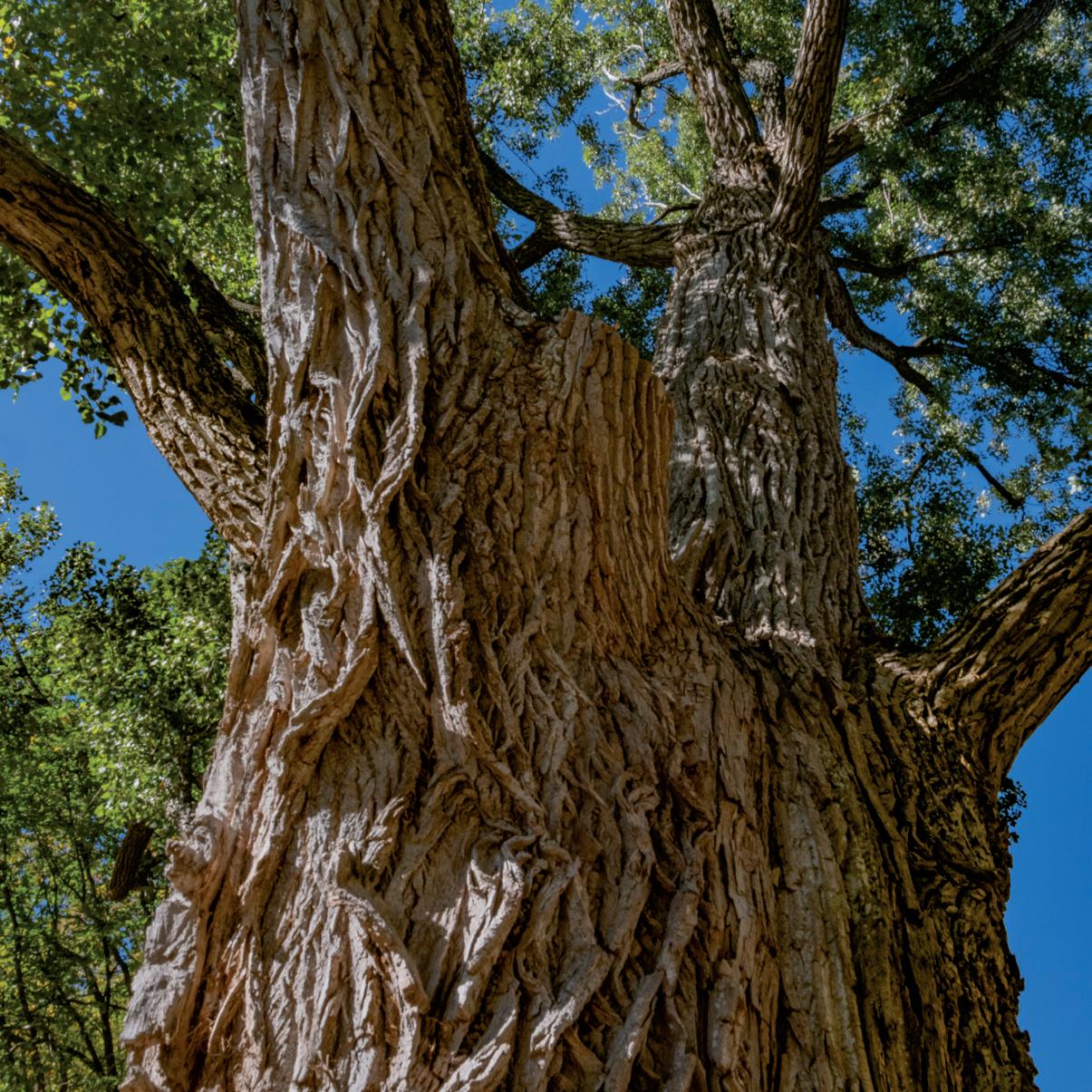
Dedicated to the Great Cottonwood Tree 1875 - 2025
Why do we gather?
How do we gather?
A Farmer’s Gathering
By Helen Whybrow – Knoll Farm Co-Creator
My mother taught me to gather stitches, to sew the thread in big steps loosely across the raw edge of the fabric, then to pull the thread ends together to rufe the top and make a skirt. She showed me the joy of bringing together, collecting and embracing. To gather is to wrap your arms around and carry. To gather is to plunge your arms into the thorns and stain your fngers purple with juice. To gather is to run a circle toward a center, toward a gate, to make shapes with bodies in unison. We gather fruit, we gather sheep, we gather wildfowers for the table and wood for the fre. We gather stones of all sizes so that each one may fnd its place in the wall they become. We gather the hay bales as clouds gather on the horizon, teaching me, lover of words, that gather is a swinging door of a verb; it can be passive or active, gathered up by others or having force of its own. “We are gathered here today,” a word that consecrates, anoints, makes plain the importance of coming together. We gather in times of danger and times of need, to protect, defend and also to console. “Gather yourself,” my mother would say before I had to do hard things. And at other times she’d say, “Yes, I gathered so,” with news I shared, meaning, I’m with you and I’m listening.
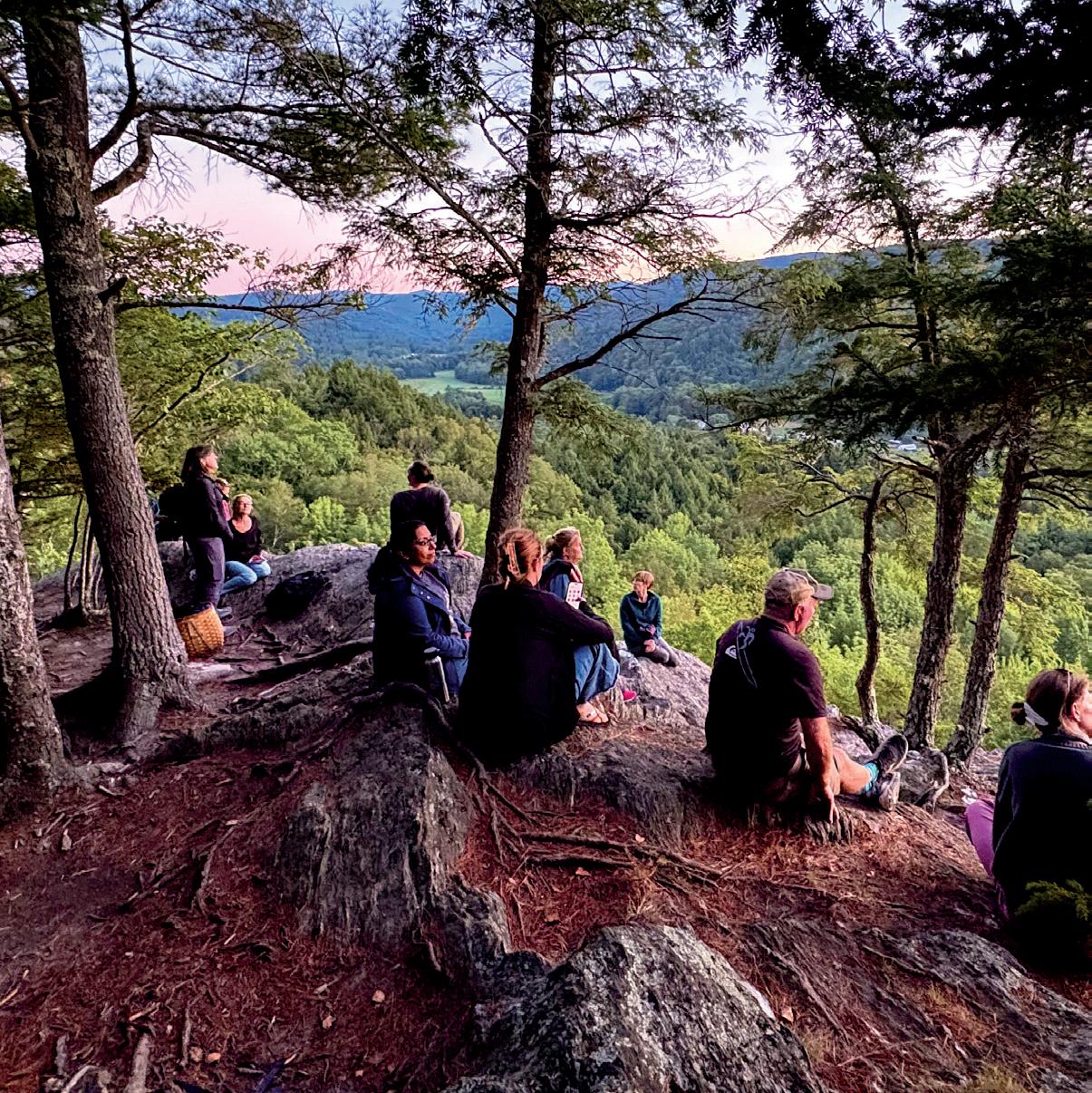
We gather on the land in all seasons.
“I’m coming to understand that healing and liberation are completely bound up with the land.”
– Lama Rod Owens
On the Imperative of Gathering
By Rachel Kent – Refuge Manager
This year has—these years have—been flled with despair. Barefaced fascism, neighbors kidnapped from our streets, US-funded bombs ending lives abroad, the accelerating global climate breakdown—it can feel near impossible to carry all these griefs. Too often, I fnd my mind reverting to defeatism—despite our best, prolonged eforts, things don’t seem to be budging. Are my actions even efective—can they really change anything? And the answer to that all-too-habitual line of inquiry is no–at least, not by myself. Alone, I am indeed powerless in the face of injustice. It is only together that we can build real people power. If these times of despair have proven anything, it’s that all we really have is each other—an oft-repeated refrain coming to us from mutual aid work—and with the stakes this high, we’re gonna need as many of us together as we can get.
And that’s why it is essential that we are well-practiced in the art of gathering, of being together. We need to fex that muscle every opportunity we get, in ways big and small, whether checking in on a neighbor or hosting a potluck or showing up to a protest (and bonus points if you bring a friend along with you). As community organizer Garrett Buck writes, getting together in more low stakes ways helps build trust and prepare us to show up for and with each other in moments of great need. Like we’ve witnessed in Minneapolis, the everyday power of neighborliness can prevail even against the atrocities of forced detention and deportation.
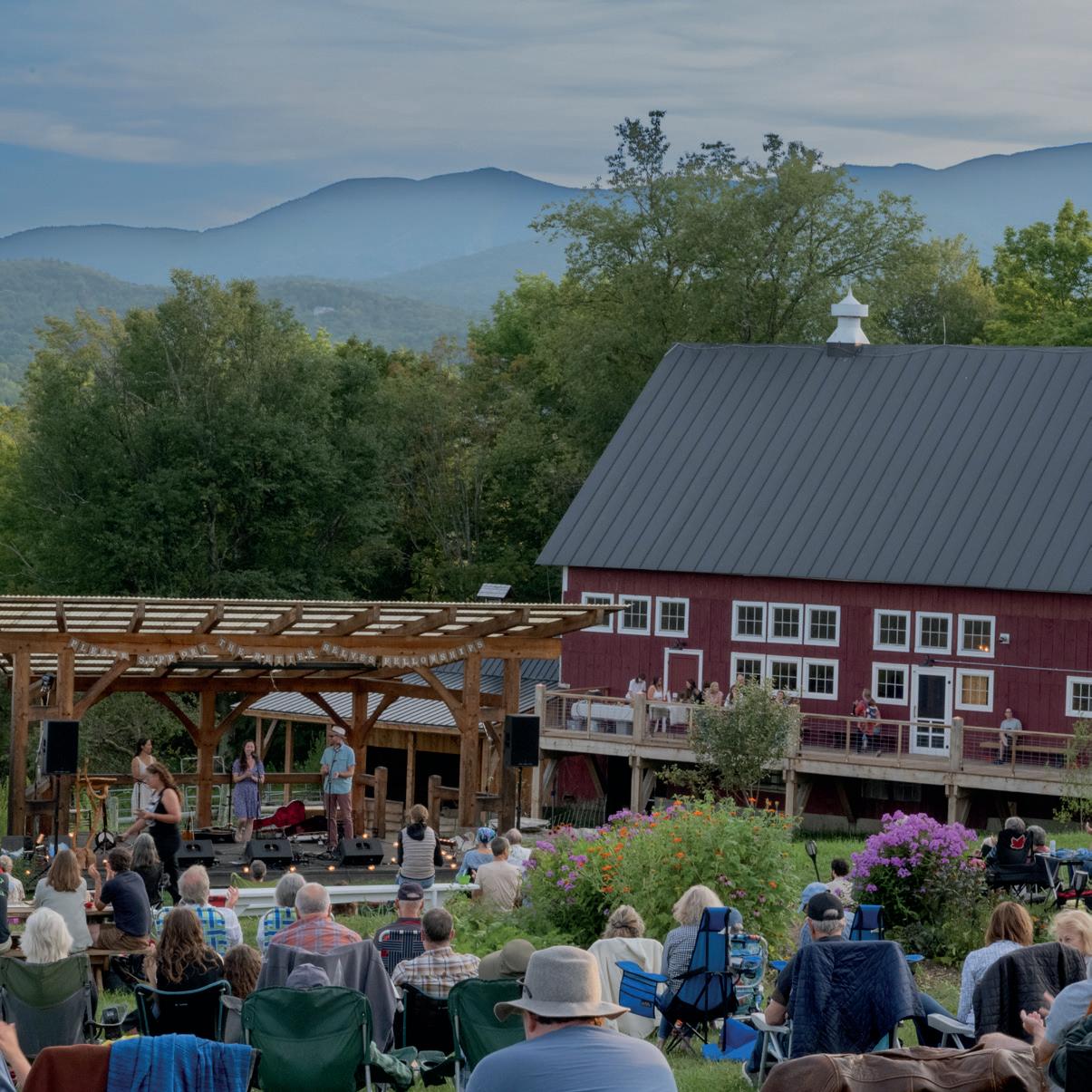
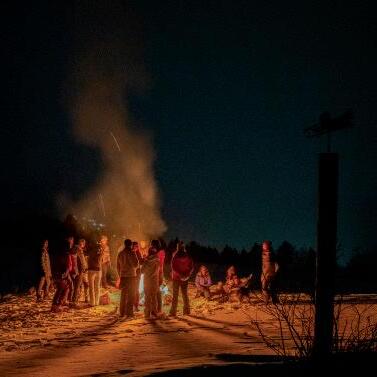
I’m new to the Knoll Farm community this season, and the work I’m most looking forward to sharing with the rest of the team is convening gatherings. From hosting neighbors in the Mad River Valley for dinners and concerts to tending the campfre which organizers will sit around together, I am honored to help hold this sacred, lifesustaining work of gathering. We need it now more than ever.
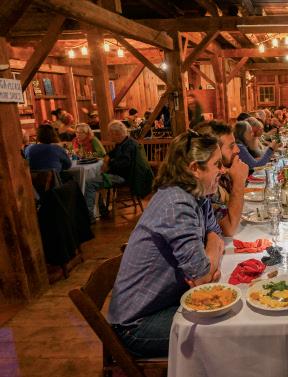
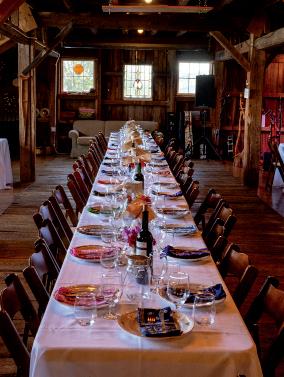
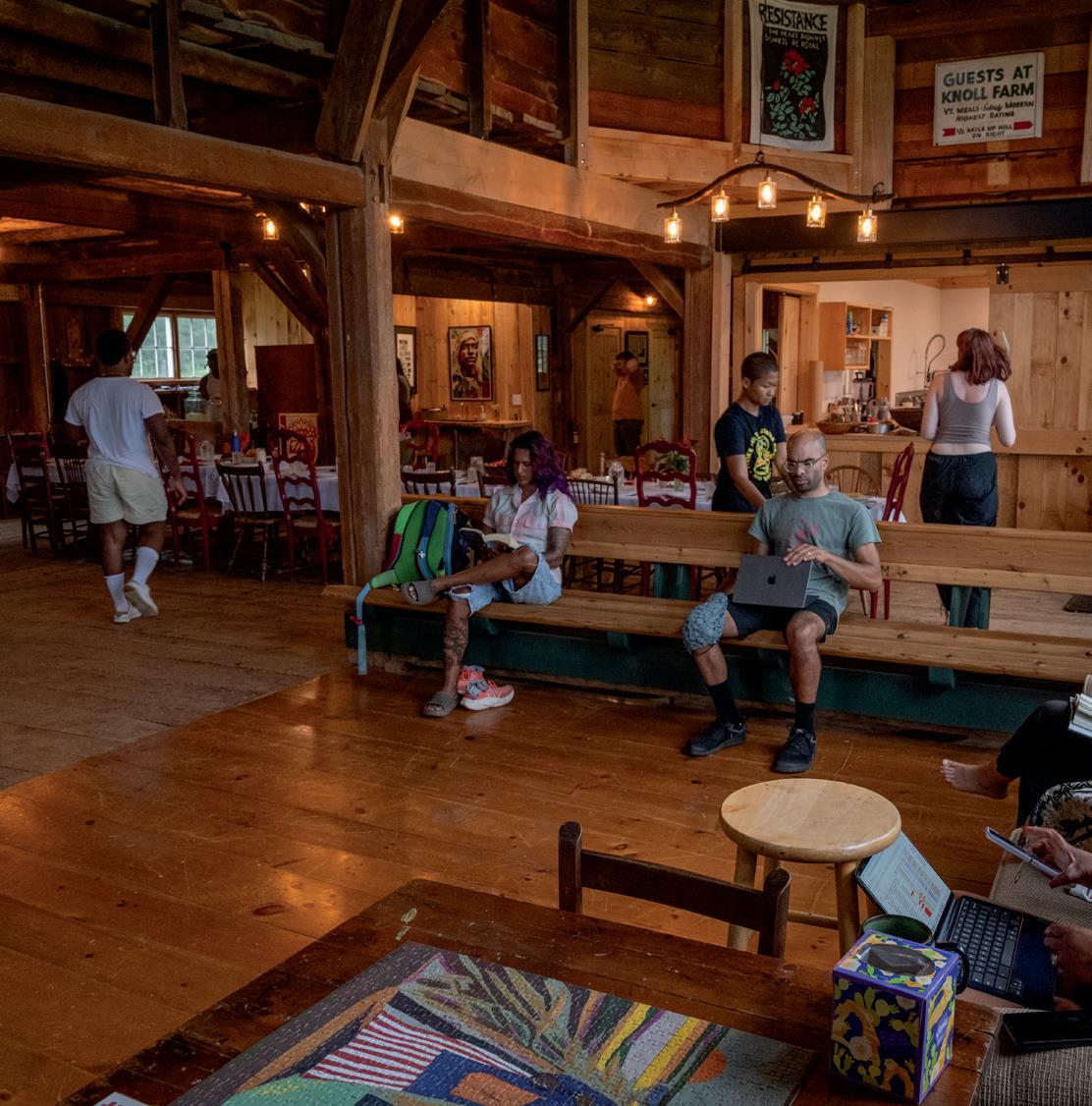
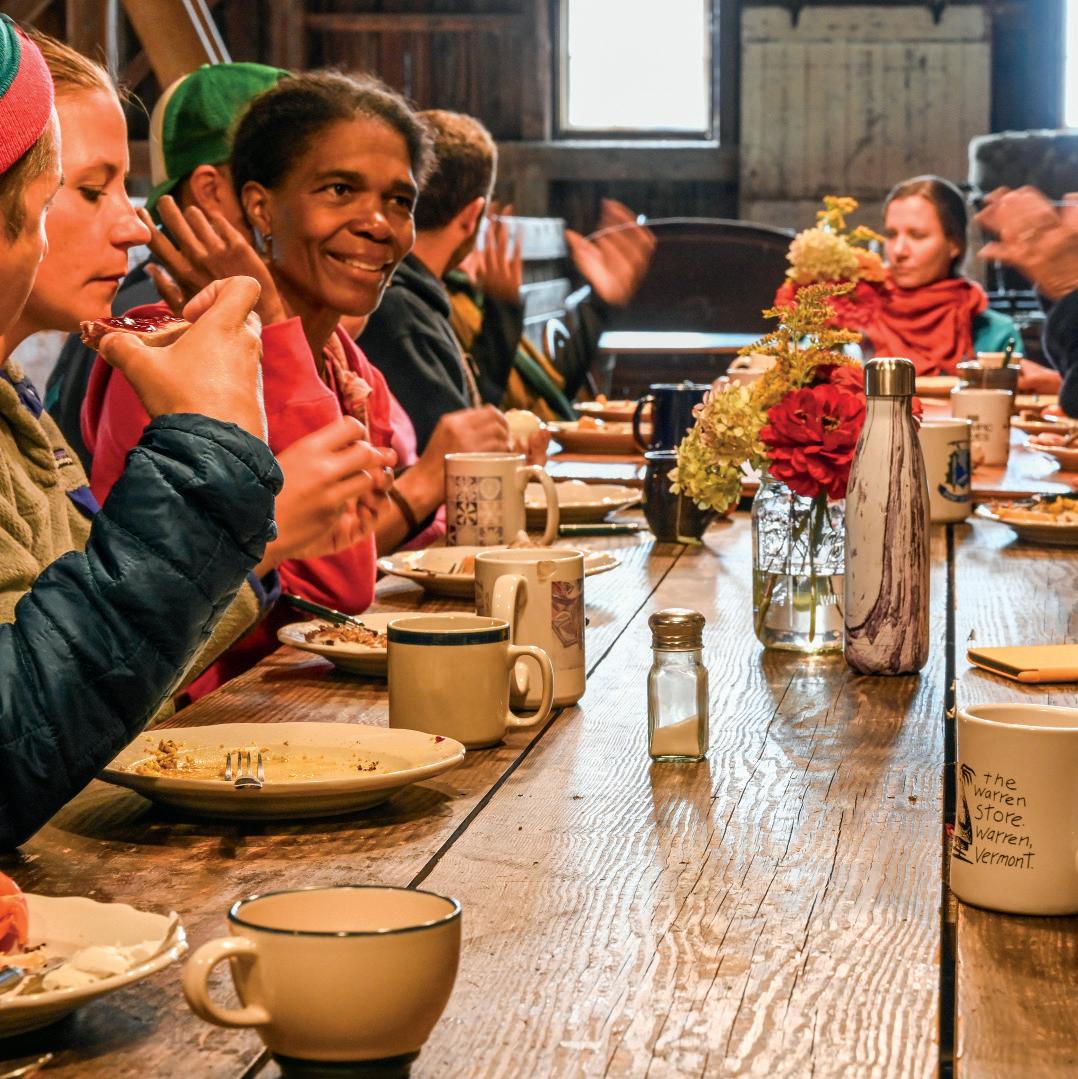
We gather at long tables in the barn.
A Longer Table
By Peter Forbes – Knoll Farm Co-Creator
We gather people at Knoll Farm to practice community and to remember our humanity. We welcome others here so that we may plainly see another person’s realities, to end our own winter’s isolation. We believe that the land needs heartbeats, that the presence of people here can make the land and ourselves healthier. Our active resistance has always been gathering people.
Times of chaos and destruction have always called for relationship and repair, and I see both in our country and on this farm. For me, one of the most powerful narratives that arose from the murder of Alex Pretti on Nicolet Avenue in Minneapolis last winter was a simple hand-painted sign that said, “Do not look away.” Do not avert your eyes, do not turn away, don’t seek insulation from what’s happening. See it, name it, ask yourself, what am I going to do? I am thinking, too, of the response to this moment from 19 monks walking single fle for 108 days through heat and snow, often barefoot or in socks, handing out simple prayer bracelets. How do each of us, in our own way, practice relationships and repair?
Alta Starr, a leader in generative somatics, has written that “we become what we practice, and we are always practicing something.” What is our nation practicing? What are you practicing? What are we practicing at Knoll Farm? As an alternative to building higher walls, Knoll Farm is practicing how to set a longer table. Through decades of efort and learning, we’ve earned the trust and the networks that make gathering diferent people possible. Predominantly white spaces like Knoll Farm can be places of service not because we have special knowledge but because we have and are willing to use our privilege to support others. For us, caring is a living practice.
This summer in 2026, there will be more than 70 fellows in residence at the farm plus dozens of allies, organizers, and people who anchor other people. In this way, Knoll Farm is a refuge —a sanctuary to confront the “glaciers” of capitalism, consumerism, colonization, white saviorism, and hyper-nationalism. By connecting people to nature and then to each other, the farm humbly aims to address in our own modest way fundamental human tensions. Everything that happens here is to build an alternative social capital that people can feel and taste.
We don’t teach or ask anyone to perform; instead, we set a long table and provide access to what is most needed today: human care, safe haven, nature, hope. We gather people who are diferent from us, and we share with them what we have, because our futures are bound up together. For 25 years we have been the campfre around which those who care about land and people’s relationships to it, can come together, help each other to heal, build solidarity and ofer each other hope in direct contrast to the confrontations of a weary and divided America. We ofer the memory of distant spiritual frameworks connected to the earth that meet us on the land and prompt all who are there to say quietly to one another, “Courage, my friend, you do not work alone. We walk together.” Social change requires whole, nourished humans who organize from love, connecting their power through community care rather than individual endurance.
And to add to the confusion and anxiety, here comes artifcial intelligence. It’s so interesting, right, that the existential questions about what it means to be human arise alongside the existential questions about our democracy. What does democracy mean today, who and what is real? What can we rely upon?
It is profoundly important in these times of provoked challenge to the foundations of our understanding that we gather, in person, to remind ourselves of who we are and what our purpose is. A supposedly positive attribute of artifcial intelligence is that it evolves and does its work without having “friction,” or any grab or relationship to nature
and the ups and downs of human experience. Isolated elders and confused youngers seek out this artifcial power as comfort in a confused world, but gathering is the only sure way to heal through nature and in relationship with other human beings. Feel the rain, be uplifted by the clouds, be warmed by a fre, have a real conversation about what you feel pulled to do, feel the heartache and the joy of another human being. Some of the most important things I’ve learned in my life have come to me through this person-to-person rub, this friction that makes us human. By providing a physical and emotional space where leaders can step away from the frontlines of social justice to rest, refect, and forge deep relationships, this is the foundation of long-term systemic change.
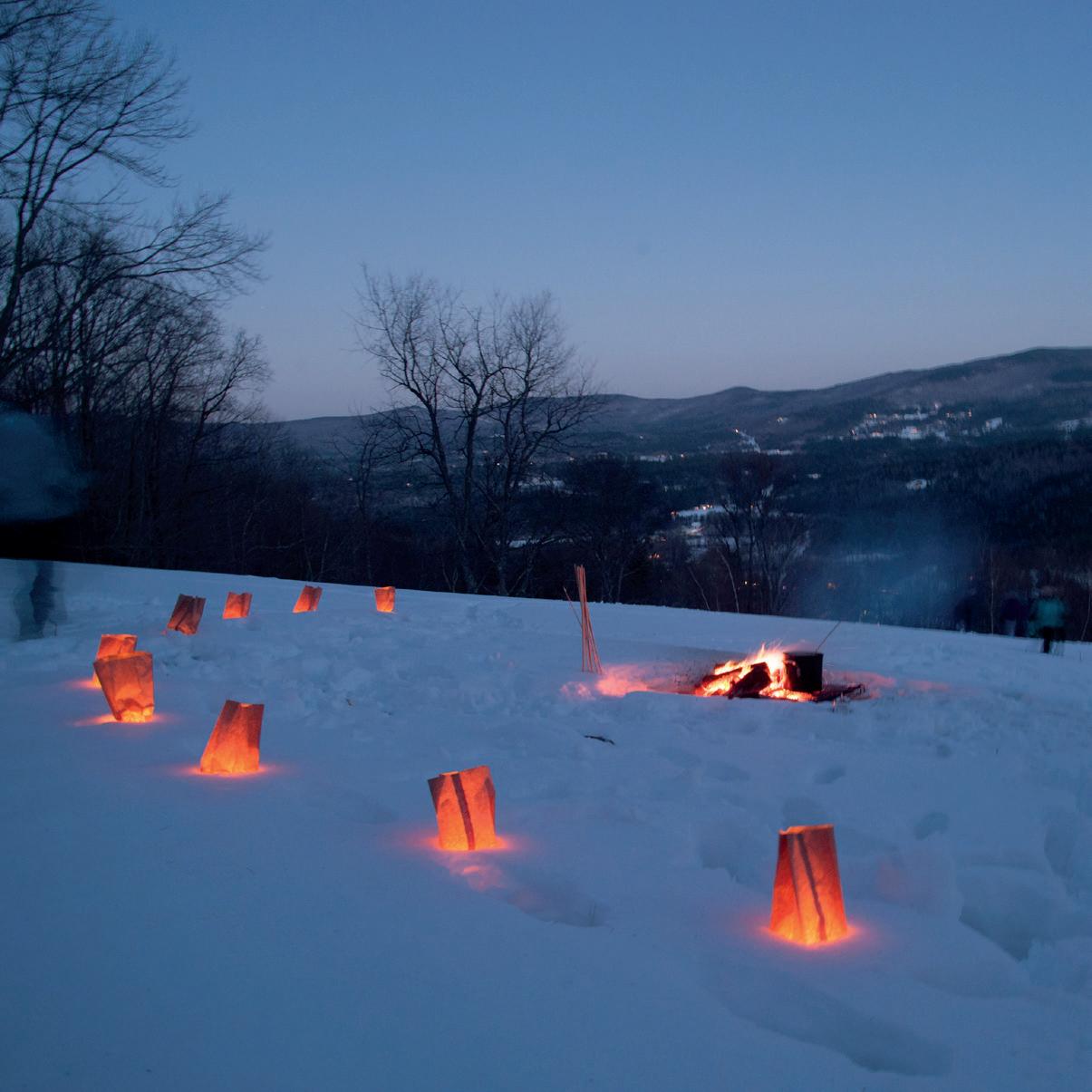
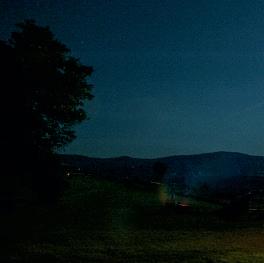
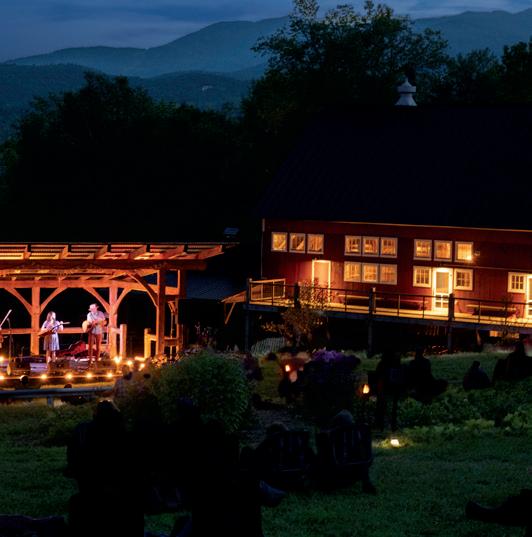
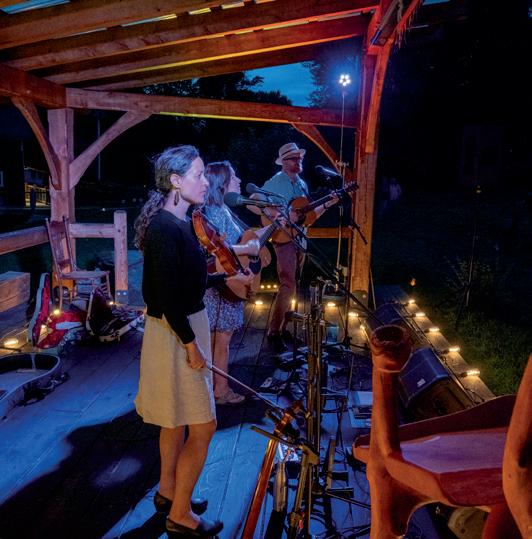
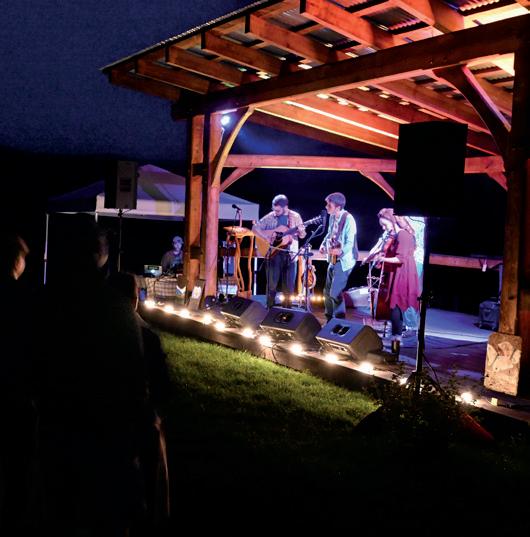
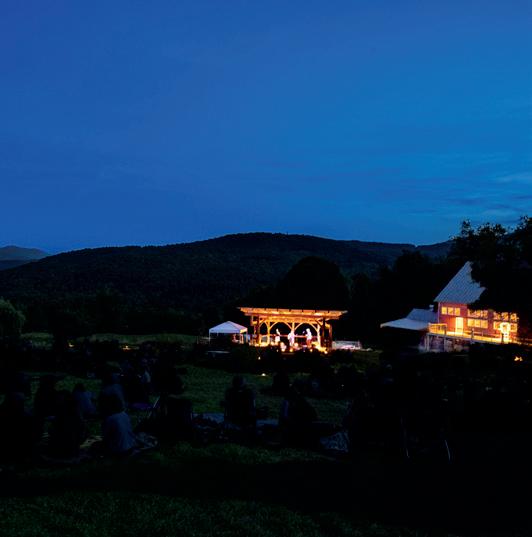
This is a time to gather wherever you are. Stay where you are but go deeper. If you are close enough to Knoll Farm, come to watch the full moon rise with others, attend a workshop, or listen to music under the stars. I am old enough now to see patterns and to know that eras of destruction always include eras of repair. This is the way long movements are sustained, through the care and solidarity of each other.
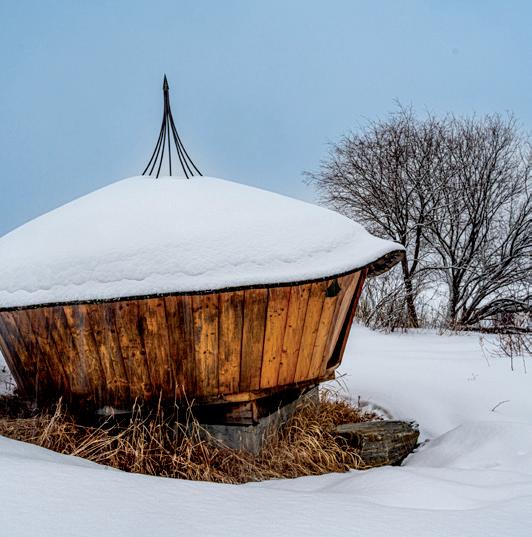
We gather in the water temple.
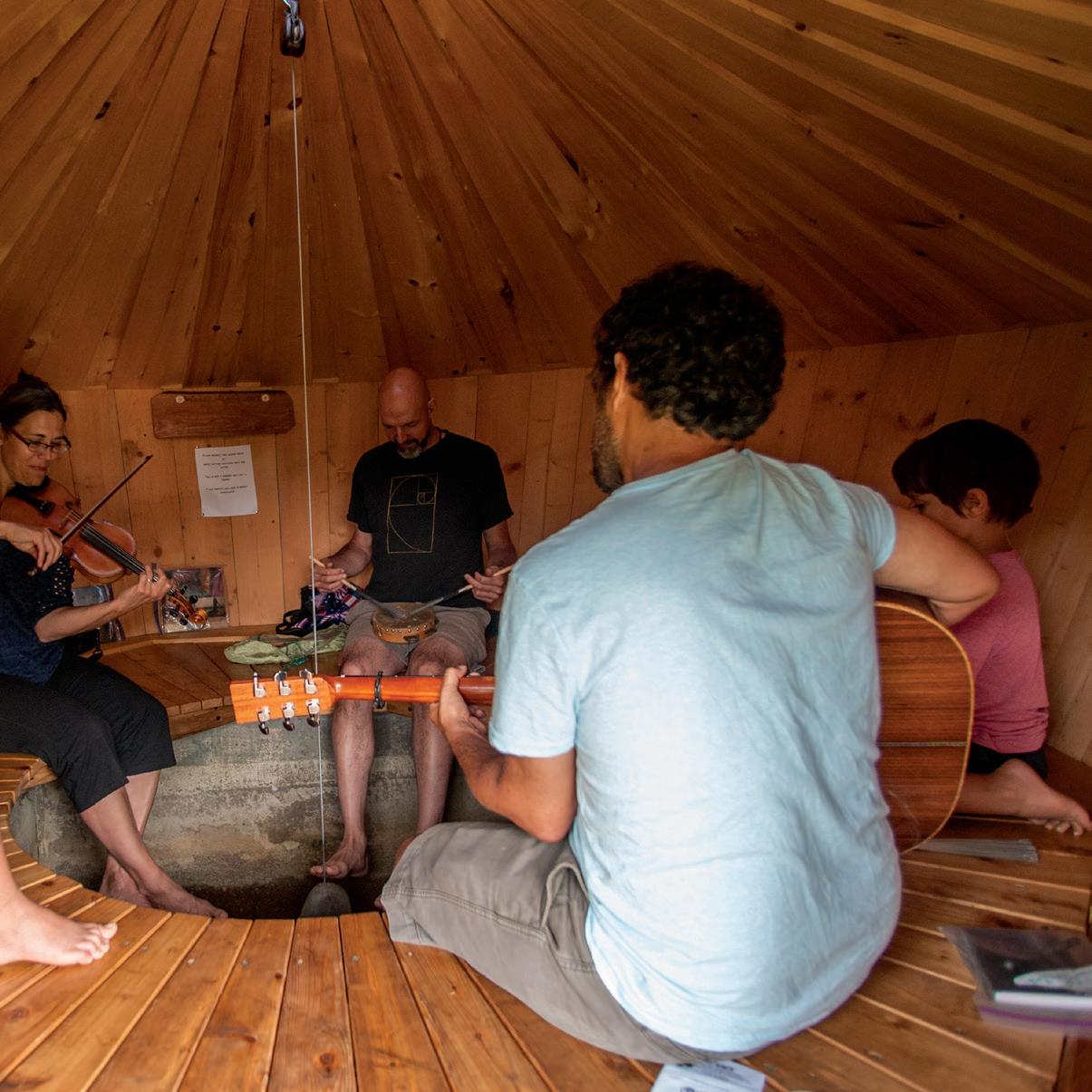
The Water Temple
By Helena Duecker, with Peter Forbes
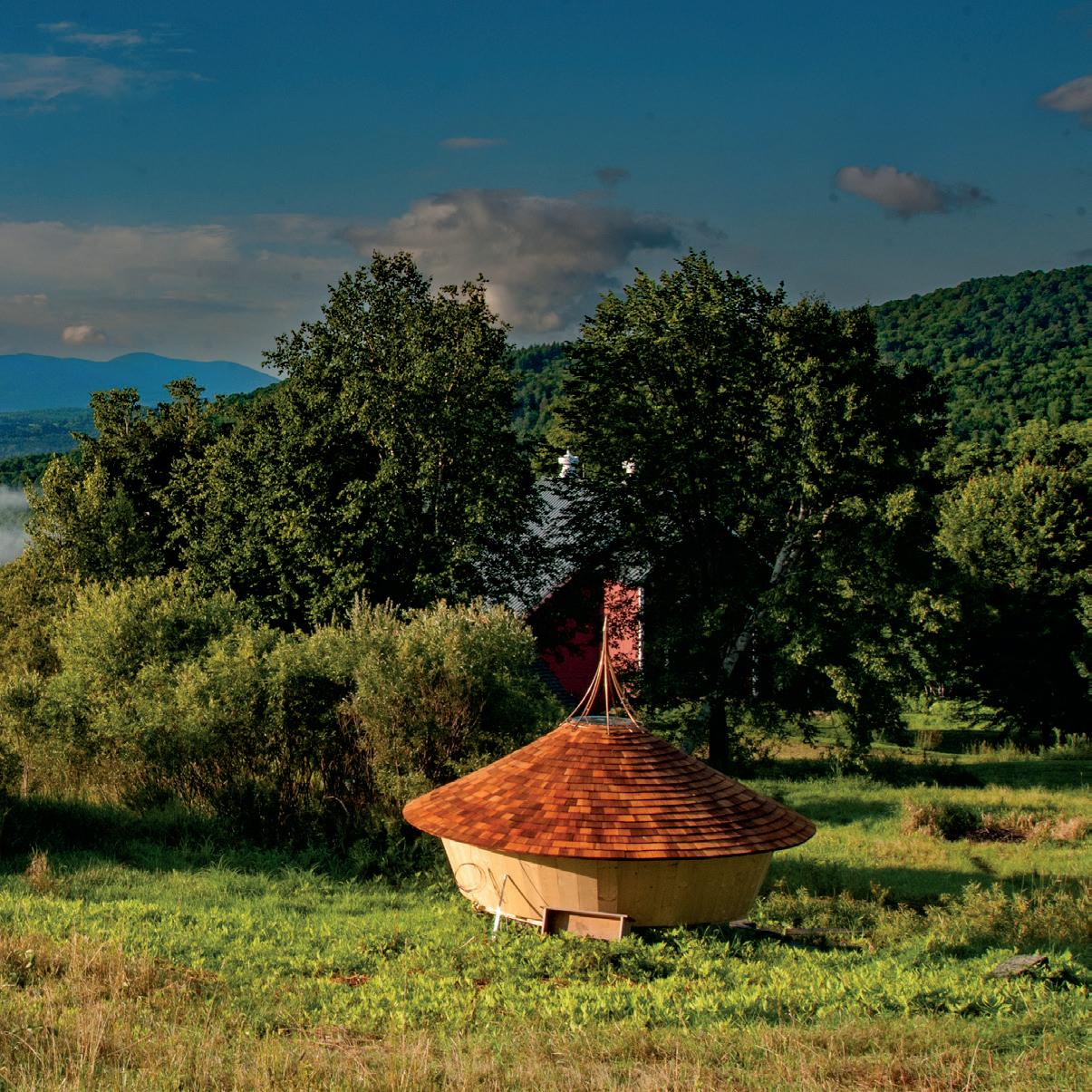
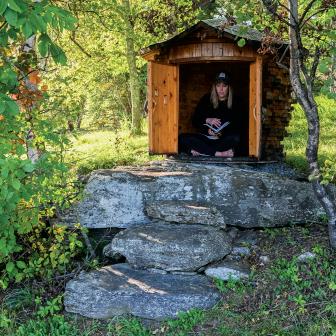
Have you ever wondered what this beautifully strange structure is? The shape, hand-made simplicity, and intention behind this part of the farm inspires contemplation and we invite you to spend time inside. Peter shares more about the farm’s water temple:
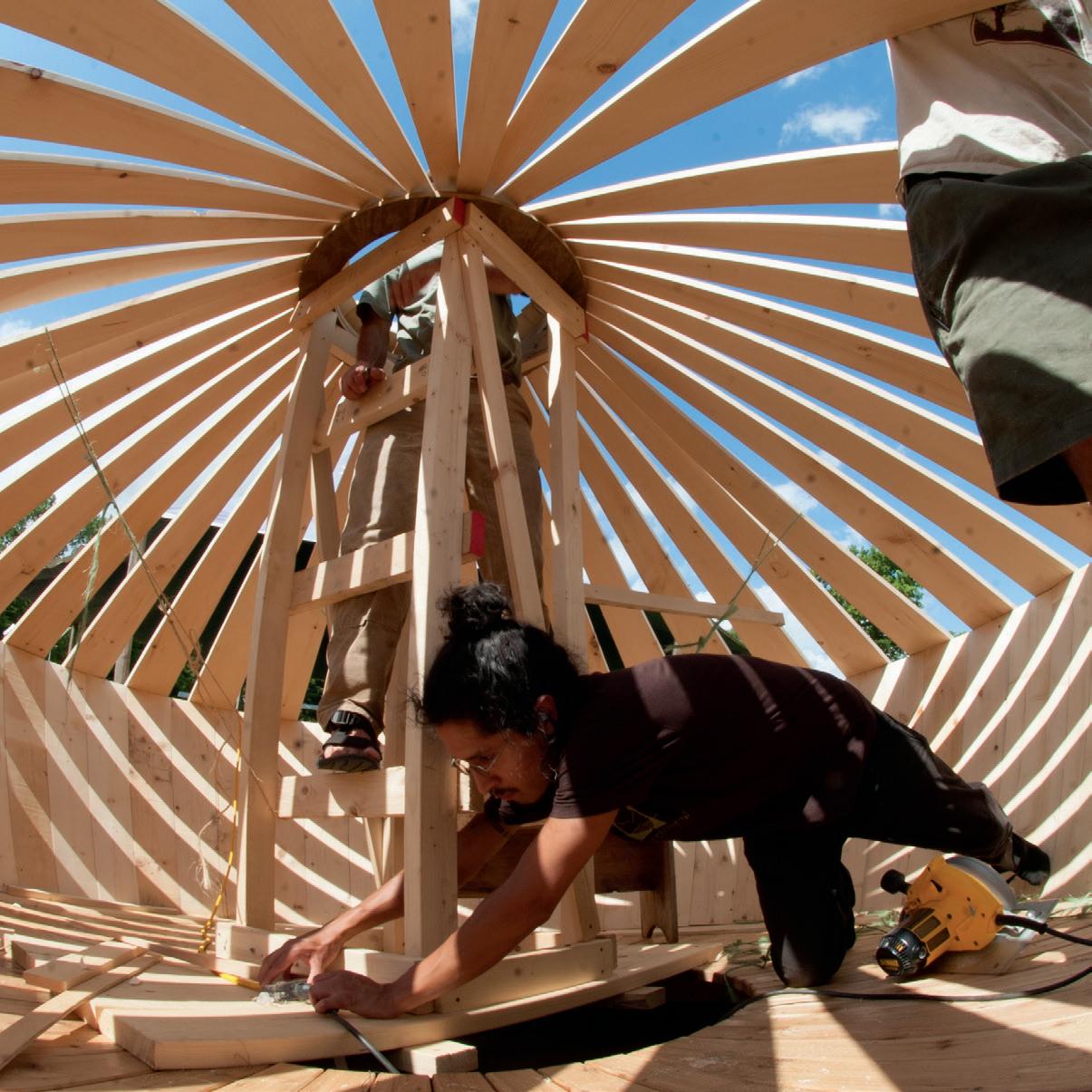
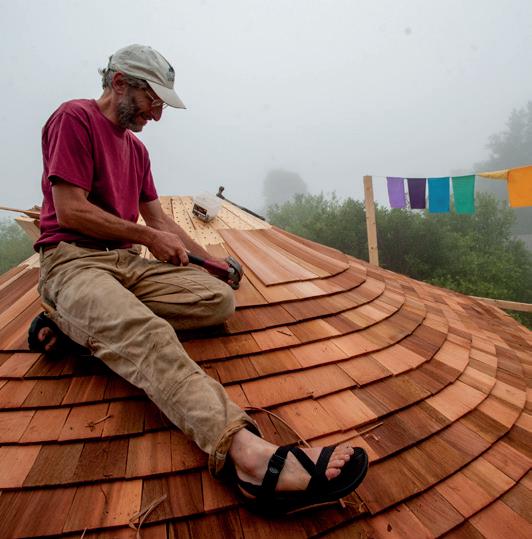
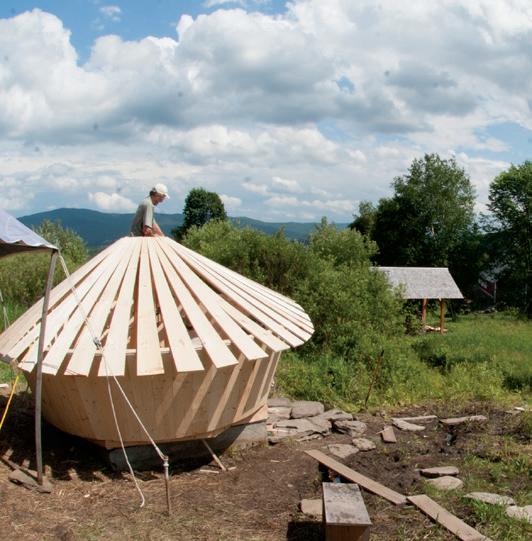
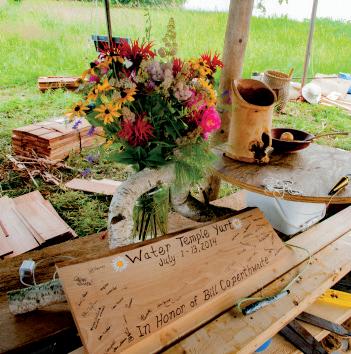
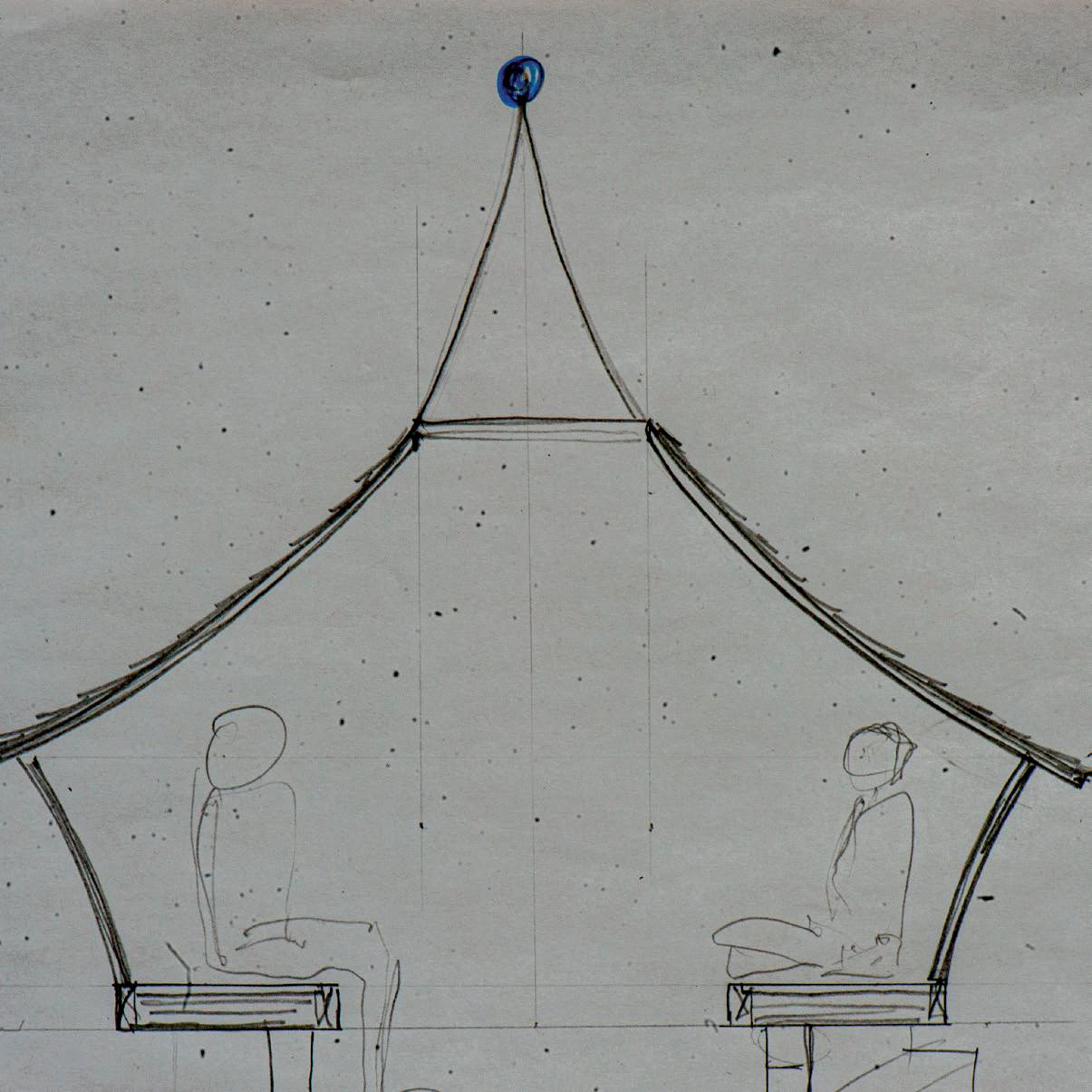
“After Bill Coperthwaite died in 2013, we set out to remember him by building one of his famous slanted wall, wooden yurts over the farm’s original spring thereby honoring life’s two most important things: water and relationships. The water temple was designed by our dear friend, Dan Neumeyer, who also led the construction making it possible for dozens of people with little previous skill to co-create something enormously beautiful and useful. The coins over the door that serve as rivets were in Bill’s pocket when he died. The pulley that helps to raise and lower the door is from his boat shop. The large ocean stone that serves as the counter-balance to the door once lay on his beach.
The water temple is my favorite structure at the farm: open to all, a tribute to friendship, mentorship, craftsmanship and the power of beauty to heal and inspire.”
In mutuality and solidarity,
we gather to anchor one another.
On this Land
By Jasmine Sudarkasa – Better Selves Advisor & Alum ‘22
On this land
we gather dreams in bundles & harvest in the dew the Do - is benign. or beginning - I’m not sure.
On this land
we embody better selves and practice second chances second skins grow & melodies waft wait over dinner garlic, folklore and woodstock(ed) fres
On this land
i touched my spirit and saw it ripple across the pond grief absolved me of some lessons & carried me toward others.
On this land the other is me. on a scafold of belonging, singing spirituals on the wind I am an other. Another world is me.
Gathering
By Dãnia Davy – Better Selves Alum ‘25
As an introvert who performs the work of an extrovert in my community organizing and advocacy work, I was drawn to the Better Selves Fellowship as an opportunity to experience a personal retreat. Spending time alone each morning savoring the silent mornings provided an incredible opportunity for introspection, reading, and meditation in one of the most idyllic places I have ever been.
When we were told we would be taught how to whittle, I thought this would be another activity creating space for me to luxuriate in my solitude. Instead, my cohort used whittling as an opportunity to gather in parallel practice of a new skill. What began as commiseration on the many challenges encountered on the journey to whittling the perfect chop stick, quickly became a safe space for deep sharing, support, and joy. We ofered encouragement, created our own inside jokes, and practiced non-judgmental listening. When there were no words, we shared comfortable silence, one of the clearest signs that genuine friendship was growing between us.
Gathering to whittle reminded me that even as I pursue my individual assignment in the social justice movement, the warmth of solidarity not only makes the work more bearable, but is truly generative. Every time I look at my very imperfect chopstick, I remember the jokes I shared with my cohort and how meaningful it is to gather.
Let us gather in a fourishing way with sunluz grains abriendo los cantos que cargamos cada día en el young pasto nuestro cuerpo para regalar y dar feliz perlas pearls of corn fowing árboles de vida en las cuatro esquinas let us gather in a fourishing way contentos llenos de fuerza to vida giving nacimientos to fragrant ríos dulces frescos verdes turquoise strong carne de nuestros hijos rainbows
let us gather in a fourishing way en la luz y en la carne of our heart to toil tranquilos in felds of blossoms juntos to stretch los brazos
tranquilos with the rain en a mañana temprana estrella on our forehead cielo de calor and wisdom to meet us while we toil siempre in the garden of our struggle and joy let us ofer our hearts a saludar our águila rising freedom a celebrar woven brazos branches ramas piedras nopales plumas piercing bursting fgs and aguacates
ripe mariposa felds and mares claros of our face to breathe todos en el camino blessing seeds to give to grow maiztlán en las manos de nuestro amor.
We gather to fnd community and learn place.
Gathering: Bringing The Salt Stones into the world
By Helen Whybrow – Knoll Farm Co-Creator
June 6th, 2026 marks the one-year anniversary of The Salt Stones: Seasons of a Shepherd’s Life. The writing and reception of this book has been a series of surprise joys and revelations, so much so that it’s hard to put into words. Writing the book allowed me to pay homage and to say goodbye to my mother, Ruth Whybrow, who died as it was in production. It allowed me to make sense of my lineage as a mother and a daughter and to express both the joys and struggles I’ve found as a woman working the land. It helped me to care for my father as he lay dying in the farm house last summer, knowing that nothing was more important than showing up and attuning to what is. Writing The Salt Stones helped me both to fnd belonging and to let go of things I love, to understand that to enrapture something – by which I mean to fall in love with it and also encompass it – is necessary in order to bear being without it, for you begin to trust that you will always carry it with you. I didn’t know that before. I was afraid of losing my parents, afraid of my daughter leaving home, afraid of leaving the land. Now I am flled with immense gratitude for all of these leavings and even losings, and have come to understand how they are all part of a life where so much love has gathered.
I am grateful for all the people who have so generously written to me about how the book has helped them to be mothers, or to let go of a parent, or feel grounded in the face of hardship or to value their life of working the land. I wanted the book to be, most of all, a consolation and a remedy in this time of deep ecological loss, climate change and social chaos. I wanted it to be a balm, not another bomb. In your letters to me, I see you all around the fre. Thank you all. A book is nothing without readers who see themselves in its pages and carry something forward.
Learning home
By Helena Duecker – Operations Manager
The words “Houma Strong” stand on a dilapidated billboard next to the highway that goes through town, remnants from one of the storms of 2022 in Louisiana, that I captured in a photo months later. Houma derives from a Choctaw word meaning “red,” referring to the people themselves, the name of the United Houma Nation natives to the area; the corresponding parish (county), which later came to be, was given the name Terrebonne by French settlers, meaning “good earth” for its fertile and abundant land. These place-based names are reminders of an interwoven story of land and coloniality that endures.
When asked which state I’m from, I struggle to give a consistent answer. I was born in Madison, Wisconsin. My mother, born and raised in Houma, Louisiana, took us to live with her parents as young children – since then I prioritize yearly visits. Sometimes, my grandfather would take me to the grave of his father; in a low-lying bayou town outside of Houma, I can’t help but wonder if this site will one day be submerged by rising waters. This yearly pilgrimage both reinforces the memories and familial associations I have with the place, and perpetuates a naive unfamiliarity with the struggles and complexities of what it is actually like to live there, without the choice of leaving. The extent to which I moved around growing up is not uncommon in the West, and it has presented itself as a double-edged sword. This exposure has informed my perspectives and interests yet has also left me feeling uprooted and disconnected as an adult attempting to make sense of my identity and the way things are on a global scale.
This disconnection continues to inform decisions I make around place and purpose, now more intentionally than it did for a while. For a large part of my 20s, the incessant
impulse to “fnd” place has been coupled with the cultural and familial encouragement to travel and see the world. Within this orientation and worldview, one will undoubtedly come across retreat oferings fueled by wellness, spiritual growth, and mental health; their rise seems to be one solution toward modern ailments and I know peers who swear by their efectiveness. Still, I think it’s important to consider the potential consequences from this way of being, many of the oferings being appropriative and hyper-individual. I don’t think we can fll the emotional gaps and cultural need for greater belonging without the work of learning our ancestral stories and how they are entwined with coloniality. In a generation so drawn to movement, I urge the responsibility to learn what it means to place-make.
This path of grief and confusion is what ultimately led me frst to farming as a way to begin rebuilding relationship to place, and most recently to helping steward the work of gathering at Knoll Farm. I am grateful to arrive here, where retreats are ofered with nuance, care, and with work behind them that grapples with these complexities. I am hopeful to witness the power that retreats can hold when supported by deeper pillars of gathering, intentionality, ceremony, and a relationship with the land and people, with reverence for their stories. I fnd myself asking: What does it mean to live well in a place, in a non-extractive way? Is it possible to be responsible to Louisiana while being in Vermont? How can I commit to place-making here? I’m certain that it is in the practice, in the gathering; I continue to learn what it means to gather responsibly – rooted in the land, people, and history. For me this means appreciating and engaging with the hyper-local ethos of Vermont and choosing to stay put in the questions. There is a lot of fumbling in this, a kind of muscle-building I was never taught. As Bayo Akomolafe points towards, “the way is awkward, not forward.”
Gatherings in 2025... aka Knoll Farm by
the numbers
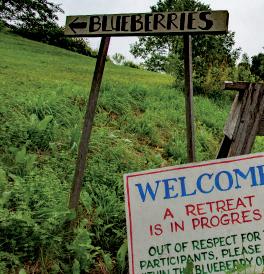
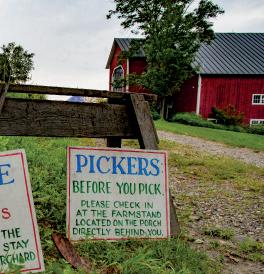
We harvested 2232 pints of blueberries to sell to 6 co-ops.
We had 2 volunteer “gleaning” days and donated 179 pints to local food shelves.Visitors picked another 1527 pints.
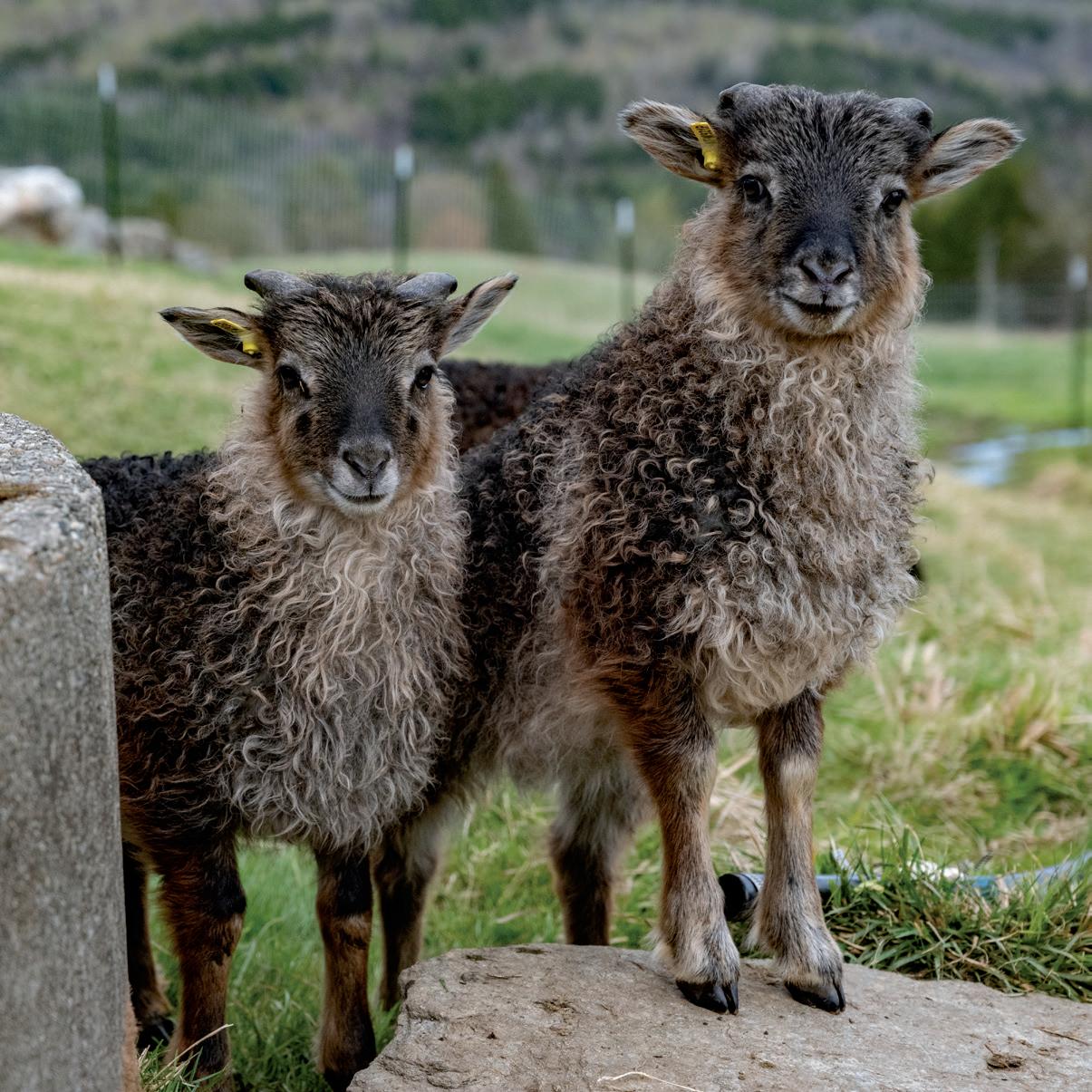
We had 33 Icelandic lambs born, reaching a historical total of 909 born here.
We sold 11 starter focks to new farmers. We harvested 210 pounds of wool and produced 120 skeins of yarn.
Machias, one of our sweet sheep guardian dogs, got sprayed by a skunk 3 times...
We hosted 2 Better Selves Fellowship weeks and 1 Restoring Force Fellowship week, for a total of 53 fellows in 2025. We hosted 9 other retreats, public workshops, and community events, not including our concerts.
We sold 1087 tickets to our 6 summer concerts, including 2 Better Selves Beneft Concerts, with performances by G. Rockwell and Low Lily, which raised $12,855 for the Better Selves Fellowships.
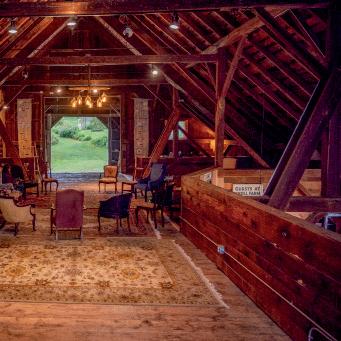
Over 100 people attended our September Cottonwood ceremony and barn dinner to celebrate the completion of our historic McLaughlin Barn renovation! A community of over 300 people from 209 households raised nearly $1 million to make this renovation possible.
We gather to work together.
“If you want to build a ship, don’t drum up the men to gather wood, divide up the work, and give orders. Instead, teach them to yearn for the vast and endless sea.”
– Antoine de Saint-Exupery
We gather to celebrate community...
...and so communities can celebrate an individual.
In November 2025, our dear friends and community members, Chach Curtis and Kari Dolan created “Ellie’s Fund,” in honor and loving memory of their daughter, Ellie Dolan Curtis, to support young leaders who are re-imagining the relationship between community, land and energy. This was Ellie’s mission in life, yet she was just getting started.
181 families from across the country have raised an incredible $84,123 for Ellie’s Fund and legacy. Our commitment is to grow Ellie’s Fund over the years ahead, so that it may continue to support many more young leaders well into the future. In 2026, this generosity will make Better Selves Fellowships possible for 6 young leaders under the age of 30, who are working towards environmental and social change. Ellie’s Fund will award them a week of care and support, an opportunity to network with others, and to take risks and go deeper. The fellowships propel young fellows to go further with the change work that matters most to them and their communities, while also being nourished by the company and care of others, and by the land.
You can learn more about Ellie’s Fund at knollfarm.org/donate/ellies-fund and more about the Better Selves Fellowships at knollfarm.org/better-selves-fellowship.
“So what can we really do for each other except-just love each other and be each other’s witness? And haven’t we got the right to hope--for more? So that we can really stretch into whoever we really are?”
– James Baldwin, Another Country
We Gather
By Jim Emrich – Dear Friend of Knoll Farm
Three new Verses written to the tune of an old hymn, “We gather together to ask the Lord’s blessing”
We GATHER in reverence to speak hope into darkness With fervent conviction as LOVE speaks to strife
The sound of our voices afrms sacred choices
That actions of justice will bring forth new life
Our ancestors implore us to live lives of blessing
As we weave the threads of the ties that do bind
May we LOVE creation in all of its splendor
In trees, grass and streams new glories we fnd.
The voice of tomorrow calls forth faithful service
Our hearts and our hands linked in compassionate ways May we joined in Spirit speak LOVE into our world GATHERING joyfully for all of our days
We gather in complexity and in connection.
And we gather to return things.
Morning(s) Return(s)
By Brett Ciccotelli – First Light Core Staf Member on Returning
It’s early when we start to arrive at the dock. Each of us traveled from diferent ends of the long coast or valleys. With half-fnished cofees and other parts of our mornings fading behind us. We soon stand on a sandy beach in an almost circle for a few moments of quiet ceremony and welcome. Later we walked the long spine and shore of the island to a small beach and rocky headland where you could feel the tide pushing back towards us and the sea stretching out to the horizon.
It’s cold as we gathered on the shoulder of a backroad on a gray November morning. Long drives from distant places have spread our arrivals out over the last hour. Cold donuts fuel our small talk. Once all there, we pile in trucks to visit hard-to-reach corners of the map, to share long views east, and consider returns.
It’s dark as a few of us emerged from draping cedars, buttressed against south winds by care and strong dirt. Along the cove an early dusk settled above the clouds. After a few minutes, silence rested between us.
The air and light are warm, gently flling the wood paneled kitchen of a home the owner has ofered to return. In the cozy space we talked of bucking trees, unfnished rooms, cutting boards, and the future ...
... The last year has found First Light and this community in many spaces working closely with Wabanaki Nations to return the ownership of distinct places across our shared landscape. These places are tied to the rivers and the coast and to generations of fowing sap and beating hearts. Uncountable steps over the centuries since the taking began have prepared the way for these acts of return. Today, the continued focus from groups of people move us further forward.
They are the “we” of early mornings and gray afternoons. The “we” behind nonprofts, Tribal Councils, and working groups. The “we” that write and read the proposals that move the projects forward. The “we” of foundations and funders who help pay the costs. The “we” that shows up for meetings and meals after long drives from their homes spread from the mountains of Vermont to the Skutic and Wolastoq valleys. The “we” of sunrise departures and sunset returns to loved ones.
They are the “we” who have said this is right and we will help.
Gathering Strength
By Jesse Safre – First Light Communication and Events Coordinator
Years before I came to work at First Light, I visited Knoll Farm for a three day course. This gathering flled me back up with an energy I didn’t know I had lost. I had been organizing with a land justice group, doing work close to my heart, with people I love. The work fed me, and exhausted me, at the same time. I think a lot of organizers feel this. We’re fueled by love of our communities and the dream of a better life for all of us, but the systems we organize against are relentless. It’s all too easy to lose ourselves in the work, not realizing how much it’s wearing us down.
The gathering at Knoll Farm was one of the most expansive and restorative experiences I’ve been part of. We met organizers from across the country. We learned from each other, laughed together, shared our life stories, had conversations that upended things we thought we knew, and spent time with the land. We were fed beautiful food, and taken care of. When we met in circle and talked together, we re-grounded in the reasons we do this work, in our power, and in hope. In gathering together, each of us gathered strength, strength inside ourselves, and strength as a collective.
Now I work for First Light. Part of my role is that I get to organize our own gatherings, bringing together the people who are hard at work returning land, wealth, and power to Wabanaki nations and people. And what a treat it is, dreaming up with ways to bring people out of their daily realities, encouraging them to bring their whole selves, to return to the reasons they’re called to this work, to help the collective gather strength and purpose, and to make the people doing the work feel cared for. Knoll Farm gave me a gift, one I still carry with me. I hope through gatherings, I can share this gift to others in turn.
Amalgamation
By Ellie Oldach – First Light Core Staf Member on Relearning
Consider the decorator crab. Her back shell is covered with tiny spikes, like Velcro (or rather, Velcro is like her shell). As she goes about her life on the seafoor, she gathers bits and bobs from her environment and sticks them to these spikes. A scrap of kelp. Some eelgrass. Maybe something audacious—a stinging anemone. Perhaps a bit of bark, washed down from an upland forest. Over time, as she trundles along, she becomes a small mountain of others. Scientists think she does this for camoufage.
But what if it’s not about hiding, so much as transforming? She becomes what she borrows, for a time. Her art blurs the lines between crab and seaweed, sea and land.
Like the decorator crab, we humans wander through the world, encountering bits and bobs and sticking them on our back (sometimes literally). Materials, ideas, relationships—we pick them up for diferent reasons, carry them for diferent times before they drop away. Fix your gaze on another human, and you see: the person you think they are is an amalgamation of many selves, many beings, traveling for a moment along this one body.
The frst time I came to Knoll Farm, I gathered countless impressions, conversations, bits of grass, stories. Five years later, some of these have dropped away. Others I still carry. An acorn. A bowl. A memory of treading water in a pond churning with tadpoles. Friendships that became mentorships that became co-creationships working to build new possibilities in the world.
Knoll Farm, over and over again, invites us to pick up the best from the land and one another. To carry what we gather with respect, and let it transform us. I imagine a decorator crab joining around a fre on the knoll—I believe she’d recognize the project.
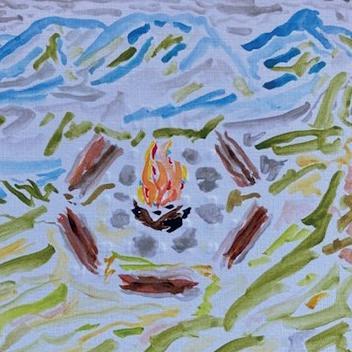
Gathering Fire
Words
and painting (right)
by Merritt Patridge – Dear Friend of Knoll Farm
The fre gathered our tender open hearts before the full moon, Warmed our cheeks in the icy mountain wind of early spring, And touched the fames in each of us.
We honored the courage of those preserving the culture and language of this land, And we called to the courage rising within our circle.
We dispersed, and circled again around the water of the land, Ringing the bell, one by one, sounding our harmony, Sending a new rhythm, down the valley.
We dispersed, and circled again around the fruit of the land, Nourishing our commitment with cultural stories and practices through time and place of peace and wholeness.
We dispersed in the dark, our way forward brightened, our hearts alight, Knowing we will gather and gather again and again.
Because gathering shifts the frequency of our lives to fowing waters And traveling rocks, Because gathering weaves us together, keeps us together, Because gathering expresses our love, Drawing the gathering fames in others to the gathering fre.
On Gathering
By Otto Muller – First Light Core Staf Member on Resourcing
“Totalitarian domination as a form of government is new in that it is not content with [public] isolation and destroys private life as well.
It bases itself on loneliness, on the experience of not belonging to the world at all, which is among the most radical and desperate experiences of man.”
Hannah Arendt, Origins of Totalitarianism (Meridian: 1951), 475.
I fnd it easy to get caught up in the antagonisms of us and them, but I don’t think it’s how we do this. It is easy for eforts at resistance to become encapsulated and enlisted into those systems that monetize and weaponize the conversion of fear into hate, programmed into our feeds and flters, replicating throughout the technologies we use to feel connected.
Instead of “us and them,” I am seeking out the battlefeld between “us and it” –between the messy crowd of imperfect humans and the machineries of efciency that know only numbers and reduce us each to fungible data sets and ever increasing sums. That messy and imperfect crowd can be a dangerous place. As we grasp for something to hold onto, we tangle. Our fngers might poke each other’s eyes. Sometimes we hurt each other and sometimes that hurt is what we hold onto. But it is only in that tangle, that we can fnd each other.
The only thing that can stand up to the it is the us, and we only become an us when we come together in place, in circles, in kitchens, around fres, on long car rides, playing music, watching the moon rise. When our squishy and timebound bodies share moments together, breathing the same air and speaking in voices that always break with the possibility of both tears and laughter, we become irreducible. In each other’s eyes and stories we do not only fnd meaning, but we craft it together; we become it.
The stakes are as high as they’ve ever been, and the systems and structures that work to predict, reduce, isolate, and control us have tools and reach that we have never seen or survived before. In our defense, we have the same tools we’ve always had: each other.
“When fear fragments us and the narrative of individualism has paved the way for authoritarianism, how do we measure ourselves not by what we fear or exclude, but by our capacity for connection and compassion?”
– Roshi Joan Halifax
Honoring Peter Forbes in the lineage of First Light
By Ellie Oldach, Brett Ciccotelli, and Otto Muller – First Light Core Team
Peter Forbes called together Wabanaki people and non-native conservation people to this work of repair and return. His eforts allowed relationships to spark and proliferate. Where there once was division and lack of relationship, Peter’s eforts planted the seeds for a community of people growing and rowing in the same direction. First Light, today, carries forward many practices modeled by Peter and honed through his work with the Center for Whole Communities, the Refuge at Knoll Farm, and the Better Selves Fellowship. Some of those include: extended Learning Journeys that ofer the time and deep engagement needed to understand how to transform; asking one another to make heart-centered and courageous statements that counter business-as-usual: convening across cultures, caucusing within communities, challenging deeply-held conservation practices. And coursing through these practices is Peter’s conviction and willingness to voice what’s true. Peter has an ability to see the harms wrought by dominant conservation culture and call for change, and an ability to speak these harms to Wabanaki partners as a starting point for making amends. These eforts opened the way for the relationships that First Light, today, seeks to tend and grow.
As one conservation leader refected– before First Light, it’s not that 118
conservation was blind to Wabanaki communities, it’s that “we looked the other way”. How long could that have continued? Peter’s conviction, vulnerability, skill, and energies led the conservation community to look towards Wabanaki people. We were fortunate to see Wabanaki partners who agreed to look forward together. Everything else is possible because of that.
Peter is still present in this work but his role has changed, stepping from the role of leader to that of elder and advisor. Dominant culture does not have clearly marked paths that show us how to honor the elders in our work and in our lives and acknowledge the evolving lineage that we beneft from and share in. As bearers and sharers of the tools and traditions that have brought us together in this work, whether we are planting a tree together or facing the most difcult parts of our past, we move forward in gratitude and appreciation of the vision, efort, and gifts that Peter has brought to this work.
Image notes
By Peter Forbes, Knoll Farm Co-Creator
Page 1 – Alumni building a mud oven in 2005. The little child pictured is, today, 21-year-old Wren Fortunof.
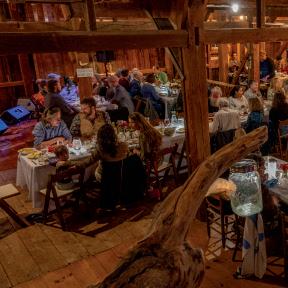
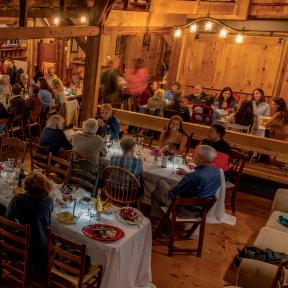
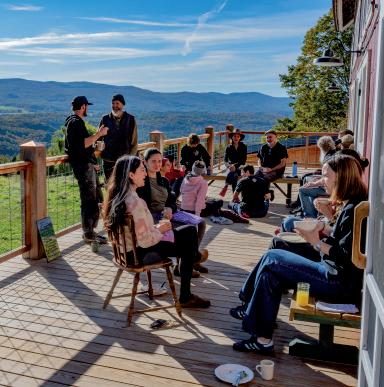
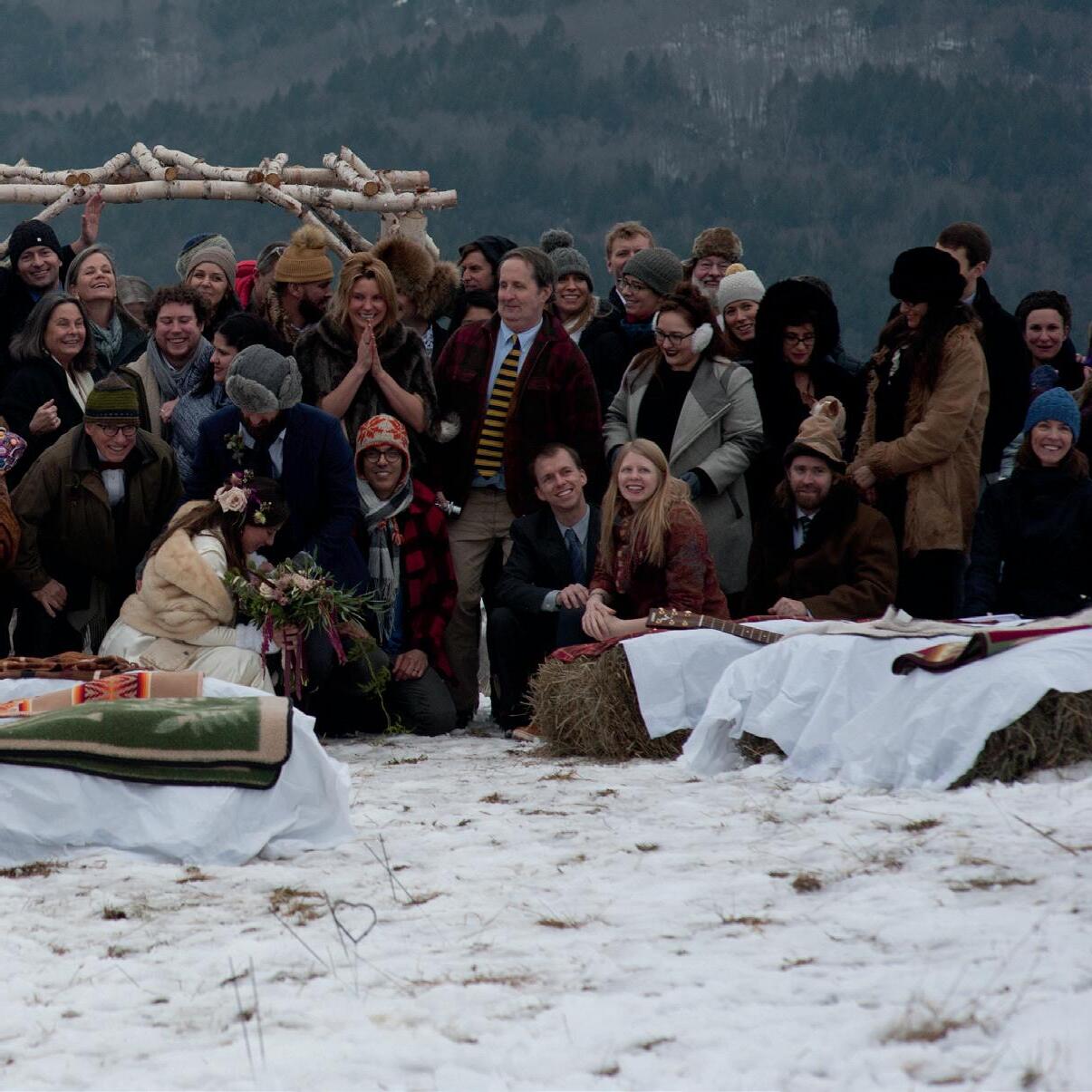
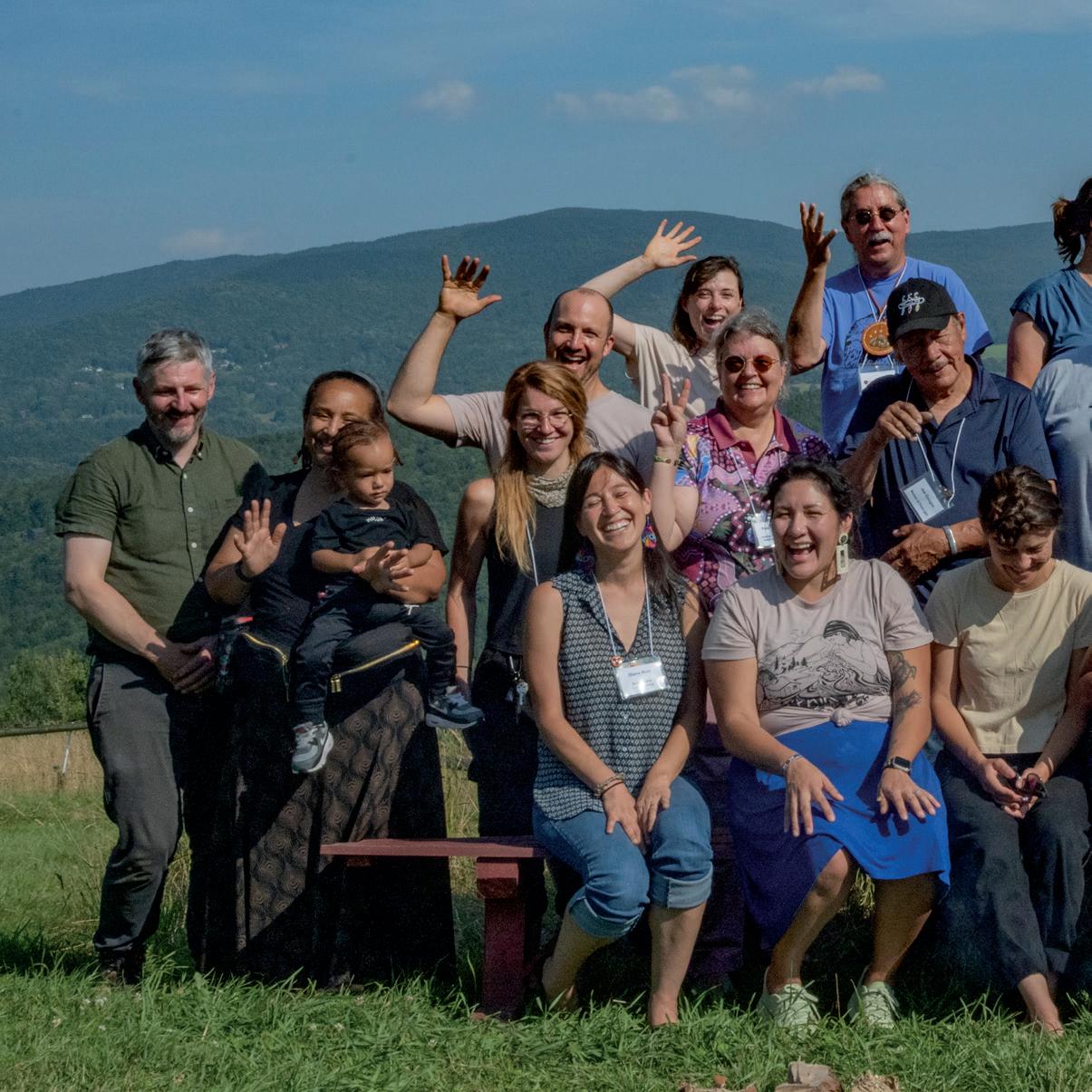
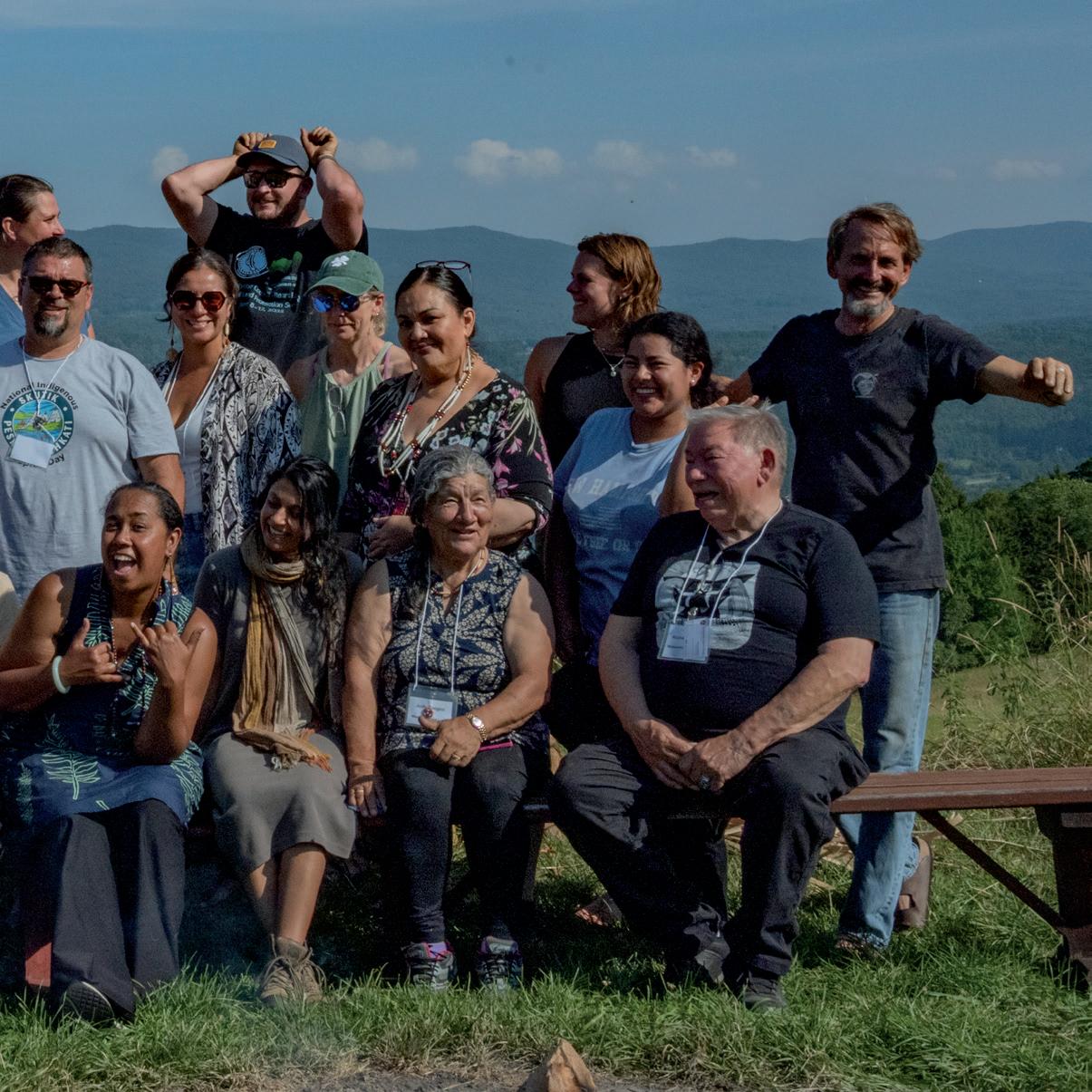
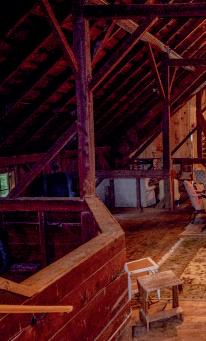
4 & 5 – The frst community gathering in our newly renovated McLaughlin barn, in September 2025. To celebrate all the builders, menders, special guests, workers, and community members who made it all possible.
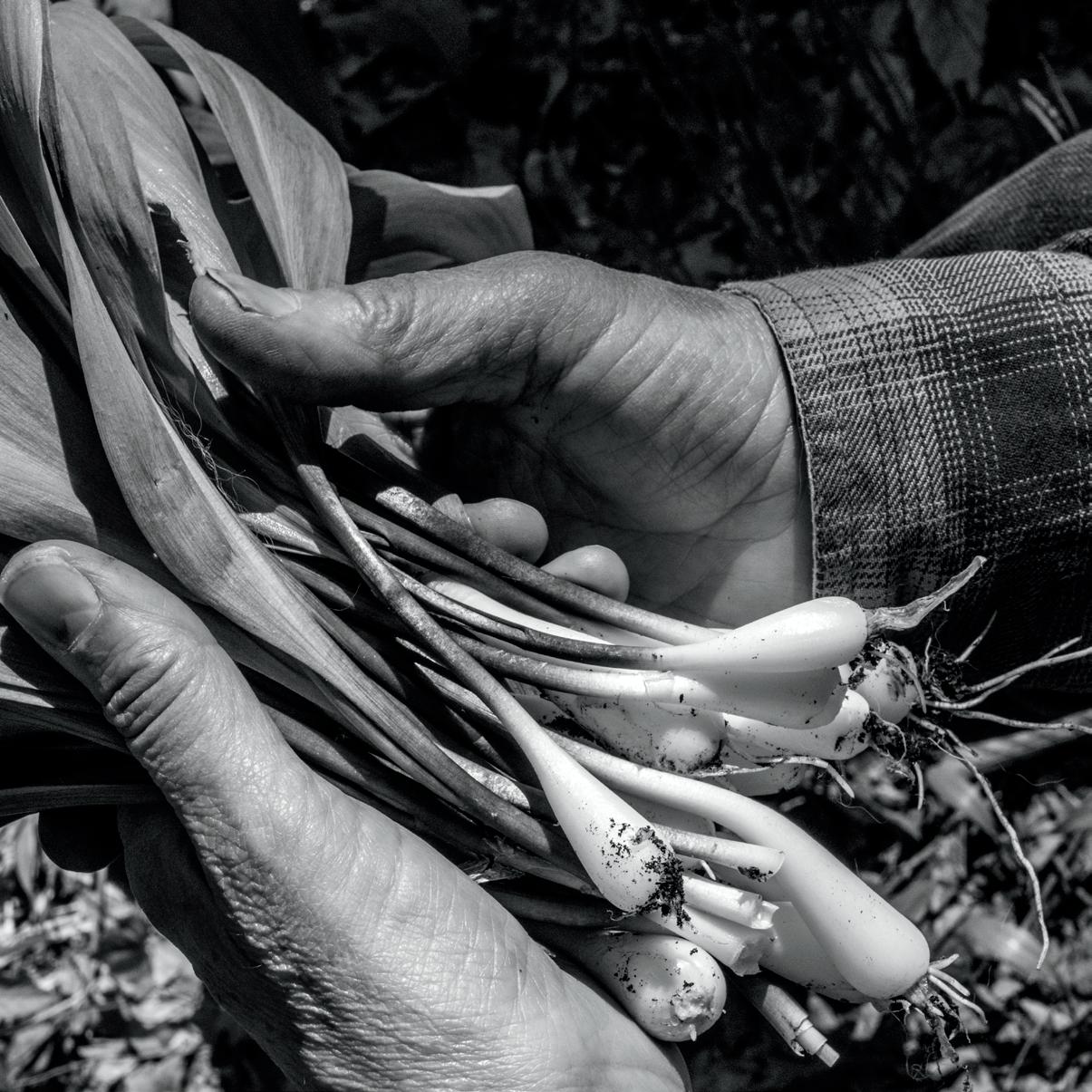
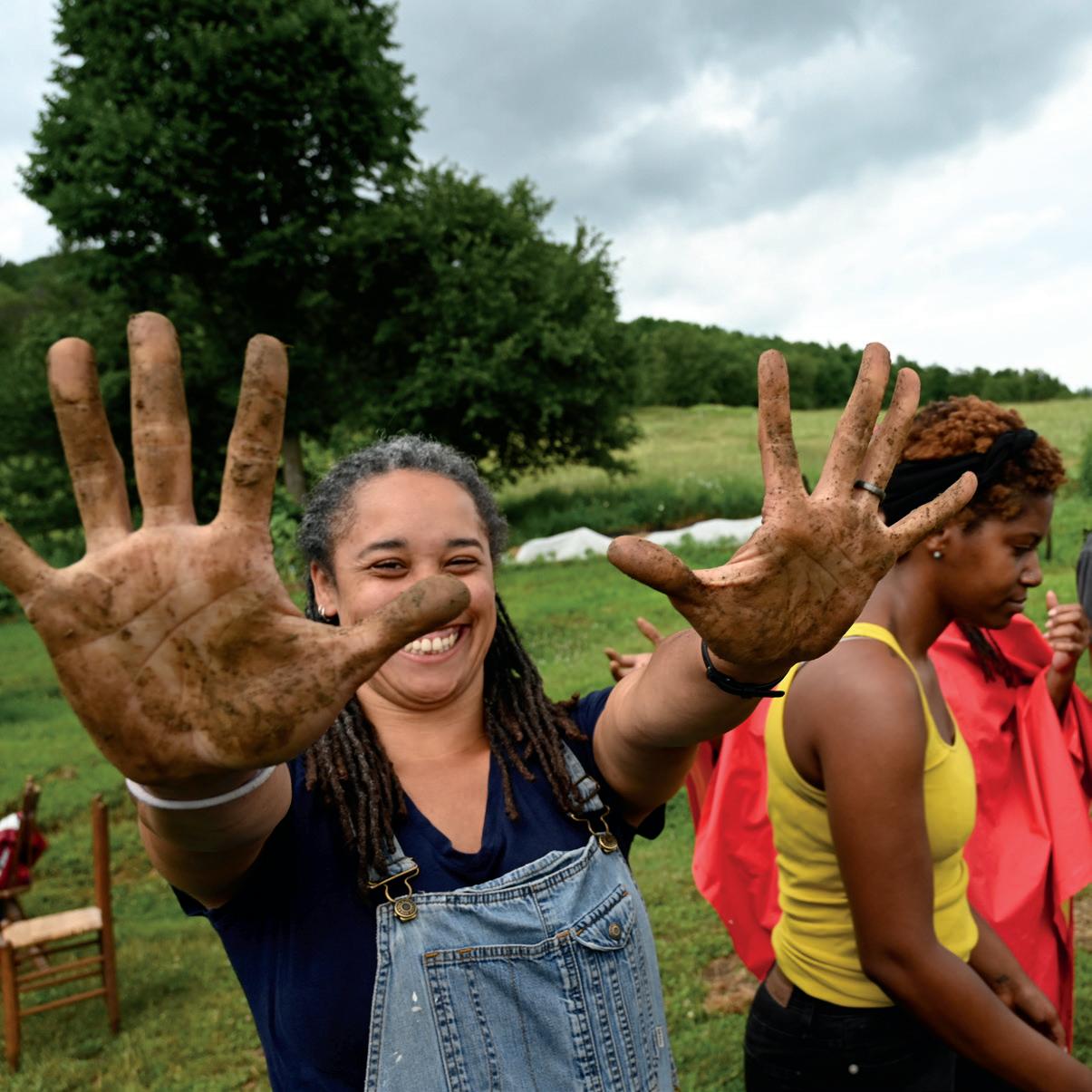
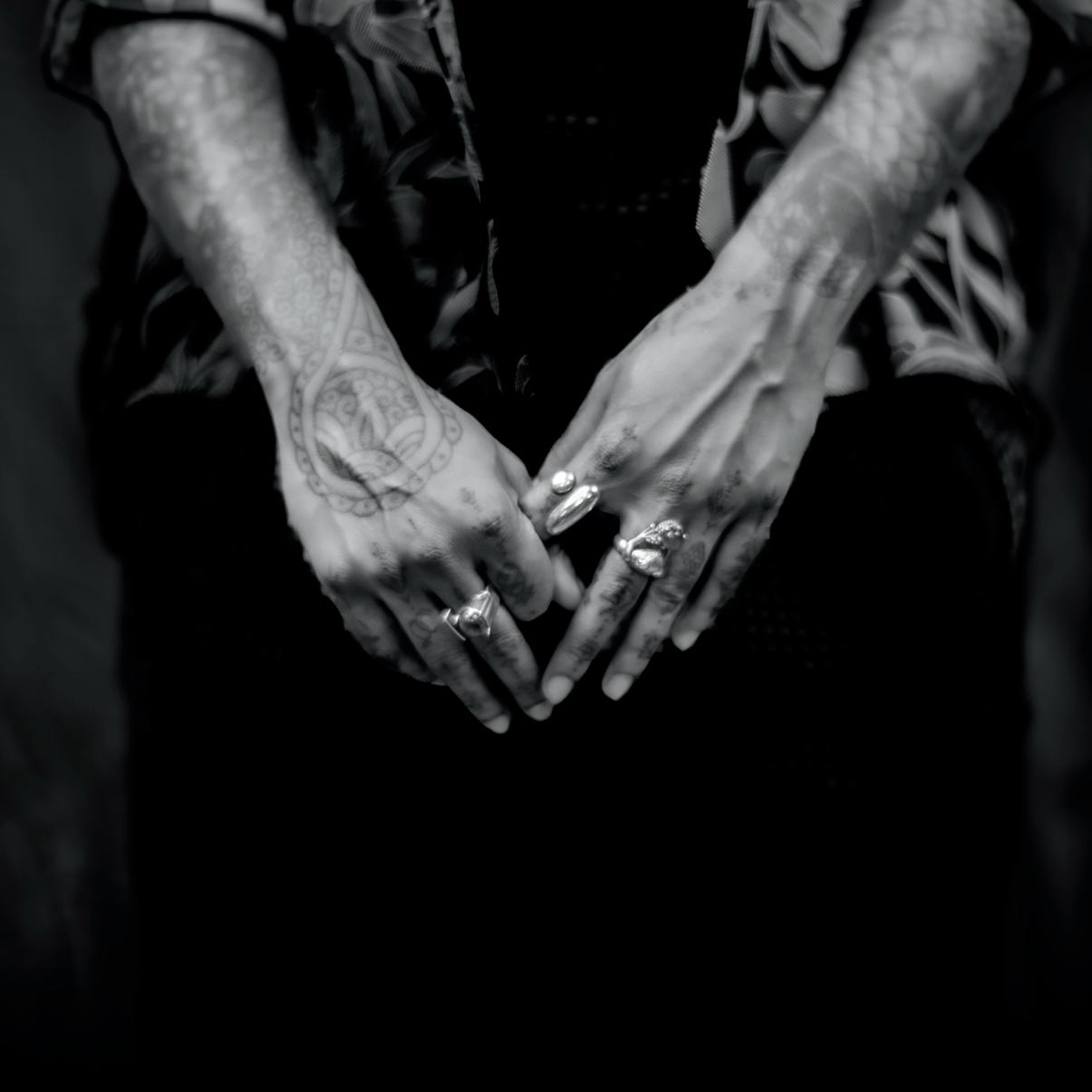
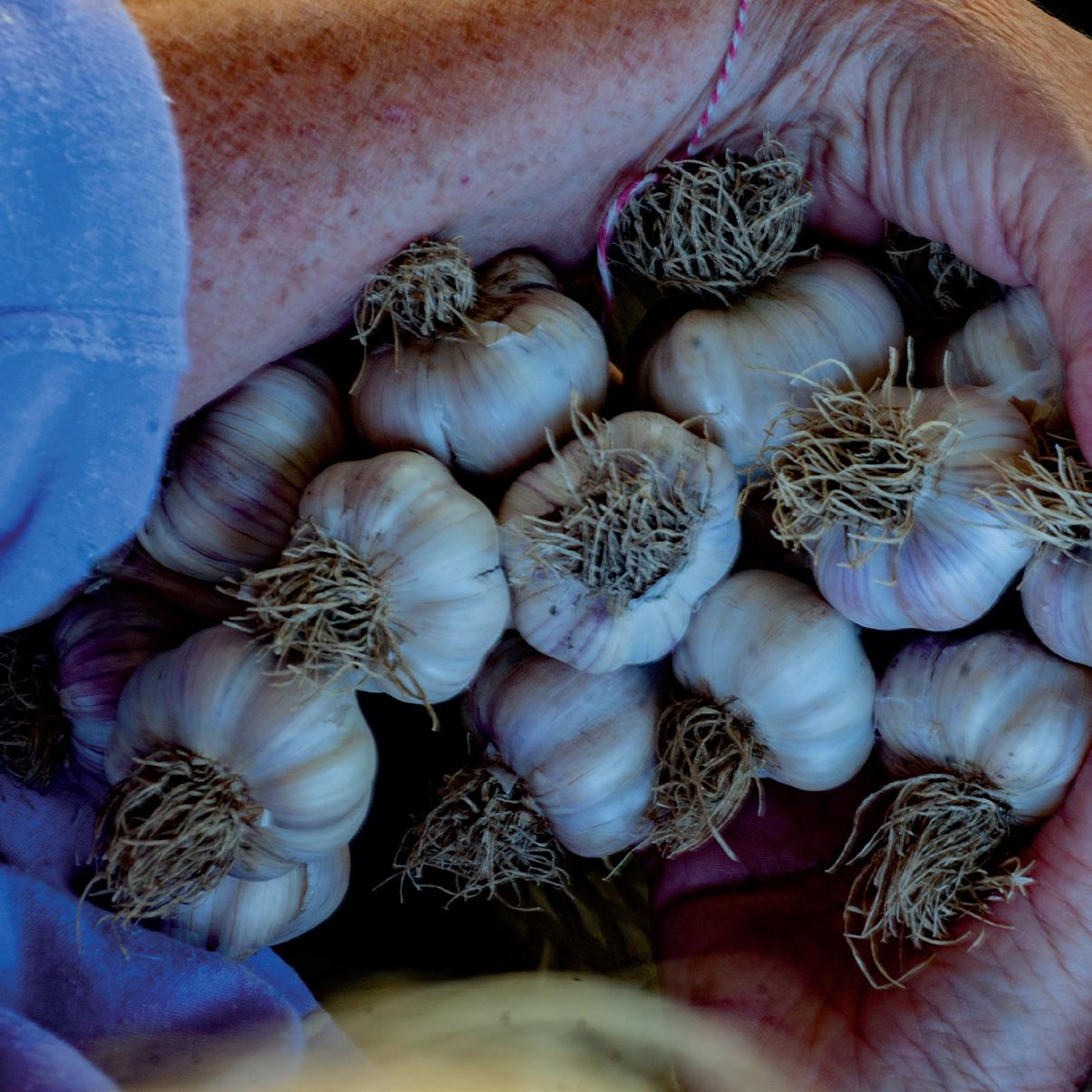
6 – Helen’s hands. One of our favorite family rituals of gathering ramps on Mother’s day.
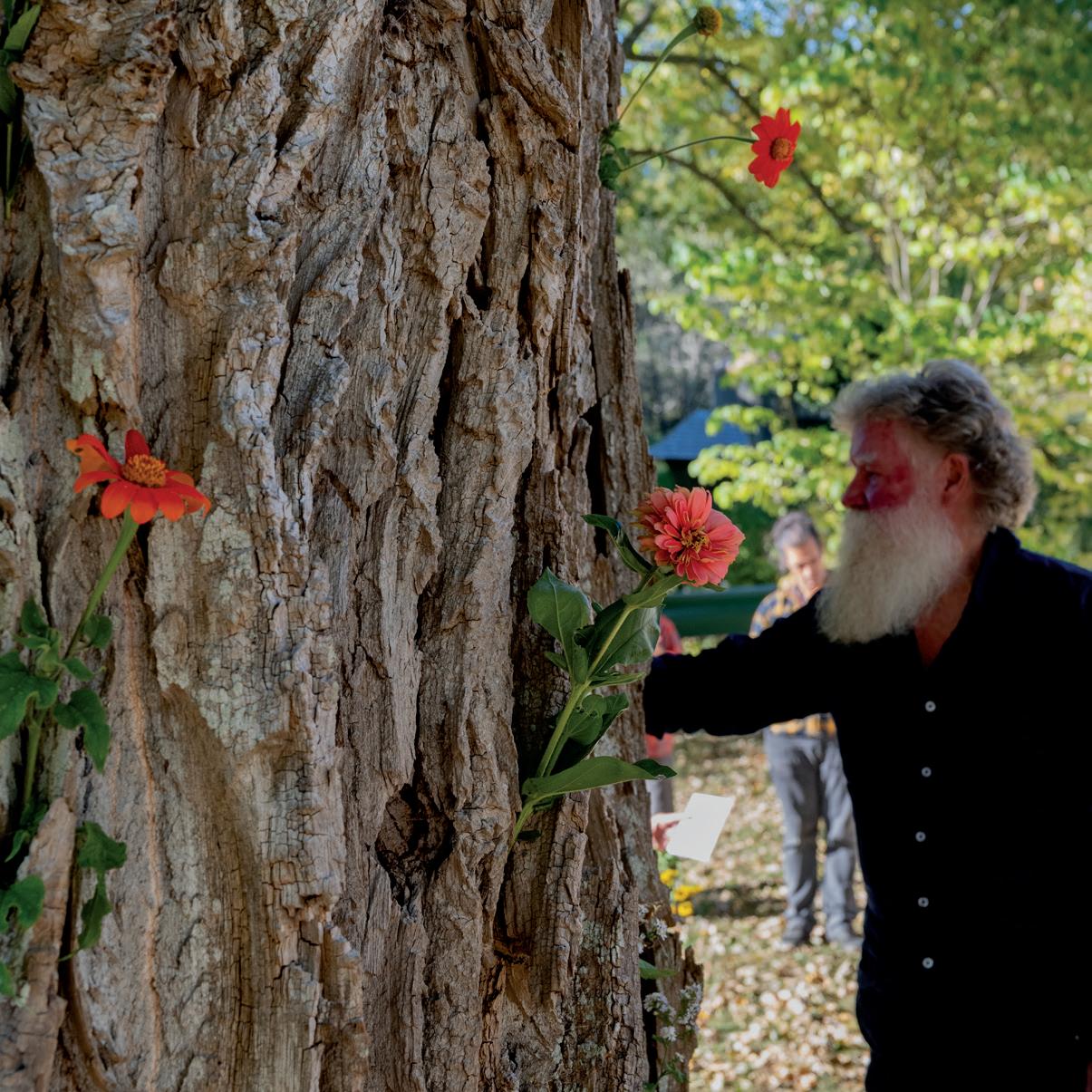
8 – Scott Chaskey, a longtime friend of the farm, placing a fower to celebrate the Cottonwood.
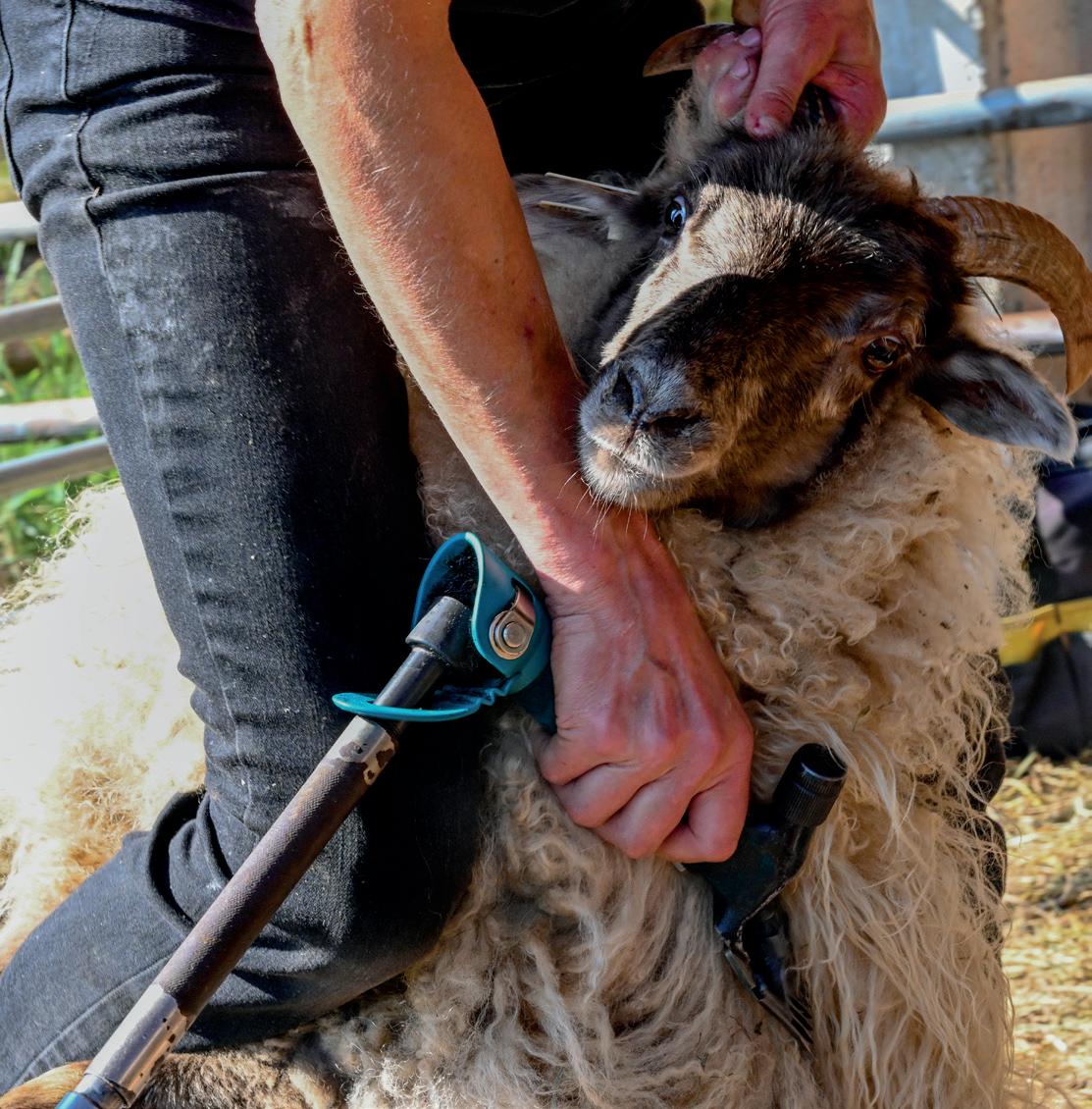
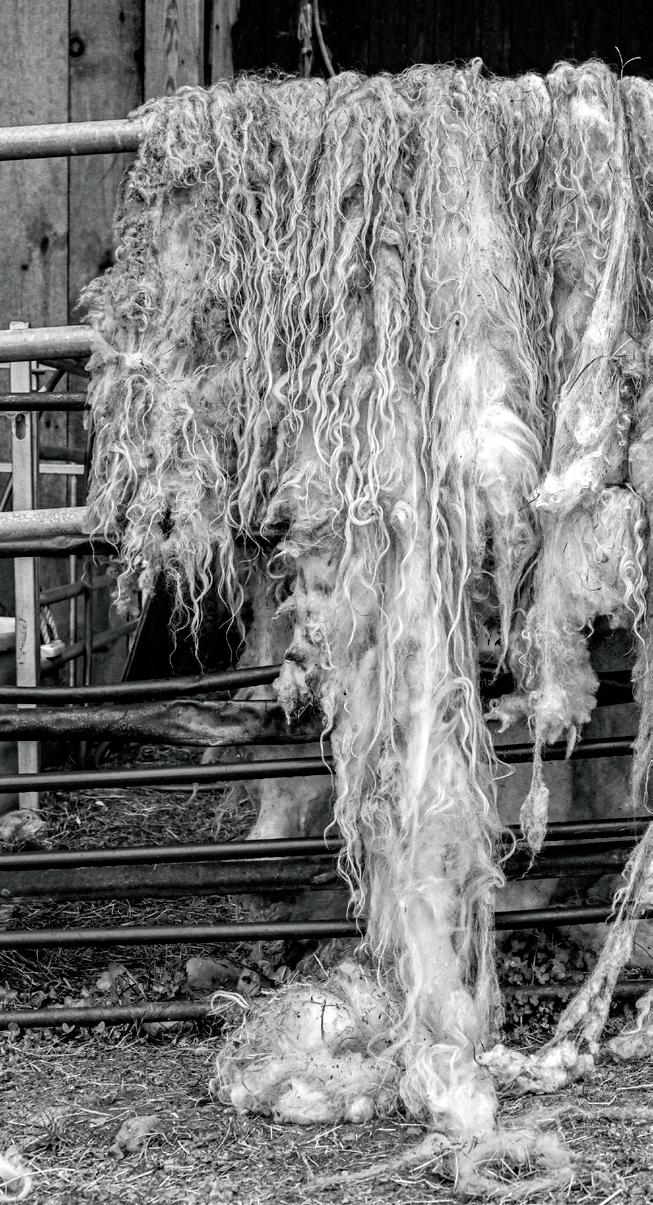
9 – We are always honoring Gwen Hinman, who’s been our sheep shearer for 15 years!
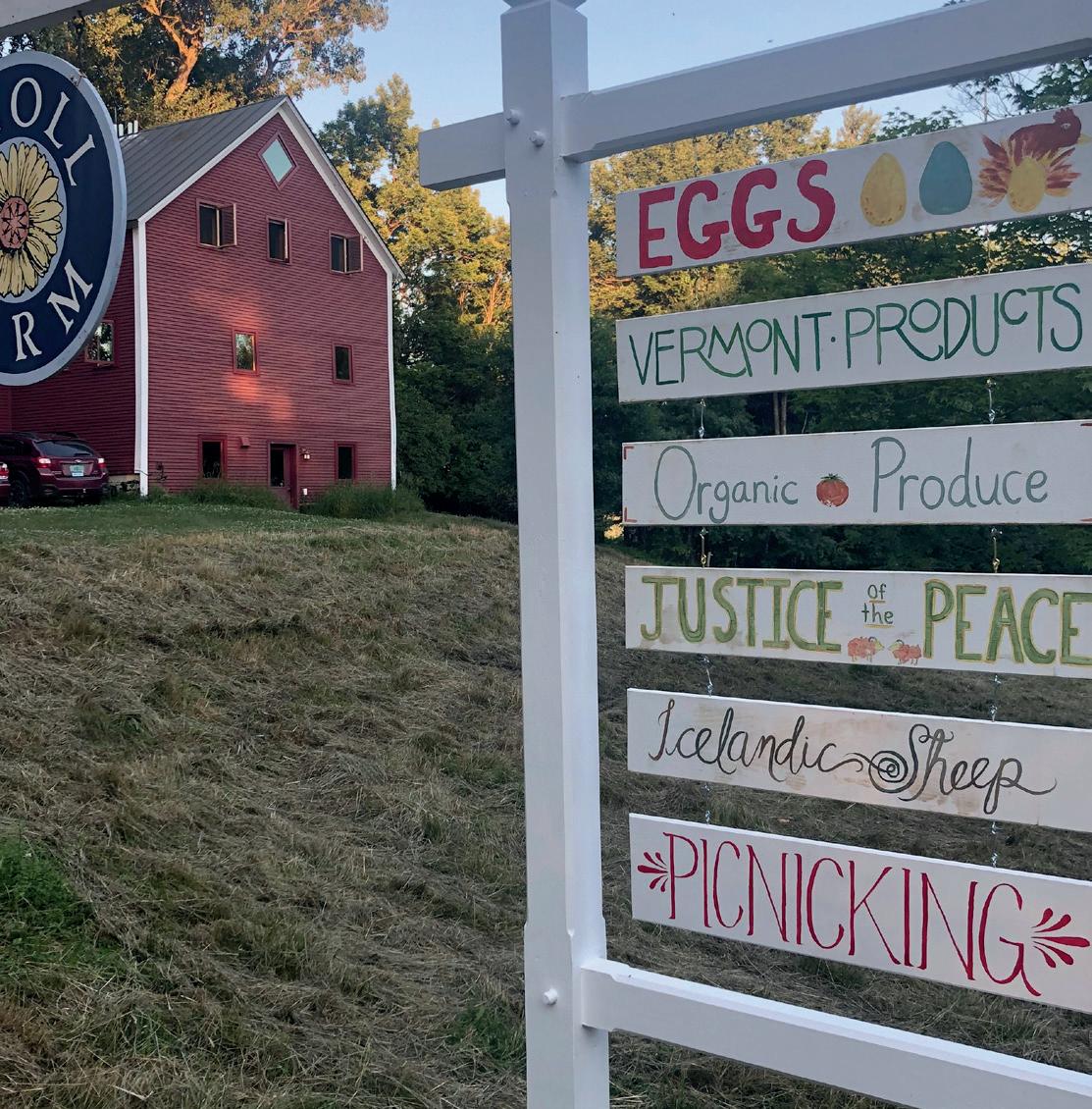
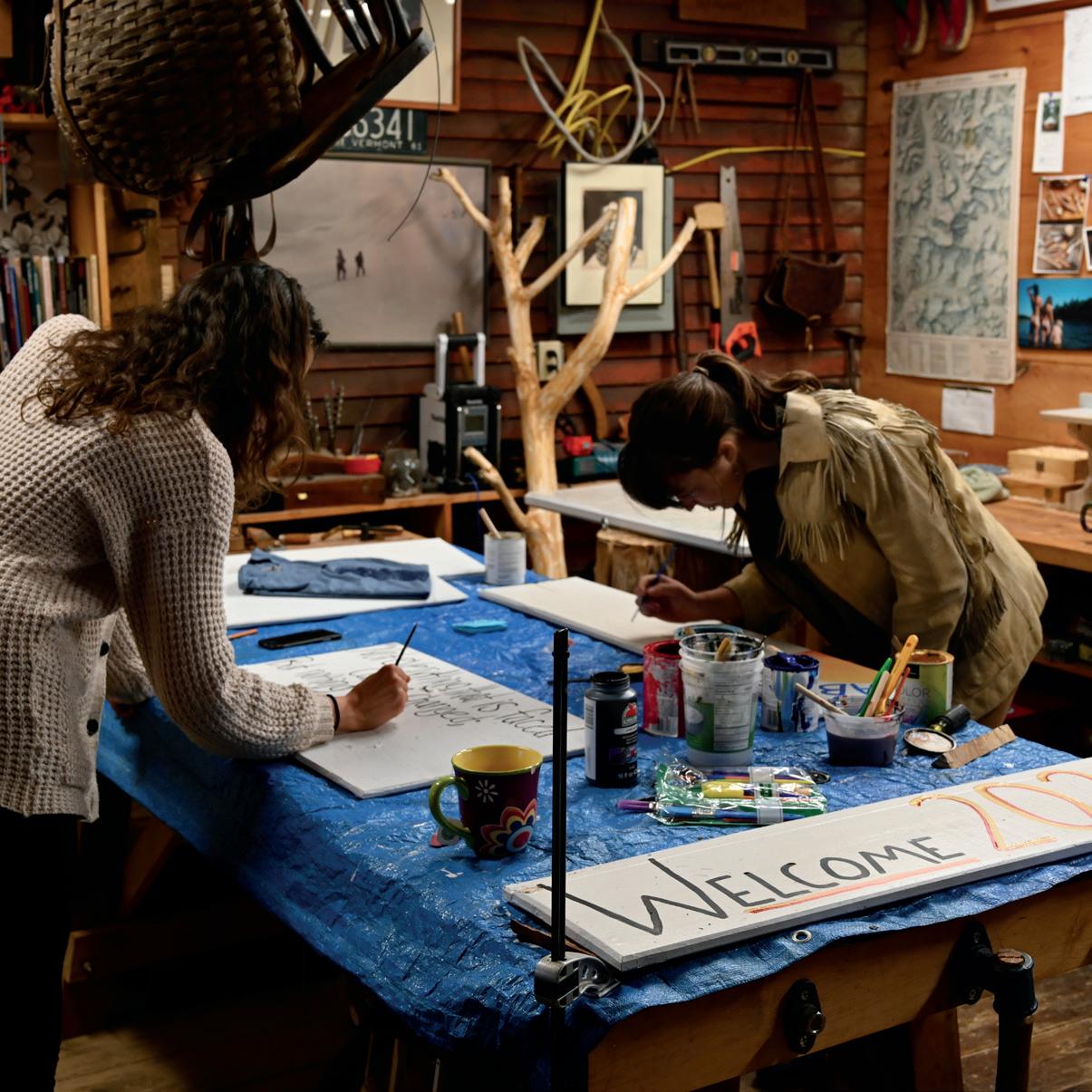
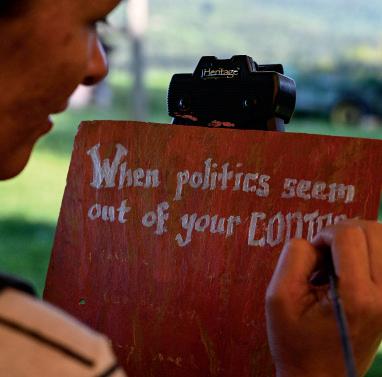
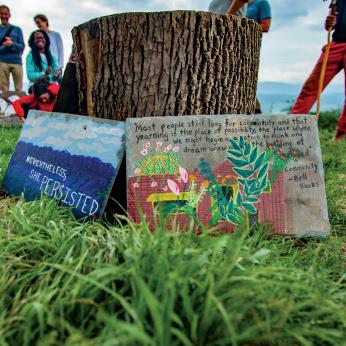
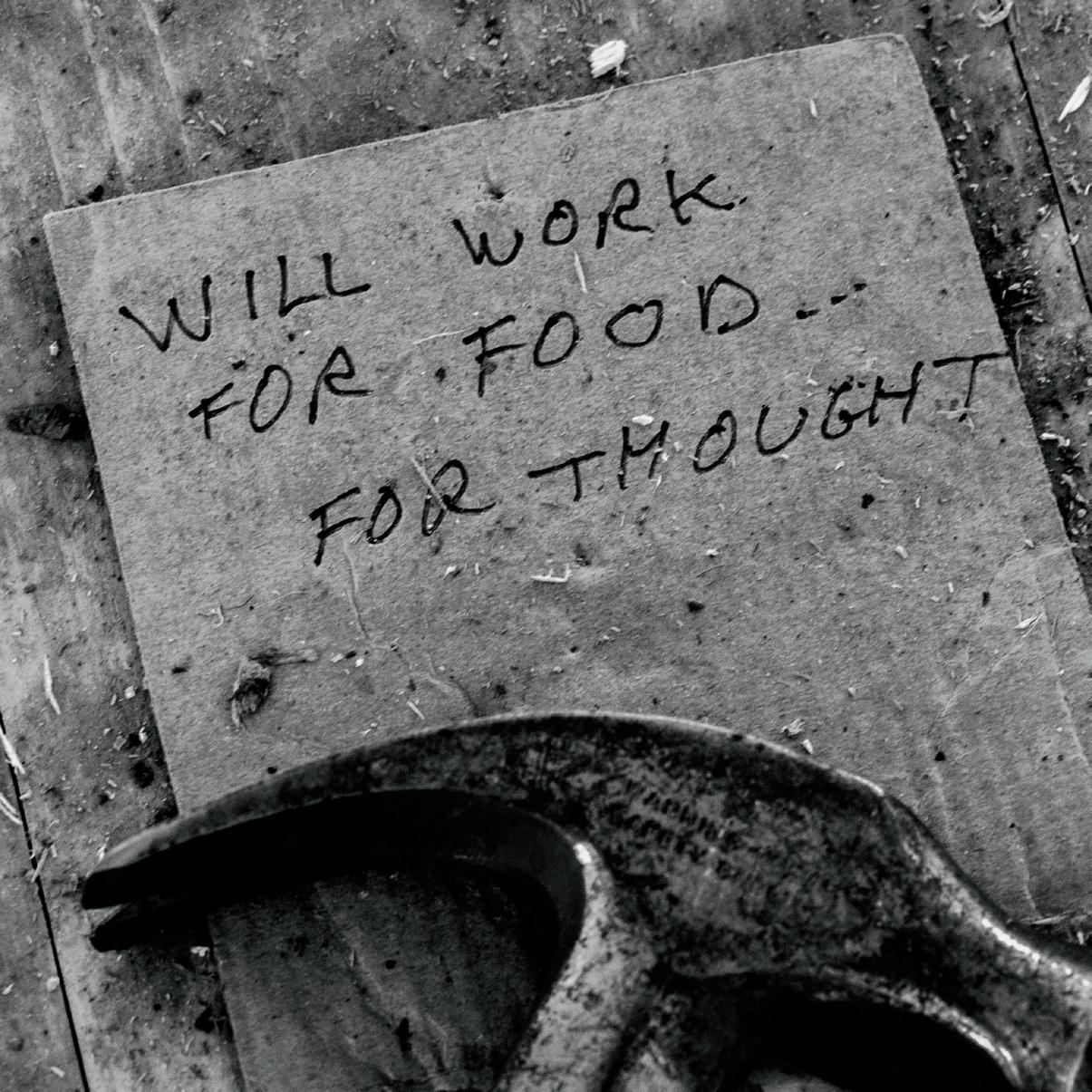
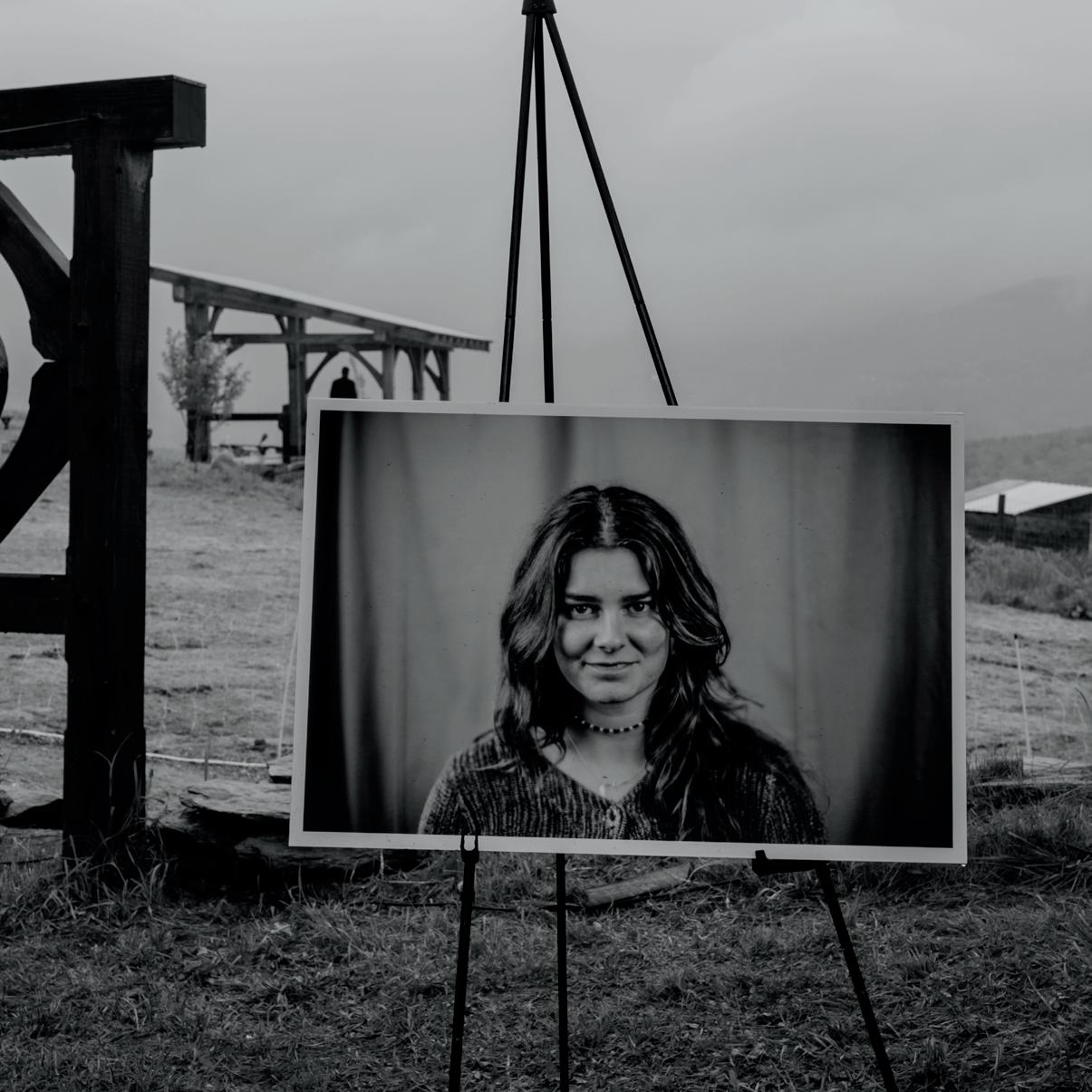
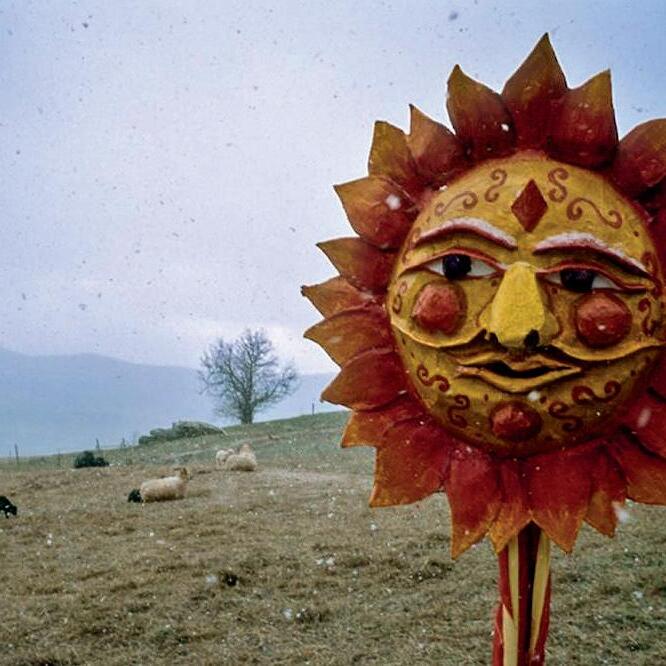
11 – We make lots of hand-painted signs at the farm. To orient folks to the farm, to memorialize quotes and words of inspiration, and so on. It’s a fun and special way that we express ourselves.
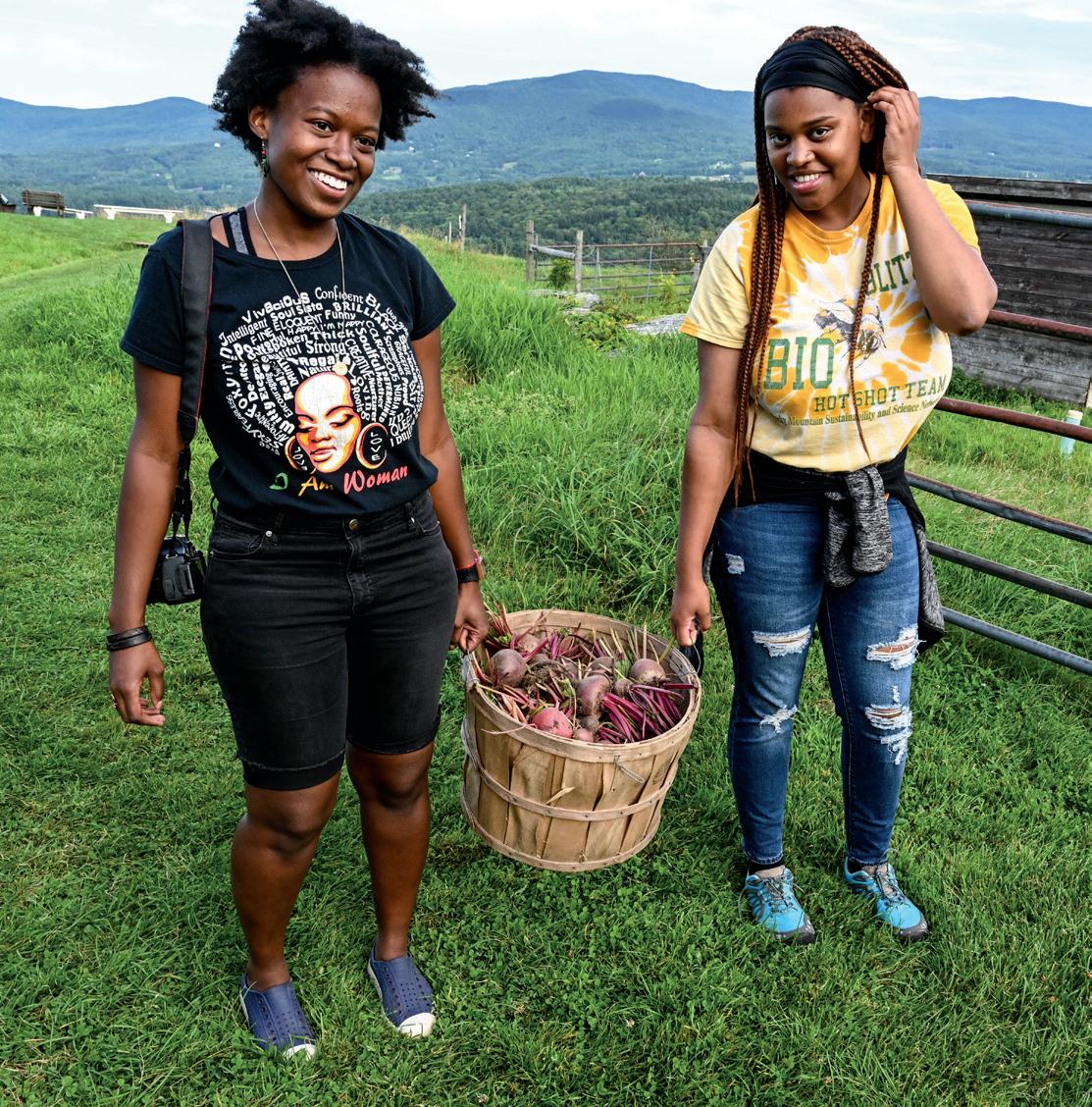
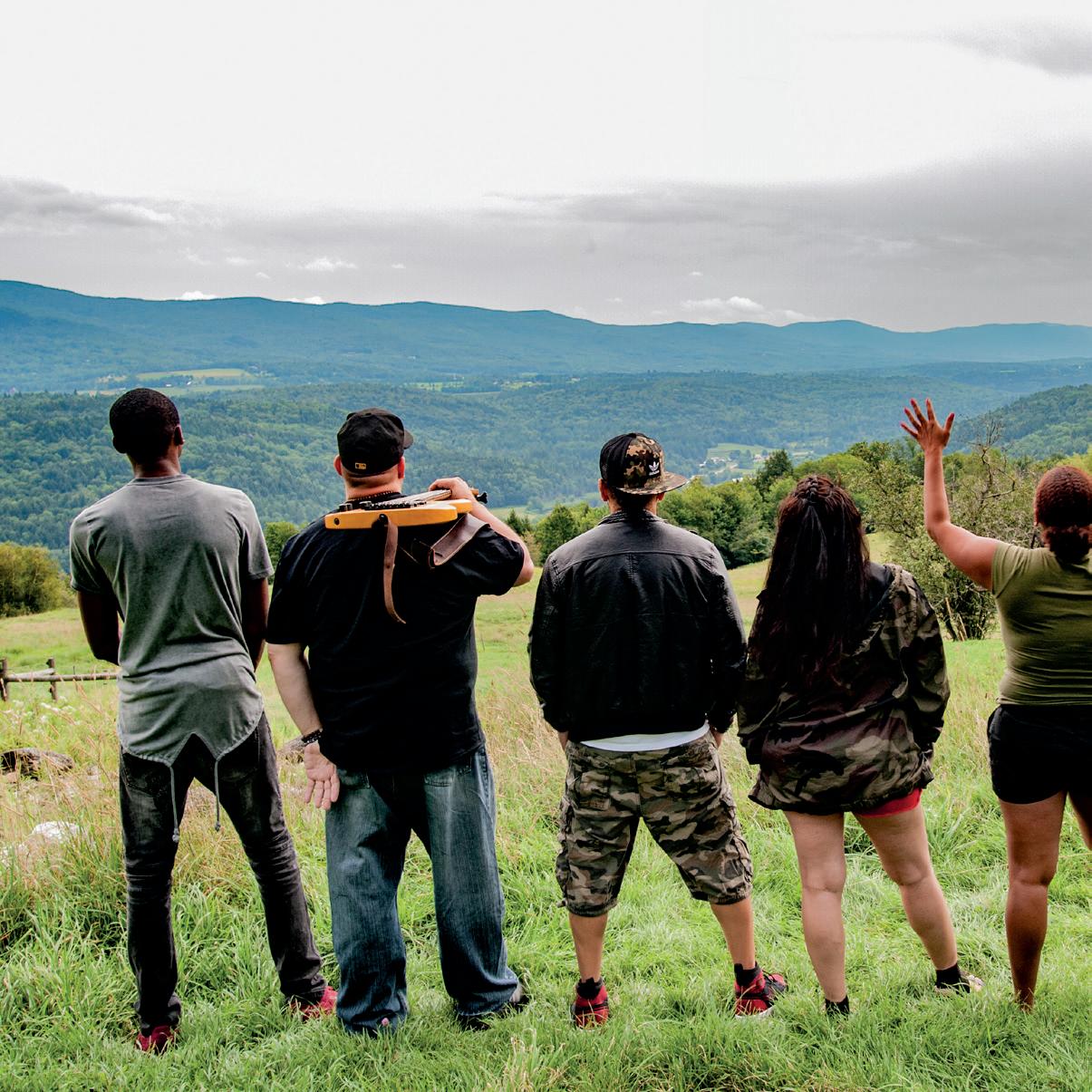
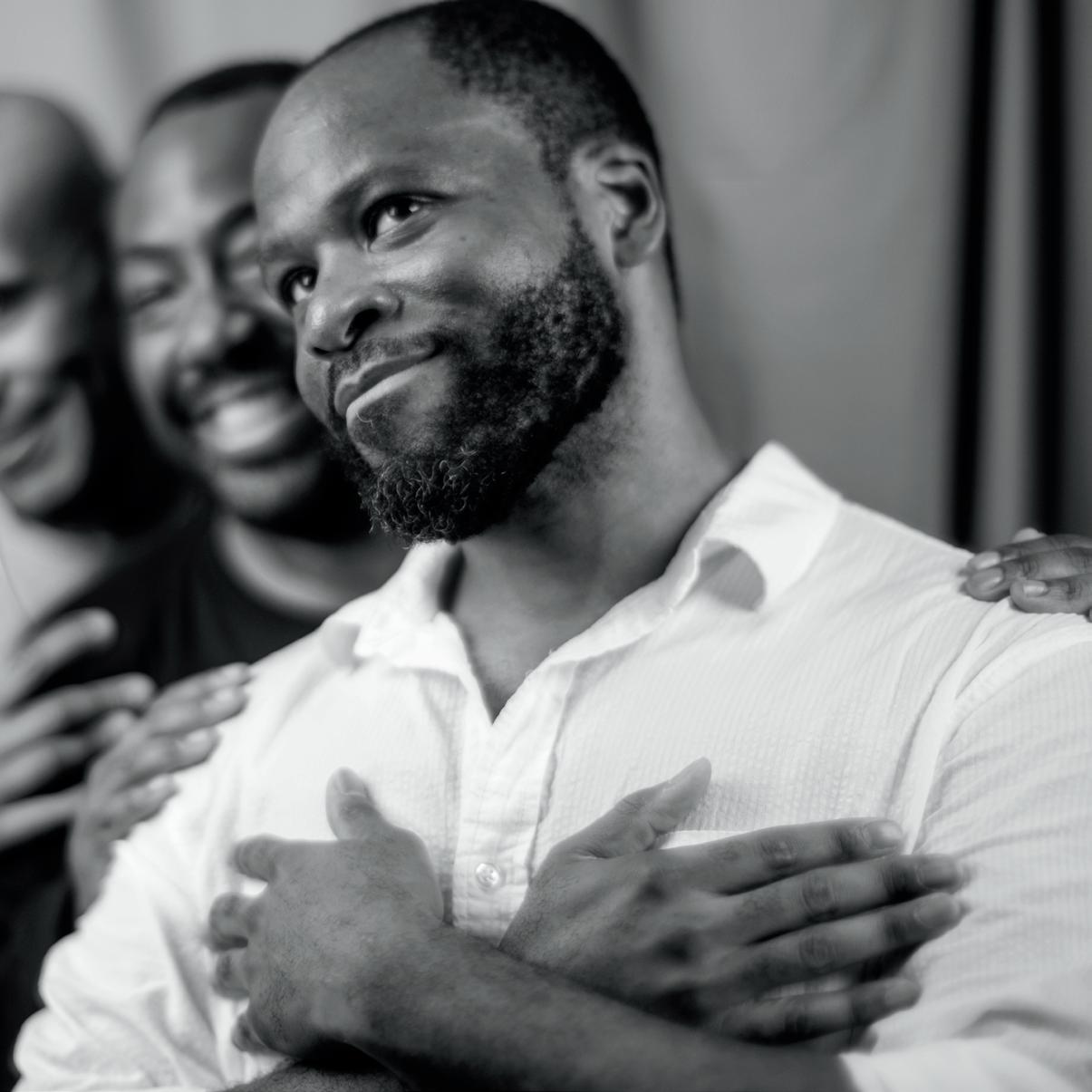
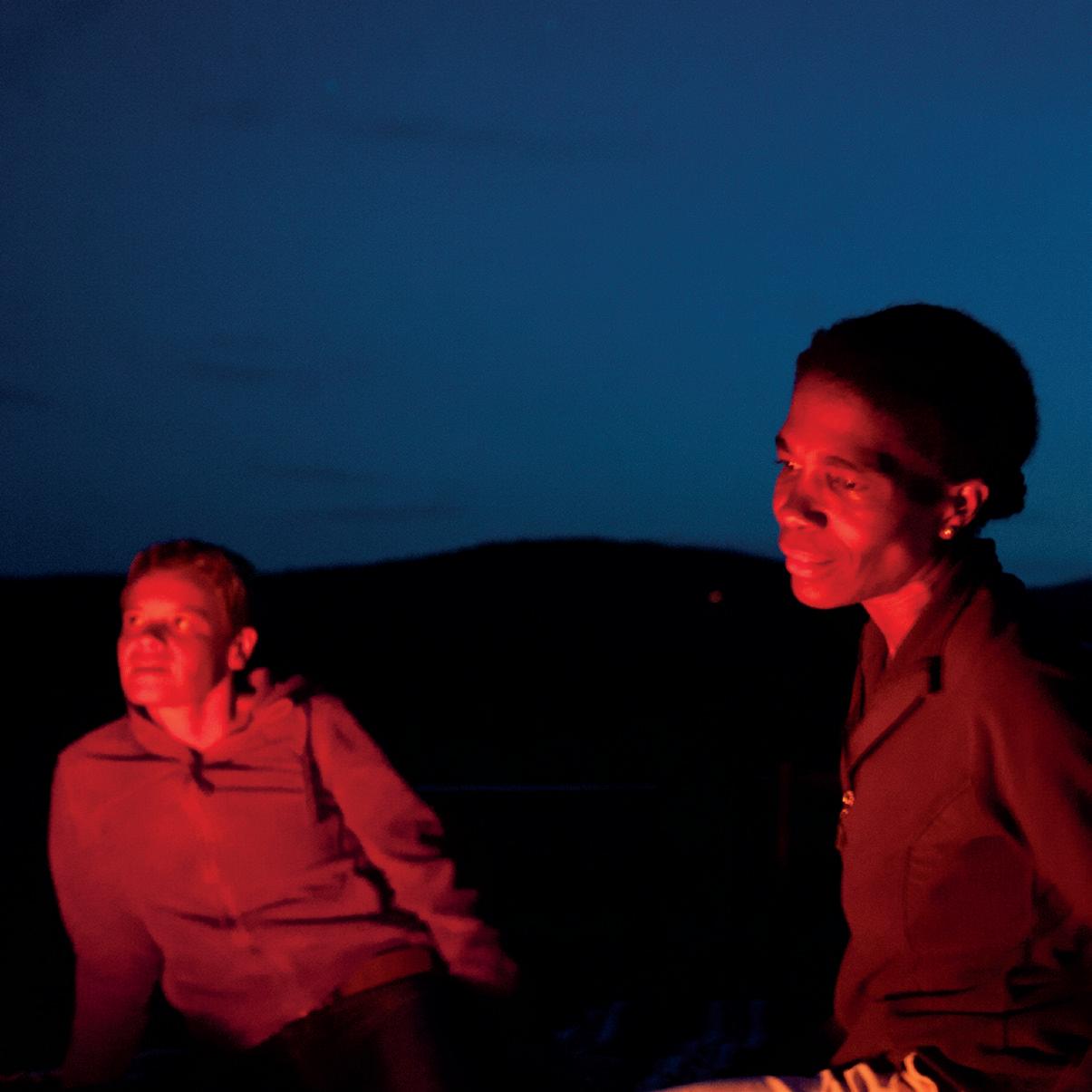
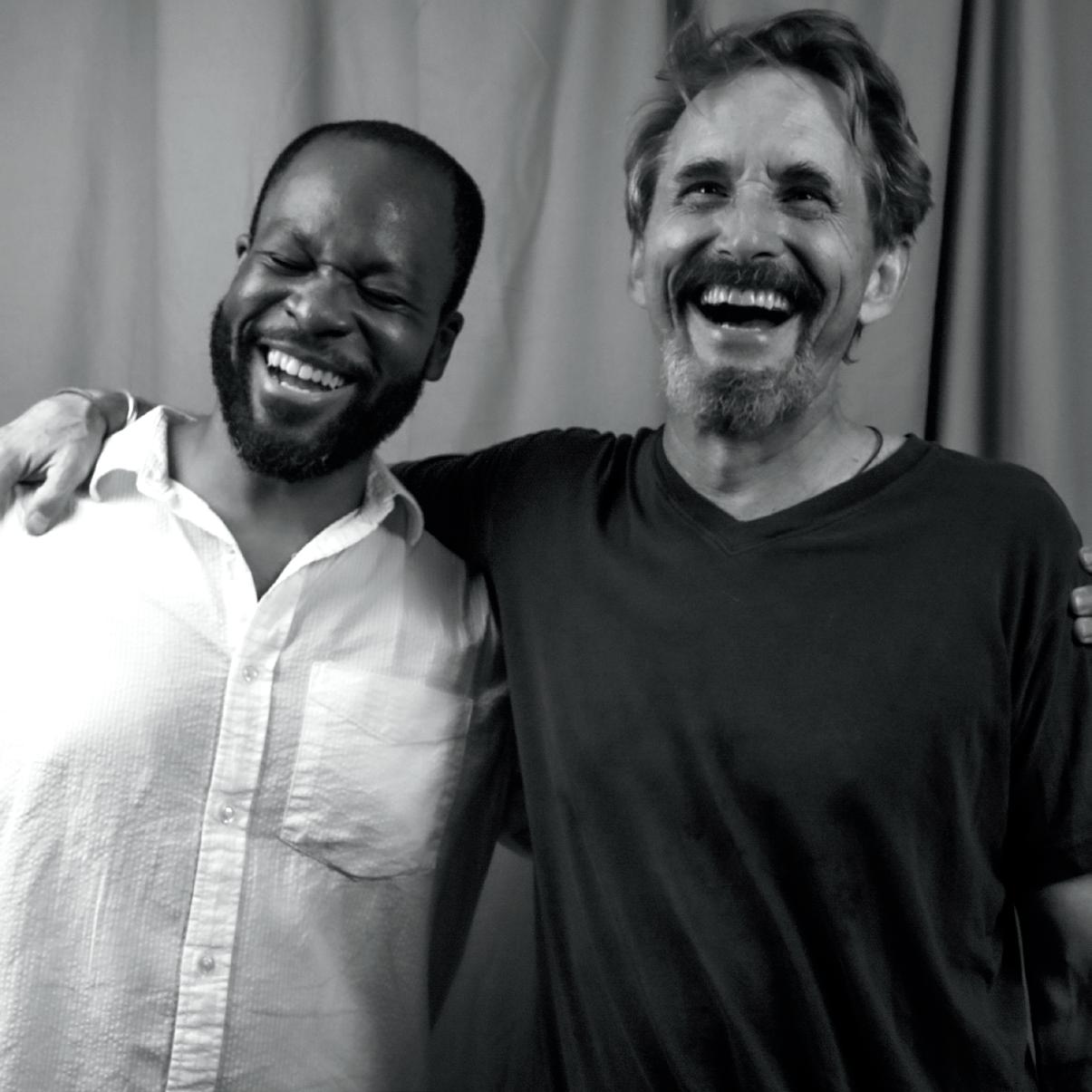
13 – Better Selves Fellows Dayna-Joy Chin and Kyaira Ware, in 2019.
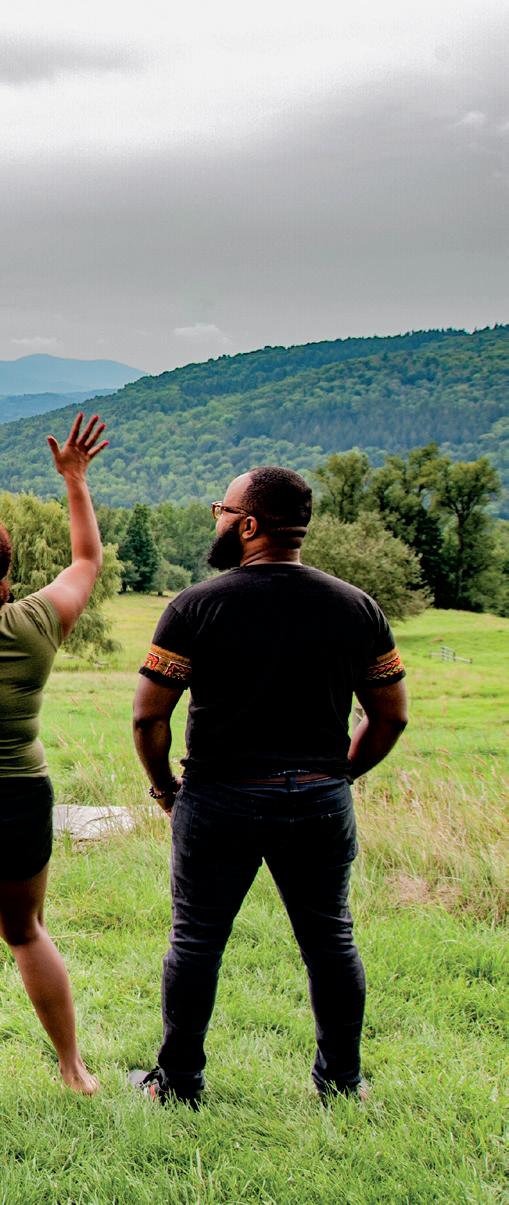
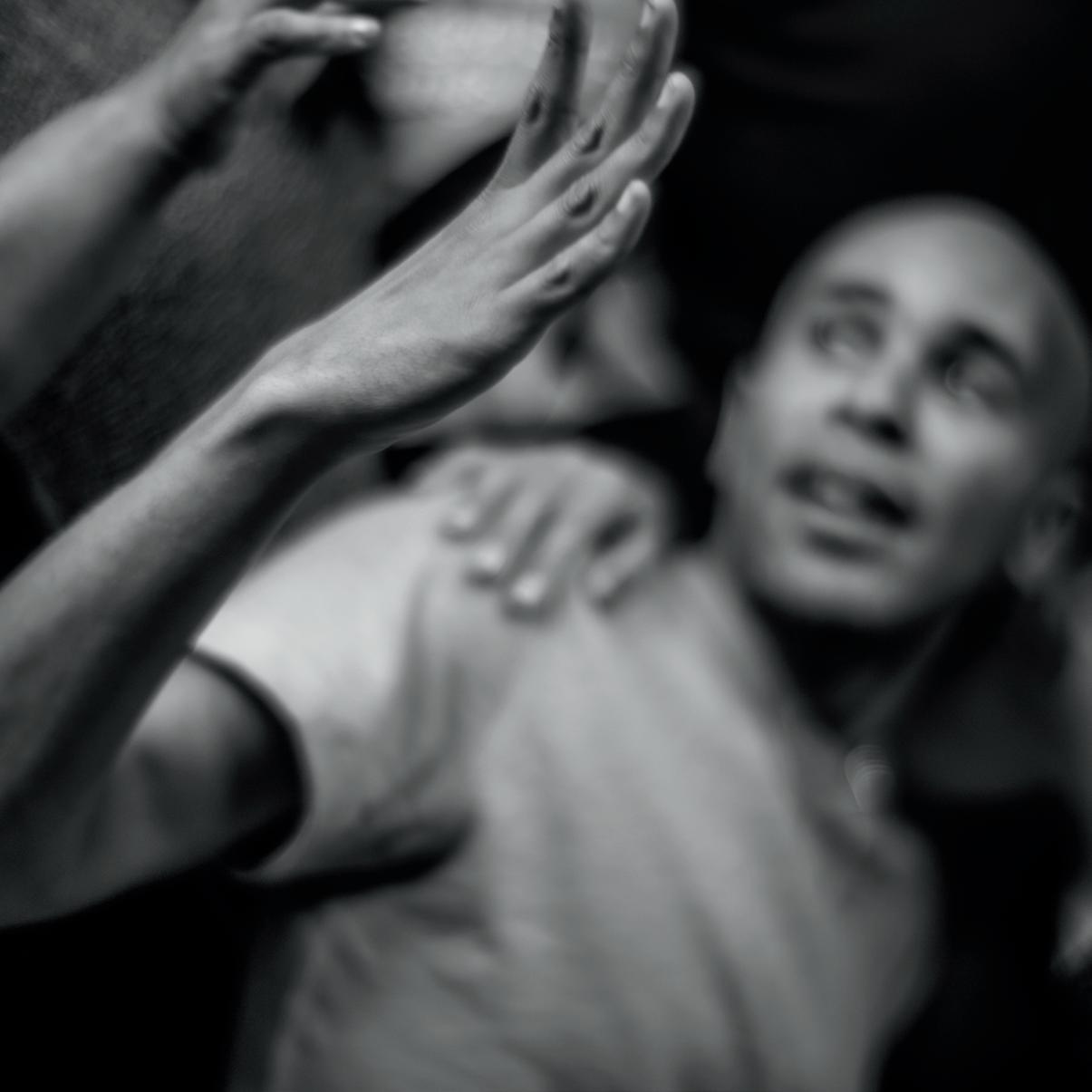
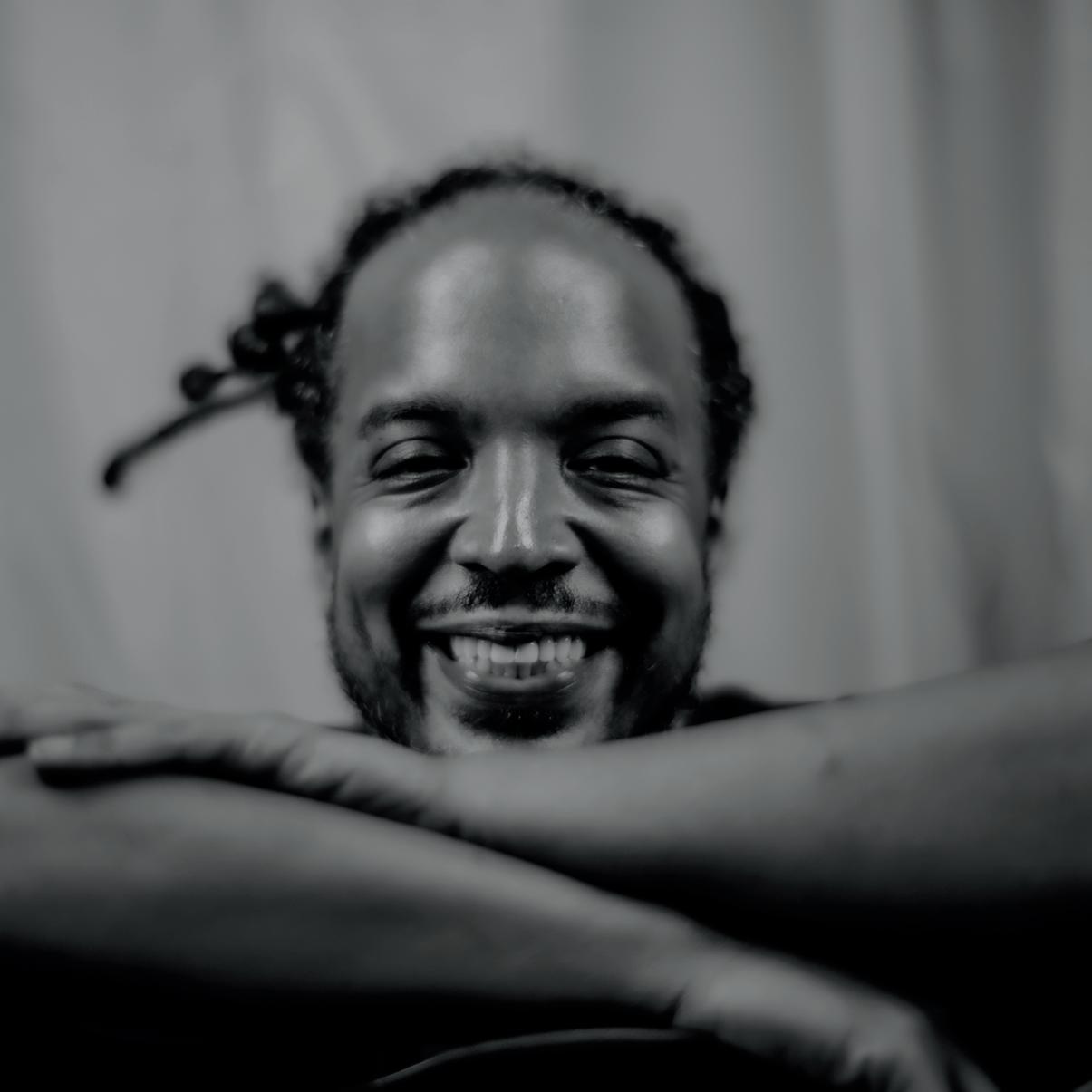
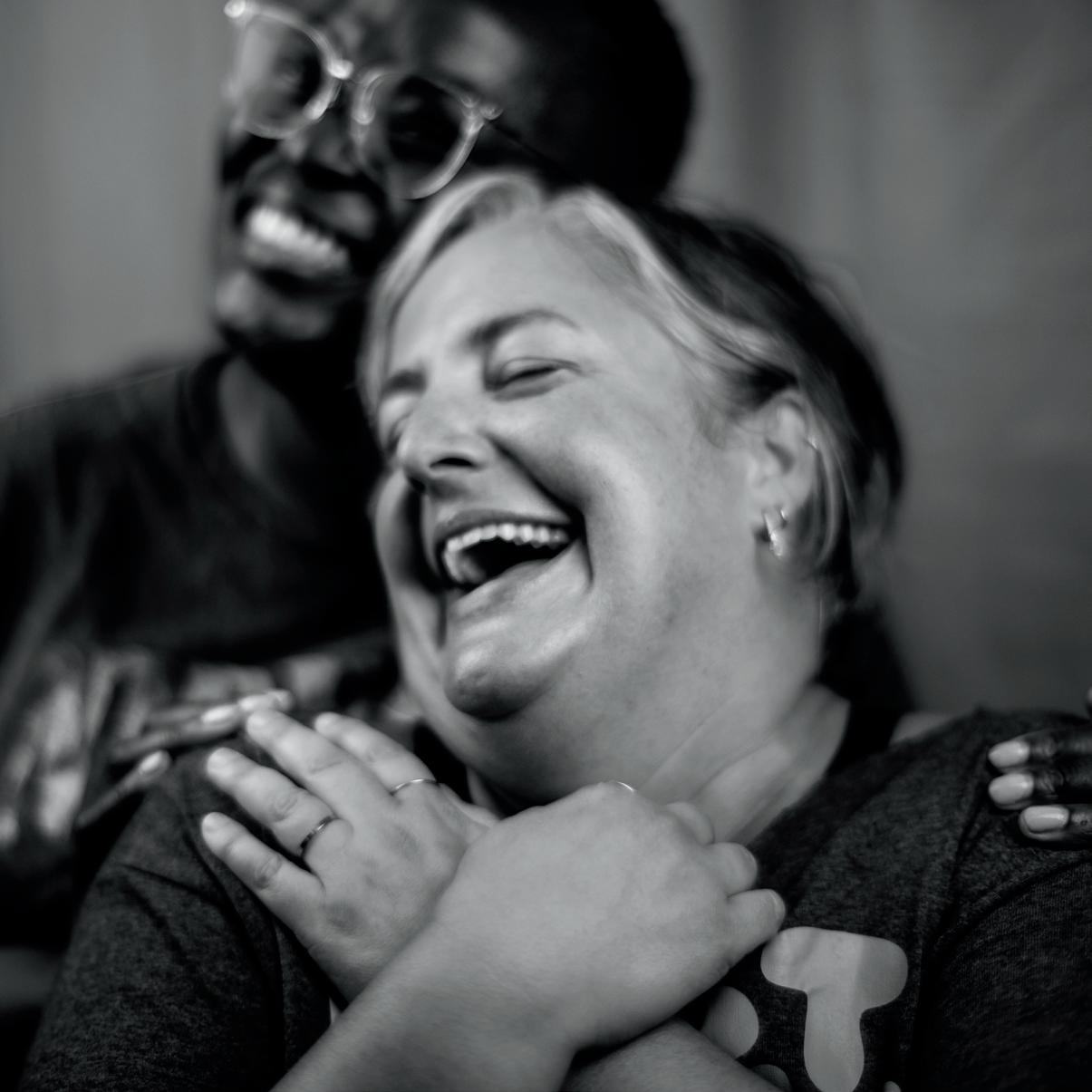
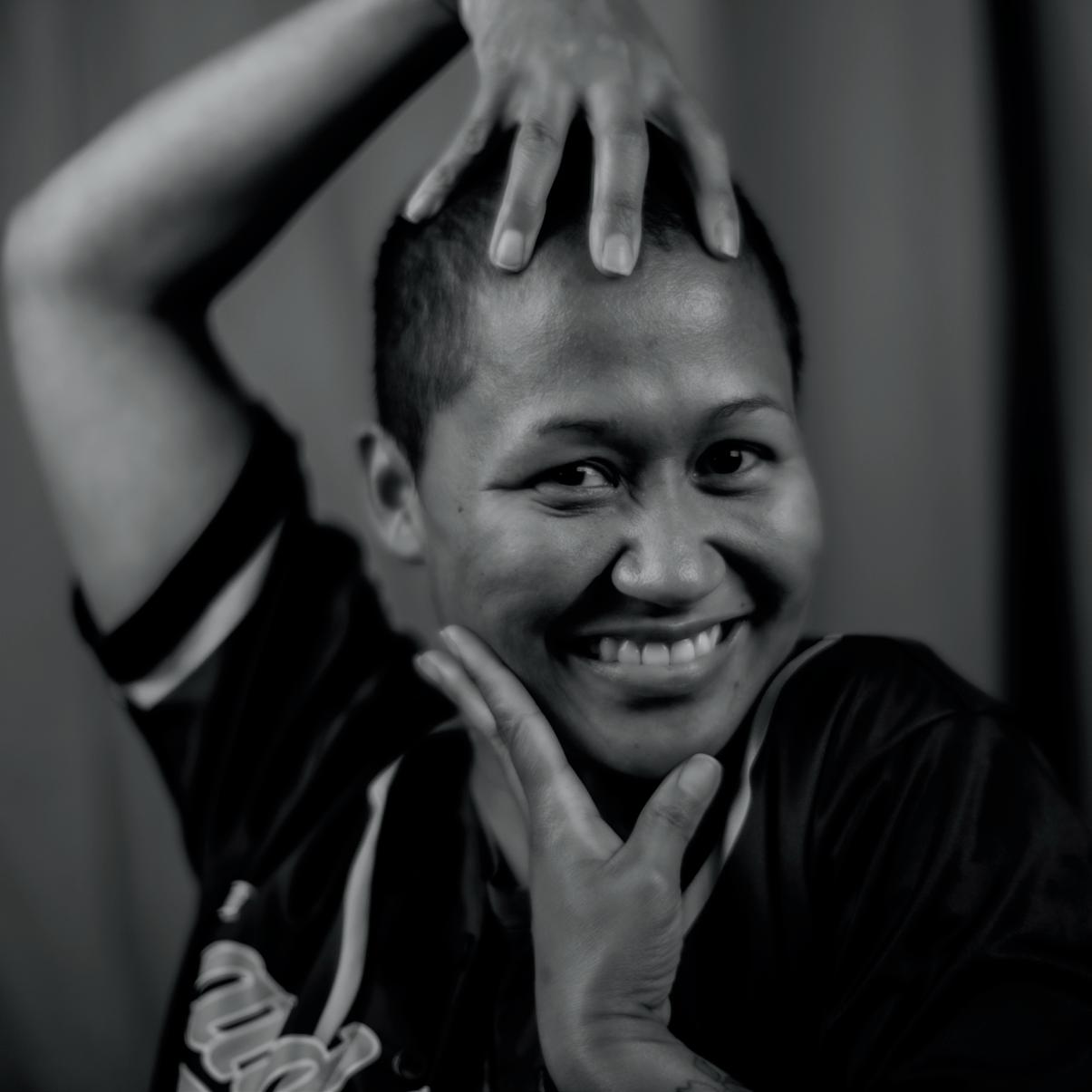
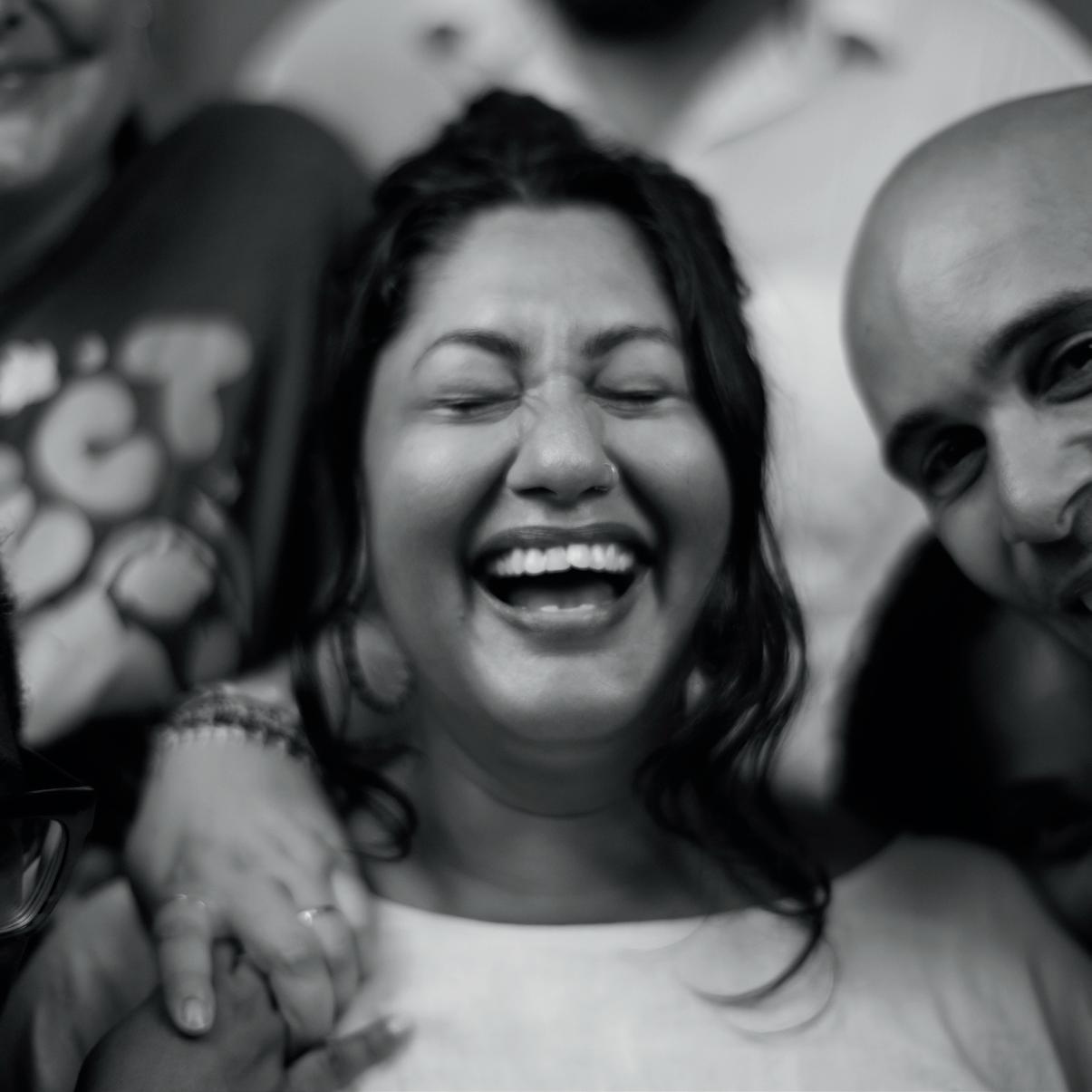
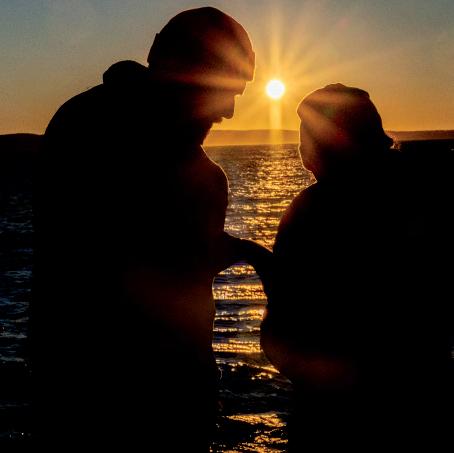
14 & 15 – As a photographer, I love to photograph
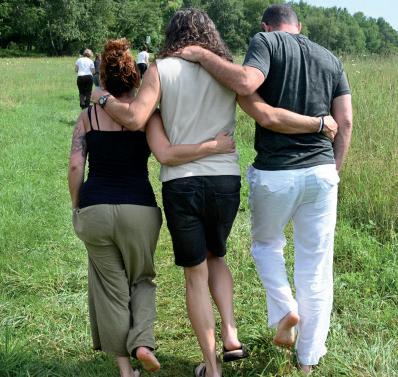
people. Our hands and arms especially are so evocative of emotion – the way people place their them around each other, or just in space, communicates so much.
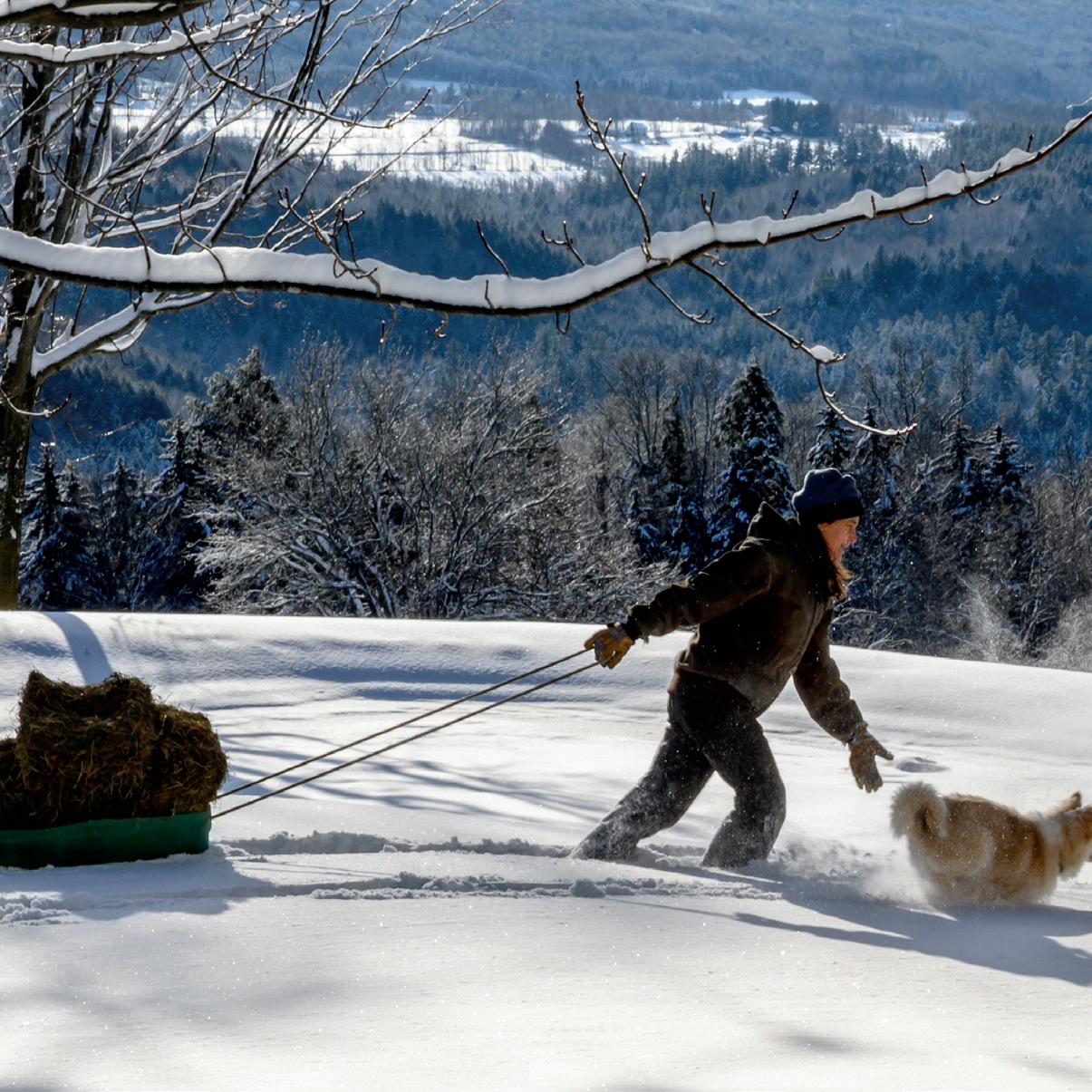
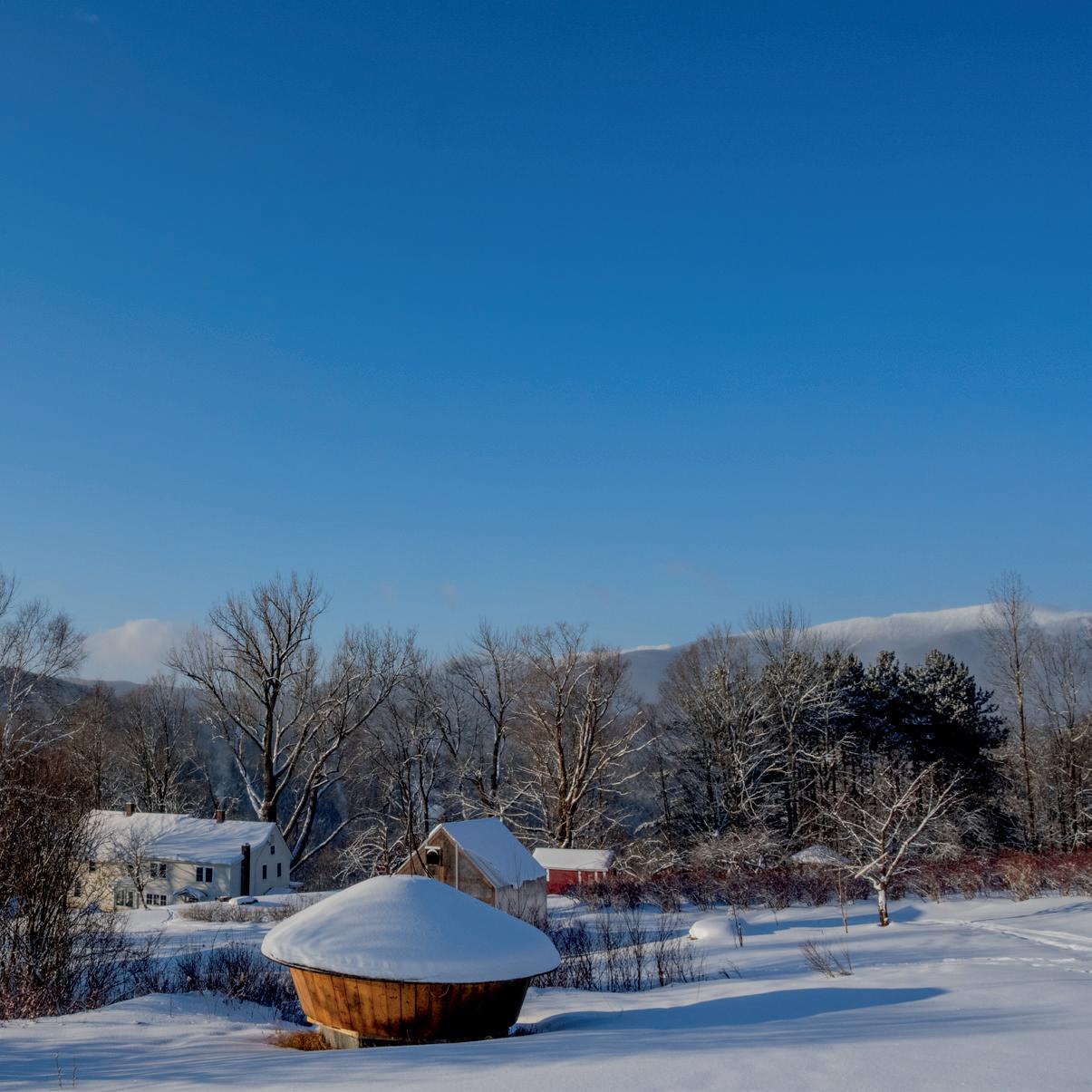
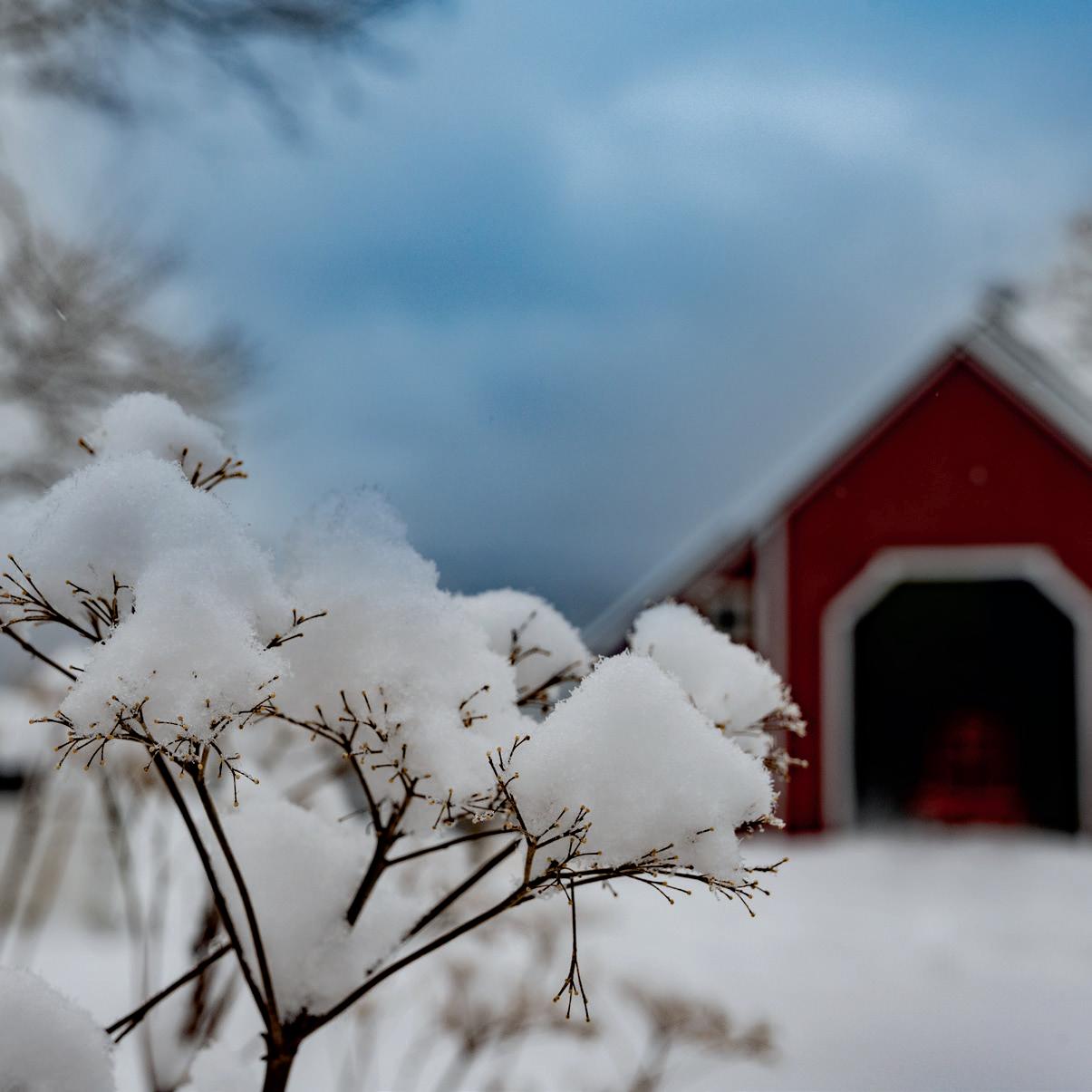
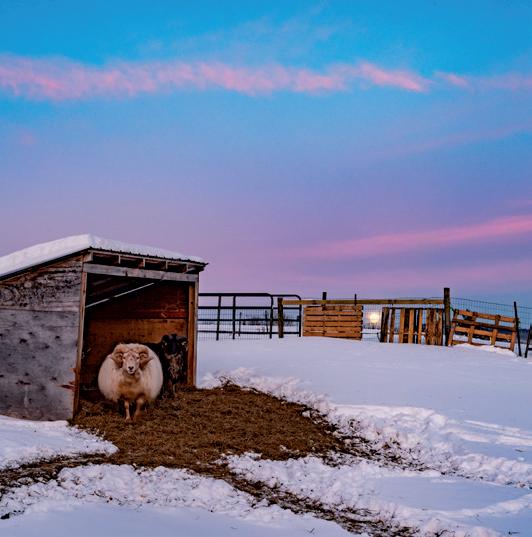
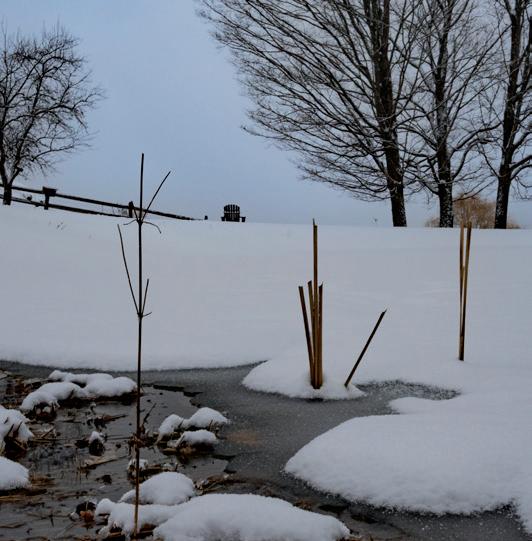
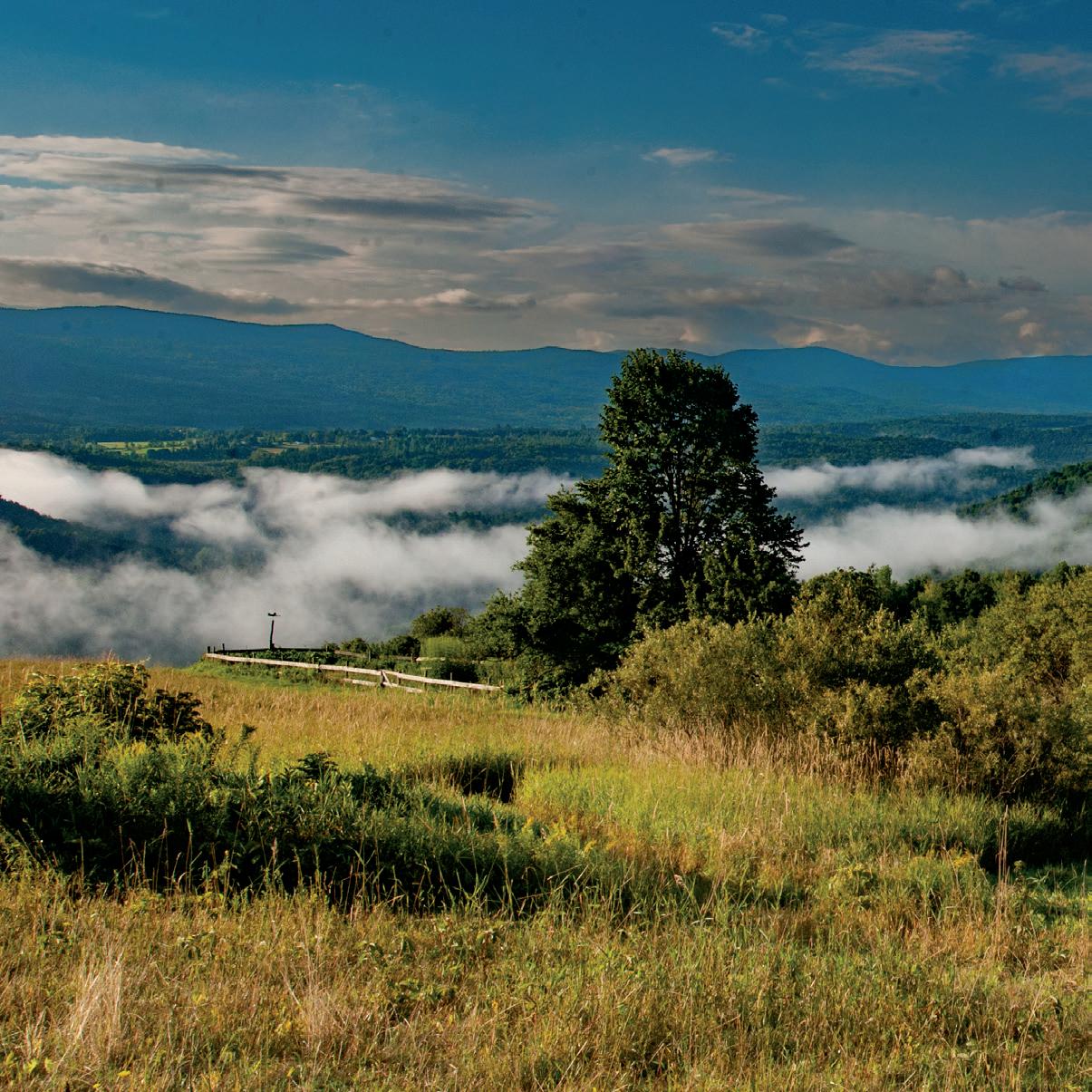
18 & 19 – The winter is such a precious time for those of us who work and live here to have the farm to ourselves. There’s rarely visitors, it’s really quiet, it’s often incredibly beautiful, and it’s part of what enables us to welcome hundreds and hundreds of people in the summer every day: to have moments like this in winter that are just so much about nature, the weather, and solitude.
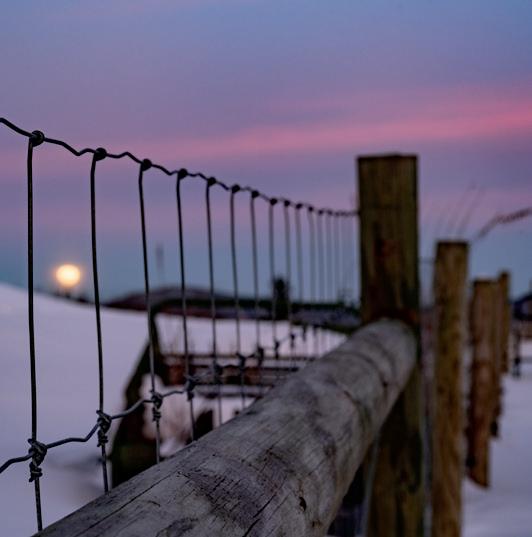
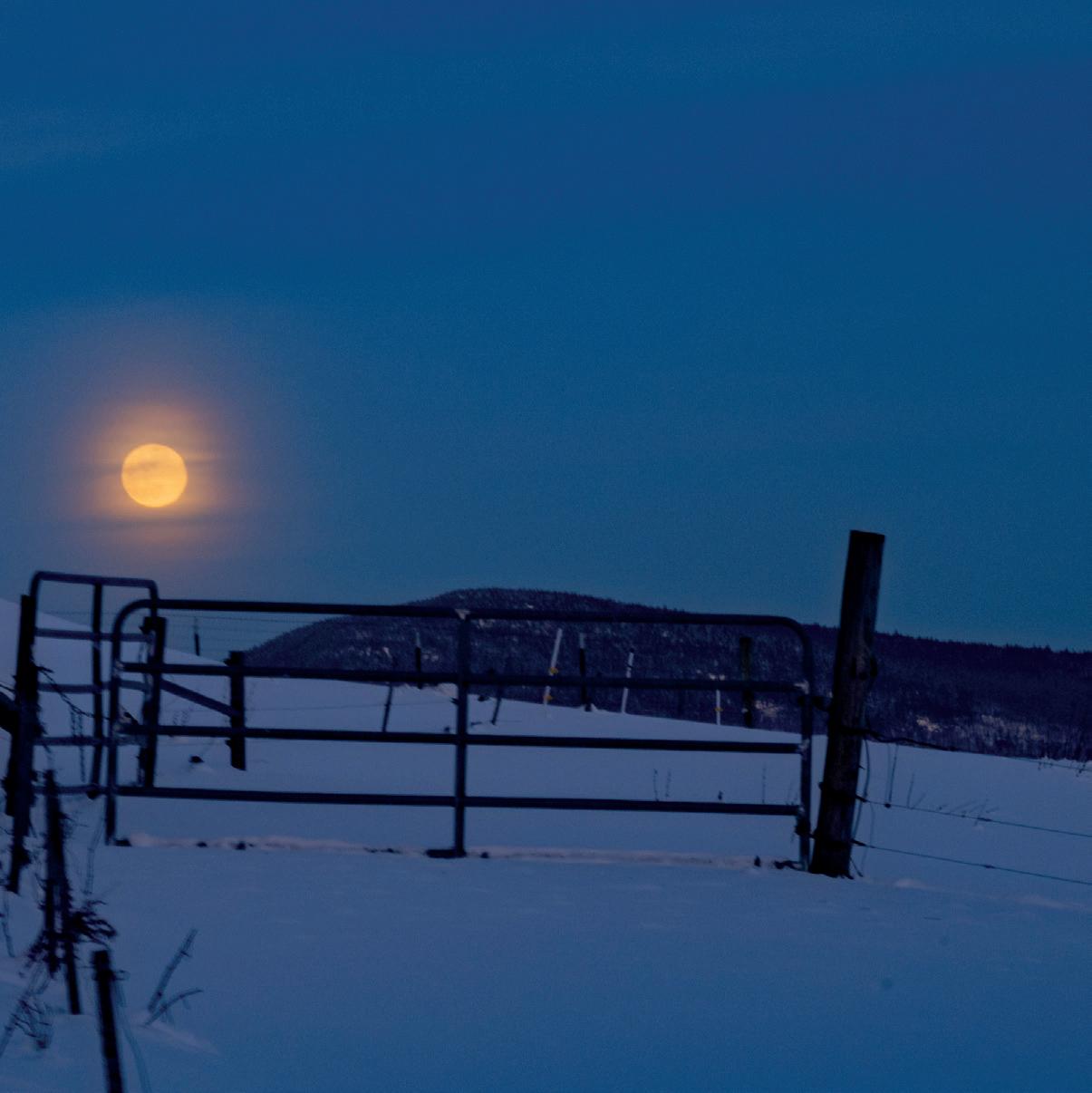
21 – For whatever reason, February always yields an incredible full moon. As a photographer, I do everything I can to be prepared to photograph, because it tends to be warmer, there’s wild light, it’s just a very unusual, reliably beautiful moment.
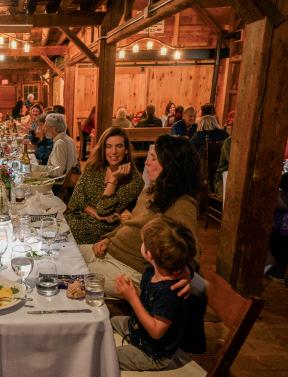
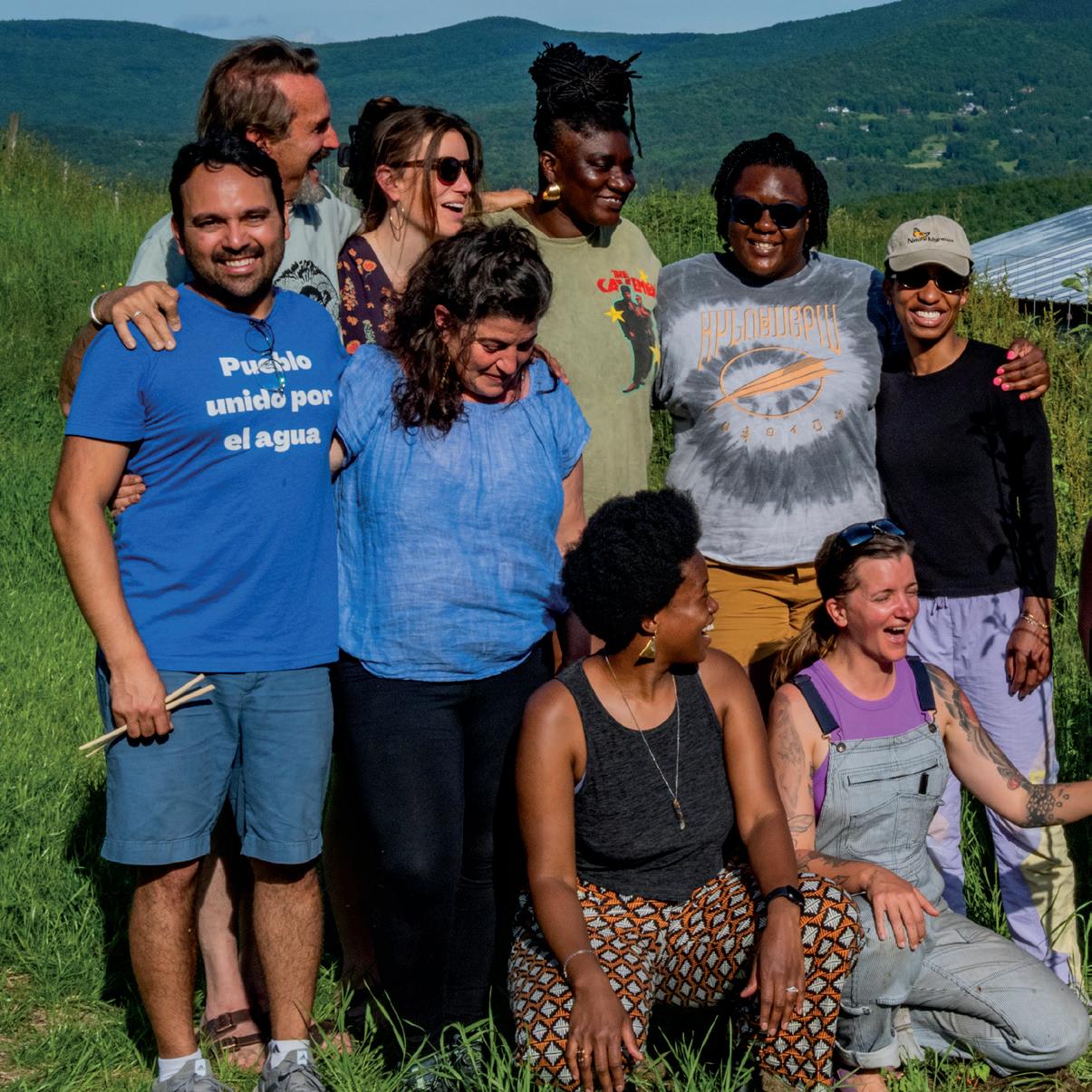
24 & 25 – Grace Oedel with Shelby Semmes and Grady O’ Shaughnessy, and their families, all longtime friends of the farm. The farm table has always been a place for old and new friends to gather.
26 – A long table holds so much potential. So many people have sat here, so many people will sit here, so much gathering happens around this very table.
29 – Over our 25 years here, I bet we’ve had 500 such quotes and artistry painted by visitors and friends. They’re become another voice of the farm, because they span so many years. Some are on wood, some are on slate, some are on other scraps, but together, collectively, they speak a language of the farm, our purpose, our reason. New ones are always being made, old ones are always crumbling. It’s ephemeral and something we really treasure.
30 & 31 – This is 2016 Better Selves alum Tem Blessed, and his hip hop band, Blest Energy. They came and did a music residency in 2017 or ‘18. They spent a week at the farm and then put on one of the best Better Selves Beneft Concerts we’ve ever had, and it was such a great experience having them here. They really got us going on the idea of doing music residencies at the farm.
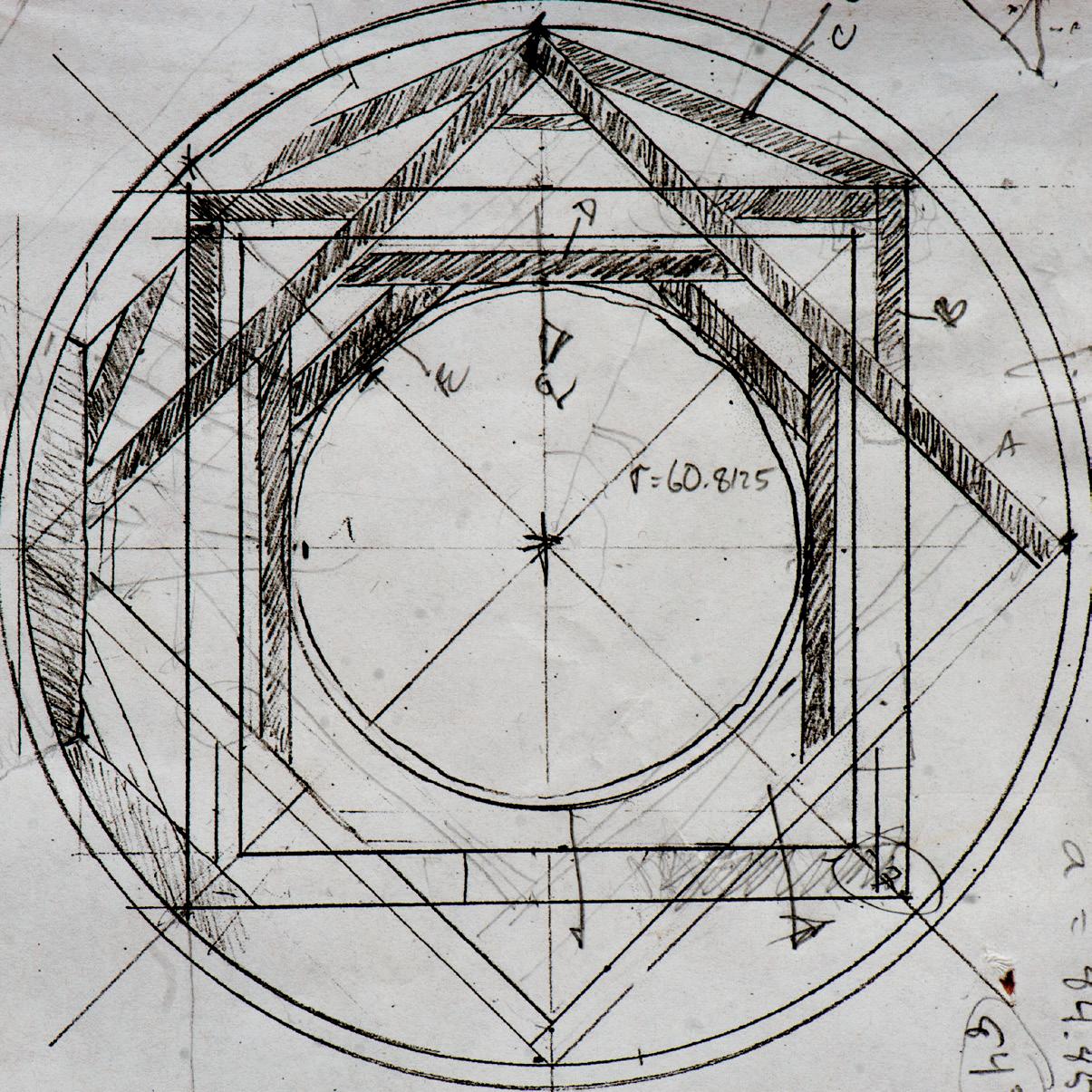
34 & 37 – The water temple was designed by Dan Neumeyer, who made these drawings and then led the construction. Lots of friends helped build this important structure.
38 & 39 – This is Rani Arbo and members of the Daisy Mayhem band, with some of their kids and other friends’ kids, playing music in the water temple.
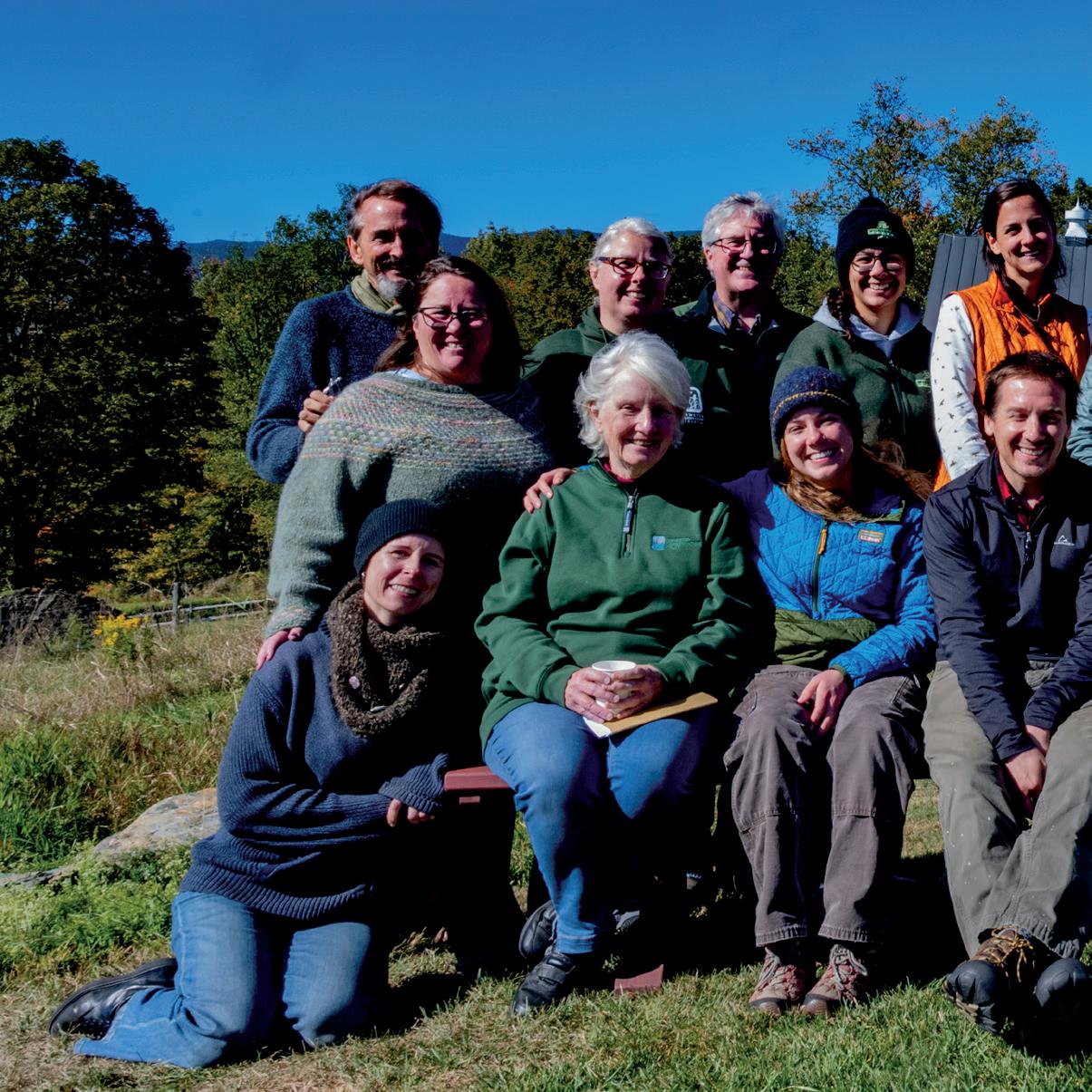
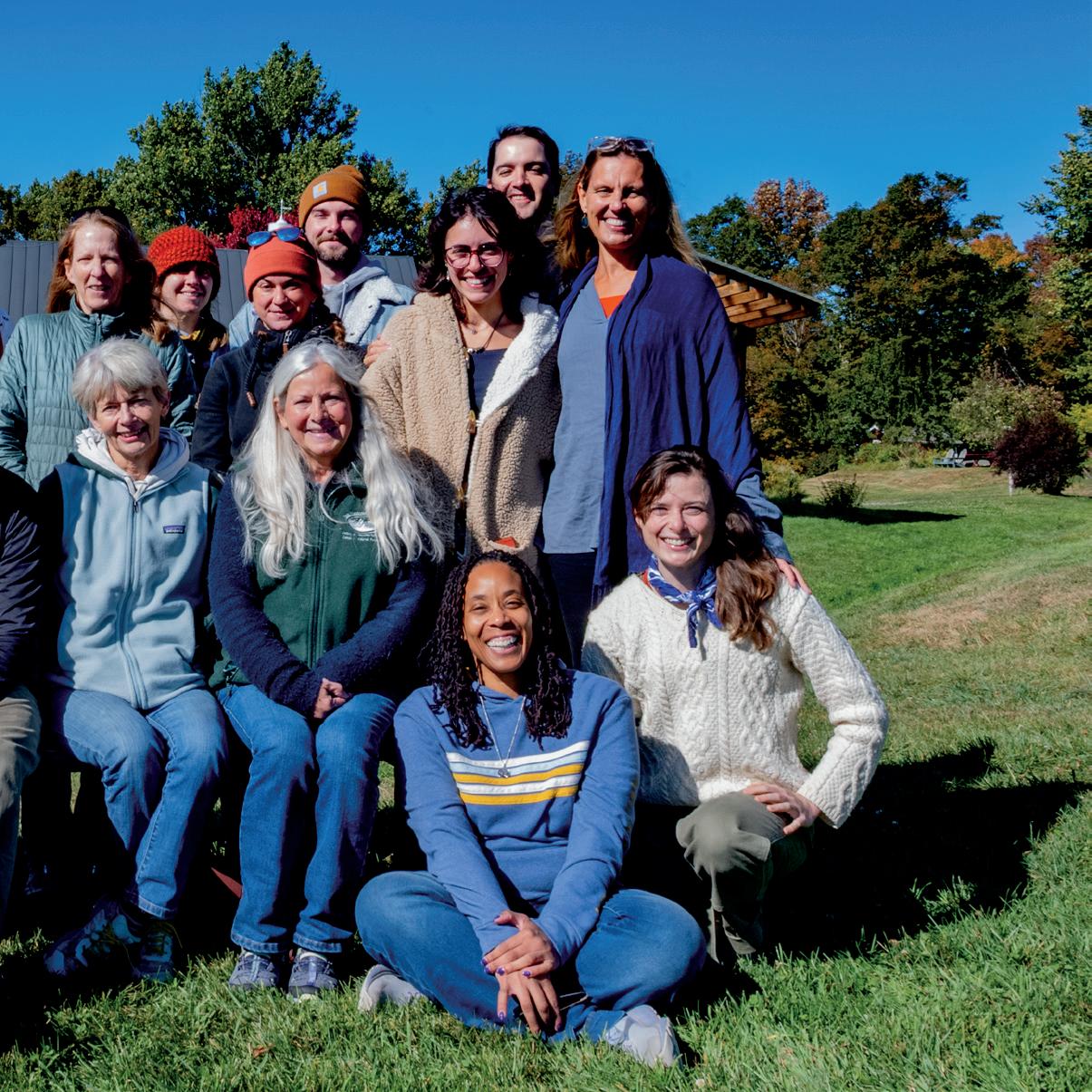
40 & 41 – One of the Better Selves Fellowship cohorts in 2025.
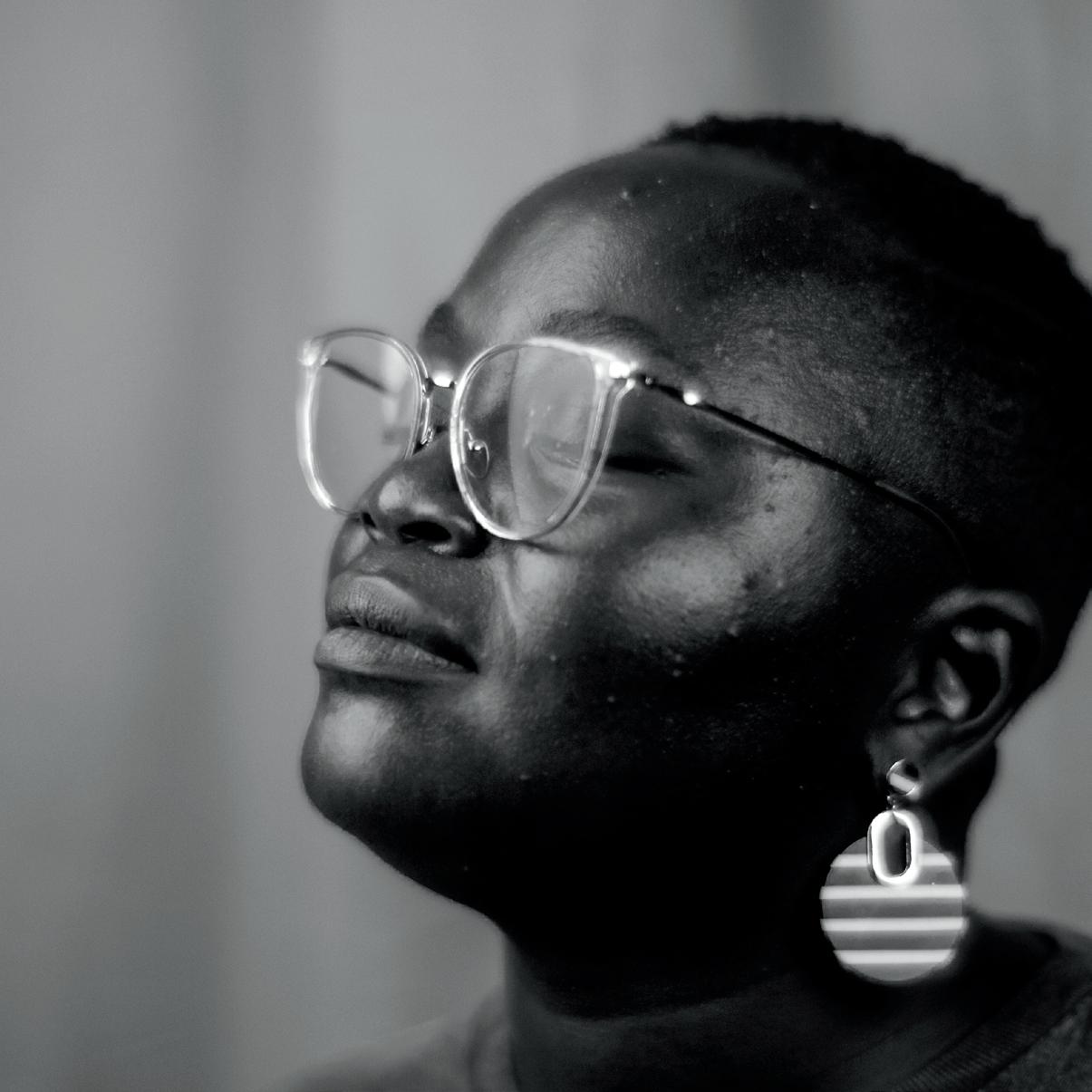
42 – 2025 Better Selves Fellows Rose J Percy and 43 – Myles Lennon.
44 & 45 – Gatherings of Better Selves Fellows over the years.
46 – 2025 Better Selves Fellows Christian Chin and 47 – Chioma Nnaji.
48 & 49 – This is a photograph circa 2009, of a Center for Whole Communities “Whole Thinking” retreat, which we did 175 sessions of, from 2004 through 2013. It had a very specifc curriculum, and there was so much learned from this time that afects everything that we do today.
50 – 2025 Better Selves Fellows Benhameen Johnson and 51 – Katie Brydon.
52 – 2025 Better Selves Fellow Dãnia Davy.
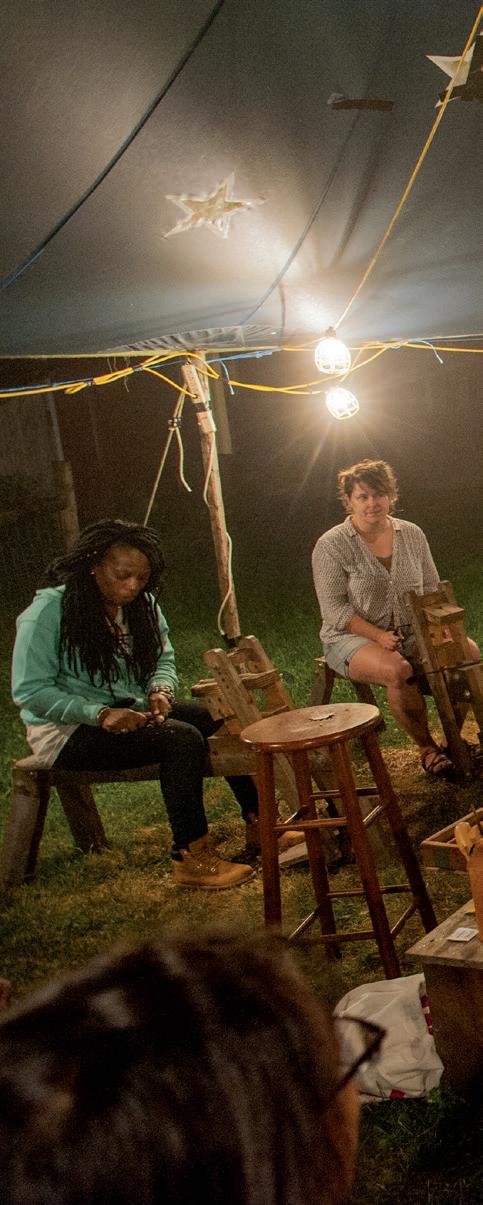
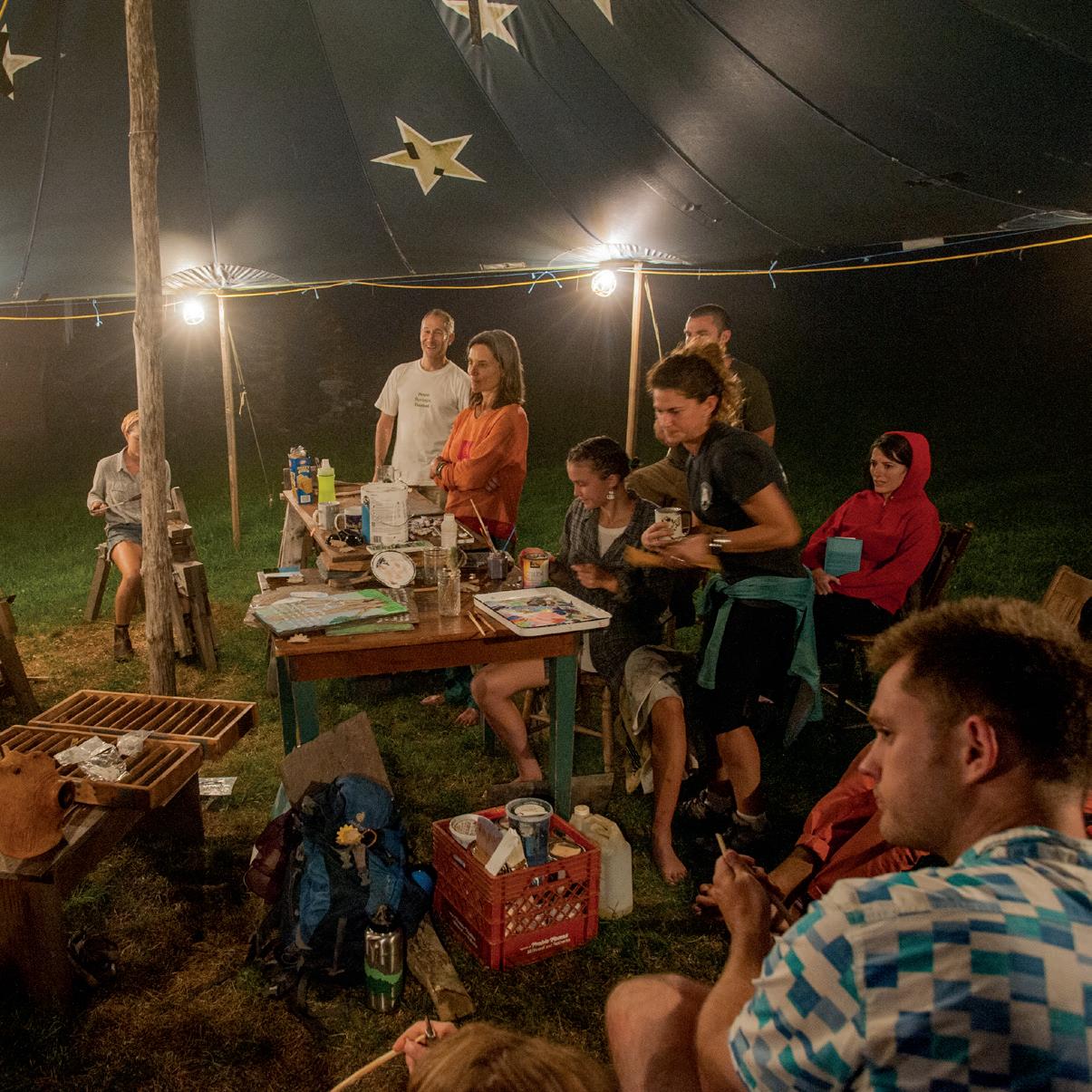
54 & 55 – A moment from a Better Selves Fellowship. The spirit of the fellowships has always has a ‘maker’ quality to it. We gather under the big circus tent, sometimes at night, or in the pouring rain, to carve spoons, make music, paint.
56 – 2025 Better Selves Fellow Shreya Durvasula.
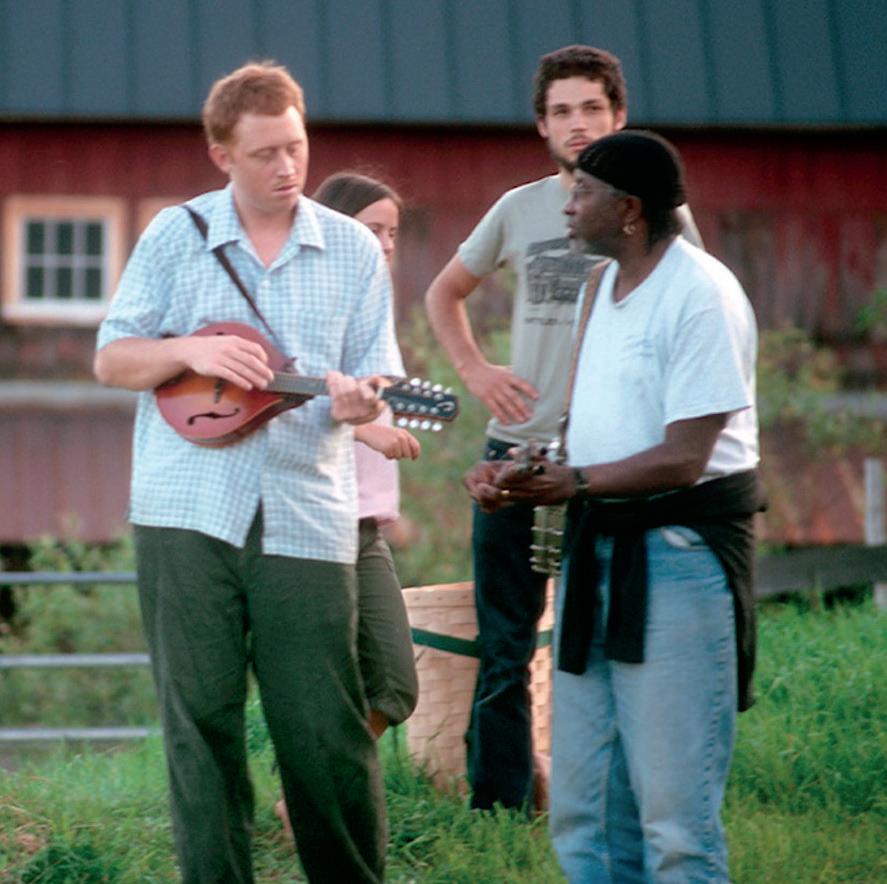
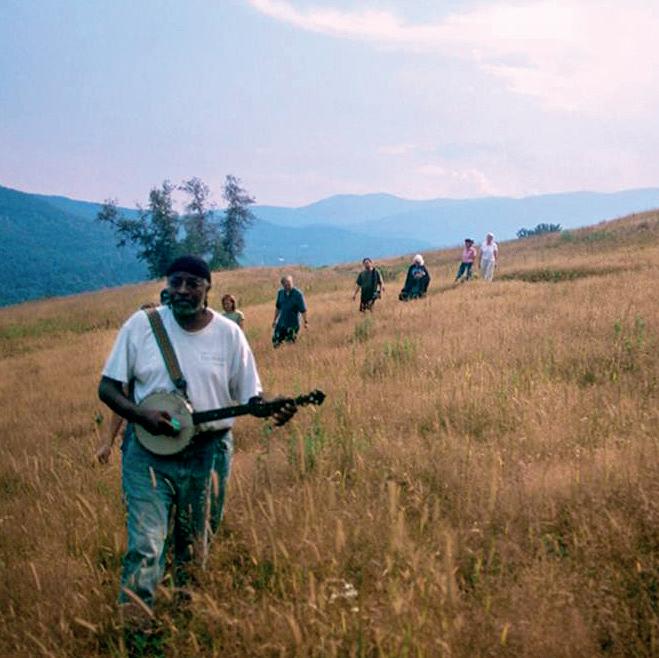
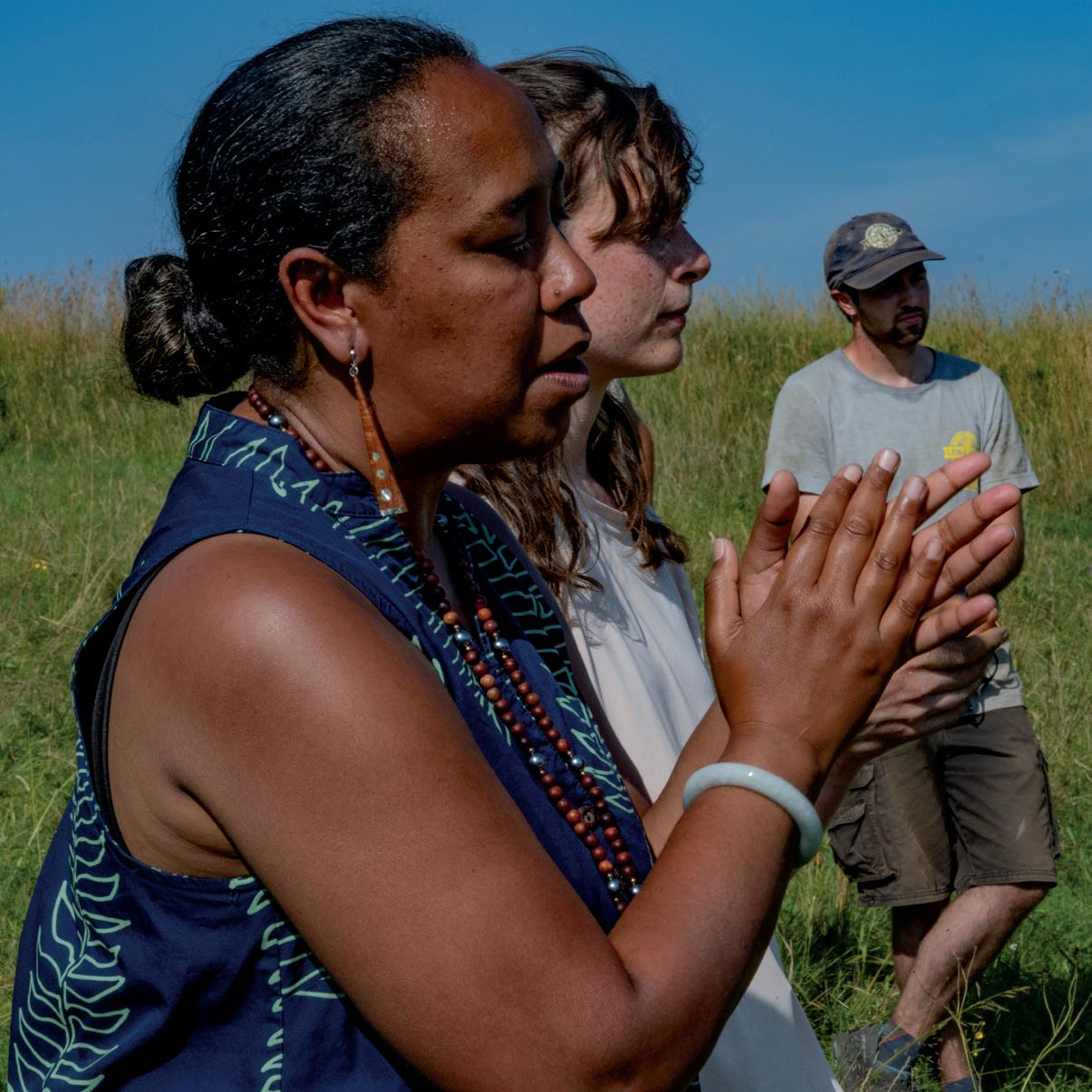
58 & 59 – Three of the folks in this photograph played a huge role in the early days of Knoll Farm. Jean Hamilton and Caleb Elder, chefs at the farm for four or fve years, are speaking here with John Francis, the Planetwalker, who is one of the most beloved and inspiring people to intersect with the farm and visited on three occasions.
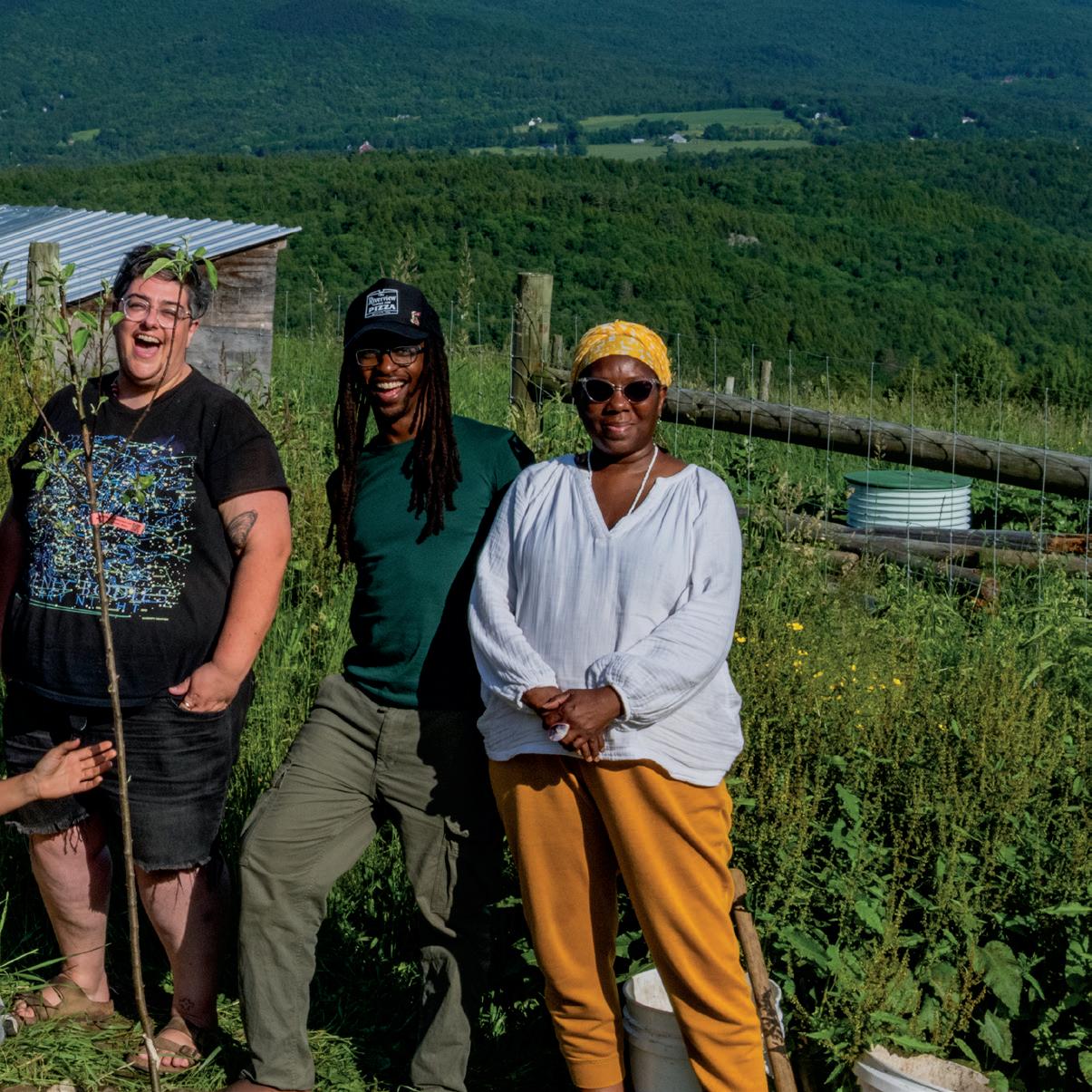
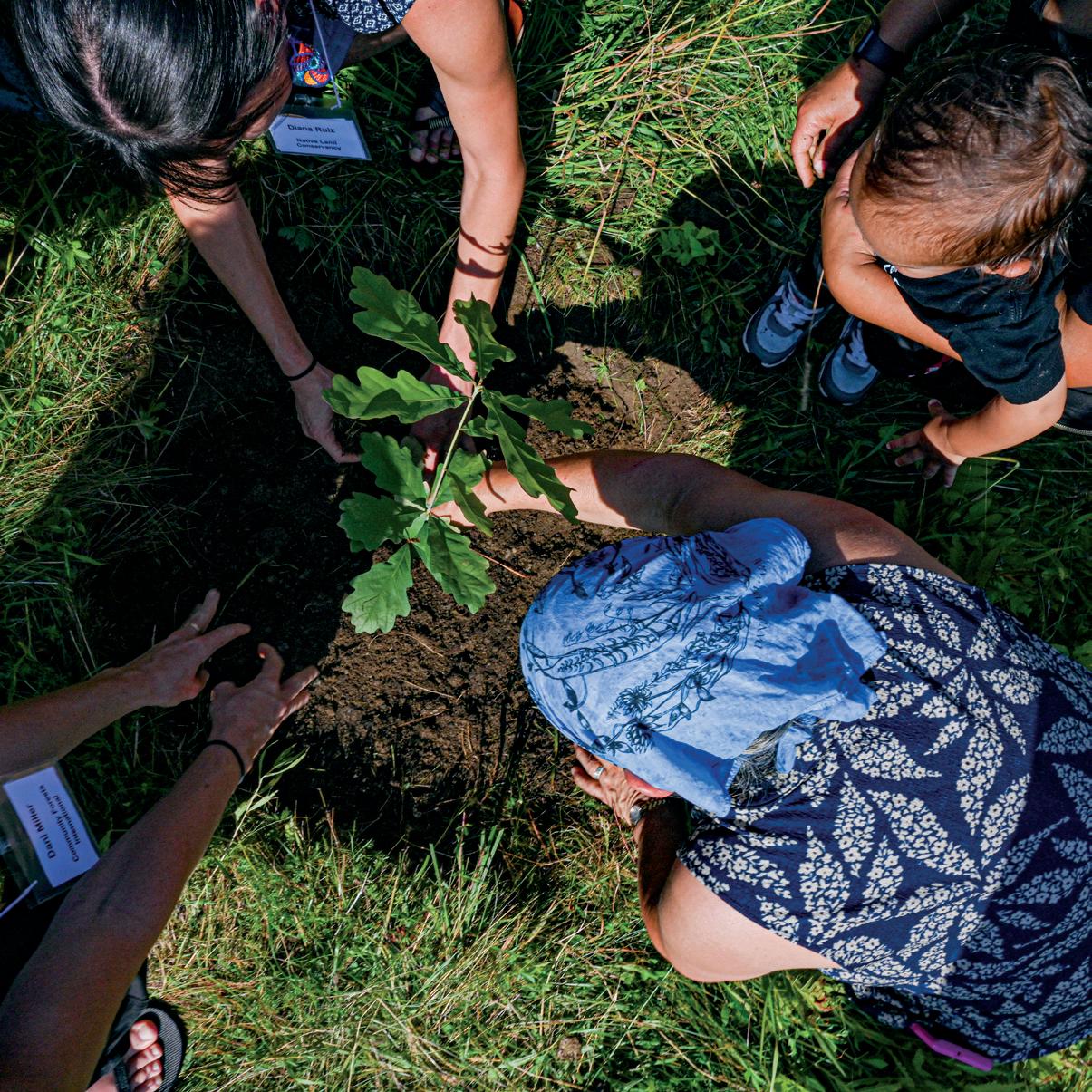
60 & 61 – Some members of our Better Selves Fellowship Advisory Council, planting a tree during a retreat in 2025. Almost every group that’s ever come to the farm has planted a tree, and I’d guess there are about 250 or 300 total today still here. There are some that are especially memorable – like the three maples between the farmhouse and the barn. One marks the very frst retreat held at Knoll Farm in 2002. Another is in gratitude and memory of Ann Day, another for her husband, Frank Day. There are staf trees, retreat trees, trees honoring specifc individuals, an apple tree honoring Enid Wonnacott, a tree coming up the driveway honoring Ann Day’s grandkids...
63 – These are the hands of Wendy Johnson, who is a vipassana teacher and gardener, a beloved elder to many in Northern California, and just a wonderful human being who spent a few weeks every year at the farm, and received in gratitude our designation as a “Master Teacher” here at the farm.
67 – One of our values at Knoll Farm is Purposeful Work and Integrity. We are committed to hard work and meaningful engagement over self-indulgence. We believe that fulfllment comes from being part of something that does good in the world. We’ve always tried to center work and care here.
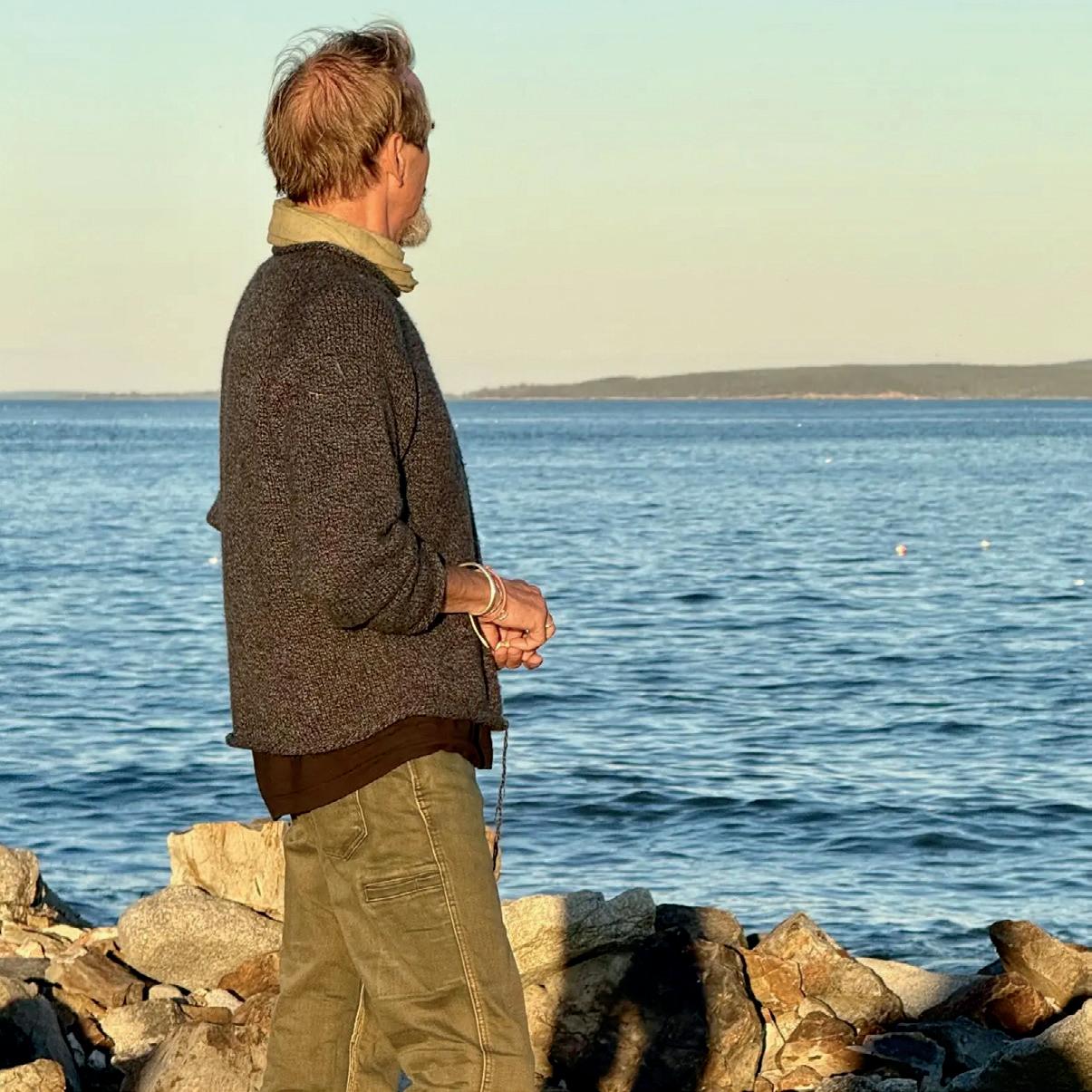
68 – A photograph of John Francis, the Planetwalker, visiting Knoll Farm. Like Helena’s writing, this important historical image evokes journeyings and paths.
78 – On the left is Danyelle O’Hara, a great friend of the farm and a close collaborator with me on many of the culture change projects that I worked on in the 2010’s. These photographs (78 & 79) are of a retreat we hosted for the National Parks Conservation Association around 2018. Danyelle is also pictured on page 92.
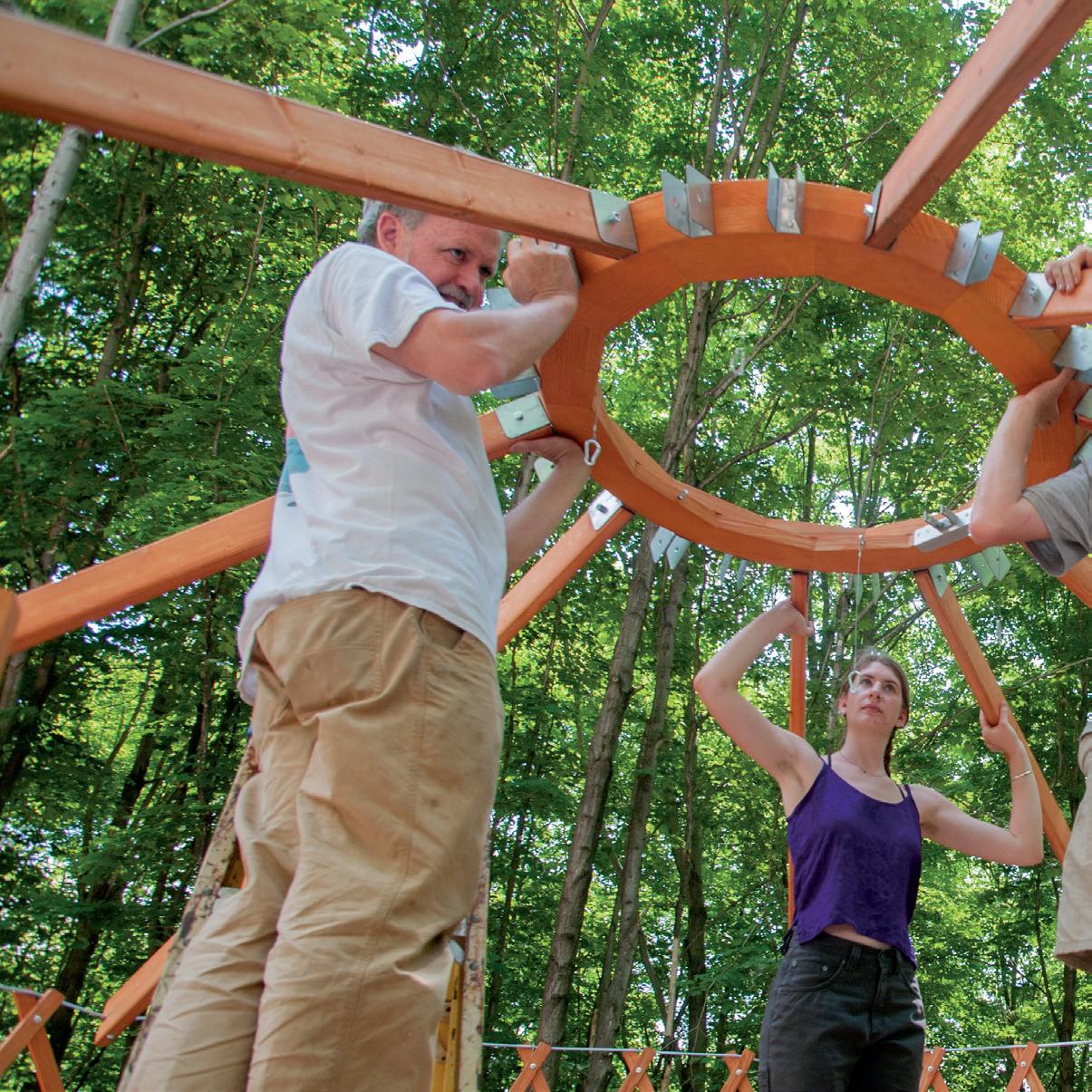
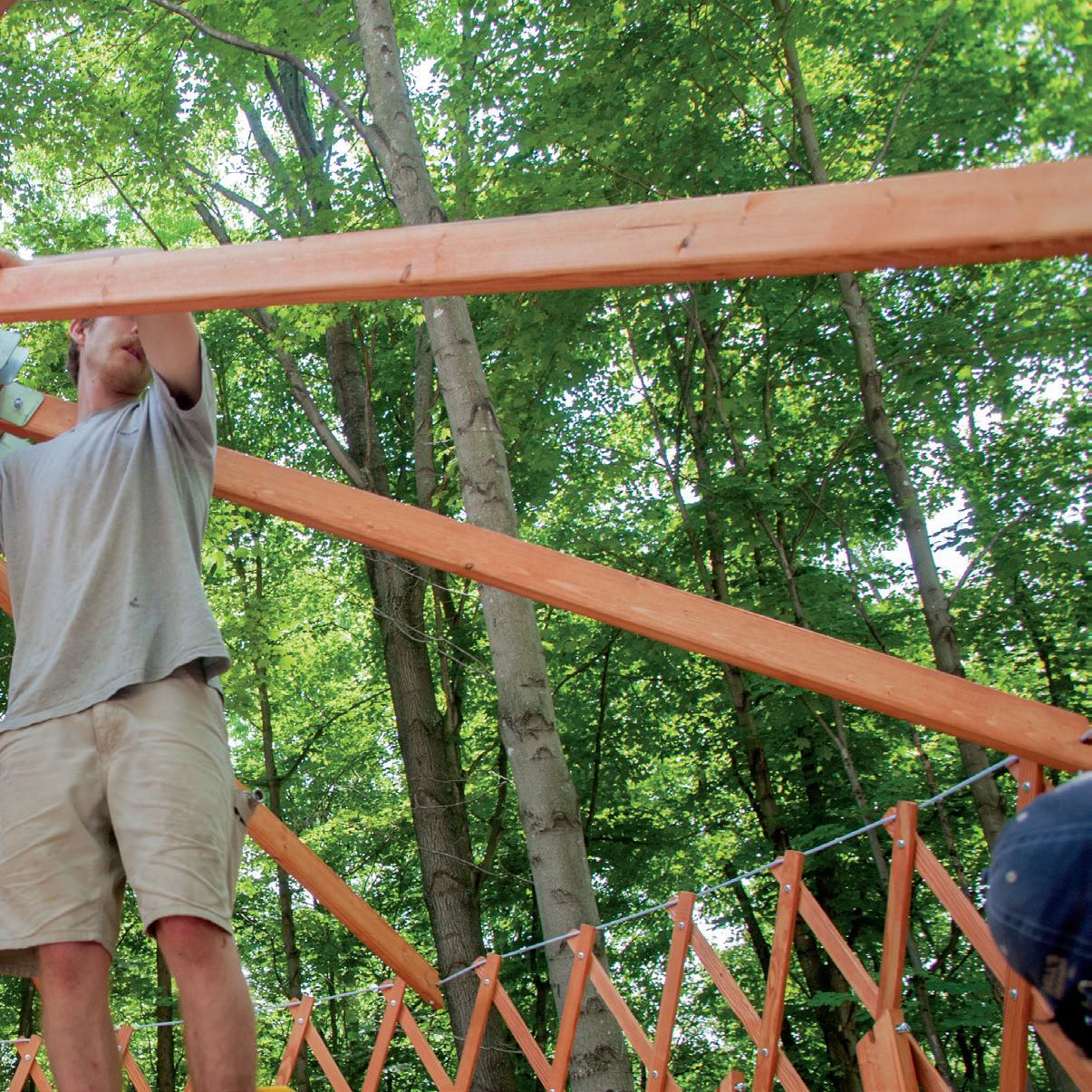
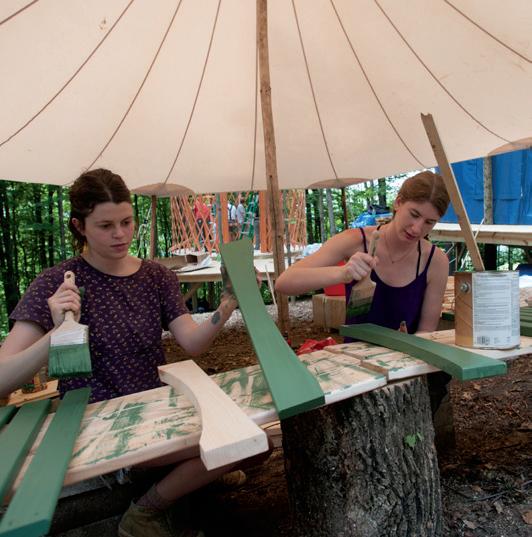
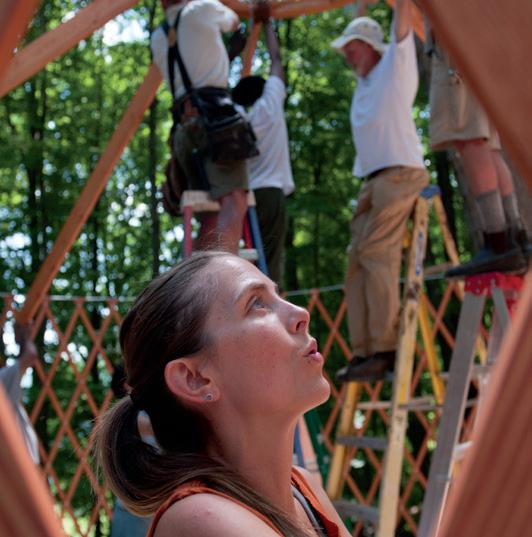
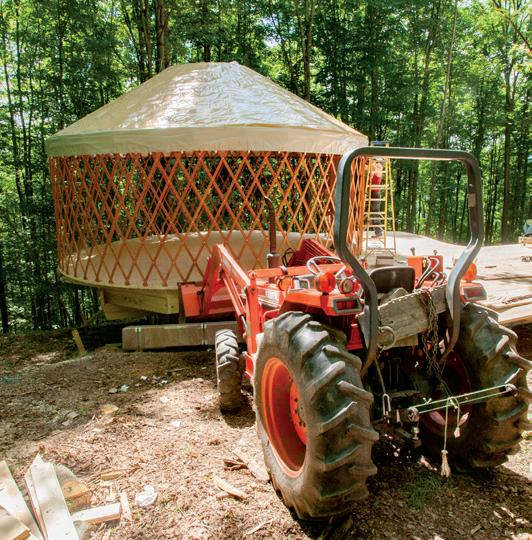
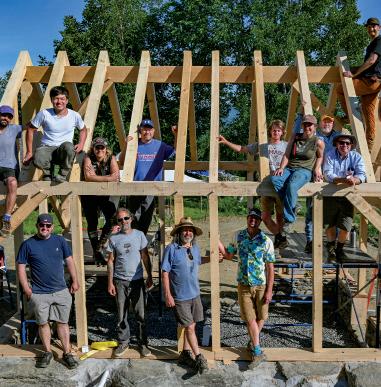
80 through 83 – Many of the projects that we’ve undertaken at Knoll Farm have been done by neighbors and friends. We regularly come together almost every year for work parties. In 2017, with a group of 30 people, we raised a yurt a day for 6 consecutive days! We fed everyone, there were new folks coming in every day, it was
85 – These are Yestermorrow students who built and raised our greenhouse around 2015, and stayed in residence for one week here during that time.
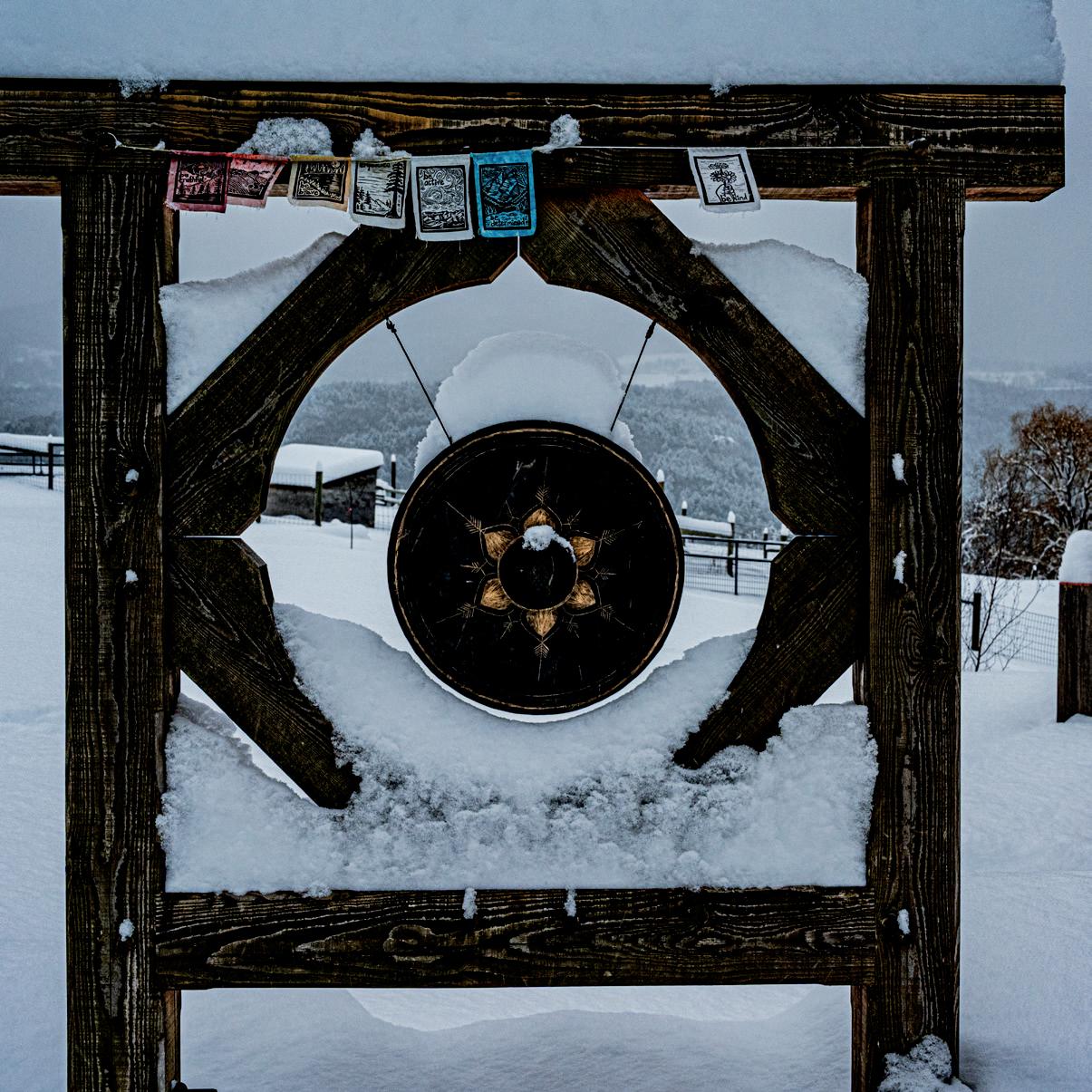
90 – Hans Schoepfin gifted us this beautiful Burmese gong in 2003. The wood post-and-beam holder for the gong was made for us by a dear friend and neighbor, Ky Koitzsch, who also built the performance stage, the sauna, and many other structures at the farm.
94 & 95 – Leaders representing organizations all across Cape Cod that are learning First Light’s teachings and organizing models, so that they too can work collectively to return land to Indigenous communities.
96 through 121 – Featuring words from our First Light colleagues and images from our overlapping work and worlds. For the past ten years, First Light has been a program connected to Knoll Farm and our
501(c)(3) nonproft, New Learning Journey. In 2027, First Light will become its own independent organization.
96 through 99 – We are so fortunate to have been able to gather Indigenous leaders and their nonnative allies from around the country in 2025, to talk about the First Light model and their own work returning land. We planted a commemorative white oak tree together, and had important conversations that are still reverberating to this day. For example, there’s already one land return of 4,000 acres in progress, to one of the partners at this retreat – Bears Ears Coalition – in connection with this time.
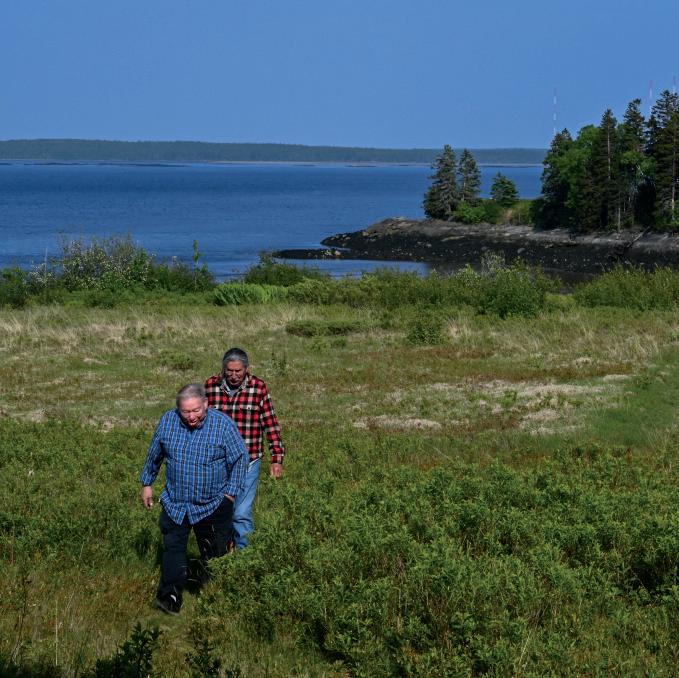
100 & 101 – Richard Silliboy (left), the vice chief of the Mi’kmaq Nation, and Darrell Newell (right), the former vice chief of the Passamaquoddy tribe – two Wabanaki elders that I admire greatly. The photo is from Picture Rocks in Machiasport, Maine,
close to the land that Knoll Farm cares for called Dickinson’s Reach.
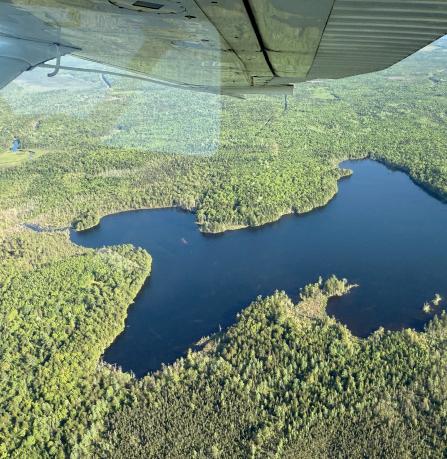
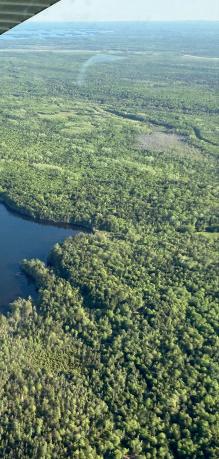
104 & 105 – At a gathering called “Mending Circle” in April 2025, we few a small group of native and nonnative guests in a small plane over Patten Pond. Mending Circle is a group of allies closest to our work, who are committed to the long work of mending and repairing. A 140-acre parcel of land along the pond’s south shore is now in the process of being returned to the Passamaquoddy Tribe at Motahkomikuk. This project is part of the Tributary Land Returns, a collaboration between the fve Wabanaki communities in Maine and seven land-based organizations, to return over 50,000 acres of land to Wabanaki communities. The Tributary Land Returns return stewardship to lakes, rivers, wetlands, and coastal islands, and support Wabanaki land care without restriction: https://dawnlandreturn.org/frst-light/land-return.
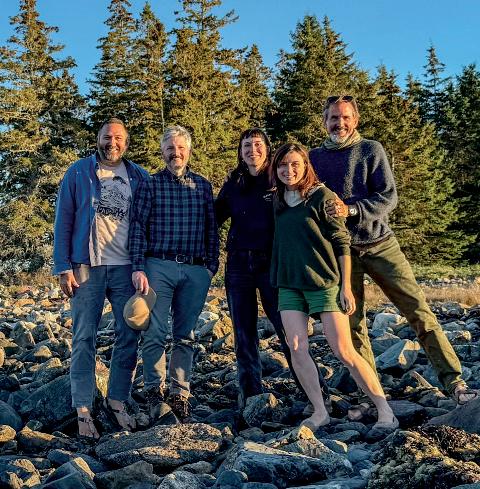
107 – This treasured photo is the team that has carried First Light, which I’m stepping away from with utmost belief and confdence in their leadership and their humanity.
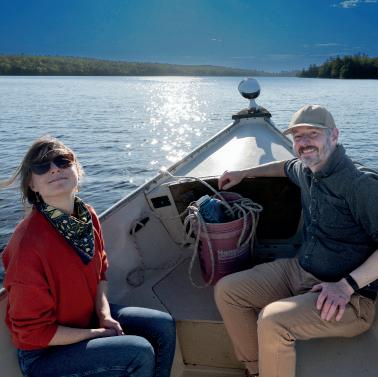
108 – Ellie Oldach and Otto Muller at Nicatous Lake for Mending Circle in 2025.
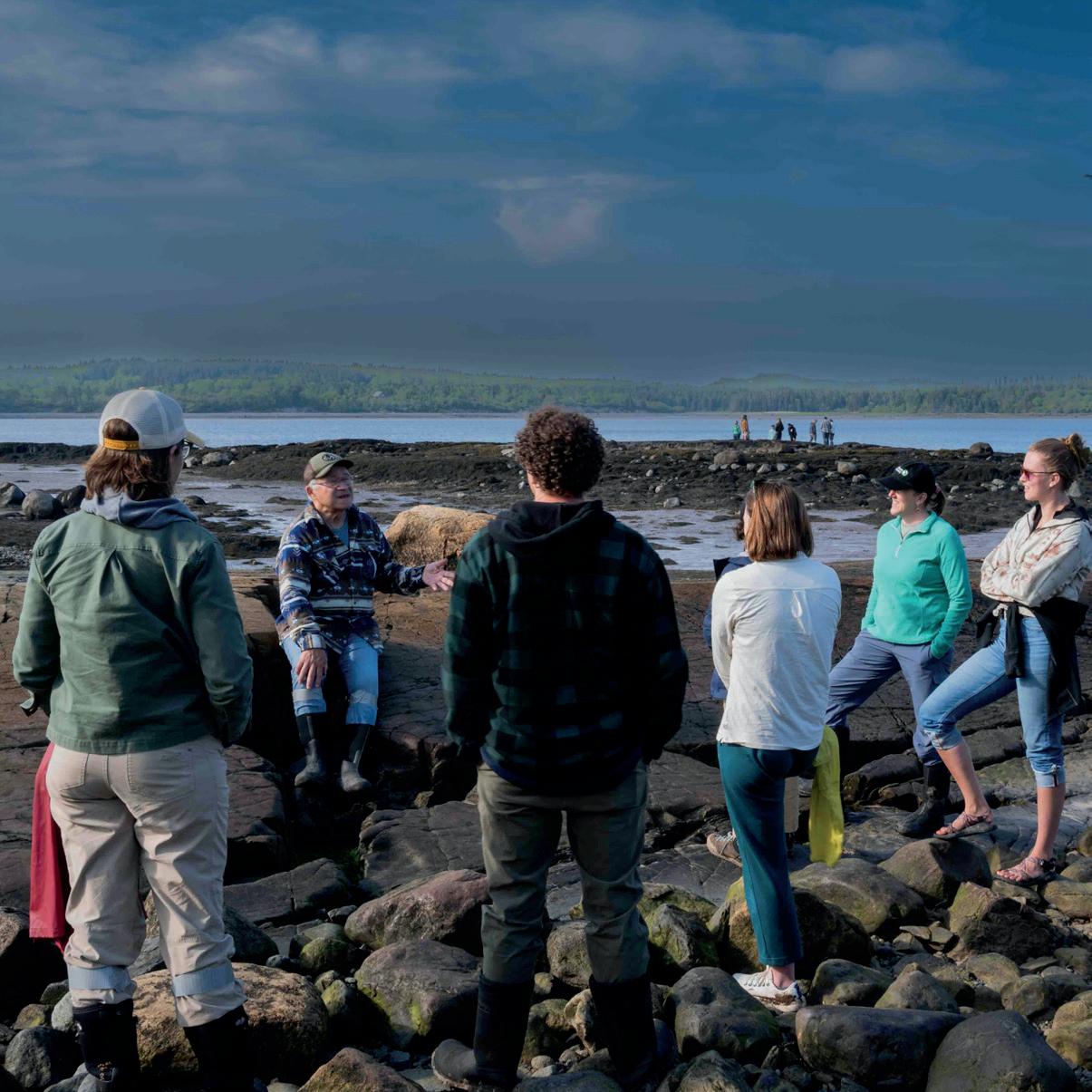
112 & 113 – What’s most moving to me here is that these are photos of gathering people in the places that mean the most to me. A hillside – Knoll Farm – in the Green Mountains, and Machias Bay in Downeast Maine. And the people who love and protect both these places. The man speaking (113) is Donald Soctomah, a Passamaquoddy historian and elder, surrounded by First Light organizational members.
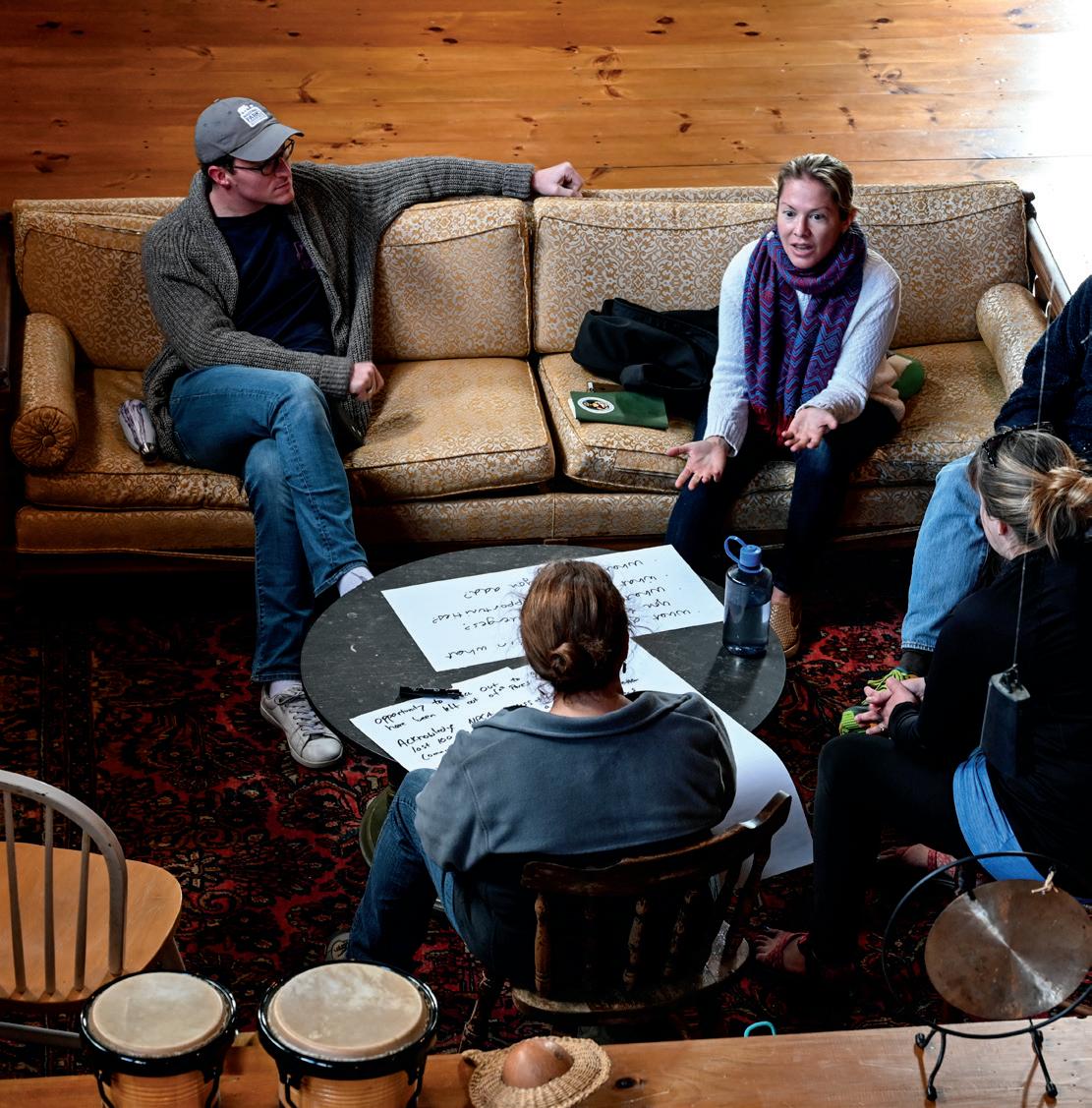
116 & 117 – Like a long table, a circle of chairs facing each other is always so hopeful to me, because it speaks to the possibility of people facing each other, learning from each other, speaking truth to each other, listening to each other, seeing each other.
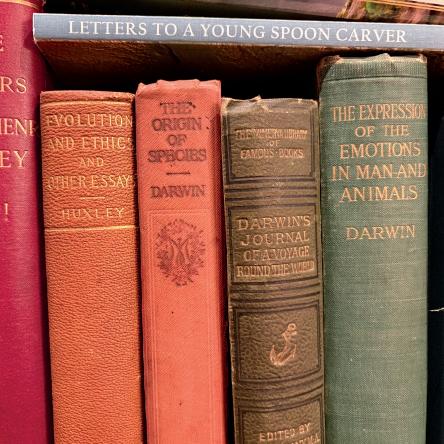
119 – Tucked away atop several other books, Letters to a Young Spooncarver is a message passed between nonnative generations doing the work of First Light in the place now called Maine. It is a call to action for nonnative people to repair. This book is “not for sale” – learn more and order a free! copy at letterstoayoungspooncarver.org.