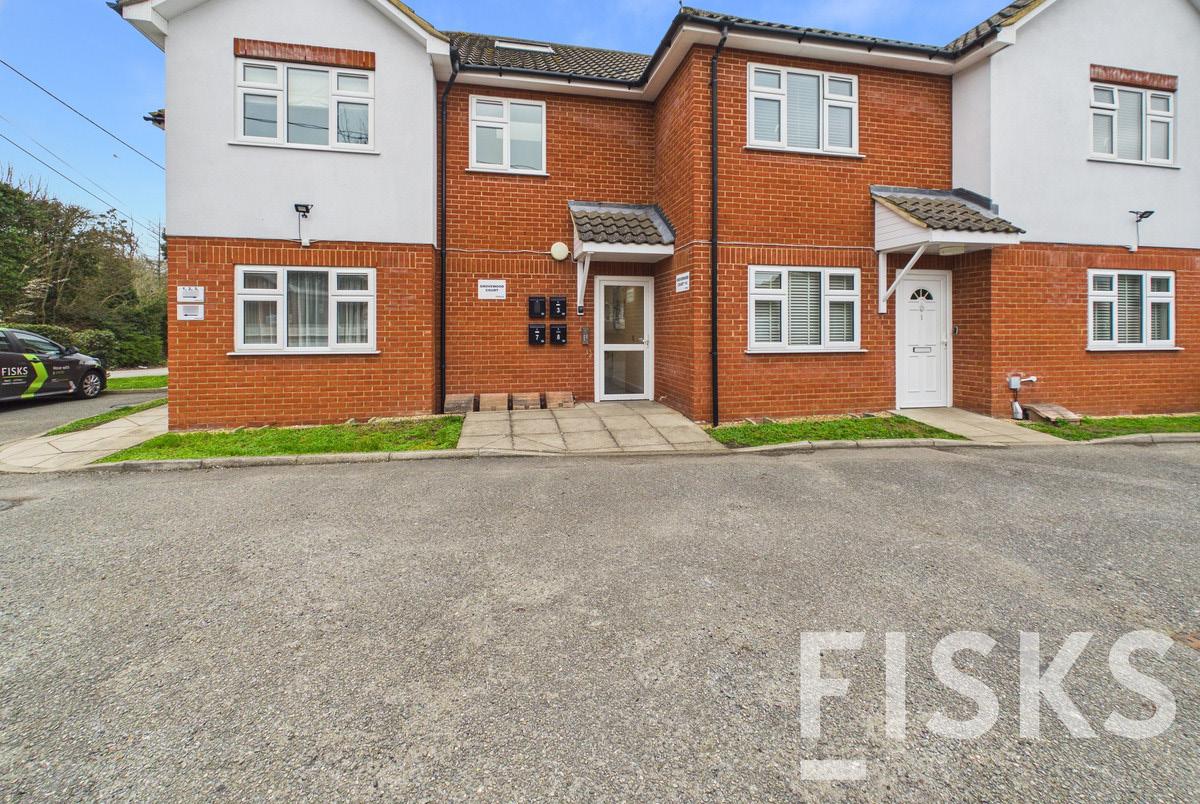
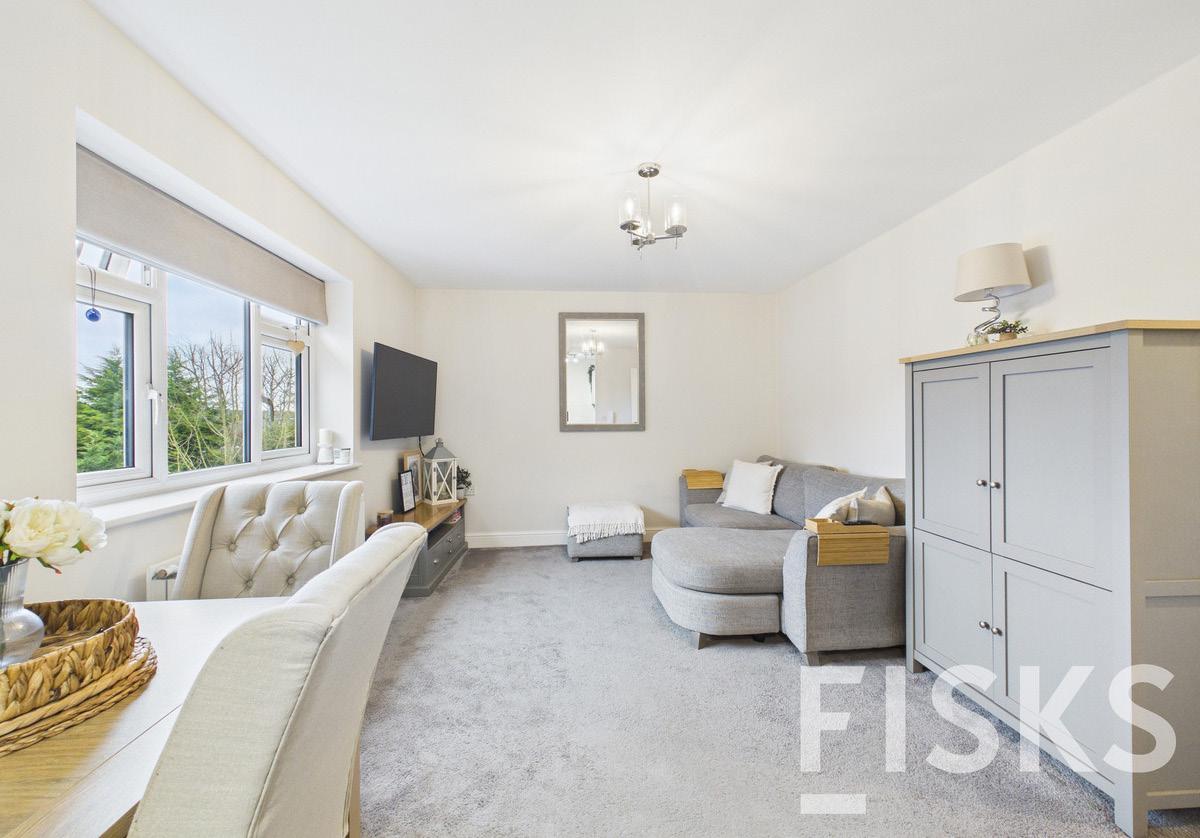
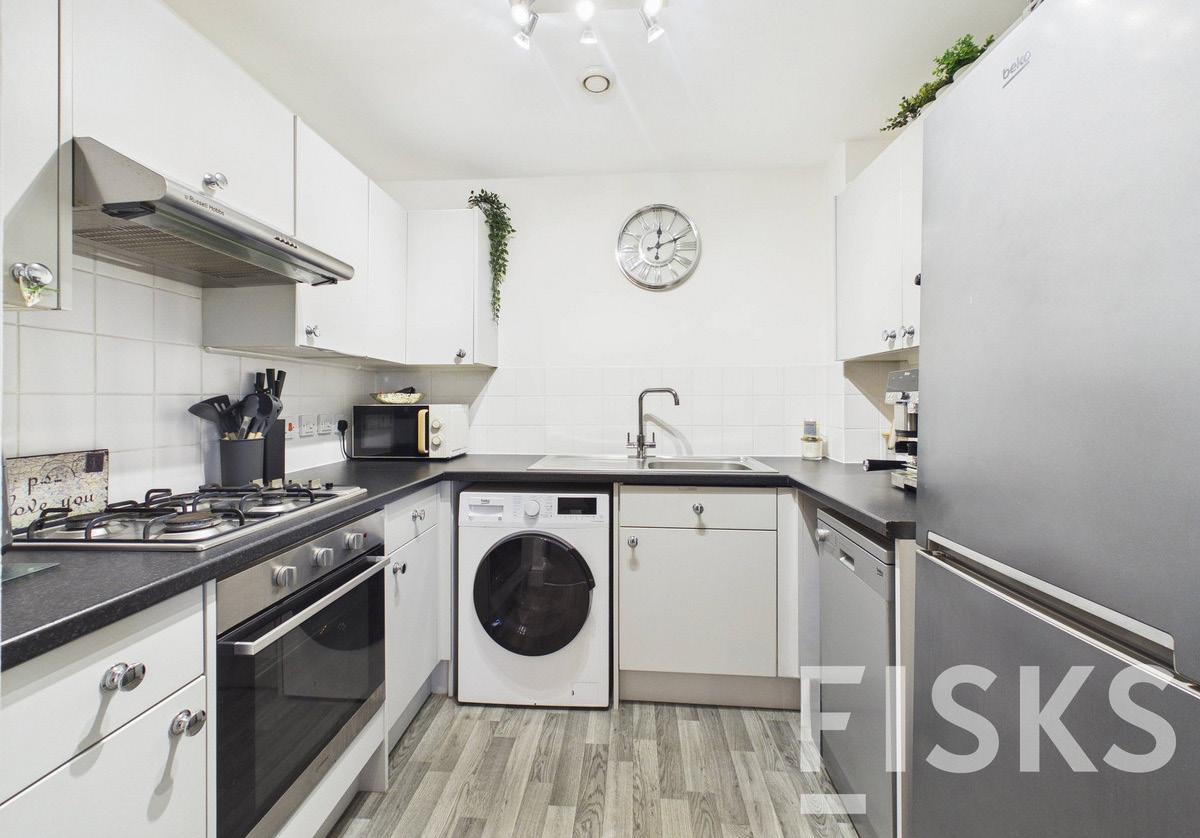
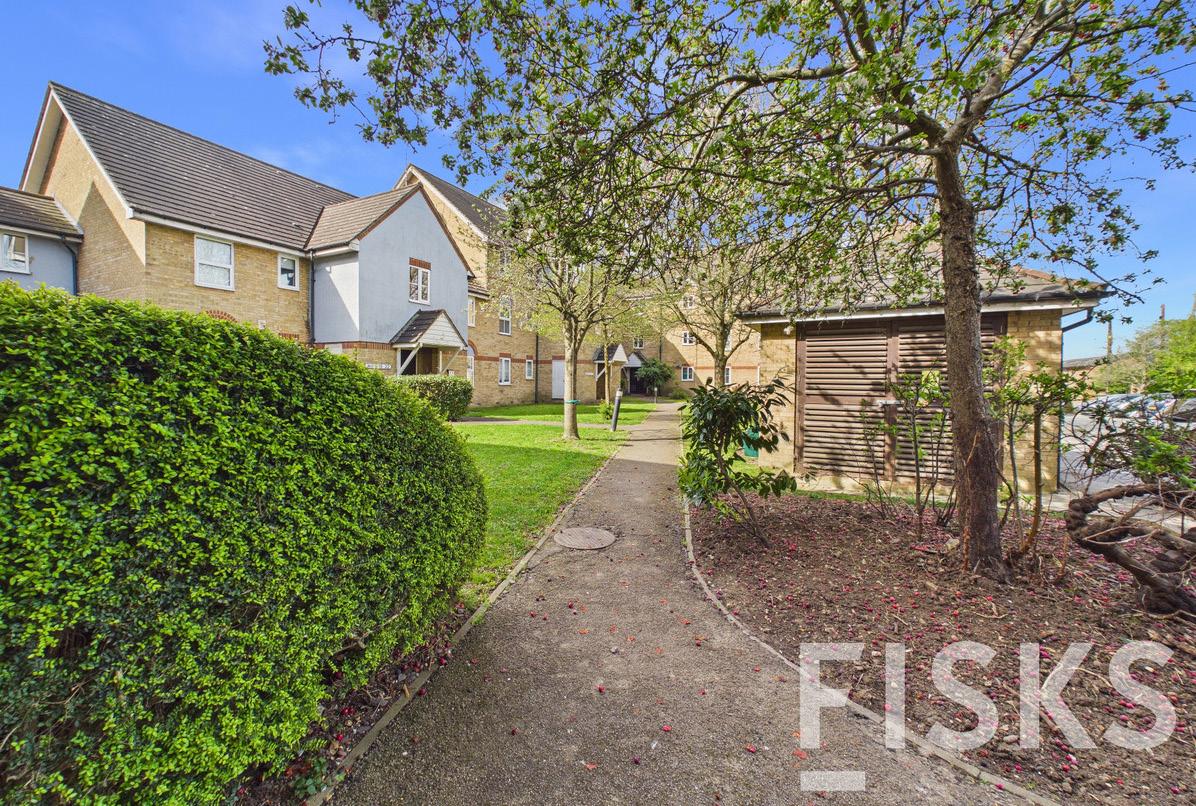
Changing costs and lifestyles mean more families are downsizing earlier, with timing key.
FINDING YOUR FAMILY’S IDEAL NEIGHBOURHOOD
A home may tick every box, but the right neighbourhood is essential for your family’s happiness.
WFH WITH KIDS: WHAT TO LOOK FOR IN A HOME
For families, the ideal home now balances both living and working needs.
Welcome to our
magazine
The UK housing market in early 2026 is broadly stable but fragile, with modest annual growth of around 1%–1.3% according to Halifax and Nationwide. While prices remain just above £300,000 on average, activity is uneven and buyer confidence is still being shaped by mortgage costs and wider economic uncertainty.
Inside this family focused issue of Gateway, we explore whether it could be the right time for families to downsize, how to find a neighbourhood that truly fits long-term needs, and what to prioritise when working from home with children. We also feature a carefully chosen selection of standout homes currently available with us at Fisks.
Enjoy!
John Pring FNAEA(Honoured) & MARLA | Director
IS IT TIME FOR YOUR FAMILY TO DOWNSIZE
Changing costs and lifestyles mean more families are downsizing earlier, with timing key.
Downsizing is often associated with later life, once children have grown up and moved out. But more families are now considering it much earlier—sometimes out of necessity, sometimes by choice. Rising living costs, changing priorities and the shift towards more flexible working have all played a part. For some, a larger home no longer offers the value it once did. The question is less about whether to downsize, and more about when it actually makes sense for your family...
WHEN SPACE STOPS WORKING FOR YOU
It might sound counterintuitive, but having more space doesn’t always make life easier. Larger homes can come with higher running costs, more maintenance and rooms that rarely get used.
If you find yourself heating, cleaning and maintaining space that doesn’t add much to your daily life, it’s worth questioning whether it’s still serving you. Downsizing isn’t about giving things up for the sake of it—it’s about making your home work more efficiently around how you actually live.
WHEN FINANCIAL PRESSURE STARTS TO BUILD
For many families, the decision to downsize is driven by finances. Mortgage payments, energy bills and general upkeep can all increase over time, especially in bigger properties.
Moving to a smaller home can ease that pressure, freeing up monthly income or reducing financial stress. It can also release equity, which might be used to support other priorities—whether that’s childcare, education, or simply creating a bit more breathing room.
WHEN LOCATION MATTERS MORE THAN SIZE
There are times when where you live becomes more important than how much space you have. Being closer to better schools, family support networks or work can have a bigger impact on day-to-day life than an extra bedroom.
In these situations, downsizing can be a way of trading space for convenience and quality of life. A smaller home in the right location often feels more valuable than a larger one that makes everyday routines harder.
WHEN YOUR LIFESTYLE HAS CHANGED
Family life isn’t static. What worked a few years ago may not fit in the same way now. Children grow, routines shift and priorities evolve.
You might find you’re spending less time at home, or that you value simpler, more manageable spaces. In some cases, a smaller property can actually feel more comfortable because it aligns better with how you live today, rather than how you lived in the past.
WHEN MAINTENANCE BECOMES A BURDEN
Larger homes often come with ongoing jobs—gardens to maintain, rooms to keep in order, and general upkeep that takes time and energy.
If maintaining your home is starting to feel like a constant task rather than something manageable, downsizing can offer a reset. A more compact space can free up time and reduce the mental load that comes with looking after a bigger property.
THE IMPACT ON CHILDREN
One of the biggest concerns for families is how a move like this might affect children. It’s natural to worry about giving up space, especially if they’re used to having their own rooms or larger play areas.
In reality, children often adapt more quickly than expected. What tends to matter more is stability, routine and feeling comfortable in their environment. If the move improves overall family life—less stress, better location, more time together—it can be a positive change
MAKING THE MOST OF A SMALLER SPACE
Downsizing doesn’t work unless the new home is well thought through. Layout becomes more important, as does storage and flexibility.
A smaller property that’s designed or arranged well can feel far more liveable than a larger one that isn’t. Multi-purpose rooms, clever storage and a practical layout can make a noticeable difference to how the space feels day-to-day.
IT’S NOT ALWAYS THE RIGHT MOVE
Downsizing isn’t a universal solution. If space is genuinely being used and adds value to your family life, moving to something smaller may create more challenges than it solves.
The key is being honest about how your current home is working. If you’d simply be trading one set of compromises for another, it may be worth reconsidering or waiting until your needs change further.
TIMING MATTERS
There’s rarely a perfect moment to make a move, but timing still plays a role. Changes in income, schooling stages or even broader market conditions can all influence whether downsizing feels like the right step.
For some families, acting sooner can prevent financial strain or simplify life earlier. For others, waiting until a natural transition point—such as a school change— makes the move easier.
OUR FINAL THOUGHTS
Downsizing with a family isn’t about settling for less. At its best, it’s about choosing a home that better reflects your priorities and supports your day-to-day life.
For some, that means reducing costs and stress. For others, it’s about location, simplicity or flexibility. The right decision depends on your circumstances, but the goal is the same: a home that works for your family now, not just one that made sense in the past.
Meet the team...
Harriet Plampton Sales & Lettings Consultant
If you have any questions about this issue of Gateway or would like more information on the featured articles, please contact our editor, Perry Goodwin, at perry@fisks.co.uk.
Kimberley Cook Property Management Administrator
John Pring Director
Penny Ash Property Manager
Ryan Stanton Area Manager
Emma Jarrett Property Consultant
We cover the whole of South Essex. Contact us for a free valuation on 01268 565555
Leanne Wright Administration Manager
Mia Zetter Administrator & Sales Progressor
Tina Webster Management Accountant
OUR VISION & STRATEGY
The residential estate agency market is increasingly populated by large corporations; nevertheless, our independent familyrun estate agency continues to succeed and grow a loyal client base, due to our core values, ethos and flexible approach to clients’ requirements.
DOWNER ROAD NORTH, BENFLEET
£450,000
Four Bedroom Semi Detached House
Downstairs Shower Room
Driveway
Access To Main Roads & On A Major Bus Route
Catchment To Robert Drake
Primary School & The Appleton
Secondary School
CALL 01268 565555
KILN ROAD, BENFLEET
£132,000
Option To Buy As 60% Shared Ownership
Allocated Parking Space
Immaculate Condition Throughout Communal Garden
Perfect For First Time Buyers
Direct Access To Main Roads & Shops
CALL 01268 565555
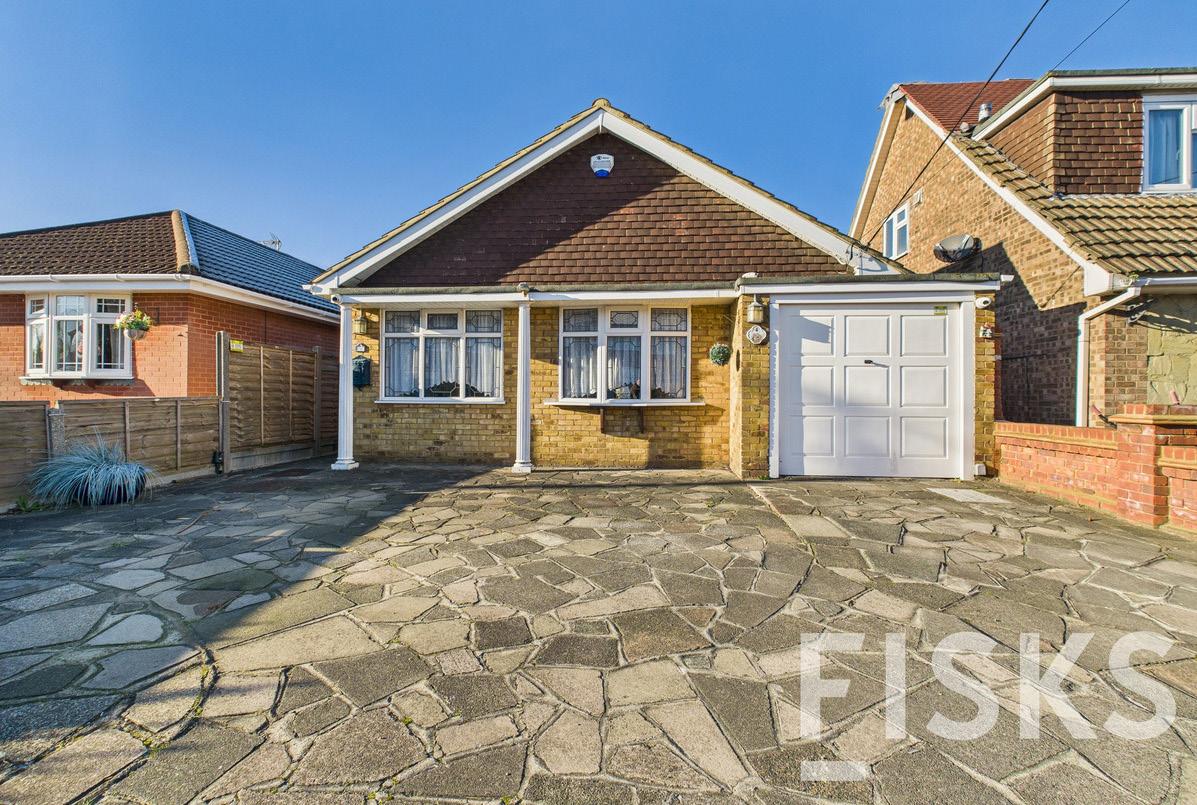
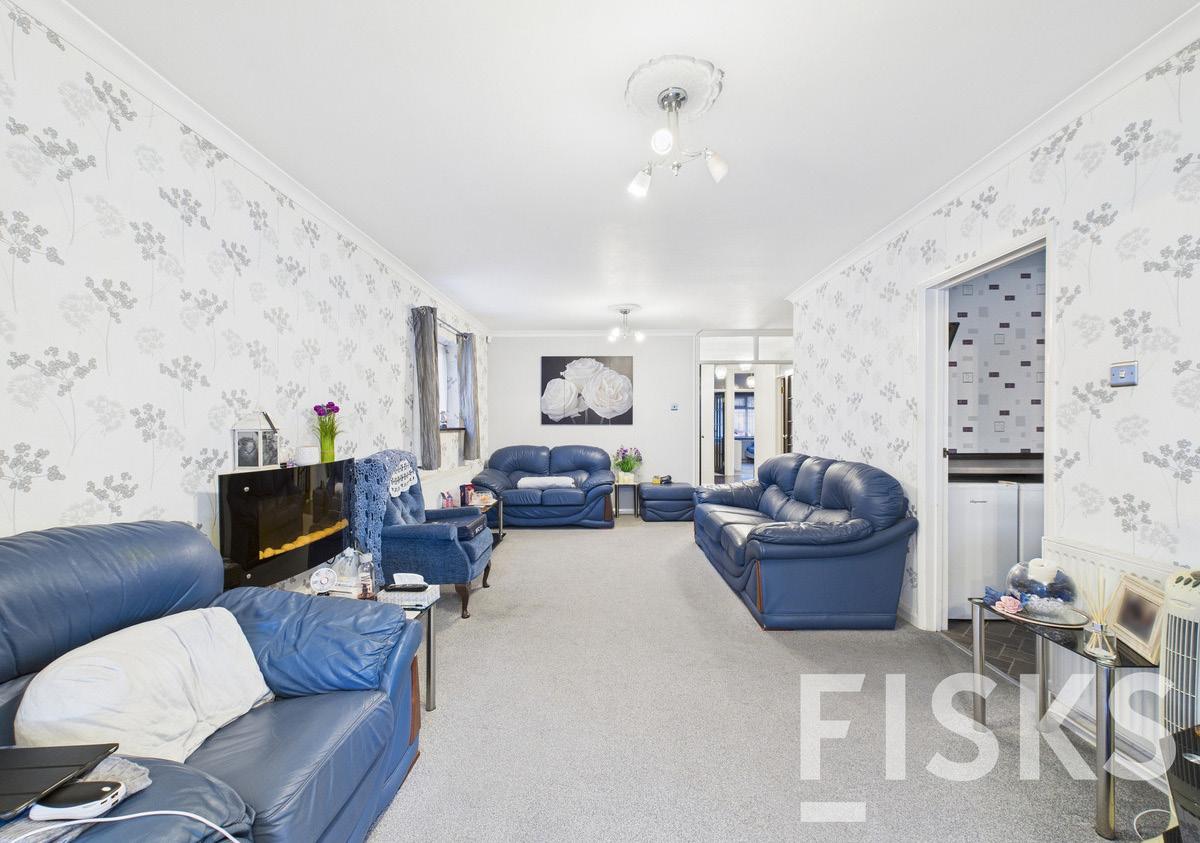
HOMEFIELDS AVENUE, BENFLEET
£475,000
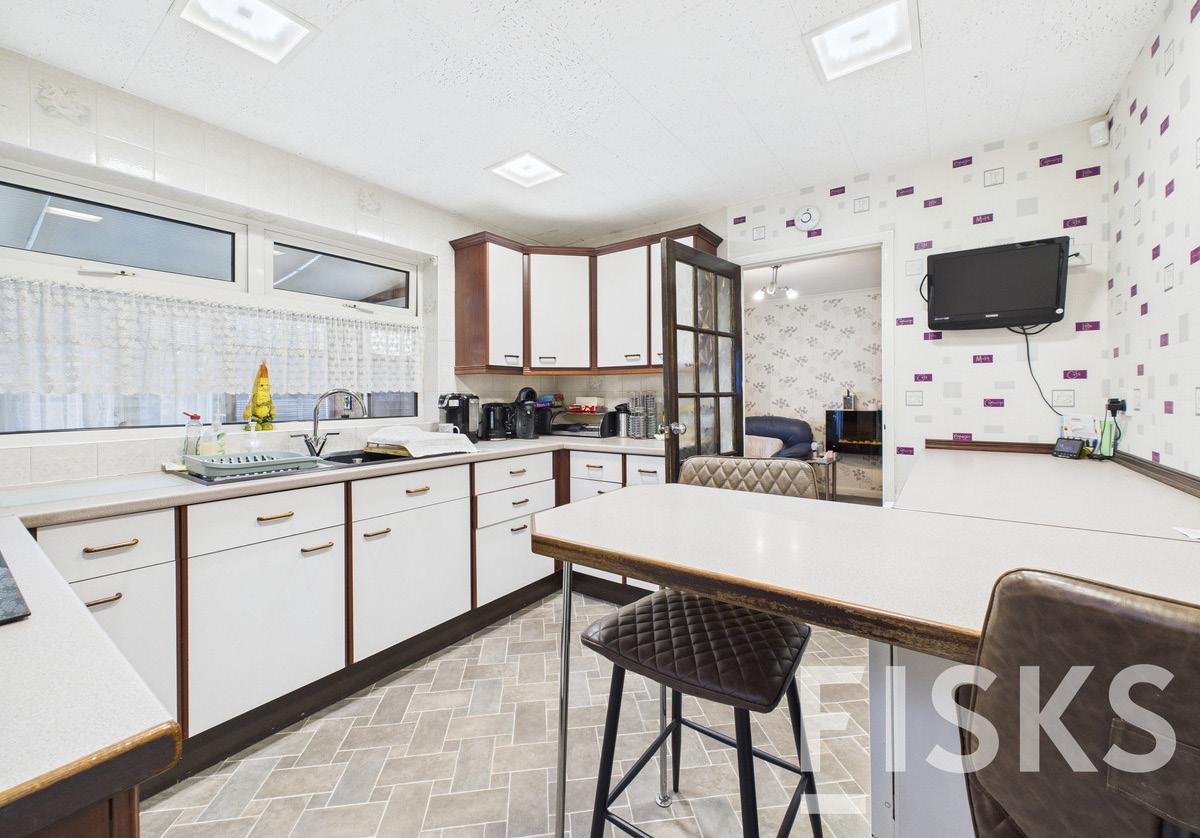
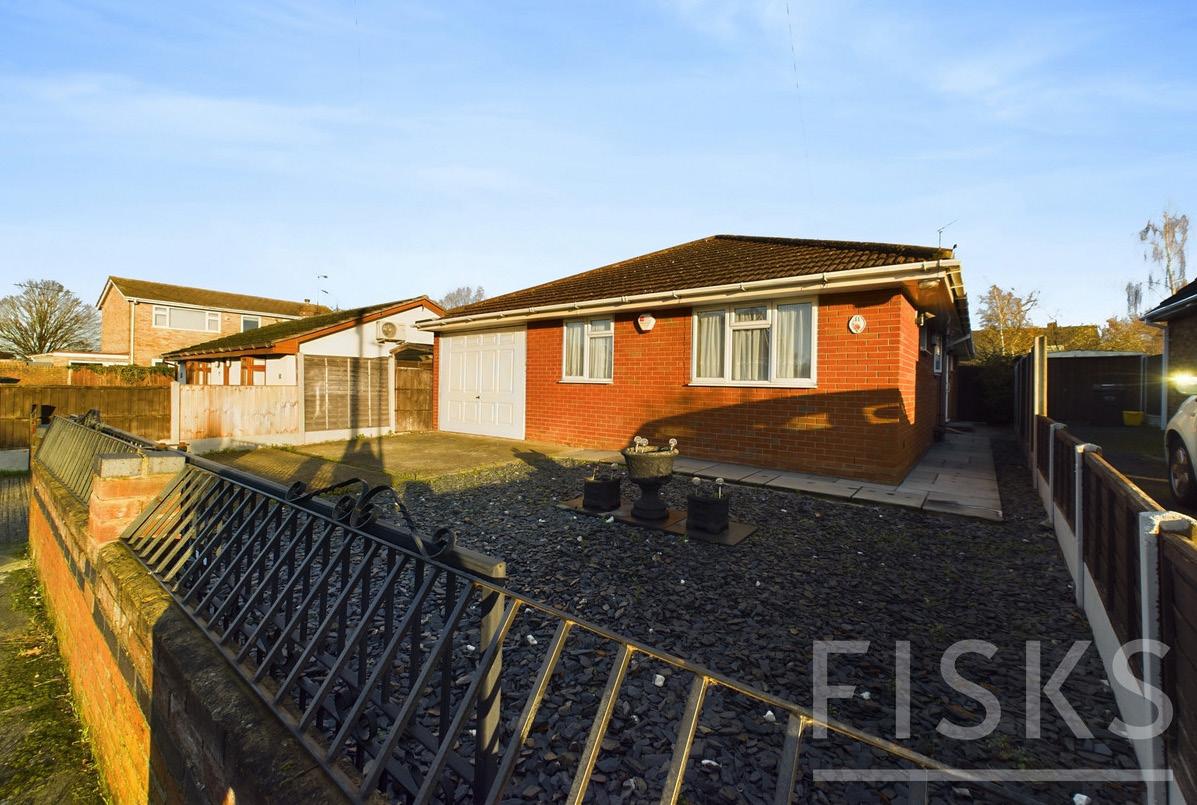
Four Bedroom Detached Bungalow
No Onward Chain
Integral Garage
En-Suite
Utility Room
Close To Main Roads And Major Bus Route
Conservatory
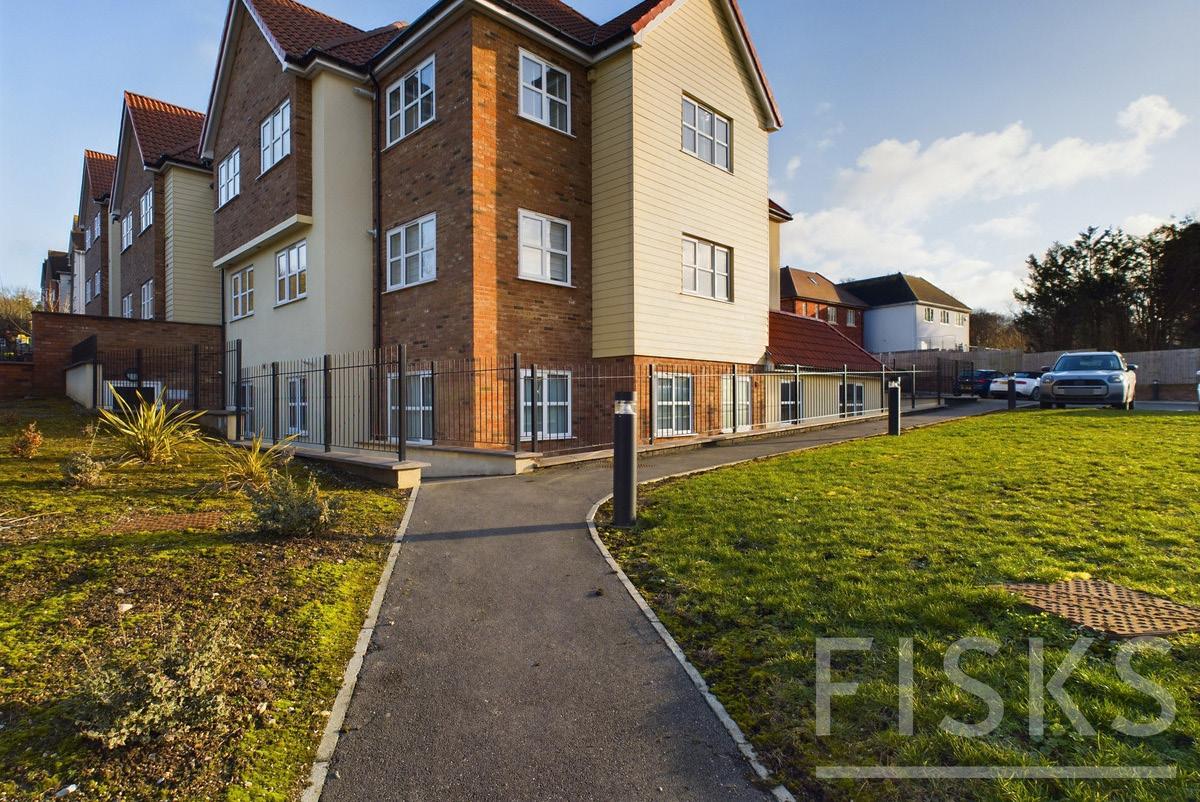
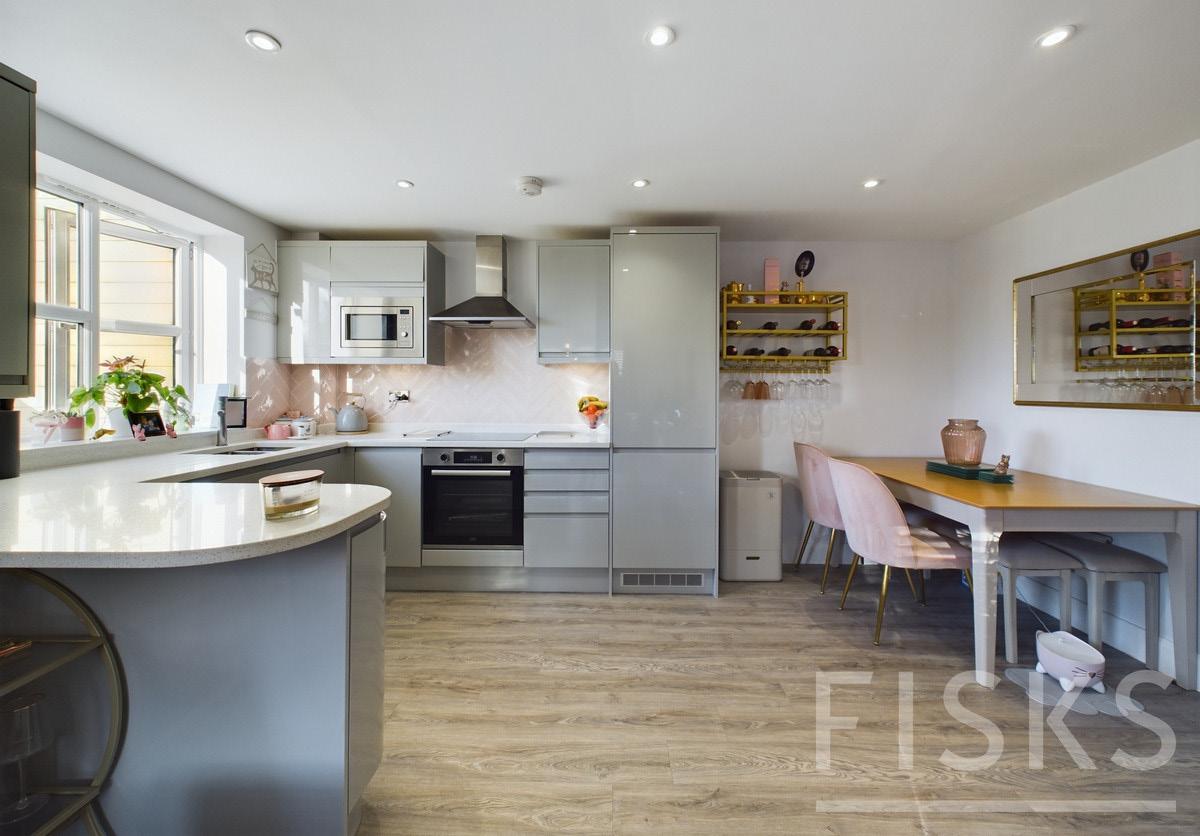
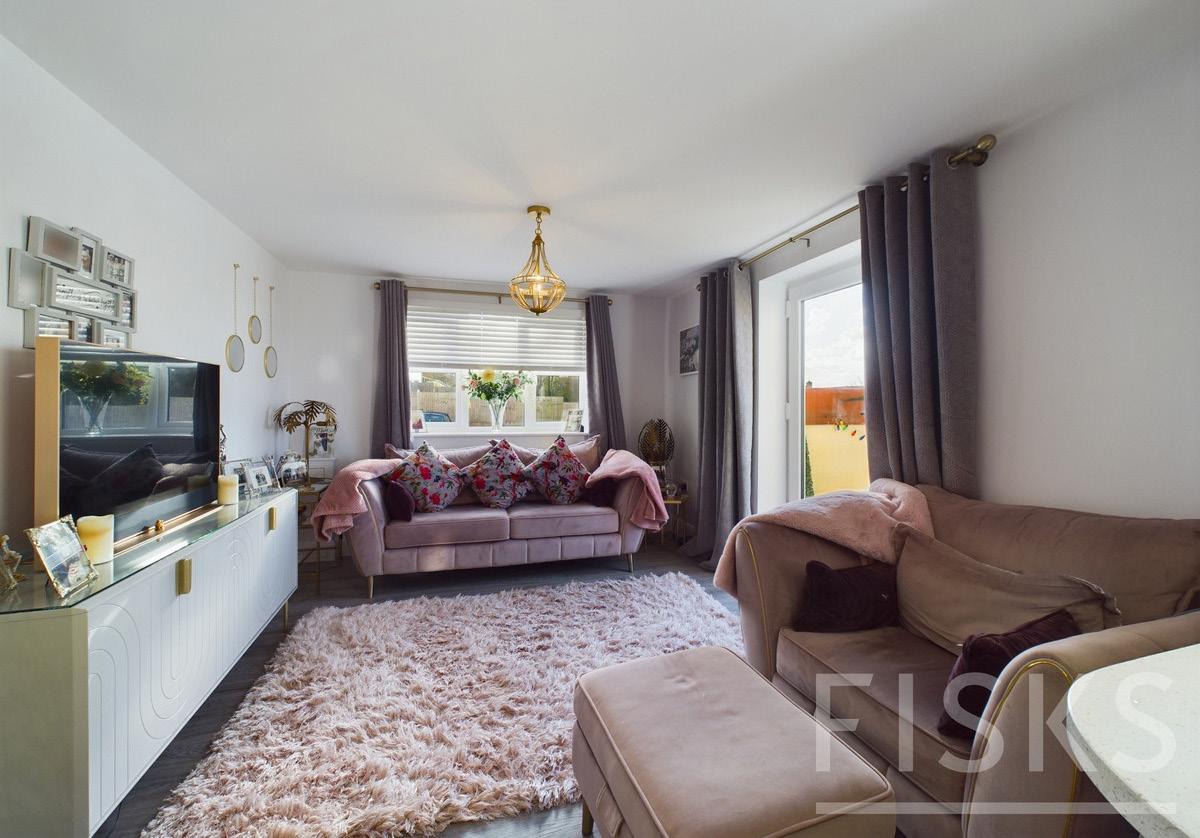
LONDON ROAD, BENFLEET
£310,000
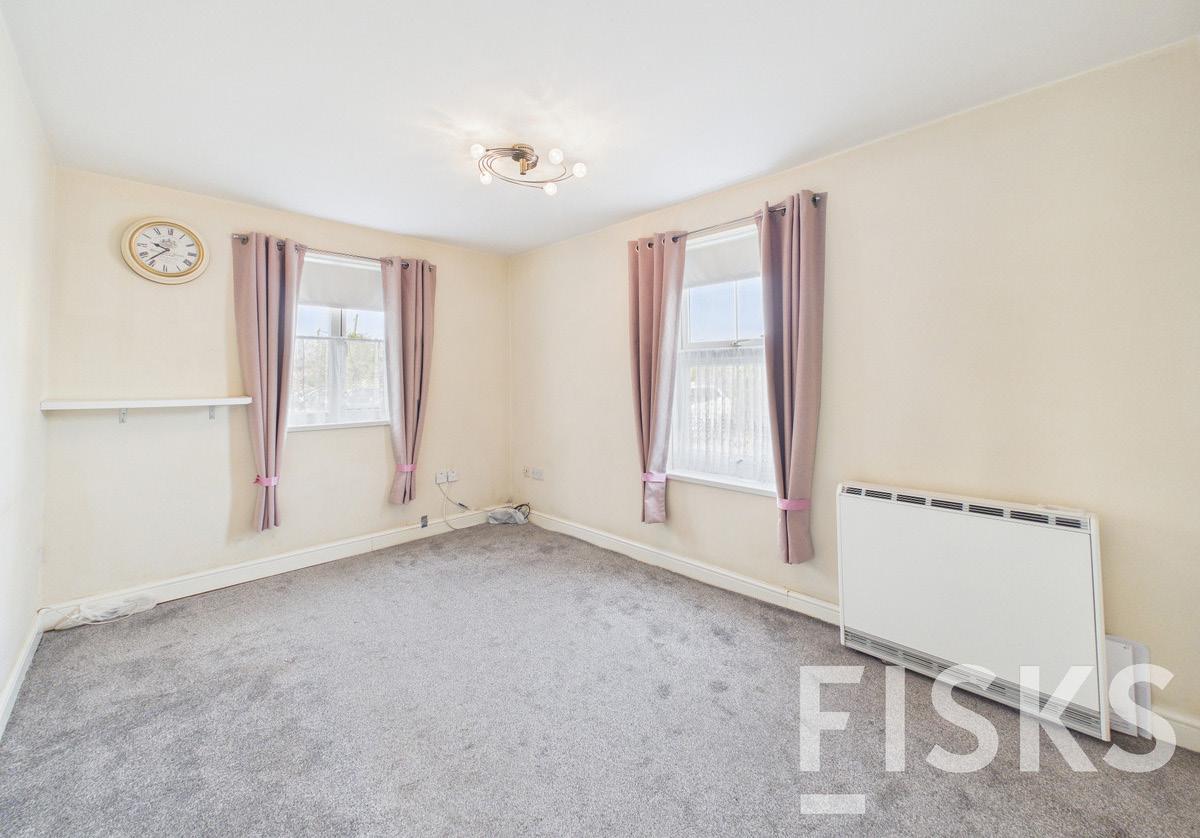
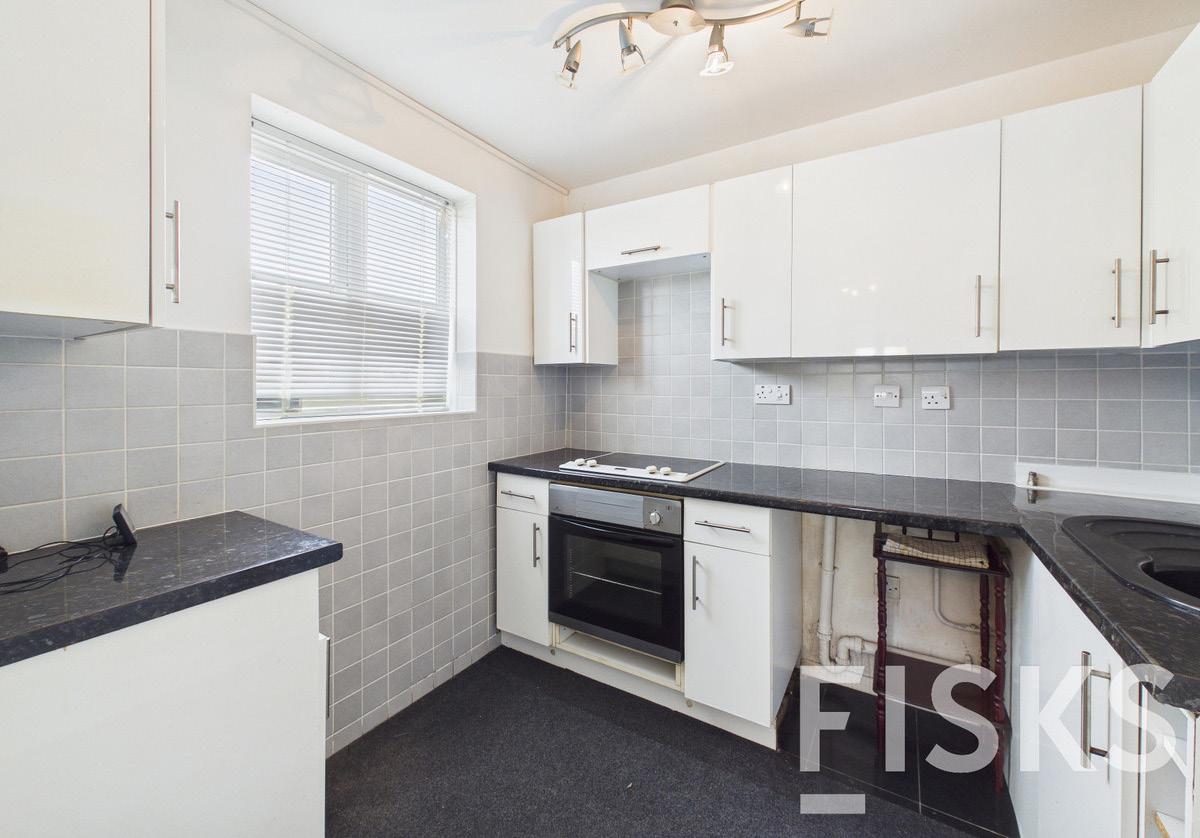
Two Double Bedroom Apartment
Private Outdoor Terrace
Sought After Development
Ground Floor
Allocated Parking Space
Immaculate Condition
Throughout
CALL 01268 565555
NEW PARK ROAD, BENFLEET
£550,000
Four Bedroom Detached Bungalow
Close To Major Roads and Bus Routes
Garage
Large Rear Garden
En-Suite To Master Bedroom
Close To Shops And Tarpots Shops And Restaurants
FINDING YOUR FAMILY’S IDEAL NEIGHBOURHOOD
A home may tick every box, but the right neighbourhood is essential for your family’s happiness.
Choosing the right home is only part of the decision when moving house. Just as important—if not more so—is the area around it. A property can tick every box on paper, but if the neighbourhood doesn’t suit your family’s lifestyle, it rarely feels right for long. For families, this isn’t just about whether an area looks nice on a viewing. It’s about how well it supports your dayto-day life, both now and in the years ahead...
LOOK BEYOND FIRST IMPRESSIONS
It’s easy to form a quick opinion of a neighbourhood based on a single visit, especially if the weather is good and everything feels calm. But first impressions don’t always reflect everyday reality.
Try to visit at different times of day if you can. A quiet street mid-morning might feel very different during the school run or early evening. Pay attention to how busy it gets, how people use the space and whether it feels somewhere you’d be comfortable spending time regularly.
THINK ABOUT THE SCHOOL RUN
For families with children, schools often play a central role in choosing an area. But it’s not just about Ofsted ratings or catchment boundaries—it’s about how the school run actually works.
Consider the practical side. Is it walkable, or will you need to drive every day? Does the route feel safe and manageable with younger children? These small, daily routines can have a bigger impact on quality of life than people expect.
Even if your children are very young, it’s worth thinking a few years ahead rather than having to move again sooner than planned.
NOTICE THE LITTLE SIGNS OF FAMILY LIFE
One of the simplest ways to judge whether a neighbourhood suits families is to look for everyday signs of family life.
Are there pushchairs, bikes or scooters around? Do you see children playing outside or families walking to nearby parks? These small details often tell you more than any description ever could. They give a sense of whether the area naturally supports the kind of lifestyle you’re looking for.
ACCESS TO GREEN SPACE
Parks and outdoor areas can make a significant difference to family life. They provide space to unwind, keep children active and break up the routine of being indoors.
It’s not just about having a park nearby, but how easy it is to actually use. A green space that’s a short, safe walk away tends to become part of your weekly routine, whereas one that requires a drive often doesn’t.
EVERYDAY CONVENIENCE
Think about the small, practical things that make daily life easier. Local shops, cafés, GP surgeries and transport links all play a role, even if they don’t seem like priorities at first.
Being able to quickly pick up essentials or get to where you need to be without too much effort can reduce stress, especially when juggling work and family commitments.
NOISE, TRAFFIC AND GENERAL FEEL
Every neighbourhood has its own pace and atmosphere. Some are lively and busy, while others are quieter and more residential. Neither is right or wrong—it depends on what suits your family.
Pay attention to traffic levels, parking and general noise. A road that feels manageable on a quick visit might feel very different during rush hour. It’s worth considering how that environment would feel on a typical weekday.
TALK TO PEOPLE WHO LIVE THERE
If you get the chance, speaking to local residents can give you a much clearer picture of what an area is really like. People are often open about both the positives and the downsides.
You might learn things that wouldn’t come up in a viewing, from community events to parking challenges or how the area changes throughout the year.
CONSIDER HOW THE AREA MIGHT CHANGE
Neighbourhoods don’t stay the same. New developments, changes to transport links or shifts in local amenities can all affect how an area feels over time.
It’s worth having a sense of what’s planned locally and whether it aligns with what you want. In some cases, change can be a positive; in others, it may alter the character of the area more than you’d like.
TRUST YOUR INSTINCTS
Practical considerations matter, but so does how a place makes you feel. Sometimes an area simply “clicks”, while others don’t quite feel right even if you can’t immediately explain why.
That instinct is often based on subtle observations—how comfortable you feel walking around, whether you can picture your routine there and how easily you imagine settling in.
Why use FISKS?
The industry has changed hugely with the development of digital technology - this has created two different styles of agency, the traditional high street agency, and the modern online agency. At Fisks, we believe that the best solution is to be both.
Fisks still do the traditional marketing methods that you are comfortable with, such as high street shop locations with window displays, applicant mailing lists, text and email facilities, linked offices, portals such as Rightmove, leaflet drops, floor plans, boards and branded cars.
These marketing tools have been tried and tested for many years, but with the ongoing digital revolution we have also embraced change. These new marketing methods come in the form of a digital property lifestyle magazine that’s produced in house and emailed to over eight thousand people a month, targeted social media campaigns across all the major platforms such as Facebook, Instagram and Twitter, 4k video tours of your property for our successful YouTube channel, enhanced portal marketing, and from a customer service point of view, we have vendor log-ins so you can see viewers feedback and offers on your home at any time.
Our Ethos & Values
We focus on our clients’ requirements and instructions rather than just doing what’s quickest and easiest for us.
Our comprehensive training program ensures that our staff channels their entrepreneurial spirit and enthusiasm for the benefit of our clients, whilst maintaining the professionalism and customer service associated with our brand.
Fisks,
Landlords: Protect your investment with our full property management and marketing...
Protecting your investment should not be taken lightly, with our full management service you can be sure to get the support you deserve...
ARLA - the gold standard professional industry body.
Audited and insured client accounts to protect your money.
Rent guarantee and legal cover - protect yourself with insurance and the increased costs of evicting (subject to status).
Legal hotline - specialised property lawyers helping to answer your questions.
Inventories - protect your deposit with a professional inventory, including time stamped photographs.
Inspection - allay your fears that your asset is being looked after.
Section notices - fully trained and experienced staff can advise and serve the appropriate notice.
Accurate accounting - from monthly statements to overseas landlords, to expenditure and income, we hold all the information the accountant will need.
Gas certificates and EPCs - keep your property complying with the law.
Don’t just take our word for it, we have many happy customers...
“Happy customer. Very professional service. We had no problems with the sale of our house or the purchase of our new home through Fisks. Staff very pleasant, would definitely recommend.”
- Mr and Mrs Hall
“Fantastic team that pulled out all the stops and helped every step of the way. Friendly pleasant staff.”
- Mrs S Sheavyn
... come and put us to the test!
WFH WITH KIDS: WHAT TO LOOK FOR IN A HOME
For families, the ideal home now balances both living and working needs.
Working from home used to feel like a bonus. For many families now, it’s simply part of everyday life. Add children into the mix and your home quickly becomes more than just somewhere to live — it’s an office, a classroom, a play area and, occasionally, a place to grab a bit of quiet. If you’re searching for a property with this in mind, the usual checklist of bedrooms, price and location only tells part of the story. What really matters is how the house works during a normal weekday, when work and family life are happening at the same time...
SPACE THAT ACTUALLY WORKS
It’s easy to focus on square footage, but layout tends to matter far more. Open-plan spaces can feel bright and sociable when you first walk in, yet they often make it harder to separate work from family life. Noise travels, distractions are constant and it can feel like you’re always “on”.
Homes with a bit more structure — where rooms have clearer purposes — often work better in practice. Even a smaller property can feel more functional if it allows you to step away from the main living space when you need to concentrate.
A DEDICATED WORK AREA
Having somewhere to work that feels distinct from the rest of the house makes a real difference over time. It doesn’t have to be a full office, but it does need to be a space where you can settle into a routine and focus properly.
Natural light helps more than people expect, and so does having enough room to sit comfortably without feeling squeezed into a corner. Just as important is being able to leave that space at the end of the day, so work doesn’t spill into everything else.
SOUND AND PRIVACY
Noise is one of the biggest challenges of working from home with children, and it’s something many buyers overlook at first. A house might look ideal, but if sound carries easily between rooms, it can quickly become difficult to manage calls or concentrate.
When viewing, it’s worth noticing how the house feels in terms of noise. Solid walls, doors that close properly and a bit of distance between living areas and workspaces can make everyday life much easier.
OUTDOOR SPACE
A garden often becomes far more important once you’re balancing work and family life under one roof. It provides a place for children to play and burn off energy, which in turn creates quieter moments indoors.
It doesn’t need to be large, but it should feel usable. Easy access from the house and a sense of safety matter more than having a perfectly landscaped space.
STORAGE
Working from home alongside family life tends to create more clutter than expected. Toys, school items, paperwork and work equipment all need somewhere to go, and without enough storage, even a good-sized home can start to feel chaotic. Practical storage — cupboards, loft space or a garage — helps keep things manageable and makes it easier to maintain a sense of order during busy weeks.
FLEXIBILITY FOR THE FUTURE
The way you use your home now is unlikely to stay exactly the same. Children grow, routines change and working patterns shift. A room that works as a nursery today might need to become a study space later on.
Homes that allow for this kind of flexibility tend to feel more comfortable in the long run. Spaces that can adapt are often more valuable than those with a fixed, single purpose.
SHARED VS QUIET SPACE
Family homes need a balance between togetherness and separation. Kitchen-diners and open living areas are great for spending time together and keeping an eye on younger children, but they don’t always suit working from home.
Ideally, a property offers both — somewhere to gather as a family, and somewhere quieter to step away to when work demands your attention.
LOCATION STILL MATTERS
Even if you’re not commuting every day, location still shapes your routine. Being close to schools, having access to green space and simply living in an area that feels right for your family all make a difference.
One practical detail that’s easy to miss is internet speed. A reliable connection is essential for remote work, and it’s worth checking early rather than discovering issues after moving in.
THINK ABOUT A REAL WEEKDAY
When viewing a property, it helps to picture a normal working day rather than a quiet weekend. Think about where you’d take calls, where the children would spend their time and how the house would feel during a busy afternoon.
If it’s difficult to imagine it working day-to-day, that’s usually a useful signal.
THE BIGGER PICTURE
There’s no single perfect home for working families, and it doesn’t need to be the biggest or most expensive option. What matters is how well it supports everyday life — the noise, the movement and the constant balancing act between work and home.
The right property won’t make things perfectly calm, but it will make them far easier to manage.
CREEK ROAD, CANVEY ISLAND
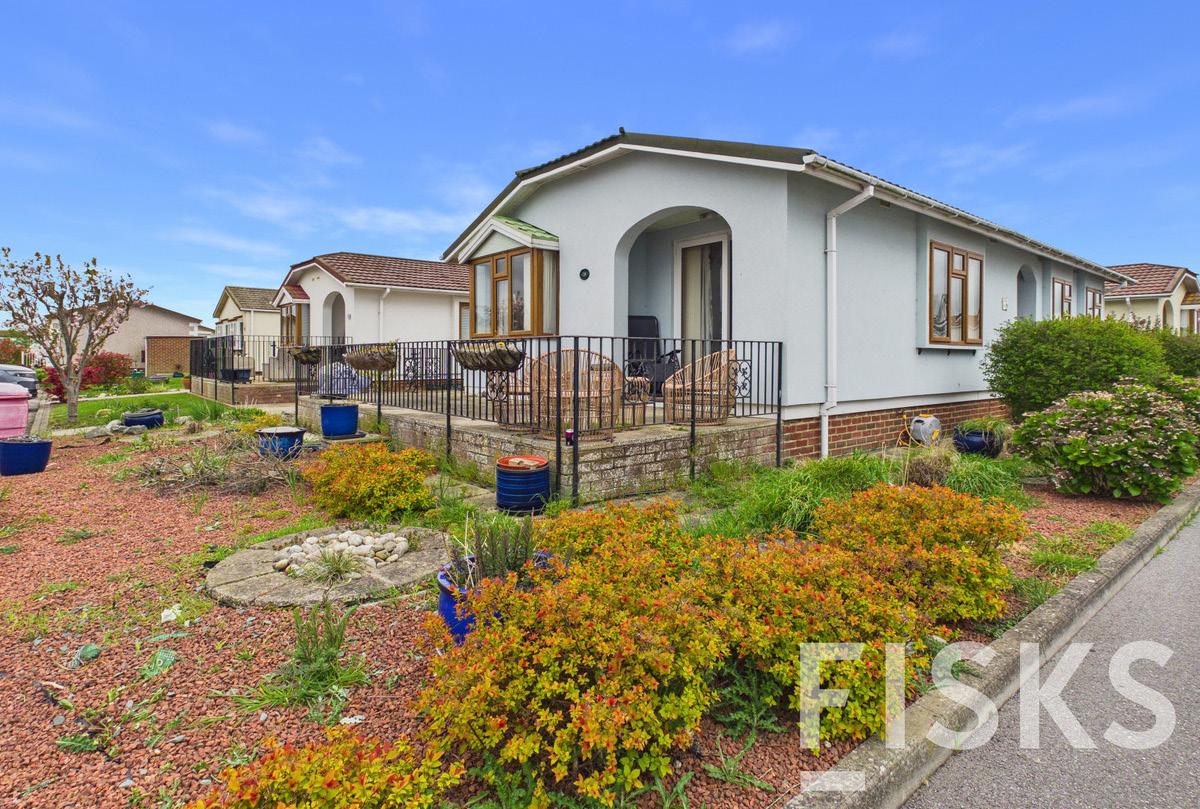
£165,000
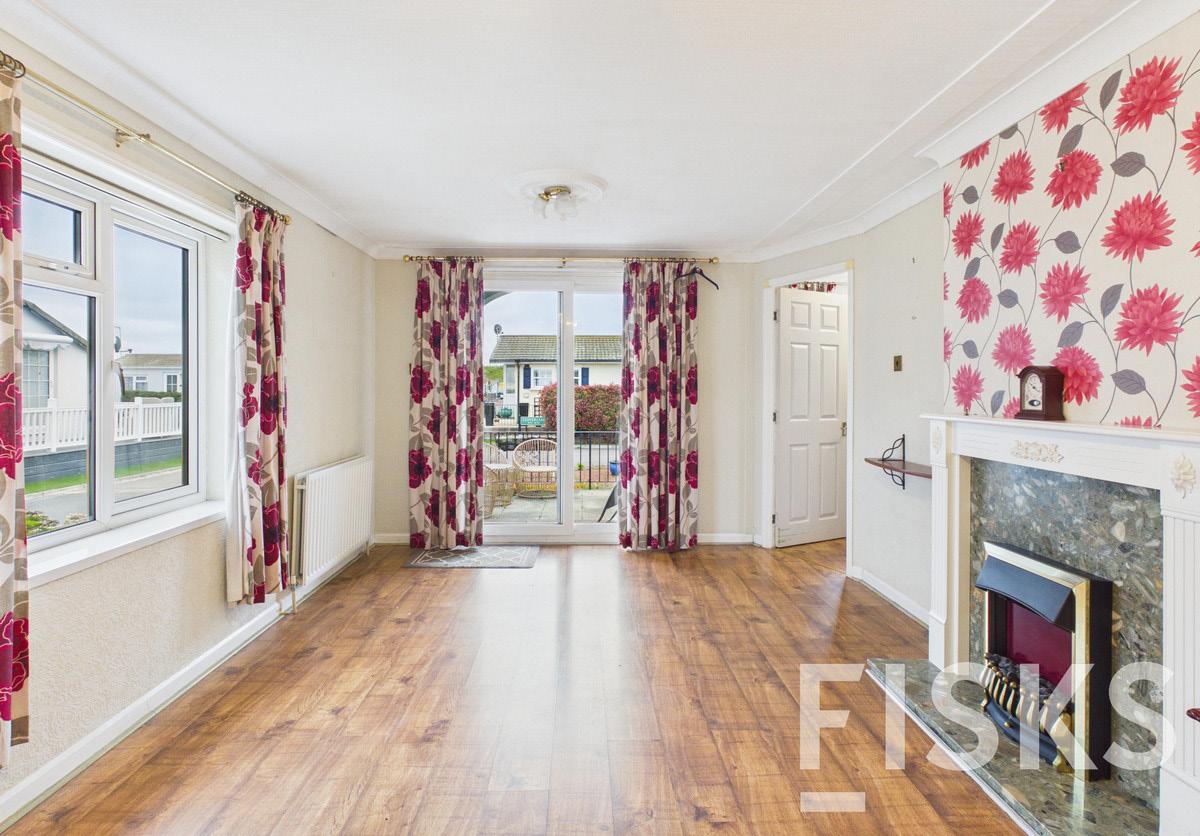
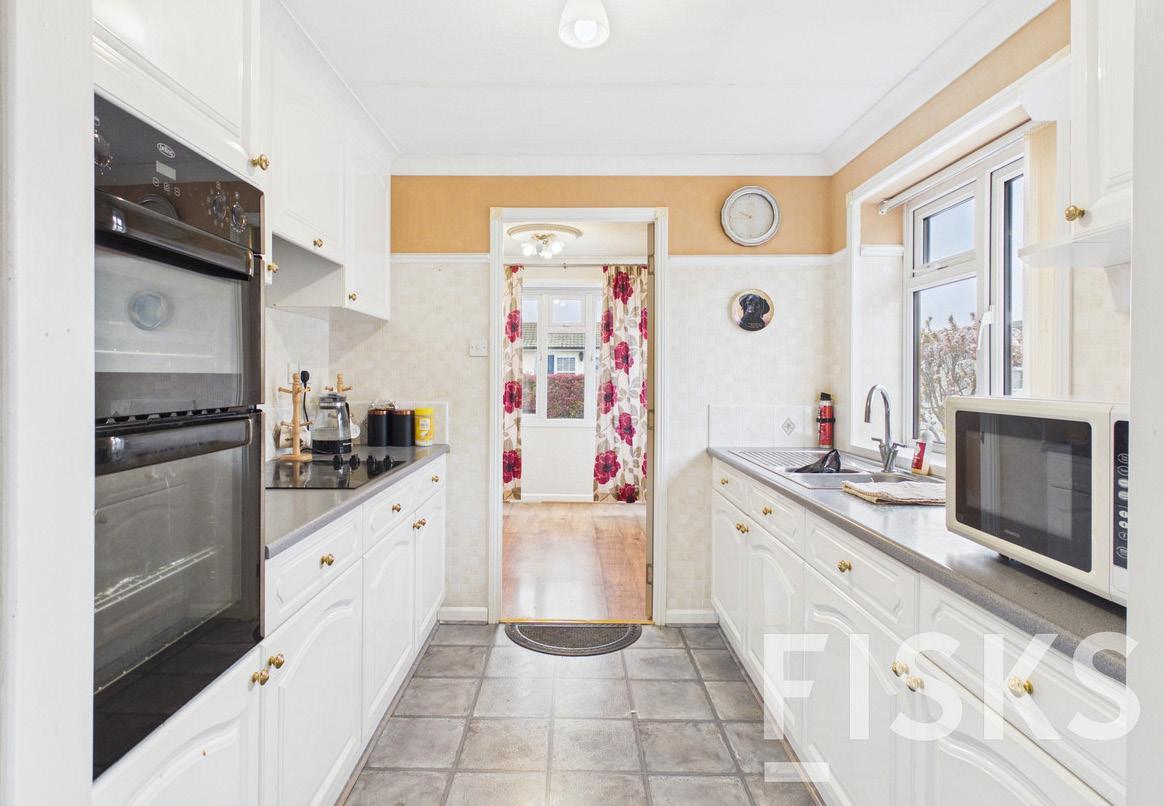
Large Corner Plot
No Onward Chain
Light And Spacious
Over 50s Community
Shop, Bar, Restaurant And Swimming Pool On Site
No Stamp Duty
Council Tax Band A
CALL 01268 510510
ZIDER PASS, CANVEY ISLAND
£650,000
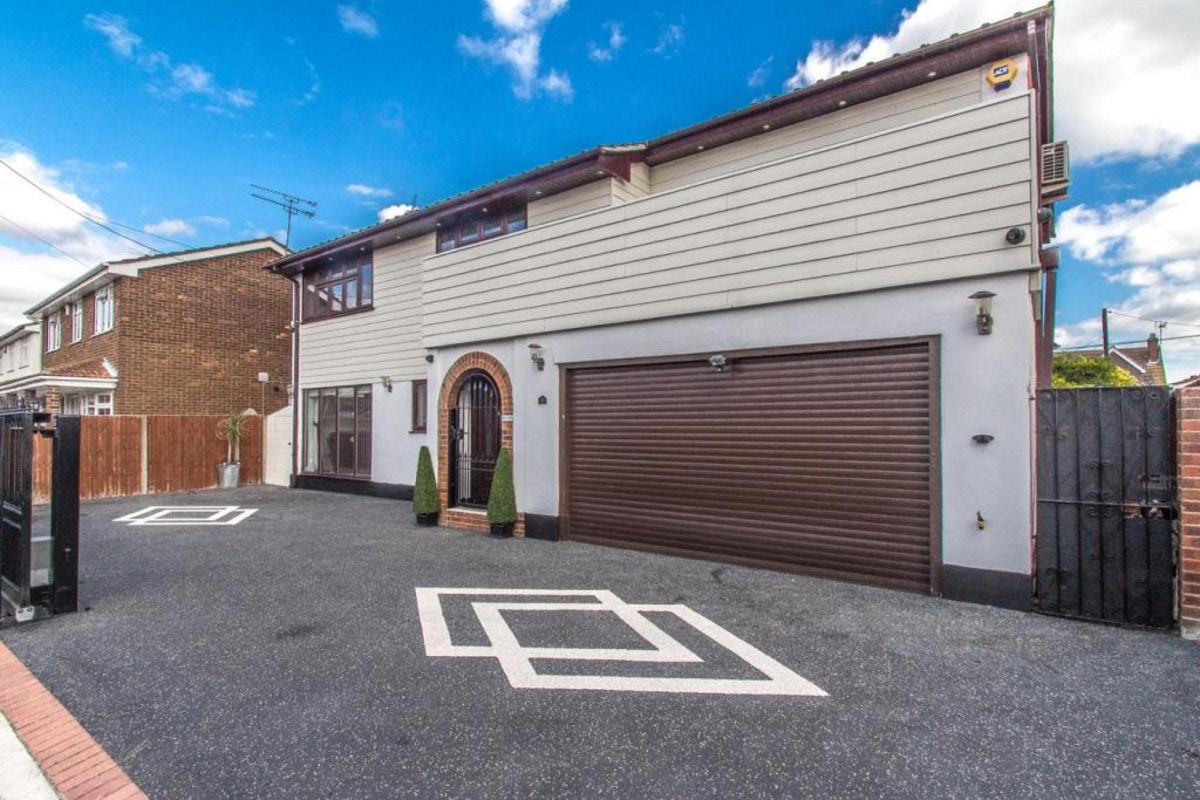
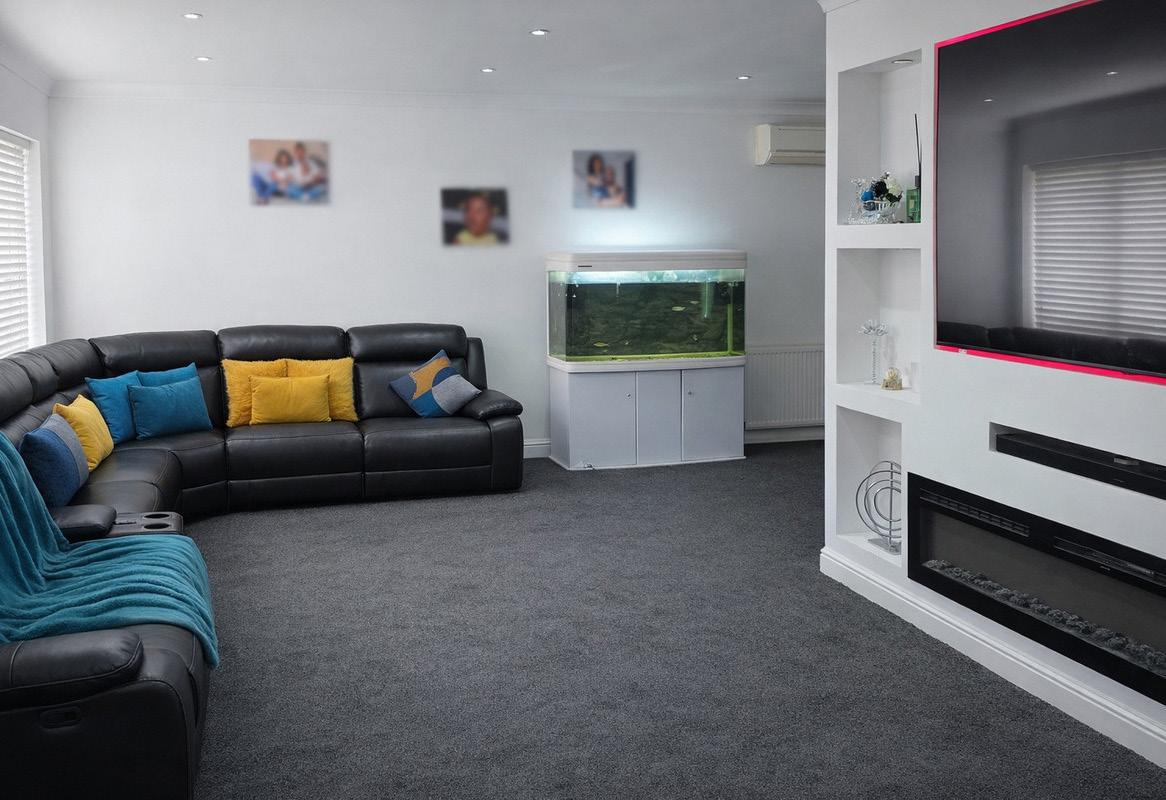
Detached Family Home
Gated Driveway
Four Double Bedrooms
En Suite
Spacious Lounge Into Snug Area
Fitted Kitchen
GF WC And Utilty
CALL 01268 510510
GWENDALEN AVENUE, CANVEY ISLAND FEATURED
£400,000
Four Bedroom Detached House
Sought-After Gwendalen Avenue Location
Spacious 16ft Lounge With Natural Light
Kitchen/Diner Ideal For Family Living
Conservatory Overlooking The Rear Garden
CALL 01268 510510
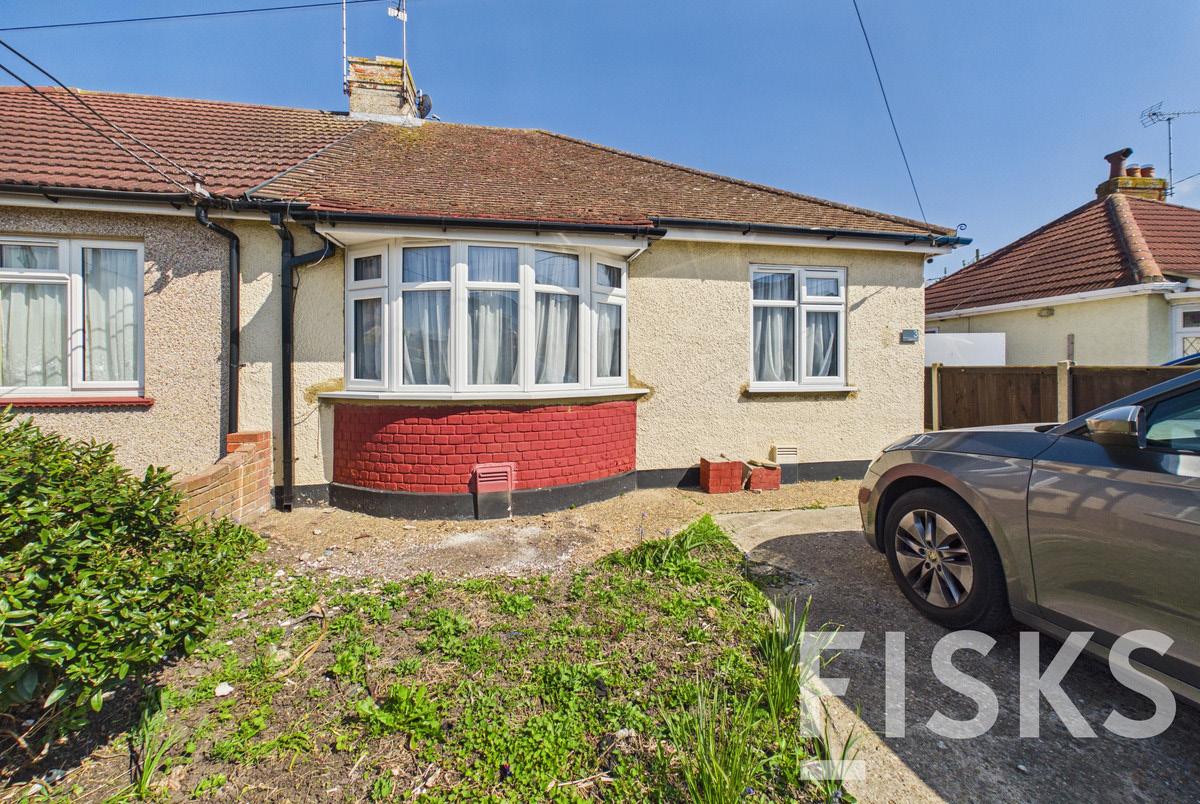
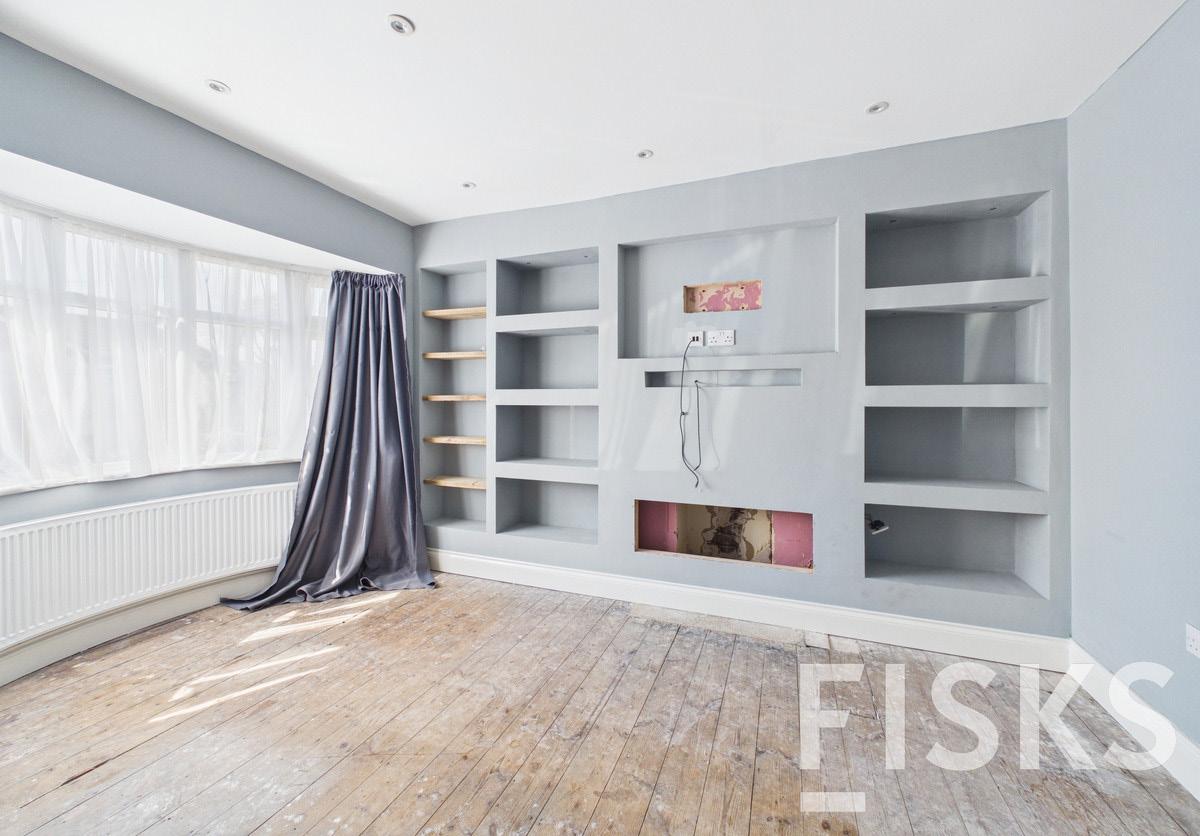
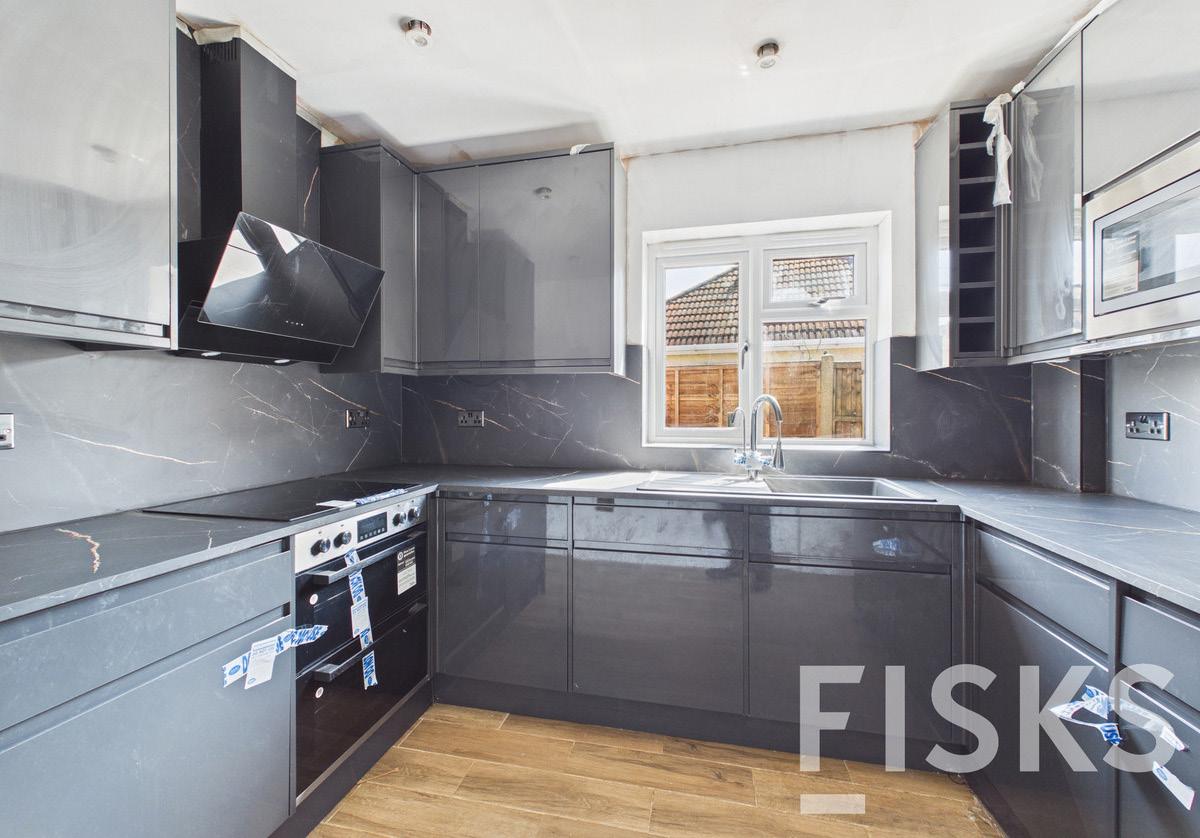
JULIERS ROAD, CANVEY ISLAND
£250,000
Fitted Kitchen
Two Double Bedrooms
Lounge With Bay Window
Low Maintenance Rear Garden
Canvass To Update As You Please
Off Steeet Parking
Epc D
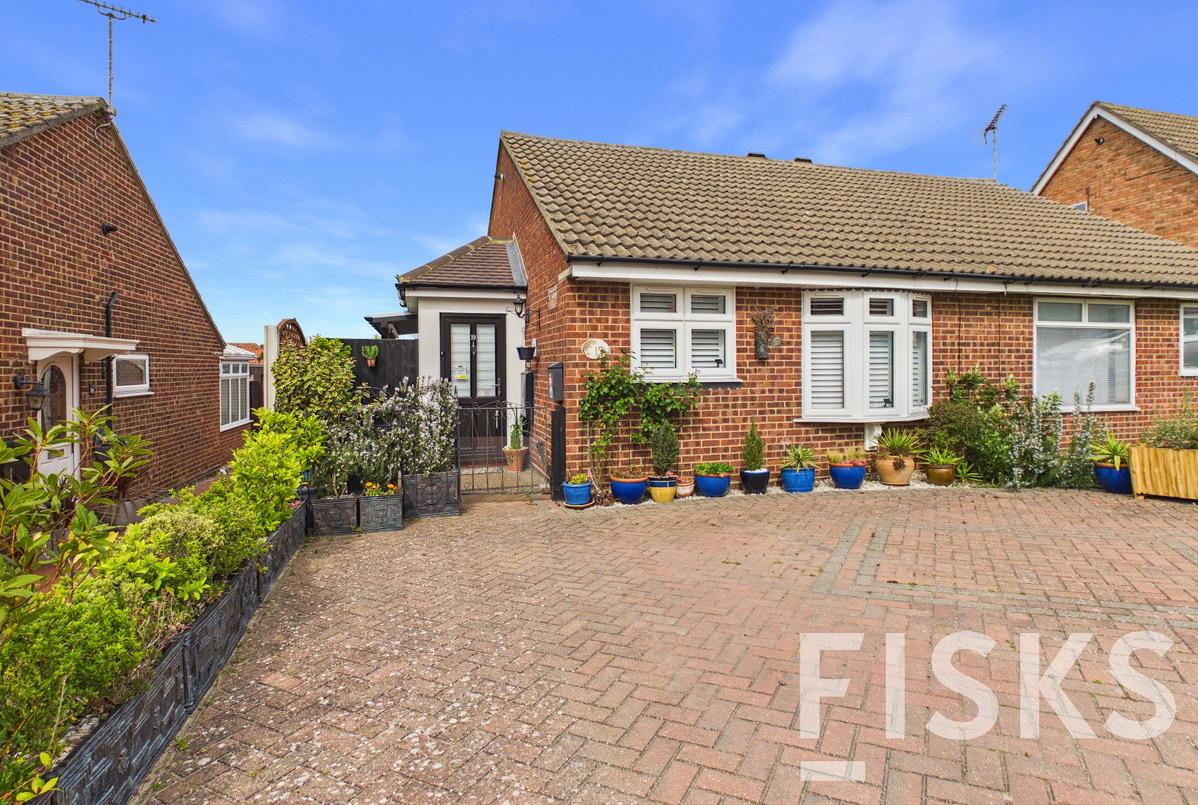
HEADCORN CLOSE, EVERSLEY
£325,000
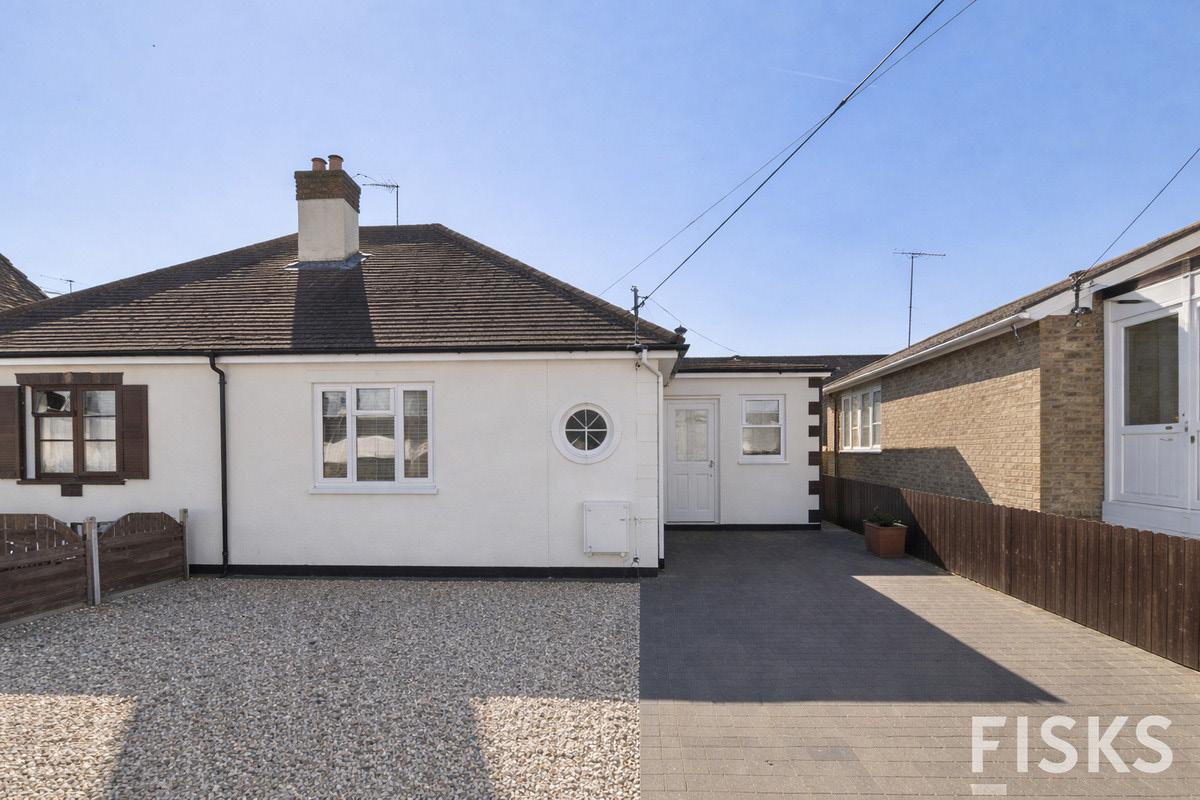
Two Bedroom Semi Detached Bungalow
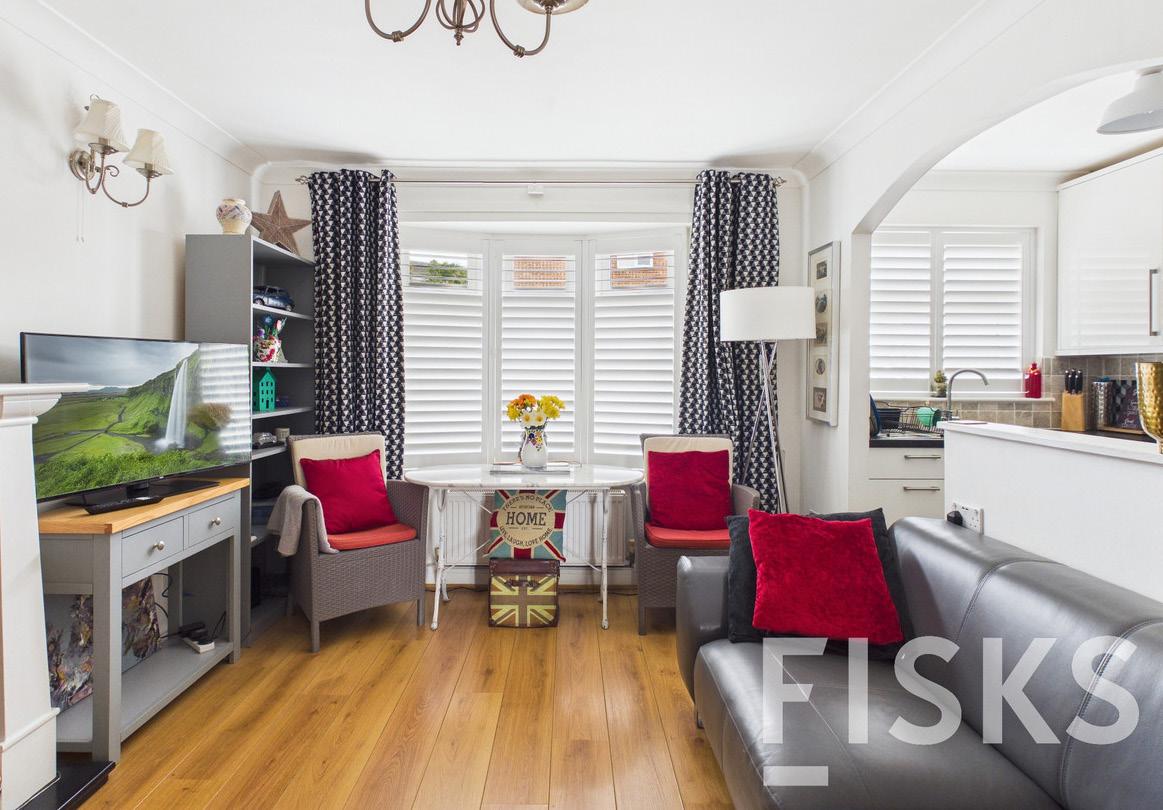
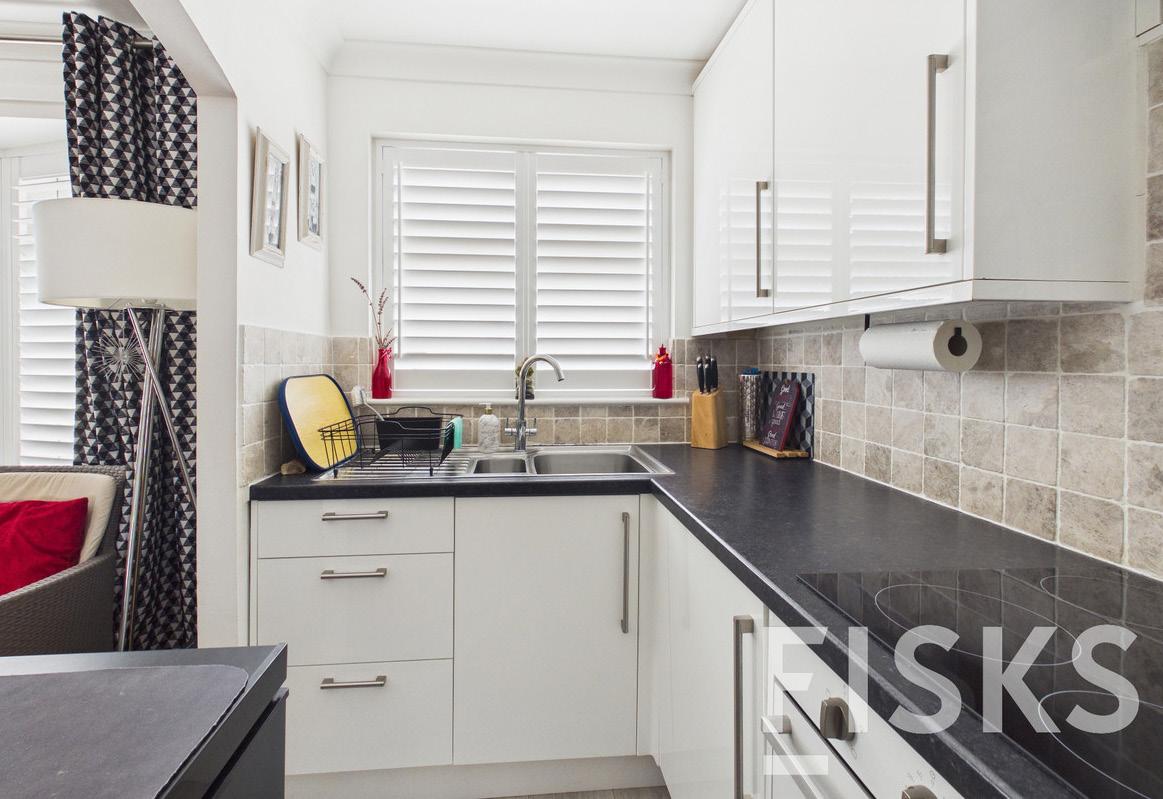
Fitted Shutters To Kitchen, Lounge And Main Bedroom