
Politics
South Africa lets talk
Kitchen
The Oil That Knows No Border WHERE
The Domino Effect Women voice
A Continent Folding Inward
Daughters of AFrica
The Lung of the World: Why the Rift Valley Never Stops
Politics
South Africa lets talk
Kitchen
The Oil That Knows No Border WHERE
The Domino Effect Women voice
A Continent Folding Inward
Daughters of AFrica
The Lung of the World: Why the Rift Valley Never Stops
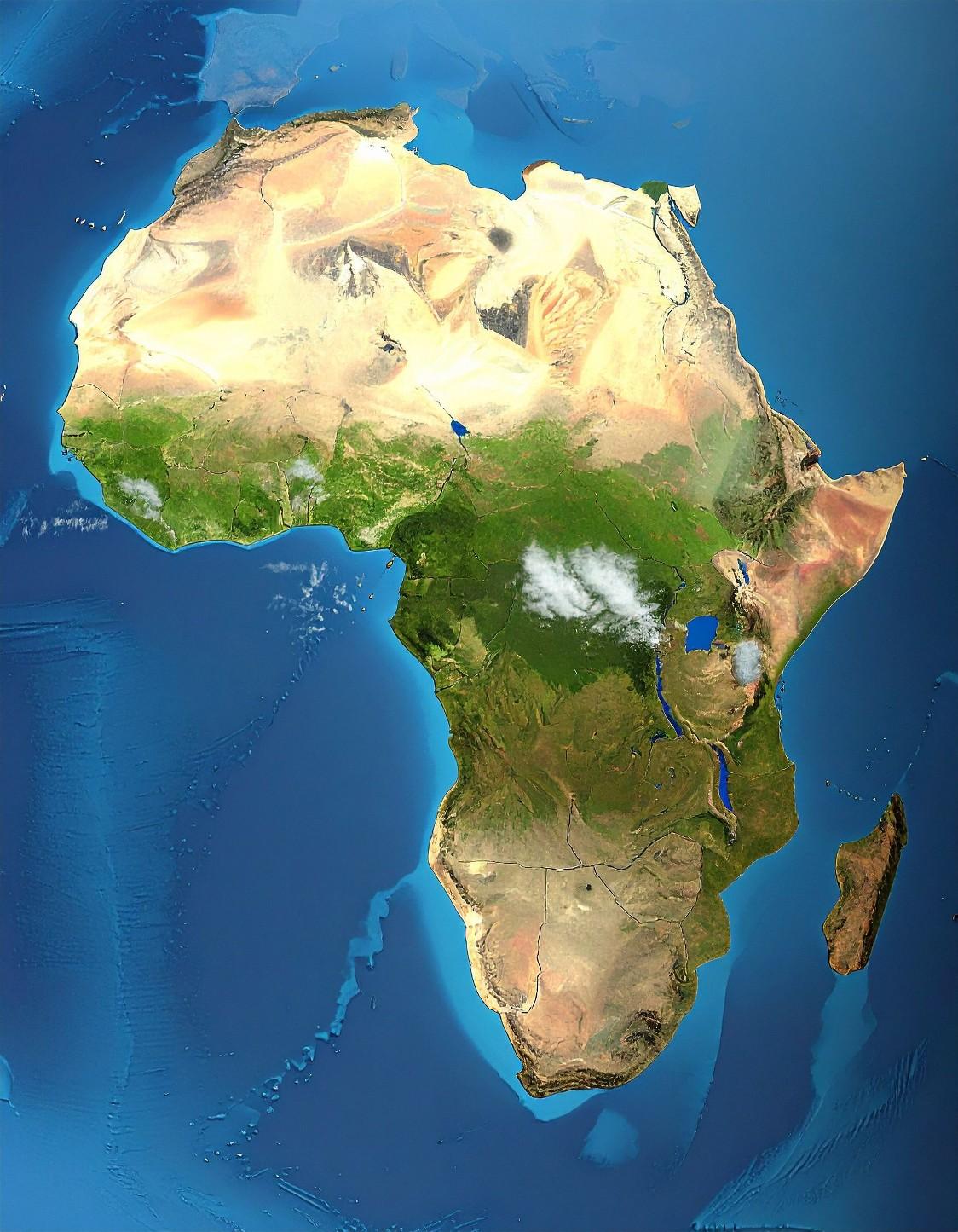
As I lay my ink down today, I find myself staring at the map of our continent not as a political diagram, but as a masterpiece.
We are a people blessed with a land that has mesmerized the world for millennia. We possess what other continents can only dream of. If you have forgotten how truly blessed you are, I invite you to look again. Look at the Nile, snaking through the earth like a lifeline. Look at the Sahara, where the sands tell secrets of ancient empires, and the Kalahari, where the stars sit so low you feel you could pluck them from the sky.
Consider the majesty of the place where the Atlantic and Indian Oceans meet a literal embrace of the world’s waters. From the snow-capped peak of Kilimanjaro to the Atlas Mountains blooming like stone flowers in the north; from the deep, rhythmic pulse of the Congo River Basin to the turquoise purity of our islands.
Yet, with all this vast, breathtaking inheritance, we have allowed ourselves to be distracted. We have chosen to focus on a single, ugly moment: Germany, 1884. We have let a room full of men in Berlin dictate who we are. We have begun to look at one another as "foreigners," forgetting that the land does not recognize passports. The land only knows its children. Whether you are the Amazigh of the Moroccan peaks or the Tuareg veils of the deep desert; whether you speak the melodic Swahili of the coast, the rhythmic Zulu of the south, the vibrant Yoruba and Hausa of the west, or the unique blend of the Malagasy you belong here. For once, let us look past the barbed wire and the border posts. Look at the person standing next to you. Acknowledge that to be African is to be part of a unique, unbreakable tapestry. We belong to the land, and the land belongs to us. From my ink to your heart,
HoneymoonAljabri Chief Editor, People of Africa
WHERE EVERY VOICE MATTERS.
"They drew the lines; we are drawing the blood."
When a member of the family starts behaving like a clown in the middle of the market, the family doesn't ignore it. They don't look away. They call a meeting, they sit that person down, and they ask:
“Who do you think you are?”
To our brothers and sisters in South Africa, and to every corner of this continent where we have turned on our own: We are calling that meeting right now. We are here to remind you who you are, because clearly, you have forgotten. The Stolen Map
Go back. Go back before the ink is wet.
Before there were fences, before there were "foreigners," before we needed a piece of paper to walk on the soil that birthed us. We were one. We were Africans first. Then came 1884. The "Sin." The division. The moment our identity was decided by which side of a colonizer's ruler we happened to fall on. We are living in a house designed by our enemies, and we are killing each other over the layout of the rooms. Africa is for Africans it doesn’t matter the shade of your skin or the texture of your hair. If you belong to the land, the land belongs to you.

How did we get here? In the late 1950s, the light began to crack through the tunnel. The colonizers started to lift their heavy feet from our necks. But some of us were the last to be choked. Some of us had to fight longer to breathe.
South Africa, do you remember who stood by you when the world was silent?
Algeria didn't just send prayers; they trained your warriors.
Libya, Egypt, Sudan, and Guinea stood up and shouted your name when the West tried to bury it.
Botswana, Lesotho, and Eswatini were your shelters, the hidden rooms where you slept when the hounds were at your heels.
Zimbabwe was your brother’s keeper.
Nigeria, every worker, every student paid a "Mandela Tax" out of their own pockets to fund your revolution.
Zambia was your headquarters, the heart of the storm. Angola bled for your war.
Mozambique’s President Machel was literally dropped from the sky because he refused to betray you. Tanzania gave you homes
The rest of Africa closed their airspace. They choked the Apartheid airlines. They boycotted goods. They lived in poverty so you could live in dignity. They believed a simple truth: If you are not free, we are not free.
So, before you start to burn the room, remember we are all in the same house. Before you push the ladder away, remember the hands that held it steady while you broke your chains. You are not fighting a "foreigner." You are striking the hand that saved you. 1884 was their sin; don’t let 2026 be yours. Africa will always be one. We are stronger together, or we are nothing at all.

History is the only medicine strong enough to wake a person from "L Land." But sometimes, medicine bitter.
If there is one thing the billion p of this continent have ever unite behind, it was the cause of South African freedom. We stood tall, w our feet down, and we bled to m sure you could breathe. Yet toda we watch the lawless beatings o streets of Johannesburg and Pre we have to ask: How did we get f the triumph of 1994 to the poison xenophobia in 2026?
People of Africa is not here to point fin for the sake of blame. We are here to remind you that you are part of a body. And right now, the body is hurting.
T T H E I R O N Y O F A N
Look at your name: South Africa. How ironic it is that we cling so fiercely to a name that is nothing more than a geographical direction given to us by a colonizer. It is not an ancestral kingdom; it is a colonial boundary. By honoring these borders so violently, we are honoring the very men who shackled us. We have traded our ancient African identity for a colonial "ID Book," and in doing so, we have started to see our own brothers and sisters as "foreigners."
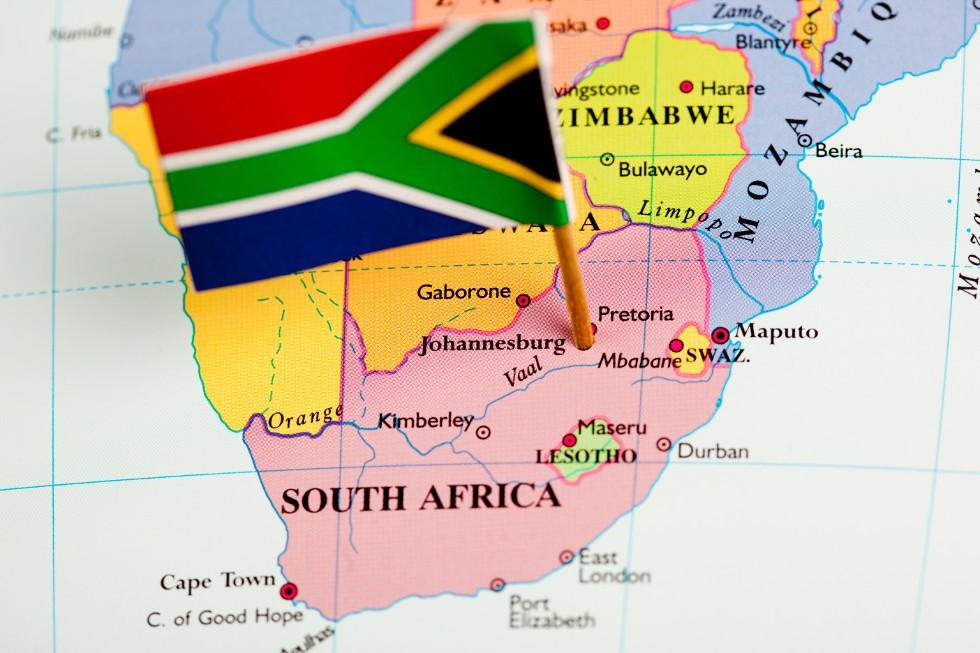
To the youth in the streets of Gauteng: Your freedom was not won in a vacuum. It was partially paid for in Kwacha, Shillings, and Birr. While you fought from the inside, the rest of the continent acted as your lungs, breathing life into a struggle the world tried to suffocate.
Zambia: For thirty years, Lusaka was the heartbeat of the ANC. The Zambian people faced constant SADF bombings and systematic economic sabotage, yet they never wavered. They refused to turn you away, even when it cost them their safety.
Tanzania: Mwalimu Nyerere provided the very soil of Morogoro for your first training camps. A nation with so little diverted its thin resources to feed and clothe South African exiles while its own citizens went without.
Ethiopia: In 1962, it was Ethiopia that gave Nelson Mandela his first passport and his first taste of military training. They stood as your diplomatic shield at the UN when the West was content to call you a terrorist.
Algeria trained your soldiers in the art of revolution. Libya, Egypt, and Sudan used every international platform to scream your name, ensuring the world could never look away from the horrors of Apartheid.
The Giant: Nigeria didn't just offer words; they implemented a national tax on their own people to fund your freedom fighters, proving that brotherhood knows no borders.
The Shelters: The "small houses" Eswatini,Lesotho , and Botswana did not turn you away. They became the quiet sanctuaries where you hid when the hounds were at your heels.
The Frontline States: Mozambique, Angola, and Zimbabwe endured decades of brutal civil war and the total destruction of their infrastructure. This was the "punishment" fueled by the Apartheid regime specifically for the "crime" of housing your revolutionaries. The whole of Africa stood as one. We broke our own backs so you could finally stand up straight.
When the term "illegal foreigner" is spat in the streets, know this: you are speaking the dialect of the old masters. You are acting as the border guard for ghost policing lines drawn by men who long ago perished in Europe, yet whose ink still stains our soil.
To those in power in South Africa who still carry the memory of our shared struggle: this is your moment to shine. It is your duty to remind the new generation that while we must respect the laws of the land and the integrity of our borders, we must never use them as a guillotine for our own kin. We are all children of this earth, bound by a common impulse to obey the rules that keep us civilized, but never at the cost of our humanity.
Africa is a house of 54 rooms. We may retreat to our private quarters, but we all belong to the same foundation. You cannot lock the door to one room while the front gate of the house remains wide open to the world. It is time for us to sit at the communal table and draft a peace that lasts, so we may all live with dignity in this grand house called Africa.
If Africa was the lungs that allowed South Africa to breathe during the long suffocation of Apartheid, why are you now cutting off your own air supply? You are a limb on a living body.
You may try to sever yourself to protect "your" jobs or "your" wealth, but a limb detached from the heart does not prosper it withers. The soil beneath your feet does not stop at the Limpopo; it is the same earth that feeds the Zambezi and the Nile. We are connected by bone, by blood, and by the very land itself. We are bound together, whether the borders acknowledge it or not. It is time to stop drawing blood and start remembering who held the ladder steady while you climbed toward the light.
There is a specific kind of silence that exists in the space between two worlds. It is the silence of the "in-between" , a place where the richness of the African soul often gets lost in translation, or worse, diluted for a global audience that has been fed a "single story" for far too long. To stand in that gap and build a bridge requires more than just a microphone; it requires a deep, ancestral courage.
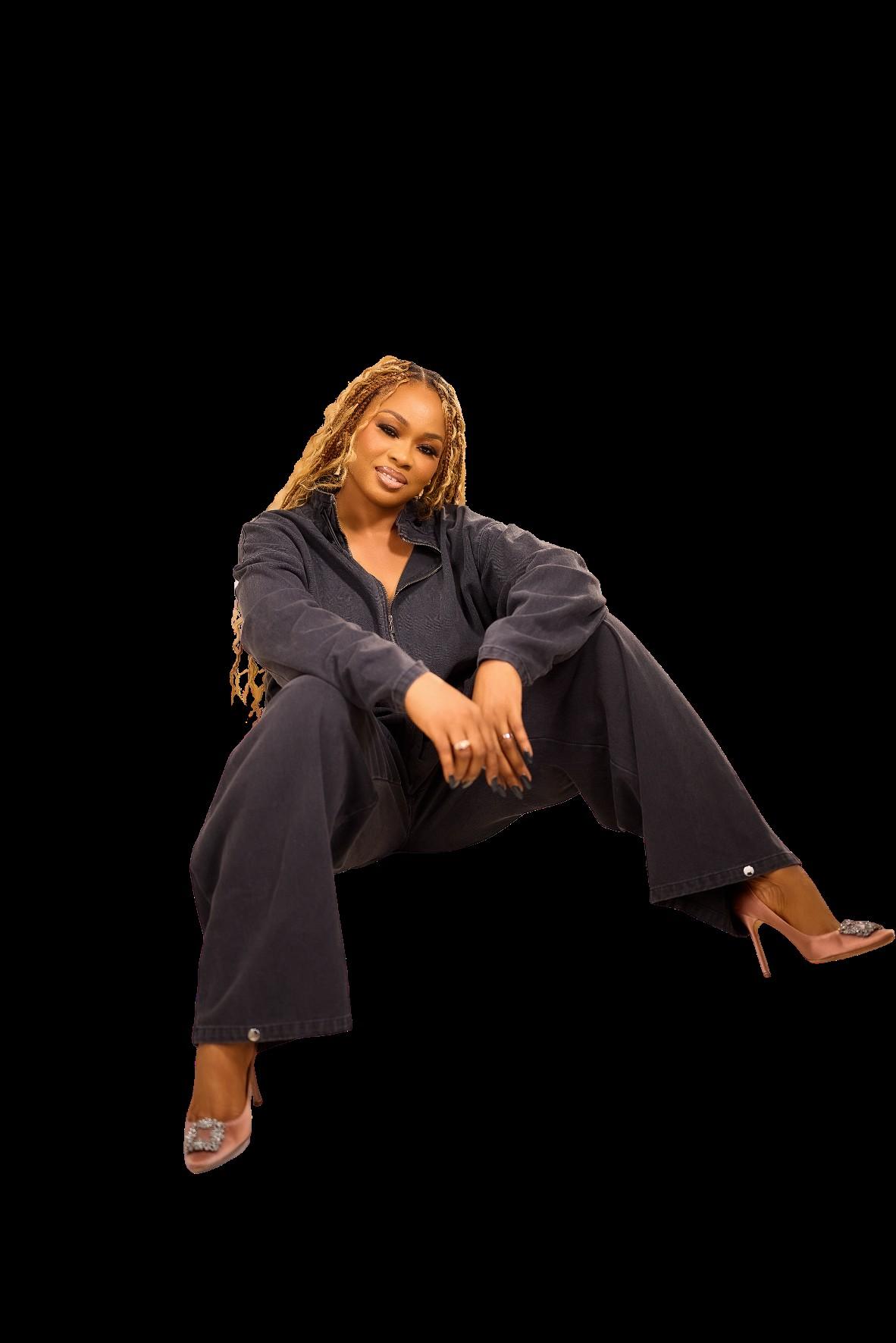
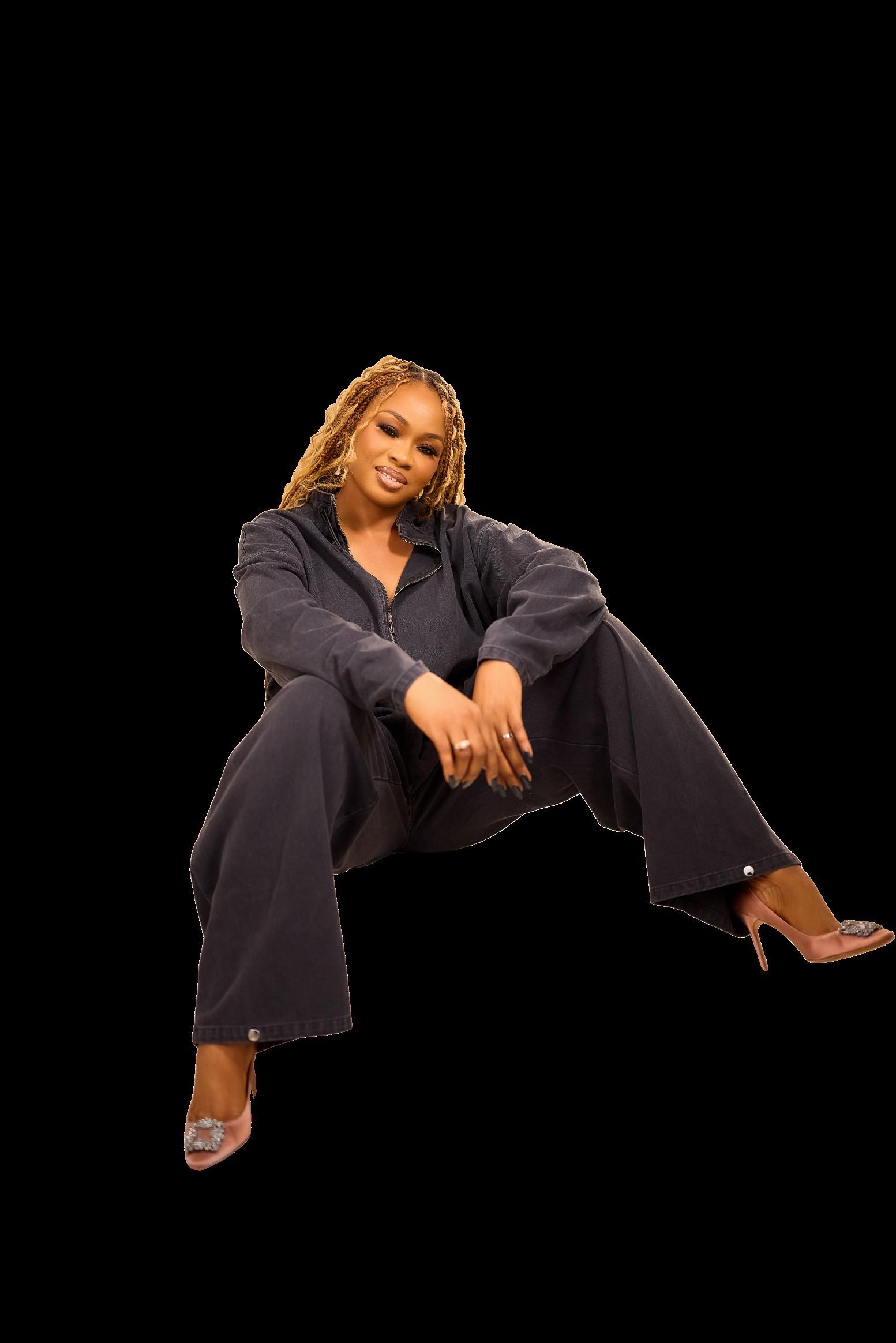
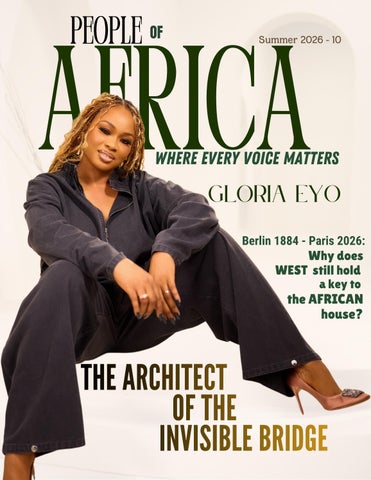
Enter Gloria Eyo. Currently rooted in Atlanta, Georgia, Gloria is a woman who carries the dualities of our history in her very stride. She is the Magna Cum Laude scholar who mastered the Western academy, but she is also the storyteller who cut her teeth in the vibrant, chaotic, and beautiful energy of Nigerian media. She has lived the "Borderless Dream" long before it became a tagline.
"I often feel like I have one foot in Africa and the other in the wider world," Gloria tells us. It’s a position that gives her a unique, almost sacred responsibility. She understands the humor that ripples through a Lagos market and the pain that sits in the heart of the diaspora, yet she also knows how the world outside tries to oversimplify us.
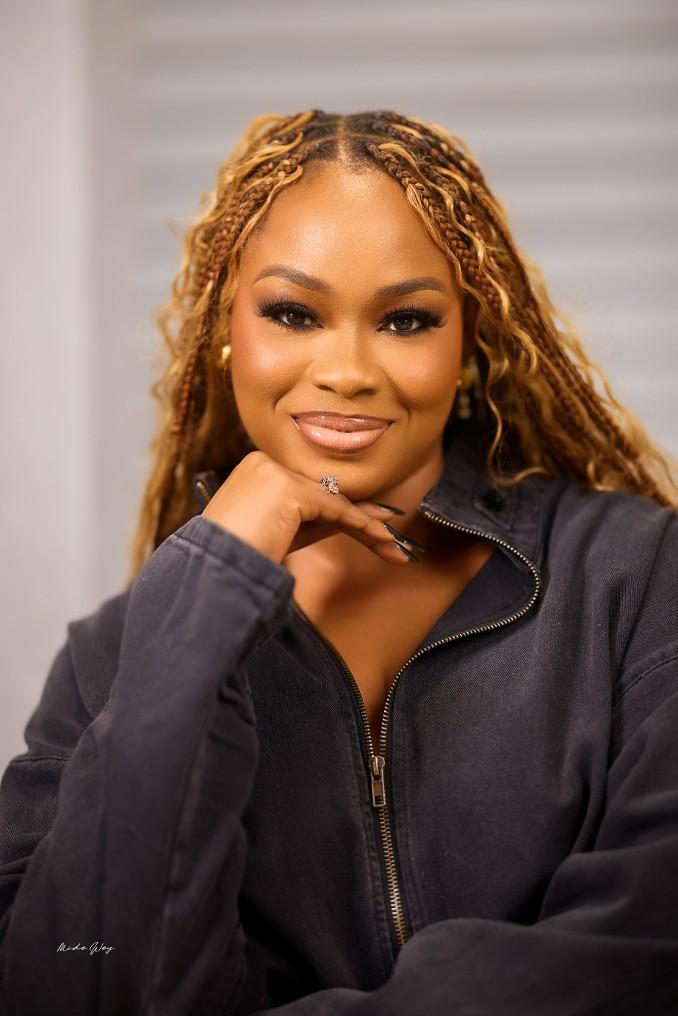
Her stance is unwavering: "I do not believe Africa needs to be diluted to be appreciated." For Gloria, the "Invisible Bridge" isn't about making Africa "palatable" for the West. It is about presenting the raw, unfiltered truth of home so clearly that the rest of the world has no choice but to see us in highfidelity. "The more authentic and honest the story is, the more powerful it becomes."
While politicians in Addis Ababa and Brussels debate the mechanics of borders, Gloria points to the diaspora as the living proof of a unified Africa. In the streets of Atlanta, London, or Paris, the colonial lines drawn on 19th-century maps begin to blur.
"When you meet Africans abroad, something interesting happens," she observes. "The divisions that feel so important back home nationality, ethnicity, language tend to fade." In these spaces, a Nigerian and a Kenyan are no longer strangers; they are partners in a common experience.
Gloria, the diaspora is the vanguard, the first true borderless African nation, reminding us that our ancestors traded and intermarried long before the fences were built.
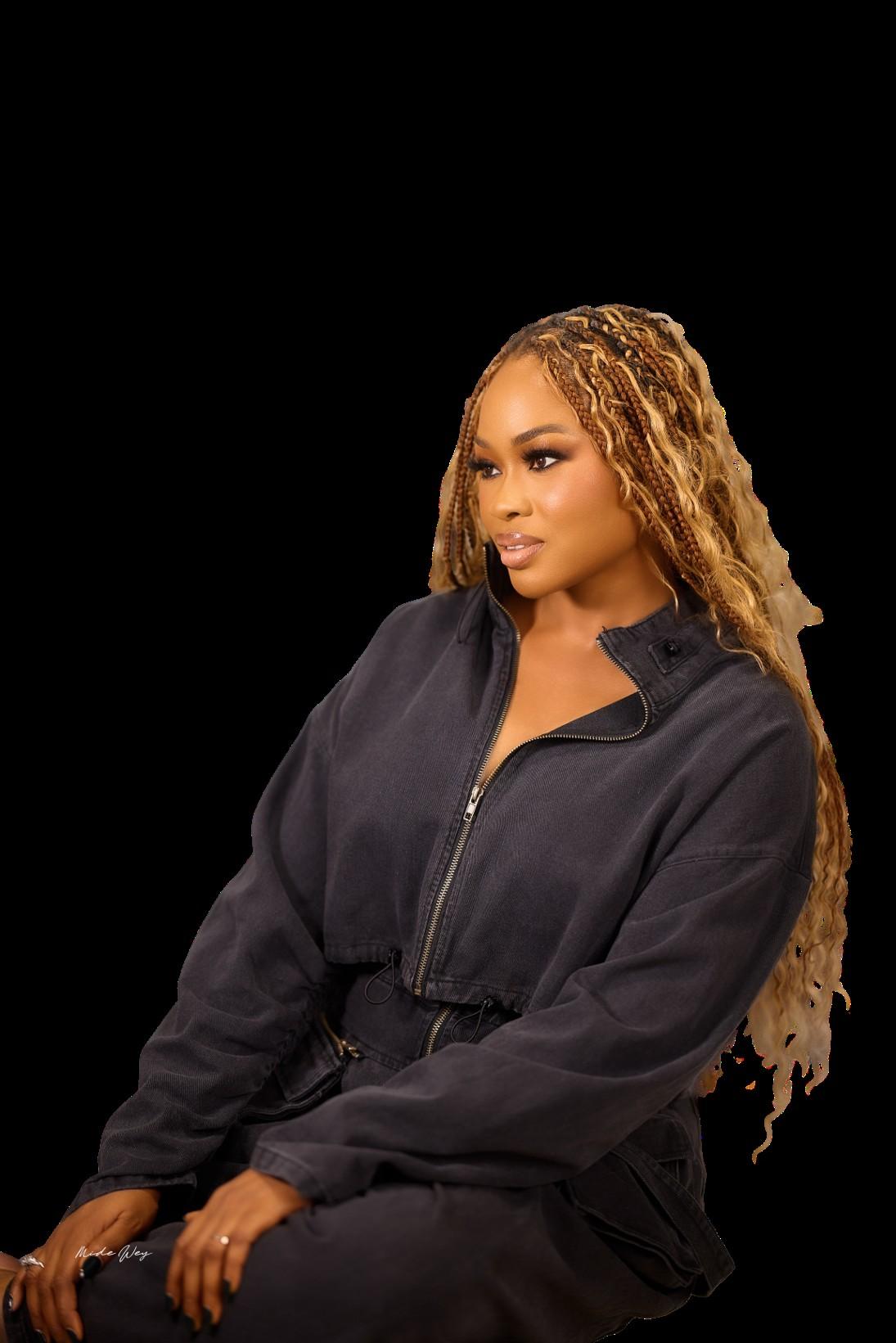
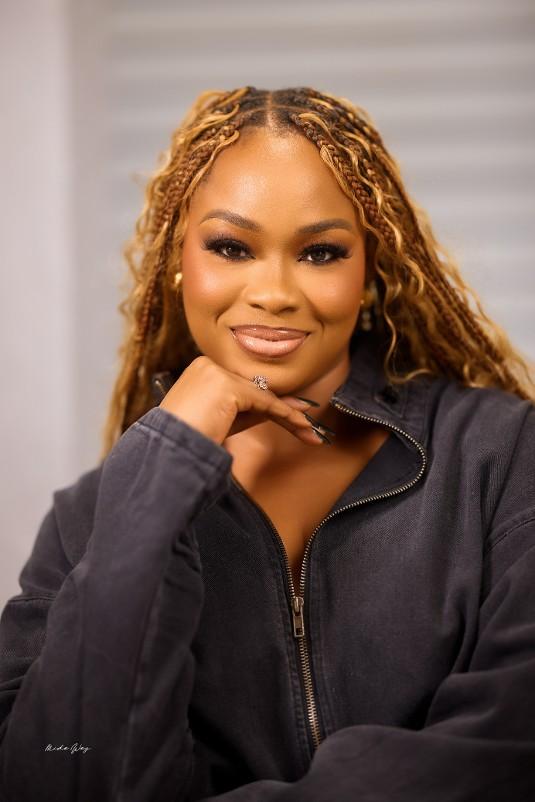

Having navigated the world from the studios of Inspiration FM to the sets of Africa Magic, Gloria has identified a singular trait that defines our people: Creative Resilience.
"It is the extraordinary ability to create meaning and beauty in the face of adversity," she says. It is the rhythm of a spirit that refuses to break, the ability to endure hardship without losing the capacity to laugh.
This isn't just survival; it is the "XFactor" that allows an African, regardless of where they were born, to turn an obstacle into an opportunity. It is the pulse of possibility.
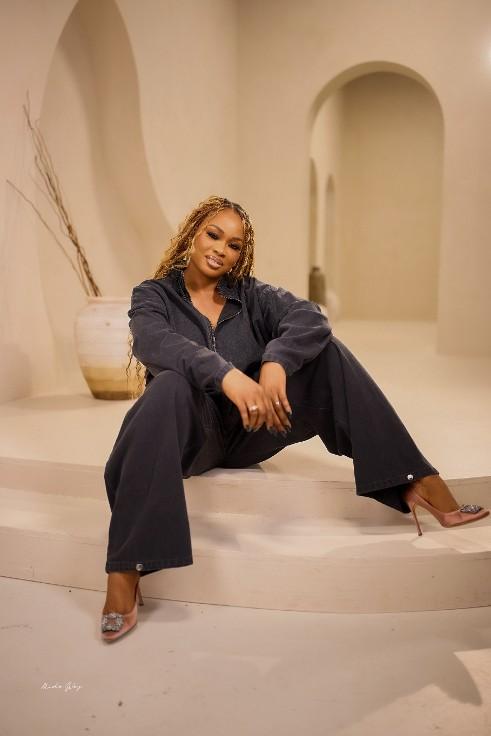
Gloria doesn't tell stories alone. When she sits down at the producer’s desk for Diaspora Station, she is surrounded by the whispers of the past. She draws from the fire of Nkrumah and the vision of Sankara, but her true north is the ordinary African, the one whose name was never etched in a textbook but whose legacy built our civilizations.
"Technology has changed the medium, but not the mission," she concludes. Whether it’s a short-form video or a deep-dive documentary, Gloria is a modern-day Griot using digital ink to ensure our history survives the transition to the digital age. "If even one young person sees themselves differently because of a story I told, then those ancestral voices are still being heard."
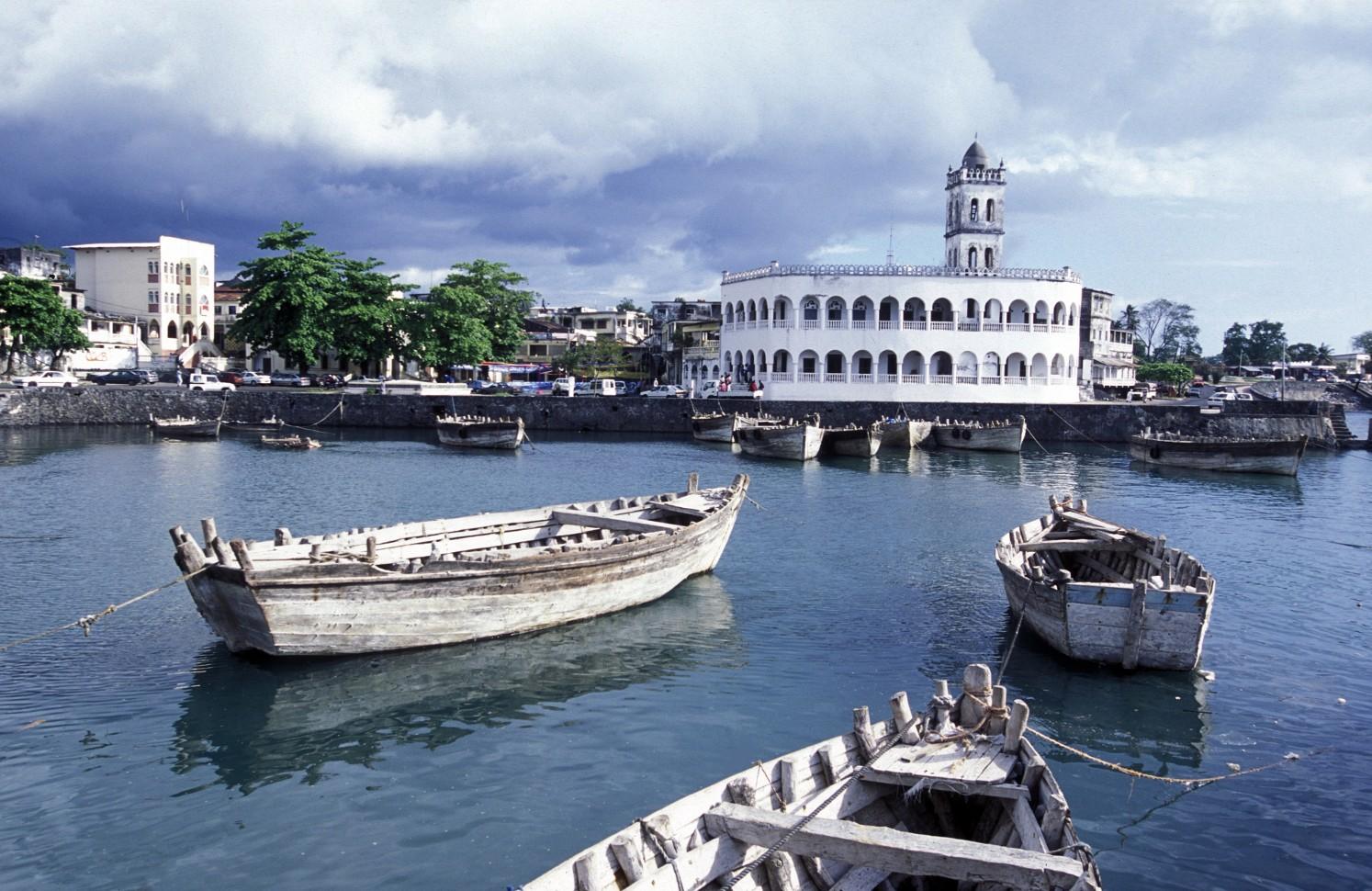
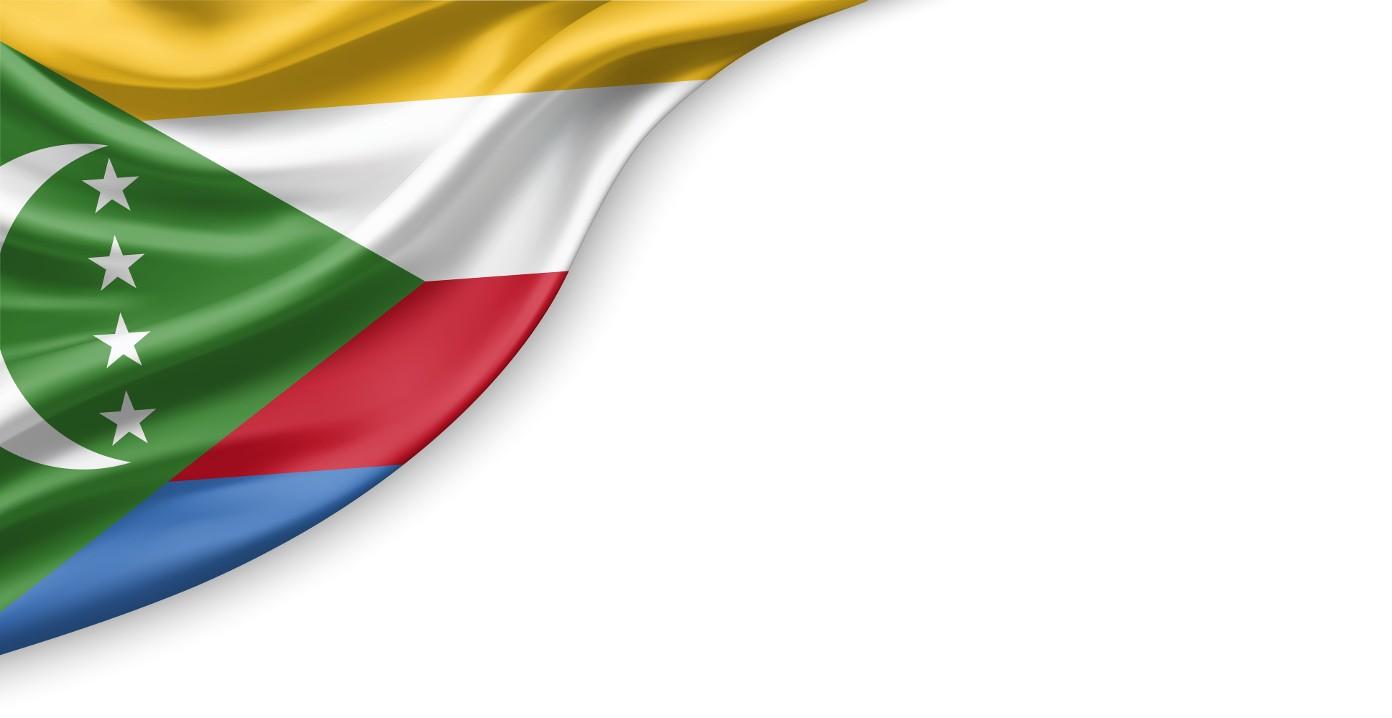
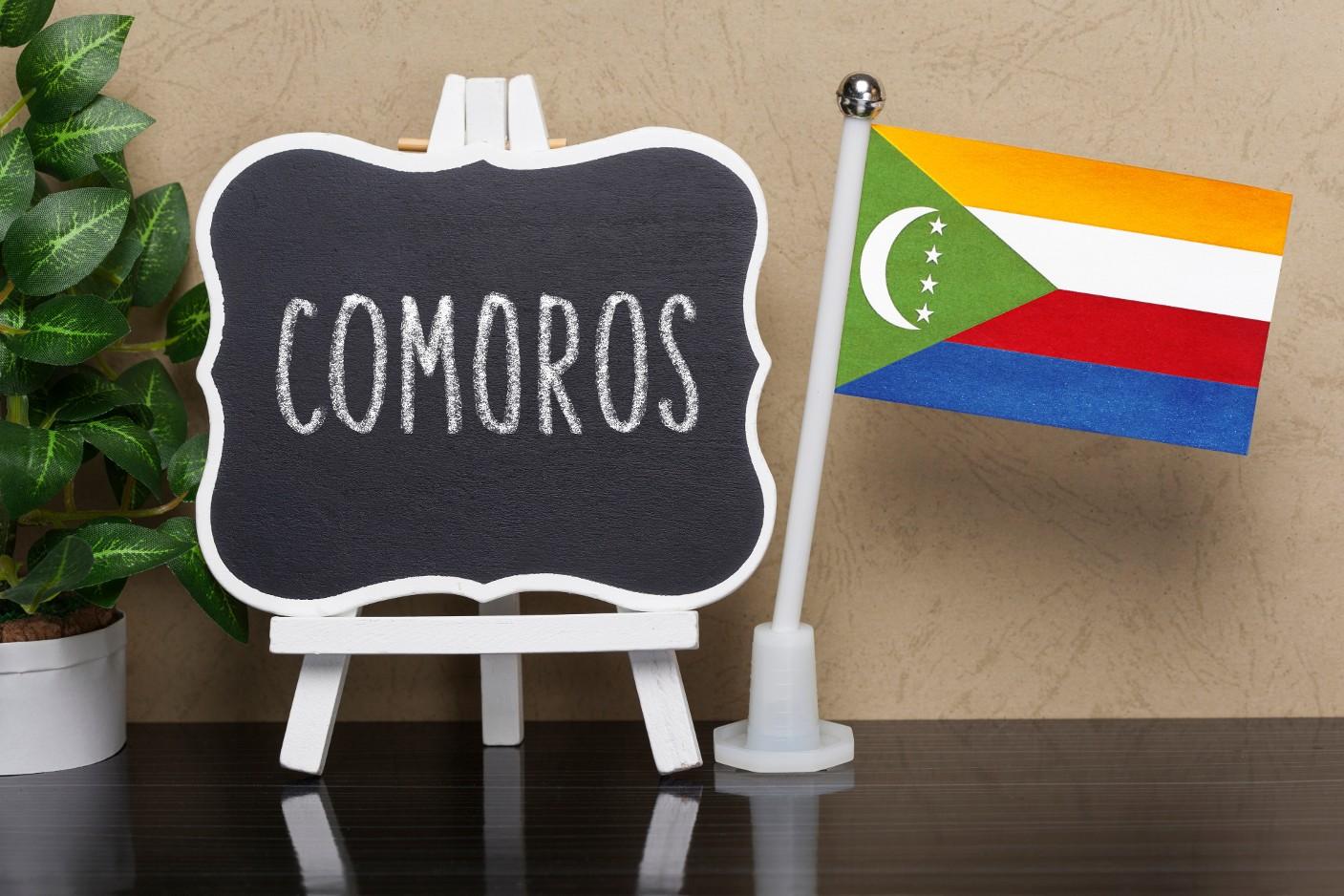
In the middle of the Indian Ocean, tucked between the Mozambique Channel, the coast of Tanzania, and the northern tip of Madagascar, lies an archipelago where a wedding is not a mere party it is a social earthquake. In the Union of the Comoros, the Grand Mariage, known as the Ada, is the single most important event in a person's life. It is not just about love; it is a declaration of identity, power, and the ultimate pride of being Comorian.
I sat down with my former colleague, Abdushakur Aboud, a man who carries the rhythmic pulse of the islands in his voice. When I asked him about the Comorian wedding, a knowing smile transformed his face.
"Comorian weddings are not like others," Aboud told me with a laugh. "We could talk for hours and never finish. The Ada is special. In our society, it is how you buy your status. If you have not performed your Ada, no one will listen to you. You cannot be a Minister, you cannot be President, and you cannot have a place of honor in the village square if you haven't done your Ada."
heritagethat dictatesyour future.

The wedding is a complex choreography of ancient traditions, each more significant than the last:
The Matriarchal Foundation: In a powerful display of tradition, a woman cannot marry without a house. In the Comoros, the family builds the physical structure for the bride. The man’s duty is to bring the "inside" the high-end, ornate furniture that transforms a house into a palace.
Mwanaume Anatiwa Dahoni: This is a sacred transition. The man is escorted to the house of the woman. He hosts his friends in his "club" to formally announce he is leaving their circle to join the ranks of the "Grand Notables."
The Seven-Day Sanctuary: After the Sunday celebration, the couple enters a seven-day "quarantine" of luxury. It concludes on the following Friday, when the groom is escorted to the Masjid (Mosque). This is the moment he finally takes his place in the community. He has hosted the village; he has honored the culture; he is now a man of the Ada.

Today, these weddings are the engine of the Comorian economy. Every July and August, the Islands of the Moon transform. This is the season of the diaspora return. Planes landing in Moroni are heavy with Comorians flying back from France, Marseille, and Lyon. They arrive with suitcases full of dreams and bank accounts full of Euros, ready to pour their life savings into the volcanic soil of their home.
The streets hum with a high-stakes tension. This is where modern Western wealth meets ancient African rites. For these few weeks, the islands aren't just a place on a map; they are the center of the world.
TowitnessanAdaistoseeavisualfeastwith noequal.Itisaworldof"Sultansforaweek."
The Groom: He is the image of majesty. He wears the Kandu, a pristine white robe with intricate embroidery, draped in the Mharuma, a magnificent silk shawl that carries the weight of a king. On his head sits the Kofia, a hand-stitched cap that signals his new status. The Bride: She is a living treasury. Her skin glows with the Msindanu, the golden sandalwood and coral paste used to protect and beautify. She is literally draped in layers of heavy gold “Dhahabu” representing the honor and history of her family.
The Shiromani: The air moves with the Shiromani. This iconic patterned cloth is the "vibe" of the islands, a uniform of pride worn by every woman, turning the celebration into a sea of vibrant, rhythmic color.
As we concluded our talk, Aboud pointed out something many outsiders miss: the sheer power of the Comorian woman. "The man moves into the woman’s house, not the other way around," he laughed. "Talk about a power game!"

Before we parted, Aboud left me with a final thought: every African and every traveler should experience this at least once. These are not just weddings; they are culture, history, and power displayed on a single plate like a bouquet of flowers.
In the Islands of the Moon, you don’t just marry a person, you marry the land. You don’t just wear a robe, you wear a crown.

There is a linguistic theft happening across the globe. When a European architect builds a home out of mud, straw, and sand, the world calls it "Sustainable Adobe" or "Luxury Cob." It graces the covers of design magazines in London and New York as the pinnacle of eco-conscious living. But when an African builds that same structure, using the same clay and the same ancient geometry, the mainstream media calls it a "hut" or a "shack."
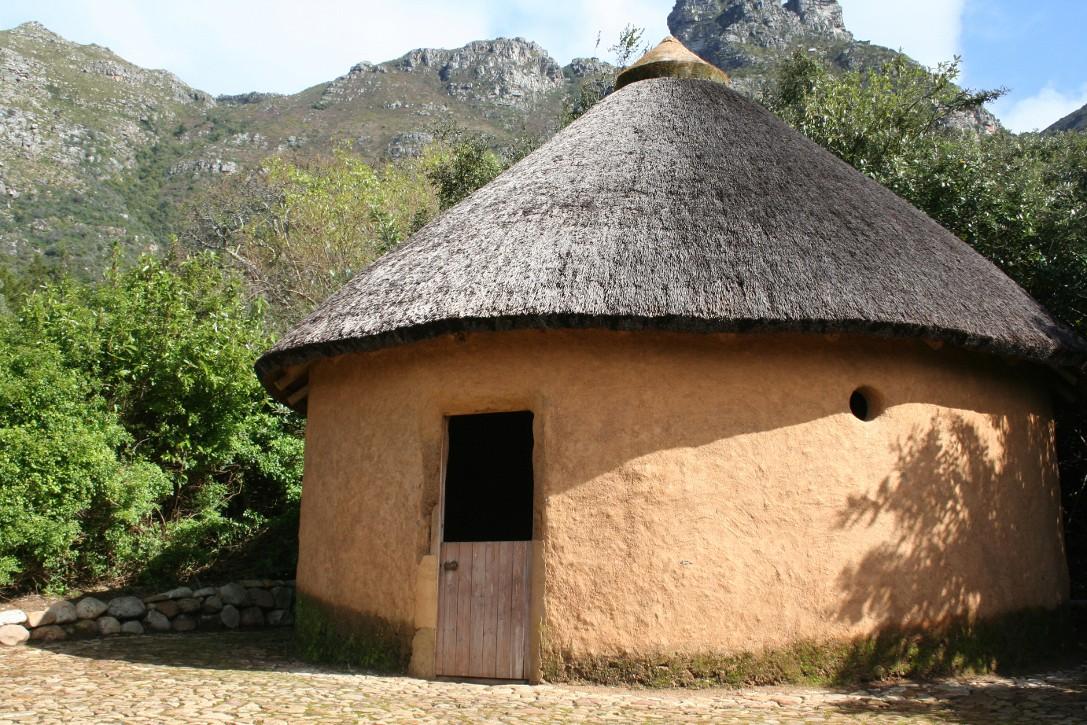
This is more than a double standard; it is a psychological barrier that is keeping millions of Africans from the dignity of homeownership. We are chasing a "Western Dream" of concrete and glass materials that are expensive, environmentally destructive, and thermally unsuitable for our climate while we sit on a goldmine of indigenous engineering.

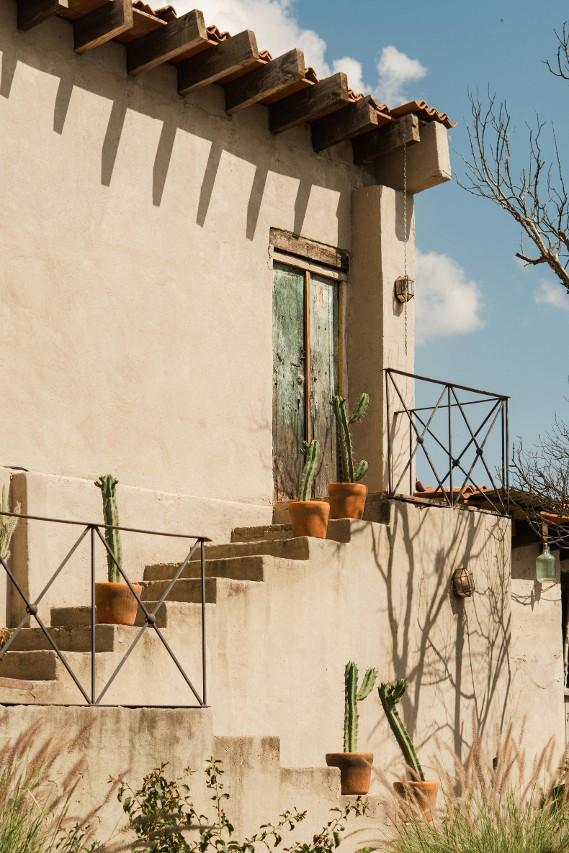
We must stop calling it "mud" and start calling it Thermal Mass Engineering.
Our ancestors were the original masters of thermodynamics. A traditional round house with thick clay walls and a thatched roof isn't just a "hut"; it’s a living lung. Clay walls act as a thermal battery. During the scorching Saharan or Kalahari afternoons, the walls soak up the heat, keeping the interior cool. At night, when the temperature drops, that same wall slowly releases the stored heat inward. It is a natural air-conditioning system with zero electricity bill. The Geometry of Air: The circular shape of many African dwellings isn't just aesthetic; it’s structural genius. It resists high winds better than square buildings and allows for superior airflow
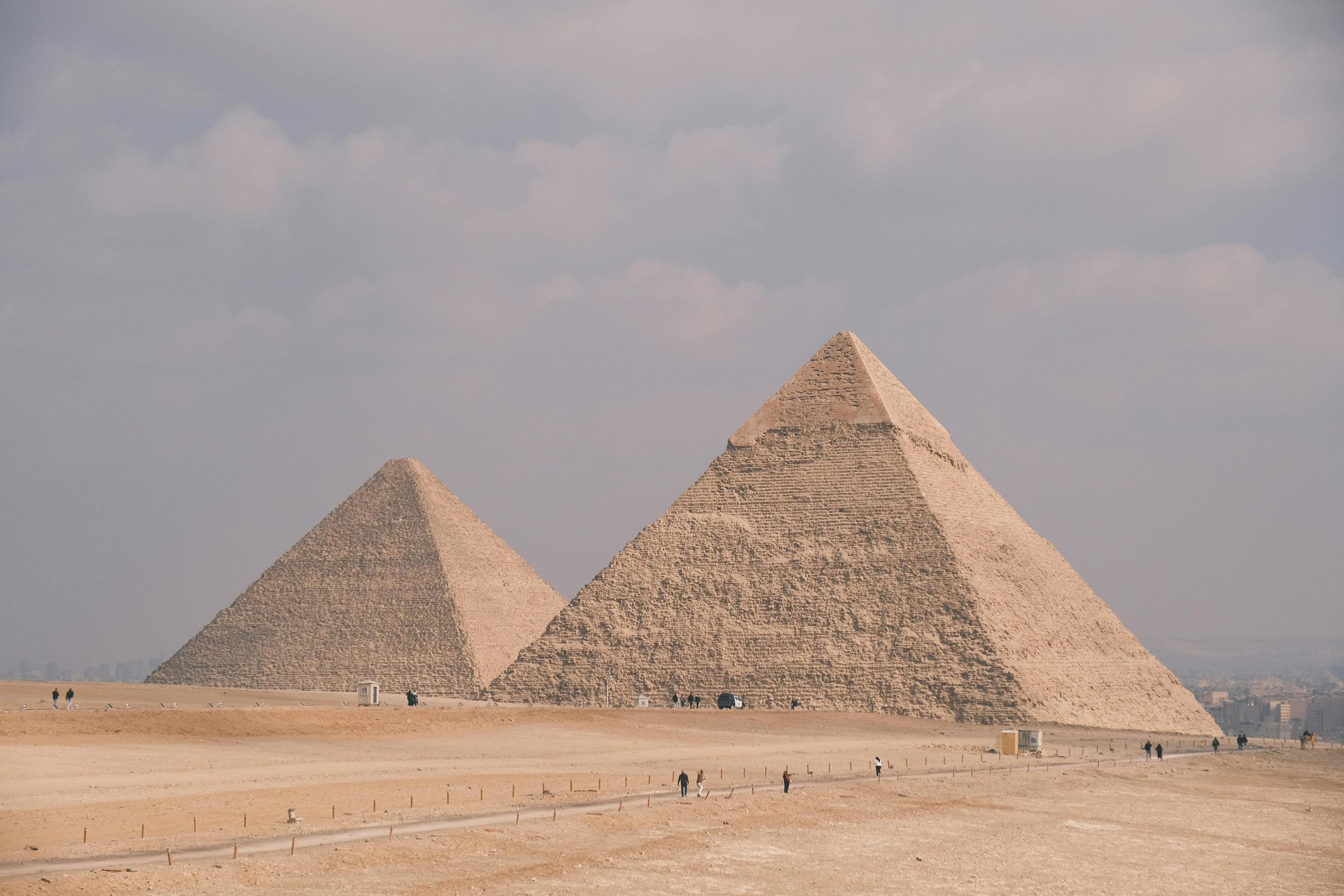
We often look at the Pyramids of Giza as a mystery of the past, but we forget the most important lesson they teach: Africa was built for eternity using the earth beneath its feet. The Great Pyramids were built with no Western inspiration, no steel beams, and no imported cement. They used limestone and granite which the land offered. Today, we abandon our clay and our stone to import expensive clinkers for cement. We are building "Dubai-style" glass skyscrapers in cities like Lagos and Nairobi that turn into greenhouses in the sun, requiring massive amounts of energy to cool. We are building for an environment that doesn't exist here, while ignoring the materials that have sheltered us for ten thousand years.
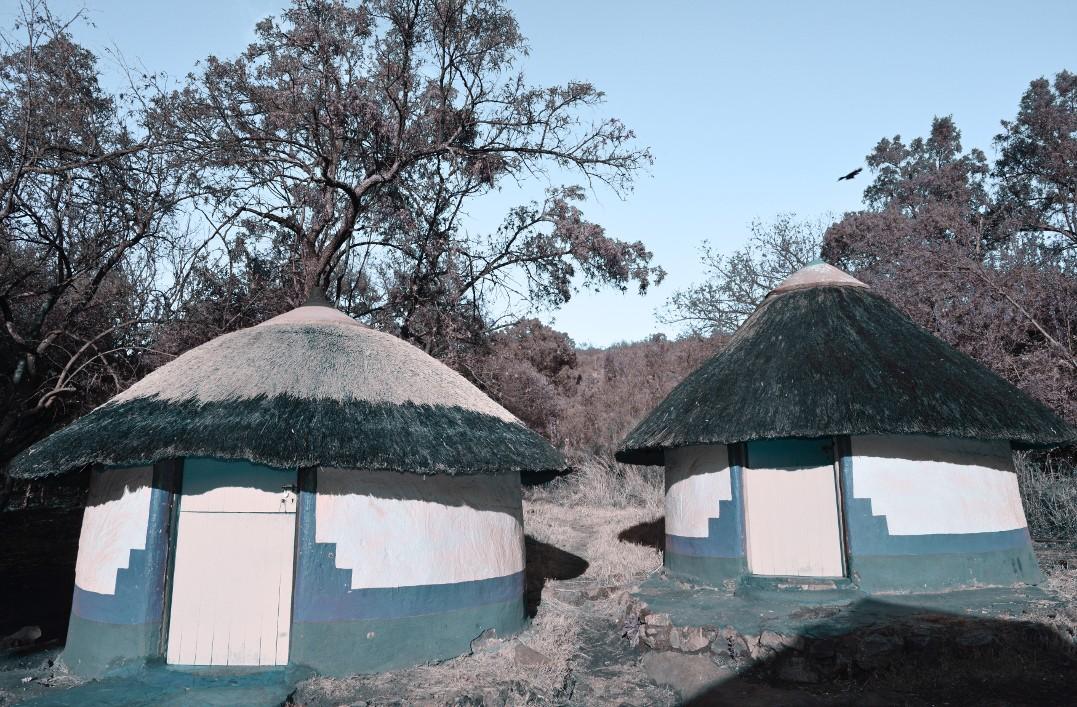
Why do we wait for the West to validate us? The "Cob" house movement in England is currently booming. Wealthy Europeans are paying thousands of dollars to learn how to mix clay and straw, the very thing our grandmothers in the villages have known for centuries. When we call our homes "huts," we diminish our power. When we call them "High-Performance Earth Structures," we reclaim our narrative.
If we embrace our traditional building methods enhanced with modern stabilized earth technology we could solve the African housing crisis in a decade.
Cost-Effective: Using local clay and stone reduces material costs by 60-70%.
Employment: These methods are laborintensive, meaning we create jobs for our youth rather than sending money abroad for imported materials.
Safety: Modern "Cob" and "Adobe" are fire-resistant, earthquake-resilient, and can last for centuries.
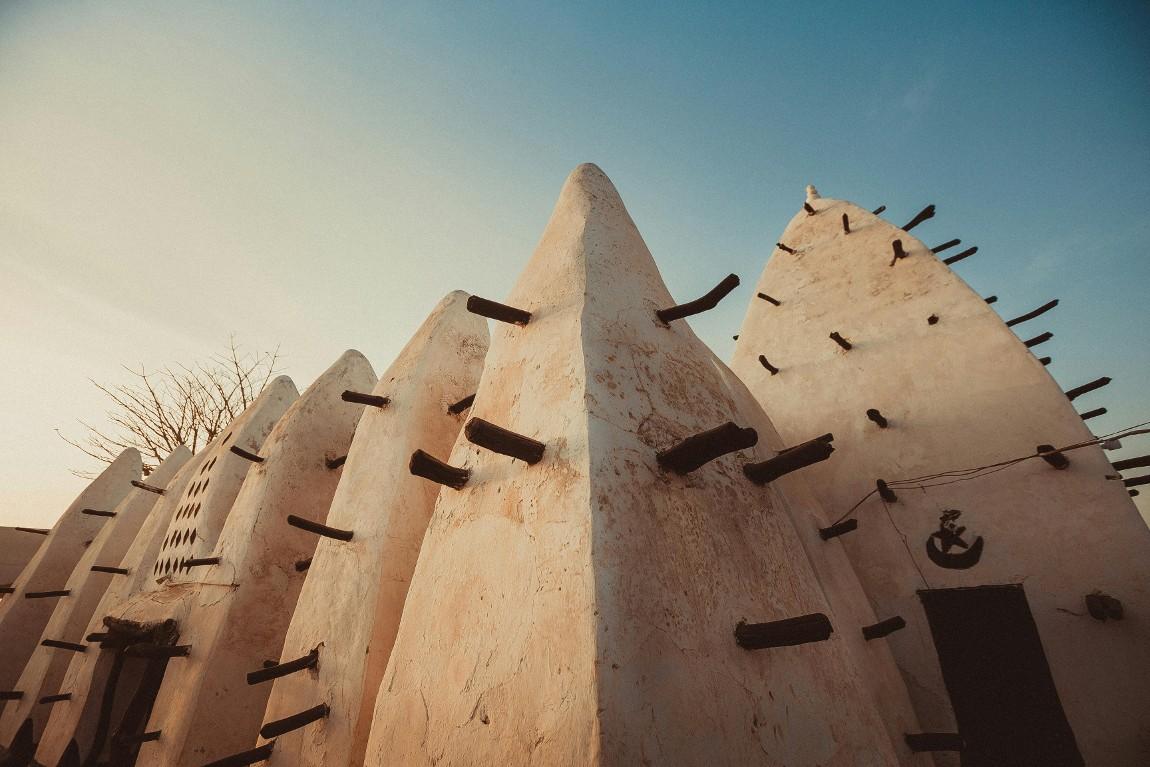
It is time to build an Africa that is proud of its own silhouette. We do not need to look like a second-rate version of London or a dusty version of Dubai. Our buildings should display our uniqueness.
Let us go back to the basics, not as a step backward, but as a leap into a sustainable future. We are the descendants of the people who built the first skyscrapers on earth. It is time we start acting like it. The land is offering us the solution; we only need the pride to pick it up.
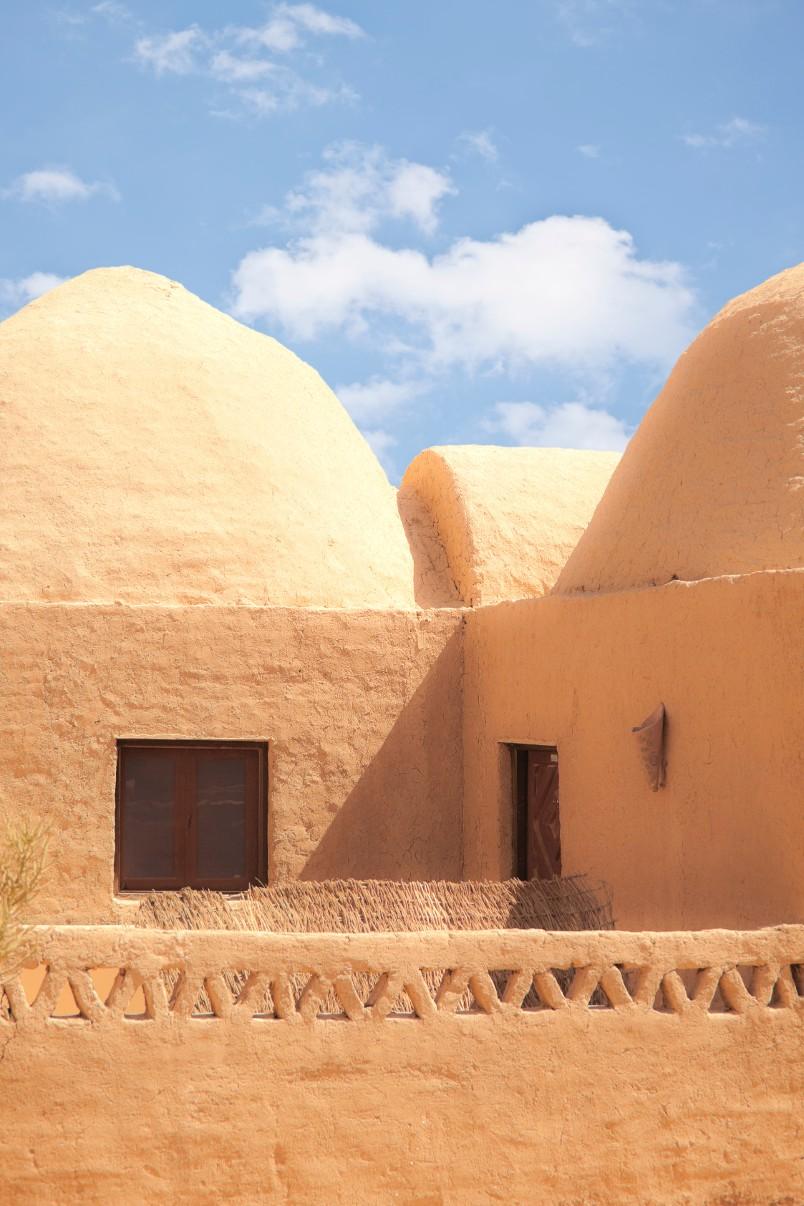
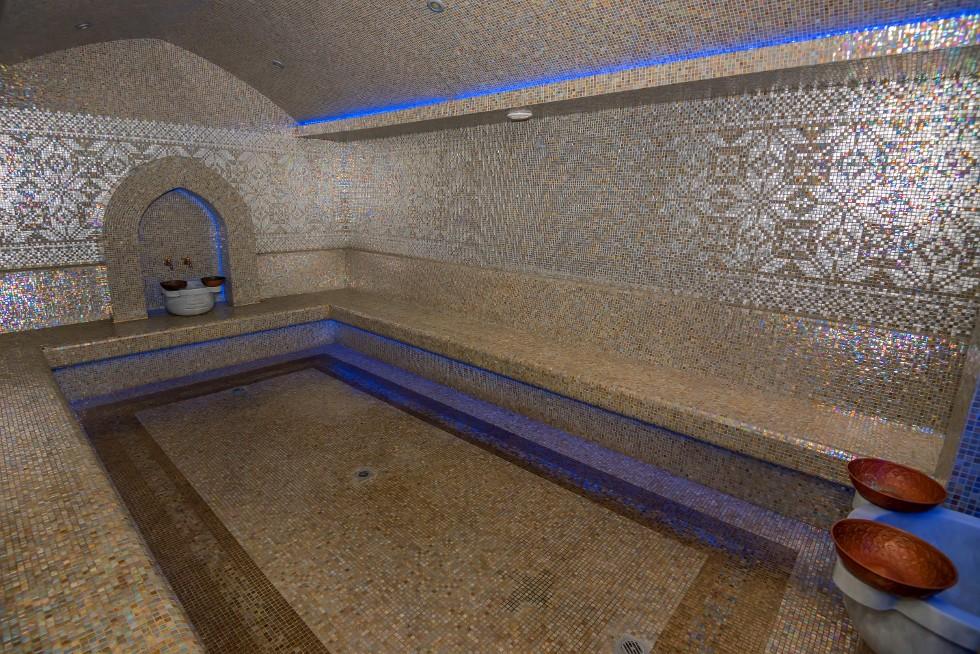
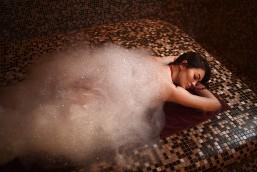
In the West, a "spa day" is a fleeting luxury, a temporary escape for the elite. But across the vast stretch of the African continent, from the red-tiled medinas of Casablanca to the ancient coral-stone alleys of Swahili Coast, the communal bath is something far more profound. It is a social pillar, a medical necessity, and a spiritual "reset." It is the moment where the human body speaks back to the soil that birthed it.
We must set the record straight: the communal bath is not merely a "Roman" or "Ottoman" import. It is an ancient African rhythm that flowed along the Incense Routes long before the first stone of the Colosseum was laid. In Morocco, Hamam is the "People’s Palace." It was designed as a space where the street sweeper could feel the majesty of a Sultan. Here, the ritual revolves around Beldi, a dark, buttery soap made of macerated black olives and the Kessa glove, a tool of transformation that peels away the weight of the world.

Across the continent on the Swahili Coast, the tradition lives in the Hamamni. While the architecture in Zanzibar or Lamu may whisper of Persian Sultans, the soul of the bath belongs to the people of the coast from the historic shores of Lamu to the humid bustle of Dar es Salaam and the spice-scented air of Mombasa. Here, the steam is heavy with Udi (agarwood) and Saffron. For the African, this is more than a bath; it is a ritual where the skin is prepared like a canvas for the soul.
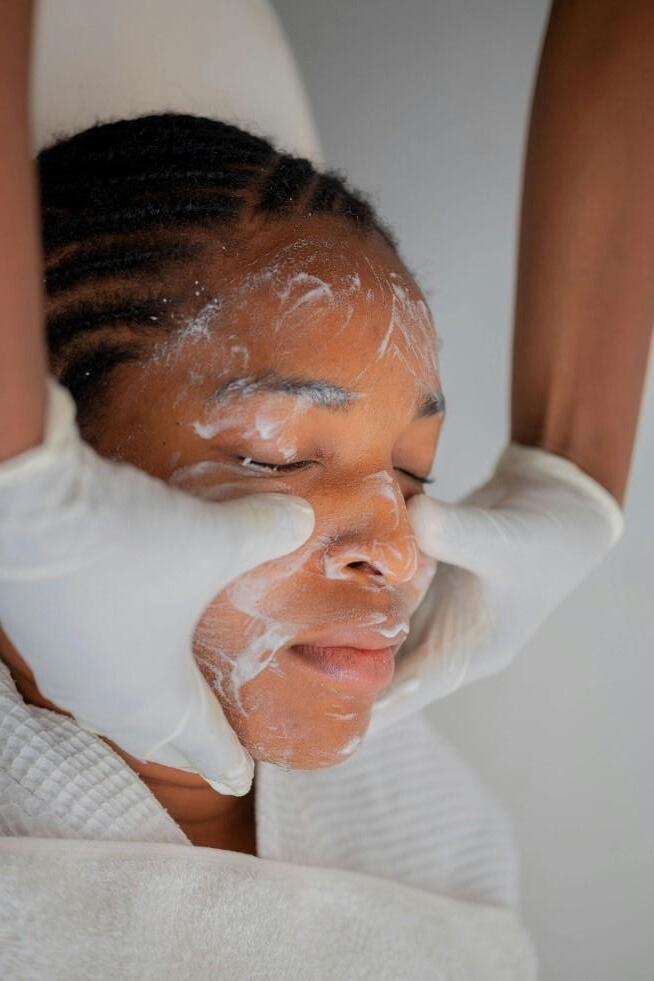
This is not "pampering." It is high-end biological engineering for the human body.
The Lymphatic Reset: The transition from the Harara (hot room) to the cold splash is a "biological flip." It shocks the nervous system into total alertness, flushing the lymphatic system and resetting the body’s internal clock.
Respiratory Freedom: In the heavy heat of an African summer, the lungs can feel burdened. The deep steam acts as a natural nebulizer, opening the airways and allowing the body to breathe as nature intended. Skin as a Living Ledger: In our cultures, skin isn't just "the outside" it is a reflection of internal health. Scrubbing off the dead skin is a powerful metaphor: we leave the dead cells (the past) on the floor to make room for the new (the future).
In the steam of the Hamam, there are no suits, no uniforms, and no titles.
Whether you are a CEO in Casablanca or a spice trader in Stone Town, once you are wrapped in your towel, you are simply a human being..



This was the original "Social Media." For centuries, the Hamam was the primary sanctuary for women, a space of total privacy and agency. It was the only "Boardroom" where news was shared, political alliances were whispered, marriages were brokered, and community bonds were forged. It remains the ultimate sanctuary of the people.


Toachievethe "InnerLight"thatourancestorsperfected, onemust Tunderstandthetoolsofthetrade.
heBlackGold(Beldi):Madefrom crushedolivesandpotash, thissoap doesn'tjustclean;it "melts"thebondbbetweendeadskinandtheliving ody.
MRhassoulClay:MinedfromtheAtlas ountains, thismineral-richvolcanicashactsasamagnet, drawing aimpuritiesoutofthedeepdermislike secretbeingpulledintothelight.
cTheSwahiliGlow(Singo):Inthe BoastalstretchesofMombasaand agamoyo, theSingoisqueen. A tfragrantpasteofsandalwood, urmeric, rosewater, andjasmine, itis ausedbybridesandeldersaliketo chieveaglowthatseemstocome fromwithinthebone.
Before you spend thousands at a modern glass-and-chrome spa, remember that the most sophisticated soul-care on earth was perfected in the stone rooms of Africa. It is time to go back to the water. It is time to go back to the soil.


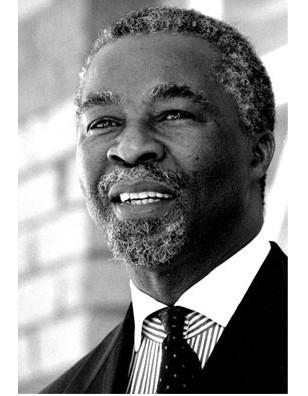
"I am an African. I owe my being to the hills and the valleys, the mountains and the glades, the rivers, the deserts, the trees, the flowers, the seas and the ever-changing seasons that define the face of our native land... I am born of a people who would not tolerate oppression. I am of a nation that would not allow that joy of freedom and happiness should be actually or potentially the right of only one fraction of the whole, whether white or black, free or unfree."
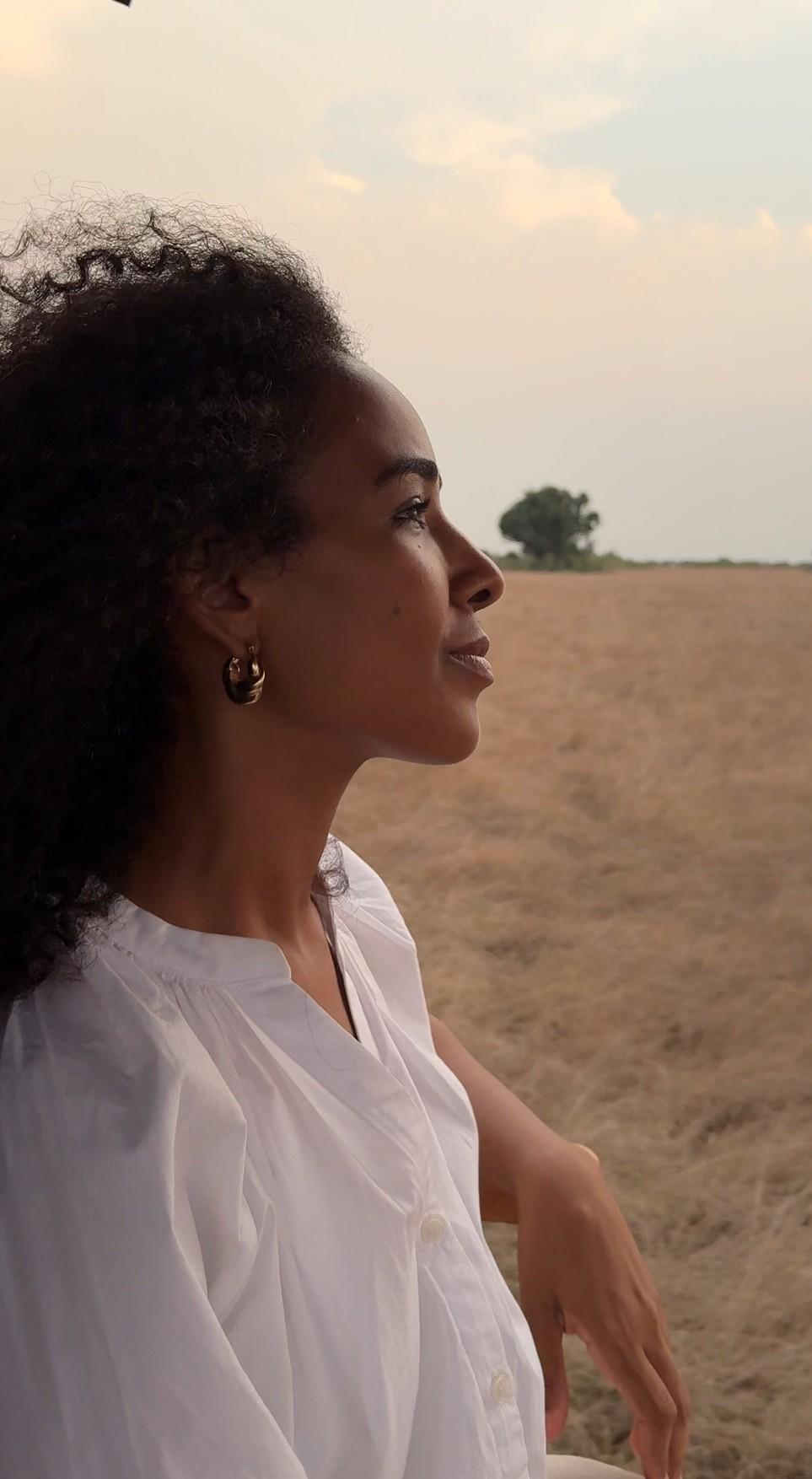
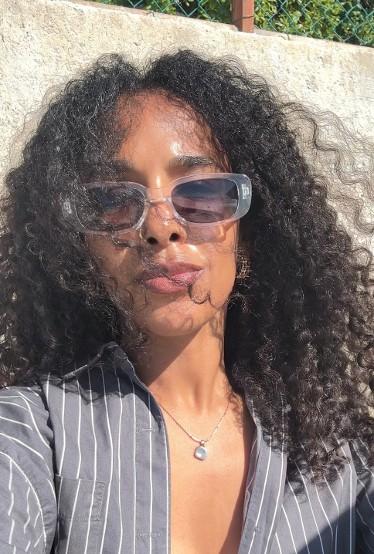
"It was a slow-growing gratitude," Nina tells us, her voice carrying the calm rhythm of the Blue Nile she grew up beside. Her digital footprint reads like a love letter to the soil, but her infatuation wasn’t born in a vacuum. It was earned destination by destination. "Every time I travel to a new African corner, I realize we truly have it all here."
She speaks of standing in awe before the majestic spray of Victoria Falls in Zimbabwe and looking out from the peak of Table Mountain in South Africa. But the definitive moment the shift that turned a passion into a lifelong mandate happened spontaneously at an airport gate two years ago, when she booked a flight to the Comoros Islands on a whim.
"I was one of the only tourists on the island. I didn't speak the language. Yet, I felt safer and more welcomed than anywhere else on earth. The pure kindness of the Comorian people made me decide right then: I am going to travel to every single country on this continent."
While the global North struggles to grasp the vastness of our home, often mistakenly flattening our diversity, Nina looks at the continent with a knowing smile.
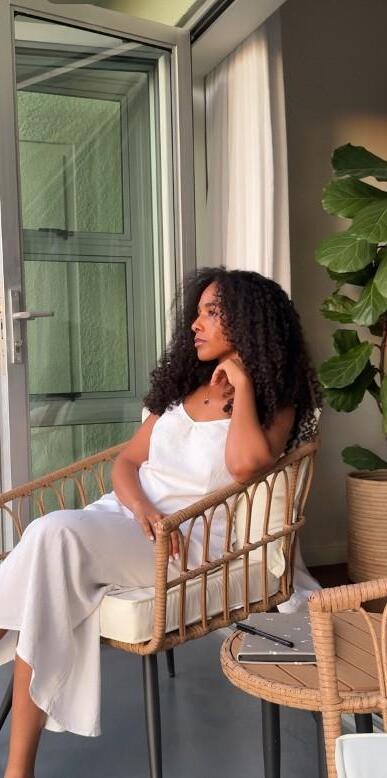
"The West likes to call Africa a country. I always joke and tell them, 'No, Africa is not a country it’s a village!'"
To Nina, the 54 nations are simply beautiful, massive tribes separated by imaginary fences. When you look past the pencil lines, the shared heartbeat becomes undeniable. "Whether you are standing in a chaotic, vibrant street market in Dakar or sitting front-row at a highend fashion week in Johannesburg, it is the exact same thing: it is the African expression of raw, sophisticated creativity. We are deeply creative people. The more borders you cross, the more you realize we are entirely the same."
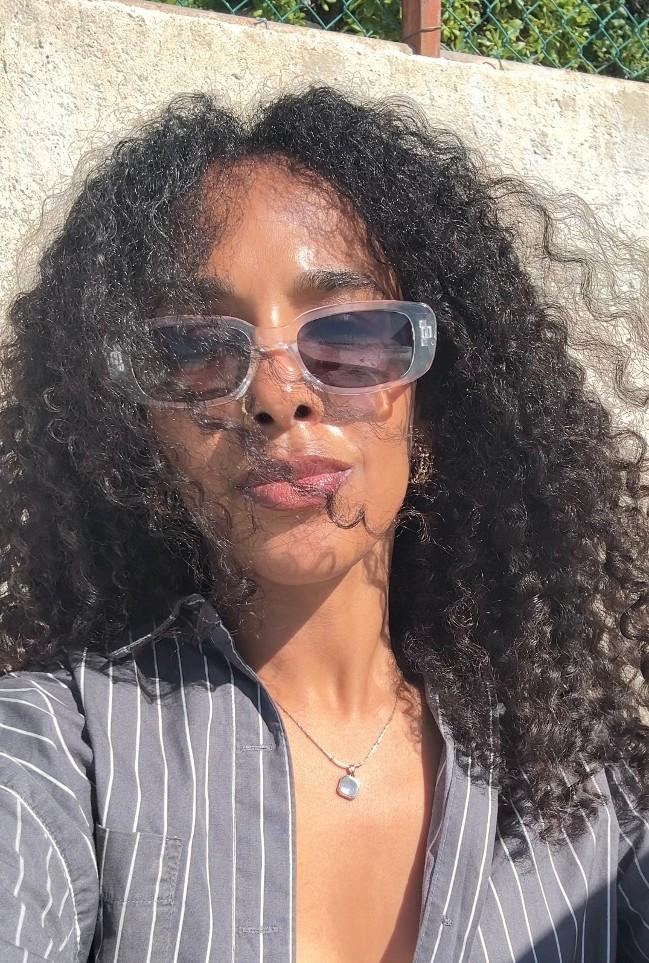
Navigating the continent as an African passport holder isn't a romantic fairytale; it comes with structural hurdles and border frictions that foreign tourists rarely experience. But Nina believes our weapon of integration is culture. "If we lean completely into our shared values, our art, and our fashion, we will naturally see right through those made-up lines from 1884," she insists. Shifting the focus to what we create together is the ultimate soft power. "It’s easier said than done, yes. But prioritizing our shared heritage through creativity is the only path to a truly united front."
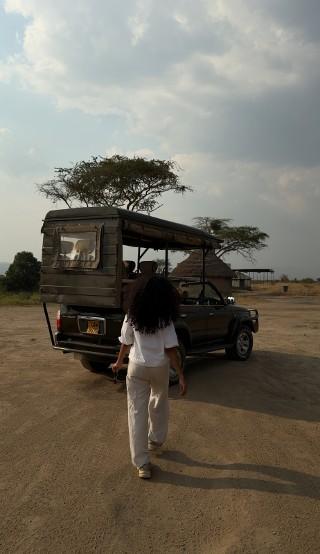

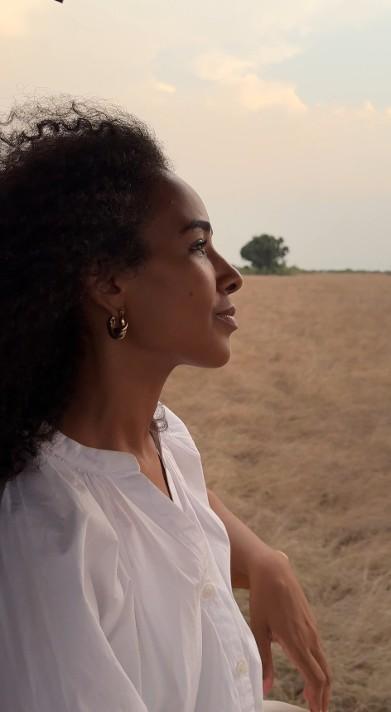
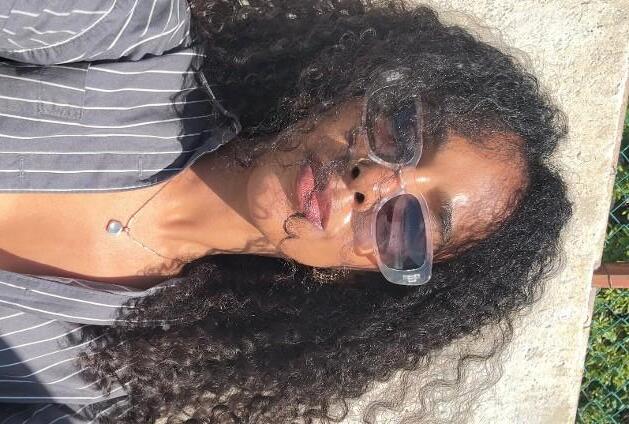
If given five minutes to sit the rest of the world down, Nina wouldn't show them a travel brochure. She would look them in the eye and dismantle their fears.
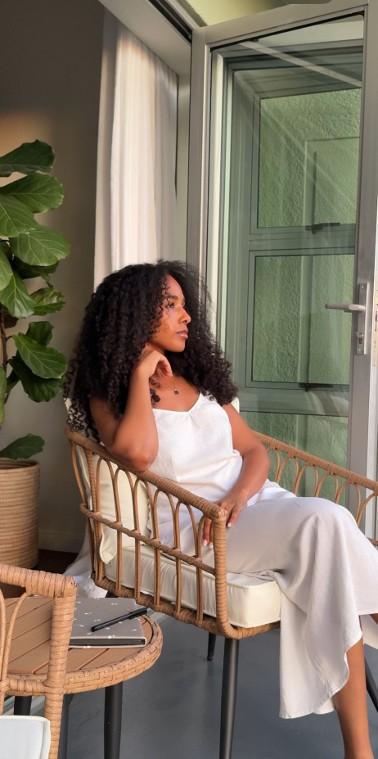
"Mainstream media has controlled our narrative through a lens of fear for centuries. It has never done us justice, but we are taking the mic back now."
She doesn’t talk about luxury in terms of five-star hotels, but in terms of human grace. She remembers her rental car breaking down in the middle of nowhere in Uganda, and the locals refusing to leave her side until they knew she was safe.
She remembers hiking in Ethiopia, only to be stopped by strangers insisting she come inside for fresh coffee. She remembers landing in Comoros after dark with no taxis in sight, and airport strangers personally driving her to her hotel.
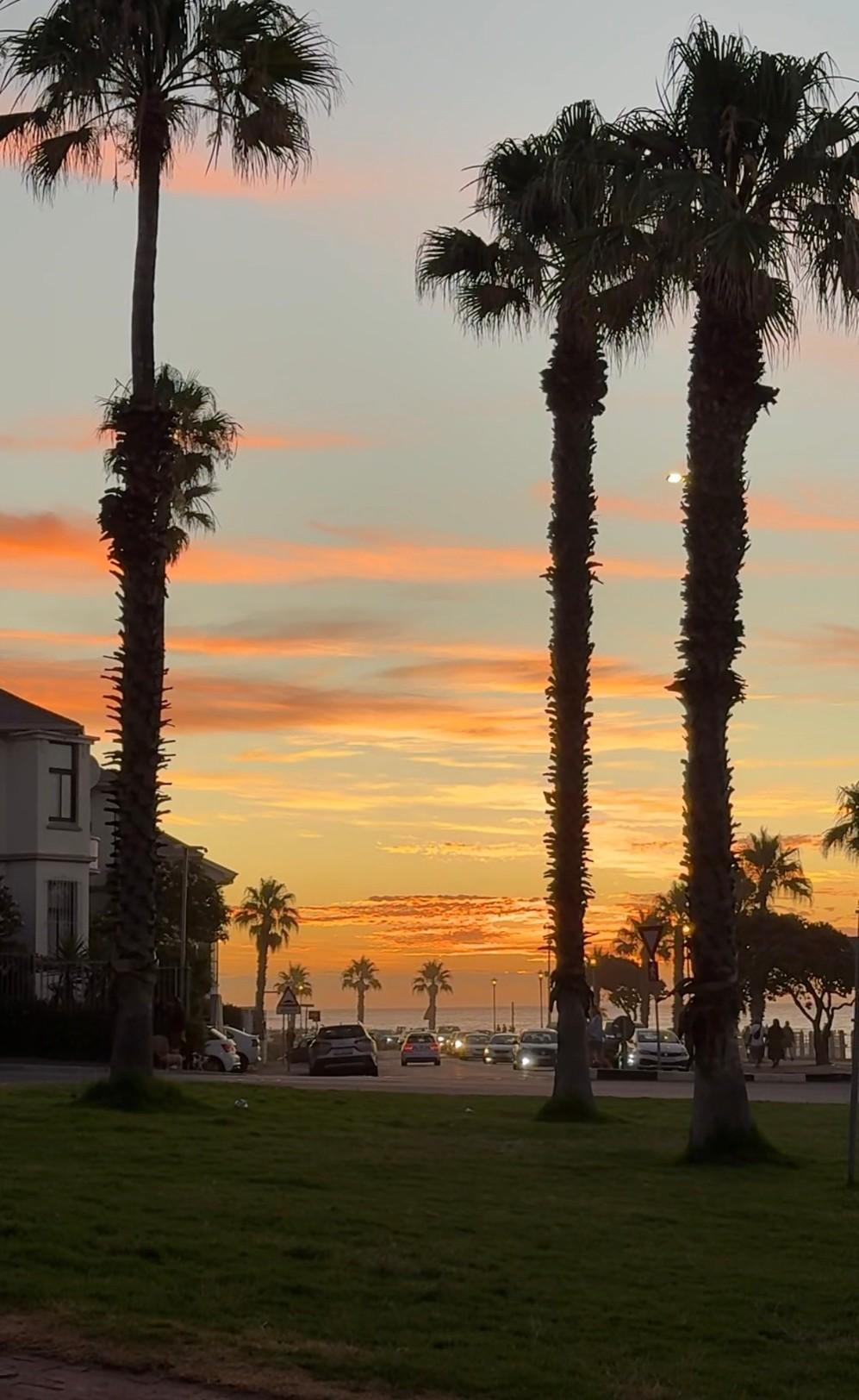
"In this modern day and age, where everything is being automated and handled by AI, the ultimate luxury is genuine human touch and connection," Nina says proudly. "And that is Africa’s greatest asset. But to see it, the world has to drop its filters and actually connect with the locals who make Africa what it is."
When asked about the one uniquely African joy that cannot be replicated anywhere else on this planet, Nina doesn't hesitate.
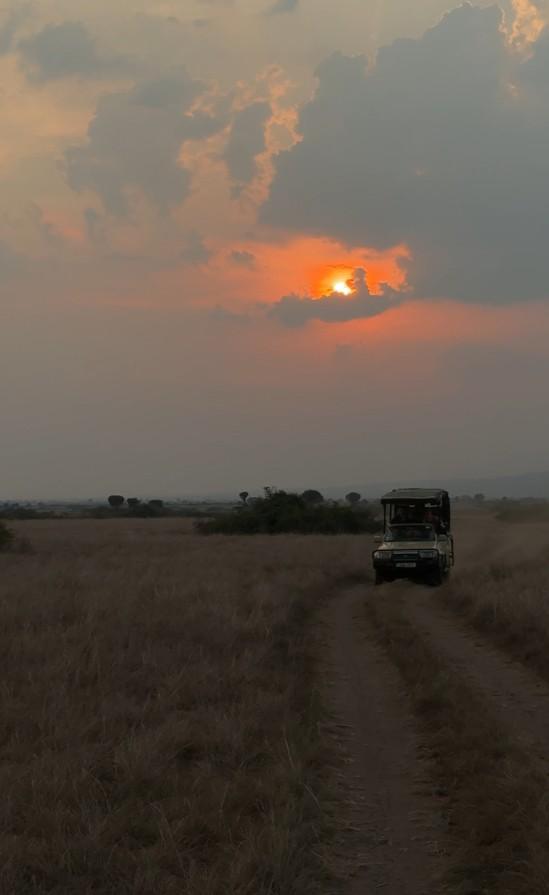
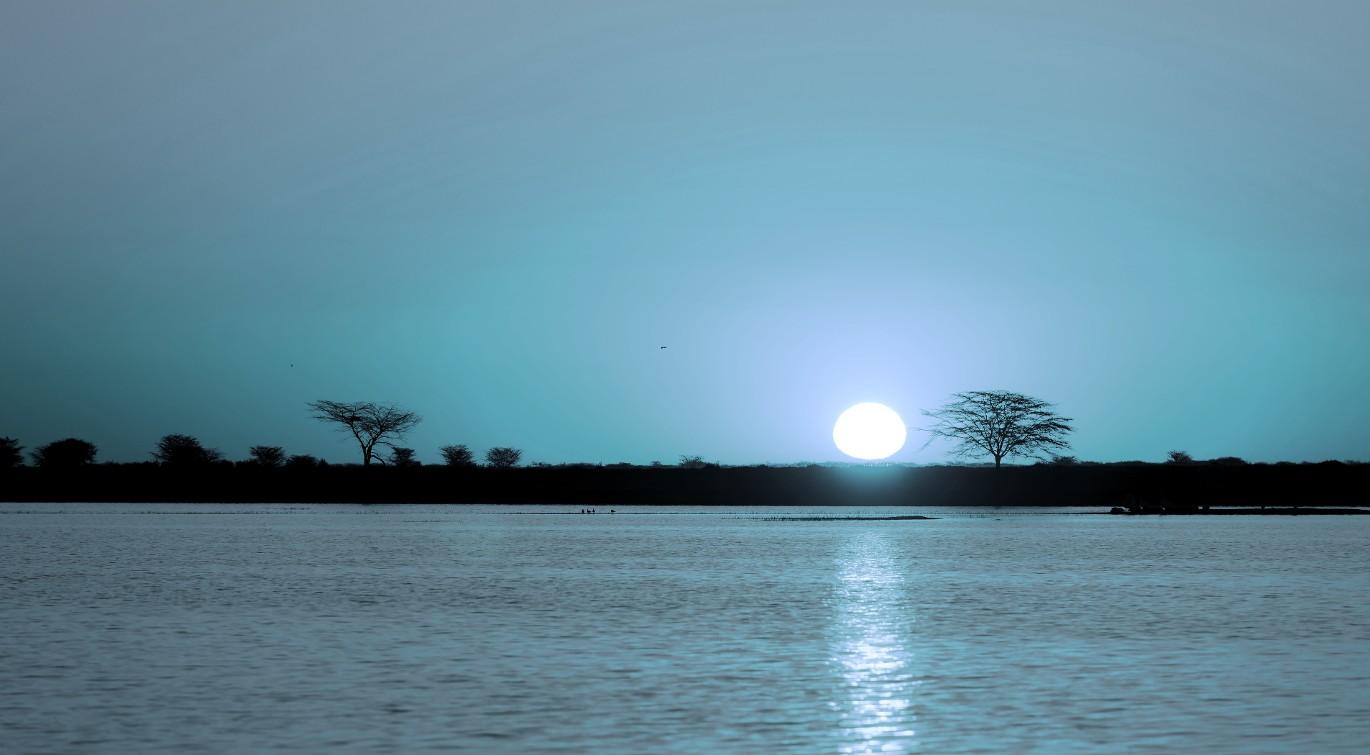
"The African sunsets," she breathes. "Whether you are deep in the bush or sitting on a quiet beach, our sunset is a completely different kind of magic.
It leaves you in absolute awe, every single time."
To love Africa is to travel Africa. But let us be clear: "travel" here is not a flight from one sterile airport terminal to another. To truly see this continent is to undergo a transformation of the soul. It is to watch the sky catch fire at dawn and feel the earth cool beneath you at dusk. To experience the breadth of our home, one must choose a tempo. Do you want the Pulse, the raw, driving heartbeat of the open road? Or do you want the Pace, the slow, elegant glide of a bygone era?
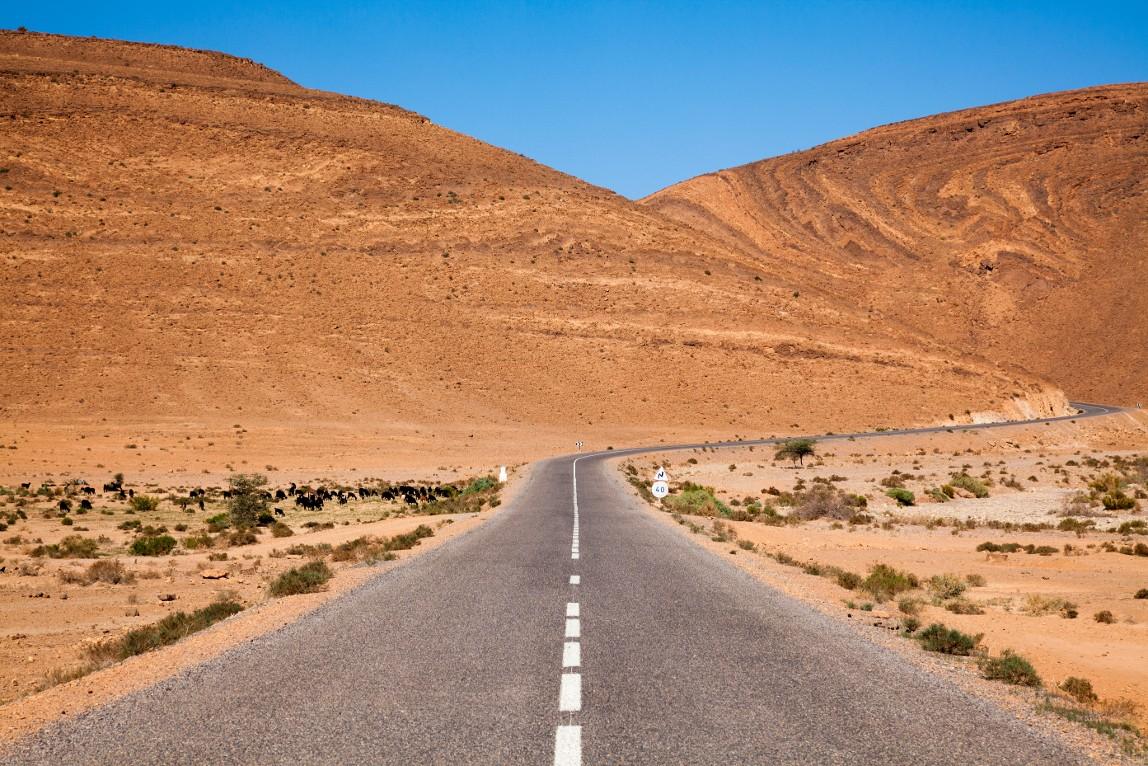


For the traveler who wants to smell the cedar and hear the gear-shift, the road from the ancient labyrinth of Fes to the ochre walls of Marrakech is a rite ofpassage. You do not need a king’s ransom for this journey; you only need a car, a map, and a hunger for the unknown.

There is a specific kind of magic in the Middle Atlas mountains. As you climb, the air thins and cools, and suddenly you are driving through ancient cedar forests where Barbary macaques watchyou pass with sage- like indifference. This is the "Land Cruise." Unlike a ship at sea, your "captain’s deck" is a dusty steering wheel, andyour ports of call are wherever the smell of woodsmoke leads you.
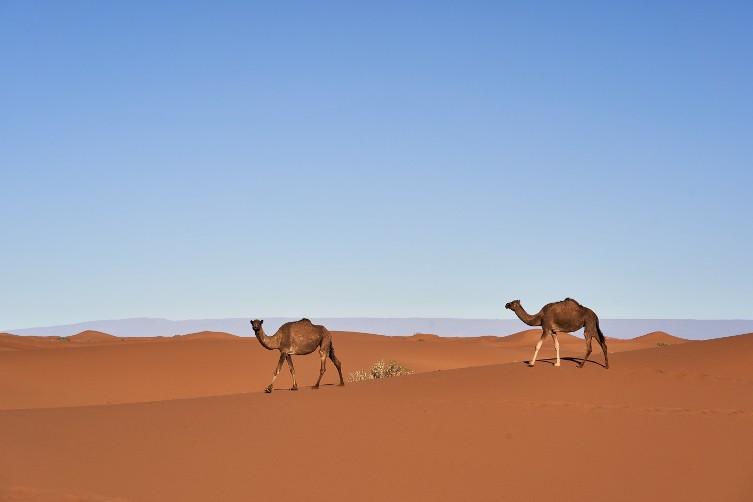


The "Cheap & Deep" Secret The beauty of the road is in what you don't see from 30,000 feet. It is the roadside stall in the Ziz Valley where the mint tea is so fresh it stings, and the tagine has been simmering over charcoal since the sun rose. Here, for the price of a few Dirhams, you eat like a sultan.
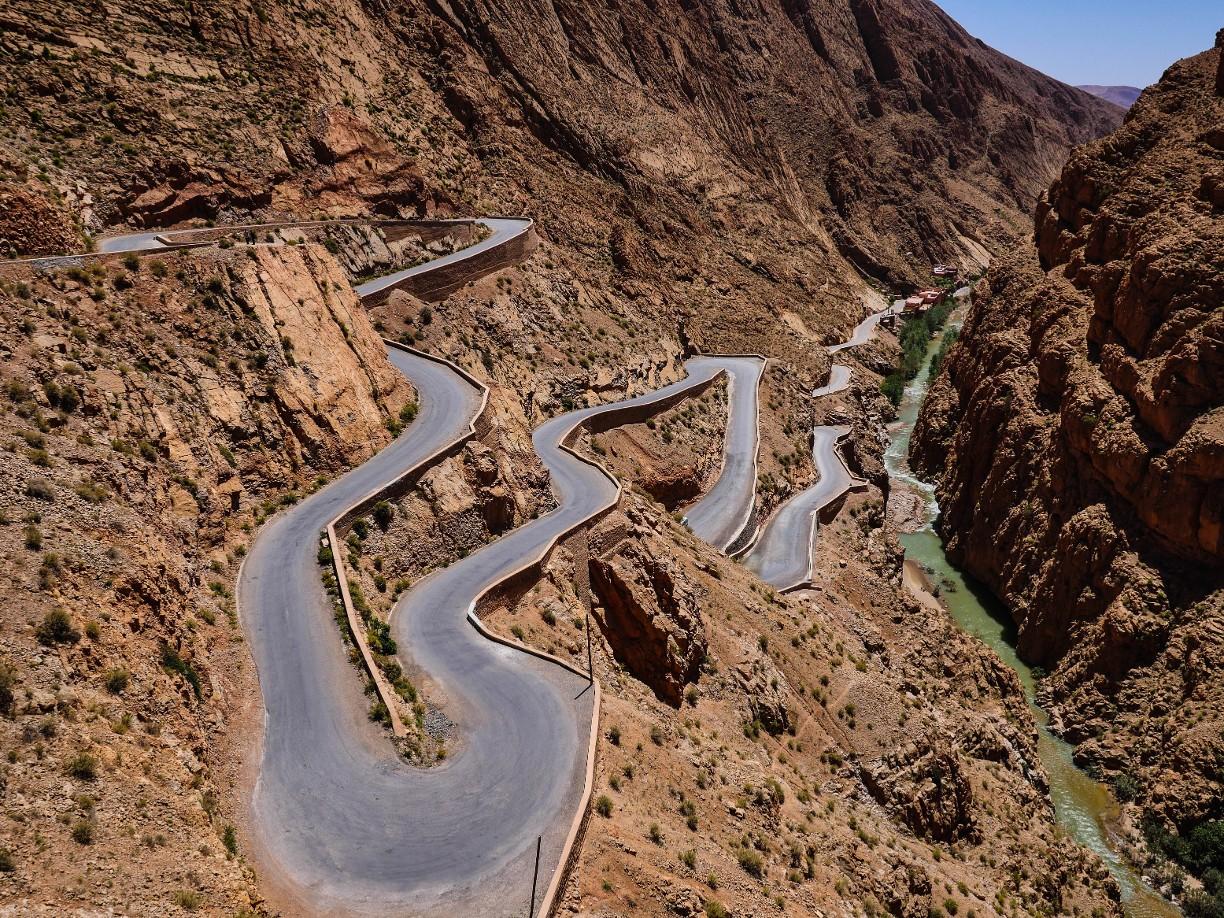
Picture yourself pulling over at a high-altitude lookout. Below you, a ribbon of green palms snakes through a canyon of red rock. Your car is covered in the fine, golden dust of the Maghreb. You lean against the hood, the silence of the mountains ringing in your ears, and you realize: This is what it feels like to be free.
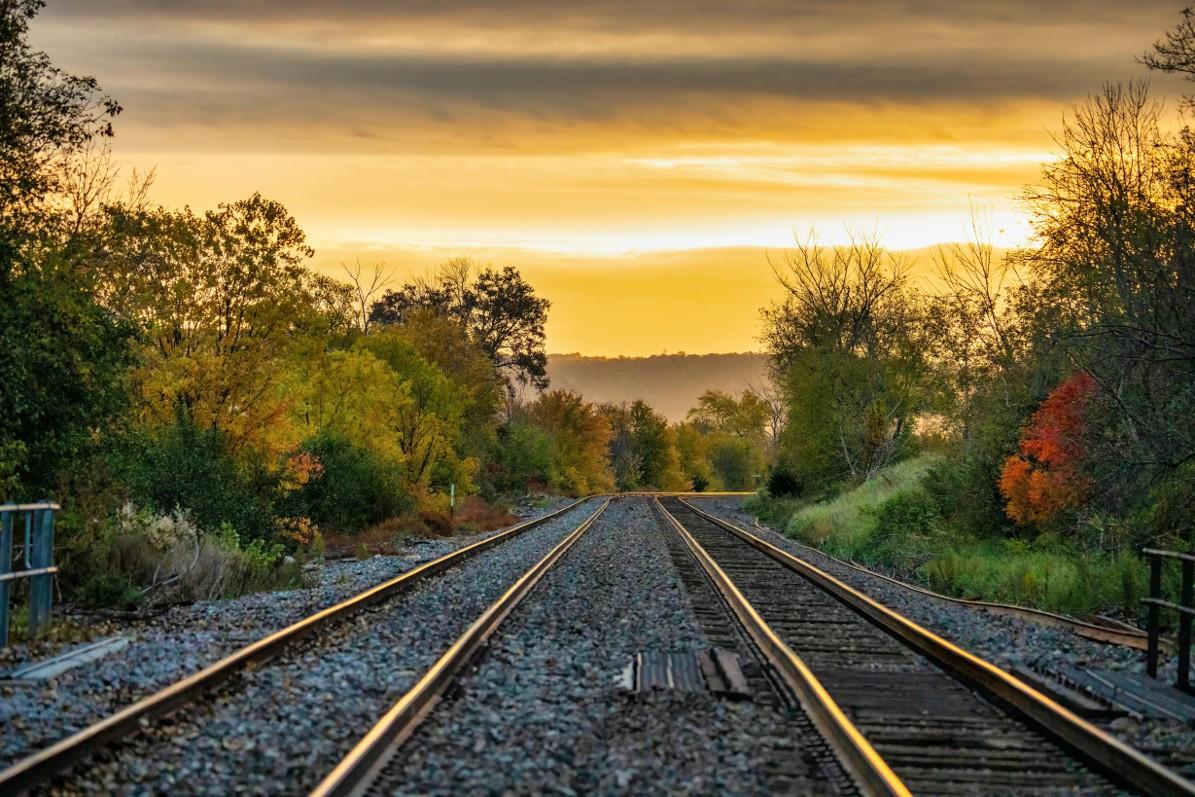
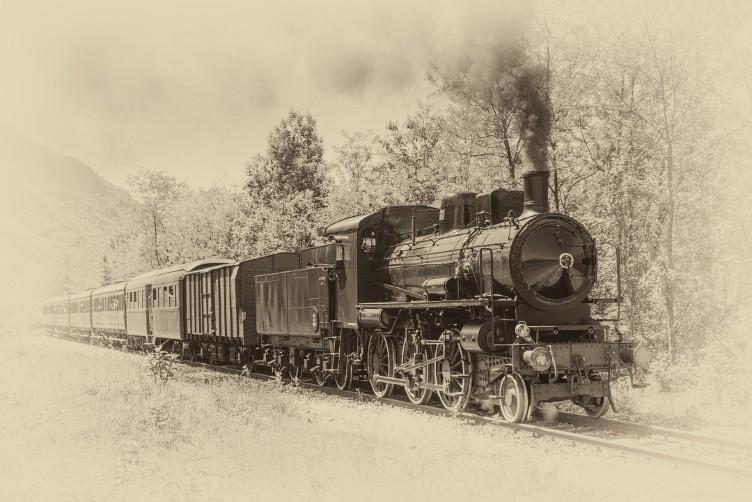
If Morocco is about the hustle of the drive, the Rovos Rail is about the luxury of surrender. This is the "Slow Travel" dream, a journey where you dig deep into your pockets because elegance of this magnitude must be bought. Often called the most luxurious train in the world, the Rovos Rail is not a transport link; it is a time capsule.
From the moment you step onto the platform at Capital Park in Pretoria, the 21st century vanishes. You are surrounded by deep mahogany, polished brass, and the scent of fine leather. This is the "Pride of Africa," a train that moves with the dignity of a lion.
The Soul of the Tracks There is a hypnotic rhythm to the South African landscape when viewed through a wood-paneled window. Click-clack. Click-clack. As you cross the Great Karoo, the vast, semidesert plains stretch out toward an infinite horizon. There is no Wi-Fi here. The world outside is moving, but inside, time has stopped.
In the observation car, with the wind whipping your hair, you watch the Highveld transform into the lush, rolling green of the Winelands. You aren't operating the machine; the machine is carrying your soul. You are dressed for dinner, sipping a vintage Pinotage as the sun dips below the Western Cape mountains, and you understand that sometimes, the greatest luxury is not having to be in control.

The North gives you the grit; the South gives you the glamour. Morocco demands your focus; the Rovos Rail demands your presence. One is a testament to the individual’s will to explore, the other a testament to the continent's ability to enchant.
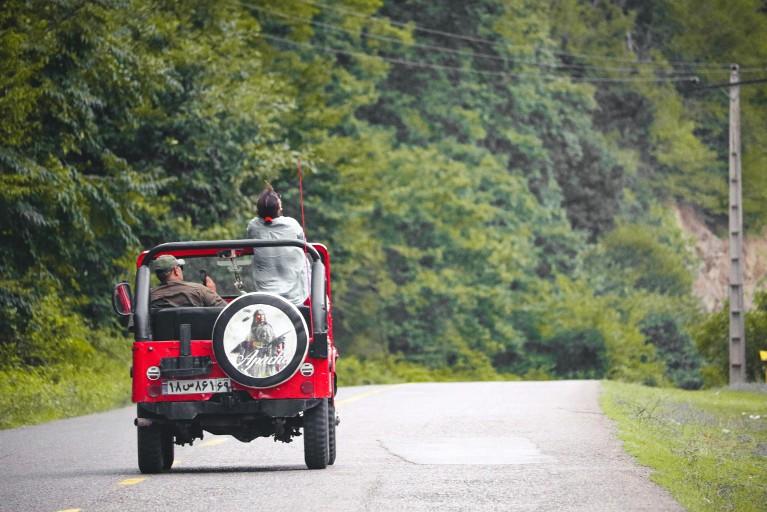
Whether you are downshifting into a hairpin turn in the Atlas or reclining in a clawfoot bathtub as the train rattles through the veld, you are participating in the great African story.
You are moving through a land that was the cradle of humanity, and in doing so, you are finding your way back to yourself.
to explore its vibrant history...
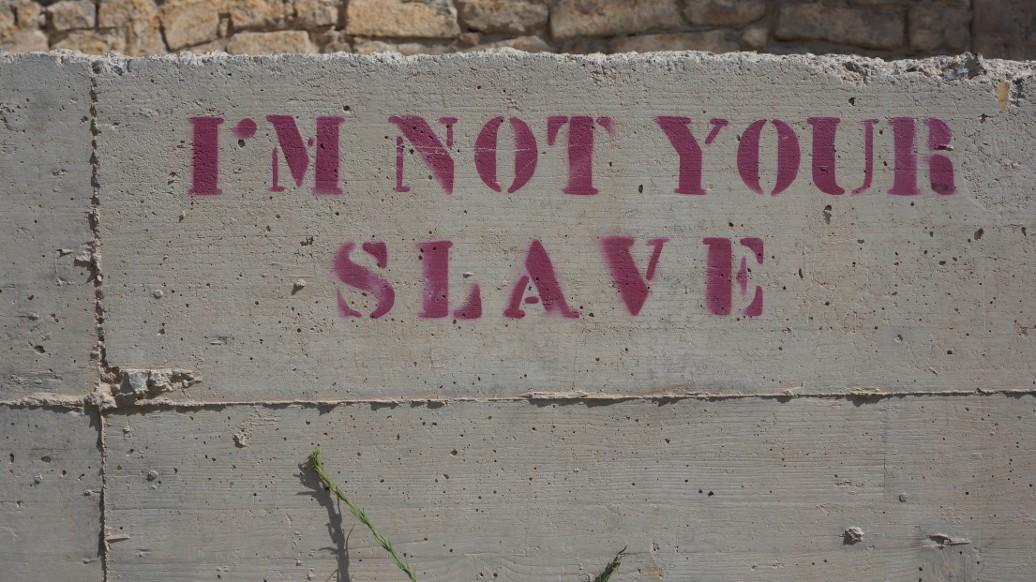


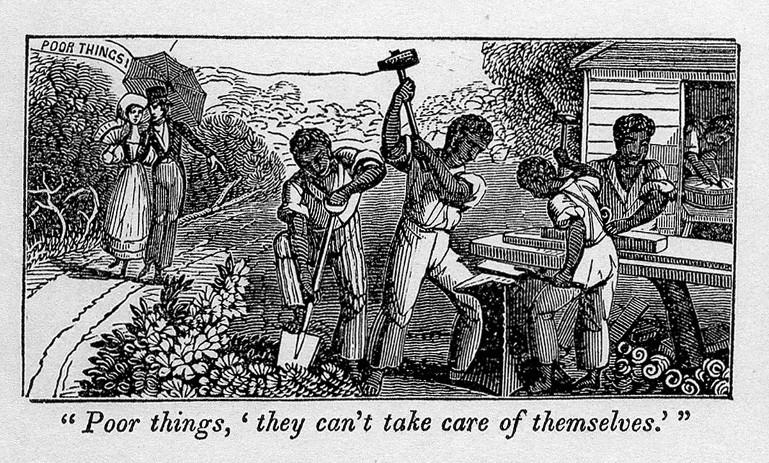

On May 11, 2026, the Kenyatta International Convention Centre (KICC) in Nairobi isn't just hosting a summit; it is hosting a séance. As President William Ruto adjusts his lapels and Emmanuel Macron pitches a "fresh start," the ghosts of 1884 are laughing in the rafters.
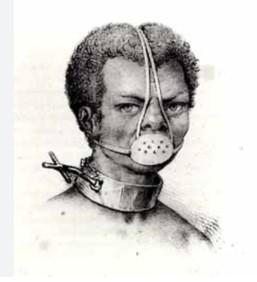
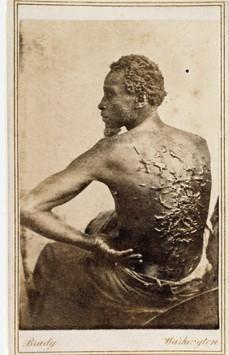
They call it the "Africa Forward Summit." They speak of "Green Industrialization" and "Artificial Intelligence." But look past the jargon. Why is the President of France co-chairing a summit on African soil to discuss "African-led solutions"? .
Do they invite us to Paris when they discuss the future of the Euro? Do they ask for our "strategic pillars" when they map out the defense of the Rhine?
While these leaders sit with Macron, treating the continent like a yard sale, our youth are running. They are dying in the Mediterranean, desperate for the shores of a Europe that divided us on purpose. We are the richest continent on God’s earth, yet we sit like beggars at a feast we prepared ourselves.
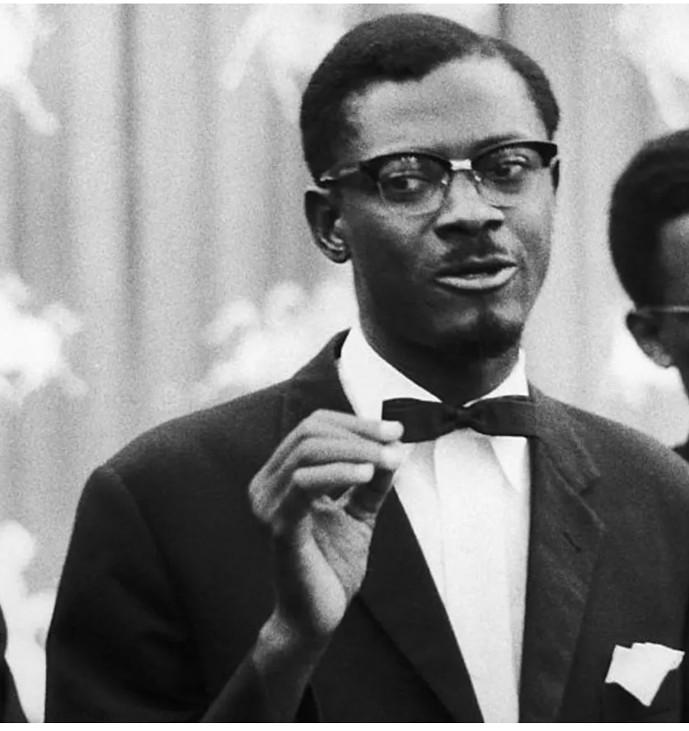
The irony is a bitter pill. We sit at these tables while our roads remain broken, our trains refuse to cross more than three borders without stopping, and it remains cheaper to fly to London than to Lagos. Most of us have to leave the continent just to find a flight to another African city.
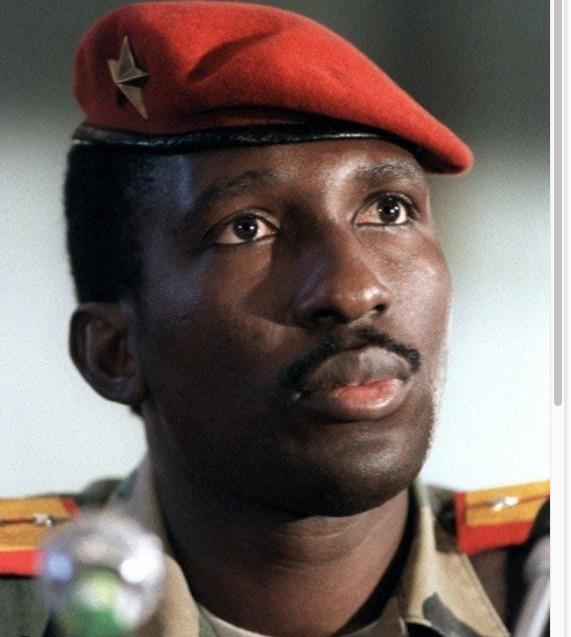

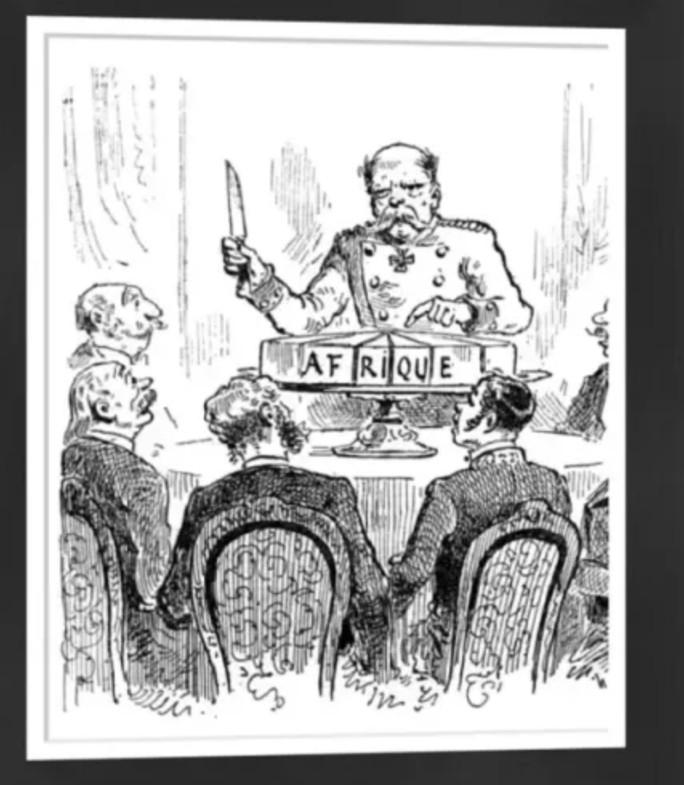
When the missionaries rived, the Africans had e land and the ssionaries had the Bible. ey taught us how to pray th our eyes closed. When opened them, they had e land and we had the ble.”
Today, the Bible has been replaced by the "Letter of Intent" and the "Development Loan." They teach our leaders to look at GDP charts with their eyes closed. When we open them, our lithium is gone, our ports are leased for 99 years, and we are left with a "partnership" that feels like a chokehold.
Macron says France "never disagrees with the people." This is a new lie. It is easy to love the people while you bribe their hungry leaders to sell the soil from under their feet. We see you, Ruto. We see the thirty heads of state sitting at the KICC, choosing a "Partnership of Equals" with a man whose nation’s wealth was built on the chemical dissolution of our heroes.
How can we talk about "cocreation" while the voice of Patrice Lumumba still echoes from the grave? He was dissolved in acid because he refused to beg. He preferred to die with his head high than live in submission. Yet here we are, watching our leaders beg for "debt relief" from the very people who created the debt by stealing the resources
A perfect Africa stands alone. Period. We have the youngest spine on the planet. We have the minerals that keep the "Silicon Valleys" of the world humming. We have the land to feed the globe.
The movement of our people across borders should be as easy as the wind, yet we wait for European "integration experts" to tell us how to build a railway. We don’t need Macron to "invest in human capital." Our capital is our spirit, and it is currently being sold for a "fresh start" that looks exactly like the old ending.
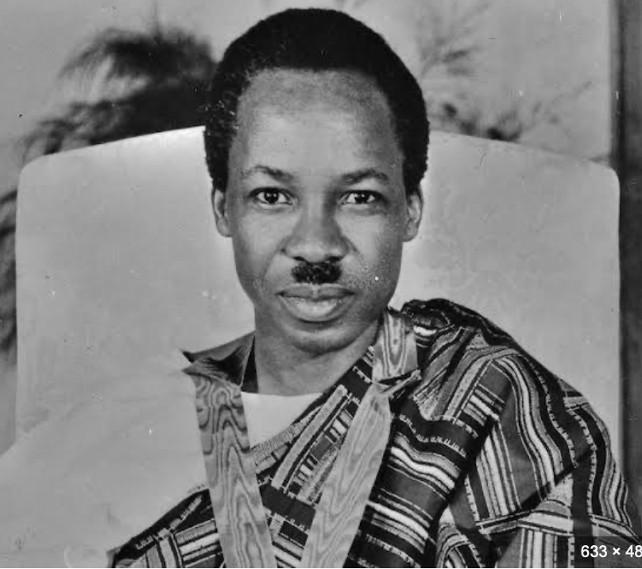
We know your stomachs are fed. We know your families are secure in the high-walled suburbs. But remember this: The land is the only thing that is permanent. When you sign these treaties, you aren't signing for yourself; you are signing away the dignity of the African yet to be born.
The Africa Forward Summit isn't a leap into the future. It is a polite way to stay in the past. If you want a "Partnership of Equals," tell them to stay in Paris. We will build our own roads. We will trade our own grain. We will find our own peace.

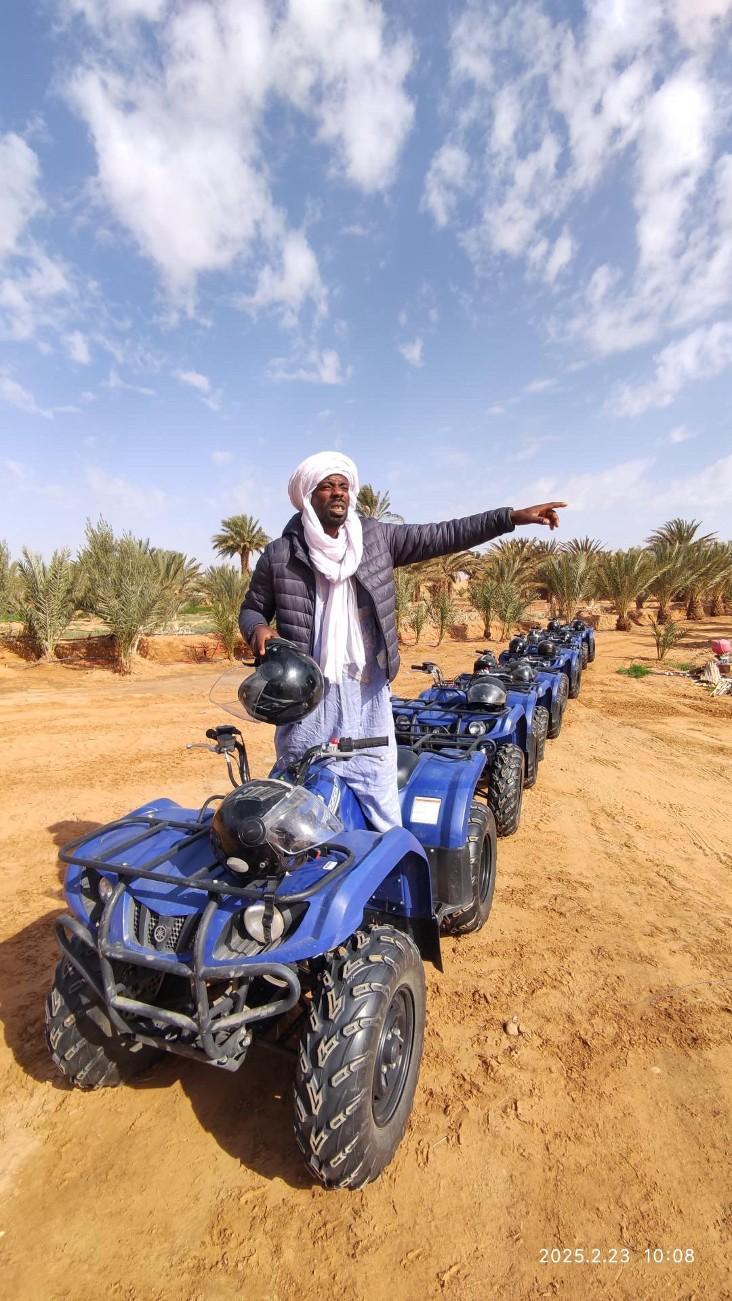
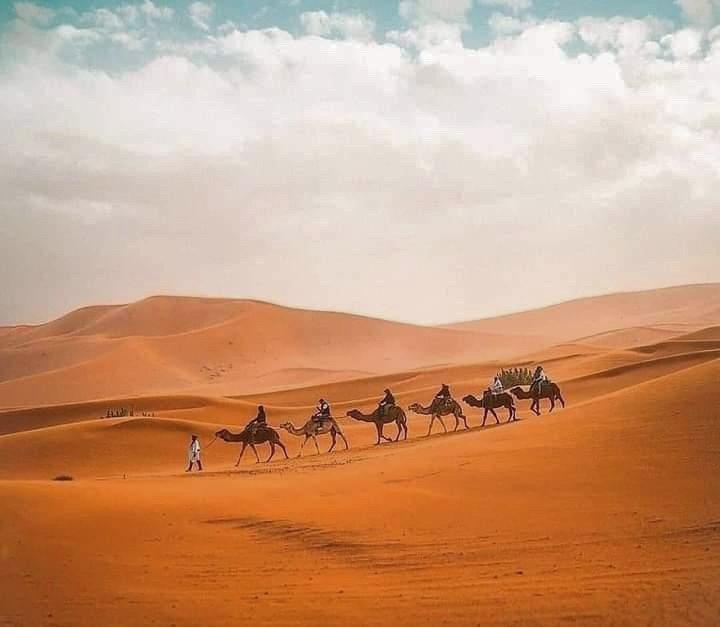
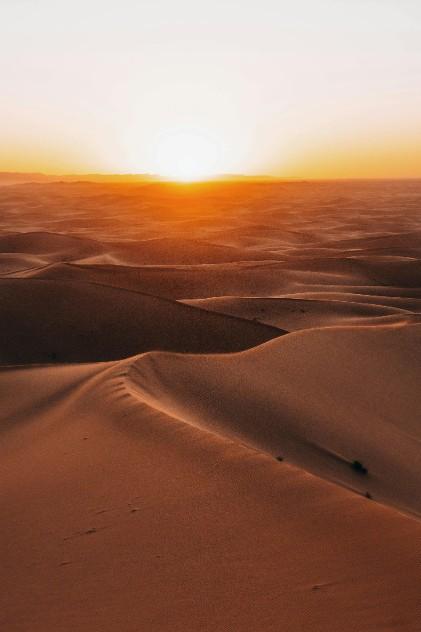
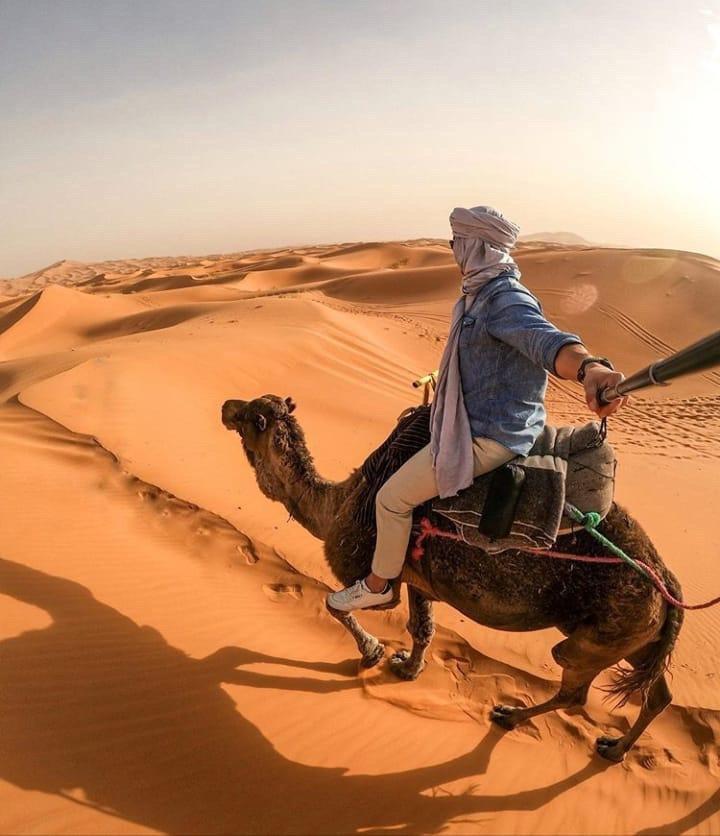
The Sahara does not speak a language of words; it speaks in the shifting of dust and the heavy, ancient silence of the stars. To the casual traveler, it is a magnificent wasteland, a place to take a photograph and leave. But to those whose souls are ready to touch the soil, the desert requires a translator. It requires someone who carries the red dust in his veins and the sky in his eyes
For eighteen years, Aziz has not merely been a camp manager welcoming tourists; he has been a guardian of devotion, opening the gates of the great desert to those seeking its truth. He understands that the dunes are alive. He knows exactly when the sun will bleed gold into the horizon at dawn, and precisely where you must stand so that the light catches the very essence of your being. He knows the hour the sky turns into a velvet blanket of stars, heavy with the secrets of a million ancestors.
Our meeting was written in the alignment of the sands. A few steps outside our camp, under the vast Moroccan sky, I stood attempting to capture a fleeting selfie against the infinite backdrop. Aziz appeared from his neighboring camp not with the transactional energy of a businessman, but with the quiet grace of a brother.
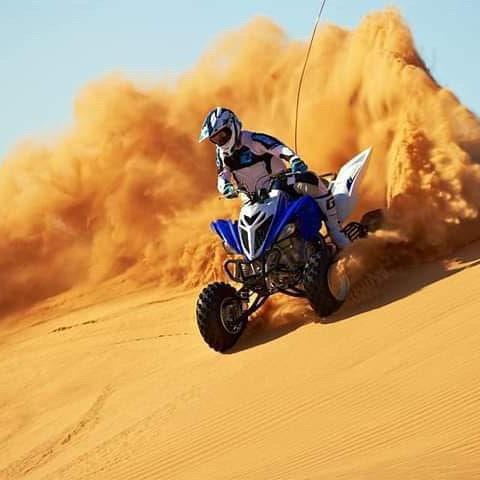
Though I was not a guest under his roof, he walked over, overthrew the invisible borders between our camps, and simply began to speak. In that conversation, the desert opened up. Aziz was no longer a stranger from Morocco; he was the keeper of the Sahara’s deepest secrets. He shared the heartbeat of his people, navigating me through the profound joy of truly being in the Sahara, rather than just passing through it.
Through Aziz, we learn that the Sahara is not an empty space, but a living, breathing tapestry of Berber, Tuareg, and Arab resilience. These are communities that do not merely survive the harshness of the desert; they live in a beautiful, poetic harmony with it.
"The true wealth of this land," Aziz shared, "is the adaptability of its people. We have preserved our music, our heritage, and our hospitality against the most challenging conditions on earth. The sand moves, empires fall, but our traditions remain rooted."
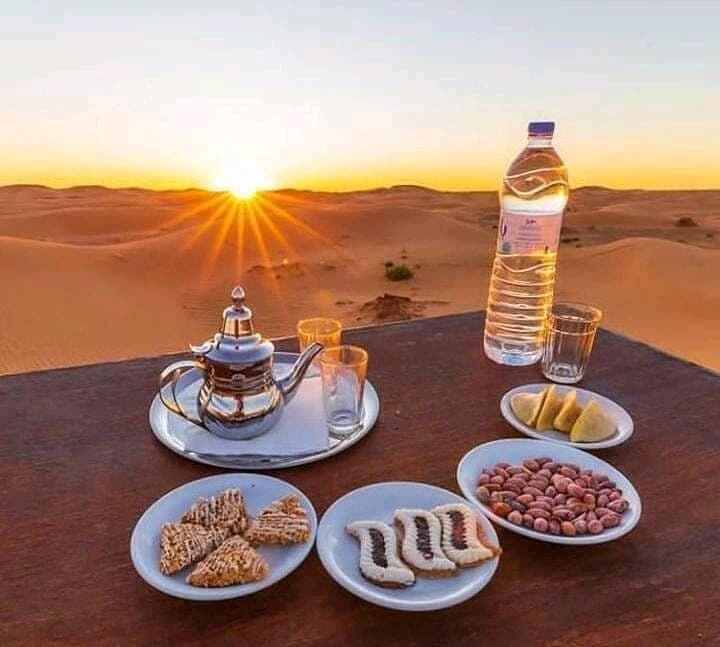
Should your spirit call you to the great sands, let the ink of our pages guide your journey:
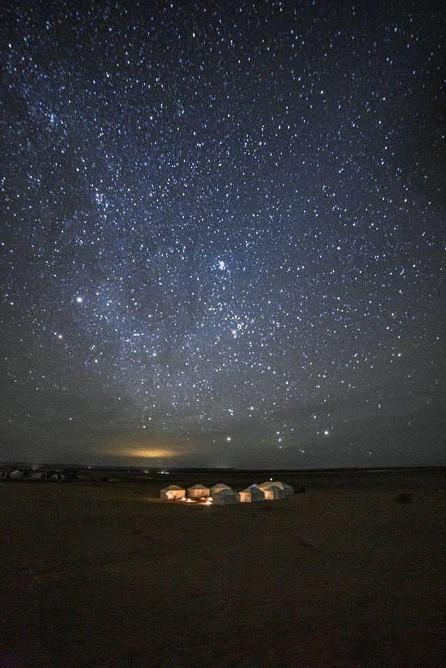
The Season of the Soul: The Sahara is gentlest between October and April, when the air cools to a mild 20–30°C. Respect the land and avoid the fierce, consuming heat of June through August. The Ritual: Do not go to merely touch the sand. Go to listen to the music, to understand the history, and to let the desert change how you see the world.
"The true wealth of this land," Aziz shared, "is the adaptability of its people. We have preserved our music, our heritage, and our hospitality against the most challenging conditions on earth. The sand moves, empires fall, but our traditions remain rooted."
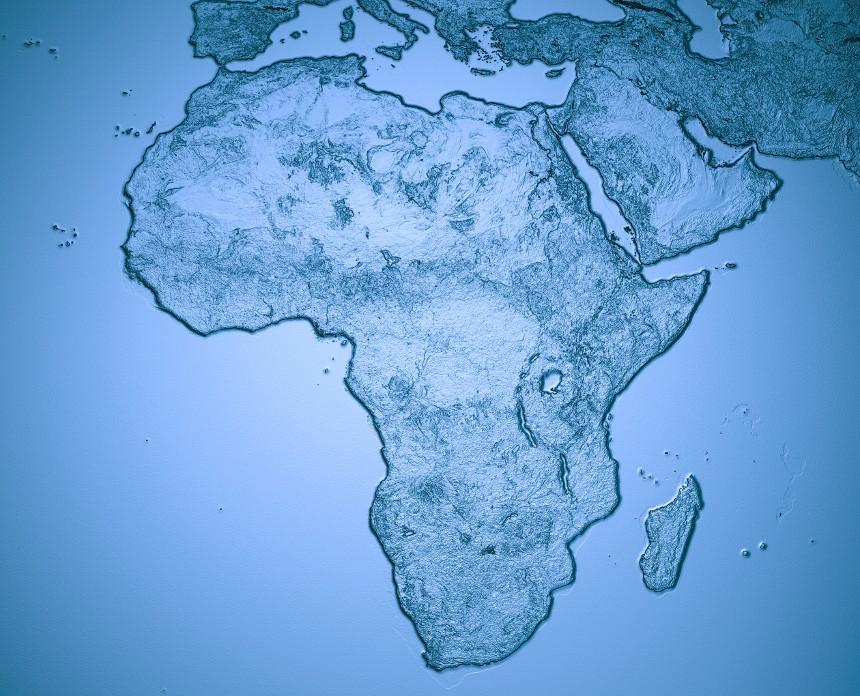
History has a cruel way of repeating itself when the lessons aren't learned; it simply changes its costume. Today, as we watch the smoke rise from charred shops in the suburbs of Johannesburg and hear the rhetoric of "citizens first" echoing through the halls of Pretoria, we are not witnessing a new phenomenon. We are watching a rerun of a tragic African movie that has played in Accra, Lagos, and Luanda for decades.
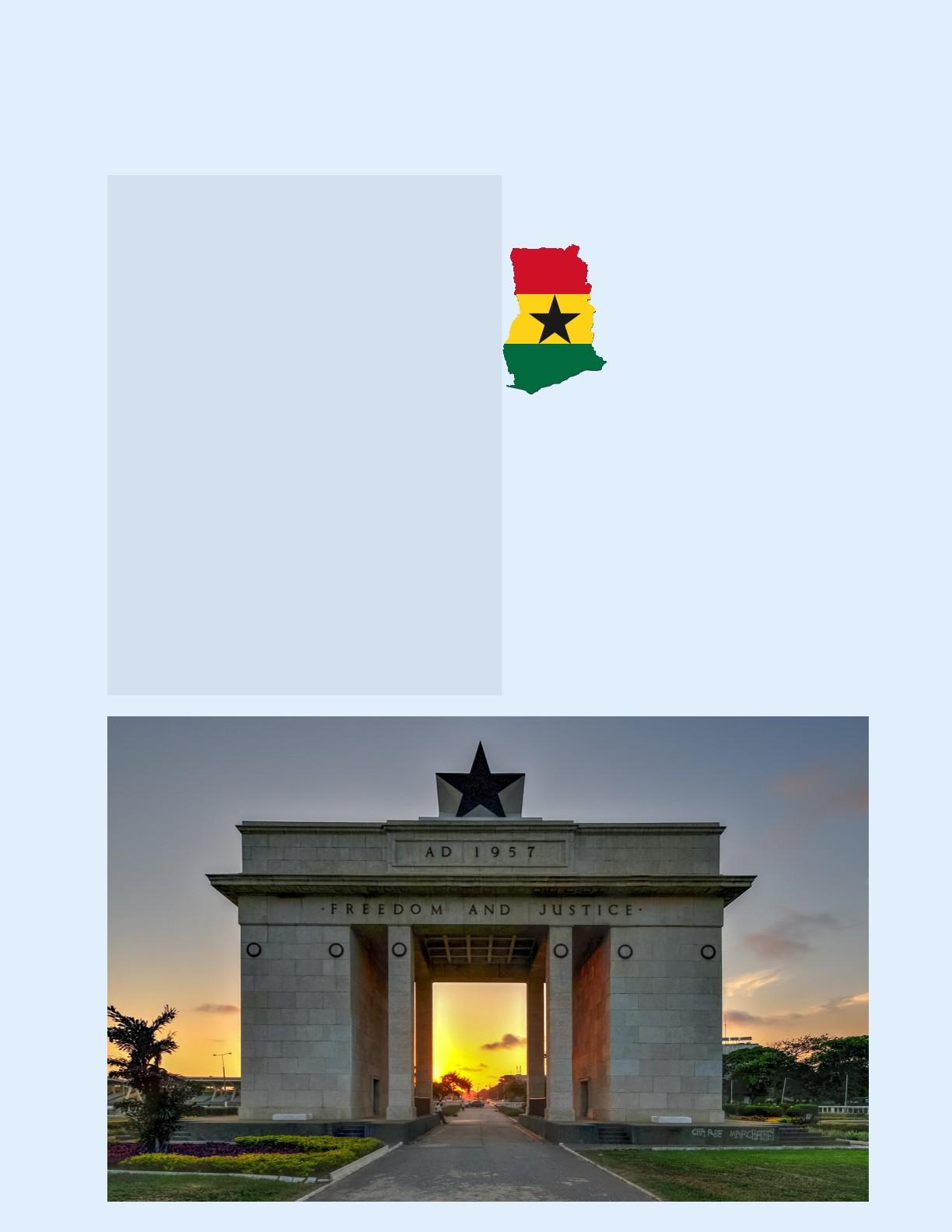
To understand 2026, we must look back to 1969. Ghana, once the beacon of Pan-Africanism under Nkrumah, pivoted sharply under the Progress Party. Facing economic stagnation, the government issued the Aliens Compliance Order, giving undocumented migrants largely Nigerians just two weeks to leave. According to historical records, hundreds of thousands were uprooted, leaving behind lives, businesses, and the shattered dream of a united West Africa.
T H E 1 9 8 3 E C H O : " G H A N A
M U S T G O "
The pendulum swung back with a vengeance fourteen years later. In 1983, Nigeria was reeling from the global oil price collapse. The "Oil Boom" of the 1970s, which had acted as a golden invitation for West Africans to help build a rising giant, had turned into a "Bust."
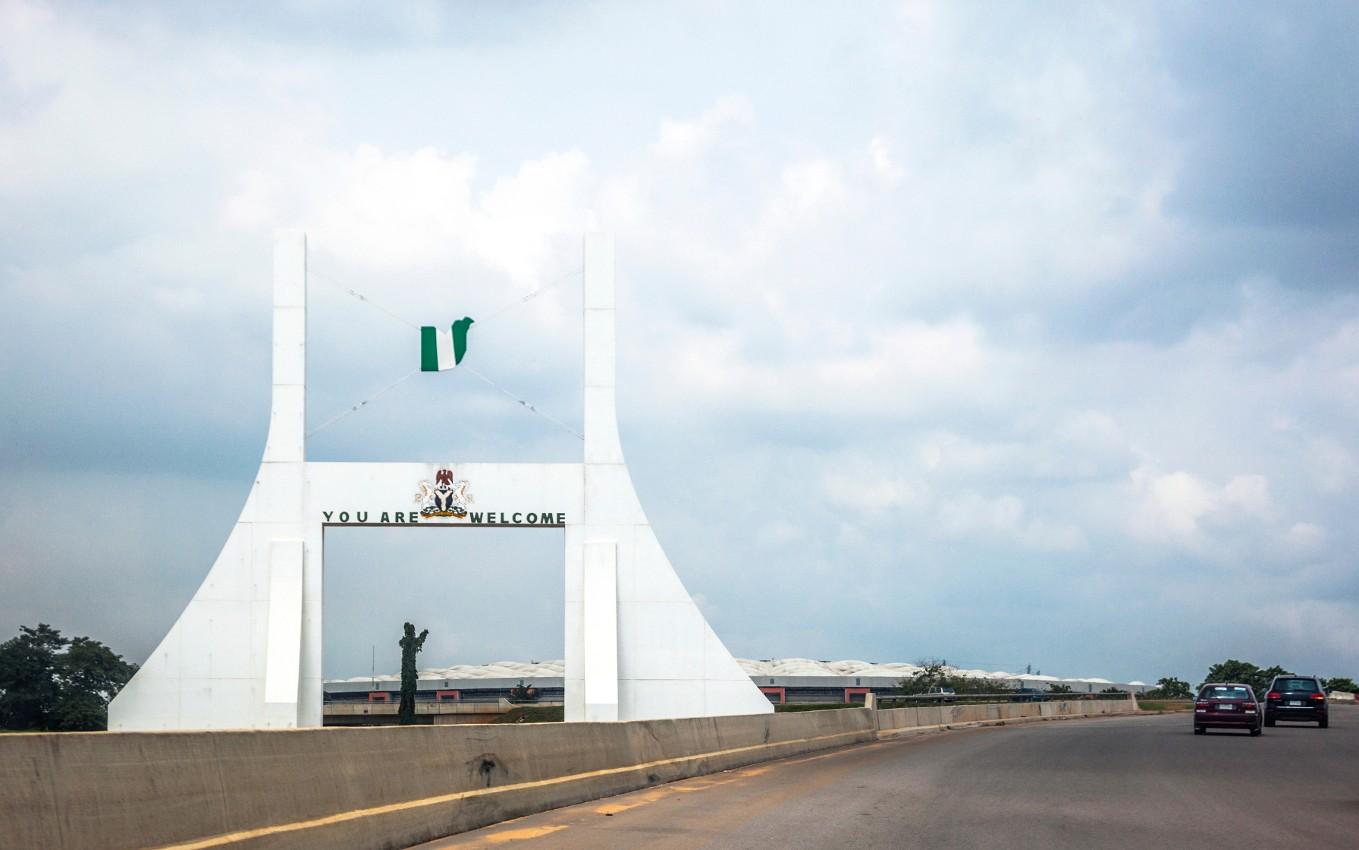
Following an executive order by President Shehu Shagari, an estimated two million migrants, mostly Ghanaians, were expelled. They packed their lives into the now-iconic blue-and-red checkered plastic bags, which are still known across the region today as "Ghana Must Go" bags. As noted by historians like Adeshina Afolayan, these expulsions were not about law; they were about finding a scapegoat for an economic collapse that the migrants did not cause.
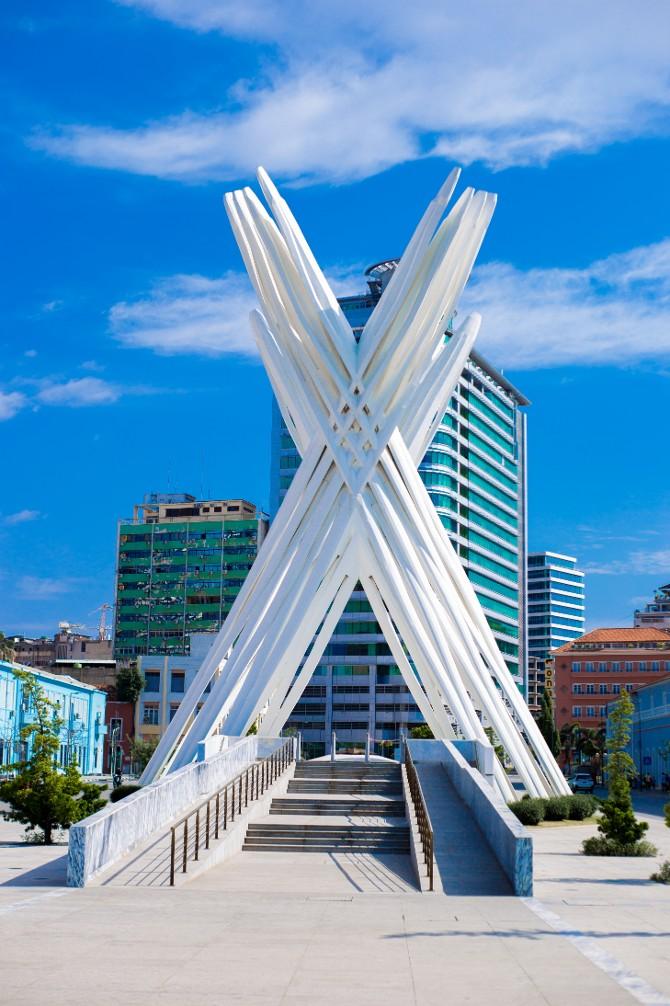
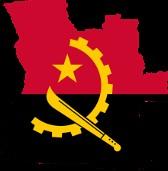
We must also look at Luanda. In 2004, the Angolan government launched Operação Brilhante (Operation Brilliant), a campaign ostensibly aimed at cleaning up illegal diamond mining. The reality was a human rights catastrophe. Over 120,000 Congolese migrants and thousands of West Africans were forcibly deported. Reports from UN OCHA at the time documented systemic abuses, with migrants stripped of their belongings and dignity, forced into transit camps that were little more than animal pens. It was a stark reminder: when the soil holds wealth, we often treat our brothers as thieves.
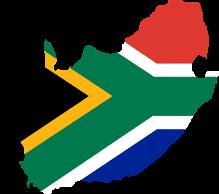
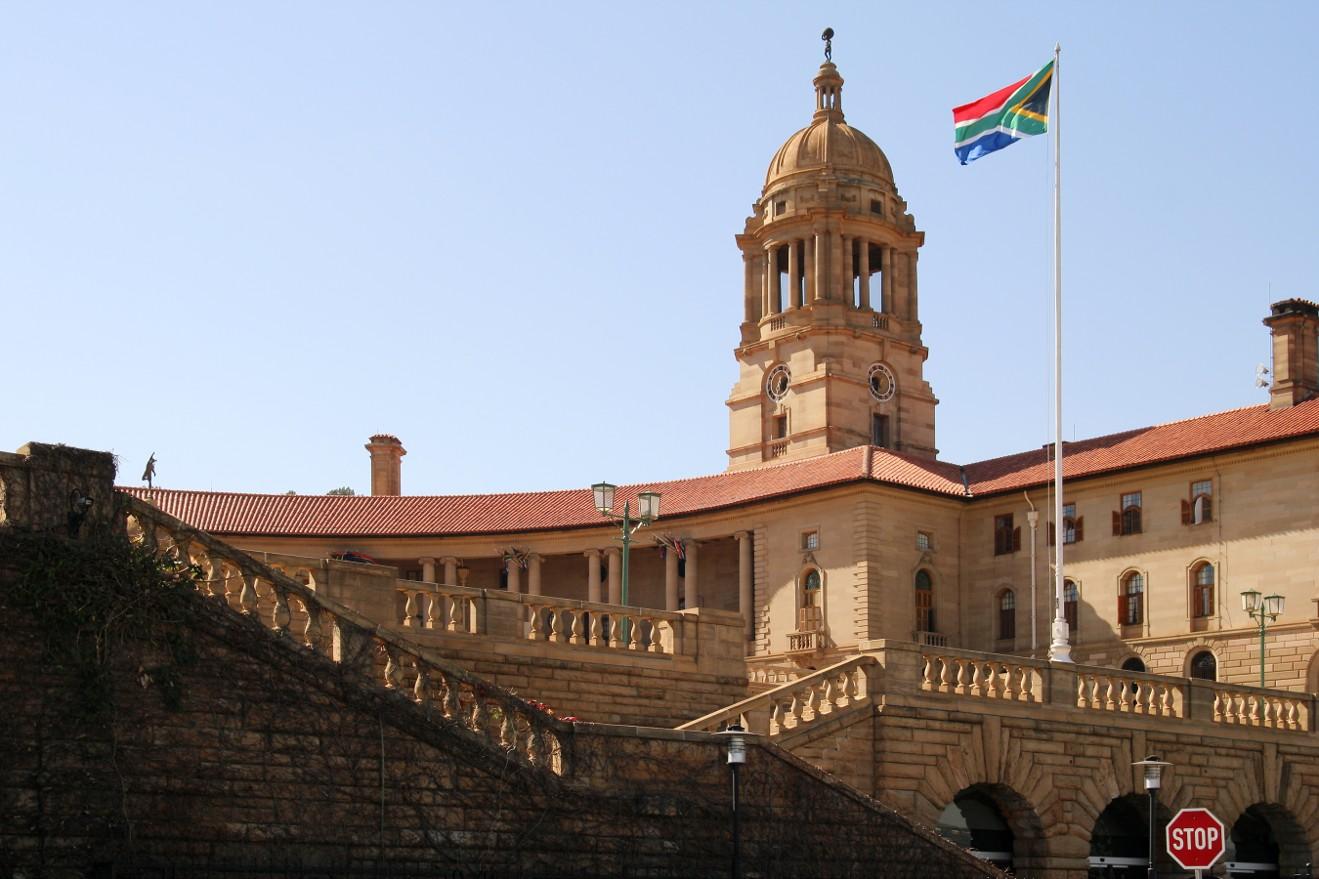
Fast forward to today. The setting has moved to the southernmost tip of the continent, but the script remains the same. High unemployment and job competition in South Africa have birthed a "Scarcity Mindset." According to the Human Sciences Research Council (HSRC), hostility toward immigrants has reached a peak in 2025-2026, with over 42% of adults surveyed expressing outright opposition to welcoming any foreigners.
Just as Ghanaians were blamed for crime in 1983 Lagos, today Zimbabweans, Ethiopians, and Nigerians are slandered in the streets of South Africa. We are witnessing a dangerous trend of "Nationalism over Pan-Africanism":
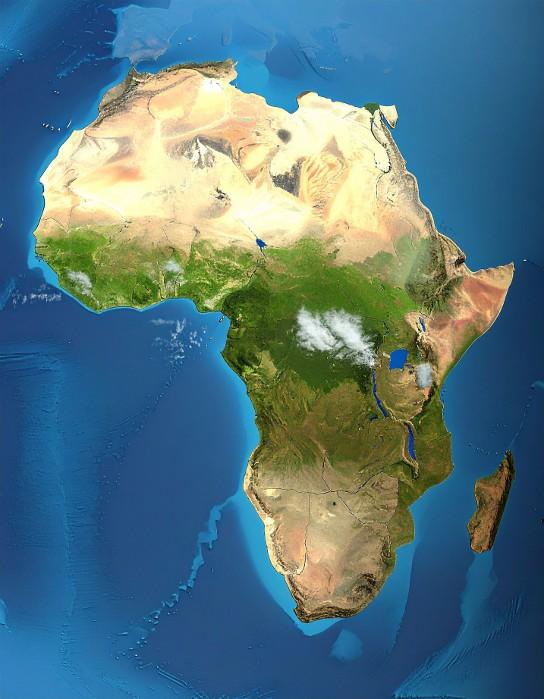
According to the African Development Bank’s reports on labor mobility, when the global economy "sneezes" through inflation or supply chain shocks Africa catches a lethal cold. Instead of looking at the structural failures of our own governments, we tend to blame the person standing closest to us: our African brother.
If we continue to kick each other out of our "rooms," we are simply making it easier for the next wave of outside "scramblers" to walk right into the house. A continent divided by internal fences is a continent that cannot defend its own borders from external exploitation. It is time for a "Family Meeting." It is time to stop the dominoes from falling inward.
[ExploretheWork:BetweenNations,WithinMyself]Clickhereto purchasethebook




[JointheDialogue]FollowAhmedAbdionSocialMedia


There is a specific frequency to African laughter, a sound that vibrates from the street corners of Dakar to the high-end comedy clubs of Johannesburg. For decades, the global gaze looked at Africa and saw only a "single story" of struggle, a grayscale montage of hardship. But they missed the punchline.








Today, the gatekeepers are gone. Armed with nothing but a smartphone and a "vibe" that refuses to be tamed, African storytellers are forcing the world to laugh on our terms.
At the heart of this global takeover is a heritage that isn't sweet, sugared, or filtered. It is blunt. It is functional. And it is the funniest thing on earth.
In the West, affection is often a "sweet" performance of flowers, Hallmark cards, and whispered reassurances.
In Africa, love is a bowl of sliced mango placed silently on your desk while you study, or a two-hour lecture about how your life choices are leading you toward a bridge. African storytelling was never meant to be "nice"; it was meant to be a mirror.
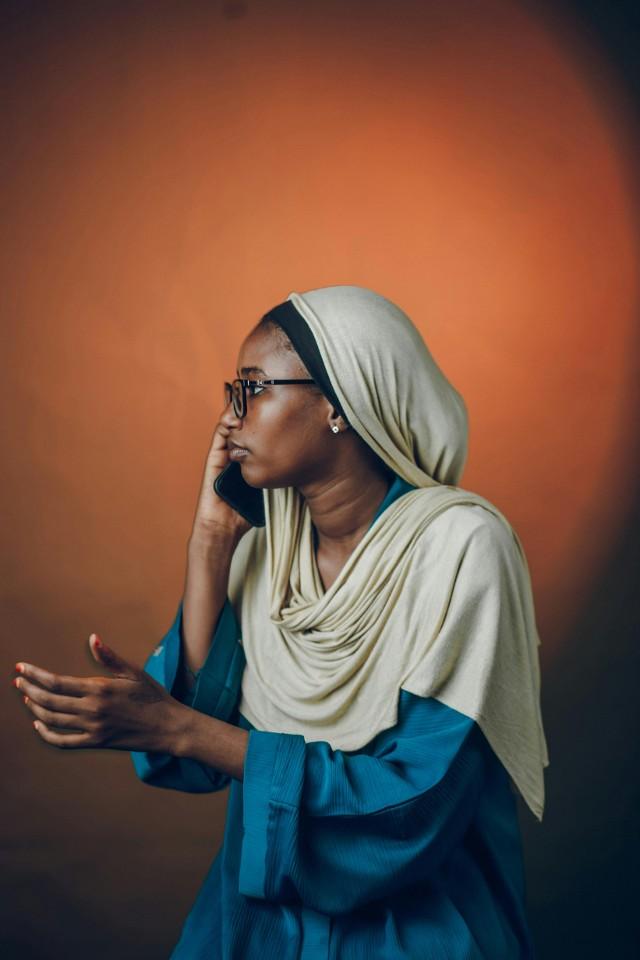

We come from a culture where "I love you" is a rare, exotic bird, but honesty is as common as dust. An African mother telling you "you have become fat" isn't an insult; it’s a weather report. It is a hot knife through butter. This brutal bluntness is our greatest comedic export. Whether you are in Cairo or Cape Town, the African mother is the universal source of our shared drama.
. We are raised in a world where the career path is humorously, yet terrifyingly, summarized as: Doctor, Engineer, Lawyer, or Disappointment. This shared pressure hasn't just built professionals; it has forged the sharpest wits on the planet
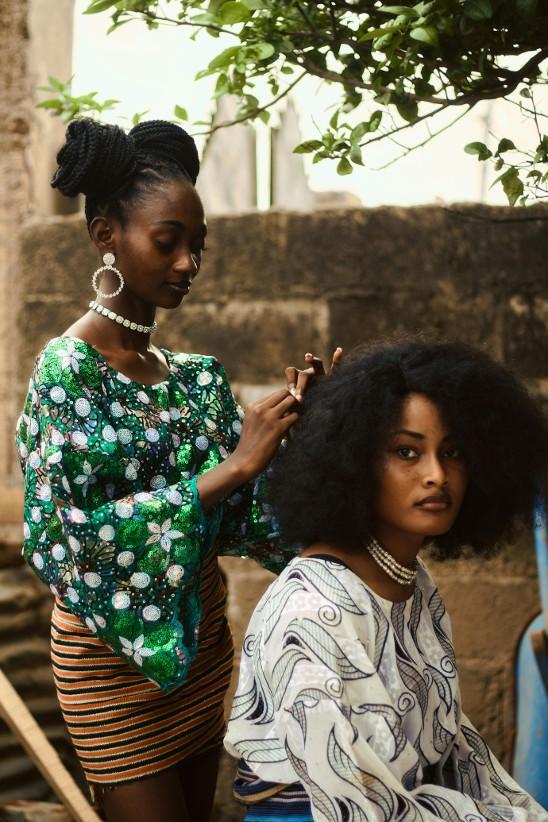
Every African child, regardless of the crest on their passport, grew up under the shadow of the "Household Missile." This is where our comedy becomes a survival skill.
The Slipper (The Long-Range Missile): An Egyptian or Nigerian mother can hit a moving target from 20 meters away with a flip-flop, defying the laws of ballistic physics. It is the original smart-bomb. The Broom: Not just a tool for sweeping floors, but a scepter for "cleansing" the attitude of a stubborn child.
Psychological Warfare: We all know the classic line that signals the end of your peace: "Wait until it almost drops and then say: 'Break it! Just break it so I can finish you!'"
Because from Trevor Noah (South) to Basketmouth (West), and Anne Kansiime(East) to Khaled Khalafalla (North), we have realized we all had the same childhood. Our mothers didn't need a translator; their discipline is a continental language.
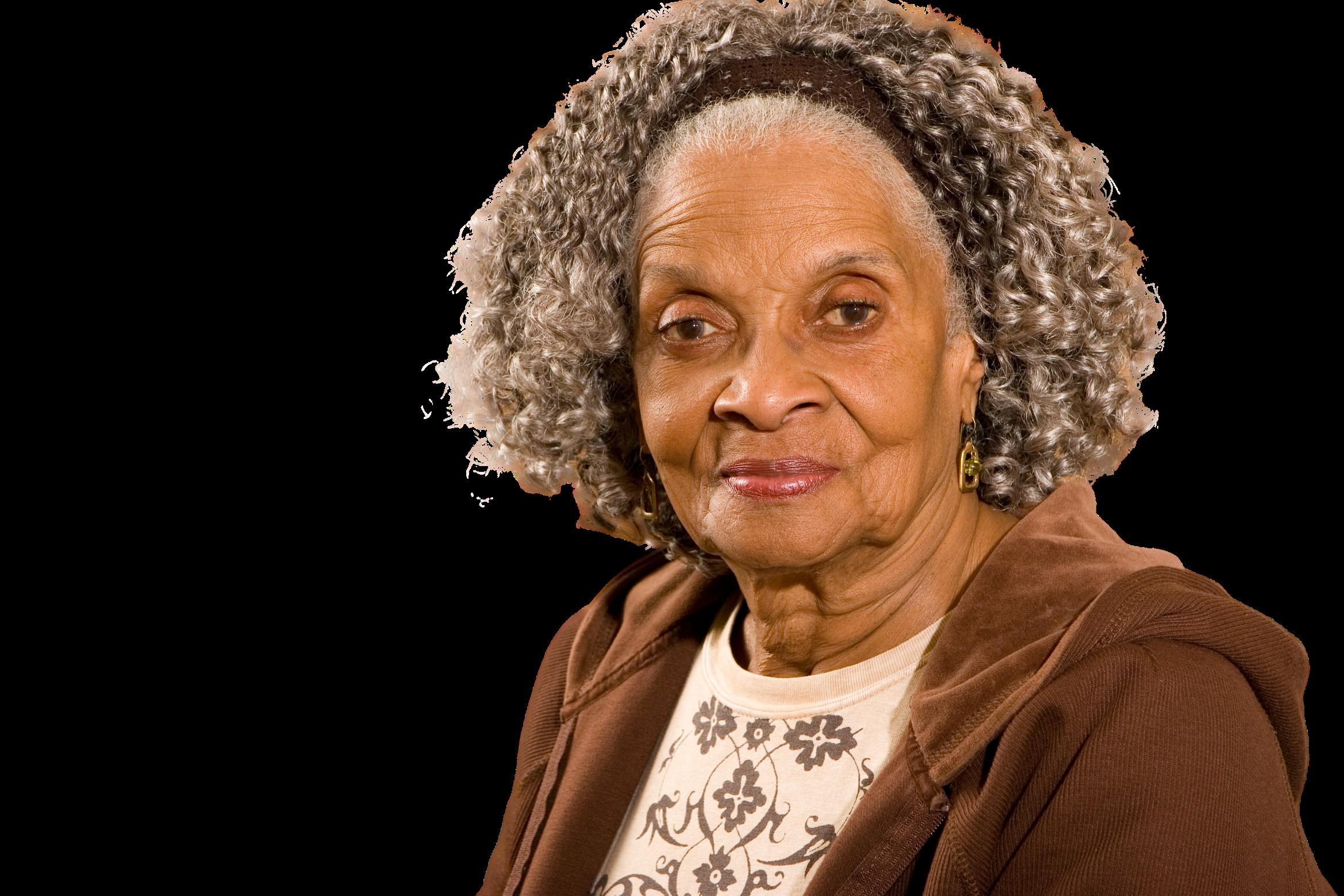
African parents have mastered the art of "seasoning" colonial languages. They use English, French, Portuguese, or Arabic, but they punctuate it with sounds that carry more weight than any Oxford dictionary.
The "Tshaaa!" or the "Mchew" (the quintessential African hiss) can communicate disappointment, skepticism, or "don't try me" in a single breath. We laugh because we understand the "vibe." We see the irony in a world that still believes we live in the "dark," while we watch their confusion via our high-speed internet connections.

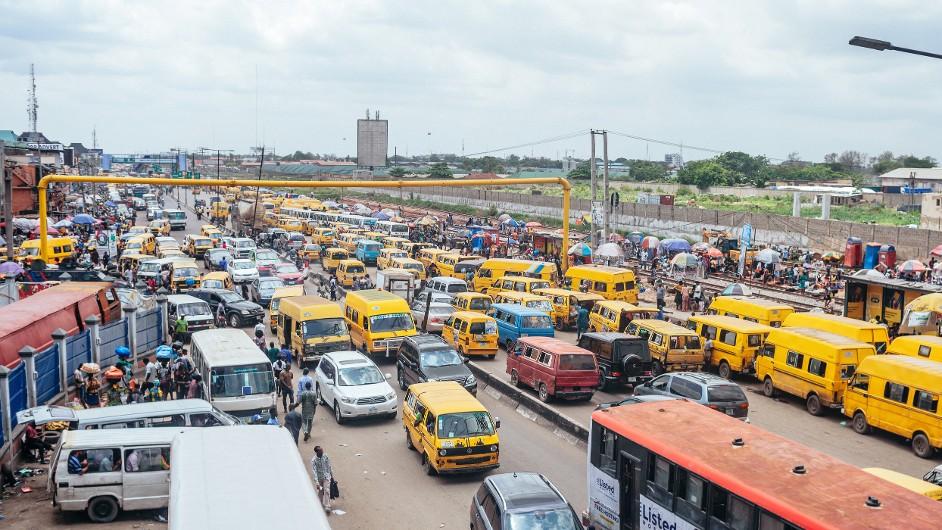
You can drive in New York, London, or Milan, but to survive the streets of Cairo or Dar es Salaam, you need an African Driving Degree. In the West, a traffic light is a law; in Nairobi, it is merely a "suggestion."
The African traffic jam is a theater, and the commute is our rehearsal.
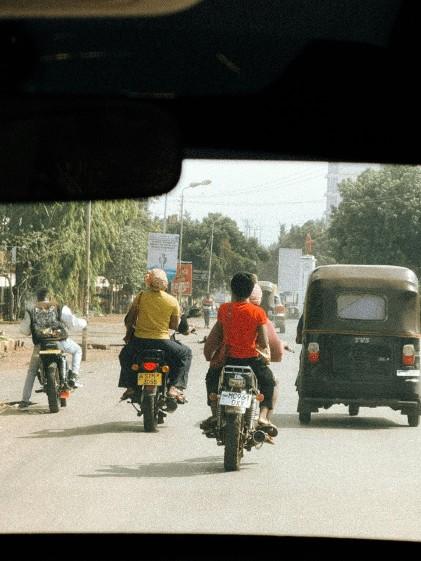
We find humor in our pain because we have to. We all know that one “uncle” the street-corner philosopher who directs traffic with the grace of a conductor or sells you "original" designer goods while telling a joke that makes you forget you're standing in a three-hour jam. The African traffic jam is a theater, and the commute is our rehearsal.
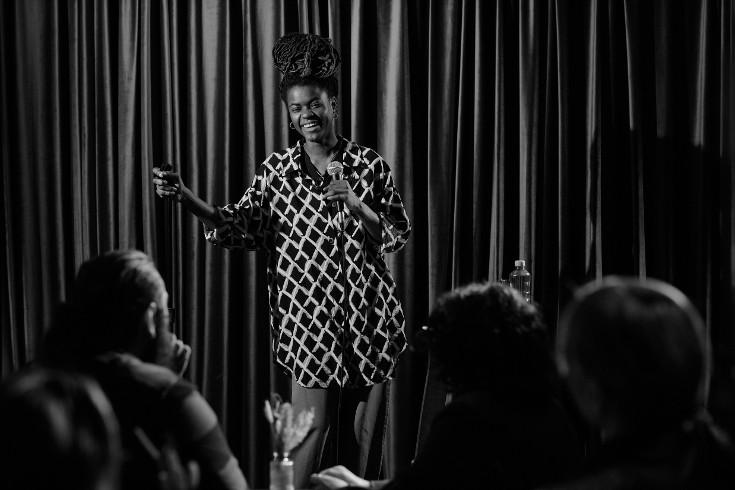
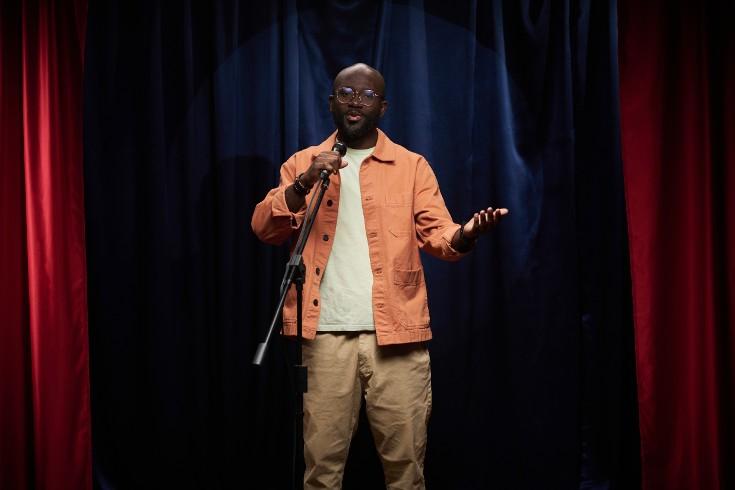
For years, these stories were told for free at weddings and funerals. We performed for the uncle on the street just to make the day move faster. Now, the "African Comedy Industrial Complex" has arrived.

Our comedians are no longer changing their stories to fit the West. They are taking the chaos of an Accra bus or the terrifying strictness of an Ethiopian father and forcing an audience in London or New York to keep up. African comedy is a masterclass in storytelling. We are finally making the world pay to hear the stories we used to tell each other for free.
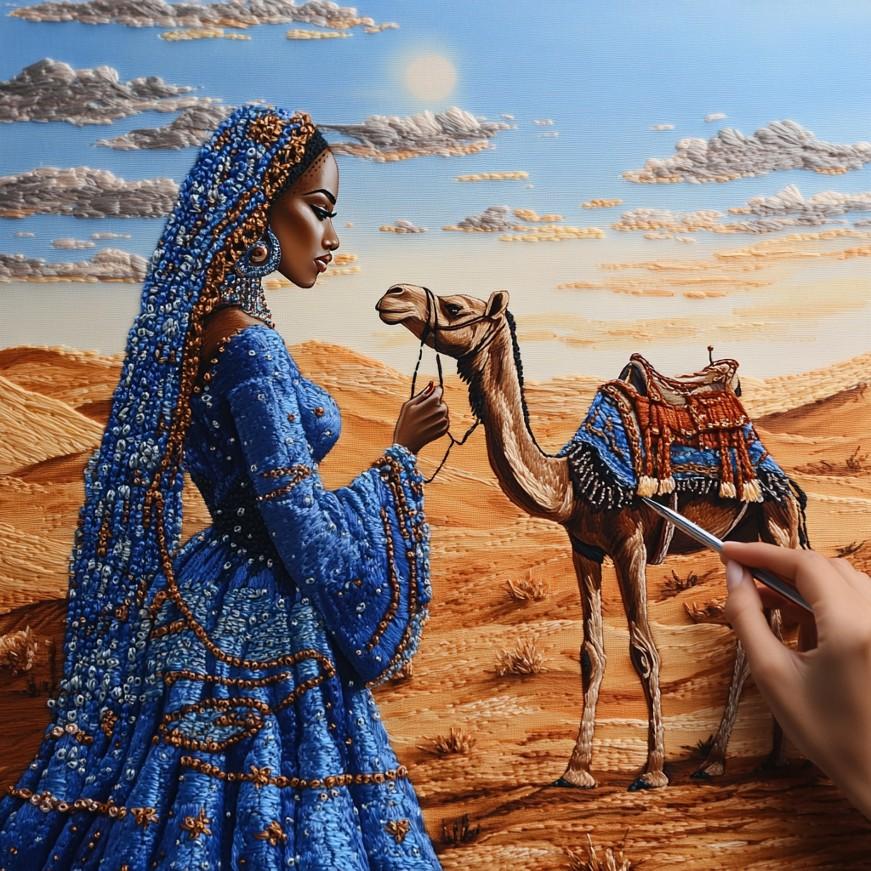

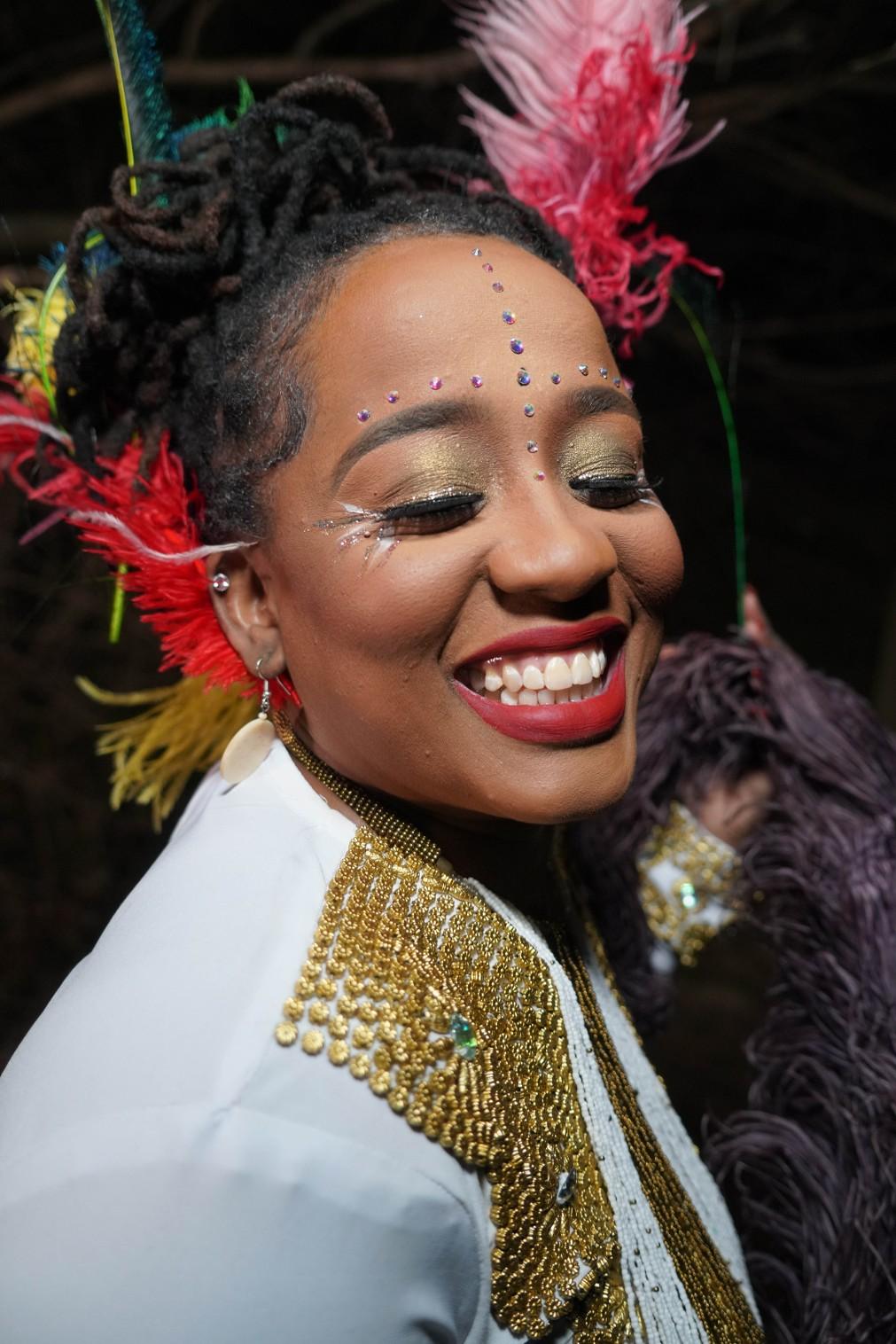
“I am here to remind ourselves, and everyone else, of exactly how powerful and amazing we truly are.”
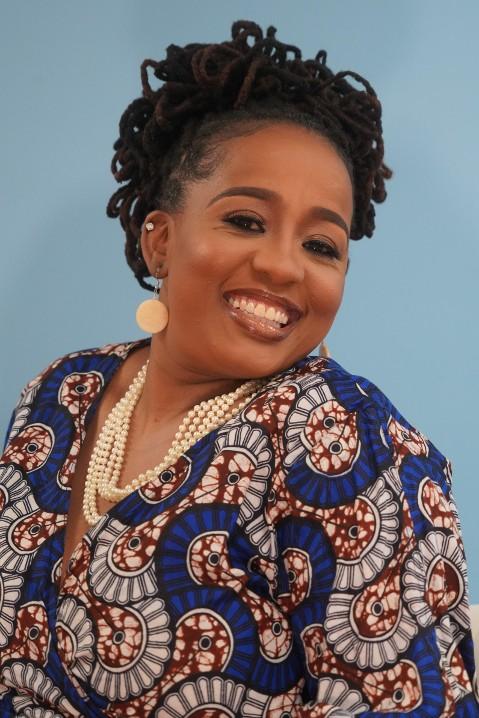
The conversation spanned from her home in Washington, D.C. to our desks in Washington State. Three hours apart by the clock, yet completely synchronized by a shared, borderless devotion to our continent.
“It is the people of Africa. The culture, the food, the language, and our very ways of being… that is my Africa.” She paused, then added a declaration that shook the room: “I am an African first, before I am a Kenyan.” .
It is this precise foundational pride that anchors her life’s work. Anna known globally as "Mama Africa" believes that our heritage is a shield against historical erasure.
Our first question to her was simple: “My sister, define your Africa.” A warm, smiling voice traveled through the line, weaving her words together like a beautifully tied ribbon of love. “Mmmm, my Africa…” she mused, letting the cadence settle.
“Most colonizers wanted the world to believe our land is dark, the ‘Dark Continent,’” she says, her tone shifting into a sharp, revolutionary clarity. “I am here to remind ourselves, and everyone else, of exactly how powerful and amazing we truly are.”
There are those who perform culture, and then there are those who are the culture. Known internationally as the "Queen of Spoken Afrobeat," Anna Mwalagho does not merely stand on a stage; she commands an ancestral parliament. She is a multihyphenate force of nature who has demolished the boundaries between comedy, spoken word, theater, and Afrobeat music, turning every performance into a radical act of global empowerment.
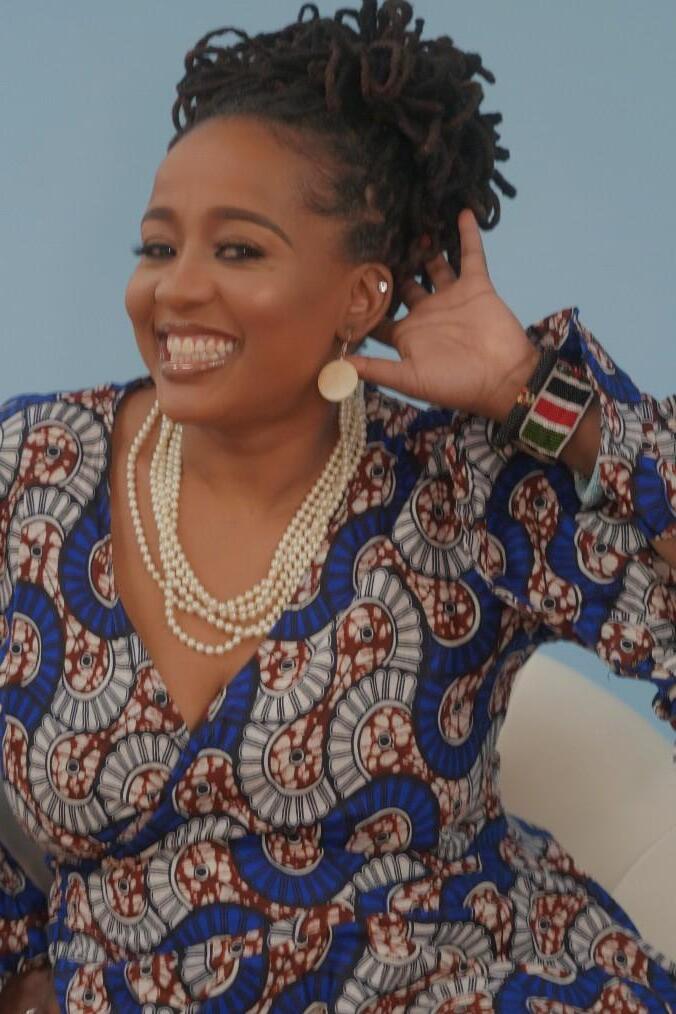
From the vibrant landscapes of Kenya to the prestigious lecture halls of Howard University where she currently serves as a professor teaching the soulful, poetic cadences of Swahili Anna has spent her life ensuring the African spirit is never lost in translation.
Her trajectory is the stuff of diaspora lore. Since launching her U.S. career, she has become one of the most sought-after cultural curators on the globe. As the founder and fierce frontwoman of the Afrofloetry Band, she has shared the stage and traded rhythms with absolute titans like Hugh Masekela and Oliver Mtukudzi.
Her voice carries such a heavy historical resonance that the Smithsonian Museum of African Art selected her to perform during the historic 2009 inaugural celebrations of President Barack Obama.
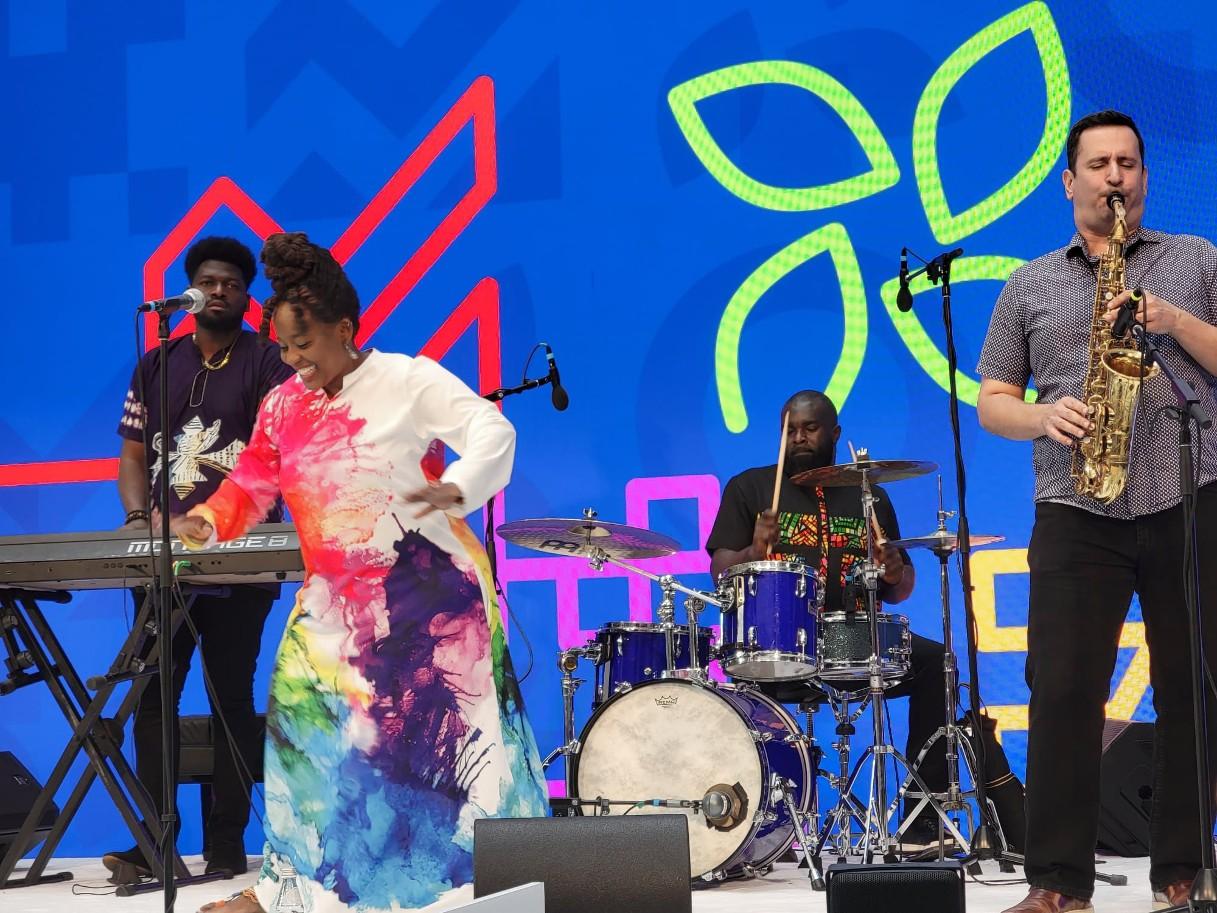
From the Kennedy Center and the World Bank to performing for nobility like the late Nobel Laureate Dr. Wangari Maathai, Professor Henry Louis Gates Jr., and Forest Whitaker, Anna’s art is an international currency. Her viral one-woman shows have captured over 2.4 million views online, proving that when the African soul speaks authentically, the whole world stops to listen.
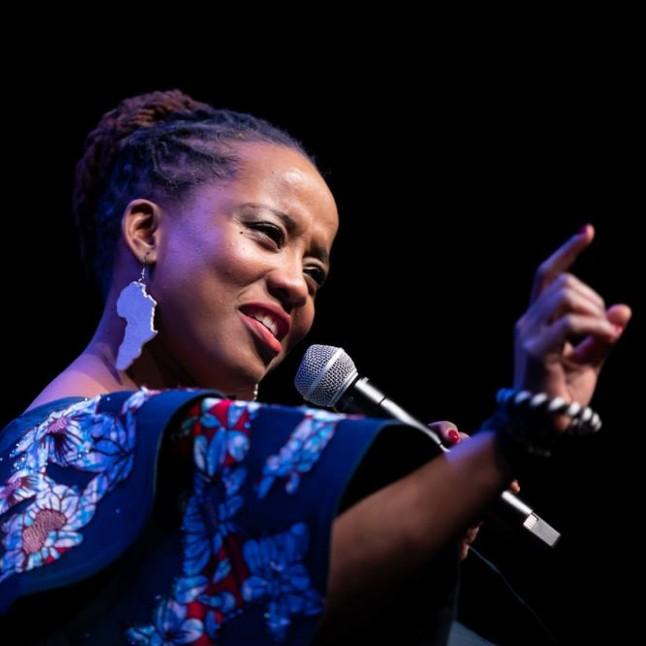
But to truly understand Anna is to look past the thunderous applause. Her creative legacy is vast, spanning three musical albums (including Shukrani, which advanced to the first round of the Grammy Awards for children’s music), a published book of poetry, and her critically acclaimed one-woman play, “Never Thought I Was Black Until I Came to America.” The title alone brilliantly captures the sharp, humorous, and sometimes painful immigrant reality of crossing the Atlantic and navigating identity in a foreign room.
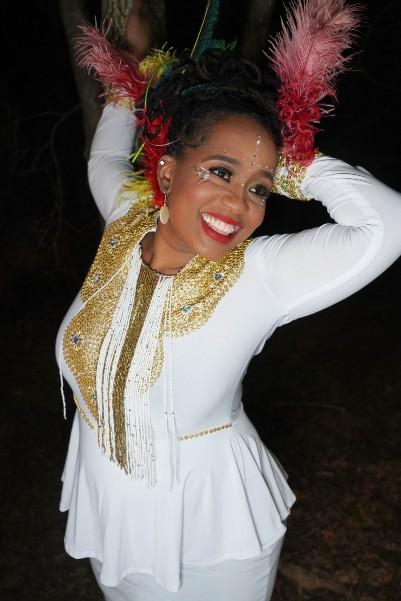
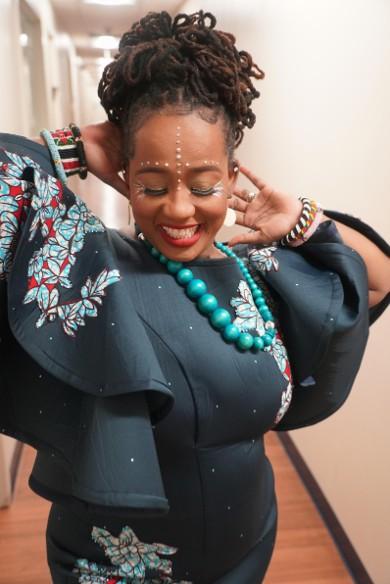
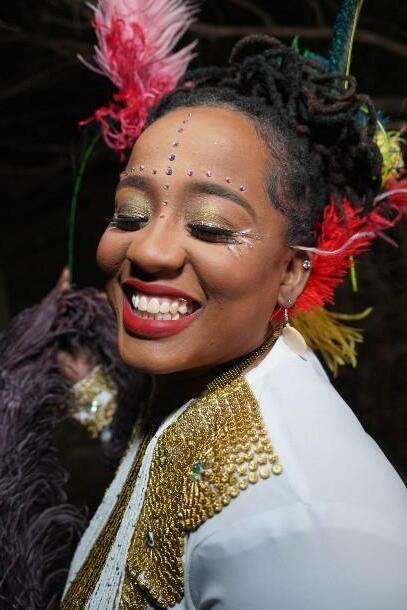
Yet, she balances the spotlight with deep, quiet philanthropy. Through her Upendo Educational Foundation USA, she pours love and resources directly back into supporting students from less fortunate homes in Kenya with tuition fees through her non-profit, Upendo Educational Foundation.”
“help students in my rural home and some in Nairobi, wherever there is a need and I can support”
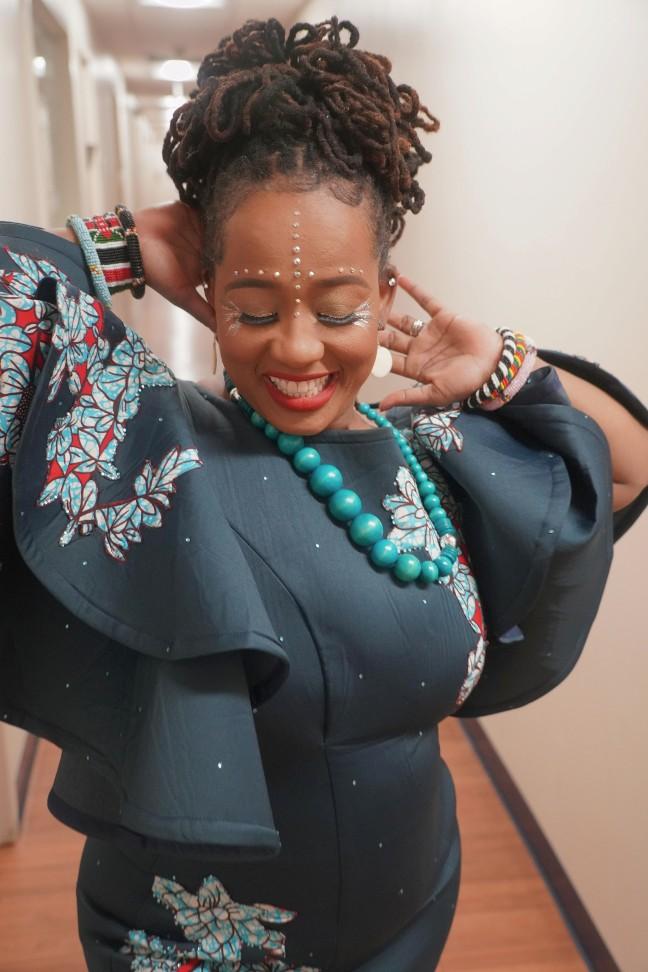
She is a decorated cultural ambassador, recognized by Maryland and Prince George’s County for her community impact, and appointed as an Ambassador for Peace for her commitment to global harmony through the arts. Professor, poet, comedian, mother, and activist Anna Mwalagho lives by a singular manifesto that echoes the very heartbeat of our magazine: “Dance, sing, laugh, and truly love for this is the joy of life.”
There are those who perform culture, and then there are those who are the culture. Known internationally as the "Queen of Spoken Afrobeat," Anna Mwalagho does not merely stand on a stage; she commands an ancestral parliament. She is a multi-hyphenate force of nature who has demolished the boundaries between comedy, spoken word, theater, and Afrobeat music, turning every performance into a radical act of global empowerment.
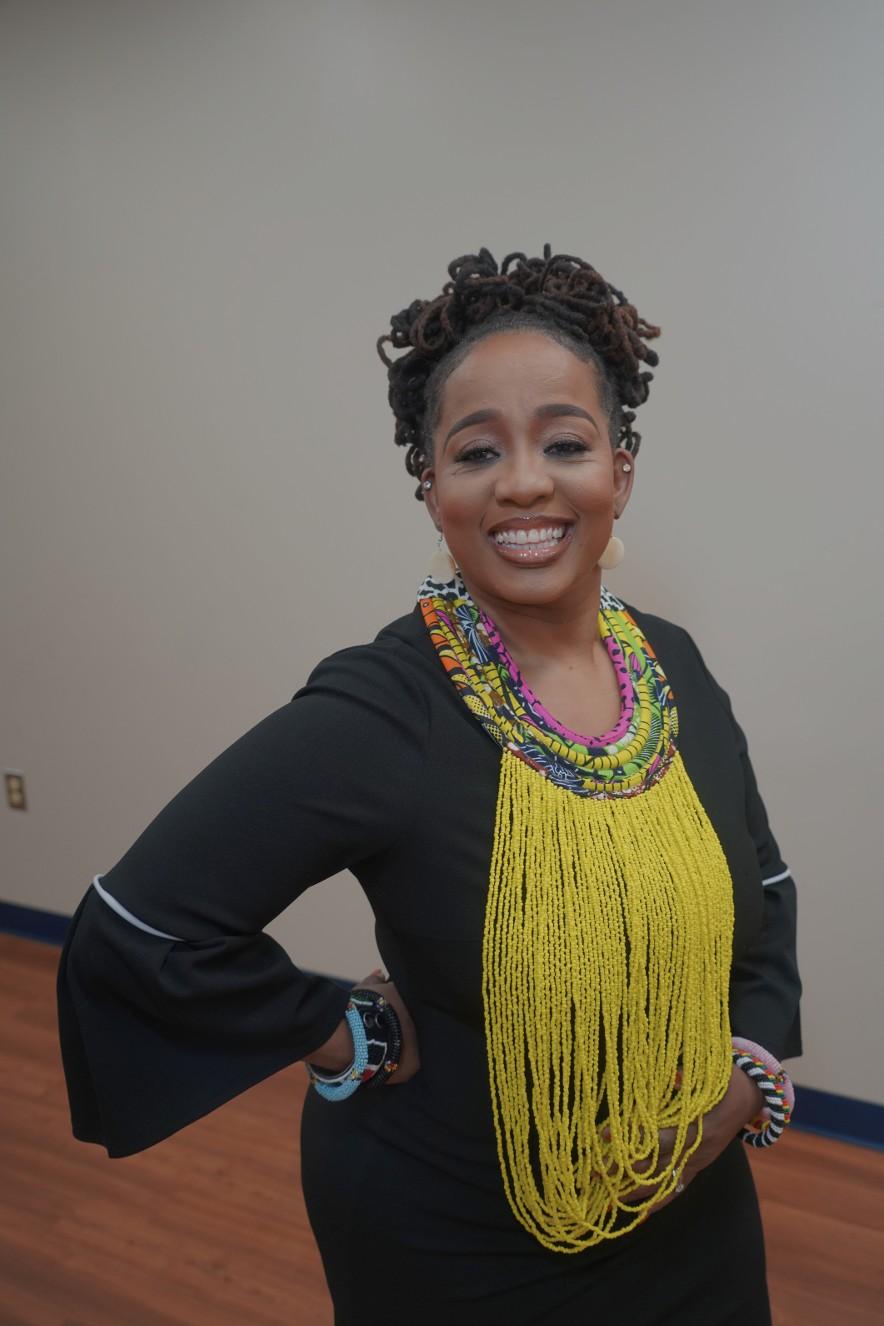
At People of Africa, we take this opportunity to salute you, Anna, for everything you do. African voices are the ultimate catalyst that will elevate our people and reclaim our land. We have to start somewhere, and we have to stand together. The writers must write. The runners must run. The musicians must sing, and the models must walk the walk. We must all move in unison until the world finally understands a simple, unbothered truth: Africans are here to stay, and we are here to shine. Thank you, Mama Africa, for keeping the ink flowing and the drums beating.

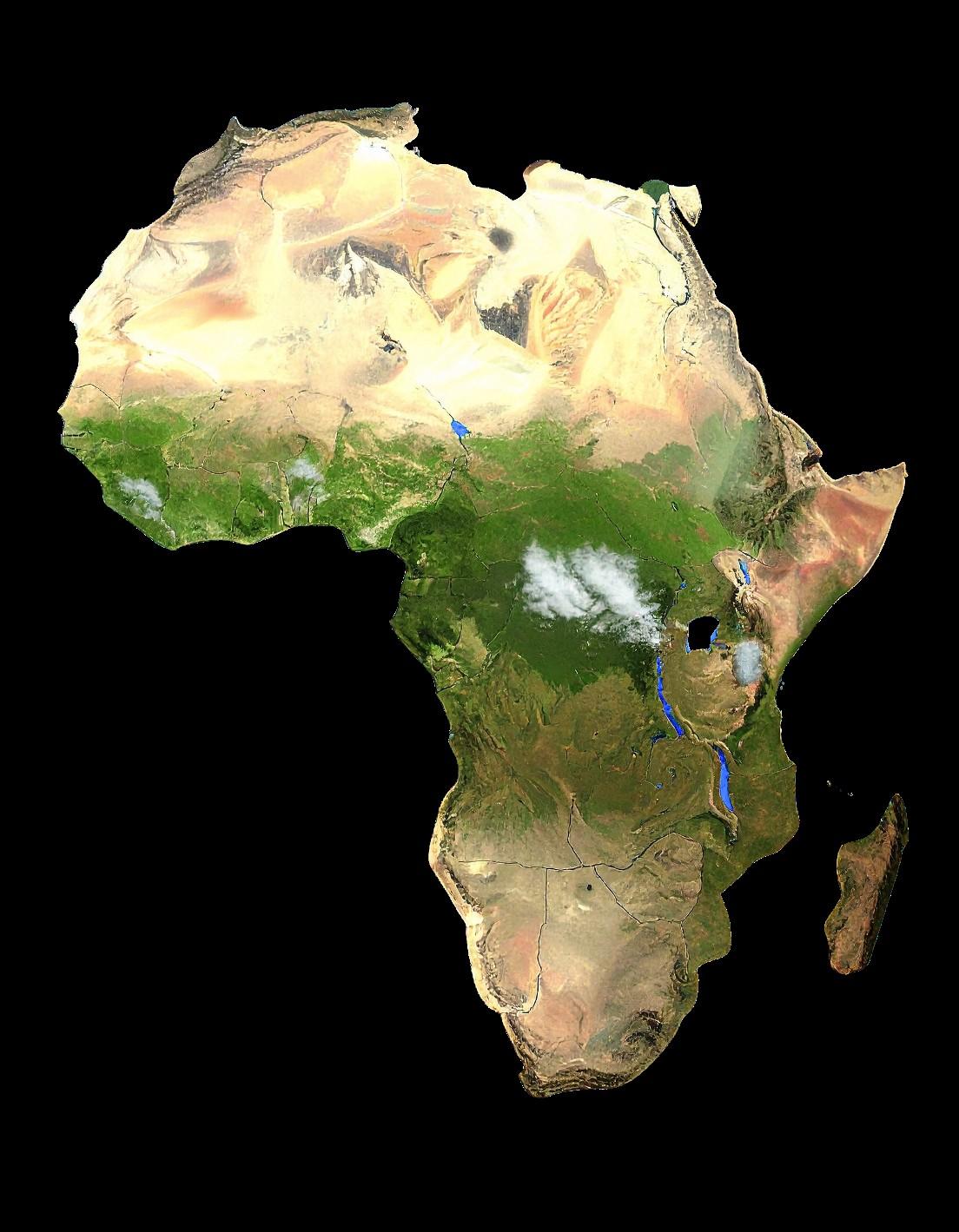

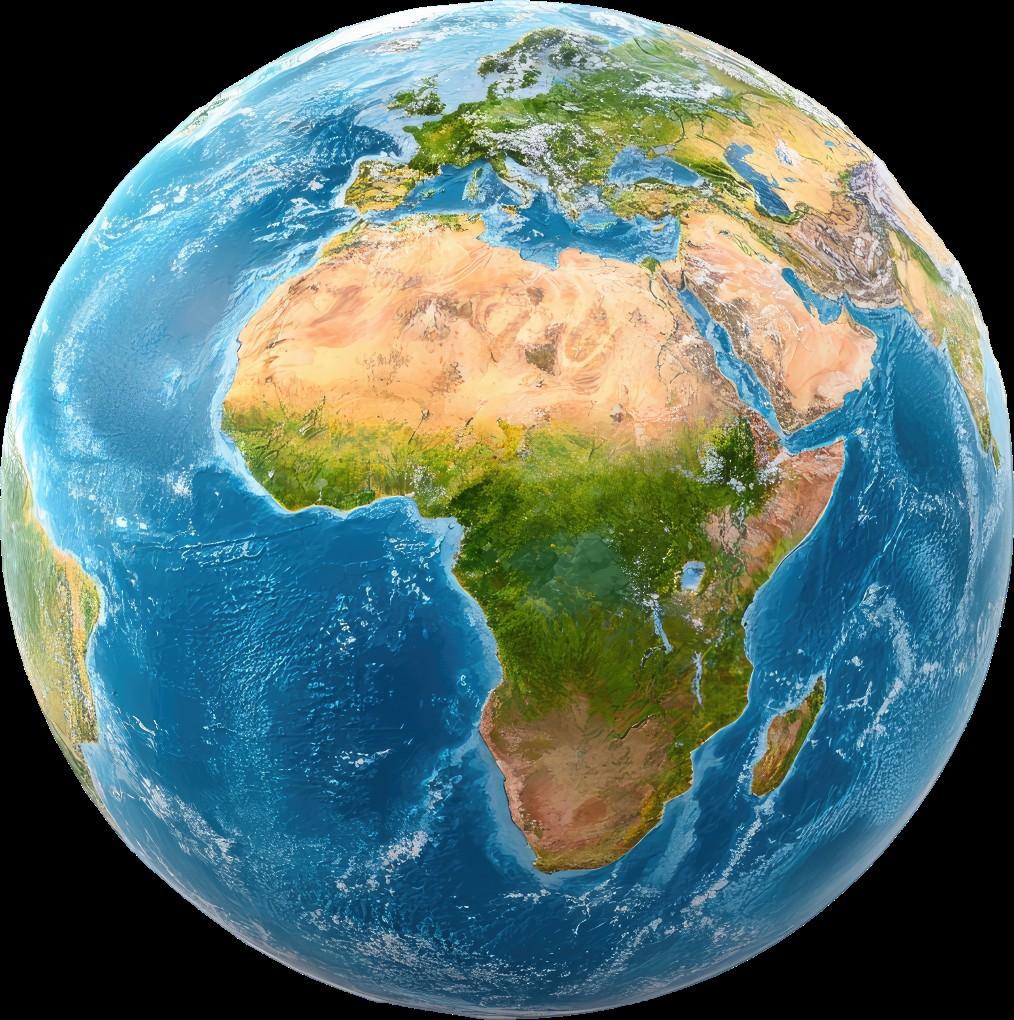

In Benin, history isn’t found in dusty textbooks; it is a neighbor that breathes down your neck. This is a land where the physical and spiritual worlds don’t just meet, they collide.
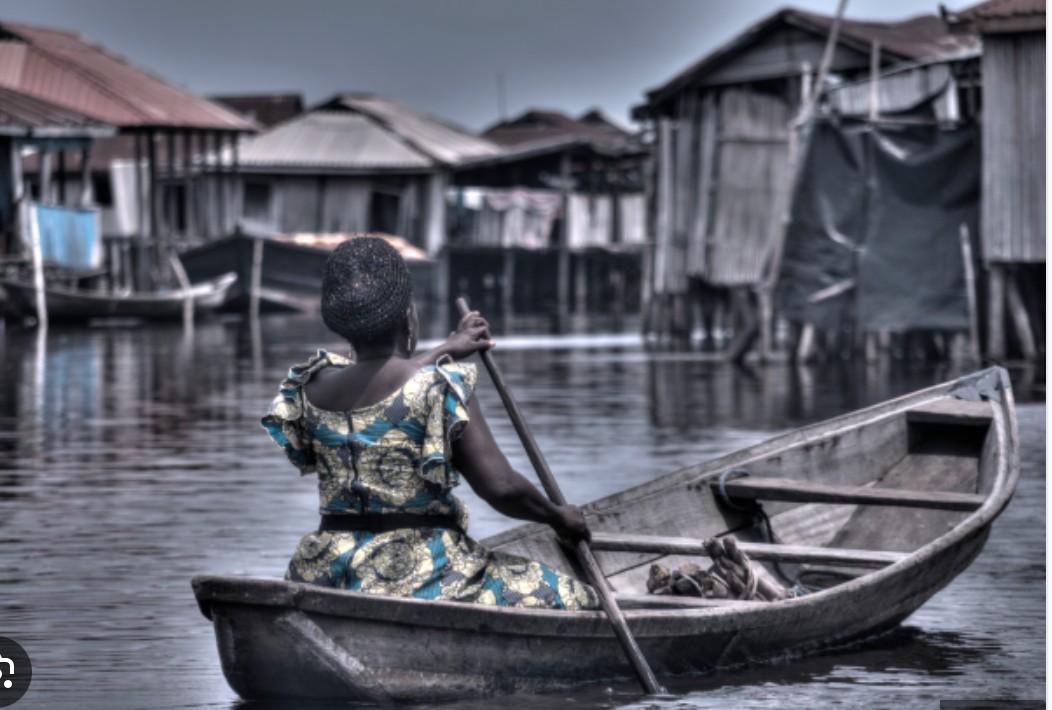
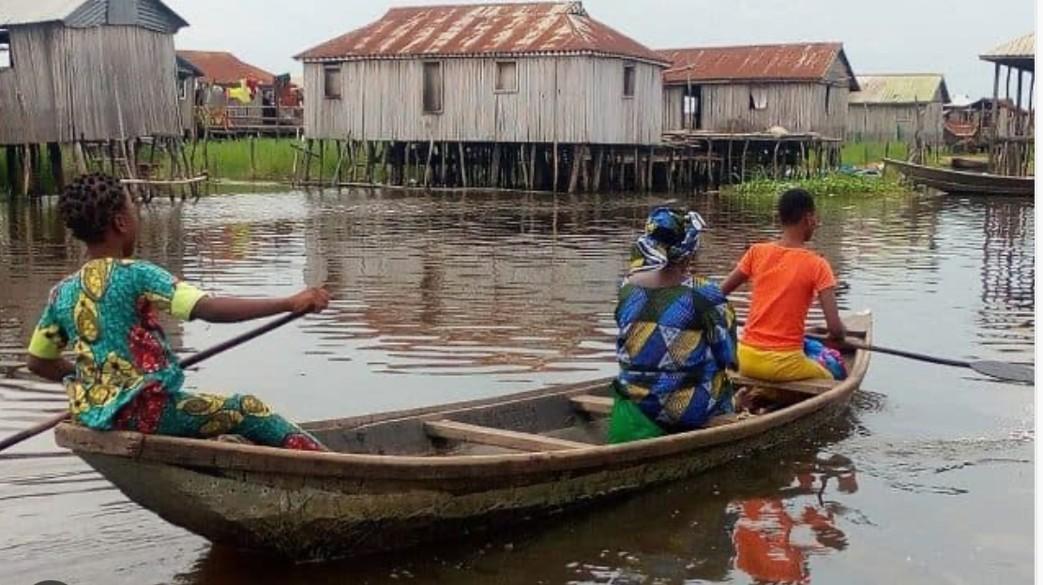
T h e C i t y T h a t W a t e r S a v e d
RisingfromthecenterofLakeNokoué isGanvié,the"VeniceofAfrica."But Ganviéwasnotbuiltforaesthetics;it wasbuiltforsurvival.Centuriesago, theTofinupeopletooktothewaterto escapethereachofslavehunters, knowingtheirpursuerswereforbidden bysacredlawfromenteringthelake. Today,30,000soulsstillliveonthese stilts,afloatingtestamenttoan ingeniousdefiance.
TheIronDaughtersofDahomey FurtherinlandliesAbomey,theseatof theFonKingdom.Here,thered-earth RoyalPalacesholdtheghostsofthe DahomeyAmazons(Mino).Thiswasthe world’sonlydocumentedall-female front-linearmywarriorswhodidn'tjust fight;theyredefinedtheDNAofWest Africanpower.TowalktheseUNESCO hallsistorealizethat"TheWoman King"wasn'taHollywoodinvention,it wasaDahomeanreality.
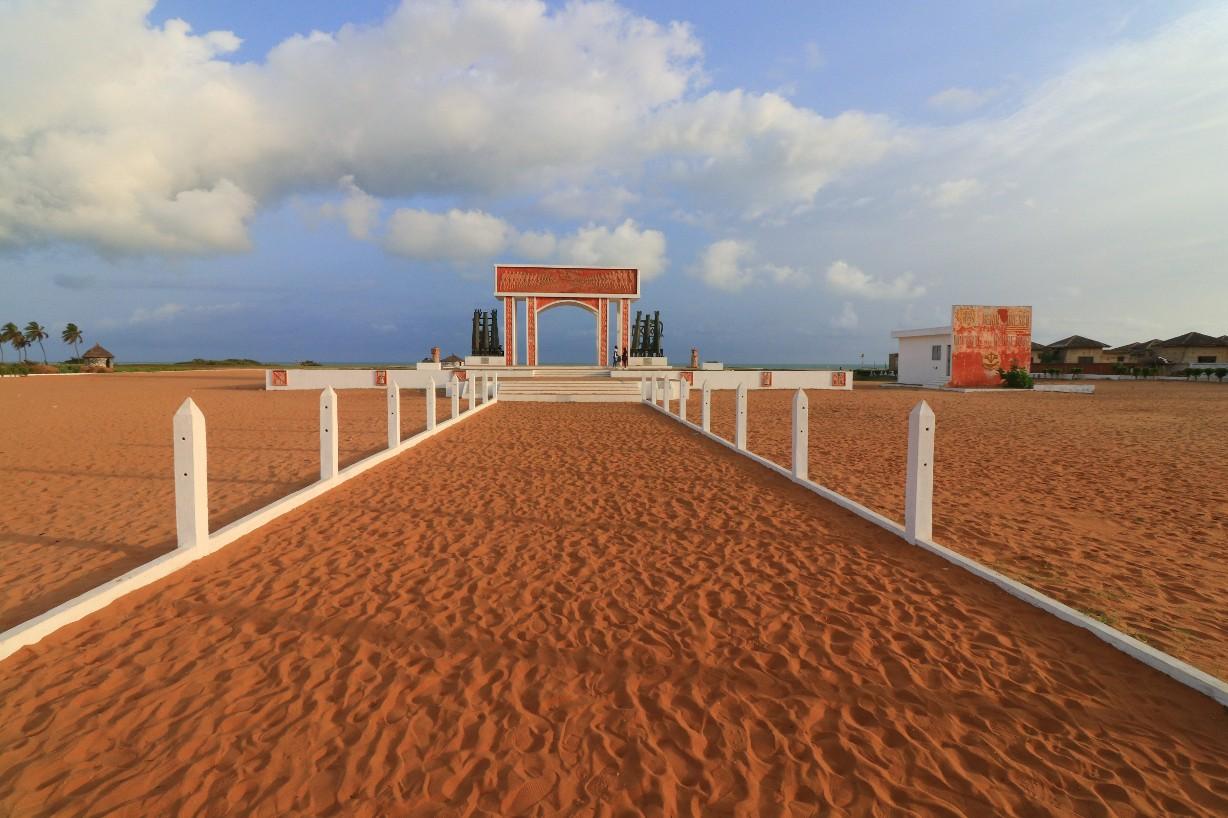
ThejourneyculminatesinOuidah,acityofheavysilencesandsacred sounds.Youwillwalkthe Route des Esclaves (TheSlaveRoute)tothe DoorofNoReturn,wheretheAtlanticbreezecarriestheweightof millions.Butturnyourbacktothesea,andyoufindthePythonTemple. Here,sacredserpentsroamfree,servingasancientguardiansofthe Fonpeople.InBenin,youlearnquickly:theendofonejourneyissimply thebeginningofanother.
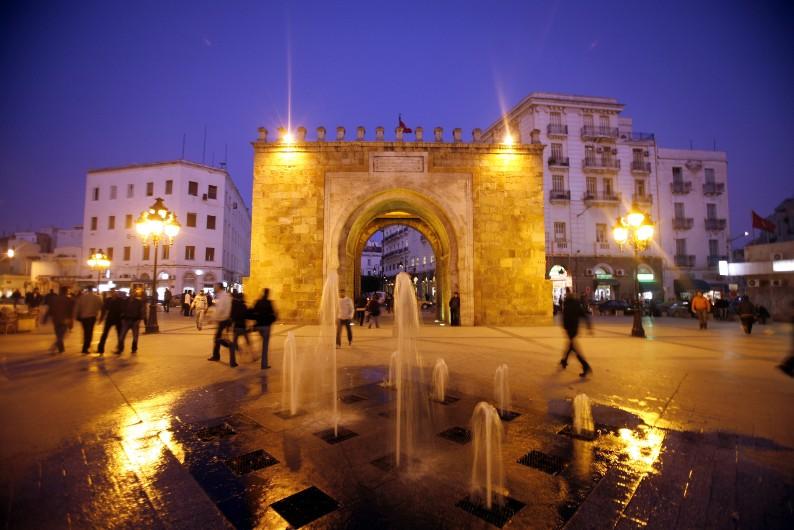
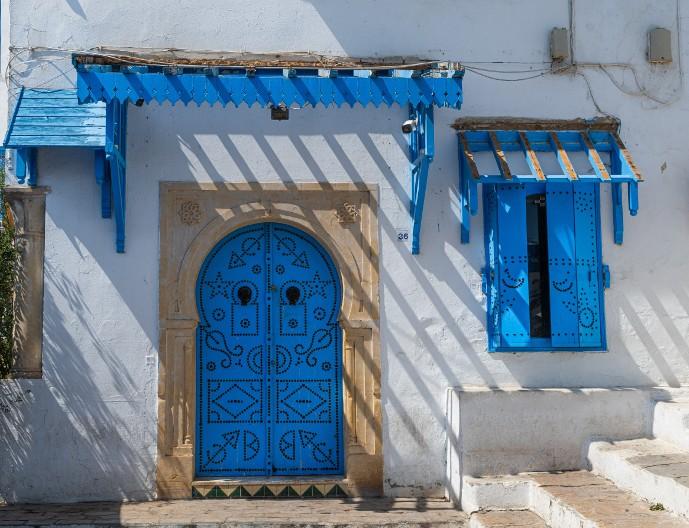

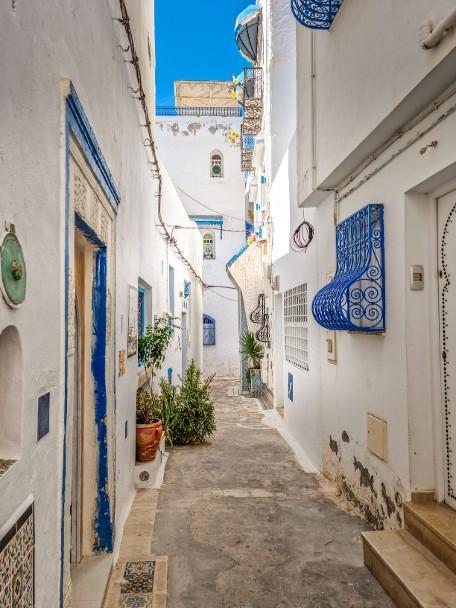
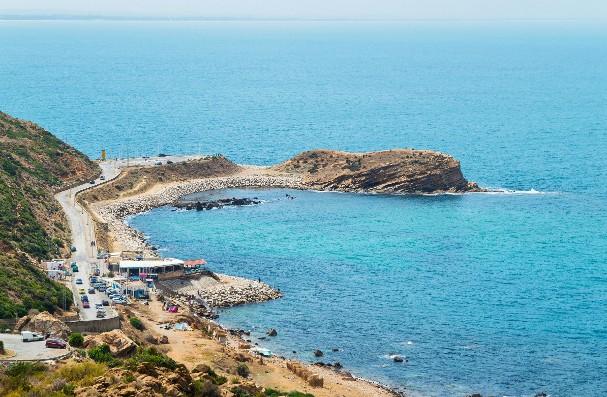
Tunisia is where the Mediterranean stops being a sea and starts being a story.
It is a land of layers, where Roman marble, Arab geometry, and Berber grit are pressed together by the weight of the Sahara.
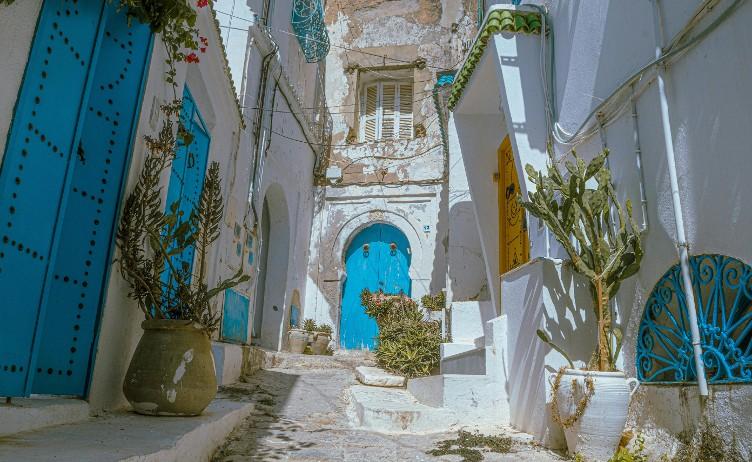
In the south lies Chott el Djerid, a vast, shimmering endorheic salt lake that looks like the surface of a forgotten planet. This is not just a landscape; it is a trick of the light. We describe the "Fata Morgana" mirages that have led travelers astray for millennia.
Here, the salt crust crunches like broken glass under your boots, and the horizon disappears into a violet haze. It is the raw, silent beauty of an Africa that refuses to be tamed by maps.
Beneath the scorched earth of the Dahar Plateau, history lives in the shadows. We journey to Matmata, where the Berber (Amazigh) people carved "troglodyte" homes deep into the sandstone to escape the blistering heat and the eyes of invaders
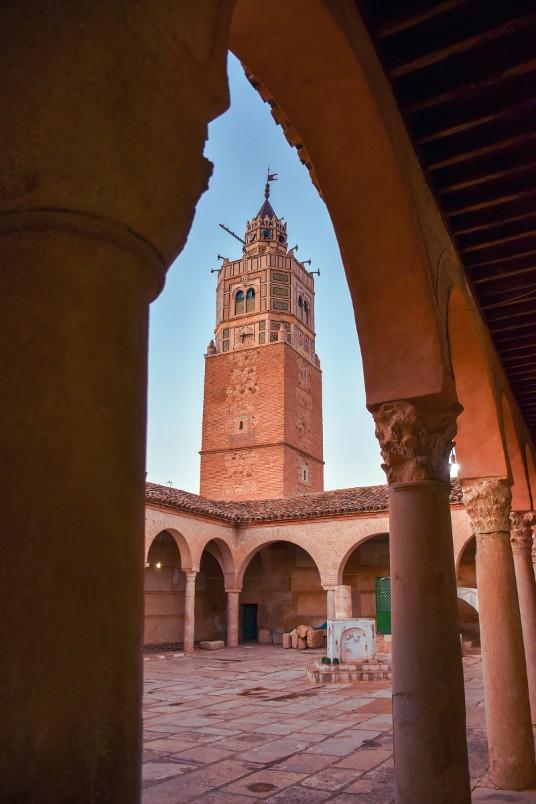
These are not caves; they are subterranean courtyards, a masterclass in ancient "Green Architecture." To stand in the center of a sunken courtyard is to feel the heartbeat of a people who learned to live with the land rather than on top of it.
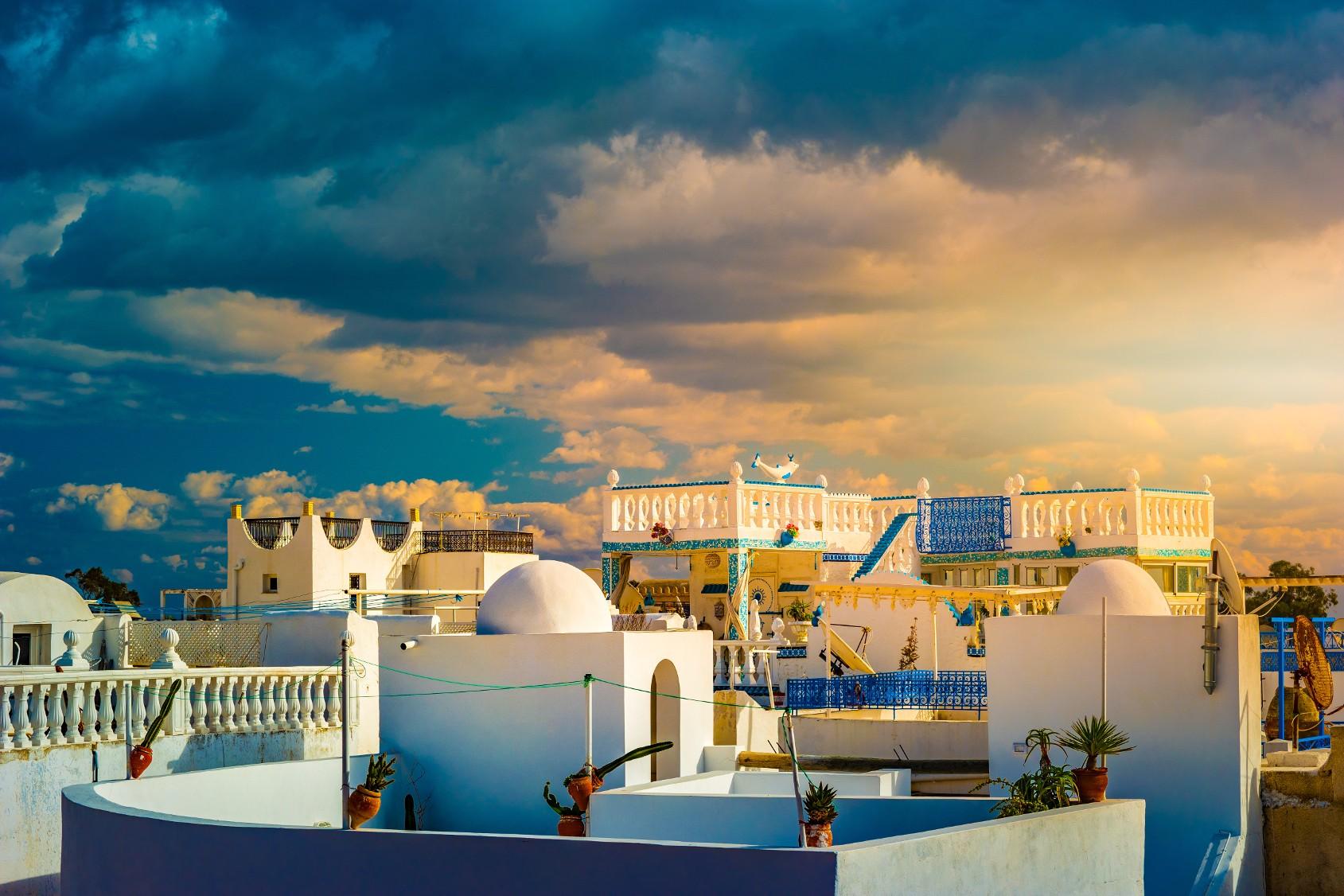
We end in the salt-air of the north. We contrast the white-and-blue serenity of Sidi Bou Said with the heavy, ancient silence of the Carthage ruins. Here, the ghost of Hannibal still lingers, reminding us that long before the borders of 1884, Africa was a naval superpower that made Rome tremble.
Africa is not a single entity; rather, it is a vast estate with fifty-four distinctive rooms, each filled with its own secrets, triumphs, and melodies. We have traversed the salt flats of Tunisia and experienced the "Venice of Africa," but this journey has merely begun.

This magazine belongs to you as much as it belongs to the soil. As we prepare for our next seasonal crossing, we want to know: Which room shall we unlock next?
Whether it is the hidden highlands of Lesotho, the bustling creative hubs of Lagos, or the ancient manuscripts of Timbuktu tell us where the story is calling. Your Africa is our Africa. Let us together be proud of the land that birthed the world.
Write to the Editors: [honey.aljabri@gmail.com] Where should we go next?
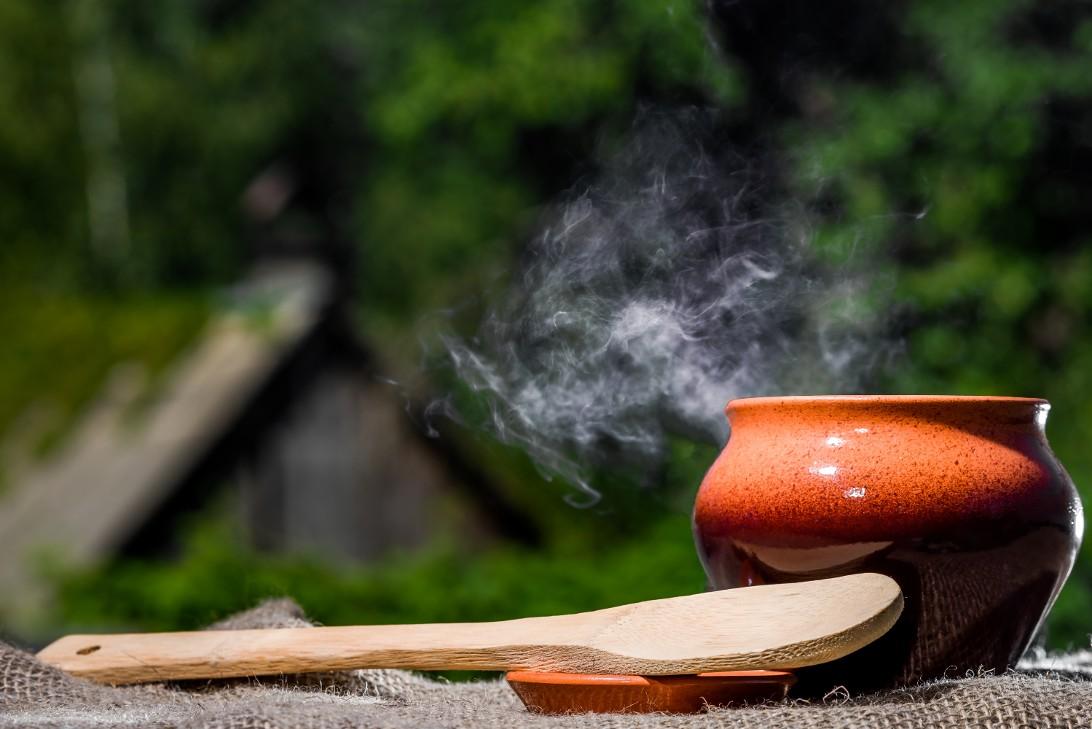

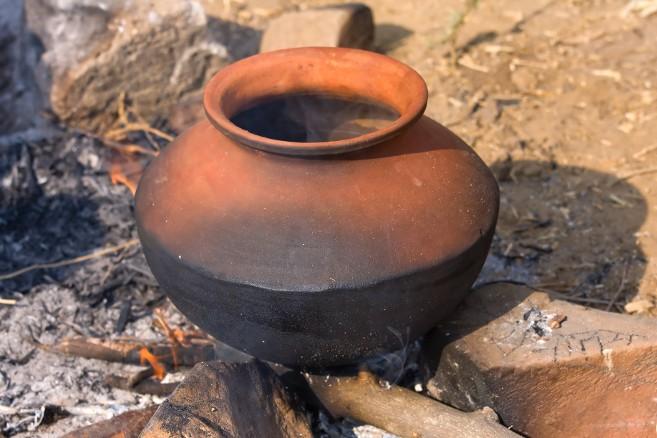
Inthemodernquestfor convenience,wetradedourhealth forTeflonandourvitalityforthe humofarefrigerator.Butas21stcenturysciencecatchesuptothe wisdomofthevillage,weare discoveringthattheclaypotwasn't justavessel,itwasabiological filter,acoolingengine,andalifeextender.
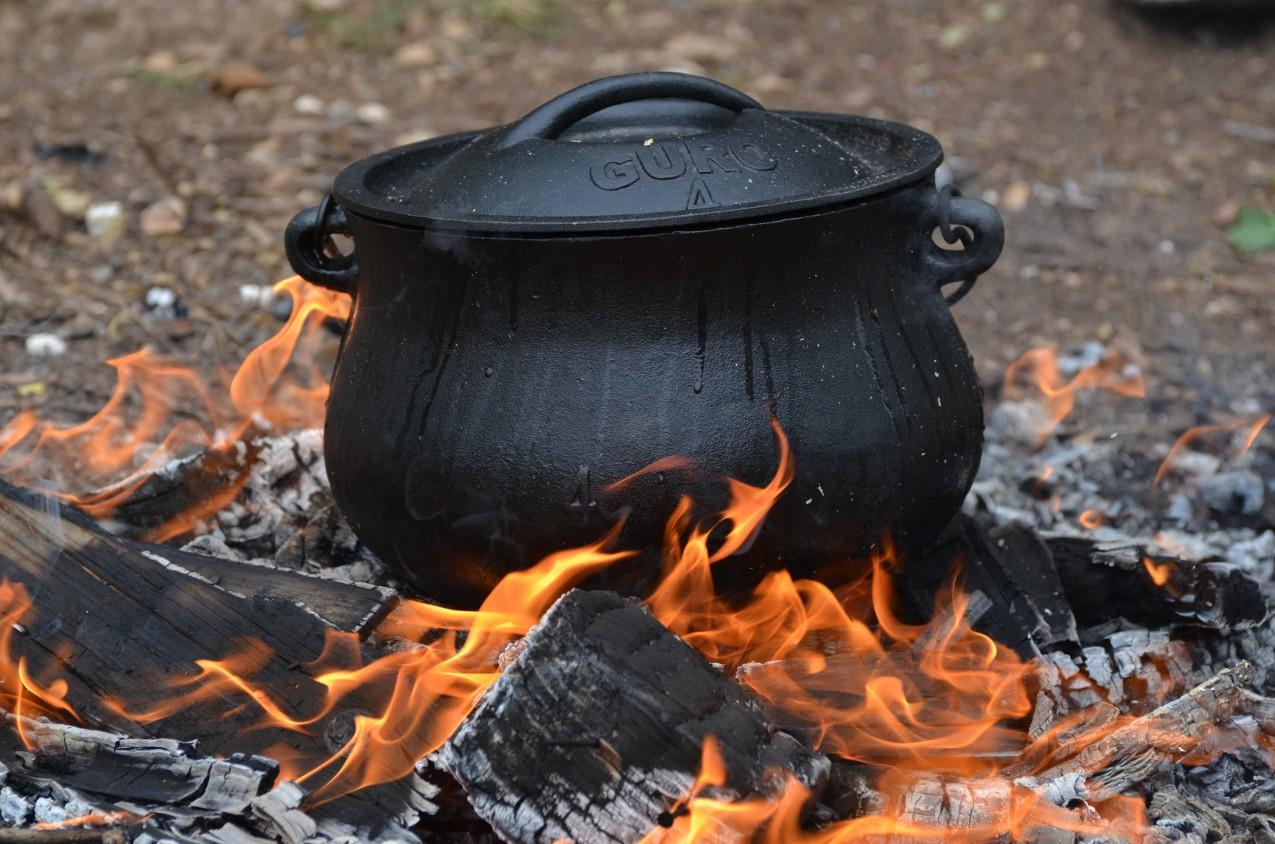
Fordecades,theworldwassoldthedreamofthenon-stickpan.Butthe veilhaslifted.Mostnon-stickcookwareiscoatedwithPFAS(per-and polyfluoroalkylsubstances)the"foreverchemicals."Whenthesepans overheat(beyond260°C)orbecomescratched,theyleachtoxinsinto ourfoodthatthehumanbodycannoteasilyexpel.Wetradedthesafety oftheearthfortheconvenienceofaslide-offegg.Itistimetoreturnto thesource.
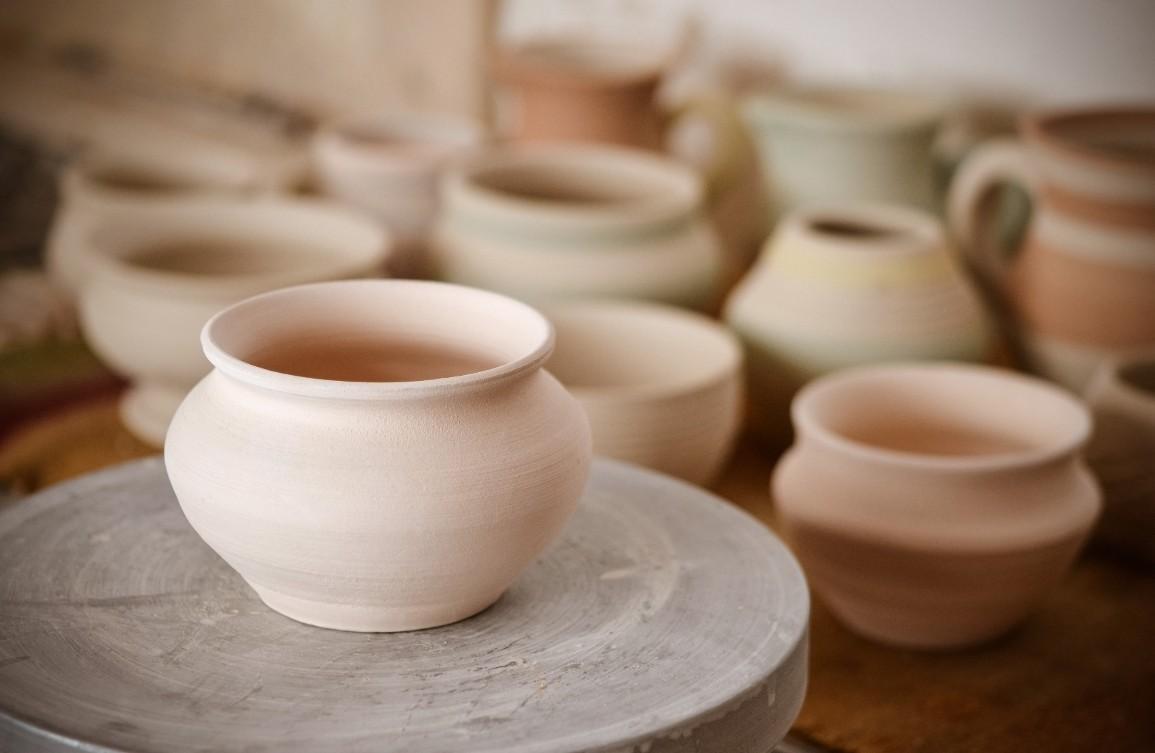

Whydidwater fromaclaypot alwaystastelike lifeitself?Itis science,not nostalgia.
pHBalancing:Mostofthemoderndietisacidic.Clayisnaturally alkaline.Whenyoucookinaclaypot,thealkalinityoftheearth interactswiththeacidityofthefood,creatingaperfectpHbalance thatisgentleronthegut.
ThePorousBreath:Unlikemetal,clayisporous.Itallowsheatand moisturetocirculatethroughthefood,preservingthenutrientsand naturaloilsthathigh-heatstainlesssteeloraluminumoftendestroys.
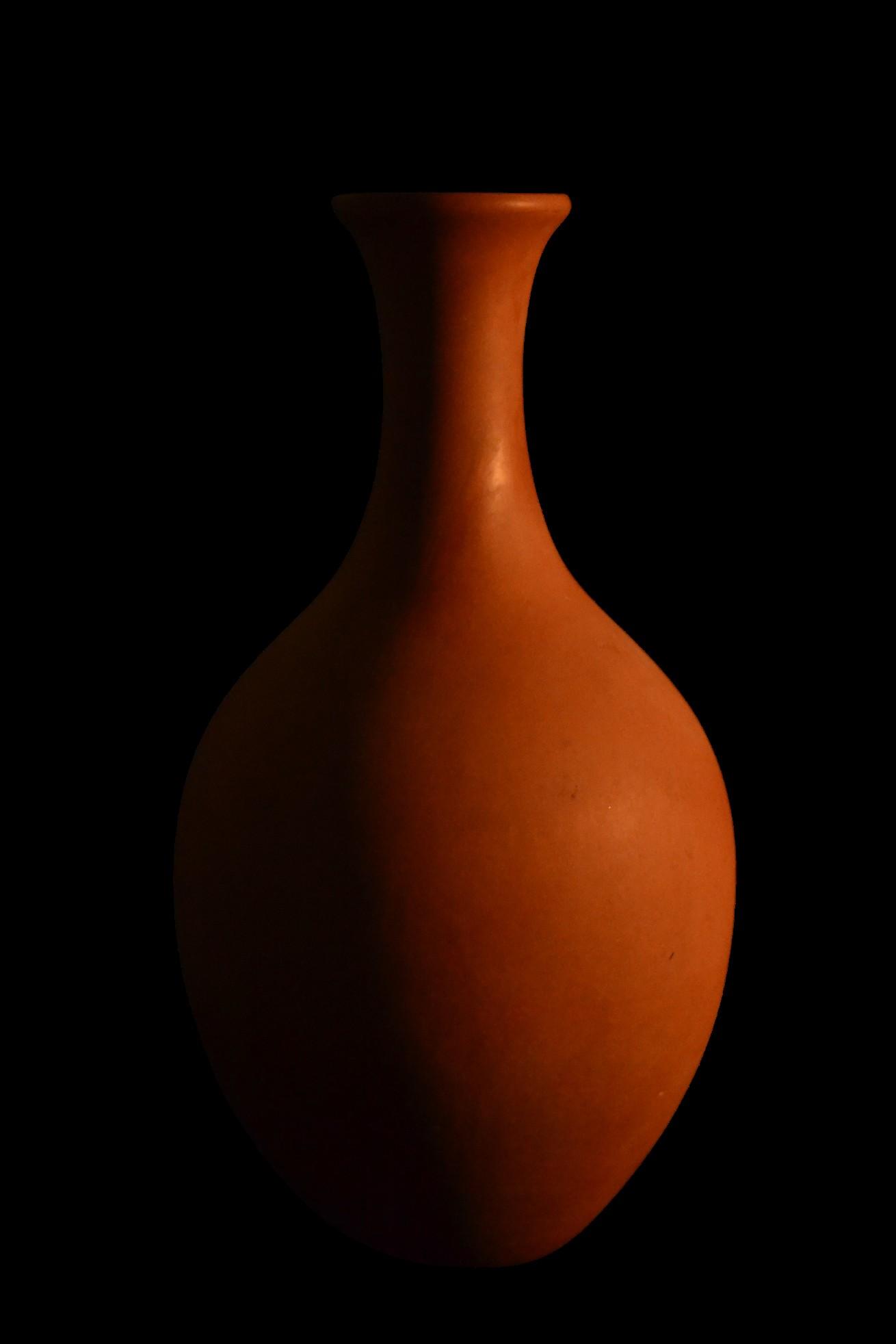
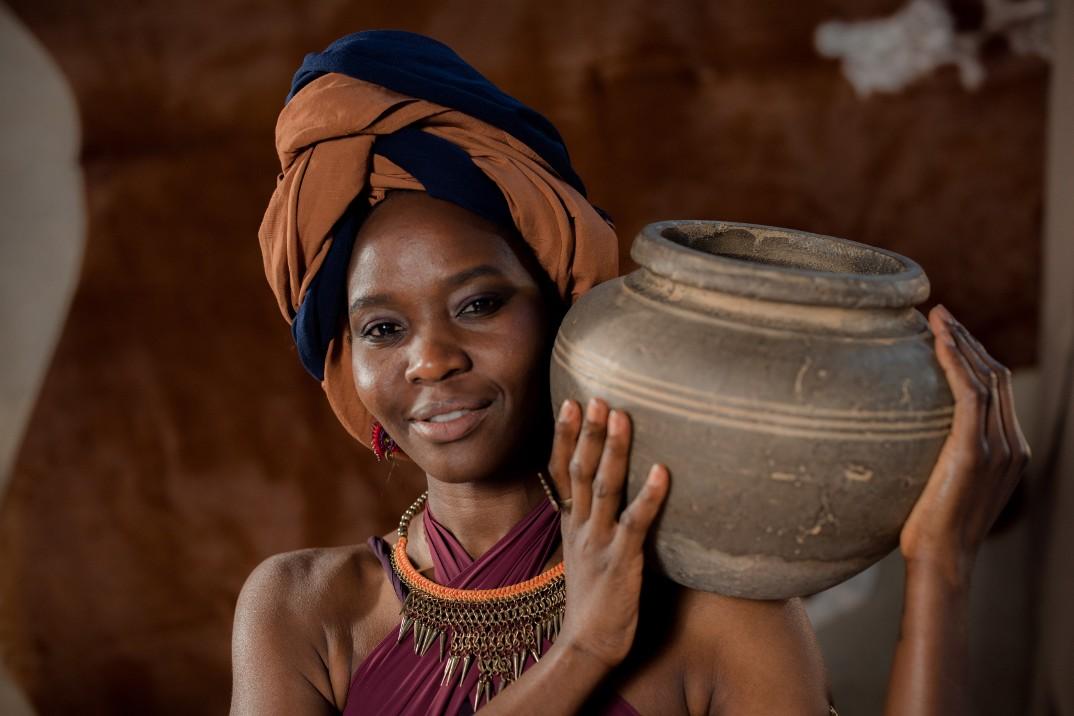
Beforethefridge,wehad theZeerPot(thePot-in-Pot refrigerator).Byplacinga smallerclaypotinsidea largerone,fillingthegap withwetsand,and coveringitwithadamp cloth,ourancestors createdanevaporative coolingsystem.Asthe waterevaporatesfromthe sandthroughtheouterpot, itpullsheatawayfromthe innerchamber.Itkeeps waterandvegetablescrisp andcoolevenintheheatof aKalaharisummerusing nothingbutthelawsof thermodynamics.
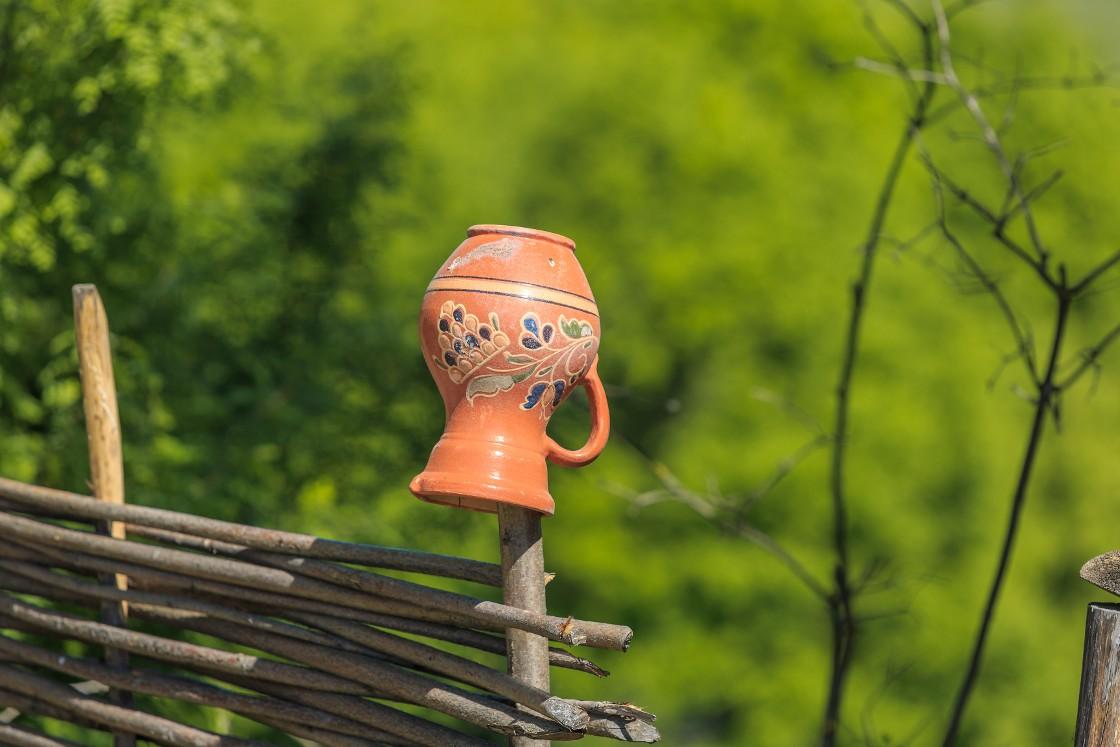
This season, we challenge you to go back to the basics. Drinking water from a clay pot isn't just about the temperature; it is about the rejuvenation. The water interacts with the minerals in the clay, absorbing the "earth energy" that plastic bottles have stripped away.

Before we go too far from where we belong, let’s remember: the most "modern" technology for your health has been sitting in our grandmother’s kitchen all along. We don't need to cling to what was never ours in the first place.

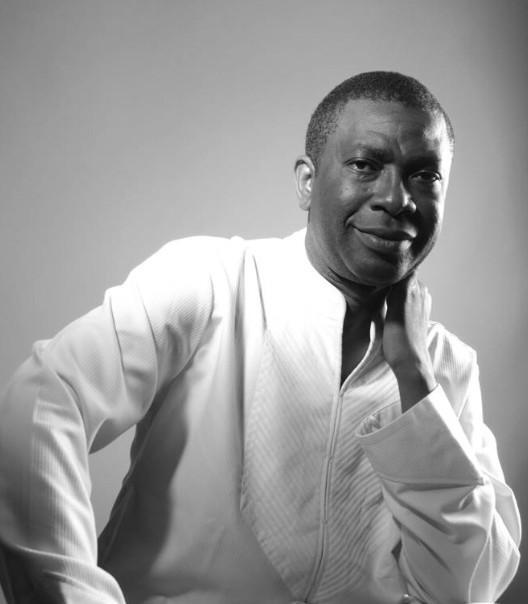
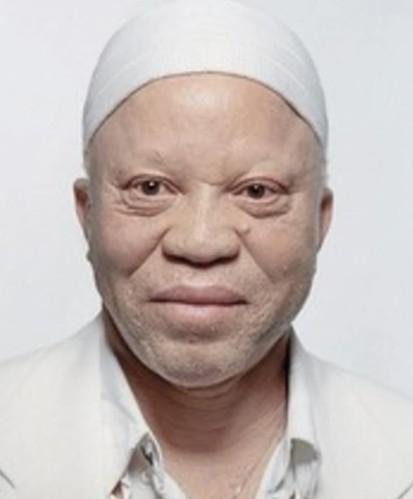
For the past two and a half years, People of Africa has dedicated its pages to the botanical strength of our sisters, giving welldeserved flowers to the Daughters of Africa who anchored our homes and revolutions. But in this Summer 2026 issue, we turn our heads to the horizon to acknowledge the architects of our auditory awakening. For the first time, we look to the Sons of Africa, specifically the melodic generals who did not just sing, but weaponized the air itself to dismantle empires and stir the dormant consciousness of a billion souls. We begin this new chapter by saluting the voices that moved mountains before they ever moved a crowd.
(FACTS CREDITED TO WIKIPEDIA, WITH LOVE POURED IN BY
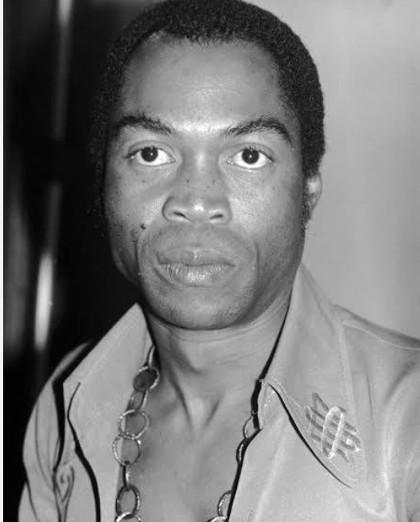
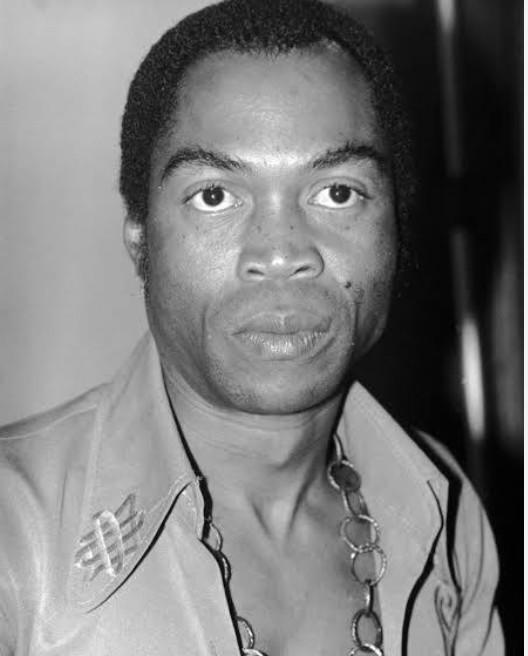
We salute Fela Kuti because he didn't just play music; he created a rhythmic frontline. By birthing Afrobeat, he gave the African continent a heartbeat that was too loud for dictators to ignore. He transformed his saxophone into a weapon of mass instruction, stripping away the pretenses of the post-colonial elite and teaching the people that "Water No Get Enemy." We bow to the man who made the shrine a parliament and the stage a battlefield for justice.
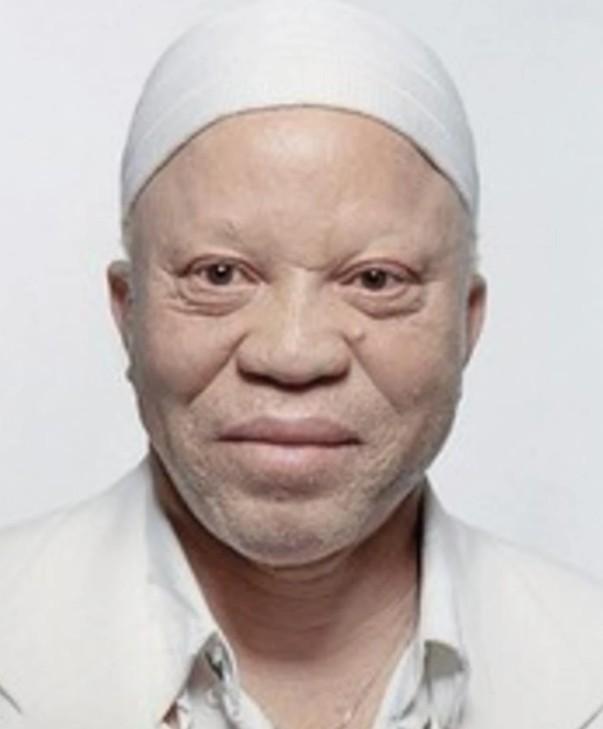
We salute Salif Keita for the radical courage of his existence. Cast out by royalty and stigmatized for his albinism, he refused to disappear into the shadows, instead rising to become the "Golden Voice of Mali." He broke the chains of tradition to show that an African’s worth is not found in the pigment of his skin, but in the soaring truth of his song. He taught us that even the most marginalized among us can carry the soul of a nation in their throat.
We salute Youssou N'Dour for proving that the local is the only true global. By taking the complex, ancient sabar rhythms of Senegal and turning them into the world-shaking Mbalax, he ensured that African identity would never be a footnote in the global pop narrative. He is the bridge between the village square and the world stage, a man who showed us that you do not have to lose your accent to be heard by the world, and that our traditions are the most sophisticated technology we own.
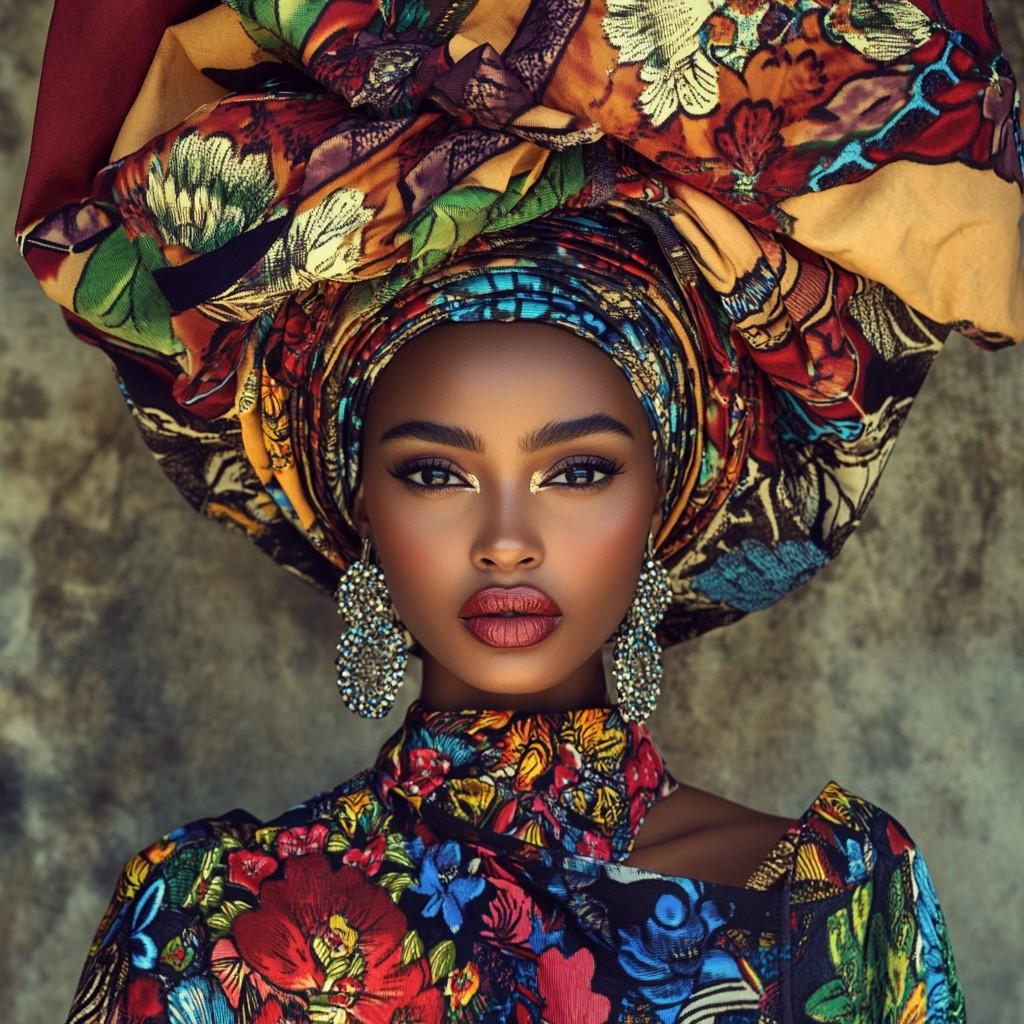
Our pride is not shouted, it is lived.


When the reaches it continent seek hydr a return t
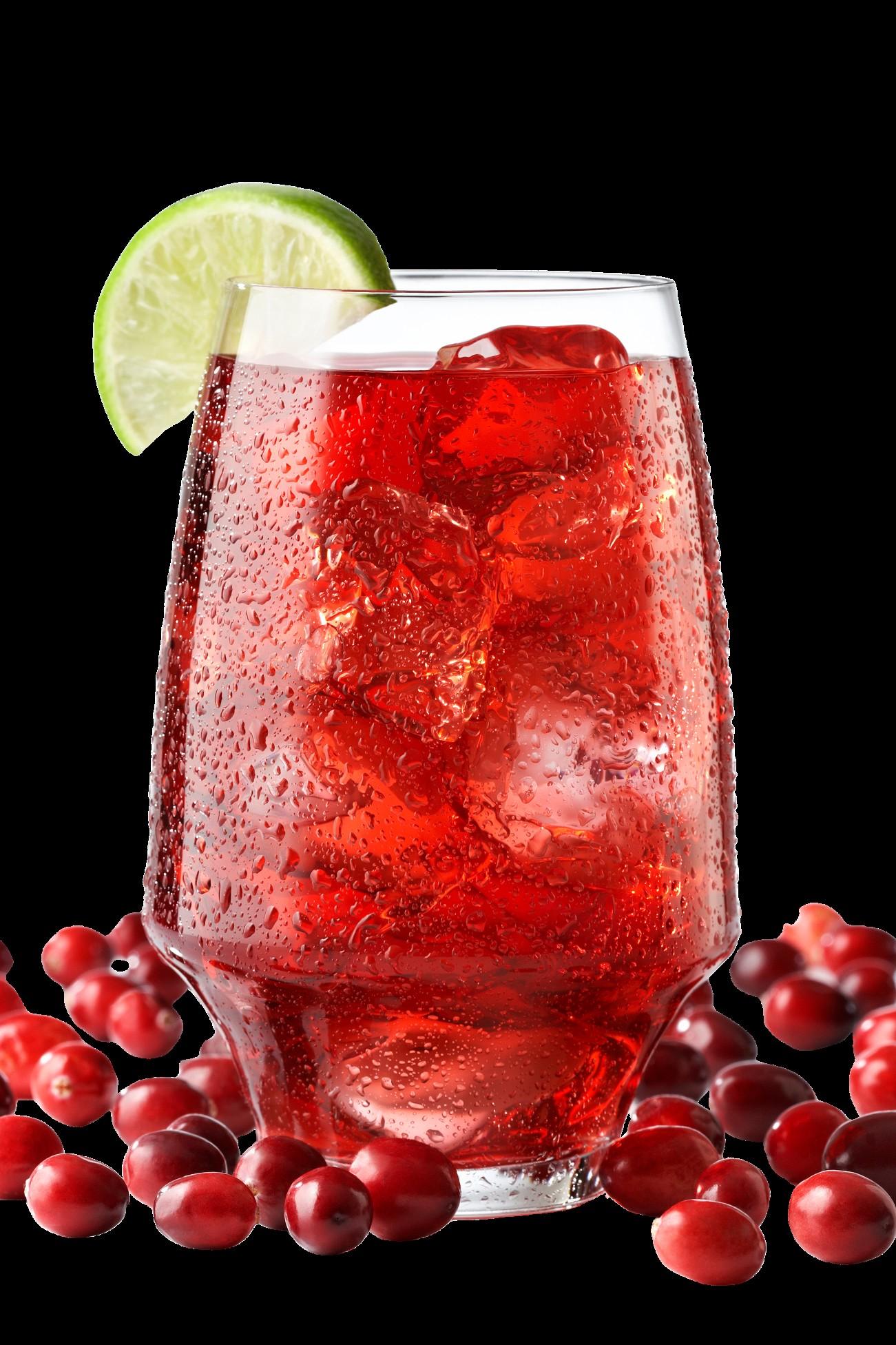
While the climate of with the f changing African ki remains a profound, wisdom. T we move a synthetic the botan cooling th the three African vi Hibiscus, the Wild M
These juic common l like the di they have evolved, a their own

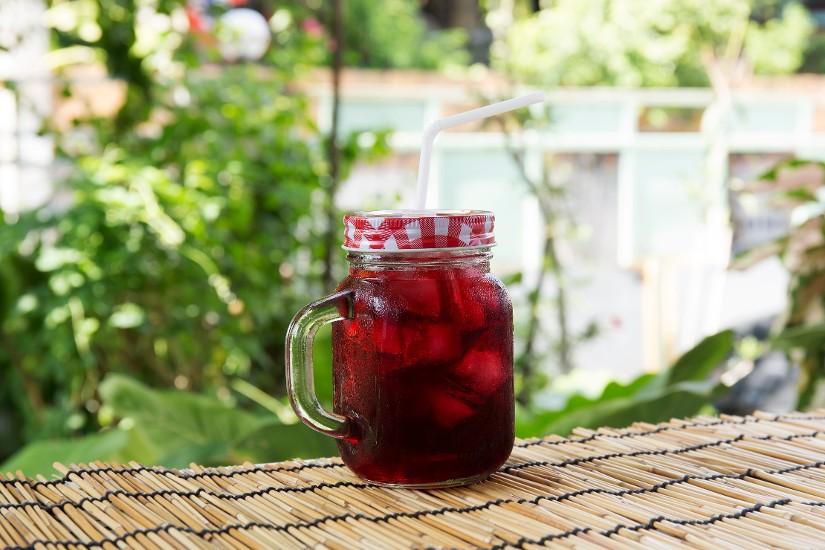
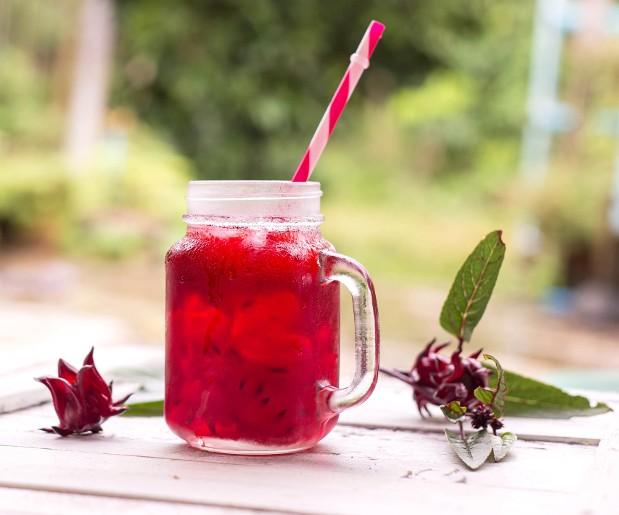
The Vibe: Chilled elegance. A deep, regal red that commands the glass.
The History: This isn't just tea; it is a legacy of the Nile. In the heat of Upper Egypt, Karkadeh has been the silent companion of philosophers and merchants for millennia.
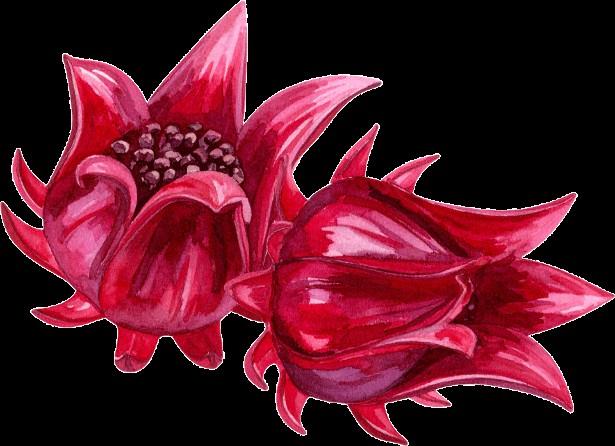
The Blueprint: Steep dried Sudanese hibiscus petals in near-boiling water until the liquid turns the color of a desert sunset.
The "Cool" Factor: Sweeten with raw cane sugar while warm, then crash-chill over a mountain of ice. It is tart, floral, and sharp enough to cut through the heaviest afternoon heat.
The Vibe: Electric, awakening, and sharp.
The History: In the bustling markets of Dakar and Banjul, ginger is the currency of vitality. It is a testament to the spice trade routes that have crisscrossed the Sahel for centuries. It isn't just a drink; it is an infusion of energy used to sharpen the mind and settle the spirit.
The Blueprint: Cold-pressed ginger root provides a potent, spicy base. To balance the "fire," we blend it with fresh pineapple juice and a squeeze of lime.
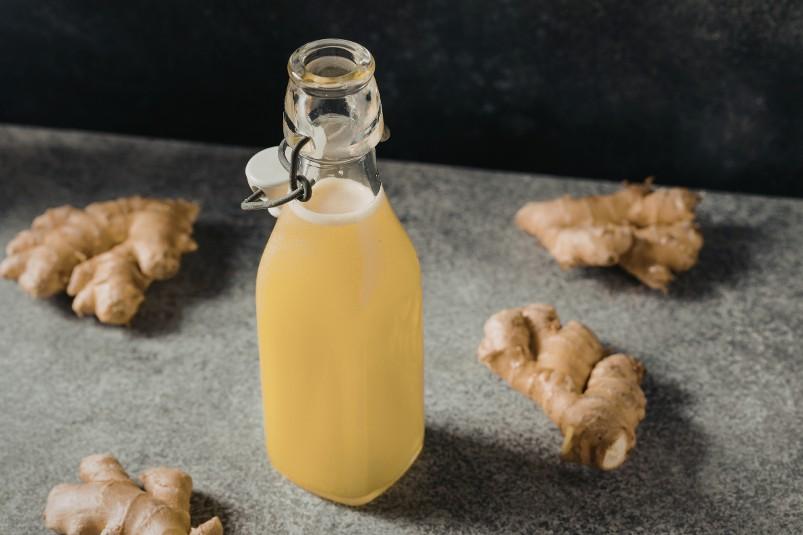
The "Cool" Factor: The ginger creates a unique thermogenic effect it makes you sweat to cool you down, while the pineapple adds a tropical, velvety finish. It is the taste of West African resilience.

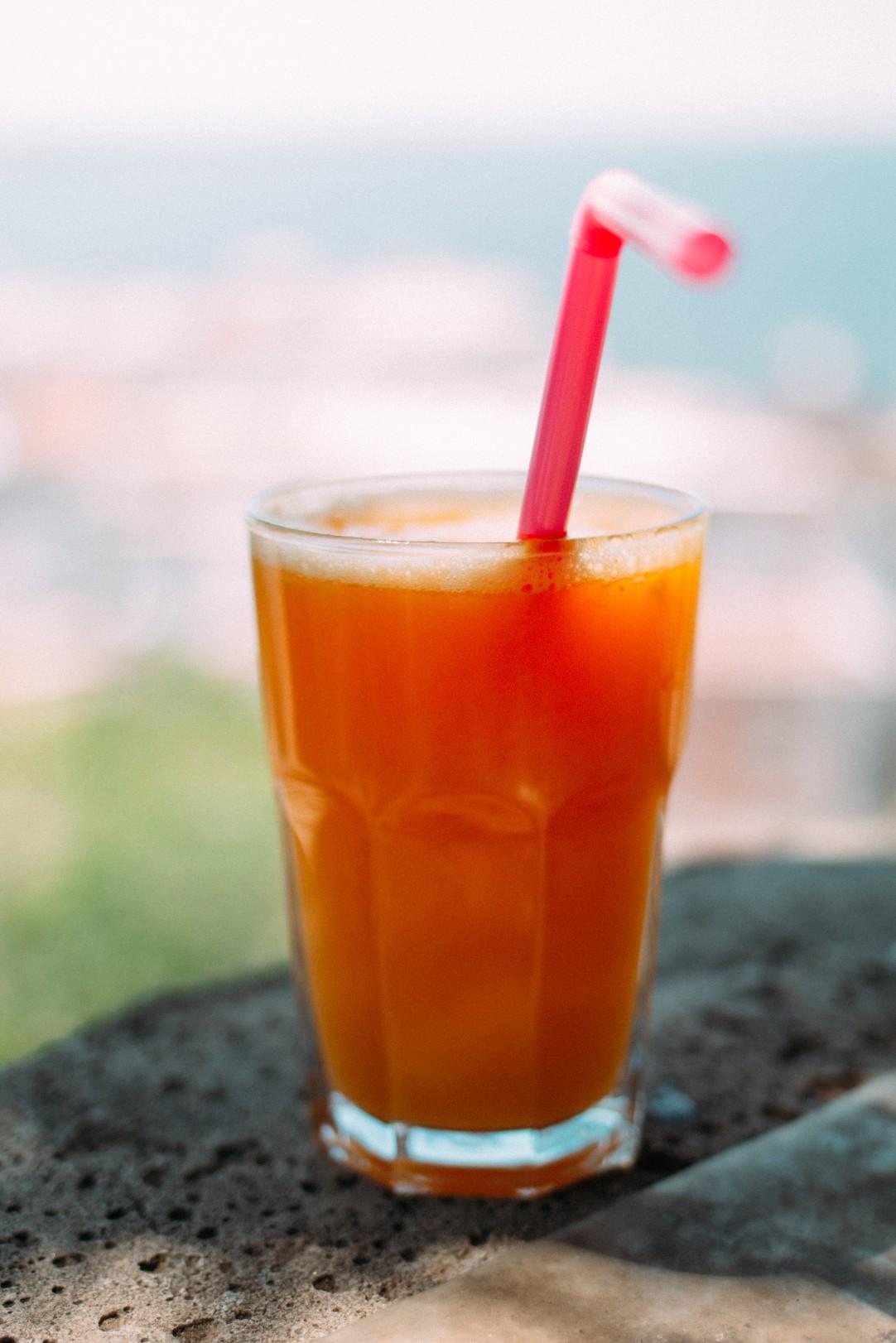
The Vibe: Primal, pale, and lifegiving.
The History: Before the modern watermelon graced global tables, there was the Tsamma. For the San people of the Kalahari, this wild ancestor was and is a miracle of biological engineering, storing pure water in the harshest environment on earth.
The Blueprint: Puree the heart of a crisp watermelon (the closer to the wild variety, the better), straining it until you have a translucent, palepink nectar.
The "Cool" Factor: Add a single, sharp slice of lime. The acidity of the lime wakes up the natural sugars of the melon, creating the ultimate thirst-quencher. It is the taste of survival turned into a luxury.
As journalists, we look for the thread that connects us. These three drinks are essentially the same botanical heritage, yet the Karkadeh is formal, the Jus de Gingembre is soulful, and the Tsamma is elemental. They are the perfect liquid metaphor for the African house: we may be scattered from Berlin to Paris, from Atlanta to Accra, but when we thirst, we all return to the same ancestral well



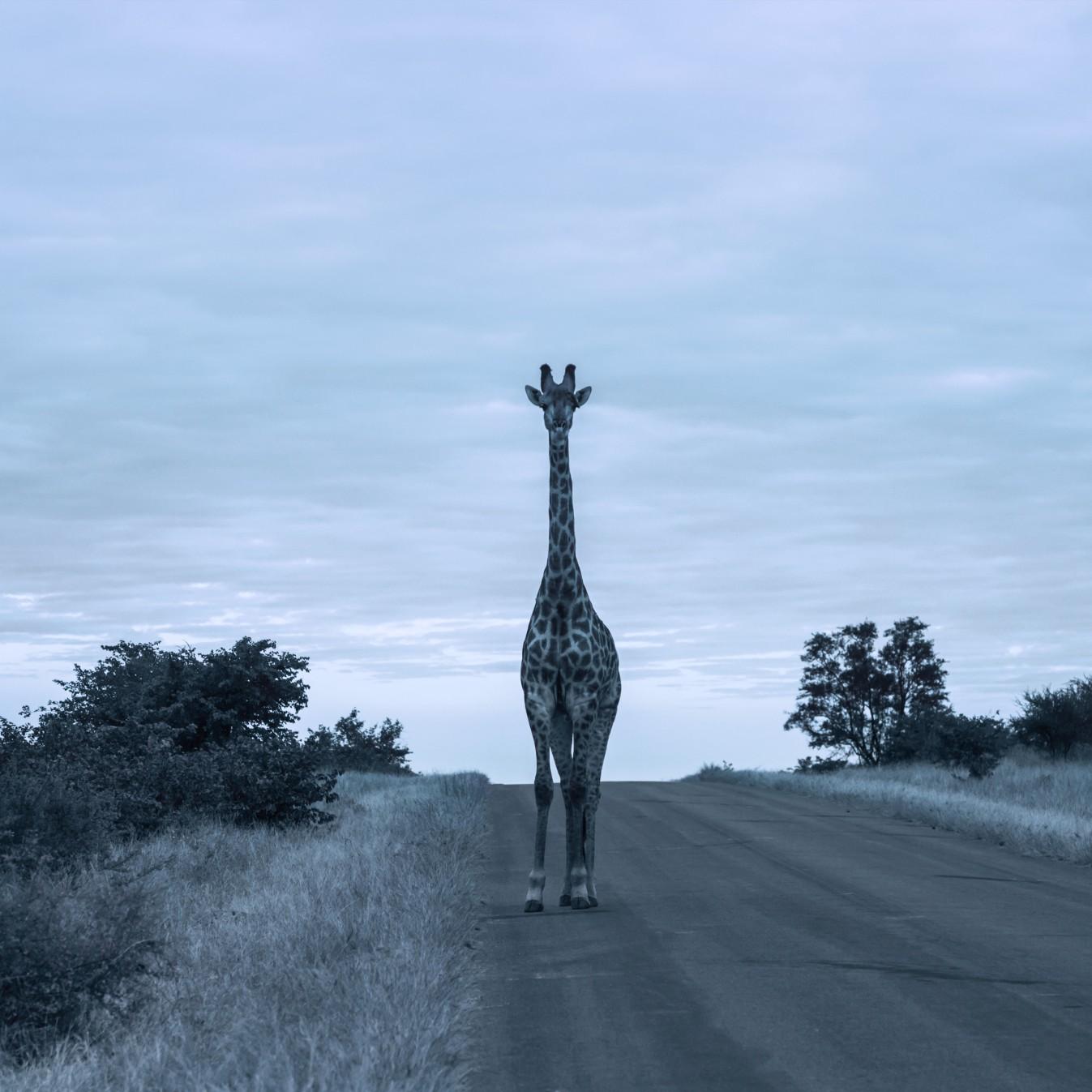


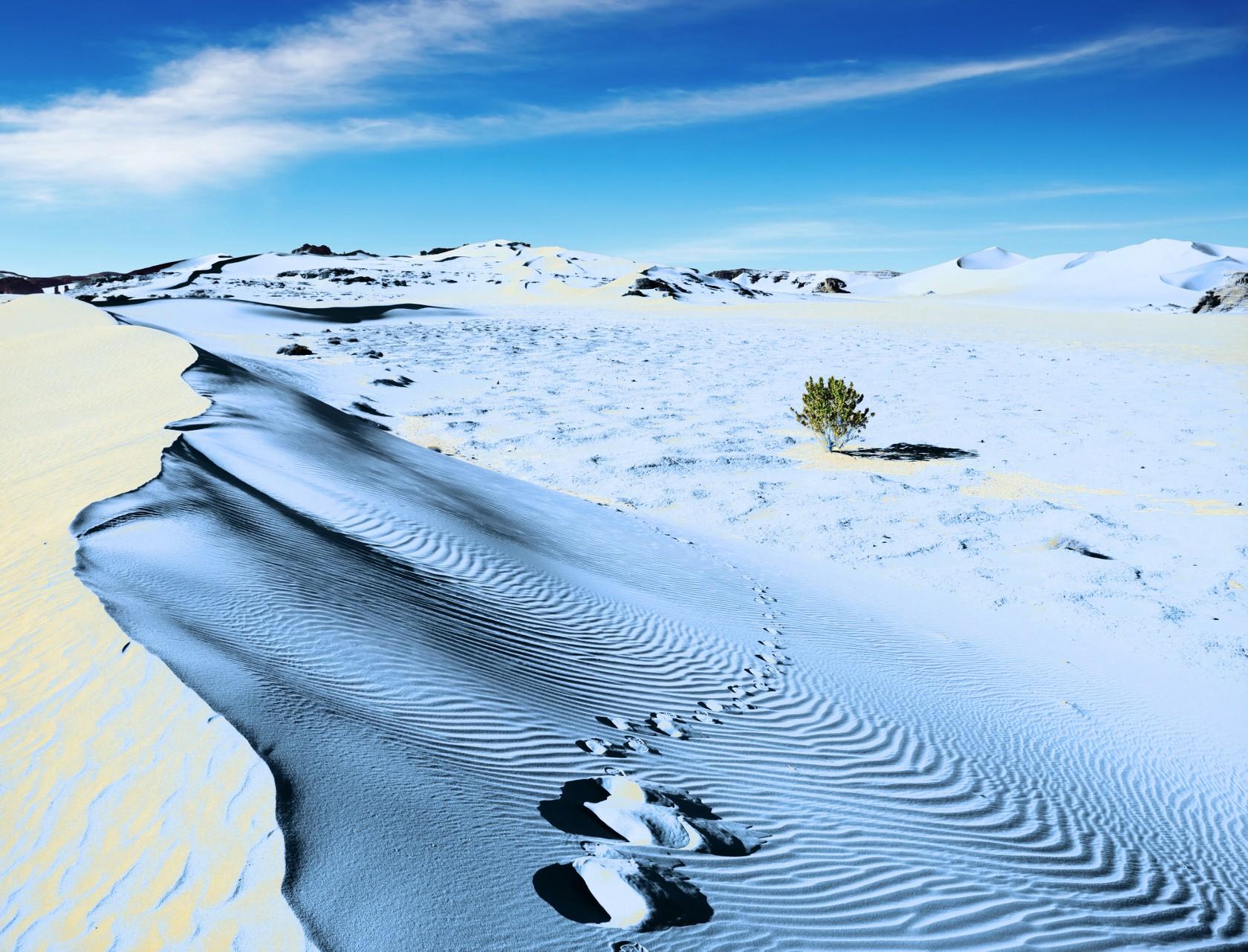
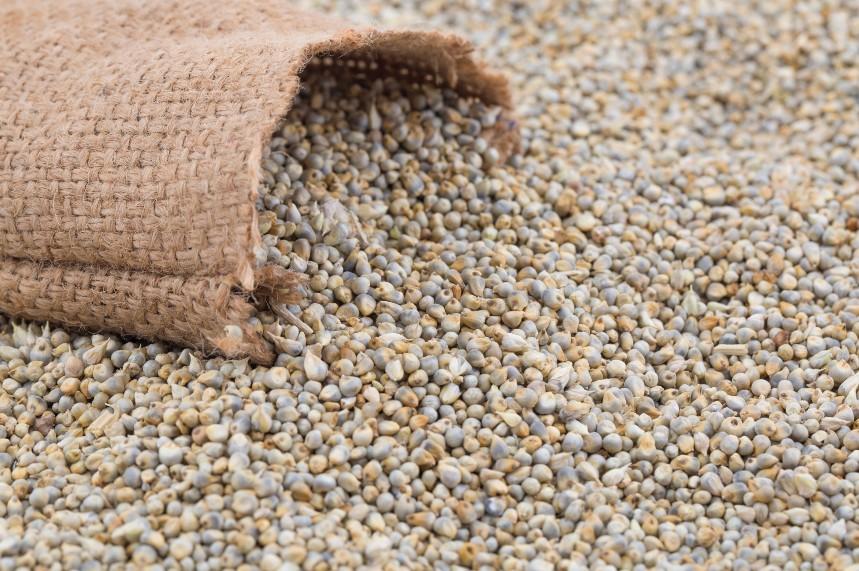
Before the colonial preference for maize took root, there was Millet. For over 7,000 years, this small, unassuming grain has been the heartbeat of the African savannah. From the edge of the Sahara to the sweeping plains of the Kalahari, Millet is not merely a crop; it is a survivor.
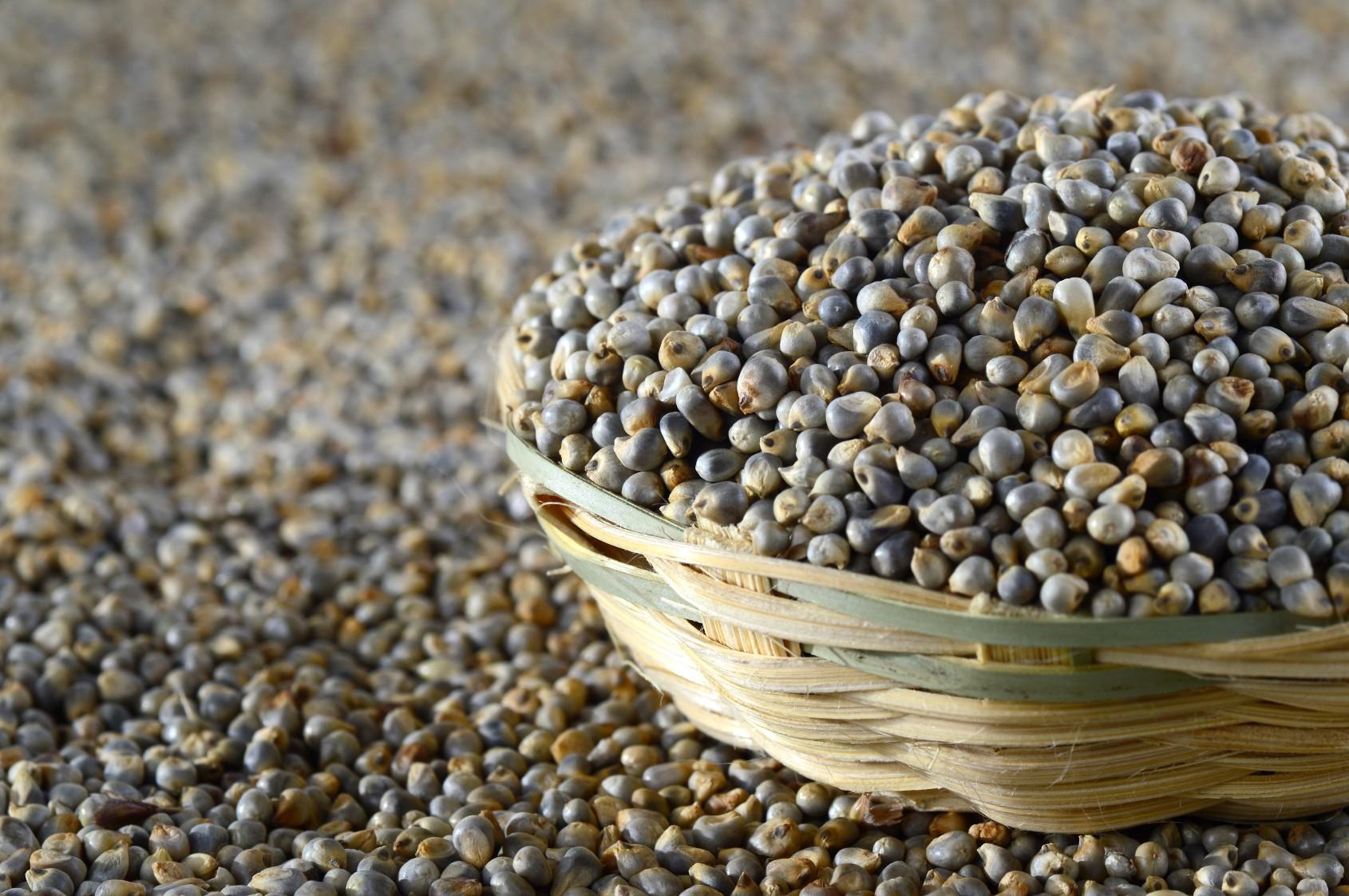
Millet’s story is one of radical adaptations. While the world’s mainstream agricultural markets obsessed over water-heavy grains, our ancestors perfected the cultivation of a seed that could thrive where nothing else would.
Domesticated in the Sahelian region of West Africa, Millet fueled the great empires Ghana, Mali, and Songhai. It was the grain of the traveler and the soldier, valued for its ability to store for years without spoiling.
It is, in every sense, the "Original Grain" of the continent.
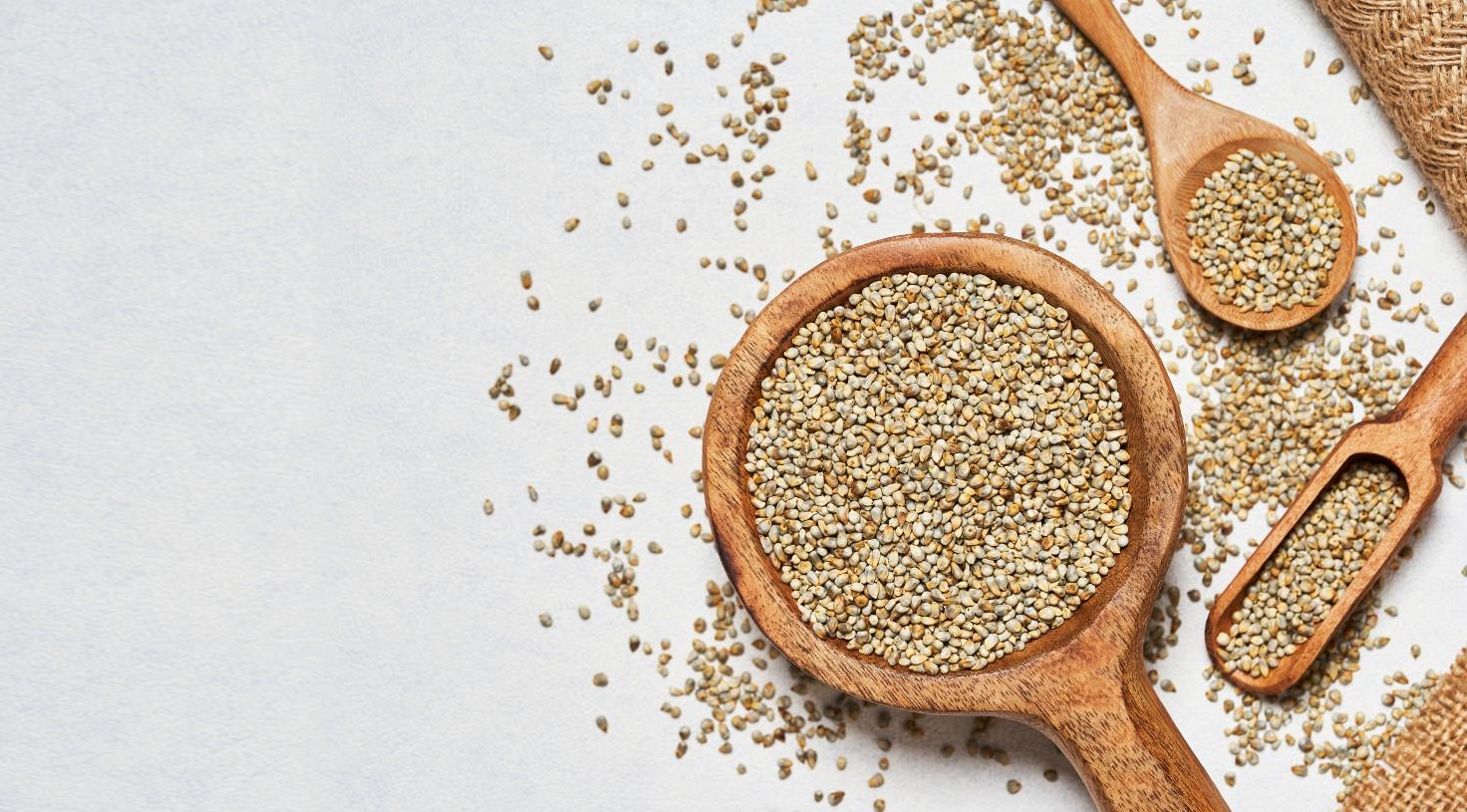
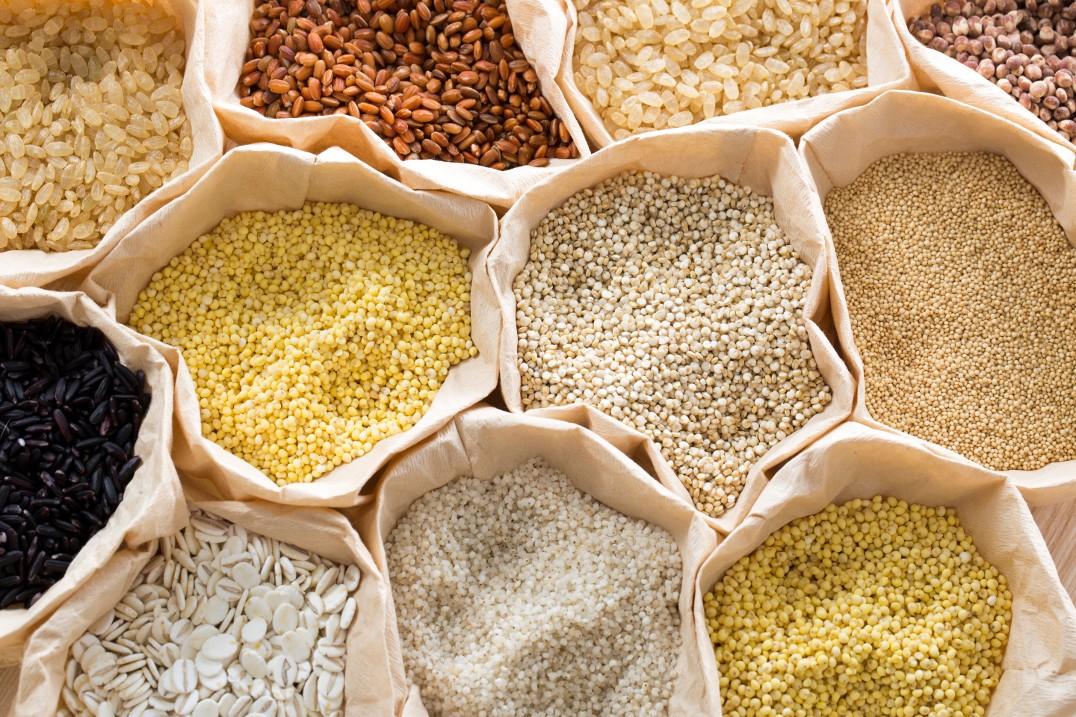
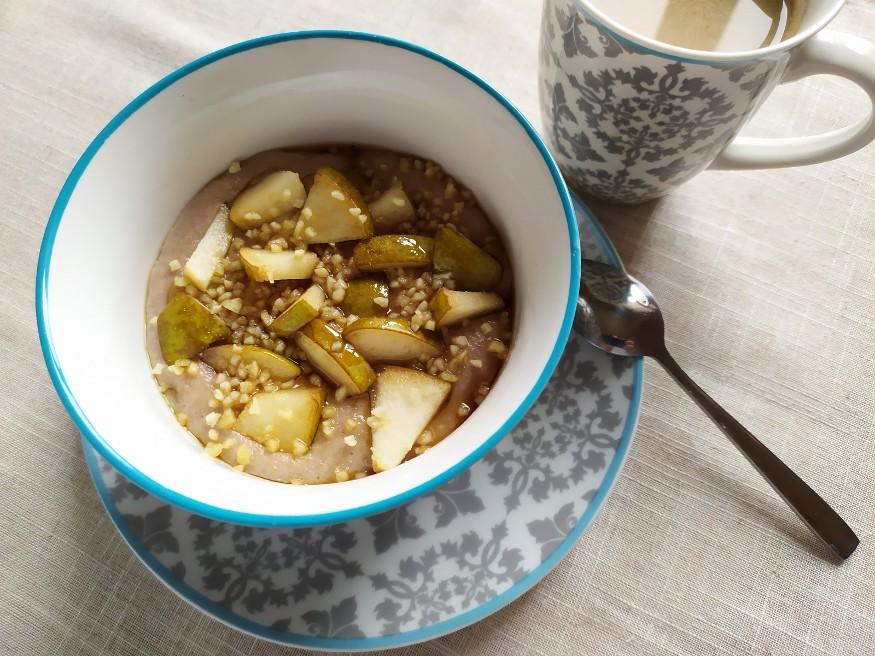
To the uninitiated, Millet is just a cereal. To an African, it is a versatile protagonist in a thousand different stories:
The Sunrise Bowl: In the morning, it is the fermented, silky porridge Uji in the East or Koko in the West often spiked with ginger and cloves to wake the spirit.
The Midday Strength: By lunch, it transforms. It becomes the dense, structural Ugali or Tuwo, the gravity-center of the plate that anchors rich stews and leafy greens.
The Communal Sip: We must not forget the ancient craft of Millet beer, a sacred beverage used for centuries to seal contracts, celebrate harvests, and honor the ancestors.
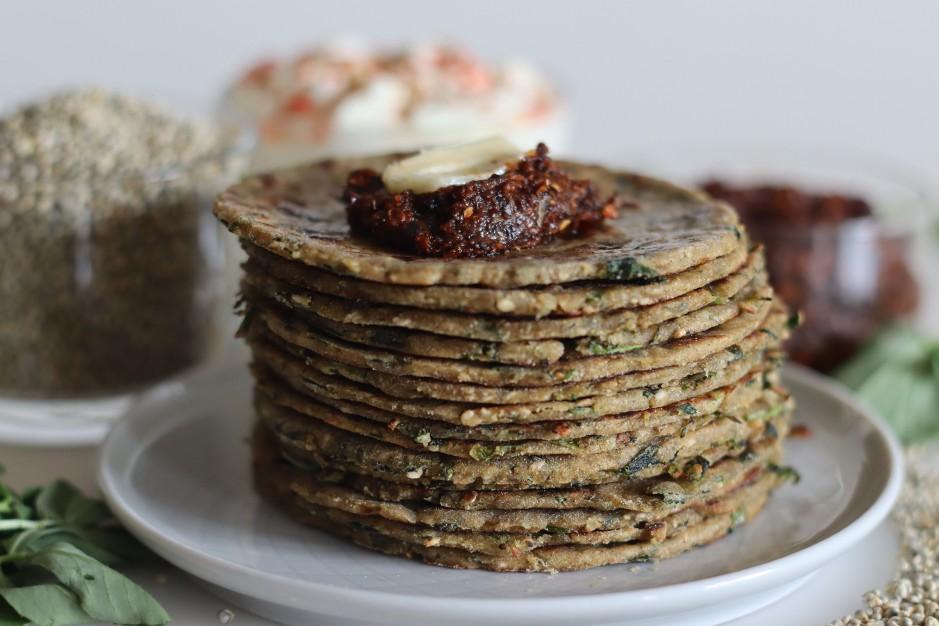
In an era of "superfoods," Millet remains the undisputed king. It is gluten-free, rich in antioxidants, and possesses a low glycemic index that modern nutritionists are only now beginning to "discover." But for us, the benefit has always been about resilience. It provides a slow-release energy that sustains the builders of Great Zimbabwe and the farmers of the Nile Valley alike.
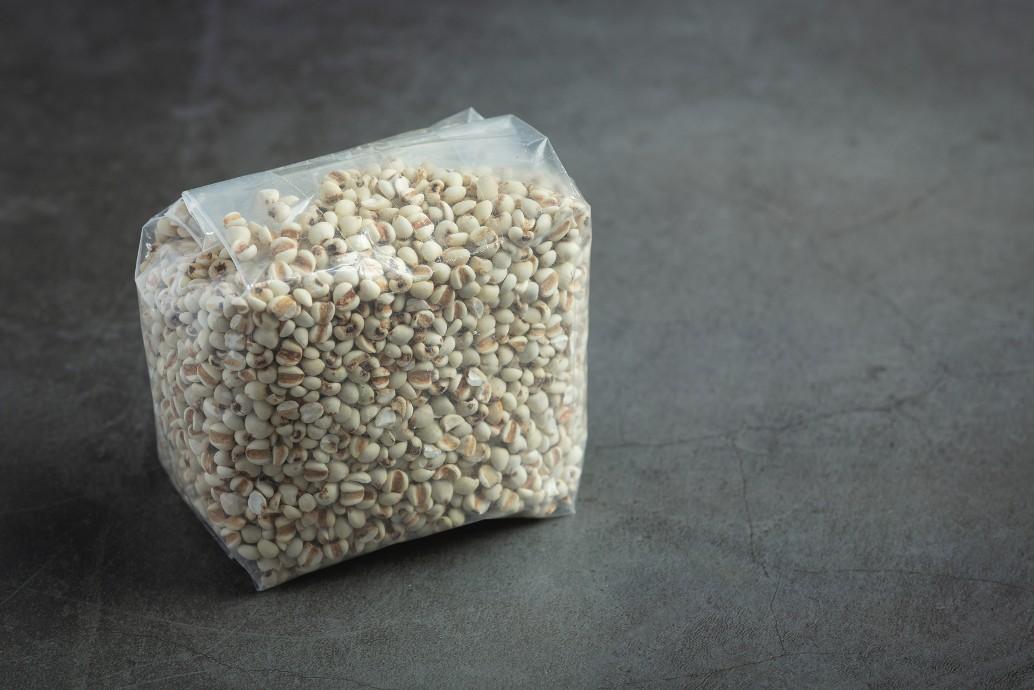
Today, you will find Millet in the pristine aisles of UK "Whole Foods" and American health boutiques, rebranded as the latest "ancient superfood" for a premium price. But let us be clear: before the Amazonowned brands and the Western wellness influencers discovered its "discovery," it was the lifeblood of our people. It was the energy in the bones of the pyramid builders and the stamina in the stride of the Sahelian traders.
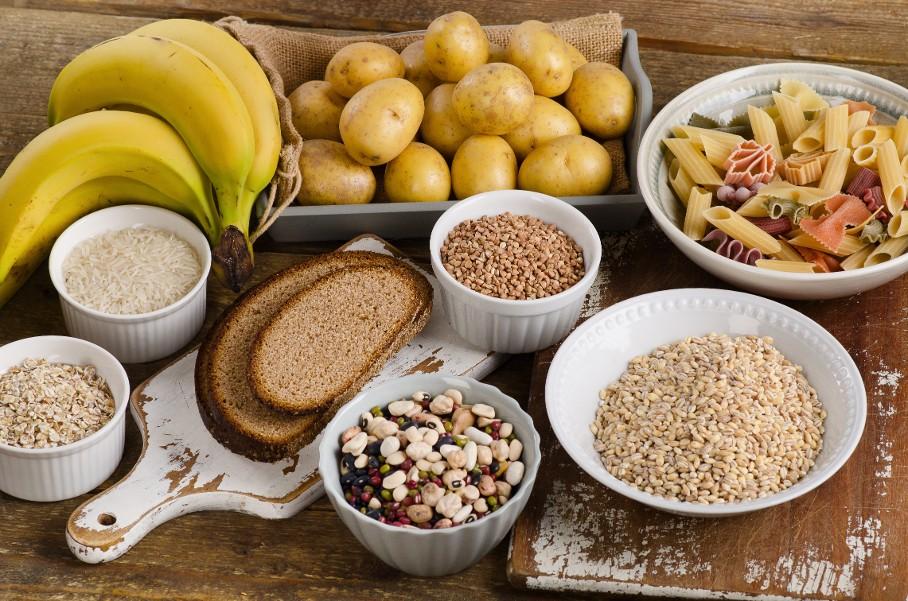
While we have often been forced to consume what was brought to our lands, we never lost the secret of what truly sustains us. The world is finally realizing what we have always known that our food history carried the highest benefits long before the global North gave it a "super" label.
Remember: your plate is a map, and your food is a legacy. Do not wait for a foreign brand to validate the gold that has always been in your pantry. If your soul hungers for the diverse ways we turn this grain into life, stay tuned.
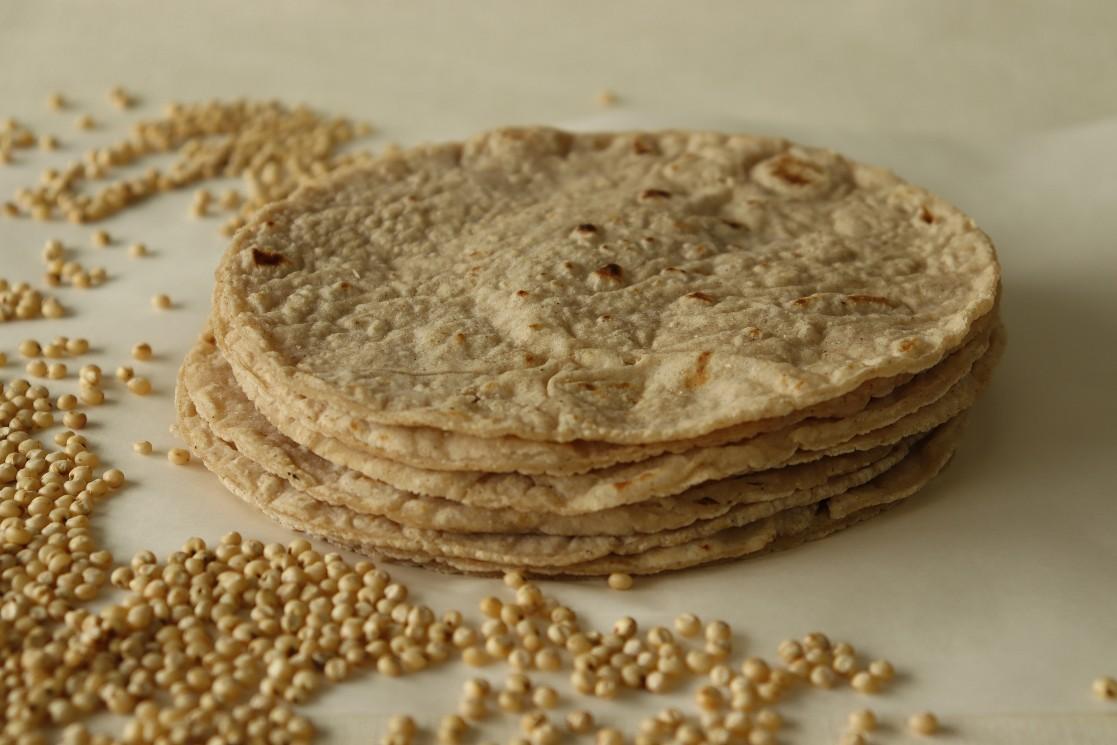
In our Fall Issue, we will go above and beyond to bring you the recipes from the fermented sours of the West to the structured midday anchors of the South. We are bringing the kitchen home.

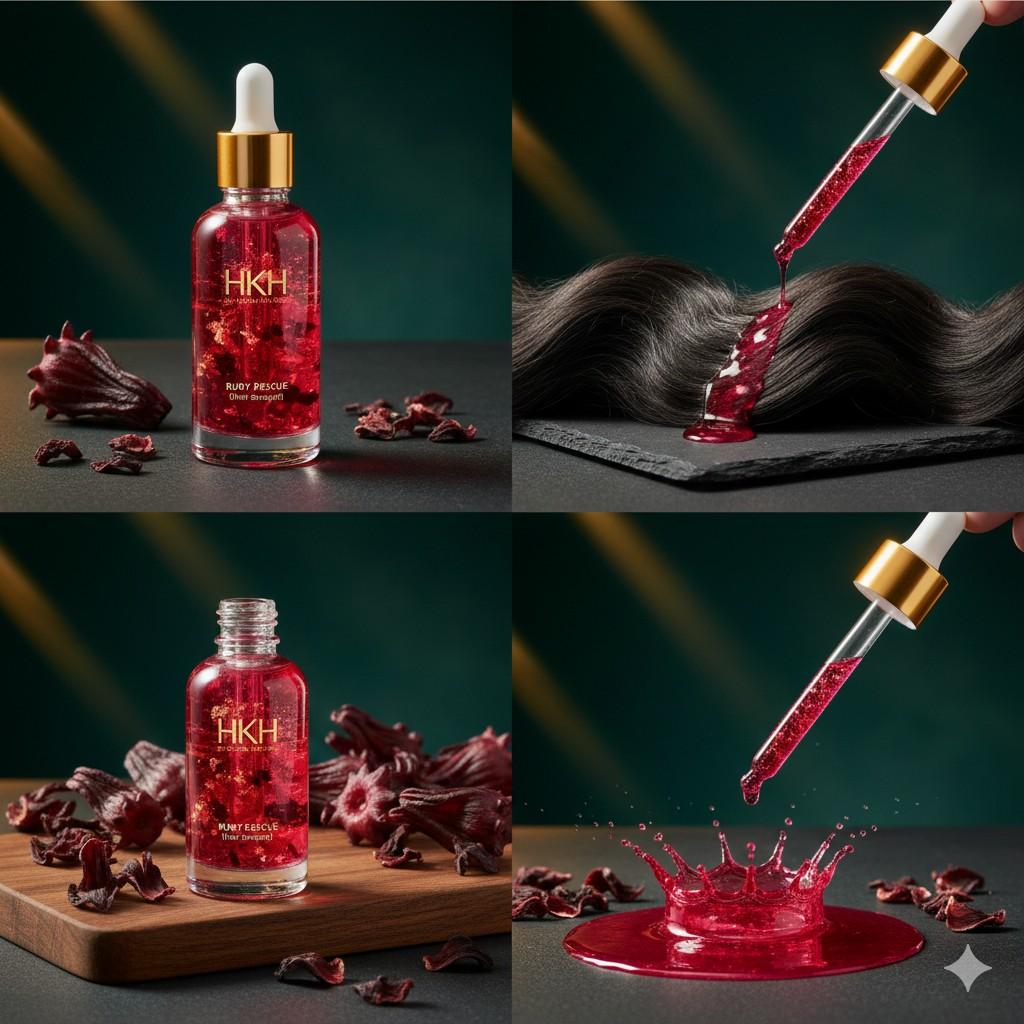

IT’S MORE THAN JUST OIL; IT’S A COMFORTING EMBRACE FOR YOUR SKIN.
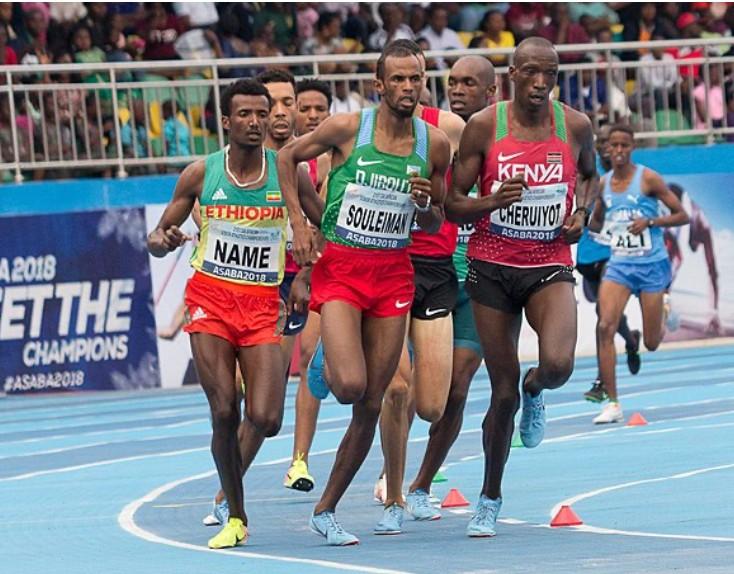
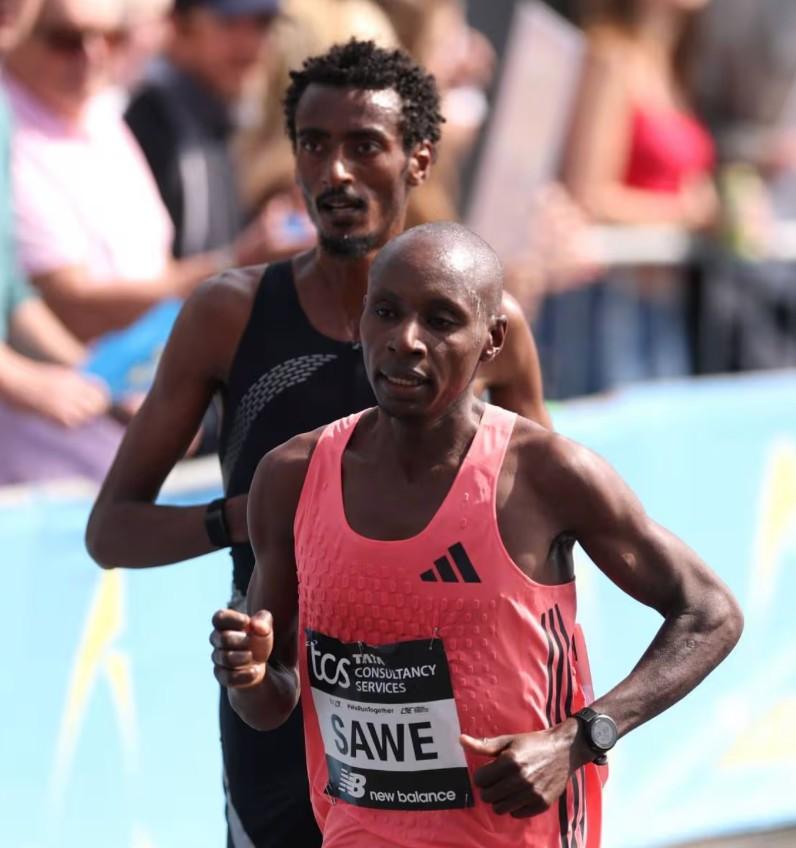
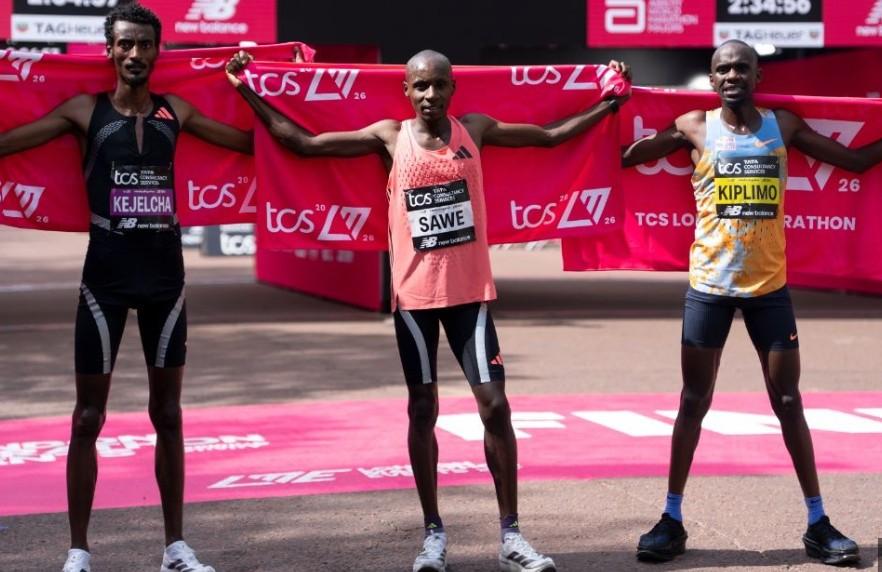
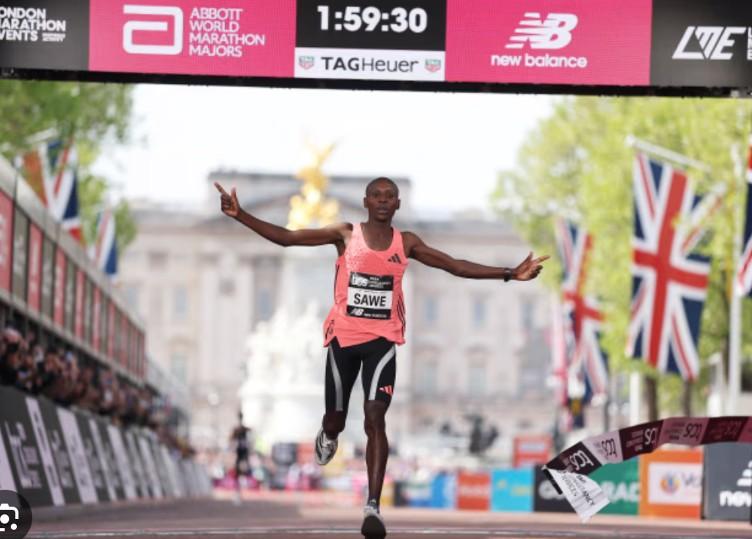
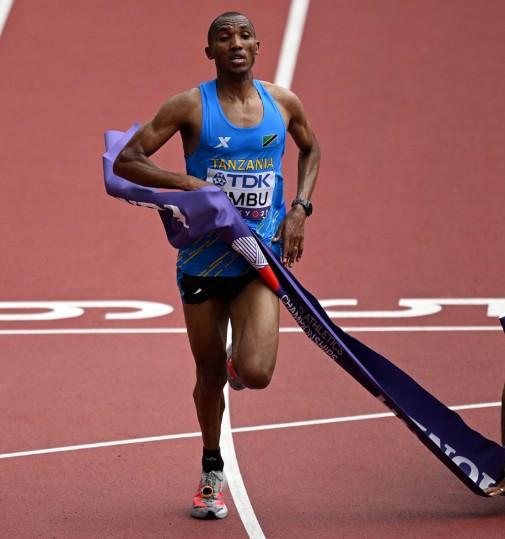
To understand the East African runner, you must stop looking at the stopwatch and start looking at the sky. In April 2026, the world stood still as the "SubTwo" myth died in the streets of London. Sawe and Ethiopia’s Yomif Kejelcha didn't just win; they crossed the finish line in 1:59:30 and 1:59:41. For the mainstream media, it was a miracle. For the Rift Valley, it was an appointment. Since 1960, when Abebe Bikila ran Rome’s cobblestones barefoot to take the first gold, the story has been the same. Whether it’s a stadium or a city street, when the hunt for gold begins, the first fifteen faces you see are almost always East African.
Why? Because they aren't just running; they are operating machinery built by the land itself.

Peoplealwaysask:"Isitthe genes?"AtPeopleofAfrica,we digdeeperintothebiological realityofthesoil.
T H E " M E A T " : T H E B I O L O G Y O F T H E P L A T E A U
TheBird-LikePhysique: LookattheKalenjinof Kenya,theOromoof Ethiopia,andthe endurancegiantsof TanzaniaandUganda.They carrythinanklesandlong, leancalves.Intheworldof physics,thisislikehavinga lighterpendulumona clock.Ittakessignificantly lessenergytoswingtheleg over26miles.Theyaretall, theyarelanky,andtheyare builtwithlungsthatcan outrunadog.
TheAltitudeEngine:Living at2,000+meters(6,500ft) isn'ta"lifestyle",it'sa biologicalturbo-charger.At thisheight,theairisthin. Thekidneysrespondby releasingEPO,signalingthe bonemarrowtoproduce thicker,oxygen-richblood. WhileWesternathletespay thousandsforaltitudetents orgymmemberships,the RiftValleyisbornwitha red-cellcountthattherest oftheworldcanonlydream of.
1 : 5 9 : 3 0

TheFuelofWarriors:Thishigh-performanceenginedoesn'trunon processedsugars.ItrunsonUgaliandInjera.ItrunsonMursikthe traditionalKalenjinfermentedmilktreatedwiththesootofthe sinendettree.Itisclean,probioticfuelthatbuildsbonedensity andgutresilience.
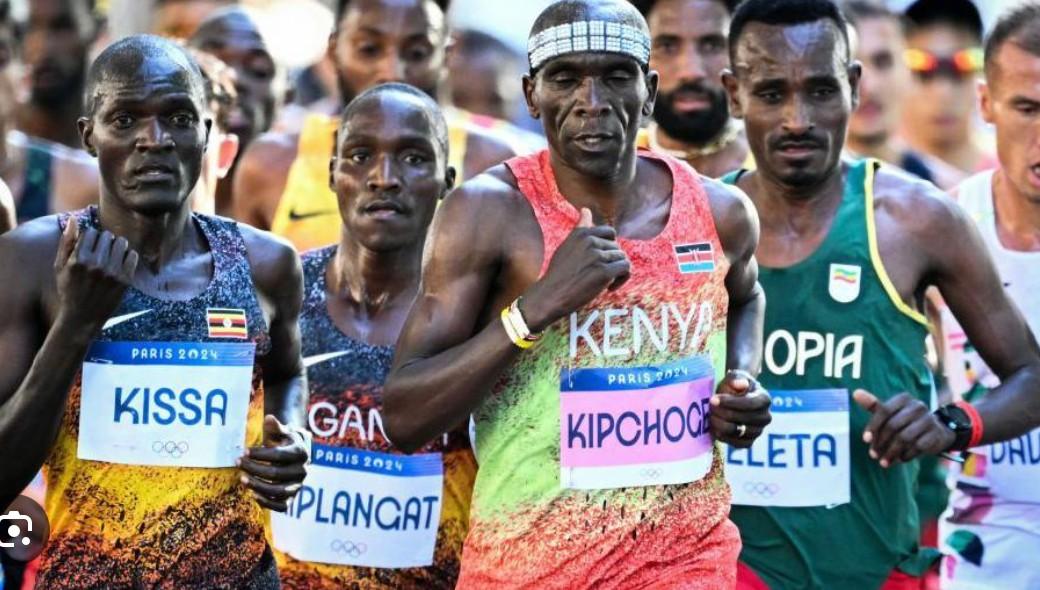
This is the part the mainstream skips because they can’t put it in a lab. It’s called "Incidental Training."
By the time a Rift Valley child turns 15, they have "banked" thousands of miles that a Western athlete is desperately trying to catch up on with expensive coaches and GPS watches. These miles weren't run on a track; they were run to school, to the market, and across the undulating hills of the plateau.
T H E " S P I R I T "
This part of Africa doesn't shine in basketball or short sprints. They shine in the endurance of the lung.They shine in the spirit of not giving up. As the Tanzanian legend John Stephen Akhwari famously said in 1968, as he limped into the Olympic stadium long after the lights had dimmed:

"
My country did not send me 5,000 miles to start the race; they sent me 5,000 miles to finish the race."


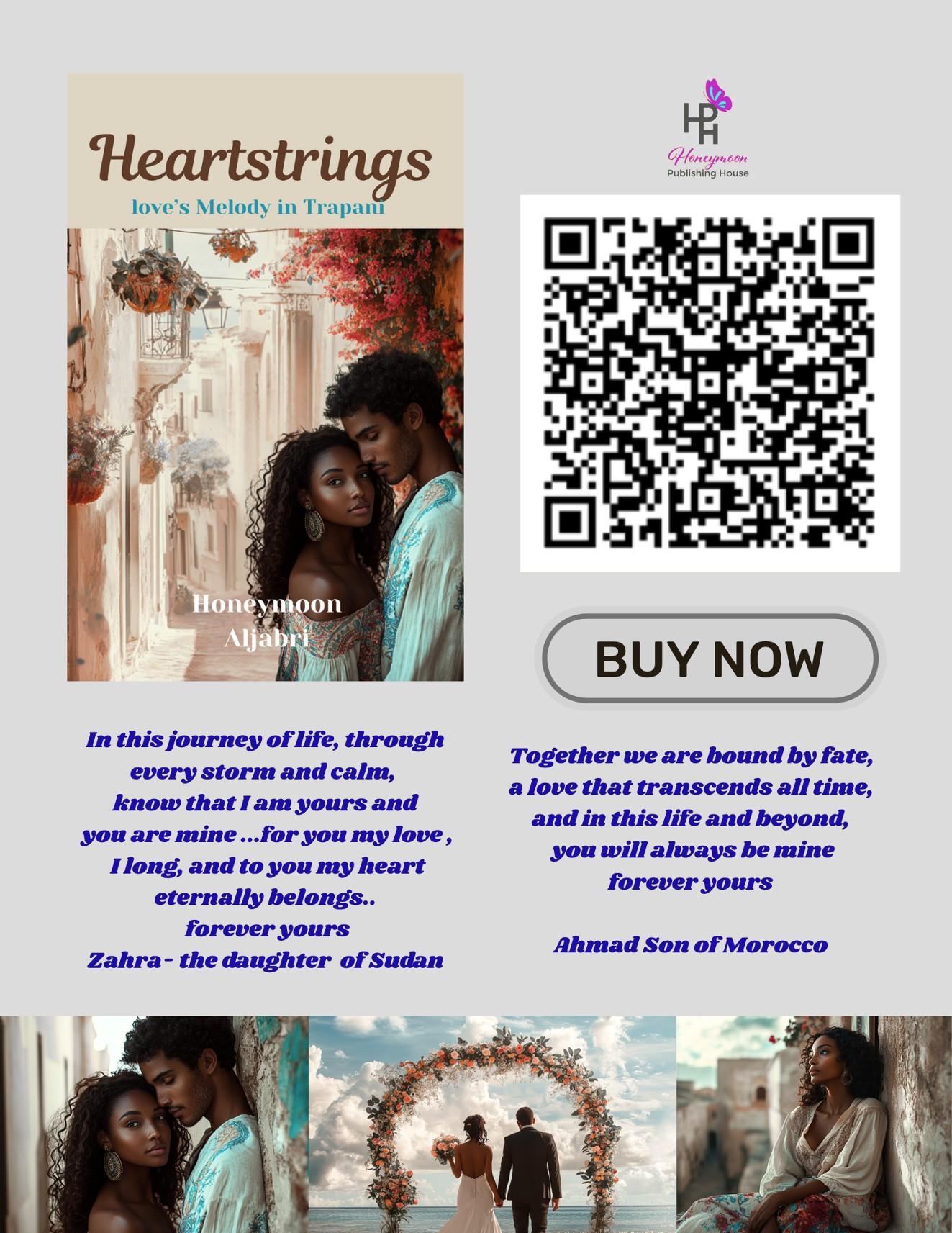
In the summer of 2026, the maps that have long divided us are being folded away. For the first time in history, ten African nations will step onto the world stage, and as they do, the physical and mental fences of our continent will dissolve. At People of Africa, we don’t see ten different flags; we see one unstoppable pulse.
We remember the electric winter of 2022 in Qatar, where Morocco didn't just play they prophesied. By reaching the semi-finals, they broke the "glass ceiling" of the footballing world, proving that the African soul possesses a tactical and spiritual depth that the mainstream media often ignores. They showed us that "impossible" is a word that doesn't exist in our vocabulary.
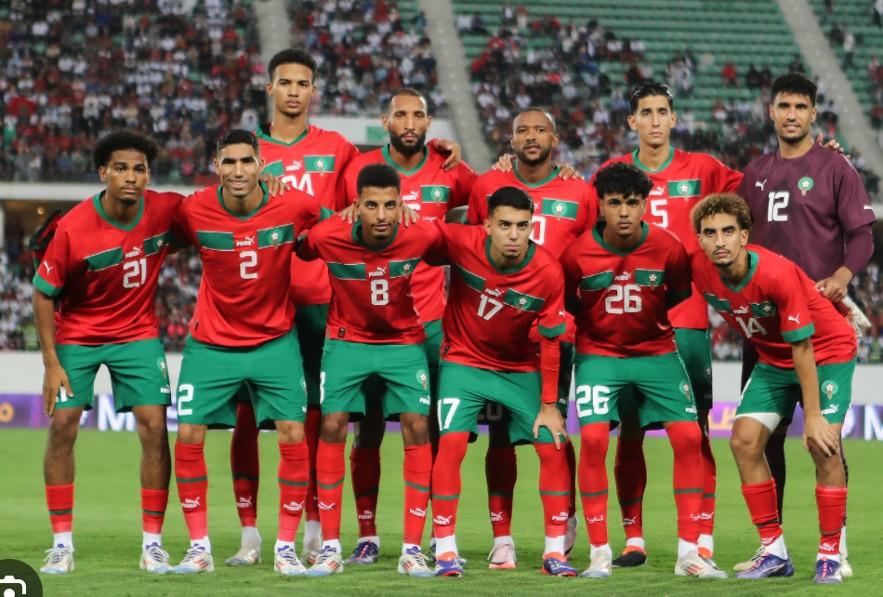
This year, that Moroccan spirit has multiplied. We are sending ten generals into the fray, and we do not root for them as strangers. Whether we are watching from the bustling streets of Lagos, the quiet heights of the Simien Mountains, or the deep diaspora in Atlanta, we stand as one. This is the realization of the "Borderless Dream" , a moment where our common experience outweighs our regional differences.
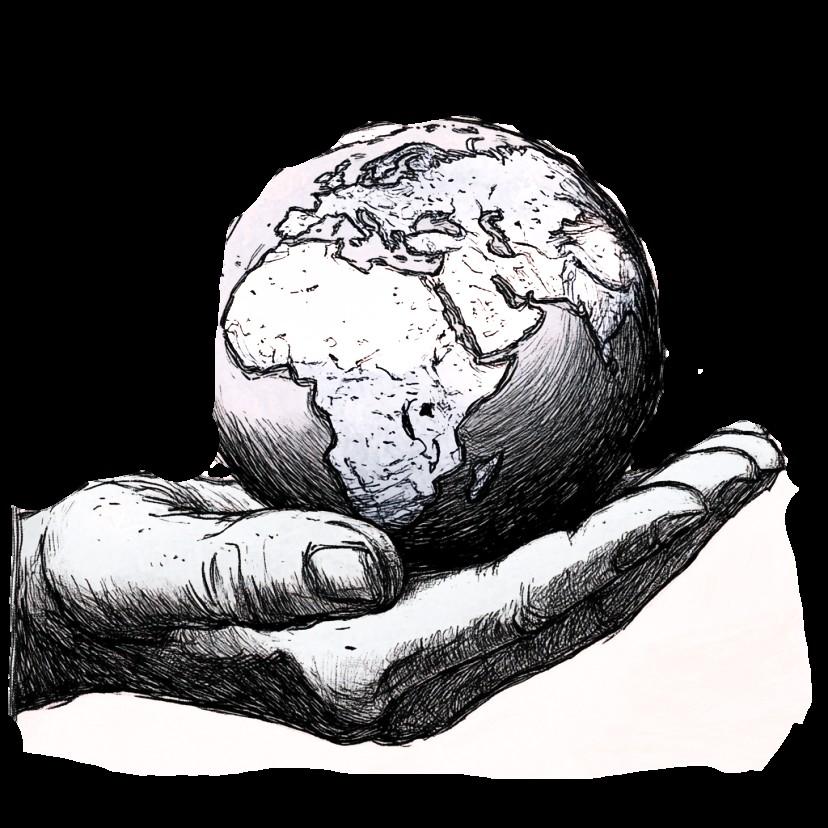
We believe that out of these ten, Africa will not just compete; we will reach the final. This is the summer where we remind the globe that Africa has the power to change the world not through the permission of others, but through the sheer force of our own excellence, resilience, and unity. Good luck to our Best Ten. The ancestors are watching, the diaspora is cheering, and the world is finally listening. This is Africa’s time.
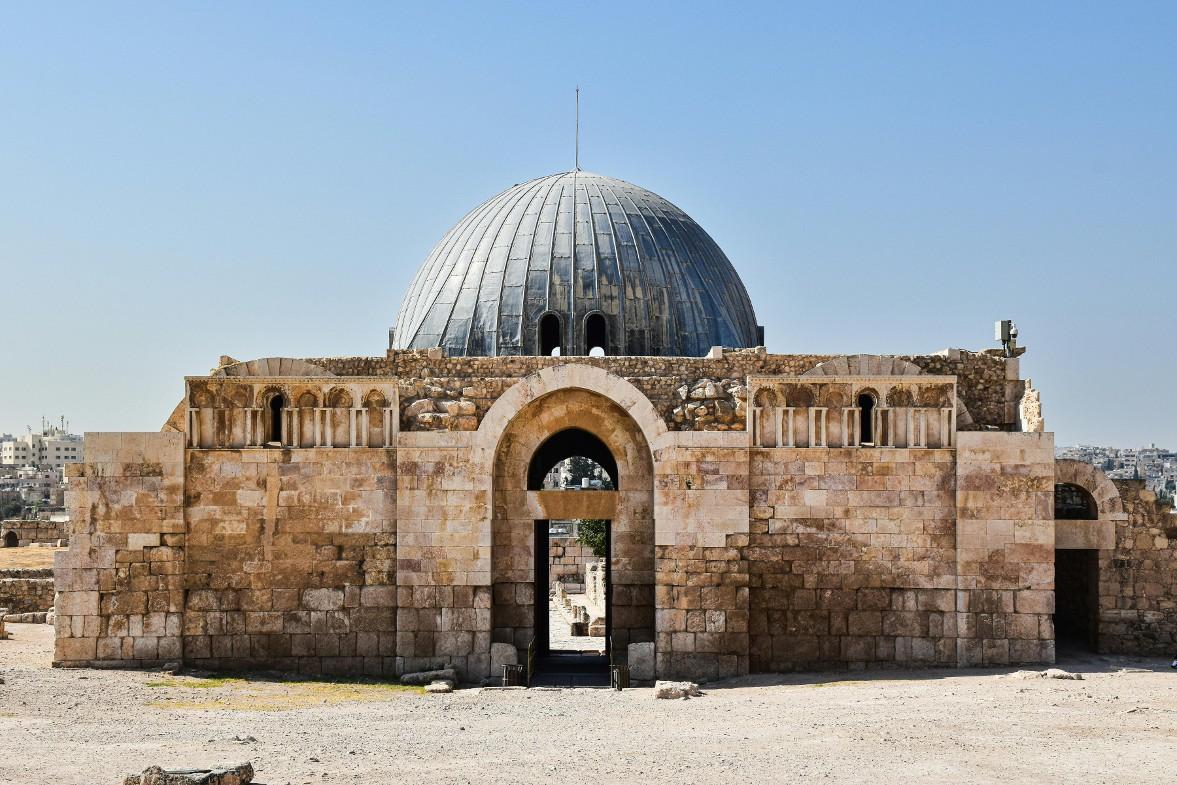
Join us as we weave the
and connect hearts and minds across borders.
Do you have a story waiting to be told? Is there someone you know whose experiences deserve recognition? We believe every voice has a story worth sharing, and we want to hear yours.
People of Africa Magazine invites you to contribute to our vibrant community of storytellers. Each season, we curate four issues that capture the diverse narratives, rich cultures, and inspiring journeys across the African continent.
Whether it's a personal journey, a community initiative, or an extraordinary achievement, your story could inspire, motivate, or enlighten others. We welcome contributions from writers, photographers, artists, and anyone passionate about storytelling.
Editor-in-Chief Honeymoon Aljabri and the entire team are dedicated to amplifying voices and celebrating the essence of Africa. We want you to be part of this enriching experience.
To share your story or nominate someone whose narrative deserves a spotlight, please contact us via:
Phone: +1-202-977-7175
WhatsApp: [+1-202-977-7175]