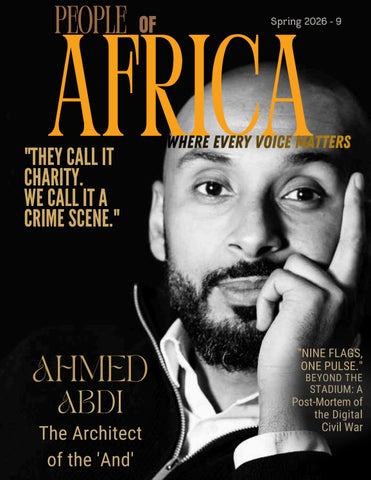
BEYOND THE STADIUM: A Post-Mortem of the Digital Civil War
Politics
DIED IN EUROPE, BURIED IN AFRICA
Kitchen
The Oil That Knows No Border WHERE
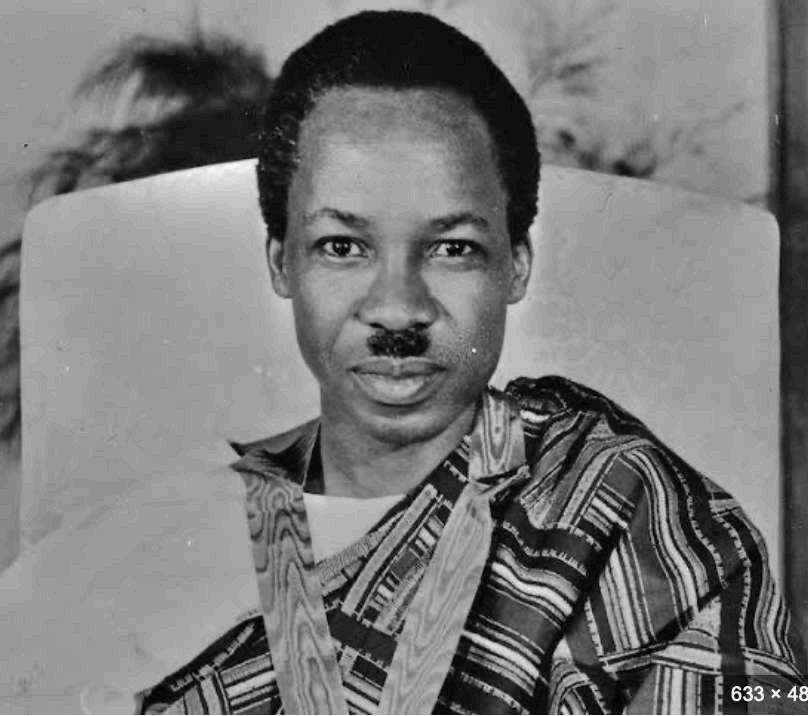
Julius Kambarage Nyerere
Decolonizing the Mind
Women voice
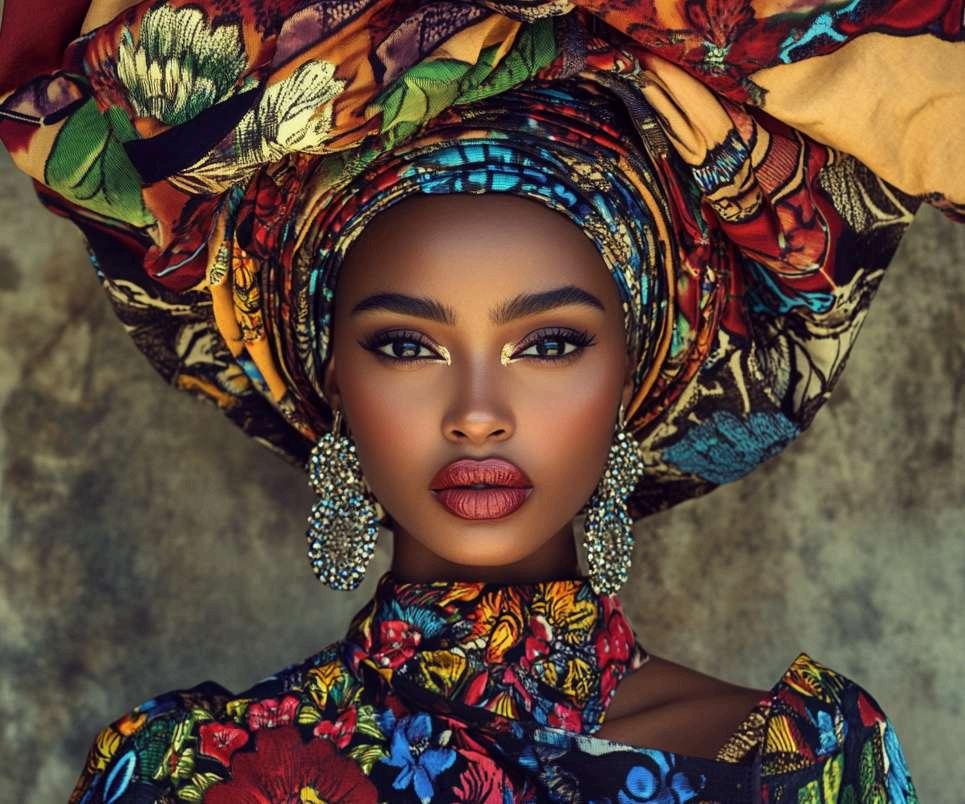
Daughters of AFrica
SPORTS
Healing the North-South Divide
editor letter fromthe
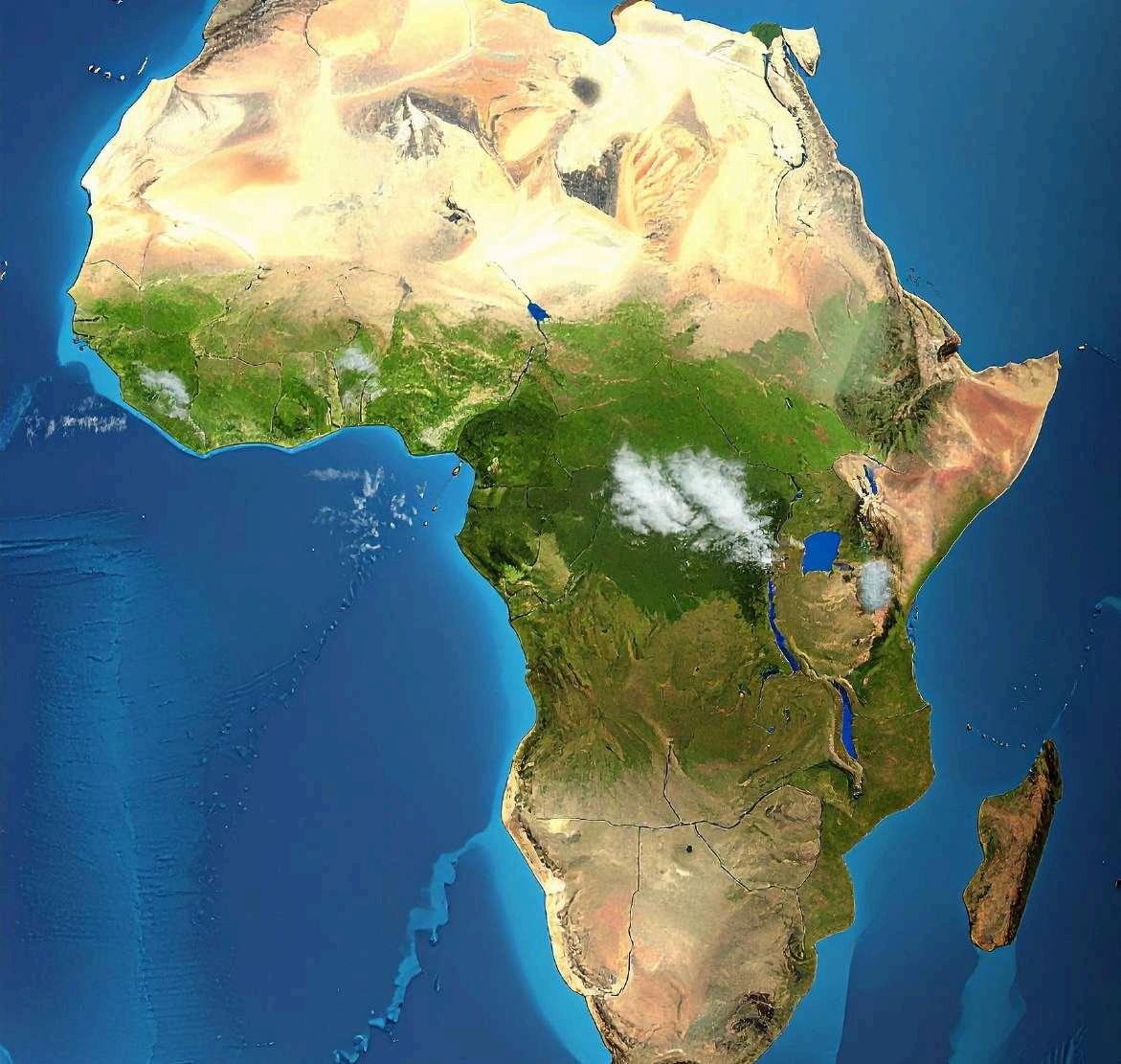
As the global horizon burns and the old powers retreat into nationalist shells from "MAGA" to "Fortress Europe" a haunting question echoes across our 30 million square kilometers: Can we stand alone?
The world has spent centuries convinced that Africa is a charity ward. We have been conditioned to stand with palms upturned, waiting for the cast-offs of the West. But if you look at the ledger of the earth, the math tells a different story. The world does not "help" Africa. Africa sustains the world.
The Power of the Tap
The global economy moves on the strength of energy corridors like the Strait of Hormuz, but look at the dormant strength beneath African soil. If the "Big Three" Nigeria, Libya, and Angola aligned their valves, and the gas giants like Tanzania, Mozambique, and Algeria synchronized their supply, the world wouldn’t be talking about "aid." They would be begging for a contract.
The Data: Africa holds approximately 125 billion barrels of proven oil reserves and 620 trillion cubic feet of natural gas (Source: BP Statistical Review of World Energy).
IS AFRICA ENOUGH?
The Leverage: We produce nearly 10% of the world’s oil. If we traded this energy internally first lighting up Kumas with Luanda’s oil and powering Bunjumbura with Algerian gas the industrial revolution of the continent would be finished in a decade. The Breadbasket Paradox We are told we are hungry, yet we possess 60% of the world’s remaining uncultivated arable land (Source: World Bank). We spend $50 billion annually importing food from the West and the East that we could grow in the Rift Valley or the Congolese Basin. If we moved our crops across our own borders, if Tanzania's grain fed the Sahel and Ethiopia’s livestock fed the South we would not just be "enough"; we would be the world’s supermarket. The only thing missing is not the soil; it is the Sovereignty of Exchange. Business, Not Bales
The "Second-Hand Curse" we explore in this issue is the perfect metaphor for our current crisis. We take their trash (Mitumba) and give them our gold, our cobalt, and our lithium. We trade our future for their discarded past.
When we stop being the world’s dumpster and start being our own manufacturer using our minerals for African batteries and our cotton for African looms the world will stop sending "charity." They will come to us with suits and briefcases, ready to talk business. Because when Africa chooses itself, the world has no choice but to follow. The Final Word Africa is not a "world charity." It is a world powerhouse currently sleeping in the rags of its colonizers. It is time to wake up, wash off the dust of the "beggar" myth, and realize that we have always been the architects of the world's wealth. We are not just enough. We are everything.
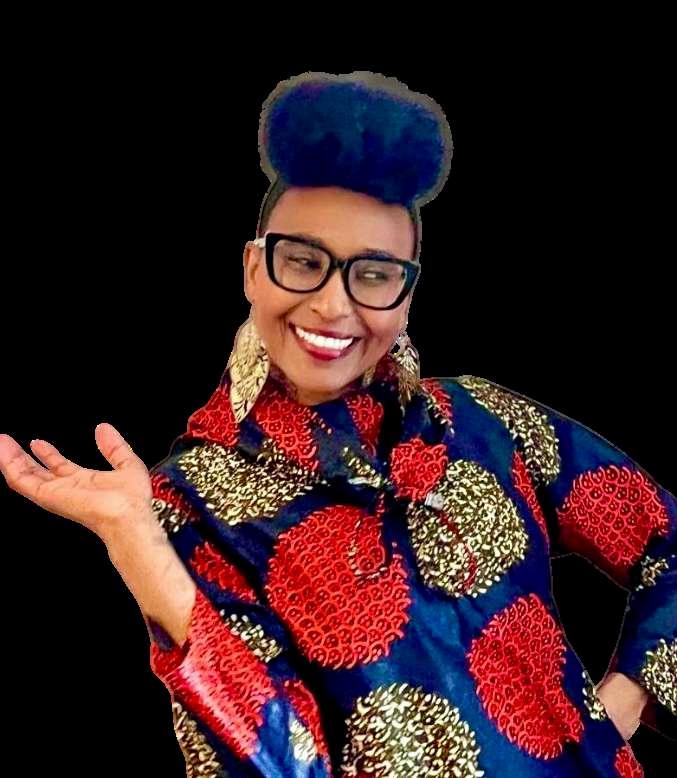
HoneymoonAljabri
Chief Editor, People of Africa
WHERE EVERY VOICE MATTERS.
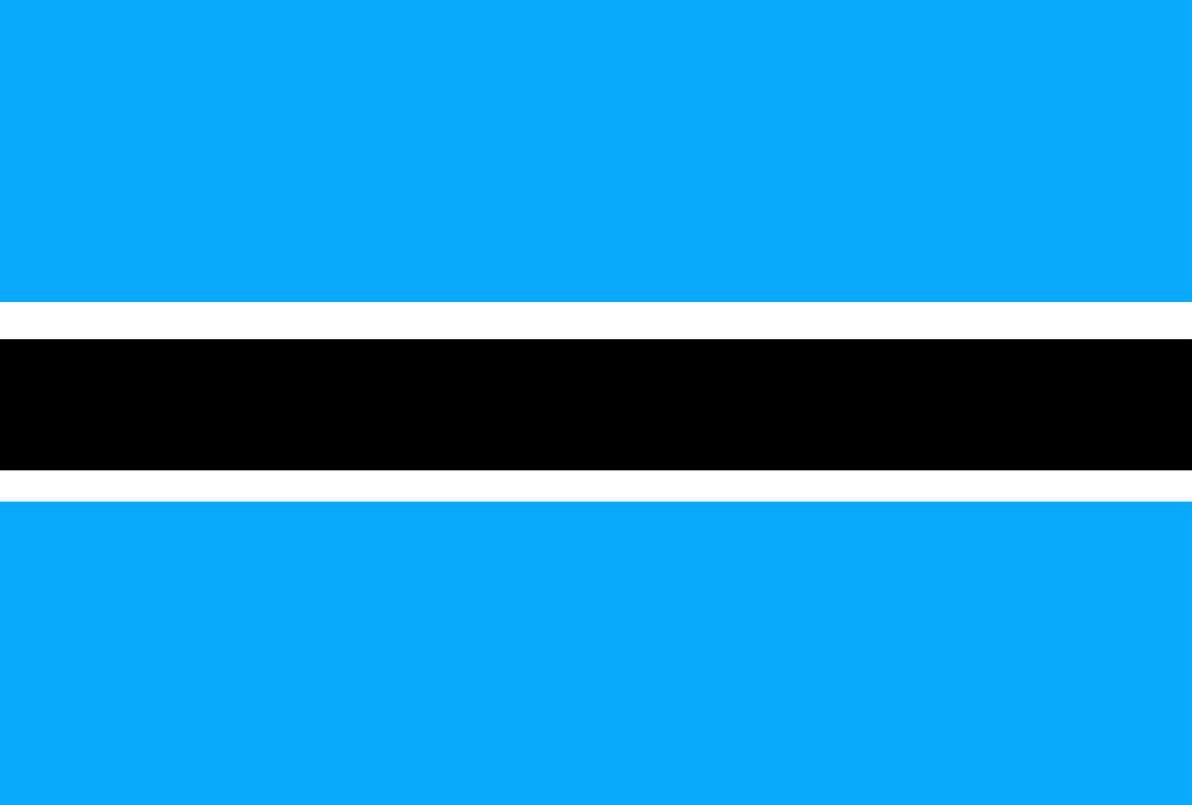
THEPRICEO Now Travels to Gaborone
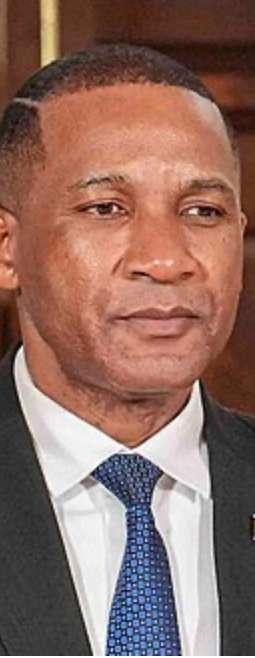
In the digital corridors of 2026, a rumor caught fire: that President Duma Boko told the White House that if they wanted to discuss the world’s most precious gems, the meeting would happen on African soil, not in a Washington office. Whether a diplomatic snub or a digital manifesto, the message is clear:
The era of the "Traveling Salesman" President is over.
We have to ask: Is Africa choosing to be dependent, or is the system designed to keep us in a perpetual state of "transit"? For decades, our leaders flew to London to negotiate for their own soil.
But President Boko has signaled a change in the wind. By moving to acquire a majority stake in De Beers itself, Botswana is no longer just a "supplier." It is becoming the Owner of the global supply chain.
Control vs. Choice
The West doesn't just want our diamonds; they want to control the narrative of the sale. They want the "prestige" to live in London or Antwerp. But Botswana is proving that prestige isn't a glass tower in Europe it’s the rough stone in a Motswana hand.
Botswana is the world’s largest diamond producer by value.
In late 2025 and early 2026, President Boko accelerated plans to buy out Anglo American’s interest in De Beers. The deal closes, the world’s most iconic diamond company will be, for the first time, truly African-owned.
If you want the treasure, you must respect the source. Africa is no longer asking for a "fair deal." We are writing the contracts ourselves.
H O W F A S T F A S H I O N B E C A M E T H E N E W C O L O N I A L I S M
DIED IN EUROPE, BURIED IN AFRICA
B U S I N E S S
Across the sun-drenched markets of the continent, from Gikomba to Kantamanto, there is a mountain growing. It isn't a mountain of stone or soil; it is a mountain of discarded polyester, stained denim, and the rotting excess of Western fast fashion. In Ghana, they call it Obroni Wawu "Dead White Man’s Clothes." In Tanzania, the elders have a more chilling proverb: Kafa Ulaya, kazikwa Tanzania.
THE LETHAL COST OF THE SECOND-HAND "GIFT"
The world has turned Africa into its global dumpster, and we have been paying for the privilege of hosting the burial. It is time to look into the bale and see the truth:
This isn't a gift. It’s a curse.
The Myth of the "Gift"
If Mitumba was a gift, it wouldn't be forced down our throats. In 2016, the East African Community (EAC) tried to breathe. They proposed a ban on used clothing to protect our own weavers, our own tailors, and our own dignity.
What was the response? The United States through the Secondary Materials and Recycled Textiles Association (SMART) didn't offer a handshake; they offered a threat. They bullied the EAC, and when Rwanda refused to back down, the US retaliated by suspending Rwanda’s dutyfree export rights under AGOA.
President Paul Kagame didn't flinch: "We have to grow and establish our own industries," he declared. Rwanda chose the hard road of dignity over the easy road of hand-me-downs. Ask yourself: If this trade was meant to elevate us, why does the West fight so dirty to keep us dependent on their trash?
The Death of the Local Loom
We didn't always dress in the shadows of the West. In the 1970s, the rhythmic "clack-clack" of the loom was the heartbeat of African industrialization.
The Collapse: In Ghana, textile employment plummeted from 25,000 workers in the 70s to fewer than 3,000 today.
The Sabotage: Our manufacturers cannot compete with "free." You cannot pay a fair wage, buy local cotton, and keep the lights on when a Western t-shirt is dumped in our markets for 50 cents.
We traded our industrial future for a cheap shirt that doesn't last three washes. Cheap is the most expensive thing Africa has ever bought. The Statistics of Stifling
The numbers, verified by UN Comtrade, reveal a continent under siege: 25% to 30%: The amount of the world's total used clothing dumped into SubSaharan Africa.
185,000 Tonnes: The weight of secondhand clothes imported by Kenya annually (as of 2022).
15 Million Garments: The amount of clothing arriving at Accra’s Kantamanto Market every single week.
The Environmental Autopsy
The West isn't just exporting clothes; they are exporting their toxic waste.
The 40% Rule: Roughly 40% of every bale is unwearable garbage. It is torn, stained, or culturally irrelevant (think: "London Marathon 2012" shirts).
The Poison: This 40% goes straight into our lagoons. In Accra, it chokes the Korle Lagoon. In Nairobi, the Gikomba runoff bleeds synthetic microplastics into the river. We are cleaning the West's conscience while they poison our water.
AFRICA MUST CLOTHE ITSELF, OR IT WILL NEVER TRULY BE FREE
Next time you see a bale being opened, don't see a bargain. See a barrier. Every piece of Mitumba is a tombstone for an African job that was never created. Every synthetic fiber in our rivers is a gift from a consumer in the North who wanted to feel "charitable" without doing the work of being responsible. We are not a trash can. We are a continent of designers, weavers, and kings. It is time to stop the funeral. It is time to stop burying the West's mistakes on African soil. .
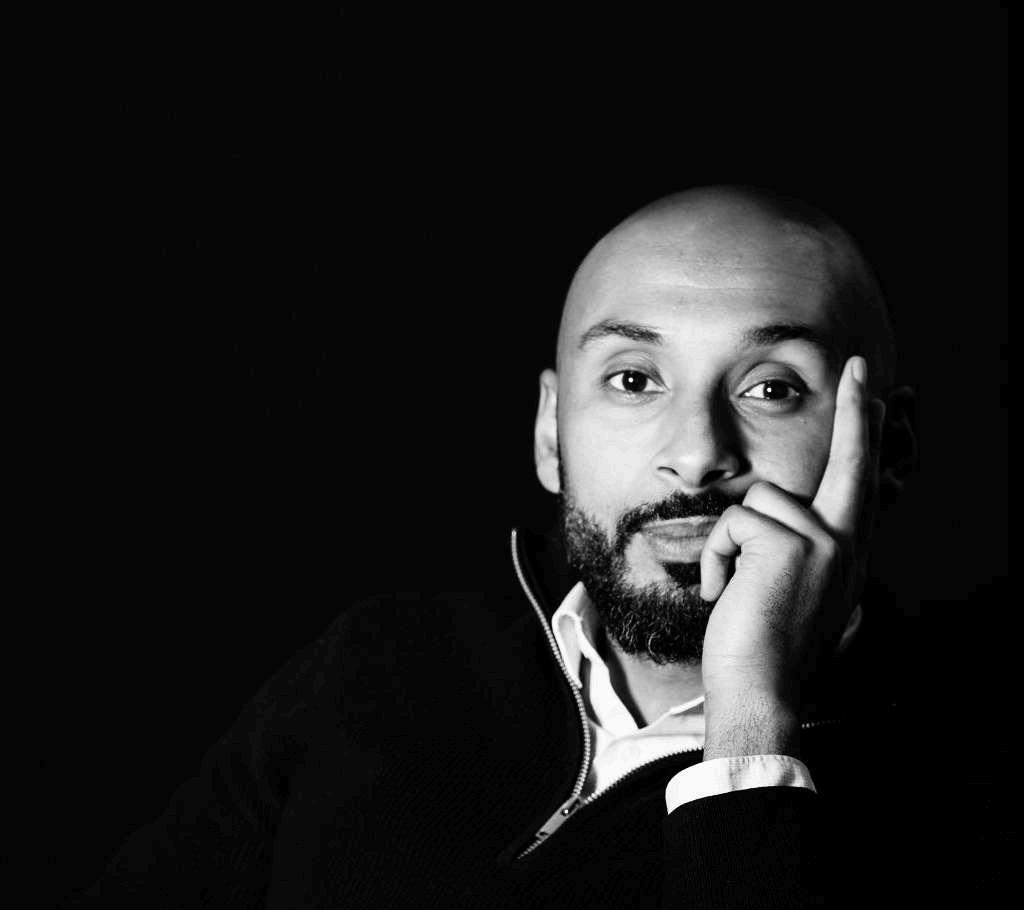
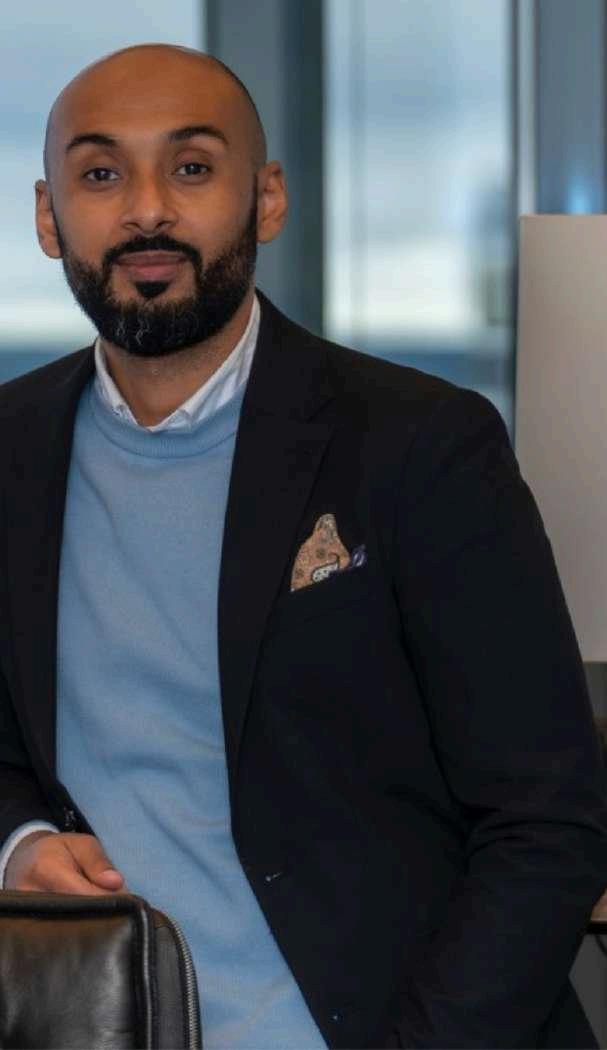
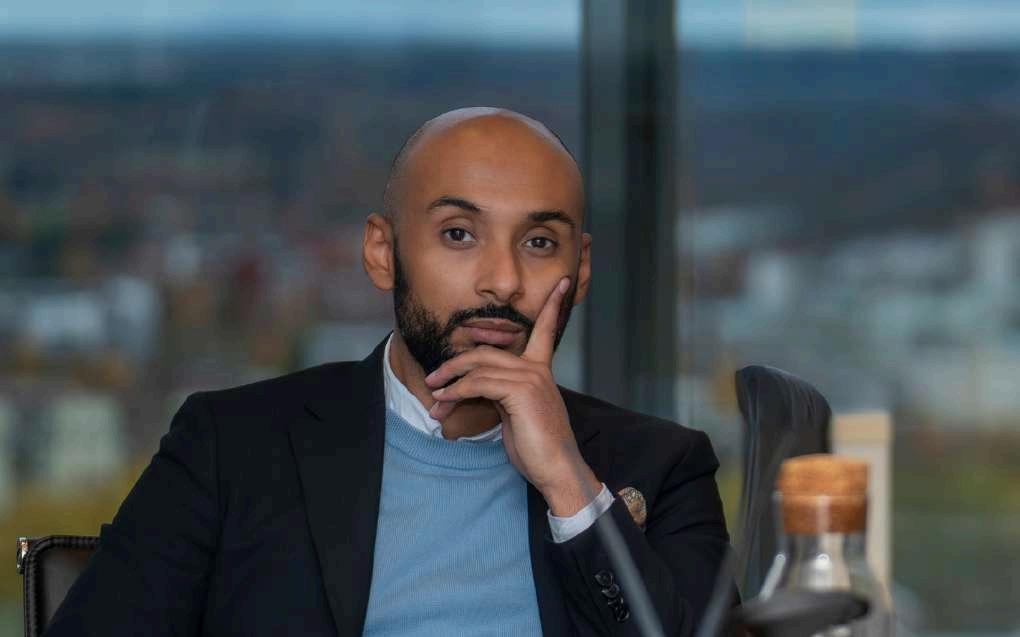
AhmedAbdi
Beyond the borders of geography and the limits of the checkbox, the author of "Between Nations, Within Myself" invites us into the lush, expansive territory of the in-between proving that we don’t have to choose a side when we can own the whole horizon
There is a quiet, persistent violence in the word Or. It demands a harvest of the soul, asking us to cut away the parts of ourselves that do not fit the soil we currently stand upon. It tells the wanderer that to be one thing, they must murder the other. But for those born of the monsoon winds and the northern lights, Or is a prison.
The true freedom and the shimmering, difficult beauty of the modern African spirit is found in the And. It is the ability to carry the amber warmth of a Saharan sunset within the cool, blue silence of a Nordic winter. It is a refusal to be a fraction. It is the realization that we are not torn between two worlds; we are the vast, fertile territory where those worlds meet and create something the world has never seen before.
The
Ahmed Abdi is the architect of this territory. A Somali-Swedish thinker and the author of Between Nations, Within Myself, Ahmed has spent a lifetime drafting the blueprints for a dual belonging. He does not sit on a fence; he owns the horizon. We sat down with him to discuss the geometry of a heart that refuses to be divided.
There is a quiet, persistent violence in the word Or. It demands a harvest of the soul, asking us to cut away the parts of ourselves that do not fit the soil we currently stand upon. It tells the wanderer that to be one thing, they must murder the other. But for those born of the monsoon winds and the northern lights, Or is a prison.
The Magnificence of the Dual Soul
TheGenesis:TheInternalDawn
People of Africa: Every visionary has a "silent chapter" the one lived before the world knew their name. Before the books and the acclaim, there was a quiet realization. Take us back to that internal dawn the moment you realized your life was destined to be a bridge between the ancient, poetic salt-air of the coast and the silver-etched precision of the North?
Ahmed Abdi: It was a slow, beautiful awakening. Identity is not a sudden lightning strike; it is the way a landscape reveals itself as the mist clears. I grew up wrapped in the soft, organized hum of Swedish society, a world of order and pale light. But even then, there was a melodic pulse in my blood that didn't quite match the rhythm of the streets. I had to return to the source to breathe the history of the Indian Ocean and walk through the vibrant, bustling intellect of African life to realize I wasn't "missing" a piece. I was simply a bridge. My story began the moment I stopped trying to be a choice and realized I was a symphony.
TheArchitectureoftheIn-Between
PoA: Your work focuses on the "middle" a space mainstream media often treats as a crisis. Why was it vital for you to document the elegance of being "inbetween" rather than choosing one shore?
Abdi: Because the "middle" is where the magic happens For too long, we treated the space between cultures as a source of friction. We felt we had to perform "pure" identities to be accepted. But as I matured, I realized that being "inbetween" is actually a position of immense power.
Between Nations, Within Myself
Between Nations, Within Myself is my way of sanctifying that space. My conclusion is simple: I don’t choose. I integrate. I have woven the threads until the borders in my heart have dissolved.
ThePandora’sBox:ThePowerofMultitudes
PoA: You’ve described "carrying two passports on your heart," yet the world often demands a singular loyalty. Why is society so intimidated by a person who contains multitudes?
Abdi: Movement is our oldest human tradition; our ancestors followed the stars long before they drew borders. Yet, modern systems are built on the "box." When you refuse to fit, you challenge the very foundation of how societies categorize and control. People who belong to multiple worlds are harder to define, and therefore, harder to limit. We aren't "partial" citizens; we are "double" citizens. We bring a wider lens to the table, and that can be a transformative, if unsettling, force.
ThePerformanceof"Enough":TheSoulinSolitude
PoA: There is an exhaustion in the "performance of enough" the daily mask-wearing of the diaspora. When the world is quiet and the expectations fall away, who is the Ahmed that remains? What language does that man dream in?
TheEntrepreneurialSpirit:BuildingNewWorlds
Abdi: When the performance ends, peace begins. In that stillness, I don’t have to prove my "enoughness" to anyone. The Swedish influence, the appreciation for silence, the connection to the minimalist earth is permanently etched in me. The Somali heritage, the oral poetry, the warmth of the hearth, the ancestral resilience is my very marrow. The man who remains doesn't dream in a single tongue; he dreams in a tapestry. It is no longer a conflict; it is a homecoming.
PoA: Many in the diaspora turn to entrepreneurship as an act of sovereignty. How did your time on the continent reshape your vision of what it means to succeed?
Abdi: Africa is a continent of infinite possibility; it is the world’s most vibrant laboratory of innovation. Being there opened my eyes to the sheer intellectual energy of our people. For me, entrepreneurship is a form of nation-building. It isn't just about personal gain; it’s about creating an economic heartbeat that sustains our dignity. I don't want to fit into someone else's box; I want to build a house where the boxes don't exist.
Defining"Africanness":BeyondtheMap
PoA: We are constantly redefining what it means to be African. From your vantage point, is "Africanness" a matter of geography, or something more profound?
Abdi: It is a live rhythm. It is the way you greet a stranger, the way you honor the invisible threads of ancestry, and the way you carry the history of a continent in your posture. When I walk through Stockholm, my "Africanness" isn't a political choice, it's a soul-deep geography that travels with me. It is the salt and the spice that flavors everything I touch.
TheLegacyoftheHybrid: Thrivinginthe"And"
PoA: To the young souls reading this who feel the pressure to "pick a side" what is your final word? Can they truly thrive in the "and"?
Abdi: My message to them is this: Do not let anyone prune your branches to make you fit their garden. They will tell you that you are "too much" or "not enough." Ignore them. Your "in-betweenness" is your superpower. You are a bridge, and bridges are the most important structures in the world they connect what was once divided. You don’t have to live in the "or." You belong, fully and magnificently, in the "and."
W h y Y o u r T i k T o k F e e d i s t h e N e w C o l o n i a l M a p
Whois"tooArab,"orwhois"too light"toclaimthesoil
We are living through a war fought with thumbs and pixels. Across the digital savanna, a new generation is debating the borders of the soul. They watch a one-minute video and decide who is "African enough," who is "too Arab," or who is "too light" to claim the soil. We have allowed a 15-second algorithm to replace 10,000 years of migration, mixing, and majesty.
The system was designed to divide and conquer, and centuries later, it is finally landing its most devastating blow: It has convinced us to do the dividing ourselves.
TheLinguisticTrap:
Languagevs.Lineage
Let us speak plainly. There is a toxic argument circulating that if a Moroccan or an Algerian speaks Arabic, they have somehow floated off the continent and landed in the "Middle East."
To this, we must ask the razor-sharp question: If speaking Arabic makes a North African "Middle Eastern," does speaking English make a Nigerian "British"? Does speaking French make a Togolese "Parisian"?
The Color of the Spirit
Africaisatapestryof1,000ethnicgroups.
If we allow our colonizers' languages to define our geography, then none of us are home. Arabic, French, English, and Portuguese are the garments we were forced to wear, but they are not the skin we live in. Africanness is not a linguistic cage; it is a geographic and spiritual reality. From the Mediterranean salt to the Cape’s cold blue, the land is one.
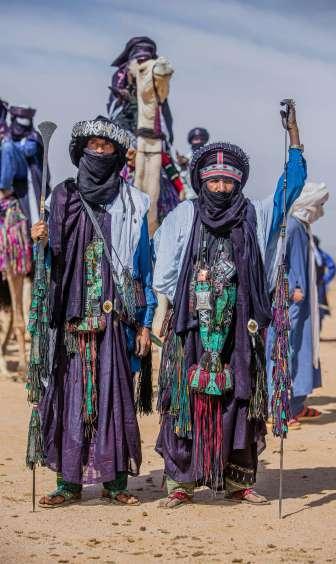
Africa is a tapestry of 1,000 ethnic groups. It is the golden hue of the Tuareg, the deep ebony of the Dinka, the olive of the Kabyle, and the bronze of the Khoisan. If you try to define Africa by a single shade of skin or a specific texture of hair, you aren't being "radical" you are being colonial.
The cartographers of the 1884 Berlin Conference drew lines on paper to steal our resources. Today, we drew lines on TikTok to steal each other’s belongings. We have traded the "Scramble for Africa" for the "Scramble for Identity," and the only winner is the system that keeps us small, suspicious, and separated.
The Open Dialogue
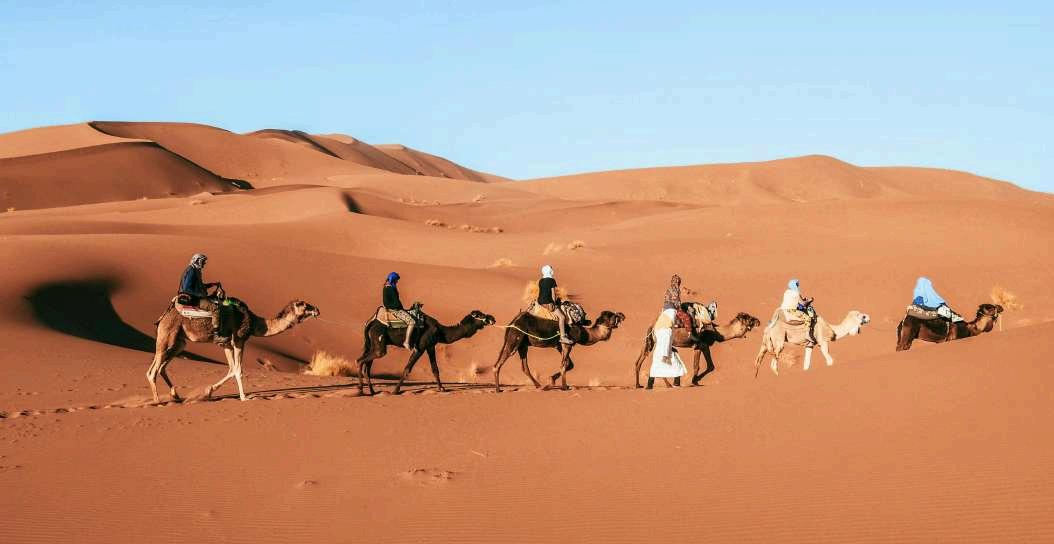
Stop the one-minute videos. Close the app and open the book. Look at the ancient trade routes that linked Timbuktu to Cairo. Look at the empires that didn't care for "SubSaharan" labels because the Sahara was a bridge, not a wall.
Africa is not a color. Africa is not a language. Africa is a heartbeat. It is a bloodline that survived the middle passage, the colonial whip, and the apartheid gate. If the blood of the continent flows in you, the continent belongs to you. Period.
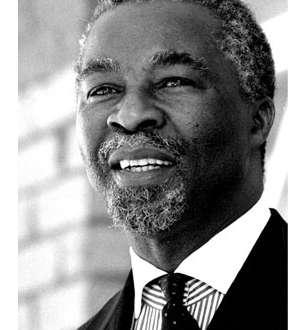
We end this dialogue not with a period, but with a promise. We look to the words of Thabo Mbeki, whose "I Am an African" speech remains the ultimate compass for this magazine:
The African Prayer
"I am an African. I owe my being to the hills and the valleys, the mountains and the glades, the rivers, the deserts, the trees, the flowers, the seas and the ever-changing seasons that define the face of our native land... I am born of a people who would not tolerate oppression. I am of a nation that would not allow that joy of freedom and happiness should be actually or potentially the right of only one fraction of the whole, whether white or black, free or unfree."
WASHITLER ASAINT?
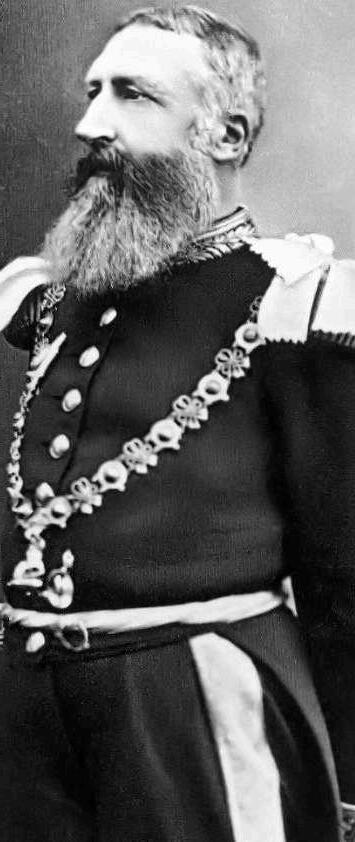
Severed Hands and Gas Chambers: How King
Leopold II Out-Killed the Fuhrer and Stayed a Saint in the History Books.
If the measure of a monster is the number of monuments left standing in his honor, then history has made a saint out of a butcher. While the world rightly shudders at the shadow of the Swastika, it remains comfortably blind to the Crown of Belgium. We are told 'Never Again' about the 11 million of the Holocaust, yet we remain silent about the 15 million Congolese who were worked, whipped, and mutilated to death for rubber. This is not a defense of a dictator; it is an indictment of a world that only counts bodies when they are white.
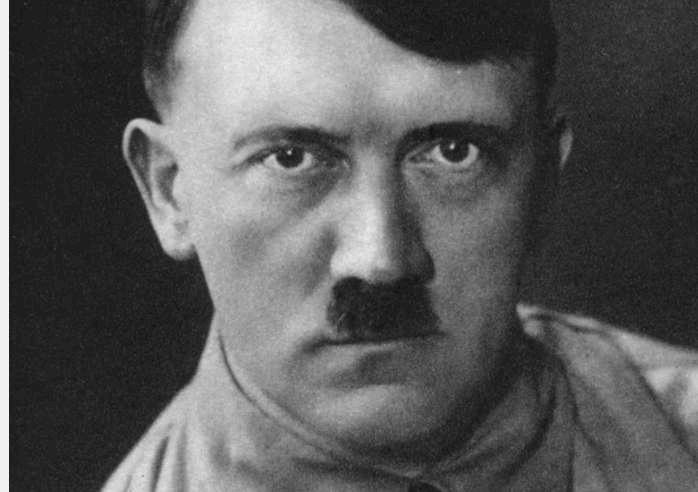
When the name Hitler is uttered, the world flinches. A collective shiver runs through the spine of history. His name is a sin, his face is taboo, and his mustache is a scar from the 20th century. We are told, through every film, every textbook, and every memorial, that he was the ultimate personification of evil. "Never again," we whisper, ensuring that the 11 million souls lost in the Holocaust did not die in vain.
But before the Swastika cast its shadow over Europe, there was a King
In 1884, at the Berlin Conference, the "Scramble for Africa" laid a map on a table like a butchered carcass. King Leopold II of Belgium claimed the heart of the continent, the Congo as his private stake. He didn't just rule it; he ate it alone.
TheArithmeticofIndifference
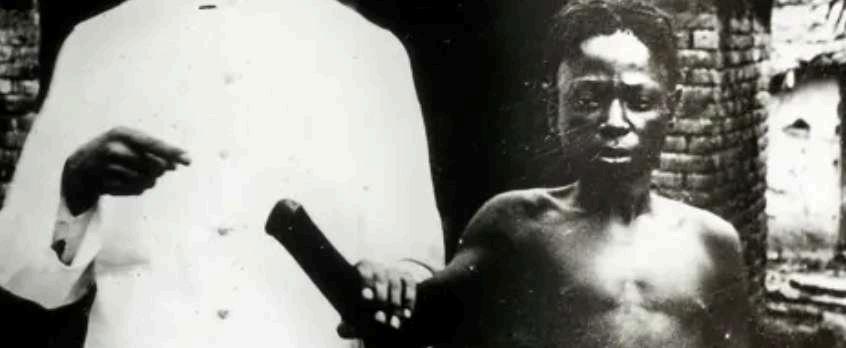
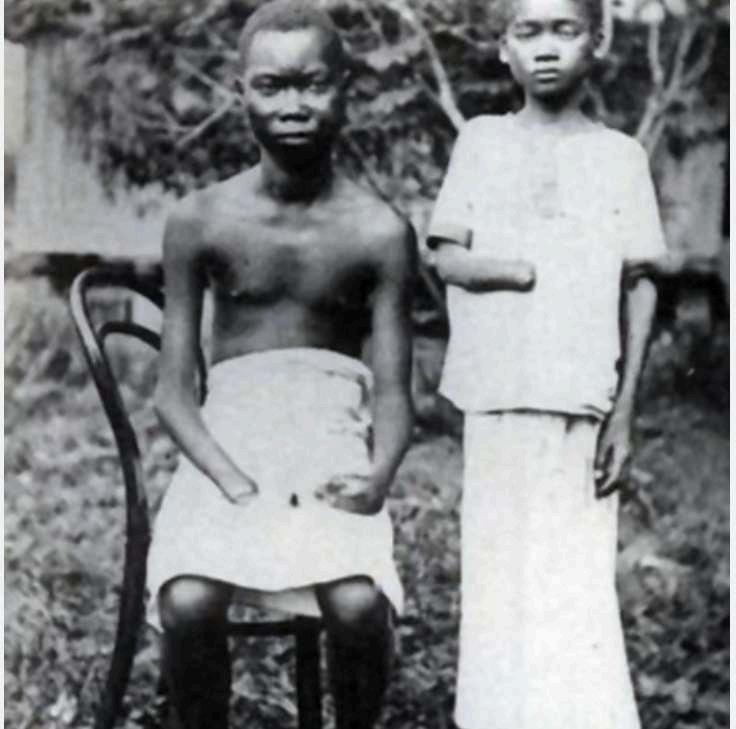
The world knows the gas chambers of Auschwitz. Why does it not know the "Basket of Hands" in the Congo?
Historians estimate that Leopold’s greed claimed the lives of 10 to 15 million Africans. Yet, while Hitler is the "Universal Villain," Leopold remains a footnote.
The distinction isn't found in the level of brutality, but in the color of the victim.
Hitler took the lives of Europeans, and the world declared it a crime against humanity. Leopold took the lives of Africans, and the world called it "colonial administration." Even as he realized his time was up in 1908, Leopold burned the archives of his atrocities for eight days straight, famously sneering: "I will give them my Congo, but they have no right to know what I did there." He tried to incinerate the evidence, just as the Nazis tried to blow up the gas chambers.
But while Germany was forced to kneel in repentance, Belgium has never truly apologized. The statues of the King still stand tall in Brussels, cold stone reminders that, in the eyes of the West, African lives are a currency that doesn't hold its value.
The Gifted Sin: From Lumumba toToday
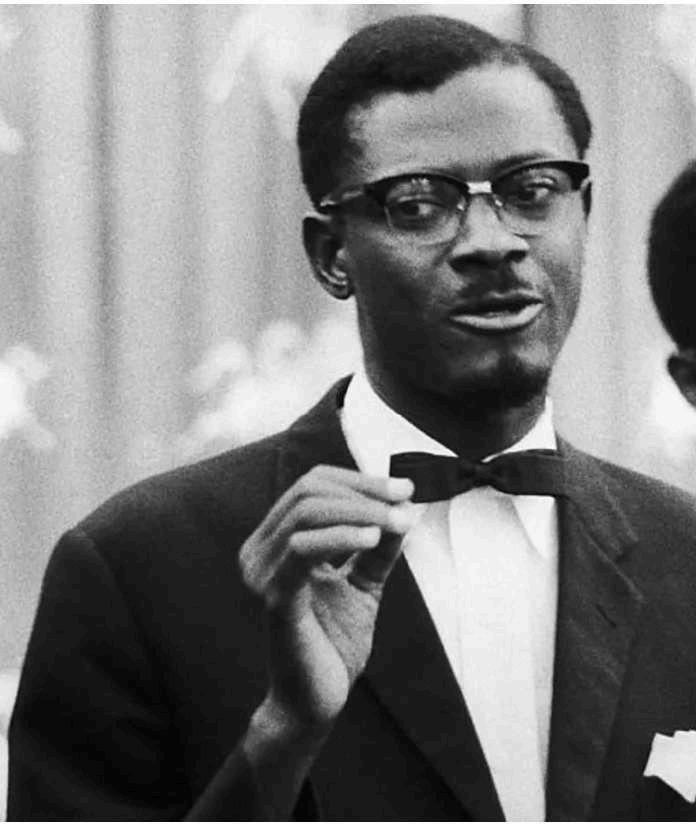
The ghost of the King never left the rainforest. When the Congo finally birthed a leader who wanted the land to thrive Patrice Lumumba the machinery of the West didn't just kill him; they dissolved him in acid to ensure not even a grave could inspire a revolution.
Today, we see the cycle continue. From the rubber of the 1800s to the cobalt of 2026, the "gifted sin" of the Congo, its immense wealth remains its curse. We watch as leaders like Tshisekedi are accused of bartering the nation’s soul to Western interests just to maintain the throne.
Since the day Leopold’s boots first touched Congolese soil, over 50 million souls have paid the price for the land's riches. Yet, every morning, the global media tells us "Never Again" regarding the 11 million, while remaining deafeningly silent about the 50 million.
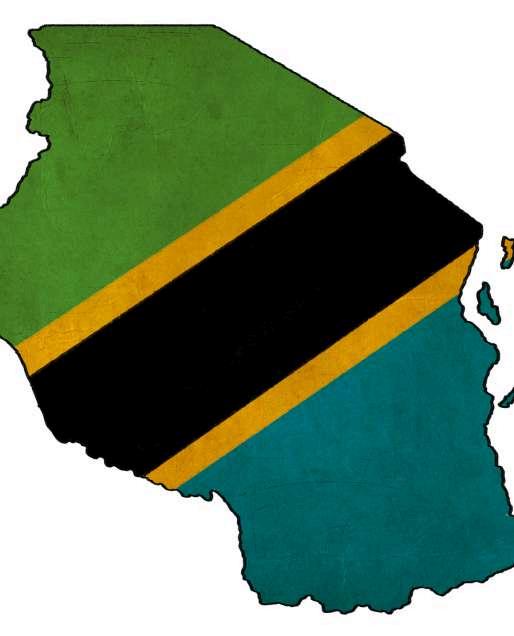
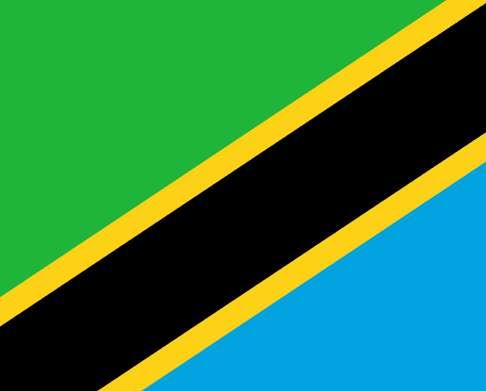
In the Tanzanian national anthem, the prayer does not begin with the self. It does not even begin with the borders of the nation. It begins with the continent. Before a Tanzanian asks for a blessing on their own soil, they ask for a blessing on the African motherland. This was the spiritual blueprint of Mwalimu Julius Kambarage Nyerere.
MwalimuJulius KambarageNyerere.
While the "Founding Fathers" of the era titans like Kwame Nkrumah of Ghana, Patrice Lumumba of Congo, and Sekou Touré of Guinea were raising flags of fire and defiance, Nyerere was building the hearth where those fires could burn safely. He understood a truth that many today have forgotten: Tanzania was not an island; it was a sanctuary. It was the frontline of a broken body that needed to be made whole.
Nyerere’s greatness lay in his refusal to be "safe." He turned Tanzania into the strategic heart of the OAU Liberation Committee. If you were a freedom fighter in Mozambique (FRELIMO), Zimbabwe (ZANU/ZAPU), Namibia (SWAPO), or South Africa (ANC), Dar es Salaam was not just a city; it was your home.
He didn't just offer "thoughts and prayers." He put the resources of a young, struggling nation behind the revolution. He proved that African unity wasn't a slogan it was a budget line. He famously offered to delay Tanganyika’s own independence if it meant Kenya and Uganda could join him in a federation. He was a man who would sacrifice his own "moment in the sun" to ensure the sun rose for everyone.
Ujamaa:TheLogicof theAfricanKitchen
While critics point to the economic lean years of the 70s, they often miss the miracle: Nyerere created a national identity so resilient that while neighbors were fractured by tribalism and civil war, Tanzania remained a bastion of peace. He gave us a language Kiswahili that bridged 120 ethnic groups into a single, unbreakable "Us." He didn't just build a country; he cultivated a people.
Through his philosophy of Ujamaa (Familyhood), Nyerere sought to build a state based on the wisdom of the village, not the cold calculation of the Western boardroom. He wanted a socialism rooted in the dignity of the home and the mutual respect of neighbors.
TheServant Leader
Nyerere was the "Servant of God" who lived with the simplicity of a monk. He wore the modest Mwalimu suit and lived in a house that mirrored the lives of his people. In a continent where "President for Life" was becoming a tragic norm, his 1985 resignation was his final, most powerful lesson. He taught us that the office is a temporary stewardship, but the nation is eternal.
Decolonizing the Mind
Nyerere’s greatest battle was not against the British Crown; it was against the "colonized mind." He fought to prove that Africa was enough. He believed that self-reliance was the only true independence. He knew that a man who depends on another for his bread will eventually have to take orders on how to eat it.
As we look at the "Identity Crises" of 2026, we return to the Teacher. He remains the "Father of the Nation" because he was, first and foremost, a faithful son of Africa.
"Unity will not make us rich, but it can make it difficult for Africa and the African peoples to be disregarded and humiliated." Mwalimu Julius Nyerer
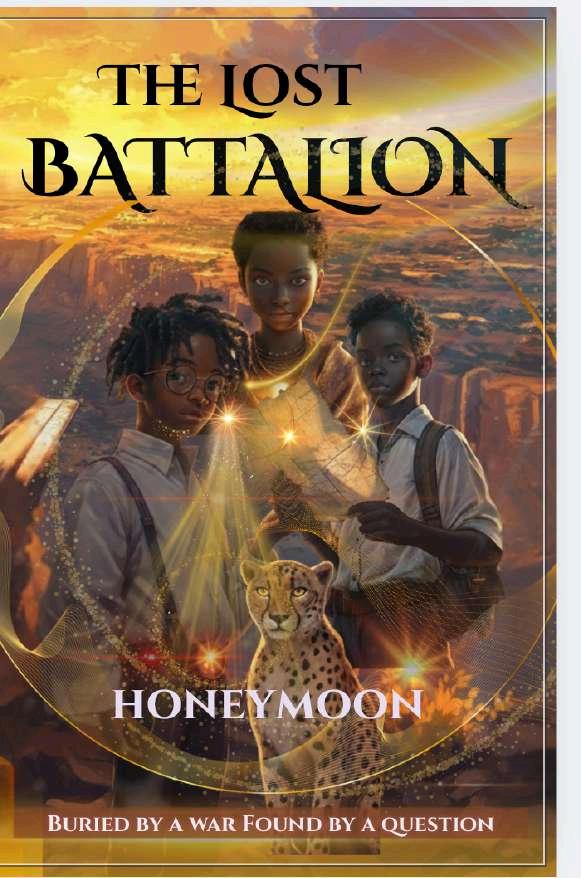
Inspired by an actual site in the heart of Tanzania, where the resting place of World War II's Lost Battalion can be found, this will be unveiled this spring.
# JONIOR EXPLORER’S GLOBAL PASSPORT
## The Ultimate Atlas and Activity Book
This incredible resource is yours to own purchase it today!
DOREEN FITZPATRICK
How Doreen Fitzpatrick Built an Empire from the Ground Up. From dollar store scraps to a multi state luxury empire, doreen Fitzpatrick is proving that African brilliance is the world news currency
They say if you aren't invited to the room, bring a folding chair. Doreen Fitzpatrick did one better: She built the house, designed the ballroom, and crowned the Diaspora.
BEYOND RESILIENCE
A Tanzanian-born force of nature, Doreen’s life is a masterclass in the "African Pivot." She arrived in the U.S. and faced a wall of silence. She lived in a homeless shelter, worked grueling warehouse shifts, and sold door-to-door. But while her body was in a shelter, her mind was in a palace. She began crafting luxury décor from dollar-store scraps, proving that Excellence isn’t a budget it’s a birthright.
A GLOBAL STANDARD FOR LUXURY
Today, as the mogul behind Sassyfly Luxury Events and Fire Solutions NW, she is launching the African Excellence Awards USA. We sat down with the woman who turned resilience into a global standard for luxury.
HOMECOMING OR CORONATION?
You've designed celebrations for the elite. For the African Excellence Awards, what is the 'vibe' when a leader walks in?
Doreen: "It’s both. For many in the Diaspora, our stories are told through a cracked lens. I want them to feel recognized at the highest level. This isn't just an event; it’s a global stage that says our achievements are finally home."
EXCELLENCE HAS NO ACCENT
Doreen: "Absolutely. Excellence is the only language that doesn't need a translator. Whether you are Tanzanian, Nigerian, or Senegalese, we share one heartbeat: ambition. When we celebrate together, the borders become irrelevant. Can glamour actually dissolve colonial borderlines?
FROM SHELTER TO BOARDROOM
You refused to 'shrink' to fit into the West.
Why is 'Luxury' your weapon of choice
Doreen: "Because luxury is a language of confidence. For too long, Africa was the world’s 'charity case.' By creating spaces of unapologetic elegance, I’m forcing the world to see African identity through brilliance, not limitation.
THE UNSEEN ACHIEVEMENT
What happens in the mind of a young African entrepreneur watching these awards
Doreen: "Validation. When you see someone who looks like you being honored on a global stage, success stops being a fairy tale and becomes a blueprint. We are expanding the African imagination."
THE MISSING MATERIAL
You build fire systems and rental empires. What’s the one 'material' Africa needs to be unbreakable
Doreen: "Intentional Collaboration. We have the talent; we just need to stitch it together. When we move from isolated success stories to a collective force, our influence becomes impossible to ignore."
DOREEN FITZPATRICK’S
journey from Tanzania to the boardrooms of the U.S. is the ultimate proof that Africa is Enough. She didn't wait for a seat; she designed the entire table.
This is more than an event. It’s a statement about how we see ourselves and how the world will never be able to look away again."
Doreen Fitzpatrick
Being African is a pride written in our blood and sung in our soul.
UNITED NATION
WHY THE GLOBAL SOUTH MUST LEAVE THE THERAPY SESSION
The world should stop pretending that the UN is needed. It has never worked for the Global South, and it was never designed to. It is time for the "poor nations" to walk out of the group session. Let the Veto countries stay in their room and talk to themselves. Our voices have never mattered there, and they will never matter as long as a handpicked club of five has the final say over the life and death of billions.
WHY ARE WE STILL HOSTING THESE MEETINGS? WHY ARE WE STILL ATTENDING THE "THERAPY"?
THE ILLUSION OF LEGITIMACY
Why are we still hosting these meetings? Why are we still attending the "therapy"?
The answer is simple: The system thrives on our participation. The P5 needs the small nations to keep coming to the room. They need us to keep "listening." They need us to keep issuing our "toothless condemnations." Why? Because our presence gives them the illusion of legitimacy.
The UN is not a place where peace is built It is a place where the powerful come to justify the wars they’ve already started. It is nothing more than a "Group Therapy" session where we are allowed to cry, as long as we don't expect the person holding the knife to actually put it down.
The United Nations was born from the ashes of a world war with a noble lie: “To save succeeding generations from the scourge of war.” But years later, the mask has fallen. The UN is no longer a board of peace; it is a high-stakes casino where the house always wins, and the Global South is only invited to provide the "therapy."
In 2026, the question is no longer "When will the UN work?"
The question is: "When will Africa and third-world countries stop pretending that it does?"
MADE IN AFRICA
IT’SMORETHANJUSTADATE; IT’SSOMETHINGBETTER.
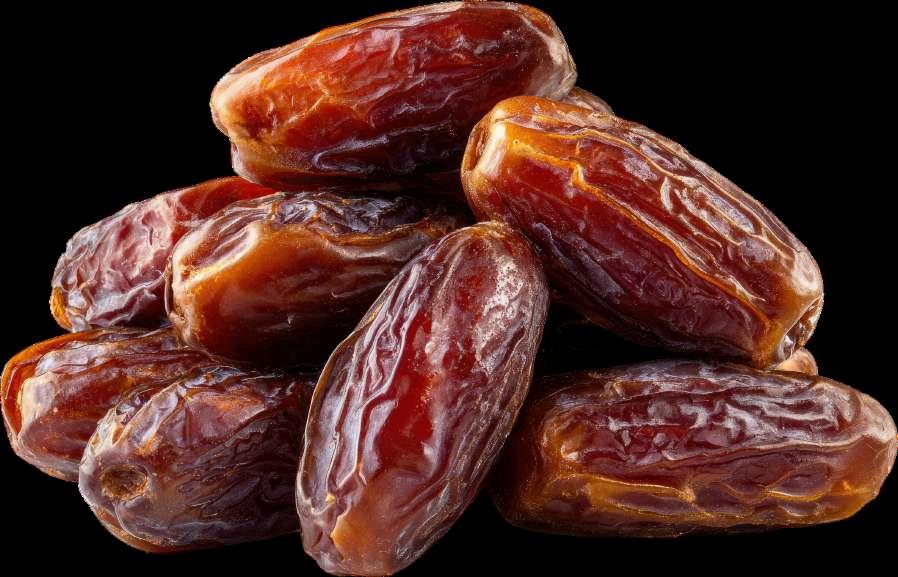
# Date Store - Nigeria's Premier Source for Organic Date Products
Discover the finest selection of organic date products in Nigeria at Date Store, your number one destination for all things daterelated.
Miriam Lulu Chemmoss: It wasn’t a thunderclap; it was a persistent whisper. When you are raised in a landscape that stretches forever, it imprints itself on your spirit. You realize that beauty is everywhere if you are brave enough to pay attention. I felt this magnetic urge to translate the rhythm of the markets and the silence of the land into something others could feel. I understood early on that compliance is a shrinking of the soul. Creation, however, is an invitation to step out from the shadows and participate fully in the pulse of life. My song “Now is The Time” was simply the manifestation of a truth I’ve carried since childhood.
The Infinite Horizon People of Africa: You speak of East African skies that "refuse to be small." Before the world heard your music, you were a quiet observer of the earth after rain and the stories held in the eyes of elders. When did you realize that your life wasn’t meant for compliance, but for the expansion of creation?
THE ARCHITECTURE OF STYLE:
Translating the Ancestral
PoA: Your heritage isn't an accessory you put on; you’ve described it as the "foundation of the house." How do you allow these ancient rhythms to walk so confidently into contemporary, global spaces?
Chemmoss: It is a process of translation, not imitation. My creative DNA is woven from the resilience and quiet authority of African women. When I design or compose, I am not trying to "blend" in, I am allowing my authenticity to lead. Style is what happens when you are truthful to your voice. It is where the raw, honest textures of my origins meet the sophisticated silhouette of the woman I am becoming. When the foundation is deep, the house can reach as high as it wants.
THE GRIT AND THE GRACE: THE SOVEREIGNTY OF THE SELF
PoA: There is a moment in every creative journey where the safety nets vanish You’ve spoken about the "quiet selfbetrayal" of waiting for permission. How did you find the strength to write your own name on the guest list?
Chemmoss: The world rarely sends a formal invitation to the dreamer. You have to realize that uncertainty is the artist’s most fertile ground. There were seasons of deep isolation and doubt, but those were the fires that refined me. They forced me to fall in love with my own vision. That period birthed my understanding of “Unconditional Love” not as a romantic concept, but as a fierce acceptance of one's own self. The grit gives you the strength to stand; the grace reminds you why the standing is worth it.
PoA: The world often tries to negotiate with a woman’s identity asking her to be quieter, louder, or more agreeable. How do you protect your inner sanctuary from the noise of these expectations?
THE INNER SANCTUARY:
REFUSING THE NEGOTIATION
Chemmoss: By realizing that my identity is not up for negotiation. Peace comes when your compass is internal. When you know the resonance of your own truth, the noise of the world becomes a distant hum. You no longer feel the need to compete for space because your presence becomes undeniable. You aren't fighting for a seat at the table; you are the table.
THE LEGACY: A LANTERN FOR THE DAUGHTERS
PoA: If your name is spoken in the "sundrenched ateliers of the future," what feeling do you hope it carries for the daughters of Africa?
Chemmoss: I want it to carry the feeling of permission. Permission to dream without apology. Permission to be both tender and powerful. I strive for my work to resonate at a unique frequency one that embodies a quiet yet powerful strength. that reminds every young woman that her imagination is her greatest inheritance.
If a song I sang or a piece of art I created helps one daughter stand a little taller in her truth, then my work is complete. Authenticity is the most radical gift we can give the future.
“Every generation of women leaves a trail of light behind them. I simply hope my work becomes one more lantern on that path, reminding the daughters of Africa that their brilliance was never meant to be hidden."
Miriam Lulu Chemmoss
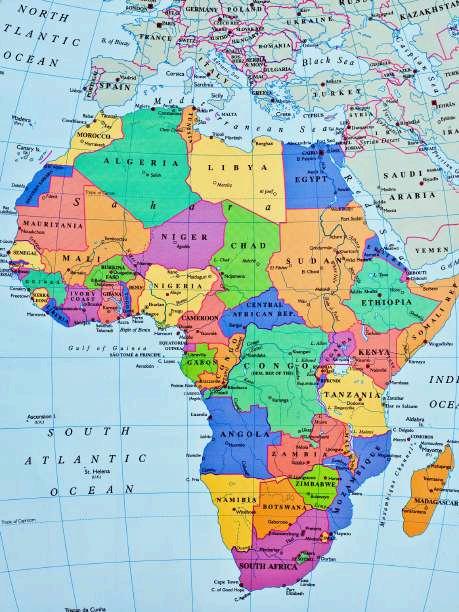
Africa
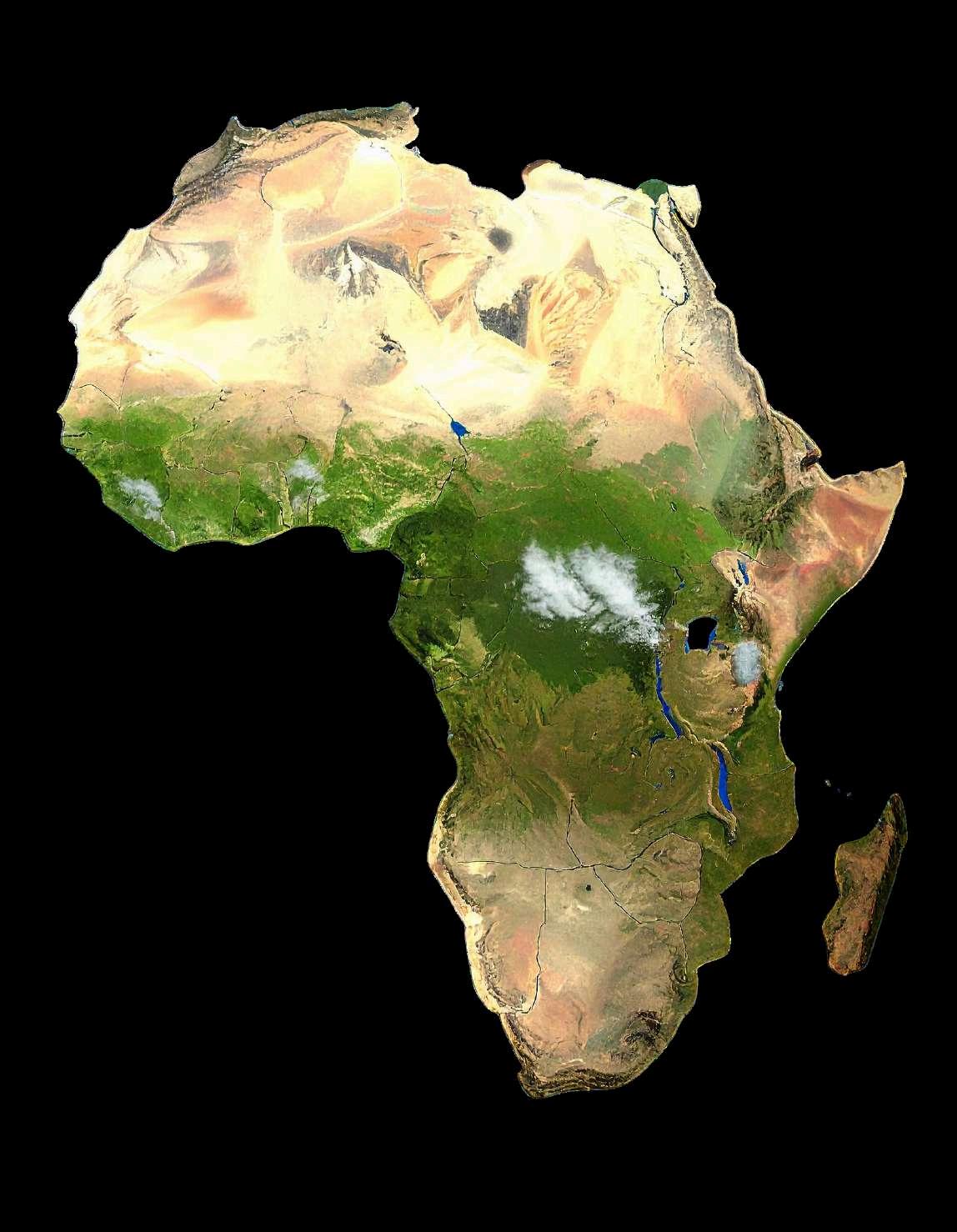
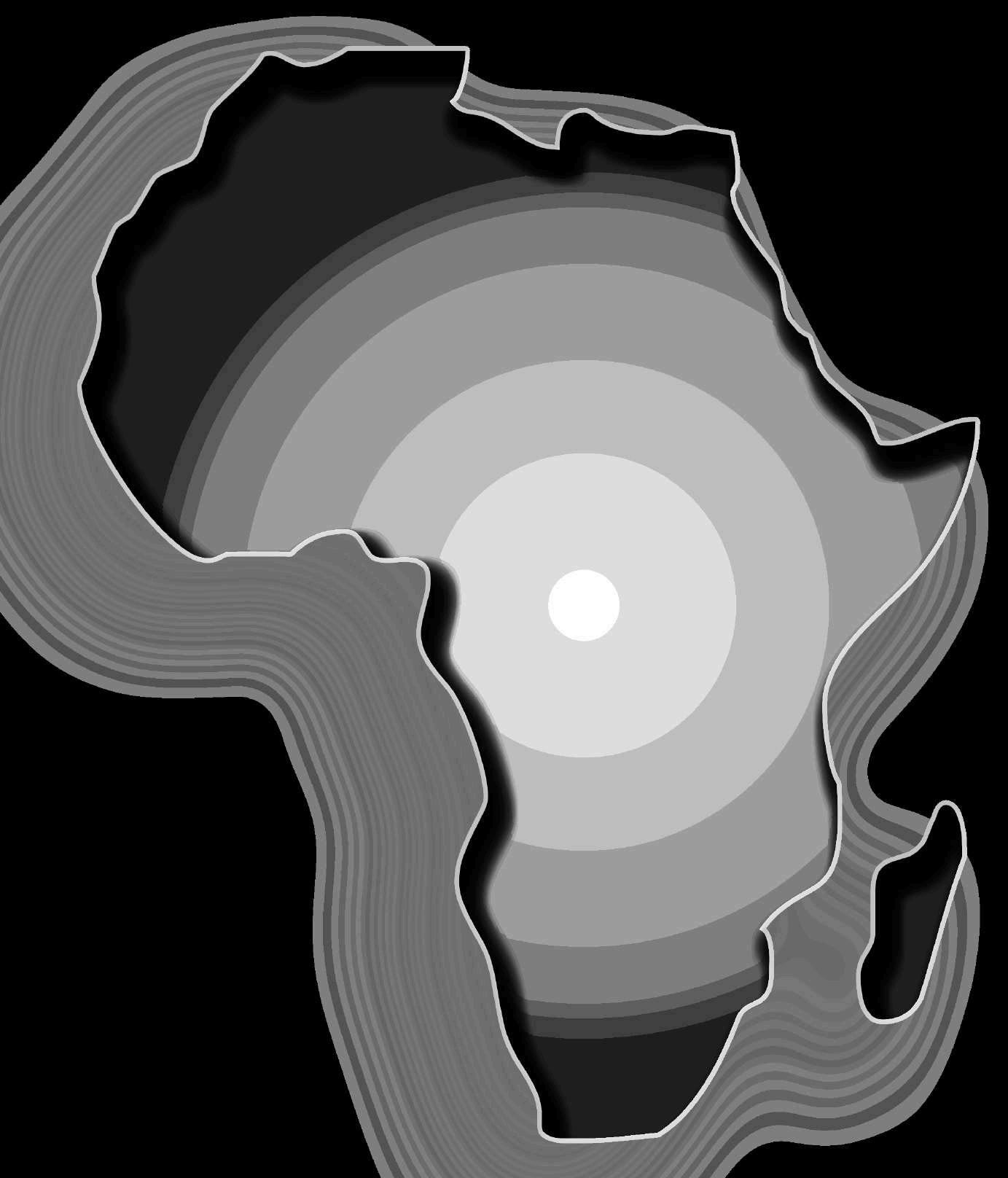
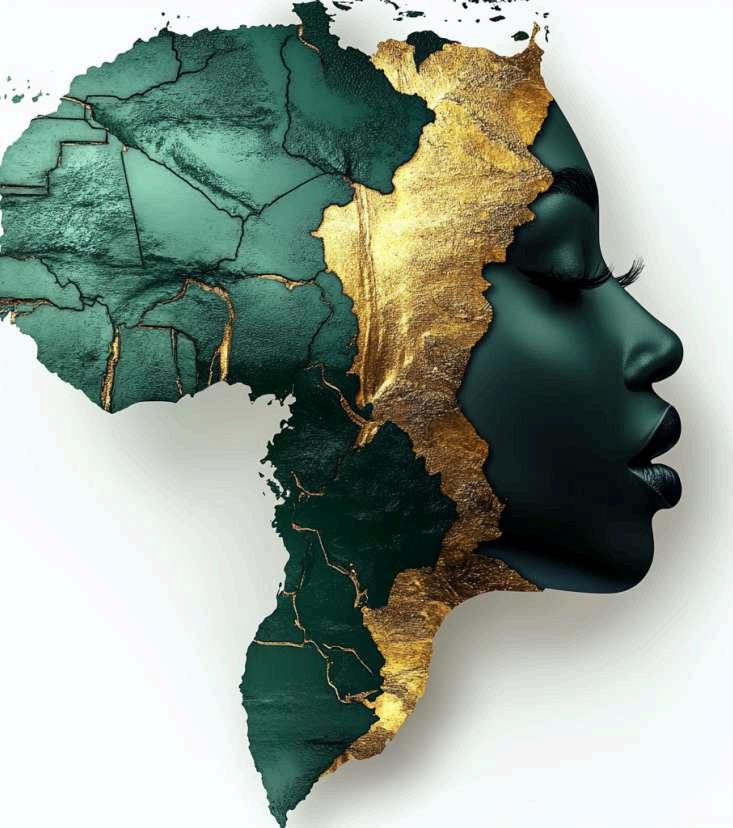
A map created by colonial powers. Our hearts are intertwined. It is time to reshape boundaries, not with pens, but through our actions.
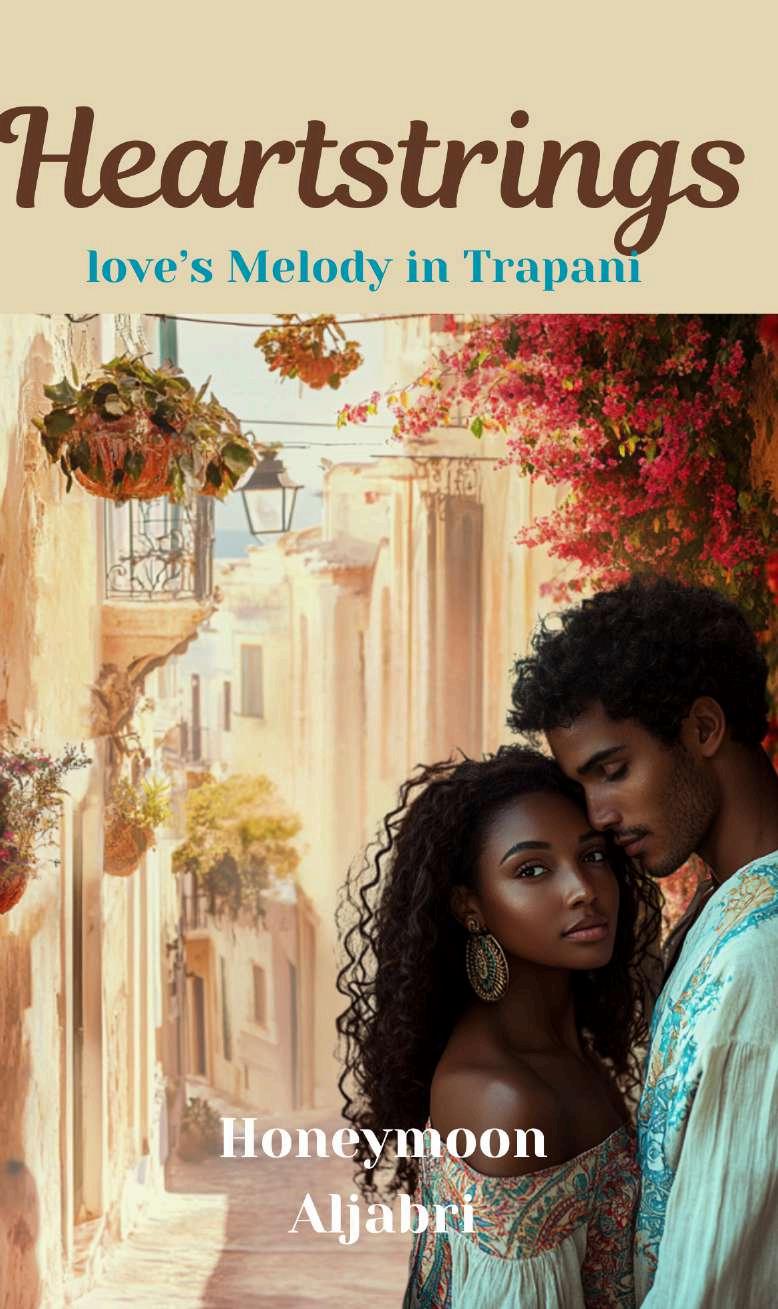
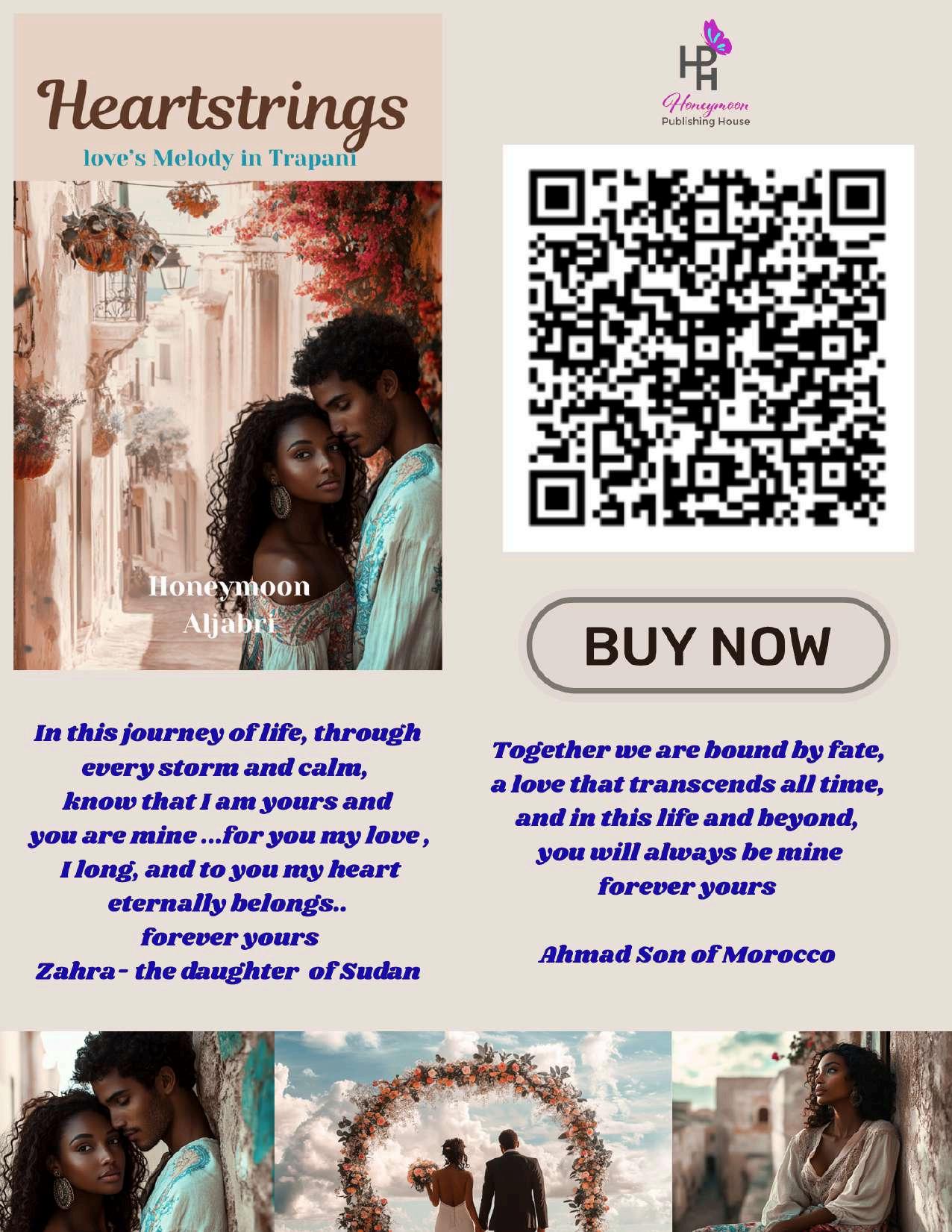
In the tender embrace of "Heartstring," Honeymoon Aljabri weaves a tale as poetic as the African sunset. Ahmad, a Moroccan footballer, and Zahra, a Sudanese artist, flee their respective storms, finding solace in the ancient streets of Italy. Their journey is a symphony of whispered dreams and unspoken desires, an escape from the shadows of Istanbul and Washington D C In the quiet moments between heartbeats, their souls recognize each other, echoing the rhythms of their shared continent. As their paths intertwine, love blossoms like the desert rose, pure and unwavering In this dance of destiny, they discover a sanctuary in each other's arms, a love that transcends borders and heals the deepest wounds, resonating with the timeless beauty of Africa itself.
THE ARCHITECTS OF LIBERTY: THE WOMEN WHO REFUSED TO BEND
For centuries, the African woman has been the silent architect of the household, the keeper of the hearth, and the steady pulse of the community. But when the shadow of oppression grew long across our plains and cities, these stewards of the home became the generals of the street. They did not just wait for freedom to be granted; they organized the markets, they sang the revolution into existence, and they stood as human shields against the machinery of empire.
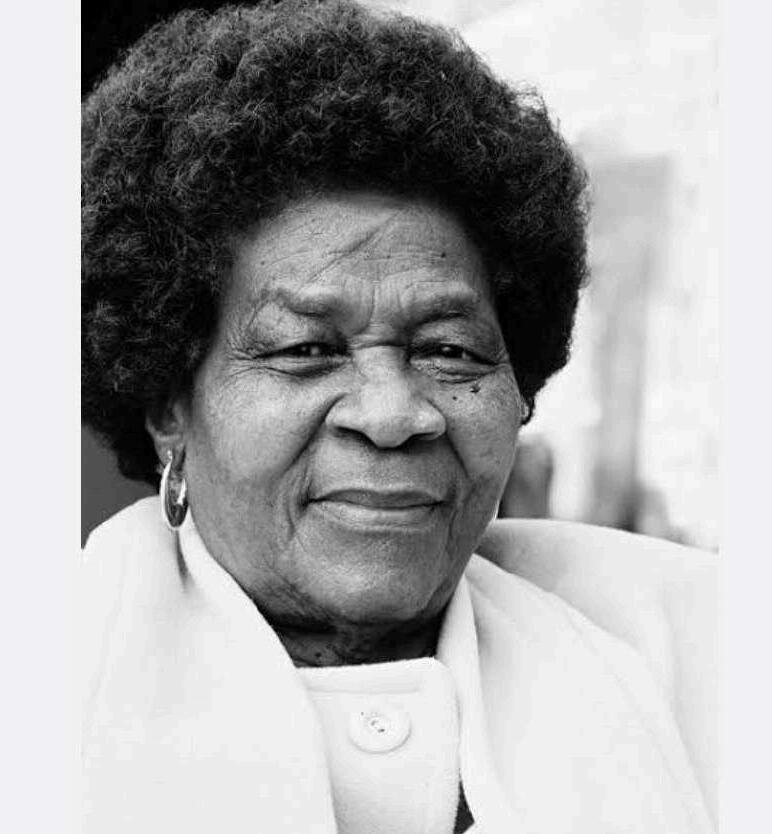
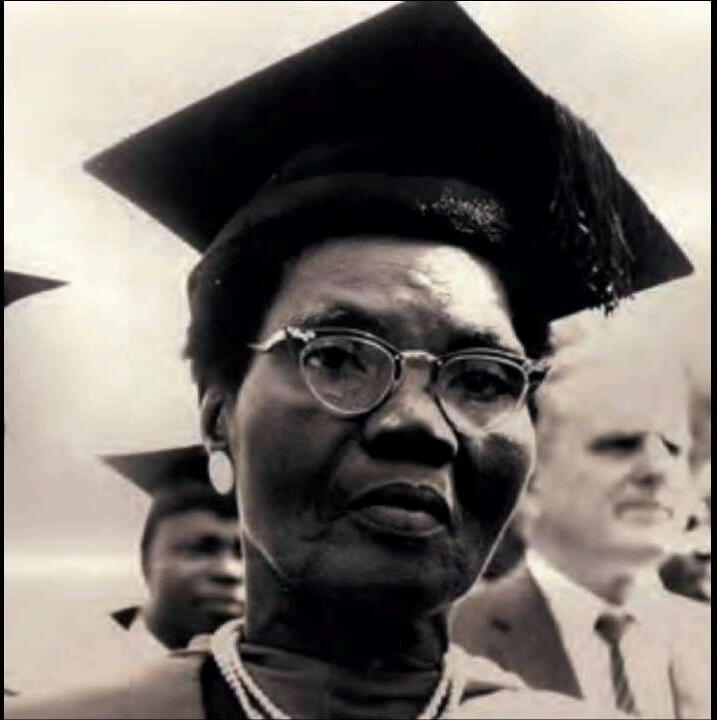
Funmilayo Ransome-Kuti, Bibi Titi Mohammed, and Albertina Sisulu embody this fierce, ancestral defiance. From the hills of Abeokuta to the bustling streets of Dar es Salaam and the defiant townships of Soweto, these women turned motherhood into a political weapon and their voices into a liberation anthem. They taught us that a nation’s independence is only as strong as the women who demand it. Through their eyes, we see a history not of victimhood, but of a relentless, sophisticated power that toppled kings and broke chains. They are the roots that held when the winds of history blew hardest.
photosbywikipedia
S.Africa
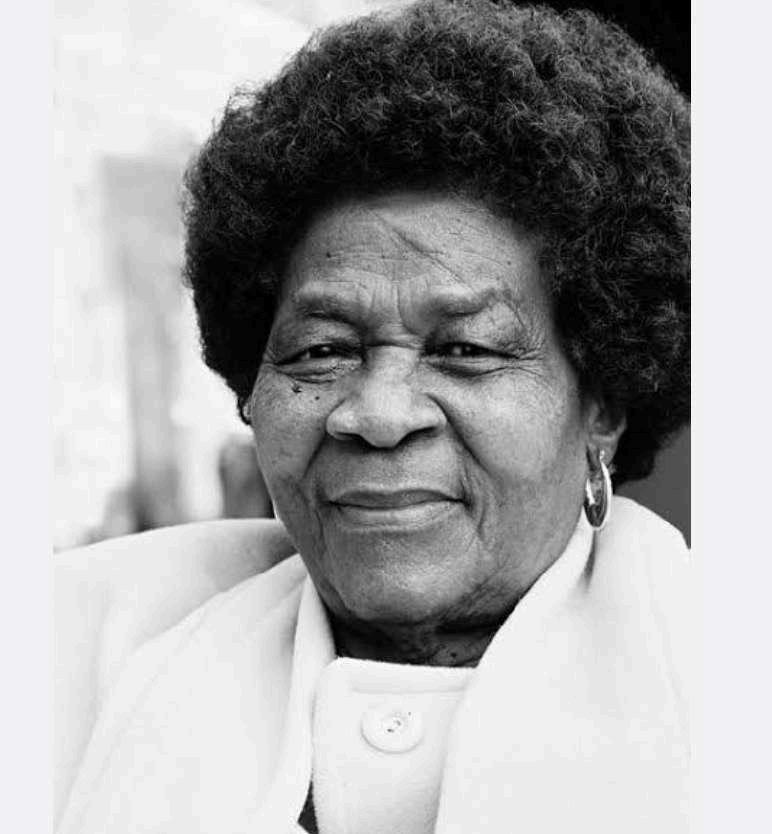
Albertina Sisulu: The Unbreakable Healer
Known as the "Mother of the Nation," Albertina Sisulu was the steady heartbeat of South Africa’s resistance. While her husband, Walter, was silenced behind prison walls, she became the movement’s spine. A nurse by trade, she sutured the wounds of a fractured people, leading the 1956 Women’s March and co-founding the UDF.
Despite 25 years of "banning orders" and constant detention, the state could not break her. Albertina proved that a woman’s endurance is the ultimate weapon against oppression. She didn't just survive apartheid; she outlasted it.
Nigeria
The Lioness of Lisabi: Funmilayo Ransome-Kuti
Before she was the mother of Afrobeat legend Fela Kuti, Funmilayo RansomeKuti was the architect of Nigerian women’s defiance. A pioneering educator and the first female student at Abeokuta Grammar School, she traded the classroom for the frontlines of justice.
In 1949, she led a staggering 10,000 women in a historic revolt against unfair colonial taxes, forcing the abdication of a powerful local king. Known as the "Lioness of Lisabi," Funmilayo didn't just demand the vote; she demanded a seat at the table of independence. From organizing literacy classes for market women to challenging the British Empire on global stages, she proved that an organized sisterhood is the most potent political force in Africa. She didn't just raise a revolutionary son she raised a revolutionary nation.
Tanzania
Bibi Titi Mohammed: The Voice of Tanzania
Before Tanzania was a nation, it was a song in the heart of Bibi Titi Mohammed. A leader of the Matumbi people and a powerful singer, she used her voice to mobilize the masses for independence. While her father initially feared education would dilute her faith, her mother’s insistence on schooling forged a leader who could navigate both tradition and revolution.
As the female face of the TANU party, Bibi Titi achieved the impossible: she recruited over 5,000 women to the cause in just three months, turning the "Umoja wa Wanawake wa Tanzania" into a political powerhouse. Though her journey later faced the turbulence of a treason trial and imprisonment, her legacy as a freedom fighter remains unshakable She proved that independence wasn't won by pens alone, but by the courage of women who dared to stand, speak, and lead.
THEGREENRESISTANCE
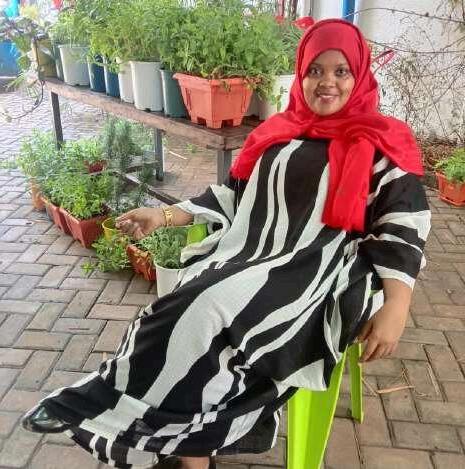
FatmaOmarandtheBattlefortheCity’sSoul
In the soaring skyline of Dar es Salaam, concrete is the new religion. We trade our soil for skyscrapers and our ancestral silence for the relentless hum of engines.
. But as the gray mask of "progress" threatens to bury the land's history, one woman is digging in her heels and her hands.
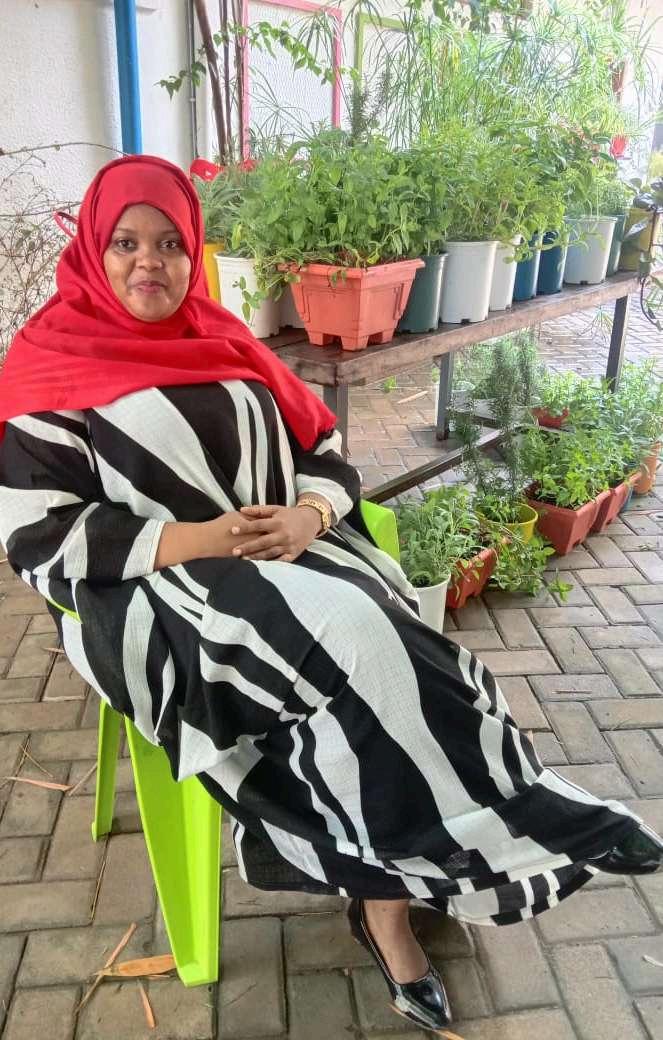
Bi Fatma, the visionary behind Plantlover Tanzania and Mama Herbs Tanzania, doesn't see gardening as a hobby. To her, it is a rescue mission.
In Dar, concrete is often seen as 'progress,' but the soil is our truth,” she tells us, her hands moving through the dark earth with a reverence that feels ancient. “When I dig into the earth in the middle of the city, I am peeling back a gray mask to find the green heart that was always there.”
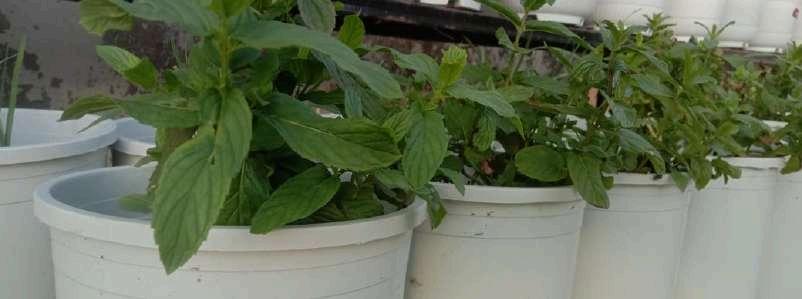
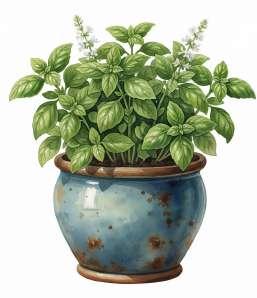
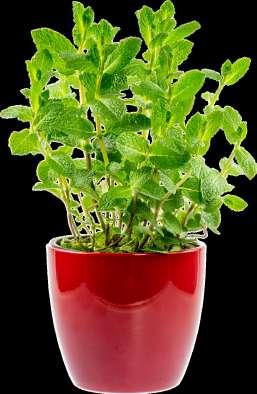
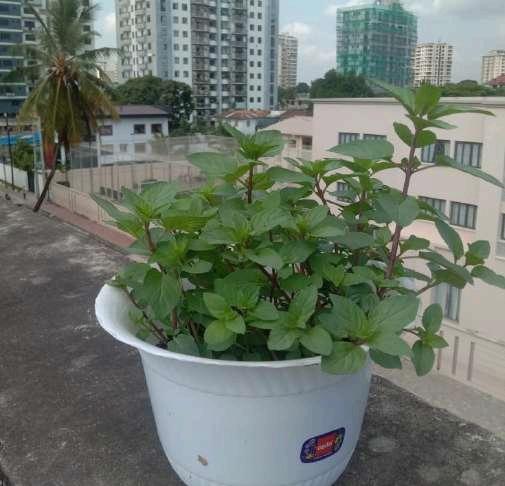
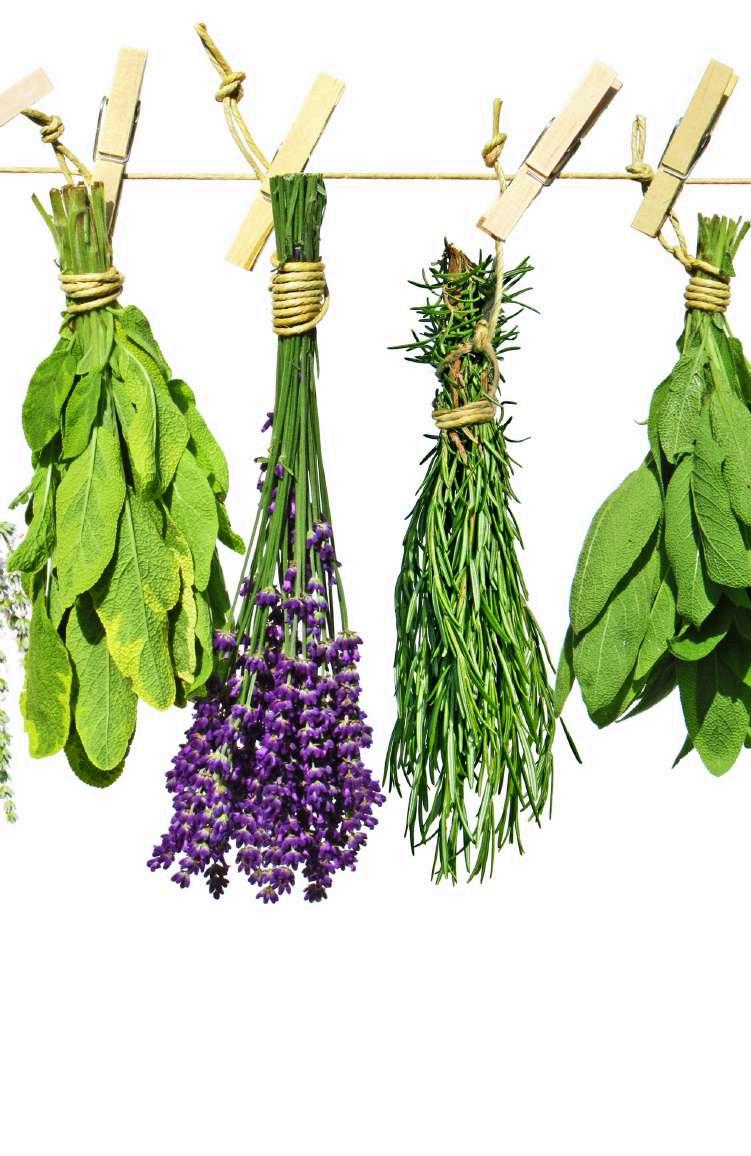
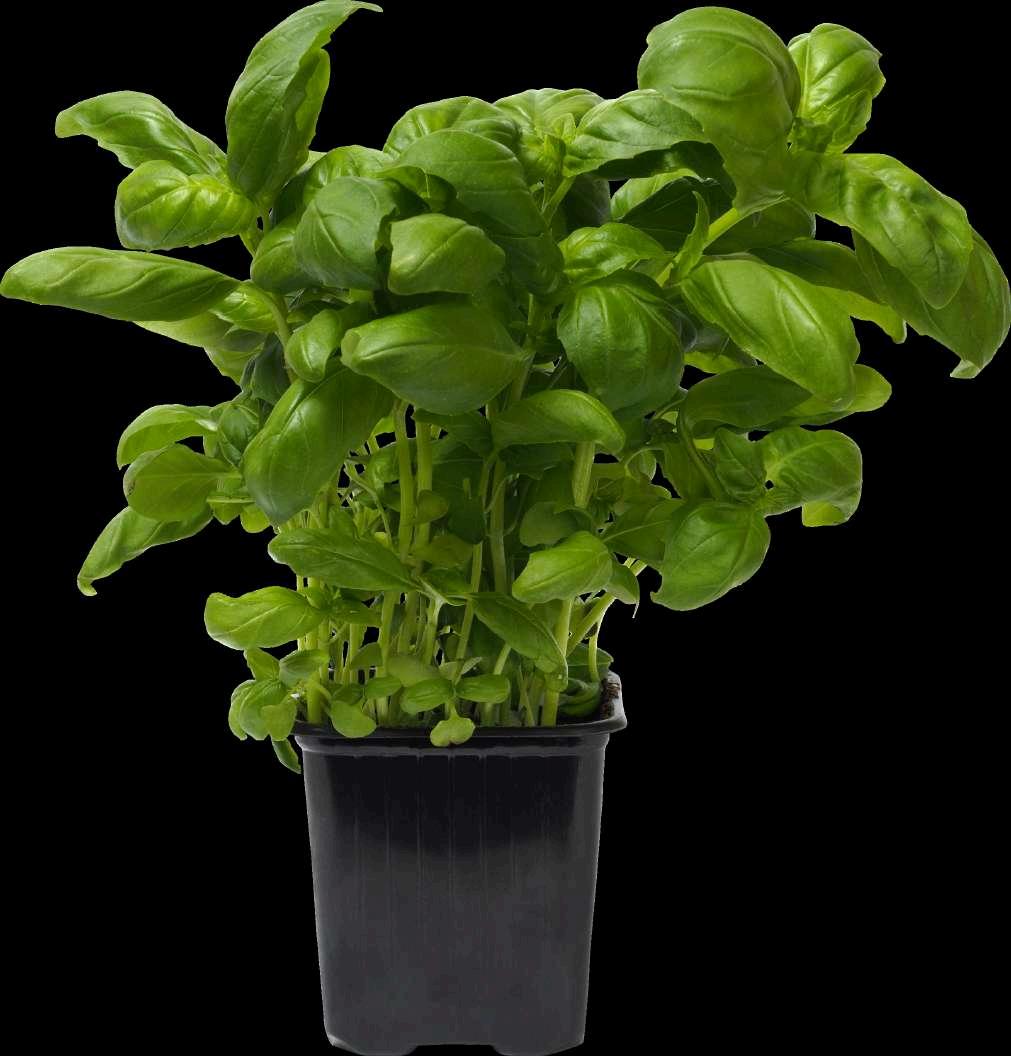
BASIL MINT
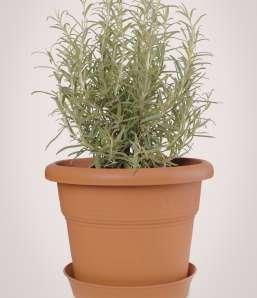
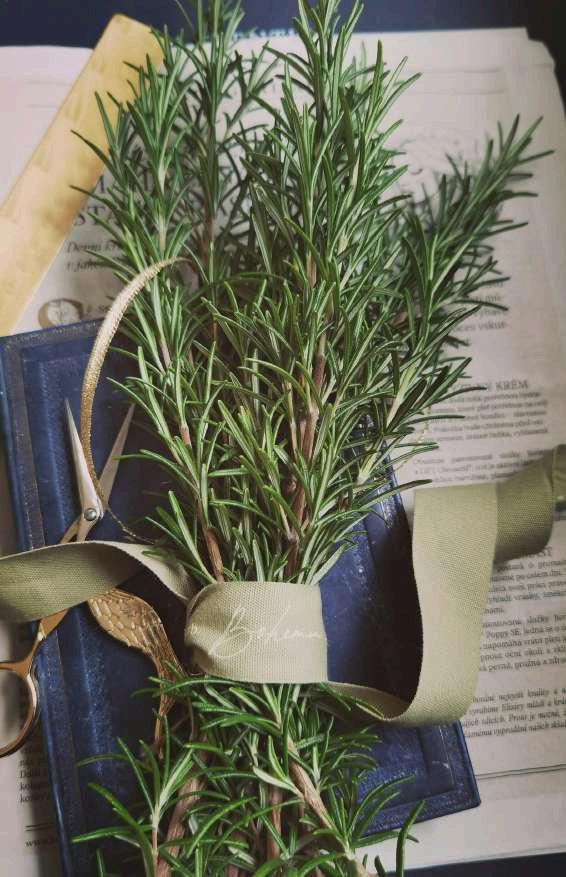
ROSEMARY
A PHARMACY WITHOUT A RECEIPT
As the city expands, the "language" of our grandmothers, the knowledge of which leaf breaks a fever and which root calms the blood, is fading. Bi Fatma refuses to let this biological heritage vanish. Her strategy is one of "aesthetic survival": bringing medicinal plants into the modern home by treating a healing shrub with the same respect as a decorative palm.
“We cannot let this medicine vanish because it is our biological independence,” she says firmly. “A kitchen garden is a pharmacy that doesn’t require a receipt or a long walk to the store.”
THE BATTLE FOR THE "TRUE SEED"
The struggle, however, goes deeper than the soil; it goes to the DNA of the plants themselves. In an era of "fastfood nature" and modified seeds, Bi Fatma is a seed-keeper, a guardian of lineage She sources her seeds from elders in remote villages, ensuring that the plants she grows carry the strength of their ancestors rather than the fragility of modern engineering.
“To keep a seed 'True' is to respect its ancestry over its speed of growth,” she explains. It is a slow process in a world obsessed with the instant, but for her, it is the only way to ensure we aren't just consumers of nature, but protectors of it.
THE QUIET REBELLION
For Bi Fatma, the act of planting is the ultimate act of sovereignty. She believes that if every family in the city grew just one herb, the entire spirit of Dar es Salaam would shift. It moves the citizen from a state of dependence to a state of creation. It changes the question from “What can I buy?” to “What can I sustain?”
As the sun sets over the high-rises, Bi Fatma offers a final lesson for the next generation, especially young women mesmerized by the digital glow of the future.
“The soil taught me that you cannot skip the process,” she reflects. “In a world of instant digital results, the plant demands resilience and patience. Technology is a tool, but the soil is a foundation. One can crash; the other will always feed you if you respect it.”
My message to young women: technology is a tool, but the soil is a foundation. One can crash; the other will always feed you if you respect it In the heart of the concrete, the green heart beats on.
thisis africa
Our pride is not shouted, it is lived.
KITCHEN
The languages of our kitchens are a vast choir of dialects, but the scent of the hearth is a solo performance.
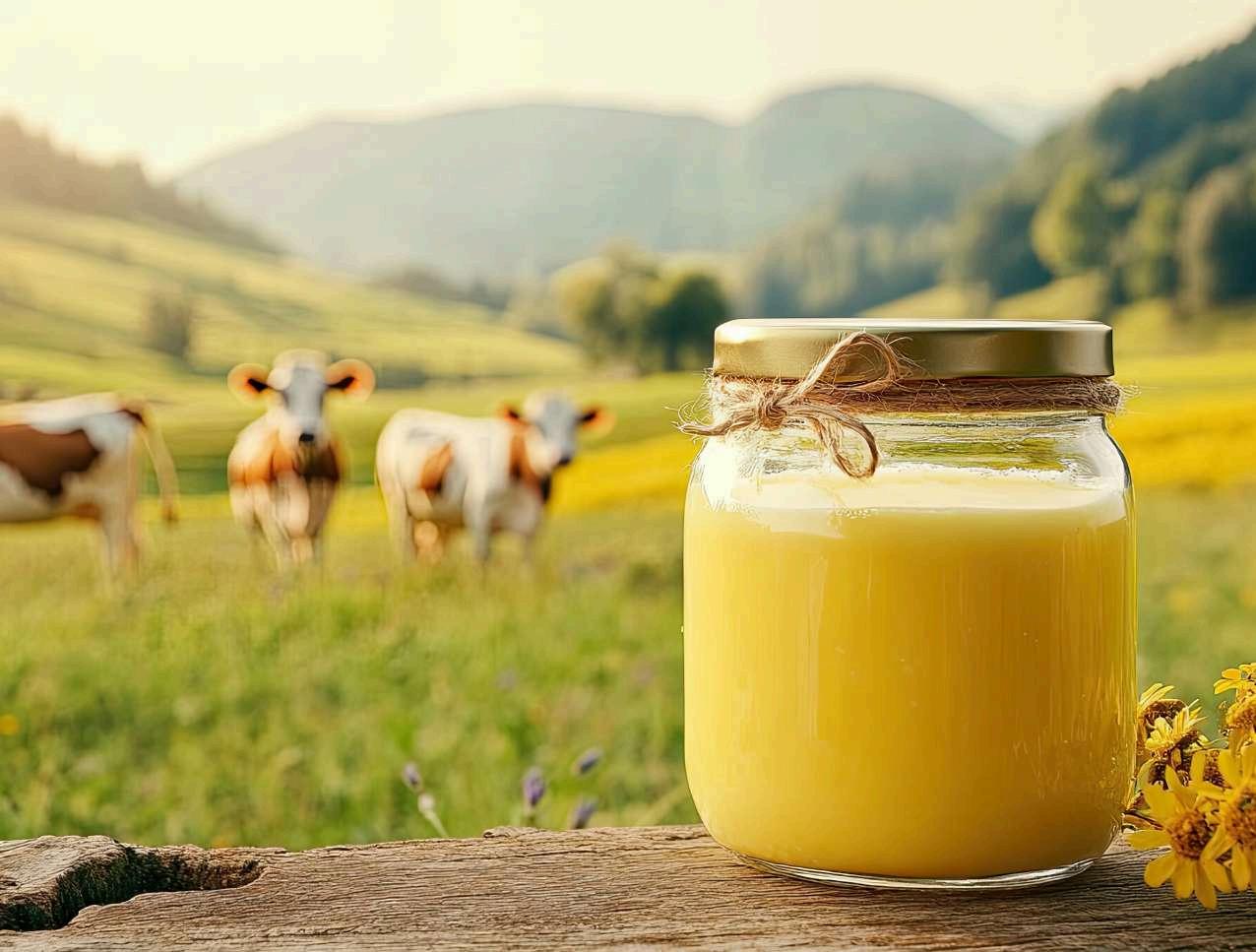
Whether you are in a high-rise apartment in Cairo, a homestead in the Ethiopian Highlands, or a bustling family kitchen in Dar es Salaam, there is a specific, nutty, amber aroma that signals one thing: home. This is not just oil. This is Liquid Gold. Known as Ghee in the East, Niter Kibbeh in the Horn, and Samna in the North, this clarified butter is the connective tissue of African culinary heritage.
OneOil,A Thousand Names
From the Sahara to the Kalahari, we have been perfecting this craft since the first nomadic tribes began to walk with cattle.
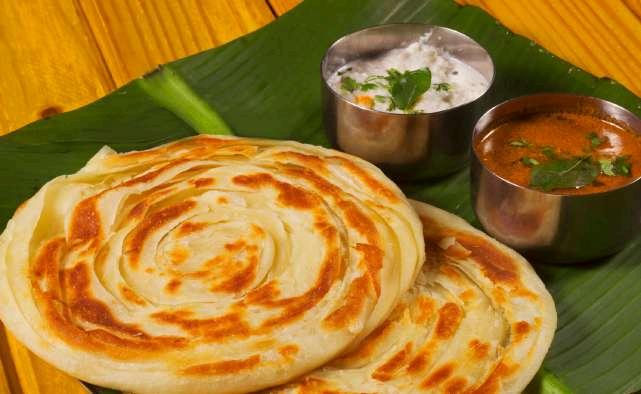
In the East (The Soul of the Chapati): In Kenya, Tanzania, and Uganda, the secret to the perfect, flaky Chapati isn't the flour it’s the Ghee. It is the fat that creates the layers, the "map" of the bread that we tear and share.
In the Horn (Niter Kibbeh): In Ethiopia and Eritrea, Ghee is elevated to an art form. It is infused with besobela(sacred basil), koseret, and fenugreek.
It is the foundation of Doro Wat, a slow-cooked masterpiece that takes hours, because you cannot rush a legacy.
In the North (Samna): Across Egypt, Morocco, and Sudan, Samna is the king of the kitchen. It is what gives the feteer its richness and the couscous its shine.
TheNomadic Science: Beyondthe Recipe
Long before the term "superfood" was trademarked in California, our grandmothers knew the medicinal weight of this gold. They knew that cow oil was a carrier of life. The nomadic traditions of cattle rearing from the Maasai to the Fulani were not just about survival; they were about preservation. Ghee was the answer to the African sun. By clarifying the butter, removing the water and milk solids, our ancestors created an oil that could withstand the heat without spoiling. It was used to heal the skin, to strengthen the gut, and to protect the hair. It was our first medicine, our first luxury, and our first currency.
Today, you will see Ghee marketed in boutique shops with high price tags, stripped of its history. They will tell you about "clarified butter" as if it’s a new discovery. Do not let them. The drop of oil in your pan is your connection to the soil. It is the link to the cattle that grazed on the savanna and the grandmothers who sat by the fire, patiently skimming the foam to reveal the gold beneath. When you smell that aroma today, remember: it is the scent of a continent that knows how to take the raw and turn it into the refined. It is the taste of a people who have always known that the best things in life are slow, pure, and golden.
Don’tLet ThemSell YouYour OwnMagic
To travel
Africa
is to love Africa.
Africa is waiting. Let the journey of a lifetime begin with a promise of forever in the wild heart of the continent.
A Guide to Your Backyard Pharmacy
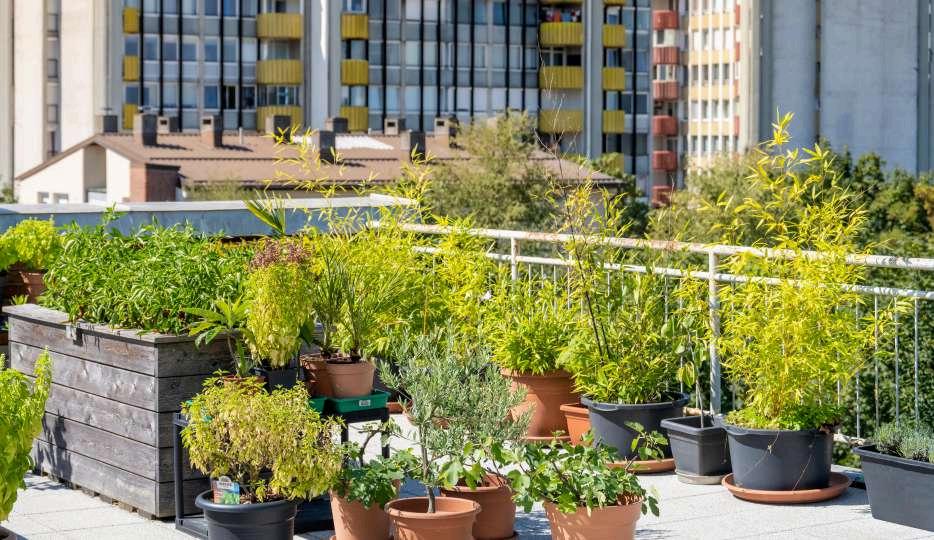
We are often told that health comes from a bottle with a price tag. But true wellness is a "pharmacy without a receipt." You don’t need an acre of land to start your own rebellion against the cost of living. You only need a windowsill, a pot of soil, and the ancient wisdom of these three powerhouse herbs. Here is how to bring Biological Independence into your kitchen.
1.ROSEMARY
The Frequency: Memory, Focus, and Mental Clarity. Rosemary isn’t just an herb for roasting; it is an ancestral brain-booster. Known for centuries as the herb of "remembrance," it brings circulation to the mind and heat to the blood.
The Tea: Steep fresh sprigs in hot water with a slice of lemon. It’s the ultimate "Focus Fuel" for long afternoons in the office. It acts as a natural relaxant for the digestive system, reducing the bloating that comes from a high-stress day.
The Soup: Add it to roasted pumpkin, lentil, or chicken soups. Its woody aroma cuts through heavy flavors and helps the body process fats more efficiently.
The Power: It is packed with antioxidants. Drinking it regularly builds a natural shield against the physical stress of city life.
2.BASIL
The Frequency: The Heart and the Breath. This is the spiritual heartbeat of the tropical kitchen. It is vibrant, spicy, and deeply protective.
The Tea: This is your "Respiratory Guard." Drink it hot with ginger and honey to clear the chest and soothe a fever. It acts as a natural expectorant clearing the airways without a chemical footprint.
The Soup: Throw fresh leaves into a coconut-based fish soup or a tomato broth at the very last second. The heat releases oils that soothe the gut and act as an internal antiseptic.
The Power: It is an "adaptogen," meaning it helps the body manage stress. It calms the heart and helps lower the pulse during chaotic times.
3.ALOEVERA
The Frequency: The Internal Cleanse. We often think of Aloe only for skin burns, but its greatest work is hidden. In the kitchen, it is the silent healer of the digestive tract.
The Drink: Scoop the clear, inner gel into a morning smoothie or a cool glass of water with lime and mint. It is the ultimate "Internal Hydrator," perfect for the heat of the sun.
The Soup: In many traditions, small amounts of the gel are added to light broths to treat stomach discomfort and ease digestion.
The Power: It provides "Biological Maintenance," healing the stomach lining and replenishing the body’s natural balance.
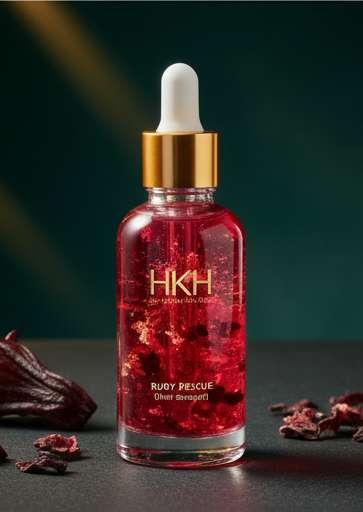
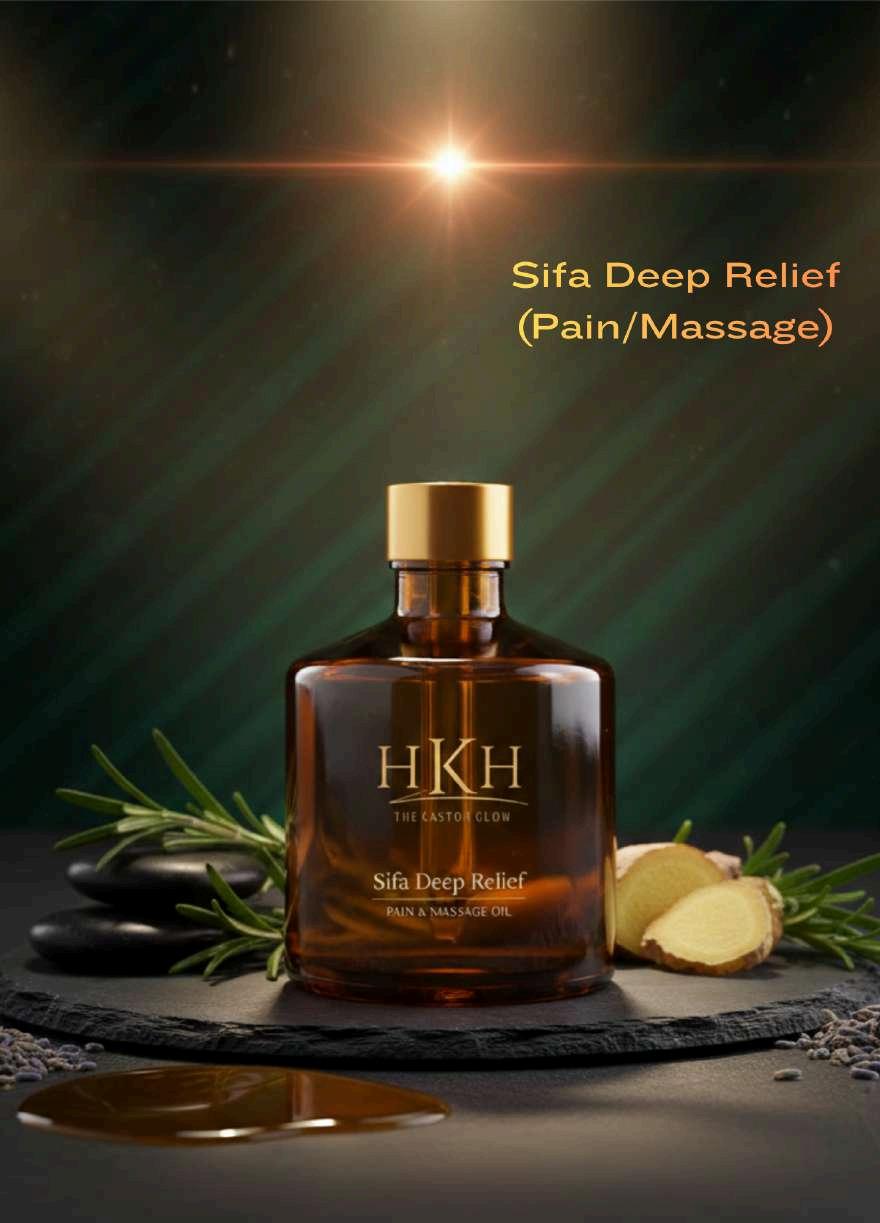
HKH
IT’S MORE THAN JUST OIL; IT’S A COMFORTING EMBRACE FOR YOUR SKIN.
THE TARMAC IS OUR RUNWAY
KINGS
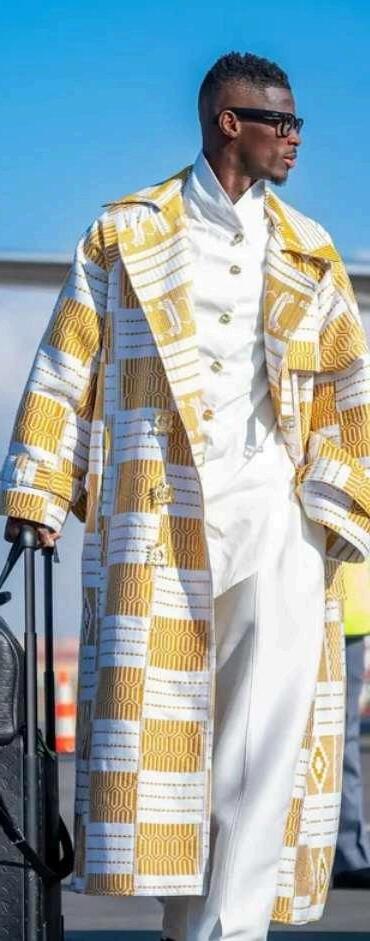
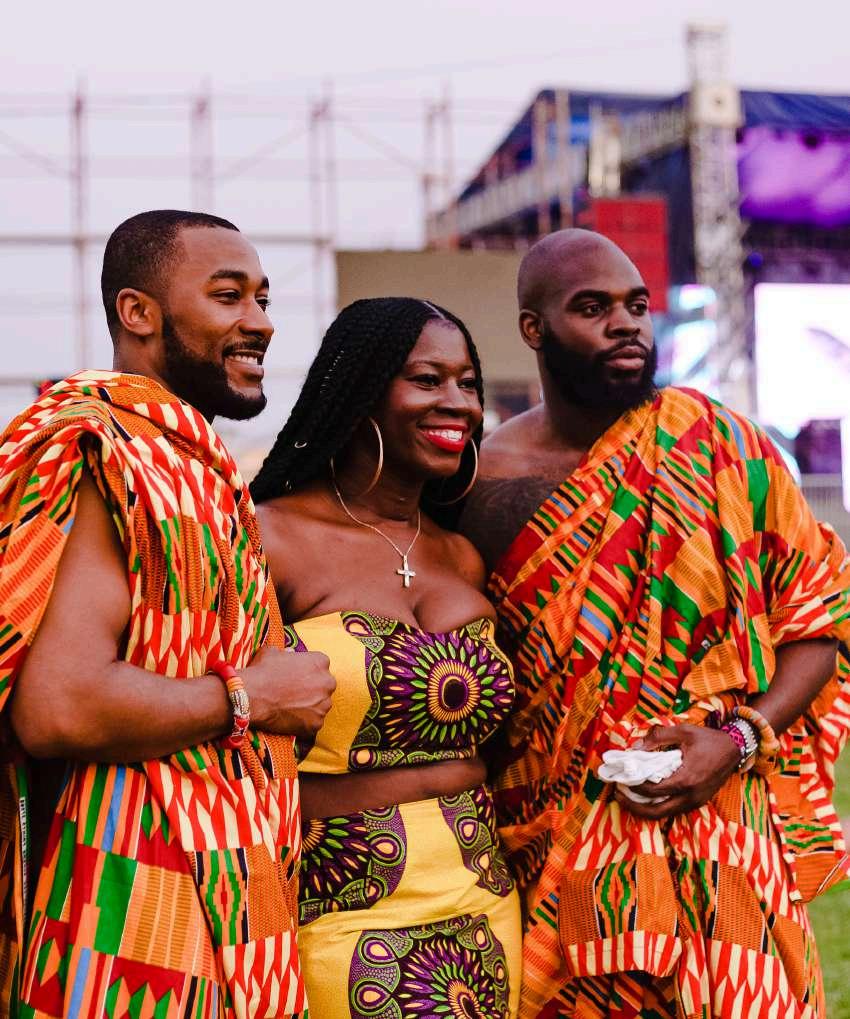
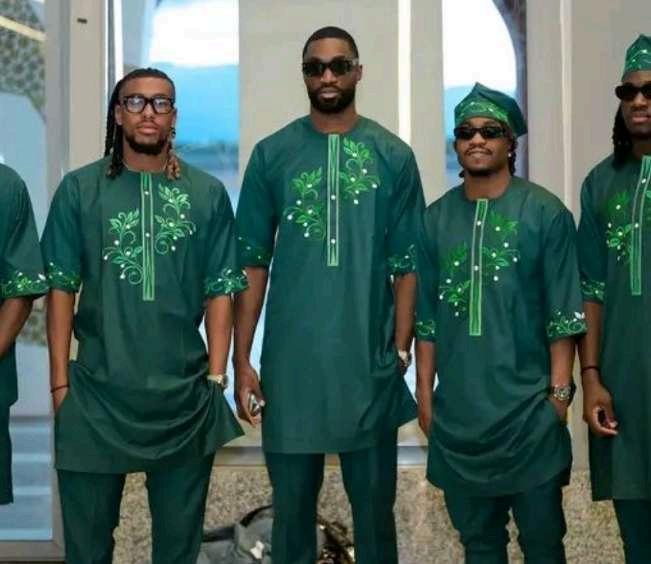
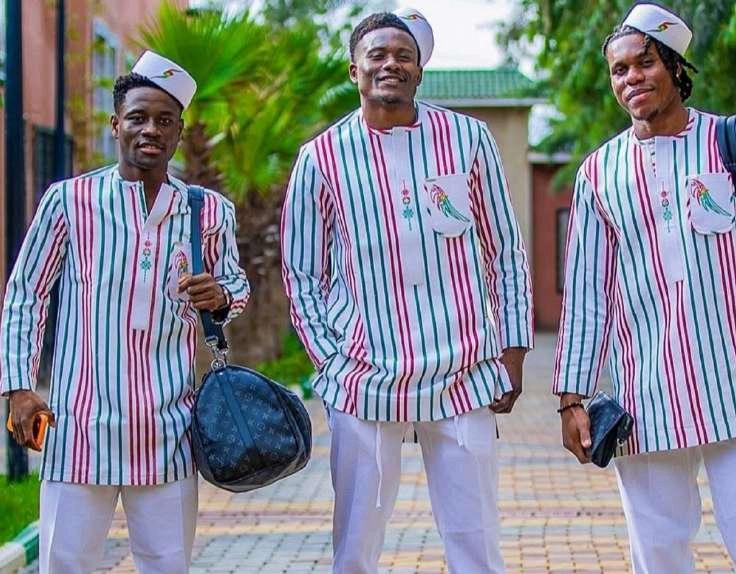
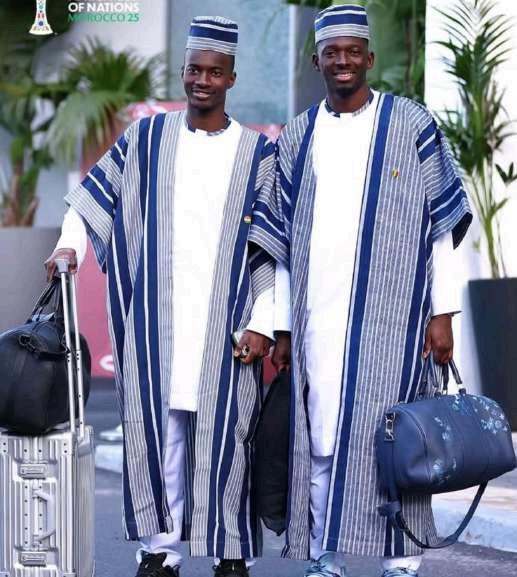
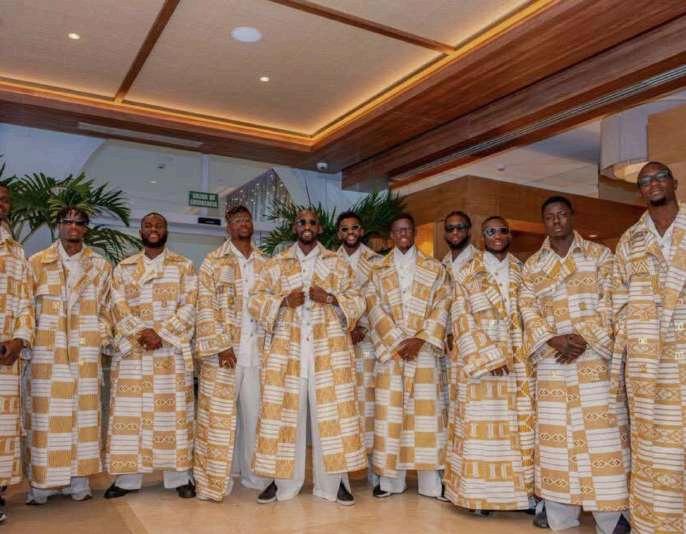
There is a silent war being waged in the ateliers of Paris and Milan. They scout our markets, they "borrow" our mudcloth, they mimic our kente, and they slap a five-figure price tag on it under labels like Prada and LV. For decades, our creativity has been mined like our minerals extracted and rebranded.
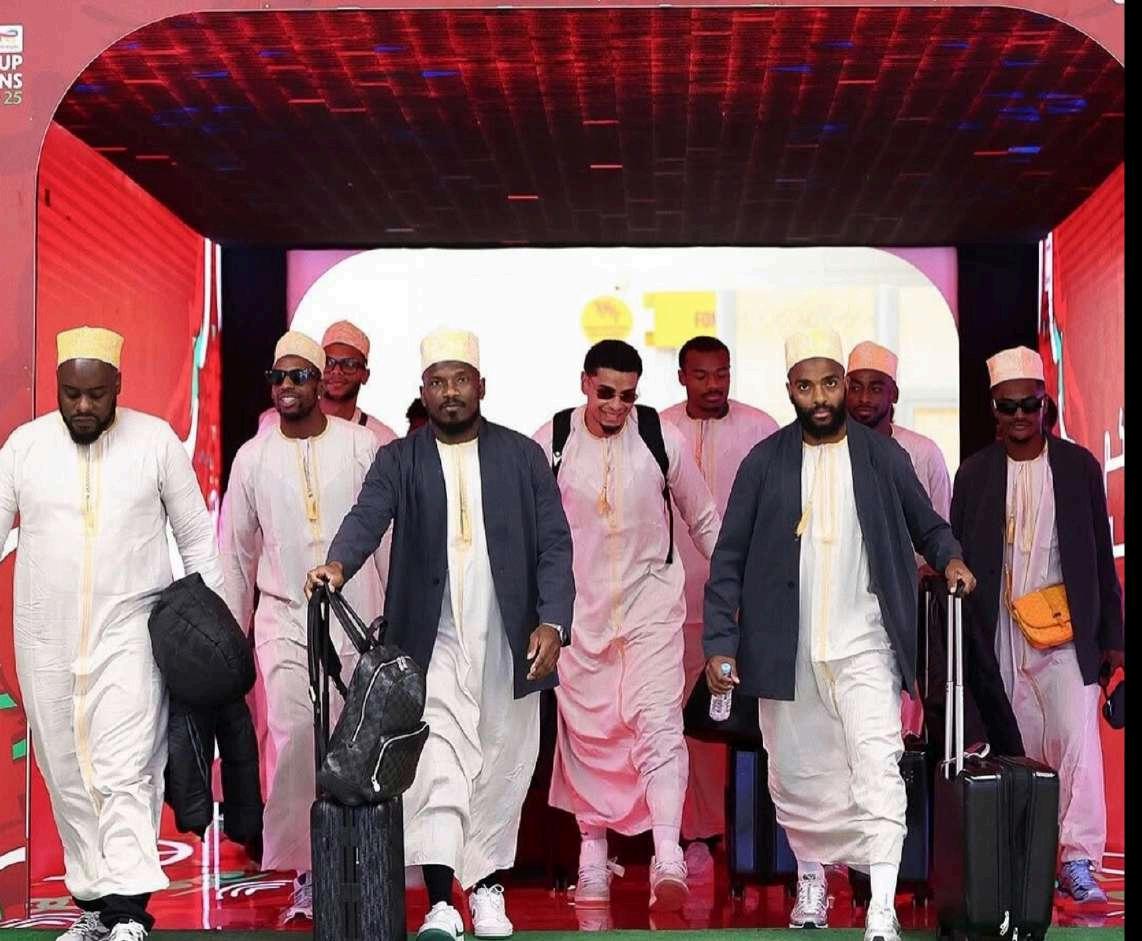
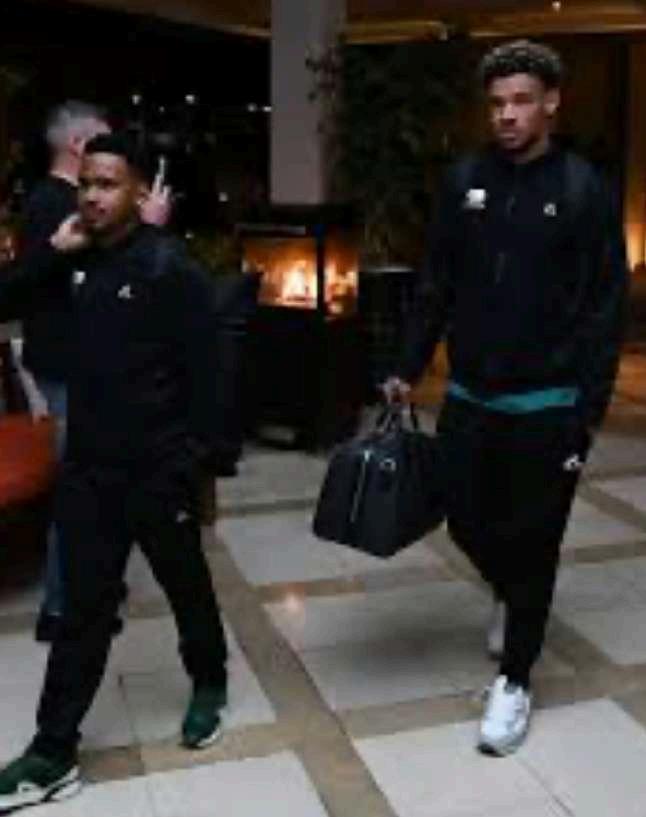
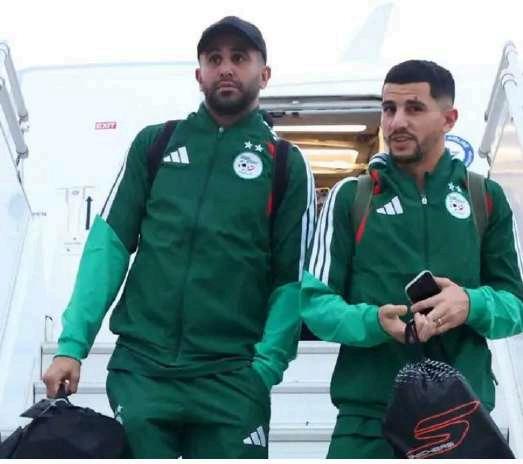
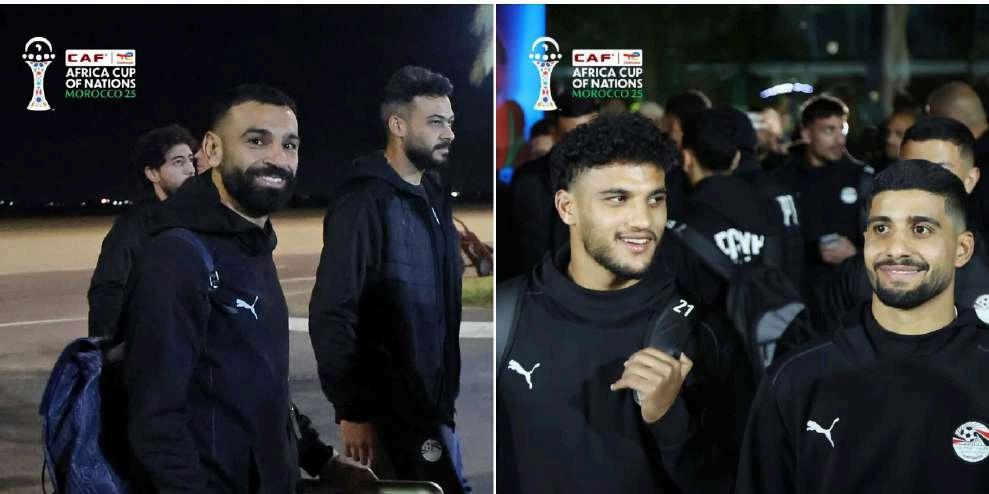
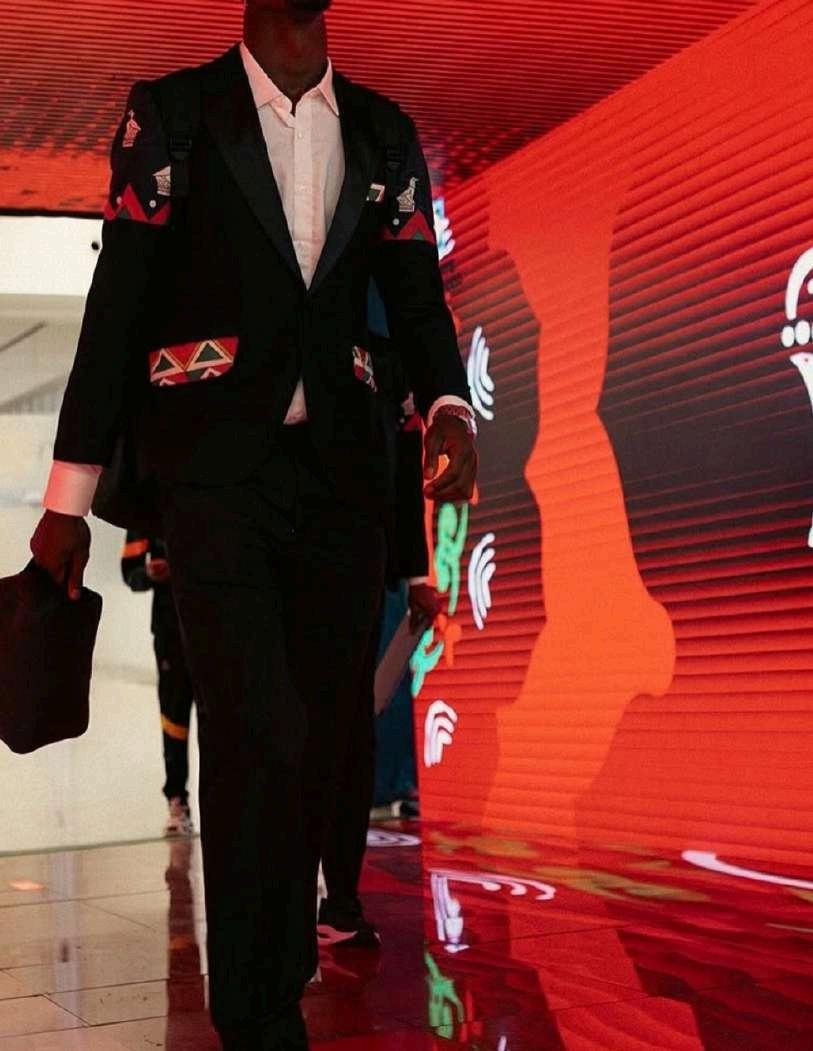
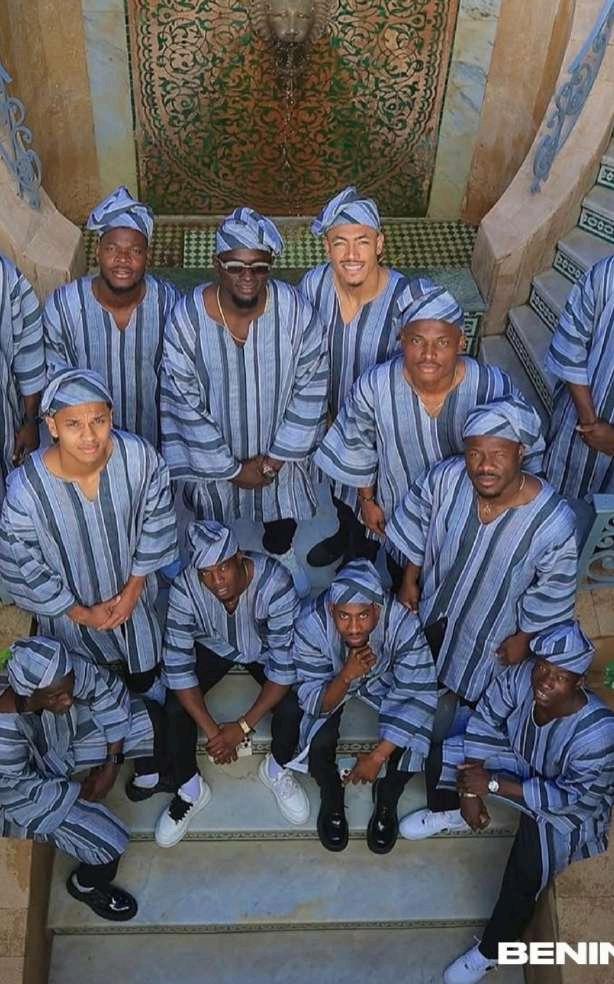
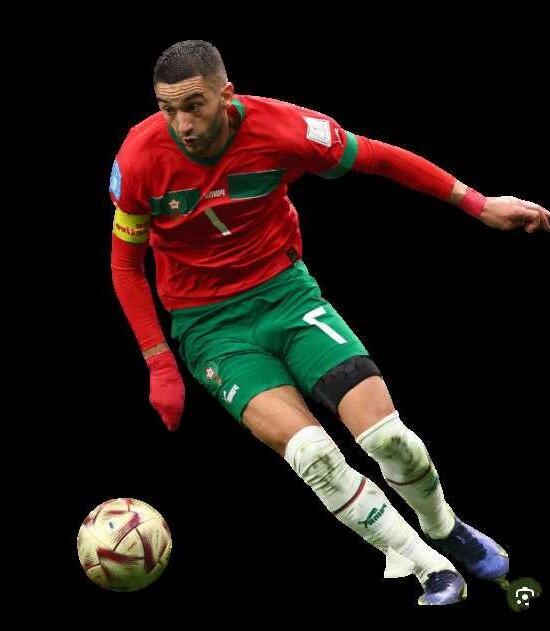
But at AFCON in Morocco, the world didn't look at the runways of Europe. They looked to the tarmac. They looked at the arrivals. And while some nations arrived as kings, others arrived looking like they’d forgotten who they were.
SEGYPT,.AFRICA &ALGERIA THE TARMAC IS OUR THRONE
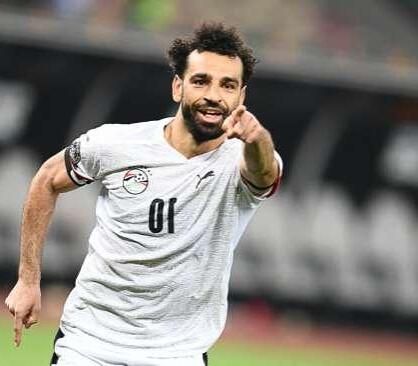
Let’s be direct. This is a love note, but it’s also a summons. To South Africa, Egypt, and Algeria: We saw you Or rather, we didn't see you. To arrive at a continental showcase in standard, off-theshelf polyester is a missed opportunity to scream our excellence.
THETRACKSUIT TRAP: WEDESERVE BETTER
Egypt: You carry the weight of the Pharaohs. Why arrive in a tracksuit when you could arrive in the linen and gold of a civilization that built the world?
South Africa: From the beadwork of the Zulu to the patterns of the Xhosa your "drip" is legendary. Why hide it in a kit bag?
Algeria: The elegance of the Maghreb is unmatched. We want to see the embroidery; we want to see the soul of the North.
TOGHANAANDCAPEVERDE:
Did you get the note? We saw the football, and it was beautiful, but the arrival was quiet. We need that... our eyes are on you, "Black Star" energy to be wearable. Cape Verde We need the islands' vibe to be visual.
THE STANDARD-BEARERS
Look at Burkina Faso. Look at Mali. They didn't just walk off a plane; they performed a cultural ceremony. They reminded the world that "African" is not a monolith it is a tapestry of woven pride.
Morocco, you were the hosts, and you walked the walk on the pitch, but for the 2026 World Cup, the stakes are higher. You are the gateway. We need to see the Sahara shine in every thread of your arrival attire.
As we head to the 2026 World Cup, consider this a continental mandate. If you represent Africa on the world stage, do not show up in the "global uniform." Arrive in our truth. Arrive in our drip. Arrive as Kings, or do not arrive at all
TO THE 2026 WORLD CUP SQUADS
Let the cameras catch the shimmer of our silks, the weight of our woven fabrics, and the audacity of our colors.
We are not just coming to play. We are coming to represent a billion people who have been the world's mood board for centuries. It’s time we owned the mood.
To the teams who have punched their tickets to North America: The world is your stage, but the tarmac is your first statement. When you land in New York, Los Angeles, or Mexico City, do not arrive in the "global uniform" of the athlete. Arrive as the sons of Africa.
BURUNDI VISIT
THESTADIUM OFBR MIRR HEALING THE NORTH-SOUTH DIVIDE
Last season, Morocco opened its gates. It was billed as the ultimate "Welcome Home" , a showcase of world-class infrastructure, highvelocity football, and the warmth of the Maghreb. But somewhere between the opening whistle and the final trophy, the "Brotherhood" fractured. What was meant to be a family reunion in our uncle’s house turned into a digital civil war.
HEALINGTHENORTH-SOUTHDIVIDE
From the keyboards of Lagos to the cafes of Casablanca, the banter turned to bile. We saw the "North vs. South" divide widen, fueled by 60second TikTok clips and heated Twitter threads. We started asking the most dangerous question a family can ask: "Who truly belongs here?"
THE GRANDMOTHERS’ WHISPER
While the fans were fighting in the digital streets, the stadiums themselves were telling a different story. They showed the world that Africa is not a "collection of villages" waiting for a seat at the global table. We are the table. The soul, the rhythm, and the sheer athletic genius on display proved that our excellence is undeniable. But we forgot the lesson our grandmothers taught us: A house divided against itself cannot weather the storm.
When we use sport to sharpen our tribalism rather than our pride, we are doing the colonizer's work for him. We are drawing lines in the sand that the wind should have blown away centuries ago.
If we go to the world stage as "Moroccans vs. Nigerians" or "Egyptians vs. Senegalese," we go as fragments. And fragments are easily broken. But if we go as a continental phalanx celebrating every African goal as if it were our own we are an unstoppable force.
As we look toward the horizon of the next World Cup, the stakes have never been higher. For the first time, Africa will have nine guaranteed spots. Nine flags. Nine chances to show the world the "One Africa" we talk about in our anthems.
Why did the "Banter" turn to "Hate"? Because we allowed social media algorithms designed in Silicon Valley to prioritize outrage to dictate our pulse. We mistook a referee’s whistle for a declaration of war.
It is time for a post-mortem of the spirit. Whatever was said in the heat of the Moroccan sun must stay there. We must realize that the "North" is not an island, and the "South" is not a separate continent. If we allow the "Sub-Saharan" vs. "Middle East" labels to win, we lose the very essence of what it means to be a child of this soil.
Let us learn from the mistakes of the past year. Let us celebrate the soul of the game. When a goal is scored by an African brother, whether he speaks Arabic, English, French,Wolof, Swahili, or Zulu, it is a victory for the ancestors. We are powerful together. We are formidable in our diversity. Let the stadiums of the future be places of coronation, not conflict. We are heading to the world stage let’s make sure we arrive as one family, under one sun, with one heartbeat.
visit
IS WAITING
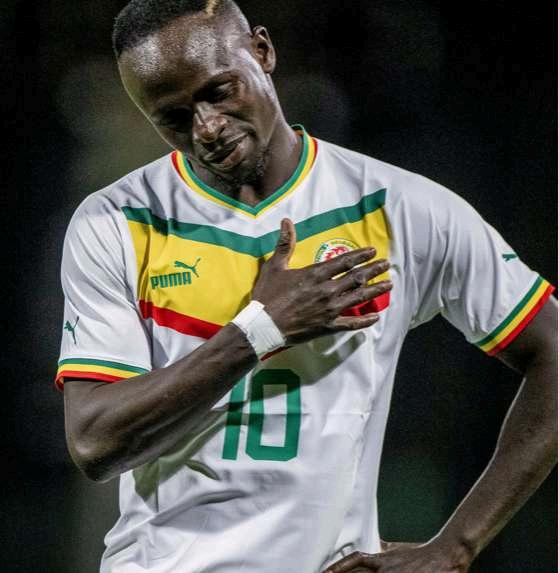
Football is a religion in Africa because of its honesty. In a world of complex politics and broken promises, the pitch is the one place where the truth is found in ninety minutes of sweat, a ball, and a net. But on March 17, 2026, that truth was discarded in a boardroom.
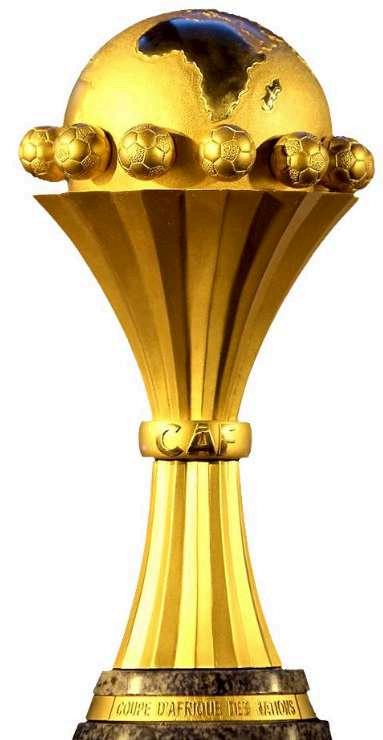
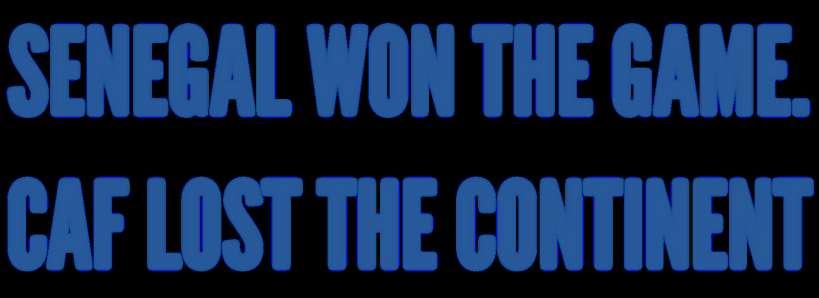
The decision by the CAF Appeal Board, led by Justice Roli Daibo Harriman, to strip Senegal of their hard-won 2025 AFCON title and hand a 3-0 "default" victory to Morocco is not a correction of justice, it is an infection of the spirit.
The Verdict vs. The Victory
Senegal won that match 1-0 in Rabat. They ran, they tackled, and they scored. Yes, there was a protest. Yes, there was a walkoff. Discipline was required. Fines could have been levied. Suspensions could have been handed down. Future bans could have been debated
But to rewrite history?
To tell a continent that a match decided by boots is now decided by pens? This does not "heal" the game; it inflicts a virus of distrust that will take generations to cure.
WHY THE WORLD WATCHES AND WHISPERS
IF WE CANNOT RESPECT OUR OWN WHISTLES, HOW CAN WE EXPECT THE WORLD TO RESPECT OUR TROPHIES?
We often ask why the global stage treats African football as a "sideshow." Here is your answer. When the highest governing body of our sport allows a 9-member board to overturn a final result months after the medals were hung around necks, we lose our seat at the table of respect. If we cannot respect our own whistles, how can we expect the world to respect our trophies?
A Call for Resignation
To the President of CAF: This happened on your watch. If your goal is a "New Africa," you must realize that this decision has ripped the fabric of continental unity. To restore the dignity of our game, you must step aside. Africa needs a leader who understands that the scoreline belongs to the players, not the judges. Justice Harriman may be a veteran of the bench, but football is not a court of law it is a court of merit. By awarding Morocco a trophy they did not win on the grass, you haven’t helped Morocco; you have given them a crown with a shadow. .
There are voices that entertain, and then there are voices that awaken. In the history of our continent’s sonic resistance, a few names stand like Baobab trees unshakable and reaching for the heavens.
THE VOICE THAT ROLLS LIKE THUNDER:
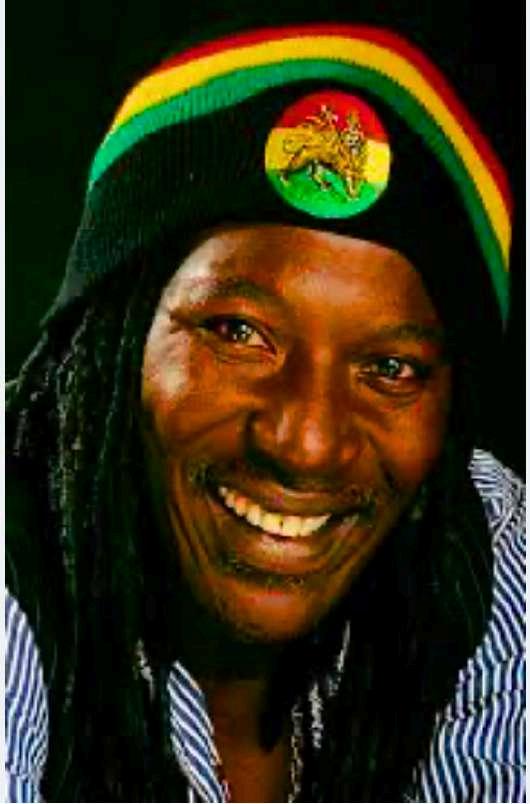
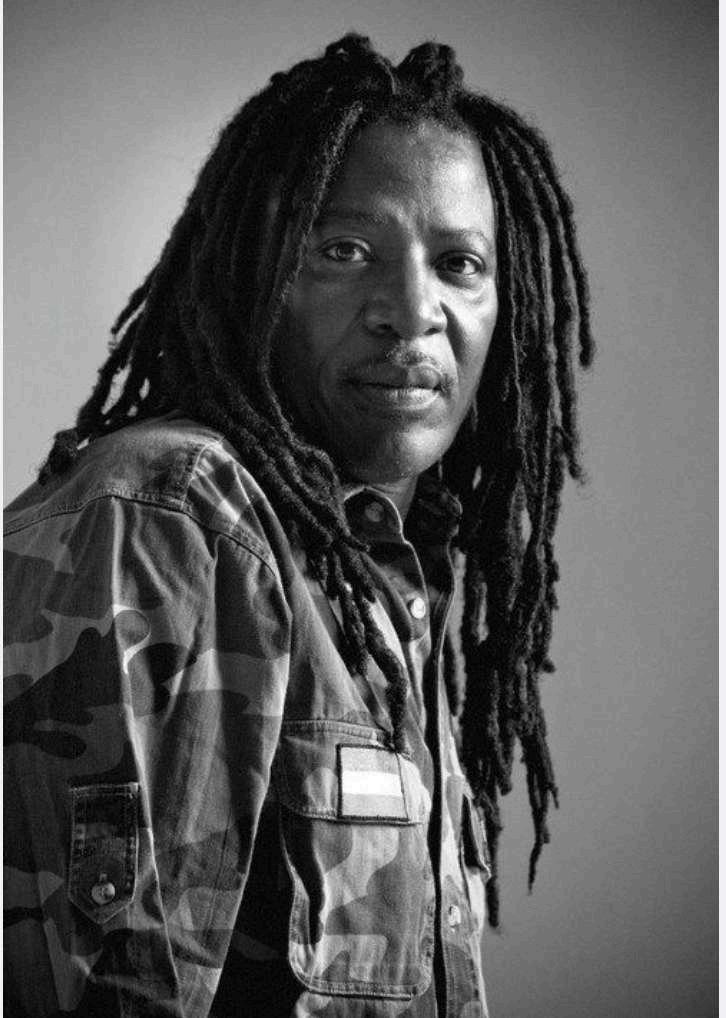
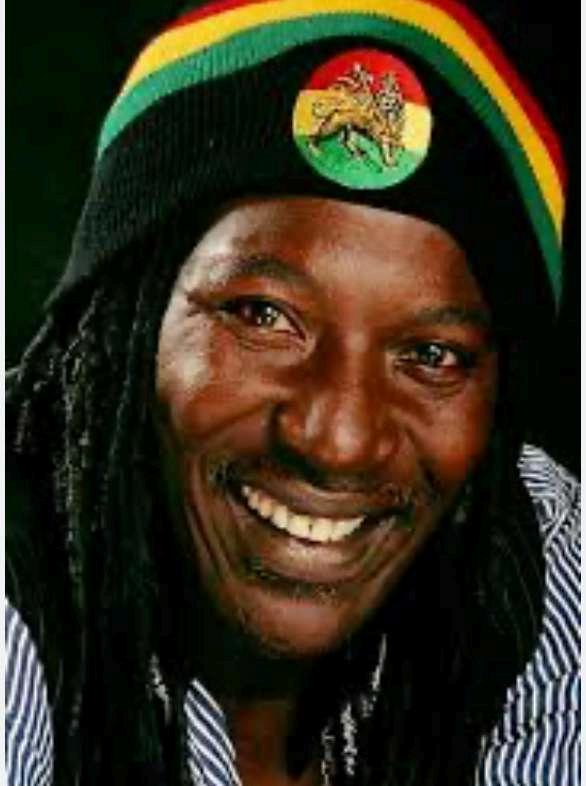
We speak of Fela Kuti, the fiery prophet of Afrobeat; Salif Keita, the "Golden Voice of Africa" who turned his albinism into a beacon of Malian pride; Miriam Makeba, our "Mama Africa" who sang the walls of Apartheid down; and from the North, the legendary Cheb Khaled, who carried the soul of Raï music across every border, proving that the Mediterranean is a bridge, not a barrier. Standing tall among these giants is the man born Seydou Koné, known to the world as Alpha Blondy.
ALPHA BLONDY
arley nent
just ca; he ggae. ve ory of New umbia he ust glish, c a and pirit of When he n 1982, he did us: he ut been . He f for
A Multilingual Manifesto
What makes Alpha Blondy a true "People of Africa" icon is his refusal to be boxed in. He sings in Dioula, French, English, Arabic, and Hebrew. He is a bridge-builder who recorded Jerusalem at Tuff Gong studios with The Wailers, calling for unity between Islam, Judaism, and Christianity. In a world that tries to divide us by faith and tongue, Alpha reminds us that "God is One."
The UN Ambassador of the Streets
His impact goes beyond the gold records. As a UN Ambassador of Peace, he didn't just sit in air-conditioned offices. He worked on the ground to heal the divisions of the Ivorian civil war. His Jah Glory Foundation remains a lifeline for orphans and women, proving that a true artist’s work continues long after the concert lights dim.
Seydou Koné
The Legacy of the "Blondy"
Whether it is the anthem "Cocody Rock" or the defiant "Apartheid Is Nazism," Alpha Blondy’s music is a razor that cuts through the noise of globalization to find the raw truth of the African experience. He opened the doors that today’s superstars now walk through.
.
To Seydou Koné: We give you your flowers today. Your voice is our thunder. Your message is our map. You didn't just sing for us; you shouted for us when we were breathless.
Long live the King of Cocody.
THEANCESTRALECHO:
5TRACKSTHAT DEFINEDA
CONTINENT
"If you want to
understand the soul of Africa, stop reading and start listening. These are the architects of our modern sound."
1 . T h e P r o p h e t ’ s A n t h e m
Artist: Alpha Blondy (Ivory Coast)
Track: “Cocody Rock” The Vibe: The ultimate bridge between the streets of Abidjan and the hills of Kingston. It’s the sound of a continent claiming Reggae as its own. Why it Matters: It proved we could speak to the world in our own tongue (Dioula) and still make the whole globe dance.
2 . T h e G o l d e n R o a r
Artist: Salif Keita (Mali)
Track: “Africa”
The Vibe: Pure, soaring Mandinka soul. When Salif sings, the Sahel winds seem to blow through the speakers. Why it Matters: He turned the pain of being an outcast (due to his albinism) into a royal decree of African beauty and unity.
3 . T h e F i r e o f t h e S h r i n e
Artist: Fela Kuti (Nigeria)
Track: “Zombie”
The Vibe: Highoctane Afrobeat with brass sections that hit like a physical weight. Why it Matters: This is the ultimate "truth to power" track. It challenged the military regime and gave a voice to the voiceless in the Lagos slums.
4 . T h e M o t h e r ’ s G r a c e
Artist: Miriam Makeba (South Africa)
Track: “Pata Pata”
The Vibe: Joy as a form of revolution. Even in the darkness of exile, Mama Africa kept our spirits light. Why it Matters: She was the first to make the West look inside Africa and see not just struggle, but sophisticated, rhythmic grace.
5 . T h e N o r t h ’ s B r i d g e
Artist: Cheb Khaled (Algeria)
Track: “Didi”
The Vibe: Raï music at its peak mixing Arabic poetry with a global pop pulse. Why it Matters: He broke the "Sahara barrier," reminding us that the North is just as much a part of the African heartbeat as the West or South.
Play these loud. Play them with pride. These artists didn't just make music; they built the doors we are now walking through.
Join us as we weave the
and connect hearts and minds across borders.
People of Africa Magazine - Where Every Voice Matters.
BeHeard?
Do you have a story waiting to be told? Is there someone you know whose experiences deserve recognition? We believe every voice has a story worth sharing, and we want to hear yours.
People of Africa Magazine invites you to contribute to our vibrant community of storytellers. Each season, we curate four issues that capture the diverse narratives, rich cultures, and inspiring journeys across the African continent.
Whether it's a personal journey, a community initiative, or an extraordinary achievement, your story could inspire, motivate, or enlighten others. We welcome contributions from writers, photographers, artists, and anyone passionate about storytelling.
Editor-in-Chief Honeymoon Aljabri and the entire team are dedicated to amplifying voices and celebrating the essence of Africa. We want you to be part of this enriching experience.
To share your story or nominate someone whose narrative deserves a spotlight, please contact us via: