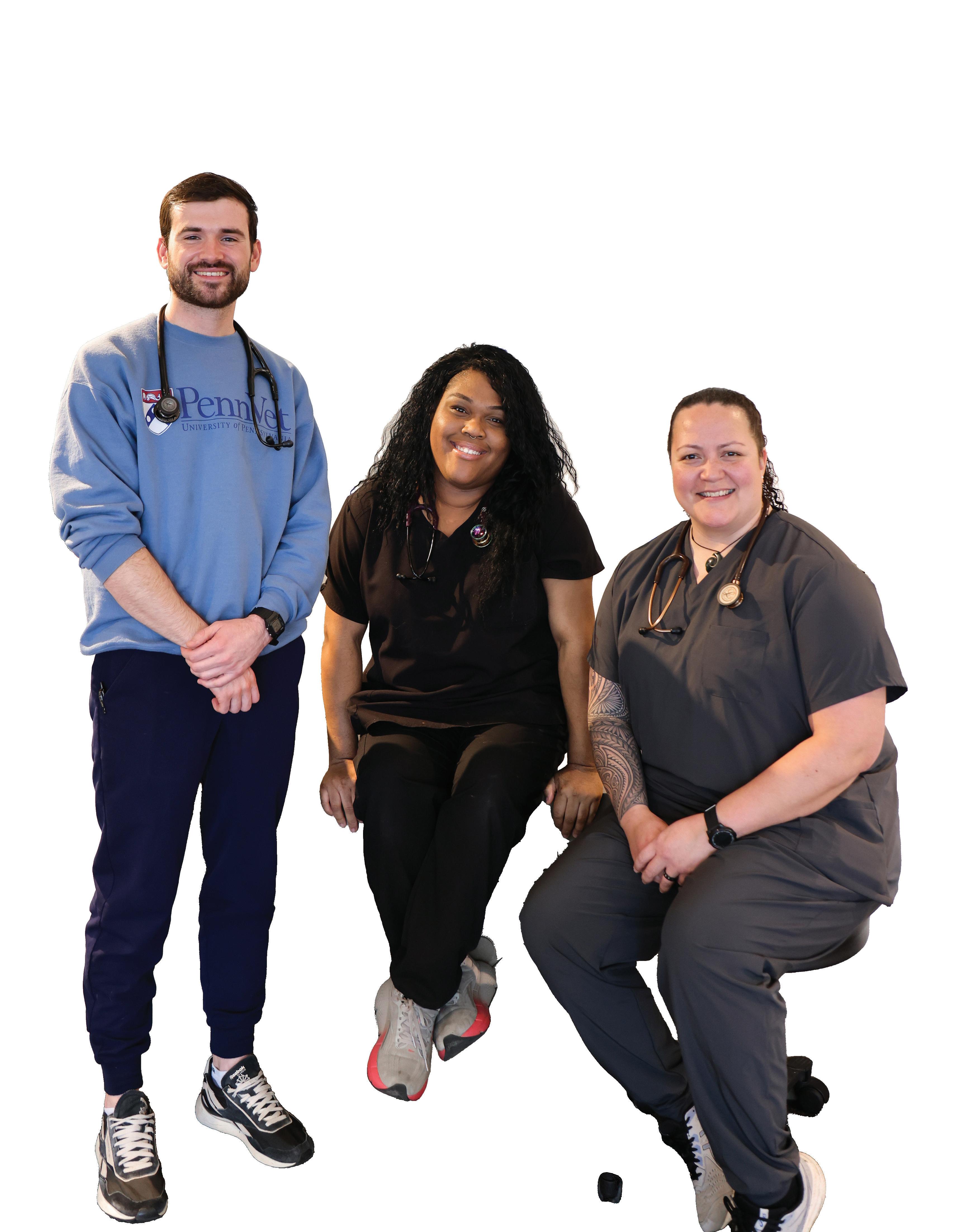
A LOOK AT FOUR YEARS OF PENN VET ʼ S INTEGRATED CURRICULUM
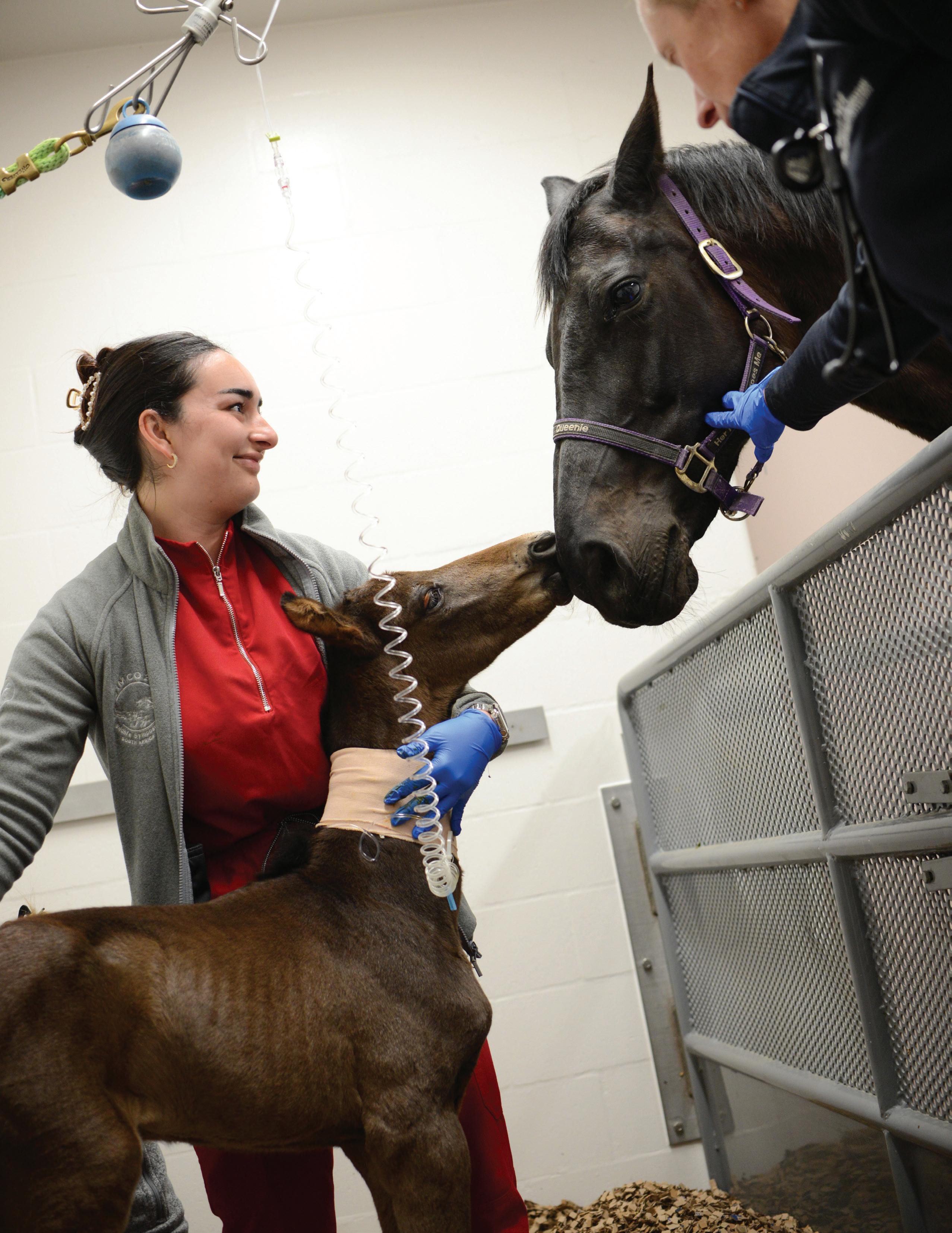
At New Bolton Center, a foal nuzzles its mother, assisted by Sofía C.
and Michelle Abraham, BVMS, DACVIM.
Morales-Torres, V’26 (left),
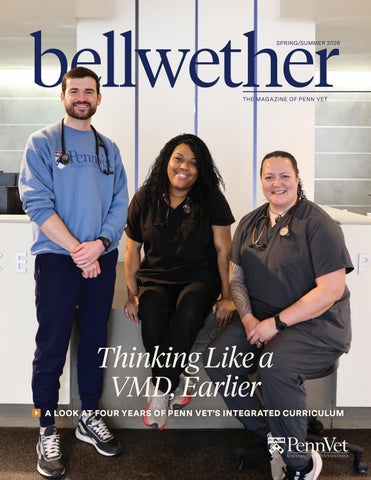
A LOOK AT FOUR YEARS OF PENN VET ʼ S INTEGRATED CURRICULUM
At New Bolton Center, a foal nuzzles its mother, assisted by Sofía C.
and Michelle Abraham, BVMS, DACVIM.
Every generation of veterinarians inherits both the knowledge and the challenges of those who came before it. Our responsibility as educators is to ensure that the next generation is prepared not only to meet those challenges, but also to solve them.
to understand and contain the virus. Pathologists, virologists, epidemiologists, and field veterinarians are working together with remarkable dedication.
This issue of Bellwether celebrates a milestone for Penn Vet: the Class of 2026, the first cohort to complete our new integrated veterinary curriculum. These students represent the future of the profession at a time when the role of veterinarians has never been more complex or more vital.
Veterinary medicine today extends far beyond the exam room or farm call. Veterinarians stand at the intersection of animal health, human health, food systems, environmental stewardship, and community well-being. Preparing graduates for this reality requires more than mastery of clinical skills. It requires a framework for a broader, systembased view of health.
Our new curriculum reflects that imperative. It is designed around nine essential domains that every “day one veterinarian” must demonstrate: clinical reasoning and decision making, individual animal care and management, animal population care, public health, communication, collaboration, professionalism and professional identity, financial and practice management, and scholarship.
These domains ensure that our graduates enter the profession prepared not only to treat animals, but also to lead within the multifaceted systems that shape animal and human health.
Nowhere is this need more evident than in the One Health challenge we face today.
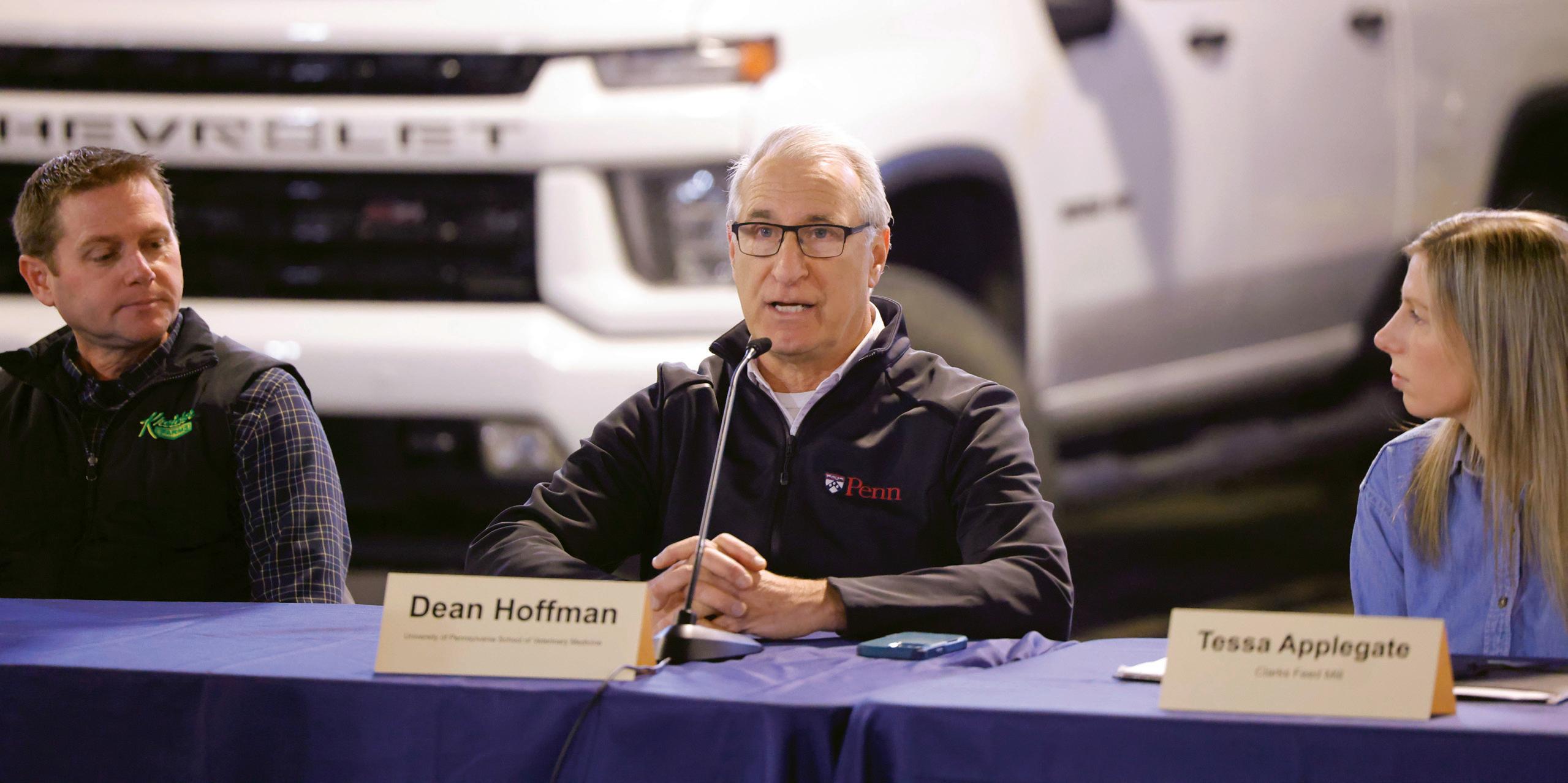
Recently, I joined Governor Josh Shapiro, Agriculture Secretary Russell Redding, poultry industry leaders, and public officials at a roundtable in Lancaster County as Pennsylvania confronts its largest avian influenza outbreak in years. With 26 infected flocks and more than 7.6 million birds lost, the outbreak underscores the profound economic, agricultural, and public health consequences of emerging disease threats.
The response to highly pathogenic avian influenza (HPAI) highlights the strength of Pennsylvania’s animal health infrastructure. Partnerships with the Pennsylvania Department of Agriculture, USDA-APHIS, and industry leaders have enabled rapid diagnostics, coordinated field response, and ongoing research
But disease outbreaks affect entire communities. Farmers and producers bear the emotional and financial weight of devastating losses. Veterinarians working on the front lines face immense professional and psychological strain. At Penn Vet, we are expanding our programs, including vaccine development and accelerated training in veterinary social work, to ensure that veterinarians are equipped to support their communities.
Moments like these remind us why veterinary education must evolve. The challenges facing our profession, from zoonotic disease to food security, are deeply interconnected and demand veterinarians who are not only skilled clinicians, but also collaborators, communicators, and public health leaders.
Our students understand this responsibility deeply. The Class of 2026 entered veterinary school during a period shaped by a global pandemic and heightened awareness of the links between animal and human health. They are learning not only how to care for animals, but also how to navigate the systems that influence health on a global scale.
Through their education and experiences, they are preparing to become leaders in clinics, laboratories, farms, wildlife
The One Health challenges before us are significant. But they are also opportunities for leadership.
conservation programs, government agencies, and research institutions. They will shape the future of veterinary medicine in ways we can only begin to imagine.
And that is exactly the point.
While every generation of veterinarians must respond to the challenges of their time, our goal is not to simply pass today’s problems to tomorrow’s professionals. Instead, we strive to equip our students with the knowledge, resilience, and collaborative spirit needed to create solutions that move the profession forward.
The One Health challenges before us are significant. But they are also opportunities for leadership.
At Penn Vet, we are proud to educate students who are ready to meet that moment.
Thank you for your continued support of our students, our faculty, and the vital work of veterinary medicine.
Dean Hoffman at PennAg Industries Rapid Response Center in Lancaster County during a roundtable discussing Pennsylvania’s highly pathogenic avian influenza outbreak. Hoffman praised Pennsylvania’s strong animal health infrastructure, calling it “phenomenal” and essential to tackling epidemics. He highlighted the growing mental health strain on farmers, producers, and veterinarians, and urged policymakers to accelerate vaccine development and deployment for commercial poultry. (Photo courtesy of Commonwealth Media Services)
ANDREW M. HOFFMAN, DVM, DVSc, DACVIM
Gilbert S. Kahn Dean of Veterinary Medicine
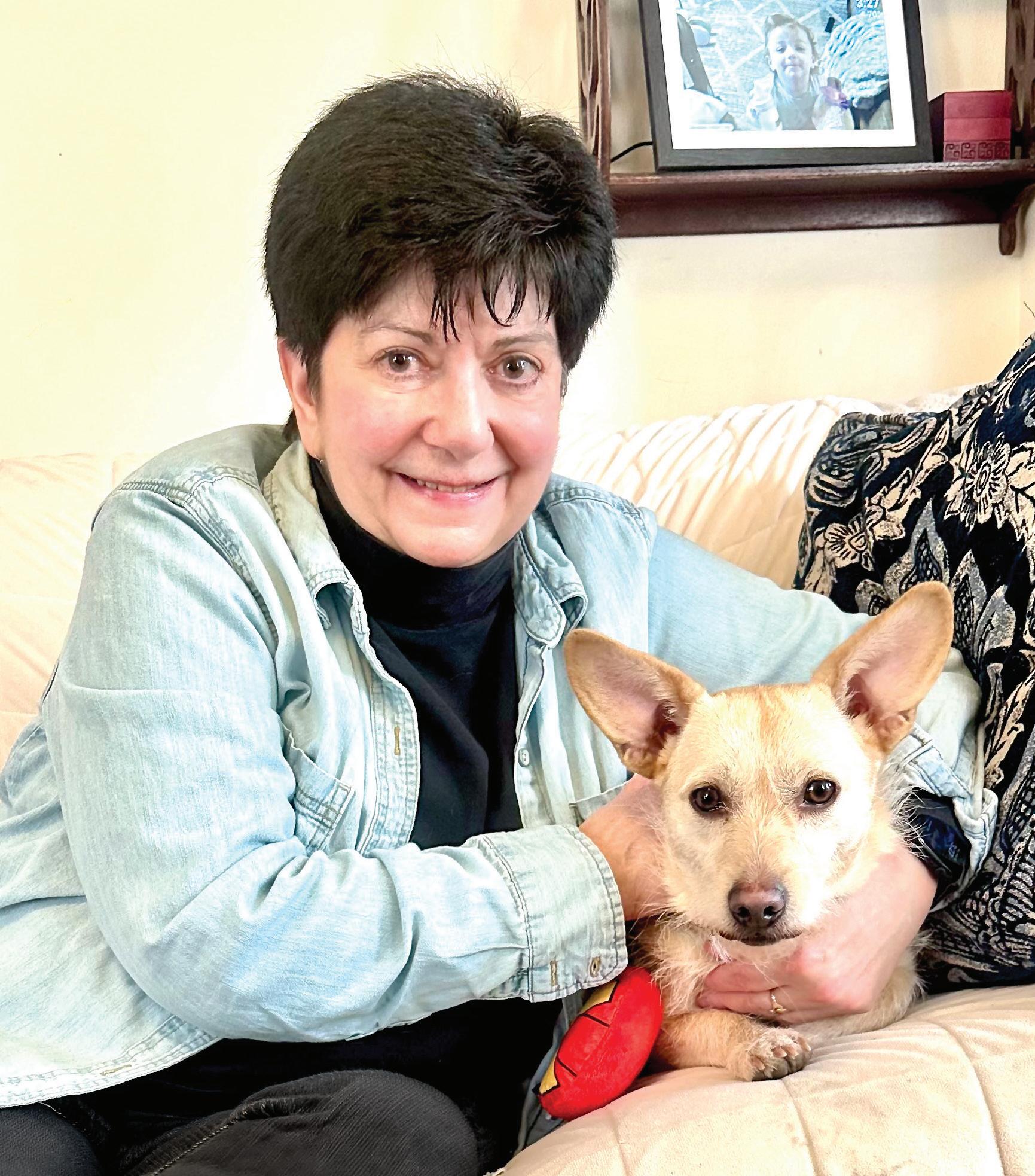
Hi there. Pleased to meet you all. I am Bellwether’s new editor as well as one of its writers.
If you live in the Philadelphia area, my name might be familiar. I was a staff writer for the Philadelphia Inquirer for quite a few years, writing articles about all manner of things. Since last summer, I’ve had the privilege of telling stories about people, programs, and discoveries here at Penn Vet.
Like most journalists, I’d much rather talk about my work than myself. But I’ll tell you this much: I live with a crazy, little mutt named Charlie and two cat siblings who put up with us both. I helped raise three daughters of whom I am very proud. They are part of the reason I’m so proud of this issue of Bellwether. It’s very student-centric. Our cover story looks at Penn Vet’s new curriculum, intended to help students walk out of these doors as fully formed professionals, and how some of its first graduates, the Class of 2026, feel it’s lived up to that challenge. Another feature tells the tale of a special lamb and the heroic efforts of dedicated clinicians to save her. But a critical part of that story is a student—an astute, caring young woman who used well her Penn Vet training for inquiry-driven thinking.
There are lots of stories, too, about former students—alumni who went on to make their world a better place, a more interesting place. You’ll read about their contributions, their adventures, their continuing work. You’ll also meet other interesting people. And animals. Charlie and the cats would never forgive me if I forgot to give them props.
Above all, we hope you enjoy this Bellwether Be engaged. Be inspired. Be proud.
RITA GIORDANO, EDITOR giordan1@vet.upenn.edu
From her home base in Philadelphia, Sacha Adorno writes about people, institutions, and businesses working to make the planet a better place for all life on it.
As director of content and news media, Rita Giordano tells the stories of Penn Vet’s people and animals, as well as the research and initiatives that make this a groundbreaking institution.
As associate director of social media, Ashley Hinton sniffs out stories about the people, research, and vet hospitals that make up Penn Vet. With her nose to the ground, she brings the student experience to life in print.
EDITORIAL
EDITOR
Rita Giordano
DEPUTY EDITOR
John Donges
CONTRIBUTING EDITOR AND WRITER
Sacha Adorno
WRITERS AT LARGE
Martin J. Hackett, Ashley Hinton
CLASS NOTES
EDITOR
Laura Brown
DESIGN
DESIGNER
Anne Marie Kane, Imogen Design
PHOTOGRAPHERS AT LARGE
Andrew Adler, John Donges, Ashley Hinton
GILBERT S. KAHN DEAN OF VETERINARY MEDICINE
Andrew M. Hoffman, DVM, DVSc, DACVIM
SENIOR ASSOCIATE DEAN OF DEVELOPMENT AND ALUMNI RELATIONS
Jonathan Evans
CHIEF COMMUNICATIONS OFFICER
Martin J. Hackett
DIRECTOR OF ALUMNI RELATIONS
Laura Brown
CHANGE OF ADDRESS
Sarah Trout
Office of Institutional Advancement
School of Veterinary Medicine
University of Pennsylvania 3800 Spruce Street Suite 151E, Philadelphia, PA 19104 strout@vet.upenn.edu
215.746.7460
None of these articles is to be reproduced in any form without the permission of the School. ©2026 by the Trustees of the University of Pennsylvania. The University of Pennsylvania seeks talented students, faculty, and staff with a wide variety of backgrounds, experiences, and perspectives. The University of Pennsylvania does not discriminate on the basis of race, color, sex, sexual orientation, religion, creed, national origin (including shared ancestry or ethnic characteristics), citizenship status, age, disability, veteran status or any other class protected under applicable federal, state, or local law in the administration of its admissions, financial aid, educational or athletic programs, or other University-administered programs or in its employment practices. Questions or complaints regarding this policy should be directed to the executive director of the Office of Equal Opportunity Programs; Franklin Building, 3451 Walnut Street, Suite 421, Philadelphia, PA 19104-6106; or 215.898.6993.
BY SACHA ADORNO
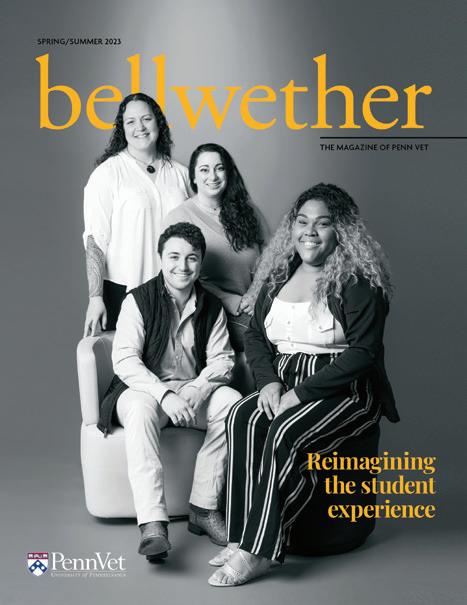
In 2023, Bellwether spoke with a few faculty and two first-year students as Penn Vet launched the most sweeping overhaul of its curriculum in more than 50 years. Now, with the Class of 2026 on the verge of graduation, we checked back in with the same students (and one more) to see what held up, what changed, and what it meant to be the first class to go through the integrated framework.
When the Class of 2026 arrived at Penn Vet, they stepped into a great unknown. Their first year was also the start of the School’s modernized curriculum. V’26 would be the first to learn under it. Trailblazers? Sure! Trepidatious? No doubt.
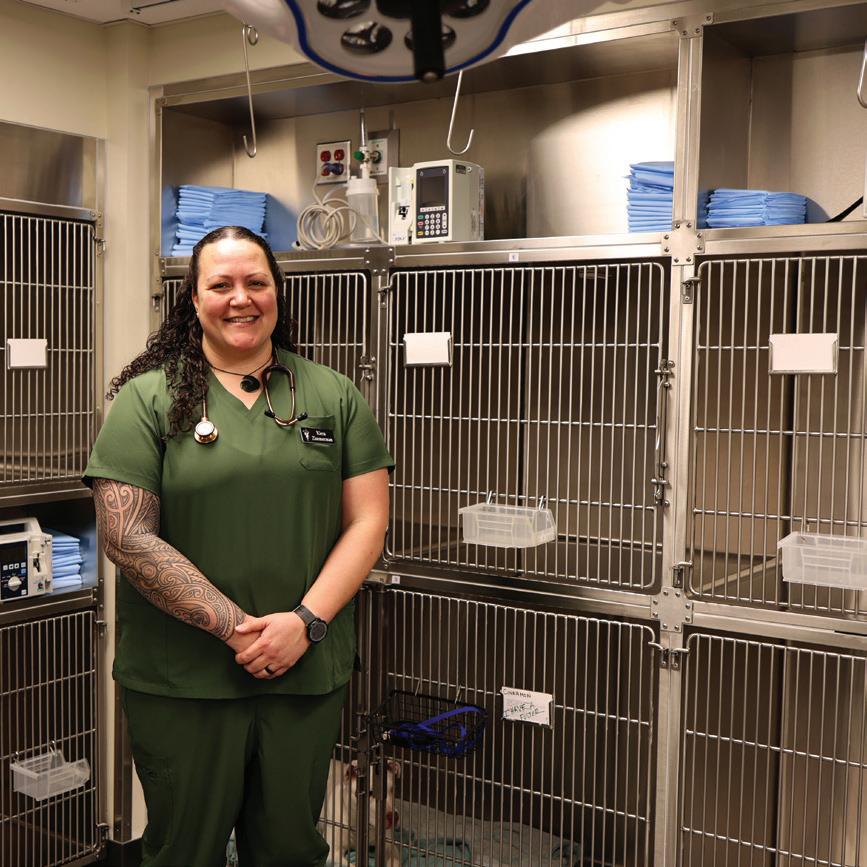
“We knew we were first,” said Kiera Zimmerman, V’26. “Many of us had anxiety about whether we’d be prepared at the end of four years, but we also knew the changes were necessary.”
Zimmerman—who will soon commission as a U.S. Army veterinarian at Fort Hood, caring for military working dogs and providing general practice support for service members’ pets—can pinpoint exactly when she realized things were clicking.
“Early in our third year, I found myself observing classmates,” she said. “I’d watch them work and give off ’doctor vibes.’ We had a lot to learn still, but it was all coming into focus—they were so obviously stepping into being professionals.”
“IT’S A LITTLE OVERWHELMING TO GO FROM CLASSROOMS TO CLINICS. WHEN STUDENTS KNOW WHAT TO EXPECT, THE EXPERIENCE ISN’T A TOTAL SHOCK TO THE SYSTEM.”
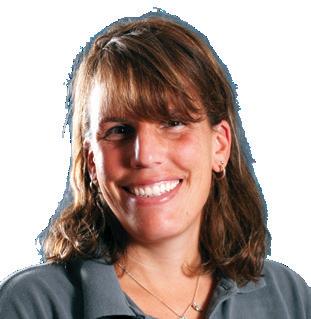
Dr. Liz Arbittier associate director of academic and community affairs
The new curriculum takes an outcome-based, learner-centered approach, teaching students to find, assess, and integrate information across disciplines, think through complex problems, and arrive at sound decisions—whether in patient care, research, or practice management. Knowledge remains foundational, but the framework places equal weight on its practical application: building competencies that layer atop one another, so graduates can continue learning and excelling long after they leave the classroom.
The first two years are organized into biological process blocks: Movement & Support, Digestion & Metabolism, Circulation & Respiration, Elimination & Detoxification, Defense & Barriers, Cognition, Senses & Response, and Reproduction & Development.
Year one explores Animals in Health. Year two revisits the same systems through Animals in Disease. Students begin each semester with a foundational toolkit and end with a capstone that reinforces and integrates everything they’ve learned. Two longitudinal “ribbon courses”—Hippiatrika and Of Clouds and Clocks—build clinical skills and scientific thinking.
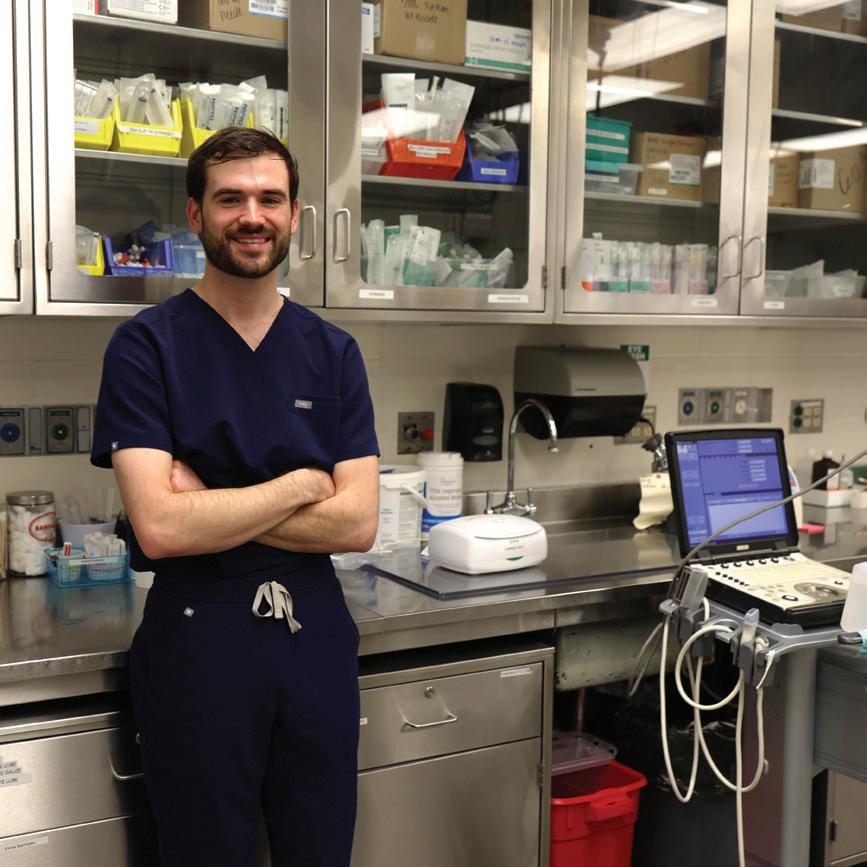
Years three and four are spent in clinical rotations and elective clinical coursework. For David “Bucky” Buckwalter, V’26, the block structure was appealing. “I knew exactly what was expected and what was going to be given to us,” he said. “Being able to focus on one system and then move on to the next, integrating it as you go, was extremely helpful. Unlike jumping from subject to subject—like an undergrad approach—which mixes a lot of the material in your head.”
“WE’RE HELPING STUDENTS TUNE INTO WHO THEY’RE BECOMING, NOT JUST WHAT THEY KNOW.”

Dr.
Amy Durham
associate dean for education
While scientific knowledge and rigor remain central, the four-year program also includes explicit opportunities for students to begin shaping their professional identities.
Through coursework in communication, wellness, and professional identity formation, the soon-to-be veterinarians reflect on their values, examine how workplace alignment (or misalignment) can lead to moral distress and burnout, and develop the skills needed to care for patients, clients, and themselves—all of which are necessary for a healthy 21st-century work life.
“We’re helping students tune into who they’re becoming, not just what they know,” said Amy Durham, MS, VMD, MSEd, DACVP, associate dean for education.
She described a reflective exercise introduced for V’28. “At the start of each year, students write a letter to themselves based on a prompt, seal it, and give it to me to hold. The following year, I return it, offer a new prompt, and they add another letter. This continues through clinical orientation before third year. At graduation, I will return all letters at once—so students can look back and see their progression.”
The goal is to ready them for a profession at the intersection of humans and animals, life and death.
“The reality is that practicing veterinary medicine is often hard,” said Liz Arbittier, VMD, associate director of academic and community affairs, New Bolton Center, and associate professor of Clinical Equine Field Service. “Clinics are hard. The career is hard. We have to prepare students for the emotional toll—conflict, grief, challenge— because resiliency is core to a sustainable career.”
Zimmerman found the curriculum’s emphasis on identity offered a framework for thinking about the kind of veterinarian she wants to be. “We’re more balanced and finding our footing technically but also professionally,” she said. “And talking to students in the years after us, you can see them experiencing the benefits, too.”
Designing a curriculum for a rapidly changing profession requires flexibility, and feedback loops were built into the rollout.
The class provided block-by-block evaluations and participated in facilitated focus groups. Because the input was immediate, faculty often made changes before the next cohort took the course.
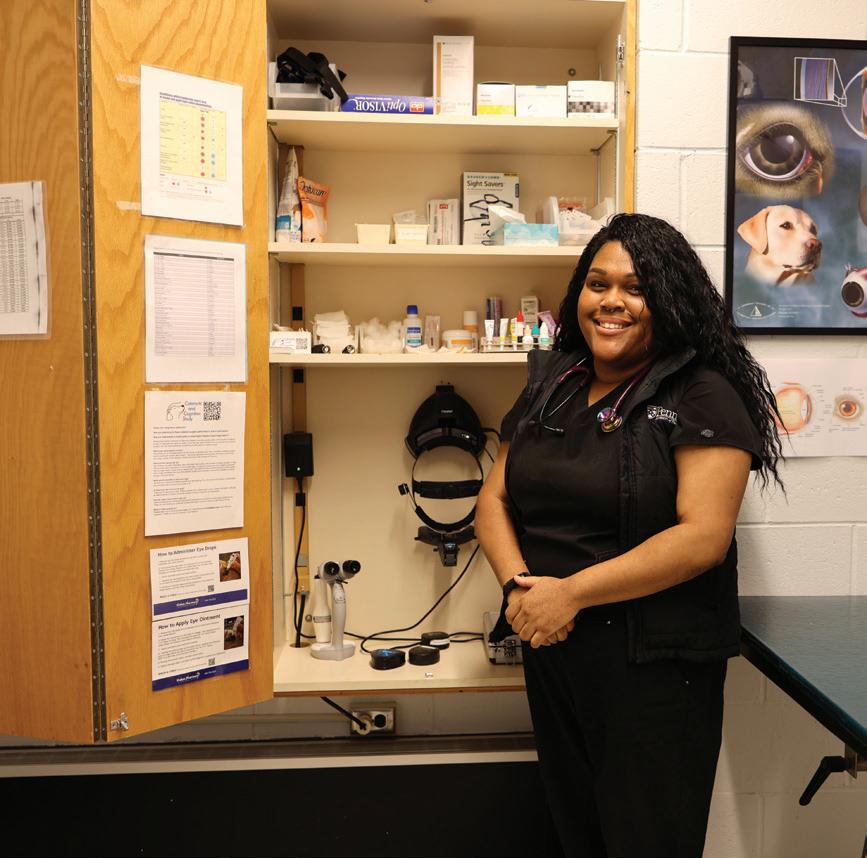
Alexis Massey, V’26, remembered the process as responsive. “Of course, like any new program, there were things to fine-tune,” she said. “But what stood out was how open and responsive the team was to our feedback. They truly listened and made real improvements along the way. It felt energizing to be part of something growing and evolving.”
At the same time, data also reinforced the need for responsiveness.
Results from V’26’s Veterinary Educational Assessment (VEA)—a preclinical test of biomedical sciences—highlighted an opportunity to strengthen engagement in a pass/fail Hippiatrika course that teaches clinical pathology. Faculty recognized that students were likely prioritizing letter-graded courses over a pass/fail course.
In response, attendance at key sessions became mandatory, and students were required to demonstrate competency to pass. The following year, V’27 posted higher scores than the previous few years.
Other structural changes included reorganizing foundational toolkit courses into coherent themes, after students indicated the courses felt “disorganized and shotgun.” One dense four-week course expanded to five weeks to allow deeper absorption. To create that space, the fall capstone was shortened and rebuilt as a mix of required sessions and electives, giving faculty flexibility to deliver focused, hands-on instruction on topics they’re passionate about.
“Through it all, students showed remarkable resilience and grace,” Durham said. “We were building the plane mid-flight, and they were right there with us. Their input, questions, and eagerness to help iterate made us more thoughtful about pedagogy and clearer about our rationale. And a big shoutout to V’25, as well, for their patience and grace during the changes.”
Buckwalter offered the student take. “Professors and those developing the curriculum were flexible and willing to hear us,” he said. “Nothing was set in stone. And that’s life. Just the willingness to be flexible taught students something too: Things won’t always run as expected. It’s a bigger education lesson—bigger than just sitting in class listening to a lecture all day.”
At New Bolton Center, Arbittier has had a front-row seat to V’26’s progress through clinics.
“At the very beginning, the differences with earlier classes weren’t dramatic,” she said. “But as we went into the second clinical year, we saw higher-order reasoning appear earlier—students thinking through diagnostics, treatment options, and case workflows, and then carrying them out with confidence.”
Arbittier pointed to more time in clinics as a likely factor in earlier entrustment: Under the legacy curriculum, students entered clinics in May of their third year—after nearly three full years of classroom education. Now they arrive in late August of their rising third year, meaning they’re working with patients and clients six to 12 months sooner. By January of year four, many students are already demonstrating independent clinical skills, “thinking like a doctor” when creating diagnostic and treatment plans, and operating at what Arbittier called “near intern level not previously seen until just prior to graduation.”
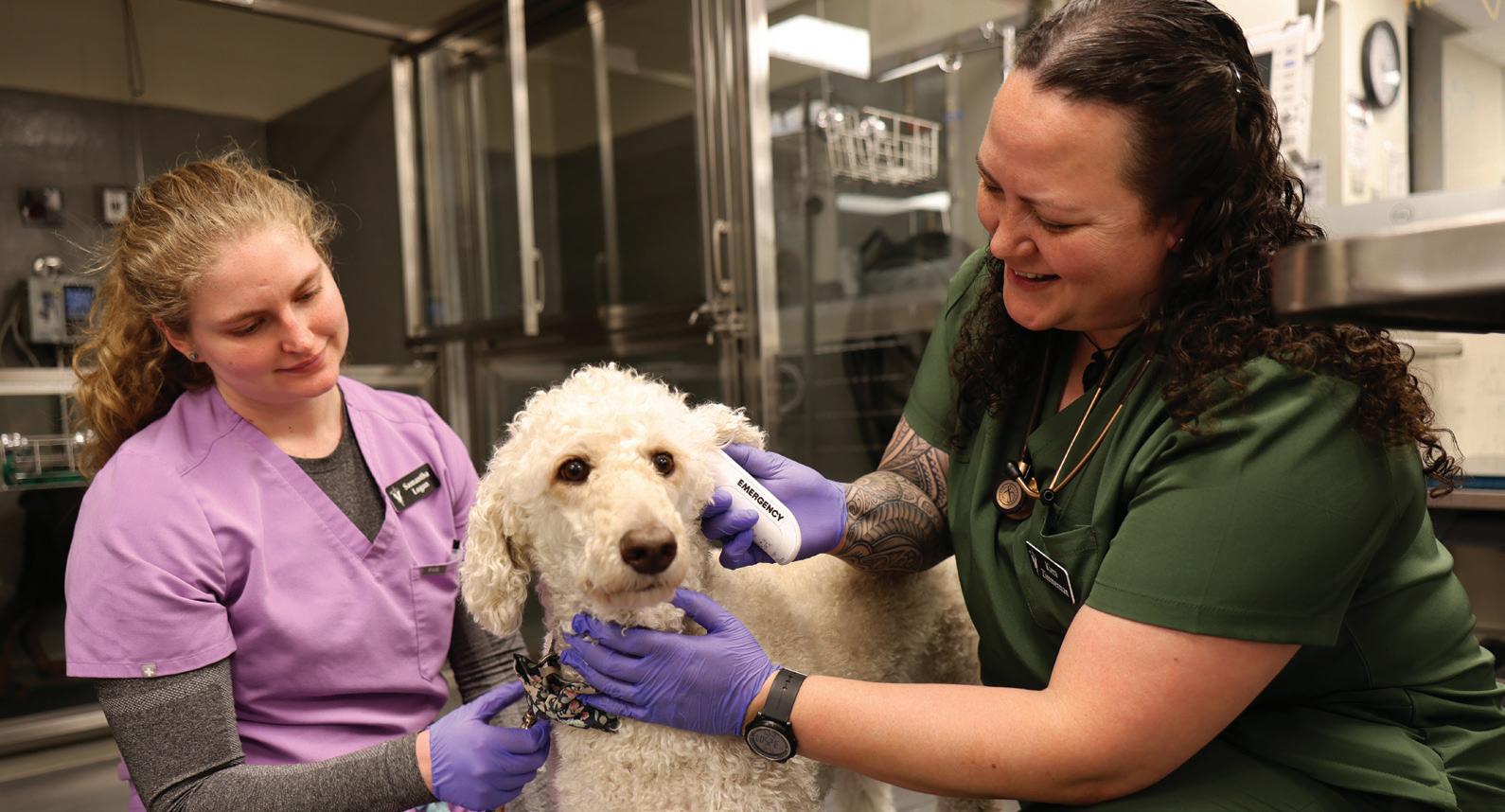
“We knew we were first. Many of us anxietyhadabout whether we’d be prepared at the end of four years, but we also knew the changes were necessary.”
KIERA ZIMMERMAN, V’26
Zimmerman, V’26
(right), examines her patient with the assistance of classmate Samantha Logan.
Part of the shift, she believes, also came from introducing students to clinics before the beginning of year three—the legacy curriculum had virtually no orientation to the clinical environment. Now, every class spends two intensive weeks on everything from learning the computer systems at Ryan Hospital and New Bolton Center to practicing large-animal handling and walking through scenarios they’ll likely face during rotations.
“It’s a little overwhelming to go from classrooms to clinics. When students know what to expect, the experience isn’t a total shock to the system,” Arbittier explained. Moreover, long before students reach their clinical years, they take Objective Structured Clinical Examinations (OSCEs), which are intense, timed, directly observed skills tests. First-year students complete five stations; second-year students complete eight or nine. Each station might combine multiple tasks: calculating medications, placing a catheter, performing suture patterns—all in six minutes and with a proctor watching. Students must pass to advance to the next year in the curriculum.
“By the time they pass those OSCEs, those foundational skills are solid,” Arbittier said. “It pays off in clinics.”
Massey credits the Hippiatrika communication labs—sessions where clinicians brought in actors to play clients—with giving her skills she didn’t fully recognize until she was using them. “I didn’t realize I was doing those things,” she said. “I would feel and also display empathy when something hard was happening—and then I’d think, I learned that. I can put a name to it now.”
She felt the payoff during a particularly challenging experience, while on an internal medicine rotation. A dog with Cushing’s syndrome, diabetes, and other comorbidities came in. Massey took the patient’s history and attended the client consultation. When the primary clinician left the room, the client, overwhelmed by the discharge information, asked Massey to review everything again.
“I used chunking—breaking down the plan into manageable pieces—and also mirrored back what I heard the client say,” she said. “That was when I felt my training really kick in—I trusted the foundation I’d built, and that I am well prepared to be a practicing veterinarian.” And practice she will, when she joins a South Jersey practice after graduation.
Although Zimmerman, Massey, and Buckwalter had positive experiences, Durham, consistent with Penn Vet’s identity as a research institution, sought objective evidence that the redesign is achieving its objectives. She led a mixed-methods study comparing students in the legacy curriculum with those in the integrated model:
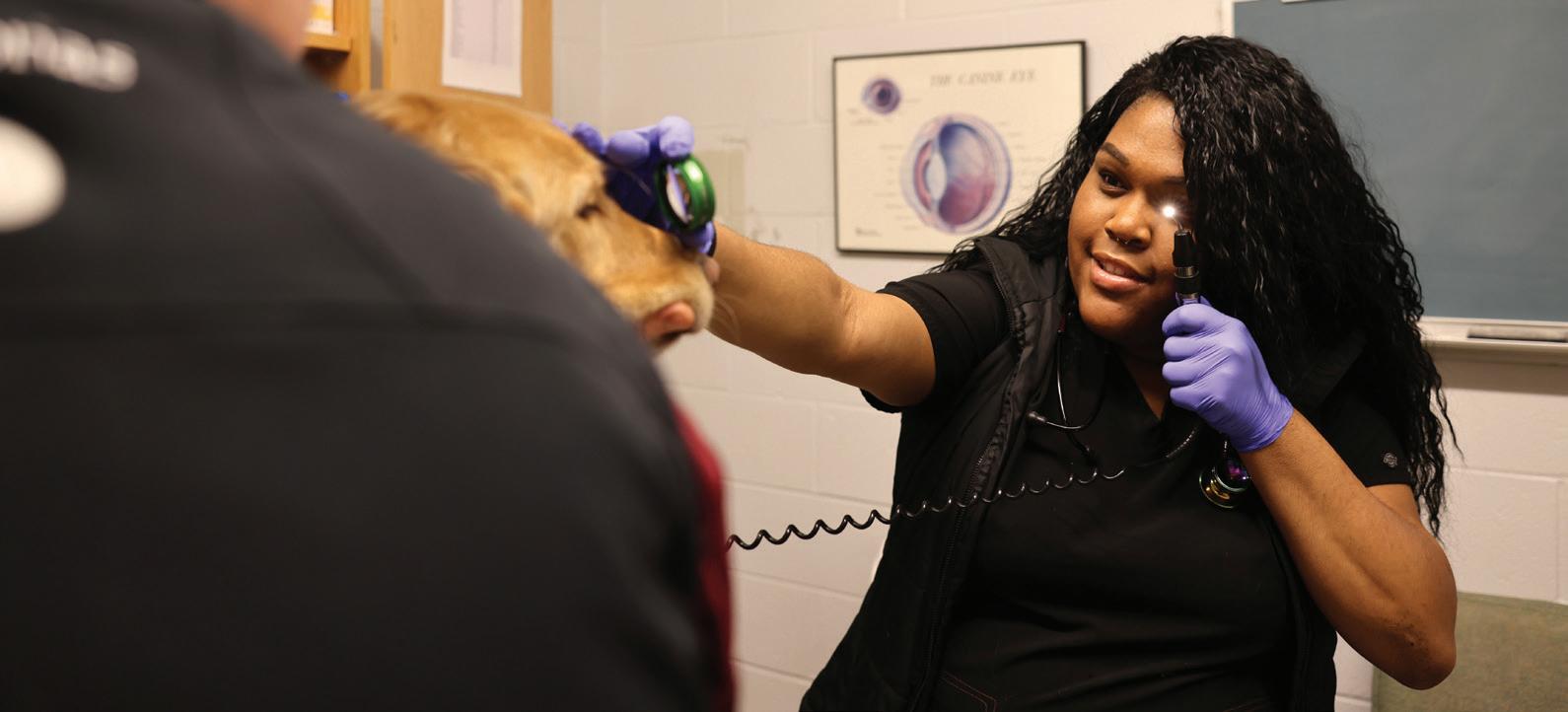
“I used chunking— breaking down the plan into manageable pieces—and also mirrored back what I heard the client say.”
ALEXIS MASSEY, V’26
Massey, V’26, performs a fundic examination, used to identify any abnormalities with the retina or optic nerve.
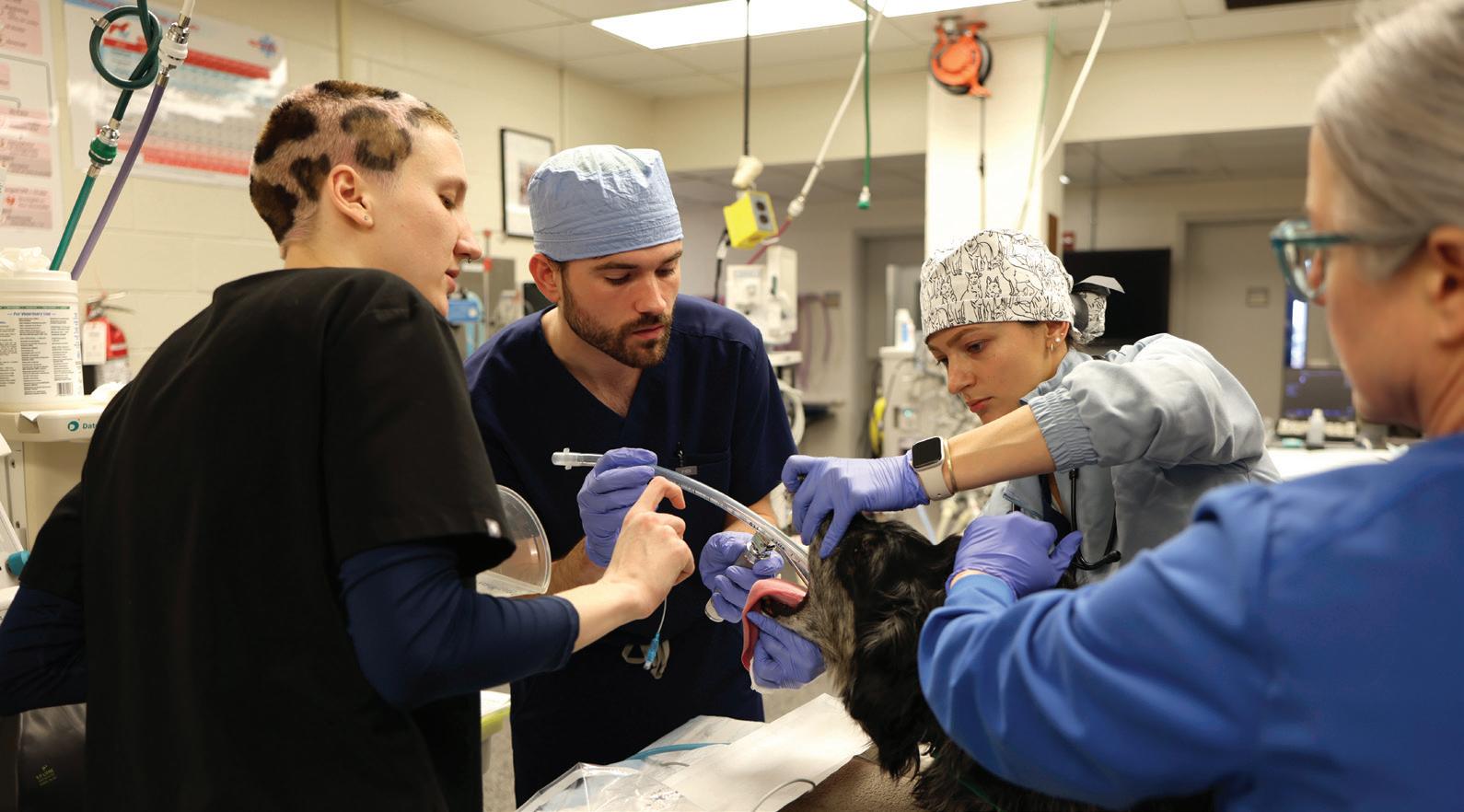
“It was interesting— and cool—toprettyhelp shape what students after us will experience.”
DAVID “BUCKY” BUCKWALTER, V’26
Mary Lyle, CVT (left), guides Buckwalter, V’26, through a successful tracheal intubation.
“Veterinary Medical Students’ Retention of and Attitudes Toward the Biomedical Sciences: A Comparison Between Students in the Legacy and in the New Integrated Curriculum.”
Published in the Journal of Veterinary Medical Education, the paper assesses biomedical science retention by comparing the performance of both cohorts on the Veterinary Educational Assessment.
Despite less time in the classroom, V’26 outcomes were comparable across most domains. In two areas—pharmacology and pathology—legacy students outperformed their integrated curriculum peers. Armed with this data, faculty made immediate alterations to the curriculum, and V’27 scores reflected the changes. (The study was conducted before changes to the clinical pathology content were made.)
Equally interesting were shifts in student attitude. Students in the integrated curriculum were more likely to say that understanding biomedical science is central to veterinary practice, that basic science should integrate with clinical work early, and that what they were learning felt fundamental to their future roles.
In open responses, students across cohorts named the same purposes for biomedical knowledge—diagnosis, treatment, evidence-based decisions, client education—but those trained in the integrated model articulated the connections with greater ease and conviction.
“We’re always learning something—from data, from students, from faculty,” Durham said. “There’s something to be said for having the curriculum under a microscope— because we’re doing continual evaluations, we can make continual improvements. I would love for us to do that forever.”
Buckwalter is all for it! The new curriculum drew him to Penn Vet in the first place.
He grew up watching veterinarians work in rural Pennsylvania—the question was never whether vet school, but which vet school. When it was time to apply, he knew Penn Vet was overhauling its decades-old curriculum.
“That was a signal for me. I thought—they’re adapting to the profession I’m entering,” he said. “And it’s a great framework.”
Now, as he looks ahead to a career in food animal medicine and swine production, he has some thoughts about being a pioneer: “It was interesting—and pretty cool—to help shape what students after us will experience.”
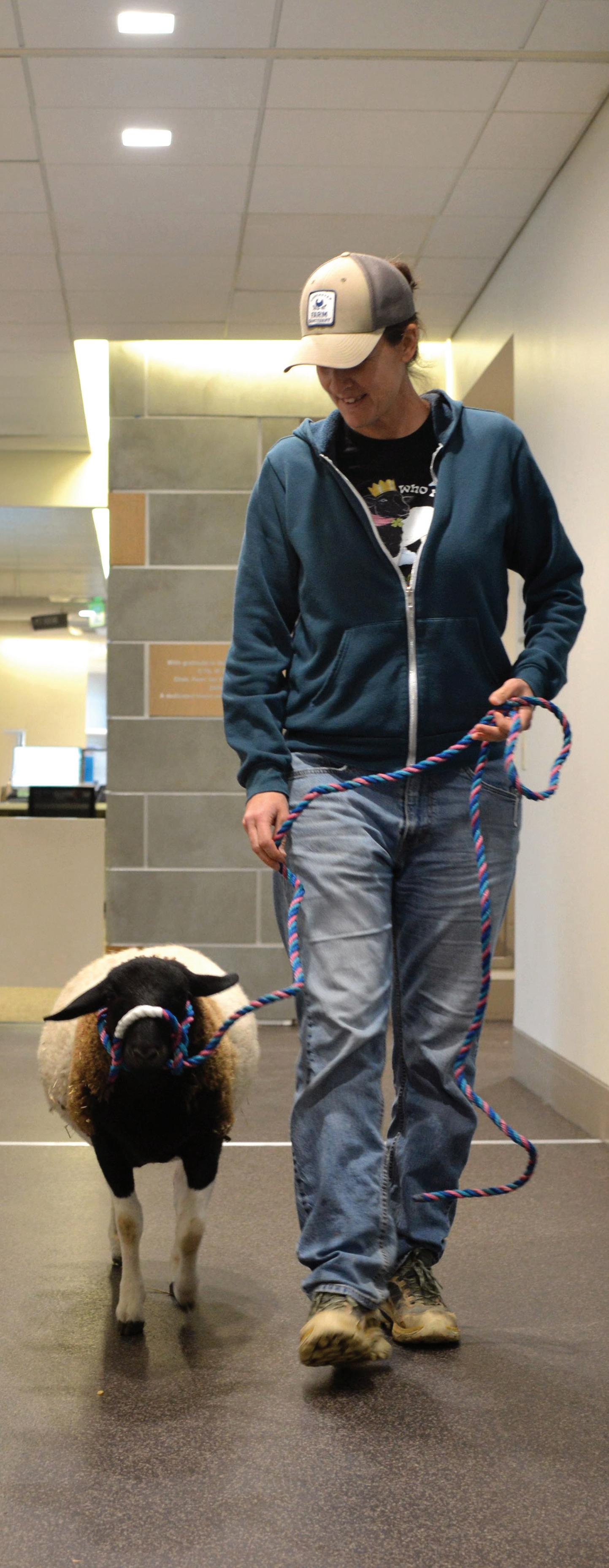
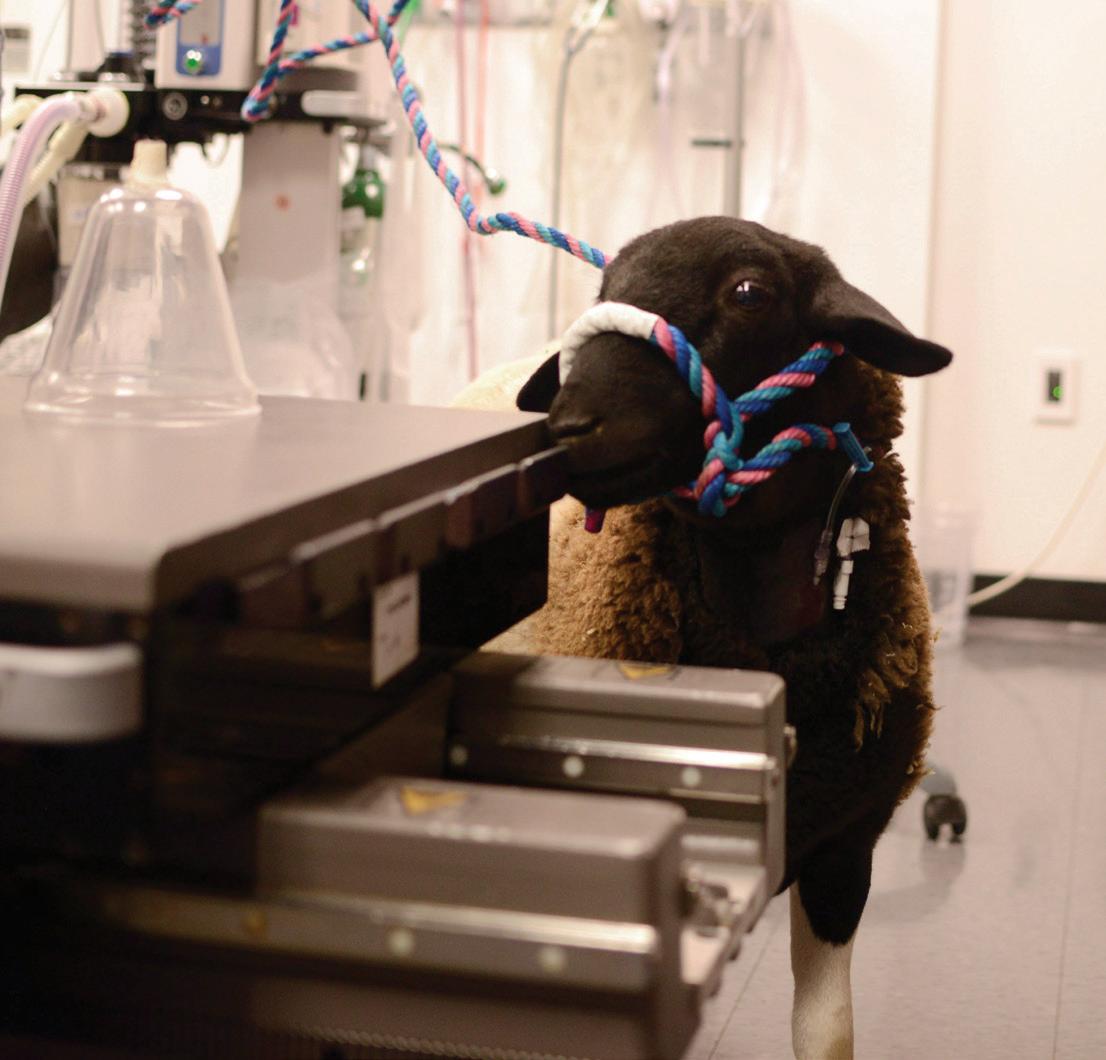
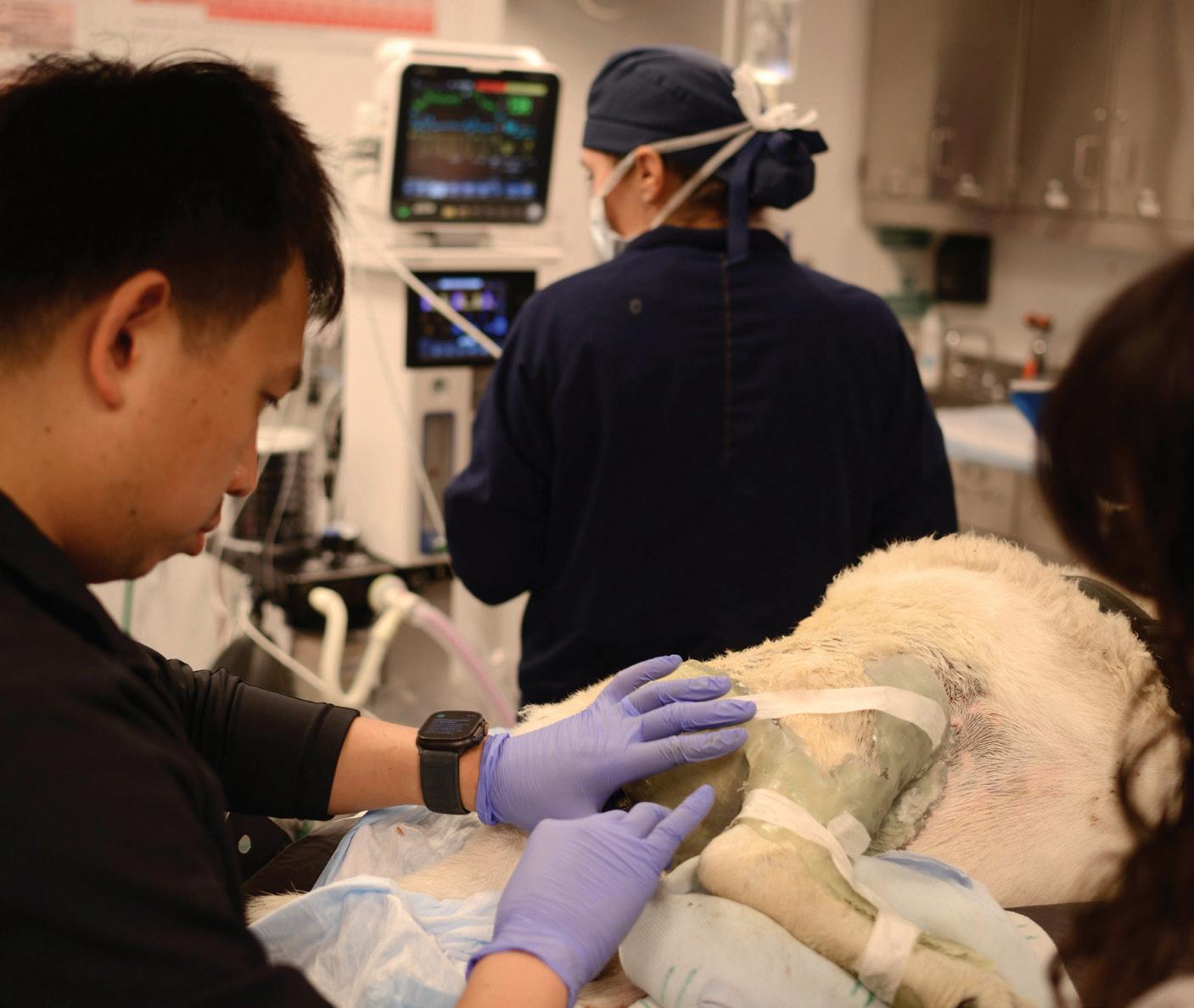
(Left to right, clockwise) Maeve walks through a Ryan Hospital hallway to one of her radiation treatments with Sarah Salluzzo, one of her owners. Maeve in the radiation room before a treatment. Thomas Lee, assistant professor in radiation oncology, prepares Maeve for one of her treatments.
By Rita Giordano
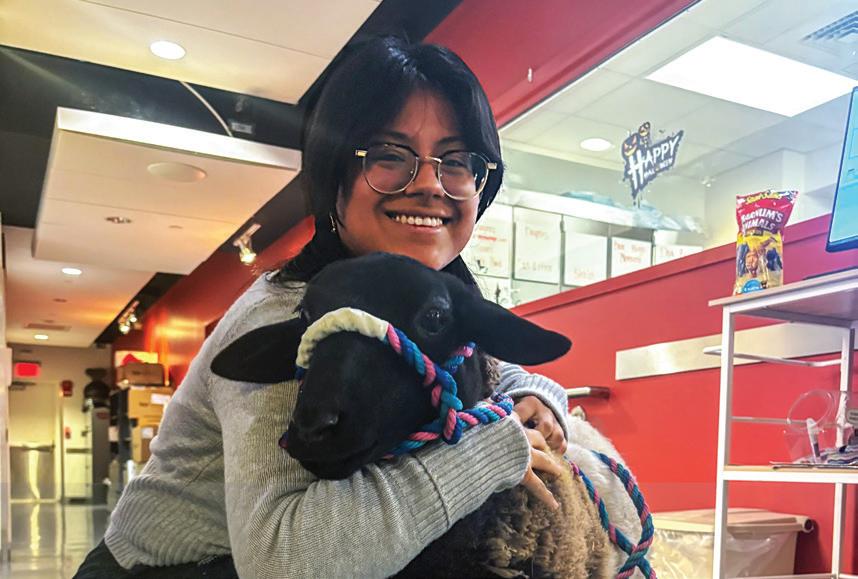
Maeve was never your average lamb, and from the start Emily Jaramillo, V’26, was smitten.
“She has a really vibrant personality,” Jaramillo said. “She knows when you’re around, and she’ll be very loud and vocal to make sure that she gets attention. And if there’s no one paying attention to her, she will yell so loudly until someone comes and gives her attention. She’s so sweet.”
But Maeve was also in a great deal of pain when the student met her.
The Dorper lamb, orphaned at just a few days old, was afflicted with congenital cutaneous angiomatosis, a rare progressive vascular disorder. It’s characterized by an abnormal proliferation of small blood vessels in and below the skin, as well as bleeding, inflammation, and infection. For an animal like Maeve, it can be a death sentence.
However, the nature of Maeve’s ailment wasn’t immediately known. From the time she was a few weeks old, an ever-growing team of Penn Vet veterinarians at both New Bolton Center and Ryan Hospital did battle with her many mysterious
infections, trying to find the lasting answer. No one wanted to give up on a spirited little creature that worked her way into so many hearts.
Still, by the time Maeve was about six months old, her care options appeared to have gone dry. Her owners Sarah Salluzzo and Jonina Turzi brought her home on hospice care to their Lancaster Farm Sanctuary, a nonprofit animal rescue in Lancaster County. With heavy hearts, they posted to Maeve’s many social media followers locally and abroad: “Please join us in welcoming Maeve back home for what is likely going to be the last time.”
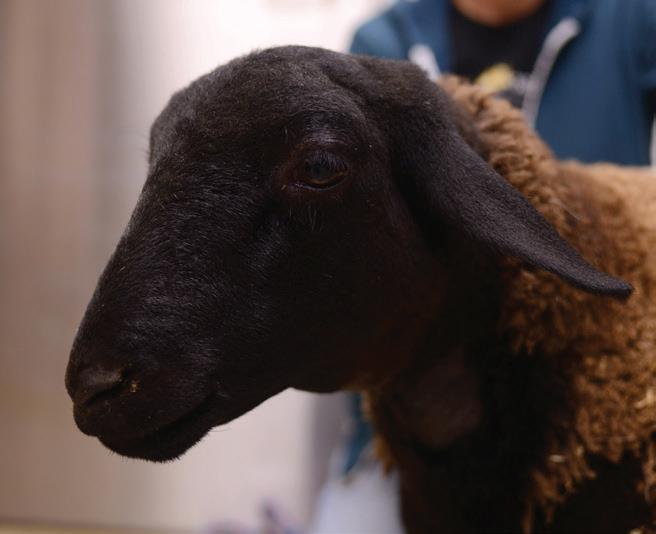
“Maeve was out of options, and (her people) were almost out of hope. They were already considering humane euthanasia.”
THOMAS LEE assistant professor in radiation oncology
Around then, Jaramillo was in oncology rounds with Thomas Lee, DVM, DACVR, assistant professor in radiation oncology. Lee lectured about radiation—how it can be used to control bleeding in noncancerous diseases, as well as with cancer.
Something in Jaramillo’s brain clicked. She told Lee about Maeve. Could radiation possibly help her?
Lee told her he thought it could.
The next day, Jaramillo shared her conversation with Daniela Luethy, DVM, DACVIM, assistant professor of large animal medicine, and one of Maeve’s doctors. She told Luethy about her conversation with Lee. Luethy quickly reached out to Lee and Christine Cain, DVM, DACVD, associate professor of dermatology, and another principal member of Maeve’s care team. Shortly afterward, Salluzzo’s cell phone rang. It was Cain. Salluzzo couldn’t imagine why the doctor would be calling at that point.
“Dr. Cain said, ‘We were talking to our radiation oncologist at the Ryan small animal hospital. We have this idea.’”
And what an idea it was:
Lee was going to treat Maeve with radiation— an almost unheard of course of action for a very rare condition, and even more rare in ruminants. But Lee considered radiation therapy for Maeve despite the rarity of the condition. While no reports described its use in sheep, the veterinary literature included two canine cases of angiomatosis that responded to radiation, providing a rationale for its consideration.
“Maeve was out of options, and (her people) were almost out of hope,” Lee said. “They were already considering humane euthanasia.”
“I knew theoretically radiation could work,” he said. “I was open to giving it a try.”
It was a Hail Mary pass after months of committed effort and outside-the-box thinking by a lot of clinicians in a broad range of specialties. Maeve’s last best chance would call on all those reserves, creativity, open minds, and a lot of coordination.
It was no small feat the lamb had even gotten that far. Maeve was born defying the odds.
Last April, Salluzzo and Turzi were at a slaughter auction elsewhere in Pennsylvania, looking for animals to rescue when they heard an awful racket coming from a pickup truck.
“We heard this lamb screaming, screaming, and screaming in the parking lot,” Salluzzo said.
That was Maeve. Born at the auction three days before, she was orphaned when her mother was sold. The animal lovers managed to convince the person who had her to give her to them.
A feisty, little lamb and a lot of
They called her Maeve, meaning “she who rules” in Old Irish. Far from docile, she started living up to her name right away. At first that odd, purple discoloration on her right hind leg that extended into her midsection didn’t keep her from being a perky baby. But other health problems soon flared.
Maeve was just a few weeks old when she had her first admission to New Bolton Center. She had a bad case of diarrhea that her owners couldn’t bring under control. It was cryptosporidiosis, a highly contagious gastrointestinal disease caused by parasites. While at New Bolton Center, her clinicians noted that her odd purple skin condition was advancing, Salluzzo said. The lamb had already started to show lameness in her right leg.
Maeve got to go home but not for very long. Her skin condition continued to worsen. Her right leg was bothering her more. “She wouldn’t even put weight on it. She was really, really uncomfortable,” Salluzzo recalled.
Maeve was readmitted to New Bolton Center for tests. The results were not conclusive, even after consulting with multiple pathologists and dermatologists.
Maeve did have a nasty Pseudomonas infection in the area of the skin condition, along with inflammation around her blood vessels. Curing her wouldn’t be easy.
“Pseudomonas is a bacteria that likes to form biofilms,” said Joy Tomlinson, DVM, PhD, DACVIM (LAIM), assistant professor of large animal medicine, who treated Maeve early on. “Biofilms are where the bacteria encase themselves in this protective environment and it makes them much more resistant to antibiotics.”
The only antibiotic predicted to work was an IV antibiotic that Maeve would need for several weeks, possibly longer.
Her owners were committed. Every morning, they administered the antibiotic, plus the required catheter flushes multiple times a day. It was a lot for a young animal to endure. But Maeve was a trouper.
“She was jaunty, and she was just so brave,” Salluzzo said. “I think the biggest thing was she really trusted us.”
Turzi held Maeve on her lap during the antibiotic treatments. “And through it all,” Salluzzo, “we fed her cookies.” Animal crackers—what else?—became her favorite.
During all this, Maeve went to New Bolton Center for periodic checkups. The dermatology department at Ryan Hospital was called in. Cain became one of her main doctors. Her owners gave her frequent baths with bacteria-fighting shampoo. Maeve loved it; she pranced—as well as she could—straight into the house on her three good legs.
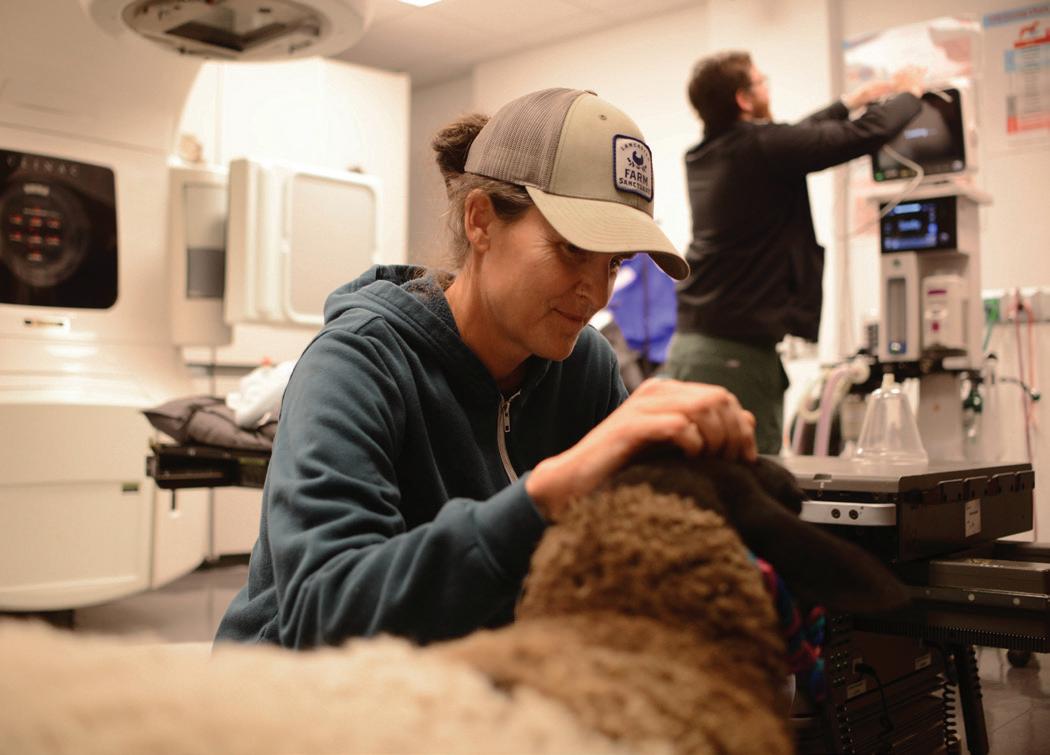
“She was jaunty, and she was just so brave. I think the biggest thing was she really trusted us.”
SARAH SALLUZZO owner of Maeve
All the care seemed to be paying off.
“Over time, she improved overall in the appearance of her leg,” Luethy said. Eventually she was taken off the antibiotics. “Then the issue returned.”
Her doctors at New Bolton Center were going to give Maeve a repeat skin biopsy and CT scan. Salluzzo and Turzi decided to get a second opinion due to the complexity of Maeve’s case. With her affliction more developed than just a few months before, that second opinion, after repeating those tests, yielded the diagnosis of angiomatosis, but no hope. Salluzzo said they were told hospice care was really their only option.
“So, then we brought her home,” she said. “We were absolutely devastated.”
And Maeve’s condition worsened. The owners brought her back to New Bolton Center, not yet ready to give up.
Maeve’s New Bolton clinicians didn’t want to give up, either.
“At that point, we talked about things we could consider,” said Luethy, who by then was Maeve’s main veterinarian along with Cain. “But we didn’t think any of those options would be effective.”
Amputation even came up, but the angiomatosis was too widespread.
“In any species, this is a rare condition,” said Cain, who had begun to suspect Maeve had angiomatosis even before the actual diagnosis.
“I’ve been a dermatologist for 15 years, and I’ve
“In any species, this (angiomatosis) is a rare condition. I’ve been a dermatologist for 15 years, and I’ve only seen probably seen three or four cases.”
CHRISTINE CAIN associate professor of dermatology
only seen probably three or four cases.” None were sheep.
She had managed one dog’s case, less severe than Maeve’s, with medical treatments, along with carbon dioxide laser therapy.
“But that was not a good option for Maeve because of how extensive her disease is,” Cain said. “It’s too deep within her skin for us to really be confident that it would be effective for her.”
She and Luethy decided to try beta blockers, a medication used to treat a similar condition in children and that was part of the therapy she used for the dog with angiomatosis. Again, Cain said, there was a dearth of information about using them with ruminants.
“We tried it with Maeve, but it just wasn’t clear if it was having any effectiveness for her,” Cain said. They had even considered radiation but didn’t think it was a good option for Maeve until consulting with Lee.
It seemed Maeve’s clinicians were left little choice but to prescribe medication that would at least help alleviate her suffering.
“As kind of a last-ditch effort, we started her on a steroid medication just to help decrease the inflammation and swelling,” Cain said. “That’s not a great long-term option, but we thought it might at least buy her some comfort.”
Her owners took Maeve home. “We were kind of like, ‘We’re going to give her as much happiness as we can, but this is the end.’ I think everybody at that time felt that way,” Salluzzo said.
Over the course of her care, however, Maeve had made two dedicated friends. She captured the hearts of two Penn Vet students, Jaramillo and Tiffany Chou, V’26.
Chou was in her large animal medicine rotation with Luethy when she got involved in Maeve’s care.
“She has a very spunky personality,” said Chou. Chou had to give the lamb frequent antiseptic baths for her secondary infections. Because of
Maeve’s pain, these had to be done very gently. Jaramillo volunteered to help. That’s how she met Maeve.
“I do have a very special place in my heart for all the small ruminants, both sheep and goats,” said Jaramillo. “I really did bond with Maeve.”
The two friends would even brainstorm possible treatments for the lamb. Jaramillo tried to keep track of Maeve’s case after she was no longer in her care.
Then one day last fall, Jaramillo was in a lecture, learning about radiation. And that was about to change everything.
Lee, Luethy, and Cain had a meeting. Maeve’s owners got on board. Then there were the logistics—lots of them.
“It required a lot of moving parts,” Cain said. “There was a whole Maeve team involvedeveryone from anesthesia to radiation oncology.” The radiation would be done at Ryan which usually doesn’t treat ruminants. ICU had to be looped in in case Maeve had difficulty with anesthesia. “Everyone was involved.” The plan was to give Maeve four radiation treatments, beginning early November and ending the day
The plan was to give Maeve four radiation treatments, beginning early November and ending the day before Thanksgiving. No one knew if they would succeed.
At Ryan Hospital on one of Maeve's radiation treatment days (left to right): Jaden Corell, anesthesia veterinary resident; Thomas Lee, assistant professor in radiation oncology; Sarah Salluzzo, one of Maeve's owners; Kimberly Ann Vargas, anesthesia veterinary technician; Kali Slavik, fellow and internal medicine veterinarian.
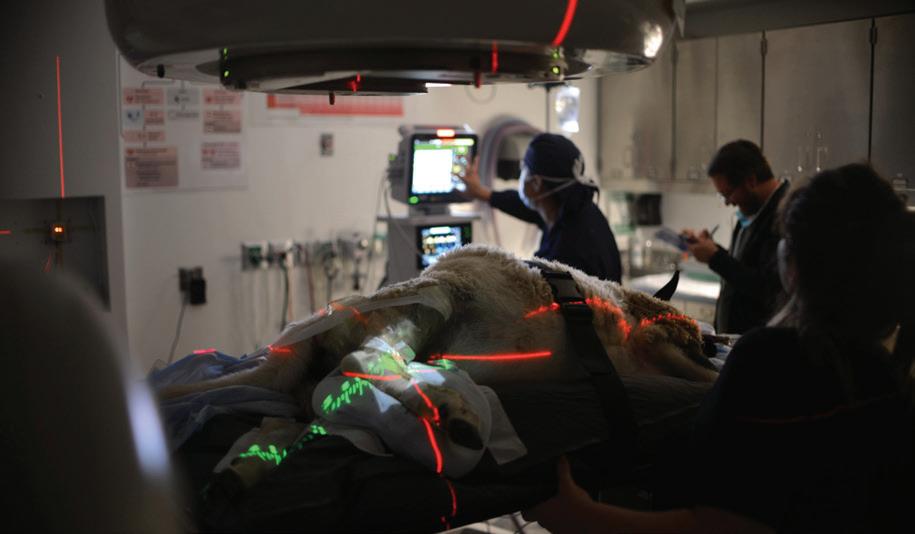
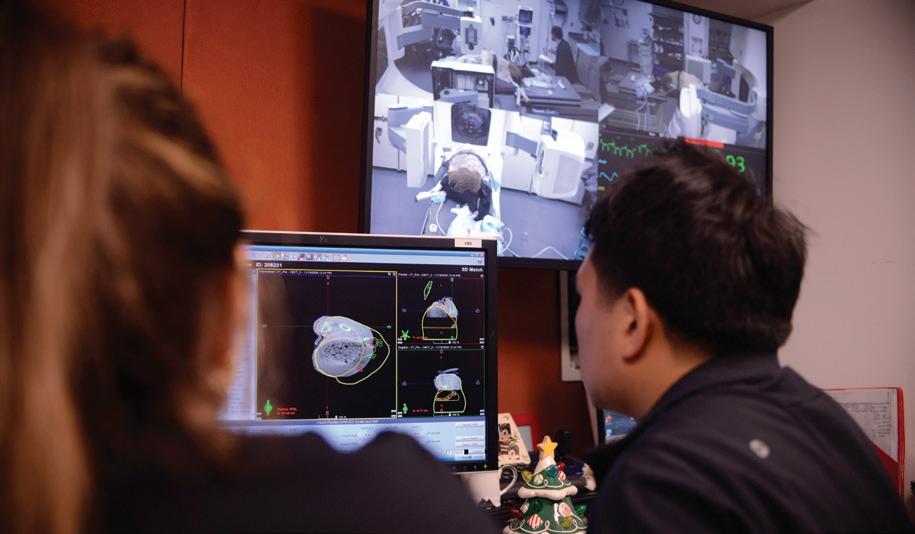
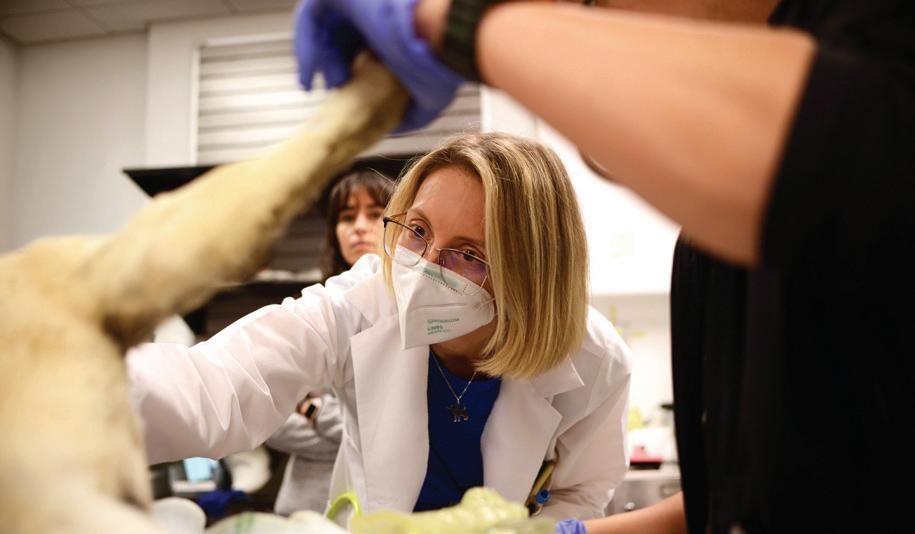
He prescribed her a lower radiation dose than for cancer but higher than for other noncancerous conditions.
before Thanksgiving. No one knew if they would succeed.
“I think we may be able to see some improvement within a couple weeks,” said Lee shortly before the first treatment. “If it works, it will keep getting better.”
Lee had a plan.
He prescribed her a lower radiation dose than for cancer but higher than for other noncancerous conditions. The dosage he prescribed was intended to collapse abnormal vascularization without significant side effects.
To up Maeve’s odds even more, Lee created a resin bolus using a 3D printer that would fit over Maeve’s angiomatosis area. The purpose of the bolus was to allow the radiation to concentrate on the diseased area and lower the dose to deeper, normal tissue.
Plus, Lee said a 3D-printed bolus could improve accuracy compared to a conventional bolus.
On treatment days, Team Maeve was out in force. In addition to Lee and his radiation team, there were Maeve’s New Bolton Center clinicians, residents who had assisted in her care, dermatologist Cain, anesthesiology, and a host of nurses. Even Jaramillo and Chou pitched in.
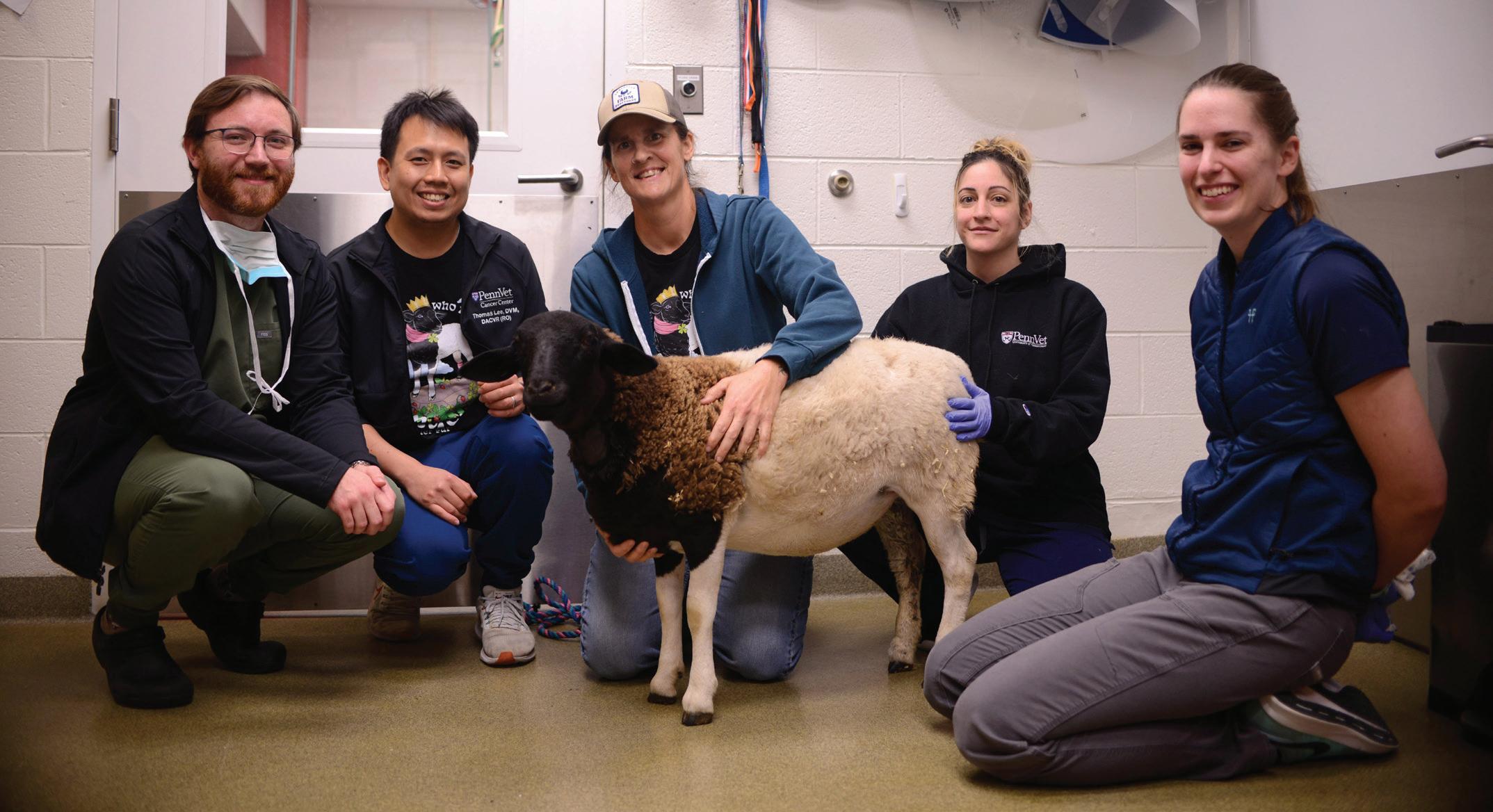
The patient’s owners printed “She Who Rules” T-shirts with Maeve’s likeness for her many fans. They gave them to her Penn Vet team, and the shirts became Team Maeve’s radiation day battle gear.
And, of course, there were always plenty of the ultimate weapon: animal crackers. Maeve got to recognize the box.
Her owners had worried the treatments would be stressful, but Maeve thrived on the attention.
“She walks in and out of that hospital like she owns the place,” Turzi said.
Concerns about Maeve and anesthesia proved needless.
“She’s an anesthesia champion!” Cain said. Maeve was also quite the attraction as she walked through Ryan’s pup-and-cat-filled waiting room. Heads turned. There were gasps.
“Is that some kind of dog?” one incredulous man uttered.
Shortly after the second treatment, Maeve showed improvement. She was walking better. The skin on her right leg looked less angry. It was way too soon to tell, cautioned the doctors. But week after week, the improvement continued.
At her final treatment, a photo was taken of a contented Maeve, wearing a crown, surrounded by her pleased-looking caregivers.
By the New Year, Maeve was gamboling through the sanctuary’s fields. On their Instagram page, there’s a video of Maeve bursting out of the barn, and this message:
“Since Maeve’s life-saving radiation treatments, she had clearly been feeling better. But today, we can hardly believe our eyes. She is running and jumping and playing like we have not seen since she was a tiny baby. It’s incredible!!!!”
Lee, pleased with his patient’s progress, offered a caution: it’s still unknown how long Maeve’s improvements will last. If the angiomatosis remains under control for at least six months to a year but then flares up, more radiation may be considered, he said.
But with four months since her last treatment, Maeve was moving friskily toward her first birthday, and there seemed to be room for positive feelings.
“This experience was really special because there was such an extra effort,” Salluzzo said. “We can never say enough how grateful we are to those students and to the doctors who went above and beyond for Maeve.
“It was beautiful seeing all these people understand that Maeve deserves just as much as anybody’s dog or cat,” she said. “Those people sincerely cared about her. Even after reaching the conclusion of ‘Nothing else can be done,’ they kept trying.”
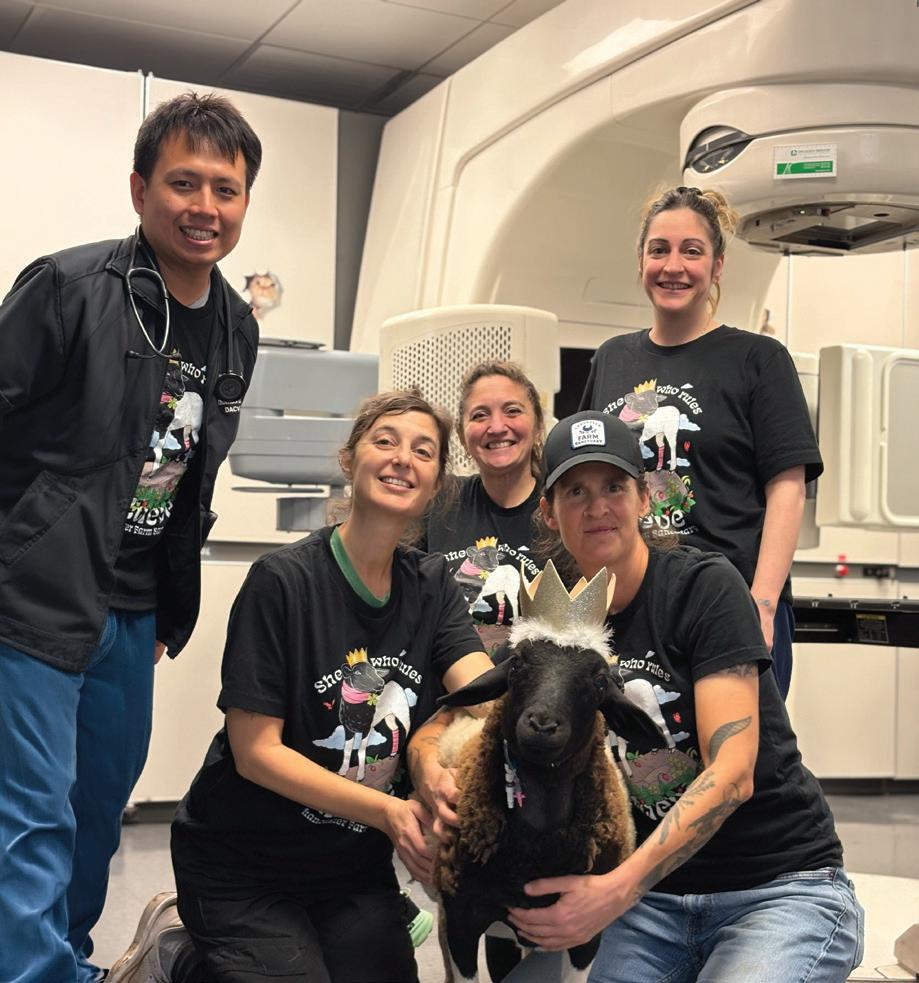
“This experience was really special because there was such an extra effort. We can never say enough how grateful we are to those students and to the doctors who went above and beyond for Maeve.”
SARAH SALLUZZO owner of Maeve
These excerpts are from our “Behind the Breakthroughs” Q&A series, which shines a light on the faculty driving discoveries across Penn Vet. Each installment offers a glimpse into their work that is advancing breakthroughs in basic, translational, and clinical science.
Read the full interviews in Penn Vet’s Newsroom at https://www.vet.upenn.edu/news.
Professor of Surgery David Holt, BVSc, DACVS, is redefining how cancer is seen and removed during surgery. A diplomate of the American College of Veterinary Surgeons and member of the Penn Vet Cancer Center, Holt pioneered the use of near-infrared fluorescence imaging to illuminate cancerous tissue in dogs undergoing cancer surgeries, helping surgeons achieve cleaner margins while preserving healthy tissue. These techniques have been translated into human cancer surgery and will soon be featured in the national science exhibition, The Journey to End Cancer: From Cause to Cure, underscoring its far-reaching impact. Holt is a longtime faculty advisor for the annual Martin Luther King, Jr., Day of Service student-run community clinic, and his work reflects a career grounded in innovation, mentorship, and service, with implications that reach well beyond veterinary medicine.
“I evaluate new technologies by asking, ‘How is this going to improve my ability to diagnose and treat my patients’ diseases?’”
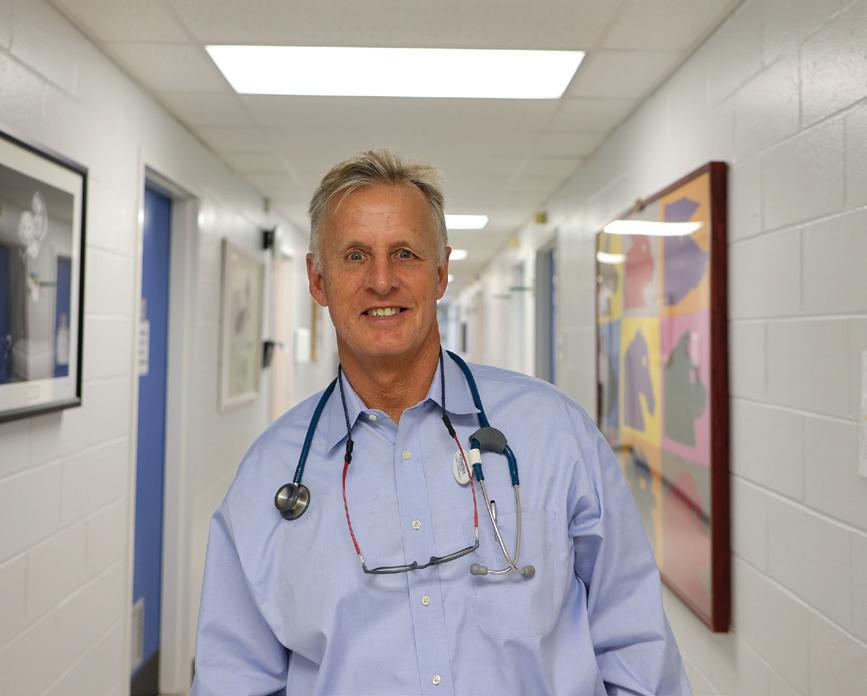
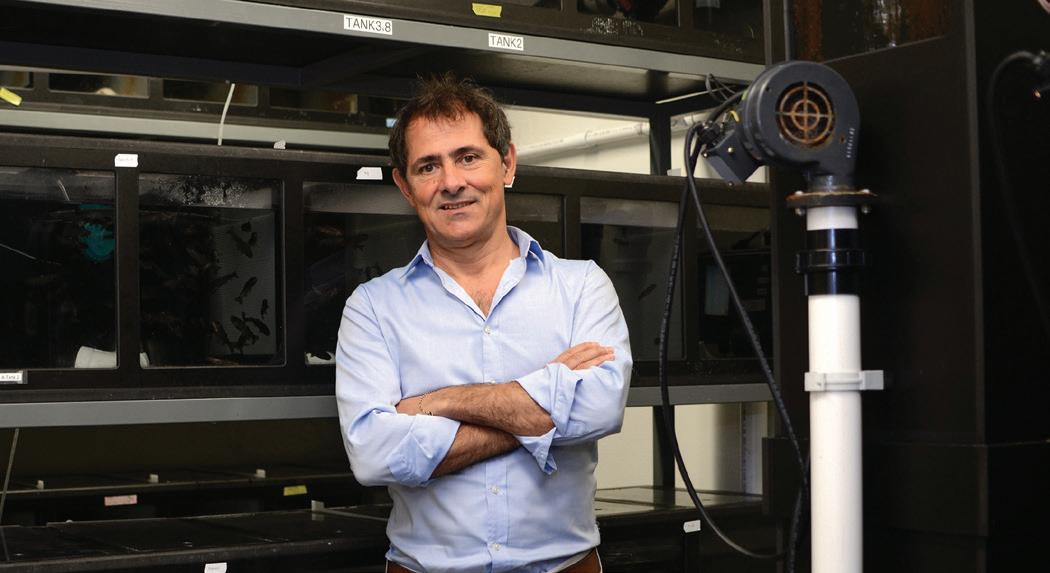
The research of Professor of Immunology and Microbiology J. Oriol Sunyer, PhD, dives deep into the origins of adaptive immunity to understand how it first evolved in fish hundreds of millions of years ago. Their discoveries challenge long-standing assumptions in immunology and reveal critical clues about host-microbiome interactions as well as the mechanisms of induction of adaptive immune responses. And as global temperatures rise, Sunyer and investigators are beginning to explore what shifting climate patterns could mean for the immune system and health of aquatic species and beyond.
“Our current studies are aimed at understanding how immunemicrobiome interactions have evolved from fish to mammals while deciphering the functional consequences derived from this co-evolving process.”
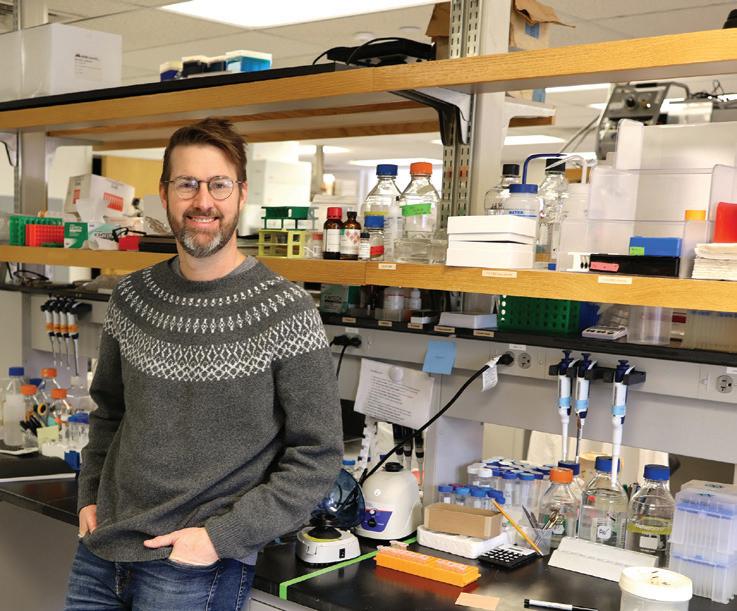
Associate Professor of Biomedical Sciences Andrew Vaughan, PhD, is a molecular and cellular biologist with a specific interest in lung regeneration. Vaughan and his team are looking at how injured lung cells miscommunicate during recovery, thereby driving inflammation and fibrosis. They are also determining mechanisms that can prevent or even reverse this damaging process. Vaughan continues to advance his vital work while navigating the shrinking federal support for research, an obstacle that underscores the urgent need to support biomedical breakthroughs that are making our world a more curative and healthier place.
“Some people deal with long-term, debilitating lung issues resulting from regenerative failures (e.g., scarring) in their lung tissue. We want to figure out how to prevent, or even reverse, these long-term consequences of severe lung injury.”
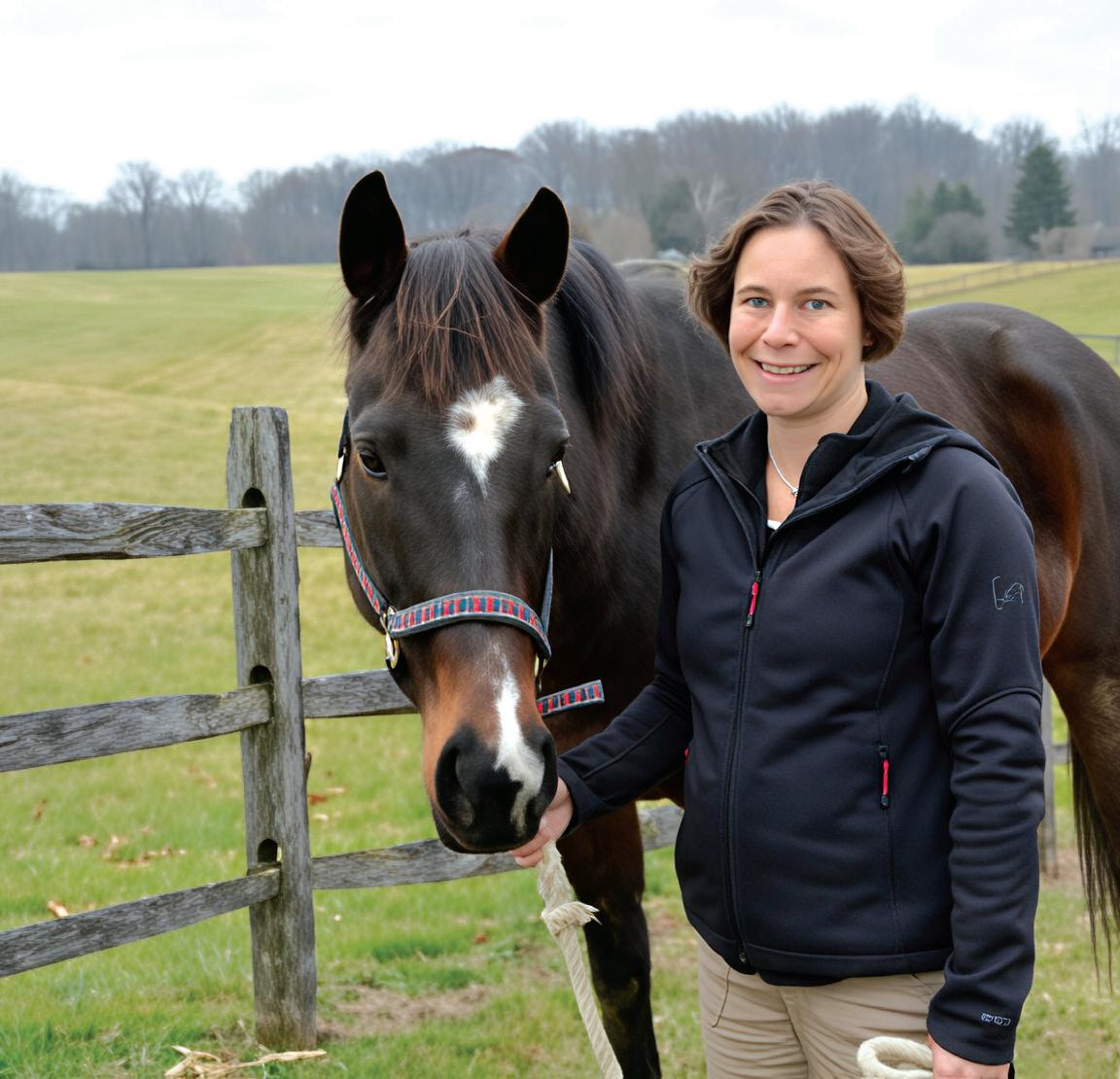
Amy Johnson, DVM, DACVIM (Large Animal Internal Medicine and Neurology), the Marilyn M. Simpson Professor of Equine Medicine, was the first American veterinarian and the second veterinarian in the world to receive dual certification in neurology and large animal internal medicine from the American College of Veterinary Internal Medicine. Her work targets one of the field’s most elusive challenges: diagnosing neurologic diseases in living horses. Partnering with pathologists across institutions, she is mapping brain lesions, investigating behavioral changes, and preparing to introduce brain proton emission tomography imaging to equine medicine.
“Brain proton emission tomography scans in horses will give us a window into brain function that we’ve never had before and potentially provide us with means to diagnose and monitor neurodegenerative disease in living horses.”
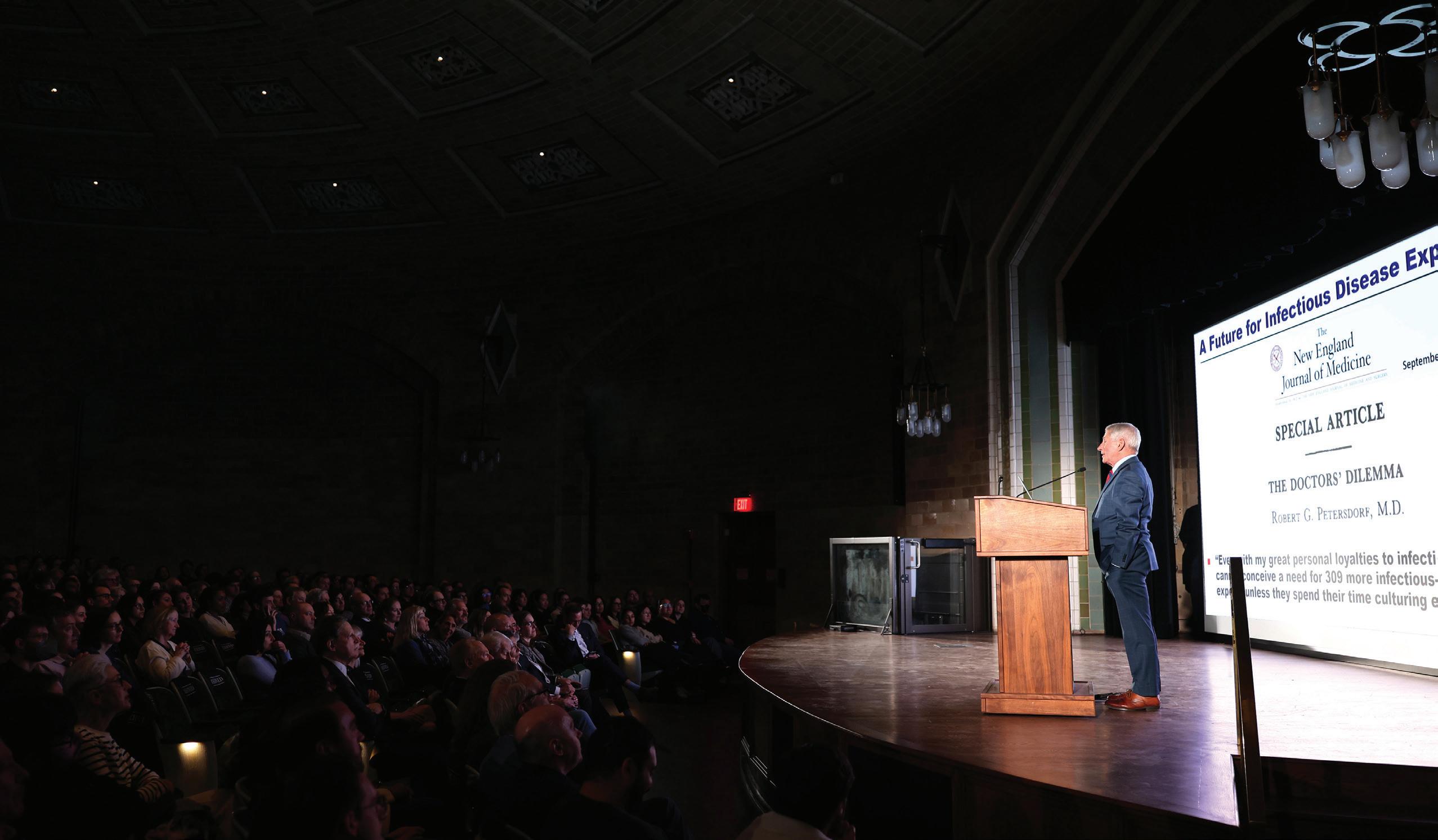
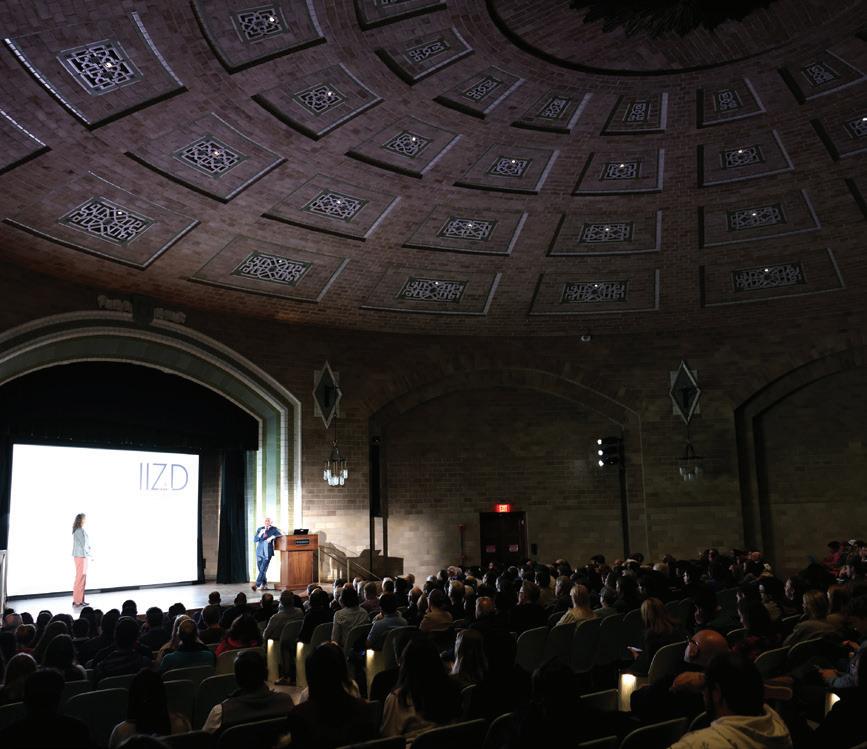
Penn Vet’s Institute for Infectious and Zoonotic Diseases (IIZD) convened leading experts in infectious disease research for its fourth annual symposium, held March 18 and 19 on Penn’s campus.
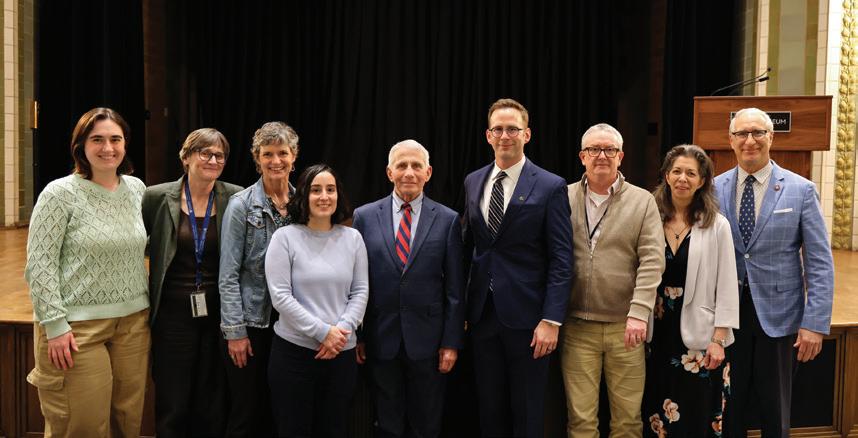
Anthony Fauci, MD, former director of the National Institute of Allergy and Infectious Diseases and Chief Medical Advisor to the President from 2021 to 2022, delivered the Robert R. Marshak Keynote lecture.
During his talk, titled “HIV/AIDS: Science, Policy, and a Personal 44-Year Journey,” Fauci reflected on a distinguished career at the intersection of clinical medicine and public health, encompassing the development of therapies for rare and complex diseases and foundational contributions to understanding and treating HIV/AIDS. Fauci also met with IIZD’s Pamela and Martin Winter Fellows, students from Penn’s VMD-PhD, MD-PhD, and PhD programs, and postdoctoral scientists conducting research in infectious and zoonotic diseases.
The symposium’s full-day academic program on March 19 featured presentations by six highly regarded investigators whose work spans viral evolution, human mobility and disease ecology, host–pathogen interactions, antimicrobial resistance, and immune signaling.

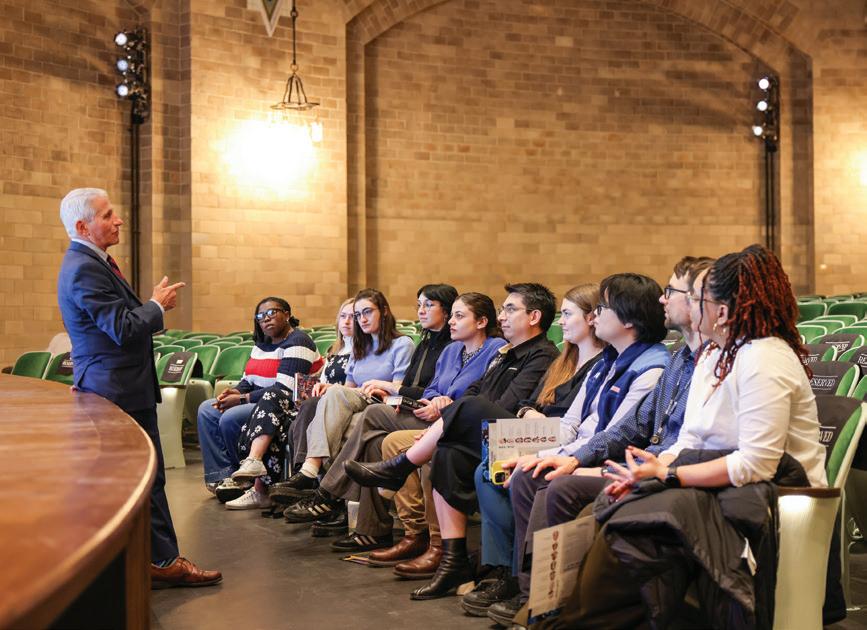
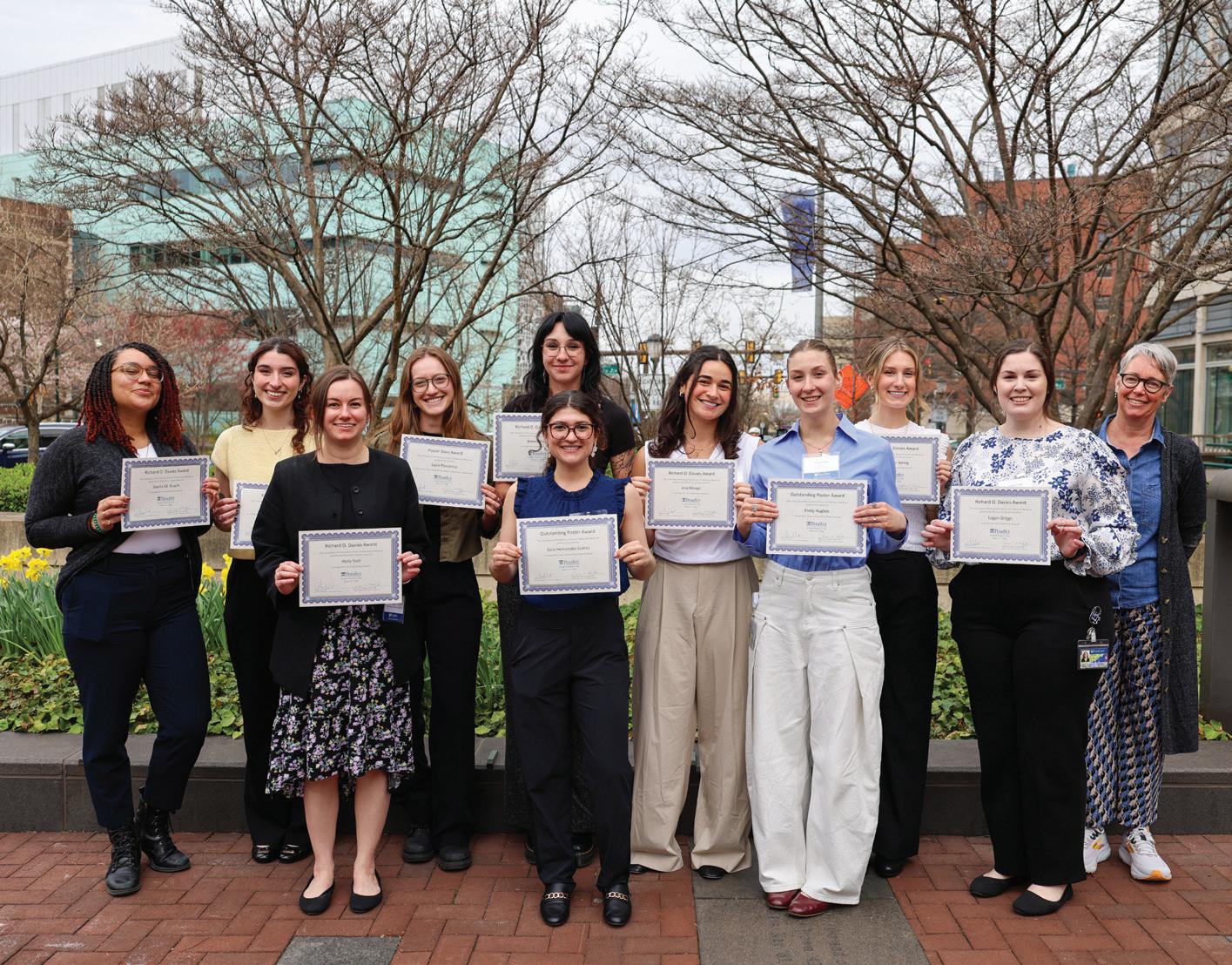
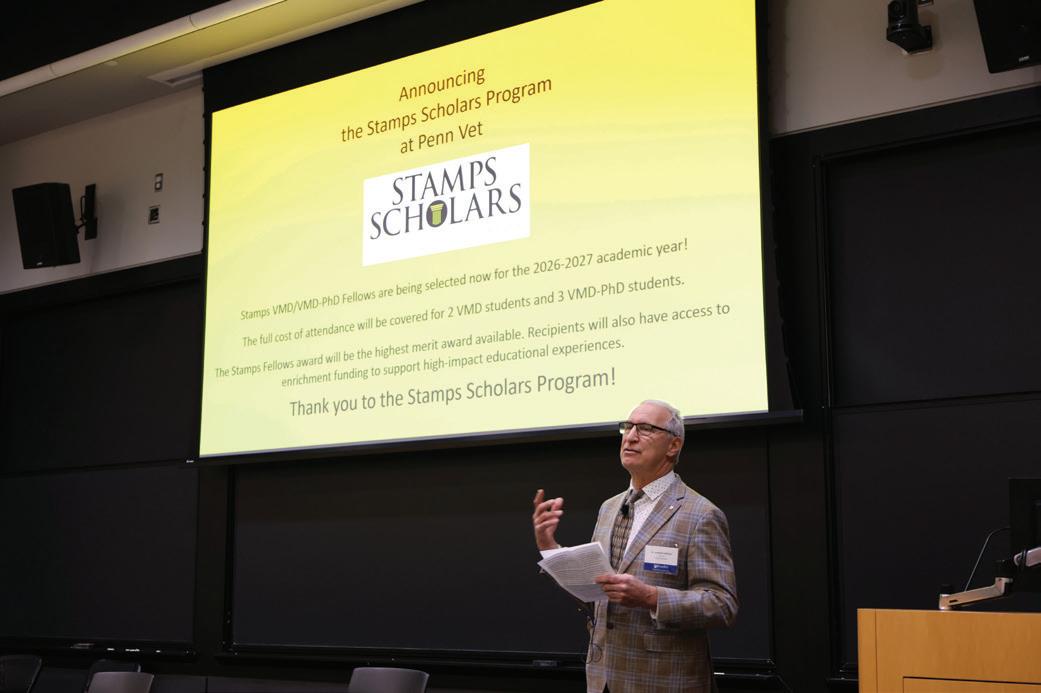
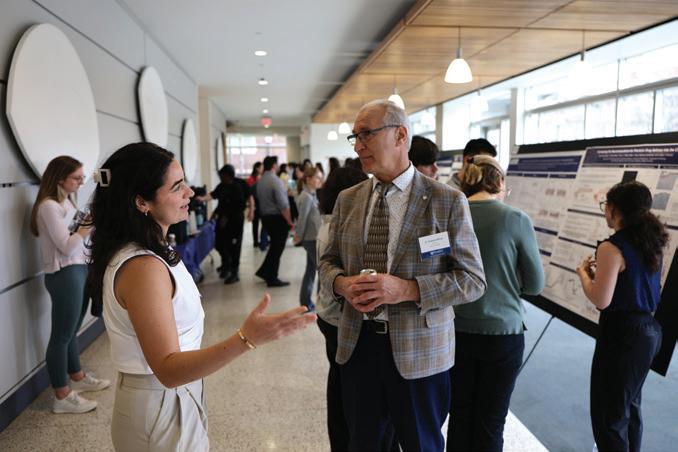
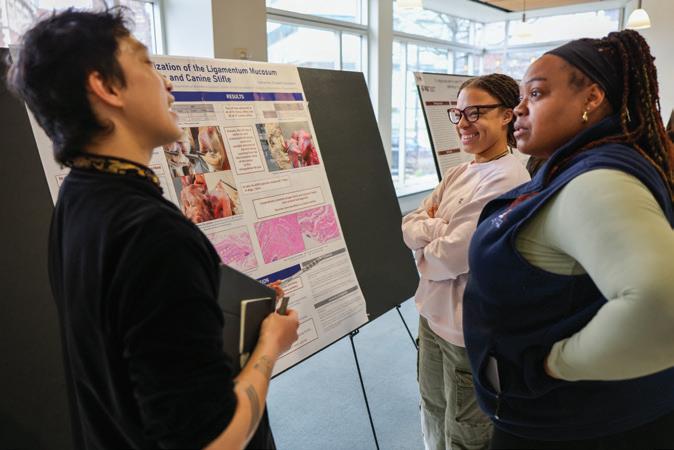
Students and faculty mentors were highlighted at the annual Student Research Day. Dean Andrew Hoffman opened the event announcing the launch of the Stamps VMD/VMD-PhD Fellows program. In addition to oral presentations, students exhibited their research with a poster session and “Poster Slam.”
Aimee L. Edinger, VMD, PhD, professor and Chancellor’s Fellow of Developmental & Cell Biology at University of California, Irvine, delivered the keynote Class of 1966 Endowed Lecture, “Redirecting Cellular Traffic: Translating Cell Biology into Therapeutic Opportunities.”
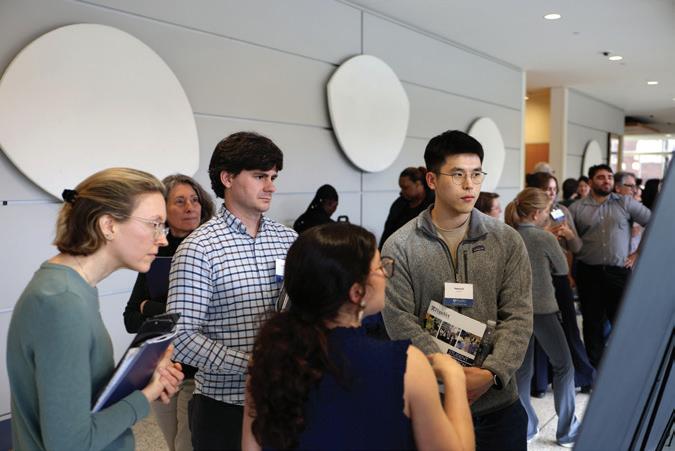
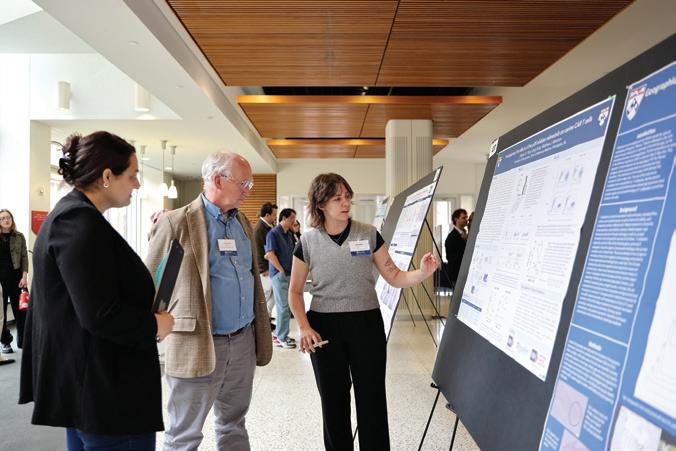
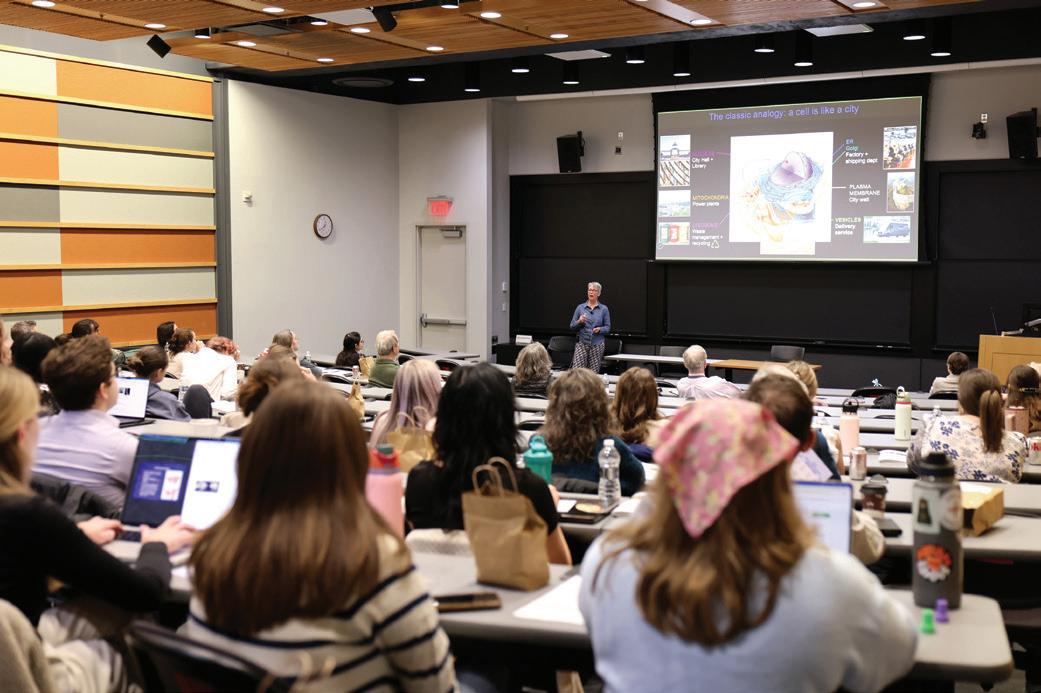
BY SACHA ADORNO
A day or two before Thanksgiving 2025, Don Hoenig, V’78, flew to Raleigh, North Carolina, for a meeting with two turkeys and a veterinarian from Butterball. His special assignment on behalf of the American Humane Society was to examine Gobble and Waddle, the birds selected for the annual presidential pardon.
They two loaded the turkeys into a van, drove to Washington D.C., and checked the birds into the Willard InterContinental Hotel. Hoenig then skipped the White House pardon, leaving town in time to spend the holiday with his family back home in Maine.
The trip captures the essence of Hoenig’s 45-year career focused on public policy, animal welfare, and clinical care—most of it behind the scenes, without fanfare, and highly influential.
Penn Vet memories and apple pie
Hoenig arrived at Penn Vet in the mid-1970s, newly married and commuting daily from South Jersey.
A Bowdoin College graduate, he came with a singular purpose.
“I wasn’t looking to be at the top of the class. I wanted to learn, do well, and start working.”
Nevertheless, Penn Vet made an impact, particularly through its clinical excellence and world-class faculty who shaped how he approaches veterinary medicine.
“It was pretty demanding,” Hoenig said. “We were expected to know our material, think through problems, and take responsibility for the animals in front of us.”
Along with the rigor, two things, in particular, stuck with him.
The first was pie.
“Large animal professor Billy Boucher [William Boucher, V’40] and his wife, Doris, opened their home to students every Tuesday evening for dessert,” he recalled. “Doris’s apple
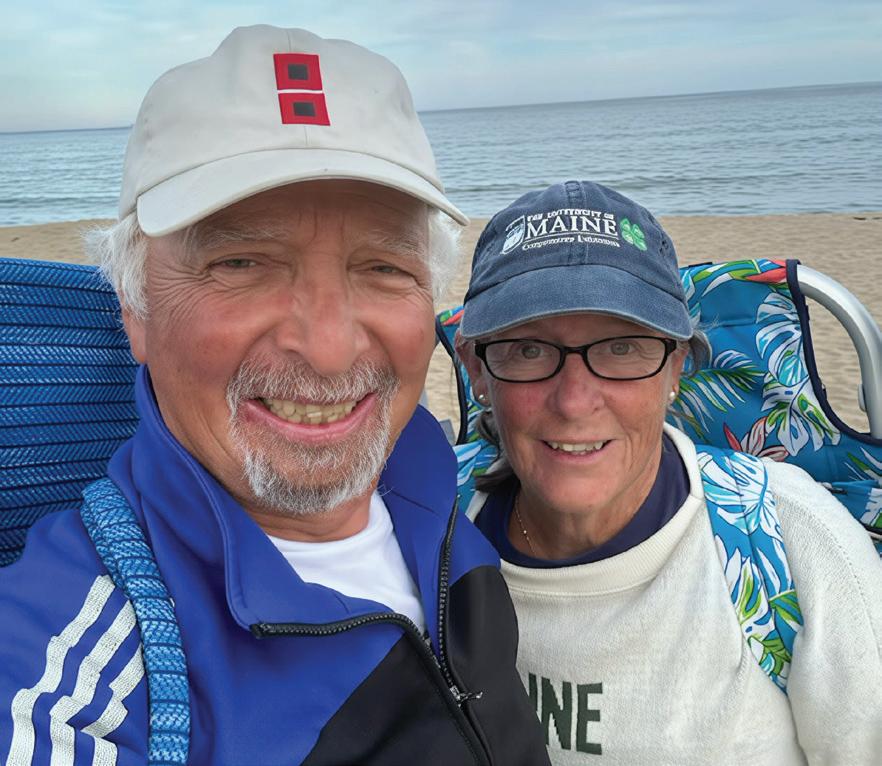
Donald Hoenig, V’78 and his wife, Lynn
pies were legendary, and I still use the recipe. The key is more sugar than you think, more apples than you expect, and a mix of apple types.”
The second was a former patient.
On St. Patrick’s Day of Hoenig’s final year, a Golden Retriever was dropped at Ryan Hospital’s trauma service after being hit by a car. Orthopedic surgeon Gail K. Smith, VMD, PhD, pinned the dog’s fractured humerus, with Hoenig assisting.
“He arrived with no collar and no one to claim him,” Hoenig said. “So, we adopted him and named him Patrick for the day he came into our lives. He was the best dog we’ve ever had — our loyal buddy for eleven years.”
After graduating in 1978, Hoenig had three job offers and chose a mixed-animal practice on Martha’s Vineyard. Two and a half years later, drawn by the prospect of field work and a growing family, he joined the USDA as a field veterinarian covering New England. (It was there that he encountered Jane Hinton, V’49, who trained him on inspecting research facilities across Boston and Eastern Massachusetts. See next page.) By 1983, he and his wife Lynn had settled in Belfast, Maine.
Preferring hands-on work to the federal administration track, he left five years later to become Maine’s state veterinarian, overseeing the health and welfare of the state’s entire animal population.
“I realized I could exert a leadership role. Especially as a state veterinarian—there are only 50 of us, and we have an outsized voice in animal and public health policy in the U.S.”
Through this platform and his relationships with Maine’s congressional delegation, he advocated for the National Veterinary Medical Services Act of 2003, which established the Veterinary Medicine Loan Repayment Program. The program—now administered by USDA’s National Institute for Food and Agriculture—provides $25,000 annually for three years to veterinarians who commit to practicing in designated shortage areas. “This support often can make the difference between rural communities having veterinary service or not,” he said.
Around 2002, Hoenig also took on an additional role as Maine’s de facto public health veterinarian, working alongside the Maine Center for Disease Control and Prevention on zoonotic outbreaks like avian influenza, Lyme disease, rabies, and West Nile virus. Most years, he logged more than 35,000 miles visiting farms, mostly administering assistance to dairy farms experiencing mastitis or milk quality problems. “It was very practical work,” he said. “If a farmer had a problem, I went out and tried to solve it.”
Some of Hoenig’s most consequential work during this time unfolded around Maine’s egg industry.
Beginning in the late 1980s, the state faced recurring Salmonella outbreaks linked to a strain that had already caused deaths in New York nursing homes.
Over the next several years, Hoenig helped modernize disease prevention across the state’s industry through hen vaccination, environmental testing, sanitation requirements, and regular inspections.
In 2010, when the largest Salmonella-related egg recall in U.S. history was traced to Iowa farms owned by Austin “Jack” DeCoster— once nicknamed the “Salmonella King”—Maine’s earlier response was thrust onto the national stage. Under Hoenig, the state had already imposed strict requirements on egg production, and DeCoster’s Maine farms had achieved sustained clean test results for the outbreak strain— turning Maine’s approach into a national benchmark.
“The health of animals and the health of people are inseparable,” Hoenig said. “What happens on farms doesn’t stay on farms. This case drove the point.”
In 2012, an American Veterinary Medical Association Congressional Fellowship brought Hoenig to Senator Susan Collins’s office, where he worked on agriculture policy, food safety, and antimicrobial resistance.
“Sen. Collins was one of the most bipartisan senators at that time,” he said. “I’m a Democrat, and she readily accepted me—we did some meaningful work.” They focused on issues that crossed the aisle, including the Agriculture Reform, Food, and Jobs Act of 2013 (the “Farm Bill”) and antimicrobial resistance programs. “It gave me a front row seat to how things move— or don’t move—through the committee process.”
When his fellowship ended in 2013, he left D.C., finding it wasn’t for him. “The pace was intense,” he said. “I was living away from home and wanted to get back to the kind of work I’d always loved—out in the field, solving on-the-ground problems.”
During this time, he joined American Humane as senior veterinarian advisor for its Humane Heartland™ program (now American Humane Certified™), a voluntary, third-party audited farm animal welfare program whose science-based animal welfare standards provide higher welfare on farms nationwide. He would advise for six years.
Hoenig’s work expanded internationally when the World Organisation for Animal Health recruited him for its Veterinary Legislation Support Program. Hoenig traveled to Tanzania, the Gambia, and Ghana to help the governments identify gaps and weaknesses in their veterinary legislation. “If the legal structure isn’t there, it’s very hard for a country to respond effectively when disease shows up,” he said.
Today, Hoenig consults on a range of issues spanning public health, food safety, animal welfare, wildlife rabies, and agricultural policy. After 14 years away from the Maine Department of Agriculture, he has recently begun part-time consulting for the department. He also chairs the state’s Board of Veterinary Medicine.
At home in Belfast, he balances all of these responsibilities with a passion for family, food, travel, running, and writing. He’s run three New York City Marathons with his daughters.
Last summer, he and Lynn took their three adult children and spouses and eight grandchildren to Umbria for 10 days—the “trip of a lifetime.”
Lynn, newly retired after 32 years teaching elementary school, plays in a steel drum band that performs throughout Maine. Hoenig follows along.
And the couple’s new puppy, Todi, keeps things exciting.
Hoenig watches the veterinary profession evolve with mixed feelings. The growing focus on One Health—the idea that human, animal, and environmental health are linked— encourages him, no surprise, given that he helped drive the concept long before it was formalized. At the same time, corporate consolidation is concerning, as is the proliferation of new veterinary schools. “I worry about what that means for the quality of education,” he said.
Still, he believes the profession is moving forward in many ways.
“For years, we accepted certain agricultural practices because they were efficient and profitable, but we often didn’t put the animals first. People started asking good, hard questions, and that pressure has changed the industry. Farmers, veterinarians, and consumers are demanding more humane practices. We’re not all the way there, but we’re becoming better stewards of animal well-being than we were a generation ago.”
So next November, should he be called to service, Hoenig will catch a flight to the nation’s capital for the good of the union— and the turkeys. He’ll make sure the birds are healthy, and, by the time cameras roll at the White House, he’ll be gone.
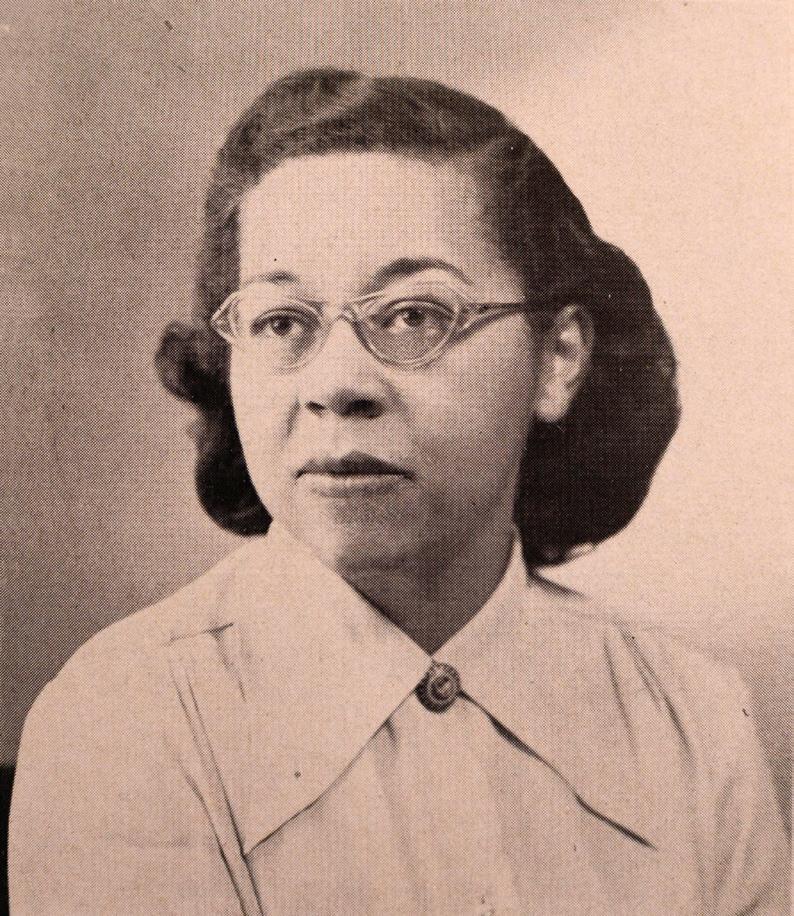
When Bellwether published a look at Penn Libraries’ recently acquired Jane Hinton Collection last fall, the historical record suggested Hinton retired in her early forties—an oddity that nagged at least one reader. Donald Hoenig, V’78 (see page 25) contacted the School to set the record straight.
Hoenig and Hinton were colleagues in the early 1980s, two of 13 USDA field veterinarians covering New England. She trained him on the 60-odd Massachusetts-based research facilities under his jurisdiction.
“Jane knew her territory cold. She moved through it with authority and had no patience for anything that got in the way of doing the job well,”
he said. “An impressive force to be reckoned with.” The idea that she had quietly stepped away from federal service decades earlier was simply implausible to him. “That’s the last thing that Jane Hinton would have done.”
Hoenig remembers a colleague asking if he’d heard of the Hinton Test. He hadn’t. So, he asked Hinton about it. She told him about her role in developing the global standard for antibiotic susceptibility testing: the Mueller-Hinton agar, which she co-created decades earlier. Hoenig had no idea he’d been working alongside a legend in modern microbiology: “She was all about simply getting on with the job.”
Hoenig’s account of Hinton’s life is one more piece of the Hinton puzzle. Since Bellwether’s original story ran, Penn Libraries acquired a second set of materials, bringing the Jane Hinton Collection to more than seven boxes.
“This newer tranche fills in much more detail about Hinton’s later life,” said Kelin Baldridge, processing archivist at Van Pelt-Dietrich Library Center. “Some documents suggest she maintained a clinical practice beyond 1959, and UDSA pay stubs documented her government service well into the 1980s.”
The new material also brings her personality into sharper focus. There are notebooks from her Penn Vet days, beautifully scripted and with animal doodles; photographic negatives with people from different periods of her life; correspondence from loved ones fighting in Europe during World War II; and lots of animal pictures, including a scrapbook of kittens, maybe pets.
What emerges is the picture of a woman who lived life with purpose, love, and curiosity. She knew her own mind and was firm in her professional judgment, unintimidated by bureaucracy, and consistent in advocating for herself and the animals in her care. She navigated a federal system that was not designed with Black women in mind, and she did it on her own terms. It is, Hoenig might say, exactly who she was and why she must be remembered.
The Jane Hinton Collection of Manuscripts, Books, and Photos is open to researchers at Penn’s Kislak Center for Special Collections, Rare Books and Manuscripts.
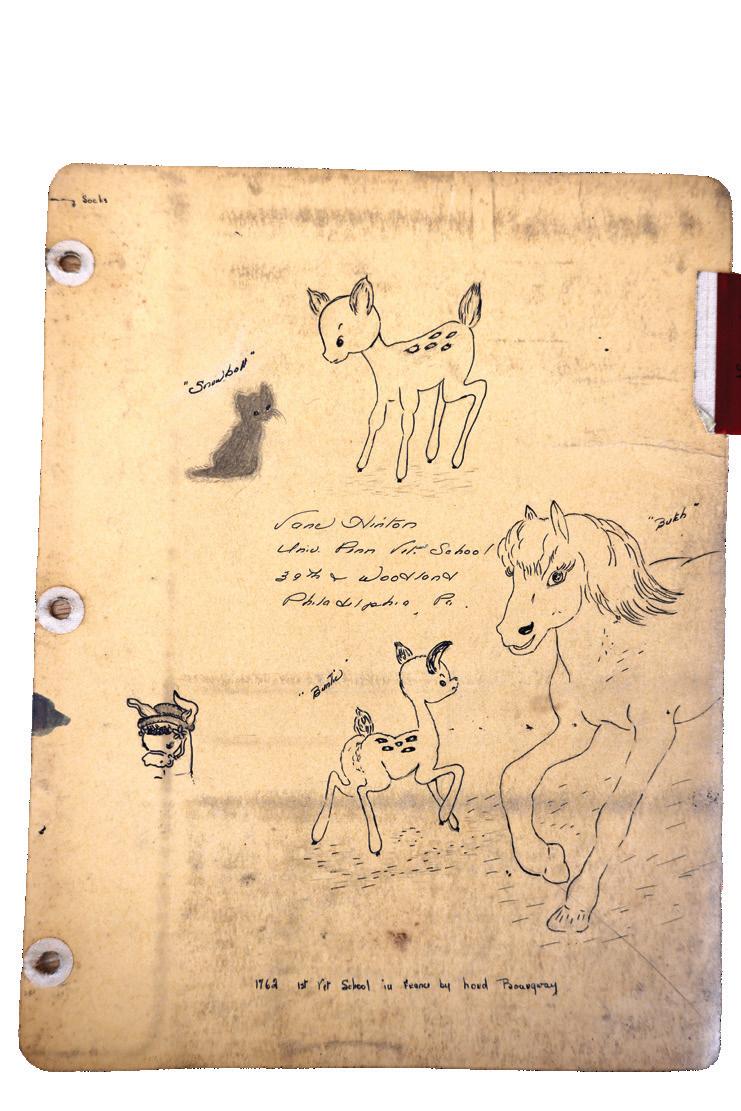
“This newer tranche fills in much more detail about Hinton’s later life.”
Kelin Baldridge Processing Archivist, Van Pelt-Dietrich
Library Center
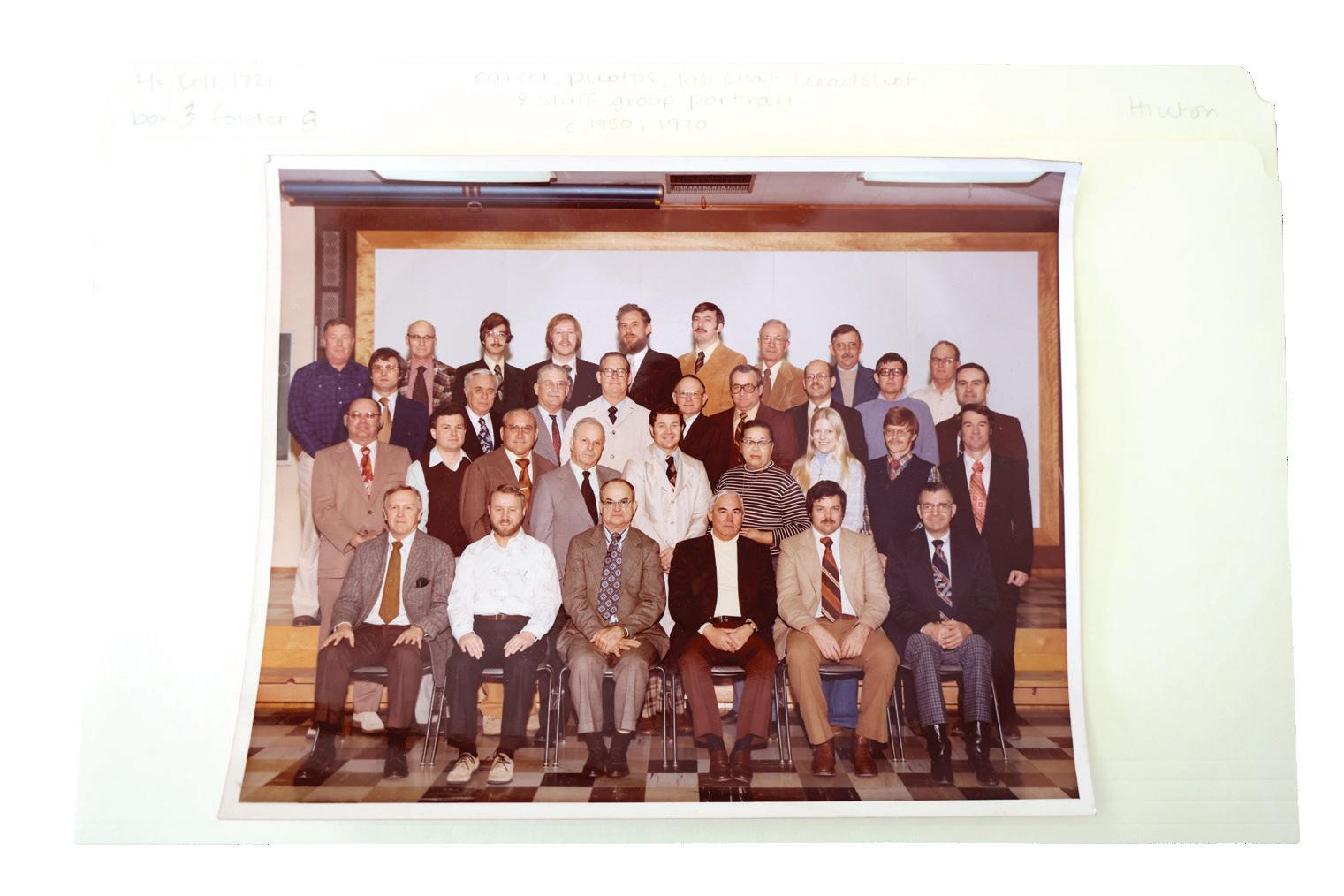
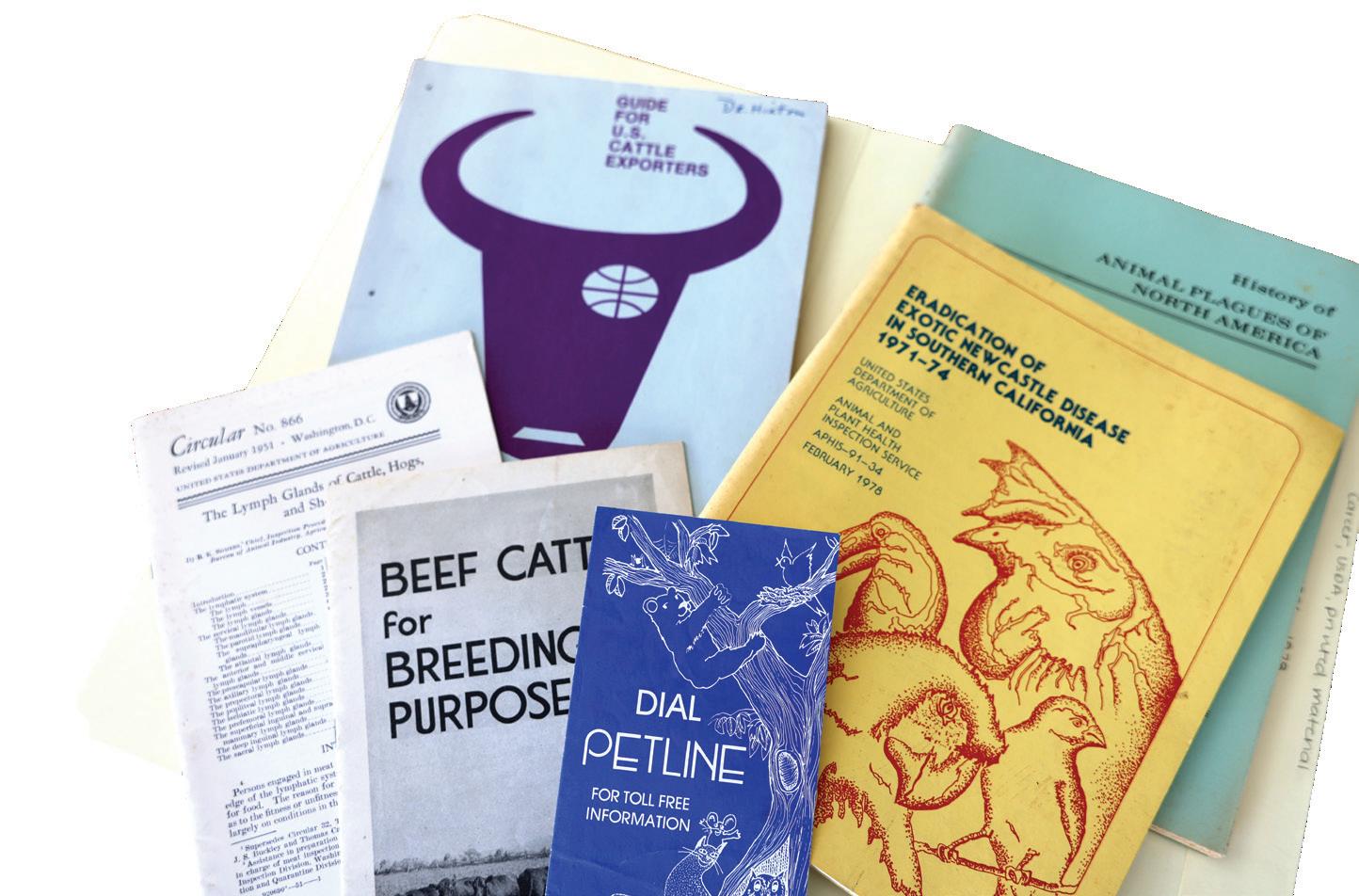
From top, a page from Hinton’s vet school notes; a staff group photo; agricultural guides and resources.
BY SACHA ADORNO
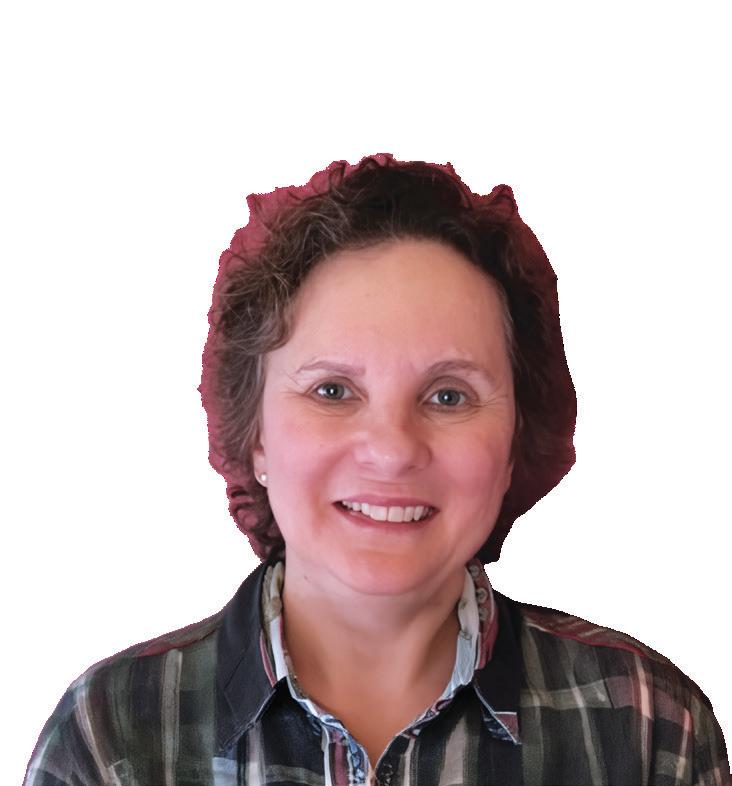
In a career spanning laboratory animal medicine, animal welfare, and bioethics, Margaret S. Landi, V’79, MS, DACLAM, MBioethics, has tackled many vexing questions. One in particular came while she was teaching a bioethics course at Penn. A student asked, “Do you think it’s ethical for people to go into debt to have pets?”
It was established through a qualified charitable distribution, which allows individuals to direct required minimum distributions from retirement accounts for philanthropic purposes.
Maggie’s namesake is a Miniature Dachshund who came into the family in a sweet way.
Landi, her husband Tom Goodwin (also a veterinarian), and their two daughters were vacationing in Vermont. Goodwin and one of the girls took a quick run to a local candy shop that sits on a working farm with lots of dogs.
“They came back and told me there were puppies,” said Landi. “We were not looking to add another dog at that time.” The family already had a Standard Poodle named Buzz Lightyear. “I reminded Tom of Buzz. He looked at me sheepishly and said, ‘But they’re Miniature Dachshunds.’ Tom’s parents always had Miniature Dachshunds.”
“IT WAS A GOOD QUESTION,” LANDI SAID. “MY HONEST ANSWER WAS THAT I REALLY HOPE PEOPLE DON’T HAVE TO MAKE THAT DECISION.”
This year, Landi decided to do more than hope. To help pet owners faced with those hard financial decisions, she created Maggie’s Fund at Penn Vet’s Ryan Hospital. The fund provides support to clients who need help covering a portion of emergency care costs.
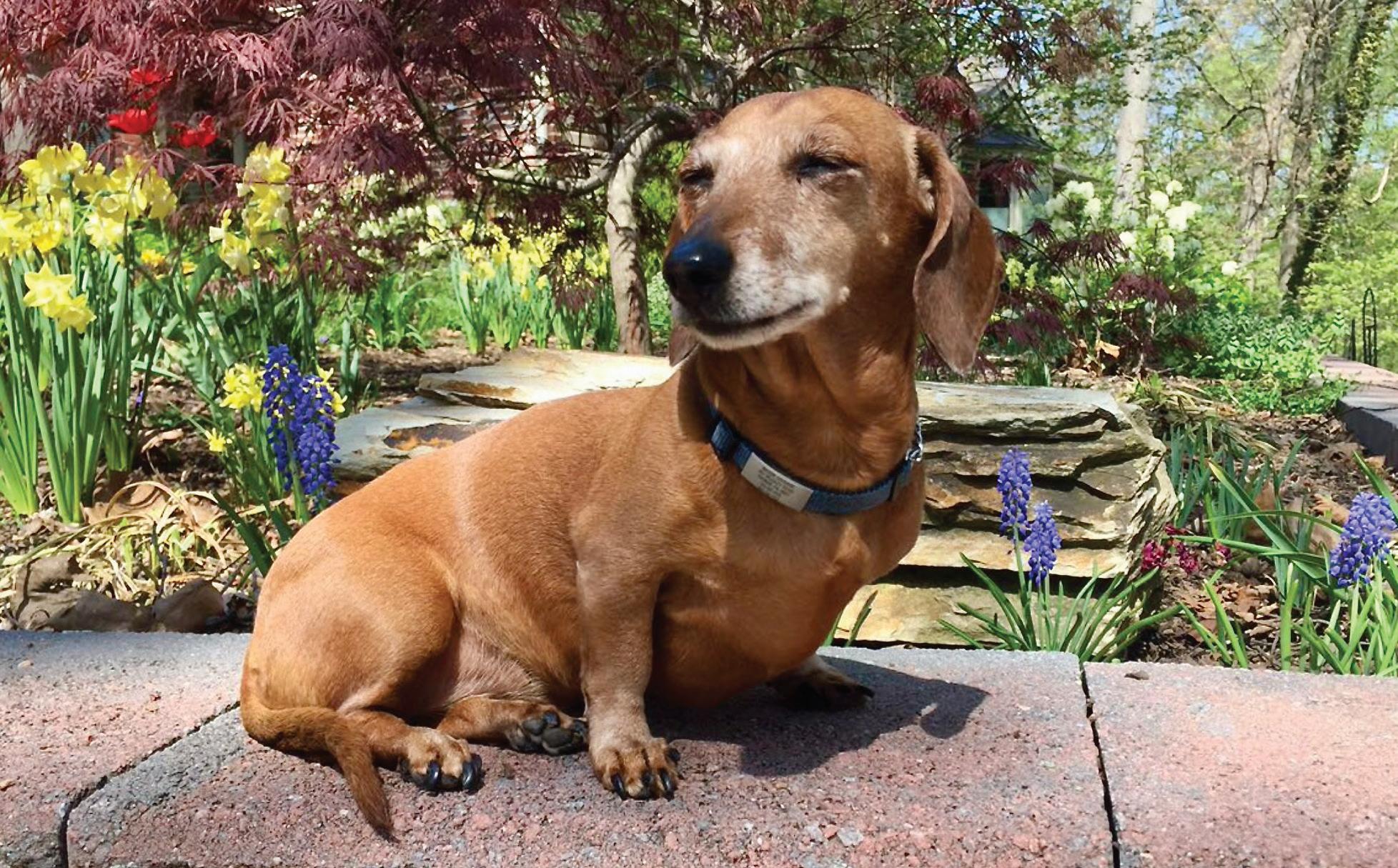
Thus, Maggie Tyler entered their lives. Named for a friend of Landi’s daughter and the vacation spot in Vermont, Maggie was a special dog.
“Dachshunds have this reputation of being barkers and snarlers,” said Landi. “But Maggie was quiet, an observer. She wasn’t intimidated by anything and won everybody’s heart.”
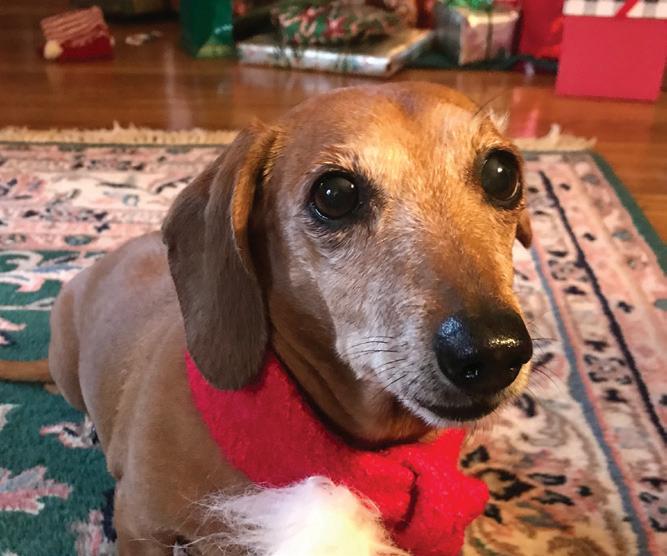
Maggie lived into her senior years, moving from “secondary dog” to Buzz Lightyear to the dog who “had to stand up for the family” when the older poodle died. She became the teacher of the house when a new Standard Poodle, Tucker, joined the household.
As she aged, Maggie developed intervertebral disc disease and heart disease. Surgery at Ryan Hospital and long-term medical management gave her many good years. “She always came home— until she didn’t,” Landi said. “I was holding her when her heart failed as we were driving to the hospital one last time. And though Maggie could not be replaced, a companion for Tucker was found, a goofy, joyous Goldendoodle, Gema.”
“In my interview, I was asked about the lack of experience and explained I’d worked my way through college in other ways. The School took a chance on me. Giving is a way to honor that.”
When Landi reached the age to take minimum distributions, she saw a way to honor her beloved friend and address the perplexing student question.
“Last year was the first I had to do the required minimum distributions for my savings,” she said. “So, I thought about how I wanted to use my money and decided to invest it in Penn Vet.”
She arrived at Penn Vet in 1975 with a biology degree from William Paterson University in New Jersey and without traditional veterinary experience.
“In my interview, I was asked about the lack of experience and explained I’d worked my way through college in other ways. The School took a chance on me,” she said. “Giving is a way to honor that.” In addition to Maggie’s Fund, she supports the Vet Class of 1979 Scholarship Fund.
After graduating, Landi built a career in laboratory animal medicine and research. She retired in 2023 after 41 years at GlaxoSmithKline, most recently as chief of animal welfare, ethics, and strategy. A diplomate of the American College of Laboratory Animal Medicine, Landi holds a second degree from Penn— master of bioethics. Today, she runs Landi Animal Research and Bioethics, PLLC, consulting on animal welfare, ethics, and strategy.
Maggie’s Fund is also rooted in family legacy.
“I’m the oldest of five kids whose parents were first-generation immigrants,” she said. “My parents were wonderful people. They felt the only way to move up, if you will, within the U.S. at the time was education.” Her father, in particular, shaped her worldview. “He just wanted to leave the world a happier place,” she said.
Maggie’s Fund is Landi’s embodiment of this ethos, inspired by a small dog who picked her people and left them with a love worth carrying forward.
BY RITA GIORDANO


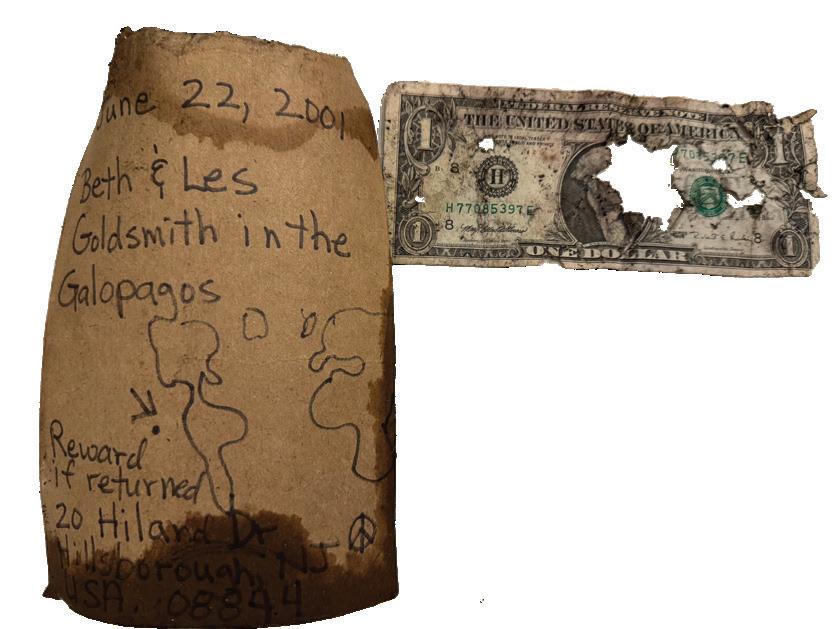
Les Goldsmith, V’80, holds up the Nalgene bottle and the message he tossed into the sea off the coast of the Galapagos Islands on June 22, 2001. (Photo by George Bergeman)
The day was last July 11, and this great, big world was about to get delightfully smaller.
Greg Lewbart, V’88, and his wife Diane Deresienski, V’89, were leading a research expedition in the Galapagos Islands when a member of their party, Andrea Loyola, head veterinarian for the Galapagos National Park, made a discovery more surprising than the rare iguanas they’d come to find.
It was a blue Nalgene bottle with a beat-up dollar bill inside and a note: “Beth and Les Goldsmith in the Galapagos” It had a New Jersey address and a date: June 22, 2001.
“We thought, ‘Oh, this is the greatest! This is fun!’” Lewbart said.
Little did they know…
At dinner that night, after some internet sleuthing, they decided to try a phone number they thought might be their bottle guy.
Over on the East Coast of the United States, it was 11:30 p.m. Les Goldsmith answered. A faraway voice said his message-in-a-bottle had been found.
“Oh my God!” Goldsmith gasped, as the Galapagos crew laughed and applauded. He began telling his bottle
story, mentioning he’d gone to veterinary school.
“Well, the story gets better,” Lewbart said, chuckling, ‘because we are veterinarians.”
“All of us,” Deresienski chimed in.
“No friggin’ way!” exclaimed Goldsmith.
Lewbart said he is a professor at North Carolina State’s College of Veterinary Medicine, but he didn’t go to school there.
“My wife and I went to the University of Pennsylvania,” he said.
“Oh, you’re a PennWe,” said Goldsmith.
“I’m a PennWe, yeah,” Lewbart replied. “Where did you go?
Now it was Goldsmith’s turn to chuckle:
“I went to Penn as well.”
“Oh my God!” crowed Lewbart.
For the next several minutes, they excitedly quizzed each other on the many Penn Vet connections they shared. And with each, the gap between the Galapagos and the United States grew smaller and smaller.
“For me what’s moving is that everybody who hears the story is happy. They just enjoy.”
—Les Goldsmith, Vʼ80

Since then, the Penn Vet alums have corresponded several times. They have not yet met in person, but they intend to. Lewbart and Deresienski mailed Goldsmith, V’80, back the Nalgene bottle, message, and dollar he’d set adrift during a visit to the Galapagos with one of his daughters, Beth, all those years ago.
They have also shared stories.
Lewbart, originally from Willingboro, N.J., is a professor of zoological medicine. Deresienski, a New Englander, calls herself “semi-retired” but she works part-time for a small animal practice, is a consultant to a veterinary school in Ecuador, and has taught veterinary students about working with wildlife and exotics. Together, they lead frequent Galapagos research trips.
Goldsmith, who now lives in Virginia, had his own animal hospital before becoming a vice president for a Johnson & Johnson company.
And, as Lewbart puts it, “He’s a repeat offender!”
The Galapagos message-in-a-bottle was not his first.
As a University of Miami undergraduate in the early 1970s, Goldsmith threw another bottle into the surf by the Florida Keys. Seven years later, while he was at Penn Vet, he got a letter from
Denis Murphy of Valentia Island, County Kerry, Ireland. He found the bottle.
In 1994, the two men finally met. Goldsmith was in Ireland for what was expected to be a contentious business gathering. He invited his Irish pen pal.
The local press showed up. Murphy, a true Kerryman, charmed everyone, as did their bottle story. Goldsmith’s business project was saved.
“It was a miracle!” he said.
Lewbart, Deresienski and Goldsmith remain charmed and a bit changed by their own message-in-a-bottle adventure.
“It’s one of my favorite life stories,” Lewbart said.
“It’s one of those experiences in life where you think maybe there is some kind of reason for all of this,” said Deresienski.
Goldsmith delights in the effect their serendipitous tale has on people.
“For me what’s moving is that everybody who hears the story is happy,” he said. “They just enjoy.”
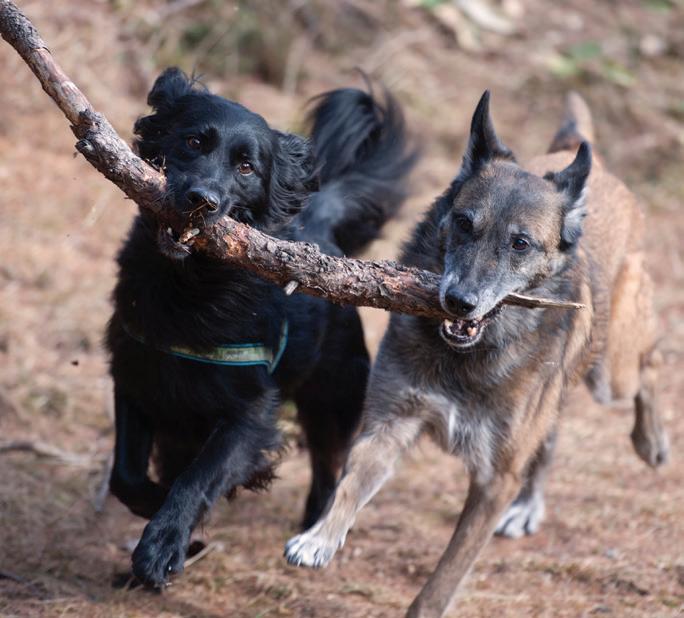
We all know that getting veterinarians together can be like herding cats! But as these dogs show, sometimes even the best fetchers need to team up to carry the same stick.
As president of the Alumni Board, I want to share an exciting opportunity for you to help bring our alumni community closer together: the Class Agent Program.
A class agent is a dedicated alumnus/a who serves as the vital link between their classmates, the School, and the Alumni Board. Many of you already act as informal organizers; we want to formalize that role to keep our alumni network strong.
As a Class Agent, your role is to:
Foster Connection
Help classmates stay in touch with one another and the School.
Build Community
Share news about professional, social, and learning opportunities.
Provide a Voice
Act as a bridge to the Alumni Board so we can better serve your specific class’s needs.
The Penn Vet Alumni Board provides a bridge between students, alumni, and the School. We support Penn Vet’s mission of protecting animals, serving society, and educating the next generation of veterinary leaders. By developing a robust network of class agents, we ensure that every alum—from practitioners and scientists to industry leaders— has a seat at the table.
Jeremy Maurer, V’16, Marne Platt, V’93, and Jacob Werner, V’00, are currently establishing and formalizing agents for every graduating class. Whether you were a class leader in school or simply want to give back to the community that shaped your career, we would love to have you involved.
To learn more or volunteer, please contact Laura Hamilton Brown, director of alumni relations, at vetalumni@vet.upenn.edu or 215.898.1481.
Warmly, Lindsay Shreiber, V’91
President Penn Vet Alumni Board
Email your news to the alumni office at vetalumni@vet.upenn.edu, or write to us at Alumni Relations, Penn Vet Alumni Office, 3800 Spruce Street, Suite 151E, Philadelphia, PA 19104. We may edit submissions for space.
Linda Rhodes, V’78, published her book Breaking the Barnyard Barrier – A Woman Veterinarian Paves the Way. The book details Rhodes’ experience as a new veterinarian working with dairymen in the 1970s in Utah’s Wasatch Range. She shares her experience proving that as a woman she could do what the dairymen of the area were certain was a “man’s job” while tackling challenging medical and surgical cases. Rhodes kicked off her book tour with book readings and Q&A sessions with students and faculty at both the Philadelphia campus and New Bolton Center in February. She was joined on her campus visits by her friend and fellow classmate, Howard Wellens, V’78, who helped facilitate the presentations.
Maribeth Bossbaly, V’88, published Pawprints to Heaven. The book includes details of her time at Penn Vet, as well as the Animal Medical Center. The crux of the book is letters from Bossbaly’s clients that were sent to her over a 25-year period. These letters contain heartfelt stories, poems, and memoirs of their pets that have passed, along with pictures of the pets. The book is available on Amazon and as an e-book at Barnes and Noble.
Patricia Mapps, V’96, was recognized in November for her pro bono work and named Volunteer of the Year by the Delaware Chapter of the Association of Fundraising Professionals. For several years following her retirement from equine practice, Mapps volunteered her veterinary services to Faithful Friends Animal Society in New Castle, Delaware, which provides low-cost care through wellness and vaccine clinics to residents and their pets.
John Lewis, V’97, received the American Veterinary Dental College’s Peter Emily Service Award. This award is presented annually to an outstanding diplomate of the College for contributions in the service of the AVDC and to further the field of veterinary dentistry.
For the past three years, Jamison DeSantis, V’00, has hosted an interactive Halloween haunted path walk-through experience while raising money for local animal shelter Ramapo-Bergen Animal Refuge in New Jersey. This past year, DeSantis saw over 1,300 people come through and collected donations totaling over $10,000.
Sarah Reuss, V’05, was named president of the American Association of Equine Practitioners.
Tesa Stone, V’24, completed a rotating internship at Veterinary Referral Associates in Maryland and is currently in residency at the Penn Vet Working Dog Center as part of the new American Kennel Club Canine Health Foundation (AKCCHF) Canine Sports Medicine and Rehabilitation Residency program.
Walter J. Baker, V’54, MD January 10, 2026
James S. McFarland III, V’58 August 21, 2025
Jay Simmons, V’56 December 19, 2025
Max A. Van Buskirk, Jr., V’56 December 26, 2025
Edward J. Wiest, Jr., V’65 November 25, 2025
John D. Briddell, V’66 September 16, 2025
David D. Klopp, V’68 April 17, 2025
Douglas R. Blais, V’76 July 7, 2023
Harold “Skip” L. Nelson, Jr., V’78 January 22, 2026
Arthur Leonard Pineau Jr., V’73 October 25, 2025
David E. Kenny, V’84 December 11, 2025
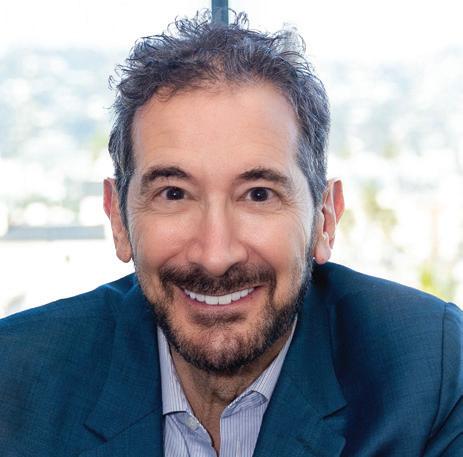
A nationally respected facial plastic and reconstructive surgeon, Sykes is certified by both the American Board of Facial Plastic and Reconstructive Surgery and the American Board of Otolaryngology. He is the practice owner of Sykes Plastic Surgery with locations in Beverly Hills and Roseville, California. For more than 35 years, he served as the director of Facial Plastic and Reconstructive Surgery at University of California Davis Medical Center, where he trained generations of fellows and resident physicians and helped advance the field through clinical innovation and scholarship. Throughout his distinguished career, Sykes has been a frequent guest lecturer, published hundreds of peer-reviewed professional articles, and designed patented surgical instruments aimed at simplifying procedures and enhancing patient recovery times. His contributions have had a lasting impact on both surgical practice and patient care. Equally central to Sykes’ career is his passion for humanitarian service. He has participated in more than two dozen international medical missions, providing life-changing surgery for children with cleft deformities and complex craniofacial conditions in underserved communities around the world.
A graduate of the University of Pennsylvania, Sykes earned his Bachelor of Arts in Molecular Biology and Sociology from the School of Arts and Sciences in 1977. He received his medical degree from the George Washington University School of Medicine and Health Sciences.
Sykes is also an accomplished winemaker and the owner of Newfound Wines in the Sierra Foothills. Originally from Southern New Jersey, he is eager to deepen his engagement with Penn and is particularly pleased to bring his professional expertise and personal passion for dogs to his role on Penn Vet’s Board of Advisors.
“
“I am very excited to welcome Dr. Sykes to Penn Vet’s Board of Advisors. His exceptional career and spirit of service make him a tremendous addition to our board. Dr. Sykes’ perspectives and shared enthusiasm for Penn Vet will be invaluable as we advance our priorities and extend our impact on veterinary medicine.”
ANDREW HOFFMAN, DVM, DVSc, DACVIM
Gilbert
S. Kahn Dean of Veterinary Medicine
This spring, Penn Vet’s Board of Advisors launched a new Facilities Committee, bringing together advisory board members with deep professional expertise in planning, construction, and finance.
Their collective insight will provide guidance to Penn Vet’s leadership as they consider how best to support the next generation of clinical care, education, and research.
The goals of the Facilities Committee align closely with Penn Vet’s Strategic Framework, which aims to drive better health care outcomes and access under Dean Hoffman’s direction. Strategic investments in facilities will strengthen the School’s ability to deliver 24/7 hospital care and advance cutting-edge specialty services, like cardiology and imaging, and expand opportunities for community-based care.
As Penn Vet looks to the future, the committee will play an important role in helping the School envision essential facilities upgrades that sustain Penn Vet’s leadership in science and innovation, while meeting the growing needs of pets, clients, students, and the broader community.
Mr. Michael Dana, WG’85
Facilities Committee Co-Chair
Mr. Mark Korman
Facilities Committee Co-Chair
Mr. Michael B. Fox, W’73
Ms. Wendy Grubbs
Mr. Keith A. Morgan, C’83
Mr. Mark D. Spitzer, W’71 Board of Advisors Chair
The Board of Advisors has also recently formed an Engagement Committee, tasked with strengthening the board’s mission of advocacy for Penn Vet.
The committee co-chairs have been leading these efforts by further engaging existing board members to identify areas of passion and expertise that align with Penn Vet’s goals and equipping them with the resources needed to be spokespeople within their personal and professional networks. The committee is also actively working to identify potential future board members to ensure the board can represent and address Penn Vet’s key priorities.
Mrs. Tamara Totah Picache, W’94
Engagement Committee Co-Chair
Dr. Anson J. Tsugawa, V’98 Engagement Committee Co-Chair
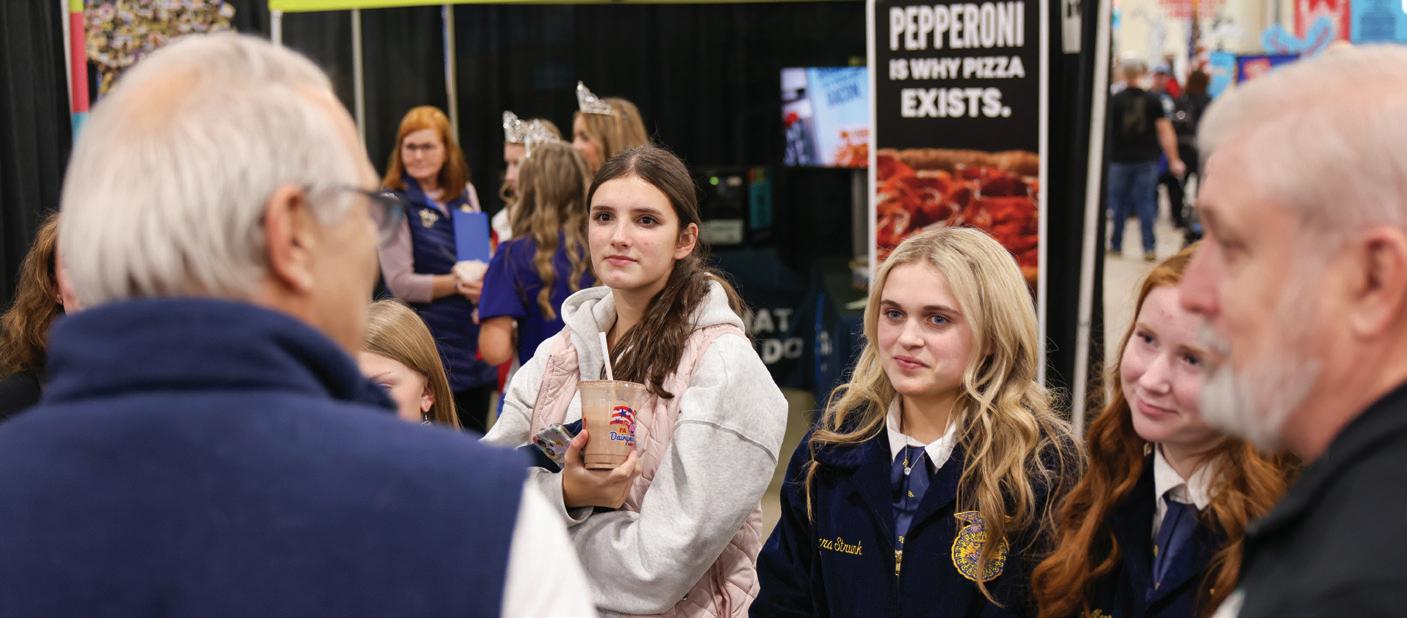
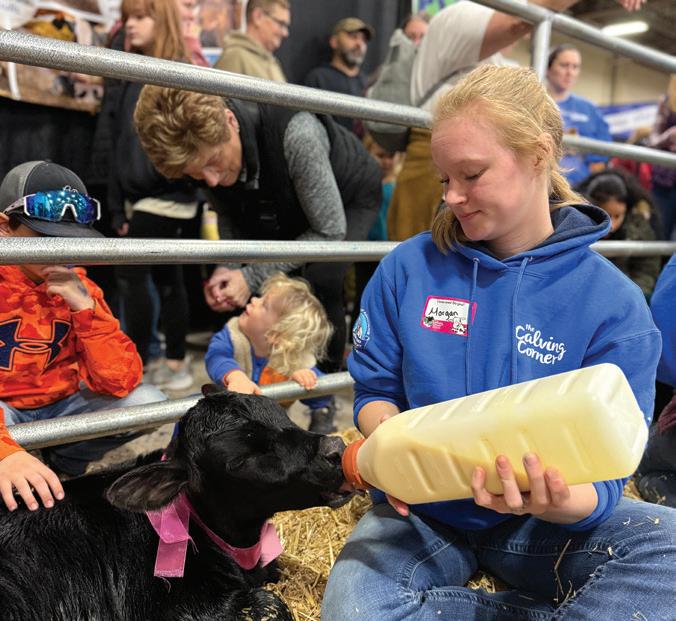
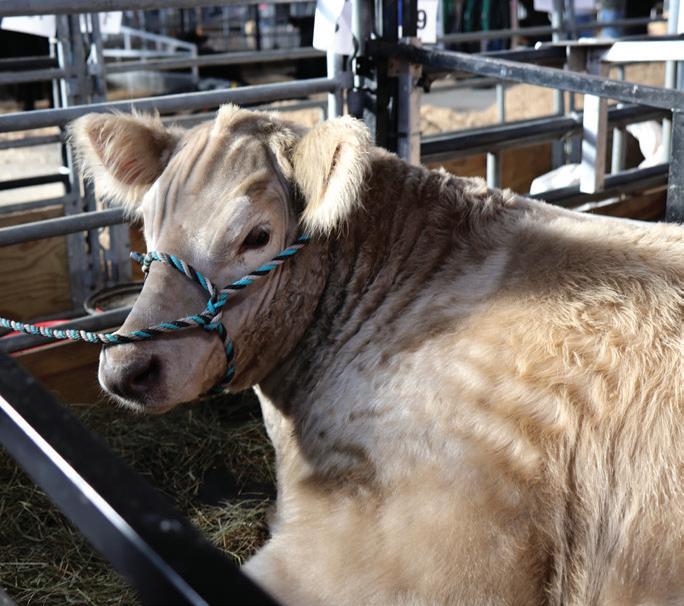
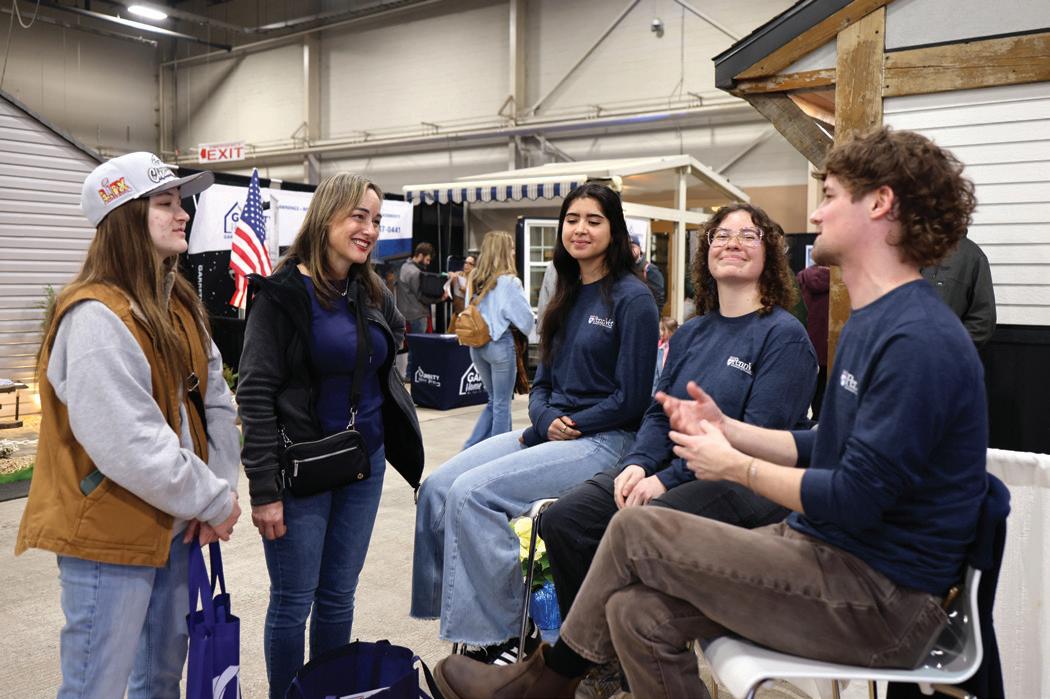
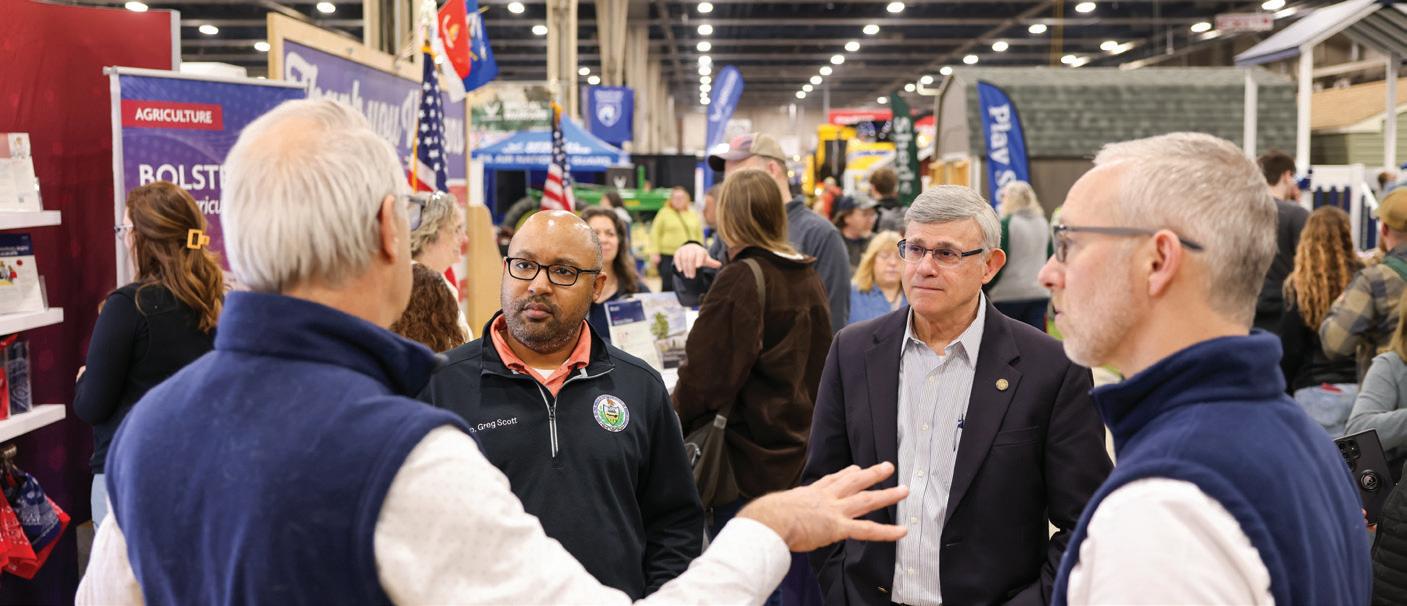
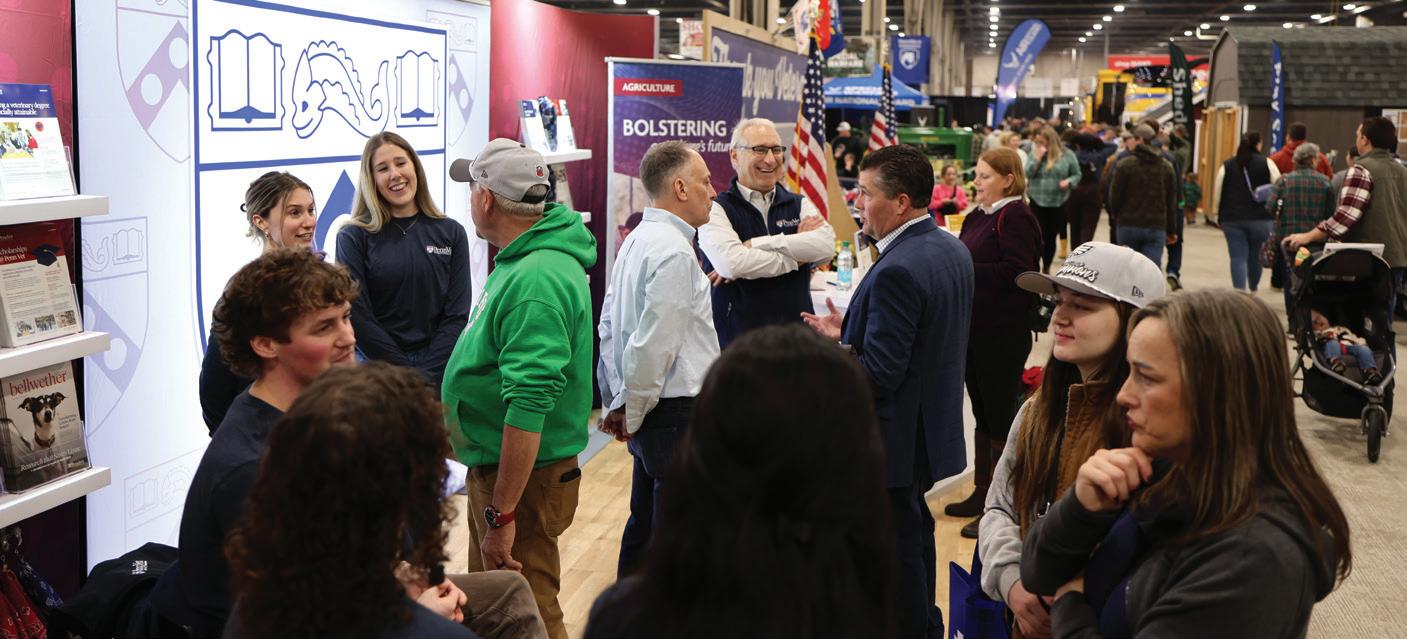
Pennsylvania Farm Show 2026, held January 10–17, was a perfect opportunity for Penn Vet to showcase its many contributions to the state’s agriculture. Dean Andrew Hoffman, faculty, staff, and students met with potential Penn Vet students, elected officials, farmers, and others. Our faculty helped birth calves. And everyone enjoyed those milkshakes.
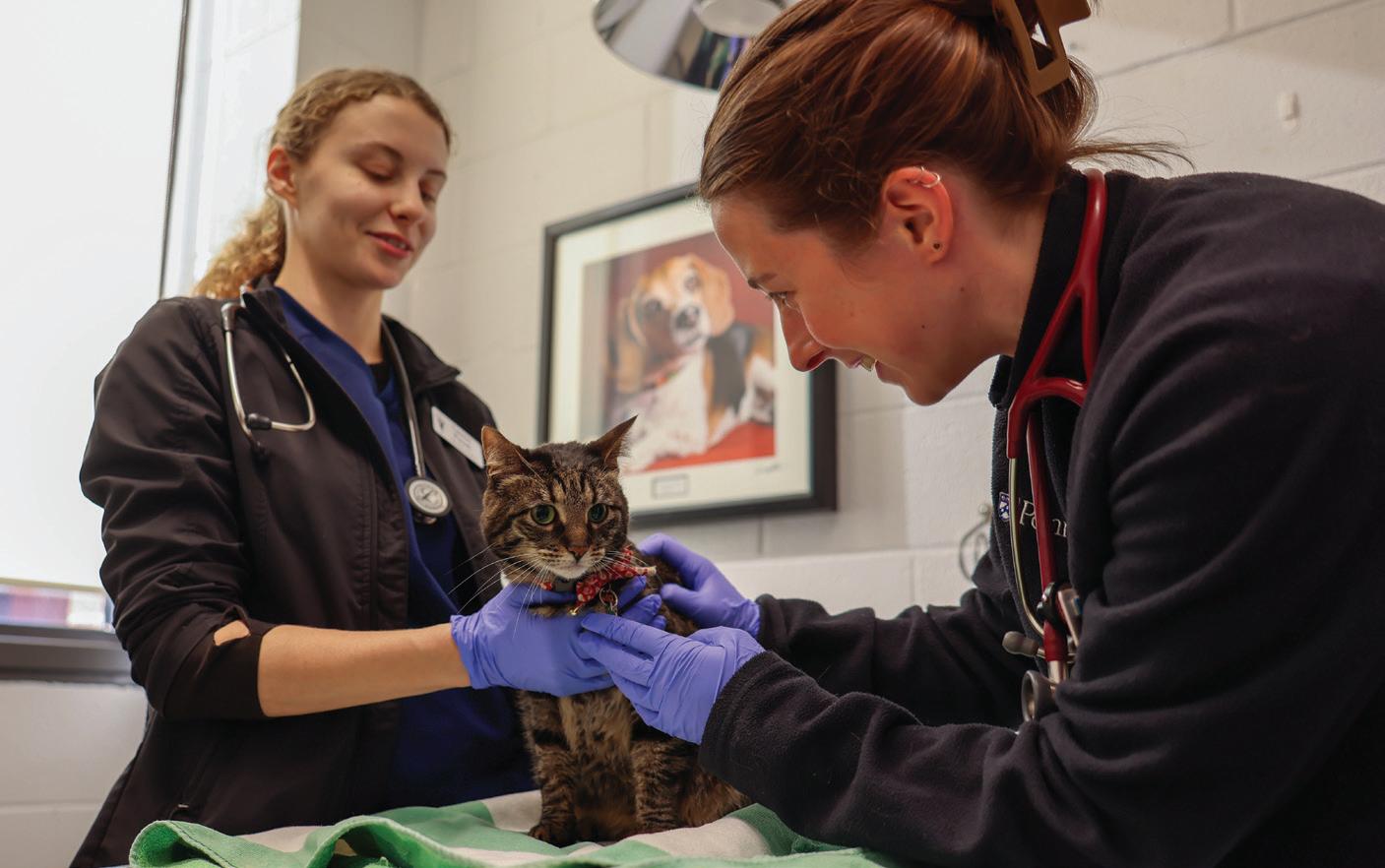
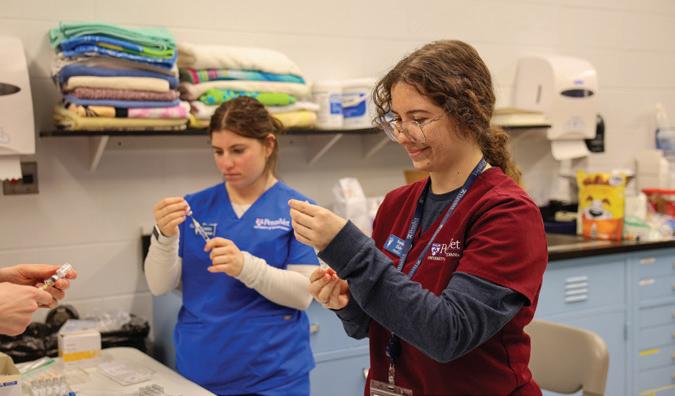
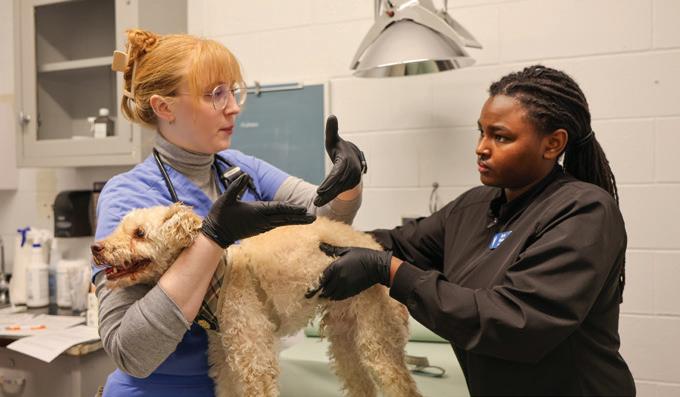
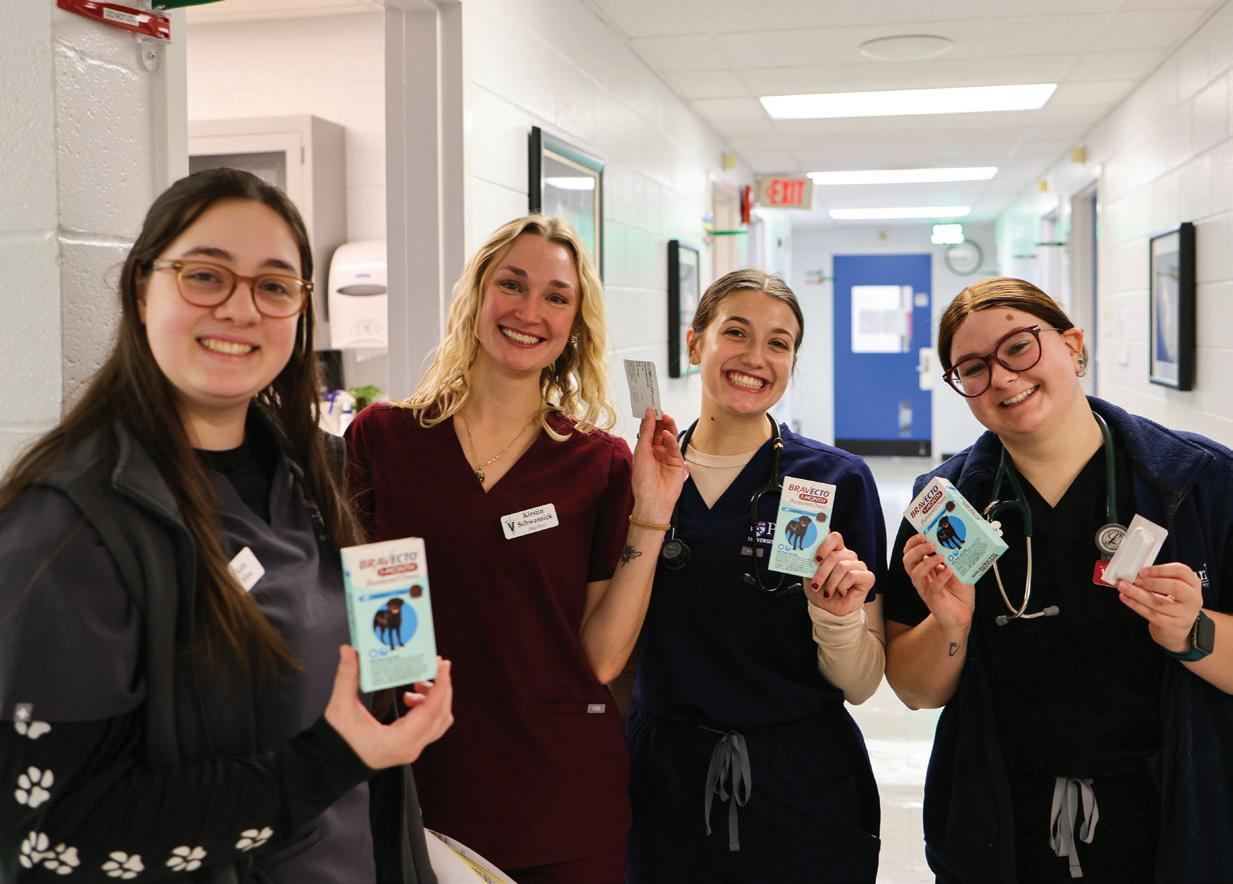
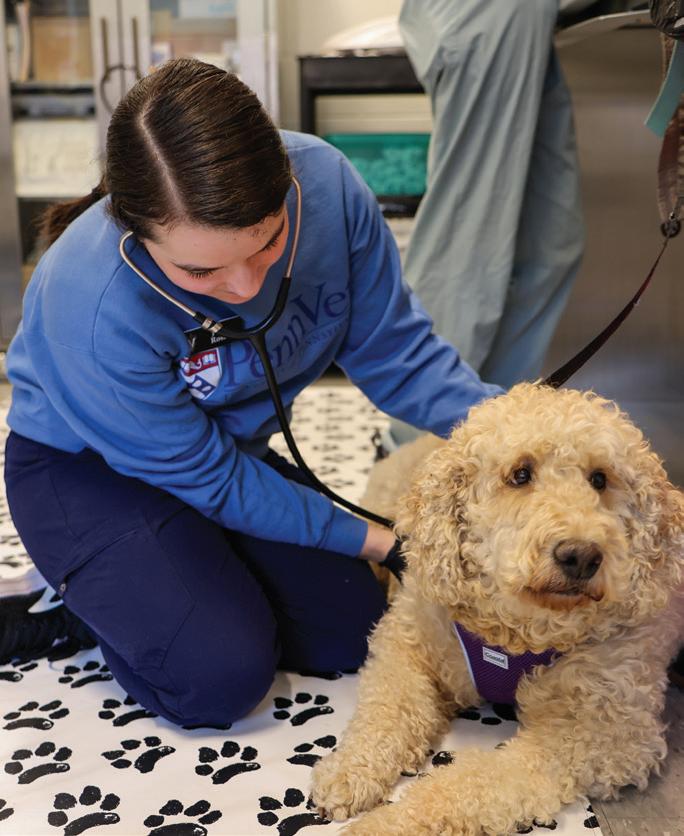
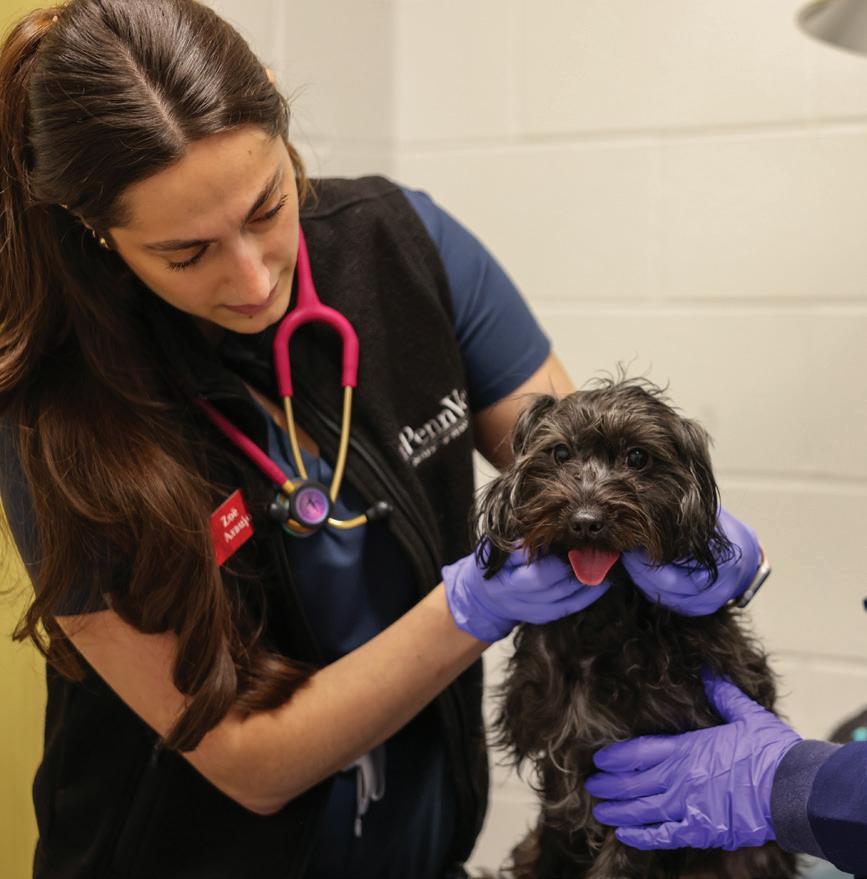
Penn Vet’s Ryan Hospital hosted the 16th annual Dog and Cat Wellness and Vaccination Clinic on the Martin Luther King, Jr. Day of Service. The clinic is the School’s largest community service event, providing veterinary care to pet owners who may not otherwise have easy access to veterinary care. Penn Medicine and CHOP also provided health screenings and free influenza vaccines for pet owners, making this a true “One Health” event.
Nearly 250 pets were vaccinated, and Penn Vet students, faculty, and staff volunteered to participate in this year’s clinic. Since its inception in 2009, the clinic has vaccinated more than 3,700 pets.
Ciara Barr, VMD, DACVAA, has been appointed quality and safety officer for Ryan Hospital.
Timour Baslan, PhD, received the 2026 Damon Runyon-Rachleff Innovation Award from the Damon Runyon Cancer Research Foundation.
Jessica Cathcart, DVM, was awarded a 2025 Young Investigator Research Grant by the American Association of Equine Practitioners’ Foundation for the Horse.
Han-Yun (Hannah) Cheng, DVM, MVM, DACVIM, was appointed assistant professor of Medical Oncology.
Patrice Costello, histology laboratory coordinator in the Penn Vet Diagnostic Laboratory, is retiring after 26 years.
Ann DiPastina, DVM, DABVP, became a diplomate of the American Board of Veterinary Practitioners, certified in Food Animal Practice.
Zachary Fawver, DVM, MPH, received a Veterinary Cancer Society 2026 Resident Research Award. He is the first Penn Vet resident to receive one.
Evelyn Galban, DVM, MS, DACVIM, has been appointed chief medical officer for Ryan Hospital.
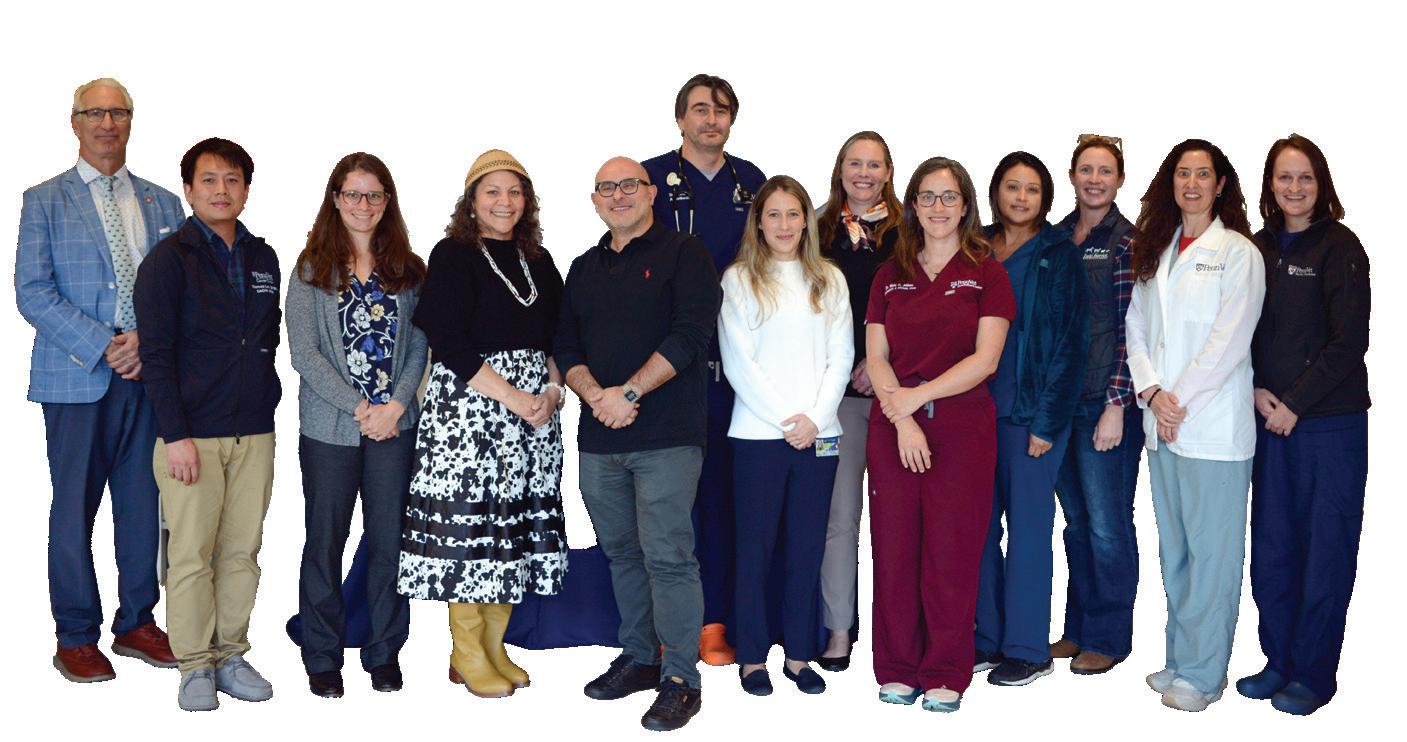
Last fall the Dean’s Office hosted a reception celebrating the 2024–2025 faculty promotions and appointments.
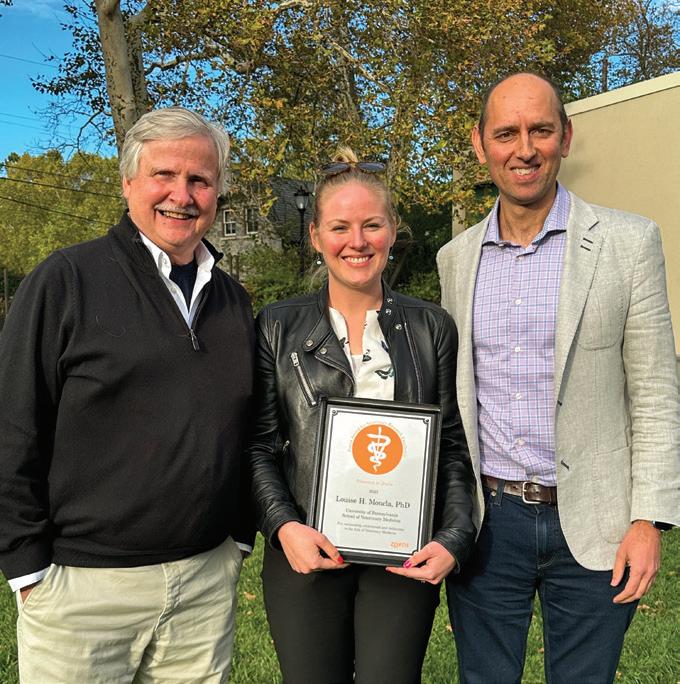
Louise H. Moncla, PhD, received the 2025 Zoetis Award for Veterinary Research Excellence. She also received the 2026 Ann Palmenberg Junior Investigator Award from the American Society for Virology.
Natalie Goolik, DVM, DACVR, became a diplomate of the American College of Veterinary Radiology.
Elizabeth Lemmon, VMD, received the Wade O. Brinker Resident Research Award from the Veterinary Orthopedic Society.
Caitrin Lowndes, MVB, DABVP, became a diplomate of the American Board of Veterinary Practitioners, certified in Equine Practice.
Nicola Mason, BVetMed, PhD, DACVIM, FRCVS, received the 2025 Inventor of the Year Award from the Penn Center for Innovation.
Sam McMahon, CVT, VTS, passed her Anesthesia VTS exam last fall.
Kathy Michel, DVM, MS, MSED, DACVN, retired after 37.5 years of service to the School and Ryan Hospital.
Caitlyn Molony, BS, received a Pillars of Excellence Award from the University of Pennsylvania.
Katie Mulka, DVM, PhD, DACVP, received a 2025 College of Arts and Sciences Alumni Achievement Award from Western Michigan University.
Flavie Payette, DVM, MSc, DACVIM, became a diplomate of the American College of Veterinary Internal Medicine.

Oyebola Oyesola, DVM, PhD, was appointed by the University of Pennsylvania as a Presidential Assistant Professor of Pathobiology.
Lauren Powell, PhD, was promoted to assistant professor of animal welfare and behavior. She also received the 2026 International Society for Anthrozoology Early Career Scholar Award.
The sale of Capstan Therapeutics, co-founded by Ellen Puré, PhD, received the 2025 Deal of the Year Award from the Penn Center for Innovation.
Kavita Shroff, VMD, DACVIM, became a diplomate of the American College of Veterinary Internal Medicine.
Deborah Silverstein, DVM, DACVECC, will serve as interim hospital director for Ryan Hospital. She will also deliver the 2026 Gary Stamp Memorial Lectures at the EVECC Congress in Edinburgh, Scotland, June 4–6, 2026.
Kali Slavik, DVM, DACVIM, became a diplomate of the American College of Veterinary Internal Medicine.
Joy Tomlinson, DVM, PhD, DACVIM, presented on equine parvovirus transmission at the American Association of Equine Practitioners annual convention in December.
Andrew van Eps, BVSc, PhD, DACVIM-LA, was awarded a 2025 Innovation and Discovery Research Grant by the American Association of Equine Practitioners’ Foundation for the Horse.
Mark Oyama, DVM, MSCE, DACVIM, and Brady Beale, VMD, DACVO, at their farewell party, March 2026. Oyama is stepping down as chair of the Department of Clinical Sciences & Advanced Medicine and retiring after 21 years at Penn Vet. Beale is taking on a new role with the American Animal Hospital Association.
Susan Volk, VMD, PhD, DACVS, will serve as interim chair for the Department of Clinical Sciences & Advanced Medicine.
Robet Wise, DVM, DACVR, became a diplomate of the American College of Veterinary Radiology.
Amanda Watkins, VMD, PhD, DACVS-LA, became the first PhD graduate of the Penn Veterinary Scientist Training Program.
Russ White, chief MRI technologist, retired from Ryan Hospital.
For more information and to view a full list of upcoming events, visit www.vet.upenn.edu/events
May 15-16
PENN VET
ALUMNI WEEKEND
New Bolton Center & Philadelphia Campus
18
PENN VET CLASS OF 2026 COMMENCEMENT
Philadelphia, PA
August 13
ALUMNI LUNCHEON AT PVMA
Pocono Manor, PA
November 19-20
PENN ANNUAL CONFERENCE: EQUINE
Kennett Square, PA
July 10
ALUMNI RECEPTION AT AVMA
Anaheim, CA
December 9
ALUMNI RECEPTION AT AAEP
Las Vegas, NV
PENN VET Follow Us
WWW.VET.UPENN.EDU
PENN VET
@PENNVETSCHOOL
@PENNVET
NEW BOLTON CENTER
PENN VET NEW BOLTON CENTER
@NEWBOLTONCENTER
Henry might not be the most acclaimed mouser, but this barn cat earns his keep in other ways. Sauntering up and down the barn managed by Mary Robinson, associate professor of veterinary pharmacology, Henry offers up cuddles and companionship to humans and horses alike.
United Way of Greater Phila. & So. NJ: #50178
Our mission at Penn Vet is to train the next generation of veterinary leaders to advance healthcare outcomes and access, ensure global health, bolster sustainable agriculture, create and support interdisciplinary career paths, and foster community and wellness in the profession.