Celebrating 70 Years of Penn Periodontics
Department of Periodontics Turns 70
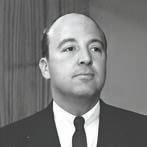
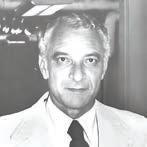
Penn Dental Medicine’s Department of Periodontics turned 70 this year, and throughout the 2025-2026 academic year, the Department is marking this special milestone. It was the pioneering work of Dr. D. Walter Cohen, who joined the faculty in 1951, and Dr. Morton Amsterdam, who joined the faculty in 1953, that led to the establishment of a separate Department of Periodontics in 1955. Together, their work established Penn as a national model for periodontics and periodontal prosthesis, launching decades of storied accomplishment and graduating many leaders in the field. As we mark this anniversary, we not only honor our history, but also celebrate the accomplishments of our alumni and the ongoing strength and depth of the Department in moving the field of periodontics forward. Here we highlight some of the news and events from this platinum anniversary celebration.
Patricia A. Miguez, DDS, MS, PhD
Dana T. Graves, DDS, DMSc Chair & Professor Interim Chair (7/26/24 to 4/30/26) & Professor Department of Periodontics Department of Periodontics
THE 7TH
Penn Periodontal
C ONFERENCE 2025
Penn Periodontal Conference Presents
Leading Research in the Field
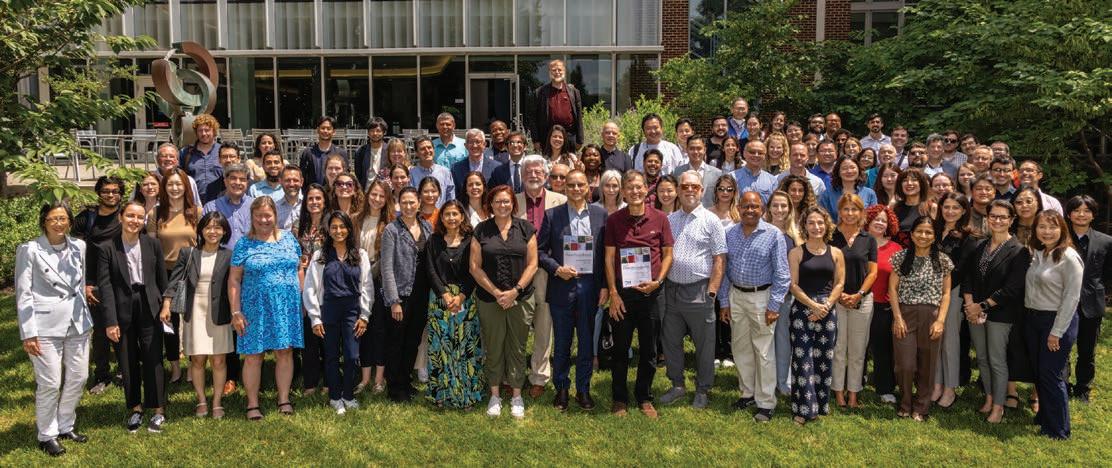
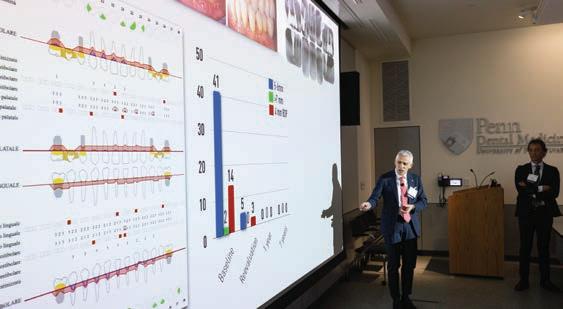
Penn Dental Medicine brought together nearly 180 attendees from across the country and around the world for the 7th Penn Periodontal Conference, providing a forum to exchange the latest science in the field of periodontal research. The Conference, held July 28-31, was a key event in the Department of Periodontics’ 70th Anniversary celebration.
Held biennially, Penn Dental Medicine launched the first Penn Periodontal Conference in 2013 to not only bring together leading researchers in their respective fields of study but also to foster the development of junior researchers working with them. That dual focus – scientific excellence and promoting the next generation of scientists – has remained a primary goal of the conference.
“We were honored to host nationally and internationally recognized researchers on a wide range of topics,” says Dr. Dana Graves, Vice Dean for Scholarship & Research and Professor in the Department of Periodontics, who was Co-Chair of the conference with Dr. George Hajishengallis, Thomas W. Evans Centennial Professor in the Department of Periodontics. “The high level of science presented was inspiring.”
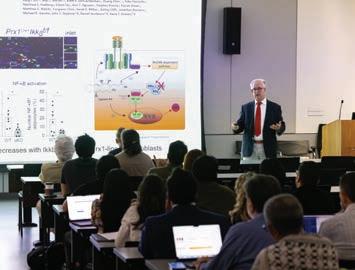
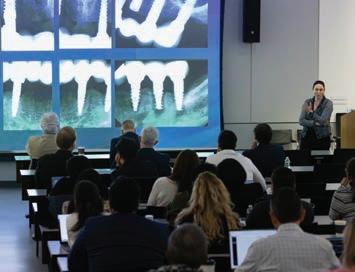
The program speakers represented 21 universities and institutions within the United States, and seven international schools. The four-day scientific program featured presentations that addressed periodontal-related research topics across four key categories: microbiology, inflammation and systemic disease, pathogenesis, and regeneration. In addition, there was a session of junior investigator presentations.
“We were honored to host nationally and internationally recognized researchers on a wide range of topics.”
Dr. Dana Graves Professor Department of Periodontics
“There were lively discussions and a great exchange of information. We hope the connections made and research shared will lead to new collaborations.”
Dr. George Hajishengallis
Thomas
W.
Evans
Centennial Professor, Department of Basic & Translational Sciences
The two keynote speakers included John Seykora, MD, PhD, Professor, Departments of Dermatology and Pathology, University of Pennsylvania Perelman School of Medicine, who spoke on “How Analysis of Stratified Squamous Epithelium Informs our Understanding of Cancer and Inflammatory Diseases” and Pamela G. Robey, PhD, Senior Investigator, National Institute of Dental and Craniofacial Research, who presented “Stem Cells for the DOC Complex: What They Are and What They Can Do.”
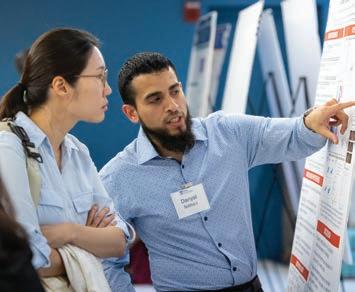
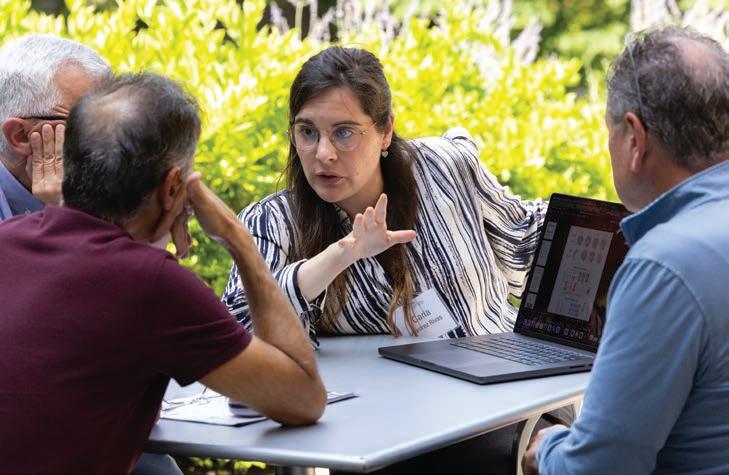
The program was structured to encourage interaction among participants with one afternoon free for networking and a poster presentation session that provided the opportunity for participating researchers to share their work and talk one-on-one with each other.
“There were lively discussions and a great exchange of information,” notes Dr. Hajishengallis. “We hope the connections made and research shared will lead to new collaborations.” ●
Inflammation in Periodontal Tissues and Joints in Rheumatoid Arthritis
A review of Dr. Hatice Hasturk’s presentation by periodontics resident Cecilia Horchos (GD’27).
The 7th Penn Periodontal Conference opened with a lecture series on systemic connections to periodontitis, a topic central to periodontal research and one Penn Periodontics has long been instrumental in advancing.
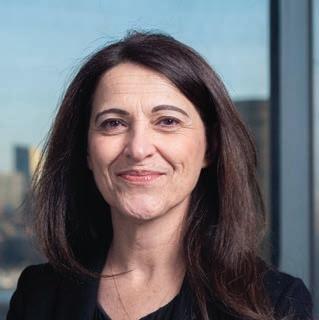
Dr. Hatice Hasturk of the Forsyth Institute took part in this Penn tradition by presenting her recent findings on the inflammatory relationship between periodontitis and rheumatoid arthritis (RA).
She began by establishing the biological basis for the relationship between these conditions. Both diseases are characterized by a dysregulation of inflammatory responses influenced by cytokines and MMPs, shared genetic susceptibility through the HLA-DRB1 allele, and common environmental risk factors (e.g. smoking). Particularly, Porphyromonas gingivalis is of mechanistic interest. Its citrullinating enzyme can generate neoantigens that trigger anti-citrullinated protein antibodies (ACPA) formation, and P. gingivalis antibody responses correlate directly with anti-cyclic citrullinated peptide (anti-CCP) levels, linking periodontal infection to the autoimmune hallmark of RA.
Her team’s cross-sectional study enrolled 33 RA patients, 20 healthy, non-periodontitis individuals, and 20 non-RA chronic periodontitis patients,
measuring 13 inflammatory mediators across serum, synovial fluid, saliva, and gingival crevicular fluid (GCF). Despite routine dental care, 70% of RA patients presented with gingivitis or periodontitis. Oral fluid profiles were dominated by neutrophilic markers, such as IL-8 and MMP-8, regardless of periodontal status, suggesting gingival tissues are an extra-articular site of subclinical inflammation in RA.
Based on these findings, Dr. Hasturk proposed a conceptual convergence on an important framework: a twohit model in which systemic RA inflammation constitutes a first hit that primes the neutrophils and alters the oral inflammatory environment, while oral microbial dysbiosis serves as a second hit that exacerbates local inflammation and feeds back into the systemic disease process.
This reframes the periodontium as not merely a site that is vulnerable to RA-associated inflammation, but a system that can also actively modify disease perpetuation. This model supports a more precise approach to host modulation, one informed by the
identification of individual inflammatory propensities and the existing microenvironment. Furthermore, this points to therapeutic implications that extend beyond periodontal diseases to systemic inflammatory conditions sharing the same dysregulated pathways.
This line of inquiry reflects the Penn Dental Medicine Department of Periodontics’ mission to support progress in the field of inflammatory disease science at the intersection of oral and systemic medicine. Dr. Hasturk’s presentation at the 7th Penn Periodontal Conference reinforces Penn Dental Medicine’s enduring investment in the future of collaborative, crossdisciplinary science and its commitment to remaining at the forefront of the field's most consequential questions. ●
Molar Incisor Pattern Periodontitis: What Have We Learned So Far and Where Are We Going?
A review of Dr. Luciana Shaddox’s presentation by Department of Periodontics Instructor Taewan Kim.
The 7th Penn Periodontal Conference highlighted how rapidly periodontology is evolving beyond traditional mechanical therapy toward precision-based and biologically driven care.
Across multiple presentations, a recurring theme emerged: the future of periodontal treatment will rely not only on controlling biofilm, but also on understanding host susceptibility, inflammatory regulation, and individualized risk assessment.
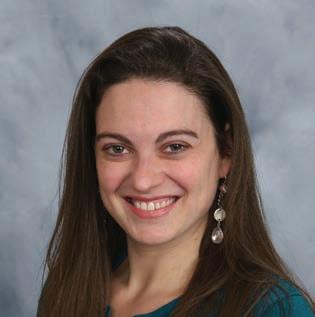
Among the many outstanding presentations, one of the most compelling was delivered by Dr. Luciana Shaddox, whose work on Grade C molar-incisor pattern periodontitis demonstrated how translational research can directly influence clinical decision-making. Her presentation emphasized that aggressive forms of periodontal disease are not simply localized infectious conditions, but complex disorders shaped by host genetics, immune dysregulation, and familial susceptibility.
What made the presentation particularly impactful was its clinical relevance. The observation that siblings and family members frequently demonstrate similar disease patterns reinforces the importance of early
screening and family-centered periodontal evaluation. This concept has significant implications not only for specialists, but also for general dentists who are often the first providers to encounter young patients with early attachment loss.
Equally innovative was the integration of genomic and transcriptomic technologies into periodontal research. By combining clinical findings with molecular profiling, Dr. Shaddox’s group is helping move the field toward precision periodontics — an approach in which patients may eventually be stratified according to biologic risk, inflammatory phenotype, and predicted treatment response. Such work represents an important shift from reactive treatment toward prevention and early intervention.
Another important takeaway from the conference was the growing emphasis on the interaction between microbial dysbiosis and host inflammatory pathways. Multiple speakers highlighted that successful periodontal therapy
cannot be viewed solely through reduction of bacterial load, but rather through restoration of a balanced hostmicrobial relationship. This broader biologic perspective reflects the direction modern periodontology is heading and underscores the increasing overlap between basic science, translational research, and clinical care.
Overall, the conference successfully showcased how innovation in periodontology is becoming increasingly interdisciplinary. The integration of molecular biology, genomics, immunology, and clinical therapeutics created a forward-looking program that was both scientifically rigorous and clinically meaningful. More importantly, it reinforced the idea that future advances in periodontal care will likely come from earlier diagnosis, individualized treatment strategies, and stronger collaboration between researchers and clinicians. ●
PERIO // PERIO-PROS // PERIO-ORTHO
THE EVOLUTION OF A PARADIGM
The Role of Teeth…In the Age of Implants
70th Anniversary Celebration
Symposium Brings Together Penn Periodontics Alumni
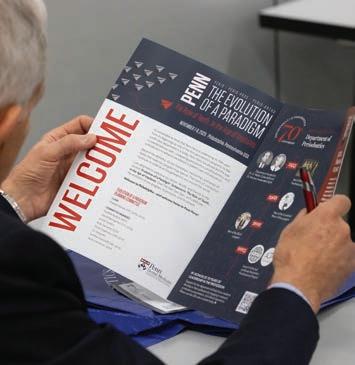
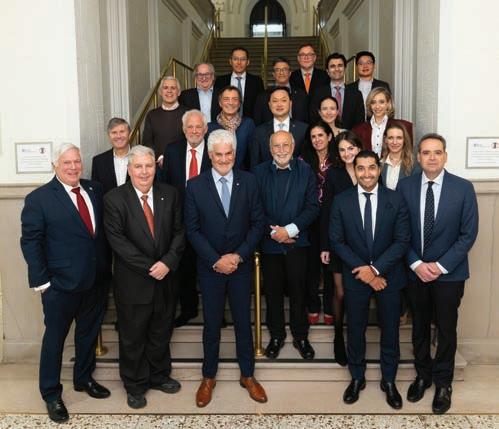
Penn Dental Medicine’s Department of Periodontics continued to mark its 70th Anniversary with the two-day symposium “The Evolution of a Paradigm: The Role of Teeth…in the Age of Implants,” held in November. Bringing together alumni and other leaders in periodontics and prosthodontics, the event drew nearly 170 attendees.
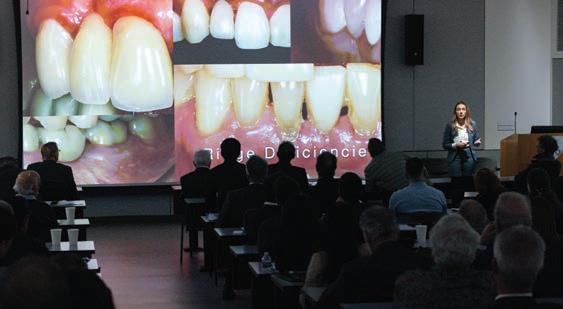
The program highlighted periodontal and periodontal-prosthesis concepts alongside modern advances. Topics included strategies for managing compromised dentitions, interdisciplinary treatment in orthodontics, periodontal influences, the peri-tooth environment and its impact on restorative dentistry, and the evolving role of implants in modern practice. In addition, the program explored the impact of genetic disorders on dental management and emerging technologies like digital aligners and biologic factors that are associated with future periodontal breakdown that may be important as diagnostic biomarkers of periodontitis.
“The breadth of alumni presentations underscored the impact of Penn-trained periodontists and highlighted the Department’s enduring contributions to the specialty.”
Dr. Dana Graves Professor, Department of Periodontics
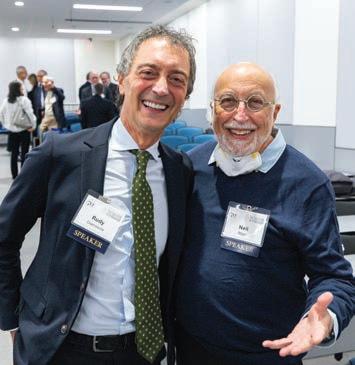
Many Penn Dental Medicine periodontics and periodontalprosthesis alumni were among the program speakers (see sidebar).
“The program shared a depth of information,” says Dr. Dana Graves, Professor, Department of Periodontics. “The breadth of alumni presentations underscored the impact of Penntrained periodontists and highlighted the Department’s enduring contributions to the specialty.”
On the following pages, two residents share what they viewed as highlights of the program. ●
ALUMMI SPEAKERS
Chrysi Boutari, GD’22
Jeff Ganeles, ‘ GD’87
Rodolfo Gianserra,GD’92
Wael Isleem, D’16, GD’23 peri
Yongkun Kim, D’94, GD98
Oscar Gonzalez Martin, GD’09, GD’12
Marianthi Papaioannou, GD’24, D’27
Shaked Navat Pelli, GD’20, GD’21
Hector Sarmiento, GD’14 ‘’
Frank Setzer, GD’06, GD’07, D’10
Sam Shamardi, GD’10
Neil Starr, GD’79
Huan Su, GD’09, GD’10
Nipul Tanna, D’90, GD’91, GD’10, GD’11
Thomas Yoo, D’18, GD’22
ALUMNI MODERATORS"
Harold Baumgarten, D’77, GD’82
Yu Cheng Chang, GD’15, GD’16, D’18
Jonathan Korostoff, D’85, GR’91, GD’92 ‘
Tun-Jan Wang, GD’21, D’25
THE EVOLUTION OF A PARADIGM
Teeth vs. Implants: Rethinking Priorities in the Age of Peri-Implantitis
A review of Dr. Hector Sarmiento’s (GD’14) presentation by periodontics residents Alvin Zad (GD’27) and Sophia Alessandra Nottoli (GD’28).
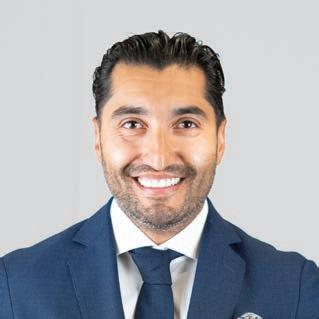
Dr. Hector Sarmiento’s presentation at Penn Dental Medicine’s Department of Periodontics 70th Anniversary Symposium, “The Evolution of a Paradigm: The Role of Teeth…in the Age of Implants,” offered a clinically focused overview of contemporary peri-implantitis management.
He presented treatment philosophies and the use of adjunctive therapies. Drawing from extensive clinical experience and academic work, Dr. Sarmiento described peri-implantitis as a multifactorial inflammatory disease process that requires timely recognition, accurate diagnosis, and individualized treatment planning. This understanding is critical to improving outcomes when treating and attempting to stabilize a clinically challenging condition.
Dr. Sarmiento stressed that recognizing peri-implant mucositis and periimplantitis before advanced periimplant bone loss occurs significantly improves treatment options and may improve clinical outcomes. Early intervention allows clinicians to implement conservative or minimally invasive therapies, whereas delayed diagnosis often necessitates more complex surgical procedures with less predictable regenerative potential. He reviewed peri-implant wound healing and tissue response, noting that healing varies by tissue type, defect morphology, vascularity, systemic health, medication use, and age-related
physiologic changes. He emphasized the critical role of routine monitoring, maintenance therapy, and risk assessment in implant dentistry.
Furthermore, Dr. Sarmiento described how his approach to peri-implantitis has evolved throughout his training and career. Earlier strategies focused primarily on mechanical debridement and infection control, but contemporary protocols increasingly incorporate biologic principles, defect morphology, implant surface characteristics, prosthetic factors, and patient-specific risk factors. He highlighted the importance of considering disease etiology and threedimensional defect characteristics when selecting treatment modalities. He emphasized patient-centered treatment planning, with regenerative approaches incorporated selectively based on case presentation.
Within this evolving framework, Dr. Sarmiento discussed adjunctive therapies intended to support debridement. These adjuncts include chemical agents such as citric acid, hydrogen peroxide, and sterile saline, as well as implant-safe brushes, instruments, air powder abrasion, and lasers. He described their roles in implant surface decontamination, microbial reduction, and soft tissue management, while cautioning that careful application is necessary to avoid surface alteration, tissue injury, or other adverse effects. These tools were presented as supportive rather
than definitive therapies, intended to enhance debridement and surgical access, with lasers offering potential benefits in select cases such as anatomically challenging defects or situations in which conventional instrumentation is limited. Surgical treatment may involve implant removal, non-reconstructive surgery, or reconstructive surgery. In addition to considering the implant’s response to previous therapies, Dr. Sarmiento argued that clinicians should evaluate the extent of bone loss, defect morphology, implant position, access for decontamination, prosthetic design, and patient-level risk factors.
It is particularly important for clinicians to remain current with emerging evidence while applying sound clinical judgment. Effective peri-implantitis management depends on consistent supportive care, early diagnosis, timely intervention, and appropriate adjunctive measures to maintain periimplant health over time. These insights reflect the ongoing evolution toward comprehensive, biologically informed approaches aimed at optimizing outcomes, preserving implants when feasible, and enhancing long-term clinical stability. Drawing from both private practice and academic clinical environments, Dr. Sarmiento shared his clinical and research experiences, noting that patient-centered outcomes, evidence-based decision making, and careful planning remain the foundation of effective peri-implantitis management in contemporary practice. ●
THE EVOLUTION OF A PARADIGM
Fundamentals in Perio-Prostho Treatment of the Esthetic Area
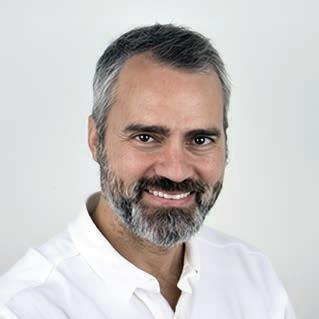
Dr. Oscar González-Martín's presentation synthesized classical periodontal–prosthodontic principles with contemporary biologically driven approaches for managing compromised teeth and implant sites in the esthetic zone.
A review of Dr. Oscar González- Martín’s presentation by periodontics residents George Pipis (GD’27) and Dimitrios Charoulis (GD’27). are used, allowing supracrestal fiber reorganization and alveolar bone apposition during tooth movement. Slow OFE protocols commonly use approximately 0.5–1 mm of extrusion per month, allowing time for supracrestal fiber reorganization and alveolar bone apposition Patients undergoing OFE should be monitored at short, regular intervals of 1–2 weeks.
In presenting orthodontic forced extrusion (OFE) as a biologically driven tool, Dr. González-Martín described orthodontic extrusion as a minimally invasive coronal tooth movement used to modify tooth position and influence the surrounding periodontal tissues. The lecture differentiated OFE protocols by whether circumferential supracrestal fiberotomy, root planing, and intermediate tooth stabilization are performed. In protocols using fiberotomy and root planing, OFE is mainly used to expose subgingival or subcrestal tooth structure while limiting coronal migration of the periodontium and can be performed before, during (in intervals of 15 days) or after orthodontic movement. In protocols without fiberotomy or intermediate stabilization, the supracrestal fibers remain attached and are intentionally stretched during uninterrupted extrusion, favoring coronal displacement of the gingival tissues, with minimal or no alveolar bone change. In protocols without fiberotomy but with intermediate stabilization, light continuous forces
In discussing determinants of papilla form and interproximal stability, Dr. González-Martín emphasized that papilla height is influenced by more than the classical contactpoint–bone-crest distance. Around implants, papilla form is multifactorial and is affected by the presence and periodontal support of adjacent teeth, crestal bone level and thickness, mesiodistal spacing, implant diameter and neck configuration, and three-dimensional implant positioning. OFE was presented as a biologically driven method to coronally displace periodontal tissues, reduce vertical discrepancies, and improve interproximal soft-tissue architecture before extraction or implant placement.
Transitioning to prosthetic design, Dr. González-Martín examined critical and subcritical contours as determinants of emergenceprofile development. The critical contour refers to the abutment/ crown contour immediately apical
to the gingival margin, extending circumferentially around the restoration It primarily influences gingival margin level, zenith position, and crown form. The subcritical contour is located apical to the critical contour, and influences peri-implant soft-tissue support, labial contour, papilla fill, and gingival color. Provisional restorations were emphasized as dynamic tools for shaping gingival architecture through sequential modification during softtissue maturation.
The lecture concluded with the core principles of biologically oriented preparation technique (BOPT), including feather-edge subgingival vertical preparation without a predefined finish line, controlled gingitage consisting of intrasulcular de-epithelialization to promote clot formation and stabilization, and provisional restorations to guide softtissue adaptation. BOPT establishes a prosthetically determined cervical contour within the sulcus while respecting an intrasulcular limit of 0.5–1 mm. This enables soft-tissue thickening and supporting gingival margin stability.
Dr. González-Martín underscored that traditional periodontal–prosthodontic principles must be deeply understood and thoughtfully evolved into contemporary clinical approaches. ●
Dr. Patricia Miguez Named New Periodontics Chair
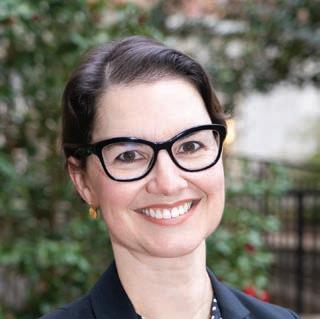
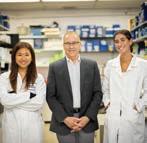
Following a national search, Penn Dental Medicine has named Patricia Miguez, DDS, MS, PhD, to lead the Department of Periodontics. Her appointment as Chair was effective May 1.
Dr. Miguez comes to Penn Dental Medicine from the University of North Carolina at Chapel Hill Adams School of Dentistry where she has been part of the faculty since 2014, most recently as Associate Professor with Tenure. This is her second appointment at Penn Dental Medicine, having served as Assistant Professor in the Department of Periodontics from 2011 to 2014.
A nationally and internationally recognized clinician-scientist, educator, and leader in periodontology, her research has been funded by many organizations, including the National Institutes of Health, Osteology Foundation and Academy of Osseointegration, and focuses on understanding the microenvironment around cells [extracellular matrix (ECM) and its biomodifications by enzymes, environment and diet] and the implications to health and disease. Her research targets the discovery of novel ECM-derived or inspired synthetic therapeutics to treat inflammatory diseases and connective tissue disorders, and aid in regenerative dentistry.
Dr. Miguez has been active on academic committees and in leadership roles within organized dentistry throughout her career, including serving as President of the International Association for Dental, Oral, and Craniofacial Research (IADR) Women in Science Network (2024-2025), as Fellow of the American Association for Dental, Oral and Craniofacial Research (AADOCR), and Chair and member of multiple IADR, AADOCR, American Academy of Periodontology (AAP) and AAP Foundation committees. She currently has editorial roles in several peer-reviewed journals – among them serving as Associate Editor in Periodontics and Regenerative Dentistry for Frontiers in Dental Medicine and on the Editorial Boards of the Journal of Dental Research, Scientific Reports, and Journal of Periodontology
A devoted mentor, Dr. Miguez has also been recognized for her own research with a wide range of awards, including the prestigious AAP 2024 E. Earl Robinson Regeneration Award, presented annually for the best research article in periodontal regeneration. A Diplomate of the American Board of Periodontology since 2013, Dr. Miguez earned her PhD in oral biology combined with a certificate in Periodontology (2011) and her MS in operative dentistry (2003) from University of North Carolina at Chapel Hill Adams School of Dentistry and holds a certificate in Periodontology (1999) and a DDS (1997) from Federal University of Santa Catarina, Brazil. ●
Department founded by
HISTORY OF THE Department of Periodontics

Start of the Periodontal Prosthesis program
Start of the Combined Perio–Ortho program
Start of the DScD program
Launch of the dual certificate Periodontics Prosthodontics Program
70TH ANNIVERSARY FUND
Support for the department will help future residents develop in their profession by engaging in research, conference presentations, and clinical experience. Please use the QR code to donate today.


JOEL FRANKEL FUND
In honor of Joel’s memory, his coresidents have partnered with the Alumni Relations Office to establish an endowed fund. This fund will support two meaningful initiatives:
The Joel Frankel Award, recognizing a Periodontics resident who demonstrates exceptional commitment to community or the field.
The Wellness from Within Lecture Series, launched by Joel’s family, which promotes mental wellness and equips dental professionals with tools to seek help when needed.
Please scan the QR code below to donate today
Dr. D. Walter Cohen (left) and Dr. Morton Amsterdam (right)