Tōtara Pegasus Health Pānui


Hui-tanguru | February 2026
Putanga | Issue 09
Hui-tanguru | February 2026
Putanga | Issue 09
Pegasus House stands on land which was previously a dense Tōtara forest. The name Tōtara honours our home’s past. Just like the Tōtara tree thrives in the forest, soaring towards the sky and Ranginui, we create this newsletter with the aim of highlighting excellence in primary care and to support others to similarly flourish and strengthen.
Each issue of Tōtara Pegasus Health Pānui features stories, interviews, and new initiatives from across Waitaha Canterbury.
If you have a story, you would like our team to cover, please email communication@pegasus.health.nz.
Tōtara Pegasus Health Pānui is produced by the Communications Team at Pegasus Health. Content within Tōtara Pegasus Health Pānui has been included with the approval of content providers. If you wish to reproduce, alter, or transmit any of the information or images contained within, please contact communication@pegasus.health.nz.
Pegasus Health (Charitable) Ltd is one of the Aotearoa New Zealand’s largest and most progressive PHOs and practice networks, supporting general practice in Waitaha Canterbury and the health system throughout the South Island.
At our core we exist to support practices – and through this to help provide better health outcomes to people living in Waitaha.
Our purpose is by 2030, the health outcomes for people in our takiwā have improved substantially with a
significant reduction in inequities in access and outcomes.
Our values of Inclusive, Strive, Connection, and Integrity, are underpinned by our guiding principle of Manaakitanga, to create the fabric of our ways of being as an organisation.
Pegasus has a commitment to ensure that we overtly, purposefully, and strategically thread equity and Te Tiriti o Waitangi through all we do and how we operate.
Kia ora koutou,
As the year gets underway, general practice teams across our network continue to work in an environment of sustained demand, workforce pressure, and ongoing change. I continue to hear from practices about the challenges this creates day to day, and I want to acknowledge the commitment and care you show for your communities in the midst of that pressure.
At Pegasus Health, our role is to support general practice in practical, meaningful ways. Our services are shaped by what practices tell us they need, and by what will make the biggest difference to sustainability over time. That includes supporting planning and quality improvement, strengthening workforce capability, and creating opportunities for connection, learning, and leadership across the network.
This edition of Tōtara offers a snapshot of how those supports are being used across Waitaha Canterbury and beyond. You will find examples of work focused on helping practices plan ahead and reduce pressure through Pegasus support. Stories about building and supporting the general practice workforce, strengthening nursing capability, and supporting clinical leadership and shared learning. We also take time to recognise the contribution of a longstanding GP whose career reflects the importance of continuity of care and service to community.
Together, these stories reflect the strength of partnership between Pegasus Health and general practice.
They show how services developed alongside general practice continue to evolve in response to changing needs, with a shared focus on sustainable, community-based care.
Ngā mihi nui,
Kim Sinclair-Morris Manukura | CEO Pegasus Health (Charitable) Ltd.
The Clinical Connect Peer Education Programme has supported primary care clinicians across Waitaha Canterbury since the 1990s. It brings together general practitioners (GPs), nurse practitioners, nurses, and community pharmacists for small group learning focused on day-to-day practice.
Group leaders sit at the centre of the programme, guiding clinicians through four topics each year. In 2025, sessions covered type 2 diabetes, frailty and legacy prescribing, and menopause.
While leadership roles can require a significant commitment, three current group leaders say the role is manageable alongside their clinical workload. GP Dr Emily Shine, pharmacist Chris Wilkinson, and clinical nurse educator Erica Donovan, describe group leadership as accessible and worthwhile.
Chris never saw himself as a conventional leader and values the programme’s focus on conversation and collaboration.
“I’m not a natural teacher, but I really enjoy leading discussions and helping to get the best out of people,” he said.
Erica and Emily both want clinicians who feel unsure about stepping into leadership to know leaders come from many backgrounds and do not need to fit a traditional mould.
“I hadn’t done any further education post-graduation. There’s a misconception around needing to. I’m just someone who said yes to an opportunity,” Erica said.
“People who don’t see themselves as leaders often bring fresh perspectives. Everyone working in health leads in some way,” Emily said.
Clinical Connect builds strong relationships between clinicians, supporting better patient care across the system.
“Through the programme, you build connections with clinicians in different areas of practice. When a patient presents with something unfamiliar, you know who to call,” Chris said.
The programme delivers clear benefits for clinicians. The 2024 Clinical Connect Impact Report showed 93 percent of attendinwg clinicians reported improved clinical decisionmaking.
Clinical Connect continues to grow and in 2026 is being offered across Te Waipounamu South Island. Keen to grow your leadership journey? Learn more about becoming a future leader and what it could look like for you here.
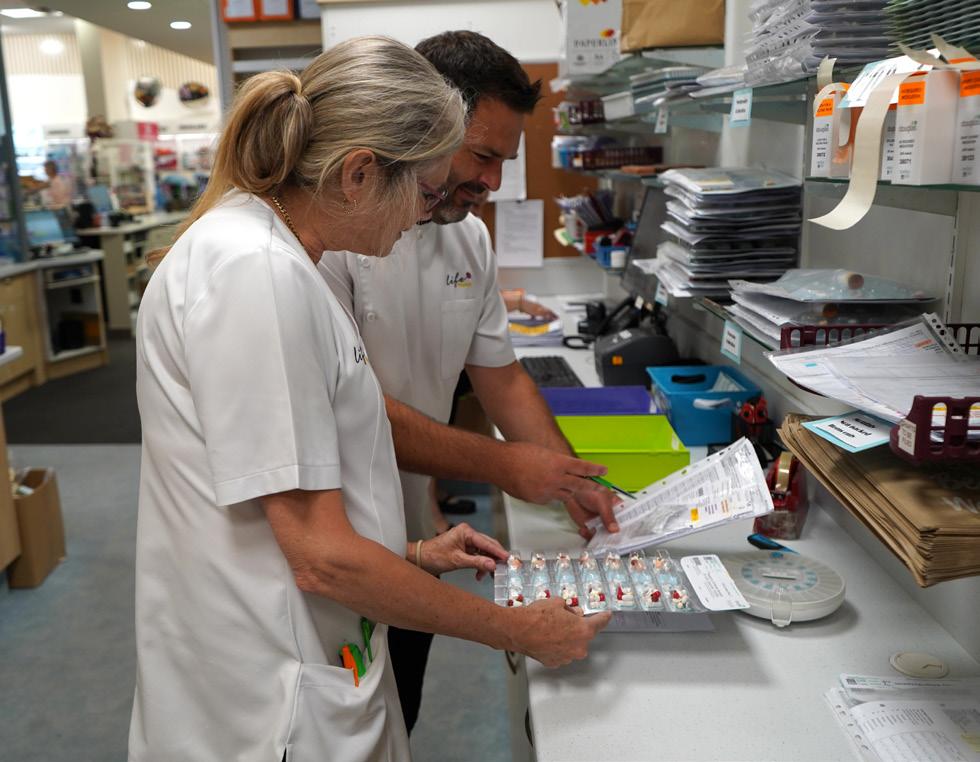
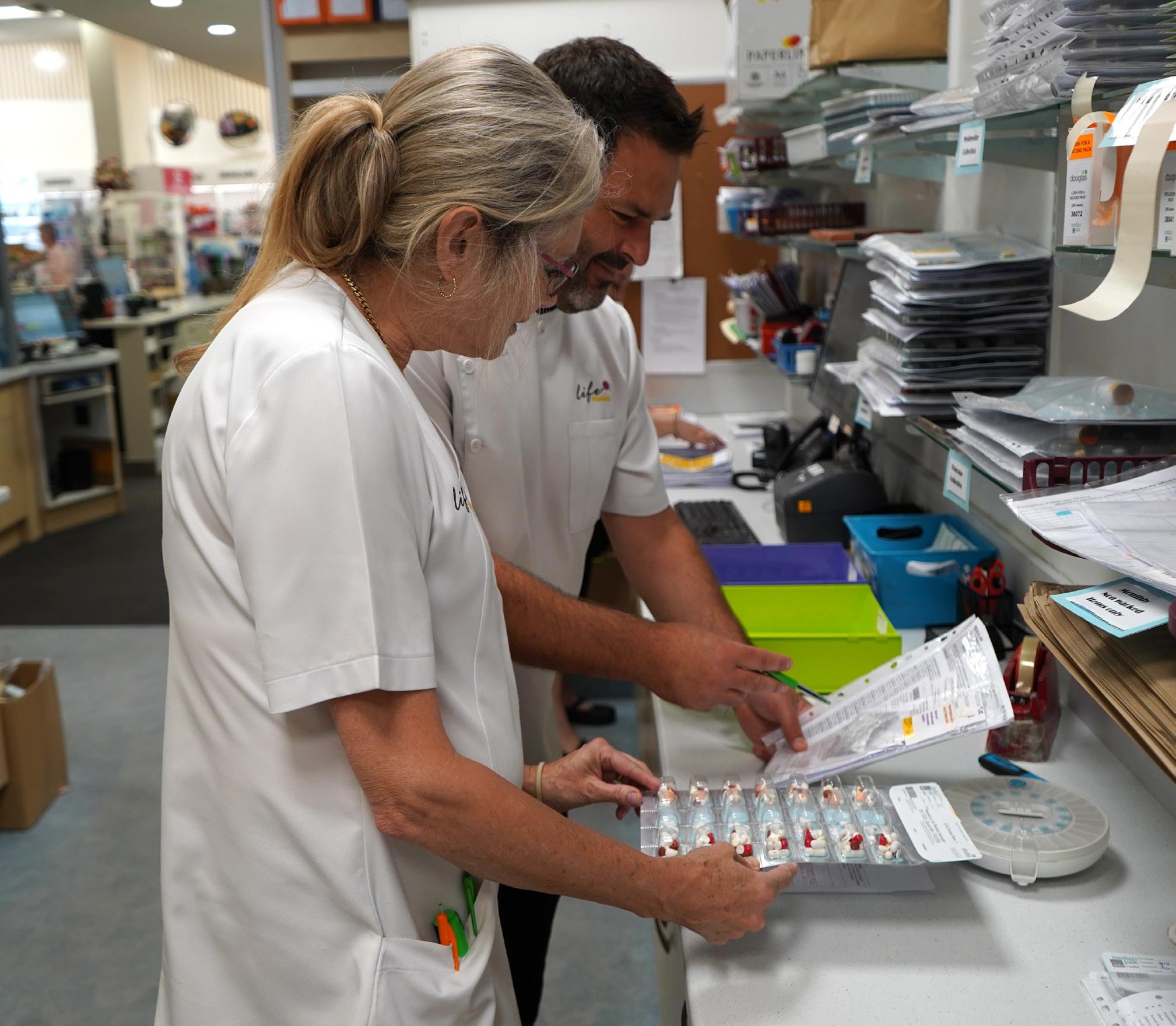
Chris Wilkinson and his colleague discussing medication.
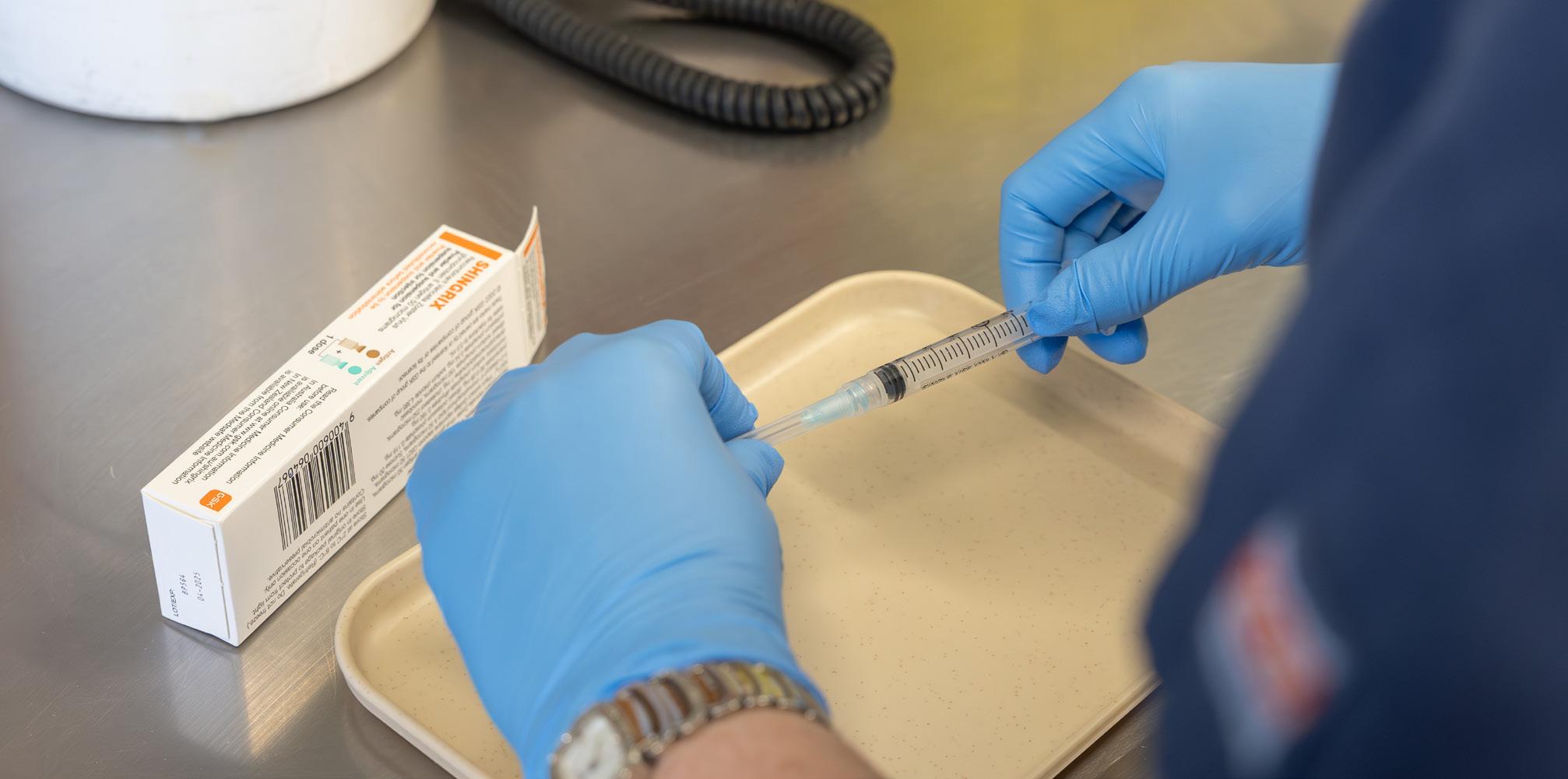
At Lincoln Medical Centre, a busy practice just outside Ōtautahi Christchurch, the nursing team has been trialling new approaches to workforce development that could hold important lessons for general practice across Waitaha Canterbury.
For the first time, the team welcomed a graduate nurse, Gemma, into their practice. Head of Nursing, Nicola Johnston, admits they weren’t sure how the role would fit.
“We were a bit dubious. Didn’t know how it would fit but thought we’d take a punt,” Nicola said. “We have an older nursing workforce. We liked the idea of someone younger and enthusiastic as we have so much knowledge to pass on.”
The experience has been overwhelmingly positive. The team quickly realised that a Supported First Year of Practice (SFYP) nurse is not “just a student” but a qualified professional with their own perspective and energy.
“She’s been fantastic. We’ve learned just as much from her as she has from us. We would definitely look at having more graduate nurses,” Nicola said.
Pegasus Health Nurse Educator, Paula Bruce, provided support throughout the process, regularly visiting the practice and ensuring Gemma was well backed.
“Paula’s been a nice link into Pegasus. She’s been very helpful and available. She doesn’t hesitate to come out and see us. She’s been so supportive of Gemma. I couldn’t speak higher of the whole process,” Nicola said.
Like many practices, Lincoln Medical has been grappling with workforce shortages. Their solution has been to invest in their nurses, enabling them to work to the top of their scope. Two registered nurses are training as nurse prescribers, which will allow them to manage more patients directly and free up general practitioner time for complex cases.
The practice has also introduced a healthcare assistant role, filled by a former receptionist now completing a Level 4 Health and Wellbeing apprenticeship.
“We’re really able to see how much she is helping the nursing team. They are able to do real nursing now. We can start to develop clinics so we’re not just the ambulance at the bottom of the cliff,” Nicola said.
Nurse practitioners are also playing an important role in community engagement. Nurse Practitioner Vicky Eastwood has been invited to speak to the local community about her role, helping patients better understand how nursing contributes to primary care.
Behind the scenes, Pegasus Health’s nursing team delivers a high volume of support for nursing teams across the network
536
Nurses in the Pegasus network
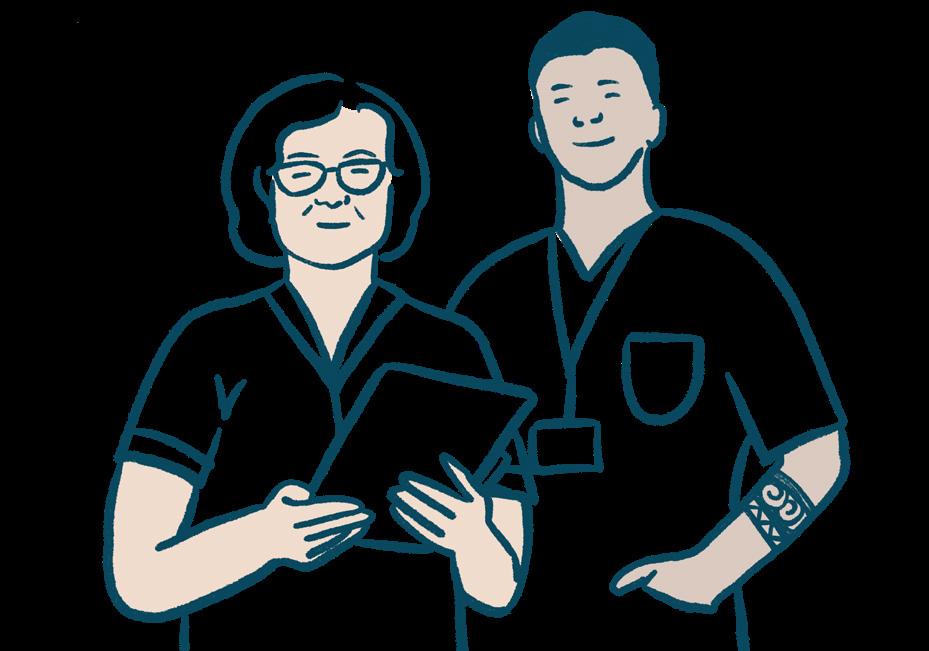
For Lincoln Medica, the support was:
• Paula Bruce (Nurse Educator) has guided the SFYP process and provided support for the graduate nurse.
• Joanne Butfield (Nursing Advisor) has provided professional support and been a sounding board for scope of practice and education opportunities.
• Karry Carter (Immunisation Coordinator) has supported the practice to strengthen their immunisation recalls, ensuring children and families don’t miss out.
“We’ve done all this over the past year. We have a real village out here in Lincoln and we want to make sure we’re caring for our community. The support from Pegasus makes a huge
182 Supervisions delivered across the Pegasus network
136 for SFYP Nurses
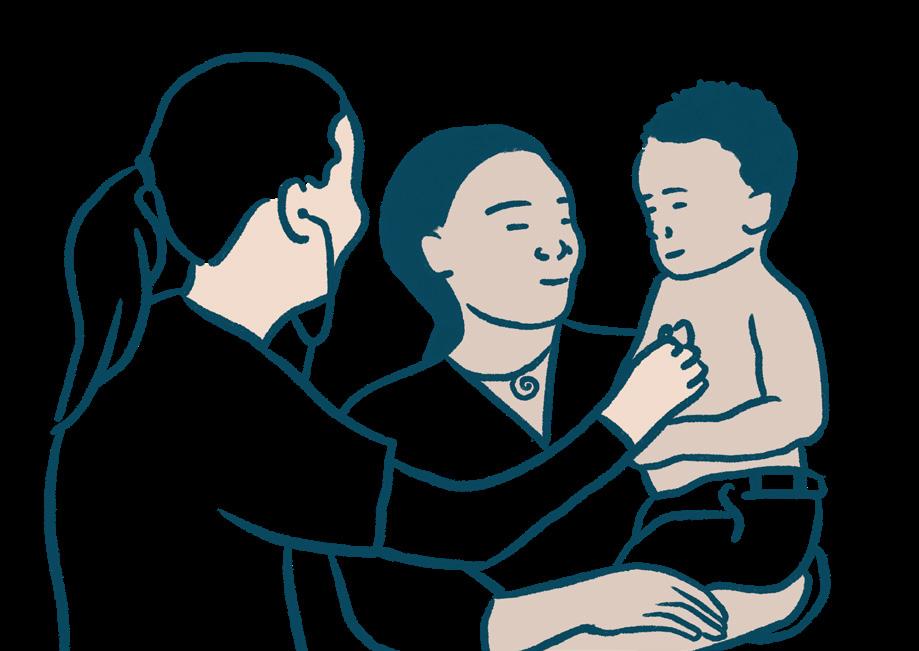
1,408 Contacts with practices over the past 12 months
Quality Manager Sue Aitken says the key to making the Foundation Standard easier to achieve and maintain is shifting the mindset from compliance at assessment time, to steady progress across the full threeyear cycle.
Pegasus Health supports practices to achieve Foundation Standard through both facilitators and assessors. Facilitators work alongside teams to prepare for assessment and strengthen systems, while assessors focus on reviewing evidence and confirming requirements are met.
“Meeting the requirements of the standard over the three-year period, with the right systems and processes in place, makes it much more manageable,” Sue said.
“There are 16 required policies. Pick five each year and review one policy every two months,” she said. “By the time assessment comes around, all your policies will be up to date.”
Training and certification requirements can also place pressure on practice teams, but Sue says this can be eased by implementing simple recording processes.
“Using a tracking tool like a spreadsheet gives clear visibility of where each team member is with training and certifications,” she said.
Training requirements usually fall into one-off obligations, such as Te Tiriti o Waitangi training or privacy, and recurring requirements, including annual practising certificates, CPR, and police vetting. Clear records make evidence submission simpler
and highlight gaps where training has not been completed.
Sue also recommends using calendar or patient management system task reminders to schedule regular health and safety audits, six-monthly checks of residual current devices (RCDs), and evacuation and emergency drills. This helps practices stay on track year-round.
Pegasus provides a Training and Certification Template and a Planning and Maintaining Foundation Standard Checklist to support practice managers via Wā Kāinga.
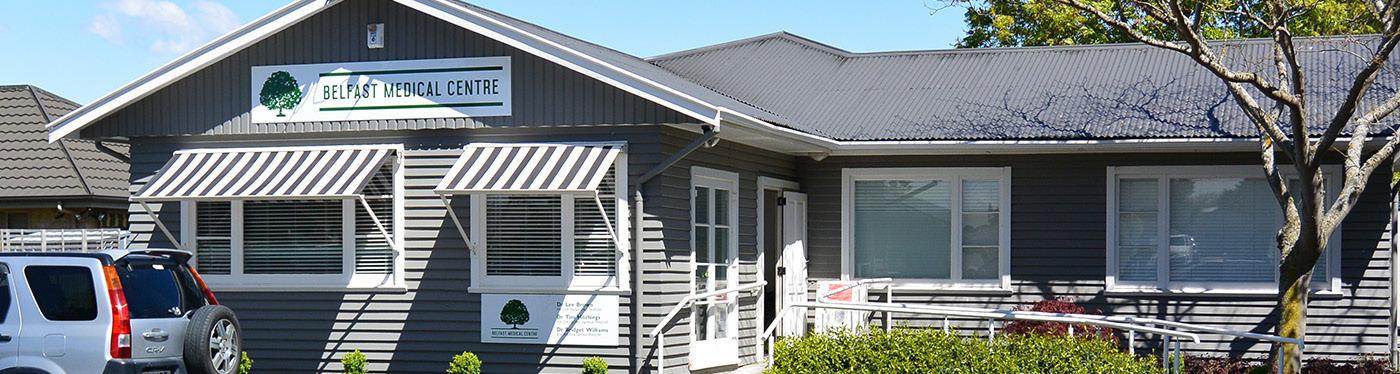
Belfast Medical Centre Practice
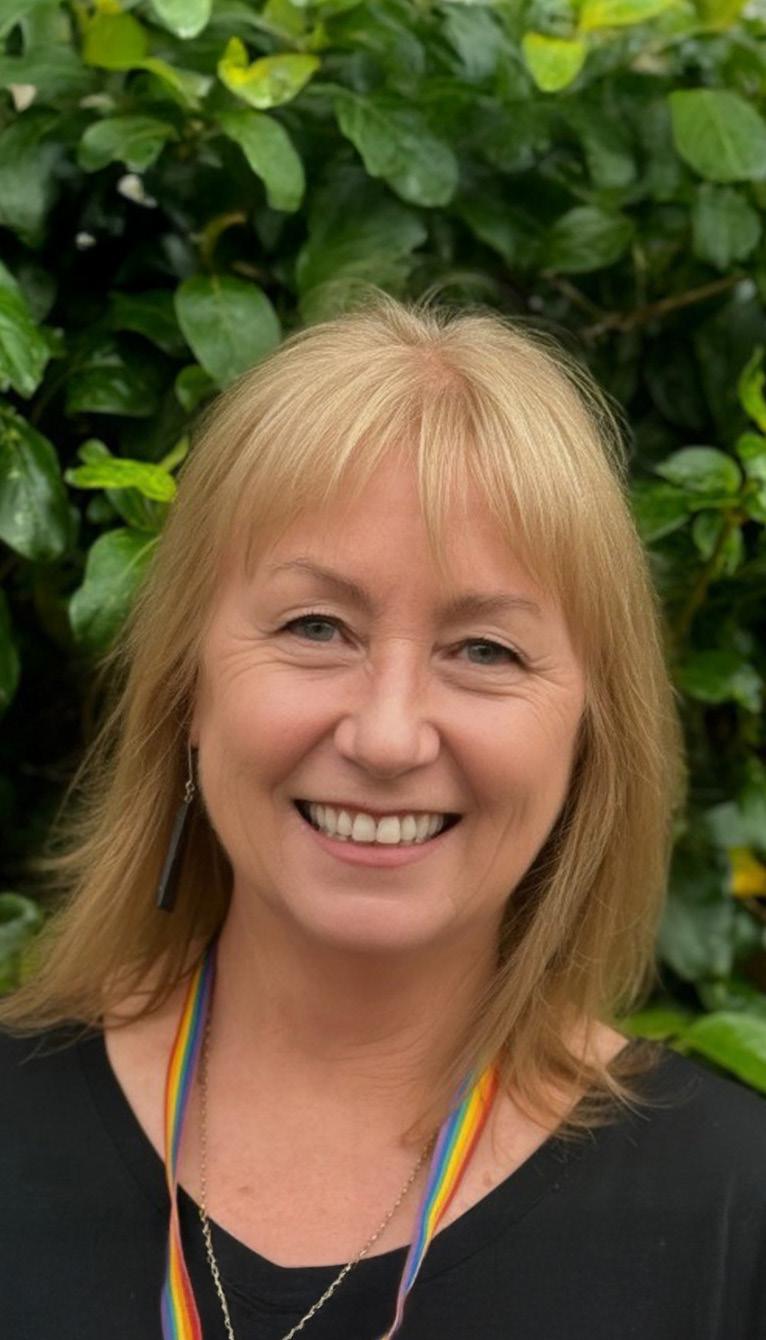
Manager Debbie was new in her role when the practice’s Foundation Standard became due. At first, she underestimated how much work would be involved.
“I didn’t understand the enormity of it. I thought it was something we could wait on,” Debbie said. “Once we got into it, I realised there was a lot I just didn’t know.”
Working alongside the practice’s nurse manager and receptionist, Debbie started from the beginning. The team focused on understanding the standard and learning how to write and format policies correctly.
“It was a huge learning journey, making sure our policies covered everything they needed to,” she said.
Support from their Pegasus Foundation Standard facilitator, Sheryl Banks also helped the team make sense of the requirements.
“Sheryl didn’t just give us the answers. She worked with us and helped translate the standards into words we could understand.”
Their Pegasus assessor, Rachel McAllum, also helped identify gaps
and strengthen the final evidence submitted.
“We would upload policies to Smartsheet, and Rachel would suggest small additions to make them stronger,” Debbie said. “We had clear guidance, and that made a big difference.”
Looking back, Debbie says the biggest lesson was starting early and spreading the work out.
“It’s not a box-tick exercise,” she said. “You need to start early and chip away at it. You can’t do this in two or three months.”
To stay on track, Belfast Medical Centre now breaks the standard into tasks and schedules them.
“I put everything into my calendar and task it out. Sometimes things get busy and something slips, but you know to come back to it.”
Debbie values the Foundation Standard for bringing multiple legislative requirements for the practice together in one place.
“It’s packaged up in the standard, which is helpful,” she said. “Having the standards guidelines gave us somewhere to start.”
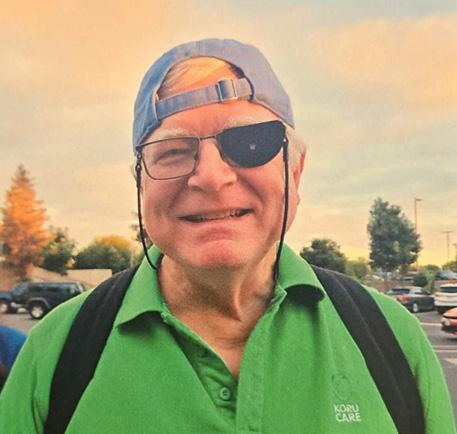
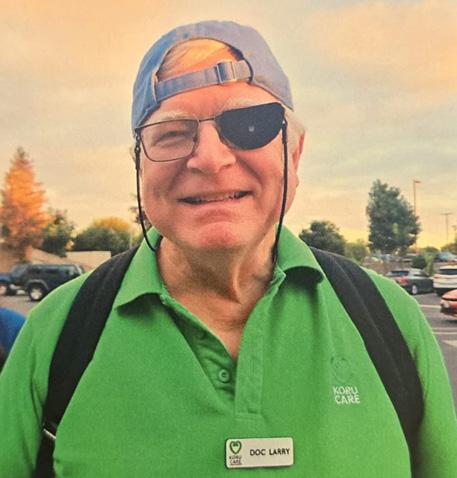
Retiring from general practice after 46 years, Dr Larry Skiba has seen major changes in the Waitaha Canterbury general practice landscape.
Larry began work as a general practitioner (GP) in April 1979. Over nearly five decades, he watched general practice move from paperbased systems and long on-call hours to team-based care and digital tools.
“When I started as a GP, you did almost everything yourself,” Larry said. “Care is more complex now, but it is shared and better supported.”
Early in his career, Larry developed an interest in travel medicine. In the 1980s, he provided travel advice and immunisations at a time when little formal guidance existed, giving printed information packs to patients heading overseas. He later helped establish the New Zealand Society of Travel Medicine and contributed to early national programmes.
Larry was an early adopter of computer-based prescribing in the 1990s, a change that reduced medication errors through improved legibility.
He also saw shifts in maternity care, from GP-led care throughout pregnancy to today’s midwife-led model.
“There are still families I know because I delivered their children and then kept seeing them in practice,” Larry said.
The role and responsibilities of practice nurses expanded significantly over his career, alongside more flexible working arrangements for GPs and changes in practice ownership models.
Alongside his practice-based work, Larry has been a trip doctor with the Waitaha division of Koru Care, Air New Zealand’s staff charity, since 1997. Koru Care offers free overseas trips for children with serious health conditions. The charity runs two-week trips to the United States, including visits to San Diego and Los Angeles.
“For many of the kids, it’s their first time overseas or on a big plane,” Larry said.
Larry travels with medications for minor conditions and supports children with more complex needs, including seizures, cardiac issues, and cancer recovery
“It’s awesome to see what the kids get out of it, so many wonderful memories,” Larry said.
If you have feedback on this issue or would like to share a suggestion for a story in our next issue please contact communication@pegasus.health.nz.
Tōtara Pegasus Health Pānui is produced by the Communications Team at Pegasus Health. Content within Tōtara Pegasus Health Pānui has been included with the approval of content providers.
If you wish to reproduce or alter and transmit any of the information or images contained within, please contact communication@pegasus.health.nz