
CLINICAL CONNECT PEER EDUCATION PROGRAMME
Introduction | 4
2025 Impact Insights per Goal | 9
ACKNOWLEDGEMENT
Thank you to Kin Strategy and Research who provided expertise, guidance, and support for the development and implementation of the Clinical Connect Peer Education Programme Measurement Framework and Strategy.
KEY HIGHLIGHTS
Clinical Connect helps strengthen workforce resilience by fostering peer connection and team-based care
97% of clinicians say the programme provides a safe space to connect with peers
Clinical Connect topics supported best practice care through improved screening, referrals and management of long term conditions
INTRODUCTION
This impact report highlights the ongoing impact of the Pegasus Clinical Connect Peer Education Programme in supporting primary healthcare clinicians and advancing quality care across Canterbury As we share these results, we also look ahead to the programme’s expansion beyond Canterbury into Te Waipounamu.
Five interesting and engaging topics were delivered in 2025:
Chronic Kidney Disease - Filtering the options
COPD (Chronic Obstructive Pulmonary Disease) - Taking control one breath at a time
Alcohol - Reducing “pour” outcomes
Care of the Dying Patient
Paediatric Skin Conditions - More than skin deep
Further detail on each topic, the key messages, and short- and long-term impacts are provided in appendix one.
Several 2025 topics focused on strengthening best practice in the prevention and long-term management of chronic conditions, including chronic kidney disease (CKD) and COPD. Providing best practice care in these areas can help reduce pressure on secondary care. For example: earlier identification of CKD improves long term outcomes and reduces hospitalisations, while earlier and more proactive management of COPD can lead to fewer severe exacerbations requiring hospital admissions and improved quality of life.
ENGAGEMENT
Clinical Connect is attended by clinicians from most general practices and community pharmacies in Canterbury
Clinicians from 97% General Practices and 82% Community Pharmacies attended sessions in 2025 [3]
This is an increase from 90% and 69% in 2024
This ensures Canterbury clinicians can provide consistent messaging for patients and whānau across our general practices and community pharmacies
Clinical Connect continued to be well supported in 2025, with strong attendance across sessions
2903 attendances at Clinical Connect sessions
Average of 581 individual clinicians attending each topic 909 individual clinicians attended 1 or more session
Overall attendance decreased slightly (by around 4%) compared to 2024 However, the coverage and demographic data show strong and sustained engagement over time. This small decrease is likely due to changes in the workforce, including increasing GP retirements, or background variability over time.
Clinical Connect continues to attract and retain new attendees. Data from our annual survey showed 12% of attendees for 2025 were attending for the first time, while nearly half of respondents said they have been attending Clinical Connect for more than 10 years. This is a similar proportion to 2024 survey results, suggesting many participants engage and benefit from the programme on a long term basis [2, 4].
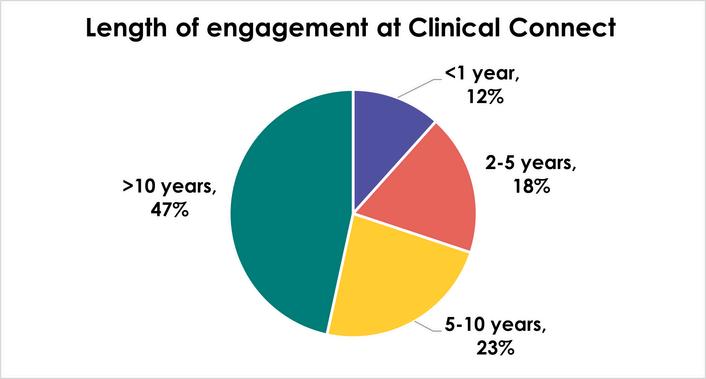
Figure two shows that most clinicians participating in the programme attended sessions for the majority of the five topics [2]. This means they can benefit from ongoing learning and build connections with peers through the small group model
Clinicians continue to take part in the programme despite significant workload pressures in primary care which highlights the value they place on it.
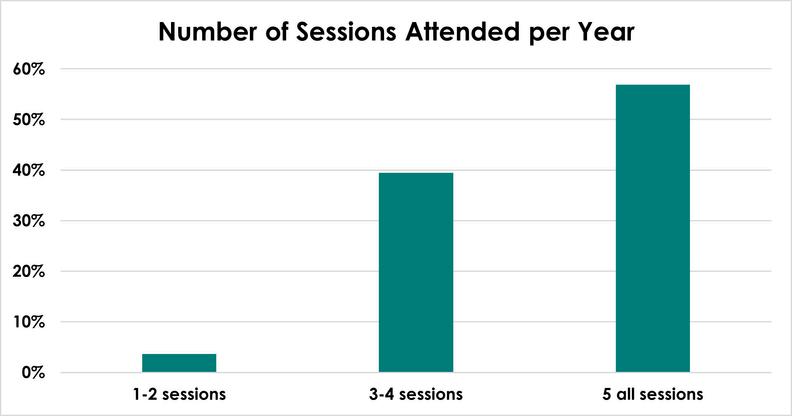
Figure two
Clinical Connect sessions continued to rate highly for quality (Average 4.7/5) [3]
Table one shows attendees consistently rate the quality of our content highly with a small increase from 4 6/5 in 2024 to 4 7/5 in 2025
Table one
Attendance was noticeably lower for Topic 3 (Alcohol June/July). This decrease in attendance is likely due to a combination of factors including winter pressures, increased demand on services, ongoing disruption across primary care and PHOs, and the topic’s broader public health focus rather than a single clinical condition. Despite lower attendance, the sessions still rated highly for quality and remain an important part of Clinical Connect, supporting clinicians to apply public health principles in practice and improve prevention, equity, and health outcomes across the system.

IMPACT INSIGHTS
The Clinical Connect Peer Education Programme measures its impact using a clear, structured model based on a theory of change (see appendix two). By regularly monitoring our agreed impact indicators throughout the year, we can share the following evidence-based results and insights about the programme’s impact
IMPACT GOAL - Clinical Connect keeps clinicians up to date with the latest clinical evidence and supports best practice decision making
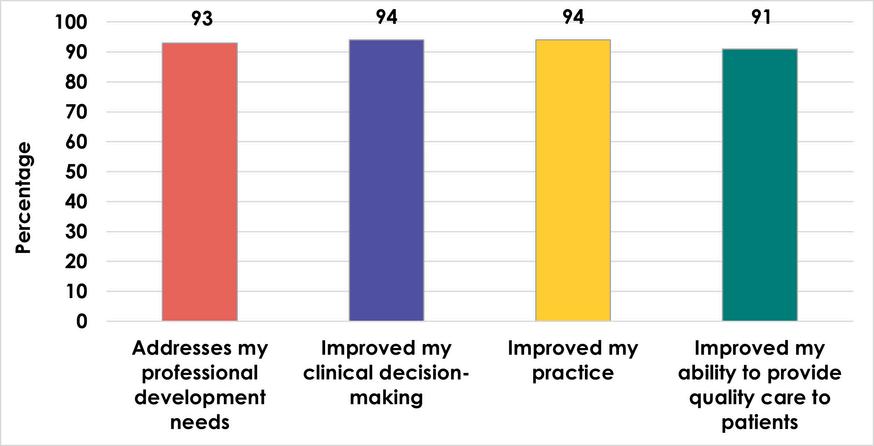
94% of clinicians say the programme improved their clinical decision-making
“After each session I try to take one thing away to improve my practice in pharmacy” -Pharmacist
94% of clinicians state they have made changes/improvements to their practice as a result of attending Clinical Connect
“Discussed learnings with colleagues and made changes to our approach to COPD patients” -Pharmacist
91% of clinicians say the programme has improved their ability to provide quality care to patients
“Influenced the information I give to patients and improved the quality of care I give ” -Nurse
39% of clinicians experienced barriers to applying information from Clinical Connect
There was an increase in the proportion of clinicians experiencing these barriers, from 32% to 39%. These barriers to applying information from sessions remain similar to previous years, the most common barriers are lack of time (68%) and funding [2, 4]. Understanding these barriers helps inform continuous improvement of the programme and highlights opportunities for Pegasus Health and other Canterbury PHOs to support system changes.
IMPACT
GOAL - Clinical Connect creates a more resilient primary care workforce that feels confident and supported in their clinical practice
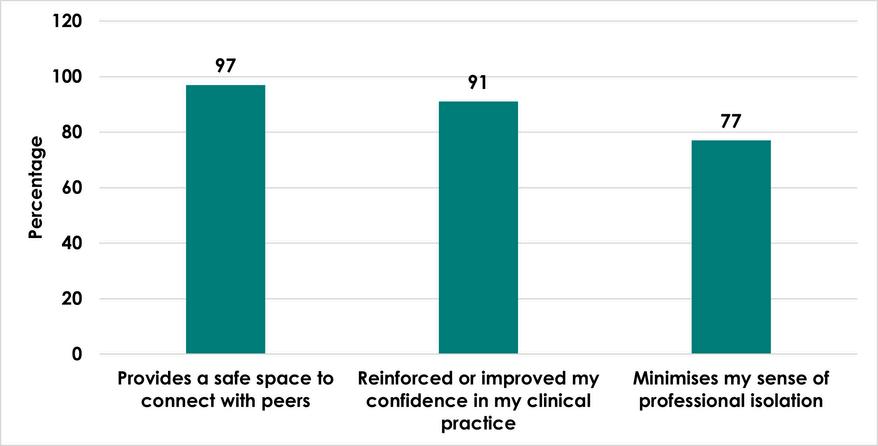
Clinical Connect helps clinicians connect and learn together This is reflected in increased proportions of clinicians reporting improved confidence in practice (from 87% to 91%) and reduced professional isolation (from 74% to 77%) compared with 2024 [2].
Figure four
Indicators
97% of clinicians say the programme provides a safe space to connect with peers
“Meeting with colleagues reduces burn out and helps me feel less siloed” -GP
91% of clinicians say the programme has reinforced or improved their my confidence in clinical practice
“Improved confidence that my knowledge is up to date ” -Pharmacist
As outlined in our previous report, professional isolation is an early warning for burnout. Burnout can lead to clinicians leaving the health sector or retiring earlier than planned [5-8].
77% of clinicians agree being part of the Clinical Connect programme minimised their sense of professional isolation
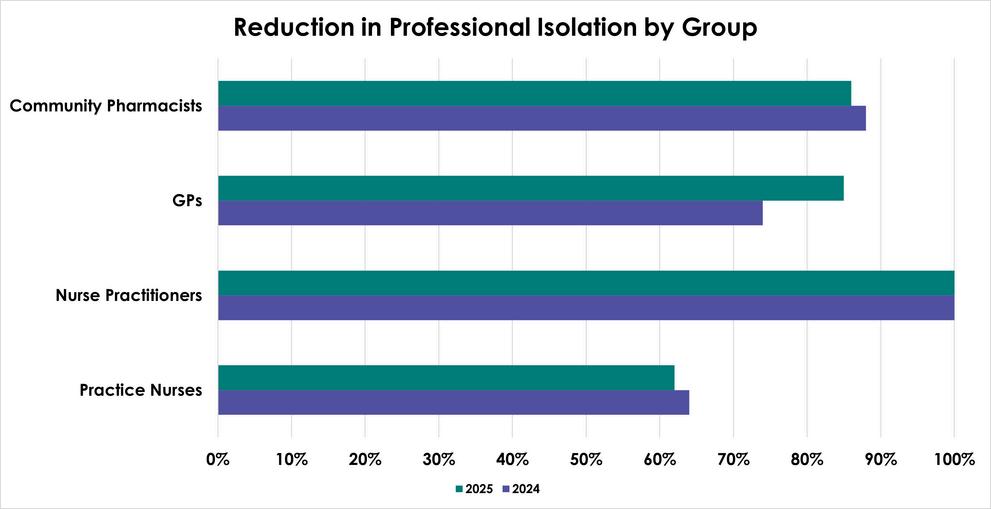
This indicator increased overall from 74% to 77% in 2025. However, if we exclude the 12% of respondents who said this was not applicable to them (for example, those already well connected through their workplace or professional networks)the result increases to 88%.
This increase was driven by more GPs reporting reduced professional isolation, rising from 74% in 2024 to 85%.
“I have a great group and there is always lively discussion and great collegial support.” -Pharmacist

Figure five
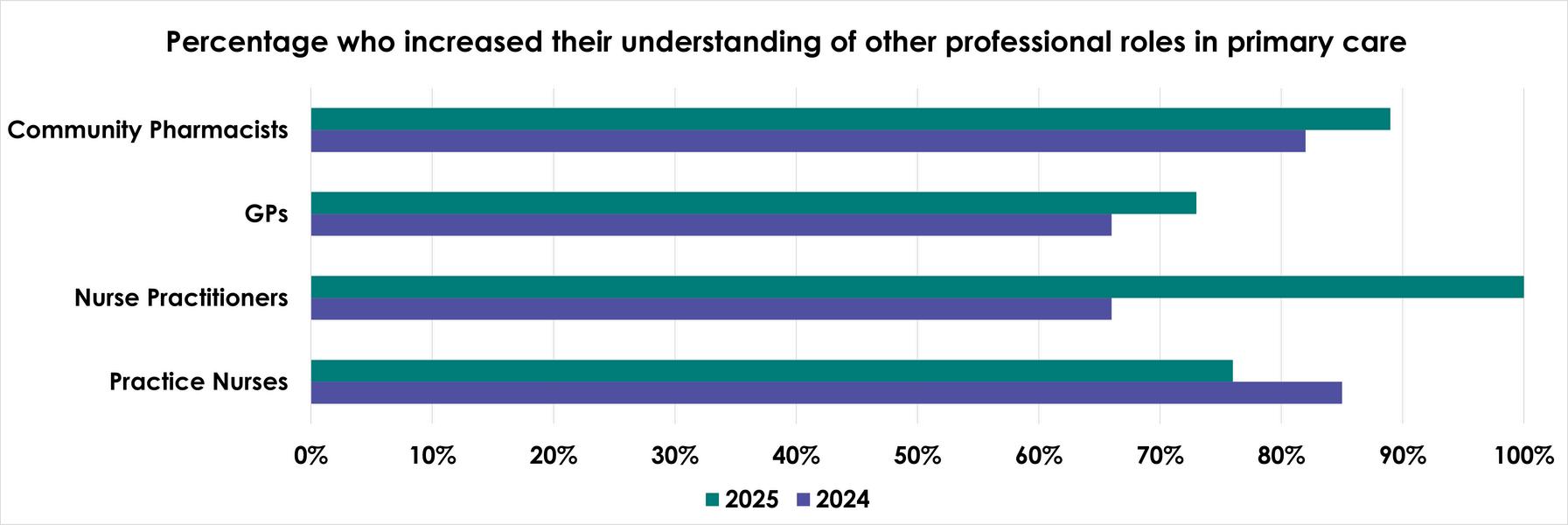
IMPACT GOAL - Clinical Connect helps build a connected primary care workforce that is not working in silos
IMPACT GOAL - Clinical Connect supports optimal resource use and reduces unhealthy variation
Improving clinical decision-making helps clinicians use health system resources more efficiently, reduces unhealthy variation in practice, and can lead to better health outcomes and lower costs. The data and insights below show how clinical decision making and best practice have improved across the 2025 topics
Chronic Kidney Disease – what’s your piece of the puzzle? Feb 2025 - supported better use of screening & medications
Chronic kidney disease (CKD) can be difficult to detect early because it often has no symptoms until the later stages. This makes case finding and opportunistic screening important as CKD can cause serious illness and early death CKD is more common in Māori and Pacific peoples and often occurs alongside conditions such as diabetes and heart disease. Local feedback suggested there was variation in how clinicians identified and talked about CKD with patients, with some patients unaware they had been diagnosed with CKD.
The CKD topic focused on supporting clinicians to identify those most at risk and increase screening for these groups, as evidence shows that early diagnosis and management can reduce long-term harm Clinicians were encouraged to identify opportunities for risk assessments in practice, including alongside cardiovascular risk assessments [11]
After the sessions, 83% of clinicians said the information improved how they use CKD screening with patients One GP reports they are now
“Bringing renal assessment into cardiovascular risk assessments and in younger patients in higher risk groups” and “sets recalls 3-4 monthly.”
The kidneys play a key role in processing medications For patients with CKD, adjustment of certain medications can reduce the risk of acute kidney injury.
85% of clinicians said the sessions improved how or what medications they prescribe for people with CKD. One clinician said the topic:
“Increased my awareness of ensuring drug dosages match reduced renal function, and improved my diagnosis, classification and prescribing for those with renal disease.”
Chronic Obstructive Pulmonary Disease (COPD) is a long-term lung condition that places a large burden on patients and the health system. Hospital discharge data shows respiratory conditions are the fifth most common reason for hospitalisation in New Zealand and COPD the second most common within this group [12] Strong evidence shows that pulmonary rehabilitation – a combination of exercise training, education, and support, can improve a patient’s ability to manage their condition and their quality of life [13]. Despite this evidence, pulmonary rehabilitation is often underused.
A goal of this topic was to increase referrals to Better Breathing, the local pulmonary rehabilitation service Figure seven shows referrals to the programme and highlights an increase originating from general practice (green line) following the Clinical Connect sessions delivered in April and May 2025 (see arrow)
The referral pattern shows the initial spike, followed by a lower, but sustained increase in baseline referrals from General Practice. Whilst a seasonal increase before winter may be expected as General Practice teams support care planning for these vulnerable patients, the increase was much more pronounced than in the previous year.
This suggests the Clinical Connect education sessions contributed to more people with COPD being referred to Better Breathing, improving access to support that may enhance quality of life while helping reduce hospitalisations and pressure on the health system.
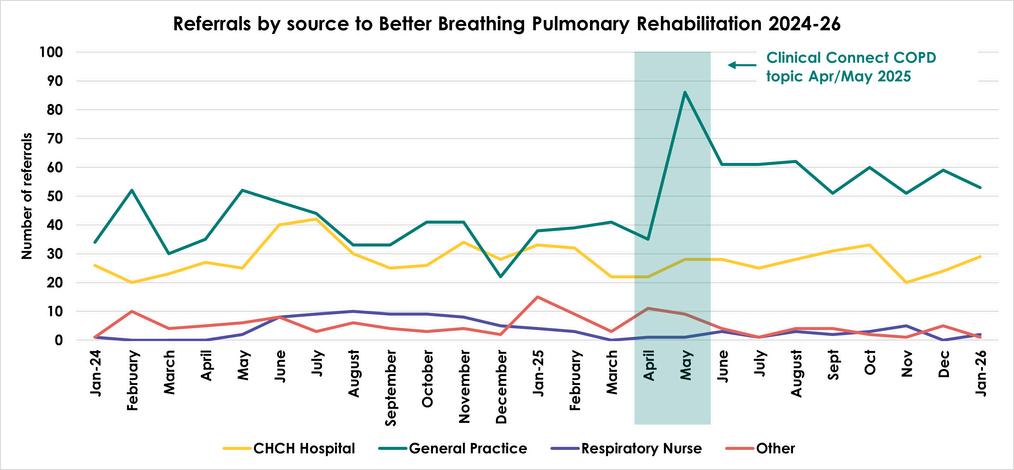
Figure seven
Following the sustained increase in pulmonary rehabilitation referrals, we assessed the potential financial impact for the health system using the Treasury CBAx tool [14]
This analysis estimated the potential return on investment associated with increased participation in pulmonary rehabilitation resulting from higher referral rates.
Using CBAx assumptions and evidence-informed modelling, the increase in referrals may contribute to reduced hospitalisations and improved quality of life for people with COPD Figure 8 illustrates the link between attendance at the Clinical Connect Sessions and improved COPD outcomes. Full details of the CBAx analysis are available on request
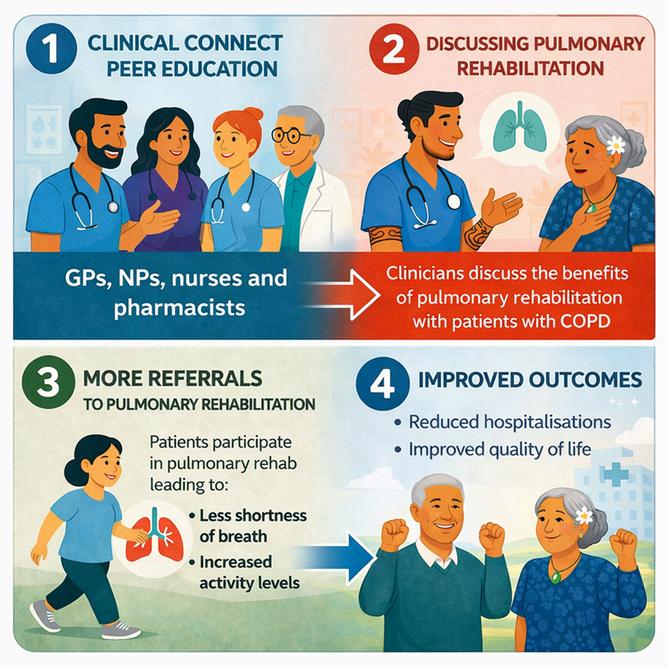
Figure eight
The CBAx analysis analysis estimated that for every $1 invested in developing and delivering this Clinical Connect topic, $2.10 in financial benefit was generated across the health system This benefit is primarily attributed to reduced hospitalisations following referral to and attendance at Better Breathing sessions in Canterbury.
When including the non-financial benefits to wider society, including improving quality of life through Better Breathing programme engagement (patients have improved ability to manage their condition resulting in reduced shortness of breath, increased activity levels and improved quality of life), the total benefit was estimated to value $3 20 per $1 spent
Please note, we acknowledge there are challenges and limitations when trying to quantify the financial impacts of our programme and we have outlined these in depth previously in our first impact report (see appendix two).
Alcohol: Reducing ‘pour’ outcomes Jun 2025 – supported better screening
Alcohol use is a major contributor to illness, disease, death and social harm in Aotearoa New Zealand. This topic looked at how primary care teams can identify risk related to alcohol, talk about harm, and support behaviour change using evidence-based approaches The sessions encouraged clinicians to make asking about alcohol use a routine part of consultations. The case below shows how this can lead to meaningful change
“A man in his 40s came in for paperwork related to a chronic condition, and as the consult was brief, I asked about alcohol use This opened a conversation about heavy drinking, and he shared that he wanted to cut down. We discussed


Care of the dying patient Sep 2025 – increased capacity for provision of end-of-life care in general practice
Local specialist palliative care providers have reported a decline in the number of primary care clinicians involved in end-of-life care [15]. Alongside an ageing population, this is creating gaps in support for patients at this stage of life. To help address this gap, Clinical Connect sessions provided targeted education to build clinicians’ skills and confidence and strengthen the overall capacity of the system.
Following the Clinical Connect sessions, eight additional clinicians from Canterbury general practices reported that they now provide end-of-life care for their patients [2]. This increase in clinician capacity helps strengthen end-of-life care support across the health system.
Cardiovascular Risk: Looking beyond the numbers Feb 2024 – an update
In early 2024, Clinical Connect delivered a topic ‘Cardiovascular Risk: Looking beyond the numbers’ A key message was that having conversations and building relationships with patients to support change is more important than just calculating and recording cardiovascular risk scores. Clinicians were particularly encouraged to focus on patients at higher risk: this group includes Māori, Pacific peoples and South Asian people.
There is limited evidence that cardiovascular screening on its own reduces the risk of events such as a heart attack or stroke [16]. However, a cardiovascular risk assessment (CVDRA) creates an opportunity to start a conversation with patients about their individual risks and to support them to make changes based on their personal risk factors and what matters most to them
Recent analysis of Pegasus Health practice data shows an increase in the proportion of eligible patients with a recorded CVDRA following the Clinical Connect sessions This rose from 41% to 47% of the total eligible population
There was an even greater increase in the proportion for Māori with recorded CVDRA rising from 37% to 48% This is an important step towards improving health equity and reflects our commitment to Te Tiriti o Waitangi and achieving equitable health outcomes for Māori
The percentage of eligible Pacific peoples with a recorded CVDRA has also increased from 35% to 50% and there was also an increase for South Asian people from 26% to 34%.
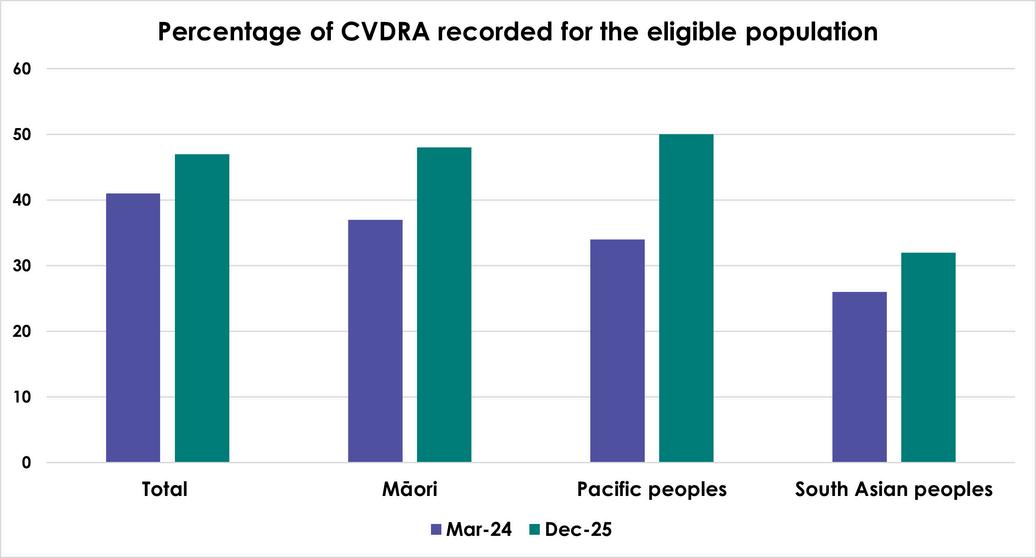
Although national targets have not been met [17], Pegasus PHO data shows an increase in CVDRA assessments among patients at higher-risk, where support and intervention can have the biggest impact. This is in line with the Clinical Connect messaging
Other Pegasus Health initiatives have contributed to this improvement, including better access to CVDRA data in practices, and upskilling for health coaches and health improvement practitioners.
It is important to note, that we do not have data on improvements for practices from other PHOs that participated in the sessions and it is likely that they have also had some improvements following the topic delivery.
Figure nine
SUMMARY

This report outlines the value delivered by the 2025 Clinical Connect Peer Education Programme in Canterbury for clinicians, the patients and whānau they care for, and the wider health system Our impact analysis shows that the programme continues to deliver on its four impact goals in 2025.
Engagement in the programme remains consistently high and coverage has expanded with 97% of Canterbury general practices and 82% of community pharmacies attending sessions [3]. Feedback continues to be very positive, with an average quality rating 4.7 out of 5 [3].
This shows the value clinicians place on the programme, and its role in supporting consistent, best practice care for patients.
94% of clinicians said the 2025 Clinical Connect programme improved their clinical decisionmaking, and 91% said it improved their ability to provide quality care to patients. This shows that Clinical Connect is supporting improvements in clinical quality [2]
The Clinical Connect model also creates safe spaces for clinicians to learn from each other and build connections, with 97% of clinicians saying this in the annual survey [2] This helps strengthen relationships within and across practices, and supports clinicians to feel more confident, less isolated, and better able to manage complex situations.
upported tions, reflected rehabilitation rtunistic ts with chronic increase e and ugh increased are helps d reduces the upports nd on on the y rehabilitation the potential ers for both ife for patients.
cross Te ders being den Bay to nd the positive d outlined in , supporting cing variation s also been es and ensure areas of al leadership, bury, and in nnect is stainable er outcomes stem.
APPENDIX 1
Clinical Connect topics delivered in 2025
Topic Overview
Chronic Kidney Disease- Filtering the options
The focus of this topic was to proactively address aspects of CKD to improve health outcomes including early identification and improved access for our most at-risk patient populations
Key Goals & Messages
Think CKD with CVD - focus on high-risk patients to identify early and screen proactively, especially in high-risk patients or those with cardiovascular disease
Use appropriate renal function tools to monitor kidney function and guide safe prescribing
Communicate clearly and educate patients to understand and manage their condition, including sick day management
Adopt a holistic, multidisciplinary approach to support better outcomes for patients and their whānau
COPD - Taking control one breath at a time
Alcohol-Reducing “pour” outcomes
COPD places a large burden on patients and the health system. This topic focused on accurate diagnosis, reducing inequities and supporting patient selfmanagement. It also encouraged teamwork via the use of COPD action plans and referral to pulmonary rehabilitation
Confirm COPD diagnosis with spirometry and communicate management plans clearly with patients
Pulmonary rehab is very effective
Support patient self-management, including the use of COPD action plans and pulmonary rehabilitation
Recognise inequities in COPD-related outcomes and work to reduce them
Work as a team across primary care to provide consistent, coordinated support
Understand the impact of shame and use empathetic communication to improve engagement and outcomes
Care of the dying patient
Alcohol misuse affects all sectors of society and understanding its common underlying factors and wide-ranging physical and social impacts enables health professionals to better identify, support, and manage affected individuals and their whānau.
Embed conversations about alcohol as a routine part of care across all patient groups
Identify and challenge clinician bias and inequities in who is asked about alcohol intake
Understand the limitations and variability of alcohol guidelines and definitions of low-risk drinking
Communicate alcohol-related risk in a way that supports selfmanagement, team collaboration, and behaviour change
Be aware of referral options and supports for patients and clinicians
Paediatric Skin Conditions- More than skin deep
Noting the Benjamin Franklin quote “Nothing is certain but death and taxes”; this topic looked at the ways the primary care team can support patients and their whānau to have a good goodbye, ensuring they can focus on what matters to them in their last days
This topic focused on managing common paediatric skin conditions
It used cases to explore the complexities of children that present with eczema and scabies, in particular refractory symptoms and secondary complications.
Plan early and proactively to anticipate patient needs and to support smoother, more coordinated end-of-life care
Acknowledge and respect cultural beliefs and practices that support and comfort patients, families and communities and let it guide care decisions
Communicate effectively across care teams and with whānau to ensure the patient’s wishes are understood and honoured
Use available community and palliative resources to support patients and whānau holistically
Scabies and eczema can be difficult to diagnose and manage, and families often need extra support
Regular use of moisturisers and the correct use of steroid creams are key to controlling eczema and preventing complications
Skin infections can become serious, so early treatment and avoiding unnecessary topical antibiotics is important
Treating scabies requires clear advice for the whole household, and sometimes a tailored approach if initial treatment does not work
Short term impacts
Earlier diagnosis of CKD gives more opportunities to improve patient outcomes
At-risk patient populations are identified early and tested appropriately
Improved urine albumin-creatinine ratio (ACR) utilisation for testing at-risk patients
Patients identified with CKD understand the diagnosis and how to manage their condition
Reduction in harms from medication in at-risk patients
Increased Better Breathing (local pulmonary rehabilitation) referrals by all clinicians
Increased Spirometry referrals
Patient participation rate for Better Breathing increased
Increase in utilisation of COPD action plans/blue cards to keep patients, clinicians (and ambulance staff) on the same page
Improved communication between pharmacy and general practice regarding indications of inhalers will facilitate reinforcement of messaging
Increase in inhaled steroid prescribing for patients with high eosinophil counts
Patients on inhalers are reviewed more frequently, and use/choice of device is optimised
Long term impacts
Early identification of patients with CKD improves long term outcomes
Less resource use by patients with end stage renal disease
Lower hospitalisation rates due to renal disease
Less patients requiring dialysis
Improved quality of life for patients and whānau
There will be less under and misdiagnosis of COPD
COPD will be treated more aggressively (nonpharmacological and pharmacological) to reduce severe exacerbations requiring hospitalisation
Less environmental impact from unused or inappropriate use of inhalers
Patients will have a better understanding of their disease and how they can improve quality of life by reducing exacerbations
Clinicians increase confidence in asking, documenting, and coding alcohol intake
More consistent screening across ethnic groups and patient populations
Improved understanding of acute and long-term alcoholrelated harms for individuals and communities
Clinicians reflect on their own thresholds for action, prescribing decisions, and use of referral pathways
Improved patient symptom management
More timely referral to community palliative care teams
Complex patient needs are further supported through referrals to specialist palliative care services
Clinicians feel supported within clinic teams and primary care to fulfil this role
Earlier identification and management of harmful alcohol use
Improved patient understanding of their individual risk from alcohol (including cancer) and support for self-management and behaviour change
Reduced alcohol-related harm, hospitalisation, and medication-related risk
More equitable alcohol screening and management across patient populations in general practice
Improved clinician wellbeing through increased awareness of self-care and peer support
Less variation in prescribing of topical steroids and emollients
Less variation in the prescribing of pharmaceuticals for scabies eradication
A move towards improved multidisciplinary working
Greater alignment of care with patient wishes and documented plans
More appropriate referrals to specialist palliative care services
Reduced preventable hospital admissions for end-of-life patients
Strengthened primary care capability in delivering end-of-life care in the community
Improved management of childhood eczema with less flare ups and a corresponding reduction in the number of visits required to primary care settings
A reduction in the number of children requiring secondary care interventions for severely infected eczema
Empowerment of whānau to confidently manage their child with eczema through improved health literacy on eczema and its management options
Improvements in multidisciplinary working, providing a more holistic, wrap round service for tamariki/ whānau
APPENDIX 2
More information on the impact of the Clinical Connect Peer Education Programme, including the 2023 and 2024 Reports is available on our website
Pegasus Small Group Education Impact Report 2023
https://www clinicalconnect nz/our-impact
Clinical Connect Theory of Change Impact Model
https://clinicalconnect nz/theory-of-change/

REFERENCES
1.Kennedy L; Algera P, Pegasus Small Group Education Programme Impact Report 2023. 2024, Pegasus Health.
2.Clinical Quality & Education, Clinical Connect Peer Education Programme - Annual Impact Survey for Waitaha 2025.
3.Clinical Quality & Education, Analysis of attendance at 2025 Clinical Connect Peer Education Programme in Waitaha. 2025.
4.Clinical Quality & Education, Clinical Connect Peer Education Programme - Annual Impact Survey 2024, Pegasus Health,
5 Mandy, A and P Tinley, Burnout and occupational stress: comparison between United Kingdom and Australian podiatrists Journal of the American Podiatric Medical Association, 2004 94(3): p 282-291
6 RNZCGP Burnout: Let's understand it and find solutions 2022; Available from: https://www rnzcgp org nz/resources/data-and-statistics/burnout-survey/
7 Wasoski, R L , Stress, professional burnout and dentistry Journal - Oklahoma Dental Association, 1995 86(2): p 28-30
8 Christie, C , et al , Self-care of Canterbury general practitioners, nurse practitioners, practice nurses and community pharmacists Journal of Primary Health Care, 2017 9(4): p 286-291
9 WHO, Framework for action on Interprofessional Education & Collaborative Practice, in Human Resources for Health, Health Professions Network Nursing and Midwifery, Editor 2010
10 WHO Building the primary health care workforce of the 21st century 2018 [cited accessed on 30 04 2026; Available from: https://www who int/docs/default-source/primary-health-careconference/workforce pdf
11 Kushner, P, et al , Early Identification and Management of Chronic Kidney Disease: A Narrative Review of the Crucial Role of Primary Care Practitioners. Adv Ther, 2024. 41(10): p. 3757-3770.
12.Te Whatu Ora Health New Zealand. National Minimum Dataset: Publicly Funded Hospital Discharges – Static tables by age and sex 2023. 2023 accessed on 05/05/2026]; Available from: https://tewhatuora.shinyapps.io/hospitals-web-tool/.
13.McCarthy, B., et al., Pulmonary rehabilitation for chronic obstructive pulmonary disease. Cochrane Database Syst Rev, 2015(2): p. Cd003793.
14.The Treasury NZ. The Treasury's CBAx Tool. 2024 23 Dec 2024 [cited 2024; Available from: https://www.treasury.govt.nz/information-and-services/public-sector-leadership/investmentmanagement/investment-planning/treasurys-cbax-tool.
15.Anderson, L., Jenkins, R.,, Meeting with Palliative Medicine specialist and Clinical Nurse Educator Te Whatu Ora Community Palliative Care Service. Personal Communication 2025, Palliative Care Topic Prep team.
16.Karmali, K.N., et al., Risk scoring for the primary prevention of cardiovascular disease. Cochrane Database Syst Rev, 2017 3(3): p Cd006887
17 MOH Cardiovascular Disease Risk Assessment and Management for Primary Care, 14 February 2018 Ministry of Health (MOH), Wellington: Ministry of Health https://creativecommons org/licenses/by/4 0/ 2018; Available from: https://www health govt nz/publication/cardiovascular-disease-risk-assessment-andmanagement-primary-care
CLINICAL CONNECT PEER EDUCATION PROGRAMME IMPACT GOALS