100 Y ears at Sebastian I nlet
A
HISTO
R Y OF THE SE B A S TIAN INLET DISTRIC T
HISTO
We dedicate this book to the individuals who emerged as visionaries and staunch champions in permanently opening the Sebastian Inlet, starting with D.P. Gibson and Thomas New in the 19th century, and followed by Roy O. Couch, Harry Goode, Sr., Jake Brannin and others who never gave up.
We gratefully acknowledge the tireless efforts of Jim Culberson, former Sebastian Inlet District Commissioner (2004–2014) and historian who conducted years of research and interviews to compile the District’s archives that would help tell the story of the Sebastian Inlet.
Copyright © 2019 by Sebastian Inlet District All Rights Reserved • ISBN: 978-1-59725-889-0
No part of this book may be reproduced, stored in a retrieval system or transmitted in any form or by any means, electronic, mechanical, photocopying, recording or otherwise, without prior written permission of the copyright owner or the publisher.
Published by Pediment Publishing, a division of The Pediment Group, Inc. www.pediment.com. Printed in Canada.
at Sebastian
As Executive Director of the Sebastian Inlet District, I am honored and privileged to be part of an organization celebrating its centennial anniversary.
Although employed by the District in 2019, I remember studying the coastal processes surrounding the Sebastian Inlet as a Florida Tech student in the late 1990s, leading to working in partnership with the District Commissioners and staff during my time with Indian River County. Over the last 20 years, I have come to know the Sebastian Inlet and have seen major advancements in monitoring and management, from complex coastal processes models, to sediment budgets, to navigation channel dredging,
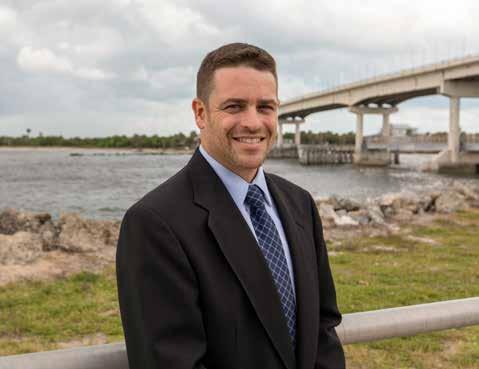
to sediment bypassing projects onto downdrift beaches, as mandated by the State of Florida’s Beach Management Act.
As you navigate through this book, I trust you will be captivated by the allure of Sebastian Inlet. In showcasing our history, we are fortunate to have the contribution from several local historians, a vast treasure trove of archives and photos, and even perspectives from the great grandson of one of the original dredgers of the inlet. I invite you to explore and enjoy the many milestones achieved throughout our 100 years of history.
James D. Gray, Jr. Executive Director
Sebastian Inlet District
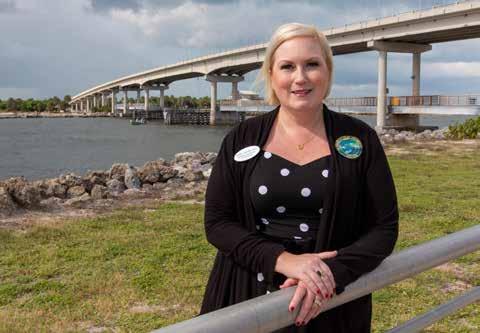
On May 23, 2019, the Sebastian Inlet District officially marked 100 years from the date of its creation as a Special District by the Florida State Legislature, chartered to maintain the navigational channel connecting the Indian River Lagoon and the Atlantic Ocean.
As Chair, and on behalf of my fellow Commissioners, it gives me great pleasure to share with you the fascinating story of the Sebastian Inlet here in these pages, featuring never before seen photos and documents from the Sebastian Inlet District’s historical archives. I would like to gratefully acknowledge our many partners and all those who served on the Board of Commissioners along the way.
The Sebastian Inlet is such a unique and special place with a rich history. Many of the earliest settlers in this region persevered to make this vision a reality and it took sincere dedication to open an inlet here permanently. It played a critical role in the development of our region and became the lifeblood of towns like
Grant to the north of the Inlet and Sebastian to the south of the Inlet, where a burgeoning fishing industry flourished after the advent of ice plants and railroads, shipping their commodity to Northern markets for sale.
I too have a personal connection to the inlet and the Sebastian Inlet District. In 2004, I was elected to my first 4-year term, following in the footsteps of my grandfather, Colonel Thomas O. Lawton, Jr. who served as a Commissioner for the District from 1988 to 2004. I am truly honored to continue his legacy, founded in a deep love and respect for the natural beauty, natural resources, and wonder that is the Sebastian Inlet.
We hope you enjoy!
Commission Chair
Seat 1 – Brevard County
Sebastian Inlet District

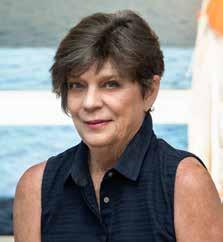
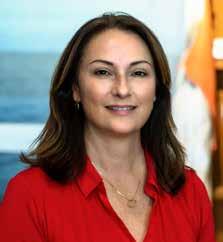
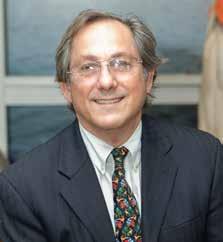
As elected by voters during a special election held on August 30, 1919, the first three Commissioners for the Sebastian Inlet District were:
Wm. G. Tubbs, Chair 1919–unknown
W.J. Creel, Treasurer 1919–unknown
M.M. Miller, Secretary 1919–unknown
Roy O. Couch unknown–1950
Albert VorKeller unknown–1948
Charles W. Sembler unknown–1948
John H. Evans Jr. 1948
Harry Goode Sr. 1948–1976
Donald MacDonald 1948–1951
Don Beaujean 1950–1966
Libson Futch 1951–1976
John H. Mays 1966–1976
Rick Schmidt 1976–1981
Richard Thomas 1976–1980
David Woertendyke 1976–1980
Michael Ballard 1981–1988
Timothy Smith 1981–1987
Stephen J. Gross August 1981–1982
Ed Balme 1982–1986
Woodrow Storey 1982–1984
Carol Senne 1984–1988
John T. Murphy 1985–1986
Bob Ryon 1986–1988
David Howell 1986–1990
Charles W. Sembler II 1987–1990
Richard Giteles 1988–1992
J. Michael Schram 1988–1992
Col. Thomas O. Lawton Jr. 1988–2004
Ralph B. Monnett Jr., MD 1990–1996
Hon. George Maxwell 1990–1998
Michael Rowland 1992–1996; 2004; 2012–current
Peter Fallon, MD 1992–1994
Randy Mosby 1994–1998
Arthur Firtion 1996–1999
Beth Glover 1996–2004
John Bargas 1998–2002
Patricia Hartman 1998–2004
Enzor Maggar 2000–2004
Ann Perry 2002–2018
Jim Culberson 2004–2014
Raymond Reed 2004–2008
Beth Mitchell 2004–current
Jenny Lawton Seal 2004–current
Jeannette Westlake 2008–2012
Dave Pasley November 2014–October 2018
Lisa Frazier 2018–current
Chris Hendricks 2018–current
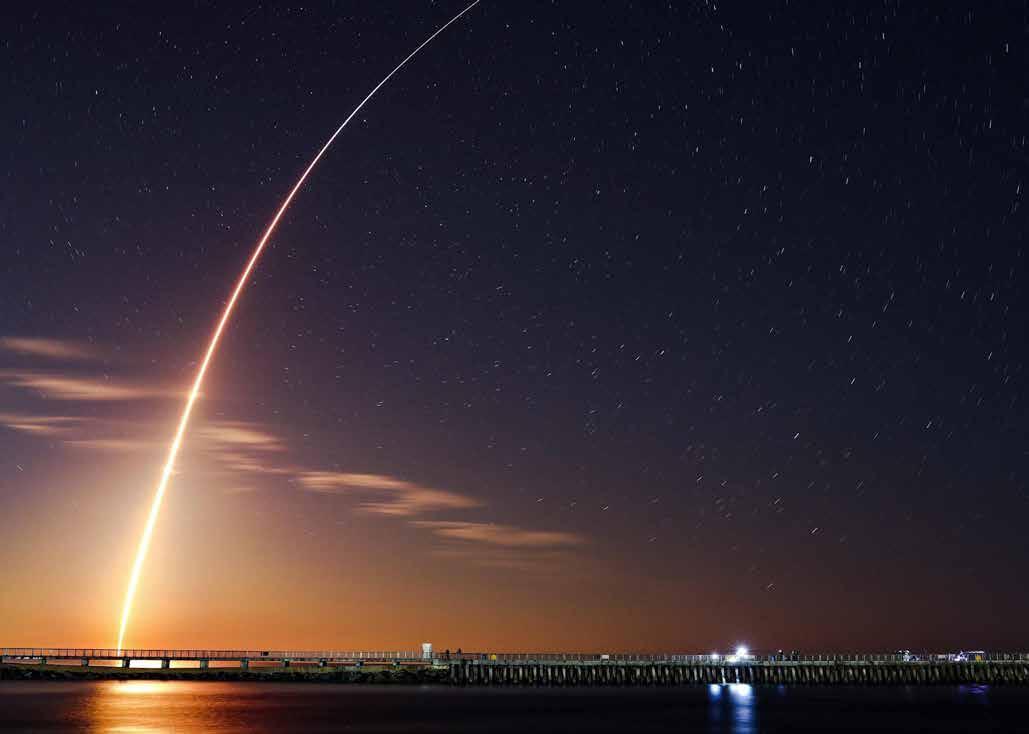
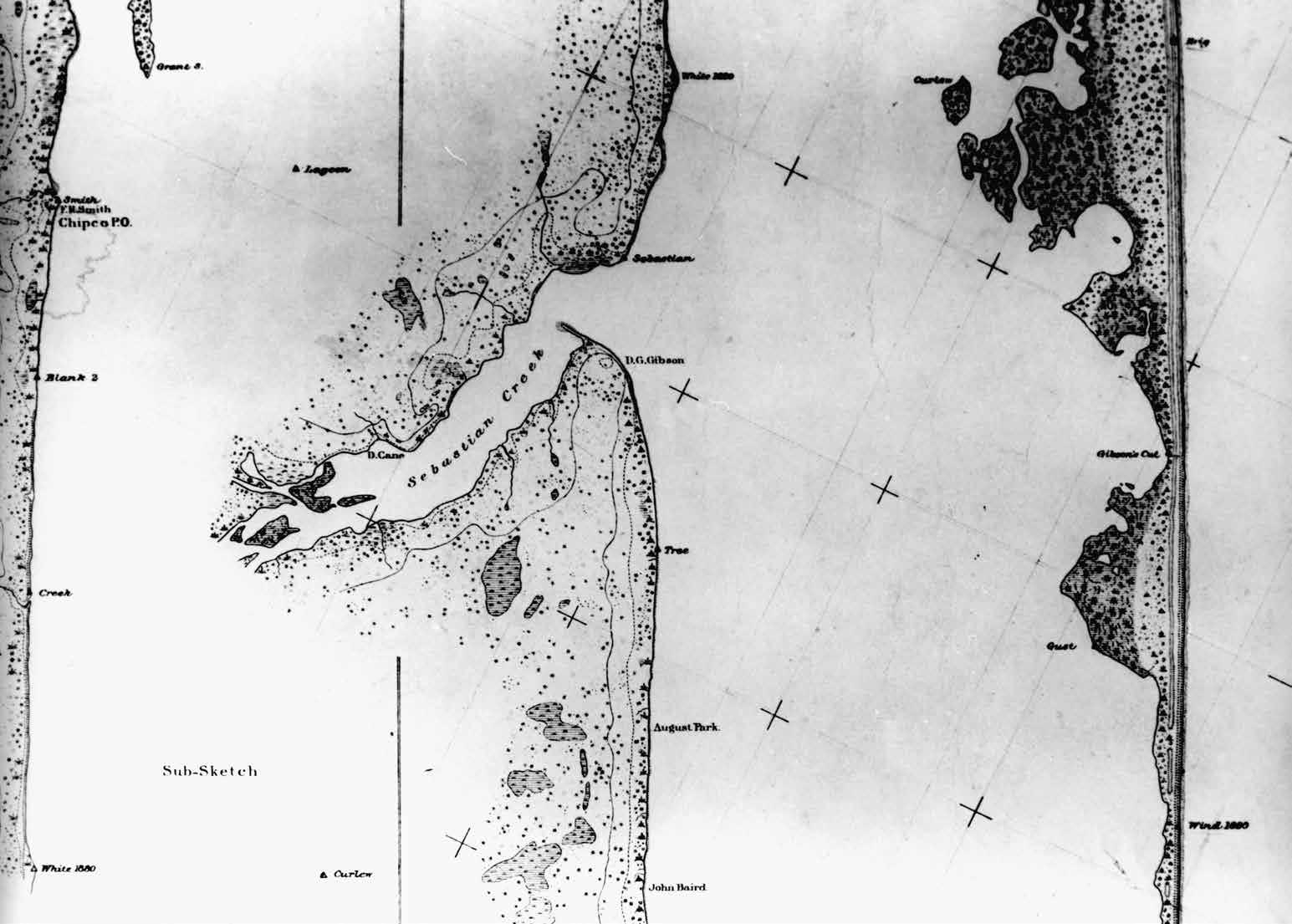
The first settlers began to arrive in the Sebastian River area in the mid-1800s, and by all accounts, there were numerous attempts to open a “cut” or an inlet on the barrier island from the Indian River Lagoon to the Atlantic Ocean near what is the present-day Sebastian Inlet.
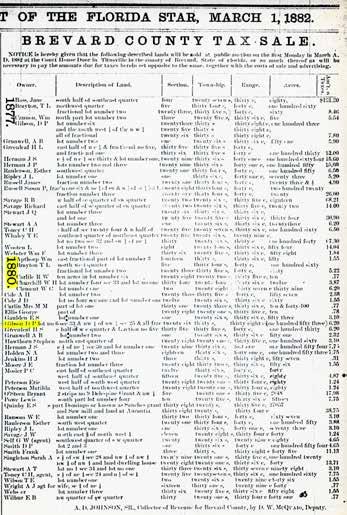
Among those settlers were two men: Rev. Thomas New and D. P. Gibson. For many years, Reverend New was thought to be the first to attempt a “cut” in 1881, going on to found the town that would become Sebastian, Florida, in 1884.
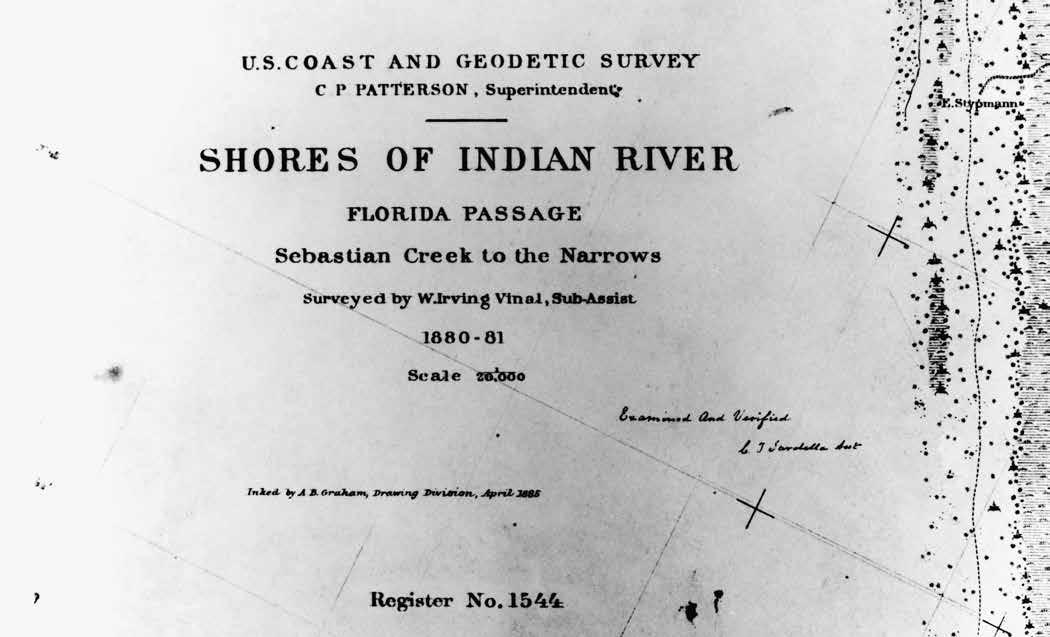
This US Geodetic Survey Map drawn in the winter of 1880–81 shows “Gibson’s Cut” as a feature on the right, as well as D. P. Gibson’s homestead (mislabeled as “D. G. Gibson”) across the water at the mouth of Sebastian Creek. Combined with other material evidence, it is now known that D. P. Gibson’s attempt predated that of New, and historians believe that firstknown attempt took place in 1872. What had been recorded as David Peter Gibson’s first attempt in 1886 was actually his second at opening an inlet.
D. P. Gibson was a colorful character who first came to Florida when he and his brother bought property near what is now Rockledge in 1859–60. Gibson returned to Georgia when the Civil War started in 1861 to fight for the Confederacy. Known for unscrupulous land deals and selling land he didn’t really own, Gibson was on the run after being arrested for murder in Georgia in 1866 after the war ended. That’s when D. P. Gibson returned to the wilderness of Florida.
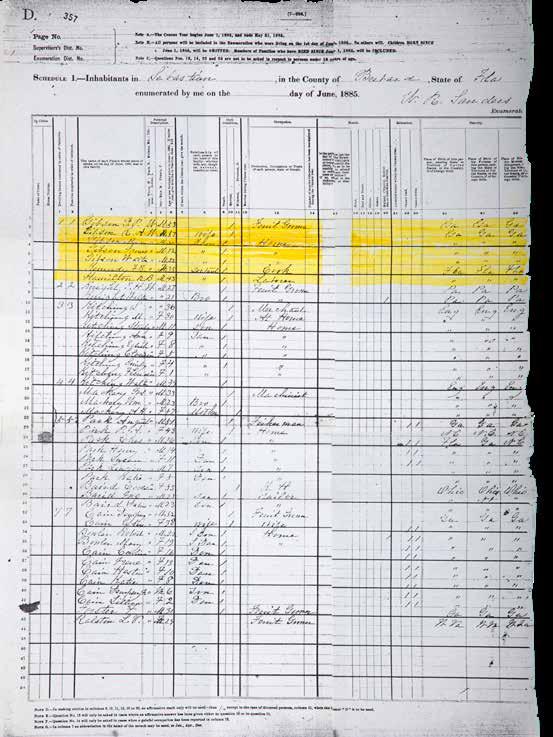
Shown here and included in the Sebastian Inlet District’s historical archives, a copy of the 1885 census of the town of Sebastian that lists six heads of households with 23 adults and 16 children as residents of the small town. The very first name: D. P. Gibson.
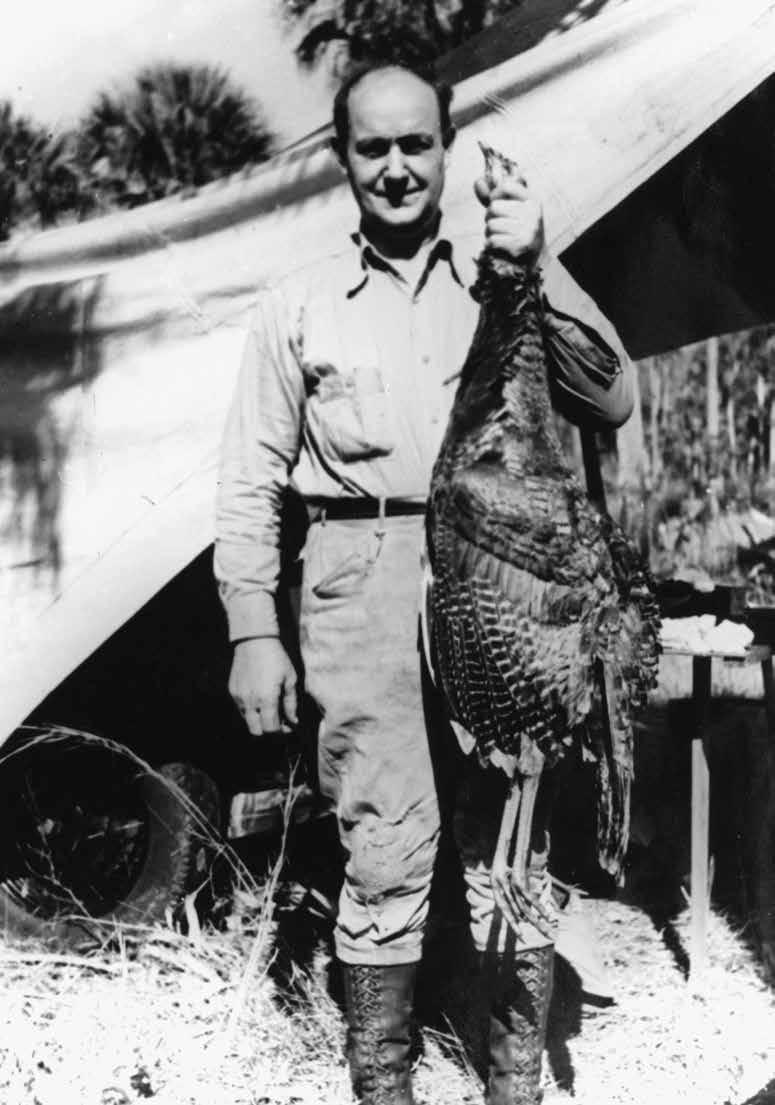
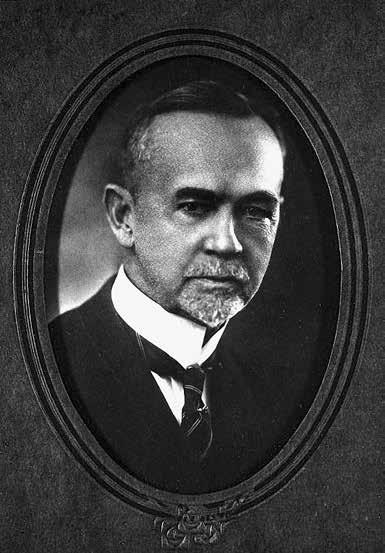
At least six substantiated attempts to open a “cut” were made by 1905, and all were closed by sand, storms and other natural causes almost as soon as they were opened. Coinciding with that sixth attempt in 1905, Roy O. Couch, a figure whose name is synonymous with the Sebastian Inlet, arrived in Brevard County. He came to Micco, Florida, to manage the family grove he and his sister had inherited. Couch was born on October 8, 1878, in Point Pleasant, West Virginia. No other man would persevere the way Couch did to get a permanent inlet open, and though that sixth attempt was successful, as reported in the Fort Pierce Tribune, it wasn’t long before the inlet again filled with sand. Shown here, a photo of Roy O. Couch.
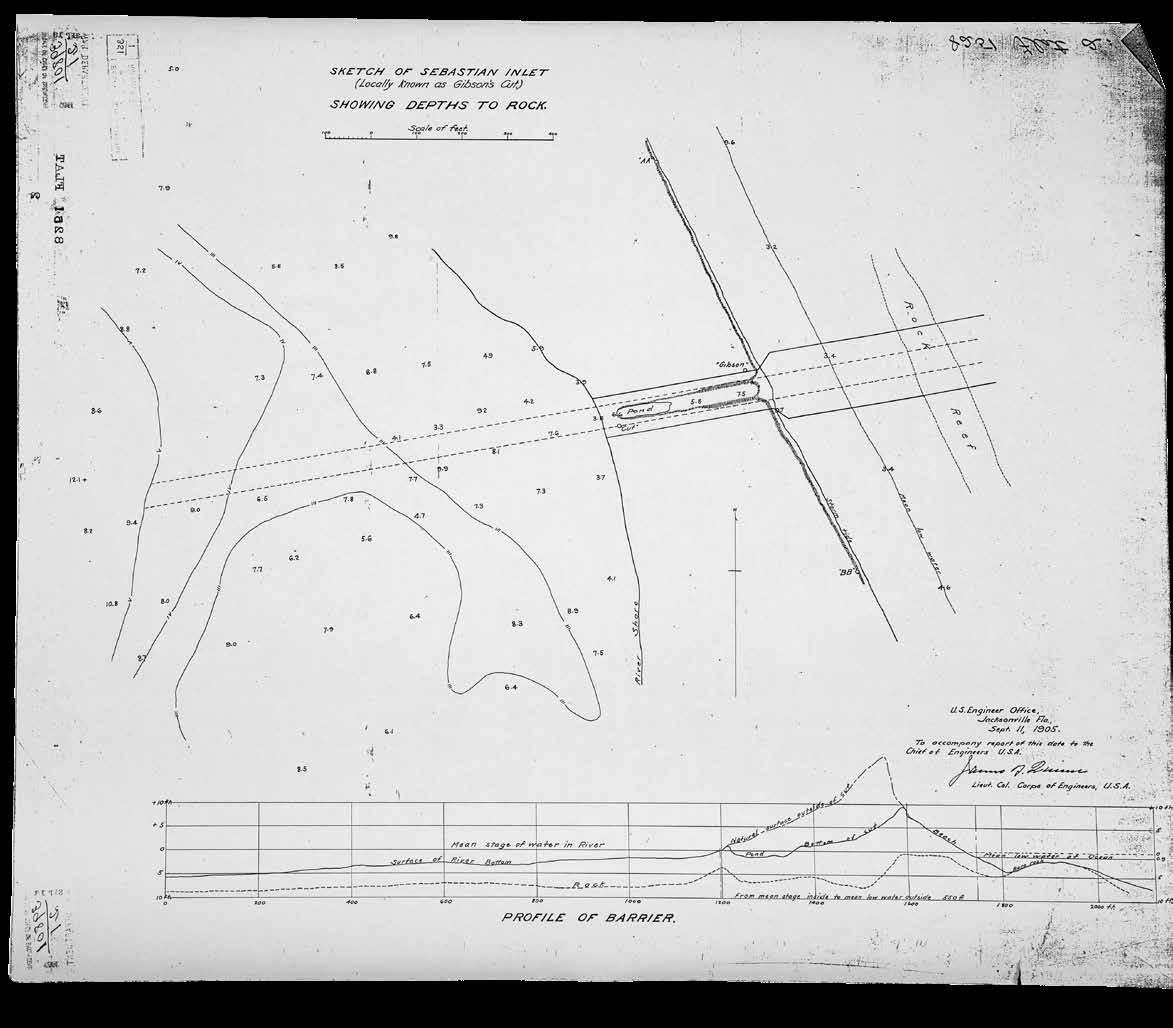
A hand-drawn
survey by the US
Jacksonville, Florida, on September 11,
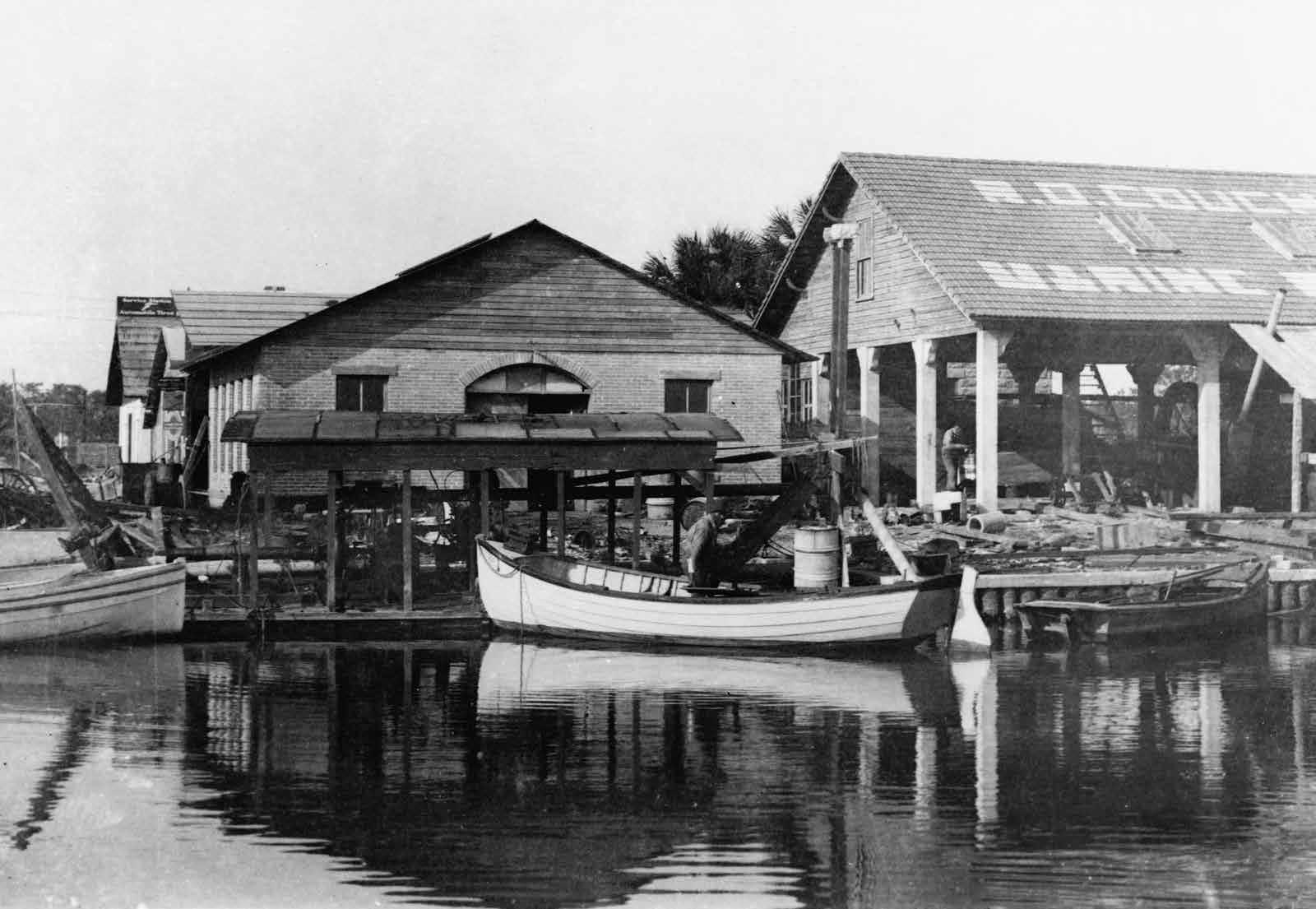
From 1909–1914, the Indian River Lagoon’s water quality steadily declined. In 1914, a petition was circulated asking for an appropriation of $1,200 towards opening an inlet to the ocean near the mouth of the Sebastian River. One hundred signatures were gathered and a delegation of 40 individuals from southern Brevard County presented it to the Brevard County Commission at their April 1914 meeting. Roy Couch was among those who spoke in favor and was likely instrumental in putting the petition drive together. Once again, the effort didn’t lead anywhere.
By 1915, the inlet was a hot topic. With northern Brevard residents against it, a plan to split the county was carried to Tallahassee to no avail. Another insurmountable problem; the US Army Corps of Engineers would not issue the needed War Department permit because it objected to the idea of an inlet in Sebastian. They were obliged to maintain the East Coast Canal and did not want to incur the added expense of dredging sand shoals that would form. The Corps insisted that for approval a local tax district would have to be created to raise funds for the inlet’s maintenance. Roy O. Couch persisted.
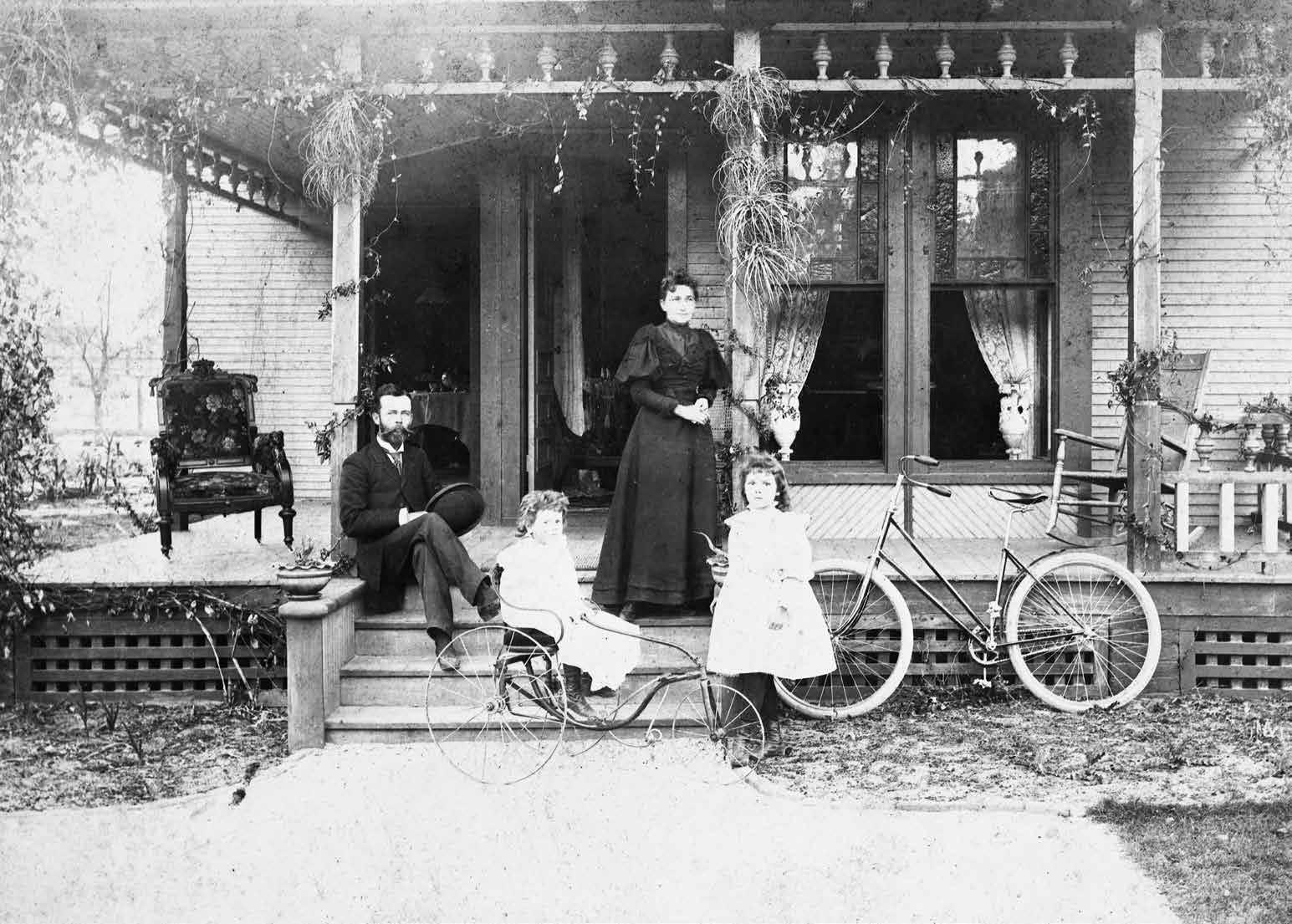
As World War I raged on, several things aligned in Couch’s favor. A friend and sympathetic ear was elected to the State Senate, Dr. William Leland Hughlett (1861–1925). Pictured here with his family—Allie Hughlett, Nannie Wilkinson Hughlett, and Elizabeth Hughlett—at their home in Cocoa. The Hughlett-Rodes bill called for a special election to let the voters in Brevard County decide whether to allocate tax money for continued engineering studies of the Sebastian Inlet’s feasibility. With the majority of Northern Brevard County’s residents against it, the bill was defeated on the November ballot. Again, Roy O. Couch persisted.
From 2004, when the new administrator and Commissioner were seated, to 2014, the Sebastian Inlet District Commission lowered the millage rate by 68 percent and secured more than $8 million in cost share funding for a host a projects, reaffirming their commitment to fiscal responsibility.
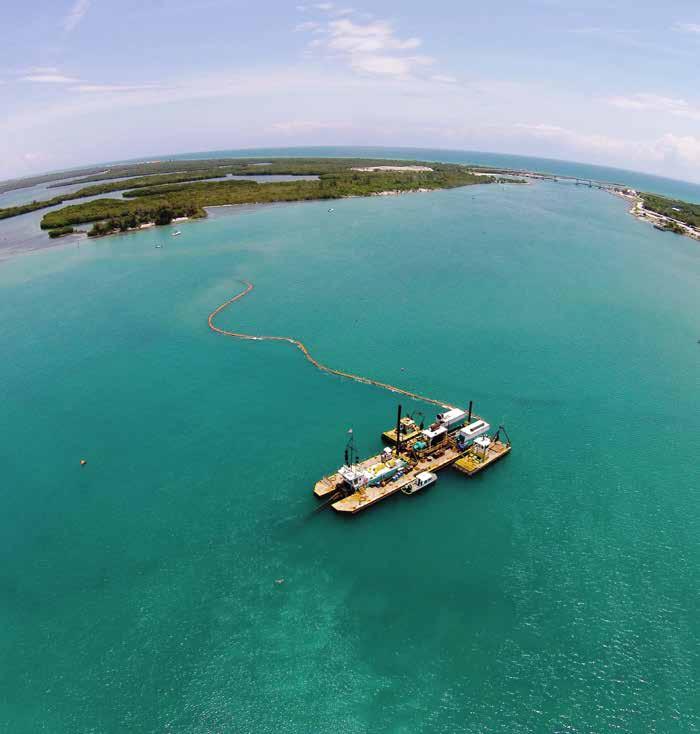
In 2014, the Orion Marine Group was awarded the bid for the sand trap dredging, excavation, and expansion project. After removing more than 111,000 cubic yards of beach-quality sand from the trap, it was placed on the southern beaches prior to May 1 so as not to interfere with sea turtle nesting season. After May 1, 50,000 cubic yards of coquina rock and sand were dredged from the bottom of the sand trap to gain more capacity and create a more uniform now-42-acre trap. The rock was used by Sebastian Inlet State Park for road and parking area stabilization and 25,000 cubic yards of sand was placed in the DMMA for emergency beach restoration and dune repair. The newly expanded and deepened depression within the inlet system would now take longer to fill with sand, extending the timeframe for periodic dredging and sediment bypassing up to five years.
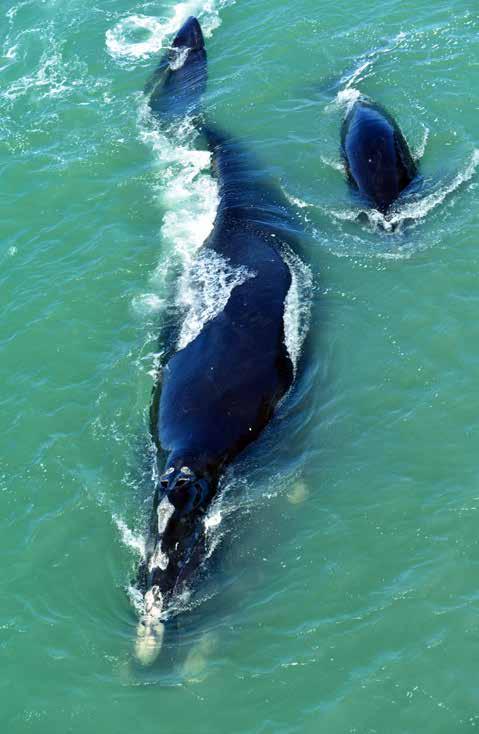

In February 2016, an endangered North Atlantic right whale named “Clipper” and her calf spent 29 hours in Sebastian Inlet as amazed onlookers snapped photos and Florida Fish and Wildlife Conservation Commission officers kept boaters at a safe distance. The mother whale was about 45 feet long, and the calf about 18 feet. Both were able to exit the inlet on their own—a happy ending to this remarkable event!
Right whale season runs from December through March. Right whales are critically endangered and the most recent census of the North Atlantic right whales from November 2018 estimated that only 411 individuals remain on the planet. They migrate between summer feeding grounds in the Labrador Sea off Canada to winter calving areas off Florida and Georgia.
In 2018, the District issued a competitive request for bids for its first sand trap dredging and beach renourishment project since expanding the sand trap in 2014. Work began in January 2019.
This channel maintenance dredging, sand bypass, and beach renourishment project dredged the inlet’s 42-acre sand trap and navigational channel connecting the inlet to the Intracoastal Waterway. During phase I, approximately 113,000 cubic yards of sand was placed on downdrift beaches. Sand was placed according to the beach fill template designed by coastal engineers and on a 1.5 mile stretch of beach south of Sebastian Inlet starting at McLarty Treasure Museum and continuing south past Ambersand beach access (designated by Florida Department of Environmental Protection [FDEP] R-monuments R-10 to R-17). Phase II of the project stockpiled more than 50,000 cubic yards in the District’s Dredged Material Management Area (DMMA) for future emergency beach fill and dune repair. The six-acre DMMA is located immediately Northwest of the tide pool within Sebastian Inlet State Park and can be easily assessed if beaches are negatively impacted by hurricanes or other natural events.
The 3,120-foot channel connecting the inlet to the Intracoastal Waterway was dredged to 150-feet wide and to varying depths of up to -12 feet to aid in navigation. Total project cost was approximately $3 million and 75 percent of the project was covered by FDEP cost share funds with the remaining 25 percent paid by the Sebastian Inlet District.
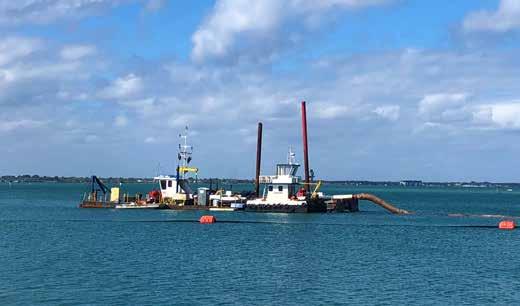
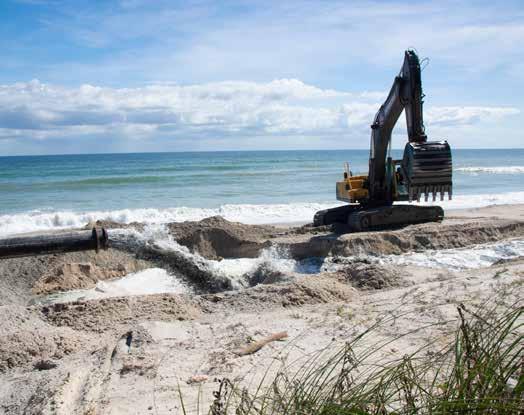
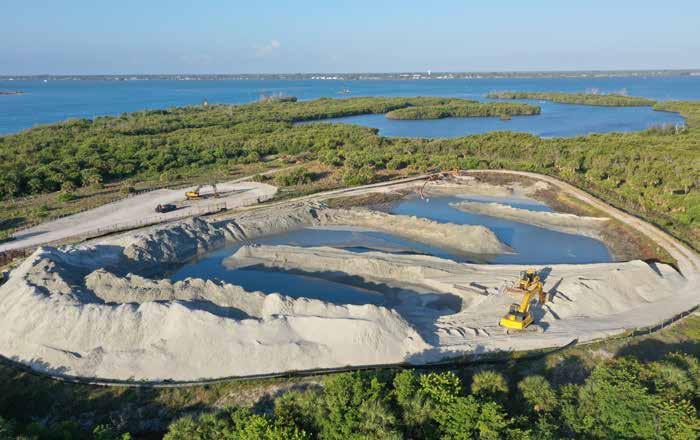
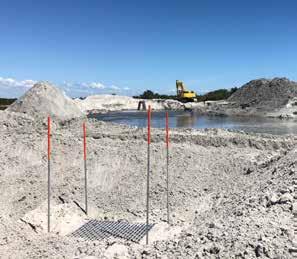
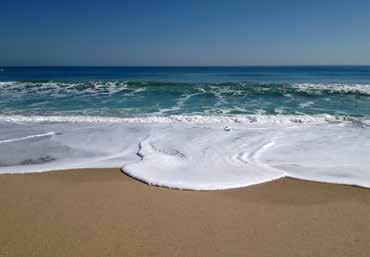
The District and its contractors work closely with officials at FDEP and the Army Corps of Engineers to obtain needed permits and conduct important environmental monitoring that takes place before, during, and post-project. During the project, ongoing turbidity monitoring was conducted around the dredge and at the ocean side discharge point by Florida Institute of Technology to meet standards set by FDEP to protect seagrass shoals to the west of the inlet and nearshore hardbottom along the southern beaches. Sea turtle and shore bird monitoring within the project area is being conducted by Ecological Associates, Inc. (EAI) for the entire 2019 nesting season to ensure no impact, including escarpments or changes in the profile of the beaches after grading. Marine biologists from CSA Ocean Sciences who conducted a comprehensive, pre-project nearshore hardbottom survey in August 2018 will complete a post-project survey to ensure no sand has migrated to cover the important nearshore hardbottom habitat south of the inlet, and biologists from Atkins North America will conduct field work in July to monitor seagrass beds in six zones on the flood shoal west of the inlet.
Also, in January 2019, the District named James D. Gray Jr. as the third administrator in the organization’s history.
One hundred years ago, the Sebastian Inlet District was created by the Florida State Legislature as an independent special district with boundaries that run south from the inlet into Indian River County, and north into Brevard County. The District is governed by a five-member elected Commission with two Indian River County seats and three Brevard County seats.
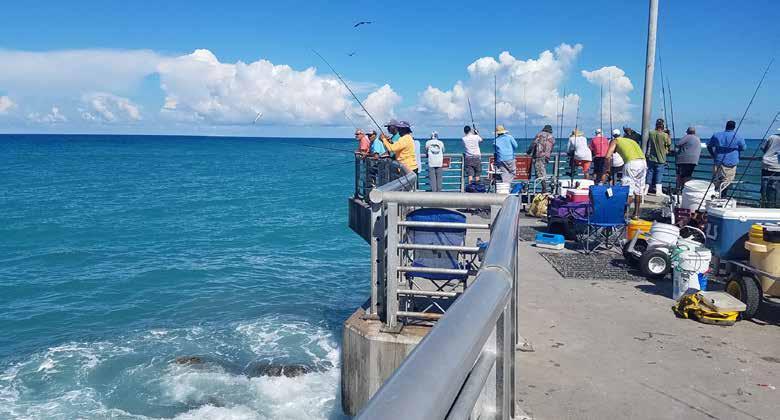
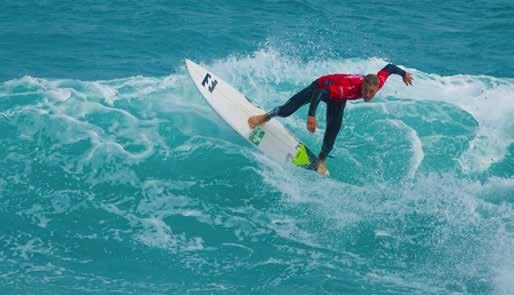
Sebastian Inlet is known worldwide as a premier fishing, boating, and surfing destination on Florida’s East Coast, offering a host of other recreational activities for water sports enthusiasts and naturalists. The inlet supports one of the most rich and biodiverse estuaries in North America.