


EDITORS-IN-CHIEF
C Icart and Michelle Young eic@the-peak.ca
COPY EDITOR
Michelle Young copy@the-peak.ca
FACT CHECKER
Karly Burns factchecker@the-peak.ca
NEWS EDITOR
Hannah Fraser news@the-peak.ca
NEWS WRITERS
Niveja Assalaarachchi and Lucaiah Smith-Miodownik
OPINIONS EDITOR Zainab Salam opinions@the-peak.ca
FEATURES EDITOR
Petra Chase features@the-peak.ca
ARTS & CULTURE EDITOR
Phone Min Thant arts@the-peak.ca
HUMOUR EDITOR Mason Mattu humour@the-peak.ca
STAFF WRITERS
Heidi Kwok, Noeka Nimmervoll, and Ashima Shukla
WEB MANAGER Audrey Safikhani web@the-peak.ca
PROMOTIONS MANAGER
Juliana Manalo promotions@the-peak.ca
PROMOTIONS ASSISTANT
Petra Chase
PRODUCTION & DESIGN EDITOR Abbey Perley production@the-peak.ca
ASSISTANT PRODUCTION EDITORS Mary Gigiberia and Minh Duc Ngo
PHOTO EDITOR
Gudrun Wai-Gunnarsson photos@the-peak.ca
BUSINESS MANAGER
Yuri Zhou business@the-peak.ca (778) 782-3598
BOARD OF DIRECTORS
Juliana Manalo, Yildiz Subuk, Olive Visser, and Yuri Zhou
DISTRIBUTION COORDINATOR
Lucaiah Smith-Miodownik
CONTRIBUTORS
Gurnoor Jhajj and Issra Syed
PEAK ASSOCIATES
Cliff Ebora, Yan Ting Leung, Victoria Lo, Angela Shen, and Jin Song
COVER ARTWORK
Abbey Perley
Burnaby, BC V5A 1S6


Follow us on Instagram, at @thepeakatsfu and check out our YouTube channel, The Peak (SFU).
READ THE PEAK
Pick up paper copies at any SFU campus Find extended, cited, and web-accessible articles at the-peak.ca Download digital issues at issuu.com/peaksfu
The Peak is SFU's weekly student newspaper published every Monday, by students, for students. We’re funded by a student levy and governed by a Board of Directors. Any SFU student can apply to become staff.
We reserve the right to edit submissions for length, as well as style, grammar, and legality. We also reserve the right to reprint submissions at any time, both in print and on web. We will not publish content that is sexist, racist, or otherwise prejudiced.
Members of SFU’s Punjabi Student Association speak on personal impact
HEIDI KWOK · STAFF WRITER
Content warning: mention of suicides.
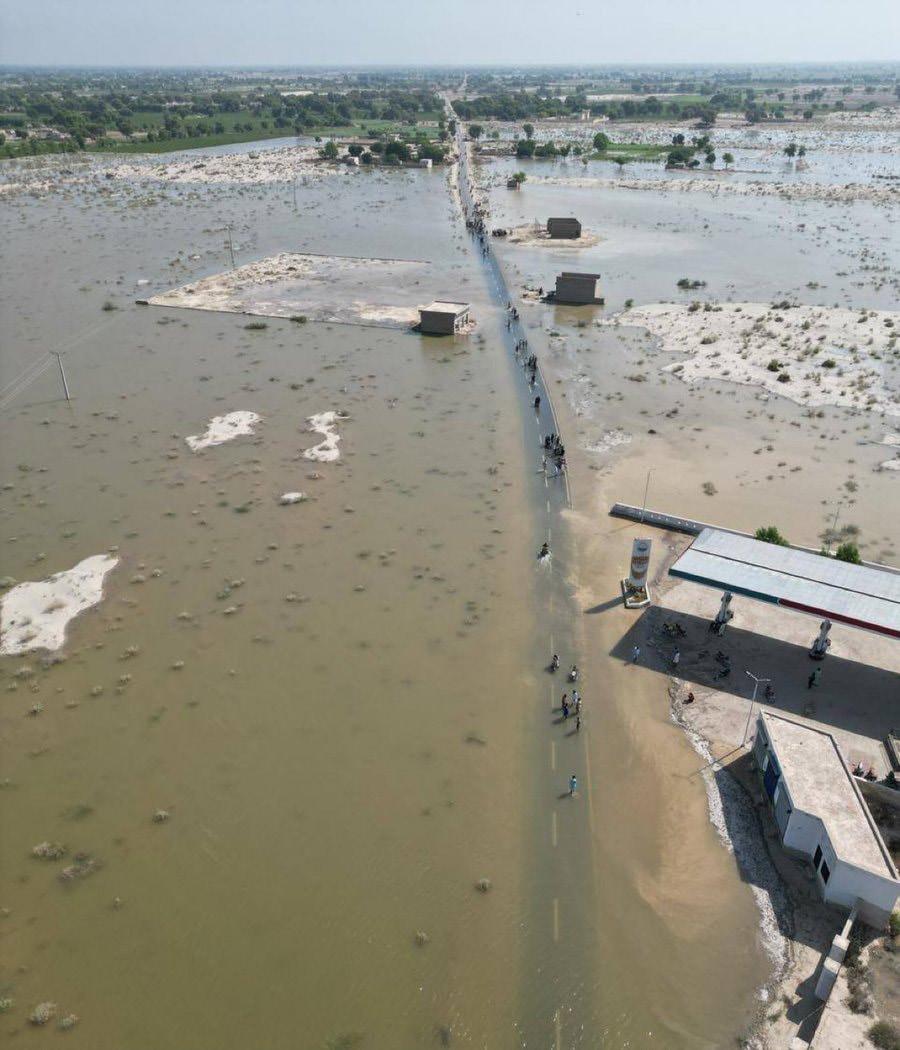
The Indian state of Punjab has been facing severe flooding, the worst since 1988, due to intense monsoon rainfall. As of late June, an estimated 1,900 villages and 400,000 acres of farmland are submerged, and around 300,000 people remain under evacuation alerts. Since August, the disaster has displaced a total of 1.3 million people.
The flooding of agricultural lands was further worsened by overflowing rivers and the Indian government’s decision to release water from overwhelmed dams. In Pakistan’s Punjab province, similar record floods have led to the loss of 118 lives, the displacement of 2.6 million people, and the destruction of 2.5 million acres of crops. The United Nations reported that nearly 1,000 lives have been lost.
The Peak spoke with Vijay Malhotra, president of the SFU Punjabi Student Association (PSA), and Jasnoor Mann, PSA marketing team member, to learn more about how the floods have affected their members. Both members are secondgeneration immigrants, and highlighted the importance of staying connected to the place where their roots lie through family.
According to Malhotra, Punjab is “the home of wheat and barley for India, and it’s a big part of our culture and our food that we eat throughout the year.
“People lost their houses, lost their livestock and livelihood, essentially. They were uprooted, and they don’t have anywhere to go,” he said. “When there’s no support from outside sources or friends and family because everybody’s dealing with their own specific situation, it’s hard to sit back and watch people that we know be affected by nature that we really can’t control in a sense.”
The irreversible damage to a farmer’s crops — the only source of livelihood for many in Punjab — has led to suicides in
How ongoing colonial systems perpetuate genocide and ableism
HEIDI KWOK · STAFF WRITER
Content warning: mentions of genocide, forced sterilization, and trauma.
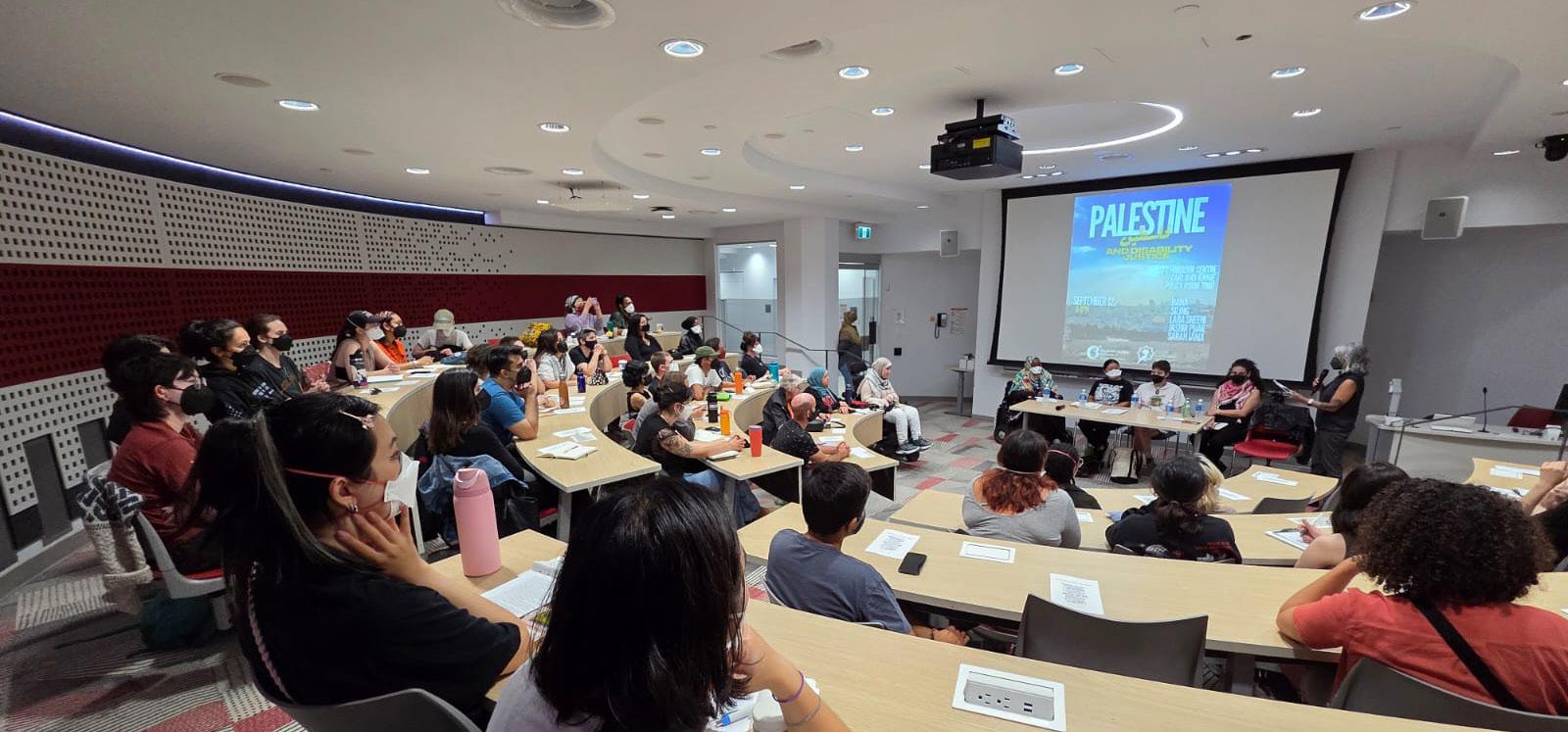
On September 12 at the Harbour Centre, the Disability Justice Network of BC and the SFU Centre for Comparative Muslim Studies (CCMS) hosted a panel of five speakers who shared how the fight for Palestinian liberation is closely tied to disability justice. The Peak attended the event to learn more.
Adel Iskandar, an associate professor of global communication at SFU and director of the CCMS, opened the event by stressing the importance of “centring Palestine in the discussion around decolonization” and disability justice. “Israel has actively tried to render Palestine a non-existent entity, in every sense of the word, and to disable, dismember, and eventually dismantle and annihilate all that makes Palestinians human beings.”
Jasbir K. Puar, a distinguished faculty of arts professor at the Social Justice Institute at UBC, provided context for the talk, describing how the ongoing genocide exacerbated the existing amputation crisis in Gaza. According to Al Jazeera, an estimated 50,000 people already lived with disabilities in Gaza due to Israeli violence before October 7, 2023. Since then, the Gaza Health Ministry has recorded 4,800 cases of amputations, of which children made up 18% or 800 cases, “while about 24,000 of those injured required rehabilitation.”
Mann’s family. She reflected on other families being torn apart with the passing of their sole breadwinner: “When stuff like this happens, it’s a crisis occurring in a crisis. So it’s always like, how much more can Punjab take before it collapses?”
Mann cited the flood’s severity as being exacerbated by ongoing political unrest and the government’s mismanagement of river systems, including its failure to adequately address the public’s concerns about existing damage to flood infrastructure. She expressed her frustrations: “Our people [are] always at the end of the stick when it comes to damages.”
When stuff like this happens, it’s a crisis occurring in a crisis. So it’s always like, how much more can Punjab take before it collapses?
JASNOOR MANN
MARKETING TEAM MEMBER, SFU PUNJABI STUDENT ASSOCIATION
On how PSA members are coping during this tragedy while being away from home and family, Malhotra expressed: “It’s been a hard time, I know, especially for some of our team having family back home,” whether that be extended or immediate family, “because communication’s been disrupted through the floods.”
Balancing academics and contacting family makes it “hard for some of our general members and executive members”
to participate in the PSA “because they’re so emotionally drained from the event,” he said.
Despite this, both Malhotra and Mann pointed out the strong sense of community and mutual support among members during this challenging period. “The most important thing is getting people together and getting people to talk and make them feel like they’re not alone,” Mann expressed.
Due to limited news coverage on the floods, friends and family serve as the immediate source of updates for PSA members. “Through maintaining these connections, I’ve learned the value of community, the power of resilience, and the importance of showing up for one another — especially in times of crisis like the floods currently affecting the region,” said Malhotra. “It’s a reminder that even from across the world, we can stand in solidarity with our people and make a difference.”
Both interviewees highlighted efforts to raise awareness outside Punjab, including working on a fundraiser for flood relief. The PSA has also been working with Vancouver-based radio station RED FM’s Radiathon and SAF International to process pledges.
If you wish to support flood survivors in Punjab, please consider donating funds to SAF International or Khalsa Aid.
“Gaza is living through a mass debilitating, maiming, and disabling event on a historic scale, with a health system near collapse, an engineered famine, almost no humanitarian aid, and forced evacuations,” said Puar.
Bana, a Palestinian disability justice advocate, grounded discussions on the state of Palestinian political prisoners who have been maimed, amputated, and tortured in Israeli prisons “beyond recognition.” Lara Sheehi, a research fellow at the University of South Africa’s institute for social and health sciences, followed up by offering her perspective as a clinical psychologist: “Political prisoners are the heart of our struggle” and “have always intimately understood the targeting of bodies and the psyche as a central part of the working machine of settler colonialism.
Gaza is living through a mass debilitating, maiming, and disabling event on a historic scale.
JASBIR K. PUAR
“The psychic terrain being a place to be stolen as well,” she continued. “It’s the fact that oftentimes the entire industry of trauma wants to talk about trauma without ever linking it up to the system or the condition, like settler colonialism, that creates the trauma to begin with.”
Bana also shared the challenges of realizing disability justice when people with disabilities back home have been intentionally subjected to exclusion. “One thing about disableism” is that we choose “who to see and who to focus on.”
Sarah Jama, a community organizer and former member of provincial parliament for Hamilton Centre, drew parallels between the exclusionary systems that enable the systemic mistreatment of disabled people both here in Canada and in Palestine: “Because we live in a society that says disabled people, sick people, chronically ill people don’t deserve to live in public, we have to warehouse them and send them away, and that continues to kill people.”
Speaking on how disability relates to Palestine, another panellist named Siling said: “There is a clear connection between how disabled people are dehumanized, rendered ‘less than’ or ‘non-human,’ and the way that Palestinians are dehumanized. Everyone in Palestine is disabled or set to become disabled because the conditions of genocide are disabling.”
Kulbir Kaila’s coworkers and allies say SFU’s outsourcing, BEST’s working conditions, and CUPE 3338’s alleged inaction have left cleaners without protections
HANNAH FRASER · NEWS EDITOR (WRITER AND INTERVIEWER)
SHUKLA · STAFF WRITER (INTERVIEWER AND TRANSLATOR)
Since 2020, Contract Worker Justice (CWJ) @SFU has been leading the push for better working conditions at the university.
At the heart of the coalition’s rallies, events, and research is a demand that SFU directly employ its cleaning staff, rather than outsourcing them to BEST Service Pros. CWJ argues that the current system leaves workers trapped in “low pay, weak benefits, a lack of job security, and exclusion from the SFU community.”
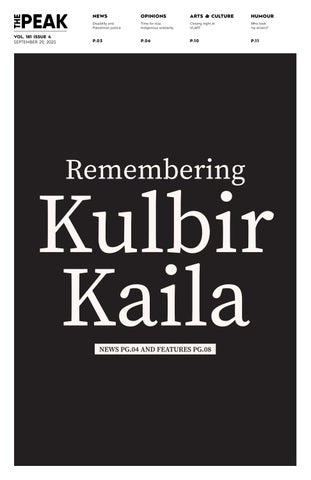
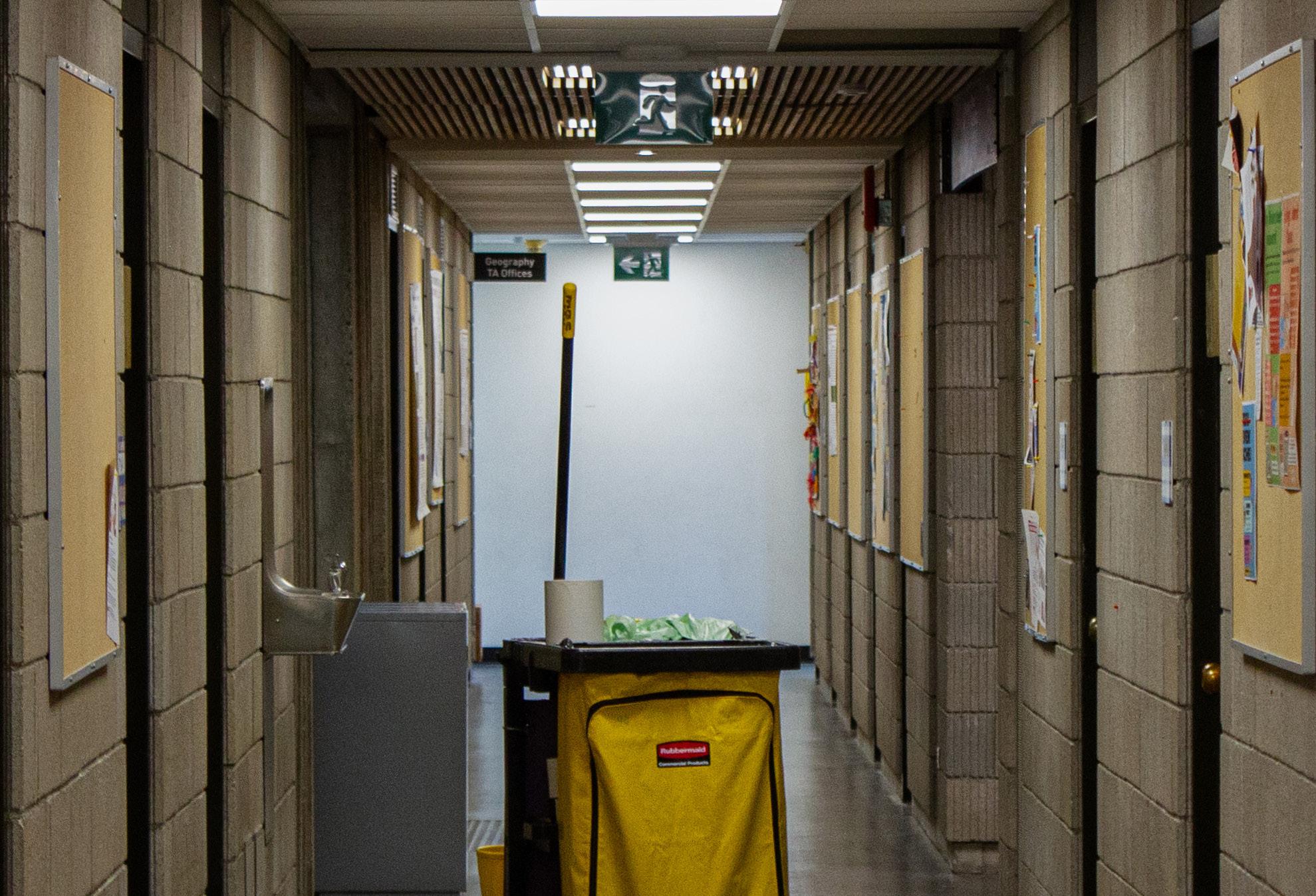
That fight for change took a turn on July 28, when cleaning worker Kulbir Kaila died during her shift at the Burnaby campus, leaving the community devastated.
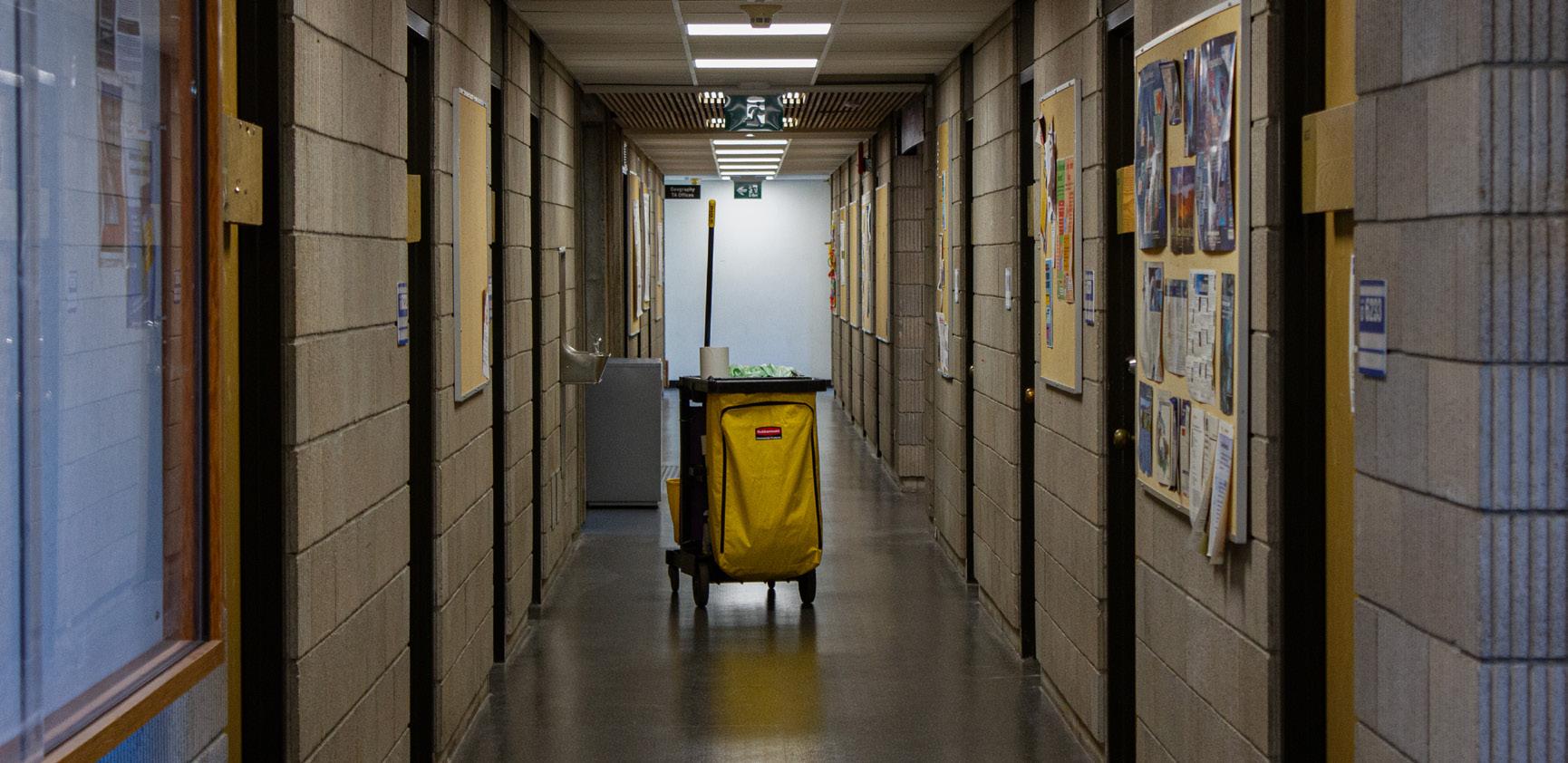
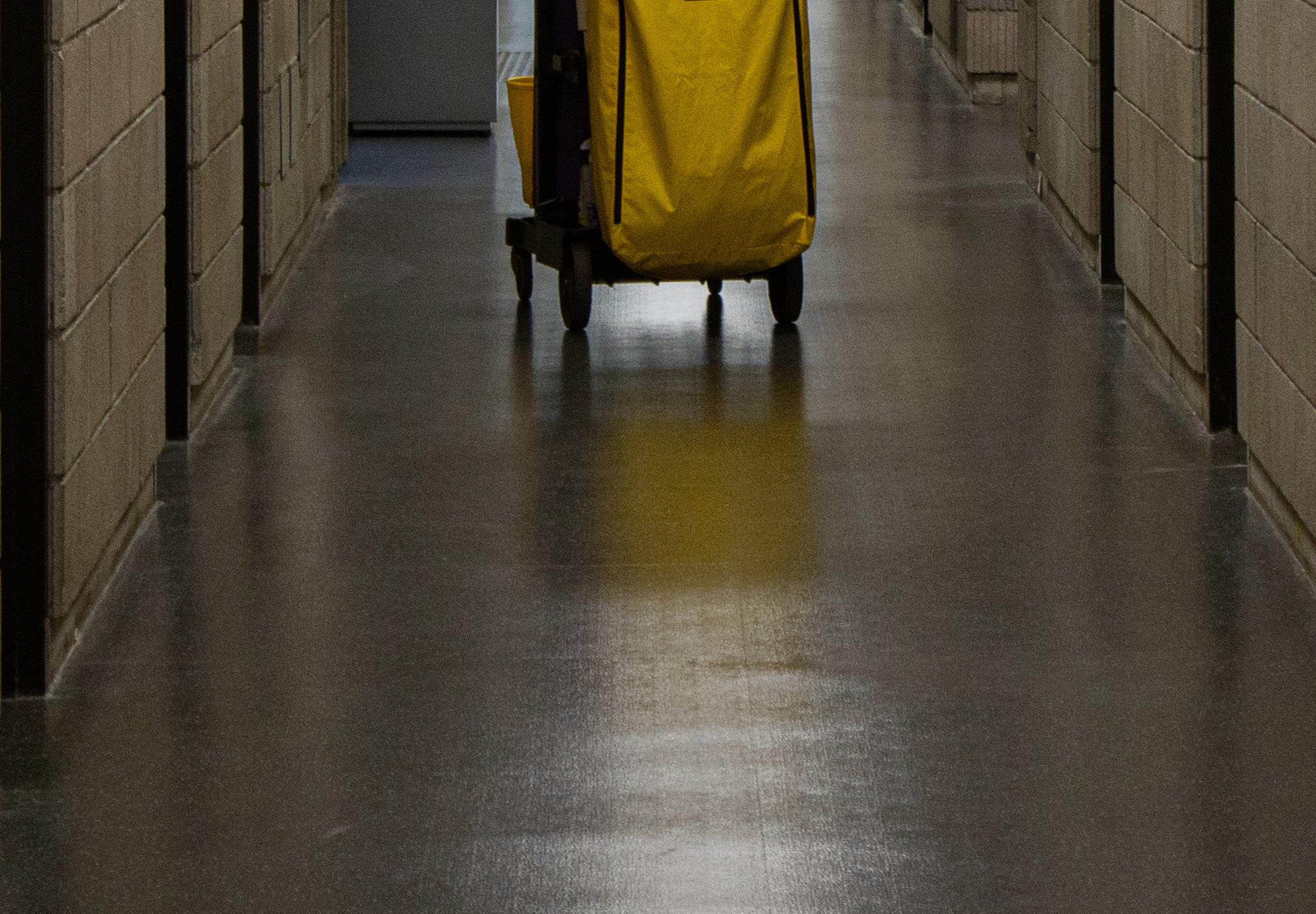
According to The Tyee, Kaila had already been struggling with leg and back pain and had to take on larger areas to clean as part of her daily work over the last two years. Many cleaning workers at SFU face the same reality — most are older than 50, some “have limited mobility and manage elbow, back, and leg pain,” and walk “up to 40,000 steps each shift, pushing equipment across campus on wheeled carts.”
SFU told The Tyee that Kaila’s passing “had nothing to do with the working environment.”
However, all seven of Kaila’s co-workers that the publication interviewed said the workload, working conditions, and preexisting health conditions “contributed to her death.”
The Peak interviewed SDU+ to further investigate the concerns raised by The Tyee. Beyond organizing social justice events on campus, SDU+ said they had spoken with workers about their concerns.
Every worker should return home after their shift.
DEREK SAHOTA
CAMPAIGN RESEARCH ASSISTANT AT CONTRACT WORKER JUSTICE
“According to the workers we’ve spoken with, Kaila’s death is directly linked to her working conditions,” said SDU+. “On the day of her death, she was assigned five areas to clean,” specifying that “a reasonable workload is one to two areas.” Her cause of death has not been made public.
Her case reflects wider concerns: for one, workers allegedly face verbal abuse and harassment. Multiple cleaning workers have been “on (often unpaid) leave due to physical injuries and mental stress, leading to hospitalization,” said SDU+. According to BC’s Employment Standard Act, workers should have a minimum of five days of paid sick leave. However, “if a union’s collective agreement meets or exceeds the requirements of the Employment Standards Act,” then “the collective agreement applies” instead. SDU+ did not specify how much paid or unpaid leave the workers were given. SDU+ also alleged the workers do not have access to the collective agreement of their union, CUPE 3338. The Peak reached out to CUPE 3338 to verify this claim, but they did not directly respond to it. WorkSafeBC is currently investigating individual claims.
The Peak also spoke with two cleaning workers who were close to Kaila: Noorpreet and Ravneet. Their names have been changed to protect their identities. Noorpreet described how, with inflation and having to support family, she feels obligated to keep working despite harassment from management.
“We feel very helpless. And we suffer a lot,” echoed Ravneet.
The Tyee also noted that workers have “insufficient cleaning equipment to properly do their jobs.” SDU+ alleged that BEST “made repetitive attempts to keep workers quiet” about their concerns, including supervisors, team leads, and assistant managers surveilling them during shifts through photos and videos. Ravneet said that even during breaks, workers were being watched and recorded.
SDU+ said recordings are “later used to justify wage theft,” with BEST claiming workers failed to do their jobs correctly. Workers are allegedly “docked pay for being one minute late or having the door closed on them to prevent them from punching in.” BC’s Employment Standards Act “prohibits an employer from withholding wages for any reason,” other than “deductions required by law, such as income tax, CPP, and EI.” The act also prohibits “an employee to cover any business costs.”
Chris Moore, CEO of BEST, expressed the company’s “deepest condolences” and told The Peak, “The well-being of our team is paramount, and this tragedy compels us to be better.” He said that BEST is “fully cooperating with ongoing investigations.”
Moore refuted the allegations that the company operates “in a culture of fear,” stating, “our managers and executive team are here and always available to our team, without any repercussions or fear of termination.
“I want to reiterate that BEST takes the safety and security of all our team members as our number one priority,” he said. “We have listened to the concerns of our team members, and we commit ourselves to listening and responding.”
Moore stated that, “effective immediately,” BEST is “reviewing safety gear” and “protocols with a view to enhancing these with team safety and security in mind; reviewing workloads and schedules; reinforcing safety training, supervision, and hazard monitoring; and recasting clear, confidential channels for raising safety and well-being concerns.” He added that BEST will continue to work with “employee representatives, the union, and CWJ to engage in dialogue around enhancing safety and workplace culture.”
Without a safety net
The workers’ union did not adequately support the workers, according to SDU+. They said that until Kaila’s death, “CUPE
3338 made no effort to listen to workers’ demands.”
CUPE 3338 is a “non-profit union organization” representing “nearly 1,200 members in six bargaining units” across SFU.
“Even after having meetings with Shaneza Bacchus (CUPE 3338 president), there was no improvement in working conditions,” said SDU+. The union, they added, had “no interest in fighting for working-class rights.” Bacchus allegedly “intentionally avoided speaking to workers and rarely had meetings,” making excuses such as “‘being on vacation’ and language barriers.”
Since the prioritization of “bargaining for higher salaries” in 2023, SDU+ said CUPE has not brought up worker concerns to BEST.
In The Tyee article, Bacchus said workers “were expected to do ‘surface level’ cleans,” but a language barrier with the workers — many of whom whose first language is not English — prevented that from being successfully communicated. SDU+ reported that management never told workers they were expected to do “surface-level” cleaning.
To put health first, these cleaners need to be part of the community and the president needs to actually step out of Strand Hall and directly hear from the workers and their union.
DEREK SAHOTA
CAMPAIGN RESEARCH ASSISTANT AT CONTRACT WORKER JUSTICE
CUPE told The Peak that they are “actively working to address the concerns raised by members.” The union said they “have been raising the issue of contracted out cleaning (and food services) for several years.”
“We firmly believe that working conditions, equity concerns, and safety issues would improve significantly if SFU directly employed these workers.” CUPE acknowledged that “the loss of Kulbir Kaila is felt deeply in our community.”
The cost of contracting out
The Peak also interviewed Derek Sahota, campaign research assistant at CWJ and member representative at the Teaching
Support Staff Union. “By contracting out, SFU both forces a race to the bottom for contractors, and also builds a buffer between them and the workers’ reality that means change is so hard to occur,” he said. SFU contracts out “to distance themselves from daily decisions that hurt workers and save money,” he added.
SFU stated that “maintaining safe and healthy learning and working environments is of paramount importance to the university. We are deeply saddened by this tragic passing. Our thoughts are with her family, friends and colleagues during this difficult time.”
They added that “any questions about conditions for cleaning workers should be directed to their employer, BEST.”
“Cleaning is hard, demanding work that involves dangerous chemicals, and tens of thousands of steps per day, lifting, bending, no matter the temperature,” Sahota explained.
“We know cleaners were being assigned more area to clean as SFU tried to cut costs. We know SFU had a $6.5 million surplus last year, more than enough to keep all the cleaners they laid off.”
He also said SFU “would have had no way of knowing” within 24 hours that Kaila’s death “wasn’t their fault,” but this story was spread anyhow. SFU also allegedly claimed the workers “were always paired up,” but Sahota said “anyone who works on campus knows that wasn’t true.”
Paths forward
Sahota said SFU president Joy Johnson had “ghosted us on [worker] meetings when she came to power.
“To put health first, these cleaners need to be part of the community and the president needs to actually step out of Strand Hall and directly hear from the workers and their union.”
Moving forward, Sahota said that “SFU needs to retract their statements, apologize to the whole community — including the workers they exclude from SFU employment — and take proactive steps to make the jobs better in coordination with their union.”
SDU+ said “the only solution is removal of the existing management, establishing democracy within the union, and forcing BEST to provide safe working conditions and reasonable workload to the workers.”
“Speaking up against your boss is always hard, and in order to speak up, workers need to know both that they’re protected, but more importantly, that there’s actually some hope that things will get better,” said Sahota.
“Every worker should return home after their shift.”
PROTECT INDIGENOUS CHILDREN!

If we continue to measure people against a fabricated neutral accent, we erase the richness of our shared language and reinforce the hierarchies that keep racialized speakers at the margins.
So, let’s wear orange on September 30 — and carry its significance into October, November, and every month thereafter.

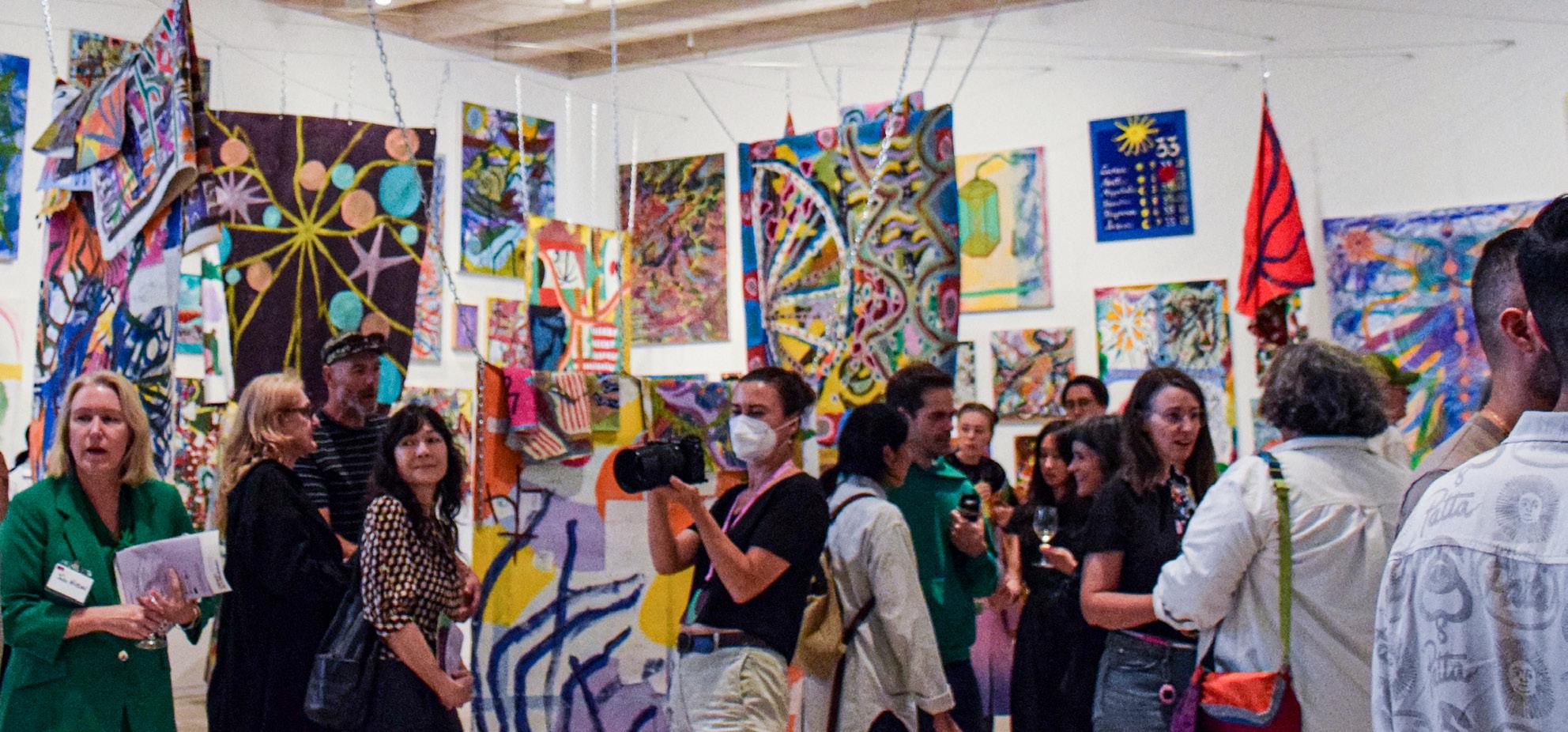
The Gibson team seems to be cognizant of its impact on its surroundings, and aims to be a place of learning as well as teaching.

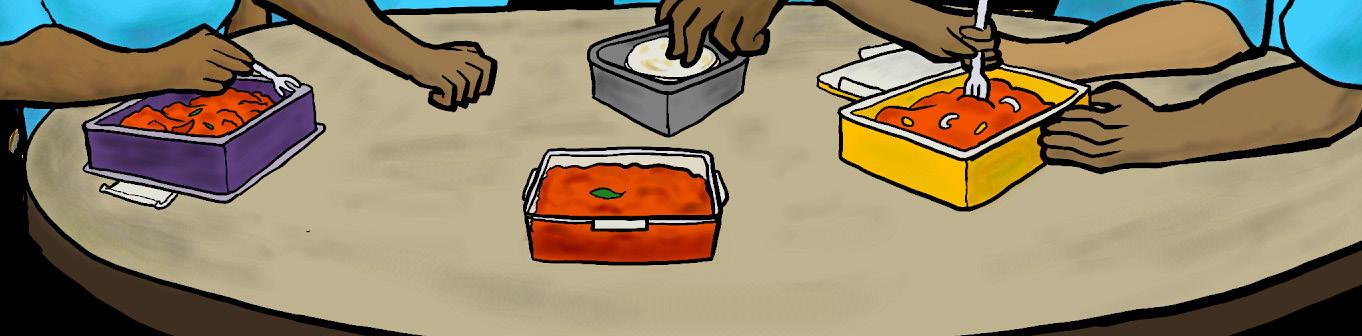
She truly deserves a lot of recognition. It should be written about.
Kulbir is gone, but I stood with her. I want justice for Kulbir.
NOORPREET FRIEND OF KAILA

If you’re just interested in animation, graphics, and art, SIGGRAPH is a good place because it’s more than just a technical conference.
MICHAEL XU SFU COMPUTING SCIENCE PHD STUDENT

Through humour and sophistication, the film was a physical reminder as to why festivals like this matter. They bring global voices to Vancouver and give the audience a chance to learn, laugh, and live across borders, all on the big screen.