





EDITOR-IN-CHIEF
Petra Chase eic@the-peak.ca
COPY EDITOR Michelle Young copy@the-peak.ca
FACT CHECKER Karly Burns factchecker@the-peak.ca
NEWS EDITOR Hannah Fraser news@the-peak.ca
NEWS WRITERS Mason Mattu and Lucaiah Smith-Miodownik
OPINIONS EDITOR Sofia Chassomeris opinions@the-peak.ca
FEATURES EDITOR Daniel Salcedo Rubio features@the-peak.ca
ARTS & CULTURE EDITOR Izzy Cheung arts@the-peak.ca
HUMOUR EDITOR C Icart humour@the-peak.ca
SPORTS EDITOR Izzy Cheung sports@the-peak.ca
SPORTS WRITER Kaja Antic
STAFF WRITERS Yasmin Hassan, Yildiz Subuk, and Phone Min Thant
BUSINESS MANAGER Yuri Zhou business@the-peak.ca (778) 782-3598
The Peak MBC2900 8888 University Dr. Burnaby, BC V5A 1S6 (778) 782-5110
READ THE PEAK
PROMOTIONS MANAGER
Juliana Manalo promotions@the-peak.ca
PROMOTIONS AND SOCIAL
MEDIA ASSISTANT
Jenna Emperador
PRODUCTION & DESIGN EDITOR
Abbey Perley production@the-peak.ca
ASSISTANT PRODUCTION EDITORS
Mary Gigiberia and Minh Duc Ngo
PHOTO EDITOR
Gudrun Wai-Gunnarsson photos@the-peak.ca
WEB MANAGER
Subaig Bindra web@the-peak.ca
DISTRIBUTION COORDINATORS
Colin Ai-Jeffrey and Anastasia Shatska
BOARD OF DIRECTORS
Rebecca Dersey, Liam McKay-Argyriou, Yildiz Subuk, Olive Visser, and Yuri Zhou
CONTRIBUTORS
Osna Hadef, Elijah Dunham-Jasich, Manal Kashif, Quin Kohlman, Zainab Salam, Bithi Sutradhar, and Fernando Valdivia
PEAK ASSOCIATES
Amirul Anirban, Cliff Ebora, Kristin Lee, Victoria Lo, Abigail Streifel, and Victoria Xi
COVER ARTWORK
Collage: Gudrun Wai-Gunnarsson


Pick up paper copies at any SFU campus Find extended and cited articles at the-peak.ca Download digital issues at issuu.com/peaksfu
The Peak is SFU's weekly student newspaper published every Monday, by students, for students. We’re funded by a student levy and governed by a Board of Directors. Any SFU student can apply to become staff.
We reserve the right to edit submissions for length, as well as style, grammar, and legality. We also reserve the right to reprint submissions at any time, both in print and on web. We will not publish content that is sexist, racist, or otherwise prejudiced.
We acknowledge that The Peak’s office is located and our paper is produced, distributed, and read on the Unceded Coast Salish Territories of the xwməθkwəy̓əm (Musqueam), səlilwətaɬ (TsleilWaututh), Kwikwitlem (Coquitlam), Kwantlen, Katzie, Semiahmoo, and Skwxwú7mesh (Squamish) Peoples. Unceded means that this land was never surrendered, relinquished, or handed over in any way. We recognize that the unceded land that we occupy includes not only the SFU Burnaby campus, but extends to the land occupied by the Vancouver and Surrey campuses as well.
CREATING CONNECTIONS
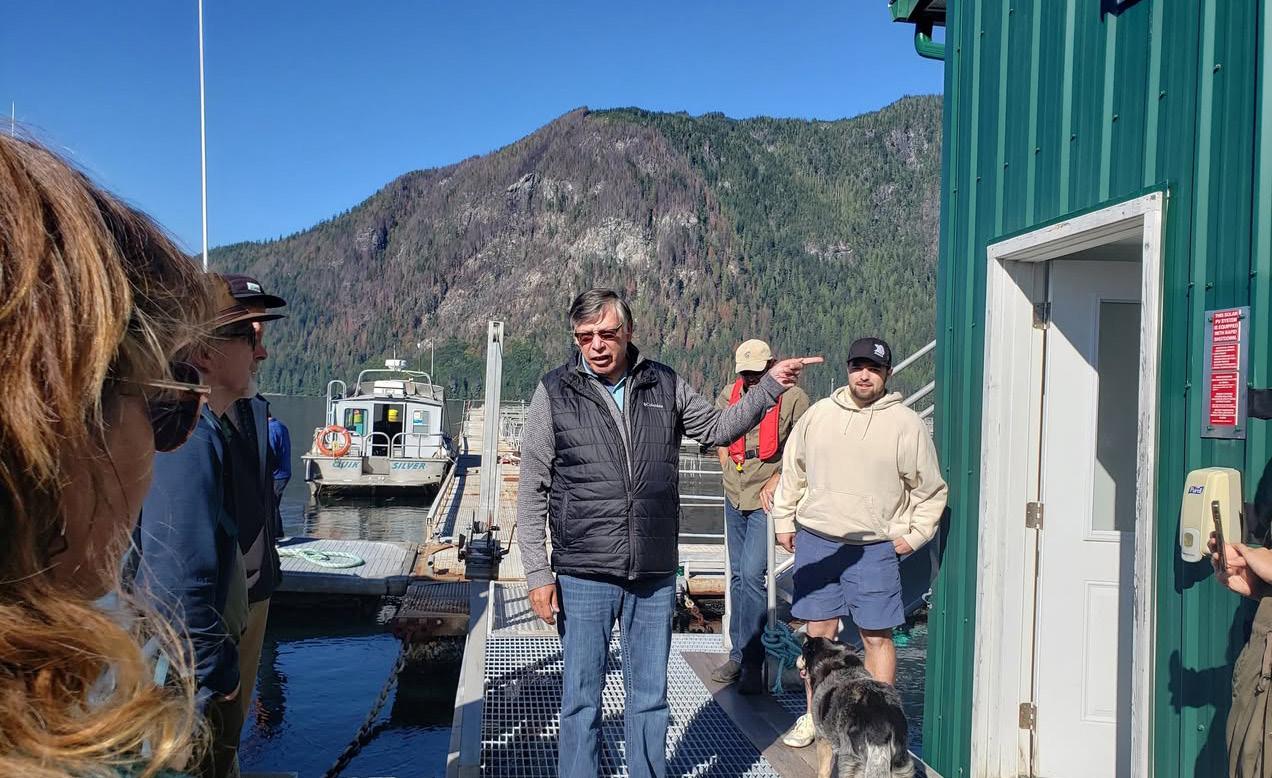
Eventually, revenue will be created by protecting the environment, by conserving forests and by not cutting them.
FRANK VOELKER
MANAGER AND ECONOMIC DEVELOPMENT OFFICER, KWIAKAH
NATION

By prioritizing social connection, we can combat the rising mental health crises, reduce healthcare costs, and build a more resilient and cohesive society.
KIFFER CARD
ASSISTANT PROFESSOR OF HEALTH SCIENCES, SFU

The most important thing is to fight against corruption in this country. If we hadn’t stood up, [the government] would have just gone over it.
MATEJA STUDENT PROTESTOR, SECURITY FOR THE SERBIAN PROTESTS

That fuzzy crackle and pop that you hear when listening to a vinyl adds a layer of texture in the audio that hones nostalgia.


The more Canadians understand their economic well-being as dependent on the continued exploitation of land and resources, the more the political will to meet Indigenous demands will further disintegrate.
dispossession, enslavement and the “ownership” of other humans, resource extraction,
experiences of those who’ve done the work. Those who are describing life’s mirror, what they have failed to see, and what may lie outside of the frame in front of them. And documenting this process of looking and seeing, of recognizing what’s visible and women’s lives and what they see in the mirror. Whether they see doppelgangers (their doubles), their views of those they’ve loved. We’ll delve into these life stories to also understand how the
We’ll look in the mirror with a variety o f content creators to understand what they’ve seen, and we’ll try to understand what is looking back at us.
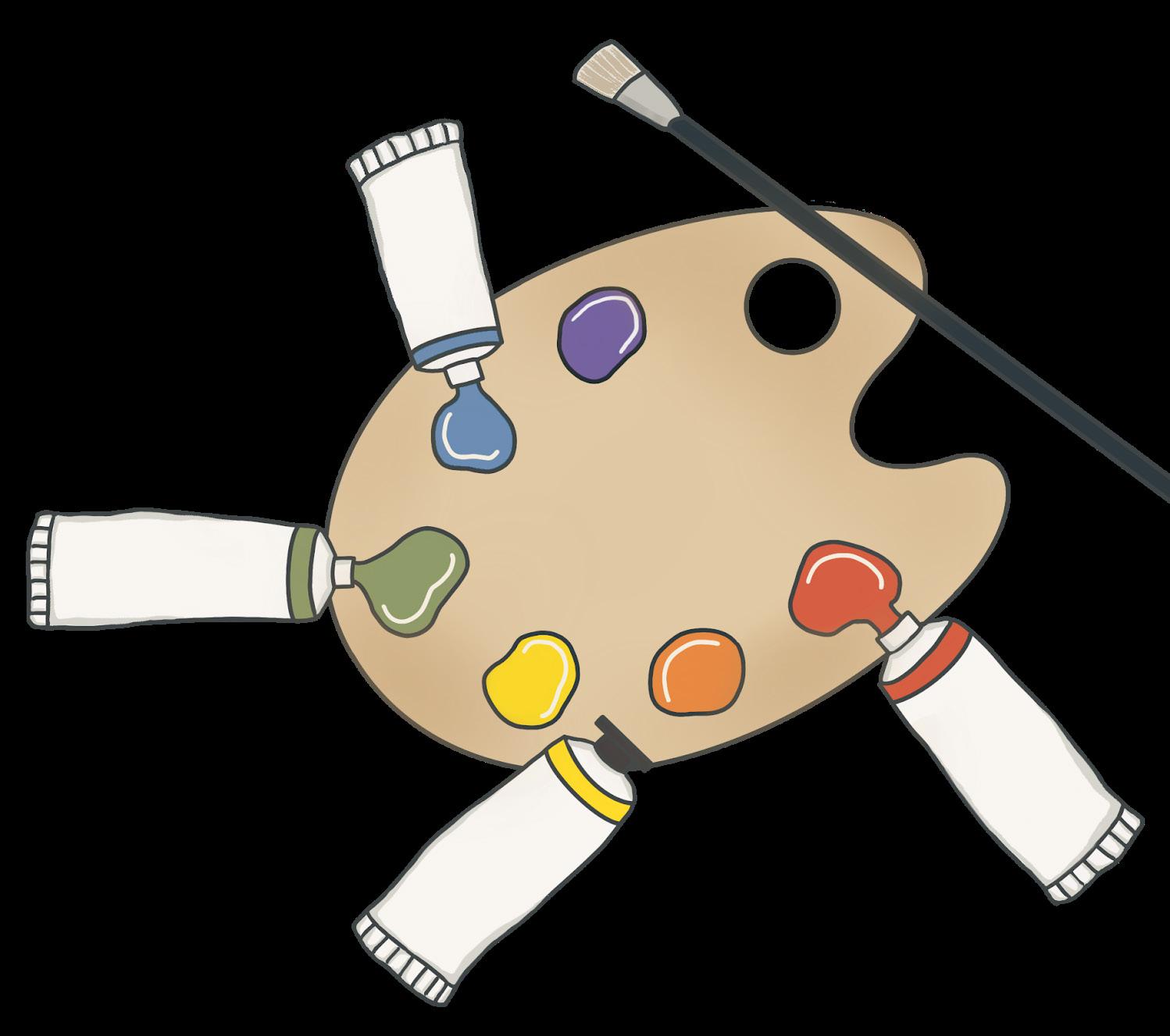
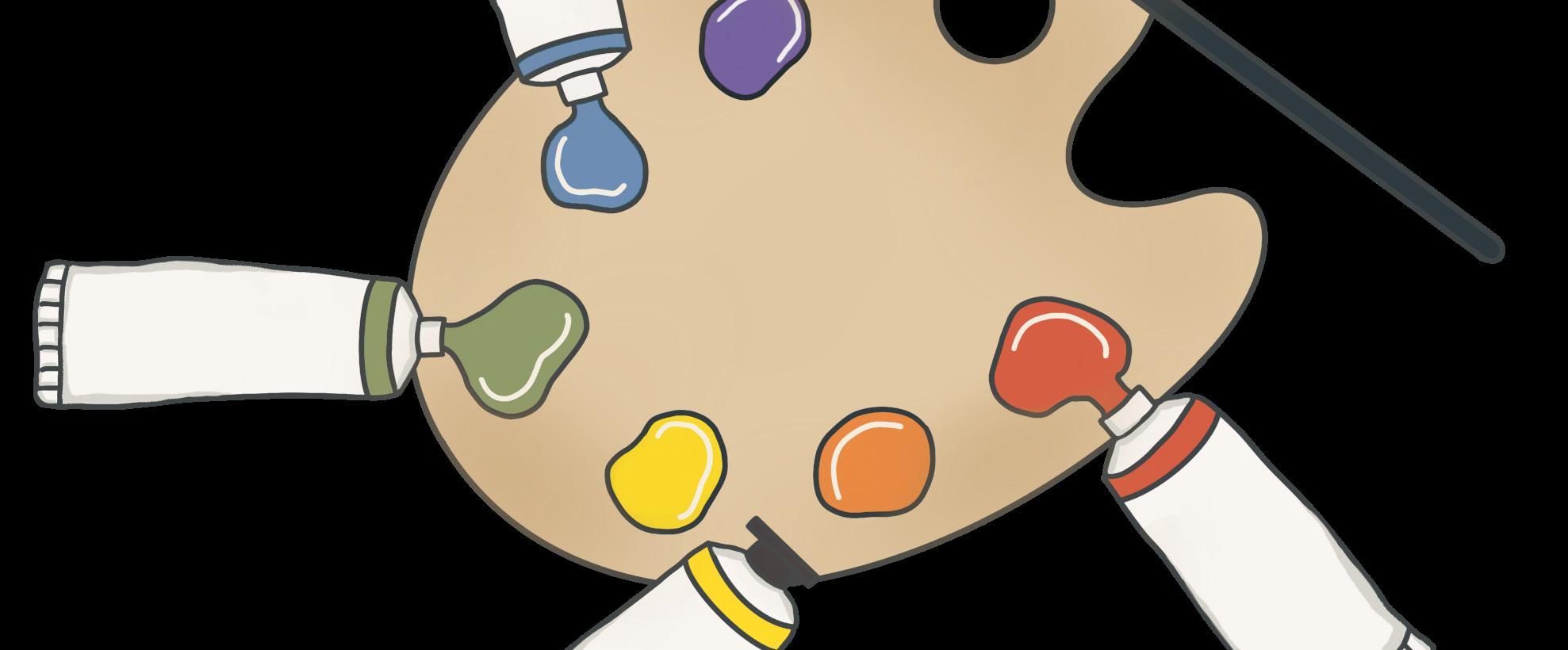
Imagine this: you found a great job opportunity, made it through the first couple of interviews, and are now starting the final interview. Your managerto-be asks the typical, “Tell me about a time you solved a problem by thinking outside of the box?” However, your mind is racing. You’re wondering when you ever solved anything creatively in your life — absolutely blank. Then, that time you painted a portrait using only shades of blue — not because that was the plan, but because you had no other colours to use — rushes into your head. Who would have known, the answer wasn’t in a textbook or assignment, but in the simple joy of your favourite hobby.
We are told to curate our resumes to the job description, making sure skills like coding in a specific language or being proficient in a certain technique are front and center. We sideline skills like problem solving or collaborative work, yet these are the very skills that can set you apart from a pile of resumes. Employers generally look for two types of skills: hard and soft. Hard skills are often specific to the job you are applying for and include skills such as computer programming, social media marketing, and laboratory techniques. While these are valuable and practical in today’s society, oftentimes hard skills can be taught or improved upon once you are trained for your job. However, there are many personality traits and qualities that play a huge role in being successful at any given role. These are known as soft skills and they cover a wide range of traits, including critical thinking, time management, and creative thinking. What makes these harder to develop is the difficulty in pinpointing when you’ve achieved a “high” level of proficiency in them. You have to work on them on a daily basis but how would one do that? Well, you’re probably already doing so in the form of your hobbies and passions. Painting, baking, and pottery; hobbies like these are far more than just fun — they’re training camps for developing soft skills.
Problem solving is a practical skill that would benefit anybody at any point in their life. Interestingly, you don’t need a structured or traditional approach to develop it — chances are you’re already working on it while having fun. It may be hard for some to envision how splashing colours on a blank canvas could teach you how to overcome everyday obstacles, but that’s what the whole creative process is all about. Transforming a blank canvas and turning it into an explosion of colours with a unique story is a journey filled with decision after decision. You may not be consciously aware of it, but you’re in charge of the decision making, which is the first step to developing problemsolving skills. You might make mistakes while painting, or colours won’t
blend as you’d like, but you’ll adapt, change course or refine your approach — this is problem-solving and adaptability, and they’re invaluable skills in the workplace and for any position. A painting at its root is just a series of decisions and techniques made to create something beautiful. Art education wouldn’t be a part of many school programs if there weren’t something to be learned from it.
Not all art pieces hang on walls to be admired; some end up on our plates. Some of our greatest masterpieces and disasters are likely to have been created in our kitchens. Baking requires creativity and focus, both essential soft skills for problem-solving. Whether you need to find a substitute for eggs, because of course you’re out of eggs, or you need to figure out why the sourdough is not rising — baking demands adaptability and quick thinking. Studies have even shown how baking can be beneficial for older adults, as following recipes, and troubleshooting helps improve memory, problem-solving skills, and creativity. In a fast-paced work environment, being able to balance multiple tasks and adjust on the fly to unexpected obstacles is incredibly helpful — just like following a recipe when, of course, you realize you’re still out of eggs. Next time your cookies come out extra crispy, remember, you’re not just baking, you’re also building problem-solving skills — enjoy your overbaked cookie for now and plan for next time improvements.
Hobbies such as crocheting and knitting offer far more than just creating soft and cozy scarfs or intricate designs; these hobbies can improve cognitive performance and overall mental well-being. Additionally, by having to go over complex stitches and patterns, you strengthen your brain and help with your memory. Having the patience and precision needed to craft complex patterns can easily translate to any job environment in terms of being thorough and attentive to details. So, next time you decide to knit a cute blanket for your home, know that you’re not just crocheting — you’re boosting your cognitive function and learning ways to manage your anxiety at the same time.
This is why interest in our artistic passions is not just a pastime but a good investment in personal development. Whether you’re painting, knitting, playing music, or any other creative pursuit, you’re developing invaluable soft skills. These activities build a foundation of skills that can be applied to work, academia, and everyday life.
Who would have known, the answer wasn’t in a textbook or assignment, but in the simple joy of your favourite hobby.
PONDERING POETRY
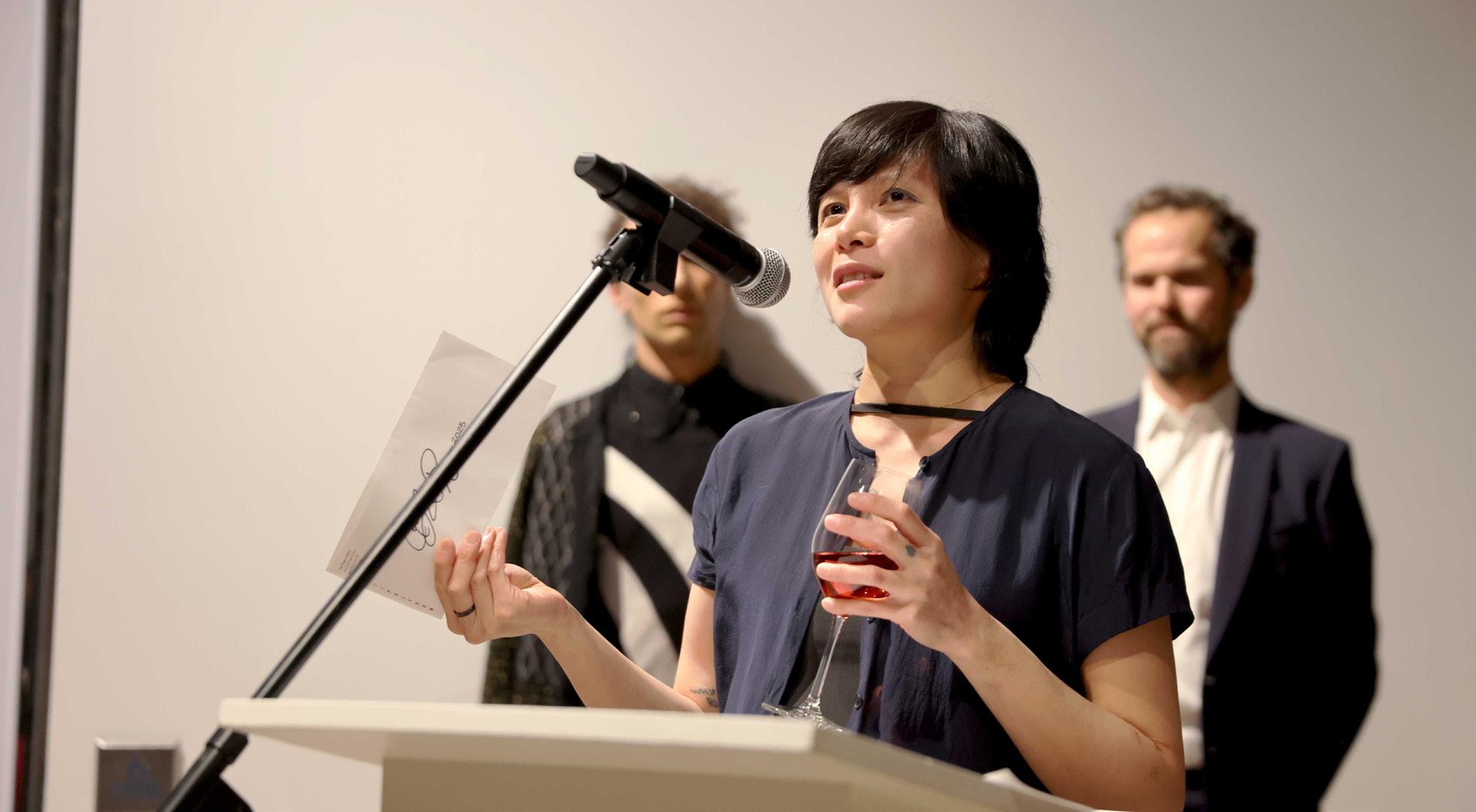
That style of filmmaking of just everyday where not a lot happens, those are my favourite kinds of films.
CASEY WEI
SFU CONTEMPORARY ARTS PHD STUDENT
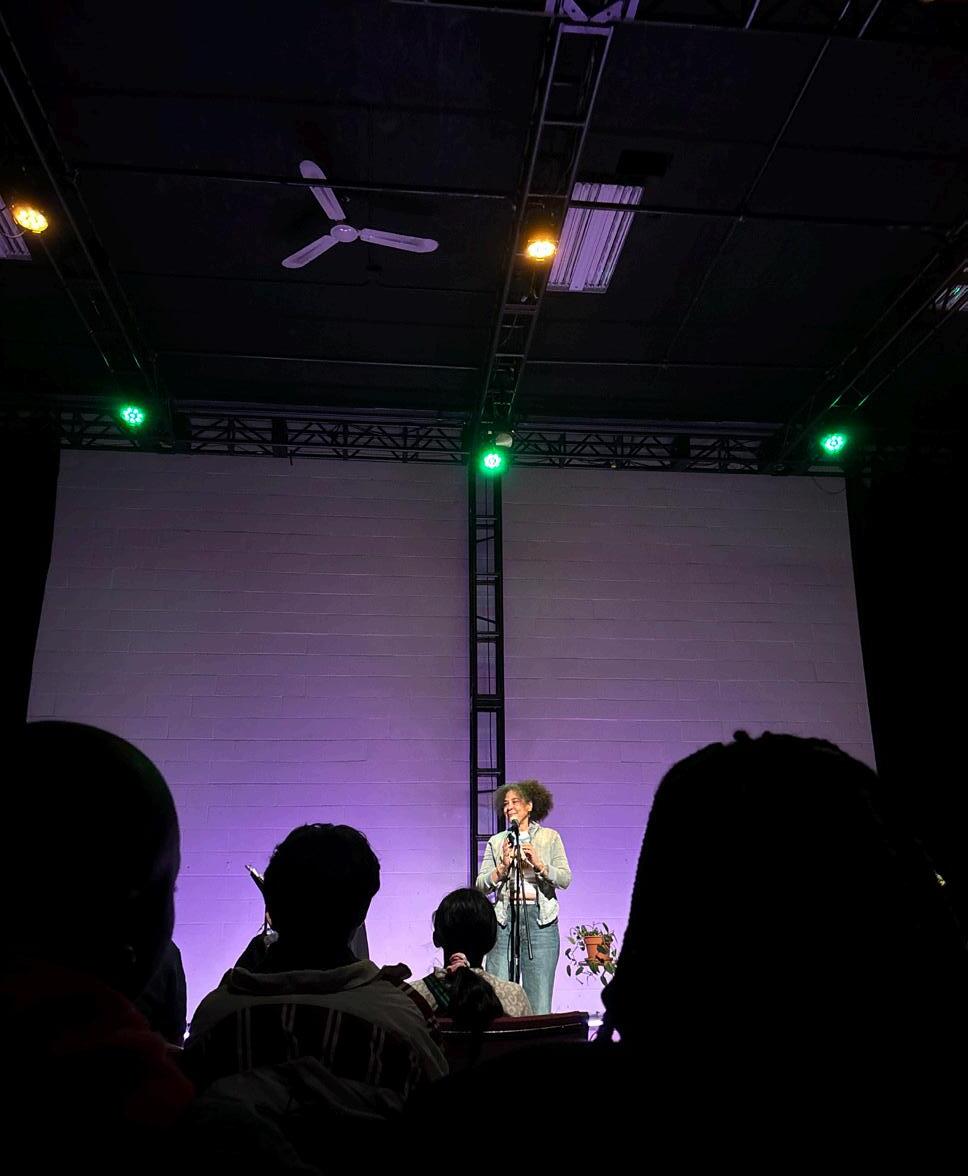
Cascading around the space with steps forward-backward and side-to-side, arms spread open then closed, her words themselves seemed to smile.

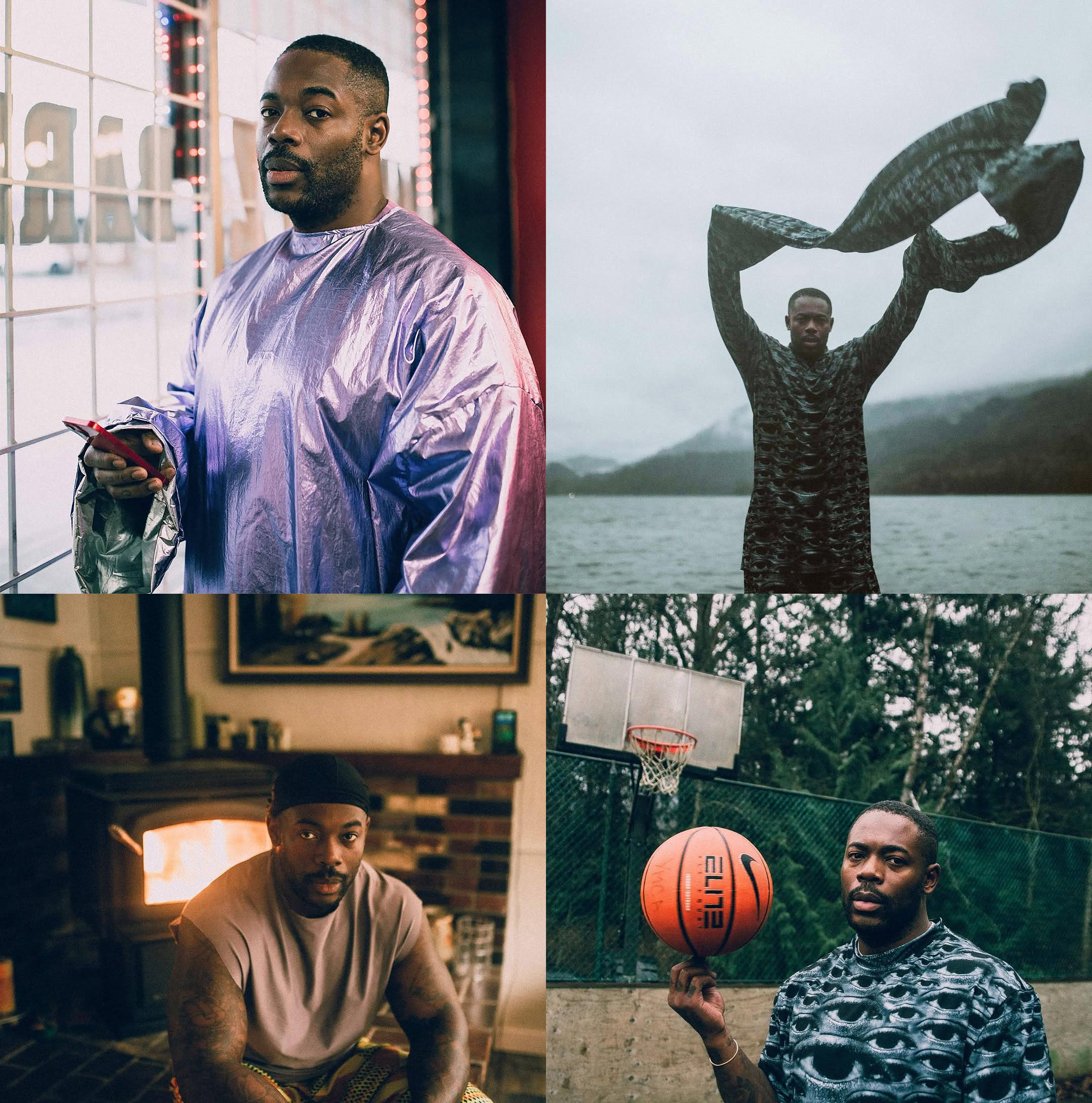
BAWAH With all due respect, I’m not a rapper. I am not an R&B singer. I am not a soul singer. I am not ‘urban’ or someone making ‘Black music.’ I make music and I am Black!

The establishment of the Vancouver Rise brings more than just a new team to cheer for; it represents a powerful movement towards inclusivity in Vancouver.
Matches on Raw now feel painfully slow paced and drawn out.