




























































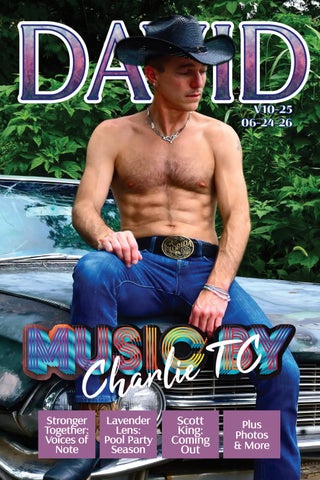
By Mikkel Hyldebrandt
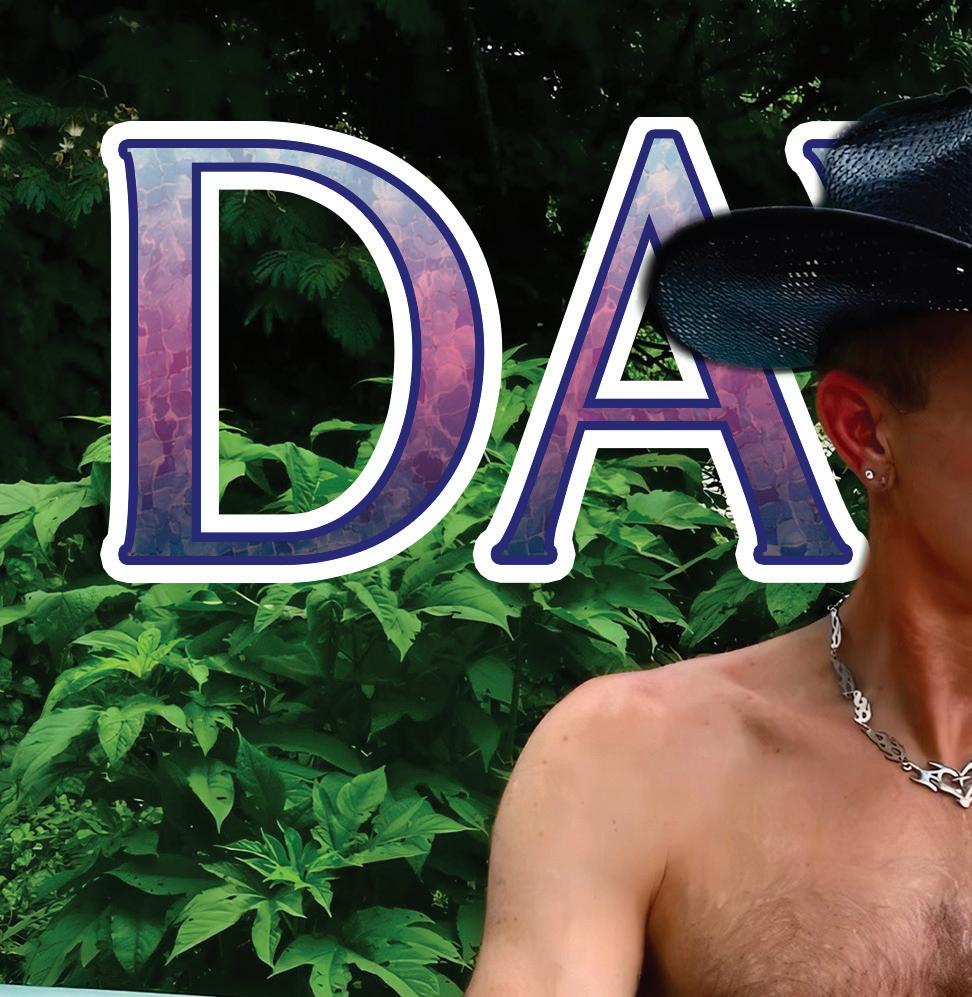
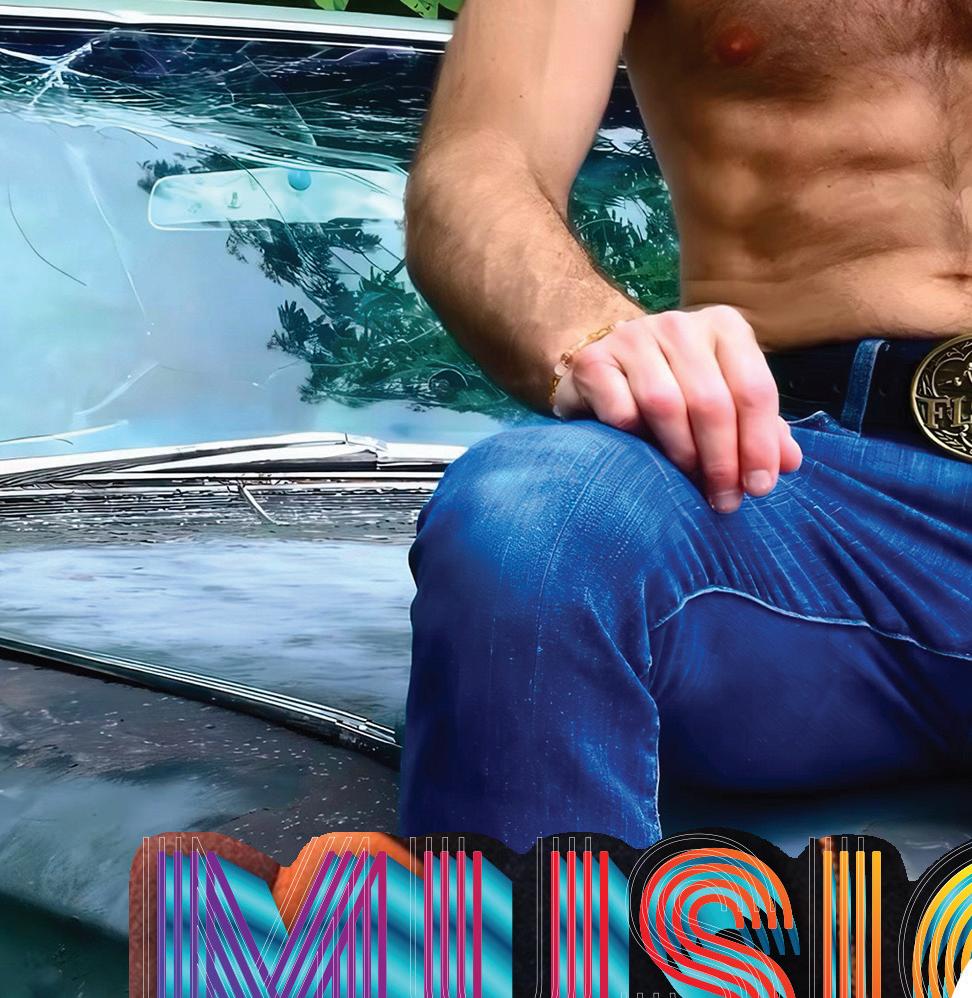
Photos: Russ Youngblood, courtesy of Charlie TC
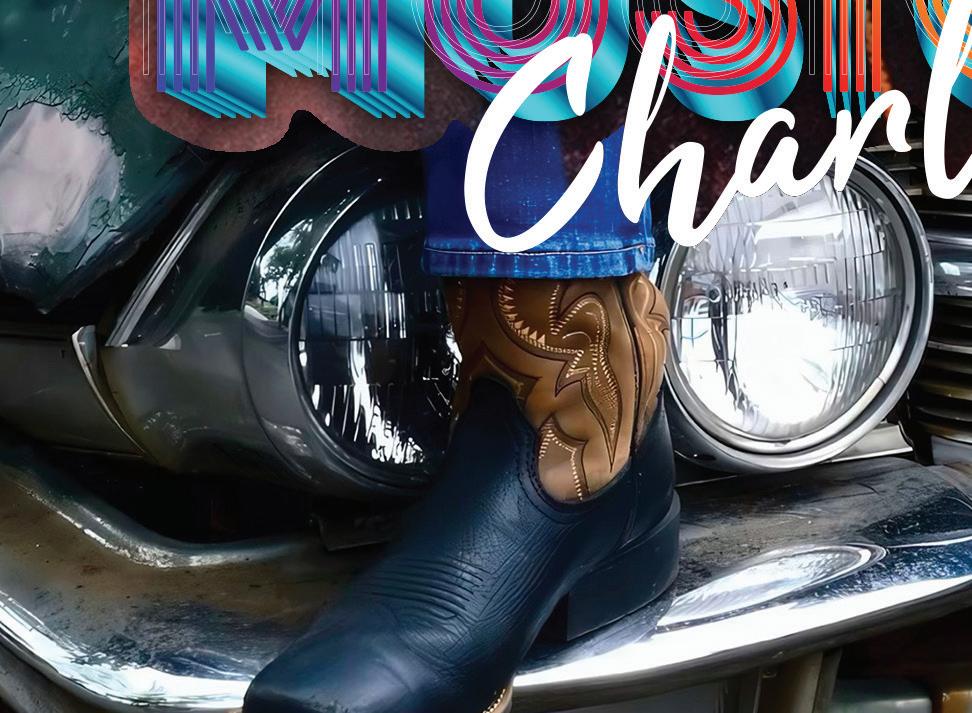
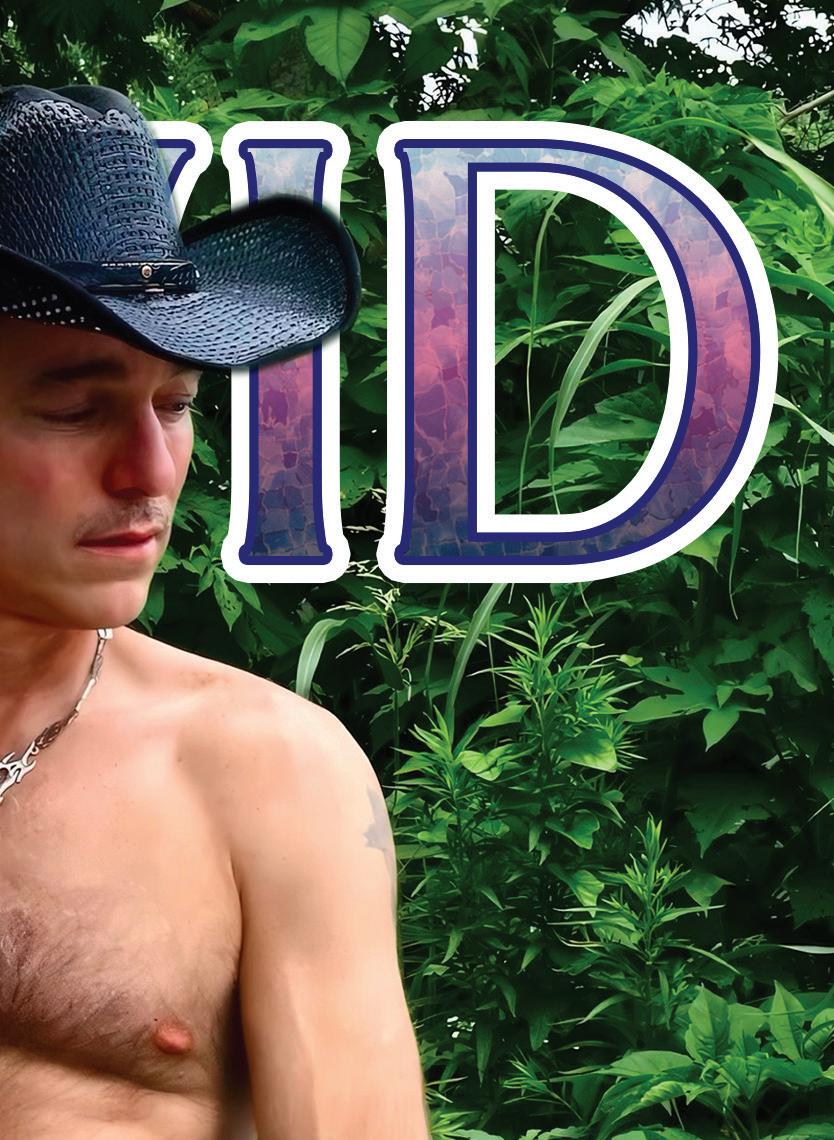
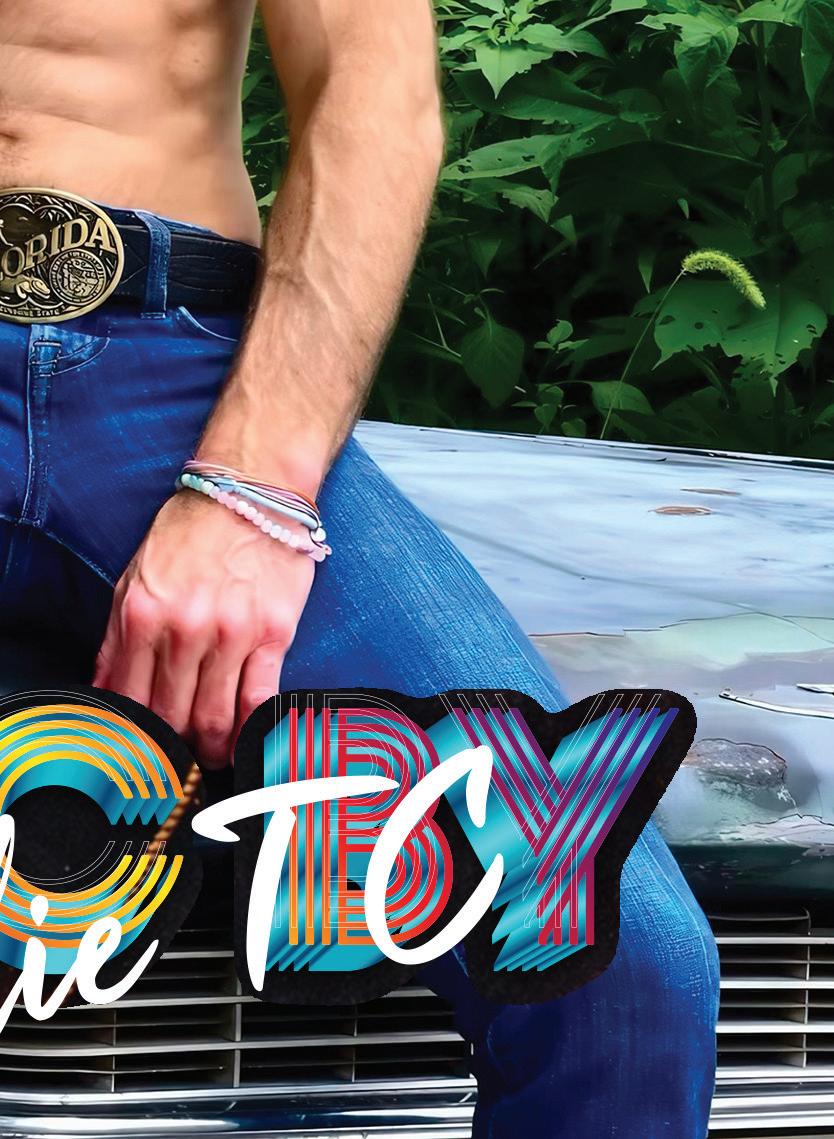
Charlie TC is an emerging singer-songwriter with deep ties to Atlanta, who recently moved to from Atlanta to Tennessee to pursue music more seriously. We got a chance to talk to him about his new music, his process, and how he uses personal experiences to write deeply relatable lyrics.
Congratulations on your new album Butterflies or a Lie that came out in May. Tell us a little bit about the concept and the idea behind your new music.
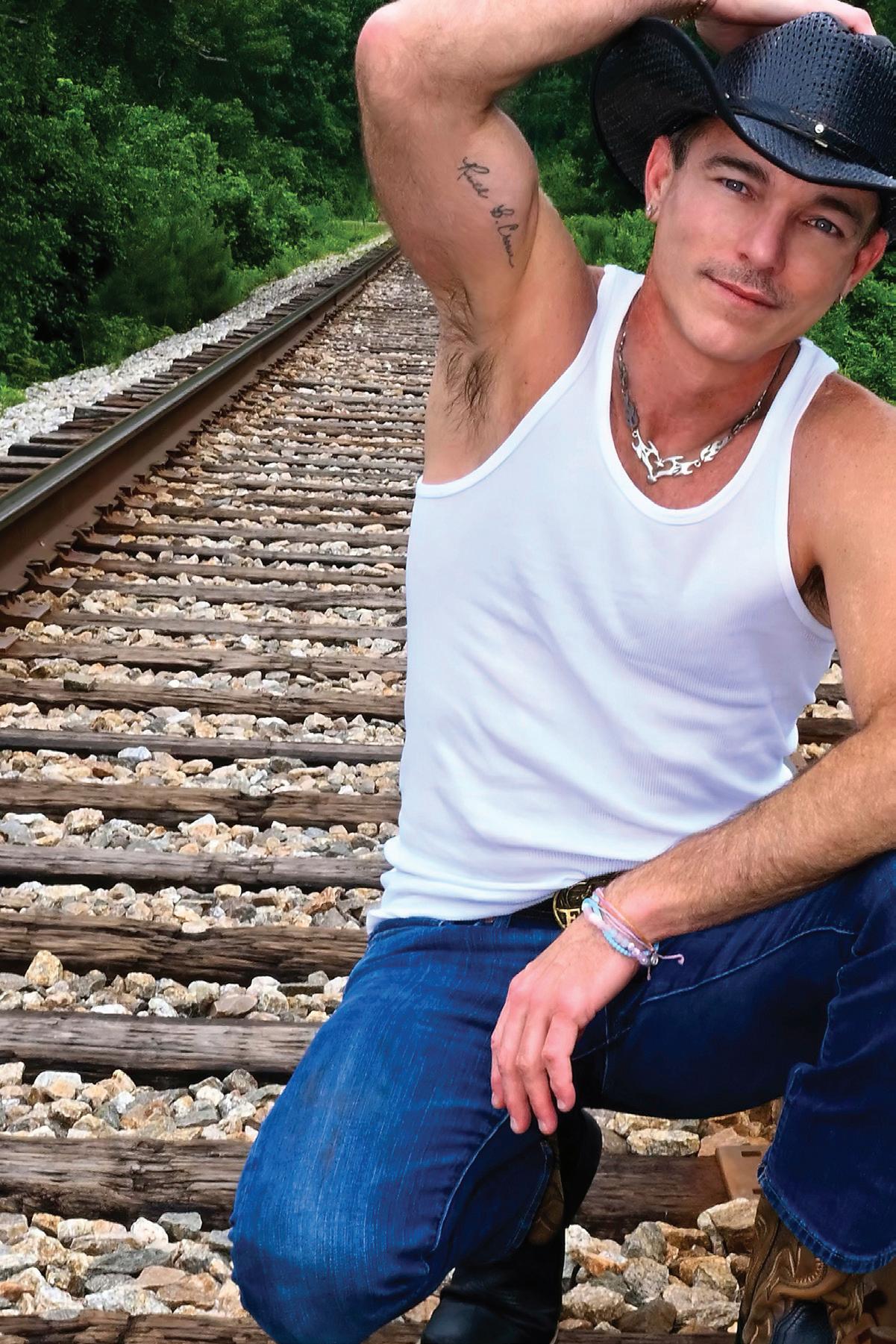
Thank you so much! I didn’t really set out to write an album about love. I think I set out to understand why love keeps unfolding the way it does for me. There’s a feeling I’ve chased more than once, something fast, bright, and impossible to ignore. The kind of connection that makes everything feel alive again. I used to call it butterflies. I used to trust it without question. But over time, I started wondering if that feeling was ever real, or if it was just part of my pattern.
This album lives inside that question. It explores the space between endings and beginnings, carrying the echoes of a ten-year marriage while something new quietly starts to take shape. It’s about learning the difference between what feels familiar and what actually feels safe.
More than anything, this album became about selfrecognition. Looking back at patterns, pain, hope, and healing, and asking myself over and over again: Can I trust this, can I trust you, can I trust myself?
Somewhere between the butterflies and the lies, I think I finally found the answer. Not in certainty or perfection, but in understanding what stays, what leaves.

You have a very distinct sound that lies somewhere between indie and pop, but an even more noticeable trait is that your lyrics seem very sincere and personal – do you draw a lot of inspiration from your own experiences?

Yes, absolutely. I’ve always liked blending and bending genres depending on what best serves the emotion of the song. I never really sit down thinking, “I want this to sound indie” or “I want this to sound pop.” I just follow whatever feels emotionally honest to the story I’m trying to tell.
Every song I write comes from a real moment, memory, feeling, or conversation that actually happened. But after my divorce, songwriting became deeper than just documenting experiences for me. Therapy completely changed the way I process emotions and taught me how to sit with them instead of running from them.
What are some notable stories behind some of your songs?
A few songs on the project have especially personal stories behind them because they each represent a different stage of emotional growth and self-awareness for me.
“You Blew It” was written after I realized that some relationships don’t end because love disappears. They end because respect does. It came from realizing I had spent too long shrinking myself to keep something alive that was already quietly breaking me.
“Familiar Game” explores loneliness. It’s about LGBTQ nightlife, emotional escapism, and the strange comfort people could find in (sexual) routines that no longer fulfill them. The song takes place in bars, crowded rooms, and latenight conversations, but emotionally it’s really about feeling isolated.
“I Know It Well” is one of the most intimate songs I’ve written because it deals with memory in such a physical way. I wrote it after realizing the hardest part of leaving someone wasn’t always the goodbye itself, but how deeply certain things linger afterward.
Each song explores attachment, emotional repetition, memory, self-worth, and the complicated process of learning when to let go.
What is your process when writing a song?
It starts with a feeling before I even have words. I’ll isolate emotions physically, visually, and almost cinematically through lighting, color, atmosphere, and sensory details. Neon lights, empty streets, thunderstorms, blurred headlights, silence after someone leaves. Those details become emotional anchors for me. I want to describe what those emotions actually felt like in
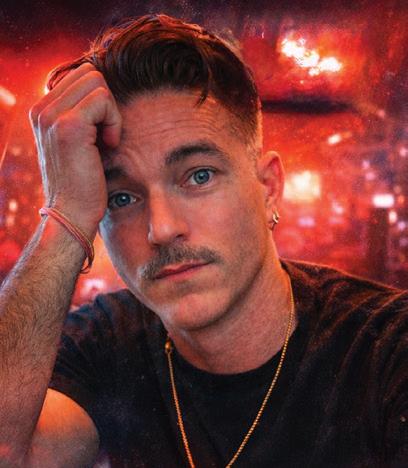
I’ll immediately grab my phone, write the line down, and come back to it later. Those small details tend to unlock entire songs for me because emotions usually live inside moments we almost overlook.
Production is also a big part of my writing process because I build sound around emotional intensity. If something feels overwhelming emotionally, I want the production to feel cinematic, and emotionally over the top in the
best possible way because honestly, that’s how emotions feel to me.
For first-time listeners, what are some songs on the album that you would like to draw attention to?
That’s a difficult question because I really do bounce between genres depending on the emotion and story I’m trying to tell. If someone is falling in love, I’d probably point
As far as touring goes, I’m still figuring out what that looks like for me because writing has always been my first love creatively. That being said, I probably wouldn’t turn down the opportunity to perform for Pride because there’s something really special about queer spaces that celebrate emotion, freedom, and connection so openly.
But yes, there’s absolutely more music coming. Now that I finally have a platform to share my work, I’ve started revisiting old poems,

them toward “You’re Everything.” I wrote it for someone who genuinely didn’t see himself the way I saw him, and I wanted the song to feel reassuring, warm, and deeply personal. “Blocked” is probably one of the more upbeat and empowering songs I’ve written. If someone just got their heart broken by some boy pretending to be a man, that song is there to help bring some of that confidence and power back. It has a lot more attitude and energy behind it, and I think people are really going to enjoy screaming that one in the car after a breakup. Then for my bar and club crowd, I’d probably say “Fuck Boy.” That song is pure high energy chaos in the best possible way. It’s angry, sarcastic, dramatic, and made to be danced to. Ironically, it also happens to be my mother’s personal favorite, which honestly makes it even funnier to me.
What’s up next for Charlie TC? Now that the album is released, do you have any plans on touring? New music?
Honestly, I never originally set out to become famous or even become a singer. Ever since I was a kid, all I really wanted to be was a writer. Music just eventually became the medium those stories evolved into.
journals, and unfinished songs dating back to the unraveling of my marriage. There are years of emotions and stories I never fully explored creatively that I’m now revisiting with a very different perspective.
A lot of my future work will probably continue exploring that contrast between destruction and healing, grief and intimacy, illusion and safety. That emotional tension is where a lot of my writing seems to come alive.
Please let us know where we can find and follow you?
You can find my music anywhere music is streamed, including Apple Music, Spotify, iHeartRadio, SoundCloud, and YouTube. You can also follow me on social media @CharlieTC13 to keep up with new music, upcoming projects, and all the emotional chaos in between.



Hello, my name is Scott and I am NOT a Millennial.
Hi, Scott!
Don’t get me wrong. I truly wish a blessing of the hearts on all your lot. Everyone from Lena Dunham to Childish Gambino. You’re doing a great job representing humanity. Hugs and kisses to you all.
However, I’m not one of you. Even though scientists on the internet have officially moved the start date of the Millennial generation to 1981—the year Britney Spears and I were born—we are not Millennial.
Here’s why. Britney Spears and I both remember a time when, to tell someone that you were gay (in fact, to tell someone anything), you had a limited number of options. You could quite literally walk up to them and say, “Hey Rachel, just so you know, I’m gay.”
“That’s awesome!” Rachel would say. “That makes me feel like giving you a big hug.” And we did. That really happened. Believe it or not, that was the easiest way. There were a couple of other options. You could tell someone on the telephone. No, I do not mean a smart phone or cellular phone. I mean a phone attached to a wall or sitting on a desk, dresser, or maybe even the floor if you were bohemian like that. But we knew instinctively back then that telephone conversations sometimes missed the nuance of body language, facial expressions, and general vibe. Of course, that was sometimes the point.
I’m guessing a lot of people told their parents over the phone. “Mom? Dad? You know my roommate, Jeremy? He’s not my roommate. He’s my lover. So ... anyway. How’s Aunt Linda doing?” That’s the way people talked back then. Then there was the good old U.S. Postal Service. Rain, sleet, snow, hail, gay, straight, bi, trans. It’s all good. We’ll get you there.
You could put pen to paper—or maybe type it on a computer, then print it out —and write someone a letter telling them about your gay-ass life. Or send a postcard from Provincetown saying, “Guess what I’m doing this week. Definitely wish you weren’t here!”
Then came the internet. Before social media, the internet was still social, but it was mostly organized around commerce and communities. There was this thing called web rings. Google them. They’re fascinating. The ubiquitous presence of the internet in our lives has changed coming out in many ways, some obvious and concrete, others more subtle and insidious.
First, there’s social media. On these platforms there is often a box to check for gender or sexual orientation. But honestly, the box is almost beside the point. Even if you never check it, there are the pictures. The boyfriend standing next to you at a wedding. The anniversary post. The vacation photos. The six hundred little breadcrumbs that make up the cake of a modern life. (If you haven’t yet noticed, dear reader, I am quite keen on dessert-based metaphors.)
The bigger change isn’t that people reveal more information. It’s that we’ve all become much better at reading it. When I was growing up, if you wanted to know whether somebody was gay, you usually had to be told. Either by the person themselves or by somebody who knew them. Information
By Scott King
traveled through conversation. Rumor, gossip, direct statement, confession. Whatever.
Today information travels through context. We’ve all become amateur anthropologists online. We can scroll through someone’s social media and make educated guesses about not just their sexual orientation but also their politics, religion, hobbies, social class, favorite coffee order, and approximately which neighborhood they complain about, or brag about, living in.
Sexual orientation is no exception. Part of this comes from the internet itself. Part comes from decades of social progress. Gay people are simply more visible than they used to be. The activism, the television shows, the movies, the online communities—all of it helped teach the broader culture who we are and how to recognize us. It also told us how to identify ourselves without a word.
The result is that many people today don’t really “come out” in the way my generation understood the term. Life simply reveals itself. A boyfriend appears in a photograph. A spouse starts showing up at family functions. A relationship becomes visible one post at a time until eventually nobody is announcing anything. Everybody already knows. And honestly, that’s probably better. Coming out was often stressful, awkward, terrifying, and occasionally catastrophic. If social progress and technology have spared some people that experience, I’m not about to complain.
Still, something has changed. Not because the old way was better. It wasn’t. But it was bigger. For many of us, coming out was one of the defining events of our lives. We spent years thinking about it, worrying about it, rehearsing it, postponing it, and eventually doing it.
There was a before and an after. The moment carried so much weight because the culture placed so much weight upon it. Today that weight is often distributed across hundreds of smaller moments. A photo here. A post there. A casual introduction somewhere in between.
That’s probably healthier. It’s certainly more efficient. If you’ll notice, across this series of articles, I’m not particularly concerned with labeling before or after the internet as better in relationship to any particular aspect of being gay. Coming out is an exception.
I think coming out now is a much better deal. However, if it went well, coming out before the internet was definitely followed by more of a reward. A hug from a friend. A rush of endorphins and dopamine. The indescribably liberating feeling that I experienced at the age of 15 of talking with another person for the first time about not just being gay but about which boys were cute and which boys I had a crush on. Just imagine! I didn’t shut up about it for at least 2 years. My friends were very gracious.
There was something undeniably powerful about finally saying the words out loud and watching your life continue anyway. Nowadays you actually don’t have to say the words “I’m gay” for people to know that you are. But you definitely can if you want to. And if you do, I’ll be there waiting, with a big hug.







By Tristan Lane for The Lavender Lens
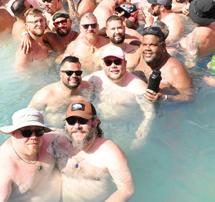
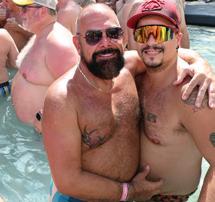
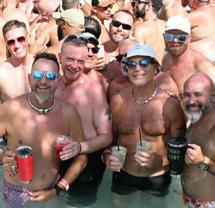
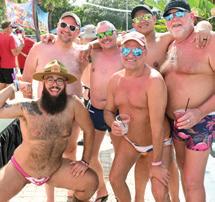
As Atlanta tilts toward summer, a familiar migration begins. The invitations multiply, the playlists sharpen, and the city’s circuit crowd our beloved, bronzed “circuit queens” emerge from hibernation, shaking off winter with SPF, choreography, and unapologetic spectacle.
Pool party season has arrived. And with it, a question worth asking quietly, but intentionally: must it be only this?
There is no denying the joy of these gatherings. They are, at their best, expressions of freedom spaces where bodies, identities, and desires exist without apology. In a world that has not always afforded that freedom to LGBTQ+ people, the pool party is more than indulgence; it is reclamation.
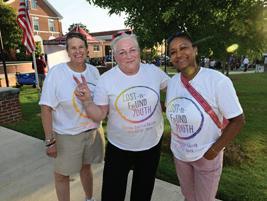
But Atlanta, for all its vibrancy, is also a city carrying real and urgent challenges particularly for LGBTQ+ youth navigating housing insecurity, instability, and, too often, invisibility. Organizations like Lost-n-Found Youth are doing the hard, unglamorous work of catching those who fall through the cracks.
So the question becomes: can these two realities coexist?
Take, for example, the sprawling energy of a typical Atlanta pool party: a sea of bodies, music, and movement. Is there space within that moment not to disrupt, not to moralize, but to gently introduce purpose? A subtle prompt. A quiet QR code. A line on a wristband. A host’s brief acknowledgment that beneath the revelry lies a community with needs.
indulgence can coexist with intention.
Atlanta is uniquely positioned to evolve this model. Not by turning every party into a fundraiser, nor by burdening hosts with heavy-handed messaging but by embracing small, thoughtful gestures. A suggested donation tied to entry. A rotating spotlight on local LGBTQ+ causes. Even a single sentence from the DJ booth reminding attendees that community extends beyond the pool’s edge.
Because here’s the truth: The same network that can mobilize hundreds for a Sunday pool party can mobilize awareness, resources, and impact just as effectively if it chooses to.

Would that diminish the fun? Or would it, in fact, deepen it?
There is precedent. The White Party Palm Springs and similar events under the broader White Party Global umbrella have long demonstrated that celebration and contribution are not mutually exclusive. The music still pulses. The crowd still dances. But threaded through it is a clear sense that
This is not about dampening the vibe. It’s about elevating it. Our community has always been at its strongest when it balances joy with responsibility, pleasure with purpose. The dance floor and the mission statement do not have to compete. In fact, when done right, they amplify each other.
So as the music rises and the season unfolds, perhaps the question isn’t whether there is room for something more. It’s whether we’re ready to claim it.



















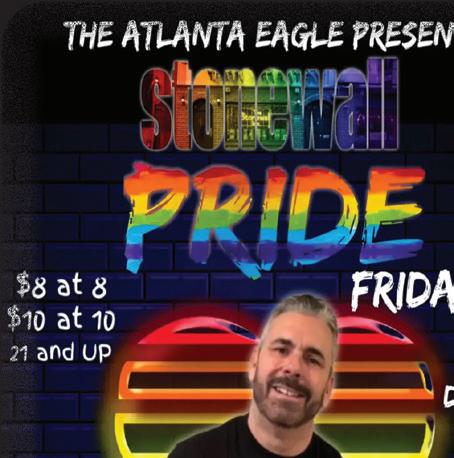
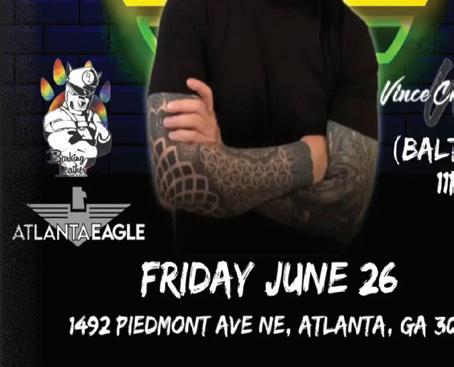
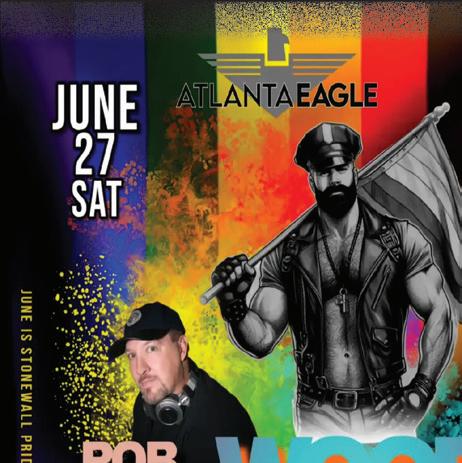
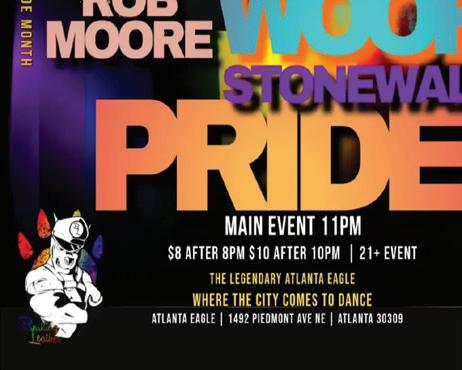


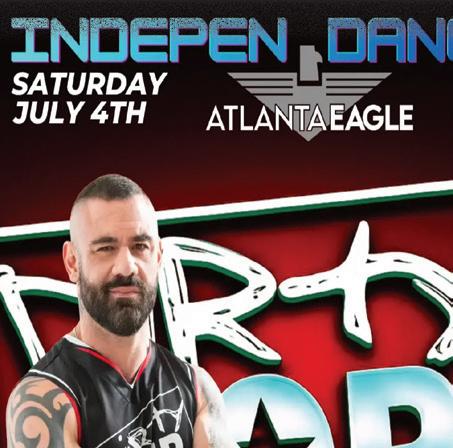
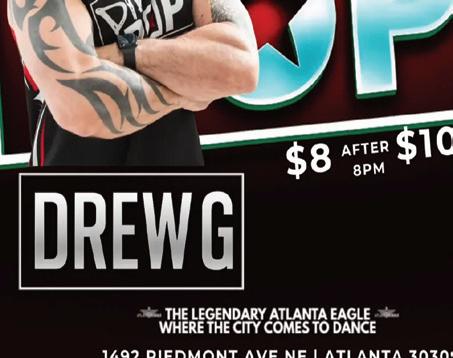
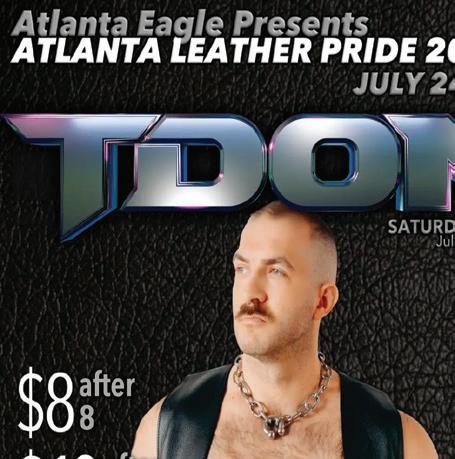
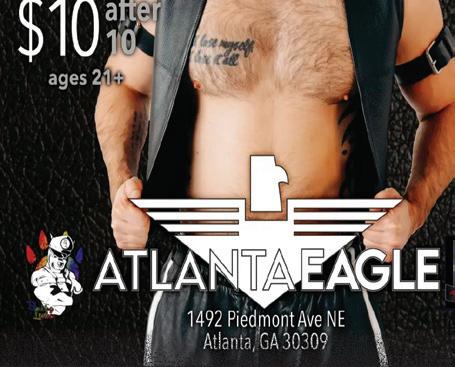


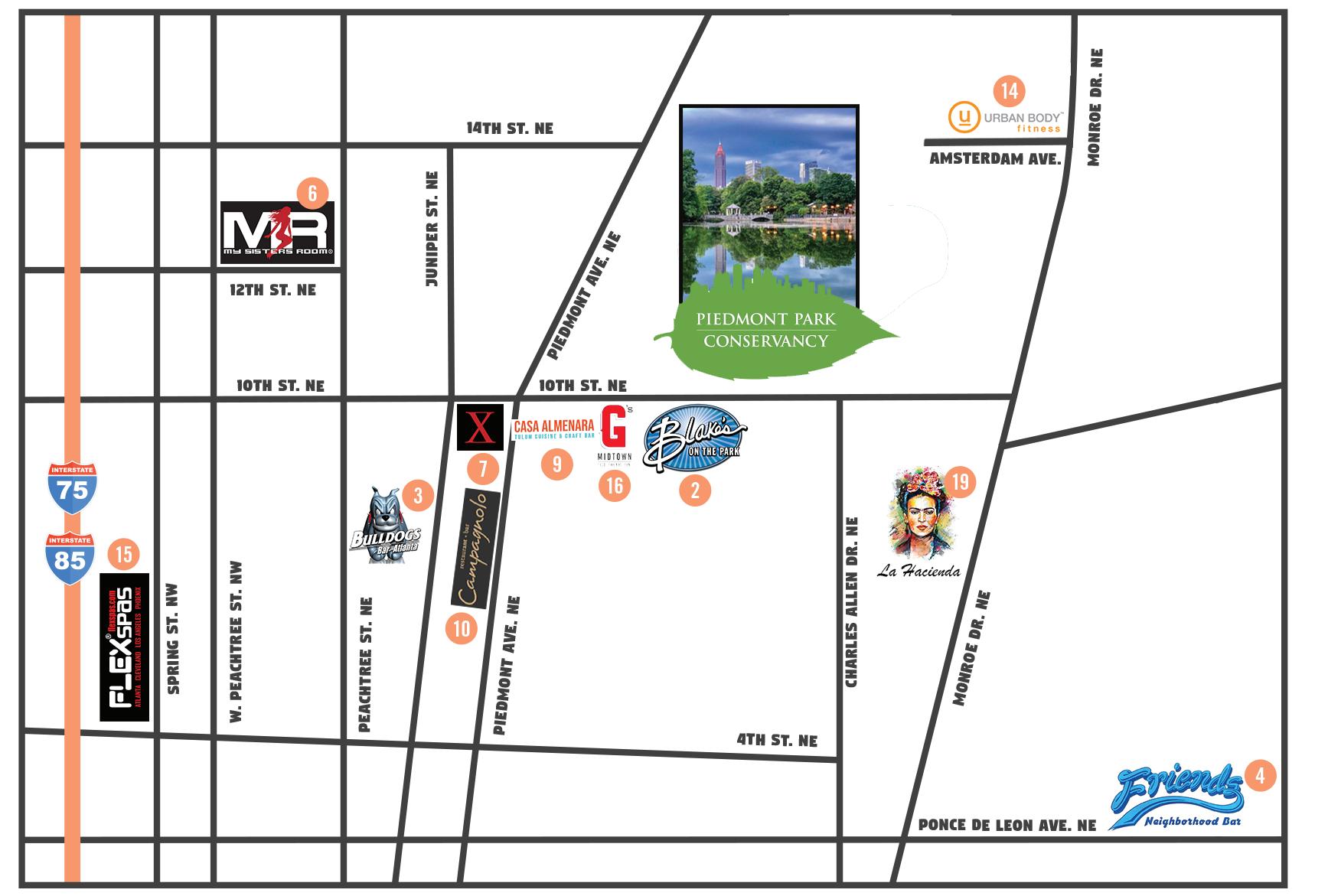


































































































BARS & CLUBS MIDTOWN
BLAKE’S ON THE PARK blakesontheparkatlanta.com 227 10th St NE
BULLDOGS 893 Peachtree St NE
FRIENDS NEIGHBORHOOD BAR friendsonponce-atl. com
736 Ponce De Leon Ave NE
MY SISTER’S ROOM mysistersroom.com 66 12th St NE
X MIDTOWN xmidtown.com 990 Piedmont Ave NE
THE T modeltatlanta.com 465 Boulevard SE
CHESHIRE
HERETIC hereticatlanta.com 2069 Cheshire Bridge Road
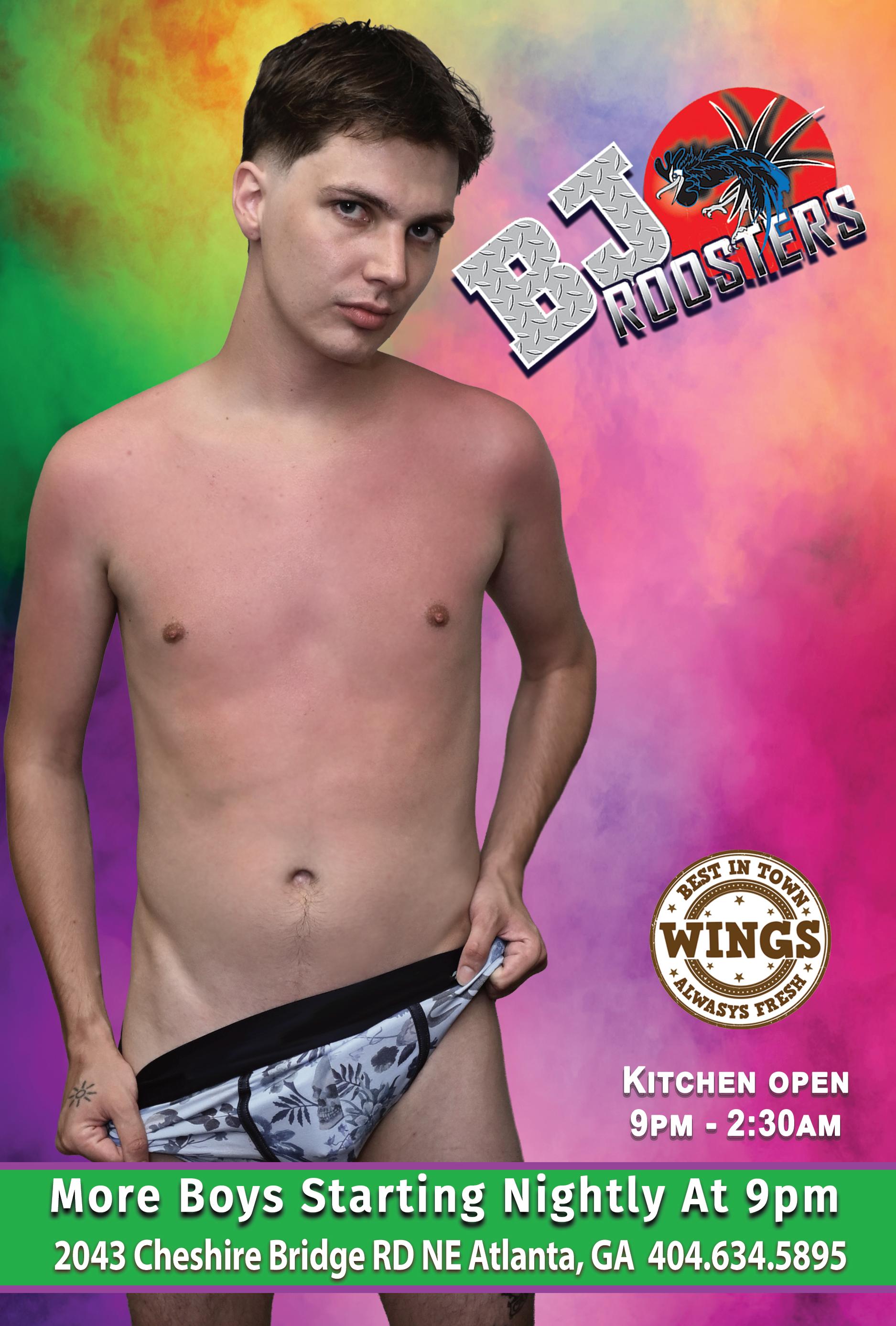
BJ ROOSTERS bjroosters.com 2043 Cheshire Bridge Road NE
WESTSIDE
MARQUETTE 868 Joseph E. Boone Blvd NW
840ATL 840 Ralph David Abernathy Blvd
BOGGS SOCIAL & SUPPLY 1310 White St. SW Atlanta, GA 30310 boggssocial.com
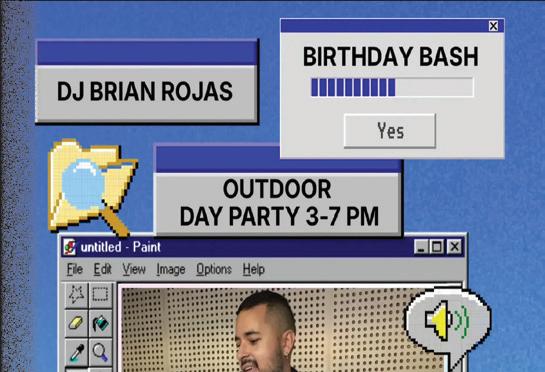
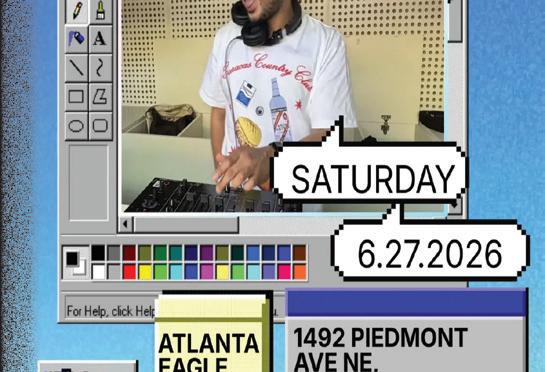
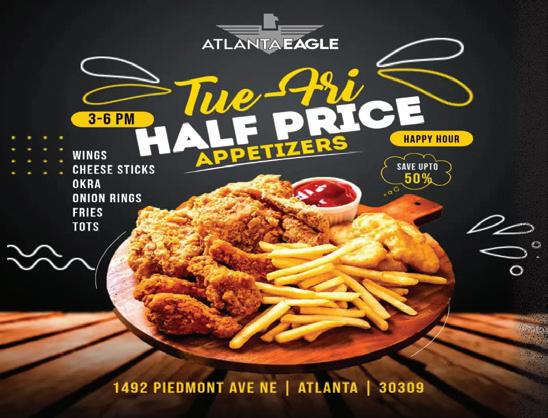
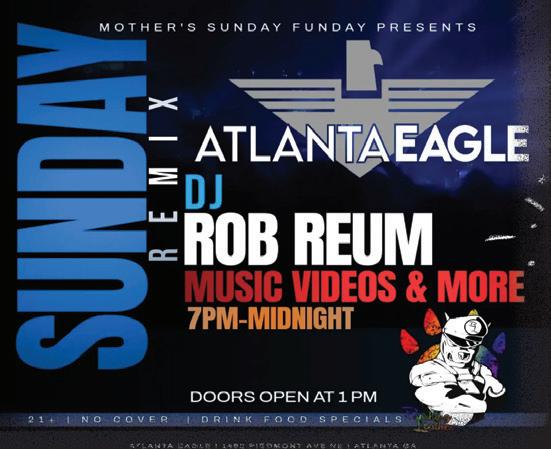
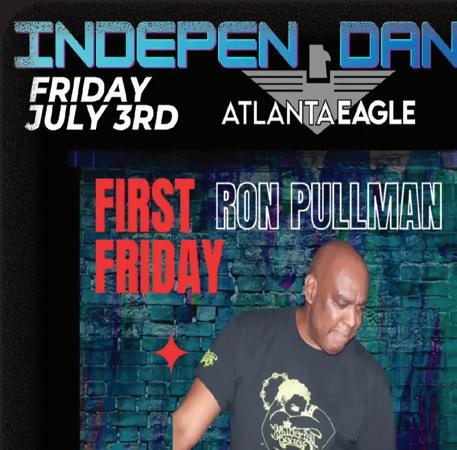
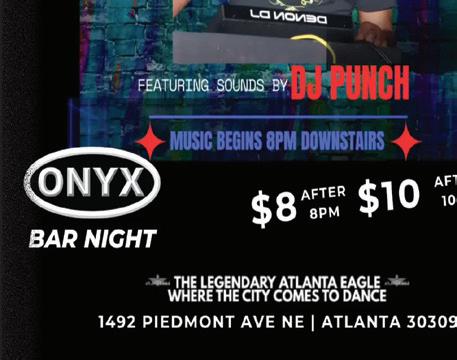
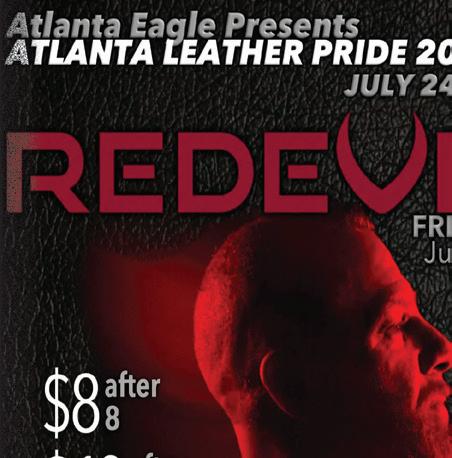
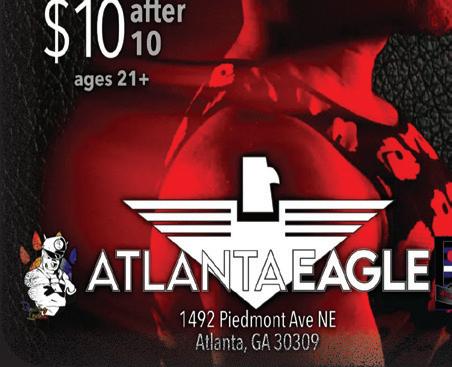
ATLANTA EAGLE 1492 Piedmont Ave NE
FELIX’S 1510 Piedmont Ave NE
MIXX mixxatlanta.com 1492 Piedmont Ave NE
OSCAR’S oscarsatlanta.com 1510 Piedmont Ave NE
WOOFS woofsatlanta.com 494 Plasters Ave NE
TRIPPS : tripps-bar 1931 Piedmont Cir NE
EAST ATLANTA, GRANT PARK, EDGEWOOD, & DEACTUR
MARY’S marysatlanta.com 1287 Glenwood Ave SE
LORE ATLANTA loreatl.com 466 Edgewood Ave loreatl.com
CHOO CHOO’S 3711 N. Decatur 770-374-4343
DINING
MIDTOWN
CASA ALMENARA 991 Piedmont Ave NE casa-almenara.com
LA HACIENDA lahaciendamidtown. com
900 Monroe Dr NE
TUK TUK THAI FOOD LOFT
TUKTUKATL.COM 1745 Peachtree Rd NW
DEKALB
LIPS ATLANTA atldragshow.com 3011 Buford Hwy NE
RETAIL
MIDTOWN
BOY NEXT DOOR MENSWEAR boynextdoormenswear.com 1000 Piedmont Ave NE, Ste A
ANSLEY
BARKING LEATHER barkingleather.com 1510 Piedmont Ave NE
GCB & PLEASURES brushstrokesatlanta.com 1510-D Piedmont Ave. NE
FITNESS
MIDTOWN
URBAN BODY FITNESS urbanbodyfi tness. com
500 Amsterdam Ave N
CHESHIRE
GRAVITY FITNESS gravityfi tnessatl. com
2201 Faulkner Rd NE
SPAS/BATHS
ADULT
FLEX SPA flexspas.com 76 4th St NW
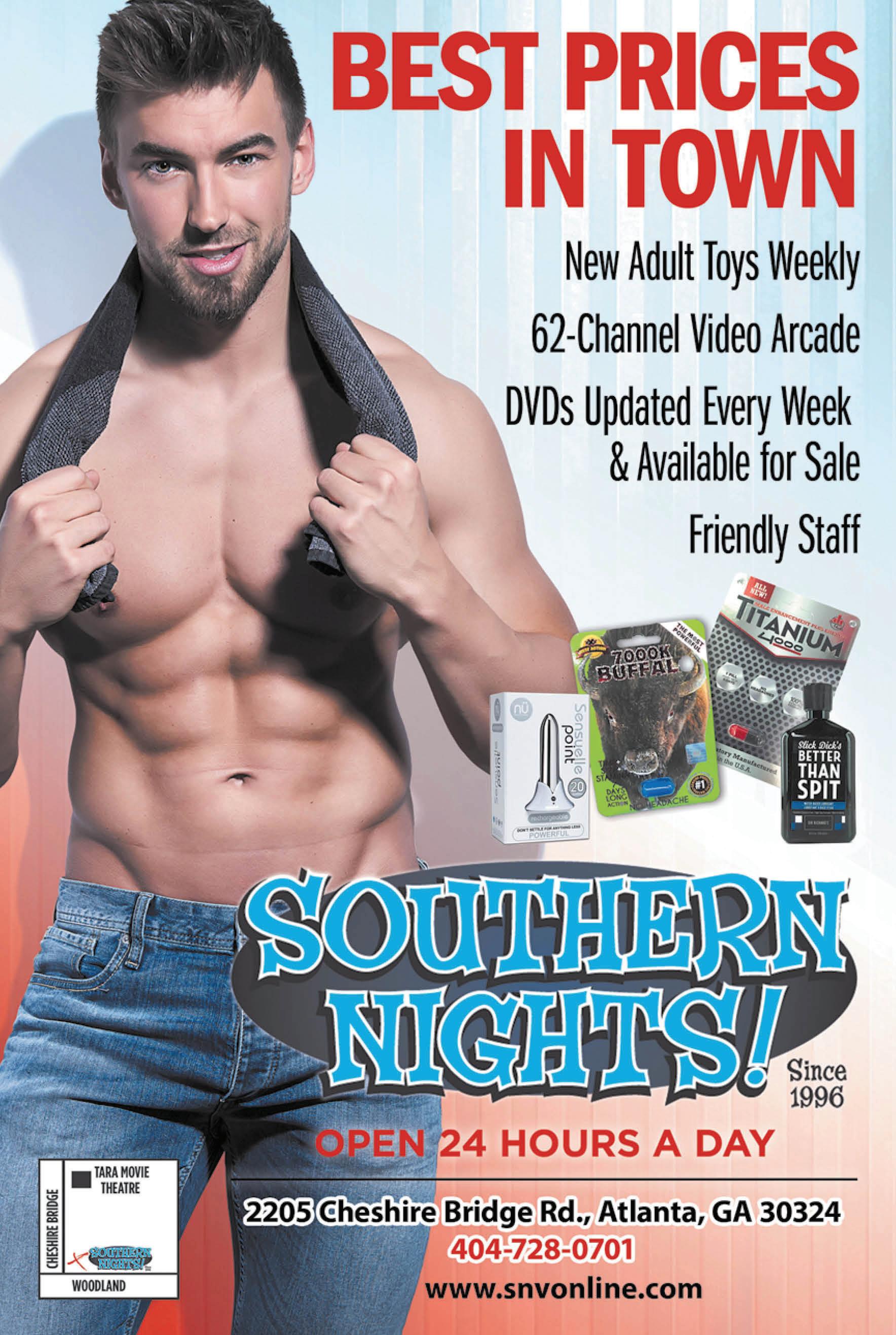
SOUTHERN NIGHTS VIDEO 2205 Cheshire Bridge Rd NE
By Jordan Logan
Photos: Ames Studio and Dan Lax
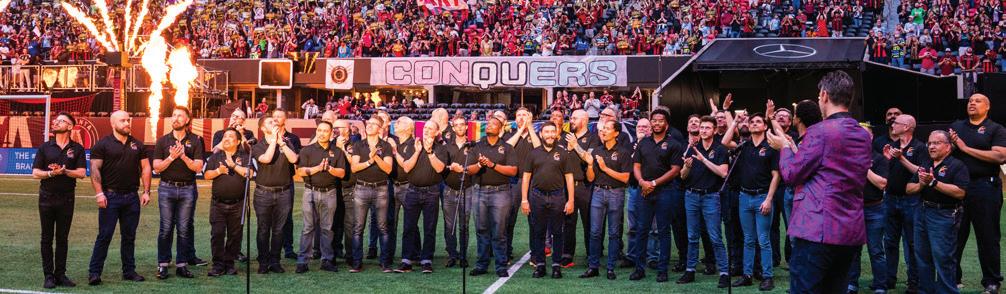
Pride Month is often defined by its most visible moments: the parades, the concerts and the crowd filling city streets. But for Voices of Note, the nonprofit home of the Atlanta Gay Men’s Chorus and the Atlanta Women’s Chorus, Pride represents far more than celebration. For the organization, Pride is a year-round commitment to community, advocacy and collective action. Throughout its 2025–26 season, Voices of Note has expanded that mission through a series of partnerships that strengthen support systems for LGBTQIA+ people across Georgia.
One of the organization’s key partnerships this year is with Smyrna Pride, a community-driven group focused on expanding LGBTQIA+ visibility in Cobb County. The group’s work aligns with the Atlanta Gay Men’s Chorus’ long-standing mission of outreach and inclusion. David Aurilio, the executive director for Voices of Note Inc. , said, “Voices of Note believes Pride is most powerful when it’s rooted in partnership and community. The collaboration between the Atlanta Gay Men’s Chorus and Smyrna Pride creates space for visibility, connection, and celebration.” Through the Atlanta Gay Men’s Chorus’ new show on June 13 in partnership with Smyrna Pride, the event will help showcase queer creativity and stories in the Cobb County area.
For their show this year, Atlanta Gay Men’s Chorus is partnering with Yacht Rock Schooner, a local band known for its nostalgic, high-energy performances. This partnership expands the shows’ entertainment value and broadens audience reach, demonstrating how artistic partnerships can strengthen community engagement and bring diverse groups together through shared cultural experiences.
Voices of Note has established a meaningful collaboration with El Refugio, an organization dedicated to providing hospitality, visitation, and advocacy for individuals at the Stewart Detention Center. Grounded in a steadfast commitment to nonviolence and ethical solidarity, El Refugio’s mission deeply resonates with the core values of Voices of Note. This partnership underscores a shared dedication to cultivating sanctuaries and fostering essential support systems for

marginalized communities, illustrating how collective advocacy can bridge diverse experiences through a unified pursuit of dignity and inclusion.
Furthermore, Voices of Note maintains a unique collaboration with organizations that intersect compassion for animals with philanthropic outreach. Through a strategic alliance with Pets Are Loving Support Inc. (PALS), the organization helps facilitate essential care for the animal companions of metro Atlanta residents facing life-altering diagnoses, including cancer and HIV/ AIDS. This vital support system ensures that owners and their pets remain united throughout the recovery process, preserving the profound emotional bond and mutual reliance necessary during such challenging seasons of life. This partnership allows both Voices of Note and PALS to demonstrate that a supportive community is a fundamental pillar of the healing journey. Voices of note achieving this through the transformative power of music, and PALS through tangible, heart-centered service initiatives.
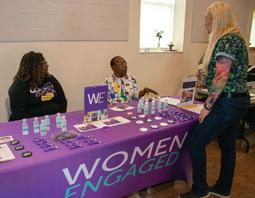
Strategic media alliances further bolster the organization’s regional influence, exemplified by an enduring collaboration with David Magazine. As a preeminent guide for Atlanta’s nightlife and arts scene, this partnership amplifies queer cultural narratives and essential community happenings. Through such integrated outreach, Voices of Note continues to broaden its visibility and deepen its resonant impact across the state of Georgia.
For additional information about Voices of Note community involvement and initiatives please visit Voicesofnote.org.

















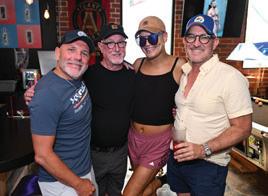
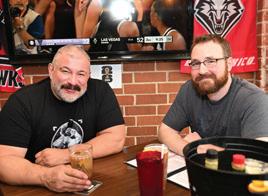
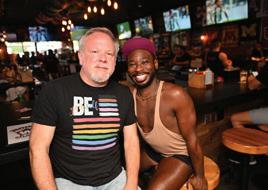
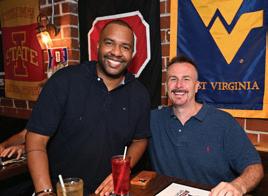
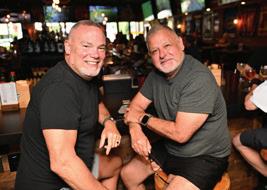
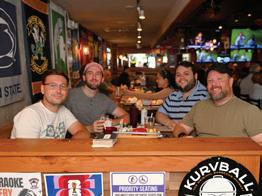
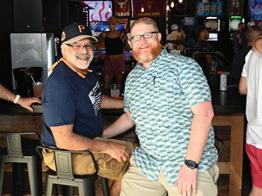
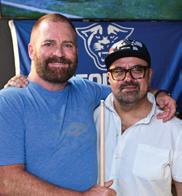
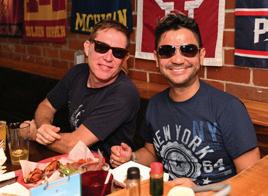
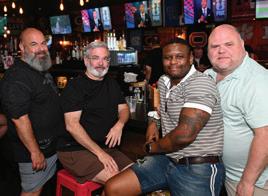
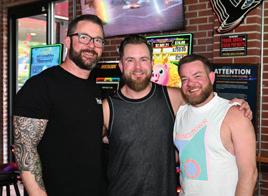
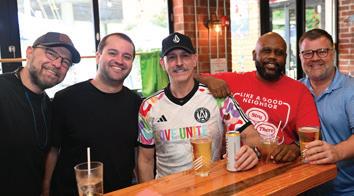










We all have those moments of ‘wait, did they just say that?’ Lucky for you, we compile the best of the best right here on this page.
Want to join in on the b*tch session? Submit your own nuggets to info@davidatlanta.com.


I can’t to finally financially afford my true fashion sense I can’t be the problem. Everyone’s come back for more.
That special thing, when two people who don’t know how to call it a night find each other.

My superpower: Telling you 20 stores while trying to tell you one.year.
I talk twice before I think I can still make a joke mid meltdown – and that’s why everyone is lucky to have me in their lives.
Wow, that drink I chugged hasn’t kicked in in the last 30 seconds. I should have another.
Times are tough. Might have to downgrade from LGBTQIA+ to LGBTQIA with ads.